We may earn a commission if you book tickets, tours or a stay through a link on
this page, at no extra cost to you. It never affects which places we list or how
we rank them (how we make money).
Short answer
Start with Fairhope for its bayfront pier and flower-lined downtown on Mobile Bay, Monroeville for the courthouse that inspired To Kill a Mockingbird, and Mentone for DeSoto Falls on Lookout Mountain. Most towns on this list fill a relaxed day, while Fairhope and the beach towns of Gulf Shores and Orange Beach deserve a weekend.
Alabama's best small towns run from the bluffs of Mobile Bay to the brow of Lookout Mountain, with a literary courthouse square, Tennessee River music towns, civil rights landmarks in the Black Belt and Gulf Coast fishing villages in between.
This guide ranks 30 of the best, from Fairhope to Eclectic, each home to fewer than 50,000 people at the 2020 census. Most fill a relaxed day, Fairhope and the beach towns deserve a weekend, and many pair up neatly on a road trip.
Mobile Bay is the only place where "jubilees" are documented as a regular event: every so often in summer, crabs, shrimp and flounder swarm into the shallows along the Eastern Shore, which is why Daphne calls itself the Jubilee City.
Fairhope Avenue appeared on the 1910 edition of The Landlord's Game, the forerunner of Monopoly, a nod to the town's founding in 1894 as a single-tax colony inspired by economist Henry George.
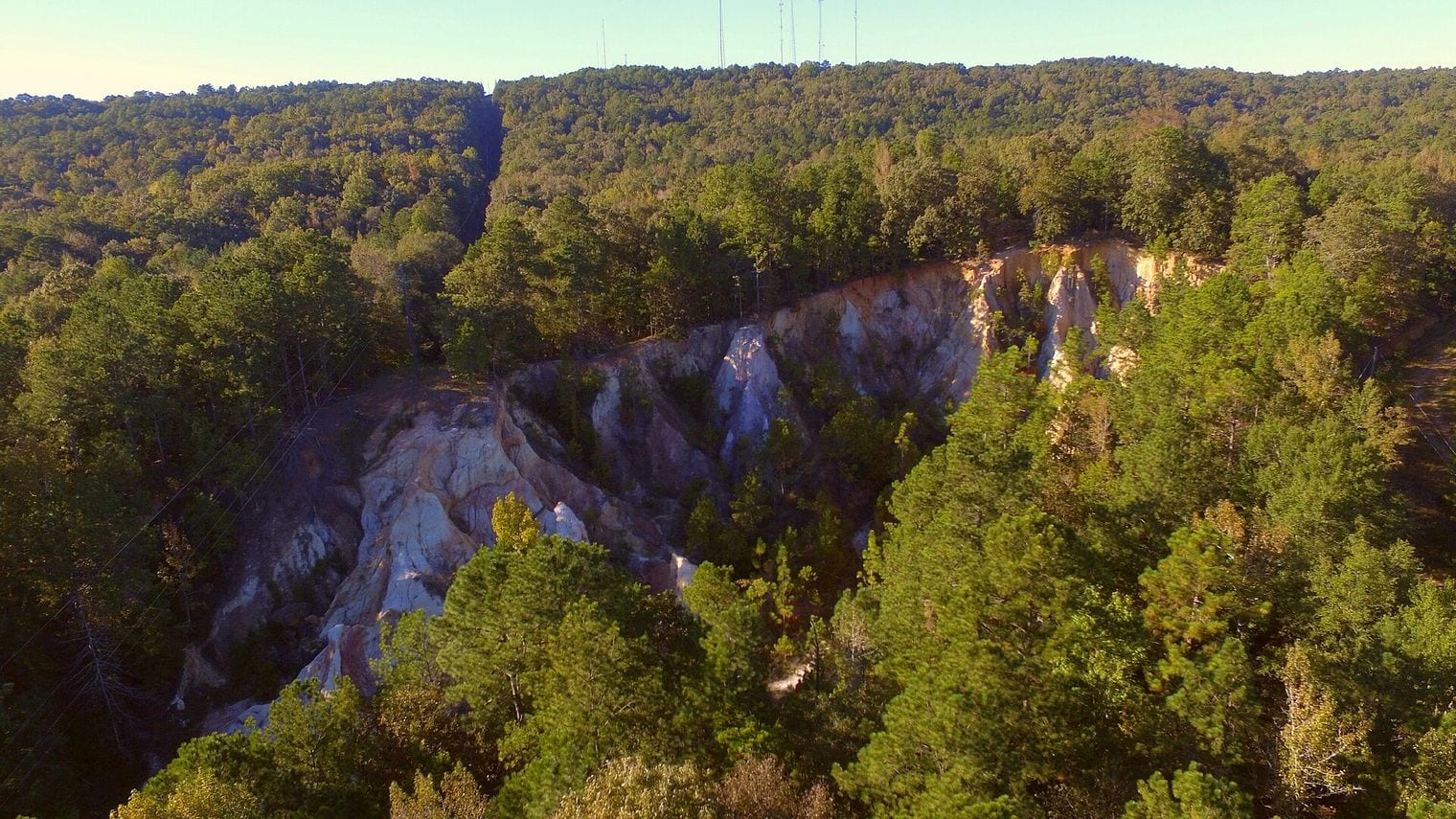
Wetumpka sits inside Alabama's only confirmed meteor impact crater, a scar about 4.7 miles across left by a strike more than 80 million years ago, in the late Cretaceous.
The Rosenbaum House in Florence is the only Frank Lloyd Wright building in Alabama, and one of just 26 Usonian houses Wright completed before World War II.
Some Magnolia Springs residents get their mail by boat, on what a U.S. Postal Service historian calls the only year-round river postal route in the country.
Mooresville was incorporated in 1818, while Alabama was still a territory, and its 1840 post office, a short drive west of Huntsville, is the oldest still operating in the state.
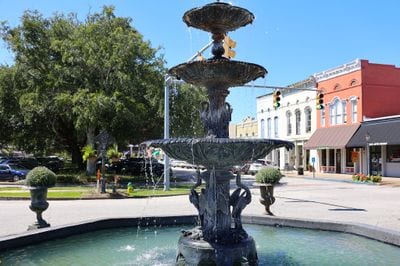
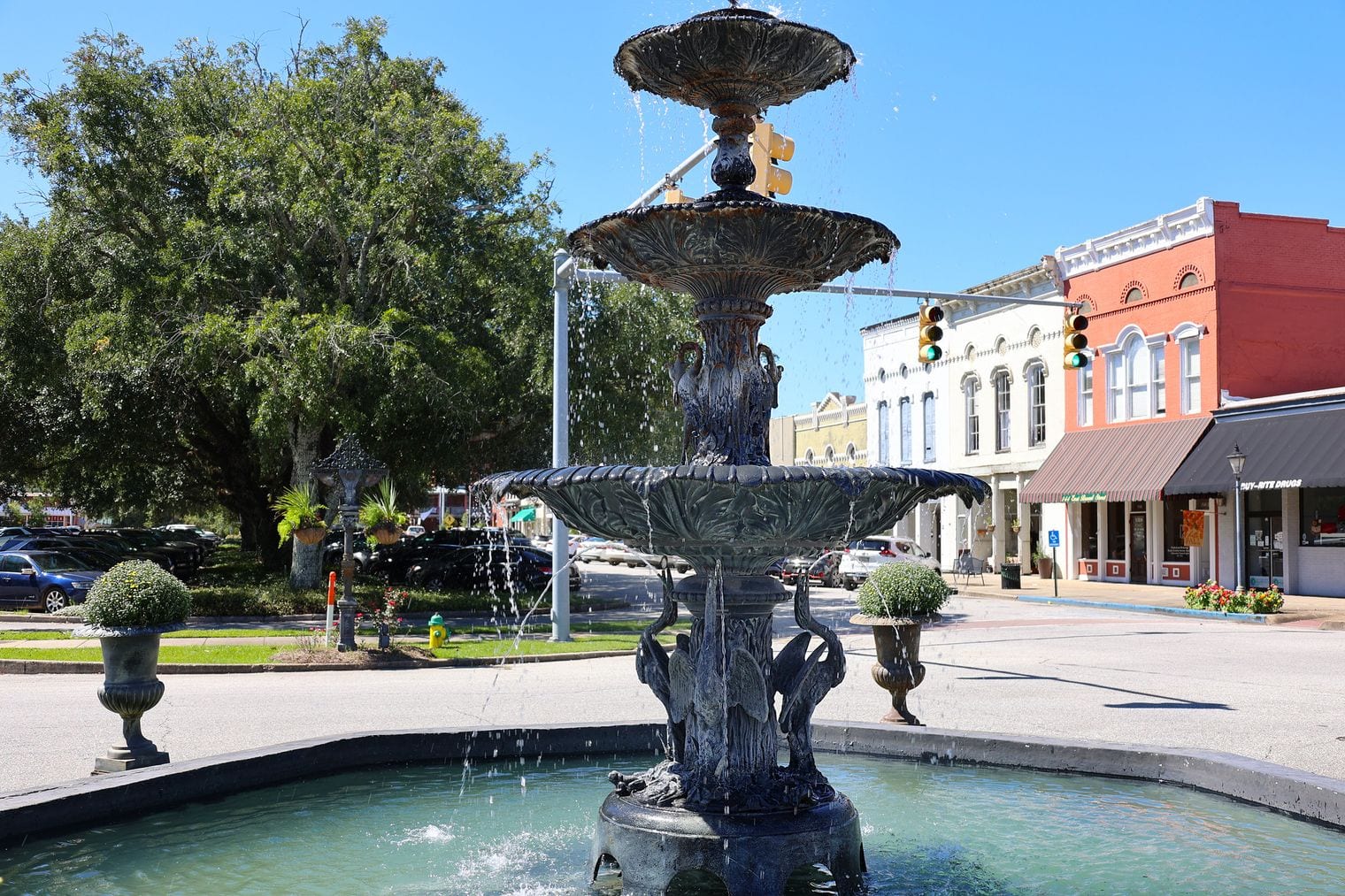
Set on a bluff above the eastern shore of Mobile Bay, Fairhope is the Alabama small town nearly every list starts with. It was founded in 1894 as a "single-tax" colony by followers of the economist Henry George, and the Fairhope Single Tax Corporation still holds land in and around the city.
In the decades that followed it drew artists and writers as a winter retreat, and that creative streak still shows in its galleries and bookshops and in the flower-filled planters that line the downtown streets.
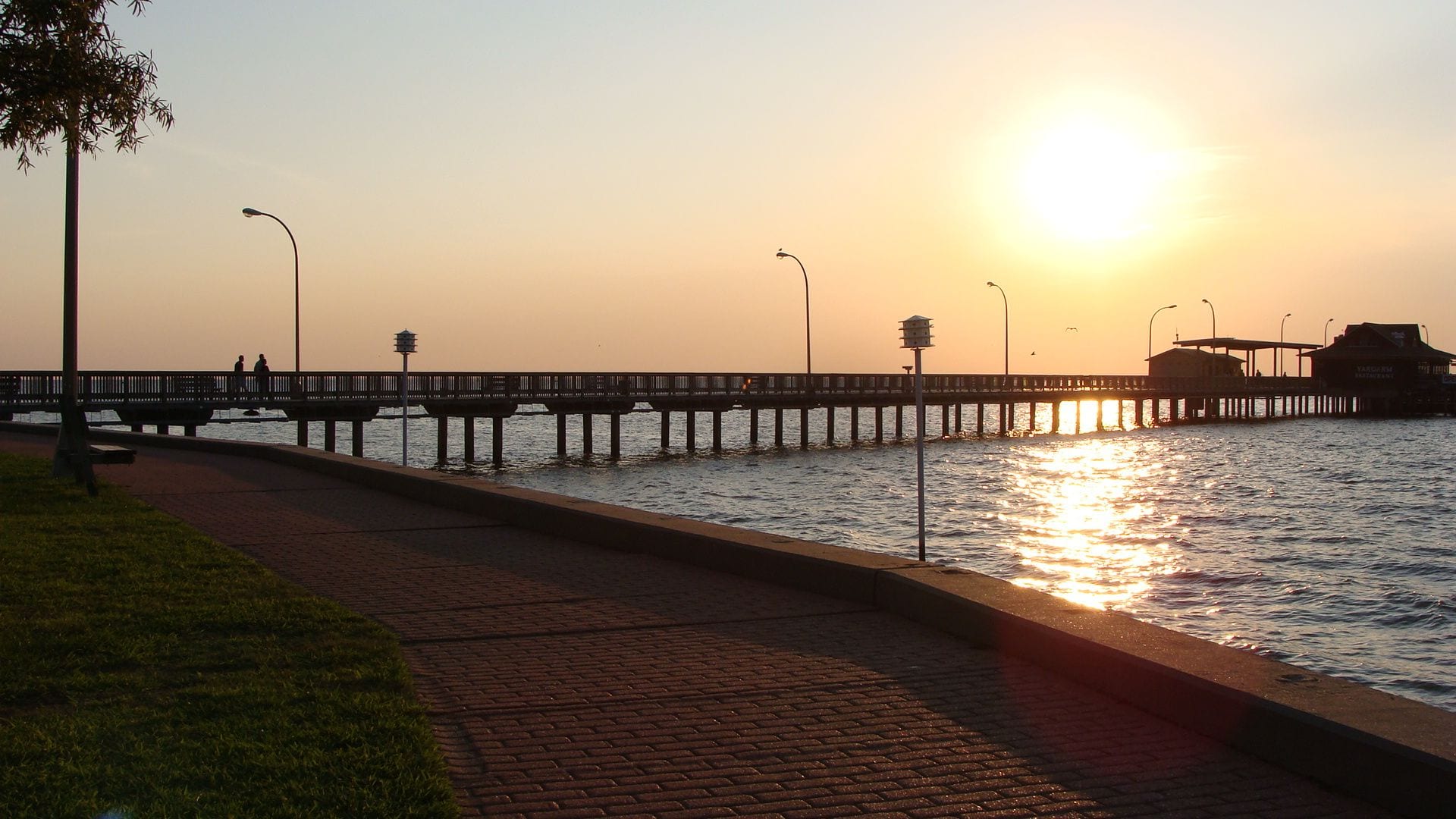
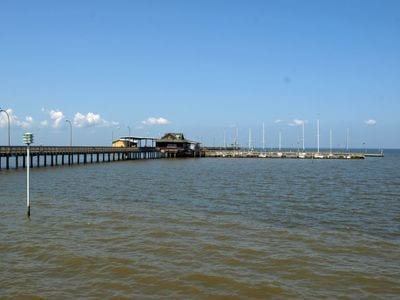
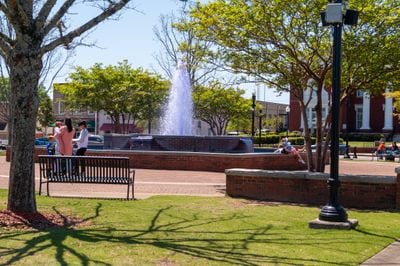
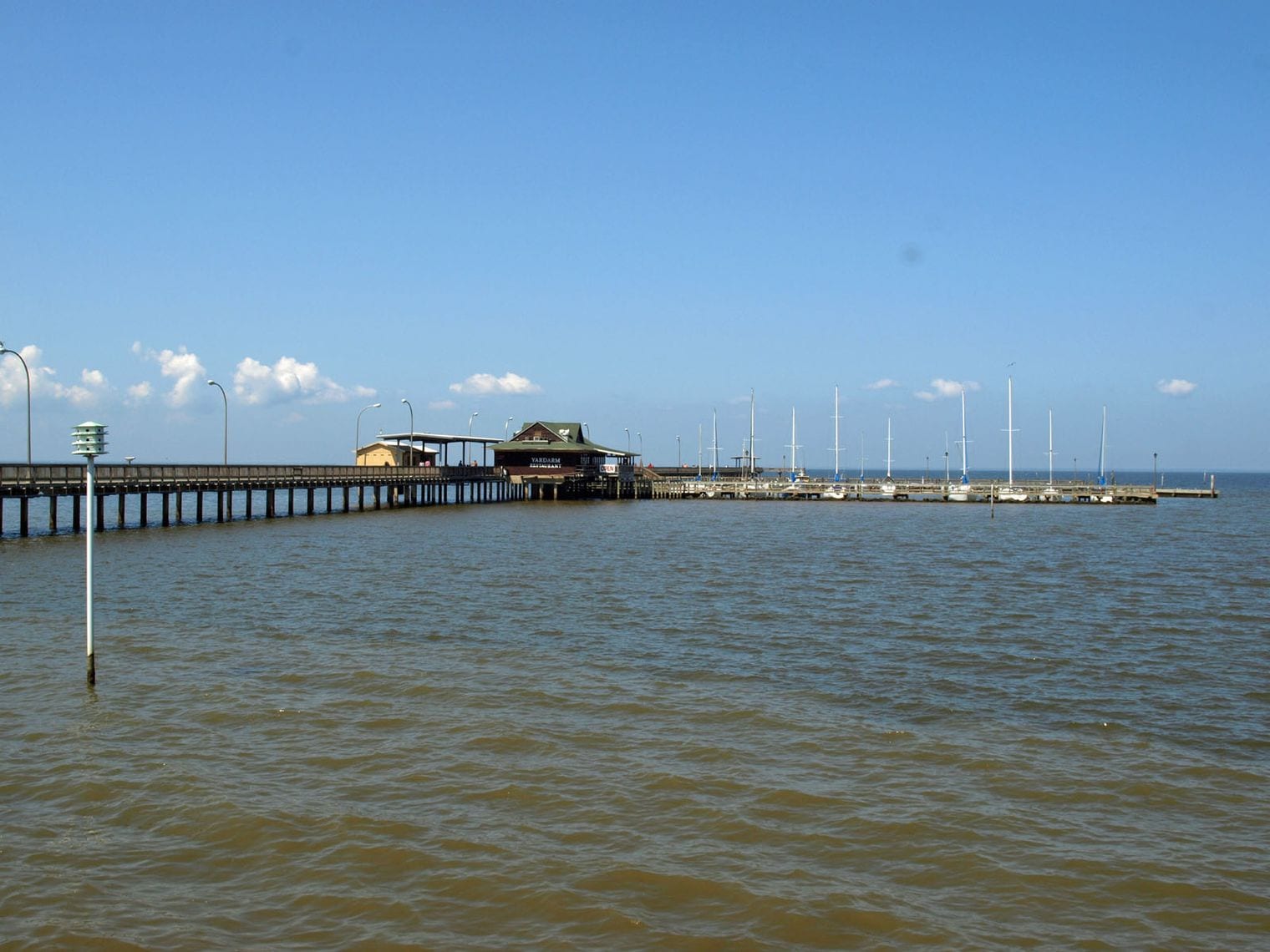
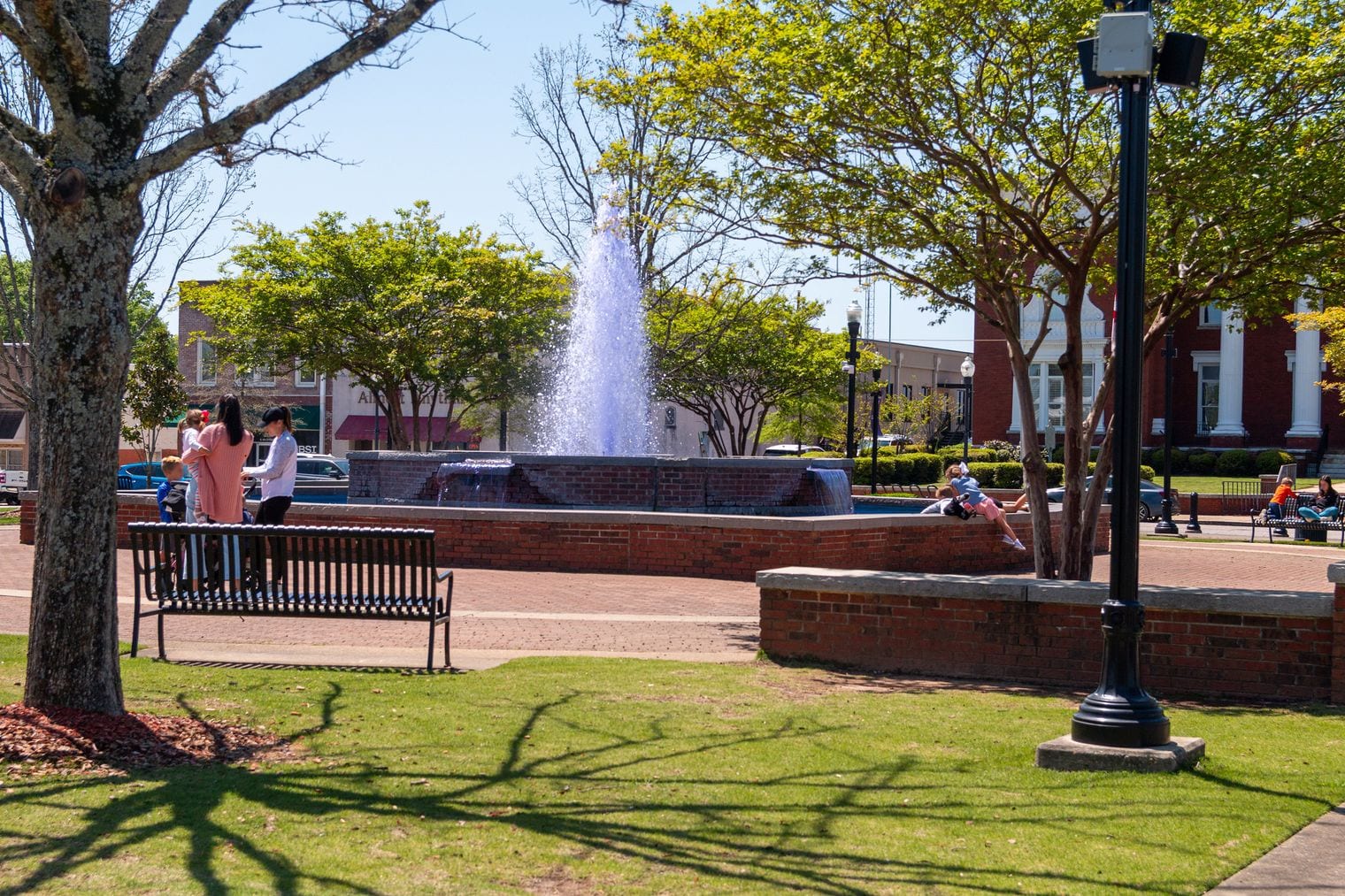
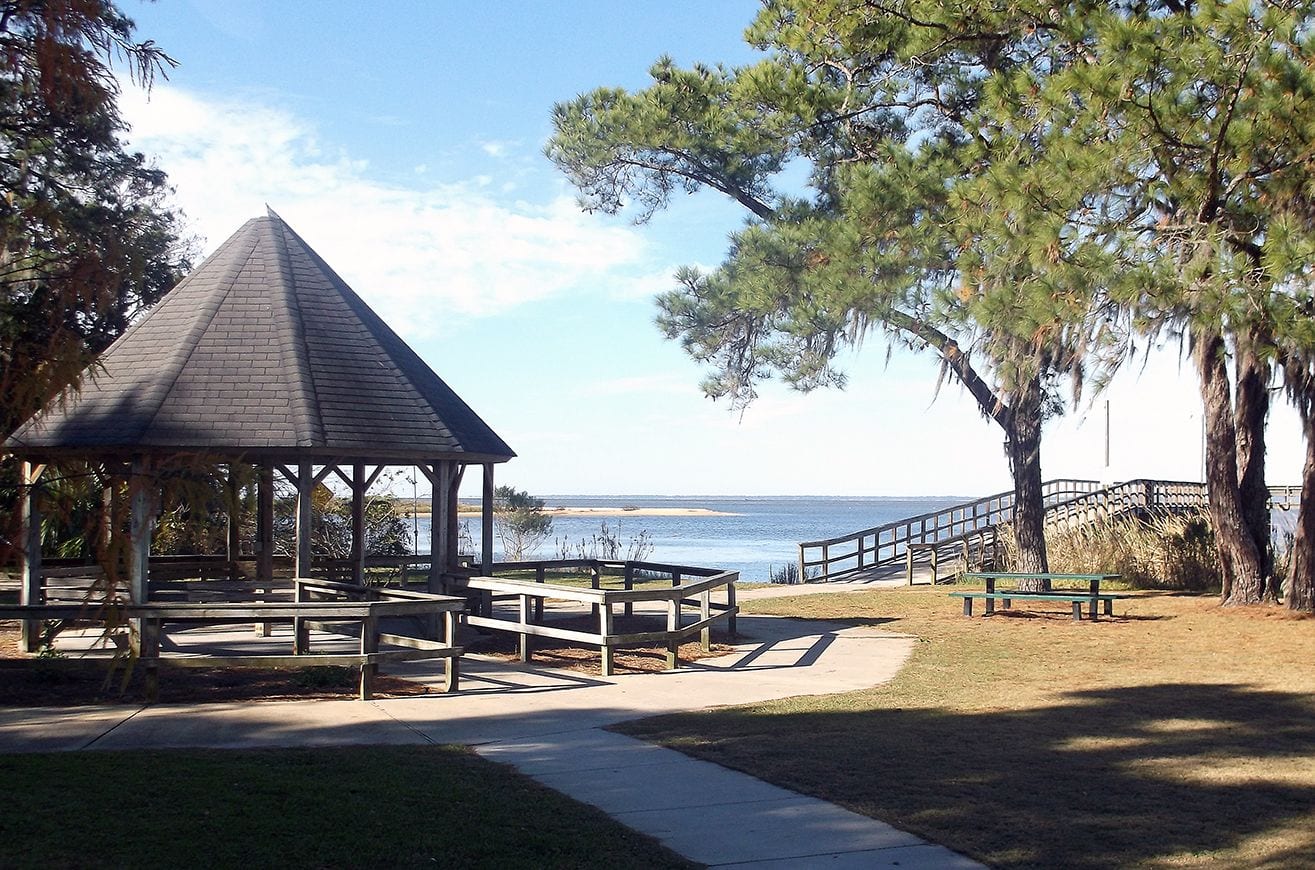
Walk down Fairhope Avenue to the bay and you reach the Fairhope Municipal Pier, the town's unofficial front porch, with a rose garden and fountain at its foot and a long walkway out over the water.
Sunset from the end of the pier is the classic Fairhope moment, and the bayfront parks, small sandy beach and bluff-top paths make this an easy town to explore on foot. Stay a weekend and you can pair it with the rest of the Eastern Shore, from Daphne to Magnolia Springs.
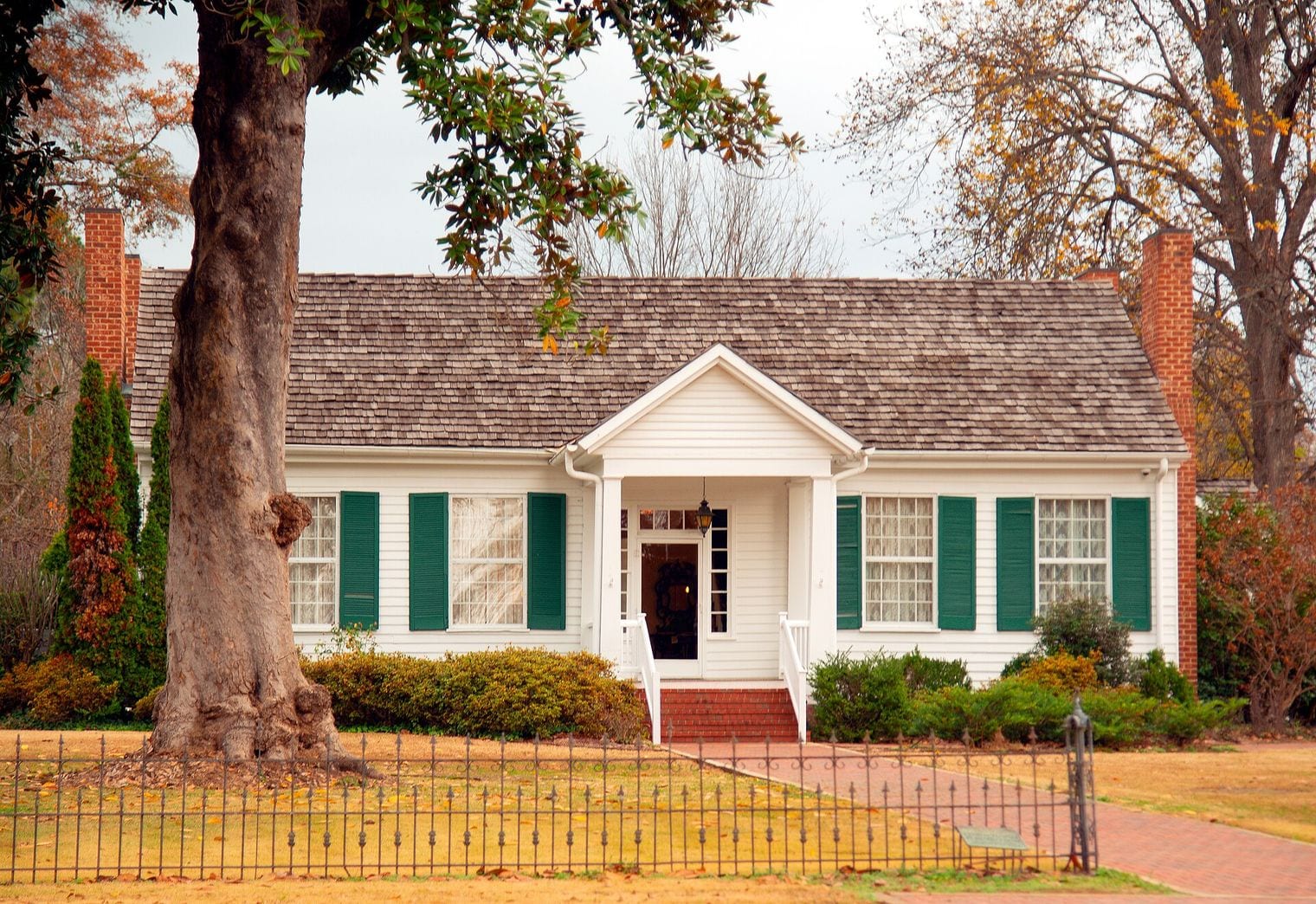
Harper Lee was born and raised in Monroeville, and the small Monroe County seat she reimagined as Maycomb in To Kill a Mockingbird still wears its literary fame proudly. Truman Capote spent part of his childhood here as Lee's neighbor and lifelong friend, and in 1997 the Alabama Legislature named Monroeville and Monroe County the "Literary Capital of Alabama."
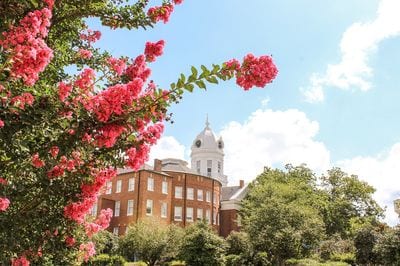
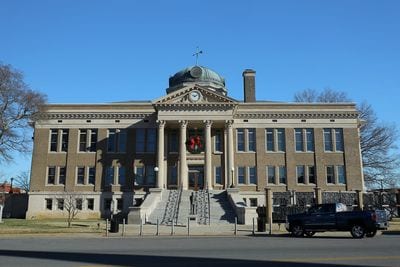
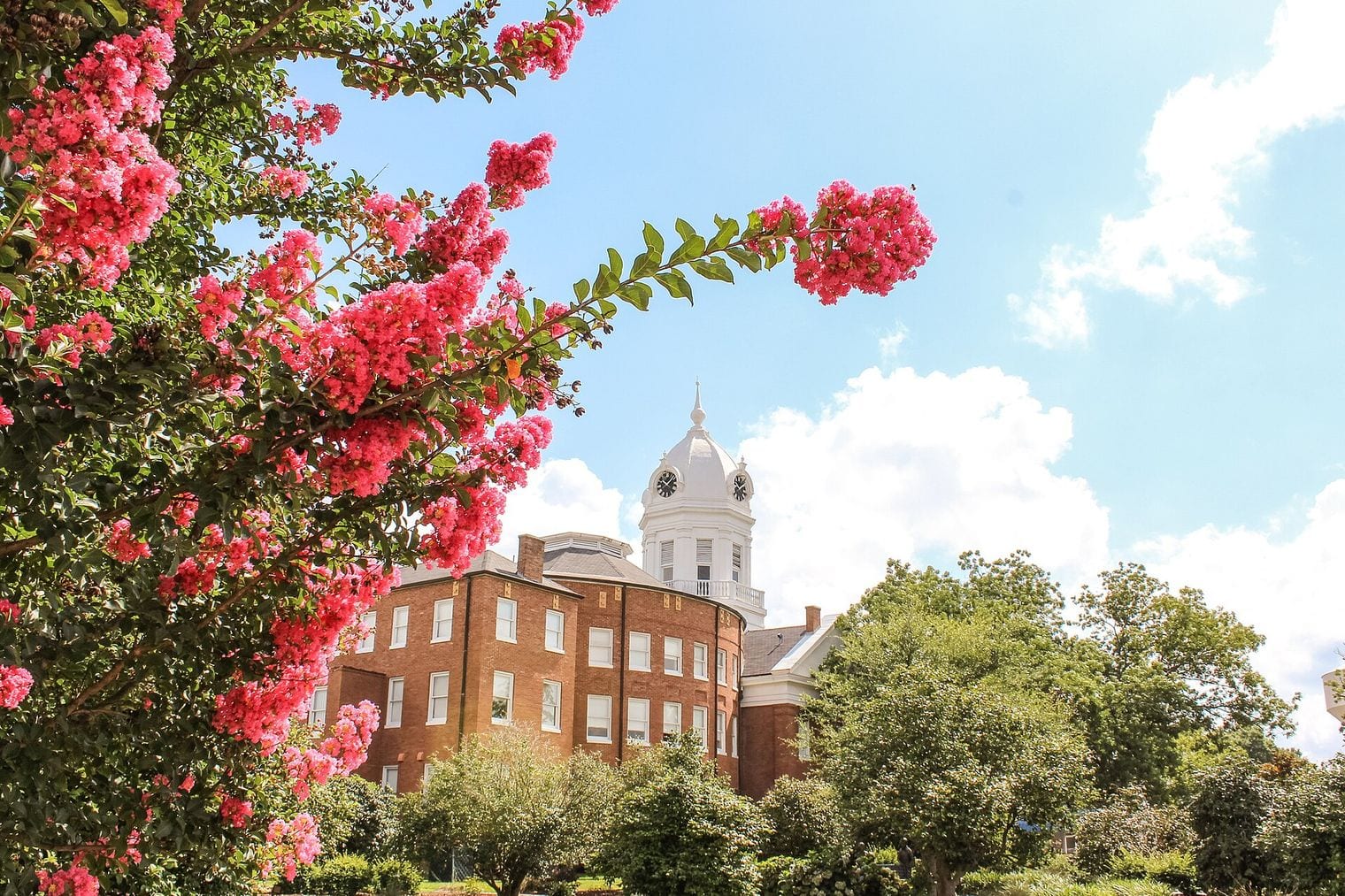
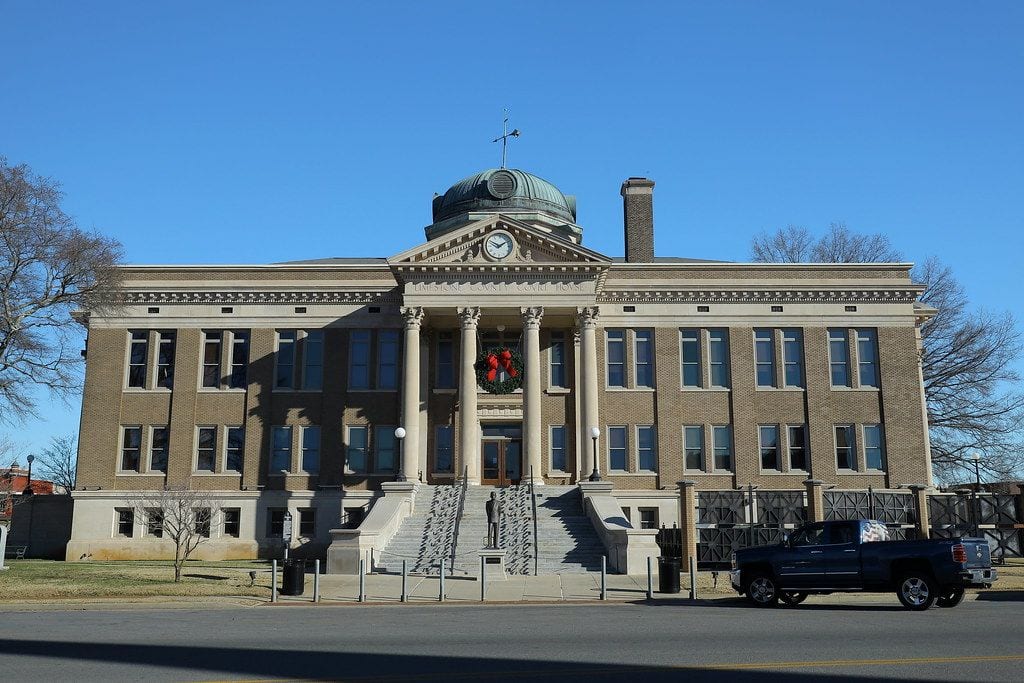
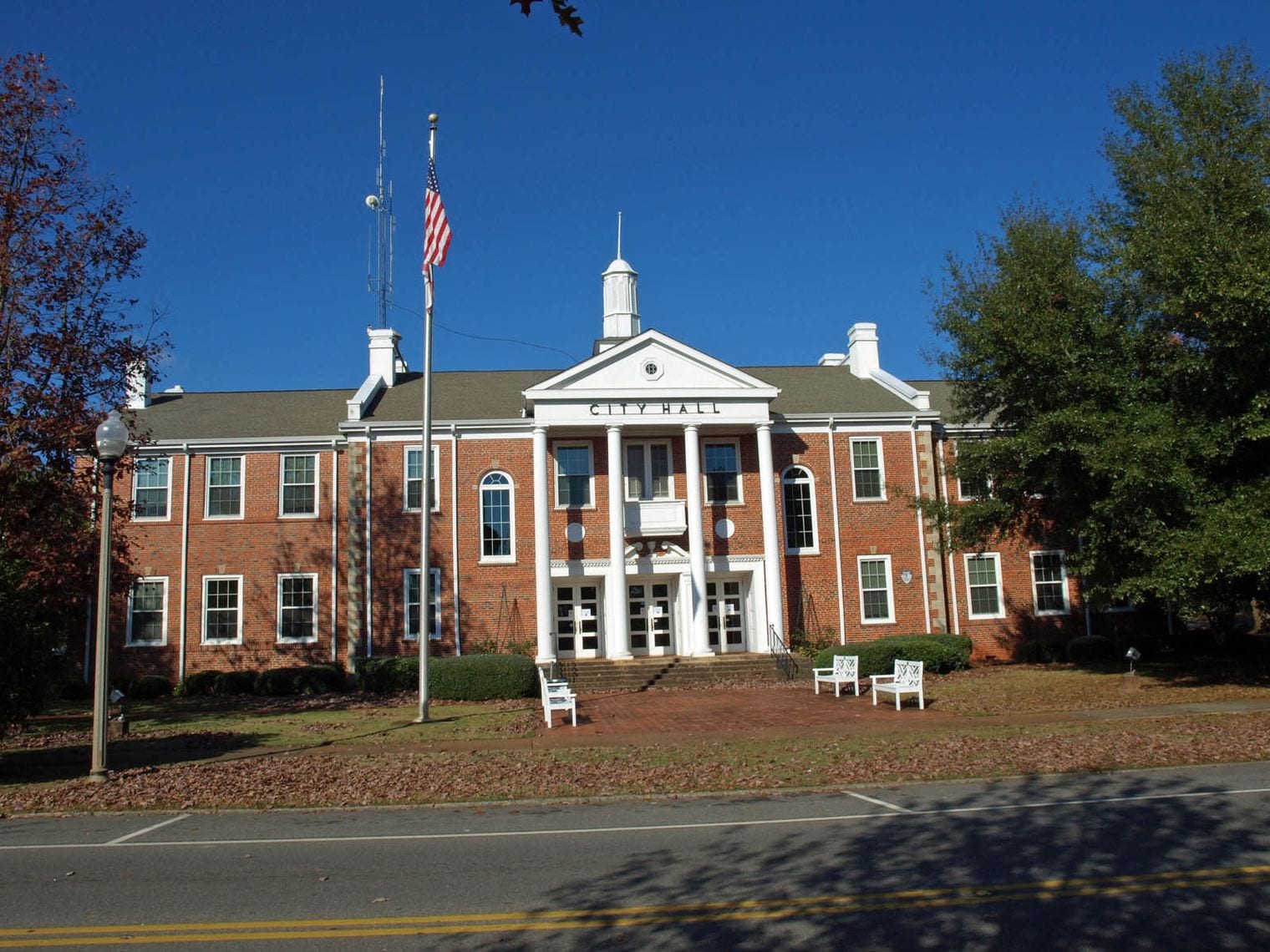
The heart of any visit is the domed Old Monroe County Courthouse on the square, built in 1903 and now the Old Courthouse Museum. Its courtroom inspired the one in the novel, and the makers of the 1962 film measured and photographed it to recreate the interior on a sound stage. Every spring a volunteer cast stages a play of the novel, with the trial scenes performed in the old courtroom itself, so time a visit then if you can.
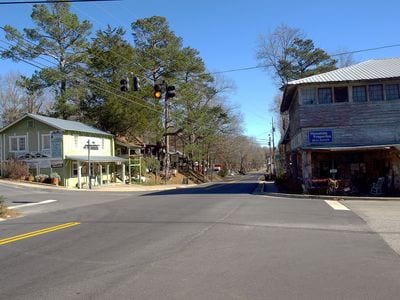
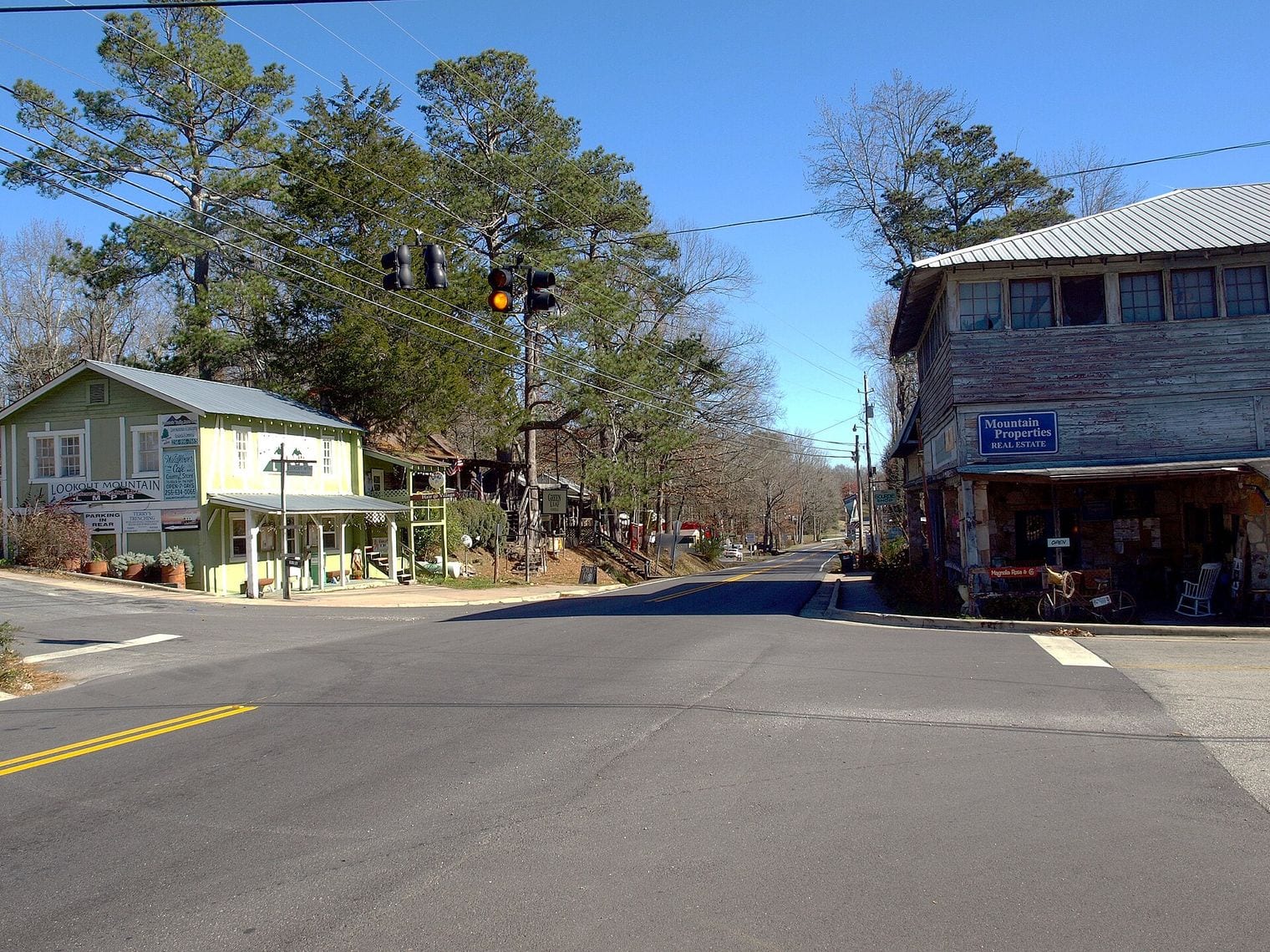
Barely 300 people live in Mentone, a mountaintop town on the crest of Lookout Mountain in Alabama's far northeast corner. Named after Menton on the French Riviera, it sits more than 1,700 feet above sea level among hardwood forest, and for generations its cool summers have drawn families to the private summer camps scattered through the woods nearby.
The big natural draw is DeSoto Falls, where the West Fork of the Little River plunges more than 100 feet into a small canyon just outside town, a short paved walk from the overlook. The trails and cascades of DeSoto State Park lie a short drive south along the same river, and back in town craft shops and log cabins make Mentone a slow, leafy weekend escape, at its best when the leaves turn in fall.
Perched above the Chattahoochee River, where it widens into Lake Eufaula on the Georgia line, Eufaula holds one of Alabama's finest collections of antebellum and Victorian homes. River trade in cotton made the town wealthy in the 1800s, and much of that era survives in the Seth Lore and Irwinton Historic District, the second-largest historic district in the state, with hundreds of contributing buildings.
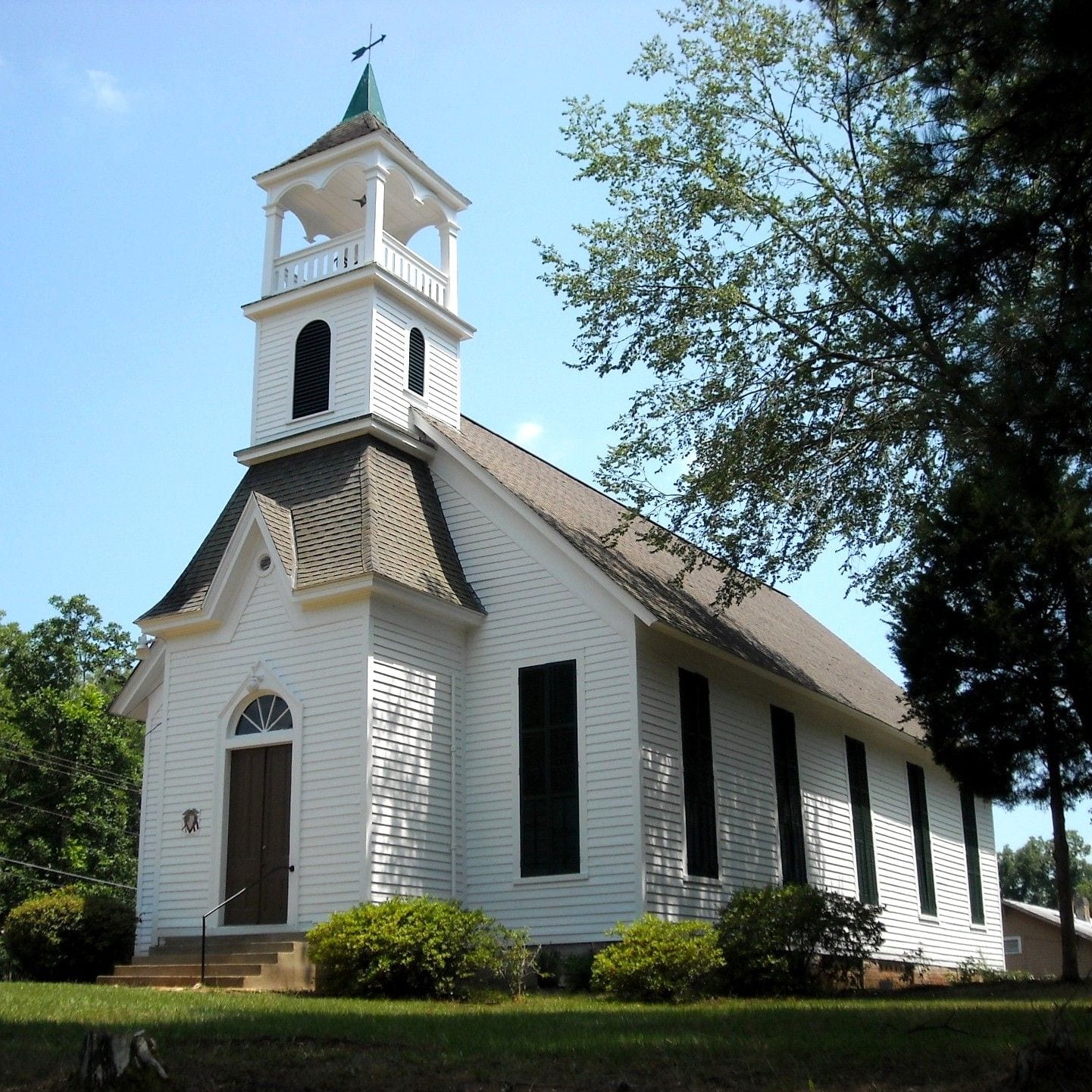
Start at the Shorter Mansion, a columned Classical Revival house museum completed in 1906, then drive or stroll the broad avenues lined with grand homes. Every spring the Eufaula Pilgrimage, held since 1966, opens historic houses to visitors, and the lake itself, officially Walter F. George Lake, draws anglers and boaters, with the Eufaula National Wildlife Refuge just up the shore for birdwatching.
Helen Keller was born in 1880 at Ivy Green, her family's home in Tuscumbia, and the house is now a museum and National Historic Landmark. Visitors see the main house, the small cottage where she was born and, between them, the water pump where Keller first understood the word "water" as her teacher Anne Sullivan spelled it into her hand.
Incorporated in 1820 and one of the oldest towns in Alabama, Tuscumbia keeps a handsome historic downtown a few blocks from Spring Park, laid out around the big spring where the town began. The park's Coldwater Falls, a cascade of locally quarried sandstone billed as the world's largest man-made natural stone waterfall, tumbles into the spring pool, and the rest of the Shoals, from Florence's architecture to the recording studios of Muscle Shoals, is a short drive away.
Fort Payne sits in the valley at the foot of Lookout Mountain, and it makes the most practical base for the mountain's canyons, waterfalls and state parks. The DeKalb County seat grew up around a fort of the same name, built in the 1830s during the forced removal of the Cherokee, and the ruins of that fort can still be seen in the historic downtown.
Downtown, the Fort Payne Opera House from the late 1880s is the oldest standing theater in Alabama, the old passenger depot is now a museum, and the city proudly claims the country band Alabama as its own.
Above town, Little River Canyon National Preserve protects a deep gorge cut by a river that runs along the top of Lookout Mountain, with overlooks and Little River Falls on the canyon rim drive, while DeSoto State Park adds trails, cabins and more waterfalls.
The largest of the four Shoals cities, Florence spreads along the north bank of the Tennessee River and wears its history lightly. The University of North Alabama, which traces its roots to 1830, gives the downtown a college-town energy, and the Florence Indian Mound, raised more than 2,000 years ago by Woodland-period people, is the largest mound of its kind in the Tennessee Valley.
Music runs deep here: the log cabin where W.C. Handy, the "Father of the Blues," was born in 1873 is preserved as the W.C. Handy Home and Museum, and the W.C. Handy Music Festival fills the area each summer. Architecture fans should book a tour of the Rosenbaum House, the only Frank Lloyd Wright building in Alabama and a textbook example of his Usonian homes, before browsing the shops and cafes downtown.
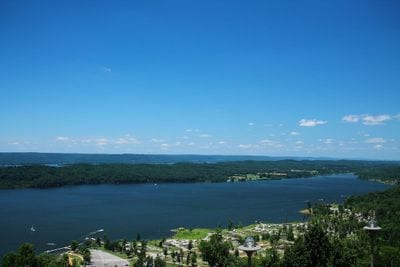
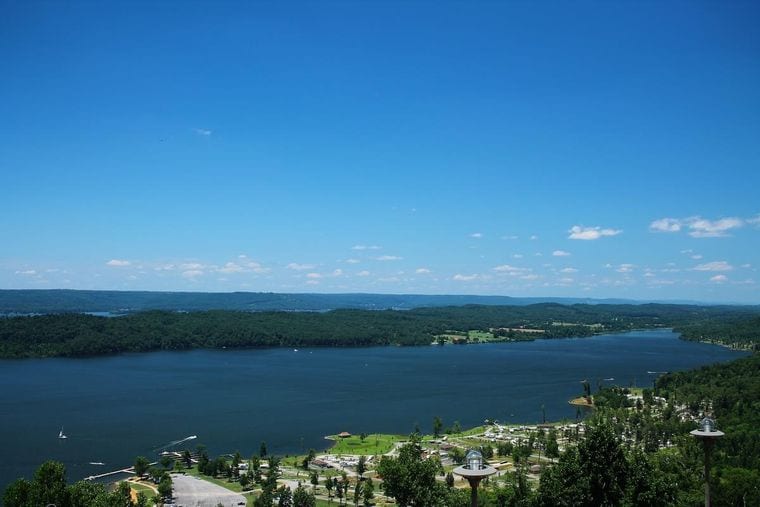
Guntersville reaches out into Lake Guntersville, the largest lake in Alabama at about 69,000 acres, so water is never far from view. The lake was created by the Tennessee Valley Authority's Guntersville Dam on the Tennessee River, and the town, which began life as Gunter's Landing, has become a magnet for anglers, boaters and paddlers.
Bass fishing is the big draw, and the lake has hosted the Bassmaster Classic, but you don't need a rod to enjoy it. Lake Guntersville State Park spreads over the wooded ridges outside town with hiking trails, a hilltop lodge and campgrounds, and in winter bald eagles gather along the lake. Back in town, the lakefront downtown and waterside parks make for easy evenings.
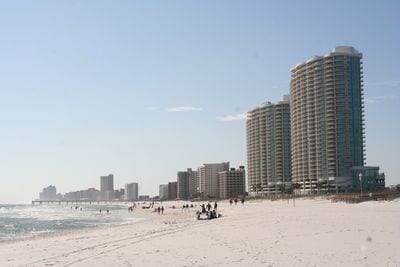
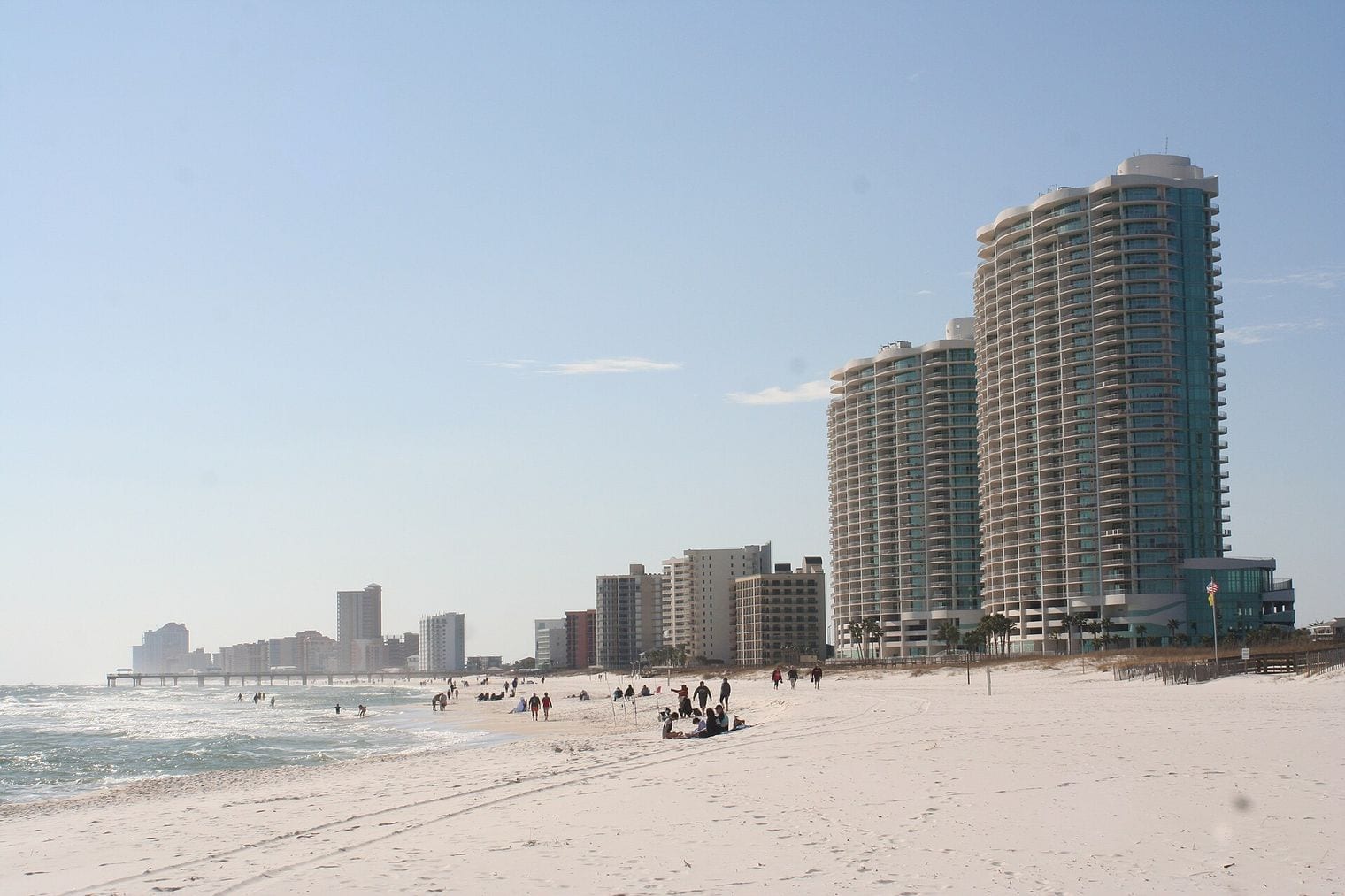
Orange Beach is the easternmost town on Alabama's Gulf Coast, running along the Gulf of Mexico to the Florida line at Perdido Key. Sugar-white beaches front the high-rise condos, while behind them a maze of back bays, bayous and lagoons gives the city a second, quieter waterfront for boating and paddling.
Perdido Pass, where the bays meet the Gulf, is the gateway for charter fishing and dolphin cruises, and public beach accesses such as Cotton Bayou keep the sand easy to reach. On the Intracoastal Waterway, The Wharf gathers a marina, shops and a concert venue around a 112-foot Ferris wheel, and the Backcountry Trail winds through pine forest and marsh into neighboring Gulf State Park.
Cullman was founded in 1873 by Colonel John G. Cullmann, a Bavarian immigrant who set up a colony for German settlers on railroad land between Birmingham and Huntsville, and the city still celebrates that heritage. Its Oktoberfest, presided over by an honorary "Burgermeister," is the signature event of the year, and the downtown makes a pleasant stop on Interstate 65.
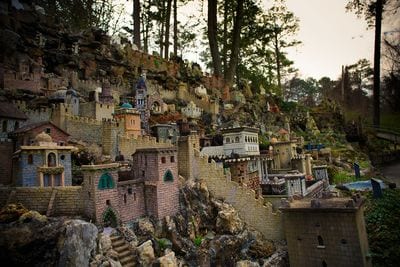
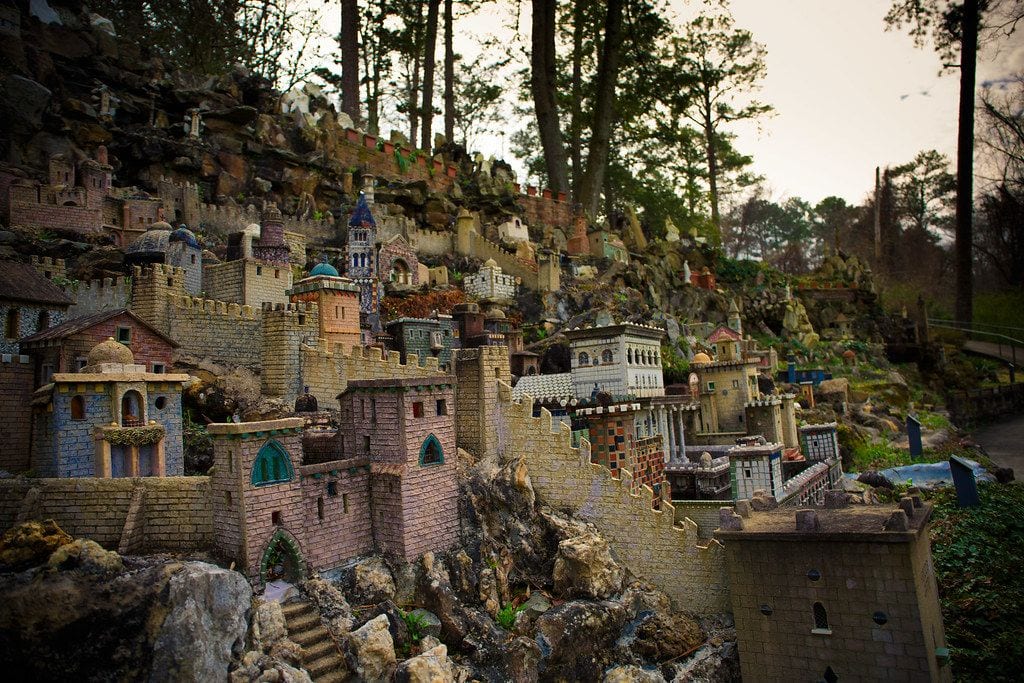
The essential sight is the Ave Maria Grotto on the grounds of St. Bernard Abbey, where a Benedictine monk, Brother Joseph Zoettl, devoted some 50 years to building 125 miniature stone and concrete reproductions of famous religious buildings, from St. Peter's Basilica to the shrine at Lourdes.
The hillside garden earned the nickname "Jerusalem in Miniature," and it is one of Alabama's most charming roadside wonders. Smith Lake lies just west of town for a swim or a day on a boat.
Few small cities have shaped American music like Muscle Shoals. In the 1960s Rick Hall's FAME Studios on Avalon Avenue cut records with Aretha Franklin, Wilson Pickett, Percy Sledge and Otis Redding, and the session players known as the Swampers went on to open their own Muscle Shoals Sound Studio, where the Rolling Stones, Paul Simon, Bob Seger and Lynyrd Skynyrd recorded.
FAME is still a working studio, and the original Muscle Shoals Sound Studio building on Jackson Highway, just over the line in neighboring Sheffield, has been restored to its late-1960s look and opened for guided tours. Watch the 2013 documentary Muscle Shoals before you go, then cross the Tennessee River to explore the rest of the Shoals.
With fewer than 100 residents, Mooresville is the smallest town on this list and one of the oldest in Alabama: it was incorporated in 1818, while Alabama was still a territory. The entire village, a few quiet streets of 19th-century houses, churches and gardens, is listed on the National Register of Historic Places.
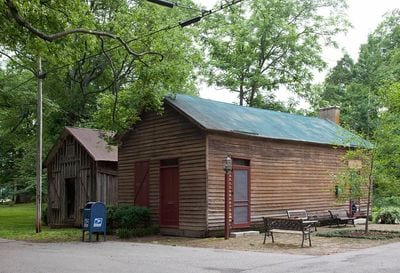
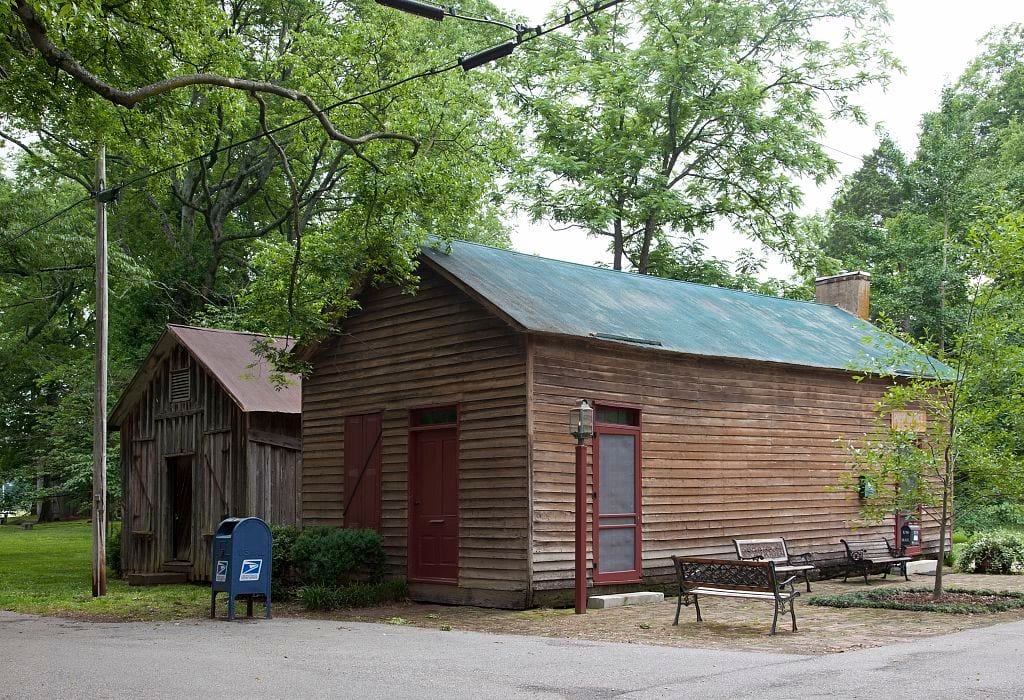
Walk the shaded lanes to see the Stagecoach Inn and Tavern from the 1820s, the Brick Church and the 1840 post office, the oldest still operating in Alabama, where some of the call boxes predate the Civil War.
Future president James Garfield, then a Union general, preached at the Mooresville Church of Christ in 1863, and Disney filmed Tom and Huck here in the 1990s. The village sits a short drive west of Huntsville, an easy add-on to a day in the Tennessee Valley.
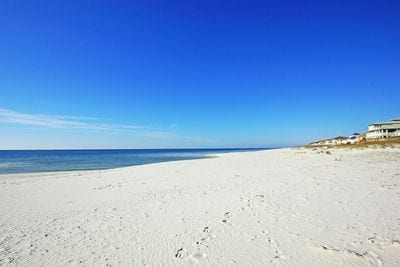
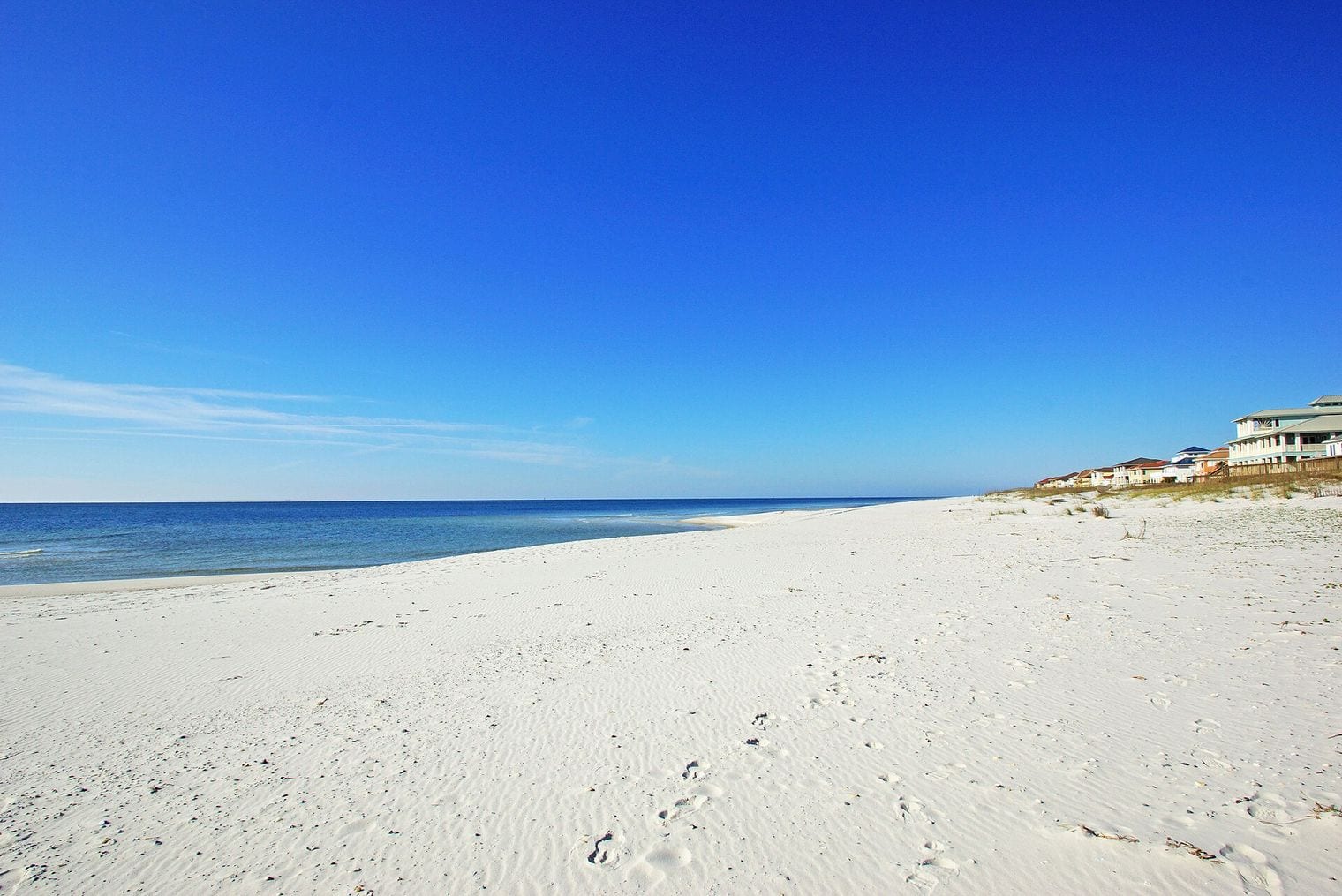
Gulf Shores is Alabama's classic beach town and the southernmost settlement in the state, where wide white-sand beaches and green Gulf water draw families every summer. The public beach where the main highway meets the sand is the center of the action, ringed by seafood spots, souvenir shops and beach bars.
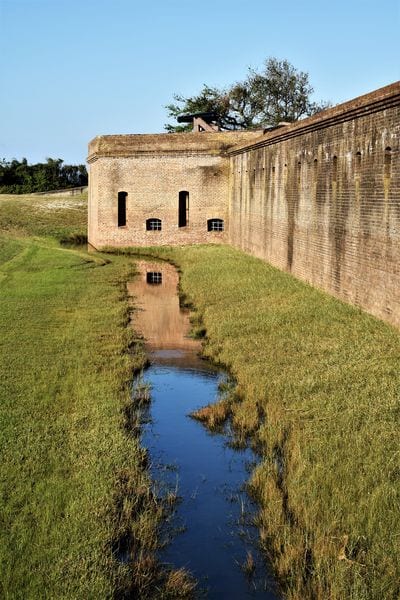
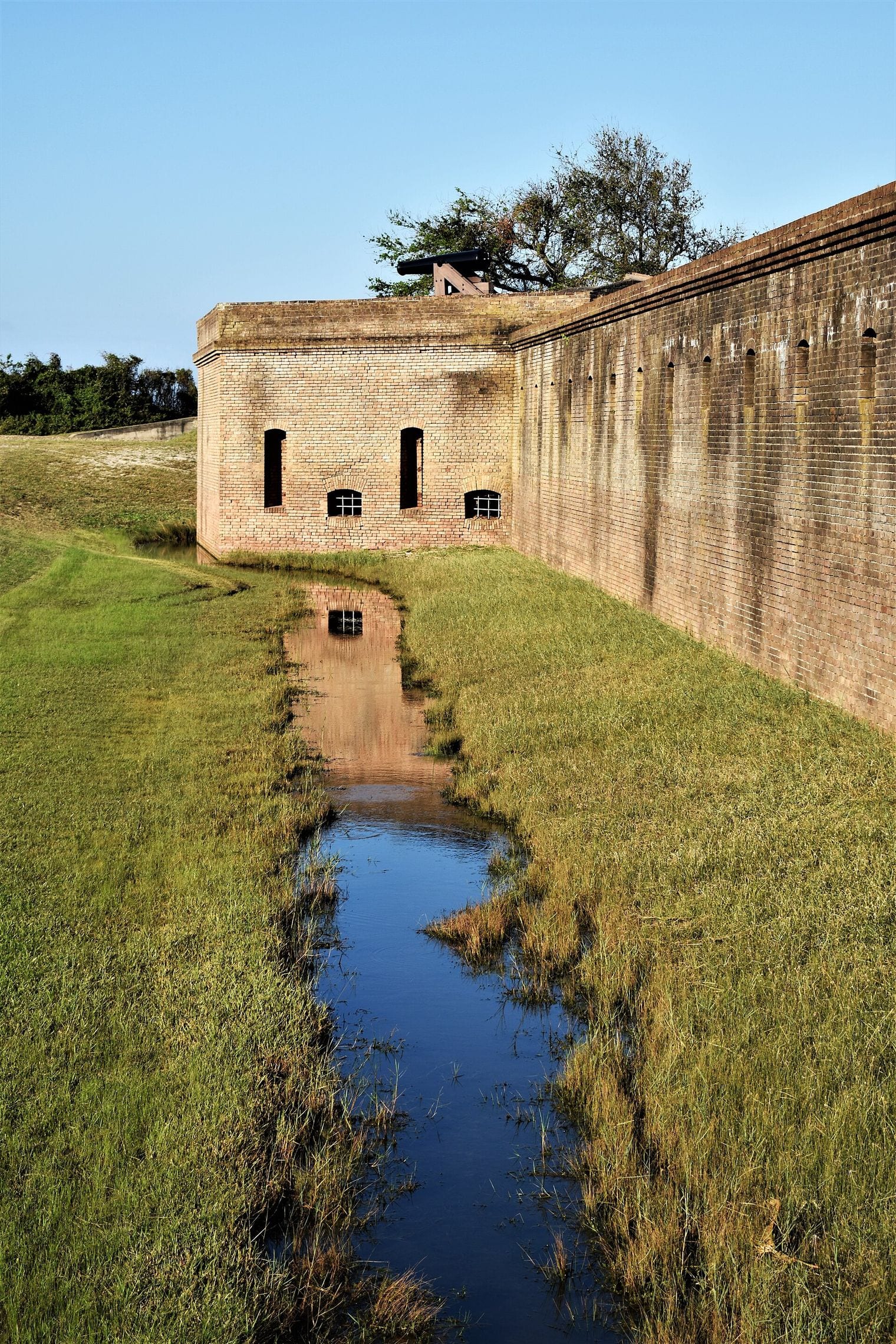
Much of the city's eastern side belongs to Gulf State Park, more than 6,000 acres of dunes, marsh, pine forest and freshwater Lake Shelby, with miles of trails, a beachfront lodge and the Gulf State Park Pier, which reaches more than 1,500 feet into the Gulf. Head west along the Fort Morgan peninsula for the brick Fort Morgan, which guarded the mouth of Mobile Bay, and the car ferry across to Dauphin Island.
A long, narrow barrier island at the mouth of Mobile Bay, Dauphin Island is the laid-back counterpoint to the high-rise beach towns to the east. The French explorer Iberville anchored here in 1699, and at the island's eastern tip Fort Gaines, begun in 1821, still watches over the channel; it played a central role in the 1864 Battle of Mobile Bay, and the anchor of Admiral Farragut's flagship is on display inside.
Birders know the island as one of the first landfalls for songbirds migrating north across the Gulf, and the 164-acre Audubon Bird Sanctuary protects woods, dunes and a lake for them. Add the Estuarium aquarium at the Dauphin Island Sea Lab, quiet public beaches and the car ferry to Fort Morgan, and it makes a rewarding day trip from Mobile or an unhurried beach weekend.
Incorporated in 1818, a year before Alabama became a state, Athens is the Limestone County seat and one of the oldest towns in north Alabama. Its courthouse square anchors a compact downtown, and the streets around it hold historic districts of antebellum homes and 19th-century churches.
Athens State University, which traces its roots to 1822, hosts the Tennessee Valley Old Time Fiddlers Convention each October, when thousands of musicians and fans fill the campus with fiddle contests, jam sessions and craft booths. The rest of the year, Athens makes a relaxed small-town stop between Huntsville and the Shoals, and the historic village of Mooresville is a short drive south.
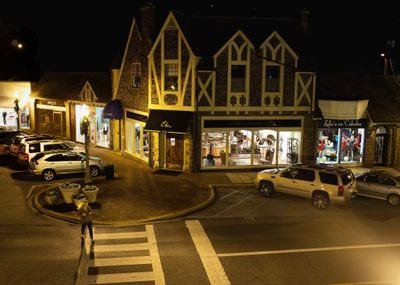
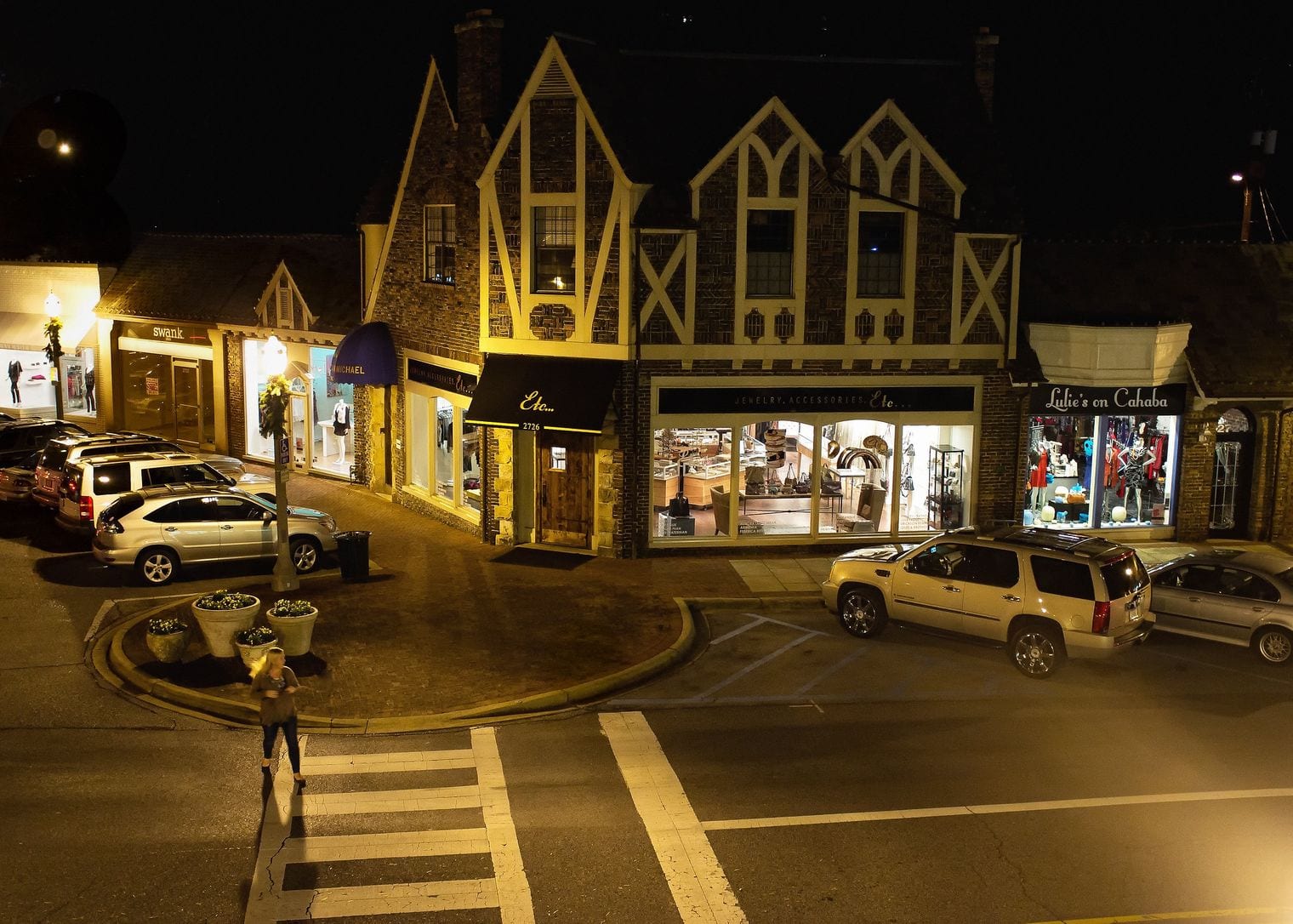
Just southeast of downtown Birmingham, Mountain Brook is a leafy, affluent city developed from 1929 by Robert Jemison Jr., with winding roads, wooded estates and three storybook shopping "villages" at its heart: English Village, Mountain Brook Village and Crestline Village.
Browse the boutiques and cafes of the villages, then walk the nature trail through Jemison Park, a shady creekside path through the middle of town. Two of the area's best-loved attractions, the Birmingham Zoo and the Birmingham Botanical Gardens, sit side by side just over the city line in Birmingham itself, so a day here combines easily with the big city's sights.
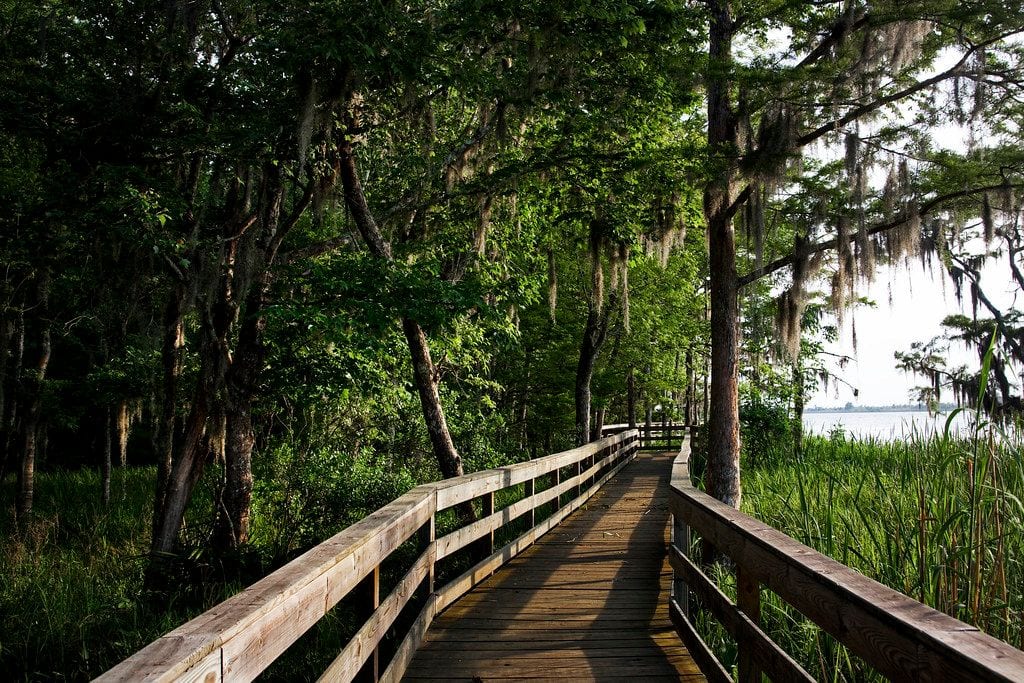
Magnolia Springs is a tiny riverside town in south Baldwin County, set at the headwaters of the Magnolia River among moss-hung live oaks. Its oak-canopied streets are some of the prettiest on the Gulf Coast, and the river winds past old homes and private docks toward Weeks Bay.
The town's claim to fame is its mail: according to a U.S. Postal Service historian, some residents receive their mail by boat on the only year-round river postal route in the United States, delivered to boxes on their docks. Paddle the river by kayak, then pair a visit with nearby Fairhope or the Weeks Bay reserve just downstream.
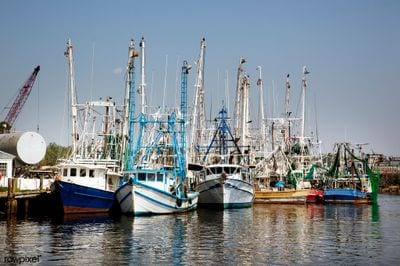
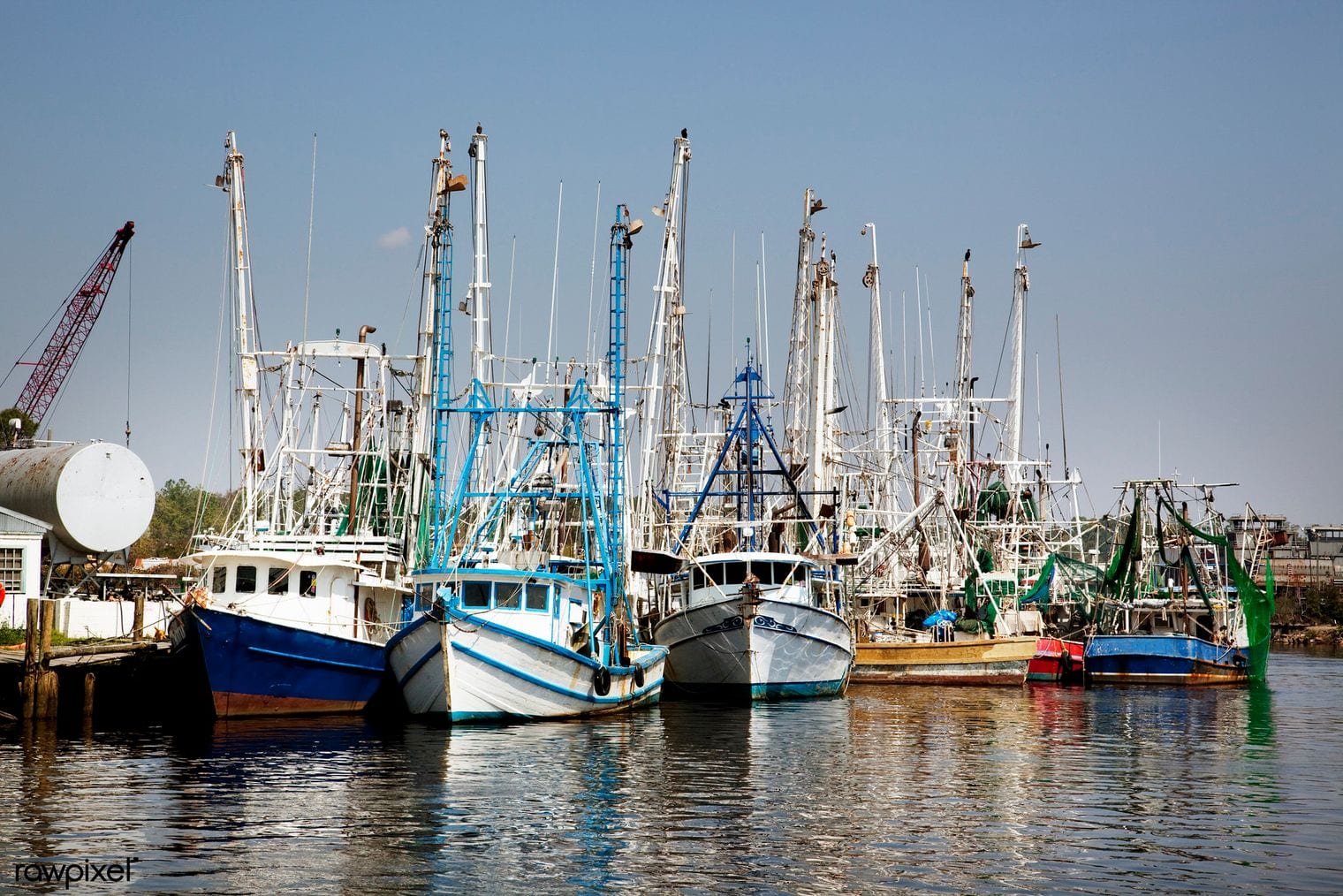
Bayou La Batre is a working seafood port on the Mississippi Sound, known as the "Seafood Capital of Alabama," where shrimp boats and family-run shipyards line the bayou. Founded in 1786 on a Spanish land grant, the town later welcomed Vietnamese, Cambodian and Laotian families who joined the fishing fleet after the Vietnam War, and today's waterfront reflects that mix.
Movie fans know it as the hometown of Bubba in Forrest Gump, where Forrest himself becomes a shrimp boat captain. Each spring the Blessing of the Fleet at St. Margaret Catholic Church, a tradition since 1949, sends a parade of decorated boats past the clergy, with a gumbo cook-off and seafood on shore. The rest of the year, watching the boats come and go is the draw.
Tuskegee is one of the most important small towns in African American history. In 1881 the Alabama Legislature founded a normal school here for Black teachers, and under its first principal, Booker T. Washington, it grew into Tuskegee Institute, now Tuskegee University. The historic campus is preserved as the Tuskegee Institute National Historic Site, which includes Washington's home, The Oaks, and a museum honoring the scientist George Washington Carver.
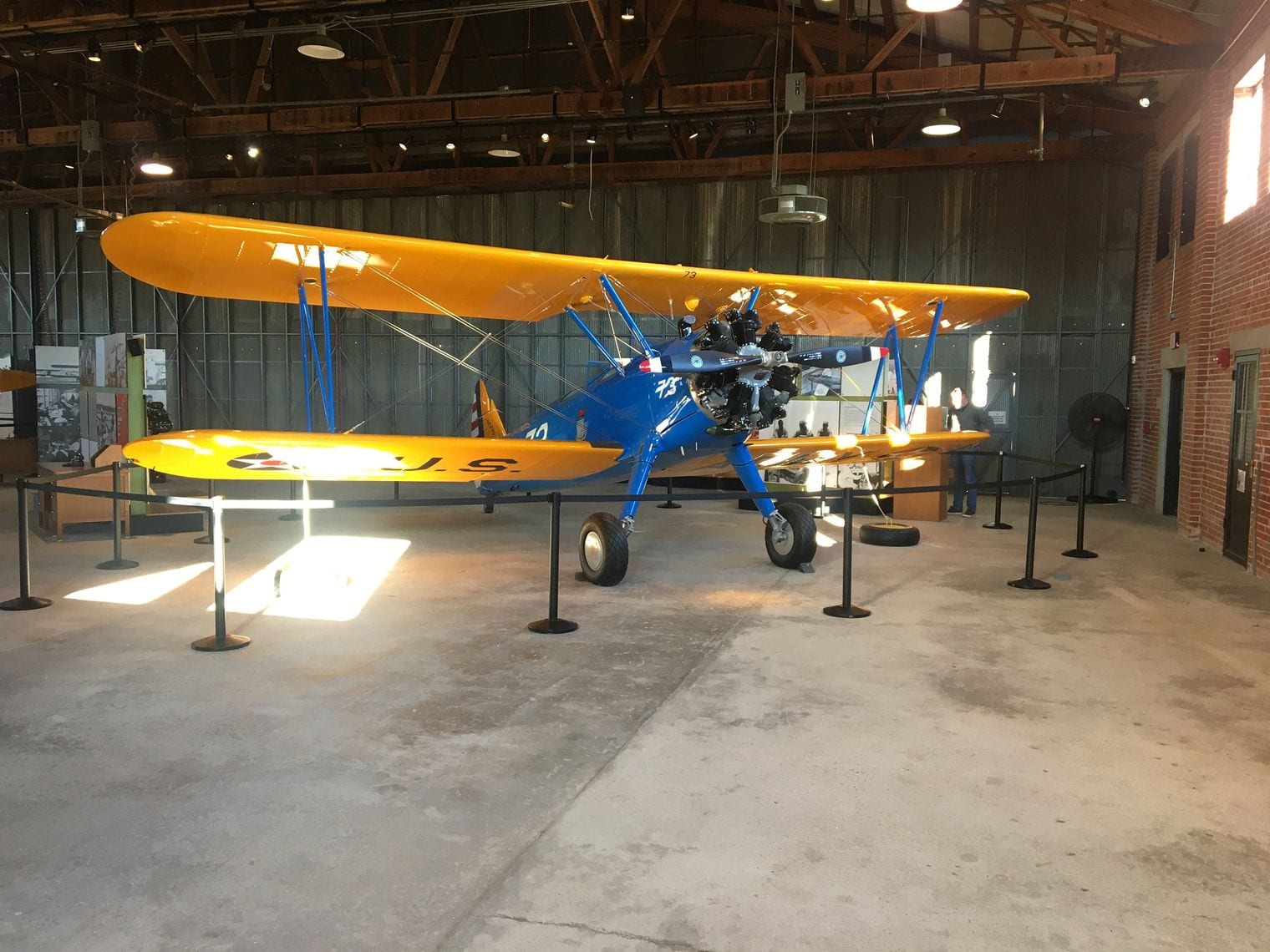
During World War II, Moton Field outside town trained the pioneering Black pilots known as the Tuskegee Airmen, and the Tuskegee Airmen National Historic Site there tells their story in its hangars, with vintage aircraft on display. Civil rights icon Rosa Parks was born in Tuskegee, and the wooded hills of Tuskegee National Forest, a short drive away, add hiking and quiet country roads.
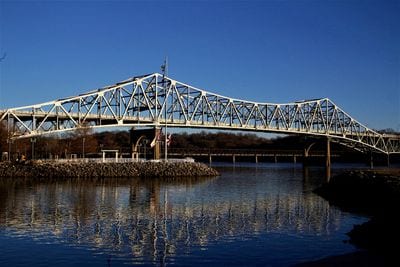
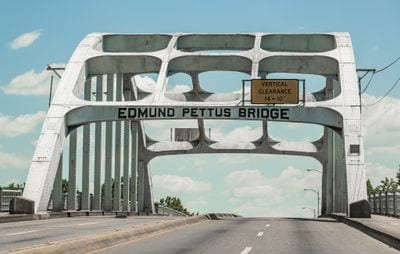
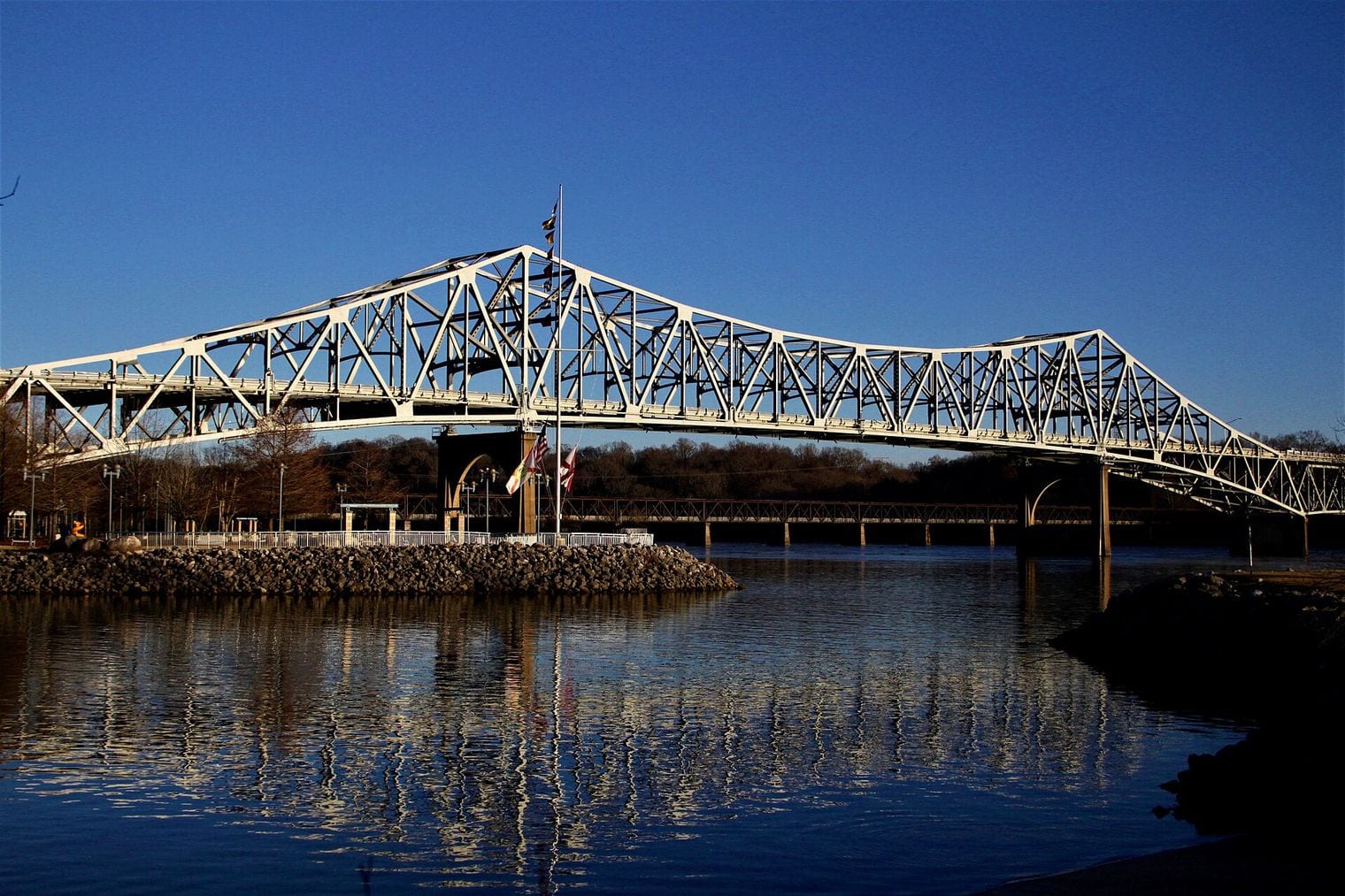
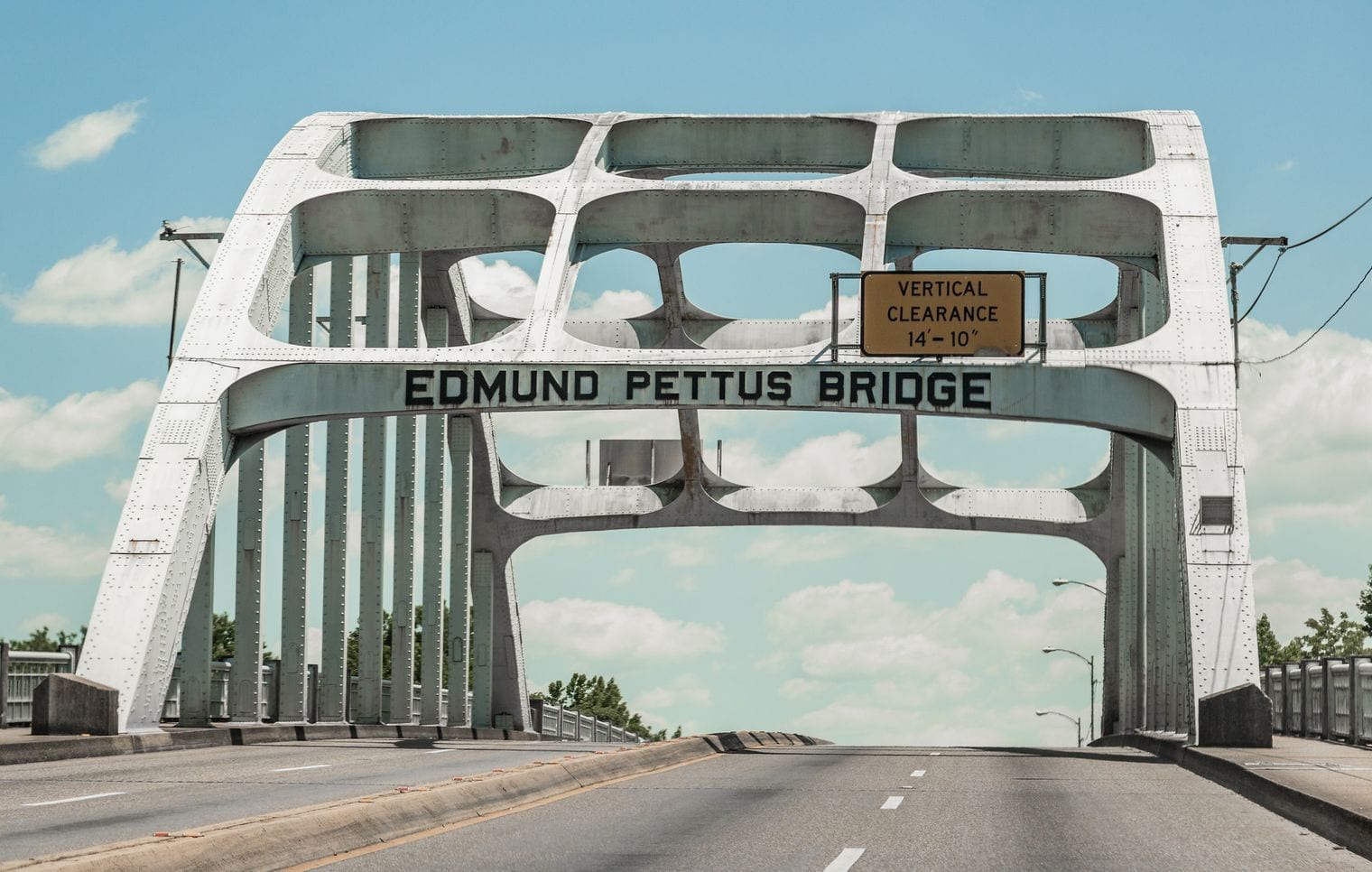
On March 7, 1965, state troopers attacked voting-rights marchers as they crossed the Edmund Pettus Bridge in Selma, a day remembered as Bloody Sunday. Two weeks later the marchers set out again under federal protection, and their walk to Montgomery helped win passage of the Voting Rights Act of 1965. The steel arch bridge over the Alabama River is now a National Historic Landmark and the starting point of the Selma to Montgomery National Historic Trail.
Walk the bridge, then visit the National Voting Rights Museum near its foot and Brown Chapel A.M.E. Church, where the marches began. Selma also holds the largest contiguous historic district in Alabama, with more than 1,250 contributing buildings, along with Sturdivant Hall, an antebellum house museum, and the moss-draped Old Live Oak Cemetery. Montgomery, the end of the trail, is about an hour east.
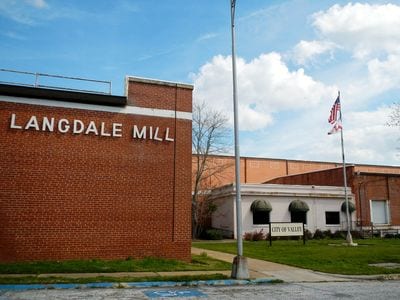
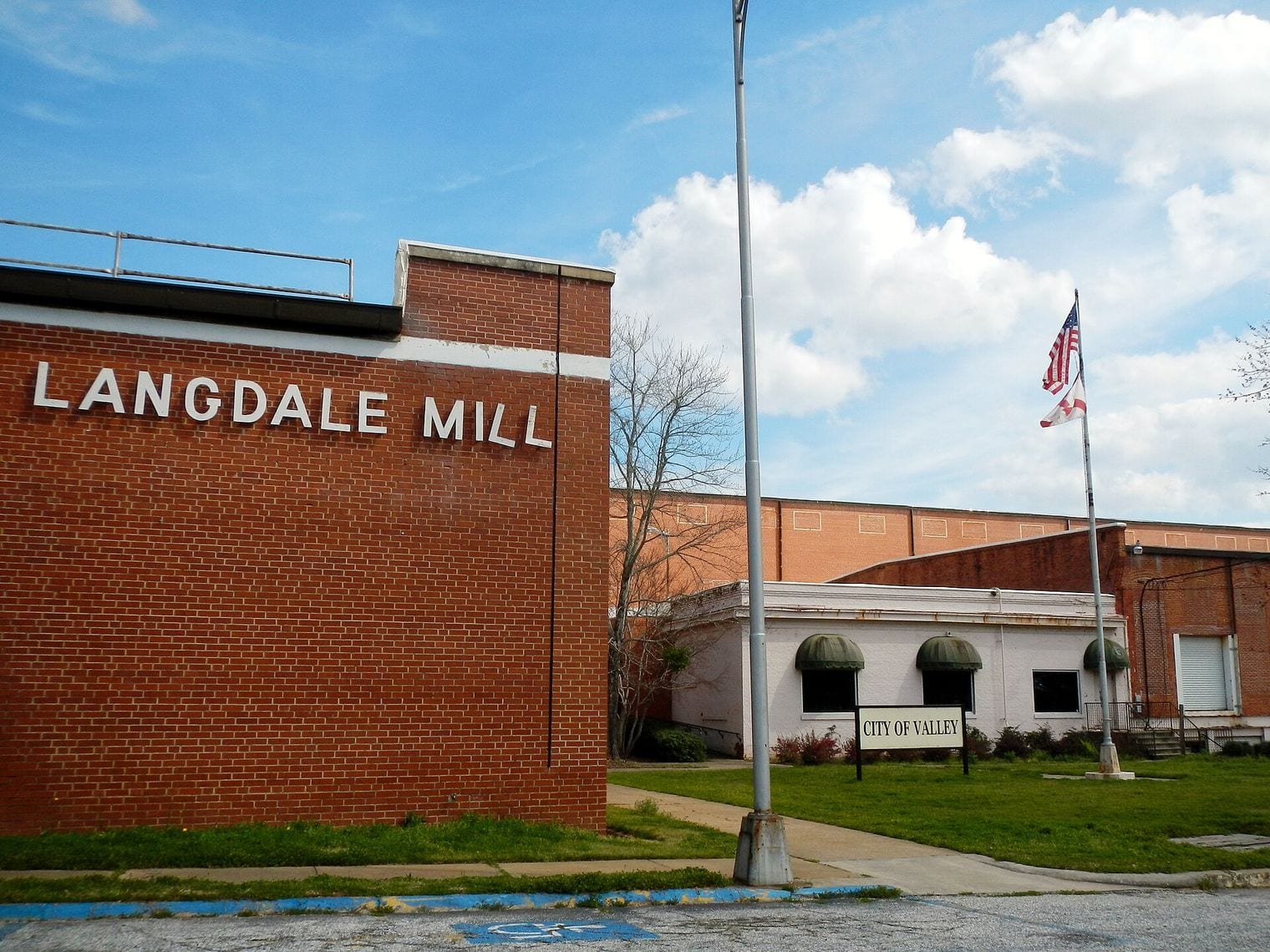
The city of Valley, on the Alabama bank of the Chattahoochee River across from Georgia, was created in 1980 when four textile mill villages, Fairfax, Langdale, River View and Shawmut, joined together. Its story is the story of Southern cotton mills: company-built houses, brick mills and churches that grew up around the West Point Manufacturing Company's mills, with the old villages now recognized on the National Register of Historic Places.
The best way to see it is on the Chattahoochee Valley Railroad Trail, a walking and biking path of about seven miles laid on the bed of the old shortline railroad that served the mills, passing mills, a covered bridge, a historic school and the Fairfax depot. It is an honest slice of mill-town history rather than a polished tourist town, and it pairs well with Opelika and Auburn, about half an hour southwest.
Greenville, the Butler County seat, is known as the Camellia City: the campaign to make the camellia Alabama's state flower began here, and the shrubs bloom in yards and along the streets through the cooler months. Its compact historic downtown makes an easy break on Interstate 65 between Montgomery and Mobile.
Golfers detour here for Cambrian Ridge, a set of courses on the Robert Trent Jones Golf Trail, and Sherling Lake Park next door has two lakes, campsites and quiet fishing. It is a low-key town, best for a relaxed overnight on a longer drive through south Alabama.
Marion, the Perry County seat in Alabama's Black Belt, is a small town with an outsized place in history. Its streets hold antebellum homes, churches and college buildings, including Marion Military Institute, founded in 1842, and the campus of Judson College, a women's college founded in 1838 that closed in 2021. Howard College, which later moved to Birmingham and became Samford University, also began here.
Marion's civil rights story runs just as deep. Coretta Scott King was born in the Marion area and studied at the Lincoln Normal School, founded here in 1867 for Black students. In February 1965 a state trooper shot and killed local activist Jimmie Lee Jackson after a night march in town, a death that helped spark the Selma to Montgomery march. Pair Marion with Selma, less than an hour southeast, for a day on the civil rights trail.
Opelika grew up as a railroad town in the 1800s, and the tracks still run straight through its handsome downtown, where restored brick storefronts now hold shops and restaurants. The Lee County seat shares a border with Auburn, and it plays the quieter, more historic half of the county's twin cities.
Dig into local history at the Museum of East Alabama, then play or walk the Grand National, a Robert Trent Jones Golf Trail site whose courses wrap around Lake Saugahatchee. With Auburn's college town next door, Opelika works well as a weekend base for a football Saturday or a quiet small-town break.
Daphne spreads along the bluffs of Mobile Bay's Eastern Shore and calls itself the Jubilee City, after the rare natural event that brings crabs, shrimp and flounder crowding into the shallows along the shore every so often in summer. Mobile Bay is the only place where these jubilees have been documented as a regular occurrence, and when word goes out, locals head to the water with buckets and gigs.
Daphne served as the Baldwin County seat in the decades after the Civil War, and its Olde Towne area keeps a little of that older character. Bayfront parks give it some of the best sunset views on the bay, and the city makes a convenient, quieter base for exploring Fairhope, Spanish Fort and the seafood restaurants of the Causeway.
At the head of Mobile Bay, where the rivers of the Mobile-Tensaw Delta spill into the bay, Spanish Fort is the Eastern Shore's gateway to the wild side of coastal Alabama. The city's history reaches back to a French-era trading post, and in the spring of 1865 Union troops besieged the Confederate defenses here in the Battle of Spanish Fort, part of the final campaign for Mobile.
Just north, Historic Blakeley State Park preserves the site of the vanished river town of Blakeley and the battlefield where one of the last major battles of the Civil War was fought, with trails and earthworks through the woods. On the Causeway, Meaher State Park sits at the edge of the delta, and the 5 Rivers Delta Resource Center across the road offers exhibits, trails and canoe and kayak access to one of the largest river deltas in the country.
Wetumpka straddles the Coosa River just north of Montgomery, its two halves joined by the arched Bibb Graves Bridge, the city's best-known landmark. The town sits inside the Wetumpka impact crater, the only confirmed meteor impact crater in Alabama, left by a strike in the late Cretaceous, the age of the dinosaurs.
In 2020 Wetumpka was picked from thousands of applicants for the first season of HGTV's Home Town Takeover, which renovated buildings and public spaces downtown, and the riverfront district now makes a pleasant stroll. The Coosa's rapids draw whitewater paddlers, and just south of town Fort Toulouse-Jackson Park marks the site of an early-1700s French fort and the later American Fort Jackson, with a reconstructed fort and trails along the river.
Scottsboro is the Jackson County seat on the shores of Lake Guntersville, but most visitors come for one shop: Unclaimed Baggage, the only store of its kind in the country, which has been selling the contents of lost and unclaimed airline luggage since the 1970s. Browsing its racks of clothes, electronics and oddities is a treasure hunt that draws shoppers from far beyond Alabama.
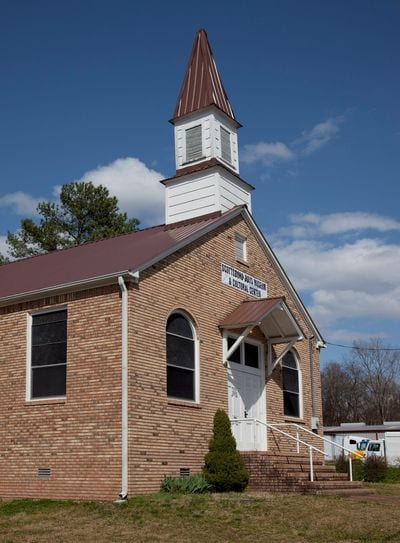
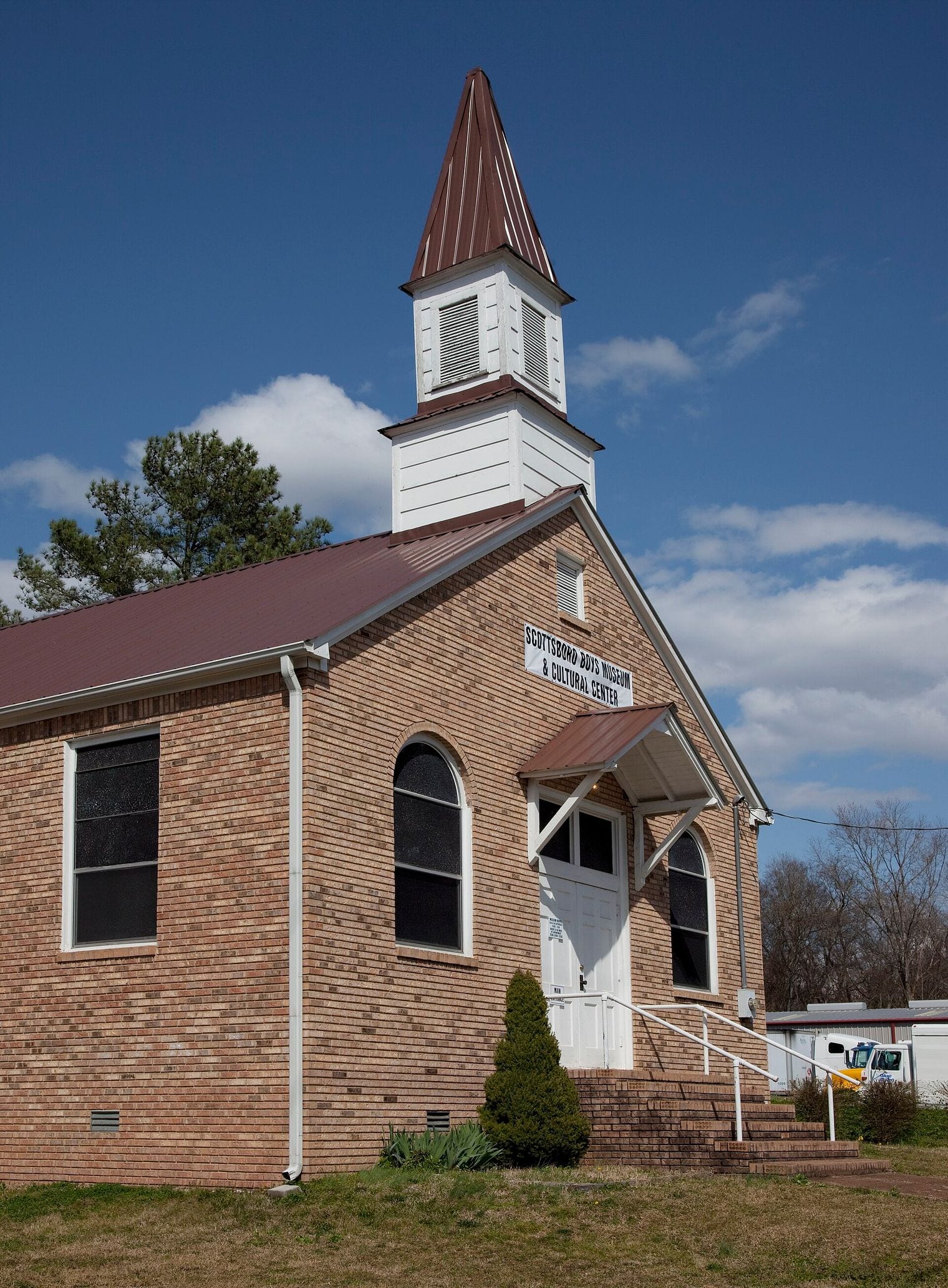
Scottsboro also confronts a painful chapter of history at the Scottsboro Boys Museum and Cultural Center, which tells the story of nine Black teenagers falsely accused of rape in 1931, a landmark case of the civil rights era. Around the courthouse square, the century-old First Monday Trade Day brings vendors to town, and the lake offers fishing and boating close by.
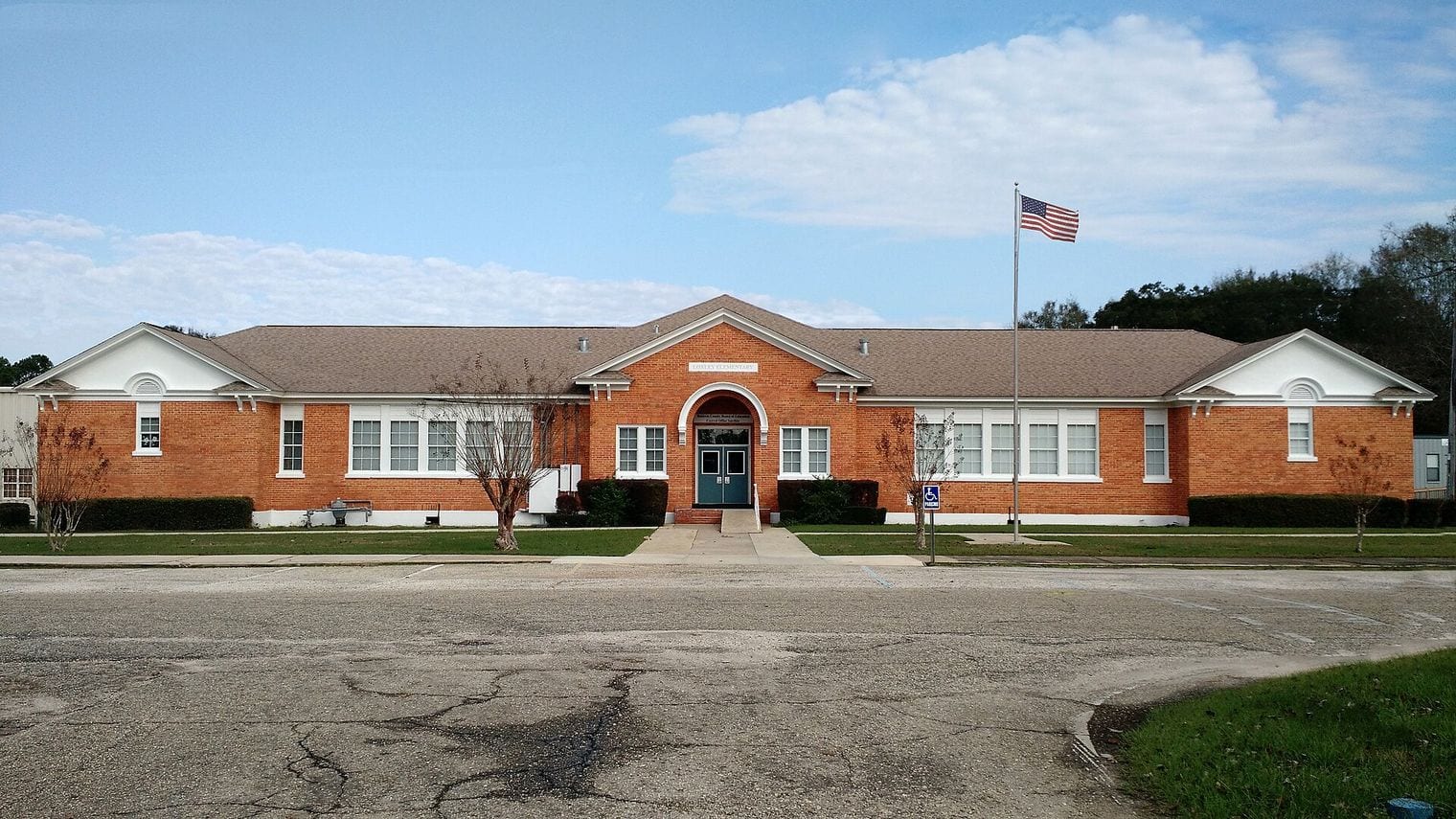
Loxley is a small farm town in the middle of Baldwin County, founded around an 1870 lumber camp started by Chicagoan John Loxley and later a stop on the railroad line to Fort Morgan. Today it sits where Interstate 10 meets Highway 59, the main road south to Gulf Shores, so for many travelers this is where the beach drive leaves the interstate.
The farmland around town is strawberry country, and Loxley hosts the Baldwin County Strawberry Festival each spring at its municipal park, with crafts, music and plenty of shortcake. Roadside stands sell local produce in season, and the town's quiet streets make it a low-key base between Mobile, the Eastern Shore and the beaches.
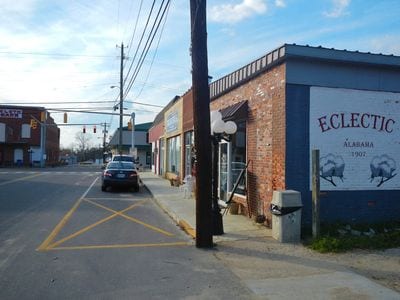
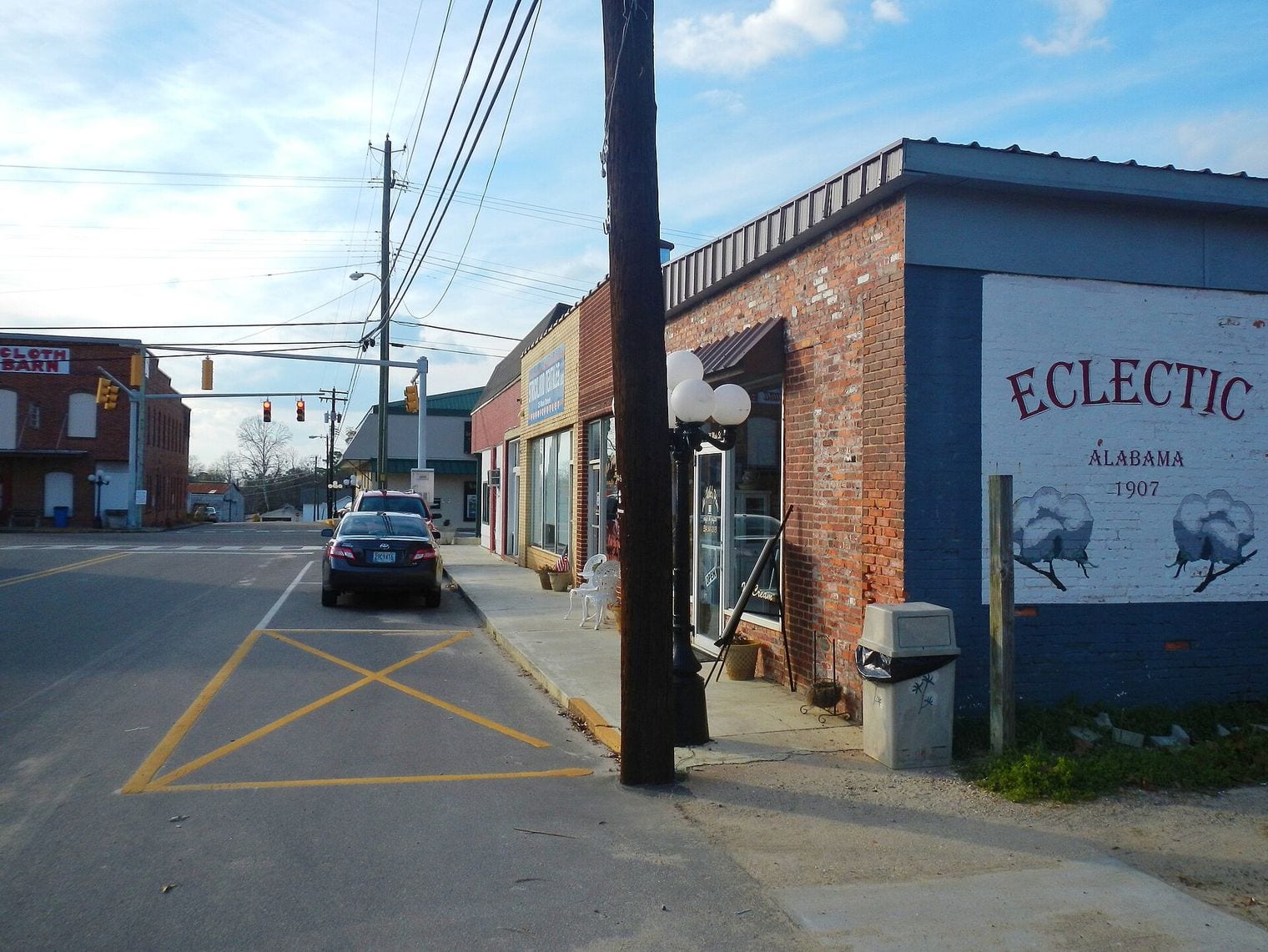
Eclectic owes its unusual name to its founder, Dr. M. L. Fielder, who practiced eclectic medicine, a 19th-century school of botanical healing, and the name regularly lands it on lists of America's oddest place names. The small Elmore County town, incorporated in 1907, keeps a quiet main street with a library and a downtown mural.
Its real draw lies just to the north: Lake Martin, a big reservoir on the Tallapoosa River known for its clear water and wooded shoreline. Eclectic is a southern gateway to the lake, with boat ramps, marinas and lake houses a short drive away, and it pairs easily with Wetumpka and Montgomery to the south.
Free Things to Do in These Alabama Towns
Many of the best moments on this list cost nothing. Watch the sun set over Mobile Bay from the pier in Fairhope, stand on the courthouse square in Monroeville, and drive the avenues of grand homes in Eufaula. Spring Park and its stone waterfall in Tuscumbia are a free stroll, and so are the 19th-century lanes of Mooresville.
Walk across the Edmund Pettus Bridge in Selma, follow the mill-village rail trail in Valley, watch the shrimp boats in Bayou La Batre, and catch a sunset from the bayfront parks of Daphne or the public beach in Gulf Shores.
Alabama is a long state, so the easiest way to see these towns is to pick a region and link several together. In the northeast, Mentone and Fort Payne share Lookout Mountain, with Scottsboro and Guntersville on the lake below.
The Shoals cities of Florence, Muscle Shoals and Tuscumbia sit side by side on the Tennessee River, with Athens and Mooresville on the way east toward Huntsville, while Cullman lies on Interstate 65 between Huntsville and Birmingham. Mountain Brook is the natural add-on to a stay in the big city.
In the middle of the state, Wetumpka and Eclectic are short drives from Montgomery, and Selma, Marion and Tuskegee make a powerful civil rights loop through the Black Belt. Opelika and Valley pair easily with a visit to Auburn.
Down south, Fairhope, Daphne, Spanish Fort, Magnolia Springs and Loxley ring the Eastern Shore of Mobile Bay, with Gulf Shores, Orange Beach and Dauphin Island on the coast and Bayou La Batre on the far side of the bay. Monroeville, Greenville and Eufaula are best saved for detours on longer drives.
FAQ: Visiting the Best Small Towns in Alabama
What is the best small town in Alabama?
Fairhope is the best small town in Alabama for most visitors, with its bayfront pier, rose garden, galleries and flower-lined downtown on Mobile Bay. Monroeville follows for Harper Lee's courthouse, then Mentone for DeSoto Falls on Lookout Mountain, Eufaula for its antebellum and Victorian homes, and Tuscumbia for Helen Keller's birthplace at Ivy Green.
Which small towns in Alabama are near the beach?
Gulf Shores and Orange Beach sit right on the Gulf of Mexico, with white-sand beaches and Gulf State Park between them, and Dauphin Island offers quieter beaches at the mouth of Mobile Bay. On the bay itself, Fairhope, Daphne and Magnolia Springs are a short drive from the coast and make calmer bases for a beach trip.
Which Alabama small towns are best for civil rights history?
Selma is the essential stop, with the Edmund Pettus Bridge, the National Voting Rights Museum and the start of the Selma to Montgomery National Historic Trail. Tuskegee has two national historic sites, at Tuskegee University and Moton Field, and Marion tells the story of Jimmie Lee Jackson. Scottsboro's museum covers the Scottsboro Boys case.
What are the best small towns in north Alabama?
Mentone and Fort Payne are the picks for mountain scenery, waterfalls and Little River Canyon. Guntersville is the lake town, Florence, Muscle Shoals and Tuscumbia make up the music-rich Shoals, and Cullman has the Ave Maria Grotto. Athens and tiny Mooresville add historic squares and lanes near Huntsville, and Scottsboro has Unclaimed Baggage.
When is the best time to visit small towns in Alabama?
Spring and fall are the most comfortable seasons. Spring brings camellias and azaleas, the Eufaula Pilgrimage, the Blessing of the Fleet in Bayou La Batre and the strawberry festival in Loxley, while fall adds color on Lookout Mountain, the fiddlers convention in Athens and Oktoberfest in Cullman. Summer is beach season on the Gulf Coast.
How many days do you need to visit a small town in Alabama?
Most towns on this list fill a relaxed day, and many make easy day trips from Birmingham, Huntsville, Montgomery or Mobile. Fairhope and the beach towns of Gulf Shores and Orange Beach deserve a weekend, while a week lets you link several towns in one region, such as the Eastern Shore of Mobile Bay or Lookout Mountain.