We may earn a commission if you book tickets, tours or a stay through a link on
this page, at no extra cost to you. It never affects which places we list or how
we rank them (how we make money).
Short answer
Birmingham's must-sees are Vulcan Park and Museum, home of the world's largest cast-iron statue, the 16th Street Baptist Church and the rest of the Civil Rights District, and Sloss Furnaces, the preserved blast furnace that built the Magic City. Two to three days is ideal: one for the Civil Rights District, Railroad Park and Sloss, a second for Vulcan and the Birmingham Museum of Art, and a third for the Barber Vintage Motorsports Museum or Red Mountain Park.
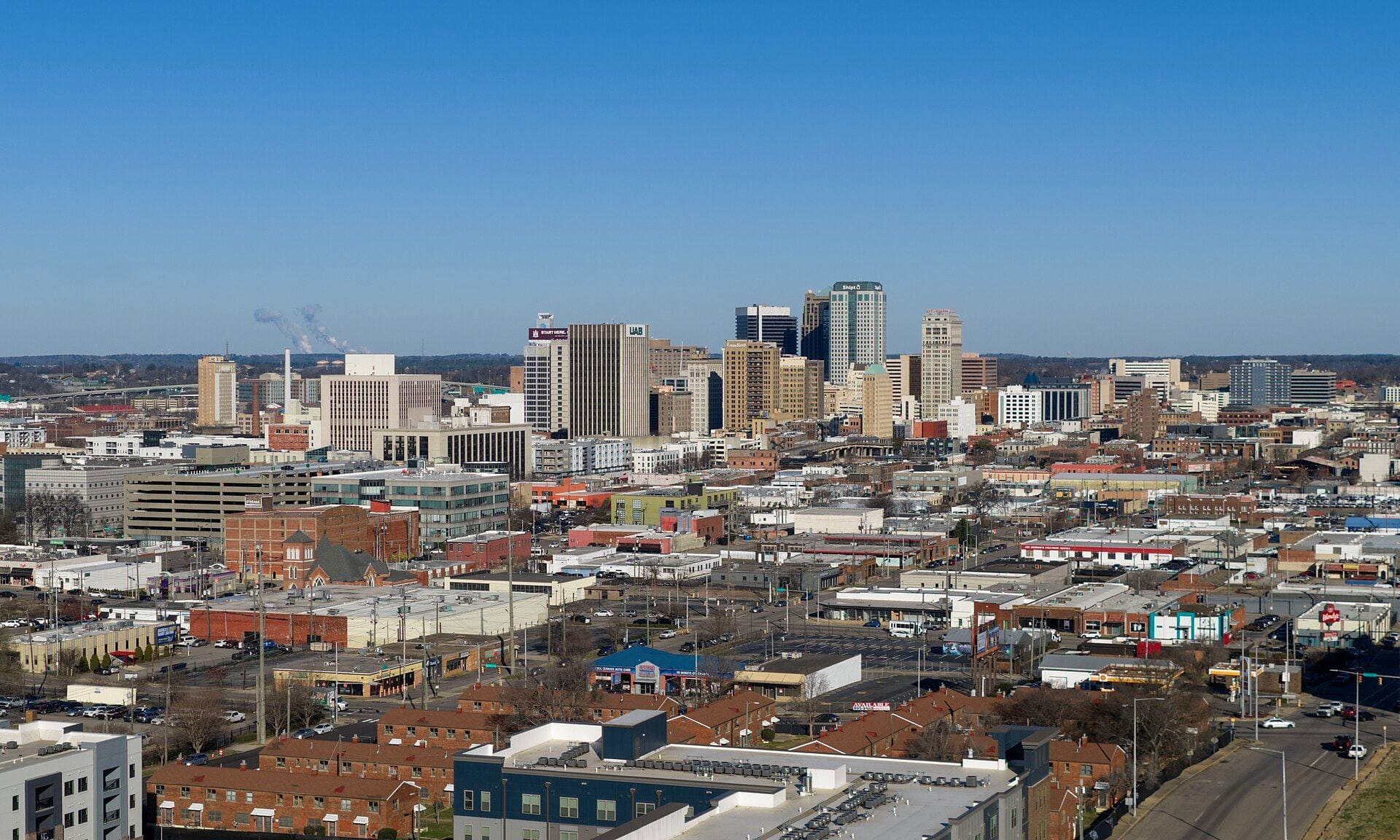
Birmingham grew so fast after its 1871 founding that it earned the nickname the Magic City, built on the iron ore, coal and limestone packed into the ridges around it. Old furnaces and rail lines now share the skyline with parks, museums and the streets where the 1963 civil rights campaign changed the nation.
This guide ranks the 25 best things to do in Birmingham, from Vulcan and Sloss Furnaces to the Civil Rights District, a world-class motorcycle museum and a ballpark older than Fenway. Give it two or three days, then add Montgomery, about 90 minutes south, for a fuller Alabama civil rights trip.
Birmingham was founded in 1871 and named after Birmingham, England, the industrial powerhouse of the English Midlands.
The "Magic City" nickname came from the astonishing speed of the city's growth around the start of the 20th century.
The Birmingham District is often cited as the only place in the world where iron ore, coal and limestone, the three raw materials of iron-making, are found in significant amounts close together.
Vulcan is the largest cast-iron statue in the world, first shown as Birmingham's entry to the 1904 World's Fair in St. Louis.
Rickwood Field, opened in 1910, is the oldest existing professional ballpark in the US, and in 2024 it staged the first Major League game ever played in Alabama.
Martin Luther King Jr. wrote his "Letter from Birmingham Jail" while jailed here during the 1963 civil rights campaign.
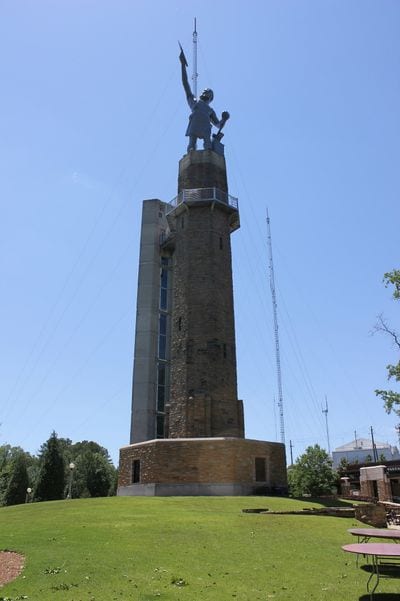
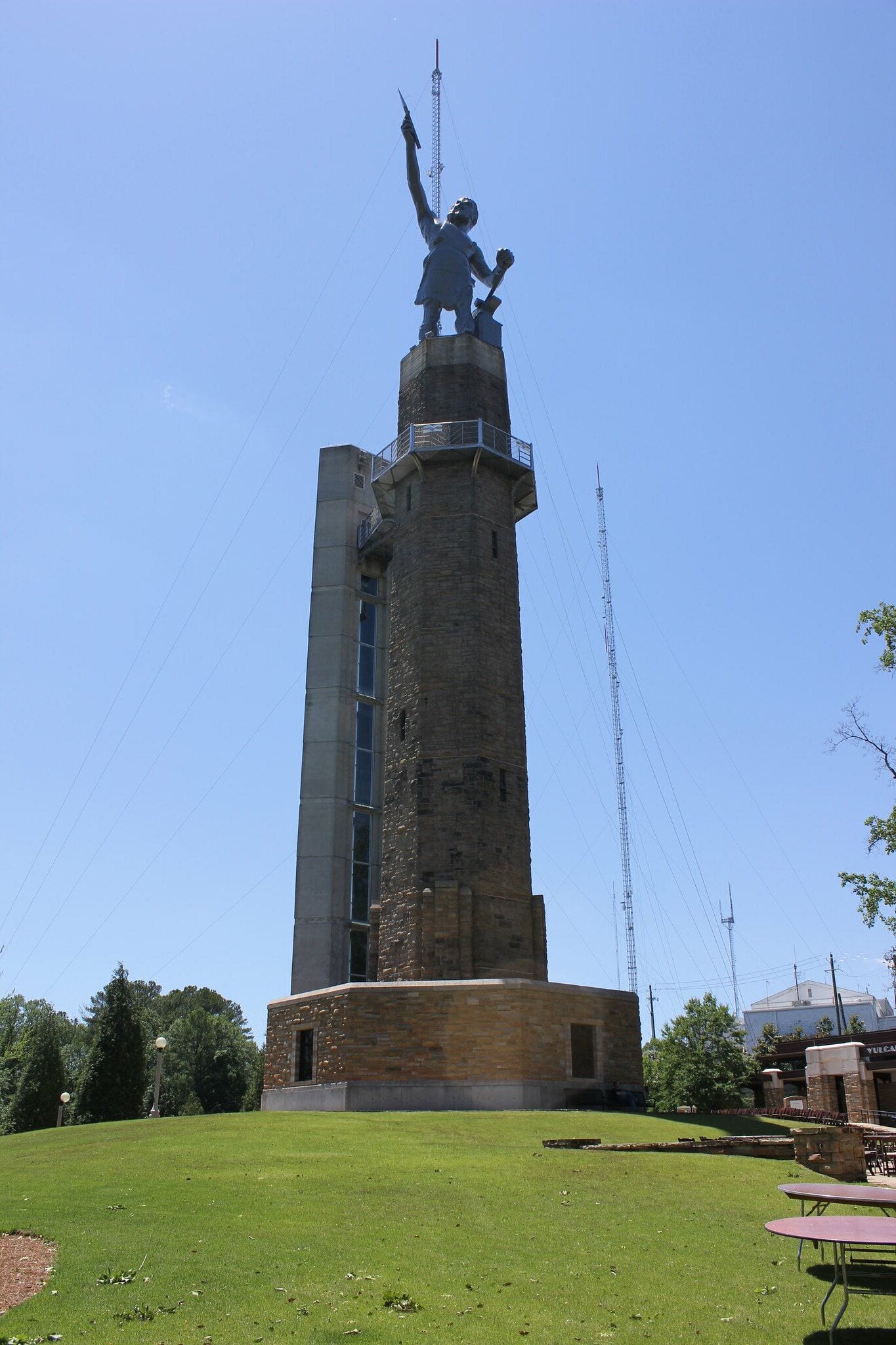
Vulcan Park and Museum crowns Red Mountain with the city's unmistakable symbol: a 56-foot figure of the Roman god of the forge, the largest cast-iron statue in the world. Sculpted by Giuseppe Moretti, Vulcan was Birmingham's entry to the 1904 World's Fair in St. Louis, a boast in iron from a town built on it.
An elevator carries you up the stone tower to an observation deck with a sweeping view over downtown and Jones Valley, and the museum at the base tells the story of the ore, coal and furnaces that made the city. Come late in the day, when the skyline starts to light up below.
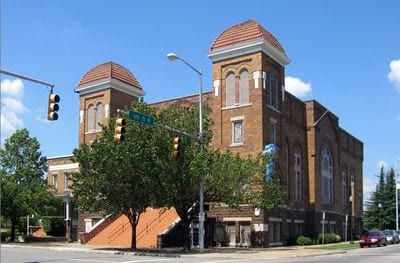
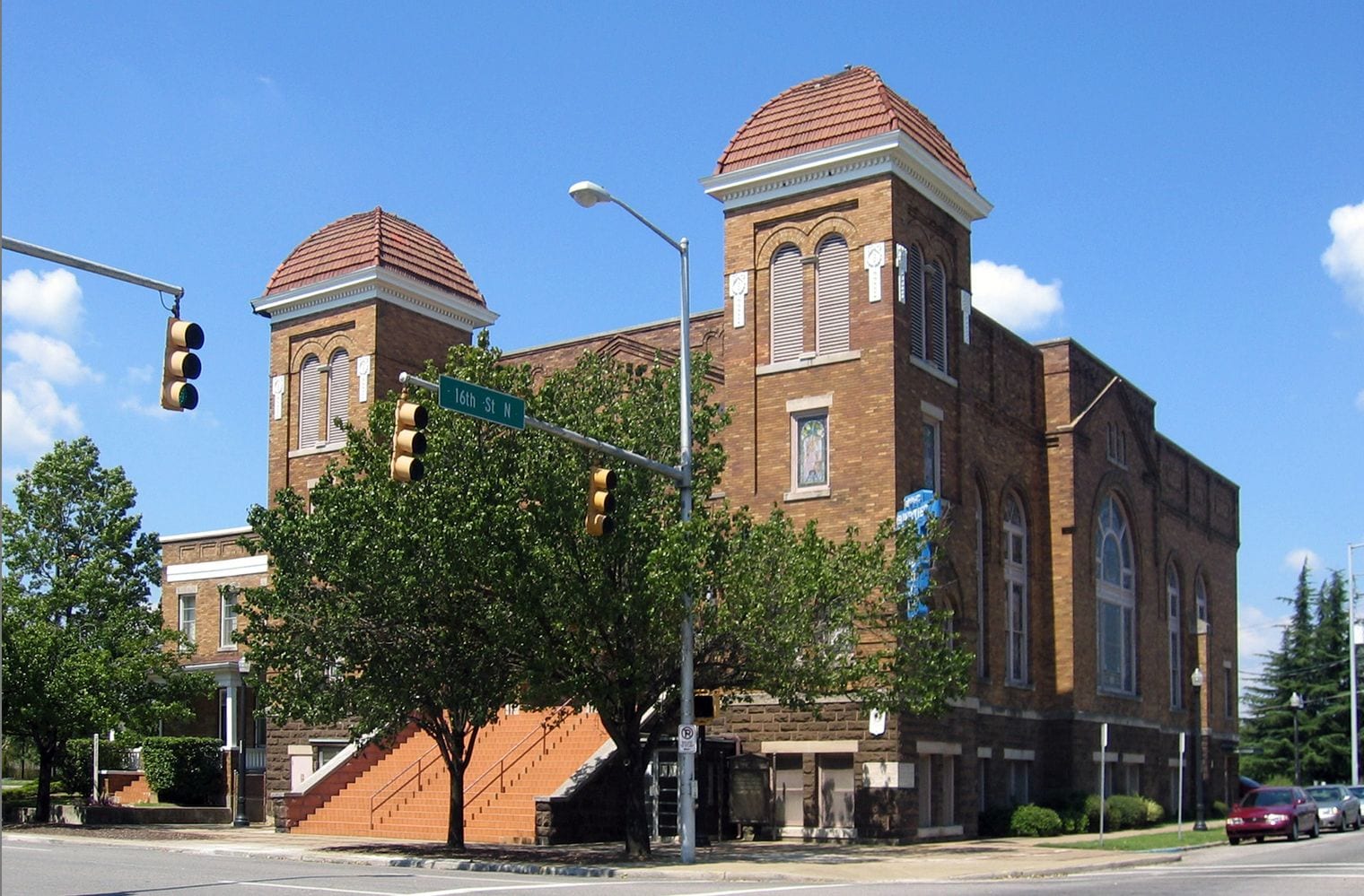
16th Street Baptist Church is the most affecting stop in Birmingham. Built in 1911 to a design by Black architect Wallace Rayfield, it served as a headquarters and mass-meeting hall for the 1963 civil rights campaign, and on September 15 of that year a Ku Klux Klan bomb killed four girls here: Addie Mae Collins, Carole Robertson, Cynthia Wesley and Denise McNair.
The church is still a working congregation, a National Historic Landmark and part of the Birmingham Civil Rights National Monument. Step inside when it is open to visitors, and pair it with Kelly Ingram Park and the Civil Rights Institute just across the street.
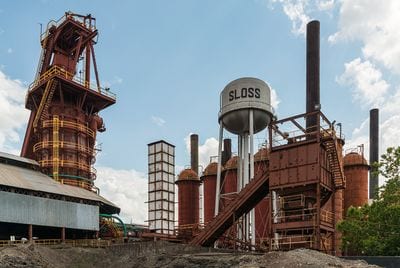
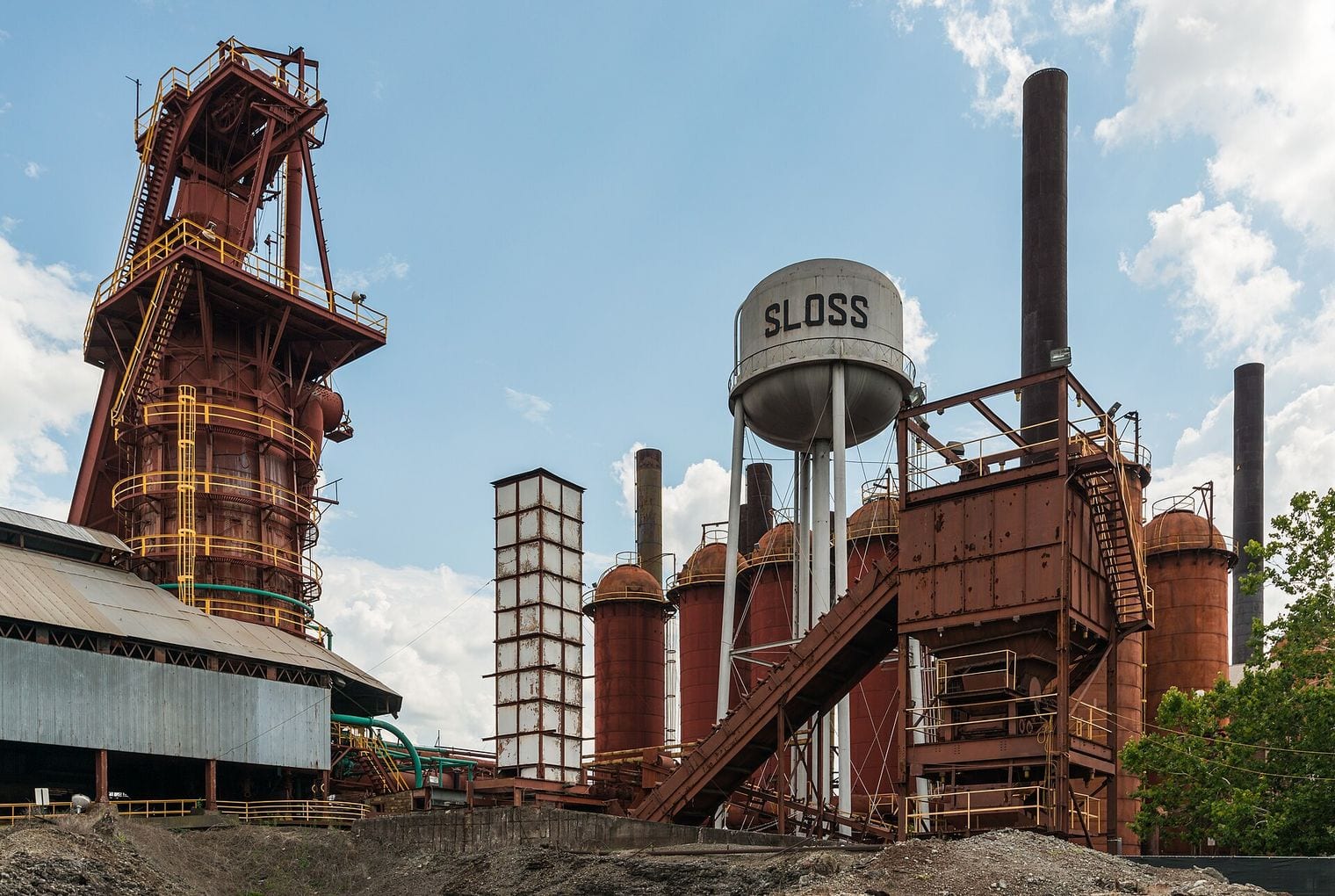
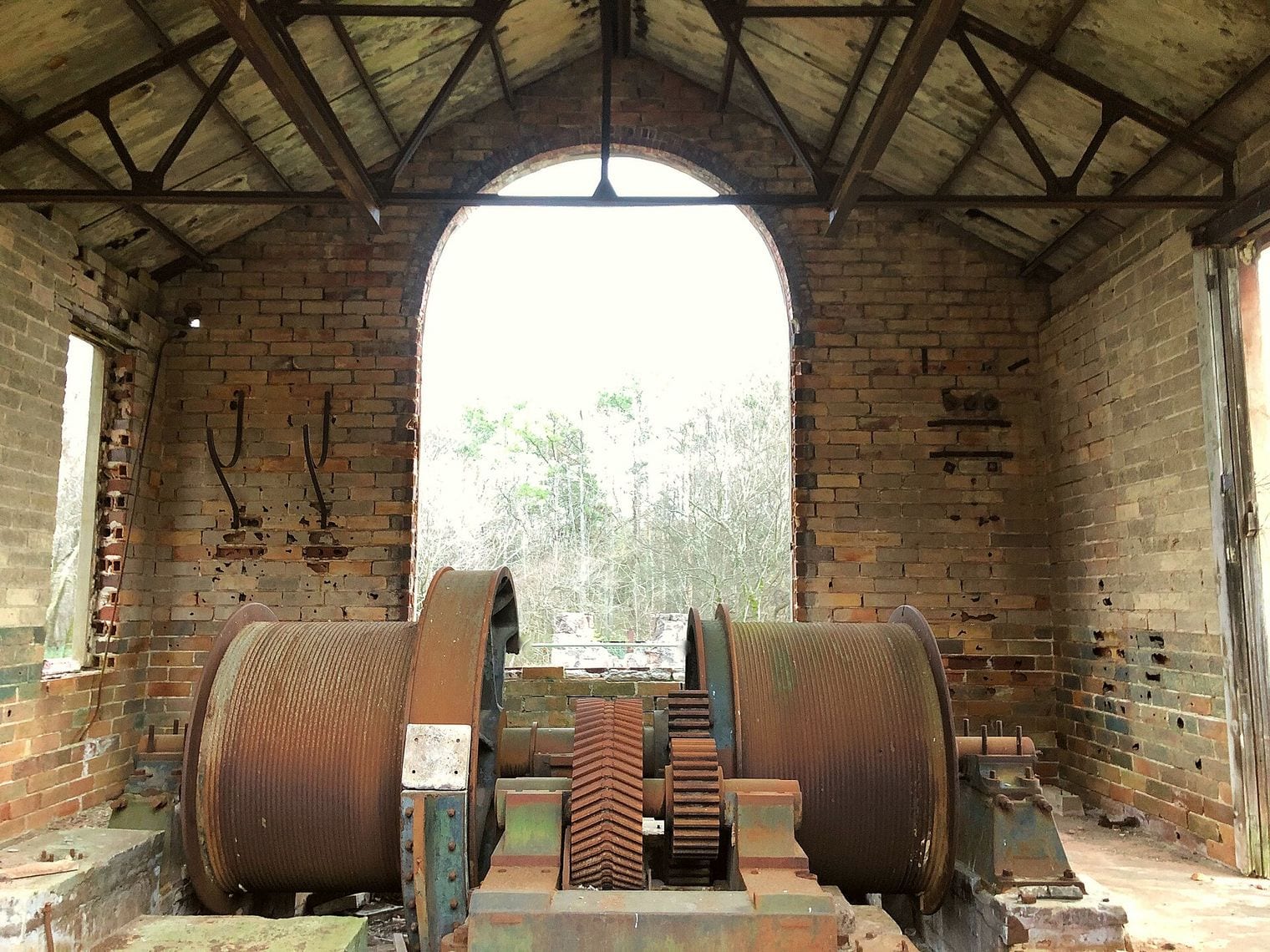
Sloss Furnaces preserves the rust-red giant that made pig iron here from 1882 to 1971, a maze of blast furnaces, boilers, pipes and casting sheds on the edge of downtown. It was one of the first industrial sites in the country saved for public use, and the only blast furnace in the US preserved and restored that way.
Wander the grounds free of charge, reading the story of the workers who ran the furnaces in brutal heat, then look for a metal-arts demonstration or an evening concert; the site doubles as one of the city's most atmospheric event venues. Photographers love it in the low light of late afternoon.
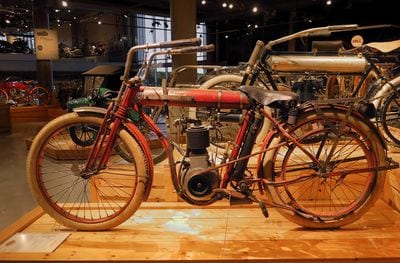
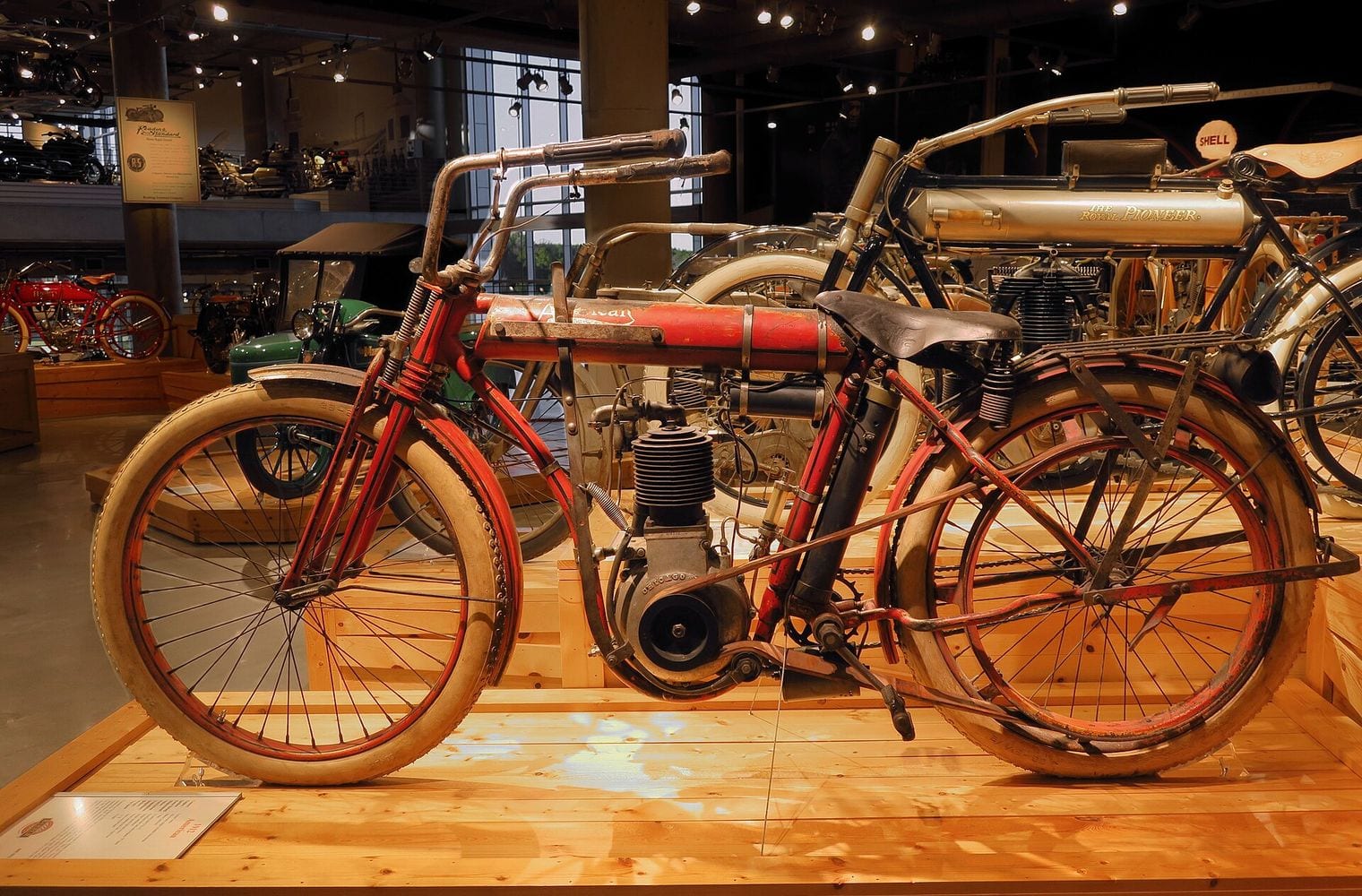
Barber Vintage Motorsports Museum holds the largest motorcycle collection in the world, a title certified by Guinness, with hundreds of machines on display from early oddities to modern race bikes. It grew out of George Barber's private collection and moved to its home at Barber Motorsports Park in 2003, where it also shows a notable collection of Lotus race cars.
The museum sits on the city's eastern edge, about 20 minutes from downtown and inside Birmingham city limits despite its Leeds mailing address. It overlooks the park's Grand Prix road course, so a race weekend adds the sound of engines to the visit, and even non-riders tend to stay far longer than planned.
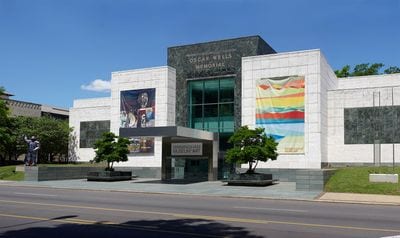
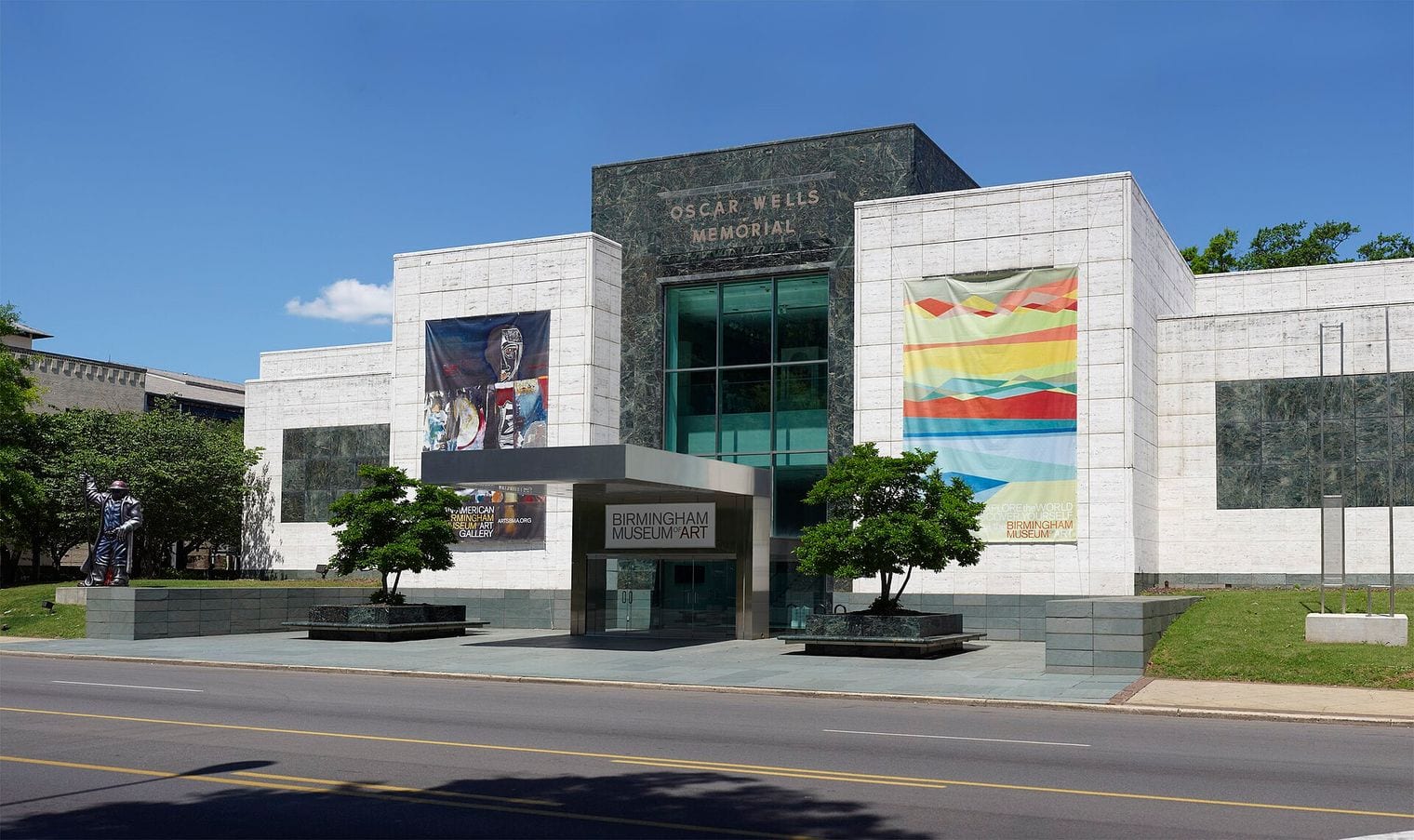
Birmingham Museum of Art is one of the South's great free museums: general admission costs nothing, and the collection spans thousands of years and cultures across the globe. Its Asian galleries are the standout, with Chinese, Japanese, Korean, Indian and Southeast Asian art, and a Wedgwood collection of more than 1,400 pieces is a surprise for many visitors.
There are strong African and Native American holdings and European paintings too, and outside, the Charles W. Ireland Sculpture Garden sets works by Rodin, Botero and Lipchitz in the open air. It is an easy hour or an easy afternoon, depending on how much you let it pull you in.
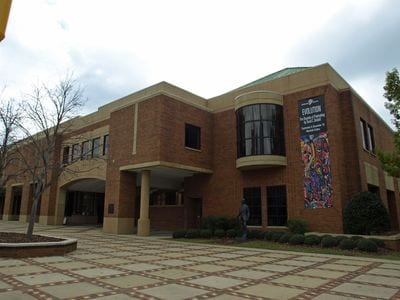
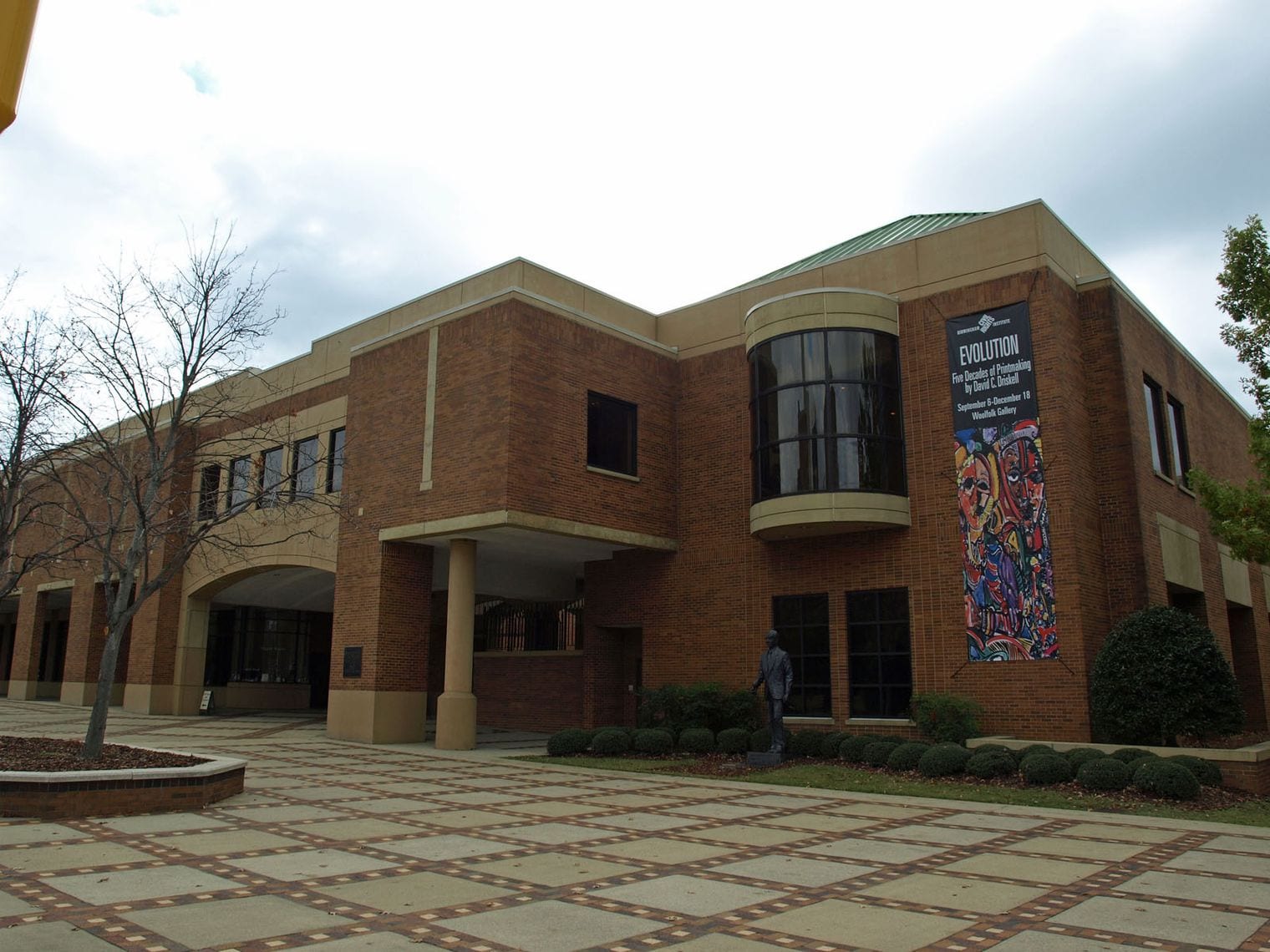
Birmingham Civil Rights Institute opened in 1992 a few steps from 16th Street Baptist Church and Kelly Ingram Park, and its self-guided galleries walk you through the city's segregation era, the 1963 campaign and the Children's Crusade. It is a Smithsonian affiliate and the best place to get the full context before exploring the district outside.
An oral-history archive preserves the voices of marchers and organizers, and the exhibits move from the everyday indignities of Jim Crow to the confrontations that made headlines around the world. Allow at least two hours, and come in the morning so you can walk the surrounding sites afterwards.
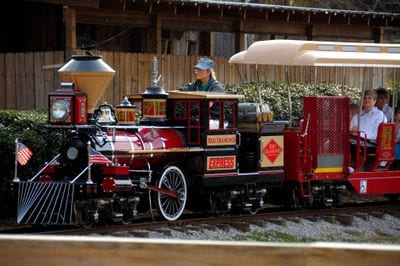
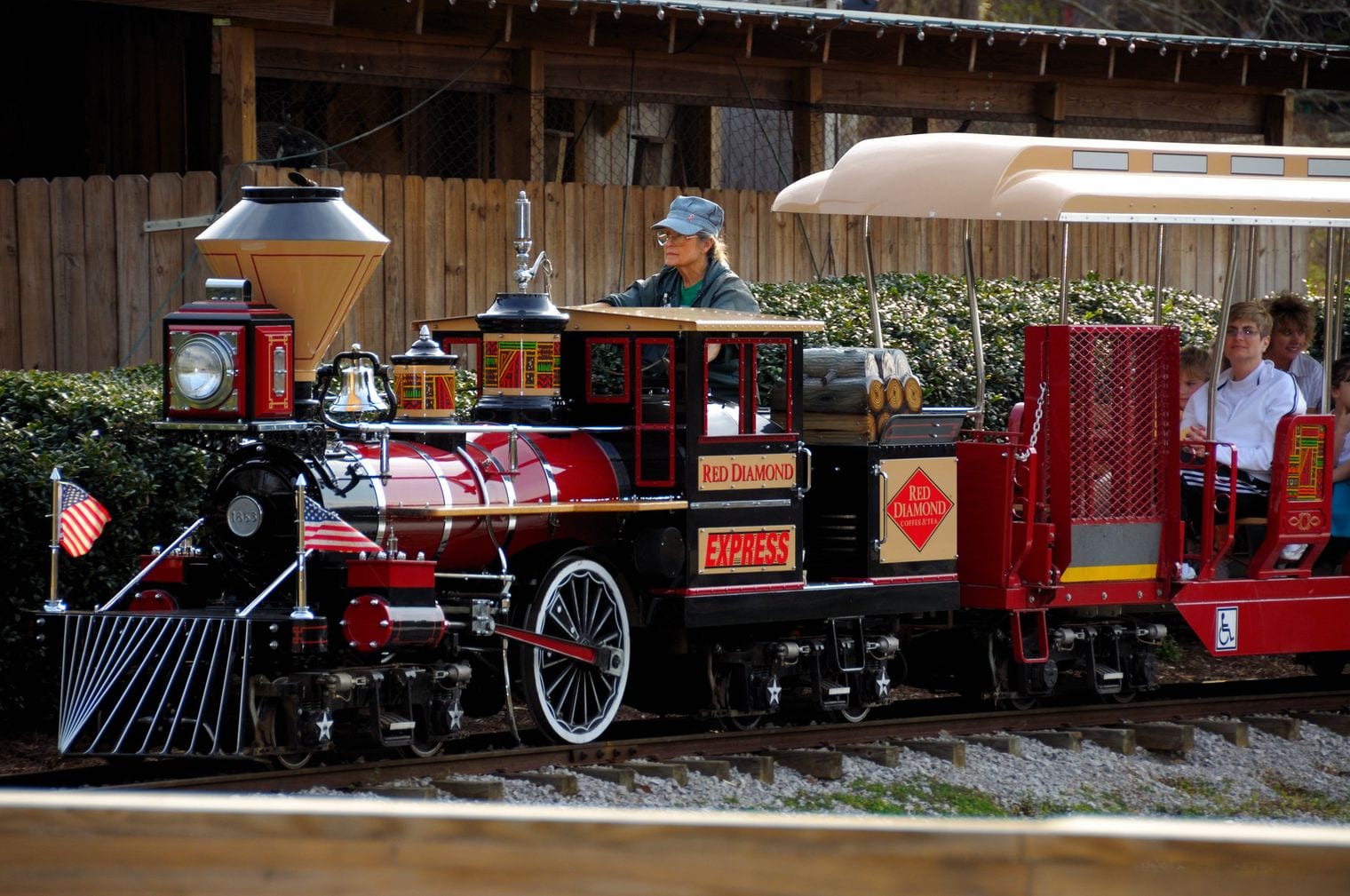
Birmingham Zoo spreads across 122 acres of Lane Park at the southern foot of Red Mountain, home to hundreds of animals from six continents. Trails of Africa is the centerpiece, built around African elephants, and the wider zoo adds giraffes, zebras and rhinos.
Younger visitors head for the children's zoo, which focuses on Alabama's native wildlife and the animals that share our cities. The Birmingham Botanical Gardens sit right next door, so it is easy to make a full day of both on the same side of town.
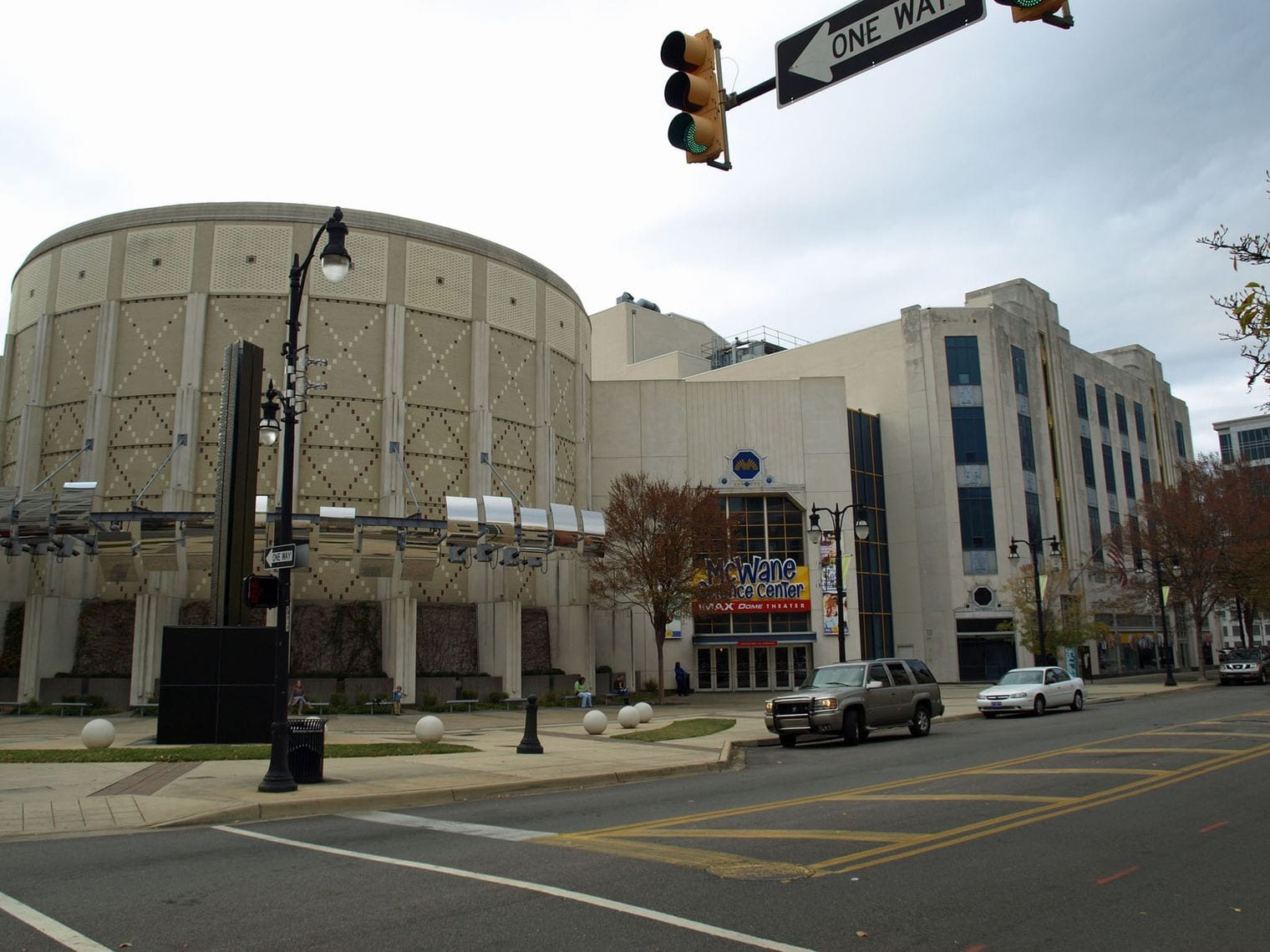
McWane Science Center fills the former Loveman's department store downtown with hands-on science across several floors, from aquarium exhibits with a touch tank of small sharks and rays to a play space built for the youngest visitors. Its IMAX Dome theater wraps big-screen films right around you.
Don't miss the fossil side of the museum: McWane's collections include mosasaurs, the tyrannosaur relative Appalachiosaurus and an 80-foot fossil whale, Alabama's state fossil. It is the city's best rainy-day pick for families, and older kids and adults get plenty out of it too.
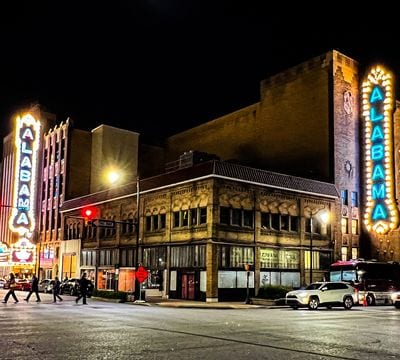
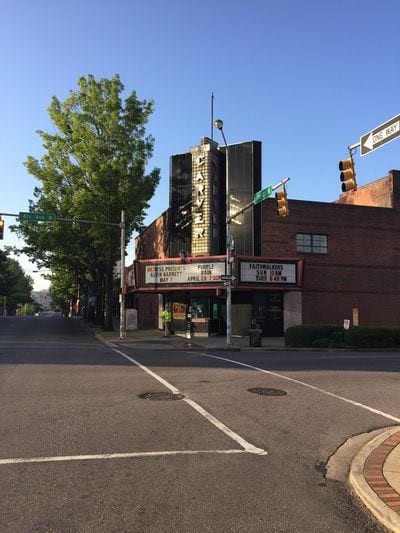
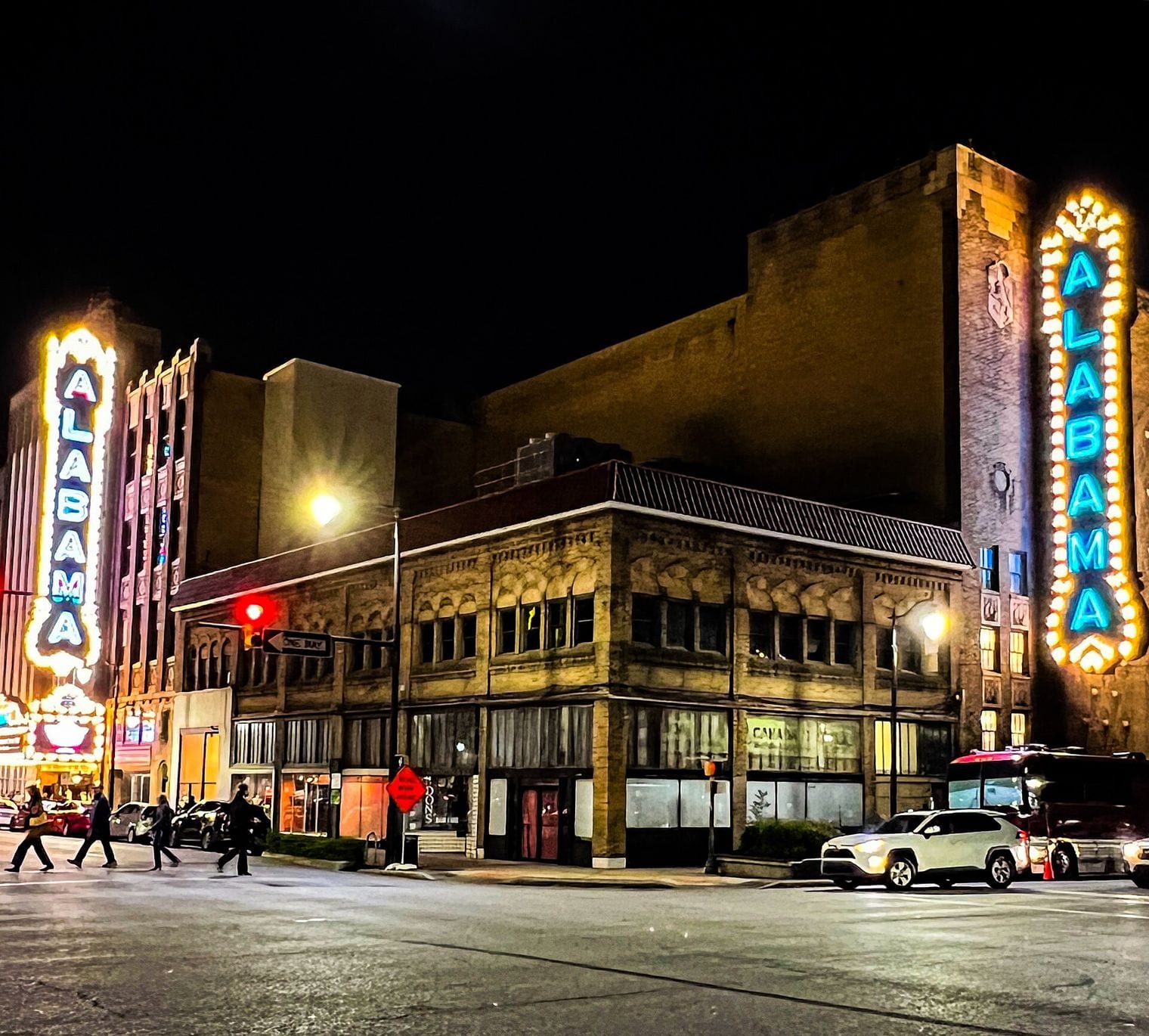
The Alabama Theatre opened in 1927 as Paramount's flagship movie palace for the Southeast, and it still earns its nickname, the Showplace of the South. Gilded plasterwork, a grand lobby and a vast auditorium make it one of the most striking rooms in the state, restored to its original glow in the 1990s.
Its original Mighty Wurlitzer organ is one of only three of its model still installed where it was built, a treat for anyone who loves the golden age of cinema. Beyond film nights, the stage hosts concerts, dance and touring productions, so check the calendar and catch whatever is on just to see the room.
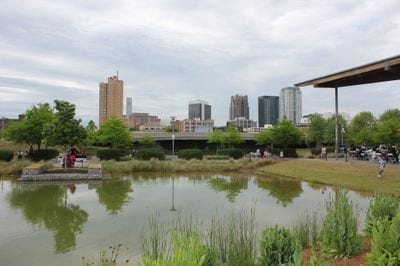
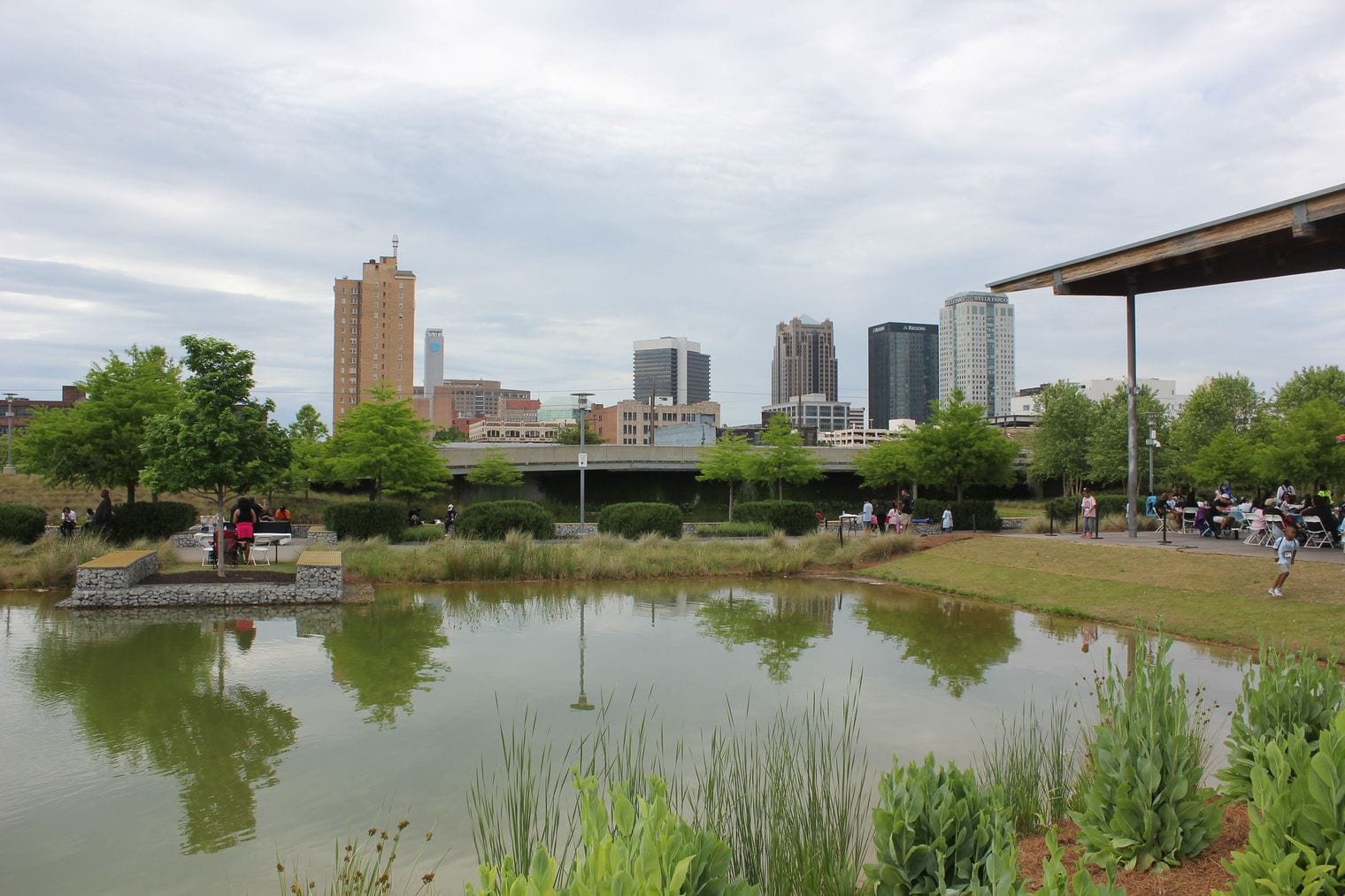
Railroad Park turned 19 acres of downtown land beside the railroad into Birmingham's favorite green space, known locally as the city's living room. Opened in 2010 along First Avenue South, it mixes rolling lawns, walking paths, fountains and streams with an amphitheater, and much of its stone and brick was salvaged from the old warehouses around it.
Come for a picnic, a jog or a sunset stroll as trains roll past on the tracks alongside. Regions Field sits right across the street, so the park makes an easy pre-game hangout, and the Rotary Trail links it toward Sloss Furnaces.
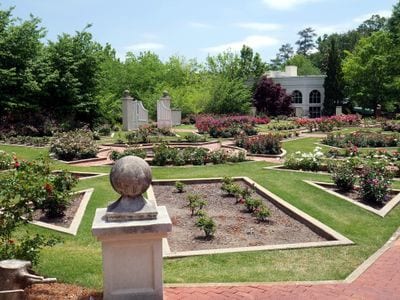
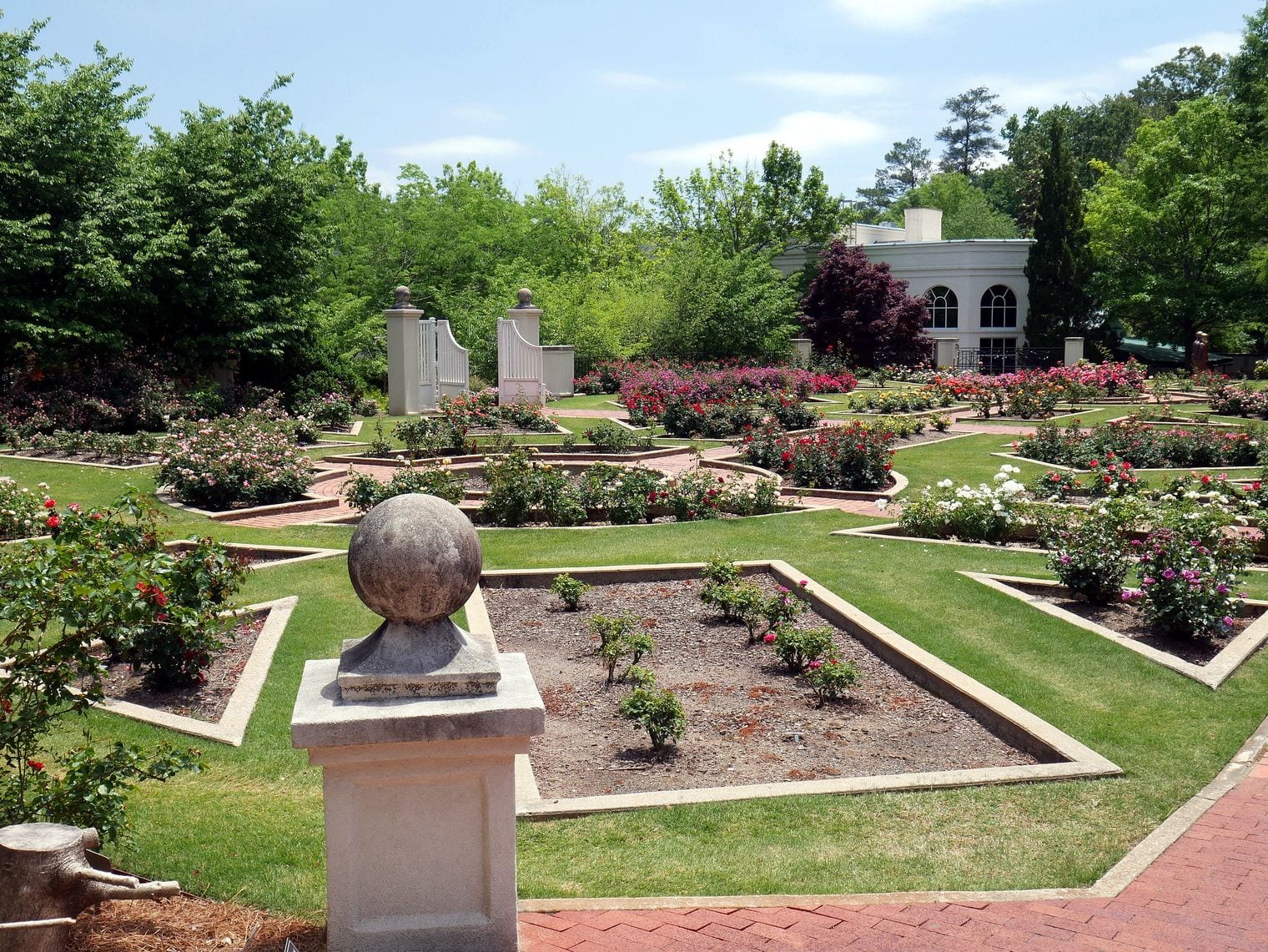
Birmingham Botanical Gardens spreads about 67 acres of themed gardens beside Lane Park at the foot of Red Mountain, and admission is free. More than 25 distinct gardens include rose gardens, a wildflower garden, a conservatory and a serene Japanese Garden with a traditional teahouse and bonsai collection.
Outdoor sculpture is scattered along several miles of paths, and a horticulture library rounds out the complex for keen gardeners. It is one of the most relaxing free things to do in Birmingham, and the zoo is right next door if you want to turn it into a full day.
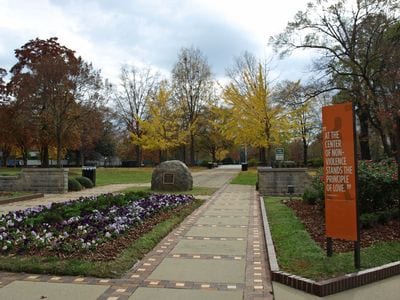
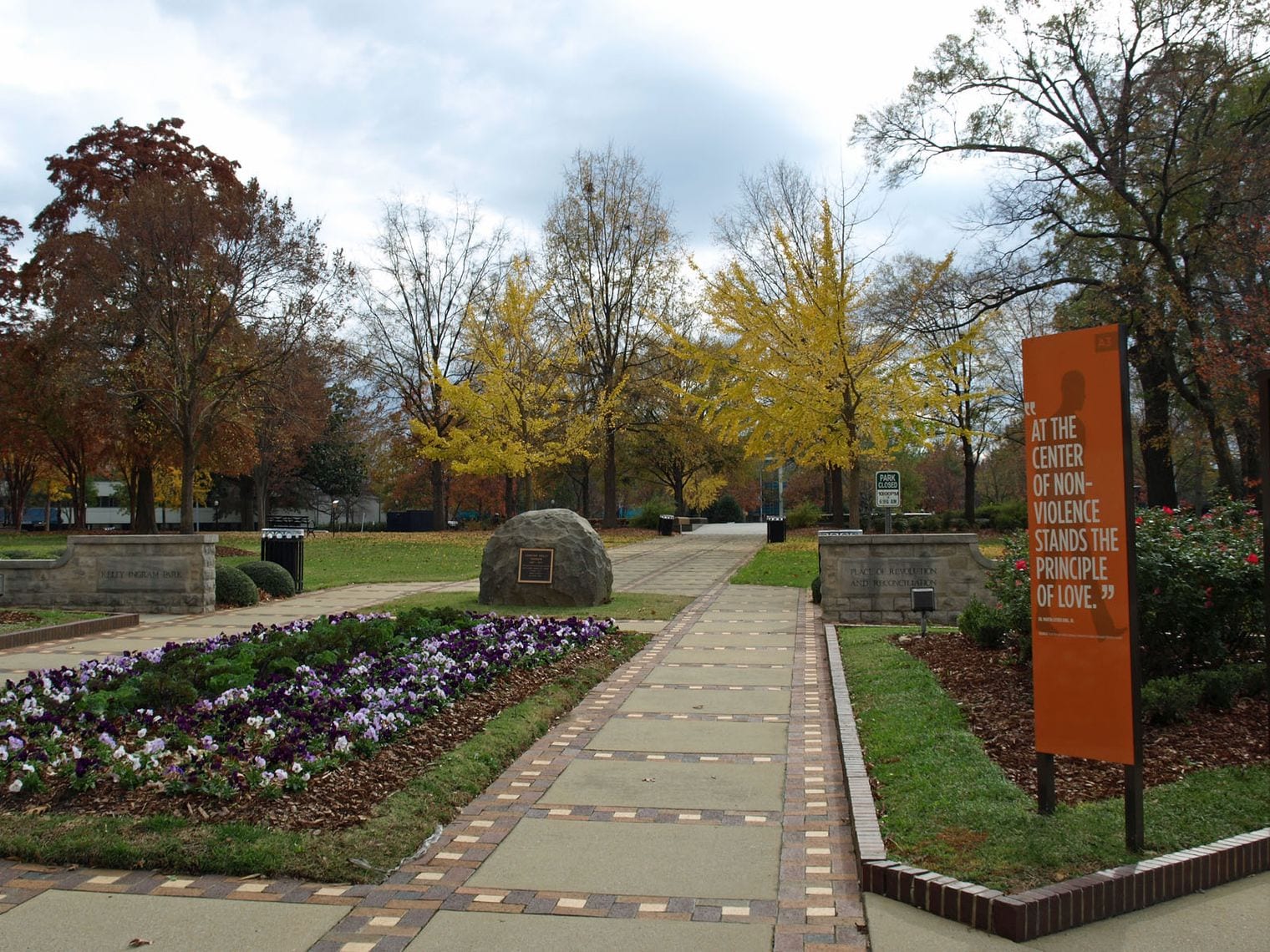
Kelly Ingram Park is where Birmingham's 1963 story became the world's. In May of that year, students of the Children's Crusade gathered here, and police and firefighters under Public Safety Commissioner Bull Connor turned dogs and fire hoses on them, images that helped build support for the Civil Rights Act of 1964.
Today a circular Freedom Walk leads past sculptures that place you inside those confrontations, alongside Raymond Kaskey's figures of three ministers kneeling in prayer and the Four Spirits memorial to the girls killed at the church across the street. It is free, compact and deeply moving.
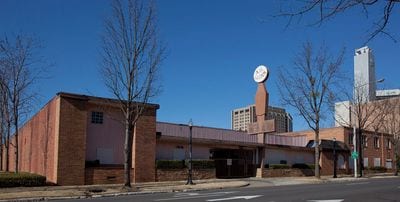
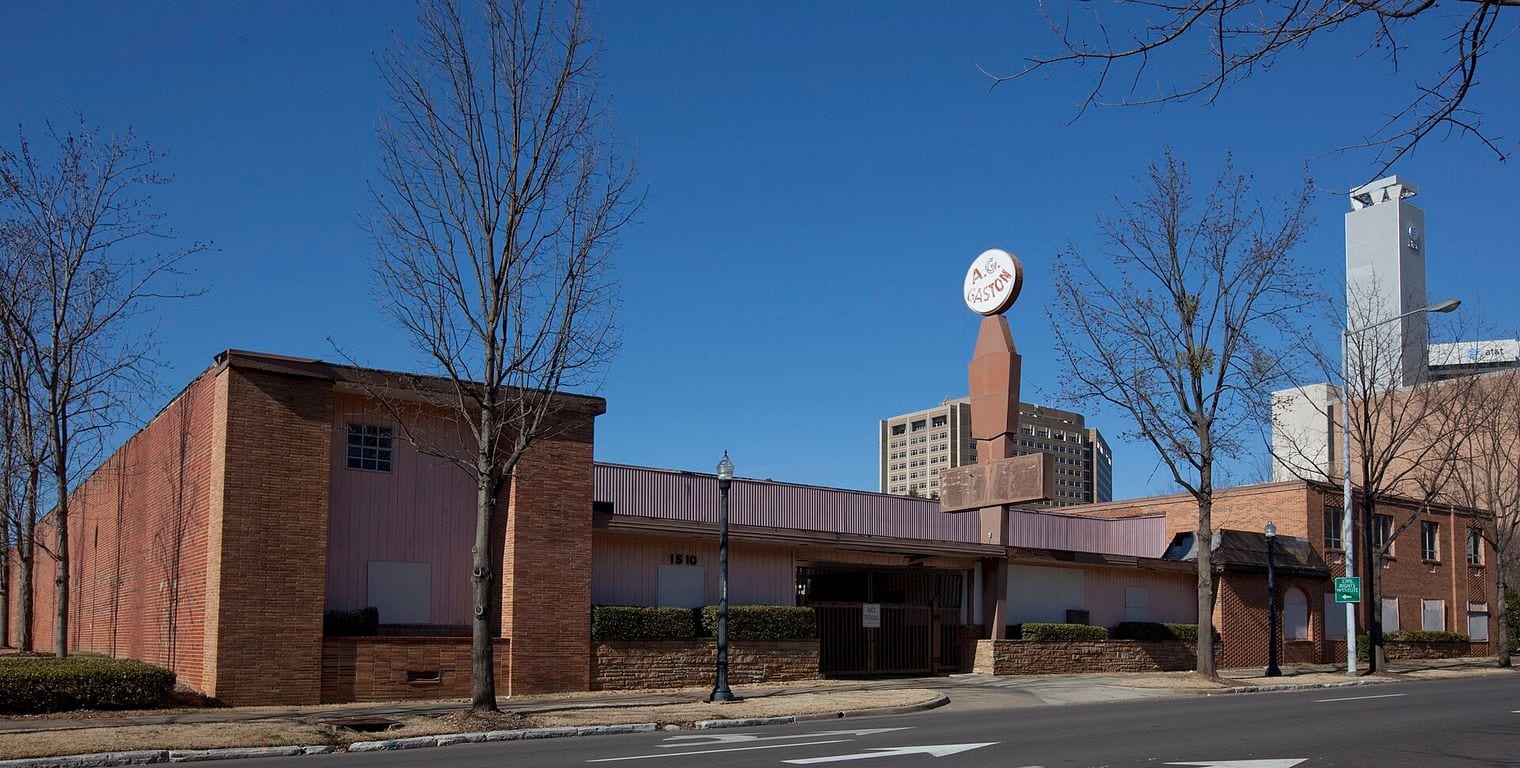
Birmingham Civil Rights National Monument, designated by President Barack Obama in 2017, ties the district's landmarks into one National Park Service unit, and its own centerpiece is the A.G. Gaston Motel. Businessman A.G. Gaston built it in 1954 as a premium stop for African American travelers in the segregated South, and in 1963 it became the campaign's headquarters, where Martin Luther King Jr., Ralph Abernathy and Fred Shuttlesworth planned strategy in Room 30.
The motel was bombed that May, and today the restored building houses the monument's visitor center run by the National Park Service. Start here to see how the church, the park, the institute and the surrounding blocks fit together, then walk the district at your own pace.
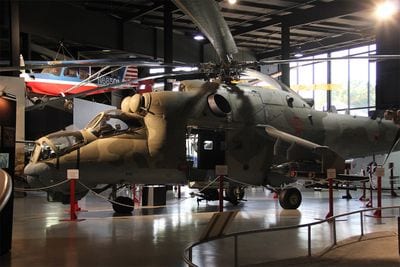
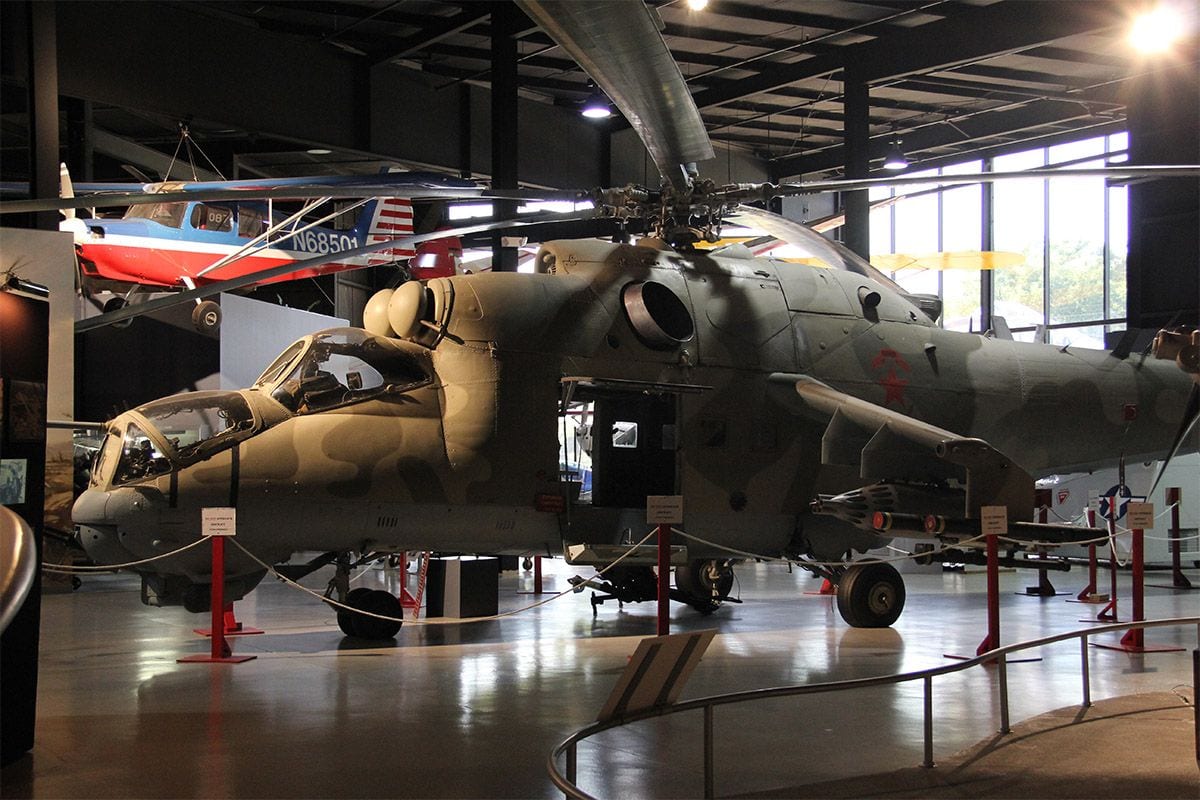
Southern Museum of Flight, beside Birmingham-Shuttlesworth International Airport, spans more than a century of aviation with dozens of aircraft, from a Wright Flyer replica to Cold War jets. Highlights include a Korean War-era MiG-15, a Lockheed A-12 from the Blackbird family and a B-25 Mitchell bomber recovered from a South Carolina lake.
The museum is also home to the Alabama Aviation Hall of Fame and a diorama honoring the Tuskegee Airmen, the state's famed Black World War II pilots. It is a great pick for families and aviation buffs, and an easy add-on on the way to or from the airport.
Red Mountain Park protects about 1,500 acres of wooded ridge on the city's southwestern side, land that U.S. Steel once mined for the iron ore that fed Birmingham's furnaces. Opened in 2012, it is larger than New York's Central Park, and entry is free.
More than 18 miles of hiking and biking trails pass the remnants of old mining operations, and elevated treehouses reached by swinging rope bridges look out over Jones Valley and downtown. A big off-leash dog park makes it a favorite with locals, too.
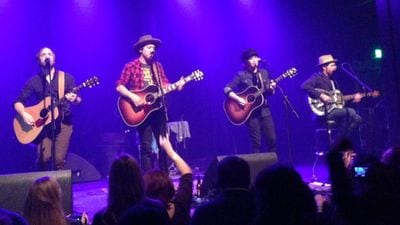
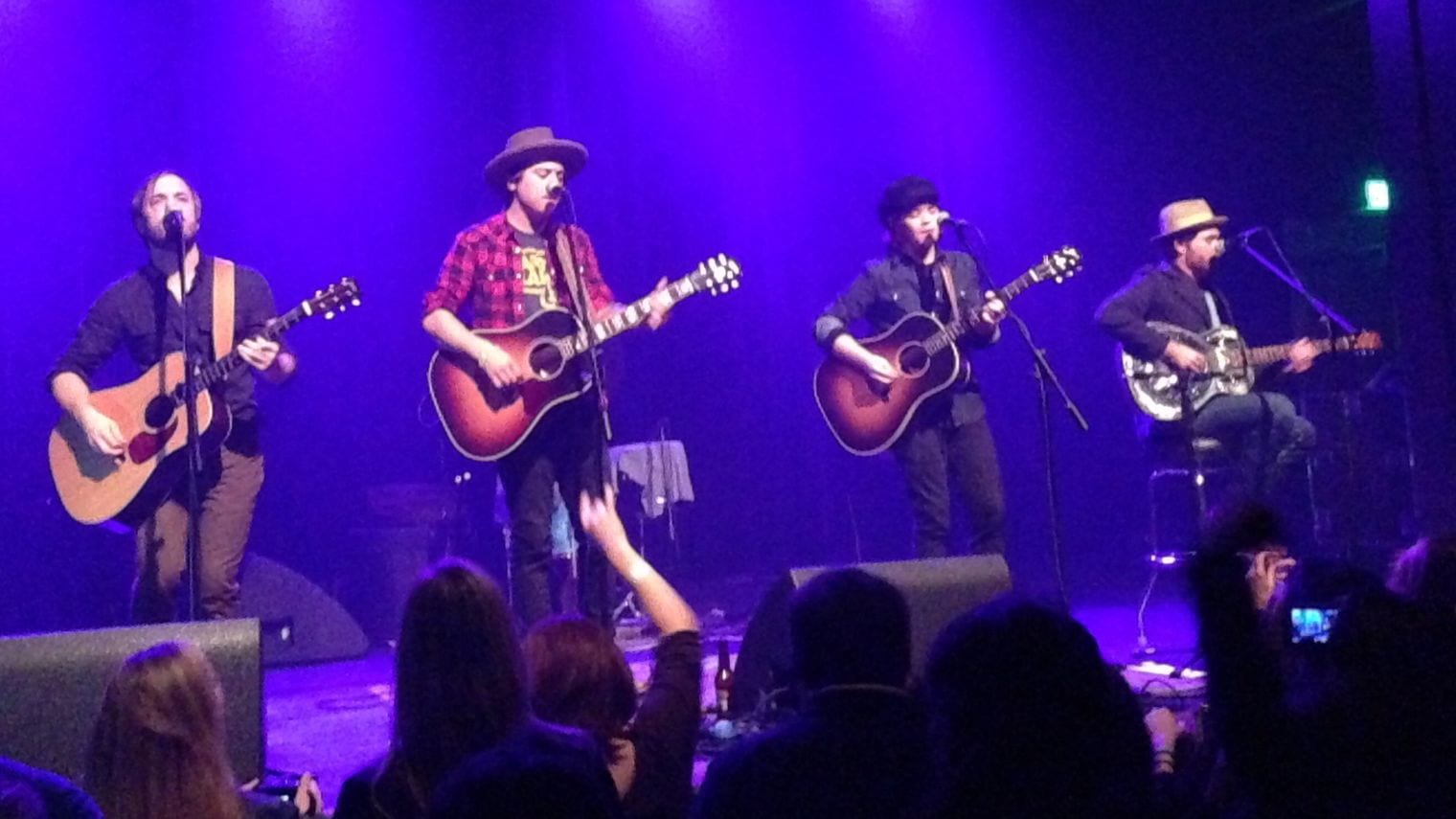
Iron City is one of Birmingham's go-to live music venues, a two-level concert hall on 22nd Street South near the Lakeview district. Touring acts across genres play its main stage, a fitting sound for a venue named after the city of iron.
A restaurant and bars inside make it an easy dinner-and-a-show night, and the surrounding Southside blocks are full of places for a drink before or after. Check the lineup before your trip; a good show here is one of the best ways to spend a Birmingham evening.
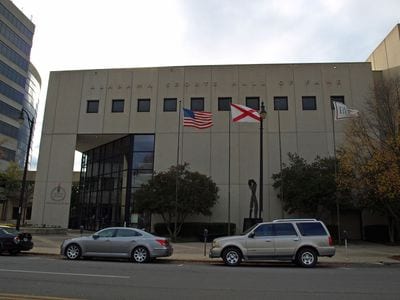
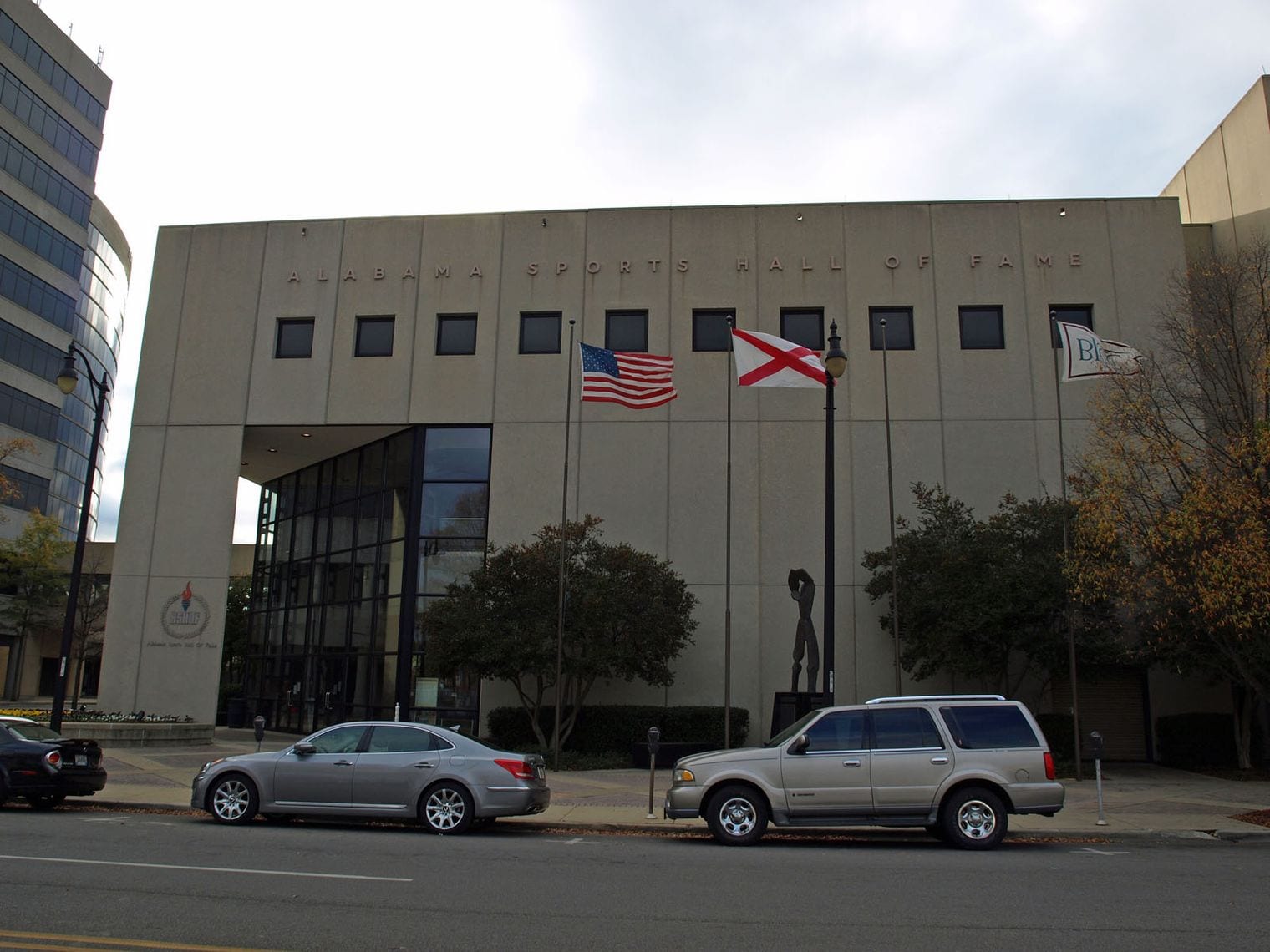
Alabama Sports Hall of Fame, beside the convention center downtown, honors a state with an outsized sporting legacy across three floors of memorabilia. Its members include Jesse Owens, Joe Louis, Hank Aaron, Willie Mays, Bo Jackson and legendary coach Paul "Bear" Bryant.
Look for the Heisman Trophies won by Pat Sullivan and Bo Jackson and one of Bryant's famous houndstooth hats among thousands of objects. Football fans will linger longest, but the Olympic, boxing and baseball stories make it worth an hour for anyone.
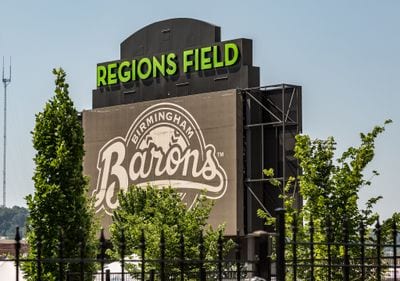
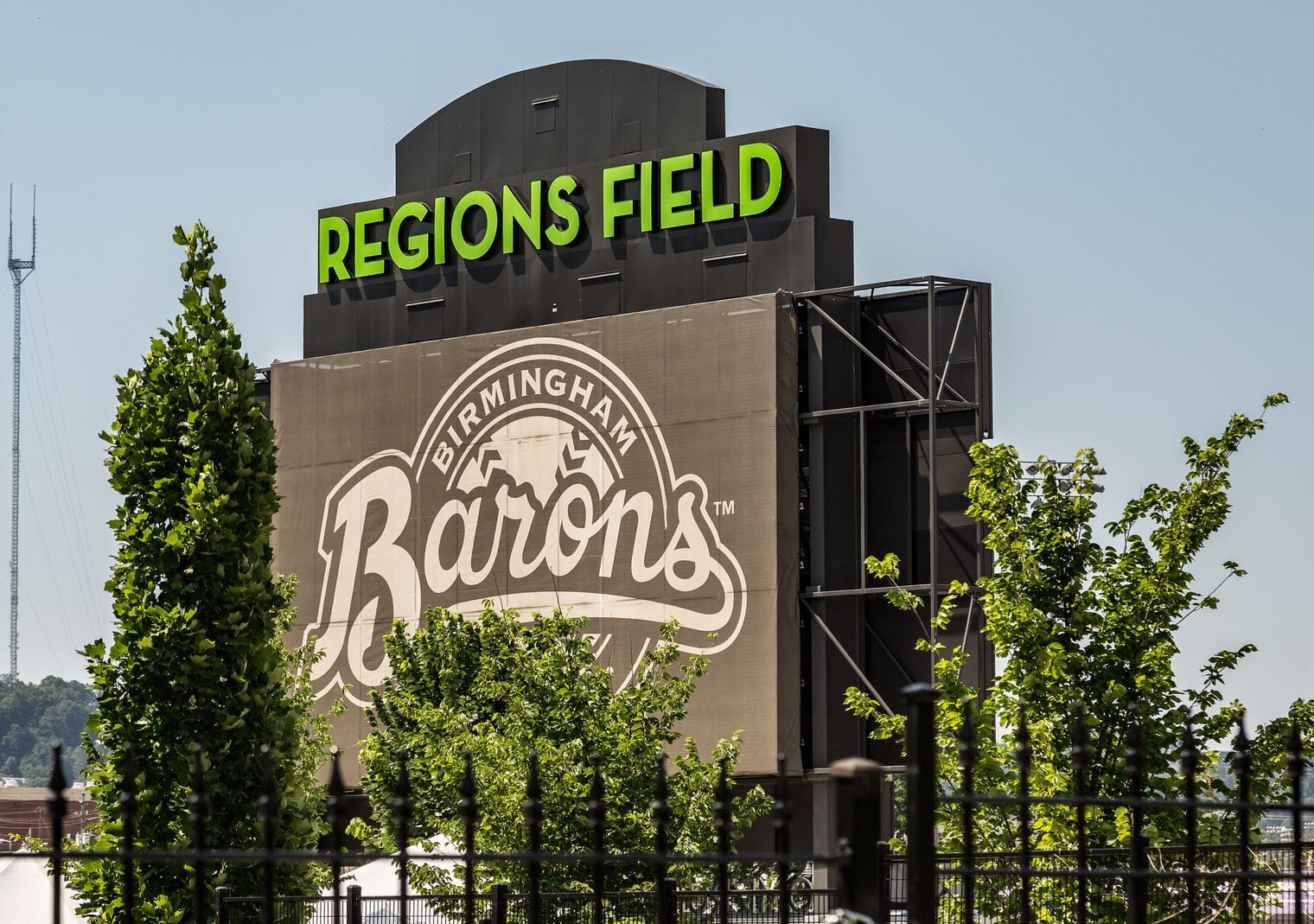
Regions Field has been home to the Birmingham Barons, the city's Southern League minor-league club, since 2013. Built of brick and steel in a nod to the city's industrial past and to historic Rickwood Field, it sits beside Railroad Park with views of the downtown skyline.
Catch a warm evening game as the city lights come on beyond the stands, then stroll through the park afterwards. It is one of the most relaxed nights out in Birmingham, and the ballpark also hosts some of UAB's college baseball games.
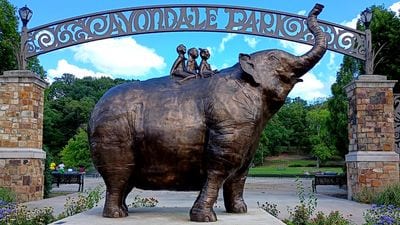
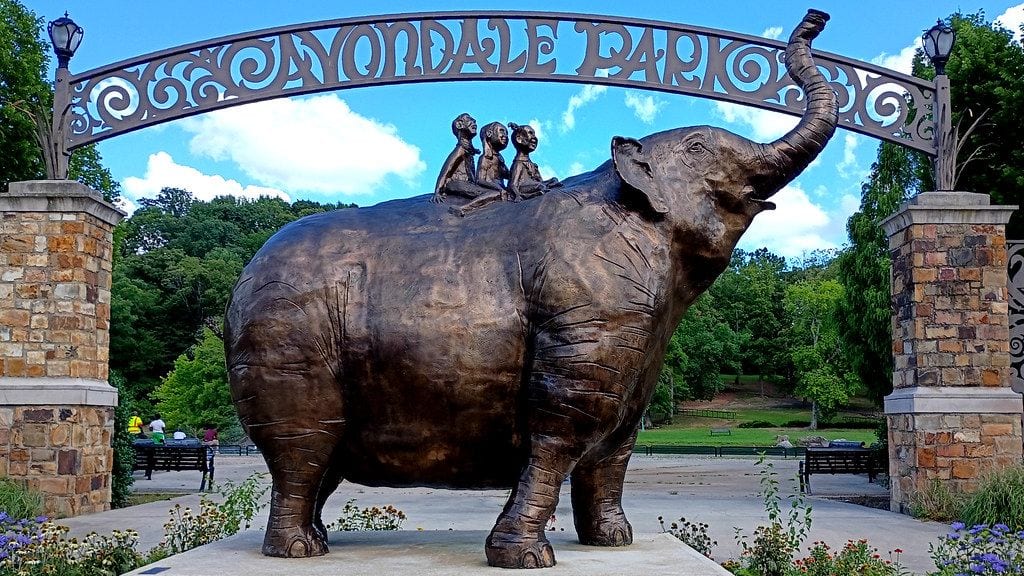
Avondale Park has been a public green space since 1887, set aside around a natural spring on the lower slopes of Red Mountain. Its 1931 Villa, a French Norman-style pavilion on the hill, and a stone amphitheater give it a storybook feel, and the park once housed an early menagerie that included Miss Fancy the elephant.
Today it anchors the lively Avondale neighborhood, where 41st Street is lined with breweries, restaurants and music spots. Bring a picnic, catch an outdoor show if one is on, then walk over for dinner or a drink.
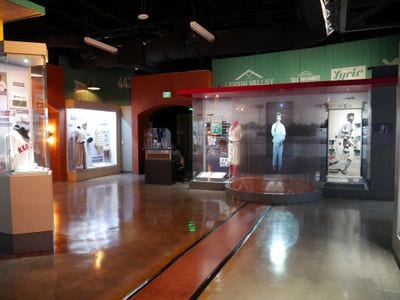
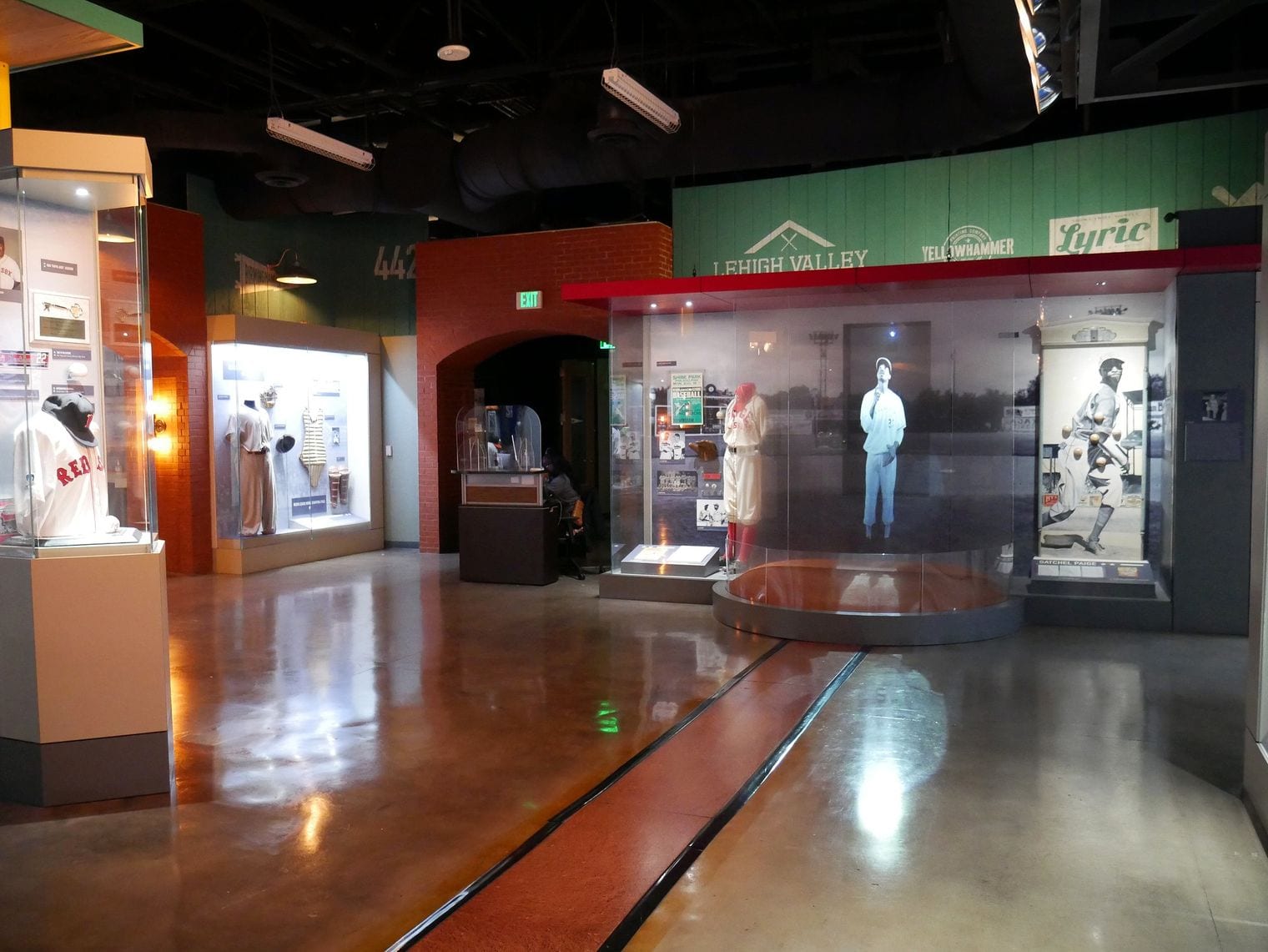
Negro Southern League Museum, next to Regions Field on the Southside, opened in 2015 and holds what is described as the largest collection of original Negro League artifacts in the country. Its exhibits trace the Negro Southern League, the city's industrial-league teams, the Birmingham Black Barons and the players who broke into the majors.
It is an eye-opening companion to the city's civil rights sites, telling the story of segregation through the game. Pair it with a Barons game next door or a trip to Rickwood Field, where the Black Barons once played.
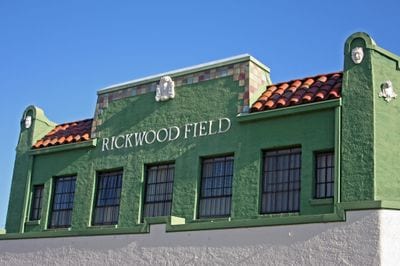
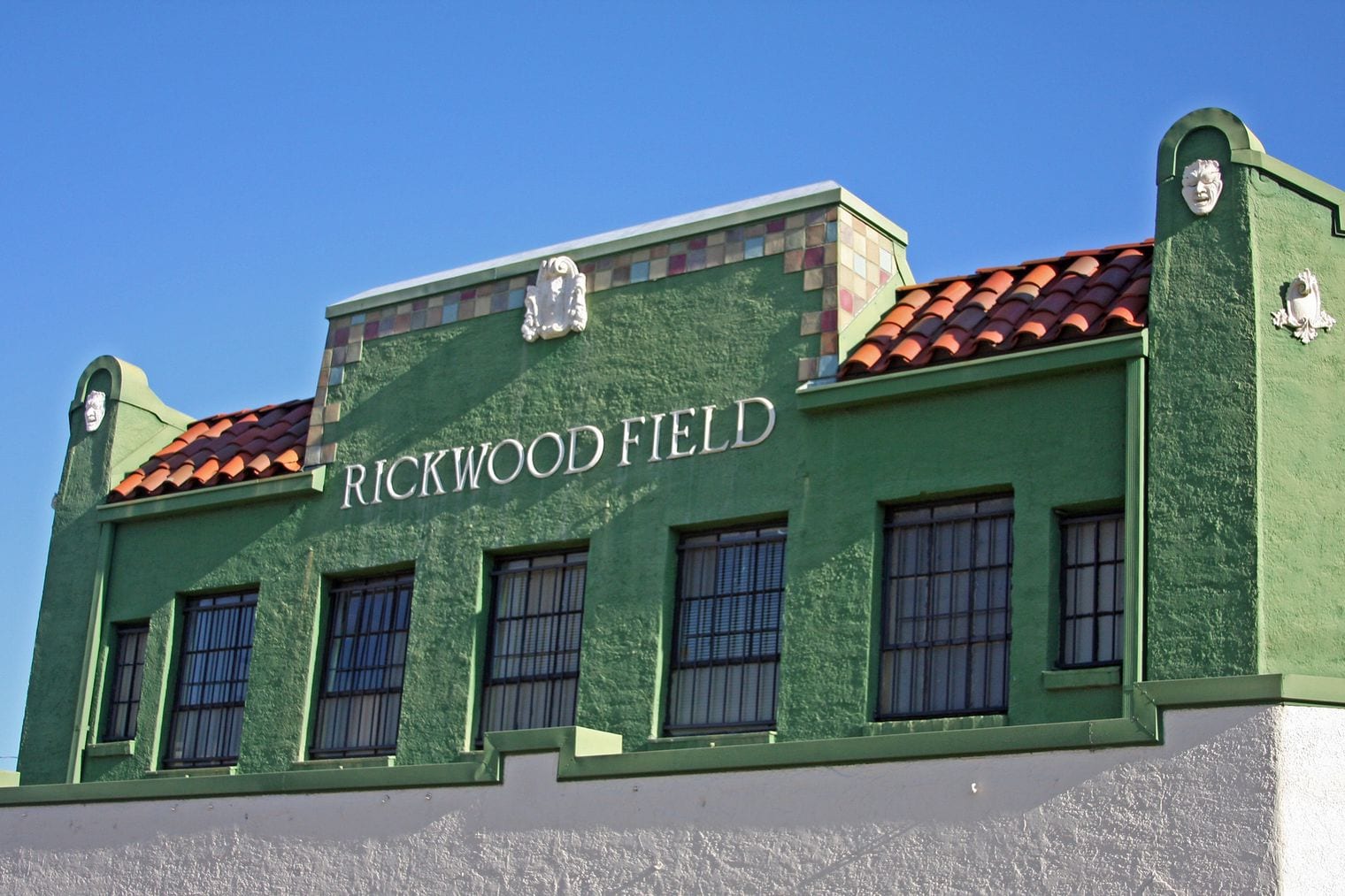
Rickwood Field opened in 1910 and is the oldest existing professional ballpark in the United States, two years older than Boston's Fenway Park. Industrialist Rick Woodward built it for the Birmingham Barons, and the Negro leagues' Birmingham Black Barons played here too, including a teenage Willie Mays, who began his professional career on this field in 1948.
In June 2024 it hosted the first Major League game ever played in Alabama, a Giants-Cardinals matchup honoring the Negro leagues. Throwback games have been staged here for decades, and Hollywood has used the park as a period set for films such as 42 and Cobb.
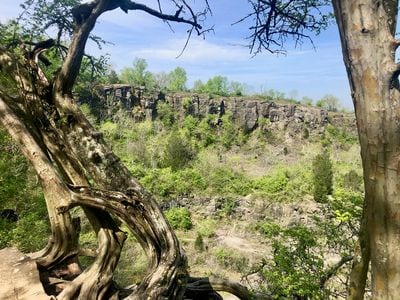
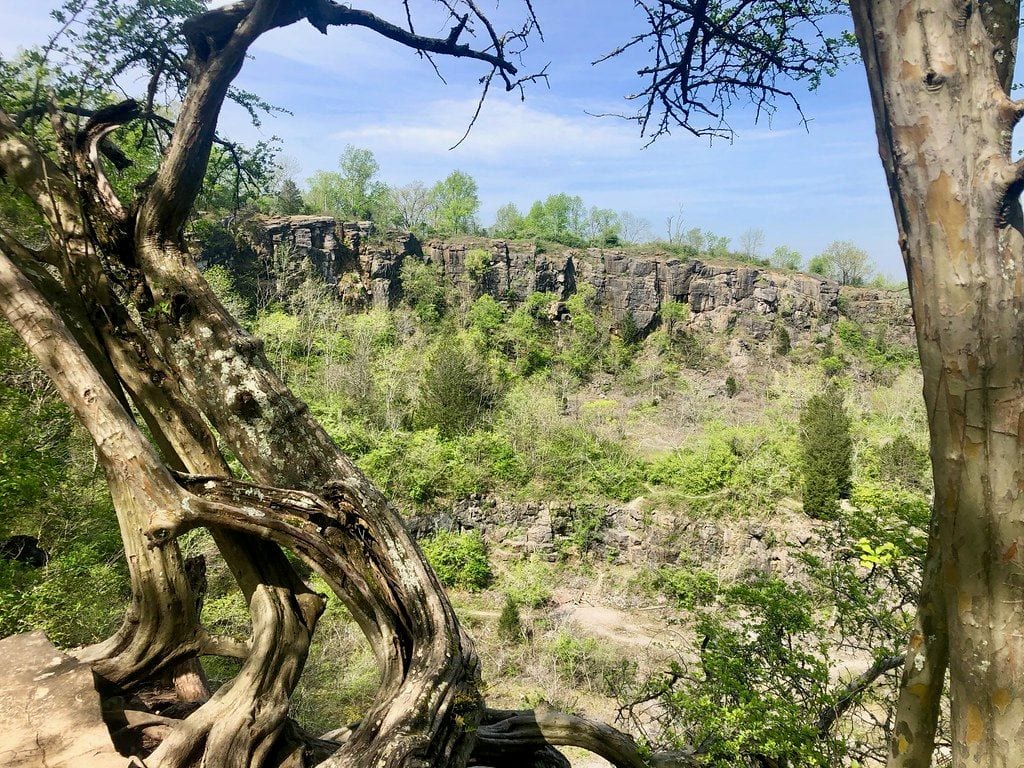
Ruffner Mountain Nature Preserve protects more than 1,000 acres of oak, hickory and pine forest on the city's east side, land once dug for iron ore and quarried for stone to supply the steel mills. Miles of mountain trails wind past the remnants of those mining operations and an old quarry where fossils of ancient sea life are exposed in the rock.
The nature center introduces native Alabama wildlife, including raptors, snakes and turtles, and more than 150 bird species have been recorded on the mountain. It is a genuine wild escape inside city limits, only minutes from downtown.
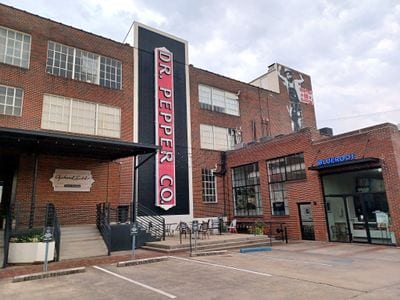
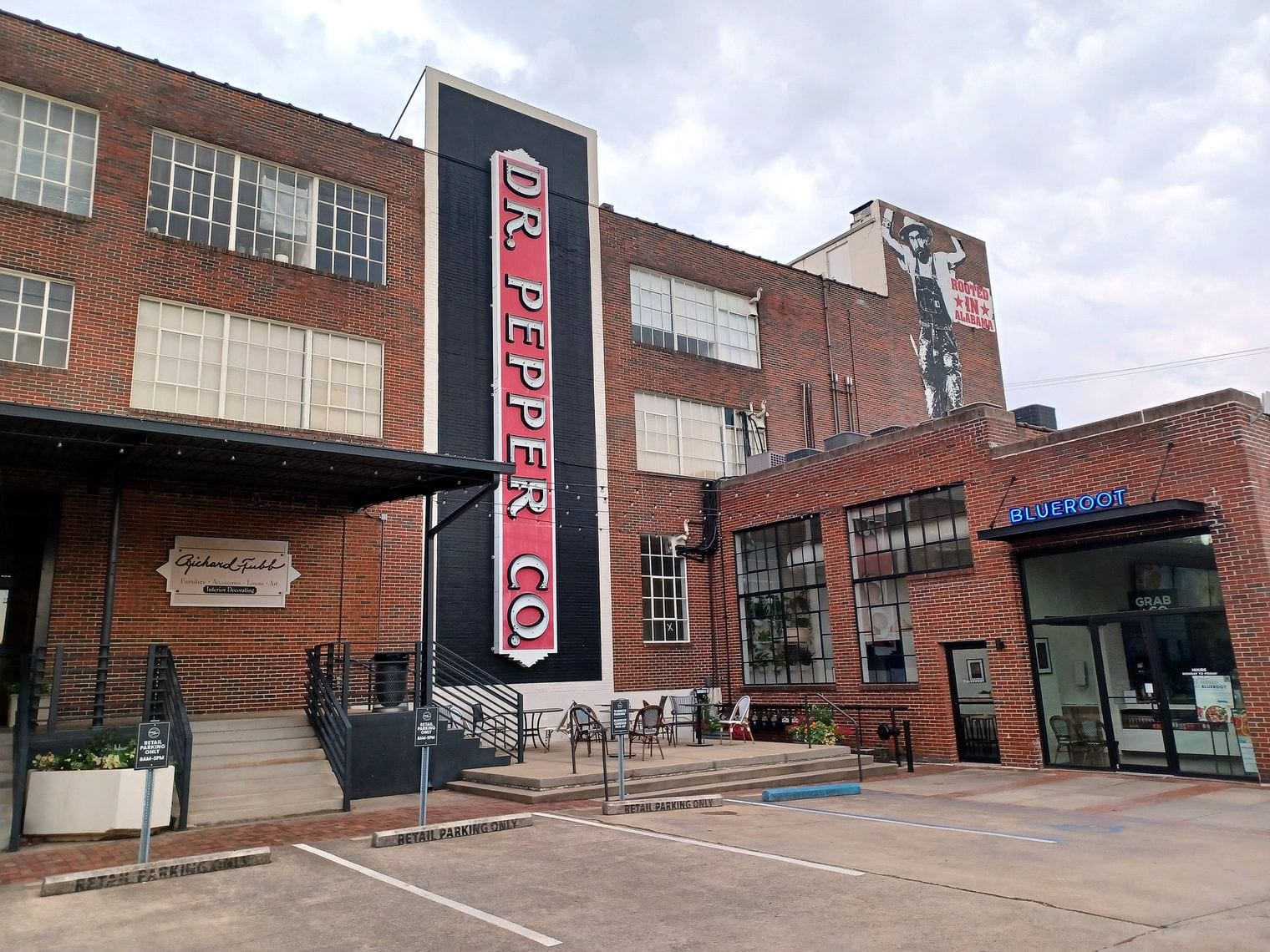
The Market at Pepper Place is Birmingham's Saturday-morning ritual, a producer-only farmers market set against the restored brick of the old Dr Pepper syrup plant in the Lakeview district. Farmers, bakers and makers from across Alabama sell straight from their stalls, so you buy from the people who grow and make it.
Live music, chef demonstrations and children's activities turn a shopping trip into a morning out. The market runs on Saturdays through most of the year; come early for the best produce and stay for a coffee and a wander.
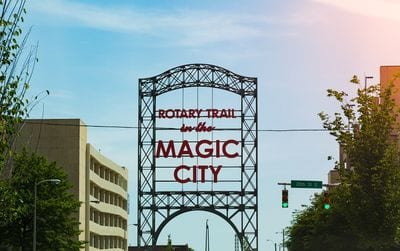
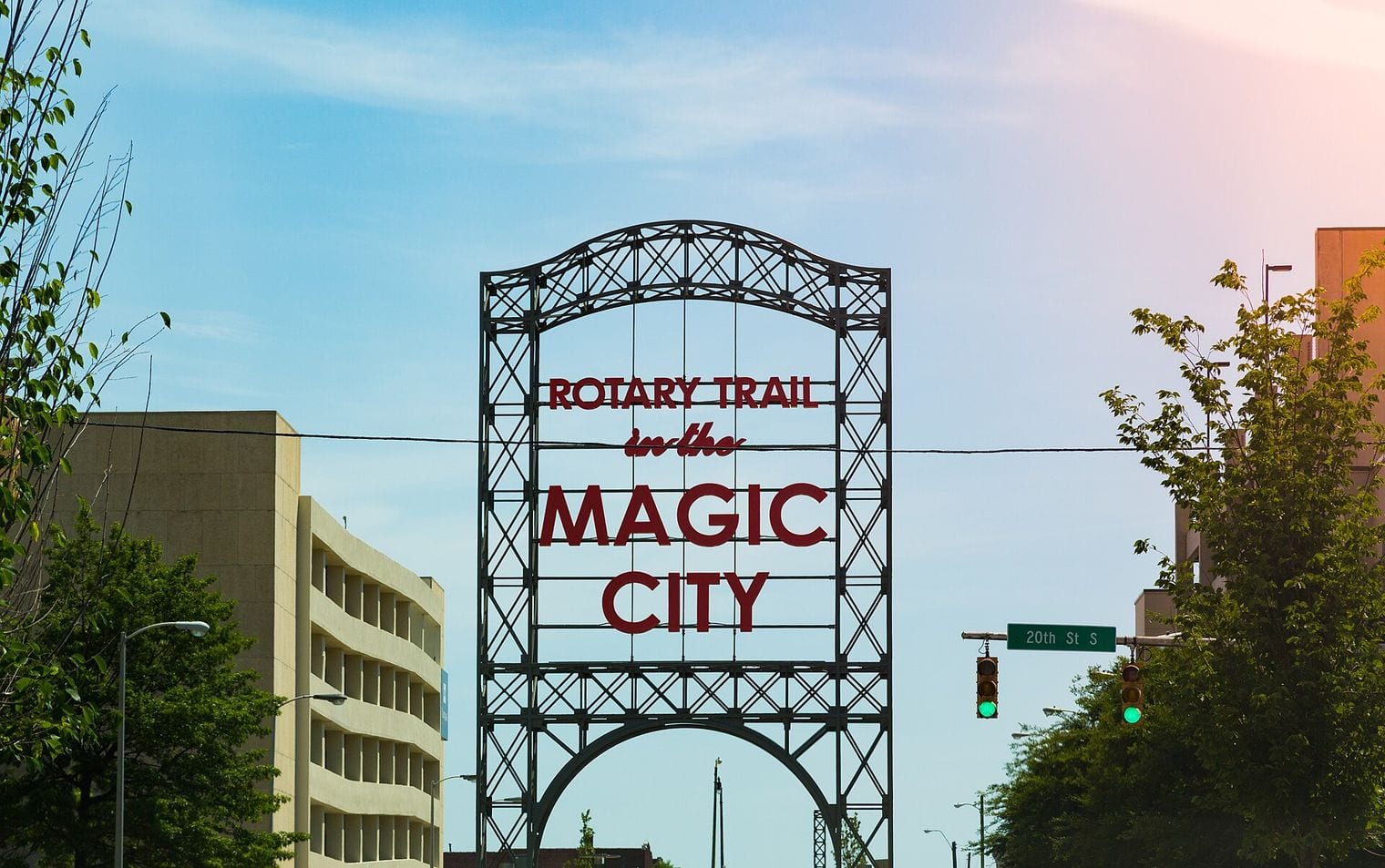
Rotary Trail turned an old railroad cut along First Avenue South into a half-mile linear park, linking the Railroad Park end of downtown toward Sloss Furnaces. Opened in 2016 and funded largely by the Birmingham Rotary Club for its centennial, it is marked by a 46-foot 'Rotary Trail in the Magic City' sign modeled on the city's historic Magic City sign.
The landscaped path makes a short, easy walk and a handy connector between downtown's green spaces. Come in the evening, when the sign lights up, for one of the best photo spots in the city.
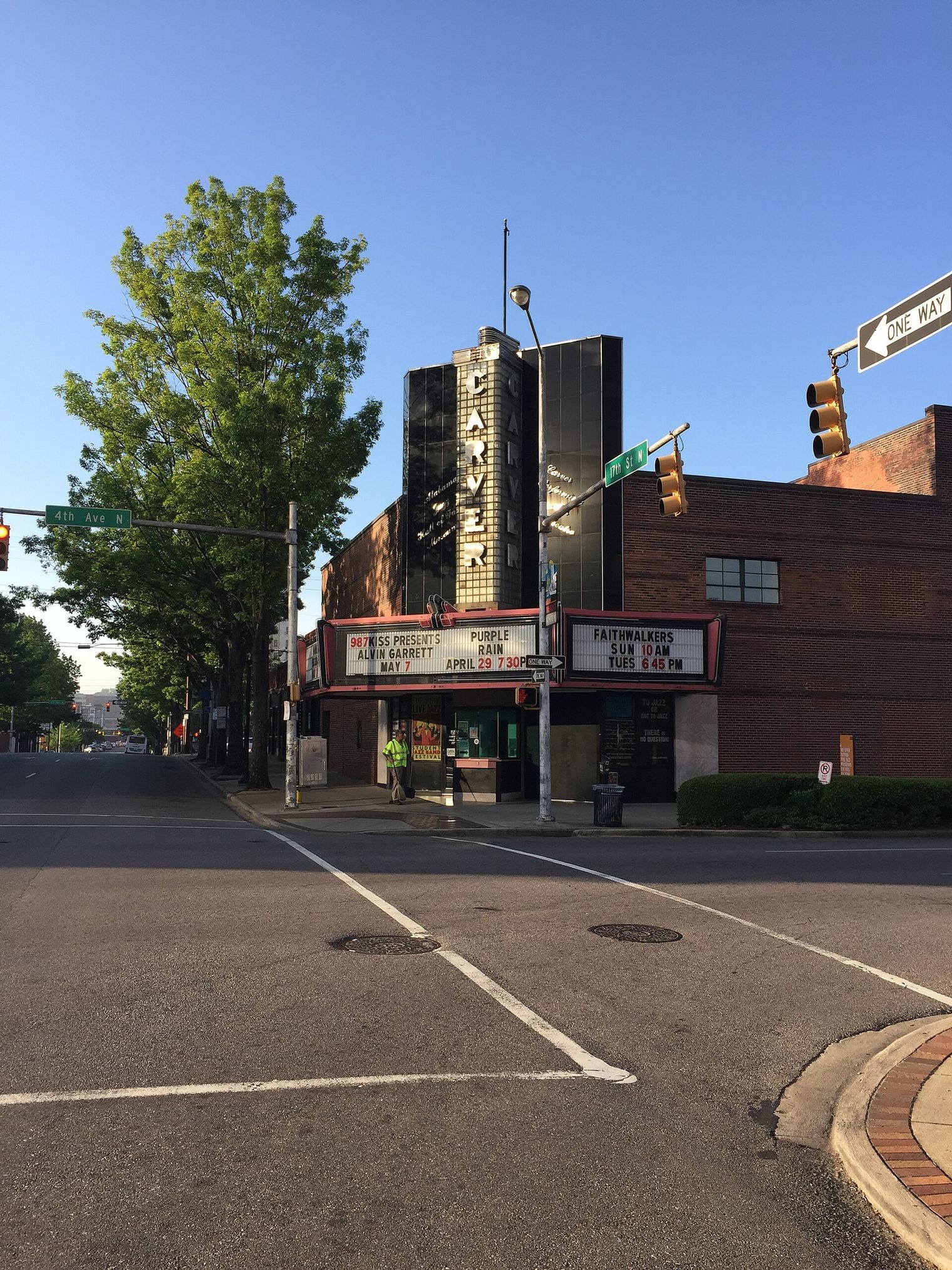
Alabama Jazz Hall of Fame occupies the historic Carver Theatre on Fourth Avenue North, the old Black business district that sits within the Birmingham Civil Rights District. Its honorees run from Birmingham's own Erskine Hawkins and Sun Ra to Nat King Cole, Dinah Washington, Lionel Hampton and Ella Fitzgerald.
Exhibits of instruments, paintings, quilts and personal effects tell the story of jazz as an original American art form, and the Hall's education programs keep the music alive for young players. It is a small, rewarding stop to fold into a day in the Civil Rights District.
Plan your trip
Best Time to Visit Birmingham
Spring (March to May) and fall (September to November) are the most comfortable seasons in Birmingham, with mild days that suit the walk through the Civil Rights District, the trails on Red Mountain and an afternoon at the Botanical Gardens. Spring brings flowering trees and outdoor festival season, while fall means football weekends and crisp evenings at the ballpark.
Summers are long, hot and humid, so plan outdoor sights for the morning and save the air-conditioned museums for the afternoon; a warm evening at Regions Field is the classic summer night out. Winters are short and generally mild, with quieter attractions and the occasional cold snap.
Getting to Birmingham
Birmingham-Shuttlesworth International Airport sits just northeast of downtown, a short drive from most of the sights in this guide. For more nonstop flight options, Hartsfield-Jackson Atlanta International Airport is about two and a half hours east by car.
The city is a crossroads of interstates: I-20 and I-59 run through downtown from Atlanta and the Northeast, I-65 connects it north to Nashville and south to Montgomery and Mobile, and I-22 comes in from the Memphis direction. Amtrak's long-distance line between New York and New Orleans stops at the downtown station, and intercity buses serve the city too.
Getting Around Birmingham
Downtown is compact enough to explore on foot: the Civil Rights District, the Theatre District, Railroad Park, the Rotary Trail, Regions Field and Sloss Furnaces all sit within a couple of miles of each other. Southside, Five Points South and the Lakeview district are a short drive or rideshare away, and local buses cover the main corridors.
For everything else, a car is by far the easiest option. The Barber museum, the zoo and Botanical Gardens, the Southern Museum of Flight, Ruffner Mountain and Red Mountain Park are spread around the edges of the city, and parking is generally straightforward outside the downtown core.
Where to Stay in Birmingham
Downtown is the most convenient base for first-time visitors, within walking distance of the Civil Rights District, the historic theaters, Railroad Park and the ballpark. Southside, around Five Points South and the UAB campus, puts you among restaurants and bars, with the Lakeview district and its music venues close by.
For a quieter stay, the suburbs just over Red Mountain, such as Homewood, offer easy access to Vulcan, the zoo and the Botanical Gardens, while still being only a few minutes' drive from downtown.
Where to Eat in Birmingham
Birmingham is a serious food city with deep Southern roots. Look for meat-and-three lunch spots serving fried chicken, greens, cornbread and whatever vegetables are in season, alongside smoky barbecue and fried green tomatoes, with Gulf seafood never far from the menu.
The liveliest dining districts are Five Points South, Lakeview around Pepper Place, Avondale's 41st Street with its breweries, and downtown's historic blocks. On a Saturday morning, The Market at Pepper Place is the best place to taste what Alabama's farmers and makers produce.
Day Trips from Birmingham
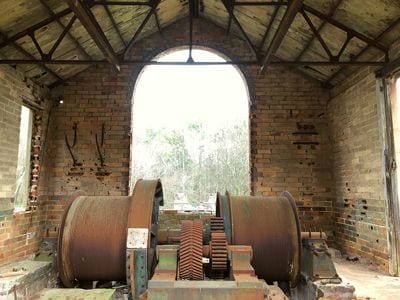
Oak Mountain State Park, about 30 minutes south in Pelham, offers lakes, mountain-bike trails and ridge-top hikes, and Tannehill Ironworks Historical State Park, about 40 minutes southwest, preserves the 19th-century stone furnaces that came before Sloss. Closer still, Moss Rock Preserve in Hoover is known for its boulders and waterfalls.
For longer outings, Montgomery, about 90 minutes south, completes the civil rights story that Birmingham begins, while Huntsville, about 90 minutes north, is the home of the U.S. Space and Rocket Center. Auburn, the college town around Auburn University, is roughly two hours southeast.
Birmingham is best known for its iron-and-steel heritage and its central role in the civil rights movement. Top sights include Vulcan Park and Museum, 16th Street Baptist Church, Sloss Furnaces, the Barber Vintage Motorsports Museum and the Birmingham Museum of Art, with the 1963 campaign's landmarks clustered together downtown.
Is Birmingham worth visiting?
Yes. Birmingham packs a nationally important civil rights district, a free art museum, a preserved blast furnace, the world's largest motorcycle collection and the oldest existing professional ballpark in the US into one compact, affordable city, with a strong food scene and green parks on the ridges that surround downtown.
How many days do you need in Birmingham?
Two to three days is ideal. One day covers the Civil Rights District, Railroad Park and Sloss Furnaces; a second day suits Vulcan, the Birmingham Museum of Art and the zoo or Botanical Gardens; a third leaves time for the Barber museum, Red Mountain Park or a Saturday at Pepper Place.
What can you do in Birmingham for free?
Plenty. The Birmingham Museum of Art offers free general admission, and Sloss Furnaces and the Birmingham Botanical Gardens are free to explore. Kelly Ingram Park, Railroad Park, the Rotary Trail, Avondale Park and the trails of Red Mountain Park cost nothing either, so a budget trip can still be full.
When is the best time to visit Birmingham?
Spring and fall are the best times to visit Birmingham, when mild weather suits walking the Civil Rights District and hiking Red Mountain. Summers are hot and humid, so plan outdoor sights early and museums for the afternoon, while winters are short, mild and quieter at the major attractions.
Is downtown Birmingham walkable?
The downtown core is. The Civil Rights District, the Alabama Theatre, Railroad Park, the Rotary Trail, Regions Field and Sloss Furnaces all lie within a couple of miles of each other. For Vulcan, the zoo, the Barber museum and the mountain parks, you will want a car or a rideshare.