We may earn a commission if you book tickets, tours or a stay through a link on
this page, at no extra cost to you. It never affects which places we list or how
we rank them (how we make money).
Short answer
Start with Sitka for its onion-domed Russian cathedral and totem-lined rainforest park, Skagway for its gold rush streets and the White Pass & Yukon Route railroad, and Talkeetna, the river town that is the base for Denali climbs and flightseeing. Most towns on this list fill a day or two, while island towns reached only by ferry or plane, such as Sitka, Ketchikan and Kodiak, deserve two or three days.
Beyond its handful of cities, Alaska is a state of small towns, many of them out of reach of any road: Russian-era ports on rainforest islands, gold rush boomtowns, fishing harbors on glacier-carved fjords and Arctic outposts on the edge of the tundra. Getting there, by ferry, floatplane, railroad or scenic highway, is half the adventure.
This guide ranks 20 of the best, from Inside Passage harbors to the road towns within a drive of Anchorage and the northernmost town in the country. Most reward a day or two, the island towns deserve longer, and several pair up neatly by ferry or car.
Talkeetna's honorary mayor for twenty years was a cat named Stubbs, who held the unofficial post from 1997 until his death in 2017; the town is unincorporated, so it has no elected mayor.
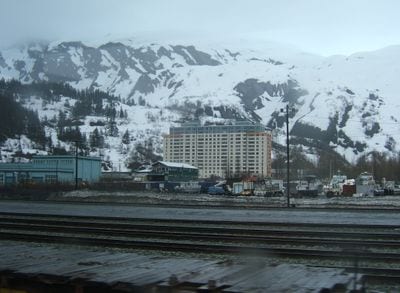
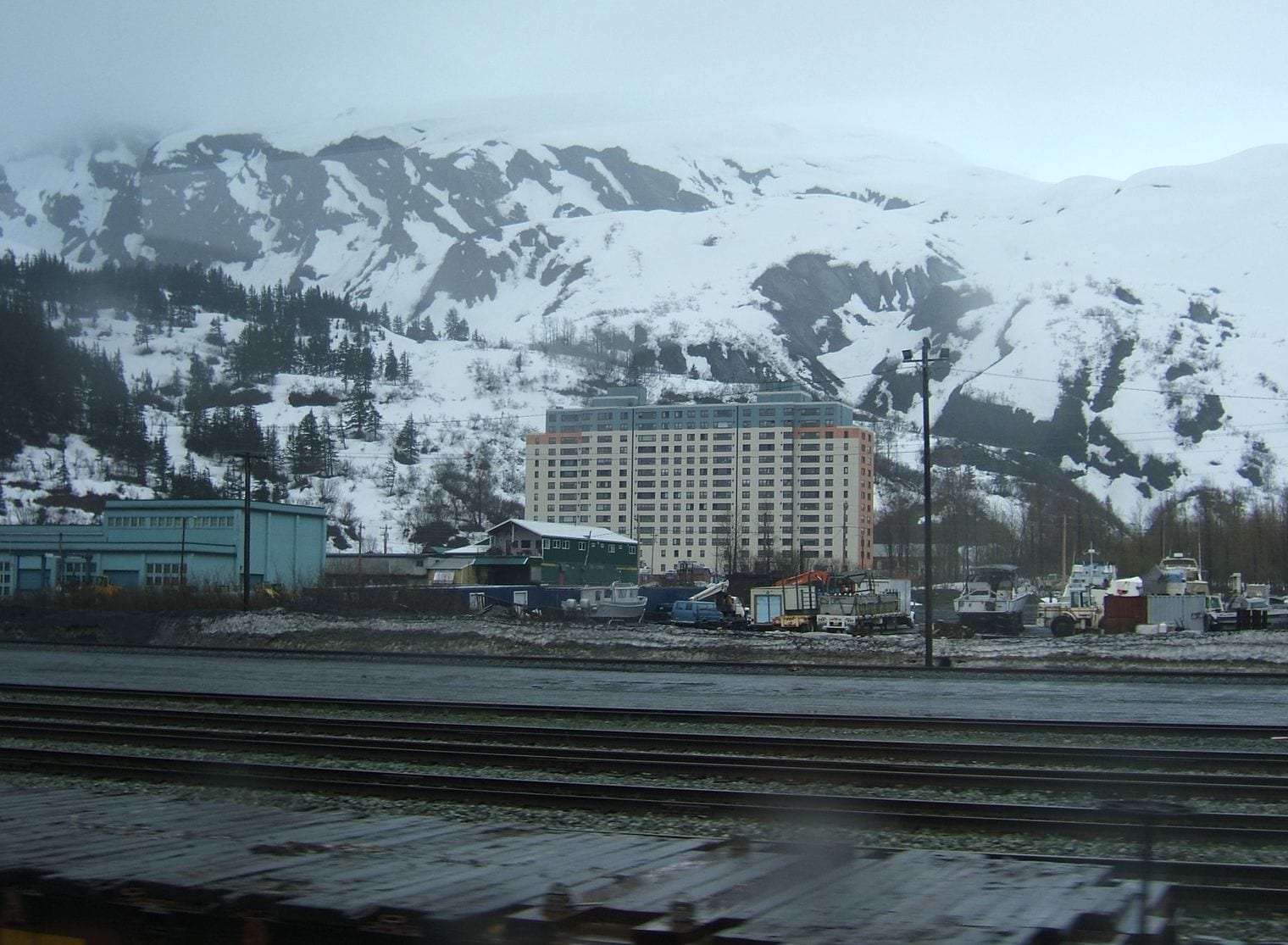
Almost everyone in Whittier lives in one 14-story building, the Begich Towers, and the only way in by land is the 2.5-mile Anton Anderson Memorial Tunnel, the longest combined rail and highway tunnel in North America.
In Utqiagvik, the northernmost town in the United States, the sun does not set for about 83 days in summer, and in winter it stays below the horizon for about 66 days.
The post office in North Pole receives hundreds of thousands of letters to Santa each year before Christmas, even though the town lies about 1,700 miles south of the real North Pole.
One of Ketchikan's ZIP codes, 99950, is the highest-numbered ZIP code in the United States.
Sitka hosted the ceremony that transferred Alaska from Russia to the United States on October 18, 1867, after a purchase arranged by Secretary of State William H. Seward.
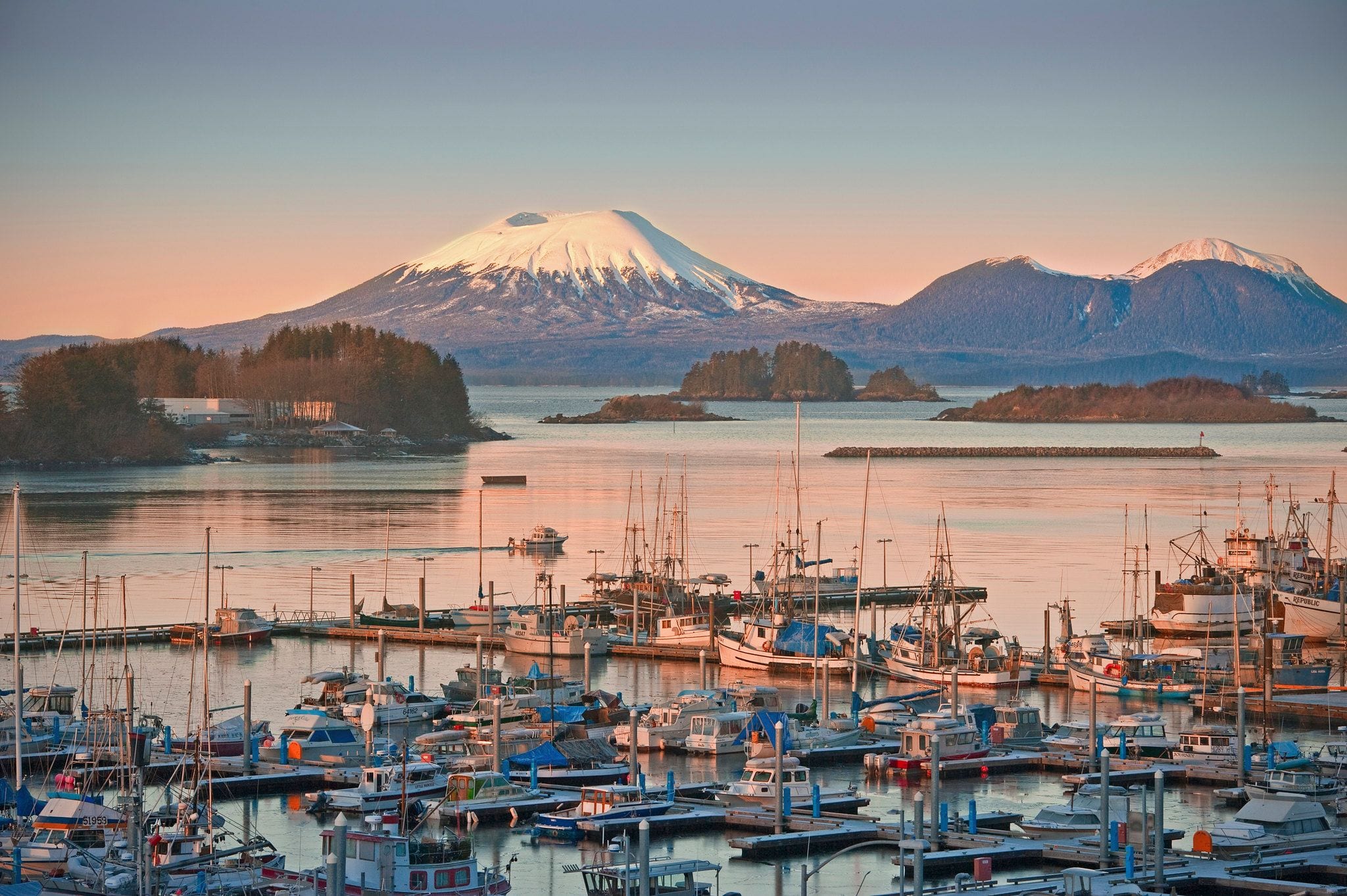
Sitka sits on the outer coast of Baranof Island, facing the Pacific with the volcanic cone of Mount Edgecumbe across the sound. The Russians founded it as New Archangel after defeating the Tlingit in the Battle of Sitka in 1804, it became the capital of Russian America, and in 1867 it hosted the ceremony that handed Alaska to the United States.
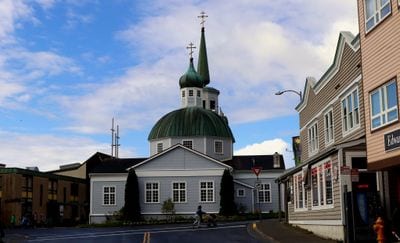
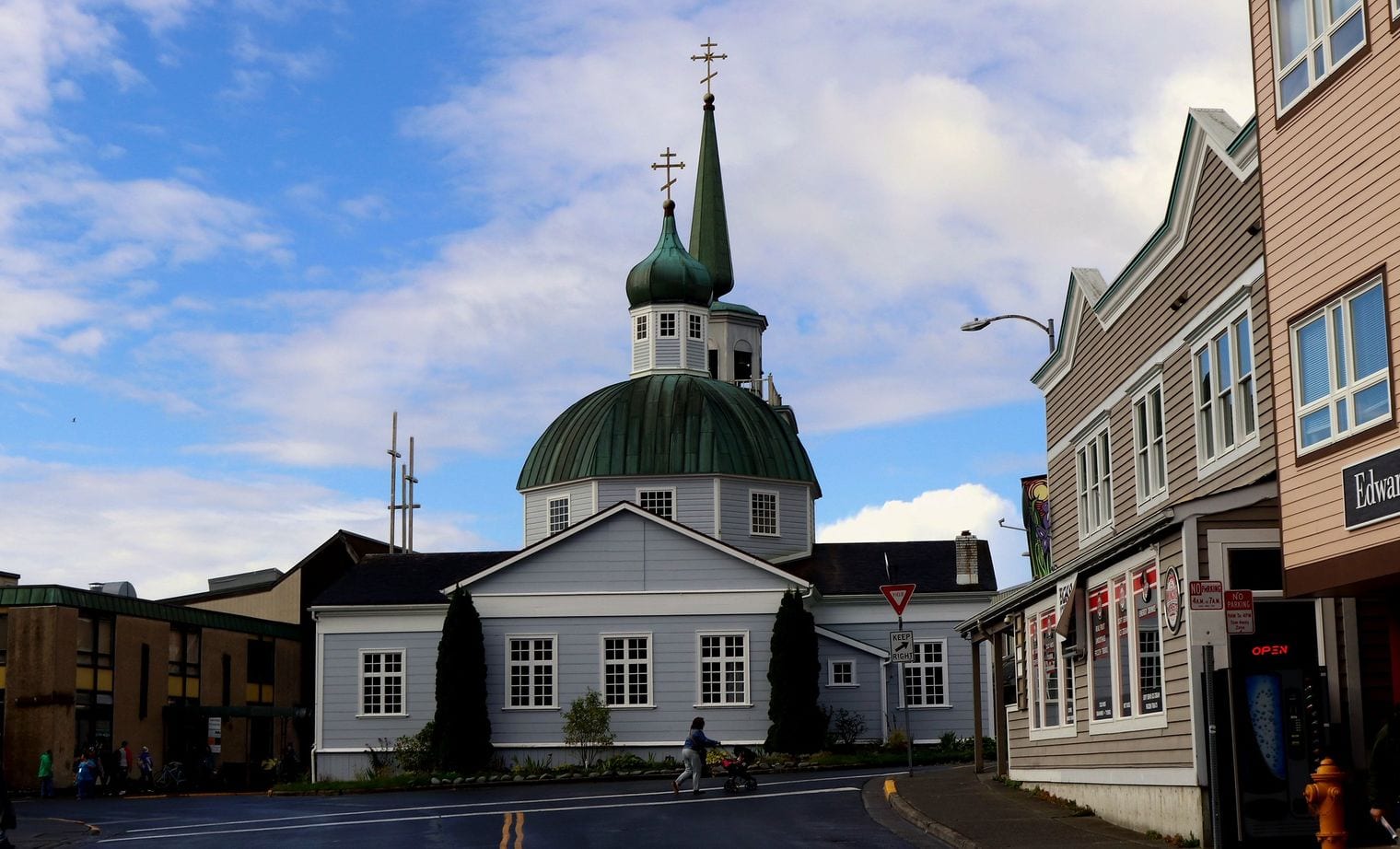
That layered history is easy to explore on foot. St. Michael's Cathedral, the onion-domed Russian Orthodox church restored after a 1966 fire, anchors downtown, and the National Park Service has restored the Russian Bishop's House. Sitka National Historical Park, which tells both the Tlingit and Russian sides of the story, adds a coastal rainforest trail lined with totem poles. There is no road link to the mainland, so you arrive by air or on the state ferry.
Skagway boomed almost overnight when the first boatload of Klondike prospectors landed in July 1897, and by 1898 it was briefly the largest city in Alaska, a lawless port dominated by the con man Jefferson “Soapy” Smith until he was shot dead on the wharf. Thousands of stampeders set off from here over the White Pass, or from nearby Dyea over the Chilkoot Trail, bound for the Yukon gold fields.
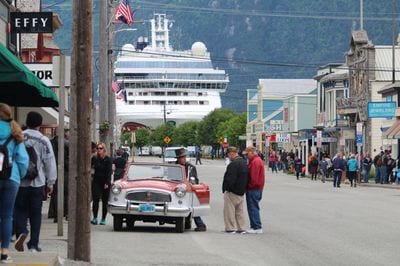
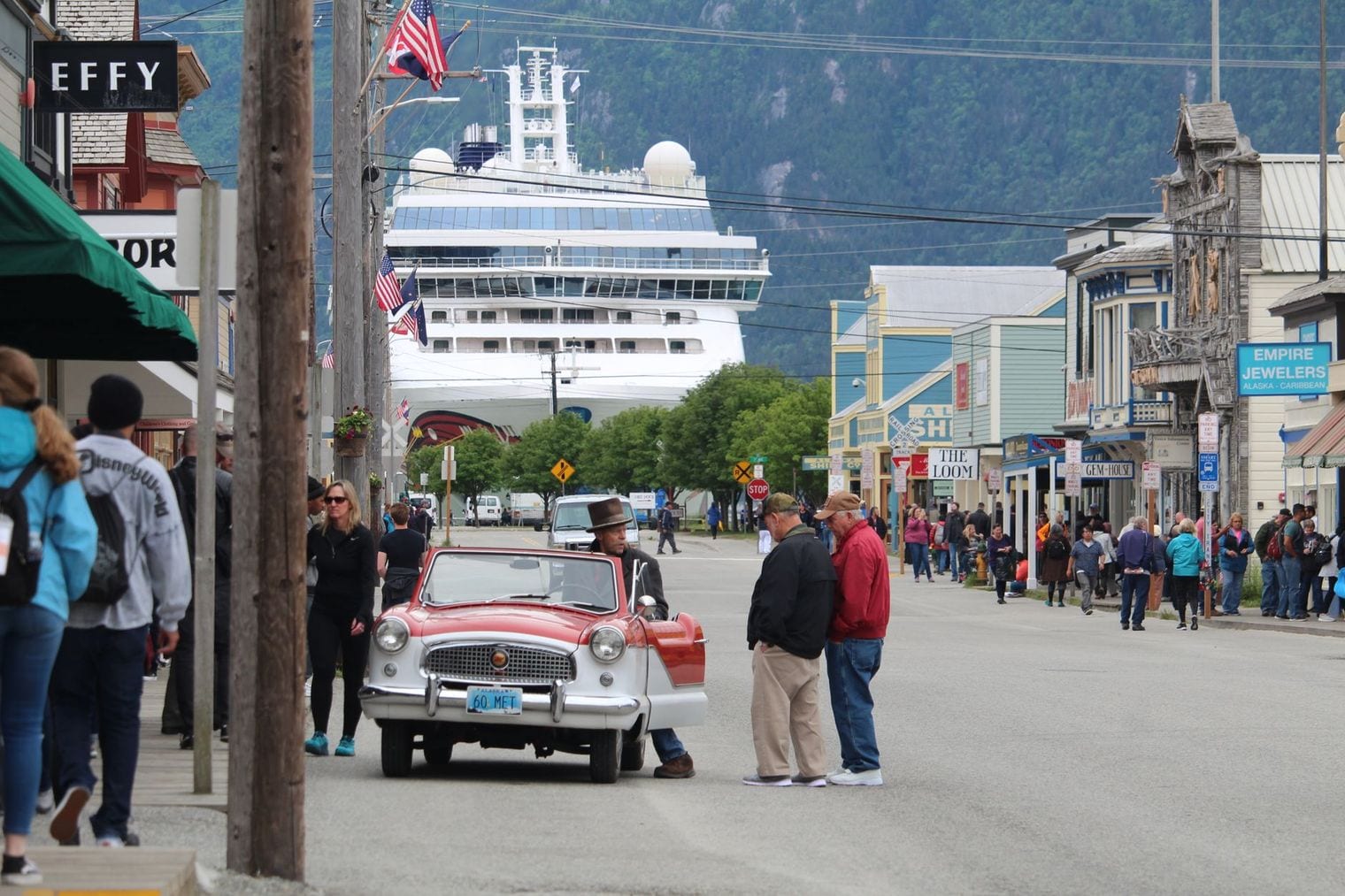
Much of downtown along Broadway is now part of Klondike Gold Rush National Historical Park, with a visitor center in the 1898 railroad depot and restored gold rush buildings, including Soapy Smith's old saloon. The narrow-gauge White Pass & Yukon Route railroad climbs out of town through the mountains in summer, and the Klondike Highway links Skagway to the Yukon, making it one of the few Southeast Alaska towns with a road out, by way of Canada.
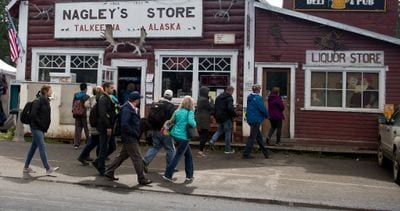
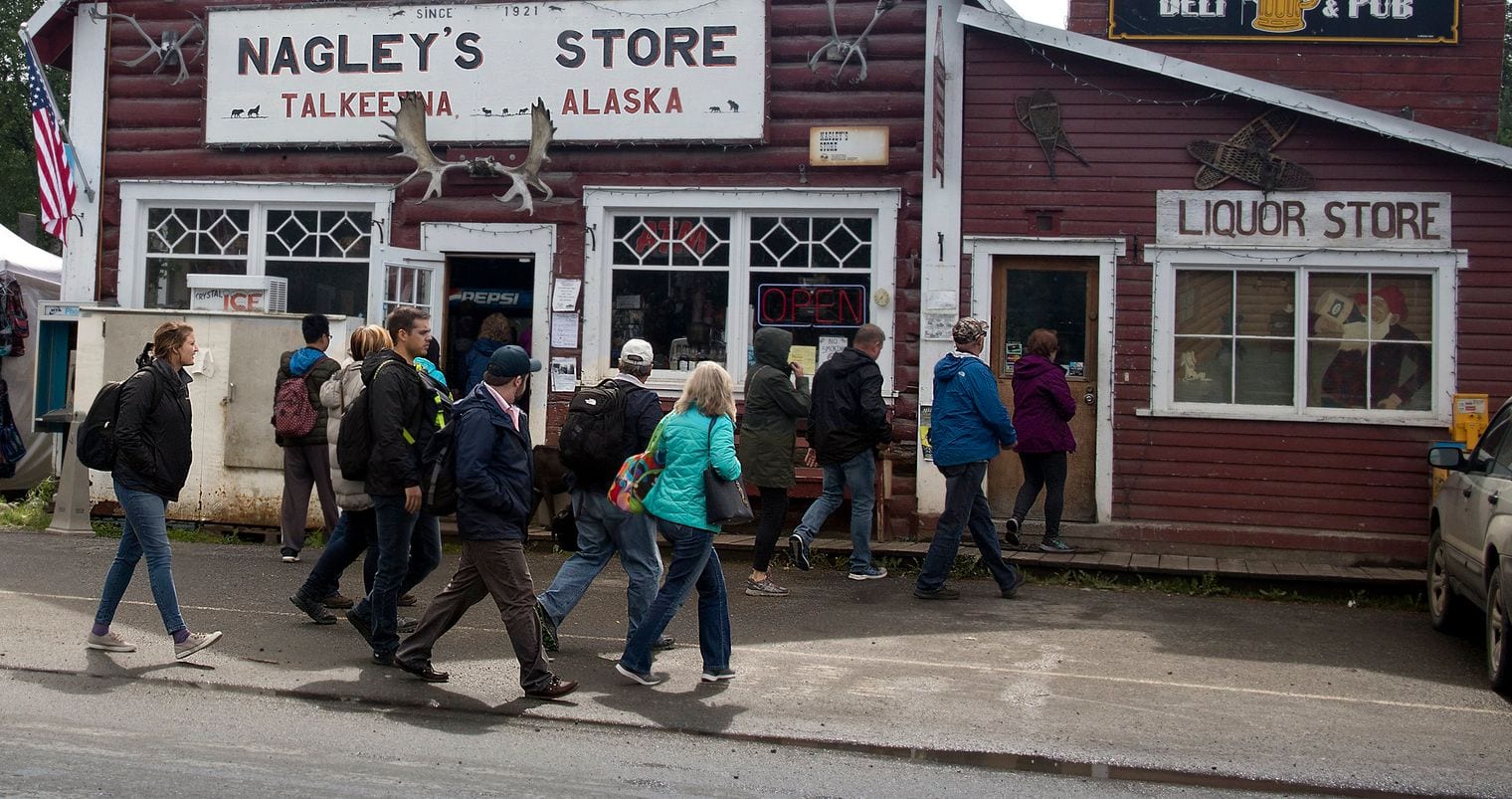
Talkeetna grew up in 1916 as a district headquarters for the Alaska Railroad, at the confluence of the Susitna, Chulitna and Talkeetna rivers, and it still has the feel of a frontier river town. The compact downtown is a historic district of early-1900s buildings such as Nagley's General Store, the Fairview Inn and the Talkeetna Roadhouse, and for twenty years its honorary mayor was a cat named Stubbs.
This is also the base for expeditions to Denali, and the National Park Service runs its Walter Harper Talkeetna Ranger Station here for climbers heading to the mountain. Flightseeing planes take off from town for Denali, some landing on the park's glaciers, while rafting, salmon fishing and hiking fill the rest of a stay.
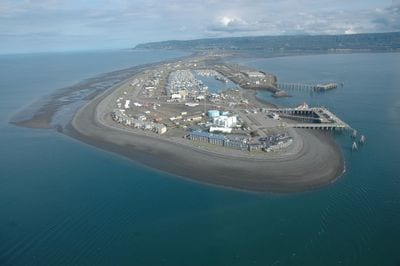
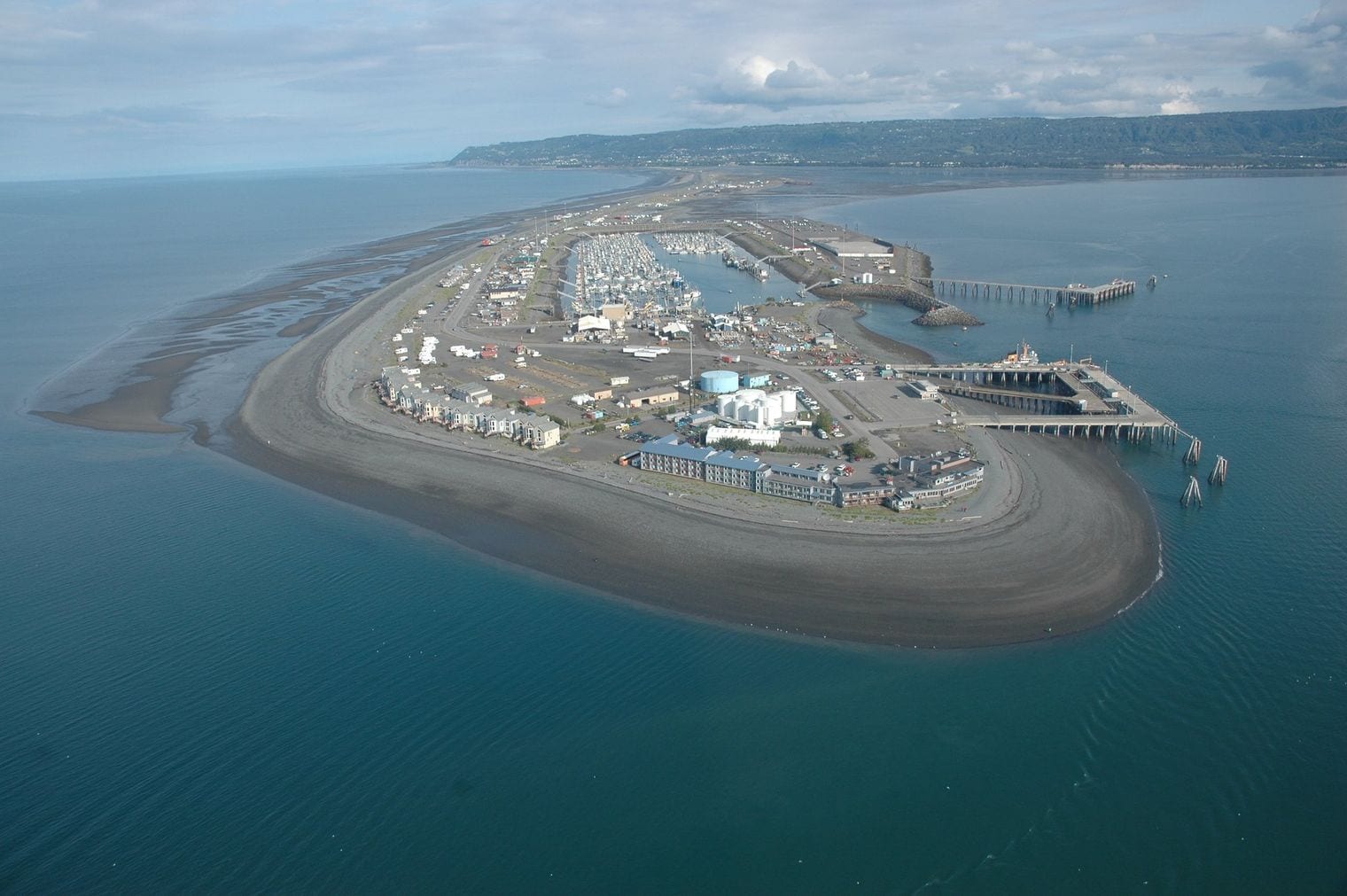
Homer calls itself the end of the road, and it is: the Sterling Highway stops here on the shore of Kachemak Bay, at the southwestern edge of the Kenai Peninsula. Its signature is the Homer Spit, a narrow 4.5-mile gravel bar pushing into the bay, home to the boat harbor, the charter docks and a strip of shops facing the mountains and glaciers across the water.
Long billed as the Halibut Fishing Capital of the World, Homer sends charter boats out after halibut and salmon, while birders arrive for the spring shorebird migration each May. The Pratt Museum covers the bay's history and wildlife, and the Alaska Islands and Ocean Visitor Center is the base for the Alaska Maritime National Wildlife Refuge. The town's other nickname, the cosmic hamlet by the sea, hints at its laid-back side.
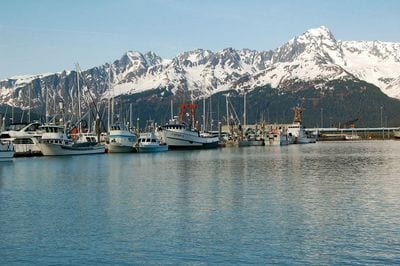
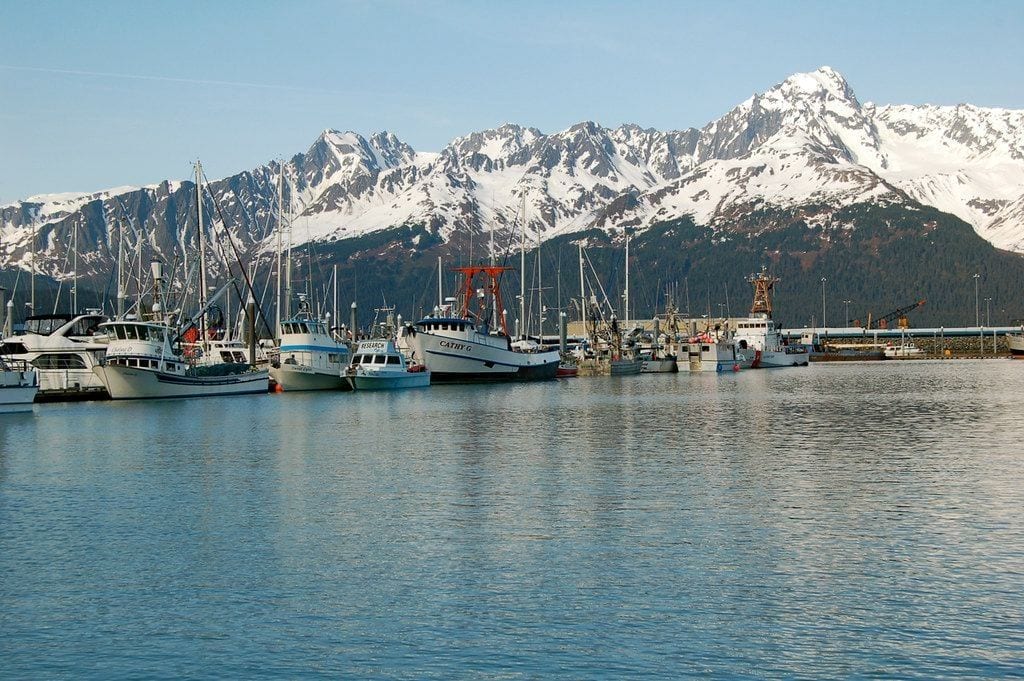
Seward sits at the head of Resurrection Bay, a fjord of the Gulf of Alaska, and it is the southern terminus of the Alaska Railroad, linked to Anchorage by the scenic Seward Highway. Mile 0 of the historic Iditarod Trail is marked on its shoreline, and the town takes its name from William H. Seward, the secretary of state who arranged the purchase of Alaska.
Most visitors come for Kenai Fjords National Park, whose glaciers spill from the vast Harding Icefield; boat tours leave the harbor for the fjords, and Exit Glacier is the one glacier in the park you can reach by road. Back in town, the Alaska SeaLife Center combines marine research with wildlife rehabilitation, and every Fourth of July runners race up and down Mount Marathon above the streets.
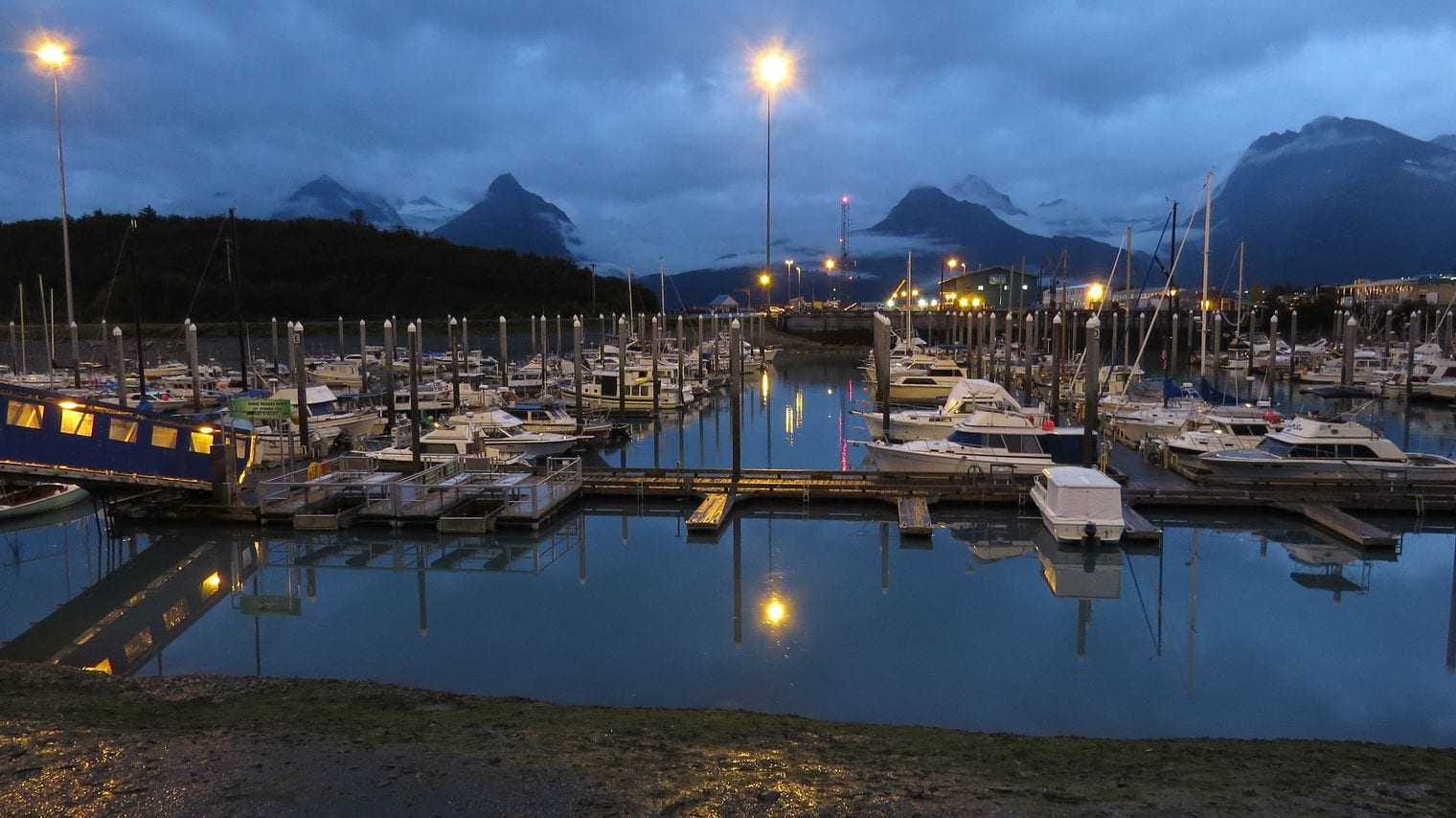
Valdez sits at the head of Port Valdez, a long arm of Prince William Sound, surrounded by the peaks of the Chugach Mountains. The 1964 Good Friday earthquake wrecked the original gold rush town, which was rebuilt on a new site, and today Valdez is the ice-free southern end of the Trans-Alaska Pipeline, where tankers load oil from the North Slope.
The drive in on the Richardson Highway is a highlight in itself, through Keystone Canyon and over Thompson Pass past waterfalls and the Worthington Glacier. Valdez is often ranked among the snowiest towns in America, which makes it a heli-skiing destination, while summer brings glacier and wildlife cruises into the sound and deep-sea fishing charters out of the harbor.
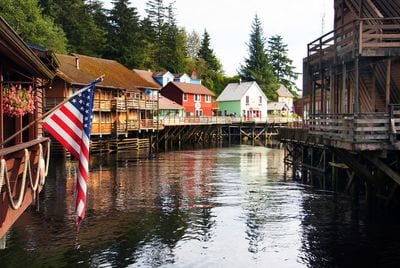
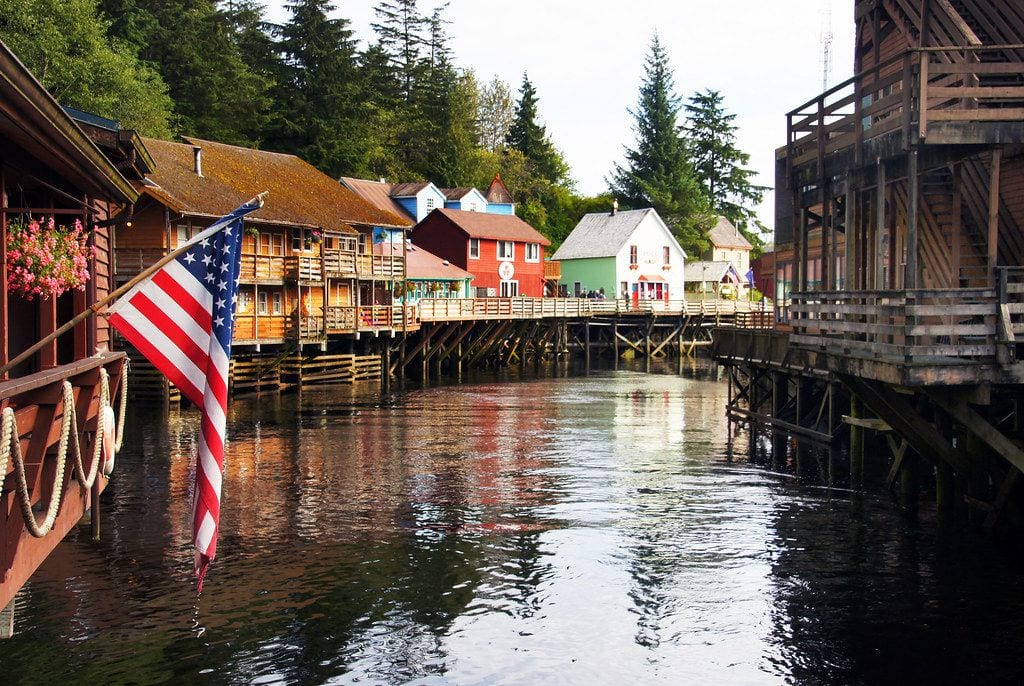
Ketchikan sits at the southern tip of the Inside Passage, which made it Alaska's First City for travelers heading north and still makes it a favorite cruise stop. The town is strung along the waterfront at the foot of steep, forested hills, and its best-known street is Creek Street, the old red-light district whose houses line both banks of Ketchikan Creek.
Ketchikan also claims the world's largest collection of standing totem poles, spread through town and at Saxman Totem Park, Totem Bight State Park and the Totem Heritage Center, which preserves 19th-century poles rescued from abandoned village sites. It is a famously wet place, nicknamed the Rain Capital of Alaska, and the jumping-off point for Misty Fiords National Monument, a fjord wilderness reached by boat or floatplane.
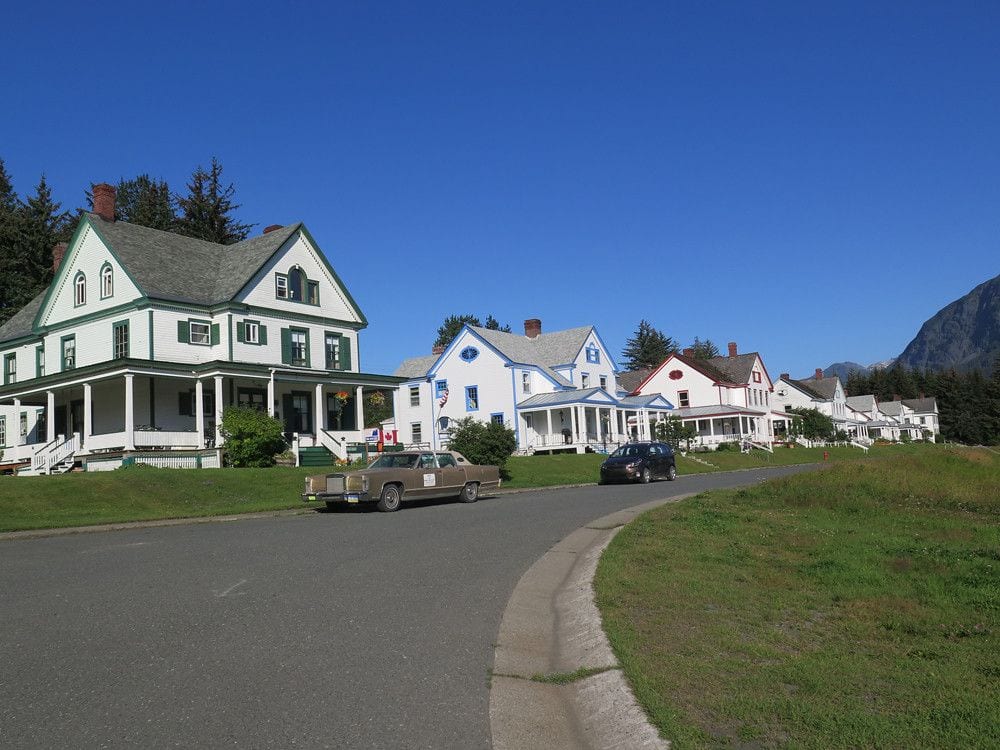
Haines sits on a narrow neck of the Chilkat Peninsula at the head of the Lynn Canal, between the Chilkat and Chilkoot inlets, beneath snowy peaks. Unlike most Southeast Alaska towns it has a road out: the Haines Highway runs northwest through British Columbia to the Alaska Highway in the Yukon, and the buildings of Fort William H. Seward, a National Historic Landmark, recall its days as an Army post.
Haines is best known for its eagles. Along the Chilkat River outside town, the Alaska Chilkat Bald Eagle Preserve hosts the world's largest gathering of bald eagles each fall, when thousands of birds congregate, with roadside viewing along the Haines Highway. The rest of the year brings rafting, hiking and offbeat museums, from the Sheldon Museum of local and Tlingit history to the Hammer Museum, devoted entirely to hammers.
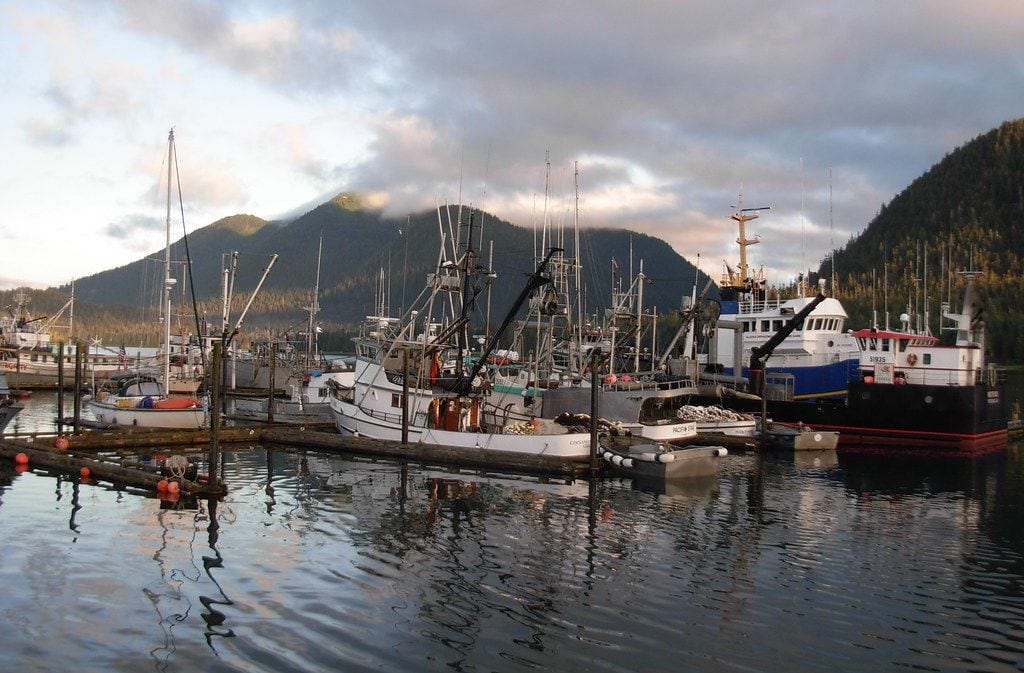
No road connects Cordova to the rest of Alaska, so this fishing town on the east side of Prince William Sound is reached only by plane or ferry, and it feels pleasantly apart. It grew up as the port for the Copper River and Northwestern Railway, built to haul ore from the Kennecott copper mines, and today its harbor is home to the fleet that catches Copper River salmon.
The Copper River Highway runs east from town across the Copper River Delta, where millions of migrating shorebirds stop to rest and feed each spring. Some 50 miles out, the Million Dollar Bridge, built for the railroad in the early 1900s, spans the river near the immense Childs Glacier. Back in town, the Ilanka Cultural Center shares Eyak, Alutiiq, Ahtna and Tlingit history.
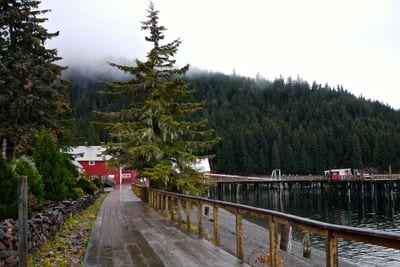
Petersburg was founded by the Norwegian immigrant Peter Buschmann, who built a cannery at the north end of Mitkof Island, and the Scandinavian settlers who followed earned it the nickname Little Norway. The heritage is still on show in the Sons of Norway hall, built out on a pier, and in the town's big celebration of Norwegian Constitution Day each May.
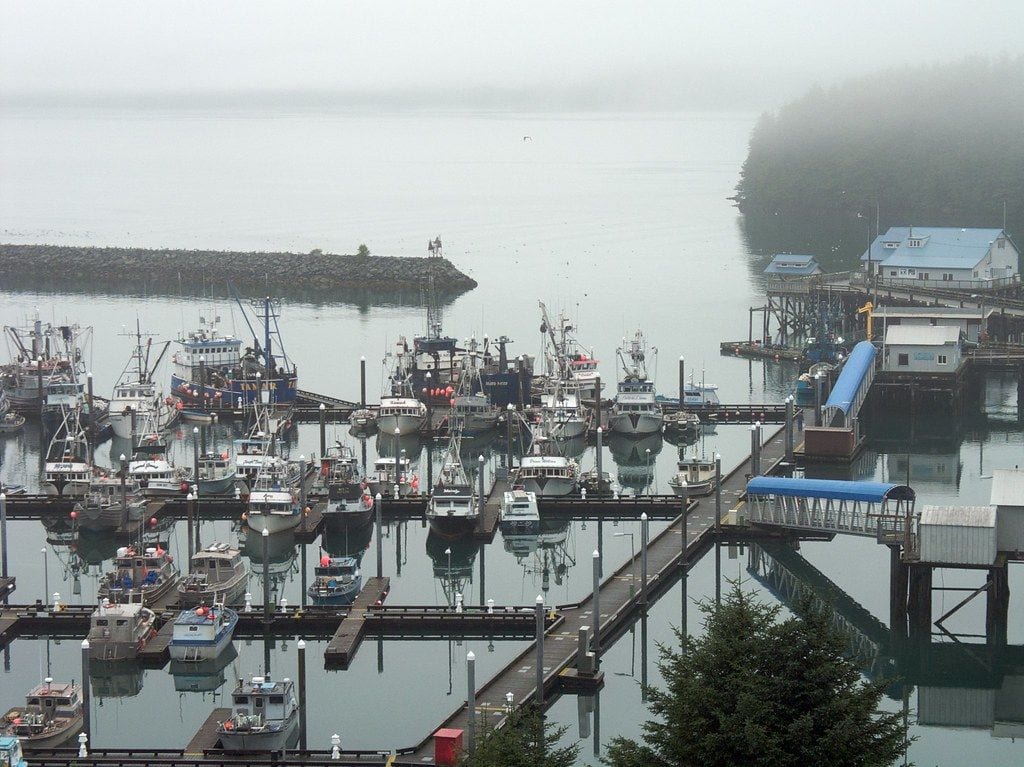
This is a working fishing town first, set where the Wrangell Narrows meets Frederick Sound, with commercial fishing driving the economy. Boat trips head out to LeConte Glacier, known for its shooter icebergs, which break off below the waterline and burst up to the surface. Petersburg is reached by plane or the state ferry, and its quiet harbor streets reward a slower pace.
Girdwood is technically part of the Municipality of Anchorage, but it feels like a small mountain town: a valley near the end of Turnagain Arm, ringed by the Chugach Mountains and seven glaciers, 35 to 40 miles from downtown by the Seward Highway. It began in the 1890s as Glacier City, a supply camp for gold miners, and moved up the valley after the 1964 earthquake dropped the original townsite below high tide.
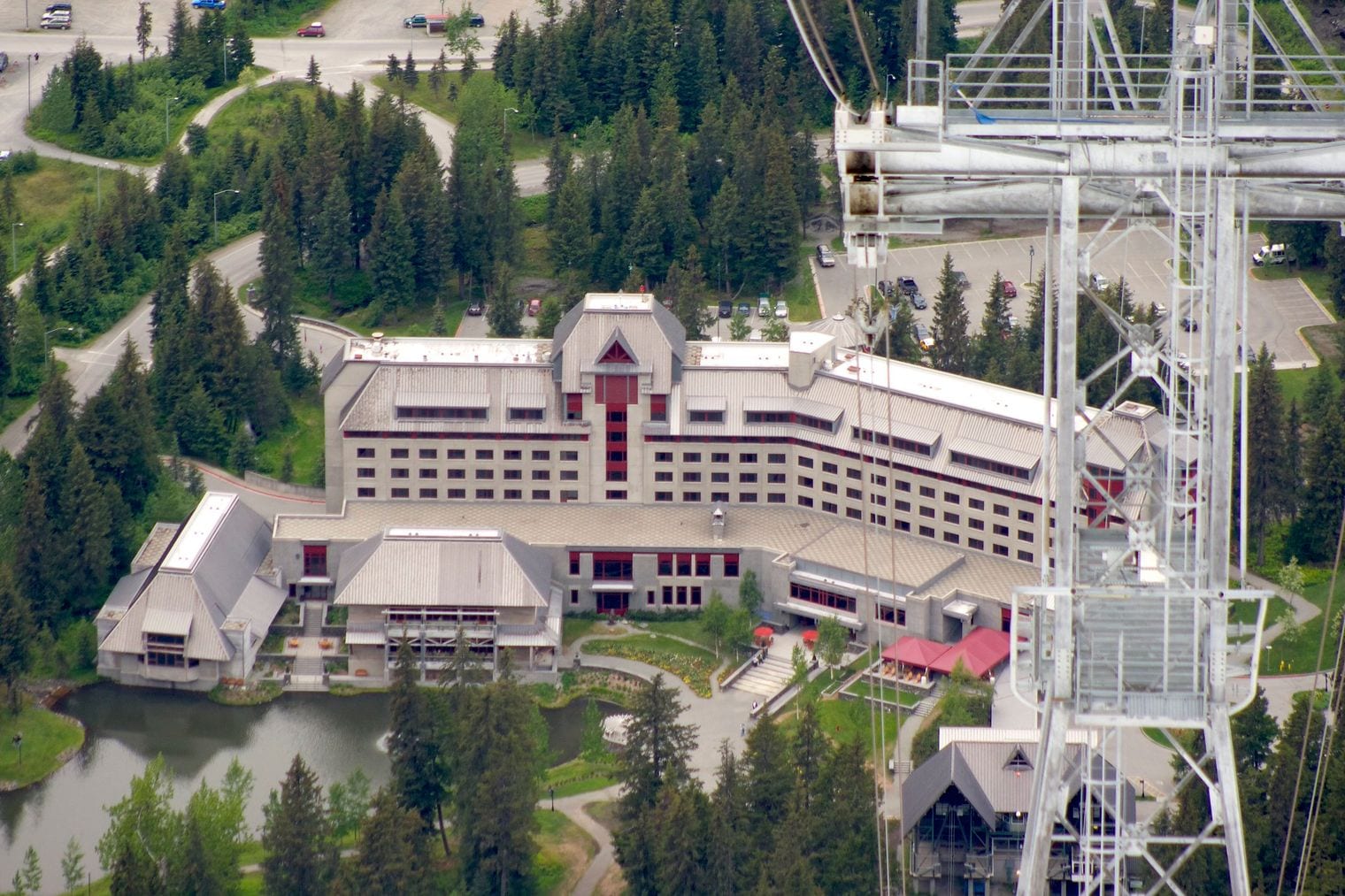
Alyeska Resort on Mount Alyeska, the largest ski area in Alaska, keeps the town busy in winter and has made Girdwood a year-round resort community. The Alaska Railroad runs past along the highway, the Girdwood Forest Fair fills the woods each July, and the drive in follows Turnagain Arm on the Seward Highway, a National Scenic Byway.
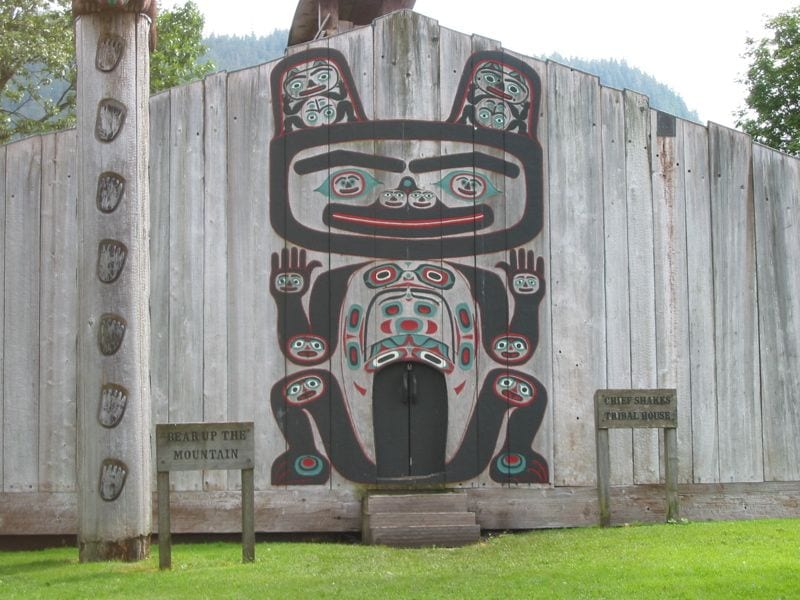
Wrangell, on the northwest tip of Wrangell Island near the mouth of the Stikine River, is one of the oldest non-Native settlements in Alaska and has lived under four flags: Tlingit, Russian, British and American. The Hudson's Bay Company ran its post here as Fort Stikine until the Alaska Purchase, and miners passed through on their way up the Stikine to the Cassiar and Klondike gold rushes.
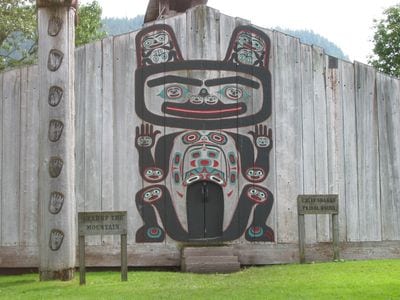
The heart of town is Shakes Island in the harbor, where the Chief Shakes Tribal House, a replica of a traditional Tlingit clan house, stands on its original site. Just north of town, Petroglyph Beach is scattered with ancient rock carvings, the naturalist John Muir lived here in 1879 and 1880, and Wrangell is the jumping-off point for the Anan bear viewing area and trips up the Stikine River.
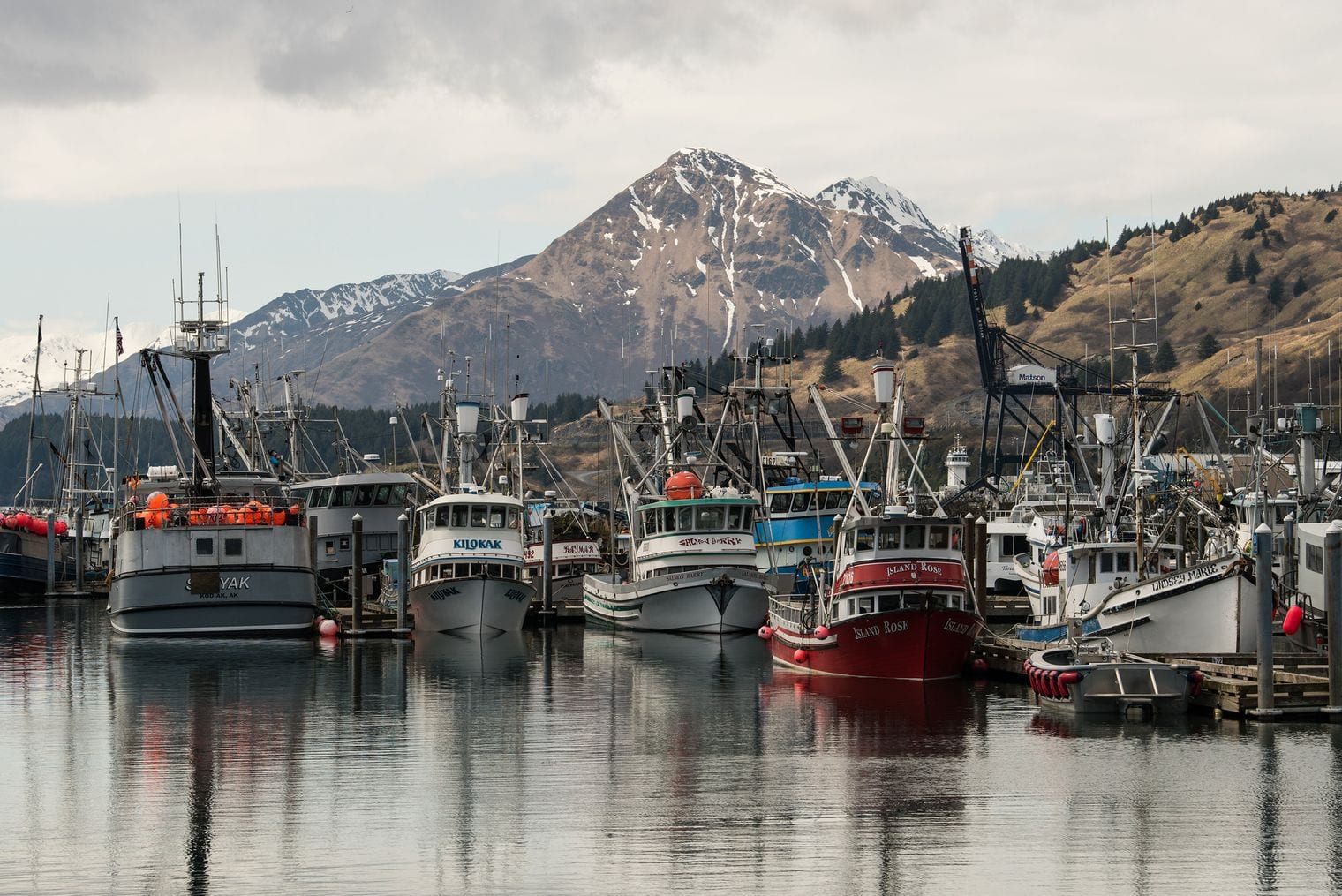
Kodiak is the main town on Kodiak Island, the second-largest island in the United States. Alutiiq people have lived here for more than 7,000 years, Russian fur traders settled the site in 1792 and made it the capital of Russian Alaska, and a Russian-era warehouse still stands as the Baranov Museum.
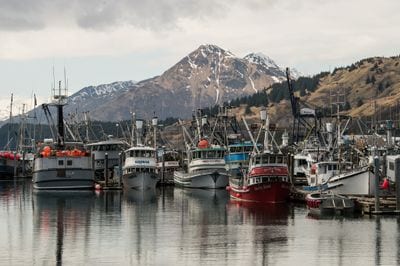
Today it is a busy commercial fishing port with a major Coast Guard presence, reached by plane or by ferry from Homer. Most visitors come for the wild country around it: floatplanes fly out to watch the famous Kodiak bears, the island's rivers draw salmon anglers, and Fort Abercrombie State Historical Park preserves World War II fortifications outside town.
Few towns anywhere are quite like Whittier. Almost all of its residents live in a single 14-story building, the Begich Towers, built after World War II, when this port at the head of Passage Canal was an Army base, and the abandoned Buckner Building, once called the city under one roof, still looms nearby.
The only way in by land is the Anton Anderson Memorial Tunnel, a 2.5-mile tunnel shared by cars and trains, the longest combined rail and highway tunnel in North America, with traffic taking turns in each direction on a set schedule. Through it lies a launch point for Prince William Sound, with day cruises to the glaciers and the state ferry leaving from the harbor; bring rain gear, as Whittier averages close to 200 inches of precipitation a year.
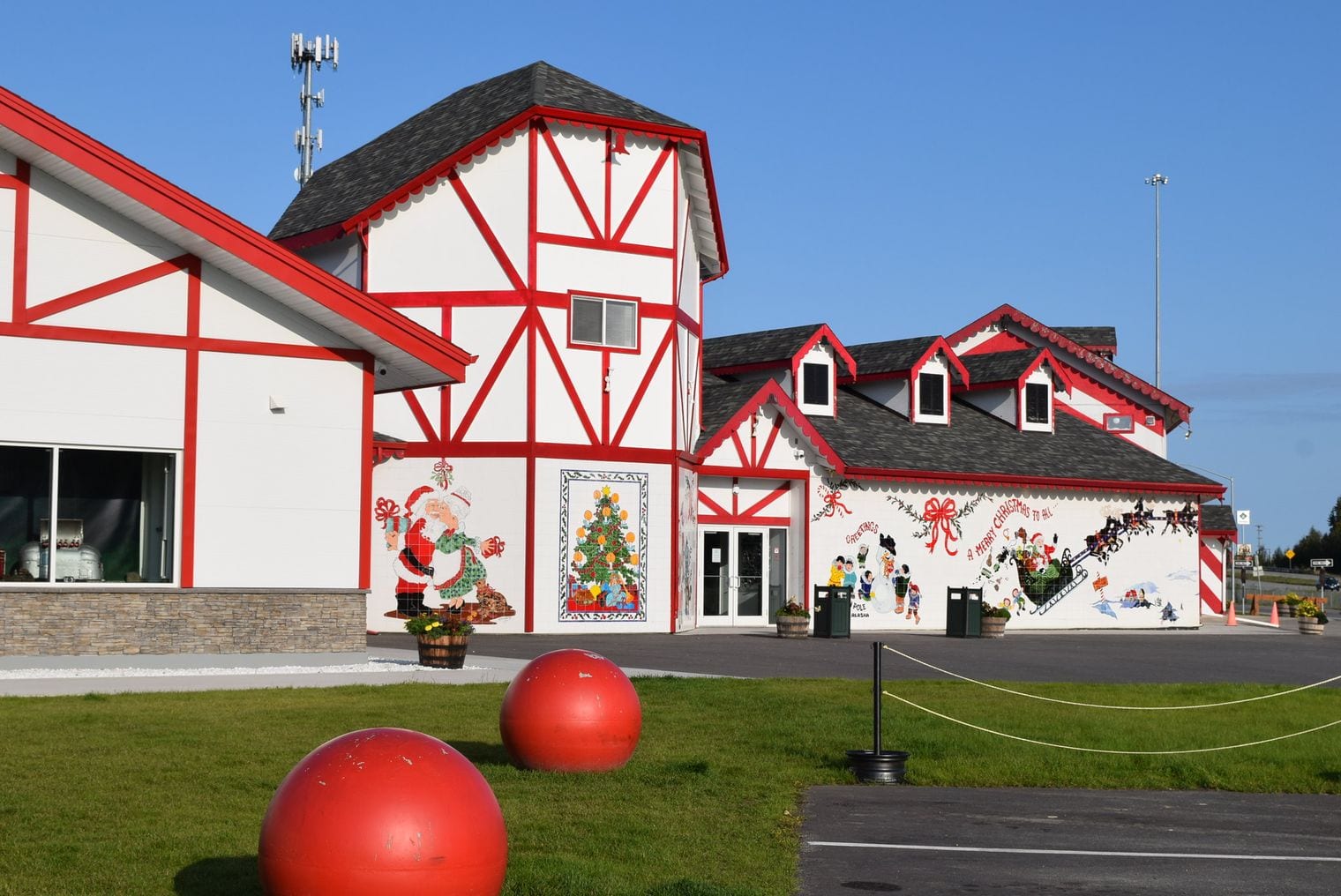
North Pole is a small city on the Richardson Highway just southeast of Fairbanks, roughly 1,700 miles south of the real North Pole, that has made Christmas its year-round theme. Developers gave it the name in 1952, hoping to attract a toy manufacturer, and today its streetlights are striped like candy canes along roads such as Santa Claus Lane, St. Nicholas Drive and Kris Kringle Drive.
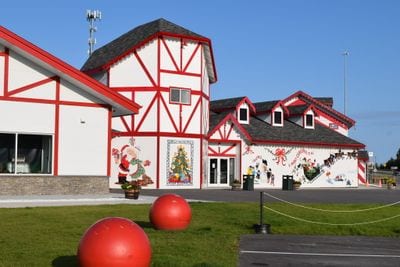
The big draw is Santa Claus House, a roadside gift shop that grew out of a 1952 trading post, with a giant fiberglass Santa out front. Each year before Christmas the post office fills with hundreds of thousands of letters to Santa, plus cards sent just for the North Pole postmark, and the long winter nights of the Interior are good for watching the northern lights.
Nome sits on the Bering Sea coast of the Seward Peninsula, with no road connection to the rest of Alaska, and it owes its existence to gold. A strike in 1898 and the discovery of gold in the beach sands in 1899 drew a stampede, a tent city stretched for miles along the shore, and Nome briefly became the most populous city in Alaska, with Wyatt Earp among its residents.
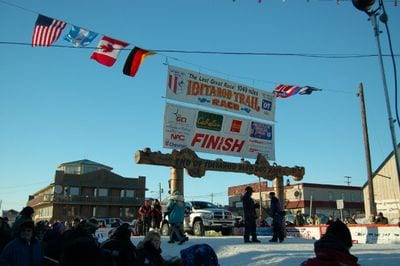
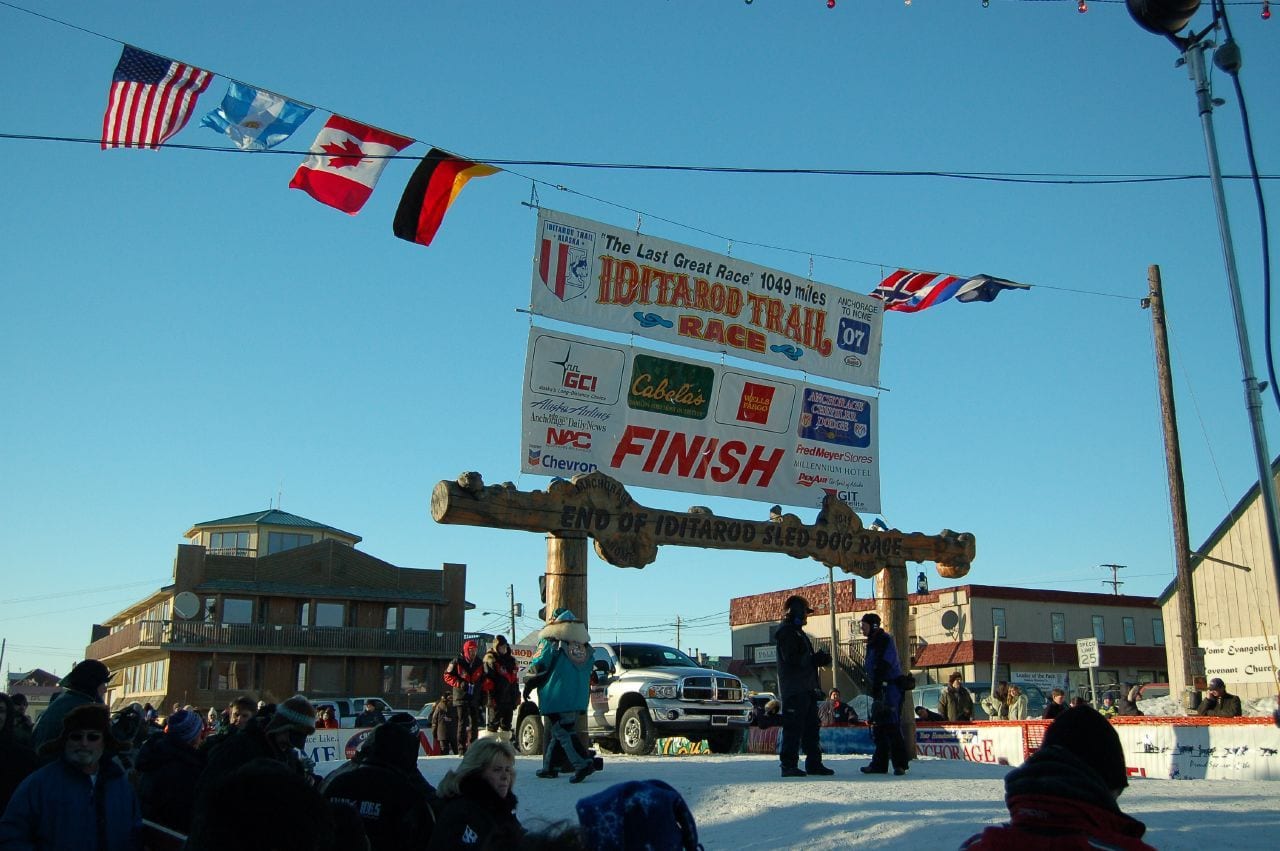
Today Nome is the finish line of the Iditarod Trail Sled Dog Race, which ends under the wooden Burled Arch and echoes the 1925 serum run, when relays of dog teams carried diphtheria antitoxin to the town. In summer, local roads lead out to Council, Teller and the Kougarok River across wide-open tundra, and gold mining still goes on offshore.
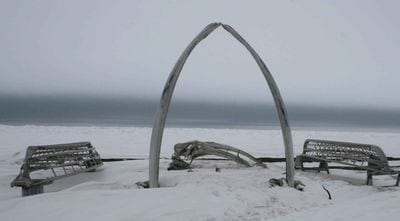
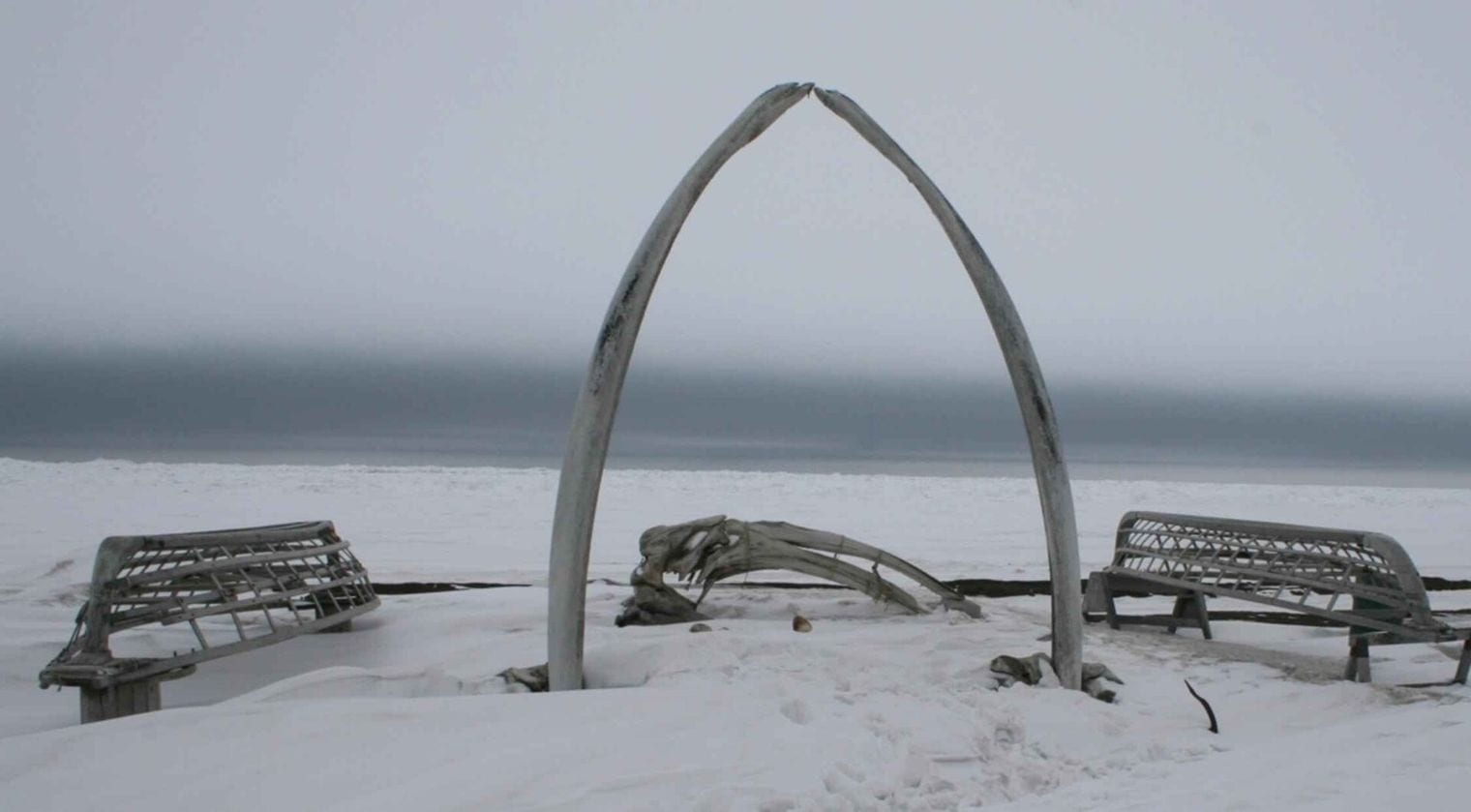
Utqiagvik, known as Barrow until residents voted to restore its Iñupiaq name in 2016, is the northernmost town in the United States, on the Arctic Ocean near Point Barrow, the country's northernmost point. No roads lead here; you fly in over flat tundra that stretches some 200 miles to the south, with the ocean on three sides of town.
Life here follows extremes of light: the sun stays above the horizon for about 83 days from mid-May to early August, then sets in mid-November and does not rise again for about two months. The Iñupiat Heritage Center is the place to learn about Iñupiat history and culture, including the bowhead whale hunting that first drew Yankee whalers here, and the airport is named for Will Rogers and Wiley Post, who died in a 1935 plane crash south of town.
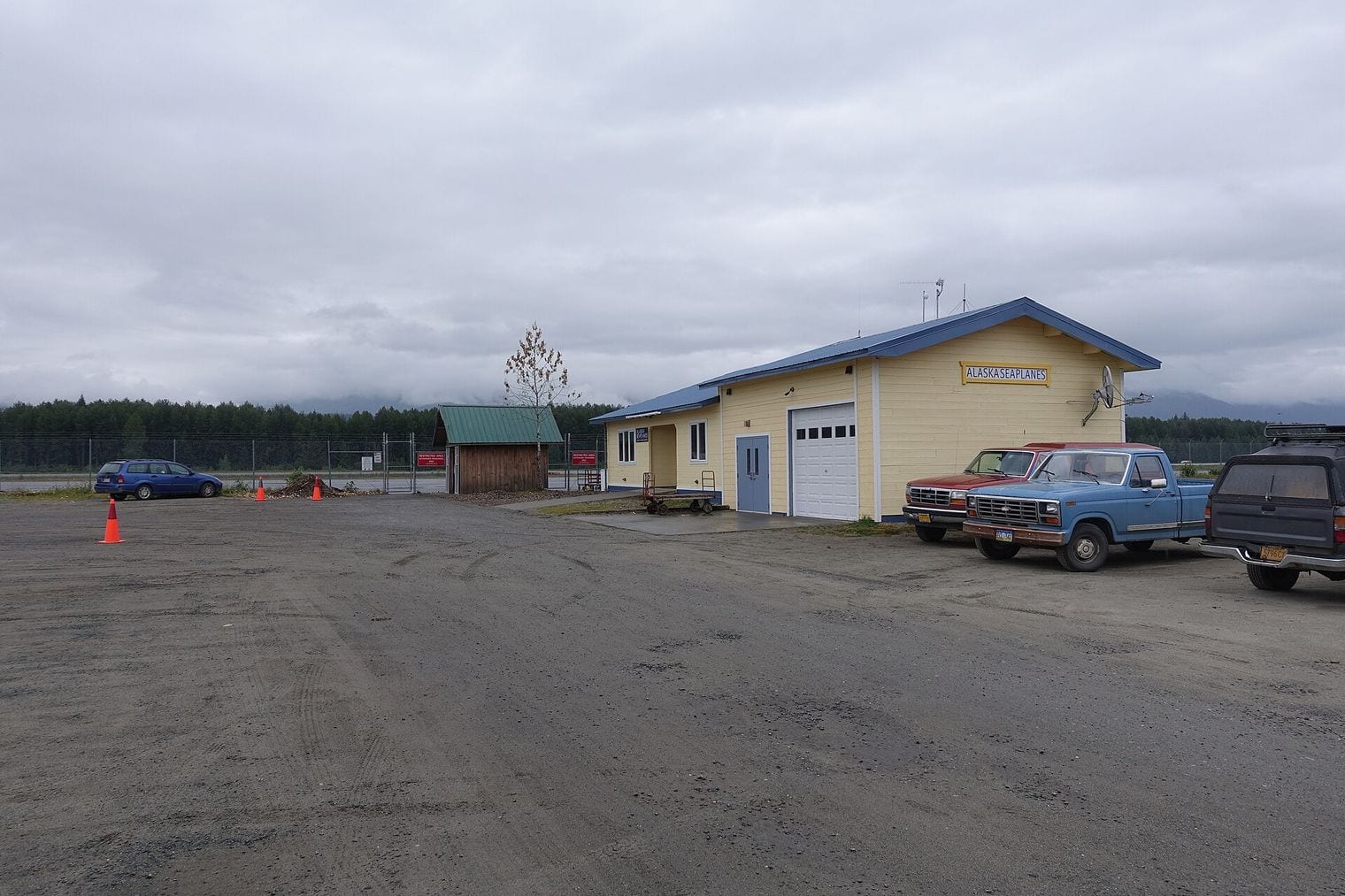
Gustavus is the gateway to Glacier Bay National Park and Preserve, a tiny community spread across a flat outwash plain left by the glaciers that once filled the bay. Bordered on three sides by the park and on the fourth by water, it began with homesteads in 1917, was once called Strawberry Point, and wild strawberries still grow along its broad beach.
A paved road runs from town into the park, where boat trips head up the bay toward its tidewater glaciers, and across Icy Strait the waters off Point Adolphus are a well-known humpback whale feeding area. Gustavus is reached by plane or the state ferry, and it suits travelers who want quiet trails, fishing and wilderness on the doorstep.
Hoonah is a largely Tlingit community on Chichagof Island, about 30 miles west of Juneau across the Inside Passage. Its name, from the Tlingit Xunaa, means lee of the north wind, and the Huna Tlingit clans who settled here in the 1700s came from Glacier Bay, which they were forced to leave when its glaciers advanced.
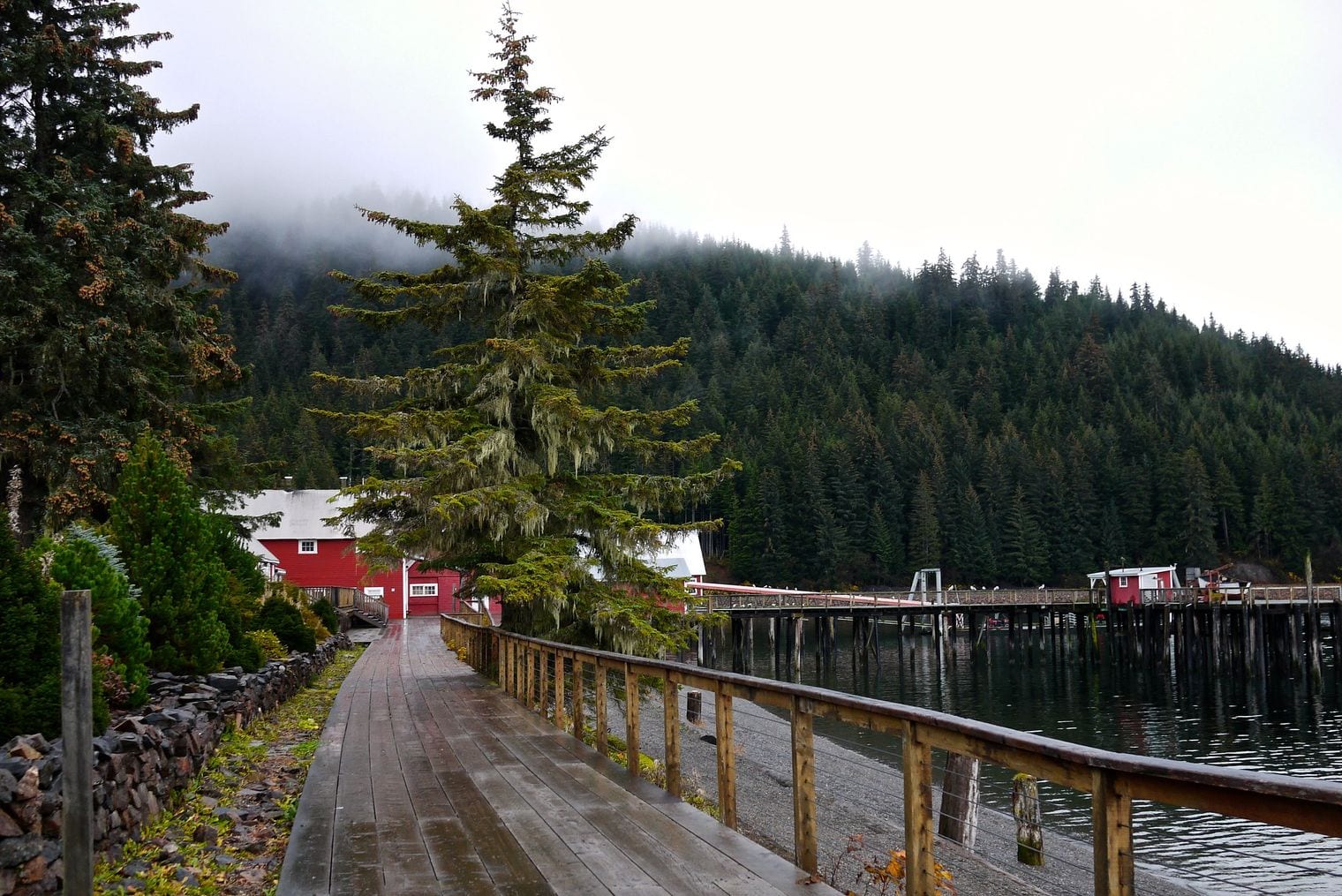
Just outside town, Icy Strait Point has turned an old salmon cannery into a cruise port and visitor attraction, complete with a giant zipline, while the surrounding waters of Icy Strait are known for humpback whales. Beyond the cruise dock, Hoonah remains a working fishing and Tlingit community, reached by ferry or small plane from Juneau.
Palmer, the seat of the Matanuska-Susitna Borough about 42 miles northeast of Anchorage, began life as a farm colony. It was built in 1935 as a New Deal project, when the federal government moved 203 families from the hard-hit Iron Range of Michigan, Minnesota and Wisconsin to farm the Matanuska Valley, and the colony's historic buildings and planned town center still recall the Midwest.
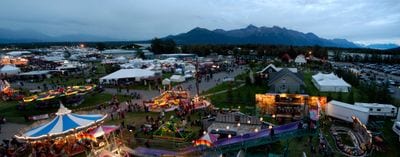
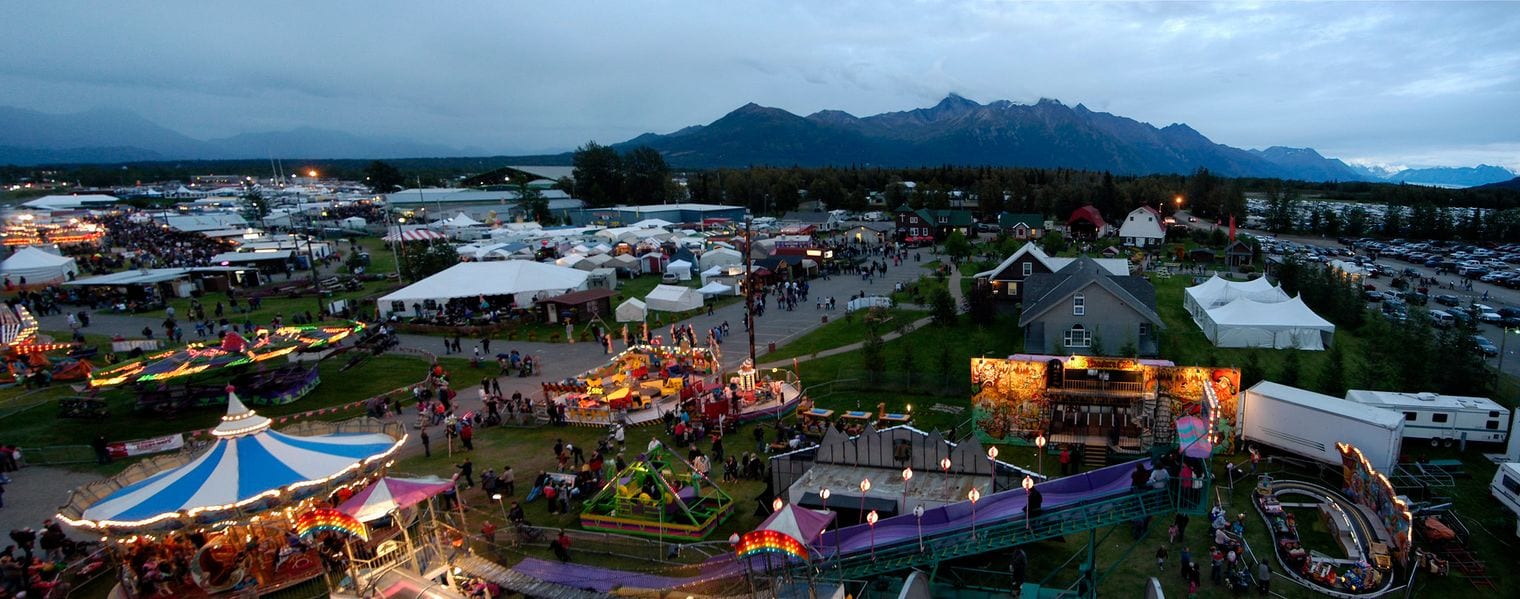
Palmer is home to the annual Alaska State Fair, whose giant-vegetable contests have produced national and world records, especially for cabbages. The setting is spectacular, with Pioneer Peak rising more than 6,000 feet above town, Hatcher Pass nearby for hiking and skiing, and the Matanuska and Knik glaciers flanking the valley.
Free Things to Do in These Alaska Towns
Many of the best experiences in Alaska's small towns cost nothing. Walk the totem-lined rainforest trail at Sitka National Historical Park in Sitka or the gold rush streets of Skagway, stroll the 4.5-mile spit in Homer, and walk the trails at Exit Glacier outside Seward.
Watch for waterfalls and glaciers along the Richardson Highway into Valdez, wander Creek Street in Ketchikan, and look for bald eagles from the Haines Highway outside Haines in fall. You can drop in on Santa Claus House and the candy-cane streetlights of North Pole any time of year, walk the beaches where gold was found in 1899 in Nome, and see the Matanuska Colony's historic buildings in Palmer.
Distances in Alaska are huge, and many of these towns are not on the road system, so plan by region and by how you will travel.
From Anchorage, the road towns line up well: Girdwood and Whittier lie southeast along Turnagain Arm, Seward and Homer sit at the ends of the Kenai Peninsula highways, Palmer and Talkeetna lie to the north in the Matanuska-Susitna Valley, and Valdez waits at the end of the Richardson Highway. North Pole is a short drive from Fairbanks, the usual base for exploring the Interior.
The Inside Passage towns, from Ketchikan, Wrangell and Petersburg north to Sitka, Hoonah, Gustavus, Haines and Skagway, are linked by Alaska Marine Highway ferries and small planes, and several are regular cruise stops. Cordova and Kodiak are reached by plane or ferry, while Nome and Utqiagvik are fly-in towns, so each works best as a trip of its own.
The main visitor season runs from about mid-May to mid-September, when ferries, boat tours and flightseeing operate most often; winter is quieter but brings skiing at Girdwood and long, dark nights for the northern lights.
FAQ: Visiting the Best Small Towns in Alaska
What is the best small town in Alaska?
Sitka is the best small town in Alaska for most visitors, with its Russian cathedral, totem-lined national historical park and island setting facing Mount Edgecumbe. Skagway is the pick for gold rush history, Talkeetna for Denali flightseeing, and Homer and Seward round out the top five for Kachemak Bay fishing and the glaciers of Kenai Fjords National Park.
Which small towns in Alaska can you drive to?
Talkeetna, Palmer, Girdwood, Seward, Homer, Valdez and North Pole are all on Alaska's road system, and Whittier is reached by road through the Anton Anderson Memorial Tunnel. Haines and Skagway connect to the highway network only through Canada. Sitka, Ketchikan, Petersburg, Wrangell, Cordova, Kodiak, Gustavus, Hoonah, Nome and Utqiagvik need a plane or a ferry.
What are the best small towns near Anchorage?
Girdwood is the closest, 35 to 40 miles southeast along Turnagain Arm, with Whittier just beyond through the tunnel. Palmer lies about 42 miles northeast in the Matanuska Valley, Talkeetna sits farther north on the way toward Denali, and Seward and Homer make longer trips down the Kenai Peninsula, each worth at least one night.
Which small towns in Alaska do cruise ships visit?
Ketchikan, Sitka, Skagway and Icy Strait Point near Hoonah are regular stops on Inside Passage cruises, while Seward and Whittier are the main ports for cruises that begin or end near Anchorage. Visiting on a day with fewer ships, or staying overnight after the passengers leave, shows these towns at their quietest and most local.
When is the best time to visit Alaska's small towns?
Mid-May to mid-September is the main season, when ferries, boat tours and flightseeing run most often and the days are long; in Utqiagvik the sun does not set for nearly three months. Fall brings the bald eagle gathering at Haines, the Iditarod finishes in Nome in late winter, and winter suits skiing at Girdwood.
How many days do you need to visit a small town in Alaska?
Most towns on this list fill a day or two, and the road towns near Anchorage make easy overnight trips. Island towns reached only by ferry or plane, such as Sitka, Ketchikan and Kodiak, deserve two or three days to justify the journey, and a week or more lets you link several Inside Passage towns by ferry.