

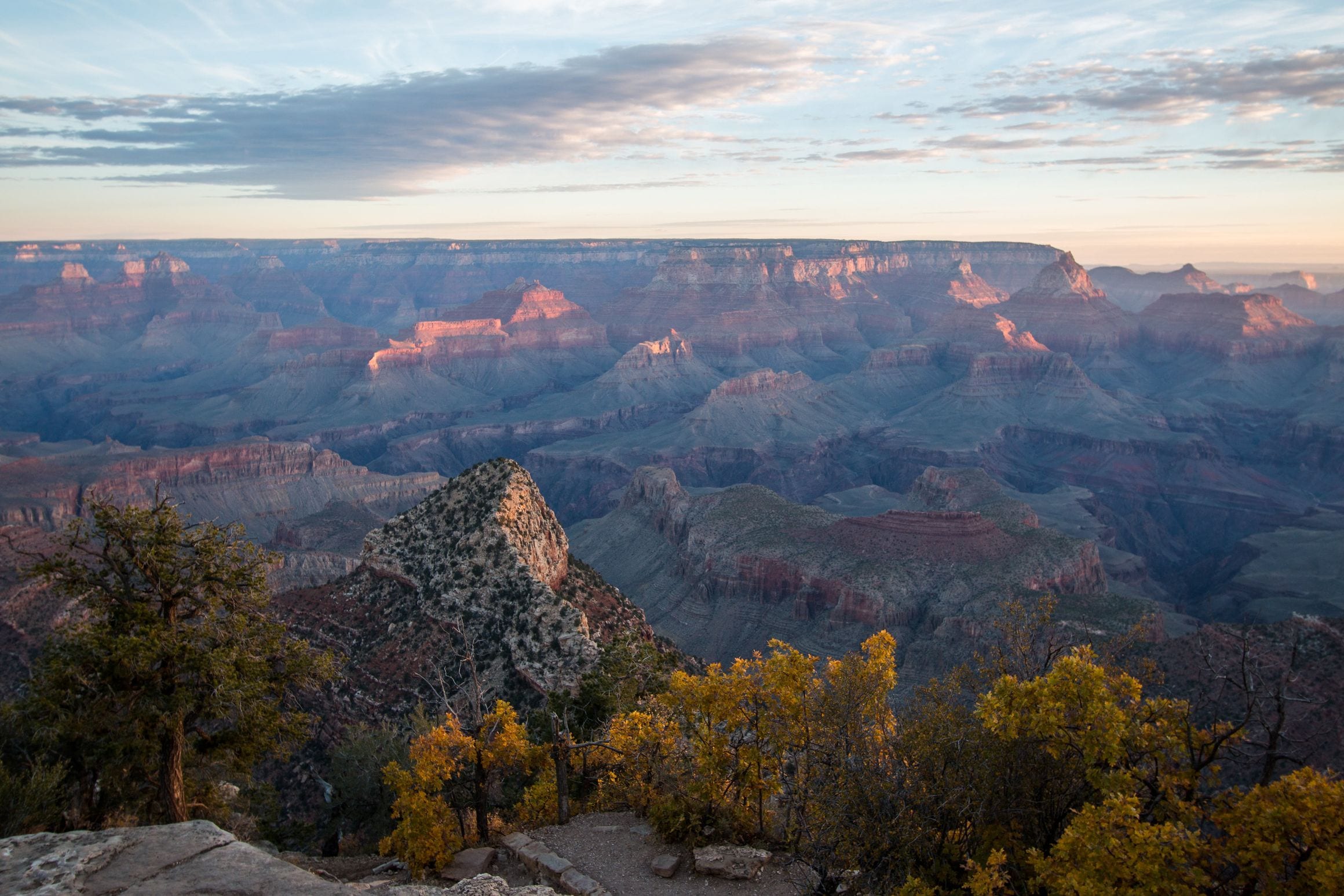
Arizona has the only large nuclear plant on Earth that sits nowhere near water, the last American town where mail arrives by mule, and a canyon 277 miles long that is still not the world's deepest. State law fixes thirteen rays on its flag, one of its 30 scorpion species can kill you, and a saguaro waits 60 years to grow its first arm.
Every fact below carries two sources, at least one an official register, each quoted as of 2026. Where a record hedges, so do we. To go and see any of it, our guide to things to do in Arizona is the place to start.
1. The Grand Canyon Is Not the Deepest Canyon on Earth
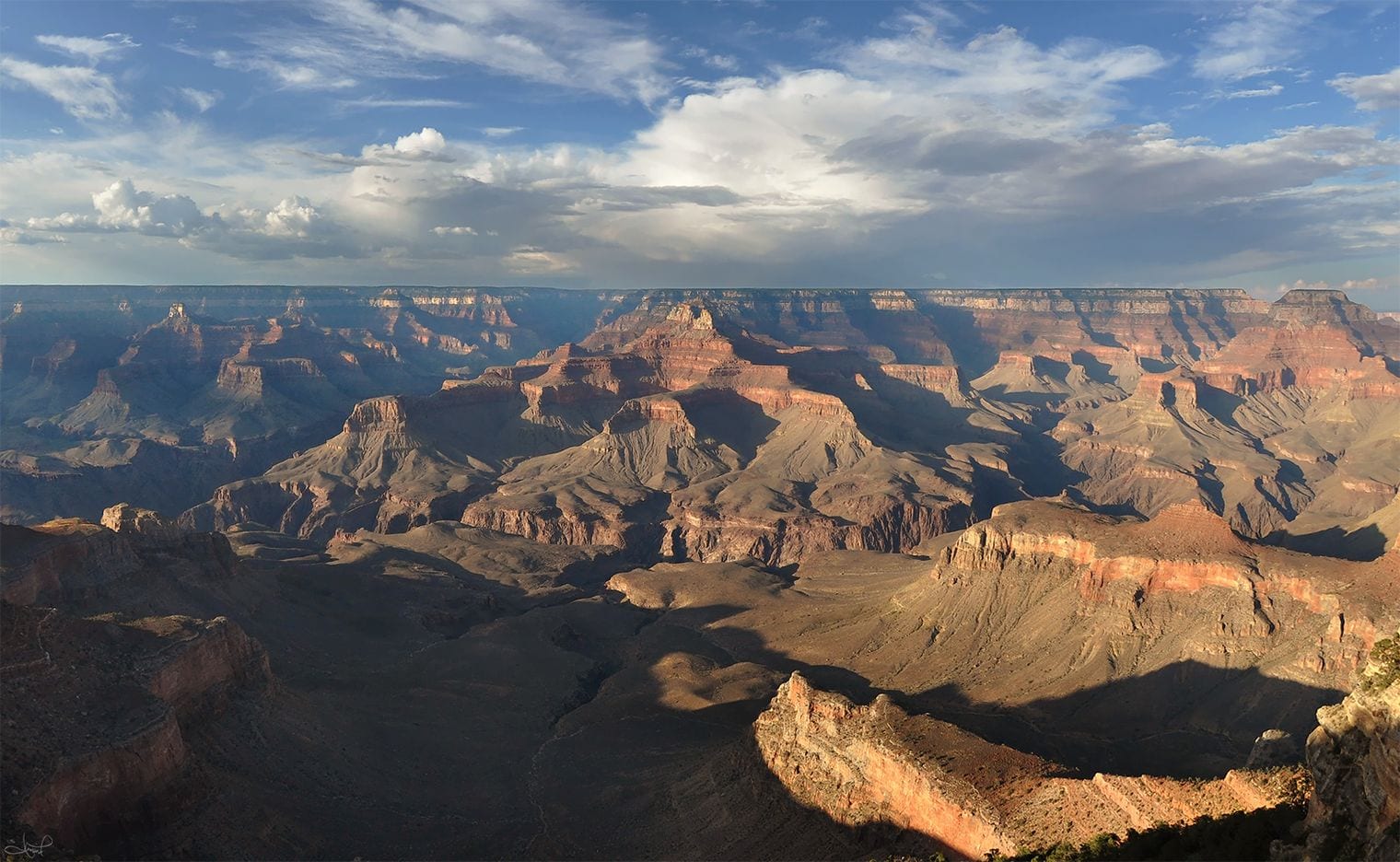
The Grand Canyon runs 277 miles long and up to 18 miles wide, and as of 2026 it is still not the deepest canyon on land in the world — the Kali Gandaki Gorge in Nepal is much deeper. The National Park Service counts 277 miles of the Colorado River inside the park boundary.
Depth is the statistic everyone reaches for, and it is the one the canyon quietly loses. What it wins on is the combination: a gorge you can see the far side of, cut wide enough that the opposite rim reads as weather rather than rock, with the river a thread at the bottom.
2. Arizona Skips Daylight Saving, But Not Everywhere
Arizona has not observed daylight saving time since 1968, and as of 2026 the exception still holds: the Navajo Nation in the state's north-east does observe it, while the Hopi Reservation enclosed entirely within the Navajo Nation does not. The National Institute of Standards and Technology lists the state, and that exception, explicitly.
Drive north-east from Flagstaff in summer and the clock can change twice in an hour and change back again. It is the single fact about Arizona most often repeated wrong, because the flat version — that the whole state ignores the clock change — is not true of roughly a quarter of its land.
3. Supai Is the Last U.S. Town Getting Mail by Mule
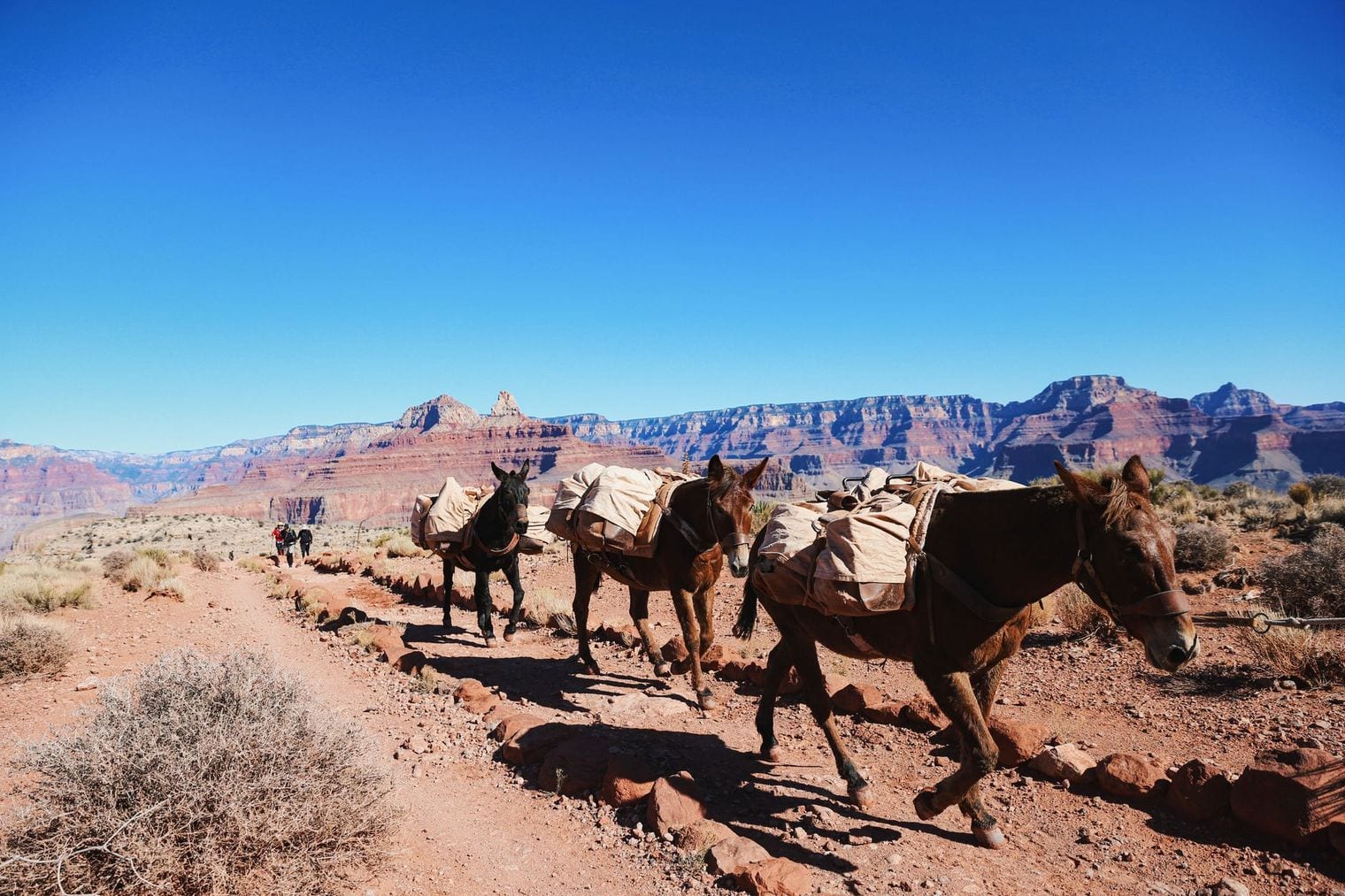
Supai, the Havasupai capital on the floor of the Grand Canyon, is as of 2026 the only place in the United States where mail is still carried in and out by mules, and each mule can carry up to 200 pounds. The Postal Service has run the train since the 1930s.
There is no road. The mail goes down a switchback trail to a village few Americans could point to, and comes back up the same way, which is why the Supai post office has a postmark of its own.
4. A Nuclear Plant Here Runs With No River or Sea
The Palo Verde Generating Station west of Phoenix is, as of 2026, the only large nuclear power plant in the world that is not near a large body of water. It cools itself on treated municipal wastewater piped out from the Phoenix metro area instead.
Every other station of its size sits on a coast, a lake or a major river, because reactors need enormous volumes of cooling water. Palo Verde solved the problem by buying what the cities upstream were throwing away, which is how a reactor ended up in the middle of a desert.
5. Forty Rock Layers Stack Up in the Canyon Walls
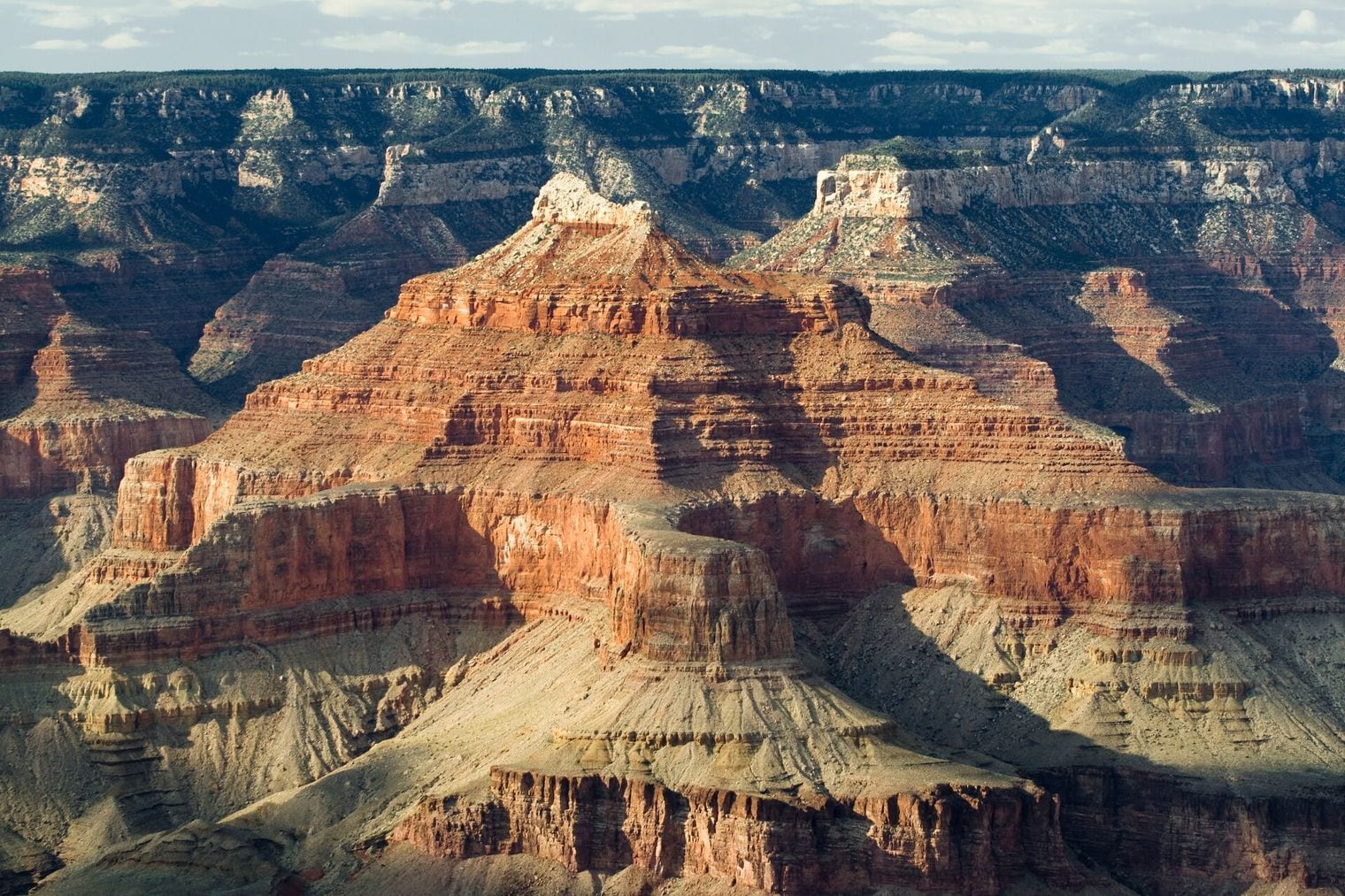
Nearly 40 identified rock layers form the walls of the Grand Canyon, and the oldest of them were intensely metamorphosed about 1,750 million years ago. The river has cut down far enough to expose some of the oldest visible rocks on Earth.
The layers are legible from the rim if you know what you are looking at: hard bands stand out as cliffs, soft ones slump into slopes, and the whole staircase repeats down both sides. Geologists use it as a teaching section because so little of it is disturbed.
6. Saguaros Wait 60 Years to Grow Their First Arm
At Saguaro National Park, branches normally begin to appear when a saguaro reaches 60 to 75 years of age, and in drier country west of Tucson it can take up to 100 years before any arm appears at all.
That makes the classic silhouette — trunk, two raised arms — a portrait of something older than almost everyone looking at it. A cactus with no arms is not a young plant so much as an unfinished one, and some never grow an arm.
7. A Saguaro Can Live Almost Two Centuries
The average life span of a saguaro is probably 150 to 175 years, and as of 2026 biologists believe some plants may live beyond 200. One recorded specimen carried 78 arms.
They are slow the whole way through. A seedling can spend its first decade a few inches tall under a nurse tree, which is why a cleared hillside does not simply grow back — the replacement is a project measured in human lifetimes.
8. The Saguaro Grows Wild in Only One Desert on Earth
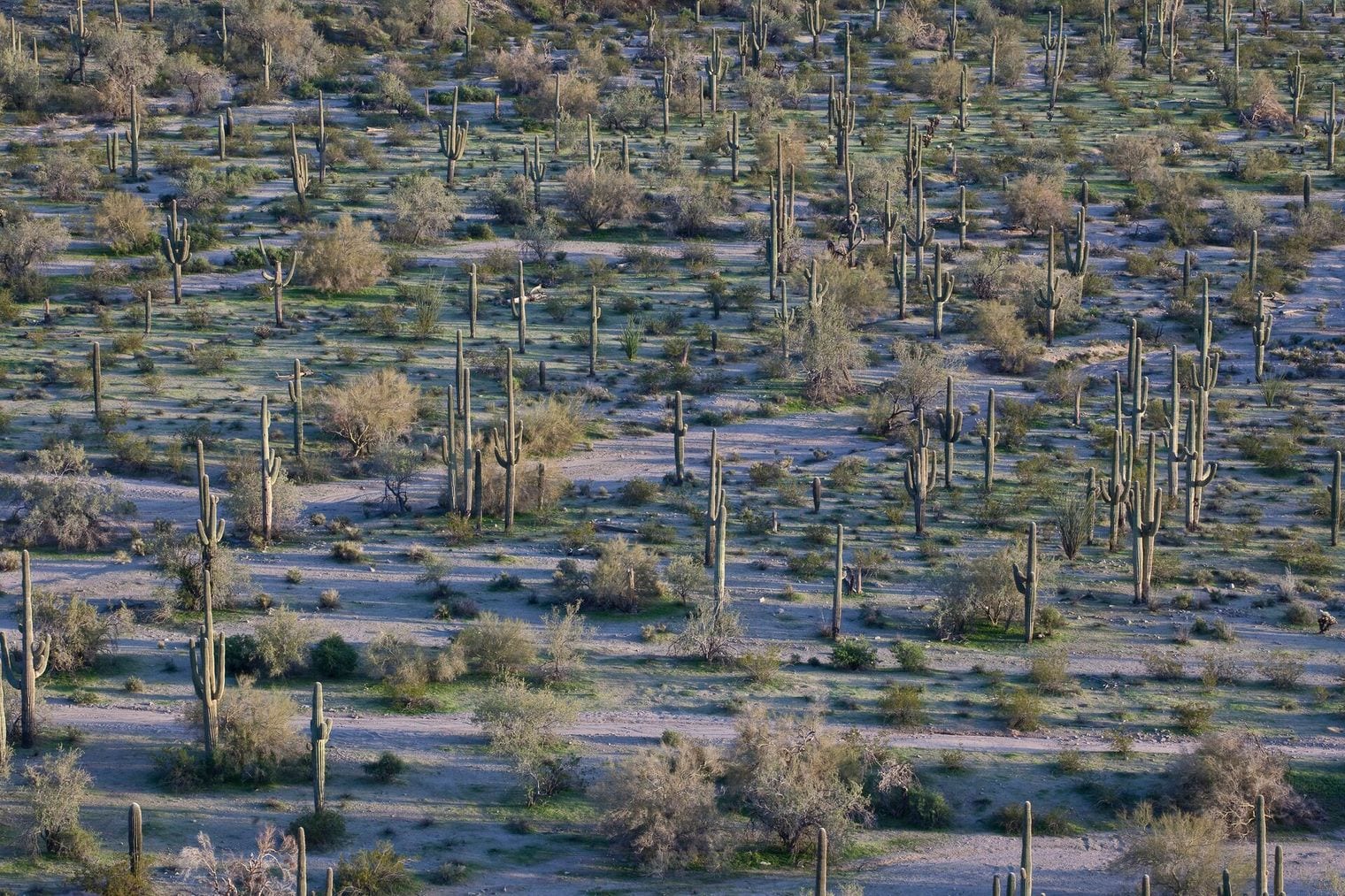
The Sonoran Desert covers about 100,000 square miles, and as of 2026 it remains the only place in the world where the saguaro cactus grows in the wild. Everything else that looks like one, anywhere else, is a different plant.
That is worth holding on to whenever a film sets a saguaro behind a Texas cattle drive or an Egyptian pyramid. The species has a passport, and it does not leave the Sonoran.
9. Saguaro Park Spans Six Biotic Communities
The Sonoran is, as of 2026, the most biodiverse desert in North America, and the Rincon Mountain District of Saguaro National Park alone spans six biotic communities between 2,670 and 8,666 feet.
You can drive from cactus scrub into pine forest inside an hour. The park is really two parks either side of Tucson, and the eastern half climbs high enough that snow is an ordinary winter event above the saguaros.
10. One U.S. Park Has the Only Wild Organ Pipe Cactus
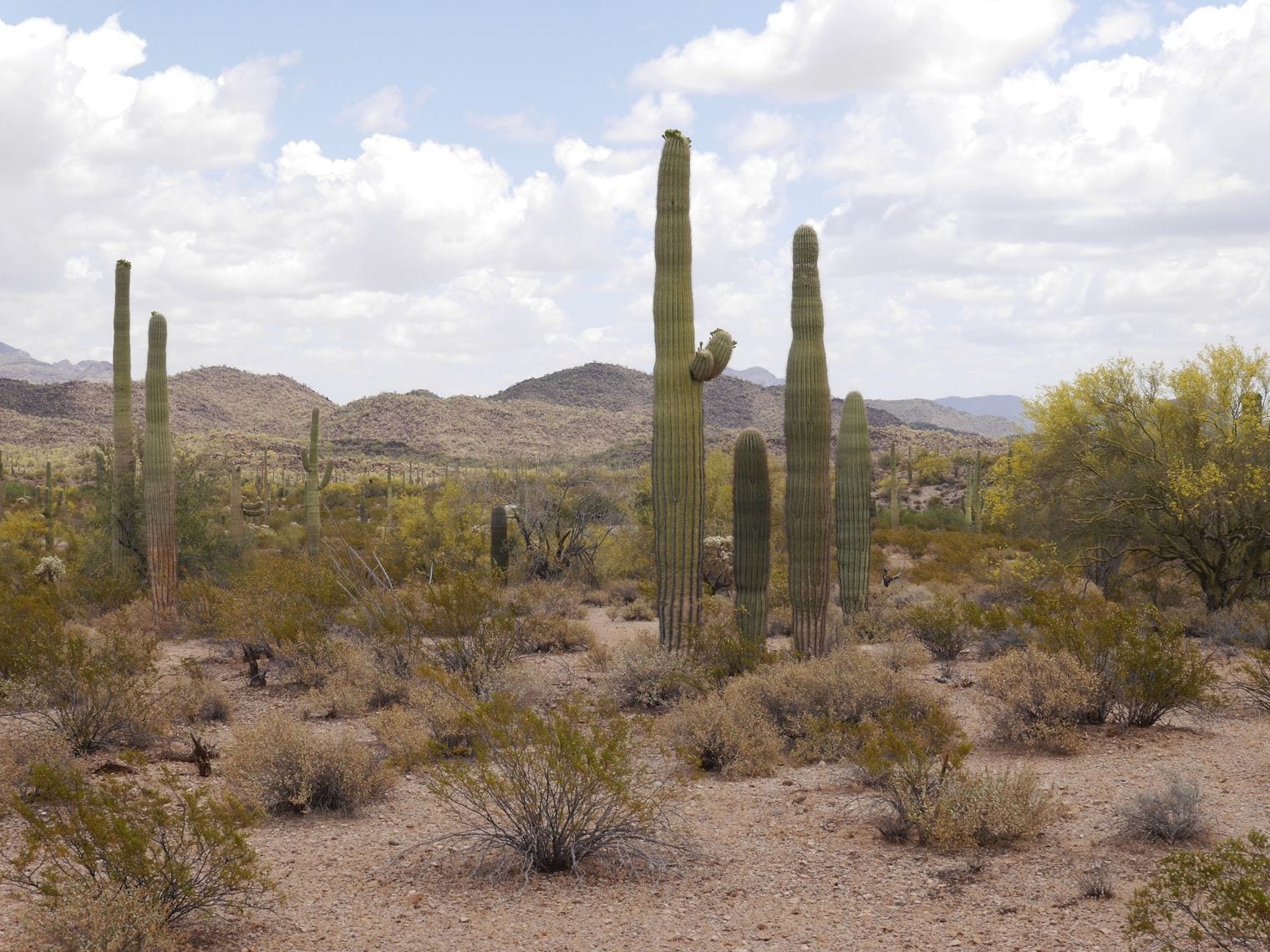
Organ Pipe Cactus National Monument is, as of 2026, the only place in the United States to see large stands of organ pipe cacti growing naturally, and the plants can live over 150 years.
The species is common enough south of the border and scarce north of it, because frost decides where it stops. The monument sits in the narrow band that stays warm enough, which is the whole reason it was protected.
11. Cutting Down a Cactus Here Is Plant Theft by Law
Under Arizona law a person commits theft of protected native plants if, without the express consent of the landowner, they knowingly remove or destroy any protected native plants from private or state land. The offence sits in Arizona's agriculture statutes, not its litter rules.
The practical effect is that a cactus in Arizona has closer to the legal standing of livestock than of scenery. Salvage is permitted, but it is permitted through tags, permits and receipts, and moving a plant without them is the crime.
12. The Gila Monster Is America's Only Venomous Lizard
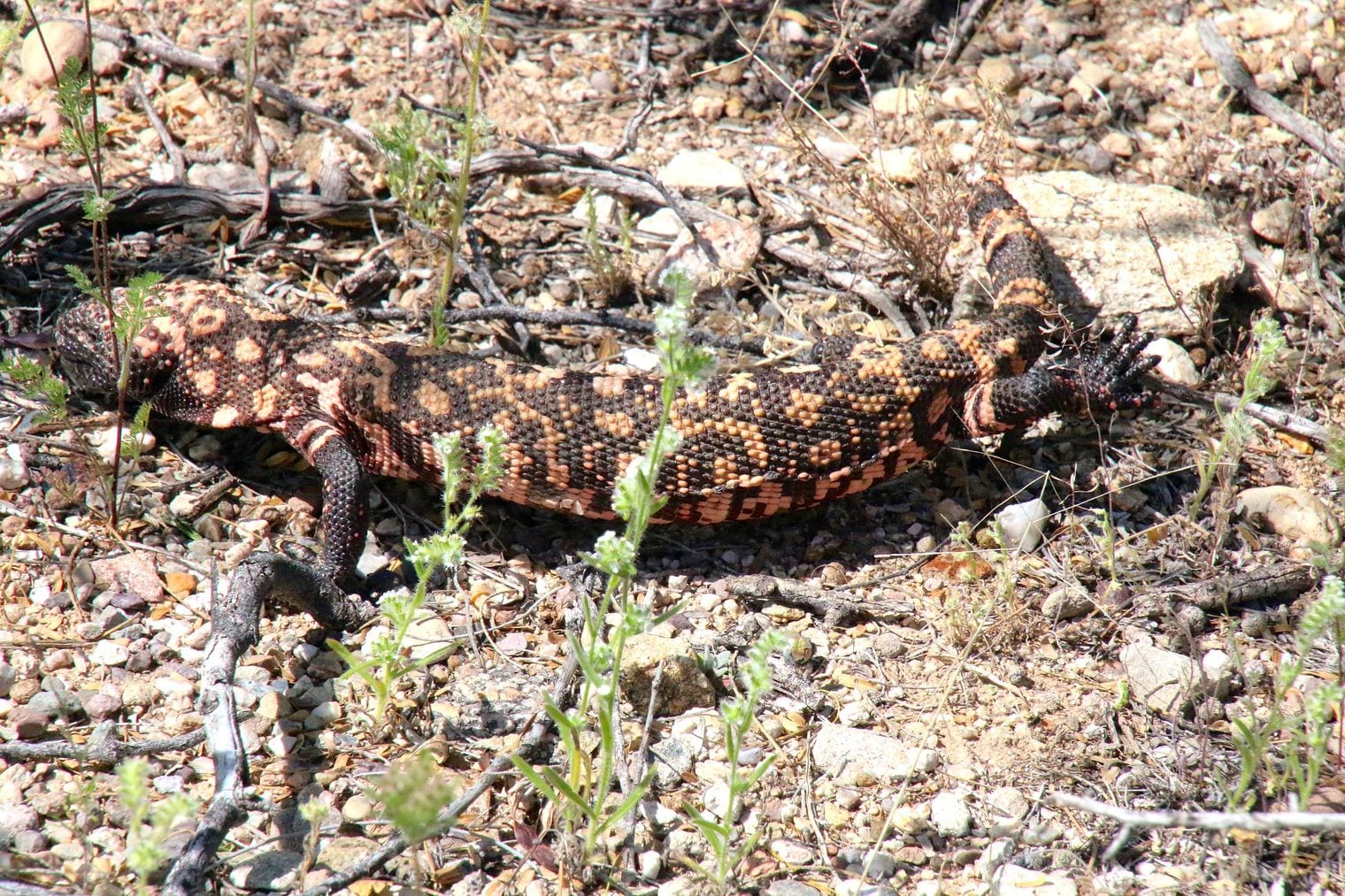
The Gila monster is one of only two venomous lizards in North America and, as of 2026, the only one found in the United States, where it is also the largest lizard. Its relative, the beaded lizard, lives from southern Sonora down to Guatemala.
It is also, by reputation, far more dangerous than it is. The animal spends most of its life underground, moves slowly, and is seen by chance rather than sought out — the folklore is doing considerably more work than the lizard.
13. Only One of Arizona's 30 Scorpions Can Kill You
Only one of the 30 species of scorpion found in Arizona is regarded as life-threatening: the bark scorpion, which as of 2026 is the most venomous scorpion in the United States. Arizona's poison centre distinguishes it from the rest by its slender tail segments and pincers.
It is also the one you are likeliest to meet indoors, because it climbs and can hang upside down on a ceiling. Under a blacklight it glows, which is how households in Phoenix and Tucson tend to find them.
14. Arizona Has More Rattlesnake Species Than Any State
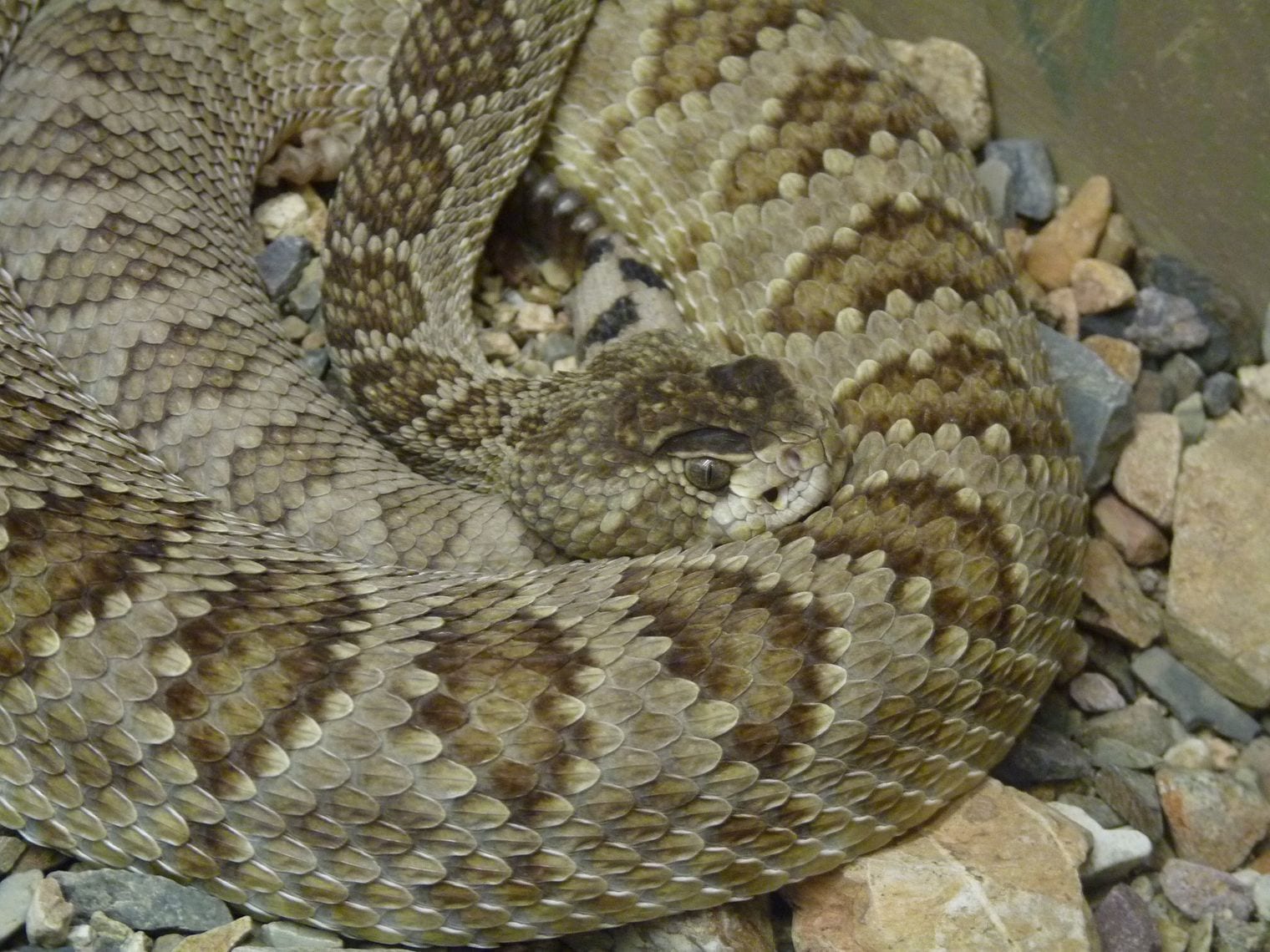
Arizona is, as of 2026, the state with the most types of rattlesnakes in the United States, with 13, and nine species are found in the general vicinity of the Grand Canyon alone.
The reason is elevation. A state that runs from desert floor to alpine forest offers a rattlesnake almost every habitat it could want, and the species have divided the ground between them rather than competing for it.
15. A Rattlesnake Lives Here and Nowhere Else on Earth
The Grand Canyon rattlesnake, a pink-tinged subspecies of the western rattlesnake, is as of 2026 found nowhere else in the world. Its colouring is close enough to the canyon walls that hikers walk past it without registering it.
Isolation did the work. A population cut off below the rims for long enough drifts away from its relatives, and the pink is the visible end of that process — camouflage tuned to one specific set of rocks.
16. The Grand Canyon Shelters 22 Species of Bat
The Grand Canyon is an important refuge for the 22 bat species that live there, which between them make it one of the richest places for bats in the country. Bats are the only mammals capable of true flight.
The canyon suits them because it is full of the two things bats need and cities lack: undisturbed roosting cracks, and insects rising off water at dusk. Few visitors ever see one, because the shift change happens after the viewpoints empty.
17. The Canyon Holds 129 Vegetation Communities
Grand Canyon National Park contains 129 vegetation communities and a dozen endemic plants known only within the park's boundaries. Only about a tenth of its flora is non-native.
That count is a function of vertical distance. Walking from the rim to the river passes through the botanical equivalent of a journey from Canada to Mexico, and each band of elevation holds plants that cannot survive in the one above or below it.
18. The California Condor Has a 9.5-Foot Wingspan
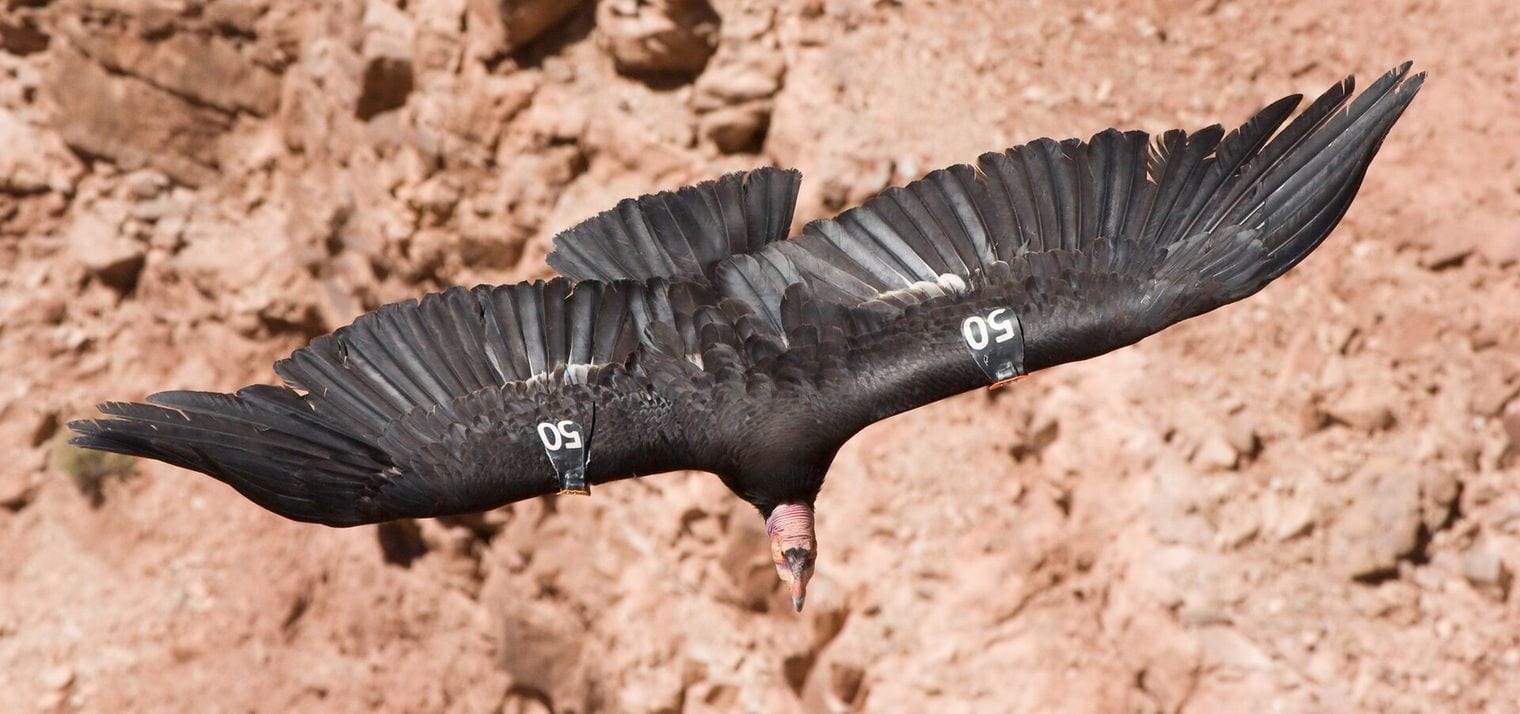
The California condor, with a wingspan of 9.5 feet and weighing up to 25 pounds, is as of 2026 the largest land bird in North America. In 1982 only 23 of them survived worldwide.
Every condor alive today descends from that handful. The birds now riding thermals over northern Arizona are the result of a captive breeding programme that started when the species had effectively run out of room.
19. Condors Were Brought Back at the Vermilion Cliffs
The Vermilion Cliffs National Monument covers 293,689 acres, and as of 2026 condors hatched and raised in a captive breeding programme are still released there each year. The species was reintroduced to the region in 1996.
The site was chosen for what it lacks. Remote, thinly populated and full of updraughts off the cliffs, it gives young birds somewhere to make their early mistakes a long way from power lines and people.
20. You Need a Lottery Permit to Walk on The Wave
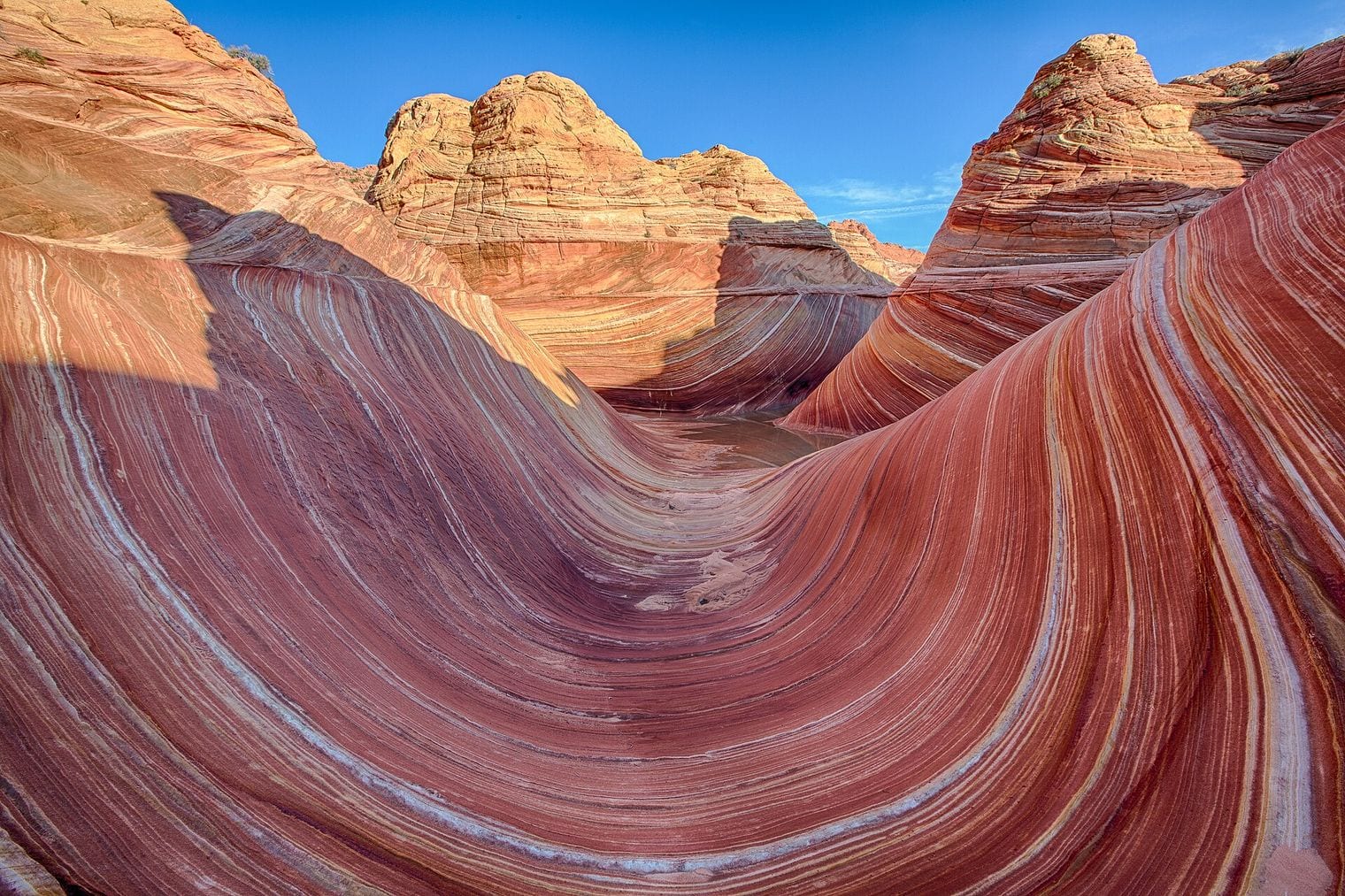
A permit is required to hike Coyote Buttes North, home of the sandstone formation known as The Wave, as well as Coyote Buttes South and overnight trips within Paria Canyon.
The permit exists because the rock is soft and the photograph is famous. Demand vastly exceeds the daily allocation, so entry runs by lottery, and the swirling cross-bedded sandstone stays intact largely because so few boots reach it.
21. America's First Archaeological Reserve Was in Arizona
In 1892 President Benjamin Harrison set aside 480 acres around the Casa Grande Ruins as the first prehistoric and cultural reserve established in the United States. It predates the National Park Service itself by more than two decades.
The protection came late enough that the site had already been picked over, but early enough to matter. It set the precedent that an archaeological site could be worth federal land in its own right, without a scenic view attached.
22. A Mud Tower Has Stood Here for Seven Centuries
The Great House at Casa Grande Ruins has stood for over 600 years, built of caliche — a hard desert soil — that has survived the extreme weather for about seven centuries.
It now stands under a steel canopy, which is itself old enough to be historic. The building has no obvious defensive purpose and no obvious domestic one either; the alignment of its openings suggests it was at least partly about tracking the sky.
23. Montezuma Castle Was Named for the Wrong Man
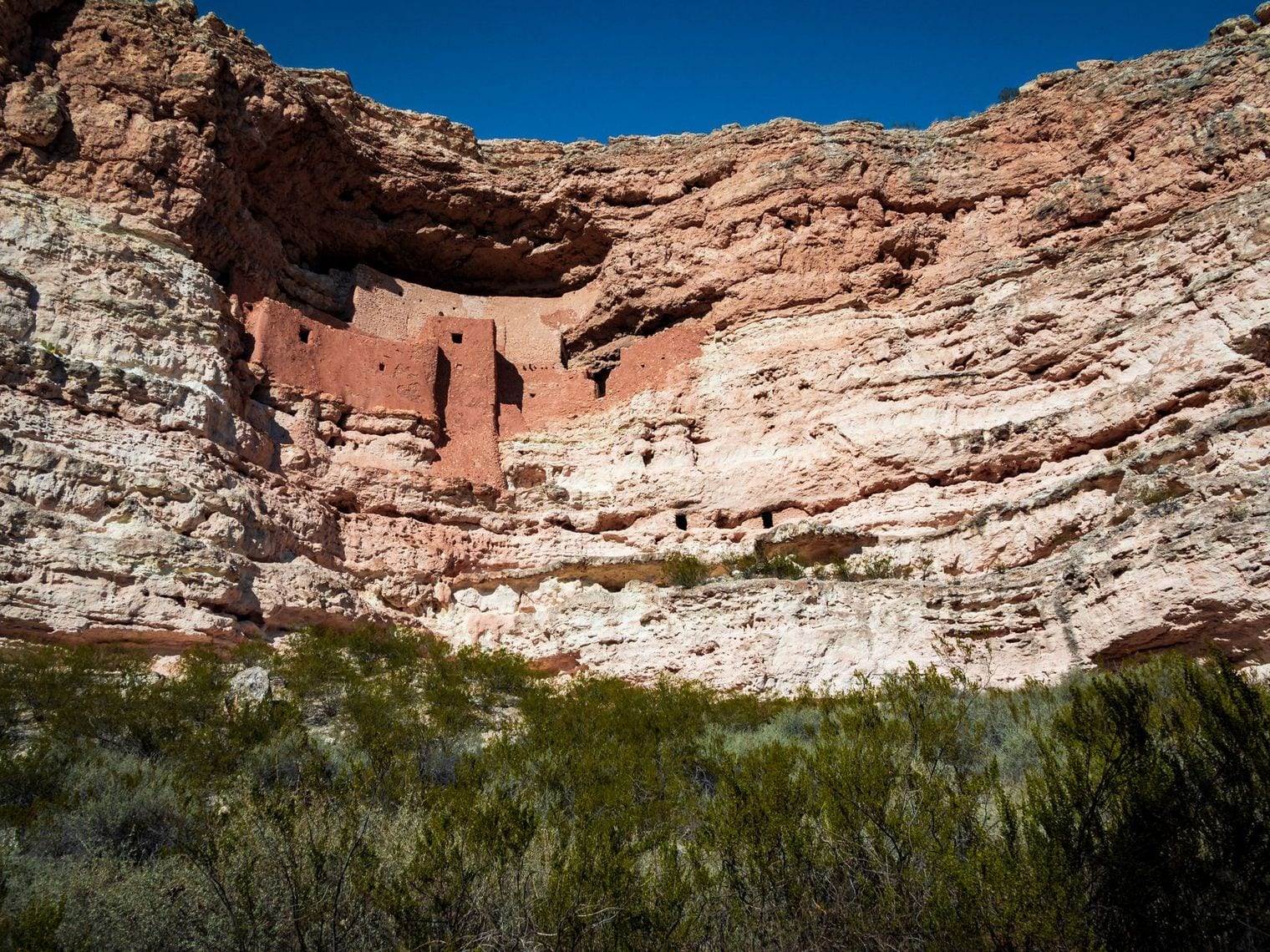
Montezuma Castle is a 20-room dwelling built into an alcove about 90 feet up a limestone cliff by the Sinagua, and it was one of the four original national monuments designated by President Theodore Roosevelt in 1906.
The name is simply wrong. Montezuma never saw it, never came near it, and was born long after the builders had gone — the label was attached by later arrivals who assumed anything this accomplished must have been Aztec.
24. 350,000 People a Year Visit a Cliff-Side Apartment
Approximately 350,000 people a year visit Montezuma Castle as of 2026, looking up at a structure the Sinagua occupied along Beaver Creek for over 400 years.
Nobody climbs it any more. Access was closed decades ago after the ladders and the traffic began to damage the rooms, so the building is now experienced entirely from the path below, which is probably why it has survived as well as it has.
25. People Have Farmed Canyon de Chelly for 5,000 Years
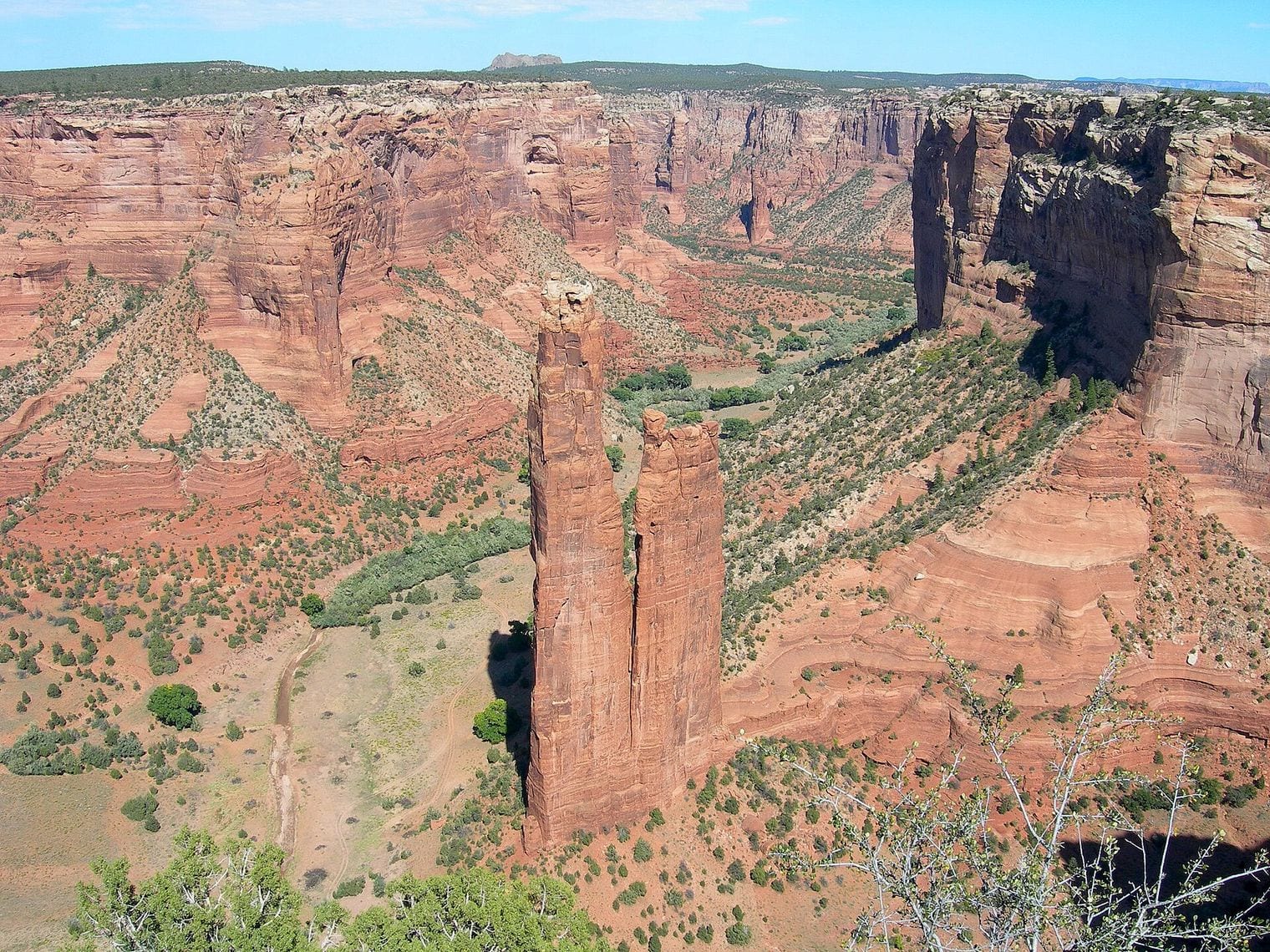
People have lived in Canyon de Chelly for nearly 5,000 years, which as of 2026 is longer than anyone has lived continuously anywhere on the Colorado Plateau.
That is not a ruin's timeline but a community's. The floor of the canyon still carries orchards and grazing, and the cliff dwellings set into the walls are one chapter of an occupation that never actually stopped.
26. Forty Families Still Live Inside a National Monument
Canyon de Chelly National Monument encompasses approximately 84,000 acres located entirely on the Navajo Nation, and as of 2026 roughly 40 families still reside within the park boundaries.
It is run as a partnership rather than a possession: the Park Service manages the resource, the Navajo Nation owns the land, and visitors are confined to the rim drives unless a Navajo guide takes them down.
27. Arizona's Youngest Volcano Erupted Around AD 1085
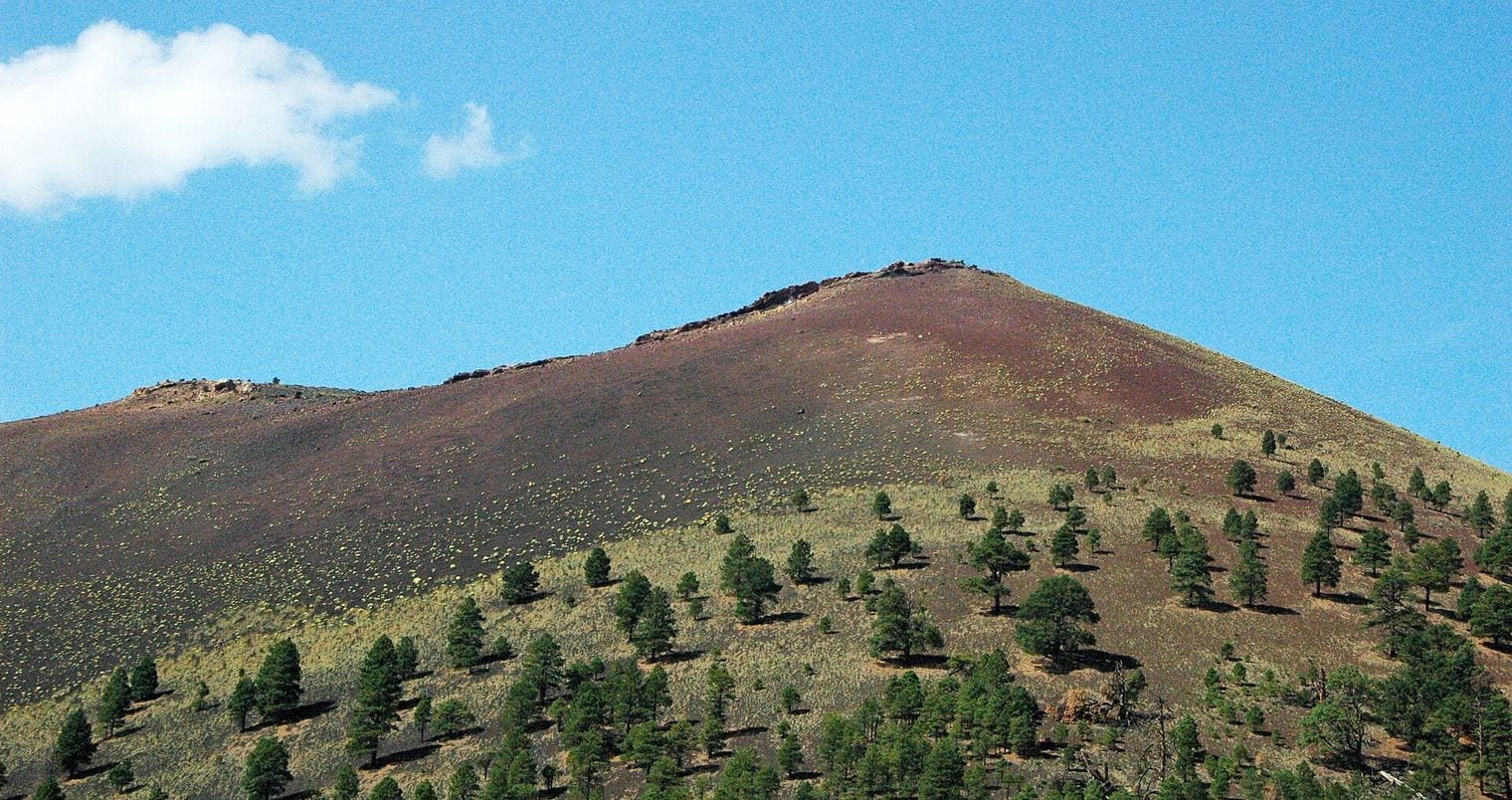
Sunset Crater is, as of 2026, the youngest and least-eroded cinder cone in the San Francisco Volcanic Field. Tree-ring dates initially put its eruption around AD 1064 to 1065, while more recent geologic and archaeological evidence places it around AD 1085.
The date matters because people were watching. The eruption fell squarely within the occupation of the surrounding pueblos, and the ash it dropped rearranged where those communities could farm — which is why archaeologists, not just geologists, keep arguing about the year.
28. Arizona's Most Recent Eruption Was 1,000 Years Ago
Sunset Crater Volcano National Monument protects 3,040 acres around what is, as of 2026, the most recent volcanic eruption on the Colorado Plateau. The lava flows filled two small valleys to a depth of about a hundred feet.
A thousand years on, the cinder fields are still mostly bare. That slowness is the scientific value of the place: it is one of the clearest available records of how life creeps back onto ground that was sterilised.
29. North America Northernmost Ballcourt Is at Wupatki
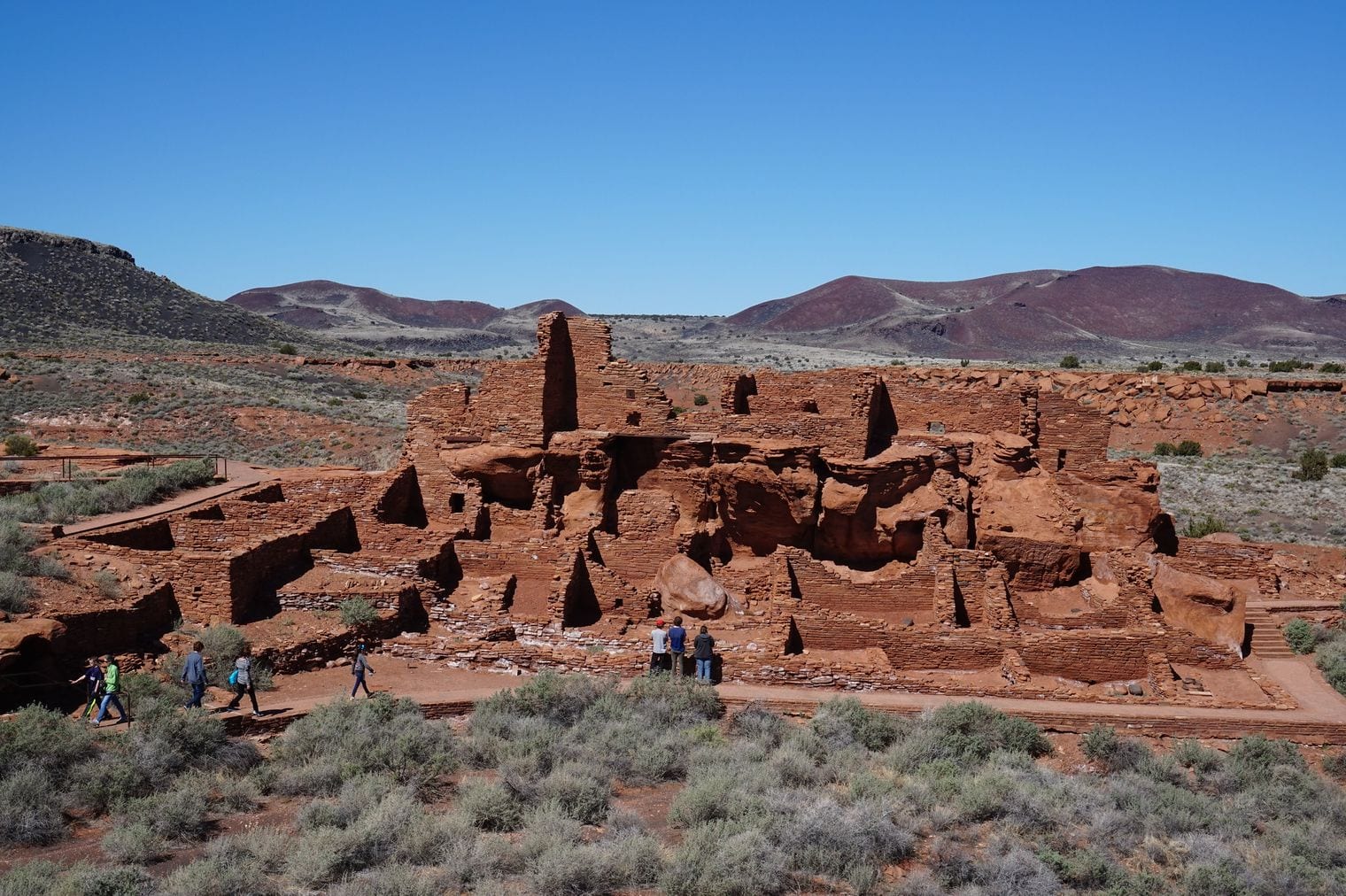
Wupatki Pueblo preserves 104 rooms, a natural blowhole and what is, as of 2026, the northernmost ballcourt ever discovered in North America.
The ballcourt is the surprise. That form belongs to Mesoamerica and to the Hohokam country far to the south, and finding one this far north says the people here were plugged into a trade and culture network running deep into Mexico.
30. Human History at Wupatki Runs Back 13,000 Years
Wupatki National Monument covers a total of 35,422 acres, and the physical evidence of human history there goes back over 13,000 years.
The blowhole is the detail visitors remember. A crack connected to a cave system below breathes in and out with the pressure, hard enough to lift a hat, and it was almost certainly one of the reasons the pueblo was built where it was.
31. A 1909 Monument Guards Three Cliff Villages
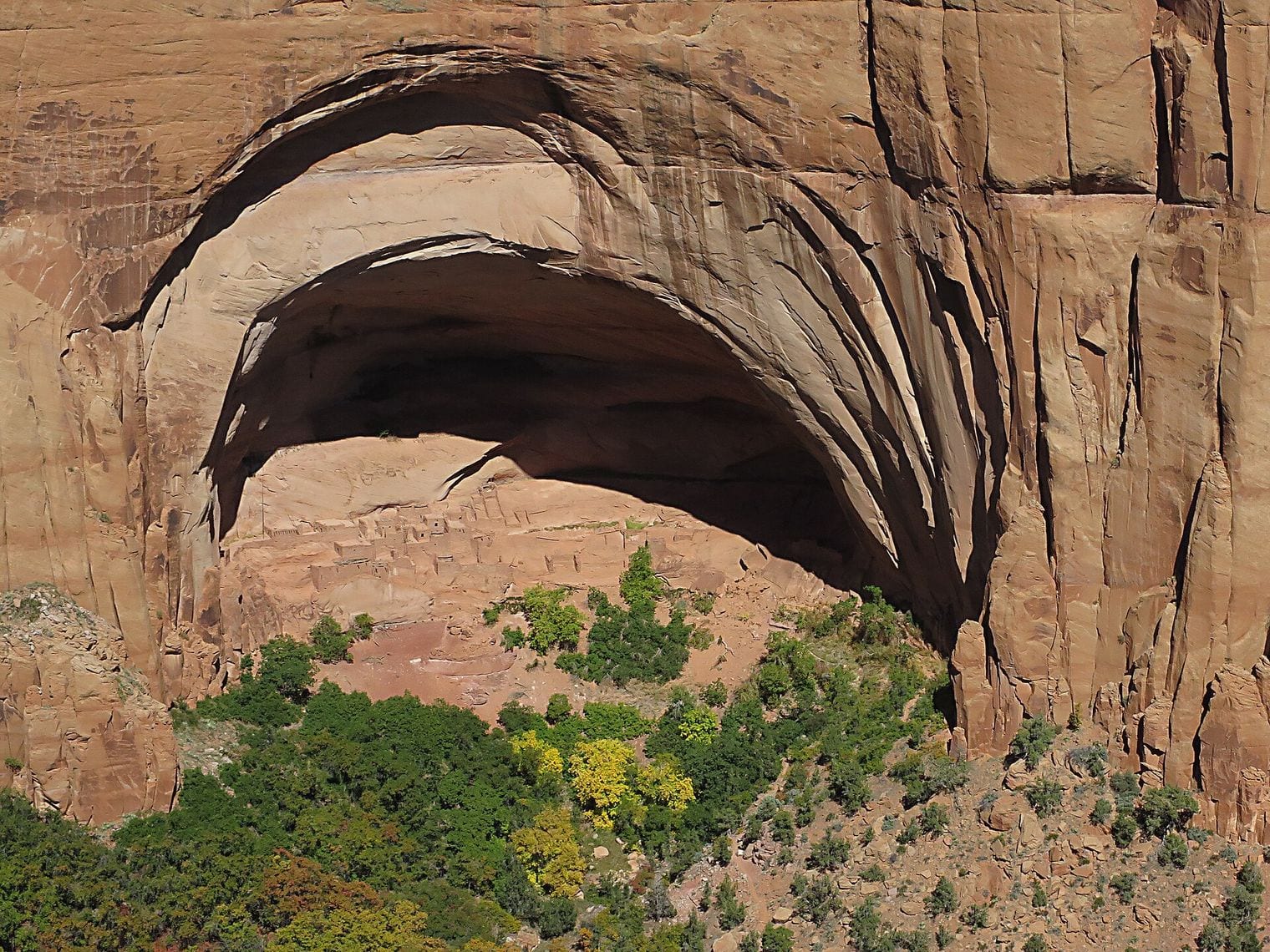
Navajo National Monument was created in 1909 to protect three large pueblos dating to the 13th century: Keet Seel, Betatakin and Inscription House.
All three sit in vast natural alcoves in the sandstone, which is why they are so well preserved — the overhang kept the weather off for seven hundred years. Keet Seel can still only be reached on foot, and Inscription House has been closed to the public for decades.
32. Rainbow Bridge Stands 290 Feet Above the Canyon
Rainbow Bridge has a span of 275 feet and a height of 290 feet, making it as of 2026 one of the largest natural arches in the world. President William Howard Taft made it a national monument on 30 May 1910.
It is sacred to several tribes and was known to them long before it was surveyed. Reaching it once meant days on the river and a long hike up-canyon; the filling of Lake Powell brought boats to within a walk of it.
33. Tuzigoot Pueblo Has 110 Rooms on a Desert Ridge
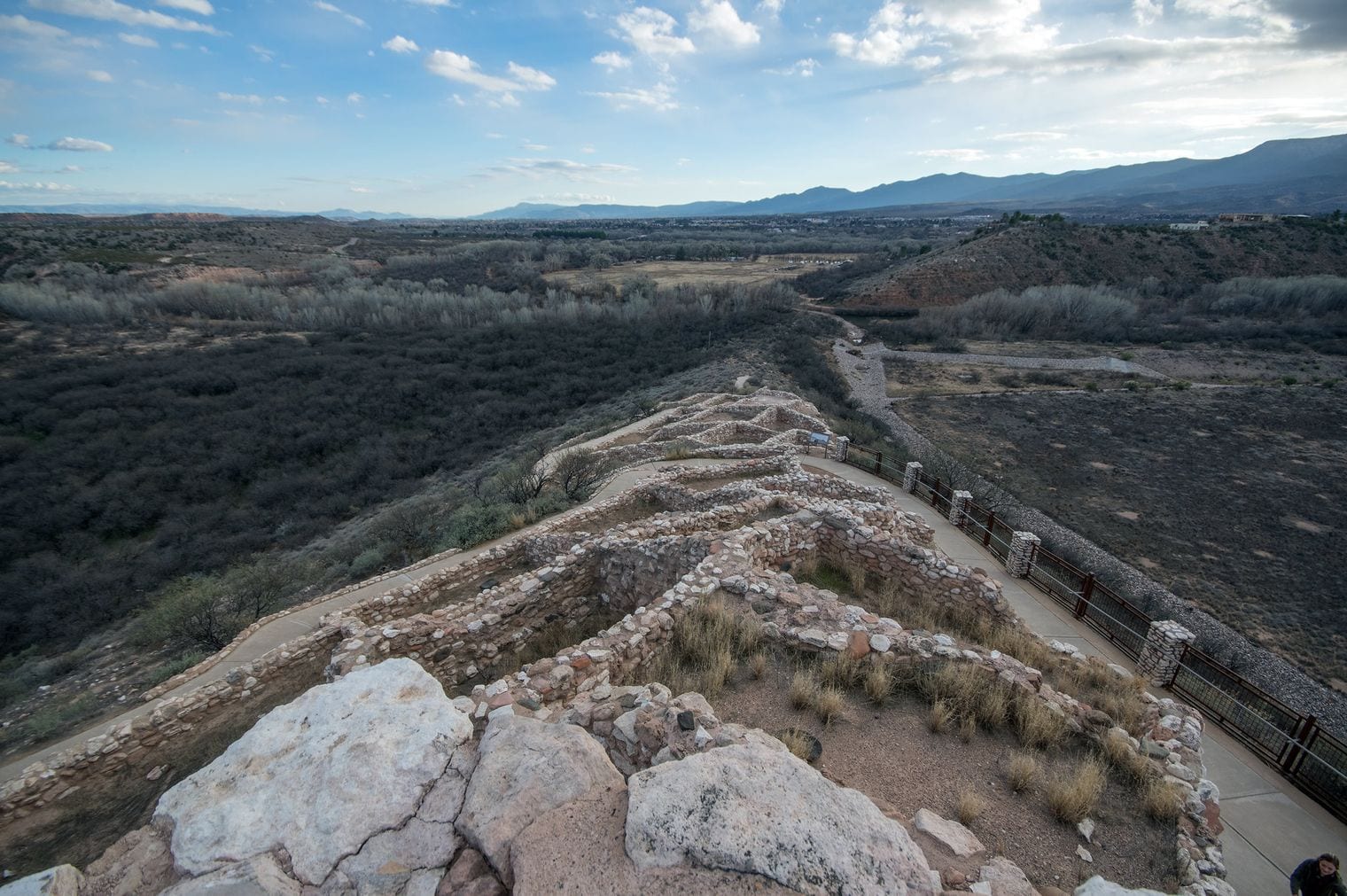
The Tuzigoot pueblo, built by the Sinagua between 1125 and 1400 CE along a ridge in the Verde Valley, has 110 rooms.
The layout follows the hill rather than a plan, spreading along the spine of a natural outcrop with the taller central rooms looking as though they served some public function. From the top the whole valley is visible, which was presumably the point.
34. Walnut Canyon Was Carved Over 60 Million Years
Walnut Canyon is twenty miles long, 400 feet deep and a quarter-mile wide, carved by Walnut Creek over a period of 60 million years.
The erosion did the builders a favour. Water cut alcoves along the softer limestone bands, and the Sinagua walled up the fronts of those ready-made shelters rather than quarrying and stacking a structure from scratch.
35. The Sinagua Left Over 80 Cliff Dwellings Behind
Walnut Canyon National Monument protects cliff dwellings built between 1125 and 1250 CE, and the Sinagua left over 80 cliff dwellings behind when they departed. The monument was proclaimed by President Woodrow Wilson in 1915.
Sinagua is Spanish for without water, a name applied by outsiders to people who had in fact worked out how to farm a dry plateau. Why they left around the middle of the thirteenth century is still unsettled.
36. Arizona's Oldest Mission Was Founded One Day Early
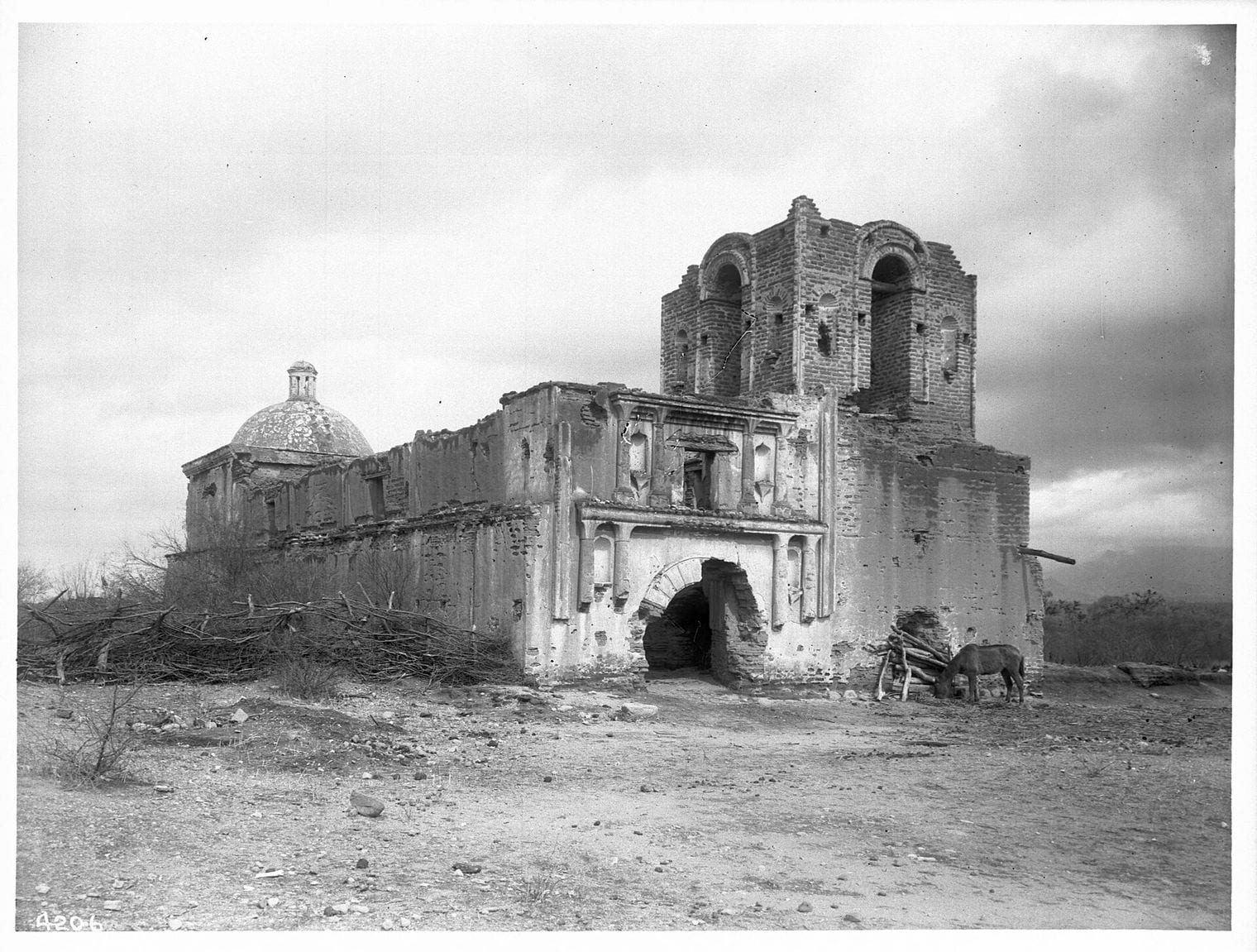
Father Eusebio Kino established Tumacacori as a mission in January 1691, one day before nearby Guevavi, which as of 2026 makes it the oldest mission site in what is now Arizona.
A single day decides the title. Kino was moving fast through the Pimeria Alta founding missions at settlements that already existed, and the church visitors see today is a later Franciscan building on a site the Jesuits had opened decades earlier.
37. Tubac Was Arizona's First European Settlement
Tubac Presidio State Historic Park preserves the ruins of the oldest Spanish presidio site in Arizona, San Ignacio de Tubac, established in 1752 — as of 2026 the first European settlement in Arizona, and the site of the first newspaper printed there.
It was also a departure point. Colonists who set out from Tubac went on to help found San Francisco, which makes this small Santa Cruz valley town an unlikely ancestor of a California city.
38. Oraibi May Be America's Oldest Lived-In Village
The Hopi village of Oraibi was founded sometime around 1100 CE, which makes it, as of 2026, one of the oldest continuously inhabited settlements in the United States.
The hedge is deliberate and worth keeping. Acoma and Taos Pueblo in New Mexico make comparable claims, and the honest position is that Oraibi belongs in that very small group rather than at the undisputed top of it.
39. Arizona Flag Carries Thirteen Rays by Statute
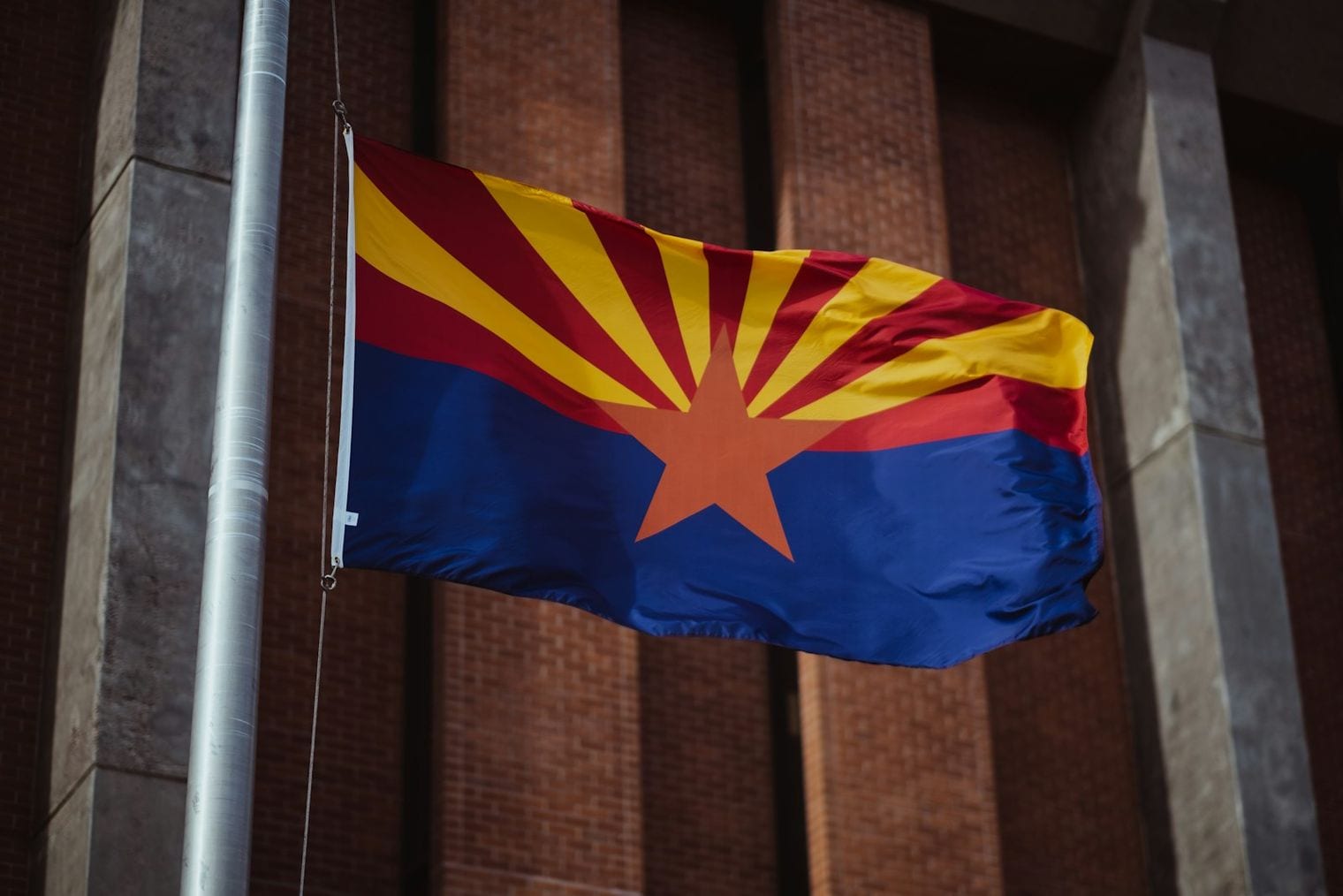
Arizona law prescribes a flag whose upper half is divided into thirteen equal segments or rays, six yellow and seven red, and sets the state colours as blue and old gold. The design is fixed in statute rather than left to convention.
The rays are usually explained as the thirteen original colonies, and as a setting sun over a western state. The statute itself says neither — it specifies the geometry and the colours and stops there.
40. The Copper Star on the Flag Marks a Mining State
The Arizona flag was adopted on 27 February 1917, and the large copper star at its centre identifies Arizona as, at the time, the largest producer of copper in the United States. As of 2026 the state still leads the country.
It is a rare case of an American flag naming an industry rather than a virtue. The star is not painted copper-coloured — it is meant to be read as the metal itself.
41. The Cactus Wren Became State Bird in 1931
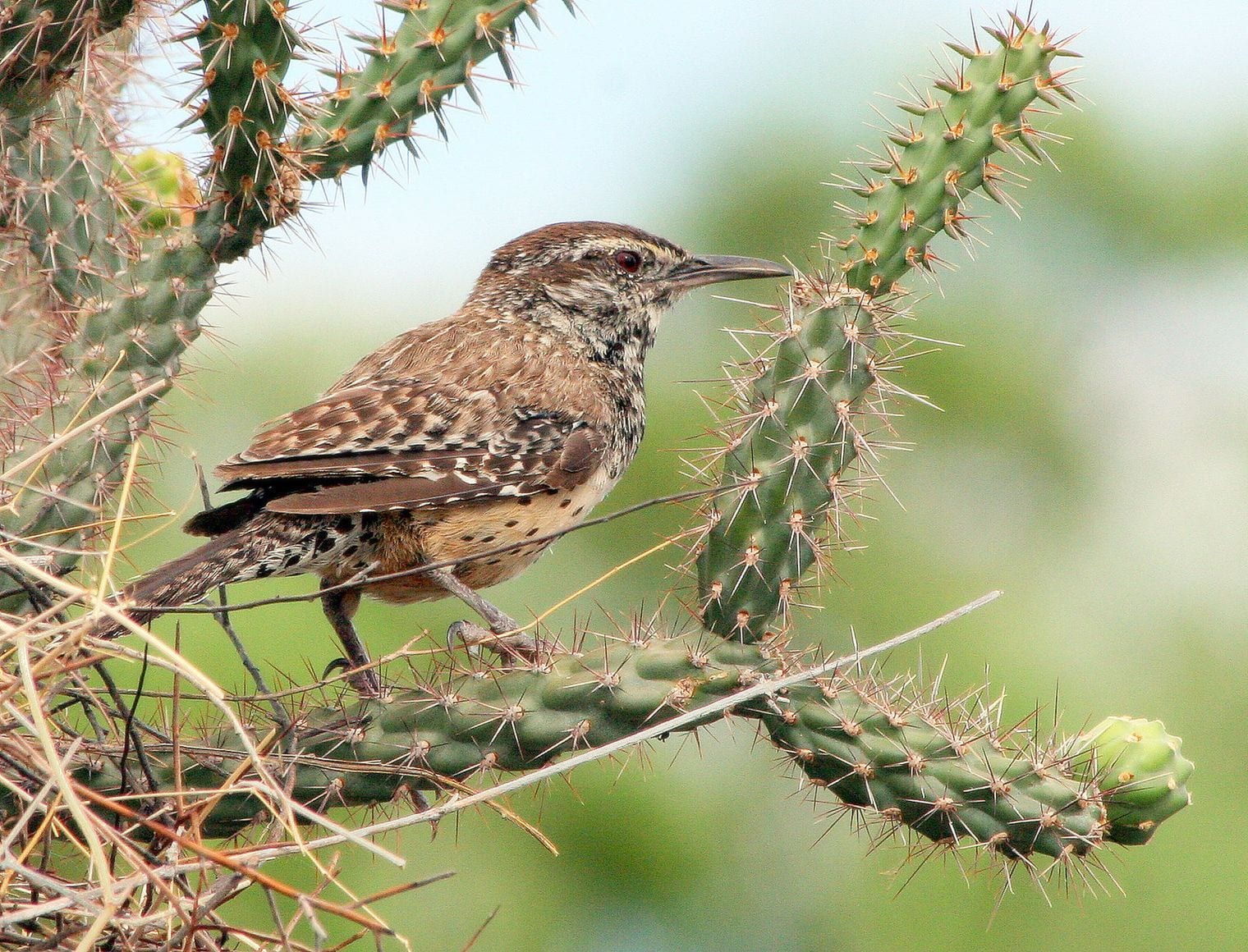
Arizona law names the cactus wren, otherwise known as Coues' cactus wren, as the state bird; as of 2026 it is also the largest wren in the United States. It was designated in 1931.
It earns the name honestly by building its nests inside cholla and other thorny cactus, where almost nothing can follow it. A pair will build several nests and use the spares as decoys and roosts.
42. The State Tree Is Named Green Stick in Spanish
Arizona law names the Palo Verde as the state tree — a name meaning green stick in Spanish, after the green bark that lets the tree photosynthesise without leaves.
In a place where leaves are a liability, dropping them and running the process through the trunk is a sensible trade. The tree goes bare in drought and blazes yellow after spring rain, and it is the nurse plant under which a great many saguaros get started.
43. Turquoise Is the Official State Gemstone
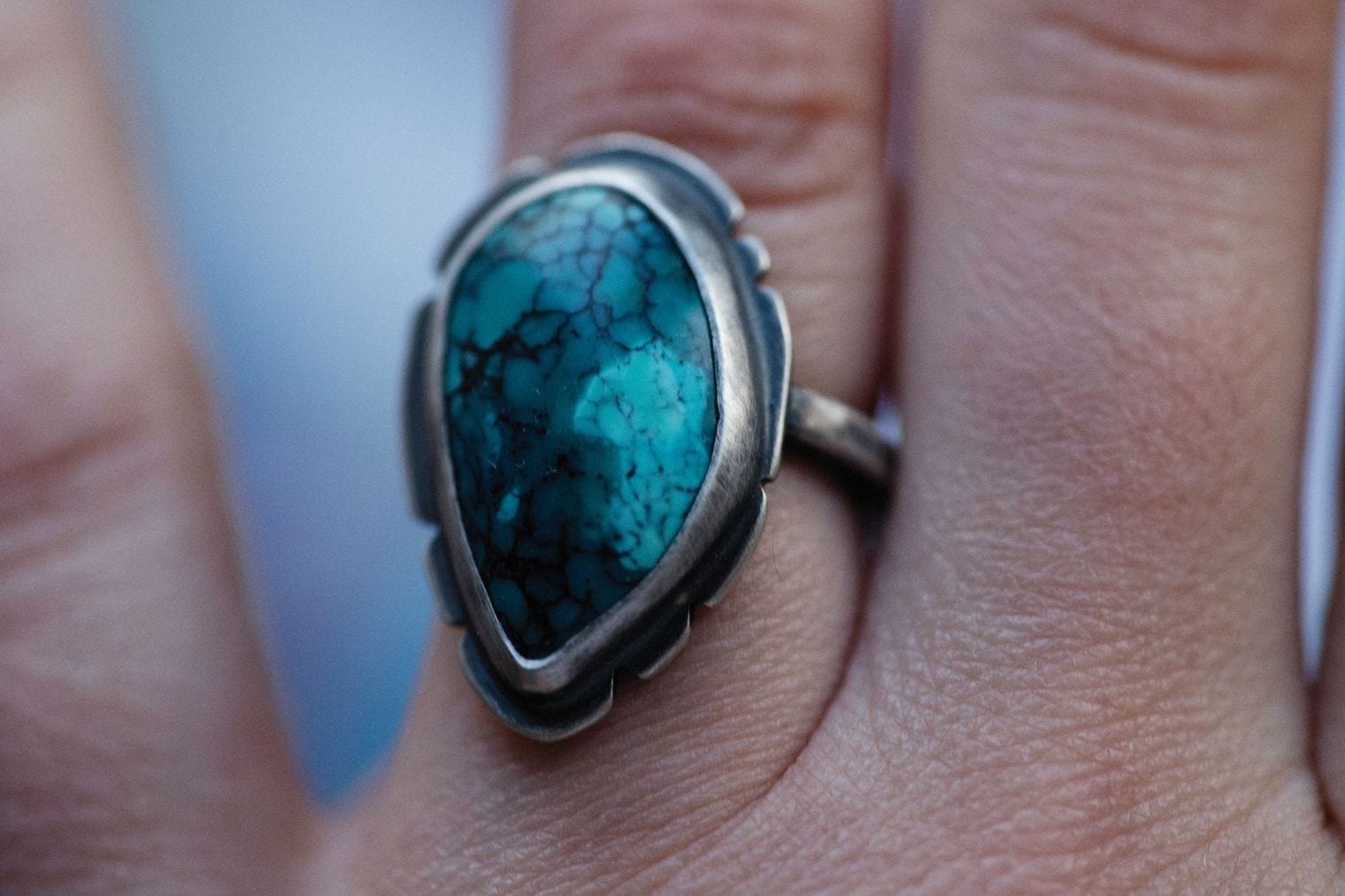
Turquoise is the official state gemstone of Arizona, and its blue colour is attributed to copper — the same metal that built the state's economy and put a star on its flag.
The two are found together for a reason: turquoise forms as a secondary mineral in the weathered upper zones of copper deposits. Some of the best-known Arizona stone has come out of working copper mines as a by-product.
44. The Ringtail Is Arizona State Mammal
The ringtail, a fox-like nocturnal animal with 14 to 16 rings on a tail about as long as its body, is the state mammal of Arizona.
Miners kept them as company and as mousers, which is why the animal is still sometimes called a miner's cat. It is not a cat, and it is not often seen — large eyes and upright ears are equipment for a life spent almost entirely after dark.
45. A Snake Named for a Tombstone Businessman
The Arizona ridge-nosed rattlesnake is the official state reptile of Arizona, and its scientific name honours its discoverer, a businessman from Tombstone.
It is a small, secretive snake of the sky-island forests in Arizona's south-east, not the desert species people usually picture. Finding one usually means being high in the Huachucas or Chiricahuas rather than out on the flats.
46. Tombstone Courthouse Went Up in Red Brick in 1882
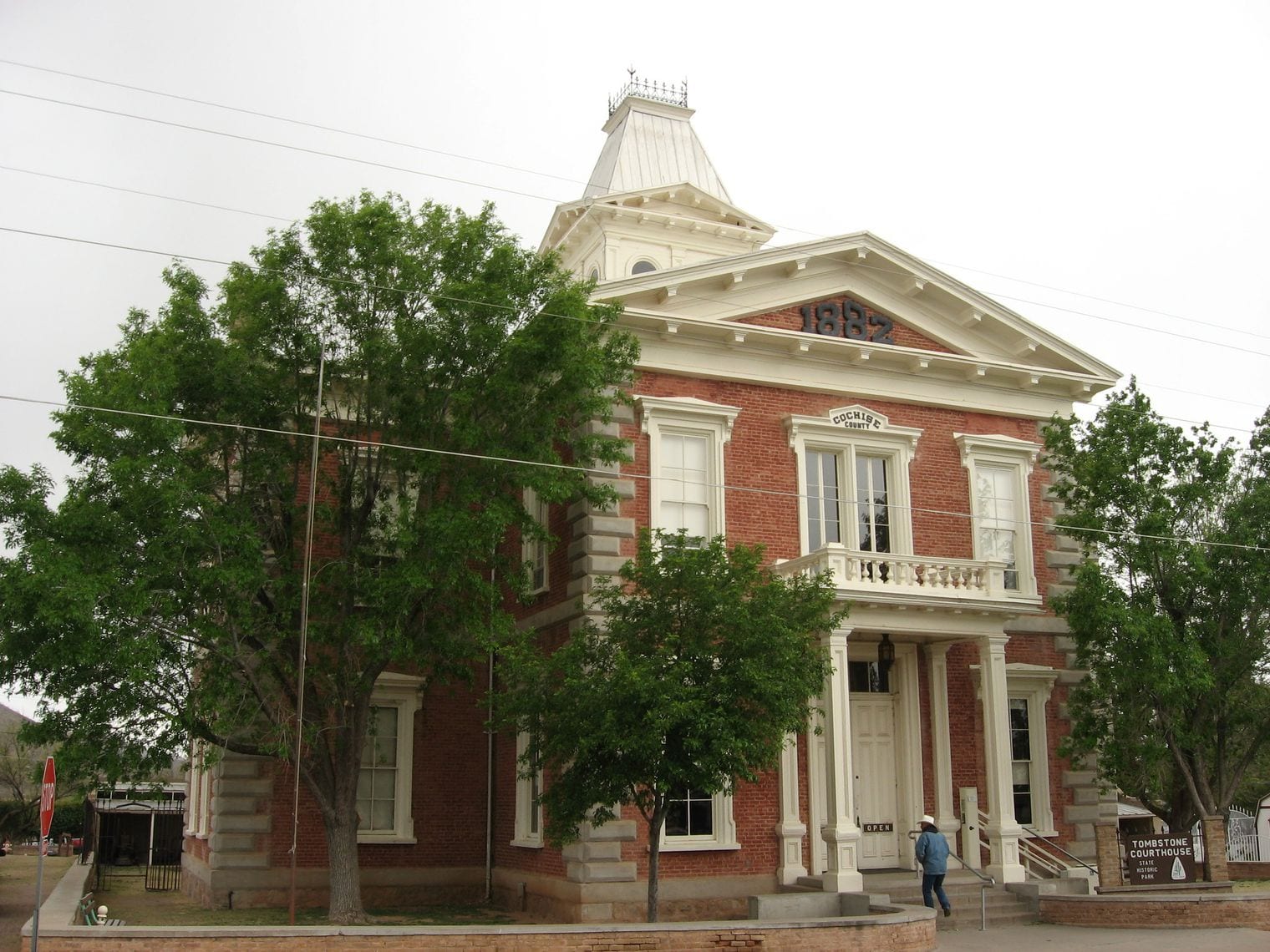
Cochise County was created by a vote of its citizens in 1881 with Tombstone as county seat, and the two-storey Victorian courthouse was built of red brick in 1882.
It served as a county building until 1931, when the seat moved to Bisbee and the town's slow decline was made official. The courthouse is now a museum, which is a gentler fate than most of the buildings around it managed.
47. Tombstone Silver Was Worth Billions in Today Money
Tombstone was, as of 2026, still the most productive silver mining district in Arizona, producing some 40 to 85 million dollars in silver bullion — the equivalent of billions today.
The range in that figure is honest rather than sloppy: assay records from a boomtown are incomplete, and the ore was sold through several channels. What is not in doubt is that the gunfight everyone remembers happened because there was that much money underfoot.
48. Yuma Prison Took Its First Inmates on 1 July 1876
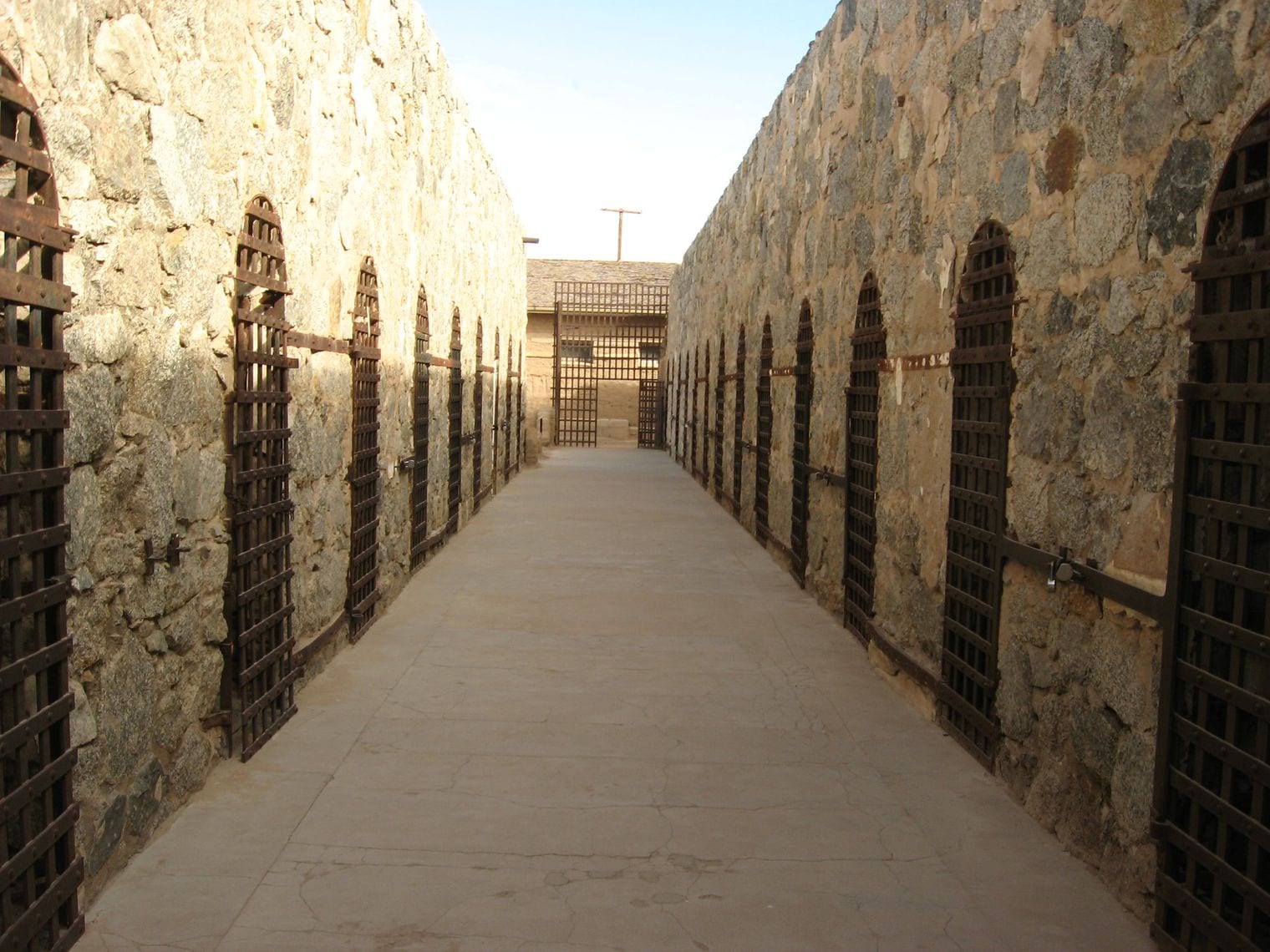
The Yuma Territorial Prison accepted its first seven inmates on 1 July 1876, and over the next 33 years held 3,069 prisoners, including 29 women.
The prisoners built much of it themselves, cutting their own cells out of the hillside. It closed through overcrowding rather than reform, and the buildings went on to serve as a high school and later a city jail.
49. A Copper Town Shrank From 10,000 to Under 100
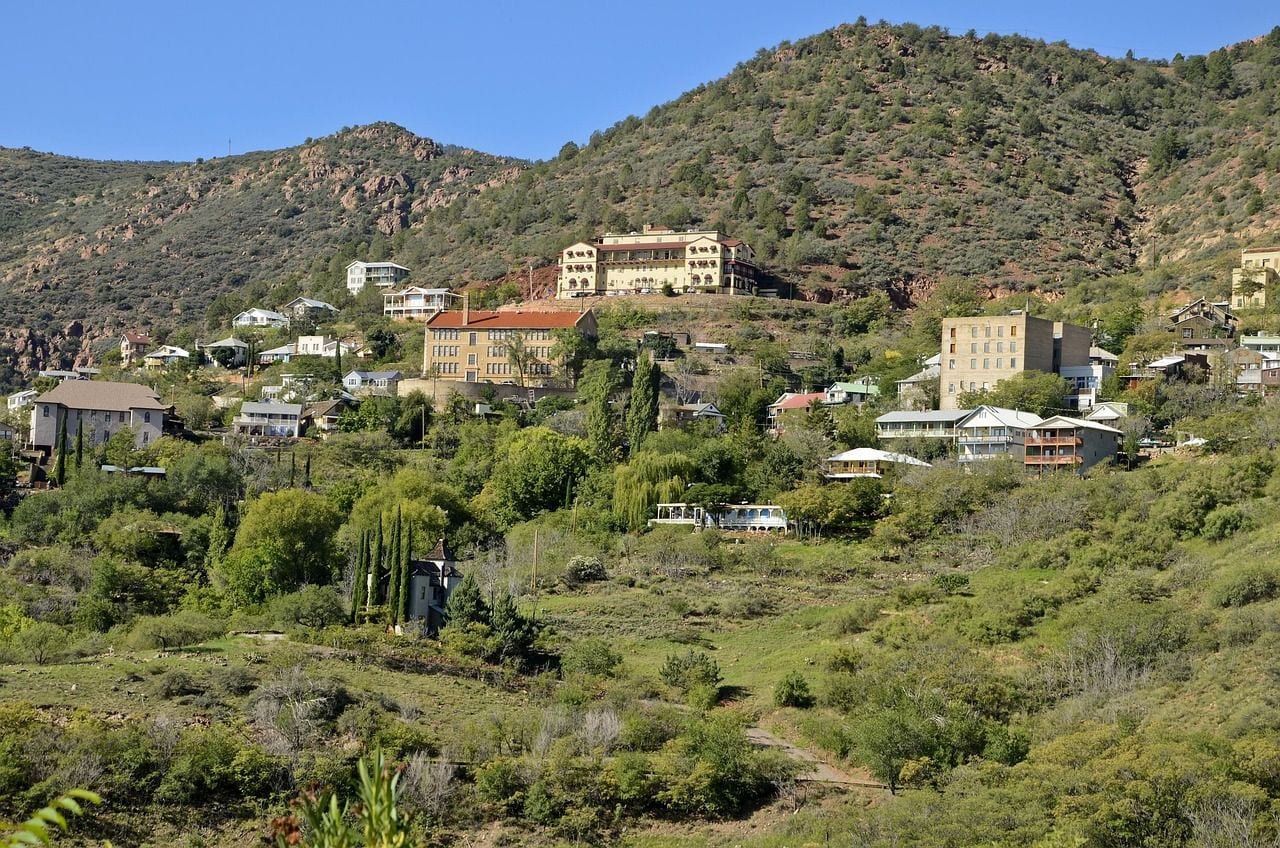
Jerome was home to more than 10,000 people in the 1920s, but when the mines closed for good in 1953 the population dwindled to fewer than 100. As of 2026 the town is still underlain by 88 miles of mine shafts.
Those shafts are why parts of it will not stay still. Buildings have slid downhill over the decades as the ground beneath them settled into the workings, and the town's jail ended up some distance from where it was built.
50. The Lost Dutchman Was Actually a German
According to the legend behind Lost Dutchman State Park, at the base of the Superstition Mountains 40 miles east of Phoenix, a German immigrant named Jacob Waltz found a mother lode of gold and revealed its location on his deathbed in 1891.
The Dutchman was not Dutch — Deutsch became Dutch somewhere in the retelling. No mine matching the description has ever been produced, which has done nothing at all to slow the people still looking for it.
51. One Statute Names Four of Arizona State Animals
A single Arizona statute names the ringtail, the Arizona ridgenose rattlesnake, the Arizona trout and the Arizona tree frog as the state mammal, reptile, fish and amphibian respectively.
Other states spread these designations across decades of separate bills. Arizona bundled four of them into one clause, which is either admirable efficiency or a sign the legislature wanted the topic dealt with in a single sitting.
52. Arizona State Fossil Is a Stone Tree
Arizona names petrified wood, or araucarioxylon arizonicum, as its official state fossil — and most of the petrified trees in Petrified Forest National Park carry exactly that scientific name.
It is a state emblem that is also a felony to remove from federal land. The park loses material to visitors every year, and the gift shop sells legally quarried wood from outside the boundary precisely to give people an alternative.
53. The Fossil Logs Look Chainsawed but Broke Naturally
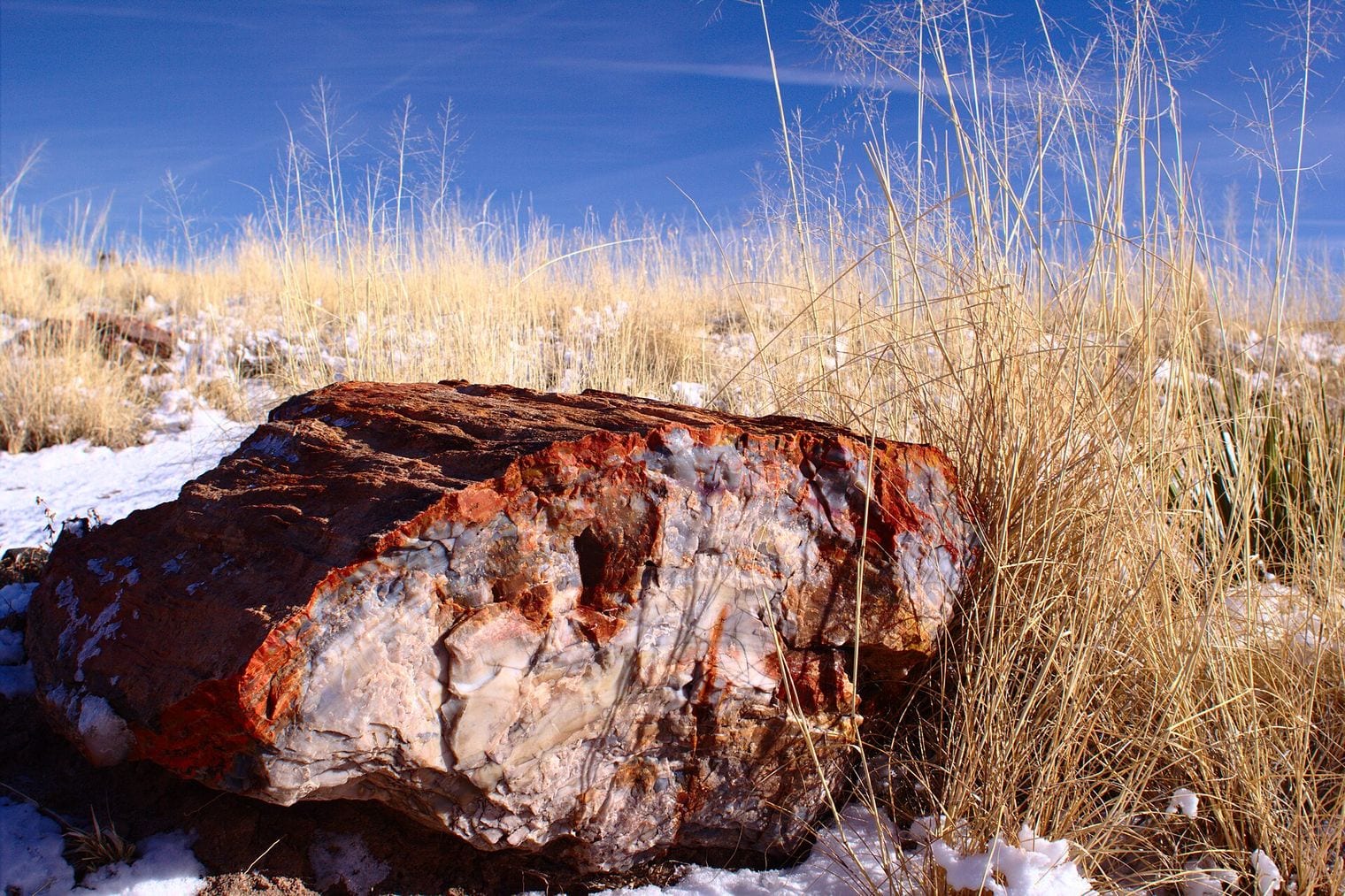
The petrified logs of Petrified Forest National Park lie in neat segments that look sawn, but they broke like glass rods under stress during the uplift of the Colorado Plateau starting about 60 million years ago.
Quartz is hard and brittle, and once the wood had been wholly replaced by it the trunks behaved like rock rather than timber. The fractures came out clean and evenly spaced, which is why visitors keep asking who cut them.
54. A National Park Preserves a Stretch of Route 66
Petrified Forest National Park spans more than 200 million years of geologic history and protects a sweeping stretch of historic Route 66 alongside its Triassic fossils.
It is the only national park that contains a section of the old highway. The alignment is marked by a line of telegraph poles and a rusting Studebaker, which is about as much as remains of the road through the park.
55. Route 66 Left 250 Protected Landmarks Behind
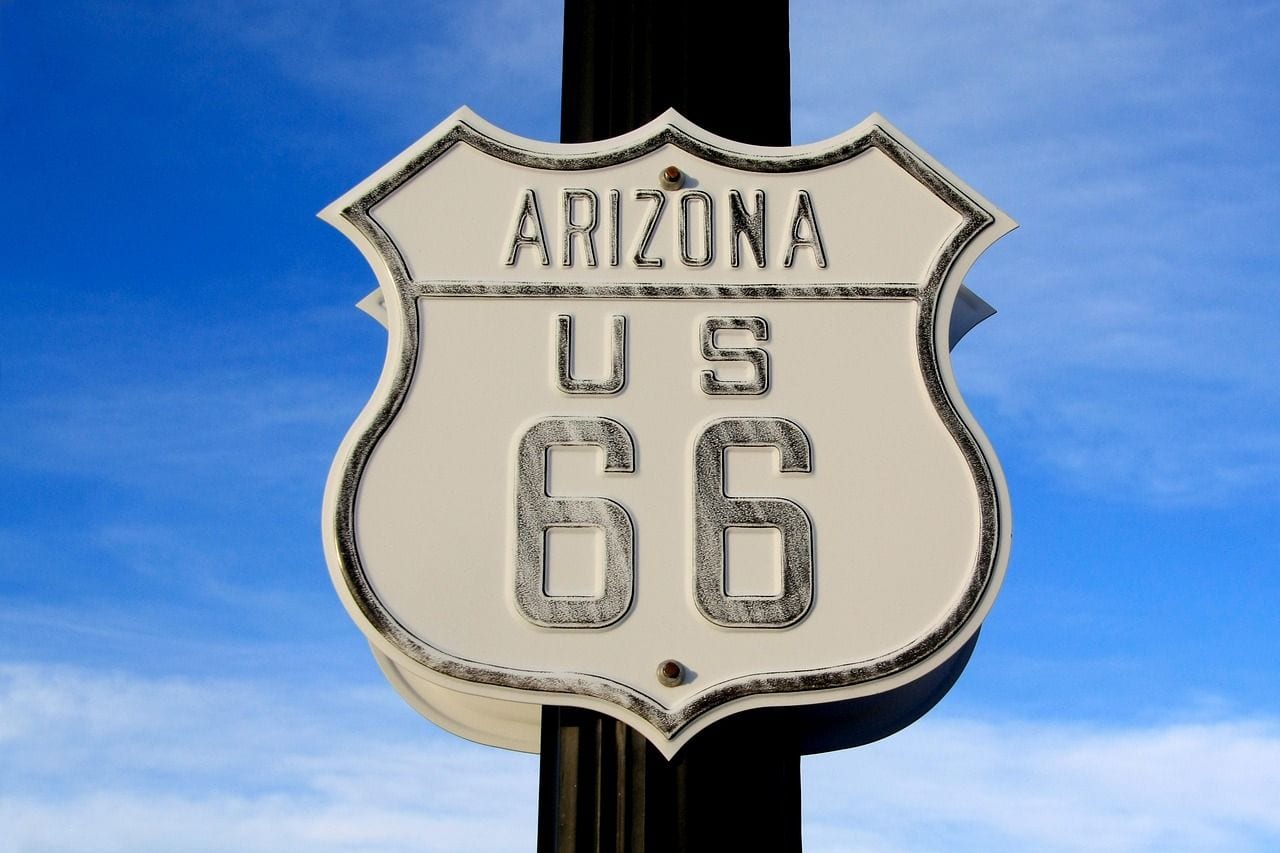
More than 250 buildings, bridges, road alignments and other sites along Route 66 are listed on the National Register of Historic Places as of 2026. The highway ran 2,448 miles from Chicago to Santa Monica.
Arizona kept more of it intact than its neighbours, partly because the interstate that replaced it was routed slightly away from the old towns rather than straight over them. Seligman and Oatman survive on that accident of engineering.
56. Ninety-One Mammal Species Live in the Grand Canyon
Ninety-one species of mammals are known to call the Grand Canyon home, alongside about 48 species of reptiles and about 10 species of amphibians.
That is higher mammalian diversity than Yellowstone, which surprises people who think of the canyon as a hole in a desert. The vertical range is doing the work again: every thousand feet of descent is a different set of animals.
57. Eleven Tribes Have Historic Ties to the Grand Canyon
There are 11 tribes with historic connections to the lands and resources now found within Grand Canyon National Park.
They are not a historical footnote to the park; several still live on land adjoining it, and the Desert View Watchtower area is now run as an intertribal cultural heritage site so that the interpretation visitors read comes from the communities themselves.
58. Havasu Falls Drops 100 Feet Into Blue-Green Pools
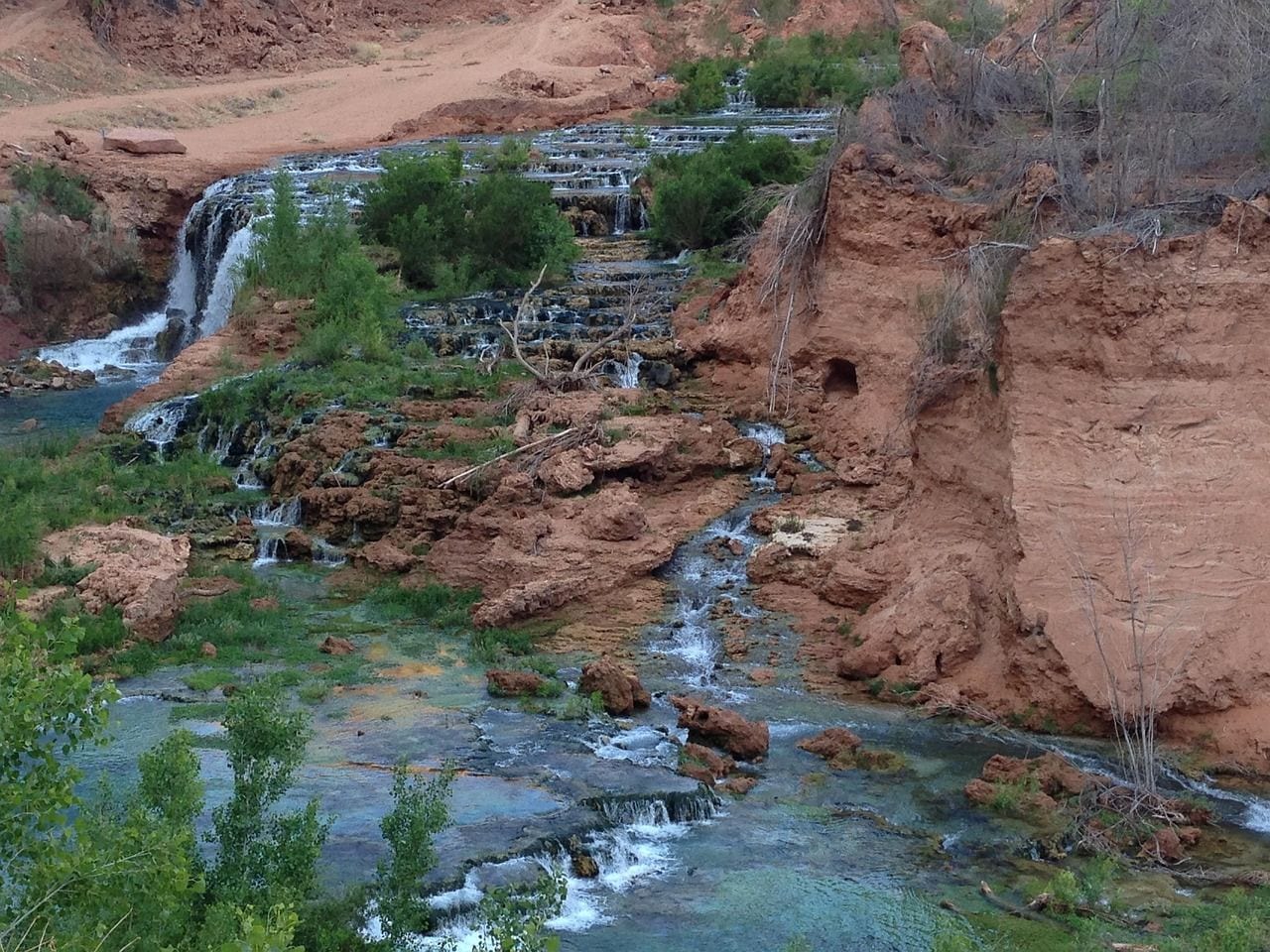
Havasu Falls, on Havasupai land inside the Grand Canyon, drops over a 90-to-100-foot vertical cliff into a series of plunge pools coloured blue-green by calcium carbonate.
The colour is mineral, not optical — the same dissolved limestone that tints the water also builds the travertine dams holding the pools in place. Reaching it requires a permit from the tribe and a long walk in, and there is no road.
59. Horseshoe Bend Is a 1,000-Foot Drop to the River
At Horseshoe Bend near Page, the Colorado River created a roughly 1,000-foot deep, 270-degree horseshoe-shaped curve in the canyon.
The overlook has no railing along the trail and the drop is abrupt, which is the price of the photograph. The land splits between the City of Page and the Navajo Nation, so the parking, the trail and the viewpoint are managed by different authorities.
60. Lake Powell Reaches Into Over 90 Side Canyons
Lake Powell holds 25.16 million acre-feet of water storage capacity when full and, as of 2026, extends into over 90 side canyons branching off the main corridor of Glen Canyon.
Those side canyons are why the shoreline is longer than the whole west coast of the United States. They also mean the lake is far easier to get lost on than its map suggests, since almost every arm looks like the last one.
61. Lake Powell Took 17 Years to Fill Up
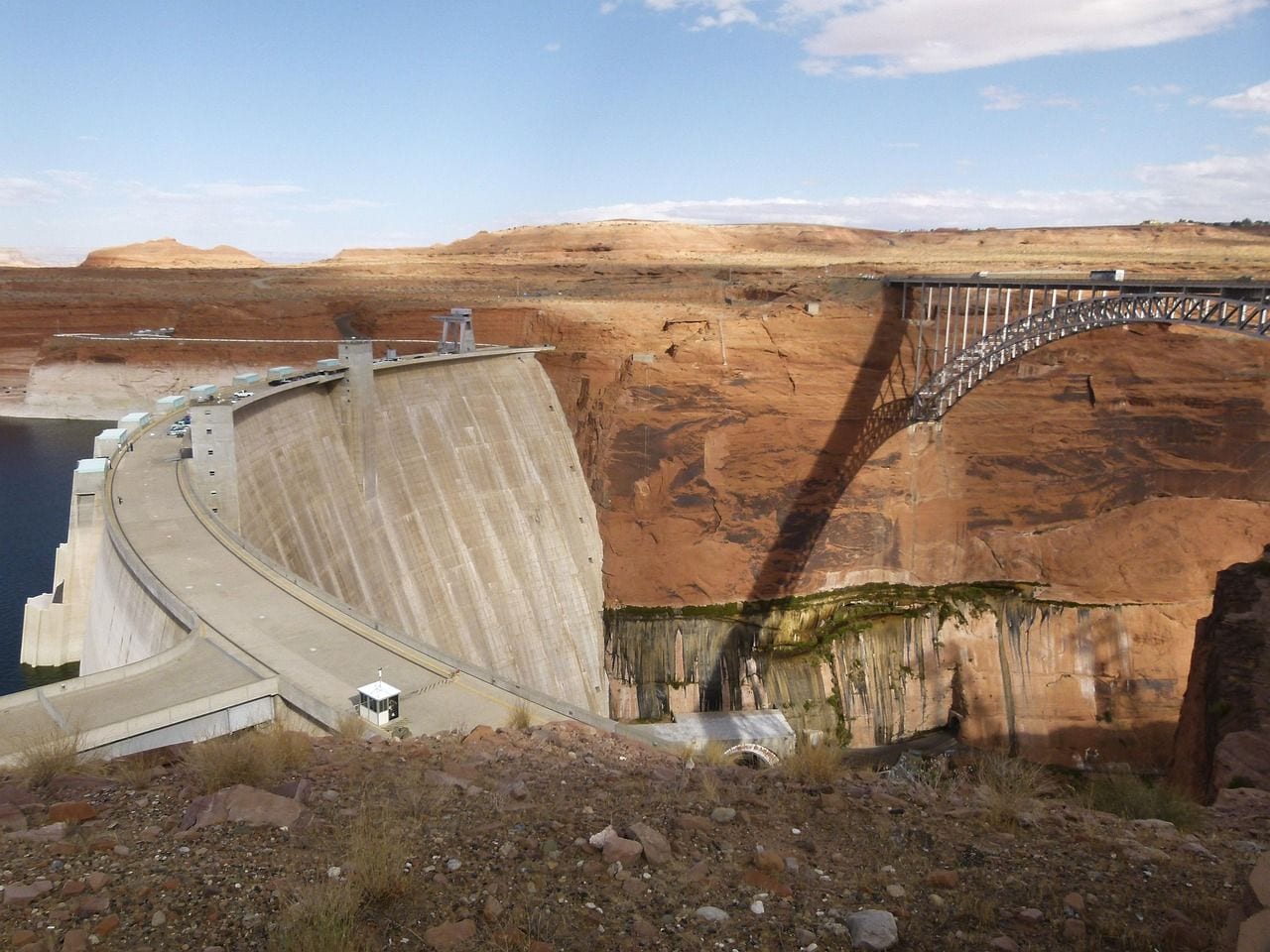
Lake Powell began filling on 13 March 1963 and did not finish until 22 June 1980, reaching an elevation of 3,700 feet above sea level behind the 710-foot Glen Canyon Dam.
Seventeen years is a long time to wait for a reservoir, and the delay was deliberate — filling too fast would have cut the water owed downstream. The canyon it drowned had been seen by very few people before it went under.
62. Hoover Dam Holds 4.36 Million Cubic Yards of Concrete
There are 4,360,000 cubic yards of concrete in Hoover Dam, its powerplant and appurtenant works — enough to pave a standard 16-foot highway from San Francisco to New York City.
The dam sits on the Arizona–Nevada line, which is also a time-zone line, and the two clock faces on the Nevada side have long been a source of confusion for visitors walking across it.
63. Ice Water Ran Through 582 Miles of Pipe in the Dam
To carry off the chemical heat of setting concrete, Hoover Dam's builders embedded more than 582 miles of one-inch steel pipe in the pour and circulated ice water through it from a refrigeration plant.
Without it the concrete would have taken generations to cool and would have cracked as it went. The pipes were grouted solid once the heat was gone, so they are still in there, threaded through the wall.
64. Lake Mead Stretches 110 Miles Toward the Grand Canyon
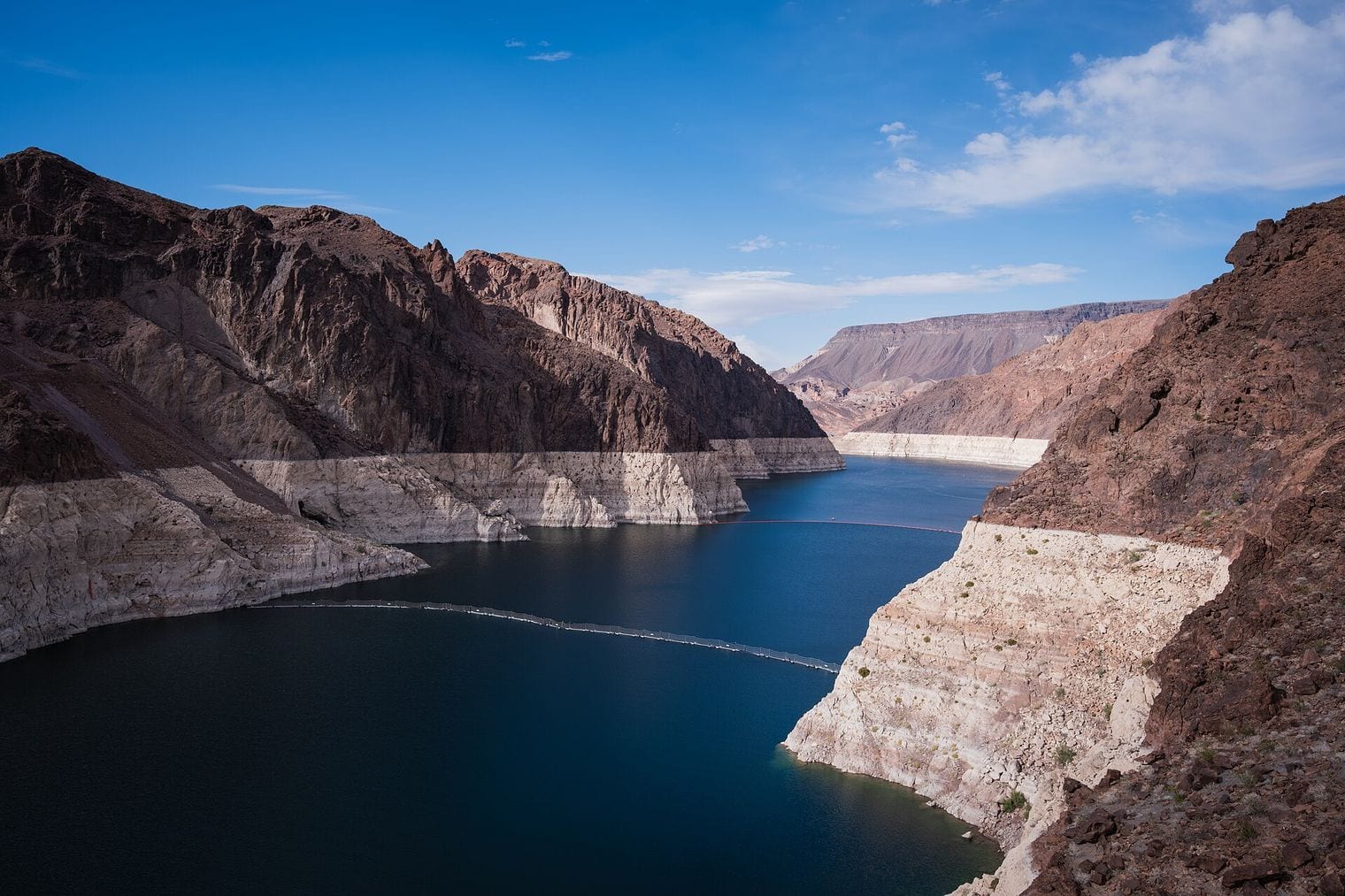
At elevation 1,221.4 feet Lake Mead covers about 158,500 acres and extends approximately 110 miles upstream toward the Grand Canyon. As of 2026 it remains the largest reservoir in the United States by water capacity.
It has spent most of this century well below that mark. The pale mineral band around the shoreline records where the water used to reach, and it has become the best-known drought statistic in the country.
65. America's First National Recreation Area Is Here
Lake Mead National Recreation Area became the first national recreation area in 1964 and, as of 2026, spans over 1.5 million acres of desert across Arizona and Nevada.
The designation was invented for it. A reservoir with a dam, a fishery and a shoreline did not fit the national park model, so Congress created a category that could hold recreation and water management in the same boundary.
66. Pluto Was Discovered From a Hill in Flagstaff
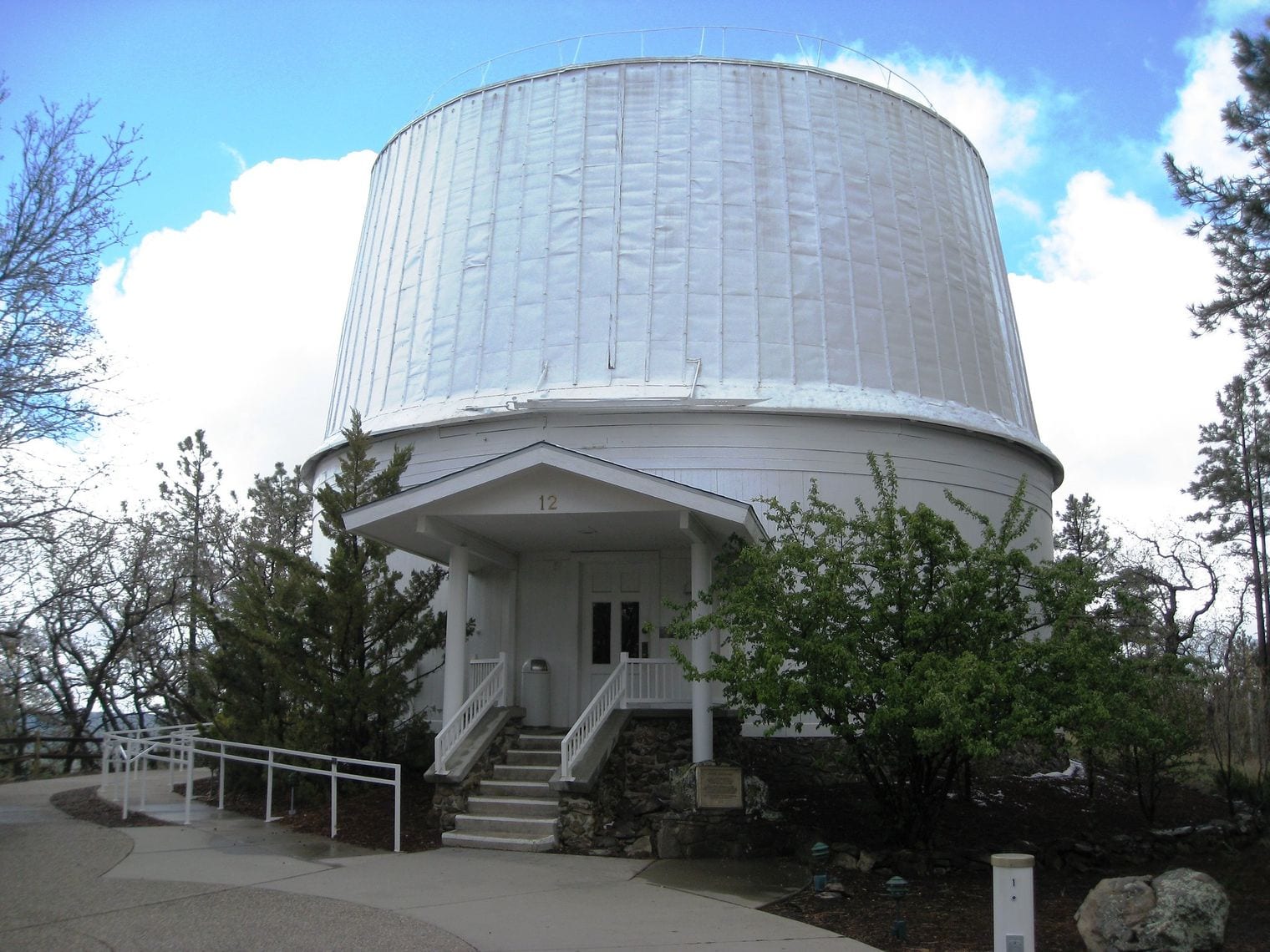
Pluto was discovered at Lowell Observatory in Flagstaff by Clyde Tombaugh in 1930, using a 13-inch astrograph now known as the Pluto Discovery Telescope.
Tombaugh was a Kansas farm boy hired to operate the camera, not a credentialled astronomer, and he found it by blinking two photographic plates back and forth until something moved. The telescope he used is still on the hill and still shown to visitors.
67. A Sacred Mountain Holds One of Earth's Biggest Arrays
Founded in 1958, Kitt Peak National Observatory is, as of 2026, home to one of the largest arrays of optical and radio telescopes in the world, sitting on the Tohono O'odham Nation.
The mountain is sacred ground, and the observatory operates there by agreement with the Nation rather than by right. Dark skies over southern Arizona are the resource being protected, which is why lighting ordinances reach so far from the peak.
68. The Largest Closed Ecosystem Ever Built Sits Here
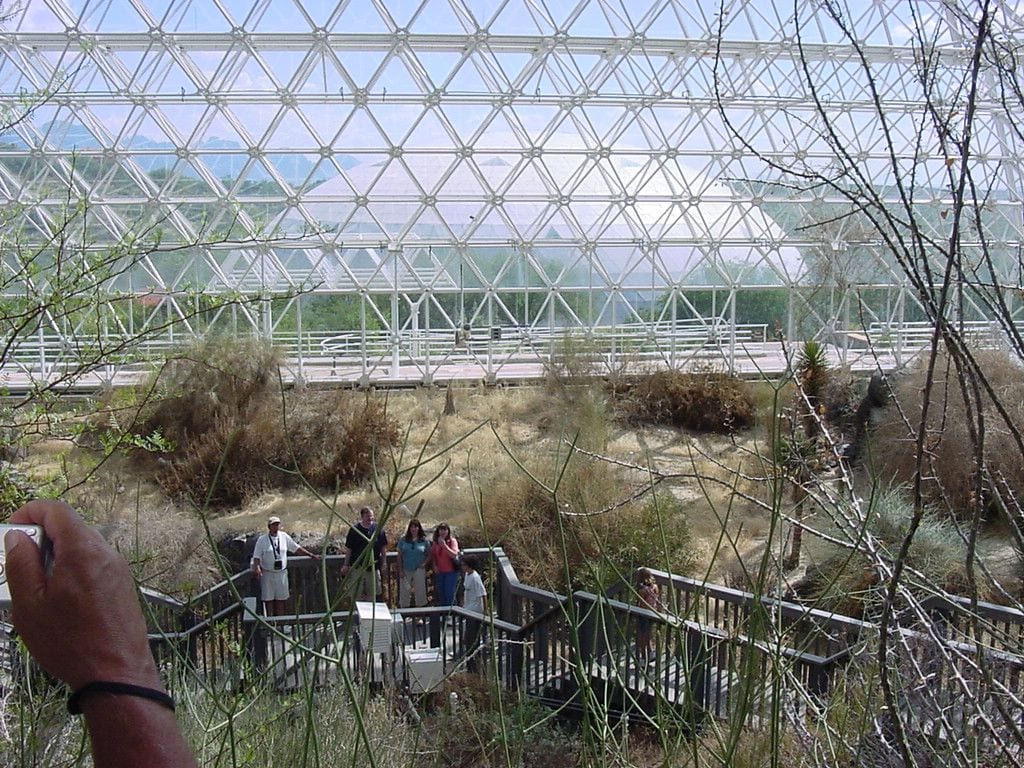
Biosphere 2, near Oracle, is a 3.14-acre structure that as of 2026 remains the largest closed ecological system ever created, holding a rainforest, an ocean, a mangrove and a desert under glass.
The original sealed missions in the early nineties went badly enough to become a punchline, with oxygen falling and crops failing. The facility survived the ridicule and is now run by the University of Arizona as a laboratory for exactly the questions those failures raised.
69. The Best-Preserved Impact Crater Is Privately Owned
Meteor Crater near Winslow was carved about 50,000 years ago by an impact that left a crater over 4,000 feet across and 2.4 miles in circumference, and as of 2026 it remains privately owned by the Barringer family.
That private ownership is why it is not a national monument. Daniel Barringer bought it convinced there was a huge iron mass buried underneath worth mining; there was not, because most of the impactor vaporised, but the family kept the land.
70. Navajo Code Talkers Wrote the Only Unbroken Code
The Navajo language was one United States code that was never deciphered by the enemy during the Second World War, and the number of Navajo code talkers rose from an initial 30 recruits to 420.
It worked because the language was unwritten, tonal and spoken by almost nobody outside the Nation. Many of the men who used it came home to a country that still would not let them vote in Arizona, and the programme stayed classified for decades afterwards.
71. The Navajo Nation Is America's Largest Reservation
At roughly 27,413 square miles the Navajo Nation is, as of 2026, the largest Indian reservation in the United States, and its capital sits at Window Rock in Arizona.
It is larger than ten states and spreads across three of them. That scale is also why it keeps daylight saving while the rest of Arizona does not: a government operating in Arizona, Utah and New Mexico needs one clock.
72. Four States Meet at a Single Point Only Here
The Four Corners Monument marks, as of 2026, the only point in the United States shared by four states, and it is maintained by the Navajo Nation Parks and Recreation Department.
Surveyors have twice been accused of putting it in the wrong place. The courts settled the matter by ruling that the original markers are the border, wherever the meridian technically falls — so the monument is correct because it is there.
73. Tucson Was America's First UNESCO City of Gastronomy
Tucson was the first American city to be designated a City of Gastronomy by UNESCO, in 2015, and as of 2026 its Tucson Meet Yourself festival draws more than 100,000 participants each year.
The case rested on continuity rather than restaurants: heritage crops still grown in the valley, and cooking techniques carried through Indigenous, Spanish and Mexican hands for thousands of years without a break.
74. Phoenix Guards 16,000 Acres of Desert Inside the City
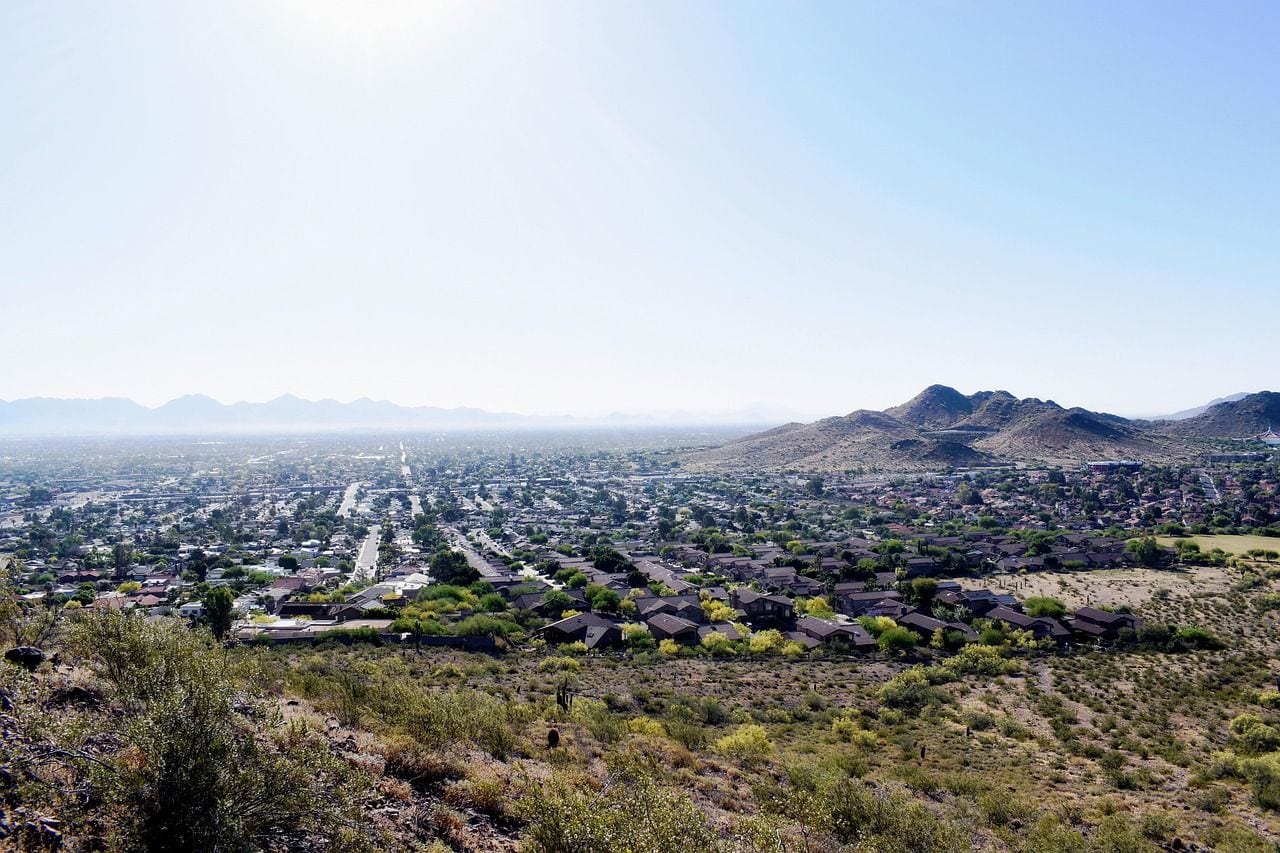
At more than 16,000 acres, South Mountain Park and Preserve is, as of 2026, one of the largest municipally managed parks in the nation. It was formed in 1924 when President Calvin Coolidge sold its initial 13,000 acres to Phoenix for 17,000 dollars.
You will often see it called the largest outright. Phoenix itself hedges, and the hedge is the honest version — the ranking depends on whether you count managed preserve or maintained parkland.
75. Kartchner Caverns Hid Under a Hill Until 1974
In November 1974 cavers Gary Tenen and Randy Tufts followed warm, moist air through a crack in the bottom of a sinkhole and found more than 2.5 miles of pristine cave passages at Kartchner Caverns.
They then kept it secret for fourteen years. The pair told the landowners and almost nobody else, because they had seen what casual traffic does to a live cave, and the state only took it on once a preservation plan was in place.
76. A 21-Foot Soda Straw Hangs in the Throne Room
The Throne Room at Kartchner Caverns contains, as of 2026, one of the world's longest soda straw stalactites at 21 feet 2 inches, alongside a 58-foot column called Kubla Khan.
A soda straw grows at roughly the rate a fingernail does, one mineral ring at a time, so that length represents an unbroken drip over a very long period. Airlock doors and misting systems now keep the humidity where the formations need it.
77. The NFL's Oldest Franchise Started as a Chicago Club
The Arizona Cardinals are, as of 2026, the oldest professional football team in terms of continuous operation, founded as the Morgan Athletic Club in Chicago in 1898.
The qualifier is load-bearing. Continuous operation is what separates them from clubs that folded and reformed, and the franchise has moved from Chicago to St Louis to Phoenix while never actually stopping.
78. An Architect Has Been Building One Town Since 1970
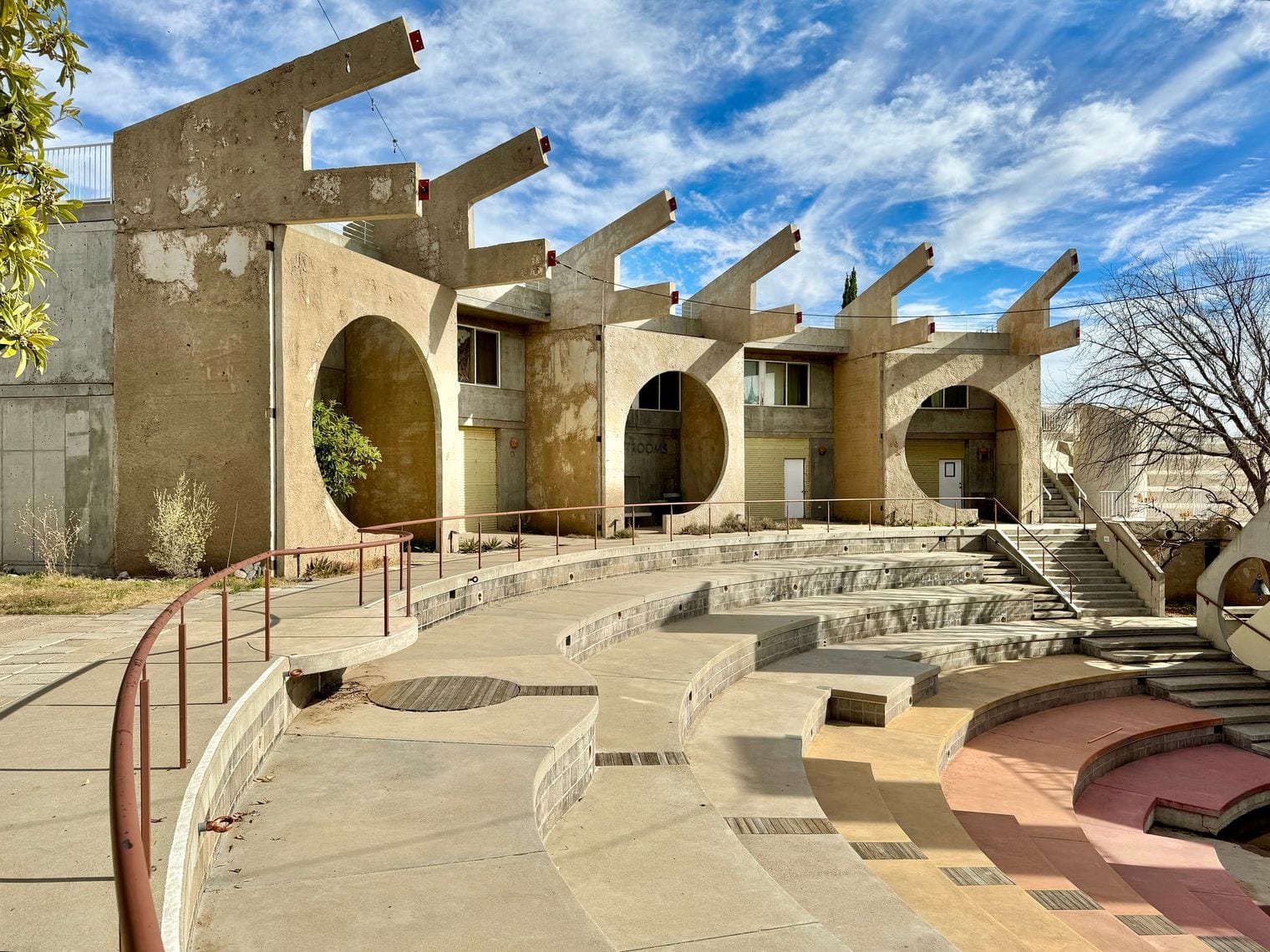
Arcosanti, begun in 1970 by the architect Paolo Soleri, is an attempt at a prototype arcology, integrating the design of architecture with respect to ecology, and as of 2026 it is still under construction.
Soleri died with a fraction of the plan built. What exists is a cluster of concrete apses and vaults north of Phoenix, run by a foundation, funded partly by the bronze windbells cast on site.
79. ASU Graduates More Students Than Any Public Rival
Arizona State University graduates more than 33,700 students every year — as of 2026, more than any other public university in the United States — and enrolled 160,051 students as of autumn 2025.
A large share of that number studies online, which is how the figures got so big so fast. The university has leaned hard into scale as a stated mission rather than treating selectivity as the measure of a good school.
80. One Arizona County Is Bigger Than Nine States
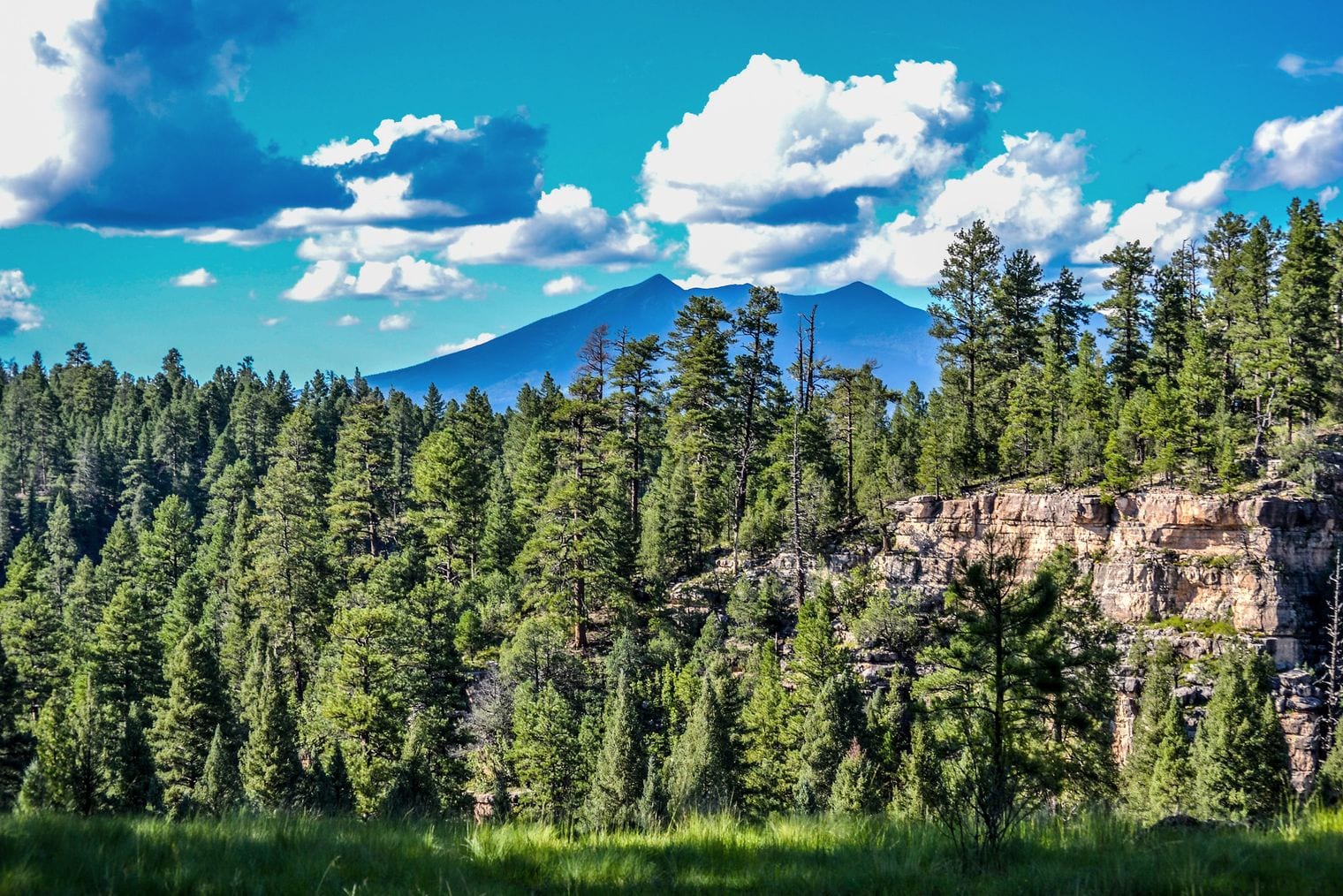
Coconino County covers 18,661 square miles, making it as of 2026 the second-largest county by area in the contiguous United States, with more land than each of nine other US states.
Most of it is empty. The county holds the Grand Canyon, the San Francisco Peaks and parts of three tribal nations, and its population lives overwhelmingly in and around Flagstaff.
81. Arizona's Smallest County Beats Dozens of Countries
Santa Cruz County covers 1,238 square miles, which as of 2026 makes it the smallest county by area in Arizona — and still larger than dozens of sovereign countries.
It is the border county, running from Nogales up the Santa Cruz river valley, and it contains both the oldest European settlement in the state and its oldest mission site. Small here is only small by Arizona's standards.
82. The First Woman on the Supreme Court Grew Up Here
Sandra Day O'Connor, the first woman to serve as a United States Supreme Court justice, grew up on a 198,000-acre family cattle ranch near Duncan, Arizona.
The ranch had no running water or electricity for the first years of her life. She served in the Arizona Senate before the bench, becoming the first woman to lead a state senate anywhere in the country.
83. The Miranda Warning Came Out of a Phoenix Arrest
On 13 June 1966 the Supreme Court issued a five to four decision in Miranda v. Arizona, overturning the conviction of Ernesto Miranda after a Phoenix arrest and creating what became the Miranda warning.
The words recited in every American police drama therefore trace to one Arizona case. Miranda was retried without the confession, convicted anyway, and the ruling has been narrowed repeatedly since without being overturned.
84. Prescott Says Its Rodeo Is the Oldest in the World
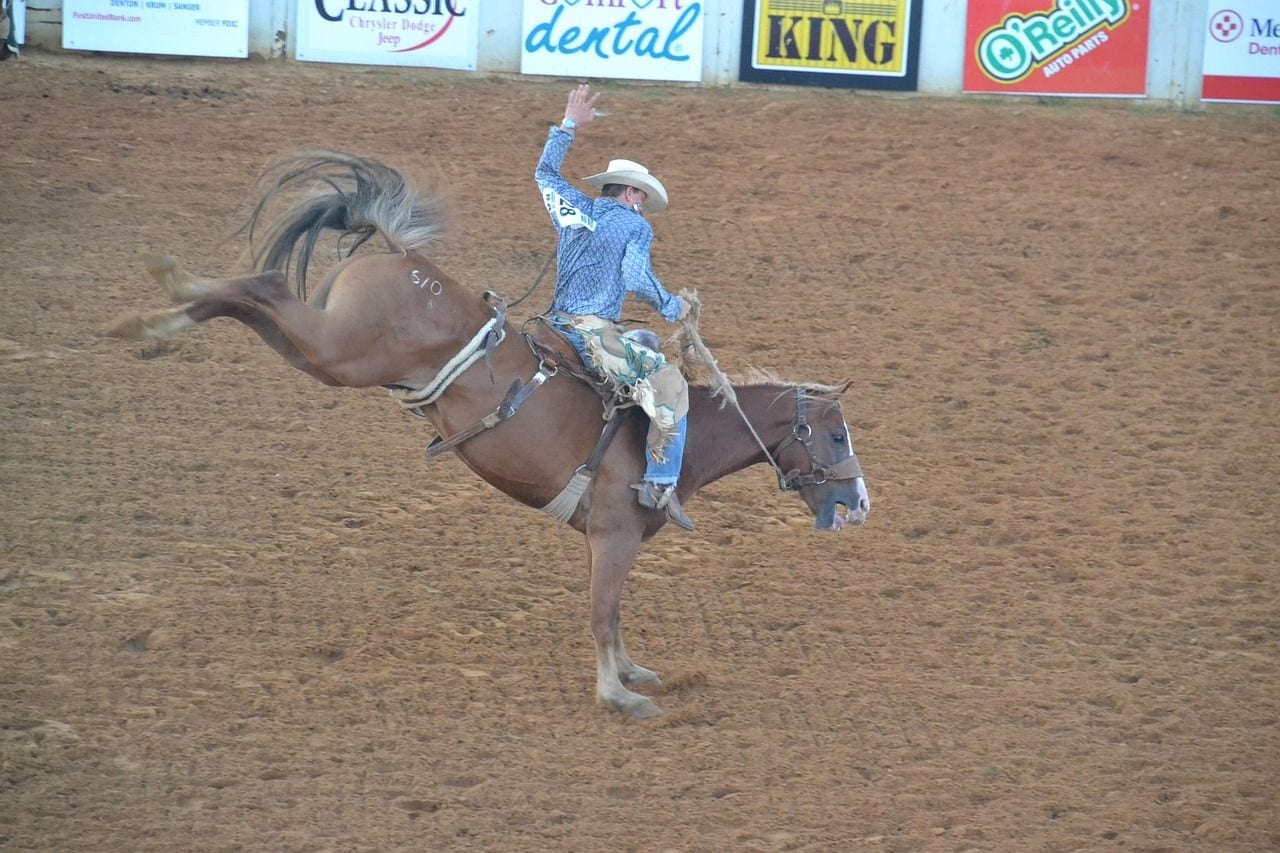
Prescott is host to the self-proclaimed World's Oldest Rodeo, running continuously since 1888 and, as of 2026, drawing some 35,000 tourists a year.
Self-proclaimed is the operative word, and Prescott is not shy about it. Payson, a couple of hours away, advertises the world's oldest continuous rodeo, and both towns have been making their respective cases for well over a century.
85. Arizona Territorial Capital Moved Four Times
Prescott was made capital of Arizona Territory in 1864, lost it to Tucson in 1867, regained it in 1877, and lost it for good when the capital moved to Phoenix in 1889.
The shuffling tracked where the money and the votes were at any given moment — mining in the north, then trade in the south, then farming in the Salt River valley. Phoenix won because it kept growing after the others stopped.
86. A 1904 Mansion Was Designed by the El Tovar Architect
Riordan Mansion in Flagstaff, built in 1904 for two Riordan families, was designed by Charles Whittlesey, the creator of the Grand Canyon's El Tovar Hotel.
It is really two houses joined by a common room, built by brothers who had married sisters. The same rustic-log-and-shingle idiom Whittlesey used on the canyon rim shows up here in a lumber town, which is no accident given who paid for both.
87. Slide Rock Is a 43-Acre Apple Farm With a Water Slide
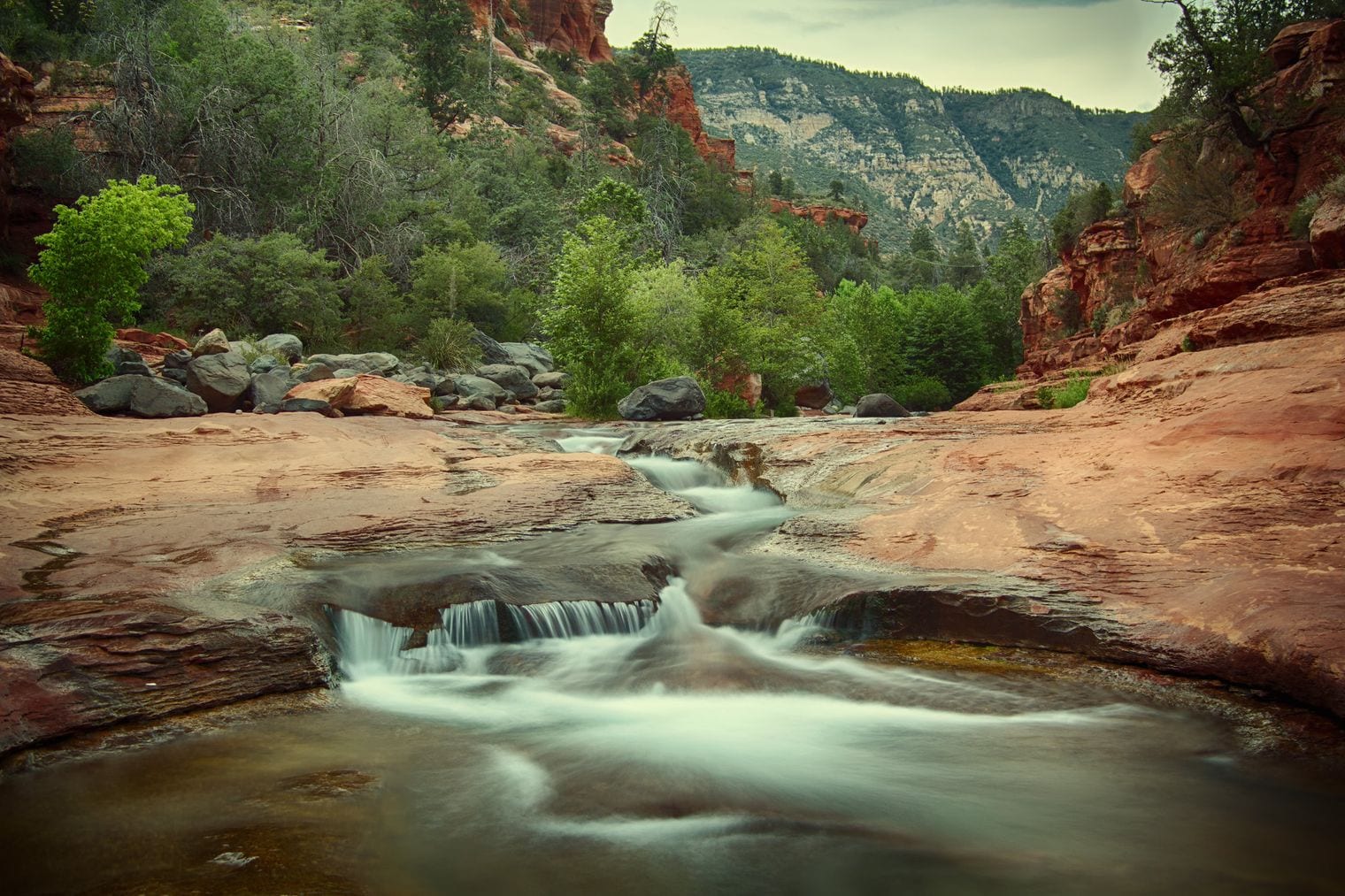
Slide Rock State Park in Oak Creek Canyon is a 43-acre historic apple farm that takes its name from a natural water slide formed by the slippery bed of Oak Creek.
The orchard came first. Frank Pendley homesteaded the land, built an irrigation system still in use and planted apples; the swimming came later, once a road through the canyon brought people who wanted to get wet.
88. Winslow's Hopi Name Means Place of the Little Hills
Homolovi is Hopi for Place of the Little Hills, the traditional name for Winslow, and the state park there protects ancestral Hopi villages occupied from the 1200s to the late 1300s.
Hopi people still regard the sites as living places rather than ruins, and return to them. The park was created in part to stop the looting that had been going on across these mesas for decades.
89. The Westernmost Civil War Battle Was Fought in Arizona
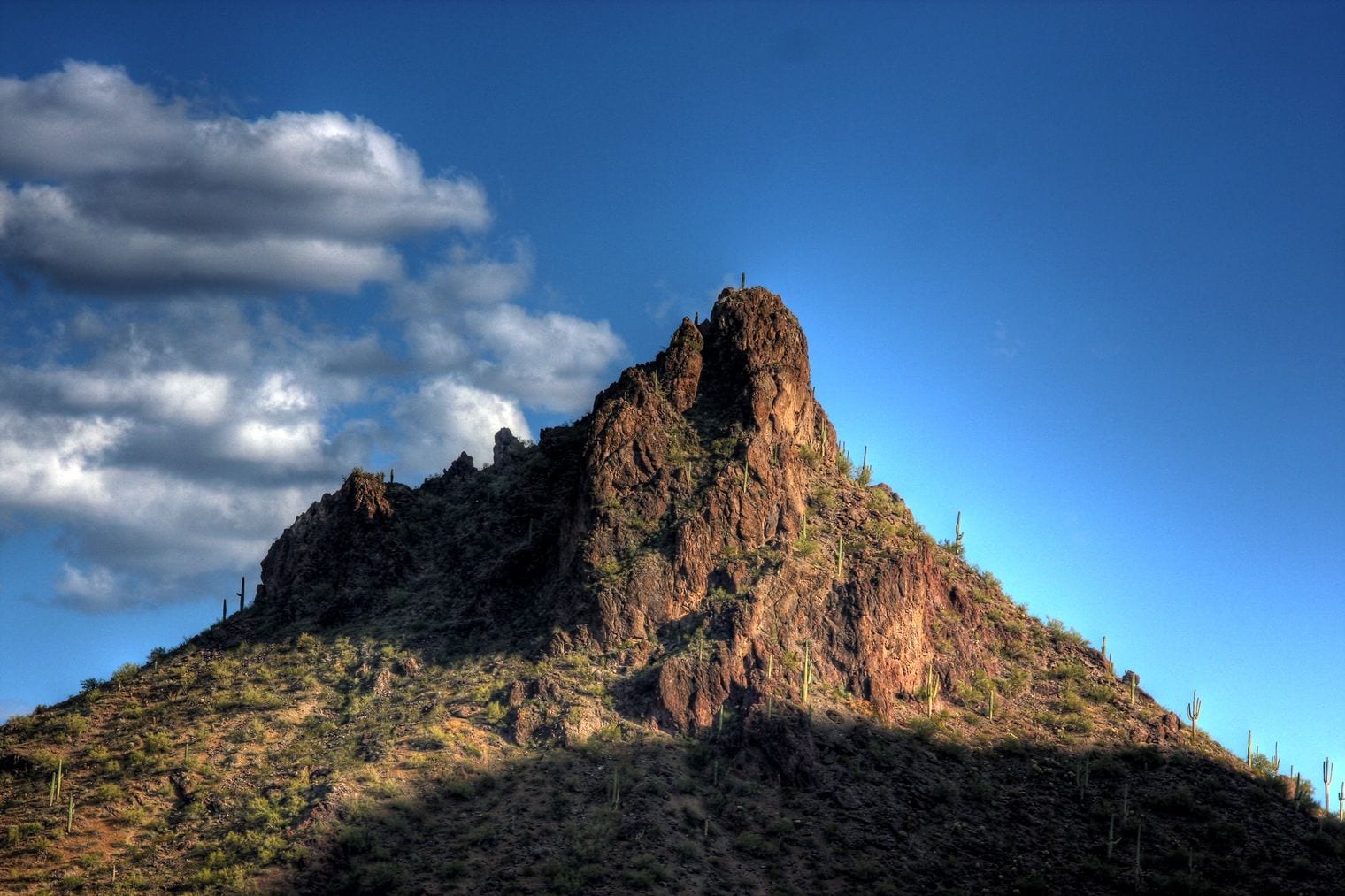
Picacho Peak rises 1,500 feet beside Interstate 10 and gives its name to the westernmost battle of the American Civil War, fought at Picacho Pass in April 1862.
Calling it a battle is generous — a Union patrol met a Confederate picket and a handful of men died. But it is the furthest west the war reached, and it is re-enacted at the foot of the peak each spring.
90. Chiricahua Protects Thousands of Balanced Rocks
Chiricahua National Monument was established on 18 April 1924 to protect its extensive hoodoos and balancing rocks, with thousands of standing rocks along an eight-mile scenic drive.
The rock is welded volcanic ash, dropped in a single enormous eruption and then split along its joints by water and frost until it stood up in columns. The Chiricahua Apache called the place the land of standing-up rocks.
91. Glen Canyon Hanging Gardens Hold Ten Endemic Species
Hanging gardens cover less than 0.1 per cent of Glen Canyon's 1.2 million acres, yet they support at least 10 endemic species found only in the Glen Canyon area.
They form where water seeping through porous sandstone hits a hard layer and runs out sideways along a cliff face. The result is a wet green shelf hanging in the middle of dry rock, and the plants on it have nowhere else to go.
92. Hubbell Trading Post Still Raises Navajo-Churro Sheep
Hubbell Trading Post National Historic Site still operates as a working trading post, where each spring Navajo-Churro ewes give birth to their lambs.
It is the oldest continuously operated trading post on the Navajo Nation, and the wooden floor and shelves are the originals. Weavers still bring rugs in to sell, which is the point — the site is a business the Park Service happens to own.
93. Monument Valley Buttes Rise 1,000 Feet From the Floor
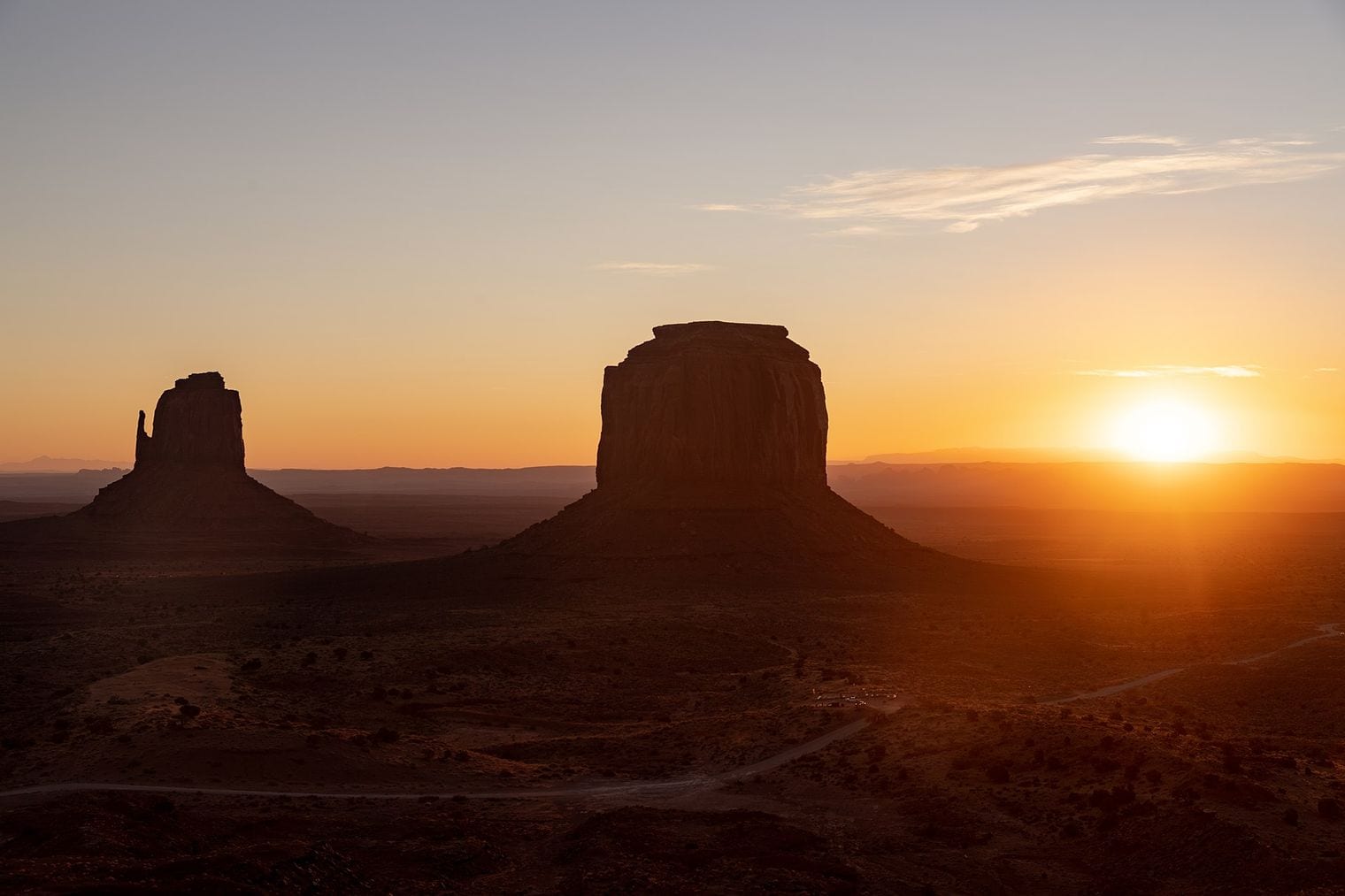
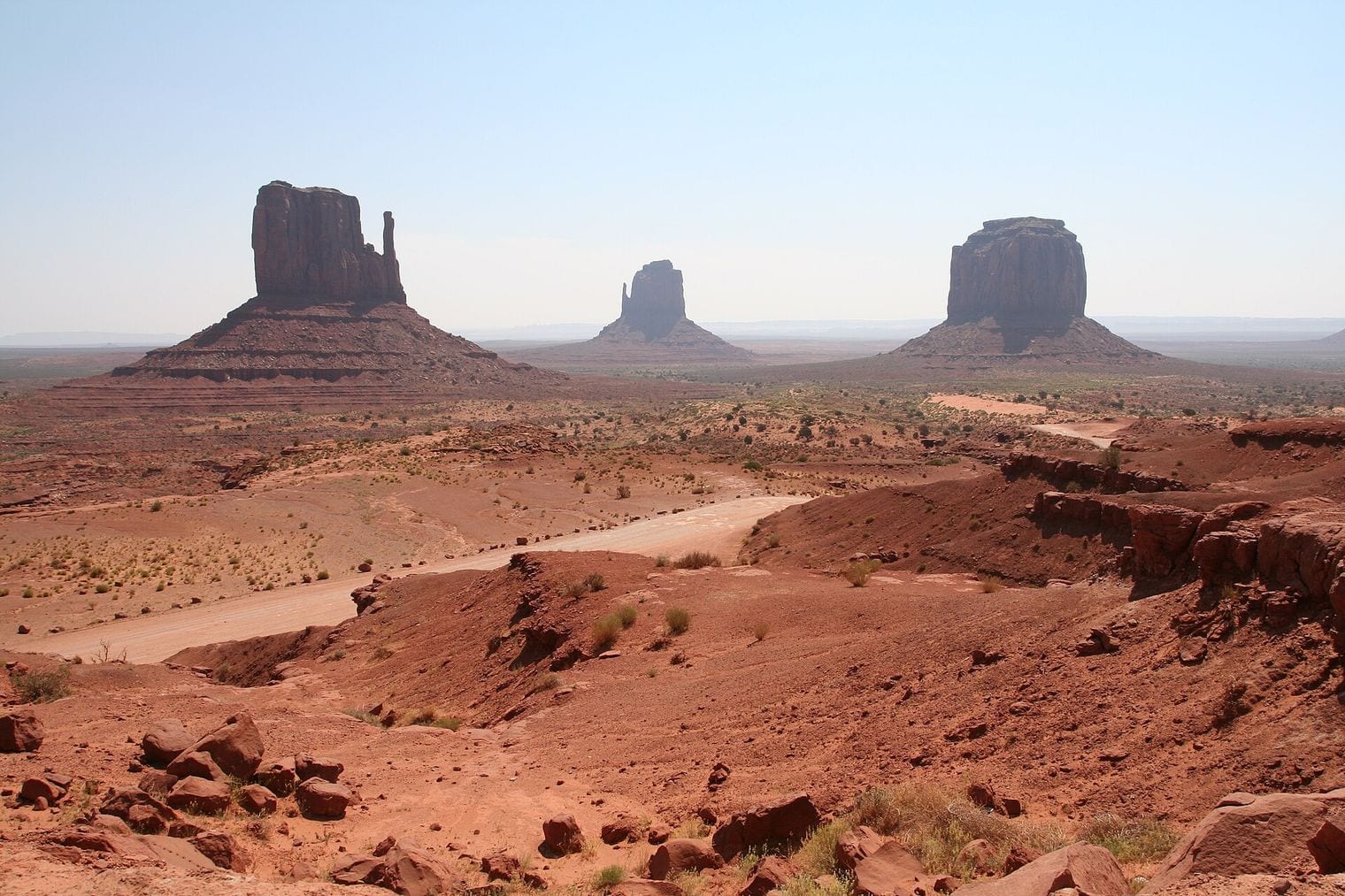
Monument Valley is a cluster of sandstone buttes, the largest reaching 1,000 feet above the valley floor as of 2026, and the Navajo name for it is Tse Bii Ndzisgaii, valley of the rocks.
John Ford shot enough westerns here to make the skyline shorthand for the American frontier, though the valley is nowhere near where most of those films were set. It is a Navajo tribal park, not a national one.
94. Arizona Official Butterfly Is a Two-Tailed Swallowtail
Arizona law names the two-tailed swallowtail, papilio multicaudata, as the official state butterfly — one entry on a long list of emblems the legislature has fixed in statute.
It is a large yellow-and-black insect common along desert watercourses, and it takes its name from the pair of tails trailing from each hind wing rather than the single tail other swallowtails carry.
95. The Bolo Tie Became Official Neckwear in 1971

The bolo tie was made the official neckwear of Arizona on 22 April 1971, and its slide design was patented by Victor Cedarstaff of Wickenburg, who claimed to have invented it in the late 1940s.
The statute itself is one line long. Arizona held the designation alone for a while before New Mexico and Texas adopted the bolo too, and it remains acceptable formal dress in Arizona courtrooms and legislatures.
96. Tonto Monument Guards Two Salado Cliff Dwellings
Tonto National Monument protects two prehistoric cliff dwellings whose architecture, pottery and textiles archaeologists refer to as Salado — a blended tradition formed by the movement of people and ideas rather than by one group arriving.
The dwellings look out over what is now Roosevelt Lake, which did not exist when they were built. Several tribes regard the site as an ancestral home, and the upper dwelling can only be visited on a guided walk.
97. The World Has Produced 700 Million Tons of Copper
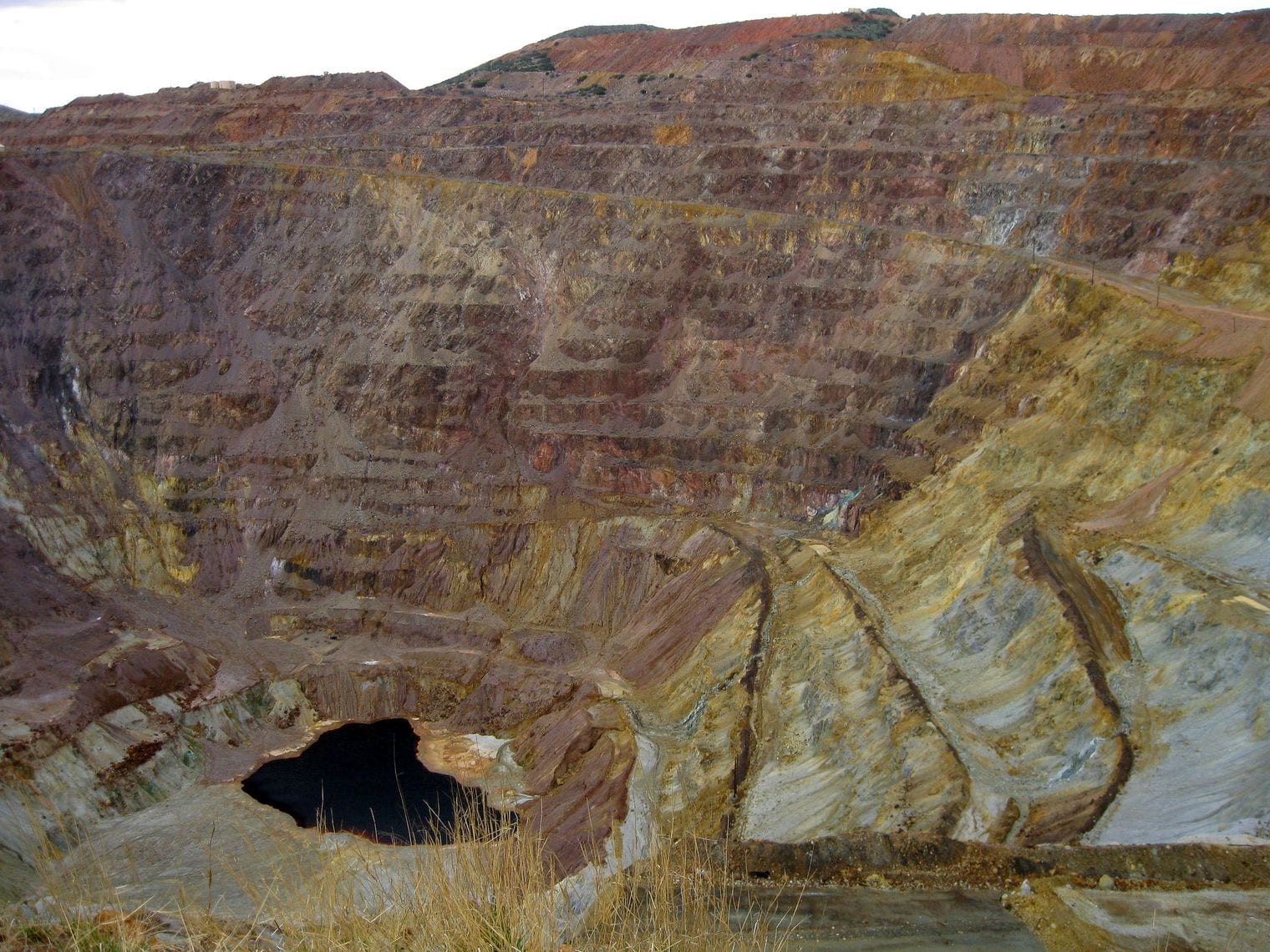
Roughly 700 million metric tons of copper have been produced around the world to date, and as of 2026 copper is still the metal that gave Arizona its Copper State nickname and the star on its flag.
The state accounts for around two-thirds of United States output. Open pits at Morenci and elsewhere are large enough to be obvious from the air, and the towns that grew around them — Bisbee, Jerome, Ajo — rose and fell with the price.
98. Yuma Is One of the Sunniest Places on Earth
Of any populated place in the contiguous United States, Yuma is as of 2026 the driest, the sunniest and the least humid, with 175 days a year reaching 90 degrees Fahrenheit or higher.
That combination is why it grows so much of the country's winter salad, and why tens of thousands of seasonal residents arrive every year to sit out the northern winter in a place where rain is close to a rumour.
99. Arizona Is the Sixth-Largest State by Area
Arizona is, as of 2026, the sixth-largest state by area and the 14th most populous of the 50 states — a combination that leaves a great deal of very empty ground between a small number of very large cities.
Most of the population sits in two metropolitan areas. The rest of the state is federal land, tribal land, forest and desert, which is the reason so many of the facts on this page are administered by an agency rather than a town.
100. Fort Bowie Marks the End of the Apache Wars
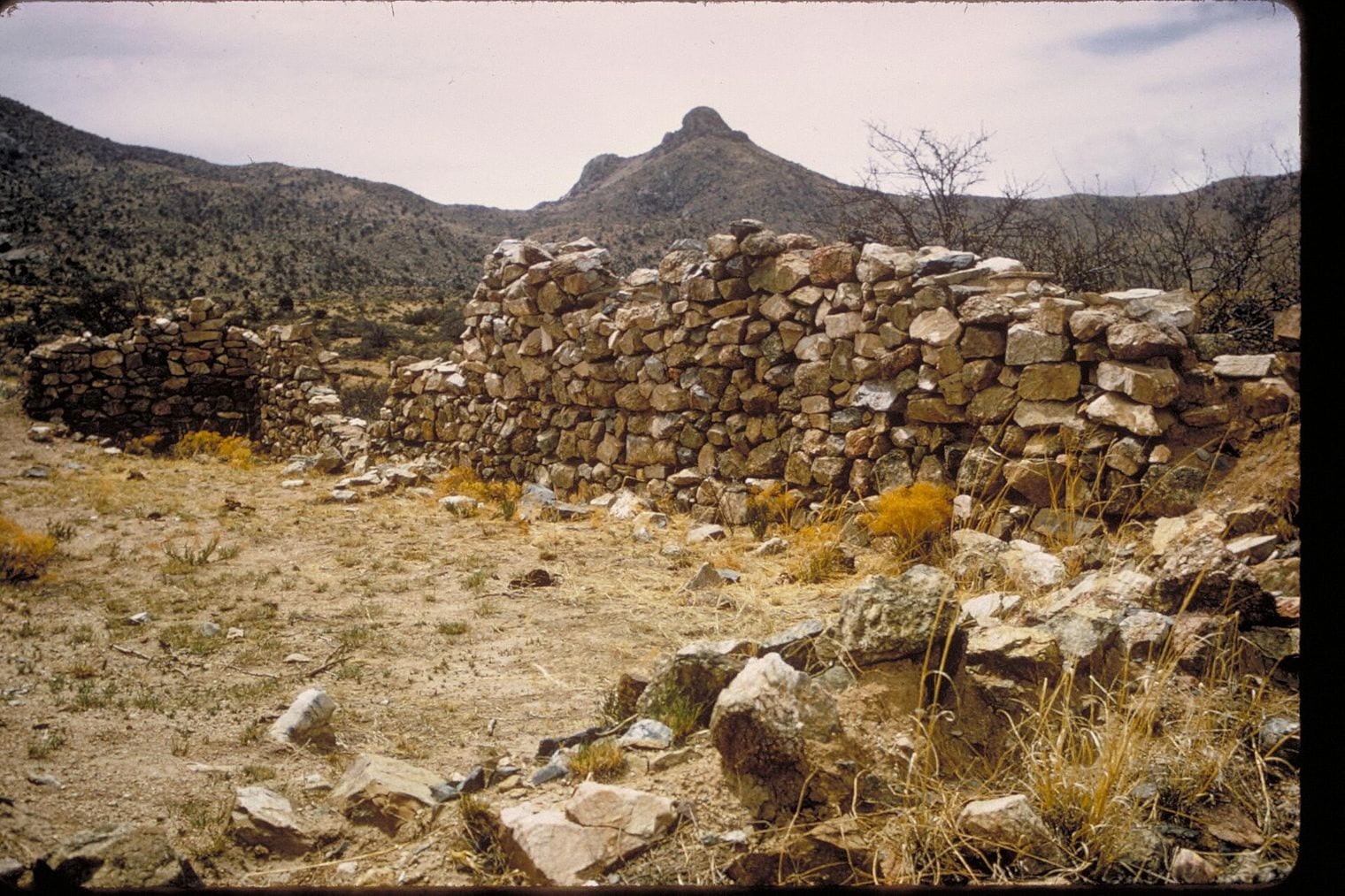
Fort Bowie National Historic Site preserves the ruins of the army post at Apache Pass that anchored the campaigns against the Chiricahua Apache through the 1880s.
Geronimo's surrender effectively closed the Apache wars, and the fort was abandoned not long after. There is no road to it — reaching the ruins means a walk in across the pass, which is a fair approximation of how everyone got there at the time.
Where to Go Next in Arizona
These are facts, not an itinerary. When you want to turn any of them into a trip — standing on a rim at first light, walking into a slot canyon, waiting for a condor to come off the cliffs — start with our Arizona travel guide, which gathers every guide we have written for the state.
Several of the places above have guides of their own. Phoenix sits beside the desert preserve and the nuclear plant, Flagstaff holds the observatory where Pluto was found, and Prescott keeps the rodeo and the old territorial capital.
How We Checked These Facts
Every fact on this page is recorded in a claim ledger alongside at least two sources, one of which is always an official register — a national park, a federal agency, an Arizona statute, a state park, or the institution that actually holds the record.
Each source was read on the date stamped against it and quoted directly rather than paraphrased, and an automated check re-fetches every cited page to confirm the quoted sentence is still there. Where a source hedges, we hedge with it: if a register says one of the oldest rather than the oldest, that is what you will read above, and where the scholarship gives a range we print the range instead of picking a number.
FAQ: Interesting Facts About Arizona
Why does the Navajo Nation change its clocks when the rest of Arizona does not?
Because it is not only in Arizona. The Navajo Nation extends into Utah and New Mexico, and running one clock across three states is far simpler than keeping three. The Hopi Reservation, which sits entirely inside the Navajo Nation and entirely inside Arizona, does not observe the change.
Is the Grand Canyon the deepest canyon on Earth?
No. It runs 277 miles long and up to 18 miles wide, but the Kali Gandaki Gorge in Nepal is much deeper. What sets the Grand Canyon apart is the combination of length, width and exposed rock rather than depth on its own.
Where do saguaro cactuses grow in the wild?
Only in the Sonoran Desert, which covers about 100,000 square miles across southern Arizona and northern Mexico with a small reach into California. A saguaro seen anywhere else has been planted, or is a different species altogether.
Which Arizona animals are genuinely dangerous?
Fewer than the reputation suggests. Only one of the 30 scorpion species found in the state is regarded as life-threatening, the bark scorpion. The Gila monster is venomous but slow and rarely met, and the state's 13 rattlesnake species account for most of the caution a visitor actually needs.
Why is there a copper star on the Arizona flag?
Because copper built the state. The flag was adopted in 1917, when Arizona was the largest producer of copper in the United States, and the star is meant to be read as the metal itself rather than as a colour. State law fixes the thirteen rays above it.
What is the oldest continuously inhabited place in Arizona?
The Hopi village of Oraibi, founded around 1100 CE, is one of the oldest continuously inhabited settlements in the United States. Acoma and Taos Pueblo in New Mexico make comparable claims, so the honest answer puts Oraibi in that very small group rather than at the undisputed top of it.
How did Meteor Crater form?
An impact about 50,000 years ago carved a hole over 4,000 feet across and 2.4 miles in circumference. Much of the object vaporised on the way in, which is why the iron its original owner hoped to mine was never found underneath it.