We build and rank every list first. Booking links come after, and only where
a partner sells a ticket, tour or stay for that exact place, so a place with
nothing to book is listed exactly as prominently as one you can book.
So how do we earn? Some links on this page go to booking
partners, and if you book tickets, tours or a stay through
one, we may earn a commission. It costs you nothing extra.
That commission never decides which places make the list, the order they
appear in, or what we write about them. No entry is sponsored or a paid
placement.
By the City Viking editorial teamPublished 19 places · 17 min read
Fact-checked Checked before launchOct 24, 202619 sources14 publishers6 encyclopedias & research13 venues & other sitesPublished · Oct 24, 2026Researched and checked before it went liveClick for every source and the full change log.
Short answer
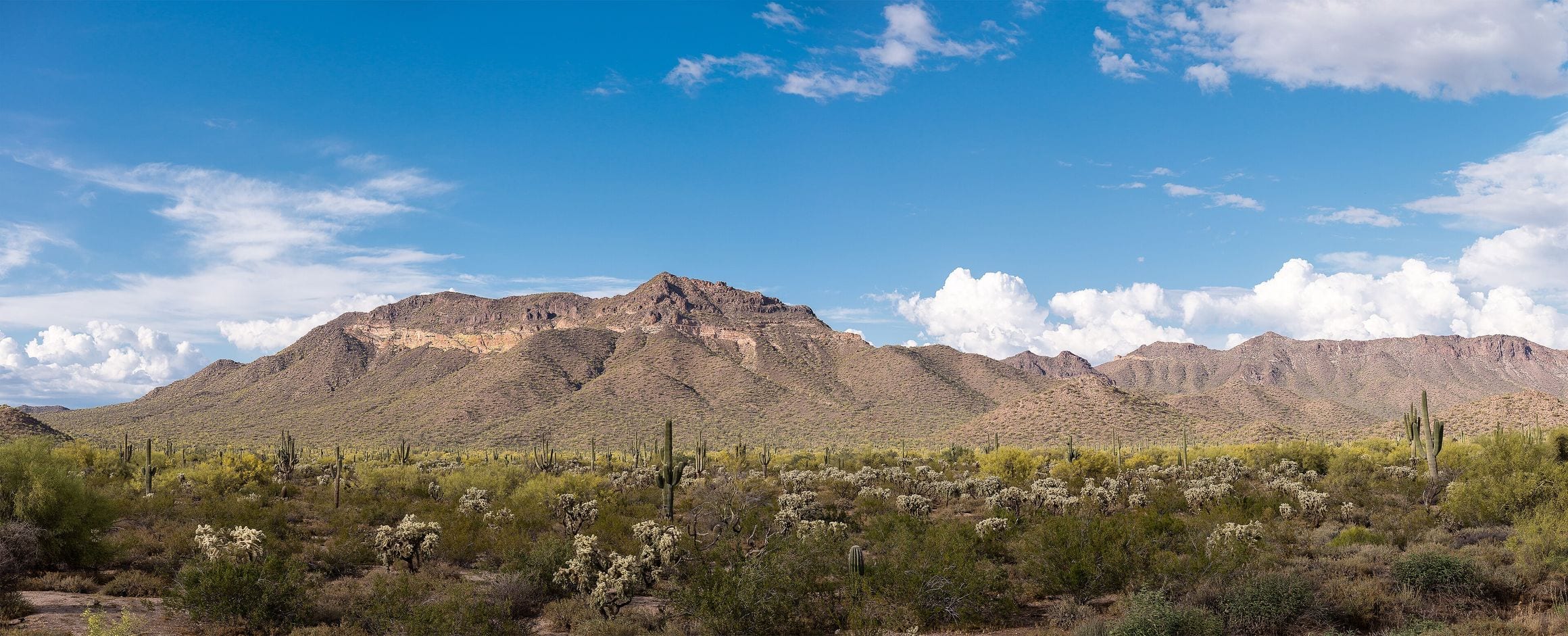
Mesa, Arizona's third-largest city, is known for the canals the Hohokam dug across its valley, spring training and the open Sonoran Desert on its eastern edge. Start downtown with the Mesa Arts Center, the dinosaurs of the Arizona Museum of Natural History and the gardens of the Mesa Arizona Temple, then add a sunrise hike at Usery Mountain Regional Park and an evening at Organ Stop Pizza. Two to three days covers the highlights.
Mesa is Arizona's third-largest city, a sunny East Valley neighbor of Phoenix whose story runs from the Hohokam canal builders to the pioneers who laid out the town in 1878. Spring training, a walkable downtown and open Sonoran Desert on its eastern edge give it far more range than a suburb.
This guide covers the 19 best things to do in Mesa, from museums and ballparks to desert trails, ancient ruins and a pizza hall built around a giant pipe organ. Plan two to three days, longer if you add trips out to the Superstition Mountains.
Mesa is Arizona's third-largest city, with 504,258 people at the 2020 census, and the most populous city in the country that is not a county seat, setting aside independent cities such as Baltimore.
The city takes its name from the mesa, or tableland, its founders chose to settle: Mesa City was registered as a one-square-mile townsite in 1878 and incorporated in 1883 with about 300 residents.
Long before the pioneers, the Hohokam dug hundreds of miles of canals across the Salt River Valley by around 1450, and many of their routes are still in use in the region today.
During World War II, Falcon Field trained several thousand Royal Air Force pilots as No. 4 British Flying Training School, and 23 British cadets who died in training are buried in the City of Mesa Cemetery.
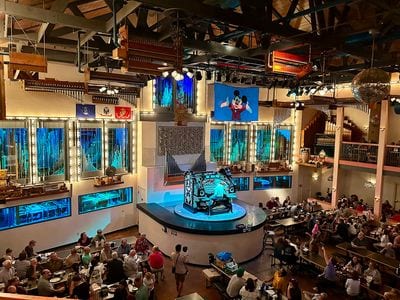
Organ Stop Pizza is home to the largest Wurlitzer theatre organ in the world, with more than 6,000 pipes, the longest of them 32 feet.
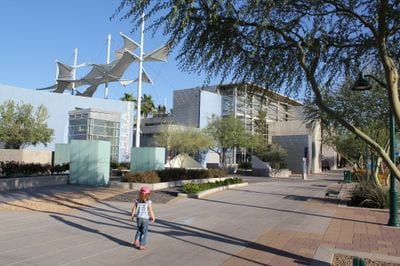
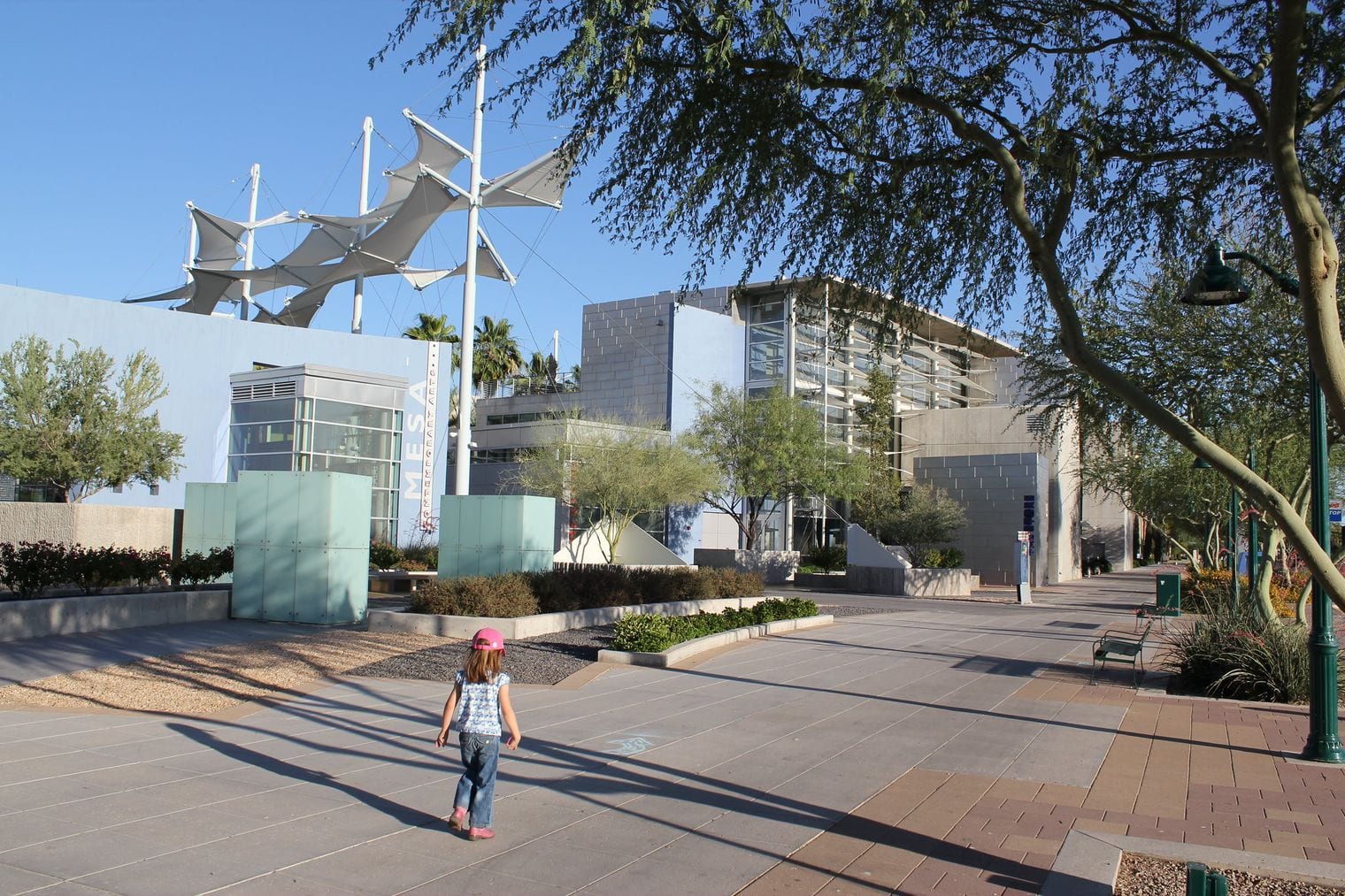
Mesa Arts Center is the cultural heart of downtown, and at more than 210,000 square feet it is the largest comprehensive arts campus in Arizona. Completed in 2005 and designed to echo the Sonoran Desert, it holds four performance venues, from the intimate Farnsworth Studio Theater to the 1,600-seat Ikeda Theater, where touring shows and concerts share the calendar with local companies.
It rewards a wander even without a ticket. The Mesa Contemporary Arts Museum fills five galleries with changing exhibitions, and 14 studios run classes in the visual and performing arts, so between the shaded walkways and outdoor artworks you can often catch artists at work.
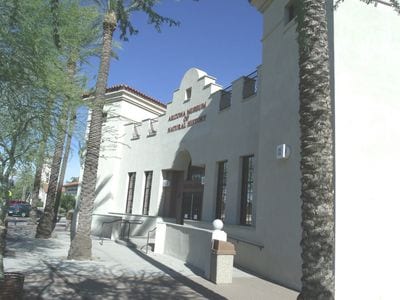
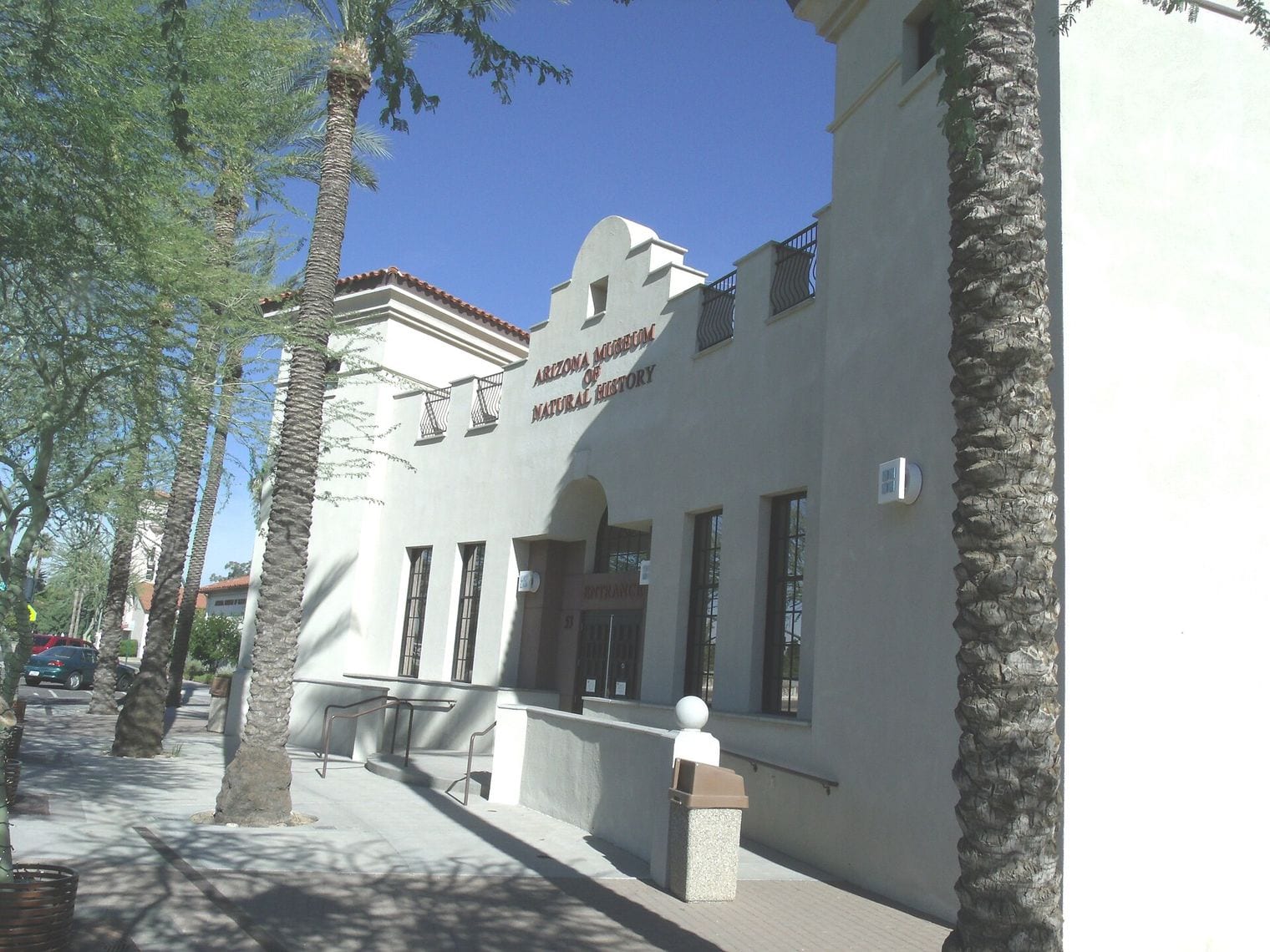
The Arizona Museum of Natural History began in 1977 as a small collection inside Mesa's old city hall, a 1937 building raised with WPA funds, and has grown into the Valley's favorite dinosaur stop. Its centerpiece is Dinosaur Mountain, a three-story indoor peak with a waterfall, animatronic dinosaurs and a flash-flood display that thunders down at regular intervals.
Dinosaur Hall adds a Tarbosaurus skeleton and a Tyrannosaurus rex skull, while other galleries step into Arizona's territorial past, including a real territorial jail. Kids tend to linger at the recreated Lost Dutchman gold mine, a nod to the legend of the Superstition Mountains just east of town.
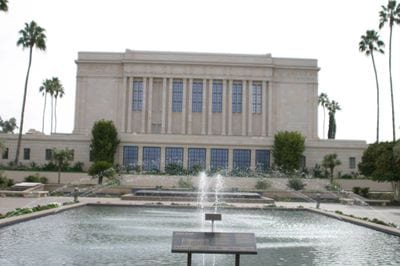
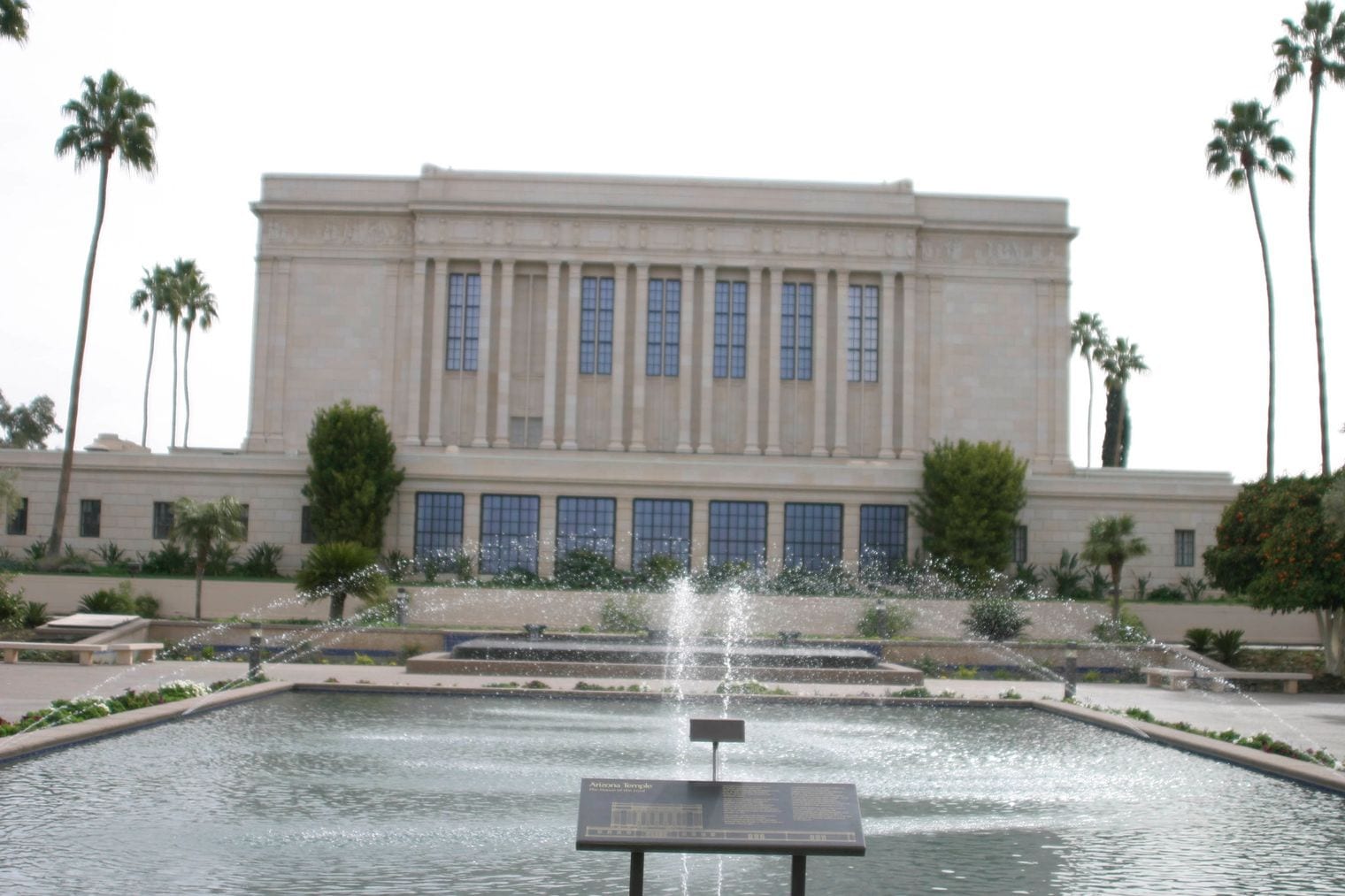
Dedicated in 1927, the Mesa Arizona Temple was the first temple of the Church of Jesus Christ of Latter-day Saints in Arizona and one of the first built outside Utah. Its white, flat-roofed exterior carries sculpted friezes of peoples gathering from the four corners of the earth, and while the temple itself is reserved for church members, the gardens around it are open to everyone.
The Visitors' Center next door tells the story of the building and of the pioneers who settled Mesa. Come from late November through December and the grounds glow with hundreds of thousands of Christmas lights and an international nativity display, a free tradition that draws families from across the Valley.
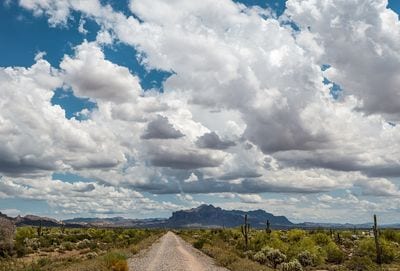
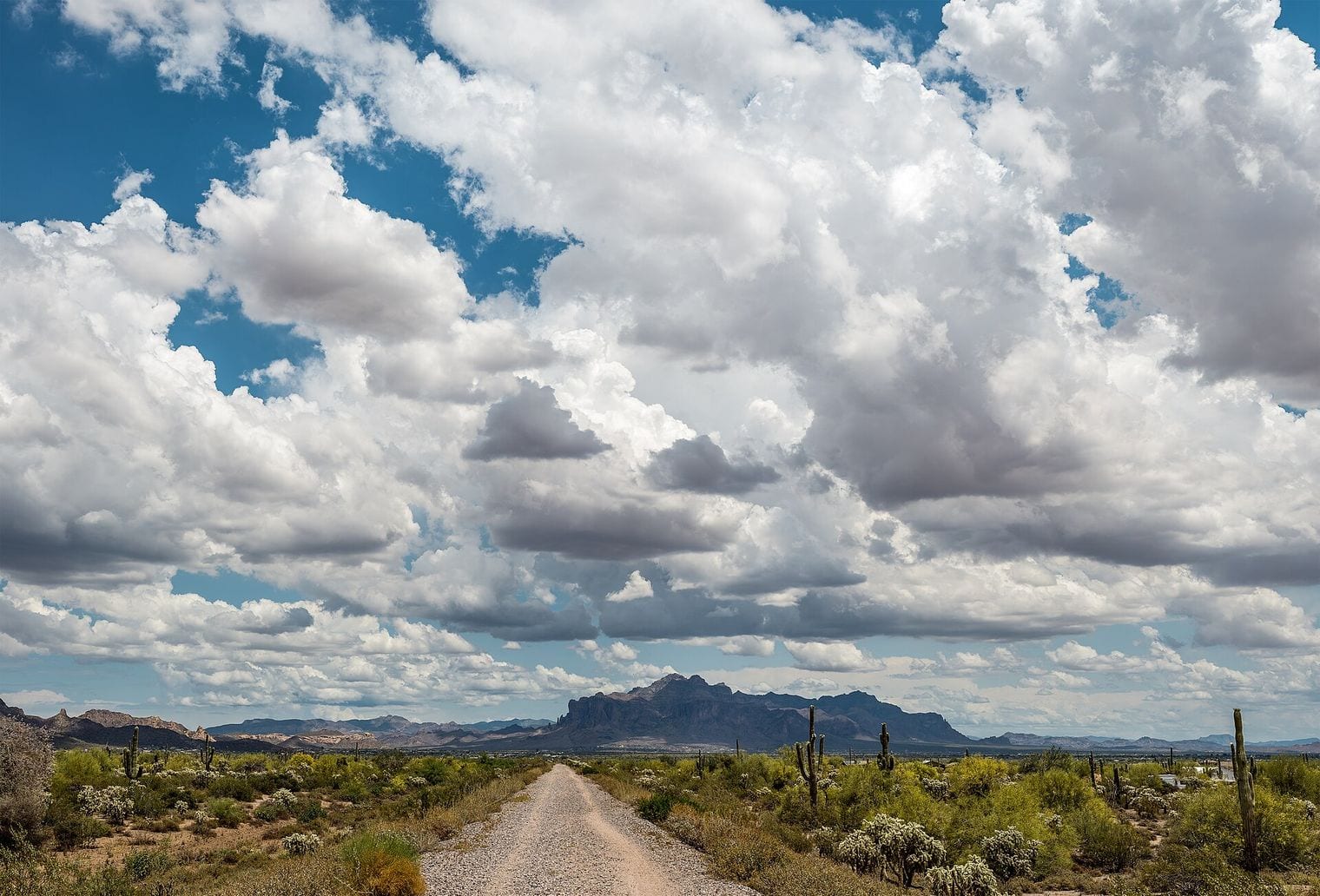
On Mesa's eastern edge, where the city gives way to the Goldfield Mountains, Usery Mountain Regional Park protects 3,648 acres of lower Sonoran Desert. It is a Maricopa County park rather than a city one, it borders the Tonto National Forest, and its trails wind through saguaros and chollas that are framed by wildflowers after a wet winter.
The classic hike is the Wind Cave Trail, which climbs Pass Mountain to a shallow alcove at about 2,840 feet, where seeping water feeds hanging gardens of rock daisies and the whole Valley spreads out below. The longer Pass Mountain Trail heads deeper into the backcountry, and the park also has a nature center, a campground and an archery range.
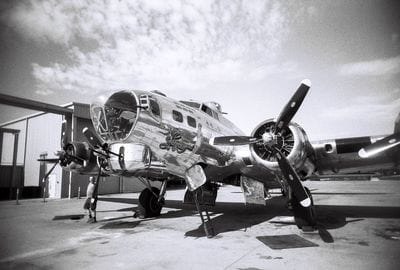
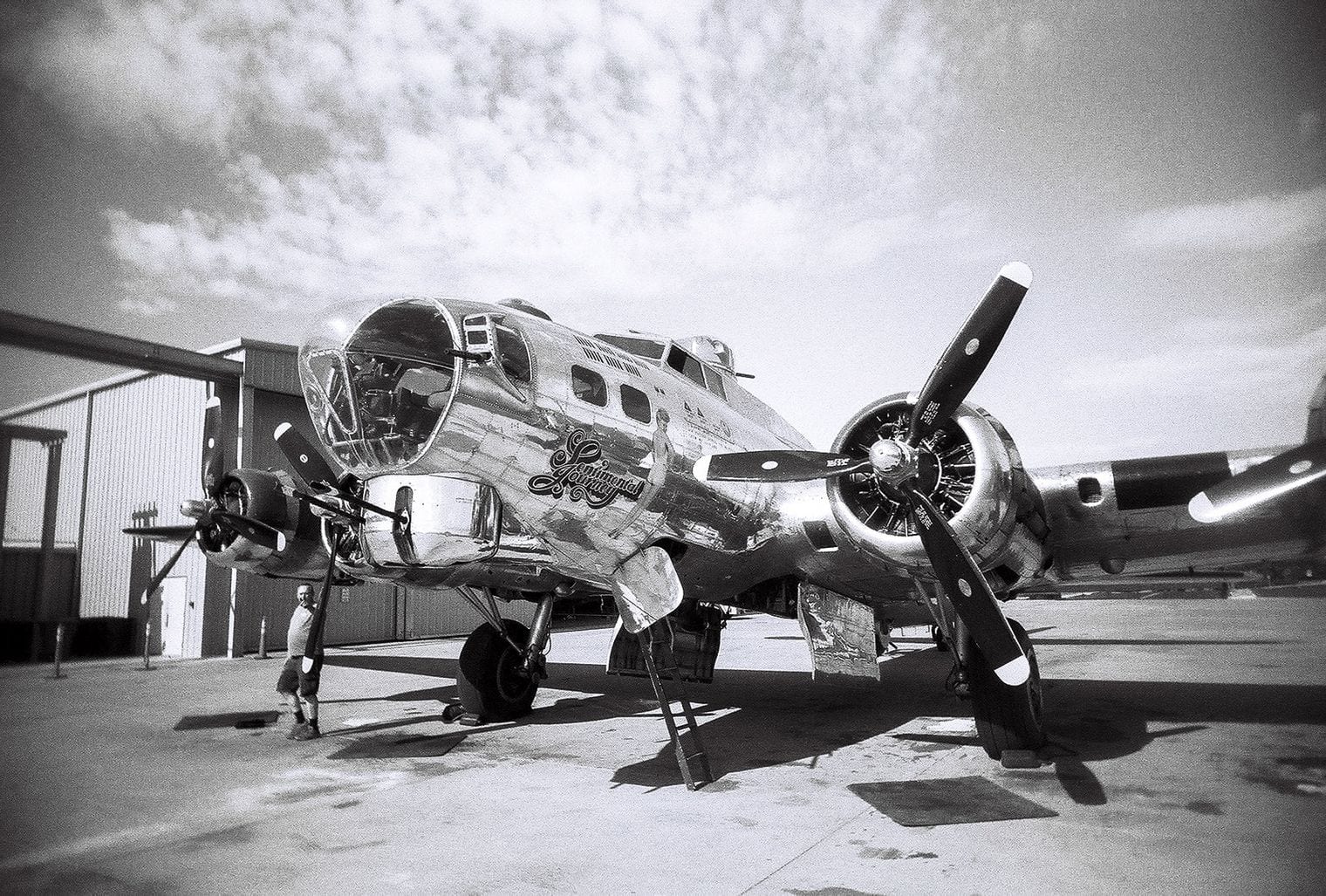
The Arizona Commemorative Air Force Museum fills a hangar at Falcon Field with restored warplanes, and the airfield is part of the story. It opened in 1941 as No. 4 British Flying Training School, where several thousand Royal Air Force pilots trained over the desert, and the museum has been here since 1978, run by the volunteers of the CAF's Airbase Arizona.
Its best-known resident is the B-17G Flying Fortress Sentimental Journey, kept in flying condition alongside the B-25J bomber Maid in the Shade. Inside the hangar you will find more aircraft, engines and wartime memorabilia, while the planes still in flying shape sit outside on the airfield.
Riverview Park is one of Mesa's biggest and busiest city parks, set on the northwest side right beside Sloan Park, and it is built for kids who like to climb. Towering climbing structures, rope nets and slides make the playground the main draw, and a splash pad takes over in the warmer months.
A stocked fishing lake sits at the heart of the park, ringed by paved paths and open lawns that make it an easy picnic stop before a spring-training game next door. It fills up with families on weekends, so mornings are the calm time to visit.
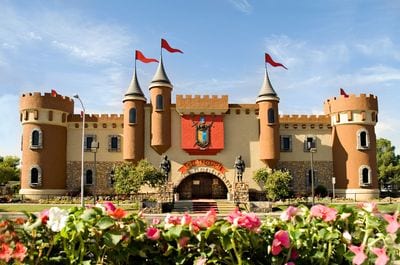
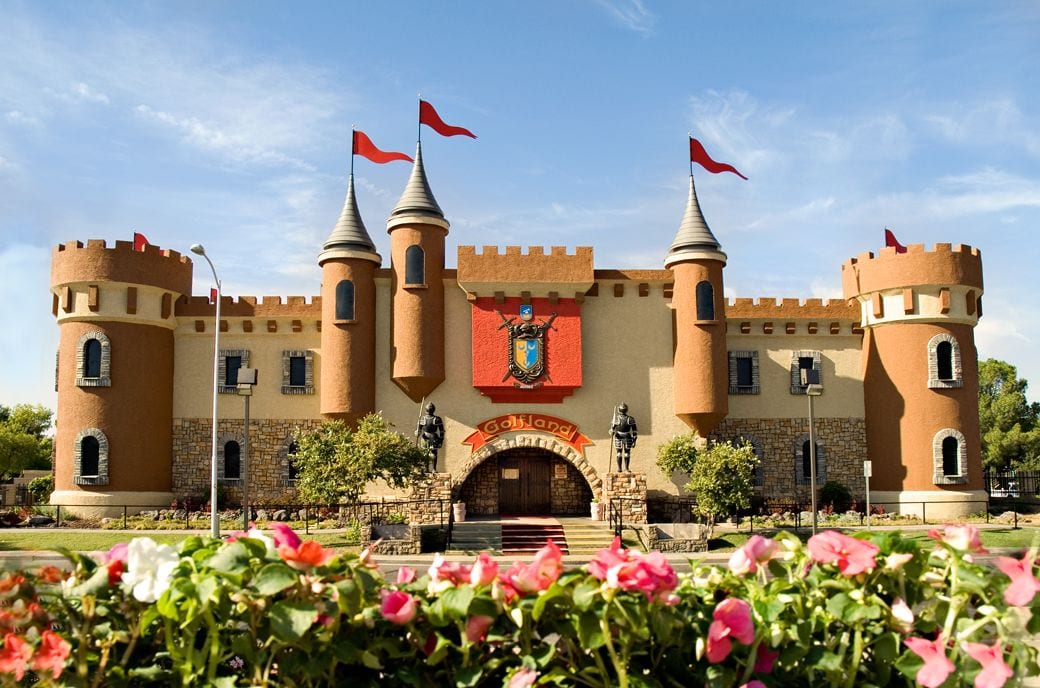
Golfland Sunsplash is two parks in one: Golfland, open year-round with miniature golf, an arcade and family rides behind its castle facade, and the Sunsplash water park next door, which runs through the warm months. Golfland opened in 1983 and added the water park in 1986, and film fans may recognize it as one of the locations used for the fictional Waterloo water park in Bill & Ted's Excellent Adventure.
Sunsplash has a wave pool, a lazy river and a lineup of tube and body slides, topped by Riptide, a slide almost ten stories tall that ends with a shot up a near-vertical wall. Younger kids get a zero-depth splash zone and a toddler pool, so the whole family can spend a summer day here.
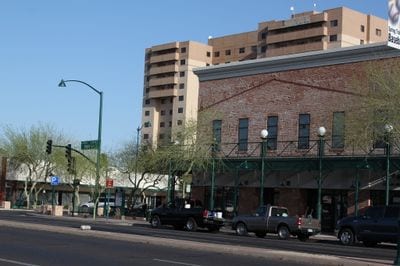
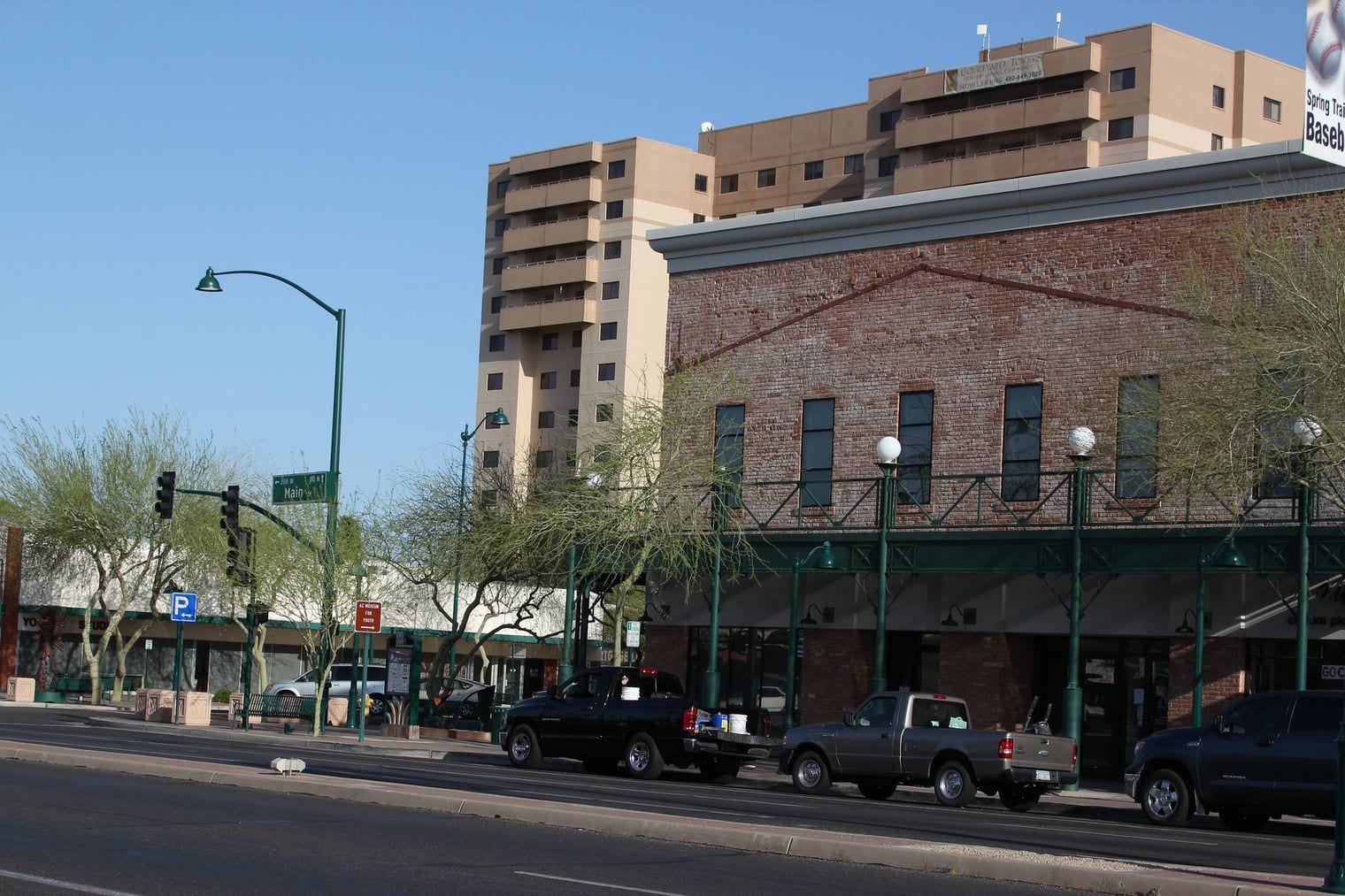
Downtown Mesa centers on Main Street, a walkable stretch of low-rise storefronts, cafes and independent shops with the light rail running straight through it. The Downtown Mesa Association's public art walk ties the blocks together, with dozens of sculptures and murals along Main Street, and several of the most striking pieces sit at the light rail stops.
It is the easiest part of the city to explore on foot, with shaded sidewalks, local boutiques and a steady calendar of street festivals. Many of the city's museums, its arts center and its main parks lie within a few blocks of one another here, which makes downtown a natural base for a half day of wandering.
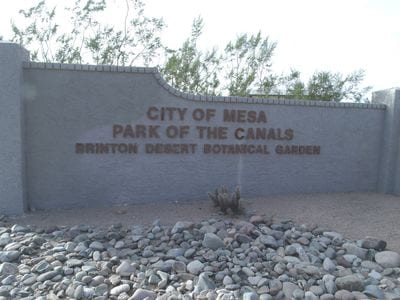
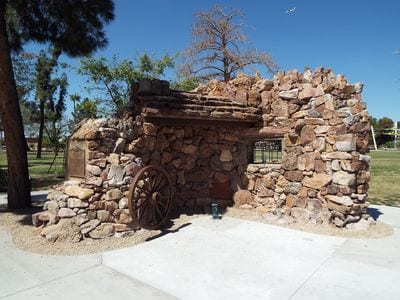
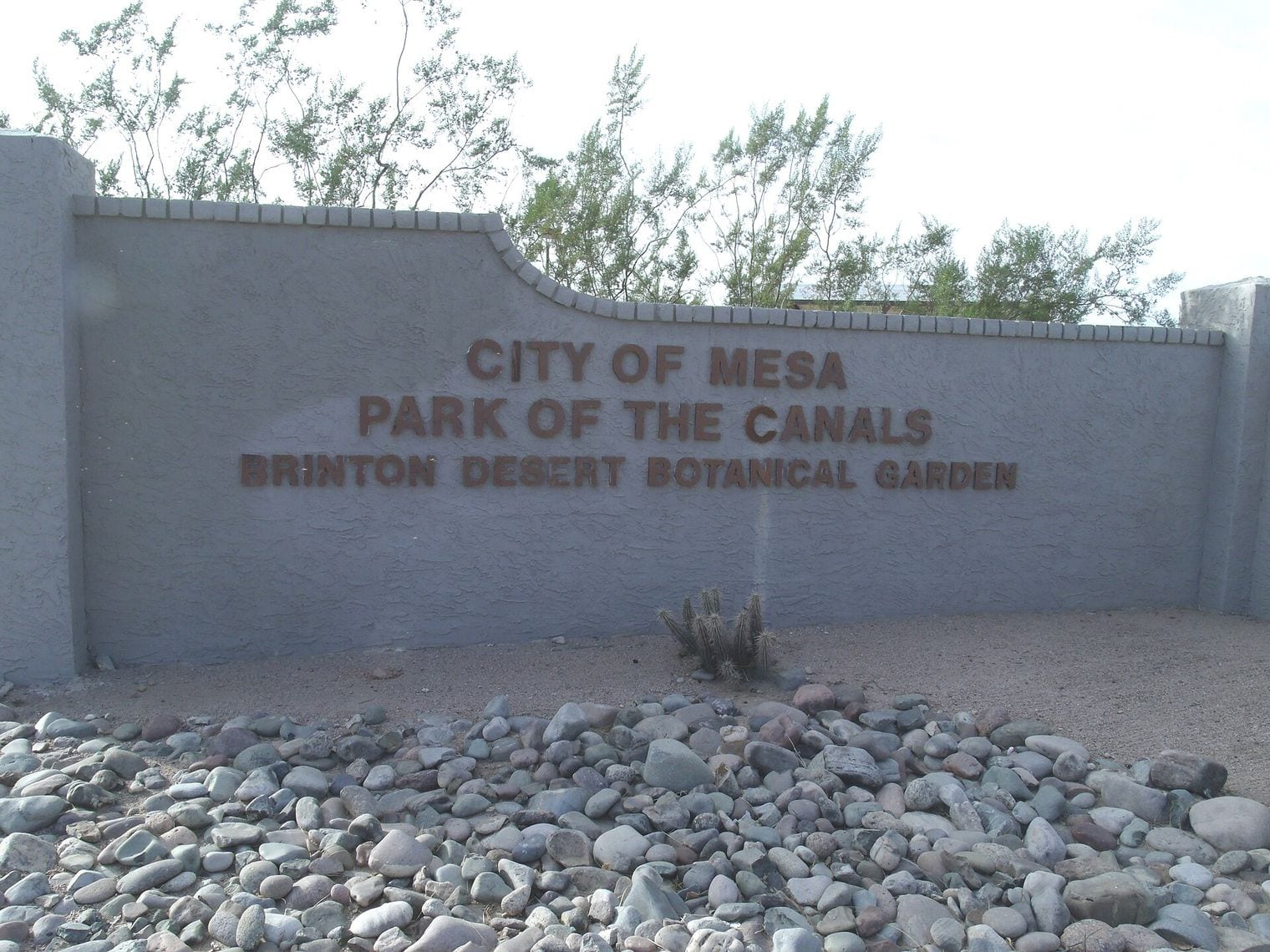
Park of the Canals preserves remnants of the irrigation canals the Hohokam people dug across the Salt River Valley centuries ago, part of a network that grew to hundreds of miles and whose routes are still echoed by the Valley's modern canals. An interpretive marker explains how the Hohokam farmed the desert with nothing but hand-dug channels and the river's water.
The park also holds the Brinton Desert Botanical Garden, a quiet showcase of native Arizona plants with cacti, agaves and desert trees along its paths. It is a small, free and little-visited stop, and an easy one to pair with the Mesa Historical Museum just up the road.
Free printable checklist of all 19 places
Tick them off as you go. Confirm your email to download it, plus one email every Thursday with new guides for the places you tick.
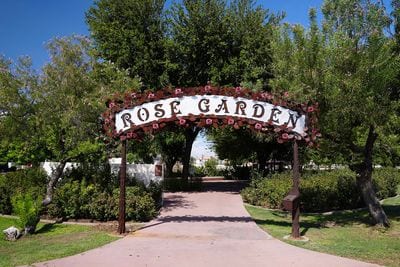
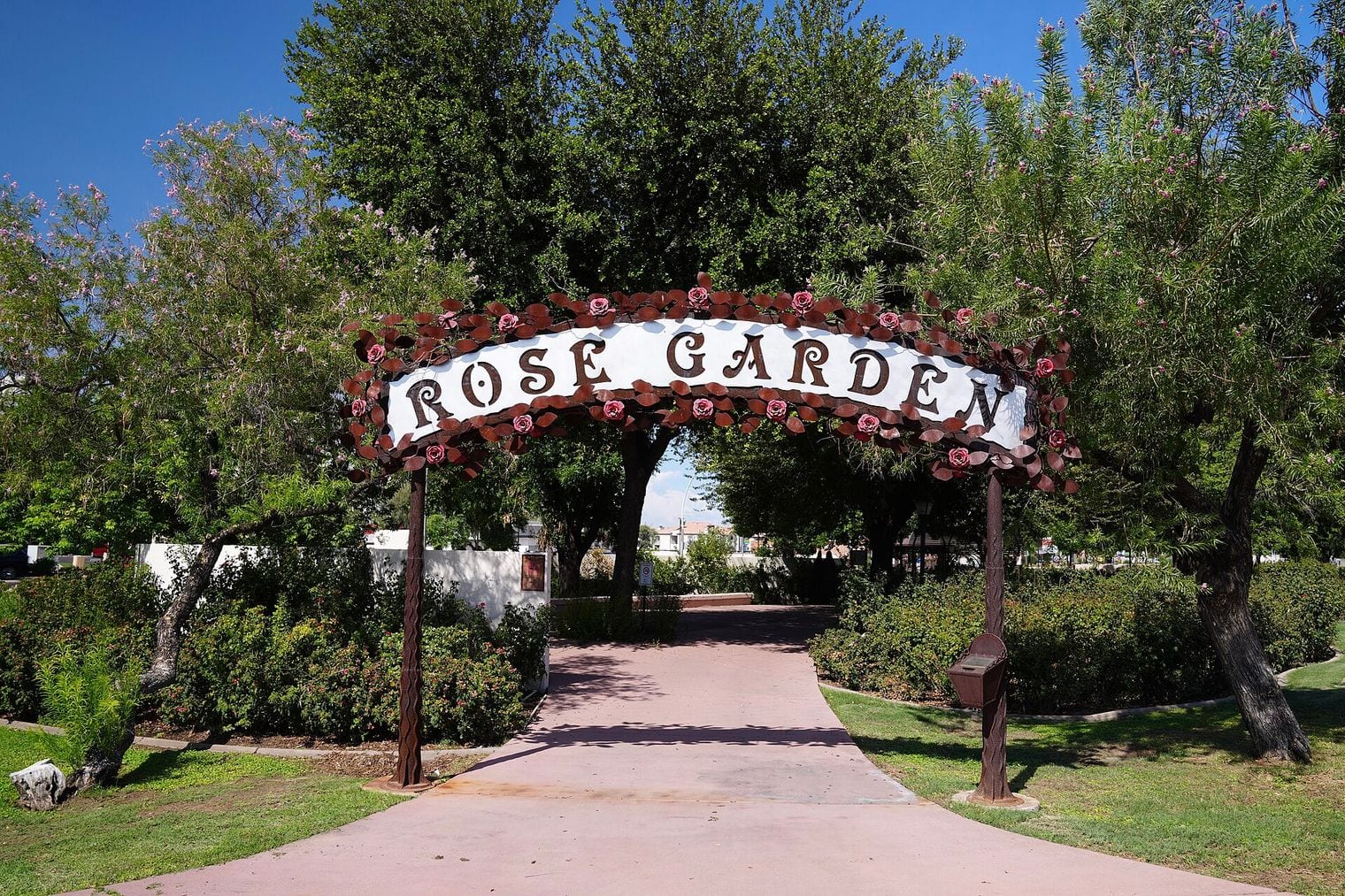
The Mesa Community College Rose Garden is a surprise in the desert: thousands of rose bushes in hundreds of varieties, planted in beds on the college's Southern Avenue campus. It was founded in 1997 as a partnership between the college and the Mesa-East Valley Rose Society and has grown into one of the largest public rose gardens in the desert Southwest.
The roses put on their best show in spring, with a second bloom in the fall once the summer heat breaks. The garden also hosts test beds for the American Rose Trials for Sustainability, so you may spot new varieties here before they reach garden centers.
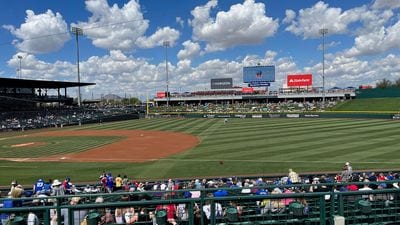
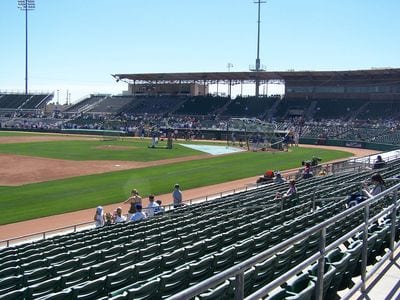
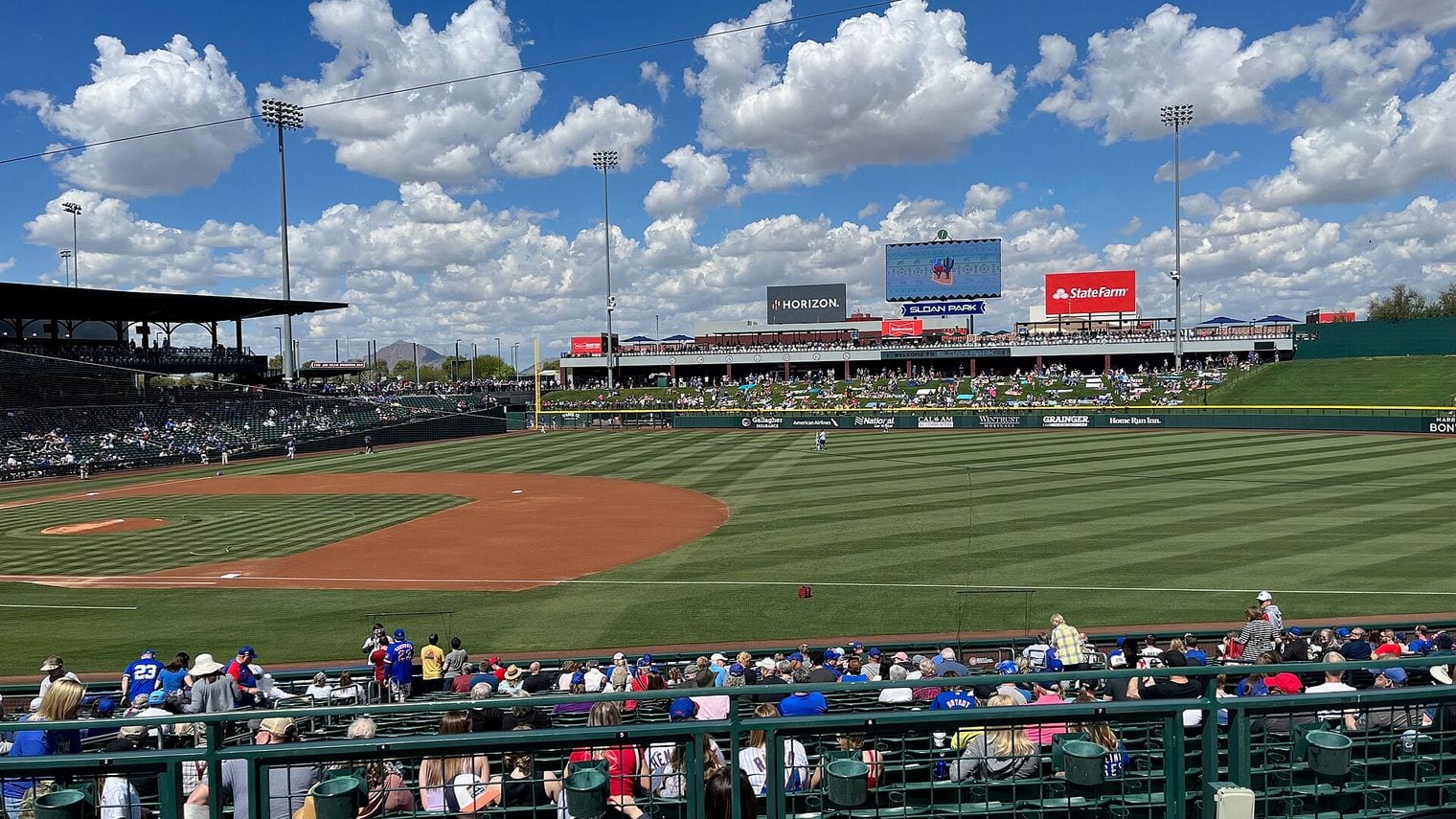
Sloan Park is the spring-training home of the Chicago Cubs, and with room for 15,000 fans it is the largest spring-training ballpark in Major League Baseball by capacity. It opened in 2014 and was built to feel like a slice of Chicago in the desert, with a playing field whose dimensions closely match those of Wrigley Field.
Cactus League games in late February and March are the main event, when the stands and the outfield lawn fill with Cubs fans who travel from across the Midwest. In the fall the park hosts the Mesa Solar Sox of the Arizona Fall League, and Riverview Park next door makes it easy to turn a game into a full day out.
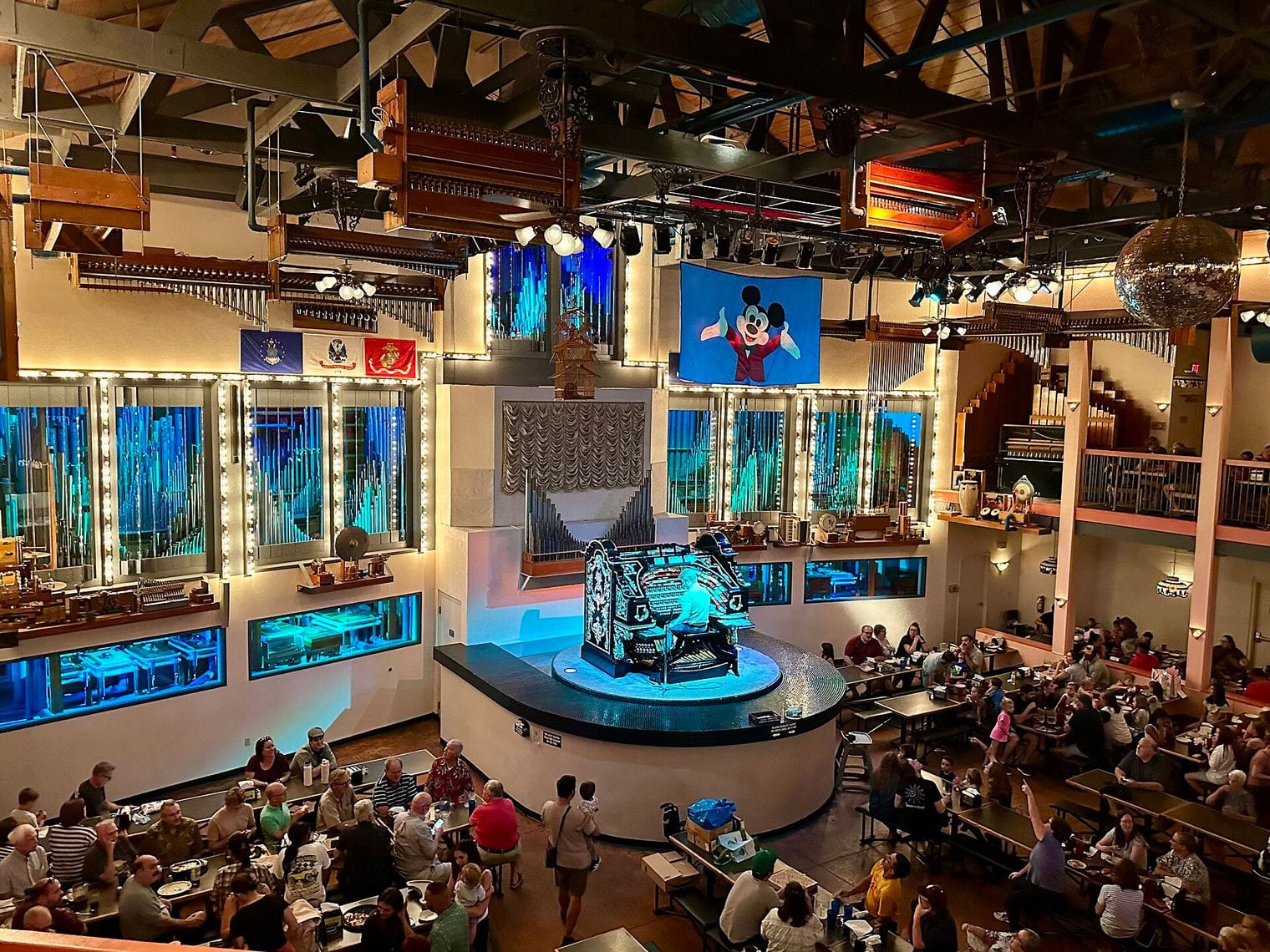
Organ Stop Pizza is really a concert hall that happens to serve pizza. The draw is the Mighty Wurlitzer, billed as the largest Wurlitzer theatre organ in the world, with more than 6,000 pipes, the biggest of them 32 feet long, and an organist who plays it through the evening while you eat.
The sound is something else: the organ fills the hall with film themes, pop songs and classical pieces, with percussion and sound effects woven in. The restaurant started in Phoenix in 1972, came to Mesa in 1975 and moved into this larger hall in 1995, and the pizza is simple on purpose, because the music is the reason to come.
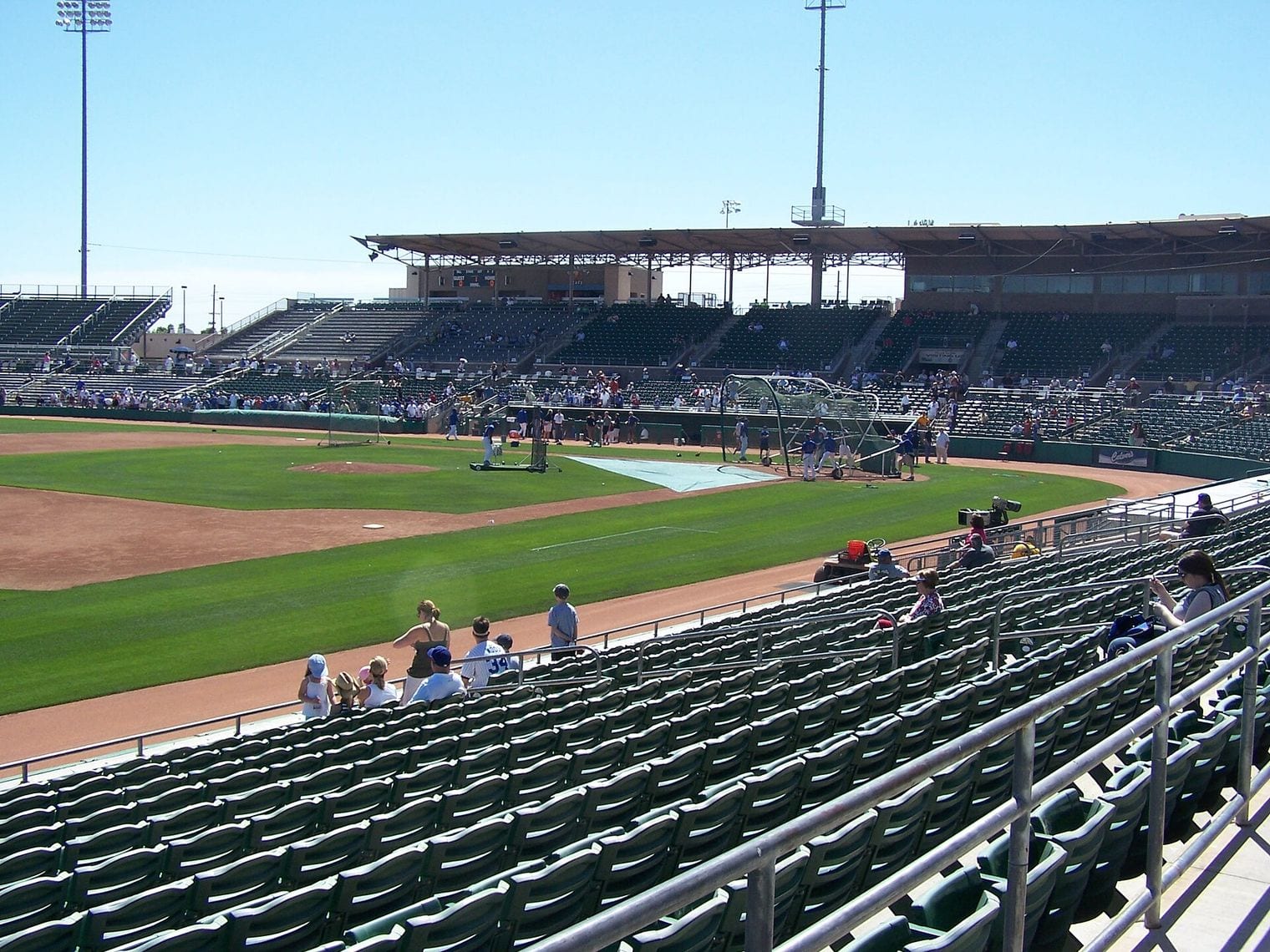
Hohokam Stadium is Mesa's other spring-training ballpark, the Cactus League home of the Athletics. The 10,500-seat stadium was completed in 1997 on the site of an earlier Hohokam Stadium, served as the Cubs' spring home until 2013 and was renovated before the Athletics moved in for 2015.
It is a smaller, more relaxed ballpark than its bigger neighbor across town, with close views of the field, and it takes its name from the Hohokam people who farmed this valley for well over a thousand years. Catch a game here and at Sloan Park in the same trip and you will have seen both of Mesa's big-league spring homes.
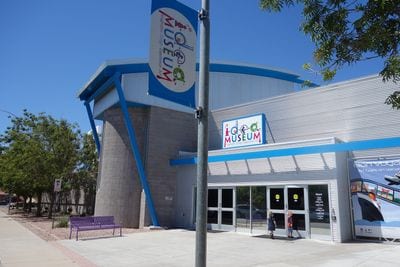
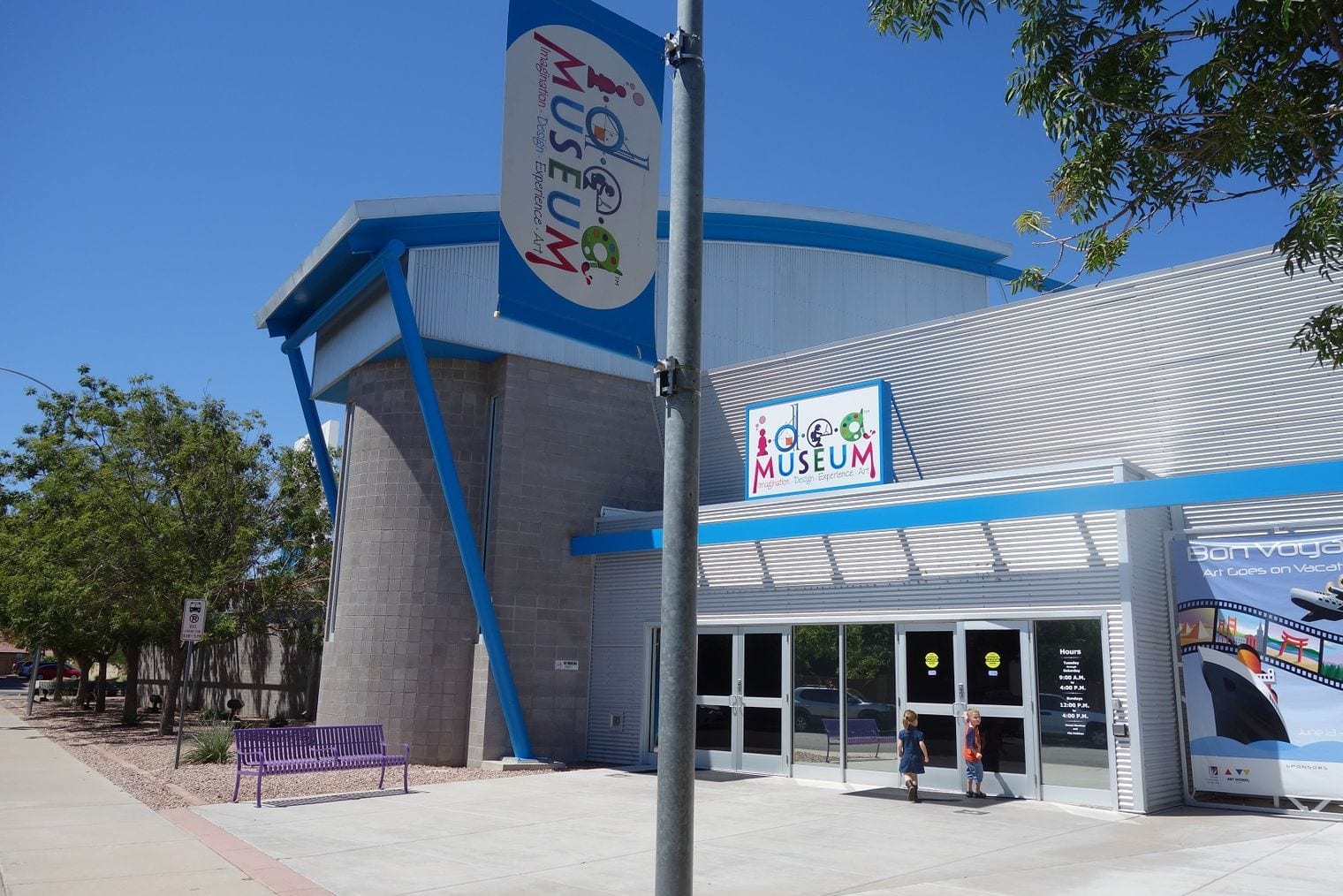
The i.d.e.a. Museum is downtown Mesa's hands-on art museum for kids, founded in 1980 as the Arizona Museum for Youth with a rare focus on fine art rather than science. Its rotating exhibitions are built for children to touch, build and create, pairing artworks to look at with activity stations that turn a visit into a making session.
The littlest visitors, up to about age four, get ArtVille, a pint-sized town of play spaces of their own, and art workshops for young children run year-round. It is a smart indoor stop on a hot afternoon, a short walk from the Arizona Museum of Natural History and the Mesa Arts Center.
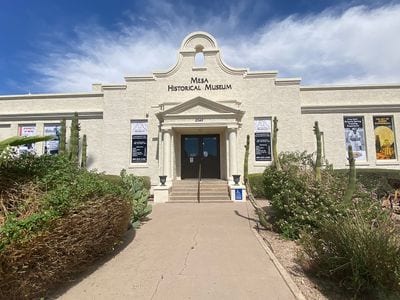
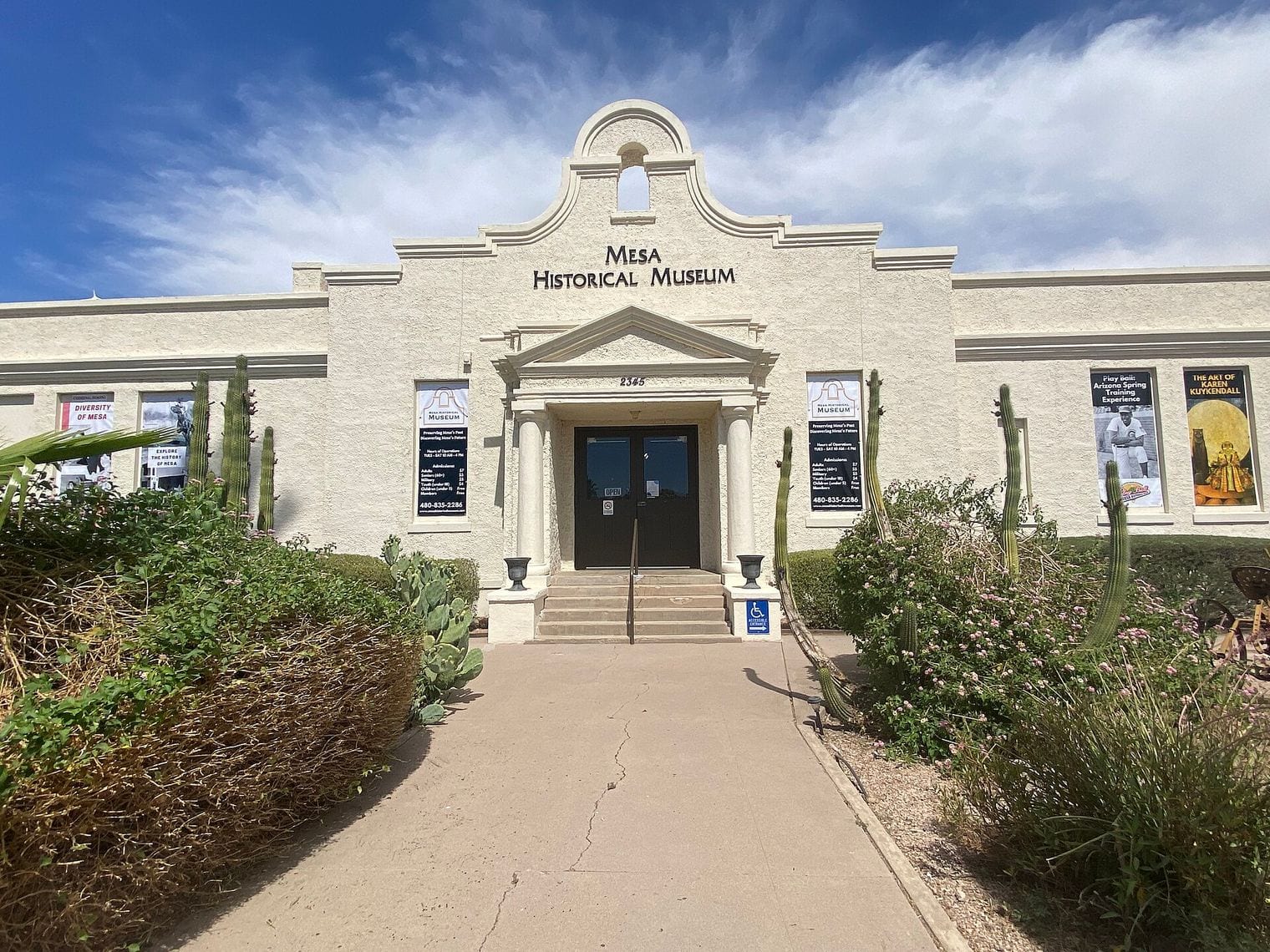
The Mesa Historical Museum occupies the old Lehi School, a schoolhouse built in 1913 and 1914 in the original Lehi settlement north of downtown, and the two-building complex is listed on the National Register of Historic Places. Its galleries tell the story of Mesa from its pioneer beginnings to the modern city, and a replica of an early adobe one-room schoolhouse shows how local children were first taught.
Baseball fans have a reason to stop too: the museum has made the history of Arizona's spring training a specialty, developing the Play Ball: The Cactus League Experience exhibition. It sits on the same road as Park of the Canals, so the two make an easy north Mesa pairing.
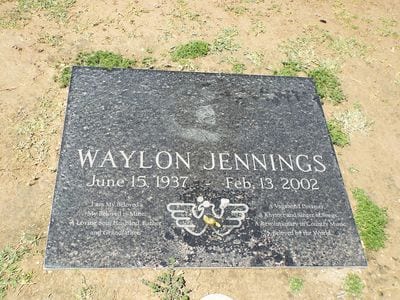
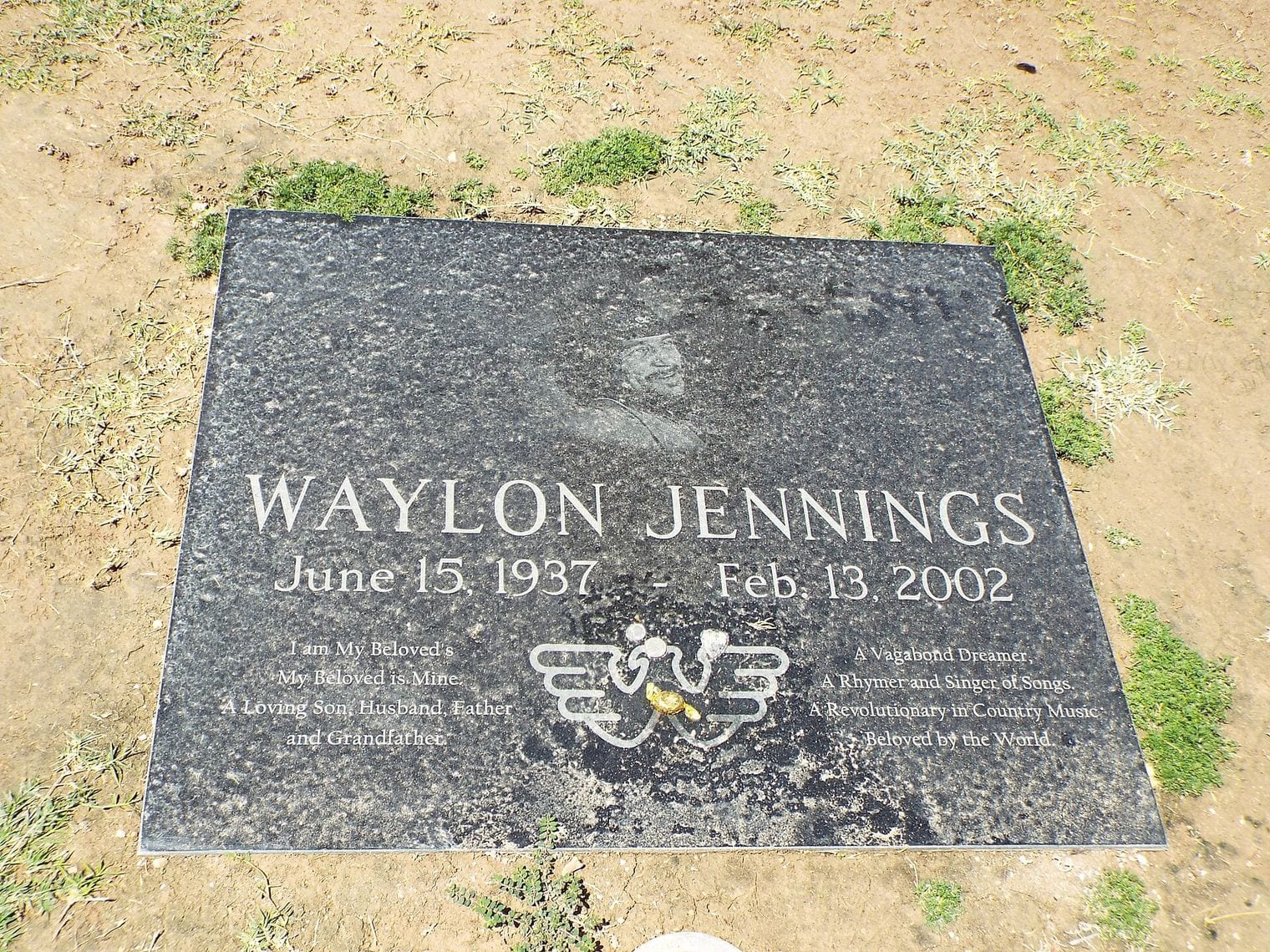
Country music fans make the pilgrimage to the Grave of Waylon Jennings in the City of Mesa Cemetery, where the outlaw-country legend was buried after his death in neighboring Chandler in 2002. His black headstone is etched with his portrait, and fans often leave small tributes beside it.
The historic cemetery north of downtown is also the resting place of Mesa's pioneers and early mayors, and of the British cadets who died while training at Falcon Field during World War II. It is a quiet stop, so keep the visit respectful.
1717. Mesa Grande Cultural Park (Sce:dagĭ Mu:val Va'aki)
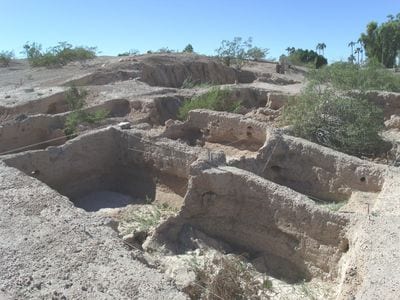
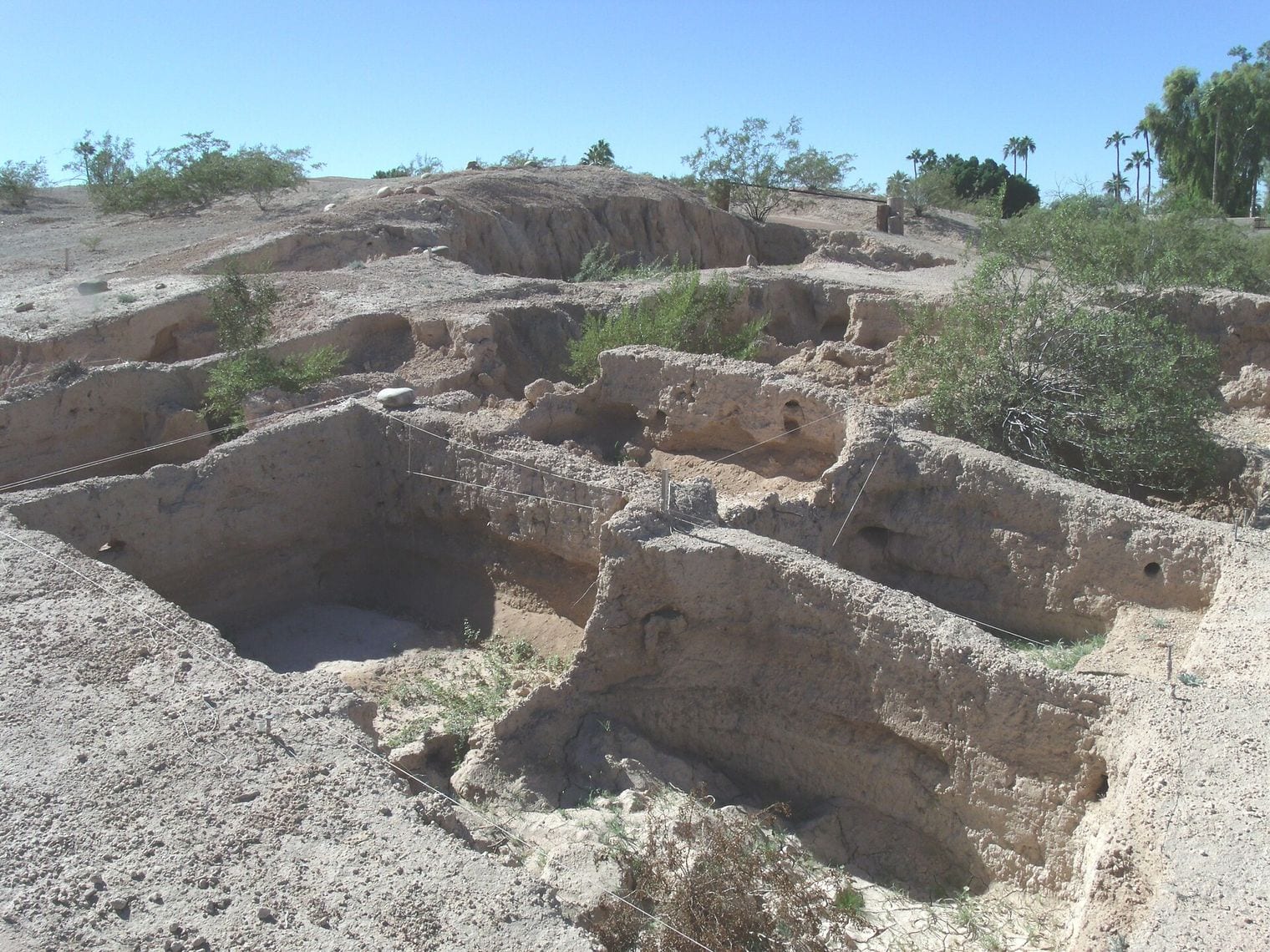
Sce:dagĭ Mu:val Va'aki, long known as Mesa Grande Cultural Park, preserves a great Hohokam platform mound, a massive ruin of adobe walls and platforms built by the people who lived here between about AD 1100 and 1400. It is one of only two Hohokam mounds left in the Phoenix metro area, alongside Pueblo Grande, and it has been listed on the National Register of Historic Places since 1978.
Visitors can see the mound up close and learn how the Hohokam built canals, villages and ceremonial platforms in the Salt River Valley. The Arizona Museum of Natural History runs the site, which opens on a limited schedule, so check before you go.
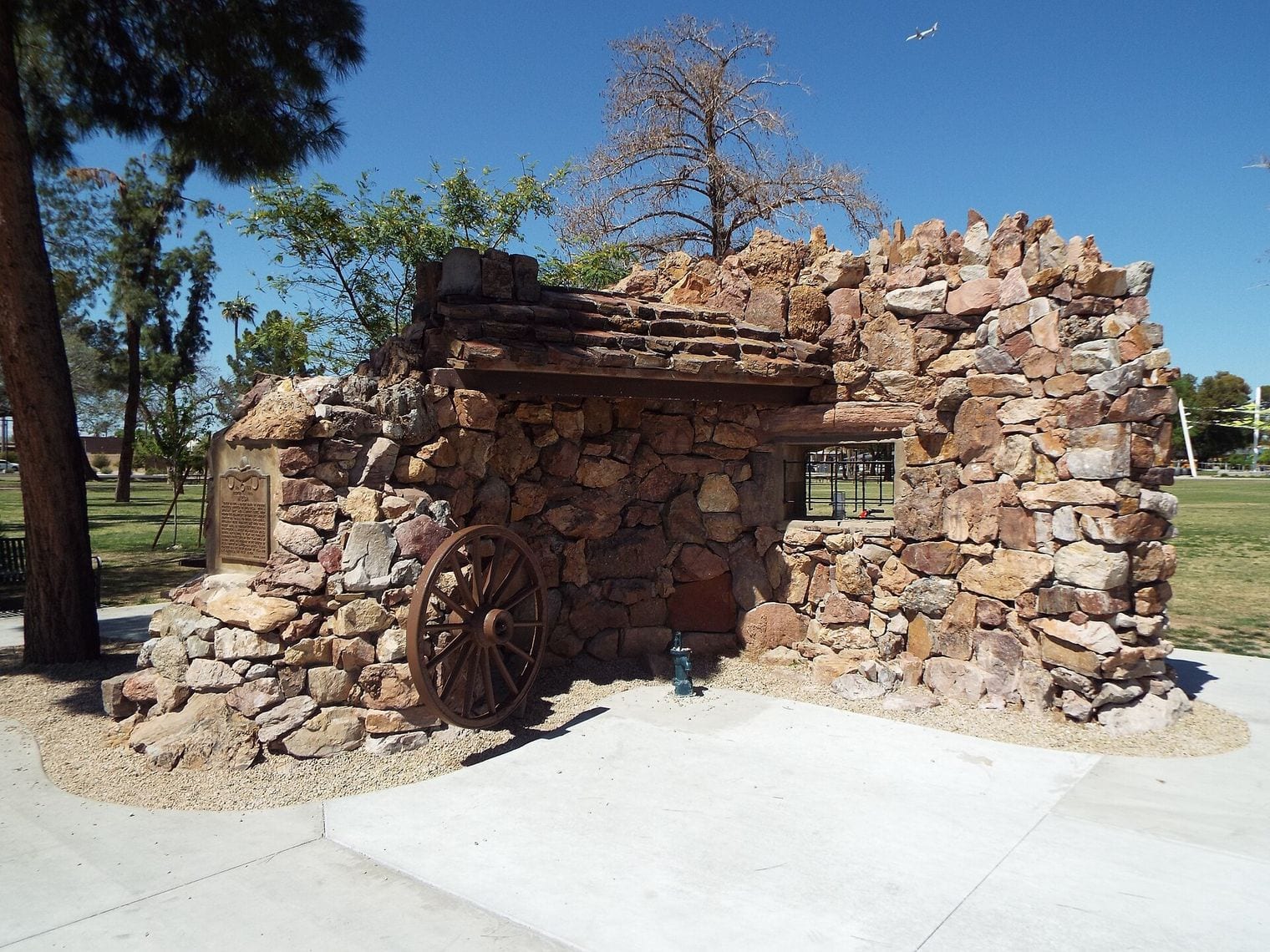
Pioneer Park is downtown Mesa's big green space on Main Street, close to the temple, and it mixes a modern playground and splash pad with a slice of the city's history. Its most photographed resident is Southern Pacific locomotive No. 2355, a 1912 Baldwin steam engine retired in 1957 and put on display here, where efforts to restore it cosmetically have run for years.
A pioneer monument honors the families who founded Mesa, and the shaded lawns make an easy place for a picnic. The park is a handy break between the downtown museums and the temple grounds.
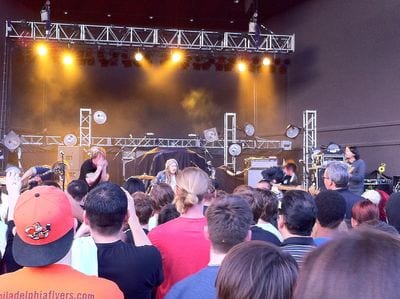
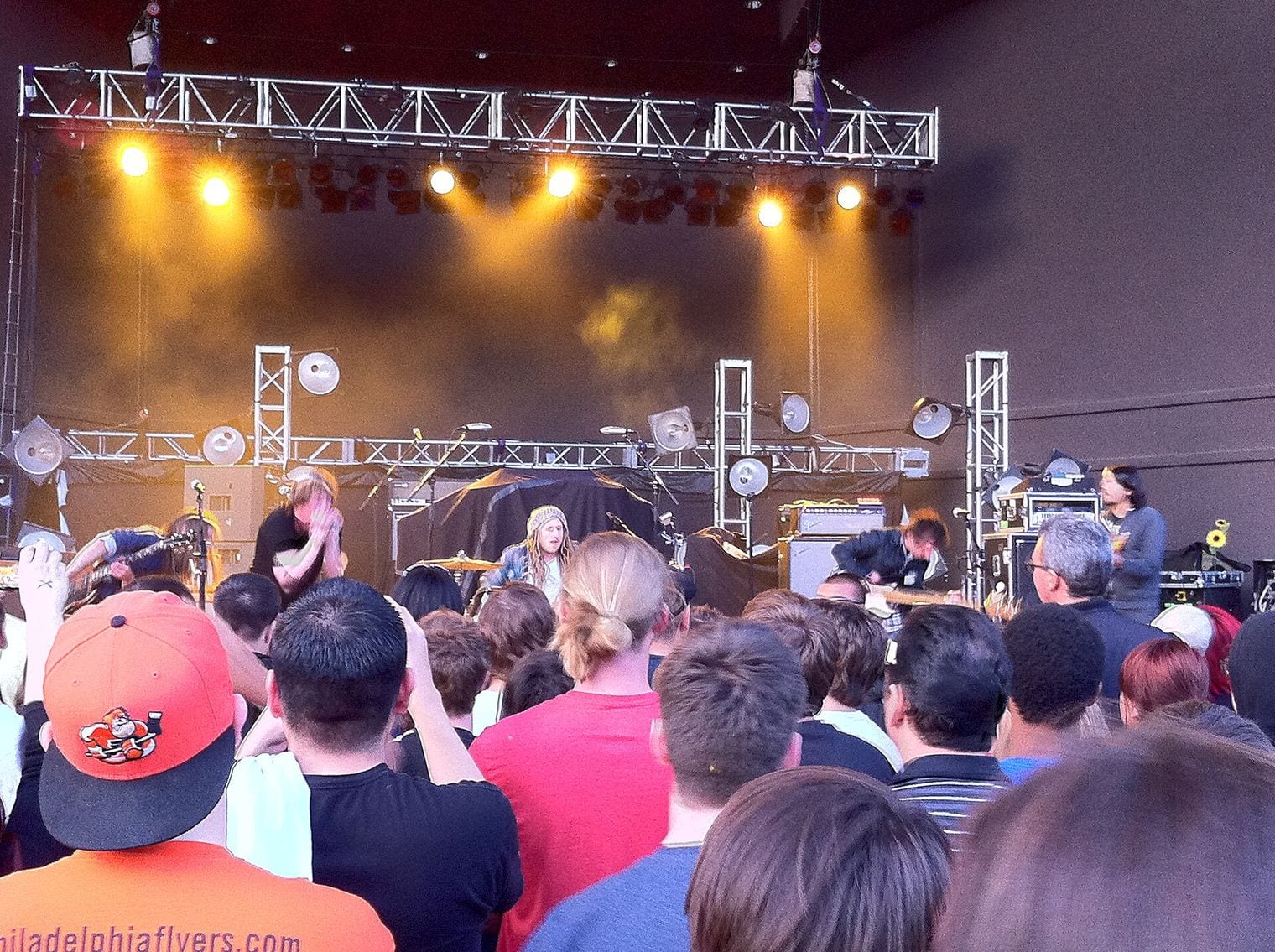
Mesa Amphitheatre is the city's open-air concert venue, a tiered lawn with no fixed seats that holds close to 5,000 people. It opened in 1979 and has hosted touring bands, festivals and community events ever since, and it sits on the edge of downtown next to the Mesa Convention Center.
Because there are no fixed seats, every spot on the terraced grass gives a view of the stage, and spreading out under the evening sky is part of the appeal. Most shows fall in the spring and fall, when Arizona nights are made for outdoor music.
Plan your trip
Best Time to Visit Mesa
The best time to visit Mesa is from October to April, when days are warm and sunny and the desert trails are comfortable to hike. Late February and March are the busiest weeks of the year, when the Cubs and the Athletics play spring training in town and the desert blooms after a wet winter, so book early for those weeks. Late November through December brings the free Christmas lights at the Mesa Arizona Temple.
Summer is long and very hot, with afternoons regularly above 100°F. If you come then, hike at first light, spend the middle of the day in the museums or at the water park, and save the outdoors for the evening.
Getting to Mesa
Most visitors fly into Phoenix Sky Harbor International Airport, about 20 minutes west of central Mesa by freeway. Phoenix-Mesa Gateway Airport, in the city's southeast corner, is a smaller alternative served mainly by low-cost carriers. By road, Mesa sits on US 60 (the Superstition Freeway) and the Loop 202 and Loop 101 freeways, with Interstate 10 a short drive west.
Valley Metro's light rail also runs from downtown Phoenix and Tempe along Main Street into downtown Mesa, and the PHX Sky Train links Sky Harbor to the light rail line.
Getting Around Mesa
Mesa is spread out across nearly 139 square miles, so a car is the easiest way to reach the parks, the ballparks and the desert on the east side. Parking is generally easy outside of spring-training game days.
Downtown Mesa is compact and walkable, and the light rail along Main Street connects it with Tempe and Phoenix, which makes a car-free downtown stay possible. Rideshare covers the gaps between neighborhoods.
Where to Stay in Mesa
Downtown Mesa is the best base for a short trip without much driving: the arts center, the museums, the temple and the light rail are all within walking distance. West Mesa, around the Riverview area and the Fiesta District, puts you next to Sloan Park and close to the freeways for Tempe, Phoenix and Scottsdale, which suits spring-training visitors.
For a quieter stay, Dobson Ranch in the southwest is a leafy residential area with golf and lakes, while East Mesa, around Superstition Springs, and the foothill neighborhood of Las Sendas in the northeast put you closest to Usery Mountain and the Superstition Mountains.
Where to Eat in Mesa
Main Street in Downtown Mesa is the place for a walkable dinner, with local cafes, brewpubs and casual restaurants around the arts center. For variety, head to the Asian District on Dobson Road between Main Street and Broadway Road, where Chinese, Korean, Vietnamese, Japanese and Filipino kitchens, bakeries and bubble tea shops line the strip malls.
Across the city, Sonoran-style Mexican food is the local staple: carne asada, green chile and Sonoran hot dogs wrapped in bacon.
Day Trips from Mesa
The Superstition Mountains start just east of town. Goldfield Ghost Town, a re-created 1890s gold-mining camp, is about 38 minutes away, and Lost Dutchman State Park, at the foot of the mountains, about 40 minutes. Saguaro Lake on the Salt River is also about 40 minutes northeast, and the winding Apache Trail leads past Canyon Lake to the old stagecoach stop of Tortilla Flat, about 55 minutes from Mesa.
For a bigger day out, drive about 1 hour 25 minutes north to Payson under the Mogollon Rim, about 1 hour 45 minutes southeast to Tucson, about 2 hours to Prescott, or just over 2 hours to Sedona's red rocks. Closer to home, Scottsdale is about 20 minutes away and Gilbert and Chandler border Mesa to the south. For more ideas, see our guide to the best day trips from Phoenix.
One Day in Mesa
Morning
Start early on Mesa's eastern edge at Usery Mountain Regional Park, where the Wind Cave Trail is best done before the sun gets high. On the way back toward the center, stop at Arizona Commemorative Air Force Museum at Falcon Field to see the B-17 and the wartime hangar.
Head to Organ Stop Pizza for dinner and a concert on the giant Wurlitzer. In late February and March, swap it for a Cactus League game at Sloan Park or Hohokam Stadium.
Mesa is best known for spring training, with the Cubs at Sloan Park and the Athletics at Hohokam Stadium, and for the Mesa Arizona Temple and its Christmas lights. Visitors also come for the Mesa Arts Center, the dinosaurs at the Arizona Museum of Natural History, Usery Mountain Regional Park and the warplanes of the Arizona Commemorative Air Force Museum.
How many days do you need in Mesa?
Two to three days covers Mesa's highlights. Spend one day downtown on the museums, the arts center and the temple, one on the east side with a Usery Mountain hike and the air museum, and use a third for spring training, the water park or a day trip into the Superstition Mountains.
What can you do in Mesa for free?
Free things to do in Mesa include the Mesa Arizona Temple gardens and its Christmas lights, the public art along Main Street, the steam locomotive in Pioneer Park, the playgrounds and fishing lake at Riverview Park, the Hohokam canals at Park of the Canals, the Mesa Community College Rose Garden and Waylon Jennings' grave.
Is Mesa worth visiting?
Yes. Mesa combines a walkable downtown with strong museums, two big-league spring-training ballparks, ancient Hohokam sites and quick access to the Sonoran Desert and the Superstition Mountains. It often costs less and feels calmer than Phoenix or Scottsdale, which makes it a good base for exploring the whole East Valley.
When is the best time to visit Mesa?
October to April is the best time to visit Mesa, when the weather is mild enough for hiking and sightseeing. March is the peak, with spring training and desert wildflowers, while late November and December bring the temple's Christmas lights. Summer is very hot, so plan outdoor time for early mornings.
Sources & updates
How this guide was checked
Checked before launch
Sources cited
19
Publishers
14
Every place on this list was confirmed open and pinned on the map before publication, and what we say about each one was checked against its own website or an official source.
A PDF with a box to tick for every place. Confirm your email to download it, and get one email every Thursday with our newest guides for the places you tick.
Free Mesa printable checklist
All 19 places in one PDF
Tick them off as you go. Confirm your email to download it, plus one email every Thursday with new guides for the places you tick.
We use cookies to analyse site traffic and improve your experience.
You can accept or reject analytics cookies. See our
May we use analytics cookies? See ourCookie Policy.