We build and rank every list first. Booking links come after, and only where
a partner sells a ticket, tour or stay for that exact place, so a place with
nothing to book is listed exactly as prominently as one you can book.
So how do we earn? Some links on this page go to booking
partners, and if you book tickets, tours or a stay through
one, we may earn a commission. It costs you nothing extra.
That commission never decides which places make the list, the order they
appear in, or what we write about them. No entry is sponsored or a paid
placement.
By the City Viking editorial teamPublished 40 places · 27 min read
Fact-checked Checked before launchOct 18, 202640 sources31 publishers3 government & parks13 encyclopedias & research24 venues & other sitesPublished · Oct 18, 2026Researched and checked before it went liveClick for every source and the full change log.
Short answer
Tucson is known for its adobe past as the Old Pueblo, founded as a Spanish fort in 1775, and a desert food culture that made it America's first UNESCO City of Gastronomy. Its essentials are Saguaro National Park, whose two cactus-forest districts flank the city, the Arizona-Sonora Desert Museum and Mission San Xavier del Bac, Arizona's oldest European structure. Three to four days is ideal, with time for historic downtown, Sabino Canyon or Mount Lemmon.
Tucson sits in a wide desert basin ringed by mountains, with saguaro forests on two sides, cool pine peaks to the north and a white Spanish mission to the south. Founded as a Spanish fort in 1775, the Old Pueblo still wears its adobe past on its downtown streets.
This guide ranks the 40 best things to do in Tucson, from Saguaro National Park and the Desert Museum to campus museums, historic barrios and sunset viewpoints. Allow three to four days, more if you are pairing the city with Phoenix or a longer Arizona road trip.
Tucson was the first American city named a UNESCO City of Gastronomy, in 2015, honoring a desert food culture with deep Indigenous, Spanish and Mexican roots.
The city's name comes from the O'odham Cuk Ṣon, “the base is black”, after the dark volcanic rock of Sentinel Peak, the hill just west of downtown.
Tucson was founded in 1775 as a Spanish fort, Presidio San Agustín del Tucsón, on the orders of Hugo O'Conor, a Dublin-born officer in the Spanish army.
Mission San Xavier del Bac, completed in 1797, is the oldest European structure in Arizona.
Mount Lemmon, on the city's northern skyline, is home to the southernmost ski area in the continental United States.
In 1934 members of John Dillinger's gang were captured after hiding out at downtown's Hotel Congress.
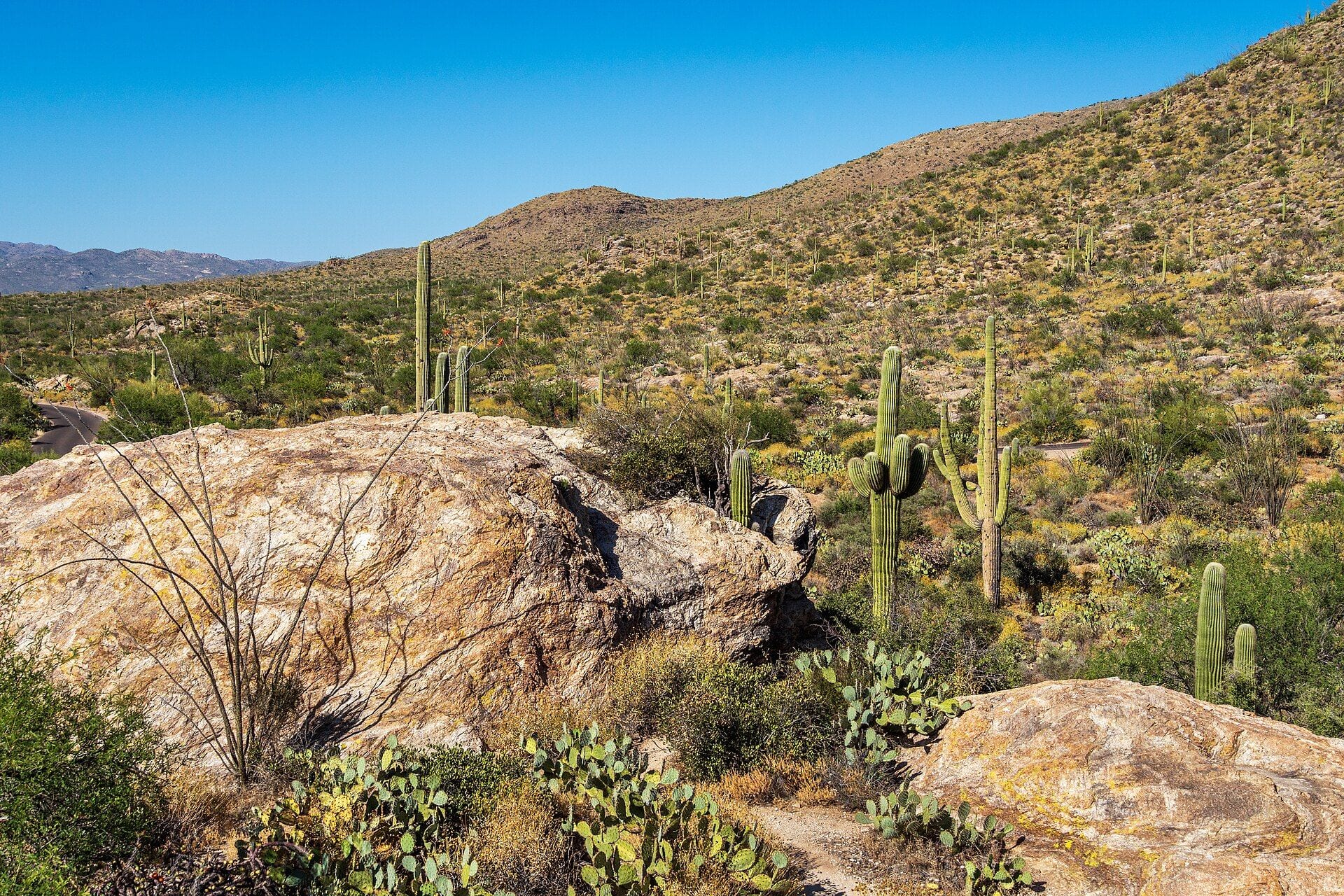
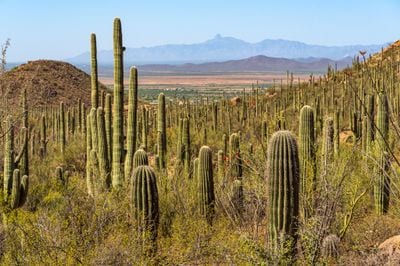
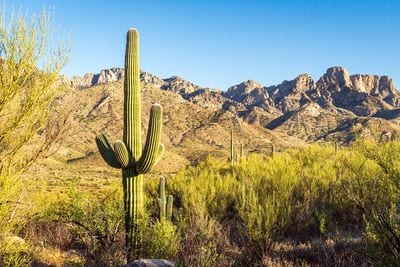
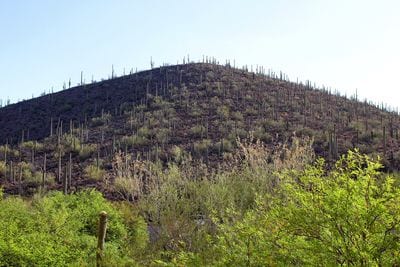
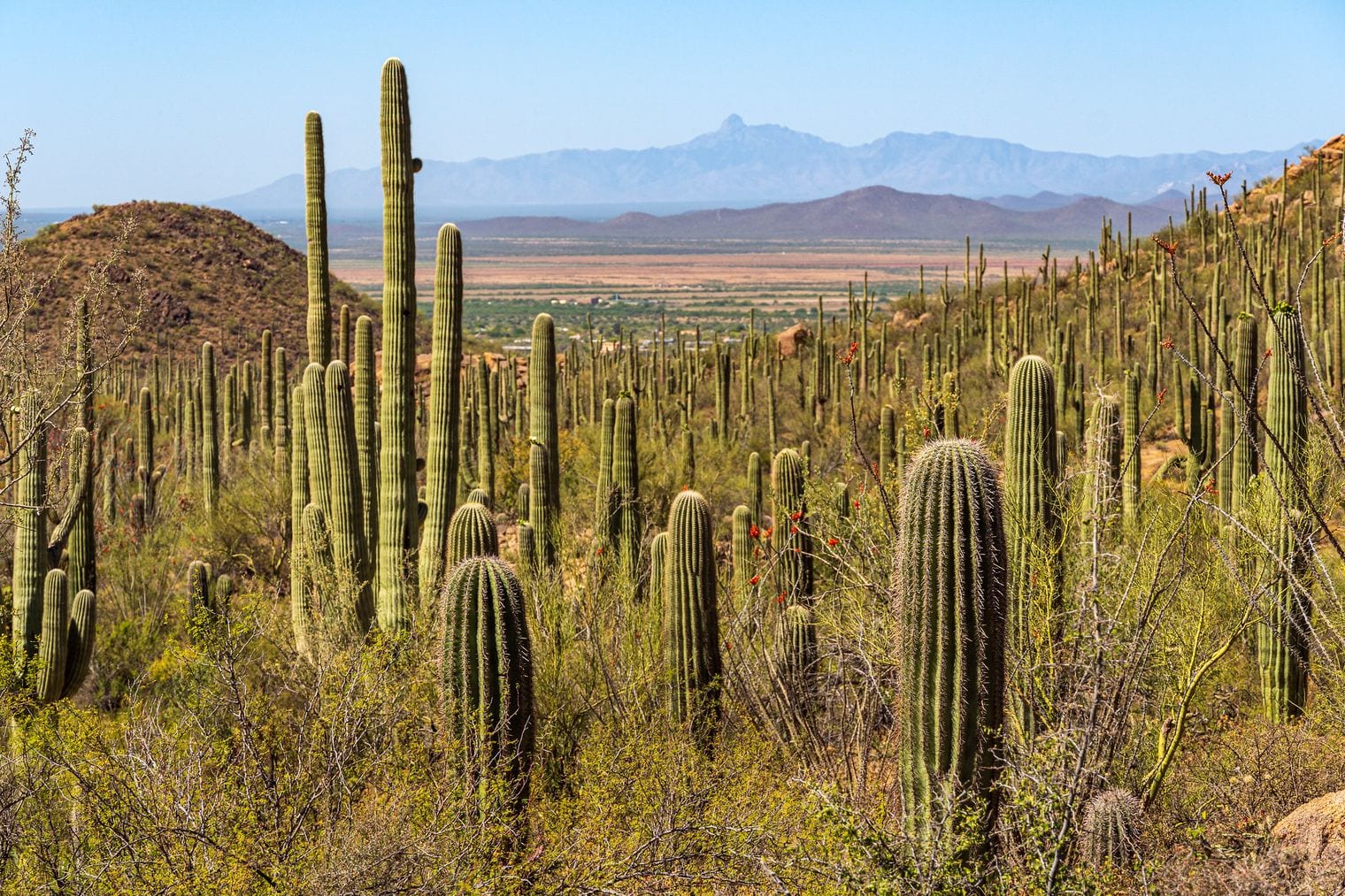
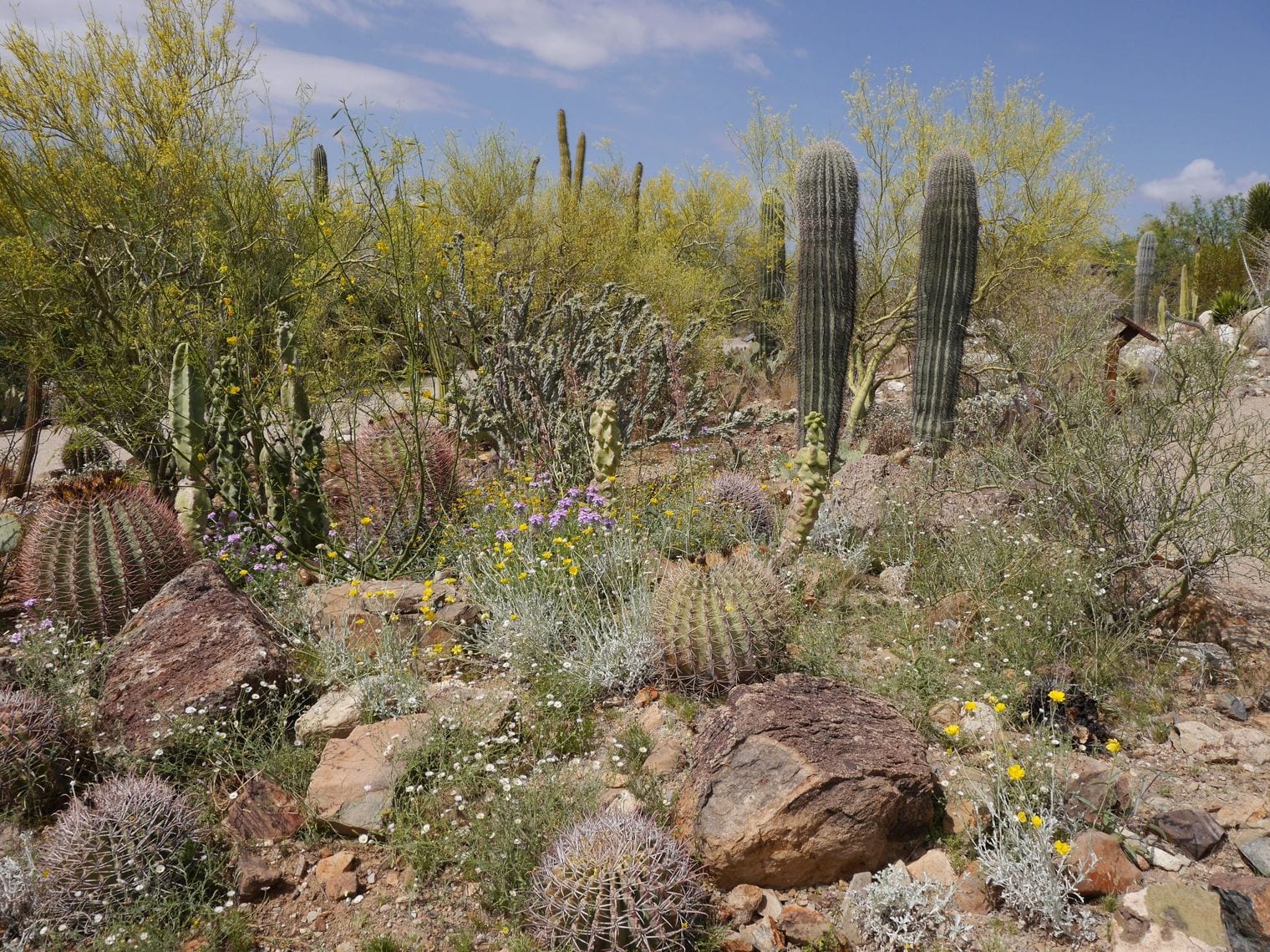
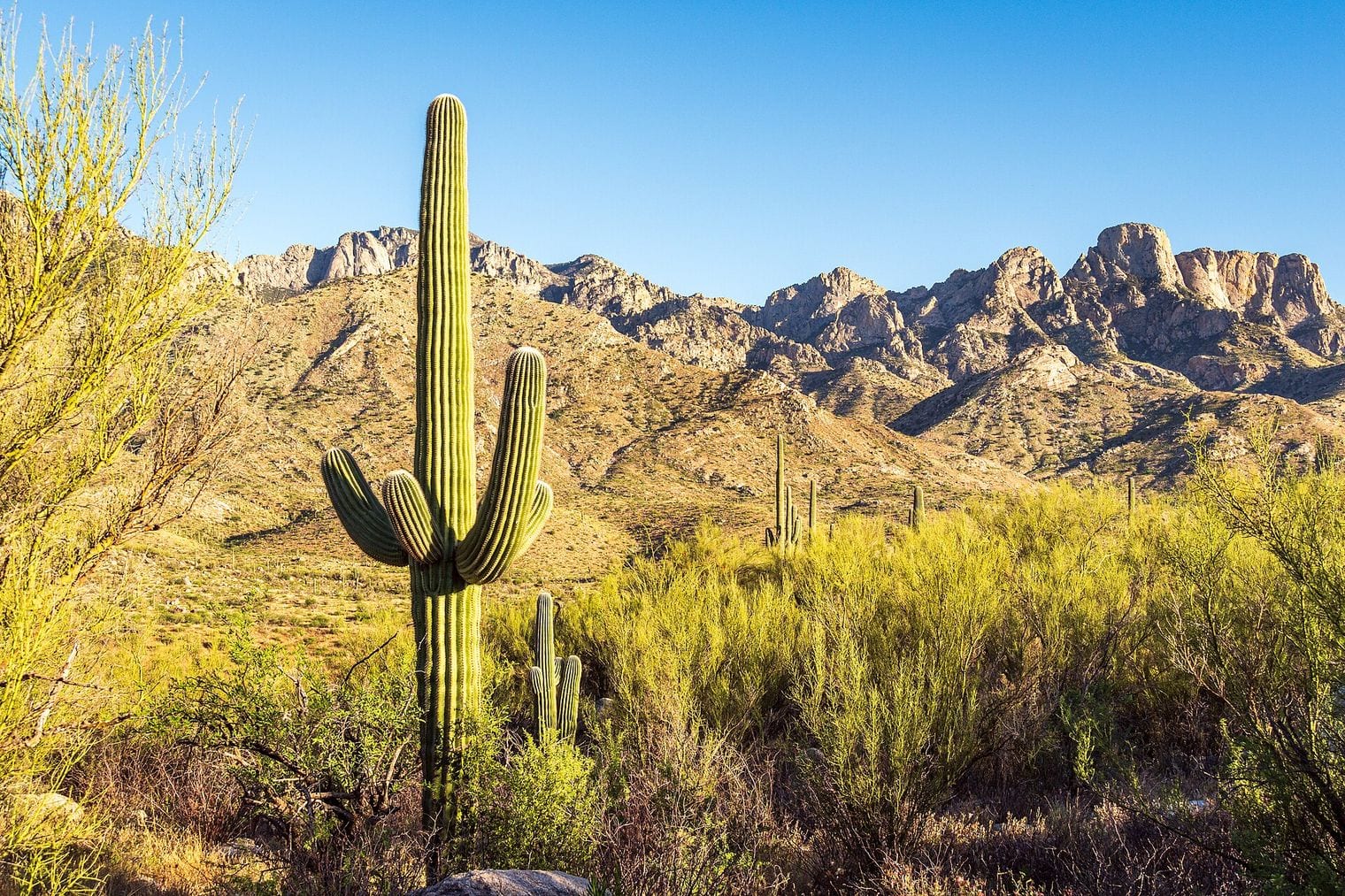
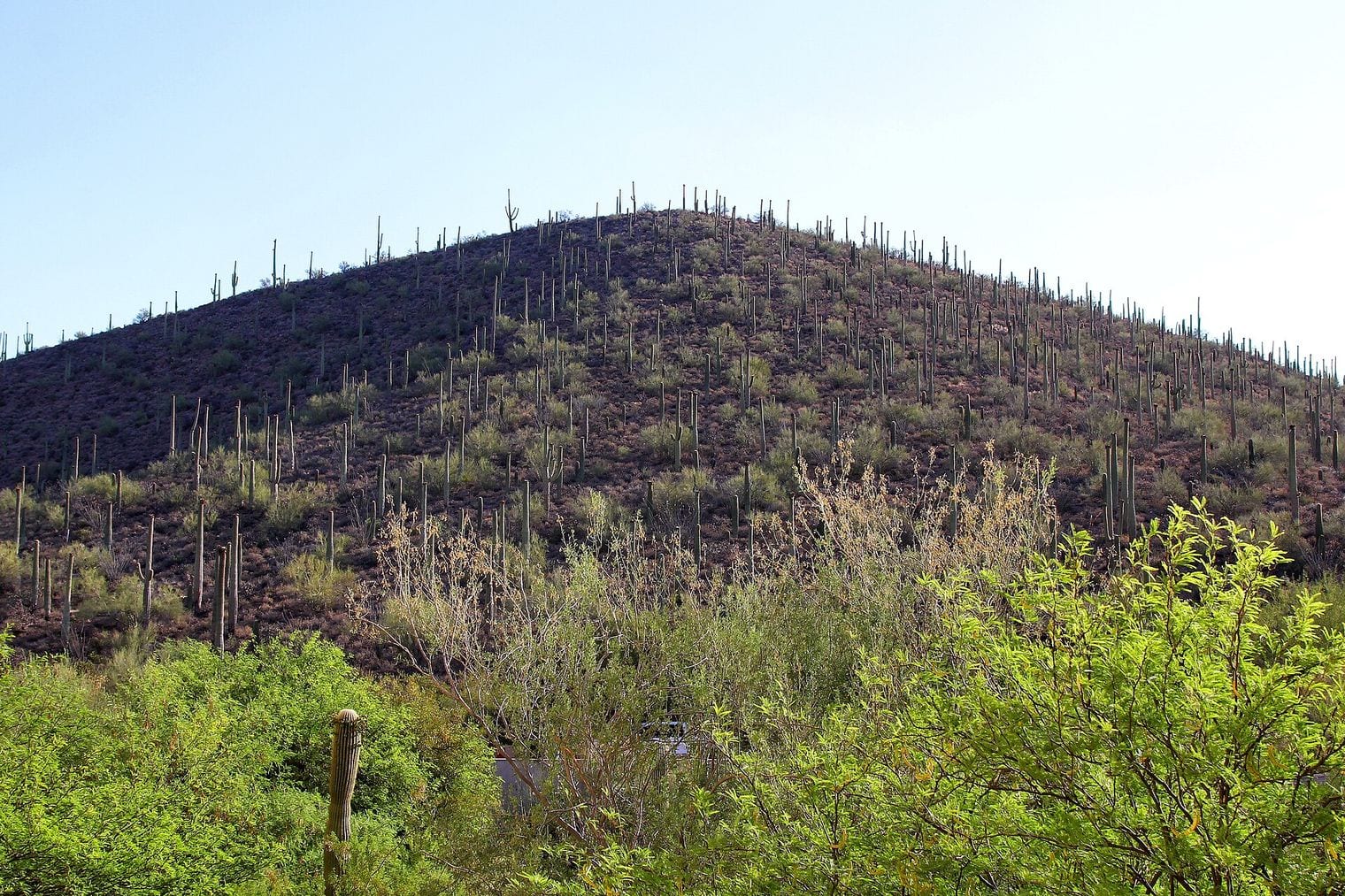
Saguaro National Park protects the giant cactus that has become shorthand for the American Southwest, in two separate districts that bracket the city: the Tucson Mountain District about ten miles west and the Rincon Mountain District about ten miles east. Both sit just beyond the city limits, and together they cover some 92,000 acres of Sonoran Desert.
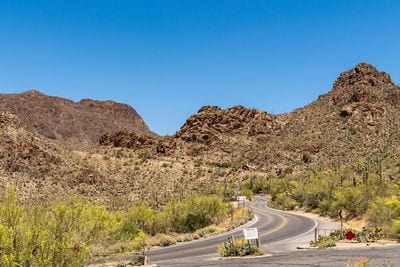
In the east, the paved Cactus Forest Loop Drive sets out from the Rincon Mountain Visitor Center through dense saguaro stands at the foot of the Rincons, which rise far higher and greener than the Tucson Mountains. The west side is lower and rockier, with the unpaved Bajada Loop Drive and the Signal Hill petroglyphs a short climb from the road. Come at sunrise or sunset, when the cactus arms turn to silhouettes.
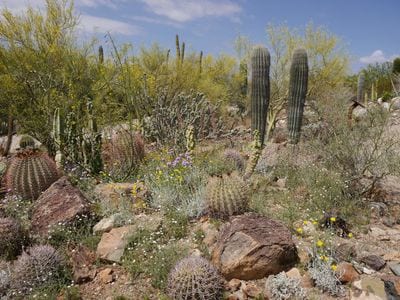
Part zoo, part botanical garden, part natural history museum, the Arizona-Sonora Desert Museum is the best single introduction to the desert around you. It sits just west of the city inside Tucson Mountain Park, where about two miles of paths loop through landscaped desert home to more than 230 animal species and some 1,200 kinds of plants.
The museum has been refining the formula since 1952, and it shows in the details: a walk-in hummingbird aviary where the birds hover close enough to feel, an artificial cave in the Earth Sciences Center, an aquarium devoted to the region's waters and family groups of Harris's hawks. Arrive early in the warm months, when the animals are most active and the paths are still cool.
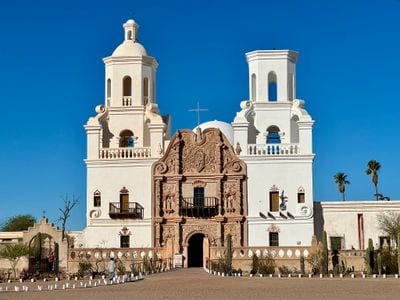
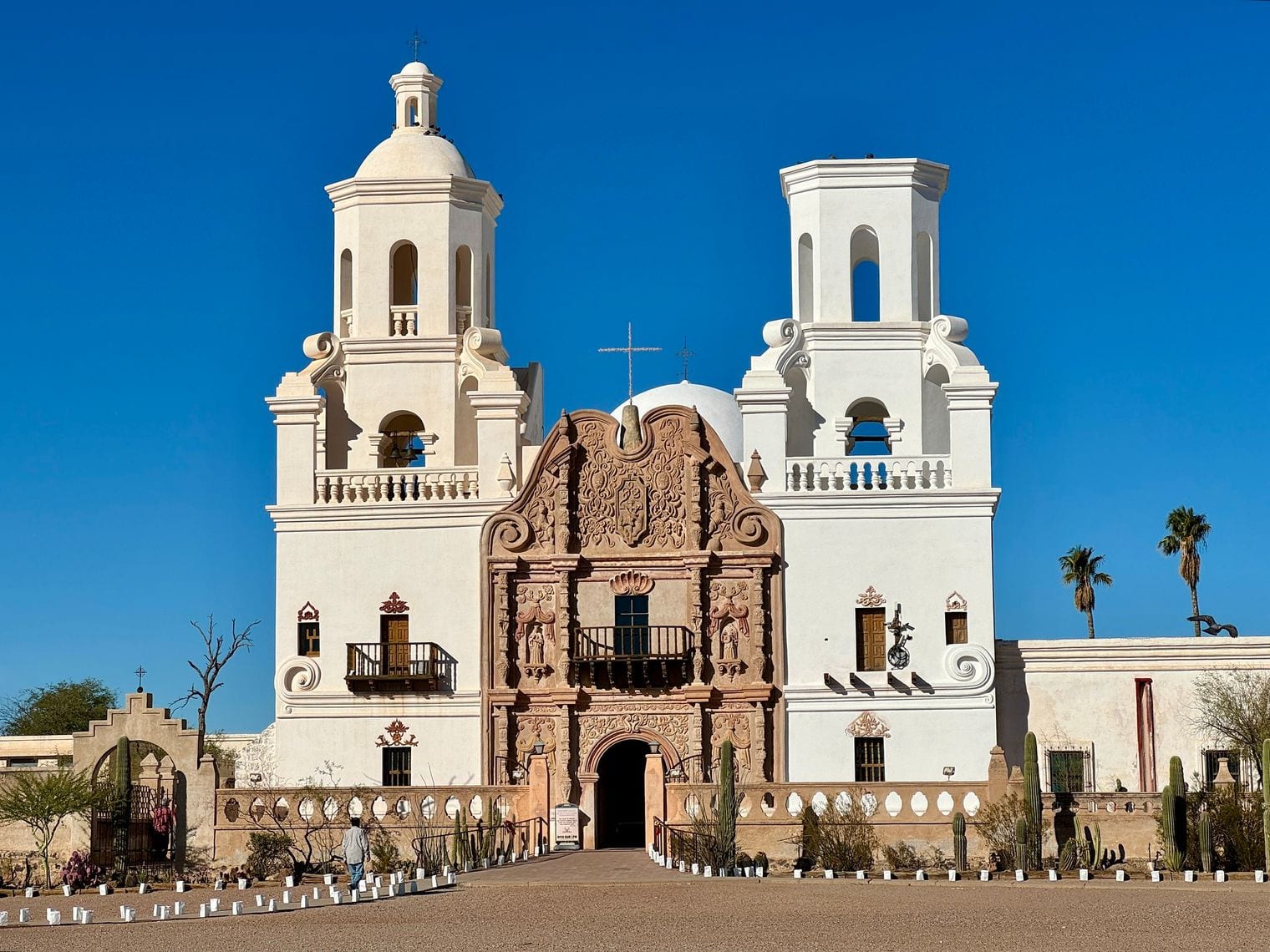
Rising white against the desert about ten miles south of downtown, Mission San Xavier del Bac stands on the San Xavier District of the Tohono O'odham Nation and is one of the finest examples of Spanish Colonial architecture in the United States. Father Eusebio Kino founded the mission in 1692 in an O'odham settlement; the church you see was built between 1783 and 1797, which makes it the oldest European structure in Arizona.
Behind the ornate, Moorish-inspired entrance, painted statues, carved altarpieces and murals fill nearly every surface of the interior. It is still a working church for the O'odham community, so visit outside service times, dress respectfully, and climb the small hill just east of the church for the classic view of its dome and towers.
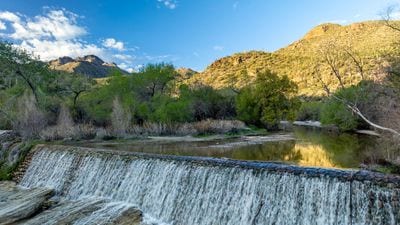
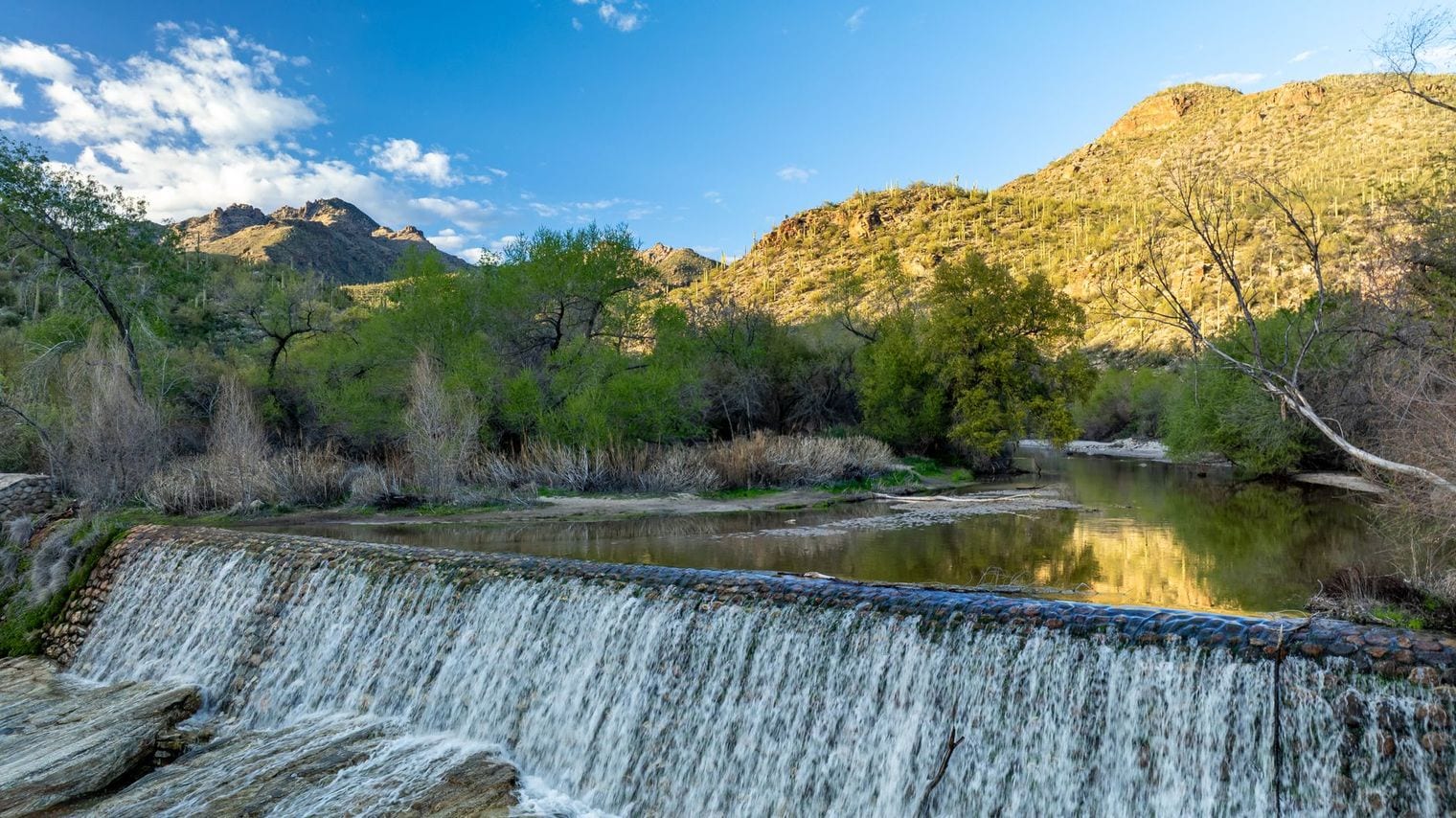
Sabino Canyon Recreation Area cuts into the Santa Catalina Mountains on the city's northeastern edge, inside the Coronado National Forest, and it is where Tucson goes to walk beside running water. When the creek is flowing, Sabino Creek spills over a string of small waterfalls and pools beneath steep canyon walls studded with saguaros, crossed by low stone bridges.
An electric shuttle runs up the canyon's paved road, so you can ride to the top and walk back down, or hike any stretch you like. From the same visitor center a second route heads into Bear Canyon toward the trail to Seven Falls, one of the area's best-loved hikes. Deer and javelinas are common sightings; carry more water than you think you need.
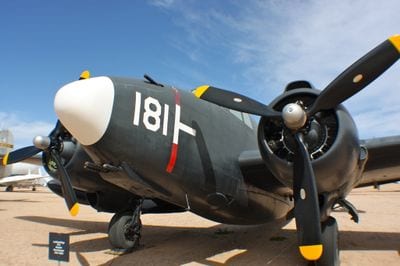
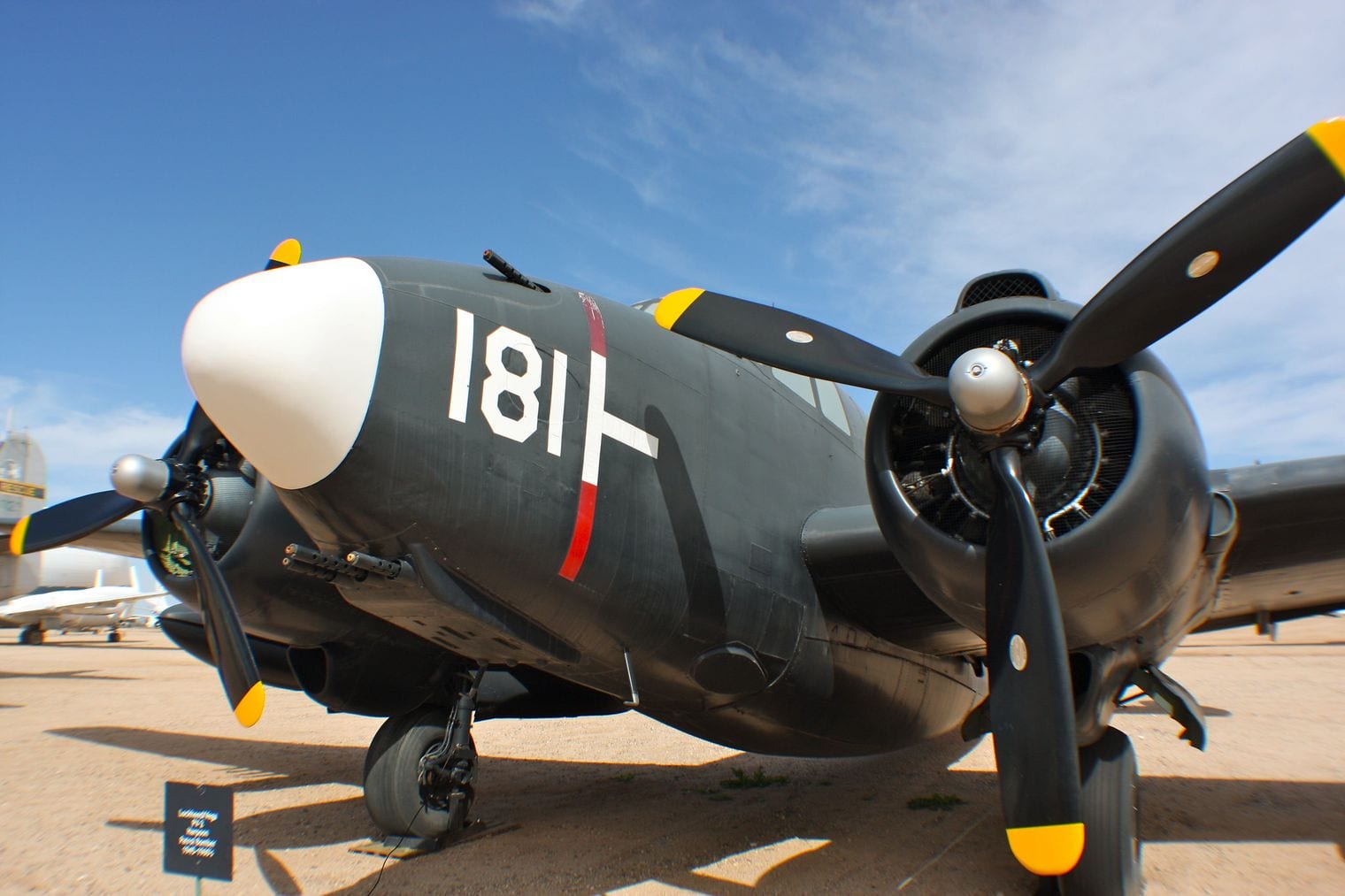
The Pima Air & Space Museum is a staggering open-air collection of nearly 400 aircraft spread across 80 acres on the city's southeast side. Rows of bombers, cargo planes, fighters and helicopters stand out in the desert sun, while six display hangars shelter the more delicate pieces, including an SR-71 Blackbird and an A-10 Warthog in the main hangar.
Give it most of a day. The 390th Memorial Museum on the grounds tells the story of a World War II bomb group around a restored B-17 Flying Fortress, and the dry climate that preserves the outdoor collection is the same reason the military's vast aircraft storage yard, nicknamed the Boneyard, sits at neighboring Davis-Monthan Air Force Base.
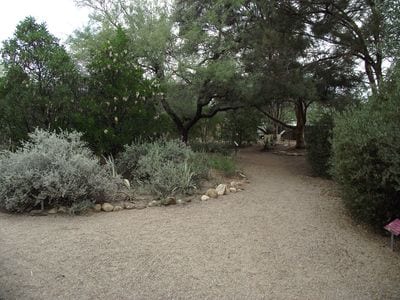
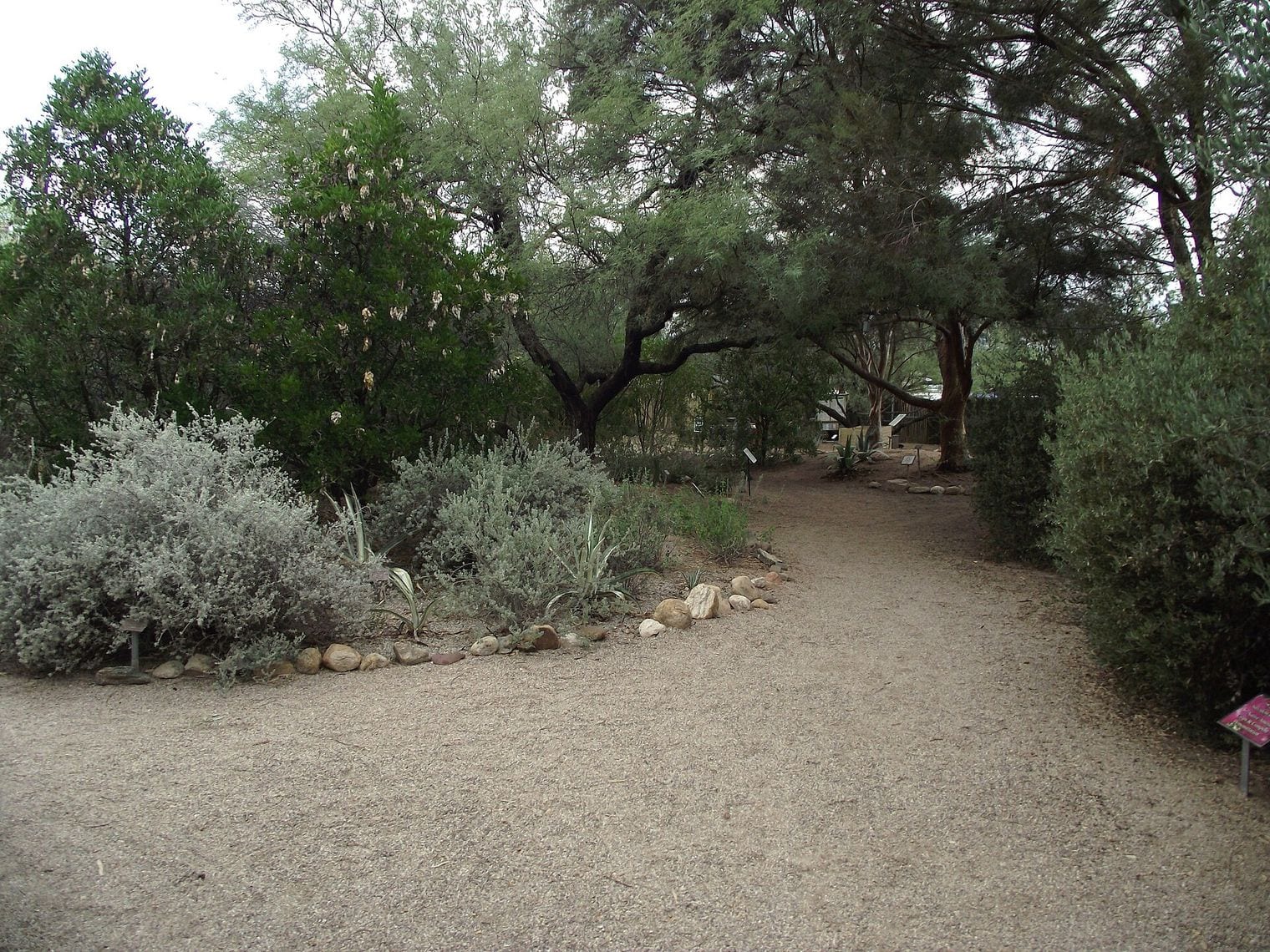
Tucson Botanical Gardens packs about 20 themed gardens into five and a half acres in the middle of the city, a calm, shady contrast to the wilder desert parks. Paths wind past a cactus and succulent garden, an herb garden, a barrio garden and a children's garden, showing just how much can thrive in the Sonoran Desert.
From fall through spring, tropical butterflies fly free in the Cox Butterfly and Orchid Pavilion, the garden's most-loved corner. Rotating art displays, classes and seasonal events keep regulars coming back, and the compact layout makes it an easy hour or two between bigger sights.
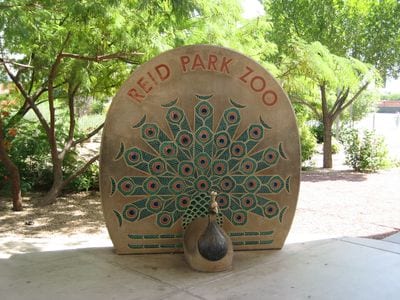
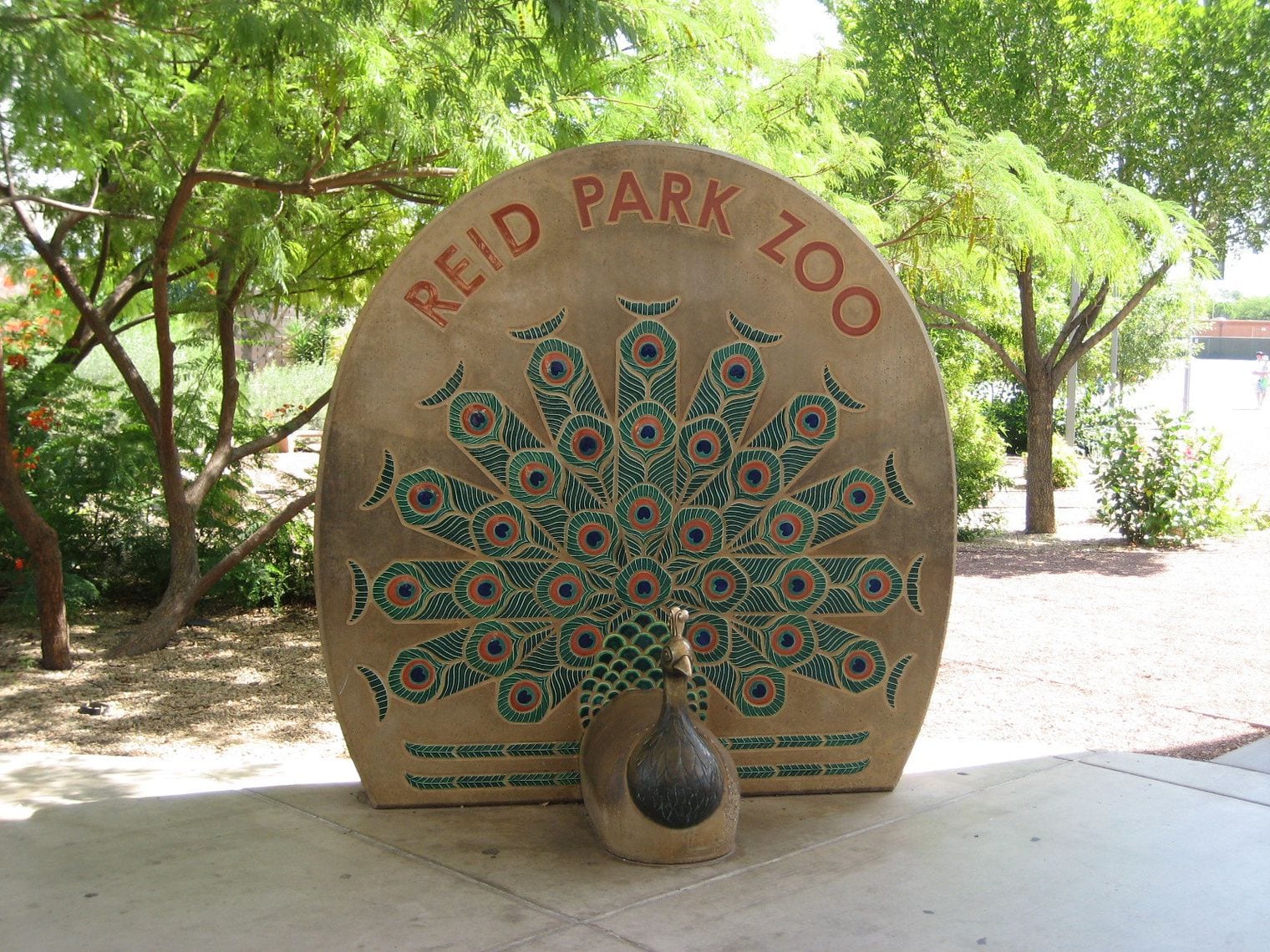
Reid Park Zoo is small enough to see in a morning yet home to more than 500 animals, set on 24 acres inside Reid Park in midtown. Elephants, giraffes and big cats share the grounds with smaller species from around the world, and the shaded, manageable paths make it one of the easier outings with young children.
The city-owned zoo dates from the 1960s and is accredited by the Association of Zoos and Aquariums. Afterward, the rest of Reid Park is worth a wander, with its ponds, rose garden and Hi Corbett Field, the ballpark that spent decades as a spring training home for big-league baseball.
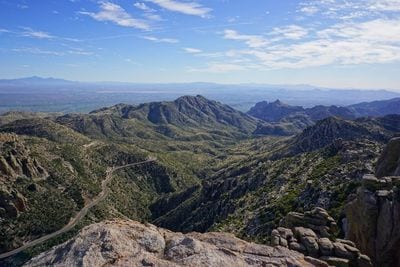
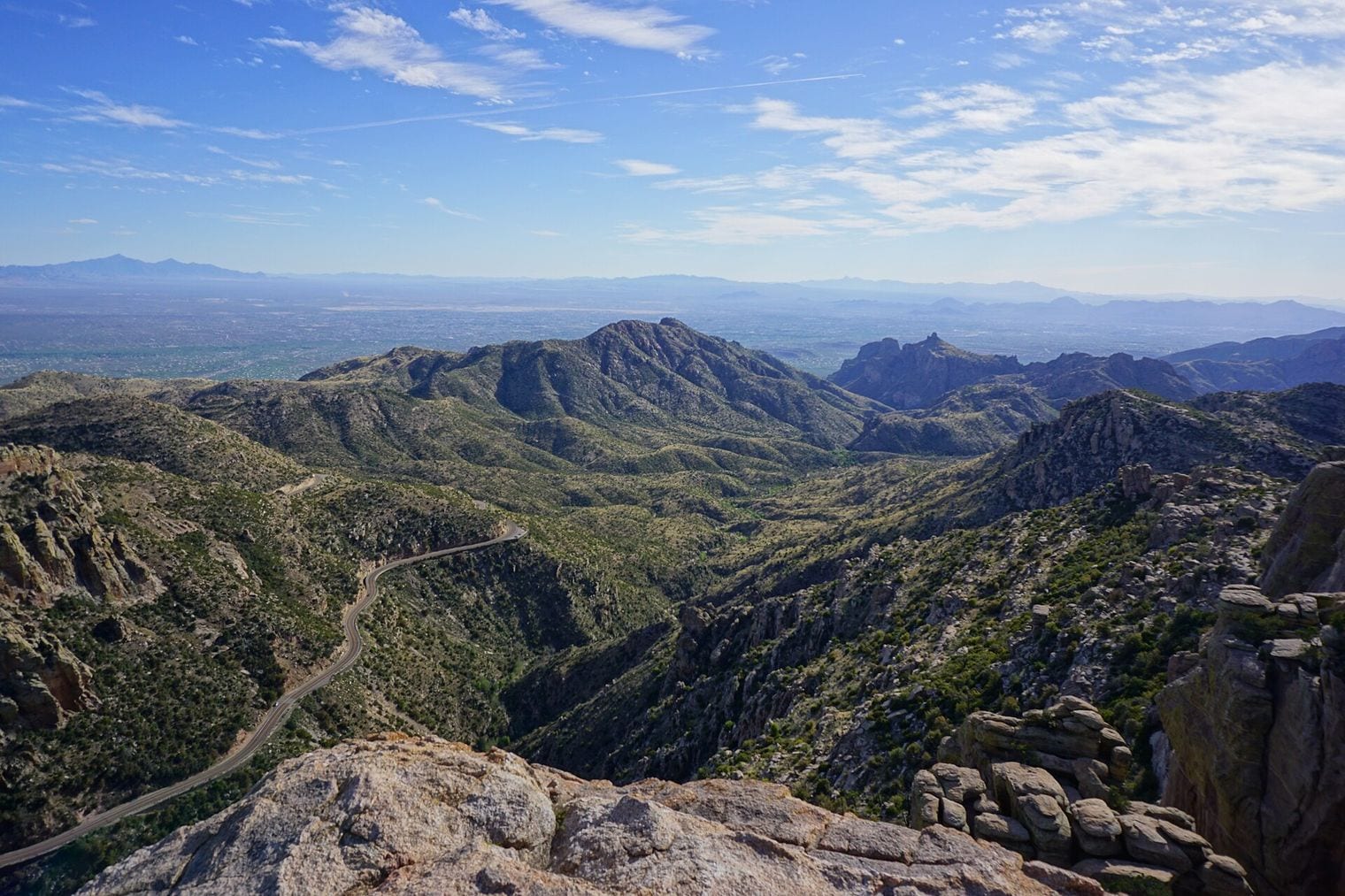
At 9,171 feet, Mount Lemmon is the highest point in the Santa Catalina Mountains, and the drive up is Tucson's great escape from the desert heat. The Catalina Highway climbs about 25 miles from the city's northeastern edge to the mountain village of Summerhaven, passing from saguaros through oak and juniper into cool pine forest, with pull-outs for wind-carved rock formations and sweeping views over the valley.
At the top you'll find hiking trails, picnic areas, Summerhaven's cabins and shops, and Mount Lemmon Ski Valley, the southernmost ski area in the continental United States when the snow cooperates. The University of Arizona's SkyCenter runs stargazing programs from the summit. In winter, check road conditions first, since snow can close the highway.
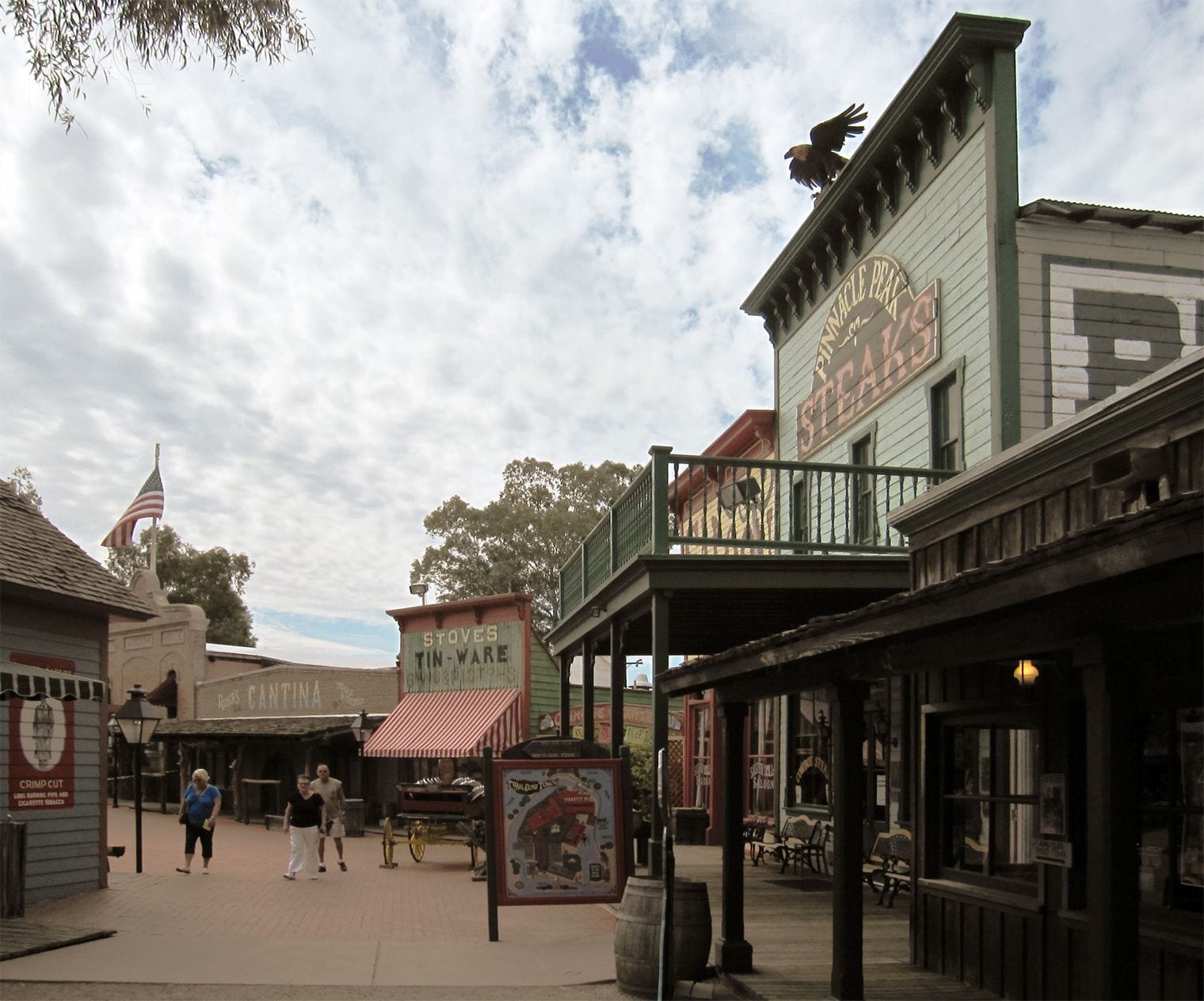
99. Trail Dust Town
Tourist Attraction~7.3 miles (11.8 km) from centre
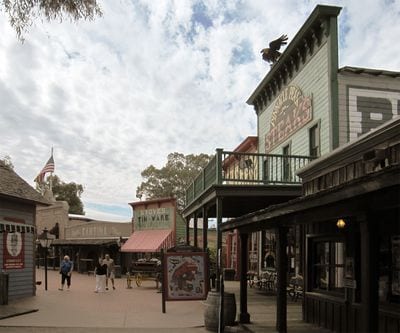
Trail Dust Town is an Old West-themed shopping and entertainment plaza on the east side, and it leans happily into the cowboy fantasy. Wooden storefronts line dusty lanes, and between the shops you can take a train ride, catch a stunt show or browse western wear and souvenirs.
Look out for the historic pieces scattered around the grounds, including a 1954 Allan Herschell merry-go-round that still has its original horses and benches. It makes an easy evening stop with kids, especially paired with dinner at the cowboy steakhouse on site.
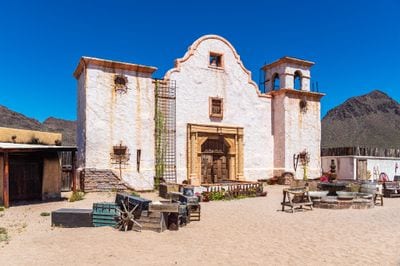
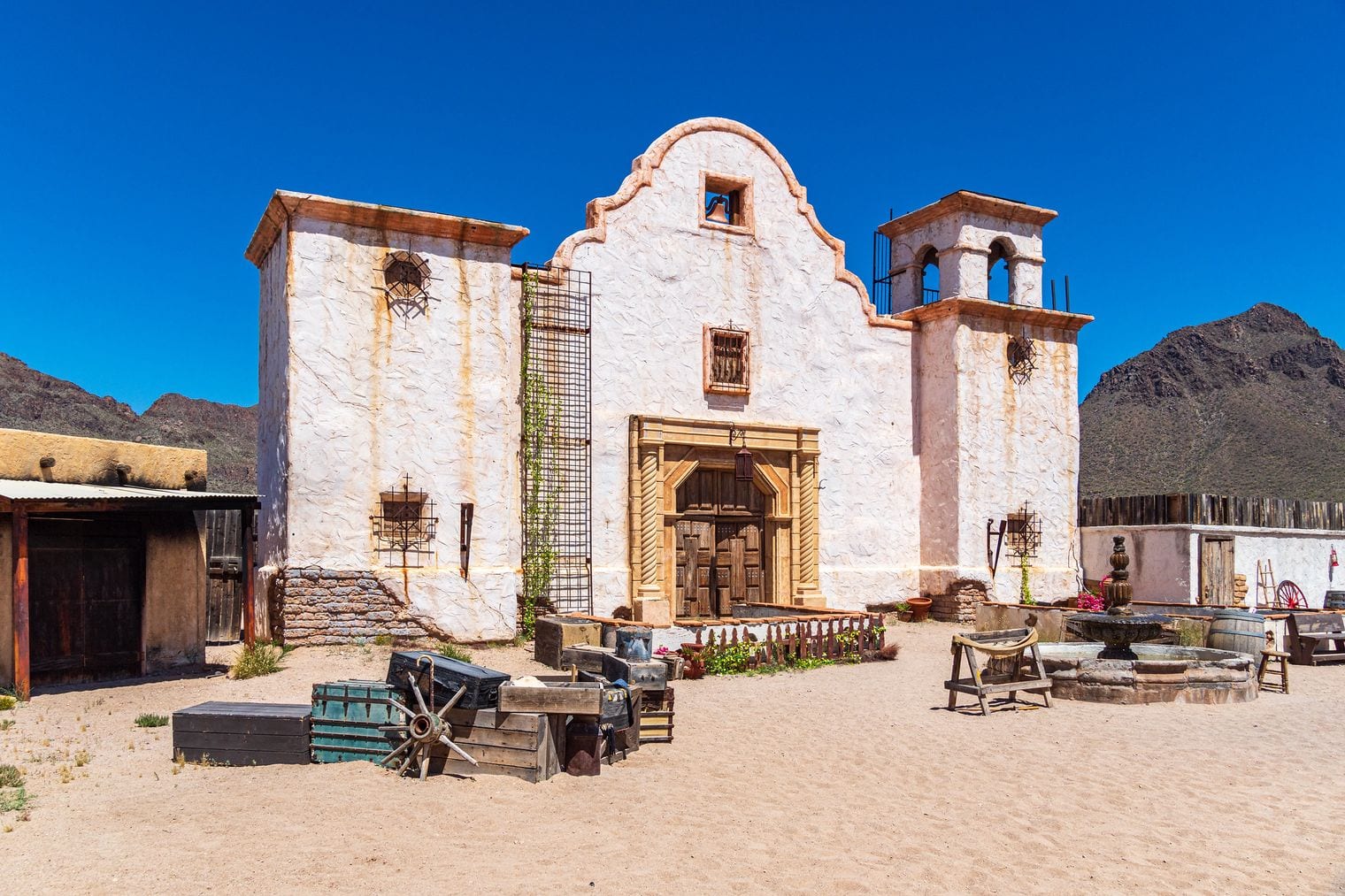
Old Tucson was built in 1939 as a set for the movie Arizona, and for decades afterward it stood in for frontier towns in westerns such as Rio Bravo and El Dorado, as well as television's The High Chaparral and Little House on the Prairie. It sits in the Tucson Mountains just west of the city, close to the Desert Museum and the western district of Saguaro National Park.
Old Tucson now opens around studio tours and seasonal events, such as summer night markets, a Halloween season and Old West holiday celebrations, rather than as an everyday theme park, so check its calendar before you drive out. When the gates are open, the dusty streets, gunfight shows and movie history make a fun half day.
The Mini Time Machine Museum of Miniatures is one of Tucson's happiest surprises: a museum of tiny worlds with more than 500 handcrafted scenes, from historic interiors and architectural models to fantasy landscapes and everyday moments frozen in miniature.
Some pieces are antique dollhouses, others contemporary work by skilled miniaturists, and all of it rewards slow, nose-to-the-glass looking. Allow an hour or so and save it for a hot afternoon, when an air-conditioned gallery beats any trail.
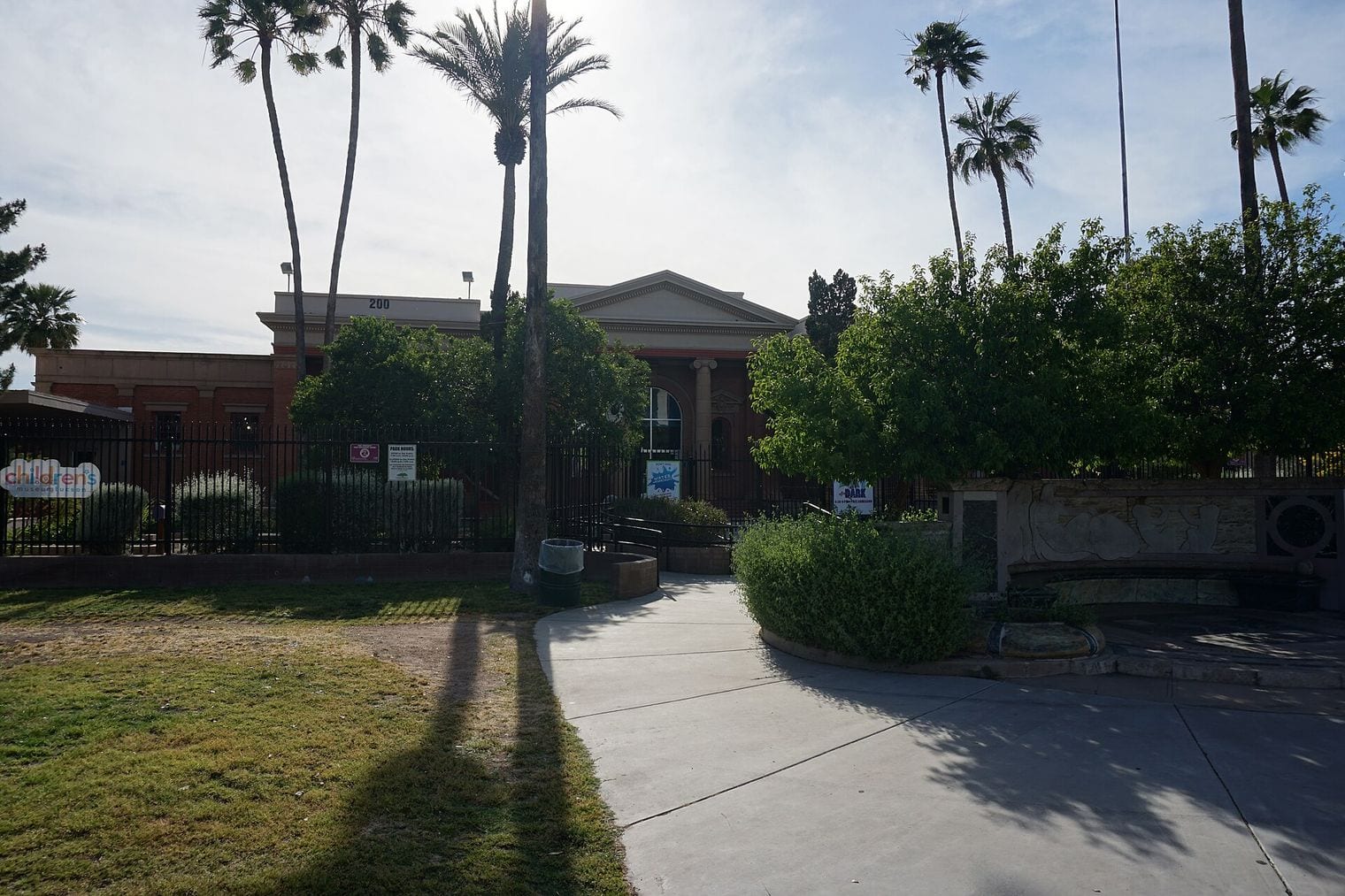
Children's Museum Tucson fills a 1901 Carnegie library building downtown with hands-on exhibit rooms where young children can build, climb, splash and play pretend. It has since spread into a second building nearby, giving it more space for toddlers and early learners.
It is very much made for younger kids, with plenty of places for parents to sit while little ones experiment. Pair it with lunch downtown, or with the streetcar ride up to Fourth Avenue that most children enjoy as much as the museum itself.
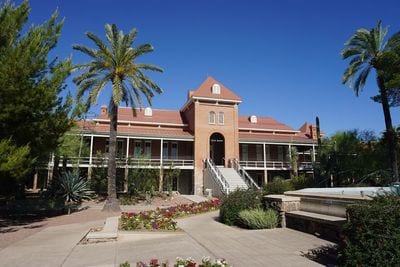
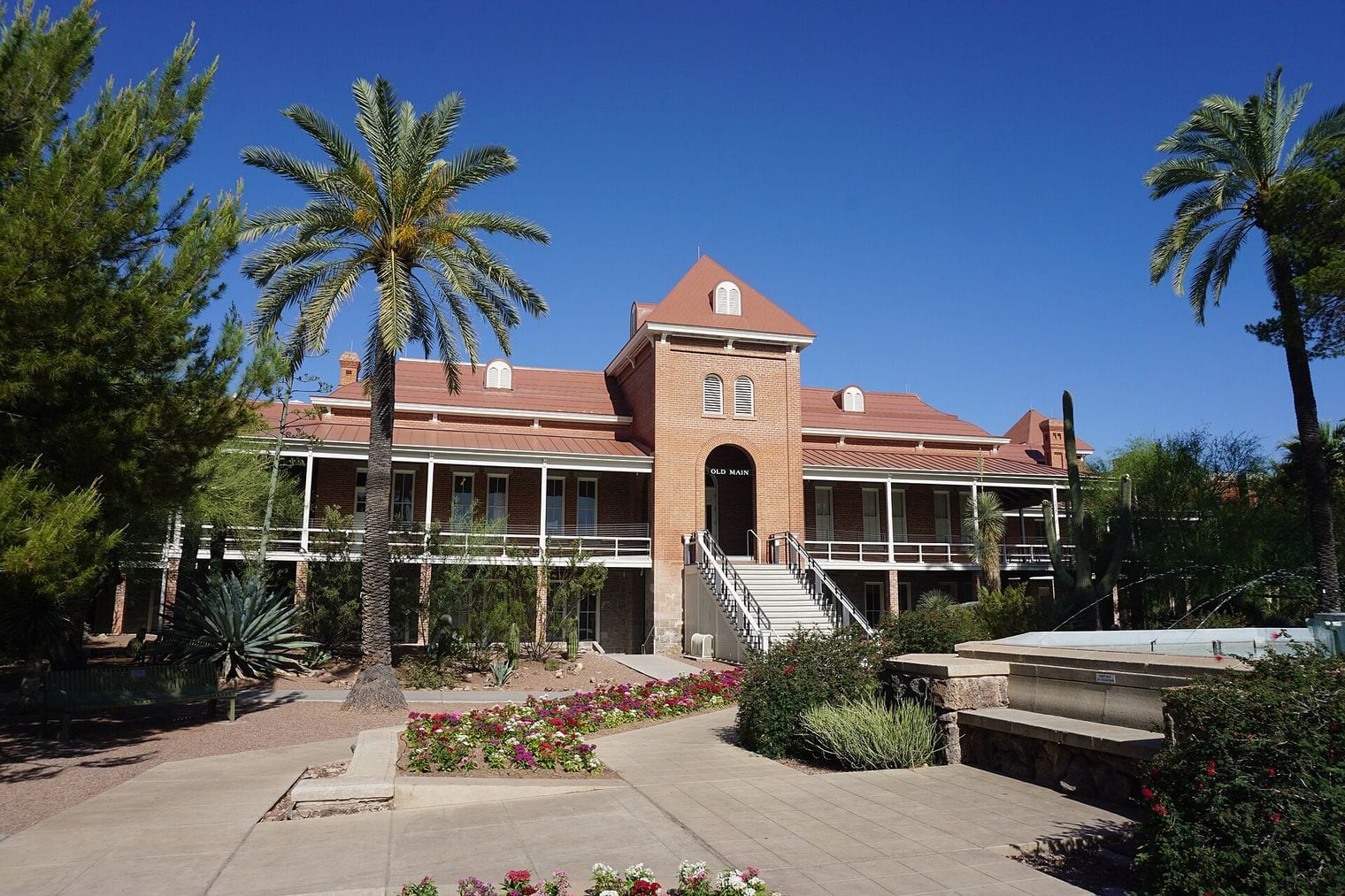
Founded in 1885 as the first university in the Arizona Territory, the University of Arizona fills a red-brick campus northeast of downtown, and it is worth a stroll even if you never set foot in a lecture hall. Start at Old Main, the campus's first building, then walk east down the broad lawn of the Mall with the Santa Catalina Mountains on the horizon.
The campus doubles as Tucson's museum district. The Arizona State Museum, by the main gate, holds major collections on the Indigenous peoples of the Southwest, and three more campus museums, the planetarium, the photography archive and the art museum, get their own entries below. Game days turn the whole city red and blue.
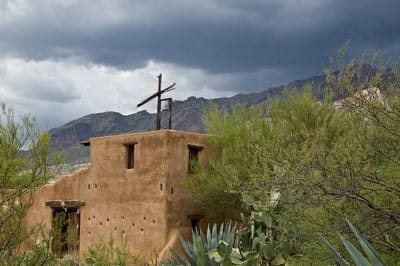
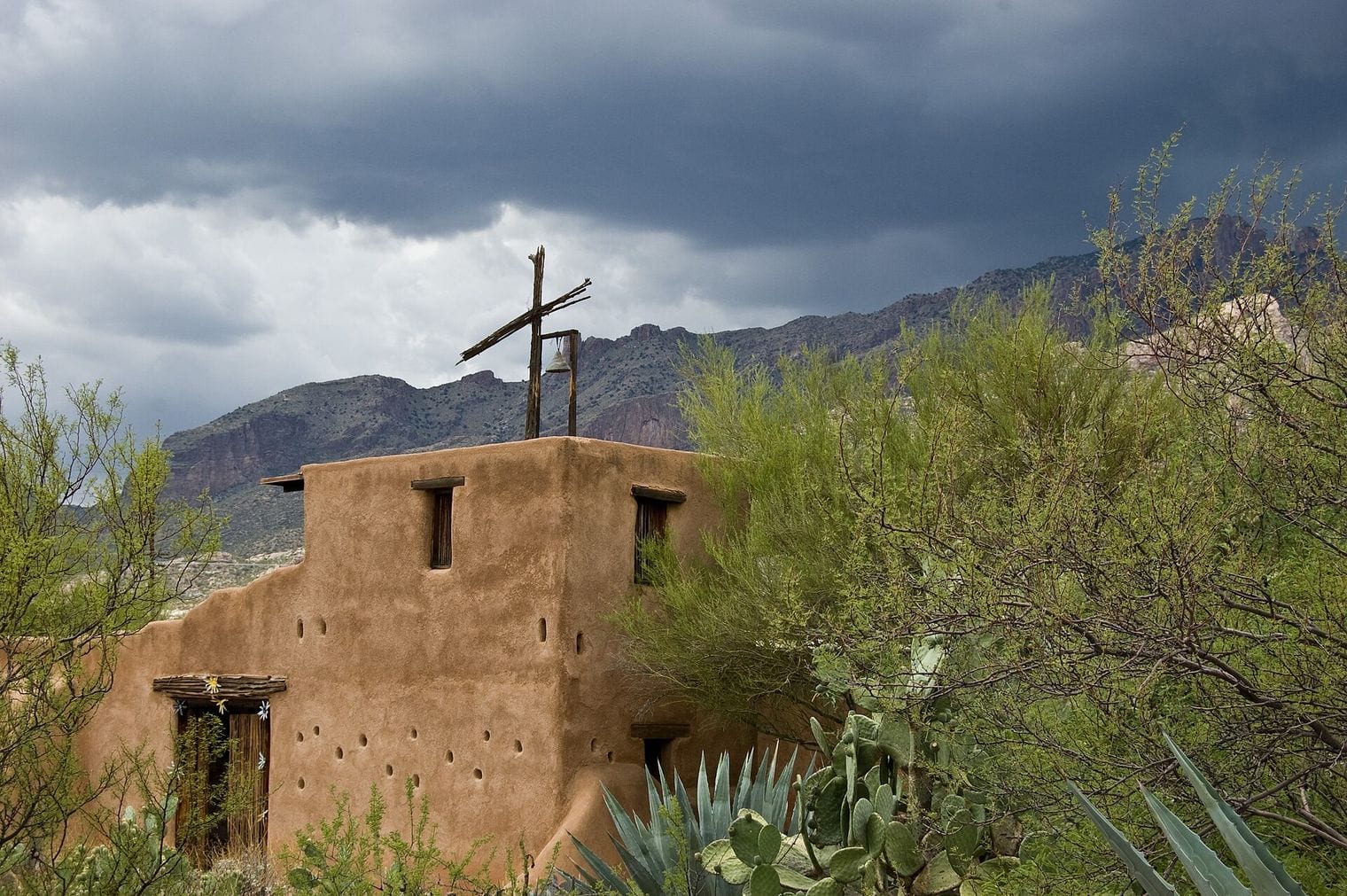
DeGrazia Gallery in the Sun is the desert home and studio complex of Ettore “Ted” DeGrazia, the Tucson artist whose bright paintings of Southwestern life became widely loved. He built it himself in the foothills north of the city, starting in 1951 with an open-air chapel he called the Mission in the Sun and completing the gallery in 1965.
The buildings are works of art in their own right, expressionistic adobe structures with cactus-rib floors and rough timber beams scattered across a ten-acre desert property. Inside, changing exhibitions draw on his paintings, and artist friends such as Thomas Hart Benton once spent time here.
Catalina State Park spreads across 5,500 acres of foothills and canyons at the base of the Santa Catalina Mountains, just north of the city in Oro Valley. Nearly 5,000 saguaros dot the park, and its trails range from easy nature loops to the Romero Canyon Trail, which climbs into the mountains toward rocky pools.
It is a favorite with birders, horse riders, mountain bikers and campers who want a desert campground within easy reach of town. At nearly 3,000 feet, the park's foothill setting under the cliffs of Pusch Ridge makes early mornings especially beautiful.
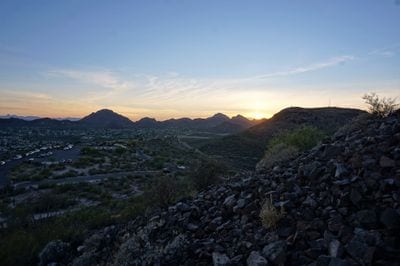
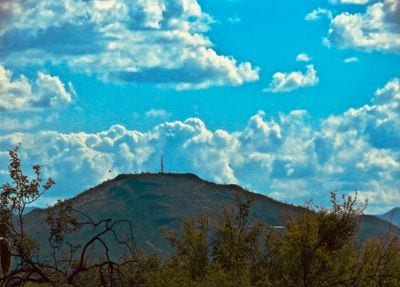
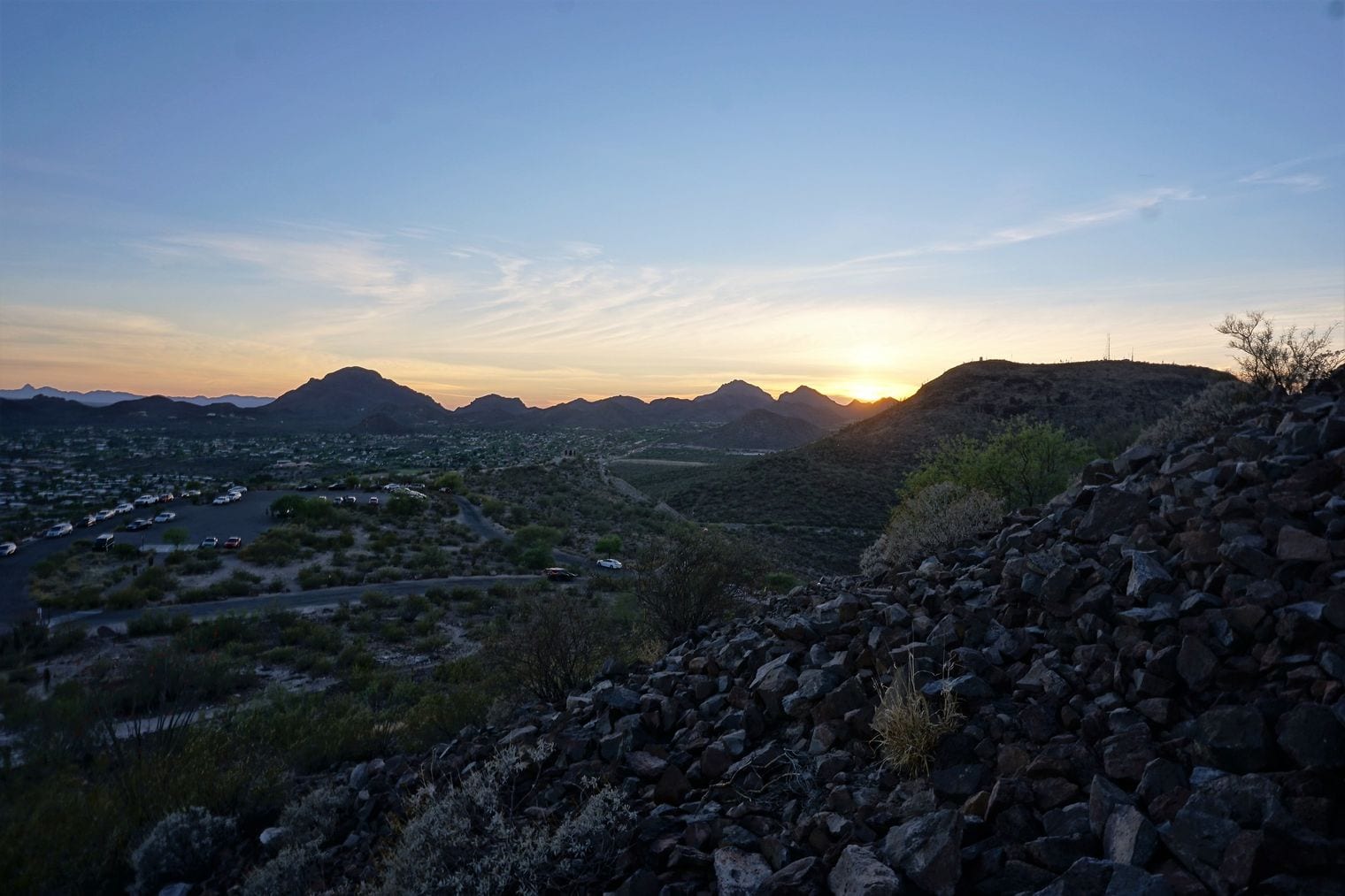
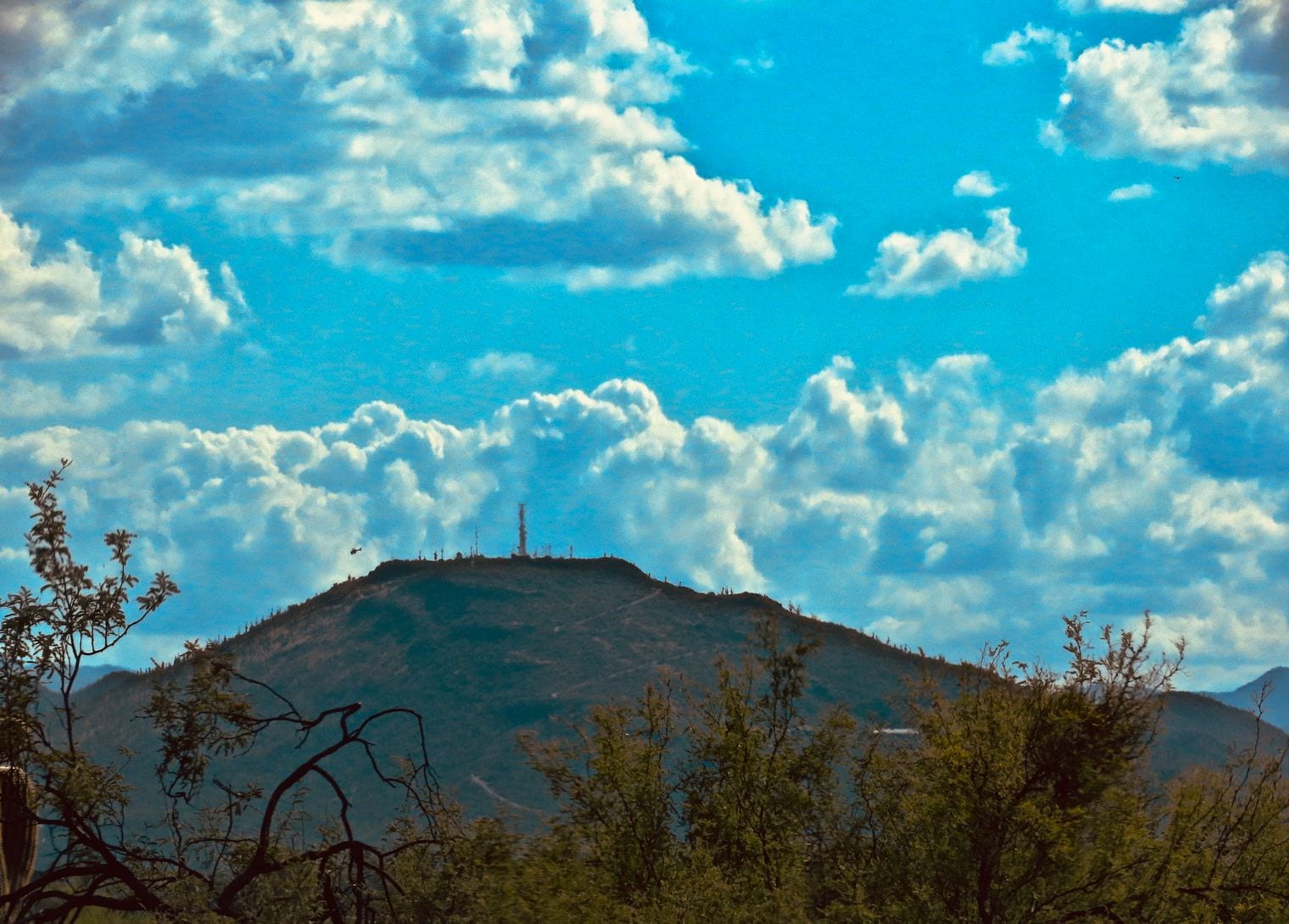
Sentinel Peak Park covers the volcanic hill just west of downtown that locals call “A” Mountain, for the giant letter University of Arizona students built from local basalt on its east face in the 1910s. A road winds up to viewpoints near the top, making it the easiest place to see the whole city spread across its basin.
The hill matters far more than the letter. The valley's first farmers grew crops at its base along the Santa Cruz River, and Tucson's name comes from the O'odham Cuk Ṣon, meaning the base of the mountain is black, after its dark rock. Go late in the day, when the light turns gold over the city and the mountains beyond.
Tucson Mountain Park is one of the largest natural areas owned and run by a local government in the United States: roughly 20,000 acres of saguaro-covered ridges on the city's western edge, managed by Pima County since 1929. It surrounds the Arizona-Sonora Desert Museum and Old Tucson and borders the western district of Saguaro National Park.
About 60 miles of shared-use trails draw hikers, mountain bikers and horse riders, and the park's campground and picnic areas make good bases for a desert sunset. The rugged volcanic scenery feels far wilder than its closeness to town suggests, so bring water even for short walks.
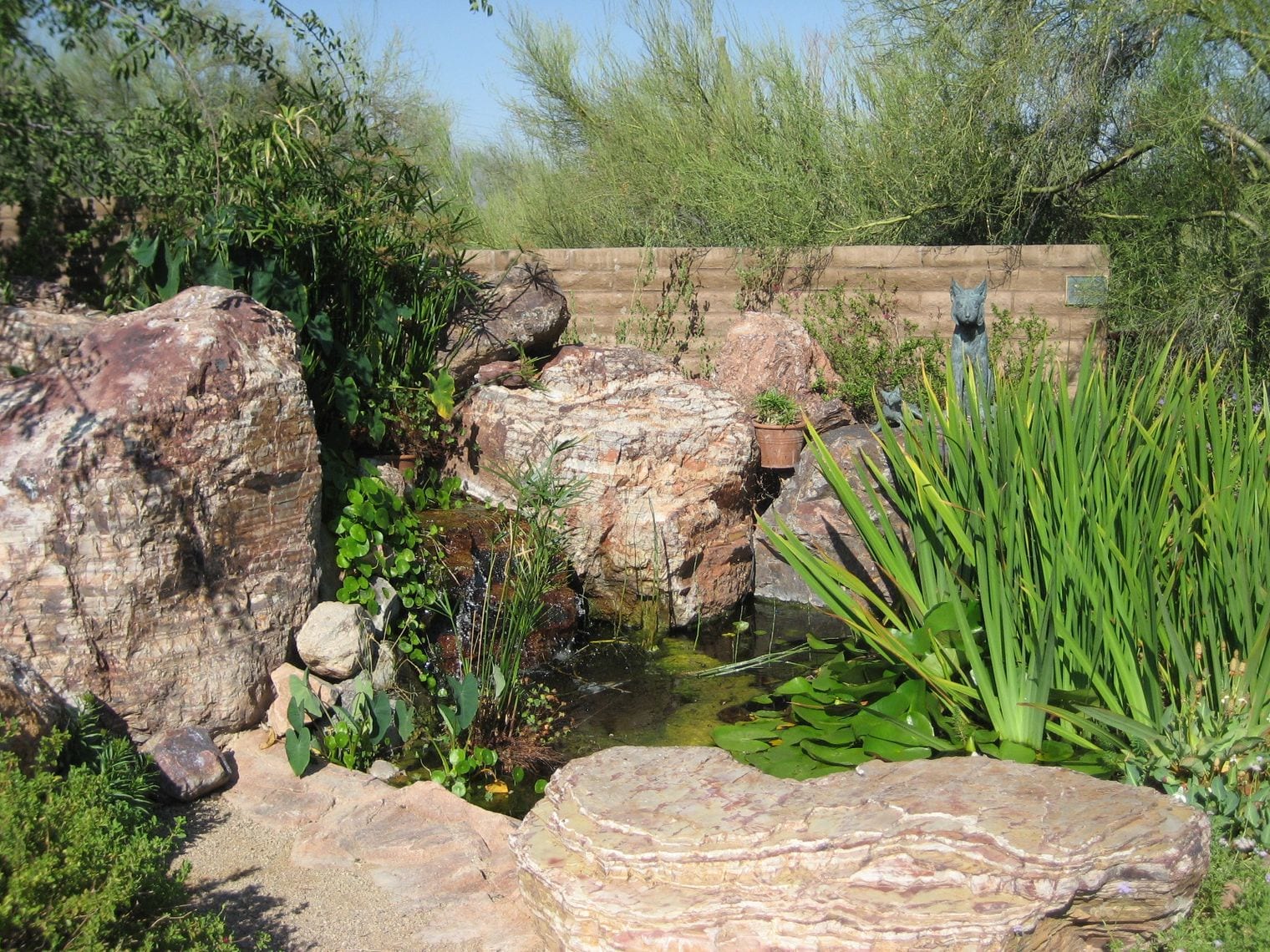
Tohono Chul, which means “desert corner” in the language of the Tohono O'odham, is a 49-acre botanical garden, nature preserve and art gallery in Casas Adobes, on the city's northern edge. Shaded paths lead past themed gardens, a desert wash and quiet benches, with the Santa Catalina Mountains rising behind.
The preserve is a fine spot for birdwatching, with dozens of species living here year-round and many more passing through on migration, and its galleries show art and craft from the region. Families should note that it now also houses the Children's Museum Oro Valley on its grounds.
Free printable checklist of all 40 places
Tick them off as you go. Confirm your email to download it, plus one email every Thursday with new guides for the places you tick.
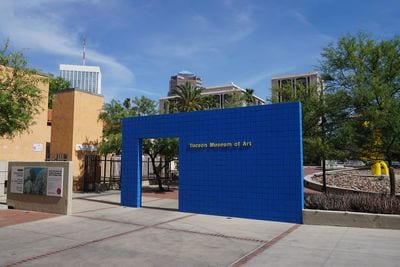
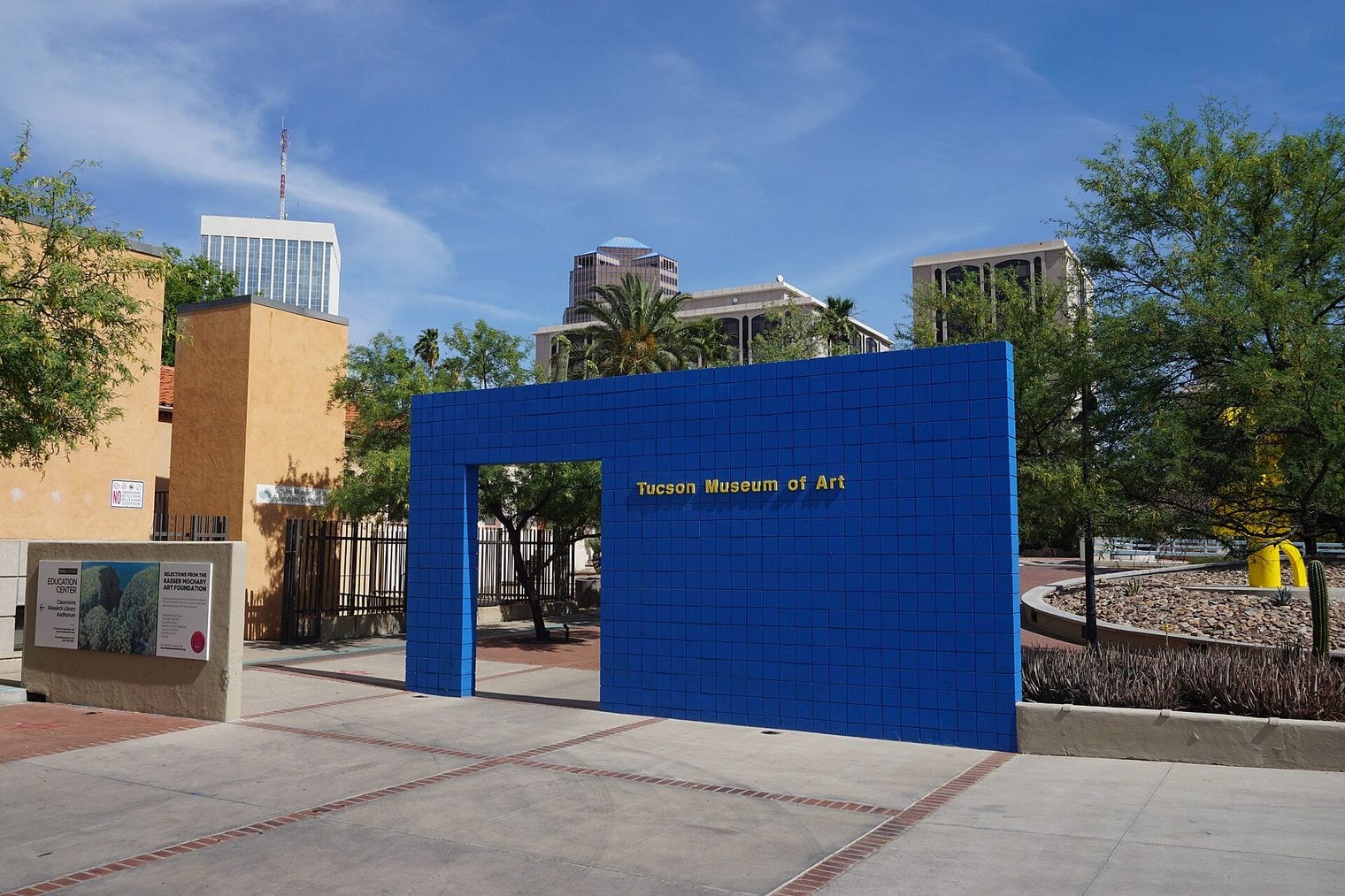
The Tucson Museum of Art occupies a full city block in the historic Presidio district downtown, pairing a modern main building with a cluster of 19th-century homes. Its collection of more than 8,000 objects focuses on modern and contemporary art, Latin American art, the art of the American West and Native American work, with eight or nine exhibitions on view at a time.
Don't skip the historic houses on the block, including the Cordova House, an adobe dating to 1848. Between galleries, the courtyards make a shady place to pause in the heart of the old Presidio neighborhood.
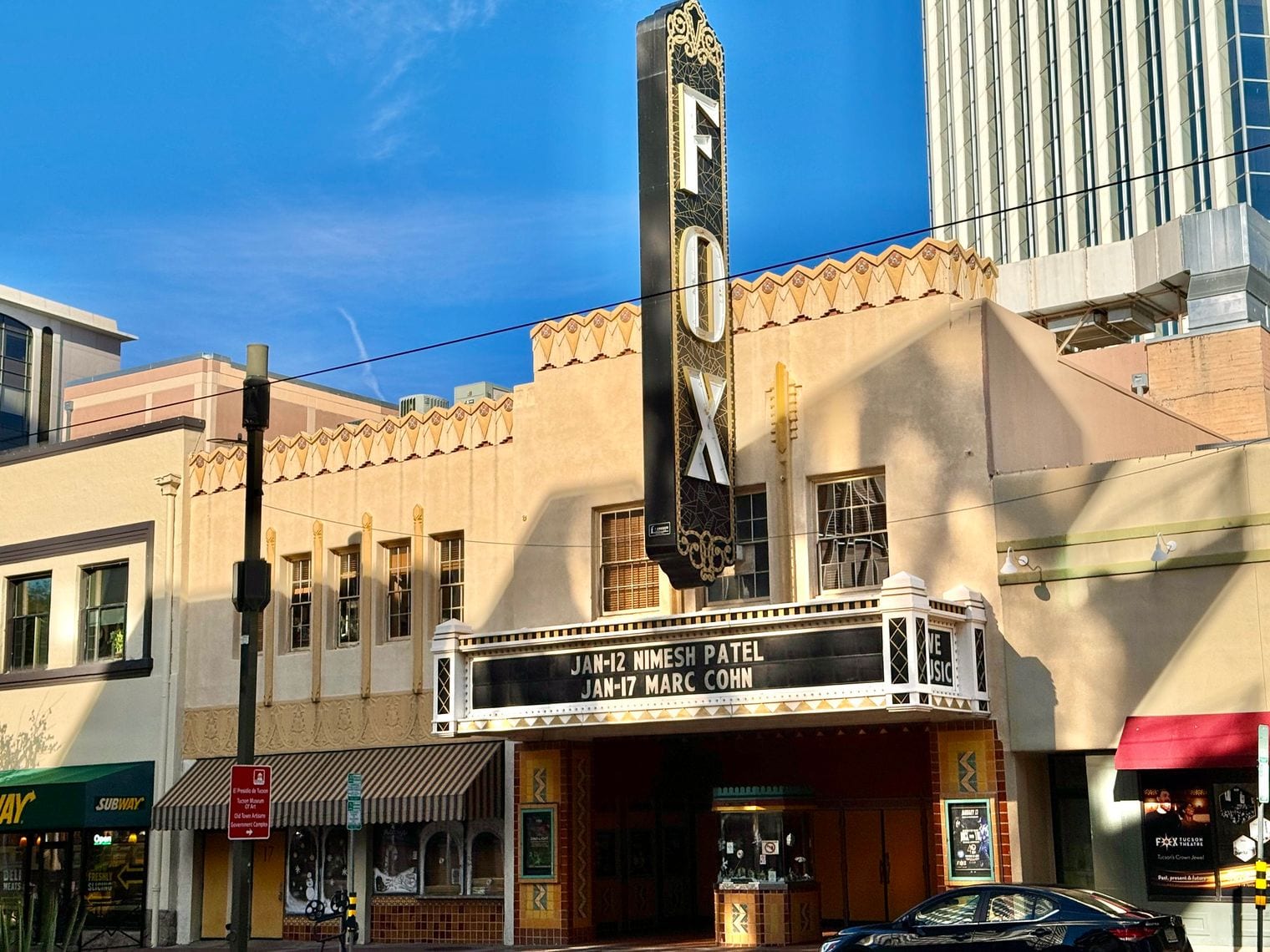
The Fox Tucson Theatre opened on Congress Street in 1930 and is a rare Southwestern Art Deco movie palace, its marquee still lighting up downtown at night. It closed in 1974 and sat dark for three decades before a long restoration brought it back to life in 2005.
Today it hosts concerts, films, comedy and touring shows, and the restored interior alone is reason enough to buy a ticket. Even if you don't catch a show, stop to admire the facade and marquee on an evening walk along Congress.
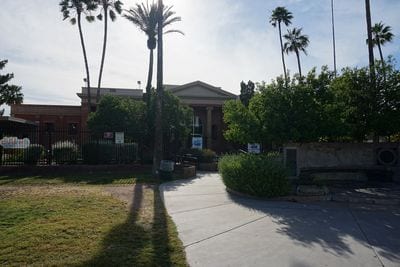
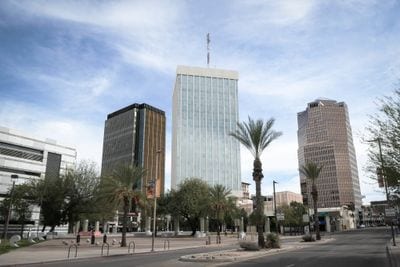
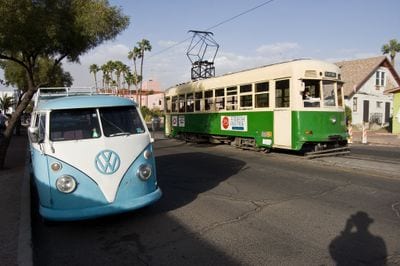
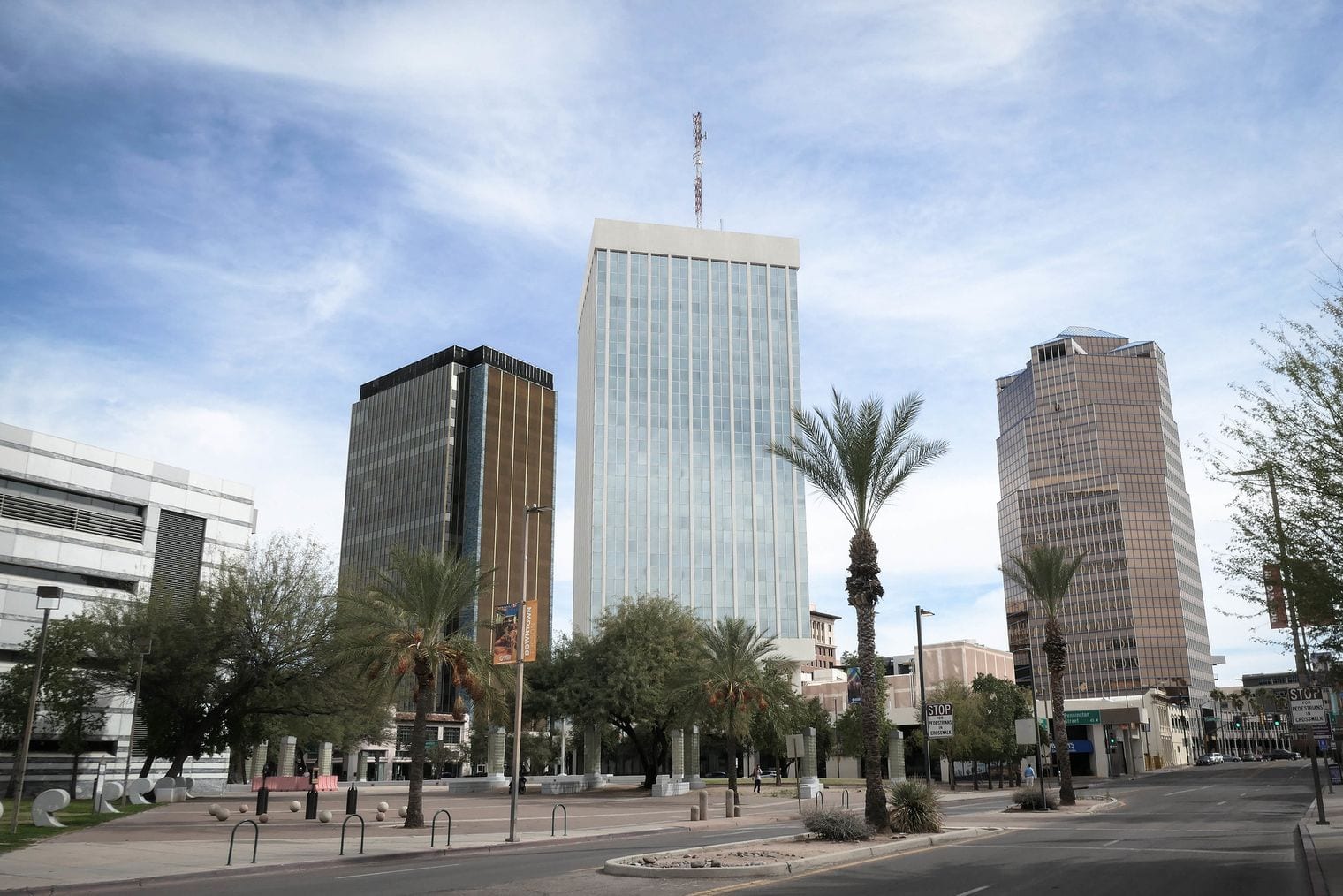
Downtown Tucson grew up around the Spanish presidio, and its core along Congress Street now mixes restored historic buildings, murals, bars and live-music venues. The Sun Link streetcar ties it to Fourth Avenue and the university in one direction and the Mercado District in the other, so you can explore without moving the car.
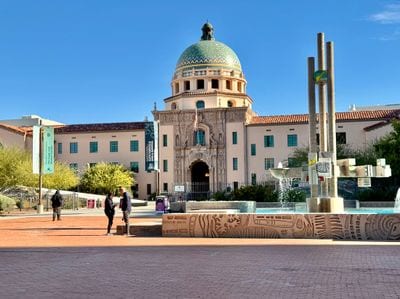
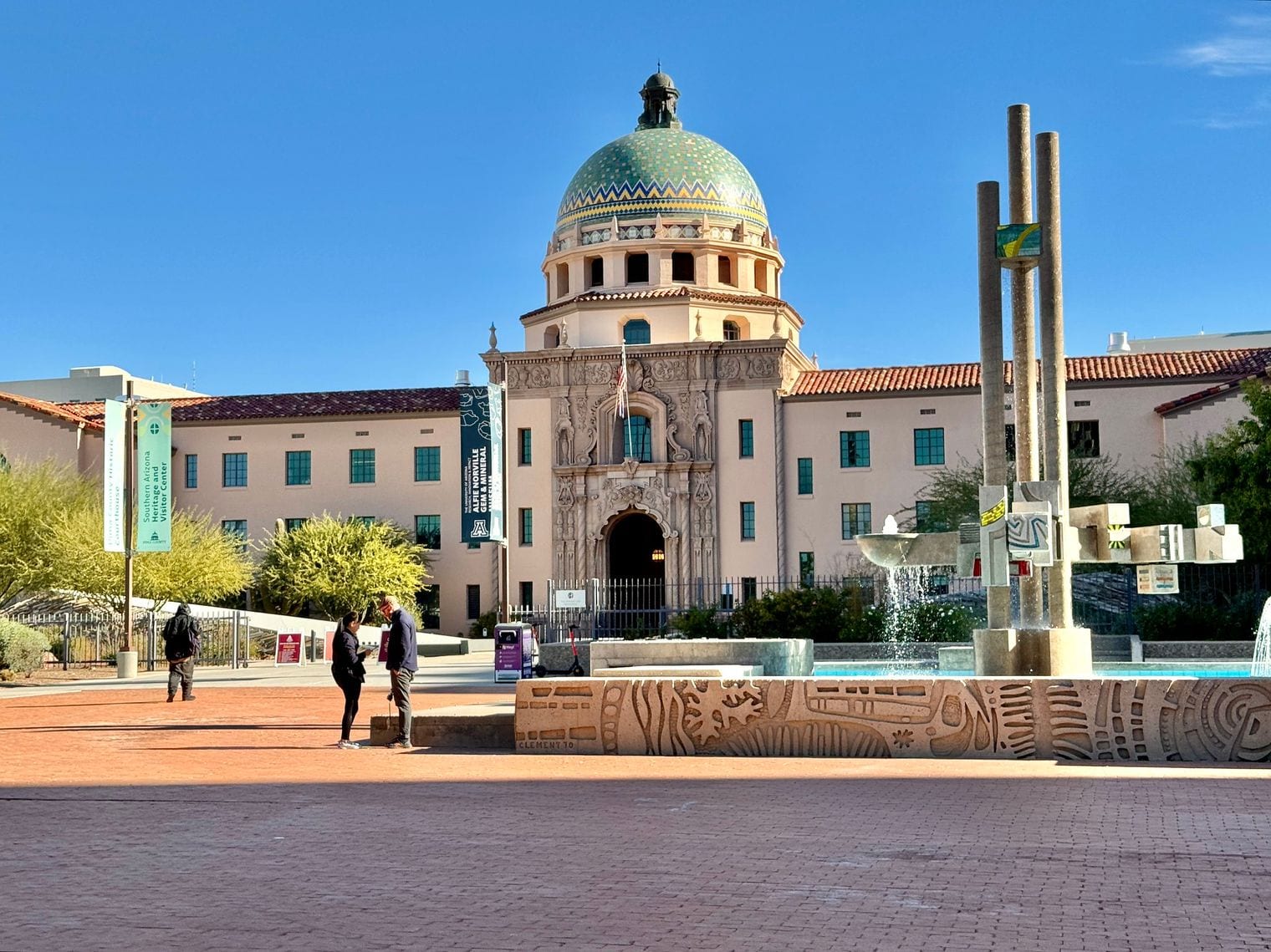
Start at the plazas around the old Pima County Courthouse with its tiled dome, then work east along Congress past the Fox and Rialto theaters to Hotel Congress, where members of John Dillinger's gang were captured in 1934. An evening stroll shows off downtown's revival at its liveliest.
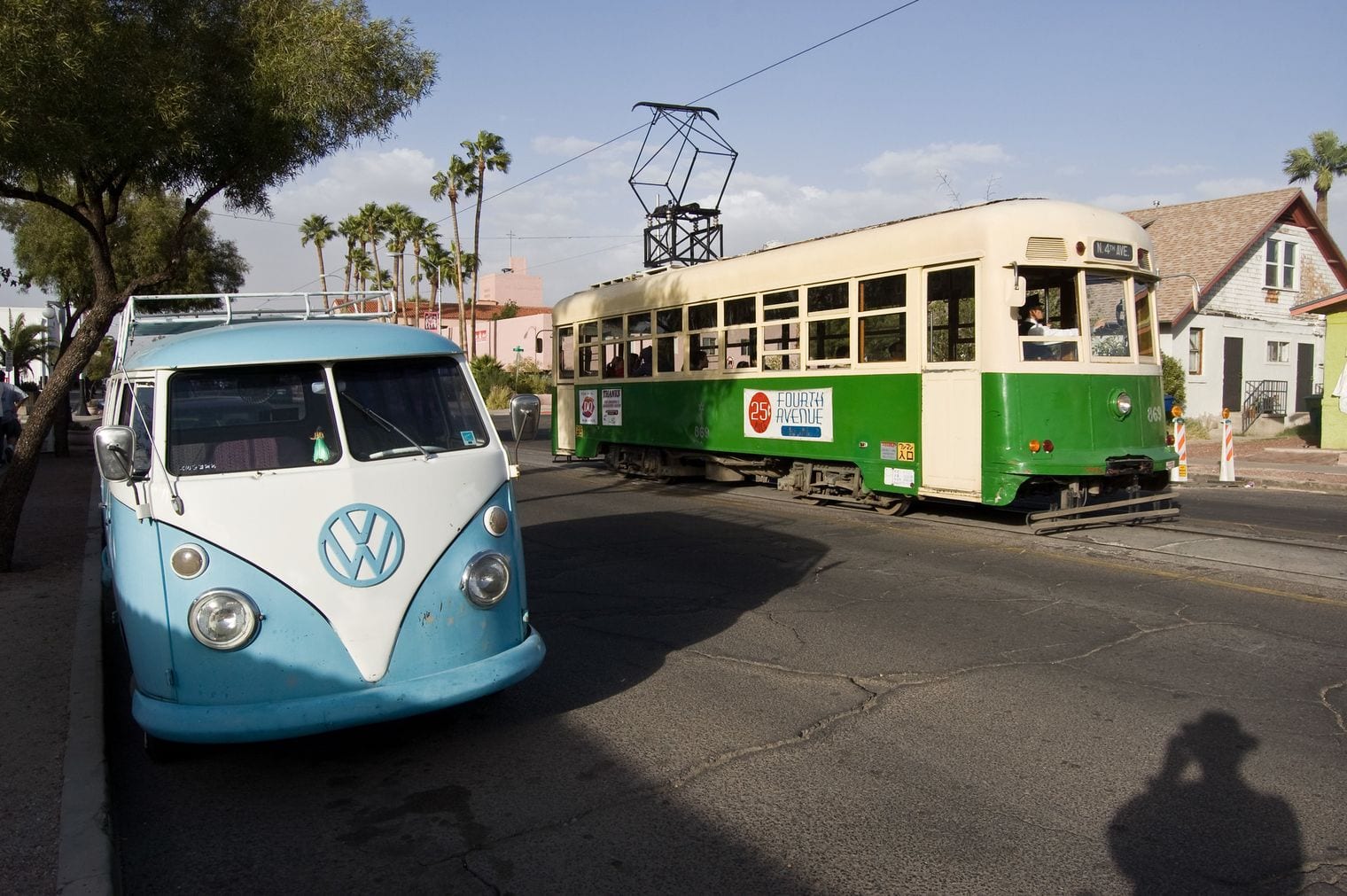
Fourth Avenue runs from downtown toward the university, a funky, walkable strip of vintage shops, bookstores, bars, cafes and murals with a strong independent streak. The streetcar runs right along it, and it comes alive in the evening when students and locals fill its patios.
Twice a year, in spring and in December, the Fourth Avenue Street Fair closes the street for one of Tucson's biggest community events, a tradition since 1970, with hundreds of artisan vendors, food stalls and live music. Any other weekend, it is the best street in town for browsing secondhand clothes and local crafts.
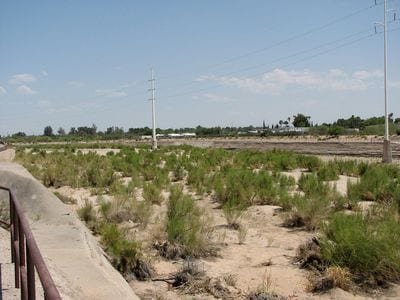
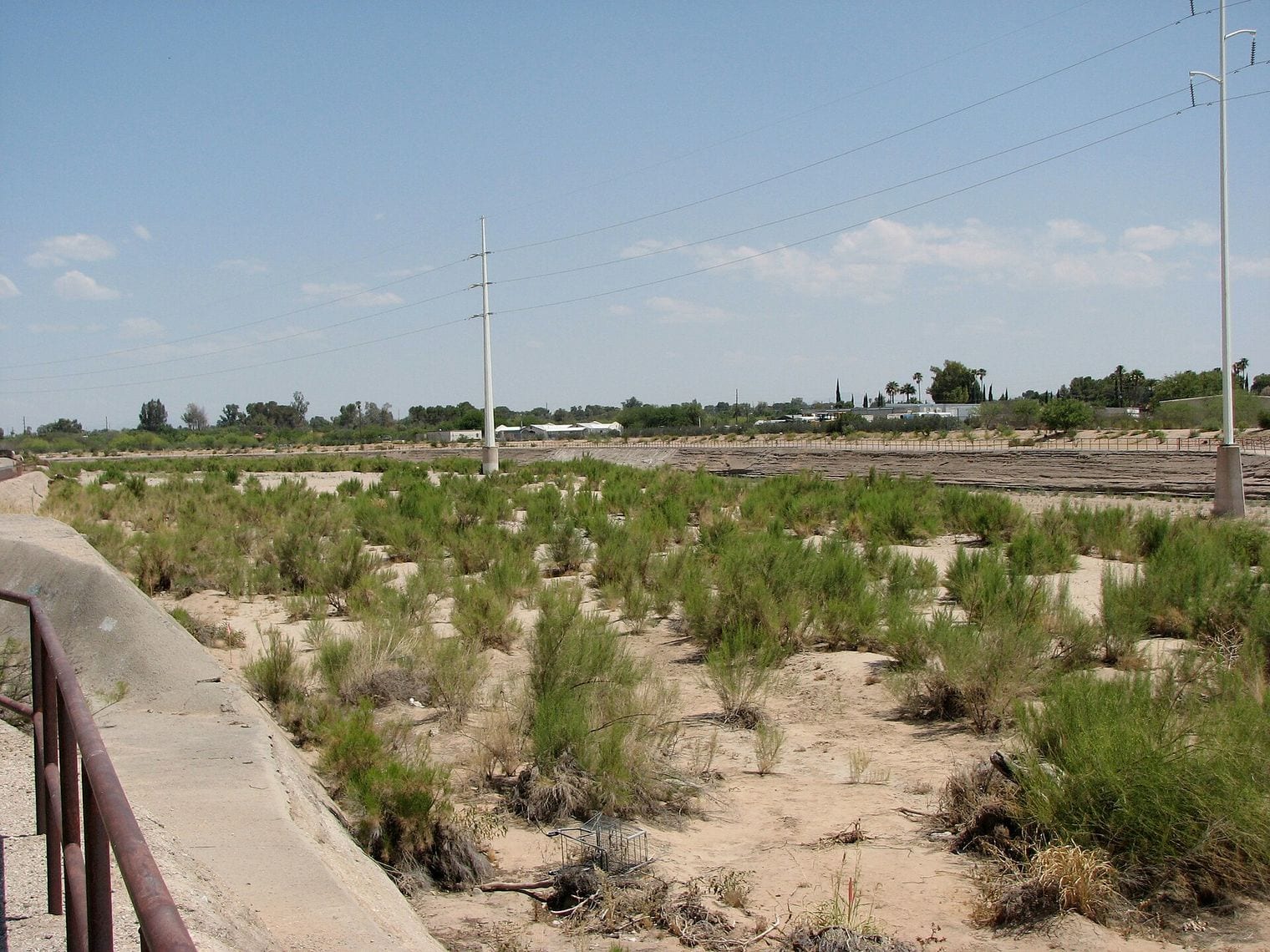
Rillito River Park is a 12-mile linear park along both banks of the Rillito River across the city's north side, from Interstate 10 east to Craycroft Road. The river is a dry, sandy bed for much of the year, which makes the path beside it a favorite with cyclists, runners and walkers who want long, flat miles with mountain views.
It is part of The Loop, a network of shared-use paths linking parks across Tucson and its suburbs, so you can ride for hours on car-free trail. Drinking water, restrooms and equestrian access are spaced along the route, and early mornings bring the best light and the coolest air.
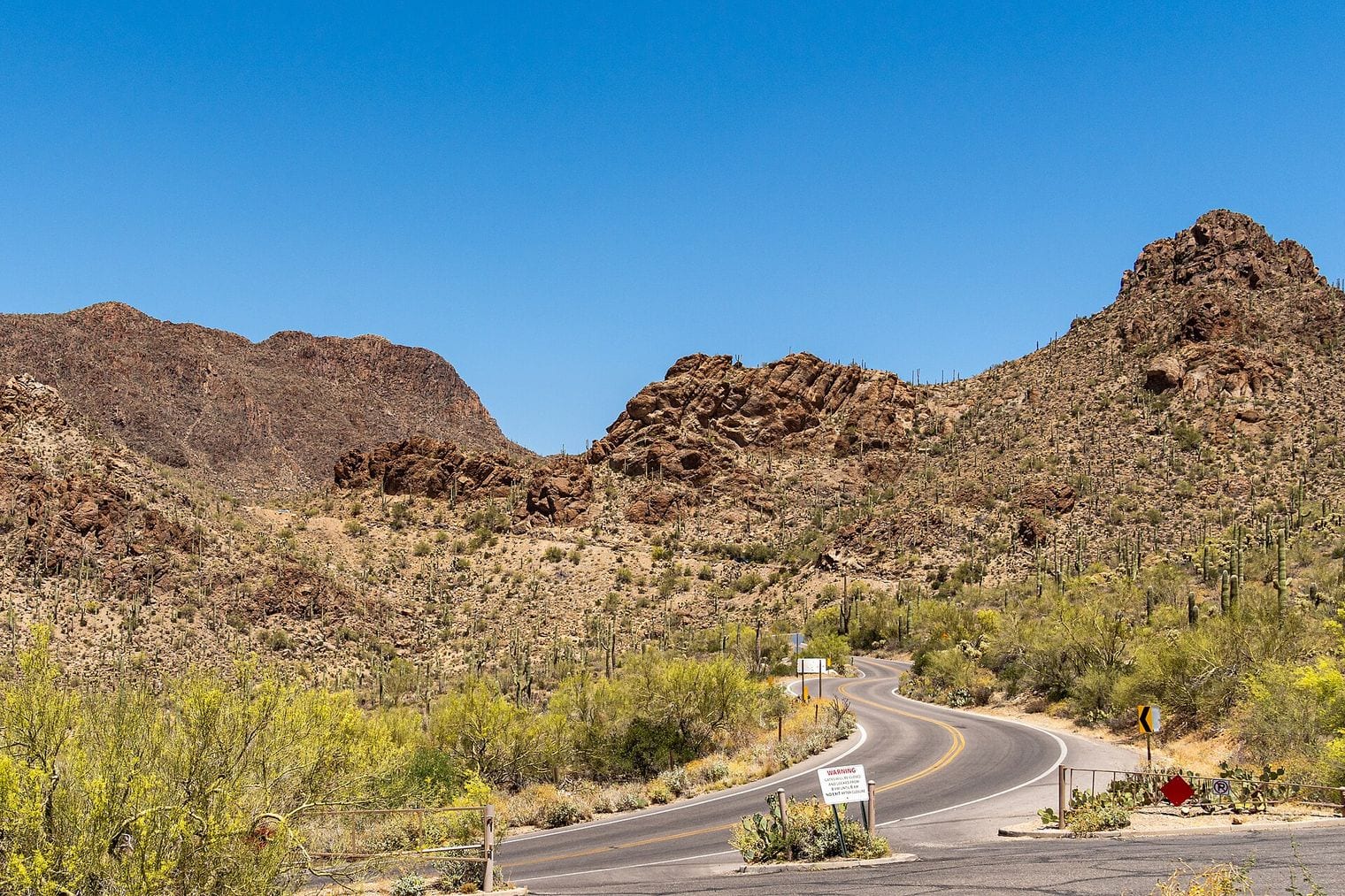
Gates Pass is the saddle in the Tucson Mountains where the road west of the city crests at 3,172 feet, and it is Tucson's favorite place to watch the sun go down. From the overlooks, the land drops away to a sweep of saguaro-covered valley stretching toward the western district of Saguaro National Park.
Arrive well before sunset on clear evenings, since the small parking area fills quickly, and bring a jacket in winter. The road over Gates Pass is narrow and twisting and not suited to large RVs or trailers, so take it slowly and save the photos for the pull-outs.
Tumamoc Hill rises just west of downtown, and its paved access road is Tucson's favorite workout: a 1.5-mile climb of about 700 feet to the top, open to walkers only. The hill is home to the University of Arizona's Desert Laboratory, founded by the Carnegie Institution in 1903 and now an 860-acre ecological reserve and National Historic Landmark.
The views from the top take in downtown, Sentinel Peak and the mountains on every side, and the hill also preserves traces of people who lived here more than two thousand years ago. Dogs and bicycles are not allowed and walkers must stay on the road, which protects the long-running research plots on either side.
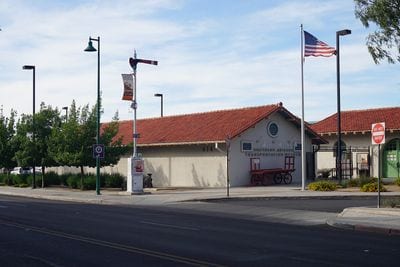
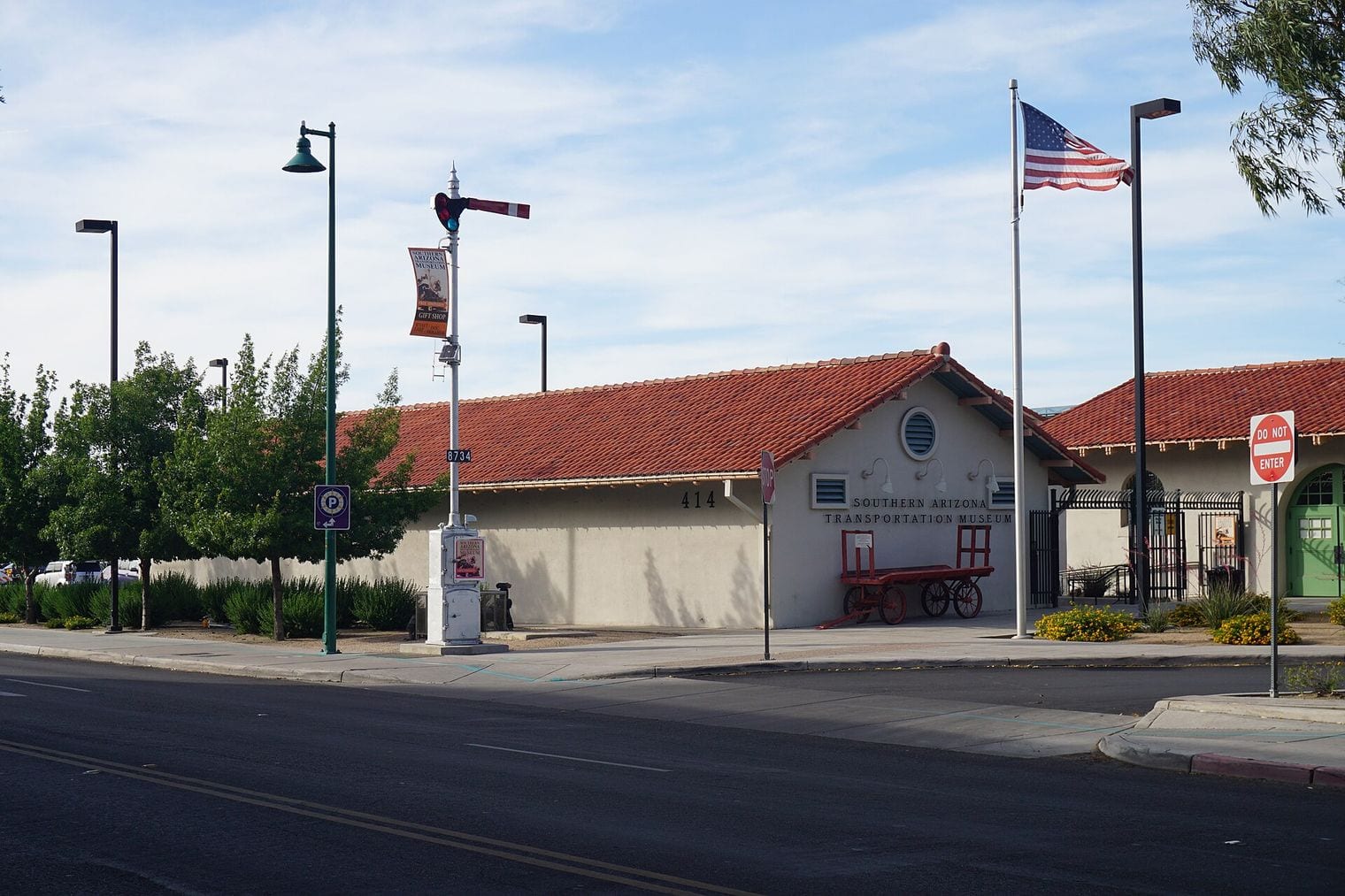
The Southern Arizona Transportation Museum tells the story of the railroad that made modern Tucson, from a home in the restored Southern Pacific depot downtown. Out front stands Southern Pacific locomotive No. 1673, a steam engine built in 1900 that later appeared in the film Oklahoma!
Nearby, a statue of Wyatt Earp and Doc Holliday recalls the night in 1882 when the Earp party shot Frank Stilwell on the tracks here, during Wyatt's vendetta for his brother Morgan's murder. The museum also leads downtown historic walking tours in the cooler months.
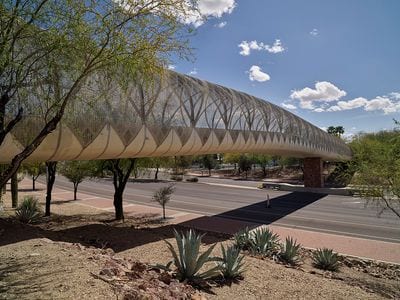
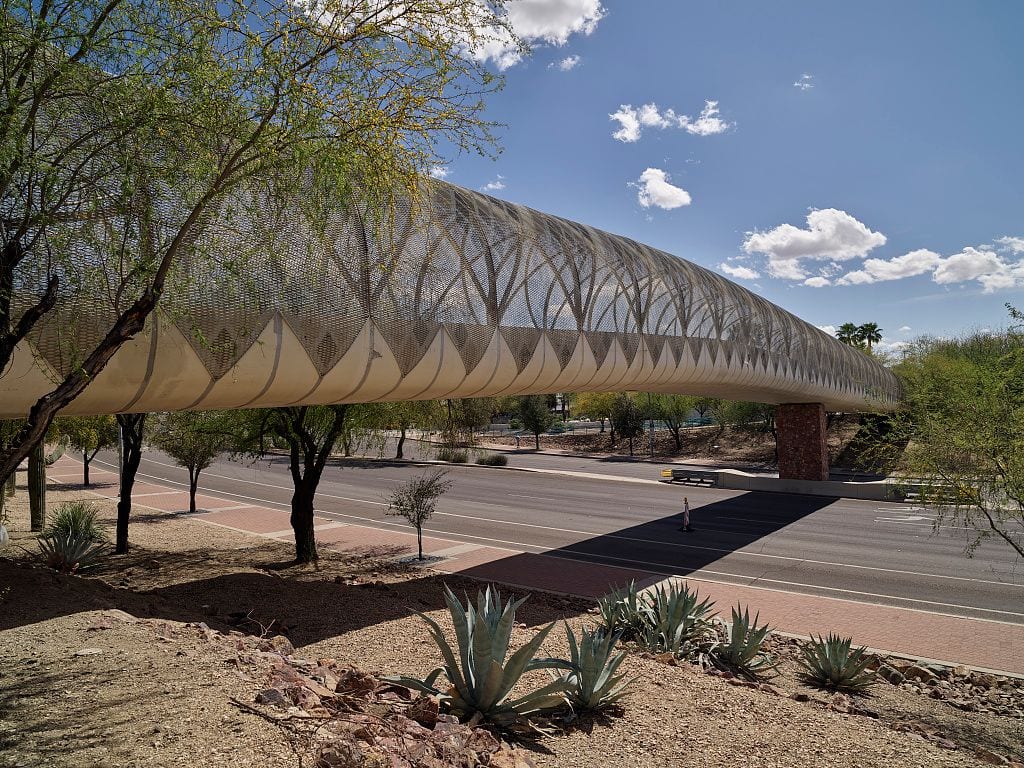
Rattlesnake Bridge carries walkers and cyclists over Broadway Boulevard just east of downtown in the shape of a giant diamondback rattlesnake, and it is one of Tucson's most memorable pieces of public art. Designed by artist Simon Donovan and built in 2002, the 280-foot crossing links Iron Horse Park with the Aviation Bikeway; locals also call it the Diamondback Bridge or simply the Snake Bridge.
You enter through the snake's gaping jaws, with long fangs beneath its eyes, walk through its body, which is lit at night, and leave past a huge rattle at the tail end that sounds as you exit. The bridge won a design award from the Federal Highway Administration, and it makes a quick, fun detour on foot or by bike.
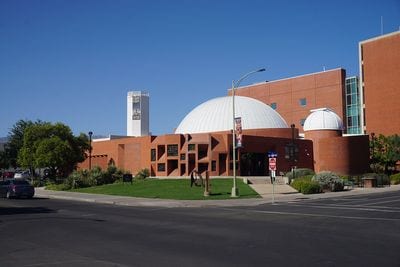
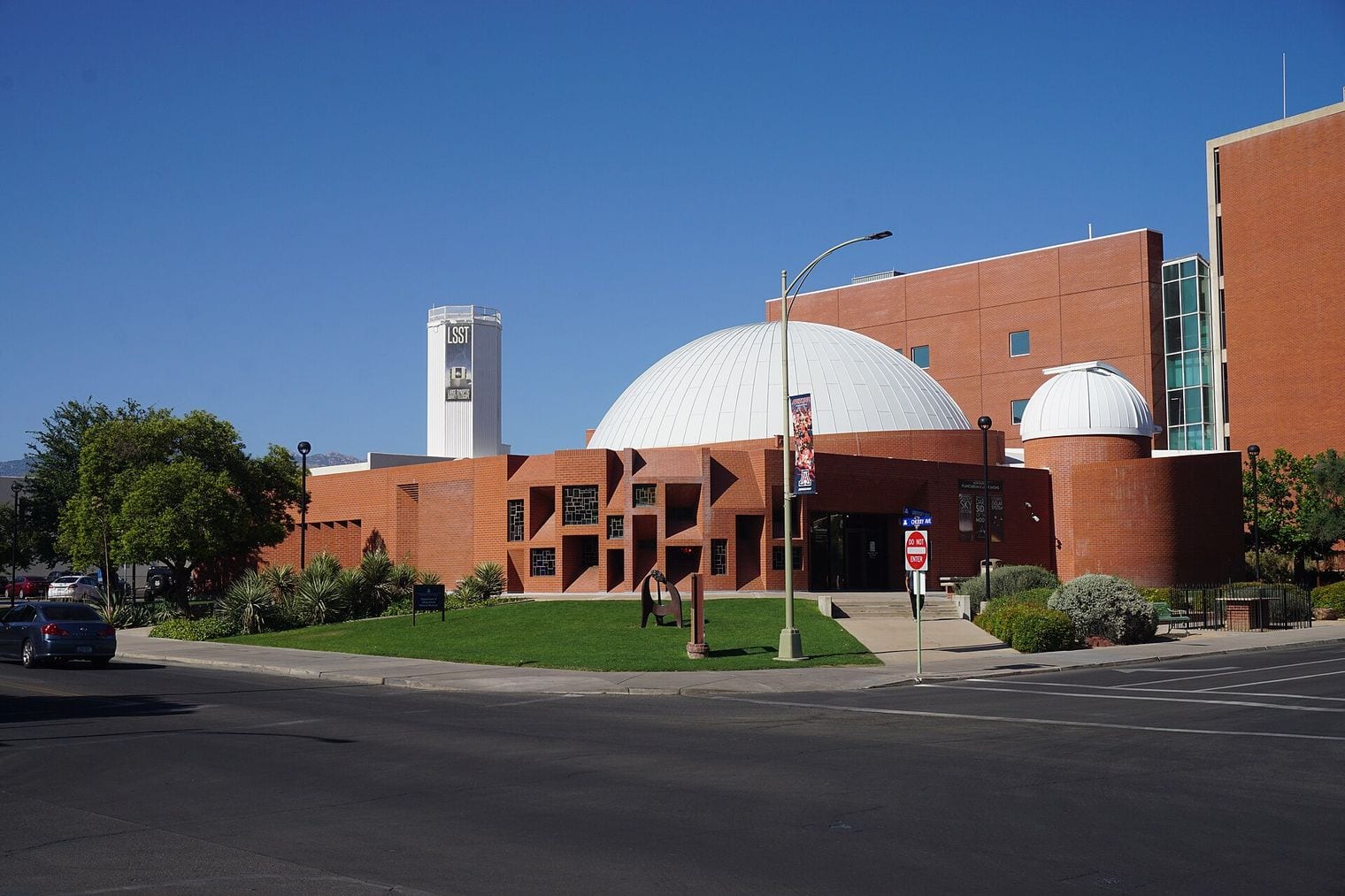
The Flandrau Science Center and Planetarium, on the University of Arizona campus, is a natural stop in a city nicknamed Optics Valley for its telescopes and optical science. Its Eos Planetarium Theater shows star programs and full-dome films, and hands-on galleries cover Earth and space science.
The center is named for the author Grace Flandrau, and the minor planet 18368 Flandrau is named after it. Planetarium shows make a good choice for a hot afternoon or a rare rainy day, with the rest of the campus museums close by.
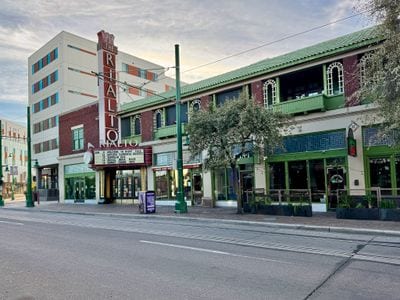
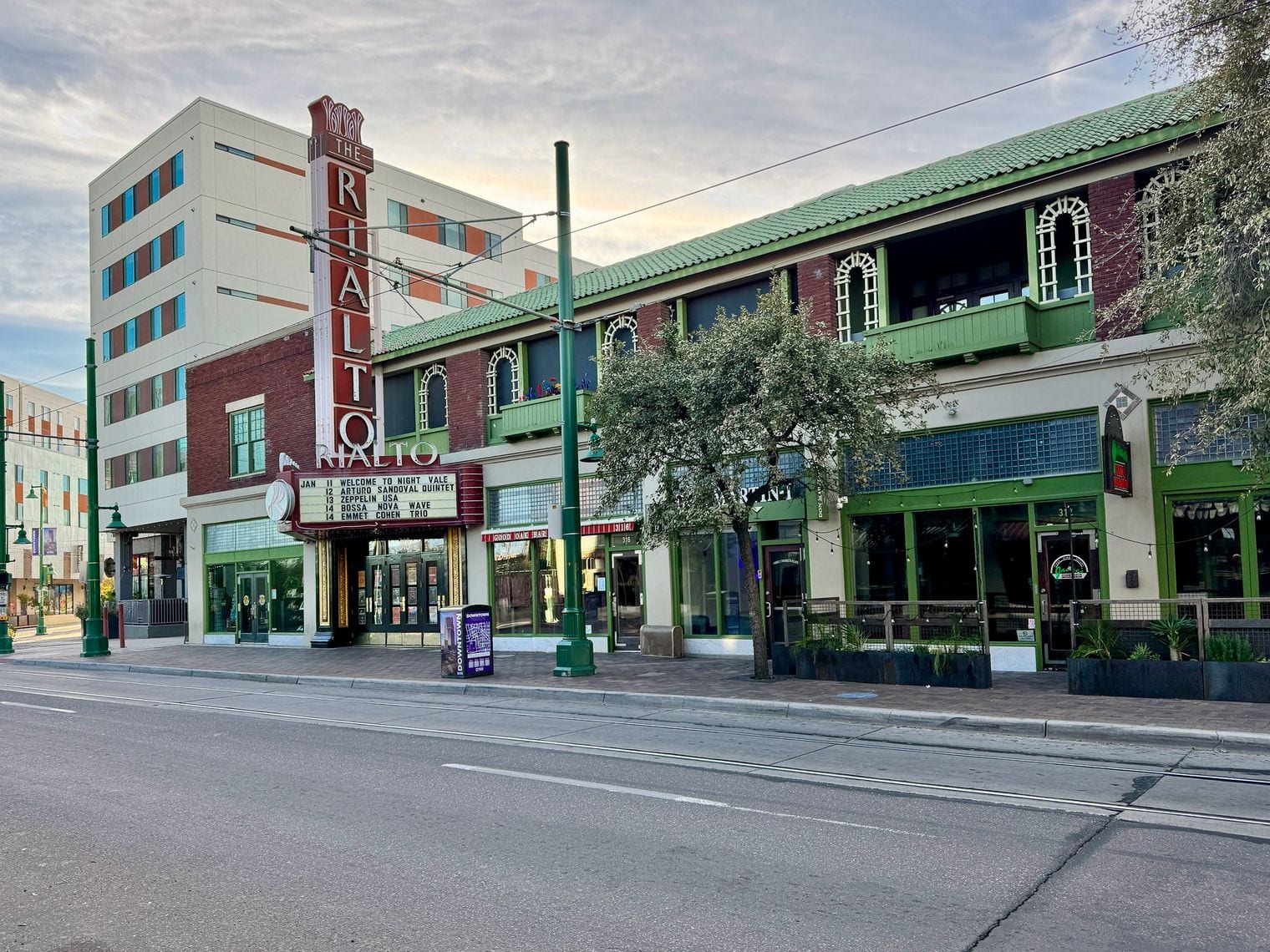
The Rialto Theatre opened on Congress Street in 1920 as one of Tucson's first movie houses, and after decades of ups and downs it reopened in the 1990s as a concert venue. The theater and the surrounding Rialto Building block are listed on the National Register of Historic Places.
Today the Rialto is one of the city's main stages for touring bands across rock, hip-hop, Latin and indie music. It sits right across the street from Hotel Congress, so a show here slots neatly into an evening downtown.
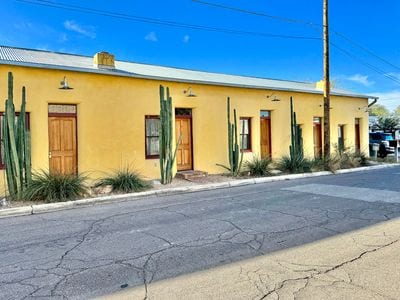
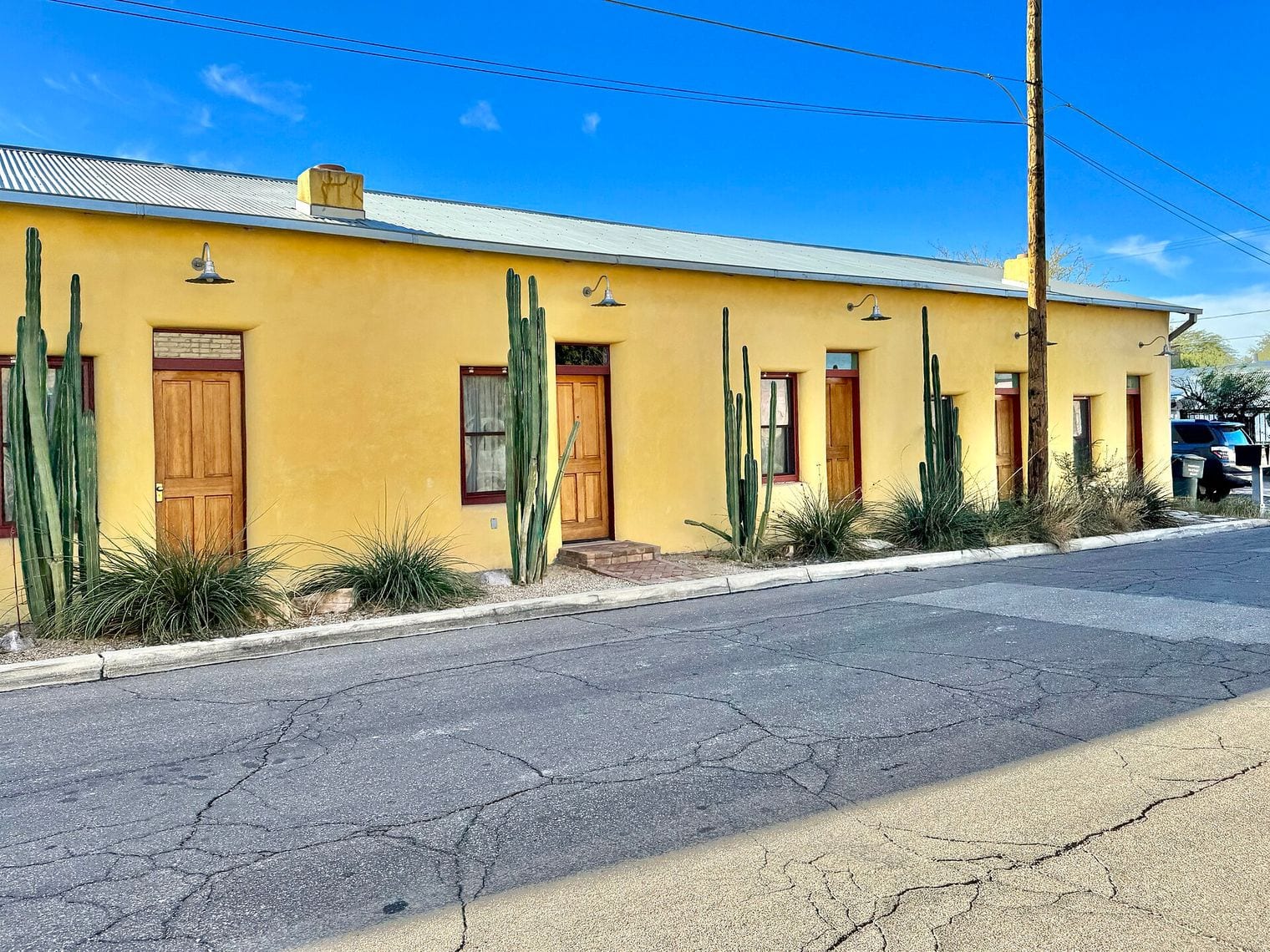
Barrio Viejo, just south of downtown, is Tucson's most photogenic neighborhood: blocks of 19th-century Sonoran row houses built wall to wall right up to the sidewalk, their adobe facades painted in bright colors. It is said to hold the largest collection of these row houses anywhere in the United States.
Much of the old barrio was bulldozed in the 1960s to make way for the Tucson Convention Center, which makes the surviving streets all the more precious. Walk them slowly, and stop at El Tiradito, the wishing shrine where people still leave candles, which in 1971 became the first Arizona property listed on the National Register for its traditional cultural value.
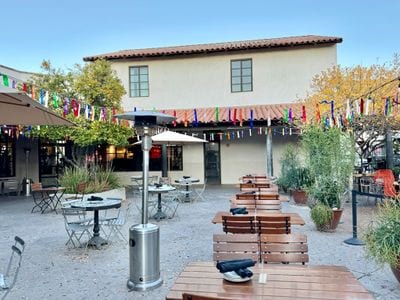
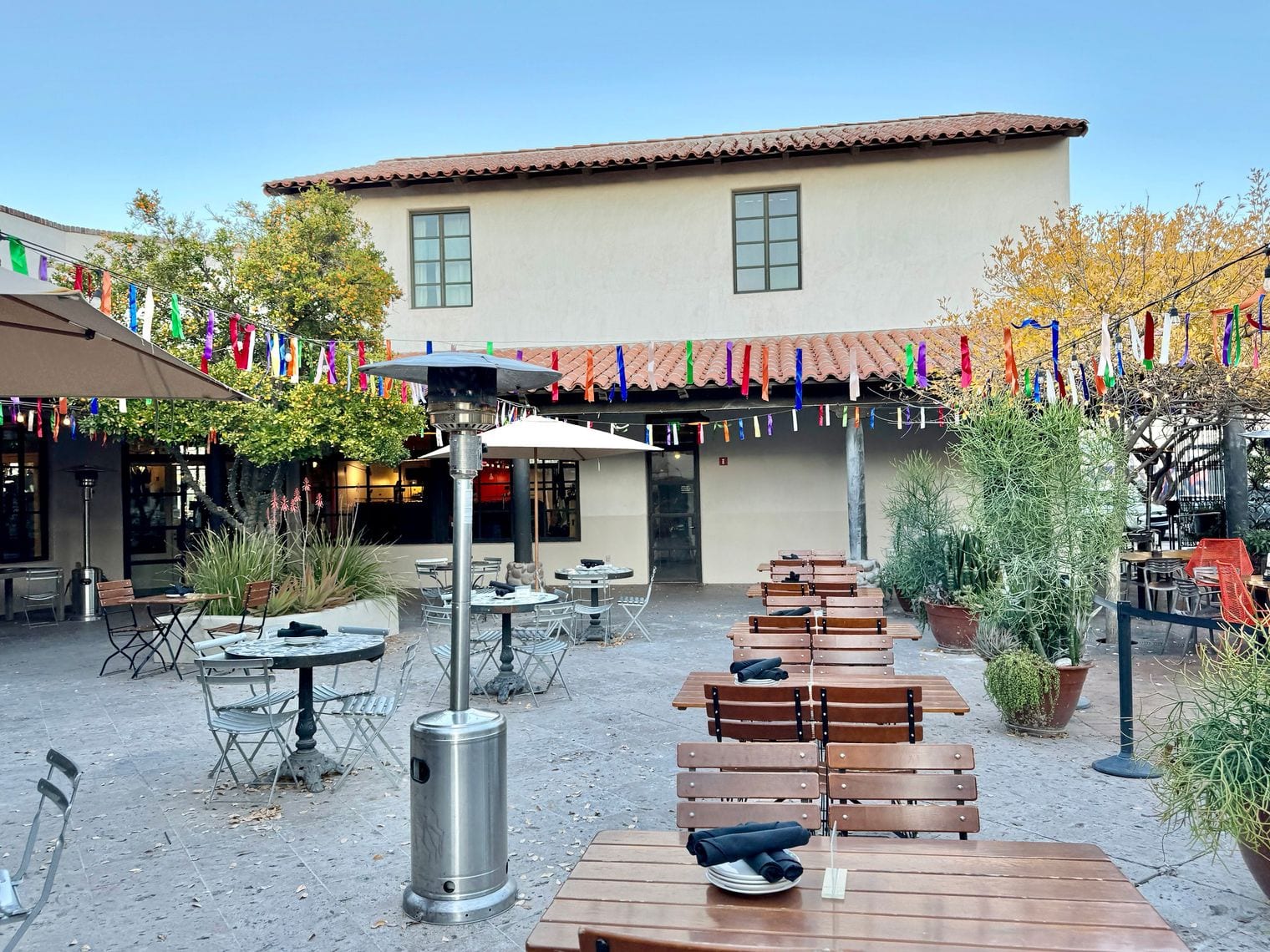
Mercado San Agustín sits west of the freeway near the western end of the streetcar line, a whitewashed market built around a brick-paved courtyard in the style of a Spanish colonial plaza. Since 2011 it has gathered small, locally owned eateries, shops and cafes around shaded tables.
Next door, the MSA Annex adds a cluster of shipping-container boutiques, and together with newer buildings nearby they make up the Mercado District. It is a relaxed place for breakfast or a long lunch, with “A” Mountain rising close by.
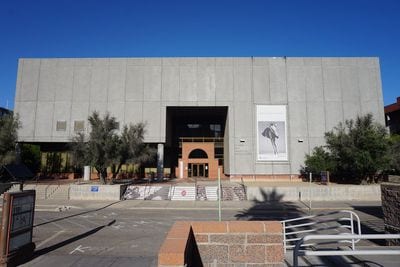
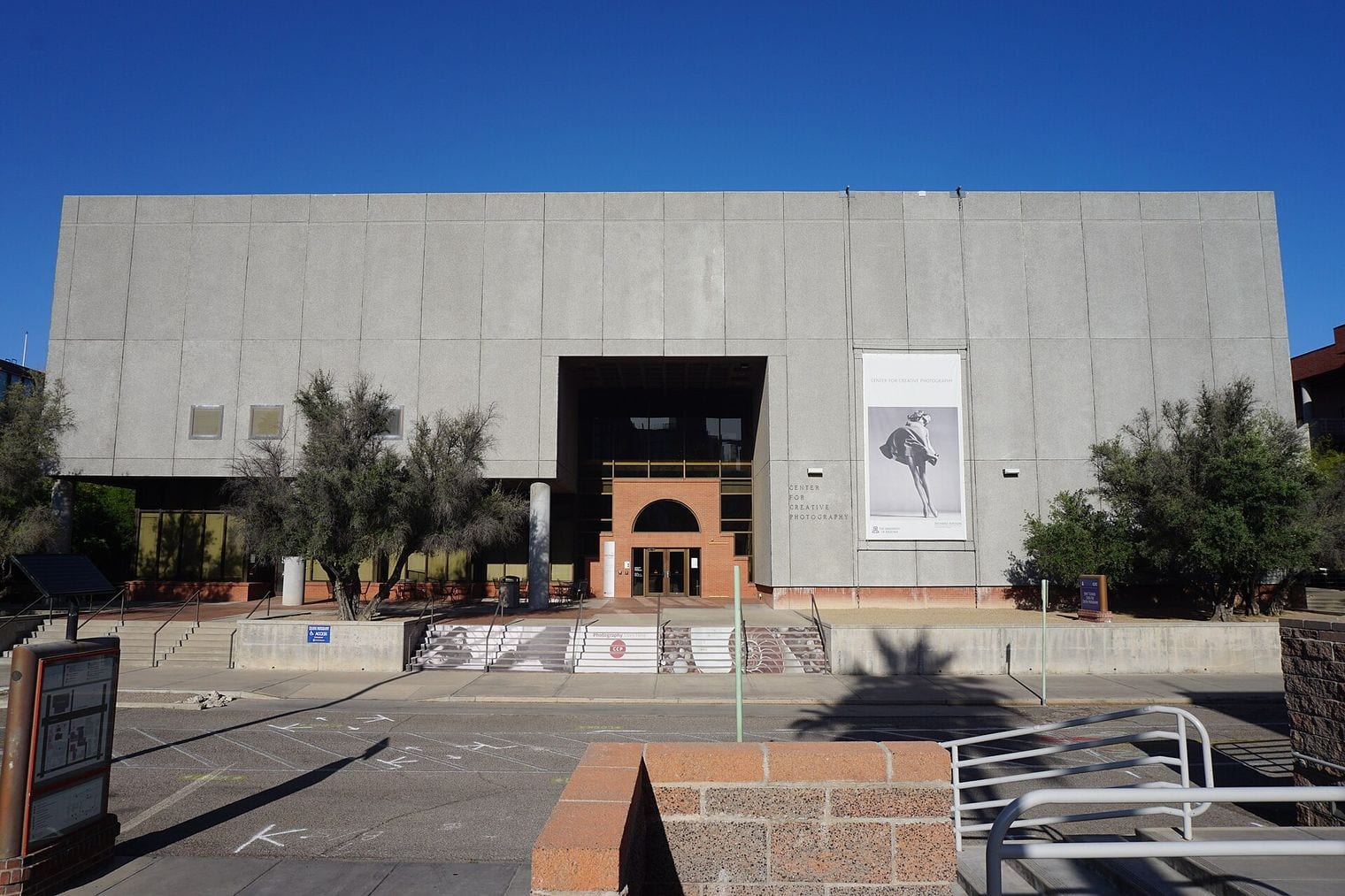
The Center for Creative Photography, on the University of Arizona campus, is a major archive for American photography. Founded in 1975, it holds the full archives of more than 60 photographers, among them Edward Weston, Harry Callahan and Garry Winogrand, as well as the archive of Ansel Adams, including his negatives.
Its galleries stage changing exhibitions drawn from a collection of more than 80,000 images by over 2,000 photographers. For anyone who cares about photography, it is a pilgrimage, and it sits steps from the university's art museum.
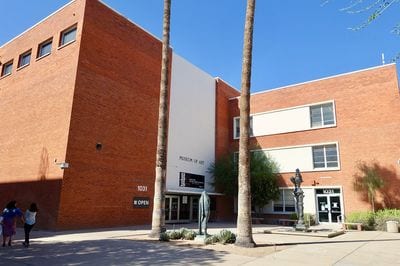
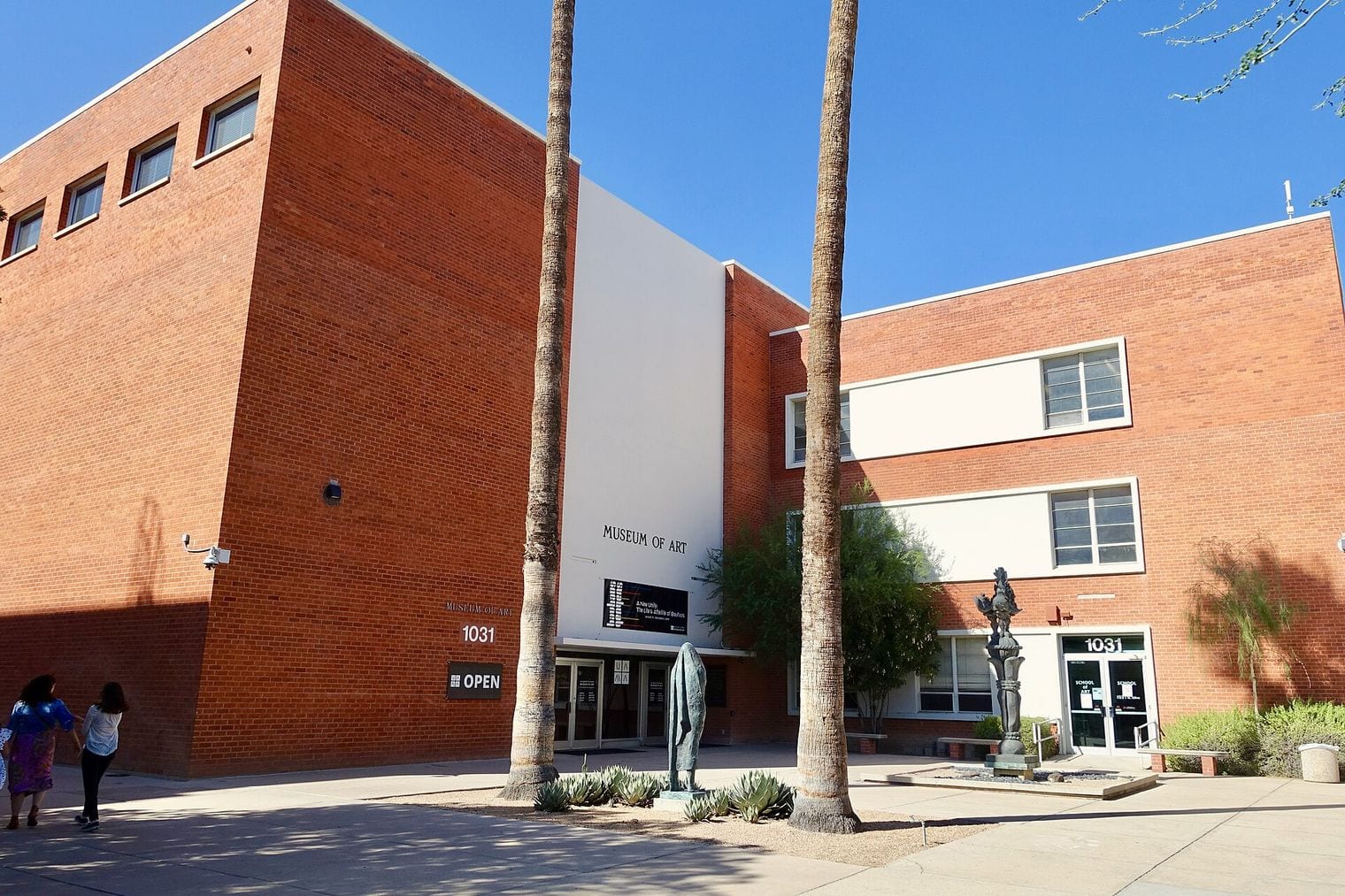
The University of Arizona Museum of Art holds more than 6,000 works, with real strength in European and American art from the Renaissance to the present. Its showpiece is the 26-panel Retablo of Ciudad Rodrigo, a Spanish altarpiece by Fernando Gallego and Maestro Bartolomé that tells the story of the Creation, the life of Christ and the Last Judgment.
The museum is also home to Willem de Kooning's Woman-Ochre, cut from its frame by thieves in 1985, found in a New Mexico estate sale in 2017 and returned after restoration by the Getty. It belongs to a cluster of museums within walking distance, with the photography center and the Arizona State Museum nearby.
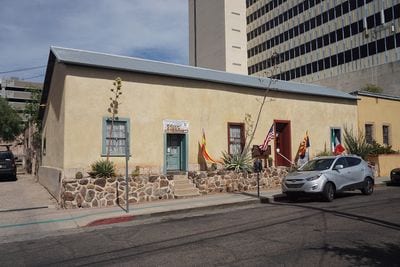
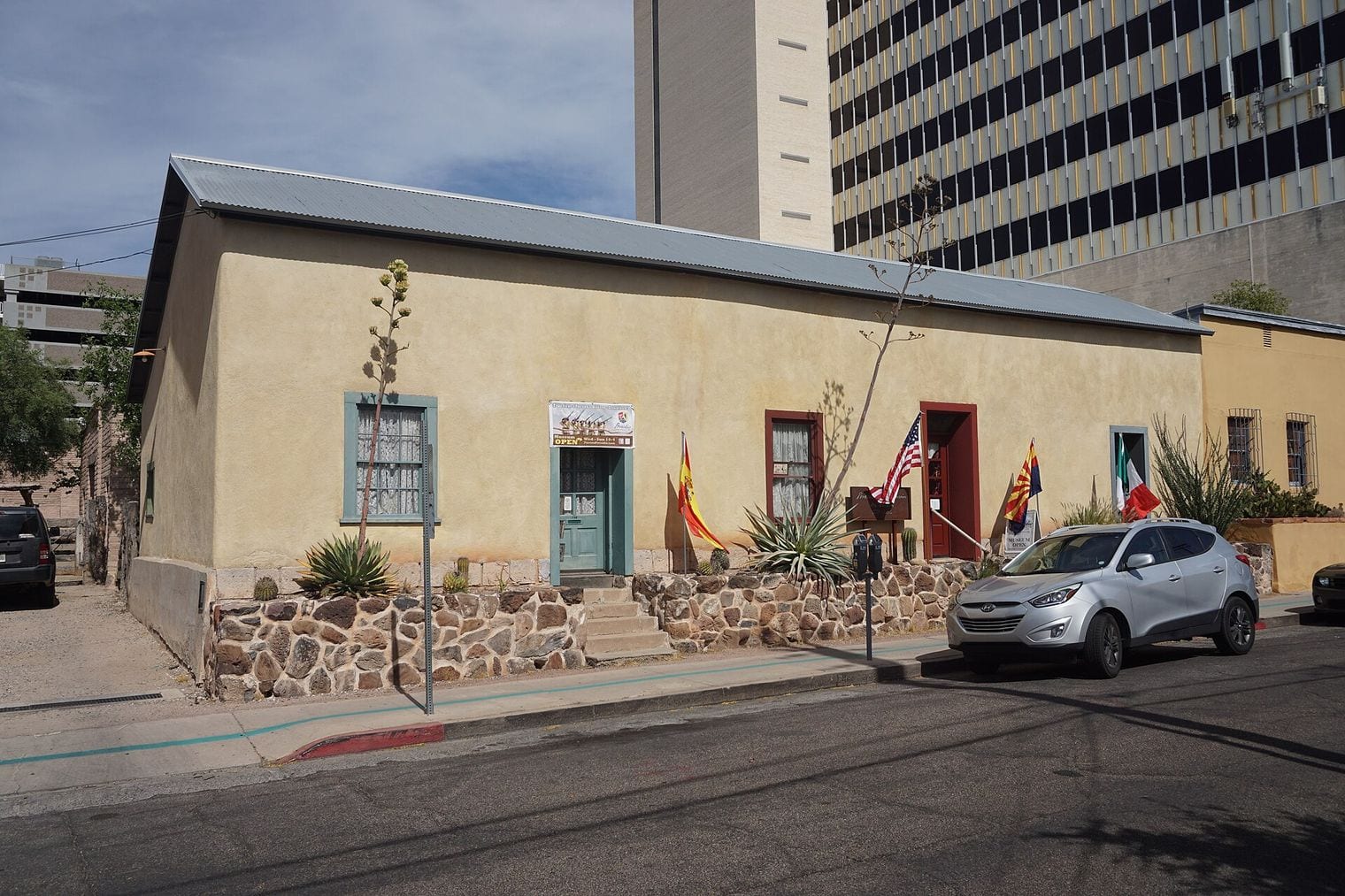
Presidio San Agustín del Tucson marks the spot where the city began: a Spanish fort founded in 1775 whose adobe walls once enclosed the settlement. The walls came down after the Americans arrived, the last section in 1918, but a reconstruction of the fort's northeast corner, completed in 2007 after archaeologists located its tower, brings the outpost back to life.
The museum tells the story of the Spanish, Mexican and O'odham people who lived here, and its living-history events bring costumed interpreters, crafts and cooking to the courtyard. It is the natural starting point for a walk through the Presidio district.
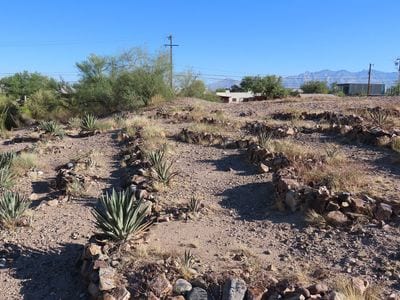
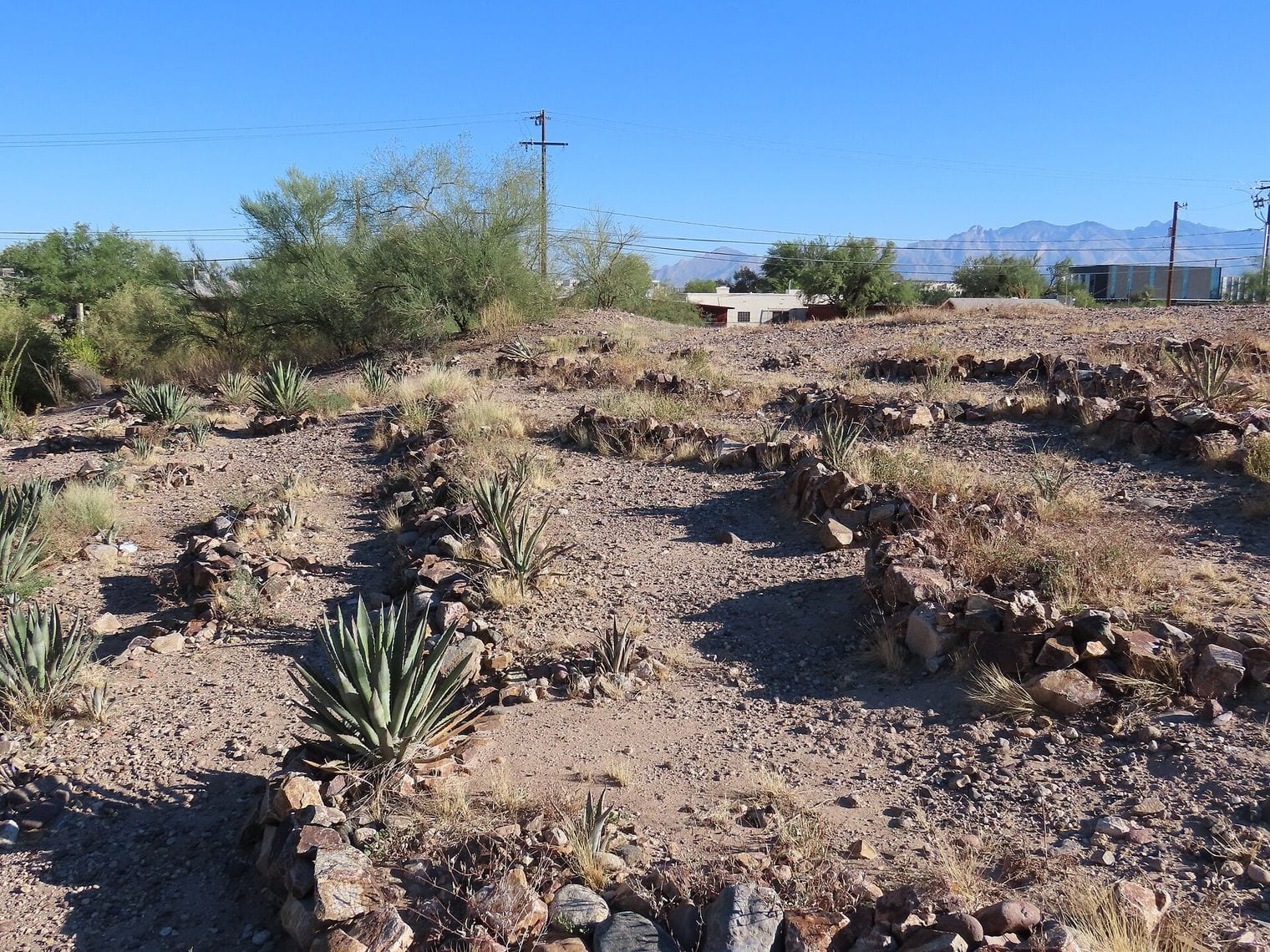
Mission Garden is a living agricultural museum at the foot of Sentinel Peak, where adobe walls enclose four acres of heritage crops and heirloom fruit trees. It recreates the walled garden of Tucson's Spanish-era mission close to where the city's story began.
Its plantings represent people who have farmed in the Sonoran Desert for more than 4,000 years, from O'odham crops to the fruit trees the Spanish brought. It is listed on the National Register of Historic Places, and a walk through the plots is the best possible primer for Tucson's food culture.
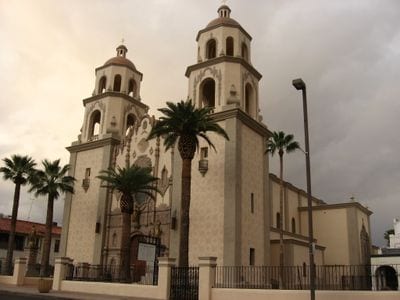
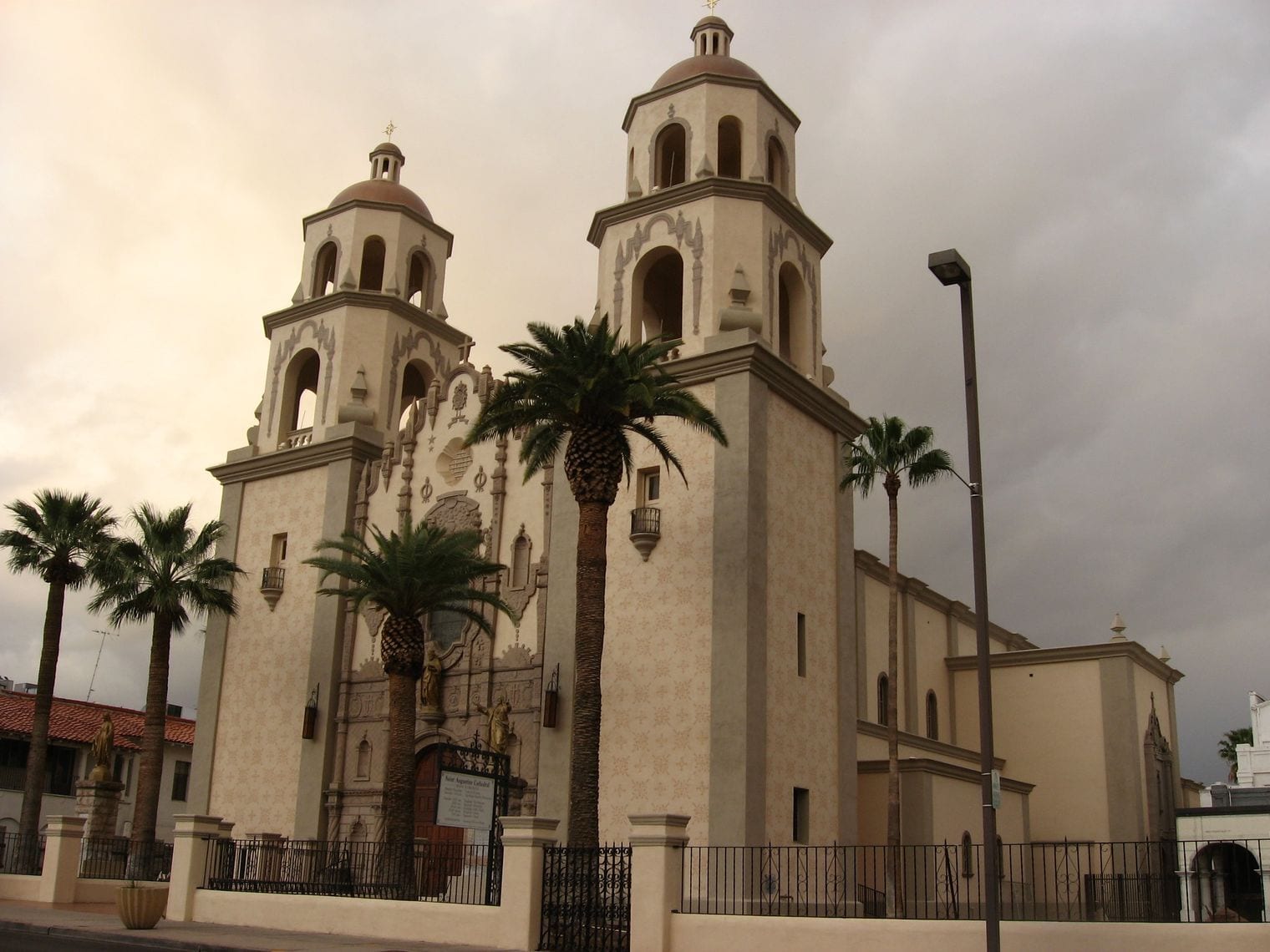
The Cathedral of Saint Augustine is the mother church of the Catholic Diocese of Tucson, a downtown landmark whose elaborate cast-stone facade was added in 1928. Look closely and you'll find the desert among the saints, with carvings of a saguaro, yucca and a horned lizard, along with the coat of arms of Pope Pius XI.
Inside, handcrafted wooden retablos frame the side altars of the Blessed Sacrament Chapel and the Our Lady of Guadalupe Shrine. It is an active parish, so visit outside Mass times and keep voices low; it pairs naturally with the Presidio district a few blocks north.
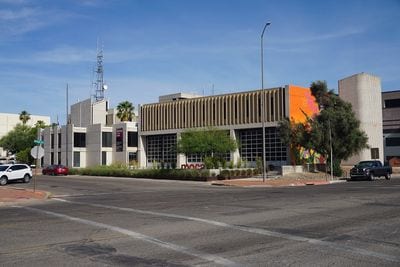
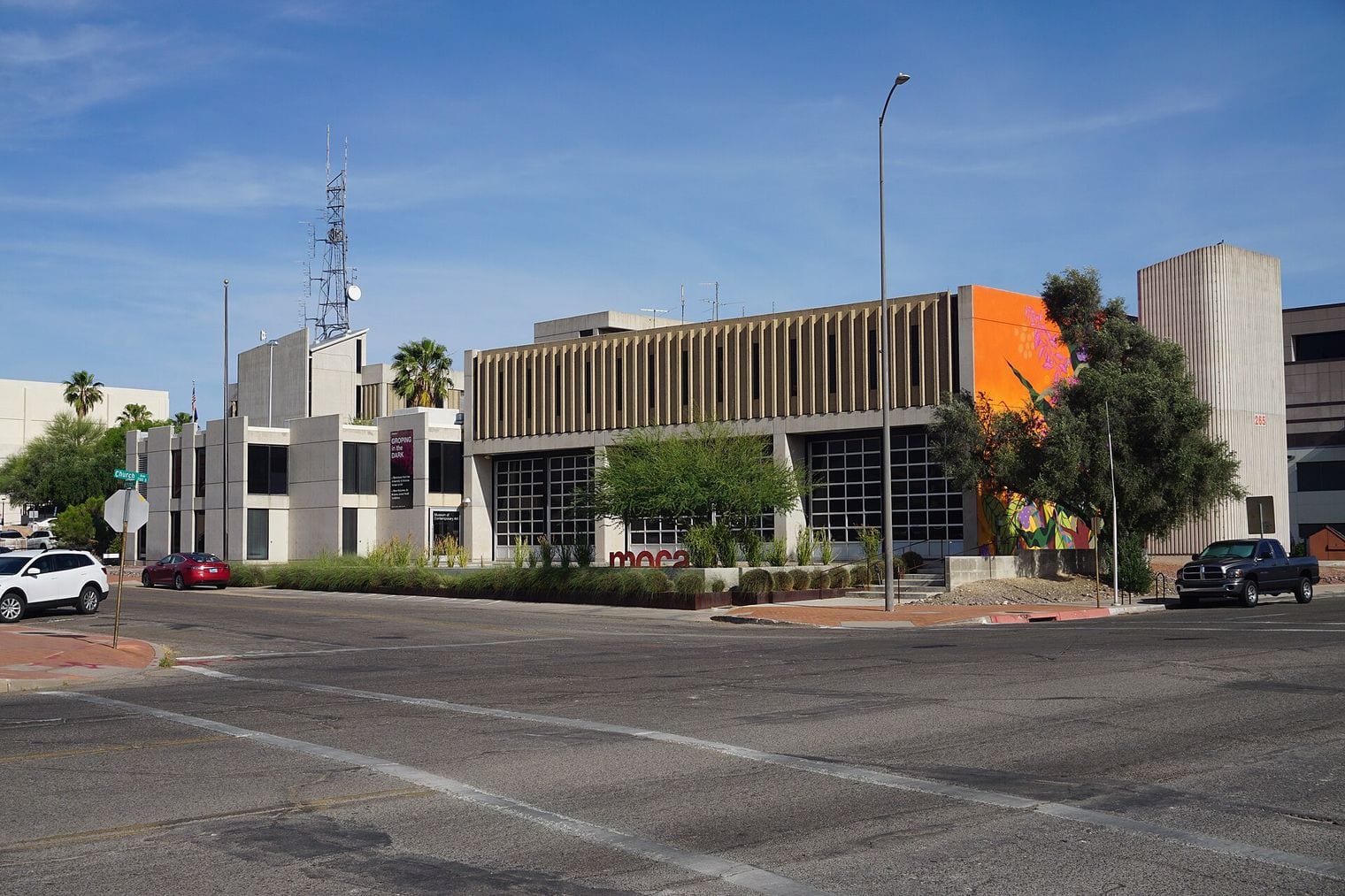
The Museum of Contemporary Art Tucson, known as MOCA, shows contemporary art in a former fire department building on Church Avenue downtown, its home since 2010. Founded in 1997, it set out to give Tucson's arts district a permanent home for contemporary work.
Expect installations, video and art that asks questions, along with talks and community events in the big exhibition spaces. It is a short walk from the Tucson Museum of Art, so you can pair the city's traditional and experimental art in a single afternoon.
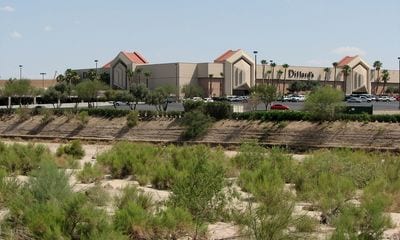
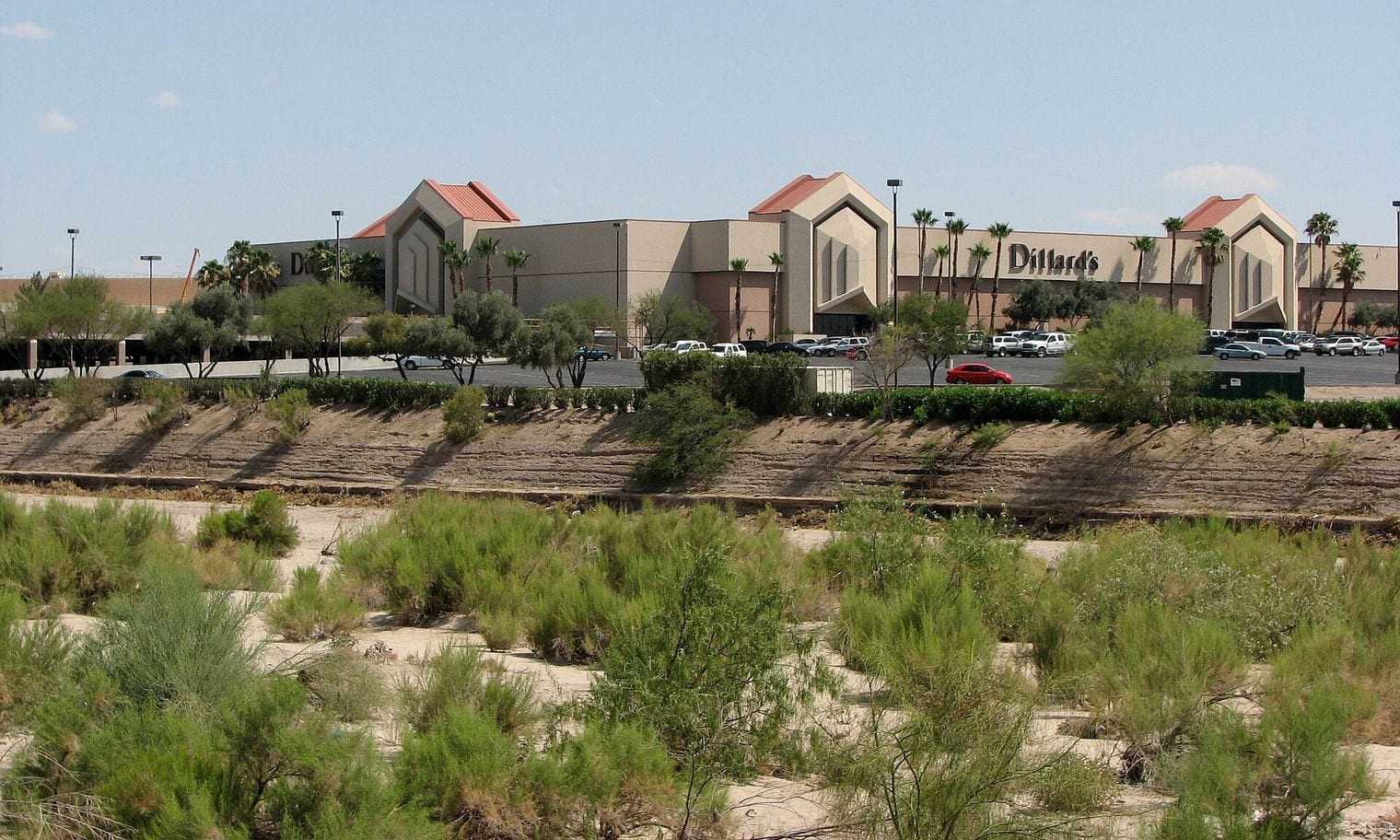
Tucson Mall is the city's largest shopping mall, with two levels of department stores, national chains and a food court on the north side near Oracle Road. It is not a sight in the usual sense, but in a city where summer afternoons can be brutal, it earns its place as an air-conditioned escape.
It is the easy answer for picking up forgotten hiking gear, sun hats or souvenirs, and the Rillito River Park path runs just to the north for a walk in the cooler hours.
The University of Arizona's Alfie Norville Gem and Mineral Museum moved in 2021 from campus into the restored 1929 Pima County Courthouse downtown, and the setting under the courthouse's tiled dome is half the pleasure. Its galleries showcase minerals from around the world, with a special emphasis on Arizona and Mexico, alongside gems and meteorites.
It is the perfect primer for Tucson's famous winter gem and mineral shows, and a cool, compact hour on a hot day. Combine it with the plazas and murals of downtown just outside the courthouse doors.
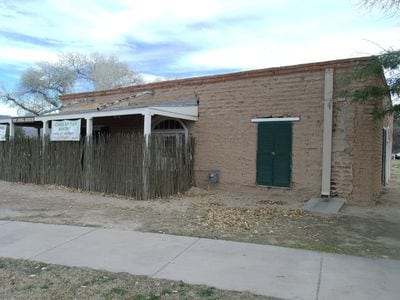
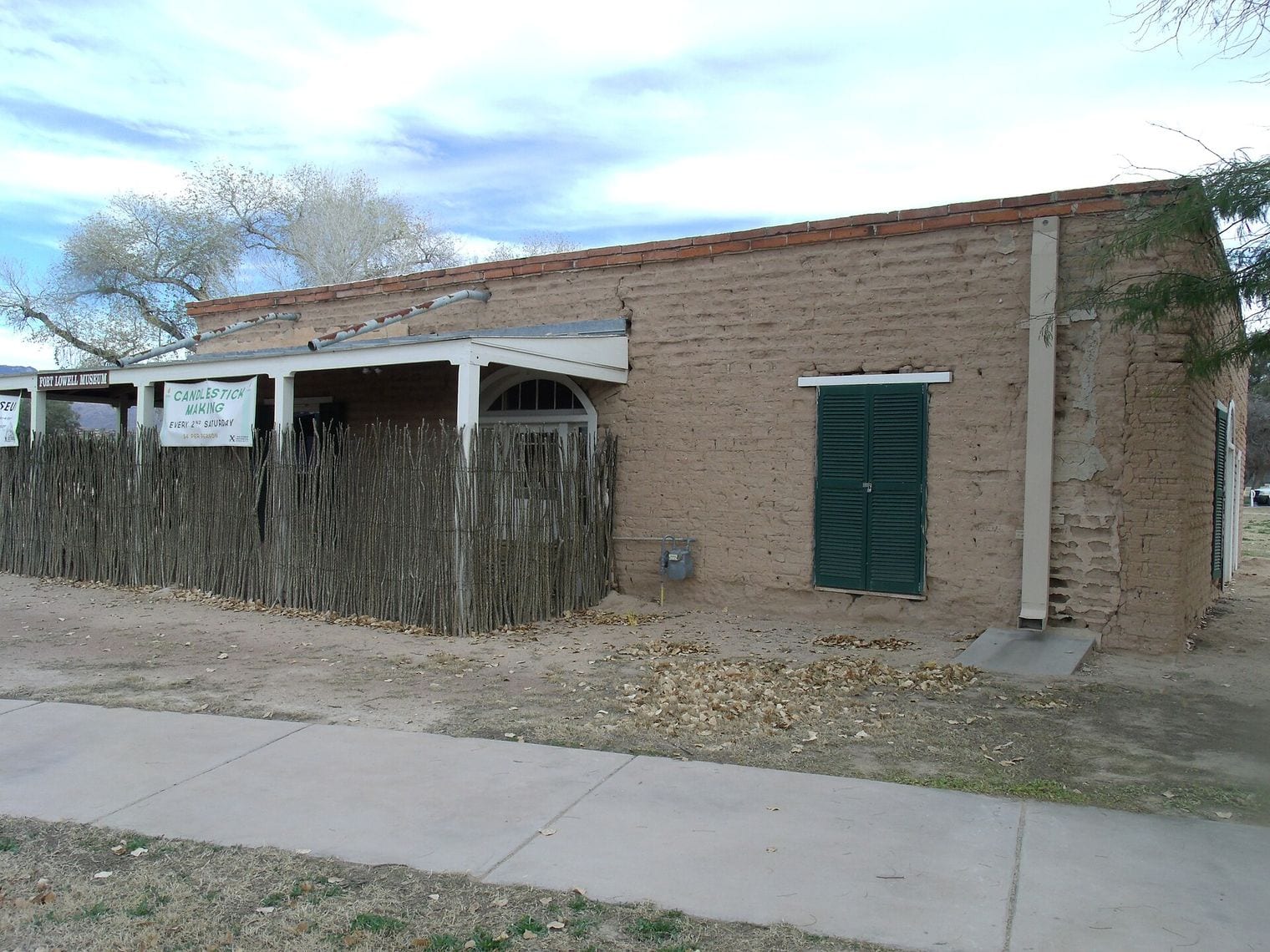
Fort Lowell Park preserves the adobe ruins of a U.S. Army post that guarded the Tucson area from 1873 to 1891, set where the Tanque Verde and Pantano creeks meet to form the Rillito. The Hohokam had lived at the same spot centuries earlier, drawn by the same reliable water.
The small Fort Lowell Museum, run by the Tucson Presidio Museum, recreates the daily lives of soldiers and their families at the post; it opens from late summer through spring and closes in the hottest months. Around it, the city park adds shady lawns, a pond, sports fields and the crumbling walls of the old post hospital.
Plan your trip
Best Time to Visit Tucson
Fall, winter and spring are Tucson's sweet spot, with warm, sunny days and cool nights from about October to April. Winter brings the city's famous gem and mineral shows, February's rodeo and the occasional dusting of snow on Mount Lemmon, while spring adds desert wildflowers and, by late spring, the white blossoms on the saguaros.
Summer is fiercely hot, and from early July through September the monsoon brings dramatic afternoon thunderstorms that can flood washes in minutes. If you visit then, sightsee early, rest through the afternoon, and use the drive up Mount Lemmon to escape the heat.
Getting to Tucson
Interstate 10 links Tucson with Phoenix, about two hours to the northwest, and continues east toward New Mexico, while Interstate 19 runs south to Nogales and the Mexican border. Tucson International Airport sits on the south side of the city, and many visitors fly into the larger Phoenix Sky Harbor airport instead and drive down.
Amtrak's long-distance trains between Los Angeles and the east stop at the historic depot downtown, steps from the Southern Arizona Transportation Museum.
Getting Around Tucson
Tucson is a spread-out city, and a car is close to essential for the desert parks, Sabino Canyon, Mount Lemmon and the mission. Parking is easy almost everywhere outside the downtown core.
In the center you can leave the car behind: the Sun Link streetcar connects the university, Fourth Avenue, downtown and the Mercado District, and city buses cover the main corridors. Tucson is also a strong cycling city, with The Loop's shared-use paths following the Rillito and Santa Cruz rivers for miles without traffic.
Where to Stay in Tucson
Downtown and the area around Fourth Avenue suit visitors who want to walk to theaters, bars, the streetcar and the Presidio district, while the neighborhoods around the university are handy for the campus museums. The Catalina Foothills to the north are resort country, with mountain views and quick access to Sabino Canyon and Mount Lemmon.
For desert quiet, look west toward the Tucson Mountains, close to the Desert Museum, Gates Pass and Saguaro's western district, or north to Oro Valley near Catalina State Park. The east side is the practical base for Saguaro's Rincon Mountain District and the air and space museum.
Where to Eat in Tucson
Tucson is a UNESCO City of Gastronomy, and its food is rooted in the Sonoran Desert and the Mexican border. Try a Sonoran hot dog, wrapped in bacon and piled into a soft roll with beans, onions, tomatoes and salsa; carne seca, the sun-dried beef of northern Mexico; and big flour tortillas made thin enough to see through. Tucson is also one of the places that claims to have invented the chimichanga.
South Tucson and the South 12th Avenue corridor are the heart of the Sonoran food scene, while downtown, Fourth Avenue and the Mercado District gather the city's cafes, breweries and modern kitchens. Watch menus for local ingredients such as prickly pear, mesquite flour and tepary beans.
Day Trips from Tucson
Southern Arizona is full of easy escapes. Biosphere 2, the glass-domed research center near Oracle, is about 45 minutes north; the Titan Missile Museum, a preserved Cold War missile silo in Sahuarita, is about half an hour south; and Colossal Cave Mountain Park lies about 40 minutes east near Vail. Farther south along Interstate 19, the art colony of Tubac and the birding trails of Madera Canyon each make a relaxed half day.
Head southeast for about an hour and a quarter to reach Tombstone, the town of the O.K. Corral gunfight and one of Arizona's best small towns, or about an hour to Kartchner Caverns State Park near Benson. Kitt Peak National Observatory crowns a mountain about 90 minutes southwest, and Phoenix is roughly two hours up Interstate 10 for a bigger-city change of pace.
One Day in Tucson
Morning
Start early on the city's west side at the Arizona-Sonora Desert Museum, while the animals are active and the paths are cool, then drive the Bajada Loop through the western district of Saguaro National Park.
Tucson is best known for the giant saguaro cactus of Saguaro National Park, the Arizona-Sonora Desert Museum, the 18th-century Mission San Xavier del Bac, the creek and trails of Sabino Canyon, and the hundreds of aircraft at the Pima Air & Space Museum. It is also the first city in the United States named a UNESCO City of Gastronomy.
How many days do you need in Tucson?
Three to four days is ideal. That gives you a day for the Desert Museum and Saguaro's western district, one for the mission and the historic downtown, and one for Sabino Canyon or the drive up Mount Lemmon, with time left for the air and space museum or a day trip to Tombstone or Biosphere 2.
What can you do in Tucson for free?
Plenty. Walk up Tumamoc Hill, drive to the top of Sentinel Peak, watch the sunset at Gates Pass and hike Tucson Mountain Park. In town, explore Barrio Viejo, downtown and Fourth Avenue, visit the Southern Arizona Transportation Museum, and step inside Mission San Xavier del Bac, which is free to visit outside service times.
When is the best time to visit Tucson?
October to April brings the most comfortable weather, with sunny days ideal for hiking and the desert parks. Late winter is busiest, during the gem shows and rodeo season. Summer is extremely hot, with monsoon storms from July to September, so plan outdoor sightseeing for early mornings or head up Mount Lemmon.
Is Tucson worth visiting?
Yes. Tucson pairs some of the most striking desert scenery in the country with a deep Spanish, Mexican and O'odham history, a celebrated food scene and a relaxed, walkable downtown. It is less hurried than Phoenix, and its saguaro forests, mountain drives and historic mission are hard to match anywhere else in the Southwest.
Sources & updates
How this guide was checked
Checked before launch
Sources cited
40
Publishers
31
Every place on this list was confirmed open and pinned on the map before publication, and what we say about each one was checked against its own website or an official source.
A PDF with a box to tick for every place. Confirm your email to download it, and get one email every Thursday with our newest guides for the places you tick.
Free Tucson printable checklist
All 40 places in one PDF
Tick them off as you go. Confirm your email to download it, plus one email every Thursday with new guides for the places you tick.
We use cookies to analyse site traffic and improve your experience.
You can accept or reject analytics cookies. See our
May we use analytics cookies? See ourCookie Policy.