We build and rank every list first. Booking links come after, and only where
a partner sells a ticket, tour or stay for that exact place, so a place with
nothing to book is listed exactly as prominently as one you can book.
So how do we earn? Some links on this page go to booking
partners, and if you book tickets, tours or a stay through
one, we may earn a commission. It costs you nothing extra.
That commission never decides which places make the list, the order they
appear in, or what we write about them. No entry is sponsored or a paid
placement.
20 Best Things to Do in Fayetteville, Arkansas (2026)
By the City Viking editorial teamPublished 20 places · 16 min read
Fact-checked Checked before launchOct 14, 202620 sources12 publishers4 government & parks6 encyclopedias & research10 venues & other sitesPublished · Oct 14, 2026Researched and checked before it went liveClick for every source and the full change log.
Short answer
Fayetteville is known for the University of Arkansas, whose Senior Walk carries more than four miles of student names, and a wooded setting on the edge of the Boston Mountains. Start with a game day at Razorback Stadium, the Botanical Garden of the Ozarks and an evening on Dickson Street by the Walton Arts Center. Two days covers the highlights; a third adds Lake Fayetteville Park, the Razorback Regional Greenway or a day trip into the Ozarks.
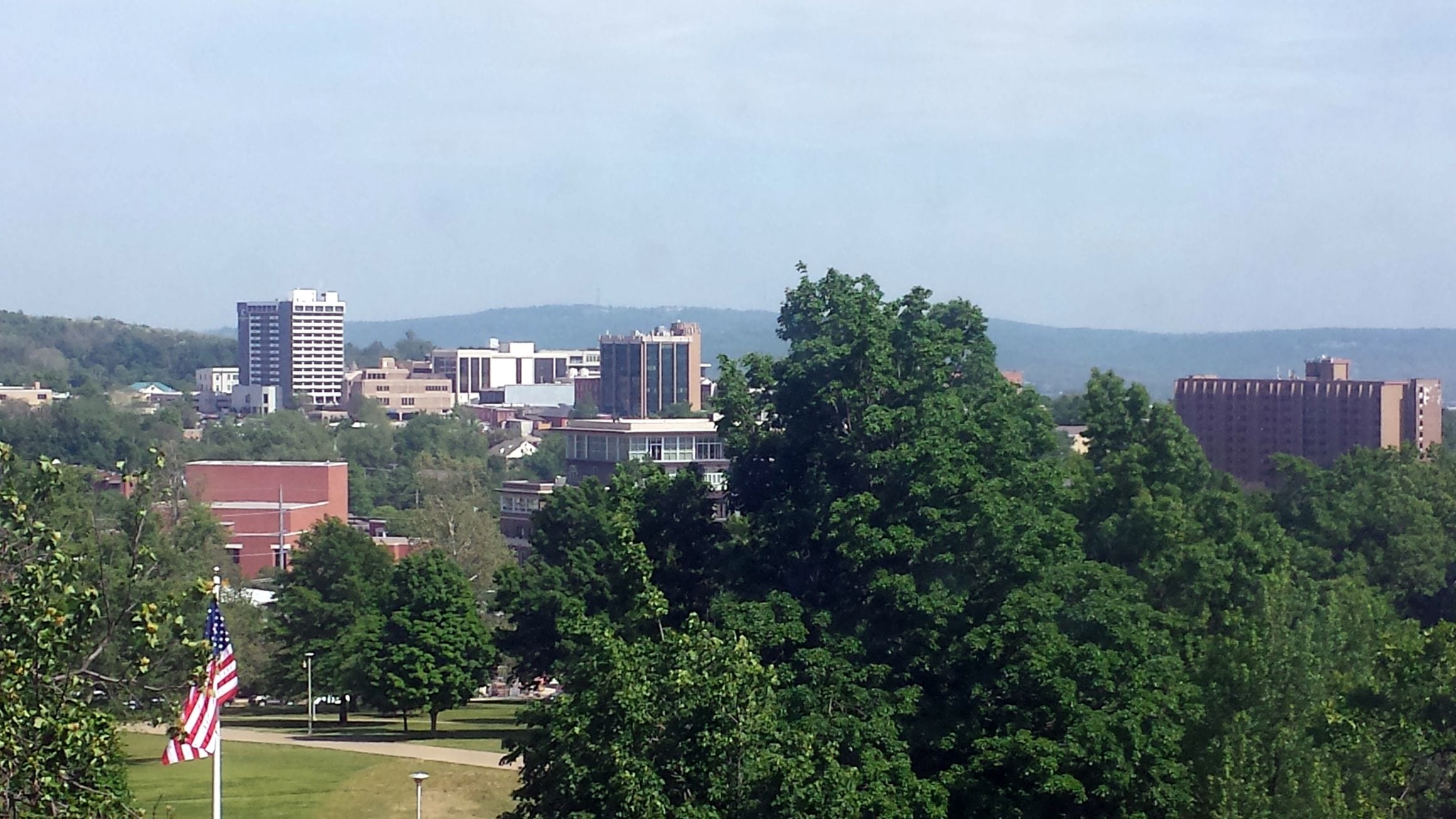
Fayetteville sits on the edge of the Boston Mountains in the Arkansas Ozarks, a college town where Razorback game days fill the streets and Dickson Street keeps the music going late. Wooded hills, a lake and a regional greenway put the outdoors minutes from downtown.
This guide covers the 20 best things to do in Fayetteville, from the stadiums and Old Main to the Botanical Garden of the Ozarks, the historic Square and a hilltop overlook. Two days covers the highlights; add a third for the trails or a drive into the hills.
Map of Things to Do in Fayetteville, Arkansas
Things to Do in Fayetteville, Arkansas
Things to Do in Fayetteville, Arkansas at a Glance
Fayetteville is named after Fayetteville, Tennessee, home of the commissioners who chose the county seat; that town was itself named after Fayetteville, North Carolina, which honored the Marquis de Lafayette.
Recent estimates make Fayetteville the second-most populous city in Arkansas, behind only Little Rock.
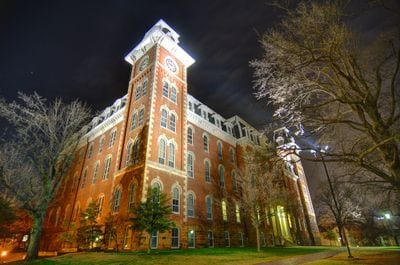
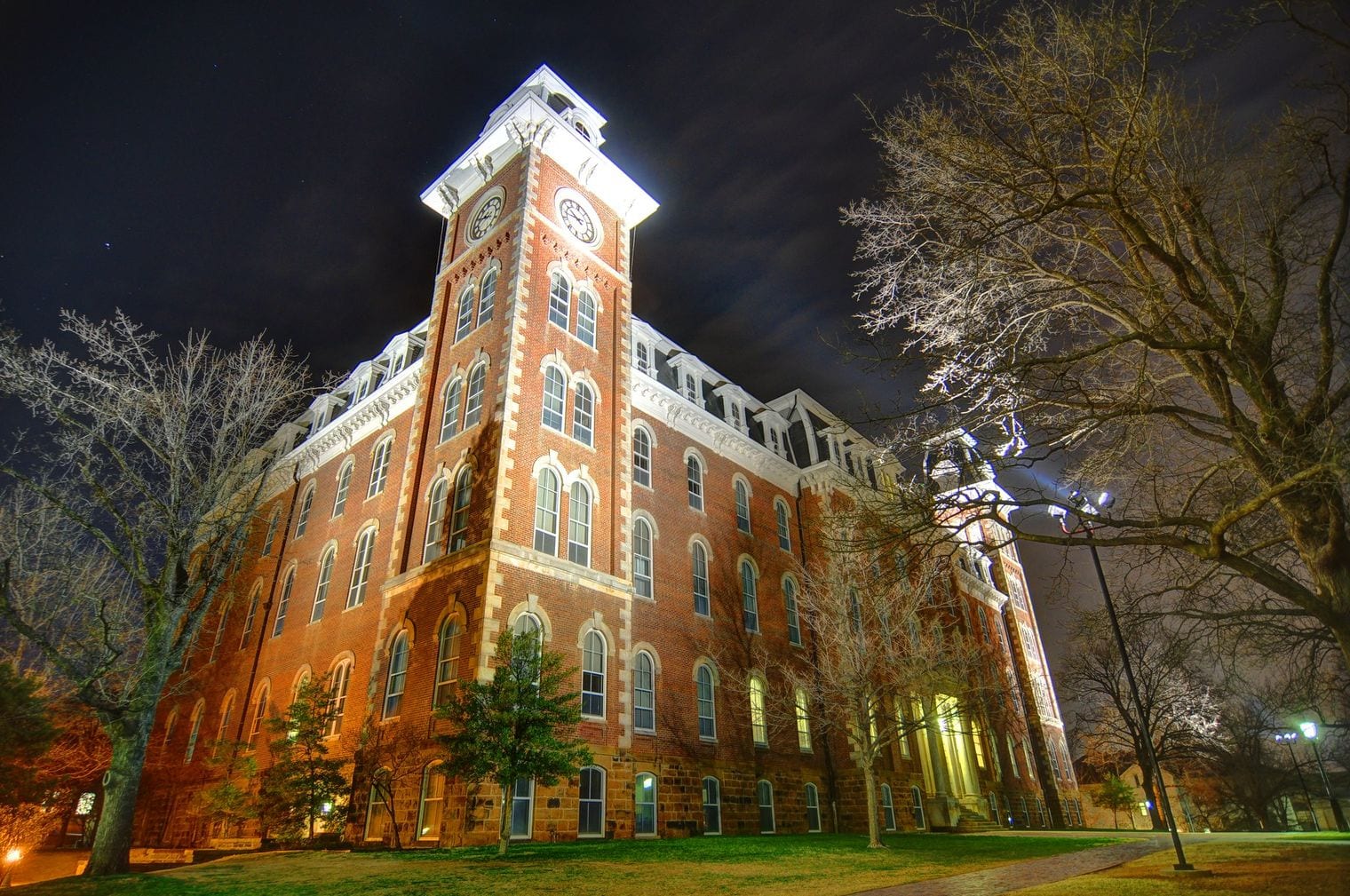
Old Main is a twin of a lost building: the university bought the plans for University Hall at the University of Illinois and built an identical copy, completed in 1875. The Illinois original was torn down in 1938.
Since the class of 1876, the names of University of Arkansas students have been inscribed in Senior Walk, more than four miles of names set into the campus sidewalks.
Bill and Hillary Clinton married in Fayetteville in 1975, in the house they shared while both taught at the university's law school.
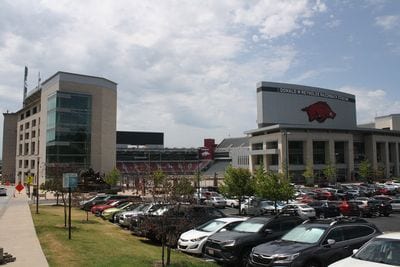
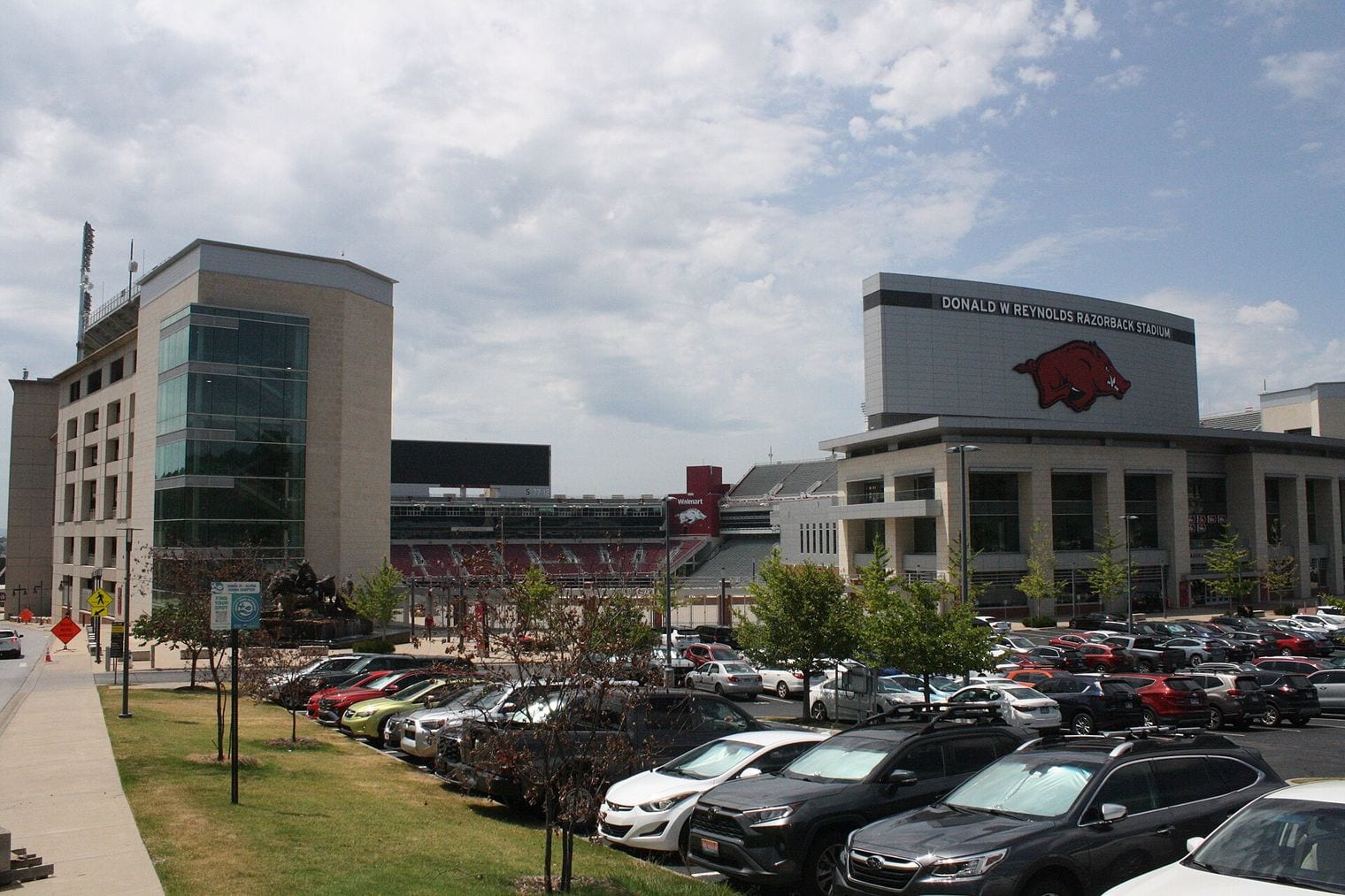
Donald W. Reynolds Razorback Stadium is the home of Arkansas Razorbacks football, and on a fall Saturday the whole city seems to point toward it. The stadium opened in 1938 and has grown in stages to seat more than 76,000 fans, and the playing field is named for Frank Broyles, the longtime coach and athletic director.
Even without a ticket, a game day is worth catching: tailgates spread across campus, and the crowd's famous Hog call, Woo Pig Sooie, rolls out of the bowl. Under a naming deal approved by the university, the venue takes the name CommunityAmerica Razorback Stadium from the 2027 season, so you may see either name on signs and tickets.
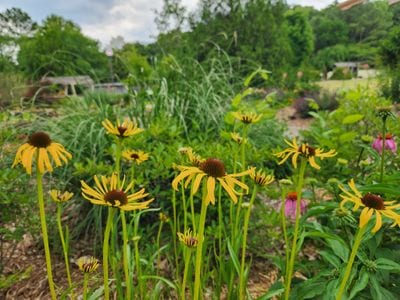
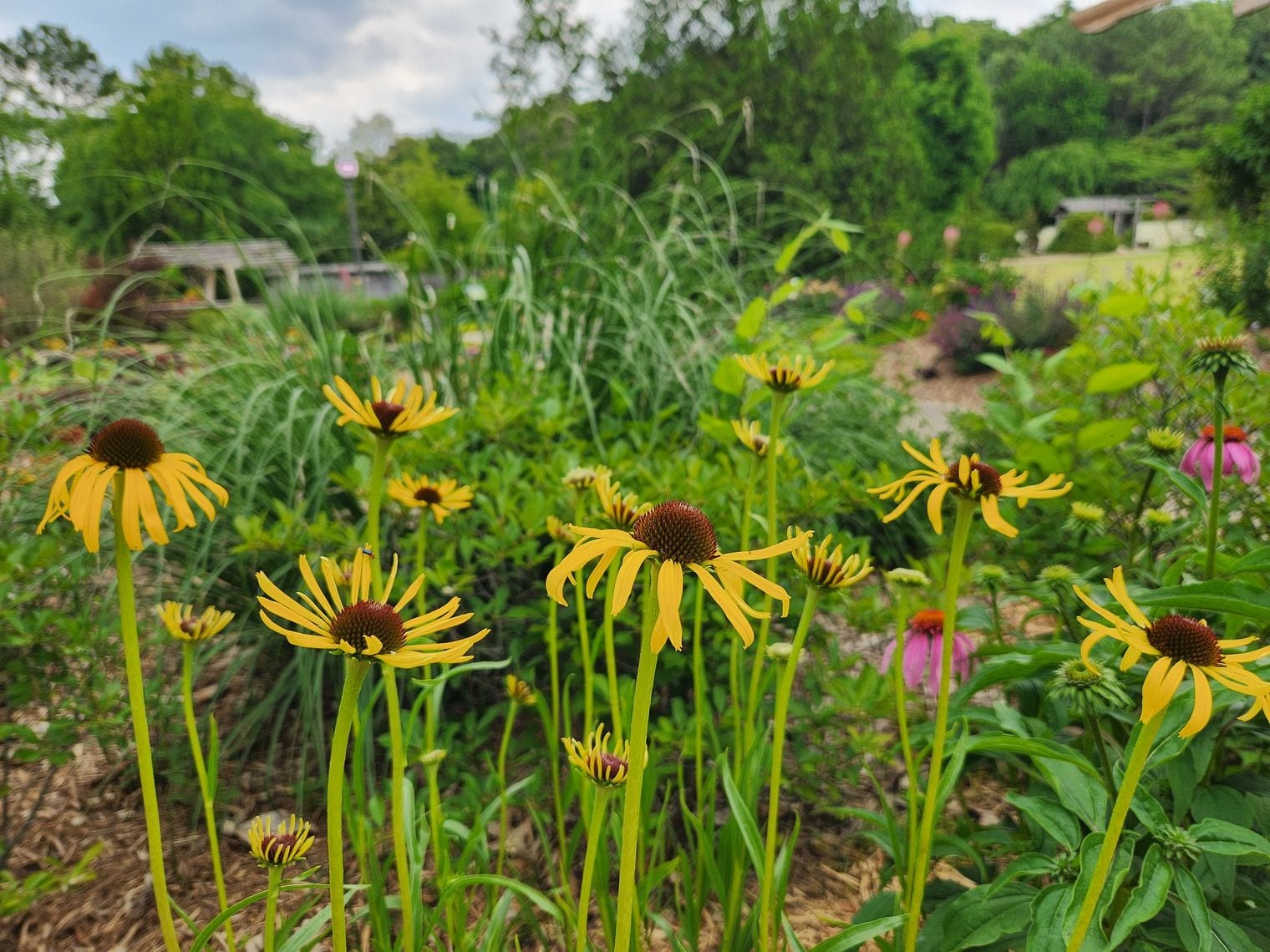
The Botanical Garden of the Ozarks covers 44 acres on the east shore of Lake Fayetteville, and it was the first botanical garden in Northwest Arkansas. About six acres are planted as a dozen individual gardens, each designed around a different theme, with ideas meant to carry home to your own yard.
The garden's seasonal butterfly house, the only one in Arkansas, normally lets you watch butterflies through their life cycle at close range; it is being rebuilt and is due to reopen for the 2027 season, while the butterfly path and pollinator garden carry the theme outdoors. Classes and events run through the year, and the beds change enough between spring and fall to reward a second visit.
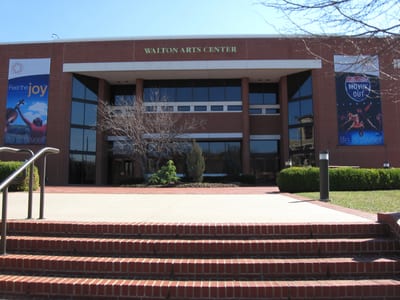
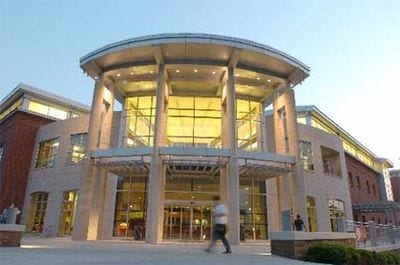
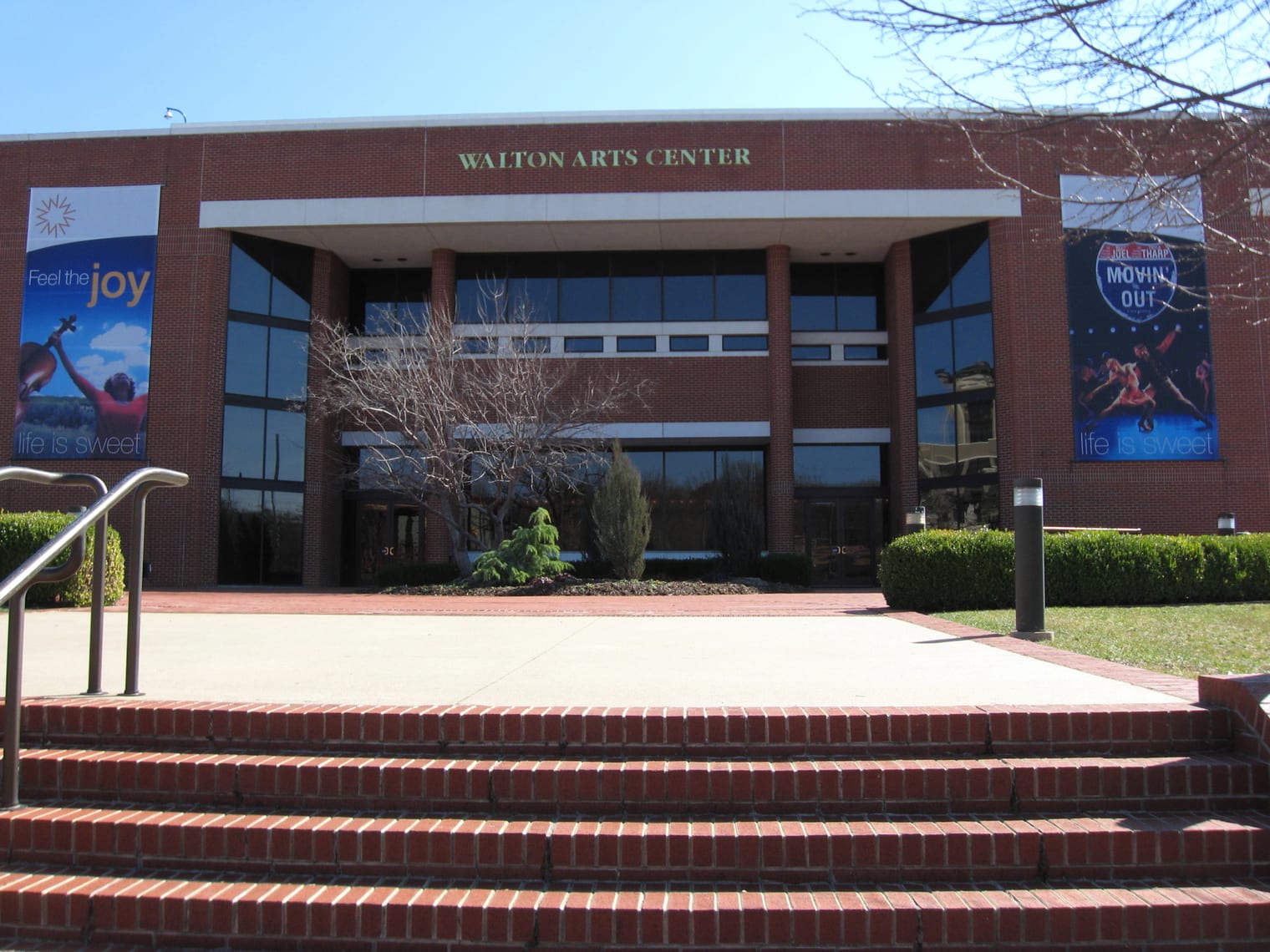
The Walton Arts Center on Dickson Street has been Northwest Arkansas's main stage since it opened in 1992, presenting touring Broadway musicals, concerts, dance and comedy. It was built through a partnership of the Walton Family Foundation, the university, the city and private donors, and it ranks among the busiest arts presenters in the state.
Check the season calendar before you plan an evening downtown, since a show here pairs naturally with dinner and drinks along Dickson Street. The Symphony of Northwest Arkansas is a resident company, so orchestral nights join the touring productions on the schedule.
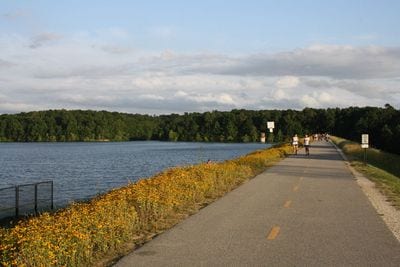
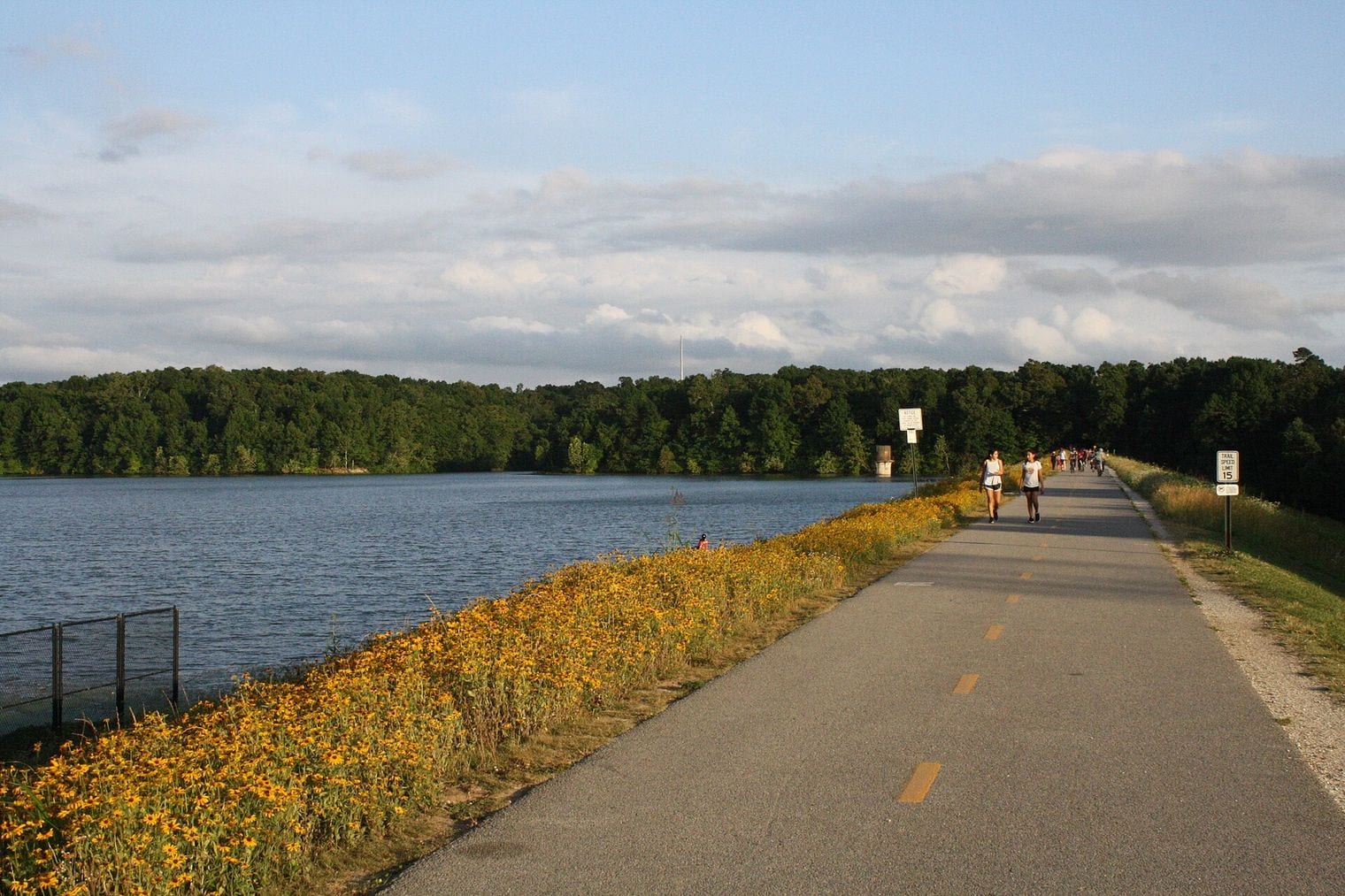
Lake Fayetteville Park surrounds a 194-acre reservoir completed in 1949 on the city's north side, and it is where locals come to run, ride, paddle and fish. A trail of about five and a half miles circles the shore, passing the Botanical Garden of the Ozarks and the North Shore park area.
The marina has a boat dock and rents boats and bikes, the north shore has a disc golf course, and a softball complex and picnic spots fill out the park. Veterans Memorial Park on the south shore is an easy place to start the loop, and the Razorback Regional Greenway connects with the lake trail.
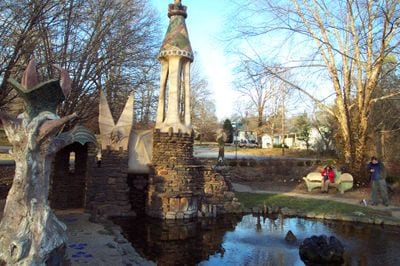
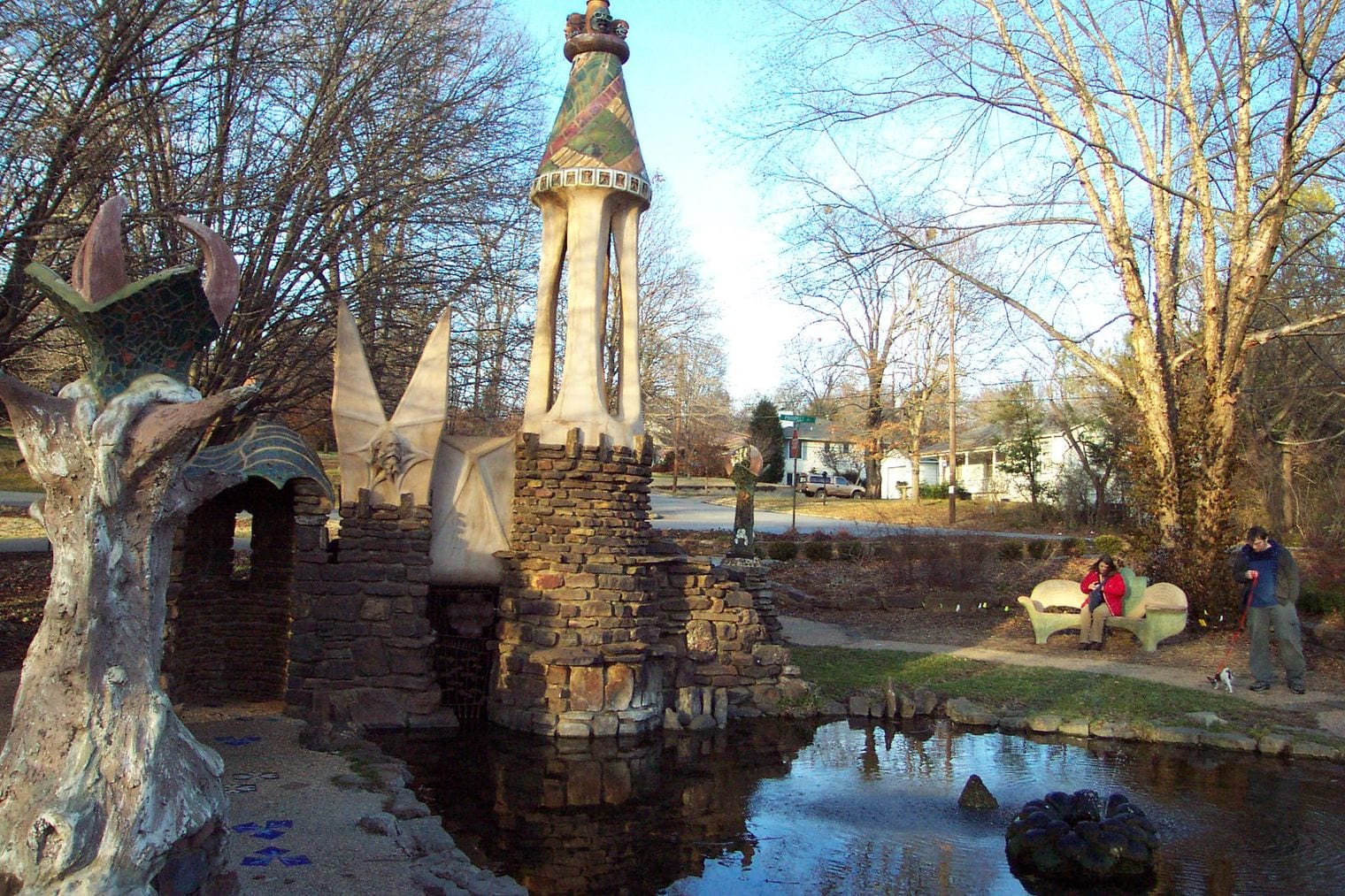
Wilson Park is a 23-acre green in a historic neighborhood just north of Dickson Street, and it is one of Fayetteville's oldest and best-loved public parks. Its centerpiece is the Castle, a whimsical sculpture by local artist Frank Williams, finished in 1981 and built of native stone and concrete studded with tile, colored stones and oyster shells beside a spring-fed pond.
Other local artists have kept adding to the scene, so look for the flowering benches and the long sculpted earthworm that doubles as a retaining wall. In summer the park's public pool draws families, and the shaded paths and playground make it an easy stop between campus and downtown.
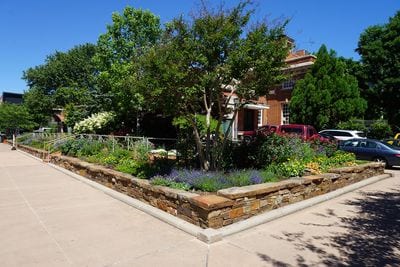
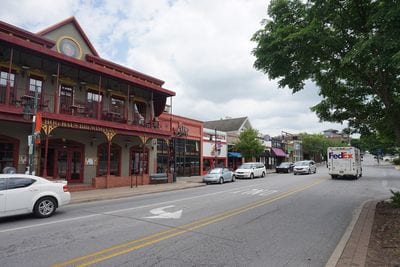
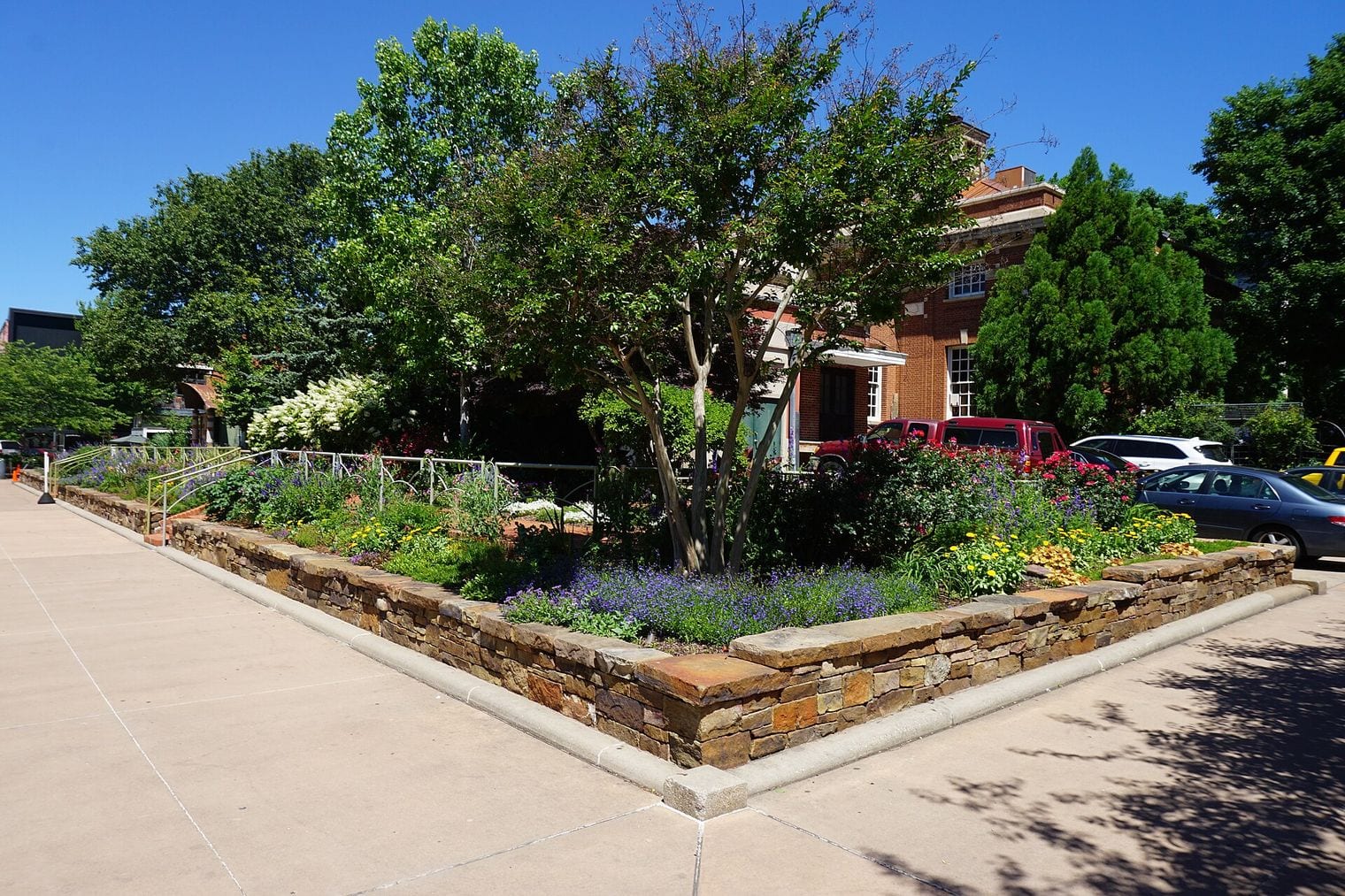
Square Gardens and the Fayetteville Square sit at the heart of the original town: a block of historic storefronts around the Old Post Office, a 1911 Classical Revival building that residents campaigned to save. The gardens around it are replanted through the seasons, and their benches and shade make this the natural place to sit downtown.
Each holiday season the Square becomes the center of Lights of the Ozarks, when city crews wrap its trees and green spaces in hundreds of thousands of lights. The rest of the year, browse the shops and cafes on the surrounding blocks, and come back on a market morning when the stalls ring the Square.
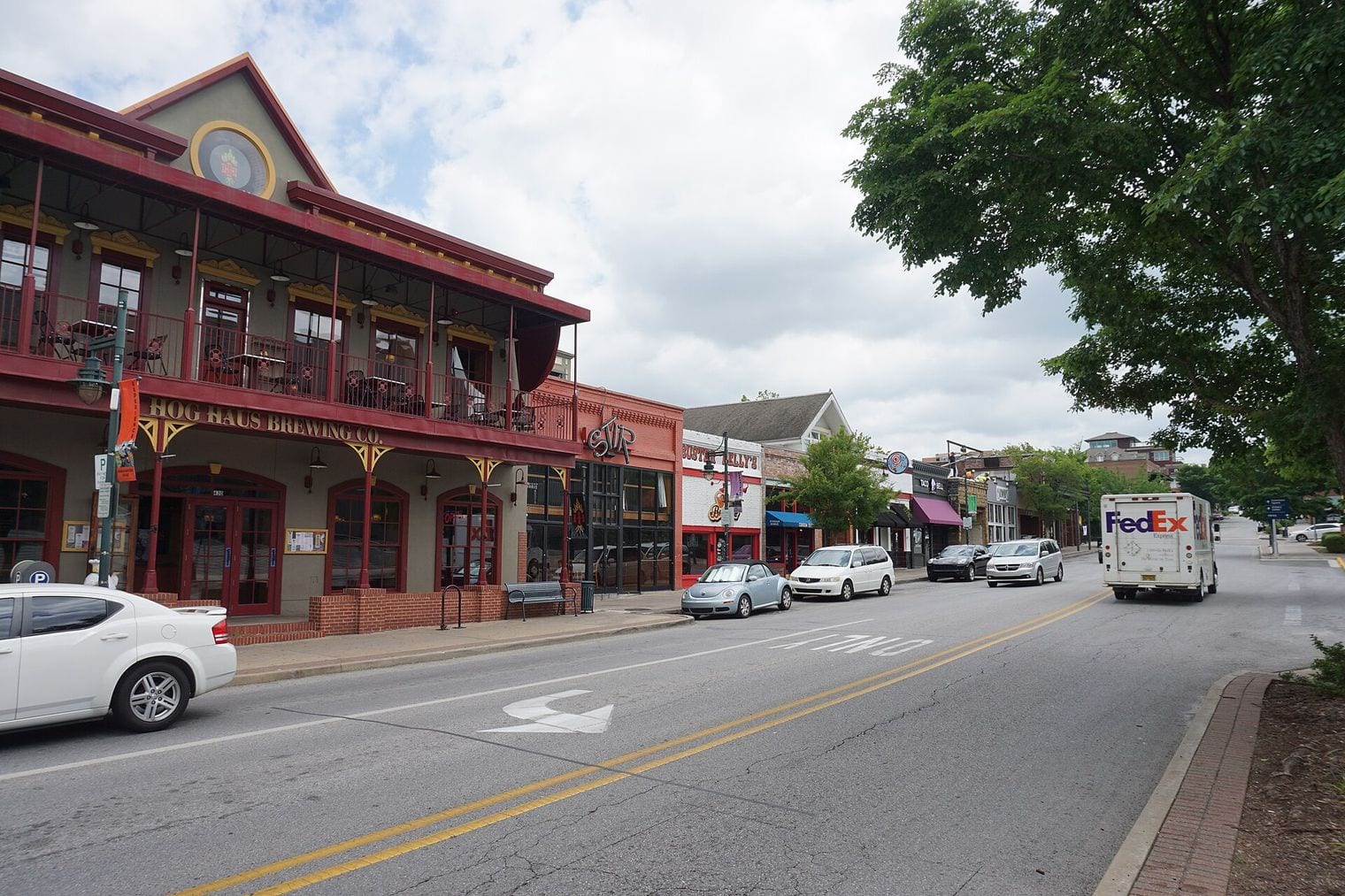
The Dickson Street Entertainment District runs east from the University of Arkansas campus toward downtown, and it is the city's nightlife strip, with bars, restaurants, patios and music rooms packed into a few historic blocks. It is widely counted, alongside the River Market in Little Rock, as one of the two most popular entertainment districts in Arkansas.
The street also holds the Walton Arts Center, George's Majestic Lounge and the Dickson Street Bookshop, each covered on its own in this list. Come on a Razorback game weekend to see it at full volume, when red-clad fans fill the sidewalks before and after kickoff, or on a weeknight for a quieter stroll.
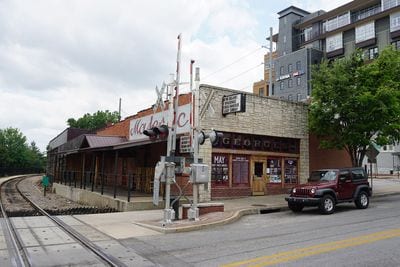
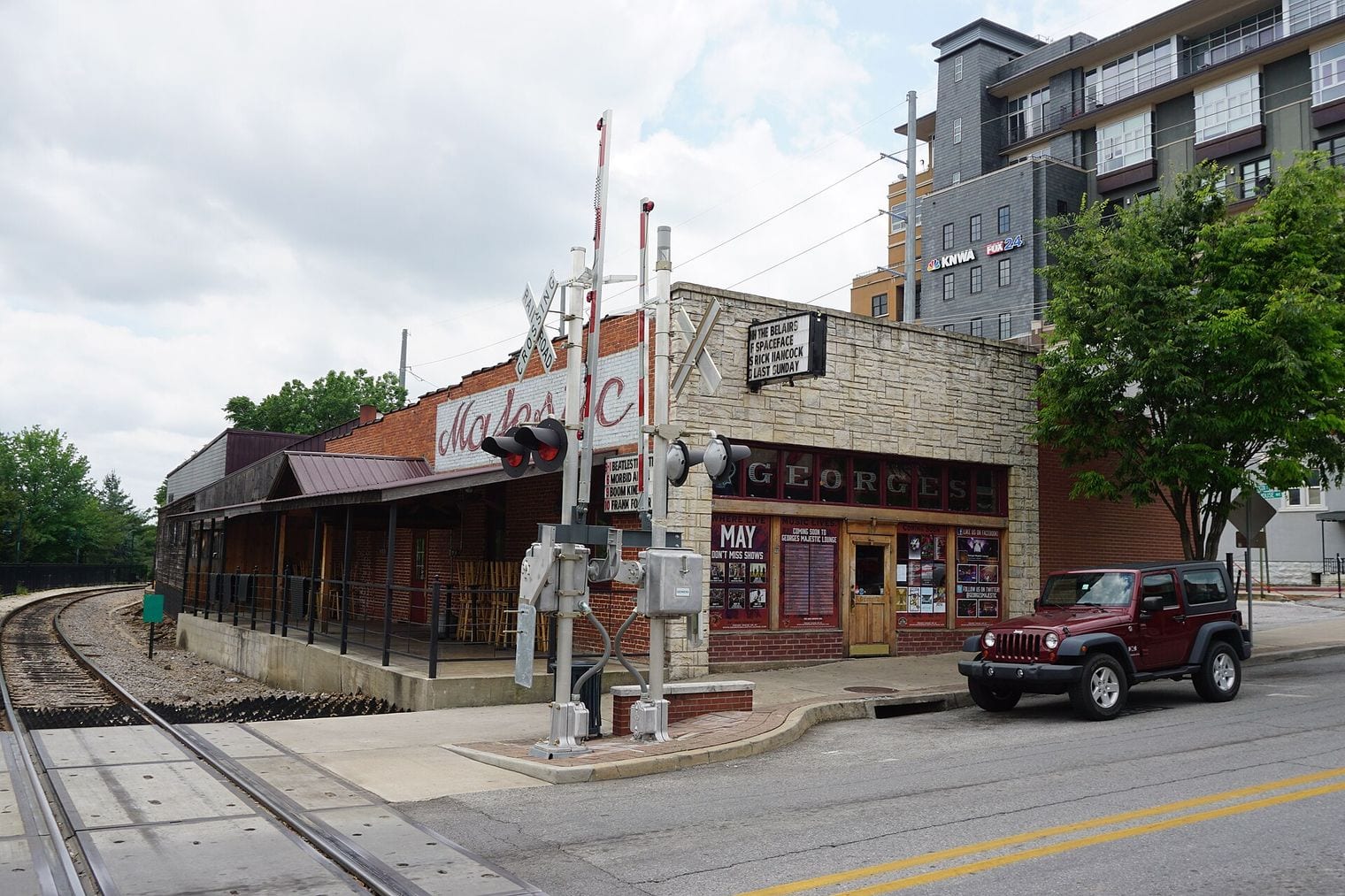
George's Majestic Lounge has been part of Dickson Street since 1927, when George Pappas opened it as a restaurant, bar and general store, and it is billed as the oldest club and live-music venue in Arkansas. Generations of students, locals and touring bands have passed through the room since.
Expect anything from local bands to touring rock, country and indie acts, with a crowd that mixes students and longtime regulars. Check the lineup before you go, and pair a show with a walk along the rest of the strip.
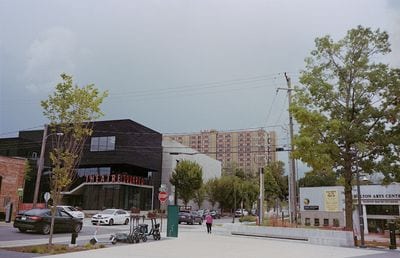
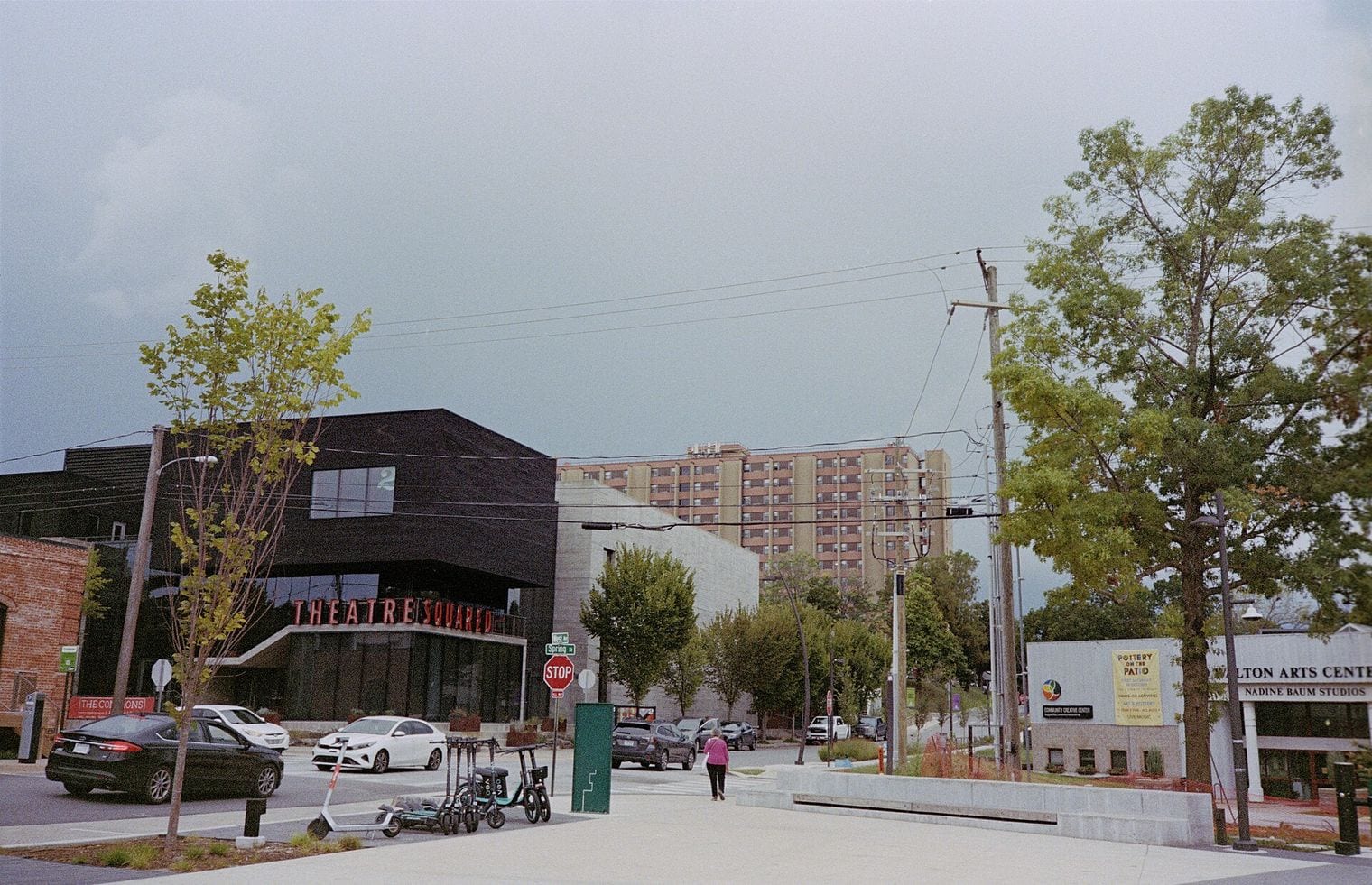
TheatreSquared is the region's professional theater company, founded in 2005 and now based in a purpose-built home on West Spring Street, a short walk from Dickson Street. The building holds two stages, a 277-seat main theater and a 120-seat studio theater, along with a cafe and bar.
The company stages a full season of productions each year plus a family series, and it hosts the annual Arkansas New Play Fest of emerging work. It works with the professional actors' union, so you see professional casts in an intimate room, and the cafe makes a relaxed spot before curtain.
Free printable checklist of all 20 places
Tick them off as you go. Confirm your email to download it, plus one email every Thursday with new guides for the places you tick.
The University of Arkansas Campus and Old Main make a rewarding walk even if you never set foot in a lecture hall. Old Main, completed in 1875 with two brick towers in the Second Empire style, is the oldest building on campus, and it was built from the same plans as University Hall at the University of Illinois, which has since been demolished.
Follow Senior Walk, where the names of students from the class of 1876 onward are inscribed in the sidewalks, winding for more than four miles across campus. The lawn around Old Main serves as an arboretum, and the football stadium and basketball arena are a short walk away. The Clinton House Museum, where Bill and Hillary Clinton married, is nearby but closed for renovation.
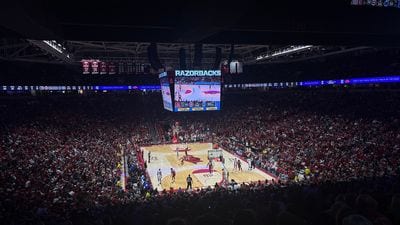
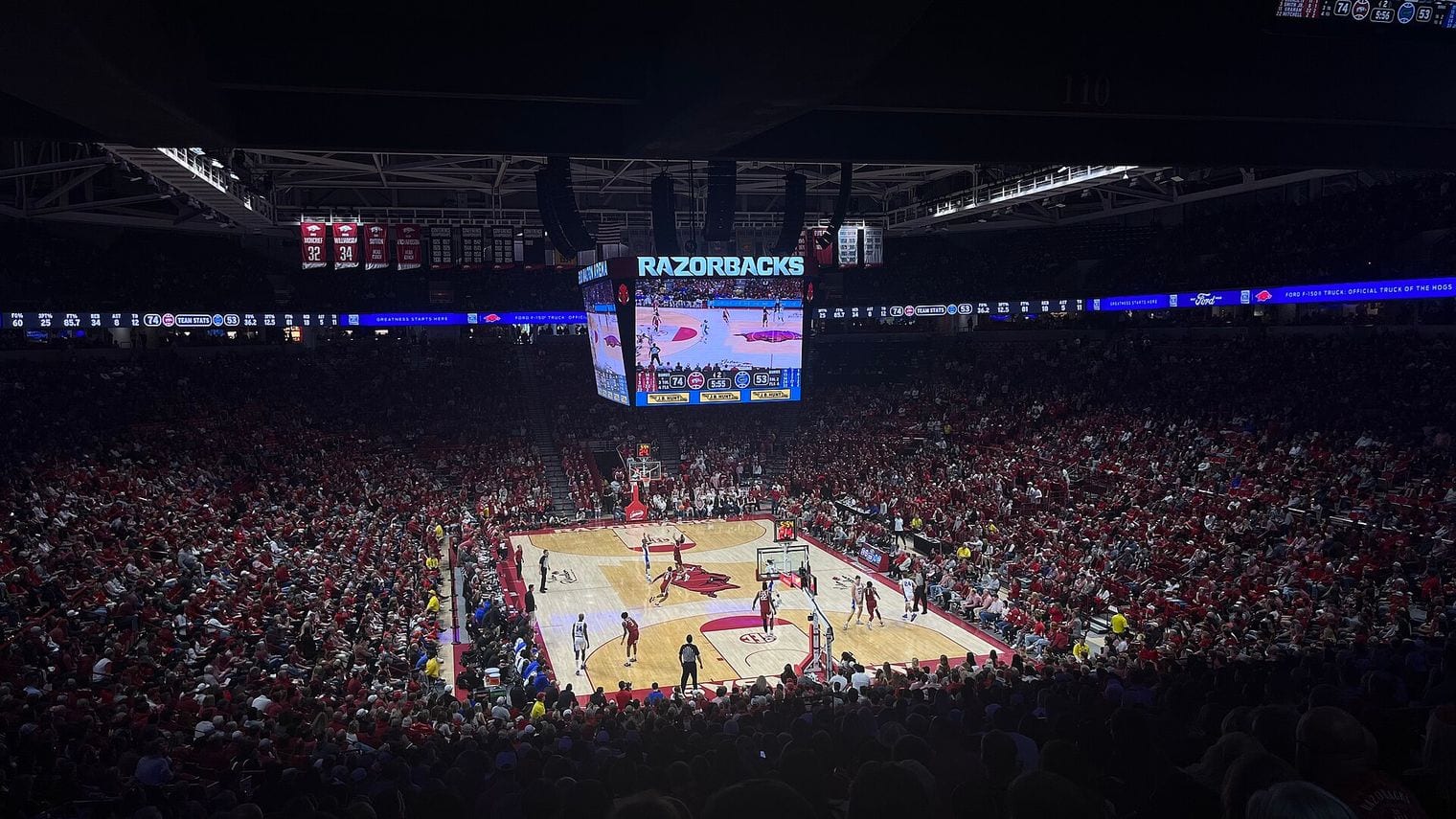
Bud Walton Arena is the home court of Razorback basketball, and it is one of the largest on-campus arenas in the country. Fans know it as the Basketball Palace of Mid-America, and the floor is named Nolan Richardson Court for the coach who led Arkansas to the 1994 national championship.
Game nights here are loud and full of Razorback red, especially in conference play. On the ground level, the Razorback Sports Museum covers the history of Arkansas basketball, track and field, baseball, tennis and golf, a good extra for any sports fan.
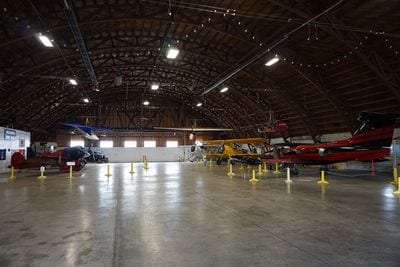
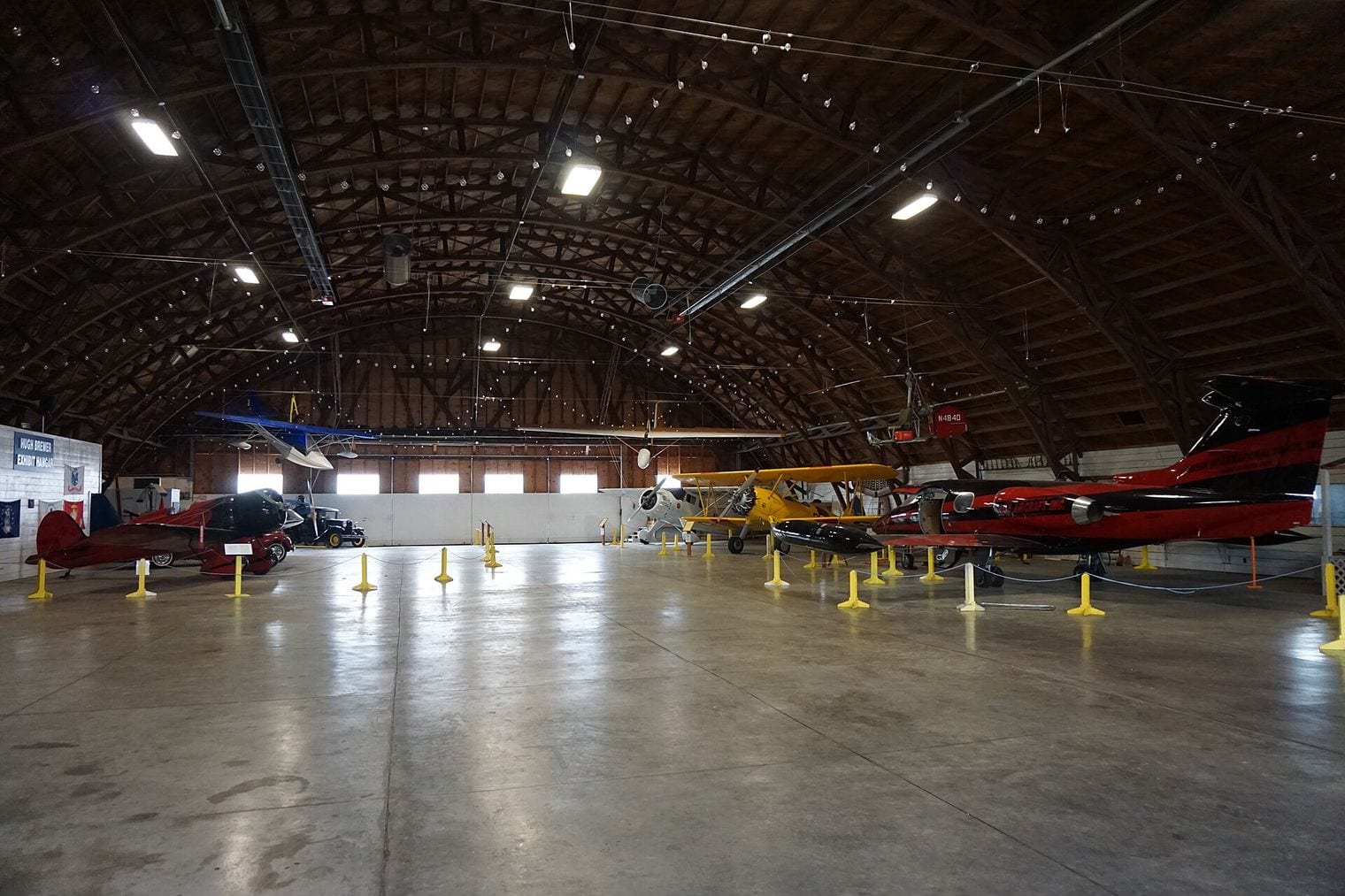
The Arkansas Air and Military Museum fills the White Hangar at Drake Field, a wooden hangar built during World War II, when metal was scarce, to house training aircraft for a university flight program. It is one of the few wartime wooden hangars still standing and is listed on the Arkansas Register of Historic Places.
Inside, historic aircraft share the floor with engines and exhibits on military and civil aviation, and the museum is described as the largest aviation museum in Arkansas. Drake Field lies a few miles south of downtown, an easy detour on the way to or from the hills south of the city.
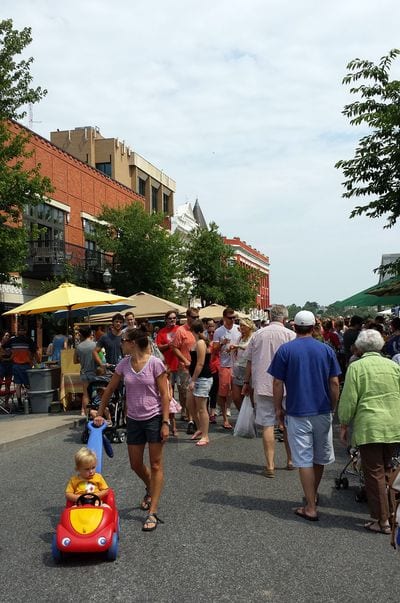
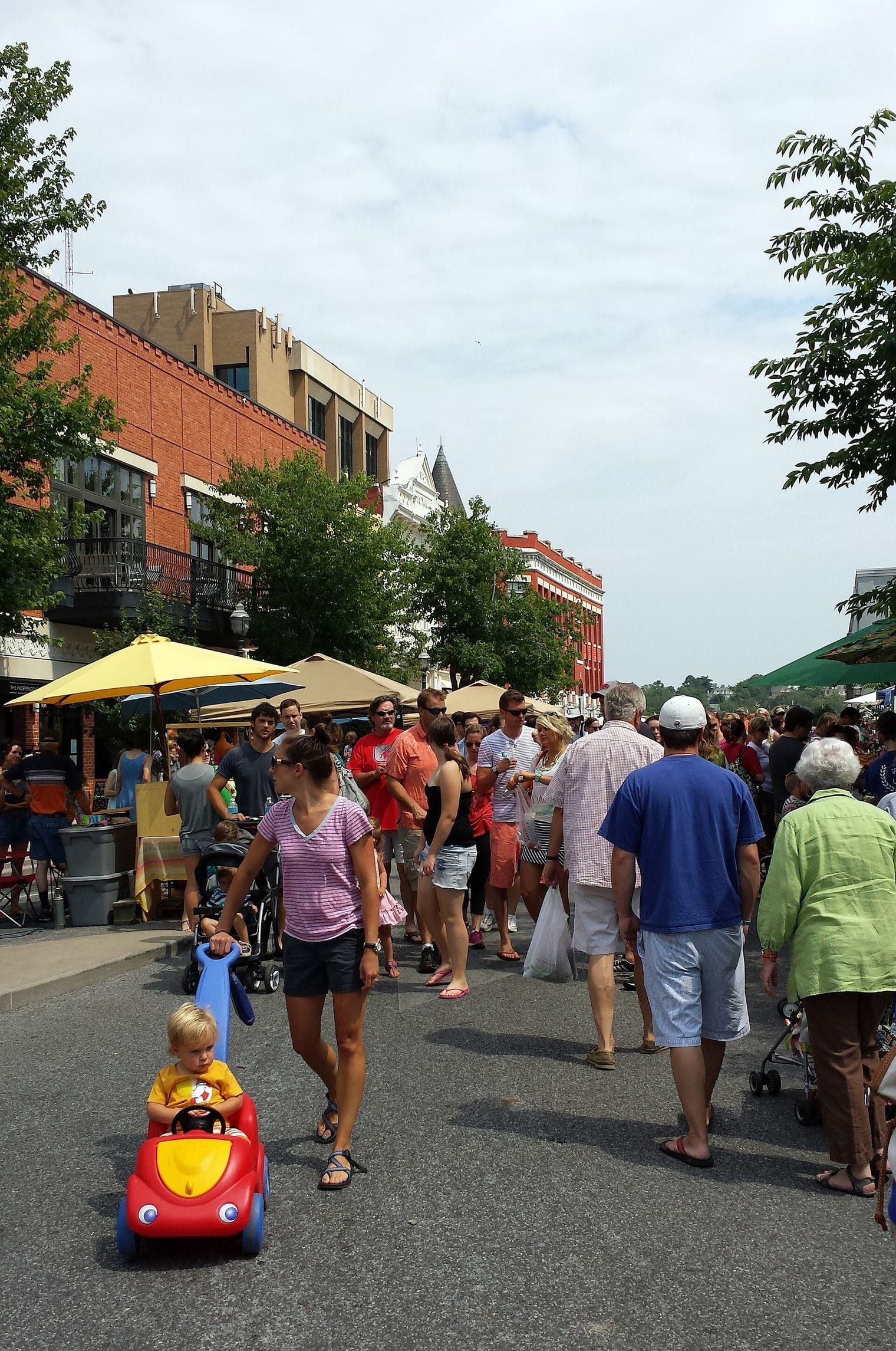
The Fayetteville Farmers' Market has set up on the downtown Square since 1973, and it is considered the oldest farmers' market in Northwest Arkansas. On Tuesday, Thursday and Saturday mornings in season, growers and makers from the surrounding counties fill the stalls around the Old Post Office with vegetables, fruit, flowers, meat, honey, eggs, baked goods and crafts.
Saturday is the big day, when the crowds are thickest and musicians often play on the corners. Arrive early for the best produce, grab a coffee on the Square, and leave room for something baked.
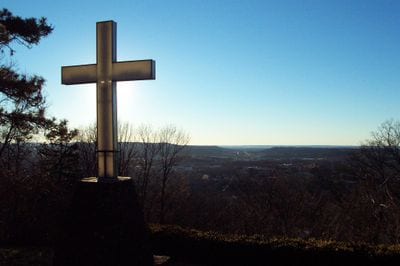
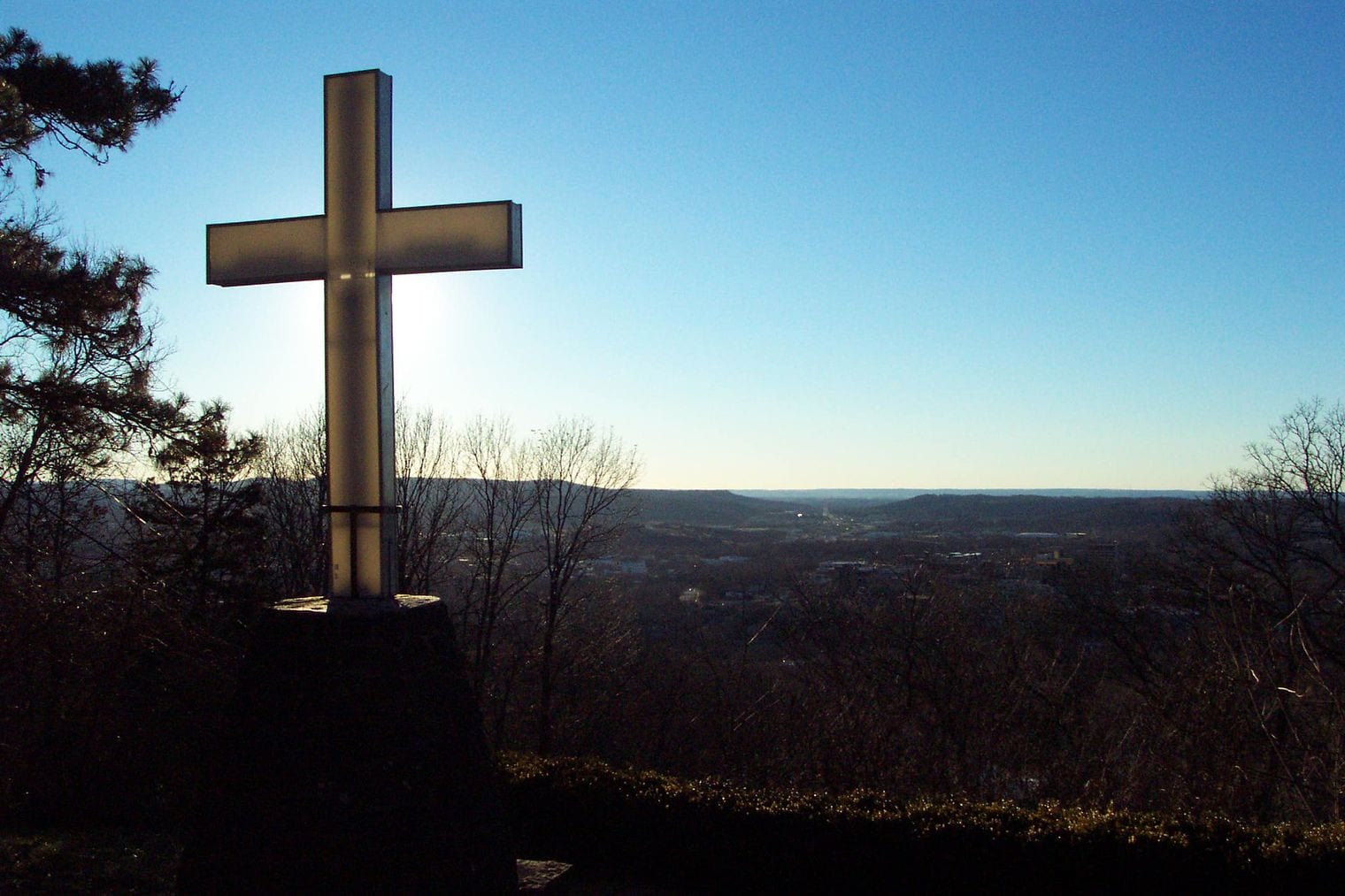
The Mount Sequoyah Overlook and Cross sits on the hilltop just east of downtown, where a lighted cross on a stone base looks out over the Square, the university and the hills beyond. It is one of the best free viewpoints in the city, and especially good at sunset, when the lights come on below.
The overlook belongs to the grounds of the Mount Sequoyah Center, a retreat and conference center that has occupied the summit for about a century, and the wooded lanes around it make a pleasant short walk. Drive up, or tackle the steep streets on foot or by bike if you want a workout.
The Razorback Regional Greenway is a 40-mile, mostly off-road shared-use trail that starts at Kessler Mountain Regional Park in south Fayetteville and runs north through Springdale, Rogers and Bentonville toward Bella Vista. Dedicated in 2015 and named a National Recreation Trail in 2023, it is the backbone of Northwest Arkansas's trail network.
In Fayetteville the route links downtown, the university and Lake Fayetteville along creeks and wooded corridors, so you can ride from the Square to the lake largely away from traffic. Rent a bike in town, pick a stretch, and stop for a drink or a meal in whichever town you reach.
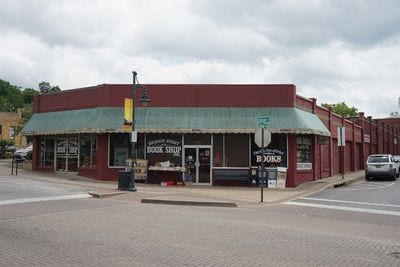
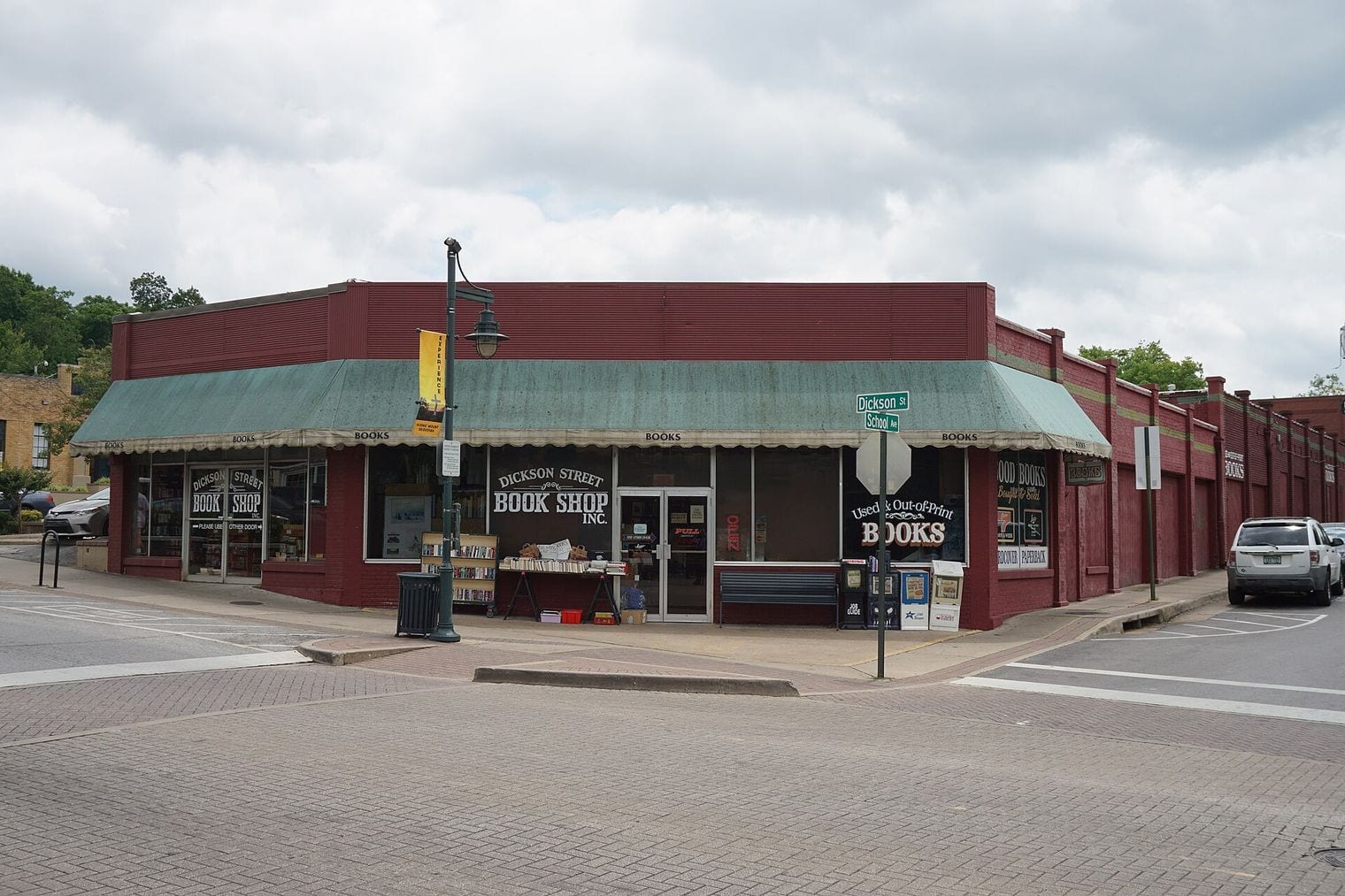
Dickson Street Bookshop is a used and rare bookstore that has been a fixture of the street since 1978, set in a former laundry building at the corner of Dickson Street and School Avenue. Floor-to-ceiling shelves hold a huge stock of books, and it is easy to lose an hour in the back rooms.
Look for the concrete ramp from the front room to the back stacks, a leftover from the days when laundry trucks drove up it to the washers. The shelves run from fiction and poetry to cookbooks and nonfiction sorted by country, with a room just for paperbacks and a section of rare and out-of-print titles.
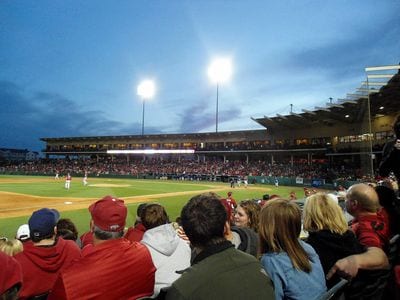
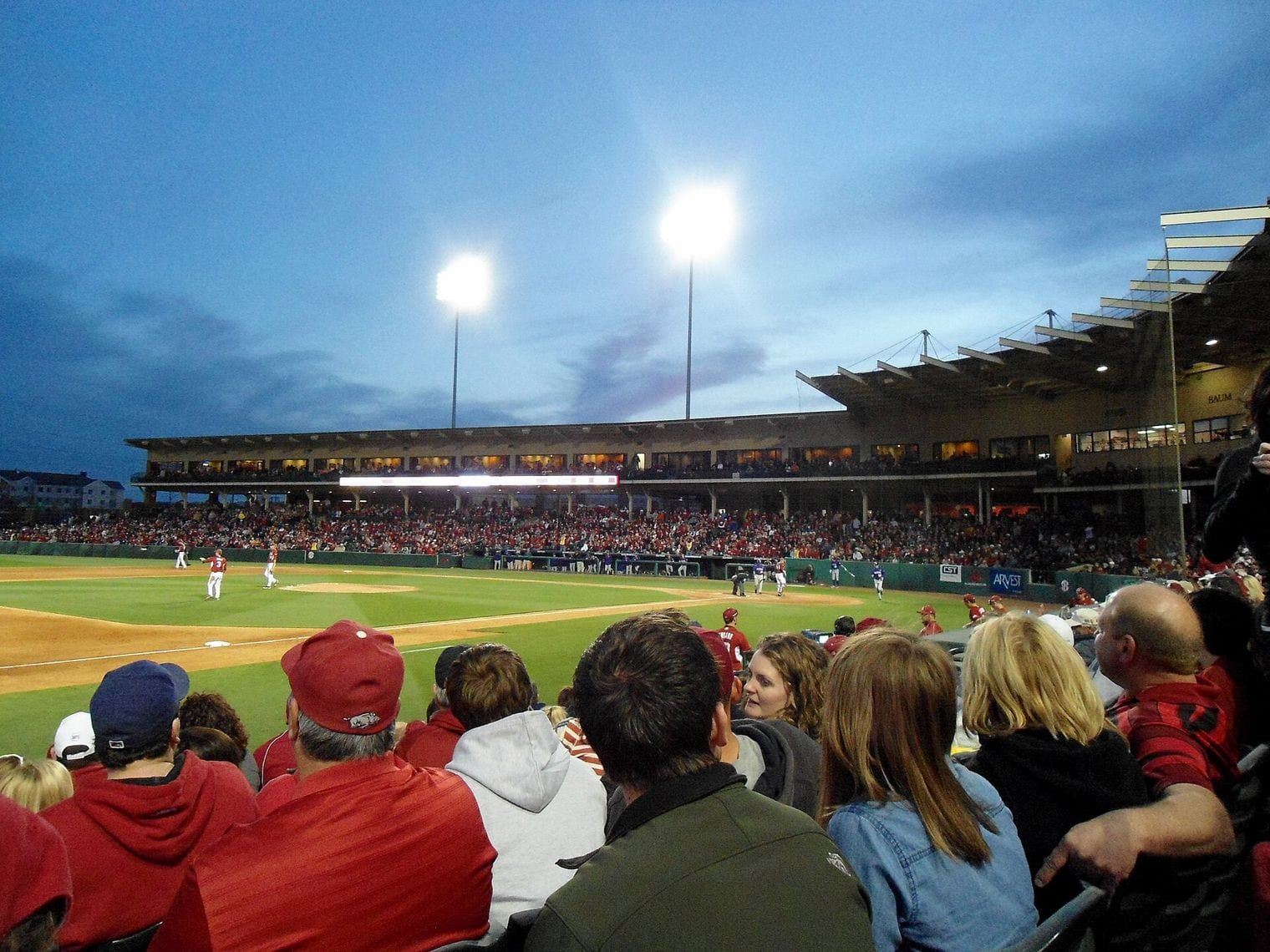
Baum–Walker Stadium is home to Razorback baseball and one of the best-attended college ballparks in the country, where Arkansas has led the nation in average attendance more than once. The playing surface is George Cole Field, and the park opened in 1996 just across Razorback Road from the main campus.
On a spring weekend the stands fill with red-clad fans, and the crowd is famously loud for college baseball. A ballgame here is one of the easiest ways to share an evening with the city, and even a midweek game draws a lively crowd.
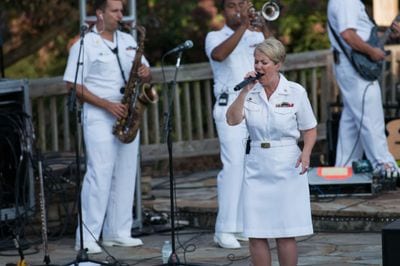
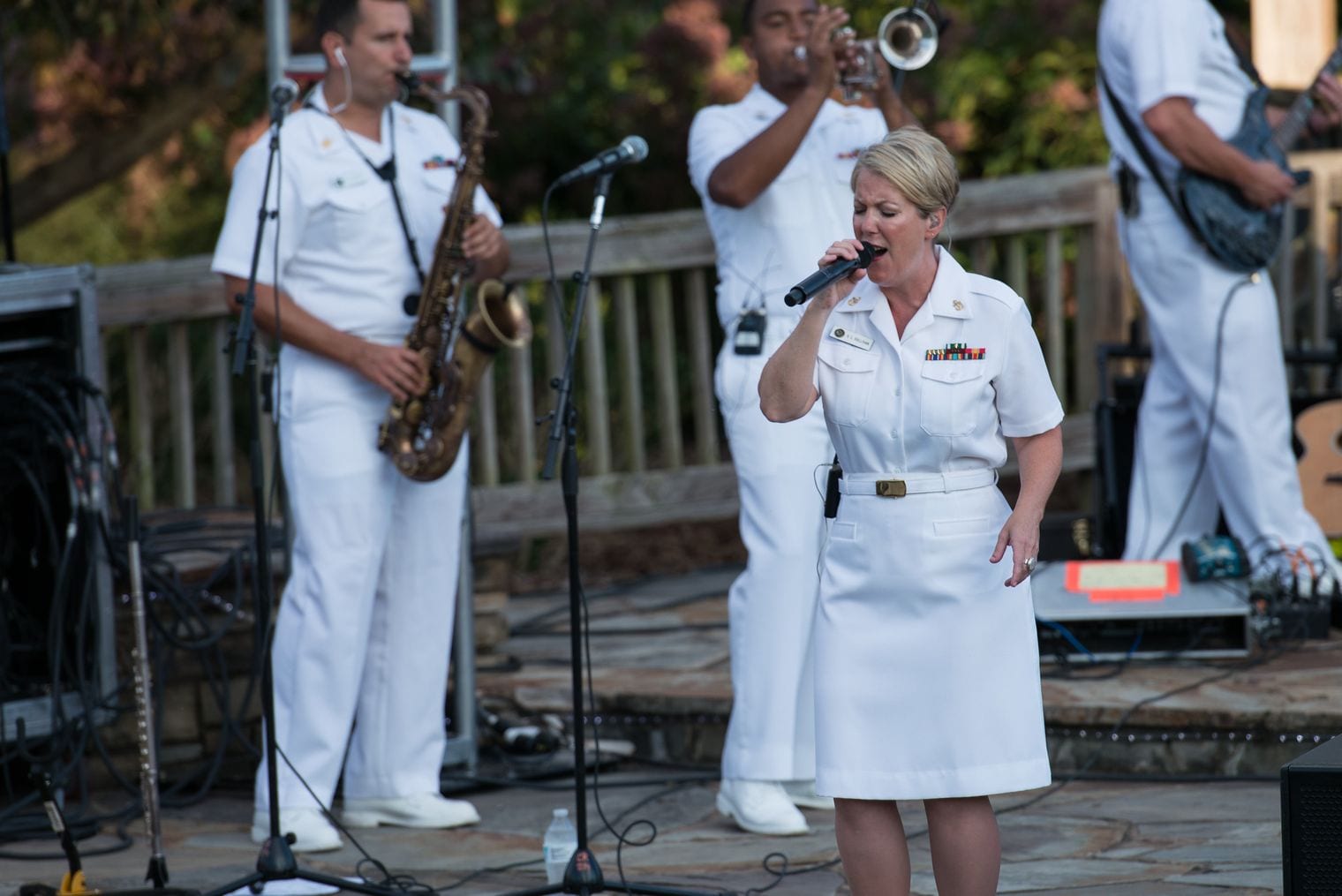
Gulley Park is a 28-acre neighborhood park on the city's northeast side, with open lawns, a walking trail, a playground and a gazebo, and it is best known for its free summer concert series. On Thursday evenings in early summer, families spread blankets on the grass for live music, food vendors and a fair of local artists and crafters.
Outside concert season it is a quiet place for a loop on the trail, a picnic or a playground stop with kids. It makes a calm counterpoint to the busier parks closer to downtown.
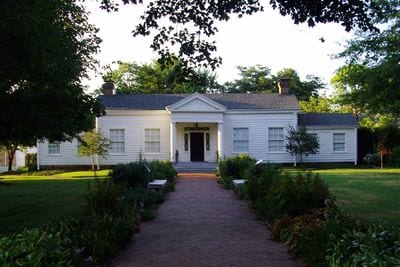
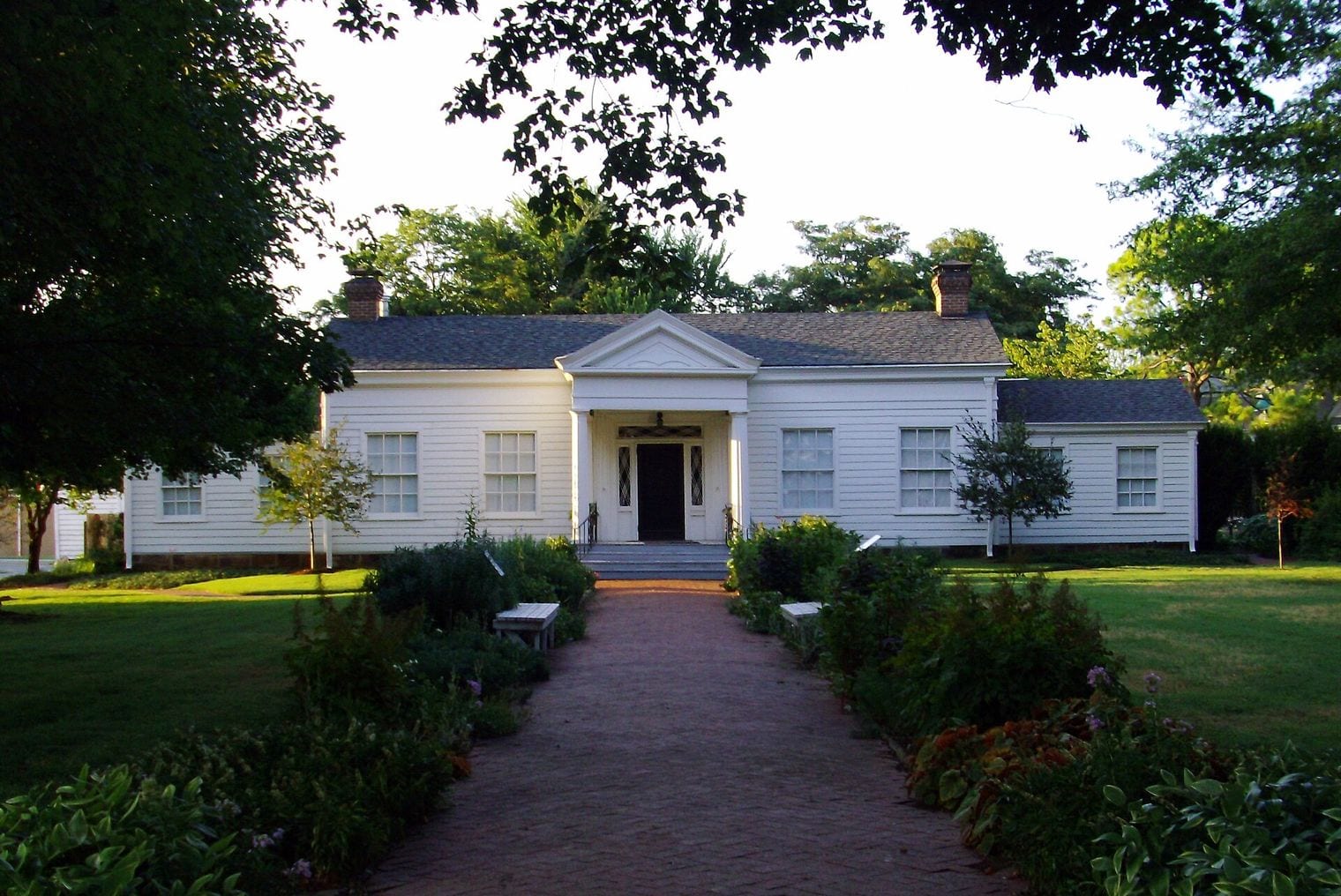
Headquarters House Museum is a pre-Civil War home on East Dickson Street, built in the early 1850s for Judge Jonas Tebbetts, that served as a headquarters for both Union and Confederate forces during the war. While it was a Union outpost, Confederate troops attacked it during the fighting at Fayetteville in 1863.
Today the Washington County Historical Society runs the house as a museum of the county's history, and it was listed on the National Register of Historic Places in 1971. Tours run on a limited schedule, so check ahead, then walk a few blocks west to the Dickson Street strip.
Fayetteville Public Library, also called the Blair Library, is far more than a place to borrow books. Its expansion, opened in 2021, added a Center for Innovation, a teaching kitchen and an event center, and the library was named Library of the Year by Library Journal in 2005.
Travelers can drop in to work, browse, or catch a talk or class, and its downtown location a few blocks from the Square makes it a good rainy-day stop. The library's roots go back to 1916, and the building carries LEED Silver certification for its green design.
Plan your trip
Best Time to Visit Fayetteville
Spring and fall are the most comfortable seasons, with mild days for the lake trail and the greenway, flowering trees in spring and color spreading across the Ozark hills in autumn. Fall is also football season, and a home game weekend fills the city's hotels and streets, so book early or plan around the schedule if you want a quieter visit.
Summer is hot and humid, but it brings free evening concerts in Gulley Park and long days on the water. Winter is cool and quiet, brightened by Lights of the Ozarks on the Square through the holiday season and by basketball nights at Bud Walton Arena.
Getting to Fayetteville
Interstate 49 is the main road in, linking Fayetteville with Springdale, Rogers and Bentonville to the north and with Interstate 40 near Fort Smith and Alma to the south. Most visitors fly into Northwest Arkansas National Airport (XNA), about 17 miles northwest of the city and usually around half an hour's drive; Drake Field, just south of town, serves private aircraft rather than airline flights.
Tulsa's airport, about two hours west, is the nearest larger alternative. There is no passenger rail service to Fayetteville, so beyond the airport most trips here are by car.
Getting Around Fayetteville
The Square, Dickson Street and the university campus sit close together and are easy to cover on foot, though the hills make for some steep walking. The university's Razorback Transit buses are open to the public and run across campus and into town, and rideshare is widely available.
A car is the simplest way to reach the Botanical Garden, Lake Fayetteville, Gulley Park and the air museum at Drake Field. Cyclists can use the Razorback Regional Greenway to link downtown, campus and the lake. Expect heavy traffic and scarce parking near campus on game days.
Where to Stay in Fayetteville
Downtown, around the Square and Dickson Street, is the best base for walking to restaurants, bars, theaters and the campus. Rooms close to the university are the most convenient for game days, but they book up early and cost the most on football weekends.
The hotels along Interstate 49 on the city's north side are a practical choice with a car: they put you near Lake Fayetteville and the Botanical Garden and make it easy to explore Springdale, Rogers and Bentonville.
Where to Eat in Fayetteville
Dickson Street and the blocks around the Square hold most of the city's restaurants, cafes and patios, with plenty of choice for a pre-show dinner or a late meal after a gig. Local craft brewing has a big following, and the Fayetteville Ale Trail links breweries across town.
Look for Arkansas favorites such as cheese dip, barbecue and fried catfish, and for Ozark breakfast staples like biscuits with chocolate gravy. On market mornings, the farmers' market is the place for local produce, baked goods and honey.
Day Trips from Fayetteville
Bentonville, about half an hour north on Interstate 49, is home to Crystal Bridges Museum of American Art and its wooded trails. Prairie Grove Battlefield State Park, around 20 minutes west, preserves a major Civil War battlefield, and Devil's Den State Park, roughly 45 minutes south, has rugged Ozark hiking, caves and a stone dam built by the Civilian Conservation Corps.
Head about an hour northeast to the Victorian hillside streets of Eureka Springs, one of the most rewarding of the Arkansas small towns, or drive east to the bluffs of the Buffalo National River, America's first national river. For a longer road trip, the historic bathhouses of Hot Springs lie about three and a half hours to the southeast and deserve at least one night.
Fayetteville is best known as the home of the University of Arkansas and its Razorbacks, who play at Donald W. Reynolds Razorback Stadium and Bud Walton Arena. Visitors also come for the Dickson Street nightlife, the Walton Arts Center, the Botanical Garden of the Ozarks and the trails of Lake Fayetteville Park, all set in the Ozark hills.
How many days do you need in Fayetteville?
Two days covers the highlights: one for downtown, the Square and the campus, and one for the Botanical Garden, Lake Fayetteville and an evening on Dickson Street. Add a third day to ride the Razorback Regional Greenway or take a day trip to Bentonville, Eureka Springs or Devil's Den State Park.
What can you do in Fayetteville for free?
Plenty of the city is free to enjoy: the Castle in Wilson Park, the gardens on the Fayetteville Square, Old Main and Senior Walk on campus, the sunset view from Mount Sequoyah, the trail around Lake Fayetteville and the Razorback Regional Greenway. In summer, the Gulley Park concert series adds free live music on Thursday evenings.
Is Fayetteville, Arkansas worth visiting?
Yes, especially if you like college sports, live music and the outdoors. Fayetteville pairs a lively university town, with game days and a busy entertainment district, with easy access to Ozark trails and lakes. It also makes a good base for Bentonville, Eureka Springs and the Buffalo National River.
Is Fayetteville, Arkansas the same as Fayetteville, North Carolina?
No. Fayetteville, Arkansas is a university city in the Ozarks of Northwest Arkansas, home to the Razorbacks. Fayetteville, North Carolina is a different city in the Sandhills of North Carolina, more than 800 miles to the east. Fayetteville, Arkansas was named after Fayetteville, Tennessee, which took its own name from the North Carolina city.
Sources & updates
How this guide was checked
Checked before launch
Sources cited
20
Publishers
12
Every place on this list was confirmed open and pinned on the map before publication, and what we say about each one was checked against its own website or an official source.
A PDF with a box to tick for every place. Confirm your email to download it, and get one email every Thursday with our newest guides for the places you tick.
Free Fayetteville printable checklist
All 20 places in one PDF
Tick them off as you go. Confirm your email to download it, plus one email every Thursday with new guides for the places you tick.
We use cookies to analyse site traffic and improve your experience.
You can accept or reject analytics cookies. See our
May we use analytics cookies? See ourCookie Policy.