We may earn a commission if you book or buy through a link on
this page, at no extra cost to you. It never affects which places we list or how
we rank them (how we make money).
Short answer
Sydney's three essential sights are the Sydney Opera House on Bennelong Point, the Sydney Harbour Bridge — which you can walk across free or climb the arch of — and Taronga Zoo, reached by a ferry that doubles as the best harbour cruise in the city. Three days covers the harbour, the big museums and Bondi Beach; a week lets you add Manly Beach, the coastal walk south from Bondi and a day in the bush at Lane Cove National Park.
Sydney arranges itself around one of the world's great harbours, and almost everything worth seeing sits within sight of the water. Ferries double as sightseeing boats, the Opera House and the Harbour Bridge face each other across Sydney Cove, and a chain of ocean beaches runs north and south of the heads.
This guide covers 50 of the best things to do in Sydney, from the harbour landmarks and the big museums to Bondi, Manly and the bushland on the city's edge. Give it three days for the essentials, or a week to reach the beaches and the islands.
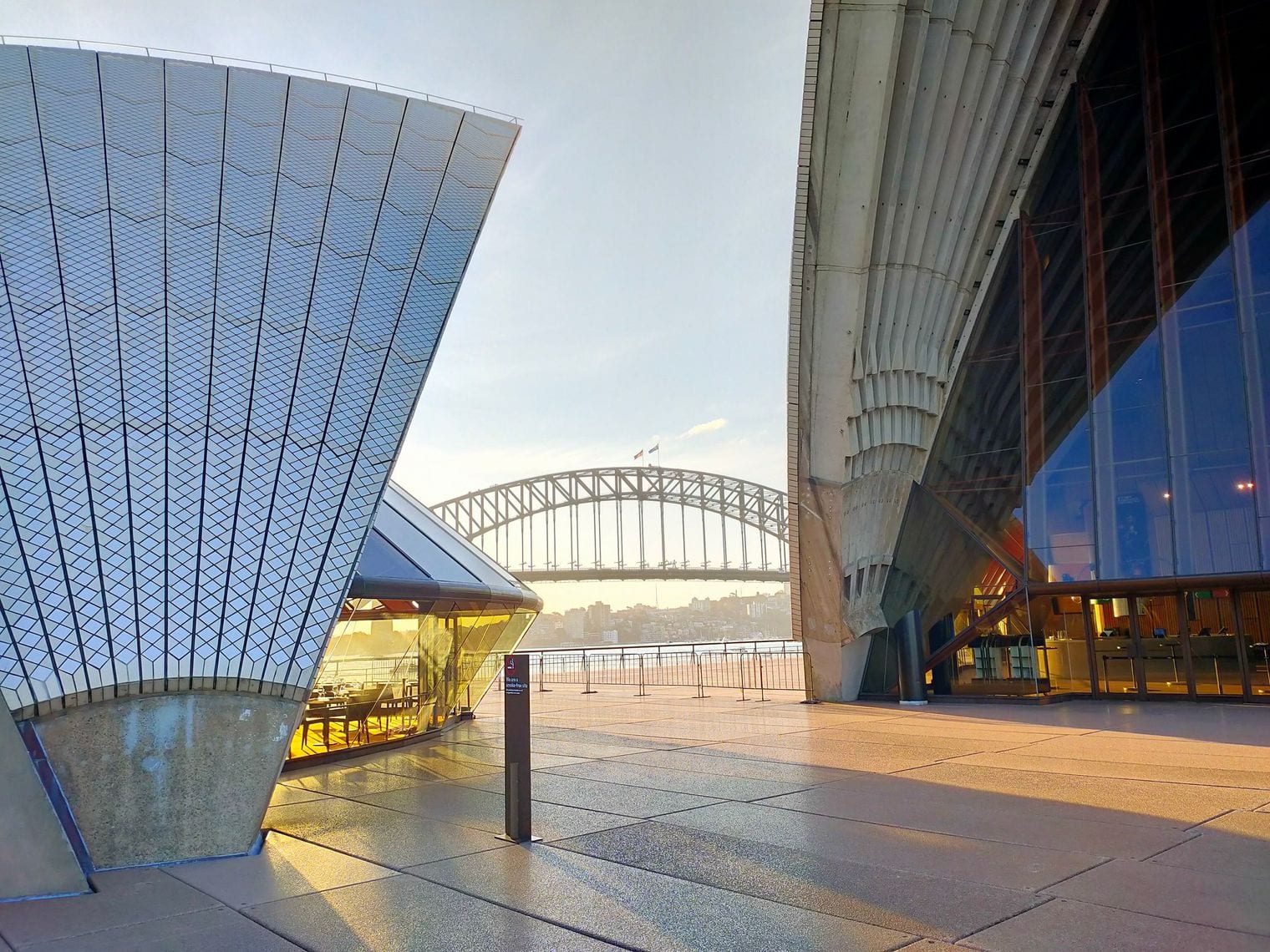
The Opera House roof carries 1,056,006 tiles in two shades — glossy white and matte cream — manufactured by the Swedish company Höganäs AB. From a distance they read as one colour; up close the pattern is obvious.
Its architect never saw it finished. Jørn Utzon left the project in February 1966 with the building years from completion, and died in 2008 having never returned to Australia to see it.
The Harbour Bridge grows in summer. Expansion of the steel on hot days can lift the top of the arch by as much as 18 centimetres.
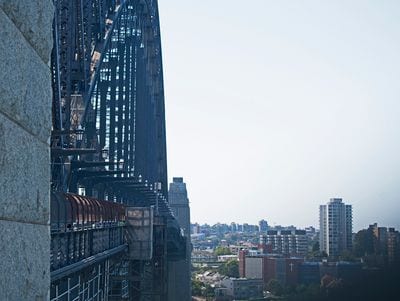
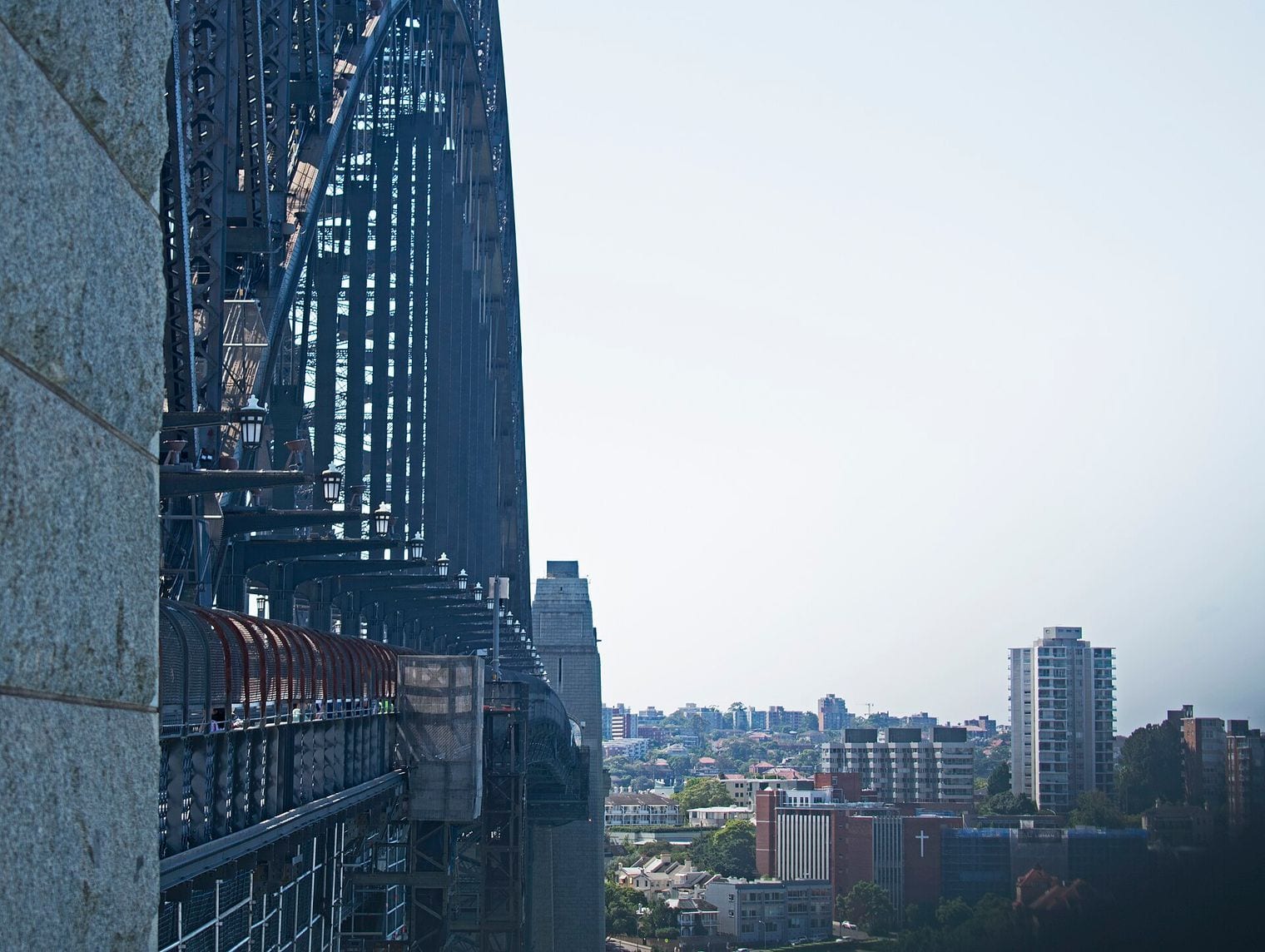
The bridge’s pylons hold up nothing. The four granite-faced towers are decorative and have no structural purpose. Their granite was quarried at Moruya, some 300 kilometres south, where around 250 stonemasons and their families moved for the job.
Sydney Harbour is a drowned river valley. Geologically Port Jackson is a ria — a river system flooded by rising seas — which is why it branches into so many coves and headlands instead of forming a simple bay.
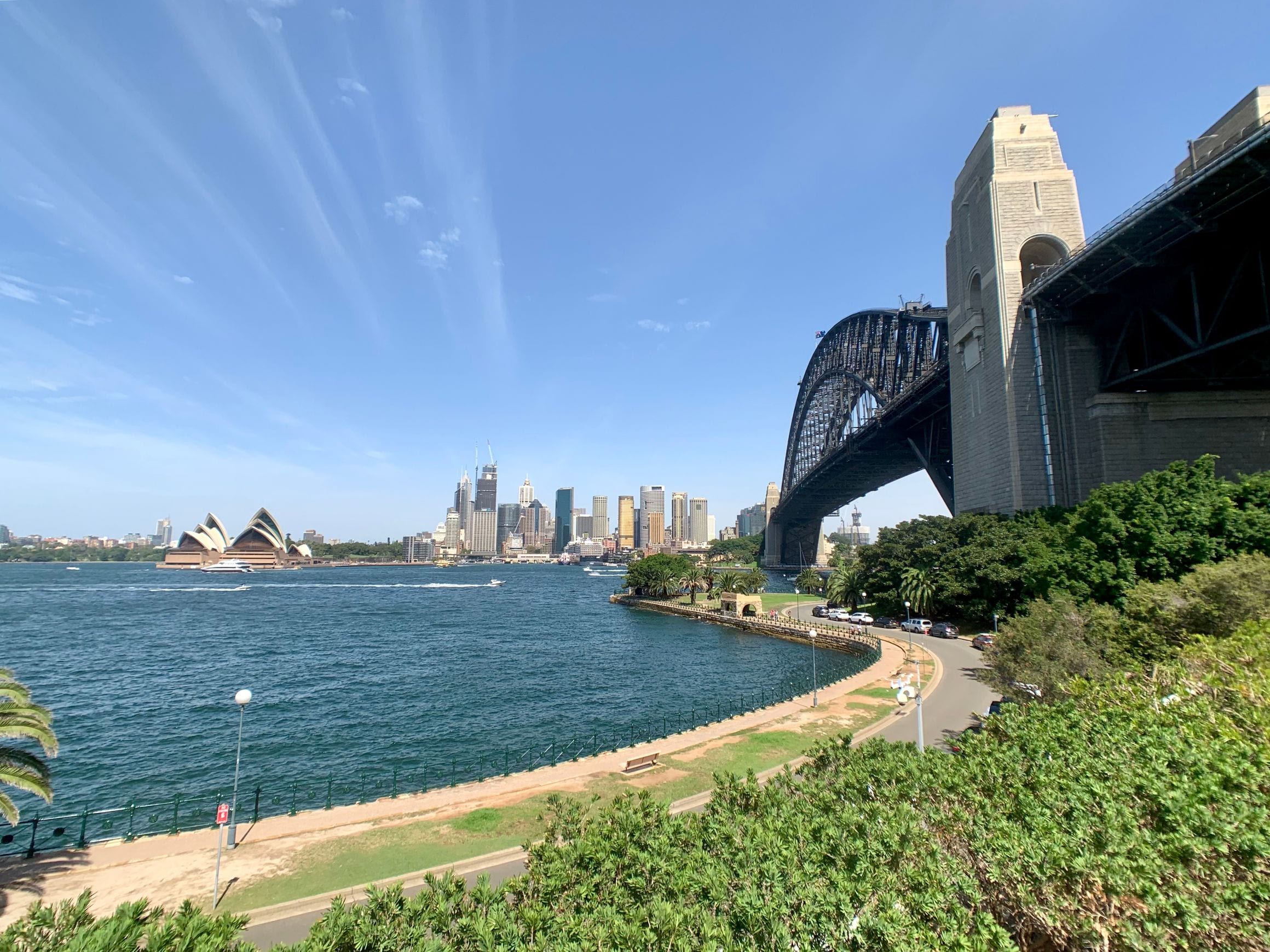
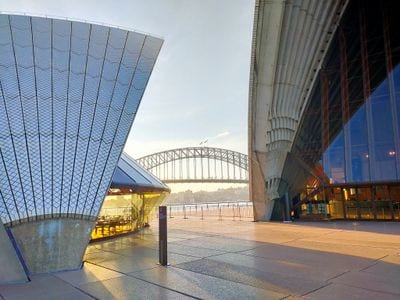
No building says Australia faster. The Sydney Opera House sits on Bennelong Point with water on three sides, its interlocking shells clad in more than a million cream and white tiles that shift colour through the day. Designed by Danish architect Jørn Utzon and opened in 1973, it was added to the UNESCO World Heritage List in 2007 — one of the few twentieth-century buildings to make the cut.
It is a working venue rather than a monument, with concert halls, theatres and studios staging performances most nights of the year. Guided tours run through the foyers and auditoriums, and a backstage option takes you under the stage and into the dressing rooms. If you do nothing else, walk the perimeter at ground level: the shells look completely different from underneath, and the northern steps give you the bridge, the harbour and the ferries in one frame.
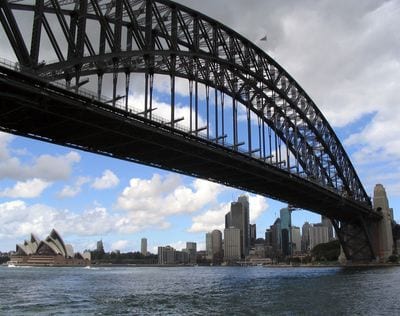
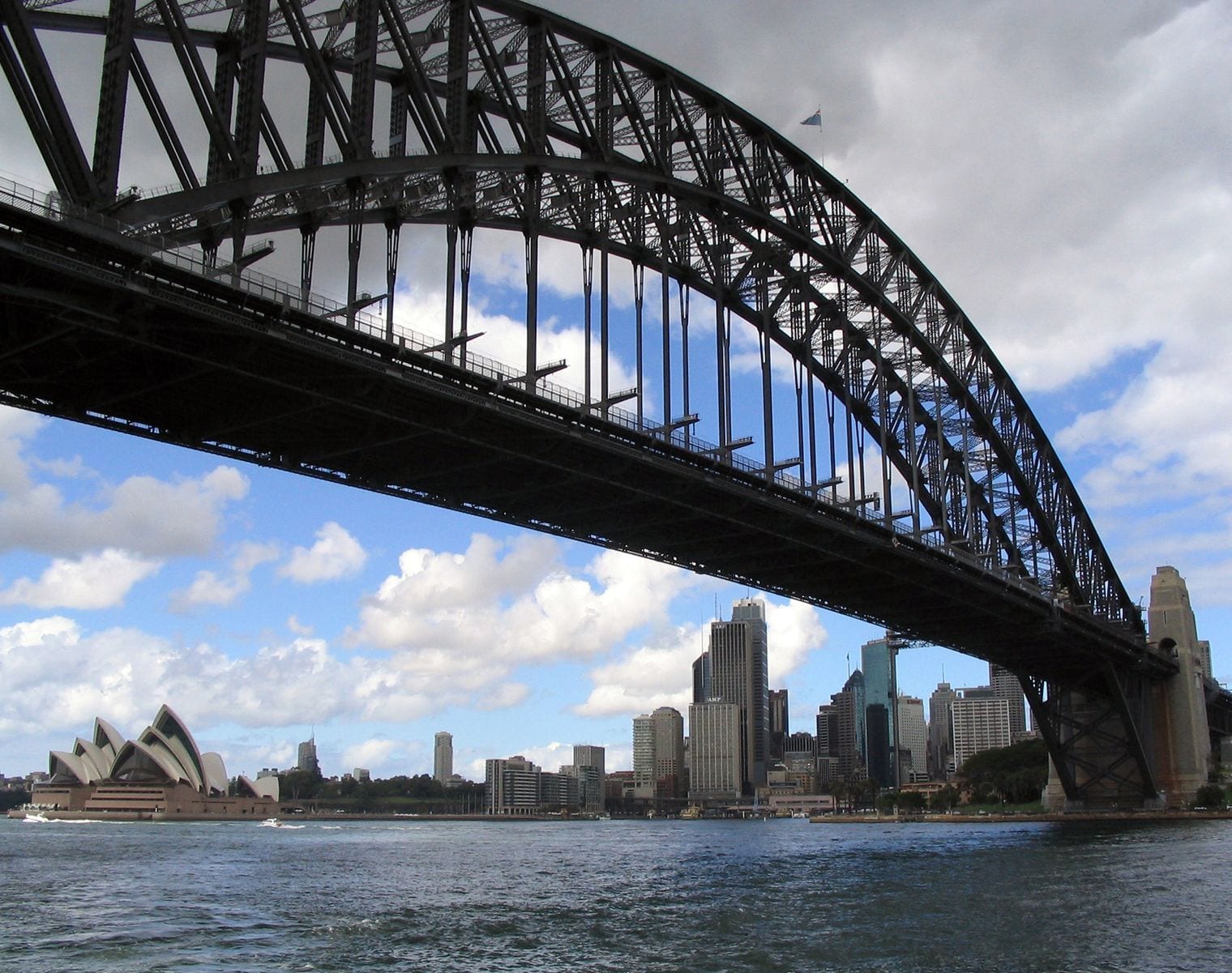
Sydneysiders call it the Coathanger, and the affection is earned. The Sydney Harbour Bridge opened in 1932 as a single steel arch spanning the harbour between Dawes Point and Milsons Point, and it still carries road, rail, cyclists and walkers across the water. Its granite-faced pylons are decorative rather than structural, which is the kind of detail that makes engineers smile.
The best part is that walking it costs nothing. A pedestrian path runs the full length on the eastern side, entered by stairs from Cumberland Street in The Rocks, and it delivers a slow-reveal view of the Opera House that no photograph quite prepares you for. Allow half an hour each way, more if you stop, and go early if you want the light behind you rather than in your lens.
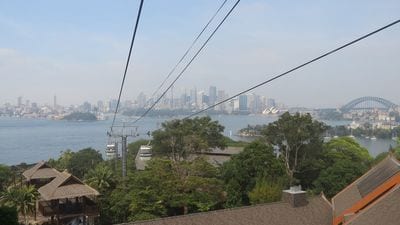
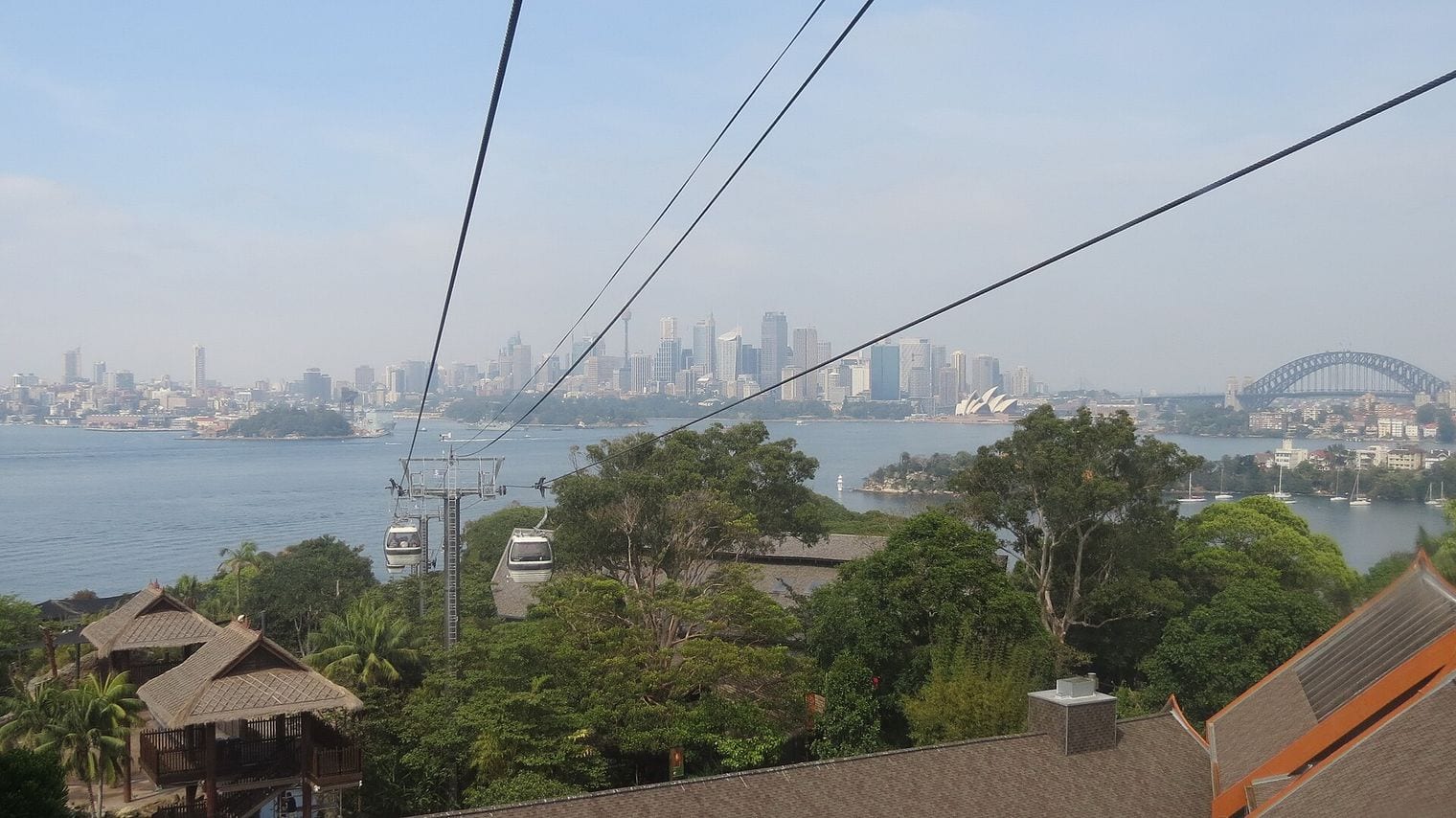
Taronga Zoo has occupied a steep harbourside site at Mosman since 1916, and the setting is half the attraction: several enclosures look straight across the water to the city skyline, so you end up photographing giraffes with the Opera House behind them. The collection runs from Australian natives — koalas, platypus, echidnas, Tasmanian devils — to elephants, gorillas and big cats.
Go by ferry from Circular Quay. The crossing is one of the best short harbour trips in Sydney, and a cable car lifts you from the wharf to the top gate so you can walk downhill through the zoo and finish back at the water. Keeper talks and free-flight bird displays run through the day, and the site is hilly enough that comfortable shoes matter more than you would expect.
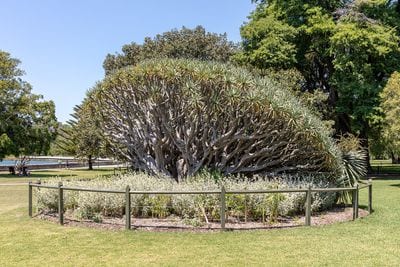
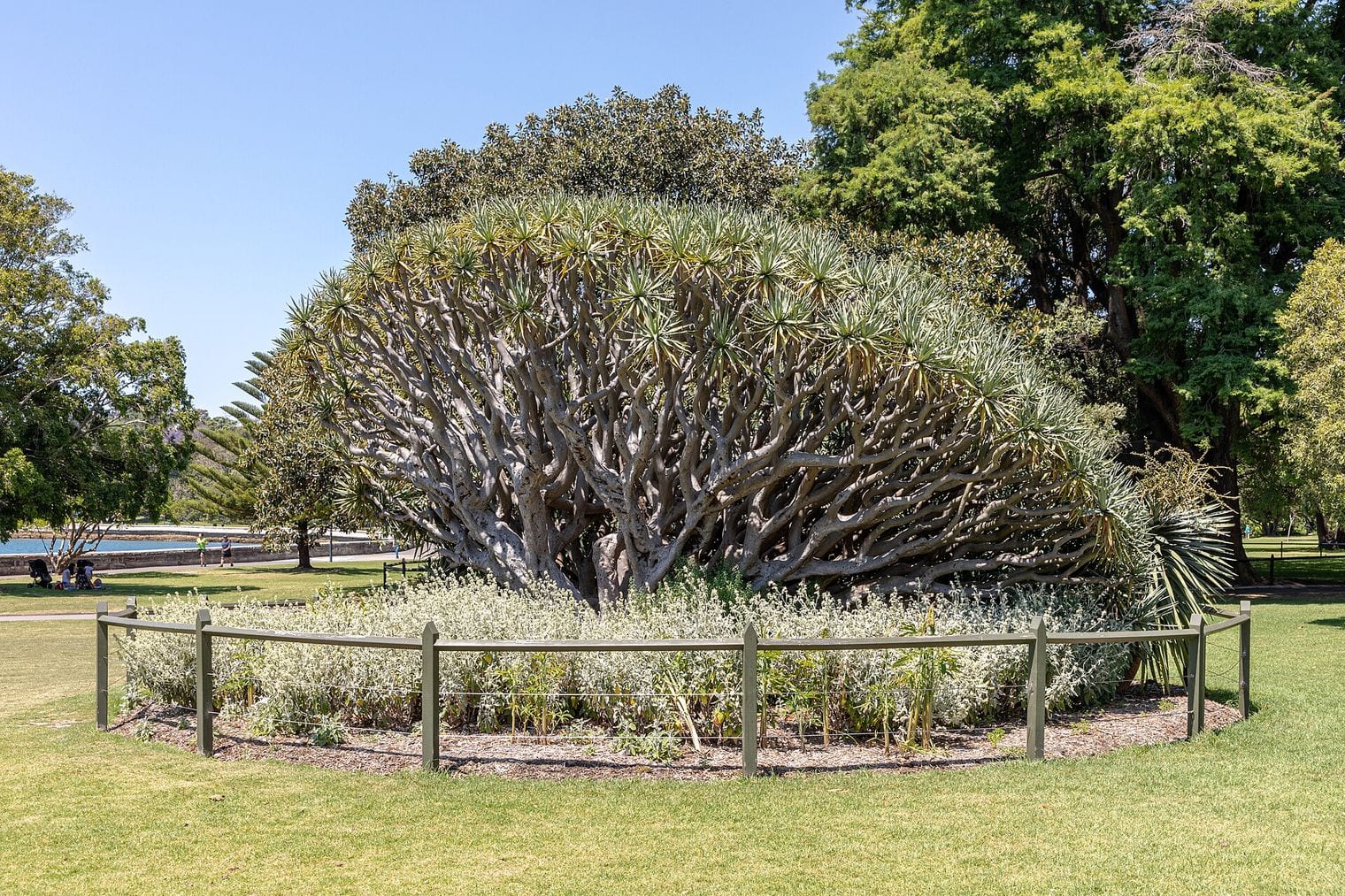
Established in 1816, the Royal Botanic Garden Sydney is the oldest botanic garden in Australia and still the loveliest way to approach the Opera House on foot. It wraps around Farm Cove immediately east of the city centre, and entry is free, which makes it the default Sydney picnic, jog and lunch-break destination as much as a visitor attraction.
Paths wind past palm groves, a succulent garden and glasshouse plantings, with the harbour appearing between the trees at every turn. The Calyx sits inside the grounds and stages large seasonal horticultural exhibitions under cover. Come in the early morning and you will share it with cockatoos, ibis and a steady stream of runners; come at dusk and the city lights start coming on across the water.
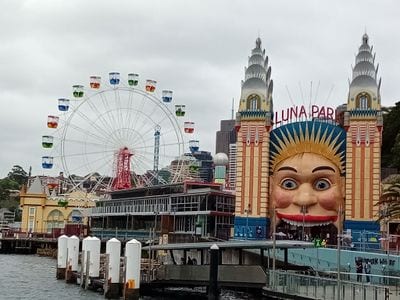
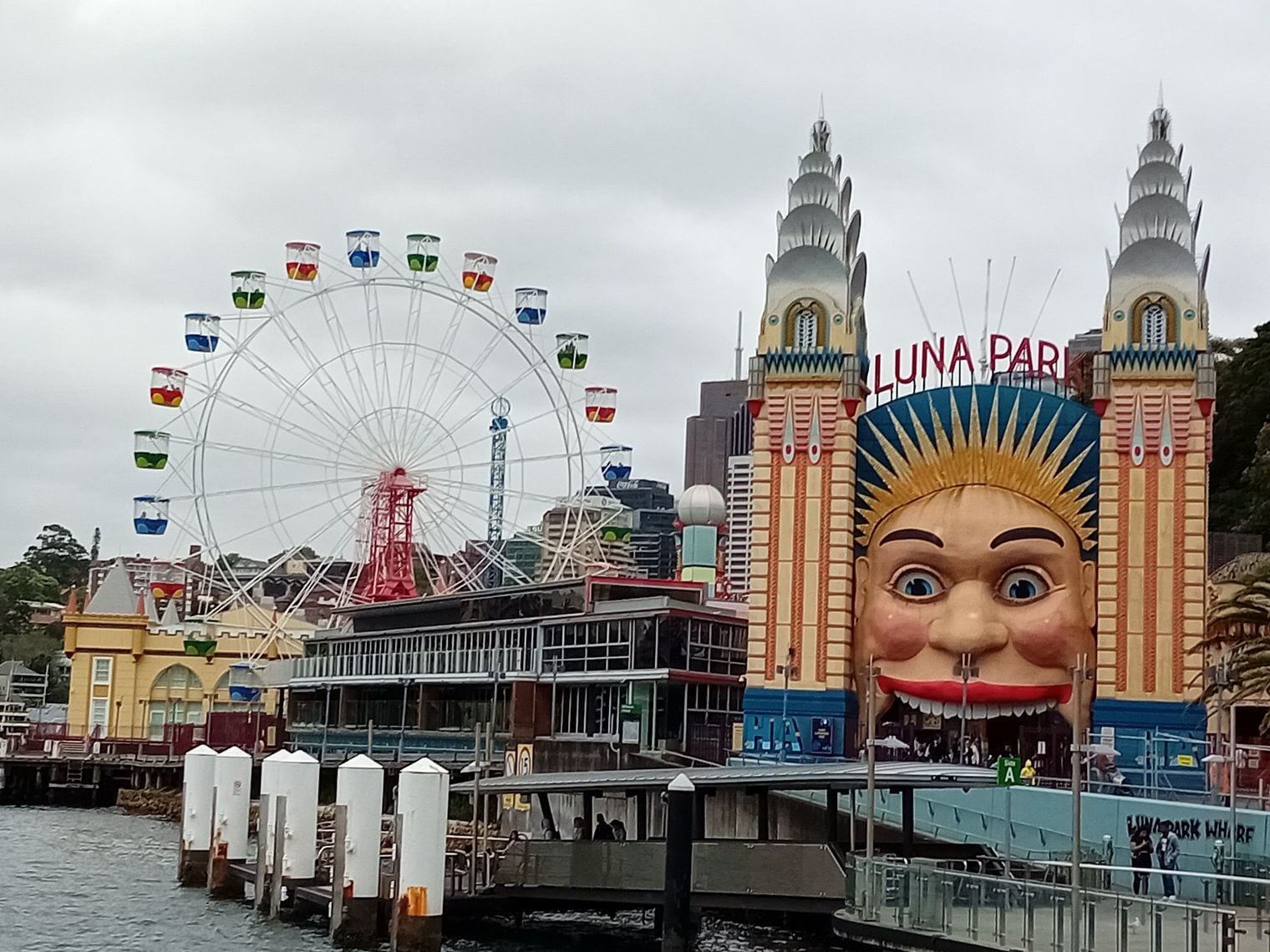
The giant grinning face at the entrance to Luna Park Sydney has been watching the harbour from Milsons Point since 1935, and the whole site is heritage-listed — a rare thing for a funfair. The Art Deco towers, the hand-painted signage and the Coney Island funhouse are as much the point as the rides themselves.
Entry to walk around and take photographs is free; you only pay if you want to ride. That makes it an easy stop after crossing the Harbour Bridge on foot, since the northern end of the walkway puts you almost at the gates.
The Ferris wheel and the roller coaster both trade on the same asset — a view straight down the harbour to the bridge and the Opera House — and the waterfront promenade outside is a fine spot to sit regardless.
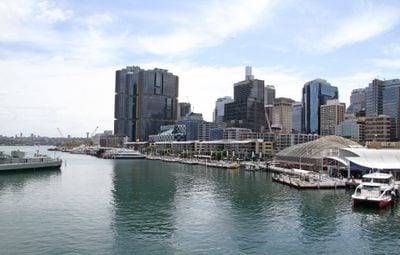
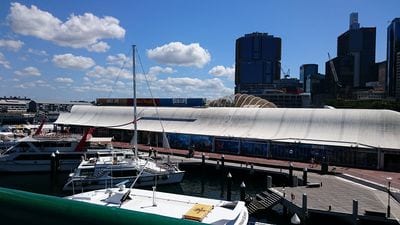
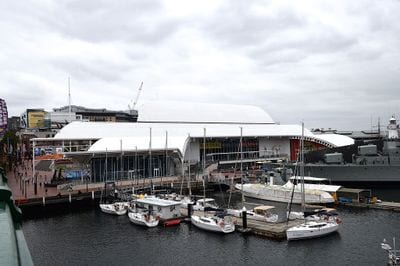
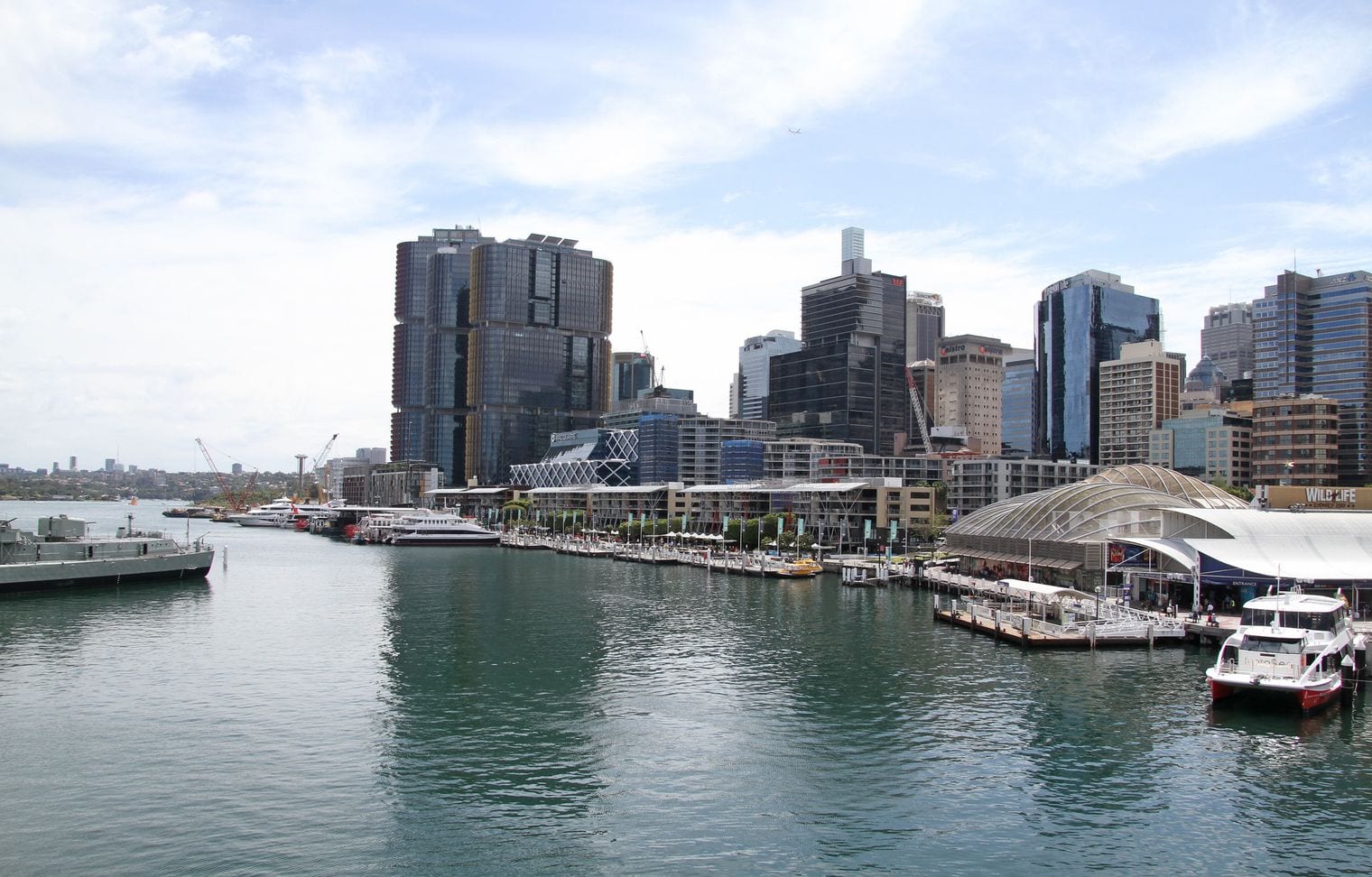
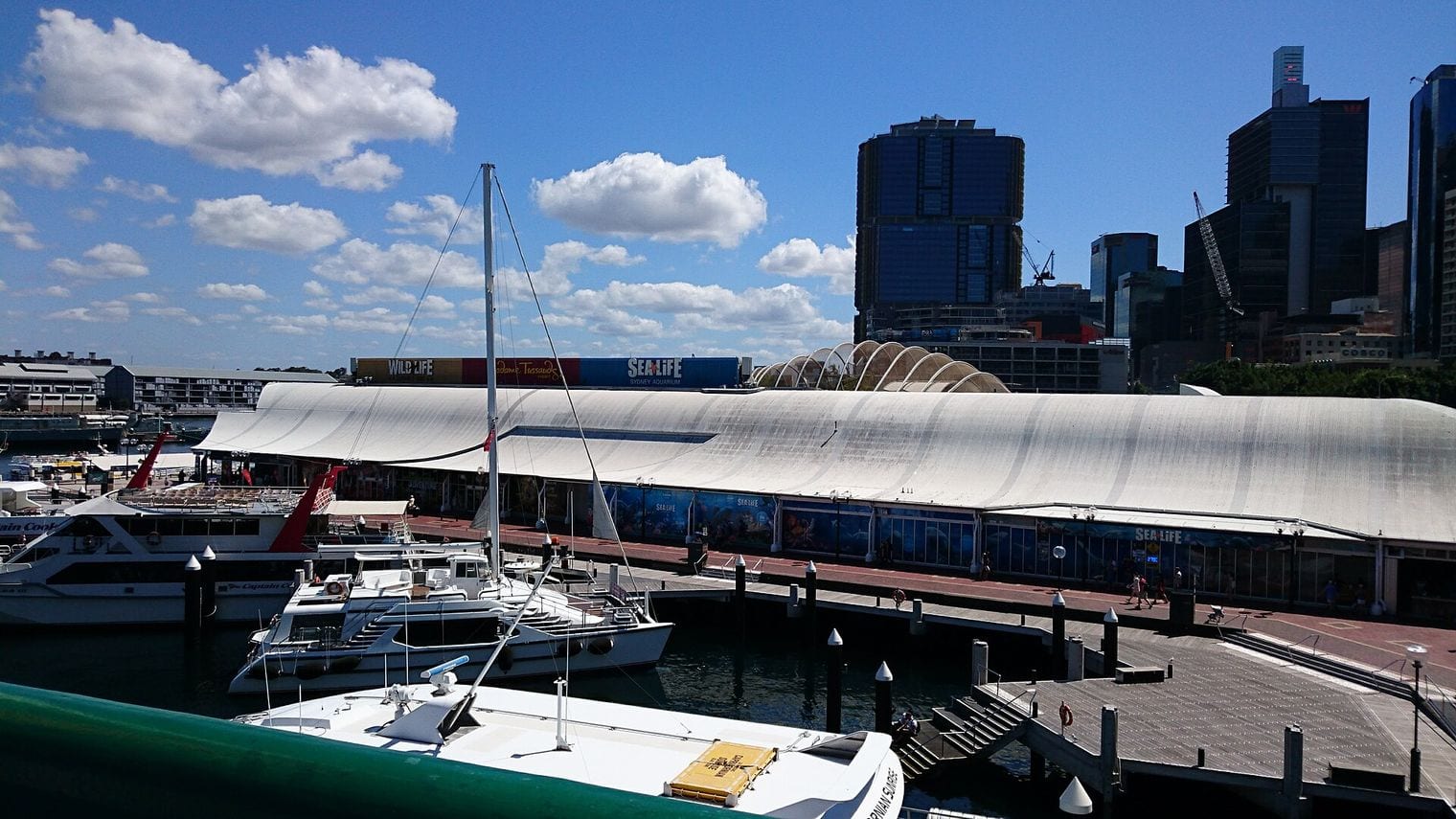
Darling Harbour is the city's purpose-built waterfront playground, a former working dockland on the western edge of the centre that was redeveloped in the 1980s into a promenade of attractions, restaurants and open space. It is unashamedly a visitor precinct, and it works: several of Sydney's biggest ticketed attractions sit within a few minutes' walk of each other here.
The aquarium, the maritime museum, the wax museum and the Chinese Garden all front the water, with Tumbalong Park's lawns and playground filling the southern end. The Pyrmont Bridge, a heritage swing bridge, carries walkers across the middle. It is at its best after dark, when the towers light up and the whole basin reflects them, and it is an easy walk from Town Hall or the fish market.
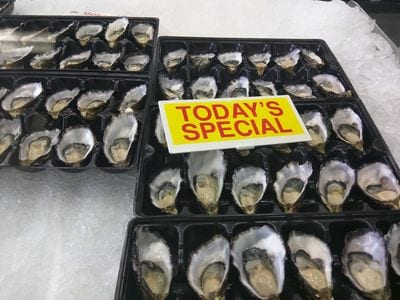
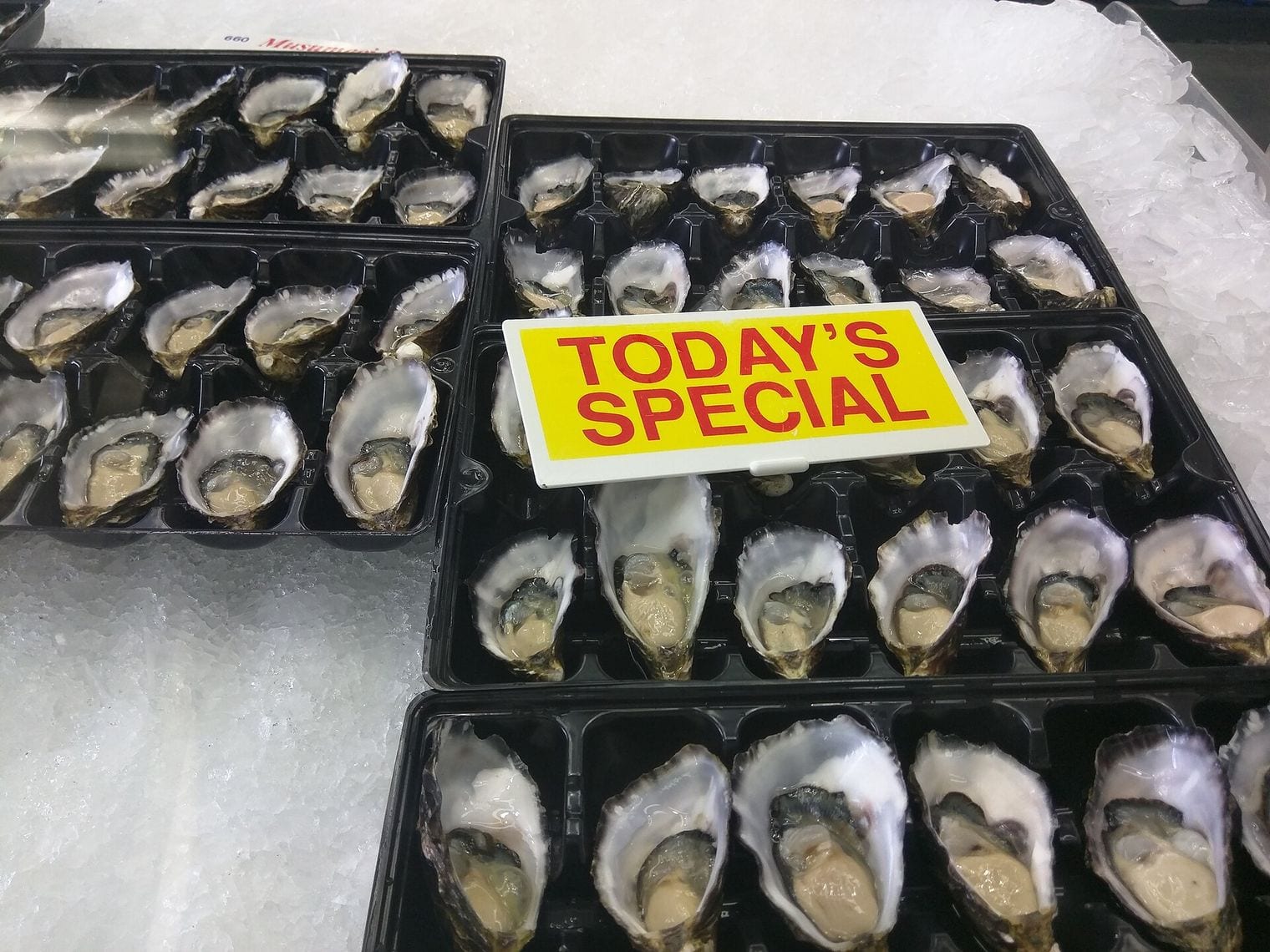
Sydney Fish Market is a genuine working market rather than a food court with boats outside. Trawlers unload here, wholesalers buy at auction in the early hours, and the retail floor sells whatever the boats brought in — snapper, barramundi, Balmain bugs, Sydney rock oysters, prawns by the kilo.
Most visitors come to eat. You buy at the counters and carry your tray out to the waterside tables, where the seagulls are organised, persistent and best not negotiated with. It is a good place to try the things Australian menus assume you know, and the market runs cooking classes and behind-the-scenes tours for anyone who wants to understand what they are looking at. Go in the morning, when the range is widest.
SEA LIFE Sydney Aquarium sits on the Darling Harbour waterfront and concentrates on Australian marine life, which is what makes it worth an hour or two even if you have seen aquariums elsewhere. The Great Barrier Reef section, the shark tunnels and the dugongs are the headline exhibits, and there is a strong platypus and freshwater component that most overseas visitors have never seen alive.
Walkthrough tunnels put the larger animals directly overhead, and the layout is designed as a single loop, so it works well with children and in wet weather. It is one of several ticketed attractions clustered here, so if you plan to visit two or three it is worth checking whether a combination ticket suits your route before you buy at the door.
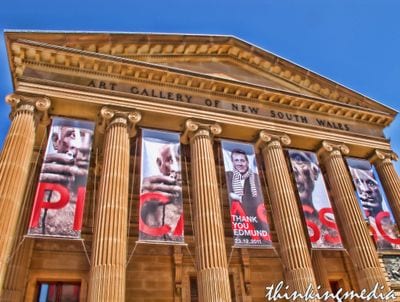
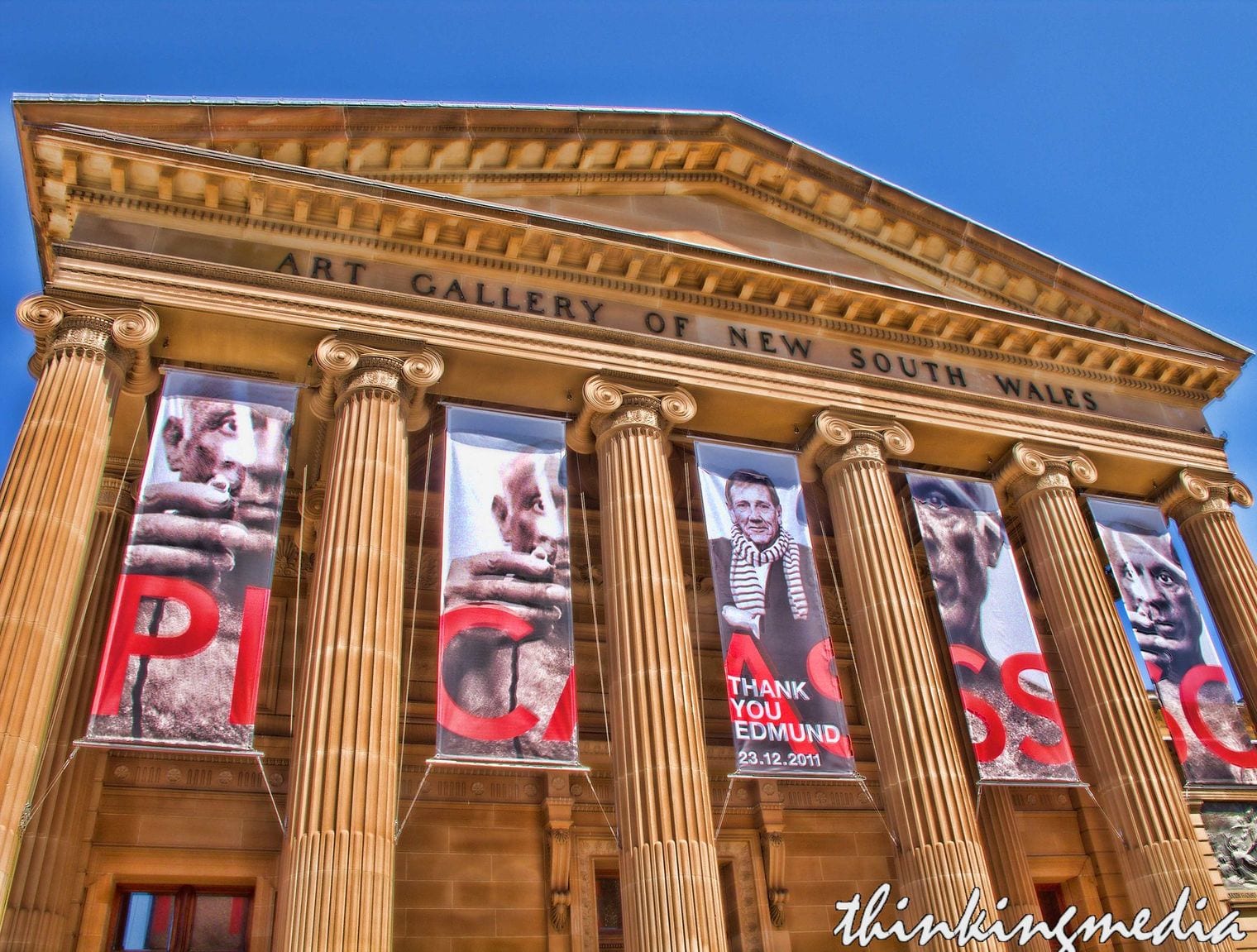
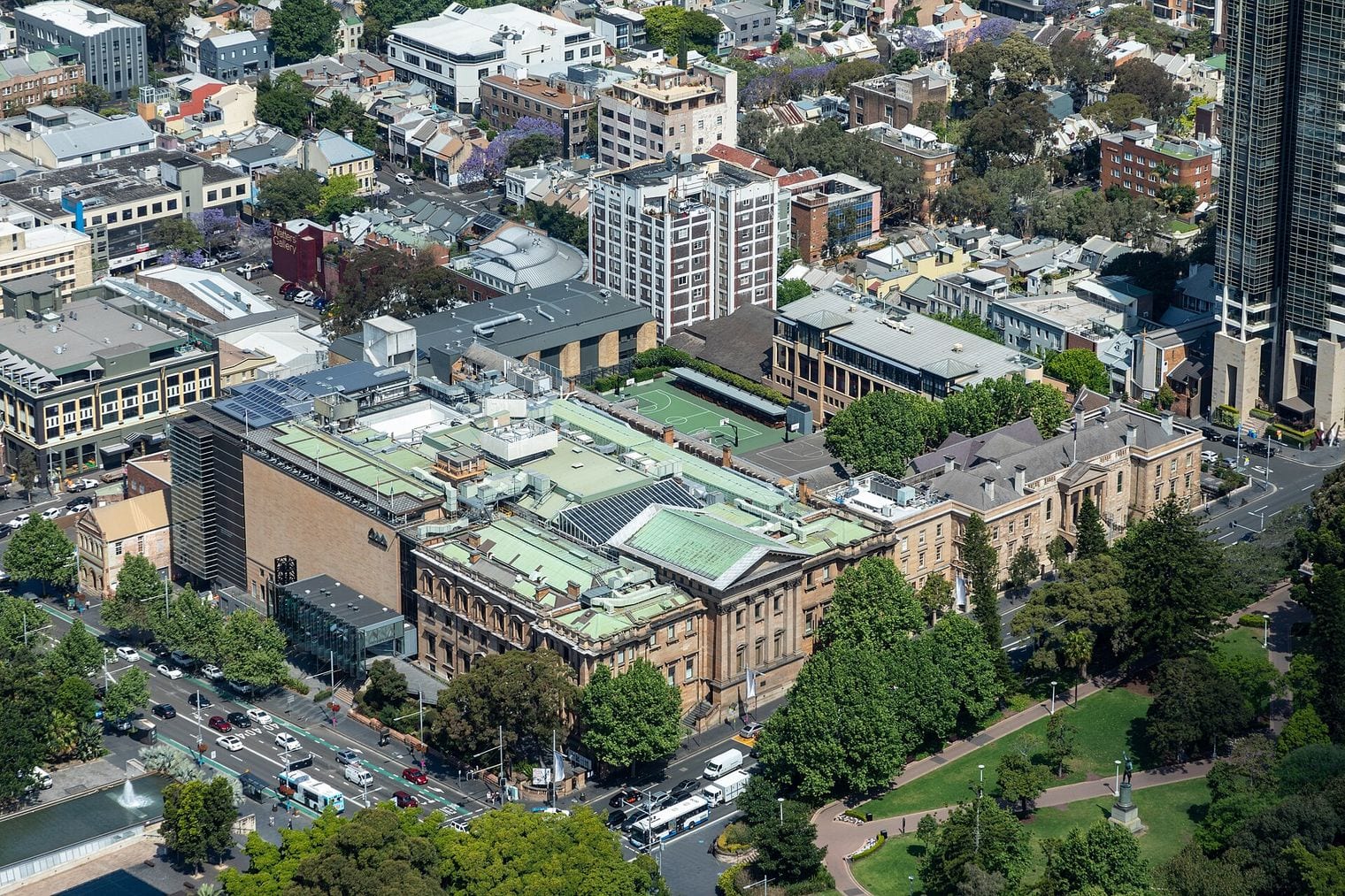
The Art Gallery of New South Wales holds the state collection across two linked buildings on the edge of the Domain — the original neoclassical sandstone hall and Naala Badu, a newer glass pavilion stepping down the hillside towards Woolloomooloo. General entry is free, which is reason enough to walk over from the Botanic Garden.
The collection spans Australian and European art, a strong Asian gallery, and the Yiribana Gallery of Aboriginal and Torres Strait Islander art, which is the part most visitors remember. The gallery also hosts the Archibald Prize, the country's best-known portrait competition, whose annual hanging draws crowds and arguments in roughly equal measure. Allow two hours, longer if a major touring exhibition is on.
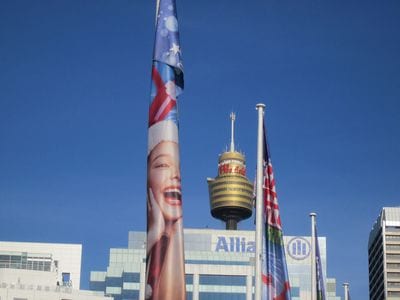
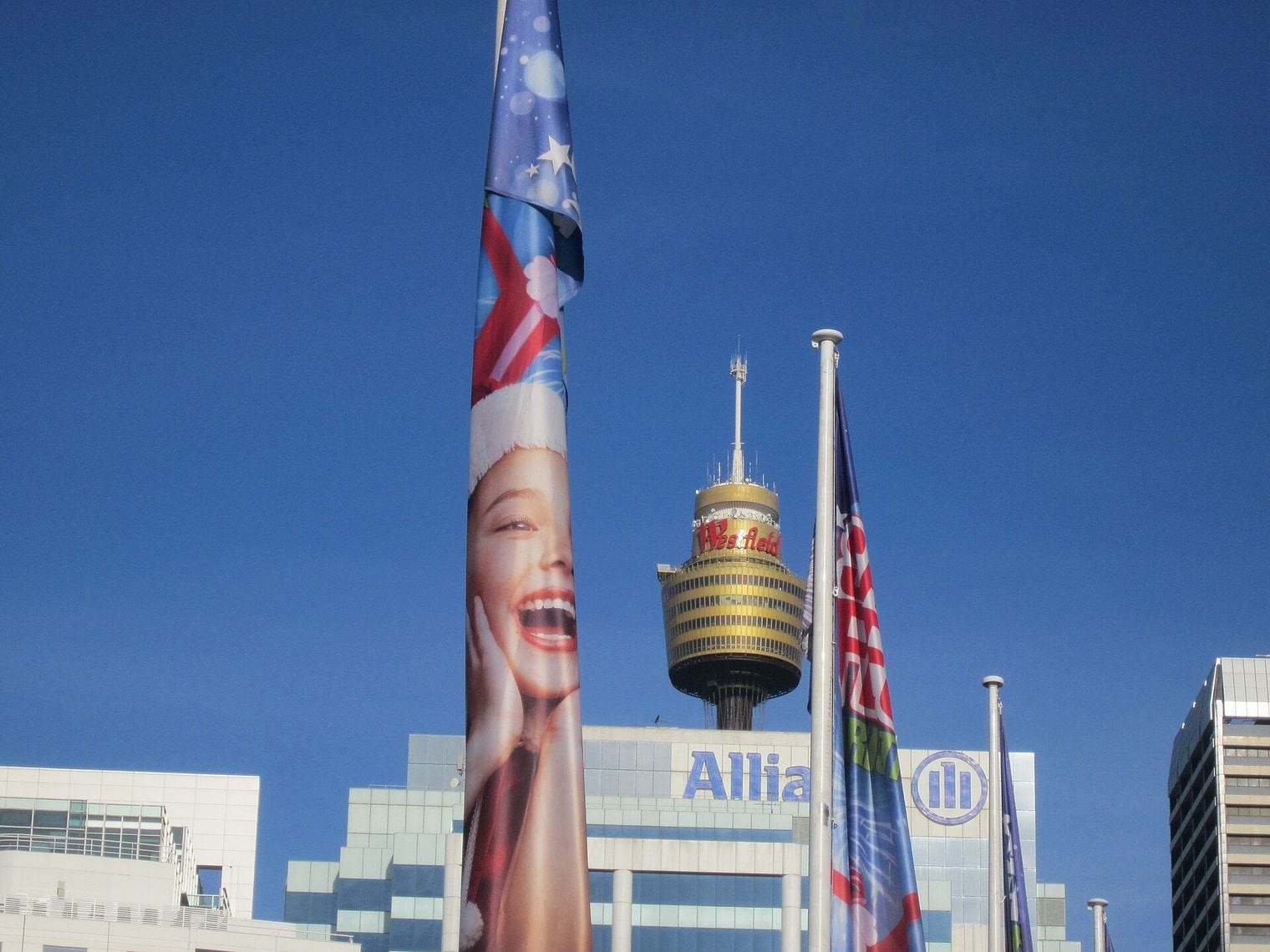
At 309 metres, Sydney Tower Eye is the tallest structure in the city and the only place you can see the whole thing at once — the harbour and its bridges, the ocean beaches to the east, and on a clear day the Blue Mountains smudged along the western horizon. The observation deck is enclosed and glazed, with mounted binoculars and orientation panels.
For an extra fee the Skywalk takes you outside onto an open glass-floored platform above the deck, harnessed and led by a guide. Sunset is the obvious time to come, since you get the daylight view, the colour and the lit city in one visit, but it is also the busiest. The entrance is inside the Westfield shopping centre on Market Street, which catches people out.
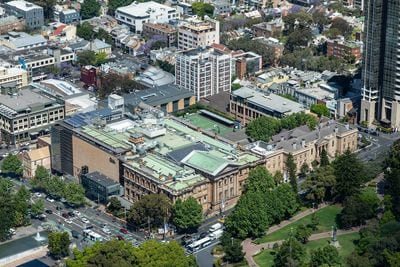
Founded in 1827, the Australian Museum is the country's oldest museum, and it does two things exceptionally well: natural history and First Nations culture. The dinosaur gallery and the mineral collection cover the former, while Burra, the permanent Aboriginal and Torres Strait Islander exhibition, presents culture, art and history with the communities themselves involved in the telling.
It sits on College Street facing Hyde Park, so it slots naturally into a day that also takes in the barracks and the cathedral. General entry is free. The building has been progressively opened up in recent years, and the top-floor terrace is one of the better free views over Hyde Park and the city towers behind it. Children's programming is genuinely good rather than an afterthought.
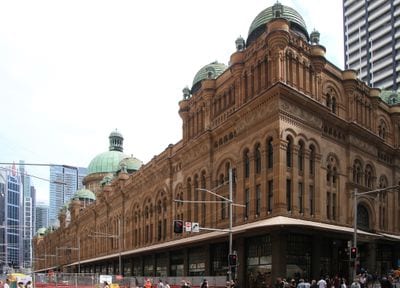
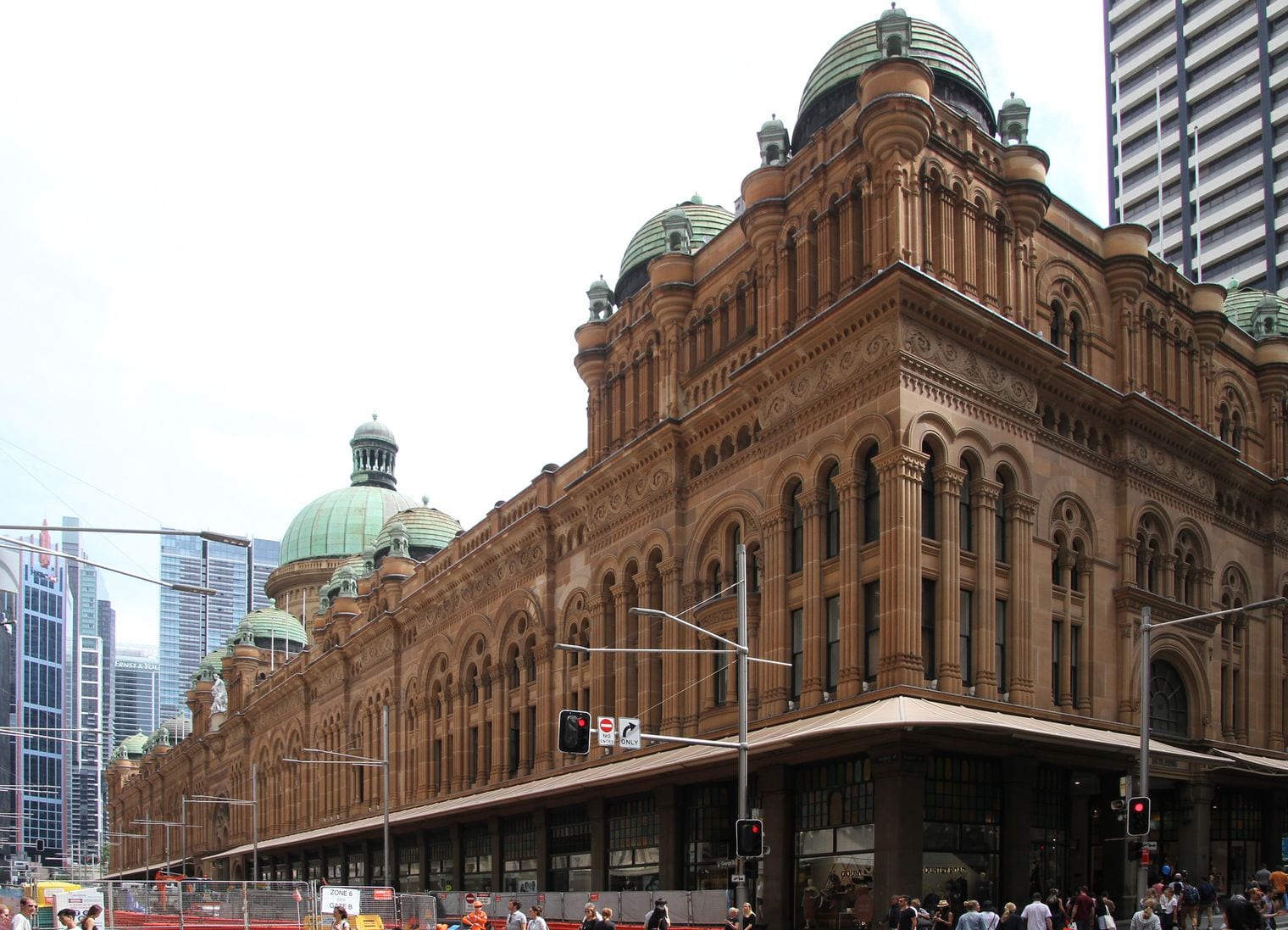
The Queen Victoria Building takes up an entire block of George Street and is the most ornate shopping centre you are likely to walk into. Completed in 1898 in a Romanesque Revival style, it has a central dome, stained glass, tiled floors and wrought-iron balustrades running the length of five levels — architecture that has nothing to do with retail and everything to do with civic confidence.
Sydneysiders call it the QVB and use it as a shortcut as much as a shop. Two hanging clocks are the things to look for: elaborate mechanical pieces that run through moving scenes on the hour. Even if you buy nothing, walk in from the Town Hall end, take the stairs rather than the escalator, and look up. It connects underground to the rail network.
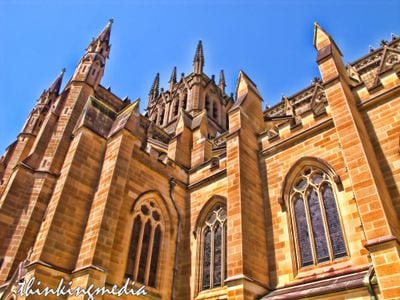
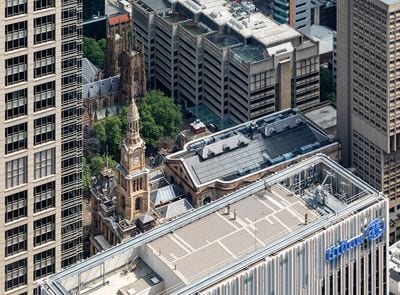
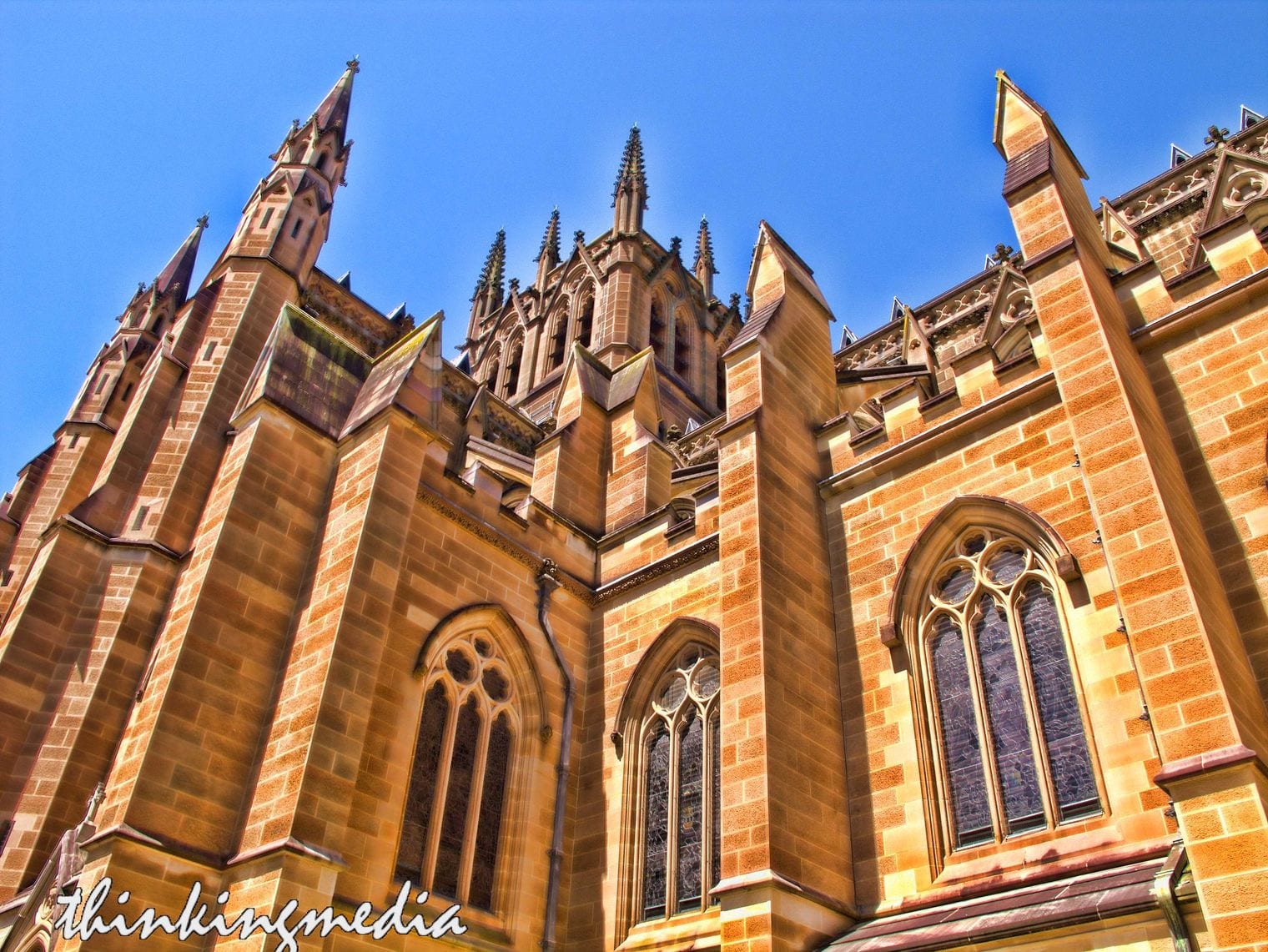
St Mary's Cathedral is the seat of the Catholic Archbishop of Sydney and the city's grandest Gothic Revival building, a long sandstone nave with twin spires facing Hyde Park across College Street. The stone is local Sydney sandstone, which gives it a warm honey colour quite unlike the grey Gothic of northern Europe.
Entry is free and the interior rewards a slow walk: a terrazzo crypt floor laid with Celtic motifs, tall stained glass, and a scale that is genuinely impressive without being cold. The forecourt with its reflecting pools and fig trees is a pleasant place to sit, and the cathedral is floodlit after dark. It is a two-minute walk from the Australian Museum and the northern end of Hyde Park.
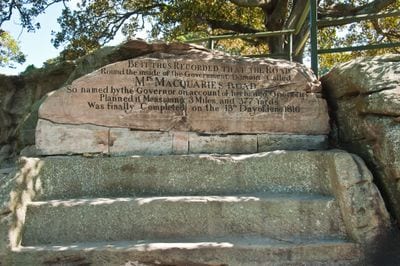
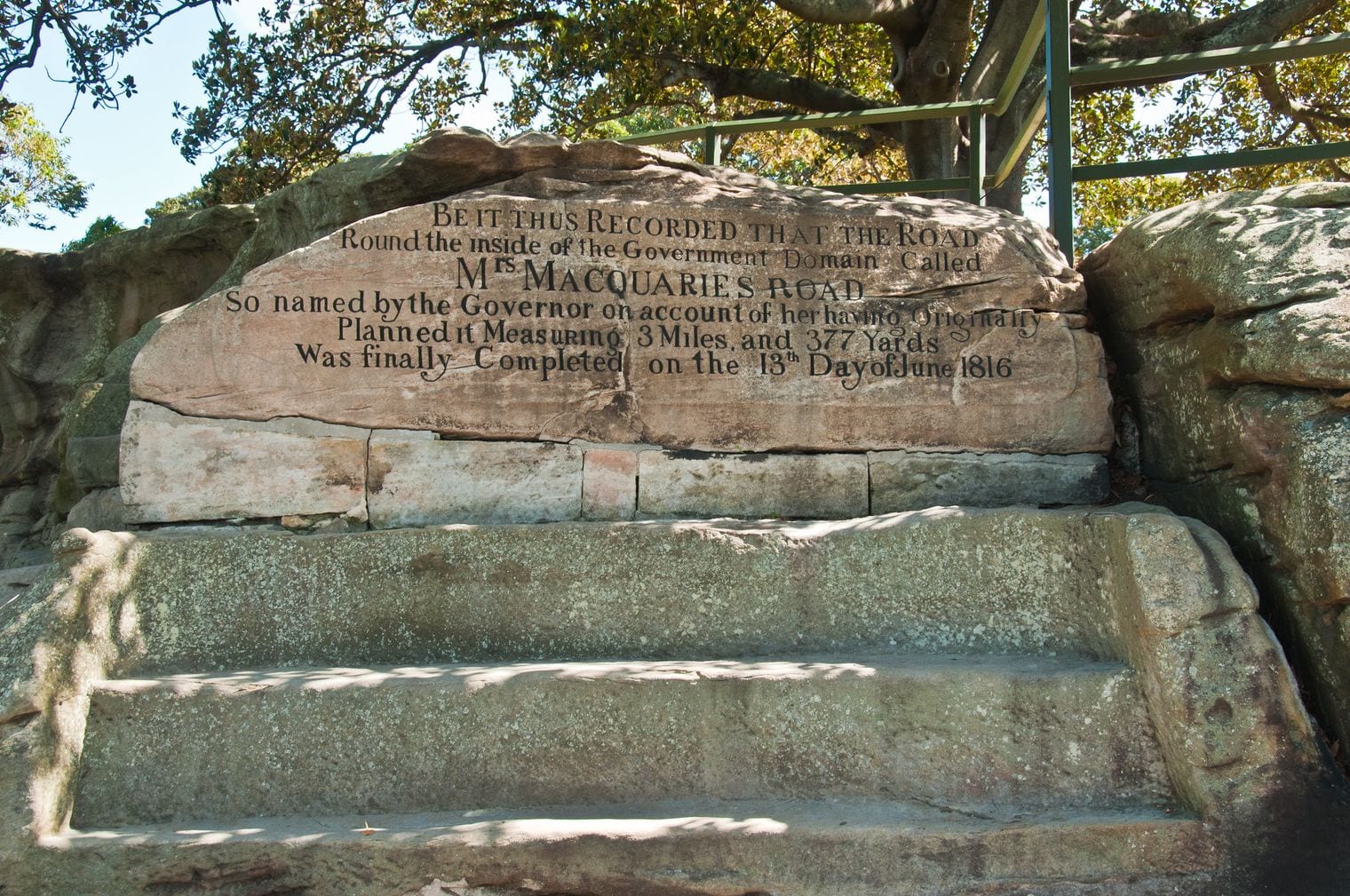
Mrs Macquarie's Chair is a bench cut into the sandstone at the tip of the peninsula east of the Opera House, carved by convicts in 1810 for Elizabeth Macquarie, wife of the colonial governor, who reportedly liked to sit and watch for ships arriving from Britain. The chair itself is modest; the reason to walk out here is the angle.
This is the spot that lines the Opera House and the Harbour Bridge up in a single frame, which is why you will find photographers set up along the point at sunrise and again at sunset. Getting there is half the pleasure — a level walk through the Royal Botanic Garden along the edge of Farm Cove, with the harbour beside you the whole way. There is no charge and no gate.
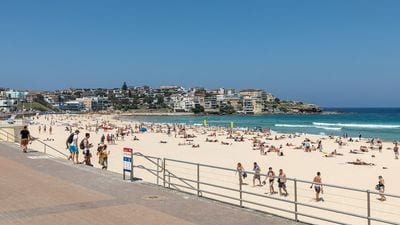
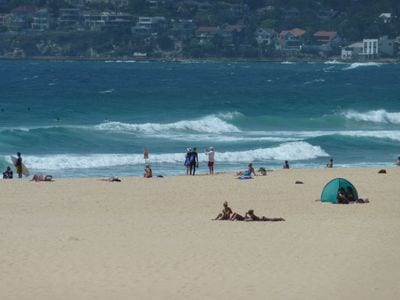
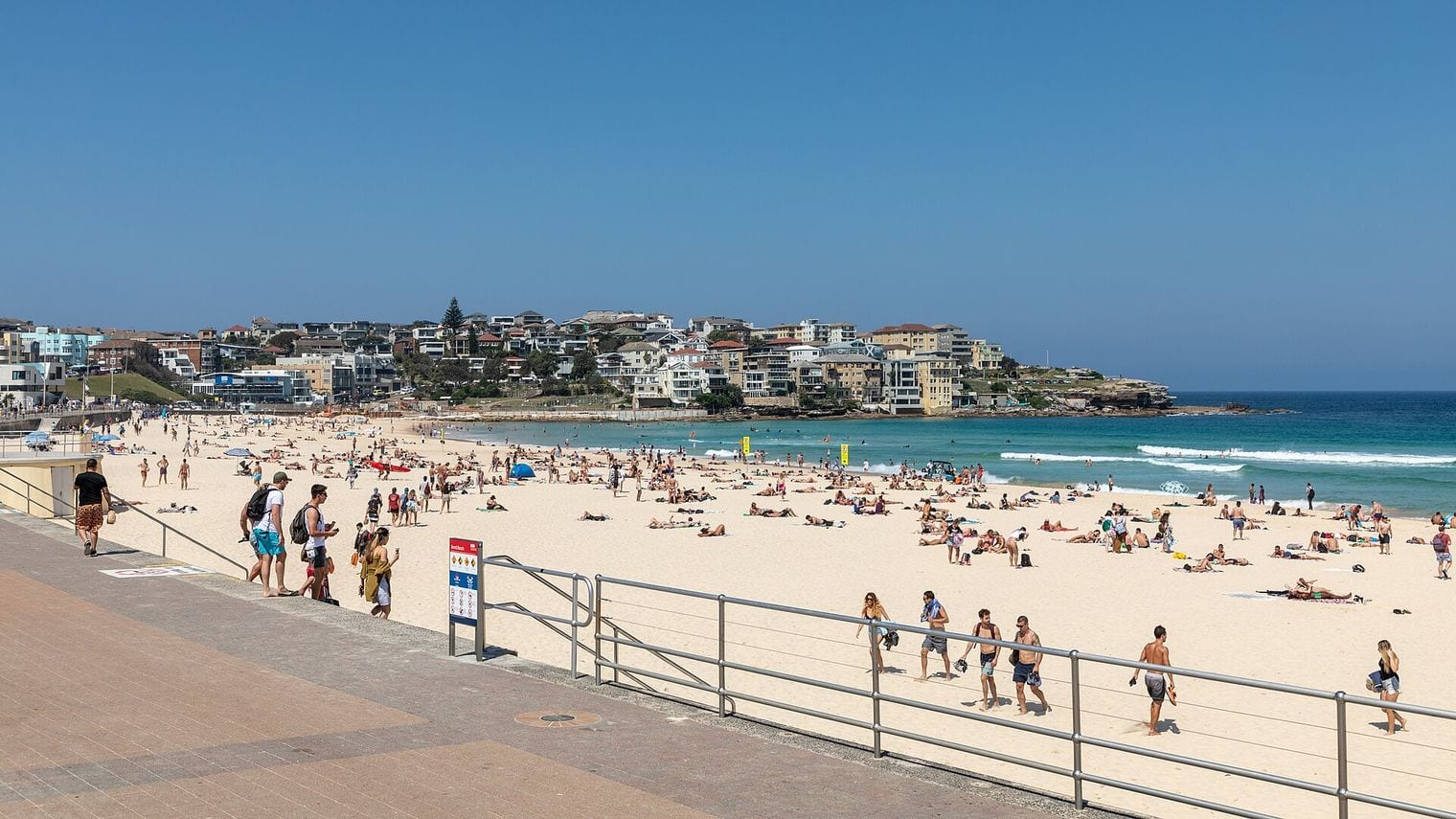
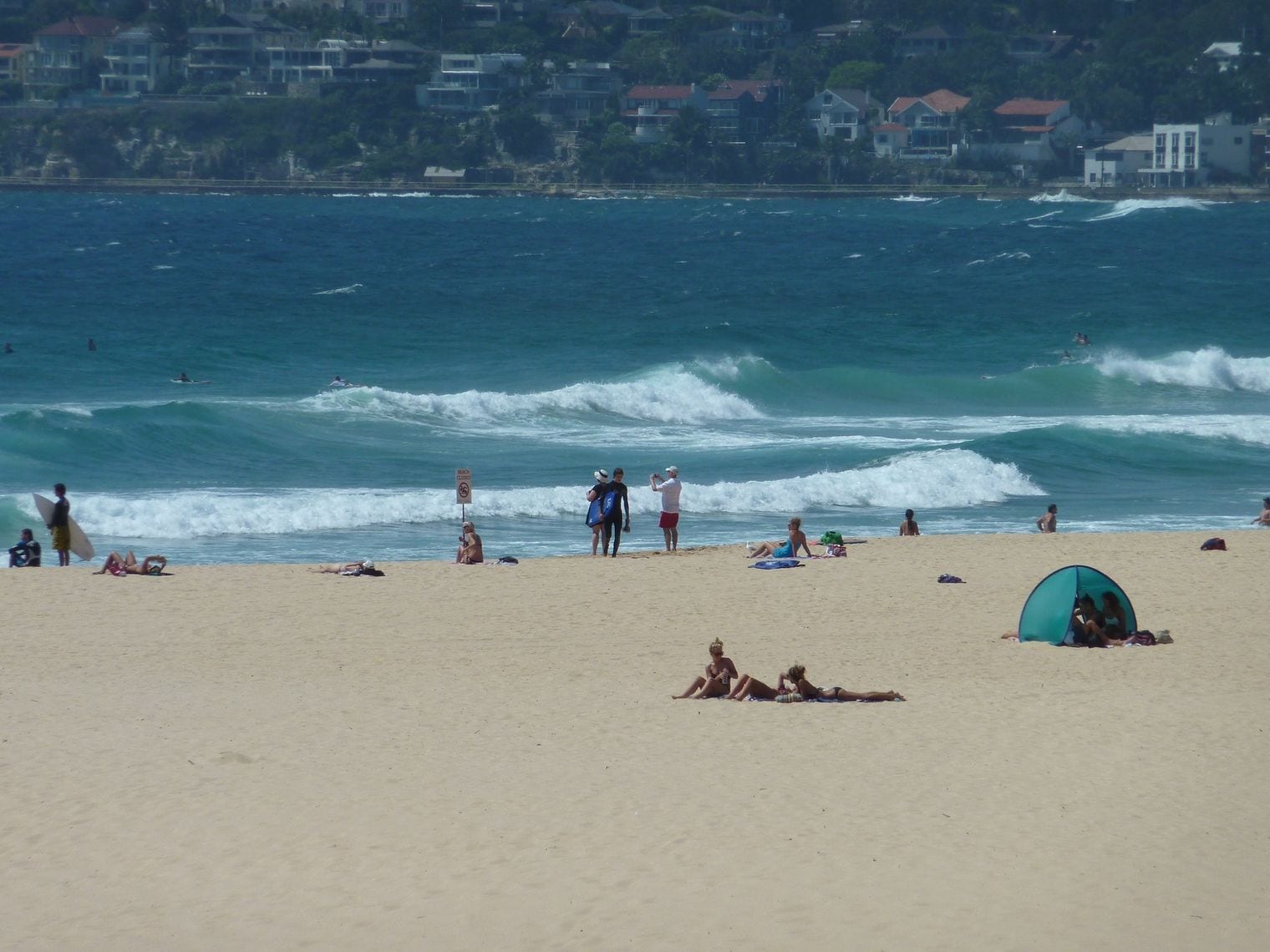
Bondi Beach is the beach every visitor has already seen in photographs: a kilometre of pale sand curving between two headlands, with a wall of apartments and cafés along Campbell Parade behind it. It is busy, it is famous, and it is genuinely good — a proper surf beach fifteen minutes from the city centre with lifeguards patrolling between the flags year-round.
The northern end is calmer and better for swimming; the southern end has the surf and the skate bowl. Behind the sand there is a grassy park, an outdoor gym and a graffiti wall that is repainted constantly. A weekend market runs in the school grounds behind the beach. Swim between the flags, take the sunscreen seriously, and stay for the walk south along the cliffs.
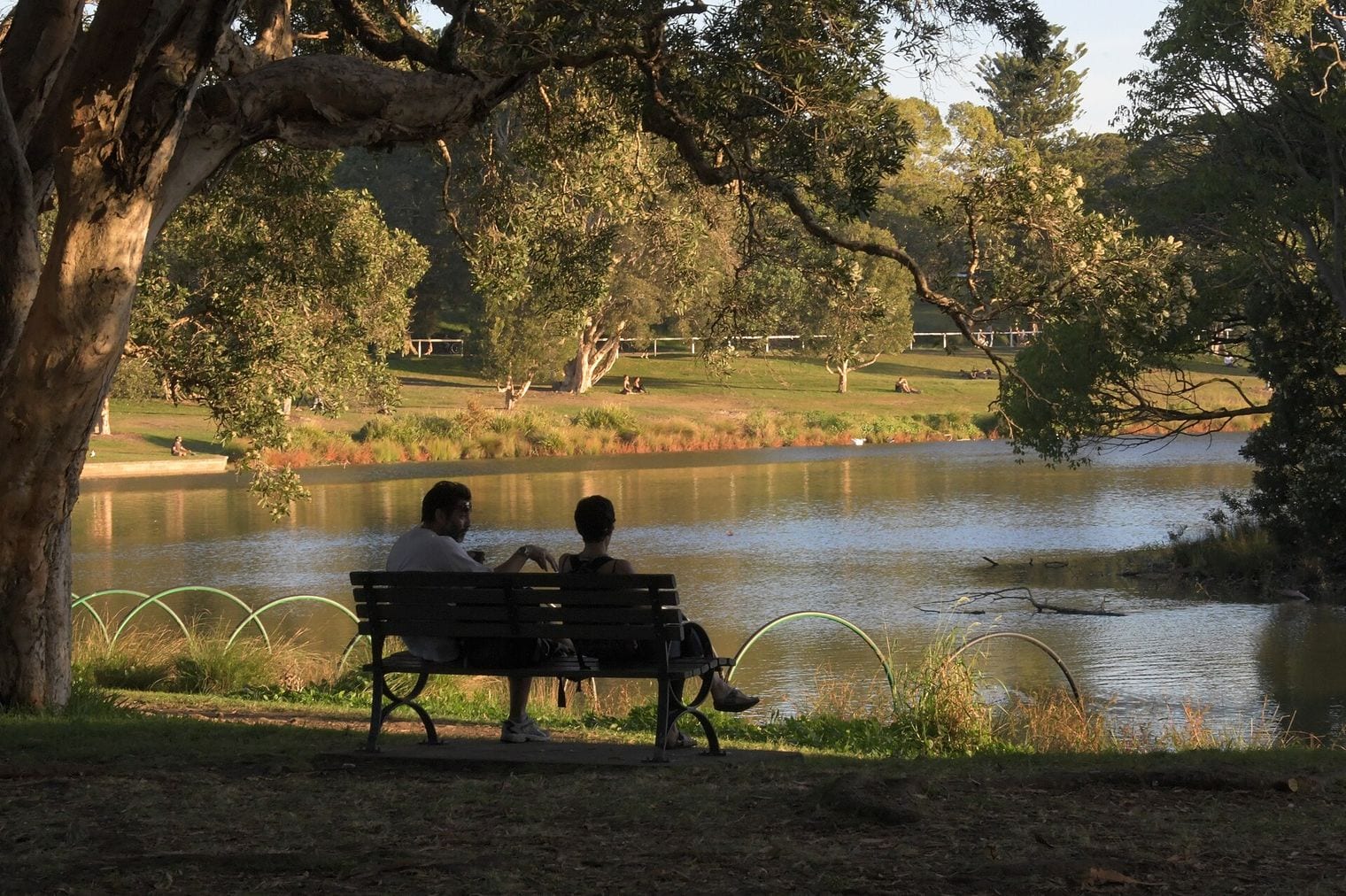
Centennial Park opened in 1888 to mark a century of European settlement, and it is the great green lung of Sydney's eastern suburbs — ponds full of ducks and eels, avenues of Moreton Bay figs, open playing fields and a ring road that closes to traffic for cyclists, runners and roller skaters.
It is a local park rather than a tourist attraction, which is exactly its appeal: on a weekend you will see horse riders from the on-site equestrian centre, birthday parties under the figs, and cricket on every flat patch. There is a café by the ponds and a large playground. Combined with the neighbouring Moore Park, it makes an easy detour if you are already out at the cricket ground or Paddington.
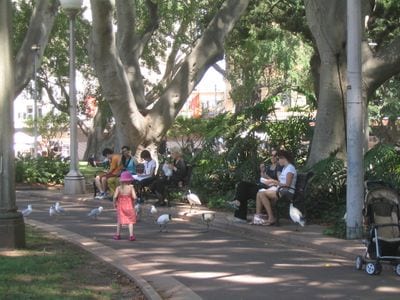
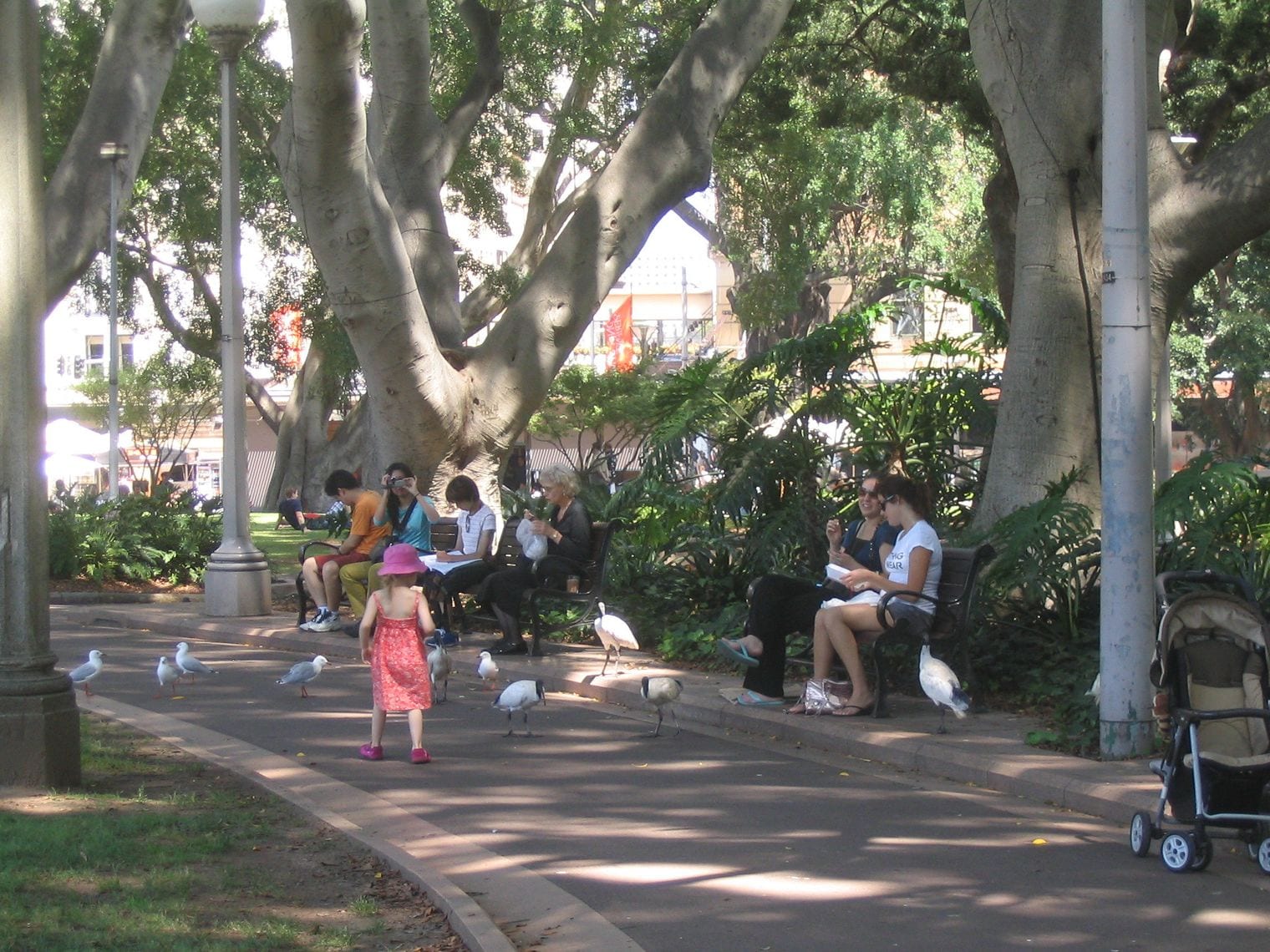
Hyde Park is the oldest public parkland in Australia and the green rectangle the city centre organises itself around. An avenue of enormous fig trees runs its full length, meeting in the middle at the Archibald Fountain, and the paths fill at lunchtime with office workers, chess players at the giant board, and people simply cutting across town.
The park is split in two by Park Street. The northern half holds the fountain and the fig avenue; the southern half holds the Anzac Memorial and its reflecting pool. Around the edges you have the cathedral, the Australian Museum, the barracks and the shopping streets, which makes it the natural hinge of a walking day in central Sydney. It is lit and well used into the evening.
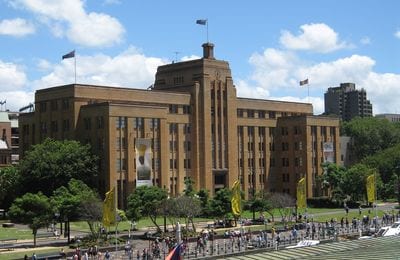
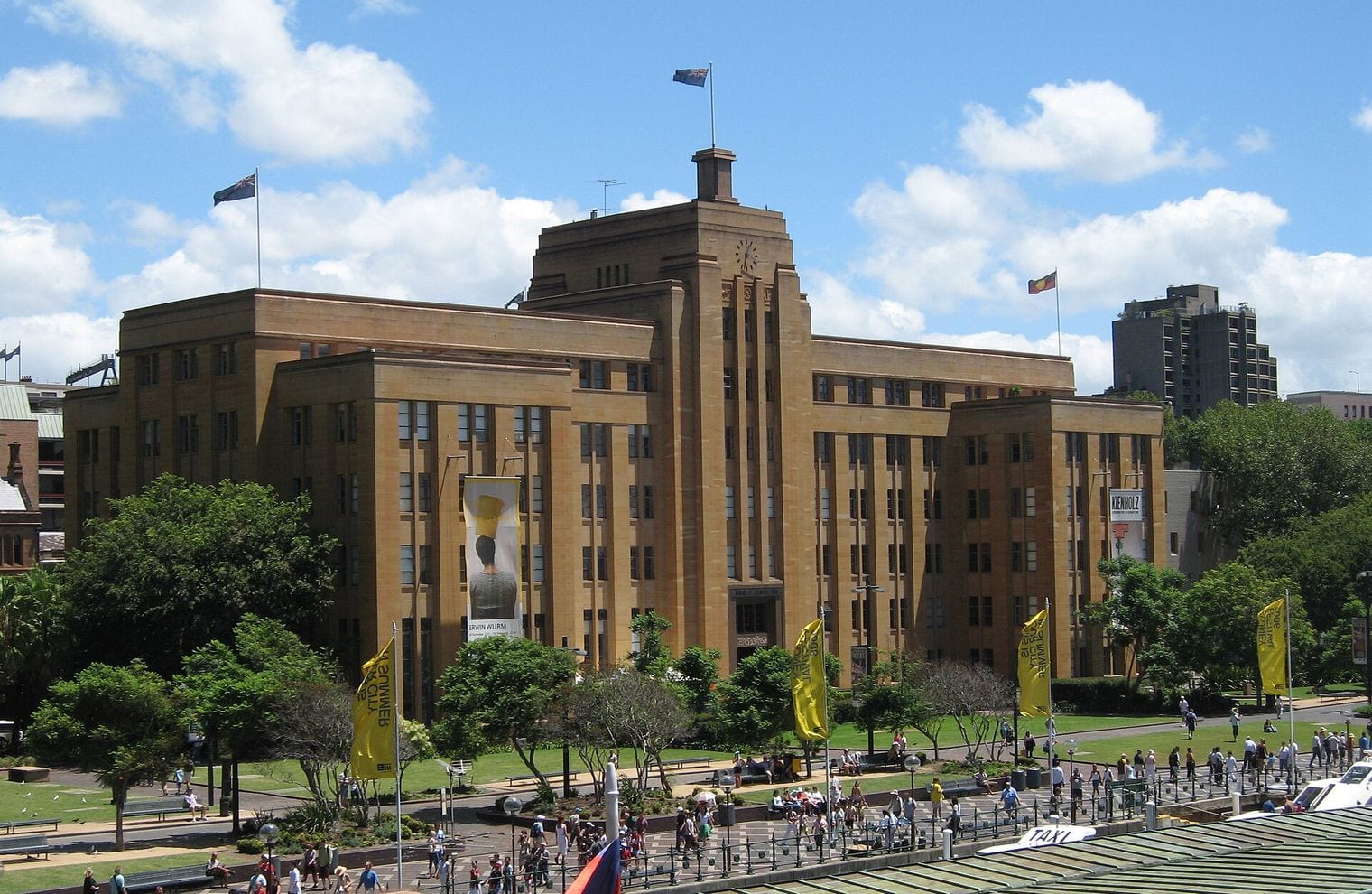
The Museum of Contemporary Art Australia occupies a solid Art Deco building on the western side of Circular Quay, a former maritime administration headquarters converted to galleries and extended with a modern wing. General entry to the collection is free, and the location is about as central as Sydney gets — the ferry wharves are directly outside.
Programming leans towards Australian contemporary artists, with a serious commitment to Aboriginal and Torres Strait Islander work, alongside touring international shows. The real insider tip is the rooftop café and sculpture terrace, which looks straight across the water at the Opera House and is open to anyone, ticket or not. Allow an hour for the galleries and another twenty minutes upstairs with a coffee.
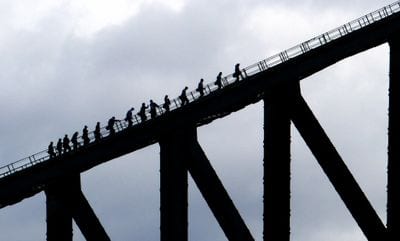
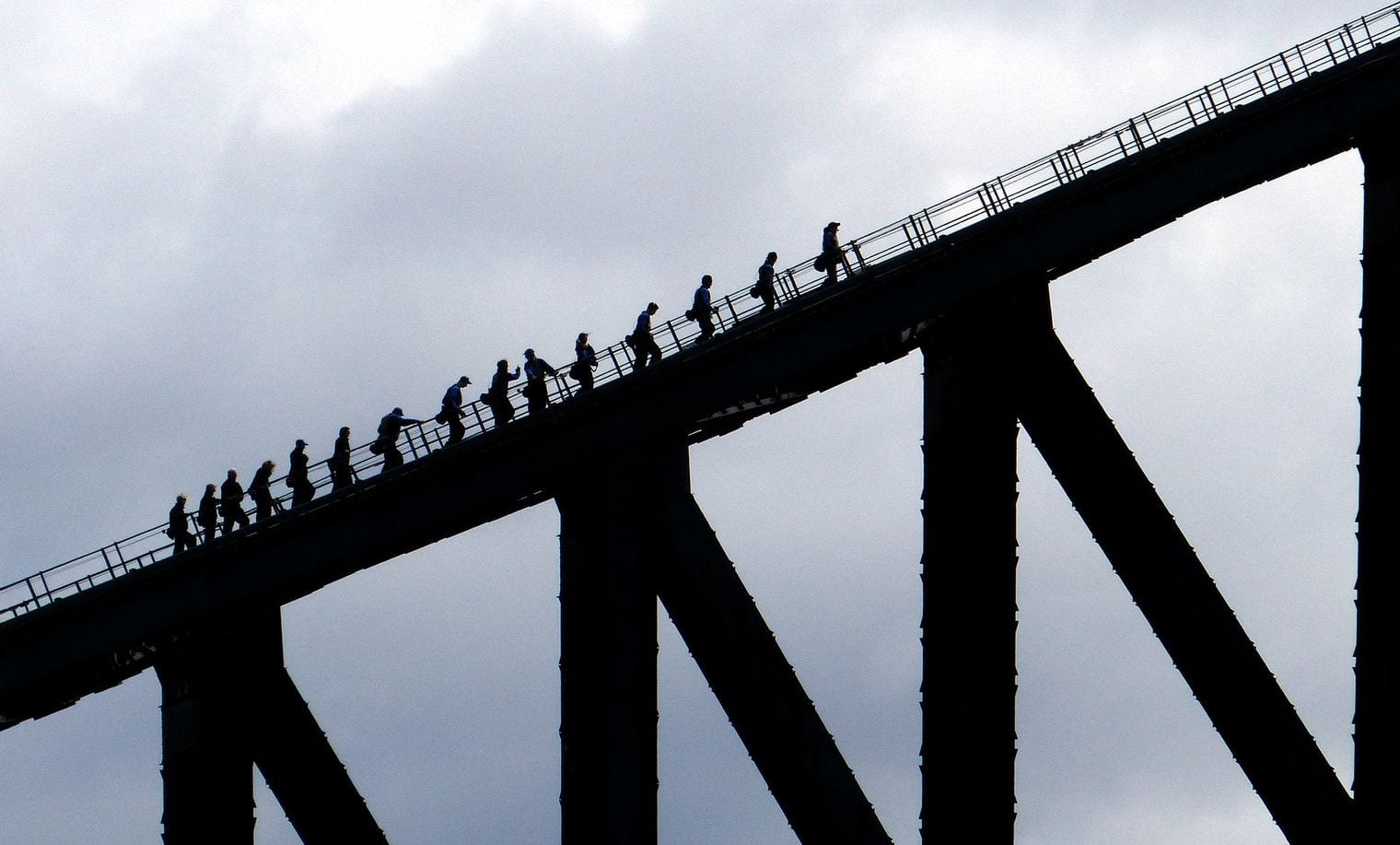
BridgeClimb Sydney takes you up the outer arch of the Harbour Bridge on a guided, harnessed walk to the summit, following catwalks and ladders through the steelwork before you emerge on the curve of the arch itself. Climbers are clipped to a static line the whole way, issued with grey coveralls, and searched for loose items — nothing goes up that could fall off.
It has run since the late 1990s and is the single most-photographed thing people do in Sydney that does not involve standing still. Dawn, twilight and night climbs each sell a different version of the view. It is not cheap and it takes a few hours including the briefing, but the walkway on the bridge deck below is free if you want the height without the harness.
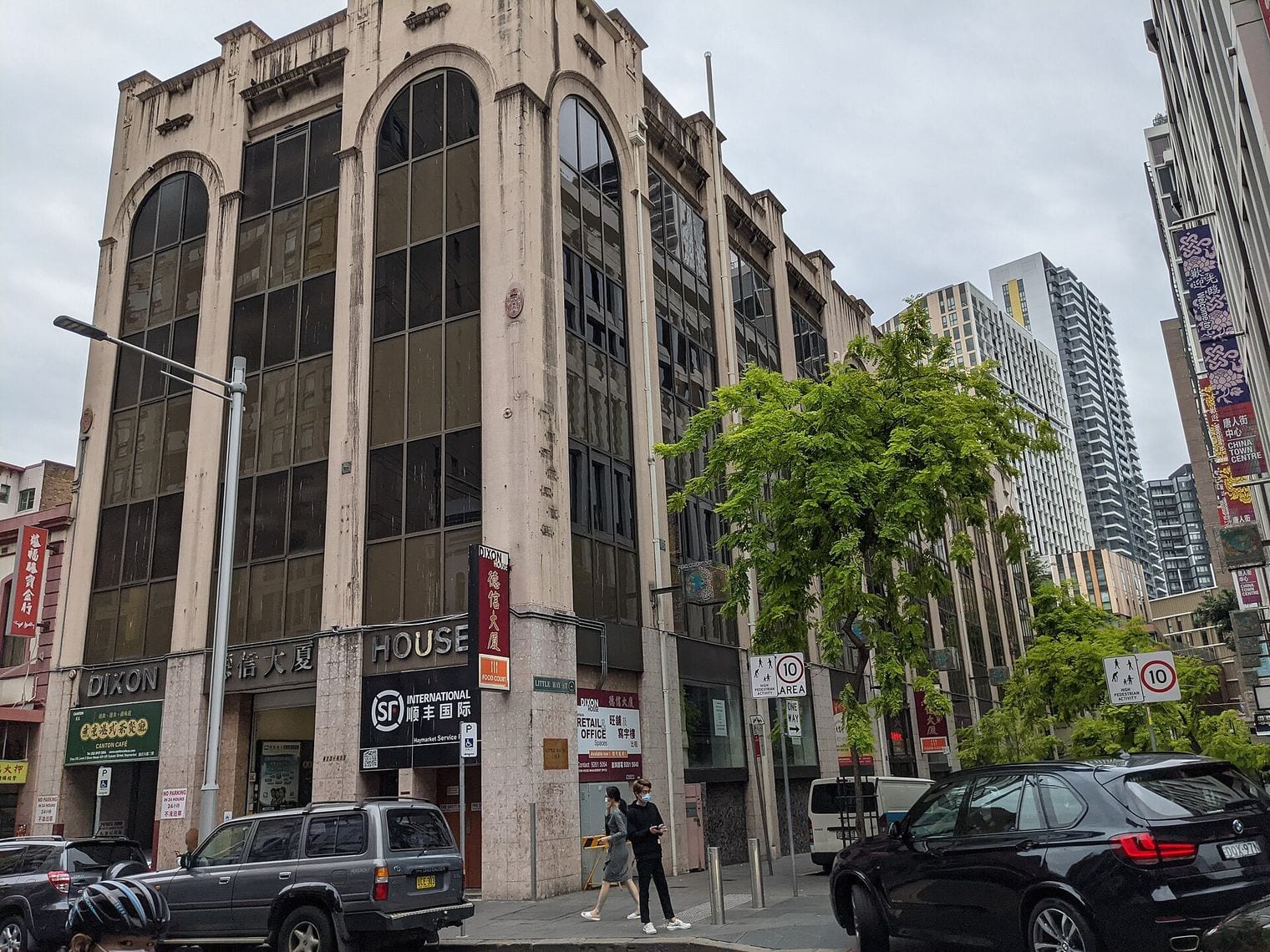
Sydney's Chinatown runs along Dixon Street in Haymarket, a pedestrian mall between two ceremonial paifang gates, and it is the busiest eating strip in the city centre. The restaurants cover far more than one cuisine — Cantonese, Sichuan, Malaysian, Vietnamese, Korean, Japanese — and the side streets and arcades hide dumpling houses, bakeries and bubble tea counters.
Come hungry and after dark, when the neon is on and the queues form. A night market runs along the mall on selected evenings, with food stalls and trinket stands. The area also takes in Paddy's Markets, a long-running covered produce and bargain hall, and it sits within a short walk of Darling Harbour and Central Station, so it fits easily into an evening.
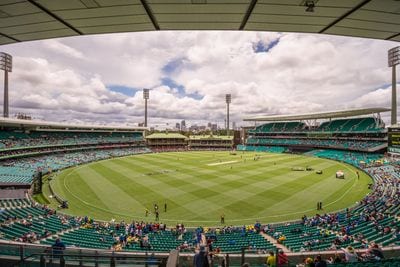
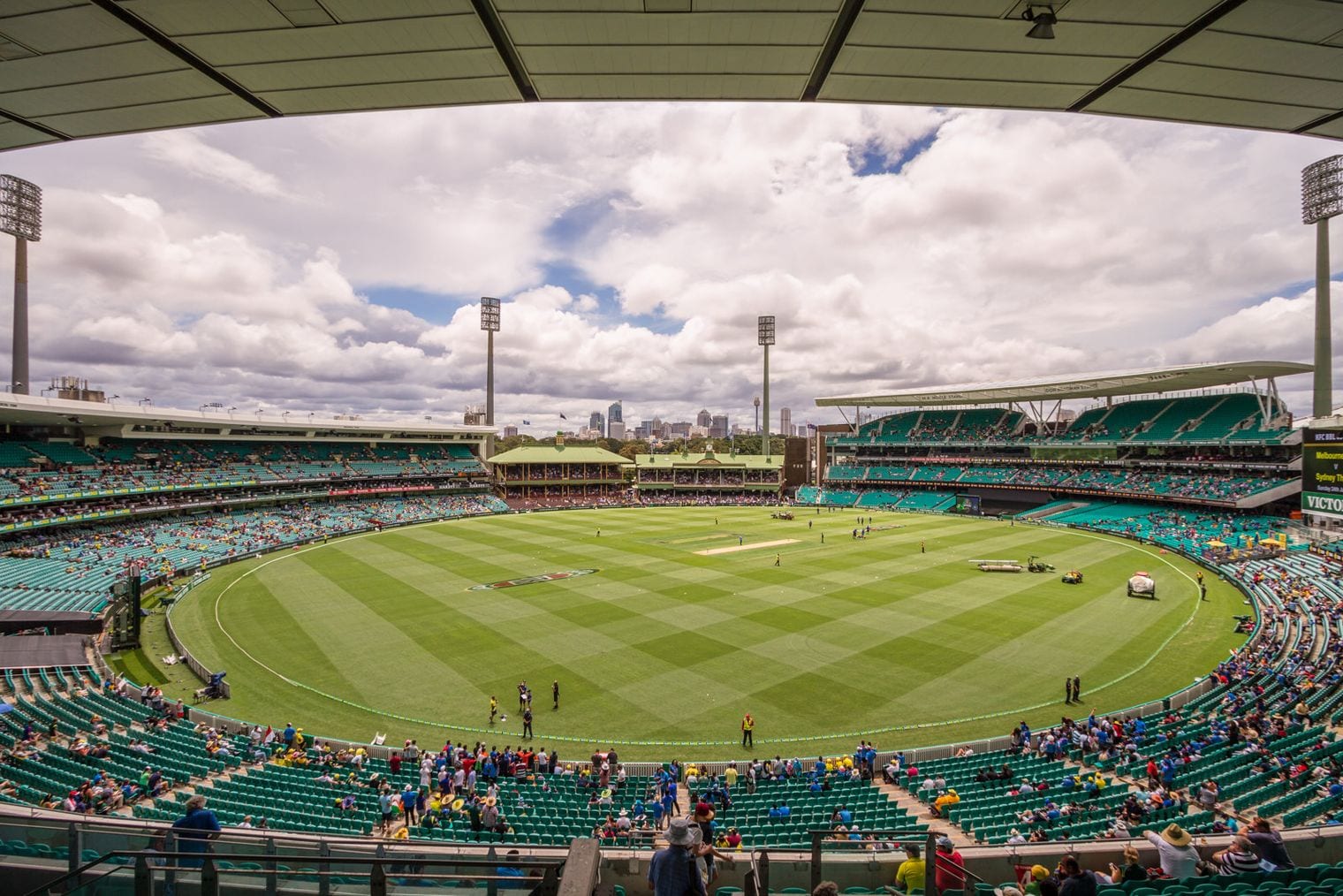
The Sydney Cricket Ground at Moore Park is one of the great old sporting arenas of the southern hemisphere, and it wears its history openly — the Members and Ladies pavilions are heritage-listed Victorian structures, and the grassy Hill has been replaced by seating but not forgotten. It hosts a Test match each January, domestic and international one-day cricket, and Australian Rules and rugby league through the winter.
If there is no match on, guided tours take you into the dressing rooms, the members' areas and out onto the boundary, with the walls of honour boards and memorabilia along the way. Match day is better if you can manage it: the atmosphere at an SCG Test, with the afternoon sun on the old stands, is a genuine Sydney experience.
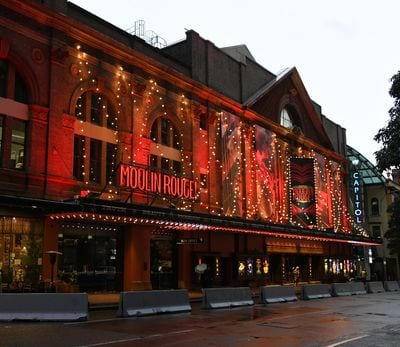
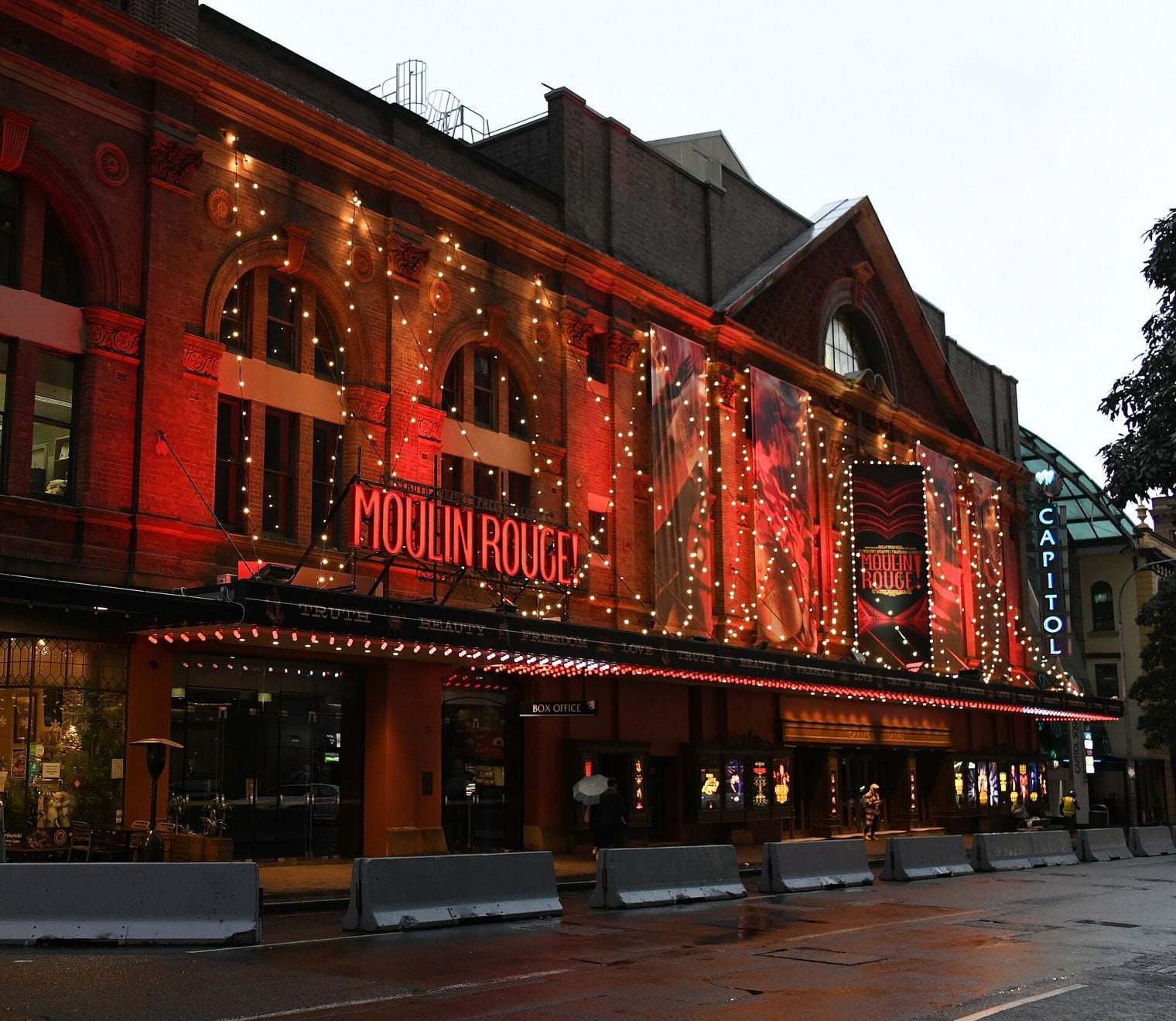
The Capitol Theatre in Haymarket is Sydney's home for large-scale musicals, and the building is worth the ticket on its own. It is an atmospheric theatre — a 1920s style in which the auditorium is dressed as an open-air Mediterranean garden, complete with statuary, climbing vines and a domed ceiling painted as a night sky with stars that twinkle above the audience.
It fell into disrepair and was restored in the 1990s, and the interior is now one of the best-preserved examples of the form anywhere. Touring productions run for months at a time, so there is usually something on. Even if musicals are not your thing, arriving early enough to stand in the auditorium and look up is a reasonable use of twenty minutes.
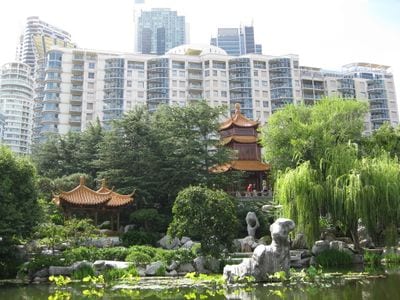
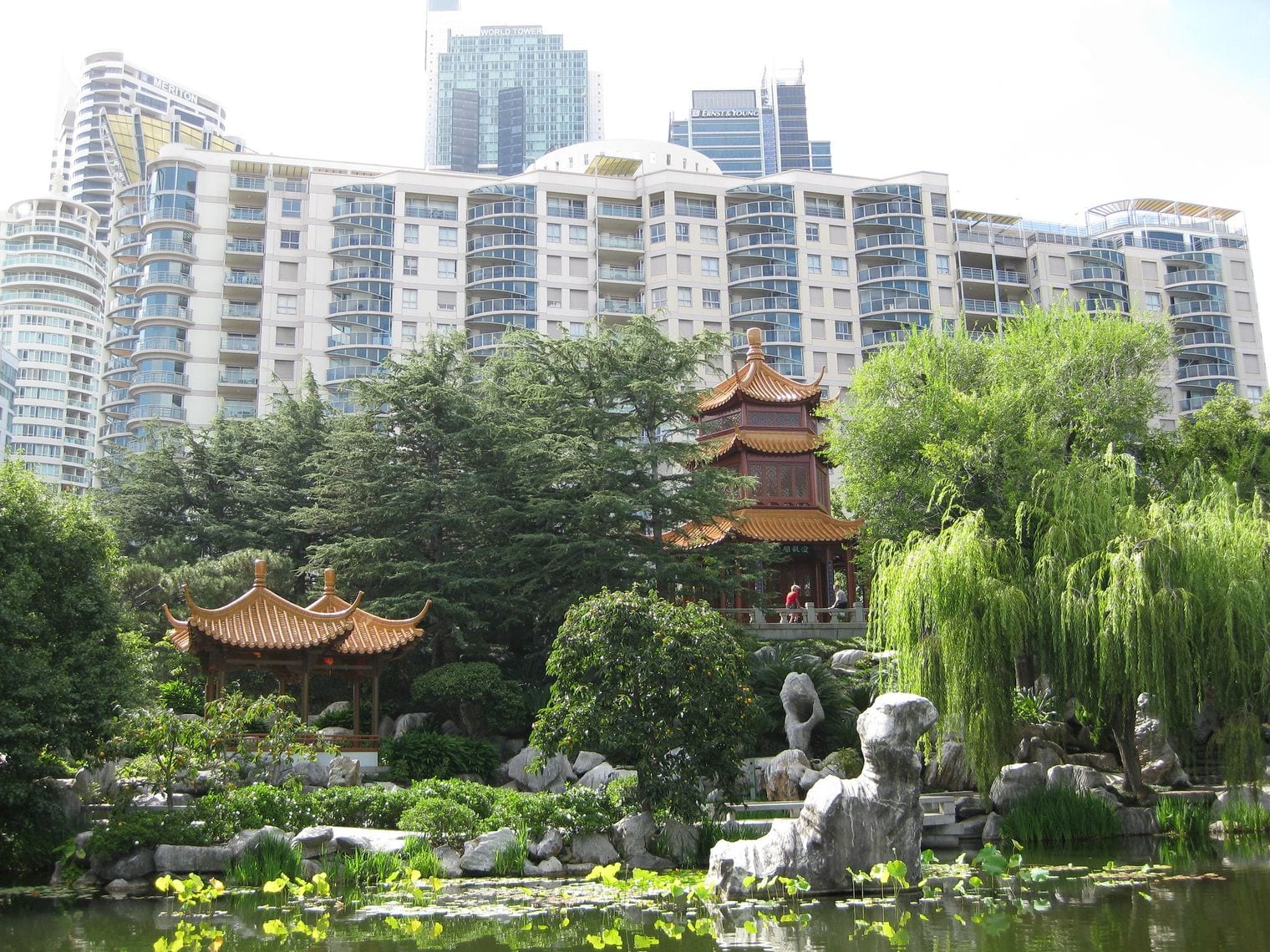
The Chinese Garden of Friendship is a walled classical garden at the southern edge of Darling Harbour, built for Australia's bicentenary in 1988 as a gift marking the sister-state relationship between New South Wales and Guangdong. It was designed by landscape architects from Guangzhou and built using traditional methods and imported materials.
Inside, a small ticketed space does what classical Chinese gardens do: waterfalls, koi ponds, covered walkways, pavilions and rockeries arranged so that every turn frames a different composition and the city outside disappears. There is a teahouse where you can take tea in the courtyard. It takes half an hour to walk and is one of the quietest places in central Sydney, which is precisely the point of it.
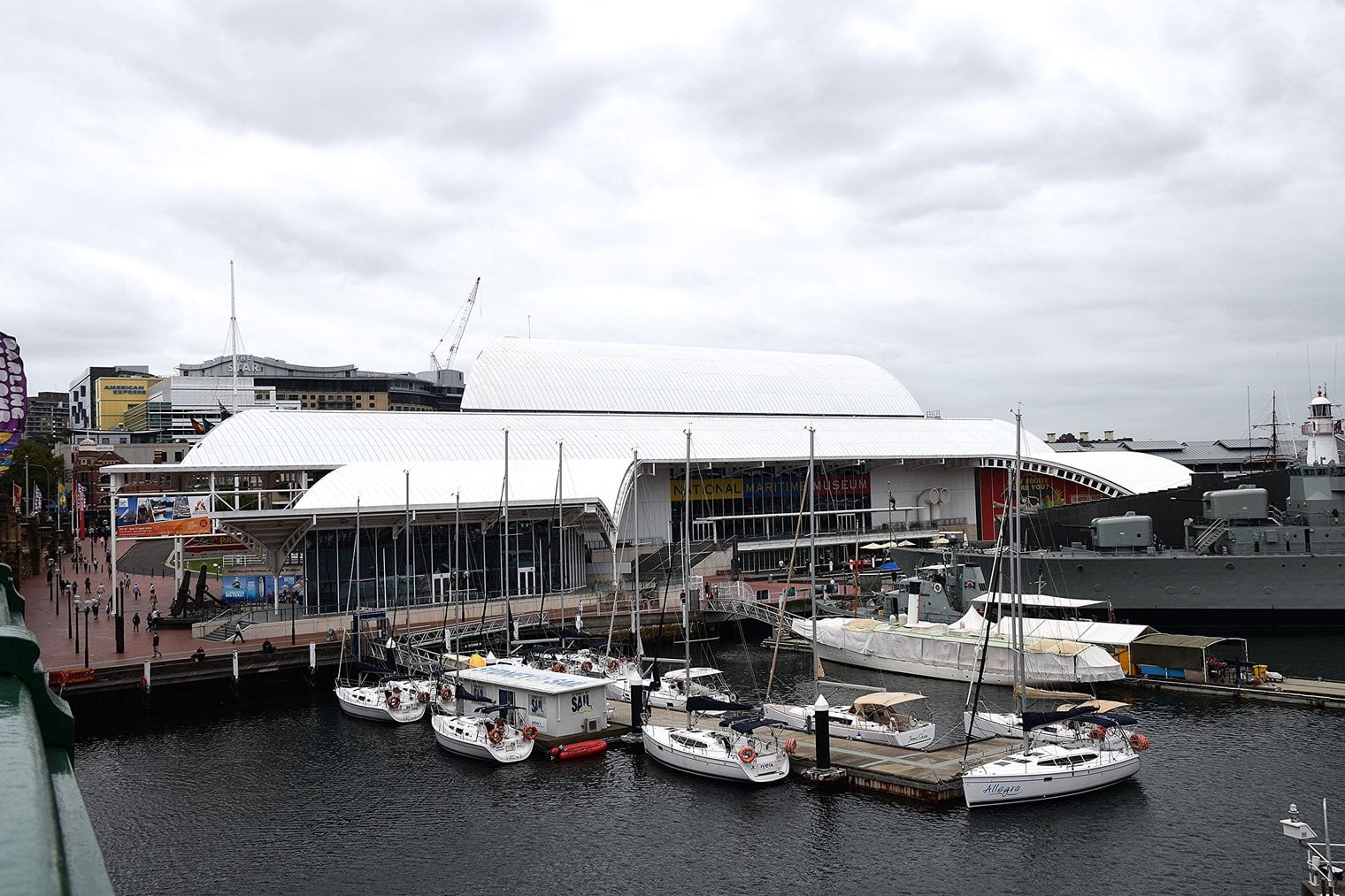
The Australian National Maritime Museum tells the story of a country shaped by the sea — Indigenous saltwater connections, convict transportation, migration, naval history and surf culture — from a wave-roofed building on the Darling Harbour waterfront. The galleries are strong, but the fleet moored outside is the reason to come.
You can go aboard the submarine HMAS Onslow, climbing down through the hatches into a genuinely claustrophobic interior, and walk the decks of the destroyer HMAS Vampire. A replica of James Cook's Endeavour is often alongside when it is not sailing. Vessel access needs the higher ticket tier and the ladders are steep, so it suits reasonably mobile visitors; the indoor galleries alone still make a solid rainy-afternoon option.
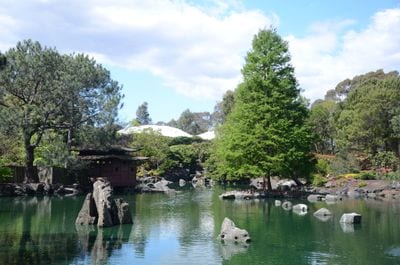
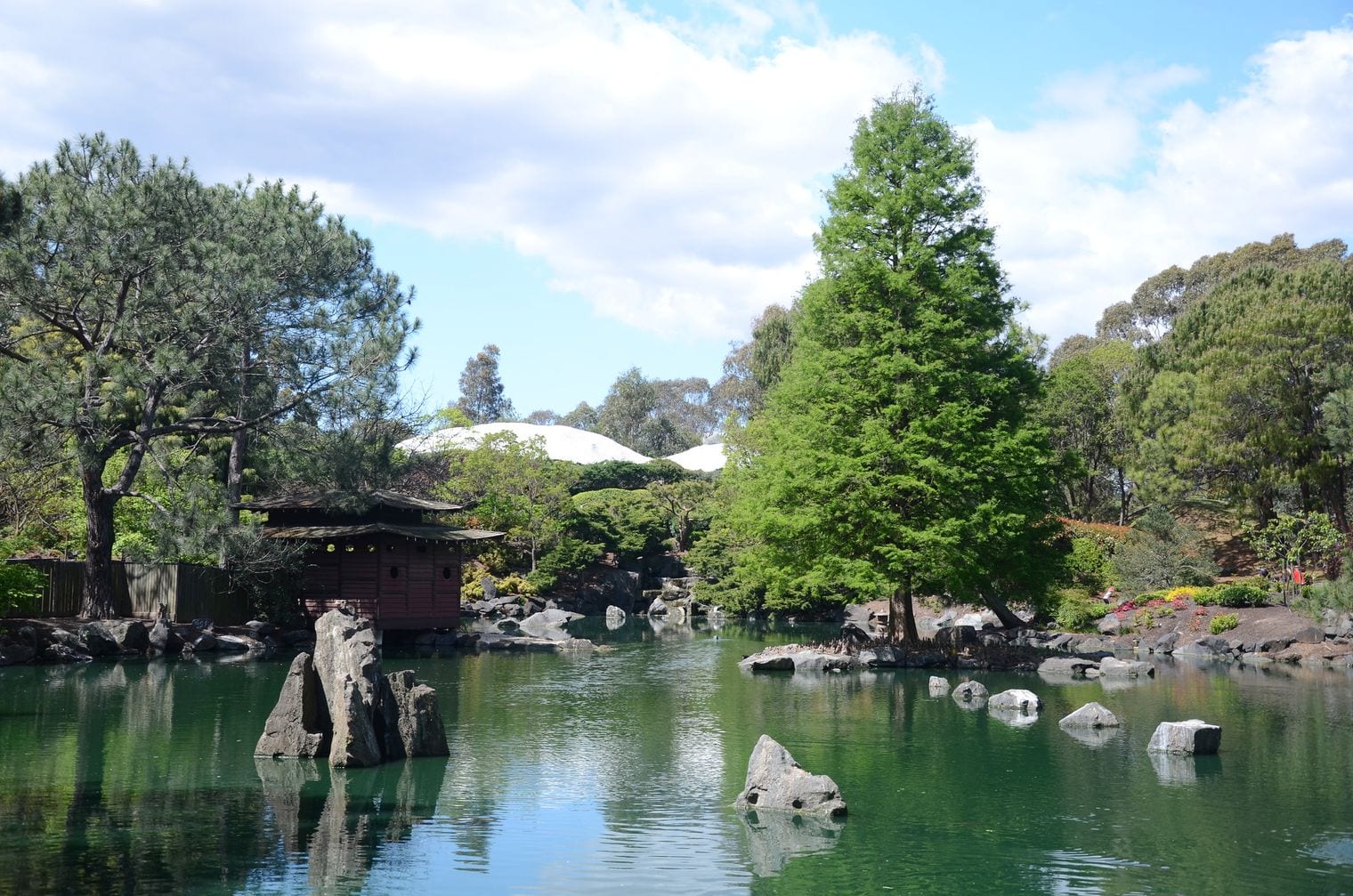
Auburn Botanic Gardens sits in Sydney's western suburbs and is best known for its Japanese garden — a lake, a bridge, stone lanterns and a stand of cherry trees that draw large crowds when they flower in late winter and early spring. The council runs a cherry blossom festival around the bloom, and it is one of the few places in Sydney where the season is genuinely marked.
Beyond the Japanese section there is an aviary, a native garden, a scented garden and a small collection of free-roaming wallabies and deer. It is roughly forty minutes from the city centre by train and a short walk from Auburn station. Go on a weekday if you want it quiet; the blossom weekends are extremely busy and parking is limited.
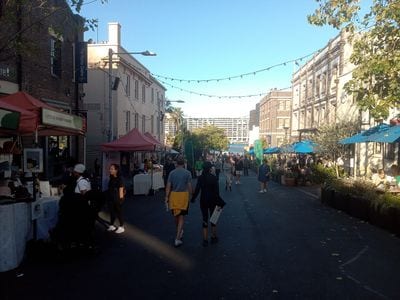
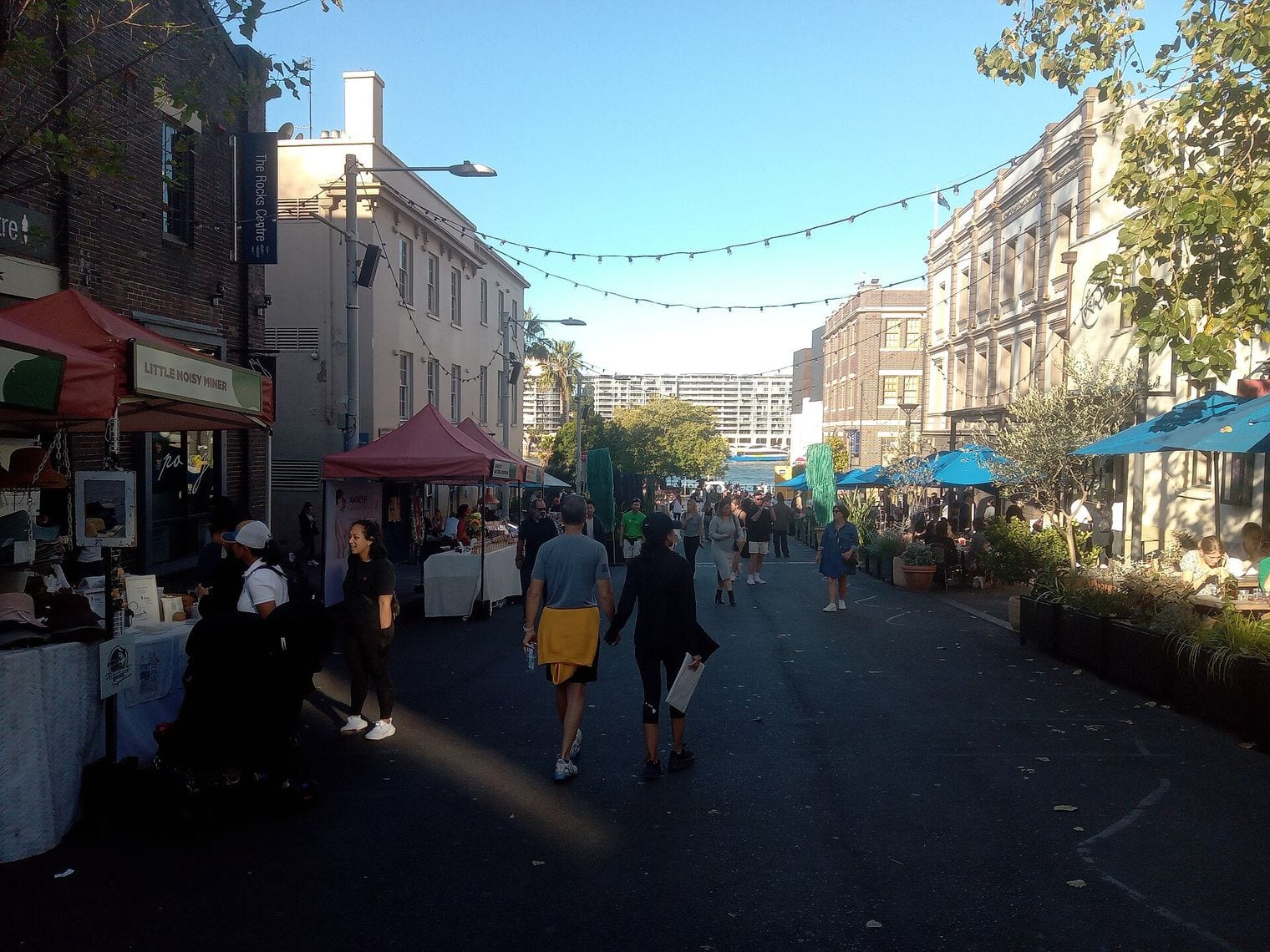
The Rocks Market fills the sandstone laneways beneath the southern approach to the Harbour Bridge each weekend, with white canopies running the length of George and Playfair streets. Stalls lean towards craft, jewellery, prints, photography, homewares and Australian-made goods rather than mass-produced souvenirs, and many of the makers are behind their own tables.
It is set in the oldest part of colonial Sydney, so browsing doubles as sightseeing: the buildings around you are nineteenth-century warehouses and pubs, and the laneways are the original street pattern. A separate produce and street-food market runs on a weekday. Come in the morning before the cruise-ship crowds arrive, then walk down to Circular Quay or up the stairs to the bridge walkway.
Madame Tussauds Sydney is the local branch of the waxwork franchise, sitting on the Darling Harbour waterfront alongside the aquarium and the wax-and-glass cluster of ticketed attractions there. The figures are grouped into themed rooms — Australian sport, music, film, world leaders and history — with a strong domestic bias you will not find at the London or New York outposts.
It is unapologetically a photo attraction rather than a museum, and it is priced and paced accordingly; most people are through in about an hour. It works best with teenagers and in bad weather, and it is one of the venues typically bundled into the multi-attraction passes sold across the precinct, which is the only sensible way to buy it if you are also doing the aquarium.
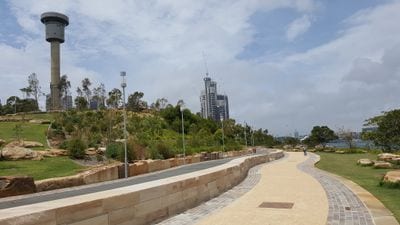
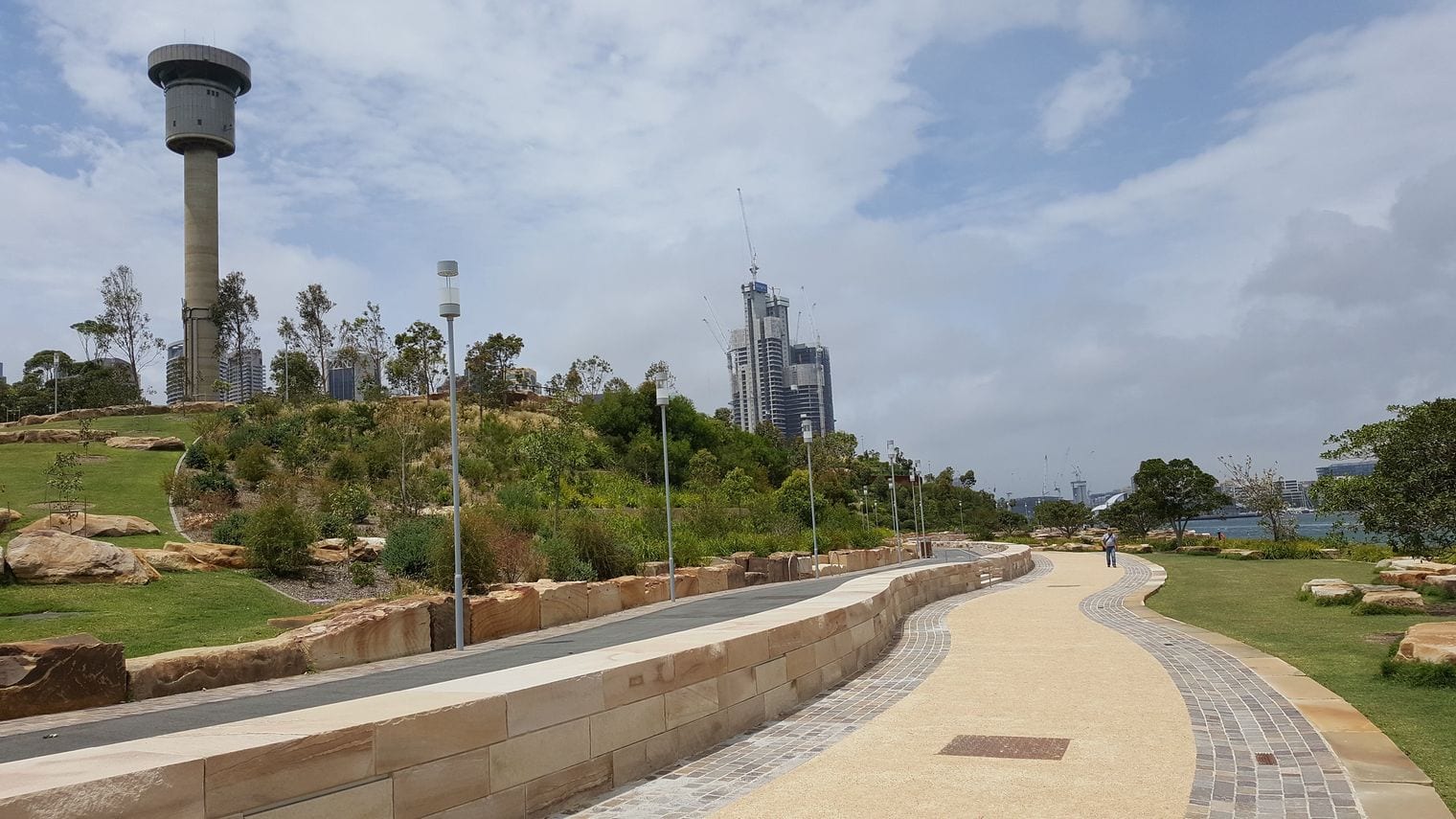
Barangaroo Reserve is a headland park on the western harbour foreshore, opened in 2015 on the site of a former container terminal. Rather than landscaping it as lawn, the designers rebuilt the shoreline in sandstone blocks cut from the site itself and planted it entirely with native species, recreating the naturalistic headland that stood here before the docks.
The result is a walking park: a waterfront promenade at sea level, winding paths and steps climbing through the planting, and a grassy summit with wide views across to the north shore and the bridge. It joins up with the Wulugul Walk south towards Darling Harbour, making a continuous foreshore route. It is named for a Cammeraygal woman of the Eora nation, and there is no entry charge.
Lane Cove National Park follows the Lane Cove River through Sydney's northern suburbs, a corridor of bushland, mangroves and picnic flats that feels a long way from the city despite being about twenty minutes from it. It is the easiest place near central Sydney to see what the landscape looked like before the suburbs arrived.
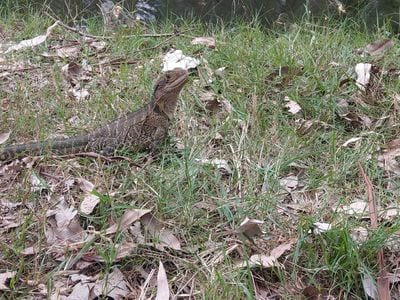
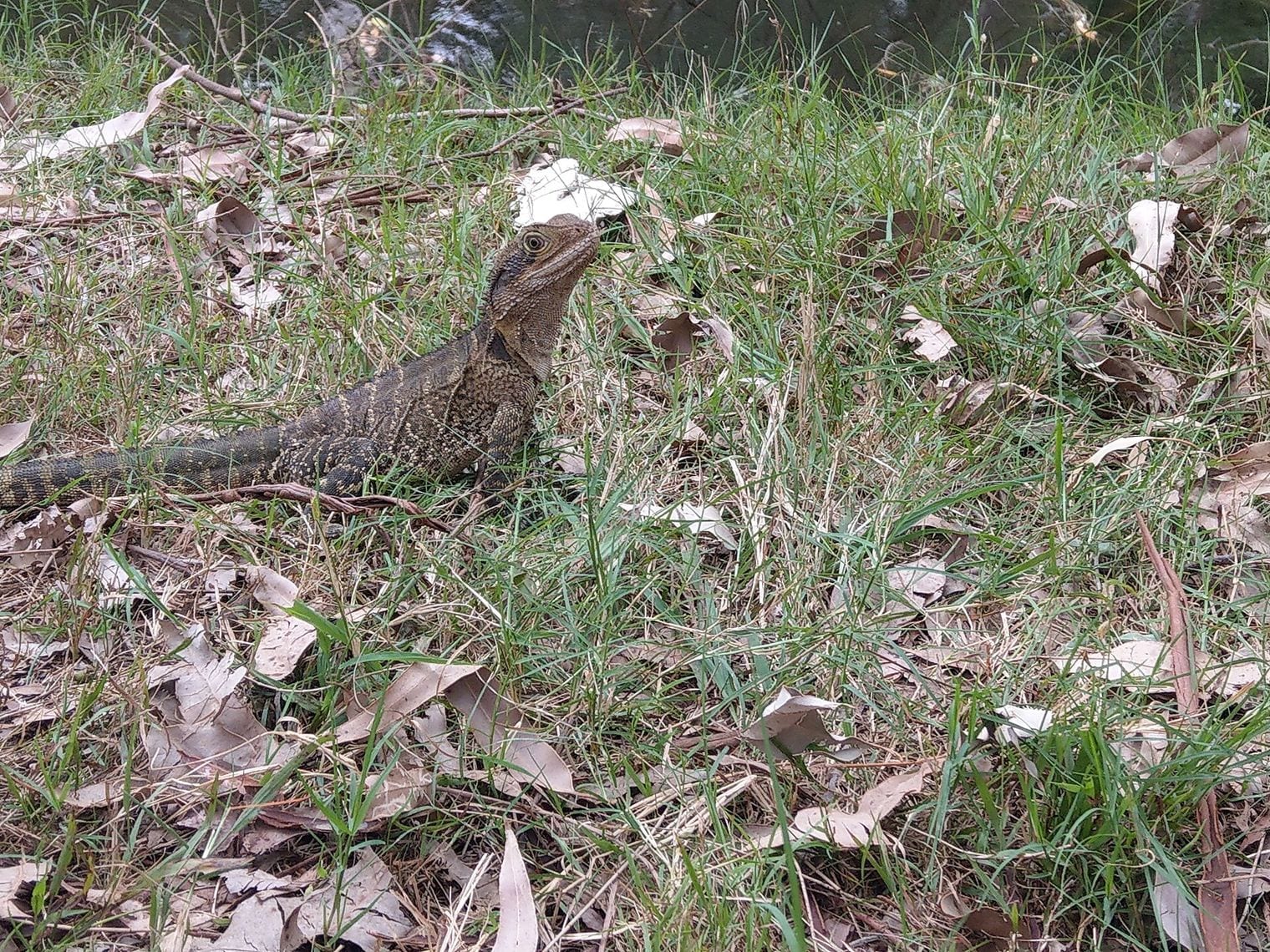
Walking tracks run along both banks with river views and sandstone outcrops, and there are barbecue and picnic areas at the main flat. Rowboats and kayaks can be hired on the river in season. Wildlife is the draw for many visitors: kookaburras, cockatoos, water dragons on the warm rocks, and brushtail possums after dark. Vehicle entry attracts a park fee, and it is a popular weekend spot with local families.
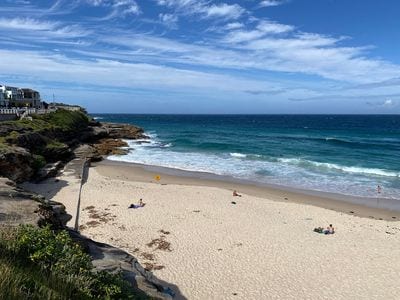
Bronte Beach is the eastern suburbs' locals' beach — smaller than Bondi, backed by a steep grassy park full of Norfolk pines and barbecues, and considerably less concerned with being photographed. The surf can be strong and the rip at the southern end is well known, so the flags matter here more than at some neighbours.
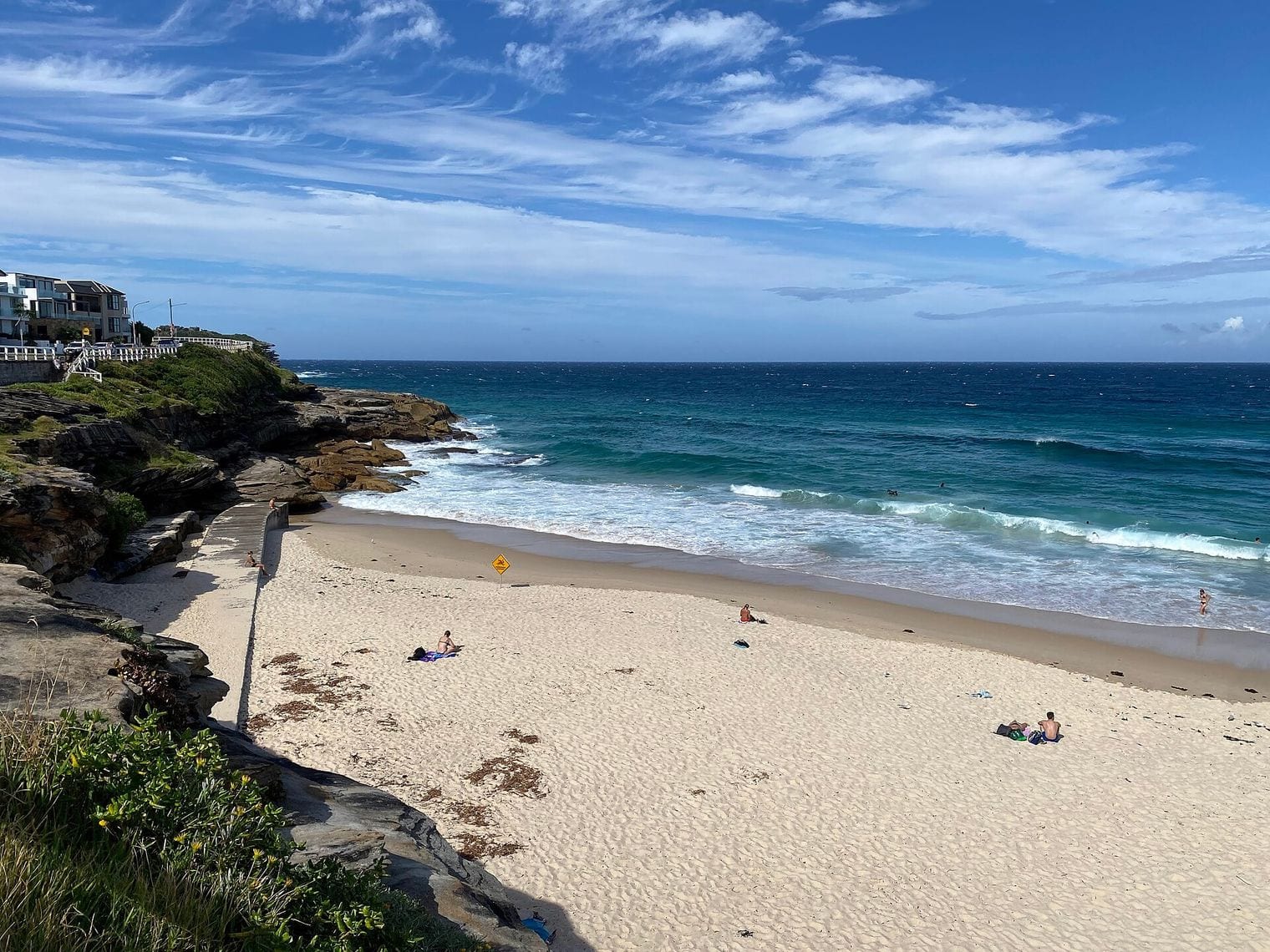
The real attraction is the water at the southern corner: an ocean pool cut into the rock shelf, and beside it the Bogey Hole, a natural rock enclosure that fills and churns with the swell. Both are free. Bronte sits directly on the Bondi to Coogee coastal walk, roughly halfway along, which makes it the classic stop for a swim and a coffee before carrying on.
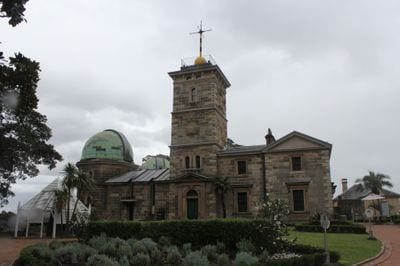
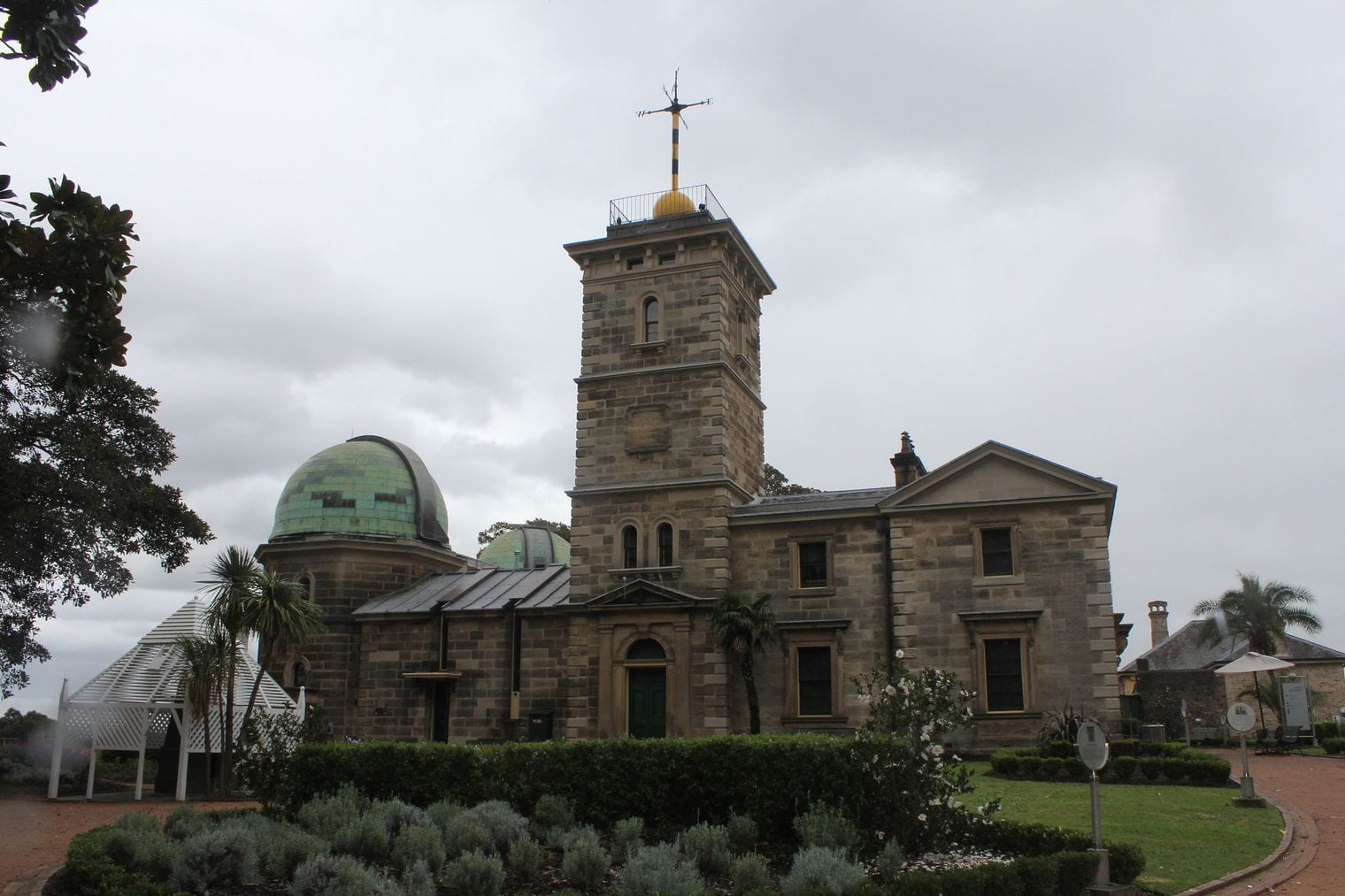
Sydney Observatory occupies the top of Observatory Hill in Millers Point, an 1850s sandstone building with copper domes that served as the colony's working astronomical observatory for well over a century. The time ball on the roof still drops daily, a signal once used by ships in the harbour to set their chronometers.
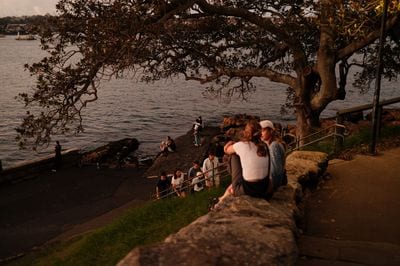
It now runs as a museum of astronomy with historic telescopes, exhibitions on southern-sky astronomy and Aboriginal star knowledge, and ticketed evening sessions where you look through the telescopes yourself — the southern sky offers things northern visitors will never have seen. The surrounding park is one of the best free viewpoints in the city, looking down over the bridge and the working harbour, and it is a short walk from The Rocks.
Below the railway line at Lavender Bay, Wendy Whiteley's Secret Garden spills down a steep harbourside slope in terraces, staircases and shaded clearings. It was created by Wendy Whiteley, widow of the painter Brett Whiteley, who began clearing decades of rubbish and lantana from the derelict railway land after his death and simply kept going.
There are no signs, no gates and no charge. Paths wander between figs and palms past benches, sculptures and unexpected clearings, with the harbour flashing between the leaves and the bridge appearing above the trees. It is a genuinely peaceful place a few minutes from the Milsons Point ferry wharf and Luna Park, and it pairs naturally with walking the Harbour Bridge and coming down the northern stairs.
Manly Beach faces the open Pacific on the northern side of the harbour entrance, a long stretch of sand lined with Norfolk Island pines and backed by a promenade of cafés and surf shops. It has a gentler, more suburban feel than Bondi and a genuine claim as the birthplace of Australian surf culture.
Getting there is the treat. The Manly ferry from Circular Quay takes about half an hour, passes the Opera House and the bridge on the way out, and crosses open water at the heads with the ocean visible through the gap. From the wharf, The Corso runs a few hundred metres straight through to the beach. Surf schools operate on the sand, and the walk south to Shelly Beach is short and worth doing.
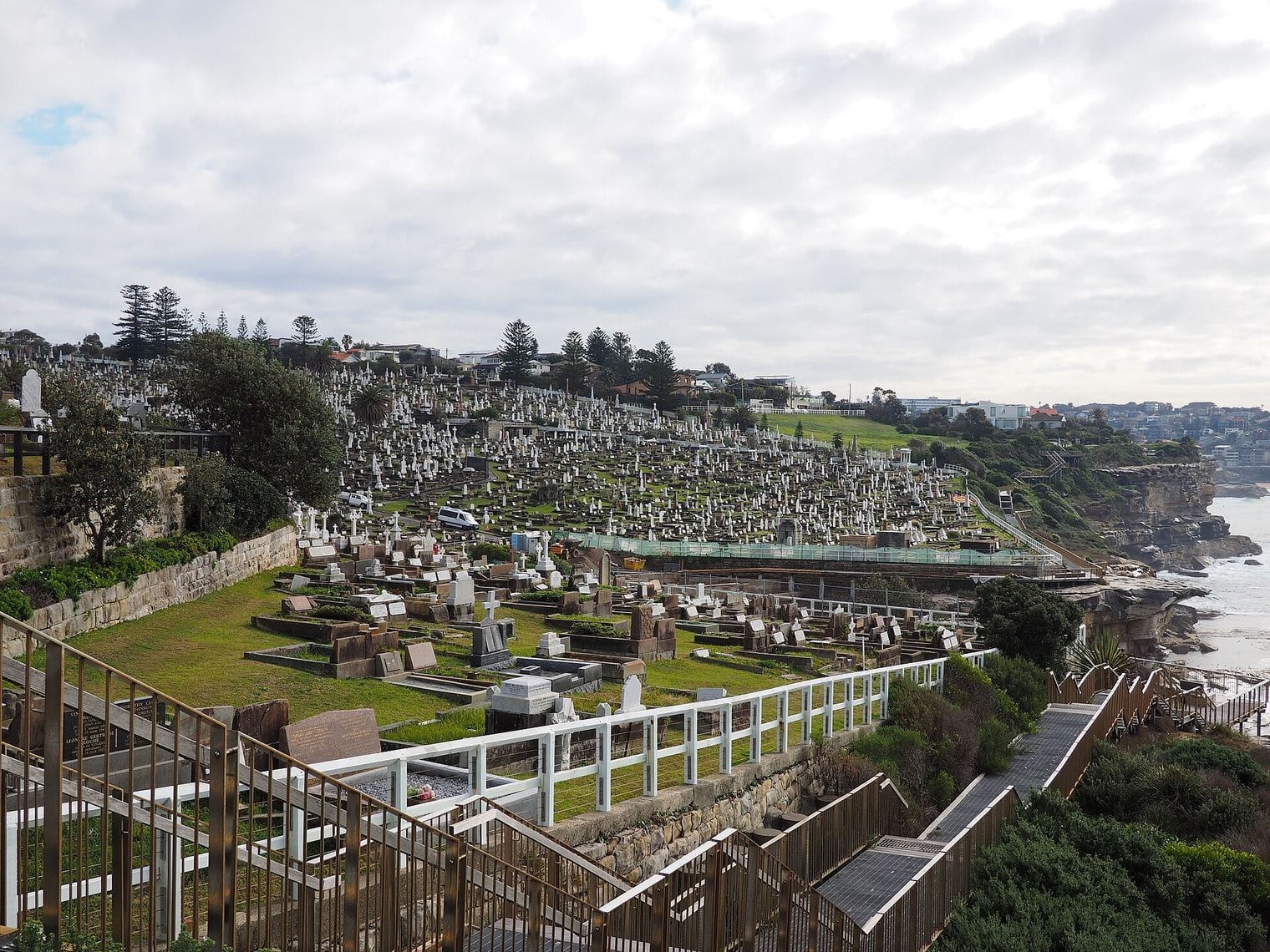
The Bondi to Coogee Walk is the best free thing to do in Sydney and, for many visitors, the memory that outlasts the landmarks. It runs roughly six kilometres south along the cliff tops from Bondi, dipping down to a beach and climbing back up again five or six times, with the Pacific on your left the entire way.
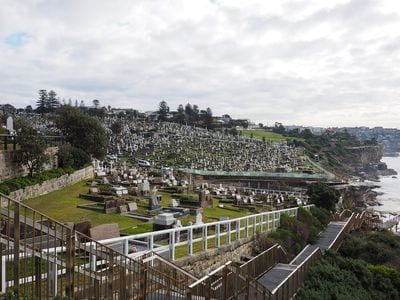
It strings together Tamarama, Bronte, Waverley Cemetery on its dramatic clifftop terrace, Clovelly's concreted inlet and finally the wide arc of Coogee. It is paved and stepped rather than rough, takes two to three hours at a walking pace, and can be joined or abandoned at any beach along the route. Take water and swimmers. Whales pass offshore during their winter and spring migrations.
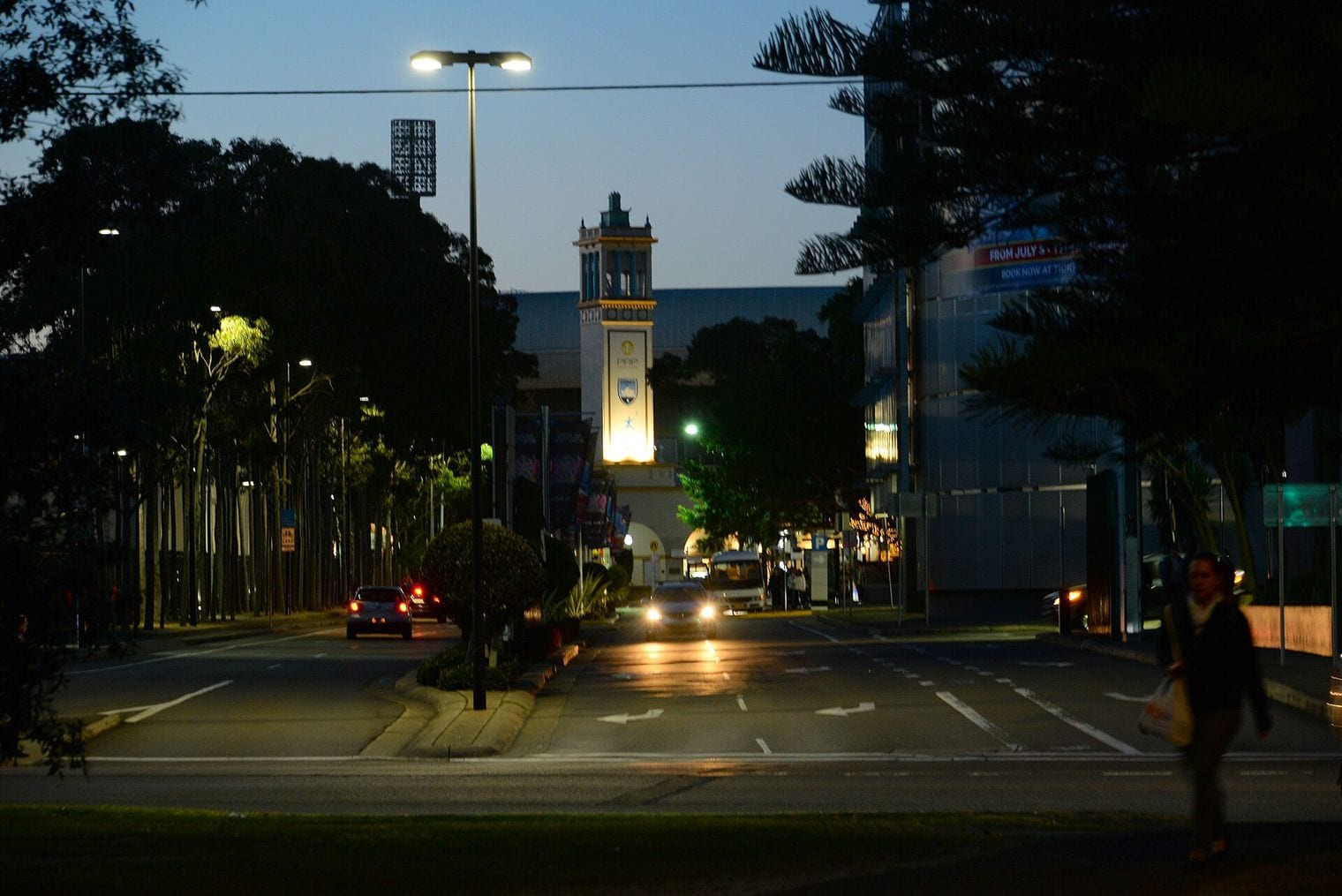
The Entertainment Quarter at Moore Park occupies part of the former Fox Studios backlot, an open-air precinct of cinemas, bars, restaurants and event spaces beside the Sydney Cricket Ground and the football stadium. It is a local weekend destination more than a visitor landmark, and it is the better for it.
Farmers' markets run here on weekends, there is a large multiplex cinema, mini golf, and a mix of eating options that fills up before and after events next door. Working television and film studios still operate on the adjacent site. It is most useful as somewhere to eat or park if you are heading to the cricket or a match, and it connects on foot to Centennial Park across the road.
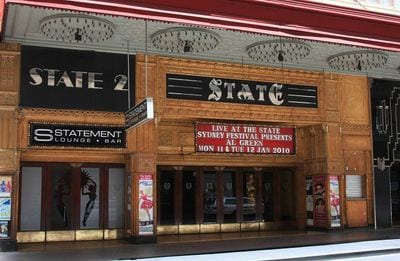
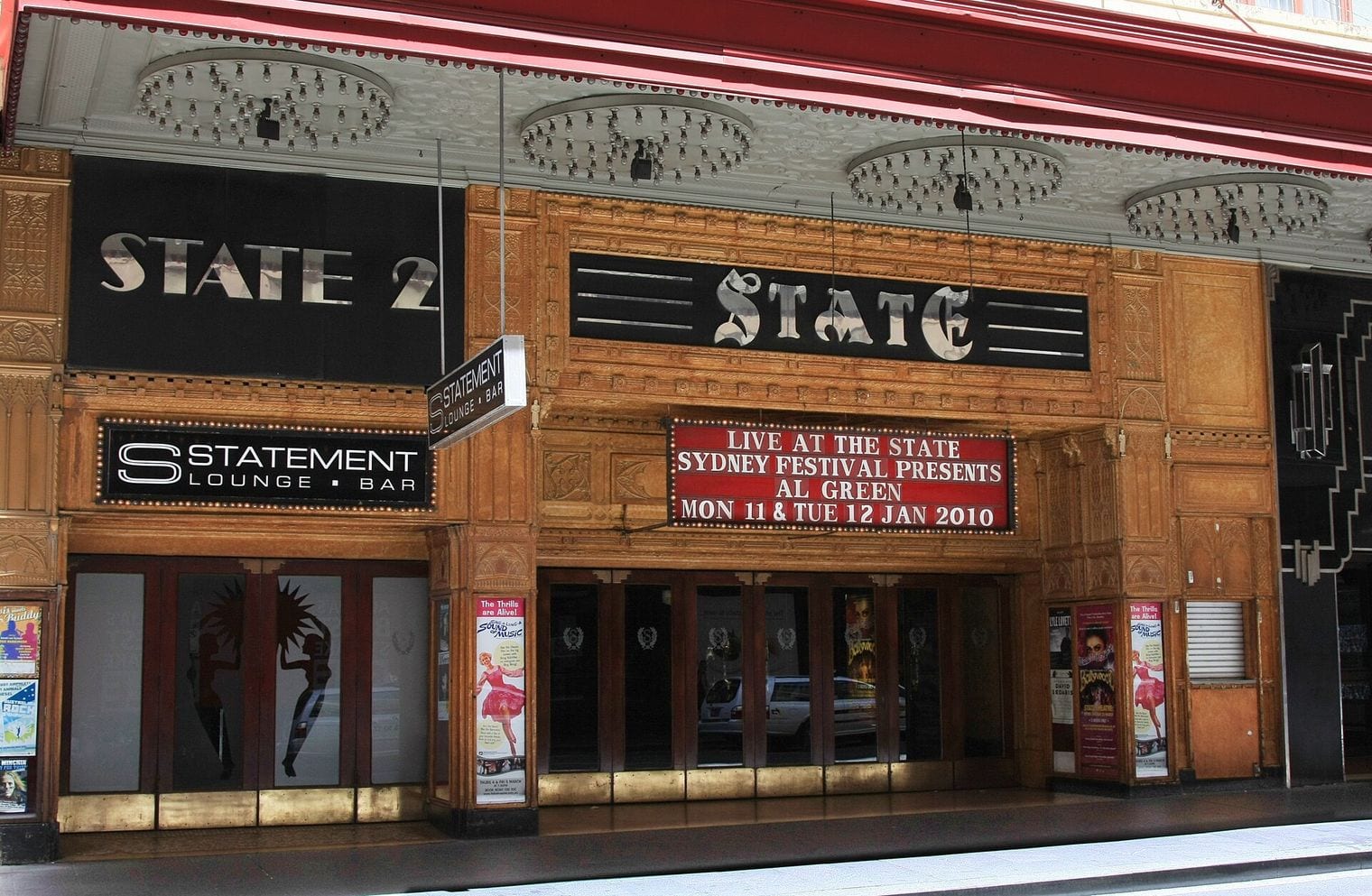
The State Theatre on Market Street opened in 1929 and survives as one of the most lavish picture palaces of its era anywhere. The style is deliberately excessive — Gothic, Italianate and Art Deco elements piled together, a marble-and-mosaic foyer, gilded plaster, and a vast cut-glass chandelier hanging over the auditorium.
It operates now as a live venue, hosting concerts, comedy and touring performers, and it is the principal home of the Sydney Film Festival each year. The building is heritage-listed and the ornamentation is original rather than reconstructed. Tickets to almost anything get you inside; if you cannot make a show, the foyer is sometimes accessible during box-office hours and is worth putting your head into.
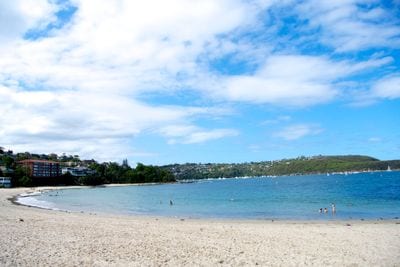
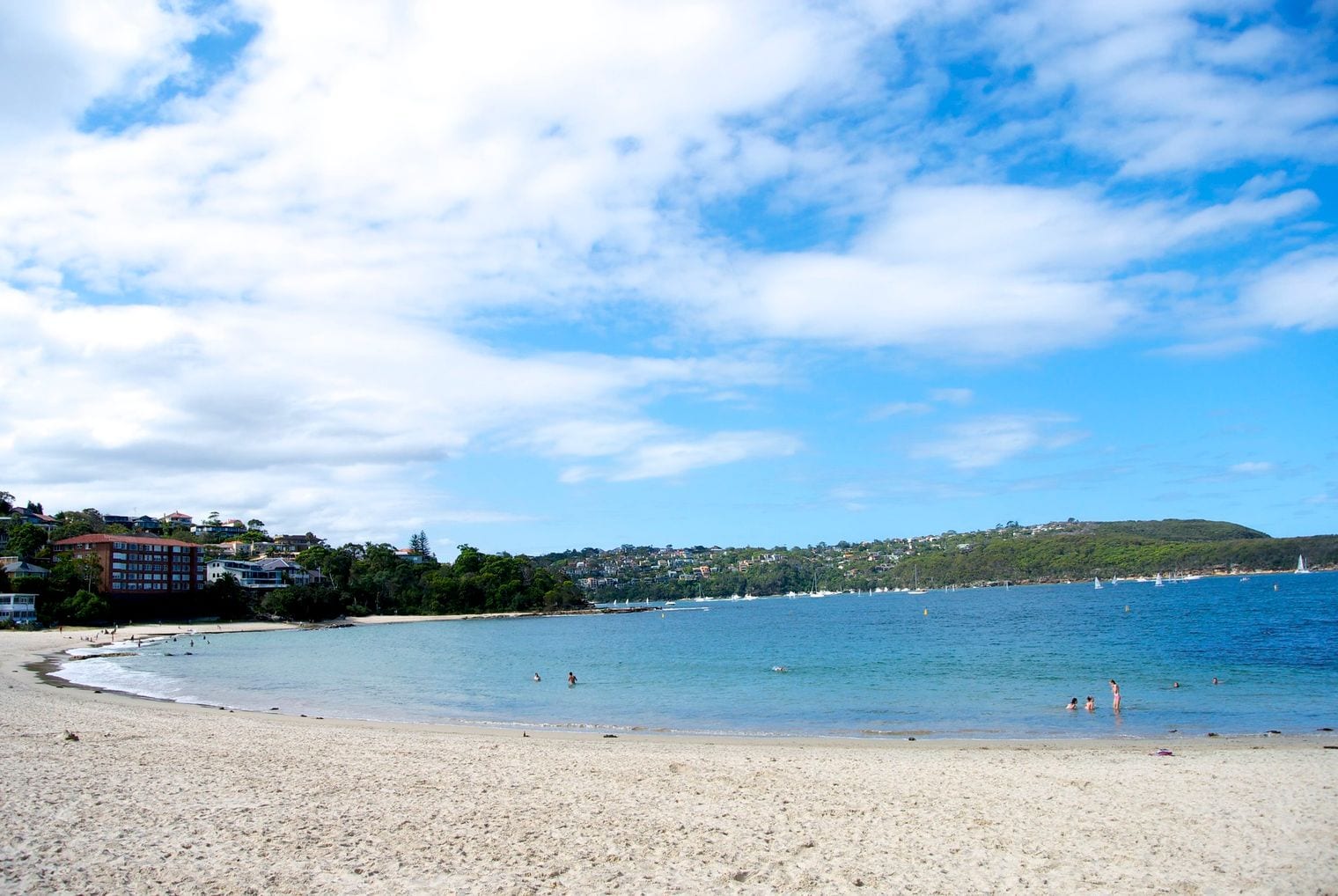
Balmoral Beach sits on Middle Harbour at Mosman, and it is the antidote to the ocean surf beaches — calm, netted, shallow and sheltered, with almost no waves at all. That makes it the beach Sydney families with small children actually use, and a good option on a windy day when Bondi and Manly are unpleasant.
A promenade with Norfolk pines runs the length of the sand, an Edwardian rotunda sits at the northern end, and Rocky Point Island is joined to the beach by a short footbridge you can walk across. Kayaks and paddleboards are hired from the sand in the warmer months. There is no rail line, so it takes a bus or a car, which is part of why it stays comparatively quiet.
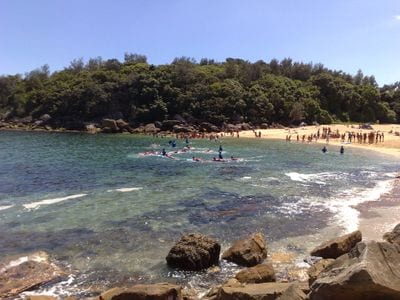
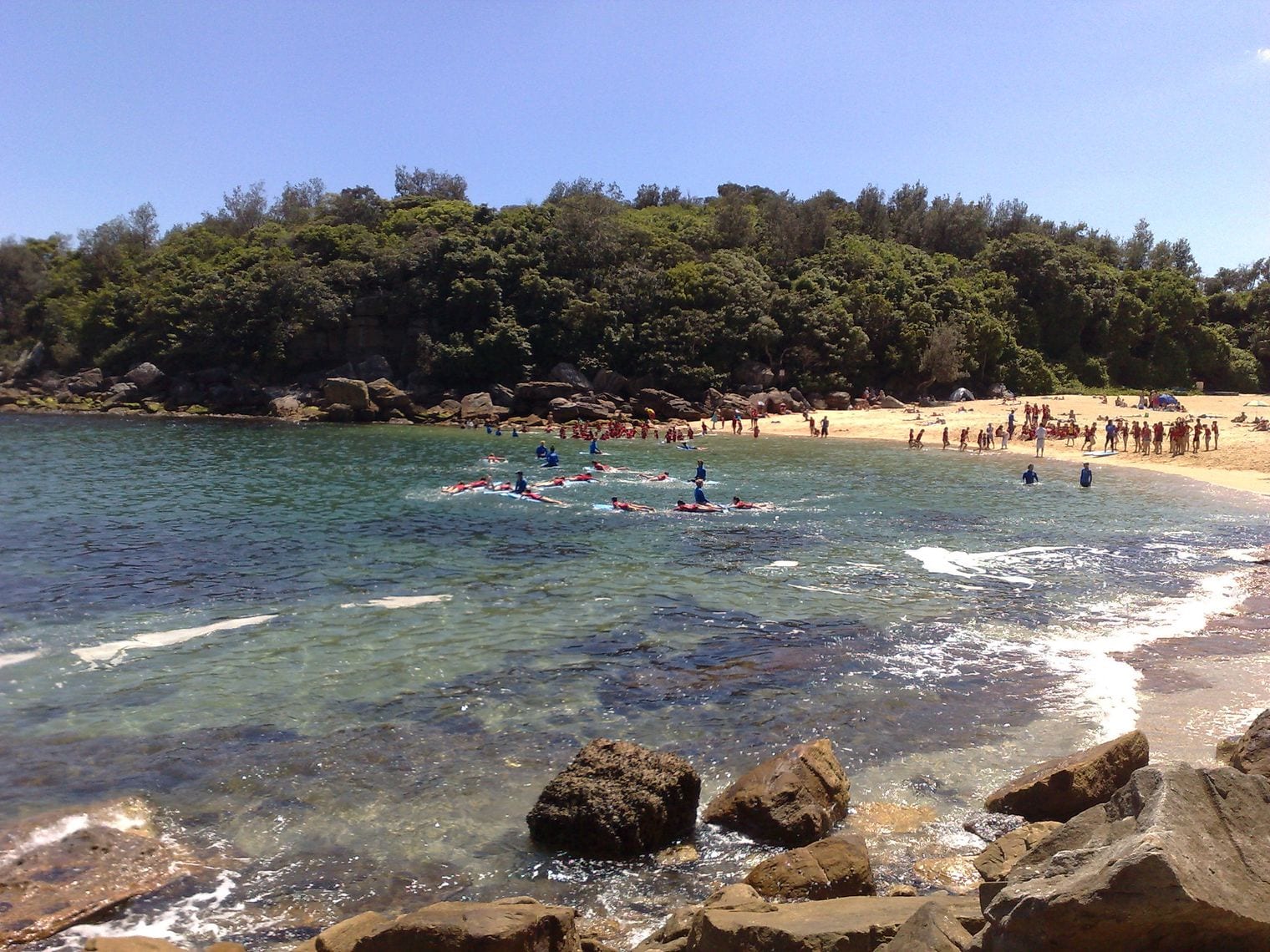
Shelly Beach is a small north-facing cove a ten-minute walk around the headland from Manly Beach, and its orientation is the whole point: sheltered from the swell, the water is usually flat and clear enough to see the bottom. It sits inside the Cabbage Tree Bay Aquatic Reserve, a no-take zone where marine life has been left alone for decades.
That protection makes it one of the best and most accessible snorkelling spots in Sydney. Expect blue gropers, wrasse, octopus, cuttlefish and occasionally a weedy seadragon, all within metres of the sand. Gear can be hired in Manly. The paved coastal path between the two beaches is level and popular, and continues up onto the headland with ocean views from the top.
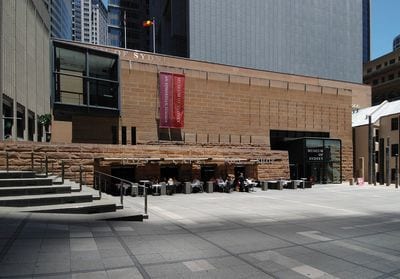
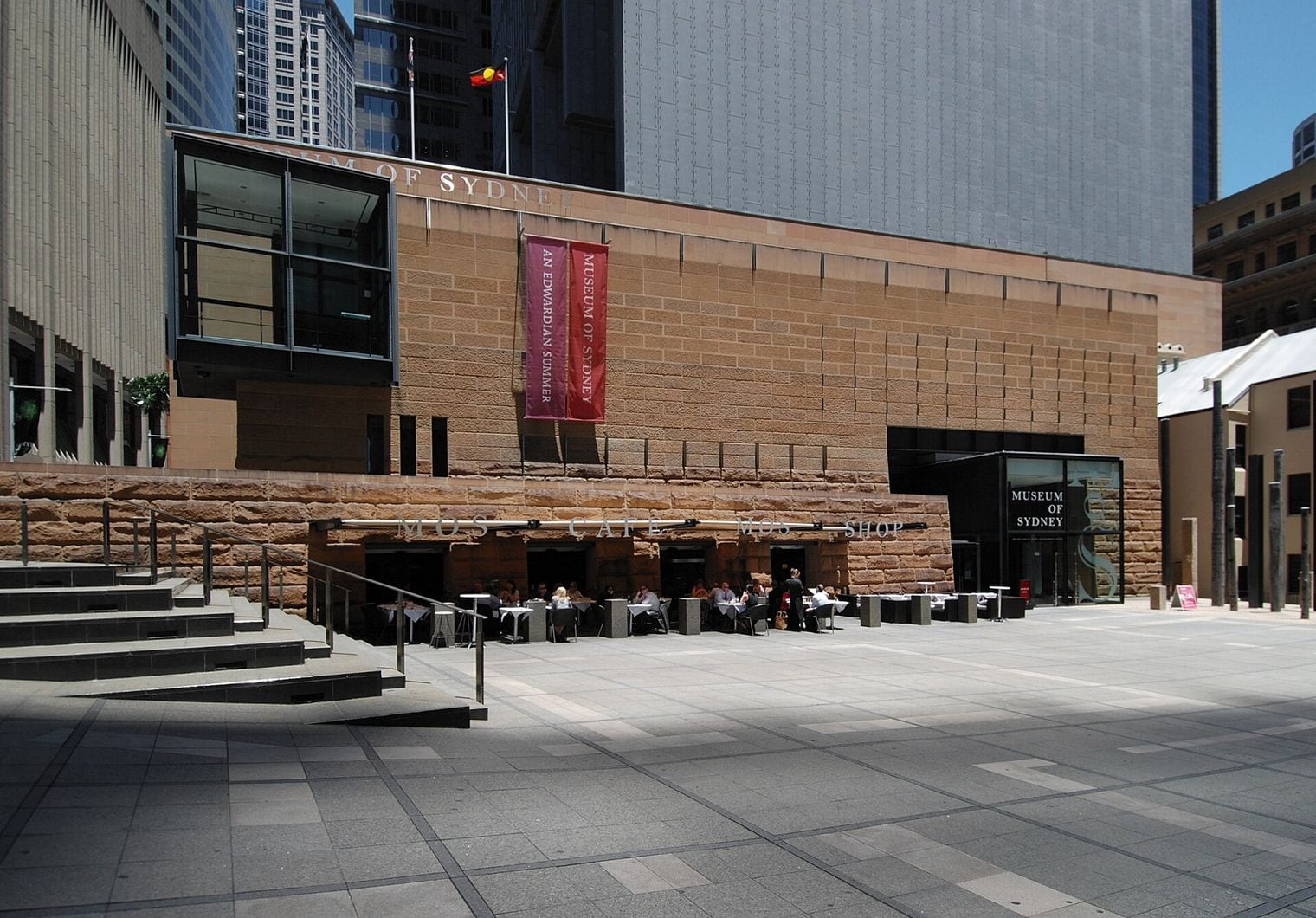
The Museum of Sydney is built over the excavated foundations of the first Government House, the colonial administrative building that stood here from 1788, and those footings are visible through glass in the forecourt and in the floor inside. The museum takes the city itself as its subject — how it was imagined, built, argued over and rebuilt.
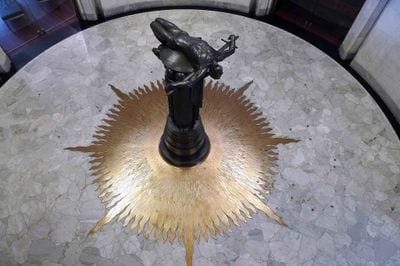
Exhibitions cover early colonial contact between the Eora people and the British, the growth of the city, and contemporary Sydney life, with changing shows alongside the permanent material. It is a compact museum, an hour rather than an afternoon, and its Bridge Street location puts it a few minutes from Circular Quay and Customs House. The Edge of the Trees sculpture in the forecourt is worth pausing at.
Archie Brothers Cirque Electriq in Alexandria is an indoor entertainment warehouse done with a circus-themed flourish — arcade machines, dodgem cars, ten-pin bowling, prize games and a diner-style bar under a lot of neon. It is aimed squarely at groups, birthdays and rainy afternoons rather than at sightseers.
It earns its place here as the practical answer to a wet day or a restless teenager, in a part of Sydney visitors rarely reach. Alexandria is an inner-south industrial suburb that has filled with breweries, cafés and warehouse conversions, so there is a reason to be out this way. It is a short drive or bus ride from the centre and typically open late into the evening.
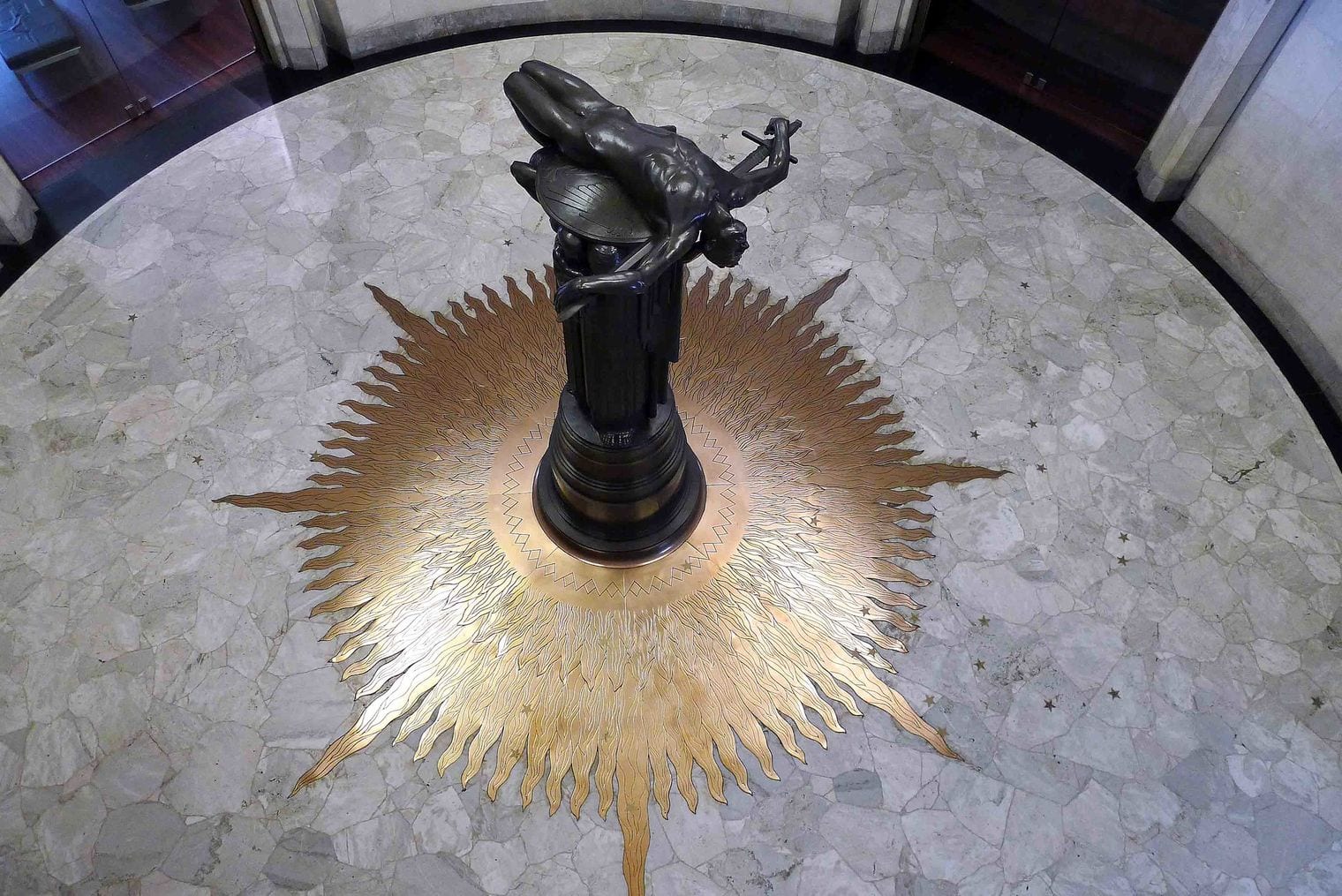
The Anzac Memorial stands at the southern end of Hyde Park, an Art Deco monument in pink granite completed in the 1930s as New South Wales's principal memorial to those who served in the First World War. Its stepped ziggurat form and stylised buttresses make it one of the finest Art Deco buildings in the country.
Inside, the Hall of Memory is lined with gold stars, one for each person from New South Wales who enlisted, and a domed ceiling looks down onto a sunken Well of Contemplation. An extension opened in recent years added exhibition galleries beneath. Entry is free. The reflecting Pool of Remembrance and its flanking poplars lead up to the entrance and are part of the composition.
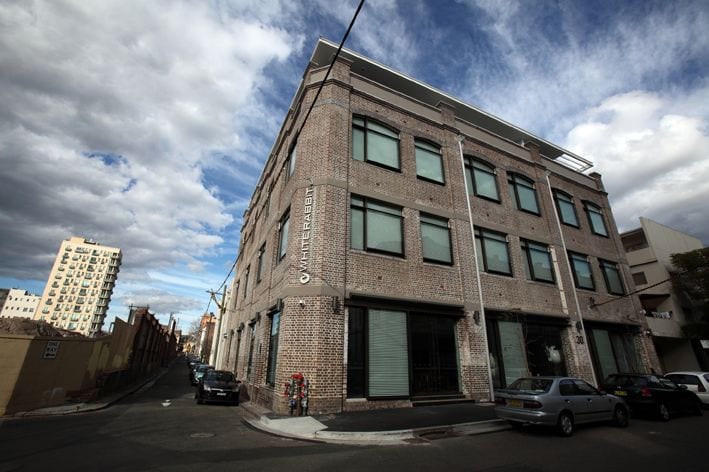
White Rabbit Gallery in Chippendale holds one of the largest private collections of contemporary Chinese art in the world, assembled by an Australian collector and shown free to the public across four floors of a converted knitting factory. The scale of individual works is often startling — installations that fill entire floors.
The collection is rehung twice a year, so there is no permanent display and repeat visits show you something different. The work is contemporary in the fullest sense: political, funny, unsettling and frequently enormous. There is a teahouse on the ground floor. It sits in an inner-city pocket alongside Central Park's vertical gardens and the eating lanes of Chippendale, making an easy half-day away from the harbour.
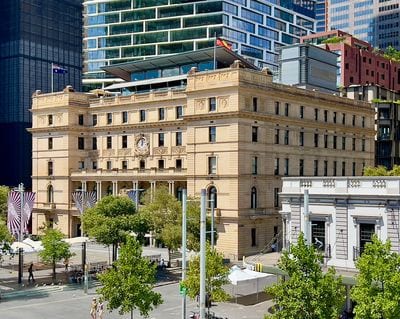
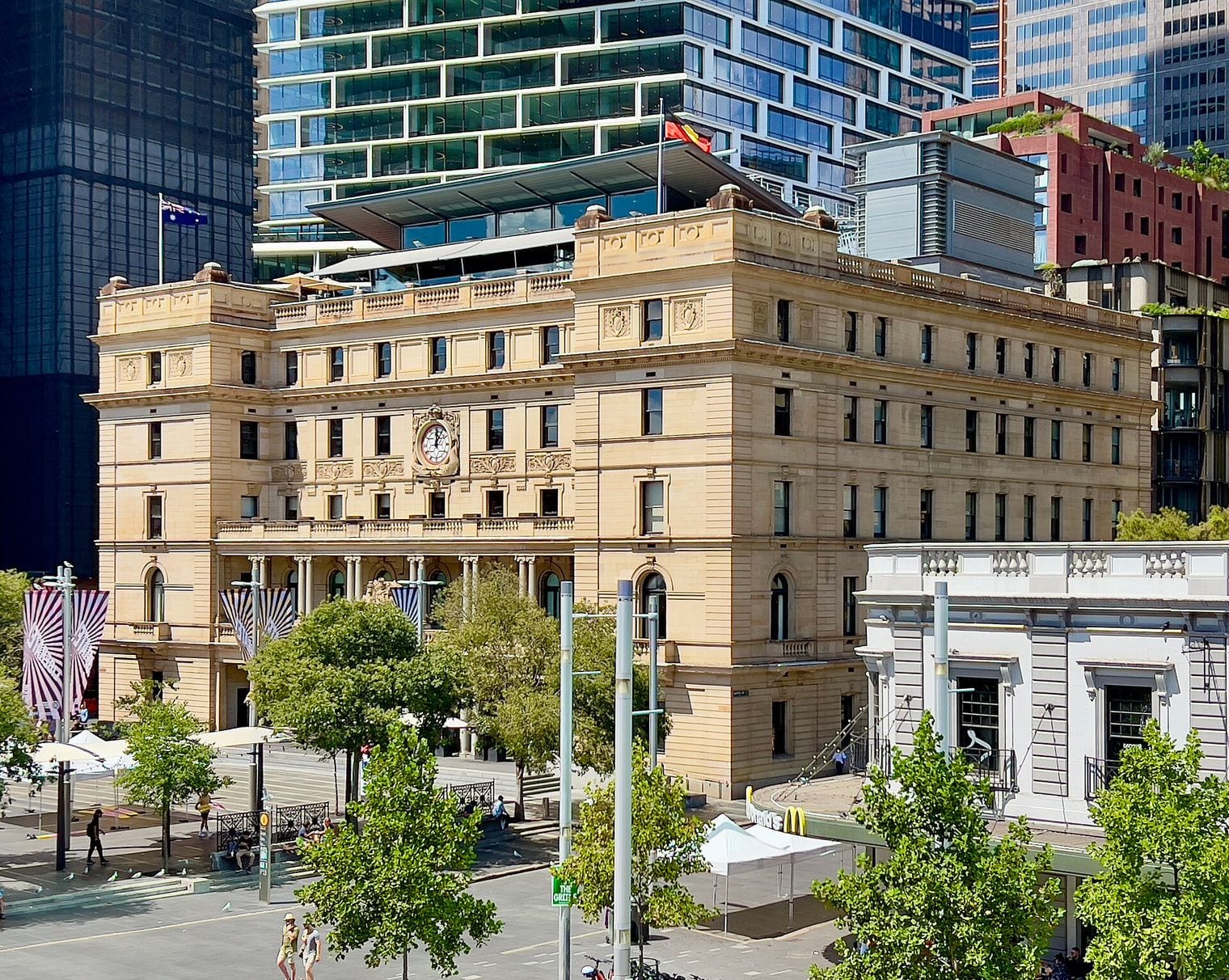
Customs House faces Circular Quay across Alfred Street, a handsome sandstone building that administered the port for well over a century and now belongs to the city as a library and public space. Walking in costs nothing and most people miss it entirely while queuing for ferries fifty metres away.
The thing to see is immediately inside the door: a large-scale model of central Sydney laid out beneath a glass floor, which you walk over while picking out streets and buildings. Above it, three floors of library, newspapers, exhibition space and quiet reading areas wrap a central atrium. There is a rooftop restaurant with quay views. It is one of the better places in the centre to sit down free of charge.
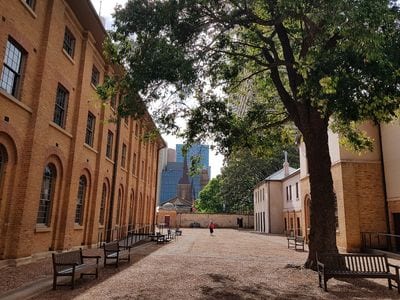
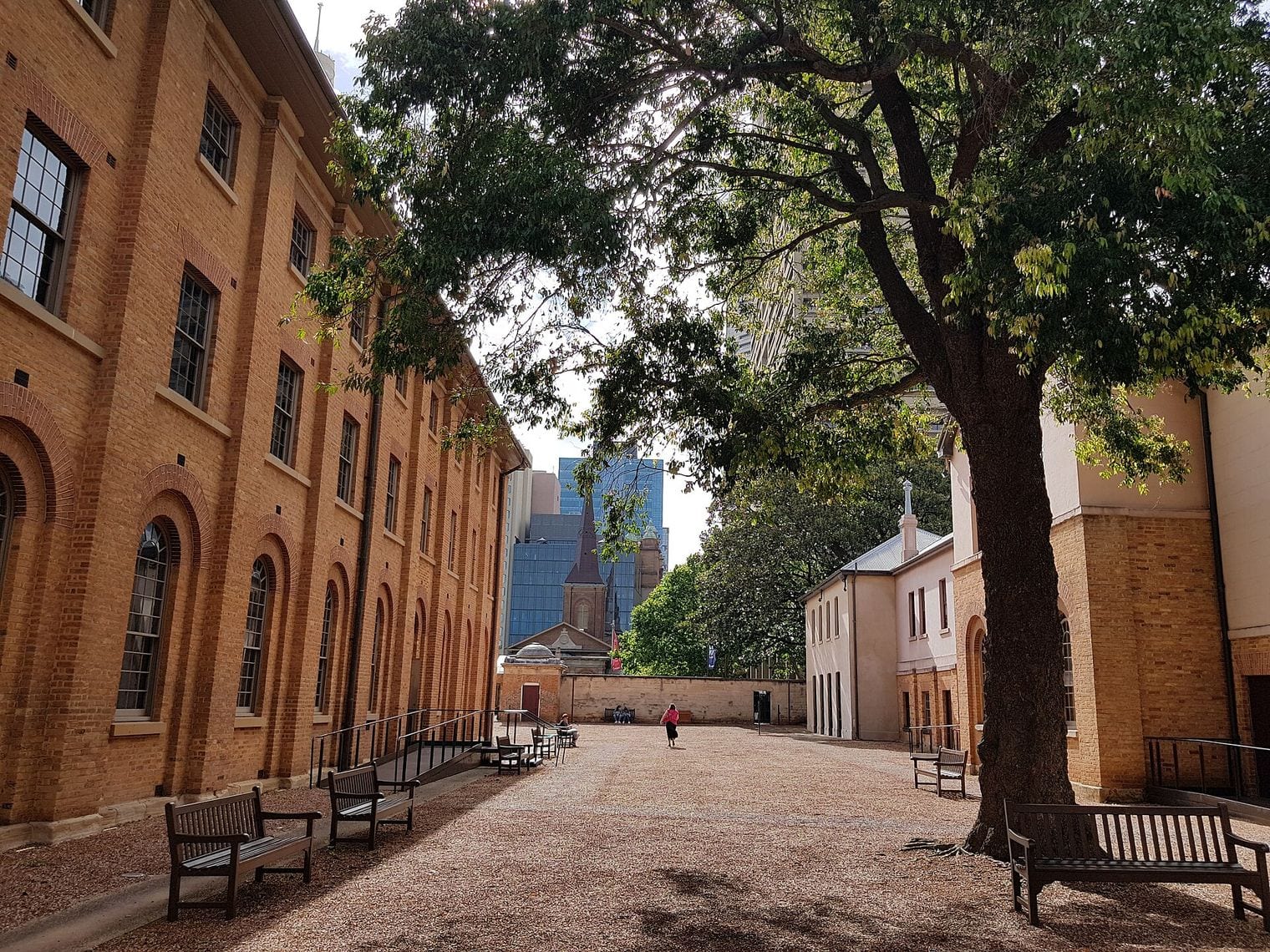
Hyde Park Barracks is a plain, beautifully proportioned brick building designed by the convict architect Francis Greenway and completed in 1819 to house male convicts assigned to government work. It is inscribed on the UNESCO World Heritage List as one of eleven Australian Convict Sites, and it is the best place in Sydney to understand what transportation actually meant.
The museum inside is unusually well done: an audio-led experience that follows individual convicts through the building, with hammocks slung in the dormitories and archaeological finds recovered from beneath the floorboards. It later housed immigrant women and a female asylum, and that layered history is part of the story. It stands on Macquarie Street beside the cathedral and the park, and takes about an hour.
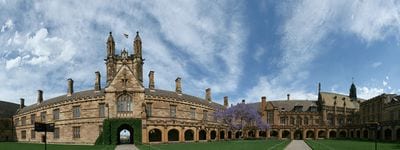
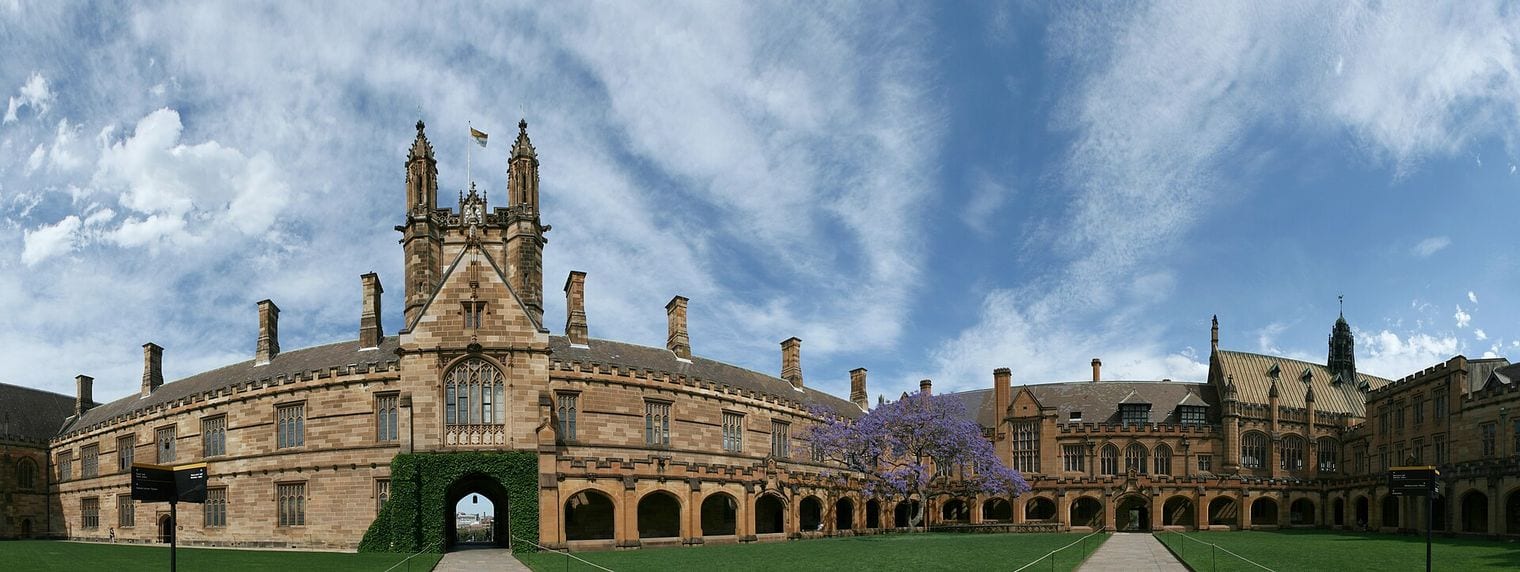
Founded in 1850, the University of Sydney is Australia's oldest university, and its Camperdown campus is worth the short trip west for one building in particular. The Quadrangle is a Gothic Revival sandstone courtyard with cloisters, gargoyles and a clock tower that looks transplanted from Oxford, and the Great Hall inside it has a hammer-beam roof and stained glass.
The grounds are open and people wander through freely. The Chau Chak Wing Museum on campus combines the university's antiquities, natural history and art collections in one modern building with free entry, and holds a substantial Egyptian and classical collection. Term time gives the place its atmosphere; the surrounding suburbs of Newtown and Glebe are good for lunch afterwards.
The south-eastern pylon of the Harbour Bridge is hollow, and inside it a museum and viewing platform occupy three levels reached by a few hundred steps. The Pylon Lookout is the cheaper, unharnessed alternative to climbing the arch, and it delivers a view straight up the harbour that is arguably better composed than the one from the top.
The museum on the way up covers how the bridge was designed and built, the workers who built it, and the riveting and steelwork involved, with original tools, photographs and film. The open-air platform at the top looks down on the traffic, the trains and the walkway. It is entered from the bridge's pedestrian path, so it slots neatly into the walk across.
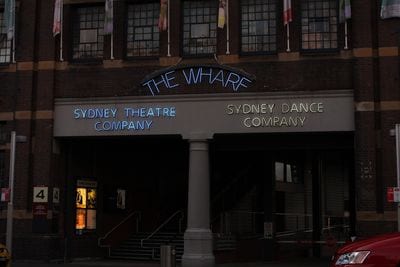
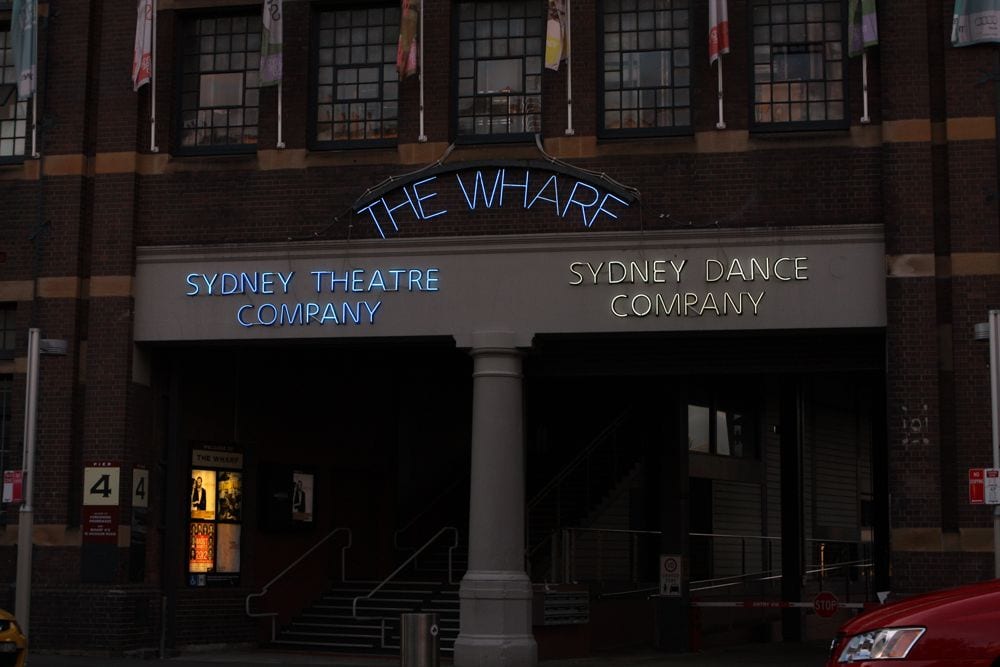
The Roslyn Packer Theatre sits on a converted finger wharf at Walsh Bay, part of a cluster of timber wharves west of the Harbour Bridge that once handled wool and cargo and now house theatre and dance companies. The building keeps the wharf's ironbark structure and scale while holding a modern main-stage auditorium.
It is one of the principal venues of the Sydney Theatre Company, staging large-scale drama and touring productions, and the walk to the door along the waterfront is part of the evening. The surrounding Walsh Bay arts precinct includes several other performance spaces on neighbouring wharves. If you are choosing one theatre night in Sydney and want contemporary drama rather than a musical, this is the address.
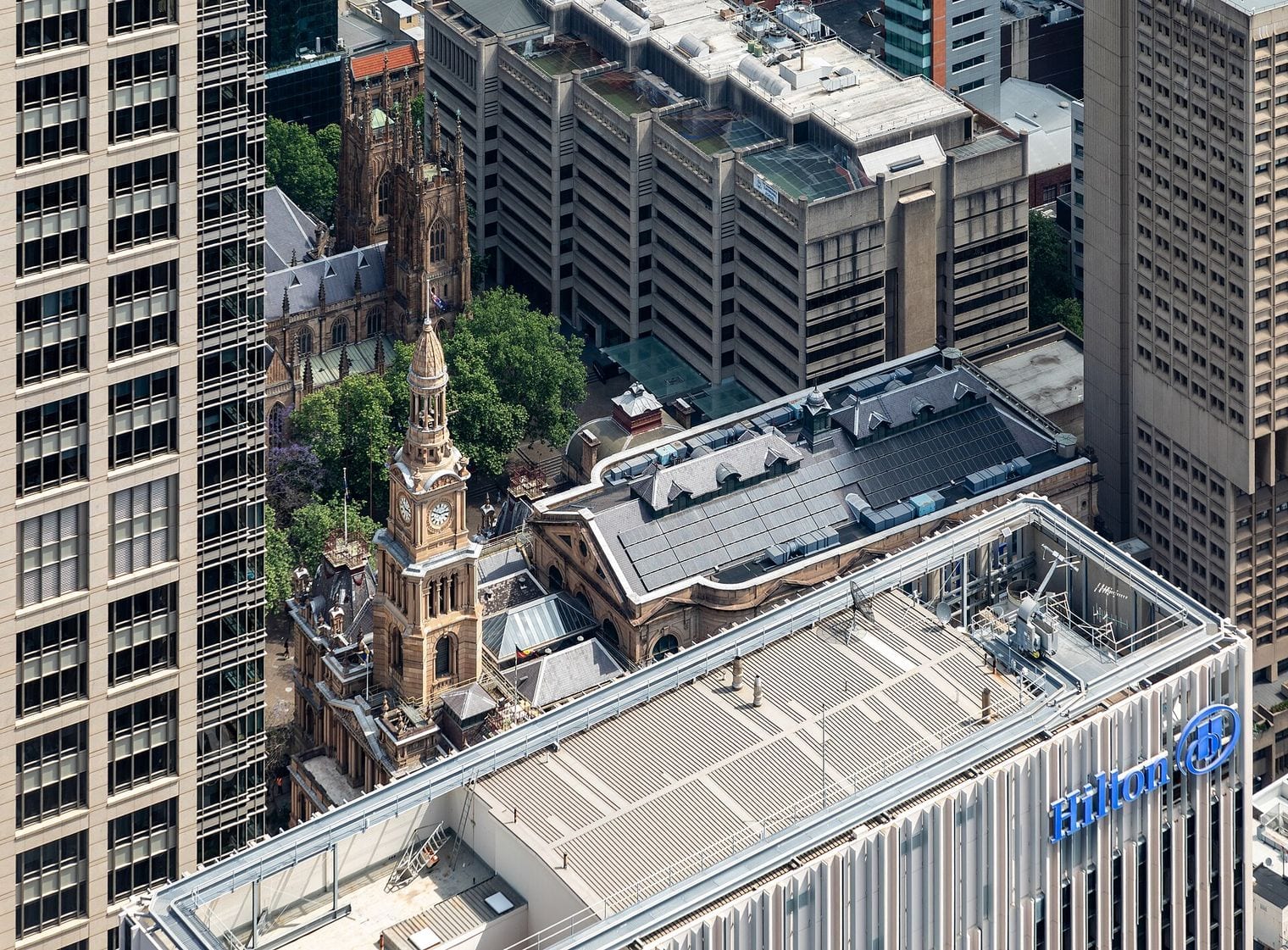
Sydney Town Hall is an exuberant sandstone pile on George Street, completed in stages through the 1880s in a French Second Empire style with a clock tower, mansard roofs and a great deal of confident Victorian ornament. It remains the seat of the City of Sydney council rather than a museum piece.
The Centennial Hall inside holds the Grand Organ, an enormous nineteenth-century instrument that was among the largest in the world when it was installed and is still played at recitals. The building hosts concerts, ceremonies and public events, and the steps outside are the city's traditional meeting point. It sits directly above Town Hall station and next to the Queen Victoria Building, so you will pass it repeatedly.
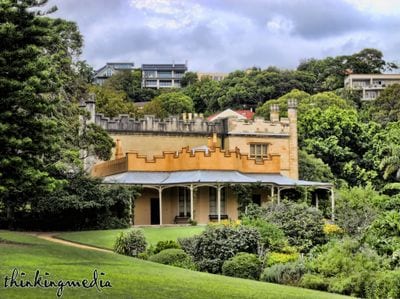
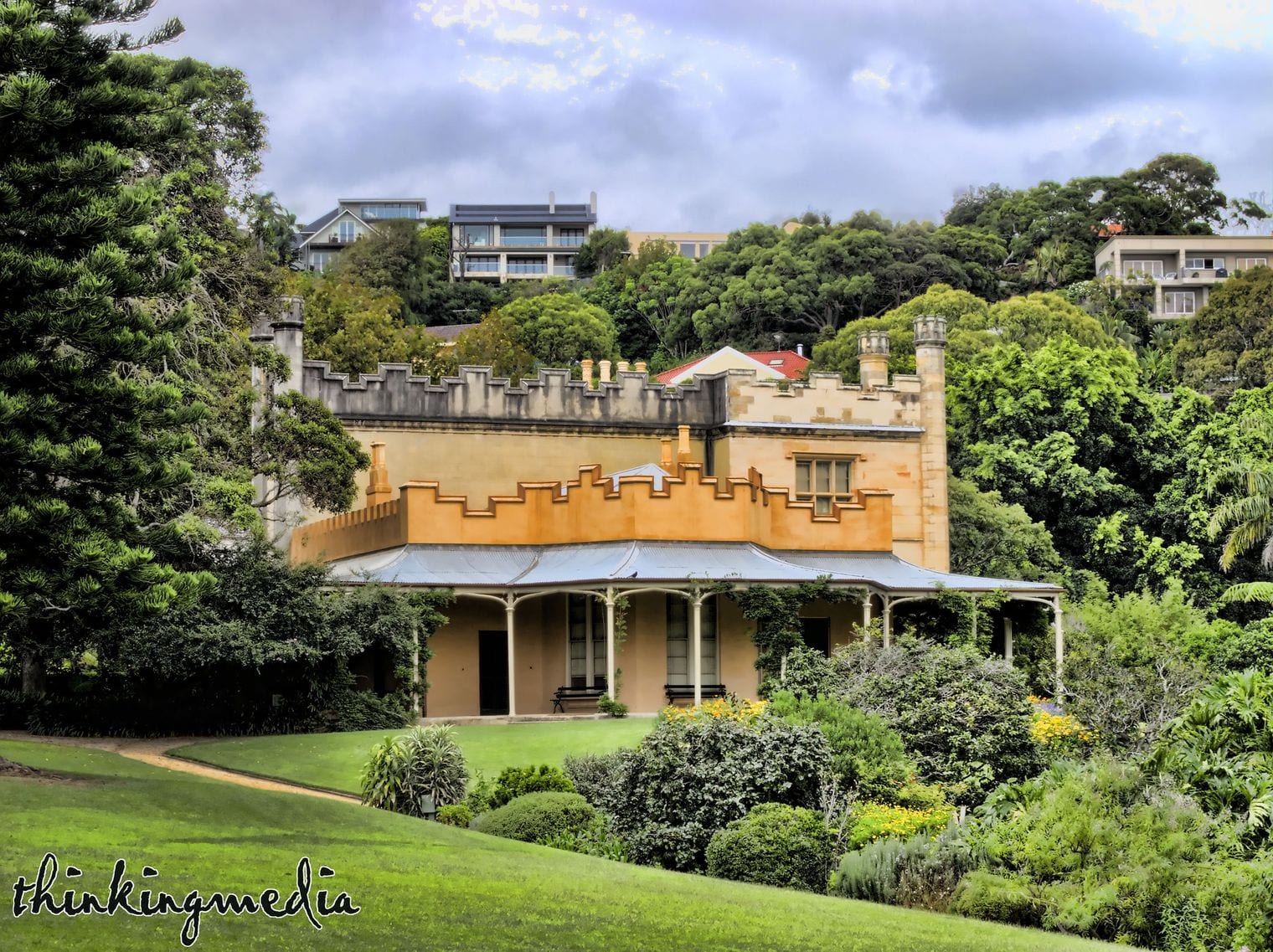
Vaucluse House is a Gothic Revival mansion in the eastern suburbs, the home of the colonial politician and explorer William Charles Wentworth and his family, set in gardens running down towards the harbour. It is one of the very few early-nineteenth-century estates in Sydney to survive with its grounds substantially intact.
The interiors are furnished to the period, with the kitchen wing, stables and outbuildings open as well as the main rooms, so you see the working side of the household rather than just the parlours. The gardens and paddocks are free to walk and popular with picnickers, and there is a tearoom in the old stables. It combines well with Nielsen Park or Watsons Bay, a few minutes further east.
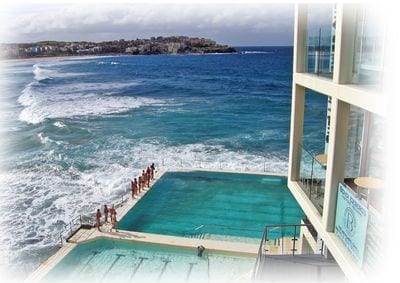
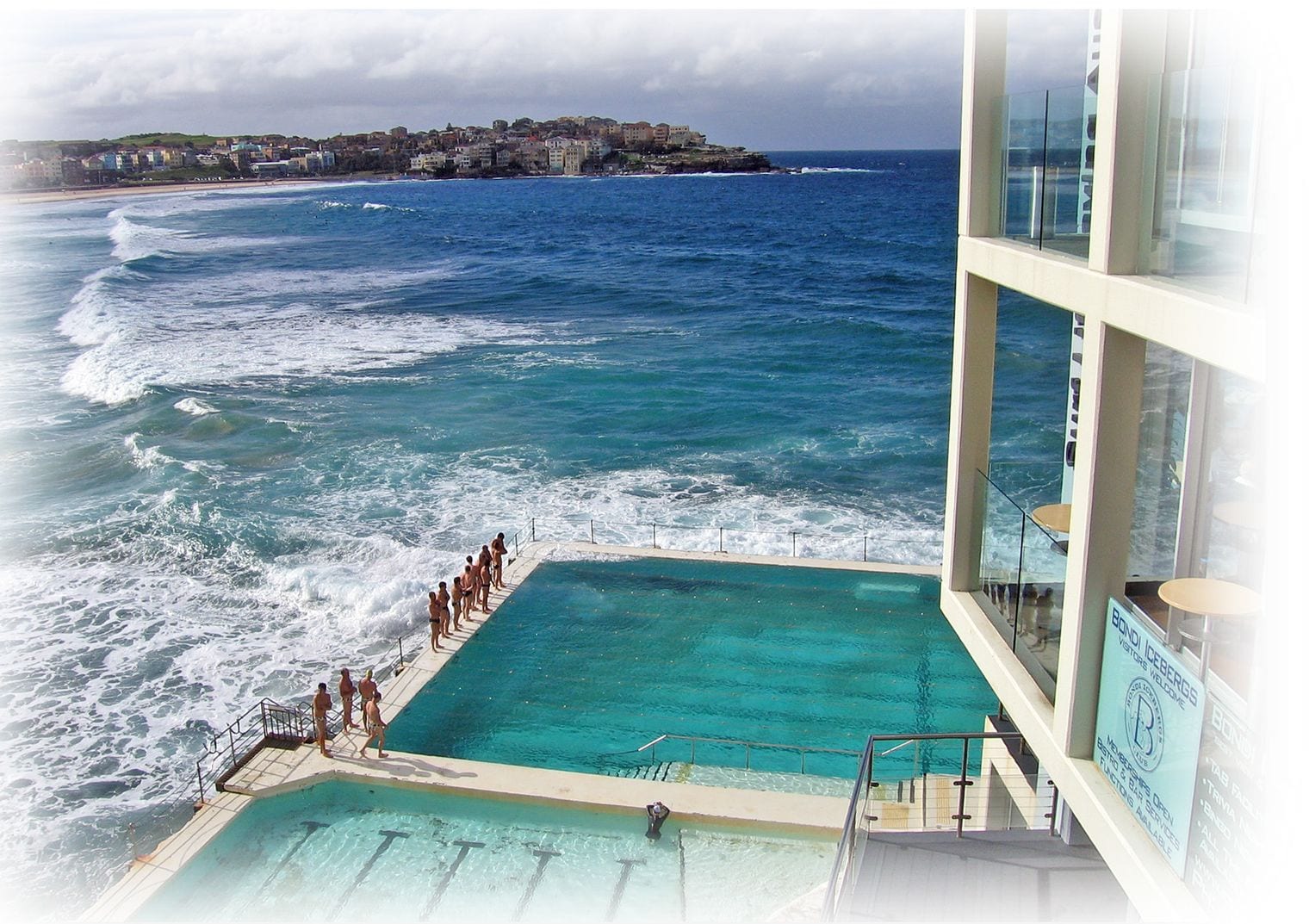
The Bondi Icebergs Pool is the image that sells Sydney abroad: a rectangular saltwater lap pool cut into the rock shelf at the southern end of Bondi Beach, positioned so that ocean waves break directly over the edge and refill it. The winter swimming club that gives it its name has been going since 1929.
It is a working public pool, and visitors can pay to swim in it — fifty metres of cold, clear salt water with the surf crashing in beside you. There is a smaller children's pool alongside and a sauna. Even without swimming, the terrace above is the vantage point for the photograph everybody takes, and it sits right at the start of the coastal walk south.
Plan your trip
Best Time to Visit Sydney
Spring (September to November) and autumn (March to May) are the sweet spots. Temperatures sit in a range that makes walking the harbour and the coastal paths a pleasure rather than an endurance test, the ocean is still warm enough to swim well into April, and the crowds are thinner than over the summer holidays. Remember that the seasons run opposite to the northern hemisphere: December is high summer here, not winter.
Summer (December to February) is beach season and the busiest, most expensive stretch of the year, with school holidays, humid afternoons and the occasional southerly buster rolling in to break the heat. It also brings the harbour's famous New Year fireworks.
Winter (June to August) is mild rather than cold — plenty of clear, bright days — and it is the season for whale watching from the coastal walks and headlands, and for the city's big winter light festival, when the Opera House and the harbour buildings are used as projection screens after dark.
Getting to Sydney
Sydney Airport sits about eight kilometres south of the city centre, close enough that the approach over the bay is part of the experience. It is Australia's main international gateway, with domestic and international terminals linked by a shuttle. The Airport Link train runs from beneath both terminals into Central and on to Circular Quay in roughly a quarter of an hour, which is faster than a taxi in traffic and the simplest way in for most arrivals.
By road, the M1 Pacific Motorway runs in from the north, the Hume Motorway and M5 from the southwest, and the Great Western Highway climbs west over the Blue Mountains. Long-distance trains and coaches arrive at Central Station from Melbourne, Brisbane and Canberra, and the journeys are scenic rather than quick. Cruise ships berth at the Overseas Passenger Terminal at Circular Quay, which has to be one of the more dramatic places in the world to walk down a gangway.
Getting Around Sydney
Sydney runs a single tap-on, tap-off fare system across trains, buses, ferries, light rail and the metro, and you can use a contactless bank card or phone rather than buying a local card. The ferries are the part to plan around: they are ordinary public transport that happens to deliver the best views in the city, and the Circular Quay wharves are the hub for Manly, Taronga, Watsons Bay and the inner harbour.
The city centre, The Rocks and the harbour foreshore are comfortably walkable, and light rail runs down George Street to Central and out to the eastern suburbs. A car is a liability in the centre — parking is expensive and the one-way system is unforgiving — but it earns its keep for the northern beaches, the national parks on the city's fringe and any day trip. Traffic keeps to the left, and the harbour crossings carry tolls.
Where to Stay in Sydney
For a first visit, base yourself around Circular Quay and The Rocks. You wake up between the Opera House and the Harbour Bridge, the ferry wharves and the train station are at the door, and most of the harbour sights are walkable. The wider CBD around Town Hall and Darling Harbour trades a little of that atmosphere for better transport connections and easier access to the shopping streets and the ticketed attractions on the western waterfront.
If you would rather swap the harbour for the surf, Bondi and Manly both work as bases — Manly especially, because the ferry commute into the city is a pleasure rather than a chore. For character and eating over sightseeing, Surry Hills and Darlinghurst sit just south of the centre and are full of terraces, small bars and cafés. Milsons Point and North Sydney are quieter, cheaper on average, and give you the bridge view back towards the city.
Where to Eat in Sydney
Sydney eats extremely well, and the strength is breadth rather than one signature dish. Haymarket and Chinatown are the obvious starting point for Cantonese, Sichuan, Malaysian and Japanese; Chippendale's lantern-lit laneway does open-air Asian hawker-style food; Cabramatta and Marrickville in the western and inner-west suburbs are worth the train ride for Vietnamese; and Leichhardt has long been the Italian quarter. Surry Hills and Newtown carry the small-bar and modern-Australian end of things.
The things to actually order are seafood and brunch. Sydney rock oysters, barramundi, prawns and Balmain bugs are the local specialities, and the fish market is the easiest place to eat them without ceremony.
Brunch is close to a civic ritual in the eastern beaches suburbs — expect serious coffee, and order a flat white rather than asking for a filter. For dessert or a snack, look for lamingtons, a pavlova, or a plain meat pie, which remains the standard accompaniment to any sporting event.
Day Trips from Sydney
The Blue Mountains are the classic escape, about ninety minutes west by road or train: eucalyptus gorges, clifftop lookouts, the Three Sisters rock formation at Echo Point, and walking tracks that drop into the valley below.
South, the Royal National Park is roughly an hour away and is one of the oldest national parks in the world, with coastal walks, waterfalls and swimming holes; carry on down the coast and the Sea Cliff Bridge curves out over the water near Wollongong.
North of the city, Ku-ring-gai Chase National Park is about forty-five minutes away and combines bushland, Aboriginal rock engravings and long views over Pittwater and Broken Bay, with the northern beaches and the lighthouse above Palm Beach at the end of the peninsula. For wine, the Hunter Valley is around two hours north and is the oldest wine region in the country, best known for semillon and shiraz.
Before you go
Mobile dataAn eSIM gives your phone local data when you land, with no SIM card to swap.via AiraloGet an eSIM
Airport transferA driver meets you at arrivals and takes you to your hotel, at a price fixed when you book.via Welcome PickupsBook a transfer
We may earn a commission when you buy through these links, at no extra cost to you. How we make money.
One Day in Sydney
Morning
Start at Circular Quay and walk east into the Royal Botanic Garden Sydney, following the shoreline around Farm Cove to Mrs Macquarie's Chair for the view that lines up the bridge and the Opera House together. Loop back through the gardens and come at the Sydney Opera House from the water side, where the shells are at their most impressive from directly underneath.
Cross the Quay to the western side for the Museum of Contemporary Art Australia and its free rooftop terrace, then wander up into the sandstone lanes of the old town, where The Rocks Market fills the streets at weekends. From Cumberland Street, take the stairs up onto the Sydney Harbour Bridge and walk out over the water; detour into the Pylon Lookout & BridgeMuseum if you want the height without the harness.
Come back down to Circular Quay and take a ferry. The run to Manly Beach is the best of them, crossing open water at the heads with the ocean visible through the gap, and it gives you a sunset swim or a walk along the sand before the trip home. If you would rather stay central, walk west to Darling Harbour, which is at its best once the towers light up and the whole basin reflects them.
Three days covers the essentials comfortably: one for the harbour and the Opera House, one for the museums and the city centre, and one for the beaches and the coastal walk. A week lets you add Manly and the northern beaches, the harbour islands, the bushland parks on the city fringe, and a day trip out to the Blue Mountains without rushing anything.
Is Sydney worth visiting?
Yes — and unusually so for a big city, because the setting does most of the work. Very few cities put a world-famous opera house, a climbable bridge, a working ferry network and a chain of surf beaches within half an hour of one another. It is expensive by global standards, but a large share of the best of it, from the coastal walks to the major galleries, costs nothing at all.
Spring and autumn — roughly September to November and March to May — give you warm days, swimmable water and fewer people than the summer holidays. Summer is the beach season but also the hottest and busiest; winter is mild, bright and good for whale watching. The seasons are reversed from the northern hemisphere, so plan for a hot Christmas.
Do you need a car in Sydney?
Not for the city itself. Trains, buses, light rail and especially the ferries cover everywhere a visitor wants to go, and parking in the centre is expensive and scarce. Hire a car only if you are heading to the northern beaches, the national parks around the edges, or out to the Blue Mountains and the Hunter Valley — and pick it up on your way out of town.
Where should you stay in Sydney?
Circular Quay and The Rocks are the best first-visit base, putting the Opera House, the bridge and the ferry wharves within walking distance. The wider city centre offers better transport links, Surry Hills and Newtown offer the food and bar scene, and Manly or Bondi swap the harbour for the surf — with Manly's ferry commute into town counting as a genuine bonus rather than a compromise.