We may earn a commission if you book or buy through a link on
this page, at no extra cost to you. It never affects which places we list or how
we rank them (how we make money).
Short answer
Nassau's three essentials are the Queen's Staircase, sixty-six steps hand-cut through limestone by enslaved Bahamians in the 1790s, the Bay Street Straw Market where the national craft is still woven by its makers, and Pirates of Nassau, built on the city's own history as capital of the pirate republic. Three to four days is the sweet spot: one for the historic downtown on foot, a second for a beach and a fort, a third for a boat trip out to Blue Lagoon or Rose Island.
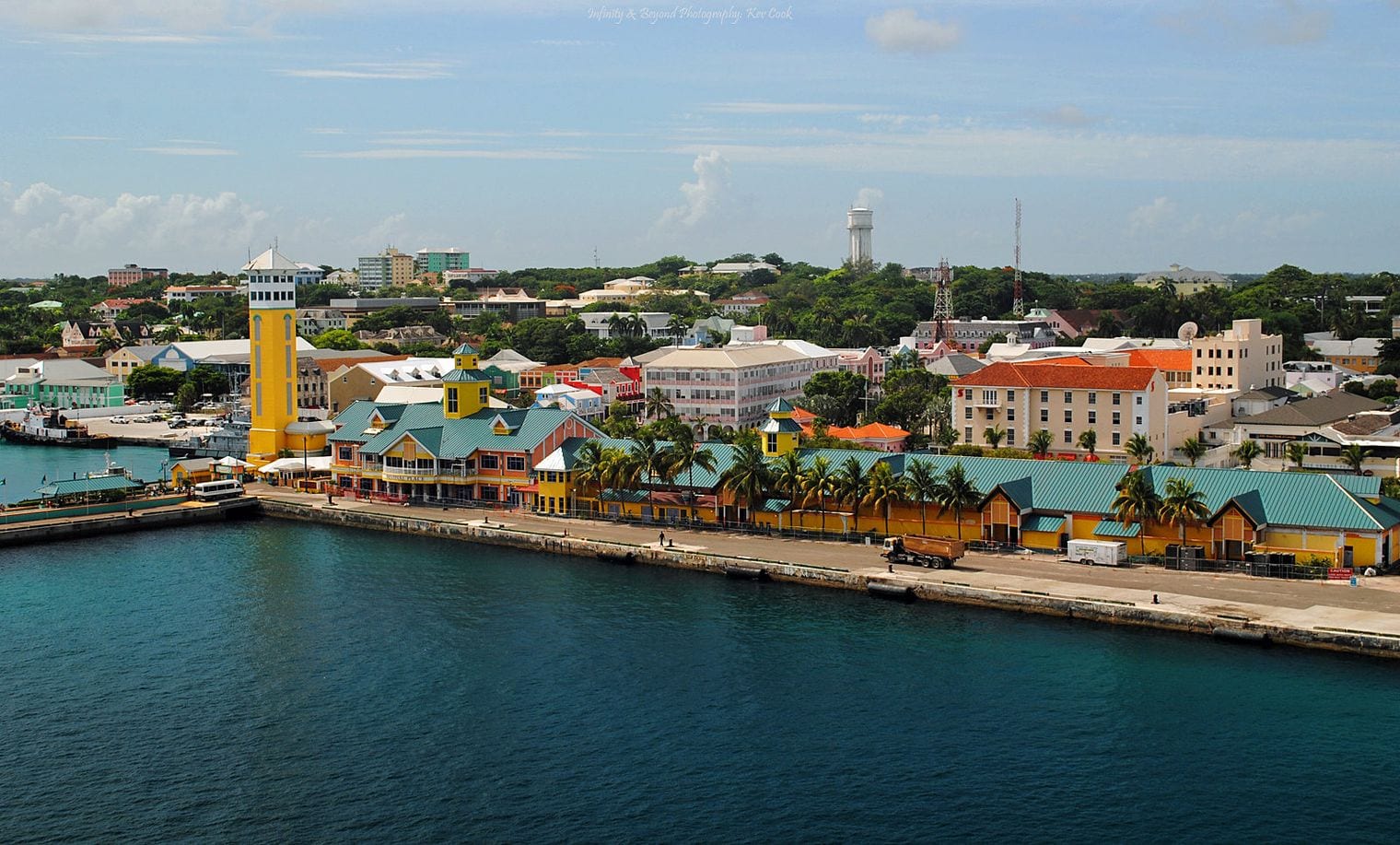
Nassau packs an improbable amount into a small harbour town. Pastel colonial buildings and 18th-century forts sit within a few streets of the cruise wharf, the water offshore turns an almost artificial turquoise, and a bridge carries you across to Paradise Island in minutes.
This guide covers 31 of the best things to do in the Bahamian capital — forts, museums and markets, beaches and island boat trips, plus a craft brewery by the port. Three or four days is enough to see the city properly and still get out on the water.
Nassau was the capital of a pirate republic — for a stretch of the early 1700s the town was run by pirates rather than governors, with Blackbeard among the captains who used it as a base, until a British governor was sent to break the arrangement up.
The Bahamian House of Assembly has met since 1729, making it one of the oldest continuously governing bodies in the world. It first convened in Nassau on 29 September 1729 and did not move into a permanent home until 1805.
Nassau's forts never fired a shot in anger. Lord Dunmore, governor from 1787 to 1796, was so convinced an invasion was coming that he built three of them; the expense contributed to his recall to London, and none ever saw a battle.
Cable Beach is named after a telegraph cable, not a cable car — the undersea line that came ashore on this stretch of coast in 1892 and gave the islands their first direct telegraph link to Florida and the wider world.
The largest single figurative underwater sculpture in the world stands on the seabed off Nassau. Ocean Atlas, installed at Clifton Heritage National Park in 2014 by Jason deCaires Taylor, is a Guinness World Record holder and can be reached by snorkellers.
Bahamians drive on the left in left-hand-drive cars — driving on the left is a legacy of British rule that lasted until independence in 1973, but the great majority of vehicles are imported second-hand from the United States.
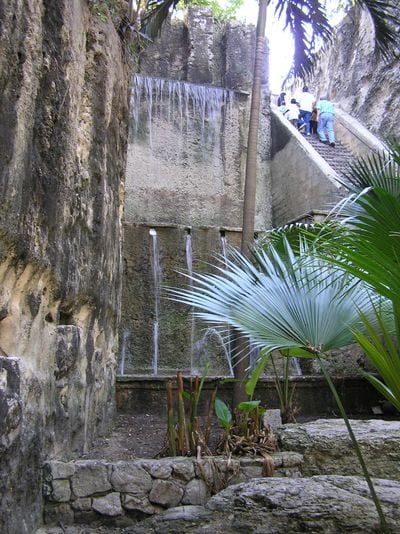
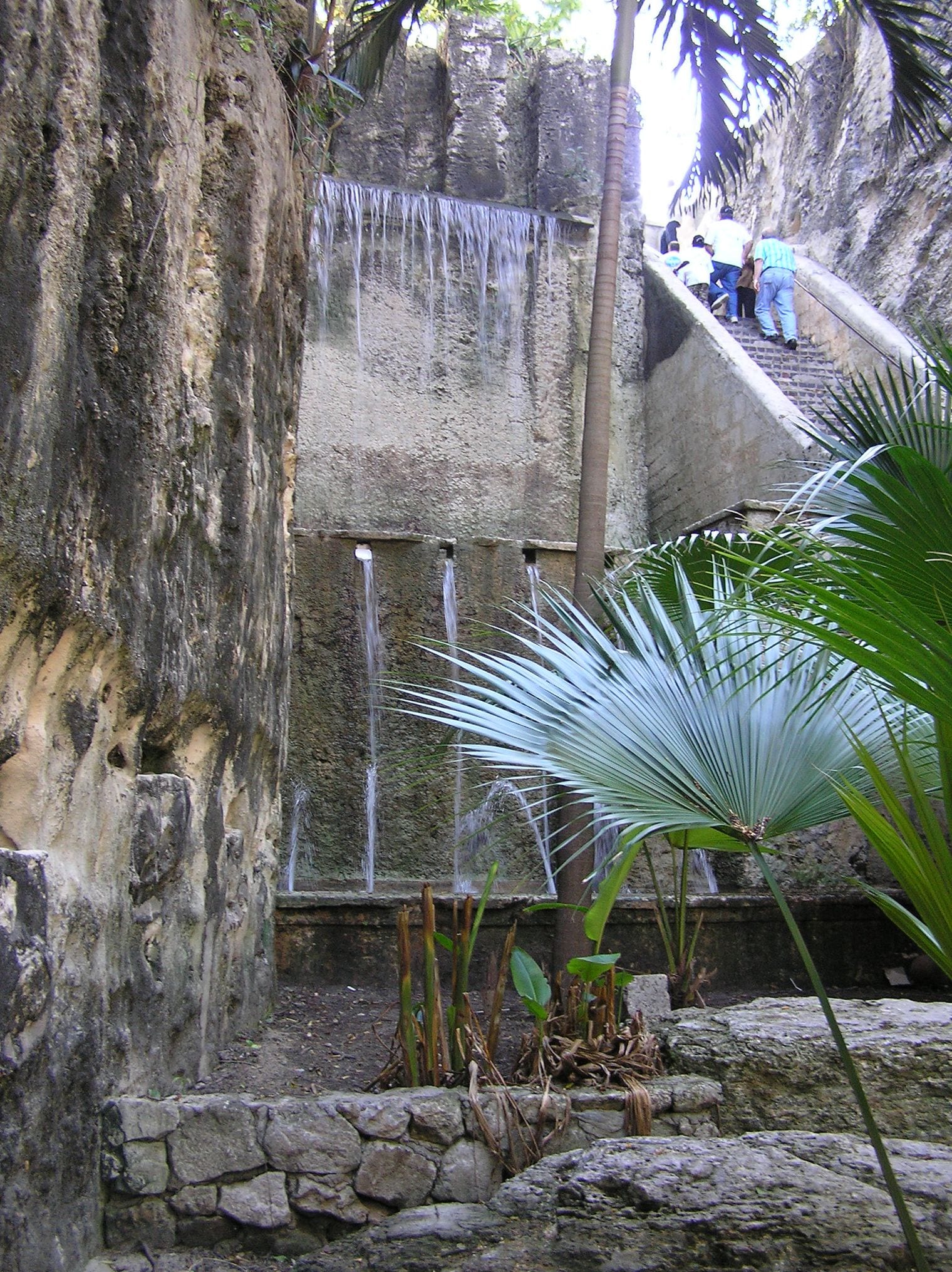
Cut by hand through solid limestone in the 1790s, the Queen's Staircase climbs 66 steps from a cool, fern-hung ravine toward the ridge above downtown. The walls rise sheer on both sides, water trickles down one face, and the temperature drops noticeably the moment you step into the shade — a welcome thing after the glare of Bay Street.
The staircase is traditionally credited to enslaved Bahamians who quarried the passage as a route from the town to the fortifications on the hill, and it was later named in honour of Queen Victoria. It sits a short, steep walk from the cruise wharf and is the single most recognisable landmark in the city, so come early if you want the ravine to yourself.
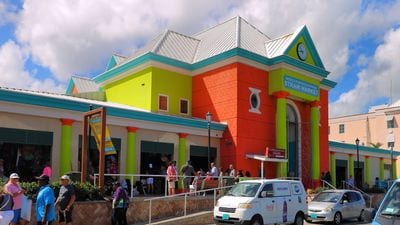
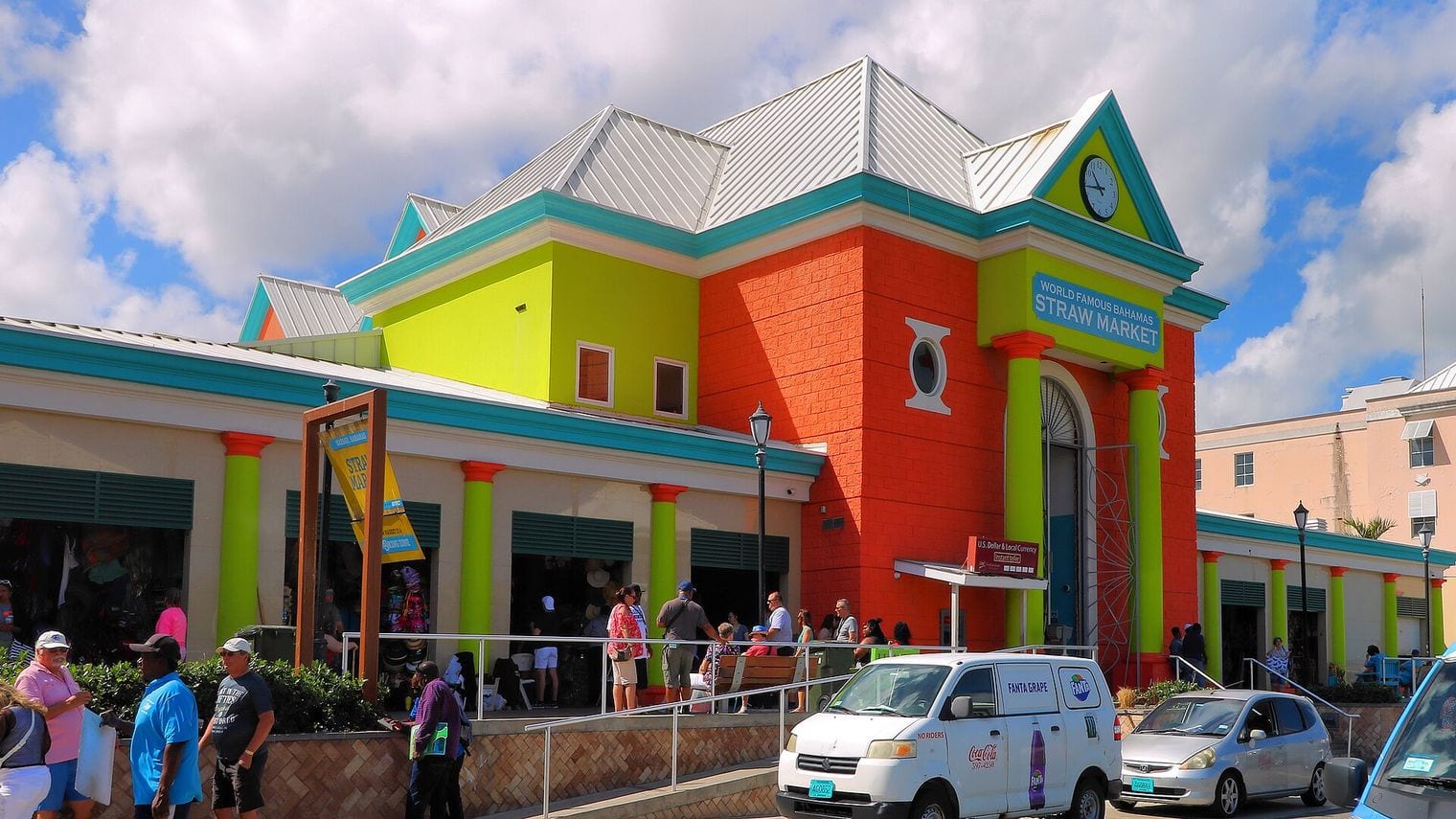
The Straw Market is the noisy, cheerful heart of downtown shopping, a covered two-storey hall at the foot of Market Street packed with stalls selling woven bags, hats, baskets and wood carvings. Straw-plaiting is a genuine Bahamian craft tradition, and at the better stalls you will find vendors working the palm-frond strips by hand between sales.
It is worth knowing what you are looking at: plenty of stock here is imported, so look for the tighter, more irregular weave of the handmade pieces and expect to haggle politely. The market you walk through today is relatively new — fire destroyed the original in 2001, vendors traded under a temporary structure for a decade, and the present building opened in late 2011.
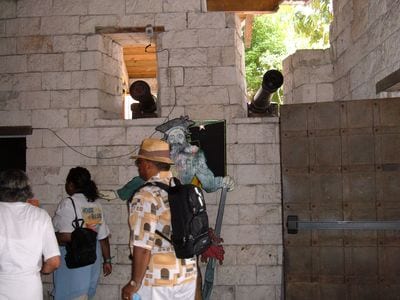
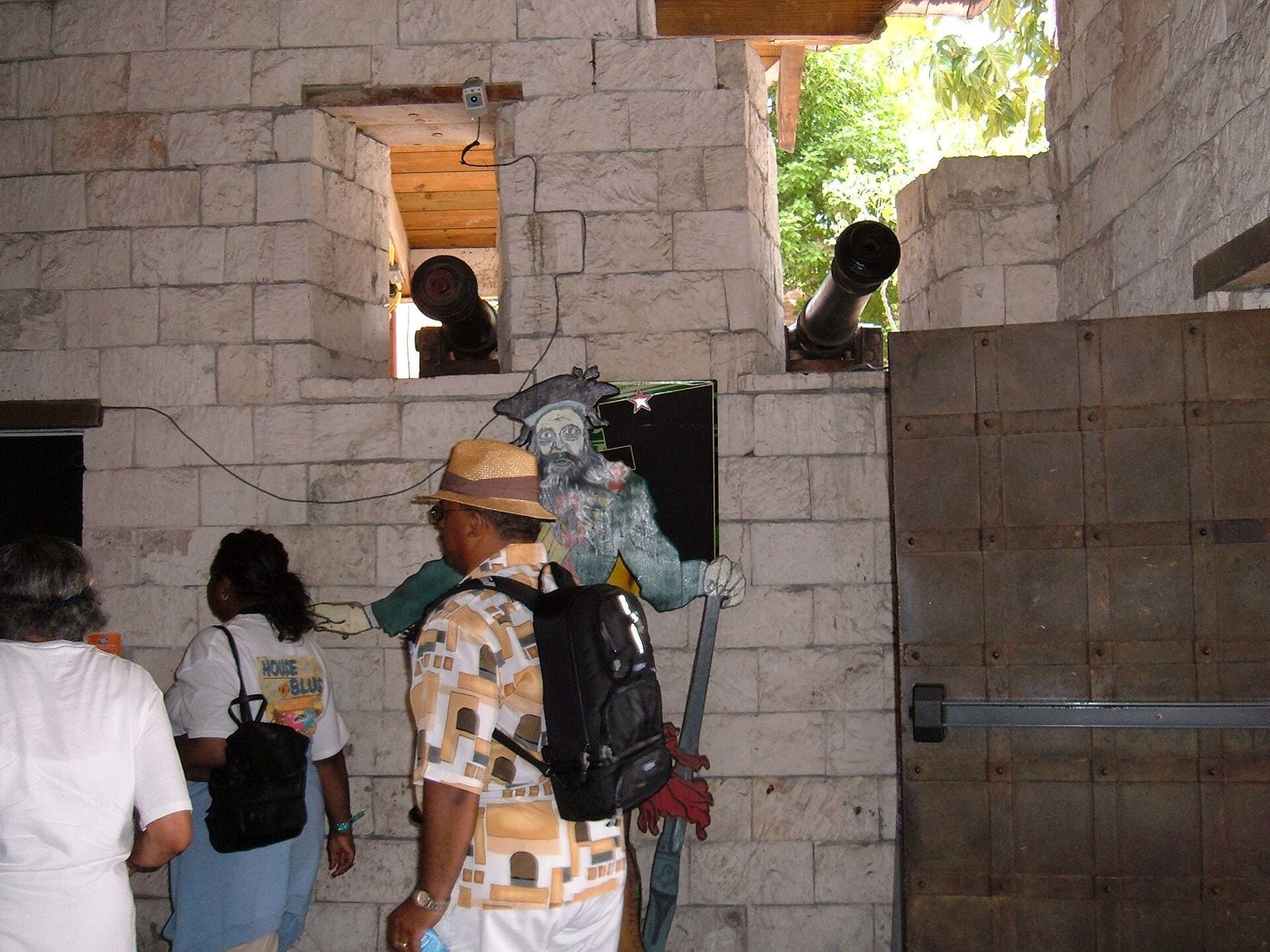
No city has a better claim to pirate history than Nassau, which spent the early 1700s as the effective capital of a pirate republic and counted Blackbeard among its residents. Pirates of Nassau tells that story indoors and at full volume, built around a life-size replica ship you board and walk through, with dim lighting, sound effects and tableaux of life at sea.
It is unashamedly theatrical and lands especially well with children, but the museum is more careful with its history than the presentation suggests, covering the trade that made piracy possible and the governor who eventually stamped it out. Find it on the corner of King and George Streets, opposite Christ Church Cathedral, an easy stop on any walk around the old town.
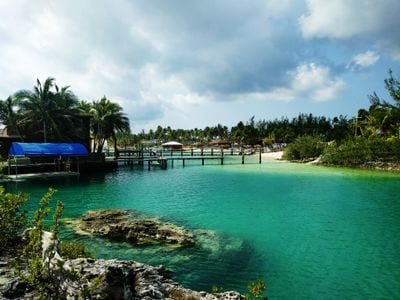
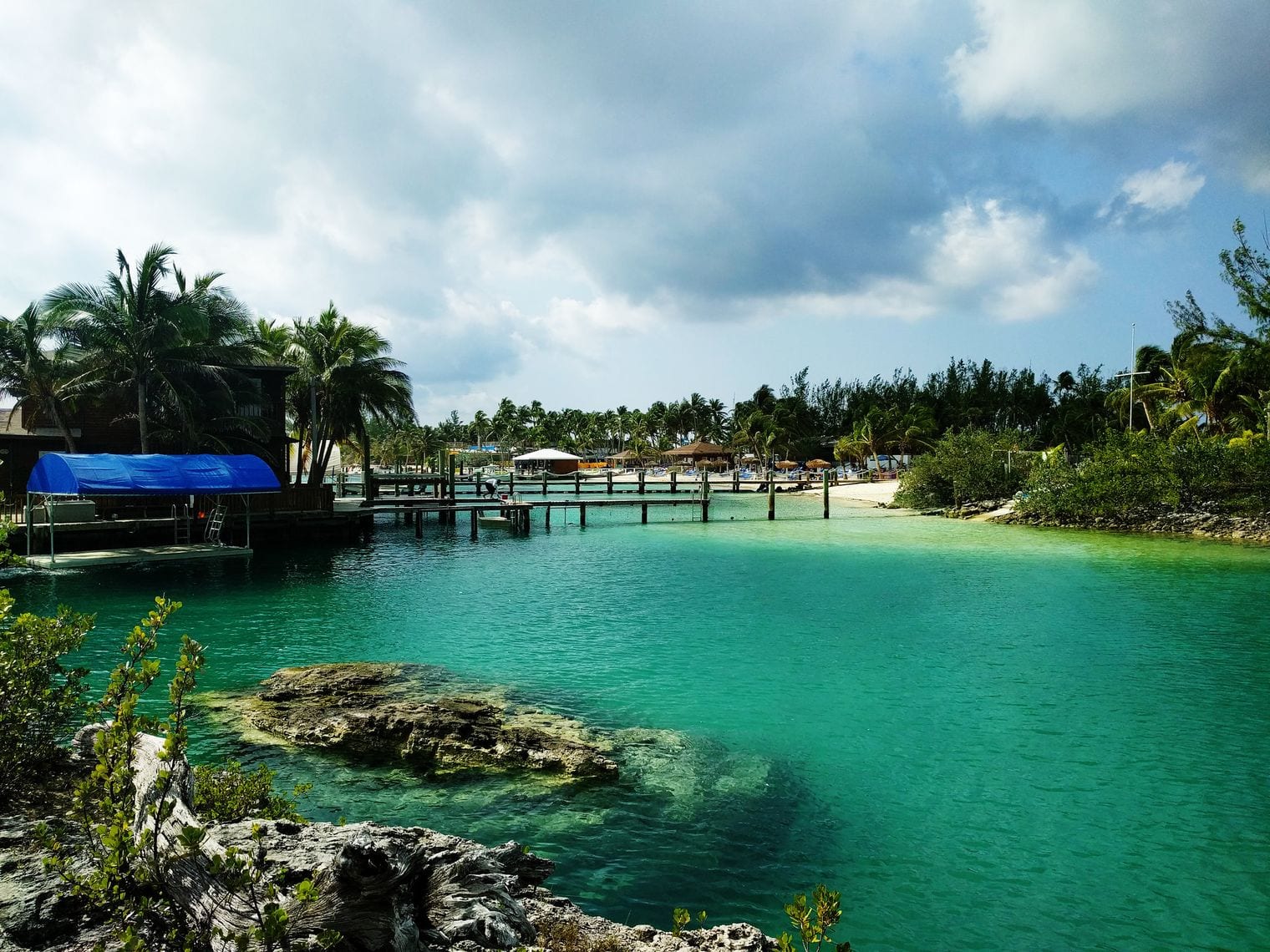
Blue Lagoon Island sits a short boat ride northeast of the harbour, and it is the day trip most Nassau visitors end up taking. The draw is a sheltered, shallow lagoon ringed by palms and curving sand, calm enough for weak swimmers and small children, with hammocks, loungers and a beach bar spread along the shore.
The island doubles as the home of Dolphin Encounters, so alongside the beach you can book structured programmes with bottlenose dolphins and sea lions. Access is by organised boat transfer rather than public ferry, and the crossing itself is part of the appeal — you get a proper view back at the low green line of Paradise Island and the Nassau shoreline.
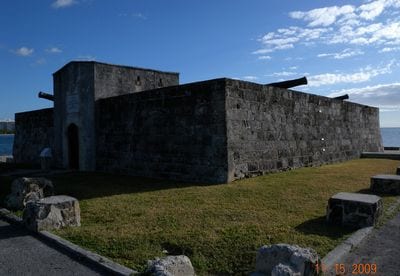
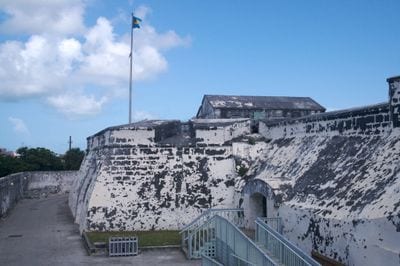
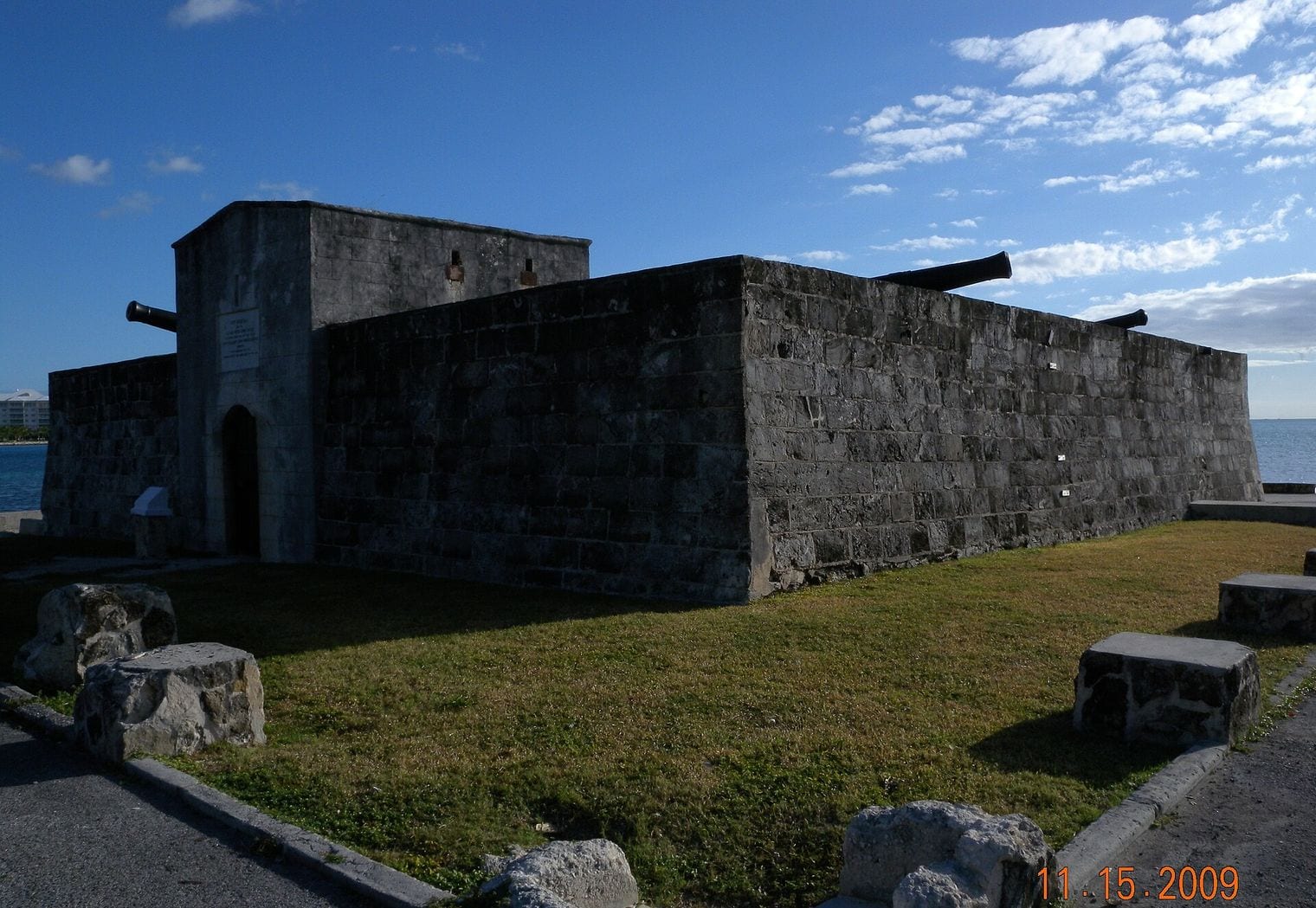
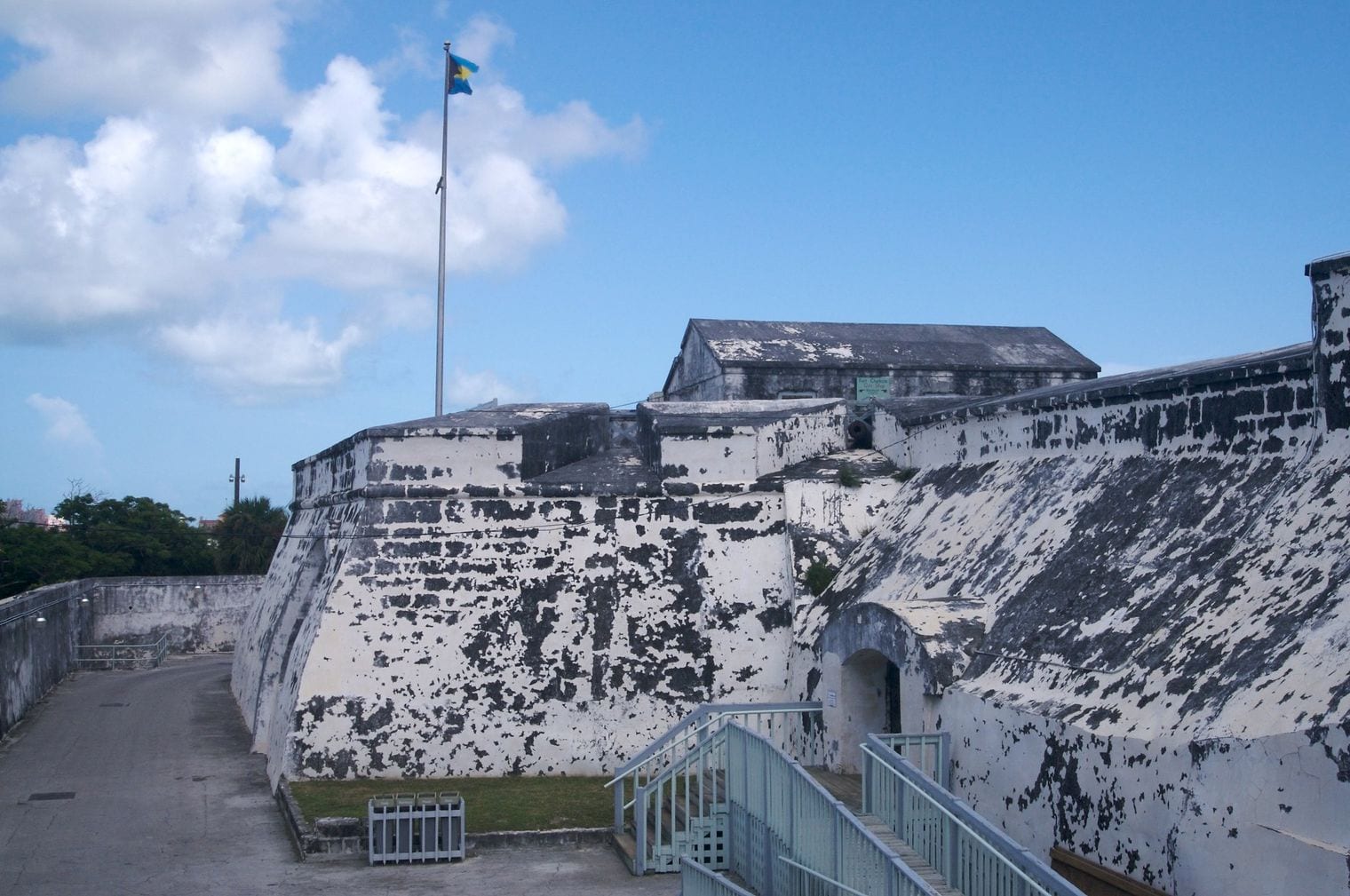
The smallest and least visited of Nassau's three forts is also the oldest still standing. Fort Montagu was built in 1741 to guard the eastern entrance to the harbour, a compact stone battery on a low rise above the water, and because there is no admission gate and no ticket office you can simply walk up, wander the ramparts and climb among the cannon.
Its quiet feel belies a genuinely eventful past: this is the fort that fell to an American landing force in 1776, during the first amphibious operation of the Continental Navy and Marines, and it changed hands again during the Spanish capture of Nassau a few years later. The little beach immediately below it is a local favourite and makes an easy pairing.
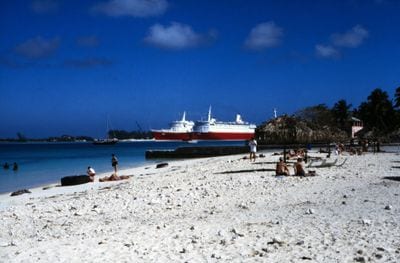
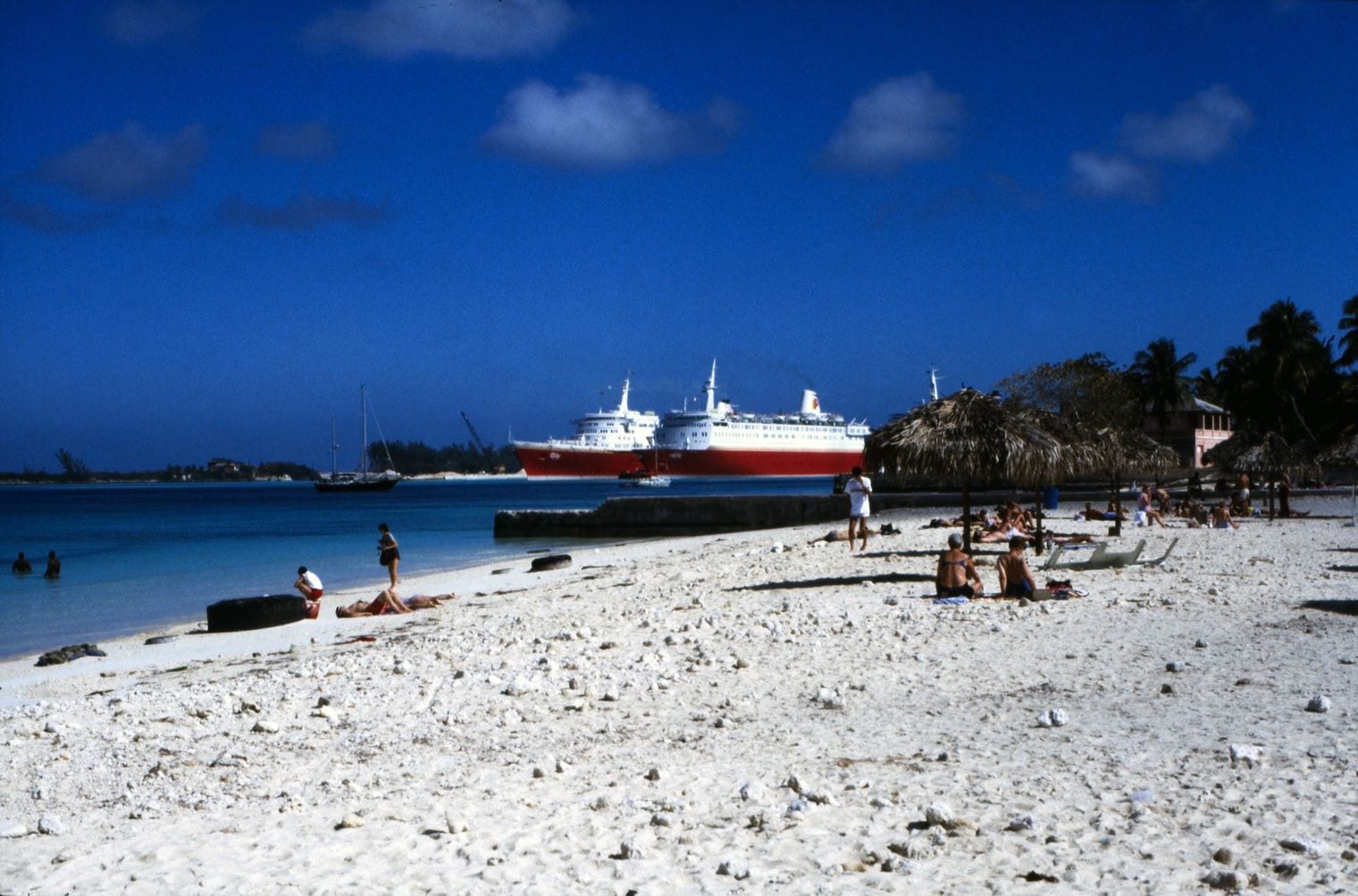
Junkanoo Beach is the closest stretch of sand to the cruise port, walkable in ten minutes from the wharf, which makes it the default swim for anyone with only a few hours ashore. The water is calm and shallow a long way out, the sand is soft, and a row of shacks behind the beach sells conch fritters, rum punch and cold Kalik.
Set expectations accordingly. This is a busy, sociable town beach with music playing and vendors working the loungers rather than a quiet escape, and it fills up whenever several ships are in. Come mid-week or later in the afternoon and it calms considerably — and the sunset view west along the shoreline is genuinely lovely.
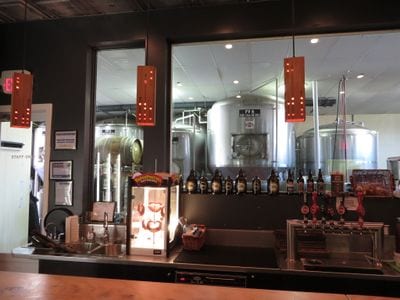
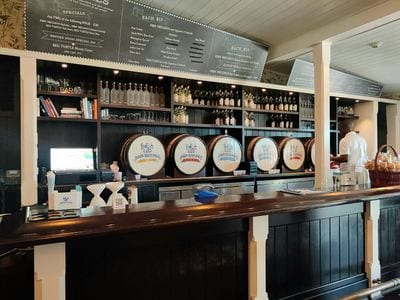
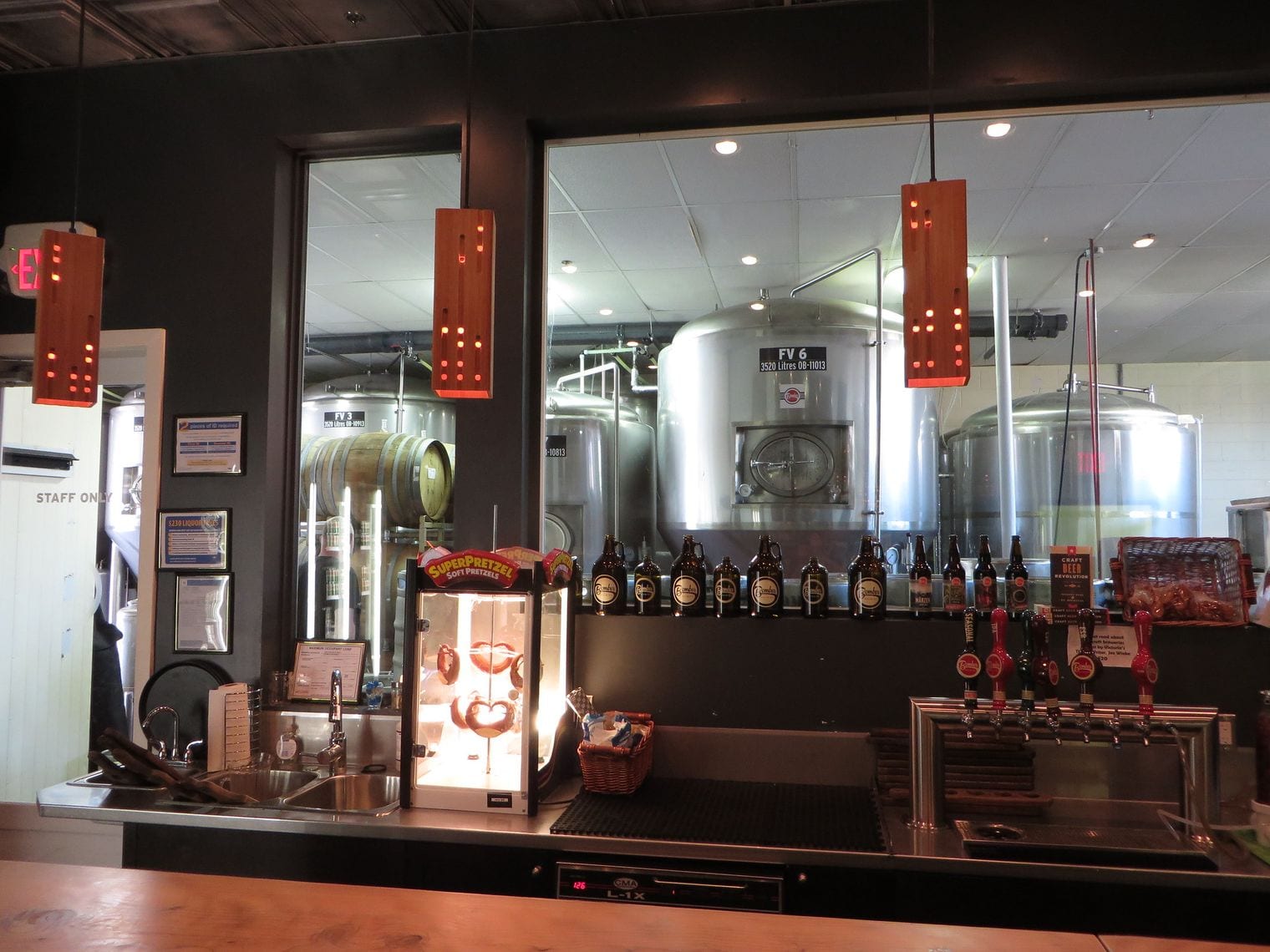
Tucked behind the waterfront a couple of minutes from the cruise wharf, Pirate Republic Brewing Company & Taproom is a proper working craft brewery with the tanks visible from the bar. The house beers lean tropical and sessionable — a flagship island ale, a lager, a stout and rotating seasonals — and a flight is the sensible way in if you cannot choose.
The taproom itself is relaxed and open-sided, with long shared tables, and it fills with a mix of cruise passengers, expats and locals depending on the hour. It is an easy pairing with a downtown walking day, sitting close enough to Bay Street and the Straw Market that you can fold it in without a taxi.
88. Ardastra Gardens & Wildlife Conservation Centre
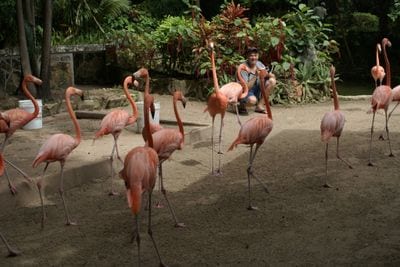
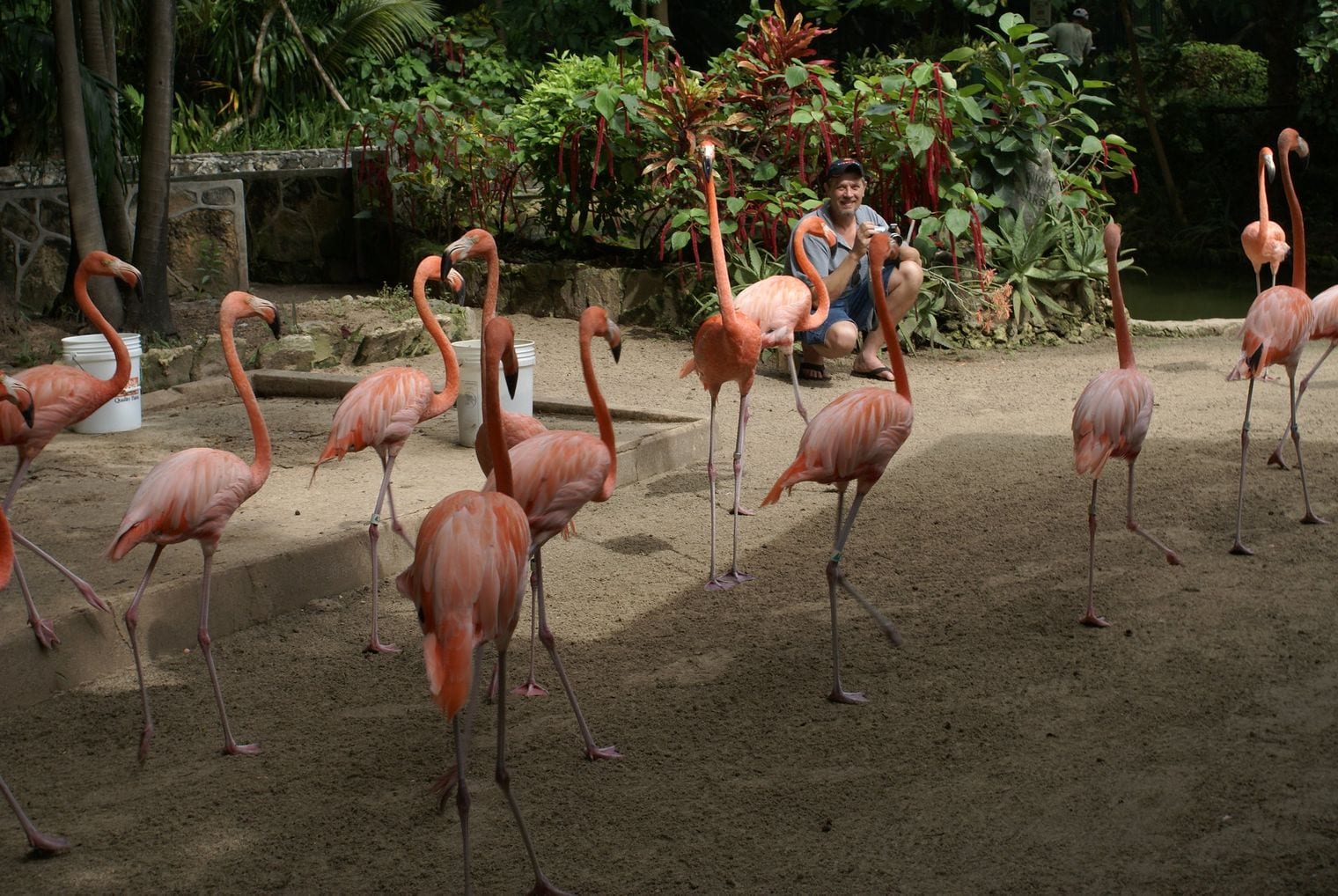
Ardastra Gardens & Wildlife Conservation Centre is a compact zoo and tropical garden a couple of miles west of downtown, and its signature attraction is the flamingos. The West Indian flamingo is the national bird of The Bahamas, and Ardastra's flock performs a genuinely charming marching routine several times a day, responding to a keeper's calls in close formation.
Beyond the flamingos the site is a shady walk through dense tropical planting, with Bahamian parrots, boa constrictors, iguanas and a small collection of other Caribbean species. It is modest in scale and easily done in an hour or two, which makes it a good option with children or as a break from the heat and noise of the waterfront.
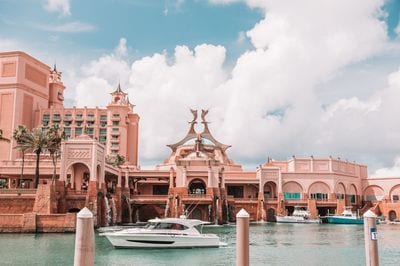
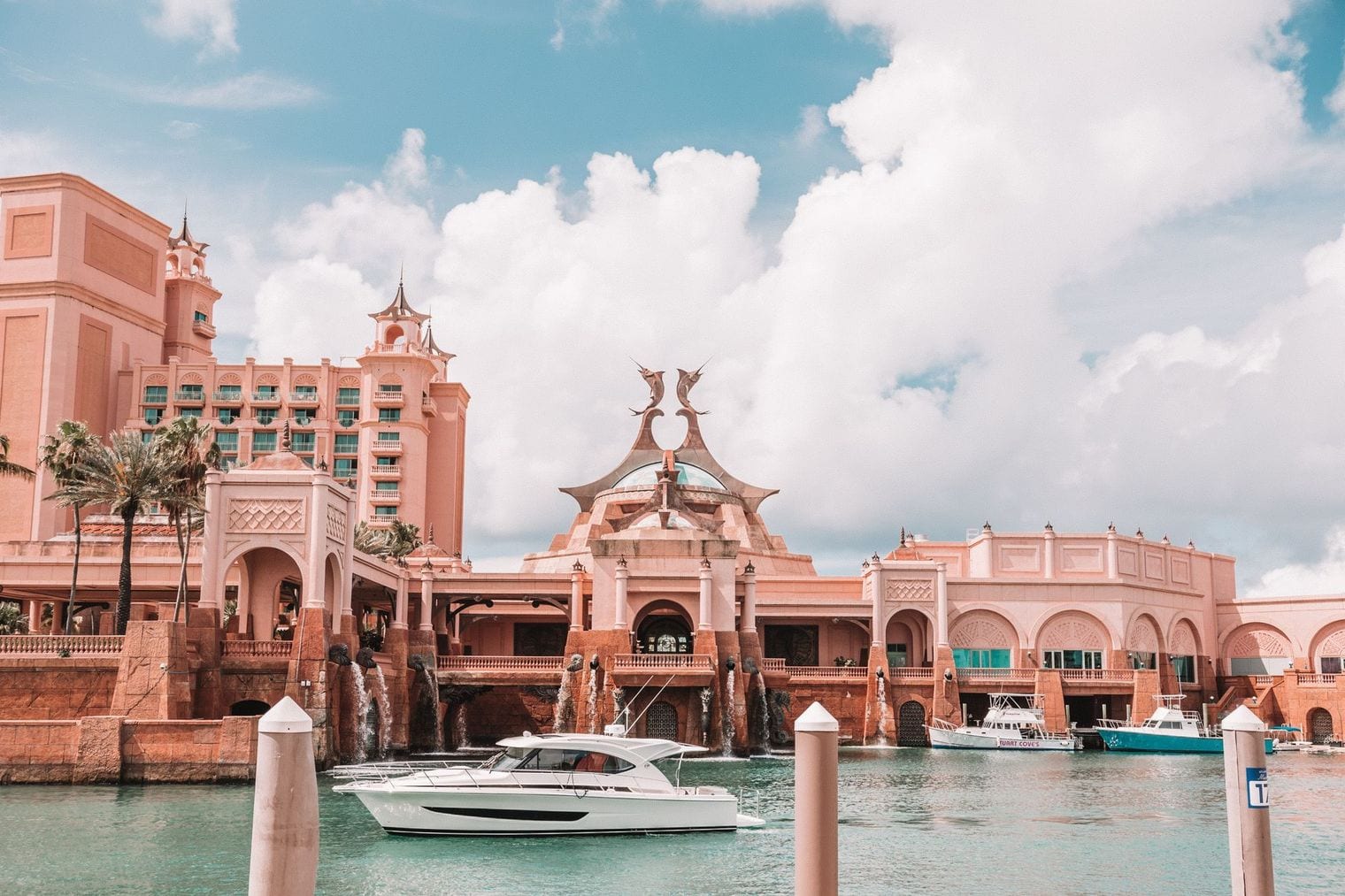
Aquaventure is the enormous water park that wraps around the Atlantis resort on Paradise Island, and it is comfortably the largest water park in the country. The scale is the point: a sprawling landscape of slides, river rapids, rope bridges and pools spread across the grounds, with a lazy river that takes a long time to circuit and a good number of genuinely steep drops.
The headline ride sends you down a near-vertical chute inside a Mayan-style temple and through a clear tunnel running under a lagoon of sharks and rays. Day access is generally tied to staying at the resort or buying a package, so check what your ticket includes before travelling out, and give the park all day if you go.
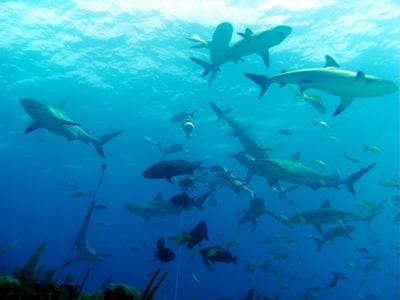
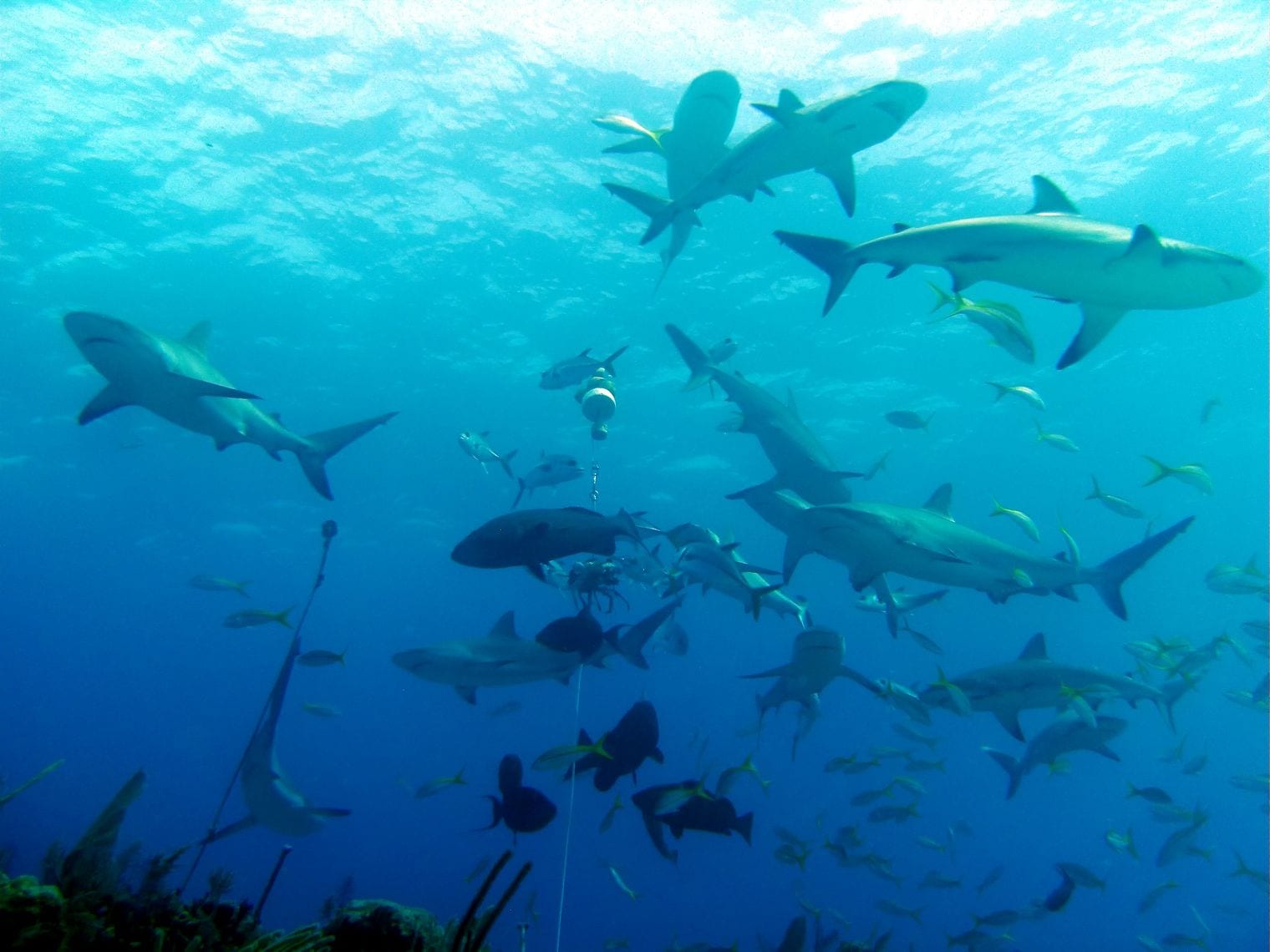
Stuart Cove's is the best-known dive operation in The Bahamas, based on the southwest coast of New Providence where the shallow bank drops abruptly away into deep water. That geography puts an unusual range of diving within a short boat ride — reefs, walls, blue holes and a scatter of wrecks, several of them sunk as film sets.
The operation is best known for its shark dives, where certified divers kneel on the sand while Caribbean reef sharks circle at close quarters, and it runs a long-standing snorkelling and scuba programme for people who would rather keep their distance. Non-divers are well catered for too, so it works as a half-day even if only part of your group is getting in the water.
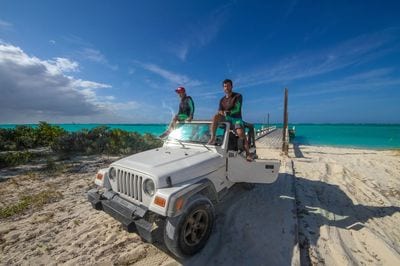
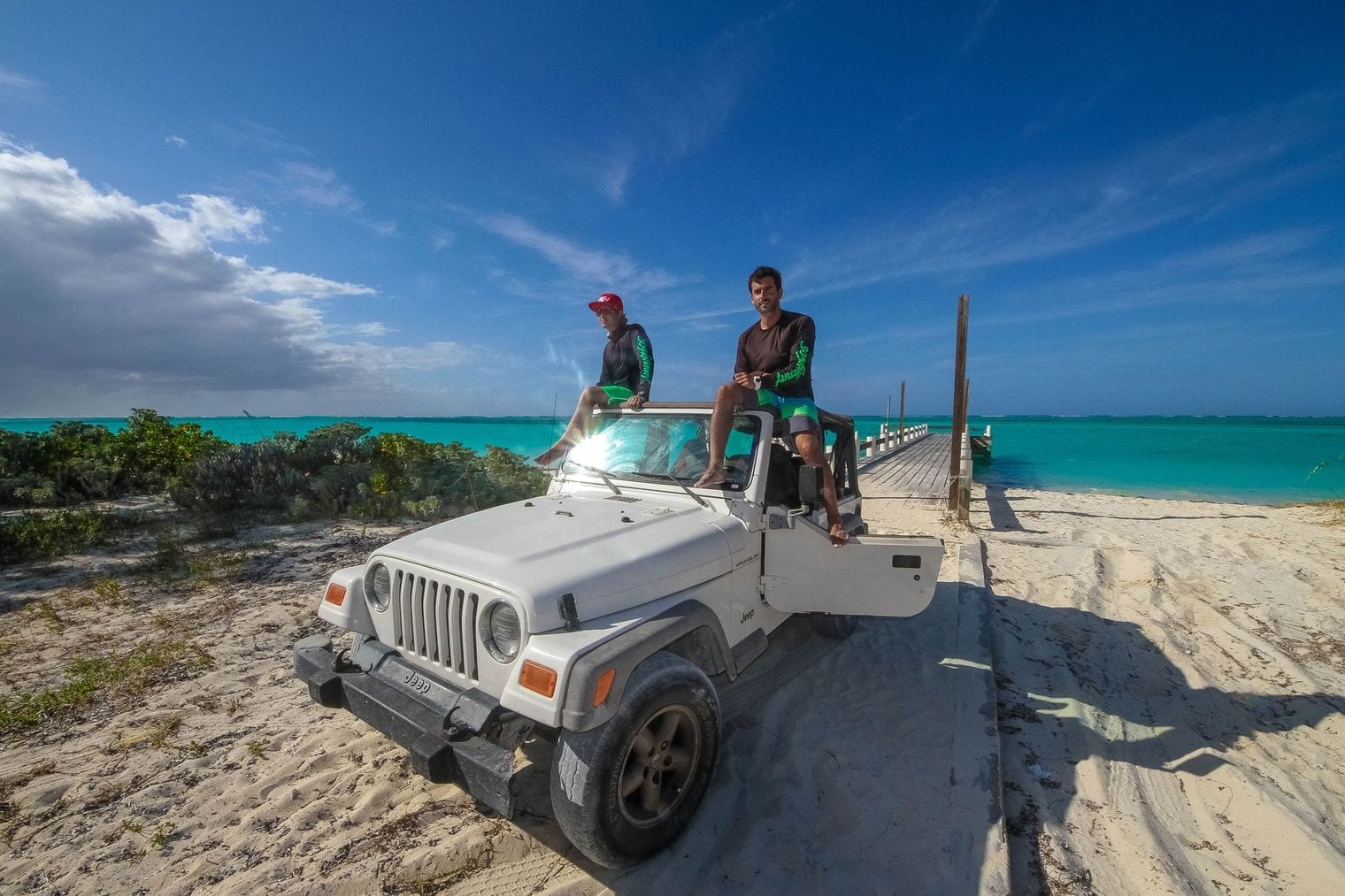
Pirate Jeep Tours hands you the keys to an open-top jeep and leads you out in a small convoy, which solves the awkward problem of seeing New Providence beyond downtown without renting a car and working out the left-hand driving on your own. A guide leads from the front and talks you between stops over a radio.
Routes generally run west out of the city along the coast road, taking in beaches, the residential west end and viewpoints you would never find unaided, with stops for swimming and photographs along the way. It suits anyone who has already walked the historic core and wants a sense of the wider island, and the open sides make it a far better ride than a coach.
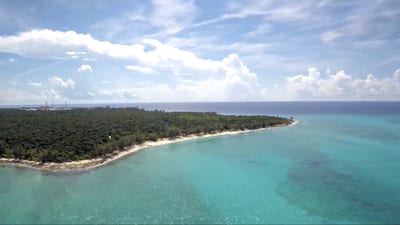
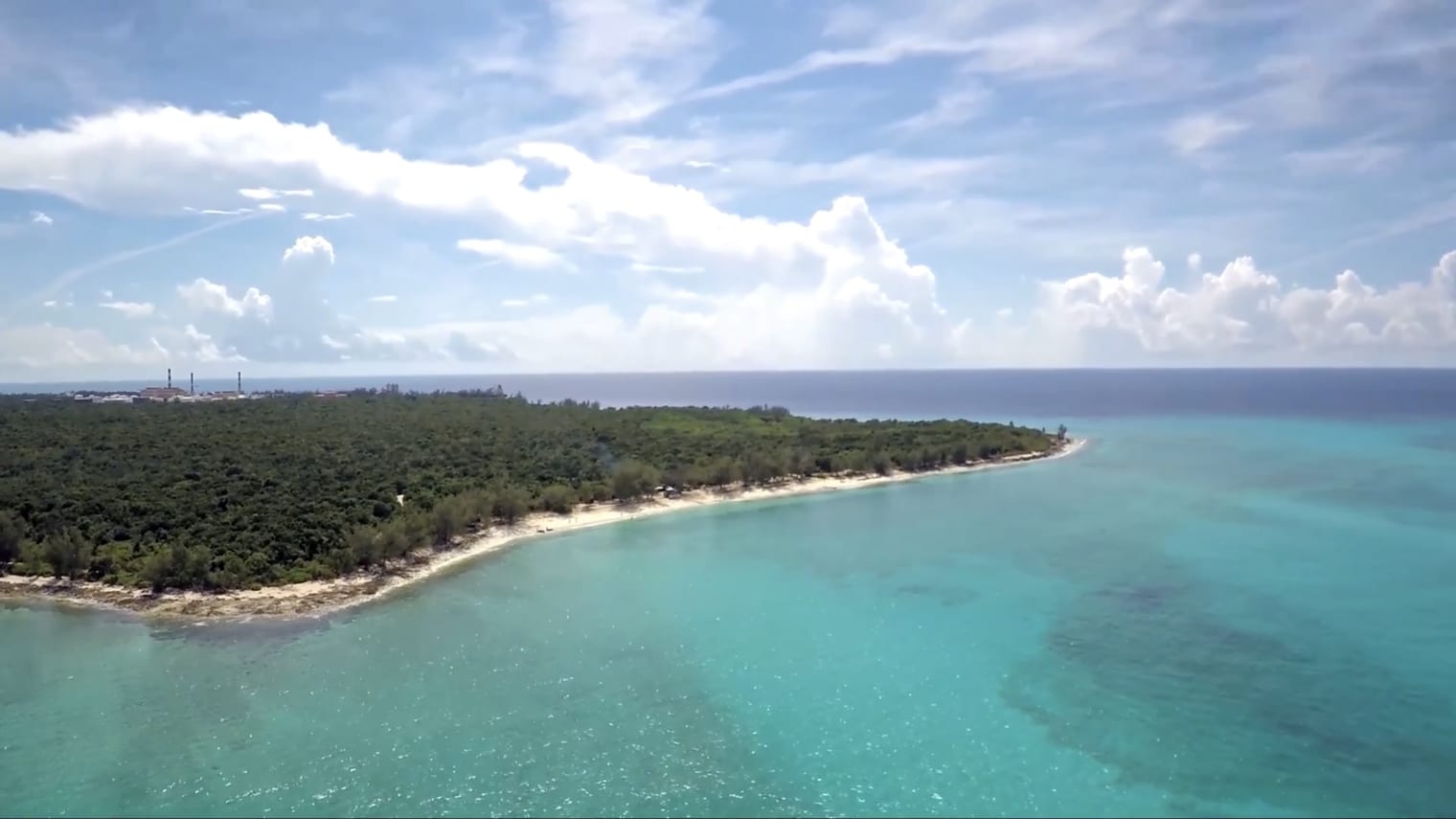
Pearl Island is a small private cay a short boat ride from the harbour, developed as a day-trip beach club and noticeably quieter than the larger island excursions. A slim white beach faces sheltered water, loungers and cabanas are set back under the palms, and a squat lighthouse on the headland gives the place a photogenic focal point.
Day passes typically bundle the boat transfer with beach access, and food and drink are available on the island, so it works as a straightforward half or full day out of the city. Because the cay is small and numbers are limited, it tends to feel calmer than Blue Lagoon Island — a reasonable choice if you want the boat trip without the crowds.
Sandy Toes is a beach club on Rose Island, the long thin island that trails east from Nassau harbour, and reaching it is half the pleasure — a boat ride out across shallow water that shifts through every shade of blue on the way. The beach itself faces a calm, protected stretch with good snorkelling close in.
On arrival you get loungers, hammocks strung between palms, kayaks and paddleboards, a beach bar and a barbecue, plus a small farm area with animals that keeps younger visitors busy. It is an organised, all-in sort of day rather than a wild one, and it suits families and anyone who wants a proper Out Island beach without leaving the Nassau area.
Powerboat Adventures runs the big one: a full-day sprint from Nassau down to the Exuma cays, covering serious open water at speed to reach scenery you cannot see any other way in a day. The boats leave early and the crossing is genuinely exhilarating, though anyone prone to seasickness should think carefully before booking.
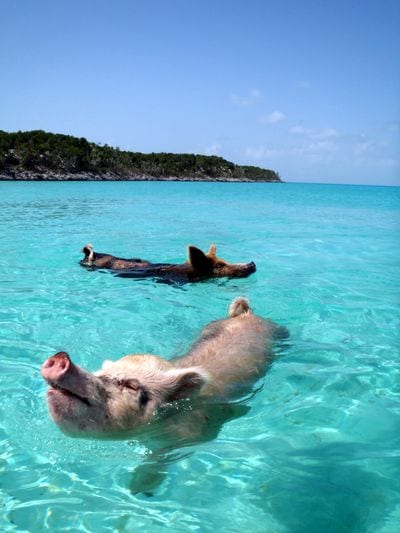
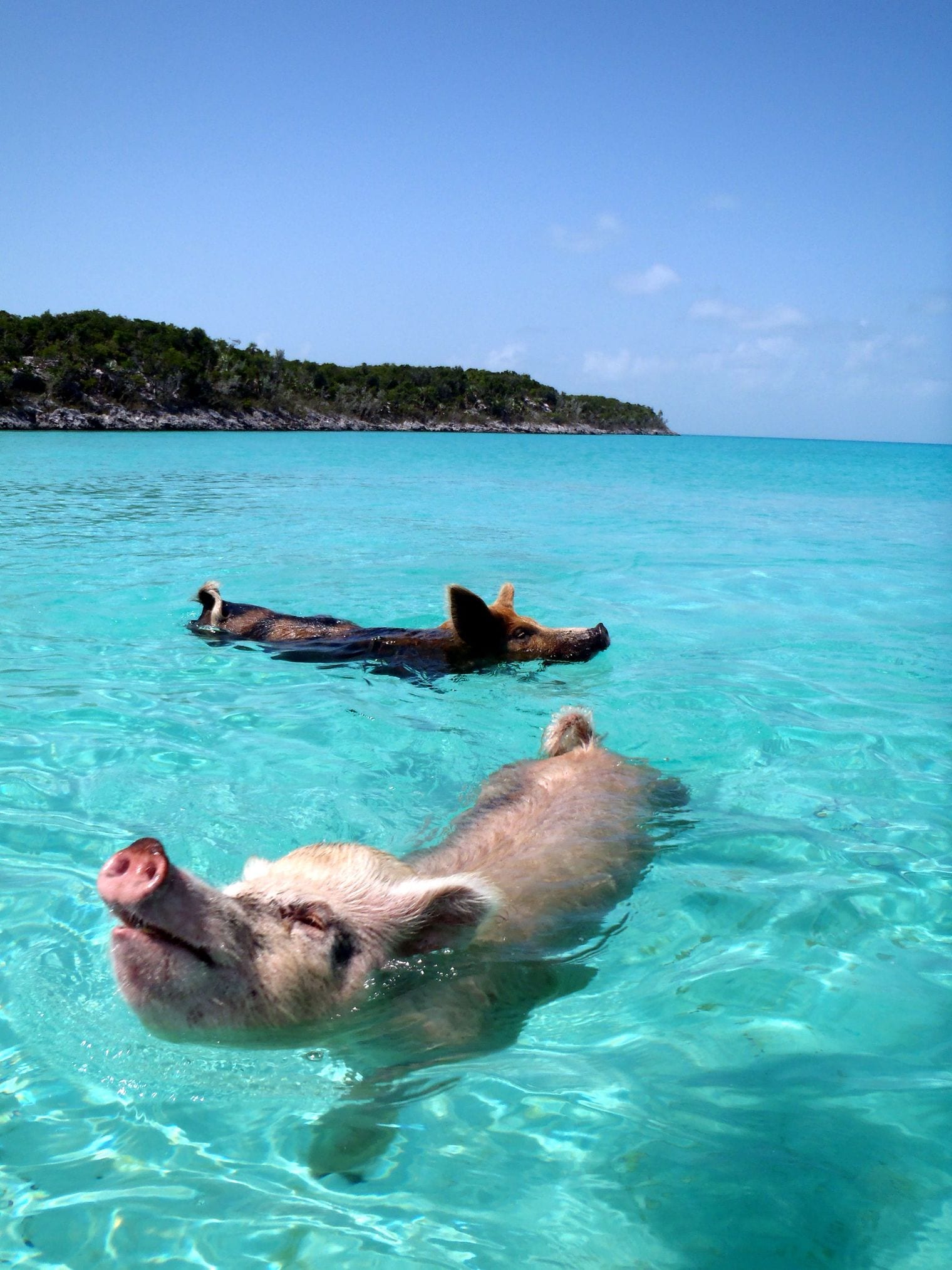
The day typically strings together the things the Exumas are famous for — swimming pigs wading out to meet the boat, rock iguanas on a protected cay, drift snorkelling over reef, shark feeding from a beach, and lunch on a sandbar that appears out of open sea. It is a long, full day and by some distance the most memorable thing on this list.
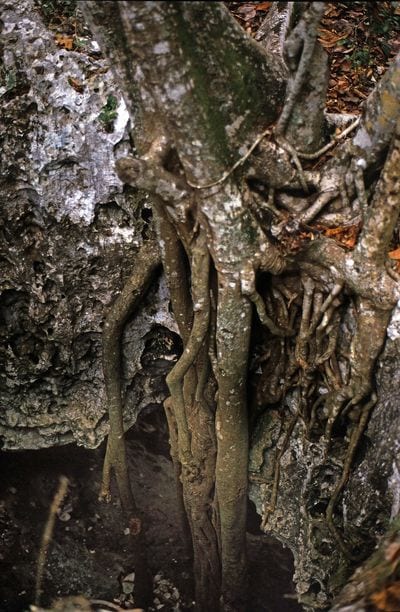
Out along West Bay Street, west of the resort strip, The Islands Caves open directly onto the roadside — a set of limestone sea caves hollowed out over an immense span of time by waves that once broke where the road now runs. They are free, unticketed and easy to miss, marked by little more than a pull-in and a scramble up the rock.
The caverns are shallow rather than deep and take only a few minutes to explore, but they are cool, atmospheric and often home to roosting bats overhead. The caves are understood to have sheltered the Lucayans, the islands' original inhabitants, long before Europeans arrived. Pair them with a nearby beach rather than making a special trip.
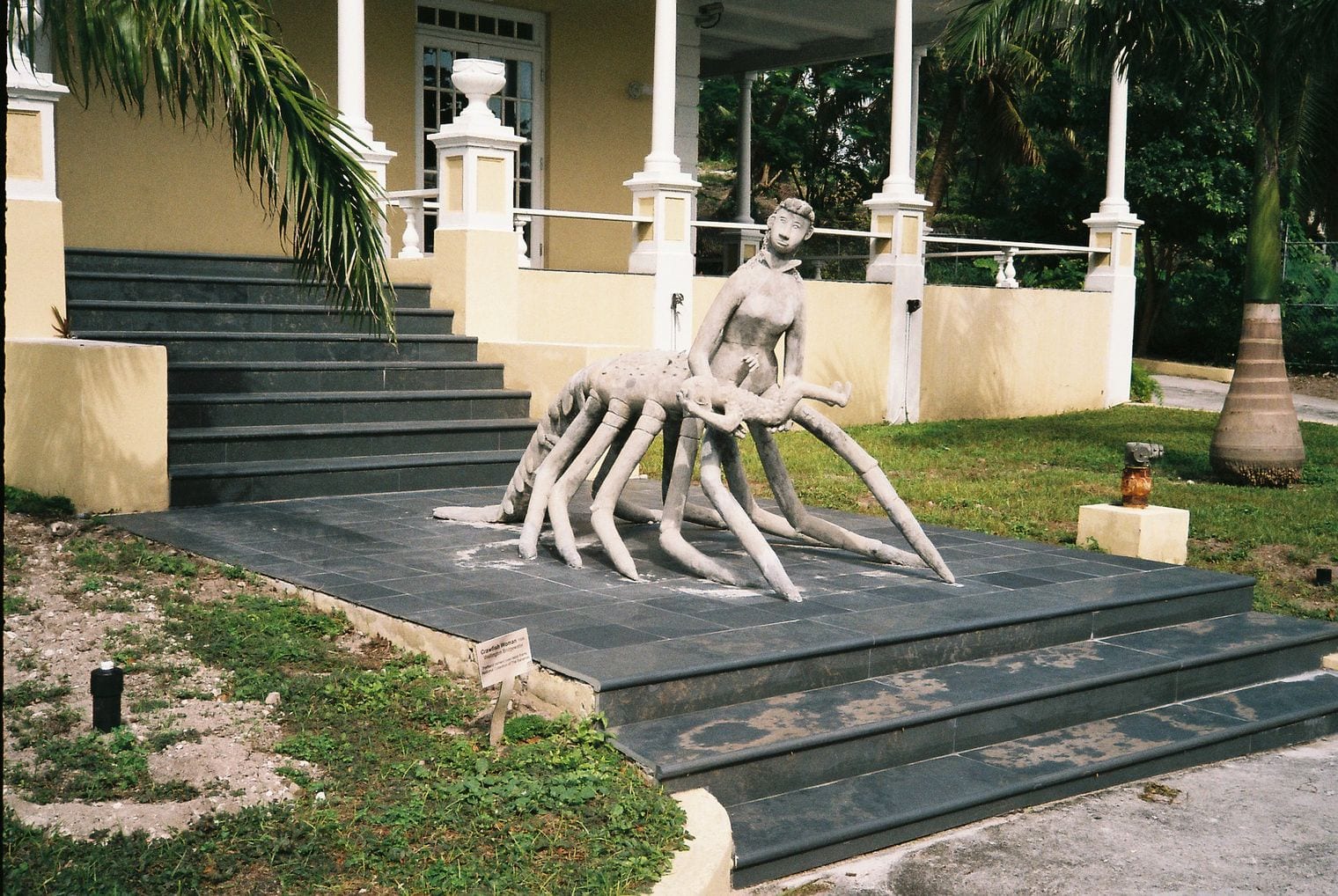
The National Art Gallery of The Bahamas occupies Villa Doyle, a restored colonial mansion on West Hill Street, and it is the best hour you can spend indoors in Nassau. The building alone justifies the visit — high ceilings, shuttered windows, cool stone floors and a shaded garden — and the setting suits the work well.
The collection is devoted to Bahamian and wider Caribbean art, mixing a permanent national collection with a changing programme of exhibitions by contemporary artists. It offers something the forts and beaches cannot: a sense of how Bahamians see their own islands, their history and their present. It sits an easy walk uphill from Bay Street, close to Government House.
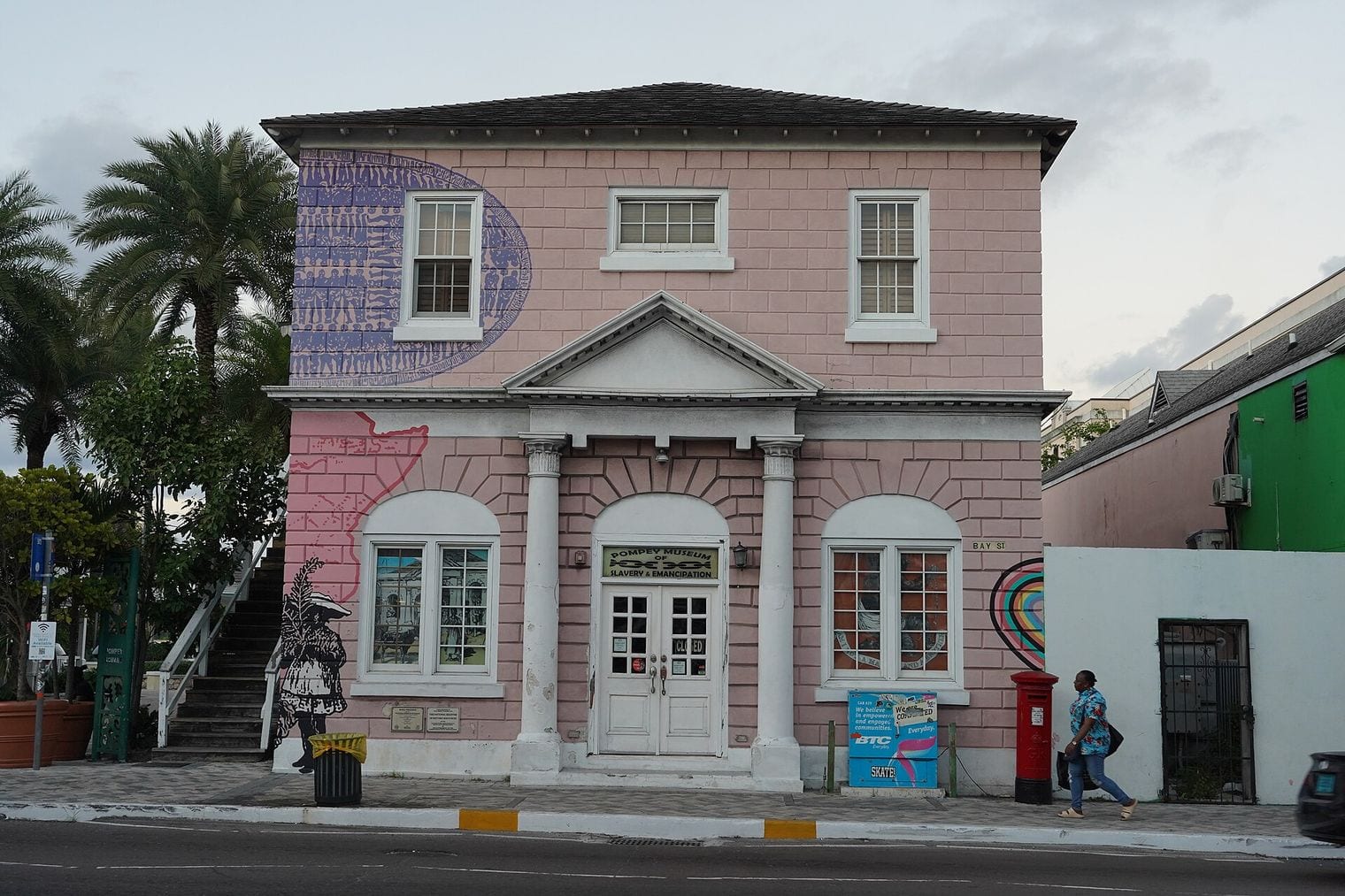
The Pompey Museum of Slavery and Emancipation occupies Vendue House on Bay Street, a building where enslaved people were once bought and sold — which gives the museum a weight no purpose-built exhibition could manufacture. The displays trace the Atlantic slave trade, plantation life in the islands, resistance and eventual emancipation.
The museum takes its name from Pompey, an enslaved man who led a revolt on the Rolle estate in Exuma in 1830, and it does not soften its subject. It is small and can be seen in under an hour, and it is the single most valuable stop in Nassau for understanding how the country came to be. The building was badly damaged in the 2001 Bay Street fire and later restored.
At the far southwestern tip of New Providence, Clifton Heritage National Park protects a stretch of coast that carries three distinct layers of Bahamian history on one site: Lucayan settlement, a Loyalist-era plantation with its ruined estate buildings, and the village of the enslaved Africans who worked it. Trails link the ruins through low coastal scrub to the cliffs.
The park also holds one of the more unusual things in the country — a monumental underwater sculpture, Ocean Atlas by Jason deCaires Taylor, standing on the seabed just offshore and visible to snorkellers. Add a quiet beach, shaded picnic areas and swimming, and it repays the drive out from the city far better than its low profile suggests.
1919. Dundas Centre for the Performing Arts
Performing Arts Theater~1.3 miles (2.1 km) from centre
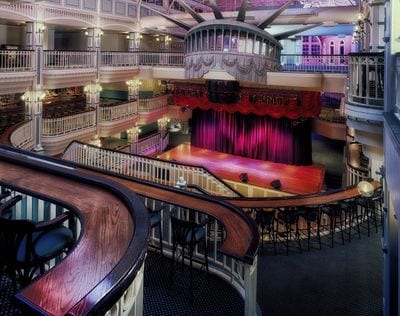
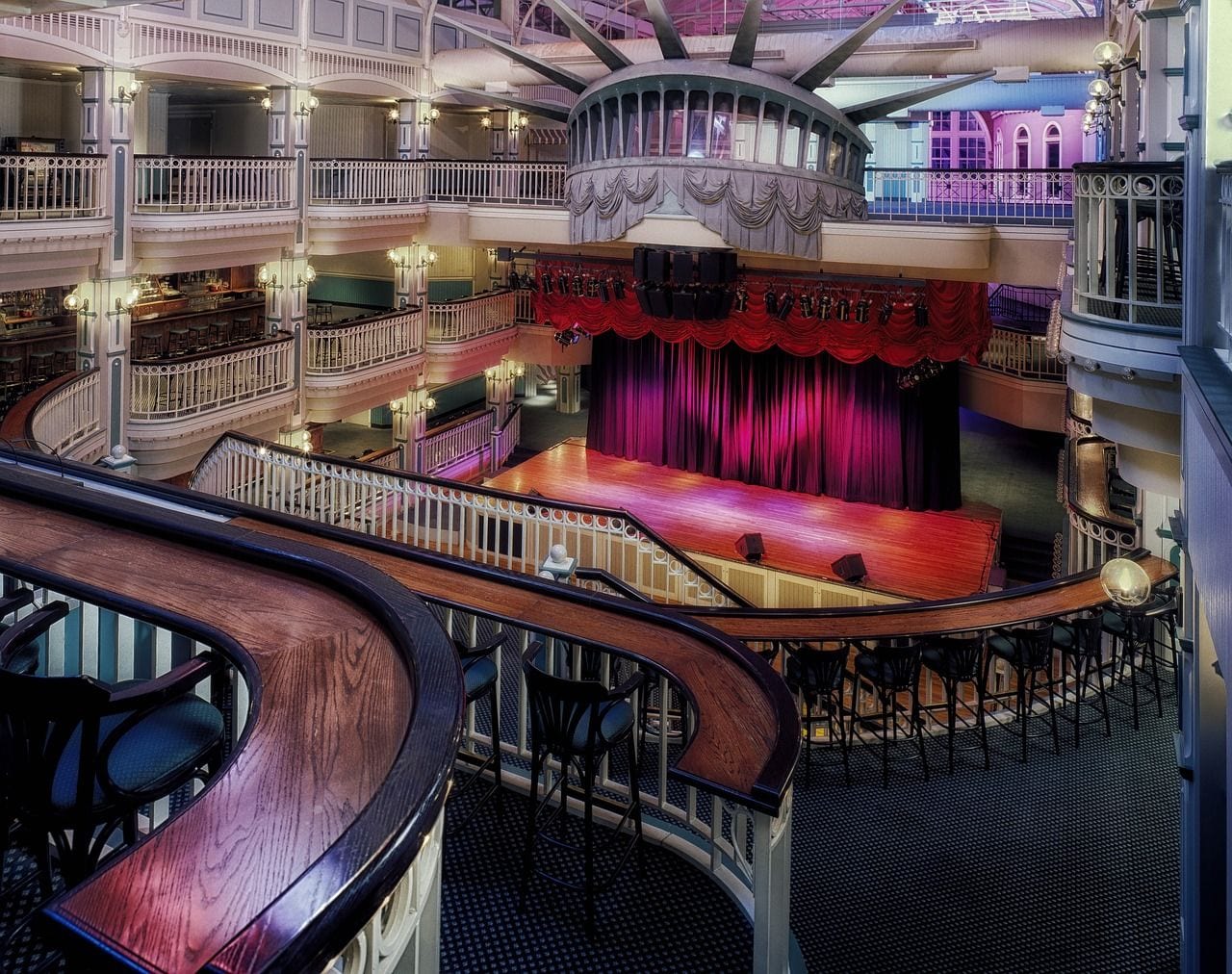
The Dundas Centre for the Performing Arts is Nassau's main theatre and the hub of the city's live performance scene, a modest venue on Mackey Street that has been staging Bahamian work for decades. The programme runs to drama, dance, music and comedy, much of it written and performed by Bahamians.
It is worth checking what is on while you are in town, because catching a show here is one of the few genuinely local evenings available to a visitor — an audience of residents rather than cruise passengers, and material rooted in Bahamian life and humour. The building is unassuming and the scale is intimate, which makes for a warm and involving night out.
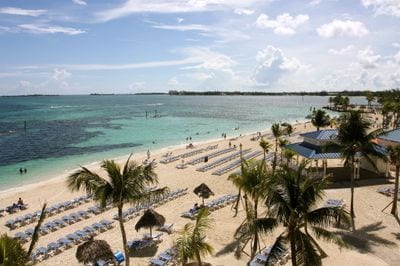
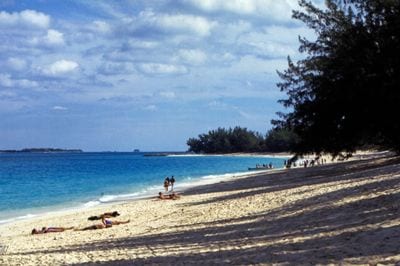
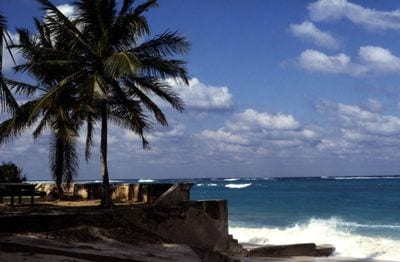
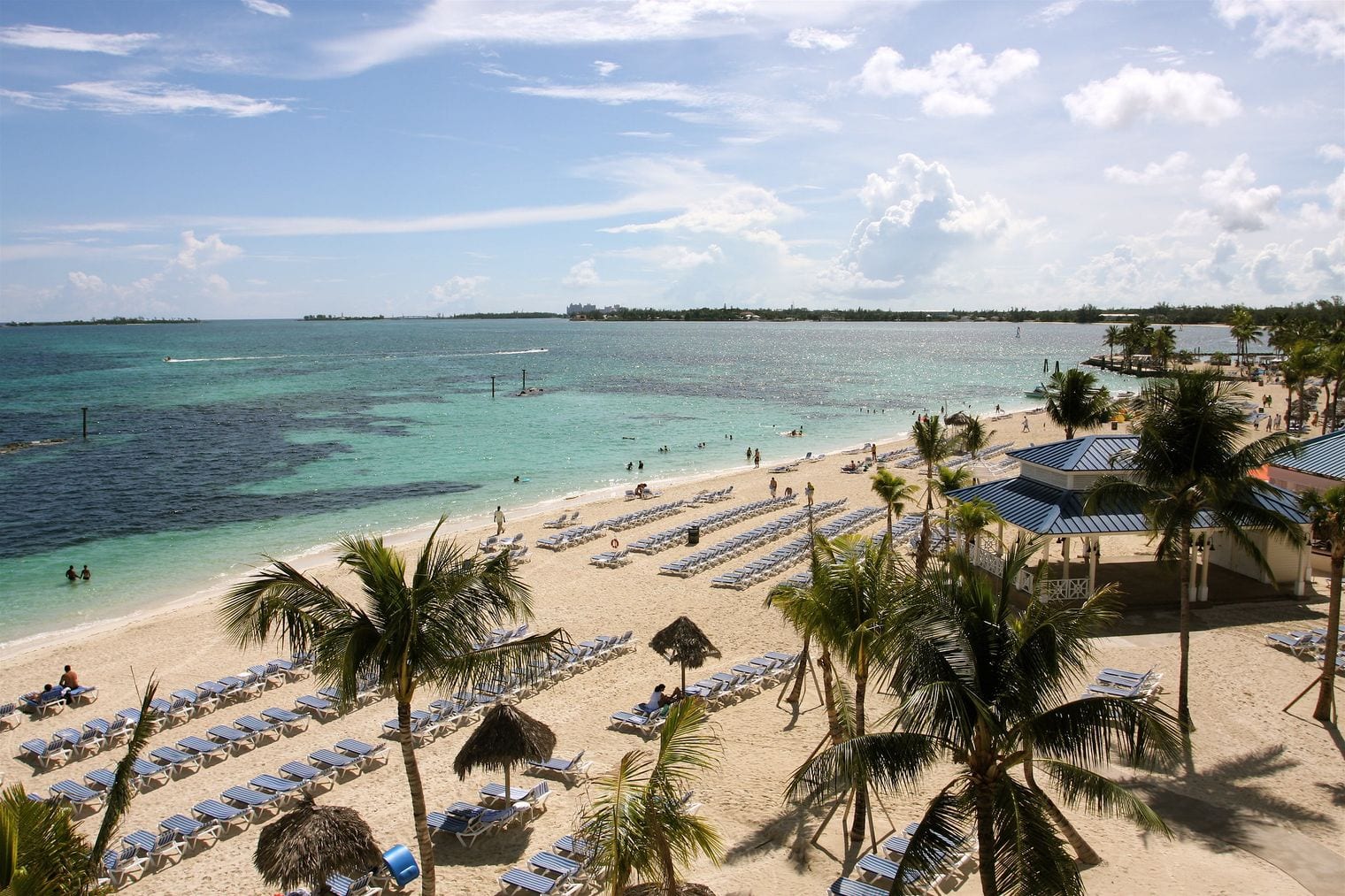
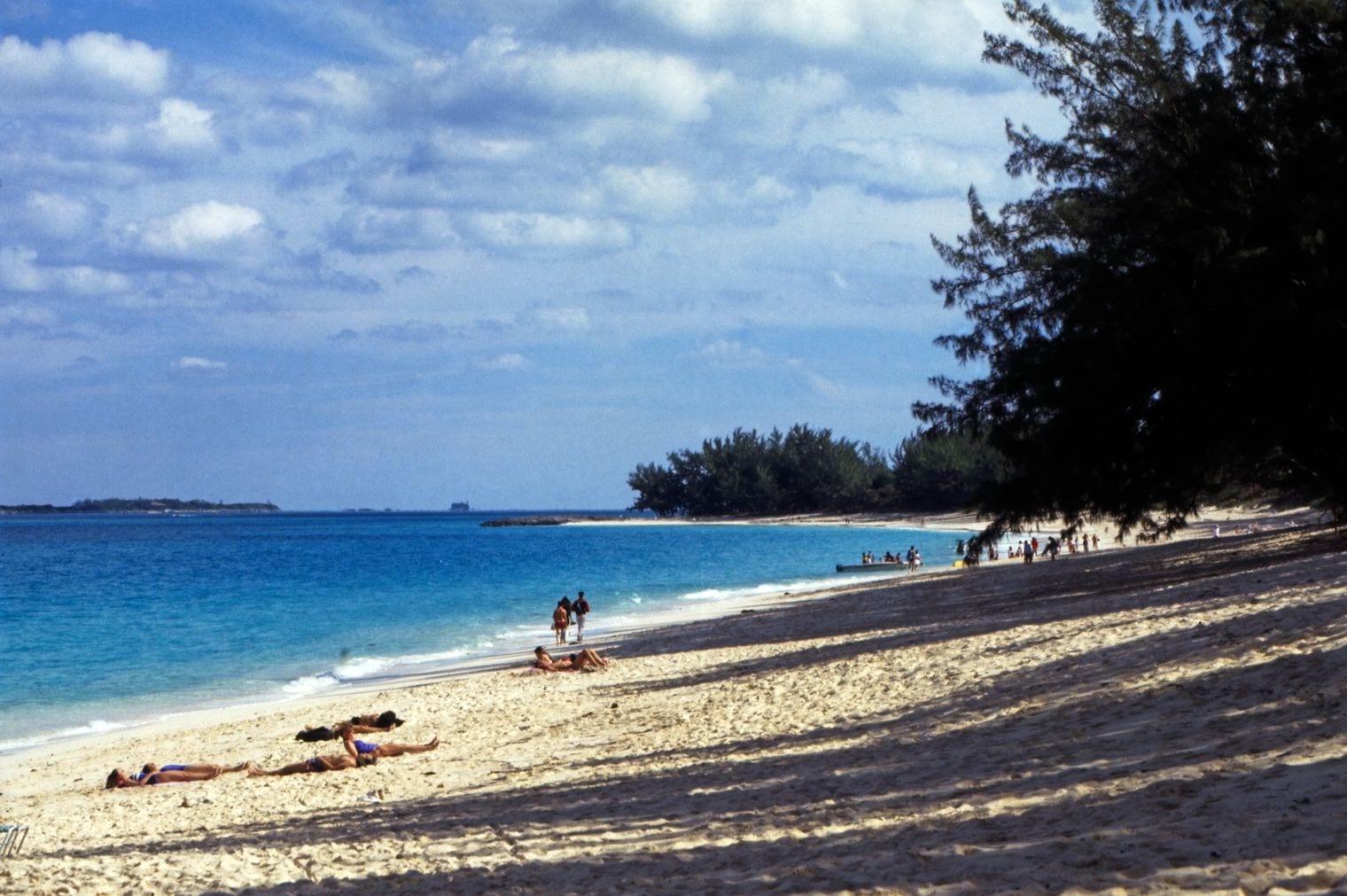
Cable Beach is the long, broad resort beach that runs west of the city, several kilometres of pale sand backed by hotels and looking out on the reliably calm water of the north shore. It is the beach most people picture when they picture Nassau, and the sea here is shallow, warm and unusually forgiving for swimming.
The name has nothing to do with cable cars: it commemorates the undersea telegraph cable that came ashore on this stretch of coast in 1892, linking the islands to Florida and giving The Bahamas its first direct link to the outside world. Public access points sit between the resorts, and watersports operators work the sand along most of its length.
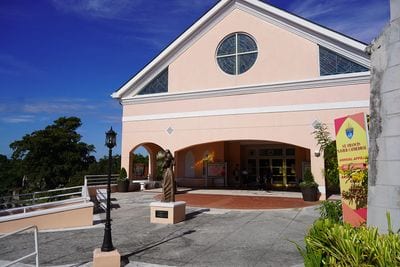
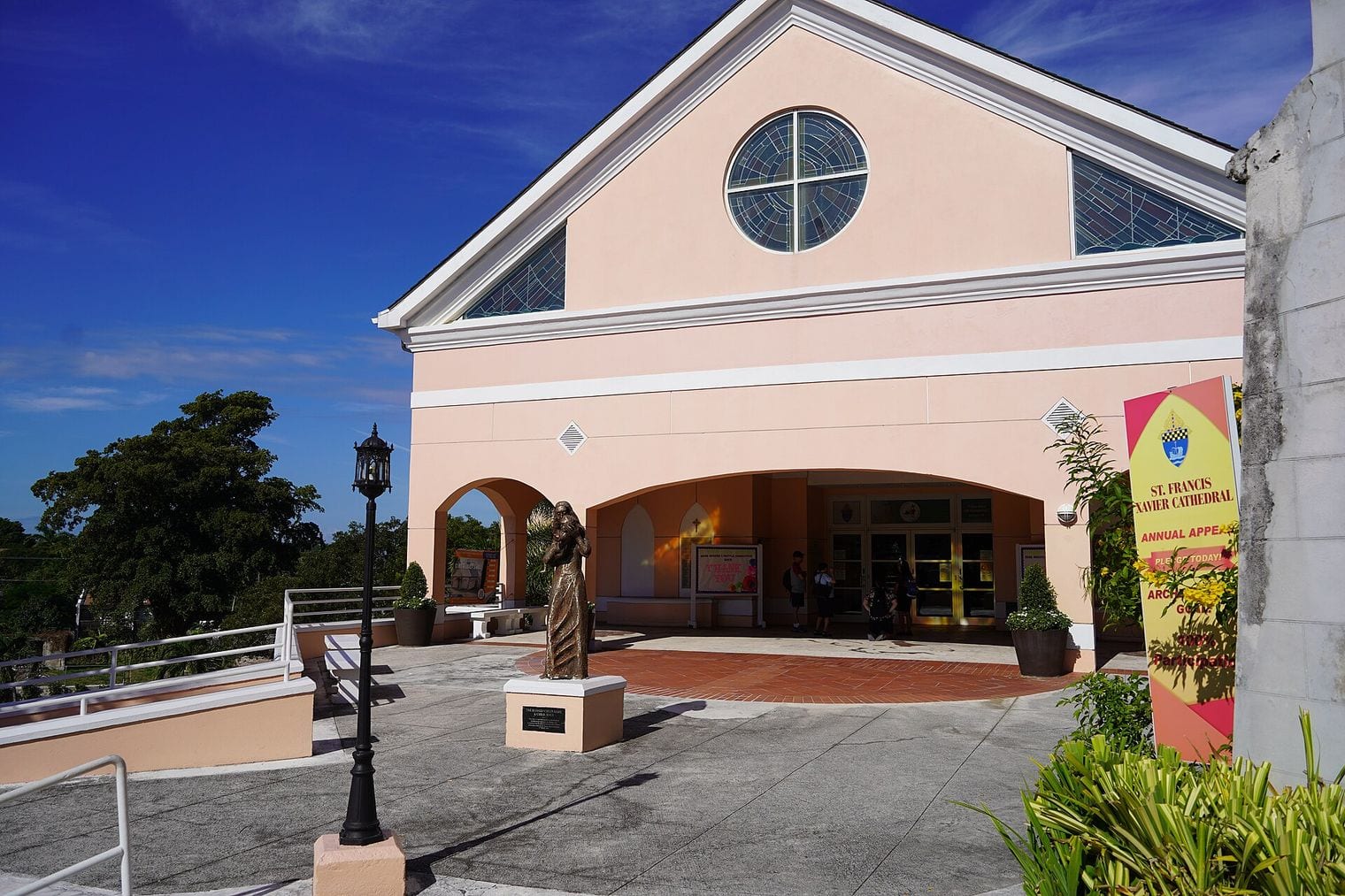
St. Francis Xavier Cathedral is the seat of the Catholic archdiocese in The Bahamas, a handsome stone church on West Street just uphill from the downtown core. The exterior is restrained and solid, built to weather hurricanes, while the interior is calm, high and cool, with stained glass throwing colour across the pews.
It is a working parish rather than a museum, so visits are quiet and respectful and services are open to anyone who wants to attend — a Sunday morning here, with the music, is a genuine experience. The church sits within a few minutes' walk of Government House and the National Art Gallery, so it folds neatly into a walk through the upper town.
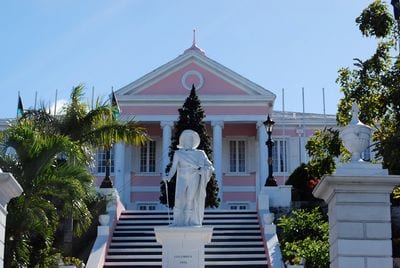
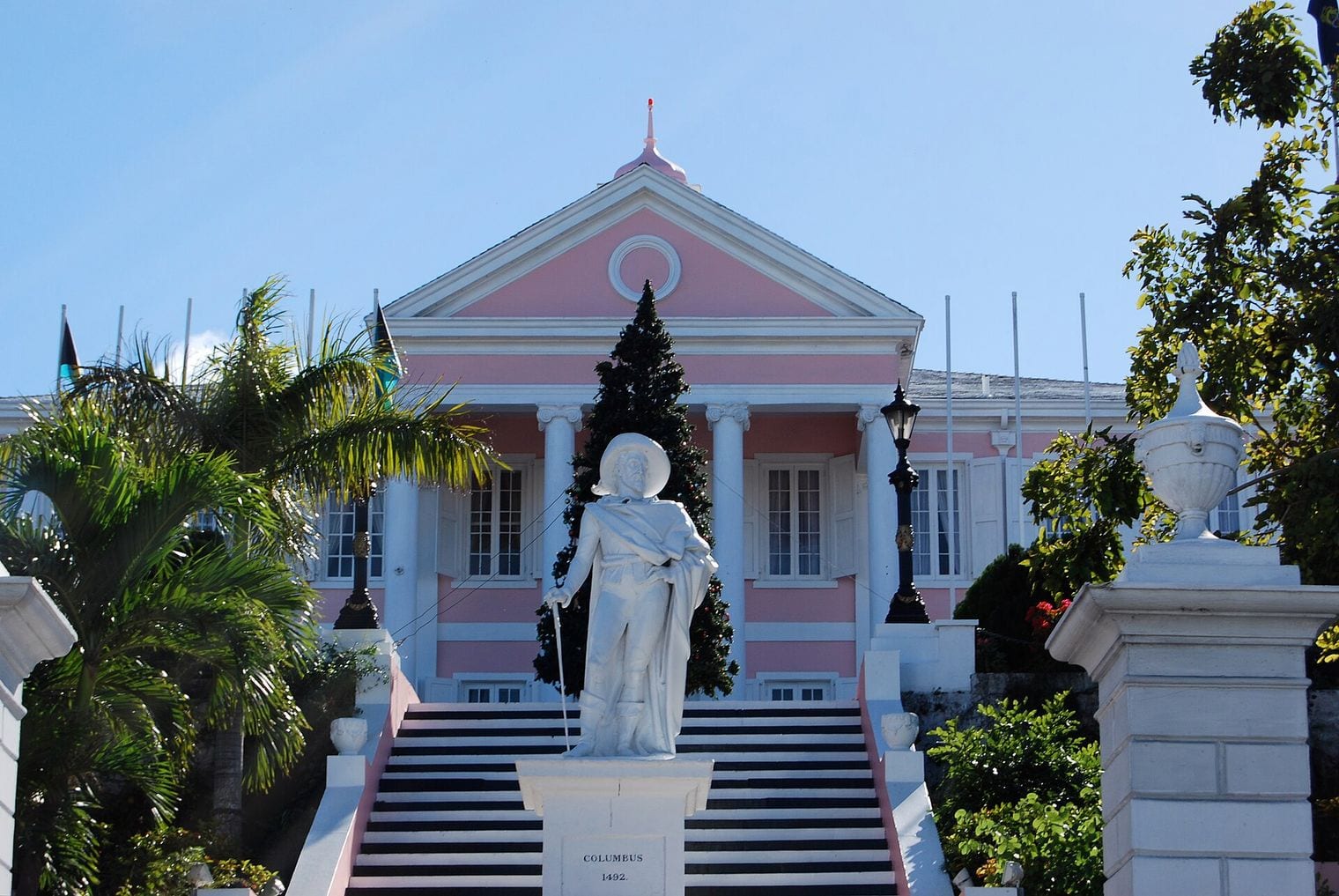
Government House is the official residence of the Governor-General, a large pink-and-white Georgian mansion standing on Mount Fitzwilliam above the town, with a broad flight of steps sweeping up from Duke Street. A statue of Christopher Columbus stands at the top of them, and the building is among the most photographed in Nassau.
The house itself is not generally open to visitors, but the grounds and the approach are the attraction, along with the ceremonial changing of the guard performed by the Royal Bahamas Police Force band in full dress. Even outside ceremony times it is worth the uphill walk for the architecture and the view back down over the rooftops to the harbour.
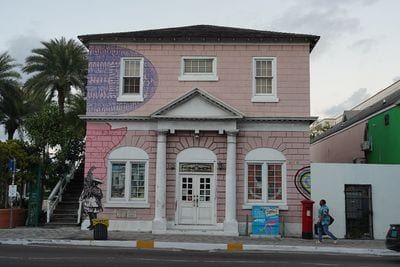
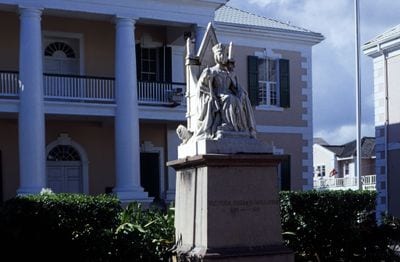
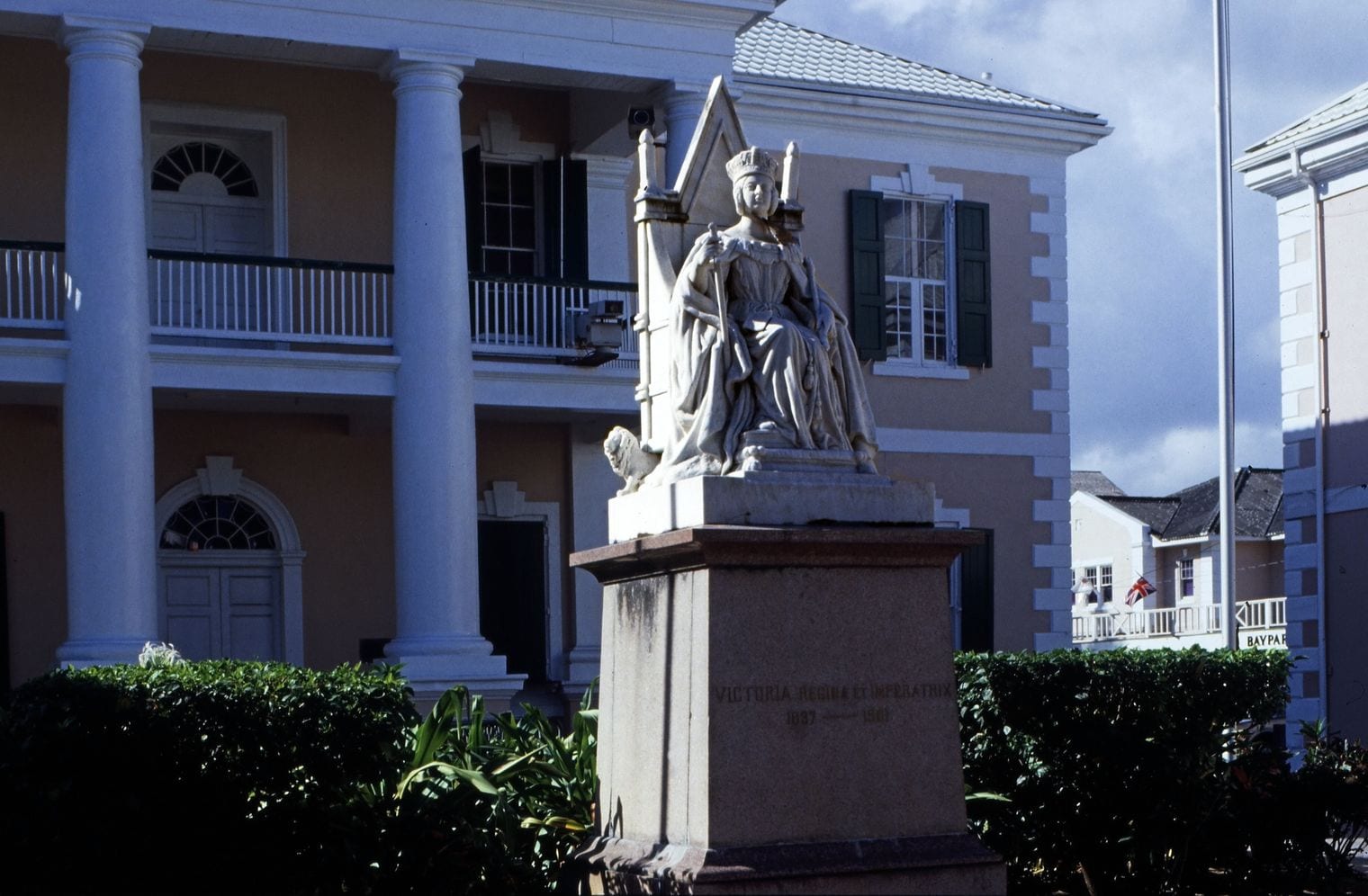
Parliament Square is the ceremonial centre of Nassau: a set of salmon-pink colonial government buildings with white columns and green shutters, arranged around a small green where a statue of a young Queen Victoria sits facing the street. It is compact, photogenic and takes only a few minutes to walk.
These are working buildings, home to the Bahamian House of Assembly, whose parliamentary tradition reaches back to 1729 and makes it one of the oldest in the Western Hemisphere. The square sits directly across from Rawson Square and the cruise wharf, so it is usually the first genuinely historic thing visitors encounter — and a good place to begin a walking tour of the old town.
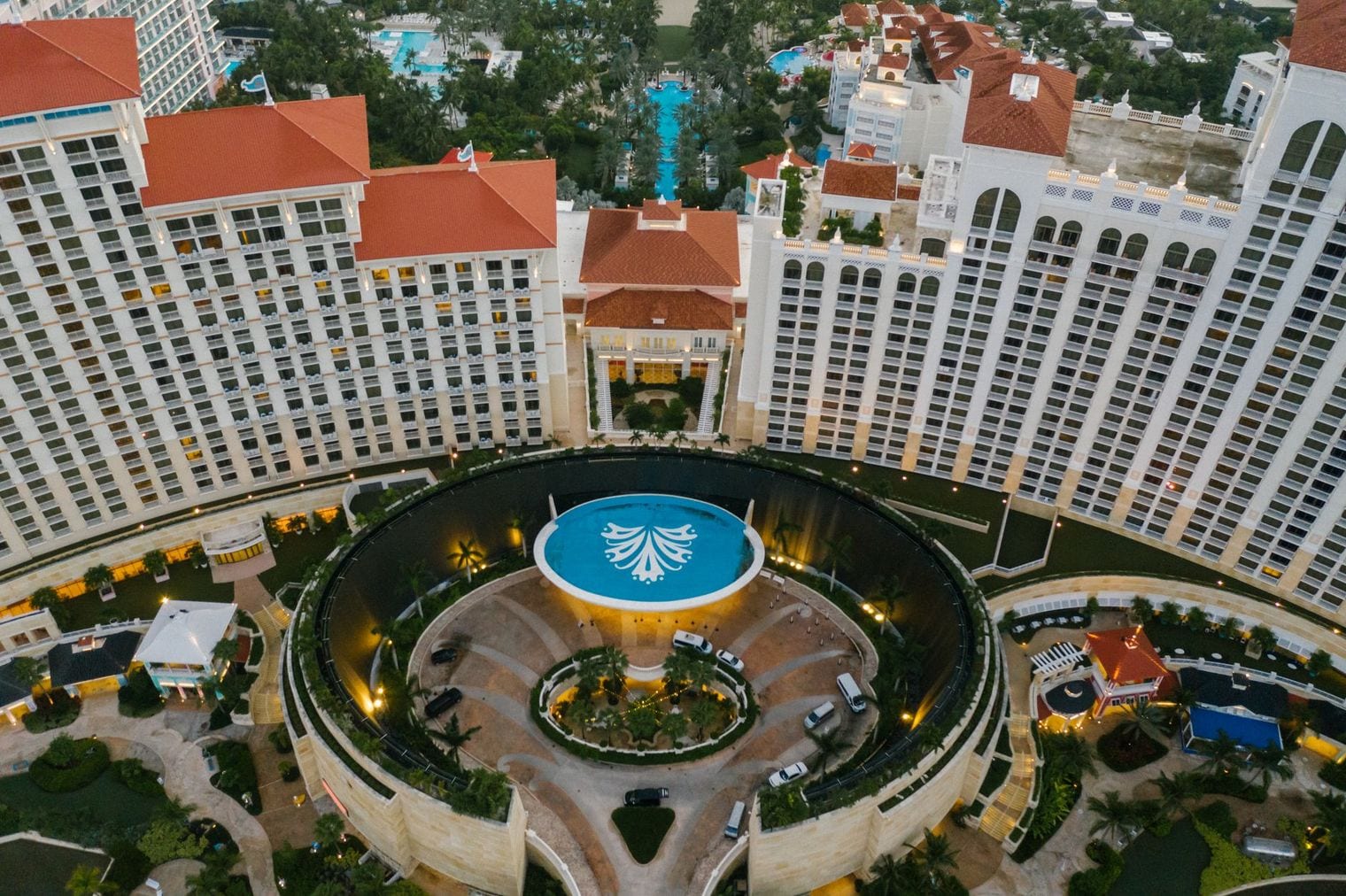
Baha Bay is the beachfront water park at the Baha Mar resort on Cable Beach, and it makes a good alternative to Aquaventure across the water — smaller in scale, newer, and laid out along the sand rather than around a hotel. Slides, a wave pool, a lazy river and a run of pools are terraced down toward the beach itself.
Because it sits directly on Cable Beach you can move between the slides and the sea in a few steps, which is a genuine advantage over the inland parks. Access is normally by day pass or as a resort guest, and it tends to be the calmer of the island's two big water parks — worth knowing if you are travelling with younger children.
2525. Fort Charlotte
Historical Landmark~1.3 miles (2.1 km) from centre
Fort Charlotte is the largest fort on New Providence, sprawling across a ridge just west of downtown with commanding views over the harbour approach and the cruise ships below. Built in the late 1780s under the governor Lord Dunmore and named for the wife of King George III, it comes complete with a dry moat, drawbridge, powder magazines and dungeons cut into the rock.
The fort famously never fired a shot in anger, which is precisely why so much of it survives intact — you can walk the ramparts, duck through the underground passages and see the cannon still in position. Guides are usually on hand and worth taking, and there is enough shade and space here to make it a comfortable hour.
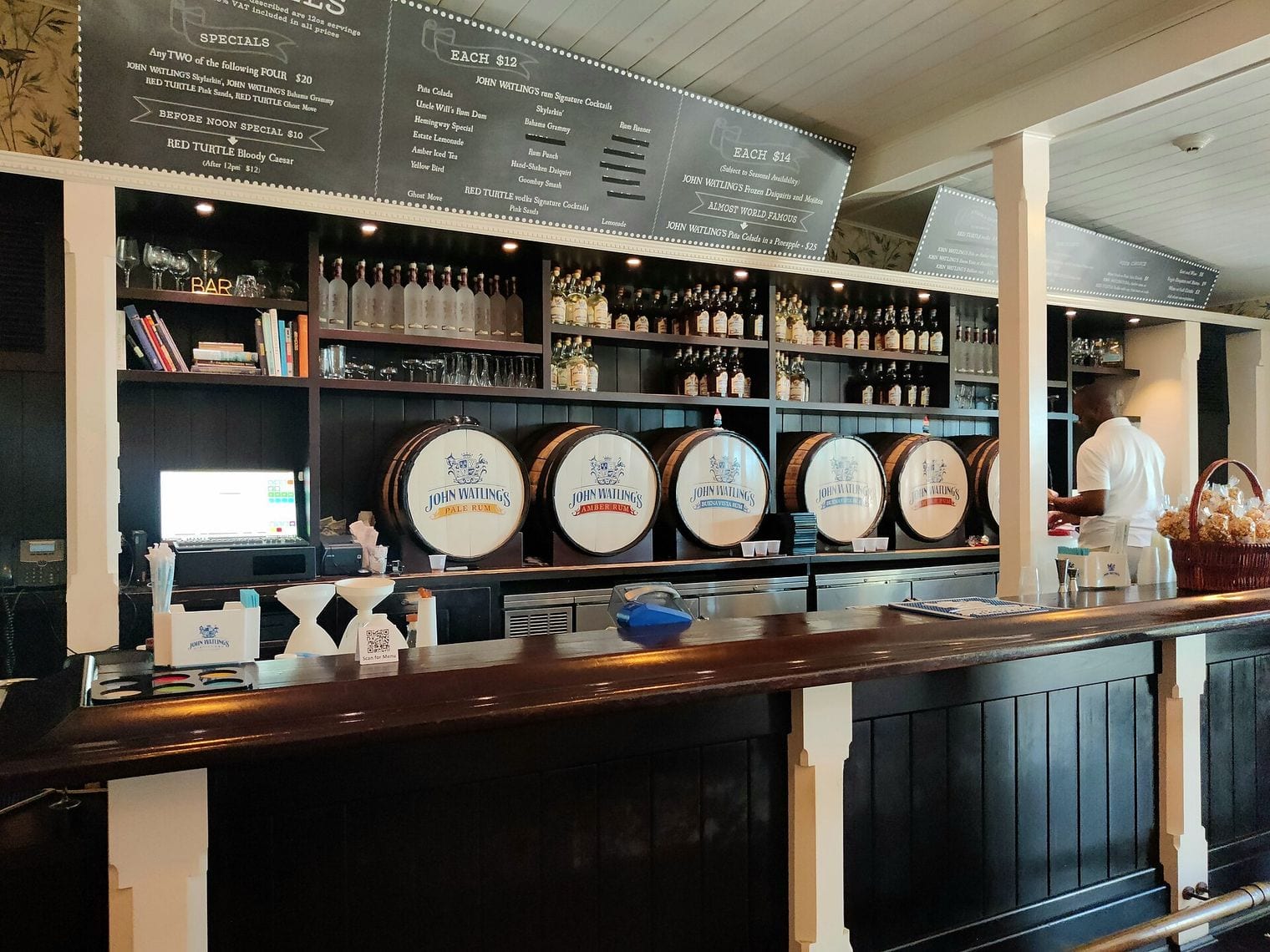
John Watling's Distillery occupies the Buena Vista Estate, a colonial house on Delancy Street whose construction began around 1789, set in two acres of gardens shaded by enormous old black olive trees. Rum is blended, bottled and labelled by hand on site, and the storehouse is open so you can watch the work happening at the bench.
The distillery takes its name from a seventeenth-century English buccaneer, which fits a city with Nassau's past, and the self-guided tour of the estate and production rooms is free — as is a tasting at the bar afterwards, with paid in-depth sessions available if you want to go deeper. The veranda looks out over the rooftops toward the harbour and is a genuinely lovely place to sit.
Cabbage Beach is the long, broad strand along the north shore of Paradise Island, and it is the best stretch of sand within easy reach of the city — pale, soft and open to the Atlantic, with water that shades from clear shallows to deep blue. The eastern end fronts the big resorts; the western end is quieter.
The important thing to know is that the beach itself is public, and marked public access points let anyone walk on without being a hotel guest. Reach it by water taxi from the wharf or across the toll bridge, bring what you need, and expect some surf — this is an ocean-facing beach, so the water is livelier here than on the sheltered harbour side.
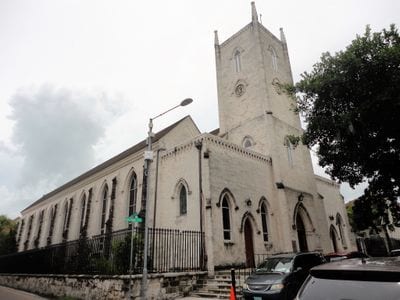
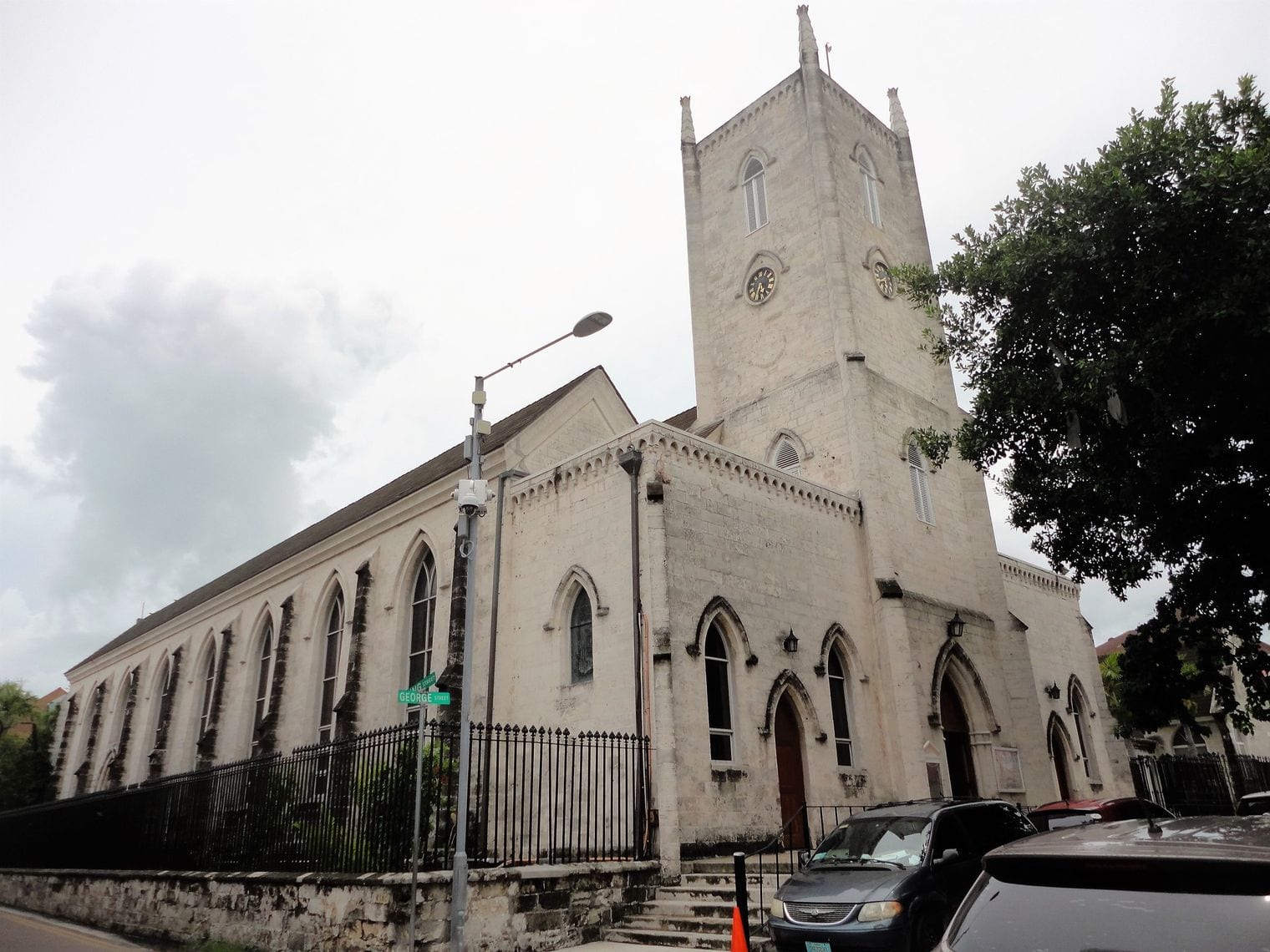
Christ Church Anglican Cathedral stands on George Street in the middle of the old town, a solid stone church with a square crenellated tower that anchors the streetscape and appears in the background of half the photographs taken downtown. It is the seat of the Anglican diocese and one of the oldest religious foundations in the country.
Step inside for the reason to visit: a cool, hushed interior of dark timber roof beams, memorial tablets to Bahamian families going back generations, and stained glass that throws colour across the aisle. It sits directly opposite the Pirates of Nassau museum, which makes for an unexpectedly good pairing, and services are open to visitors who want to hear the singing.
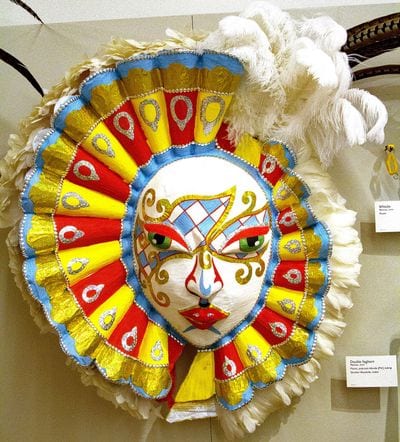
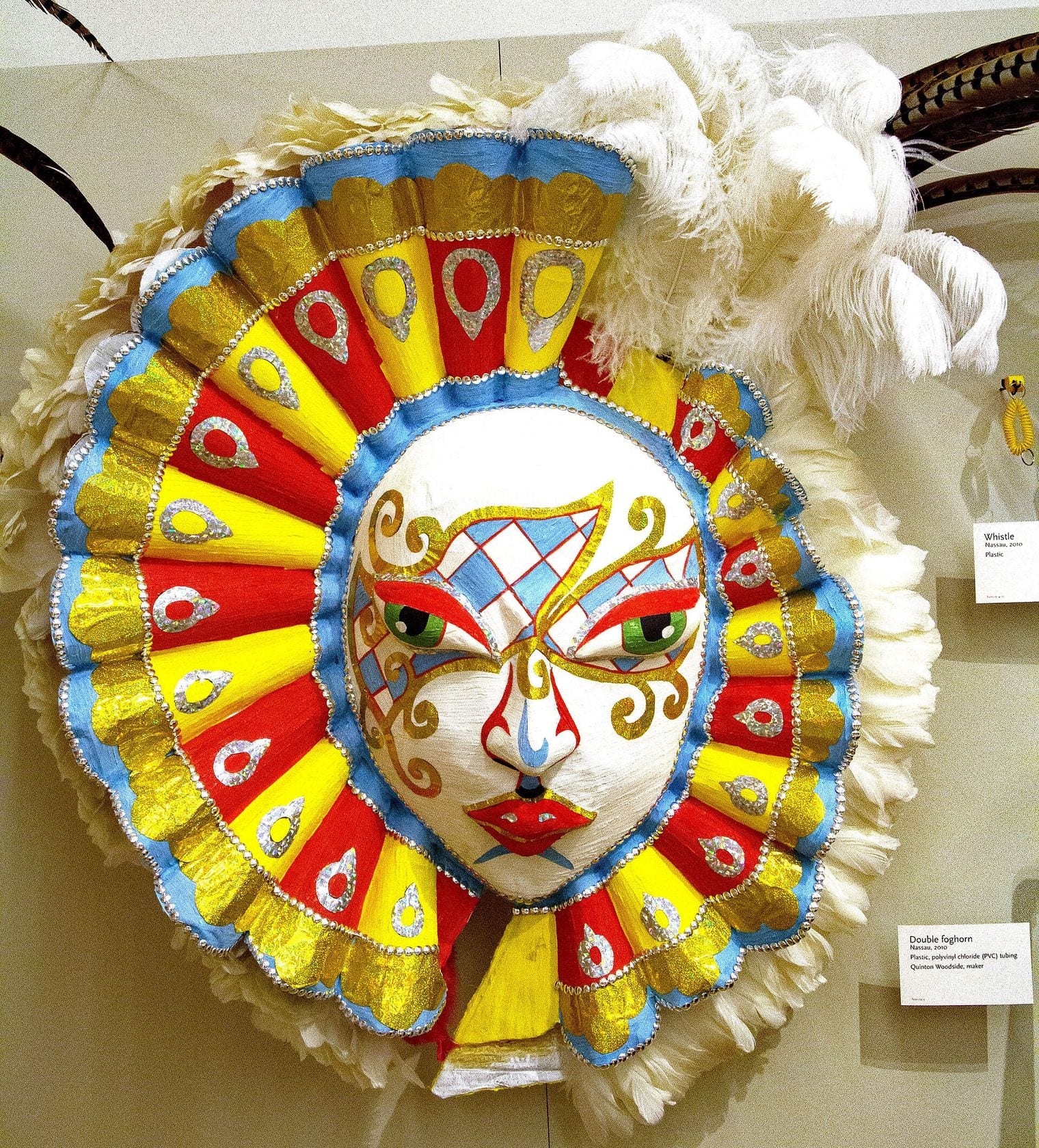
Junkanoo is the national festival of The Bahamas — a street parade of costumed groups, cowbells, goatskin drums and brass that takes over Bay Street in the small hours of Boxing Day and New Year's Day. Junkanoo World is where you can see what goes into it when the parades are not running, in a working space rather than a polished gallery.
The costumes are the draw: vast, elaborate constructions of cardboard and crepe paper, built over months and worn for a single night, displayed close enough to see the craft in them. Guides explain the rivalry between the big groups and the meaning of the designs, and there is usually a chance to try the drums and bells yourself, which children in particular enjoy.
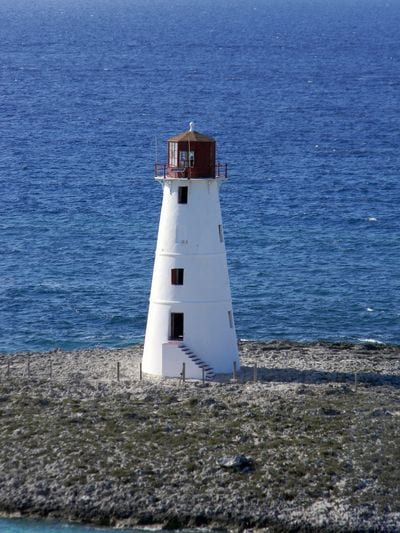
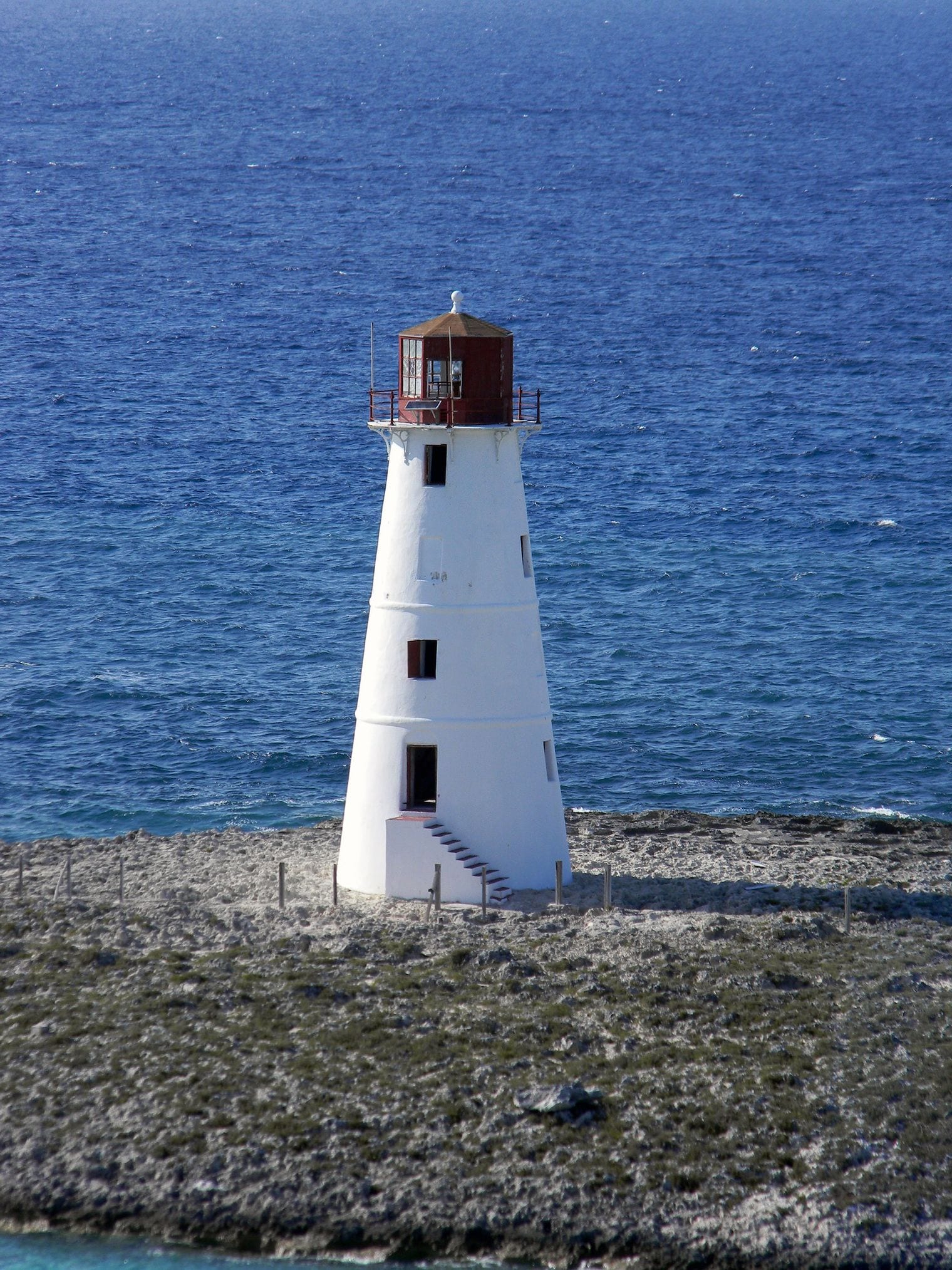
The squat whitewashed tower with the red lantern at the western tip of Paradise Island is the Nassau Harbour Lighthouse, and it is older than almost anything else you will see here — completed in 1817, when the island was still called Hog Island, and reckoned to be the oldest surviving lighthouse in the West Indies. It stands about seventy feet tall.
For nearly two centuries it marked the western entrance to the harbour for ships approaching Nassau. Today it is chiefly something you look at rather than tour, and the classic view is from the water — every boat trip leaving the harbour passes it, and it is the last thing you see on the way out and the first on the way back in.
Love Beach sits on the north shore well west of the resort strip, a quiet crescent of sand that most visitors never reach and locals rather like keeping that way. There are no vendors working the loungers and no music, just a calm, shallow entry and a long view along the coast — the antidote to Junkanoo Beach on a busy cruise day.
The real reason to make the trip is what lies offshore. A large protected reef system sits close in, shallow enough to snorkel straight off the beach, with coral heads and reef fish within an easy swim of the sand. Bring your own mask and fins, since there is little in the way of rental here, and go on a calm day for the clearest water.
Plan your trip
Best Time to Visit Nassau
The dry season from December to April is the classic window — warm, sunny days, low humidity and calm seas — and it is when Nassau is busiest and priciest. If you can travel in the shoulder months of late spring, do: May and early June keep the dry, settled weather but shed a good share of the winter crowds, and the sea has warmed up nicely for swimming and snorkelling.
Summer is hot and humid with short, heavy afternoon downpours that clear as fast as they arrive, and it offers the calmest water of the year for diving.
Hurricane season officially runs from June to November and peaks in September and October, which is the cheapest and quietest time to visit but carries genuine risk of disruption. For a taste of the city at its most exuberant, come around Christmas and New Year, when the Junkanoo parades take over Bay Street in the small hours.
Getting to Nassau
Most visitors arrive by air at Lynden Pindling International Airport (NAS), about a twenty-minute drive west of downtown, which is well served by direct flights from a long list of US East Coast and Southern cities as well as Toronto and London. Taxi fares from the airport are set by zone rather than metered, so agree the fare before setting off. Bahamasair and several small regional carriers connect Nassau onward to the Out Islands.
The other way in is by sea, and it accounts for the larger share of arrivals: Nassau is one of the busiest cruise ports in the Caribbean, and ships berth at Prince George Wharf right at the foot of Bay Street, putting passengers within a few minutes' walk of the historic core. Inter-island ferries and the traditional mail boats run from Potter's Cay, under the Paradise Island bridges.
Getting Around Nassau
Downtown Nassau is compact and genuinely walkable — Bay Street, Parliament Square, the Straw Market, the museums and the Queen's Staircase all sit within about fifteen minutes of the cruise wharf on foot, though the climb to the upper town is steep and the midday sun is fierce. You will not need a car for the historic core at all.
For everywhere else, taxis are the default and run on fixed zone fares that you should confirm before you get in. Shared jitney minibuses cover the main routes west along Cable Beach and east toward Fox Hill for a couple of dollars and are a cheap, local way to move about, though they stop running in the evening.
Renting a car makes sense only if you plan to reach the far west of the island — and remember the Bahamas drives on the left. Paradise Island is reached by two toll bridges or a short water taxi from the wharf.
Where to Stay in Nassau
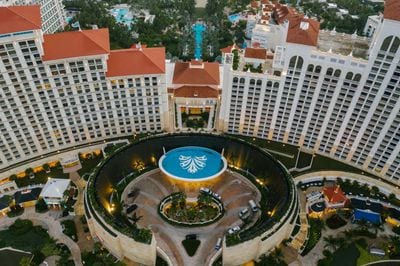
Three areas cover almost every trip. Cable Beach, a few miles west of the centre, is the resort strip: a long swimmable beach, the biggest hotels, casinos and water park, and an easy taxi or jitney into town. Paradise Island, across the bridge, is the other resort concentration, quieter and more self-contained, with the best beach on the north shore and the water park at its heart.
Downtown suits anyone who cares more about history than sand — you can walk to the forts, the museums and the markets, and it is the most characterful base, though it empties out in the evening once the ships leave. West along the coast road, the residential Sandyport and West Bay Street stretch offers calmer, more local beaches and a slower pace, which works well if you have a car or do not mind taxis.
Where to Eat in Nassau
Conch is the national ingredient and the thing to eat first. The single best place to try it is Arawak Cay — universally called the Fish Fry — a strip of brightly painted shacks a short drive west of downtown where conch salad is chopped to order in front of you with citrus, onion and fiery bird peppers.
Order cracked conch or conch fritters alongside, and try sky juice, the local gin-and-coconut-water drink. Potter's Cay, under the Paradise Island bridges, is the rougher, more local version, with stalls selling conch straight off the boats.
Beyond conch, look for Bahamian rock lobster in season, fresh grouper and snapper, peas 'n' rice, johnnycake and guava duff for dessert. Downtown and Bay Street cover the tourist-facing dining, Cable Beach has the resort restaurants, and a cold Kalik or Sands — the two Bahamian beers — is the standard accompaniment to all of it.
Day Trips from Nassau
The best day trips from Nassau all involve a boat. The Exuma cays are the headline run, about two hours south by fast powerboat, and the day out with Powerboat Adventures takes in swimming pigs, rock iguanas and a sandbar lunch. Closer in, Blue Lagoon Island sits twenty minutes offshore, and Rose Island — reached via Sandy Toes — offers a quieter beach day just east of the harbour.
On land, drive about forty minutes southwest to Clifton Heritage National Park for coastal trails, plantation ruins and the underwater sculpture offshore, pairing it with the quiet beaches at that end of the island. With an early flight you can also reach Harbour Island off Eleuthera and its famous pink sand, or Grand Bahama and the caves of Lucayan National Park, as a long but rewarding day.
Before you go
Mobile dataAn eSIM gives your phone local data when you land, with no SIM card to swap.via AiraloGet an eSIM
Airport transferA driver meets you at arrivals and takes you to your hotel, at a price fixed when you book.via Welcome PickupsBook a transfer
We may earn a commission when you buy through these links, at no extra cost to you. How we make money.
One Day in Nassau
Morning
Start in the historic core while it is still cool. Walk up from the wharf to Parliament Square for the pink colonial buildings, then climb through the upper town to the Queen's Staircase, cut through solid limestone in the 1790s and shaded even at midday. Come back down to Bay Street for the Pompey Museum, which puts everything else you will see that day in its proper context.
Browse the Nassau Straw Market for woven work, then head west out of the centre. Fort Charlotte gives you ramparts, a dry moat and dungeons plus the best view over the harbour approach, and Ardastra Gardens is a short hop further on if you want the marching flamingos and an hour of shade.
Drop down to Junkanoo Beach for a swim and the sunset west along the shoreline, then walk back toward the port for a table at Pirate Republic Brewing Company. If you would rather eat where Bahamians do, take a taxi out to the Fish Fry at Arawak Cay instead and order conch salad chopped in front of you.
A surprising amount of the city costs nothing. Fort Montagu has no ticket office at all — you can simply walk up and climb among the cannon — and the grounds and ceremonial approach at Government House are free to admire, as is the whole of Parliament Square. The self-guided estate tour and tasting at John Watling's Distillery are free too, which makes it one of the best-value stops in the city.
Nassau is best known for its pirate history, its colonial architecture and the turquoise water around it. The landmarks most visitors come for are the Queen's Staircase, cut through limestone in the 1790s; the Straw Market on Bay Street; the Pirates of Nassau museum, built on the city's past as a pirate republic; the boat trip out to Blue Lagoon Island; and Fort Montagu, the oldest fort still standing on the island.
How many days do you need in Nassau?
Three to four days is the sweet spot. One day covers the historic downtown comfortably on foot, a second gives you a beach and a fort or two further west, and a third frees you up for a boat trip — Blue Lagoon Island, Rose Island or the long run down to the Exumas. Cruise passengers with only six hours ashore should stick to the walkable core and one nearby beach.
What can you do in Nassau for free?
Quite a lot. Fort Montagu has no admission gate, and Parliament Square and the grounds of Government House cost nothing to walk around. Swimming is free at Junkanoo Beach, the closest sand to the cruise port, and at the public access points along Cable Beach. The limestone sea caves out on West Bay Street are unticketed, and browsing the Straw Market costs nothing.
When is the best time to visit Nassau?
December to April brings the driest, sunniest weather and the biggest crowds. Late spring, roughly May to early June, is the best value — still reliably dry, noticeably quieter, and warm enough for swimming. Avoid September and October if you can, as they are the peak of hurricane season. Visit around Christmas or New Year if you want to catch the Junkanoo parades.
Is Nassau walkable?
The downtown core is very walkable. Bay Street, Parliament Square, the Straw Market, the museums and the Queen's Staircase all sit within about fifteen minutes of the cruise wharf, though the climb to the upper town is steep. Everywhere else — Cable Beach, the forts to the west, Paradise Island — needs a taxi, a jitney minibus or the water taxi across the harbour.