

California holds the hottest air temperature ever recorded on Earth — 134°F, measured at Furnace Creek in Death Valley on 10 July 1913 — and the lowest ground in North America at Badwater Basin, 282 feet below sea level.
It has the largest tree on the planet, the General Sherman, at 52,508 cubic feet of trunk. It has the tallest, a coast redwood called Hyperion measured at 116.22 metres, whose location the National Park Service refuses to publish. And it has the highest summit in the contiguous United States, Mount Whitney, at 14,505 feet.
Every one of the hundred facts below is sourced twice, to an official record and to an independent reference, and hedged exactly as strongly as the source hedges it. Where the evidence disagrees with itself, we say so rather than pick the tidier number. If you want to go and stand in front of any of this, start with our guide to the best things to do in California.
1. Death Valley Holds the Hottest Temperature on Earth
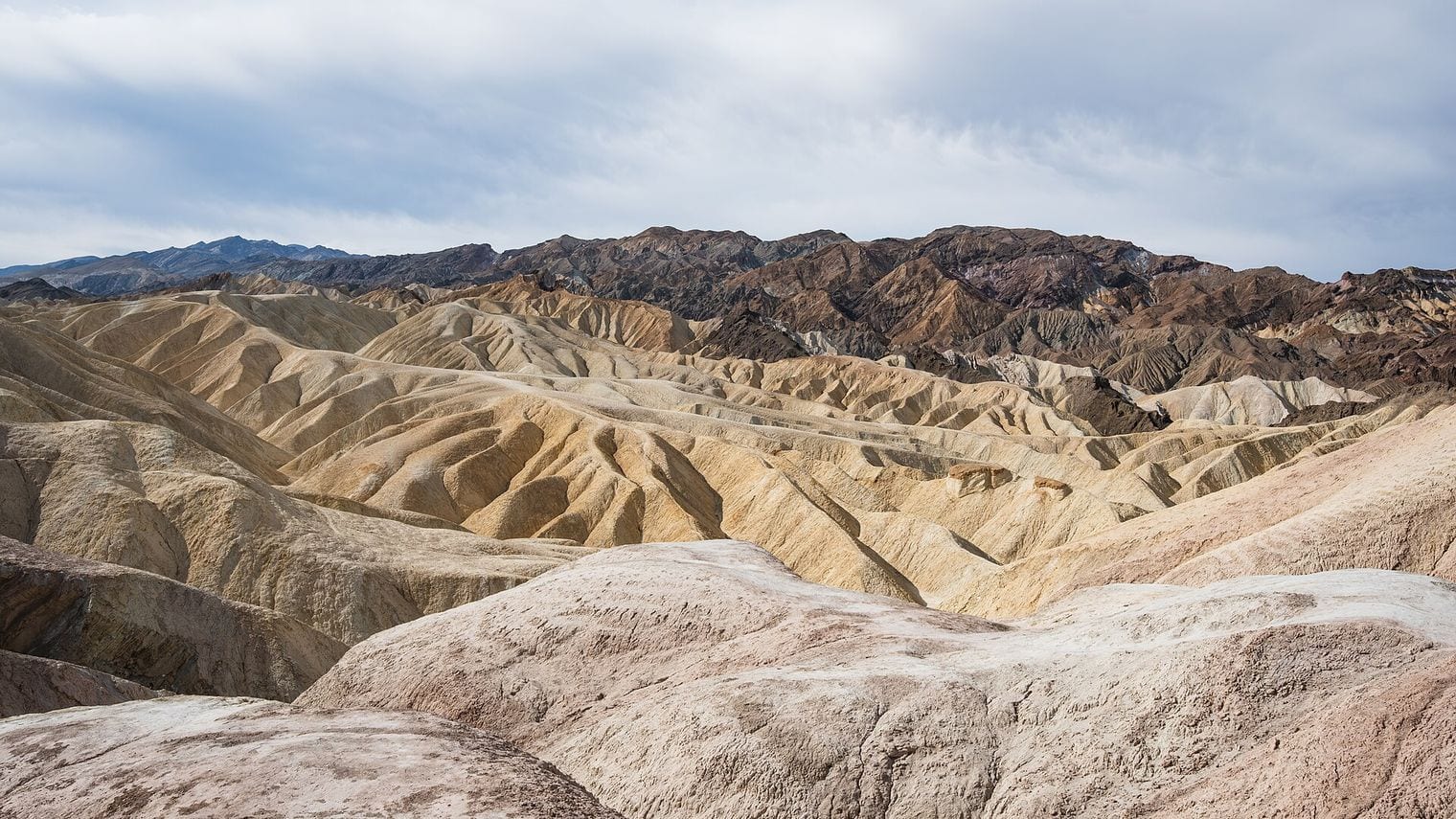
The hottest air temperature ever reliably recorded anywhere on Earth was 134°F, measured at Furnace Creek in Death Valley on 10 July 1913. The National Park Service still states the figure without hedging it.
That reading has survived more than a century of scrutiny, and it is the reason Death Valley is the benchmark every other hot place is measured against. Furnace Creek is not a remote instrument on a mountainside either — you can drive to it, park, and stand where the number was taken.
2. Badwater Basin Sits 282 Feet Below Sea Level
Badwater Basin lies 282 feet below sea level, which makes it the lowest point in North America.
The basin is a salt pan, and the crust underfoot is the residue of water that arrived and never left. A sign high on the cliff behind the car park marks where sea level actually is, and the gap between that sign and your boots is the whole fact in one glance.
3. The General Sherman Is the Largest Tree on Earth
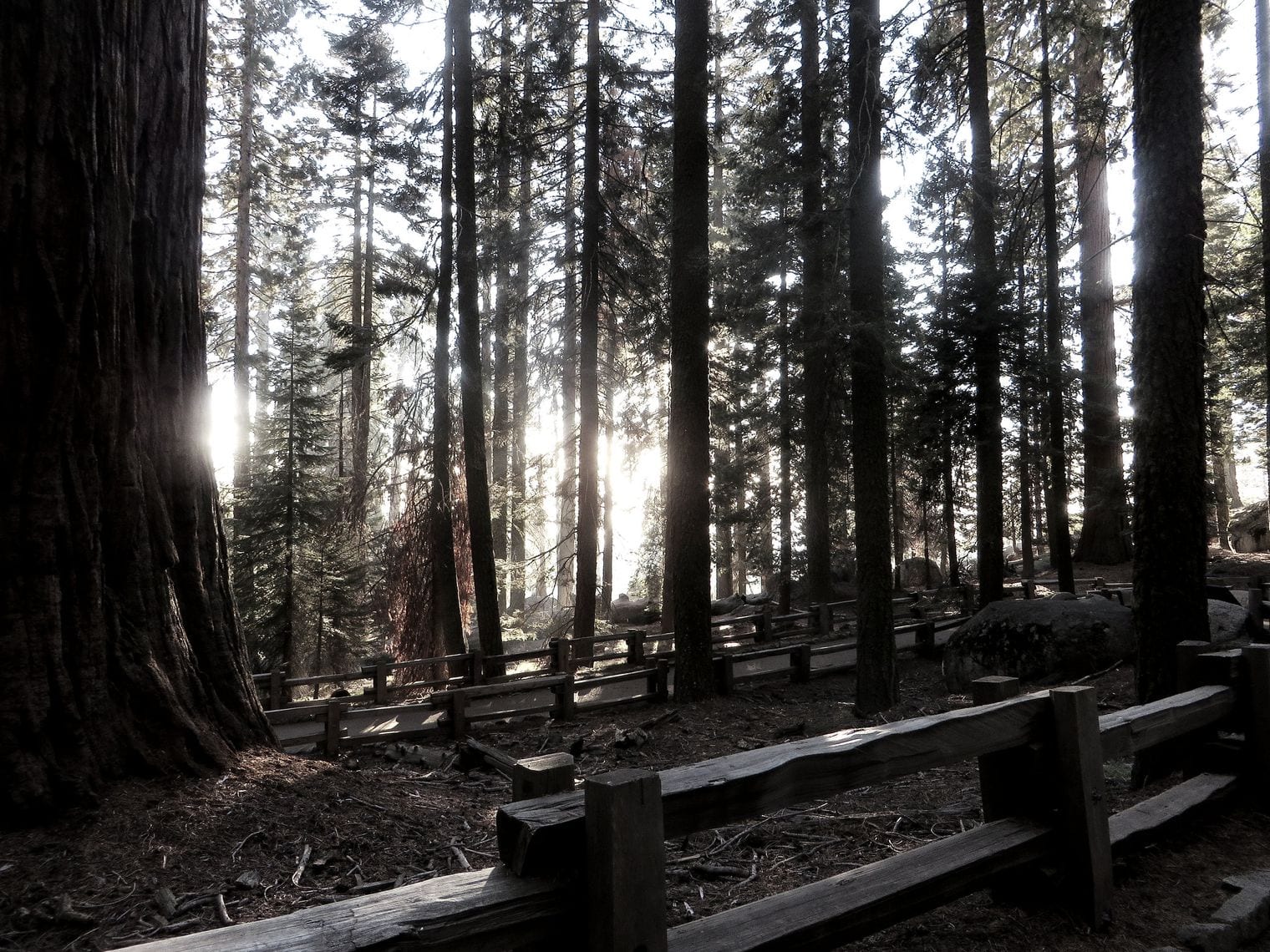
The General Sherman Tree in Sequoia National Park is the largest tree in the world measured by trunk volume, at 52,508 cubic feet. Verified as of 2026.
Bulk is not the same as height or age, and the distinction matters here. Redwoods grow taller and bristlecones grow older, but nothing else assembles quite so much wood into a single trunk, which is why the ranking is stated by volume rather than height.
4. The General Sherman Trunk Weighs Nearly 1,400 Tons
The trunk of the General Sherman alone weighs nearly 1,400 tons, on the National Park Service's own estimate. The word nearly is theirs and we have kept it.
That is the trunk only, with branches, foliage and roots left out of the reckoning. The tree is still growing, which is the part visitors tend to find hardest to believe about something already that size.
5. The General Grant Is the World's Second-Largest Tree
The General Grant Tree in Kings Canyon is the second-largest tree in the world, at 46,608 cubic feet.
First and second place therefore sit within an easy drive of one another, in adjoining parks administered together. The General Grant also carries a second title as a national shrine, a designation no other living thing holds.
6. Coast Redwoods Reach 367 Feet From a Tiny Seed
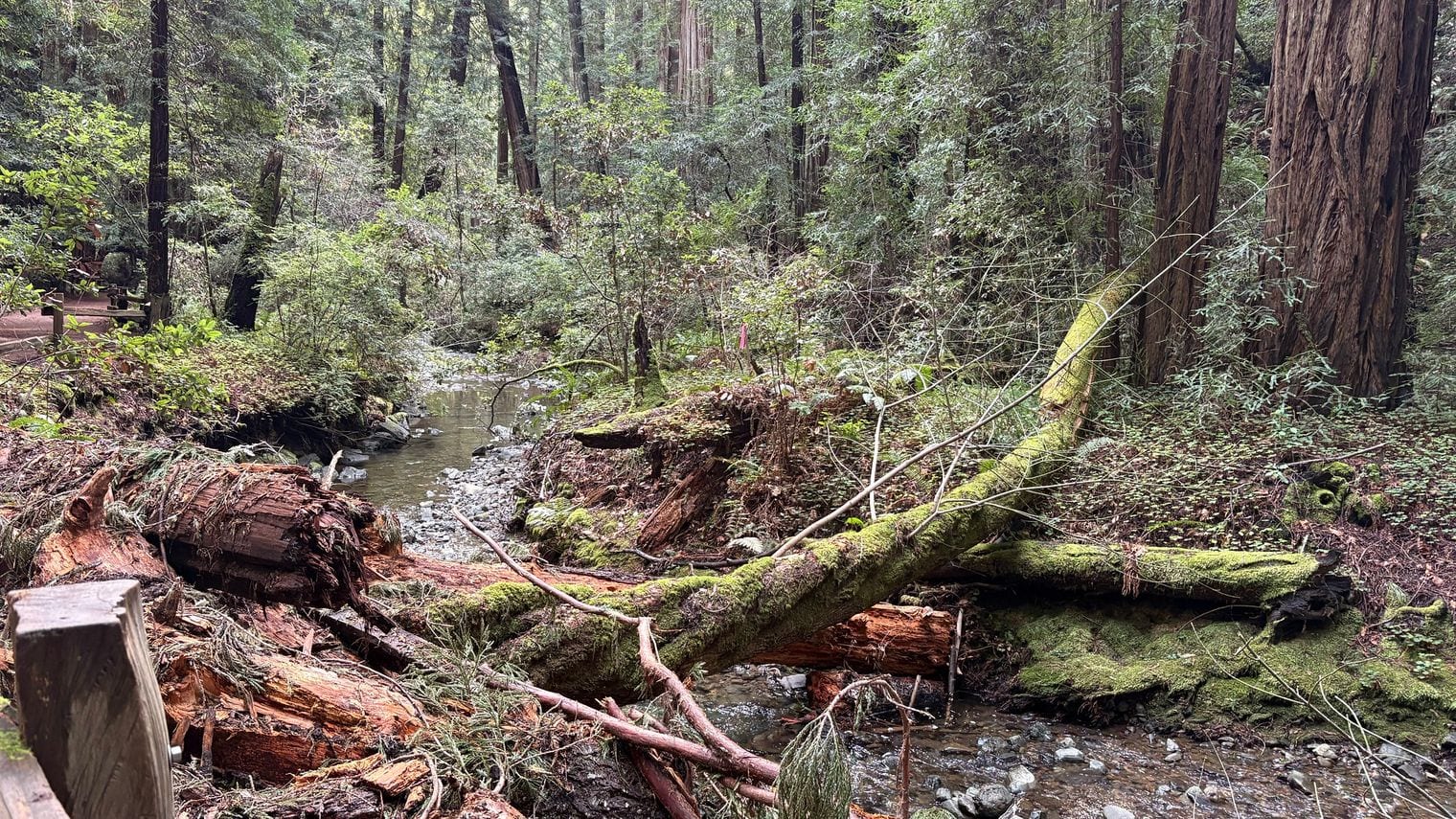
A coast redwood may grow to a height of 367 feet from a seed no bigger than one from a tomato, in the National Park Service's own comparison.
The seed detail is the part that lands hardest. Everything about a mature redwood — the buttressed base, the crown you cannot see the top of — starts from something you could lose in the palm of your hand.
7. Redwoods Live 2,000 Years and Routinely Reach 600
Coast redwoods can reach ages of 2,000 years, and regularly reach 600.
The second figure is the more useful one. A two-thousand-year-old tree is exceptional, but six hundred years is ordinary for the species, which means a typical grove was already old when Europeans first reached the coast.
8. The World's Tallest Tree Has a Secret Address
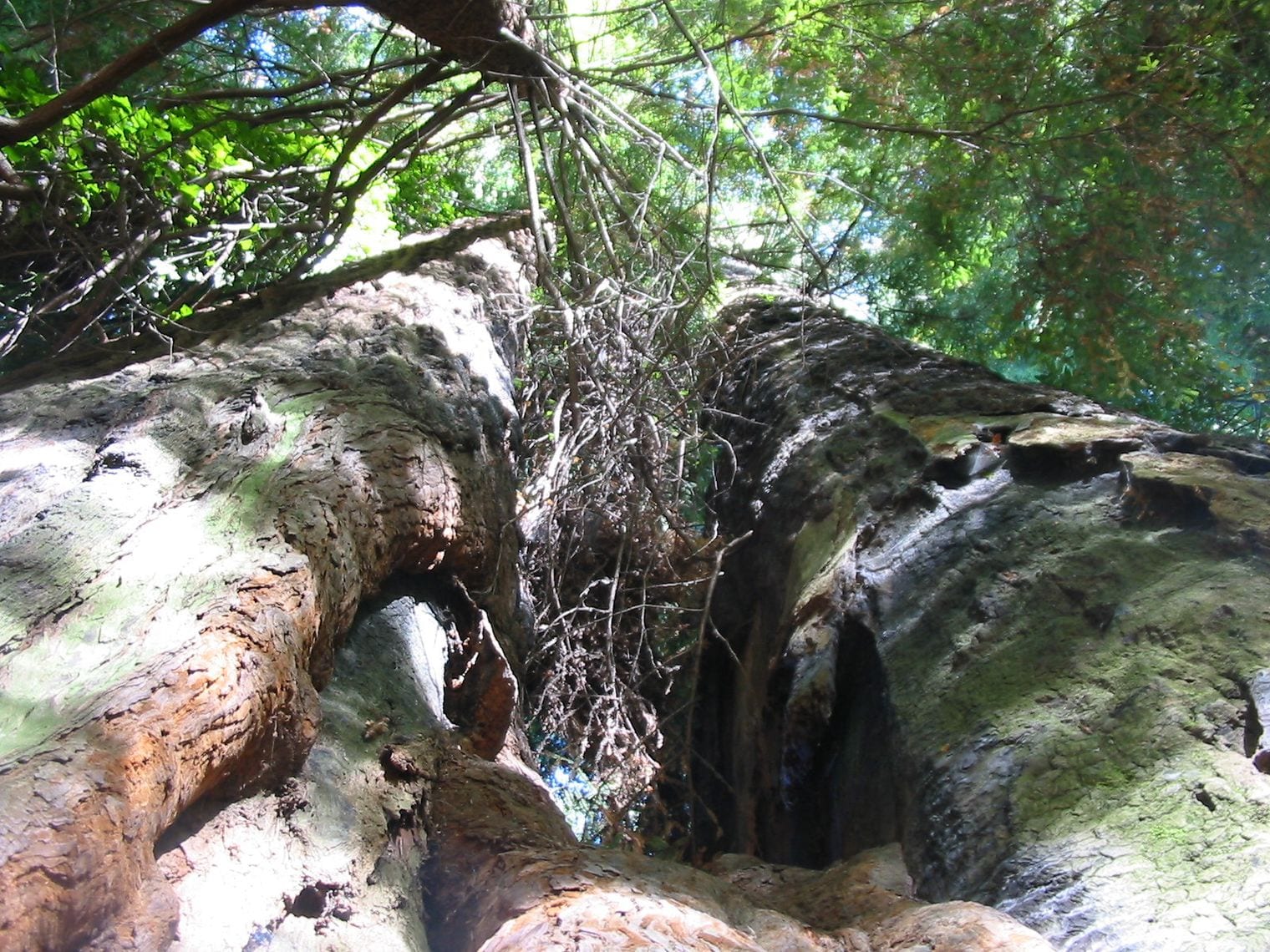
Hyperion, a coast redwood measured at 116.22 metres in 2026, is the world's tallest known living tree. Its exact location is deliberately not published. Verified as of 2026.
The secrecy is the interesting part. Foot traffic compacts soil and damages the shallow root systems these trees depend on, so the custodians decided the tree was safer unfindable than famous. Note the hedge in known living — it is the tallest anyone has measured, which is not quite the same as the tallest that exists.
9. Sequoia Was the First Park Made to Save a Living Thing
Sequoia National Park, established on 25 September 1890, was the first national park formed specifically to protect a living organism.
Earlier parks were set aside for scenery and geology. Sequoia was set aside for the trees themselves, which were being felled for timber that often shattered on impact and proved close to worthless — a motive that reads as remarkably modern for 1890.
10. California Became the 31st State in 1850
California entered the Union as the 31st state on 9 September 1850, admitted as a free, non-slavery state under the Compromise of 1850.
Statehood arrived unusually fast. The territory had only just passed into American hands, and it skipped the long territorial apprenticeship other states served, because the Gold Rush had already filled it with people.
11. Gold Turned Up Weeks Before the US Took California
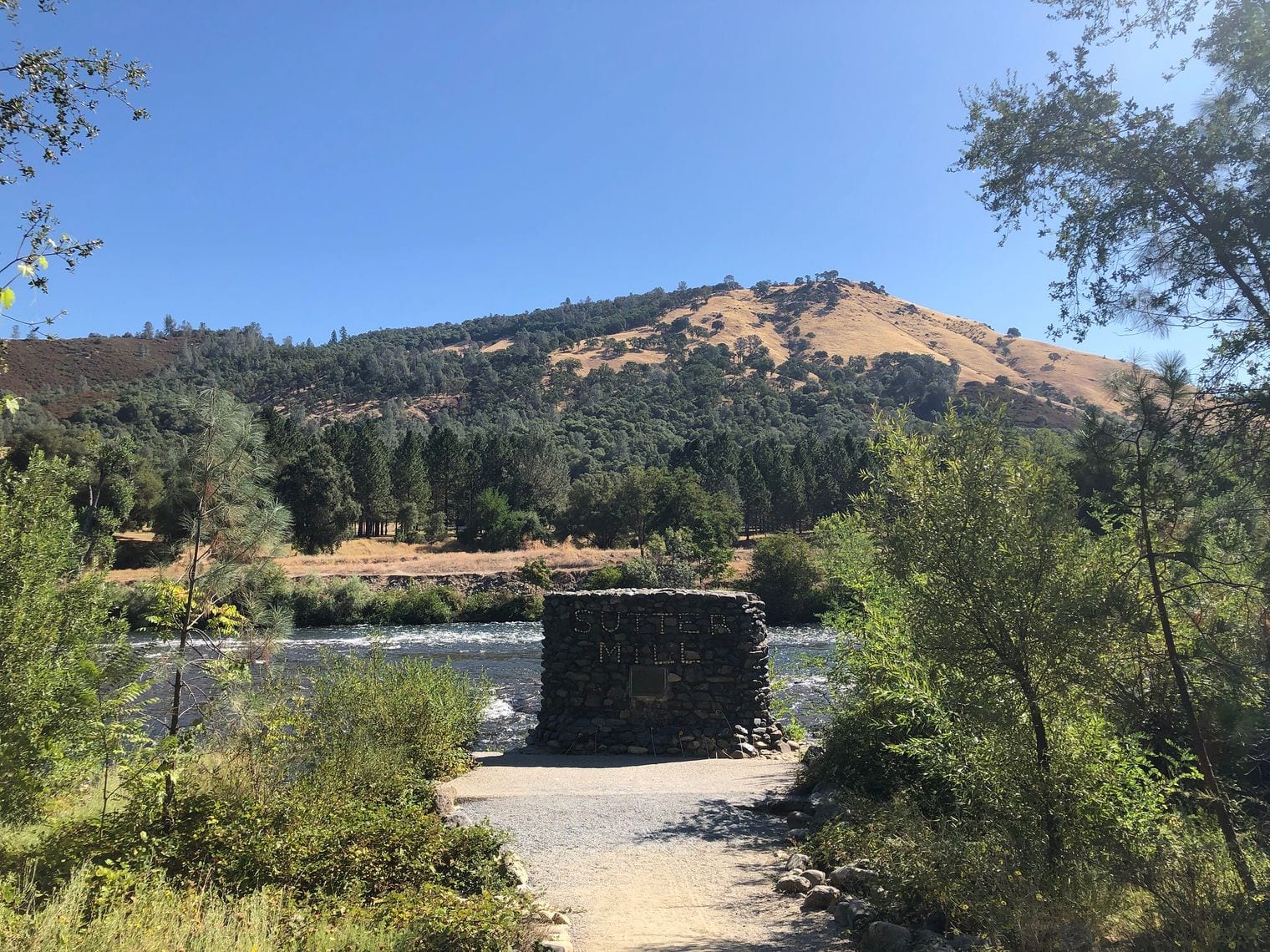
Gold was discovered on the American River near Sacramento on 24 January 1848 — before the treaty ending the Mexican War had been signed the following month.
The timing is one of history's better accidents. Mexico ceded the territory without knowing what had just been found in it, and the discovery went on to hasten California's admission to the Union.
12. The Gold Rush Brought 300,000 People, Half by Sea
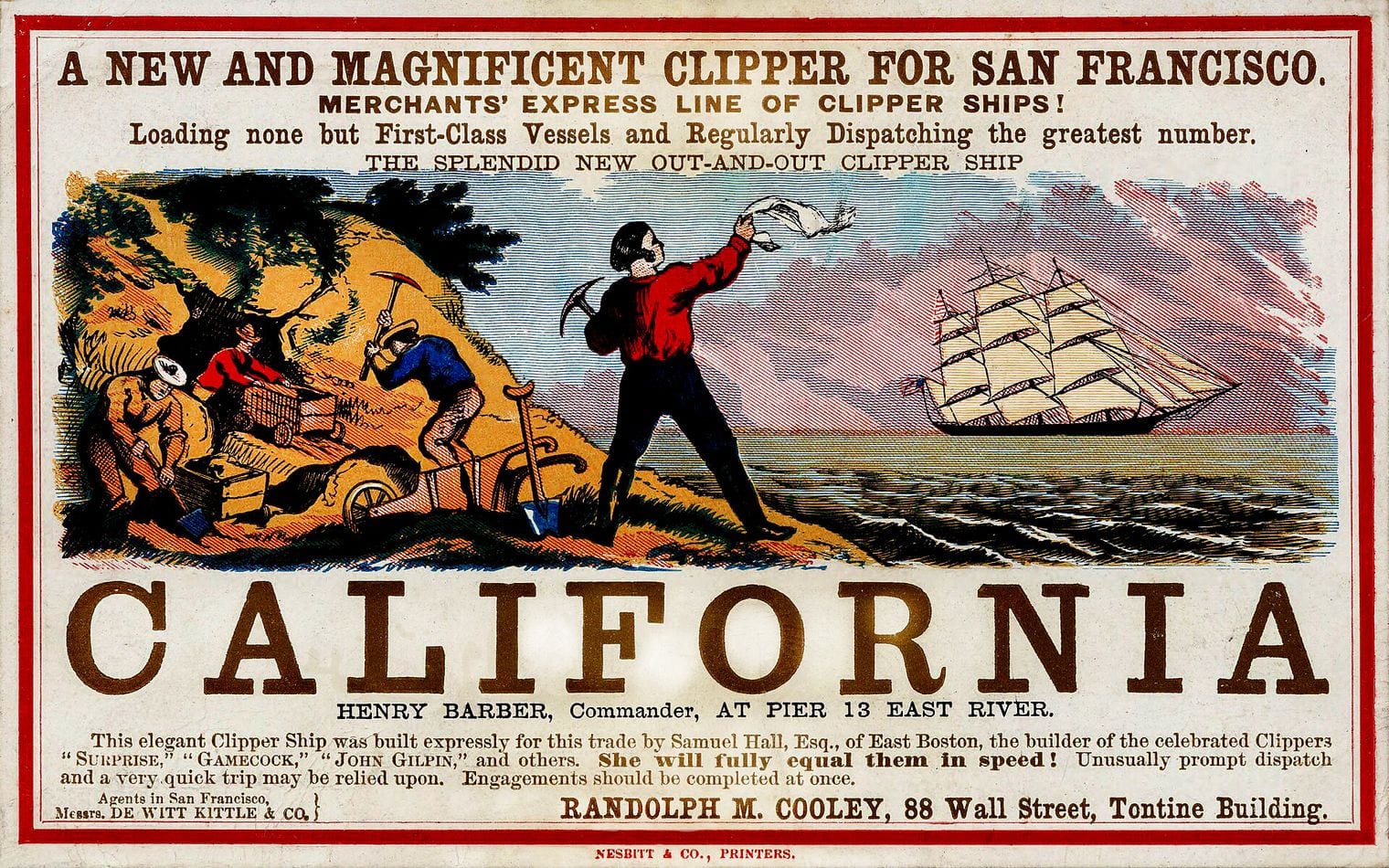
The Gold Rush drew approximately 300,000 people to California, about half of them arriving by sea and about half overland. Both figures are approximate in the source, and stay approximate here.
A near-even split between two utterly different journeys is what makes the number vivid. One group rounded Cape Horn or crossed Panama; the other walked or drove wagons across the continent.
13. The Original Bear Flag Burned in the 1906 Quake
The original Bear Flag of 1846 survived into a museum collection, and was then lost in the 1906 San Francisco earthquake.
An accurate copy had been made before the fire, and that copy now sits in Sonoma. So the flag California recognises is a replica of an object destroyed by the same disaster that levelled the city.
14. California Had No Official Flag Until 1911
California went without an official state flag until 1911, when the Legislature settled on a design of red star and stripe, grizzly bear and wording.
That is decades of statehood with no official emblem, during which a scattering of alternative and frankly fantastical designs circulated in the flag's place.
15. The 1906 Earthquake Killed More Than 3,000 People
The magnitude 7.9 earthquake that struck at 5:12am on 18 April 1906 killed more than 3,000 people and destroyed over 80% of San Francisco.
Much of that destruction came from the fires that followed rather than the shaking itself. It remains the deadliest earthquake in United States history.
16. Cabrillo Reached the West Coast in 1542
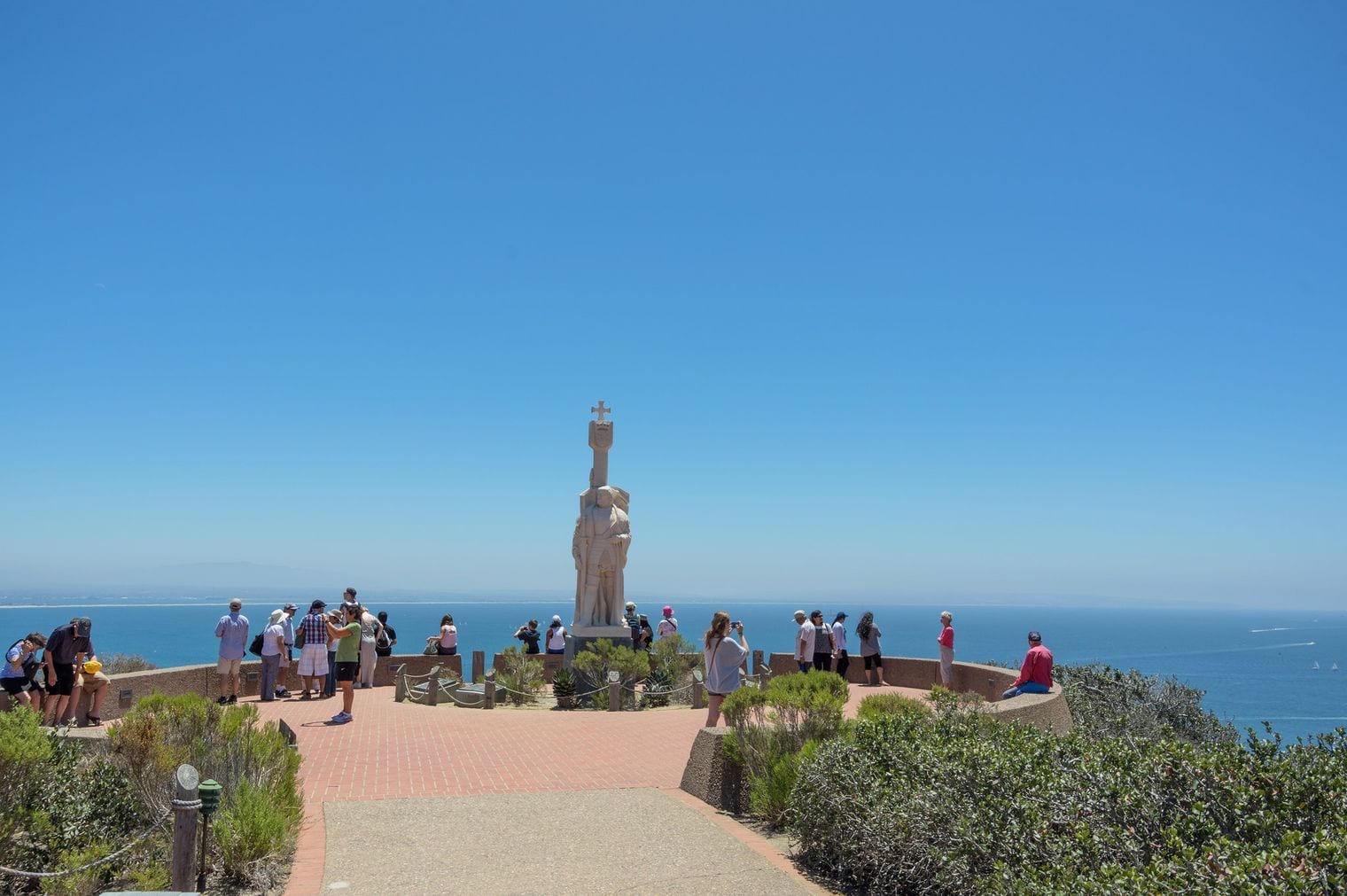
In 1542 Juan Rodriguez Cabrillo became the first European to set foot on what is now the West Coast of the United States.
He came ashore at what is now San Diego, more than two centuries before the mission system began. The habitat he would have seen has largely vanished since, which is part of why the landing site is protected.
17. Spain Built 21 Missions Between 1769 and 1833
Spain established 21 missions in Alta California between 1769 and 1833, and their surviving buildings are the oldest structures in the state.
They were strung roughly a day's travel apart along the route that became El Camino Real, and the largest cities in California — Los Angeles, San Diego, San Jose and San Francisco — all grew up around or beside one.
18. Yosemite Was Protected by Lincoln in 1864
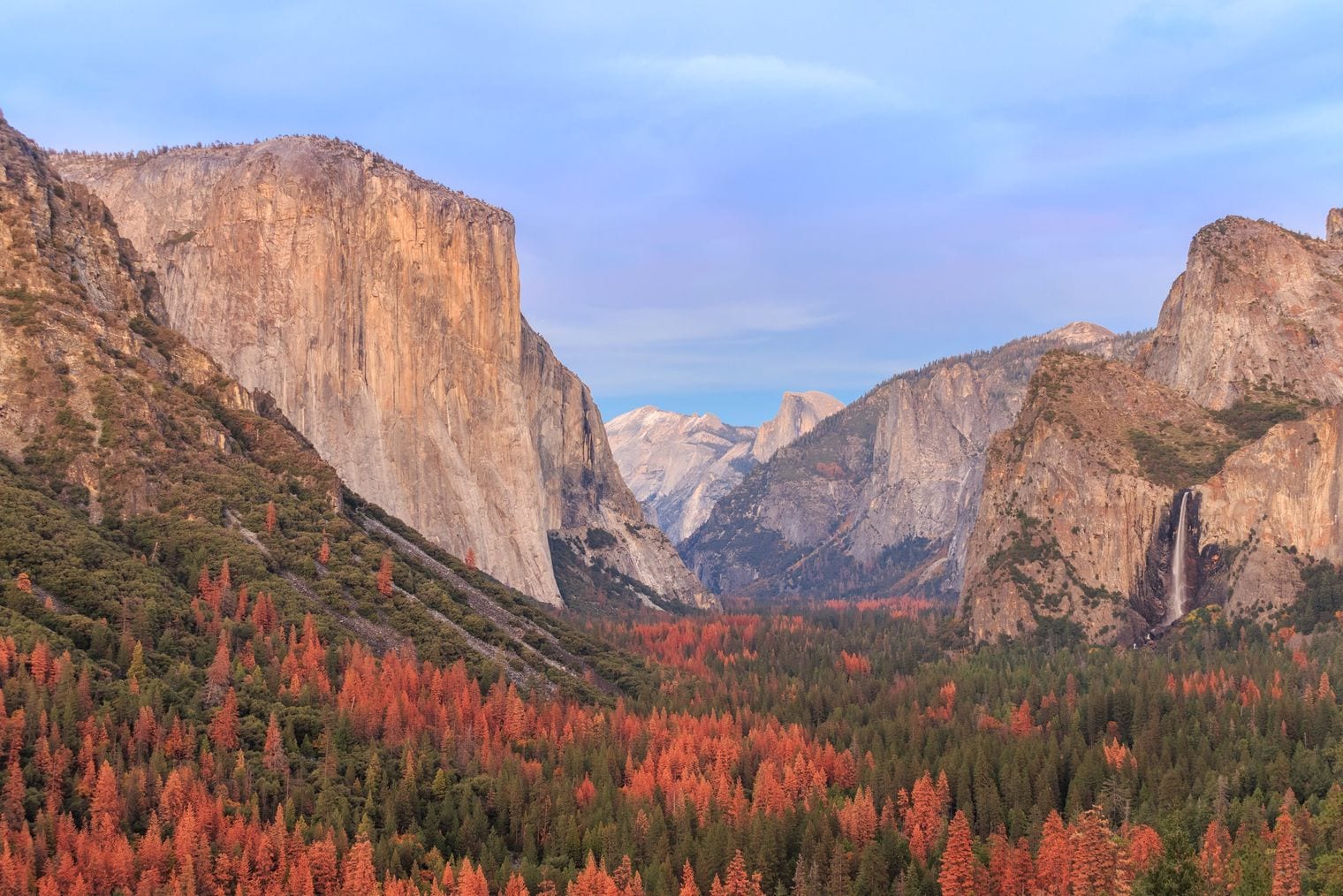
Abraham Lincoln signed the Yosemite Grant in 1864, declaring Yosemite federally preserved land — a full 26 years before it became a national park.
The signature came in the middle of the Civil War, which is the detail that tends to stop people. It is generally reckoned the first time any government set aside land purely to preserve it for public use.
19. Yosemite Falls Drops 2,425 Feet in Three Stages
Yosemite Falls drops a total of 2,425 feet from the top of the upper fall to the base of the lower, across three sections comprising six separate drops. The upper plunge alone accounts for 1,430 feet.
It is fed by snowmelt rather than a steady river, so the fall is a spring and early-summer event and can dwindle to nothing by late season. Visitors arriving in autumn are sometimes surprised to find the cliff dry.
20. Mariposa Grove Holds Over 500 Mature Sequoias
Mariposa Grove is the largest sequoia grove in Yosemite, home to over 500 mature giant sequoias. Verified as of 2026.
The grove was part of the original 1864 grant, which makes it one of the first pieces of land in the world protected for its own sake. It was closed for several years for restoration work that tore out roads and car parks laid across the trees' root zones.
21. Mount Whitney Rises 14,505 Feet
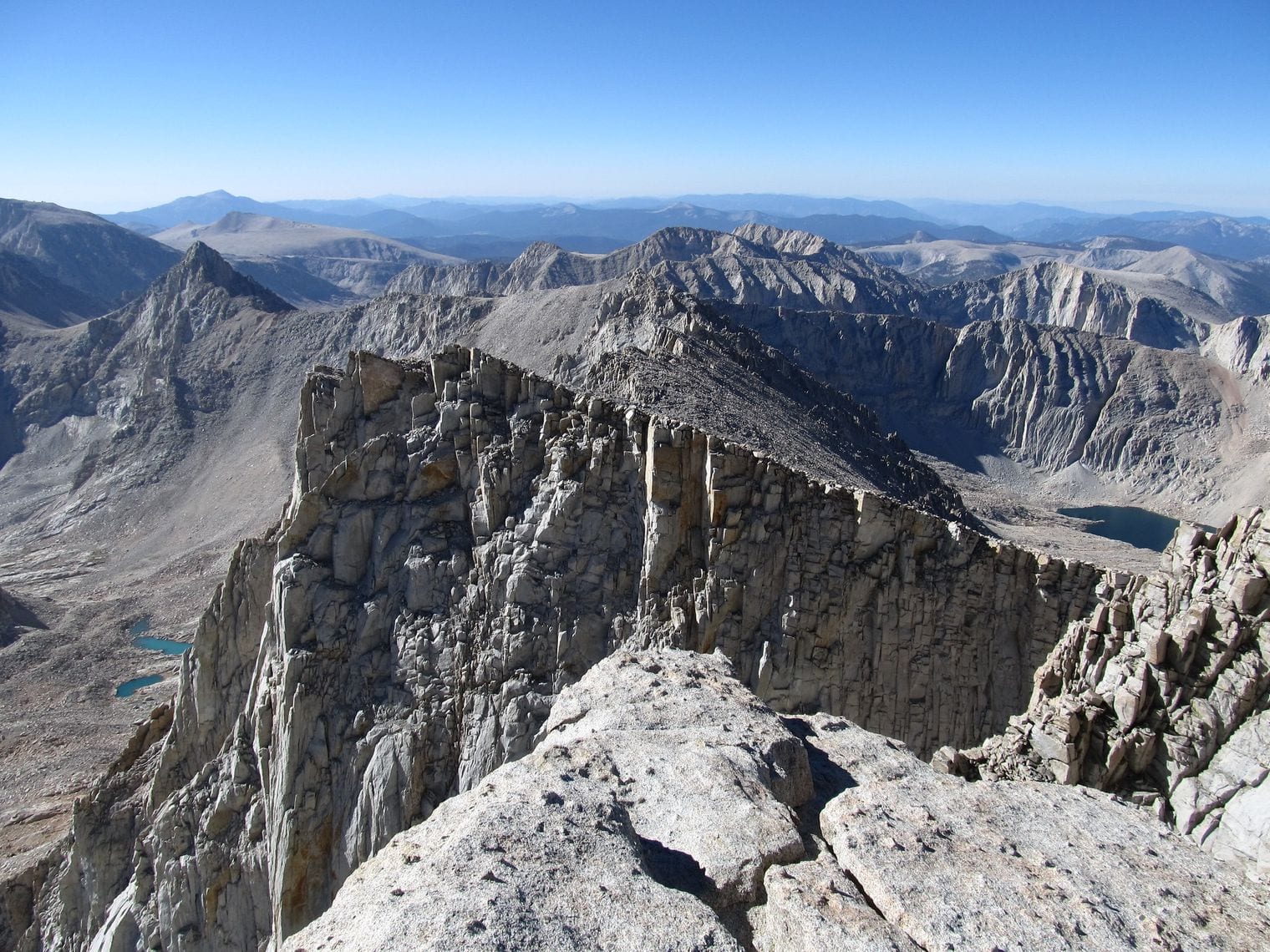
Mount Whitney reaches 14,505 feet, making it the highest point in the contiguous United States. Verified as of 2026.
Its summit sits on the boundary of Sequoia National Park, and the lowest point in North America lies within sight of the same range. Nowhere else on the continent are the extremes packed so close together.
22. Lassen Has All Four Volcano Types Found on Earth
Lassen Volcanic National Park contains all four types of volcano found in the world: shield, composite, cinder cone and plug dome.
That completeness is why the park is used as a teaching landscape. Elsewhere you travel between continents to see the full set; here they sit within one boundary, close enough to visit in a day.
23. Lassen Gets Over 30 Feet of Snow a Year
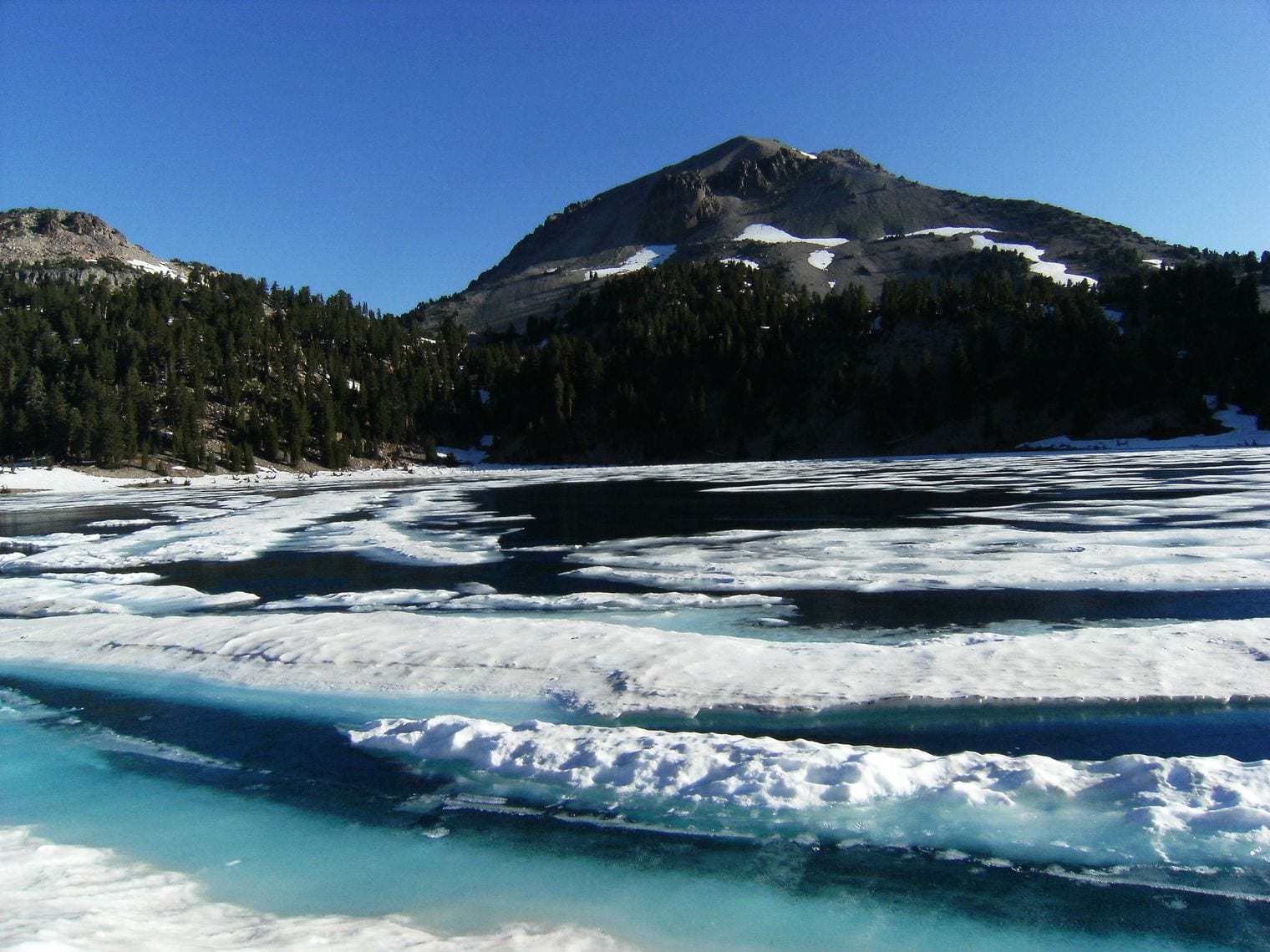
Lassen Volcanic National Park receives over 30 feet of snowfall annually. Verified as of 2026.
The main road through the park is often closed well into summer as a result, and the snowpack is the reason the park's hydrothermal areas steam so dramatically — meltwater feeding a system heated from below.
24. Joshua Tree Is Where Two Deserts Collide
Joshua Tree National Park sits where two distinct desert ecosystems, the Mojave and the Colorado, come together.
The boundary is legible on the ground. The higher, cooler Mojave side carries the Joshua trees the park is named for; the lower Colorado side gives way to ocotillo and cholla, and the handover happens as you drive.
25. Roosevelt Made Joshua Tree a Monument in 1936
Joshua Tree was designated a National Monument in 1936 by Franklin Roosevelt, and was raised to national park status in 1994.
The campaign behind the 1936 designation was driven largely by one Pasadena activist appalled at cactus being dug up wholesale for Los Angeles gardens.
26. The Island Fox Lives on Just Six Islands
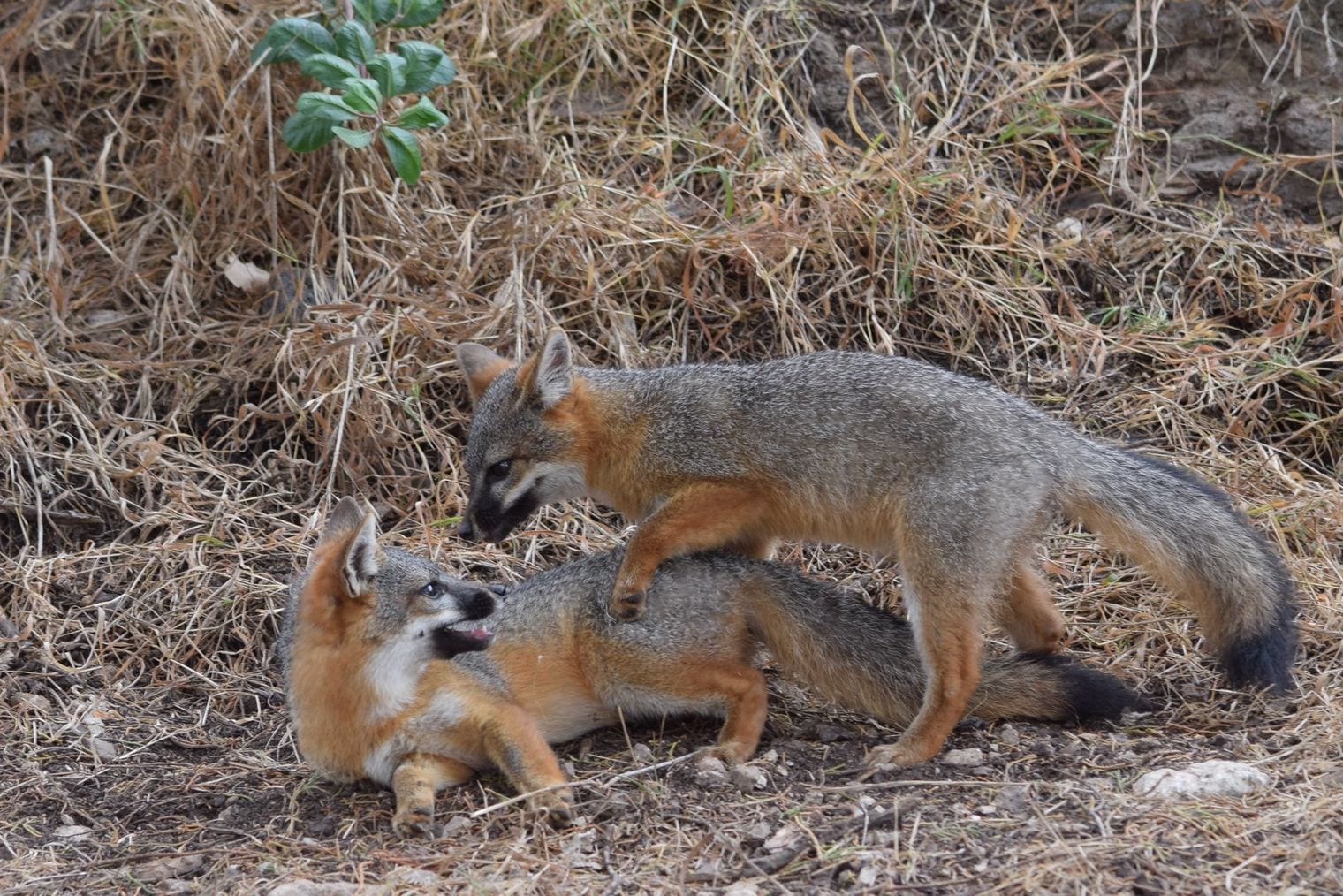
The island fox lives only on six of the eight Channel Islands, and has evolved into six subspecies, each confined to its own island.
Isolation shrank it: the island fox is a dwarf form of the mainland grey fox, small enough to sit comfortably in a shoebox, and it shows little fear of people because nothing on the islands historically hunted it.
27. The Channel Islands Hold 23 Animals Found Nowhere Else
23 endemic terrestrial animals have been identified in Channel Islands National Park, 11 of them land birds.
The islands are close enough to a densely populated coast to be visible from it on a clear day, yet stayed undeveloped enough for those species to persist — which is why they are so often described as a laboratory of evolution.
28. Torrey Pines Grow Wild in Only Two Places on Earth
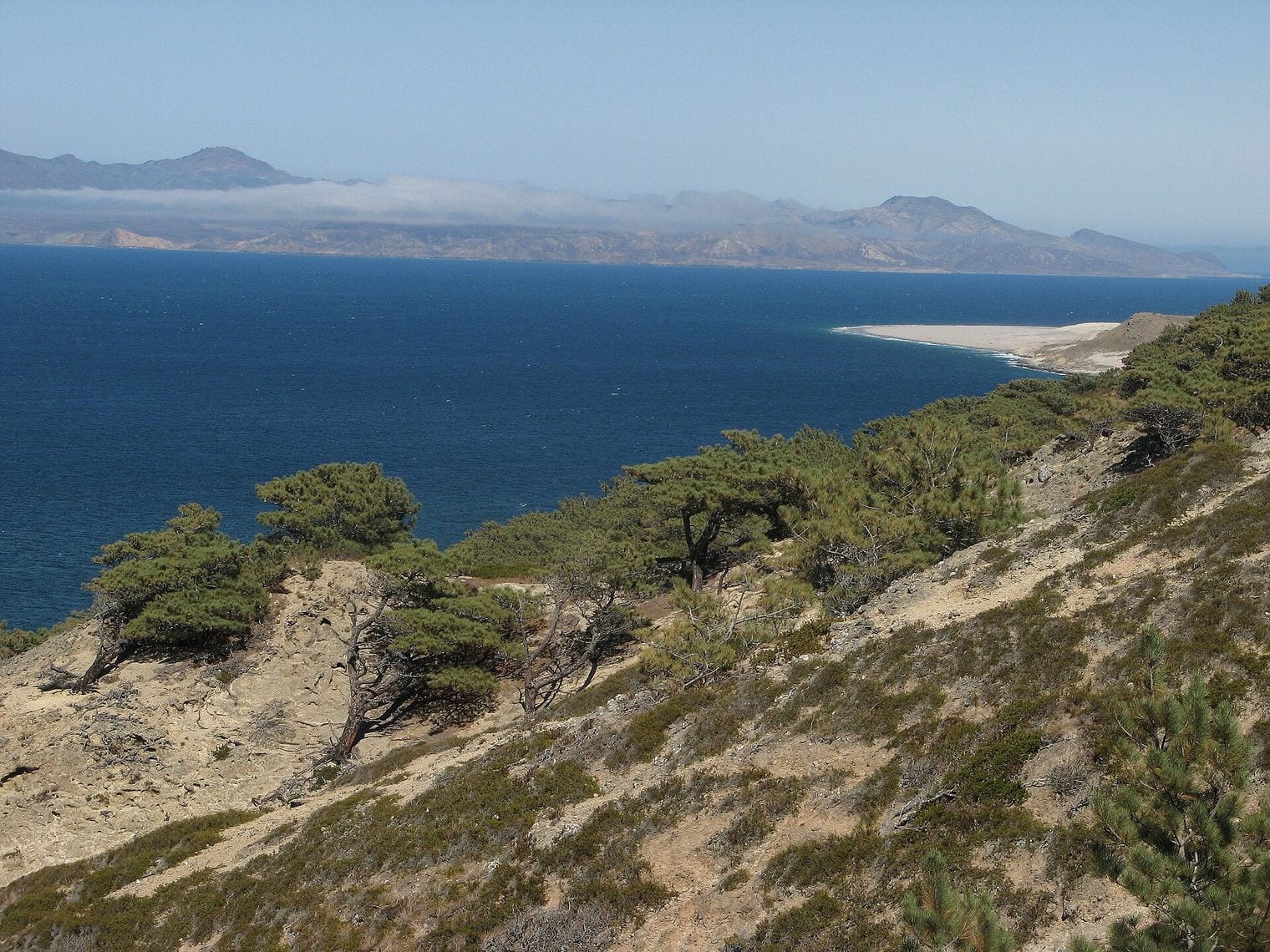
Torrey pines occur naturally in only two locations in the world: the fog-drenched north-eastern slopes of Bechers Bay, and a stretch of coast just north of San Diego.
That is the entire natural range of a full species. Both populations depend on coastal fog for moisture, and both sit inside protected land precisely because there is nowhere else for the tree to retreat to.
29. 100,000 Seals and Sea Lions Gather on San Miguel
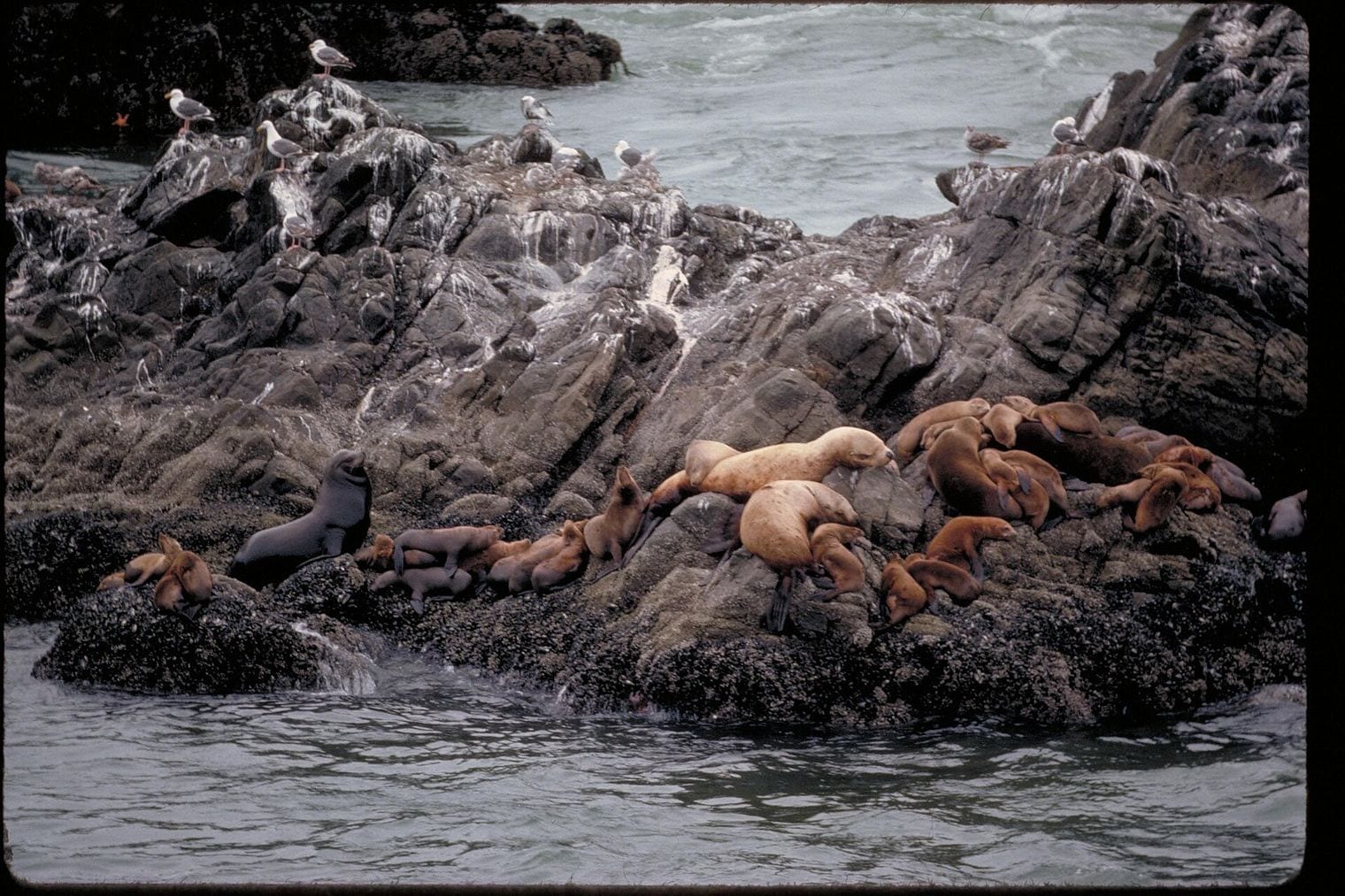
Over 100,000 pinnipeds gather on San Miguel Island to breed, pup and rest — one of the greatest concentrations of wildlife in the world.
San Miguel is the westernmost of the islands, battered by wind and often shrouded in fog, and that inhospitability is exactly why the animals have it to themselves.
30. The Condor Has the Widest Wingspan in North America
The California condor is the largest land bird in North America, and its wingspan of 3.0 metres is the widest of any North American bird. Verified as of 2026.
A bird that size cannot flap its way anywhere efficiently, so it rides thermals and can cover enormous distances barely moving its wings. Seen overhead it is routinely mistaken for a small aircraft.
31. Every Wild Condor Was Captured in 1987
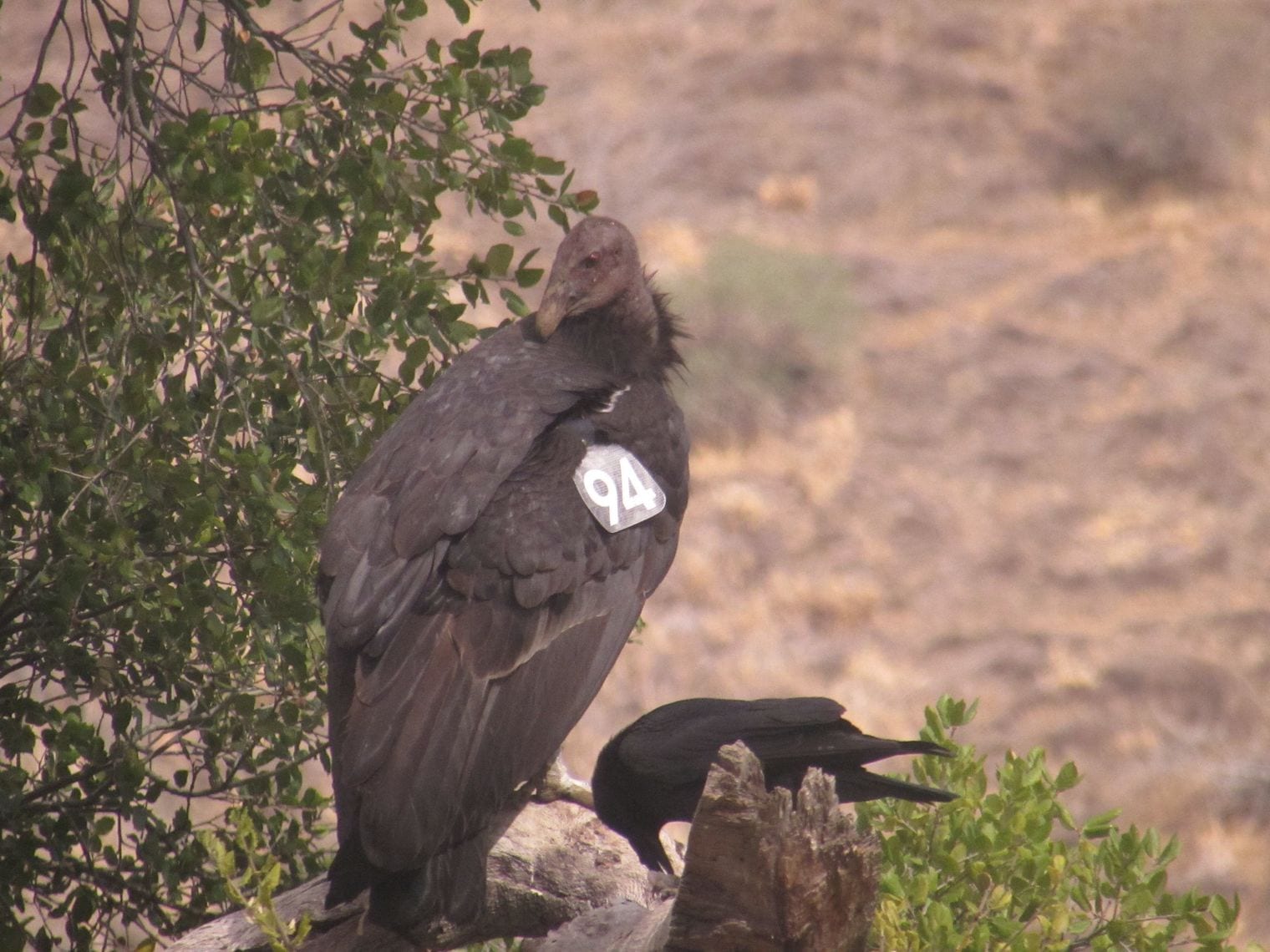
The California condor became extinct in the wild in 1987, when every remaining wild individual was captured for a breeding programme.
It was a drastic, contested decision — deliberately emptying the sky of a species to save it. Birds have since been reintroduced to sites in California and beyond, which makes the condor one of conservation's genuine reversals.
32. Pinnacles Waited 105 Years to Become a National Park
Pinnacles was proclaimed a national monument in 1908 and only became a national park on 10 January 2013 — 105 years later.
Its spires are the eroded remains of a volcano that has been carried north along a fault line, leaving the other half of the same formation far to the south. The park is also one of the release sites for the condor.
33. Golden Gate Holds Half of North America's Bird Species
Over half the bird species of North America, and nearly a third of California's plant species, are found within Golden Gate National Recreation Area.
That is an extraordinary concentration for a park wrapped around a major city. The variety comes from the collision of habitats packed into a small area — coast, ridge, forest and grassland within a few miles of one another.
34. One Park Protects 91 Miles of Bay Area Shoreline
Golden Gate National Recreation Area preserves a 91-mile swath of shoreline along the outer coast of the San Francisco Bay Area.
Much of it is former military land, which is the accident that saved it: ground held by the army for a century was ground no one could subdivide, and it passed into public hands largely intact.
35. Muir Woods Has Been Protected Since 1908
Muir Woods has been federally protected as a National Monument since 1908, preserving an old-growth coast redwood forest.
It survived logging largely because the valley it sits in was awkward to reach and awkward to work, and it is close enough to San Francisco that the contrast between city and primeval forest can be crossed in a morning.
36. The Santa Monica Mountains Guard a Global Rarity
The Santa Monica Mountains protect one of the largest and most significant examples of Mediterranean-type ecosystem in the world. Verified as of 2026.
That habitat type covers a thin sliver of the planet's land surface, and much of it sits around the Mediterranean itself. Here it survives immediately alongside one of the largest urban areas in the United States, which is the improbable part.
37. Kelso's Dunes Boom, and Rise 650 Feet
The Kelso Dunes rise up to 650 feet above the surrounding desert, and they are known for a phenomenon called singing or booming sand.
Walk up and slide carefully down the steep face and the whole dune produces a low rumble you feel as much as hear. It is caused by sand grains shearing past one another in a dry, well-sorted layer, and only a handful of dune fields in the world do it.
38. The Salton Sea Was Made by Accident in 1905
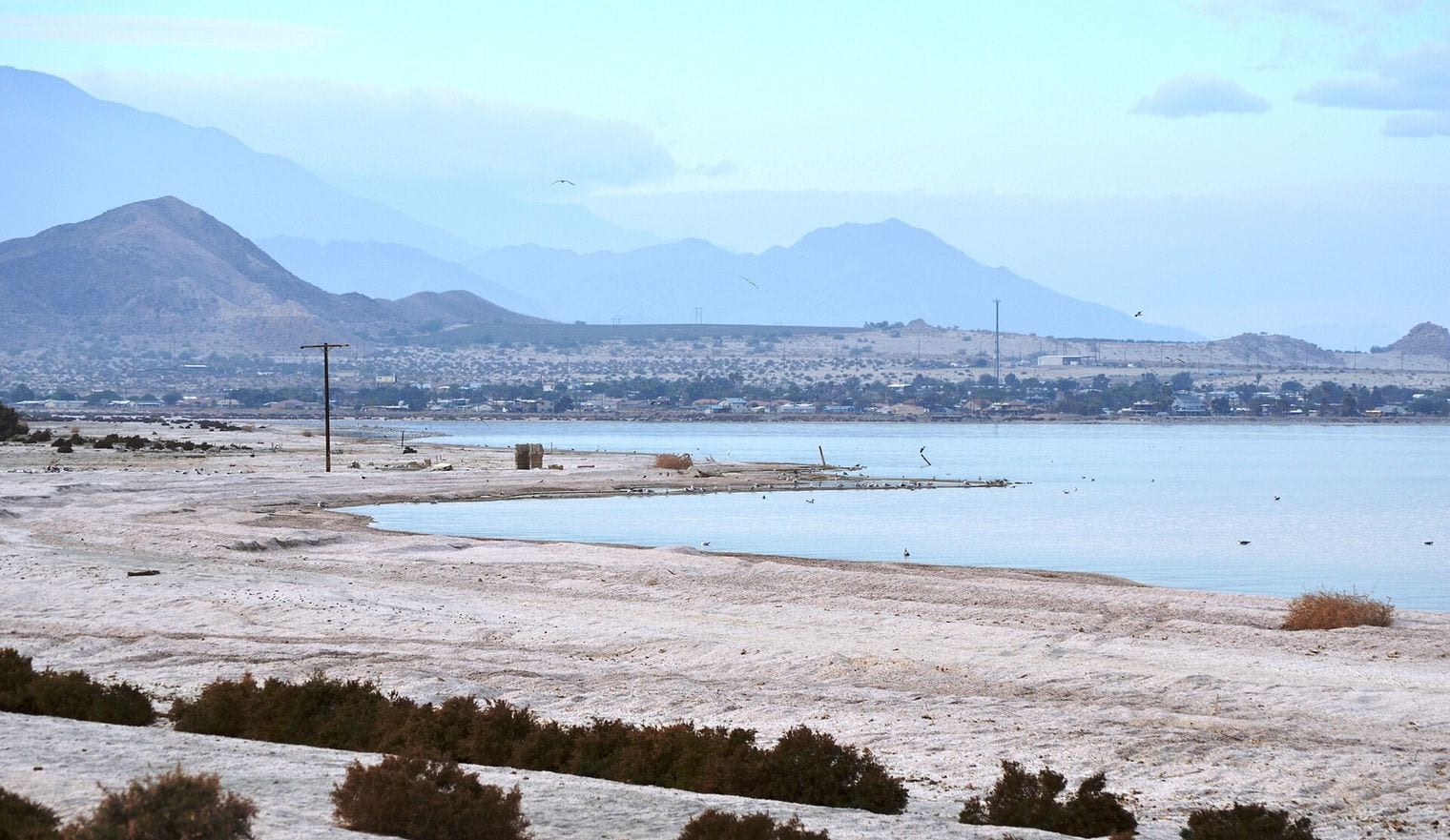
California's largest lake by surface area was created by accident in 1905, when Colorado River floodwater broke through an irrigation canal head-gate.
The river poured into a dry basin for the better part of two years before engineers stopped it. The resulting sea became a resort destination, then a slowly evaporating one, and its shoreline is now lined with the remains of towns built for a lake nobody planned.
39. Lake Tahoe Is the Largest Alpine Lake in North America
Lying at 6,225 feet above sea level, Lake Tahoe is the largest alpine lake in North America. Verified as of 2026.
It is famous for the clarity of its water, which comes from the fact that much of its watershed is protected forest rather than farmland or development. Roughly two-thirds of the shoreline is in California, with the rest in Nevada.
40. Only Crater Lake Is Deeper Than Tahoe
At 1,645 feet, Lake Tahoe is the second-deepest lake in the United States, behind only Crater Lake in Oregon.
That depth is why the lake never freezes over: there is simply too much water holding too much heat. It also means Tahoe stores an enormous volume for its surface area, trailing only the Great Lakes among American lakes.
41. Clear Lake May Be the Oldest Lake in North America
Clear Lake is the largest natural freshwater lake wholly within California, at 68 square miles, and has an age of nearly 500,000 years. Verified as of 2026.
Wholly within is doing real work in that sentence — Tahoe is larger but straddles the Nevada line. The age makes Clear Lake a strong candidate for the oldest lake on the continent, which is not something you would guess from looking at it.
42. The State Water Project Is a Power Producer Too
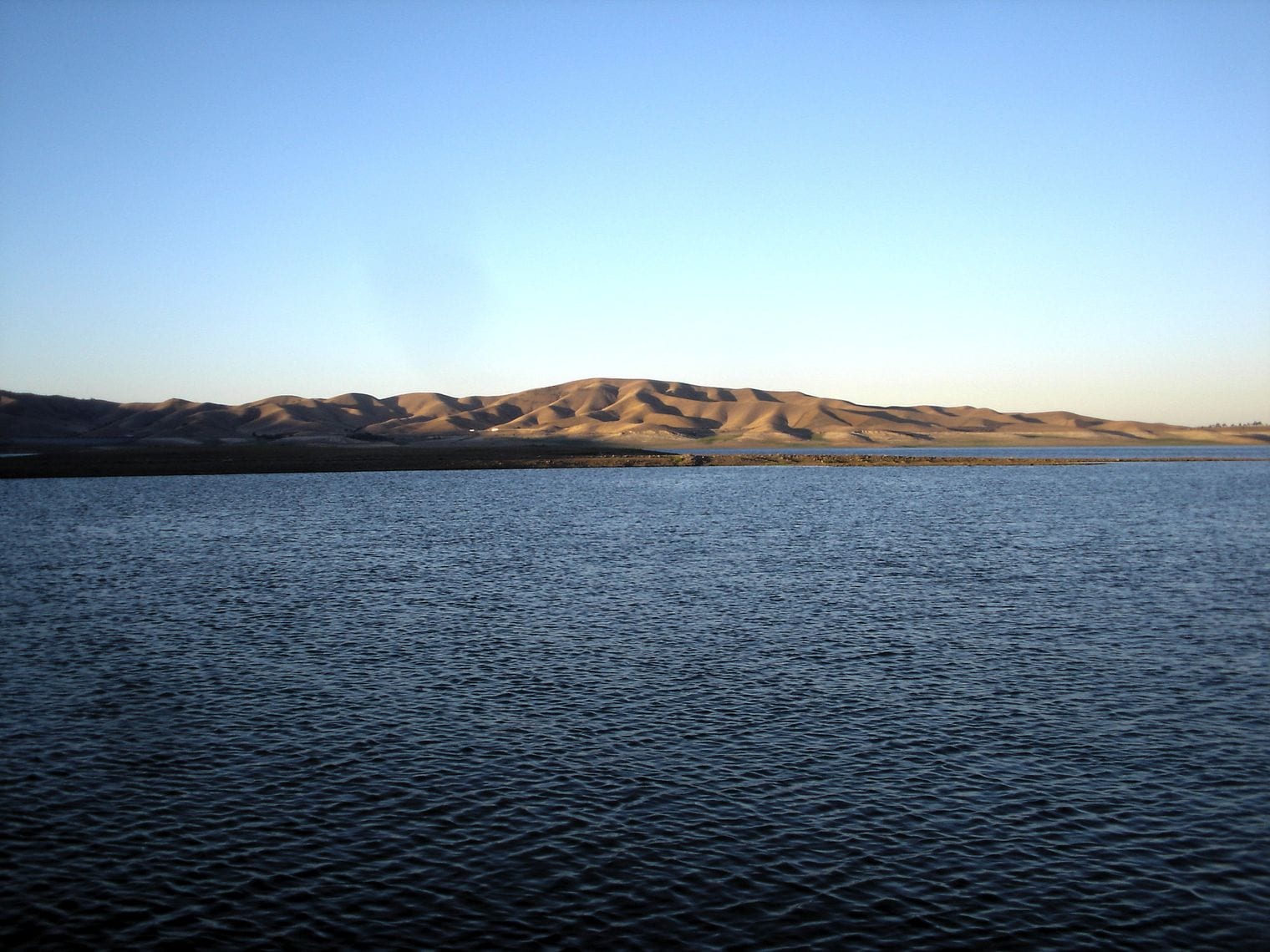
The State Water Project is the fourth-largest producer of energy in California, alongside its water-delivery role.
Moving water uphill costs enormous amounts of power, but water running downhill through turbines returns some of it. The system is therefore a huge consumer of electricity and a significant generator of it at the same time.
43. The California Aqueduct Runs 444 Miles
The California Aqueduct runs 444 miles in total, with a main line of 304 miles and an East Branch of 140 miles.
It carries water from the wetter north to the drier, more populous south, and it feeds San Luis Reservoir, the largest off-stream reservoir in the United States. Much of southern California's agriculture and drinking water arrives this way.
44. California Has the Largest State Park System in the US
California runs the largest state park system in the United States, with 280 park units and over 340 miles of coastline. Verified as of 2026.
The system also takes in lake and river frontage, thousands of historic buildings and thousands of miles of trail. It is large enough that several of its individual units would be respectable national parks in other countries.
45. Bodie Is Preserved in a State of Arrested Decay
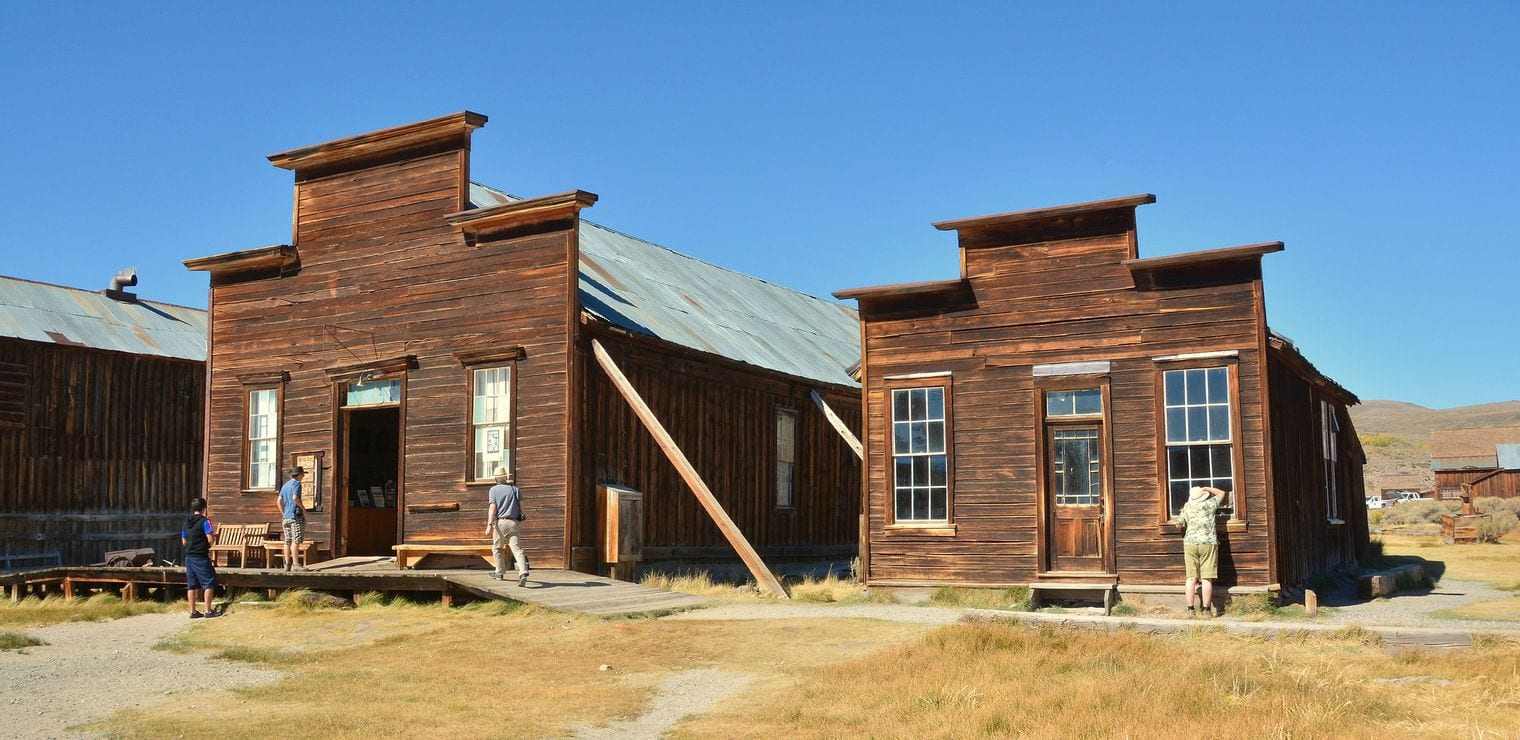
Bodie, once a thriving gold-mining camp, is preserved by the state in a condition officially described as arrested decay.
That is a deliberate policy rather than neglect. Buildings are stabilised but not restored, so roofs are kept on and walls kept up while peeling paint and abandoned furniture are left exactly as found. It is also the official state gold rush ghost town.
46. California Grows Every Commercial Almond in America
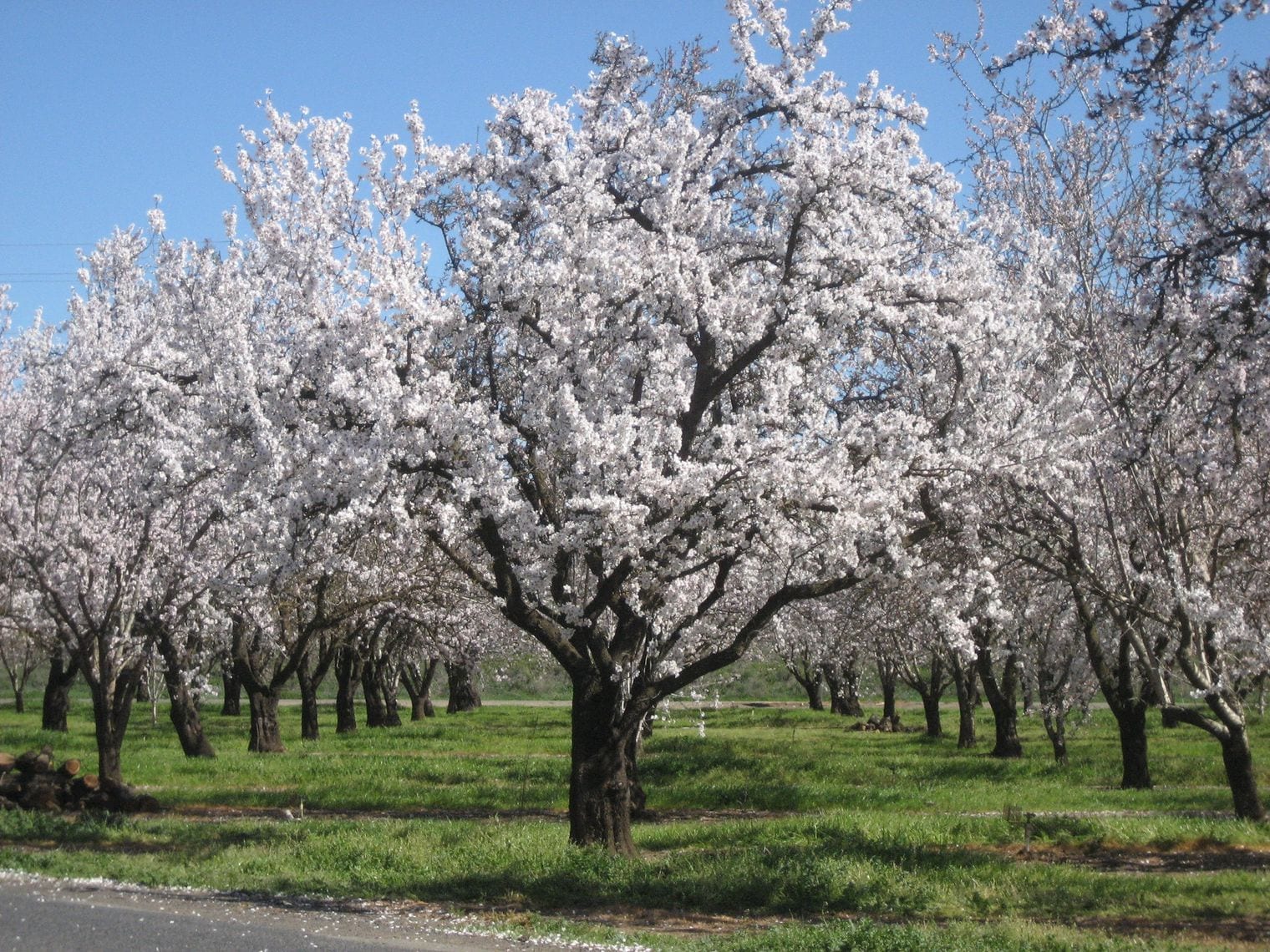
California grows 100% of the commercial almonds produced in the United States, and about 80% of the world's supply. Verified as of 2026.
That concentration makes the crop unusually exposed to a single state's weather and water policy. It also depends on an annual pollination event in which hives are trucked in from across the country to service the orchards.
47. California Farms Took $61.2 Billion in 2024
California's farms and ranches received $61.2 billion in cash receipts in 2024. Verified as of 2026.
The figure is a snapshot rather than a constant, and it moves with prices as much as with harvests. Nearly half the country's vegetables and over three-quarters of its fruits and nuts come off this land.
48. The Port of Los Angeles Opened in 1907
The Port of Los Angeles was founded on 9 December 1907, and today covers 7,500 acres with 43 miles of waterfront.
The site was originally a shallow mudflat with no natural deep harbour at all. Everything about it — the channel, the breakwater, the berths — was dredged and built, which makes it one of the largest artificial harbours anywhere.
49. LA Has Been the Busiest Container Port for 26 Years
The Port of Los Angeles has ranked as the number one container port in the Western Hemisphere for 26 consecutive years, covering 2000 to 2025. Verified as of 2026.
The run is stated as a range because it is a live streak rather than a settled record. Volumes here are watched as an indicator of the wider American economy, since so much of what the country buys lands on this quay first.
50. The University of California Runs Three National Labs
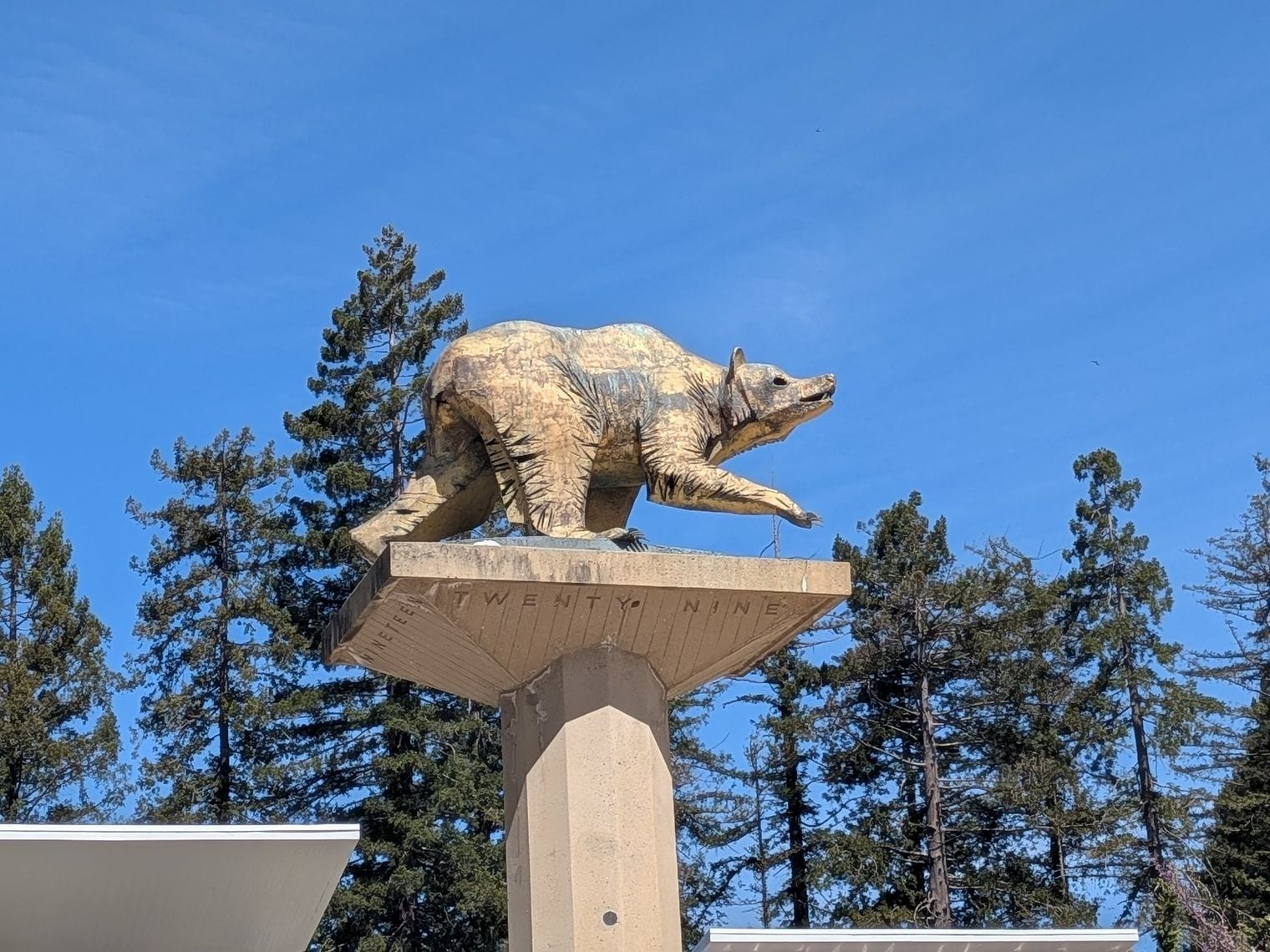
The University of California spans 10 campuses, 6 academic health centres, 21 health professional schools and 3 national laboratories.
The national laboratories are the surprising line in that list. A state university system managing federal research facilities is unusual anywhere, and it is a large part of why California punches so far above its weight in research output.
51. UC Is California's Second-Largest Employer
The University of California is the second-largest employer in the state, with 266,800 faculty and staff. Verified as of 2026.
Add more than 300,000 students and millions of living alumni and the system starts to look less like a university than a small country. The employment figure moves year to year, so treat it as a recent snapshot.
52. Community Colleges Teach 2.6 Million Students
California's community colleges form the largest network of higher education in the United States, with 112 colleges serving over 2.6 million students. Verified as of 2026.
That is a separate system again from the University of California, and it is the one that carries the bulk of the teaching. Some of its colleges now award four-year degrees in fields where local demand is high.
53. Levi Strauss Patented the Riveted Jean in 1873

Levi Strauss and the tailor Jacob Davis received a US patent in 1873 for waist overalls with metal rivets at the points of strain.
Davis had the idea and Strauss had the business, and the patent is the moment work trousers became blue jeans. The rivets were there to stop pockets tearing off under the weight of tools and ore.
54. The 501 Got Its Number in 1890
The first Levi's product line designated by the lot number 501 was created in 1890.
The number began as internal inventory shorthand and ended up as a product name recognised worldwide. It is a rare case of a warehouse code outliving the warehouse by more than a century.
55. Skateboarding Started With Bored Surfers
Skateboarding as it exists today was probably born in California in the late 1940s or early 1950s, when surfers wanted something to do when the waves were flat.
It was called sidewalk surfing at first, and the debt is visible in the vocabulary and the stance. Nobody knows who made the first board, which is why the sourced version of this fact keeps the word probably.
56. Griffith Observatory Stands 1,134 Feet Above LA
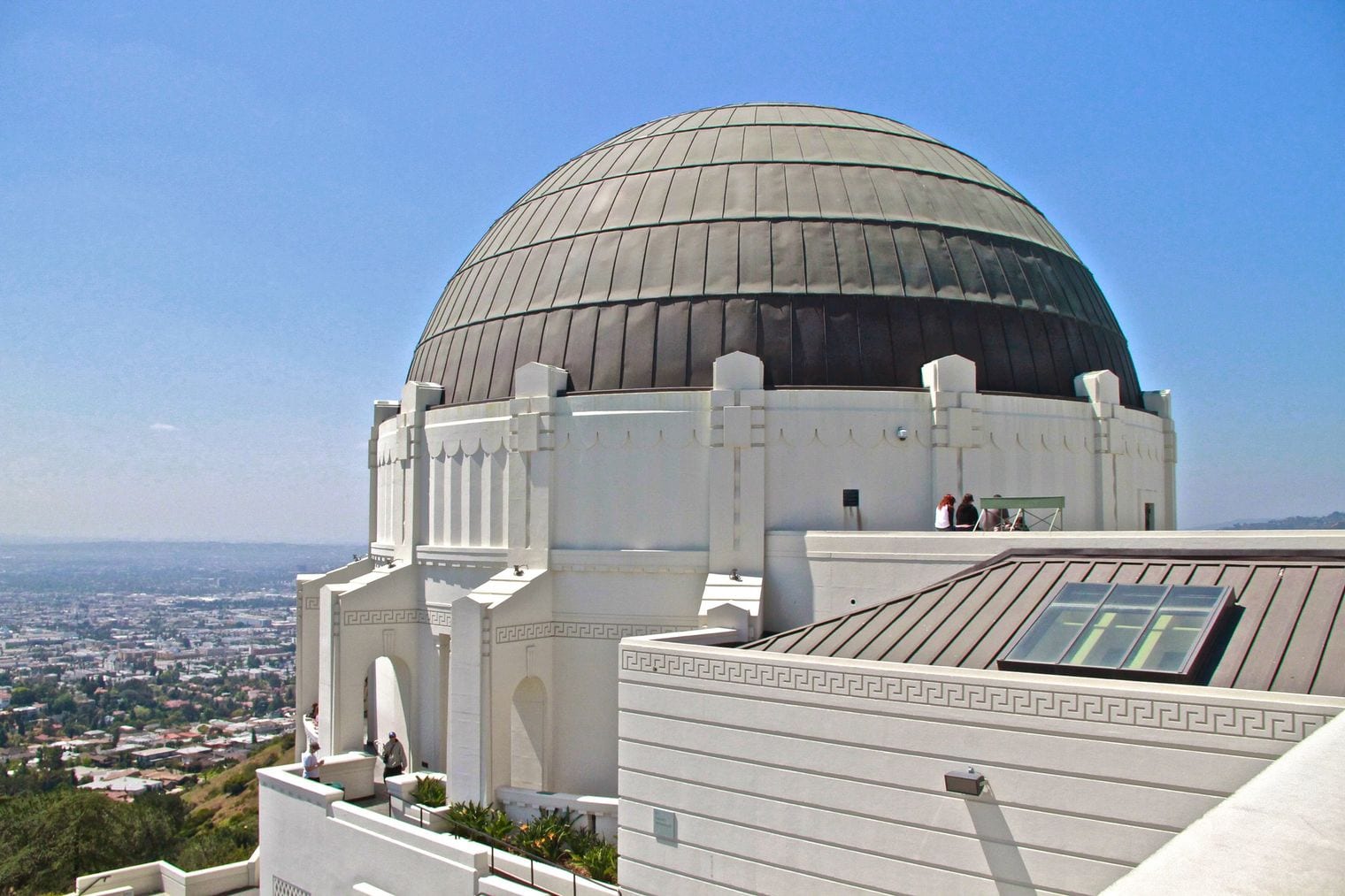
Griffith Observatory sits 1,134 feet above sea level on the southern slope of Mount Hollywood.
It was built to put astronomy in front of the general public rather than to do research, and that founding purpose still shows: visitors look through the telescopes themselves. The elevation is also why it turns up in so many films — the view comes free with the building.
57. Monterey Bay Aquarium Opened in 1984
The Monterey Bay Aquarium opened in 1984 and has since become a leader in ocean conservation.
It occupies a former sardine cannery on Cannery Row, and it pumps unfiltered seawater straight from the bay through its largest exhibits, which is why living kelp grows inside them.
58. San Diego Zoo Pioneered the Cageless Enclosure
San Diego Zoo, which opened in 1916 and sits on 100 acres leased from the city, pioneered the open-air, cage-less exhibit that recreates natural habitat.
The collection began with animals left behind by an exposition, assembled by a doctor who reportedly heard a caged lion roaring and decided the city needed a zoo. The cageless approach it developed is now the global default.
59. Golden Gate Park Is Bigger Than It Looks
Golden Gate Park covers 1,017 acres and is the third-most-visited urban park in the United States, with an estimated 24 million visitors a year. Verified as of 2026.
The visitor figure is an estimate and will drift. The land was shifting sand dunes before it was a park, and the forest covering much of it now was planted, not preserved.
60. The Cable Cars Are the Last Hand-Operated System
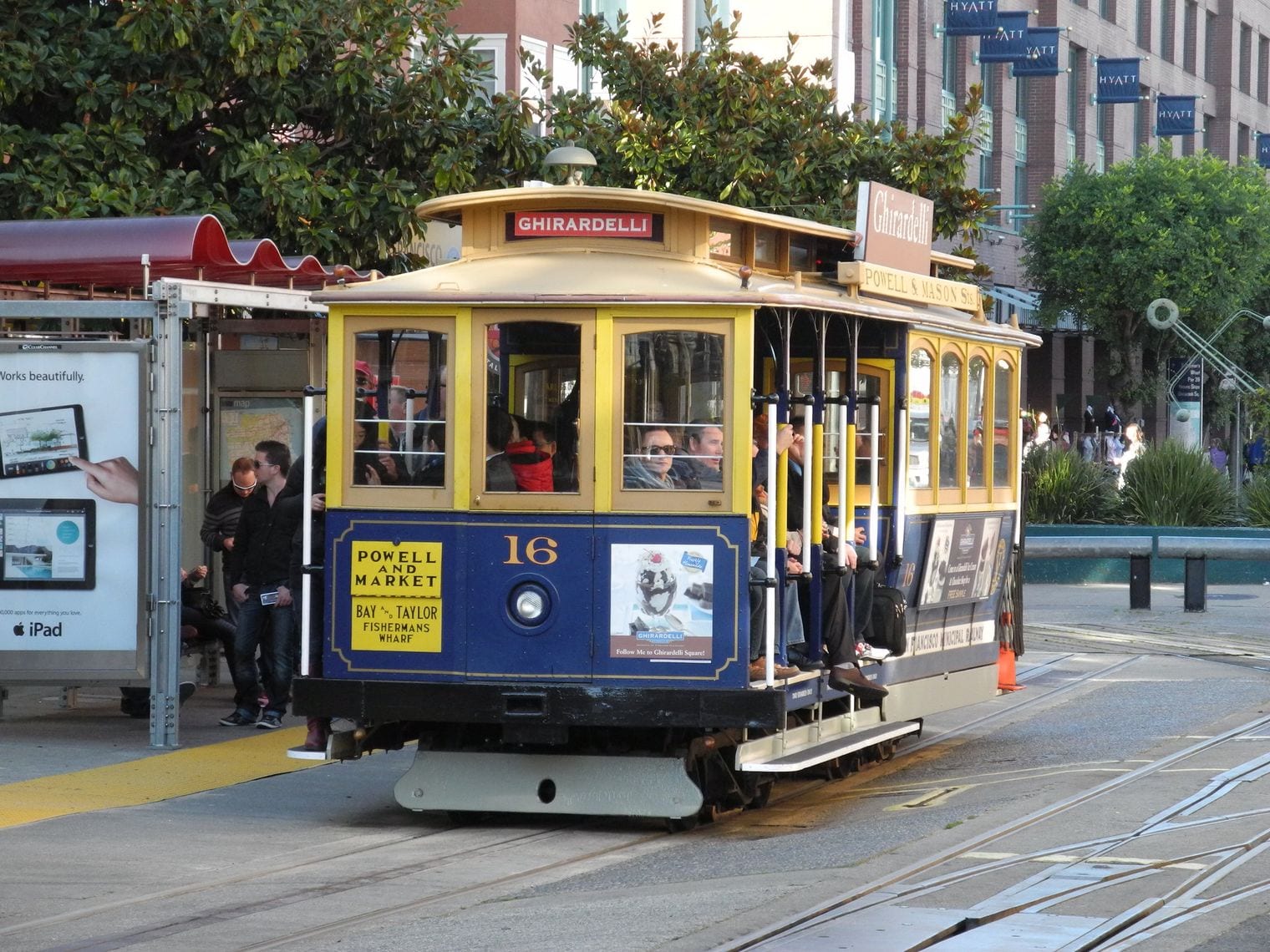
San Francisco runs the world's last manually operated cable car system. Of the lines established between 1873 and 1890, only three remain.
The cars have no engine. A cable runs continuously beneath the street and the gripman clamps onto it and lets go by hand, which is why the job takes real strength and why the system is a moving national landmark.
61. Lombard Street Packs Eight Turns Into One Block
Lombard Street in San Francisco has a steep one-block section with eight hairpin turns.
The switchbacks were not built for charm but for practicality: the natural grade was too steep for vehicles, and the zigzag cut it to something drivable. The result is a street that is photographed constantly.
62. Alcatraz Took Its First 137 Prisoners in 1934
The first batch of 137 prisoners arrived at Alcatraz at 9:40am on 11 August 1934. The prison closed on 21 March 1963. Verified as of 2026.
It operated as a federal penitentiary for less than three decades, which is far shorter than its reputation suggests. The island had already served as a fort and a military prison before that, and became a tourist attraction afterwards.
63. Alcatraz Is a Major Seabird Colony
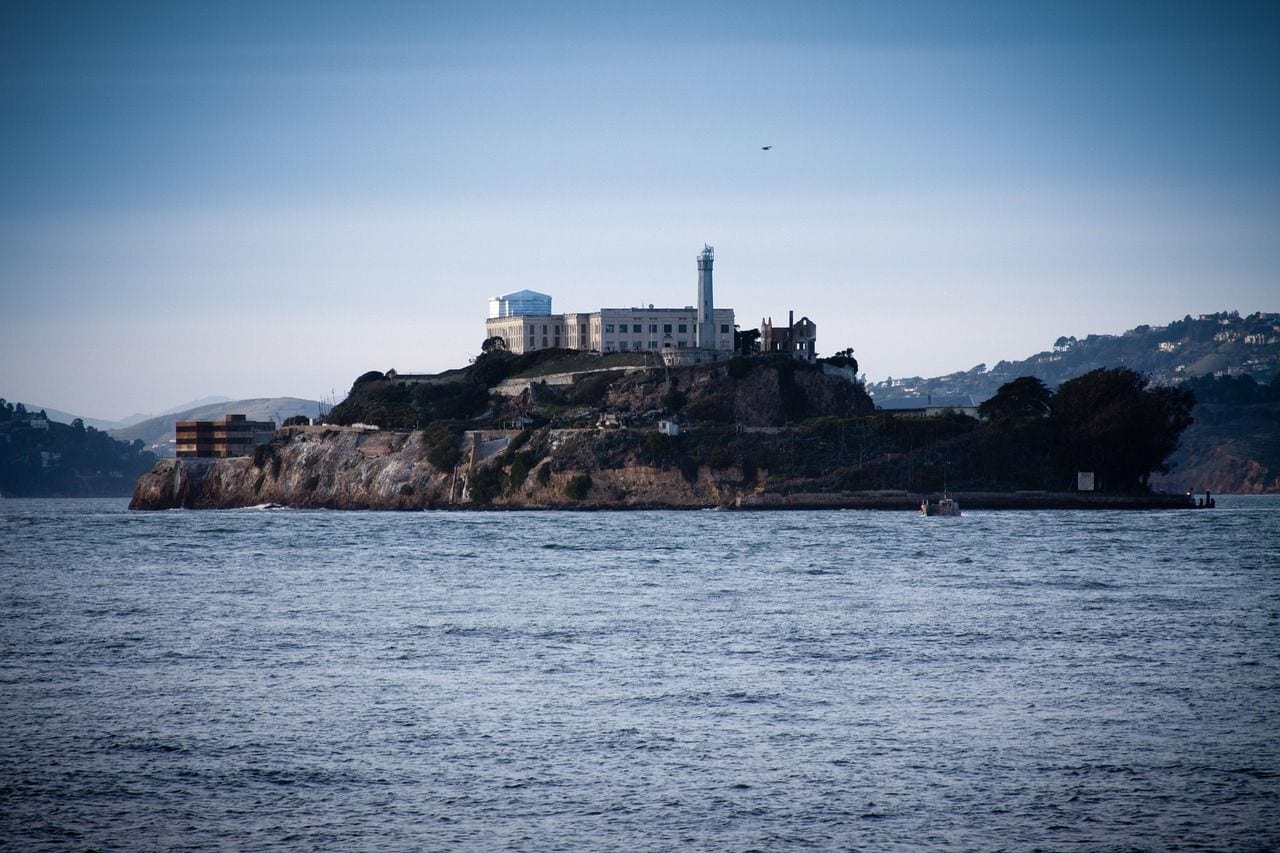
Beyond the cellhouse, Alcatraz is a premier seabird nesting site in San Francisco Bay.
The same isolation that made it useful as a prison makes it useful to birds, and parts of the island are closed during nesting season. Visitors arriving for the cell blocks are often startled by the noise and the smell.
64. Death Valley's Ground Once Hit 201 Degrees
The highest ground temperature ever recorded in Death Valley was 201°F, at Furnace Creek on 15 July 1972. Verified as of 2026.
Ground temperature is not air temperature, and the gap between the two is the point. Bare desert soil absorbs and re-radiates heat far beyond what a thermometer in the shade will show, which is why footwear matters here and why dogs are kept off the salt flats in summer.
65. The General Sherman Stands 274.9 Feet Tall
The General Sherman Tree measures 274.9 feet from its base, and 102.6 feet around at ground level.
It is not the tallest tree in the park, let alone the state — coast redwoods beat it comfortably on height. What no other tree matches is the combination of that height with a trunk that barely tapers as it rises.
66. Bumpass Hell Is Lassen's Largest Hot Spring Field
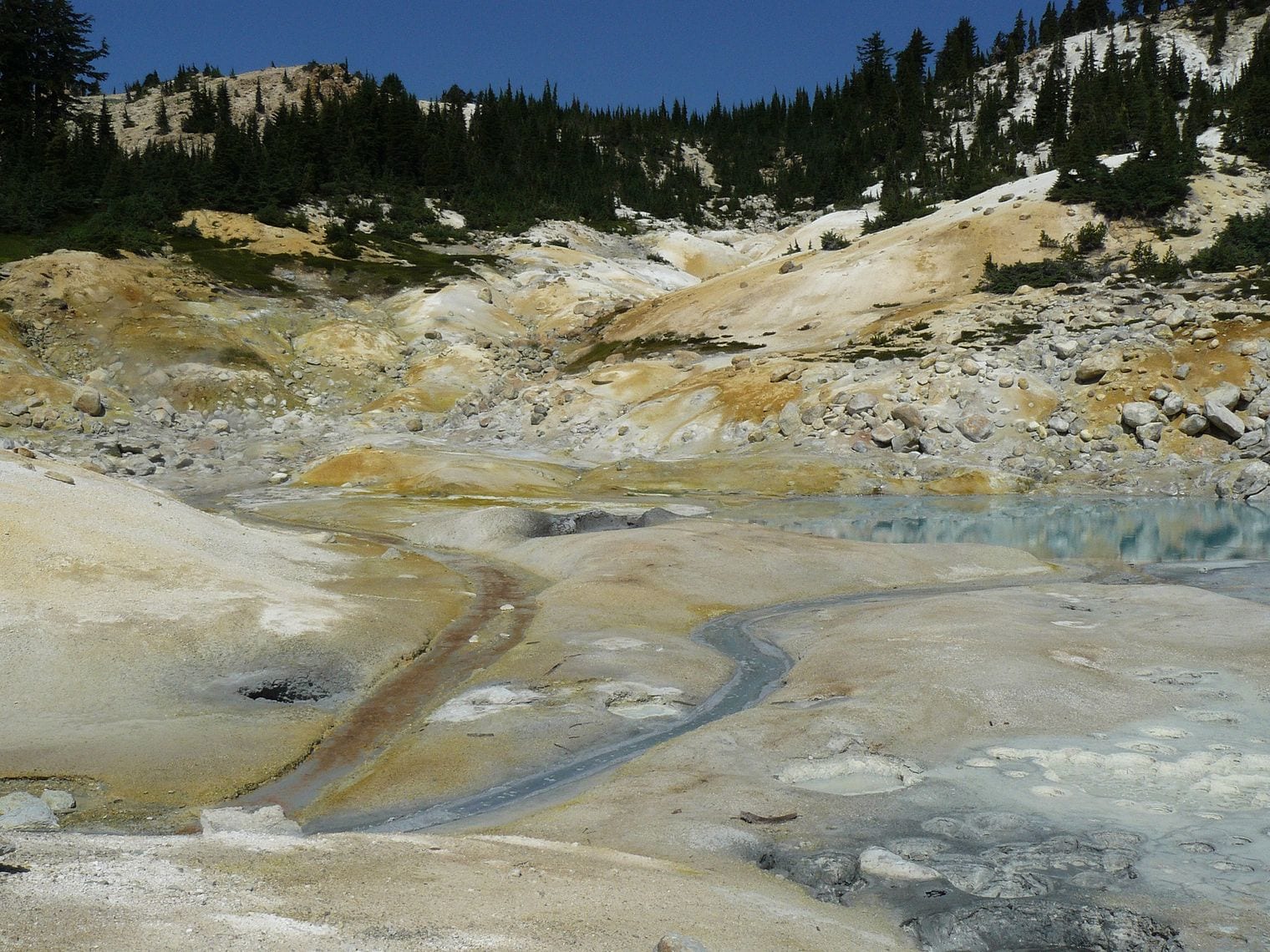
A three-mile round-trip trail leads to Bumpass Hell, the largest of the hydrothermal areas in Lassen Volcanic National Park. Verified as of 2026.
The name comes from a guide who lost a leg after breaking through the crust into boiling mud, which explains the boardwalk. Steam vents, mud pots and boiling pools sit within feet of the walkway.
67. The Sierra Nevada Covers 24,370 Square Miles
The Sierra Nevada covers 24,370 square miles and runs between 50 and 80 miles wide.
It is a single, largely unbroken block of granite, tilted so that the western slope climbs gently and the eastern face drops abruptly. That asymmetry is why the drive up from the Central Valley feels so different from the wall you meet coming the other way.
68. State Parks Hold 15,000 Campsites
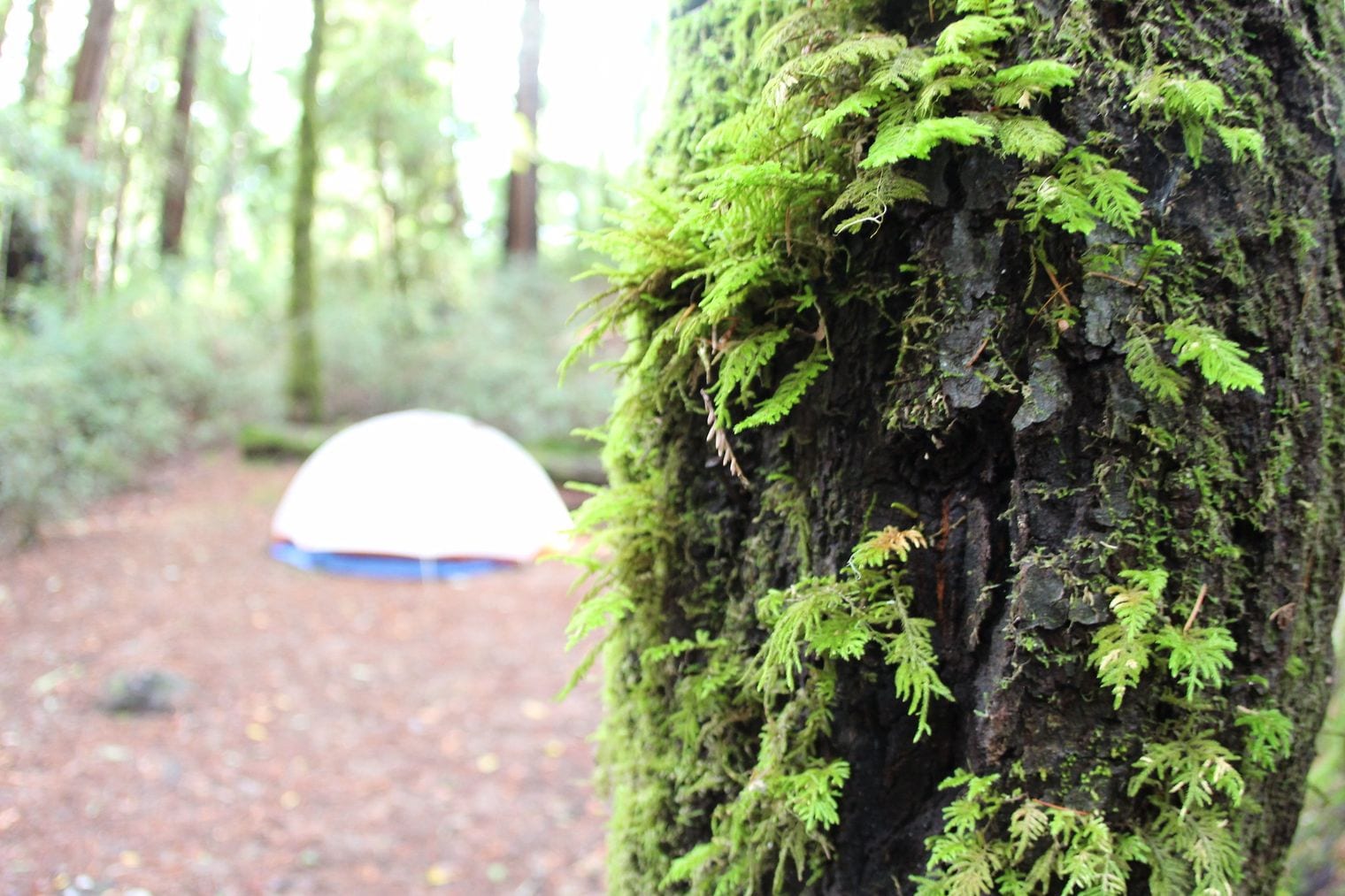
California's state parks include nearly 15,000 campsites and 3,543 miles of non-motorised trails.
That is before you count the motorised trails, the lake and river frontage or the thousands of historic buildings the same system looks after. Booking is competitive enough at the coastal parks that popular sites go the moment the reservation window opens.
69. Tule Elk Live Only in California
The tule elk is a subspecies of elk found only in California, and it is the smallest subspecies of wapiti.
Its alternative name, dwarf wapiti, is a fair description. The animal was driven to the brink and survives today in managed herds, the best known of which grazes on a windswept peninsula north of San Francisco.
70. California Hosts the Three Largest Solar Farms
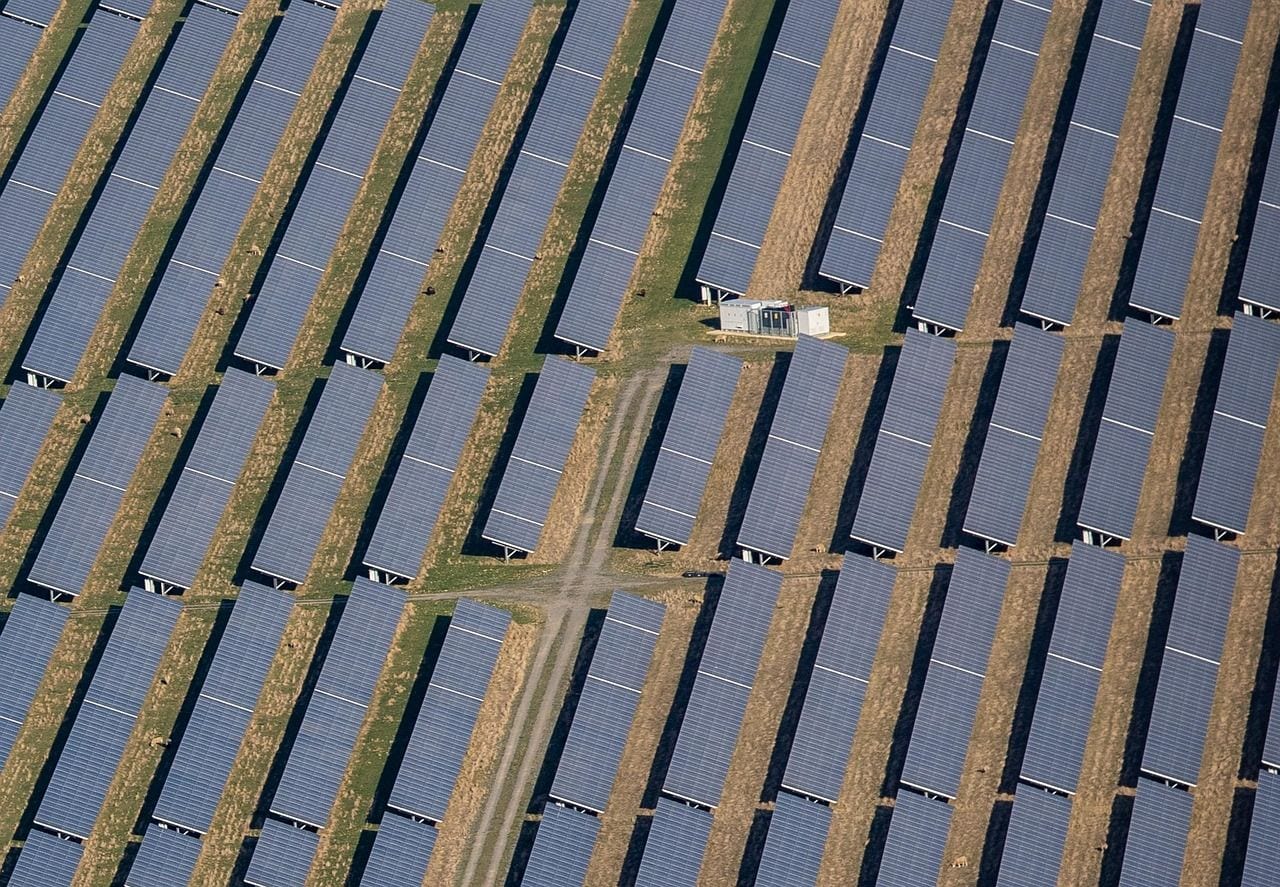
California became host to the three largest photovoltaic solar facilities in the world once Solar Star came online in 2015. Verified as of 2026.
Rankings in solar move quickly, so treat that as a position in a fast-changing field rather than a fixed record. The desert interior supplies the two things utility-scale solar needs most: relentless sun and cheap flat land.
71. California Is the World's Largest Sub-National Economy
California has the largest sub-national economy in the world — ahead of every other state, province or region on earth. Verified as of 2026.
Comparisons against whole countries move with exchange rates and revisions, which is why the durable version of this fact is the sub-national ranking rather than a league placing that changes annually. The state is also home to more Fortune 500 companies than any other.
72. Travel Spending Hit $150.4 Billion
Travel spending in California reached an all-time high of $150.4 billion. Verified as of 2026.
An all-time high is a moving target by definition, so read that as a recent peak rather than a permanent ceiling. Tourism on this scale spreads well beyond the obvious coastal cities into desert, mountain and wine-country economies.
73. Silicon Valley Was Named in a 1971 Trade Paper
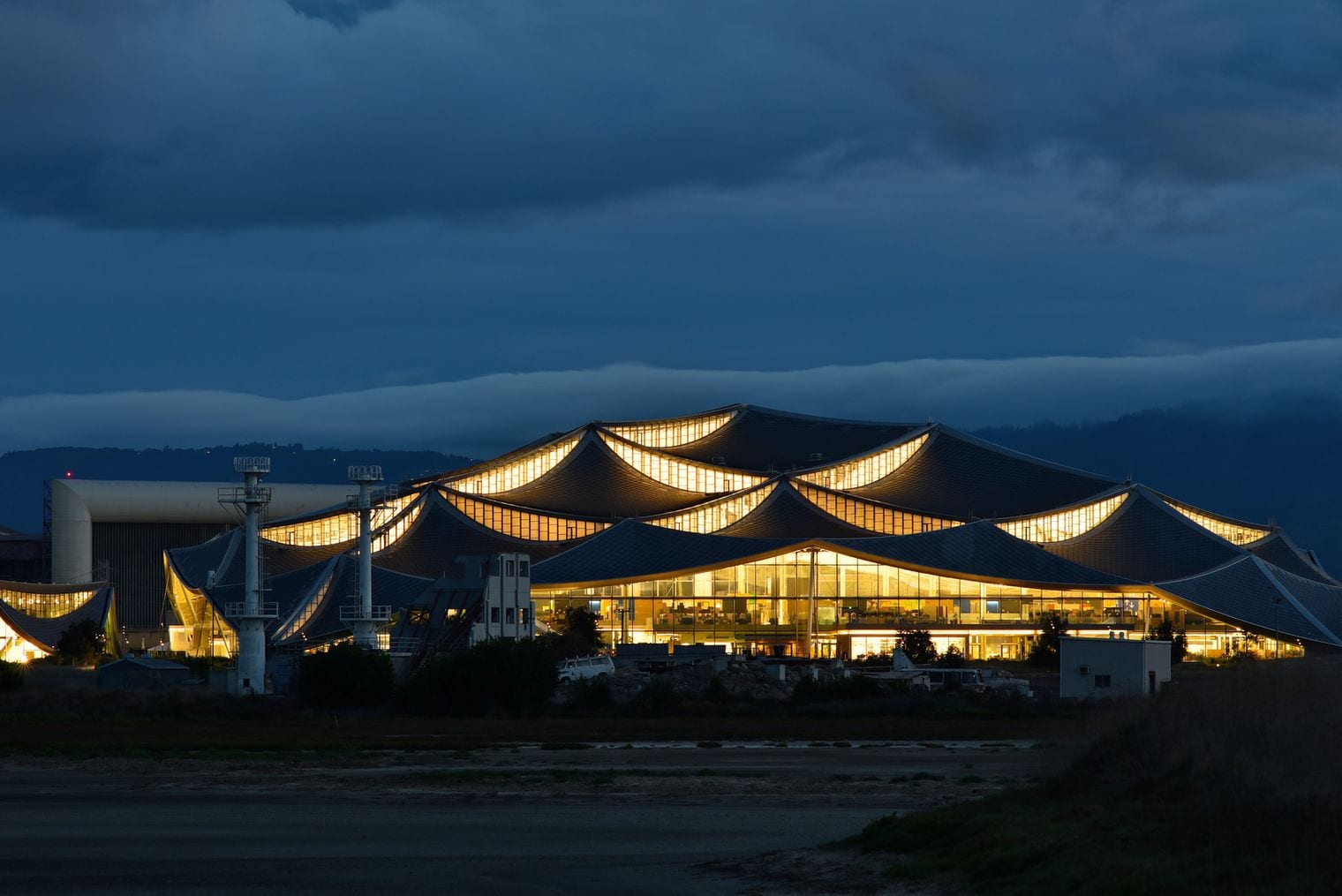
The name Silicon Valley was popularised by the journalist Don Hoefler in an article published on 11 January 1971 in the trade paper Electronic News.
The region existed long before the label did. Silicon refers to the material in the transistors and integrated circuits being made there, and the name stuck so thoroughly that it has since been borrowed by dozens of imitators worldwide.
74. America's First Radio Station Broadcast From San Jose
In 1909 Charles Herrold started the first radio station in the United States with regularly scheduled programming, broadcasting from San Jose.
Regularly scheduled is the load-bearing phrase. Experimental transmissions predate it, but a published schedule that listeners could plan around is what turns a transmitter into a radio station — and it happened decades before Silicon Valley had its name.
75. Disneyland Is the Only Park Walt Disney Built
Disneyland, which opened on 17 July 1955, is the only Disney park designed and constructed under Walt Disney's direct supervision.
Every other park in the company's portfolio was built after his death. He originally imagined something much smaller beside his Burbank studio, and only scaled up when it became clear the site would not hold the idea.
76. The Rose Parade Started in 1890
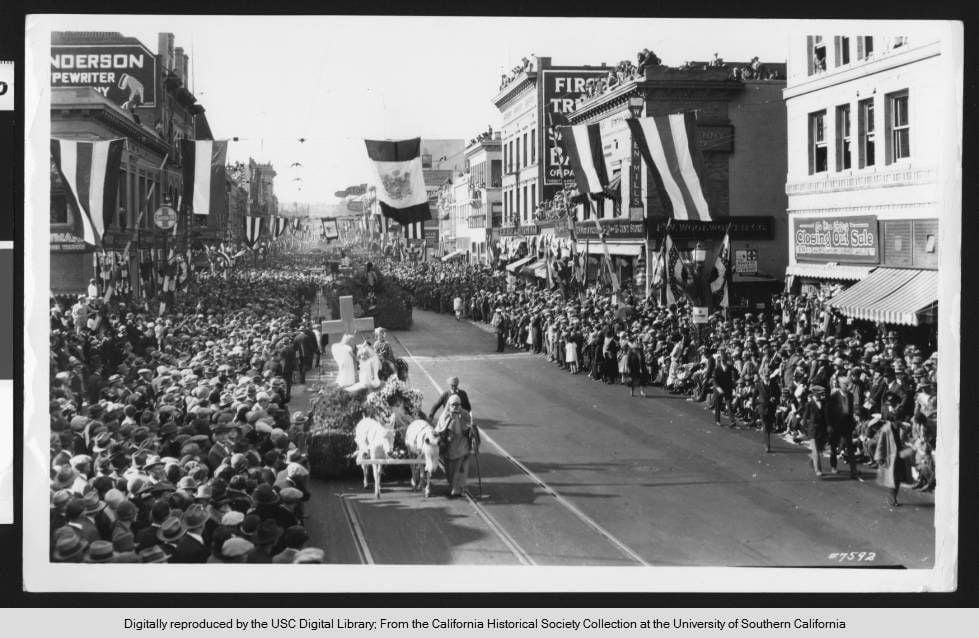
The Tournament of Roses began in the winter of 1890, when Pasadena's Valley Hunt Club set out to promote the city's charm and its weather.
The pitch was straightforward: hold a flower parade in midwinter and let the pictures do the arguing with the rest of the country. It worked, and grew into what the association now calls America's New Year celebration.
77. The First Oscars Were Handed Out in 1929
The first Academy Awards were presented on 16 May 1929, making them the longest running worldwide entertainment awards ceremony. Verified as of 2026.
That first ceremony was a private dinner lasting a matter of minutes, with the winners already known in advance. The sealed-envelope suspense everyone associates with the Oscars was a later invention.
78. Hearst Castle Took 28 Years to Build
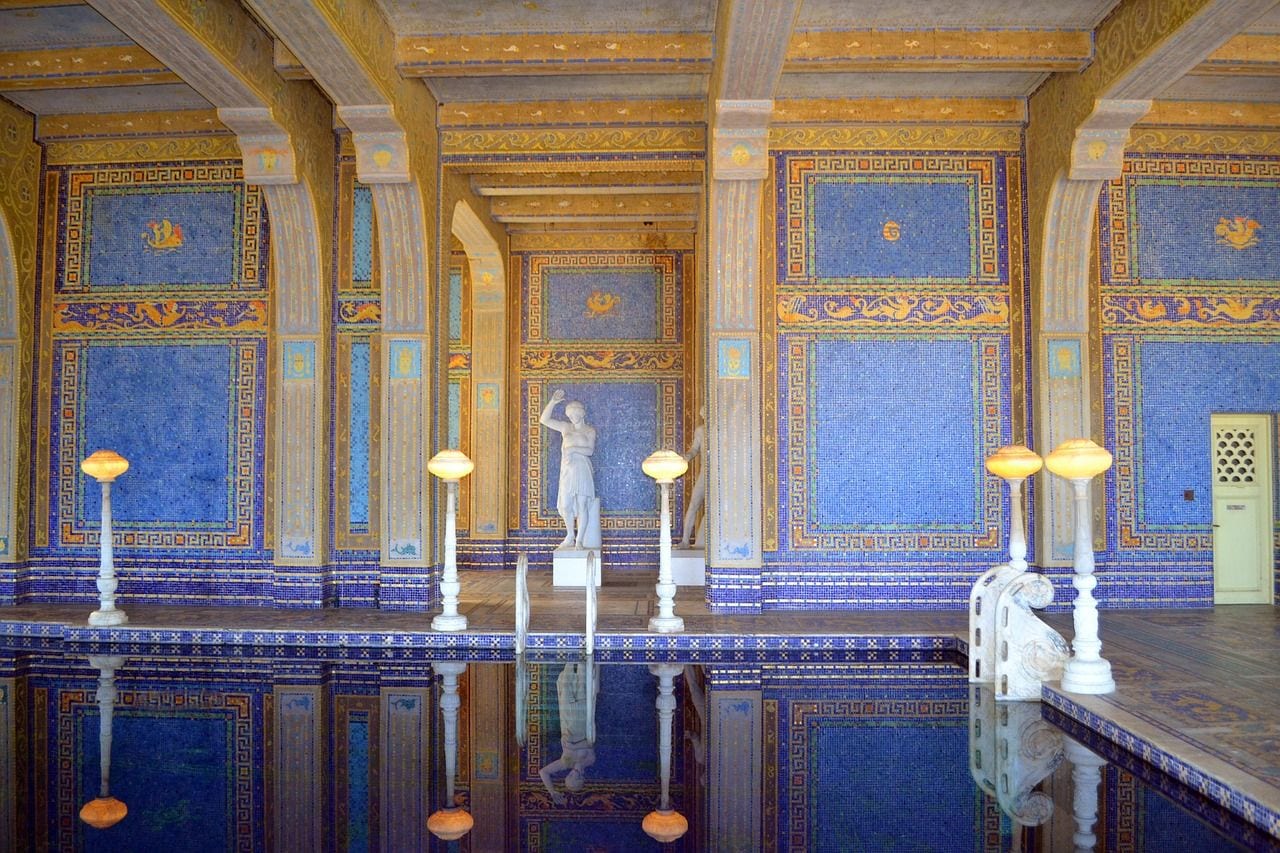
Hearst Castle, designed by the architect Julia Morgan, was begun in 1919 and completed in 1947, covering more than 90,000 square feet.
Morgan worked on the commission for much of her career while it was continually revised around her. The house was never finished so much as stopped.
79. The Mojave Preserve Holds 10,000 Years of History
Mojave National Preserve protects a mosaic of desert habitats and a 10,000-year history of human connection with the desert.
Preserve rather than park is a meaningful distinction: it allows uses, including hunting, that a national park would not. Within its boundary sit dunes, lava flows, Joshua tree forest and abandoned mining camps.
80. Yosemite Protects Nearly 1,200 Square Miles
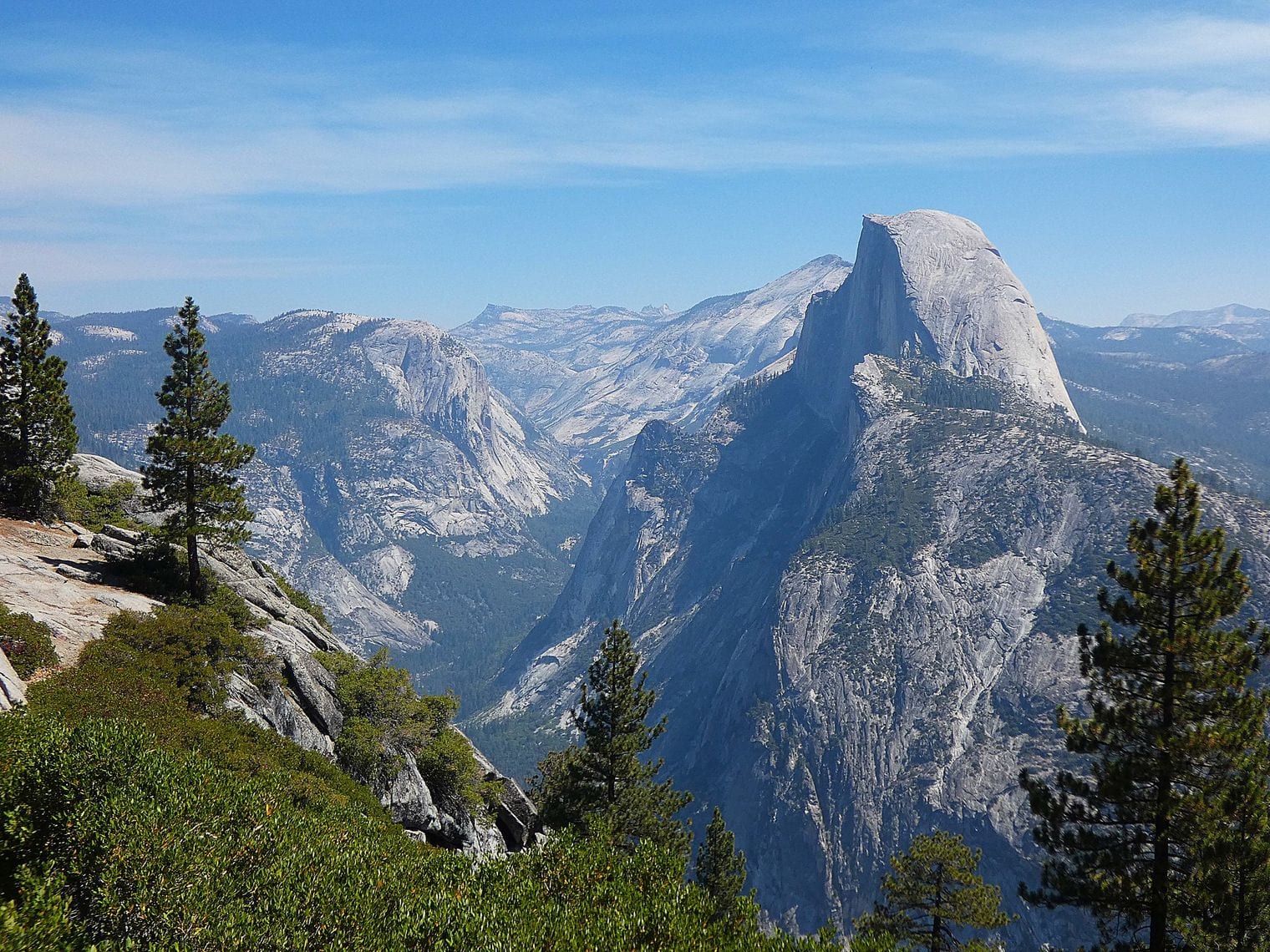
Yosemite National Park protects nearly 1,200 square miles of the Sierra Nevada.
Almost all of it is designated wilderness, and the overwhelming majority of visitors see only the valley floor, which is a tiny fraction of the whole. Walk a few hours in any direction and the crowds simply stop.
81. Cabrillo Died on San Miguel Island in 1543
Juan Rodriguez Cabrillo died on San Miguel Island, California, on 3 January 1543.
He survived the landing that made his name by a matter of months, dying of an injury sustained on the voyage. The island where he died is now the same remote, wind-scoured place where the seal and sea lion colonies gather.
82. Manzanar Was One of Ten Wartime Camps
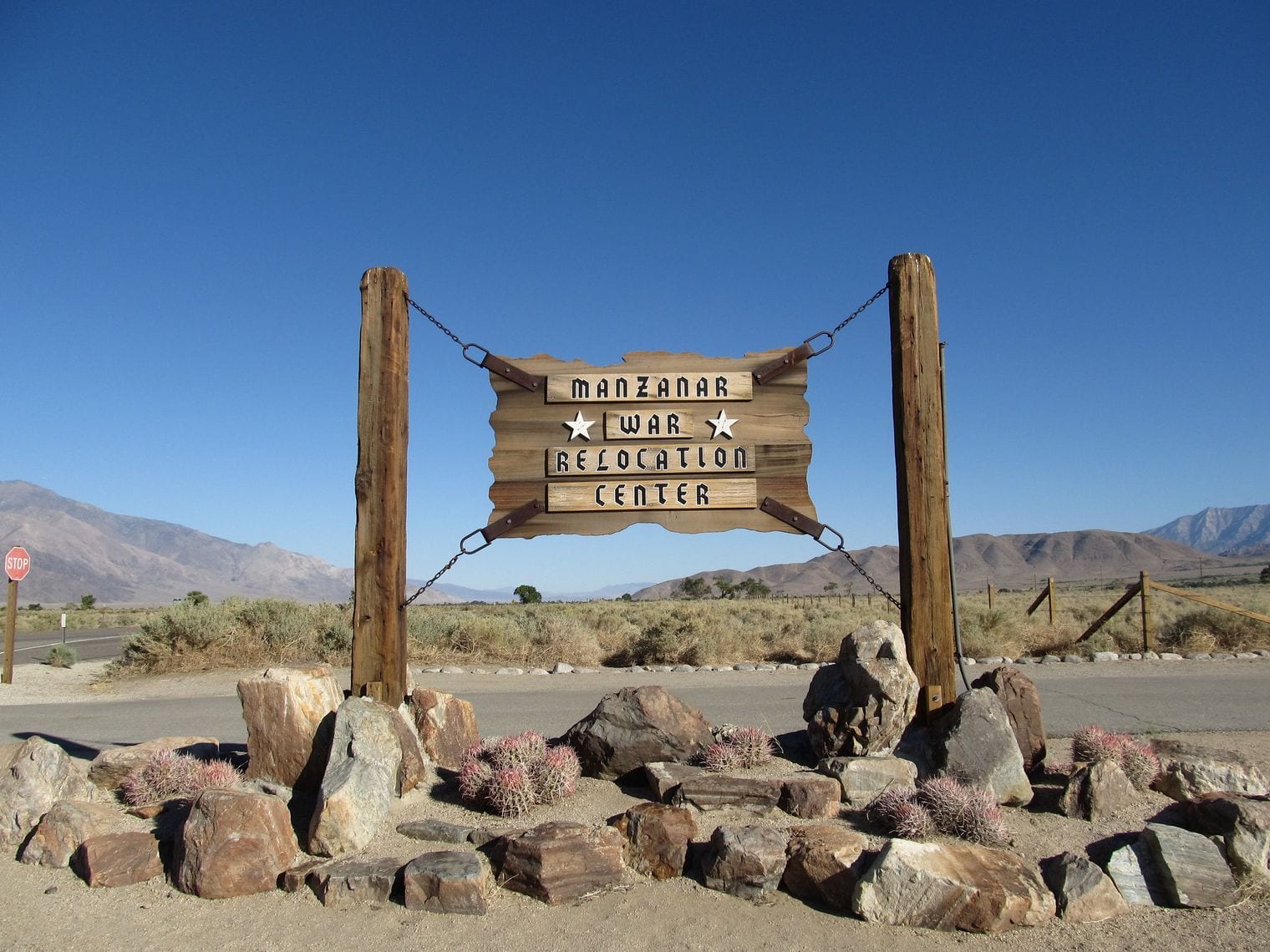
Manzanar War Relocation Center was one of ten camps in which the United States government incarcerated Japanese immigrants and Japanese American citizens during the Second World War.
It is now identified by the National Park Service as the best preserved of those ten sites, which is why it became the place the whole episode is interpreted for the public.
83. 110,000 People Were Ordered From Their Homes in 1942
In 1942 the United States government ordered more than 110,000 men, women and children to leave their homes and detained them in remote, military-style camps.
The order applied to citizens and non-citizens alike. Manzanar, despite its prominence, held only a fraction of that total and was one of the smaller camps.
84. Tule Lake Was the Largest Segregation Center
Tule Lake Segregation Center was the largest and most controversial of the sites where Japanese Americans were incarcerated during the Second World War. Verified as of 2026.
It became the place where those who answered the government's loyalty questionnaire the wrong way were sent, which turned it into something closer to a prison within the system. The same site later held prisoners of war.
85. Tule Lake's Camp Was Built in 1942
The Tule Lake camp was constructed in 1942, in Modoc and Siskiyou counties, by the United States government.
The location was chosen for its remoteness, in high desert near the Oregon line. Part of the complex began as a Civilian Conservation Corps camp before being repurposed.
86. Devils Postpile Was Protected in 1911
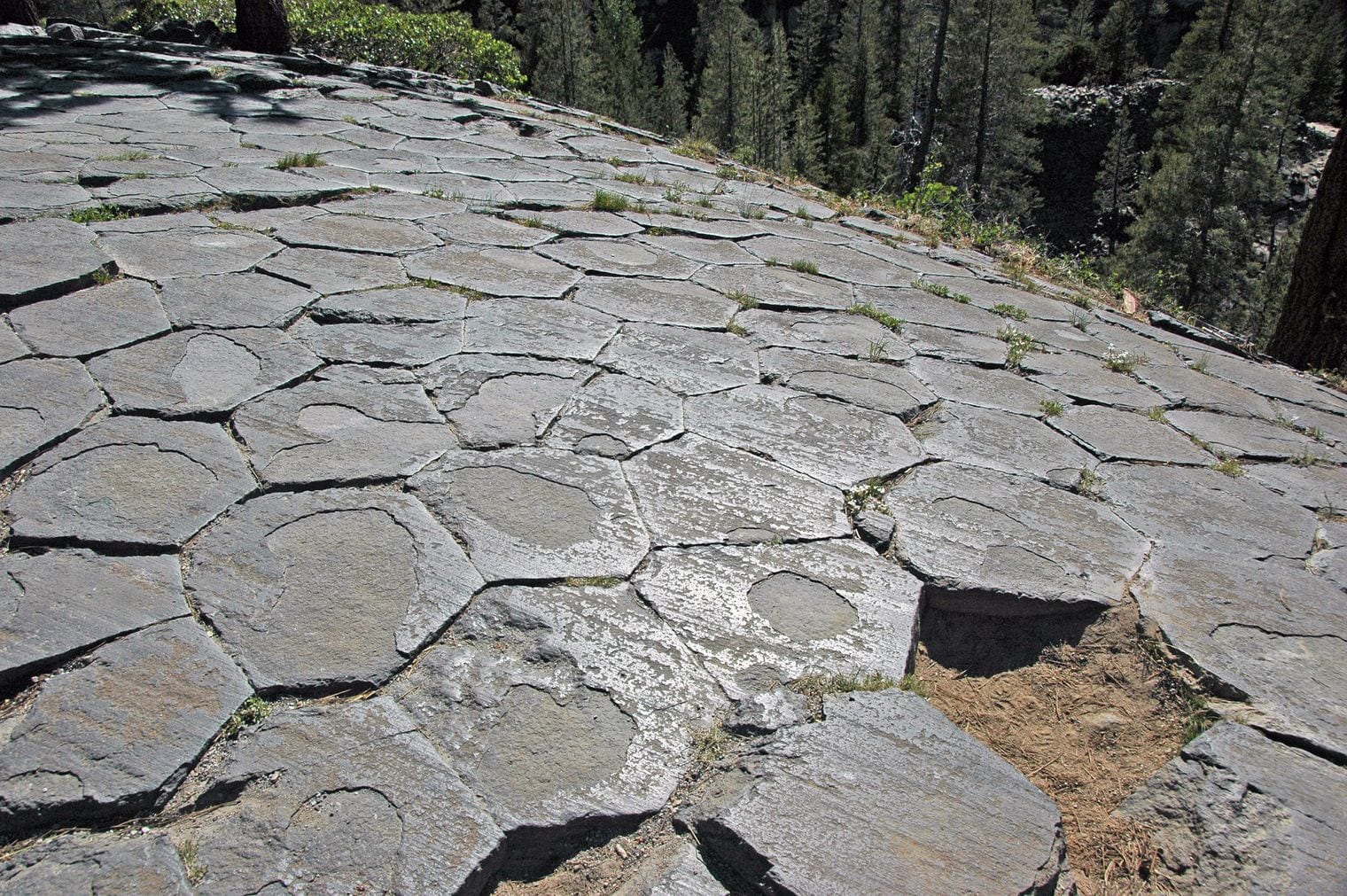
Devils Postpile National Monument was established in 1911 by presidential proclamation.
The formation had been slated for destruction — a proposal existed to blast it into a river to build a dam — and the monument designation is what stopped it. It was originally proclaimed without the possessive apostrophe, and the name has stayed that way.
87. Its Basalt Columns Tower 60 Feet
The Devils Postpile formation ranks as one of the world's finest examples of columnar basalt, with columns towering up to 60 feet.
The columns formed as a lava flow cooled and contracted, cracking into regular polygons. A glacier later sheared the top off, leaving a polished surface where you can walk across the column tops and see the tiling from above.
88. Fort Point Was the Only Such Fort on the West Coast
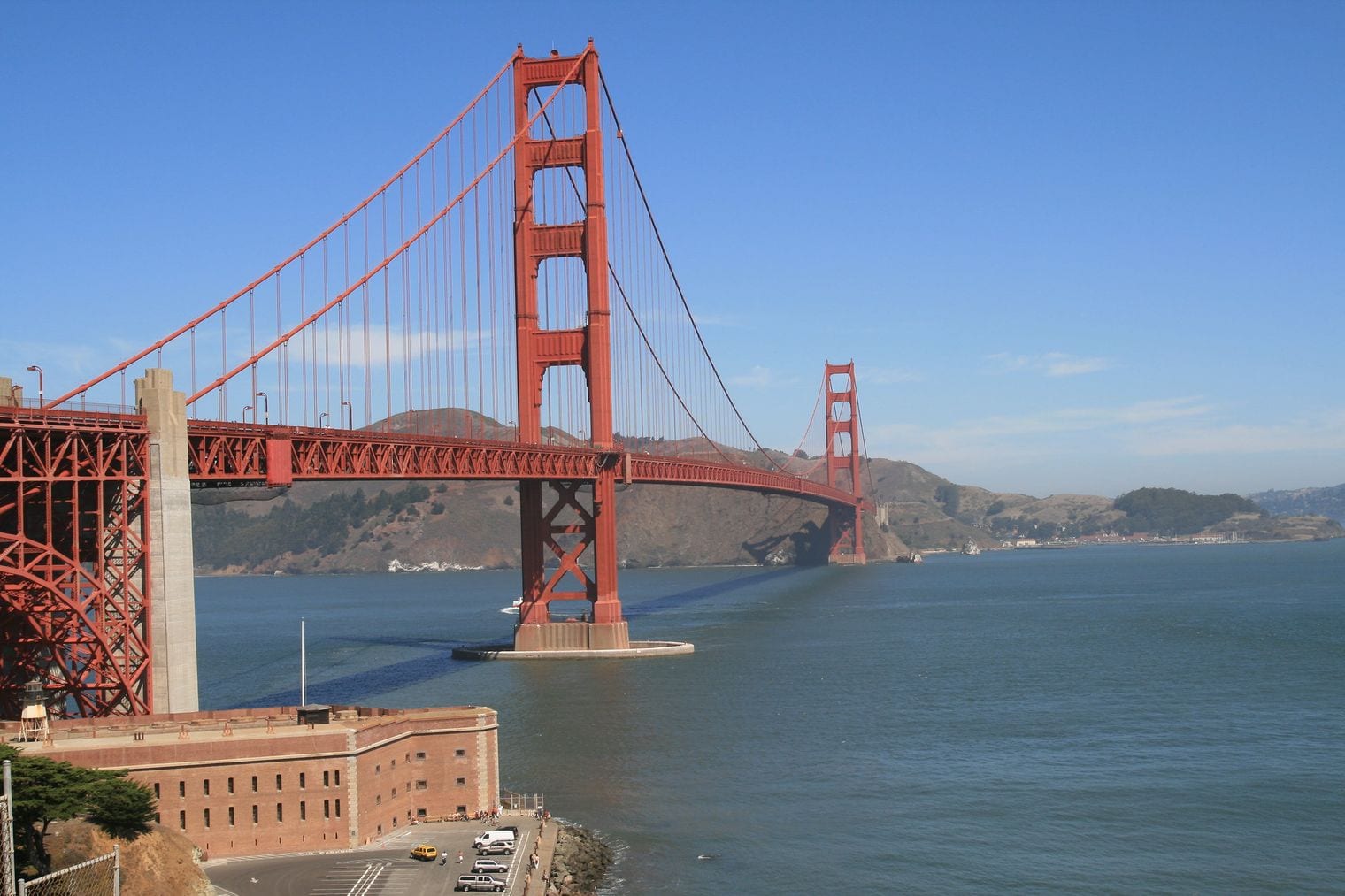
More than 30 casemated brick forts of its type were built on the East Coast, but Fort Point was the only one on the West Coast.
It was designed to hold the entrance to San Francisco Bay, and never fired a shot in anger. Its survival is an accident of engineering affection: the Golden Gate Bridge was redesigned with a special arch so the fort could stay where it was.
89. Fort Point Was Built in 1861
Fort Point was built in 1861, and defended San Francisco Bay from the years after the Gold Rush through the Second World War.
Brick fortification was already being made obsolete by rifled artillery as the last courses went up. The fort spent its long career guarding a harbour nobody ever attacked.
90. America's Only Nobel-Winning Playwright Wrote Here
Eugene O'Neill, the only American playwright to win the Nobel Prize, wrote at his Tao House in Northern California.
He went there for seclusion at the height of his career and produced his late masterpieces in that isolation. The house is reachable only by shuttle, which means the quiet he was after is still more or less intact.
91. O'Neill Won Four Pulitzer Prizes for Drama
Eugene O'Neill won the Pulitzer Prize for Drama in 1920, 1922, 1928 and again in 1957.
The last of those came after his death, for a play he had asked not be staged until long after he was gone. Alongside the Nobel, it gives him a haul no other American playwright has matched.
92. John Muir Co-Founded the Sierra Club
John Muir, known as the Father of the National Parks, co-founded the Sierra Club and lived on a fruit ranch in Martinez.
The ranch is the part that surprises people. The figure so closely associated with wild country spent his domestic life as a working orchardist, and did much of his writing in a house surrounded by cultivated rows.
93. Mono Lake Has No Outlet, So It Turned Alkaline
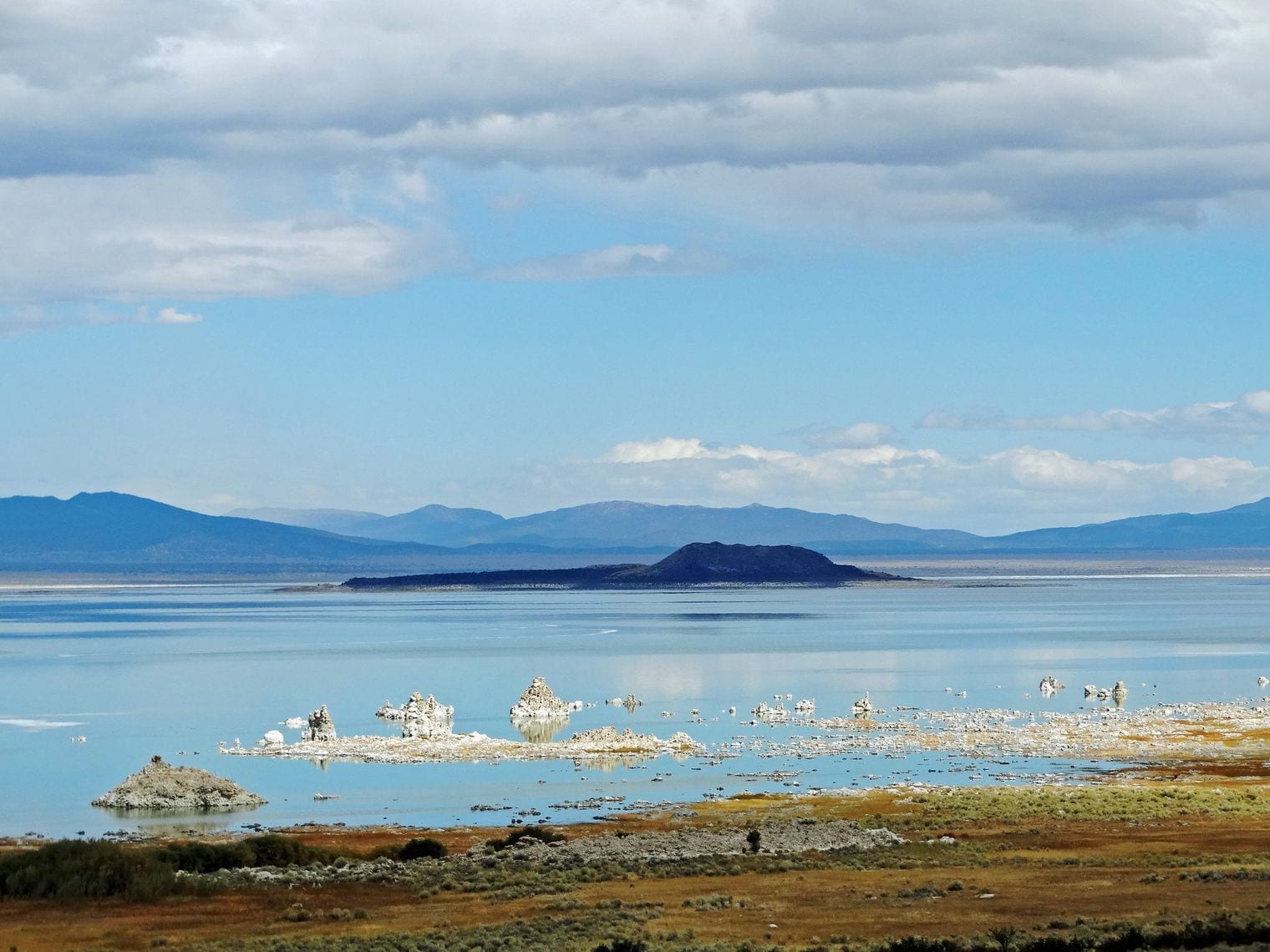
Mono Lake has no outlet to the ocean, so dissolved salts accumulate in it and make the water alkaline.
That chemistry is what builds the tufa towers the lake is famous for, as calcium-rich springs meet carbonate-rich water and precipitate limestone. The towers were underwater until diversions dropped the lake level and exposed them.
94. Two Million Migratory Birds Feed at Mono Lake
Mono Lake's brine shrimp and alkali flies support two million migratory birds a year, across a lake covering about 65 square miles. Verified as of 2026.
Nothing with a backbone lives in water that alkaline, so the entire food web rests on invertebrates. That makes the lake a critical refuelling stop on a flyway with very few alternatives.
95. Anza-Borrego Is California's Largest State Park
Anza-Borrego Desert State Park is the largest state park in California, and the third largest in the country. Verified as of 2026.
It is big enough to hold its own mountain ranges, badlands and palm oases, and it is best known for the wildflower blooms that follow a wet winter — an event that cannot be scheduled and draws crowds when it arrives.
96. One Park Covers a Fifth of San Diego County
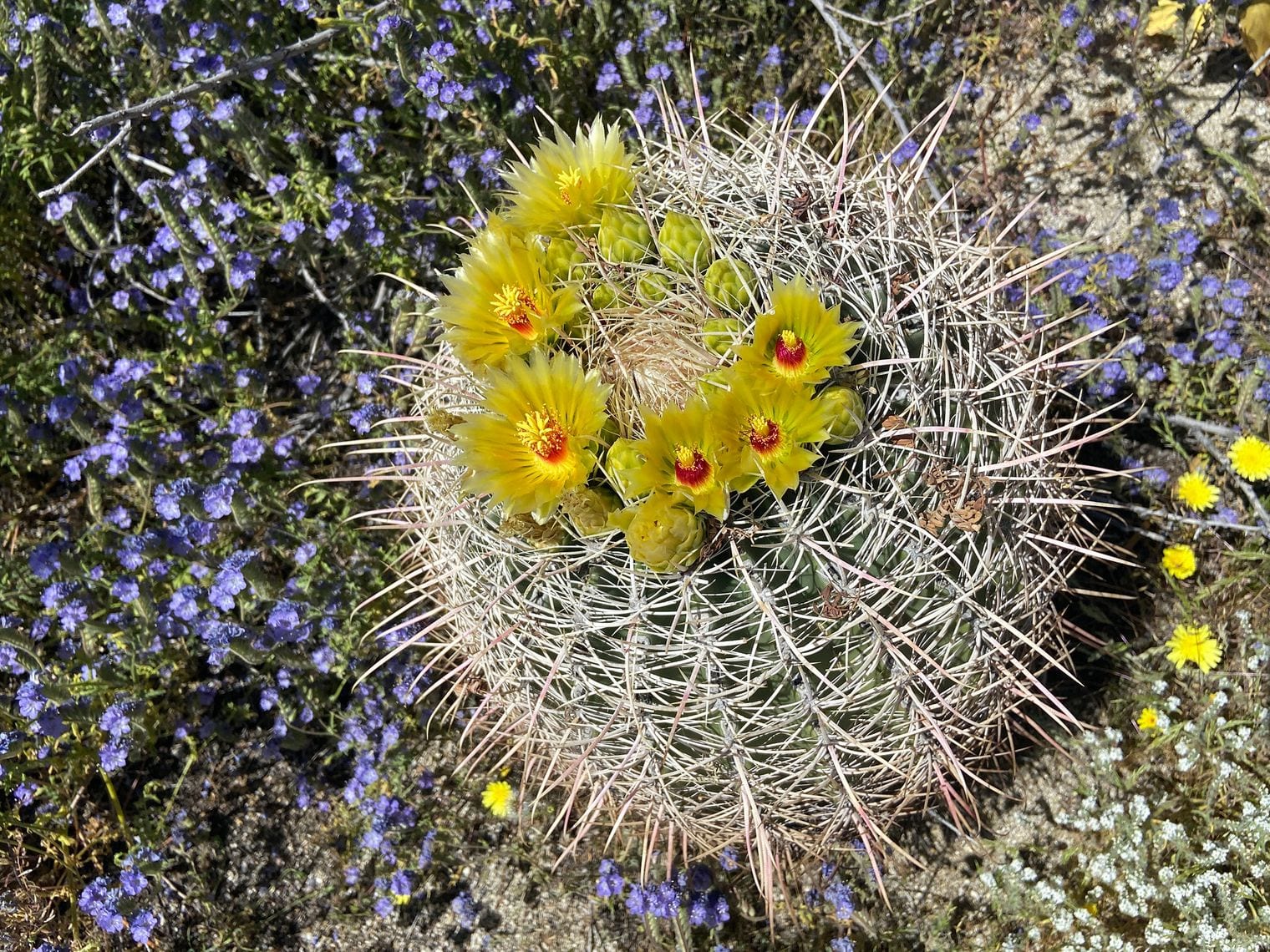
Anza-Borrego's 650,000 acres take in one-fifth of San Diego County, threaded by 500 miles of dirt road.
Those dirt roads are the point: much of the park is reached by unpaved track rather than highway, and a great deal of it is designated wilderness where no vehicle goes at all.
97. Calaveras Big Trees Was Established in 1931
Calaveras Big Trees State Park was established in 1931, and preserves two groves of giant sequoias, the North Grove and the South Grove.
The park also protects mixed conifer forest, river frontage and ancient volcanic formations. It is the northern end of the giant sequoia's natural range.
98. Tourists Have Come to Calaveras Since 1852
Calaveras has drawn tourists since 1852, when the existence of the trees was first widely reported, and it is considered the longest continuously operated tourist attraction in California. Verified as of 2026.
Early visitors were not gentle. Two celebrated trees were felled outright for exhibition elsewhere, on the reasoning that nobody would believe the dimensions without a piece of the tree in front of them.
99. California's Oldest State Park Lost 97% to Fire
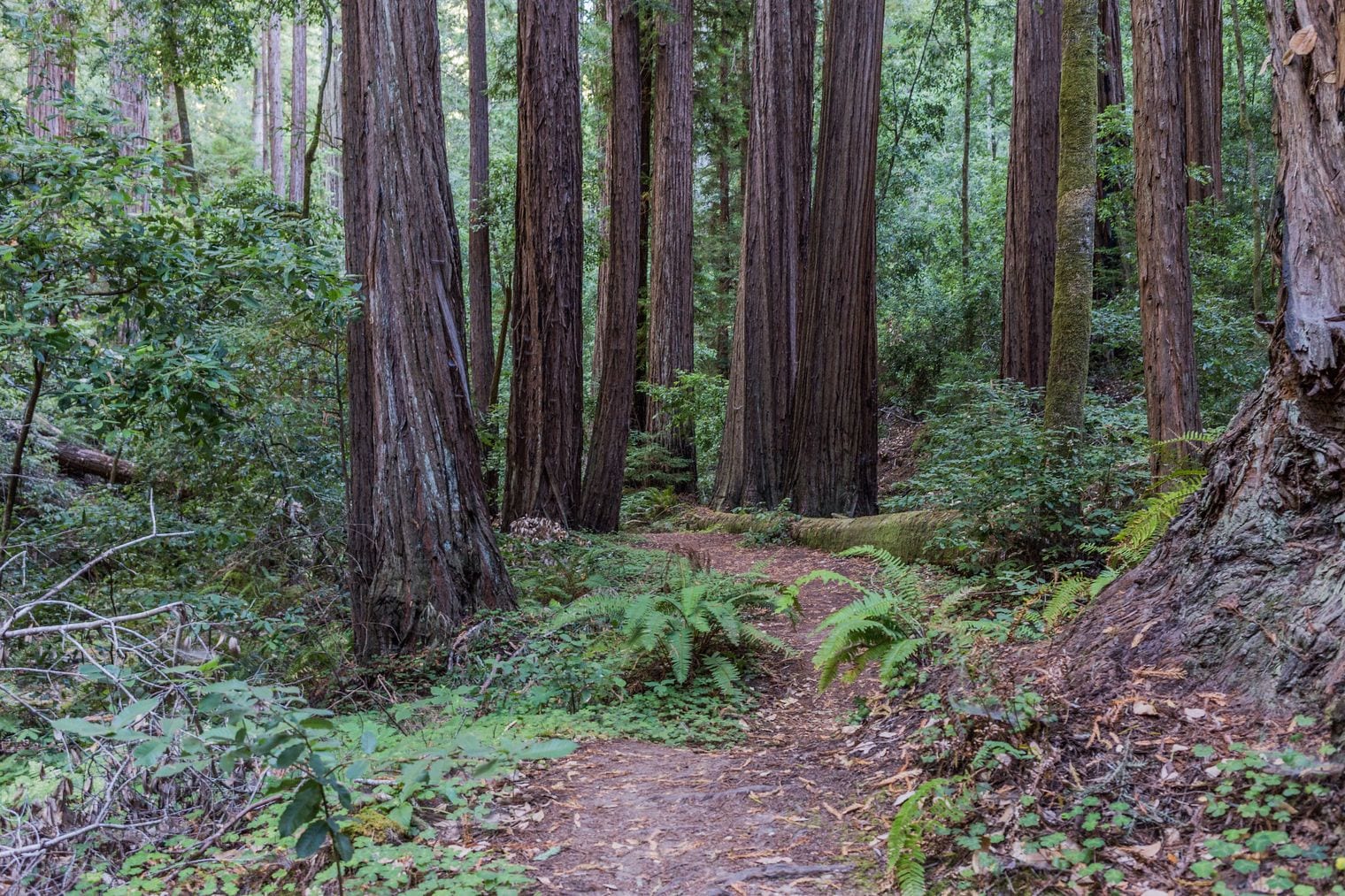
Big Basin Redwoods, California's oldest state park, acquired in 1902, lost over 97% of its area to the CZU Lightning Complex fires in 2020.
The headline number is not the whole story. Coast redwoods are built for fire, and many of the burned giants resprouted from trunk and base — the forest is regrowing rather than gone, though the visitor infrastructure is being rebuilt from nothing.
100. Point Lobos Guards One of the Richest Marine Habitats
Point Lobos State Natural Reserve adjoins one of the richest marine habitats in California, and is described as the crown jewel of the state park system. Verified as of 2026.
The protection extends offshore as well as onto the headland, which is unusual, and the underwater reserve is a large part of why the diving here is so highly regarded. Sea otters, seals and migrating whales all use the coves.
Where to Go Next in California
Much of what you have just read is standing somewhere you can drive to. The trees are in Sequoia, Kings Canyon and Yosemite, the salt pan is in Death Valley, and the cable cars still run up the hill in San Francisco every day.
If you want to turn any of this into an actual itinerary, our guide to the best things to do in California is the place to start, and the California hub collects every city and regional guide we have written for the state.
How We Checked These Facts
Every fact on this page carries at least two sources in different provenance classes, and at least one of them is an official record — the National Park Service, California State Parks, the California Department of Food and Agriculture, the state library, or the institution that owns the thing being described.
Encyclopedia entries corroborate, they never stand alone. We paste the source's own sentence into our ledger rather than paraphrasing it, then re-fetch every cited page to confirm the sentence is still there, and we hedge exactly as strongly as the source hedges: if an official page says "nearly" or "approximately", so do we.
Where two reputable sources disagree, we say so on the page or drop the claim rather than pick the tidier number — several facts were cut from this article for exactly that reason. Figures that move with time are marked and dated, and this page was last verified in September 2026.
FAQ: Interesting Facts About California
What is the strangest fact about California?
That the hottest air temperature ever recorded on Earth and the lowest ground in North America sit in the same national park. Death Valley holds both, and you can visit each of them on the same afternoon.
Where is the world's tallest tree?
In California, but nobody will tell you exactly where. Hyperion is a coast redwood measured at 116.22 metres, and its location is deliberately not published because foot traffic damages the shallow roots redwoods depend on.
Which California tree holds the world record for size?
The General Sherman Tree in Sequoia National Park is the largest tree in the world by trunk volume, at 52,508 cubic feet. Its trunk alone weighs nearly 1,400 tons.
How long do California's redwoods live?
Coast redwoods can reach ages of 2,000 years and regularly reach 600. A typical grove was therefore already old when Europeans first reached the coast.
When did California become a state?
On 9 September 1850, as the 31st state, admitted as a free state under the Compromise of 1850. Gold had been discovered less than three years earlier, and the resulting population surge is what accelerated statehood.
Where is the lowest point in North America?
Badwater Basin in Death Valley, 282 feet below sea level. The same national park holds the hottest air temperature ever recorded on Earth, 134°F at Furnace Creek on 10 July 1913.
Is California really the largest economy of its kind?
It has the largest sub-national economy in the world, meaning no other state, province or region matches it. Comparisons against whole countries shift with exchange rates and get revised, so we have kept to the ranking that holds.
Which California national park came first?
Sequoia National Park, established on 25 September 1890, was the first national park formed specifically to protect a living organism. Yosemite had already been set aside by Abraham Lincoln under the Yosemite Grant in 1864, 26 years before it became a national park.