We build and rank every list first. Booking links come after, and only where
a partner sells a ticket, tour or stay for that exact place, so a place with
nothing to book is listed exactly as prominently as one you can book.
So how do we earn? Some links on this page go to booking
partners, and if you book tickets, tours or a stay through
one, we may earn a commission. It costs you nothing extra.
That commission never decides which places make the list, the order they
appear in, or what we write about them. No entry is sponsored or a paid
placement.
15 Best Things to Do in Chula Vista, California (2026)
By the CityViking Research TeamPublished 15 places · 15 min read
Sources Checked before launchOct 21, 202615 sources11 publishers2 government & parks1 encyclopedias & research12 venues & other sitesPublished · Oct 21, 2026Researched and checked before it went liveClick for every source and the full change log.
Short answer
Chula Vista is known for its name, Spanish for "beautiful view," its lemon-growing past and its spot halfway between San Diego and Tijuana. Start with the Living Coast Discovery Center and the San Diego Bay National Wildlife Refuge, then the free Olympic Path at the Elite Athlete Training Center. One full day covers the highlights; a second adds hikes on Mother Miguel Mountain or in Rice Canyon, Otay Lakes and, in season, a concert.
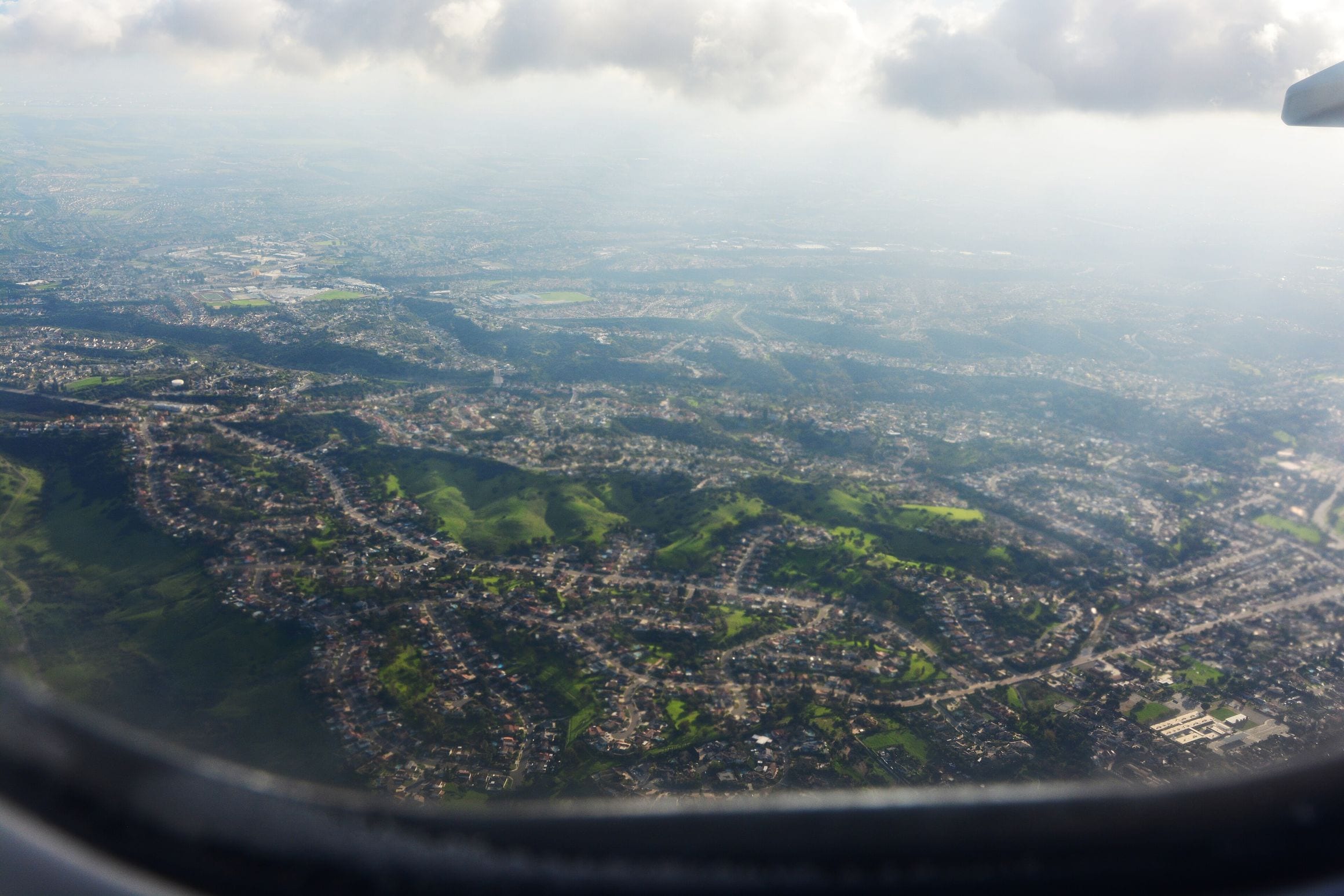
Chula Vista is Spanish for "beautiful view," and San Diego County's second-largest city earns the name, spread between San Diego Bay and the eastern foothills about halfway between downtown San Diego and Tijuana. Its bayfront mixes salt marsh, marinas and parks, while the newer east side climbs toward lakes and canyon trails.
This guide ranks the 15 best things to do in Chula Vista, from wildlife encounters and summer concerts to Olympic training grounds, Third Avenue's old downtown and hilltop hikes. One full day covers the highlights; give it two for the trails and the lake, or fold it into a wider California road trip.
Map of Things to Do in Chula Vista, California
Things to Do in Chula Vista, California
Things to Do in Chula Vista, California at a Glance
The name means "beautiful view" in Spanish and was suggested by James D. Schuyler, the engineer who designed the Sweetwater Dam, whose completion in 1888 brought irrigation water to the young town's farms.
Chula Vista was for a time the largest lemon-growing center in the world; in 1911, lemon groves covered 4,000 of its 15,000 acres of farmland, and the Lemon Festival on Third Avenue still celebrates that past.
Gunpowder Point is named for a wartime plant: during World War I the Hercules Powder Company processed kelp there into ingredients for cordite, the propellant used by British forces. The Living Coast Discovery Center now stands on the point.
The city sits about halfway between two downtowns, roughly 7.5 miles from both downtown San Diego and downtown Tijuana.
Chula Vista's Park View Little League won the 2009 Little League World Series, and the amphitheatre's first sell-out show, in August 1998, was the Spice Girls.
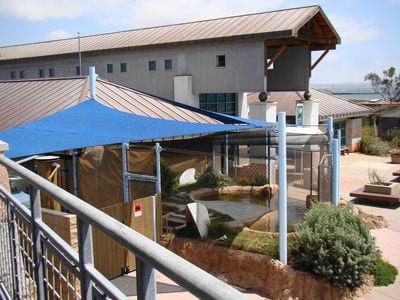
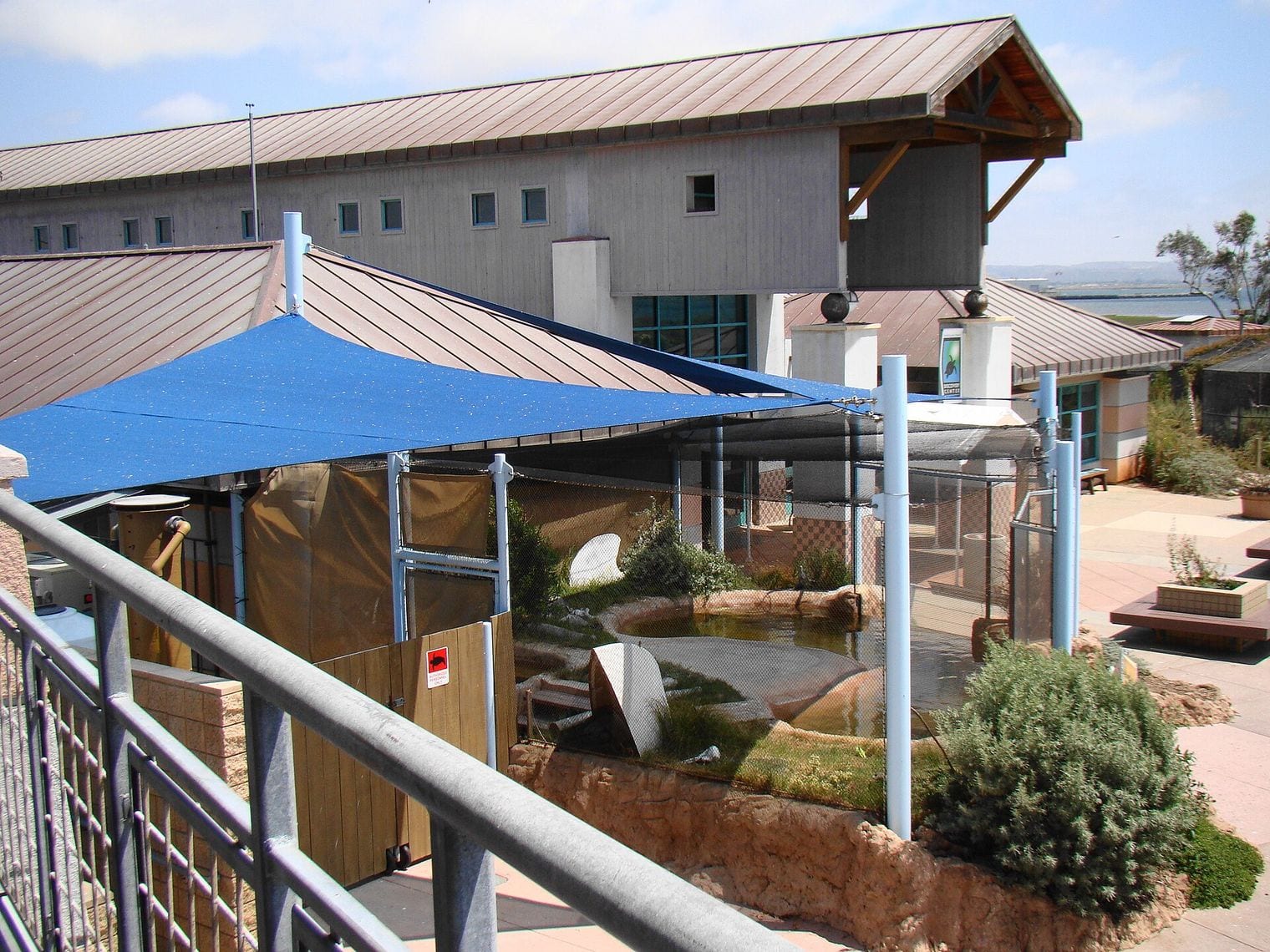
The Living Coast Discovery Center is a small zoo and aquarium on Gunpowder Point, inside the Sweetwater Marsh unit of the San Diego Bay National Wildlife Refuge. Its displays focus on the animals and plants of Southern California and San Diego Bay: sea turtles in a lagoon, sharks and rays, and a row of raptors, from hawks and falcons to eagles and owls, that act as ambassadors for their species.
The nonprofit center began life in 1987 as the city's nature center, and a visit doubles as a look at the marsh itself, with views across the mudflats to the bay. Families with younger children get the most from it, and it pairs naturally with the refuge trails around it. It keeps a limited weekly schedule, so check the calendar before you drive over.
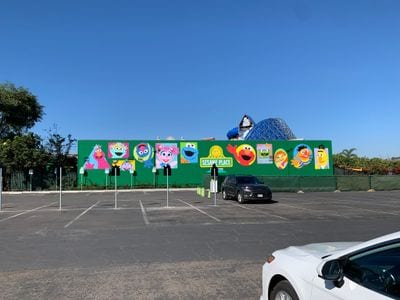
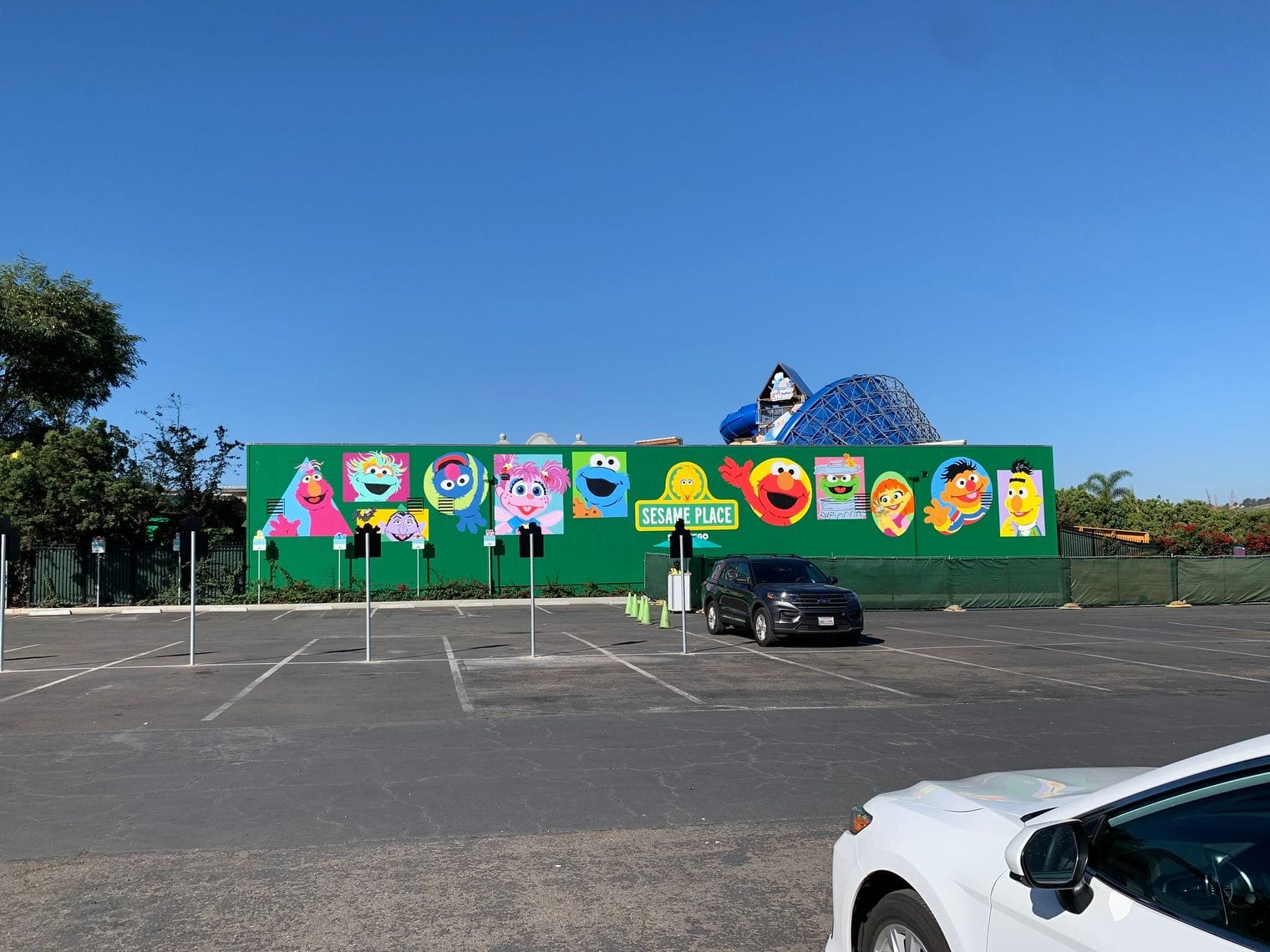
Sesame Place San Diego is a Sesame Street theme park and water park built for young children, with gentle rides, character shows, meet-and-greets and water slides, plus a big wave pool called Big Bird's Beach. It is a certified autism center, and the attractions are pitched at toddlers to preteens rather than thrill-seekers.
The site has had several lives: it opened in 1997 as White Water Canyon and later ran as Knott's Soak City and Aquatica San Diego before taking the Sesame Place name.
It now opens seasonally, roughly from spring into early fall, and its Sesame Street licence is the subject of a legal dispute between Sesame Workshop and the park's operator, so check the park calendar before planning a day around it. For more splash days, see the best water parks in California.
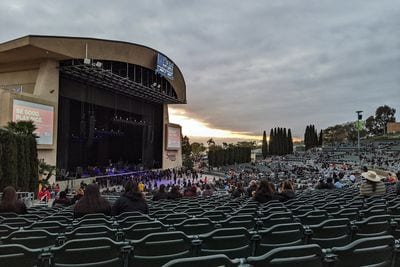
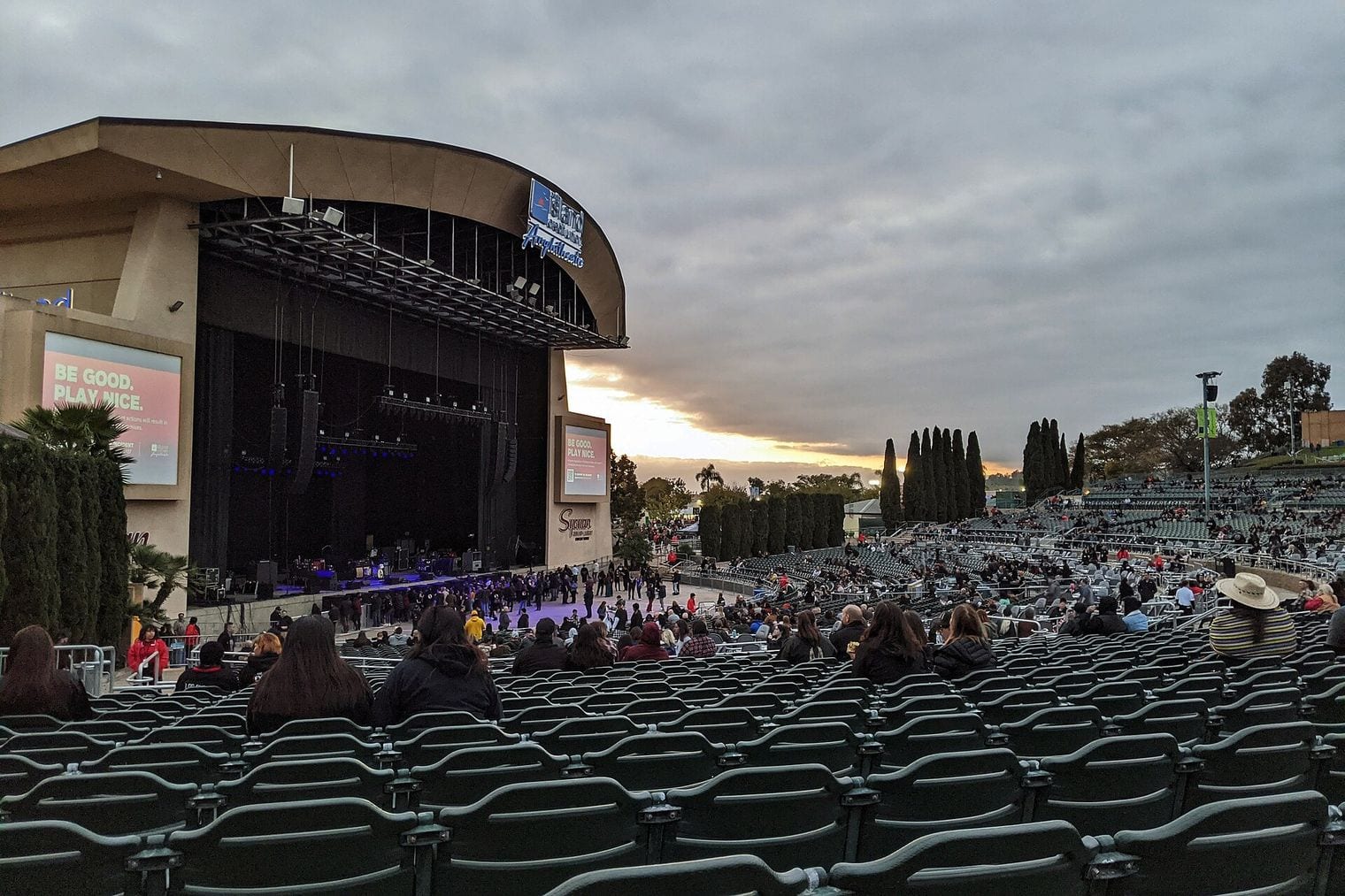
North Island Credit Union Amphitheatre is one of the San Diego area's larger outdoor concert venues, with nearly 20,000 places split between reserved seats and a sloping lawn. It opened in 1998 as Coors Amphitheatre and has gone through several sponsor names since, so older reviews and ticket stubs may call it something else.
The concert season runs mainly from spring to fall, bringing touring rock, pop, country, hip-hop and Latin acts to the South Bay. Shows let out into heavy traffic on the surrounding roads, so arrive early, bring a layer for the cooler evenings and read the venue's bag policy before you go.
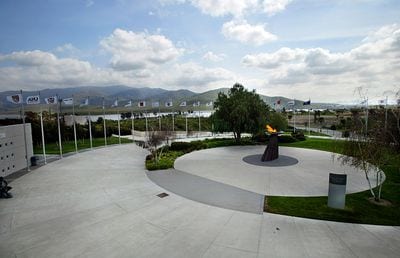
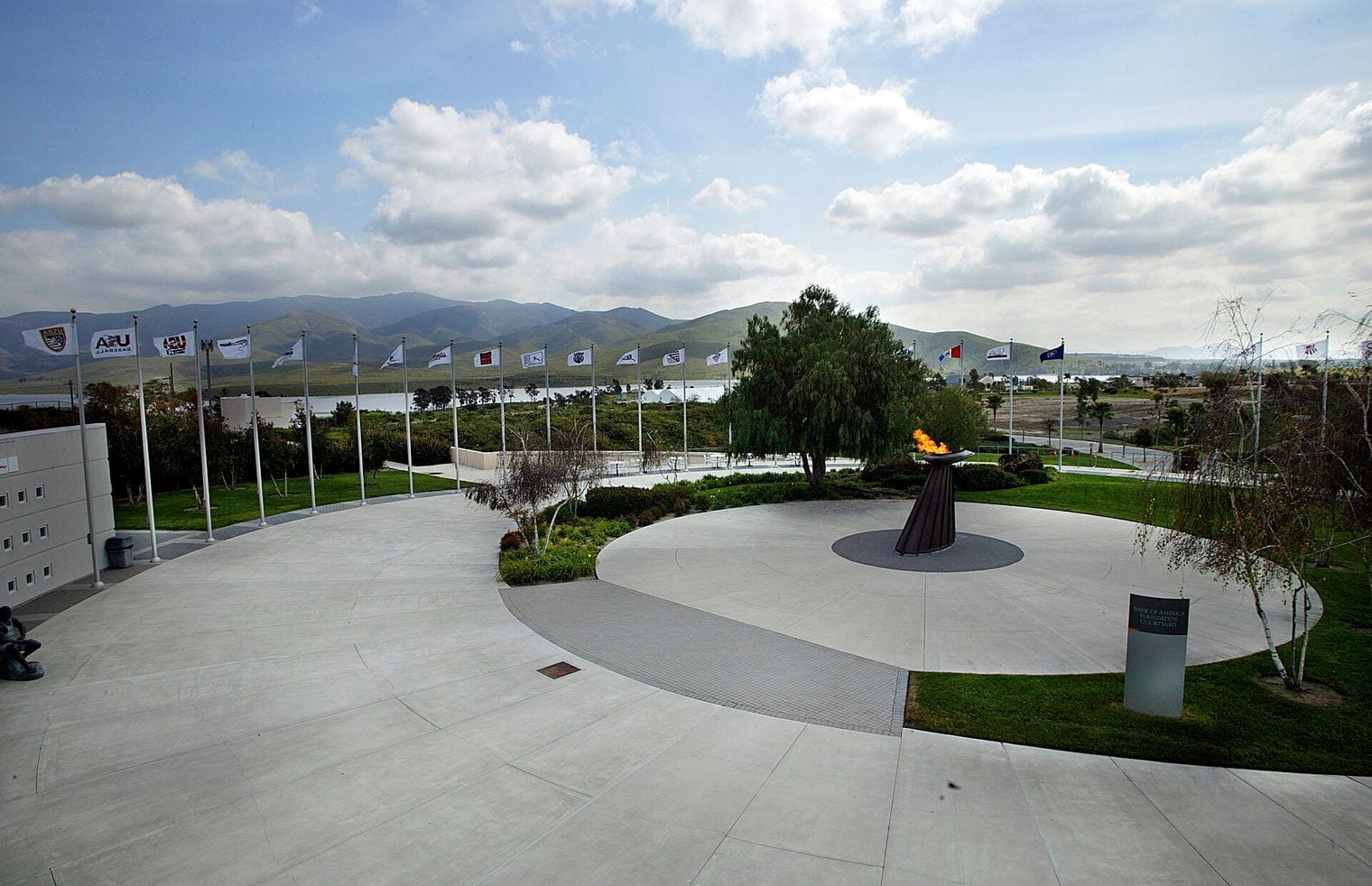
The Chula Vista Elite Athlete Training Center opened in 1995 as an Olympic training center on 155 acres beside Lower Otay Lake, and the city has owned it since 2017. Olympic and Paralympic hopefuls train here in sports such as archery, BMX, track and field, rowing, rugby and beach volleyball.
Visitors can walk the free, mile-long Olympic Path through the main campus, with overlooks onto the venues and a self-guided tour you can follow stop by stop; guided tours run on weekdays, as walk-ins or by reservation. With luck you will catch athletes mid-session on the track or the BMX course, and the lake views alone justify the drive east.
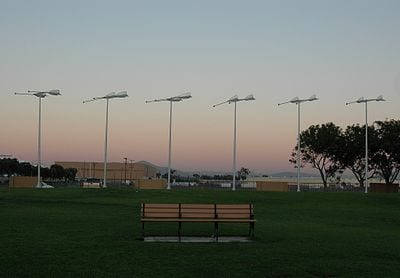
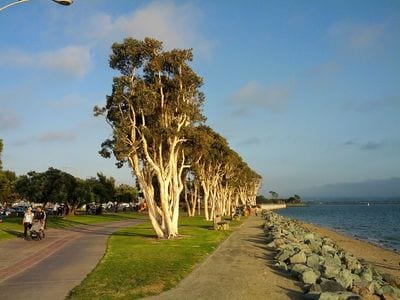
Chula Vista Bayside Park is the northernmost of the city's bayfront parks, next to the bayfront's big convention resort, with a small sand beach, a fishing pier and views across San Diego Bay to the Coronado Bridge and the downtown San Diego skyline. Bike paths, exercise stations and open lawns make it a favorite for an easy waterfront morning.
The park is being doubled in size, from about 12 to roughly 25 acres, and renamed Harbor Park, with a nautical-themed playground and a splash pad among the additions and a new entrance at the H Street roundabout. Parts of it are fenced off while the work goes on, so expect detours until the expansion is finished.
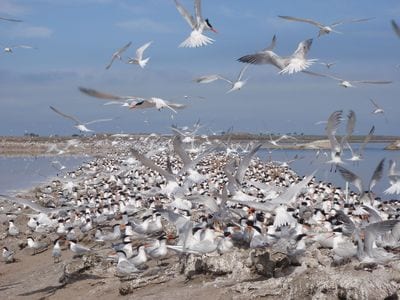
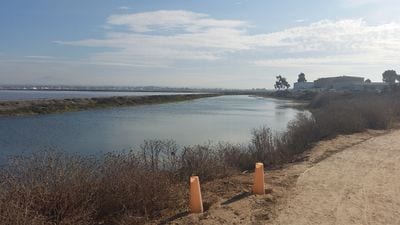
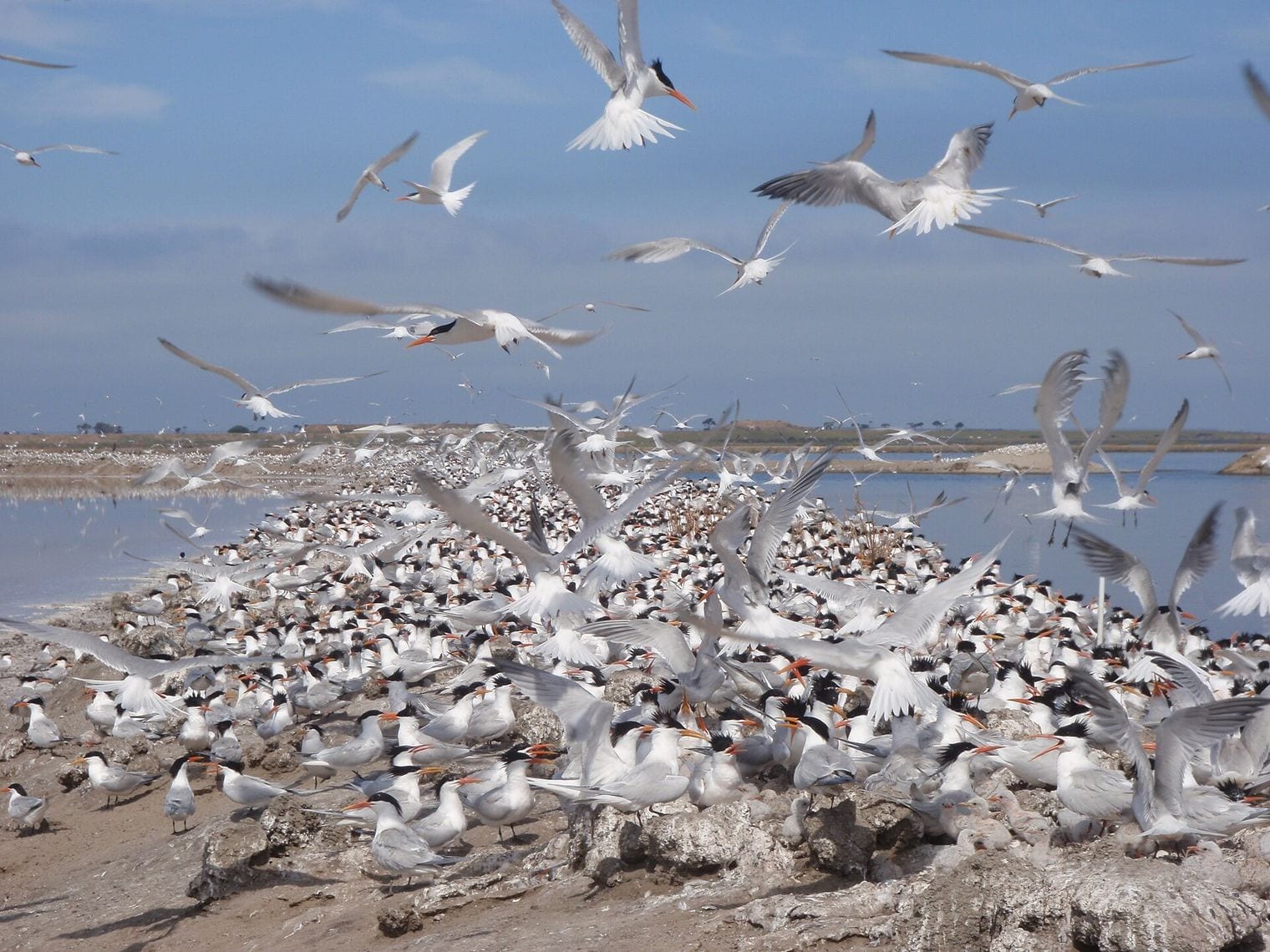
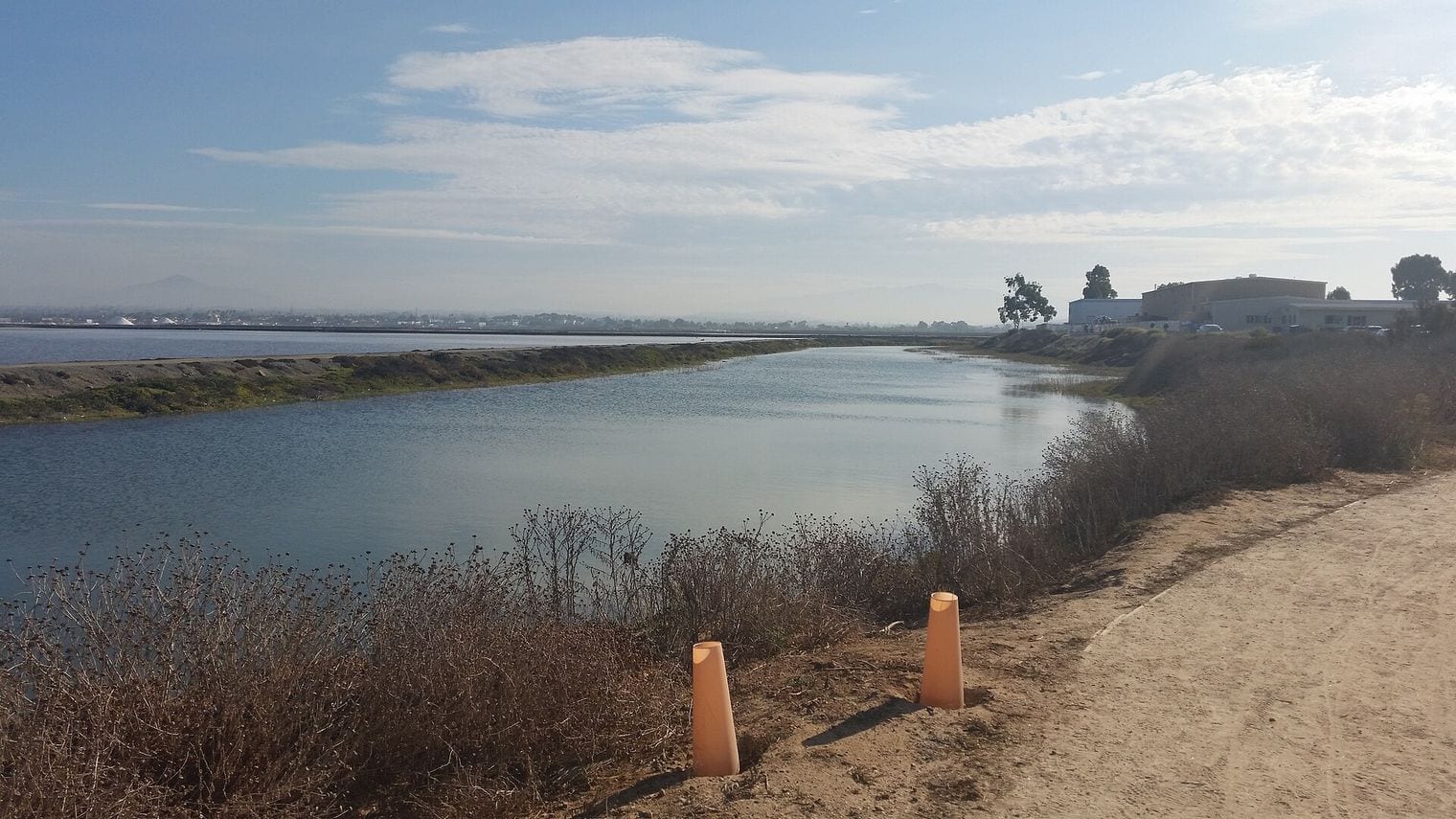
The San Diego Bay National Wildlife Refuge, established in 1988, protects salt marsh, mudflats and coastal uplands on a bay that has lost more than 90 percent of its historic wetlands. Two pieces lie in Chula Vista: the Sweetwater Marsh unit around Gunpowder Point, and the South San Diego Bay unit at the bay's southern end, where the evaporation ponds of the South Bay Salt Works spread out in bands of color.
Birders come for shorebirds, waterfowl and the endangered light-footed Ridgway's rail, and winter brings the biggest migrant flocks. The Bayshore Bikeway skirts the salt ponds, which is the way to see them, because the salt works themselves are not open to the public; the trails around Gunpowder Point start beside the Living Coast Discovery Center.
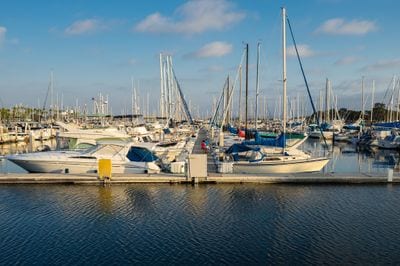
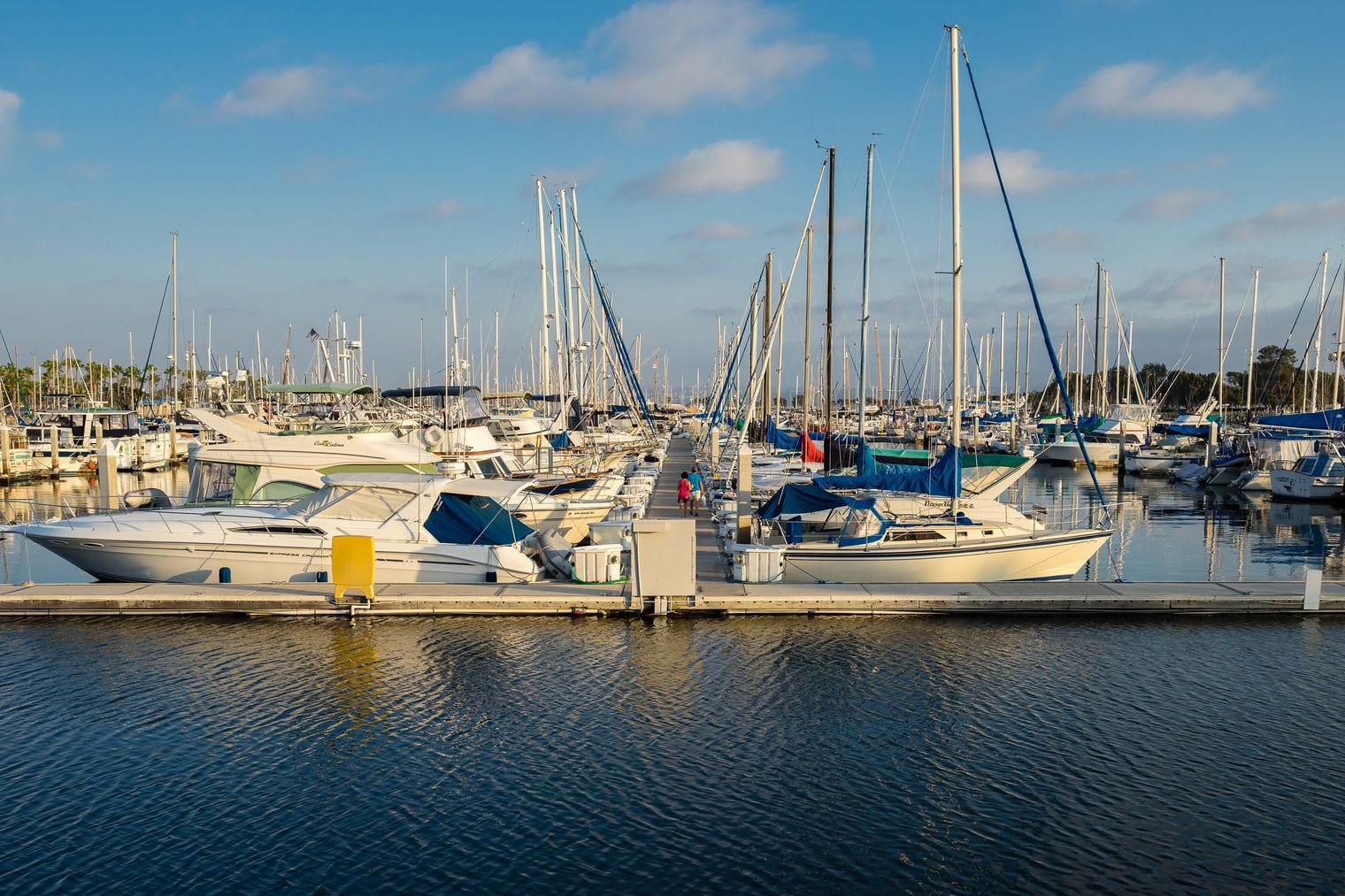
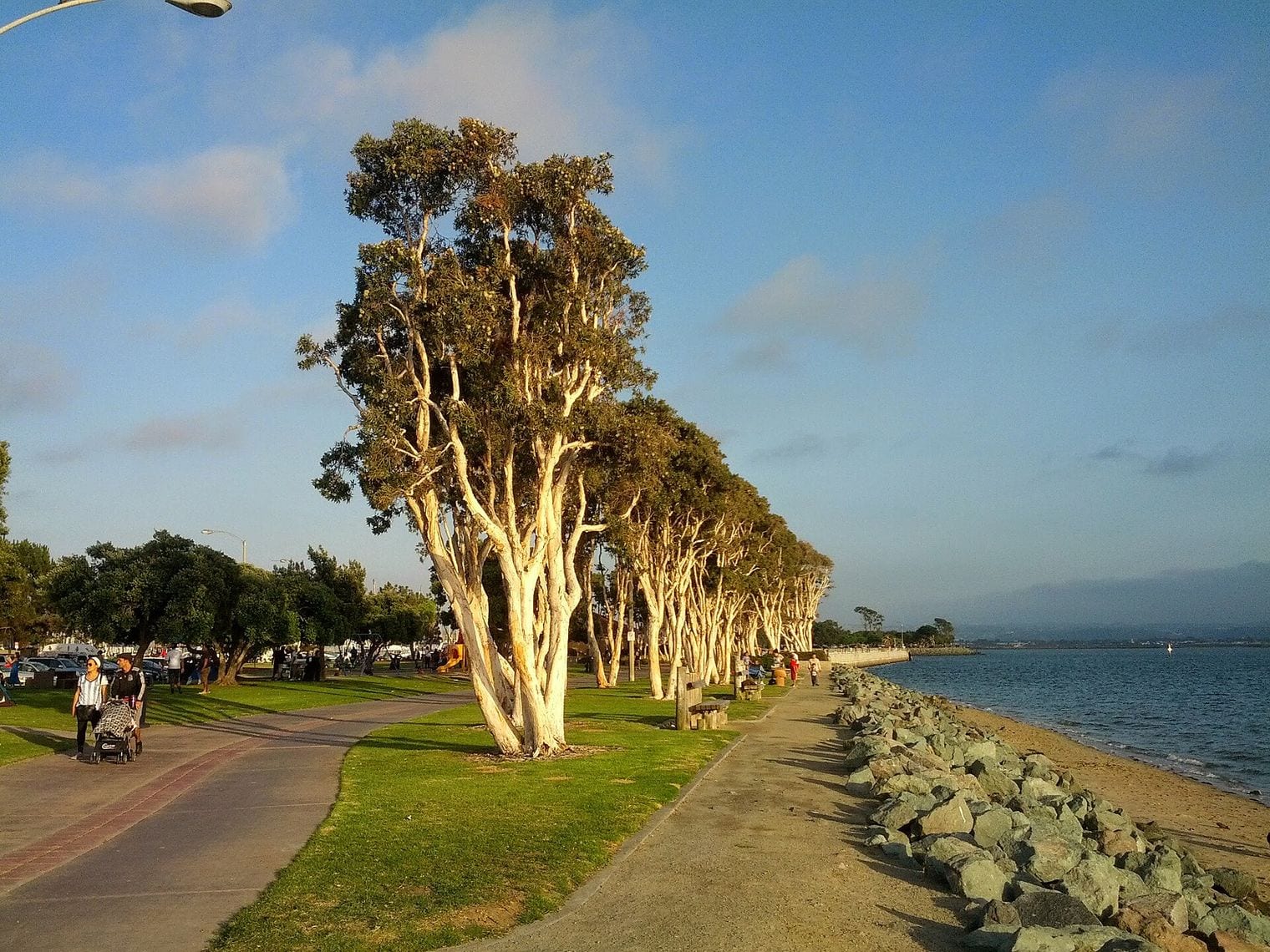
Chula Vista Marina, the boat harbor at the foot of J Street, now operates as Safe Harbor Bayfront, with several hundred slips for sailboats and cruisers and the Chula Vista Yacht Club close by. Even if you are not a boater, it is a pleasant place to stroll the waterfront, watch boats come and go and look across the bay toward Coronado.
Locals still call the area J Street Marina, and it is the hub of the southern bayfront: Marina View Park sits next door, and Bayfront Park, with its public launch ramp, is a short walk away. Come late in the afternoon, when the light on the masts is at its best.
Free printable checklist of all 15 places
Tick them off as you go. Confirm your email to download it, plus one email every Thursday with new guides for the places you tick.
Otay Valley Regional Park follows the Otay River along Chula Vista's southern edge, a green corridor run jointly by the County of San Diego and the cities of San Diego and Chula Vista. Miles of wide, mostly flat multi-use trails link a string of ponds, riverside woodland and open meadow, shared by hikers, mountain bikers, horse riders and birders.
The ponds draw herons, egrets and ducks, and the trail network is easy to dip into from several staging areas, including the ranger station off Beyer Boulevard on the San Diego side. Bring water and sun protection, because shade is scarce once you leave the trees by the river.
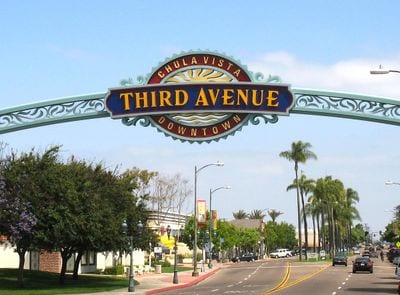
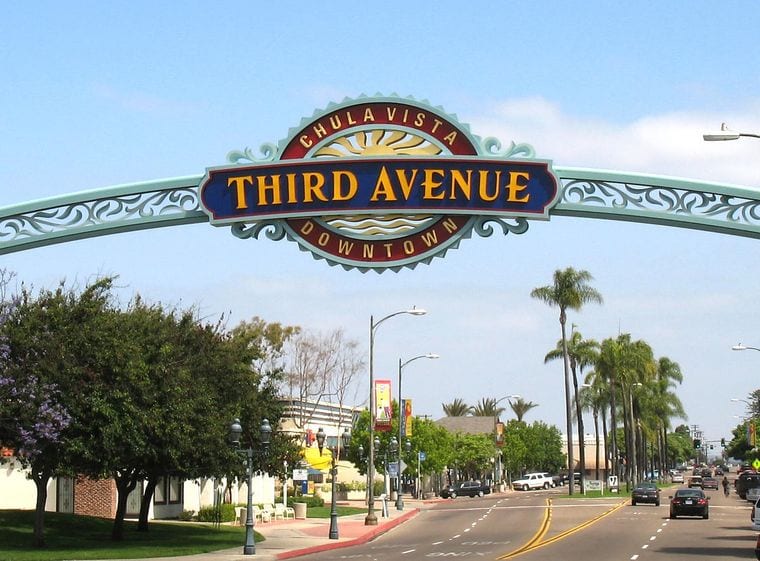
Third Avenue Village is Chula Vista's historic downtown, a walkable stretch of Third Avenue lined with independent restaurants, cafés, bars and shops, and the stage for the city's big street events. The summer Lemon Festival nods to the days when lemon groves surrounded the town, and a weekly farmers market sets up nearby on Park Way.
Round out a visit with a show at On Stage Playhouse, the city's community theater on Third Avenue, or a stroll through Memorial Park and its outdoor Memorial Bowl. A few blocks away, the free Chula Vista Heritage Museum, inside the Civic Center Library, tells the city's story through photographs and artifacts.
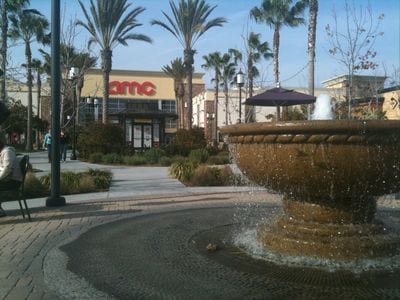
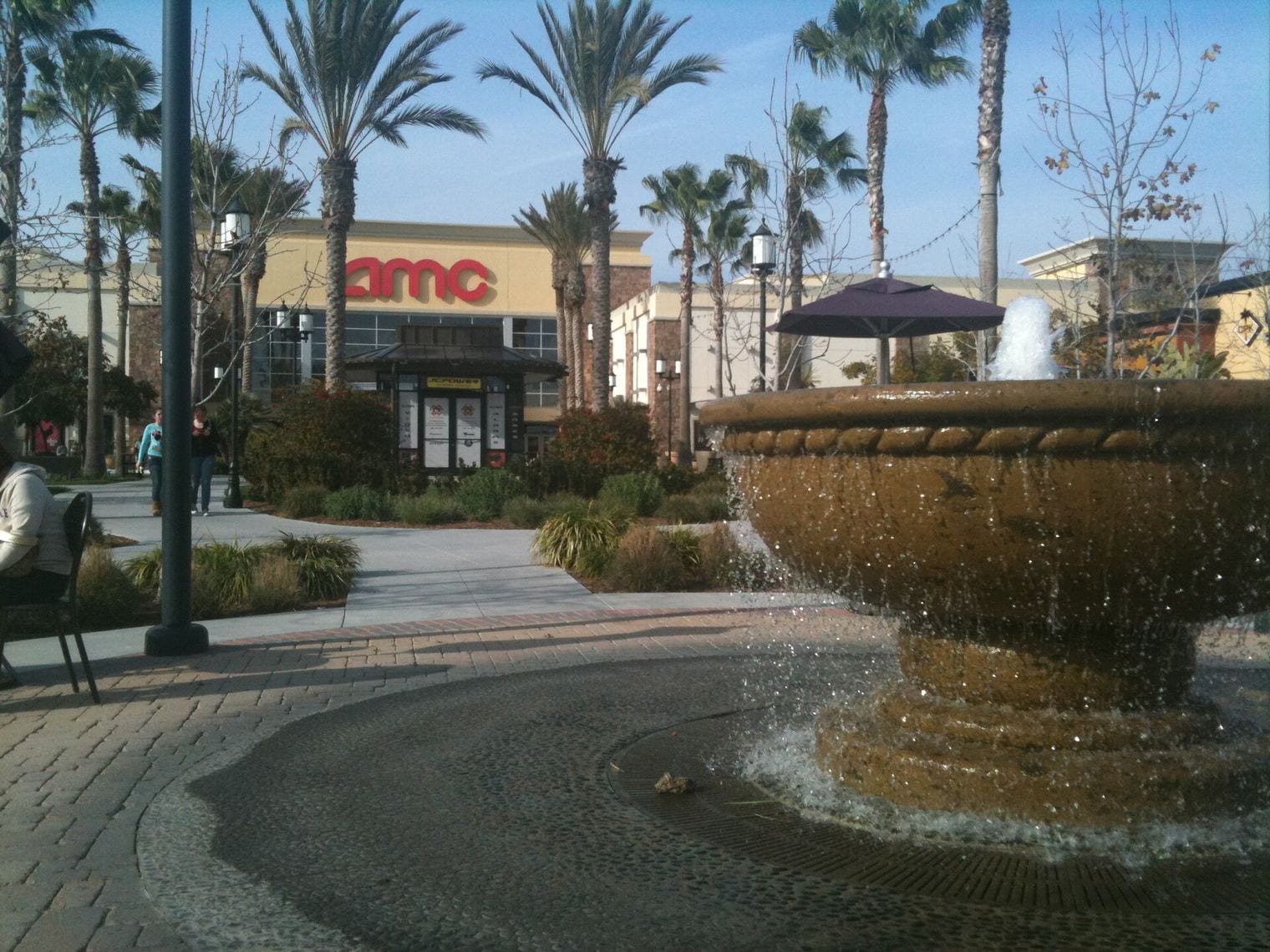
Otay Ranch Town Center is an open-air shopping center in the planned community of Otay Ranch, opened in 2006 with outdoor walkways linking national chain stores, a bookstore, a multiplex cinema and plenty of places to eat. It is the east side's default stop for an evening out, and the outdoor layout suits Chula Vista's mild weather year-round.
It also makes a handy break on a day spent at the training center, Otay Lakes or Mother Miguel Mountain, all a short drive east. Come for an early dinner and a film after a morning hike, or for a slow afternoon of window shopping when the coast is gray.
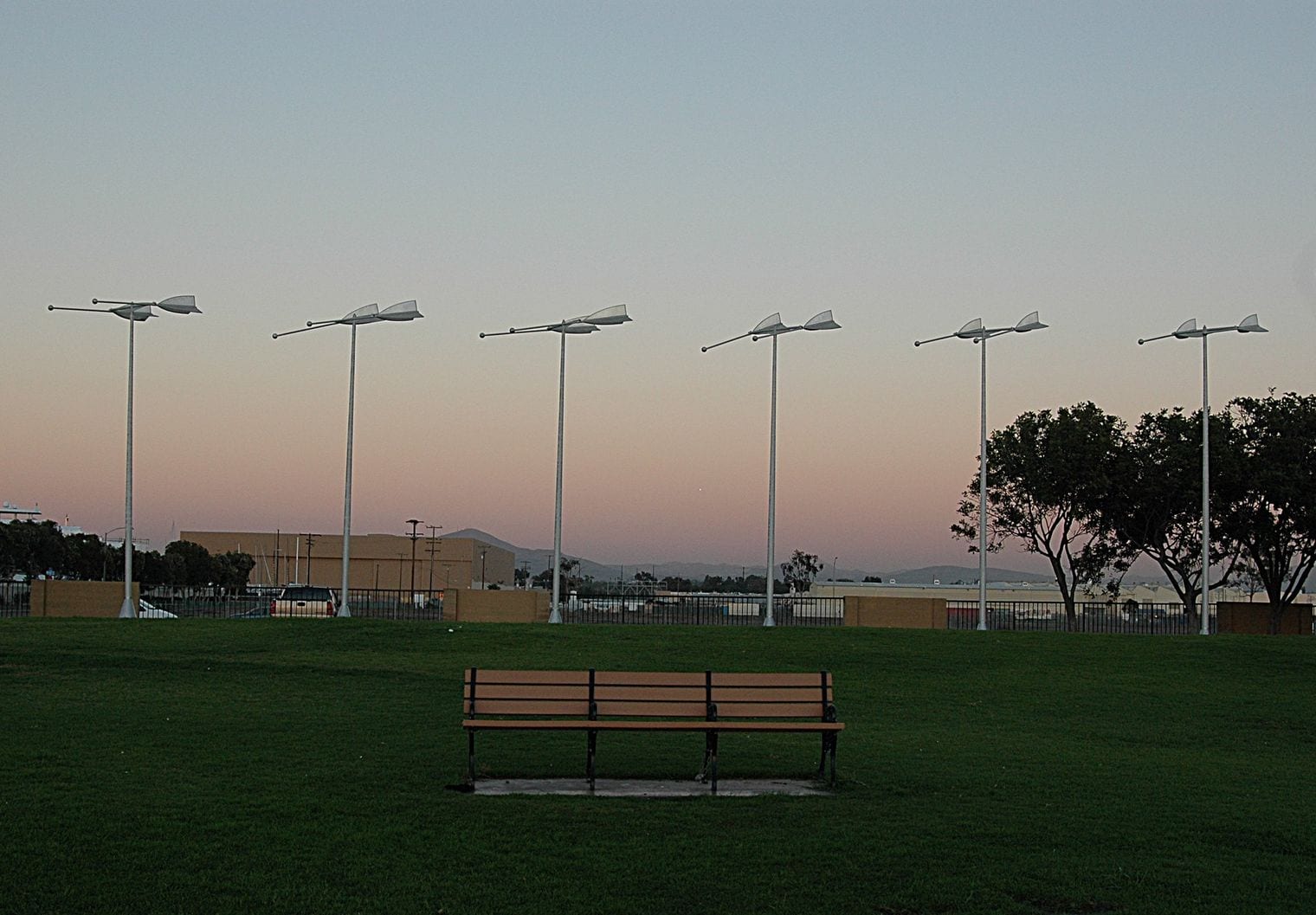
Chula Vista Bayfront Park, at the end of Marina Way, is the southern bayfront's launch point, with a public boat ramp, picnic tables, open lawns and wide views across San Diego Bay. Look along the shoreline for "Konoids," a sculpture by artist Kenneth Capps.
It is plainer than the parks to the north, which is part of its appeal: boaters, kayakers and picnicking families share the water's edge, and it is a fine spot to watch the sun go down toward Coronado. Pair it with the marina and Marina View Park, both a short walk away.
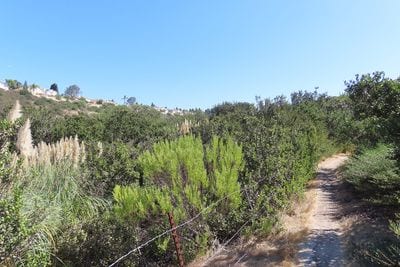
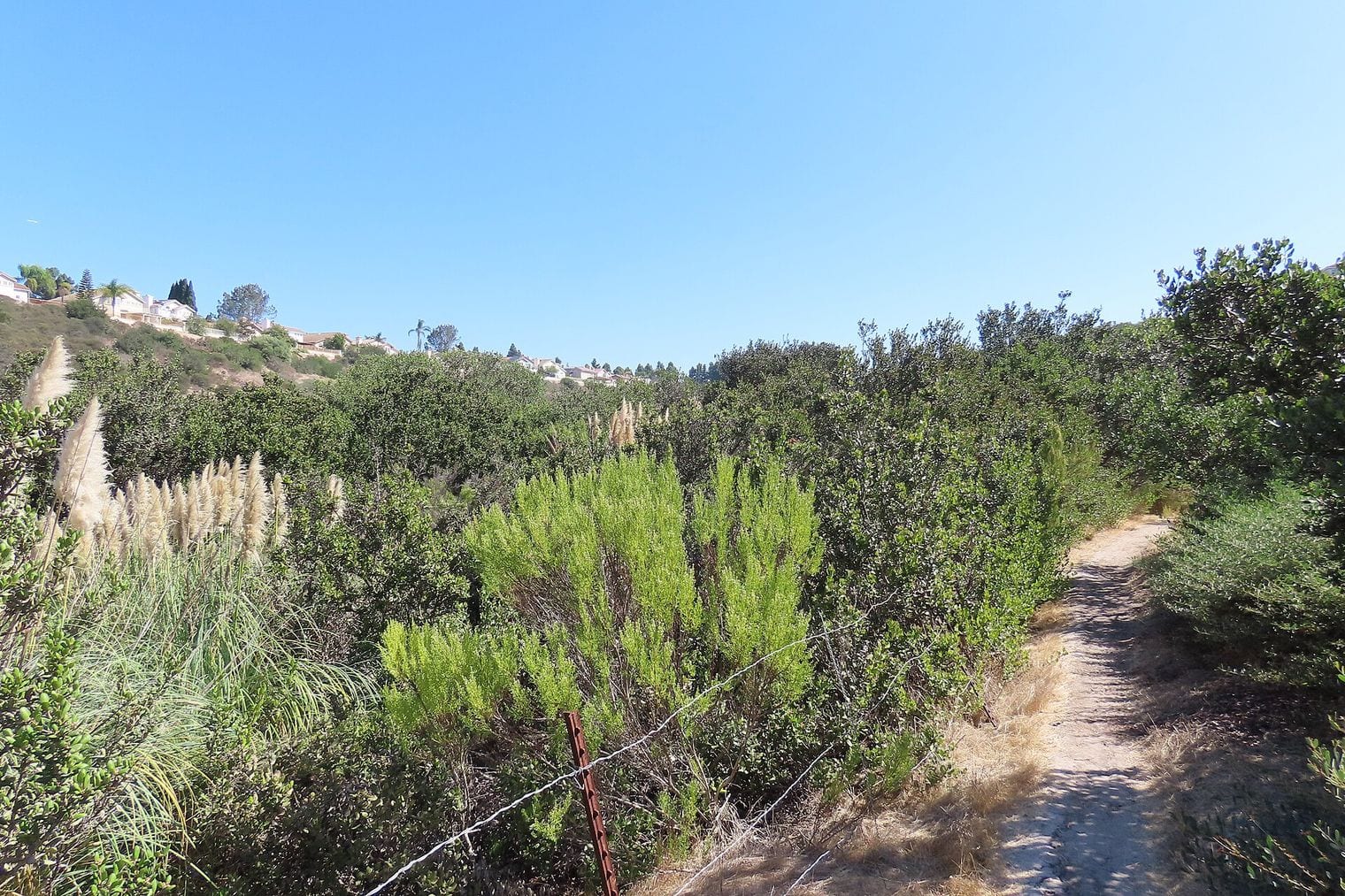
Rice Canyon Open Space Preserve is a ribbon of native scrub running through the Rancho del Rey area, with an easy, mostly gentle trail of roughly 3.5 miles out and back that heads west toward East H Street. Walkers, joggers, mountain bikers and leashed dogs all use it, and a wet winter brings out spring wildflowers.
At the trailhead, the Rice Canyon Demonstration Gardens show off drought-tolerant succulents, among them aloes, agaves, barrel cacti and desert spoon, laid out as ideas for water-wise home gardens. It is the quickest nature fix in the middle of the city.
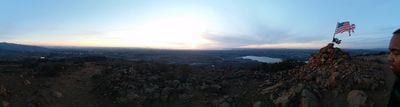
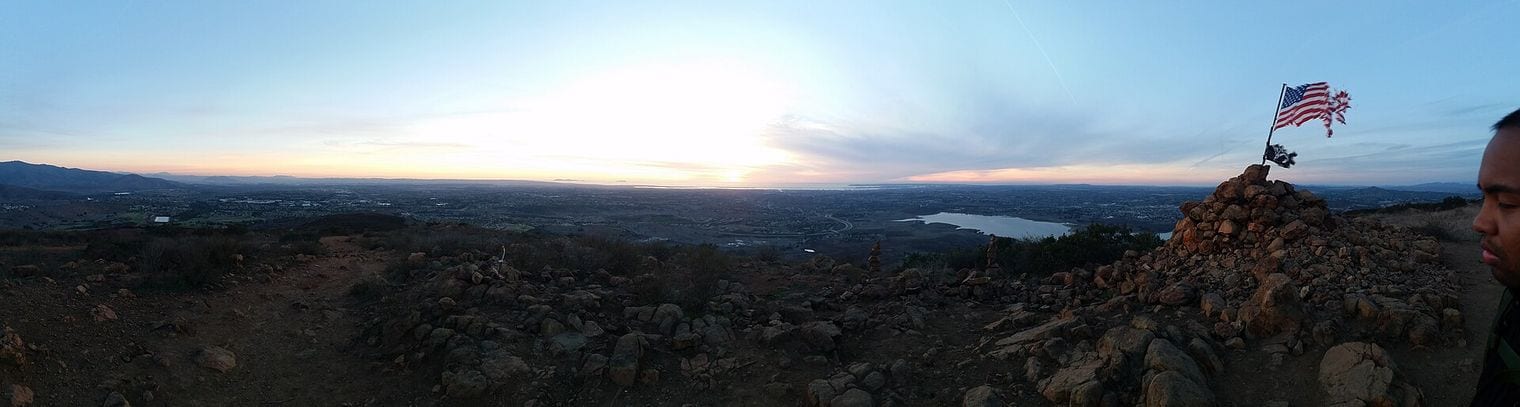
Mother Miguel Mountain is Chula Vista's signature summit hike, a steep climb in the San Diego National Wildlife Refuge (the inland refuge, not the one on the bay) from a trailhead off Paseo Veracruz. The usual route is about four and a half miles round trip with roughly 1,000 feet of climbing, much of it on loose, rocky switchbacks.
The reward is a sweeping view from a summit about 1,500 feet up: Sweetwater Reservoir below, San Diego Bay and downtown to the west and, on clear days, a long look south into Mexico. There is no shade, so start early, carry plenty of water and stay on the marked trail to protect the refuge's habitat.
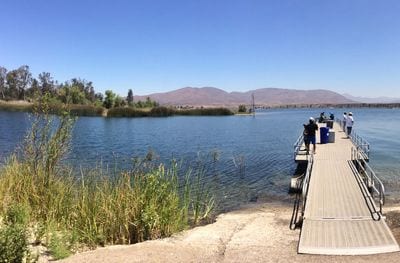
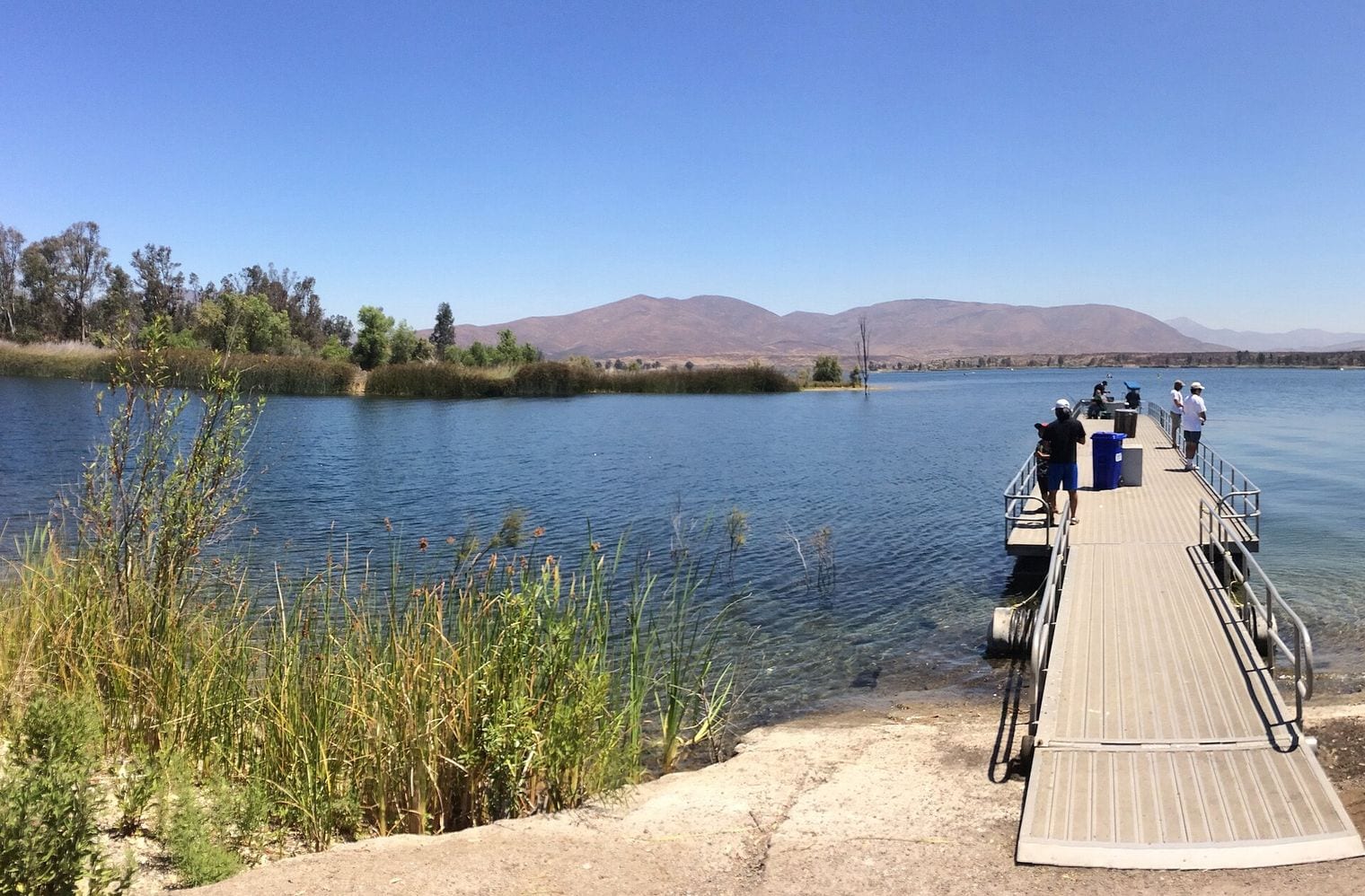
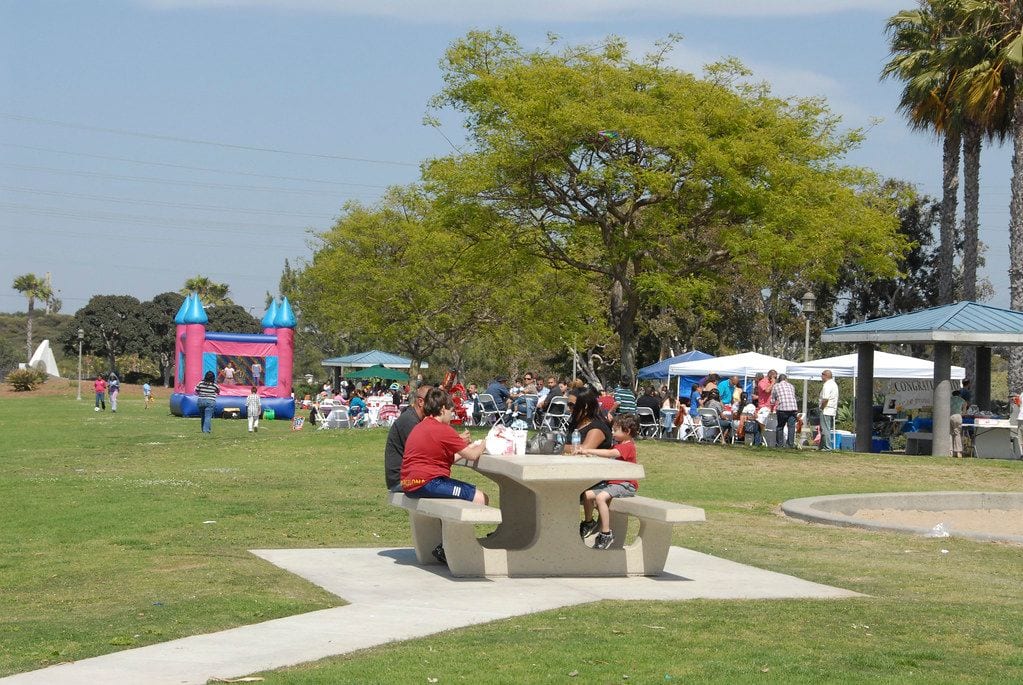
Otay Lakes County Park is a grassy county park on the city's eastern edge, set on the shore of Lower Otay Reservoir with the mountains rising beyond. It has group picnic areas, a playground and room to spread out, and birdwatchers do well around the lake.
The reservoir itself is run by the City of San Diego, which opens it a few days a week for fishing for largemouth bass, catfish and crappie, and for private boats and kayaks; swimming is not allowed. The launch ramp has been closed during low water since mid-2026 and the park's playground is closed for renovation, so check both before you go.
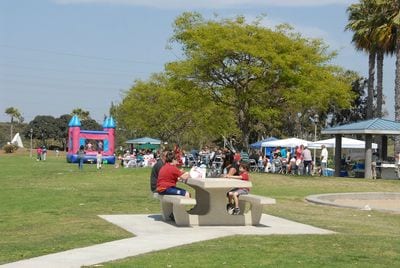
Chula Vista Marina View Park, on Marina Parkway beside the J Street marina, is the bayfront's family park, with colorful play equipment, arbors, picnic tables and lawns, plus public artworks dotted around the grass. It is also a local favorite for watching the sunset over the bay.
It is the easiest place on the waterfront to let children burn off energy before or after a walk around the marina, and the smaller, quieter counterpart to Bayside Park to the north. Parking is straightforward, and Bayfront Park is a short stroll away.
Plan your trip
Best Time to Visit Chula Vista
Chula Vista is mild all year, with a dry, sunny climate and little rain outside winter, so there is no bad season. Spring and fall are the sweet spots: warm, clear days for the canyon and summit hikes, wildflowers in the open-space preserves after a wet winter, and fewer crowds on the bayfront. Early summer often starts under a gray marine layer near the bay that burns off by afternoon.
Summer is the busiest season, when the amphitheatre's concert calendar is full, the seasonal theme park is open and Third Avenue hosts the Lemon Festival. Winter is the best time for birding, when migrating shorebirds and waterfowl gather in the marshes and salt ponds of the bay refuge.
Getting to Chula Vista
Most visitors arrive by car. Interstate 5 runs along the bayfront, Interstate 805 cuts through the middle of the city and State Route 125, a toll road in its southern stretch, serves the eastern neighborhoods; all three link up with San Diego to the north and the Mexican border a few miles to the south. San Diego International Airport is about a 20-minute drive north in light traffic and has by far the most flights in the region.
The San Diego Trolley runs through western Chula Vista, with stations near the bayfront and downtown, connecting the city to downtown San Diego and the San Ysidro border crossing. Amtrak and long-distance buses stop in downtown San Diego, a short trolley ride away.
Getting Around Chula Vista
A car is the easiest way to see the city, because the sights split between the bayfront in the west and the lakes, canyons and training center in the east, a 20-minute drive or more apart. Parking is plentiful and usually free at the parks, the mall and the trailheads; downtown has metered and lot parking around Third Avenue.
Walkability: downtown Chula Vista scores 34.6 out of 100, the 23rd least walkable of the 100 biggest US cities in our walkability study. Within a mile of its center we counted 2 rail stops, 5 notable landmarks and 26 cafés, restaurants and shops per square kilometer.
On the bayfront, the parks, the marina and the refuge are linked by waterfront paths and the Bayshore Bikeway, so a bike works well there. The trolley serves the west side, rapid buses connect it to the eastern town centers, and rideshare covers the gaps.
Where to Stay in Chula Vista
The bayfront, close to Interstate 5 and the marina, is the pick for water views, the waterfront parks and the quickest run into San Diego by car or trolley. Third Avenue Village and the streets around downtown suit travelers who want to walk to dinner, a play or the weekly farmers market.
For a hiking, sports or concert-focused stay, look east to Eastlake and Otay Ranch, near State Route 125, where you are a short drive from the training center, Otay Lakes, Mother Miguel Mountain and the big shopping center.
Where to Eat in Chula Vista
Chula Vista eats like the border city it is. Mexican food leads, from taco shops and carne asada to seafood cocktails and mariscos, and the San Diego-style California burrito, stuffed with carne asada and French fries, is the local comfort food. The South Bay's large Filipino American community adds bakeries and family-style Filipino kitchens.
Third Avenue Village is the main dining street, with independent restaurants, cafés and bars along a walkable few blocks. The bayfront has spots with water views near the marina, and in the east the shopping centers of Otay Ranch and Eastlake gather casual restaurants, breweries and chains.
Day Trips from Chula Vista
San Diego is the obvious day out, about 15 to 20 minutes north, with its museums, beaches and waterfront. Coronado is about half an hour away by the Silver Strand, and Cabrillo National Monument on Point Loma, about 30 minutes northwest, has some of the best views over the bay you just explored. Across the border, Tijuana is a short drive or trolley ride away; bring a passport for the return.
Inland, the mountain town of Julian, about an hour and a half northeast, is famous for apple pie, and Anza-Borrego Desert State Park is about two hours away for spring wildflowers and desert badlands. Heading north along Interstate 5, the coast and the planned city of Irvine are about an hour and a half away in light traffic.
Chula Vista is best known for its bayfront and its Olympic heritage. Visitors come for the Living Coast Discovery Center and the San Diego Bay National Wildlife Refuge, the Sesame Place San Diego theme park, concerts at North Island Credit Union Amphitheatre, the Chula Vista Elite Athlete Training Center, and the bayfront parks along San Diego Bay.
Is Chula Vista worth visiting?
Yes, especially if you are already in San Diego. Chula Vista adds wildlife and birding on the bay, a free walk through an Olympic training center, a family theme park, summer concerts and some of the South Bay's best hikes, with Third Avenue Village for food. It also makes a quieter base for exploring the whole region.
How many days do you need in Chula Vista?
One full day covers the highlights: the Living Coast Discovery Center and refuge trails in the morning, the bayfront parks and marina, lunch on Third Avenue and the Olympic Path in the afternoon. Allow a second day for Mother Miguel Mountain, Rice Canyon, Otay Lakes and a concert or a day at Sesame Place in season.
What can you do in Chula Vista for free?
Free options include the Olympic Path at the Chula Vista Elite Athlete Training Center, birding in the San Diego Bay National Wildlife Refuge, the bayfront parks, the hikes at Rice Canyon, Mother Miguel Mountain and Otay Valley Regional Park, and the Heritage Museum and street life of Third Avenue Village.
Is Sesame Place San Diego open year-round?
No. Sesame Place San Diego operates seasonally, opening in spring and running into early fall, with a mix of daily and weekend-only operation outside the summer peak. Its future has also been clouded by a licensing dispute between Sesame Workshop and the park's operator, so always check the park's own calendar before planning a visit.
Sources & updates
How this guide was verified
Checked before launch
Sources cited
15
Publishers
11
Every place on this list was confirmed open and pinned on the map before publication, and what we say about each one was checked against its own website or an official source.
A PDF with a box to tick for every place. Confirm your email to download it, and get one email every Thursday with our newest guides for the places you tick.
Free Chula Vista printable checklist
All 15 places in one PDF
Tick them off as you go. Confirm your email to download it, plus one email every Thursday with new guides for the places you tick.
We use cookies to analyze site traffic and improve your experience.
You can accept or reject analytics cookies. See our
May we use analytics cookies? See ourCookie Policy.