We build and rank every list first. Booking links come after, and only where
a partner sells a ticket, tour or stay for that exact place, so a place with
nothing to book is listed exactly as prominently as one you can book.
So how do we earn? Some links on this page go to booking
partners, and if you book tickets, tours or a stay through
one, we may earn a commission. It costs you nothing extra.
That commission never decides which places make the list, the order they
appear in, or what we write about them. No entry is sponsored or a paid
placement.
25 Best Things to Do in Long Beach, California (2026)
By the City Viking editorial teamPublished 25 places · 19 min read
Fact-checked Checked before launchOct 24, 202625 sources14 publishers10 government & parks1 tourism board4 encyclopedias & research10 venues & other sitesPublished · Oct 24, 2026Researched and checked before it went liveClick for every source and the full change log.
Short answer
Long Beach is known for one of the busiest ports in the country, a 1920s oil boom and the Grand Prix that has raced through downtown since 1975. Start with the Queen Mary, the Aquarium of the Pacific and the Naples Canals, then walk past Shoreline Village to the Lions Lighthouse. Two to three days is ideal: the downtown waterfront, then Belmont Shore, Naples and the beaches, then the ranchos, museums or a ferry to Catalina Island.
Long Beach pairs one of the busiest ports in the country with miles of sheltered sand, a legendary ocean liner and easygoing neighborhoods, all a short drive south of Los Angeles. Canal-side homes, clifftop parks and a lively arts scene give the city a character all its own.
This guide covers the 25 best things to do in Long Beach, from the Queen Mary and the Aquarium of the Pacific to the Naples Canals, two historic rancho museums and a beach made for dogs. Allow two to three days, or make the city a stop on a wider California road trip.
Map of Things to Do in Long Beach, California
Things to Do in Long Beach, California
Things to Do in Long Beach, California at a Glance
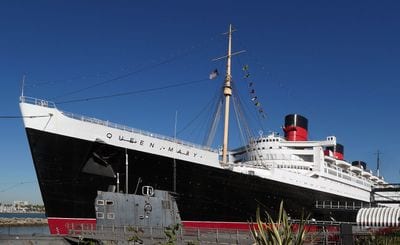
The city bought the Queen Mary — after Cunard retired the liner in 1967, Long Beach purchased her, and she sailed from Southampton for the last time that October to be permanently moored in the harbor.
Those palm-fringed islands offshore are oil rigs in disguise — the four THUMS Islands were built in 1965 to tap the East Wilmington Oil Field, and their landscaping and sound walls make them the only decorated oil islands in the United States.
Long Beach was an oil boomtown — after the 1921 gusher on nearby Signal Hill, the Long Beach Oil Field was the most productive in the world during the 1920s.
The Grand Prix of Long Beach has raced through downtown since 1975 — it is the longest-running major street race in North America.
The Port of Long Beach is the second-busiest container port in the U.S., and among the largest shipping ports in the world.
It is California's largest city that is not a county seat — and the seventh most populous city in the state.
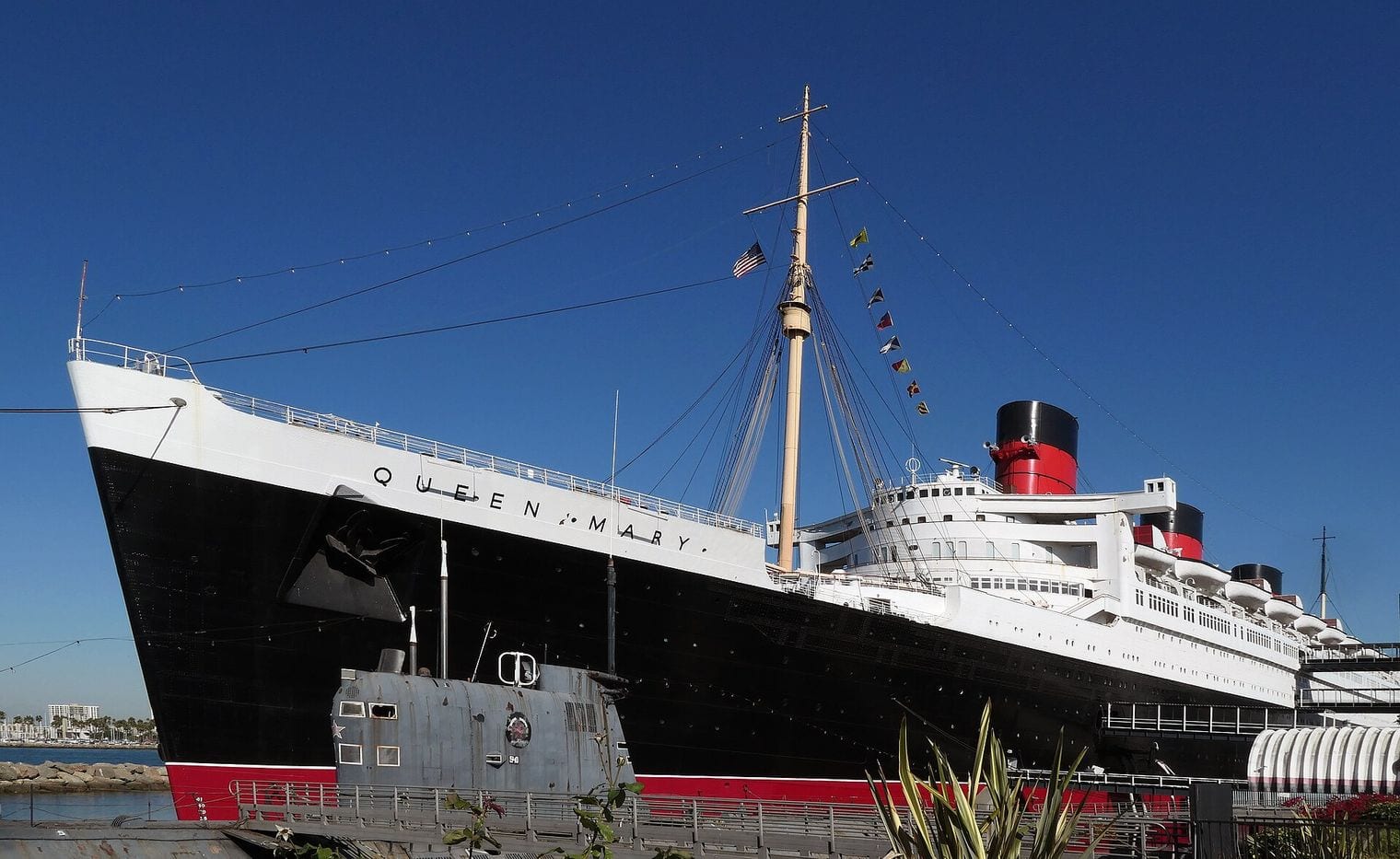
Long Beach's most famous resident is the Queen Mary, the Cunard ocean liner that crossed the North Atlantic from 1936 to 1967 and won the Blue Riband for speed before the city bought her and moored her here for good. Today the ship works as a hotel, museum and event space, and you can wander her decks and polished wood-paneled salons for a taste of the golden age of ocean travel.
Guided tours cover her history, from service as a troopship in World War II to the ghost stories that fuel the after-dark tours. Even if you skip the tours, a walk along the upper decks gives one of the best views back across the harbor to the downtown skyline.
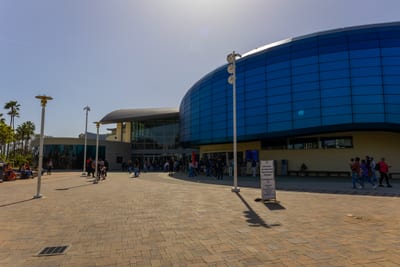
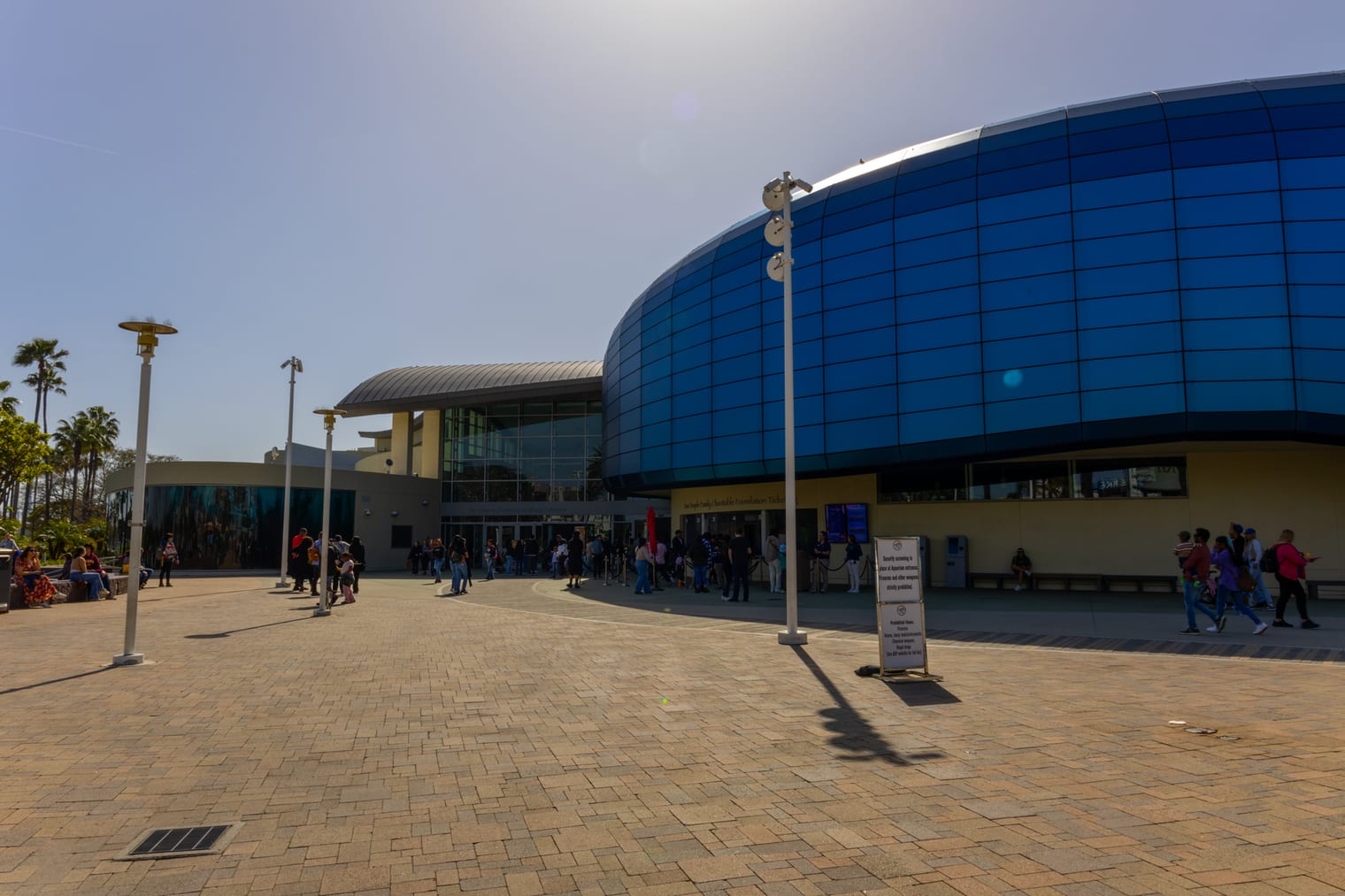
Across the harbor from the Queen Mary, the Aquarium of the Pacific opened in 1998 and now cares for more than 12,000 animals in galleries devoted to Southern California and Baja, the northern Pacific and the tropical Pacific. The three-story Blue Cavern tank recreates the kelp-filled waters around Catalina Island, and the seal and sea lion habitat is a reliable crowd-pleaser.
In Shark Lagoon you can touch sharks and rays in shallow touch pools, while the Pacific Visions wing, added in 2019, brings an immersive theater and an art gallery. Plan on at least half a day, longer with children.
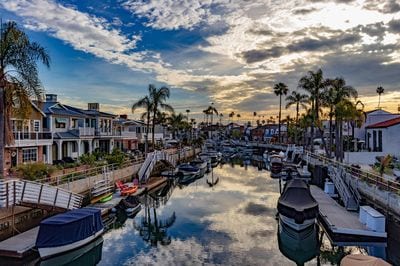
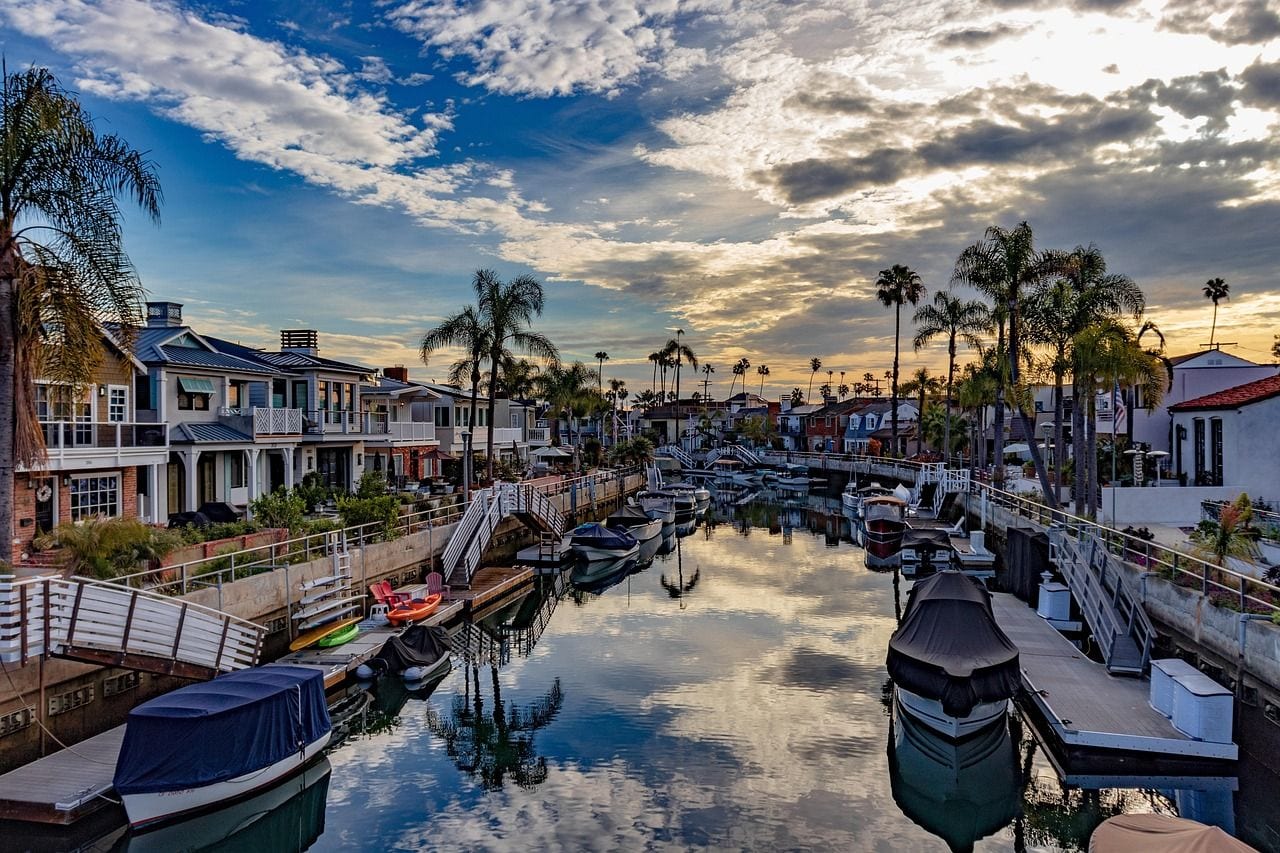
Naples is a Long Beach neighborhood built on three islands in Alamitos Bay, divided by canals and laced with streets carrying Italian-inspired names. Construction began in 1905, and more than a century later the waterfront homes, footbridges and private docks of the Naples Canals make for one of the most charming walks in Southern California.
Follow the canal-side paths at your own pace, paddle the calm water of the bay, or book a gondola ride through the canals, ideally around sunset. At Christmas time the Naples Island boat parade sends decorated boats through the canals and around Alamitos Bay.
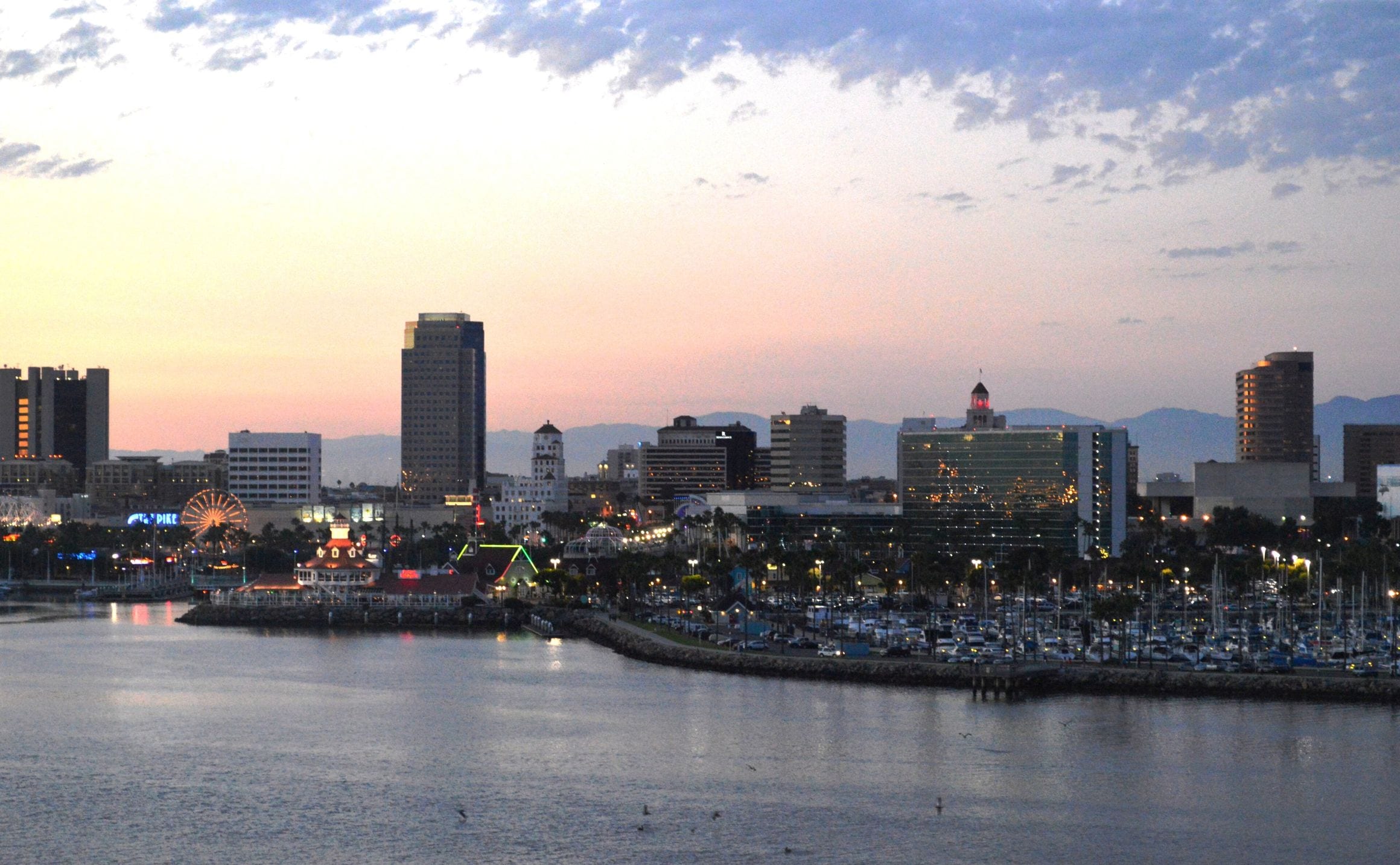
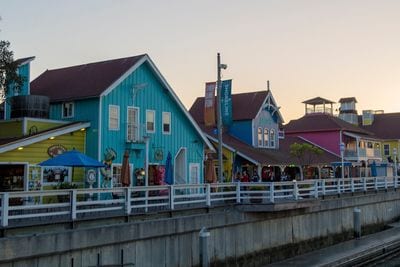
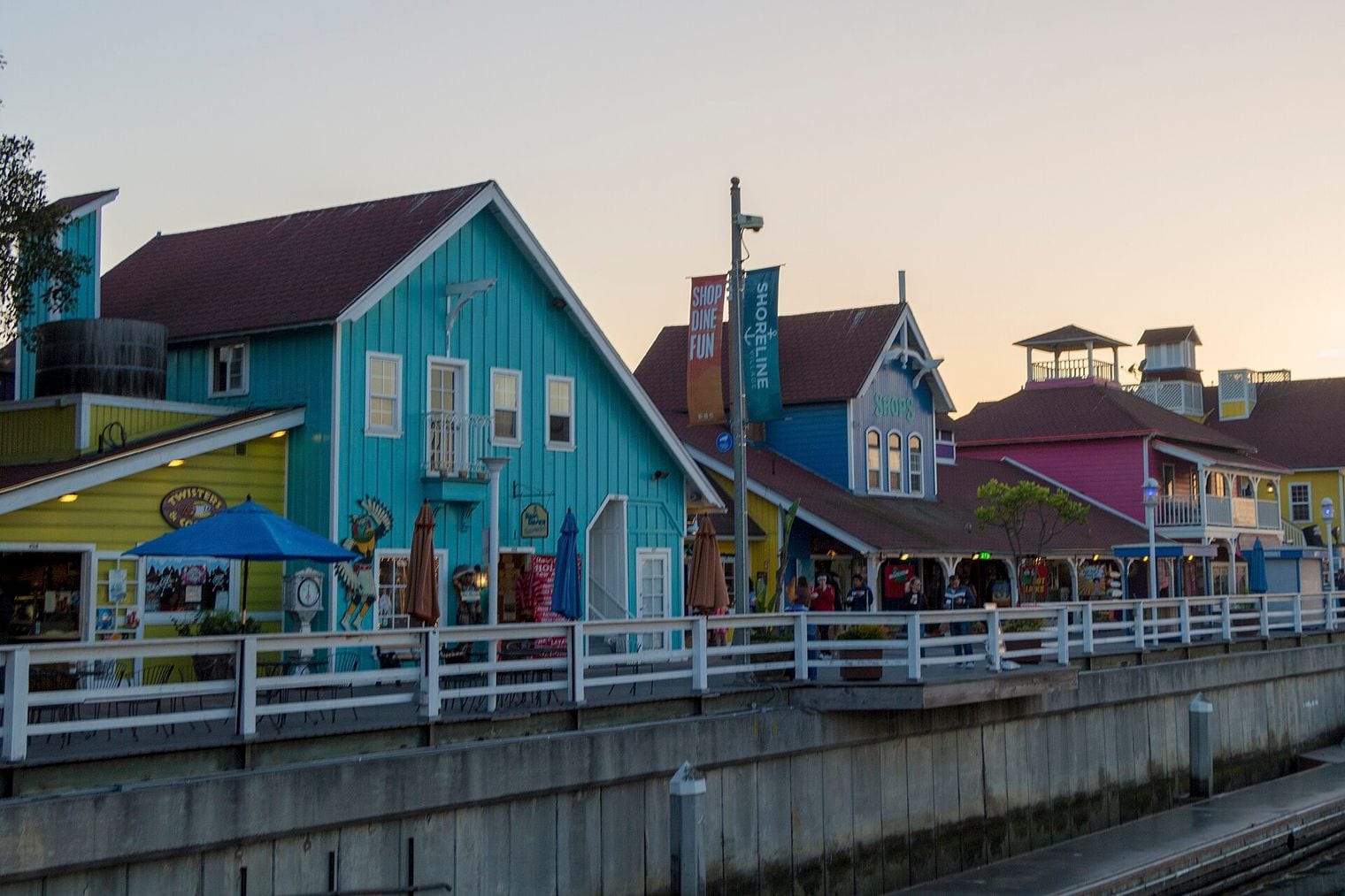
Shoreline Village is a compact harborside cluster of shops, restaurants and snack stands on Rainbow Harbor, with clear views across the water to the Queen Mary. It is the downtown waterfront's easygoing hangout, with a carousel, an arcade at Pelican Pier Pavilion and plenty of benches for watching the boats come and go.
Harbor and whale-watching cruises leave from the docks nearby, and bike rentals make it easy to set off along the shoreline path. Come back after dark, when the marina lights and the illuminated Queen Mary make this one of the prettiest spots in the city for an evening stroll.
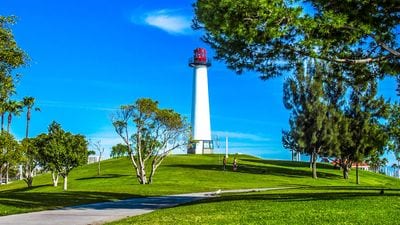
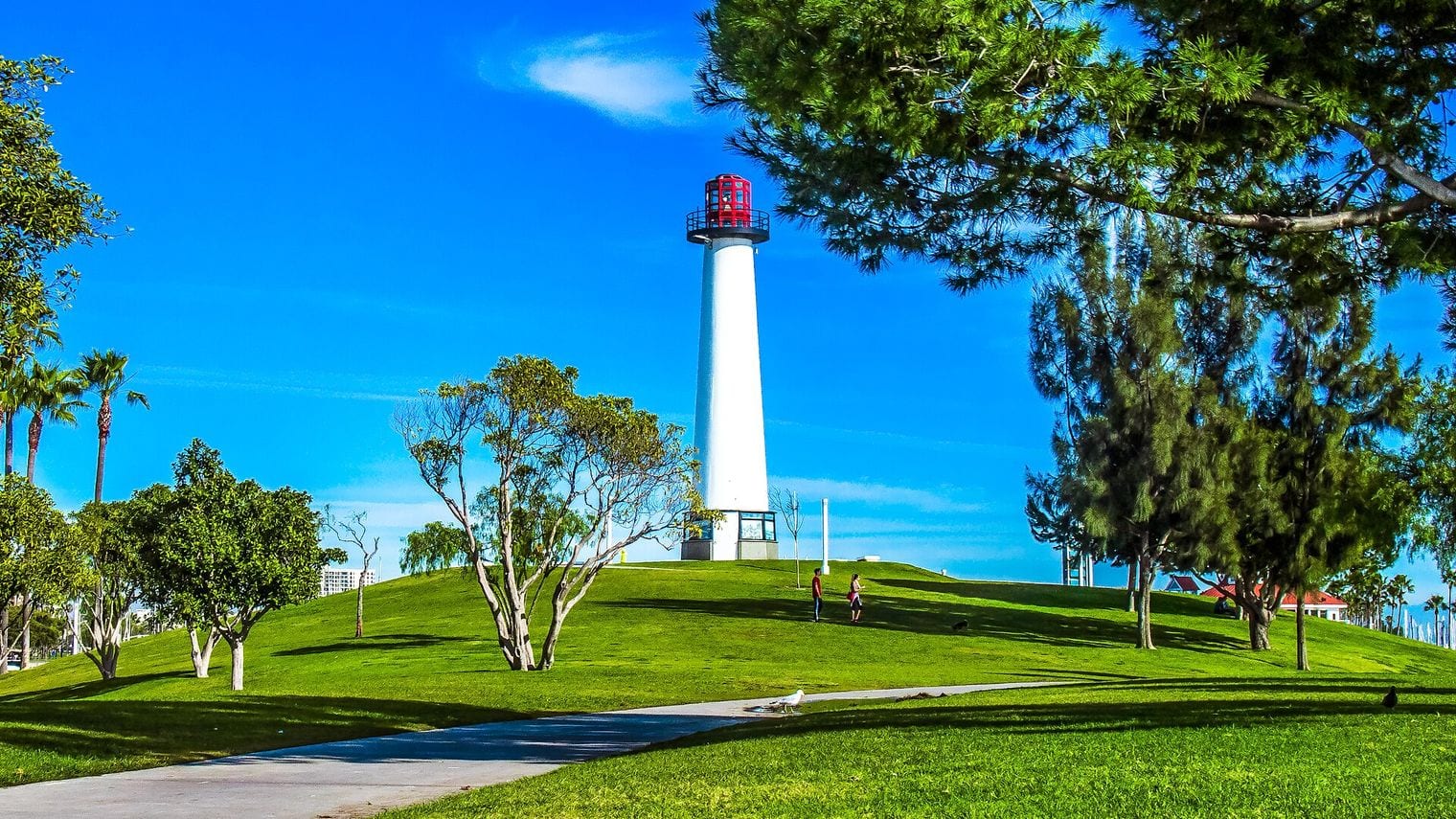
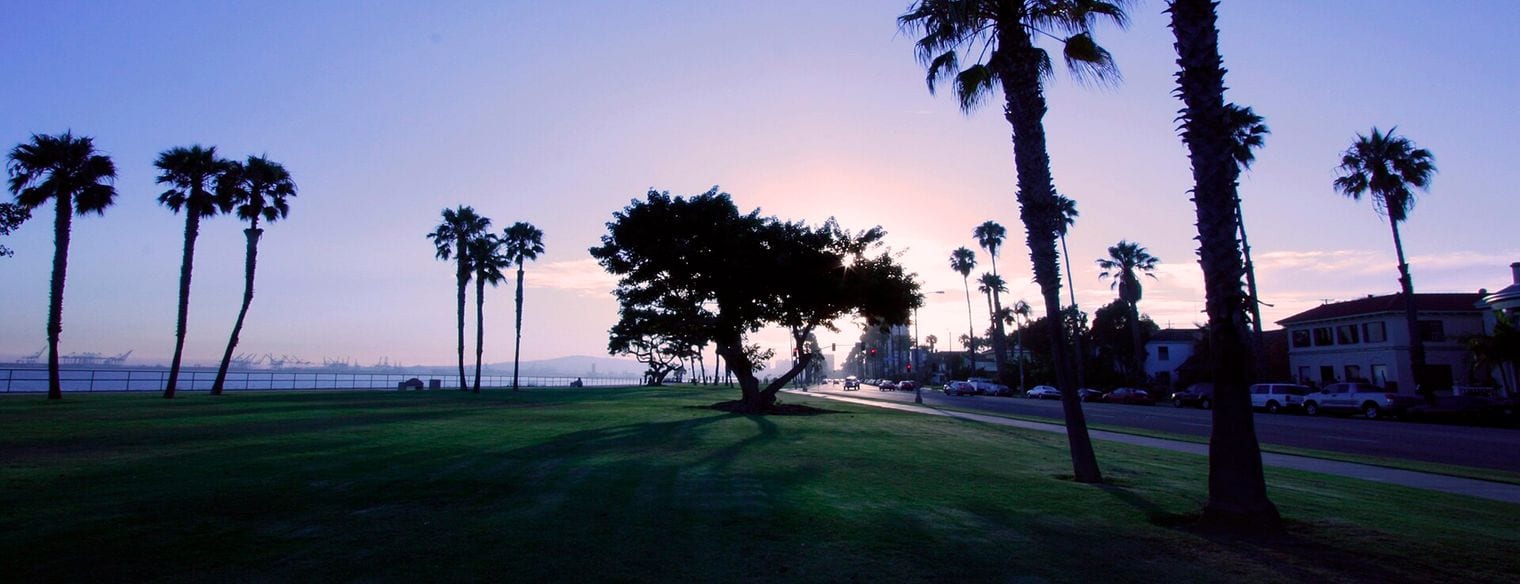
For the classic Long Beach skyline photo, follow the waterfront path to Shoreline Aquatic Park, a 12-acre stretch of open lawn between the Long Beach Arena and the downtown marina. Its landmark is the Lions Lighthouse, a decorative beacon first lit in 2000 and funded by the downtown Lions Clubs to promote their services for blind people.
The grassy park is a favorite for picnics and waterfront events, and the lighthouse frames views of the Queen Mary across the water with the downtown towers behind you. Come at sunset, when the harbor lights begin to glow.
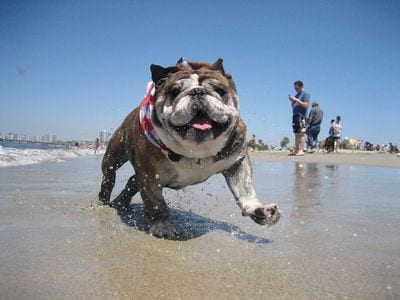
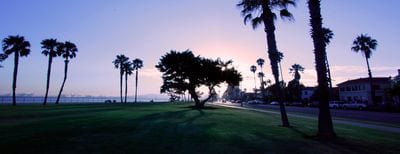
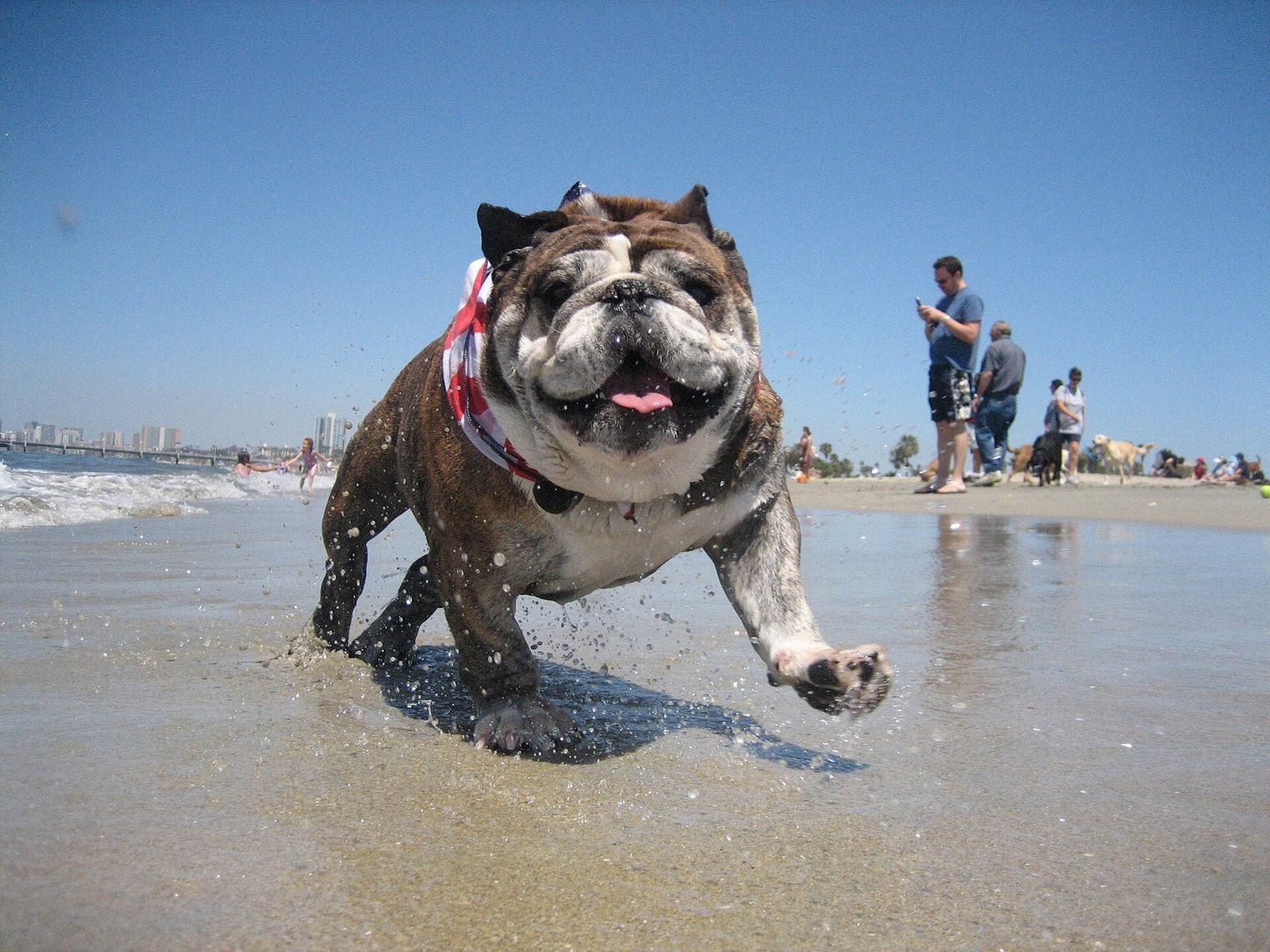
Rosie's Dog Beach is a 4.1-acre off-leash zone on the sand along Ocean Boulevard, between Granada and Roycroft avenues in Belmont Shore. Opened in 2003, it gives dogs room to run, dig and paddle in the gentle water inside the Long Beach breakwater.
Dogs need to be leashed on the way in, licensed and vaccinated, and owners clean up after them, which keeps the beach pleasant for everyone. Even without a dog, it is one of the most cheerful people-watching spots on the coast.
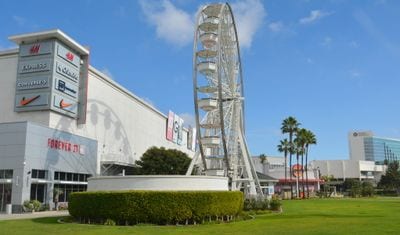
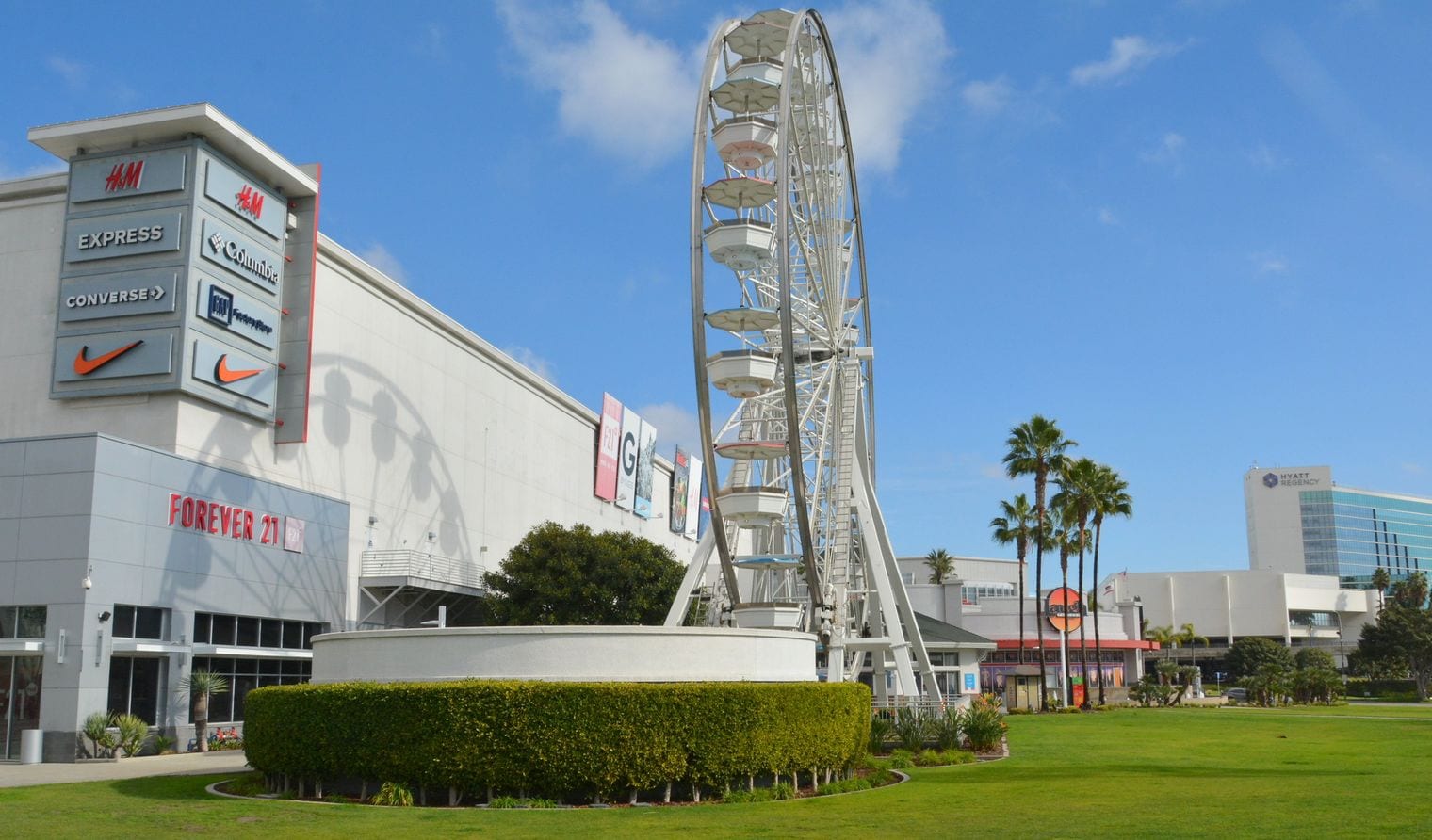
The Pike Outlets borrows a name with deep roots: The Pike was Long Beach's famous seaside amusement zone, founded in 1902 and home to the Cyclone Racer wooden roller coaster, until the city cleared it in 1979. Today's open-air outlet center beside Rainbow Harbor mixes outlet stores, restaurants and a movie theater a short walk from the Aquarium.
Its landmark is a Ferris wheel that lights up the waterfront at night and gives a fine view over the harbor to the Queen Mary. Shop, grab a bite, then take a spin before an evening walk along the water.
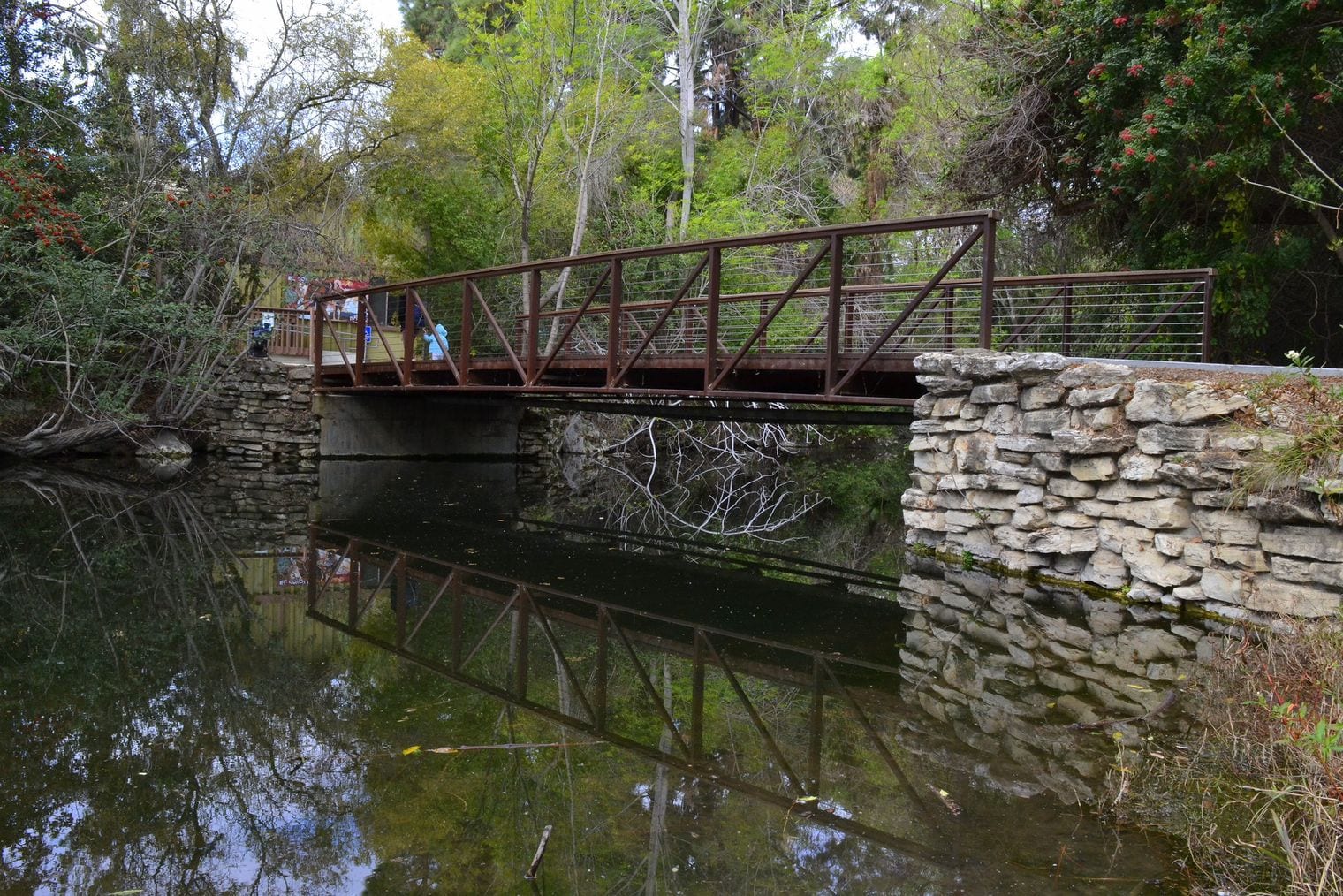
Tucked inside El Dorado East Regional Park, the El Dorado Nature Center protects 105 acres of woodland, meadow, two lakes and a stream in the middle of suburban Long Beach. About two miles of dirt trails and a short paved path wind around the water, with plenty of chances to spot birds and other wildlife.
A small visitor center on an island holds educational displays, an art gallery and a gift shop. The rest of El Dorado Park around it adds lawns, lakes and picnic areas, so it is easy to turn a nature walk into an afternoon outdoors.
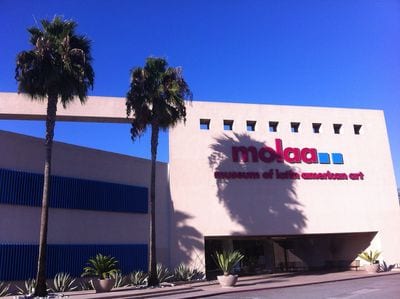
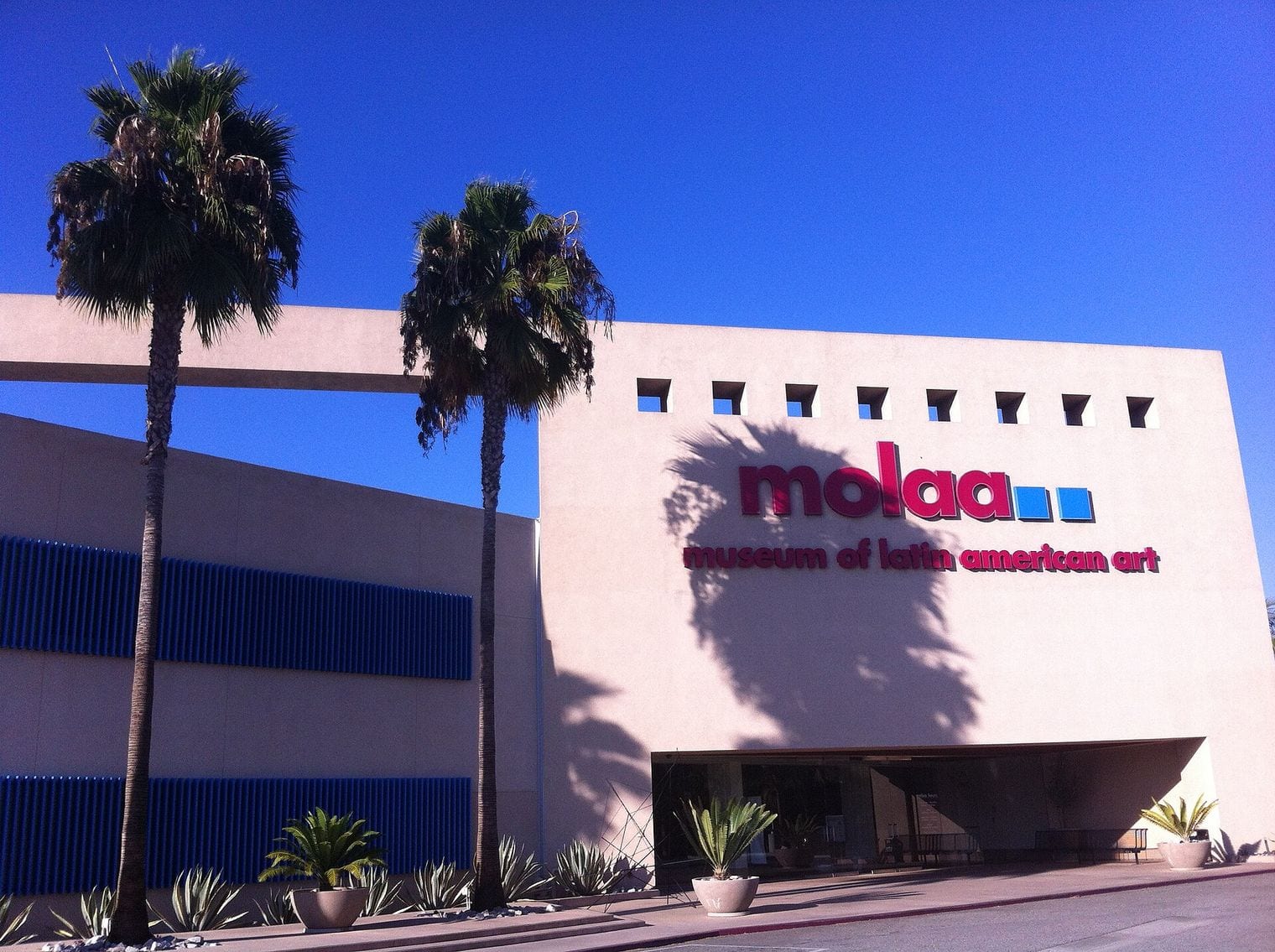
Founded in 1996 by Robert Gumbiner, the Museum of Latin American Art is the only museum in the United States dedicated to modern and contemporary Latin American and Latino art. Its galleries sit in the East Village Arts District, inside a building that was once a roller rink known as the Hippodrome.
Rotating exhibitions sit alongside the permanent collection, and the outdoor sculpture garden is a calm spot to linger between galleries. Check the museum's calendar before you go, since festivals and family days add to the program through the year.
Perched on the bluff above the beach, the Long Beach Museum of Art occupies a 1912 mansion built as a winter home for the philanthropist Elizabeth Milbank Anderson. Changing exhibitions fill the galleries, and the ocean views from the grounds are a draw in their own right.
The museum also runs a second space downtown, LBMA Downtown, so it is worth checking which site hosts the show you want to see. Pair a visit with a walk along neighboring Bluff Park for more of those Pacific views.
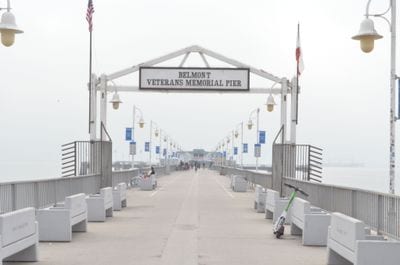
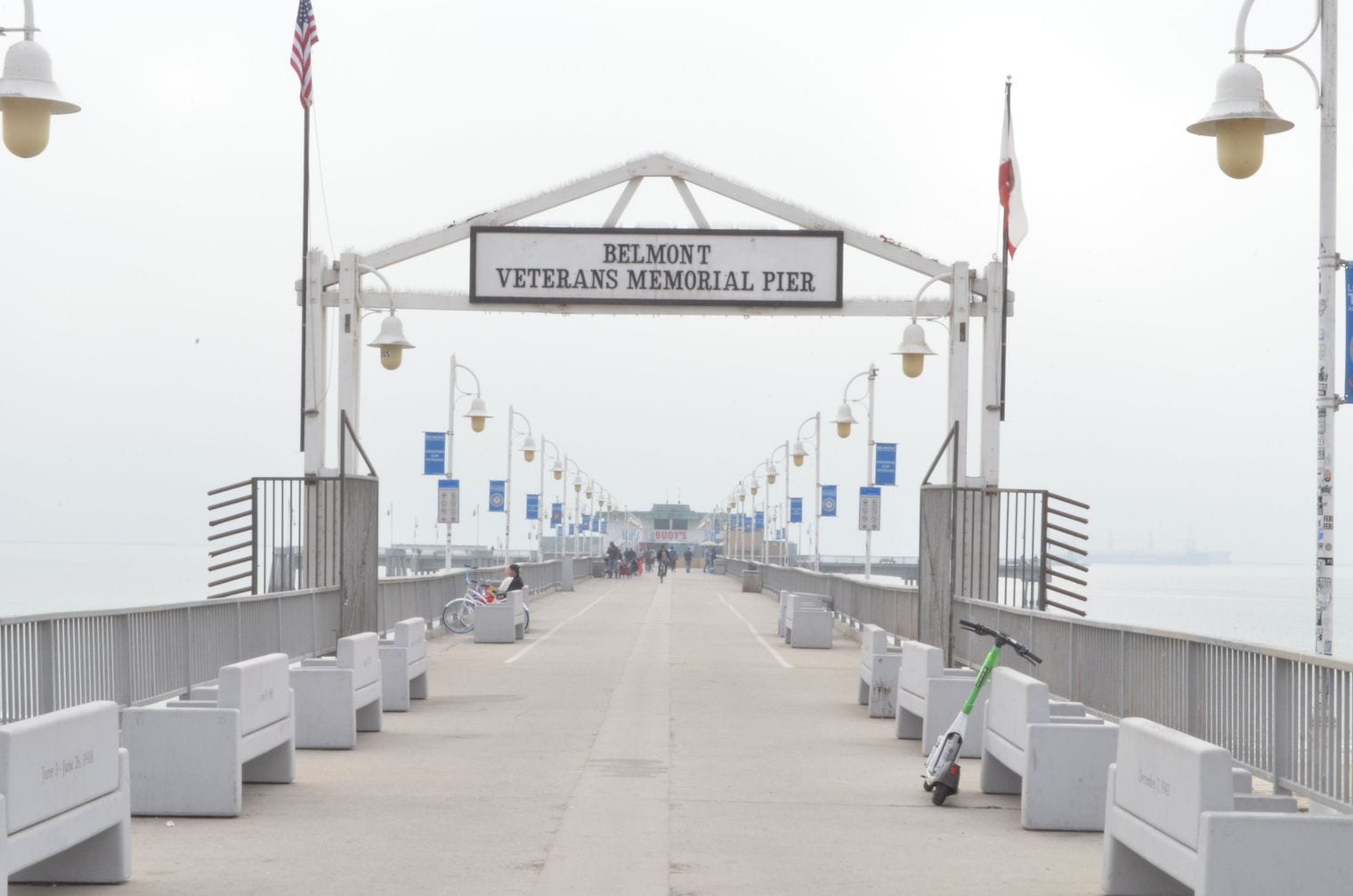
Reaching out from the beach where Belmont Heights meets Belmont Shore, the Belmont Veterans Memorial Pier is a favorite with anglers and strollers, with sport fishing, a bait shop and a snack stand at the far end. It took its current name in 2005, when an inscription dedicating it to the nation's armed forces was added at the entrance.
The pier is slated to host sailing at the 2028 Summer Olympics, and phased repairs mean parts of it may be fenced off at times. Walk out at sunrise or sunset for long views back along the coast to the downtown skyline.
Free printable checklist of all 25 places
Tick them off as you go. Confirm your email to download it, plus one email every Thursday with new guides for the places you tick.
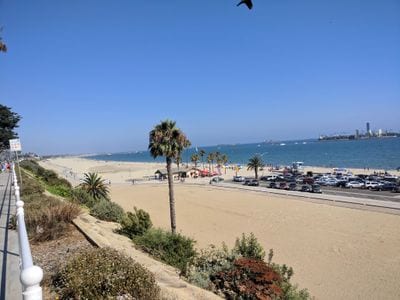
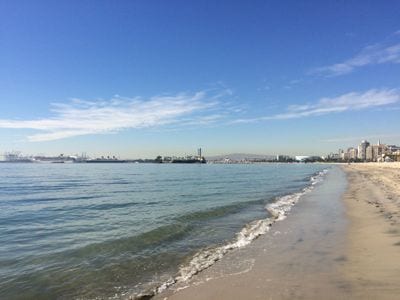
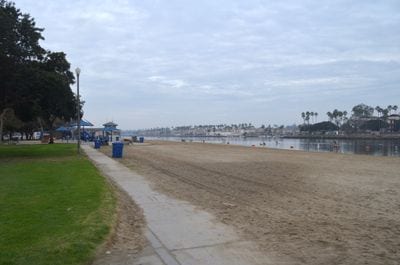
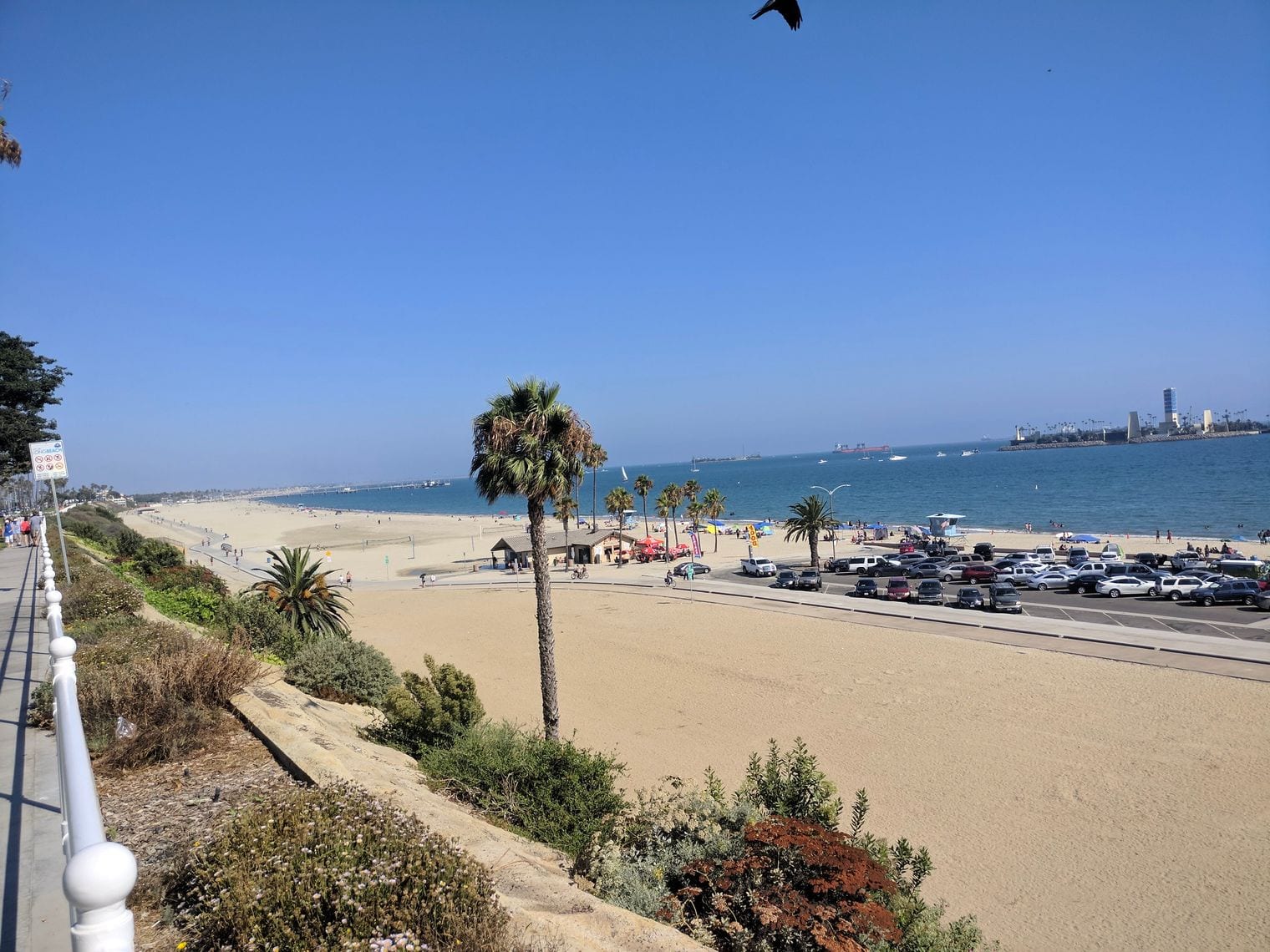
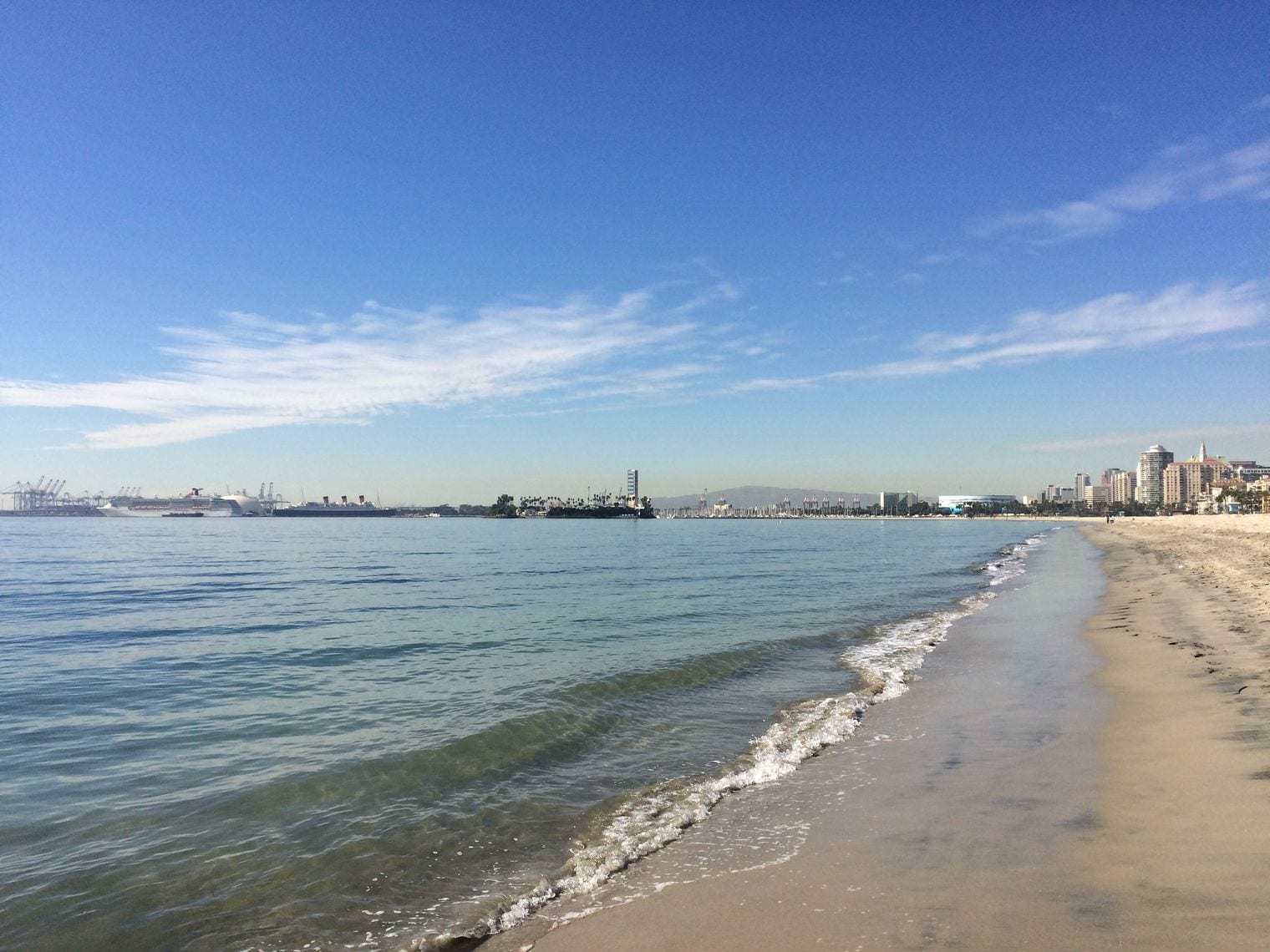
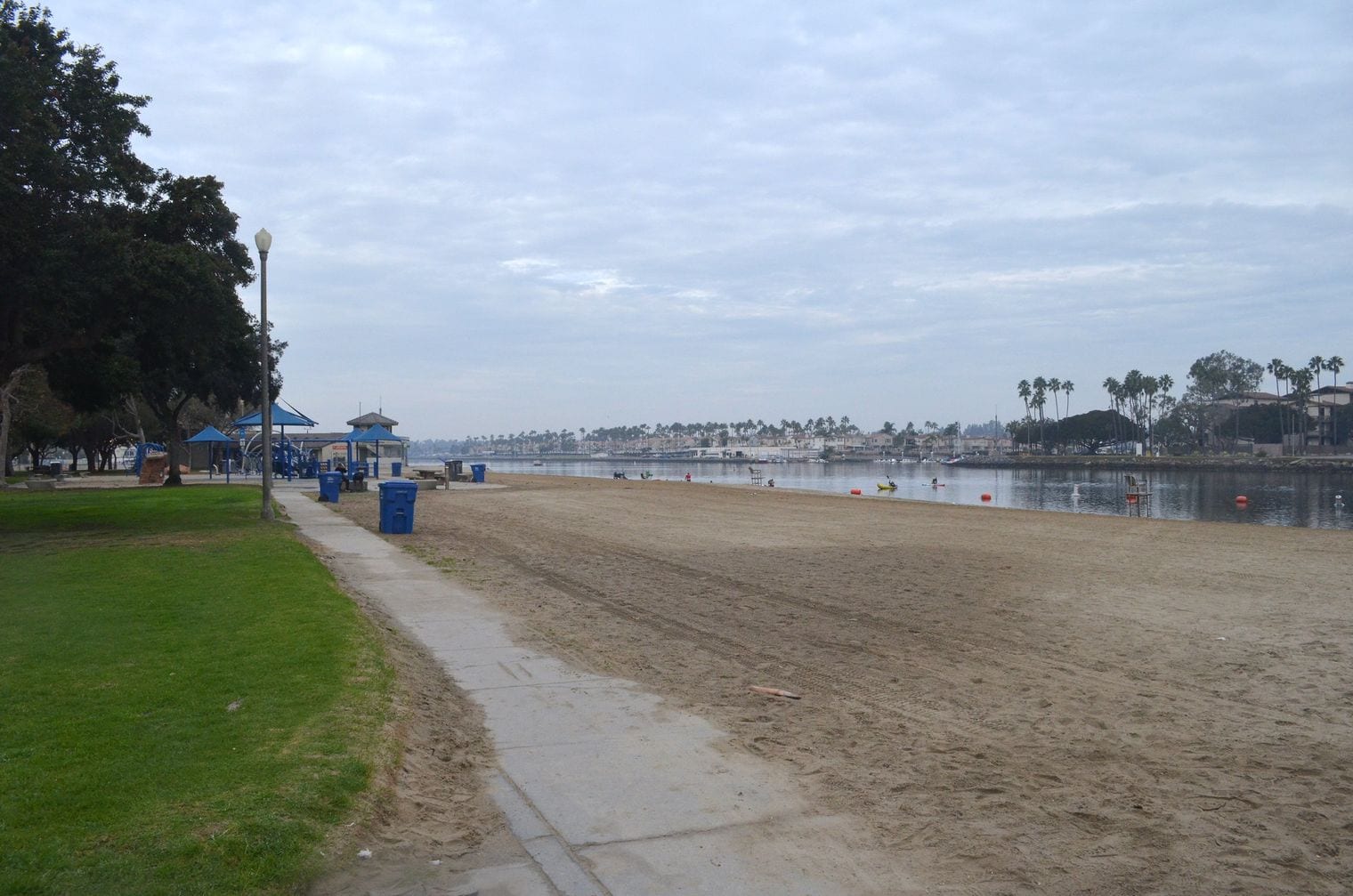
Long Beach City Beach is the broad ribbon of sand that runs along Ocean Boulevard from downtown past Alamitos and Junipero beaches toward Belmont Shore. Because the Long Beach breakwater tames the surf, the water here is far gentler than at most Southern California beaches, which suits paddlers, swimmers and families more than surfers.
A paved beachfront path runs beside the sand for walking, cycling and skating, and the bluffs above give the beach a sheltered feel. Bring a picnic and stay for the sunset over the harbor.
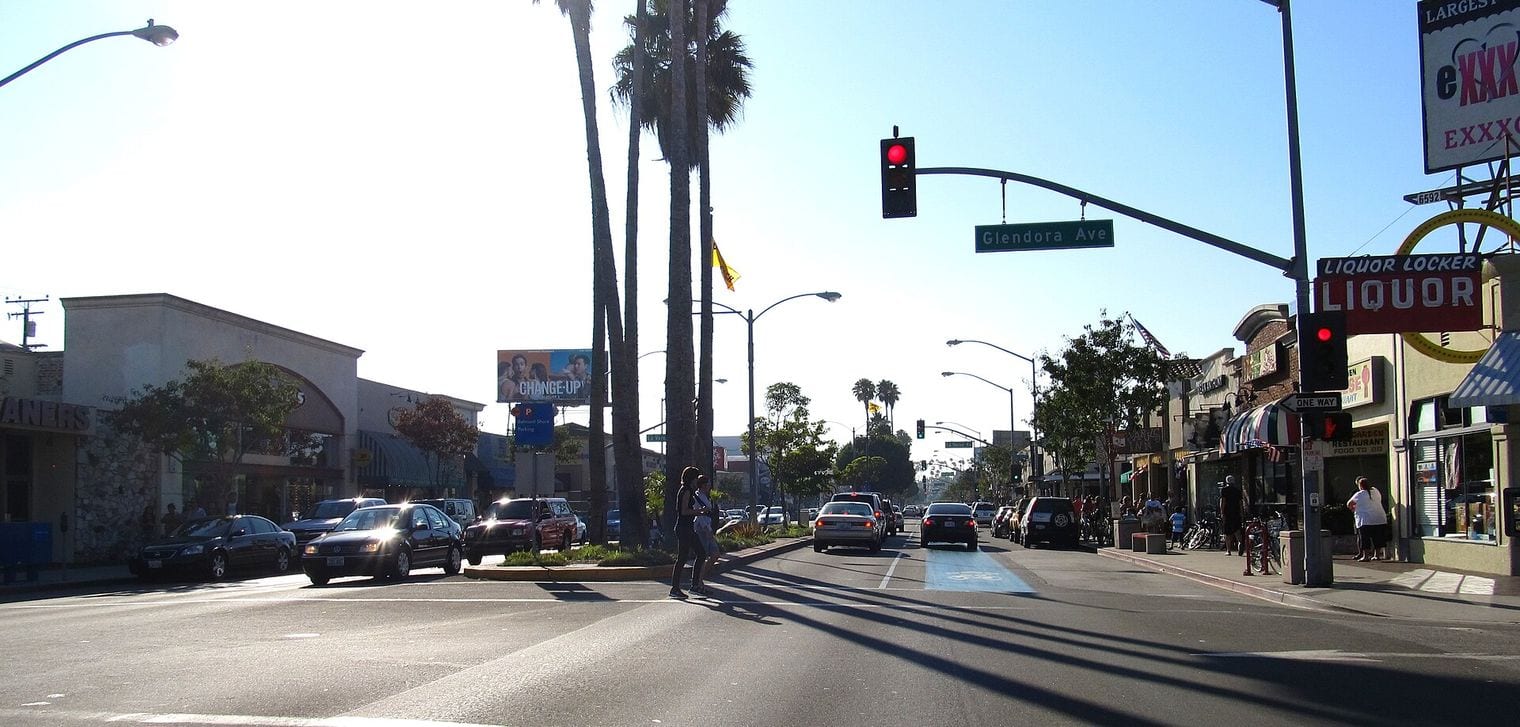
Belmont Shore is the laid-back beach neighborhood whose heart is 2nd Street, a lively strip of independent boutiques, cafés, bars and restaurants running toward Alamitos Bay and Naples. It is where locals go for brunch, window shopping and an evening out a few blocks from the sand.
In summer, part of Bay Shore Avenue at the neighborhood's eastern end closes to cars during the day and becomes a walking and cycling zone beside the calm bay beach. Combine it with the Belmont Pier and the Naples Canals for an easy half-day on foot.
1414. Carpenter Performing Arts Center
Performing Arts Theater~4.8 miles (7.8 km) from centre
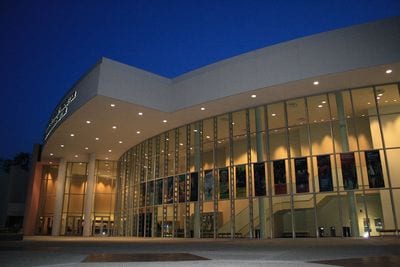
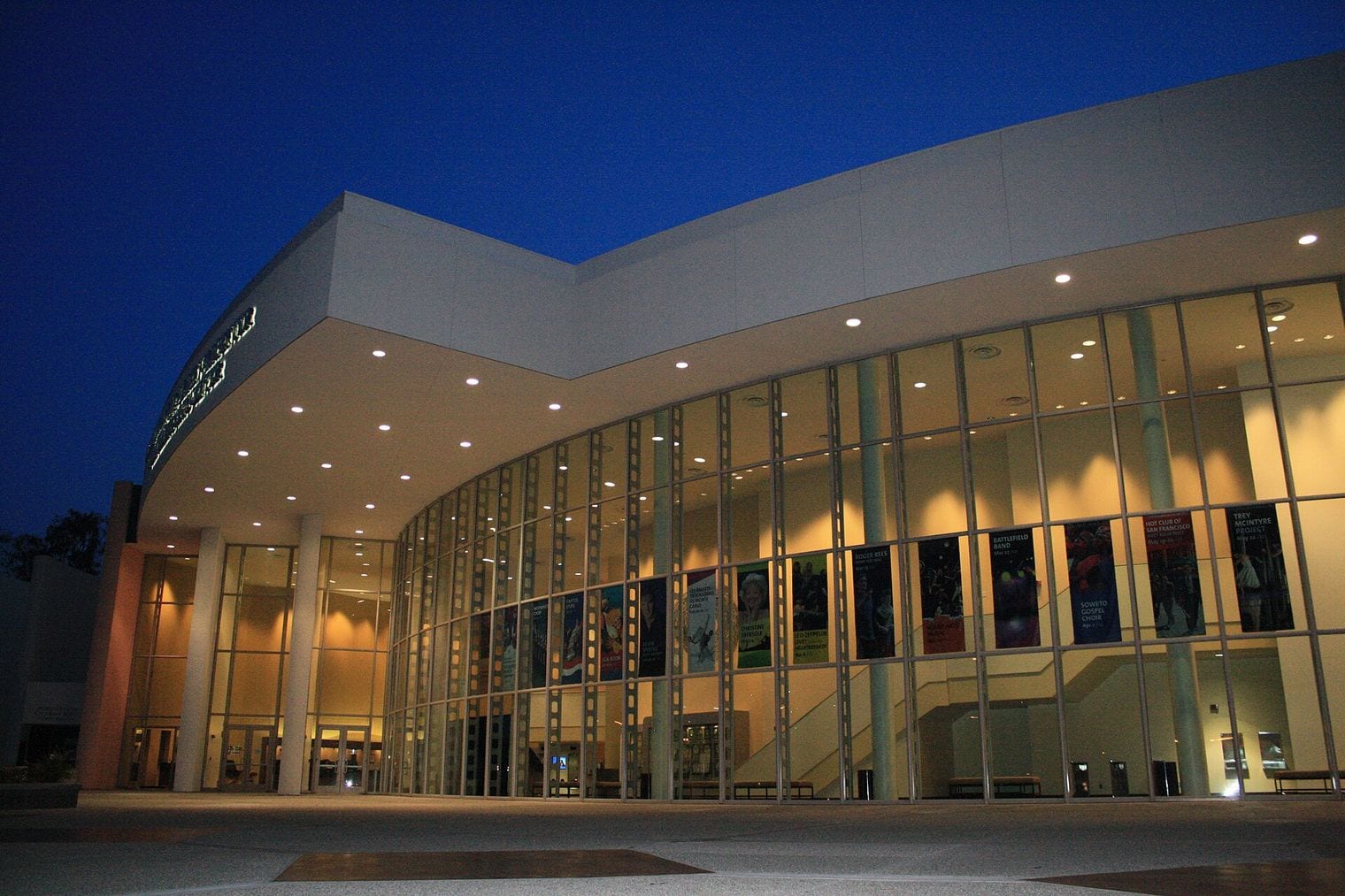
On the Long Beach State campus, the Carpenter Performing Arts Center is named for Richard and Karen Carpenter, the brother-and-sister duo who were alumni of the university and donors to the venue. Built in 1994, the 1,054-seat theater hosts music, dance, theater, film and talks.
It is also the home stage of Musical Theatre West, which has produced shows here since 1997. Check the season calendar before your trip; an evening performance pairs well with dinner on 2nd Street in nearby Belmont Shore.
1515. Rancho Los Cerritos
Historical Landmark~4.8 miles (7.7 km) from centre
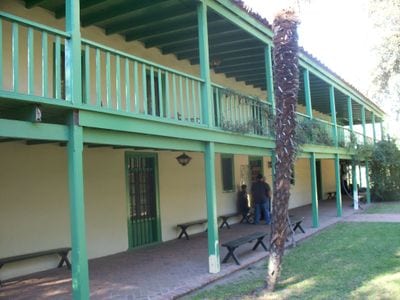
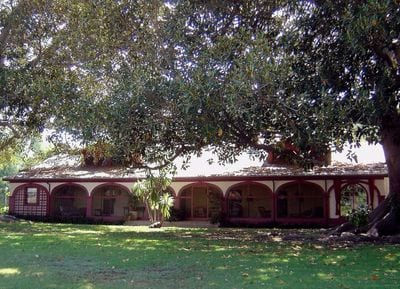
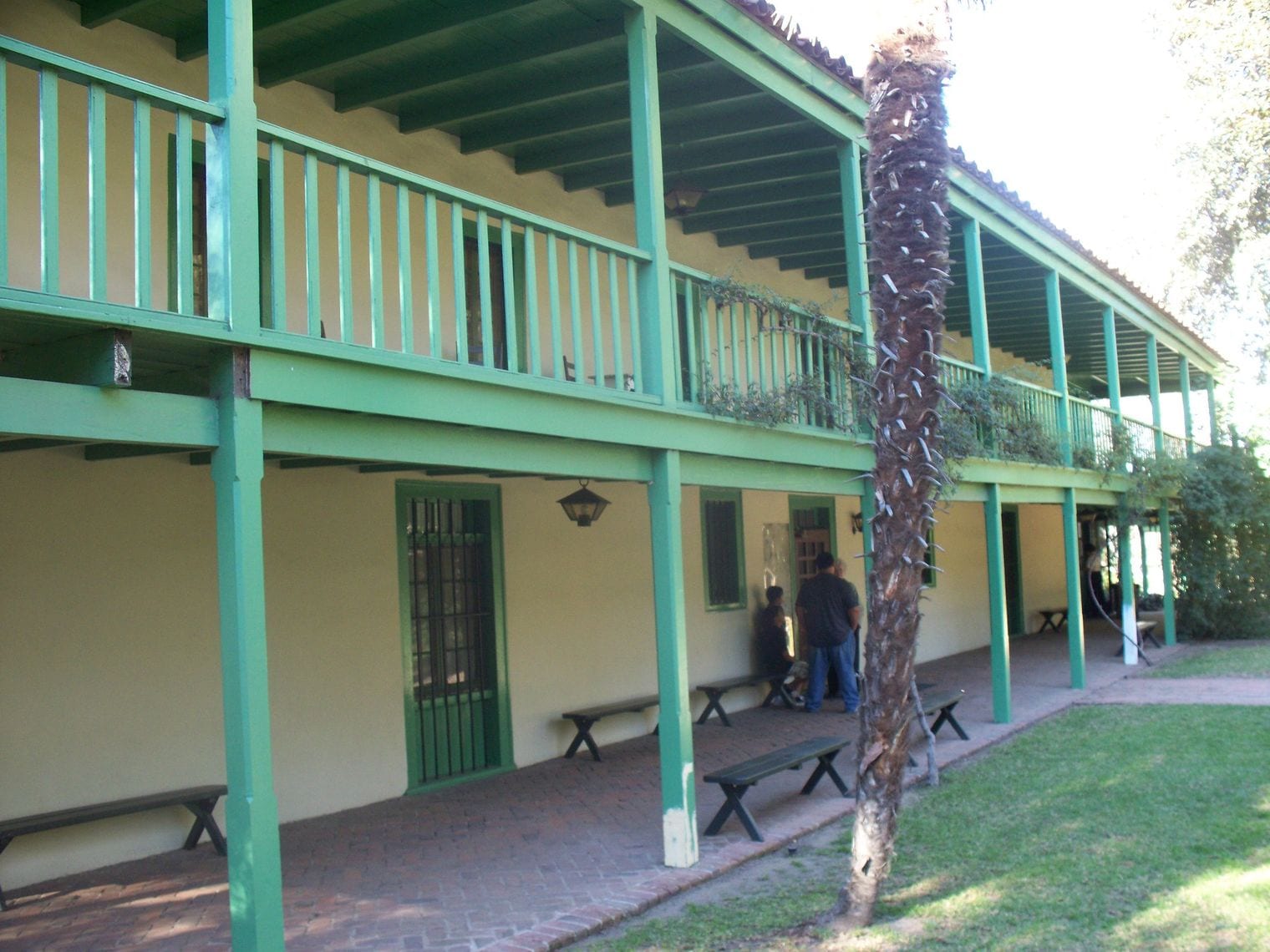
Rancho Los Cerritos preserves the Monterey Colonial adobe built in 1844 for the merchant Jonathan Temple, headquarters of a cattle ranch that once covered much of what is now Long Beach. The rancho later passed to Flint, Bixby & Company, whose sheep ranching shaped the city's early growth, and the house was declared a National Historic Landmark in 1970.
Today it is a museum in the Bixby Knolls neighborhood, telling the stories of the Tongva people, Spanish and Mexican settlers and American pioneers, with peaceful historic gardens around the adobe. Self-guided visits are free with a reservation.
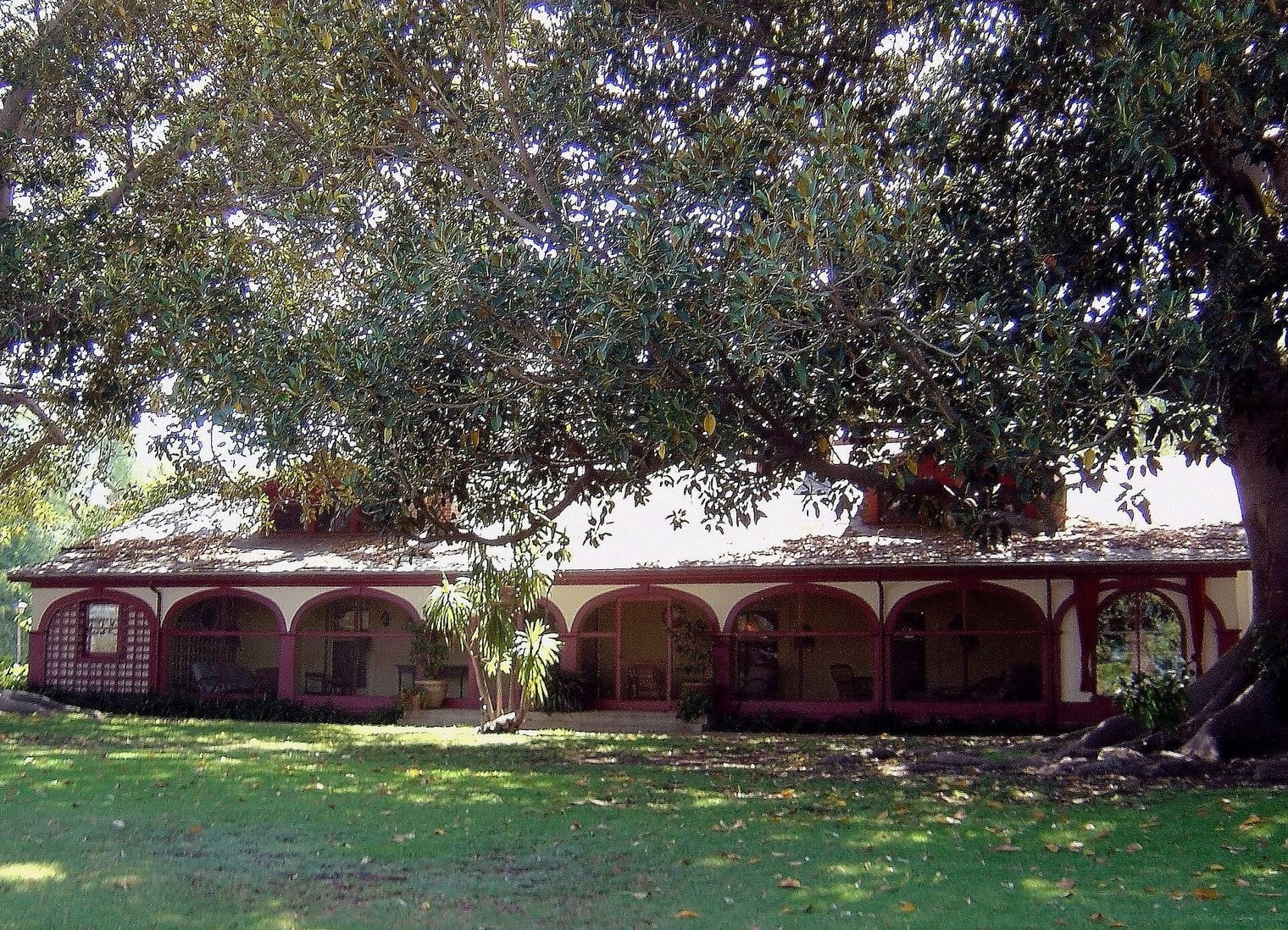
Set on a rise in east Long Beach, Rancho Los Alamitos stands on the site of Povuu'nga, a major Tongva village and ceremonial center, and later became the heart of a rancho of more than 28,000 acres. The early 19th-century adobe ranch house, restored barns and blacksmith shop now form a museum of the region's long history.
Admission and parking are free, and docent-led house tours run alongside self-guided wandering through about four acres of historic gardens shaped by designers including Frederick Law Olmsted Jr. and Florence Yoch. The restored barnyard and its animals are a hit with children.
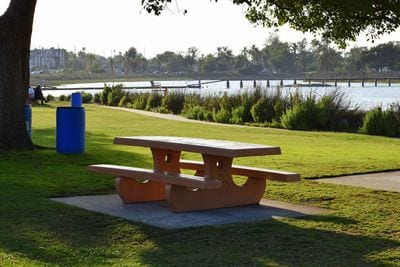
Bixby Park has been a gathering place for well over a century: trees were planted on the site between 1886 and 1903, and from the 1920s to the 1960s it hosted huge state picnics. Its 1928 bandshell, where Herbert Hoover once campaigned, is still the stage of the 16.7-acre park.
Across Ocean Boulevard, a bluff-top section has seating with ocean views and a stairway down to the beach. The park also has a playground, picnic areas with barbecues and a farmers market, which makes it a favorite with local families.
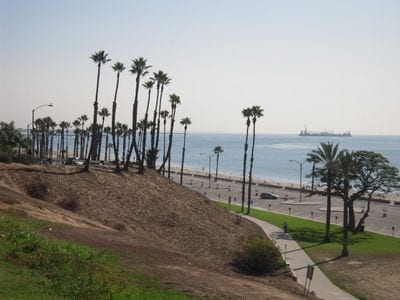
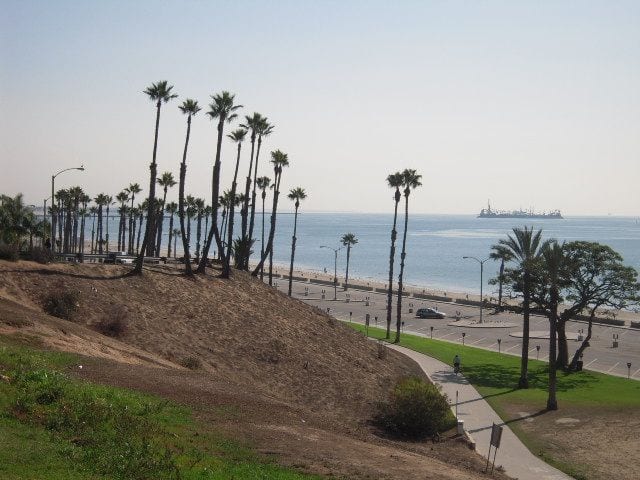
Bluff Park is a narrow 25.8-acre strip of grass running along the top of the bluff between Ocean Boulevard and the beach, with benches facing straight out to the Pacific. It is one of the city's favorite places for a jog, a sunset or simply watching the ships waiting offshore.
Behind it lies the Bluff Park Historic District, created in 1982 and lined with older, well-kept homes, and the Long Beach Museum of Art sits within the park's stretch of the bluff. Walk it end to end for one of the loveliest coastal strolls in the city.
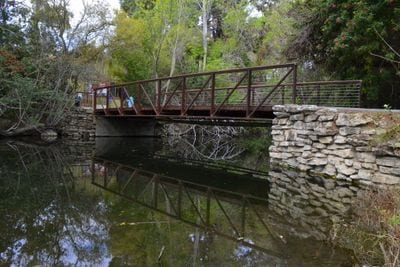
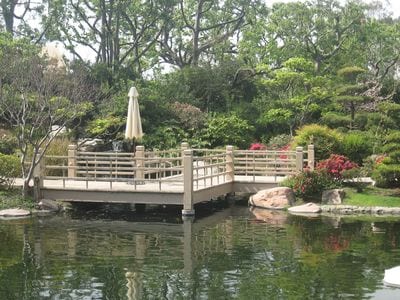
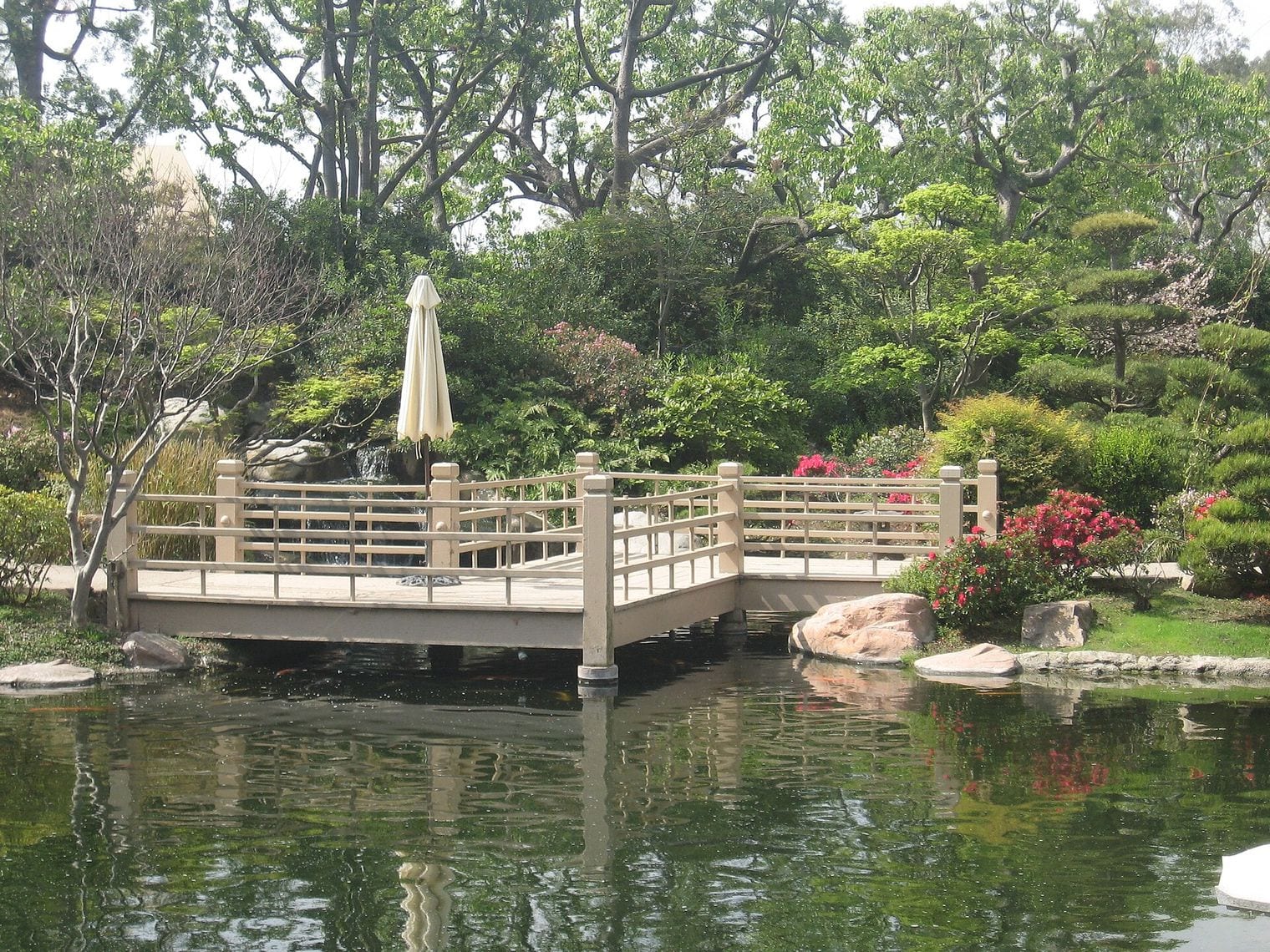
The Earl Burns Miller Japanese Garden is a 1.3-acre retreat on the Long Beach State campus, dedicated in 1981 and designed by the university's landscape architect Ed Lovell, who took inspiration from the Imperial gardens in Tokyo. Winding paths, a koi pond and carefully pruned trees make it feel far from the surrounding campus.
Annual events include a koi auction and a chrysanthemum show, and the garden is a favorite spot for quiet reflection. It closes on some days for weddings and private events, so check before you go.
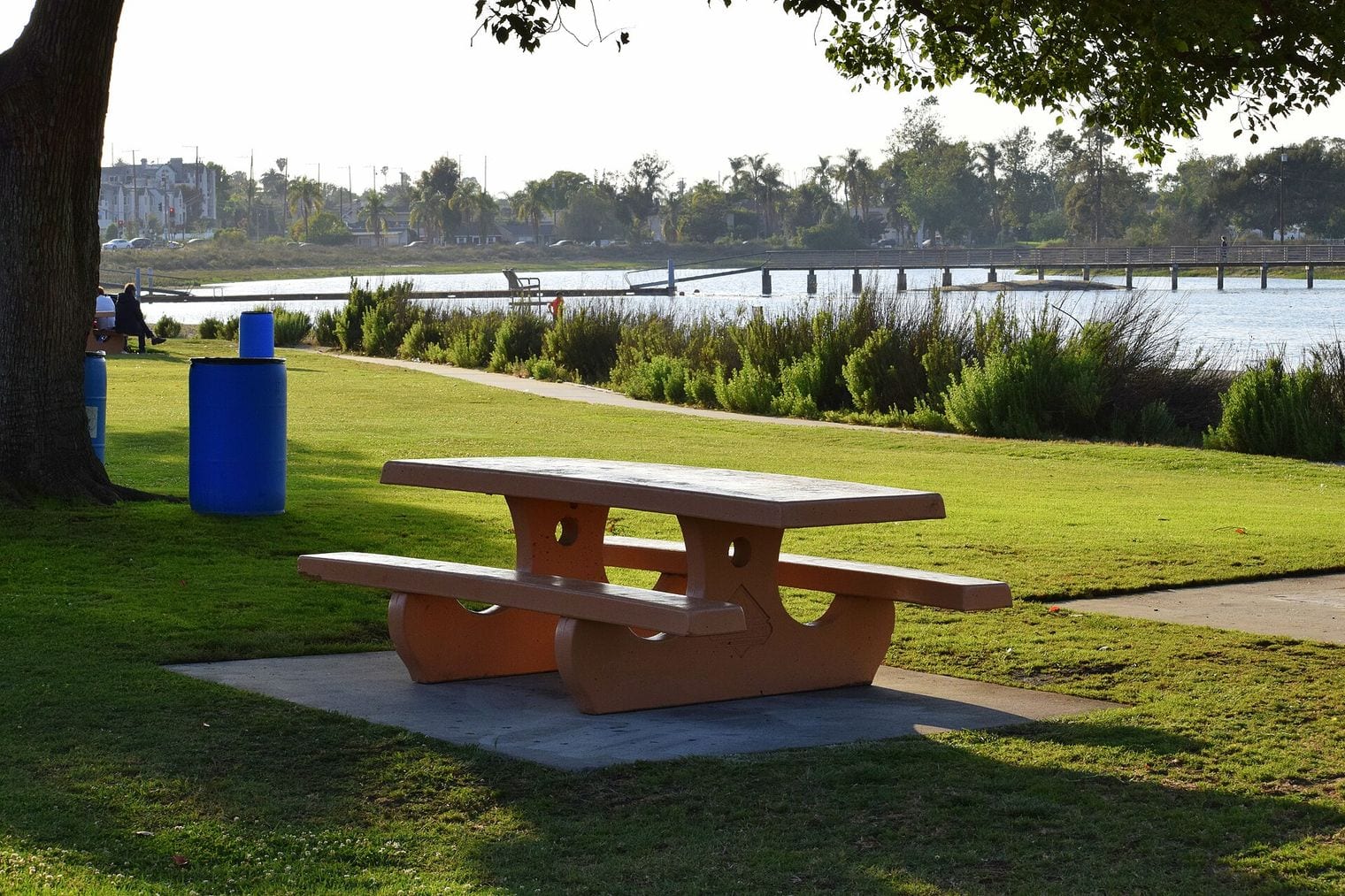
Colorado Lagoon is an 18-acre saltwater lagoon in east Long Beach, once part of the Los Cerritos Wetlands and dredged into its present shape in the 1920s. Its calm water and sandy swimming beach make it a long-standing local favorite, especially for families with small children.
Pollution once earned it the nickname "Polio Pond," but today the lagoon is valued for its biodiversity, and the park around it has grassy picnic areas and parking on both sides. It is a short hop from Belmont Shore and the Naples Canals.
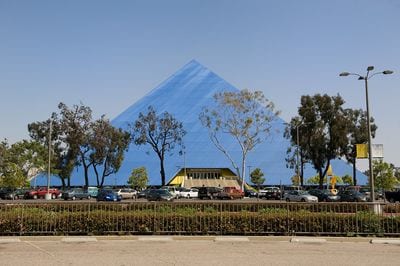
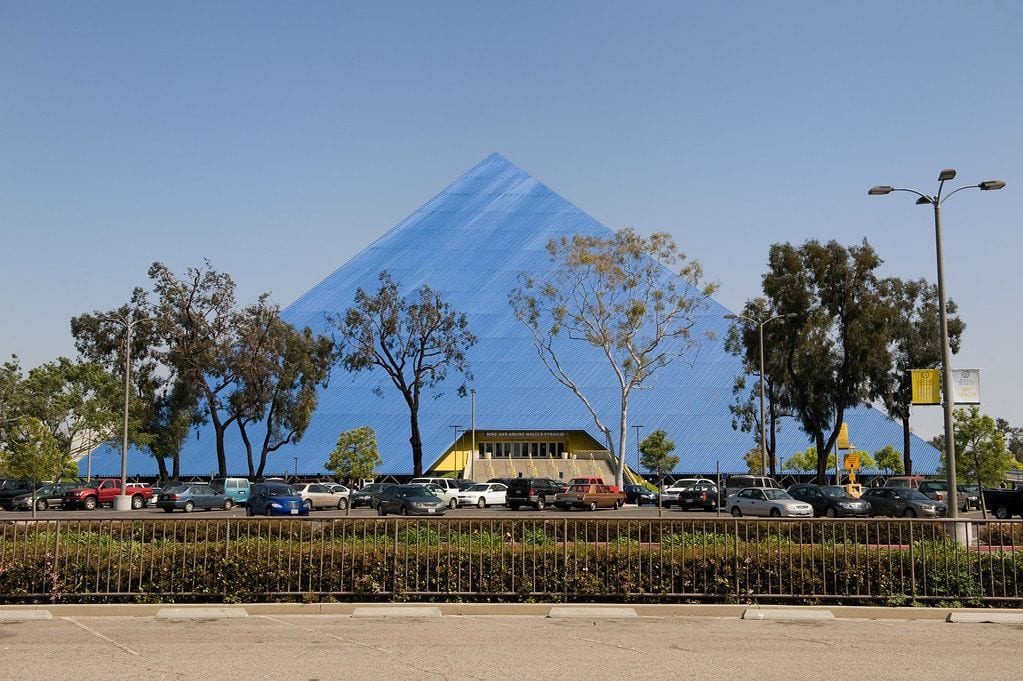
Few sports venues are as recognizable as the Walter Pyramid, the pyramid-shaped arena on the Long Beach State campus. Opened in 1994, it rises 18 stories, is clad in dark-blue corrugated aluminum, and is one of only a handful of true pyramid buildings in the United States.
It is now officially the LBS Financial Credit Union Pyramid under a naming deal approved in 2025, though many locals still call it by its old name. Catch a Long Beach State basketball or volleyball game inside the 4,000-seat arena, or simply admire it from outside.
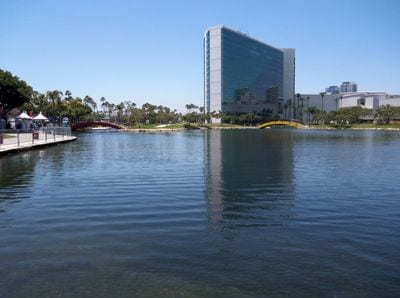
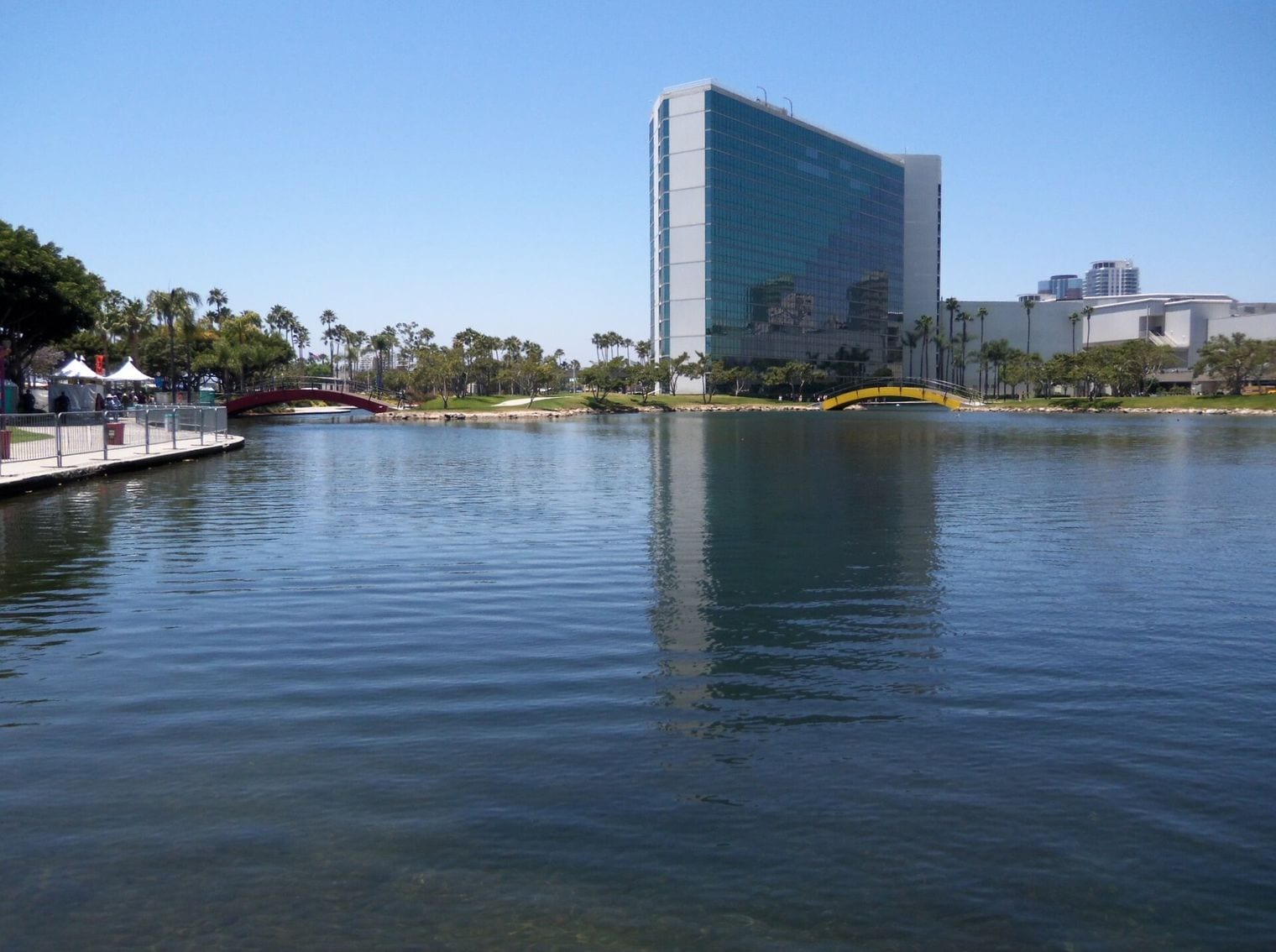
Rainbow Lagoon Park is a 12-acre downtown park wrapped around a seawater lagoon, with two connected islands and high arched bridges in a Japanese-style landscape. Pumps and tide gates keep the water above sea level, and the park takes its name from an earlier Rainbow Lagoon that was filled in to make way for the Long Beach Arena.
Rent a swan boat to paddle across the water with views of the downtown towers and Shoreline Village, or simply stroll the paths between the Convention Center and the harbor. Evening rides are especially pretty when the lights come on.
2323. Long Beach Convention & Entertainment Center
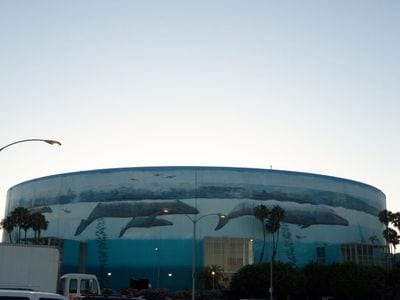
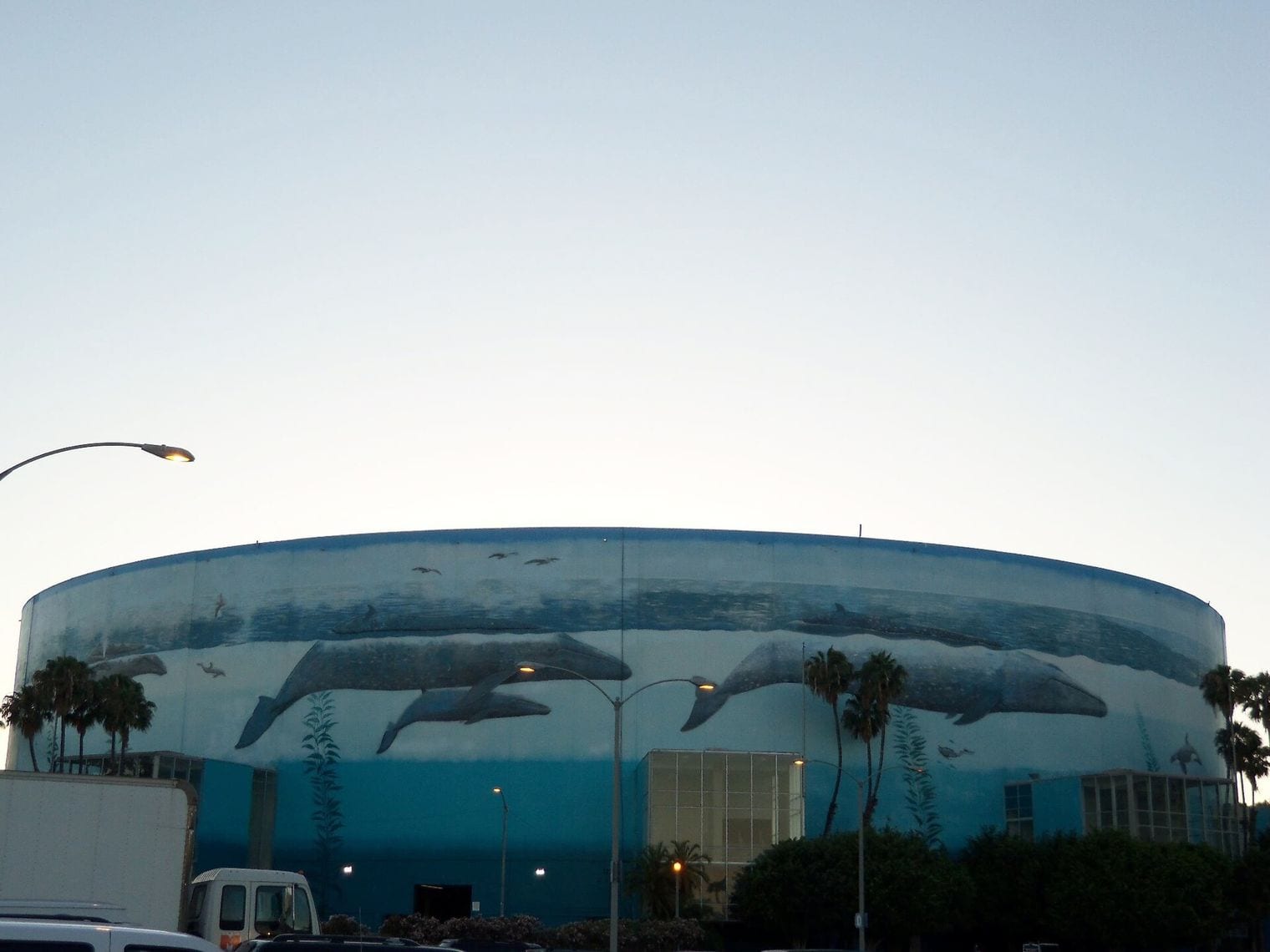
The Long Beach Convention & Entertainment Center brings together the convention halls, the Long Beach Arena and the Terrace Theater on the downtown waterfront, hosting trade shows, concerts, sports and performances. Even without a ticket, walk around the drum-shaped arena to see "Planet Ocean," environmental artist Wyland's vast mural of migrating gray whales and other sea life, dedicated in 1992.
Every spring, usually in April, the downtown waterfront streets nearby become the circuit of the Grand Prix of Long Beach, the longest-running major street race in North America. The rest of the year it is an easy stop on a walk between Rainbow Lagoon and the harbor.
Mother's Beach, inside Marine Park on Appian Way, owes its name to the gentle wave action and shallow swimming area that make it a favorite for families with young children. It sits on a sheltered corner of Alamitos Bay beside Naples, with lifeguards on duty during peak periods.
Volleyball courts, a play area, picnic sites and grassy lawns round out the 4.6-acre park, and beach mobility mats help wheelchairs, strollers and walkers reach the sand. Pair it with a stroll through the Naples Canals.
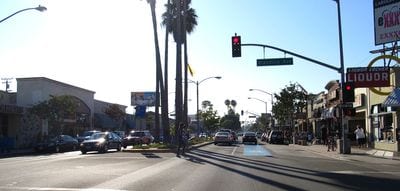
Retro Row is the stretch of 4th Street east of downtown, roughly from Walnut Avenue to Temple Avenue, where vintage clothing boutiques, antique furniture stores and kitschy independent shops line the sidewalks. It is the place to hunt for one-of-a-kind outfits and furniture from bygone eras.
Coffee shops and casual restaurants fill the gaps between the stores, so it is easy to spend an unhurried afternoon browsing. Come on a weekend, when the street is at its liveliest.
Plan your trip
Best Time to Visit Long Beach
Long Beach is mild all year, so there is no bad season, but summer is the classic beach time: the water is at its warmest, the bay beaches at Belmont Shore and Mother's Beach are busiest, and the waterfront stays lively into the evening. Late spring and early summer often start with a gray marine layer that burns off by the afternoon, while early fall brings some of the clearest, warmest days with thinner crowds.
Winter is the quietest and coolest season and brings most of the year's rain, but it is still pleasant for museums, the ranchos and harbor walks, and the Naples canals glow with holiday decorations and a boat parade at Christmas time. Spring is lively too: the Grand Prix of Long Beach usually takes over the downtown waterfront in April, so book early or avoid that weekend if you want a quiet stay.
Getting to Long Beach
Long Beach sits in the southern corner of Los Angeles County, where Interstates 405, 710 and 605 and Pacific Coast Highway all meet. Long Beach Airport, a short drive northeast of downtown, is the easiest arrival, and Los Angeles International Airport lies less than 20 miles to the northwest.
Without a car, the Metro A Line light rail runs between downtown Los Angeles and downtown Long Beach, ending a few blocks from the waterfront. Downtown Long Beach is also the busiest departure point for the ferries to Catalina Island.
Getting Around Long Beach
The downtown waterfront is easy to cover on foot: the Aquarium, Shoreline Village, Rainbow Lagoon, the Pike Outlets and the Convention Center sit within a short walk of each other, with the Queen Mary just across the harbor. Long Beach Transit's free Passport shuttle has linked the Queen Mary, Pine Avenue and Shoreline Village on weekends, and a paved beachfront path for bikes and walkers runs from downtown toward Belmont Shore and Alamitos Bay.
A car makes life simpler for the farther sights, such as El Dorado Nature Center, the two ranchos and the Long Beach State campus. Downtown has plenty of garages, while street parking in Belmont Shore and Naples fills up quickly on summer weekends, so arrive early or come by bike.
Where to Stay in Long Beach
Downtown and the Shoreline waterfront are the best base for first-timers, with the Aquarium, the harbor, the A Line and the Catalina ferries all within walking distance, plus most of the city's nightlife. Just east, Alamitos Beach and the East Village put you near the sand, Retro Row and the arts district at a gentler pace.
For a beach-town feel, look to Belmont Shore and the streets around Alamitos Bay and Naples, where you can walk to 2nd Street, the Belmont Pier and the calm bay beaches. Bixby Knolls, inland near Rancho Los Cerritos, is a quieter residential option if you plan to drive.
Where to Eat in Long Beach
2nd Street in Belmont Shore is the city's busiest dining street, packed with casual cafés, brunch spots, taco counters and bars a few blocks from the beach. Downtown, Pine Avenue and the streets around the East Village Arts District mix sit-down dinners with lively happy-hour patios, and the harborfront at Shoreline Village is the spot for seafood with a view of the Queen Mary.
Don't miss Cambodia Town along Anaheim Street, where family-run restaurants serve Cambodian noodle soups, grilled meats and sweets, or the coffee shops and casual cafés of Retro Row on 4th Street. Fish tacos and fresh seafood are the classic beach-day meal.
Day Trips from Long Beach
Ferries from downtown cross to Catalina Island, 29 miles offshore, for a day of hiking, snorkeling and wandering the harbor town of Avalon. Closer to home, San Pedro is only about 10 minutes away by car, with the Battleship IOWA museum ship and Cabrillo Beach, and the clifftop trails of Rancho Palos Verdes are under half an hour beyond.
Downtown Los Angeles is also under half an hour away without traffic, and Pasadena, with its gardens and museums, is about 40 minutes north.
Down the coast, Huntington Beach and its surf pier are under half an hour away, and Laguna Beach's coves and galleries about 45 minutes. Anaheim's theme parks and the historic downtown of Santa Ana are each about 35 minutes inland, Malibu's beaches are about 50 minutes up the coast, and San Diego makes a long but rewarding day out at about two hours south.
Long Beach is best known for the Queen Mary, the retired ocean liner moored in its harbor, and the Aquarium of the Pacific across the water. Visitors also come for the Naples Canals, the harborside shops of Shoreline Village and the Lions Lighthouse at Shoreline Aquatic Park, plus the Grand Prix of Long Beach street race, usually held in April.
How many days do you need in Long Beach?
Two to three days is ideal. One full day covers the downtown waterfront, including the Aquarium, Shoreline Village and the Queen Mary. A second day adds Belmont Shore, the Naples Canals and the beaches, and a third leaves time for the ranchos, the museums and the Long Beach State campus, or a ferry day trip to Catalina Island.
Is Long Beach worth visiting?
Yes. Long Beach offers calm, uncrowded beaches, a walkable harbor with the Queen Mary and a major aquarium, canal-side strolls in Naples and good museums, at a slower pace than Los Angeles. It also makes a practical base for Catalina Island, Orange County beaches and Los Angeles, which are all within easy reach.
What can you do in Long Beach for free?
Plenty. You can walk the Naples Canals, watch the sunset at the Lions Lighthouse, spend the day on Long Beach City Beach, stroll the Belmont Pier and Bluff Park, or bring your dog to Rosie's Dog Beach. Rancho Los Alamitos is free to visit, and Rancho Los Cerritos offers free self-guided visits with a reservation.
Is the water calm at Long Beach beaches?
Generally, yes. A long breakwater offshore shelters the city's beaches from big Pacific swells, so the water is far calmer than at most Southern California beaches. That makes Long Beach City Beach, Mother's Beach and Colorado Lagoon good choices for families, paddleboarders and swimmers, though surfers usually head to Huntington Beach instead.
Sources & updates
How this guide was checked
Checked before launch
Sources cited
25
Publishers
14
Every place on this list was confirmed open and pinned on the map before publication, and what we say about each one was checked against its own website or an official source.
A PDF with a box to tick for every place. Confirm your email to download it, and get one email every Thursday with our newest guides for the places you tick.
Free Long Beach printable checklist
All 25 places in one PDF
Tick them off as you go. Confirm your email to download it, plus one email every Thursday with new guides for the places you tick.
We use cookies to analyse site traffic and improve your experience.
You can accept or reject analytics cookies. See our
May we use analytics cookies? See ourCookie Policy.