We build and rank every list first. Booking links come after, and only where
a partner sells a ticket, tour or stay for that exact place, so a place with
nothing to book is listed exactly as prominently as one you can book.
So how do we earn? Some links on this page go to booking
partners, and if you book tickets, tours or a stay through
one, we may earn a commission. It costs you nothing extra.
That commission never decides which places make the list, the order they
appear in, or what we write about them. No entry is sponsored or a paid
placement.
40 Best Things to Do in San Diego, California (2026)
By the City Viking editorial teamPublished 40 places · 28 min read
Fact-checked Checked before launchOct 18, 202640 sources30 publishers4 government & parks12 encyclopedias & research24 venues & other sitesPublished · Oct 18, 2026Researched and checked before it went liveClick for every source and the full change log.
Short answer
San Diego is known for its deep natural harbor and big Navy presence, mild weather that keeps its beaches busy all year and the first of California's missions. Start with Balboa Park and the San Diego Zoo, then the USS Midway Museum and the sea lions of La Jolla Cove. Three to four days covers the city, with a day each for Balboa Park, downtown and La Jolla, and a fourth for Point Loma or Mission Bay.
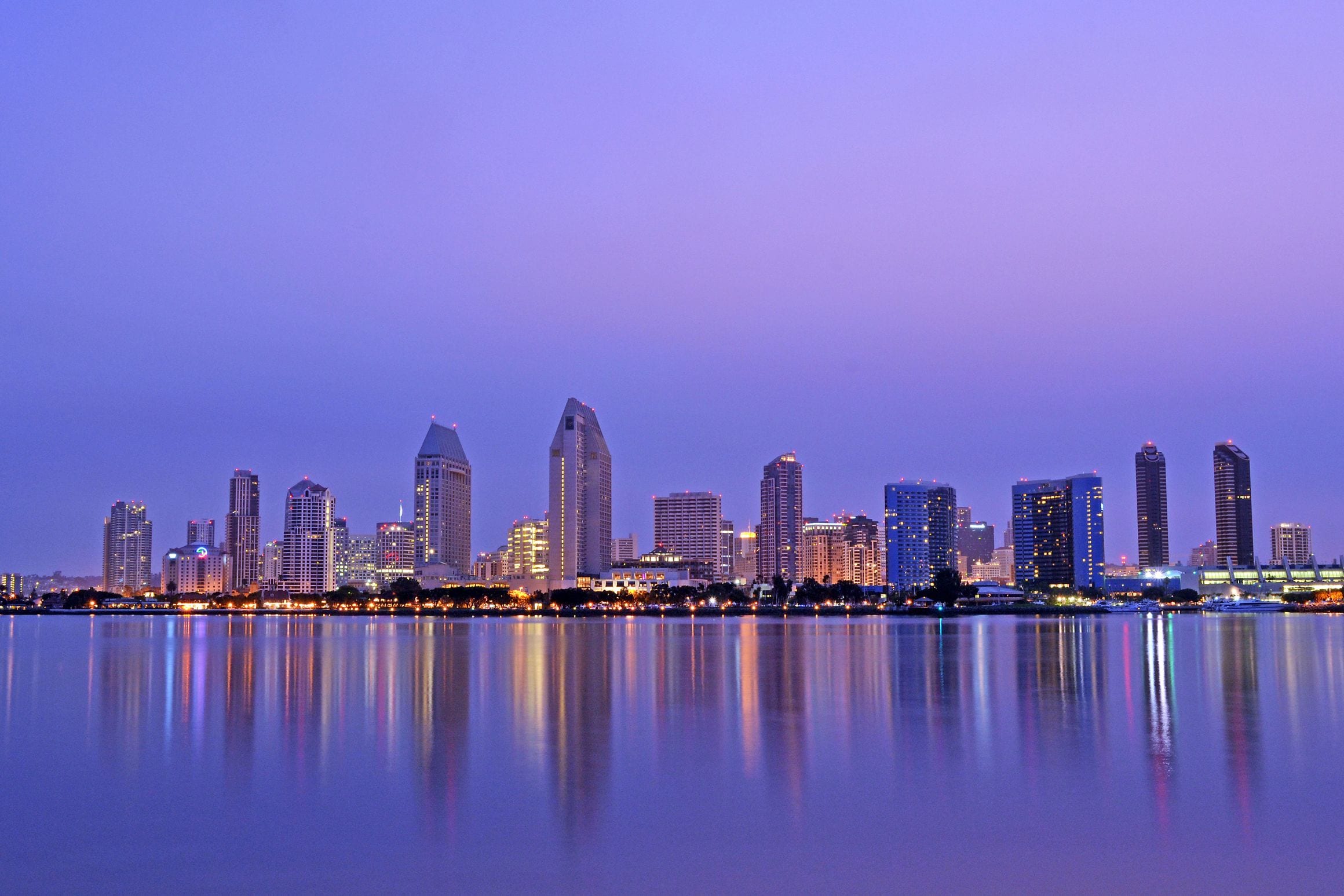
San Diego curves around a deep natural harbor in the far southwest corner of California, close to the Mexican border, and its mild weather keeps the beaches, parks and waterfront busy all year. Spanish mission history, a big Navy presence and a string of surf neighborhoods give it more range than its laid-back reputation suggests.
This guide covers 40 of the best things to do in San Diego, from Balboa Park's museums and the zoo to the tide pools of Point Loma and the sea caves of La Jolla, plus the downtown districts, the ballpark and the beaches. Plan three to four days to see the highlights without rushing.
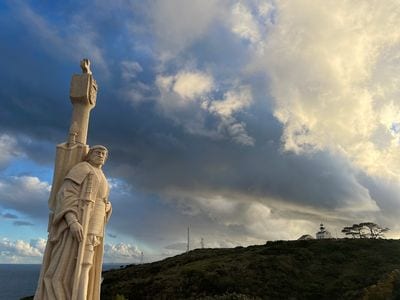
Europeans first set foot on the US West Coast here — Juan Rodríguez Cabrillo landed at San Diego Bay in 1542, the event Cabrillo National Monument commemorates on Point Loma.
California's mission chain started in San Diego — Junípero Serra founded Mission San Diego de Alcalá in 1769, the first of the missions he established in what is now California.
Balboa Park's land was set aside in 1835, making it one of the oldest sites in the United States reserved for public recreation.
The highest point in the city is Cowles Mountain, a 1,592-foot summit inside Mission Trails Regional Park that hundreds of hikers climb every day.
Mission Bay Park is man-made — dredged from former wetlands, its 4,000-plus acres of water and land are described as the largest man-made aquatic park in the country.
The Maritime Museum's Star of India was built in 1863 and is often described as the oldest ship still sailing regularly.
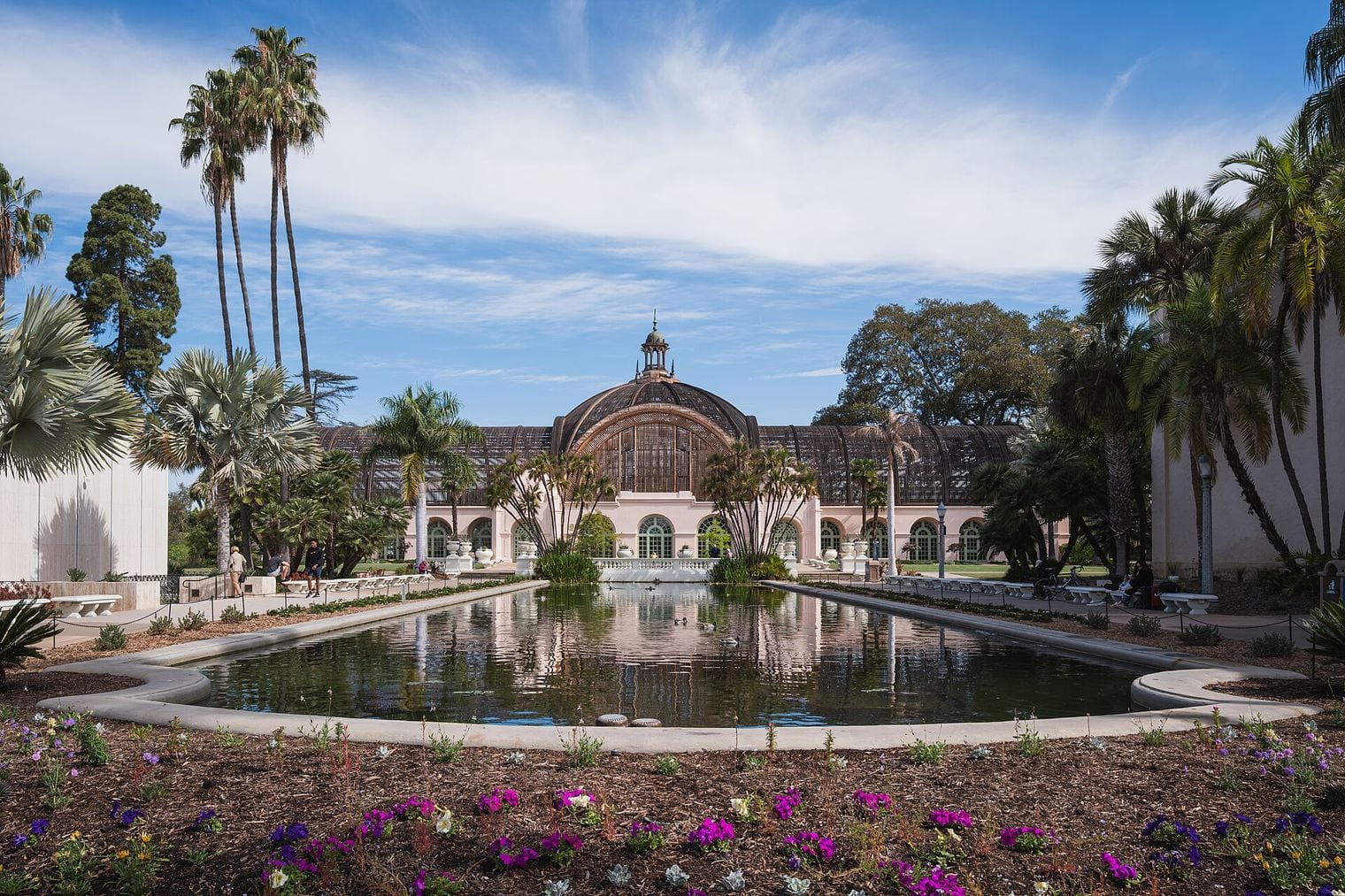
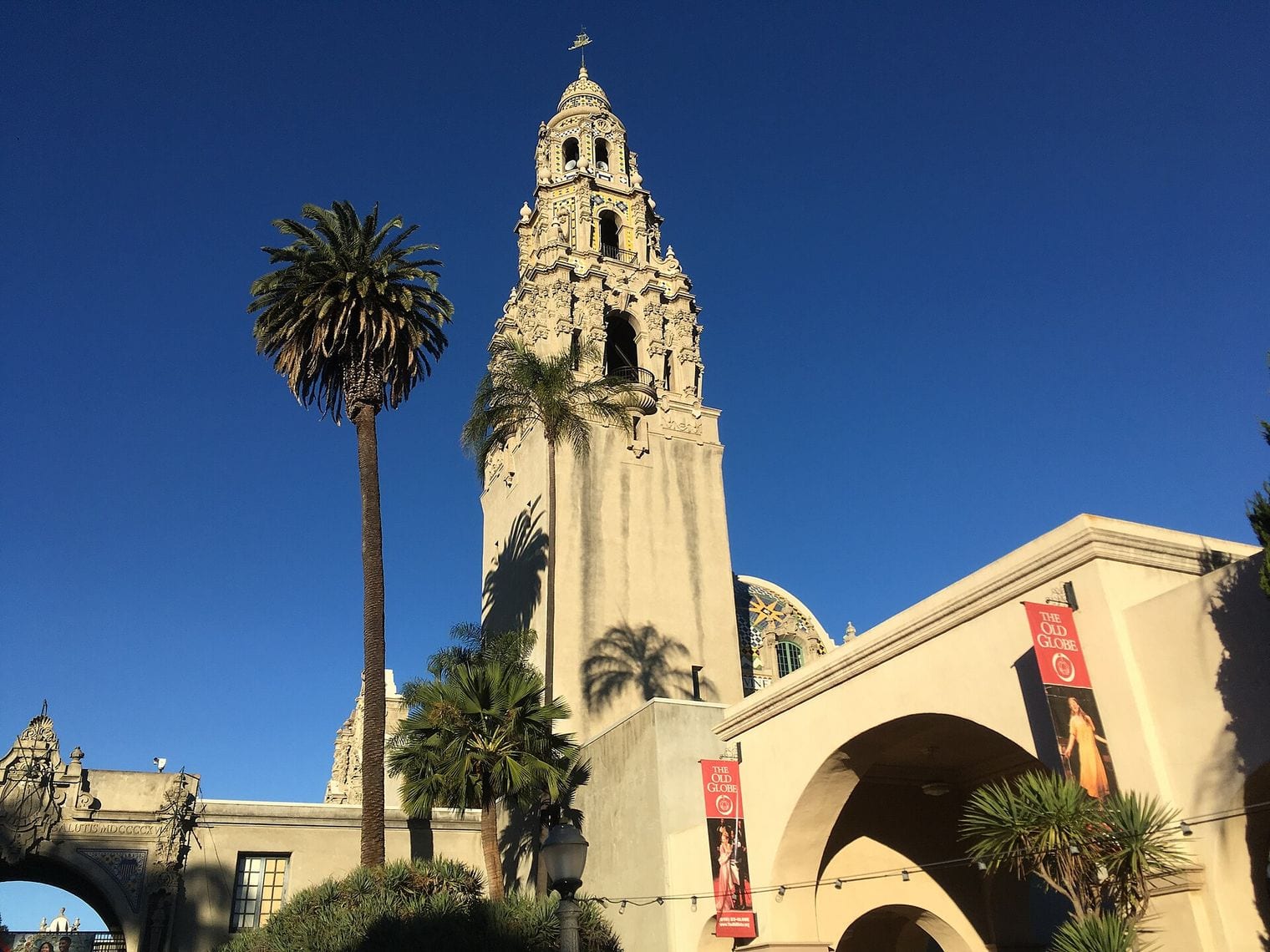
Balboa Park is the cultural heart of San Diego, a 1,200-acre spread of gardens, canyons and ornate Spanish-style buildings left behind by the 1915–16 Panama–California Exposition and the 1935–36 California Pacific International Exposition. The land was set aside for public use as early as 1835, and the historic exposition core is a National Historic Landmark District.
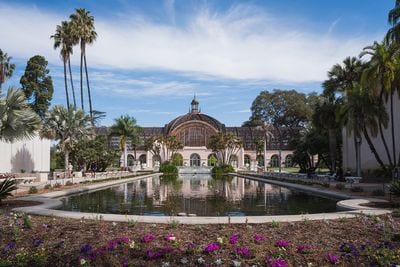
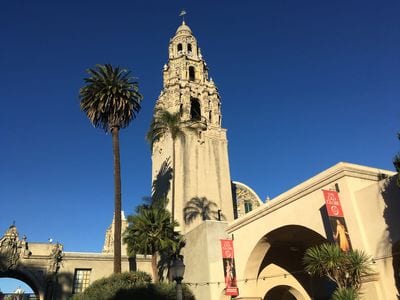
The best way in is on foot across the Cabrillo Bridge, under the California Tower and along El Prado, the broad promenade past the Reflection Pond and the latticed Botanical Building. Side paths lead to the Alcazar Garden, the ticketed Japanese Friendship Garden and the Spreckels Organ Pavilion, home to one of the world's largest outdoor pipe organs, while smaller museums such as the Mingei and the Model Railroad Museum fill the gaps between the big names.
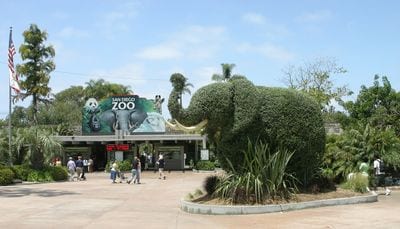
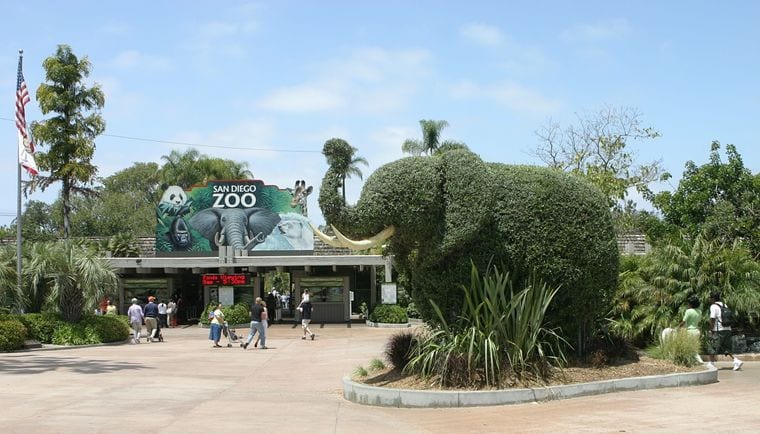
The San Diego Zoo grew out of animals left over from the 1915 exposition and became a pioneer of open-air, cage-less habitats that recreate the animals' natural surroundings. Today it covers 100 acres of Balboa Park canyon and mesa, houses more than 12,000 animals and ranks among the most visited zoos in the United States.
Give it most of a day: the grounds are hilly, and the Skyfari aerial tram across the canyon is both a view and a way to rest your legs. Africa Rocks, the giant pandas of Panda Ridge and the Wildlife Explorers Basecamp children's zoo are highlights, while its sister Safari Park in the San Pasqual Valley makes a separate day out.
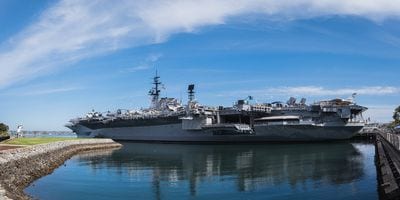
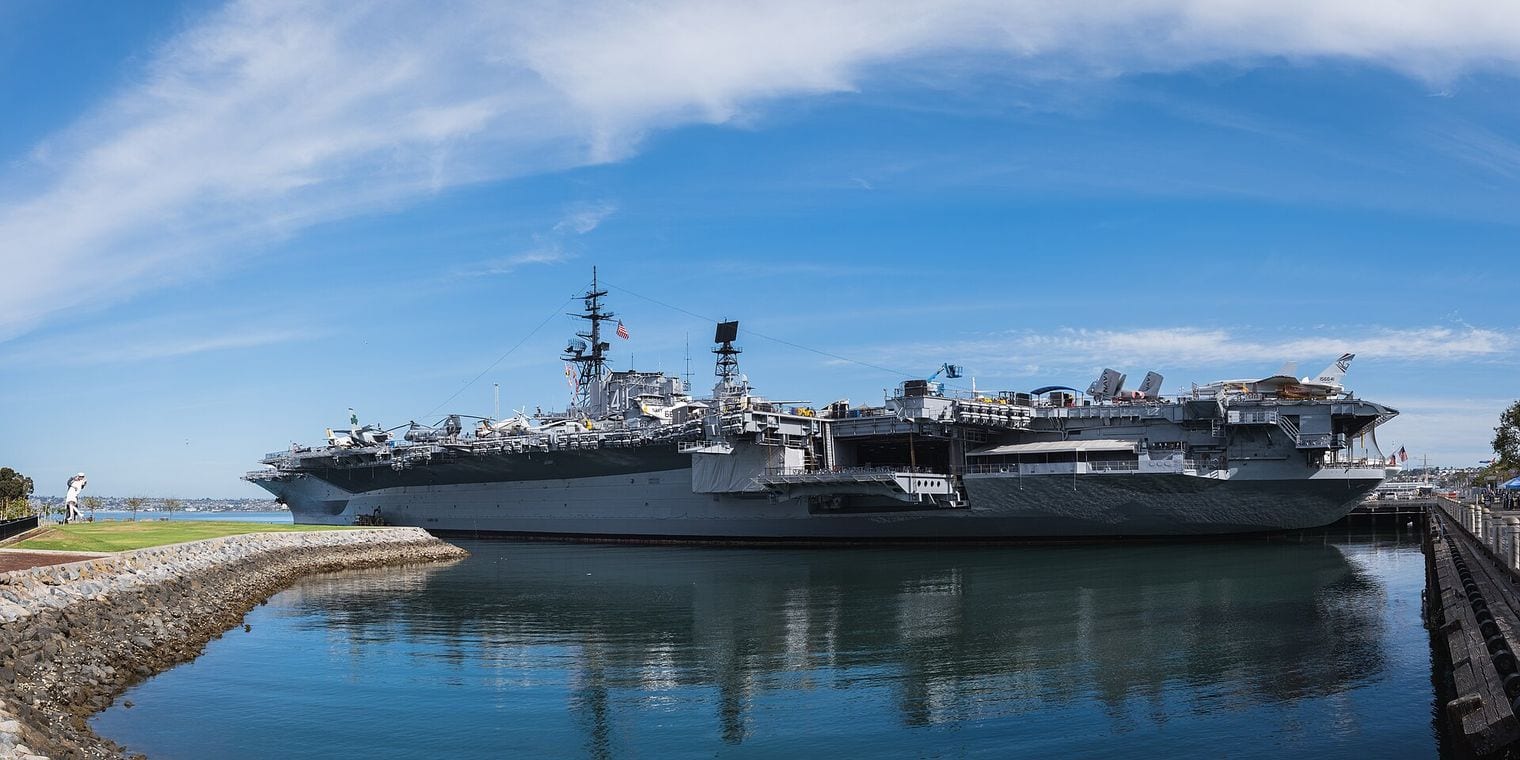
The USS Midway Museum fills a real aircraft carrier moored at Navy Pier on the downtown waterfront. The Midway was the longest-serving US aircraft carrier of the 20th century, in service from 1945 to 1992, and it opened as a museum in 2004.
An audio tour leads from the hangar deck through crew quarters and galleys up to the flight deck, where restored aircraft line up against a backdrop of the bay and Coronado. Climb-aboard cockpits and flight simulators keep children busy, and beside the ship stand the towering Embracing Peace statue of a sailor kissing a nurse and a salute to Bob Hope's shows for the troops.
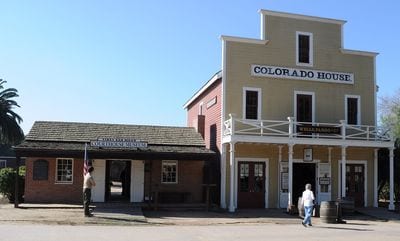
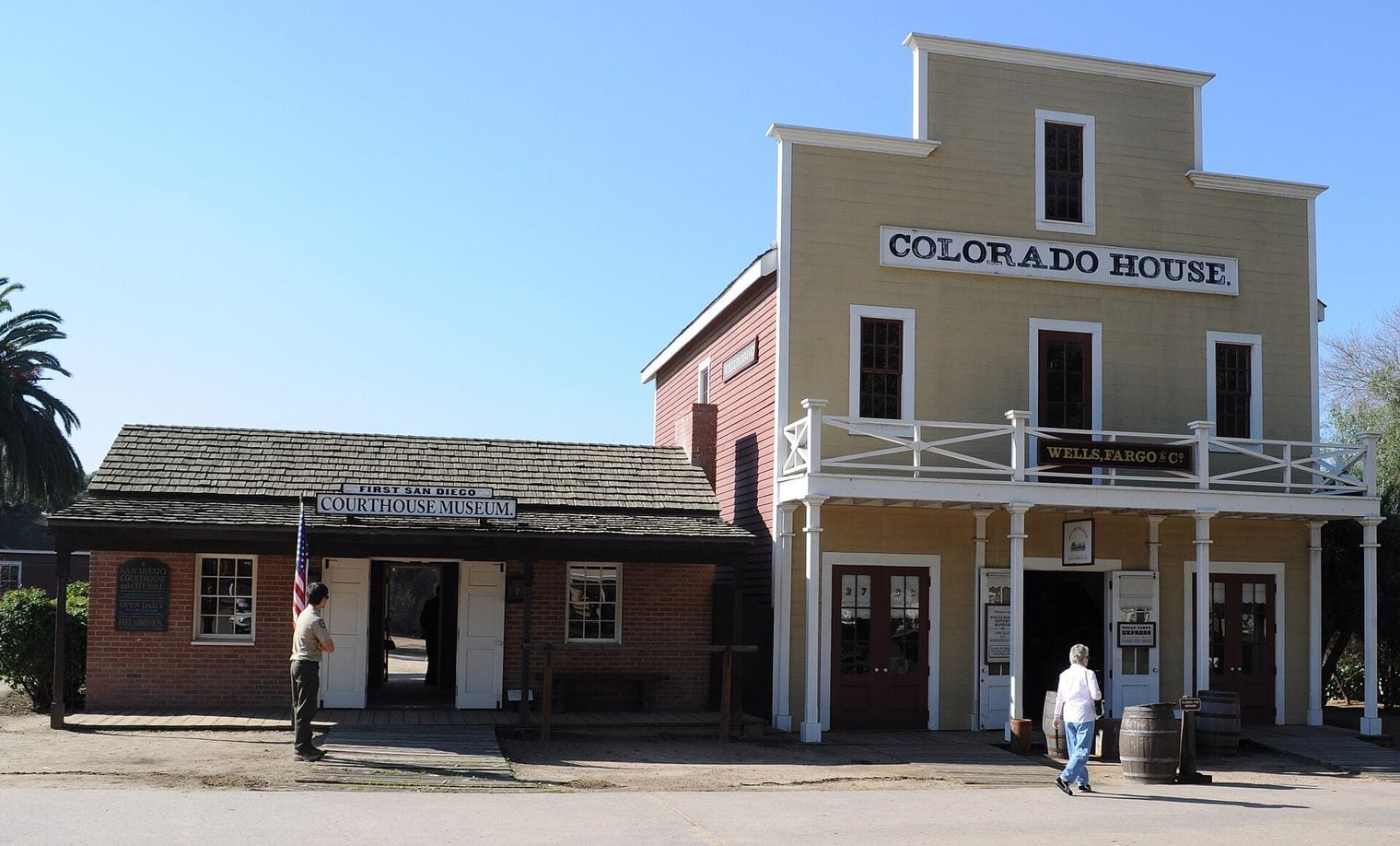
Old Town San Diego State Historic Park preserves the early town that grew up below Presidio Hill, with historic buildings from roughly 1820 to 1870 gathered around a central plaza. California State Parks has counted it among the most visited state parks in California, and the district is listed on the National Register of Historic Places.
Walking the park is free, and several of its restored buildings work as small museums, from Casa de Estudillo, an adobe home furnished as it would have looked in early San Diego, to the Seeley Stable and its horse-drawn carriages. Shops, Mexican restaurants and living-history demonstrations around the plaza easily fill half a day.
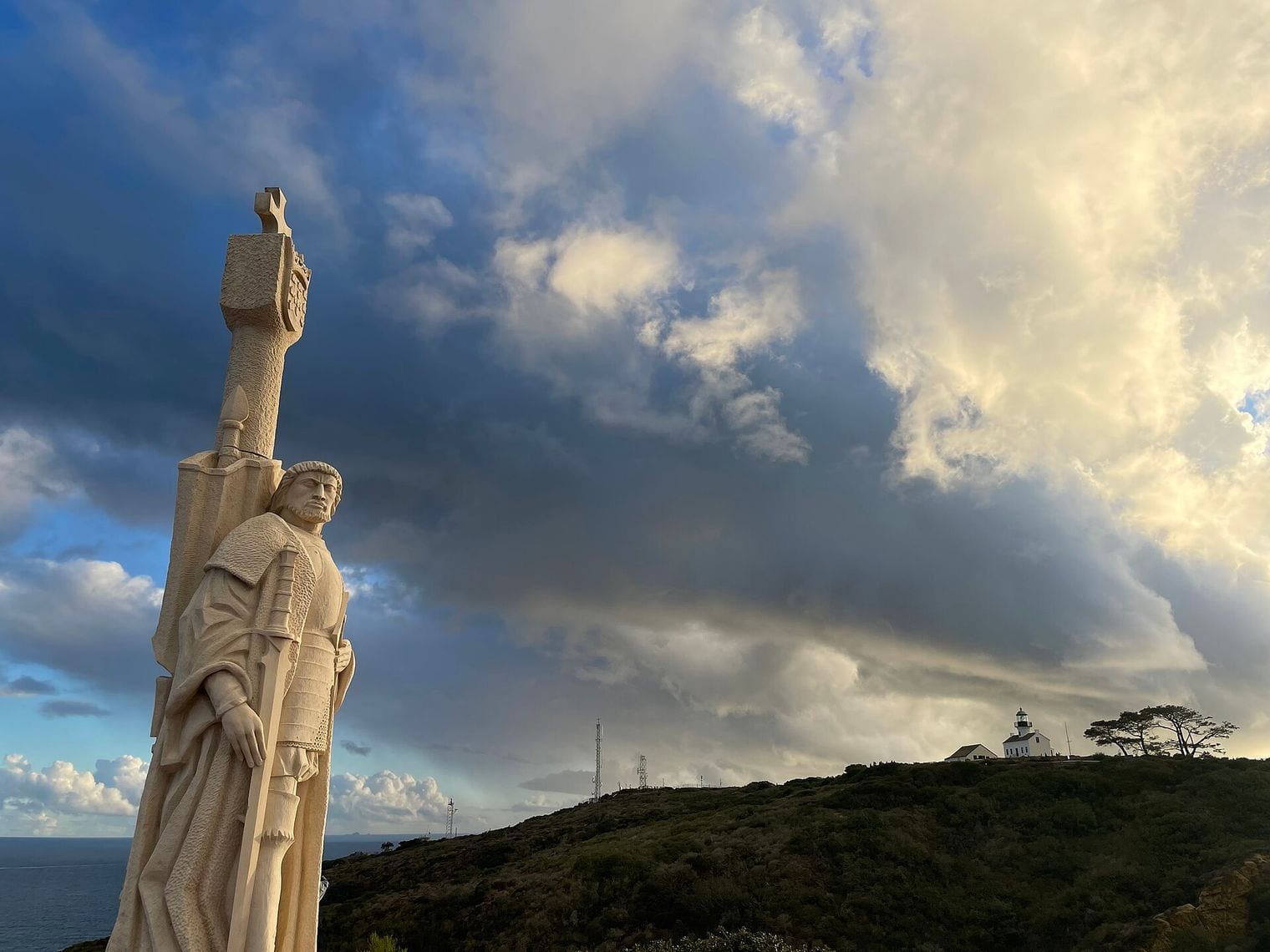
Cabrillo National Monument sits at the southern tip of the Point Loma peninsula and marks the landing of Juan Rodríguez Cabrillo in 1542, the first time a European expedition set foot on what became the West Coast of the United States. The visitor center tells the story of his voyage, and the view takes in the harbor, the downtown skyline, Coronado and, on clear days, Tijuana and Mexico's Coronado Islands.
Up the hill, the Old Point Loma Lighthouse first shone in 1855 and was retired in 1891 because fog so often hid its light; its restored living quarters are open to visitors.
On the western shore, the Point Loma tide pools are worth the trip only around low tide, which falls during park hours mostly in fall and winter, and the tide-pool area closes earlier than the rest of the monument. In winter, the overlooks are also a good place to watch for migrating gray whales.
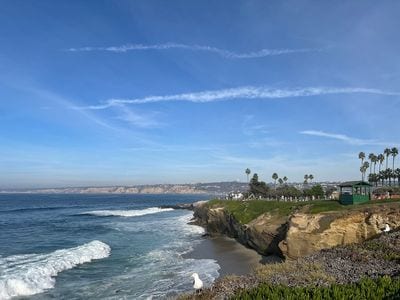
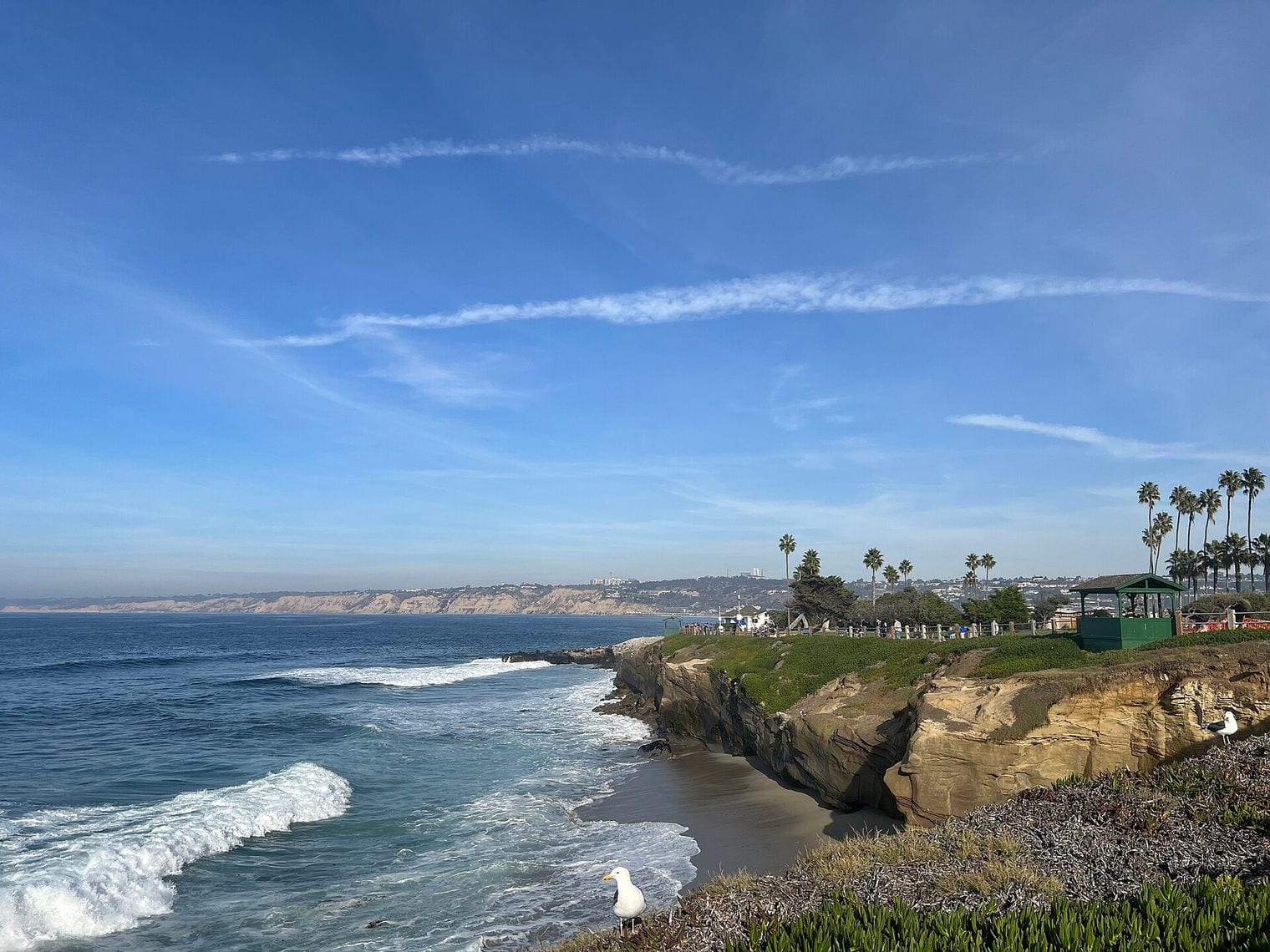
La Jolla Cove is a small, cliff-ringed beach at the heart of La Jolla, set inside a marine reserve where fishing and shell collecting are banned. The clear, often chilly water makes it one of the city's favorite spots for snorkeling, swimming and scuba diving, and very low tides uncover small tide pools.
The cove is also famous for its California sea lions, which haul out on the rocks and bluffs, while harbor seals gather at Children's Pool a short walk south. Watch them from Ellen Browning Scripps Park, the lawn on the bluff above: Point La Jolla and Boomer Beach are closed to the public year-round to protect the sea lions, and the animals should always be given plenty of space.
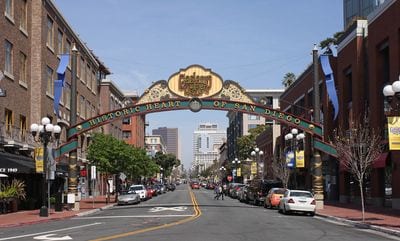
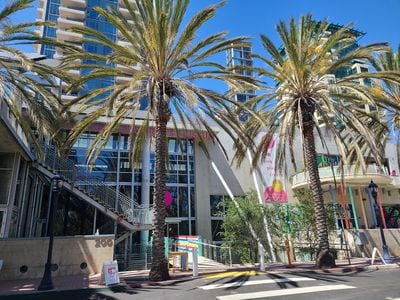
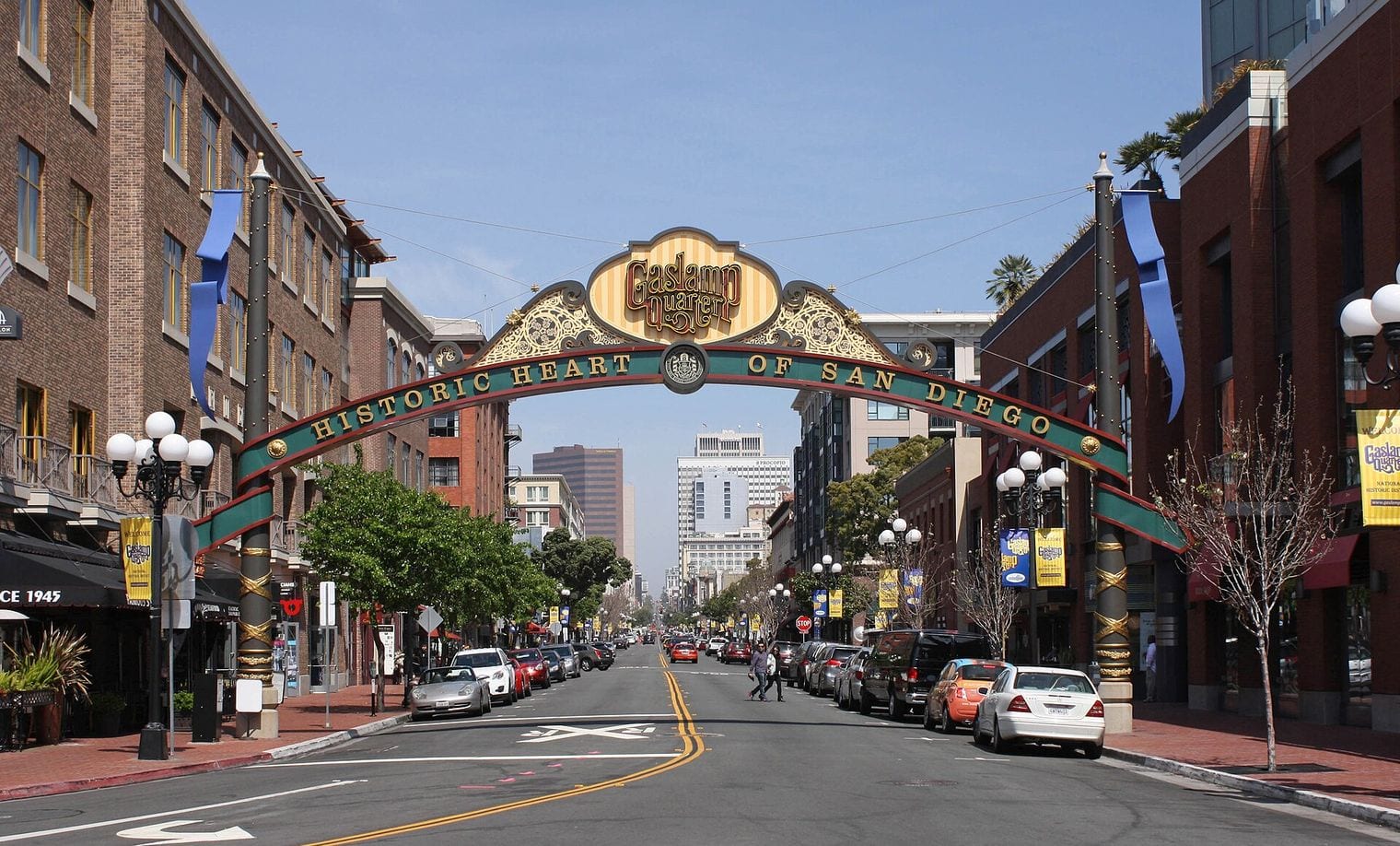
The Gaslamp Quarter runs from Broadway down to Harbor Drive between Fourth and Sixth avenues, and its streets hold more than 90 historic buildings, most of them from the Victorian era. Restored storefronts, ornate facades and old-fashioned street lamps make it the most atmospheric part of downtown, and the district is listed on the National Register of Historic Places.
By day it is a walkable grid of shops and cafés; after dark it becomes the city's busiest nightlife district, with rooftop bars, live music and restaurants spilling onto the sidewalks. Look for the lit-up Gaslamp Quarter arch over Fifth Avenue, and expect the streets to fill on game nights, when fans walk over from Petco Park a block away.
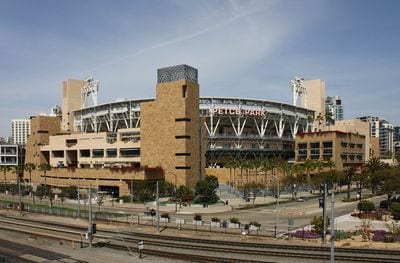
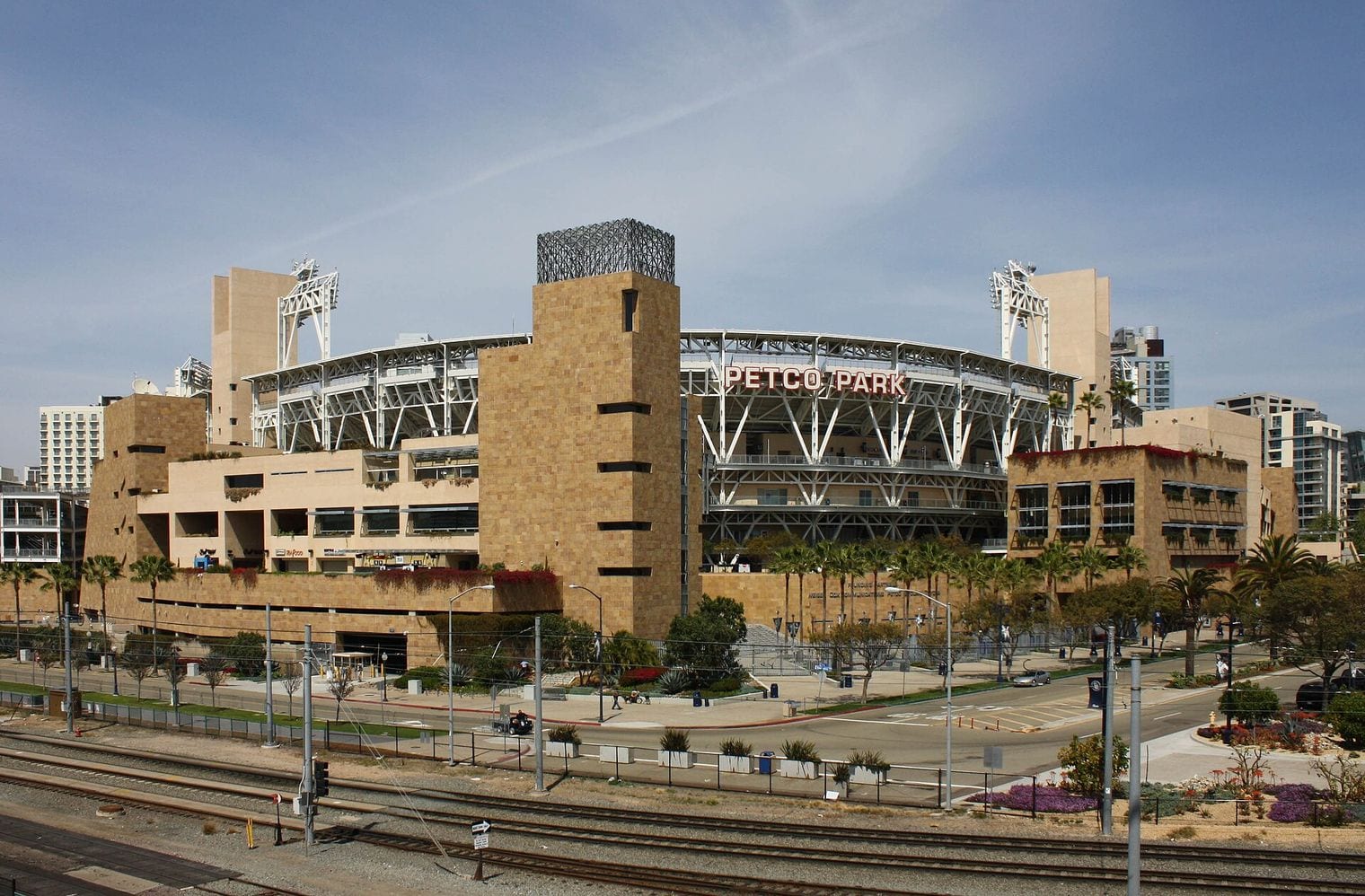
Petco Park is the downtown home of the San Diego Padres, opened in 2004 in the East Village beside the Gaslamp Quarter. Its design folds in the historic brick Western Metal Supply Co. building, which forms part of the left-field corner, and the ballpark has hosted the first World Baseball Classic final and an MLB All-Star Game.
A game here is one of the city's great evenings out, with skyline and bay views from the upper decks and a grassy park beyond the outfield where families spread out. Away from game days, guided ballpark tours take visitors behind the scenes into areas fans rarely see.
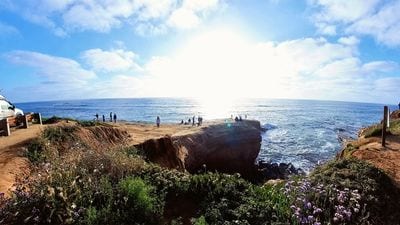
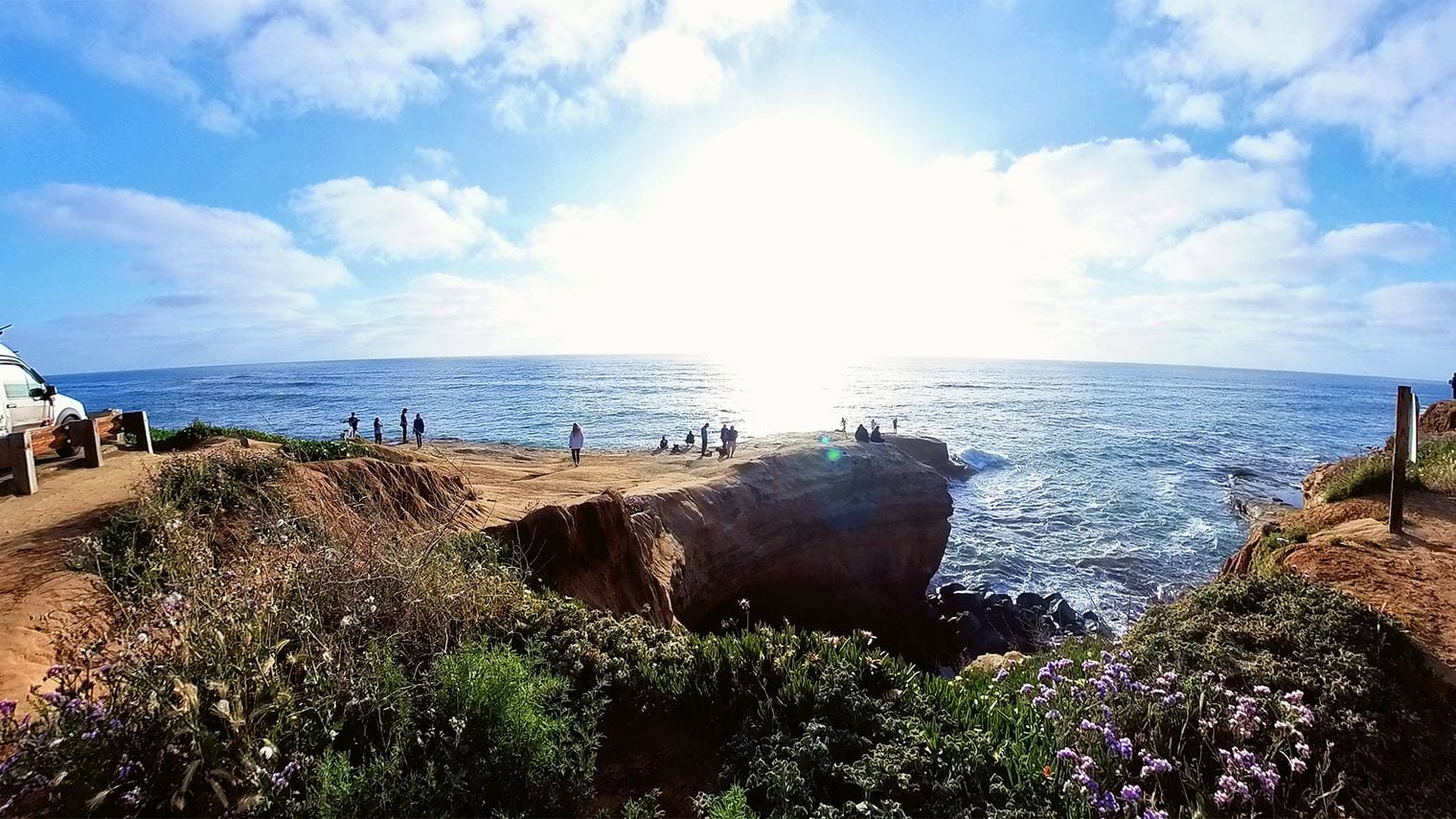
Sunset Cliffs Natural Park is a 68-acre city park along the western edge of Point Loma, where the Pacific has carved the bluffs into arches, ledges and sea caves. A path runs along the clifftops beside Sunset Cliffs Boulevard, and, as the name promises, it is one of the classic places in San Diego to watch the sun drop into the ocean.
The bluffs are crumbly and unfenced in places, so stay well back from the edges and use only established access points to reach the coves below. The park's southern hillside is protected as a natural area, and in winter and spring you may spot gray whales passing offshore on their annual migration.
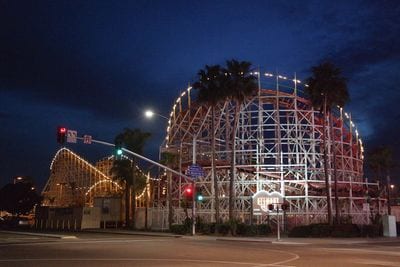
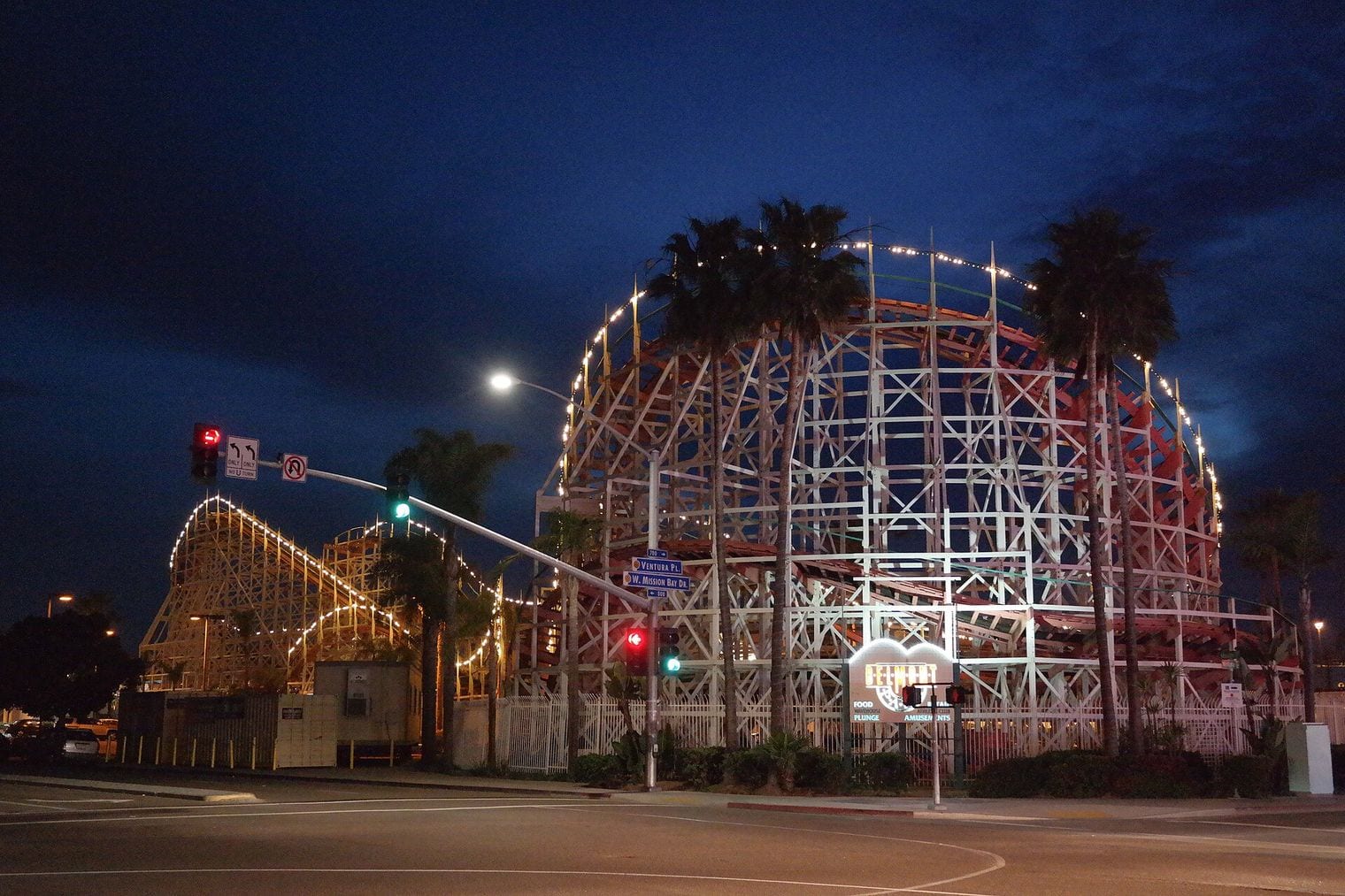
Belmont Park is the beachfront amusement park in Mission Beach, opened by sugar magnate John D. Spreckels on July 4, 1925, partly to help sell lots in the new neighborhood. Its star is the Giant Dipper, a wooden roller coaster from the original park that is listed on the National Register of Historic Places.
Around it are newer rides, arcades and games right on the boardwalk, along with the Plunge, an indoor pool that dates from the park's opening and reopened after a restoration. Pair it with a walk or bike ride along Ocean Front Walk toward Pacific Beach.
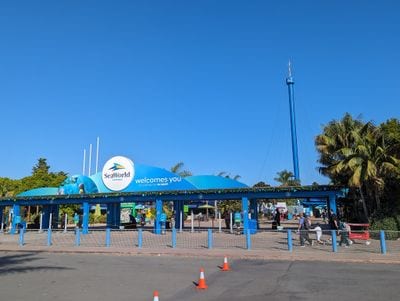
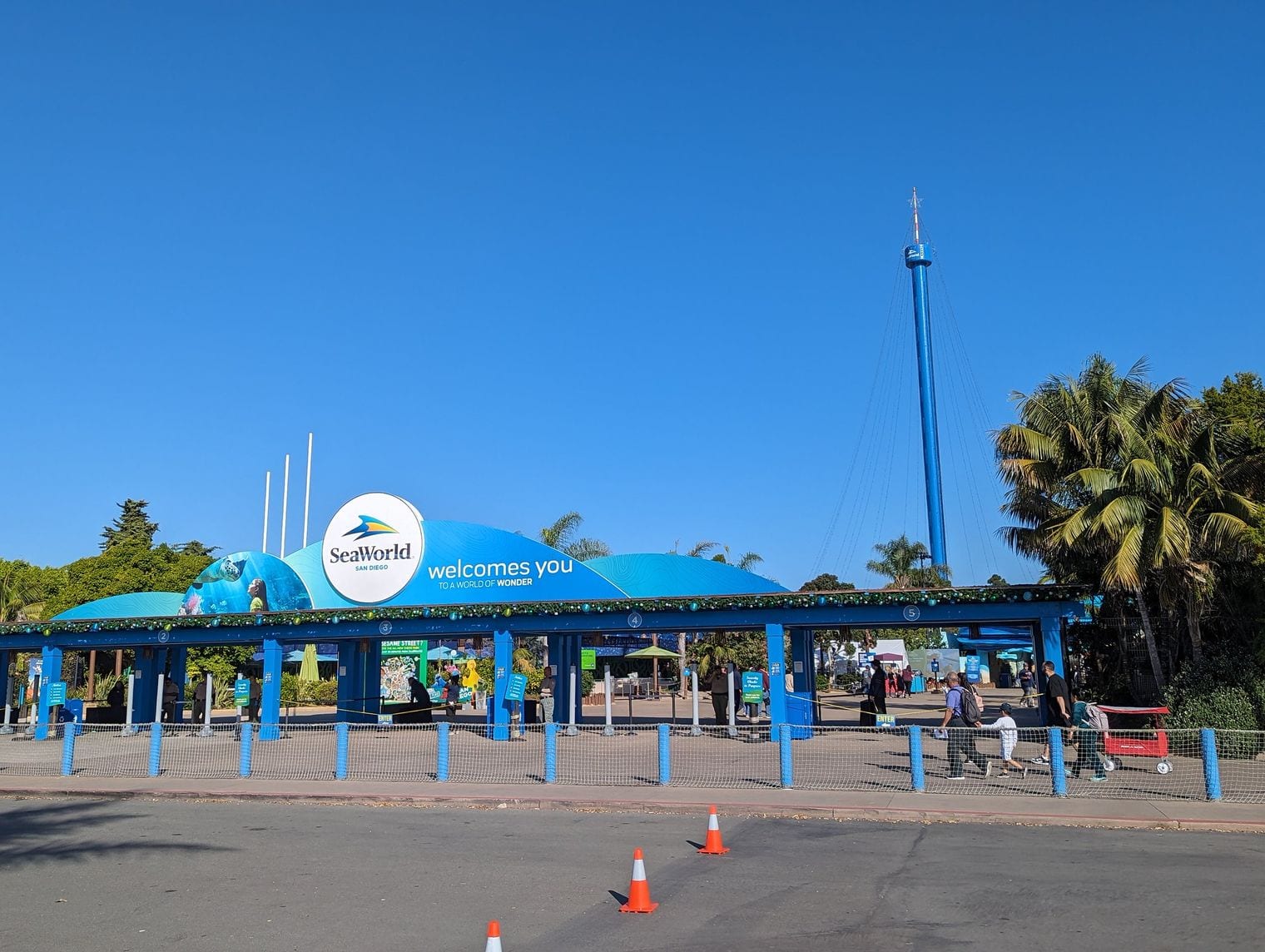
SeaWorld San Diego opened in 1964 on the shore of Mission Bay as the first park in the SeaWorld chain, and it combines a marine animal park and aquarium with thrill rides. It also runs a marine animal rescue and rehabilitation program, and the Hubbs-SeaWorld Research Institute sits next door.
Expect animal habitats and educational presentations, including an orca program that replaced the old theatrical shows, alongside roller coasters and water rides. The Skytower lifts riders high above the park for a view over Mission Bay, and Dolphin Point lets you watch bottlenose dolphins up close.
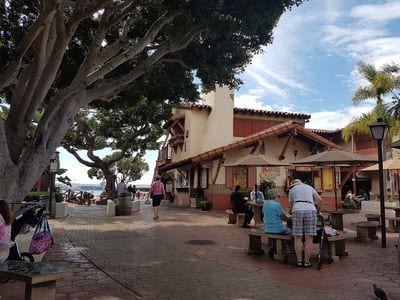
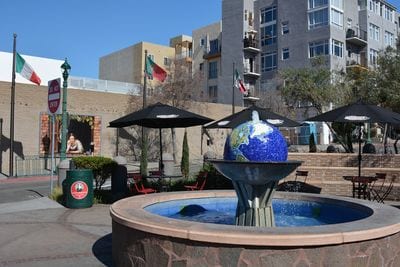
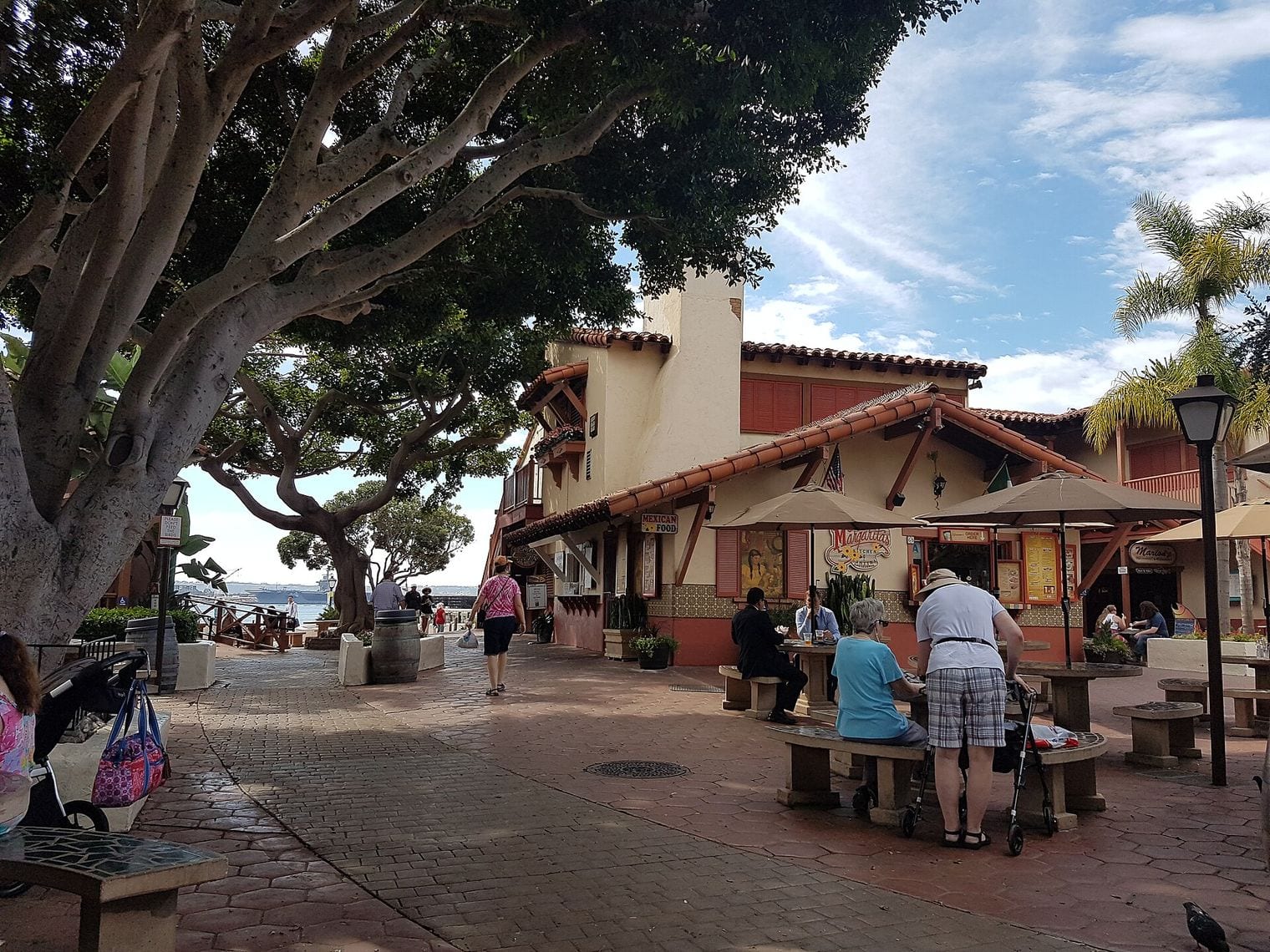
Seaport Village is a car-free waterfront shopping and dining village on San Diego Bay, opened in 1980 with buildings in styles ranging from Victorian to traditional Mexican. More than 70 shops, galleries and eateries line its winding paths, a short walk from the Convention Center and the USS Midway.
It is more about strolling than shopping: the bayfront path looks out to the Coronado Bridge, street performers work the plazas, and the Seaport Village Carousel's hand-carved animals date from 1895. Grab an ice cream and find a bench by the water to watch the boats go by.
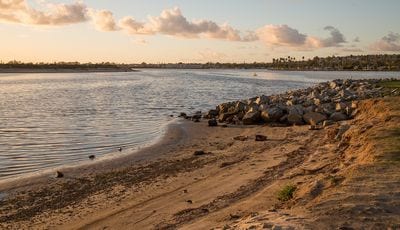
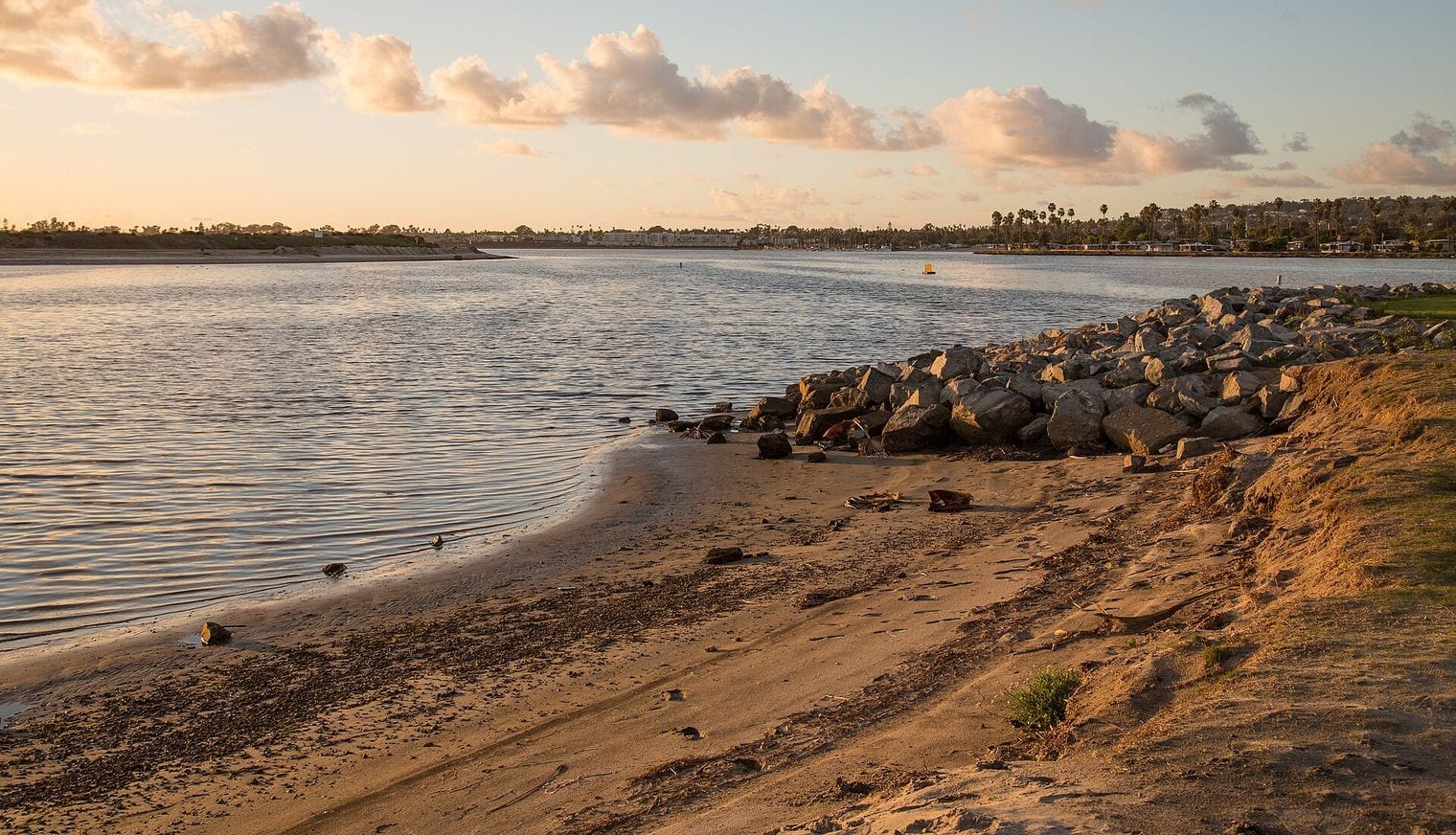
Mission Bay Park is the city's giant water playground, more than 4,000 acres of man-made bay, beaches, lawns and islands created from former wetlands, and it is described as the largest man-made aquatic park in the United States. About half of it is water, so this is where San Diegans go to sail, kayak, paddleboard, jet ski and wakeboard on calmer water than the open ocean.
On land, miles of bayside paths draw cyclists, joggers and skaters, and the lawns fill with picnics and kite flyers on weekends. Fiesta Island, on the east side of the bay, has open sand and room for dogs to run off leash, while SeaWorld occupies the south shore.
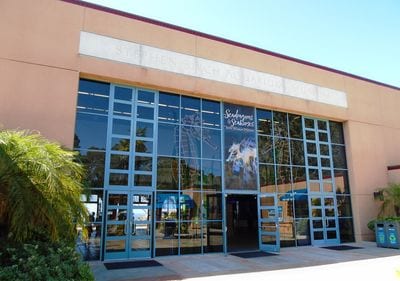
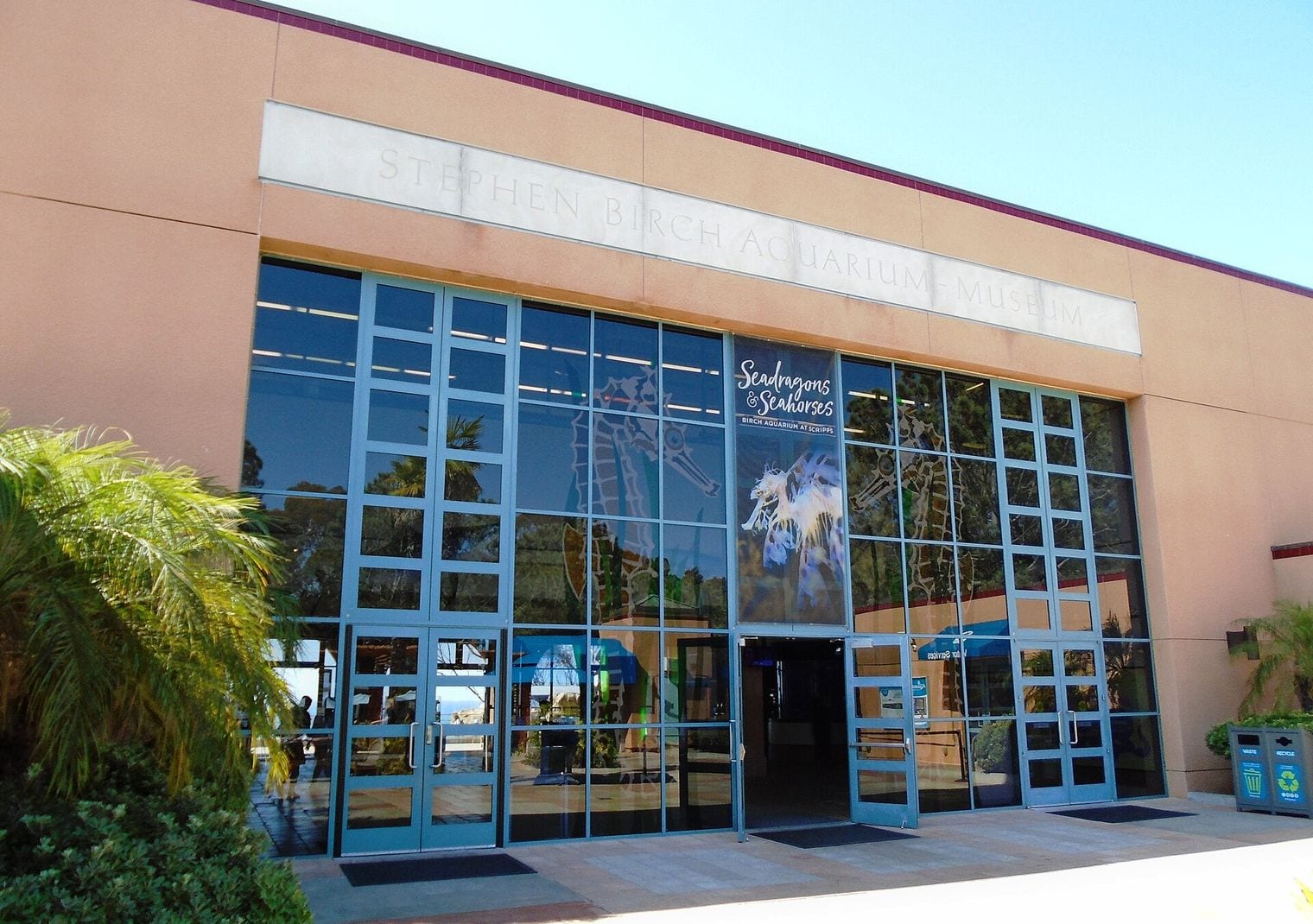
Birch Aquarium at Scripps is the public outreach center of the Scripps Institution of Oceanography, set on a hilltop above La Jolla Shores with wide Pacific views. It houses thousands of animals from hundreds of species, and its Living Seas gallery, opened in 2025, includes a towering kelp forest habitat, a giant Pacific octopus and an under-the-pier view of Scripps Pier.
Outside, an open-air tide-pool area gives children a close look at sea stars and other shoreline life with the ocean as a backdrop. Exhibits on climate and ocean science draw on the research happening down the hill, making it a compact, rewarding half day in La Jolla.
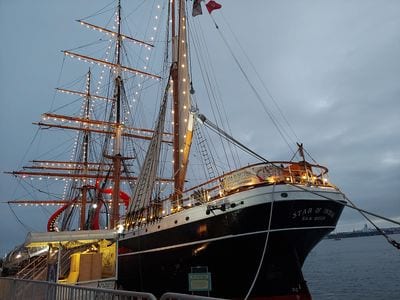
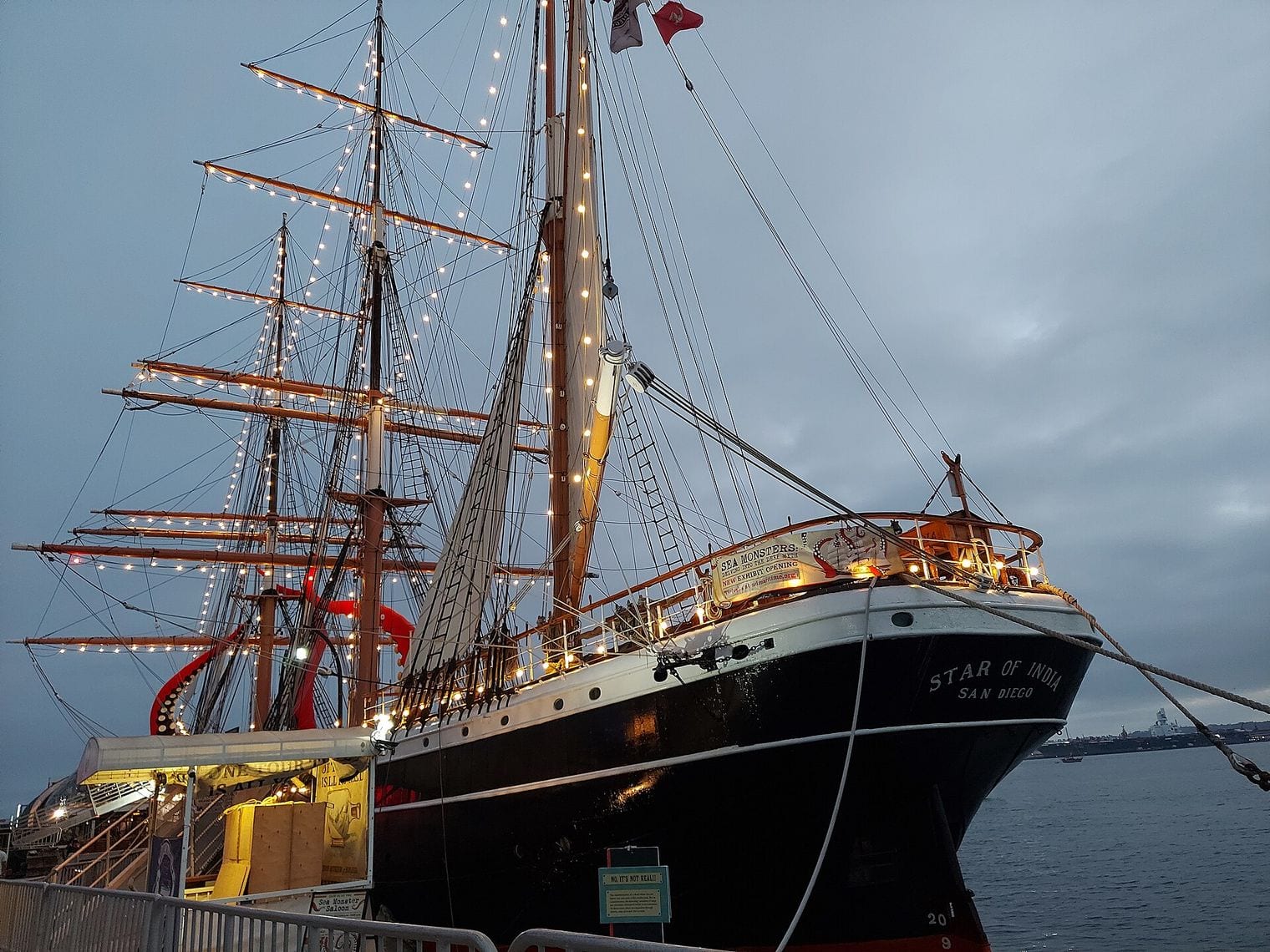
The Maritime Museum of San Diego, founded in 1948, keeps one of the largest collections of historic ships in the country along the bayfront. Its centerpiece is the Star of India, an iron-hulled barque built in 1863 and often described as the oldest ship still sailing regularly.
Visitors can board most of the fleet, including the 1898 ferryboat Berkeley, the replica of HMS Surprise used in the film Master and Commander, and the Cold War-era research submarine USS Dolphin. Harbor sails on some of the historic vessels run on selected days, so check the schedule if you want to get out on the water.
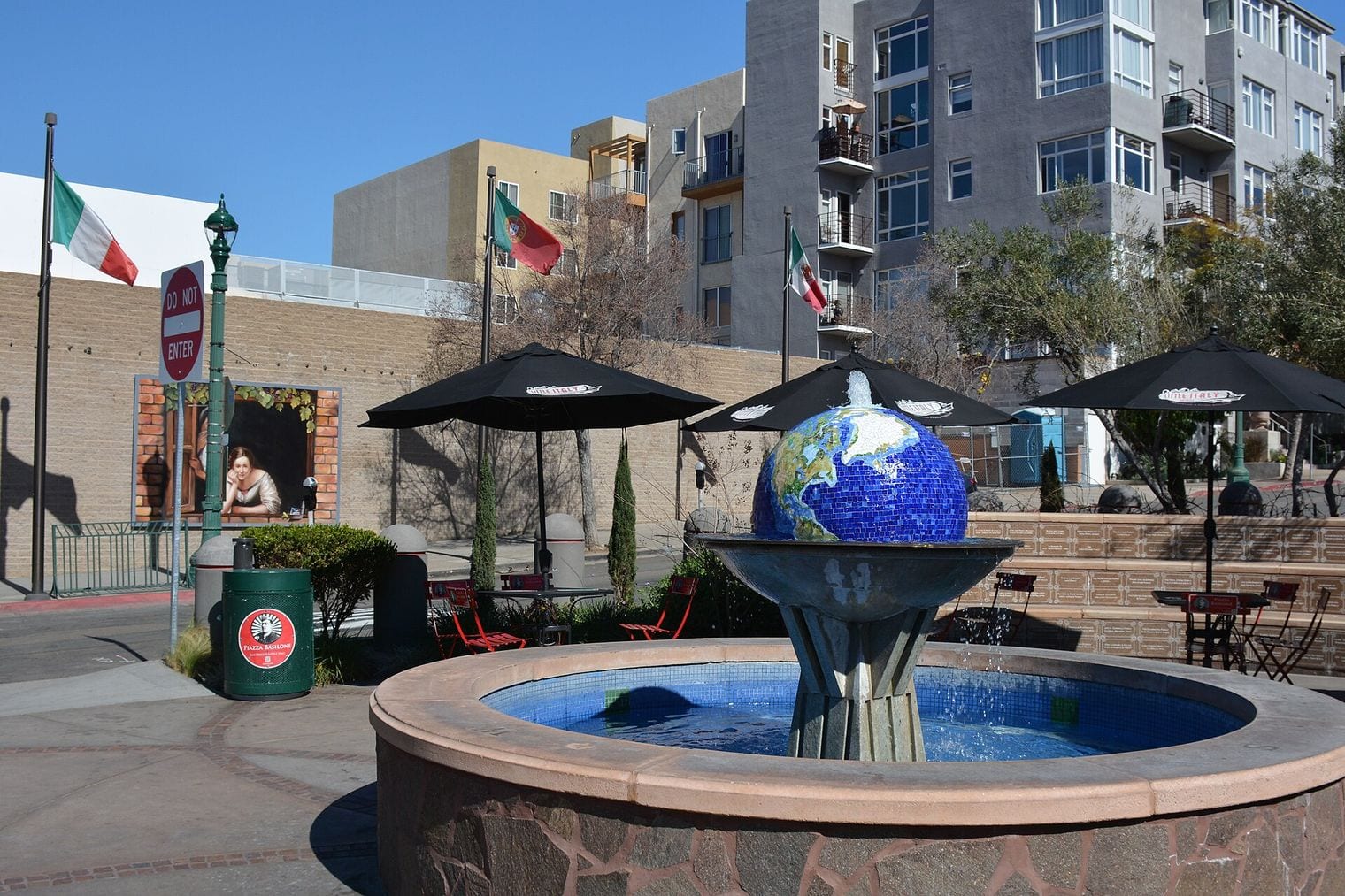
Little Italy grew up as a fishing neighborhood of Italian and Portuguese families on the north side of downtown, and today it is one of the liveliest districts in the city, packed with Italian restaurants, delis, cafés, galleries and design shops. Piazzas and sidewalk dining give it a European feel, and the big neighborhood sign over India Street marks the way in.
Saturday is the day to come, when the Little Italy Mercato farmers' market fills several blocks with produce, flowers and food stalls. The neighborhood also hosts festivals through the year and sits within walking distance of the waterfront and Waterfront Park.
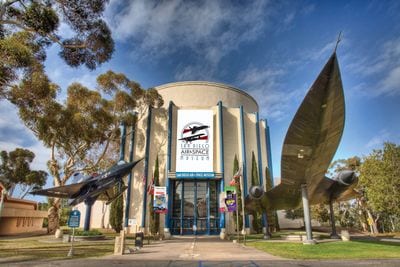
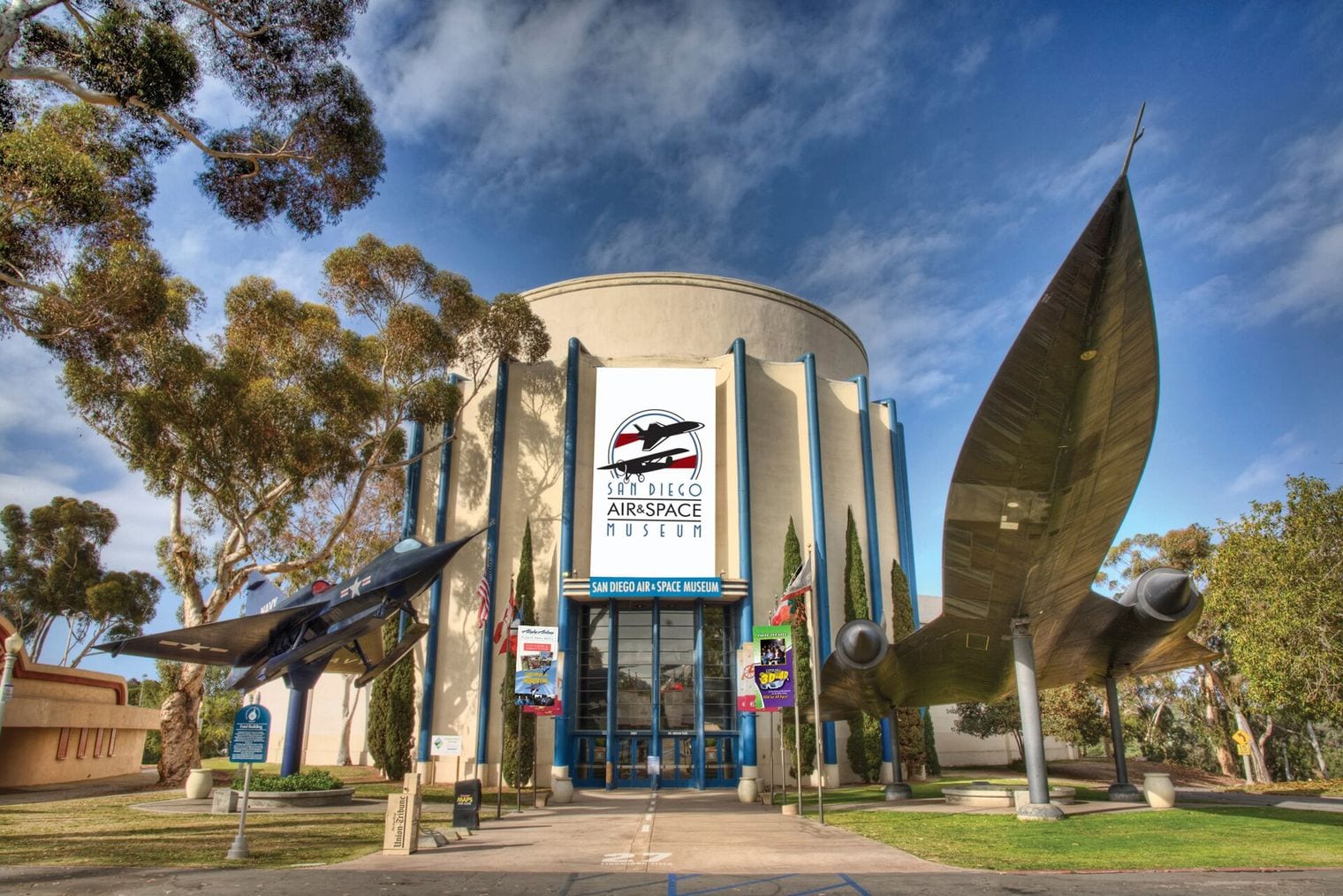
The San Diego Air & Space Museum fills the round Ford Building in Balboa Park, an exposition landmark listed on the National Register of Historic Places. Opened in 1963, its galleries trace the history of flight from the early pioneers to jets and spacecraft.
The rotunda showcases the Apollo 9 command module, one of only a few flown Apollo capsules on display in the western United States, and there are flight simulators and a hall of fame honoring aviation pioneers. Allow at least two hours, more with aircraft fans in tow.
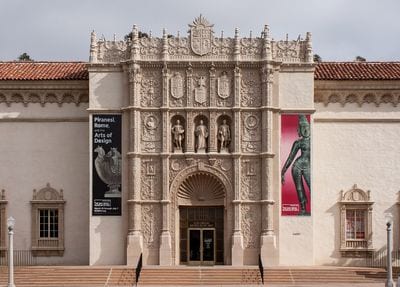
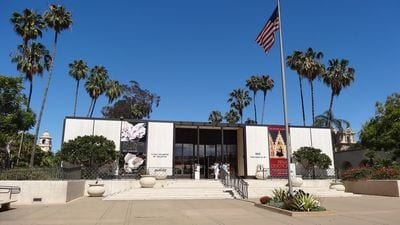
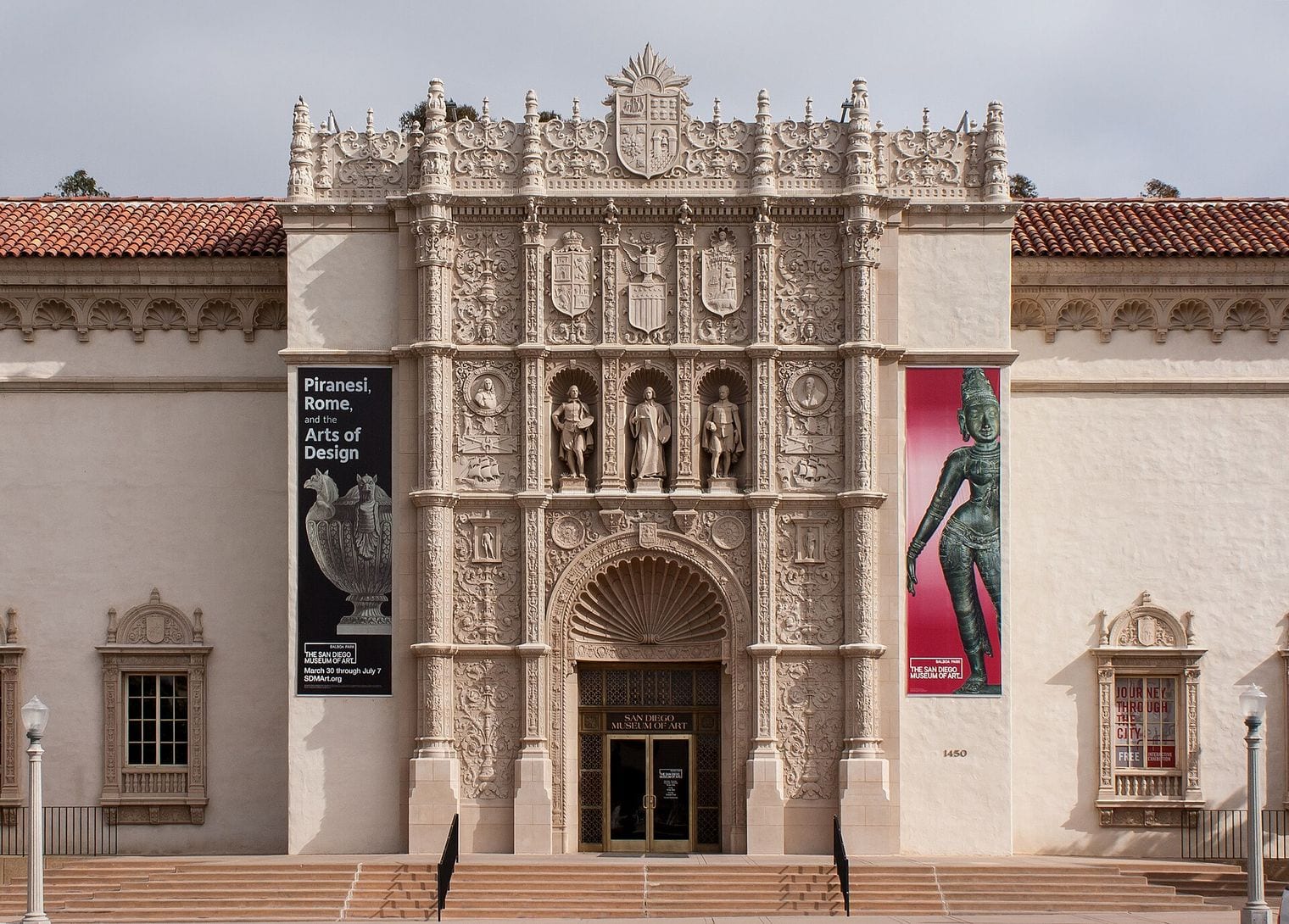
The San Diego Museum of Art opened in 1926 behind an ornate Plateresque façade on Balboa Park's Plaza de Panama, its main doorway inspired by one at the University of Salamanca. Balboa Park calls it the region's oldest and largest art museum, and its collection is particularly strong in Spanish art.
Inside, look for works by El Greco, Zurbarán, Murillo and Goya alongside European, American and Asian collections, then step out to the sculpture garden. The free Timken Museum stands on the same plaza, so the two make an easy pairing.
Free printable checklist of all 40 places
Tick them off as you go. Confirm your email to download it, plus one email every Thursday with new guides for the places you tick.
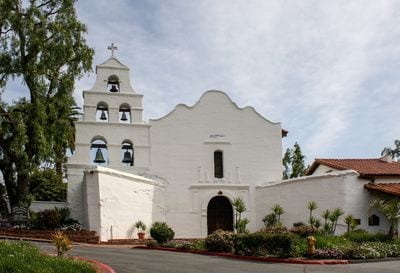
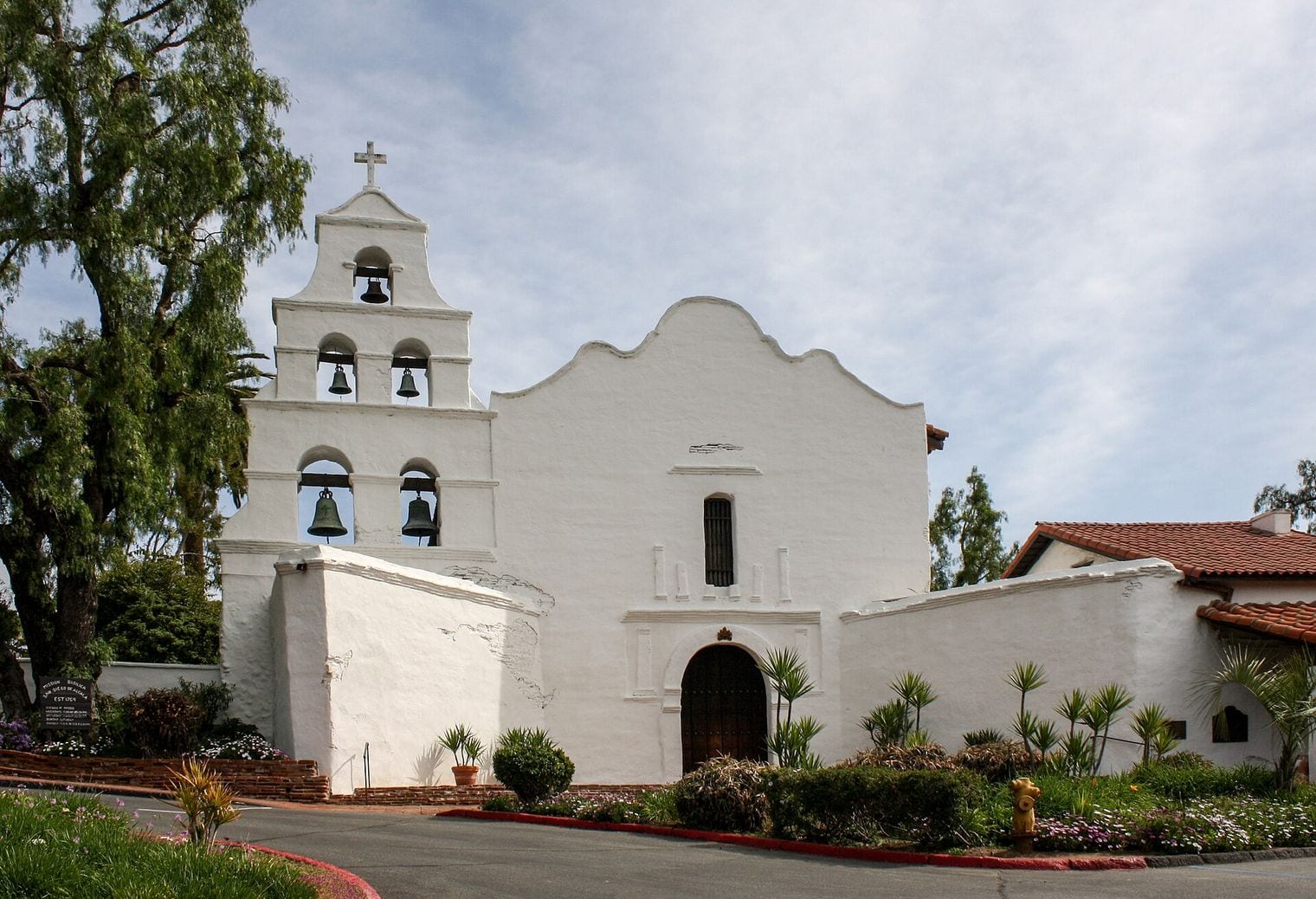
Mission Basilica San Diego de Alcalá was founded in 1769 by the Franciscan friar Junípero Serra, the first in the chain of Spanish missions he established in what is now California, on land long inhabited by the Kumeyaay people. The present whitewashed church, built in the early 19th century, is the fifth to stand on the site in Mission Valley.
It is still an active parish and was named a minor basilica in 1976. Visitors can explore the church, the quiet gardens and the tall bell wall, and see mission-era artifacts in a small museum on a site that is a National Historic Landmark.
Pacific Beach, or P.B., is one of San Diego's liveliest beach neighborhoods, a wide sandy strand backed by surf shops, taco stands and the bars of Garnet Avenue and Mission Boulevard. Ocean Front Walk, the boardwalk, runs for about three miles from P.B. south into Mission Beach and is always busy with cyclists, skaters and people-watchers.
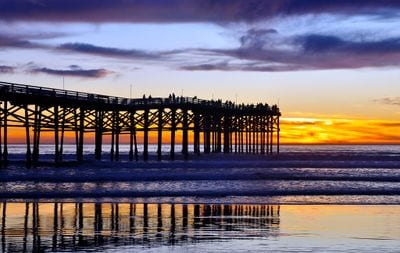
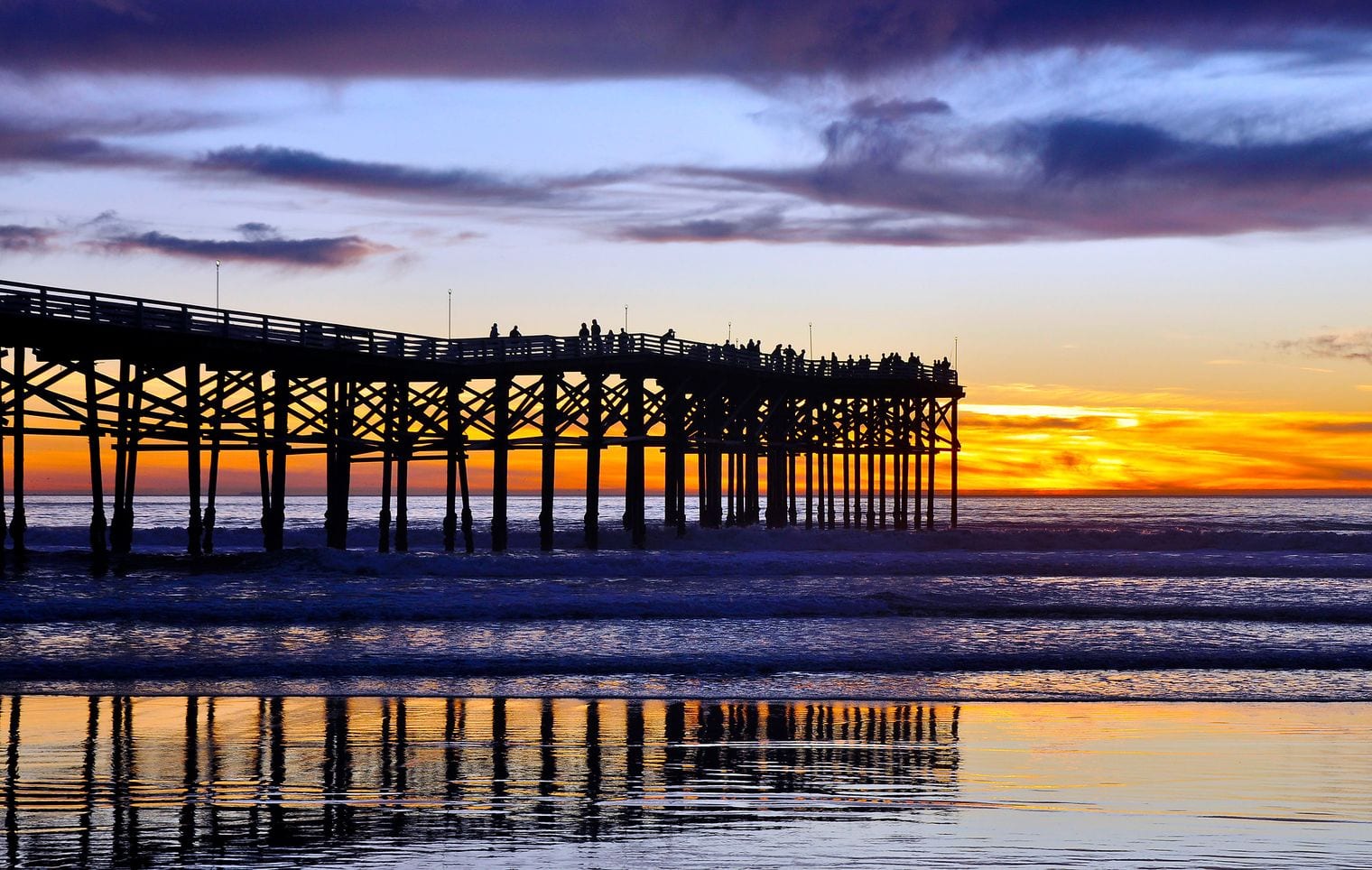
At the foot of Garnet Avenue, Crystal Pier has reached out over the surf since 1927, with little cottages built along its deck; walk out for views up the coast toward La Jolla. Surf lessons, beach volleyball and sunset crowds make a full day of it, and the nightlife carries on long after dark.
Mission Trails Regional Park is a 7,220-acre stretch of wild hills and river canyon in the northeast of the city, one of the largest city-owned parks in the United States, with about 60 miles of trails for hiking, mountain biking and horseback riding. Its best-known climb is Cowles Mountain, at 1,592 feet the highest point in the city of San Diego, with a 360-degree view from the top.
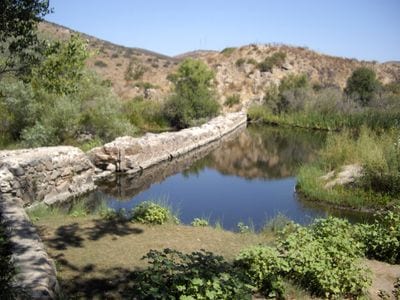
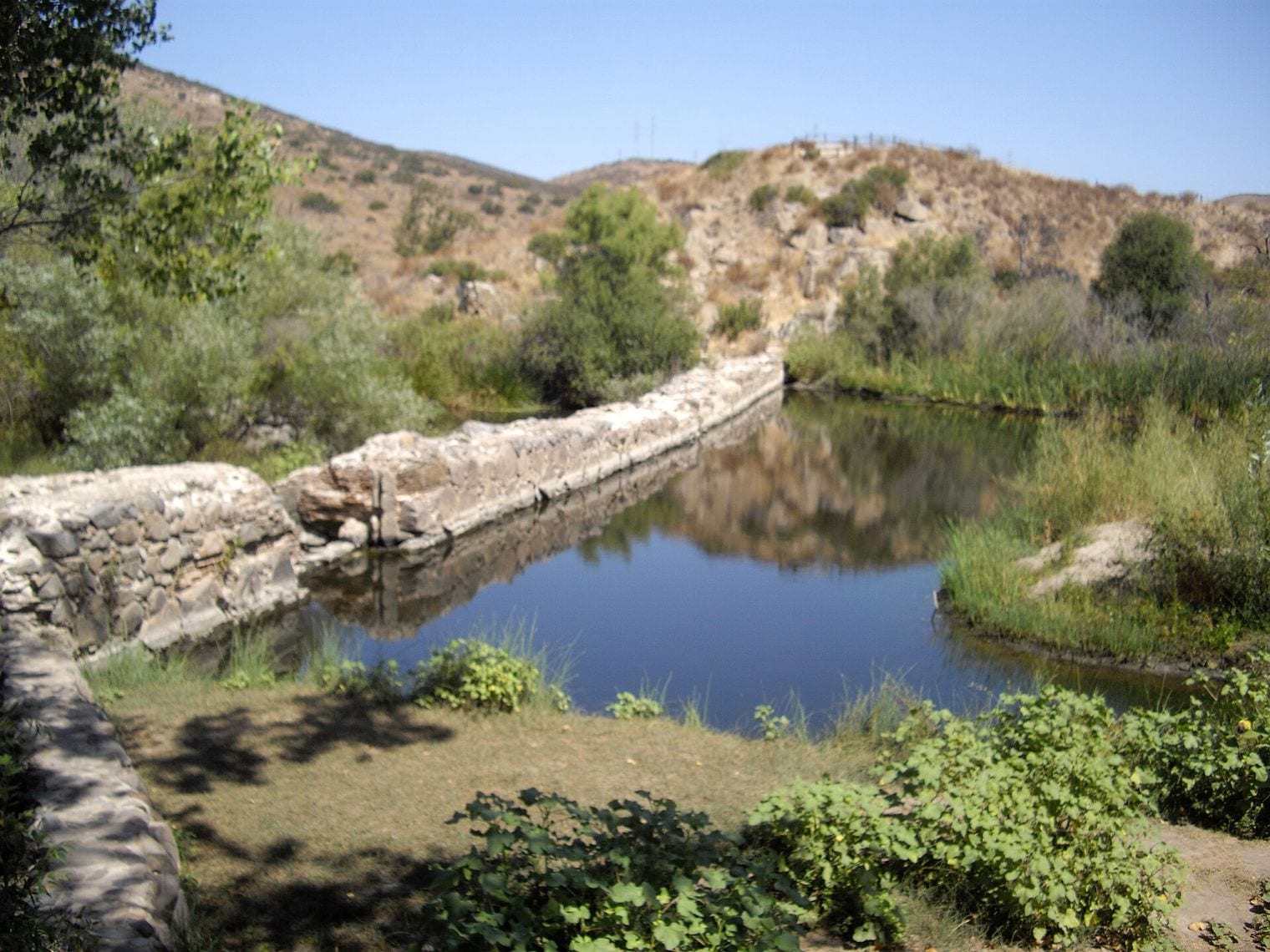
For something gentler, follow the San Diego River to the Old Mission Dam, built to irrigate the fields of Mission San Diego de Alcalá, or start at the visitor center for exhibits and trail maps. Go early in summer, as most trails have little shade.
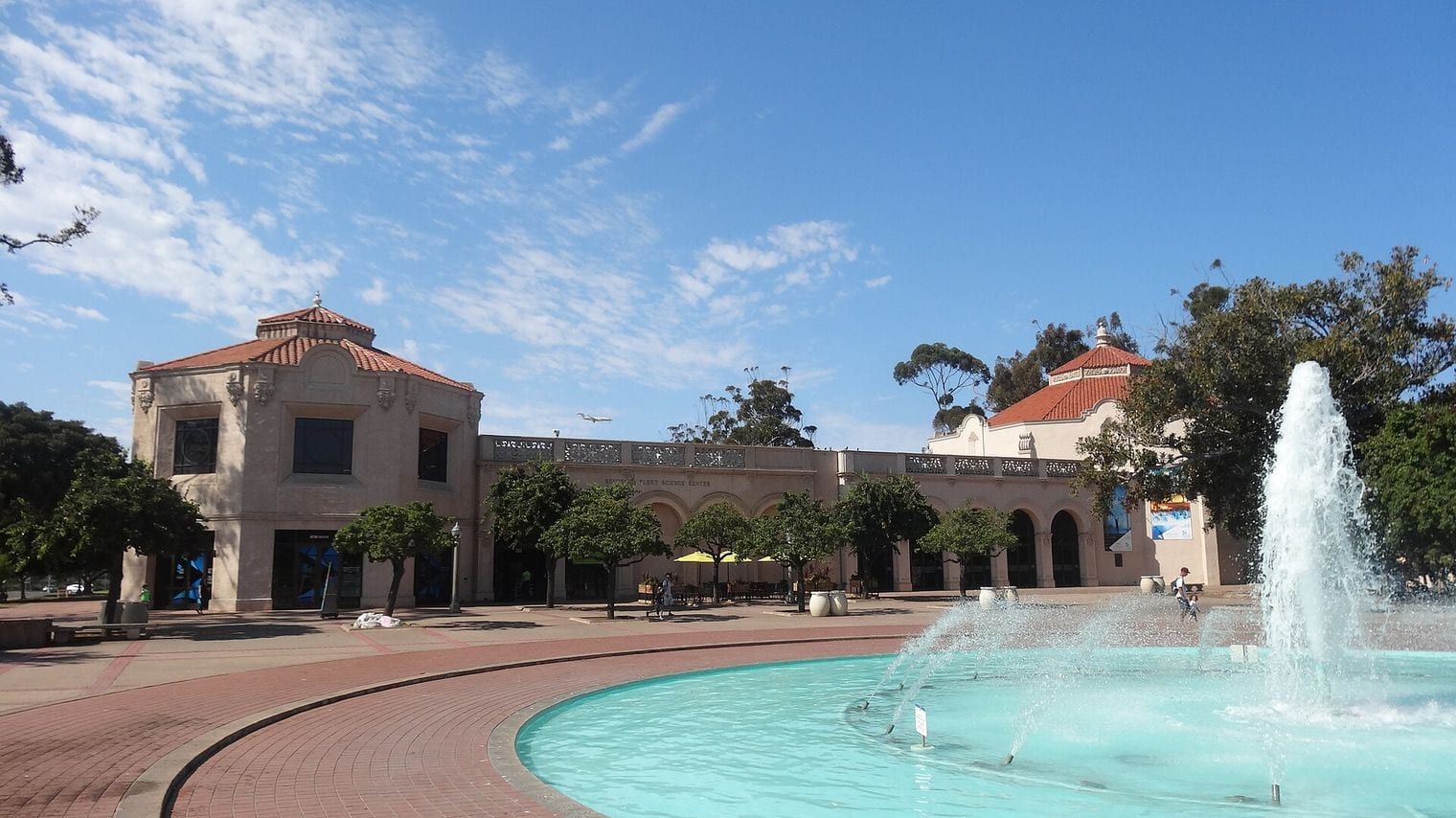
The Fleet Science Center, at the east end of El Prado in Balboa Park, opened in 1973 as the first science museum to pair hands-on exhibits with a planetarium and a giant dome theater, a format most major science museums now follow. Its tilted dome still screens immersive films and planetarium shows.
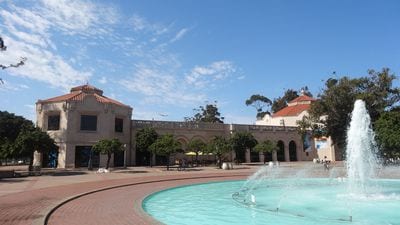
The galleries are built for touching, with interactive exhibits that keep children absorbed for hours, and the center faces the Bea Evenson Fountain, a good spot to cool off before or after a visit.
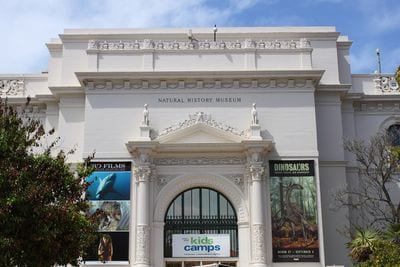
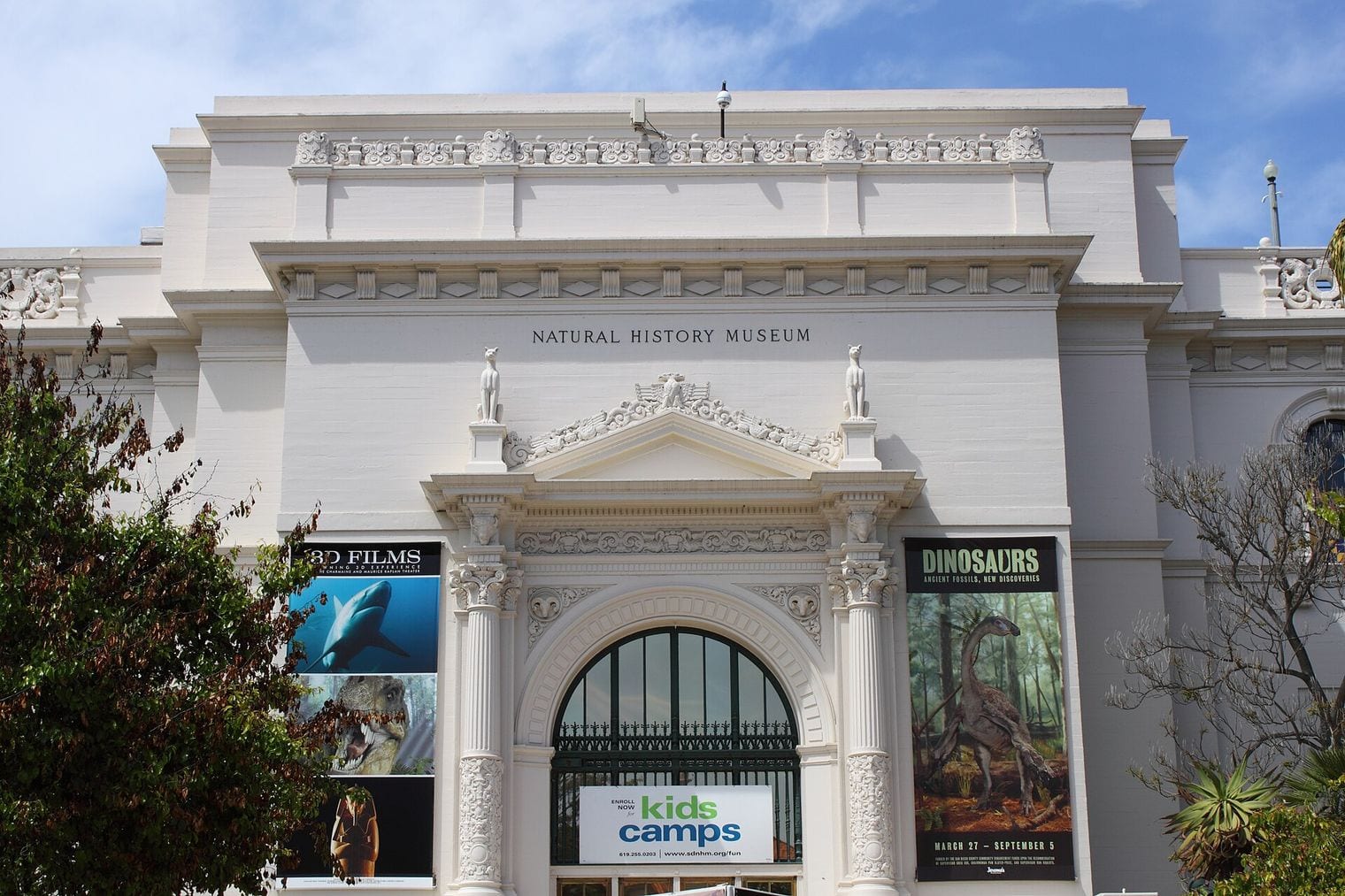
The San Diego Natural History Museum, known locally as The Nat, traces its roots to the San Diego Society of Natural History, founded in 1874 and the oldest scientific institution in Southern California. Its Balboa Park building was dedicated in 1933, and an addition in 2001 doubled the exhibit space.
The standout gallery is Fossil Mysteries, which tells 75 million years of prehistory in Southern California and Baja California through fossils, dioramas and models, from the age of dinosaurs to the Ice Age. Rotating exhibitions on the region's wildlife and landscapes round out a visit.
The Museum of Us is Balboa Park's anthropology museum, housed in the landmark buildings of the California Quadrangle from the 1915 exposition, right at the park's west entrance. Its exhibitions explore cultures from around the world and big questions about what it means to be human, from ancient civilizations to identity and race.
The museum also runs guided climbs of the California Tower, the ornate 1915 spire that is one of San Diego's best-known landmarks. Small groups climb several flights of stairs, including a spiral staircase, to a viewing deck that looks from the Pacific to the inland mountains, so book ahead and wear sensible shoes.
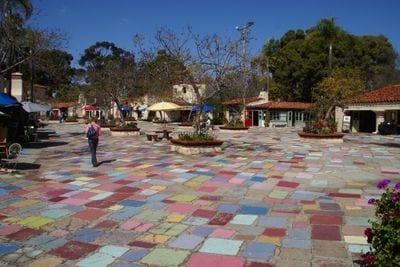
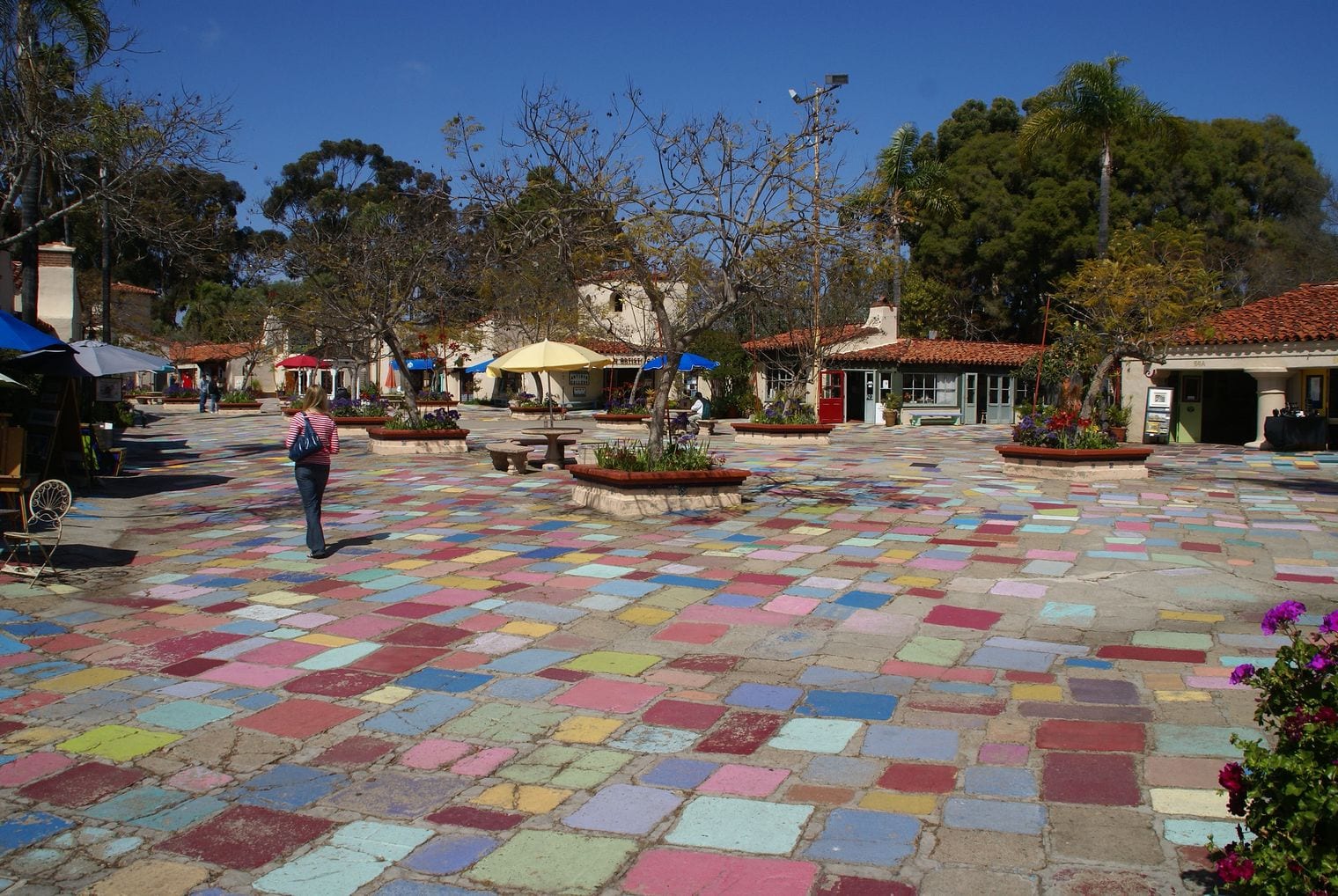
Spanish Village Art Center is a cluster of colorful cottages around a tiled courtyard in Balboa Park, designed by architect Richard Requa for the 1935 exposition and soon turned into artists' studios. After serving the Army in World War II, the buildings returned to the artists in 1947 and have housed working studios ever since.
Wander from door to door to watch painters, potters, jewelers and other artists at work and buy straight from the makers. It is free to browse and sits right by the zoo entrance, so it slots neatly into a Balboa Park day.
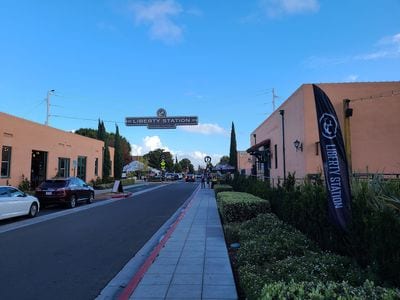
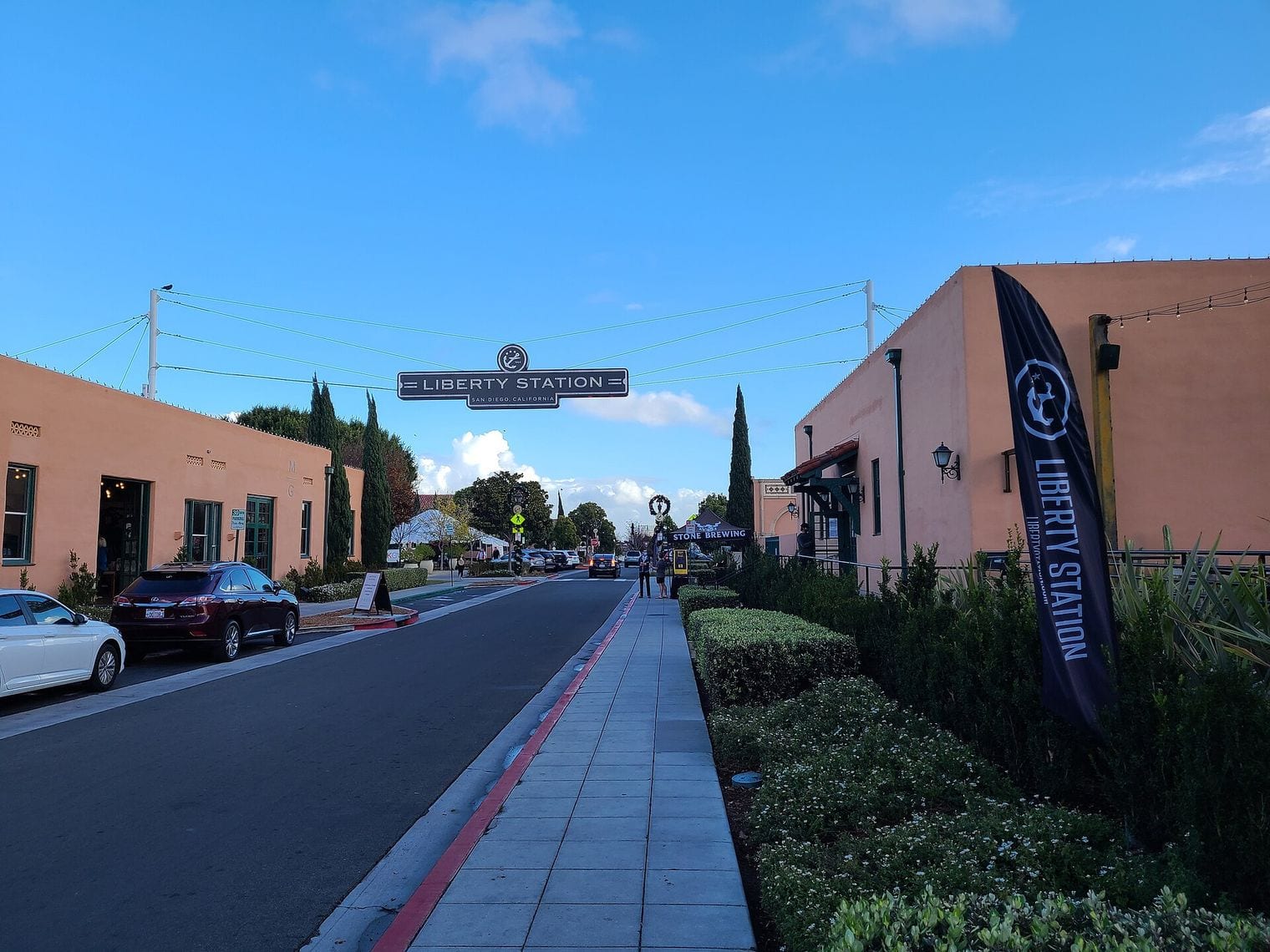
Liberty Station occupies the former Naval Training Center San Diego on a boat channel off San Diego Bay in Point Loma, where historic Navy barracks and halls listed on the National Register now hold shops, galleries, restaurants and offices. The 361-acre site includes an arts district and a long park of lawns along the channel.
Come for the food hall, breweries and galleries, the weekend crowds on the grass, or a quiet walk or bike ride along the waterfront with planes gliding in to land at the airport next door.
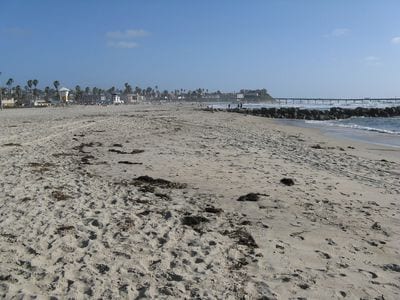
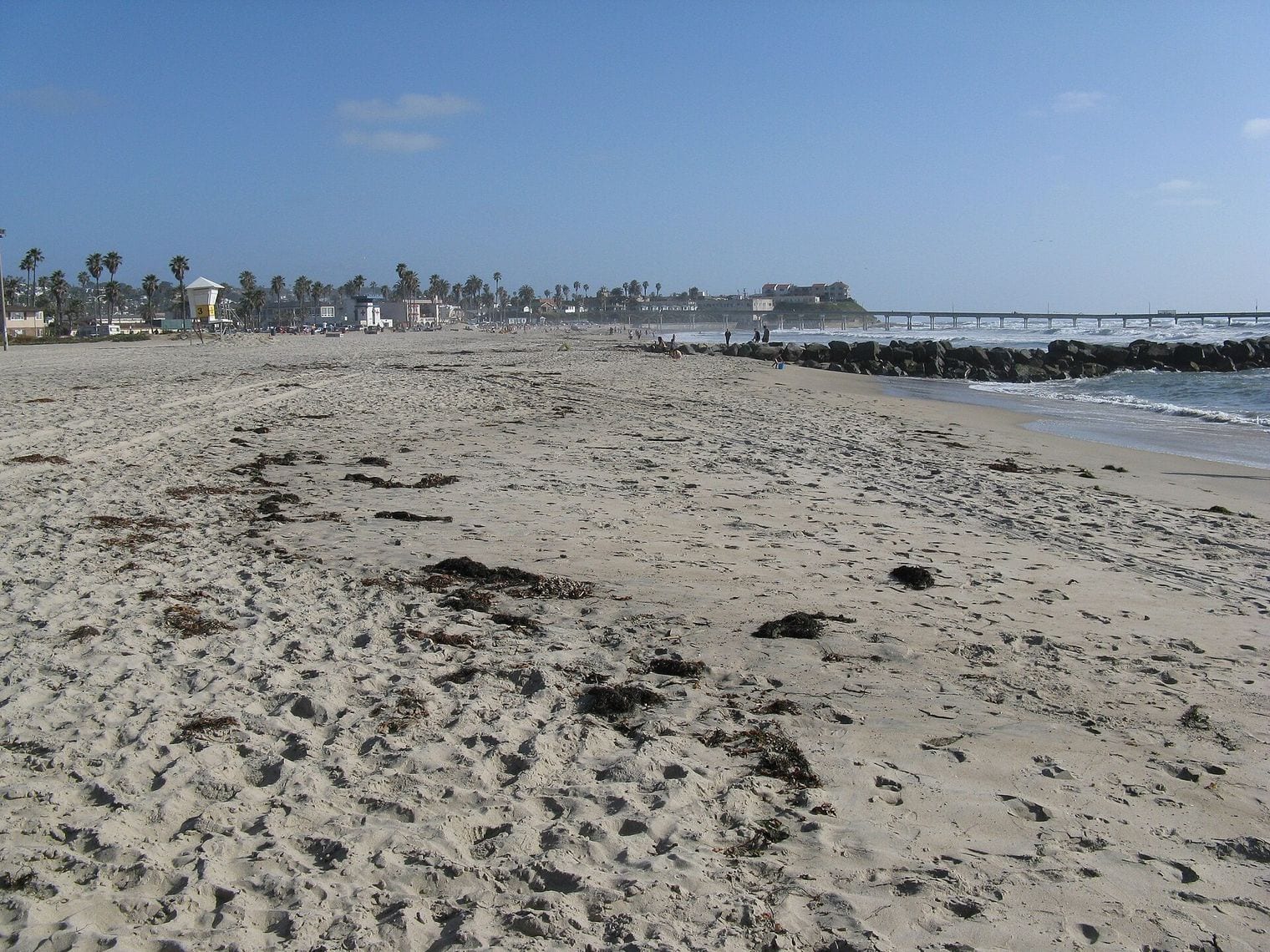
Ocean Beach, or O.B., is San Diego's most free-spirited beach neighborhood, a former hippie haven that keeps its offbeat character along Newport Avenue with surf shops, antique stores, dive bars and taco joints. The wide beach draws surfers and sunset crowds, and Dog Beach at its north end, where the San Diego River meets the sea, is a popular off-leash beach.
The long Ocean Beach Pier has been closed since storm damage in 2023, and the city plans to replace it rather than reopen it, so enjoy it from the sand. A weekly farmers' market on Newport Avenue and the walk south toward Sunset Cliffs are good reasons to linger.
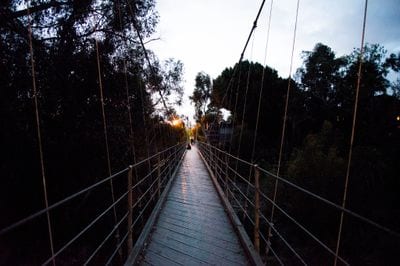
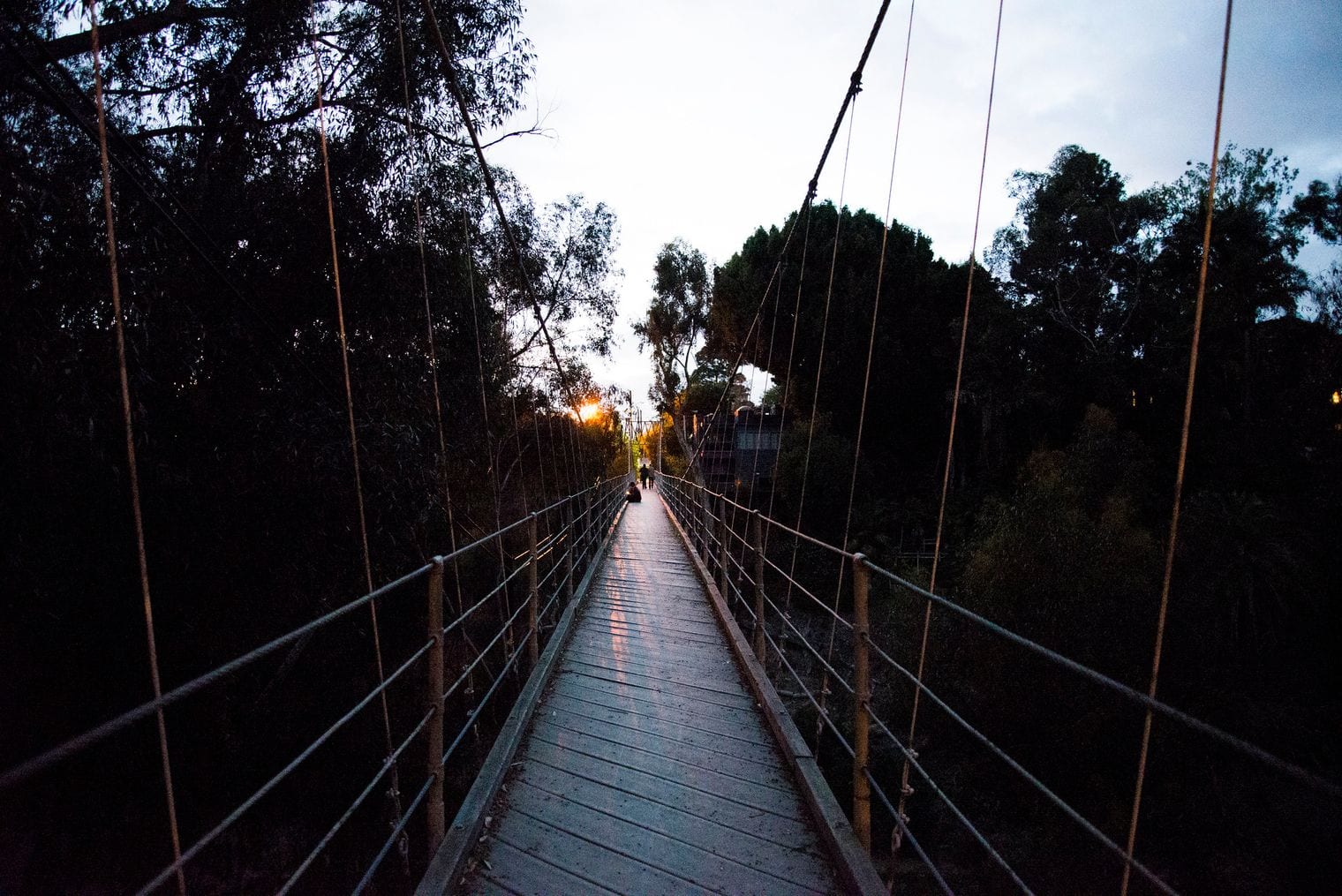
The Spruce Street Suspension Bridge is a 375-foot footbridge slung across Kate Sessions Canyon in Bankers Hill, built in 1912 so residents could reach the streetcar lines on Fourth and Fifth avenues. Locals call it the Wiggly Bridge, and with good reason: it sways gently as you cross.
It is a short, free and slightly thrilling detour, with a view down into a leafy canyon that feels far from the city. Combine it with a walk past the old houses of Bankers Hill on the way to Balboa Park.
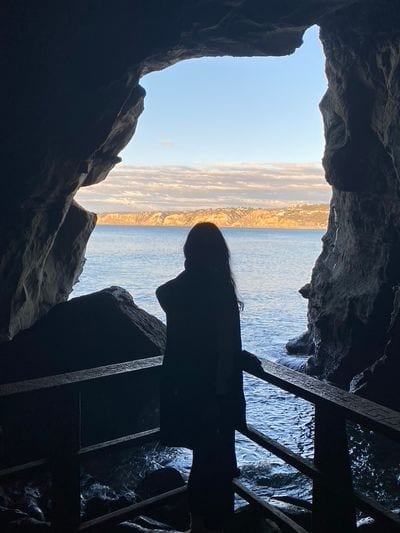
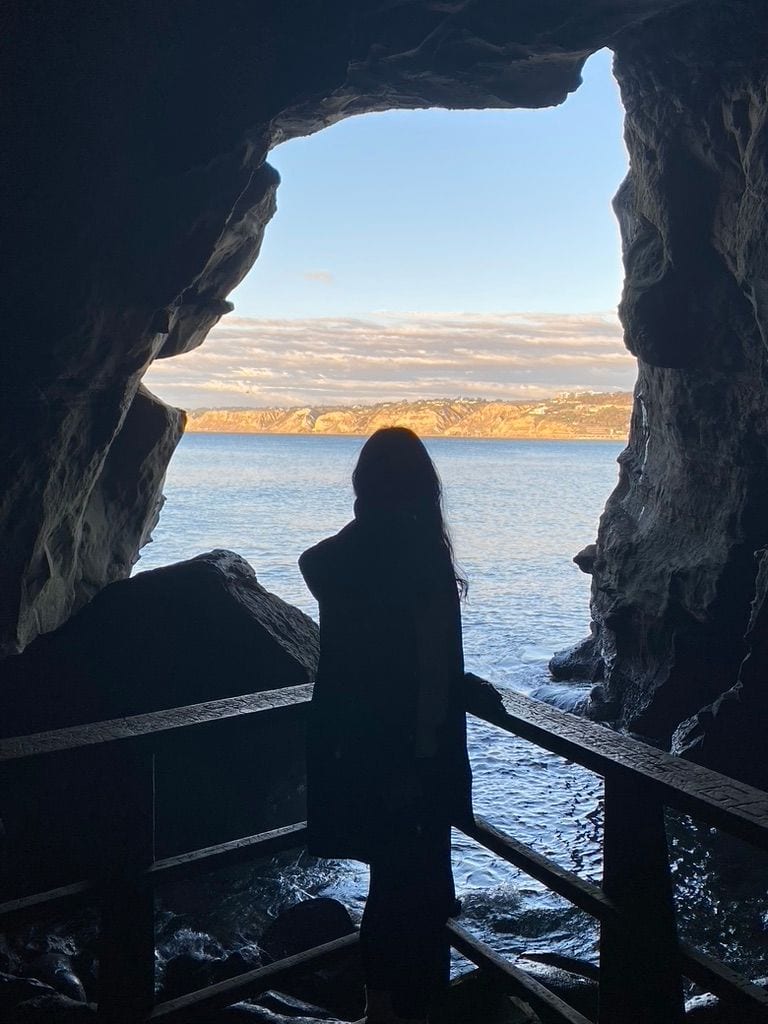
Sunny Jim Sea Cave takes its name from its resemblance to the profile of Sunny Jim, an old British cereal mascot, and it is said to be the only sea cave in California you can reach from land. In 1902 an entrepreneur had a tunnel dug from his clifftop house, now The Cave Store, down through the sandstone to the cave.
For a fee, the shop lets visitors descend 145 steps through the damp tunnel to a viewing platform inside the cave, where waves surge in from the ocean. Kayak tours of the La Jolla sea caves pass its mouth from the water, and the clifftop walk above La Jolla Cove leads right to the shop's door.
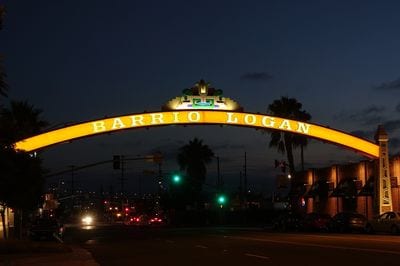
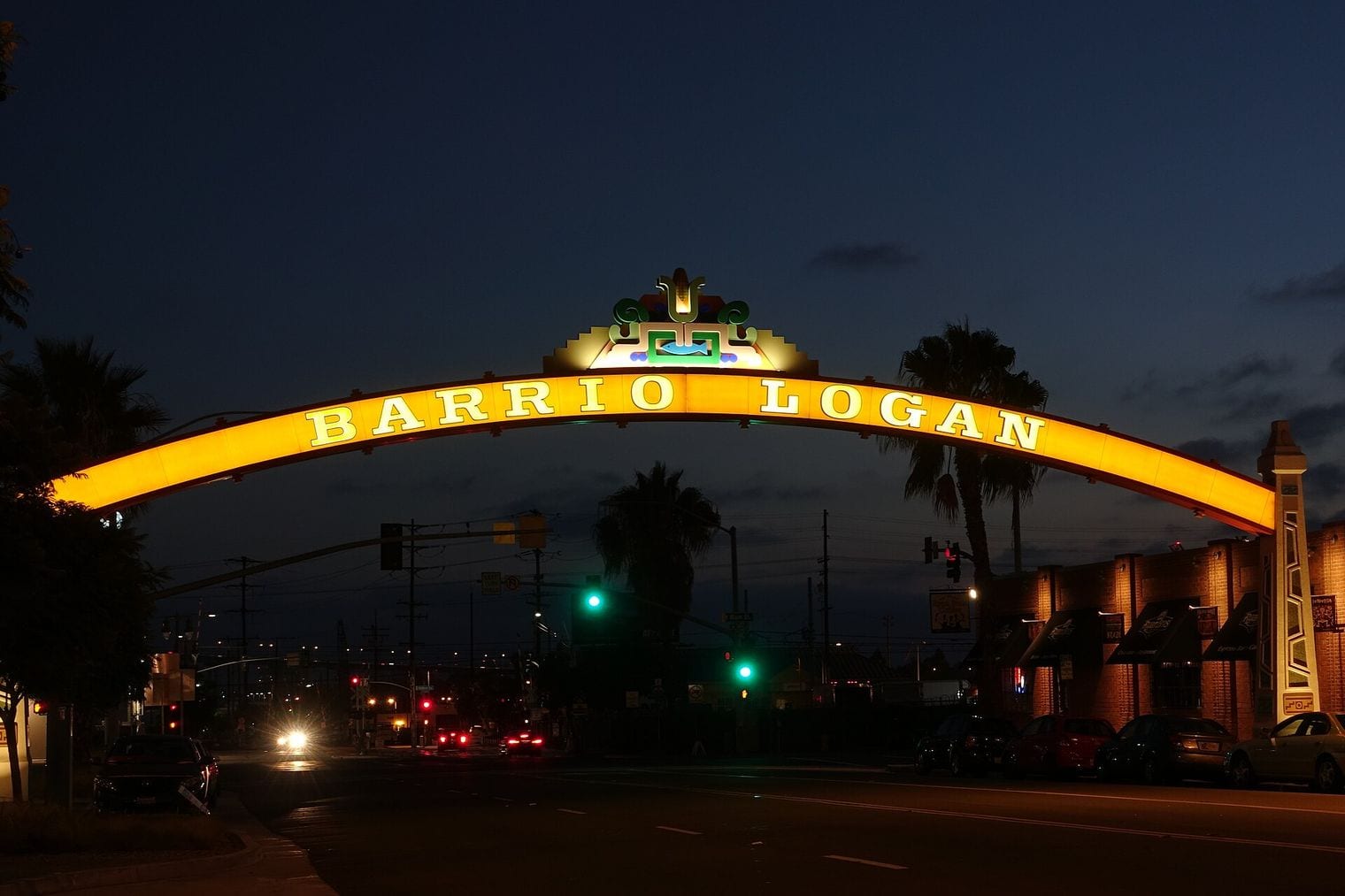
Barrio Logan, just southeast of downtown, has long been one of the most important centers of San Diego's Mexican-American community, and its main streets are lined with galleries, murals, breweries and taquerías. Its heart is Chicano Park, created in 1970 after residents occupied the land beneath the new Coronado Bridge to stop a planned highway patrol station.
The bridge's concrete pillars now carry dozens of vivid murals on Indigenous, Mexican and Chicano history, and the park was designated a National Historic Landmark in 2017. Walk among the pillars, then explore the galleries and studios along Logan Avenue.
3131. The Old Globe
Performing Arts Theater~1.2 miles (2 km) from centre
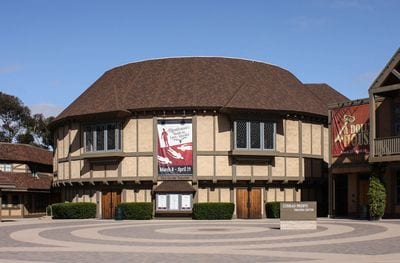
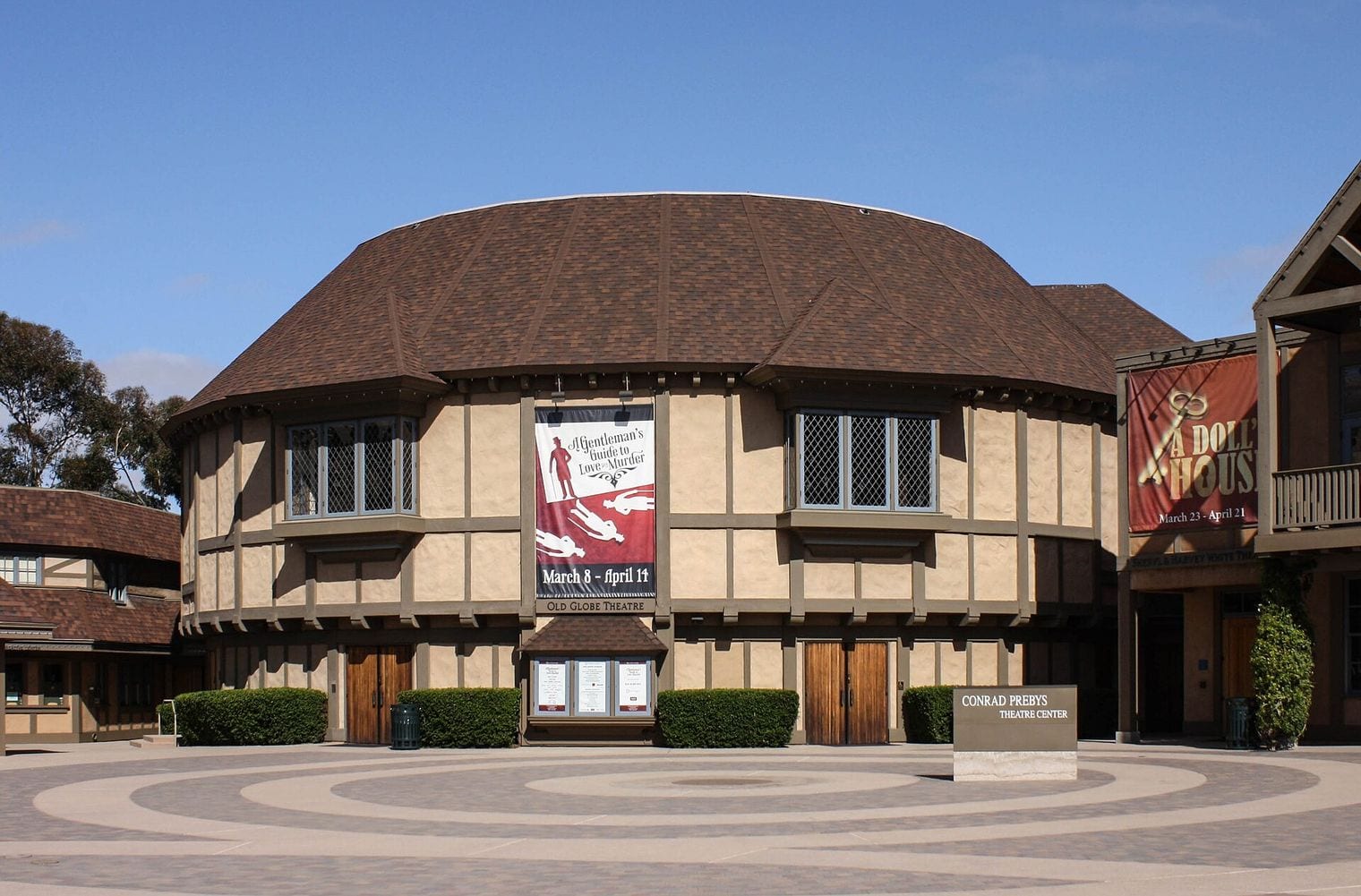
The Old Globe is a Tony Award-winning theater company in Balboa Park whose story began with a replica of Shakespeare's Globe built for the 1935 California Pacific International Exposition. Today it stages around 15 plays and musicals a year across three venues, including the outdoor Lowell Davies Festival Theatre.
Summer brings Shakespeare under the stars on the outdoor stage, and the rest of the year mixes classics, new plays and musicals, several of which have gone on to Broadway. Even without tickets, the theater plaza makes a pleasant stop on a walk through the park.
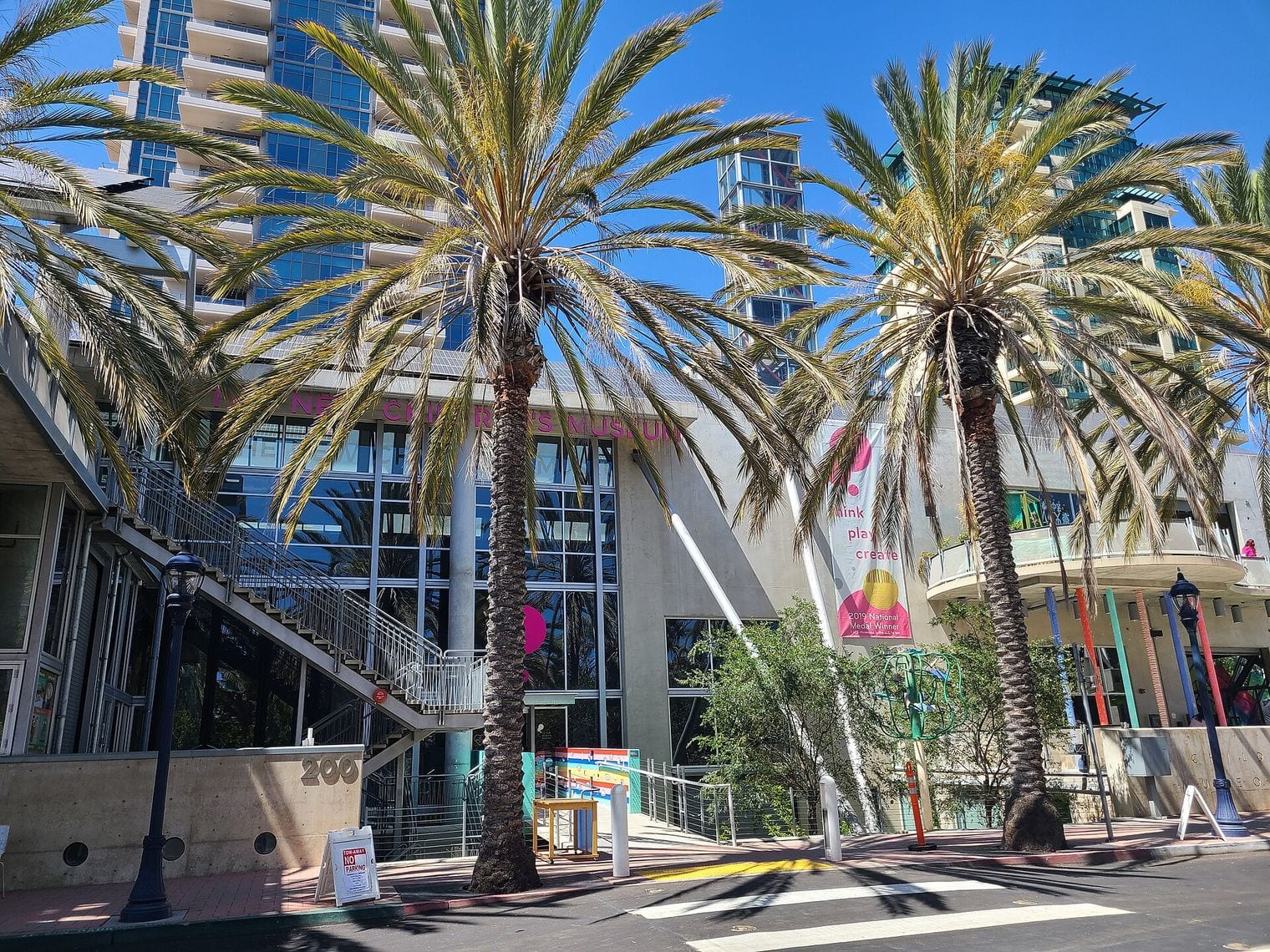
The New Children's Museum is an arts-based museum in downtown San Diego where contemporary artists create room-sized installations, called playscapes, for children to climb through, build in and explore. It opened in its current building in 2008, designed by architect Rob Wellington Quigley as one of the first green museums in California.
The installations rotate, so return visits feel fresh, and art studios let children make something of their own to take home. It suits toddlers through tweens and makes an easy stop between the Gaslamp Quarter and the Convention Center.
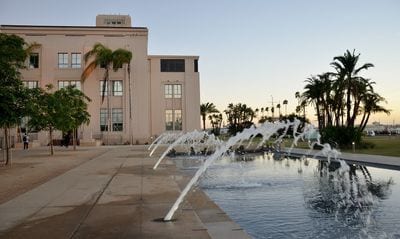
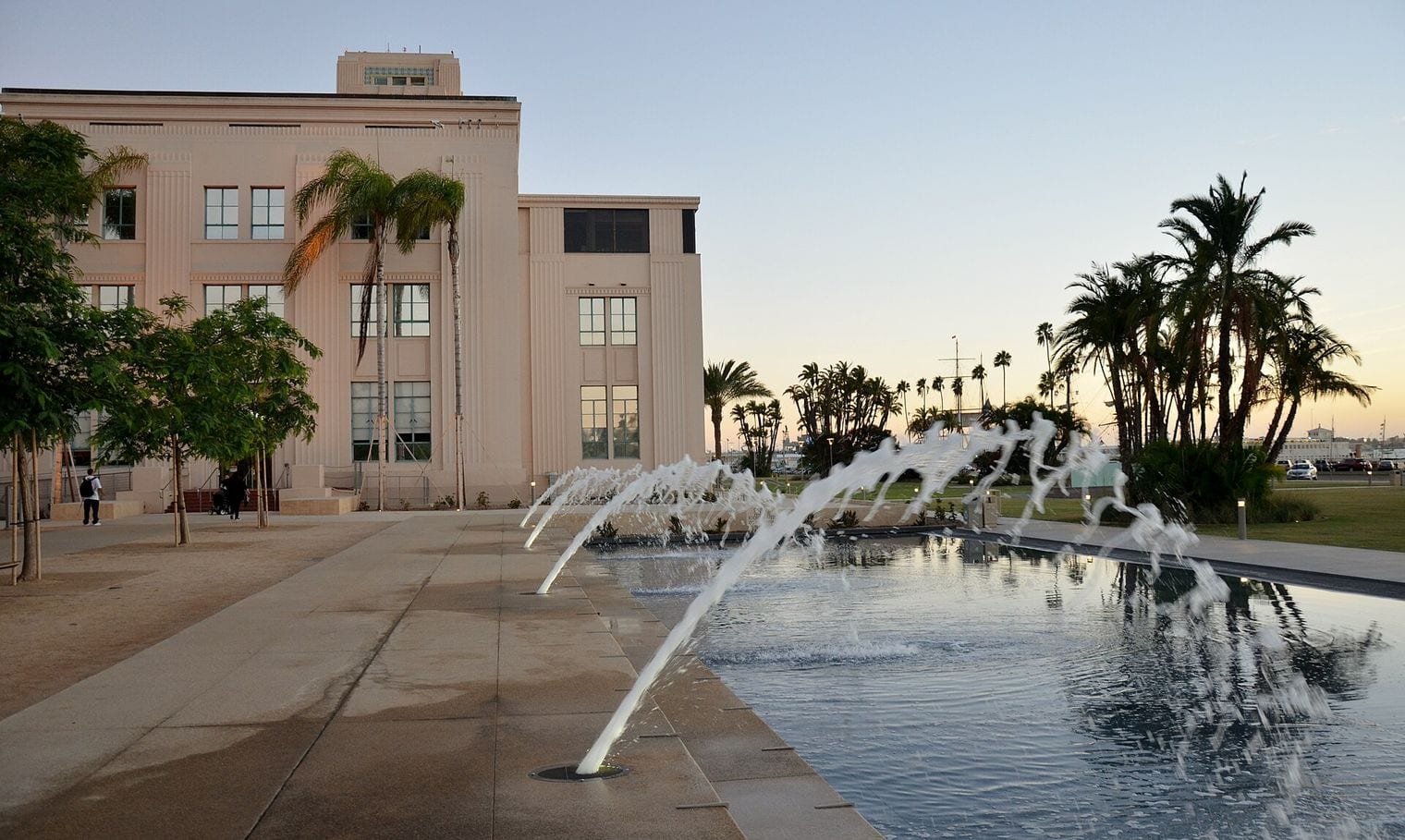
Waterfront Park spreads across about 12 acres in front of the County Administration Center, the landmark Spanish-style county headquarters on the Harbor Drive bayfront. The land was a pair of parking lots until the county opened the park in 2014.
Its 830-foot-long fountain sends a line of jets into a shallow pool where children splash on warm days, and a large playground, gardens and picnic lawns fill the rest. It sits between Little Italy and the Maritime Museum, so it makes a natural break on a walk along the bay.
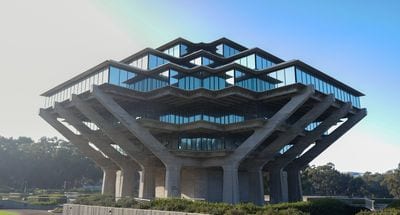
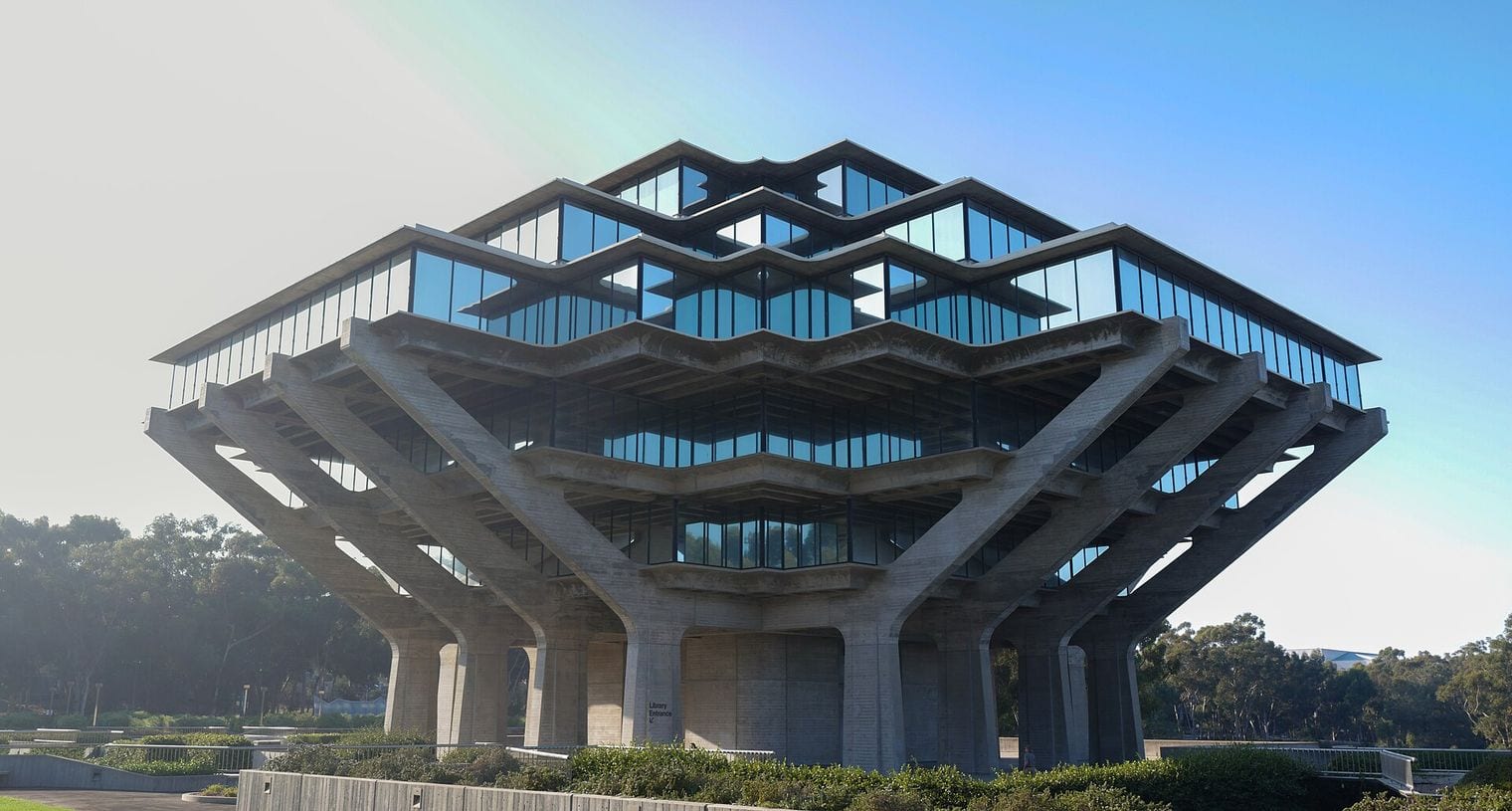
The University of California San Diego spreads across a wooded coastal mesa in La Jolla, and its campus is worth a visit even if you are not a student. The centerpiece is Geisel Library, a striking concrete building that looks like a stack of floating tiers, named for Theodor Geisel, better known as Dr. Seuss.
Scattered around campus are the outdoor works of the Stuart Collection, including a path shaped like a giant snake that winds toward the library and a small house perched on the edge of a building's roof. Down the hill, the Scripps Institution of Oceanography and its pier line the shore at La Jolla Shores.
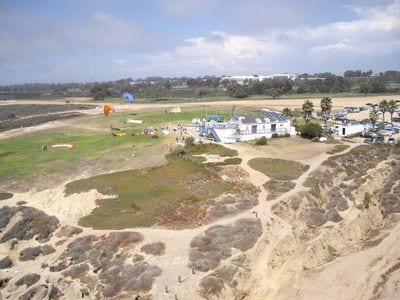
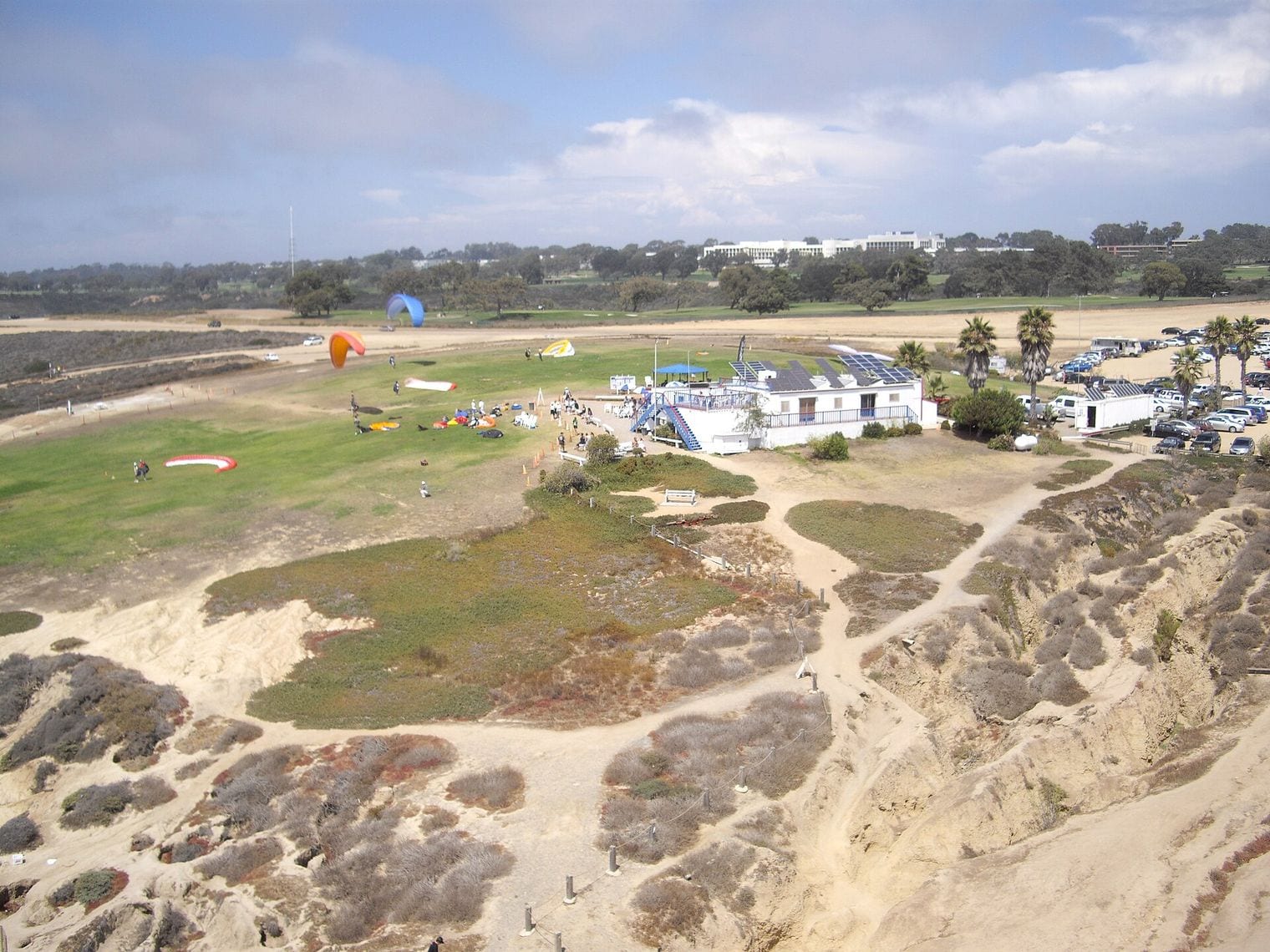
Torrey Pines Gliderport sits on the bluffs high above Black's Beach at the northern edge of La Jolla, and it has been a soaring site since 1930. Steady ocean winds rising up the cliffs make it a famous spot for hang gliding and paragliding, and glider pilots call it the ‘Kitty Hawk of the West’.
Watching is free: find a spot near the cliff edge and see paragliders launch and hang in the updrafts, or book a tandem flight with an instructor. The Torrey Pines State Natural Reserve just to the north is closed for work until spring 2027, but the bluffs here still look out over the same sweep of coast.
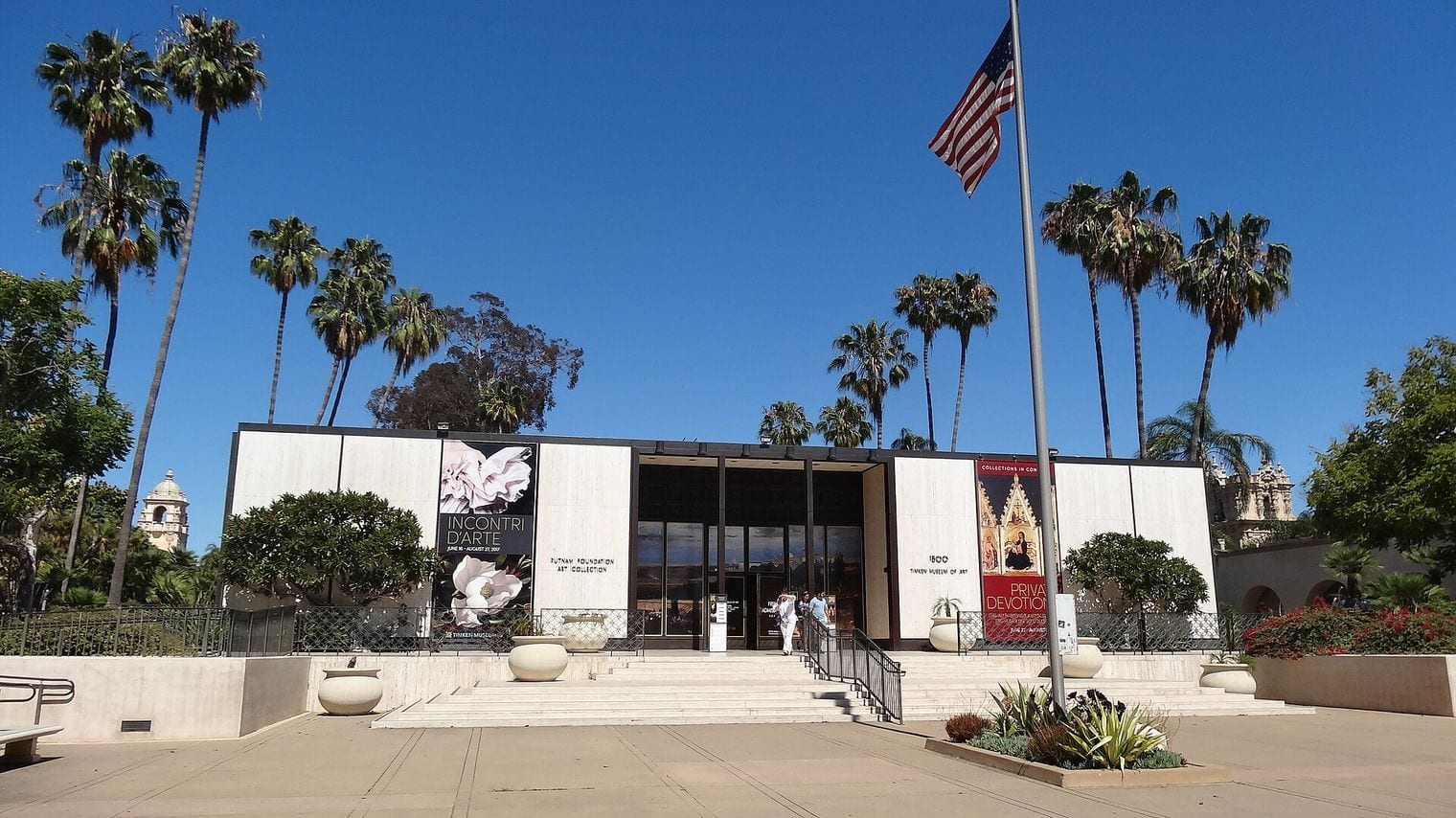
The Timken Museum of Art is a small jewel of a museum on Balboa Park's Plaza de Panama, opened in 1965 to show the Putnam sisters' collection of European old masters, and admission is always free. Its modernist pavilion stands out among the park's Spanish-style buildings.
The collection is small enough to see in under an hour but includes the only Rembrandt in a San Diego museum, along with other European paintings, American works and Russian icons, all shown under natural light.
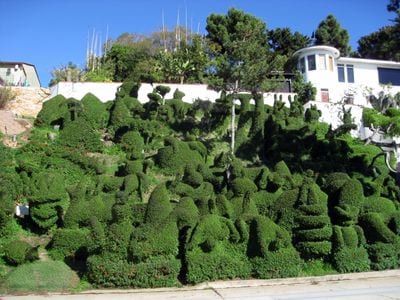
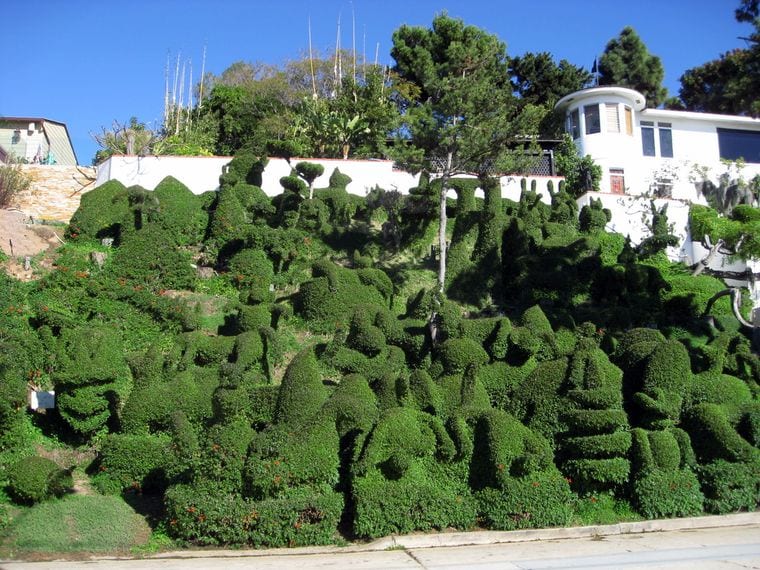
Harper's Topiary Garden is a private front garden in the Middletown neighborhood near Mission Hills, where more than 50 shrubs have been clipped into playful sculptures, all trimmed by hand. It has become one of the city's best-loved hidden curiosities.
It is a private home, so view it only from the sidewalk: entering the garden is not allowed. Be respectful of the neighbors, take your photos and move on, perhaps pairing it with a stop in nearby Old Town.
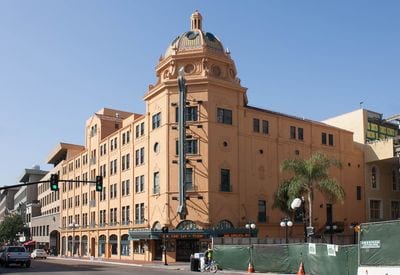
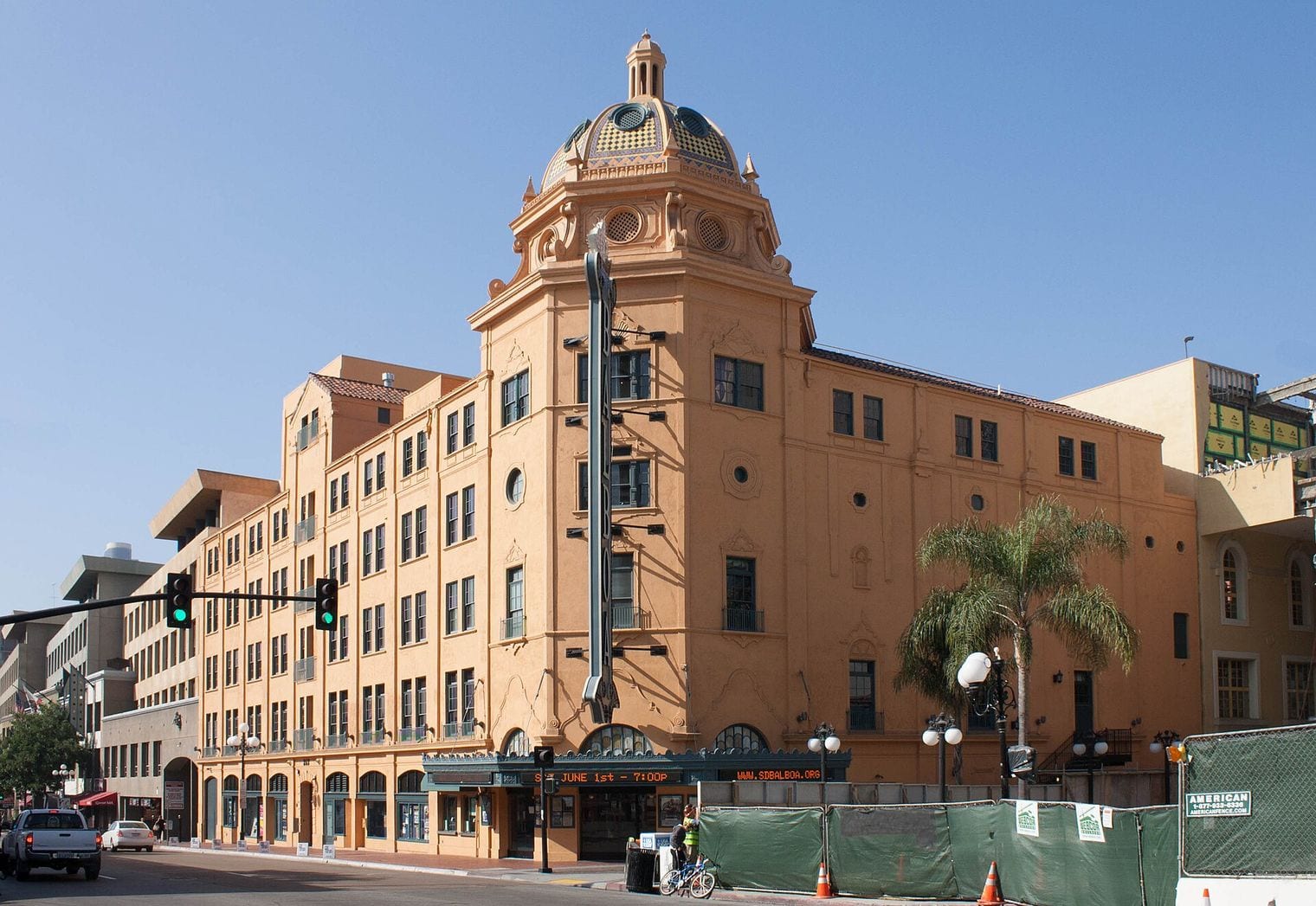
The Balboa Theatre opened in 1924 on the edge of the Gaslamp Quarter as a grand vaudeville and movie palace in a blend of Moorish and Spanish Revival styles, with waterfalls on either side of the stage that once helped cool the hall. In the 1930s it became Teatro Balboa, showing Spanish-language films.
After decades of decline, it was restored and reopened in 2008 as a performing arts venue, and it is listed on the National Register of Historic Places. Catch a concert, comedy show or touring production to see the restored interior, or simply admire its tiled dome at Fourth Avenue and E Street.
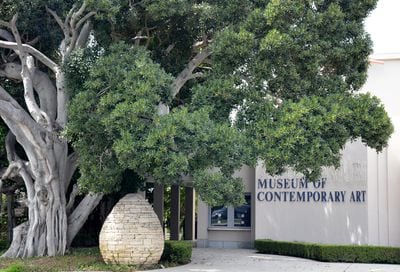
3939. Museum of Contemporary Art San Diego (La Jolla)
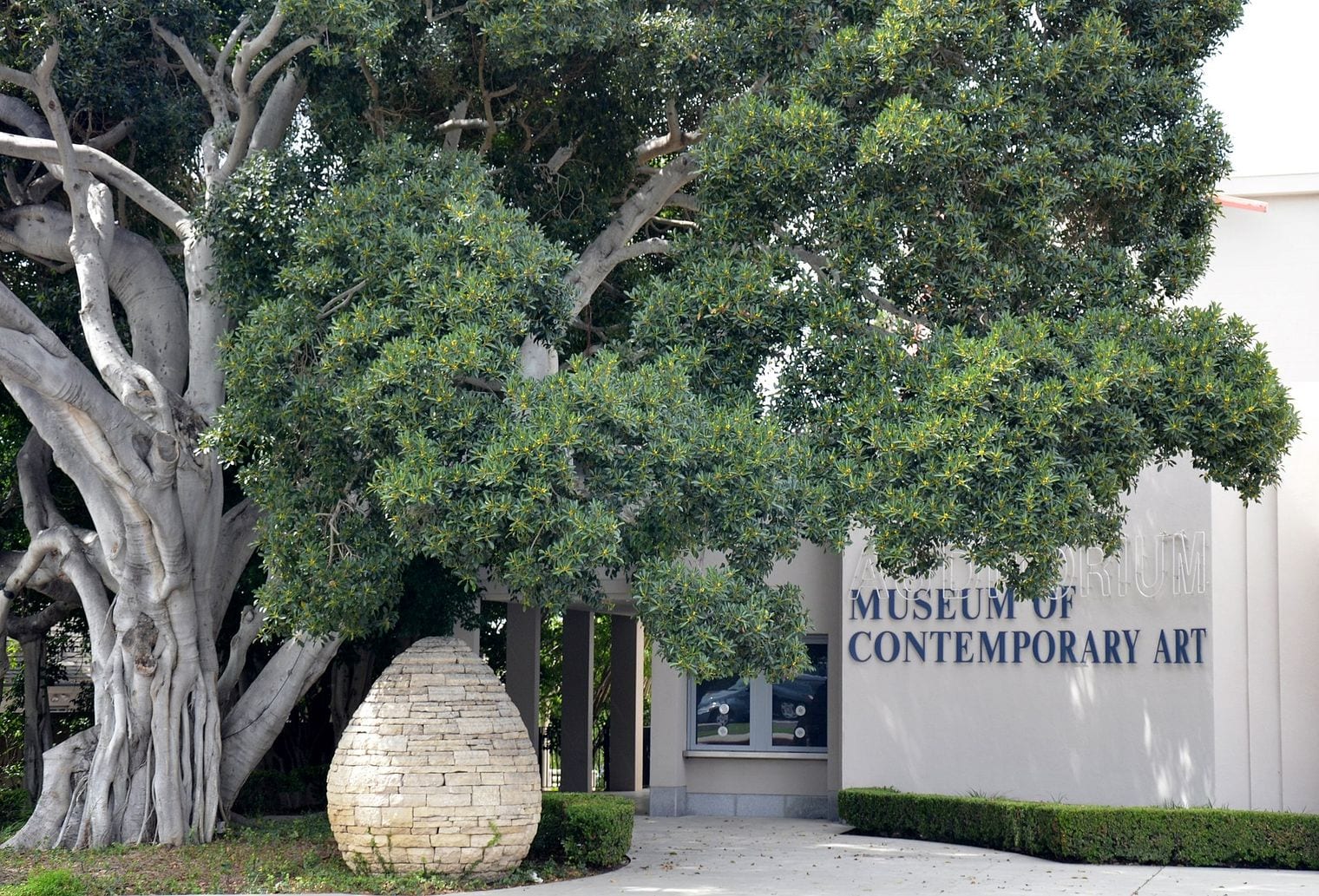
The Museum of Contemporary Art San Diego focuses on art from 1950 to the present, and its flagship on the La Jolla oceanfront is as much about the setting as the collection. An expansion by Selldorf Architects, which reopened the building in 2022, greatly enlarged the galleries and added terraces looking straight out over the Pacific.
Expect rotating exhibitions alongside pieces from the permanent collection, plus a public park and outdoor sculpture on the grounds. It sits on Prospect Street a short walk from the shops and restaurants of La Jolla village.
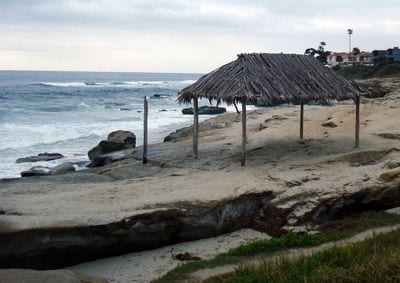
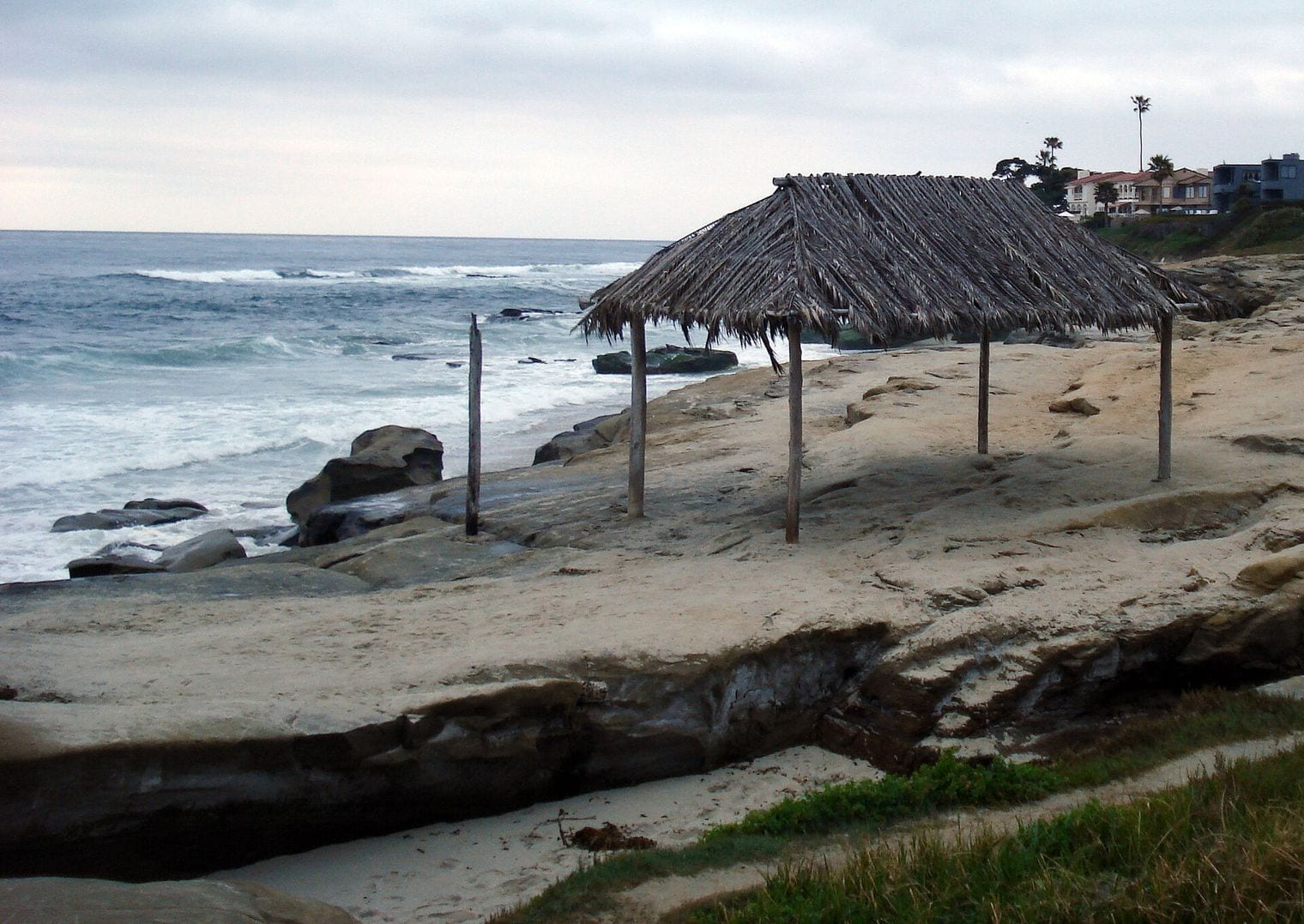
Windansea Beach is a rocky stretch of south La Jolla, named after a 1909 hotel that was renamed the Windansea in 1919 and burned down in 1943. It is a legendary surf break, and its palm-thatched surf shack, first built in 1946, is a city historical landmark that was rebuilt in 2016 after being destroyed the year before.
The waves can be powerful, so it is better for watching than for beginners. Sandstone outcrops and the old shack make it one of the most photogenic sunset spots in La Jolla.
Plan your trip
Best Time to Visit San Diego
San Diego is a year-round destination, but late summer and fall are the sweet spot: the ocean is at its warmest, the skies are usually clear and the summer crowds thin out after Labor Day.
Early summer often brings a gray marine layer that locals call May Gray and June Gloom, so mornings at the beach can be cool and overcast even when inland areas are sunny. July and August are the busiest months, especially around the big summer conventions downtown, so book ahead.
Winter is mild and the quietest season for crowds, and it is the best time for the tide pools at Cabrillo National Monument, when the lowest tides fall during the day. Gray whales pass the coast on their migration through winter and early spring, and the overlooks on Point Loma and the bluffs of La Jolla make good spots to watch for them.
Getting to San Diego
San Diego International Airport sits on the bay just a few minutes' drive northwest of downtown, close enough that planes are a familiar sight over Little Italy and Liberty Station. Los Angeles International Airport, the region's larger hub, is about two to three hours north by car depending on traffic. By road, Interstate 5 runs up the coast toward Los Angeles, Interstate 15 heads inland toward Riverside County and Las Vegas, and Interstate 8 runs east toward Arizona.
Amtrak's coastal trains from Los Angeles and Santa Barbara run along the shoreline to the historic Santa Fe Depot downtown, with a stop at Old Town, and a commuter rail line links downtown with the beach towns of North County. Long-distance buses also serve the city.
Getting Around San Diego
Downtown is compact and walkable, and the Gaslamp Quarter, Little Italy, Seaport Village and the Embarcadero museums are all within an easy stroll of each other. The trolley light-rail network connects downtown with Old Town, Mission Valley and the Mexican border, and buses fill in many of the gaps, while e-bikes, scooters and rideshares are easy to find in the central neighborhoods.
For the beaches, La Jolla and Point Loma, a car is the most practical choice, since the coastal neighborhoods are spread out. Parking near La Jolla Cove, the beaches and Balboa Park's busiest museums fills early on summer weekends, so arrive in the morning or plan to walk a few blocks.
Where to Stay in San Diego
Downtown, around the Gaslamp Quarter and the waterfront, is the most convenient base for first-time visitors, with Petco Park, the USS Midway and Balboa Park all close by. Little Italy is a quieter, more residential alternative a short walk north, with easy access to the airport.
For a beach holiday, Mission Beach and Pacific Beach put you on the sand and the boardwalk, while La Jolla offers a more upscale stay near the cove and the sea caves. Old Town and Mission Valley are good-value, central options with quick freeway and trolley links to the rest of the city.
Where to Eat in San Diego
San Diego's signature dishes come straight from its border location: fish tacos, carne asada and the California burrito, stuffed with steak and French fries, are local staples, and taco shops are everywhere. Little Italy is the city's busiest dining district, while Barrio Logan is the place for Mexican food and the Gaslamp Quarter packs in restaurants of every kind.
The city is also one of the country's great craft-beer towns, with breweries clustered in North Park, Miramar and Liberty Station, and Convoy Street in Kearny Mesa is the heart of a large Asian dining scene. Fresh seafood is a highlight at the waterfront and along the beaches.
Day Trips from San Diego
Coronado is the easiest escape, a short drive across the Coronado Bridge or a ferry ride across the bay, with a wide sandy beach and the landmark Victorian Hotel del Coronado. About 45 minutes northeast, the San Diego Zoo Safari Park in the San Pasqual Valley lets you see herds of African and Asian animals roaming open enclosures.
Heading north along the coast, Torrey Pines State Beach (the state natural reserve above it is closed until spring 2027), the seaside town of Del Mar and Carlsbad, home of LEGOLAND California and the spring blooms of the Carlsbad Flower Fields, all make easy half-day trips, and the drive is the start of the classic Pacific Coast Highway road trip.
Inland, the old gold-mining town of Julian, about an hour and a quarter northeast in the mountains, is famous for its apple pie and is one of the best small towns in California for a day out. Temecula's wine country lies about an hour north, and Irvine, around an hour and a half up the coast, makes a good next stop for exploring Orange County.
One Day in San Diego
Morning
Start in Balboa Park, crossing the Cabrillo Bridge and walking El Prado past the Botanical Building, then climb the California Tower with the Museum of Us or spend an hour among the old masters at the free Timken Museum of Art.
San Diego is best known for Balboa Park and the world-famous San Diego Zoo, the USS Midway aircraft carrier museum, the historic adobes of Old Town and the views from Cabrillo National Monument on Point Loma. Add mild weather, surf beaches, fish tacos and the sea lions of La Jolla Cove, and you have the city's classic draws.
How many days do you need in San Diego?
Three to four days is enough to see the highlights without rushing. Give one day to Balboa Park and the zoo, one to downtown, the Midway and the waterfront, and one to La Jolla's cove, sea caves and aquarium, with a fourth for Point Loma, the Mission Bay beaches or a day trip to Coronado or the Safari Park.
What can you do in San Diego for free?
Plenty. Balboa Park's gardens and plazas are free to wander, as are the Timken Museum of Art and the studios of Spanish Village. Old Town's plaza and small museums, La Jolla Cove, Sunset Cliffs, the Spruce Street Suspension Bridge, Chicano Park's murals, Mission Trails Regional Park and the Torrey Pines Gliderport are all free too.
When is the best time to visit San Diego?
Late summer and fall bring the warmest ocean and the most reliable sunshine, with smaller crowds once the summer holidays end. Early summer is often gray along the coast, and winter is mild, quiet and best for daytime tide pooling at Cabrillo National Monument and spotting migrating gray whales offshore.
Is San Diego worth visiting?
Yes. Few American cities combine so much in one place: a huge cultural park with world-class museums and a famous zoo, a working Navy waterfront, Spanish colonial history, and miles of beaches and coastal cliffs with sea lions, sea caves and surf. The mild climate means almost any time of year works for a visit.
Sources & updates
How this guide was checked
Checked before launch
Sources cited
40
Publishers
30
Every place on this list was confirmed open and pinned on the map before publication, and what we say about each one was checked against its own website or an official source.
A PDF with a box to tick for every place. Confirm your email to download it, and get one email every Thursday with our newest guides for the places you tick.
Free San Diego printable checklist
All 40 places in one PDF
Tick them off as you go. Confirm your email to download it, plus one email every Thursday with new guides for the places you tick.
We use cookies to analyse site traffic and improve your experience.
You can accept or reject analytics cookies. See our
May we use analytics cookies? See ourCookie Policy.