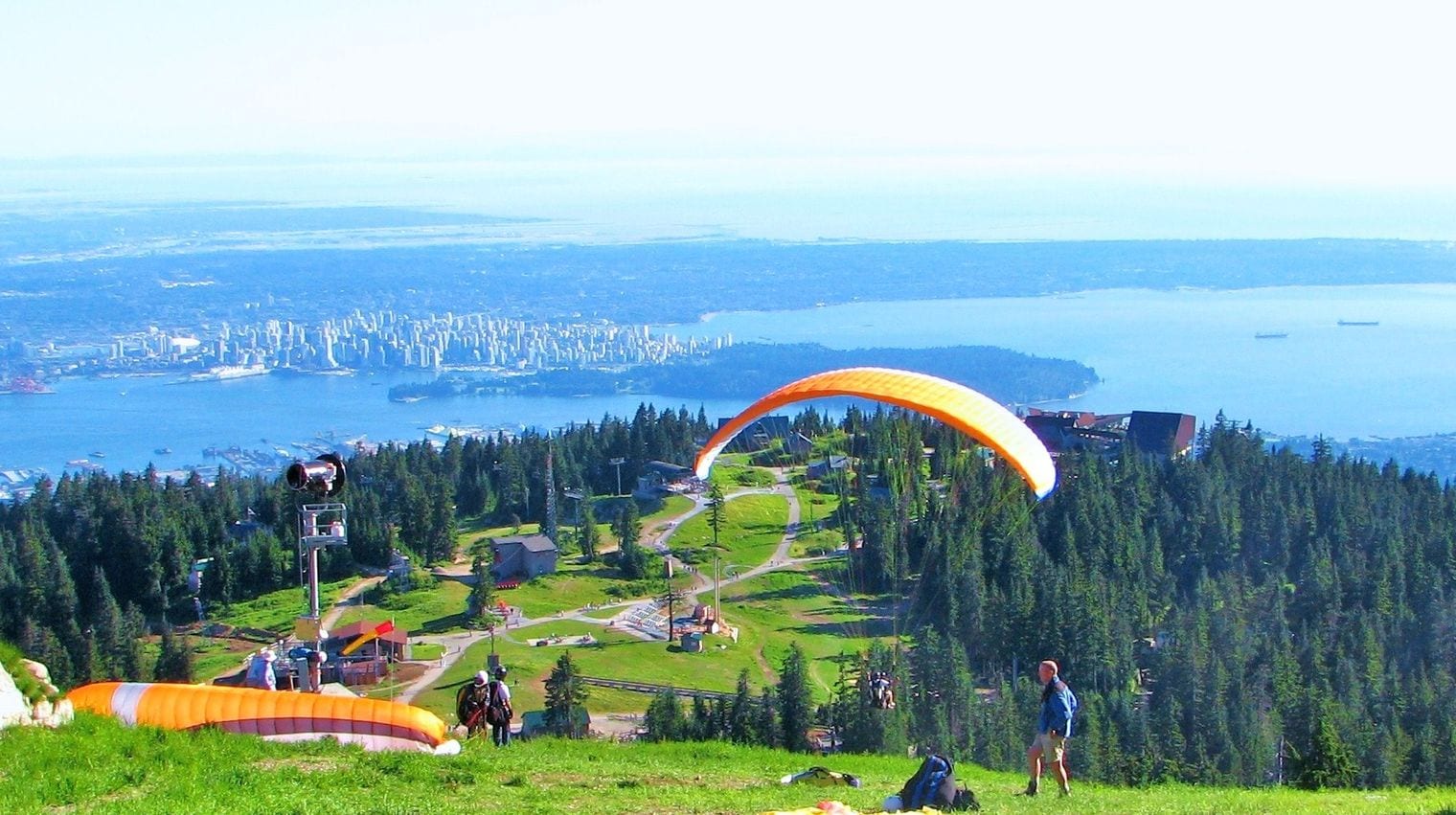
Three oceans, ten provinces, and a mountain range you can see from the city — Canada is a country you travel by region, not by checklist.
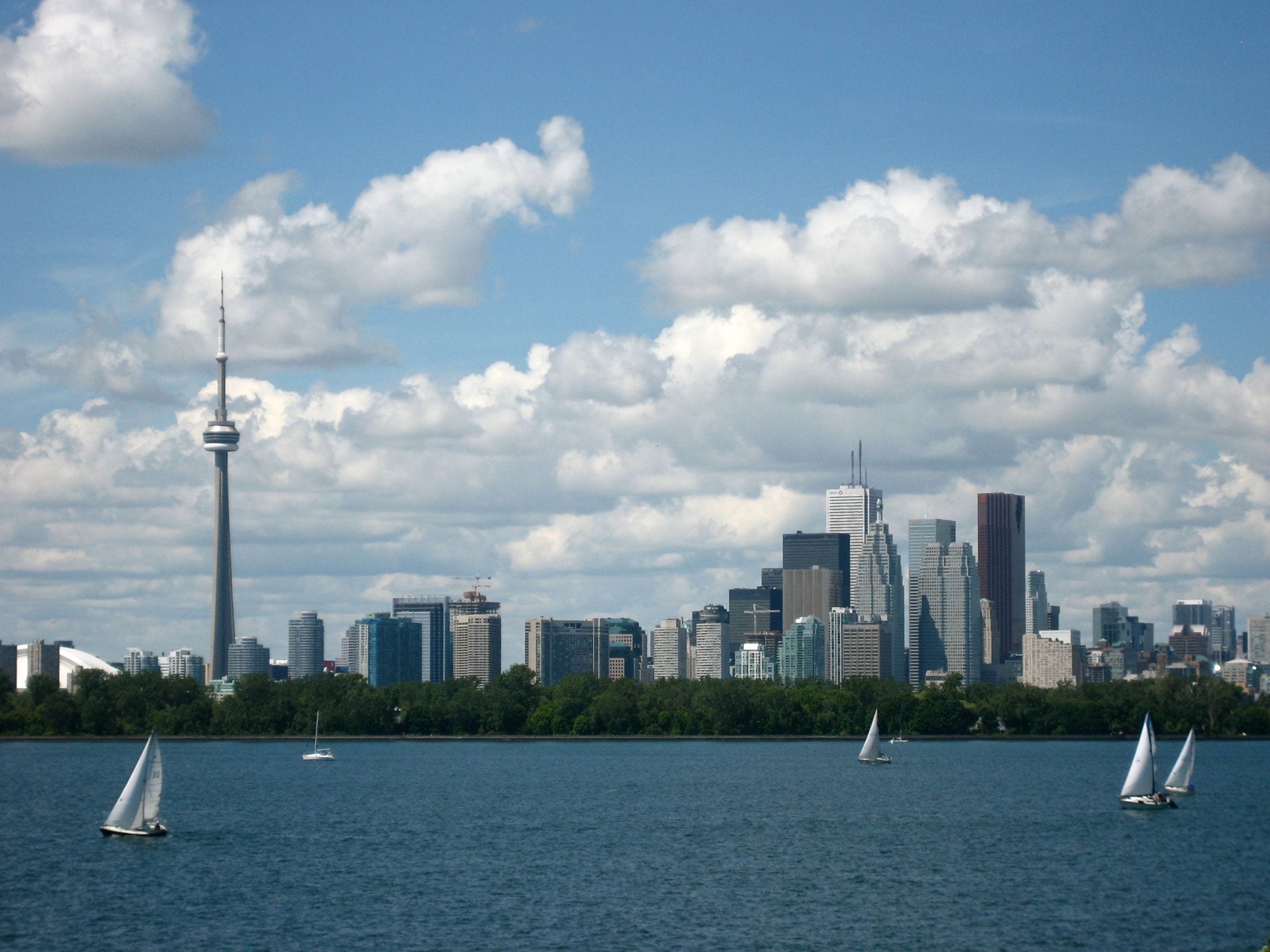
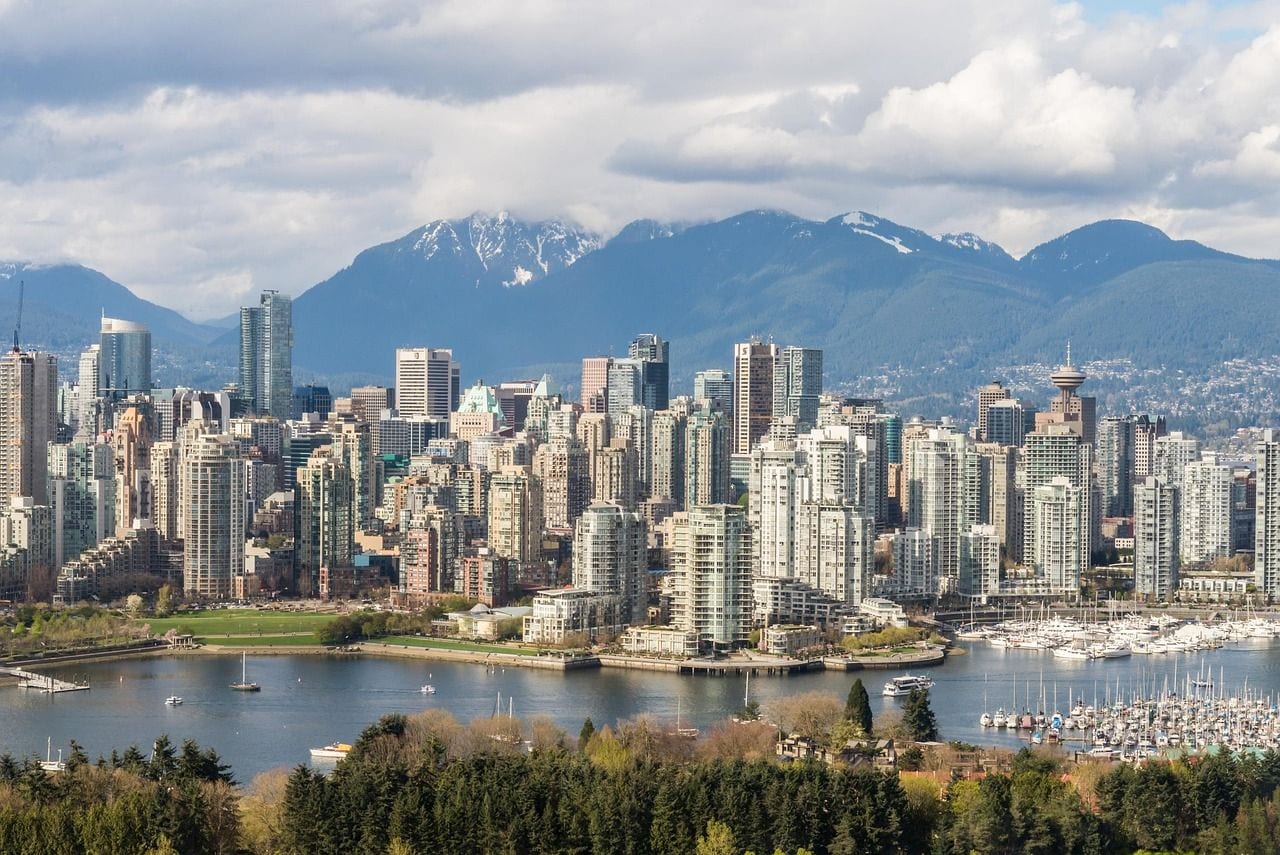
Canada is the second-largest country on earth and it wears that scale openly: a coastline on three oceans, prairie that runs flat to the horizon, and the Rocky Mountains rising behind a chain of glacier-fed lakes. Its cities sit unusually close to the wild — Vancouver looks straight at the North Shore mountains, Montréal keeps a walled French old town, and Toronto stacks a glass skyline along the Great Lakes. Most visitors come for the national parks, the road trips that link them, and the easy bilingual welcome in between. Distances are long, so the trick is to choose one or two regions and give them room rather than chasing the whole map.
The melt season, and it arrives at wildly different times across the country. The Pacific coast greens first — Vancouver's cherry blossom is a genuine event — while the Rockies hold snow on the high passes well into June and prairie towns can still see frost. Waterfalls run hard, park crowds are thin, and shoulder-season rates are common, but some alpine roads and trails stay closed.
SummerJun–Aug
The short, bright, busy heart of the Canadian year. Every park road, ferry and trail is open, daylight stretches late into the evening, festivals fill the cities, and the lakes are finally warm enough to swim. It is also the only window when the far north is comfortably reachable. Expect the Rockies and the national parks to be genuinely crowded, and book ahead.
FallSep–Nov
Arguably the best trade-off in the country. September keeps summer's access with a fraction of the crowds, Québec and Ontario turn spectacular colours through late September and October, and wildlife is active before the snow. Nights cool quickly and the first mountain snow can fall in October, so pack layers and check pass conditions.
WinterDec–Feb
Cold, and Canada leans into it. The Rockies, the Laurentians and the BC coast mountains deliver reliable deep snow and a long ski season; the cities run outdoor rinks, winter festivals and underground pedestrian networks. The Pacific coast is the mild exception — Vancouver rarely freezes hard but is properly wet. Northern latitudes bring short days and strong aurora odds.
Regions
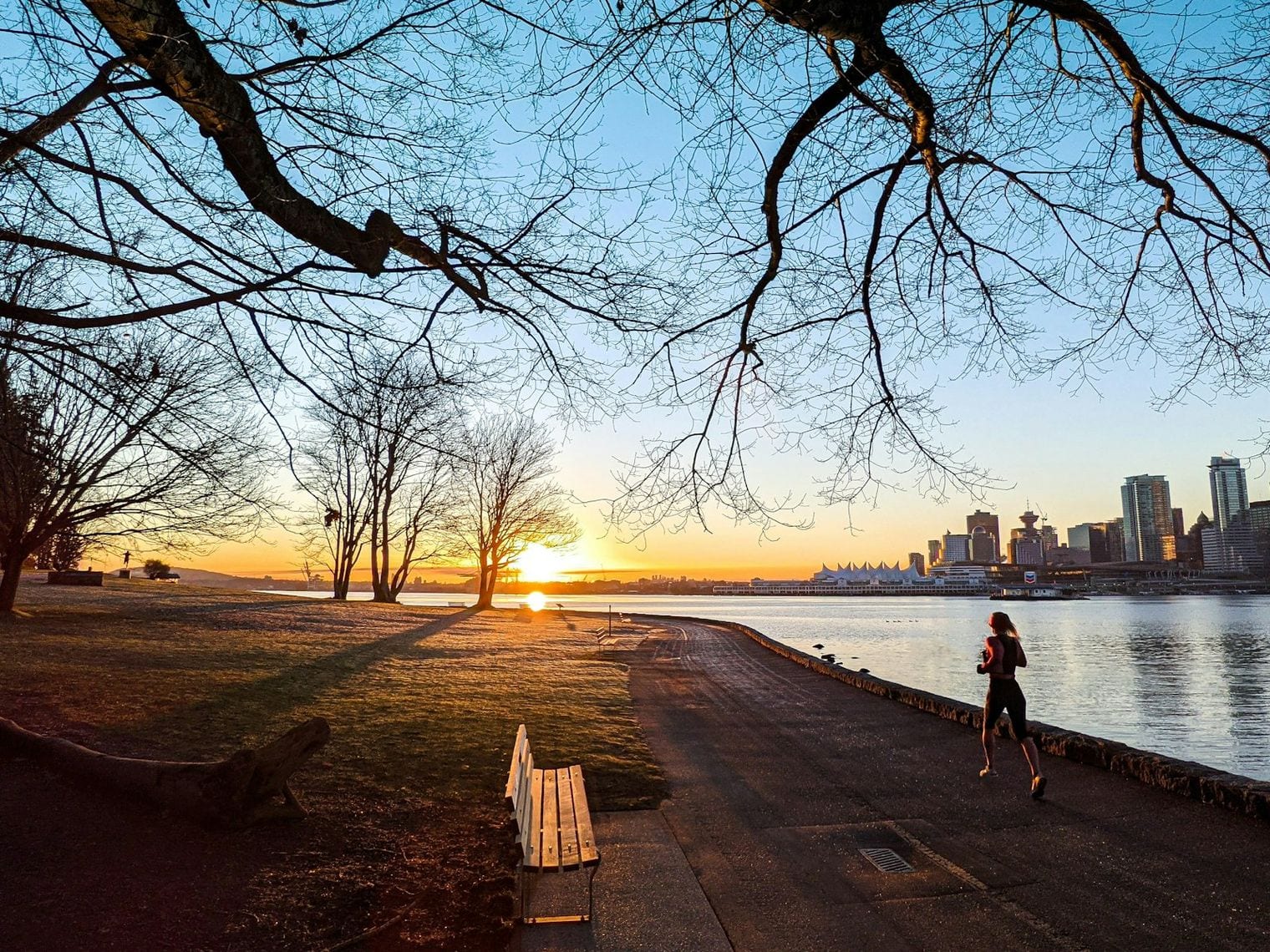
British Columbia & the Pacific CoastRainforest, fjords and mountains meeting the sea. Vancouver anchors it, with Vancouver Island, the surf beaches of Tofino and the Okanagan wine valleys within easy reach.
The Canadian RockiesAlberta's mountain parks — Banff, Jasper, Yoho and Kootenay — strung along one of the world's great drives, with turquoise glacier lakes and reliably huge scenery.
Ontario & the Great LakesCanada's most populous province: Toronto's skyline and food scene, Niagara Falls and its wine country, the capital at Ottawa, and cottage-and-canoe lake country to the north.
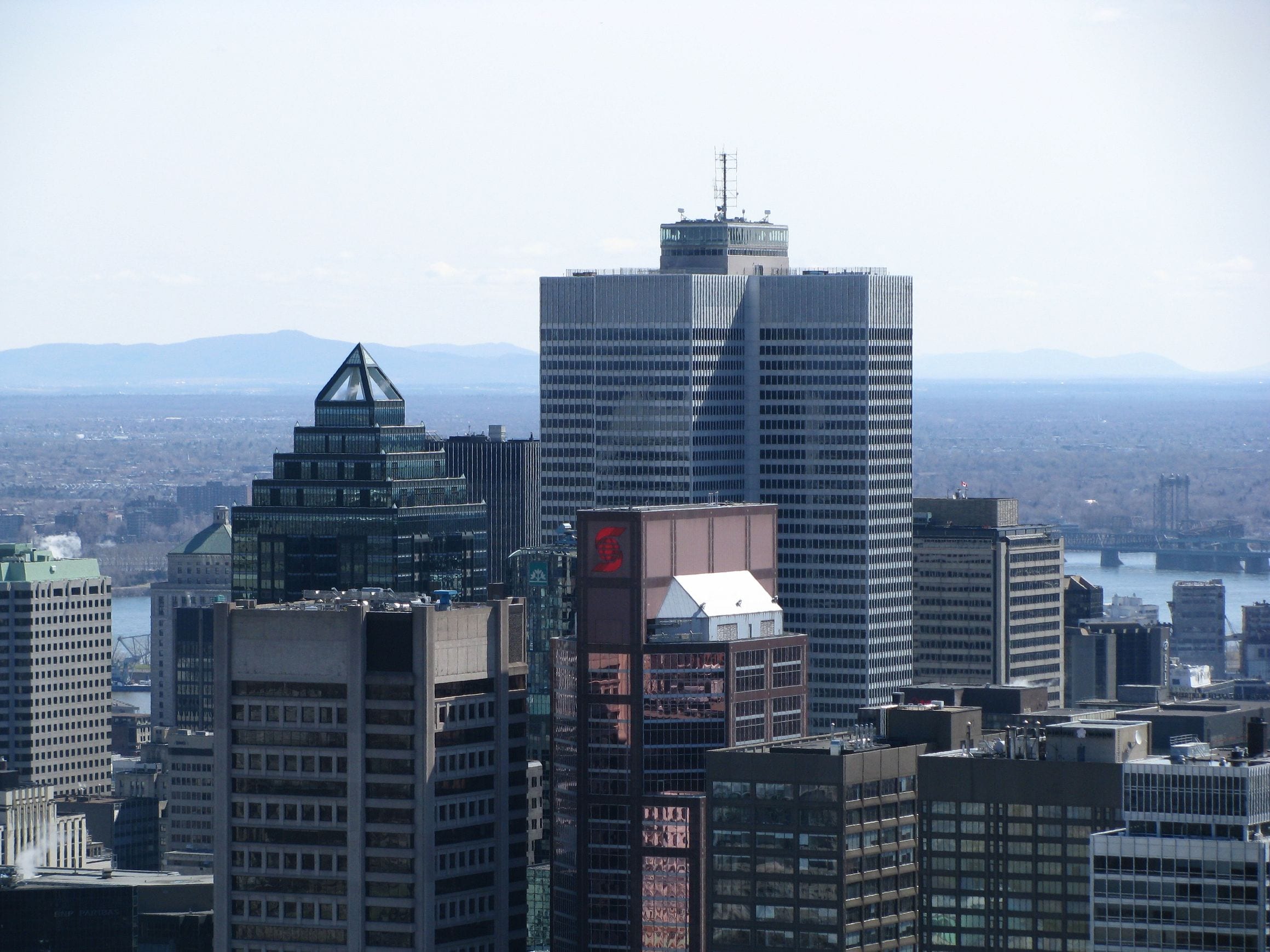
QuébecFrench-speaking Canada, with a walled UNESCO old town at Québec City, Montréal's festivals and neighbourhoods, and the Laurentians and Charlevoix for mountains and whale watching.
The Atlantic ProvincesNova Scotia, New Brunswick, Prince Edward Island and Newfoundland — fishing villages, the Cabot Trail, the world's highest tides in the Bay of Fundy, and icebergs off the Newfoundland coast.
The Prairies & the NorthBig-sky grassland, badlands and dinosaur country through Alberta, Saskatchewan and Manitoba, giving way to the Yukon, Northwest Territories and Nunavut for aurora, tundra and true remoteness.
Canada's signature sights at a glance
Banff National Park & Lake LouiseCanada's oldest national park and its most photographed lake — glacier-fed turquoise water under Victoria Glacier, with the Icefields Parkway running north from it.Basecamp: Banff
Niagara FallsThe Horseshoe Falls thundering over a 50-metre crest on the Ontario side, close enough to walk to and best seen from the boat that noses into the spray.Basecamp: Niagara Falls, Ontario
Old QuébecThe only walled city north of Mexico — a UNESCO-listed quarter of stone lanes, ramparts and the Château Frontenac above the St Lawrence.Basecamp: Québec City
The Cabot TrailA loop road around the highlands of Cape Breton in Nova Scotia, climbing headlands above the Atlantic and rated among the finest coastal drives anywhere.Basecamp: Cape Breton Island
Suggested routes
The Canadian Rockies road trip
~1 week
The classic mountain loop, and the reason most first-time visitors come. Fly into Calgary, pick up a car, and spend the week between the parks — the driving between stops is the point, not the cost of getting there.
1Calgary — fly in and collect the car
2Banff — two or three nights; Lake Louise and Moraine Lake within reach
3Icefields Parkway — one of the world's great drives, glaciers the whole way
4Jasper — quieter and wilder than Banff; dark-sky country
5Yoho or Kootenay — loop back through a second park
The Pacific coast run
~1 week
Rainforest, mountains and surf beaches, all within a few hours of one city. Vancouver is the base and needs no car; pick one up for the Sea-to-Sky Highway and the ferry across to the island.
1Vancouver — two or three days; seawall, markets and the North Shore
2Sea-to-Sky Highway — coast road climbing past fjords to the mountains
3Whistler — skiing in winter, biking and alpine hiking in summer
4Victoria — ferry to Vancouver Island and its harbour capital
5Tofino — surf, storm-watching and old-growth rainforest on the open Pacific
Central Canada, city to city
~1–2 weeks
The eastern corridor, where the distances finally shrink enough to travel between cities by train or a short drive. Two languages, four very different downtowns and the country's biggest waterfall.
1Toronto — fly in; skyline, museums and the lakefront
2Niagara Falls — day trip or overnight, with wine country alongside
3Ottawa — the capital, its canal and the national museums
4Montréal — old port, mountain park and the best eating in the country
5Québec City — walled old town; the most European place in North America
Canada travel FAQ
Eight questions travellers ask before they go.
When is the best time to visit Canada?
September is the sweet spot for most trips — the parks and park roads are still open, the crowds have gone, and eastern Canada turns colour through late September and October. July and August are warmest and the only comfortable window for the far north, but the Rockies and the national parks get genuinely busy. Winter is for skiing, aurora and city festivals rather than sightseeing, and spring is quiet and cheap but with some alpine roads still closed.
How many days do you need in Canada?
Plan around one region, not the country. A week covers the Rockies properly, or Vancouver and the Pacific coast, or the Toronto–Montréal–Québec City corridor. Two weeks lets you pair two of those with a flight in between. Trying to cross the country in a single trip means spending most of it in transit — Toronto to Vancouver is roughly the same distance as London to Cairo.
Do you need a car in Canada?
Between the cities, no; inside the national parks, almost always yes. Vancouver, Toronto, Montréal and Ottawa all have good transit and walkable centres, and downtown parking is expensive enough that a car is a liability. But the Rockies, the Cabot Trail and the Sea-to-Sky Highway assume you are driving, and public transport to trailheads is limited. The usual pattern is to fly between regions and rent locally.
What is Canada best known for?
The Rocky Mountain national parks and their glacier-fed lakes, Niagara Falls, and a wildlife list that runs from grizzly bears and moose to whales off both coasts. It is also known for the sheer scale of its wilderness, for ice hockey and maple syrup, and for a bilingual, strongly multicultural culture that shows up most clearly in the food and neighbourhoods of its big cities.
Do people speak English in Canada?
Yes — English is spoken almost everywhere and is the working language of most of the country. Canada is officially bilingual, and French is the majority language in Québec, where it is genuinely useful and appreciated even at a basic level. In Montréal and Québec City you will be served in English without difficulty in tourist areas, and federal services and signage are bilingual nationwide.
What currency does Canada use, and do you need a visa?
The Canadian dollar (CAD), which is a separate currency from the US dollar — American cash is not generally accepted. Cards and contactless payment work essentially everywhere, and tipping is expected in restaurants and bars. Most visa-exempt travellers arriving by air, including US citizens travelling on other documents and visitors from the UK, EU and Australia, need an approved eTA before boarding; check the official Government of Canada entry tool for your nationality before you book, as requirements differ by passport and by how you arrive.
What should you eat in Canada?
Poutine — fries, cheese curds and gravy — is the national comfort dish, and Québec does it best alongside tourtière and maple everything. The coasts are the real draw: Atlantic lobster and Digby scallops in the east, wild Pacific salmon, spot prawns and Dungeness crab in British Columbia. Montréal has its own bagels and smoked meat, Toronto and Vancouver have some of the best Chinese, South Asian and Caribbean food outside Asia, and Alberta is beef country.
What kind of trip is Canada best for?
Road trips, national parks, wildlife watching, skiing and big-city food scenes.
We use cookies to analyse site traffic and improve your experience.
You can accept or reject analytics cookies. See our Cookie Policy.