We may earn a commission if you book or buy through a link on
this page, at no extra cost to you. It never affects which places we list or how
we rank them (how we make money).
Short answer
Montreal's three defining sights are Notre-Dame Basilica, with its blue-and-gold interior; the Old Port along the St Lawrence; and Saint Joseph's Oratory, the largest church in Canada. Three days is the sweet spot: one for Old Montreal and the port, a second for Mount Royal and the downtown museums, a third for the markets, the Plateau and the Olympic Park in the east.
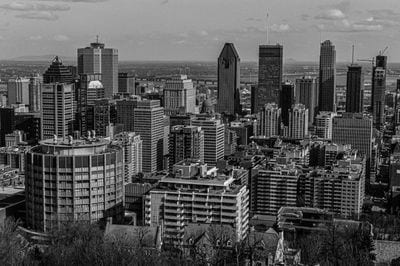
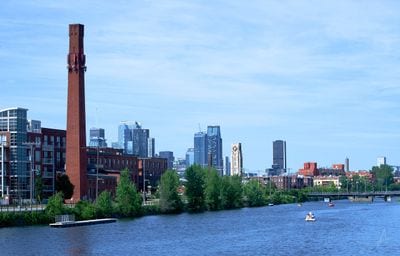
Montreal is a French-speaking island city that wears four centuries on its face: cobblestone lanes running down to the St Lawrence, a mountain park in the middle of downtown, and grey-stone churches standing shoulder to shoulder with glass towers. It is a city best walked, then eaten through.
This guide covers 50 things to do in Montreal, from the basilica and the Old Port to the markets, museums and mountain lookouts locals use year-round. Give the city three days to see it properly, or tack on Stowe and South Burlington across the Vermont border two hours south.
The city is named after the mountain at its centre — Montréal is generally taken as a variant of Mont Royal, the triple-peaked hill the park now covers.
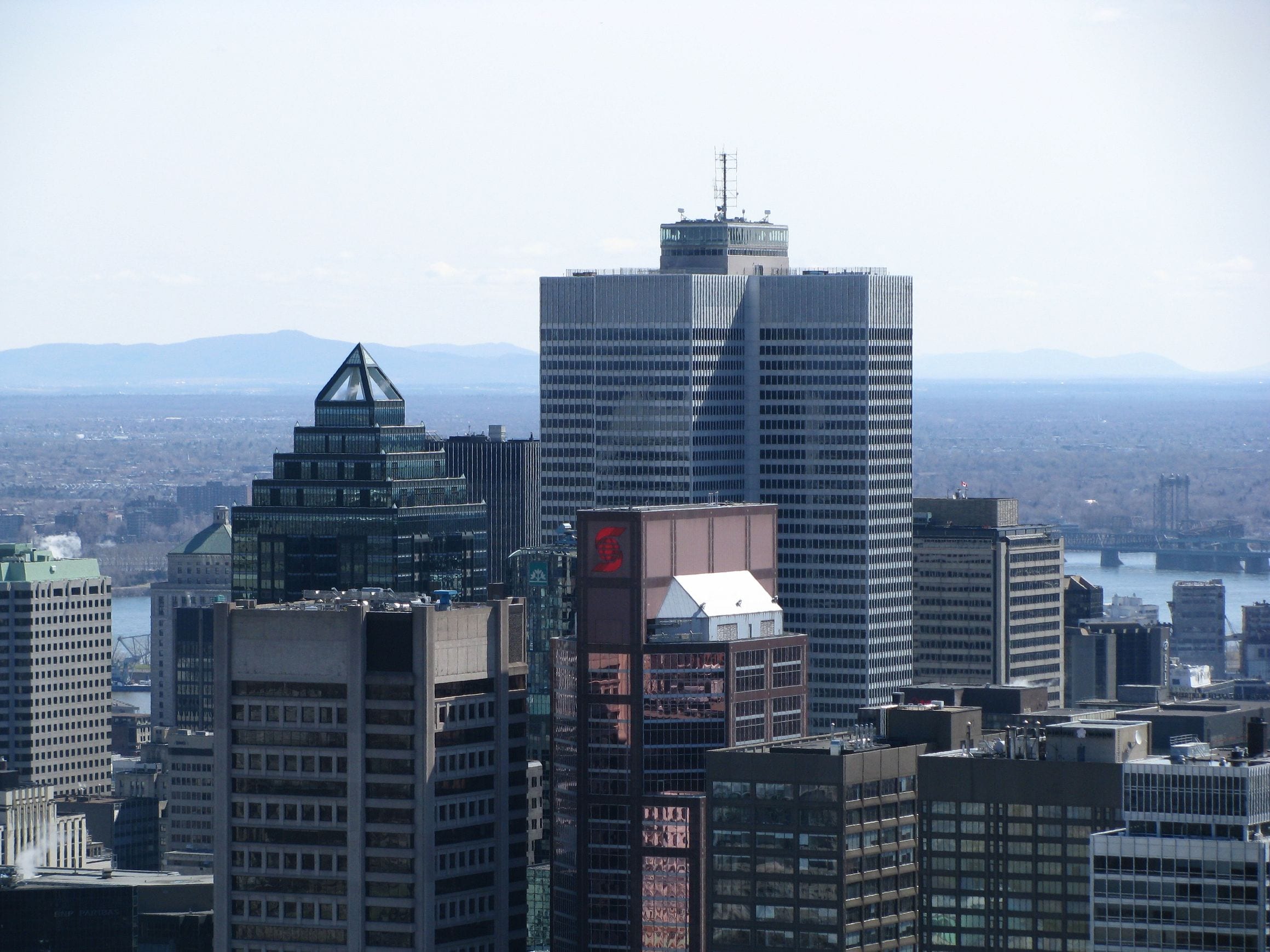
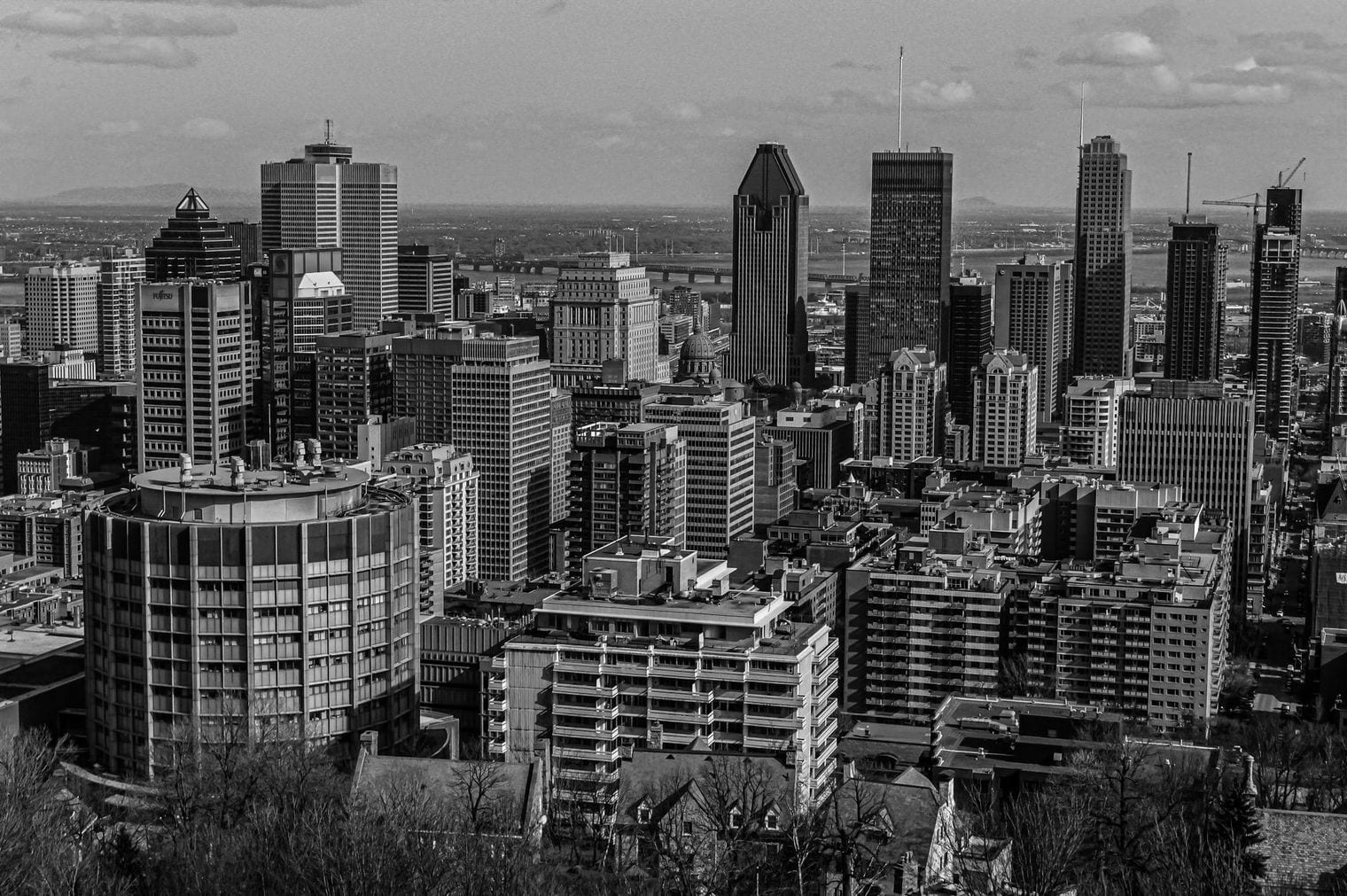
No tower may stand taller than the mountain. Municipal planning rules keep new buildings below the summit of Mount Royal, which reaches 232.5 m above sea level — which is why the skyline stays deliberately low.
Montreal is the only Canadian city to have hosted the Summer Olympics, in 1976 — nine years after it staged Expo 67, the world’s fair that left behind the Biosphere and the casino’s pavilion.
It has been a UNESCO City of Design since 2006, one of the first cities anywhere to hold the title.
It is the largest primarily French-speaking city in the Americas, which is why the street signs, the menus and the small talk all default to French.
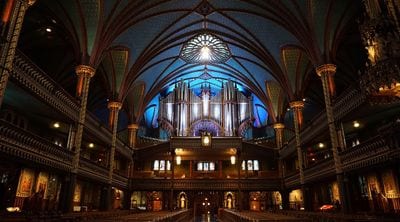
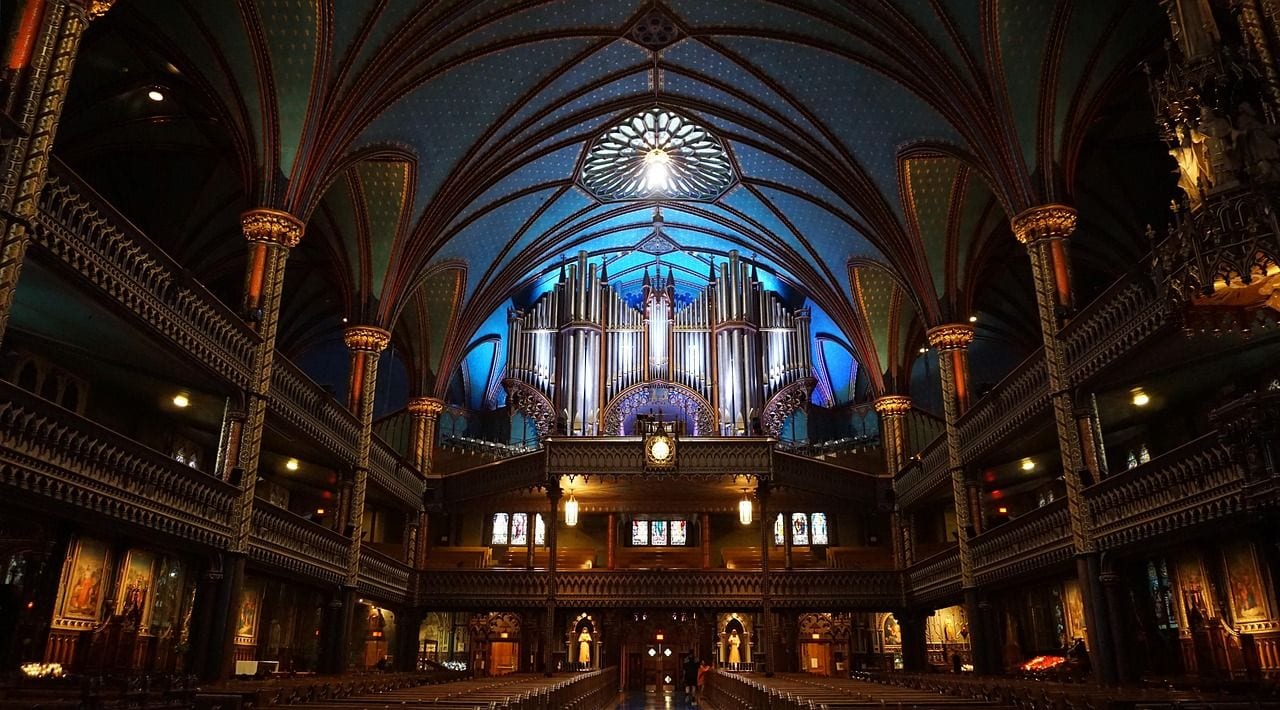
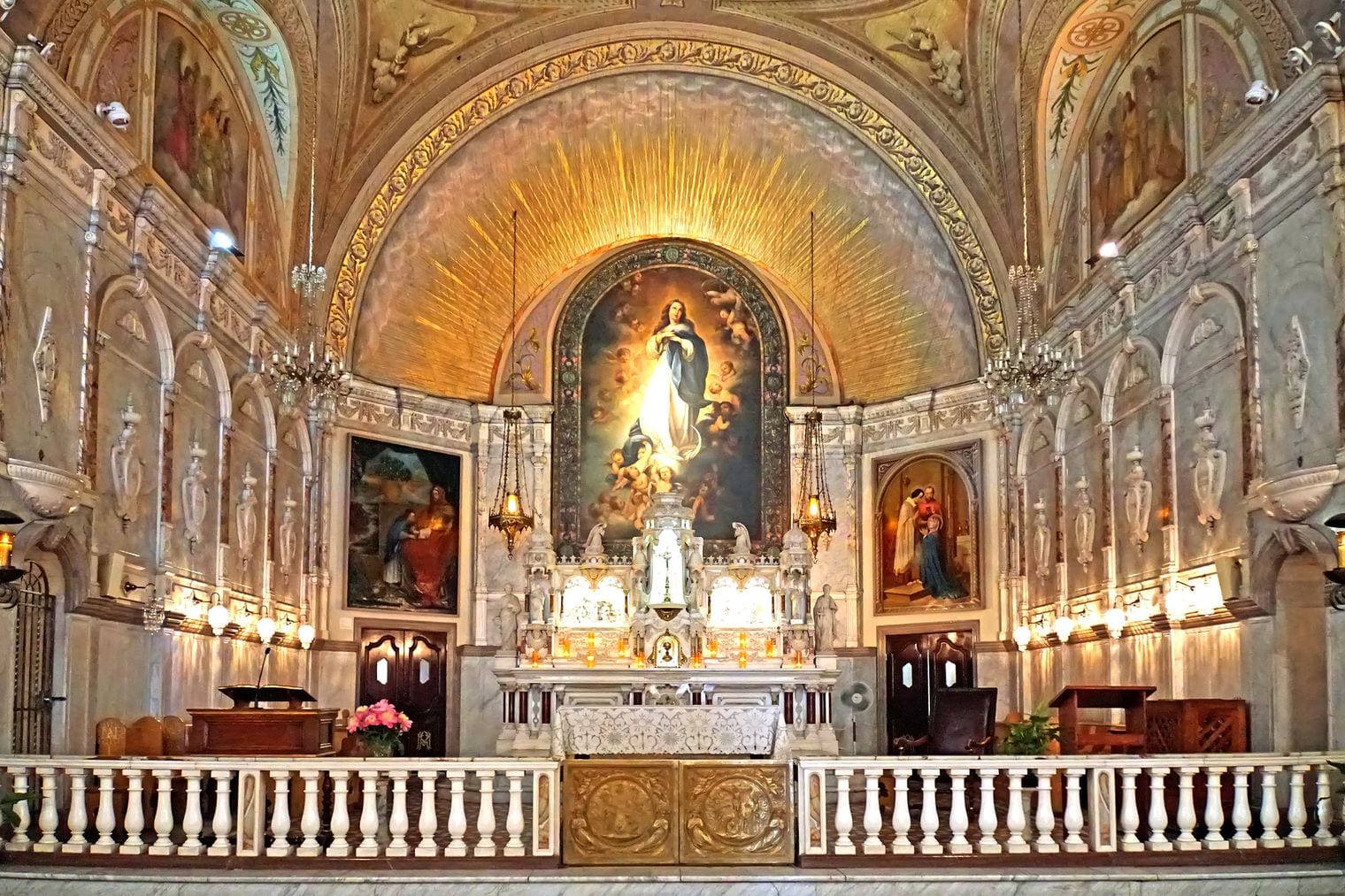
Step inside Notre-Dame Basilica of Montreal and the temperature of the room changes. The Gothic Revival interior is washed in deep blue and picked out with gold, the vaulted ceiling scattered with stars, and the carved woodwork runs from the floor to the tops of the columns. Unusually, the stained glass tells the story of the city's own founding rather than only scenes from scripture.
It sits on Place d'Armes in the heart of Old Montreal, and the queue moves quickly even when the square is busy. Come early if you want quiet; come in the evening for the ticketed sound-and-light show that uses the whole nave as a screen. The Casavant organ is worth waiting for if a recital is scheduled.
The Old Port of Montreal is the working waterfront the city grew out of, now a long ribbon of promenade, quays and open space along the St Lawrence. You can walk its full length in under an hour, but almost nobody does — there is a clock tower to climb, a beach at one end, boat departures in the middle and a science centre on one of the piers.
It changes character completely with the season. In summer it is cyclists, buskers and pedal boats; in winter the basin freezes into a skating rink and the whole strip empties out into something quieter and more atmospheric. It is the single easiest place to get your bearings on the river.
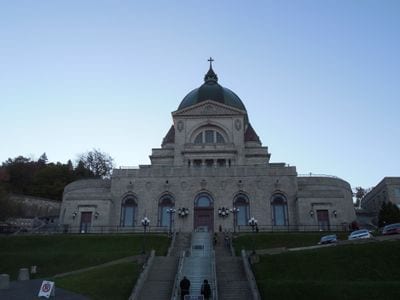
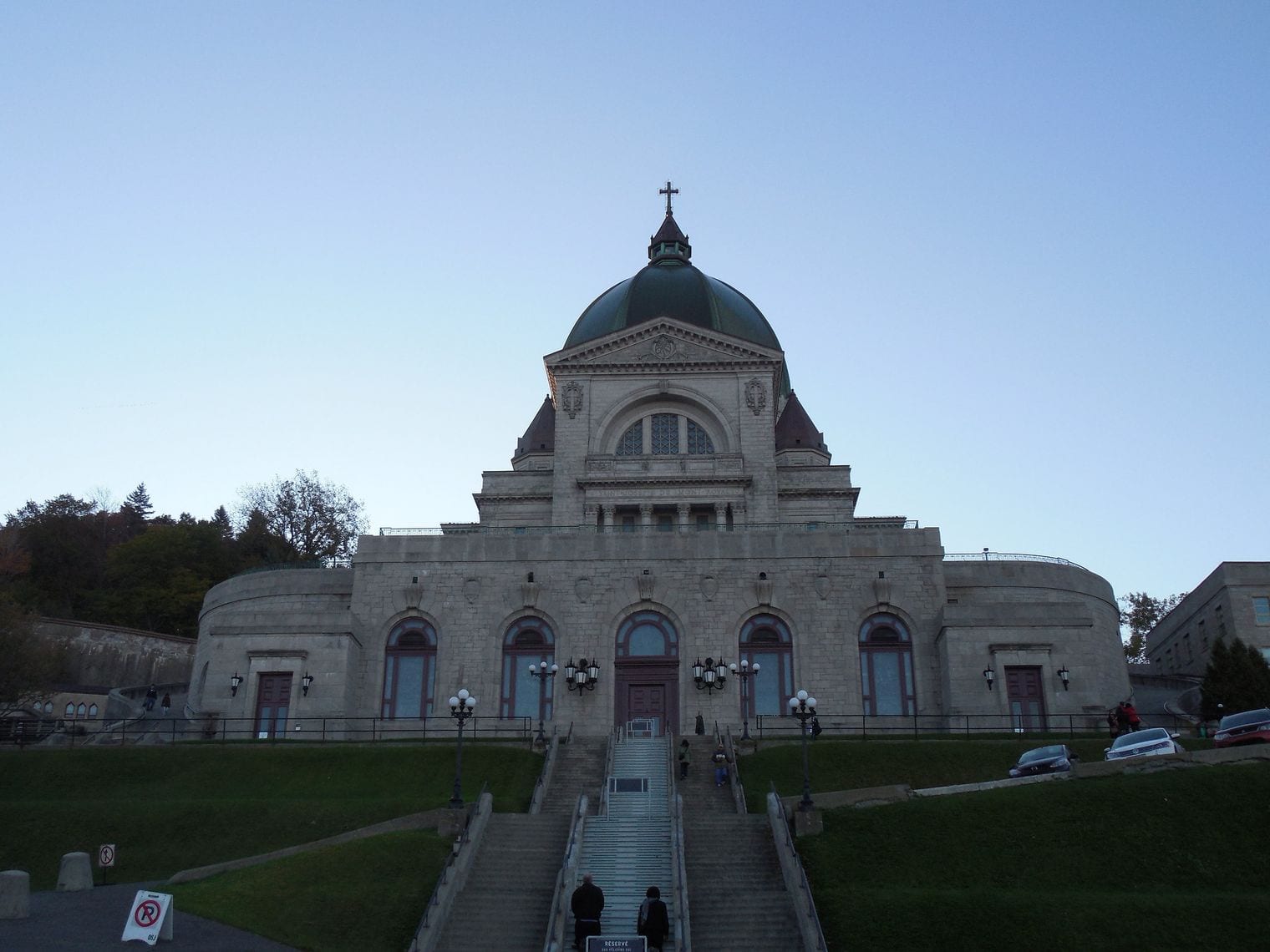
Saint Joseph's Oratory of Mount Royal is the largest church in Canada, and it announces itself from most of the city — a vast dome on the mountain's western slope, visible long before you reach it. Inside, the scale is deliberately overwhelming: a soaring modern basilica above, and a much older, much smaller votive chapel below where banks of candles burn.
The wooden central staircase is climbed on the knees by pilgrims, and the hillside gardens and carillon reward anyone who simply walks up. Give yourself time for the museum and the terraces, which look back over Côte-des-Neiges. The climb from the road is steep, but there is a lift for those who need it.
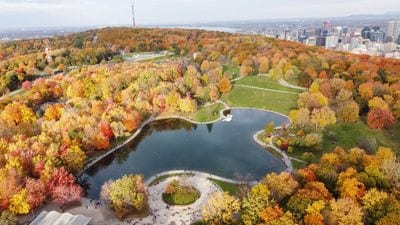
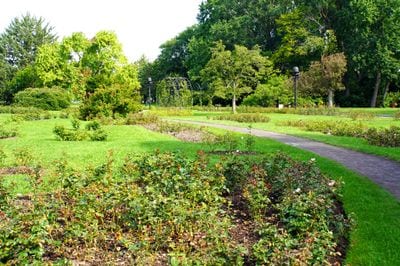
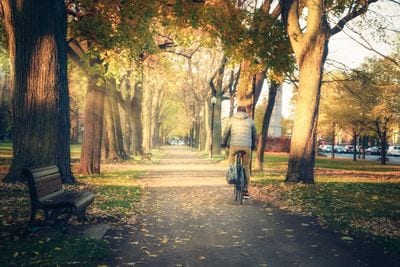
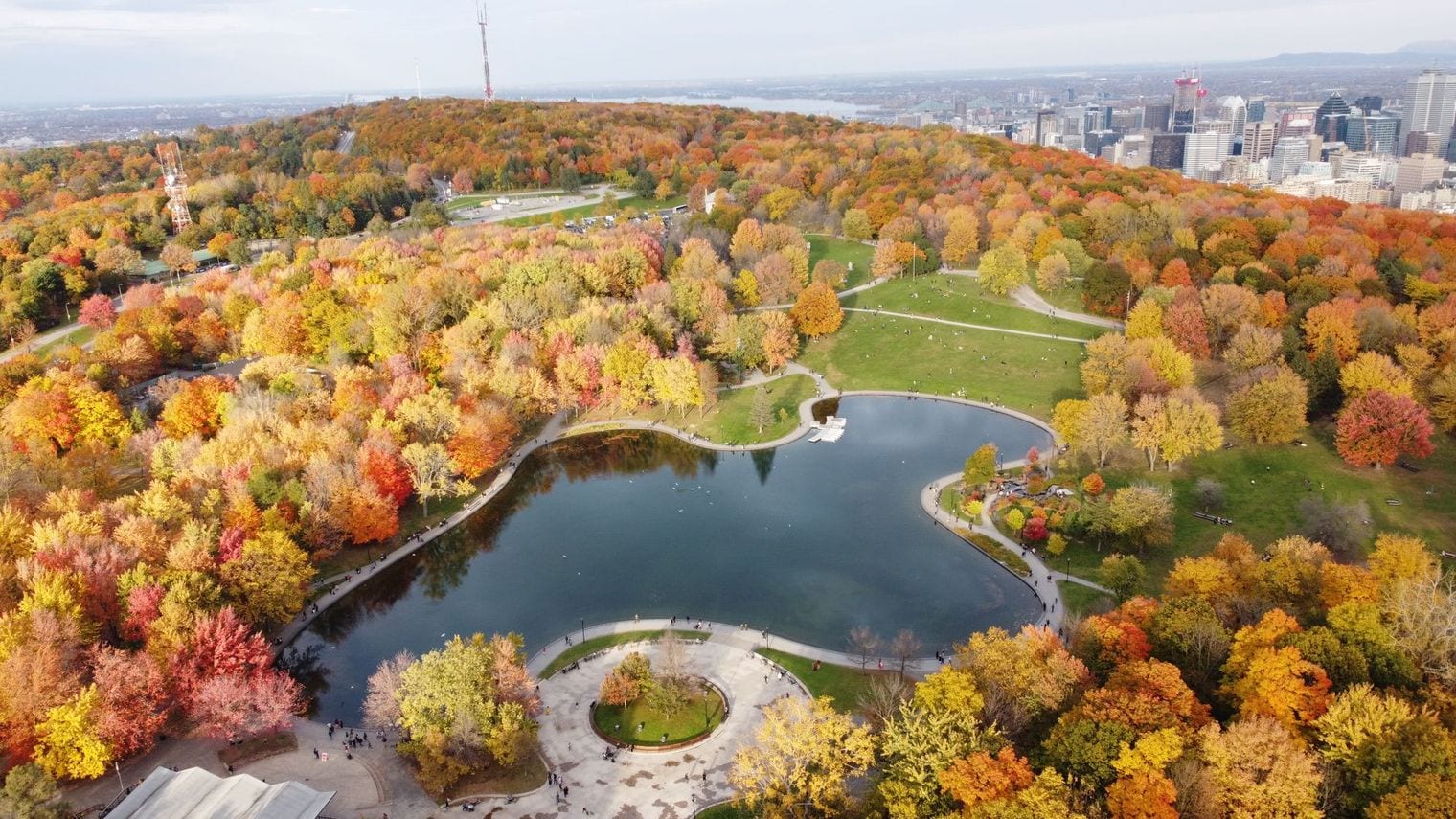
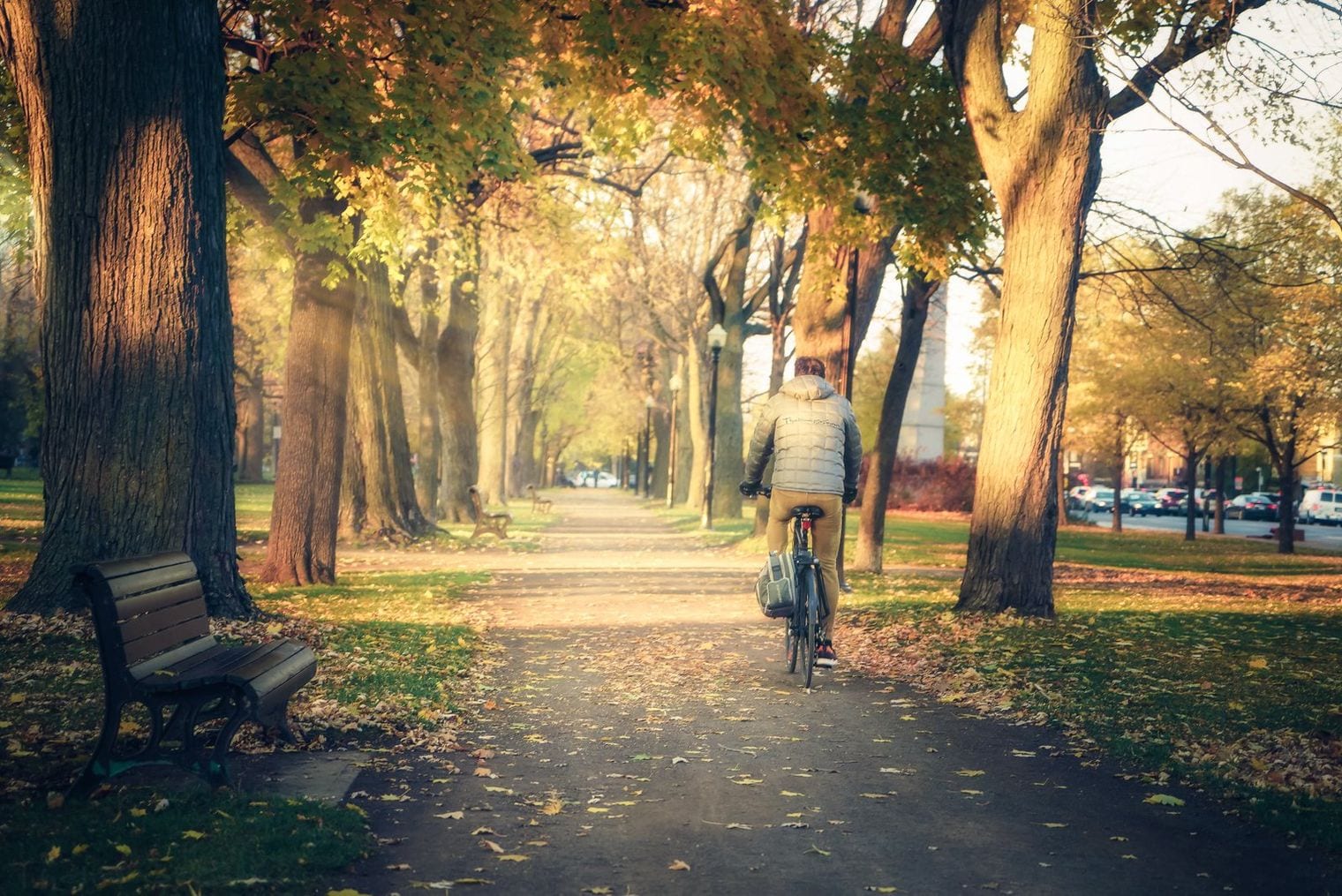
Mount Royal Park is the green hill the city is named for, laid out by Frederick Law Olmsted — the same landscape architect behind New York's Central Park. He deliberately kept it wooded and winding rather than formal, so the paths climb through forest and open suddenly onto views. Beaver Lake sits near the top, a shallow ornamental pond that becomes a skating rink in winter.
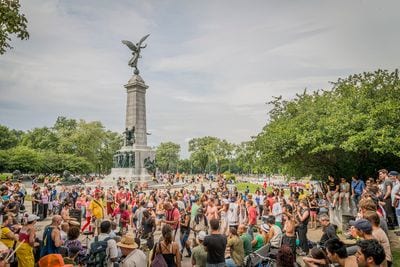
It functions as Montreal's back garden. On summer Sundays drummers gather near the monument on the eastern slope and the lawns fill up for the afternoon; on winter weekends the same slopes are full of sledges and cross-country skis. Every route to the summit is walkable, and the reward is the lookout at the top.
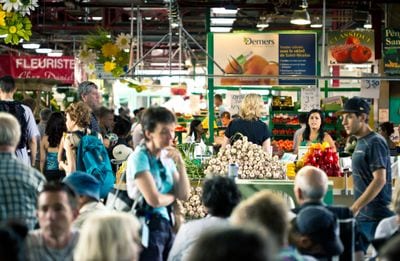
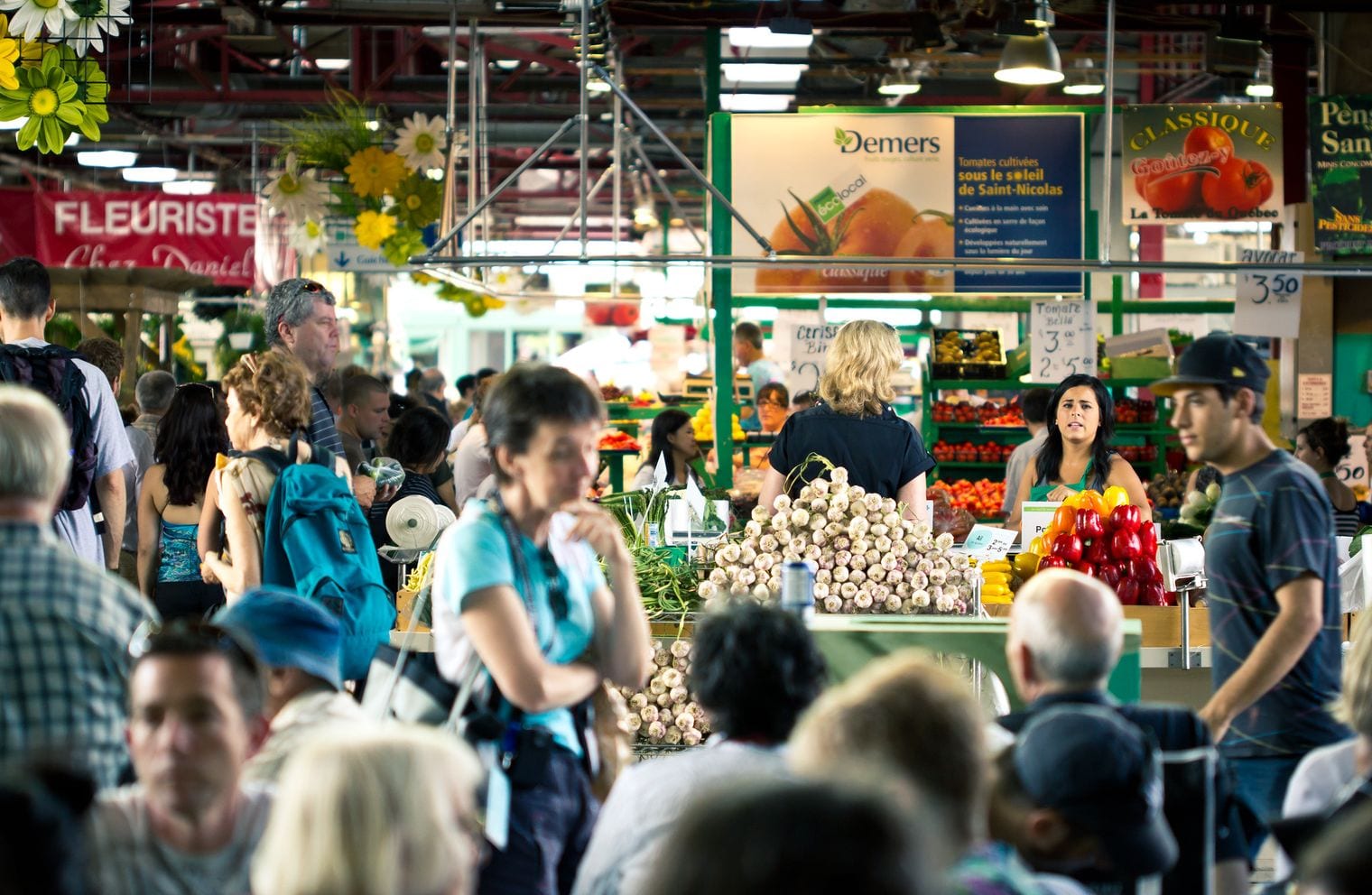
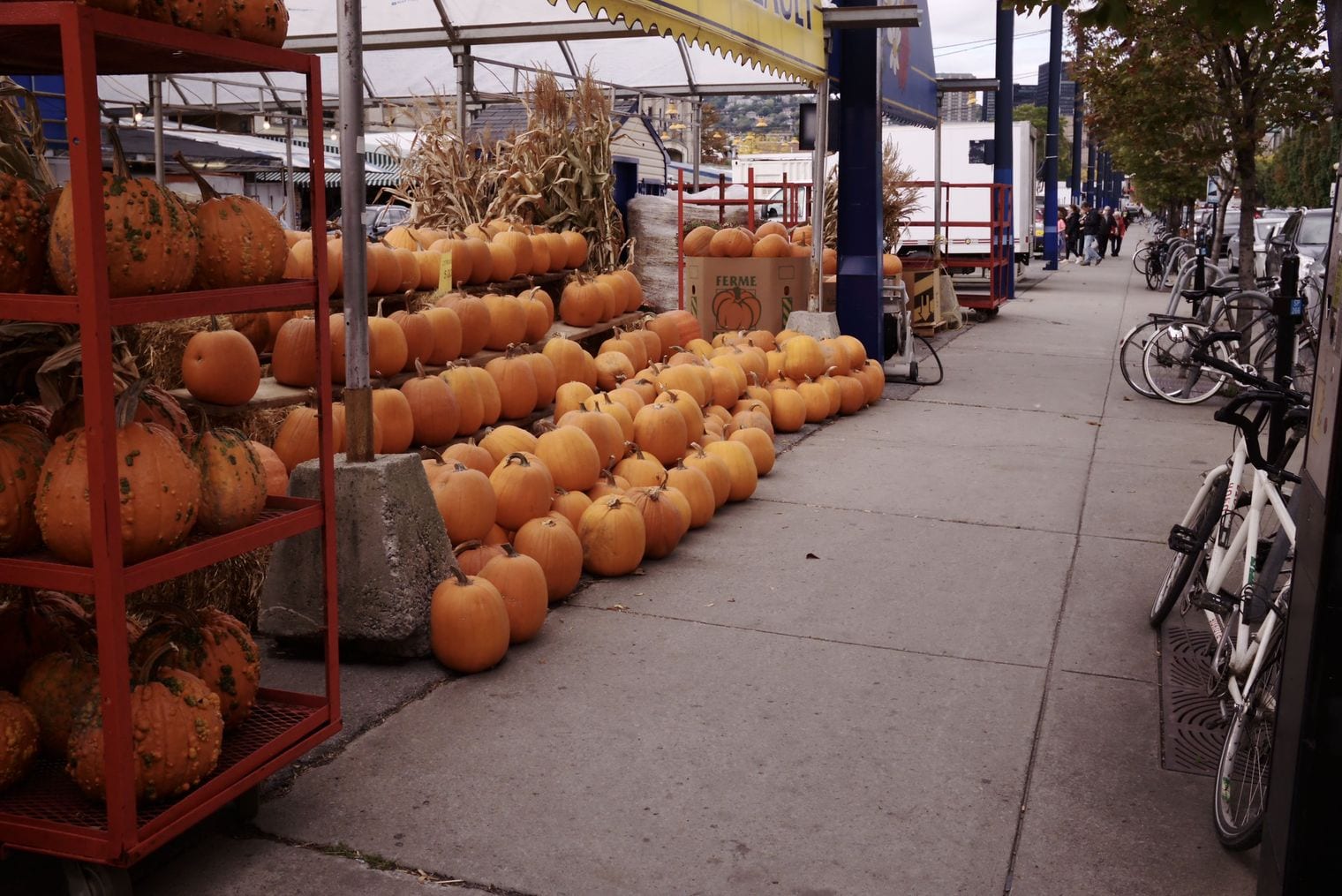
Jean-Talon Market is one of the largest open-air public markets in North America and the best single hour you can spend eating in Montreal. Rows of open stalls sell Quebec produce — apples, corn, squash, maple products, cheese from small dairies — and the traders are generally happy to hand you something to taste before you commit.
It sits in the middle of Little Italy, so the surrounding blocks are full of espresso bars, delis and pasta shops worth folding into the same trip. The market runs year-round: outdoors and overflowing in late summer, pulled back under cover and noticeably cosier in the depths of winter. Go hungry and bring a bag.
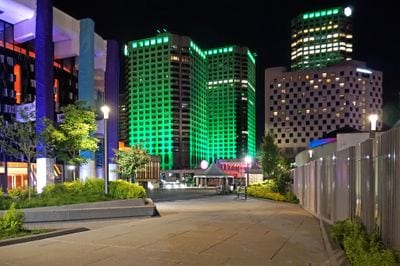
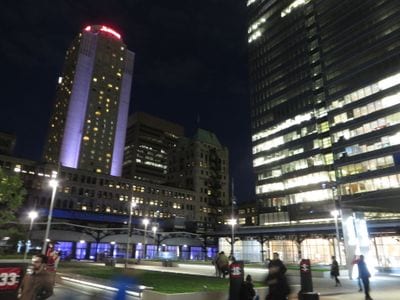
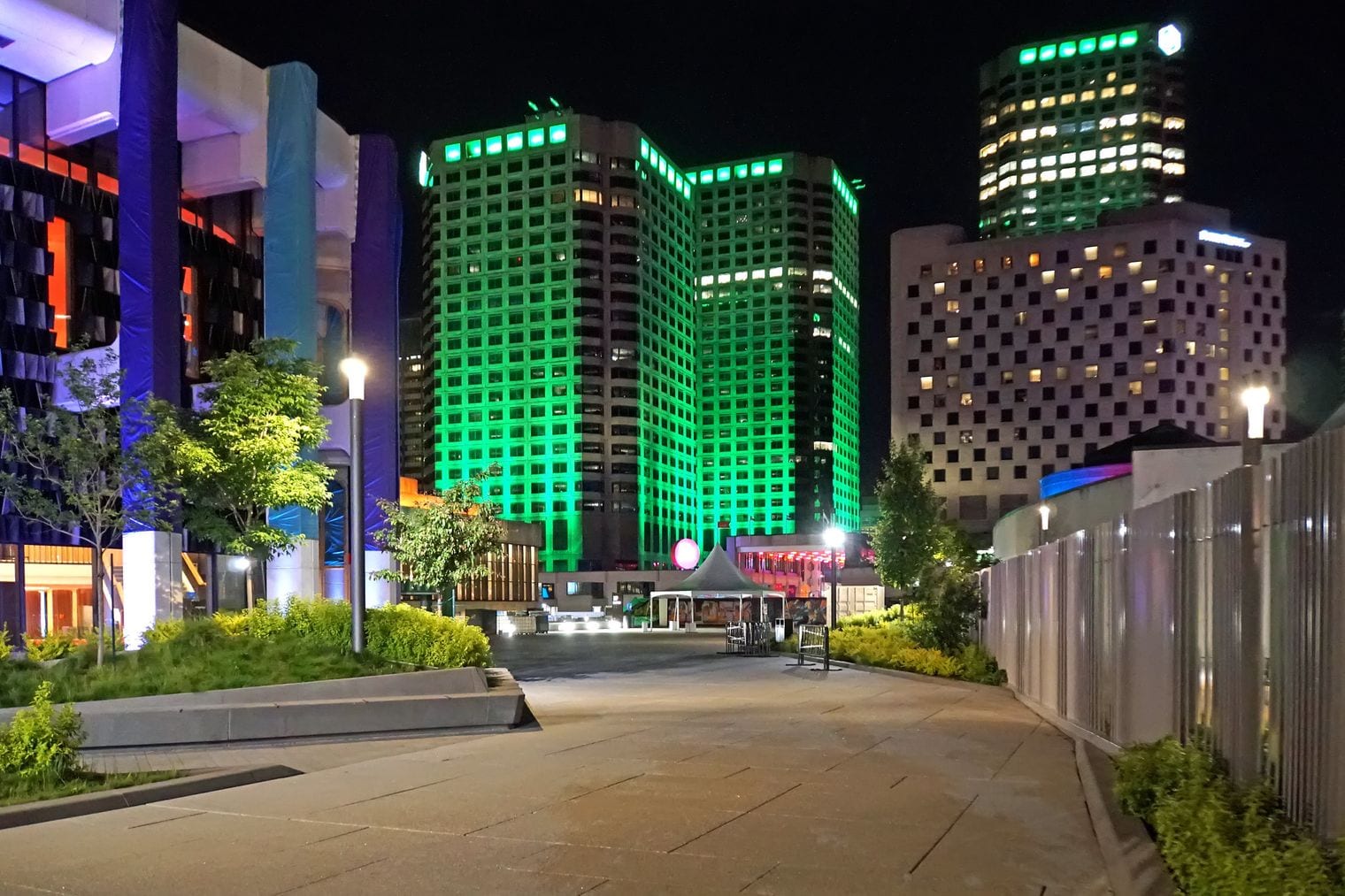
Place des Arts is Montreal's main performing-arts complex, a cluster of concert halls and theatres around an open plaza downtown. It is the home stage of the city's symphony orchestra, and its programme runs from classical and opera through dance to touring contemporary acts, so there is usually something on whatever week you visit.
The plaza matters as much as the halls. It anchors the Quartier des Spectacles, the entertainment district that closes its streets and fills the square for the city's big summer festivals — jazz, comedy and film among them. Even out of festival season the fountains, light installations and surrounding terraces make it a natural place to start an evening.
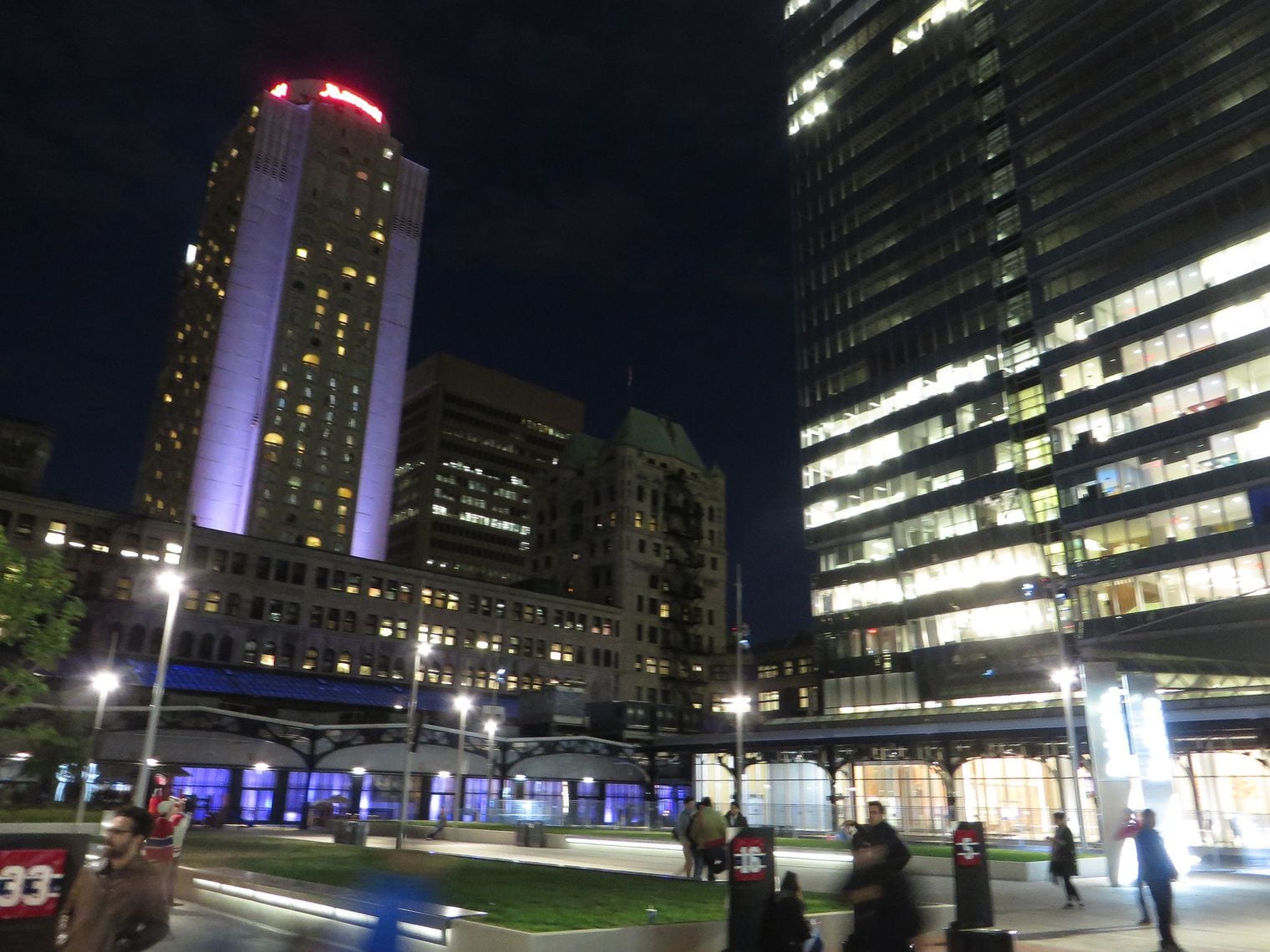
The Bell Centre is home to the Montreal Canadiens, the most decorated franchise in hockey, and on a game night the whole downtown core tilts towards it. Tickets are not cheap and not easy, but the atmosphere is the point: the crowd sings, the organ plays and the building is genuinely loud in a way few arenas manage.
Out of hockey season it is the city's biggest concert venue, hosting the arena tours that skip smaller Canadian cities. If you cannot get into a game, the Canadiens' Hall of Fame and the tour of the bowl and dressing rooms give you the history — banners, trophies and all — without needing a ticket to a match.
The Montreal Biodome is housed in the former Olympic velodrome, and the reuse is inspired: the vast banked cycling track has become a series of walk-through ecosystems of the Americas. You pass from humid tropical rainforest into a Laurentian maple wood, then to the Gulf of St Lawrence, then to sub-polar islands, in the space of a single loop.
The animals are the draw for children — sloths, capybaras, penguins, puffins — but the environmental design is what holds adults, with temperature and humidity shifting as you cross each threshold. It sits within Olympic Park alongside the planetarium and the botanical garden, so it is easy to make a full day of the eastern end of the city.
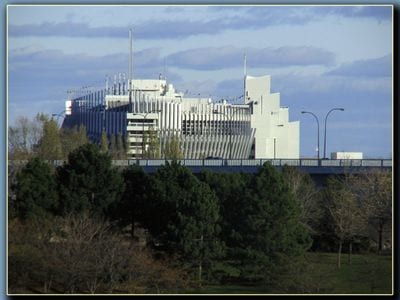
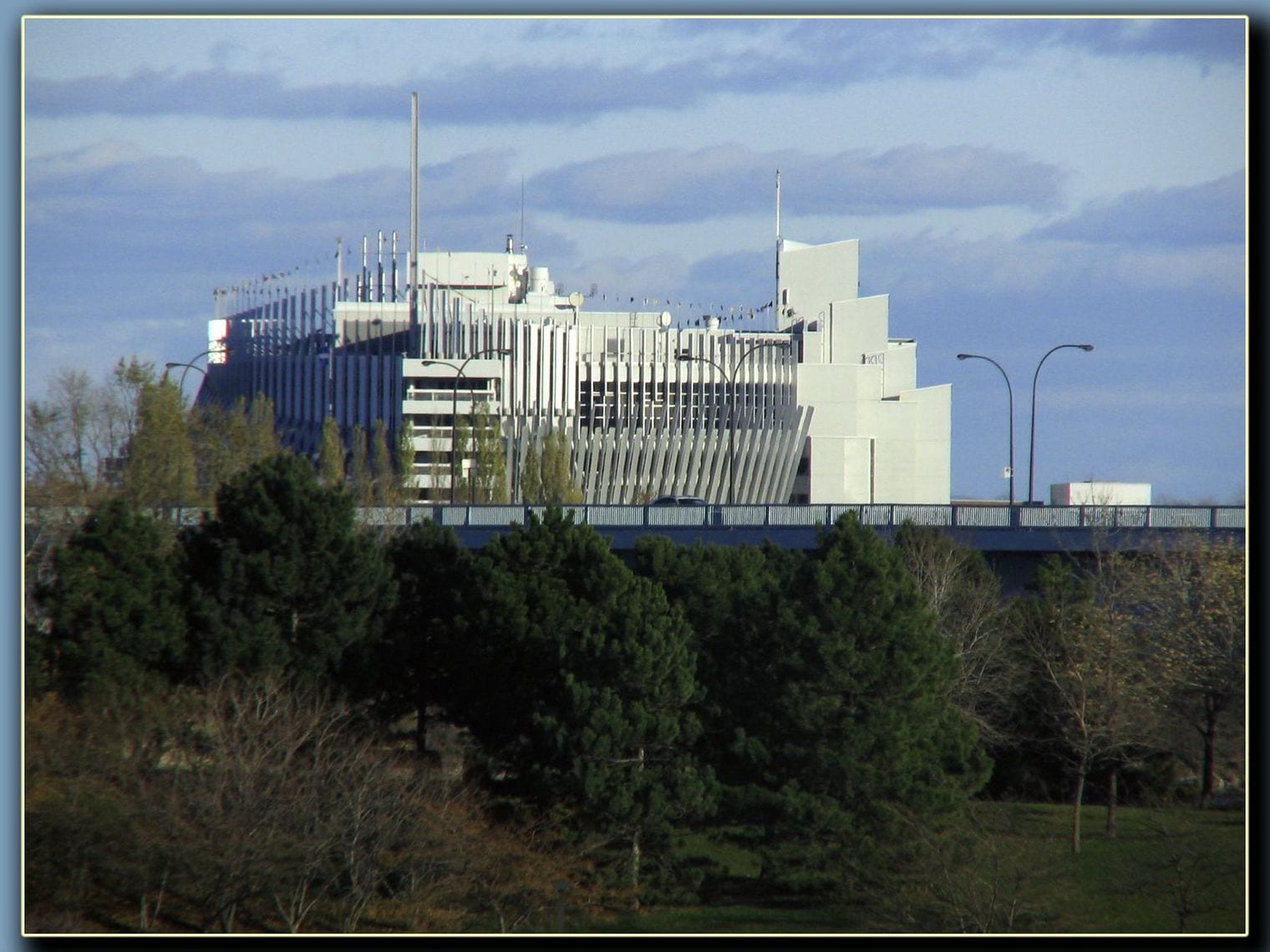
The Casino de Montréal occupies the former French pavilion from Expo 67, on Île Notre-Dame in the middle of the St Lawrence — which makes it far more architecturally interesting than the average gaming floor. The angular, faceted structure was built to show off France at a world's fair, and it still reads as a piece of sixties optimism.
Inside there are gaming floors over several levels, restaurants and a cabaret stage. You do not have to gamble to justify the trip: the island setting, the river views from the upper floors and the walk out through Parc Jean-Drapeau are reason enough, and the metro drops you a short stroll away.
The Montreal Museum of Fine Arts is among the most visited art museums in Canada, spread across several pavilions on Sherbrooke Street and linked by underground passages. The collection is genuinely broad — Quebec and Canadian art, European old masters, decorative arts and design, and a strong rotation of large touring exhibitions.
The Canadian galleries are the reason to prioritise it over a general survey museum: this is the best place in the country to understand how Quebec painting developed on its own terms. One pavilion is built into a converted Romanesque church, and the concert hall inside it is worth seeing even when nothing is playing. Allow half a day.
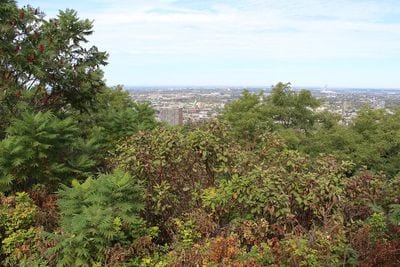
The Kondiaronk Belvedere is the lookout everybody means when they talk about the view from Mount Royal — a wide stone terrace in front of the mountain chalet, staring straight down over downtown to the river and, on a clear day, the hills beyond. It is named for a Huron-Wendat chief who helped negotiate the Great Peace of Montreal.
It is a twenty-minute walk up from the Peel Street entrance, or a gentler climb from the road on the eastern side. Sunset is the obvious time and it does get busy, but the terrace is large enough to absorb a crowd. The chalet behind it is open for shelter and has a grand timber-beamed hall worth a look.
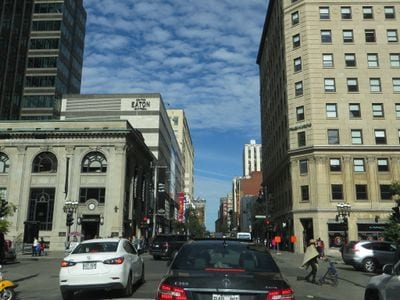
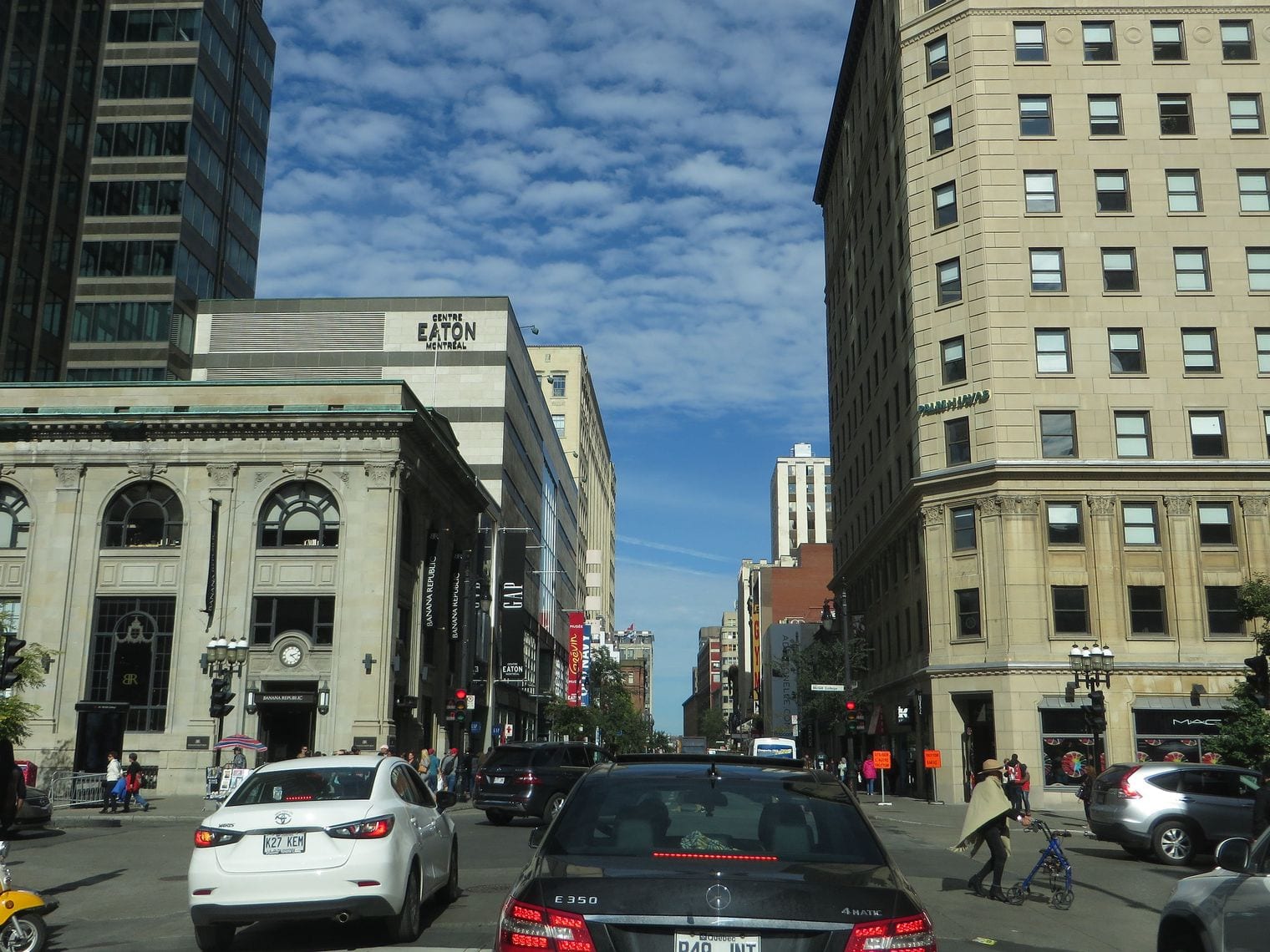
The Montreal Eaton Centre is the main shopping complex on Sainte-Catherine Street, the city's central retail spine, and it plugs directly into the Underground City network beneath it. It is a practical stop rather than a scenic one — several floors of shops, a food hall and easy metro access in the middle of downtown.
What makes it worth a mention beyond the shopping is what it connects to: the Barbie Expo occupies part of the adjoining complex, and a short indoor walk gets you to office towers, cinemas and more retail without ever going outside. In January, that is not a small thing.
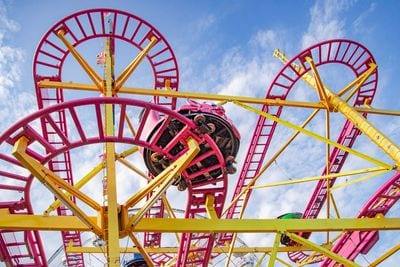
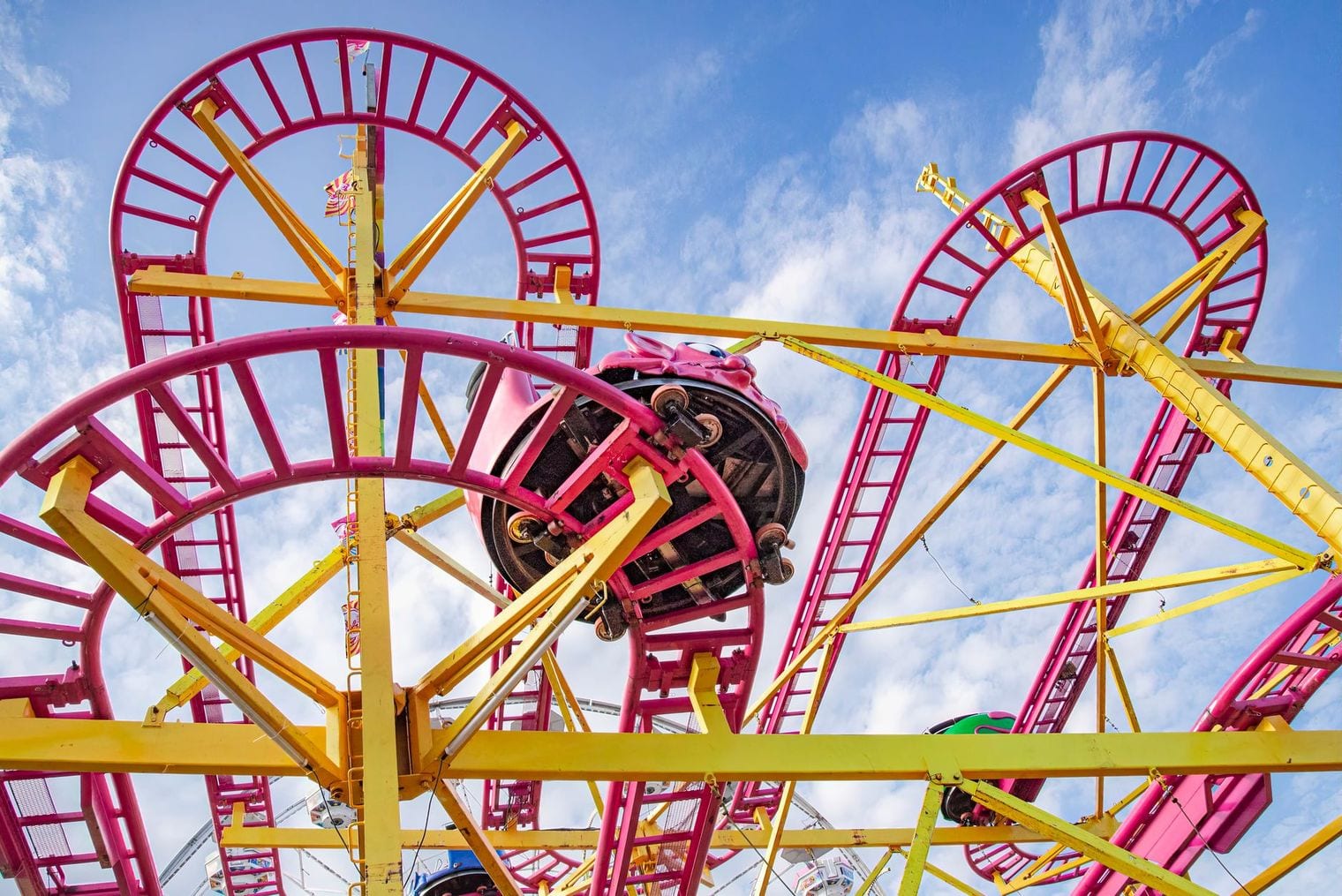
La Ronde is the largest amusement park in Quebec, on Saint Helen's Island in the middle of the river, and it opened as part of Expo 67 before growing into a full-scale thrill park. The roller coaster line-up is the draw — several genuinely serious rides, including a tall wooden coaster that rattles convincingly.
Its riverside position is the thing that sets it apart from an inland park: several rides give you a view straight up the St Lawrence to the downtown skyline. The park runs an international fireworks competition over the summer, and the displays are visible from bridges and riverbanks across the city if you would rather watch from outside.
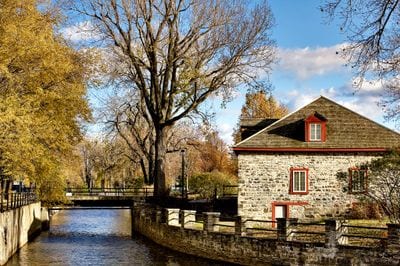
Atwater Market is the handsomer of Montreal's two great public markets — an Art Deco hall with a tall clock tower, standing right beside the Lachine Canal in the southwest of the city. The indoor hall is given over to butchers, cheesemongers, bakers and fishmongers, while the outdoor stalls turn over with the seasons.
It is the best possible stop before a walk or a bike ride along the canal path, which runs from here out towards Lachine. Buy lunch inside, eat it on the grass by the water and carry on. The cheese counters in particular are exceptional, and the staff will steer you towards Quebec producers if you ask.
The Pointe-à-Callière Museum is built directly over the spot where Montreal was founded in 1642, and the archaeology is not a display case — it is the building. You descend beneath the modern structure and walk through excavated foundations, an old collector sewer and the remains of the earliest settlement, with the layers of the city stacked above you.
It is the single best place to understand how Montreal came to be here at all: the confluence of rivers, the fur trade, the fortifications and the shift from French to British rule. The museum handles it with real narrative skill rather than as a list of dates. Budget two hours; the underground route is longer than it looks.
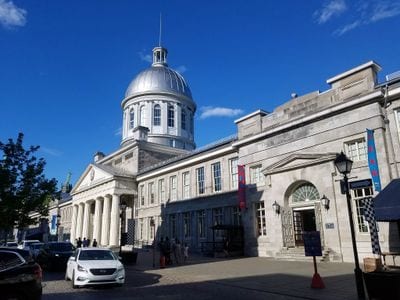
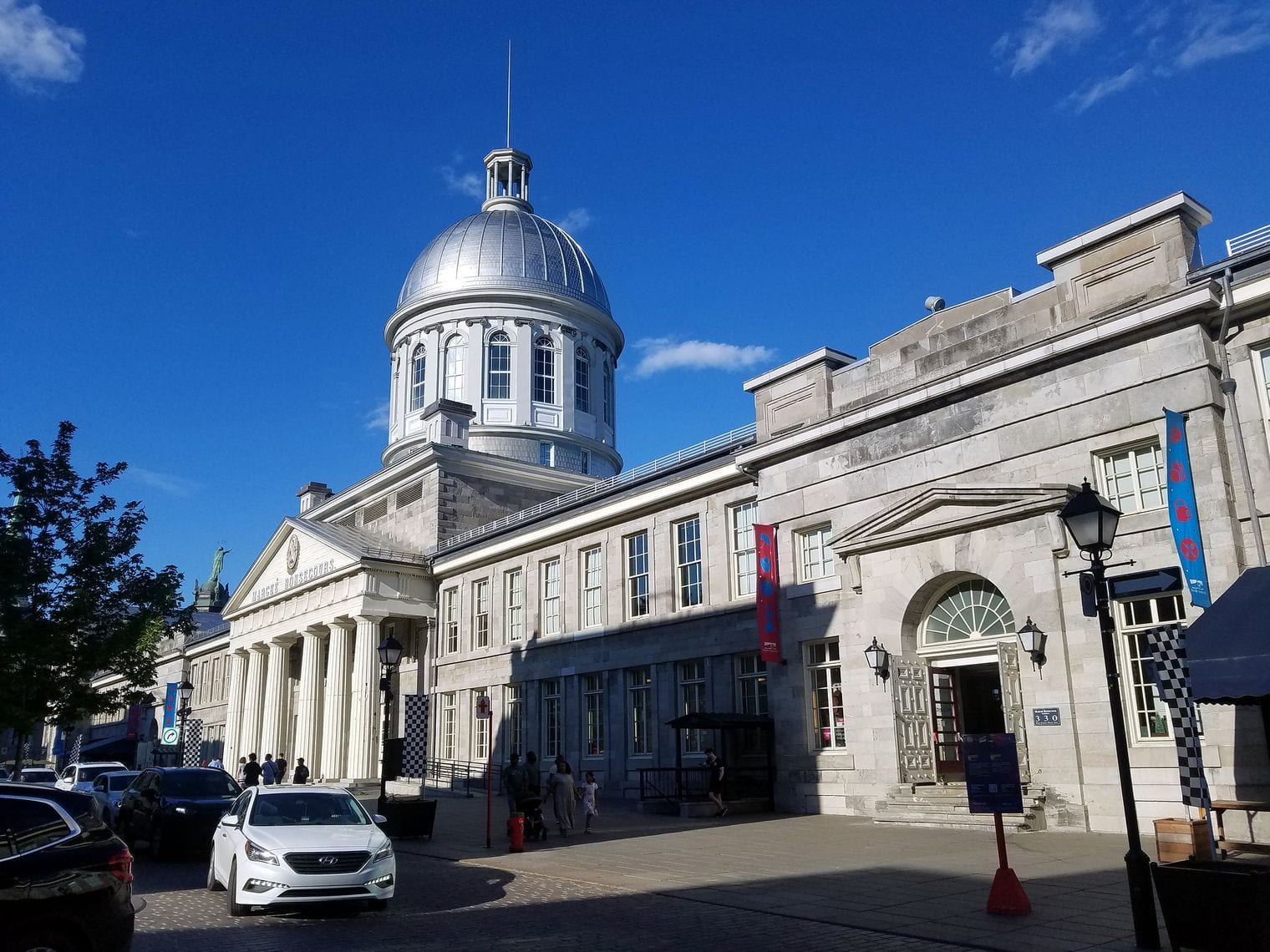
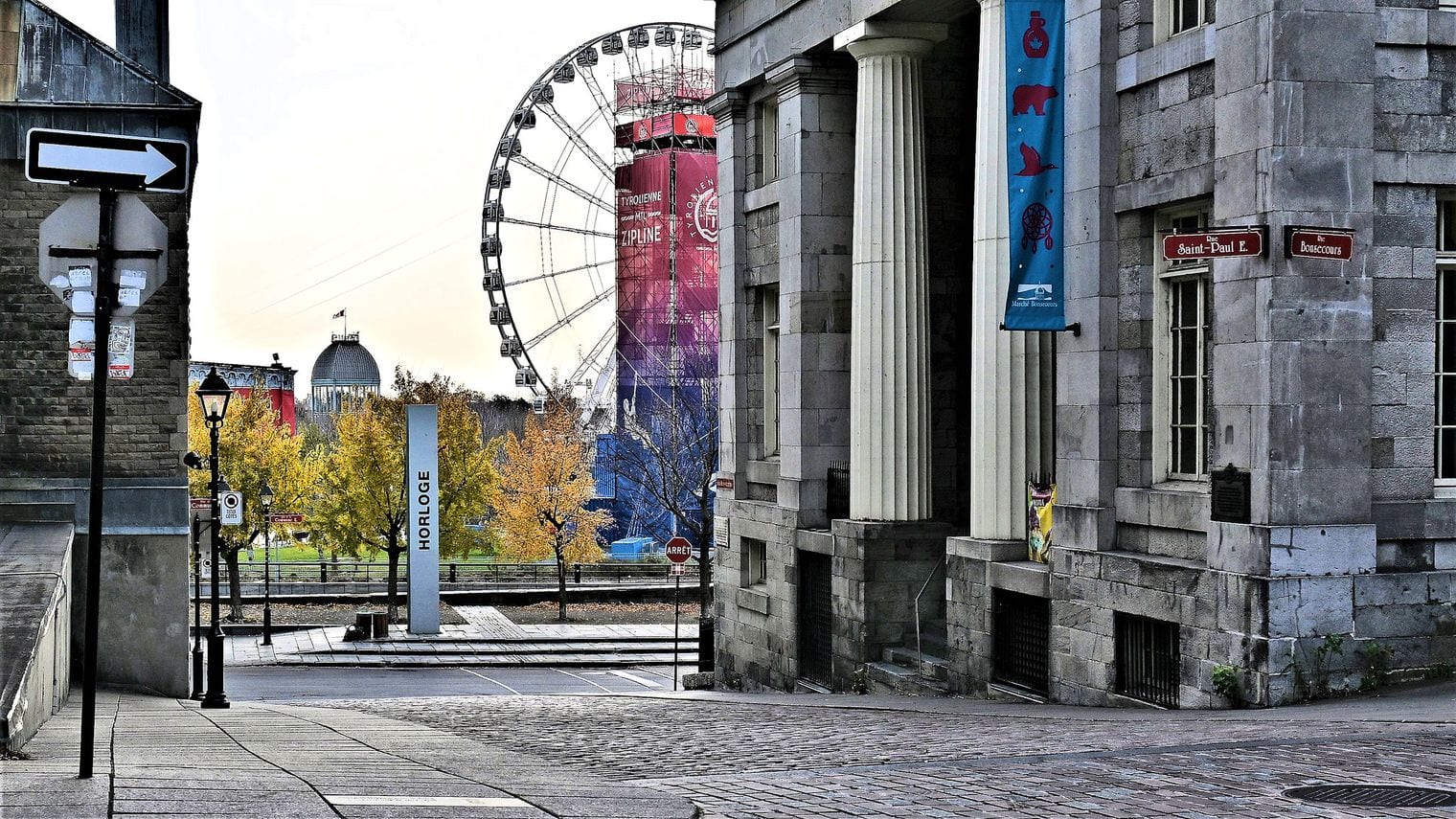
Bonsecours Market is the silver-domed neoclassical hall on Rue Saint-Paul, and for a long stretch of the nineteenth century it was the centre of civic life here — a public market that also served as Montreal's city hall. The dome is one of the most recognisable shapes in the Old Montreal skyline.
Today the interior houses Quebec design boutiques, craft studios and exhibition space, so it is a good place to find something made locally rather than imported. Even if you buy nothing, walk through for the proportions of the building and step out the back, where the terrace looks down over the Old Port and the river.
The Montréal Botanical Garden is one of the world's great botanical collections, and its strength is the themed gardens rather than the sheer plant count. The Chinese Garden is built around a lake with pavilions brought from Shanghai; the Japanese Garden has a tea pavilion and a bonsai collection; the First Nations Garden interprets the plants through Indigenous knowledge.
The greenhouses carry the visit through winter, running from arid desert houses to orchid rooms. In autumn the Chinese Garden fills with illuminated lanterns after dark, and in spring the whole site turns over quickly, so it repays repeat visits. It shares a site with the Biodome, the planetarium and the Insectarium.
La Fontaine Park is the Plateau's back garden — a large, flat, tree-lined park built around two linked ponds, with paths that fill up the moment the weather turns. It is less dramatic than the mountain and much more sociable: this is where the neighbourhood comes to picnic, play pétanque and lie on the grass.
In summer an open-air theatre in the park stages free performances under the trees, and the ponds carry pedal boats. In winter the same water freezes into one of the city's best-loved skating surfaces, floodlit after dark. It is a short walk from the bars and terraces of Avenue du Mont-Royal and Rue Saint-Denis.
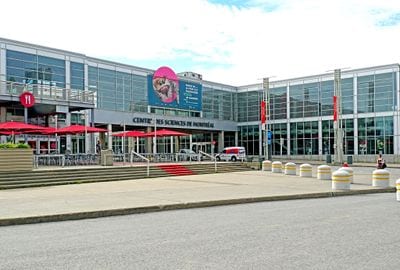
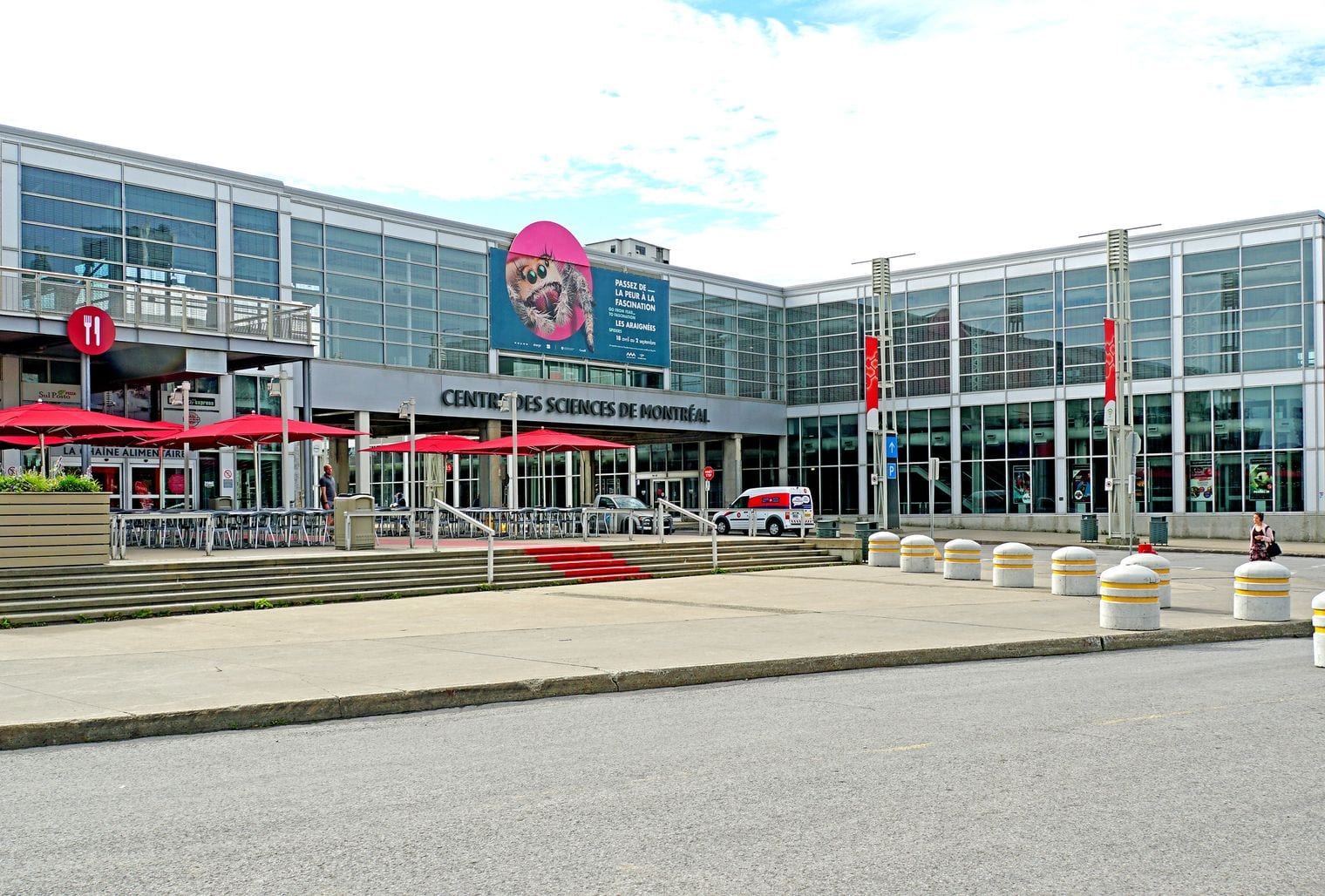
The Montreal Science Centre sits out on a quay in the Old Port, which gives it one of the better settings of any science museum — water on three sides and the downtown skyline behind. The permanent galleries are hands-on and aimed squarely at curious children, covering everything from human biology to engineering and energy.
There is an IMAX screen attached, and the temporary exhibitions tend to be large touring shows worth checking before you commit to a rainy afternoon. Because it is on the waterfront, it slots neatly into an Old Port day: the clock tower is a short walk east, the boat departures are next door.
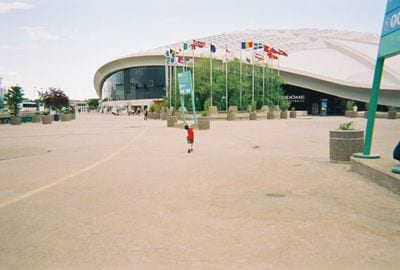
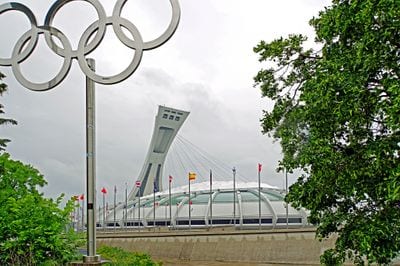
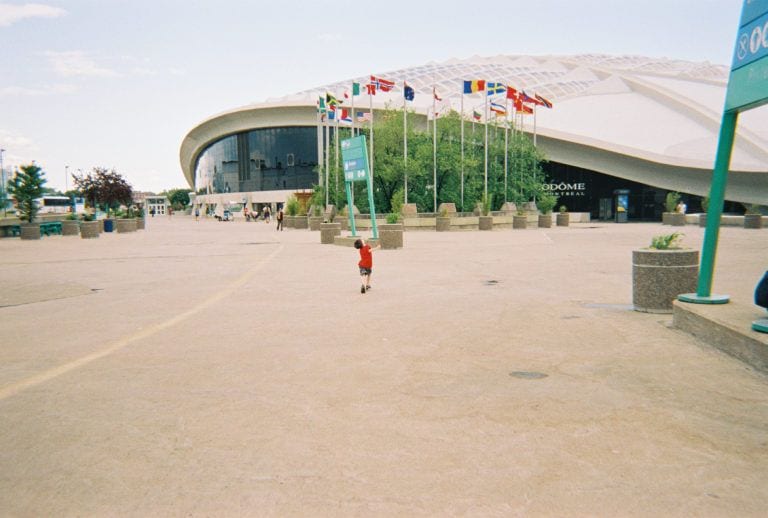
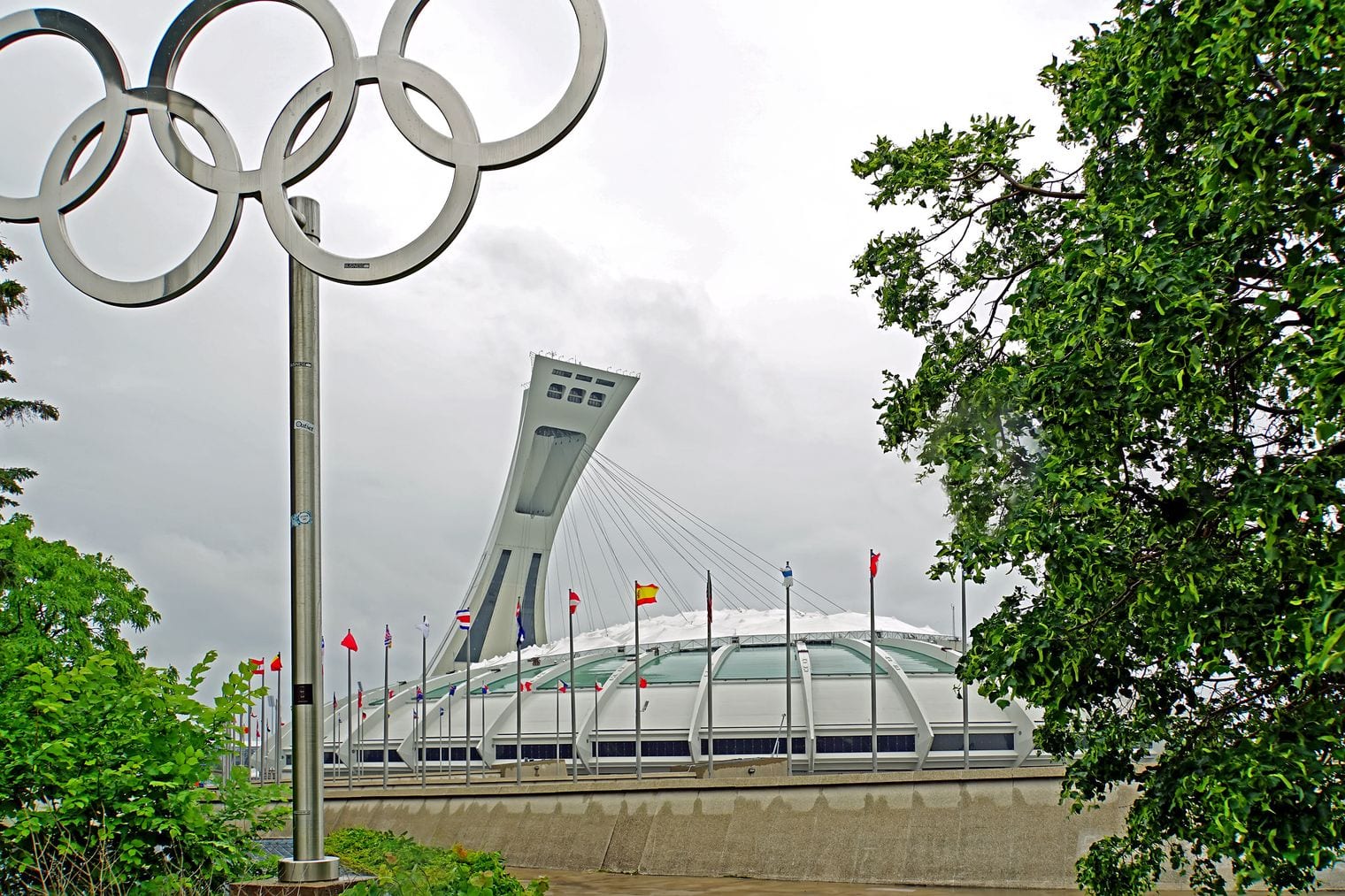
The Olympic Stadium was built for the 1976 Summer Games and remains the most divisive building in Montreal — a vast concrete ellipse with a leaning tower curving out over the bowl. Whatever you think of it, nothing else in the city looks remotely like it, and it has become an accepted part of the skyline.
The inclined tower is the reason to go: a funicular runs up the outside of the curve to an observation deck with a view across the eastern half of the island to the river and the mountain. Guided tours cover the construction saga and the games themselves, and the surrounding Olympic Park is easy to explore on foot.
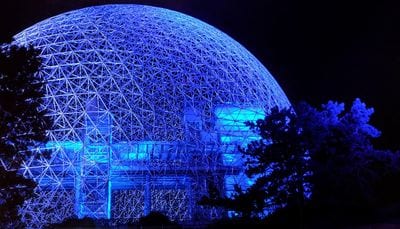
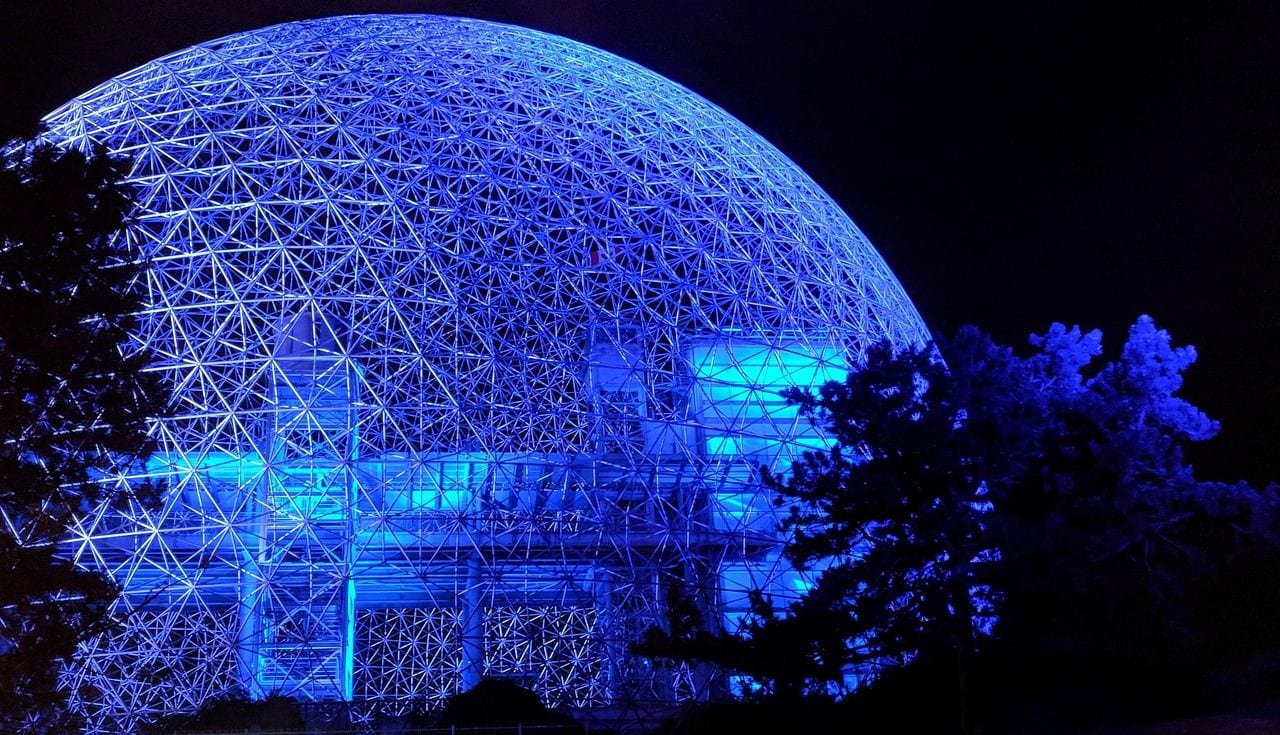
The Montréal Biosphere is the geodesic dome Buckminster Fuller designed as the United States pavilion for Expo 67, standing on Saint Helen's Island. The original acrylic skin is long gone, which leaves the steel lattice exposed — arguably a better-looking building now than when it was new, and unmistakable from the bridges.
Inside it operates as an environment museum, with exhibitions on climate, water and sustainable design pitched at a general audience rather than specialists. Combine it with a walk through Parc Jean-Drapeau: the island paths, the Expo-era sculptures and the views back across the water to downtown are as much of the attraction as the exhibits.
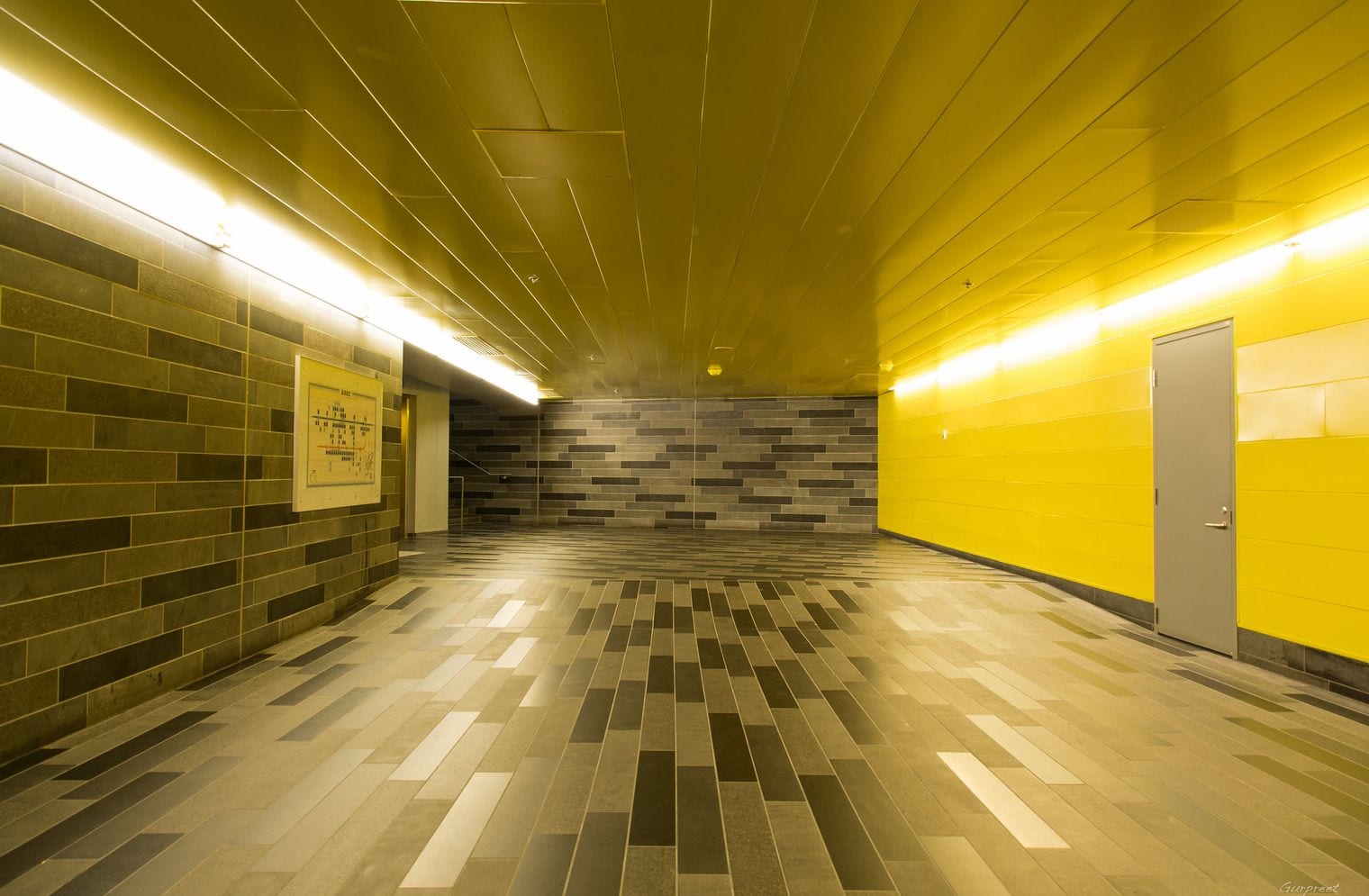
The Montréal Underground City is the network of tunnels, concourses and connected basements that links metro stations, shopping centres, office towers, hotels and university buildings across the downtown core. It exists for an obvious reason: the winters are long, and this lets a large part of the city function without going outside.
It is not a sight in the conventional sense — there is no single entrance and no view — but walking a stretch of it is one of the more distinctive things you can do here. Follow it between Place des Arts, the Eaton Centre and the main stations and you get a real sense of how the city is engineered around its climate.
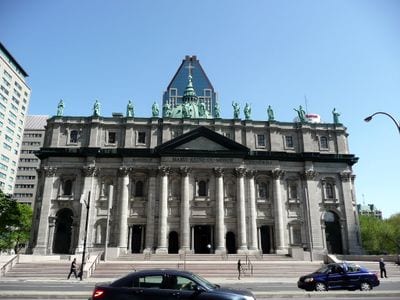
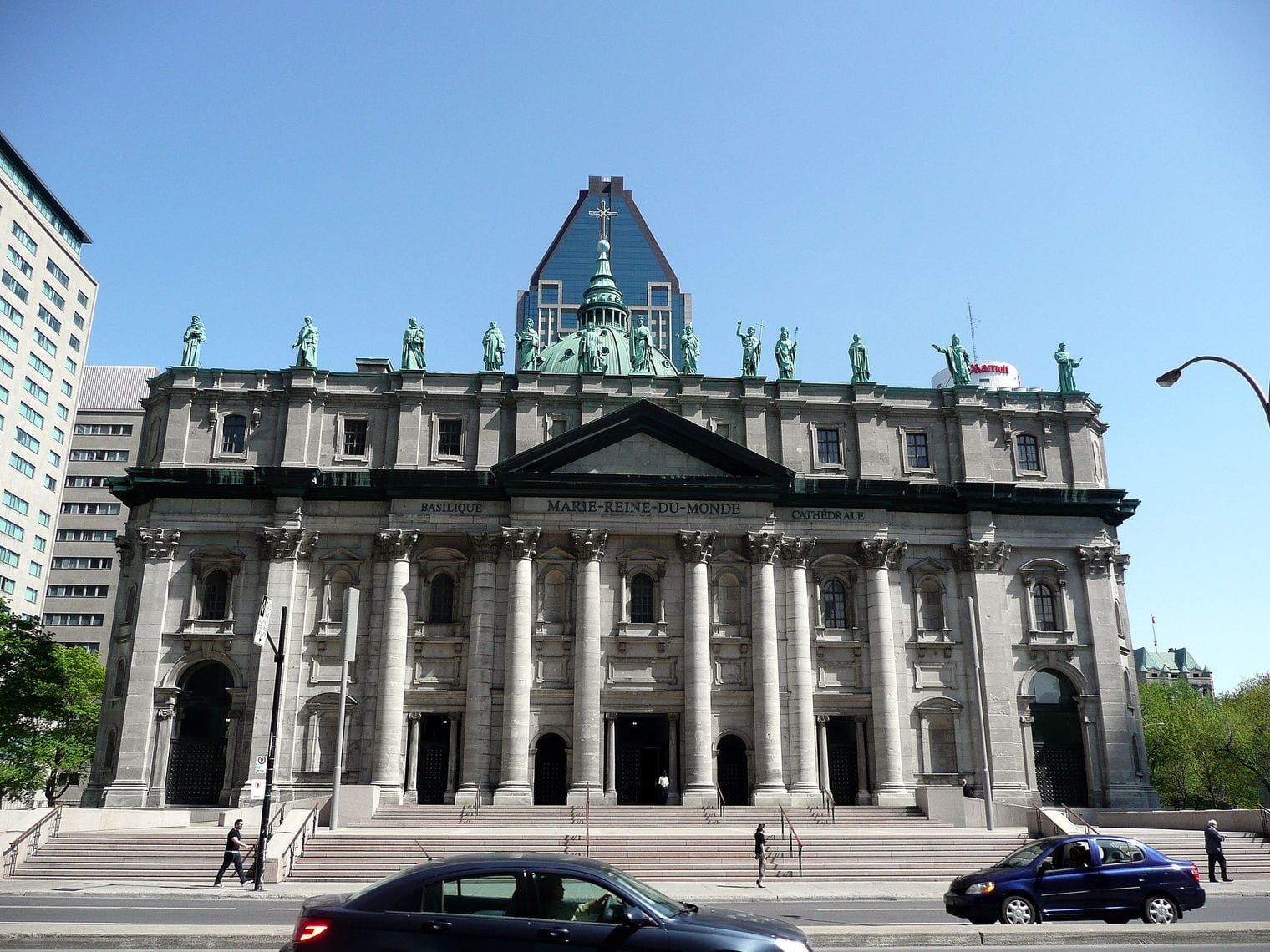
Mary, Queen of the World Cathedral is a scaled-down interpretation of St Peter's Basilica in Rome, dropped into the middle of downtown Montreal and now surrounded by office towers. The dome, the columned facade and the statues along the roofline all quote the original, and the contrast with the glass around it is startling.
It was built as a deliberate statement of Catholic presence in what was then the Protestant, English-speaking commercial quarter of the city, which is the story worth carrying in with you. The interior is calmer and less ornate than Notre-Dame, with a baldachin over the altar copying Bernini's. It is free to enter and takes twenty minutes.
L'Olympia is a converted early-twentieth-century theatre on Sainte-Catherine Street that now works as one of Montreal's best mid-size music venues. The horseshoe balcony and the raked floor survive from its life as a playhouse, which means sightlines are good from almost everywhere and the room feels intimate even when it is full.
The programming leans towards touring indie, rock and francophone acts — the size where you catch a band just before they move up to the arenas. It is central enough to fold into an evening in the Quartier des Spectacles, and the surrounding streets are full of places to eat before a show.
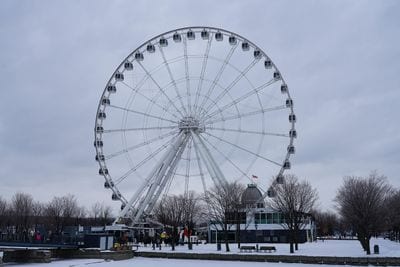
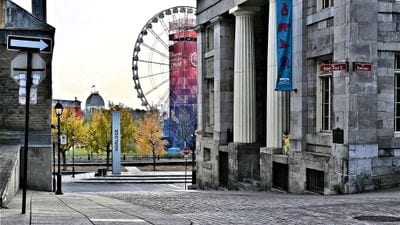
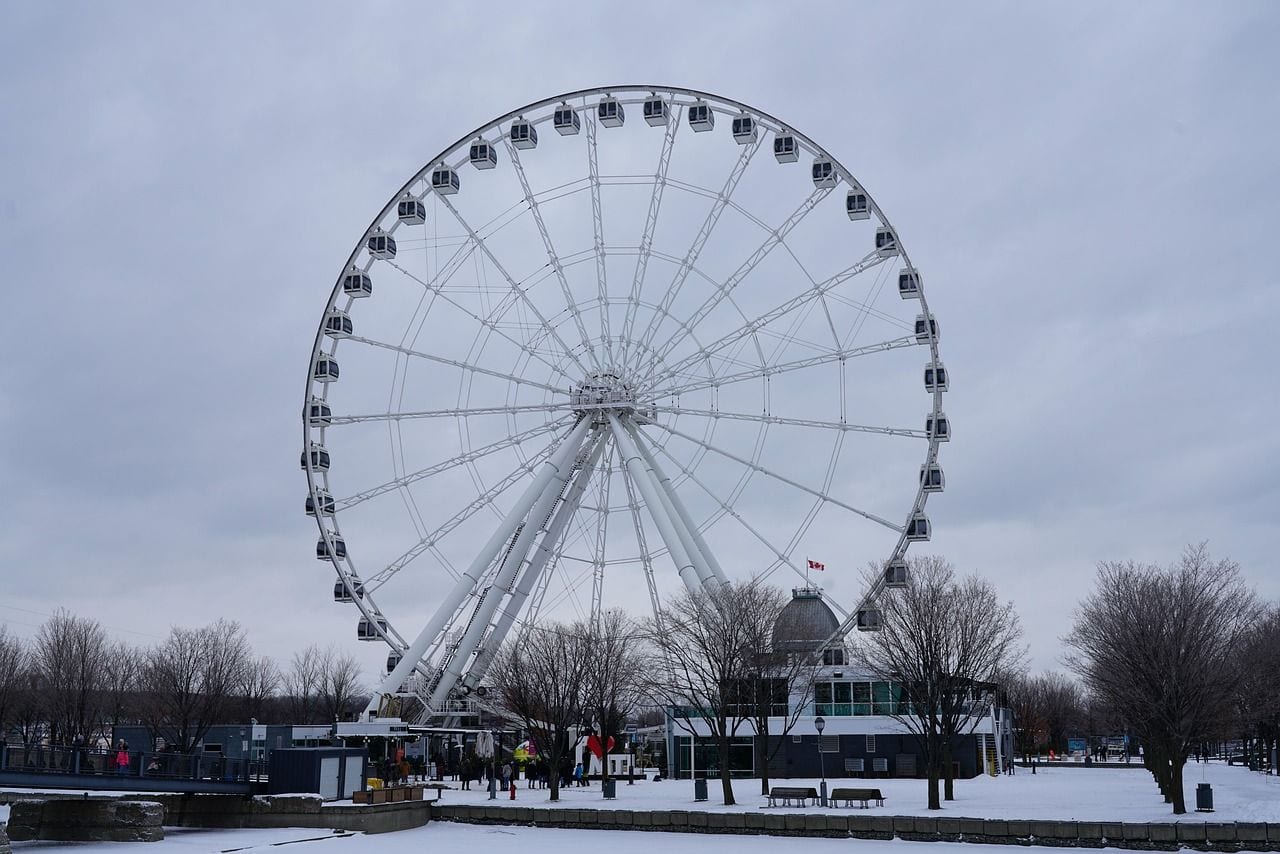
La Grande Roue de Montréal is the tall observation wheel at the western end of the Old Port, and it gives you the one view of the city you cannot get on foot: straight down onto the quays, out across the river, and back over the roofs and steeples of Old Montreal to the mountain.
The cabins are enclosed and climate-controlled, which makes it a genuine year-round option rather than a summer-only one — the winter ride, with the port lit up and the river half frozen, is arguably the better of the two. A rotation takes long enough to orient yourself properly before you start walking.
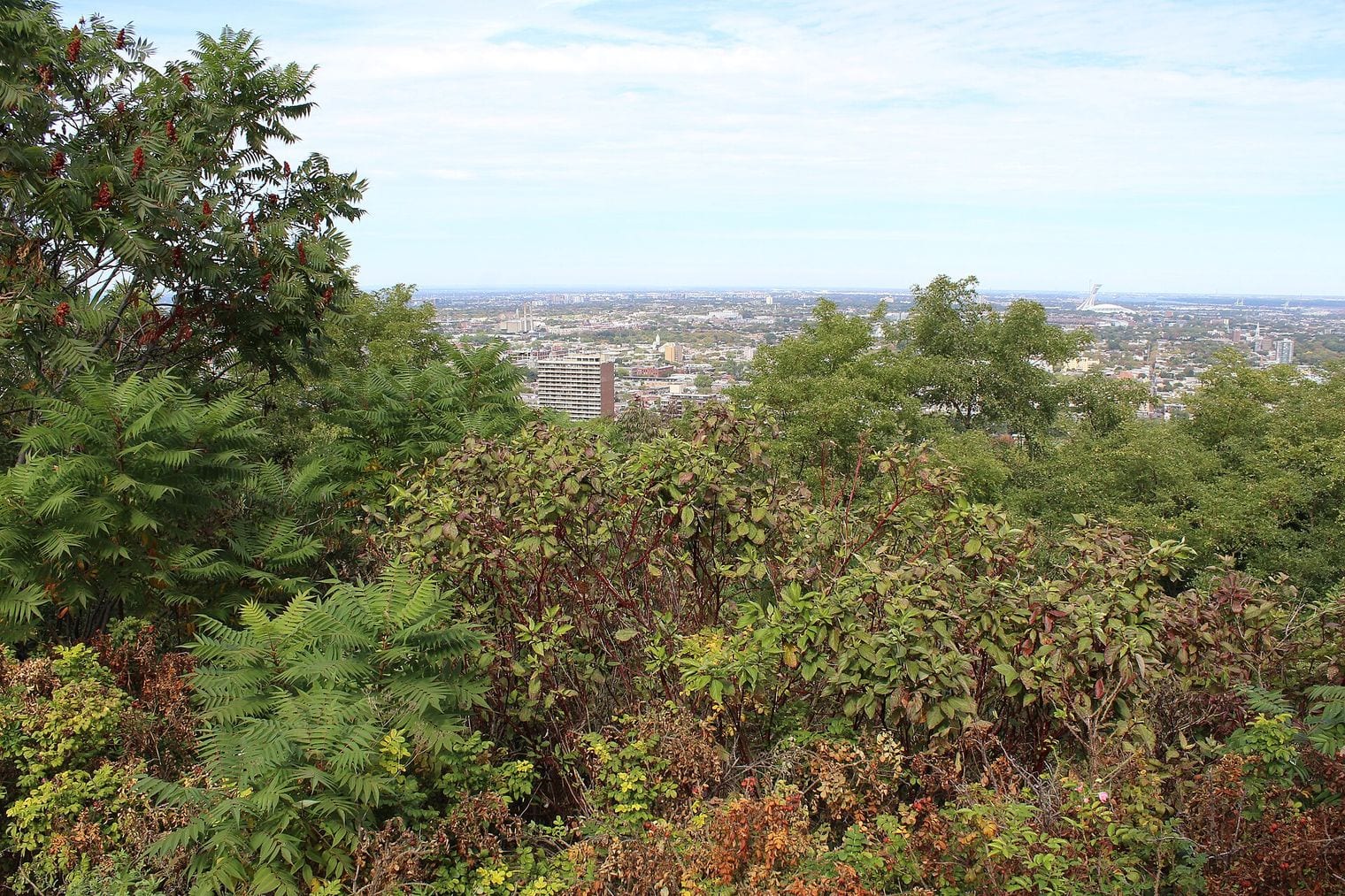
The Camillien-Houde Belvedere is Mount Royal's eastern lookout, and it faces the opposite way from the famous one — out over the Plateau and Hochelaga to the Olympic Stadium tower and the river beyond. Because most visitors head straight for the downtown view, this terrace is usually far quieter.
It sits on the road that crosses the mountain, so it is reachable on foot, by bike or by bus rather than only by climbing. It is a favourite spot for watching the sun come up over the eastern end of the island, and the layered view of triplex rooftops gives a much better sense of how Montrealers actually live than the skyline does.
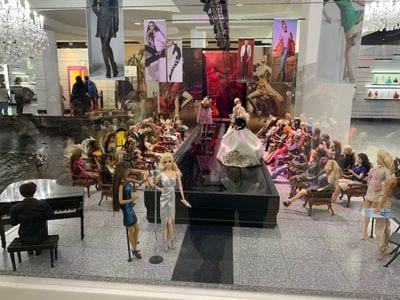
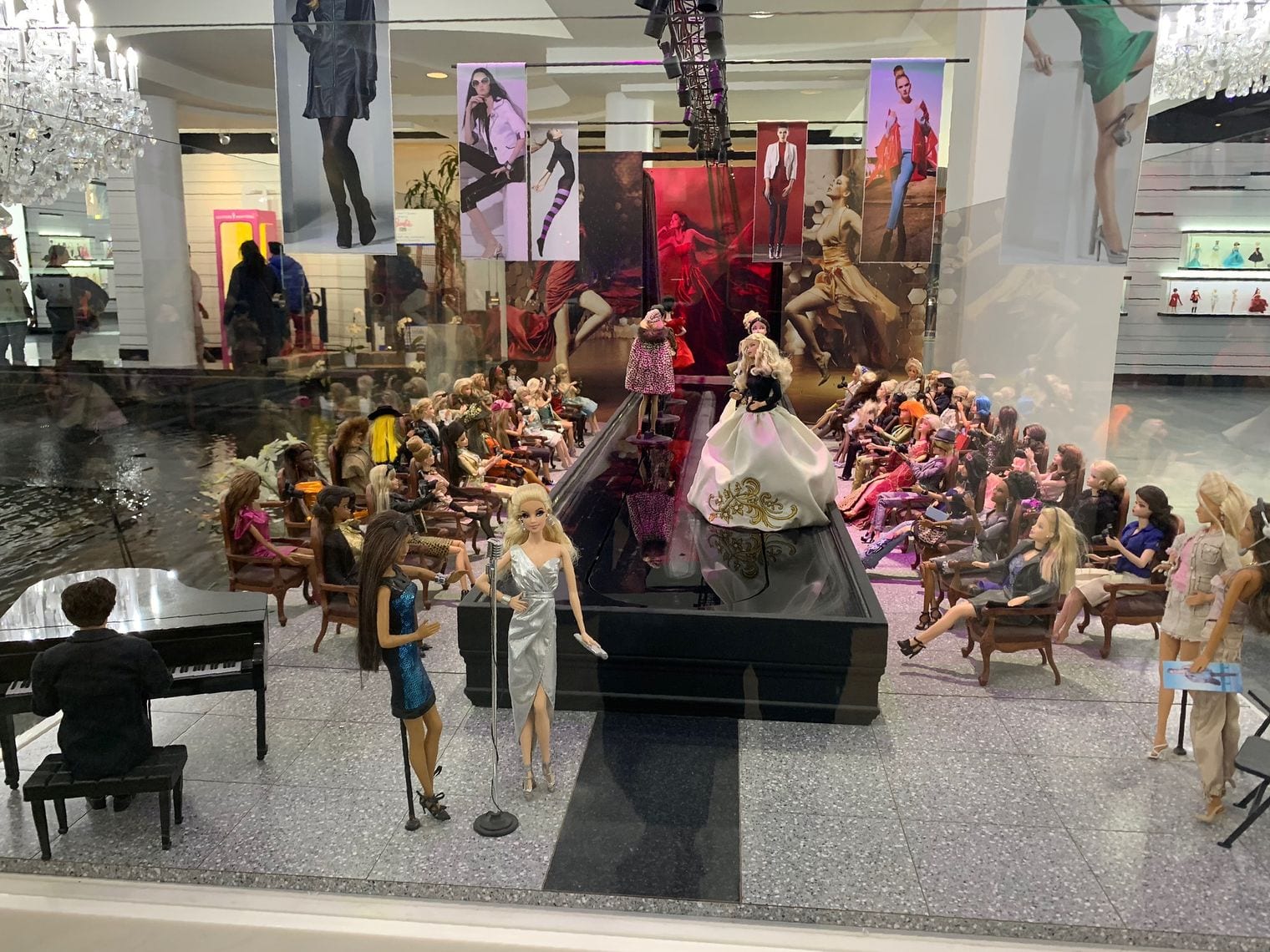
The Barbie Expo is a permanent display of couture dolls in the shopping complex at the top of Peel Street, and it is free — which makes it one of the better-value curiosities downtown. The cases hold hundreds of dolls dressed by fashion houses, with the gowns made as miniature couture rather than as toys.
It takes twenty minutes and works for almost anyone, whether you arrive for the fashion, the nostalgia or simply because it is warm and dry. Since it sits directly on the Underground City network near the Eaton Centre, it is an easy thing to fold into a wet afternoon of downtown wandering.
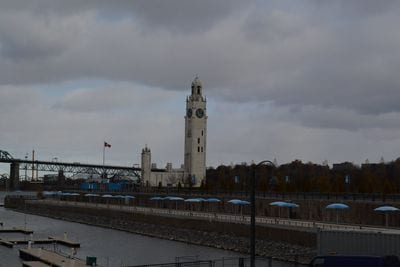
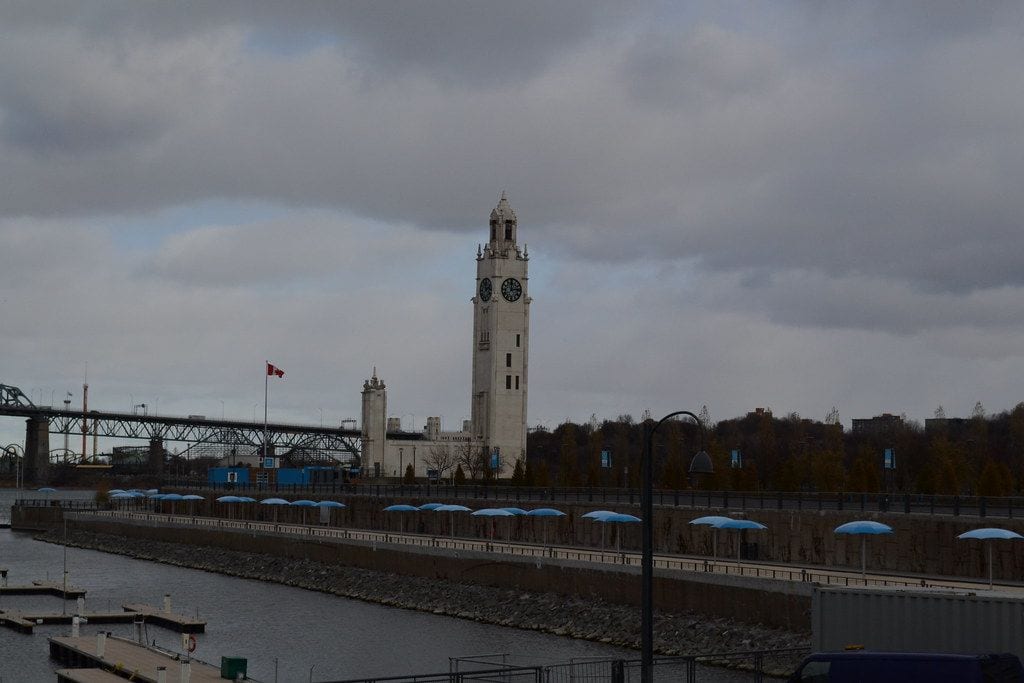
The Old Port Clock Tower stands at the eastern end of the waterfront, a white memorial tower raised in honour of sailors of the merchant marine who died at sea. It is the punctuation mark at the end of the quays, and it has anchored that view for a century.
You can climb the internal staircase to viewing levels for a view back along the port to Old Montreal and out over the river. At its foot there is an urban beach — sand, deckchairs and parasols, though swimming is not the point — which fills up on summer afternoons and makes a good place to stop walking.
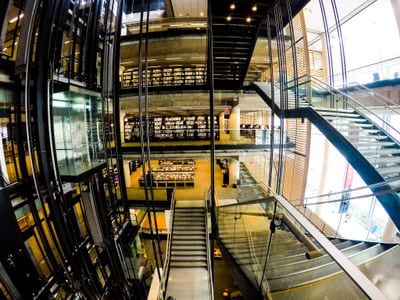
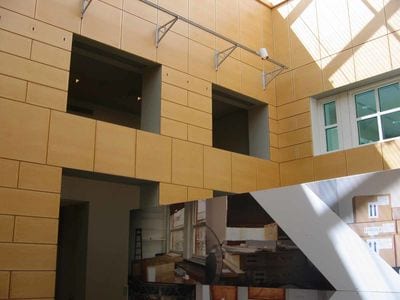
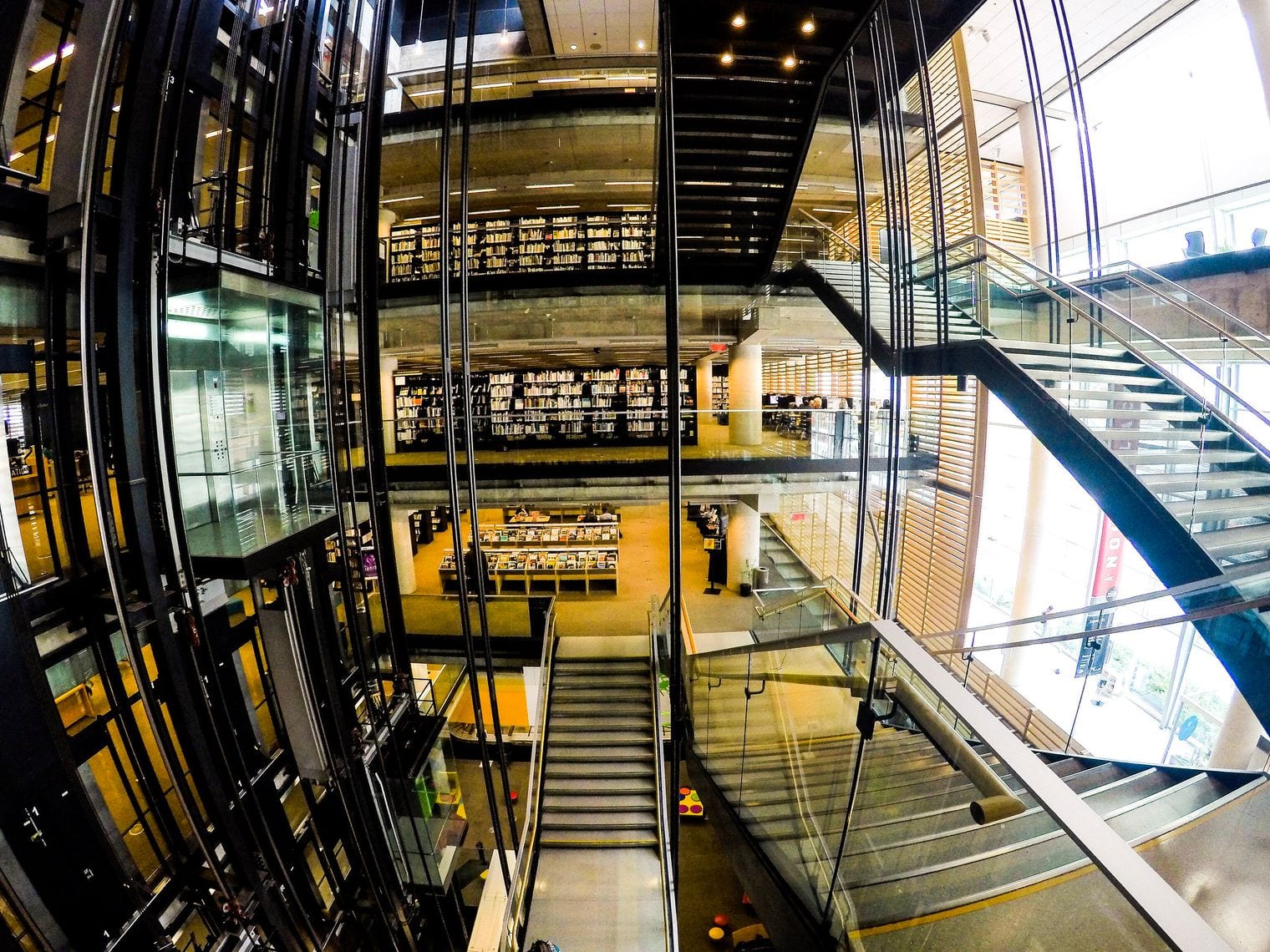
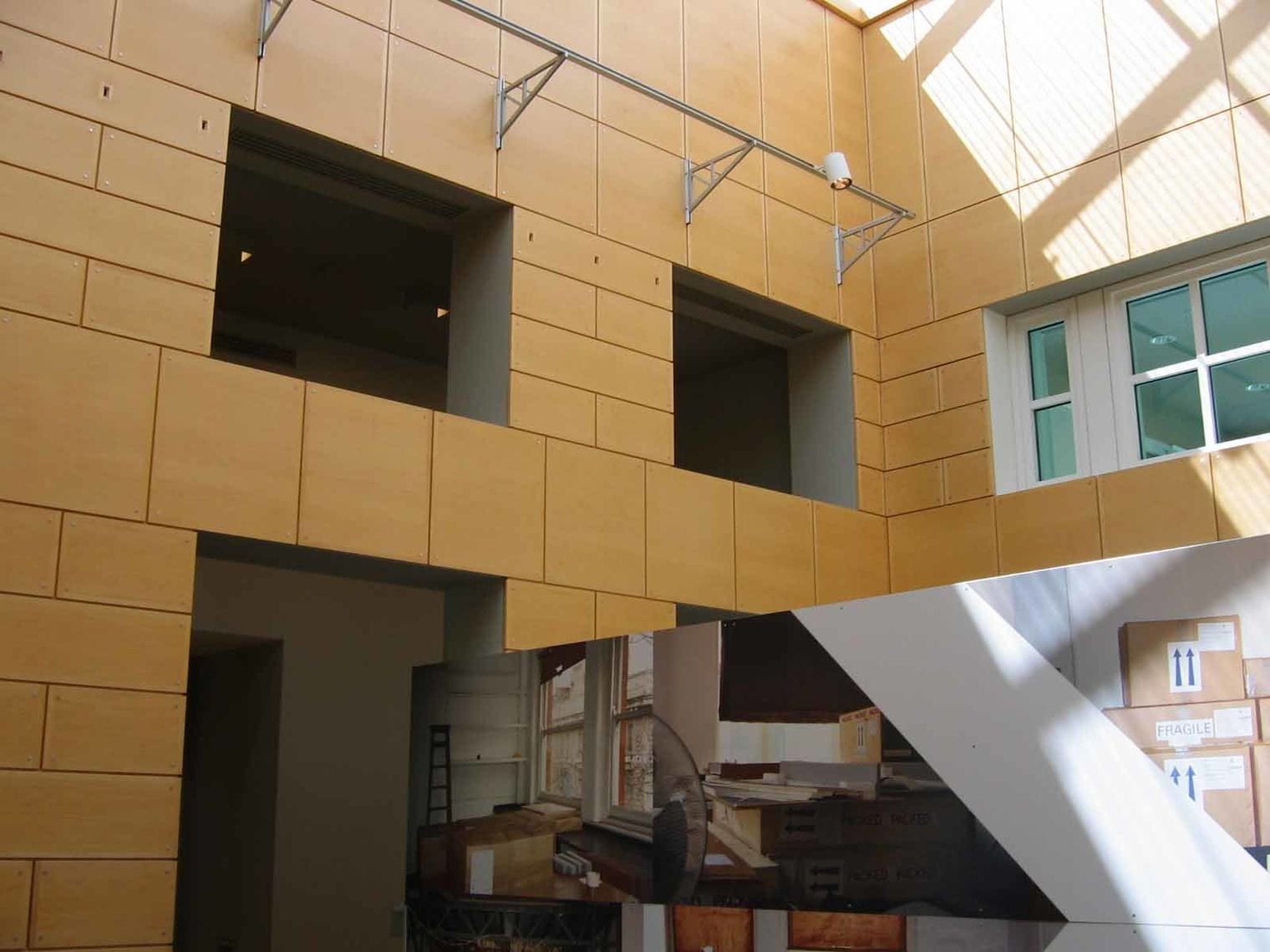
The Grande Bibliothèque is Quebec's flagship public library and a genuinely impressive piece of modern civic architecture: a long box wrapped in fritted glass and lined internally with slatted yellow birch, so the reading rooms glow. It holds the province's largest public collection.
Visitors are welcome to walk in and sit down, which is the point of including it — it is free, warm, quiet and central, at the top of the Quartier Latin near the university. There are usually exhibitions on Quebec publishing, photography or design in the ground-floor galleries, and the building alone justifies twenty minutes if you like architecture.
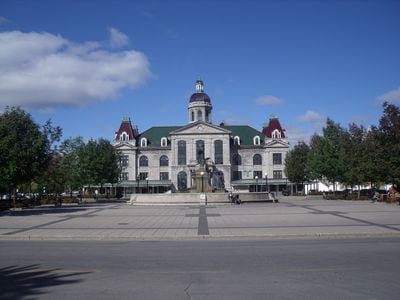
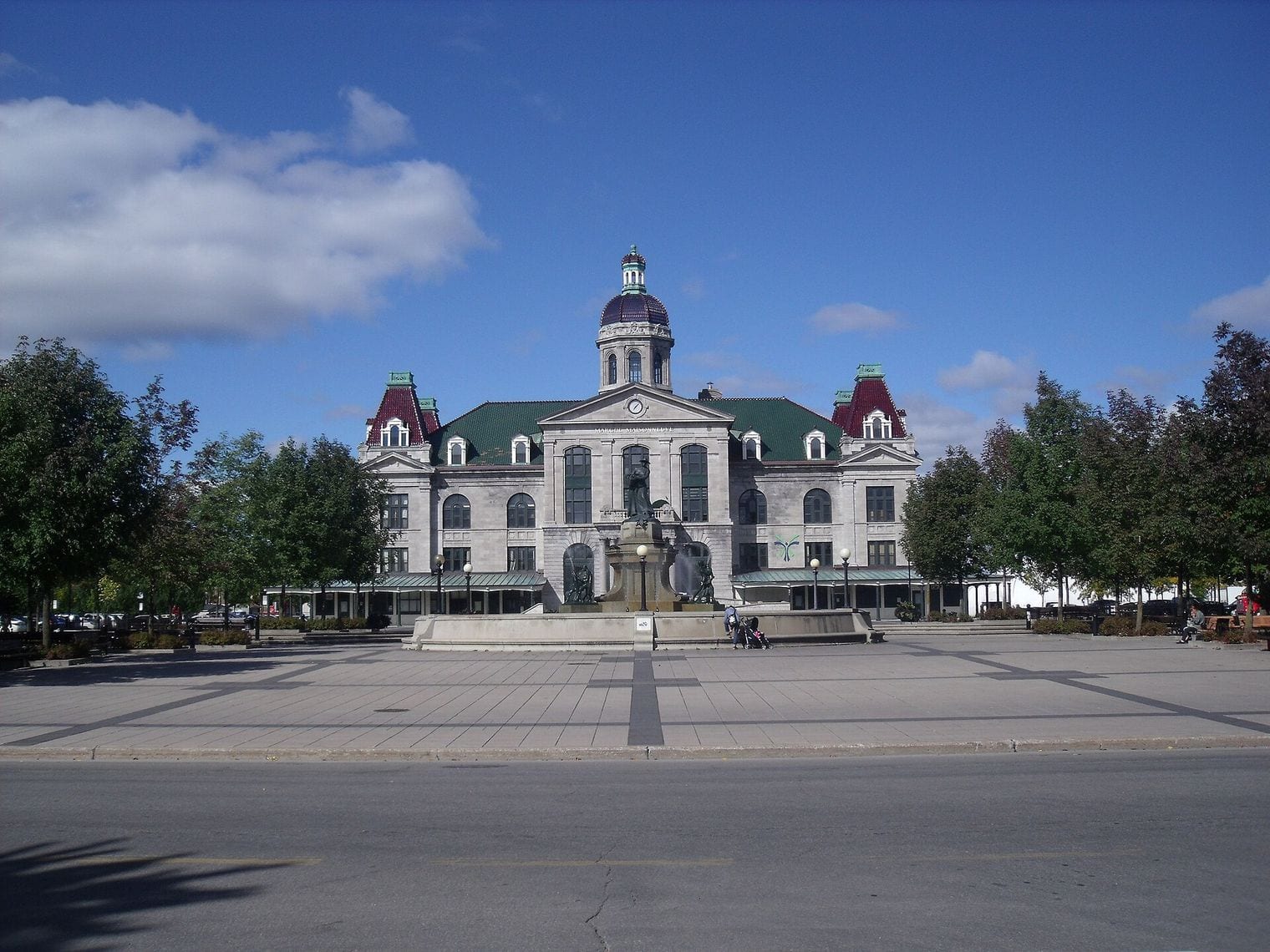
Maisonneuve Market is the third of Montreal's public markets and the least touristed, serving the Hochelaga-Maisonneuve neighbourhood in the east end. The original Beaux-Arts market hall, with its domed tower and the sculpted fountain in front of it, is a reminder that this was once an independent and ambitious municipality.
The trading now happens in a modern hall beside the historic building, with produce stalls, a butcher and a bakery. It is a good stop if you are already out at Olympic Park or the botanical garden, and it gives you a much more ordinary, residential picture of the city than the downtown markets do.
Jacques-Cartier Pier is the central quay of the Old Port, projecting out into the river directly below Place Jacques-Cartier, and it is where most of the waterfront's activity concentrates. Cruise ships tie up here, sightseeing boats leave from alongside, and the pier building hosts exhibitions and events through the year.
It is worth walking to the end simply for the perspective: from out on the water you get Old Montreal's whole waterfront elevation in one view, with the dome of Bonsecours Market and the spires behind it. In summer the terraces at the base of the pier are among the more pleasant places in the city for a drink.
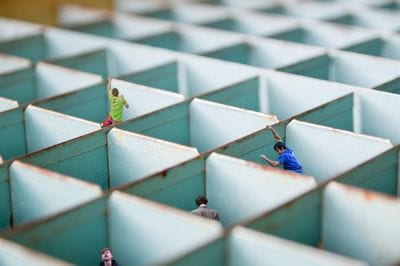
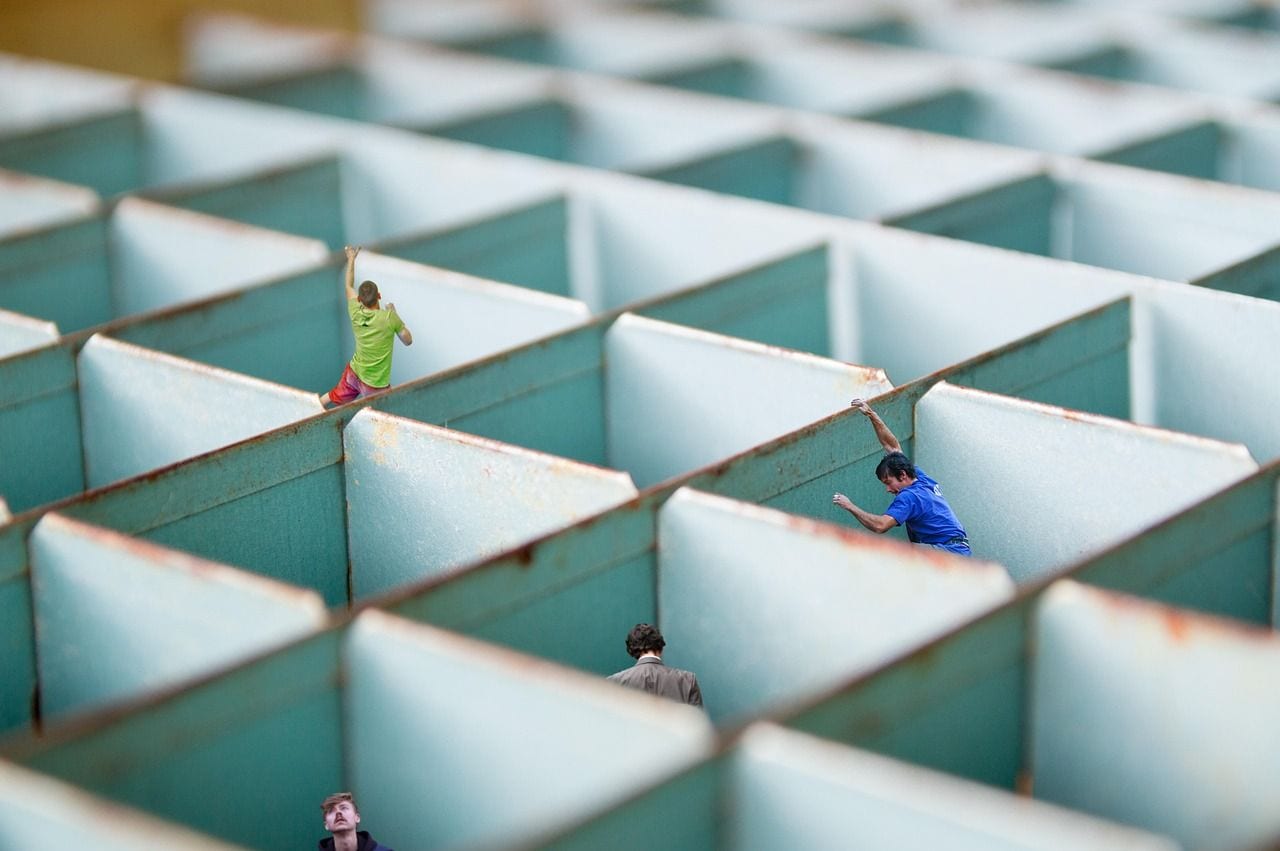
SOS Labyrinthe turns one of the Old Port's old warehouse sheds into a full-size indoor maze, with several kilometres of corridors, obstacles and dead ends arranged around a puzzle you work through as a team. It is aimed at families but tends to catch out adults just as often.
The warehouse setting is part of the appeal — you are moving through a genuine piece of port infrastructure rather than a purpose-built attraction. It is a reliable answer to a wet or bitterly cold afternoon on the waterfront, and it sits within a couple of minutes' walk of the science centre and the clock tower.
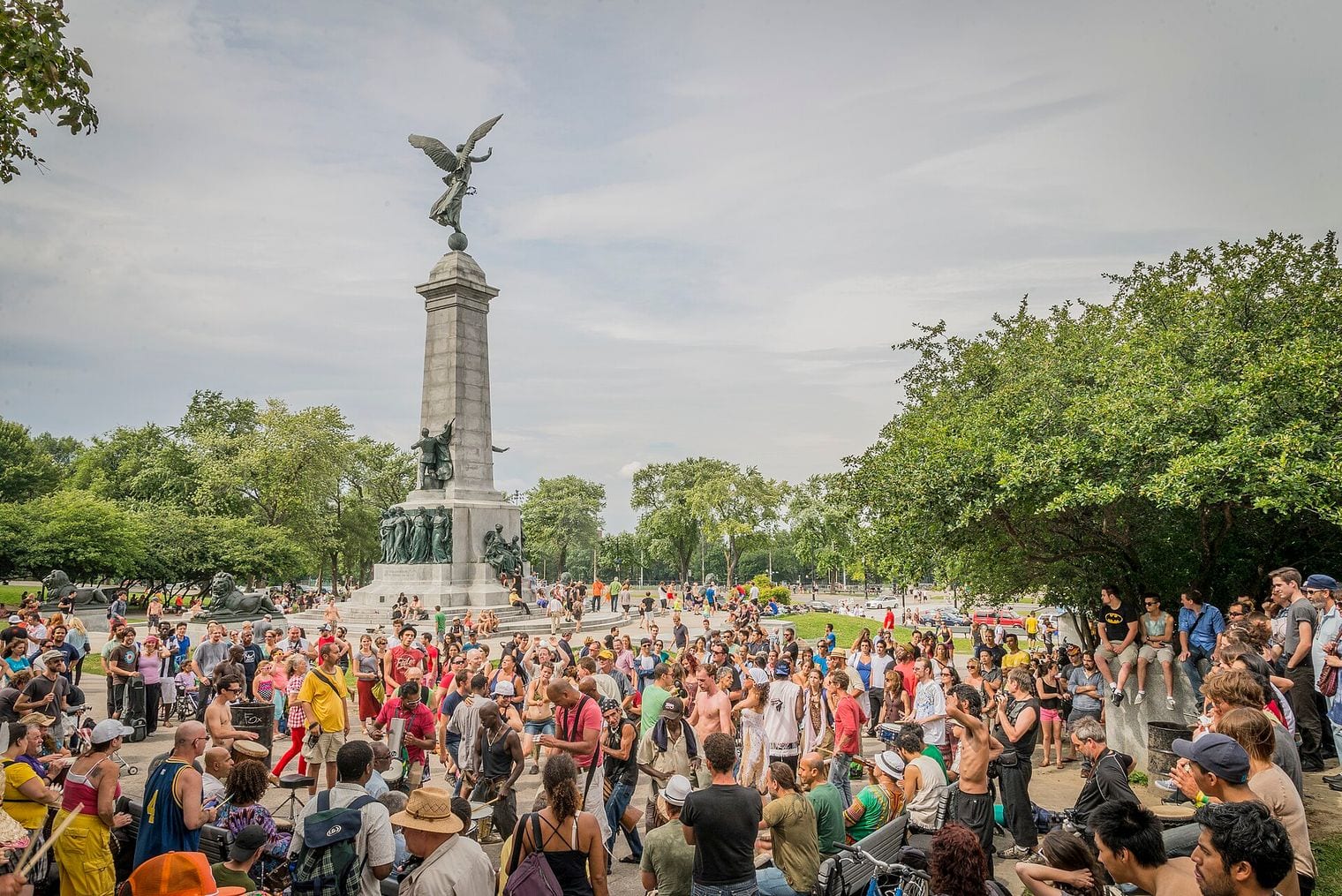
The Sir George-Étienne Cartier Monument stands on the eastern flank of Mount Royal, a tall column topped with a winged figure and flanked by bronze lions at the foot of the slope. It commemorates one of the architects of Canadian Confederation, and it is a fine piece of civic sculpture in its own right.
Its real significance now is as a gathering place. On summer Sundays the lawns around it fill with drum circles, dancers, vendors and picnic blankets in a long-running informal gathering that has become one of the city's signature scenes. Come in the afternoon, stay as long as the drumming holds up.
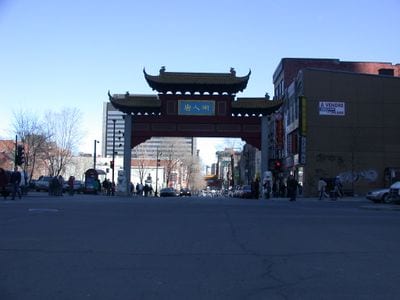
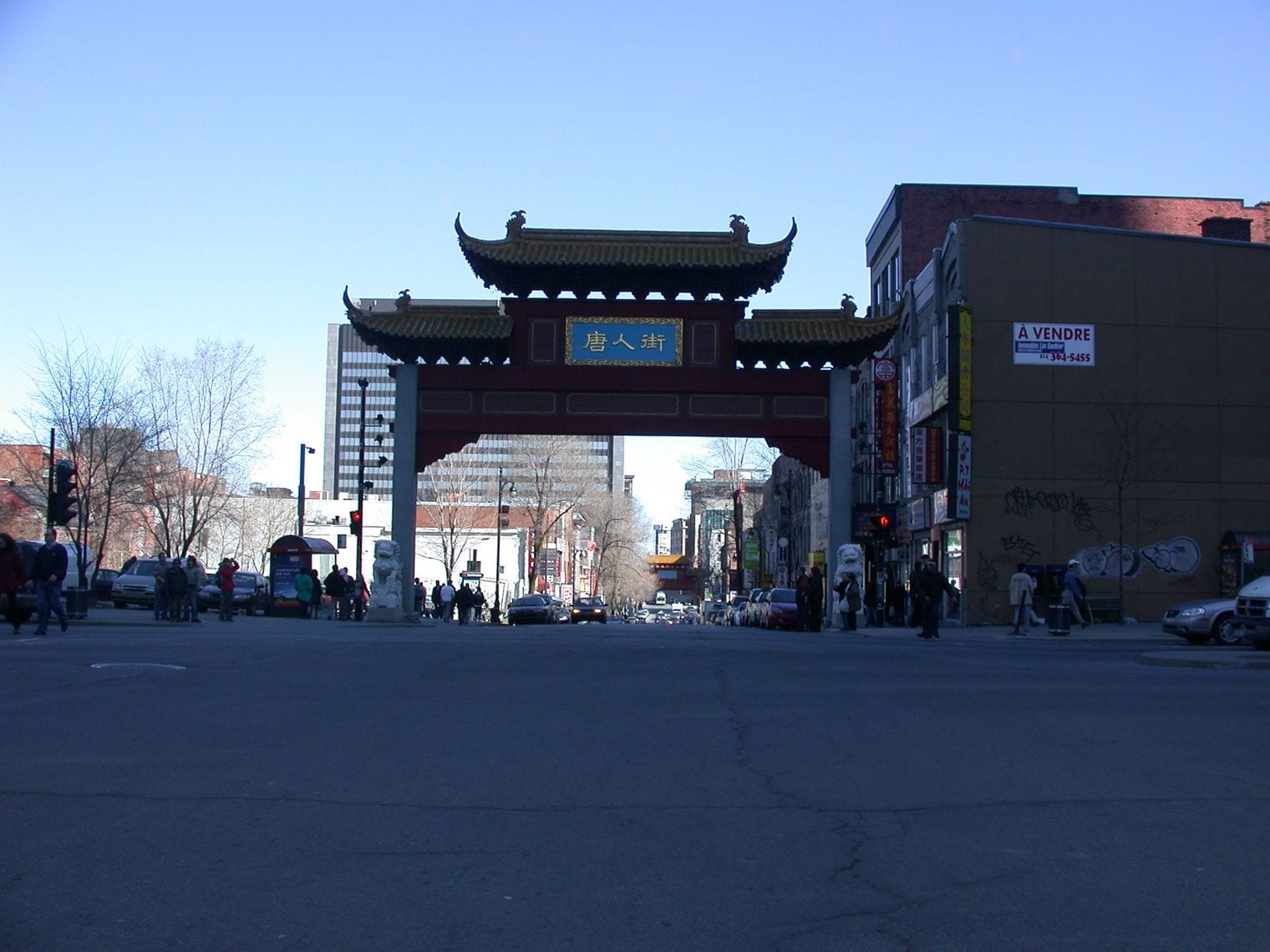
Montreal Chinatown is compact — a few blocks around a pedestrianised stretch of Rue de la Gauchetière, marked at each end by ornamental paifang gates. Within that small footprint there are bakeries, herbalists, grocers and a dense concentration of Cantonese, Sichuan and Vietnamese restaurants.
It is best treated as an eating destination and a short wander rather than a half-day: buy something from a bakery counter, look at the murals and the small park, and move on into the neighbouring Quartier des Spectacles. It sits directly between Old Montreal and downtown, so it is easy to pass through on the way between the two.
The Comedy Nest is a long-running downtown stand-up club, and it earns its place on a Montreal list because comedy is genuinely part of this city's identity — Montreal hosts one of the world's biggest comedy festivals, and the year-round club scene is what feeds it.
The room is small, the bill usually mixes touring headliners with local acts, and the anglophone scene here is strong enough that you will not be watching filler. Shows run most nights with weekend doubles. Book ahead for a Saturday, sit somewhere other than the front row unless you want to be part of the act.
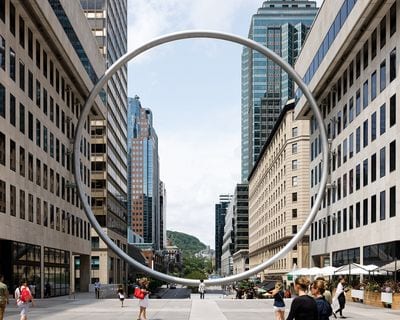
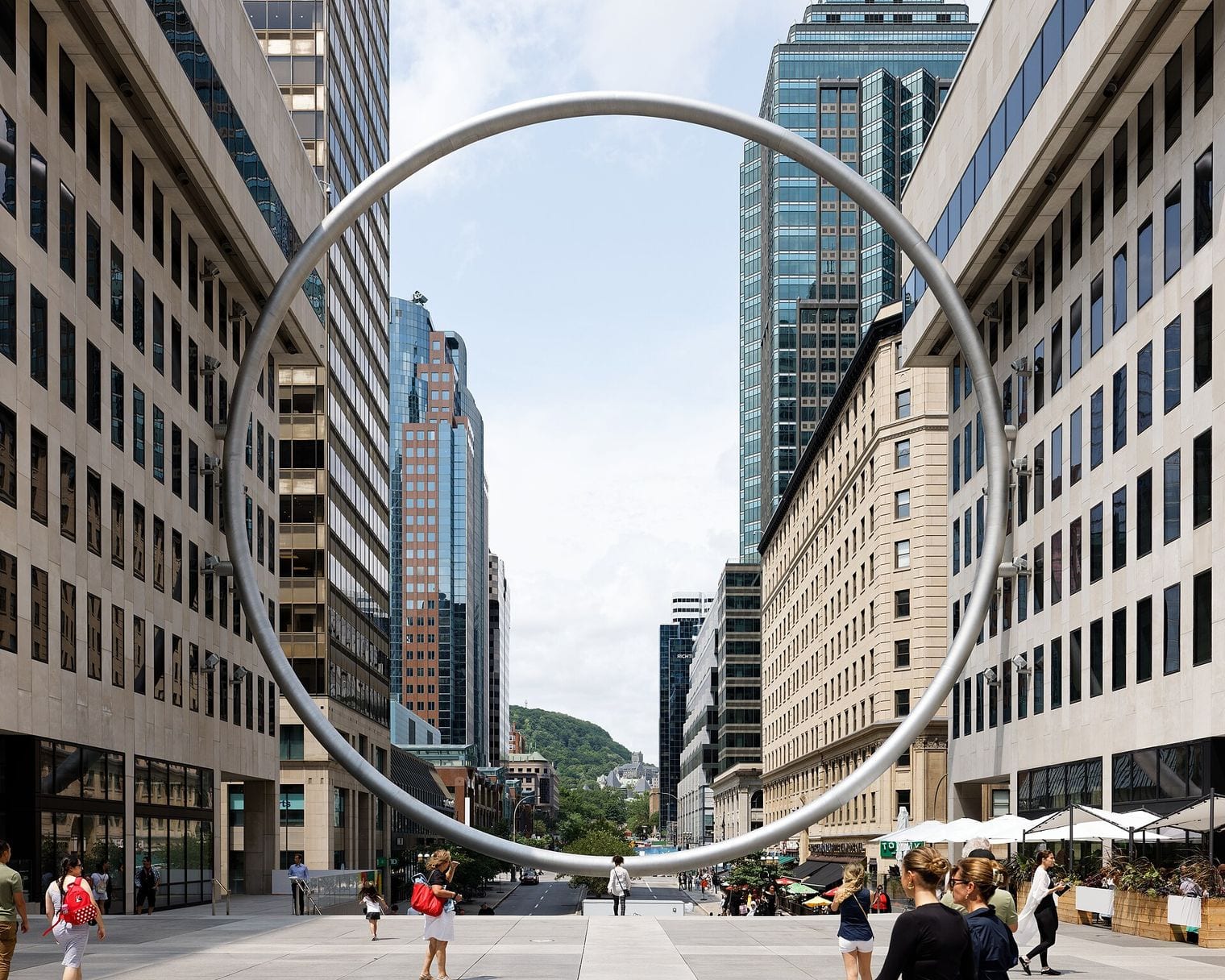
The Ring is a huge steel circle suspended above the plaza at Place Ville Marie, framing the view straight up Avenue McGill College to the mountain. It is a simple idea executed at a scale that works: walk under it and the city arranges itself into a picture.
It has become one of the most photographed spots downtown, and it is free, permanent and takes five minutes. The plaza beneath it has terraces and food counters, and the observation deck at the top of the tower behind is a separate paid attraction if you want the aerial version of the same view.
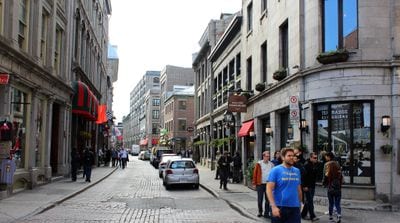
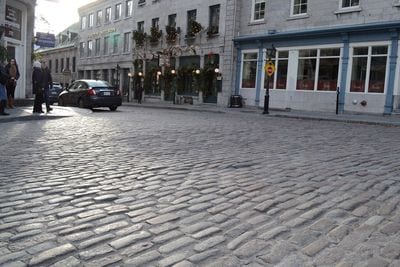
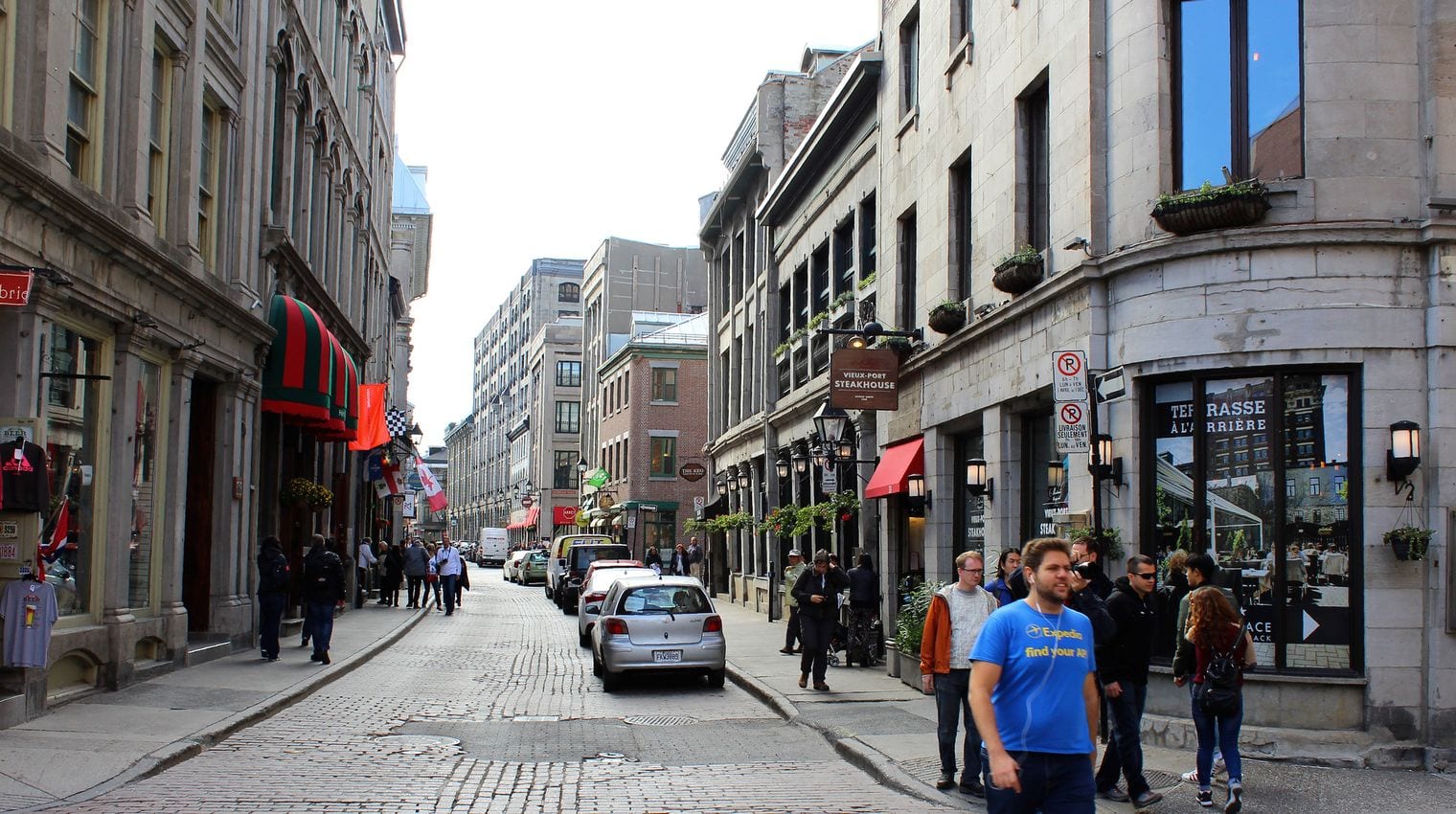
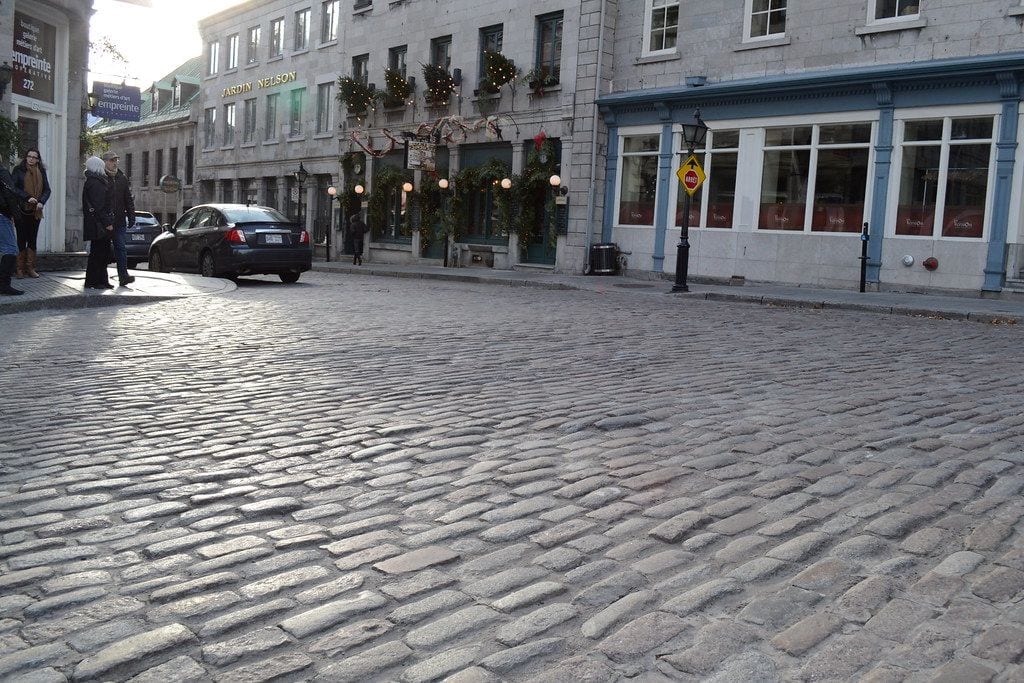
Old Montreal is the historic quarter the whole city grew out of, and it is the one district everybody should walk. Cobbled streets run between stone warehouses and nineteenth-century banks down to the waterfront, opening out at Place Jacques-Cartier, which slopes up from the port lined with terraces and street performers.
It is genuinely old rather than reconstructed, and the pleasure is in the wandering — Rue Saint-Paul, the alleys off it, the sudden squares. Go early in the morning if you want the streets to yourself, or after dark when the buildings are lit and a projected light trail plays across facades in several spots.
Bota Bota is a Nordic spa built into a converted ferry moored in the Old Port, which makes it the most Montreal spa experience available: hot and cold baths, saunas and steam rooms arranged over several decks, with the river outside the portholes.
The circuit follows the Scandinavian pattern — heat, then cold plunge, then rest, repeated — and much of it is outdoors, so the winter version, sitting in a hot bath in the snow with the port around you, is the one people talk about. There is a garden area on the quayside as well. Book ahead, especially at weekends.
The McCord Stewart Museum is the museum of Montreal itself — how the city was built, who lived in it, what they wore and how they were photographed. Its photographic archive is the standout, an enormous nineteenth-century studio collection that documents the city and the wider country in remarkable detail.
The costume and textile holdings are similarly deep, and the Indigenous cultures collection is presented with more care and more contemporary voice than in most institutions of this age. It sits on Sherbrooke Street opposite the McGill campus, a two-minute walk from the fine arts museum, so the pair make an easy combined afternoon.
The Rialto Theatre is a lavish 1920s picture palace on Avenue du Parc in Mile End, its exterior inspired by the Paris Opera House and its auditorium lavishly worked in plaster. It has been recognised as a National Historic Site, and stepping inside is the main event.
After years of uncertainty it now operates as a venue for concerts, film screenings, club nights and private events, so what is on varies considerably. Check the listings and go for whatever is running — the programme matters less than the room. It anchors a stretch of Mile End that is worth exploring on the same trip.
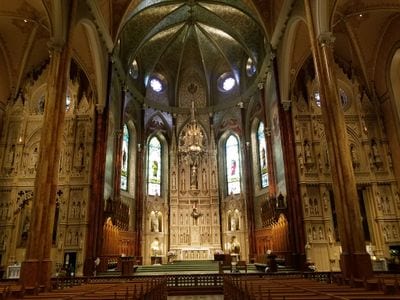
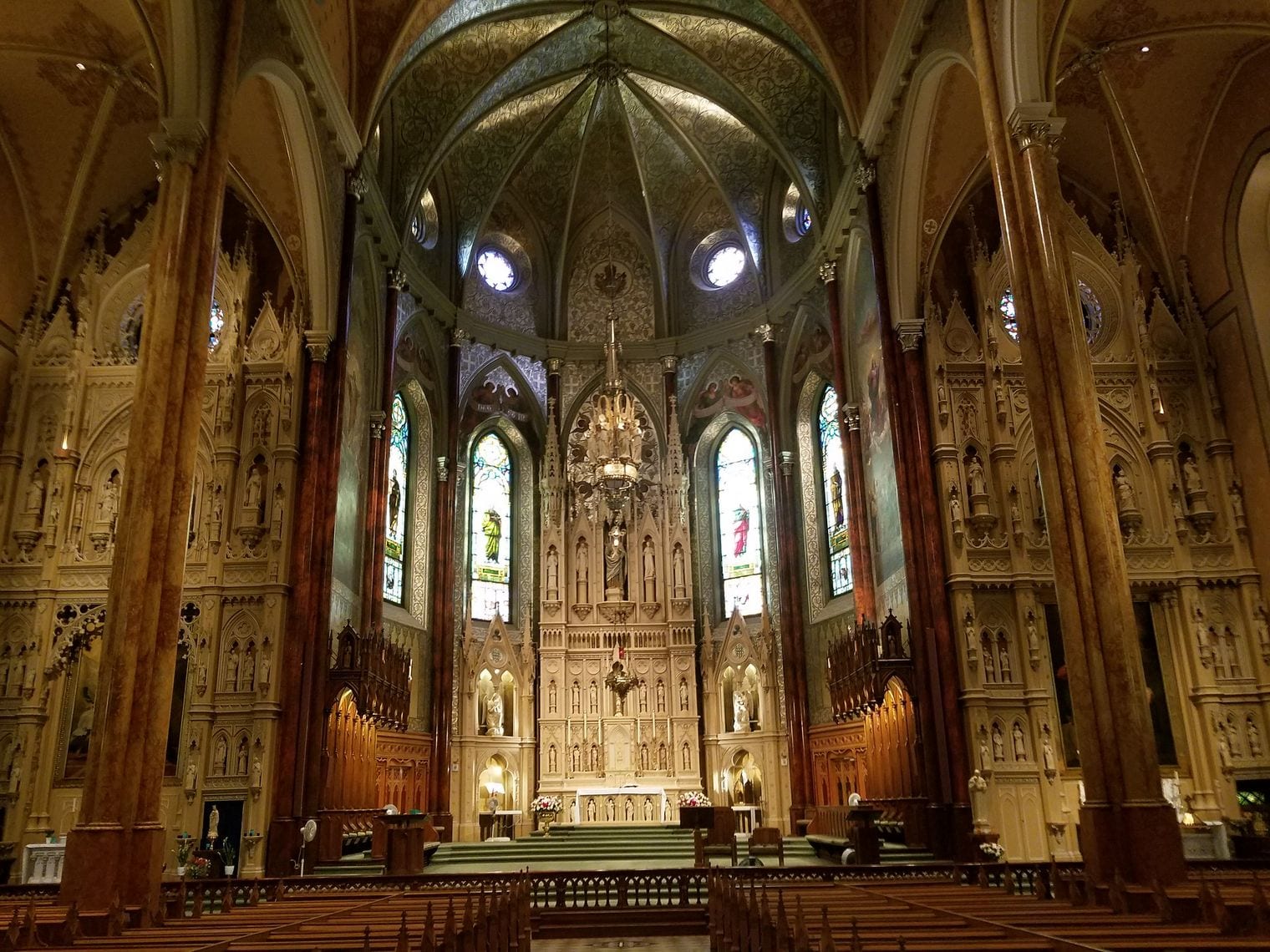
Saint Patrick's Basilica was built for Montreal's Irish Catholic community in the mid-nineteenth century, when Irish immigration was reshaping the city, and it remains the focal point of that community today. The Gothic Revival interior is tall, narrow and green-and-gold, with tall columns carved from white oak and painted to look like marble.
It is quieter and far less visited than Notre-Dame a few streets away, which is precisely its appeal — you can sit in it alone on a weekday morning. Look for the memorial plaques recording the parish's history and the names of the congregation. It stands just off René-Lévesque Boulevard in the middle of downtown.
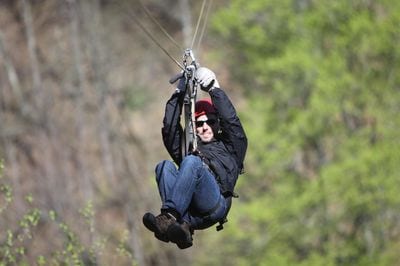
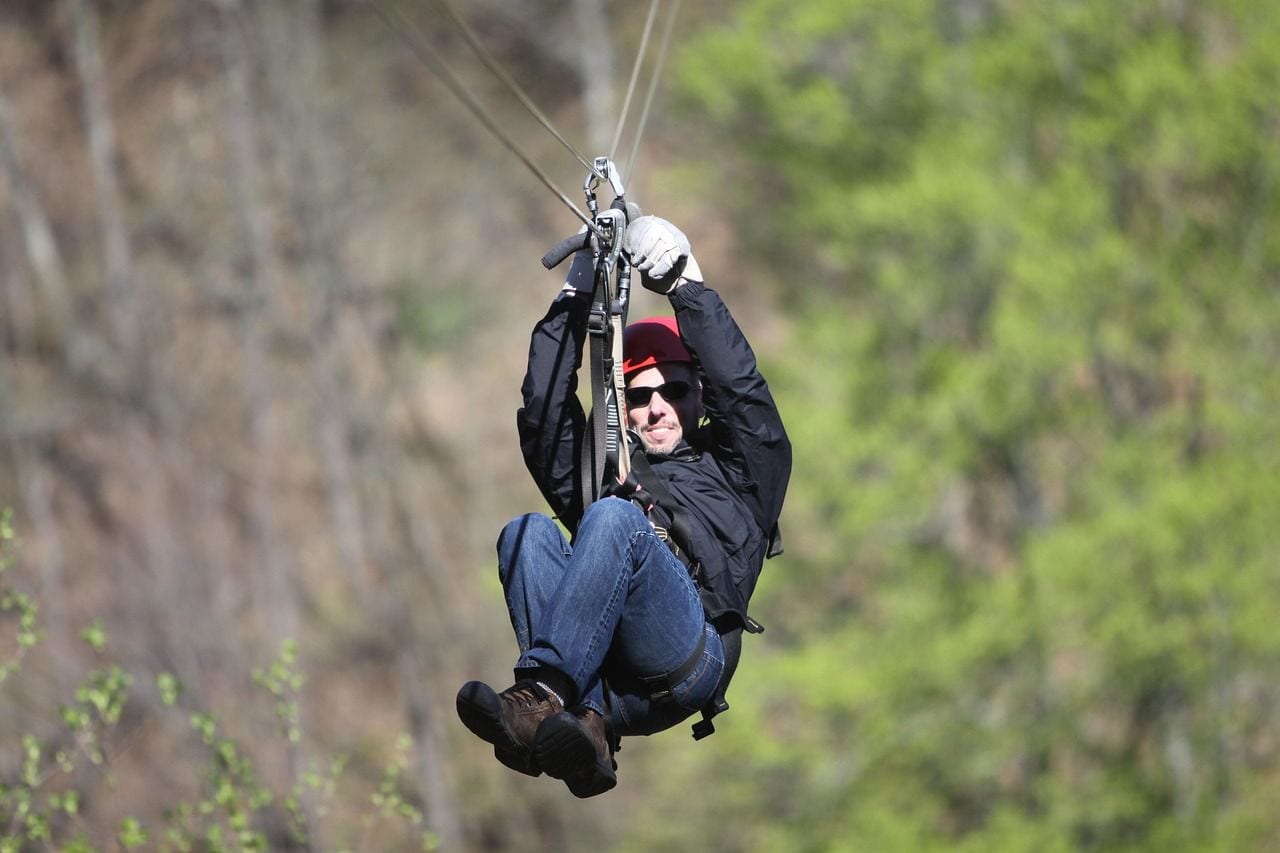
MTL Zipline runs a cable across the Old Port quays, launching from a tower and carrying you out over the water and the promenade below. It is short — this is a single ride rather than an afternoon — but the position is what sells it, with Old Montreal on one side and the river on the other.
It operates through the warmer months and appeals to anyone who wants a bit of adrenaline without leaving the city centre. There is a drop tower alongside it for the same audience. Both sit in the middle of the Old Port's cluster of activities, so it is easy to combine with a walk along the quays.
The Redpath Museum sits on the McGill University campus in one of the oldest purpose-built museum buildings in the country, and it has the wonderful cluttered density of a Victorian natural history collection: fossils and minerals, dinosaur material, zoological specimens and a small Egyptian and world-cultures holding, stacked around a galleried hall.
It is free, small enough to see properly in an hour, and almost never crowded. The building itself — a high top-lit hall wrapped in iron balconies — is as much the attraction as the cases. Combine it with a walk across the McGill campus, which climbs gently from Sherbrooke Street towards the mountain.
4444. Mount Royal Cross
Historical Landmark~1.8 km (1.1 miles) from centre
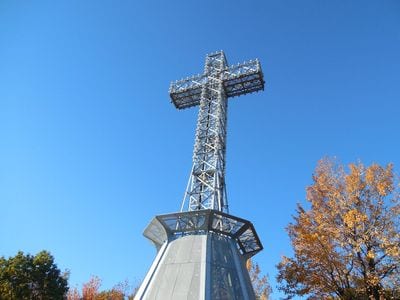
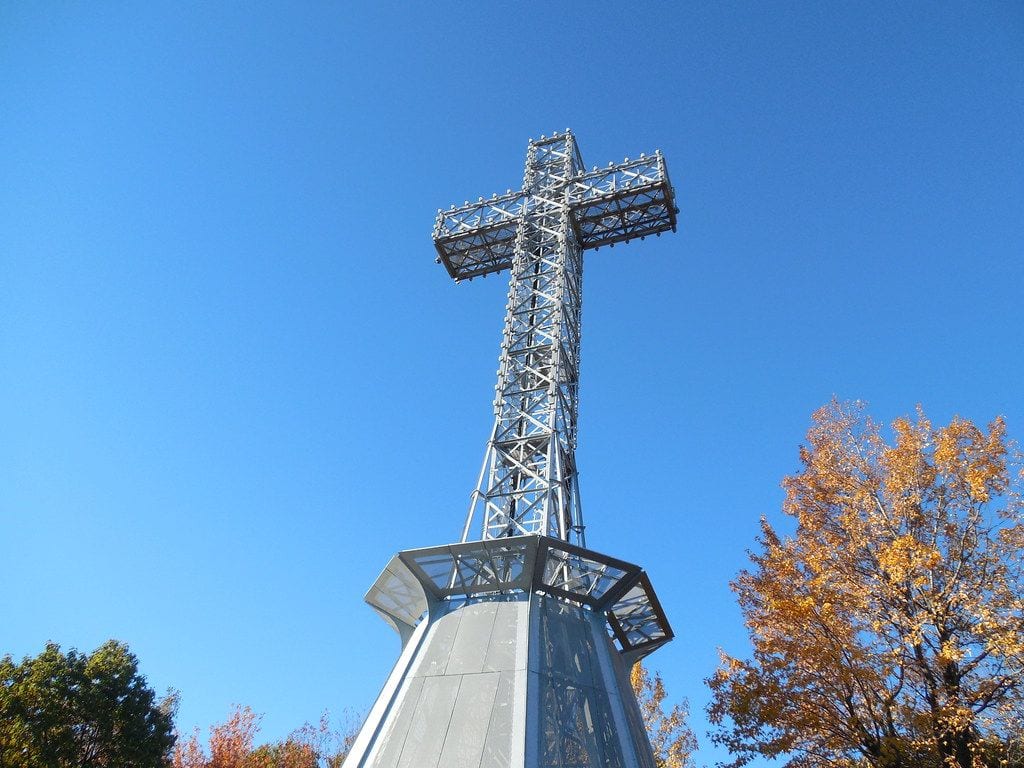
The Mount Royal Cross stands at the summit, a steel cross illuminated after dark and visible across much of the city. It commemorates a vow said to have been made by the settlement's founder, who promised to plant a cross on the mountain if the young colony survived a flood.
Up close it is simply a large piece of metalwork on a wooded summit, so the real reason to walk up is the approach: forest paths, the quiet at the top and the surrounding lookouts. It is genuinely worth seeing from a distance too — from the eastern belvedere, or from the streets of the Plateau at night.
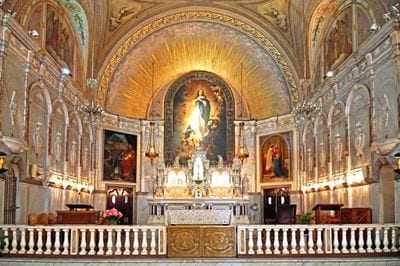
Notre-Dame-de-Bon-Secours Chapel is the sailors' church of Old Montreal, standing at the eastern end of Rue Saint-Paul with a statue of the Virgin on the roof facing out over the river with arms outstretched. Model ships hang from the ceiling inside, left as votive offerings by mariners.
It is one of the oldest churches in the city and connects to a small museum telling the story of its founder, a teaching sister who was among the earliest settlers. The best part is the climb: a narrow staircase leads to the tower and an outdoor gallery with a fine view over the Old Port.
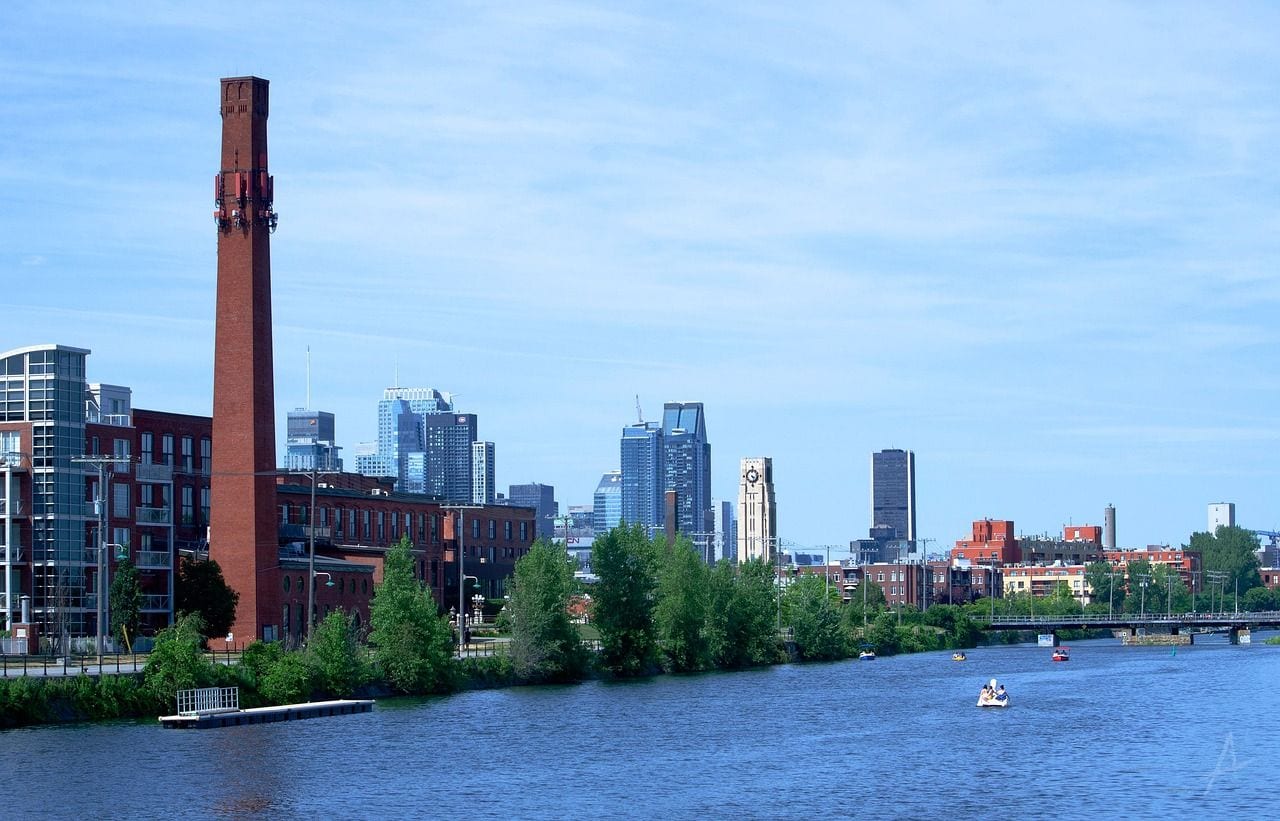
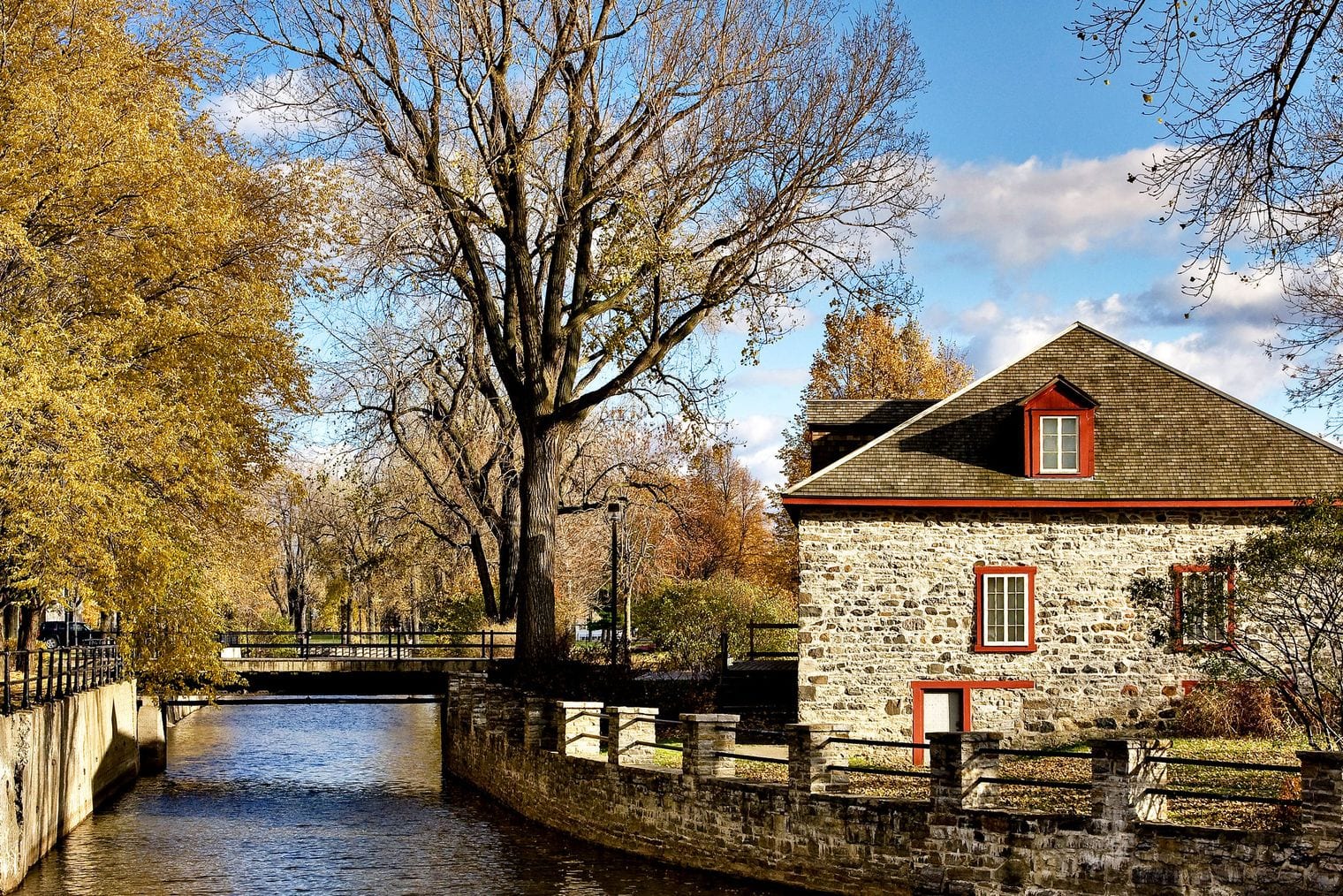
The Lachine Canal was cut in the nineteenth century to bypass the rapids upstream, and the industry that grew along its banks effectively built industrial Montreal. It closed to commercial shipping, fell derelict, and has since been reopened as one of the best linear parks in any Canadian city.
A paved path runs the length of it from the Old Port out to Lachine, passing converted factories, working locks and Atwater Market on the way. It is the city's favourite cycling route, and bike hire is easy at either end. You can also paddle it, or simply walk a stretch and turn back at the market.
OASIS Immersion is a digital art venue in the basement of the convention centre, where enormous rooms are wrapped floor to ceiling in projection and sound. Exhibitions rotate, so what you see changes, but the format is consistent: you walk through and sit inside the artwork rather than looking at it on a wall.
It is a good rainy-day option and a genuinely different kind of gallery experience, particularly for anyone travelling with teenagers who have run out of patience for cabinets. It sits on the edge of Chinatown and Old Montreal, so it slots easily between the two, and the space is large enough to absorb a crowd.
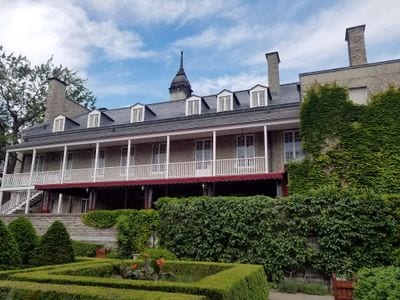
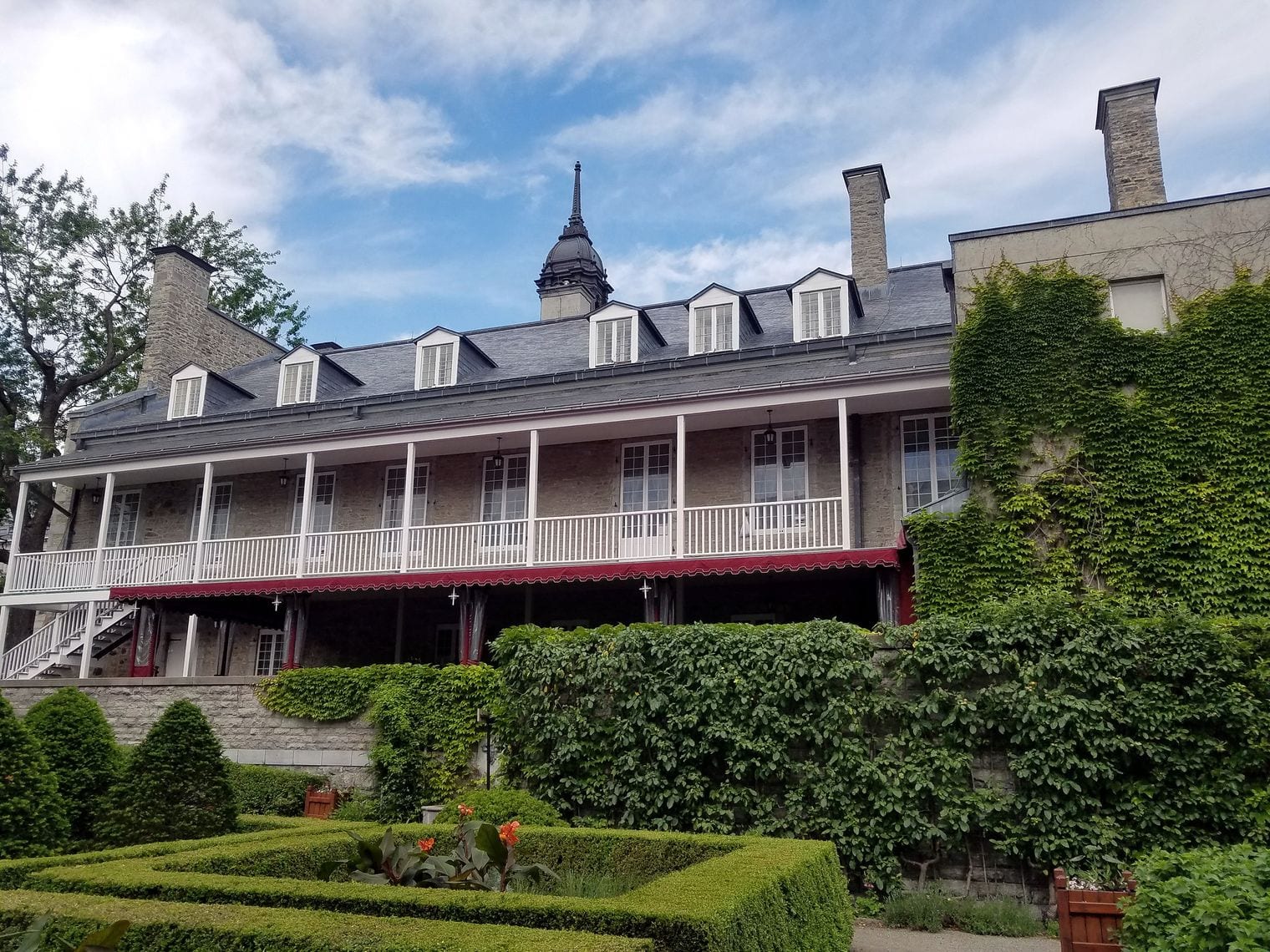
Château Ramezay is an eighteenth-century stone residence built for a governor of Montreal, standing directly opposite the modern city hall in Old Montreal. It has served as a governor's house, a trading company headquarters and a courthouse, and it became one of the first buildings in Quebec to be classified as a historic monument.
The interior is furnished as a museum of Montreal and Quebec under the French and British regimes, with period rooms and a good collection of everyday objects. Behind it, the Governor's Garden recreates an eighteenth-century kitchen and ornamental garden — a small, quiet, walled space that most visitors walk straight past.
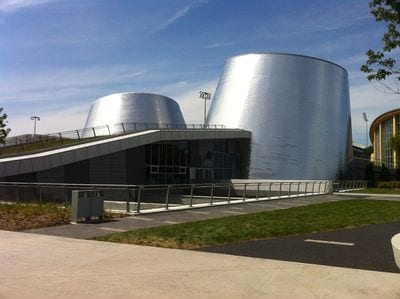
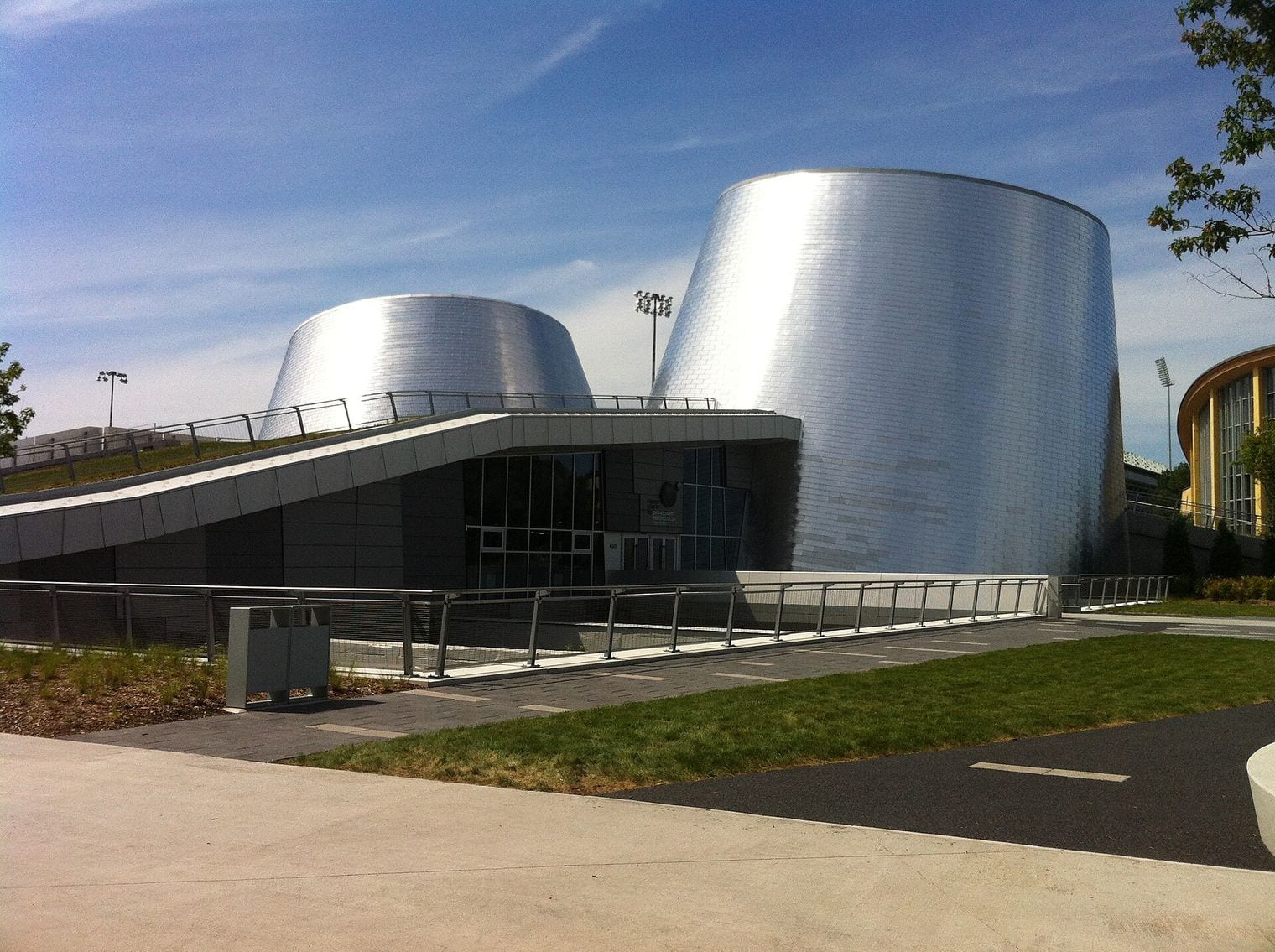
The Rio Tinto Alcan Planetarium sits within Olympic Park as part of the same museum group as the Biodome and the botanical garden. It has two domed theatres rather than one, and they are used quite differently — one for astronomy in the traditional sense, the other for immersive, more artistic productions.
The building is worth a look in itself, a pair of aluminium cones half-buried in the ground. Shows are scheduled through the day and are suitable for children without being written down to them. Combining it with the Biodome next door makes for a straightforward, weather-proof day at the eastern end of the city.
The Canadian Centre for Architecture is a museum and research institution devoted to architecture and the built environment, and it operates at an international level — its exhibitions and its collection of drawings, models and archives draw scholars from around the world.
The building wraps around the Shaughnessy House, a grand Victorian mansion preserved inside the modern structure, and there is a sculpture garden across the road overlooking the expressway. Exhibitions are rigorous and often demanding rather than crowd-pleasing, which is exactly why it is worth the detour if buildings interest you. It sits on the edge of downtown near Griffintown.
Plan your trip
Best Time to Visit Montreal
Late spring and early autumn are the sweet spots. May and June bring the terraces out and the city green again without the deep humidity of high summer, while September and early October give warm days, cool evenings and real colour on the mountain. Both shoulder seasons are comfortable for the amount of walking a Montreal trip involves.
Summer is festival season and the busiest, liveliest time to be here, with the downtown entertainment district closed to traffic for weeks at a stretch — expect heat, humidity and crowds along with it. Winter is genuinely cold and snowy, and it is not the compromise it sounds: the skating rinks open, the underground network comes into its own, and the city puts on light and winter festivals to get through it.
Getting to Montreal
Montréal–Trudeau International Airport sits about twenty minutes west of downtown and is the main gateway, with direct flights from across North America and Europe. A dedicated express bus runs into the centre, and taxis and rideshares work on a flat-rate zone to downtown. Trains arrive at the city's central station beneath downtown, which handles both domestic services and the cross-border route down the Hudson Valley to New York.
Driving, Autoroute 20 and Autoroute 40 cross the island east to west and Autoroute 15 runs north to south. Coming from the United States, Interstate 87 out of New York State becomes Autoroute 15 at the border, and Interstate 89 through Vermont feeds in from the southeast — both roughly an hour and a half to two hours from the frontier. Long-distance coaches use the bus terminal beside the Quartier Latin.
Getting Around Montreal
You do not need a car. The metro is four colour-coded lines, clean and quick, and it reaches almost everything in this guide including the Olympic Park in the east and the islands in the river. Buses fill in the gaps, and a single fare card covers both. Parking downtown is scarce and expensive enough that a car is usually a liability rather than an asset.
Beyond that, Montreal is a walking city. Old Montreal, downtown, the Quartier des Spectacles and the Plateau all connect on foot, and the bike-share network is extensive and genuinely useful in the warmer months — the protected lanes and the canal path make it one of the better cities in North America to ride in. In deep winter, the underground pedestrian network lets you cross much of the centre without a coat.
Where to Stay in Montreal
Old Montreal is the atmospheric choice: stone streets, the waterfront on your doorstep and most of the historic sights within a few minutes' walk. It is quieter at night than downtown and suits a short first visit. Downtown, around the Quartier des Spectacles and Sainte-Catherine Street, is the practical base — the best metro connections, the shopping, the arena and the festival grounds, and the underground network beneath you when the weather turns.
For a more local stay, the Plateau-Mont-Royal puts you among the spiral staircases, terraces and restaurants, a short walk or one metro stop from the centre. Mile End, just north of it, is quieter and more bohemian, and it is the neighbourhood for bagels and independent shops. Griffintown, southwest of downtown by the canal, is the newest of these districts and handy for cyclists.
Where to Eat in Montreal
Three things define eating here. Montreal bagels are hand-rolled, boiled in honey-sweetened water and baked in wood-fired ovens, which makes them denser and sweeter than the New York kind — Mile End is where to settle the argument between the two famous bakeries. Smoked meat, piled on rye, is the other institution, and poutine — chips, cheese curds and gravy — is everywhere from late-night counters to serious kitchens.
By district: Little Italy around Jean-Talon Market for espresso, delis and pasta; Mile End for bagels, delis and cafés; the Plateau along Saint-Denis and Avenue du Mont-Royal for terraces and bistros; Chinatown for Cantonese, Sichuan and Vietnamese; and Notre-Dame West in Saint-Henri for the newer end of the scene. The public markets are the cheapest good lunch in the city, and Quebec cheese and maple products are worth carrying home.
Day Trips from Montreal
Quebec City is about two and a half hours northeast and is the obvious overnight rather than day trip — the only walled city north of Mexico, and worth more than a single afternoon. Closer in, Mont-Tremblant and the Laurentians are roughly an hour and a half northwest for hiking, lakes and autumn colour, while the Eastern Townships southeast of the city are wine country, covered bridges and gentle hills. Ottawa, the national capital, is around two hours west.
The border is closer than most visitors expect. Vermont begins about an hour and a half south on Autoroute 15 and Interstate 89, which makes a New England add-on easy: South Burlington sits on the shore of Lake Champlain with the Adirondacks across the water, and Stowe is the classic Green Mountain village, at its best for autumn foliage and winter skiing. Both are comfortable day trips, and better as an overnight.
Before you go
Mobile dataAn eSIM gives your phone local data when you land, with no SIM card to swap.via AiraloGet an eSIM
Airport transferA driver meets you at arrivals and takes you to your hotel, at a price fixed when you book.via Welcome PickupsBook a transfer
We may earn a commission when you buy through these links, at no extra cost to you. How we make money.
Duck into Pointe-à-Callière Museum to see the excavated foundations the city was built on, then take the metro up towards the mountain. Climb through Mount Royal Park to the Kondiaronk Belvedere, which gives you the whole downtown laid out below with the river behind it — the single best half hour in the city.
Come down the eastern slope into the Plateau for dinner along Saint-Denis or Avenue du Mont-Royal, then finish in the Quartier des Spectacles around Place des Arts, where the plazas, fountains and light installations run late. If you would rather end high than late, the observation deck at Place Ville Marie looks back over everything you walked.
Montreal is best known for being the largest French-speaking city in the Americas, and for the mix that comes with it — European-feeling old streets in a North American city. Its signature sights are Notre-Dame Basilica, the Old Port along the St Lawrence, Saint Joseph's Oratory, Mount Royal Park and Jean-Talon Market, plus a food culture built on bagels, smoked meat and poutine.
How many days do you need in Montreal?
Three days is the sweet spot. One covers Old Montreal, the basilica and the Old Port; a second takes in Mount Royal, the lookouts and the downtown museums; a third reaches the markets, the Plateau and the Olympic Park in the east. Two days will cover the essentials at a brisker pace, and a fourth lets you add a day trip.
Is Montreal worth visiting?
Yes, and particularly for travellers who want the feel of a European city without crossing the Atlantic. Montreal combines four centuries of architecture, one of the strongest food scenes in North America, a mountain park in the middle of town and a dense festival calendar. It is also compact and walkable, which means a short trip here delivers more than in most cities its size.
What can you do in Montreal for free?
Plenty. Mount Royal Park, both of its belvederes and the summit cross cost nothing, as does walking Old Montreal, Chinatown and the Lachine Canal towpath. The Barbie Expo, the Redpath Museum, the exhibition galleries of the Grande Bibliothèque and The Ring sculpture at Place Ville Marie are all free, and the public markets cost only what you choose to eat.
Do you need to speak French in Montreal?
No. Montreal is a working bilingual city, and staff in hotels, restaurants, museums and shops in the central districts will switch to English readily. Signage is predominantly French, so a few words help with menus and directions, and opening with a bonjour is appreciated. Outside the city, in rural Quebec, English is less widely spoken.