We may earn a commission if you book or buy through a link on
this page, at no extra cost to you. It never affects which places we list or how
we rank them (how we make money).
Short answer
Toronto's three essentials are the CN Tower, the 553-metre silhouette every visitor can name, Casa Loma, a full Gothic Revival castle with towers, stables and secret tunnels, and St. Lawrence Market, a working public market trading for over two centuries. Three days covers the core comfortably: one for the waterfront and the tower, one for the museums and downtown squares, one for the neighbourhoods and the islands.
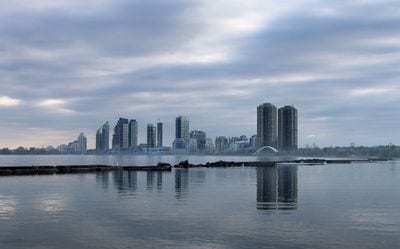
Toronto sets a glass-and-steel downtown against a lakeshore of islands and sand, then fills the blocks between with the most polyglot street food in Canada. It is a city of neighbourhoods more than monuments: a Victorian distillery turned pedestrian quarter here, a market that has traded for two centuries there, all of it stitched together by streetcars.
This guide covers 30 of the best things to do in Toronto, from a glass floor 342 metres up to a ferry ride to car-free islands. Three or four days covers the core comfortably.
Toronto has the largest underground shopping complex in the world — the PATH, recognised by Guinness World Records, threads roughly 30 kilometres of climate-controlled walkway and more than 1,200 shopfronts beneath the financial district.
The city's name comes from tkaronto, a Mohawk word usually translated as "where there are trees standing in the water", describing fishing weirs driven into the narrows north of the modern city.
Toronto was called York until 1834, when it was incorporated as a city and took its present name — partly, according to the debate of the day, because "Toronto" simply sounded better.
It has the largest ravine system of any city in the world, a branching network of wooded valleys left behind when the glaciers retreated around 12,000 years ago, and now protected by its own city bylaw.
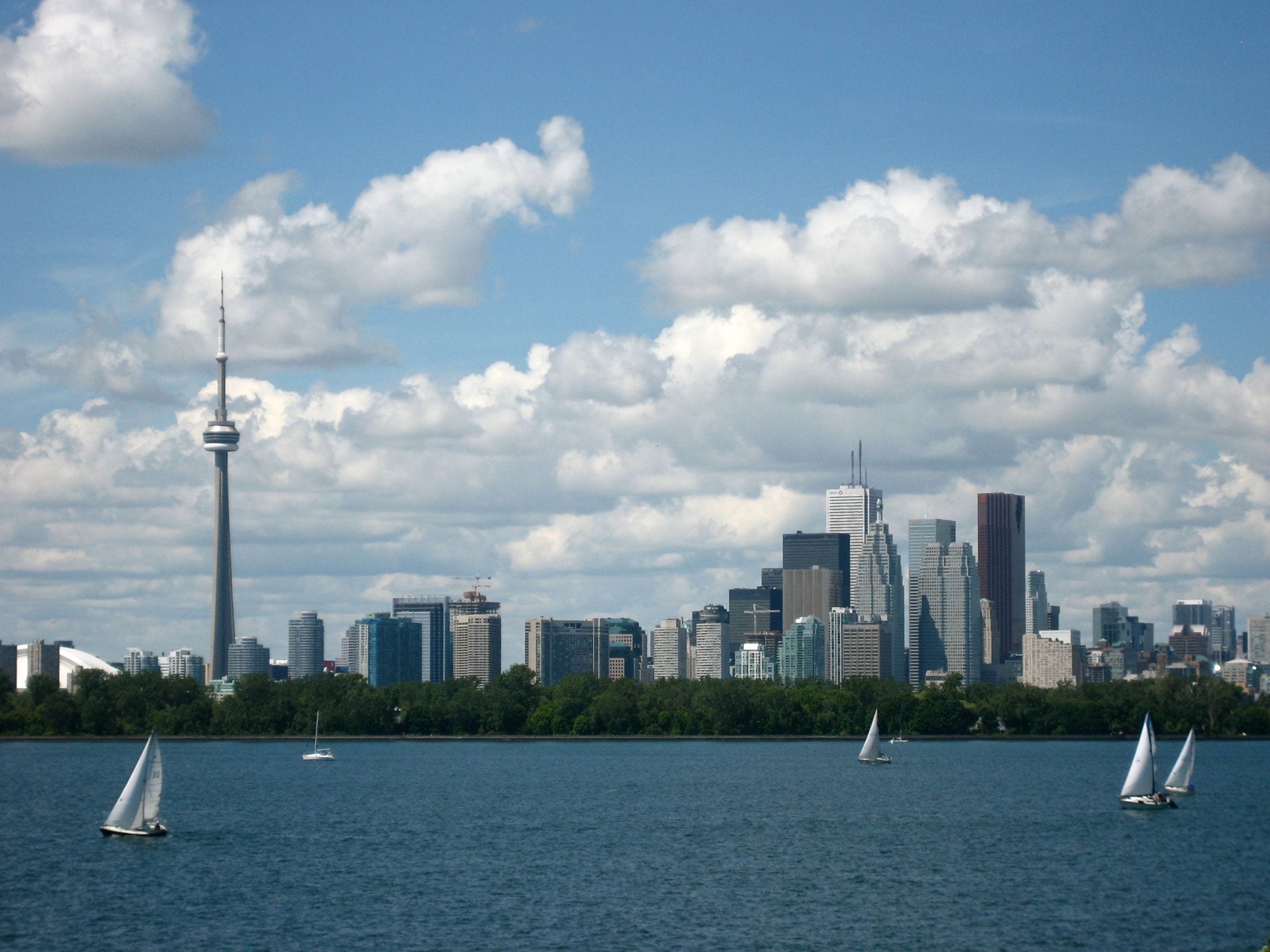
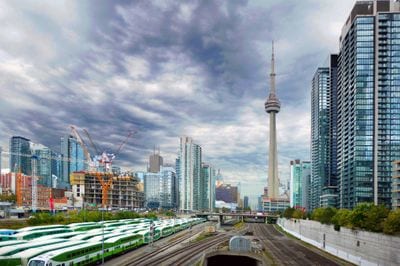
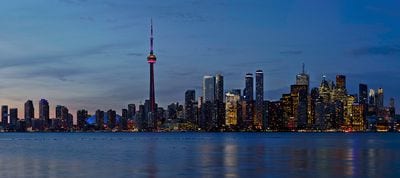
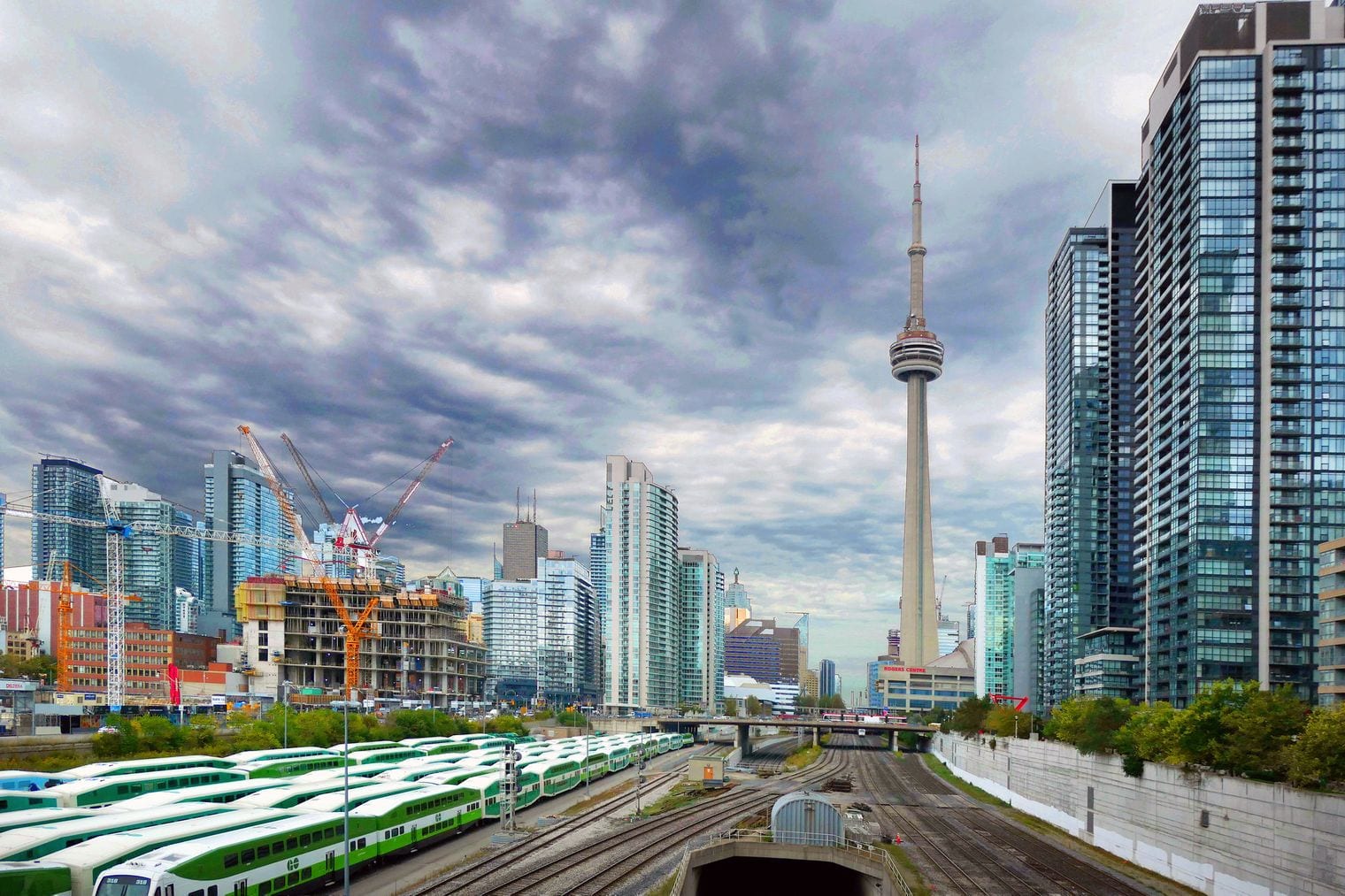
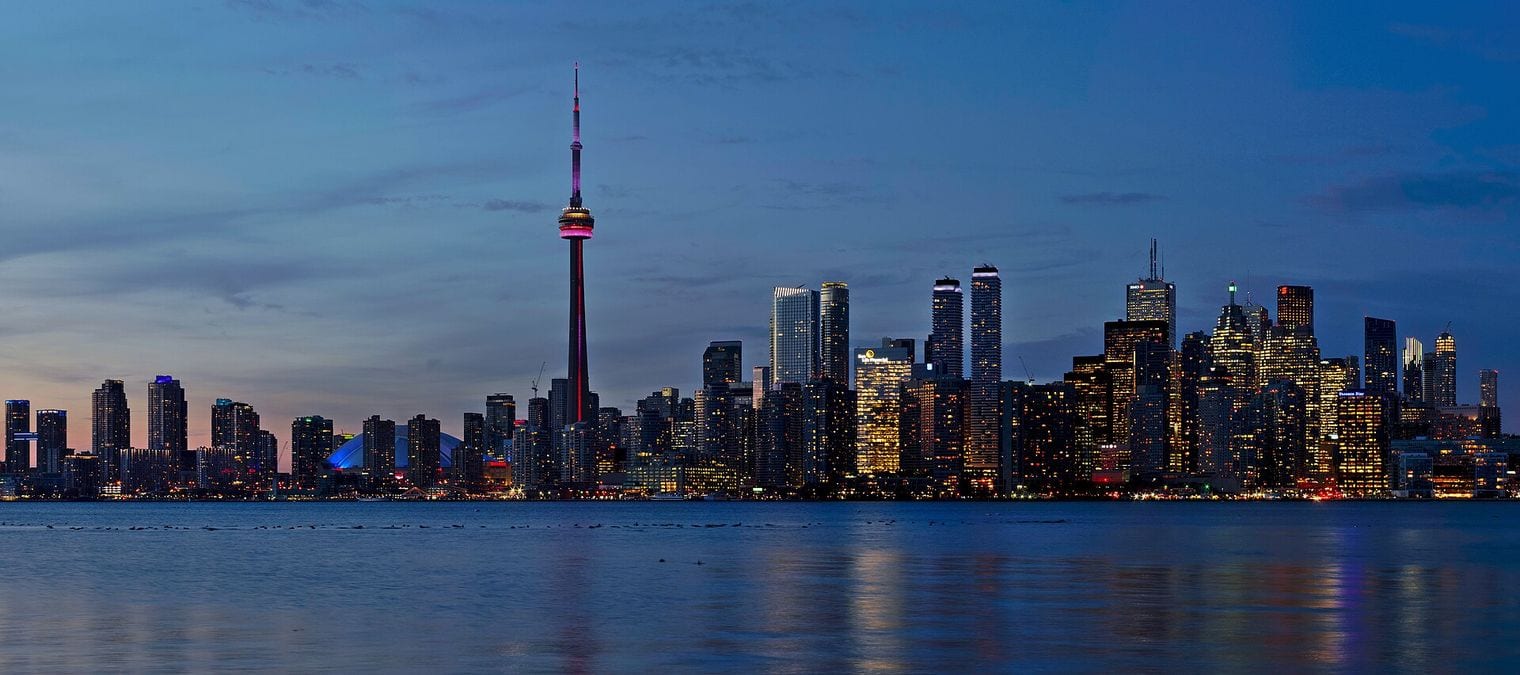
Nothing else announces Toronto like the CN Tower. The 553-metre concrete spire held the title of world's tallest free-standing structure for 32 years from its completion in 1975, until Dubai's Burj Khalifa passed it in 2007, and it still anchors every photograph of the skyline. The LookOut level puts you 346 metres above the city, and the Glass Floor one storey below invites you to stand on a transparent panel and watch the streetcars crawl beneath your shoes.
Go up on a clear day and the view runs past the Toronto Islands to the far shore of Lake Ontario. The revolving 360 Restaurant makes a full turn roughly every 72 minutes, and the seasonal EdgeWalk sends harnessed visitors out onto a ledge circling the main pod with nothing but a tether between them and open air. Book the timed entry ahead in summer; the queue is the only genuinely unpleasant part.
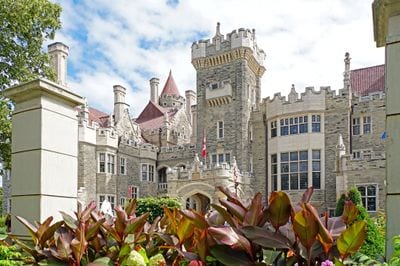
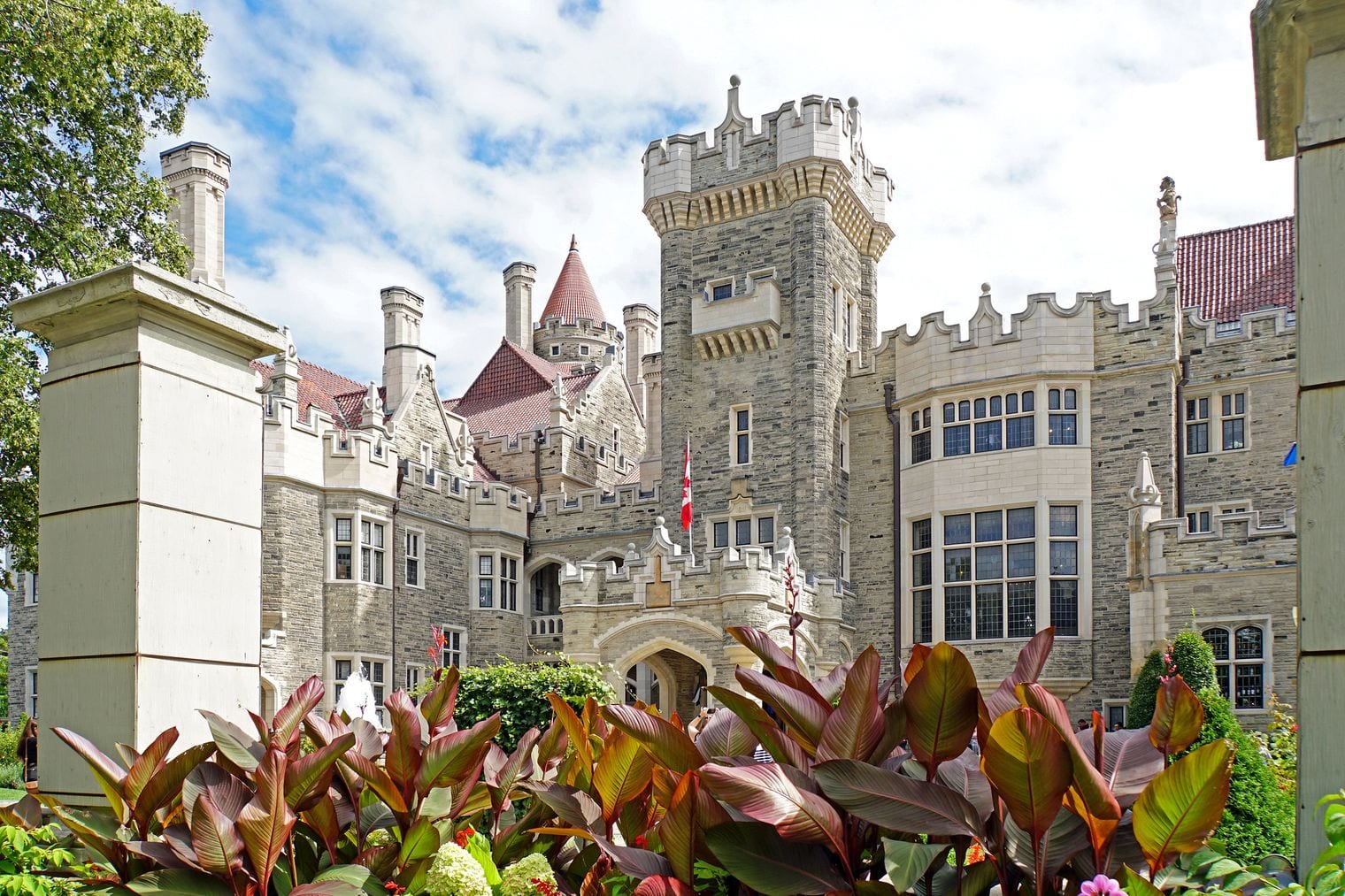
A Gothic Revival castle sitting on a ridge above midtown is not what most visitors expect from Toronto, which is precisely why Casa Loma is worth the climb. Financier Sir Henry Pellatt commissioned architect E. J. Lennox to build it between 1911 and 1914, and the result runs to towers, turrets, oak-panelled halls and a conservatory under a stained-glass dome. Pellatt lost the fortune that paid for it within a decade, and the city eventually took the house over.
The self-guided route takes in the suites, the second-floor bedrooms and two very different towers, one enclosed and one open to the wind. Underneath, a long tunnel runs beneath the road to the stables and carriage room, where the horses were housed better than many people of the era. The terraced gardens open in the warmer months and are the best place to sit and look back at the skyline.
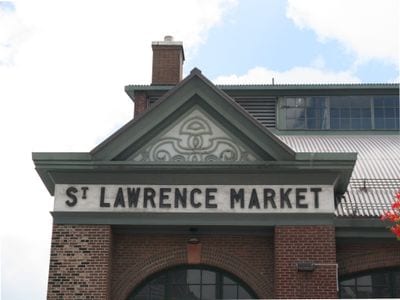
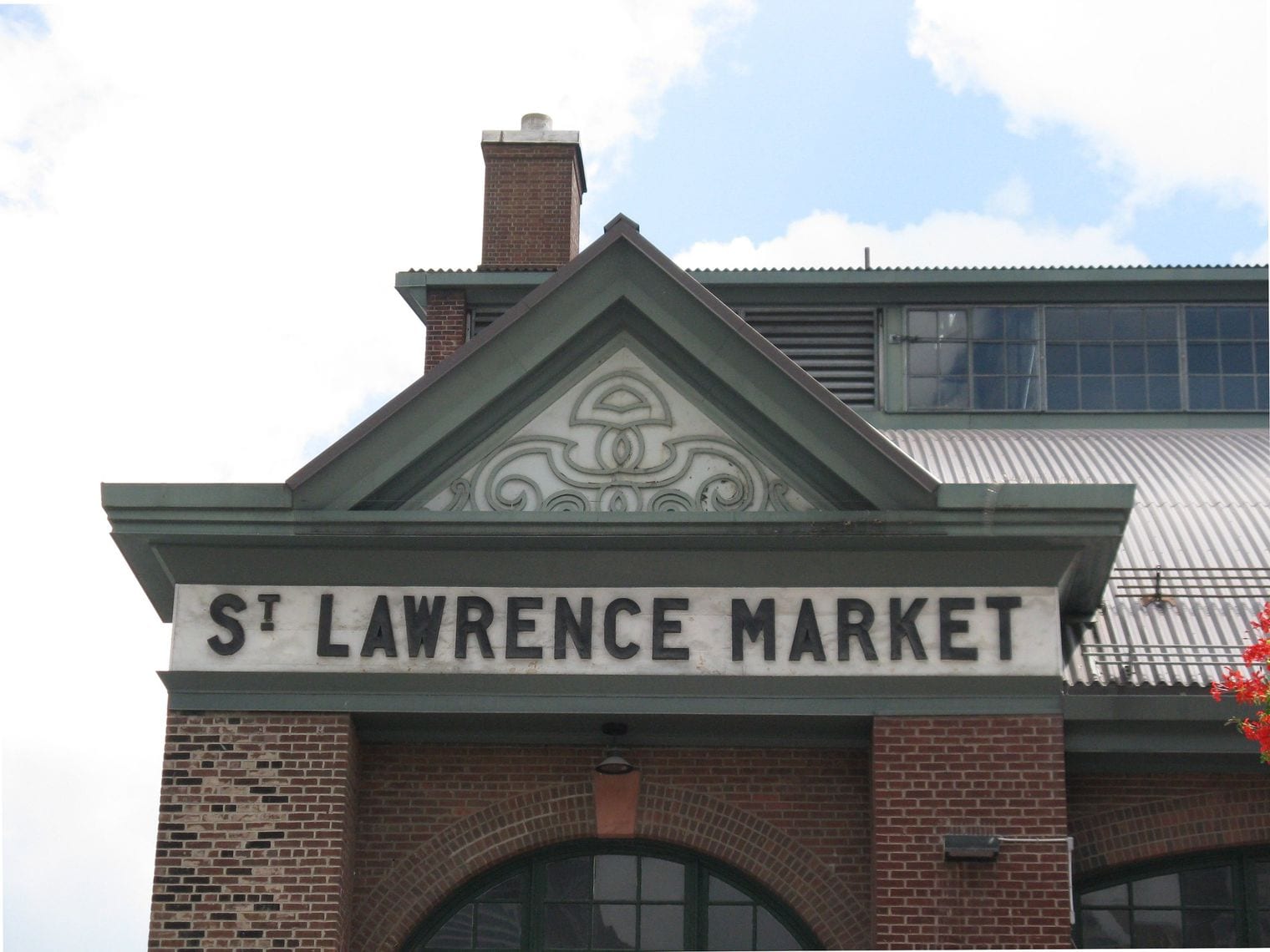
St. Lawrence Market has traded on this corner of Front and Jarvis since the early 1800s, and its South Market building still does the job daily. Below the vaulted roof, more than a hundred vendors sell Ontario cheese, cured meat, seafood, produce and baking, and the upper gallery holds the city's collection of market and civic history. It is a working food hall rather than a tourist set-piece, busiest on a Saturday morning.
The thing to eat is the peameal bacon sandwich, cornmeal-crusted back bacon piled into a soft bun, which has become an unofficial dish of the city. Come hungry, do a full circuit before committing, and take whatever you buy across to the benches outside. The North Market hosts a farmers' market that has run since 1803, and the whole complex is recognised as a National Historic Site of Canada.
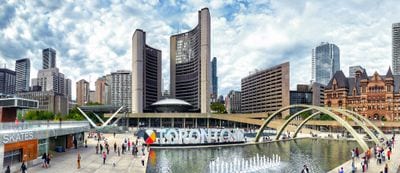
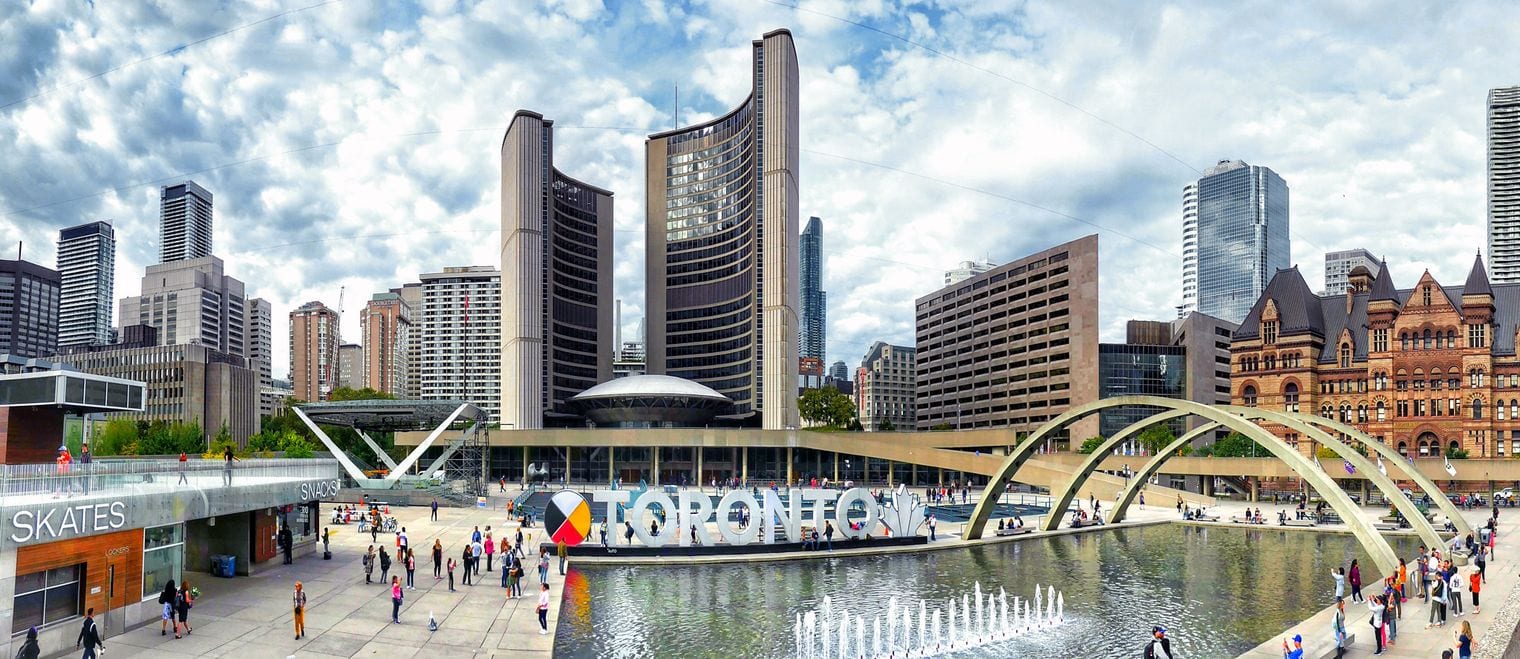
Nathan Phillips Square is Toronto's civic living room, and it sits in front of a building that still looks like the future. Finnish architect Viljo Revell won an international competition for New City Hall, which opened in 1965 as two curved towers of different heights cupping a saucer-shaped council chamber between them. Stand in the square and the whole composition reads as one gesture rather than three separate pieces.
The square in front carries the illuminated TORONTO sign, installed for the 2015 Pan American Games and now the city's most photographed object. A reflecting pool spans the middle, crossed by concrete arches and frozen into a free public skating rink each winter. Henry Moore's bronze Three Way Piece No. 2 stands at the edge, and the Peace Garden occupies a quieter corner. Markets, protests and festivals rotate through the space year-round.
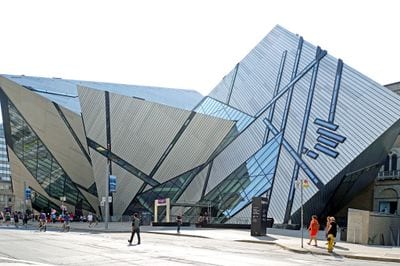
The Royal Ontario Museum is the largest museum in Canada, and it collects both natural history and world cultures under one roof rather than splitting them across two institutions. Opened in 1914, it holds dinosaur skeletons, an extensive Chinese collection including temple art and a full Ming tomb complex, Egyptian material, and galleries of minerals and meteorites. Two or three hours barely covers a third of it.
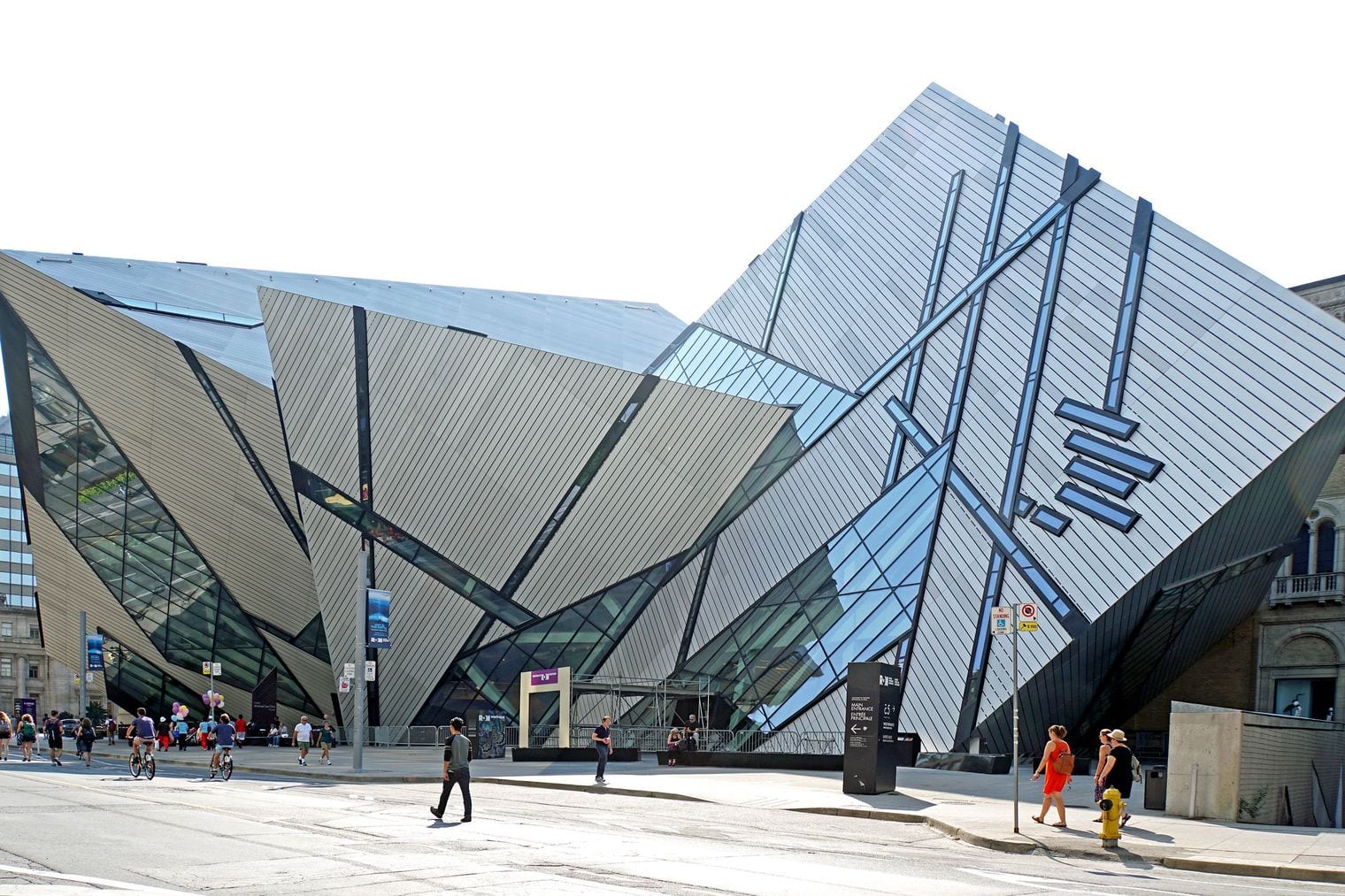
The building is an attraction in its own right. Daniel Libeskind's Michael Lee-Chin Crystal, completed in 2007, drives a mass of angled aluminium and glass prisms straight through the original heritage facade on Bloor Street, and the collision is genuinely startling from the pavement. Opinion in the city remains divided, which is the surest sign a piece of architecture is doing something. The older galleries behind it are calm by comparison.
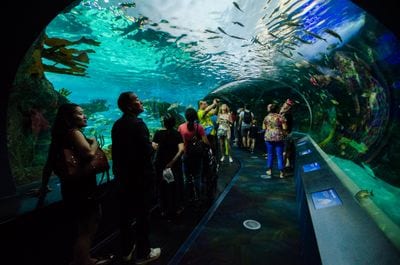
Sitting at the foot of the CN Tower, Ripley's Aquarium of Canada is the easiest attraction in the city to pair with a tower visit, and it holds thousands of animals across a series of themed galleries. Canadian Waters opens the route with cold-water species from the Pacific and the Atlantic, and the Rainbow Reef supplies the colour that keeps children moving forward.
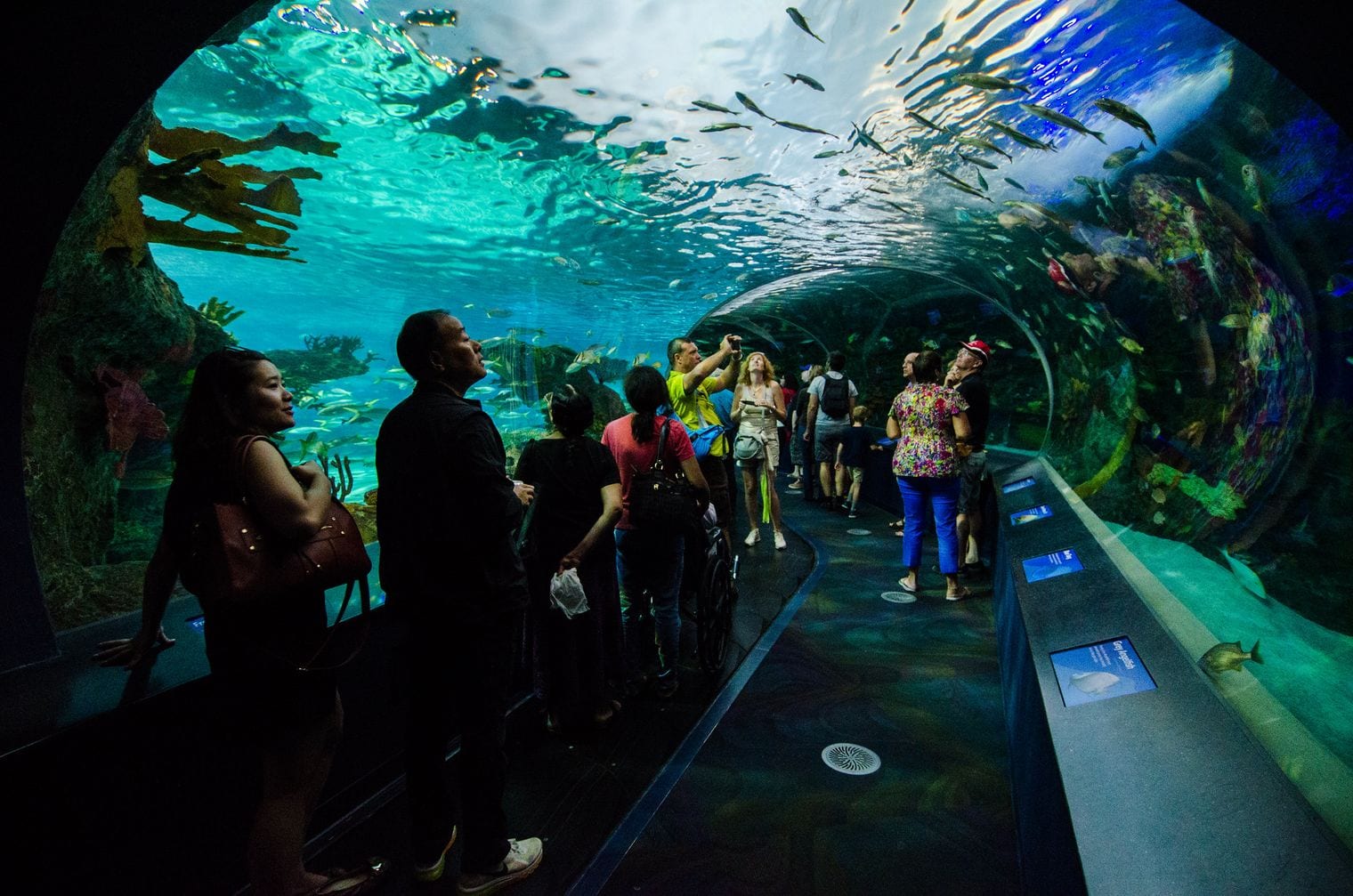
The centrepiece is Dangerous Lagoon, a long acrylic tunnel with a moving walkway that carries you under sharks, sawfish and green sea turtles while they pass overhead. Elsewhere there are jellyfish galleries lit to make the animals glow, a touch tank of rays, and a discovery centre built for younger visitors. It is deliberately indoor entertainment, which makes it a reliable answer to a wet or bitterly cold Toronto afternoon.
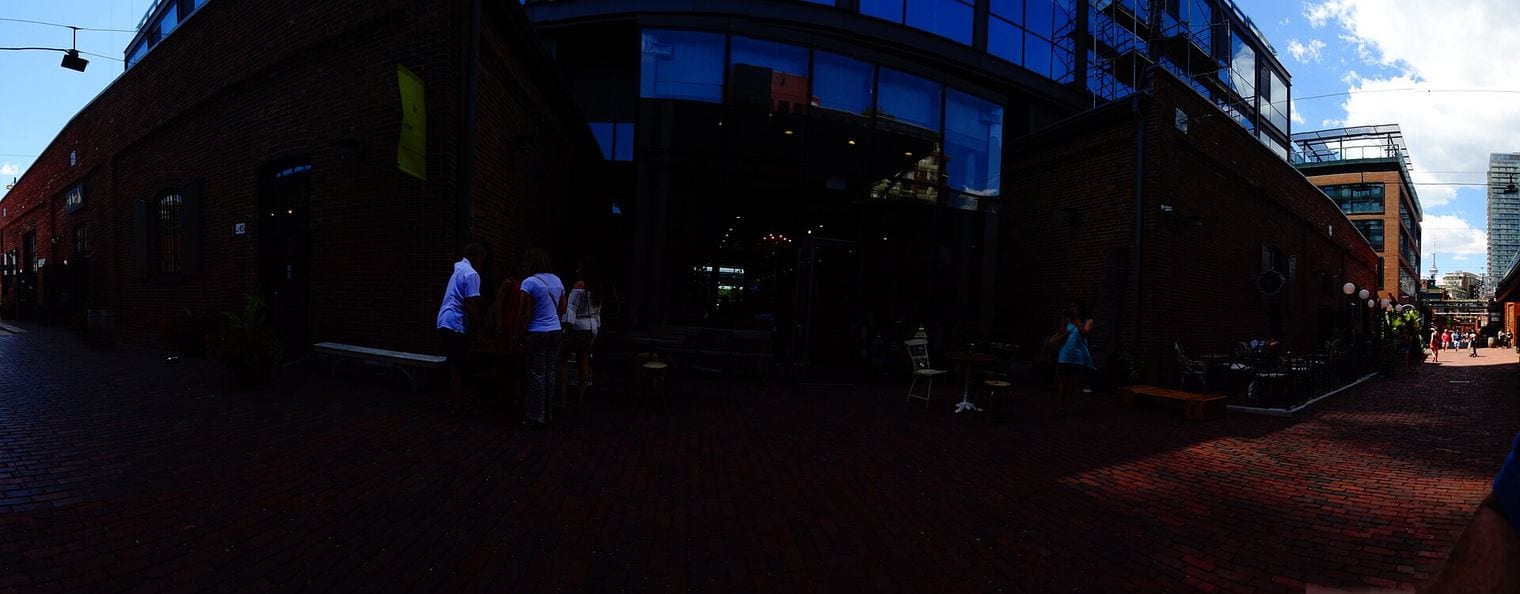
Gooderham and Worts once ran the largest distillery in the world on this site, and when it finally closed the Victorian buildings were left largely intact. The Distillery Historic District now holds what is widely described as the largest collection of Victorian-era industrial architecture in North America, spread over roughly 13 acres of red brick and cobblestone, and it was designated a National Historic Site of Canada in 1988.
The whole quarter is pedestrian-only, which changes how it feels the moment you step in from Parliament Street. Galleries, design shops, cafes and a brewery occupy the former malt houses and tank rooms, and large-scale public art fills the lanes between them. It is at its best in early evening, and in winter the Christmas market fills the central courtyard with lights and a very large tree.
A short ferry ride from the downtown terminal lands you somewhere that feels a long way from it. The Toronto Islands are a chain of connected islands in the harbour with almost no cars, linked by footpaths, bridges and lagoons, and they give the single best view back at the skyline you will find anywhere in the city.
What you do depends on which boat you take. Centre Island has the beach, the gardens and a small children's amusement park; Ward's Island holds a cottage community of narrow lanes and gardens; Hanlan's Point has the quietest sand and a clothing-optional section.
Bicycles and kayaks are available on the islands in summer, and the Gibraltar Point Lighthouse, dating to 1808, is among the oldest surviving structures in Toronto. Check the return ferry times before you settle in for the sunset.
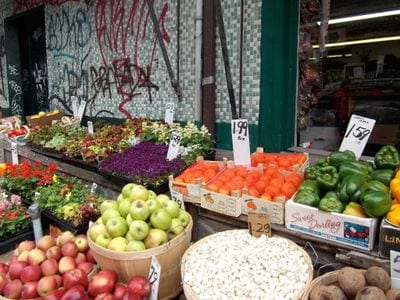
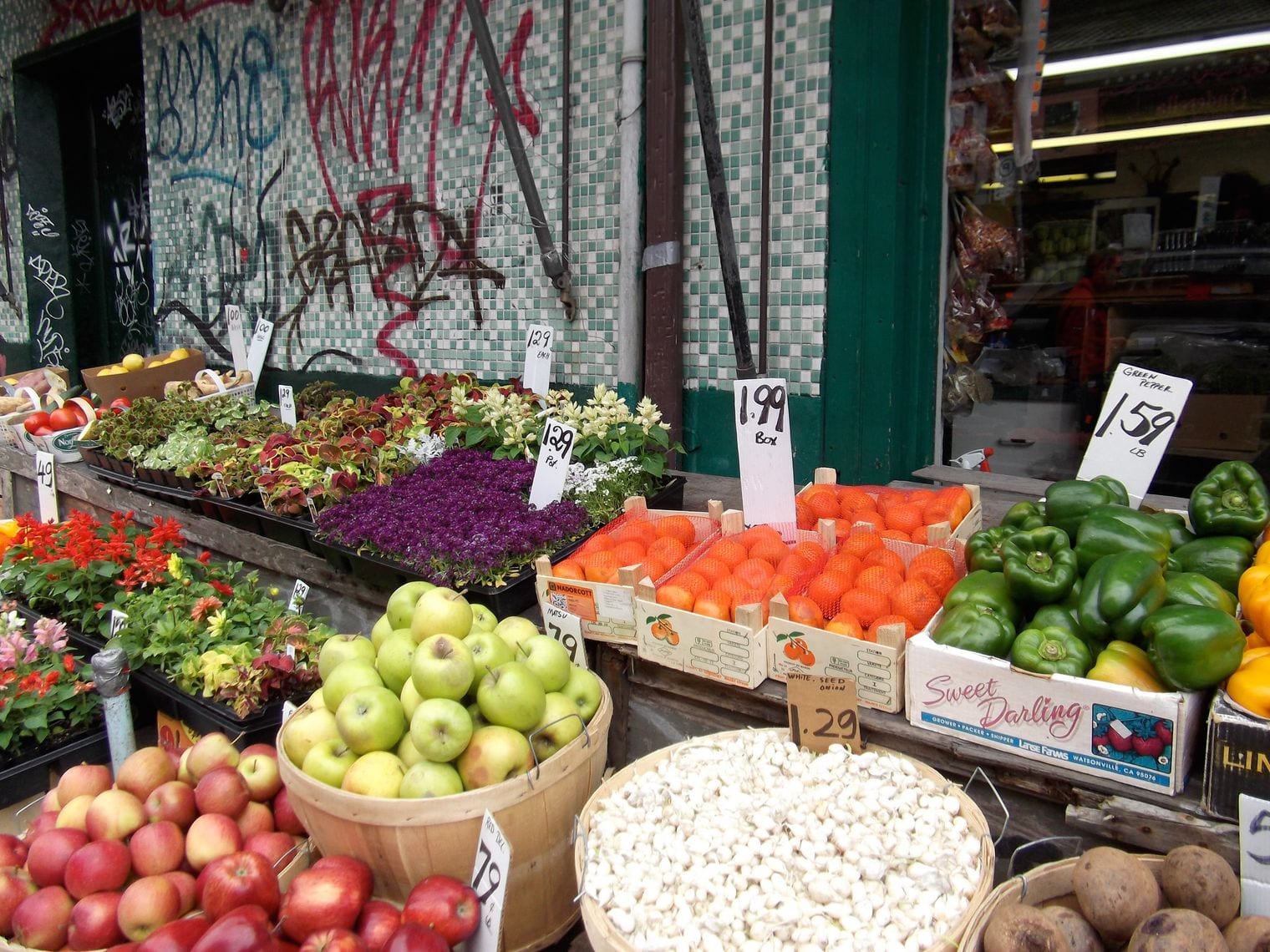
Kensington Market is a neighbourhood rather than a building, a few blocks of Victorian houses whose front rooms and porches were long ago converted into shops. Produce stalls spill onto the pavement beside vintage clothing rails, cheese counters, coffee roasters and kitchens cooking Jamaican, Mexican, Portuguese, Chilean and Vietnamese food within a couple of minutes' walk of one another. It was designated a National Historic Site of Canada in recognition of that layered immigrant history.
It is scruffy, loud and entirely unpolished, and that is the appeal. Wander without a plan, buy things in small quantities from several places, and eat as you go. On summer Sundays the streets close to traffic and fill with musicians and stalls. Chinatown begins immediately east along Spadina Avenue, so the two are easily walked as one long afternoon.
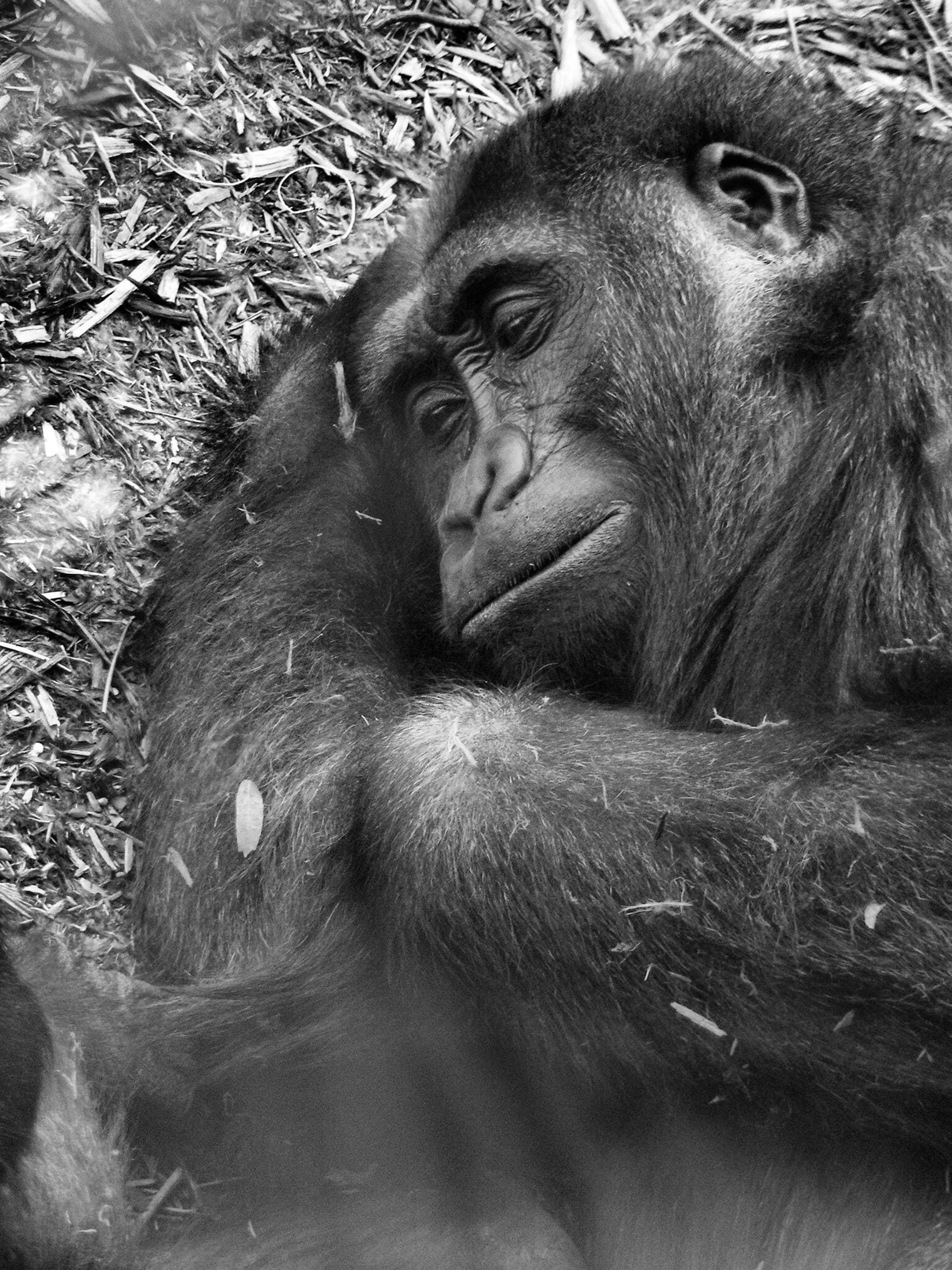
The Toronto Zoo is the largest in Canada, spread across a substantial chunk of the Rouge Valley on the eastern edge of the city. It is organised by region rather than by species, so you move through Africa, the Americas, Indo-Malaya, Australasia, Eurasia and a Canadian Domain of northern animals, each with its own planting and pavilions. The scale is genuinely large and the paths are long.
Highlights include the gorilla troop in the African Rainforest pavilion, polar bears with an underwater viewing window, and the Tundra Trek. The Zoomobile runs a loop for anyone who does not fancy walking the whole circuit, and there is a splash pad for hot afternoons. Give it three to four hours minimum, wear proper shoes, and be aware it sits well outside downtown, so allow travel time each way.
High Park is the largest public park in Toronto and functions as the west end's back garden. Its 160-odd hectares hold woodland, sports fields, a large pond, playgrounds and a genuinely rare pocket of black oak savannah, a habitat that has almost vanished from Ontario. Trails wind down through the ravine to Grenadier Pond, which fills with waterfowl and, in hard winters, skaters.
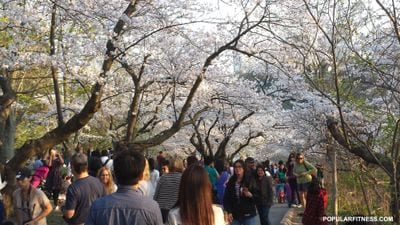
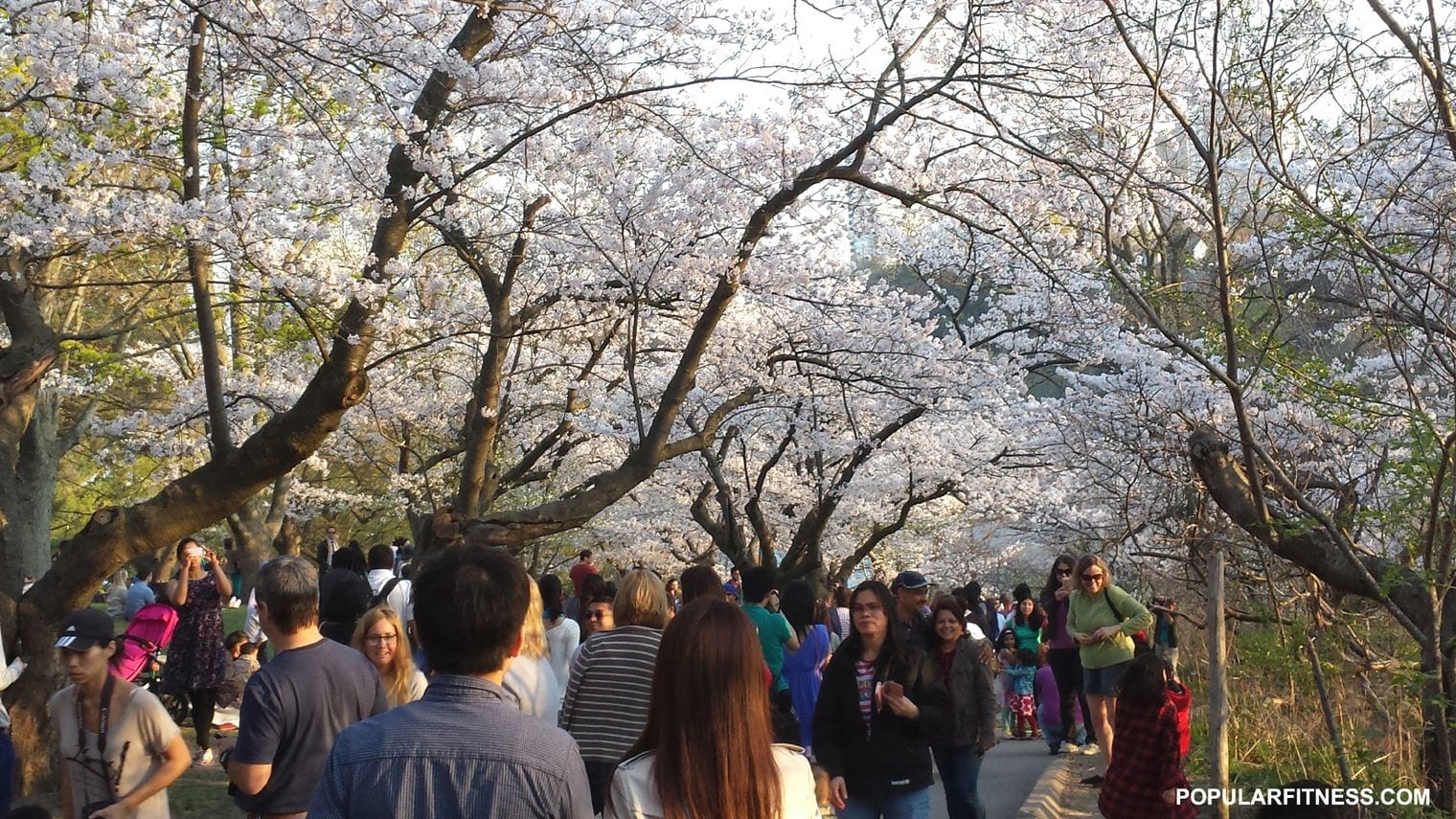
The park is busiest for a few days each spring, when the Sakura cherry trees come into bloom and the paths around them become impassable with photographers. The rest of the year it is calm. A small free zoo keeps bison, llamas, capybara and peacocks in paddocks near the south end, and Colborne Lodge, an 1837 Regency cottage at the park's edge, is open as a historic house museum.
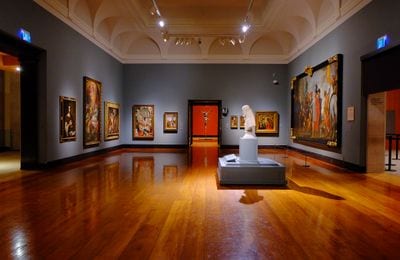
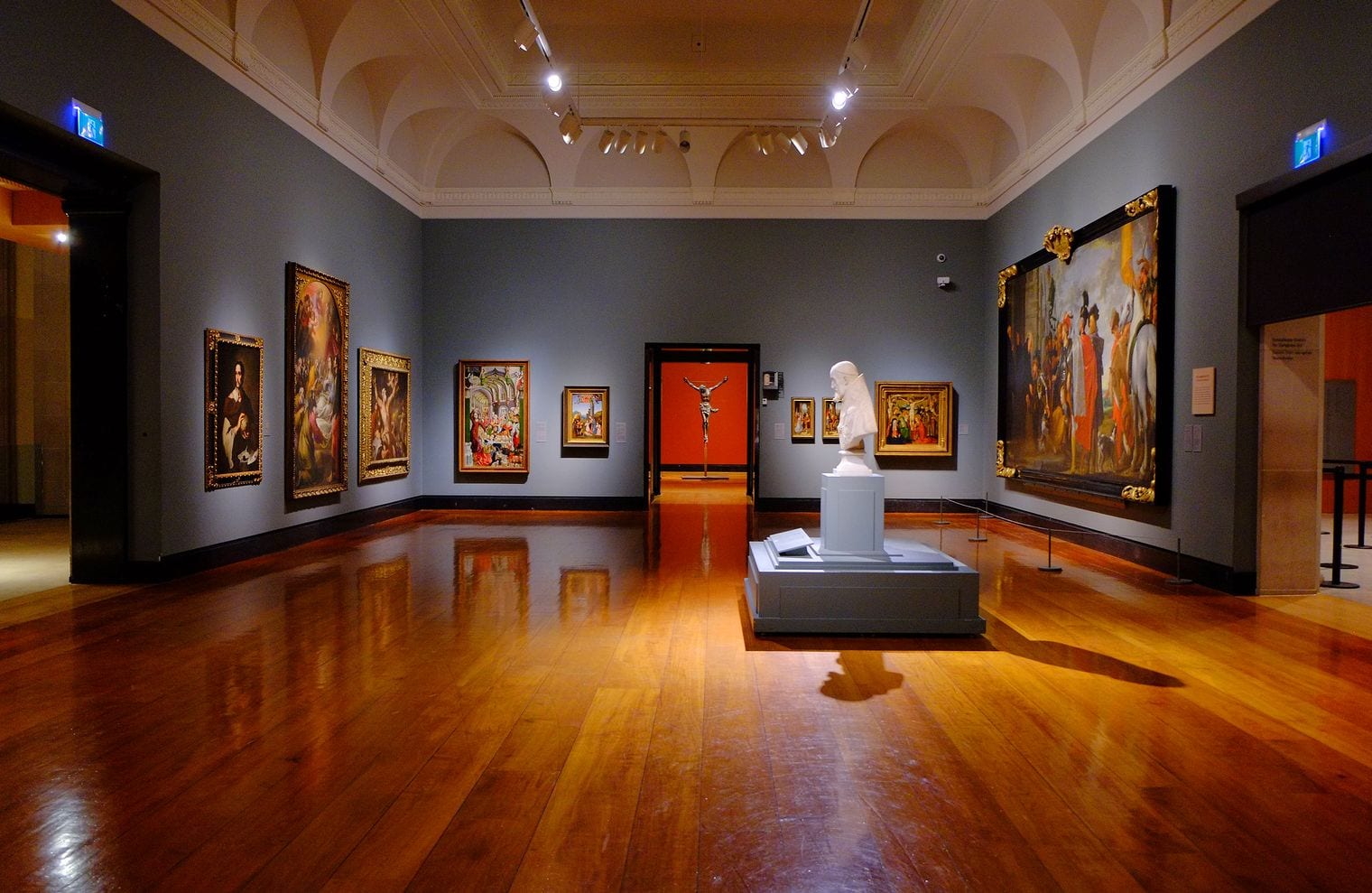
The Art Gallery of Ontario holds one of the strongest collections in the country, and its Canadian galleries are the reason to prioritise it over a general survey museum. The Group of Seven and Tom Thomson are represented in depth, alongside a major body of Indigenous and Inuit art, and the Thomson Collection of European painting, ship models and decorative arts occupies its own wing.
Frank Gehry, who grew up a few streets away, redesigned the building in 2008. His long curved glass gallery runs the length of the Dundas Street facade like a wooden ship's hull turned inside out, and a spiral staircase in warm timber climbs through the roof at the back. It is a much gentler piece of architecture than the ROM's Crystal, and the two make an interesting pair if you see both.
Harbourfront Centre occupies a stretch of the central waterfront and functions as a year-round arts campus rather than a single venue. Converted warehouse buildings hold theatres, dance studios, craft workshops where you can watch glassblowers and ceramicists at work, and The Power Plant, a contemporary art gallery that charges no admission.
Much of the programming is free, including a heavy calendar of outdoor festivals through the summer that lean towards world music, dance and food. The waterfront promenade runs past moored boats and the Toronto Music Garden, and in winter the pond becomes a skating rink with the harbour behind it. It is also the place to pick up a boat tour of the harbour, and the Ontario Science Centre now occupies part of the site.
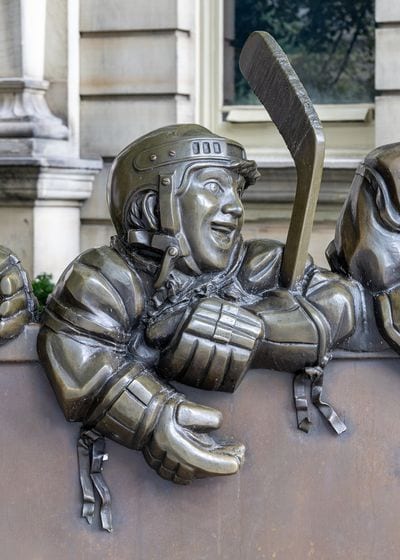
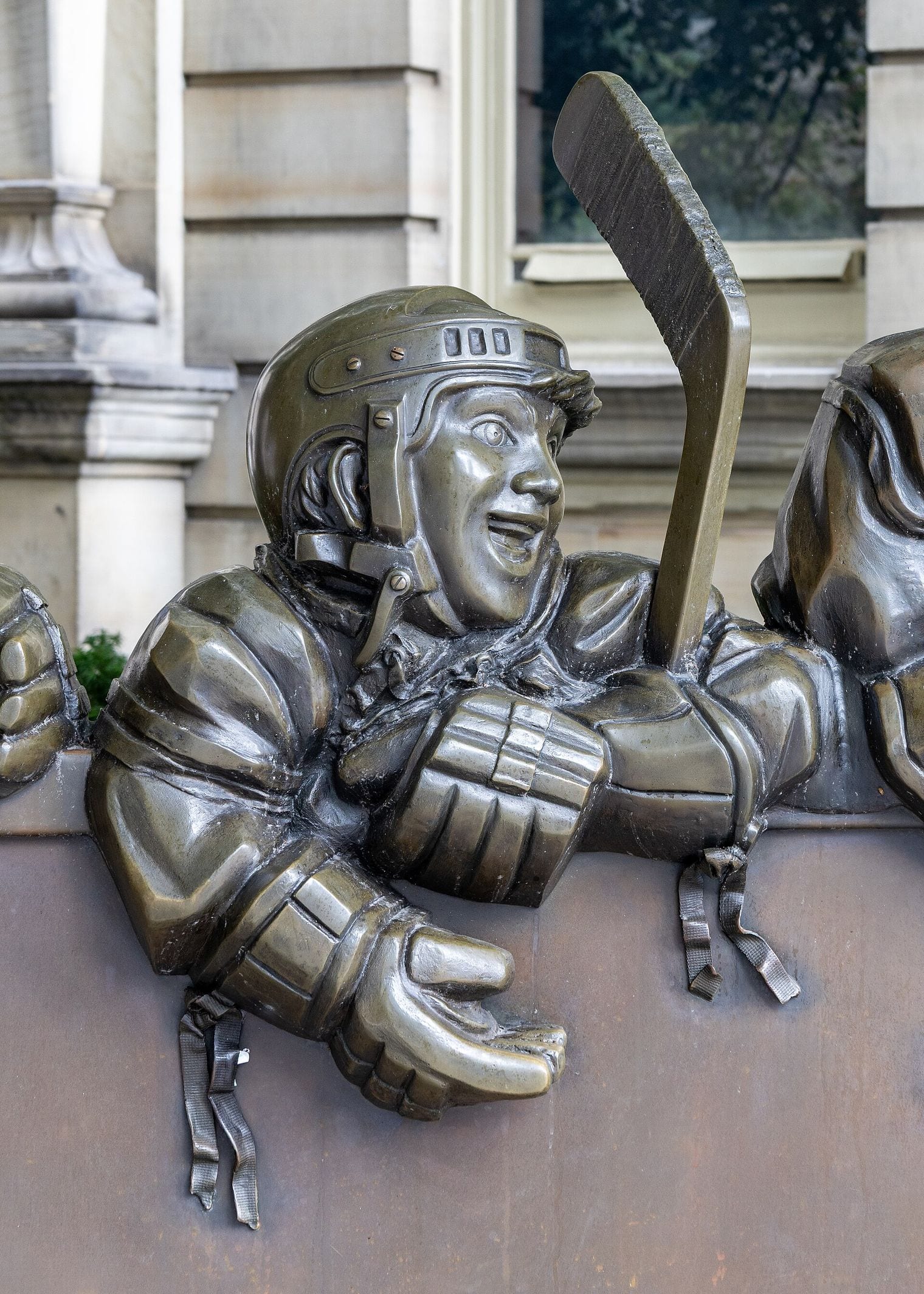
Hockey matters here in a way that takes some visitors by surprise, and the Hockey Hall of Fame is where that is made explicit. It occupies the lower level of a downtown shopping concourse, but the heart of it is the former Bank of Montreal building of 1885, a domed and gilded banking hall that now serves as the Great Hall.
That is where the Stanley Cup sits, out on a plinth, and visitors are allowed to stand beside it and touch it. The rest of the museum runs through team dressing-room recreations, goalie masks, a wall of every engraved name, and archive footage. Interactive rinks let you shoot pucks at a simulated goaltender or try stopping them yourself. Even with no interest in the sport, the Great Hall is worth the entry on its own.
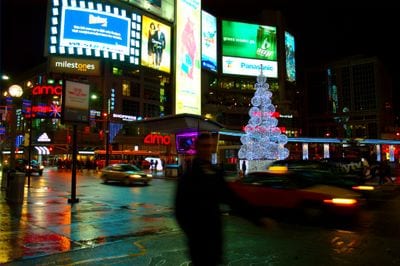
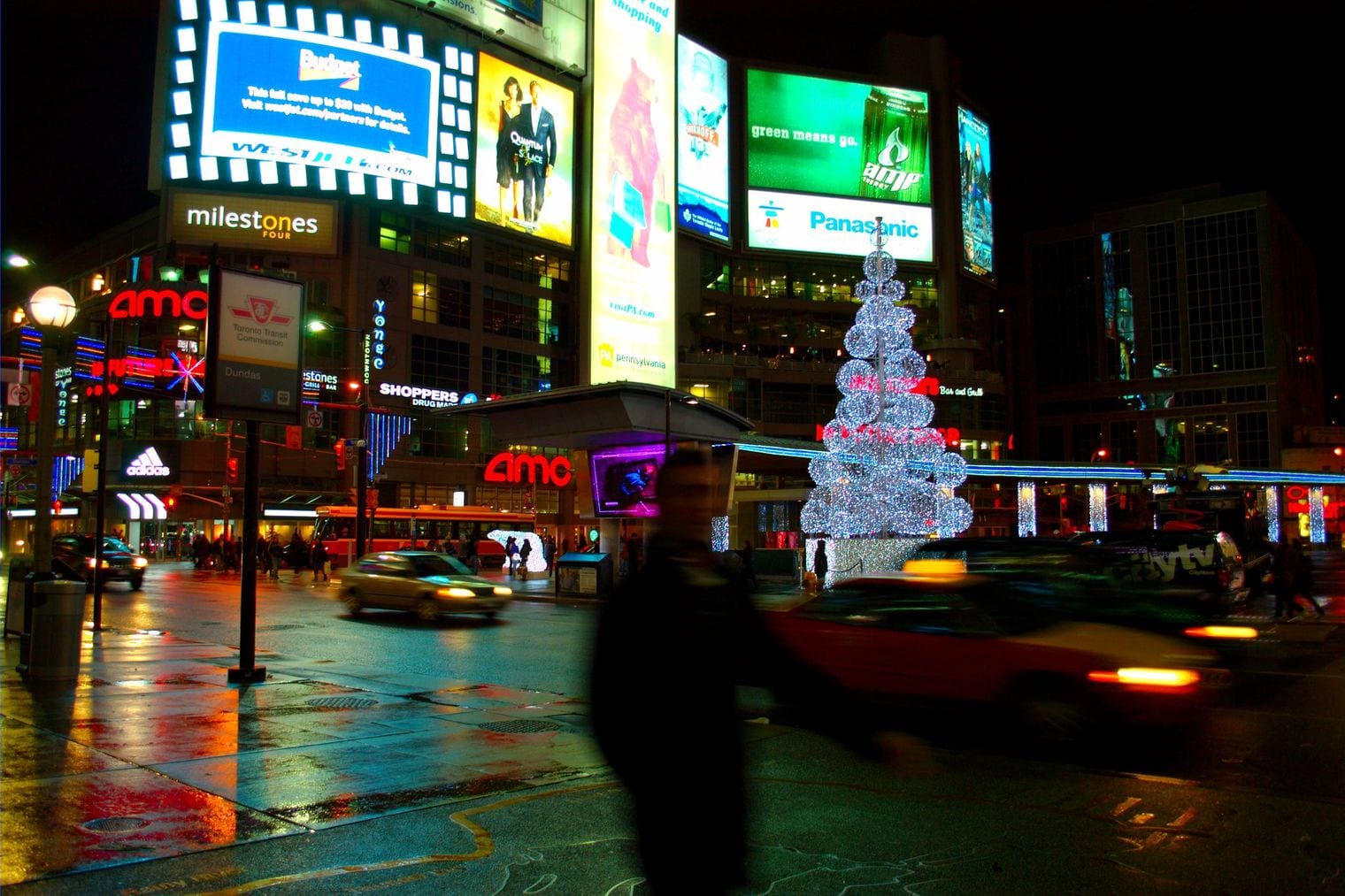
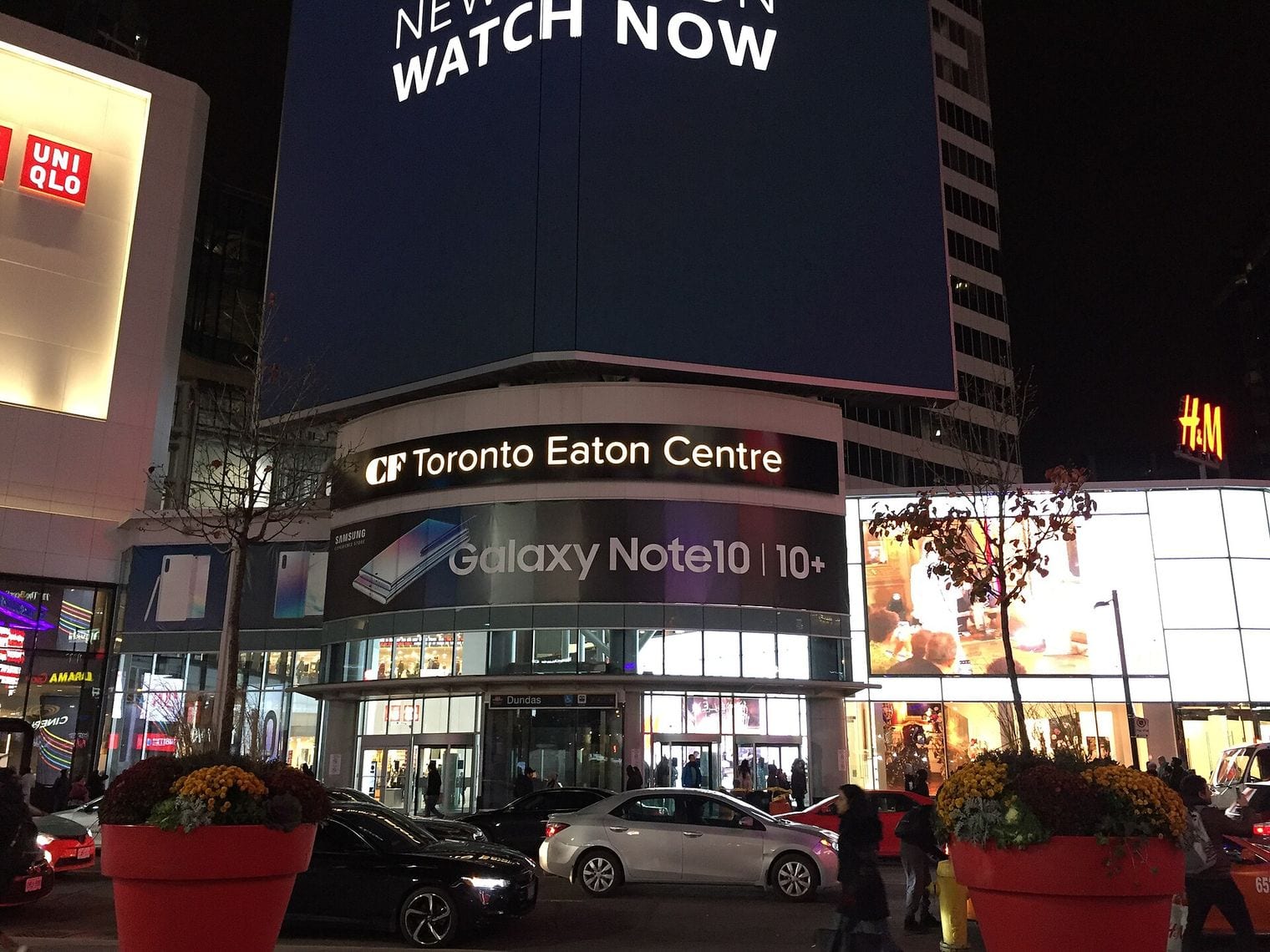
The intersection of Yonge and Dundas is the busiest in the city, and the public square beside it is Toronto's closest equivalent to Times Square: a hard-surfaced plaza ringed by illuminated screens and advertising, with a fountain array set into the paving that children run through all summer. Concerts, markets, film screenings and demonstrations rotate through it constantly.
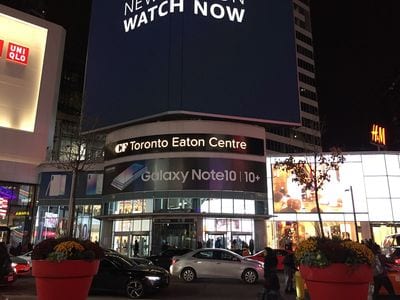
It was renamed Sankofa Square by city council, a change adopted in December 2023 and written into the municipal code in June 2024, replacing a name that honoured Henry Dundas. Sankofa is an Akan concept from Ghana, usually glossed as returning to the past to reclaim what is useful from it. The square sits directly opposite the Eaton Centre and above a subway interchange, so most visitors pass through it without planning to.
The Ontario Science Centre built its reputation on letting people touch things, and the hands-on approach survives intact. Exhibits run to physics demonstrations, human-body displays, electricity shows that raise the hair on volunteers' arms, and the KidSpark area built for the youngest visitors, who are given water, blocks and pulleys and left to work it out.
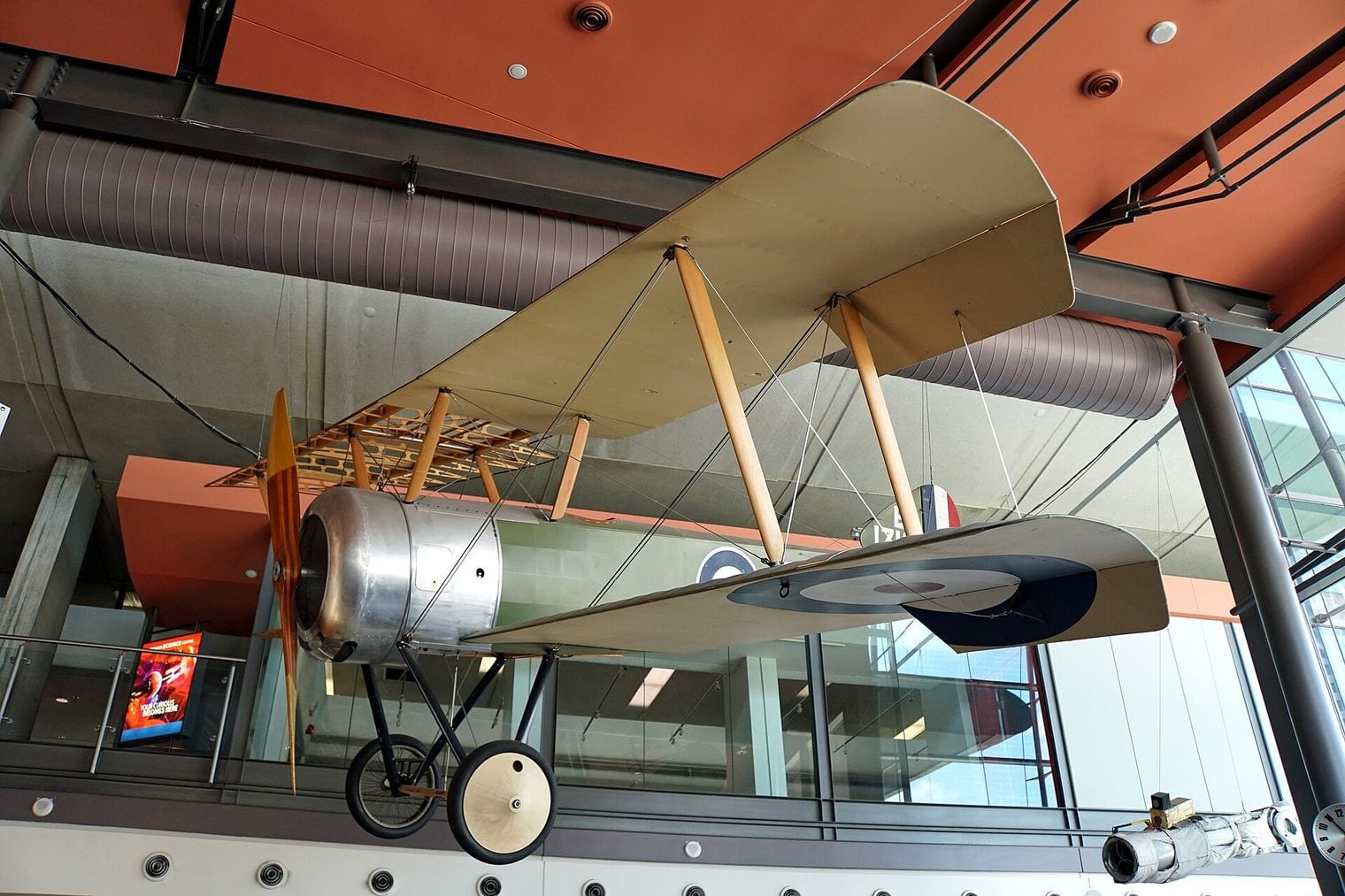
Its long-standing home in the Don Valley closed in 2024, and the centre has since operated from the central waterfront at Harbourfront Centre while a permanent home is planned. The interim site is smaller than the original but far more central, and it sits within walking distance of the CN Tower and the aquarium, which makes stringing all three together in a single day straightforward. Check what is currently on before travelling out specially.
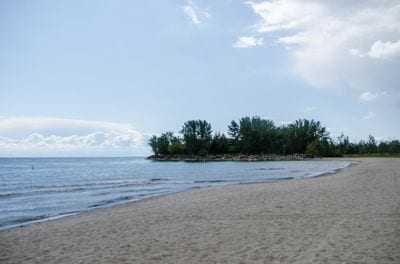
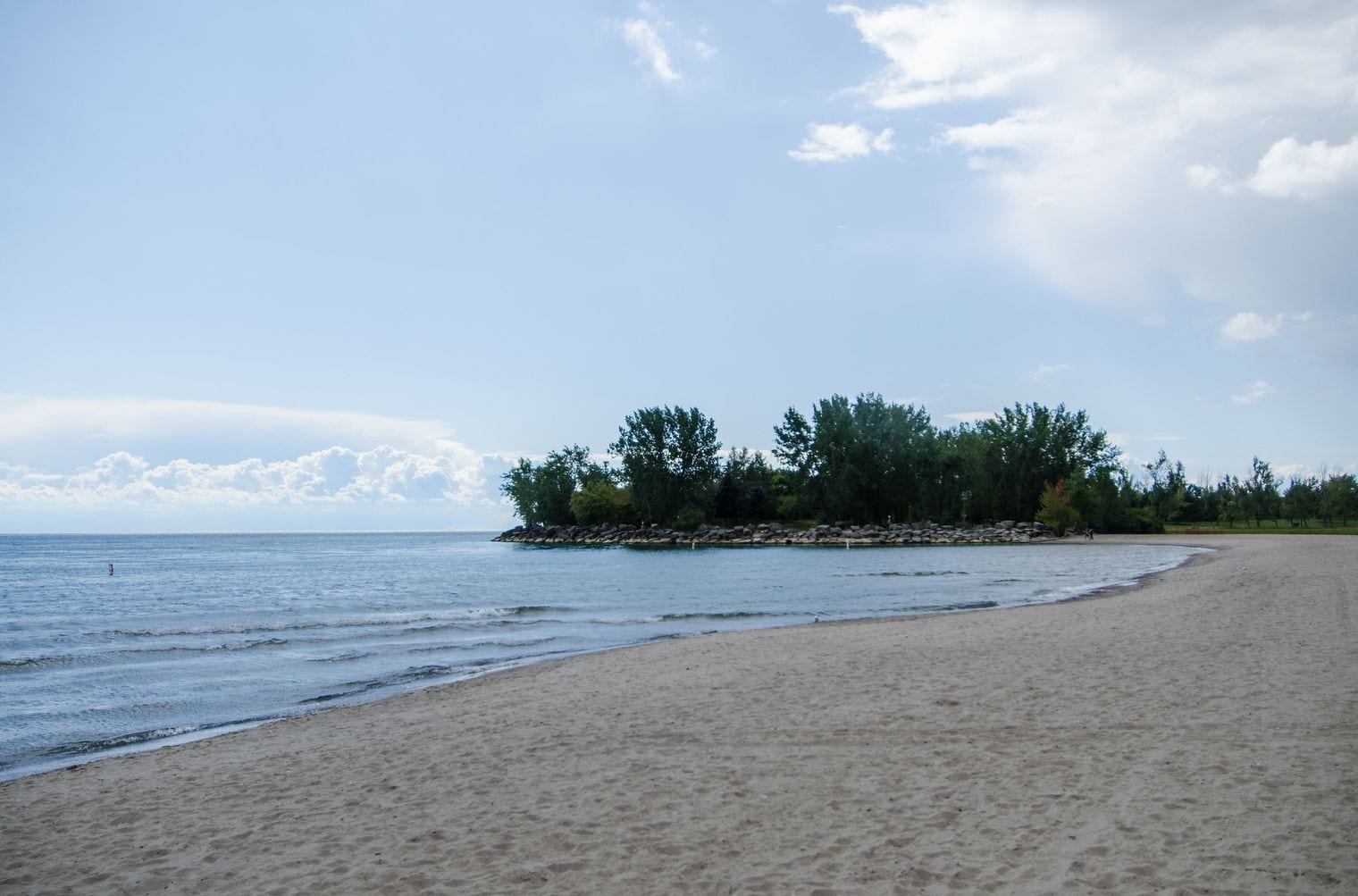
Toronto has a genuine beach culture in summer, and Woodbine Beach is where most of it happens. A wide crescent of sand on Lake Ontario in the east end, it carries Blue Flag certification for water quality and facilities, and on a hot weekend it fills with swimmers, volleyball games on the permanent courts, and barbecues along the edge.
A long boardwalk runs east from here through Kew Gardens and Balmy Beach into the Beaches neighbourhood, which is one of the most pleasant flat walks in the city, with cafes and shops a block inland on Queen Street East. Ashbridges Bay Park adjoins it to the west with a marina and a spit that is good for birdwatching. Out of season it is windswept, empty and rather beautiful.
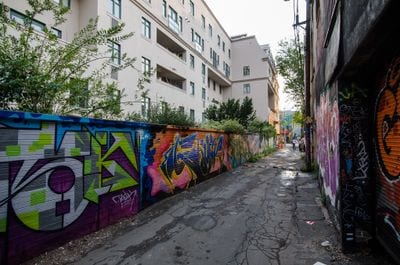
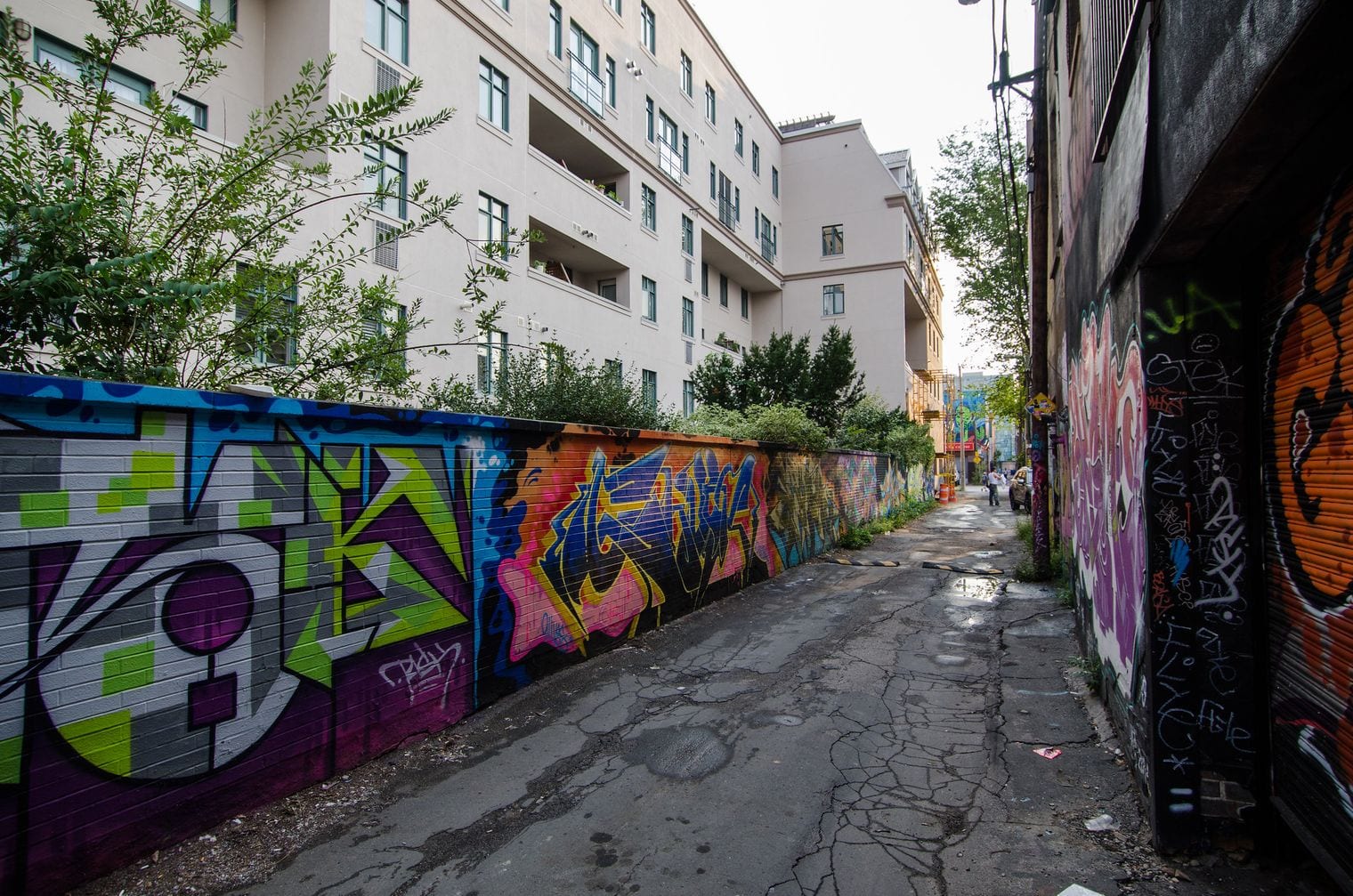
Officially it is Rush Lane, a service alley running parallel to Queen Street West behind the shops, and every surface of it is painted. Graffiti Alley stretches for close to a kilometre between Spadina Avenue and Portland Street, and the murals are sanctioned rather than furtive, which means the work is large, considered and constantly repainted by local and visiting artists.
Because the walls turn over regularly, no two visits produce the same photographs, which is much of the appeal. Walk it end to end and allow time to double back, since the best pieces are often on the garage doors and dumpsters rather than the main walls. It runs directly off one of the city's better shopping and eating strips, so it slots easily into an afternoon spent on Queen West.
The Aga Khan Museum is devoted to the arts of Muslim civilisations, and it is the only museum in North America dedicated to the subject on this scale. The permanent collection runs across a thousand years and a very wide geography, taking in Persian and Mughal miniature painting, astronomical instruments, ceramics, metalwork and illuminated manuscripts, including some exceptional Qur'ans.
Fumihiko Maki designed the building, which is clad in pale Brazilian granite and organised around a glazed inner courtyard patterned with light. It sits within a formal park of reflecting pools and geometric planting that is free to walk through and worth an unhurried half hour on its own. The auditorium runs a strong programme of classical and contemporary music. It is north-east of downtown, so factor in the journey.
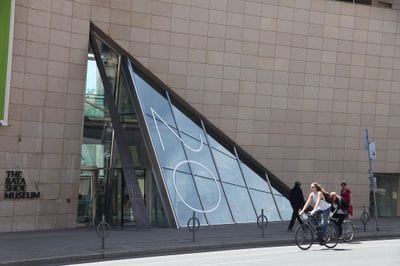
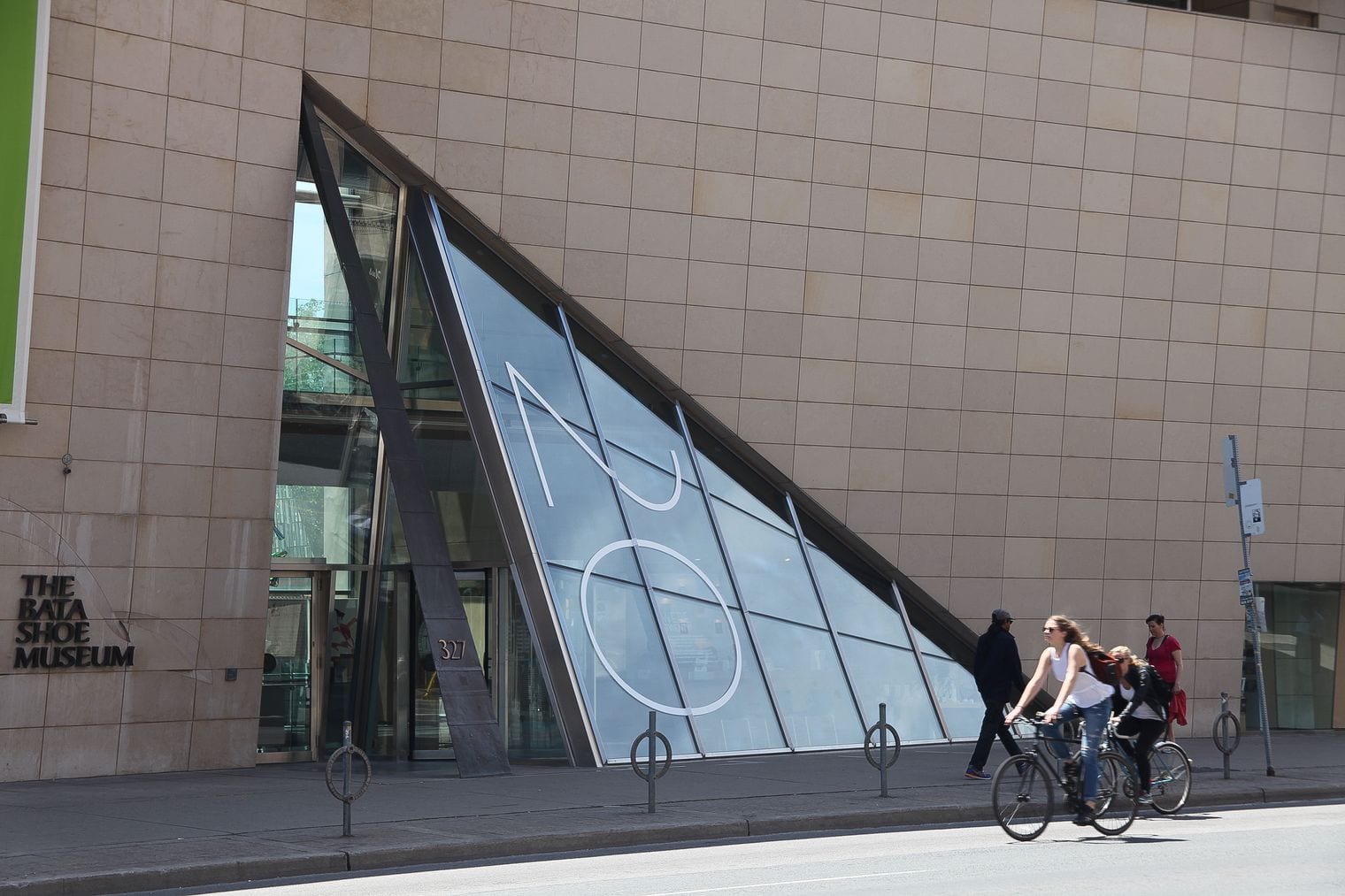
A museum about footwear sounds like a novelty until you are inside it. The Bata Shoe Museum was founded by Sonja Bata, opened in 1995, and holds a collection of many thousands of items covering some 4,500 years, from Ancient Egyptian sandals and Inuit sealskin boots to Chinese bound-foot shoes and chestnut-crushing clogs.
The permanent gallery uses shoes as a way into social history, and it works: status, gender, labour, climate and religion all become legible through what people put on their feet. Rotating exhibitions handle everything from sneaker culture to celebrity footwear, and there is usually a case of items worn by musicians. Raymond Moriyama designed the building to suggest a shoebox with its lid slightly lifted. It is compact enough to see properly in about an hour.
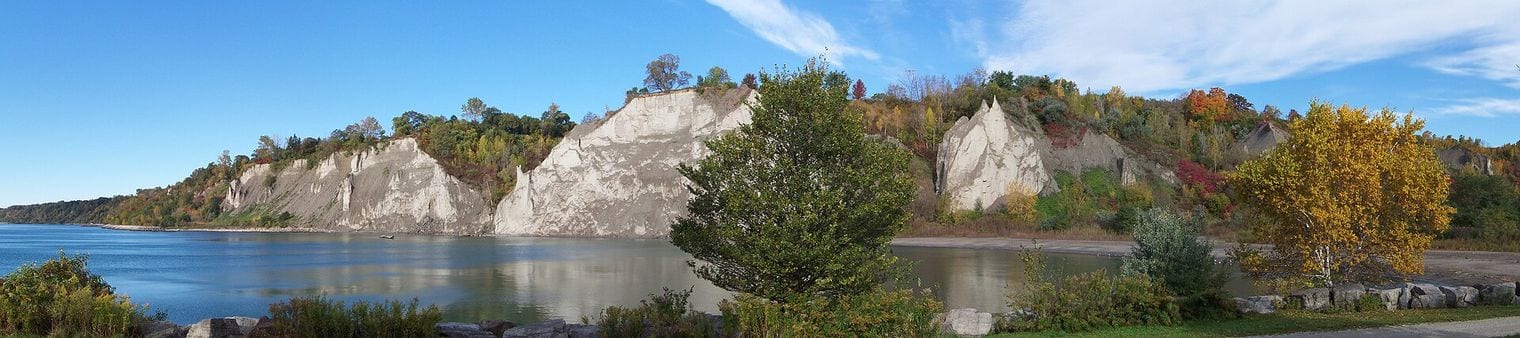
Most visitors never learn that Toronto has cliffs. The Scarborough Bluffs run for roughly 15 kilometres along the Lake Ontario shoreline in the city's east end, rising in places to around 90 metres, and their pale eroded faces expose a geological record laid down over tens of thousands of years, including sediments from the glacial lake that preceded the present one.
Bluffer's Park sits at the base, reached by a road down through the cliffs, and combines a marina, a sandy beach and picnic areas with the wall rising directly behind. For the view from above, Scarborough Bluffs Park and Cathedral Bluffs Park look straight down the drop. Stay behind the fencing at the top, since the edge is actively eroding and undercut in places. It is a long trip from downtown but an unexpected one.
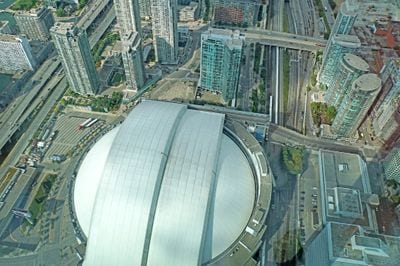
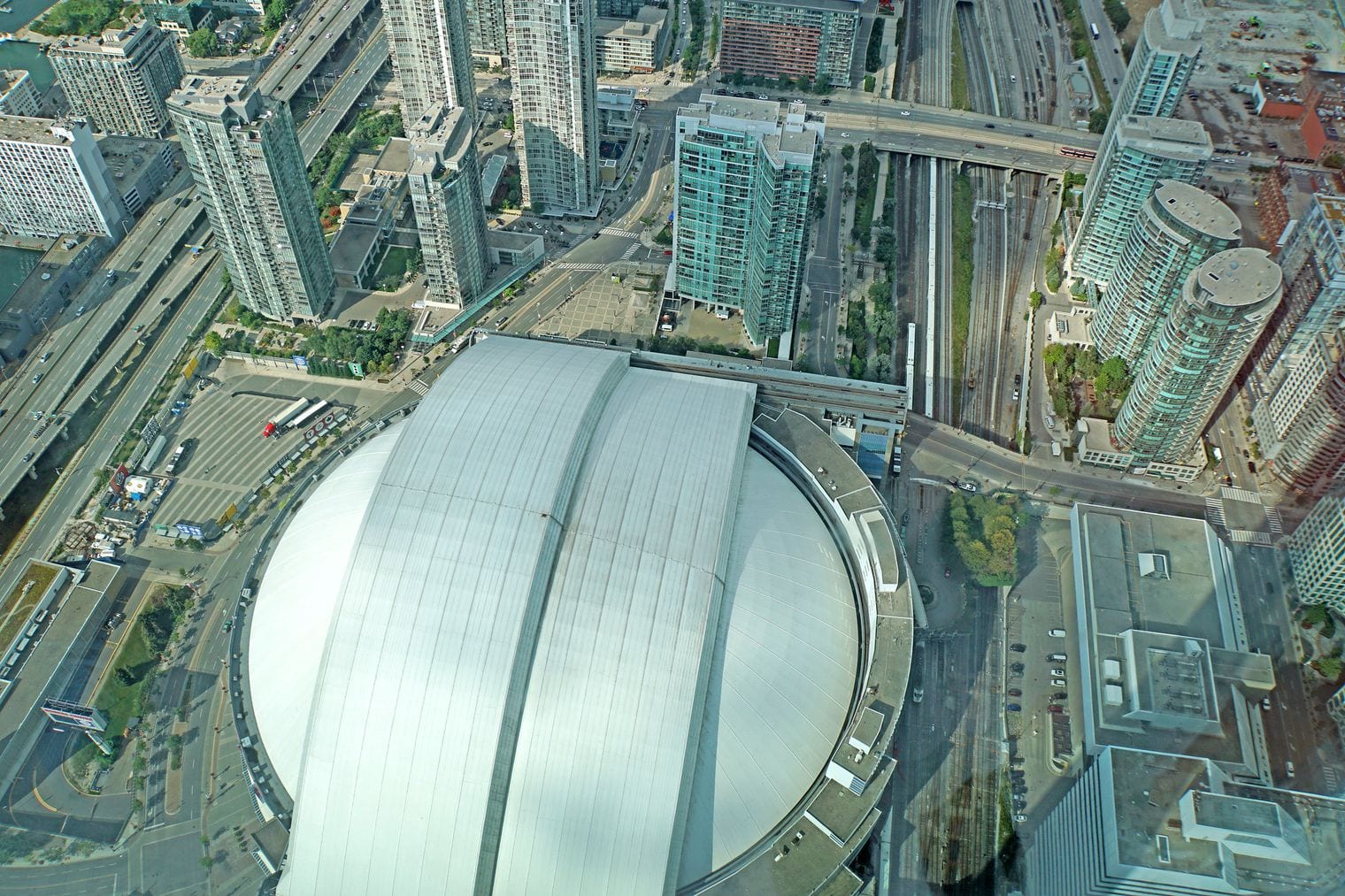
When it opened in 1989 as SkyDome, Rogers Centre was the first stadium anywhere with a fully retractable motorised roof, an engineering novelty that drew visitors in its own right. It stands immediately beside the CN Tower, and the two together form the image most people carry of the Toronto waterfront.
It is home to the Toronto Blue Jays, the only Major League Baseball team in Canada, and catching a game here is one of the most enjoyable things to do in the city on a summer evening, particularly with the roof open. Extensive renovations in recent years rebuilt the seating bowl and outfield areas. Outside baseball season it hosts concerts and large events, and behind-the-scenes tours run when the schedule allows, taking in the dugout, press box and roof mechanism.
The Eaton Centre is the busiest shopping centre in the country and the retail heart of downtown, running a full city block between Queen and Dundas with more than two hundred shops on several levels. Its long glazed galleria was modelled on Milan's Galleria Vittorio Emanuele II, and the natural light pouring down through it is what stops the place feeling like an ordinary mall.
Suspended in that space is Michael Snow's Flight Stop, a flock of fibreglass Canada geese frozen mid-descent, and it remains one of the best-known pieces of public art in Toronto. The centre connects directly into the PATH, the vast underground pedestrian network that threads beneath the financial district, which makes it a genuinely useful place to be in January when walking outside stops being appealing.
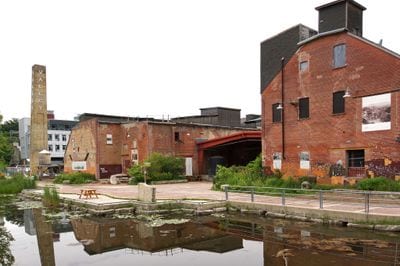
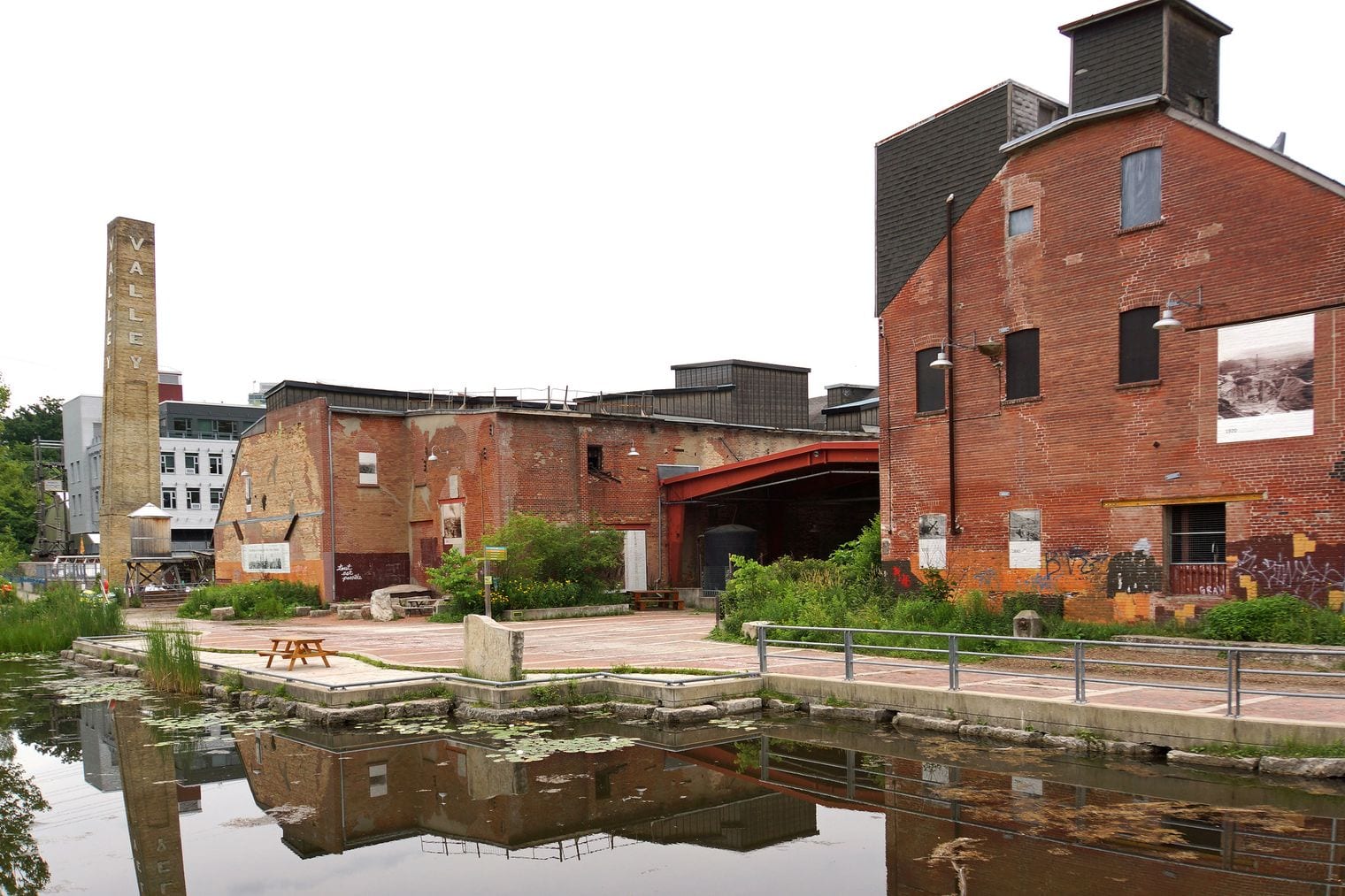
For roughly a century this quarry and factory in the Don Valley produced the bricks that built much of Toronto, including many of the Victorian houses still standing across the city. Production ended and the site was reclaimed, and Evergreen Brick Works now runs as an environmental and community centre inside the surviving industrial buildings, with the old kilns and chimneys left in place.
A farmers' market fills the covered halls on Saturdays with Ontario producers, and the raw concrete walls carry large murals and installations. Behind the buildings, the former quarry has been rewilded into ponds, meadows and woodland threaded with walking trails, and a path climbs to a lookout over the valley and the skyline beyond. It is one of the more genuinely pleasant places in Toronto to spend a morning outdoors.
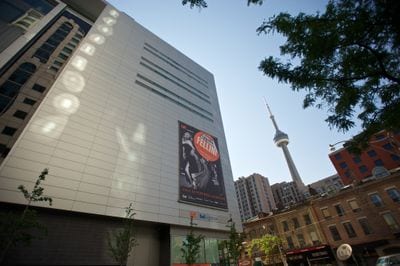
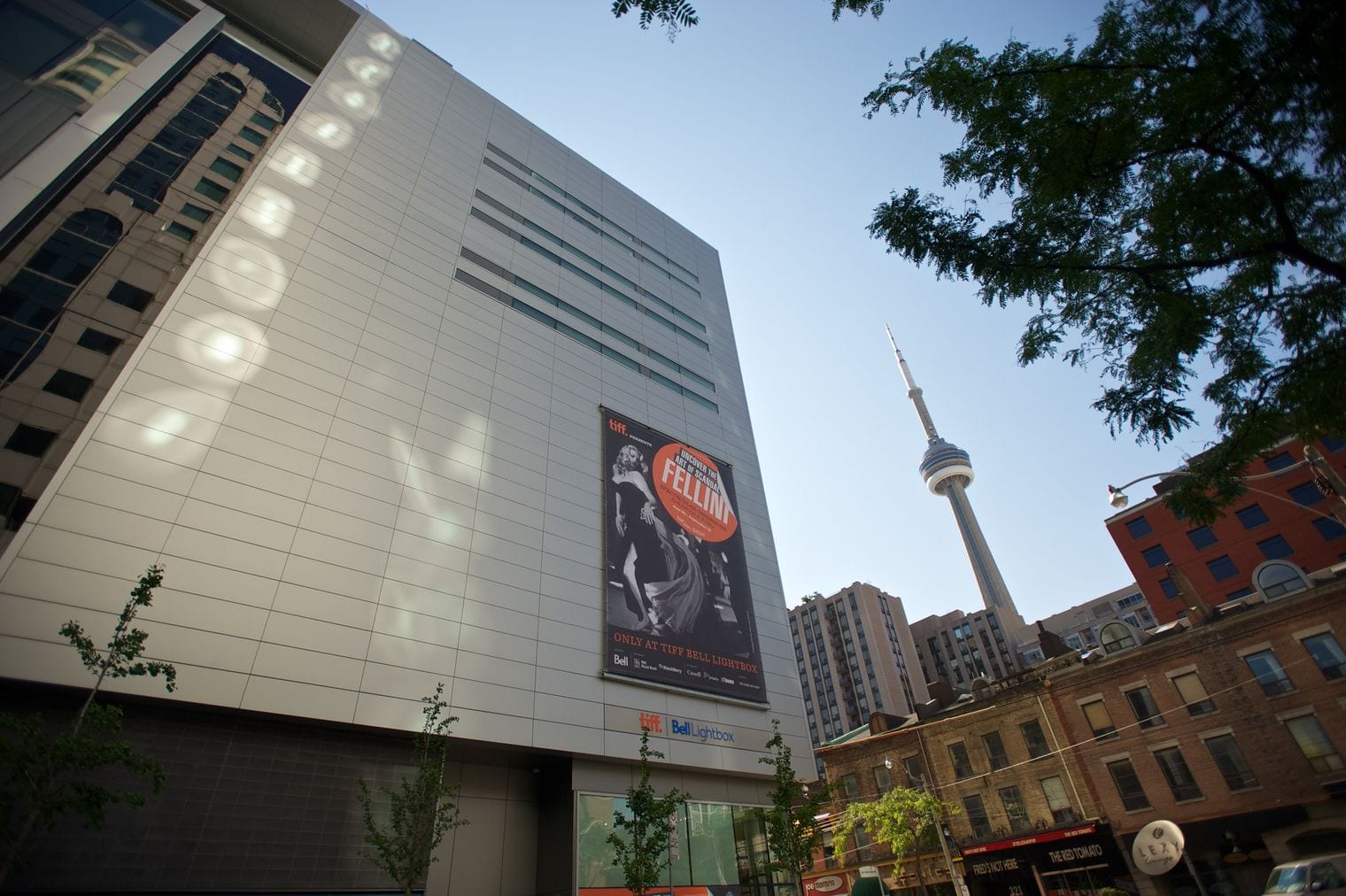
The Toronto International Film Festival is one of the most significant events on the global film calendar, and TIFF Lightbox is its permanent home. Opened in 2010 at King and John Streets, the building holds several cinemas, gallery space, a learning studio and a reference library, and it is where the festival's screenings and premieres concentrate each September.
Outside the festival it operates year-round as a repertory and art-house cinema, with retrospectives, director seasons, restored prints and regular filmmaker conversations, which makes it a reliable option on an evening when the weather has closed in. The surrounding Entertainment District fills with crowds during the festival and is walkable to the CN Tower and Rogers Centre the rest of the year. Check the programme before you go, since it changes weekly.
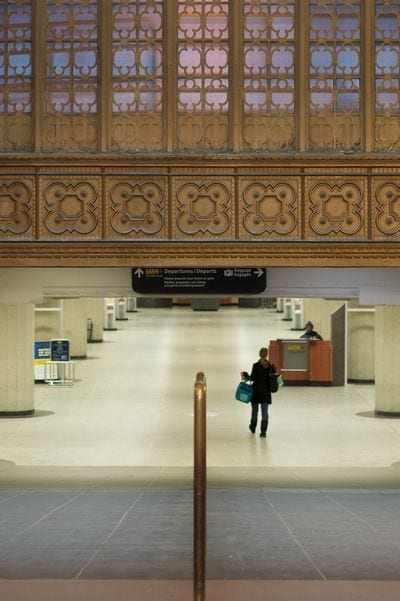
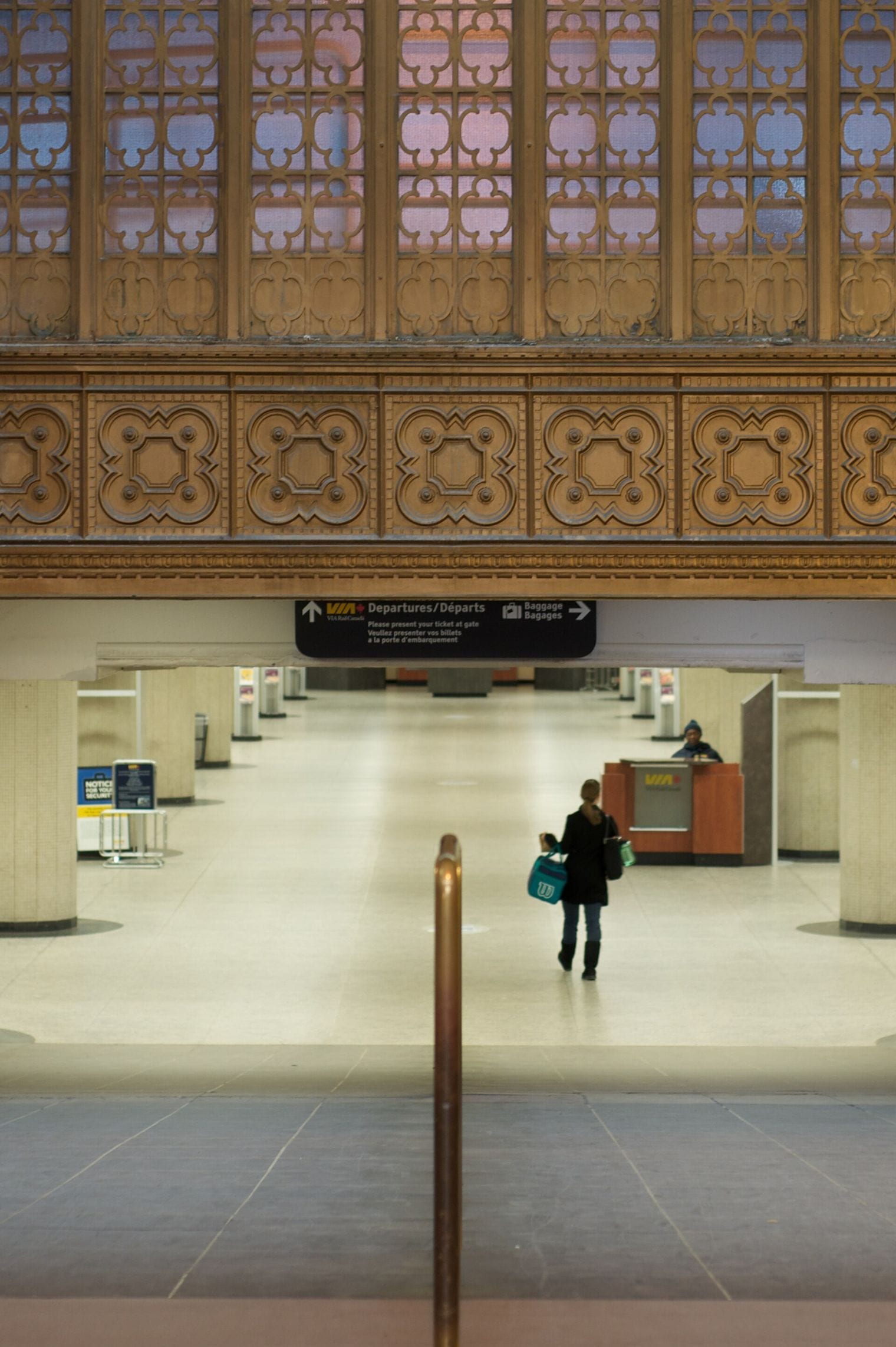
Most arrivals in Toronto pass through Union Station without stopping to look up, which is a mistake. The Beaux-Arts building on Front Street is the busiest transport hub in the country, and its Great Hall is a genuine piece of civic architecture: a vast vaulted room faced in Missouri limestone, lit by tall arched windows at either end, with the names of the destinations the railways once served carved along the frieze high above the concourse.
After a long restoration the building works as a destination in its own right rather than just a place to change trains. The lower level holds a food hall of independent counters, there are shops along the front arcade, and the York Street and Bay Street concourses have been opened up and daylit. It sits directly across from the Fairmont Royal York and connects underground into the PATH, so it is an easy few minutes from the CN Tower.
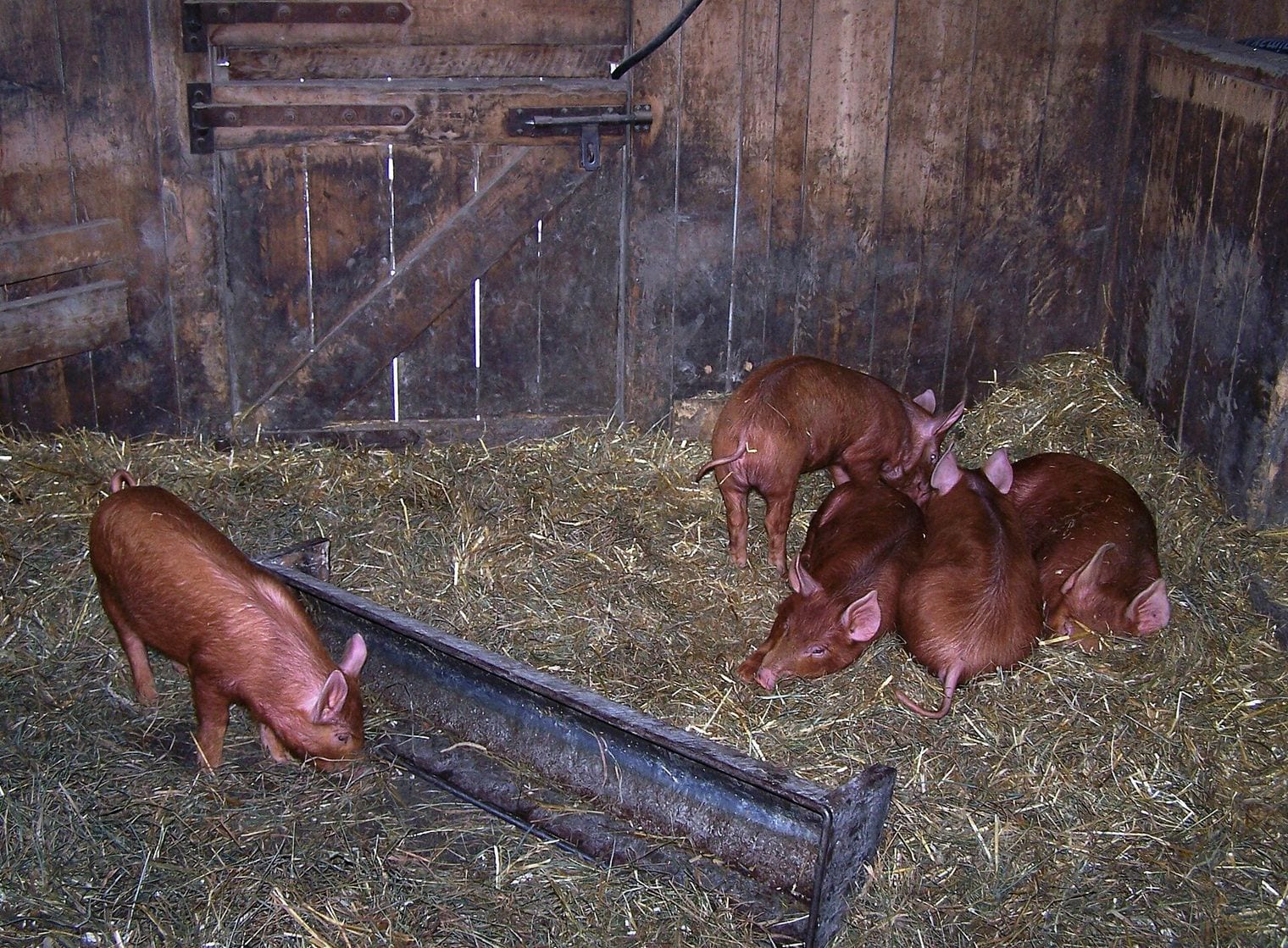
A working farm in the middle of a downtown neighbourhood sounds improbable, but Riverdale Farm has occupied this sloping site in Cabbagetown for decades, on ground that was once the city's zoo. Cows, pigs, sheep, goats, horses and poultry are kept in paddocks and barns along a set of winding paths, and the whole thing is free to walk into, every day of the year.
It is aimed squarely at small children and is one of the most reliable things to do in Toronto with them, but the site is pleasant regardless — there are ponds, vegetable and butterfly gardens, and two nineteenth-century barns moved here from elsewhere in Ontario. Staff run feeding and milking demonstrations through the day. Combine it with a walk through Cabbagetown's Victorian streets, which surround it on every side.
Toronto has one of the largest commercial theatre scenes in the English-speaking world, and the Princess of Wales Theatre is where the biggest touring productions land. Built in the 1990s for the Mirvish organisation on King Street West, it was designed for large-scale musicals, with a deep stage and a broad auditorium, and its interior carries a large mural scheme commissioned specifically for the building.
Seeing a show here is a proper night out rather than a box to tick, and the surrounding Entertainment District is built around it: the Royal Alexandra Theatre, a 1907 Edwardian house also run by Mirvish, stands a few doors along, with restaurants and bars filling the blocks between. Check what is running before you travel, since the schedule turns over with each production and popular runs sell out well ahead.
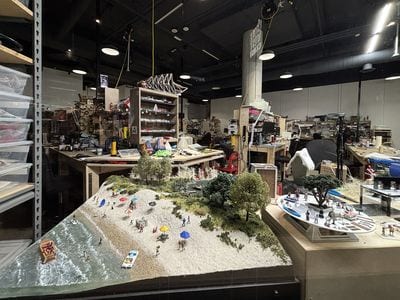
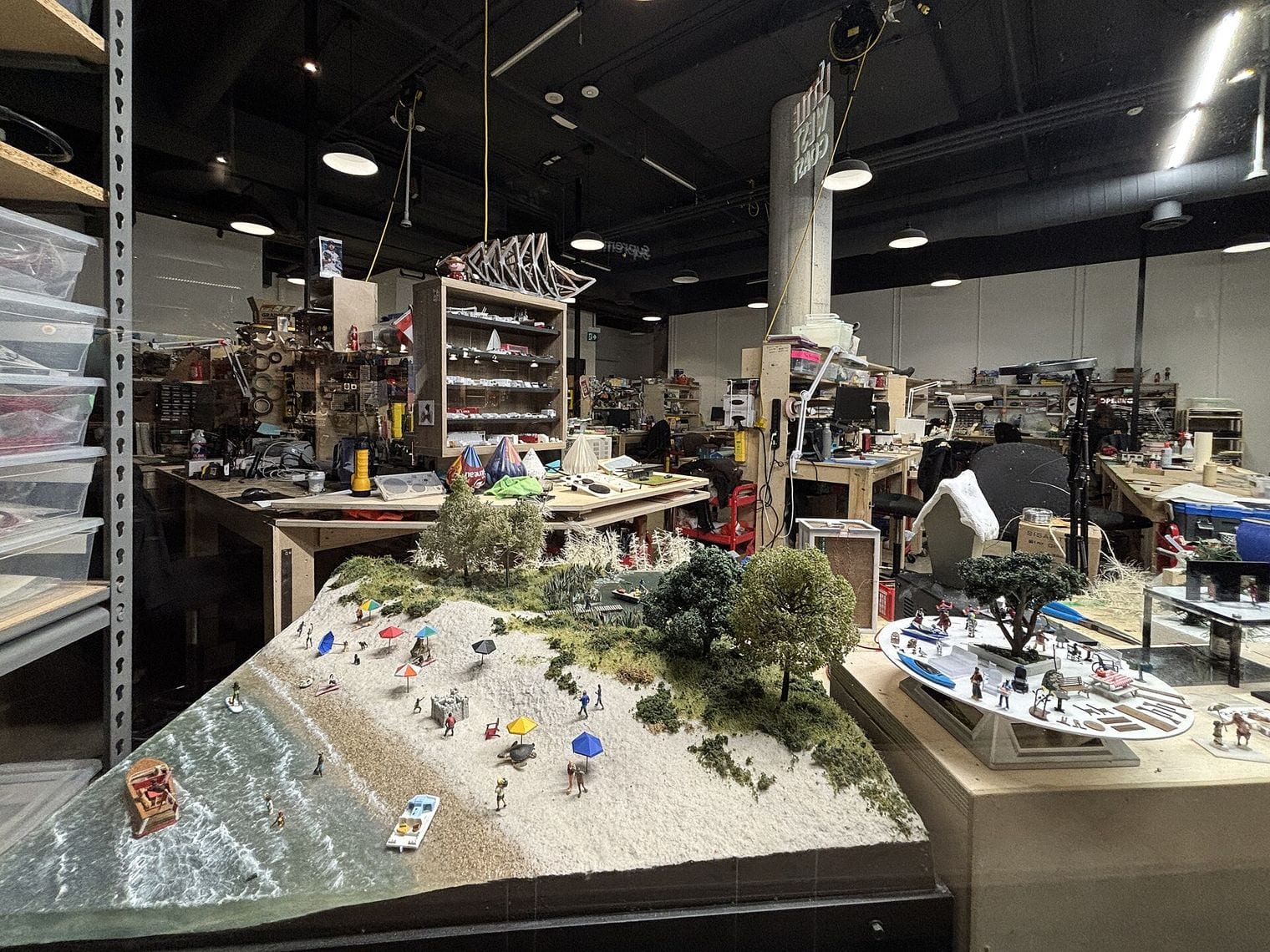
Pocket Planet Canada is an indoor attraction that recreates the country in miniature, and it is far more absorbing than that description suggests. Detailed models of Canadian cities and landscapes are built at small scale and lit on a cycle that runs from daylight to night, so the tiny windows come on and the streets change character while you are standing over them. Look closely and the scenes are full of jokes and small human dramas.
Visitors can have a miniature figure of themselves made and placed into one of the displays, which is the part children tend to remember. It sits on Yonge Street a short walk from Sankofa Square and the Eaton Centre, and being entirely indoors it is a dependable option in bad weather. Allow an hour or so, longer if you are travelling with anyone who likes spotting details.
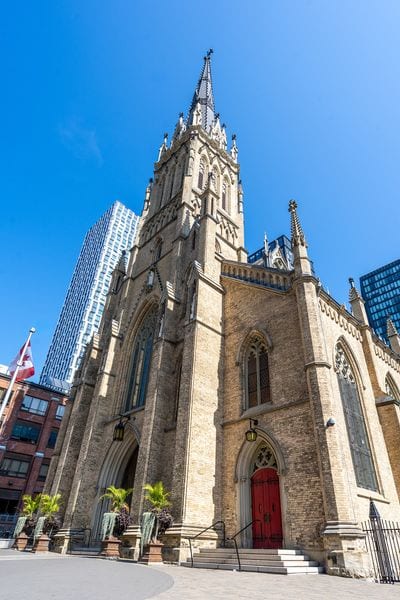
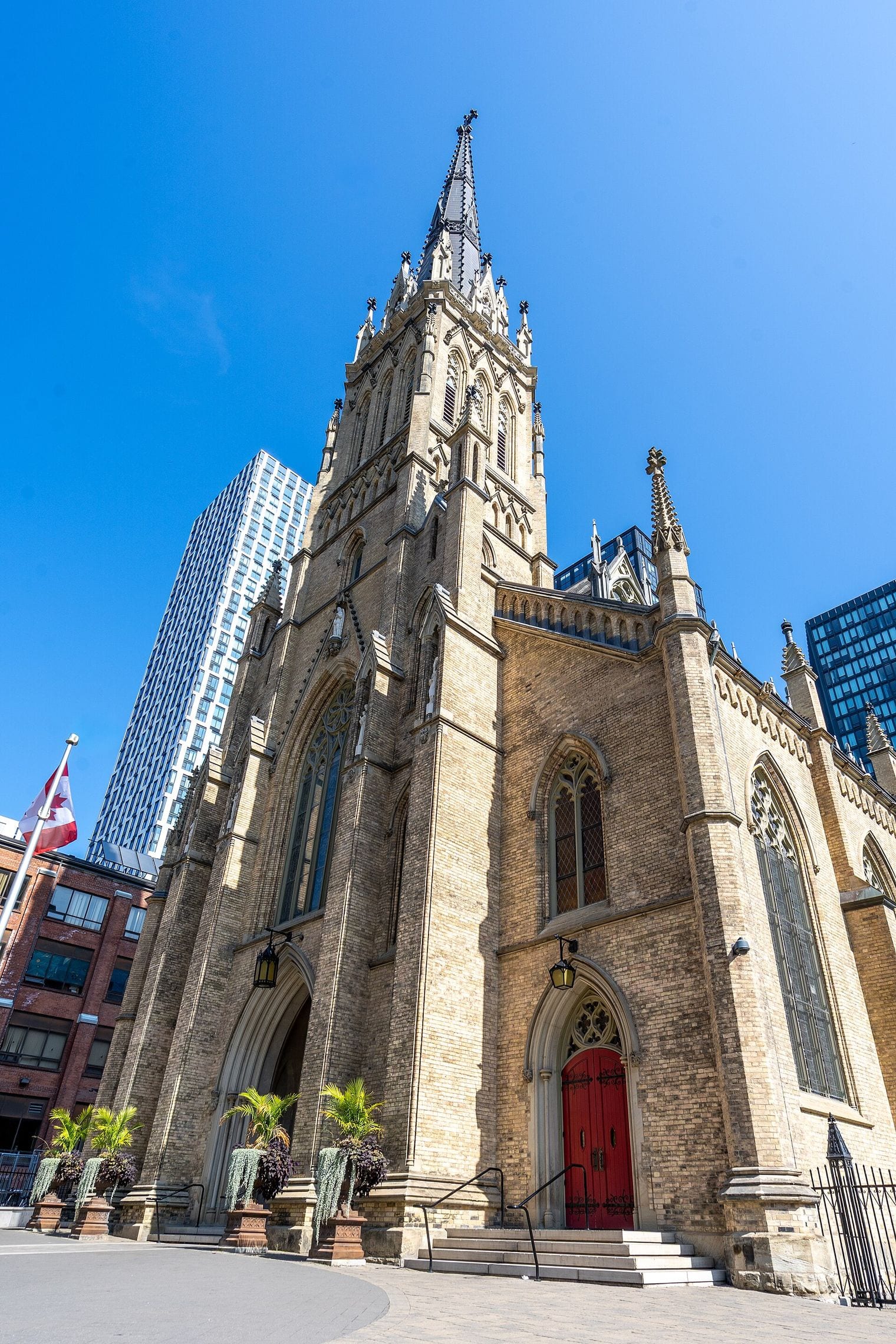
Tucked behind the shops on Yonge Street, St. Michael's Cathedral Basilica is a Gothic Revival church that most visitors walk past without noticing. A major restoration stripped back later alterations and returned the interior to something close to its original scheme, and the result is genuinely impressive: a high vaulted nave, deep colour on the ceiling, restored stained glass, and a reredos behind the altar that had been hidden for generations.
It is the seat of the Catholic archdiocese of Toronto and remains an active parish, so services run throughout the week and visitors are asked to be unobtrusive during them. The spire is a landmark on the downtown skyline from the east. It takes twenty minutes to look around properly, and it is one of the quietest places in the middle of the city.
Plan your trip
Best Time to Visit Toronto
Late spring and early autumn are the sweet spots. May and June bring the patios out and the cherry blossoms through High Park, while September and October give you warm days, cool evenings and the film festival crowd downtown without the humidity that settles over the city in midsummer. July and August are hot, sticky and busy, but they are also the only months when the islands, the beaches and the waterfront festivals are working at full strength.
Winter is genuinely cold and often grey, with lake-effect snow and windchill along the waterfront, but it has its compensations: free skating at Nathan Phillips Square and Harbourfront, the Christmas market in the Distillery District, and museums that are blessedly empty. If you are coming between December and March, plan an itinerary that can retreat indoors at short notice and make use of the underground PATH network.
Getting to Toronto
Toronto Pearson International Airport, west of the city, is the main gateway and the busiest airport in the country, connected to downtown by the UP Express rail link in around 25 minutes.
Billy Bishop Toronto City Airport sits on the Toronto Islands, a short tunnel walk from the waterfront, and handles regional flights — landing there puts you closer to downtown than almost any airport in North America. Buffalo Niagara International, across the border in New York State, is roughly a two-hour drive and is sometimes a cheaper option for travellers from the United States.
By road, Highway 401 crosses the top of the city and is the main artery between Windsor and Montréal, while the Queen Elizabeth Way curves around the lake from Niagara. Union Station downtown is the national rail hub, with Via Rail services along the Toronto–Ottawa–Montréal corridor and Amtrak's connection south to New York; the same building is the terminus for GO regional trains and the subway.
Getting Around Toronto
The downtown core is flat, gridded and comfortably walkable, and most of the attractions in the first half of this list sit within about half an hour of each other on foot. Beyond that, the TTC does the work: two main subway lines cross the city, and the streetcar network covers the routes the subway misses, including Queen, King, Spadina and College. Streetcars are slow but they are the most pleasant way to get a feel for the neighbourhoods.
A car is more trouble than it is worth downtown, where parking is expensive and the traffic is heavy, but it earns its keep for the outlying entries here — the zoo, the Scarborough Bluffs and the Aga Khan Museum are all noticeably easier to reach with one.
Bike share stations are dense across the central city, and the Martin Goodman Trail runs along the waterfront for most of the city's width. In deep winter, the PATH lets you cross much of downtown without going outside.
Where to Stay in Toronto
The Entertainment District and the waterfront put you within walking distance of the CN Tower, the aquarium, Rogers Centre and the theatres, which makes them the obvious base for a short first visit.
The Financial District is quieter in the evenings but extremely well connected, sitting directly on the PATH and a few minutes from Union Station. For something with more character, Yorkville is the upscale option north of the museums, while the Church-Wellesley Village and the Annex are lively, central and better value.
West of the core, Queen West and Ossington put you in the middle of the bar and gallery scene and within a short walk of Kensington Market and Graffiti Alley. Leslieville and the Beaches in the east are residential and calm, better suited to a longer stay or a trip built around the boardwalk. Wherever you land, staying near a subway station matters more than staying near a specific attraction.
Where to Eat in Toronto
Toronto's defining food quality is range rather than a single signature dish, and the fastest way to understand the city is to eat across its neighbourhoods. Kensington Market covers Latin American, Caribbean and Portuguese in a couple of blocks.
Chinatown along Spadina runs into the market at one end and the Entertainment District at the other. Greektown on the Danforth, Little Italy on College, Koreatown on Bloor and the South Asian stretch of Gerrard Street East each reward a dedicated evening.
The one thing to eat that belongs to the city outright is the peameal bacon sandwich at St. Lawrence Market. Beyond that, look for Hong Kong-style cafés, Sri Lankan food in Scarborough, Jamaican patties and roti in the west end, and the Portuguese grilled chicken that turns up across Little Portugal. The Distillery District, King West and the Assembly-style food halls downtown are the reliable options when you want everything in one place.
Day Trips from Toronto
Niagara Falls is the obvious one, about an hour and a half south-west around the lake, and it remains genuinely staggering in person however many photographs you have seen — it is one of the largest waterfalls in the world by volume.
The same trip takes in Niagara-on-the-Lake, a preserved nineteenth-century town at the mouth of the river, and the wineries of the Niagara escarpment. Note that the falls are firmly a day trip rather than a Toronto attraction, whatever some city guides imply.
Closer in, Canada's Wonderland sits about half an hour north in Vaughan and holds one of the largest roller coaster collections on the continent, including some of the fastest roller coasters in the world.
Further afield, Prince Edward County is roughly two and a half hours east for beaches and wine, the Blue Mountains are around two hours north-west for skiing and hiking, and Stratford, about two hours west, runs one of North America's major theatre festivals through the summer.
Before you go
Mobile dataAn eSIM gives your phone local data when you land, with no SIM card to swap.via AiraloGet an eSIM
Airport transferA driver meets you at arrivals and takes you to your hotel, at a price fixed when you book.via Welcome PickupsBook a transfer
We may earn a commission when you buy through these links, at no extra cost to you. How we make money.
One Day in Toronto
Morning
Start at the CN Tower before the queues build, taking in the LookOut and the Glass Floor while the light is still soft, then drop down to Ripley's Aquarium of Canada next door. Walk east along Front Street to St. Lawrence Market for a peameal bacon sandwich and a circuit of the vendors.
Head west to Graffiti Alley and spend the last of the daylight on Queen West, then eat your way through Kensington Market as the bars fill up. If a game is on, Rogers Centre is a ten-minute walk from the tower where you started, and the roof is usually open on a warm night.
Toronto is best known for the CN Tower, which defined the skyline for decades as the world's tallest free-standing structure, and for being one of the most multicultural cities anywhere. Beyond the tower, the city is associated with Casa Loma's improbable downtown castle, the two-centuries-old St. Lawrence Market, Nathan Phillips Square's TORONTO sign, and the Royal Ontario Museum with its jagged Crystal addition.
How many days do you need in Toronto?
Three days covers the core comfortably: one for the waterfront and the tower, one for the museums and downtown squares, and one for the neighbourhoods and the islands. Four or five lets you add the outlying entries — the zoo, the Scarborough Bluffs, the Aga Khan Museum — without rushing, or to take a day trip out to Niagara Falls and back.
Is Toronto worth visiting?
Yes, particularly if you enjoy cities that reward walking and eating over ticking off monuments. Toronto has fewer headline sights than London or New York, but its strength is the density and variety of its neighbourhoods, its lakeside setting with genuinely good beaches and islands, and a food scene that draws on a population where a very large share of residents were born abroad.
What can you do in Toronto for free?
A great deal. Walking Kensington Market, Graffiti Alley and the Distillery District costs nothing, as does the whole of High Park with its small free zoo, the Scarborough Bluffs, Woodbine Beach and the boardwalk, and Evergreen Brick Works with its valley trails. Nathan Phillips Square and Harbourfront Centre both run free programming and free winter skating if you have your own skates.
Do you need a car in Toronto?
No, and downtown you are better off without one, as parking is costly and traffic is slow. The subway and streetcar network reaches almost everything in this guide, and the central core is easily walkable. A car only becomes genuinely useful if you plan to combine several outlying attractions in one day, or to drive out to Niagara Falls or the Blue Mountains.