Snow peaks, cloud forest, two oceans and a coffee cup that never seems to empty — a country that packs a continent's worth of landscapes into one trip.
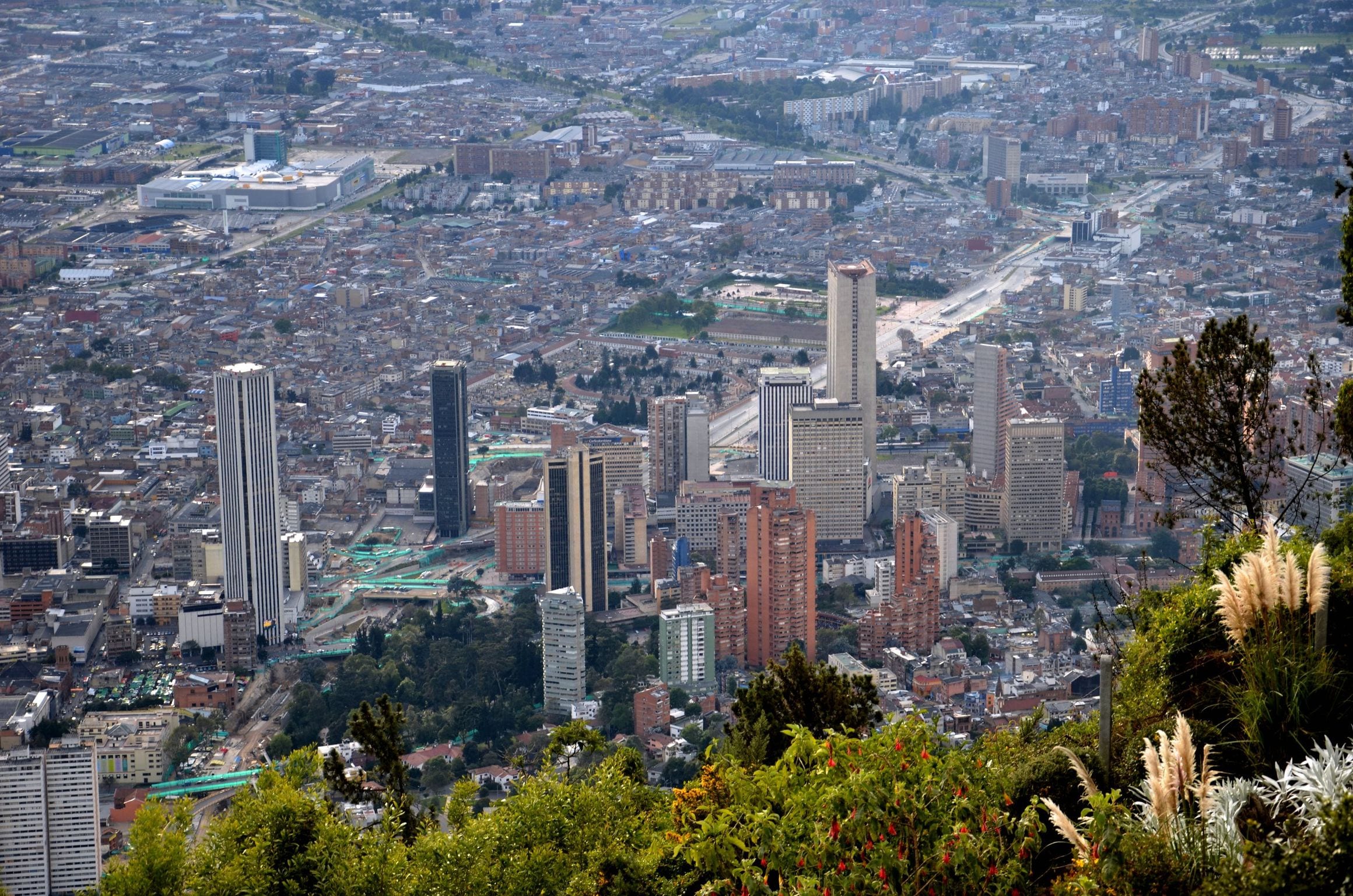
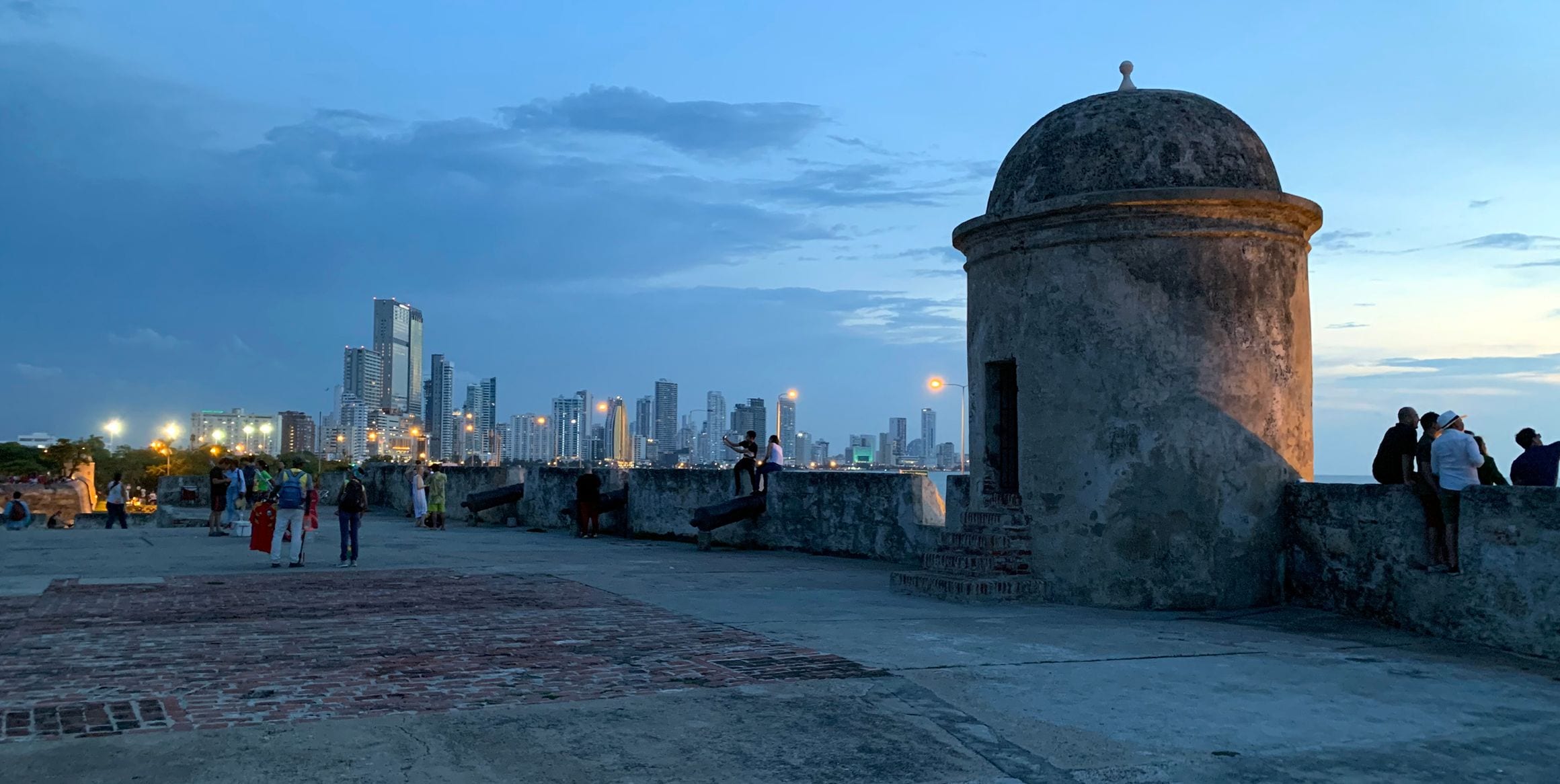
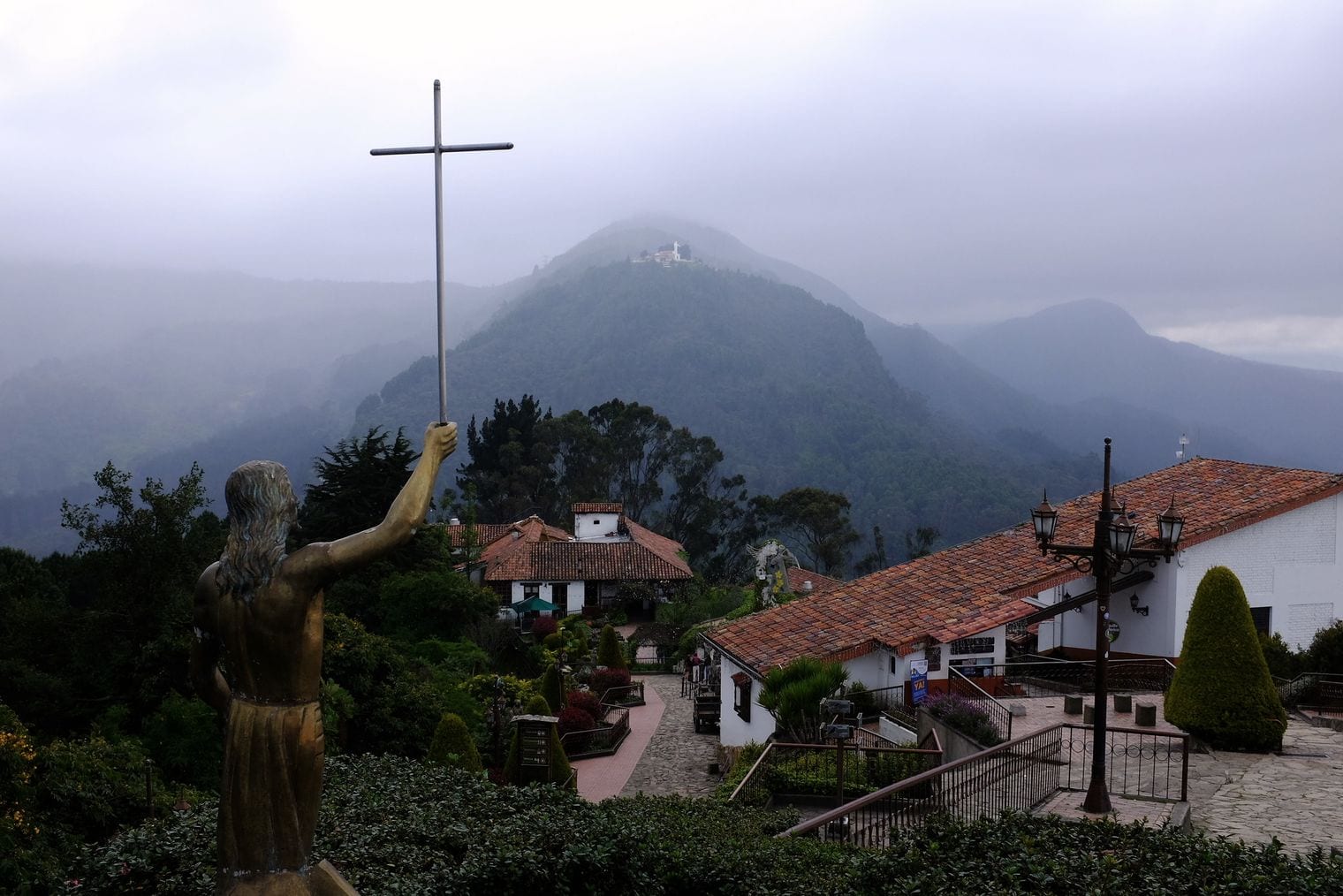
Colombia is the only country in South America with coastlines on both the Caribbean and the Pacific, and between them the Andes split into three ranges of cloud forest, coffee farms and high plateau. Most trips begin in Bogotá, the capital, some 2,600 metres up — a city of colonial lanes in La Candelaria, world-class museums and the peak of Monserrate. Beyond it lie Medellín's cable cars and spring-like climate, the green hills of the Coffee Region, and the walled old town of Cartagena on the Caribbean coast.
The main dry season tails off in March, and April and May bring the first rains of the year to Bogotá and the Andes — usually afternoon showers rather than all-day downpours. Holy Week fills the country's churches and towns, above all Popayán, whose processions are on UNESCO's intangible heritage list.
SummerJun–Aug
A drier spell returns to the Andes, making it a good time for Bogotá, Medellín and Coffee Region hikes. Humpback whales arrive off the Pacific coast to calve from around July, and Medellín celebrates its Feria de las Flores in August. Temperatures barely change through the year — altitude, not season, decides whether you need a jacket.
FallSep–Nov
The wettest stretch of the year across much of the country, with October and November the rainiest months in the Andes and on the Caribbean coast. Whale-watching on the Pacific continues into October, and crowds are thinner — but mountain roads can be slowed by landslides.
WinterDec–Feb
The main dry season and peak travel time, with sunny Caribbean beaches and clear Andean mornings. Colombians travel too over Christmas and New Year, when Medellín strings its famous Christmas lights along the river; book ahead, especially in Cartagena. Barranquilla's Carnival fills the days before Lent.
Regions
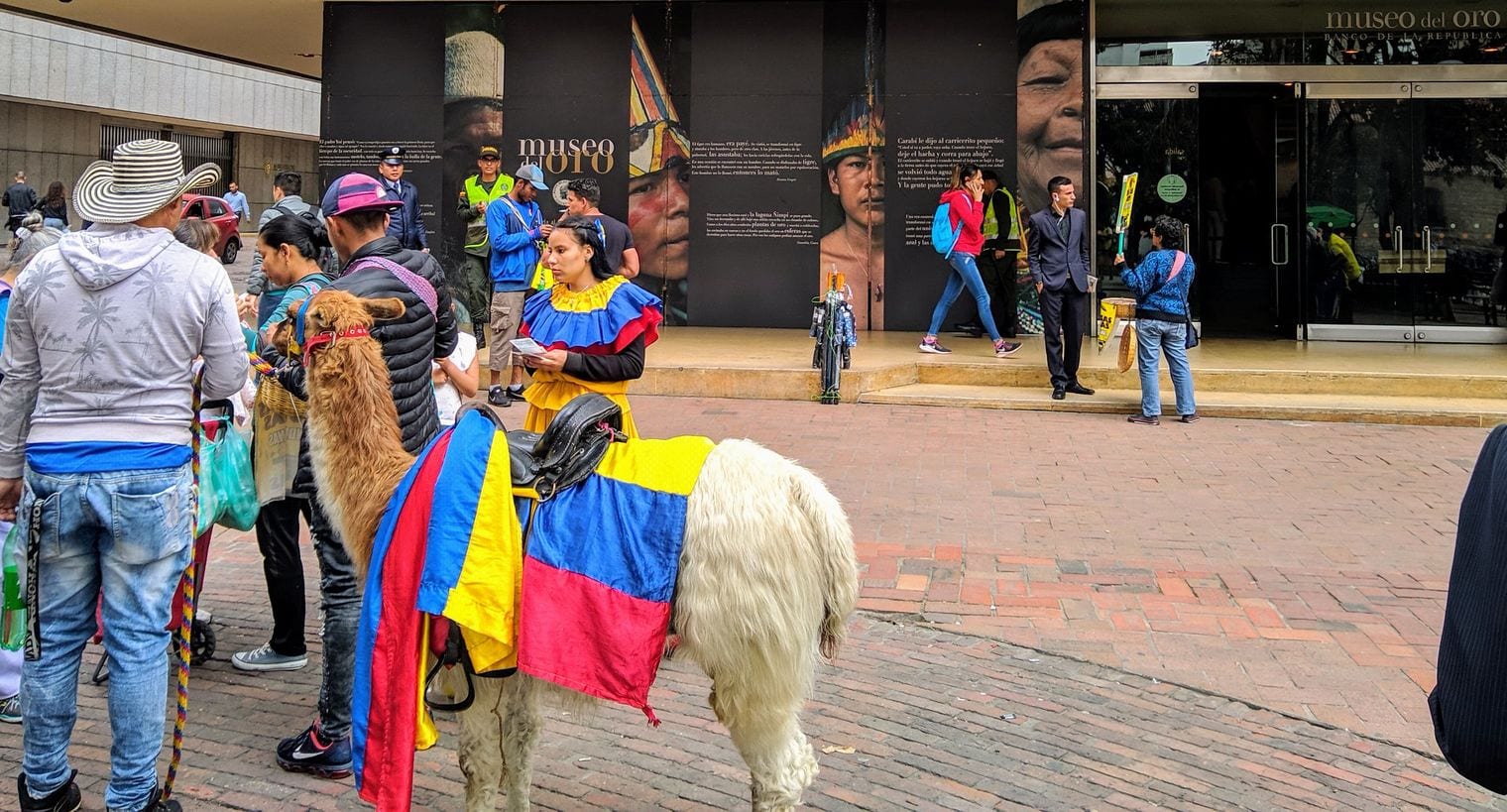
Bogotá & the Andean highlandsThe capital on its high plateau: the colonial lanes of La Candelaria, the Gold Museum and the sanctuary on Monserrate — with the underground Salt Cathedral of Zipaquirá, the sacred Muisca lake of Guatavita and the whitewashed colonial town of Villa de Leyva within reach.
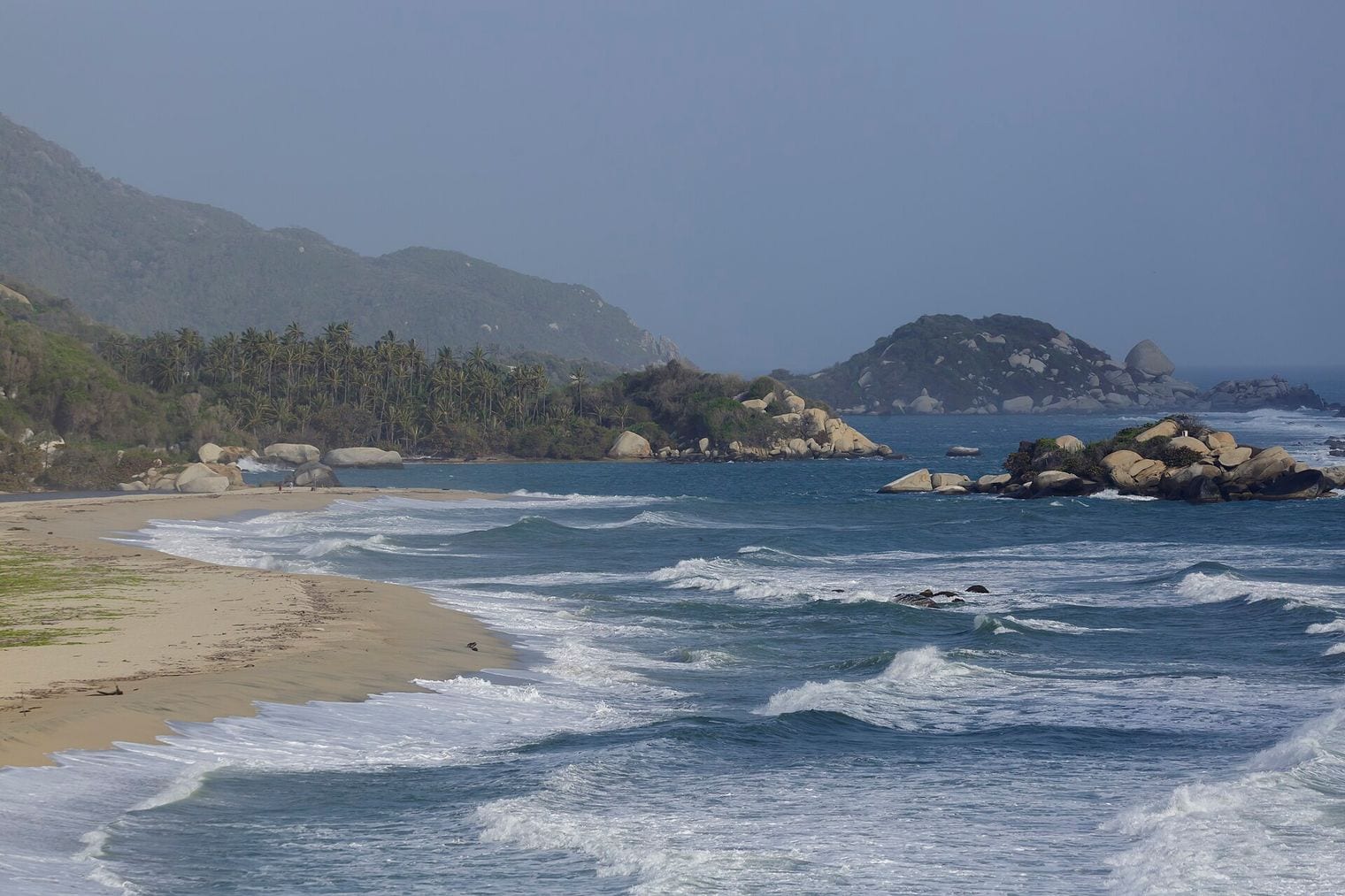
Cartagena & the Caribbean coastThe walled port of Cartagena, a UNESCO site with its fortress of San Felipe and the Rosario Islands offshore; further east, Santa Marta, Tayrona National Park's jungle-backed beaches and the Sierra Nevada de Santa Marta, the world's highest coastal mountain range.
Medellín & AntioquiaColombia's second city, nicknamed the City of Eternal Spring, with Botero's sculptures in the centre, cable cars over the hillsides and the street art and outdoor escalators of Comuna 13 — plus day trips to the lakeside town of Guatapé and its giant granite rock, El Peñón.
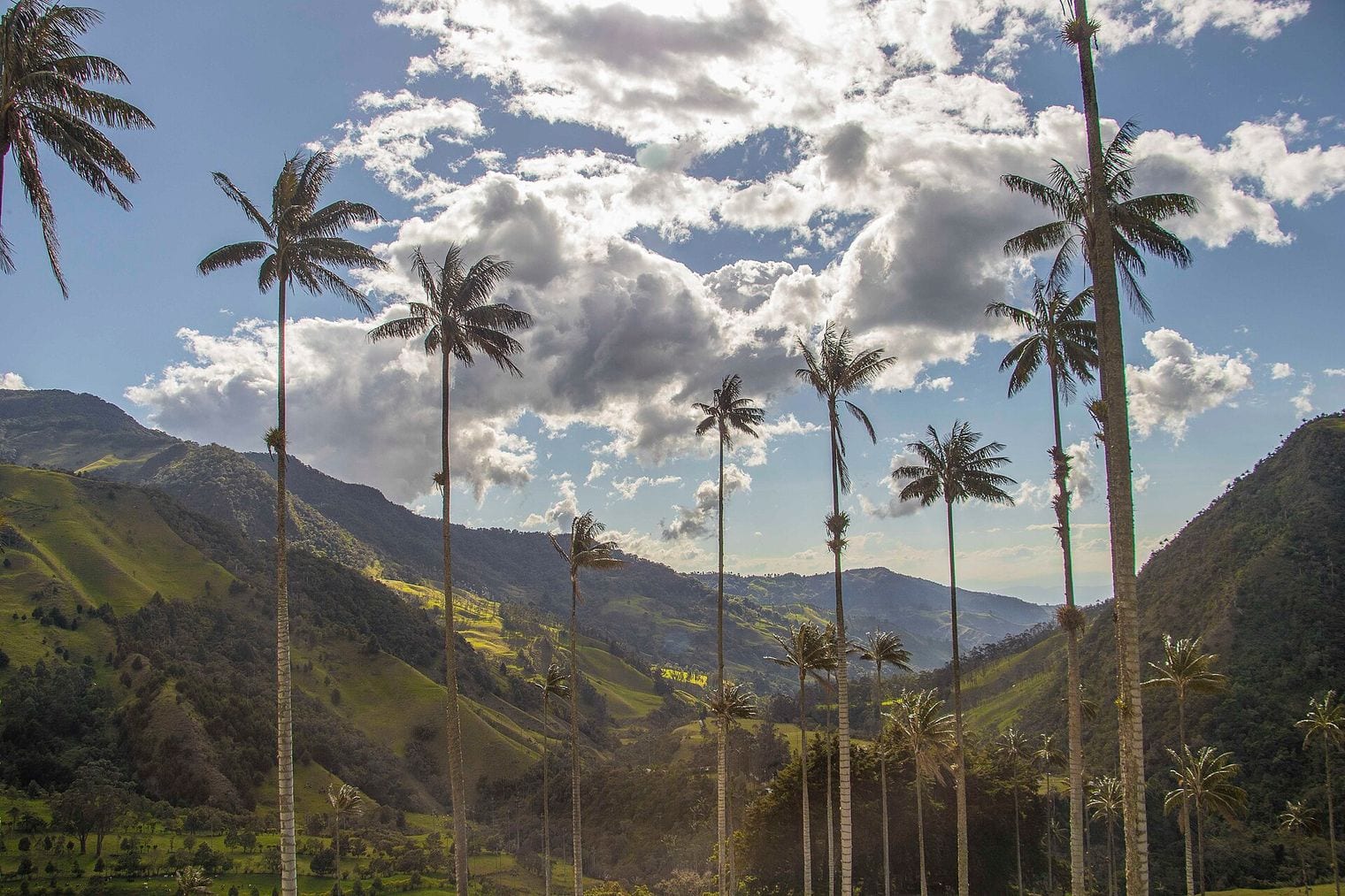
The Coffee RegionThe Eje Cafetero, a UNESCO-listed cultural landscape of steep coffee farms around Manizales, Pereira and Armenia — and the village of Salento, gateway to the Cocora Valley and its towering wax palms, Colombia's national tree.
Cali & the southwestCali, the country's salsa capital, and the colonial White City of Popayán — the base for the UNESCO-listed archaeological parks of San Agustín, with South America's largest group of megalithic sculptures, and the painted underground tombs of Tierradentro.
The Amazon & the eastern plainsThe river port of Leticia, reached only by air, where Colombia meets Brazil and Peru on the Amazon; and the Llanos, the vast eastern grasslands, where the Serranía de la Macarena hides Caño Cristales, a river that turns red with aquatic plants for part of each year.
Getting around
Colombia has no long-distance passenger railway, and the three Andean ranges make road journeys slow, so most visitors link the big destinations — Bogotá, Medellín, Cartagena, the Coffee Region airports at Pereira and Armenia, Santa Marta and Cali — with short domestic flights. Long-distance buses run between every town of any size and are the budget alternative for shorter hops, such as Medellín to Guatapé or along the Caribbean coast between Cartagena and Santa Marta. In the cities, Bogotá runs the TransMilenio bus rapid transit system and Medellín has the country's only metro, with cable cars climbing its hillsides; app-booked rides and taxis fill the gaps, and old-town Cartagena and Bogotá's La Candelaria are best on foot. A hire car earns its keep mainly in the Coffee Region and around the Bogotá plateau, where Willys jeeps also shuttle visitors between Salento and the Cocora Valley.
The Cocora ValleyHiking trails through cloud-forest pasture beneath the Quindío wax palm, the tallest palm in the world.Basecamp: Salento
Tayrona & Ciudad PerdidaJungle-backed Caribbean beaches in Tayrona National Park, and the multi-day trek to the Lost City, the stone terraces of the Tairona people in the Sierra Nevada.Basecamp: Santa Marta
The Salt Cathedral of ZipaquiráA cathedral carved inside the tunnels of a working salt mine, the classic day trip north of Bogotá.Basecamp: Bogotá
The classic first trip, linked by short domestic flights — the capital's museums, the coffee farms and wax palms of the Eje Cafetero, Medellín, and a finish in the sun on the Caribbean coast.
1Bogotá — fly in; La Candelaria, the Gold Museum & Monserrate
2Salento — coffee farms & the Cocora Valley
3Medellín — cable cars, Comuna 13 & a day at Guatapé
4Cartagena — the walled city & the Rosario Islands
5Santa Marta — base for Tayrona National Park
The Caribbean coast
~7–10 days
From colonial Cartagena east along the coast to the beaches and mountains around Santa Marta — with the option of the multi-day trek to Ciudad Perdida.
1Cartagena — the old town & San Felipe fortress
2Rosario Islands — a day on the water offshore
3Santa Marta — Colombia's oldest surviving city
4Minca — coffee and birdlife in the Sierra Nevada foothills
5Tayrona National Park — jungle trails to the beaches
Bogotá & the high plateau
~3–5 days
The capital and the Muisca heartland around it — the old town and museums, then the salt mine, sacred lake and colonial town of the Cundinamarca and Boyacá highlands.
5Laguna de Guatavita — the lake of the El Dorado legend
6Villa de Leyva — a colonial town with a vast cobbled square
Get new Colombia guides by email
One email every Thursday with our newest guides for the places you tick.
Colombia travel FAQ
Eight questions travellers ask before they go.
When is the best time to visit Colombia?
December to March is the main dry season and the most reliable time for both the Caribbean coast and the Andes, with a second drier spell in the mountains from June to August. October and November are usually the wettest months. Because Colombia sits near the equator, temperatures barely change through the year — Bogotá is cool year-round and Cartagena hot, whatever the month.
How many days do you need in Colombia?
Three to four days covers Bogotá with a day trip to the Salt Cathedral of Zipaquirá. A week adds either Cartagena or Medellín and the Coffee Region. Two weeks, with domestic flights, takes in Bogotá, the Coffee Region, Medellín and the Caribbean coast at a comfortable pace.
Do you need a car in Colombia?
No — most visitors fly between regions and use buses, app-booked rides, taxis and the cities' public transport. Mountain roads are slow and winding, so a car is only worth it for exploring the Coffee Region or the countryside around Bogotá at your own pace.
What is Colombia known for?
Coffee, grown on the Andean slopes of the UNESCO-listed Coffee Cultural Landscape; emeralds and pre-Hispanic gold; salsa, cumbia and vallenato; the novels of Gabriel García Márquez and the art of Fernando Botero; and wildlife — Colombia has recorded more bird species than any other country.
Do people speak English in Colombia?
Less than in many tourist countries. Spanish is the language of daily life, and English is mostly found in hotels, tour companies and the busier parts of Bogotá, Medellín and Cartagena. A translation app and a few Spanish phrases go a long way, and Colombians are known for their patient, clearly spoken Spanish.
What currency does Colombia use?
The Colombian peso (COP), written with a "$" sign — so prices in the thousands are pesos, not dollars. Cards are widely accepted in the cities, but carry cash for small shops, markets, taxis and rural areas, and use ATMs inside banks or shopping centres.
What should I eat in Colombia?
Ajiaco, Bogotá's chicken-and-potato soup with corn and capers; the bandeja paisa platter of Antioquia; arepas and empanadas everywhere; fried fish with coconut rice and patacones on the Caribbean coast; and tropical fruit such as lulo, maracuyá and guanábana, often as fresh juice. In Bogotá, try hot chocolate served with cheese to drop into the cup.
What kind of trip is Colombia best for?
City breaks, coffee farms, beaches and birdwatching.
We use cookies to analyse site traffic and improve your experience.
You can accept or reject analytics cookies. See our
May we use analytics cookies? See ourCookie Policy.