We build and rank every list first. Booking links come after, and only where
a partner sells a ticket, tour or stay for that exact place, so a place with
nothing to book is listed exactly as prominently as one you can book.
So how do we earn? Some links on this page go to booking
partners, and if you book or buy through
one, we may earn a commission. It costs you nothing extra.
That commission never decides which places make the list, the order they
appear in, or what we write about them. No entry is sponsored or a paid
placement.
By the City Viking editorial teamPublished 40 places · 28 min read
Fact-checked Checked before launchOct 11, 202638 sources18 publishers9 government & parks1 tourism board20 encyclopedias & research8 venues & other sitesPublished · Oct 11, 2026Researched and checked before it went liveClick for every source and the full change log.
Short answer
Bogotá is known for being the third-highest capital in the world, the El Dorado legend and its Sunday Ciclovía, when streets close to cars. Its must-sees are Monserrate, the mountain-top sanctuary above the city, the Gold Museum and Plaza de Bolívar in colonial La Candelaria. Three to four days is ideal: Monserrate and the old town, then the Museo Nacional and the north, with the rest for markets, parks, Usaquén or a day trip.
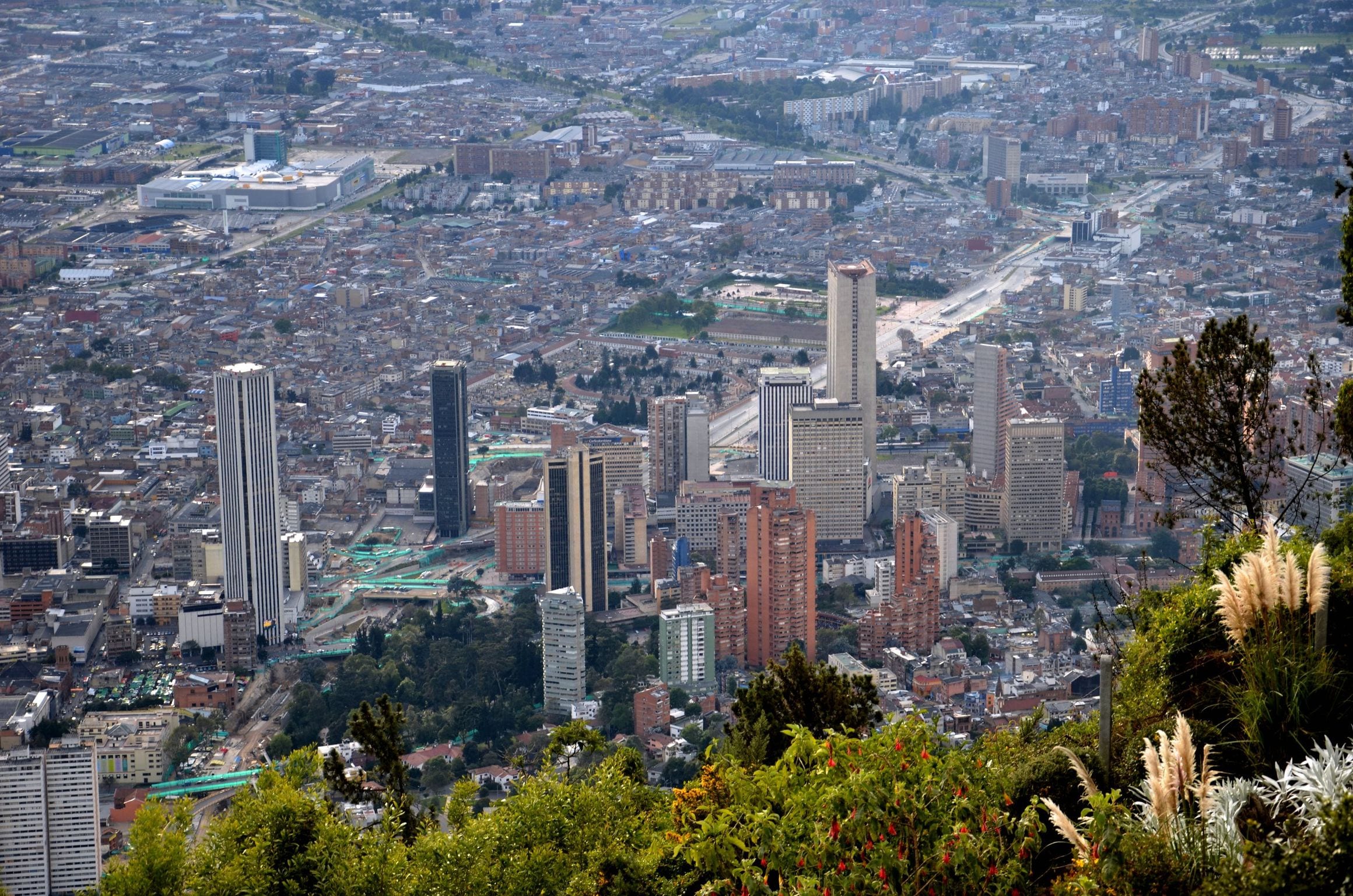
Bogotá spreads across a high Andean plateau, its red-brick neighborhoods running up to the green Eastern Hills about 2,640 meters above sea level. Colombia's capital pairs a cobbled colonial old town with superb museums, buzzing markets and a lively food and nightlife scene, all under a cool, spring-like climate that barely changes through the year.
This guide ranks the 40 best things to do in Bogotá, from the summit of Monserrate and the Gold Museum to flea markets, wetlands, hillside trails and the Sunday crafts of Usaquén. Allow three to four days to see the highlights without rushing.
Bogotá is the third-highest capital in the world, at an average of about 2,640 meters (8,660 feet) above sea level; among the world's highest capital cities, only La Paz and Quito sit higher.
The city was founded on 6 August 1538 by the Spanish conquistador Gonzalo Jiménez de Quesada, on land the Muisca people called Thybzaca.
Every Sunday and public holiday, more than 120 km of streets close to cars for the Ciclovía, when huge crowds of cyclists, skaters and runners take over the city's main roads.
The El Dorado legend has a real artifact behind it: the golden Muisca raft, found in a cave in Pasca in 1969 and now in the Gold Museum, depicts the ceremony of a new Muisca ruler that inspired the myth.
El Dorado International Airport, named after that legend, handles more cargo than any other airport in Latin America.
Fernando Botero gave away 208 artworks in 2000 to create the Botero Museum, which has been free to visit ever since.
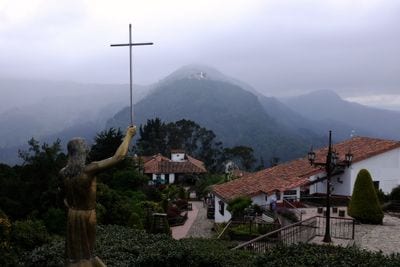
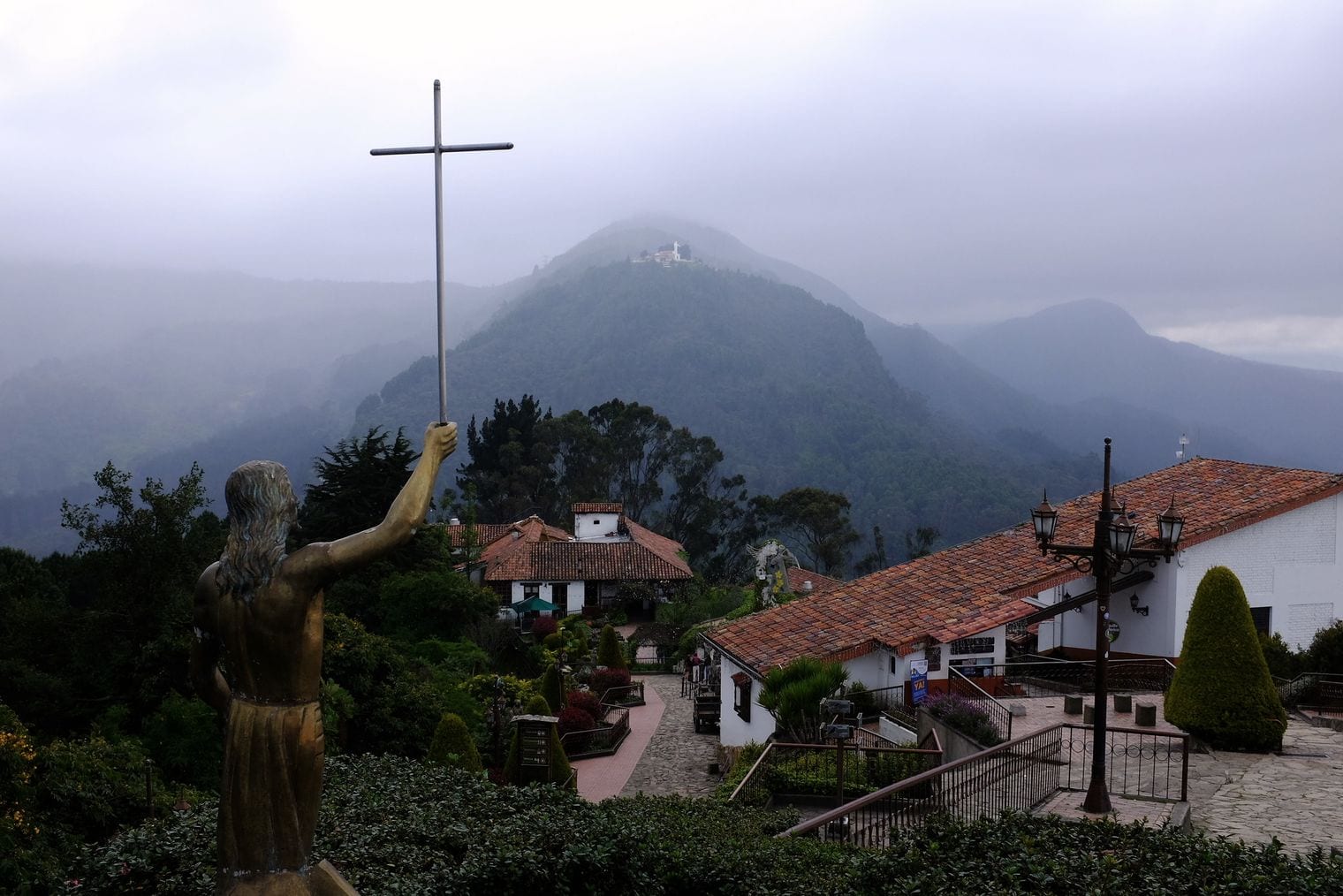
Monserrate is the mountain that frames almost every view of Bogotá, rising to 3,152 meters (10,341 feet) directly above the historic center. The Muisca already held the peak sacred before the Spanish arrived, and today a 17th-century church on the summit, home to the shrine of El Señor Caído (the Fallen Lord), makes it one of Colombia's best-loved pilgrimage sites. A cable car and a funicular climb the slope, while pilgrims and fit locals tackle the steep stone footpath.
The real reward is the panorama: the whole city fans out west across the savanna, with the tiled roofs of La Candelaria at your feet and the towers of the north beyond. Come on a clear morning for the sharpest views, or stay for sunset as the lights come on below. The summit adds yet more altitude, so take the climb slowly if you have only just arrived.
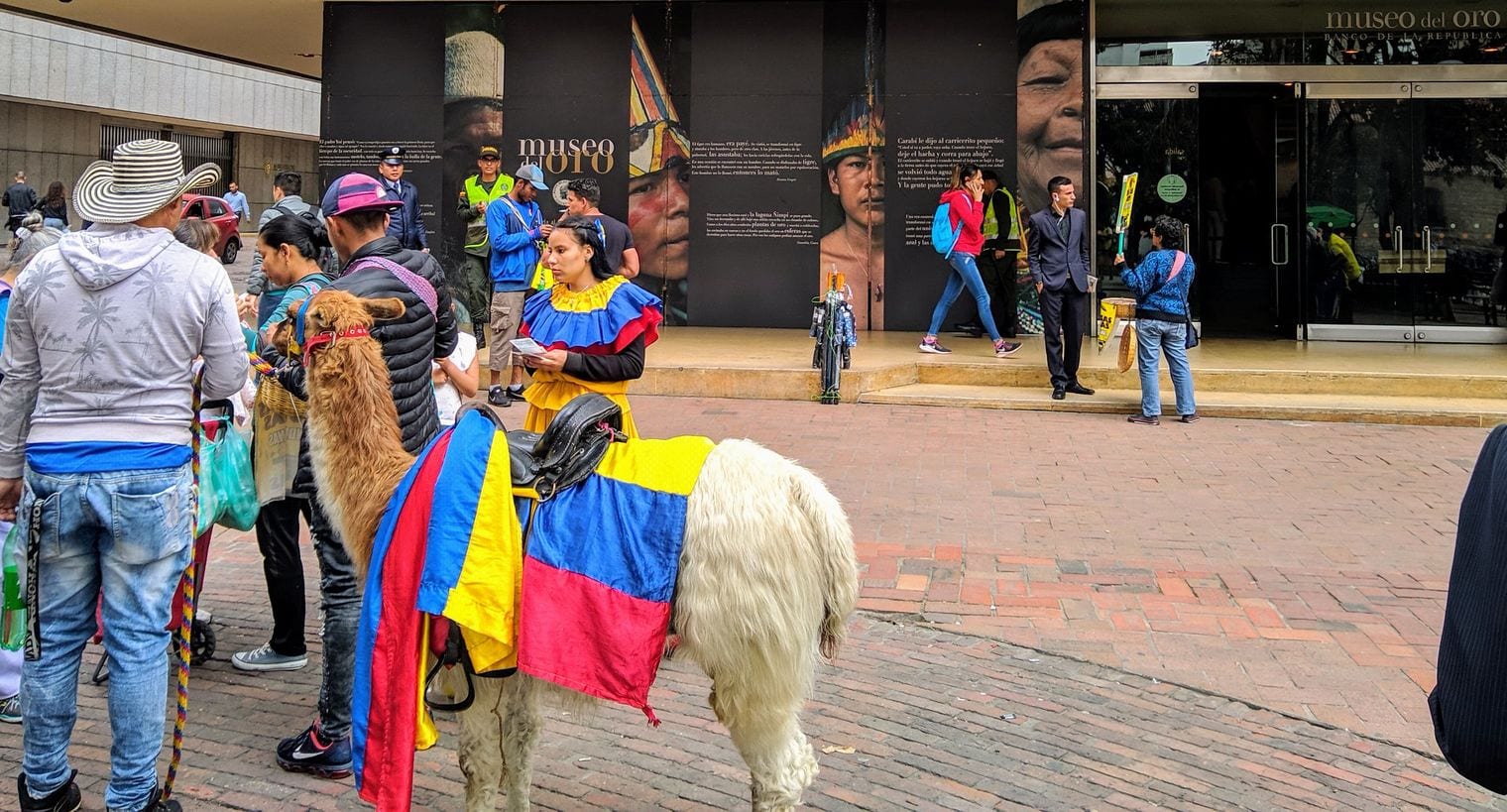
The Gold Museum (Museo del Oro) is Bogotá's most famous museum and one of the most visited sights in Colombia. Run by the Banco de la República, it holds what is widely described as the largest collection of pre-Hispanic goldwork in the world: thousands of masks, breastplates, nose ornaments, figurines and offerings made by the peoples who lived here before the Spanish conquest, displayed alongside their pottery, stone and textiles.
The galleries explain how those societies saw gold as sacred rather than as wealth, and the star piece is the Muisca raft, a small golden votive offering found in a cave in Pasca in 1969 that depicts the ruler's ceremony behind the El Dorado legend. Give it at least two unhurried hours, and pair it with the Botero Museum a few blocks away.
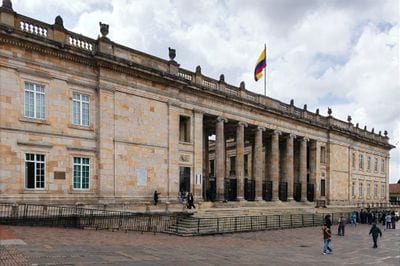
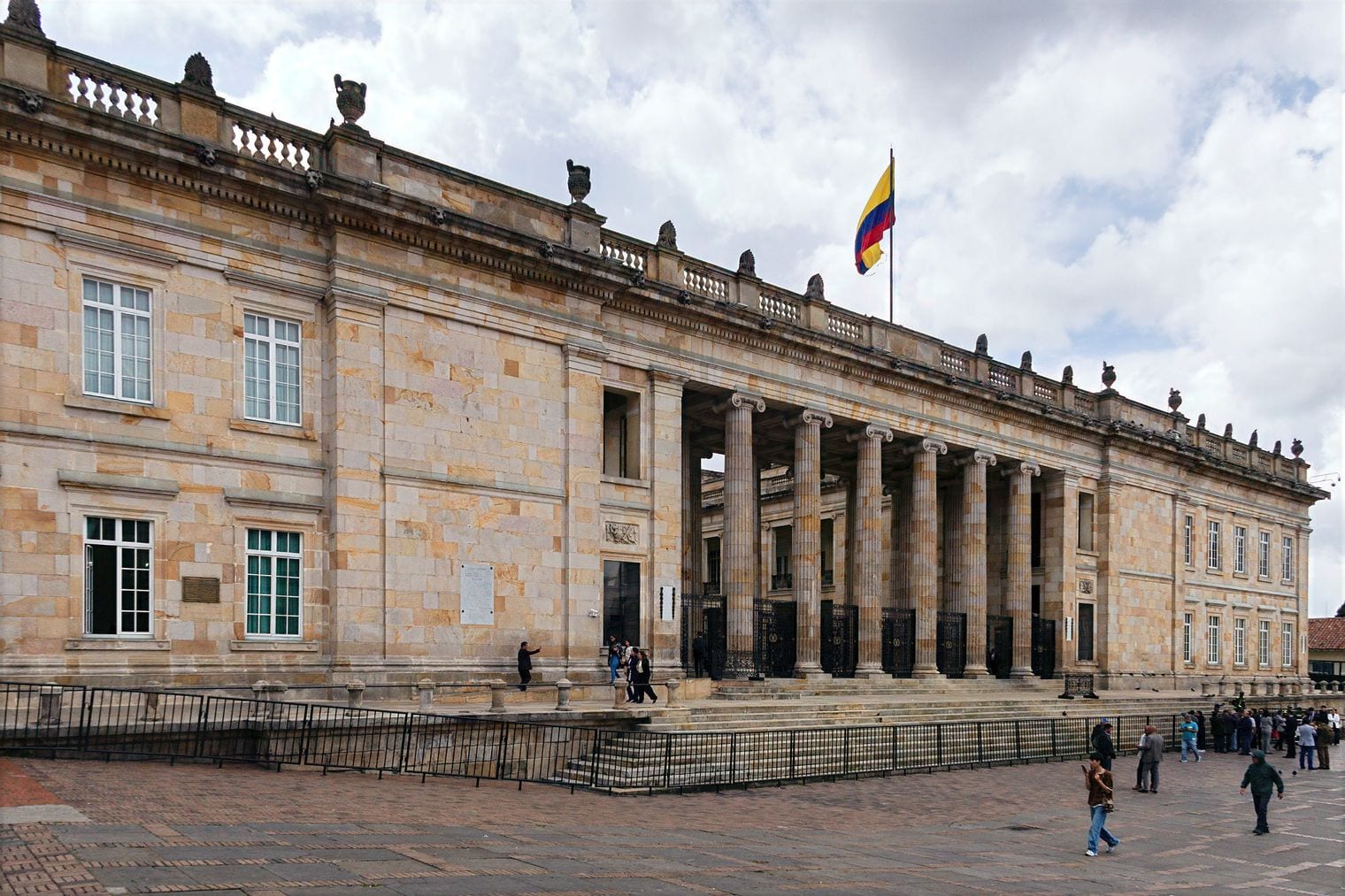
Plaza de Bolívar is the ceremonial heart of Colombia, a vast stone square where the country's institutions face each other across the paving. The National Capitol, seat of Congress, closes the south side; the Palace of Justice stands to the north; the Liévano Palace, the mayor's office, fills the west; and the Primate Cathedral rises on the east.
At the center stands Pietro Tenerani's statue of Simón Bolívar, sculpted in 1846 and the first public monument in the city. Over the centuries the square has hosted markets, bullfights, rallies and protests, and it is still where Bogotá gathers, so expect pigeons, street vendors, school groups and the occasional demonstration. It is the natural starting point for any walk through the old town.
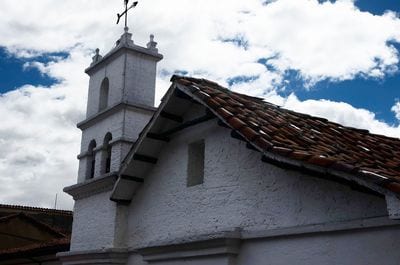
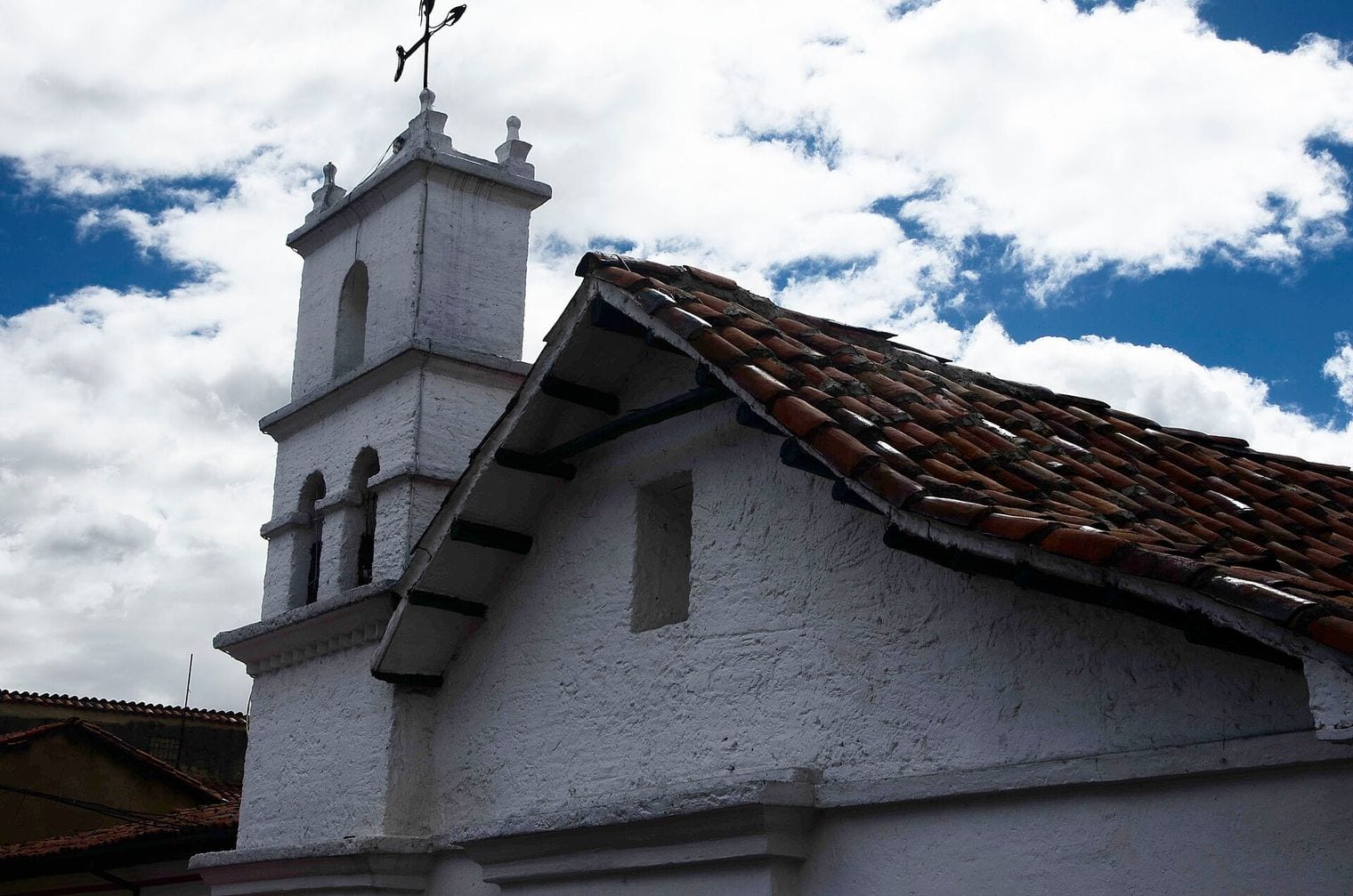
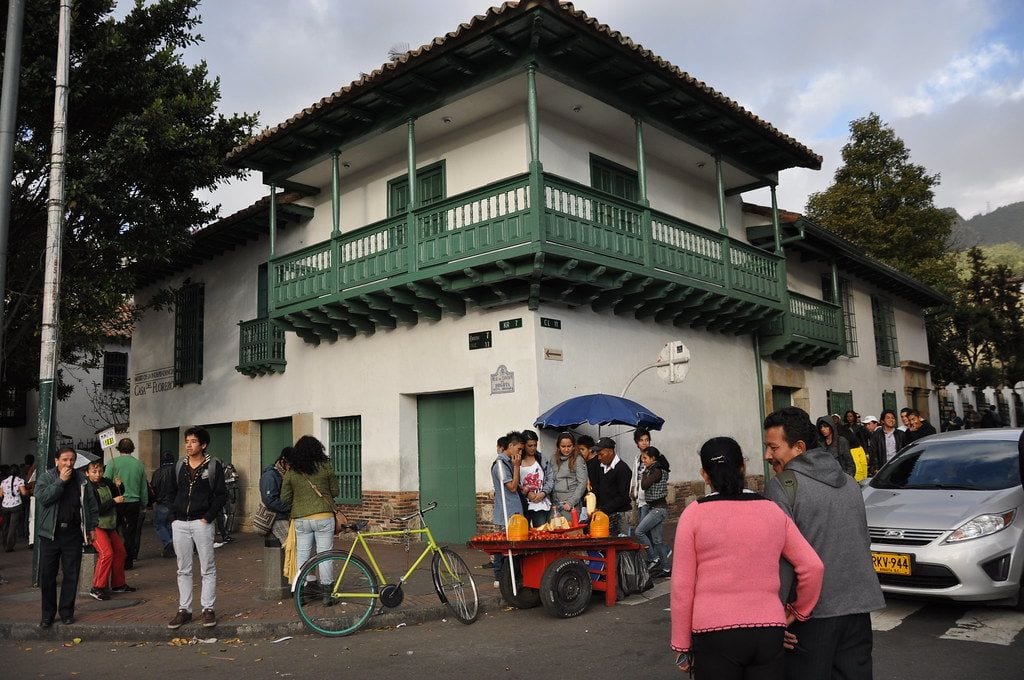
Chorro de Quevedo is the small square where, by tradition, Gonzalo Jiménez de Quesada founded Bogotá in 1538. A little white chapel, the Ermita de San Miguel del Príncipe, rebuilt in 1969 on the site of the city's first chapel, stands beside a fountain that recalls the one an Augustinian priest, Father Quevedo, built here in 1832 and that gave the plaza its name.
Today it is the most bohemian corner of La Candelaria, ringed by student cafés, artist studios and bars pouring chicha, the old fermented corn drink, with storytellers performing on the steps and colorful murals on the walls. Wander into the narrow, graffiti-covered alley that runs off the square, Calle del Embudo, for one of the most photographed lanes in the city.
55. Bogotá Botanical Garden (Jardín Botánico José Celestino Mutis)
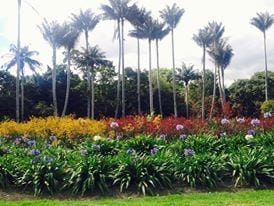
The Bogotá Botanical Garden, named for the botanist and astronomer José Celestino Mutis, is the largest botanical garden in Colombia. Founded in 1955, it is both a public park and a research center, and its collections are arranged by ecosystem with a special focus on the Andean forests and the high, misty páramo that surrounds the city.
Paths lead past an orchid collection, a palm garden, a sundial, an artificial waterfall and greenhouses of Amazonian and other tropical plants, so you can see a cross-section of the country's climates in one walk. It makes a calm half-day on the west side of the city, right beside Simón Bolívar Park.
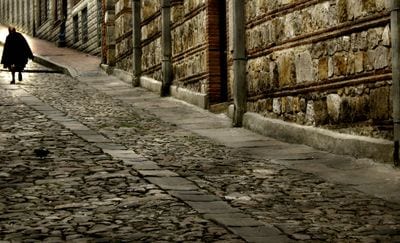
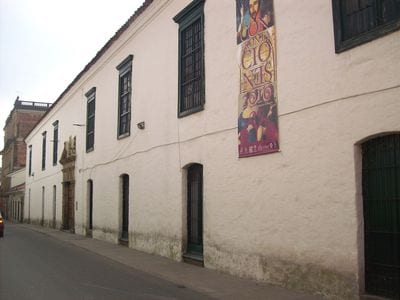
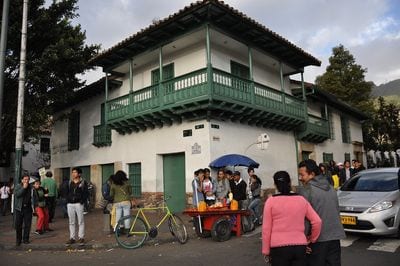
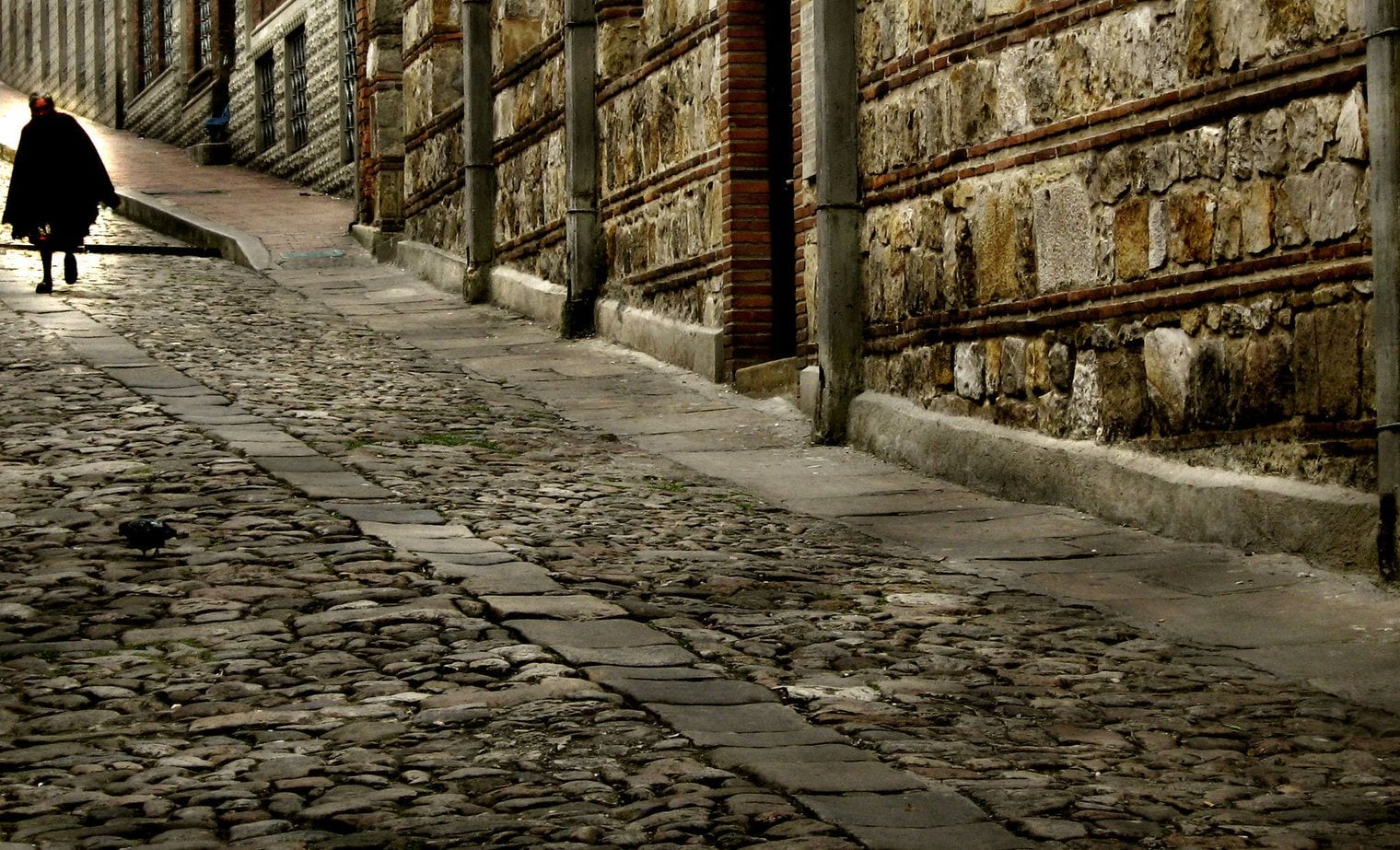
La Candelaria is Bogotá's historic center, the district where the city was founded in 1538 and where most of its colonial churches, museums and government buildings still stand. Its steep, cobbled streets climb toward the Eastern Hills past whitewashed houses with wooden balconies and red-tiled roofs, and its universities, libraries and cultural centers keep the streets busy with students.
It is also the city's open-air gallery, with murals and graffiti on nearly every block, and a guided graffiti walk is one of the best ways to understand the artists and the politics behind the paint. Near the cathedral, old-fashioned tamal shops serve hot chocolate the traditional Bogotá way, a ritual some of them have kept up for around two centuries.
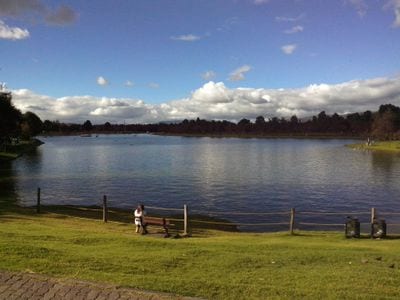
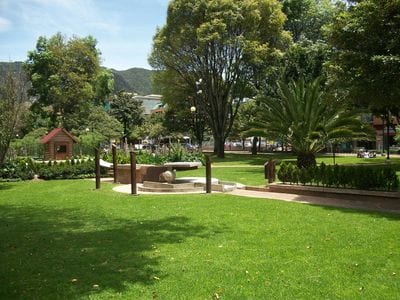
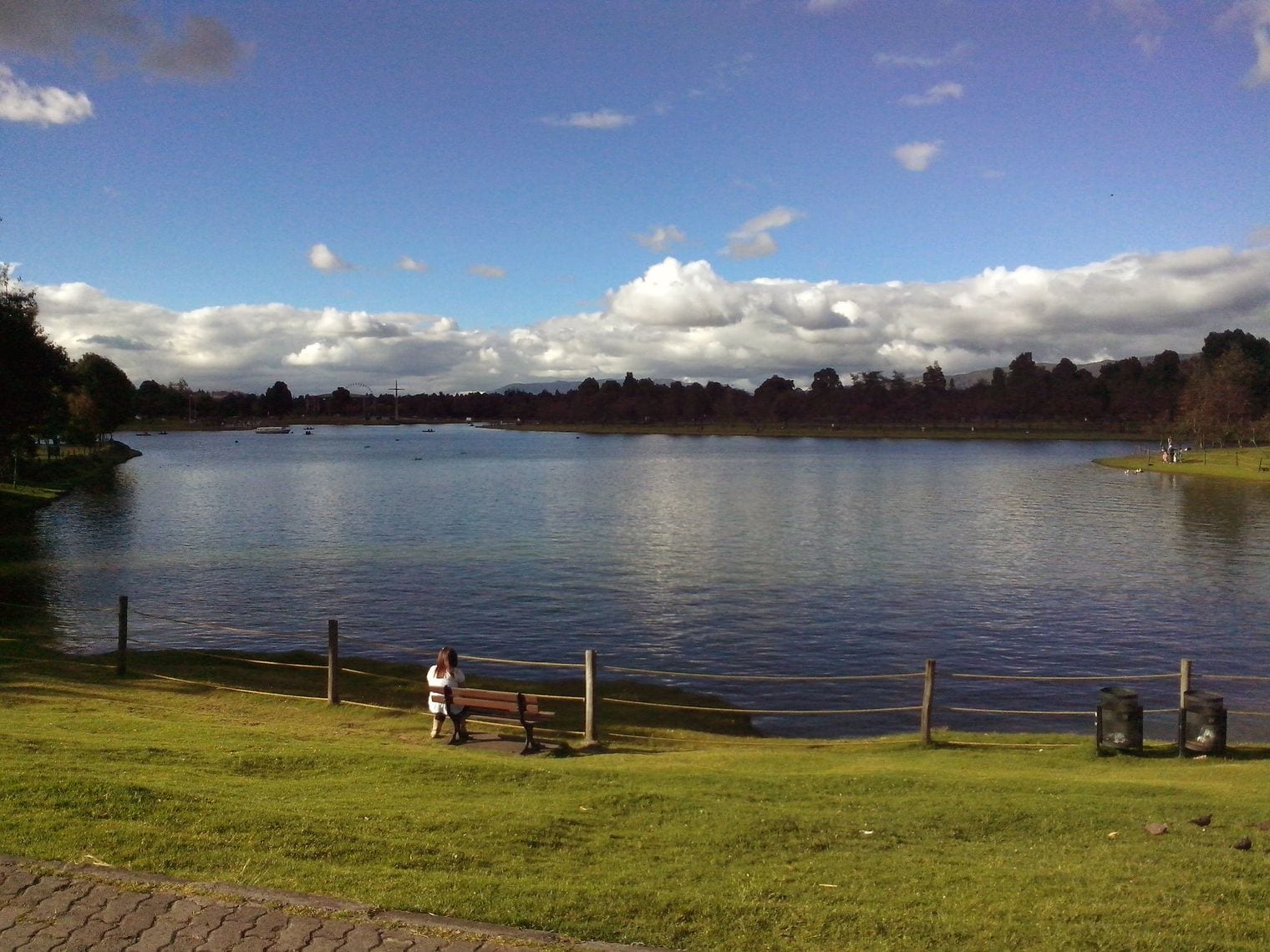
Simón Bolívar Metropolitan Park is Bogotá's great green lung, a sprawling complex of lawns, sports grounds, bike paths and a large lake in the middle of the city, and one of the biggest urban parks in the world. On weekends it fills with joggers, cyclists, picnicking families and paddle boats out on the water.
Its open-air concert ground can hold well over 100,000 people, and the park has long hosted Bogotá's big free music festivals, Rock al Parque among them. Even on a quiet weekday it is a good place to watch everyday Bogotá at play: rent a bike, walk the loop around the lake, or combine it with the Botanical Garden next door.
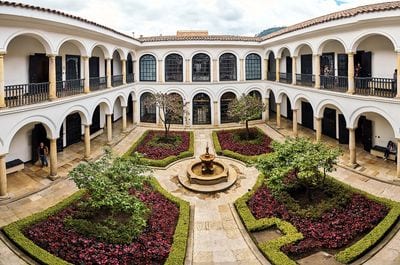
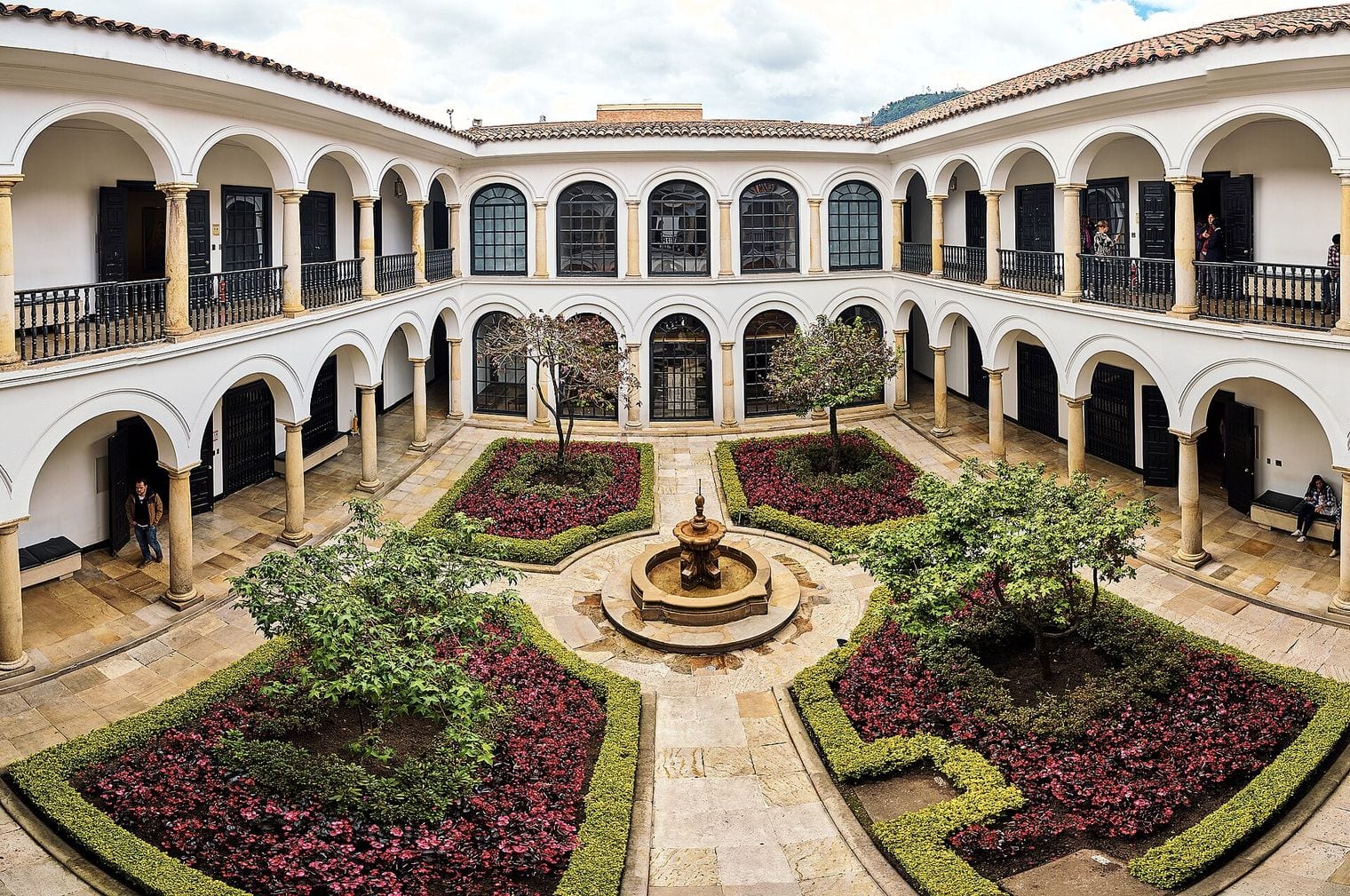
The Botero Museum is one of the great free art experiences in South America. In 2000 Fernando Botero gave 208 works to the nation through the Banco de la República, 123 of his own paintings, drawings and sculptures plus 85 pieces by international artists from his private collection, and the museum has been free to visit ever since.
His rounded, voluminous figures are instantly recognizable, and the colonial mansion that houses them was adapted to the collection with Botero's own input.
The museum is part of the bank's cultural complex in La Candelaria, so the same visit leads through connected buildings into the Miguel Urrutia Art Museum (MAMU), which shows the bank's wider art collection, and the Casa de Moneda, the old colonial mint that tells the story of Colombian coins and banknotes. Allow a good half-day to see all three.
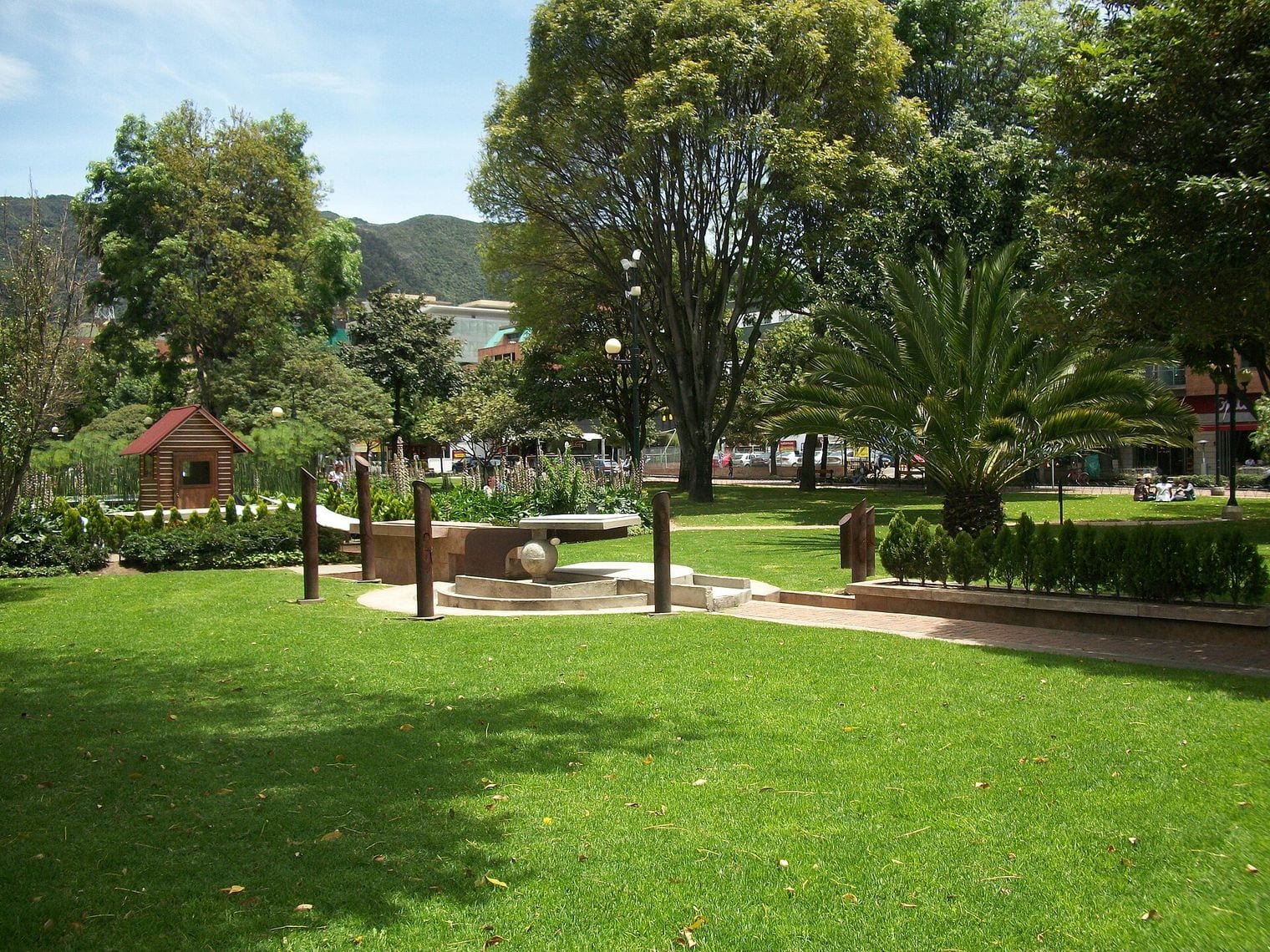
Parque de la 93 is a leafy square in the upmarket El Chicó neighborhood of northern Bogotá, and one of the city's favorite places to eat, drink and see and be seen. Lawns and shady trees fill the middle, and the surrounding blocks are lined with restaurants, cafés and bars with outdoor terraces.
By day it is a relaxed spot for a coffee and some people-watching; after dark the terraces fill with diners and after-work crowds. The park also hosts outdoor events through the year, and it pairs easily with the Museo del Chicó a few blocks away.
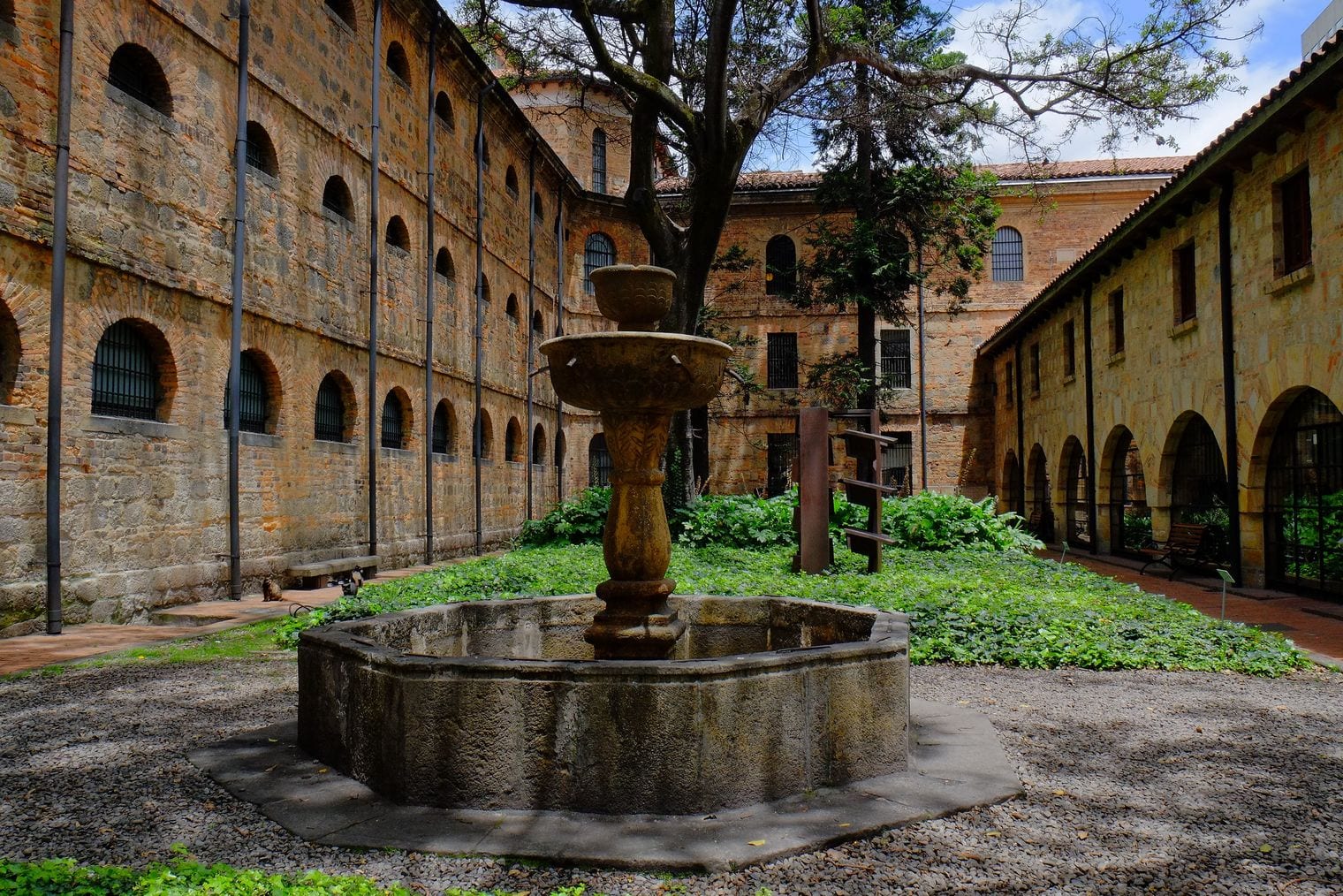
The Museo Nacional de Colombia, created by an act of Congress in 1823, is the oldest museum in the country and one of the oldest in the Americas. It occupies a fortress-like building that was once the Panóptico, Colombia's main prison, designed by the Danish architect Thomas Reed; the stone corridors and former cells now hold the galleries.
The collection of more than 20,000 pieces runs from archaeology and indigenous cultures through the colonial era and the wars of independence to modern Colombian art, so it gives the broadest single overview of the nation's history. It sits on Carrera Séptima close to the Planetario and MAMBO, which makes an easy museum trio.
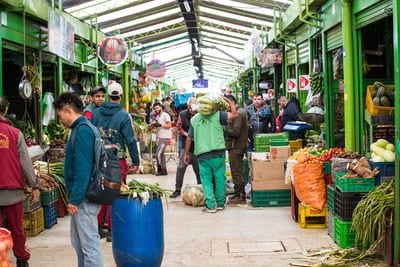
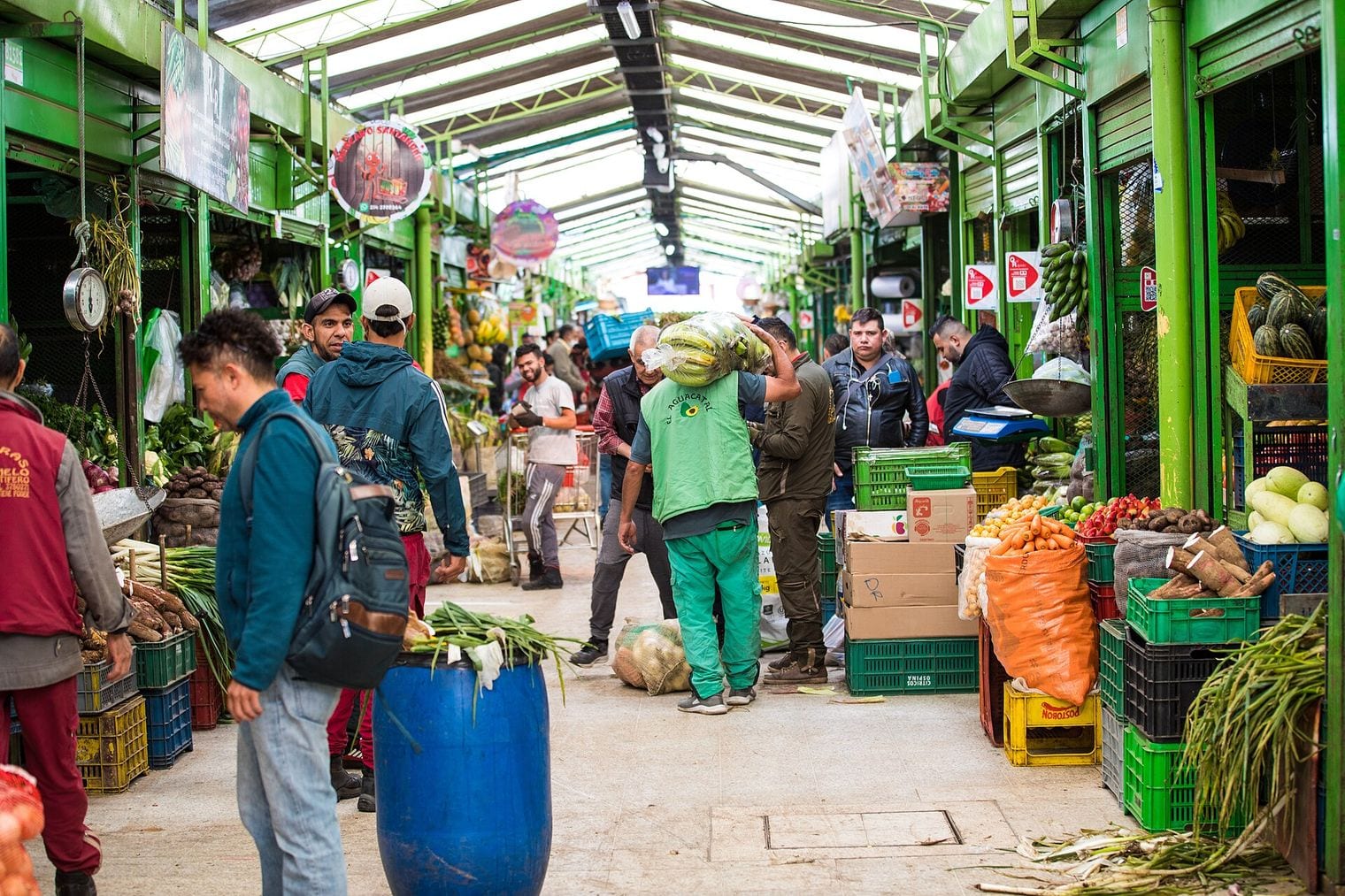
Paloquemao Market, in the Los Mártires district west of downtown, is one of Bogotá's biggest market halls and the best place in the city to discover Colombia's astonishing range of fruit. Stalls are piled high with lulo, guanábana, granadilla, uchuva, pitahaya and dozens of varieties you will never have seen before, and many vendors are happy to cut a sample.
The flower section, at its busiest early in the morning, is a riot of roses, carnations and tropical blooms. Come hungry: the food counters serve tamales, soups and fresh juices, and the meat, fish and herb aisles show how Bogotá really shops. Go early for the liveliest scene and keep valuables out of sight, as in any busy market.
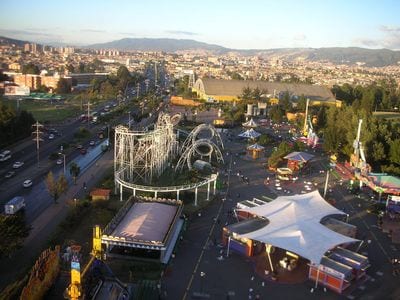
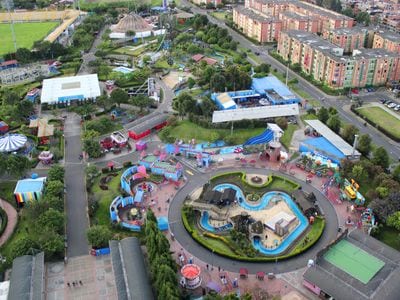
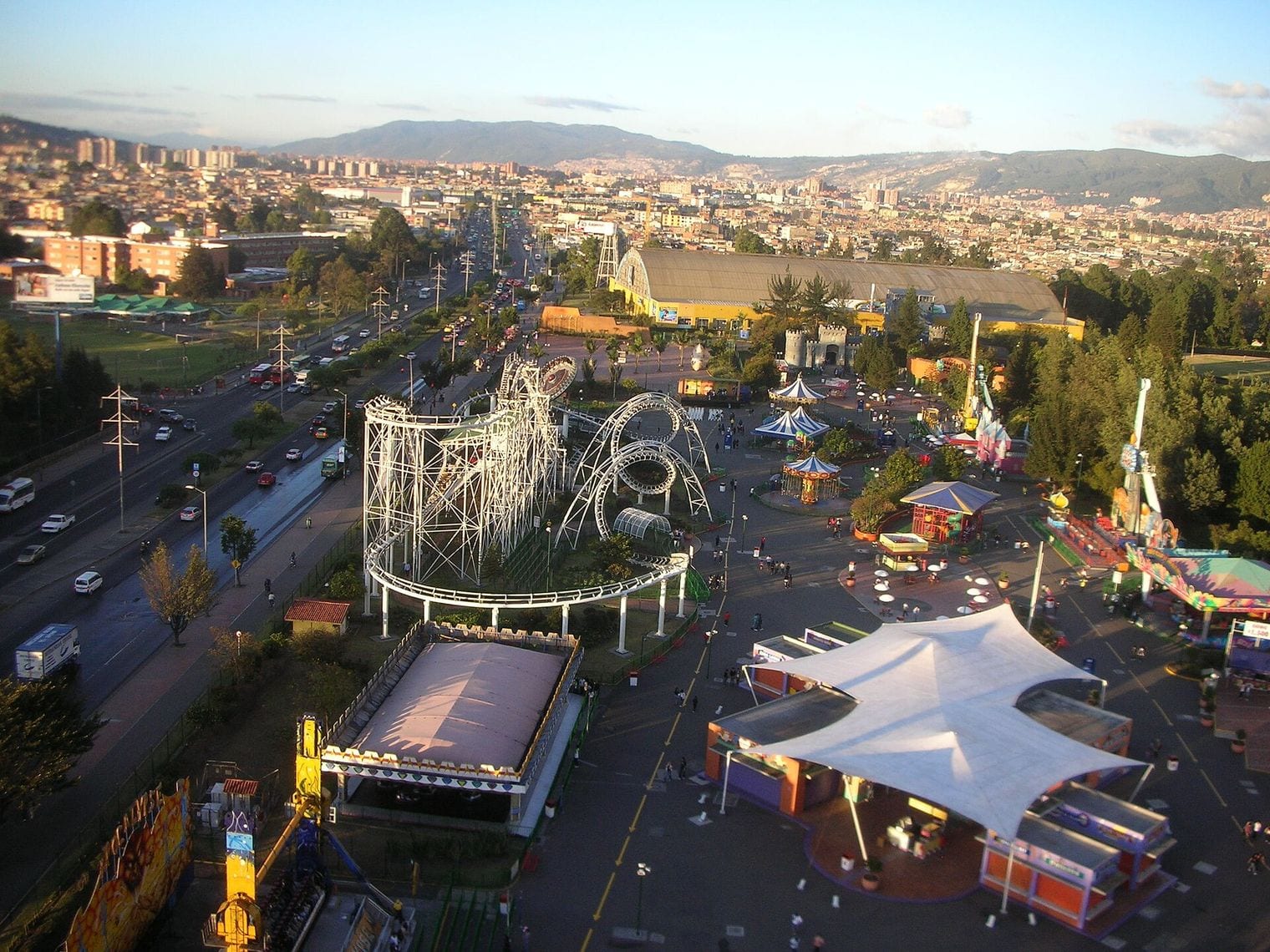
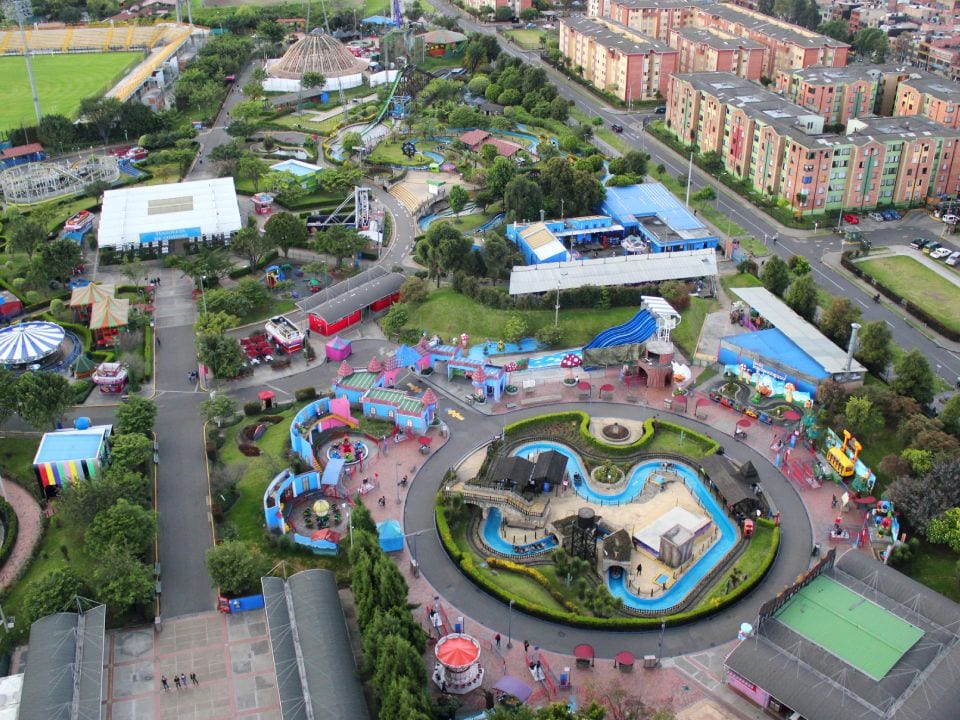
Salitre Mágico is Bogotá's classic amusement park, set inside Parque El Salitre on the west side of the city near Simón Bolívar Park. It mixes roller coasters and thrill rides with bumper cars and gentler family attractions, and its haunted Castillo del Terror has been scaring local children for years.
It is a long-standing favorite for birthdays and school-holiday outings, so weekdays are calmer than weekends. Pair it with Maloka or the Botanical Garden for a full family day on the west side.
Mundo Aventura, in the Kennedy district of southwest Bogotá, is the city's other big amusement park and one of the most visited in Colombia. It mixes extreme rides and drop towers with family attractions and a separate area for small children, and it is run as a non-profit.
The park sits beside the Avenida Boyacá next to a large shopping center and is easy to reach on TransMilenio, the city's rapid-bus network. Thrill-seekers head straight for the coasters and towers, while younger kids have plenty of gentler rides of their own.
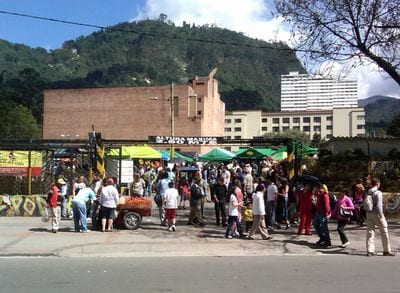
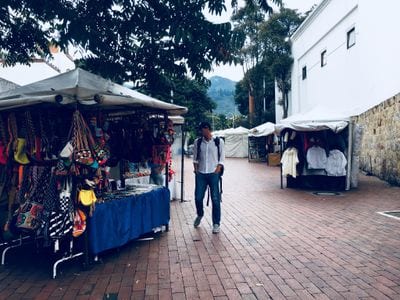
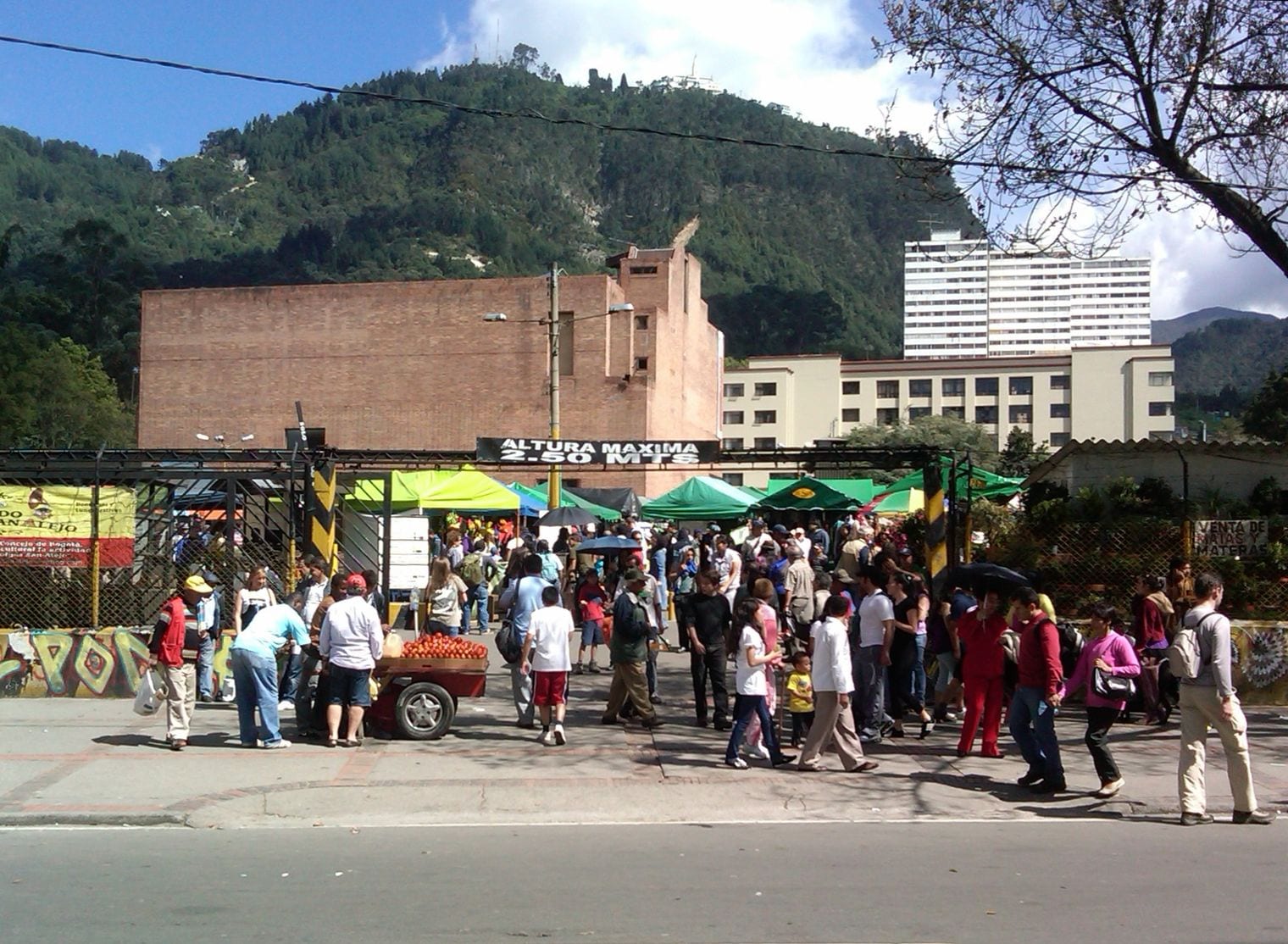
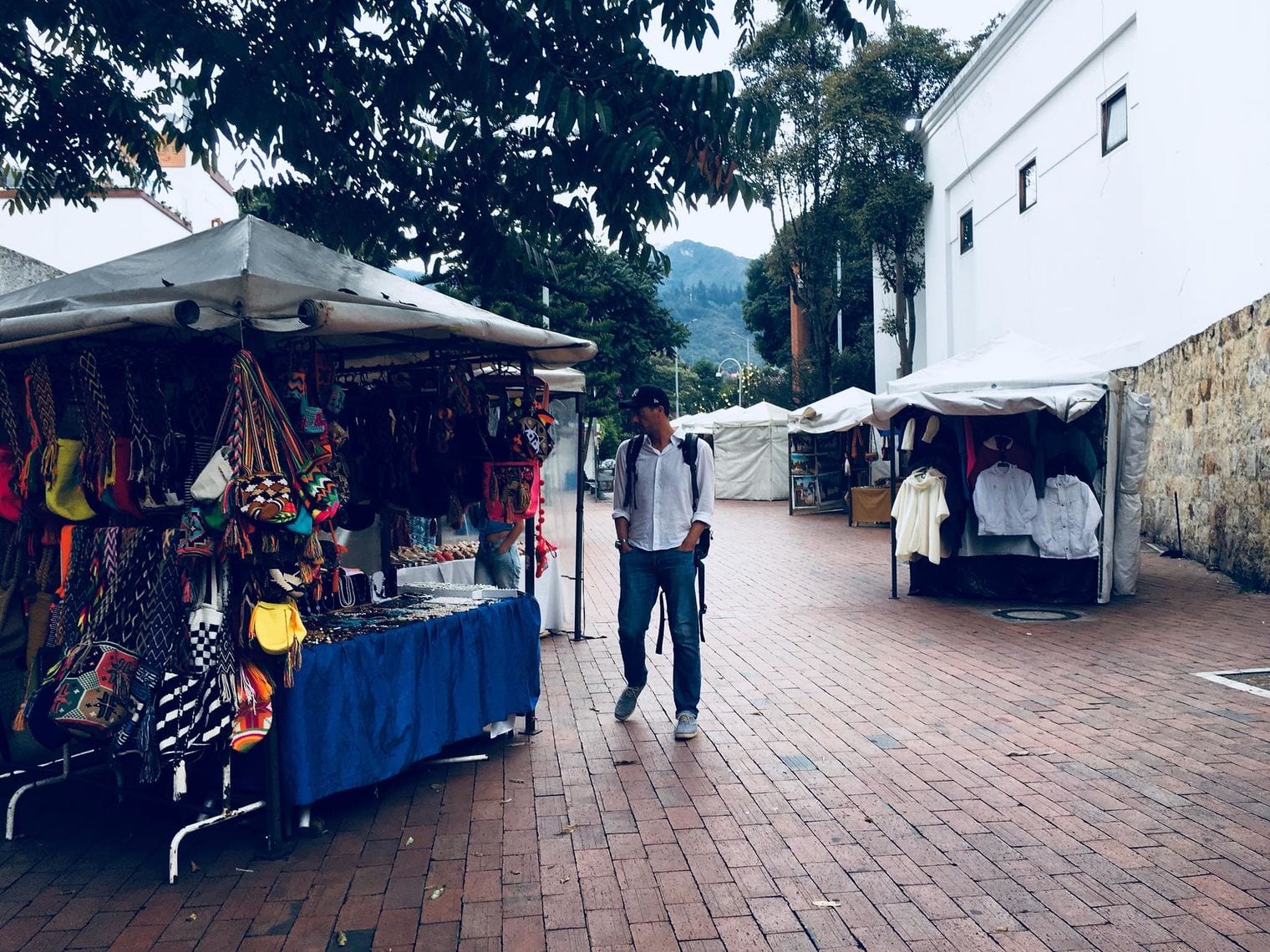
The San Alejo Flea Market (Mercado de las Pulgas de San Alejo) sets up on Sundays and public holidays on Carrera Séptima downtown, a short walk from the Colpatria Tower. Running since the 1980s and recognized by the city as part of its cultural heritage, it is a sprawling treasure hunt of antiques, vinyl records, old cameras, coins, books, toys, vintage clothes and pure bric-a-brac.
Hundreds of stalls fill the lot, and browsing is half the fun even if you buy nothing. Polite bargaining is expected. Combine it with the car-free Sunday Ciclovía on the Séptima and a walk toward the Museo Nacional or the old town.
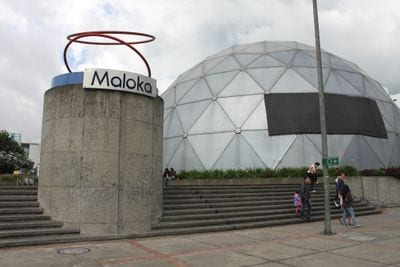
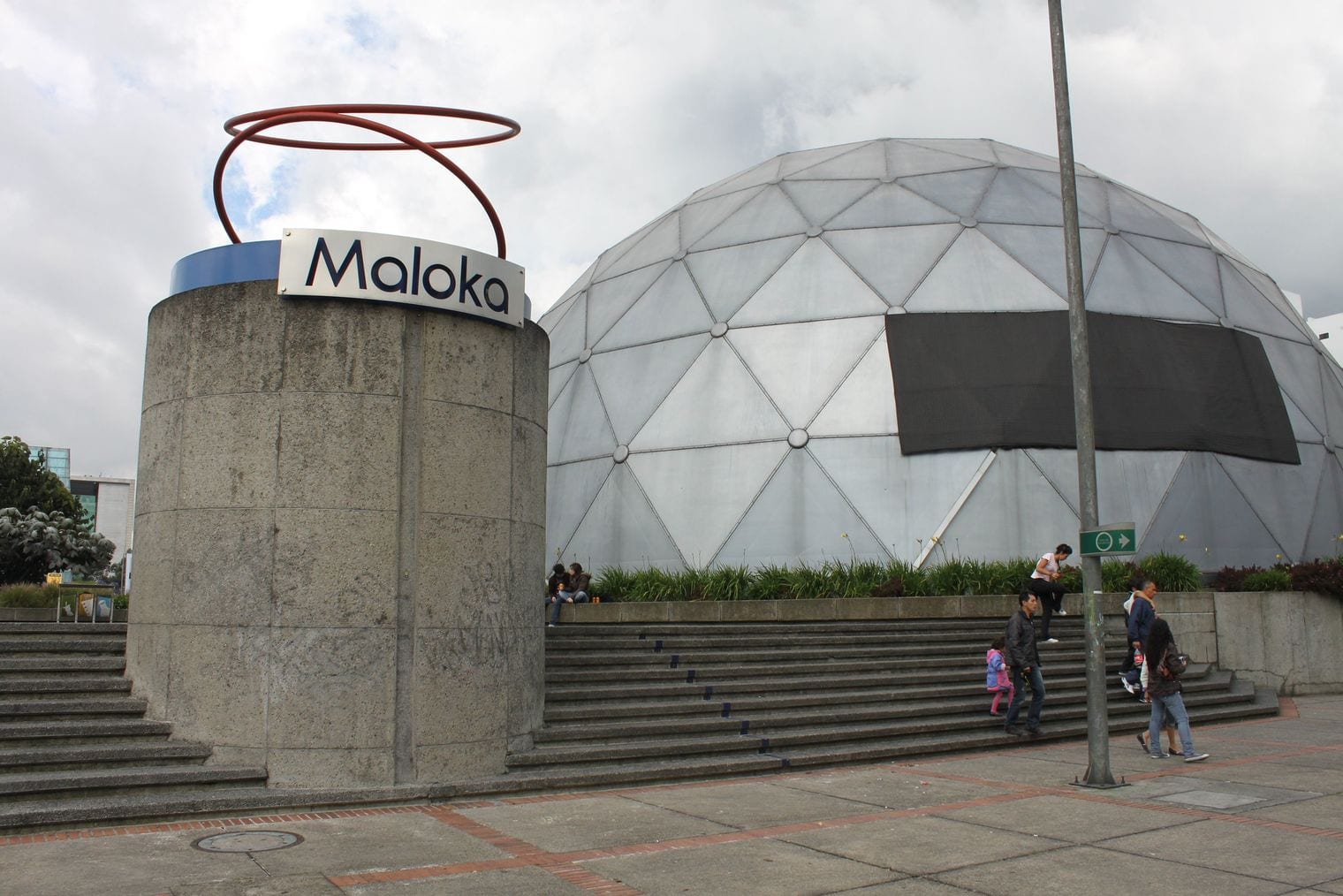
Maloka Interactive Museum is Bogotá's hands-on science and technology center, opened in 1998 in the Ciudad Salitre district. Its name echoes the maloca, the communal house of Amazonian indigenous peoples, and its rooms are built for pushing buttons, running experiments and asking questions rather than looking at glass cases.
Exhibits cover science, the human body, technology and the natural world, and school groups and families pack it on weekends. It is an easy win with children on a rainy afternoon, and in Bogotá's climate afternoon showers are common. Salitre Mágico and Simón Bolívar Park are close by.
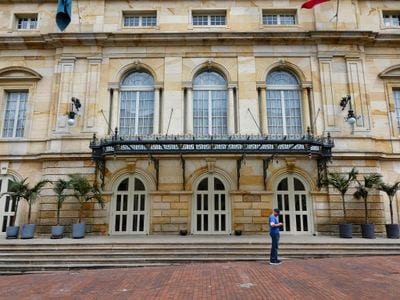
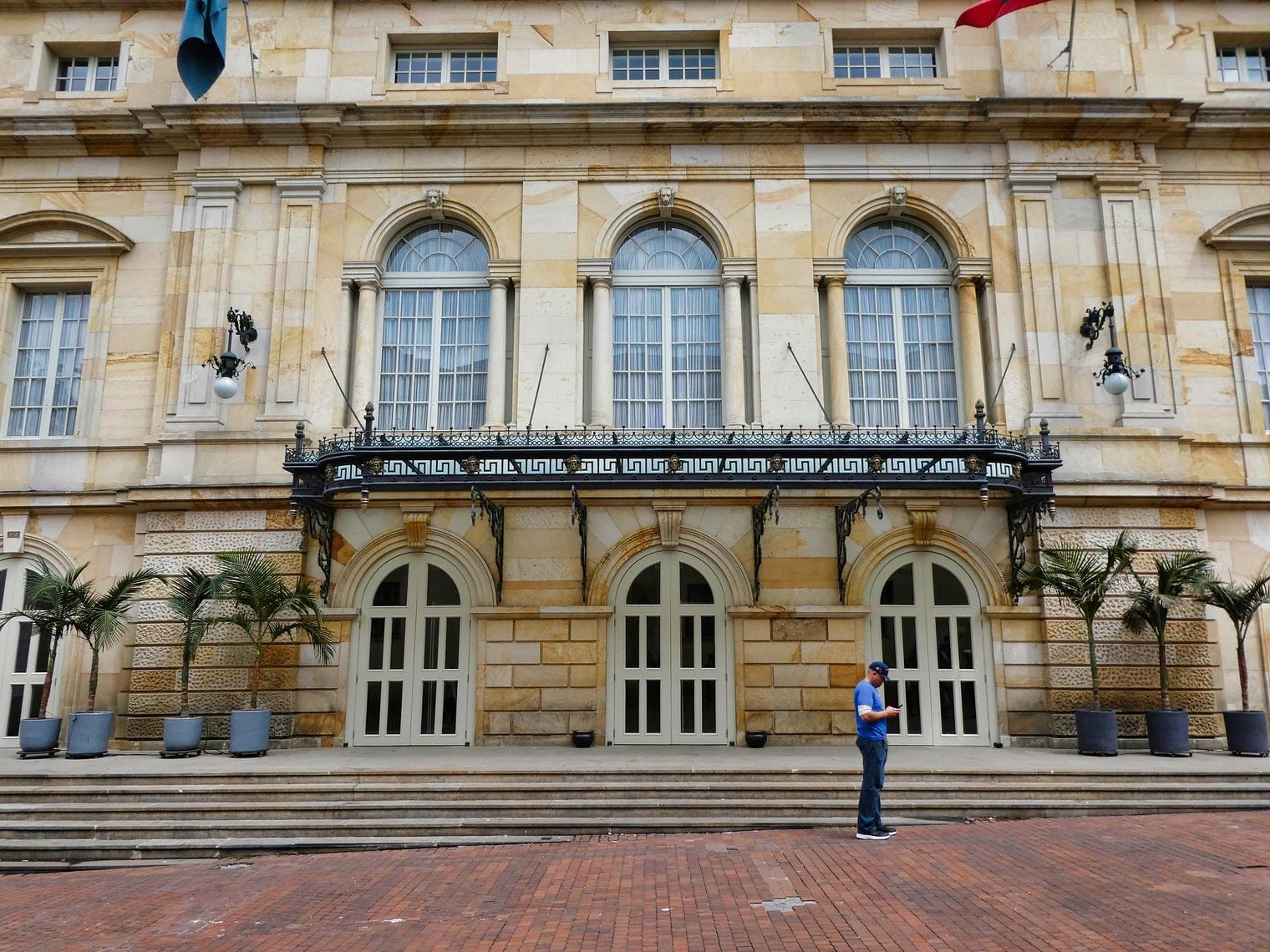
Teatro Colón is Colombia's national theater, a neoclassical jewel box by the Italian architect Pietro Cantini, inaugurated in 1892 to mark four centuries since Columbus's first landing in the Americas. Its horseshoe-shaped auditorium was modeled on the Palais Garnier in Paris at about half the size, and the building was declared a national monument in 1975.
The theater stages opera, ballet, concerts and drama, and catching a performance is the best way to see the lavish interior. It stands in La Candelaria a short walk from Plaza de Bolívar, so it is easy to fit an evening show into a day in the old town.
Usaquén was a separate town until it was absorbed into Bogotá in 1954, and its old core still feels like a colonial village: a leafy main square, a white colonial church and low houses turned into cafés, galleries and restaurants, with the Eastern Hills rising behind. It is one of the most pleasant neighborhoods in the north of the city.
On Sundays the streets around the square fill with the Usaquén flea market, where artisans sell handmade jewelry, leatherwork, textiles and crafts alongside food stalls and street musicians. Come for a late breakfast, browse the stalls and stay for an unhurried afternoon.
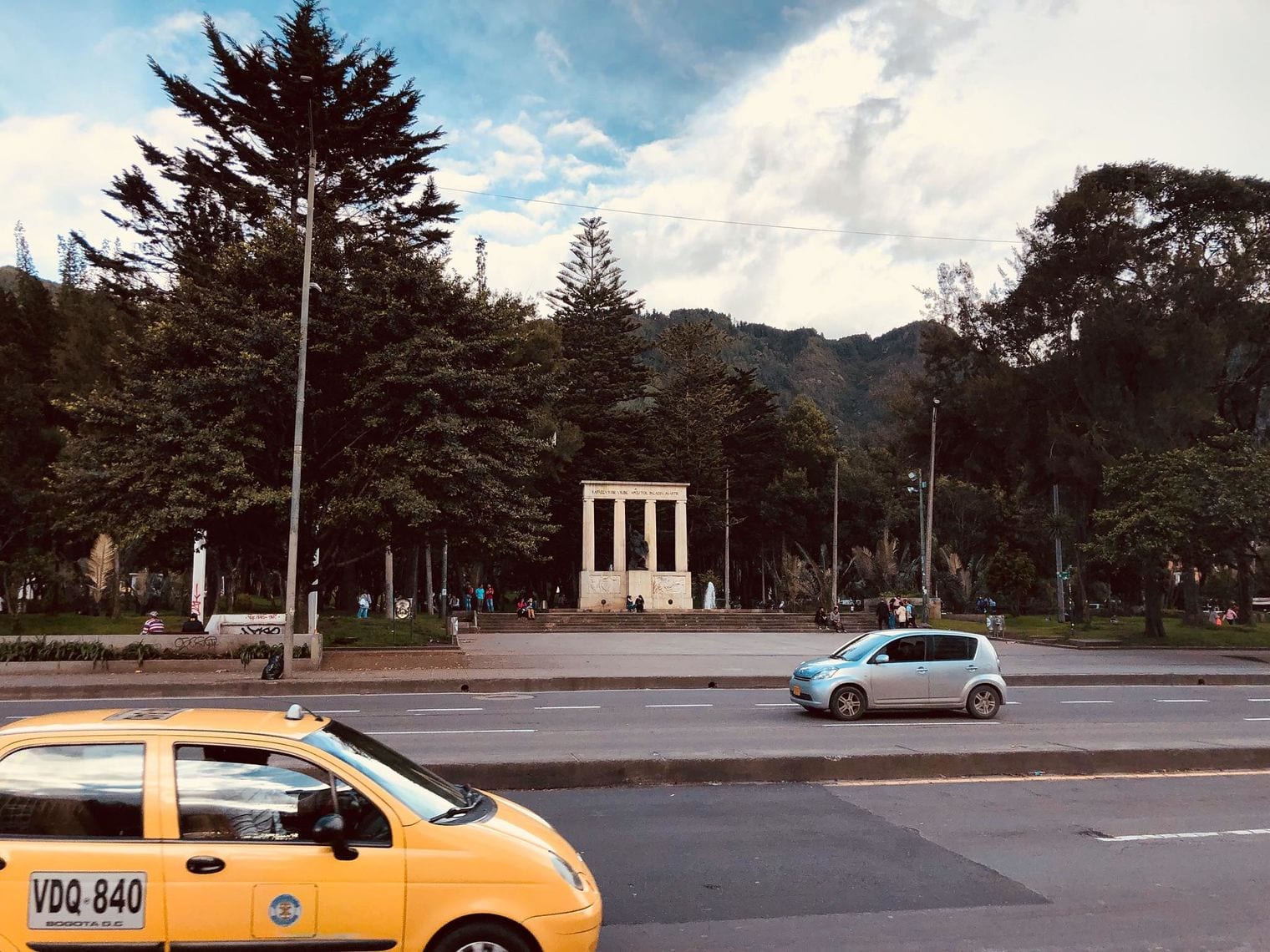
Parque Nacional Enrique Olaya Herrera climbs the lower slopes of the Eastern Hills along Carrera Séptima, just south of the Javeriana University campus. Named for the 1930s president Enrique Olaya Herrera, it is one of Bogotá's classic public parks, and it was declared a national monument in 1996.
Wooded paths, lawns, playgrounds and sports courts make it a favorite weekend spot for families and joggers, and the higher paths give glimpses over central Bogotá. Combine it with the Museo Nacional and a stroll down the Séptima for an easy half-day on foot.
Free printable checklist of all 40 places
Tick them off as you go. Confirm your email to download it, plus one email every Thursday with new guides for the places you tick.
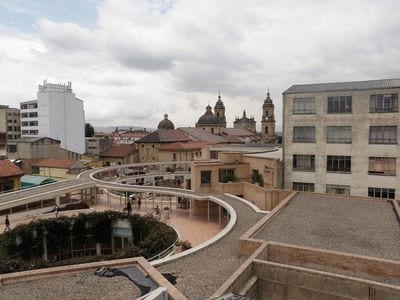
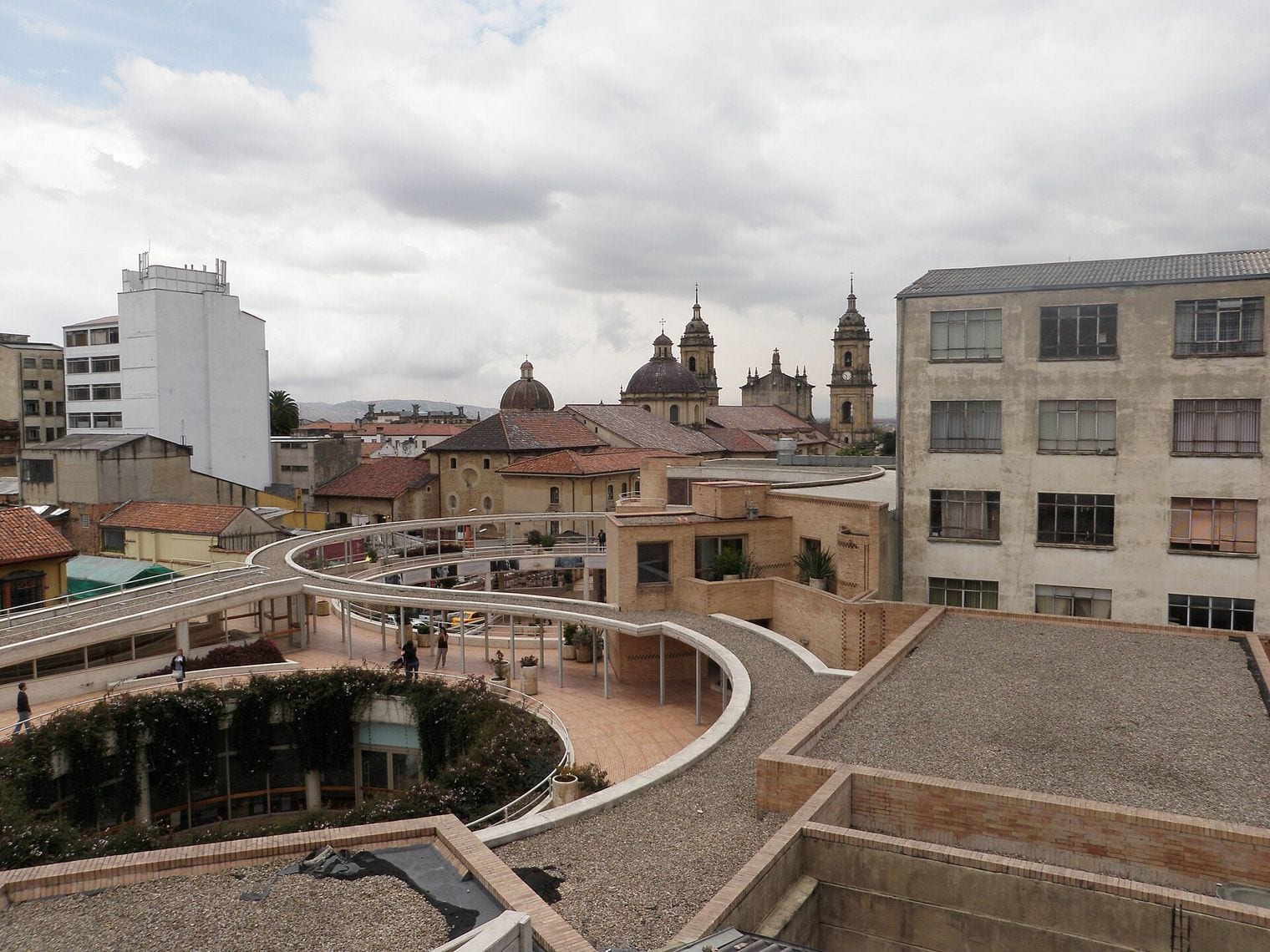
The Gabriel García Márquez Cultural Center, in La Candelaria, was designed by the celebrated Colombian architect Rogelio Salmona for the Mexican publisher Fondo de Cultura Económica and named in honor of the Nobel Prize-winning novelist. Its brick ramps, terraces and courtyards are classic Salmona, folding public space into the old town.
Inside are a large bookshop, exhibition and event spaces and a café, and the upper terraces look out over the rooftops of the historic center toward the hills. It is a perfect pause between museums, and a fine place to pick up a García Márquez novel in the city where he once worked as a journalist.
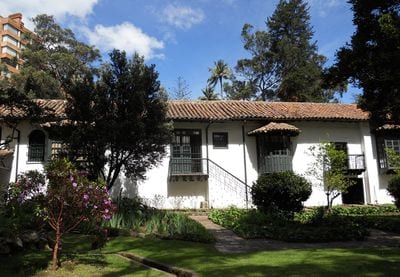
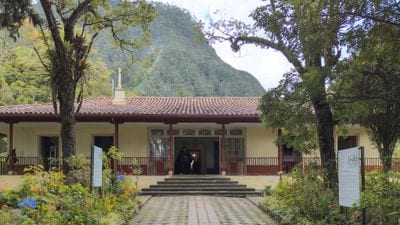
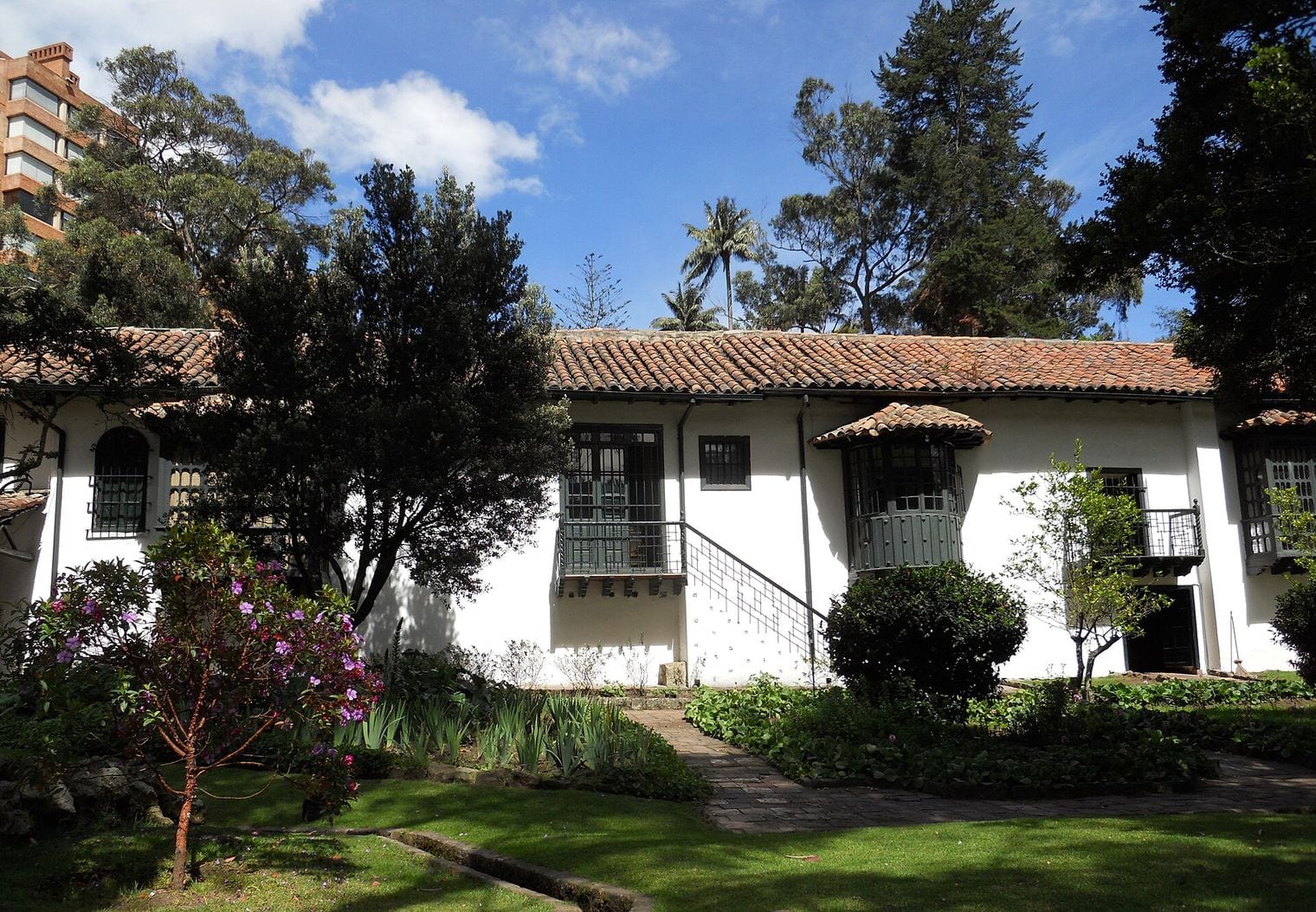
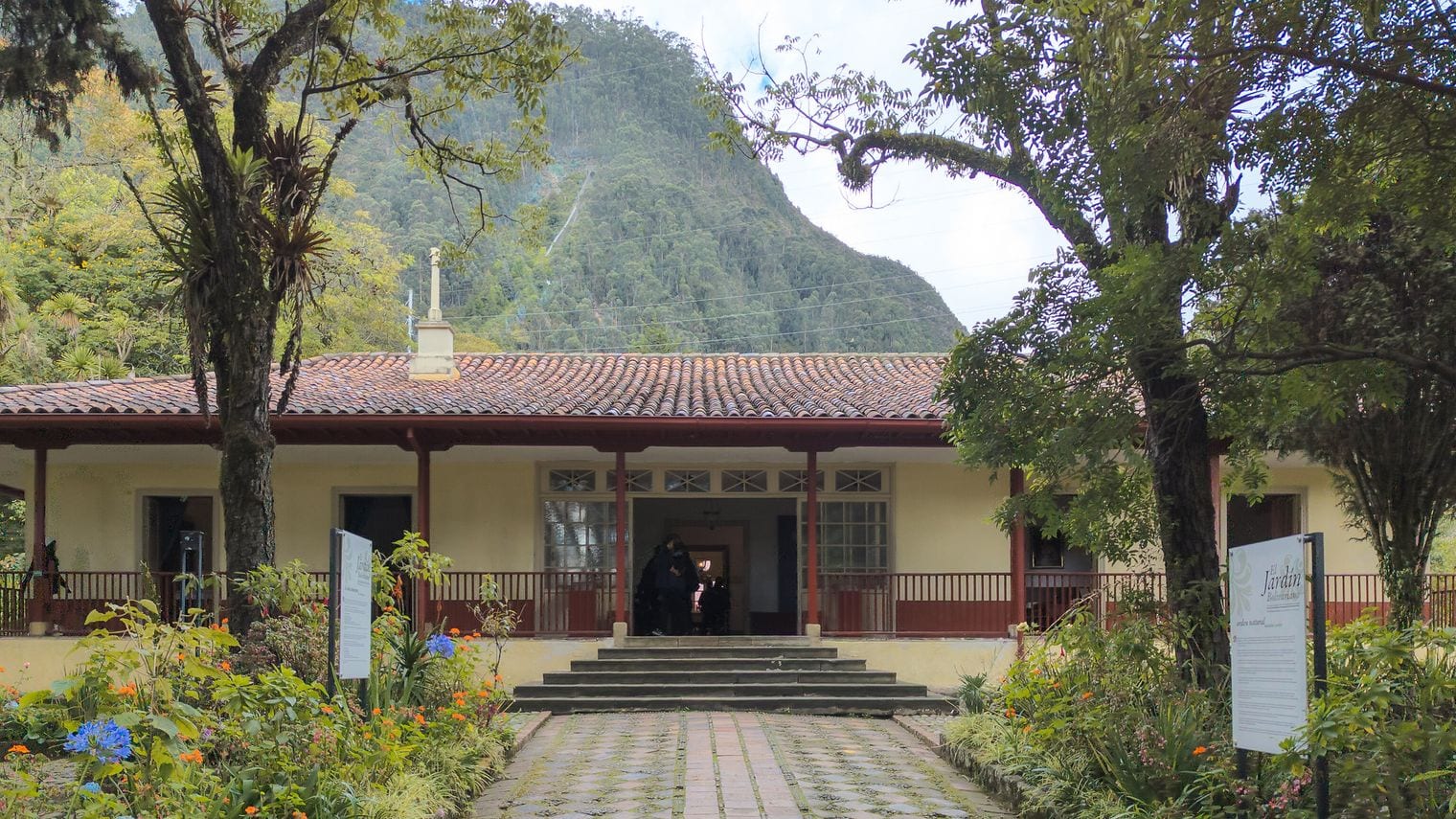
Parque del Chicó is a quiet green enclave in northern Bogotá built around an old hacienda house typical of the Bogotá savanna, now the Museo del Chicó, officially the Museo Mercedes Sierra de Pérez. It has been a museum since 1976, was declared a heritage site of the city in 1992, and gave its name to the El Chicó neighborhood around it.
The house keeps the feel of a country estate from the days when this was farmland, with period rooms and furnishings, while the gardens offer shaded lawns and paths for a slow stroll. It is a peaceful escape a few blocks from the bustle of Parque de la 93.
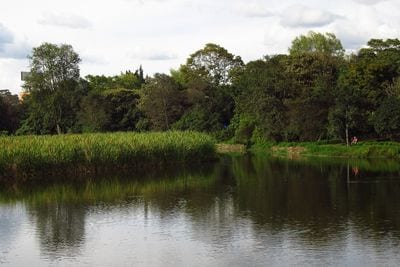
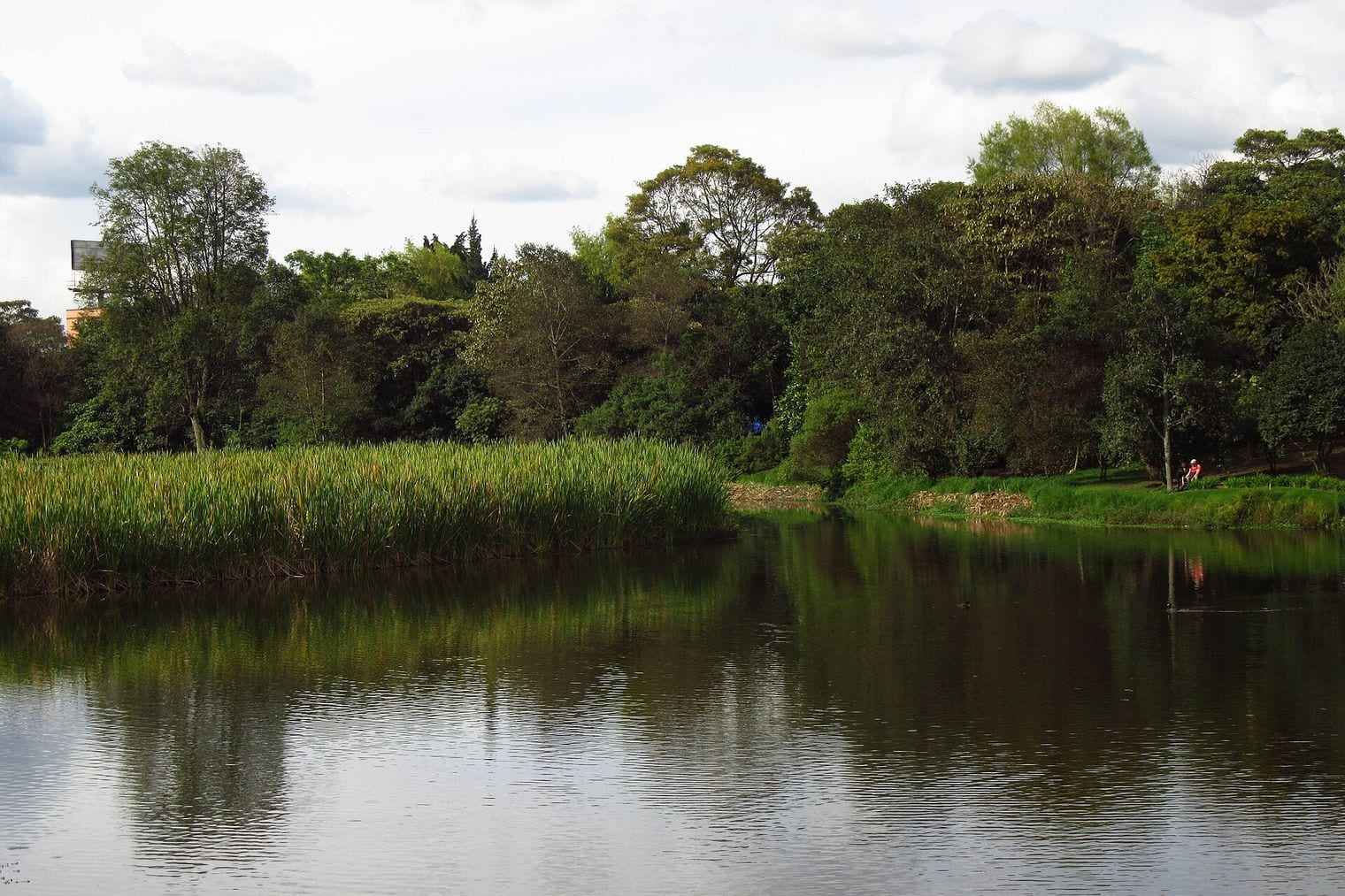
Santa María del Lago Wetland is one of the protected remnants of the marshes that once covered much of the Bogotá savanna, tucked into the Engativá district in the west of the city. It covers about 12 hectares (30 acres), around a third of it open water, ringed by a walking trail and viewing points.
It is a good spot for birdwatching, with herons, ducks and other waterbirds among the reeds, and an easy introduction to the city's network of urban wetlands. Go in the morning, when the birds are most active and the trail is at its quietest.
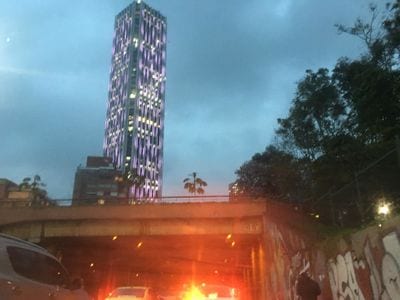
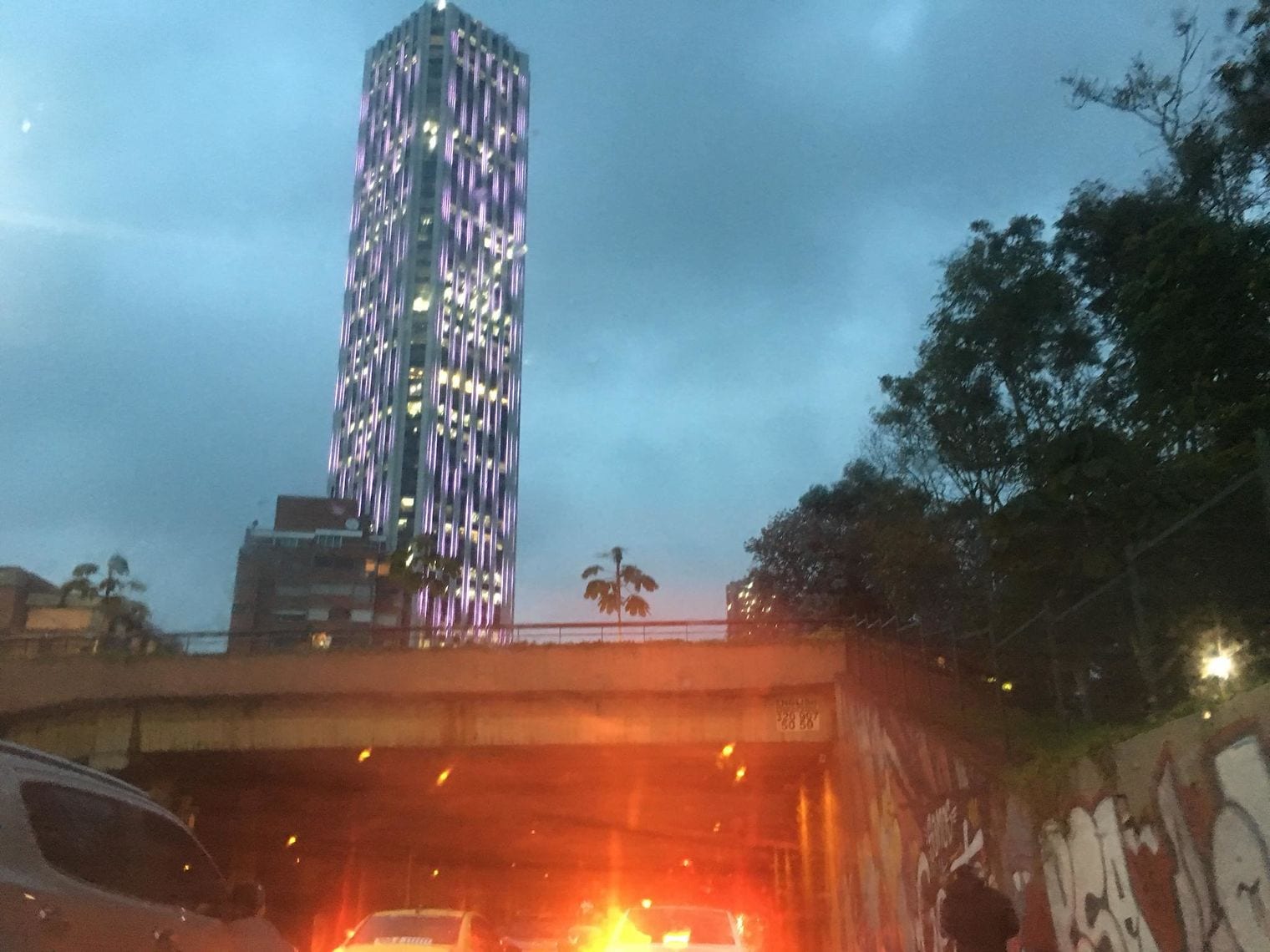
The Colpatria Tower (Torre Colpatria) is the 196-meter (643-foot), 50-story skyscraper that has defined downtown Bogotá's skyline since it opened in 1979, and for most of the decades since it was the tallest building in Colombia. At night its facade becomes a giant color-changing light show visible across the city.
The draw for visitors is the observation deck near the top, which gives a 360-degree view from Monserrate and the Eastern Hills to the far side of the savanna. The deck opens on a limited schedule, so check the opening days before you go, and time it for late afternoon to watch the city light up.
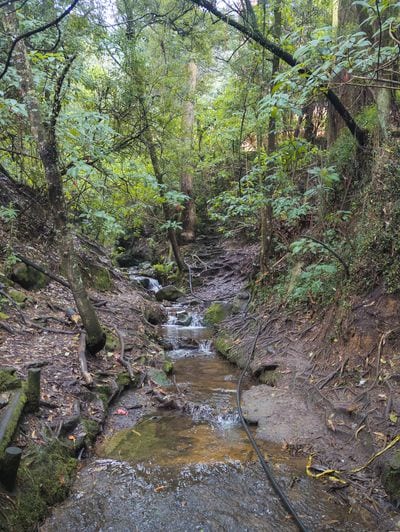
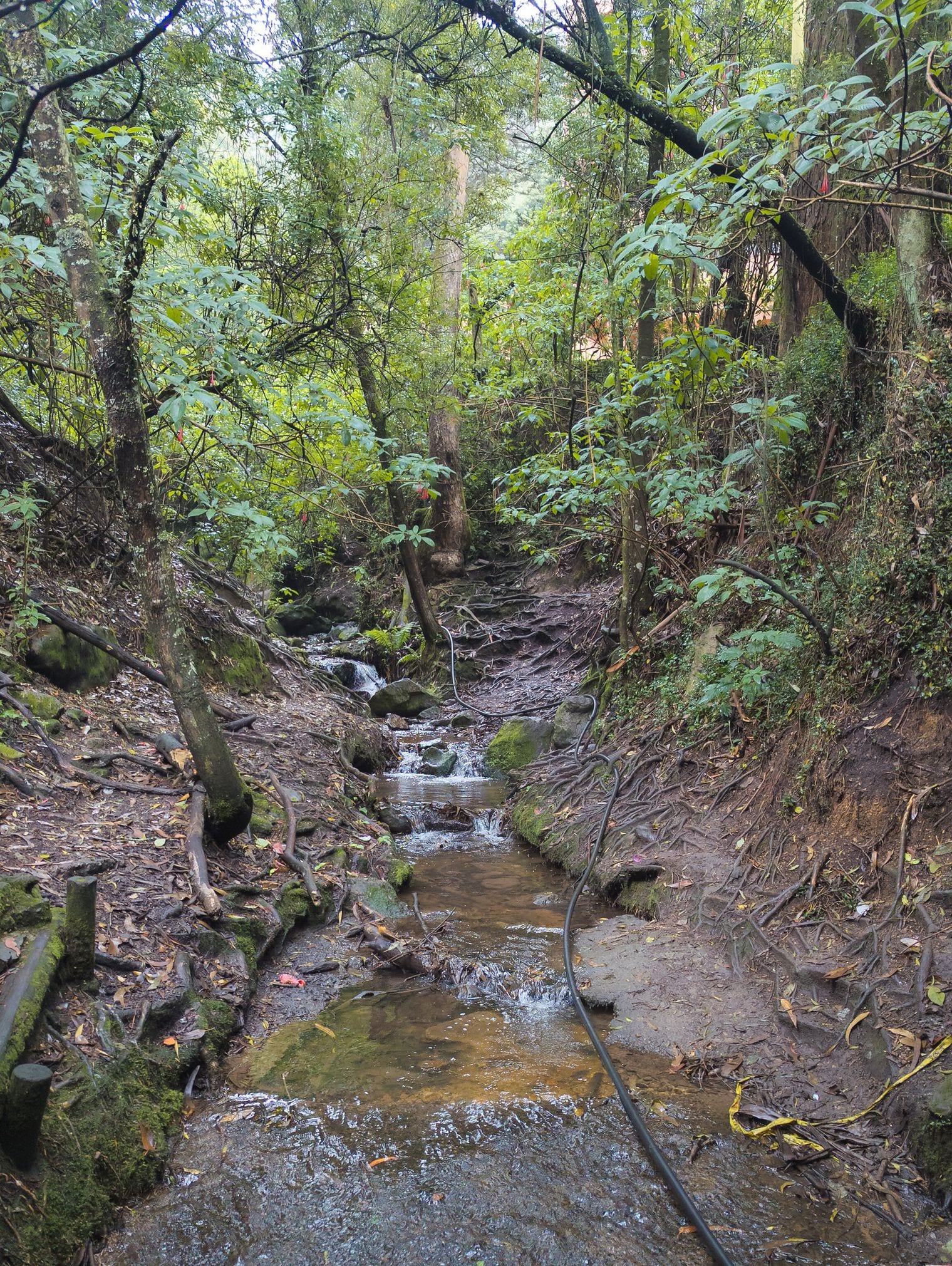
Quebrada La Vieja is a stream-side trail in the Eastern Hills above Chapinero, one of the easiest ways to get into green, forested mountain country without leaving the city. The path starts from the Avenida Circunvalar near Calle 71 and climbs steeply beside the stream to viewpoints over northern Bogotá.
Access is managed by the city's water company: walks run in the early morning on set days, and visitors register in advance for a free slot, so plan ahead. Bring water and a warm layer, start early, and take the climb slowly at this altitude.
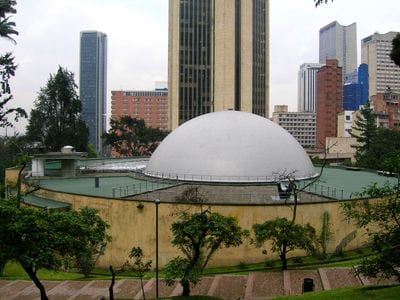
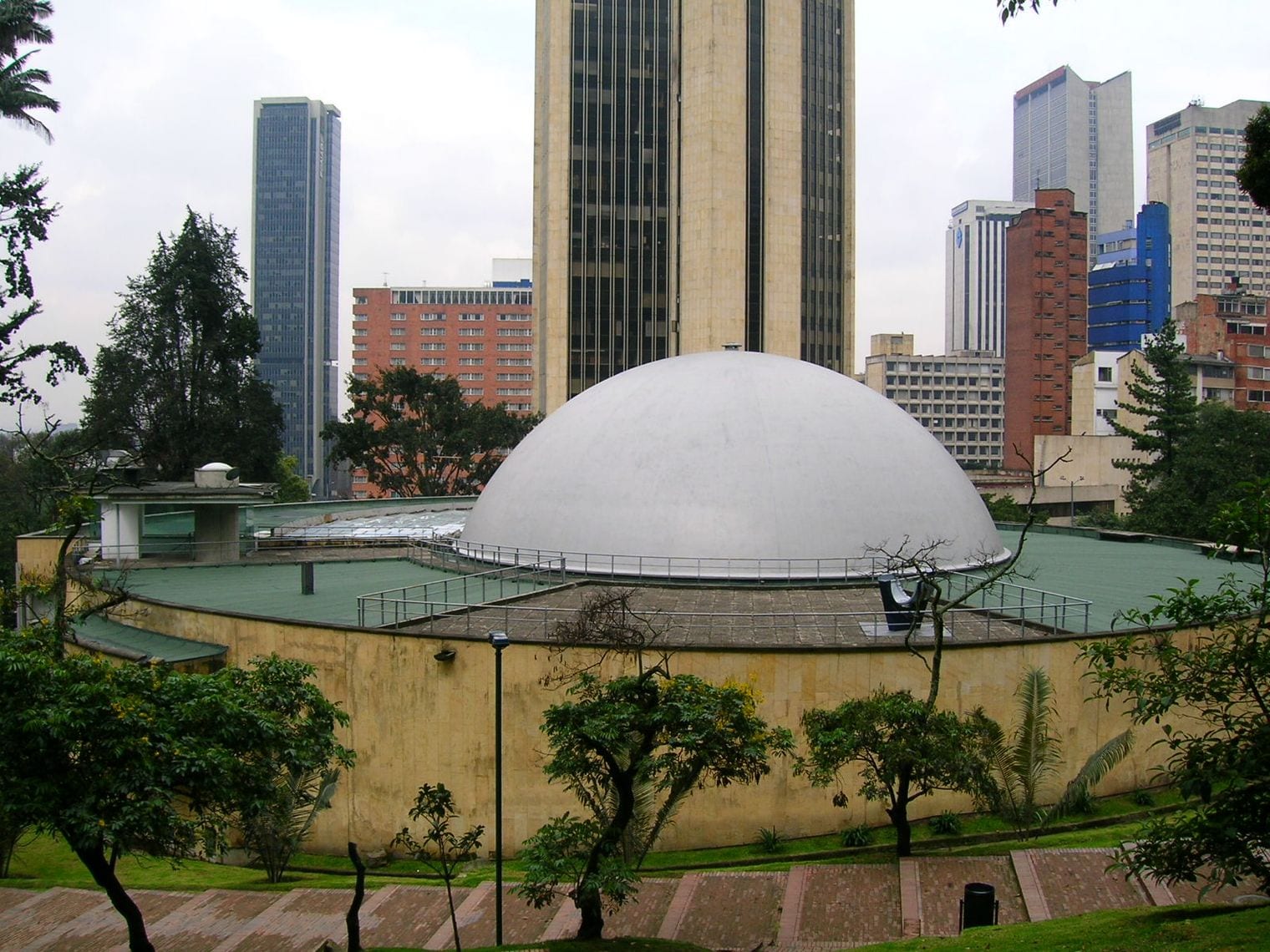
The Planetario de Bogotá sits in Parque de la Independencia, beside Calle 26 in the city's International Center, and is one of the best family stops downtown. Its dome, 23 meters across, hosts shows on the night sky, the solar system and space exploration.
Around the dome, exhibition halls explain astronomy and space science with hands-on displays. The planetarium is a short walk from MAMBO and the Museo Nacional, so it slots neatly into a day of museums along the Séptima.
Zona Rosa is Bogotá's best-known nightlife and shopping district, in the north of the city, and Zona T is its pedestrian core, a T-shaped junction of car-free lanes lined with bars, restaurants and boutiques. Large shopping malls and design stores fill the surrounding blocks.
By day it is for shopping and long lunches; after dark it becomes one of the city's liveliest places to go out, from cocktail bars to clubs. As anywhere at night, stick to the busy streets and use registered taxis or ride-hailing to get back to your hotel.
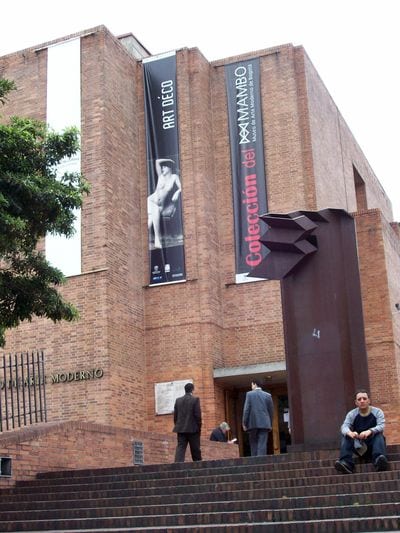
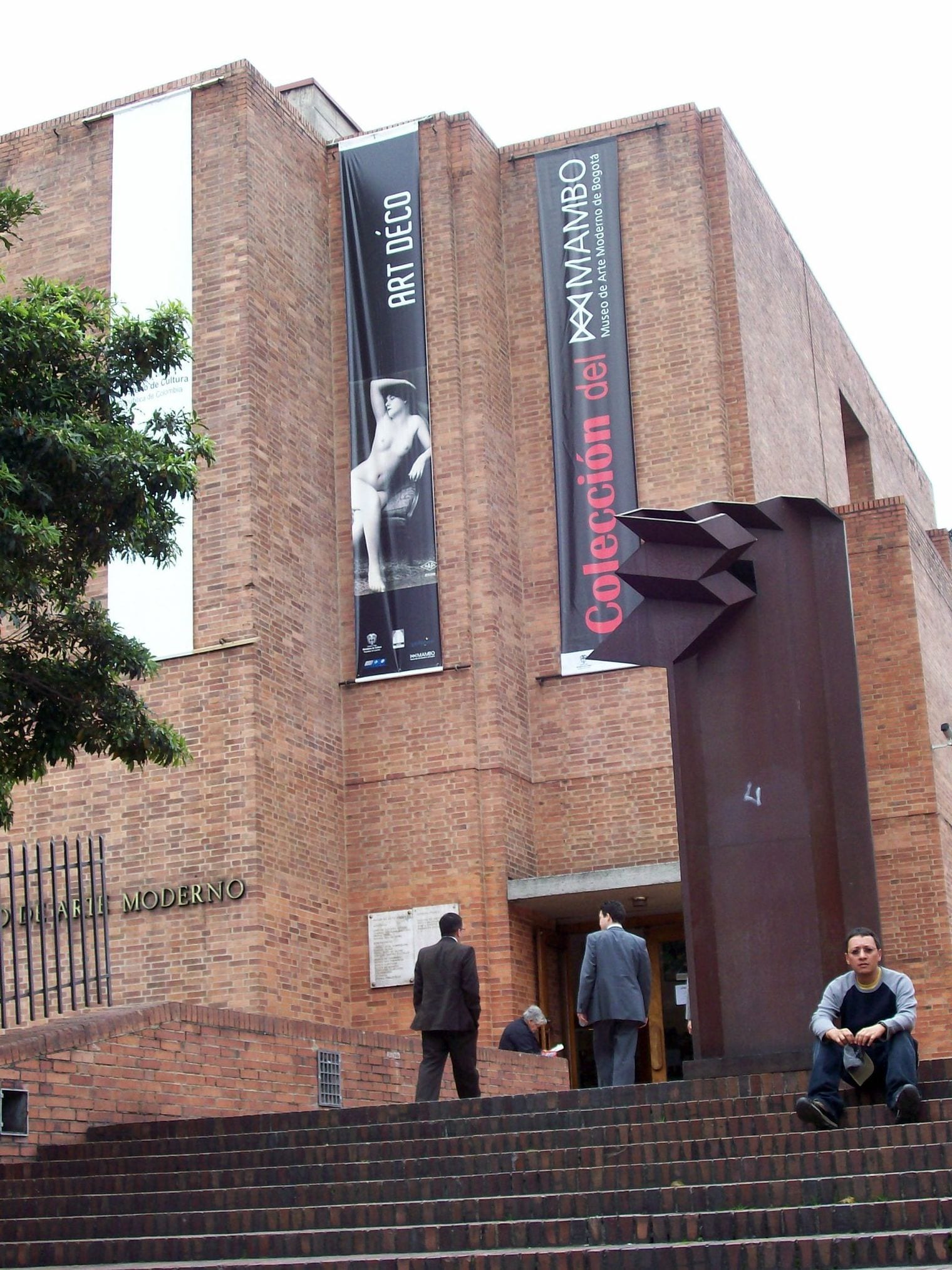
MAMBO, the Bogotá Museum of Modern Art, is one of Colombia's leading art institutions, housed in a building designed by Rogelio Salmona in 1985. The structure is a work of art in itself: a brick labyrinth of stairways, ramps and unexpected passageways linking four floors of galleries.
Its collection and changing exhibitions focus on modern and contemporary art from Colombia and Latin America, often with bold, provocative shows. It stands near the Planetario and the Museo Nacional in the International Center, making it easy to combine with both.
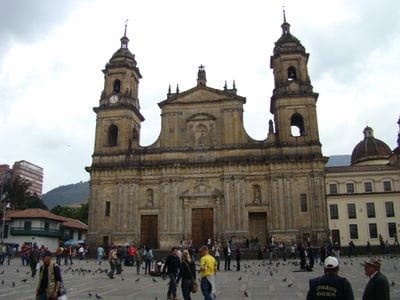
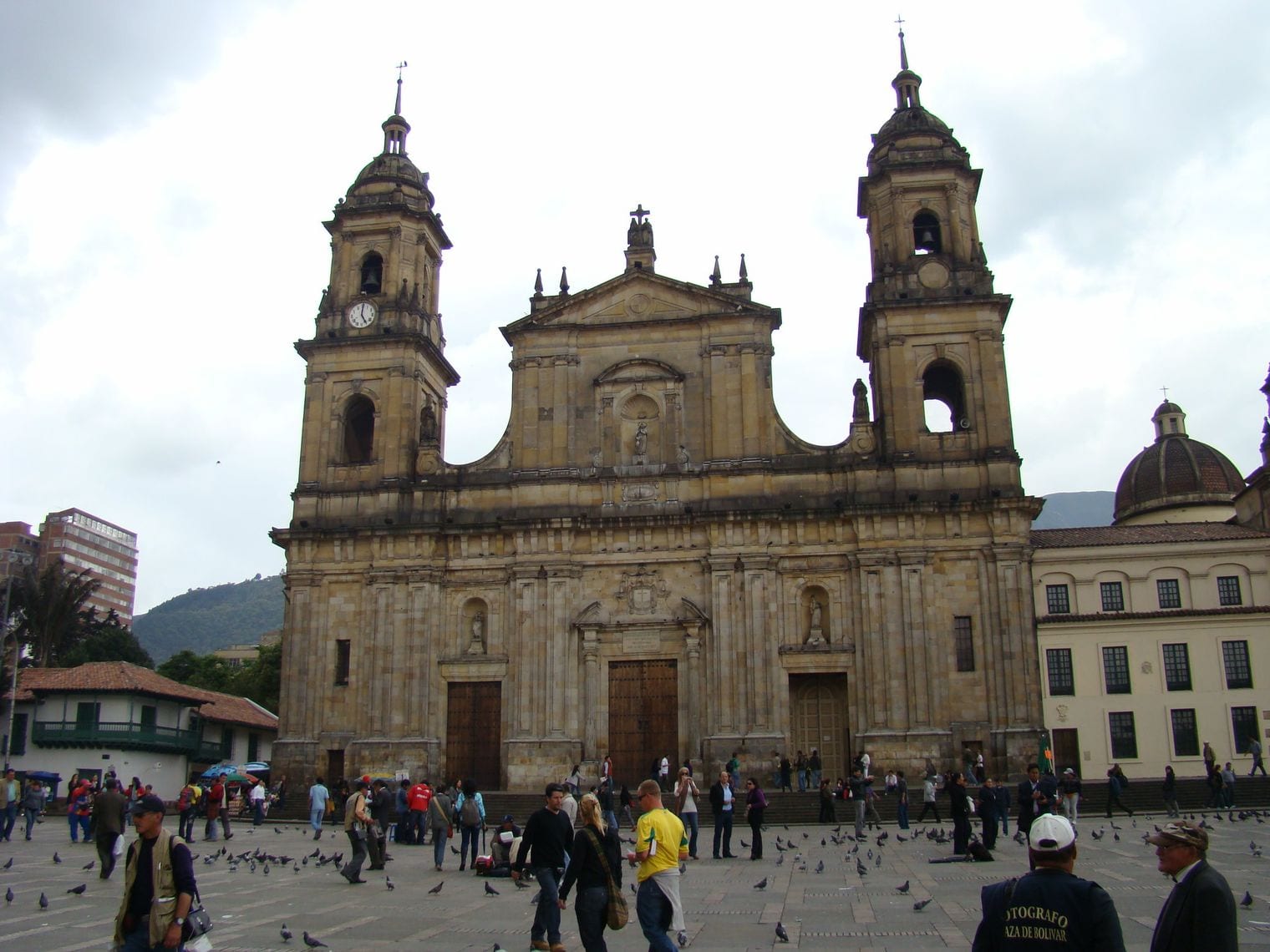
The Primate Cathedral of Colombia fills the east side of Plaza de Bolívar. The present neoclassical building, designed by Domingo de Petrés and built between 1807 and 1823, stands on the site where three earlier churches served in turn as the city's cathedral, the first a primitive building put up the year after Bogotá's founding.
Inside, the vast, light-filled nave and side chapels are a cool contrast to the gilded Baroque churches around the old town. It is the seat of the Archbishop of Bogotá, Primate of Colombia, and was declared a national monument in 1975. Step in quietly, as services are frequent.
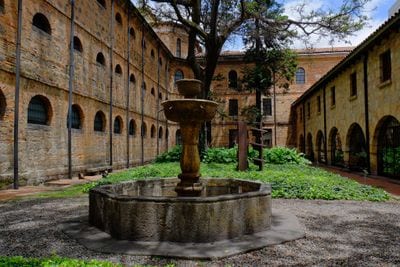
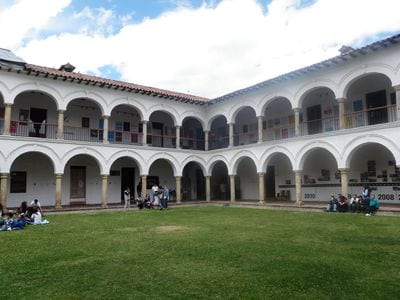
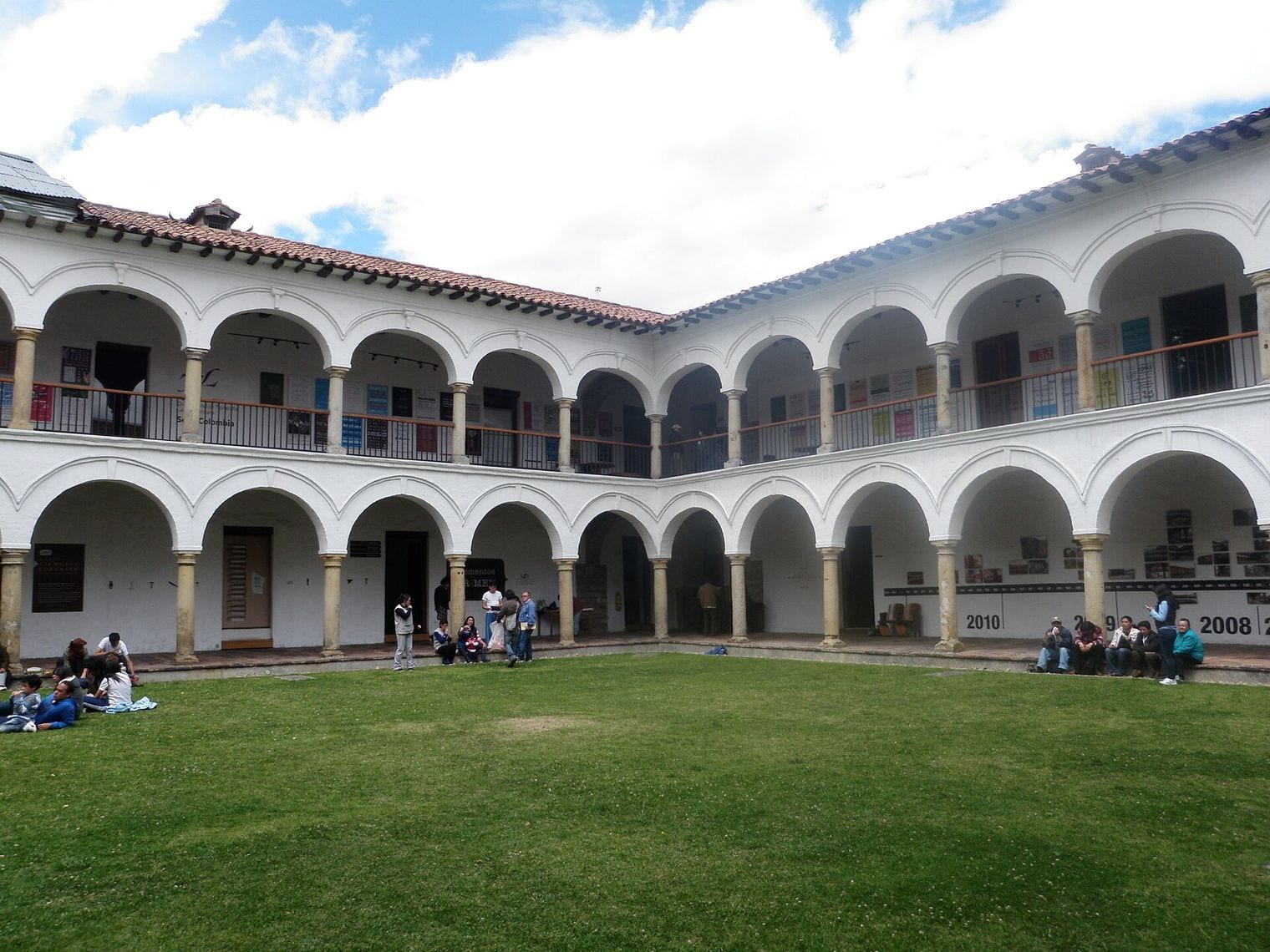
The Claustro de San Agustín is a colonial cloister built at the end of the 18th century, a few steps from the Casa de Nariño, the presidential palace. Declared a national monument in 1975, it is unusual among Bogotá's religious buildings in having no church of its own, and over the centuries it has housed military, political and educational institutions.
Today it is run by the Universidad Nacional de Colombia as a cultural space, with exhibitions in the rooms around its arcaded courtyard. It is a quiet, often overlooked stop between the cathedral and the Museo de Bogotá.
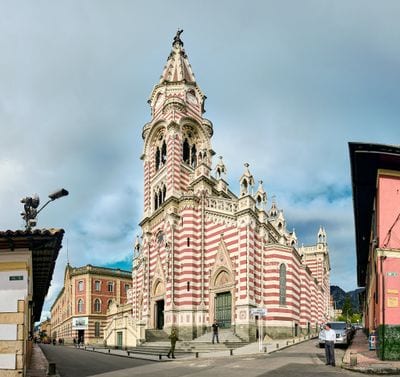
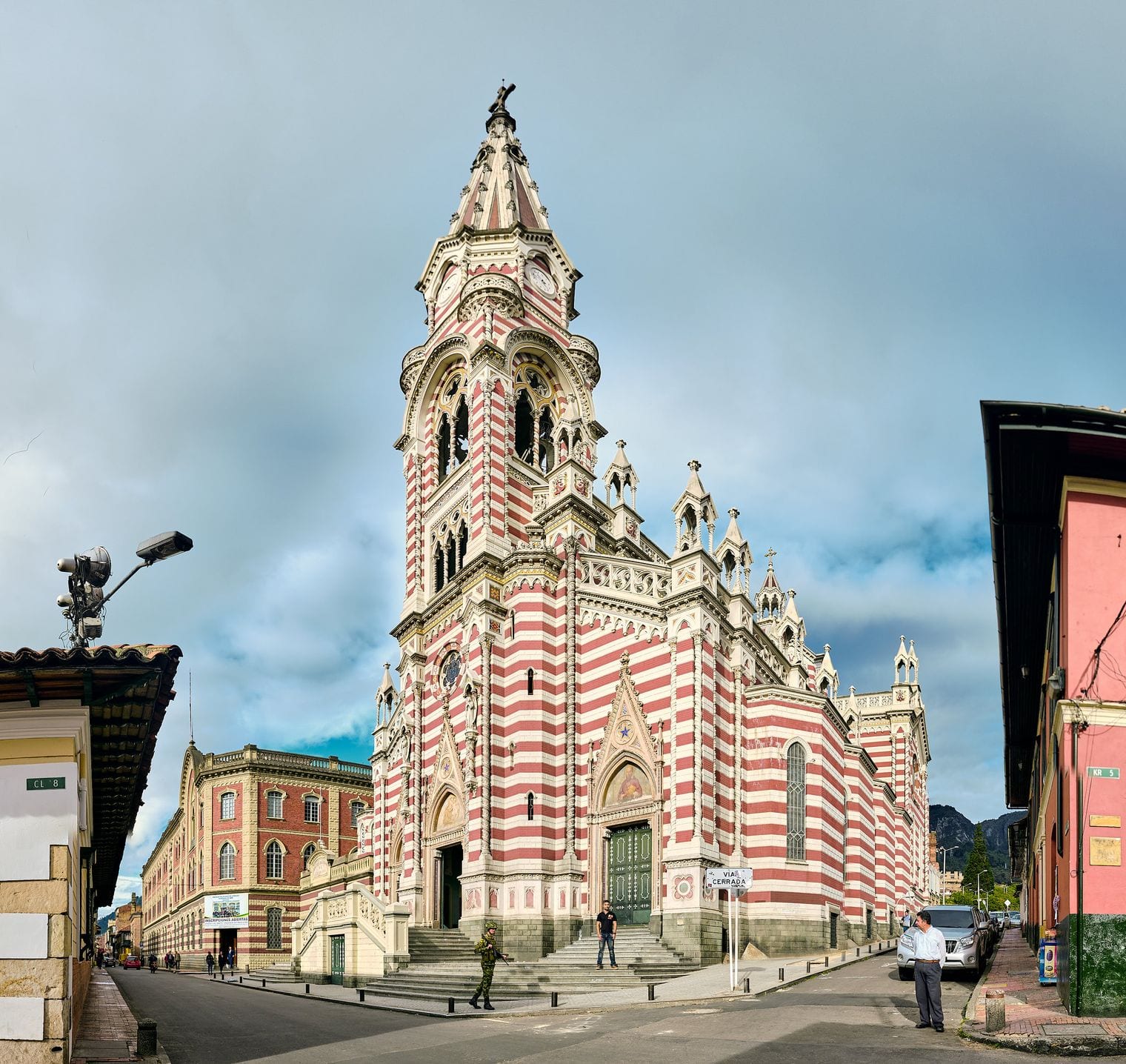
The Santuario Nuestra Señora del Carmen is one of the most photogenic churches in La Candelaria, its walls banded in brown and cream, the colors of the Carmelite order. It was designed by the Salesian architect Giovanni Buscaglione in a Florentine Gothic style with Byzantine and Moorish touches, and in 1993 it was declared a national monument together with the neighboring Salesian school.
The striped pattern carries on inside, where three naves form a Latin cross under pointed arches. It is just a few blocks from Plaza de Bolívar, so it is easy to fold into a walk through the old town.
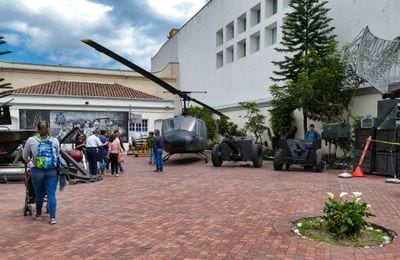
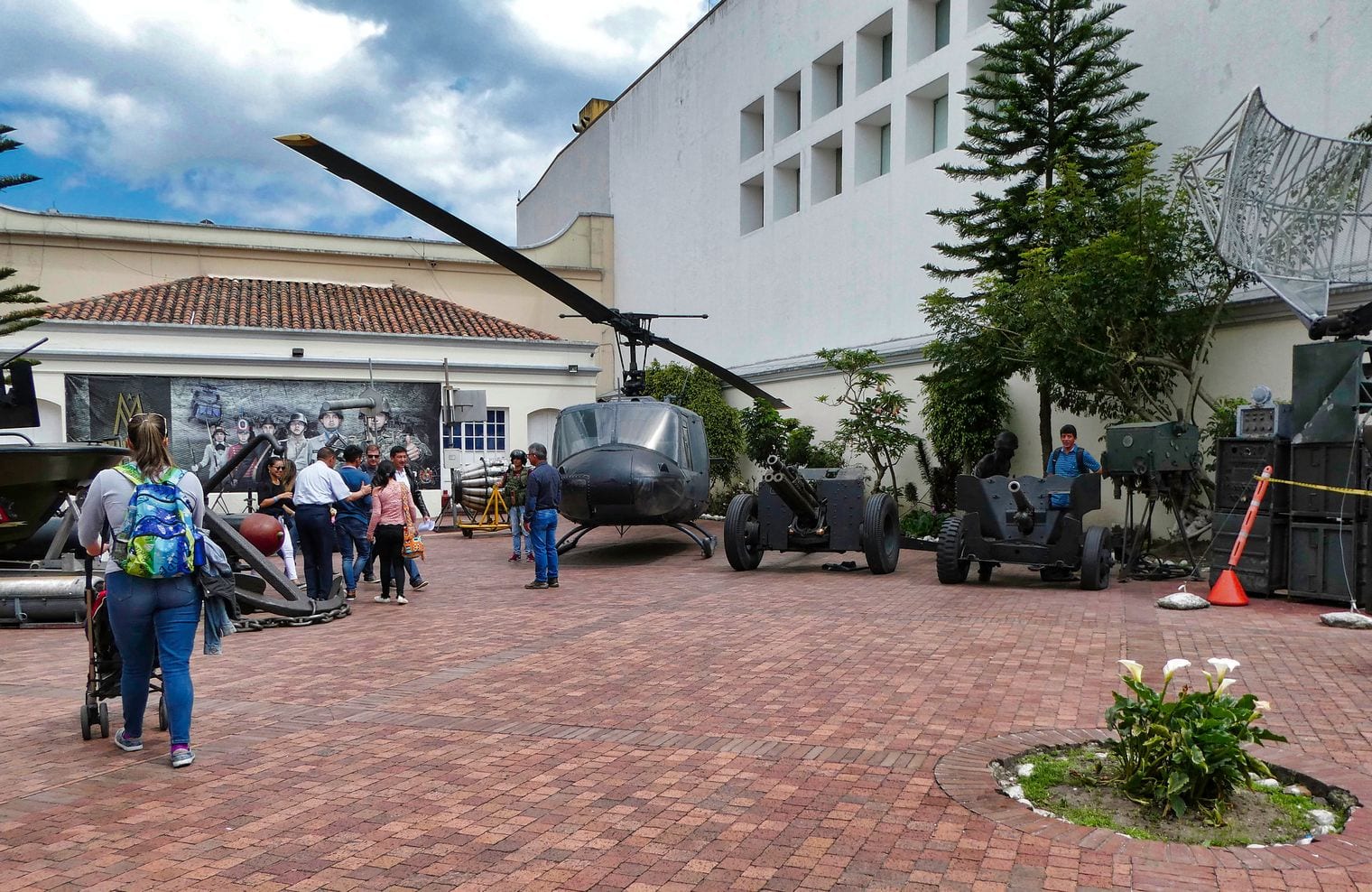
The Military Museum of Colombia opened in La Candelaria in 1982, in a building erected between 1911 and 1913 on the site of the house where independence hero Antonio Ricaurte lived. It traces the history and technical evolution of Colombia's armed forces through uniforms, weapons, medals, documents and models.
Larger pieces, including military vehicles, are a hit with children, and the museum runs activities aimed at younger visitors. It is a short walk from Plaza de Bolívar and the Botero Museum.
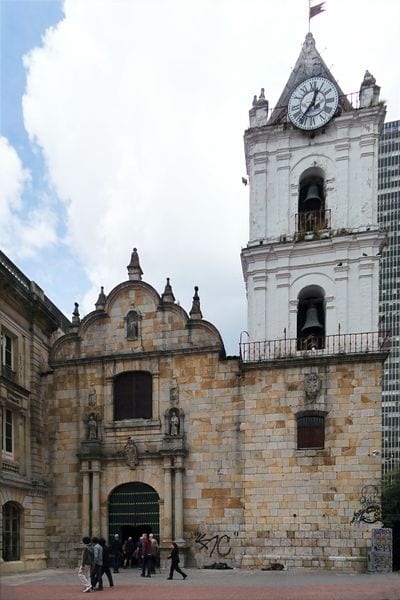
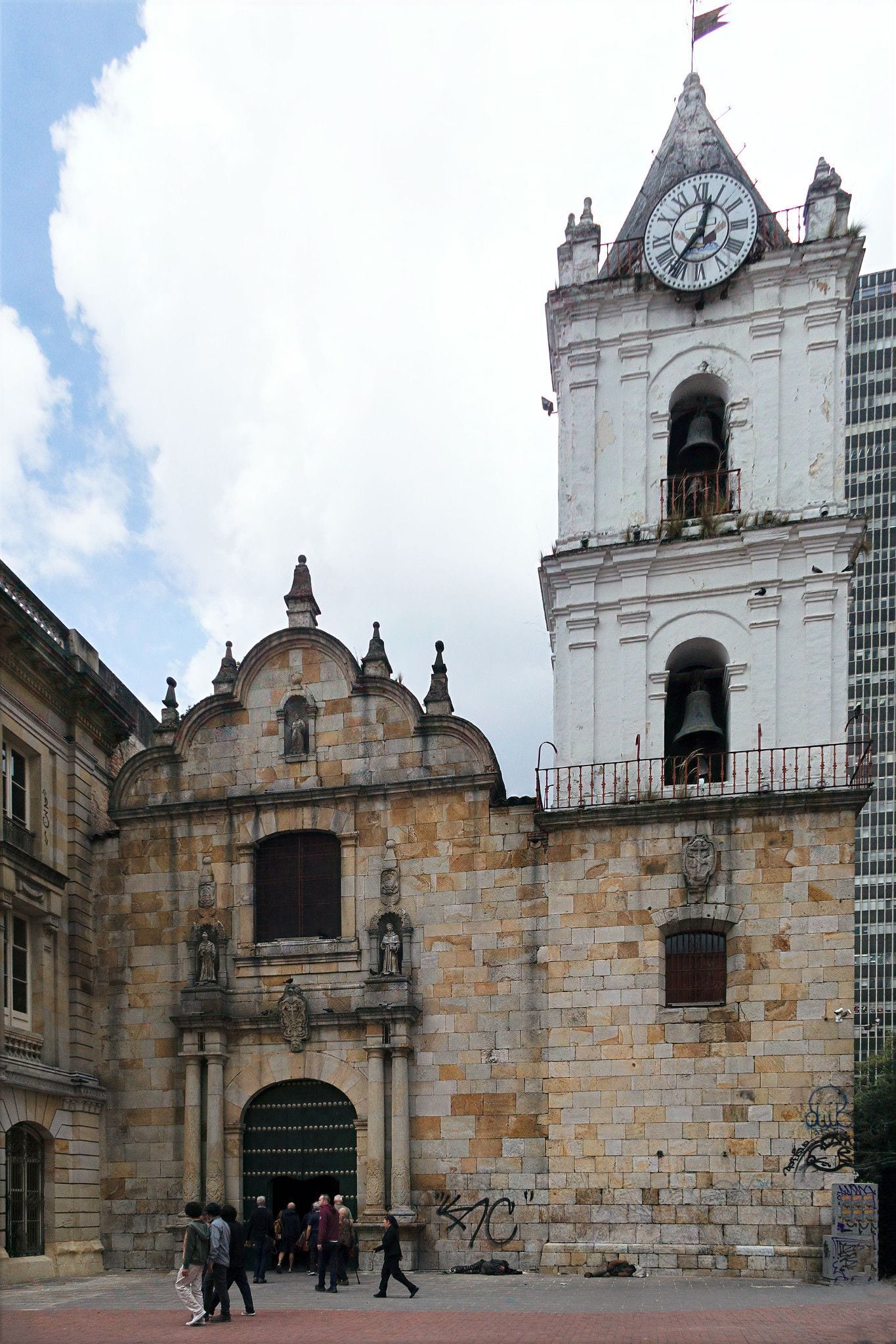
On the corner of Avenida Jiménez and Carrera Séptima, Iglesia de San Francisco is widely regarded as the oldest surviving church in Bogotá. Work on it began in the 1550s, and together with the neighboring churches of La Tercera and La Veracruz it forms a small colonial ensemble at the busy northern edge of the old town.
The plain stone-and-brick exterior hides a dazzling interior: the gilded main altarpiece, carved in the early 17th century, is a masterpiece of colonial Renaissance and Mudéjar woodwork. Step inside on any walk along the Séptima, quietly, as it is still a working church.
The Quinta de Bolívar is the colonial country house at the foot of Monserrate where Simón Bolívar lived when he was in the capital after the war of independence. Today it is a museum of the Liberator's life and times, with period rooms, furniture and personal objects.
The house is set in peaceful gardens that make a gentle contrast to the busy city below, and it is just a short walk from the lower stations of the Monserrate cable car and funicular. Visit before or after the mountain to make the most of the trip.
The Museo de Bogotá is the city's own museum, spread over two sites in La Candelaria, including the colonial Casa Sámano. Its collection of more than 24,000 objects includes the most important archive of historic photographs of Bogotá, old maps and plans, and memorable objects such as a tram and the statue of Gonzalo Jiménez de Quesada pulled down during the protests of 2021.
It tells the story of how a small colonial town became a city of millions, which helps make sense of everything else you see. It is a short walk from Plaza de Bolívar, and works well early in a trip.
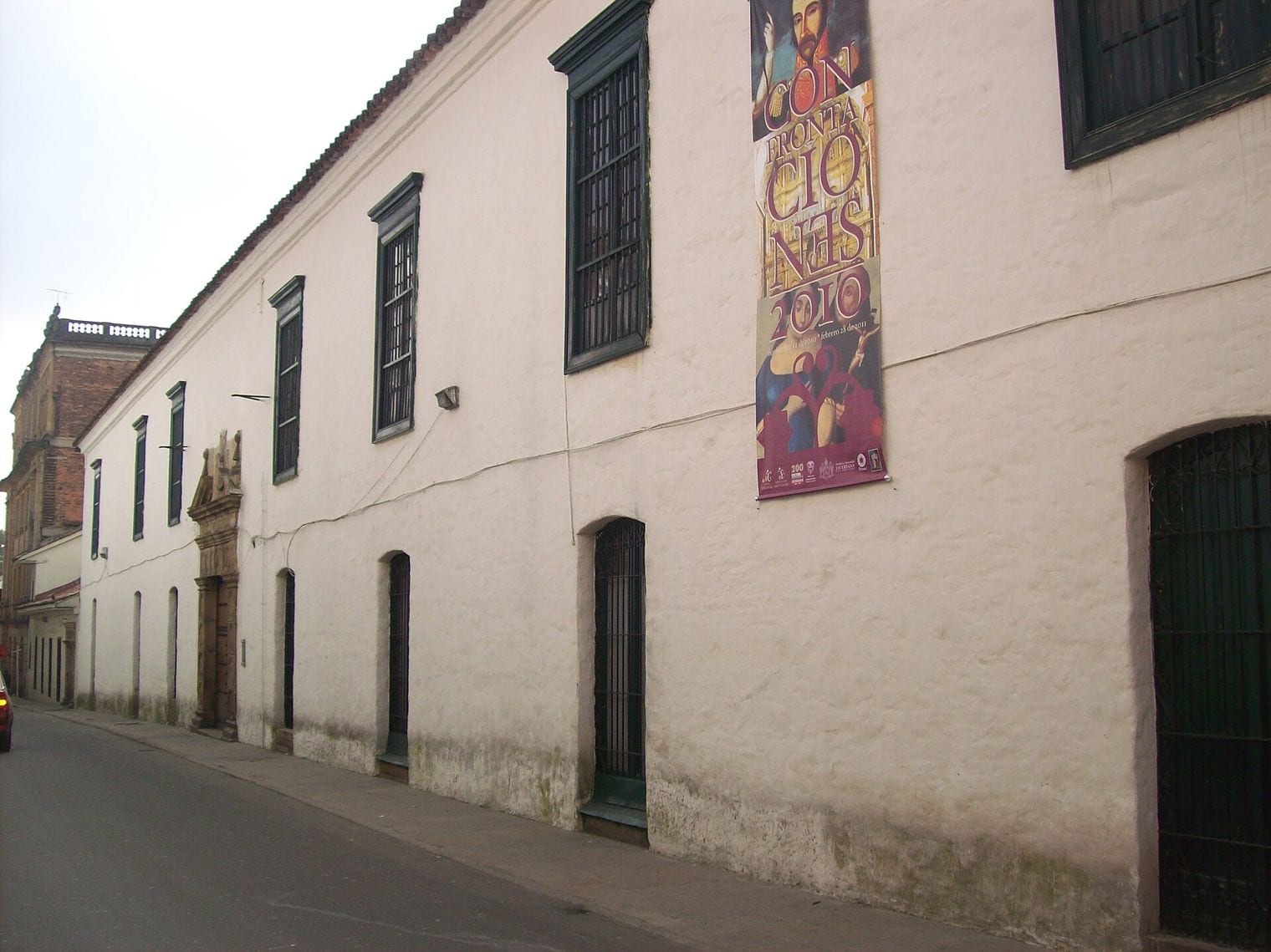
The Museo Colonial occupies a building raised by the Jesuits in the early 1600s, part of their great complex in the old town until the order was expelled in 1767. Opened as a museum in 1942, it holds more than 1,600 objects from the colonial period, from religious painting and sculpture to furniture and decorative arts.
Its greatest treasure is a large collection of oil paintings and drawings by Gregorio Vásquez de Arce y Ceballos, one of the finest painters of the New Kingdom of Granada. The rooms open onto a colonial courtyard, and the museum shares its focus with the Museo Santa Clara, a short walk away.
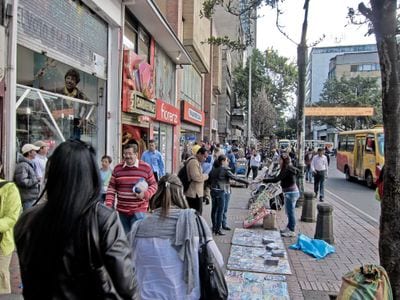
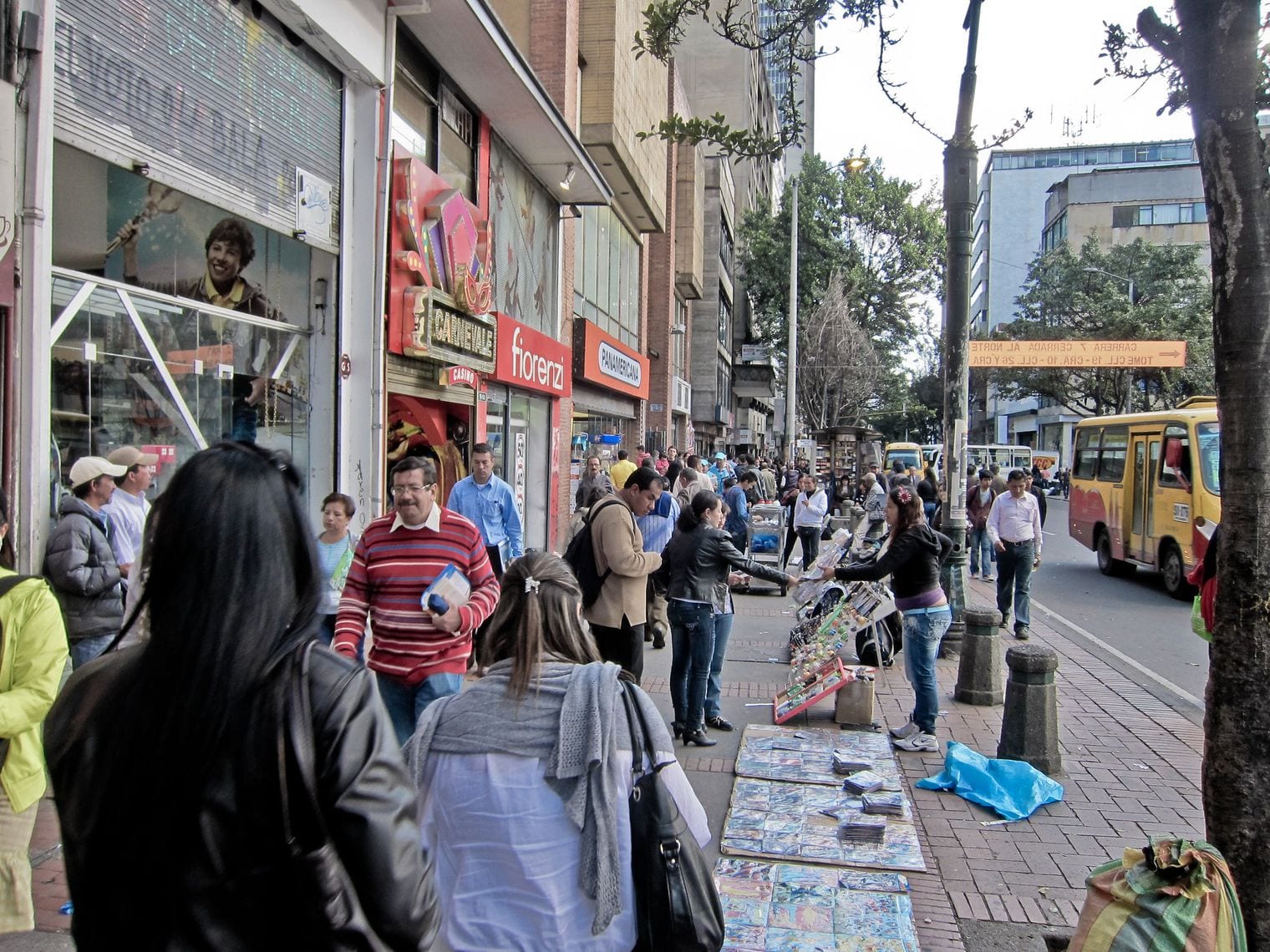
Carrera Séptima is Bogotá's most historic avenue, following the line of the colonial royal road to Honda, and its pedestrianized downtown stretch is home to the Septimazo, the long-standing local habit of strolling the Séptima. Walking north from Plaza de Bolívar, you pass street musicians, magicians, vendors, chess players and portrait artists against a backdrop of churches and old office blocks.
On Sundays and public holidays the avenue also becomes part of the Ciclovía, when more than 120 km of the city's main roads close to cars and fill with cyclists, skaters and runners. Walk it from the Primate Cathedral to the Iglesia de San Francisco and beyond for a vivid slice of city life.
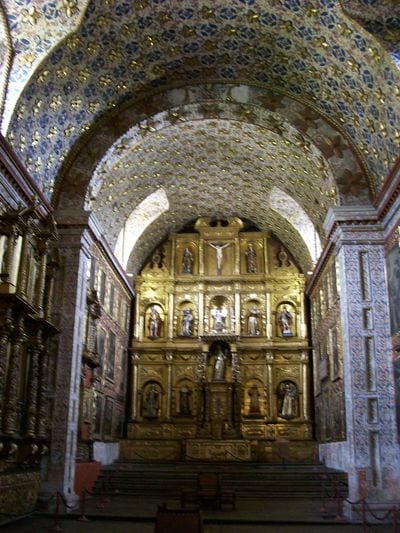
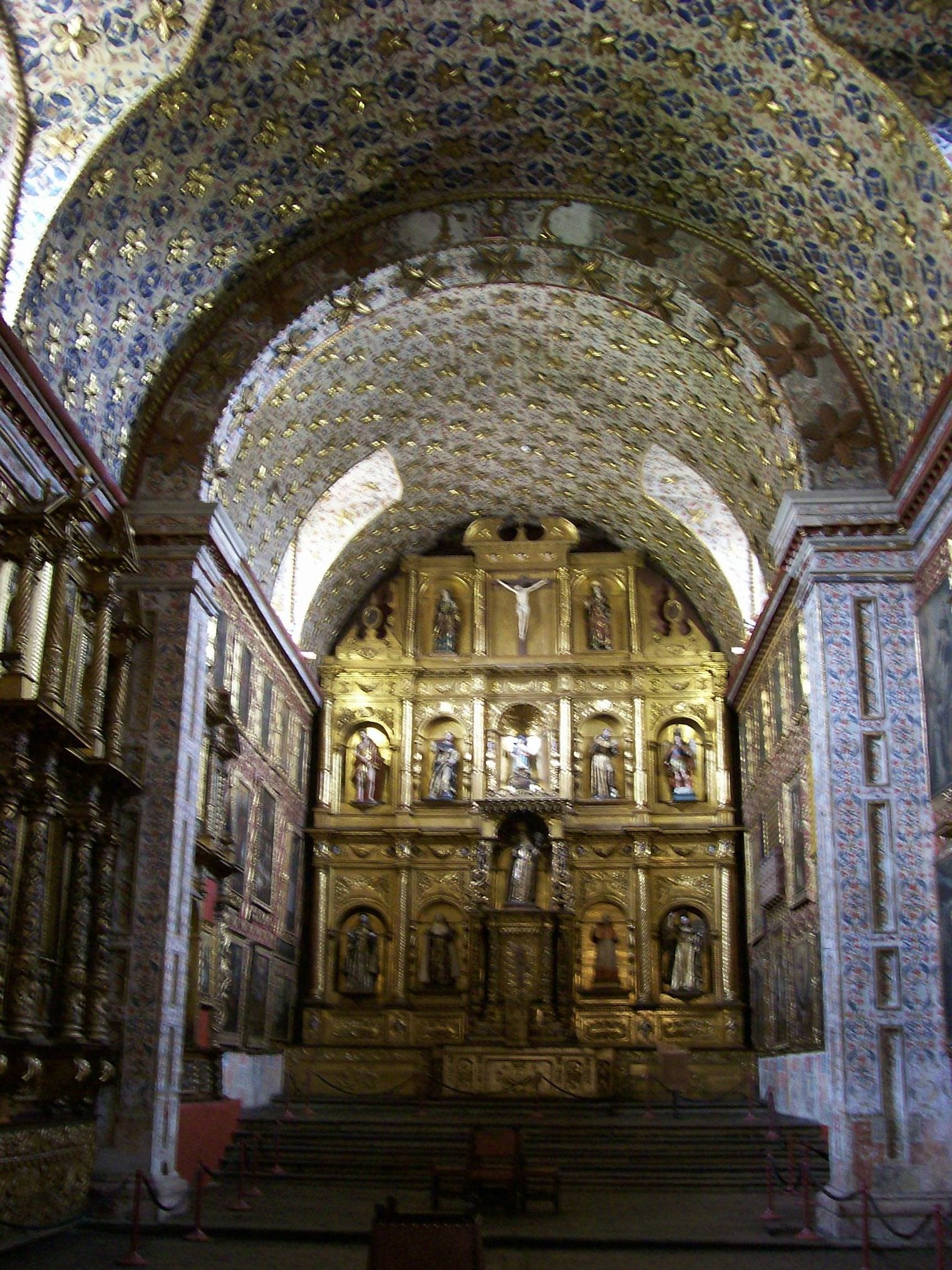
The Museo Santa Clara occupies the church of the former Royal Convent of Santa Clara, built in 1647, and is considered one of the finest examples of Baroque architecture and decoration in Bogotá. Its walls are covered floor to ceiling with paintings and sculptures from the 17th to the 19th centuries, including works by Gregorio Vásquez de Arce y Ceballos.
Look up to see the painted murals of plants, animals, saints and angels on the choirs, the chancel and the great arch, and imagine the cloistered nuns who once followed mass from behind their screens. The museum also stages contemporary art shows that play off the colonial setting.
On the northeast corner of Plaza de Bolívar, the Casa del Florero is where Colombia's independence movement caught fire on 20 July 1810, when a quarrel over a borrowed flower vase between a Spanish merchant and local patriots grew into the uprising remembered as the Grito de Independencia.
Now the Independence Museum, the colonial house tells the story of that day and the struggle that followed through documents, portraits and objects, with the famous florero at the heart of the tale. The building was also caught up in the 1985 Palace of Justice siege next door, a darker chapter the museum does not ignore.
3838. Casa del Marqués de San Jorge Archaeological Museum
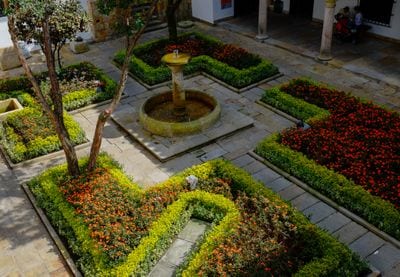
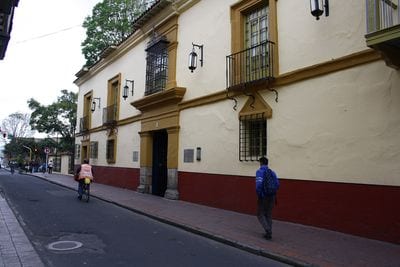
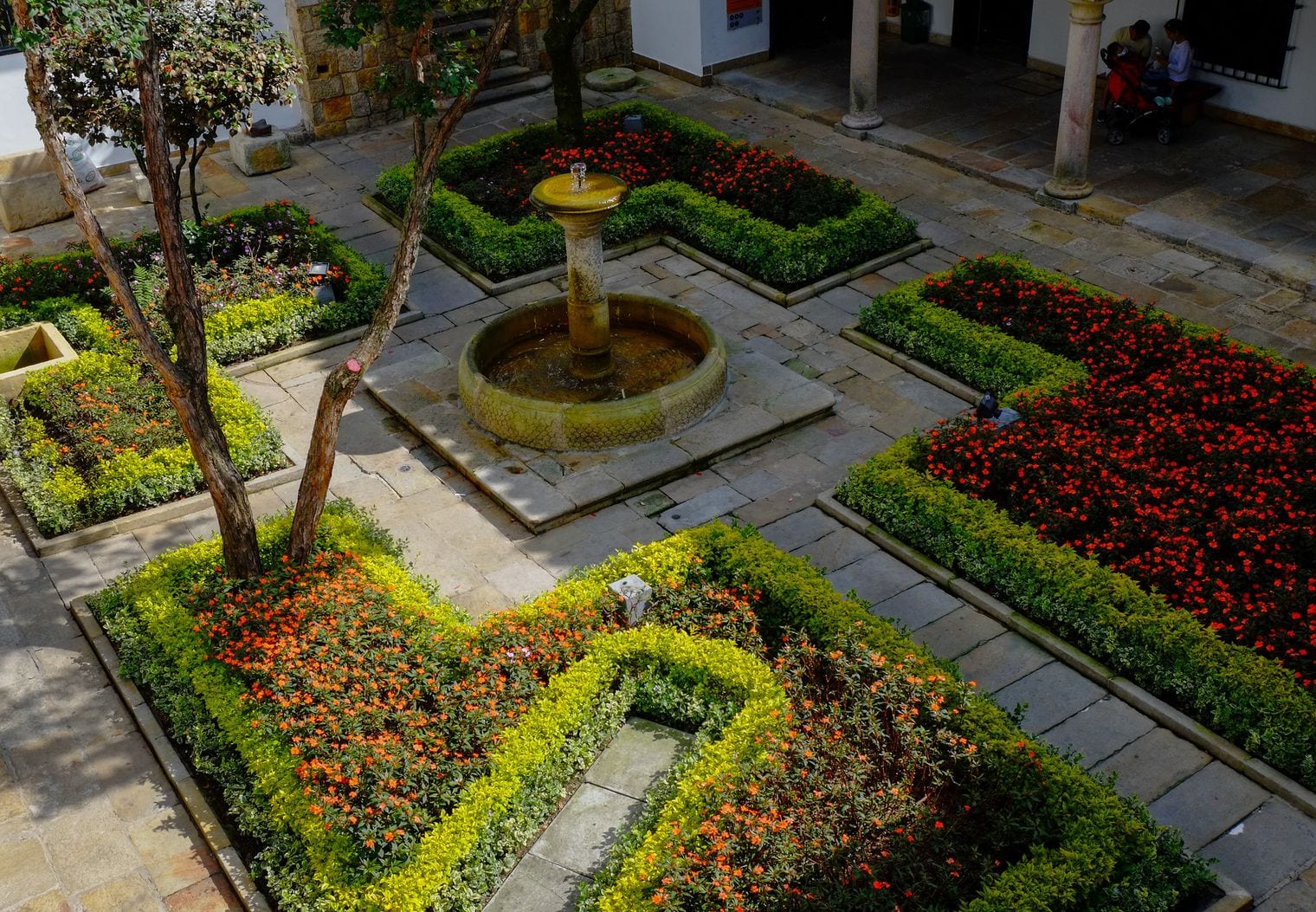
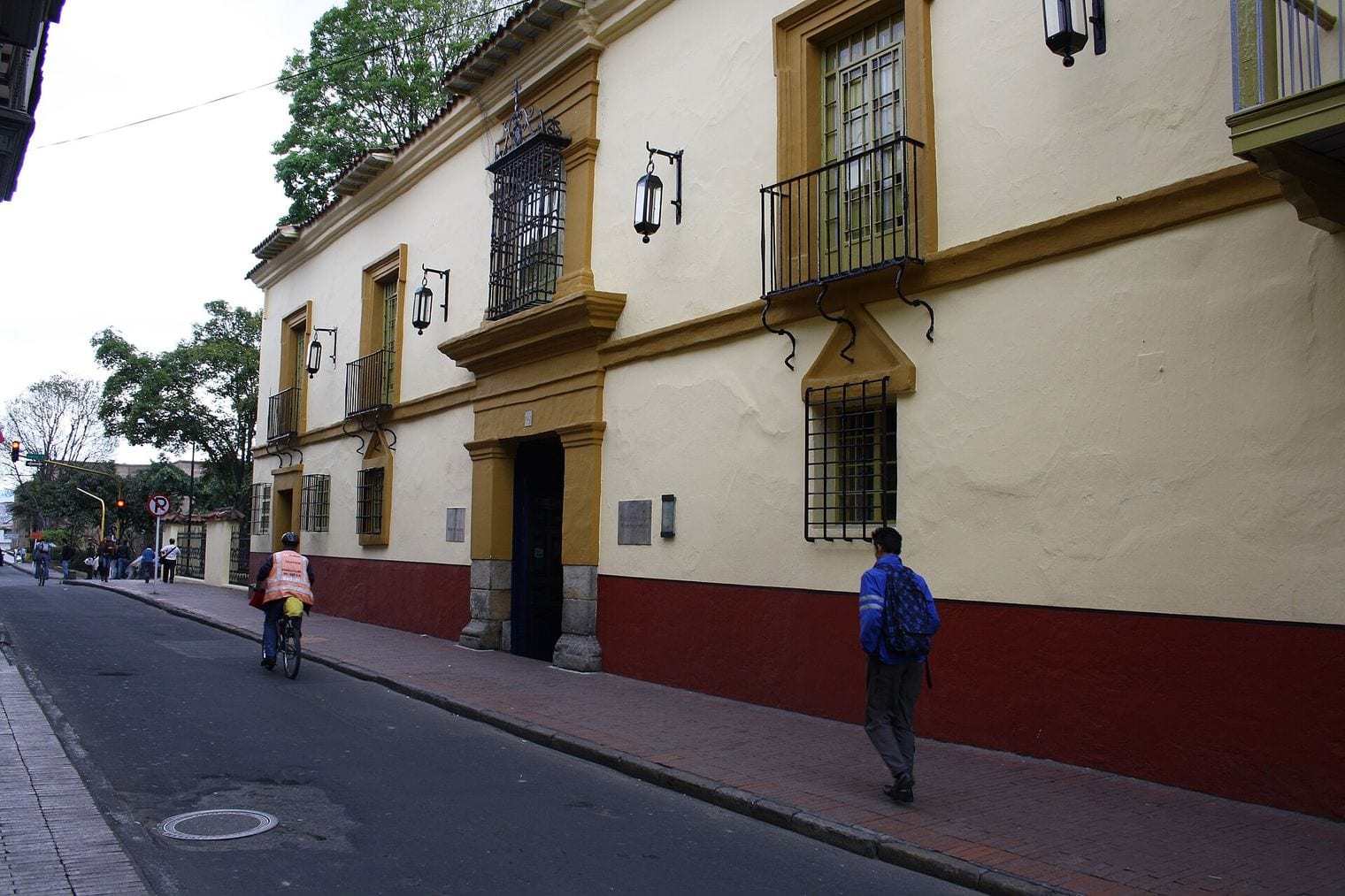
The Casa del Marqués de San Jorge Archaeological Museum, known as MUSA, occupies an 18th-century mansion in La Candelaria that once belonged to the Marquis of San Jorge, with a fine colonial central patio. It is one of the best-preserved colonial houses in the old town.
Its collection focuses on pre-Columbian ceramics from many of Colombia's ancient cultures, from figurines to elaborate vessels, a fine complement to the goldwork at the Gold Museum. It is a smaller, quieter museum, often with the galleries to yourself.
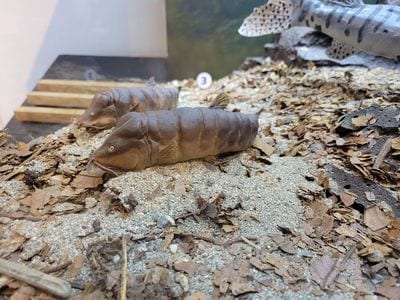
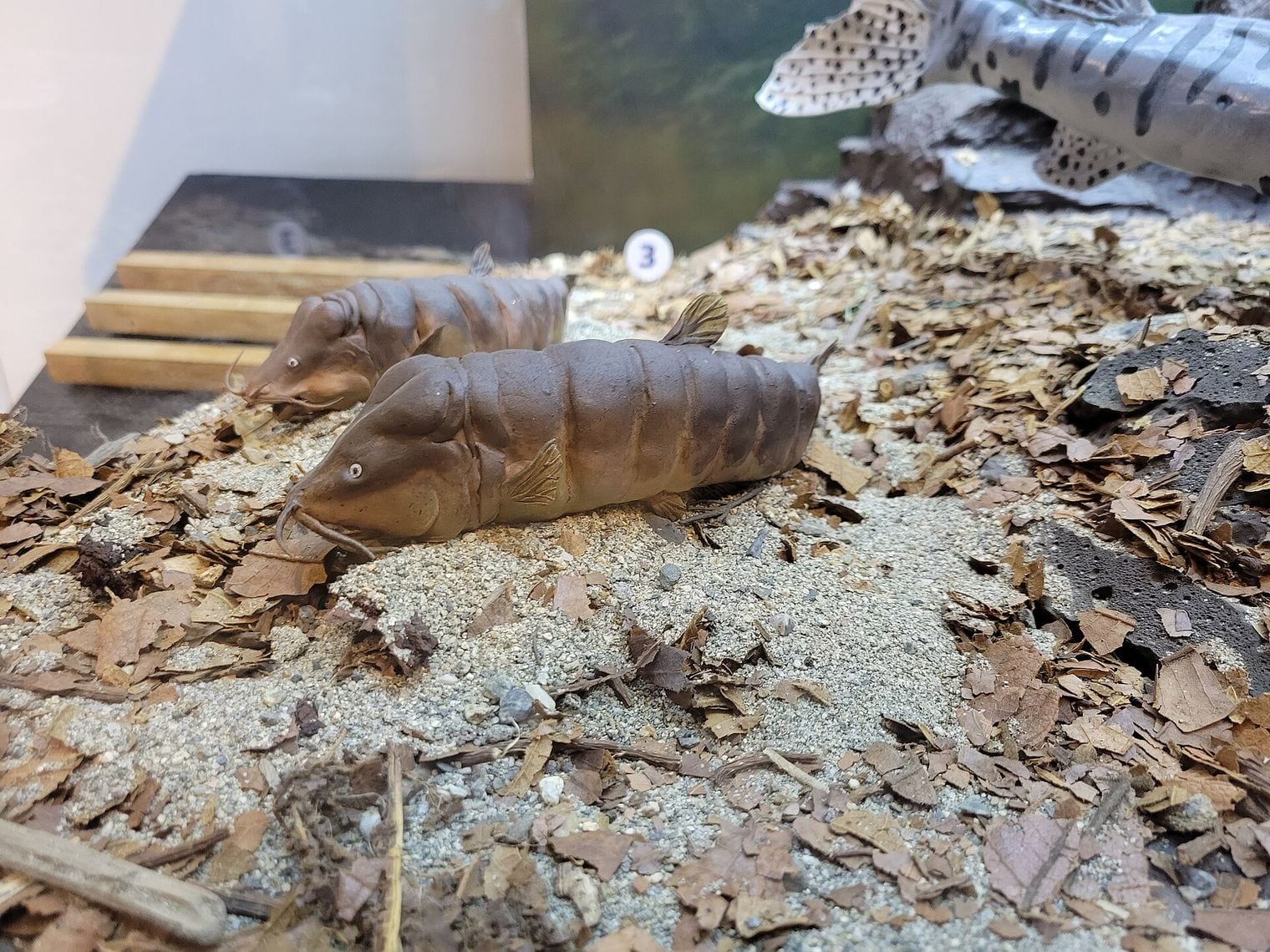
The Museo de Historia Natural of the Universidad Nacional de Colombia sits on the Ciudad Universitaria campus, in the building of the university's Instituto de Ciencias Naturales. Its halls show real specimens across zoology, botany, paleontology, geology and archaeology, a window onto one of the most biodiverse countries on Earth.
It keeps university hours, so check before going, and allow time to wander the leafy campus itself, one of the liveliest student districts in the city. It is a short ride from Simón Bolívar Park and the Botanical Garden.
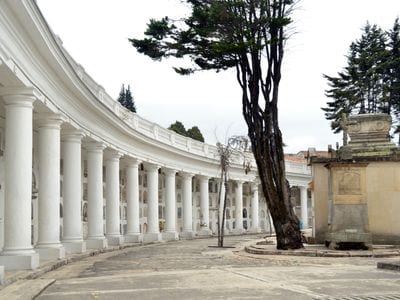
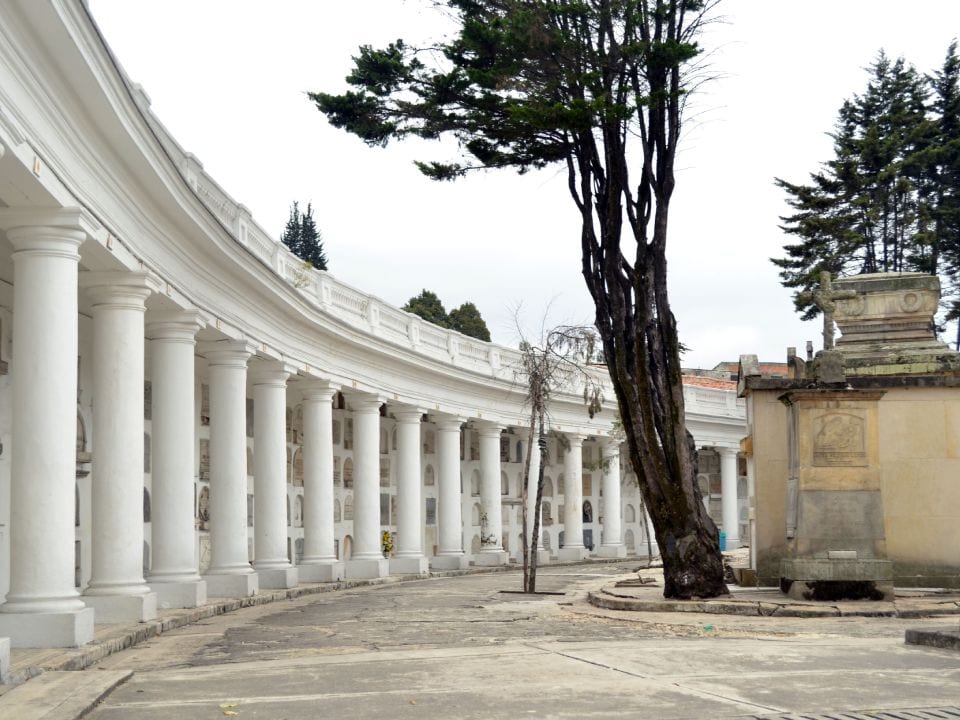
Cementerio Central, opened in 1836, is one of the most important cemeteries in Colombia and was declared a national monument in 1984. National heroes, poets and presidents rest here, including Francisco de Paula Santander, the first constitutional president, and some of the mausoleums carry work by sculptors such as Pietro Tenerani.
Walk its avenues of grand tombs, chapels and galleries of wall niches for a moving lesson in Colombian history and funerary art. It lies in the Los Mártires district west of downtown; visit in daylight and stay within the main walls.
Plan your trip
Best Time to Visit Bogotá
Bogotá sits so high and so close to the equator that its temperature barely changes through the year: days are mild and often bright, nights are cool, and a warm layer is useful in every month. What does change is the rain. The drier stretches usually run from December to March and again around June to August, while April–May and October–November tend to be the wettest months, with afternoon showers.
December is festive, with Christmas lights across the city and many locals away on holiday, and the mid-year dry season is the classic time for the big free concerts in Simón Bolívar Park. Whenever you come, plan outdoor sights such as Monserrate and the hill trails for the morning.
Getting to Bogotá
Almost every visitor arrives at El Dorado International Airport (BOG) on the western edge of the city, Colombia's busiest airport, with direct flights from North America, Europe and across Latin America and frequent domestic connections to the rest of the country. The drive to the historic center or the northern neighborhoods usually takes 30 minutes to an hour depending on traffic.
Long-distance buses from across Colombia use the main bus terminal in the west of the city, and highways run north toward Tunja and Boyacá, west down to the Magdalena valley and southeast toward the Llanos. There is no intercity passenger rail.
Getting Around Bogotá
La Candelaria and the downtown museums are best explored on foot, though the streets are steep and the altitude makes hills harder work. For longer distances, TransMilenio, the city's rapid-bus system with dedicated lanes, is fast but very crowded at rush hour; taxis and ride-hailing apps are plentiful and inexpensive, and booking a car through an app is the simplest option at night. Traffic is heavy, so a rental car is more trouble than help inside the city.
Bogotá is also one of Latin America's great cycling cities, with an extensive network of bike lanes, and on Sundays and public holidays the Ciclovía closes long stretches of main roads, including Carrera Séptima, to cars.
Where to Stay in Bogotá
La Candelaria puts you within walking distance of the museums, Plaza de Bolívar and Monserrate, with plenty of hostels and small guesthouses in colonial houses, though its streets empty out at night. Most visitors who want restaurants and nightlife on the doorstep stay further north, in Chapinero, around Zona Rosa and Zona T, or near Parque de la 93, the city's most polished districts.
Usaquén, at the northern end, offers a quieter, village-like base with its own Sunday market, while the Salitre area on the west side is convenient for the airport, Simón Bolívar Park and the Botanical Garden.
Where to Eat in Bogotá
The signature dish is ajiaco santafereño, a hearty chicken and potato soup flavored with the herb guasca and served with corn, capers, cream and avocado. Breakfast might be changua, a milk and egg soup, or tamales with hot chocolate, often eaten with a slice of cheese dropped into the cup; through the day look for arepas, empanadas and fresh juices made from the country's tropical fruits.
The old town's traditional shops and cafés are the place for classic Bogotá food, while the Zona G gourmet strip in Chapinero, Zona T, Parque de la 93 and Usaquén hold the city's contemporary restaurants. For the freshest fruit and a cheap market lunch, head to Paloquemao Market.
Day Trips from Bogotá
The most popular day trip is the Salt Cathedral of Zipaquirá, an underground church carved into a salt mine about 50 km north of the city, roughly an hour or more by road. Laguna de Guatavita, the sacred Muisca lake tied to the El Dorado ceremony, lies northeast of Bogotá, typically around two hours away, and pairs well with Zipaquirá on a full day.
East over the hills near Choachí, La Chorrera is a towering, many-tiered waterfall reached on a forest hike, while Chicaque Natural Park, southwest of the city, protects a misty cloud forest with walking trails. The colonial town of Villa de Leyva, with its huge cobbled main square, is three to four hours north and is better as an overnight trip than a day out.
Before you go
Mobile dataAn eSIM gives your phone local data when you land, with no SIM card to swap.via AiraloGet an eSIM
Airport transferA driver meets you at arrivals and takes you to your hotel, at a price fixed when you book.via Welcome PickupsBook a transfer
We may earn a commission when you buy through these links, at no extra cost to you. How we make money.
One Day in Bogotá
Morning
Start early at Monserrate, riding the cable car or funicular up for clear views over the city before the clouds build, then drop down to the Quinta de Bolívar near the lower stations.
Bogotá is best known for Monserrate, the mountain sanctuary that towers over the city, the Gold Museum's world-famous pre-Hispanic goldwork, and Plaza de Bolívar at the heart of the colonial La Candelaria district. Its founding square at Chorro de Quevedo, the Botanical Garden, street art, museums and lively food scene round out the picture.
How many days do you need in Bogotá?
Three to four days is ideal. One day covers the essentials of Monserrate, La Candelaria, the Botero Museum and the Gold Museum; a second lets you add the Museo Nacional, Carrera Séptima and the northern districts; and a third or fourth leaves time for markets, parks, Usaquén on a Sunday or a day trip to Zipaquirá.
How high is Bogotá, and will the altitude affect me?
Bogotá averages about 2,640 meters (8,660 feet) above sea level, one of the highest capital cities in the world. Many visitors feel breathless or tired on the first day or two, so take it easy at first, drink plenty of water, go light on alcohol and save steep climbs such as Monserrate until you have adjusted.
What can you do in Bogotá for free?
Plenty. The Botero Museum is free, as are Plaza de Bolívar, Chorro de Quevedo and the murals of La Candelaria. Simón Bolívar Park, Parque Nacional, the wetlands, the Sunday flea markets at San Alejo and Usaquén, a walk along Carrera Séptima and the Sunday Ciclovía cost nothing at all.
Is Bogotá worth visiting?
Yes. Bogotá is Colombia's largest city and its cultural capital, with world-class museums, a beautifully preserved colonial center, mountain views from Monserrate and one of Latin America's most creative street-art and food scenes. Its cool climate makes it comfortable for walking all year, and it is the natural gateway to the rest of the country.
Sources & updates
How this guide was checked
Checked before launch
Sources cited
38
Publishers
18
Every place on this list was confirmed open and pinned on the map before publication, and what we say about each one was checked against its own website or an official source.
A PDF with a box to tick for every place. Confirm your email to download it, and get one email every Thursday with our newest guides for the places you tick.
Free Bogota printable checklist
All 40 places in one PDF
Tick them off as you go. Confirm your email to download it, plus one email every Thursday with new guides for the places you tick.
We use cookies to analyse site traffic and improve your experience.
You can accept or reject analytics cookies. See our
May we use analytics cookies? See ourCookie Policy.