We build and rank every list first. Booking links come after, and only where
a partner sells a ticket, tour or stay for that exact place, so a place with
nothing to book is listed exactly as prominently as one you can book.
So how do we earn? Some links on this page go to booking
partners, and if you book or buy through
one, we may earn a commission. It costs you nothing extra.
That commission never decides which places make the list, the order they
appear in, or what we write about them. No entry is sponsored or a paid
placement.
By the City Viking editorial teamPublished 30 places · 22 min read
Fact-checked Checked before launchOct 12, 202623 sources13 publishers2 government & parks12 encyclopedias & research9 venues & other sitesPublished · Oct 12, 2026Researched and checked before it went liveClick for every source and the full change log.
Short answer
Cartagena is known for the stone walls that fortified it against pirates for two centuries, its bougainvillea-draped balconies and its title of Heroic City. Start with Castillo San Felipe de Barajas on San Lázaro hill, then give a full day to the Walled City and an evening to the murals and bars of Getsemaní. Three days is the sweet spot for the highlights, with a fourth for a boat trip out to the islands.
Cartagena wraps a colonial old town in stone walls on Colombia's Caribbean coast, its balconies spilling bougainvillea over streets painted ochre, blue and pink. Founded in 1533 and fortified against pirates for two centuries, it pairs heavyweight history with beaches, boat trips and plazas that come alive after dark.
This guide ranks the 30 best things to do in Cartagena, from Castillo San Felipe and the Walled City to Getsemaní's murals, Bazurto Market and sunset on the bastions. Allow three days, or four with an island trip, and pair it with Bogotá for a two-city tour.
Cartagena was founded on 1 June 1533 by Pedro de Heredia, on the site of the Indigenous village of Calamarí, and named after the port of Cartagena in Spain, where most of his sailors came from.
The walled city and its fortress became a UNESCO World Heritage Site in 1984, and the walls themselves run for about 11 km around the historic center.
In 1741 the city survived a huge British assault: Admiral Edward Vernon's combined naval and land attack was repelled by Spanish defenders led by Blas de Lezo and Sebastián de Eslava.
Cartagena declared its independence from Spain on 11 November 1811, and Simón Bolívar later honored it with the title of "Heroic City".
Colombia's national anthem began as a poem about Cartagena: Rafael Núñez wrote it in 1850 to celebrate the city's independence, and it was set to music decades later, during his presidency.
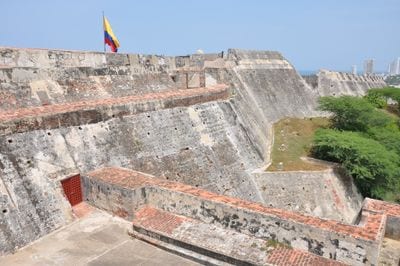
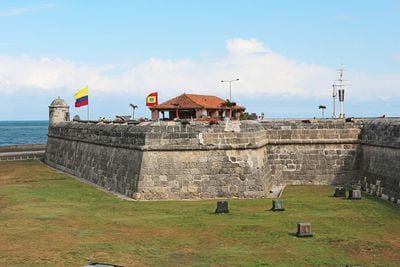
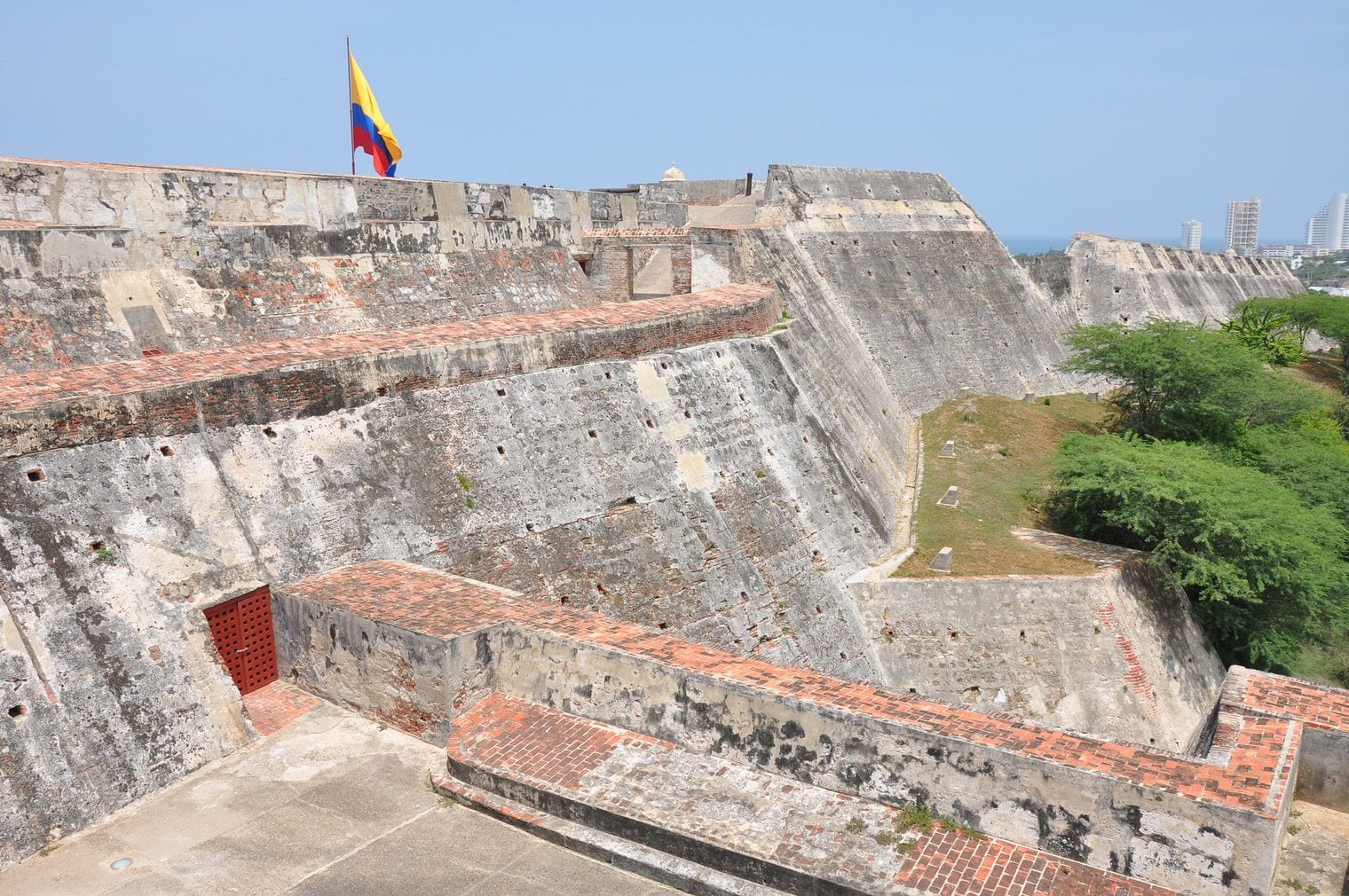
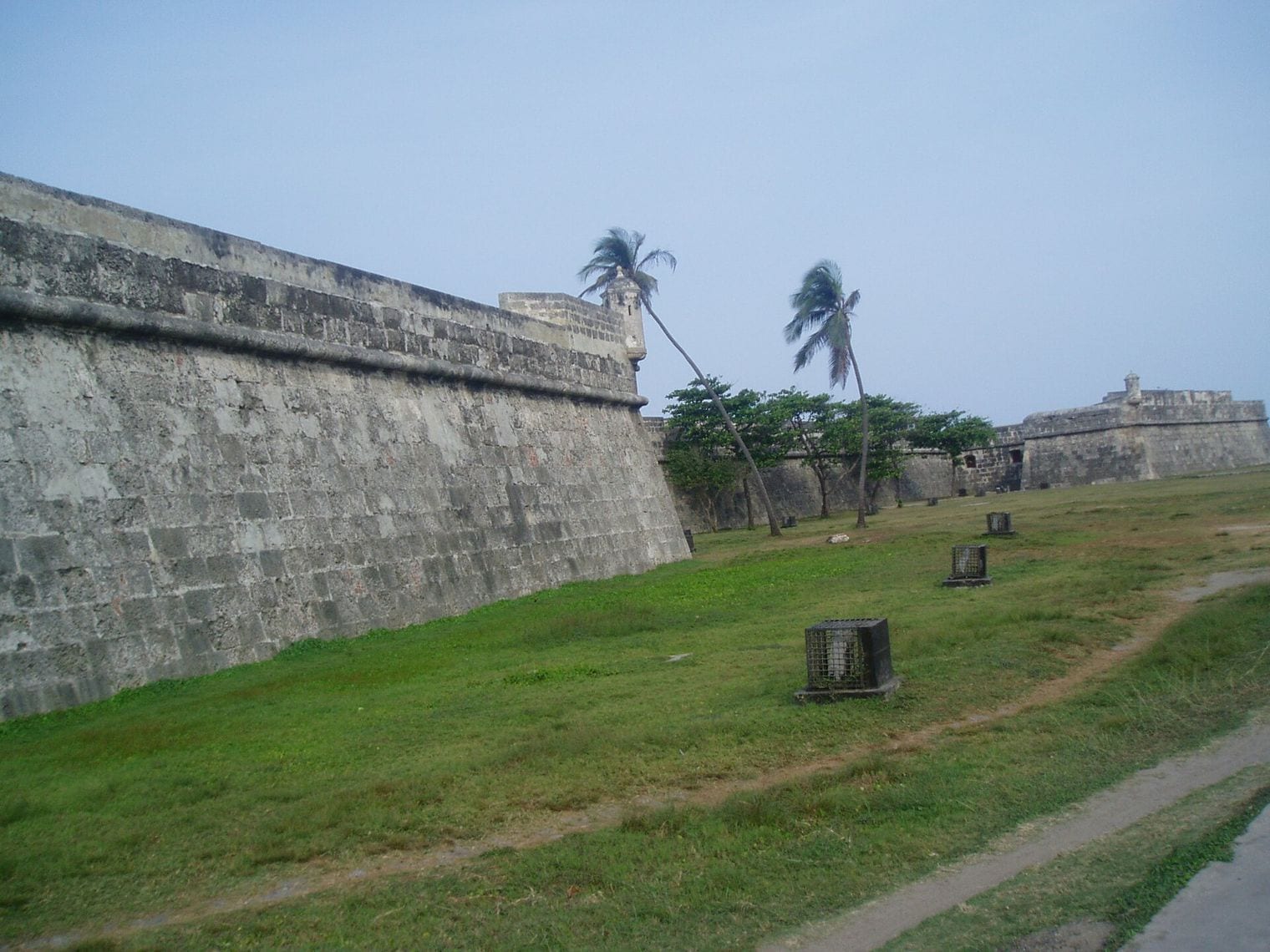
Rising in stepped stone ramparts from the Hill of San Lázaro, Castillo San Felipe de Barajas commands every approach to the city by land and sea. Built with the forced labor of enslaved Africans and enlarged in the seventeenth and eighteenth centuries, it held out in 1741, when Spanish defenders under Blas de Lezo repelled the British force of Admiral Edward Vernon.
Climb the ramps to the upper batteries for the best view back over the old town and the bay, then duck into the tunnels, a narrow maze of passages under the walls, some of which are open to visitors. Come early in the morning: there is little shade, and the heat builds fast.
22. Centro Histórico de Cartagena (the Walled City)
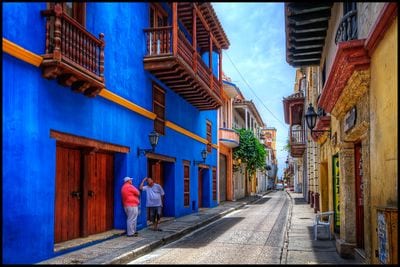
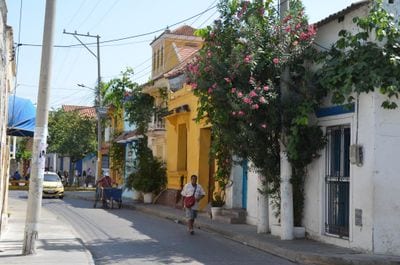
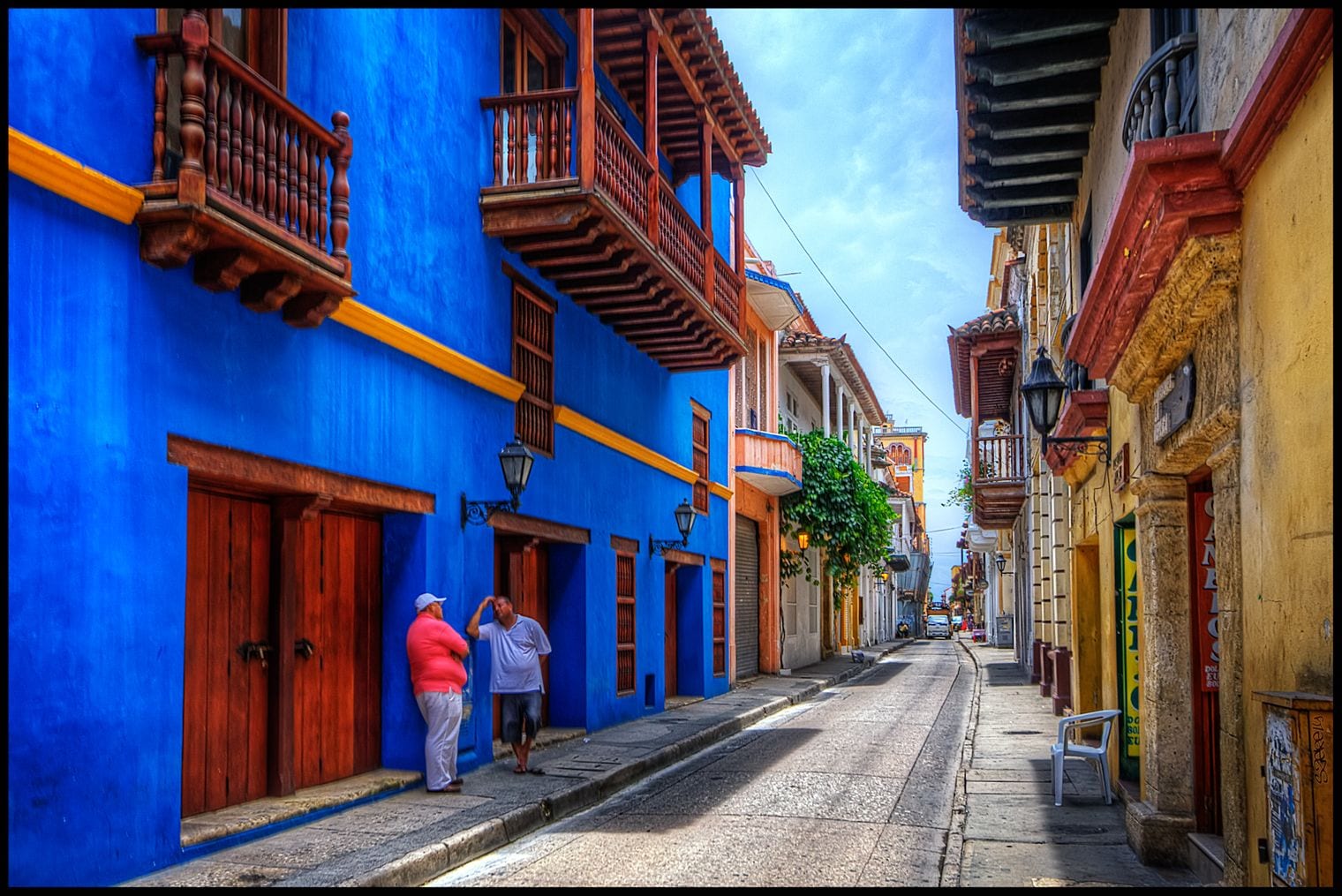
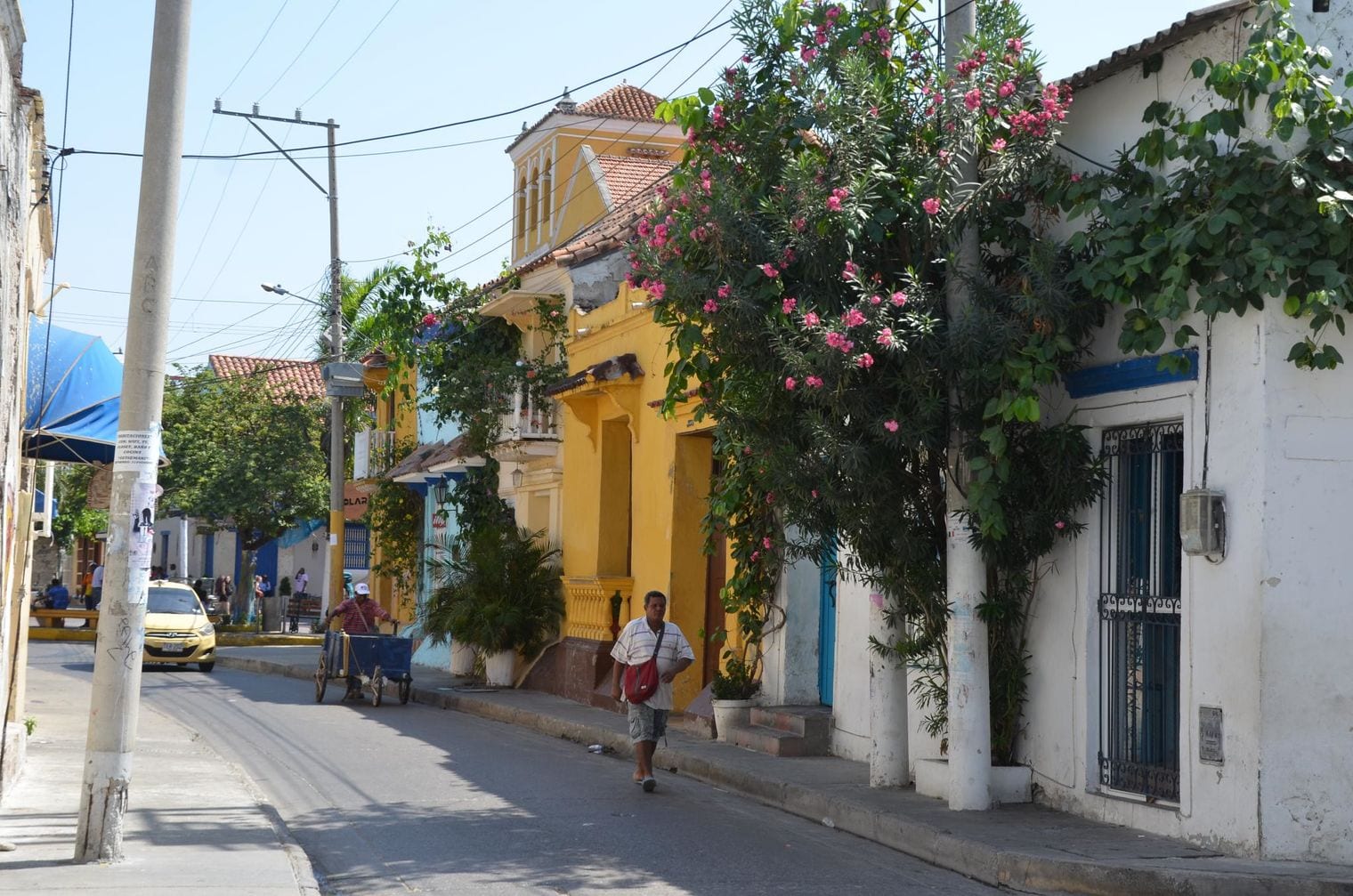
The Centro Histórico is the reason most people come: a grid of colonial streets inside the walls, lined with carved wooden balconies, heavy doors with brass knockers and bougainvillea tumbling from upper floors. Together with its fortifications it has been a UNESCO World Heritage Site since 1984, and almost every sight on this list is a short walk from the next.
The Walled City covers the old Centro and the quieter San Diego quarter, and it rewards aimless wandering more than a strict plan. Look out for the palenqueras, fruit sellers in bright dresses carrying bowls of fruit on their heads, and save some energy for the evening, when the plazas fill with music, street food and horse-drawn carriages.
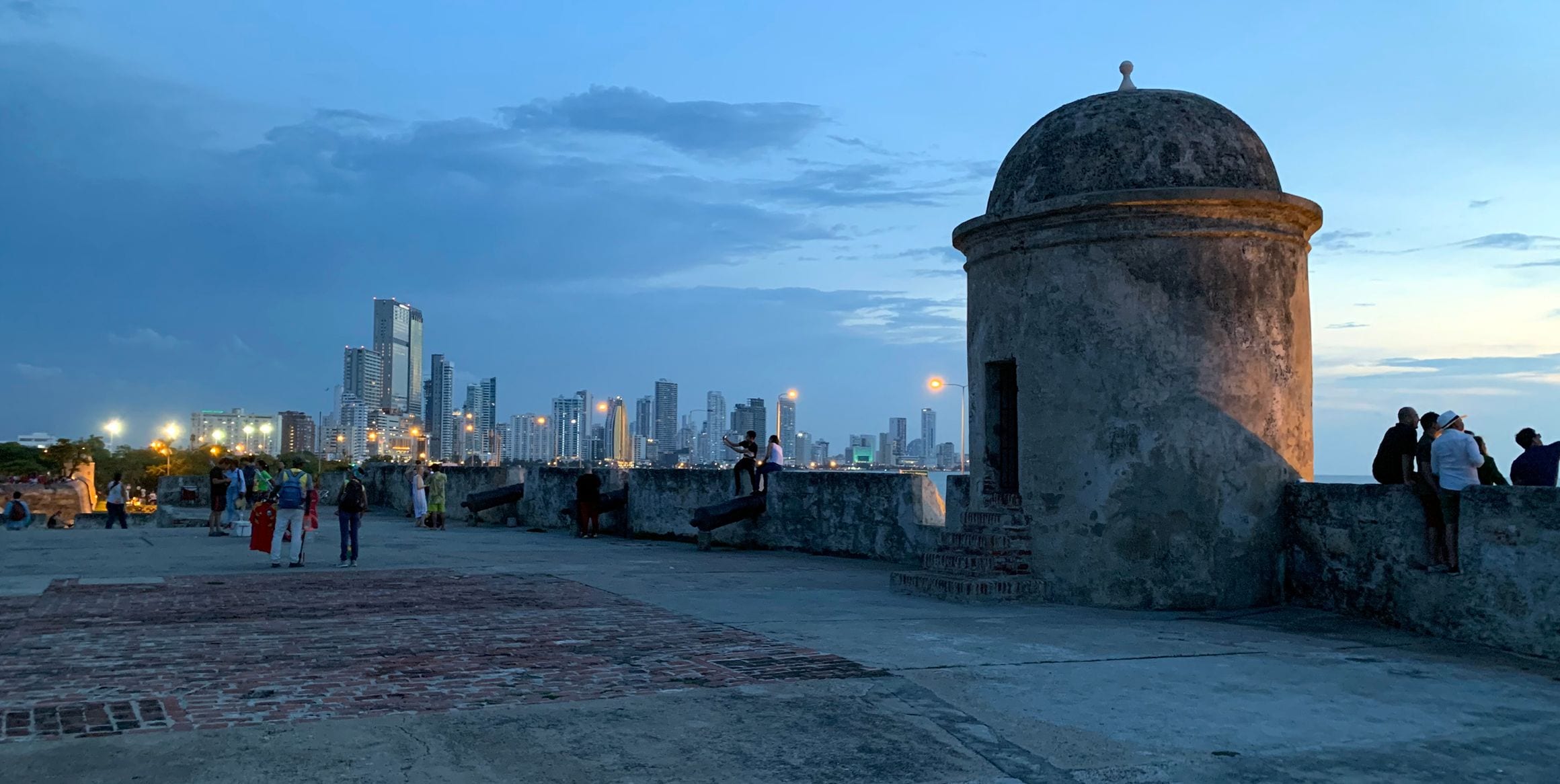
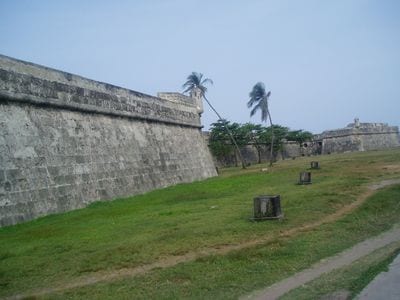
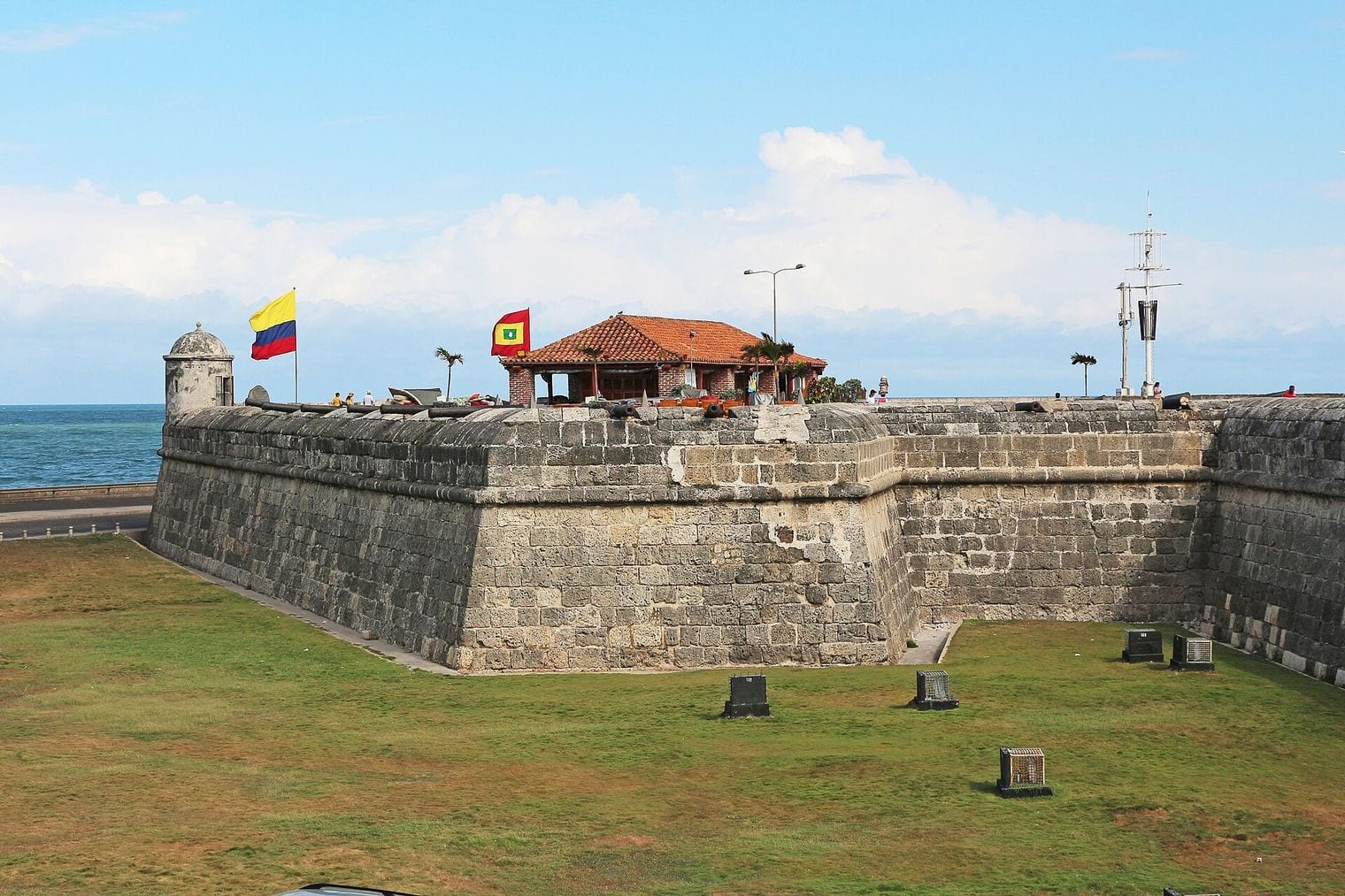
The walls of Cartagena wrap around the historic center for about 11 kilometers, a defensive ring of stone bastions that took around two centuries to finish, with the last work completed in 1796. They were built to stop the pirate raids and naval attacks that repeatedly struck one of Spain's most important Caribbean ports.
Today the broad rampart tops make a free, elevated promenade with the Caribbean on one side and the rooftops of the old town on the other. Walk a stretch in the late afternoon, past the old cannon and the sentry boxes, and stay for sunset, when locals and visitors gather along the parapets facing the sea.
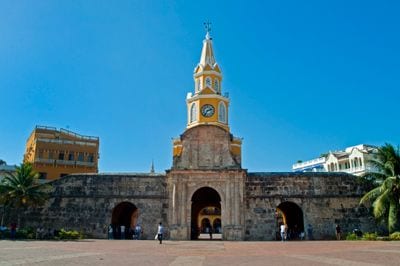
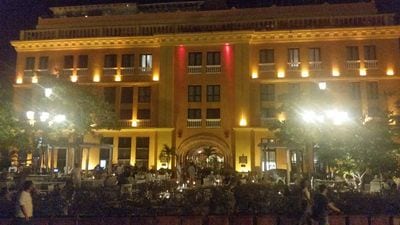
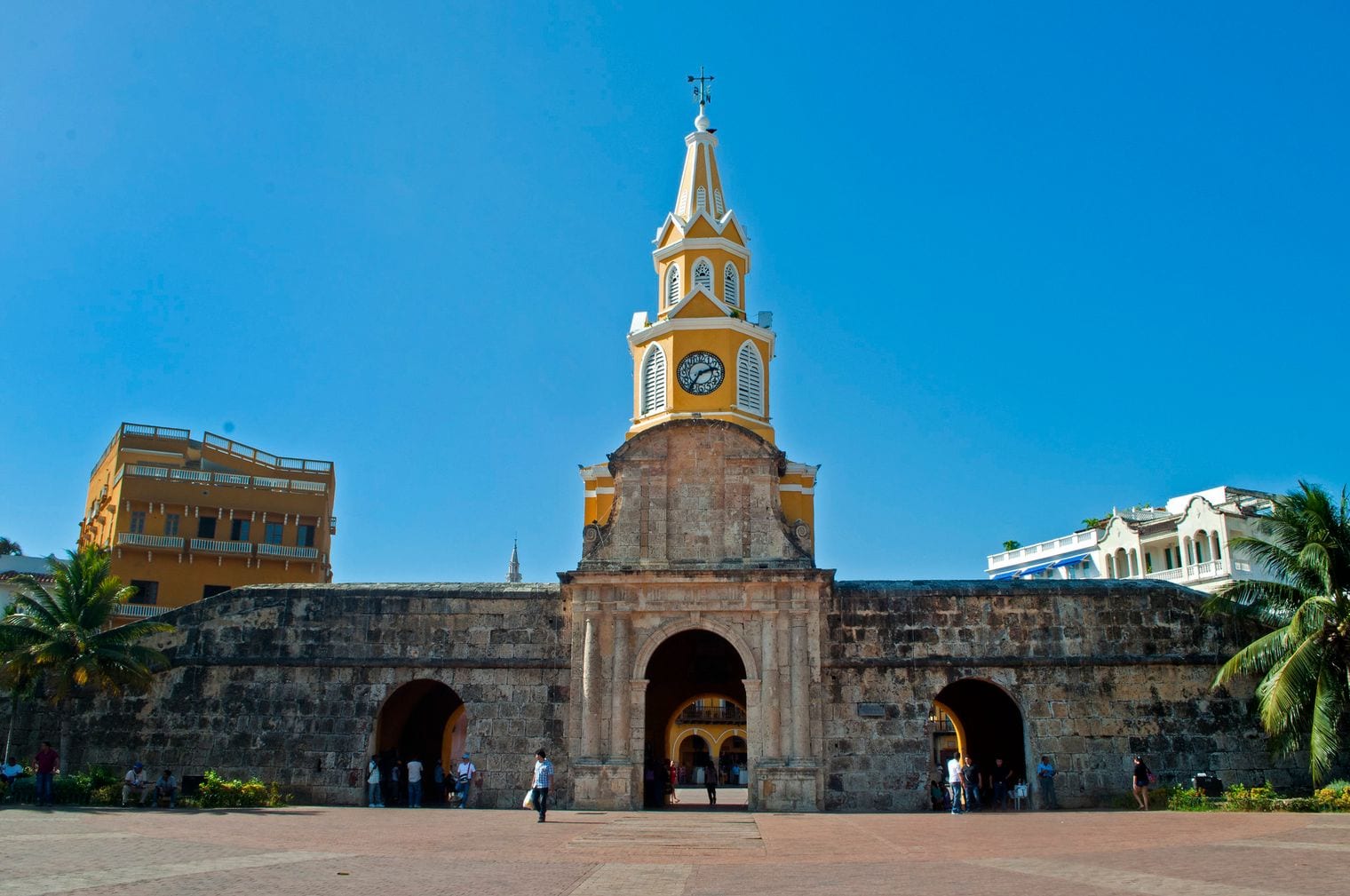
The Torre del Reloj is the main gate of the walled city and its original entrance, an arched stone gateway crowned by the clock that gave it its name in the early eighteenth century. It is also called the Boca del Puente, after the drawbridge that once linked the walled city with the Getsemaní neighborhood across a channel.
Most visitors pass through it within an hour of arriving, and it is the natural starting point for a walk into the old town. The gate stands between Plaza de la Independencia and Plaza de los Coches, and it is especially striking when it is lit up at night.
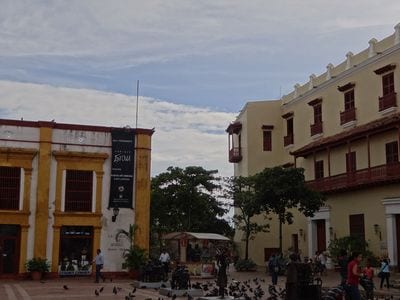
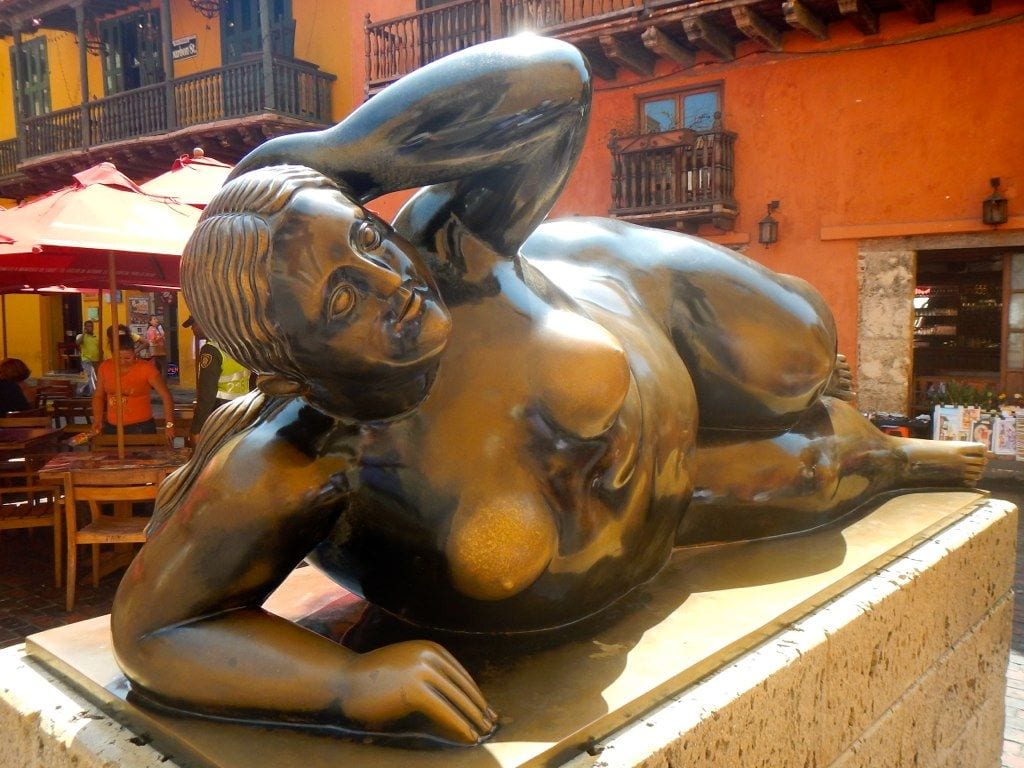
Plaza de Santo Domingo is the liveliest square in the old town, a small space framed by café tables and colonial facades and dominated by the Iglesia de Santo Domingo, whose Dominican convent dates from the sixteenth century. The church's massive buttressed walls make a fine backdrop at any hour.
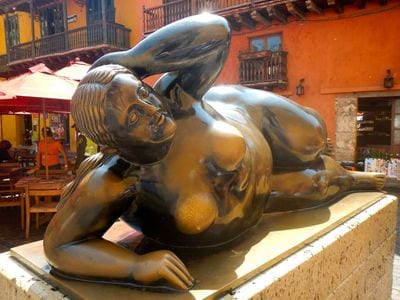
In the middle of the square lies Fernando Botero's bronze reclining woman, nicknamed Gertrudis, whose polished curves have been rubbed by countless passing hands. Come back after dark, when the terraces fill, palenqueras pose with their fruit bowls and street performers work the crowd.
Just outside the walls, Getsemaní was the city's working-class and artisans' quarter, enclosed by its own walls from 1631. After decades with a rough reputation, it has become Cartagena's most creative neighborhood, full of murals, hostels, salsa bars and small restaurants in brightly painted houses.
Wander the narrow lanes such as the Callejón Angosto to see the street art, then settle into Plaza de la Trinidad in front of the Iglesia de la Santísima Trinidad, where neighbors, travelers and street vendors gather every evening. It is the best place in town for an unpretentious night out.
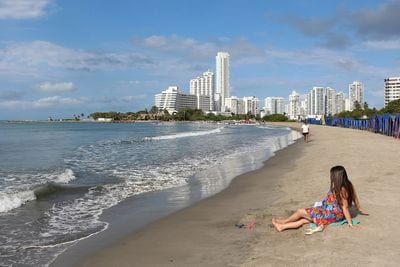
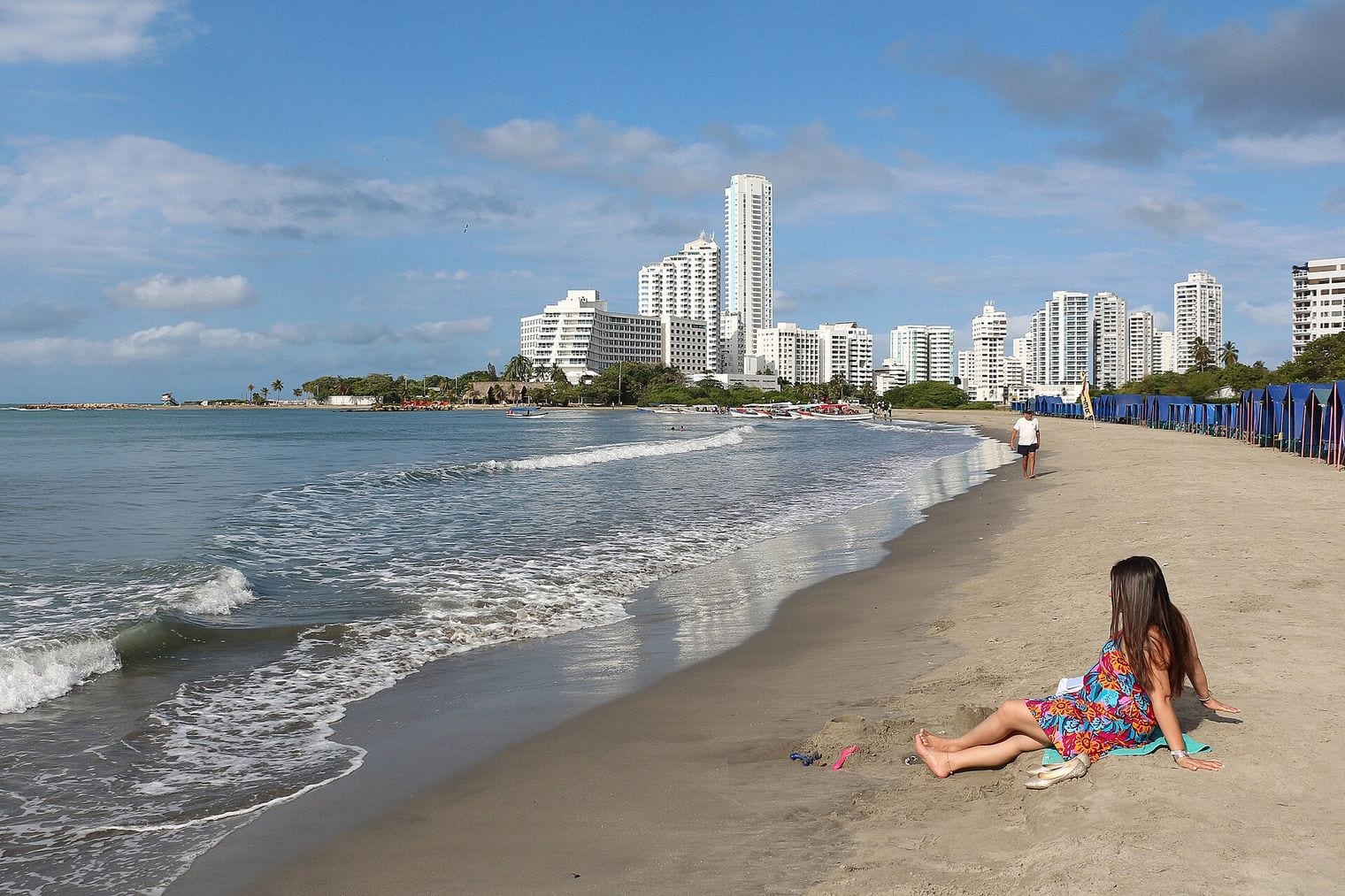
Bocagrande is a high-rise peninsula just south of the walled city, and its long beach is the most convenient stretch of sand in Cartagena. The sand is volcanic and slightly grayish, and the beach is backed by apartment towers and hotels along the seafront avenue.
It is a city beach rather than a postcard one, busy with vendors, umbrellas and local families, but it is ideal for a swim and a fresh coconut without leaving town. City beaches can close temporarily when the sea is rough, so check conditions on windy days; for clearer water, head out to the islands.
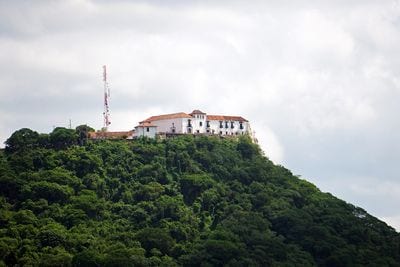
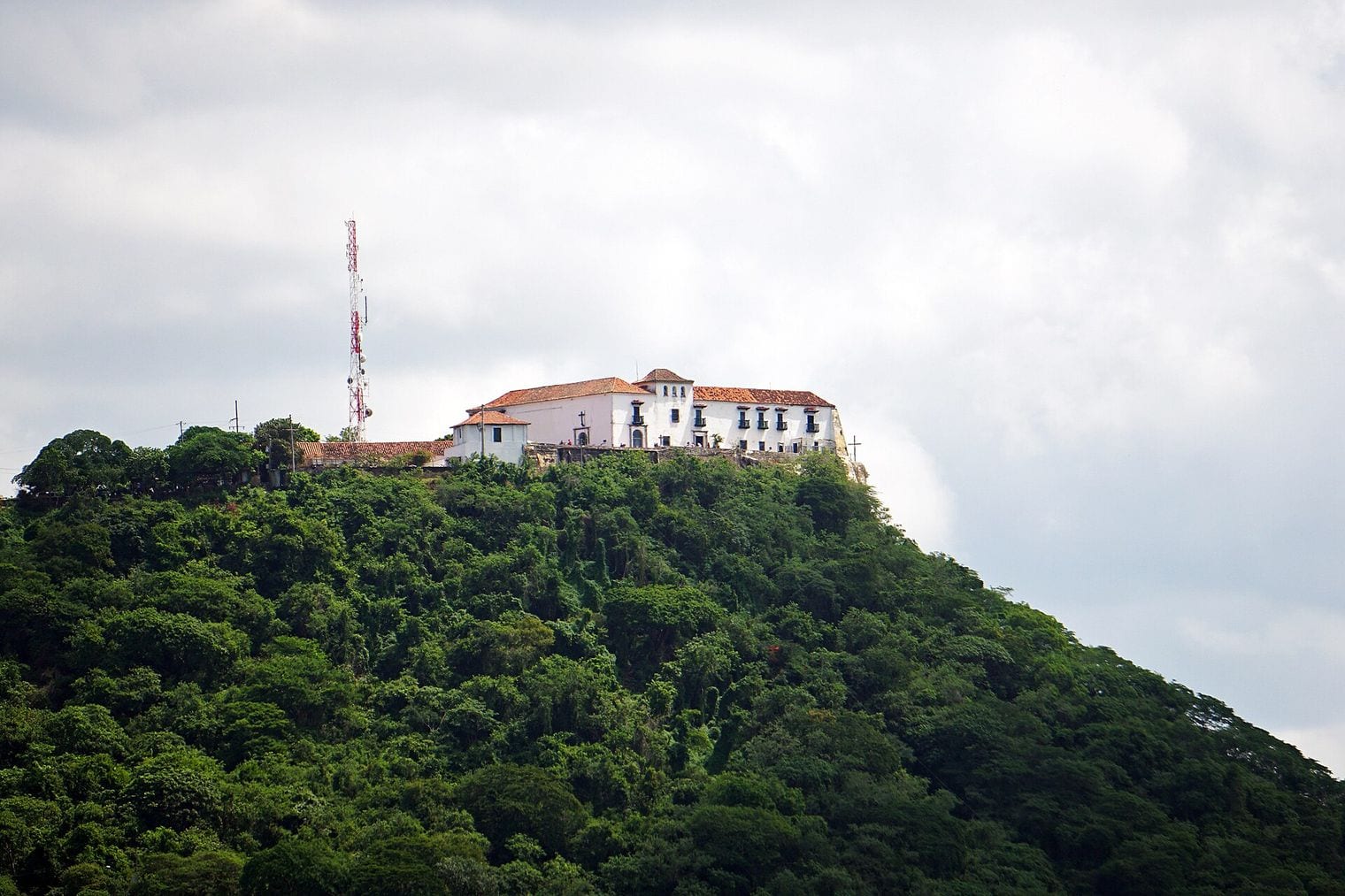
Perched on top of the Cerro de la Popa, the highest point in Cartagena, the Convento de Santa Cruz de la Popa was built by Augustinian Recollect friars in the early seventeenth century. The hill's name comes from early Spanish sailors, who thought its profile looked like the stern, or popa, of a galley.
Inside are a flower-filled cloister, a gilded altar and a chapel dedicated to the Virgin of La Candelaria. The real draw, though, is the view from the terraces over the whole city, the bay and the coast. Most visitors go up by taxi rather than on foot.
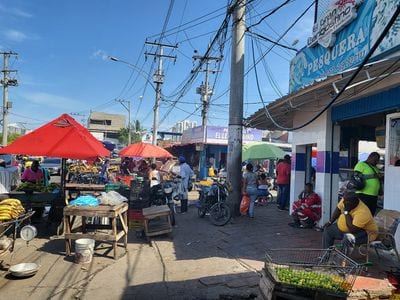
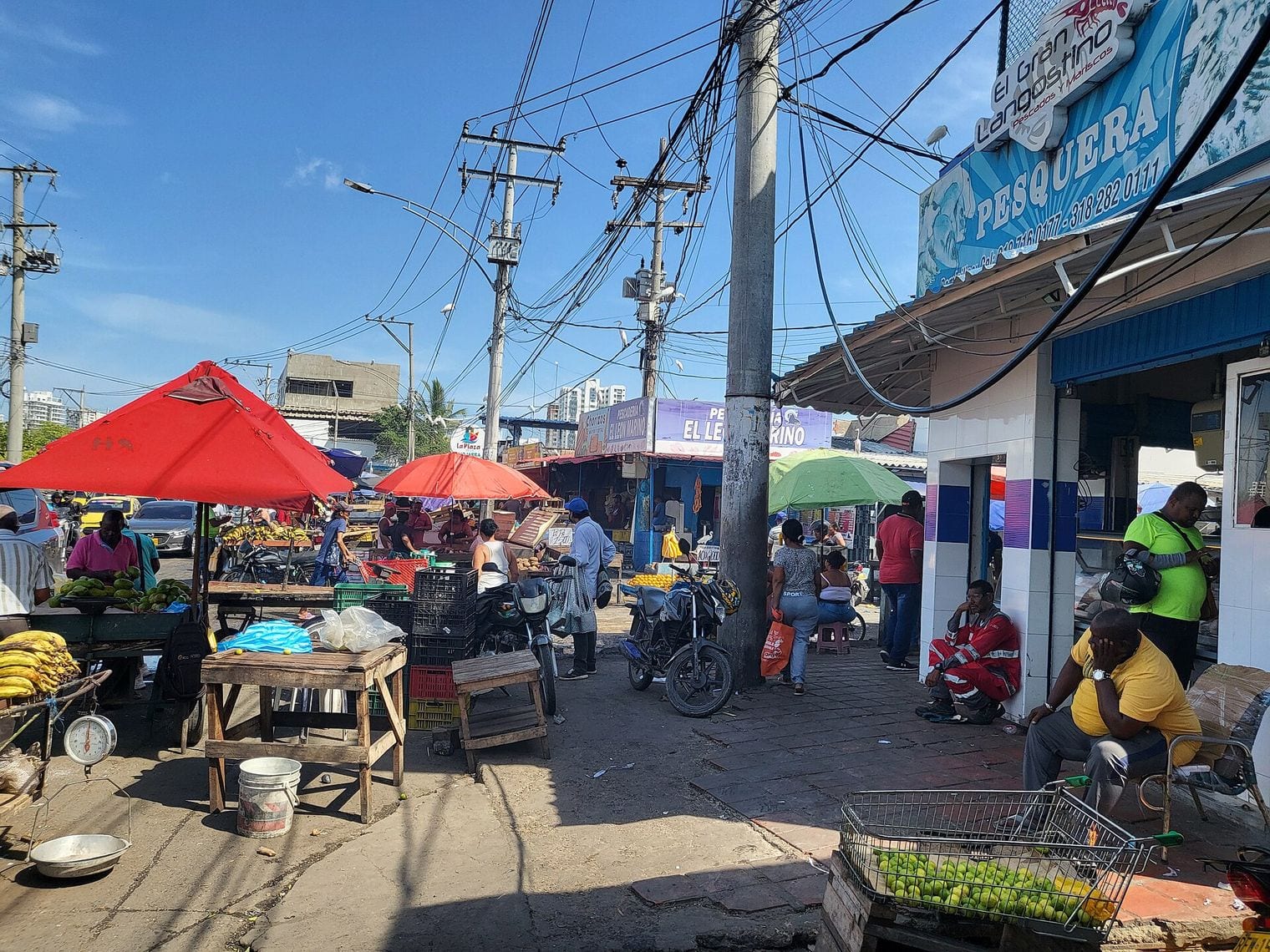
Bazurto Market is Cartagena's main public market, a sprawling, noisy and only partly covered maze of stalls a short ride from the old town. Fish, tropical fruit, meat, spices and household goods are piled high, and champeta music blares from speakers between the aisles.
It is the opposite of the polished old town, and that is the point: this is where the city actually shops and eats. Go in the morning, keep valuables out of sight, and consider a guided food walk, which makes it easy to try fried fish, fresh juices and Caribbean snacks from the market stalls.
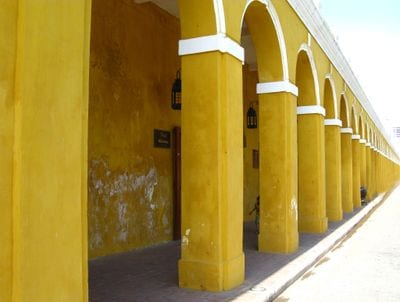
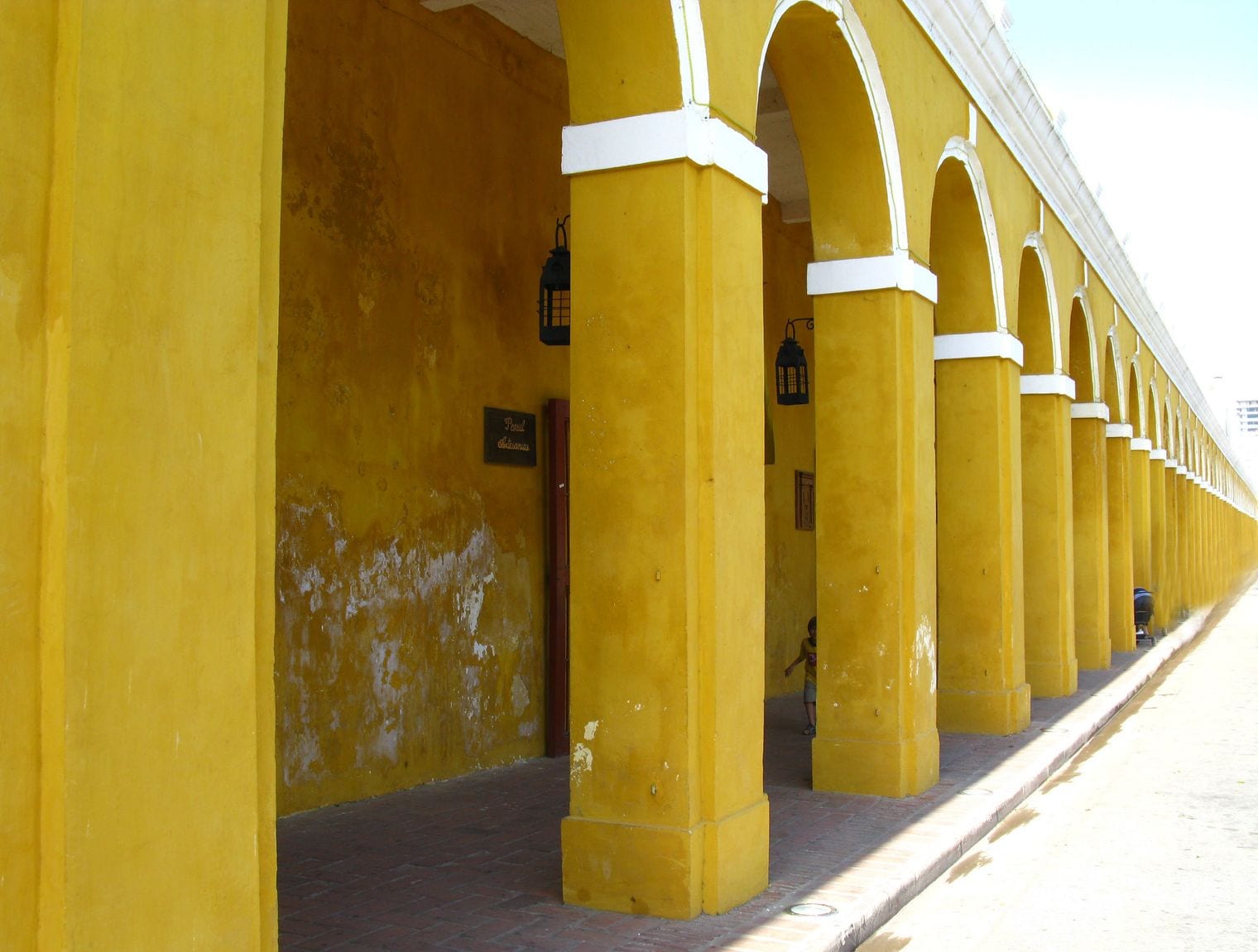
Las Bóvedas is a long row of arched vaults built into the city walls between the forts of Santa Clara and Santa Catalina, at the northern edge of the old town. Built for the military in the last decades of Spanish rule, the vaults later served as a prison before being turned over to shops.
Today the cool, thick-walled rooms are full of craft and souvenir stalls selling hammocks, woven bags, jewelry and paintings. Browse the arcade, then climb onto the walls above for a view of the sea.
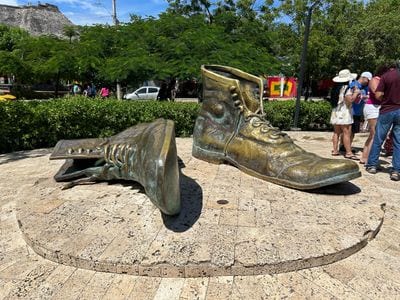
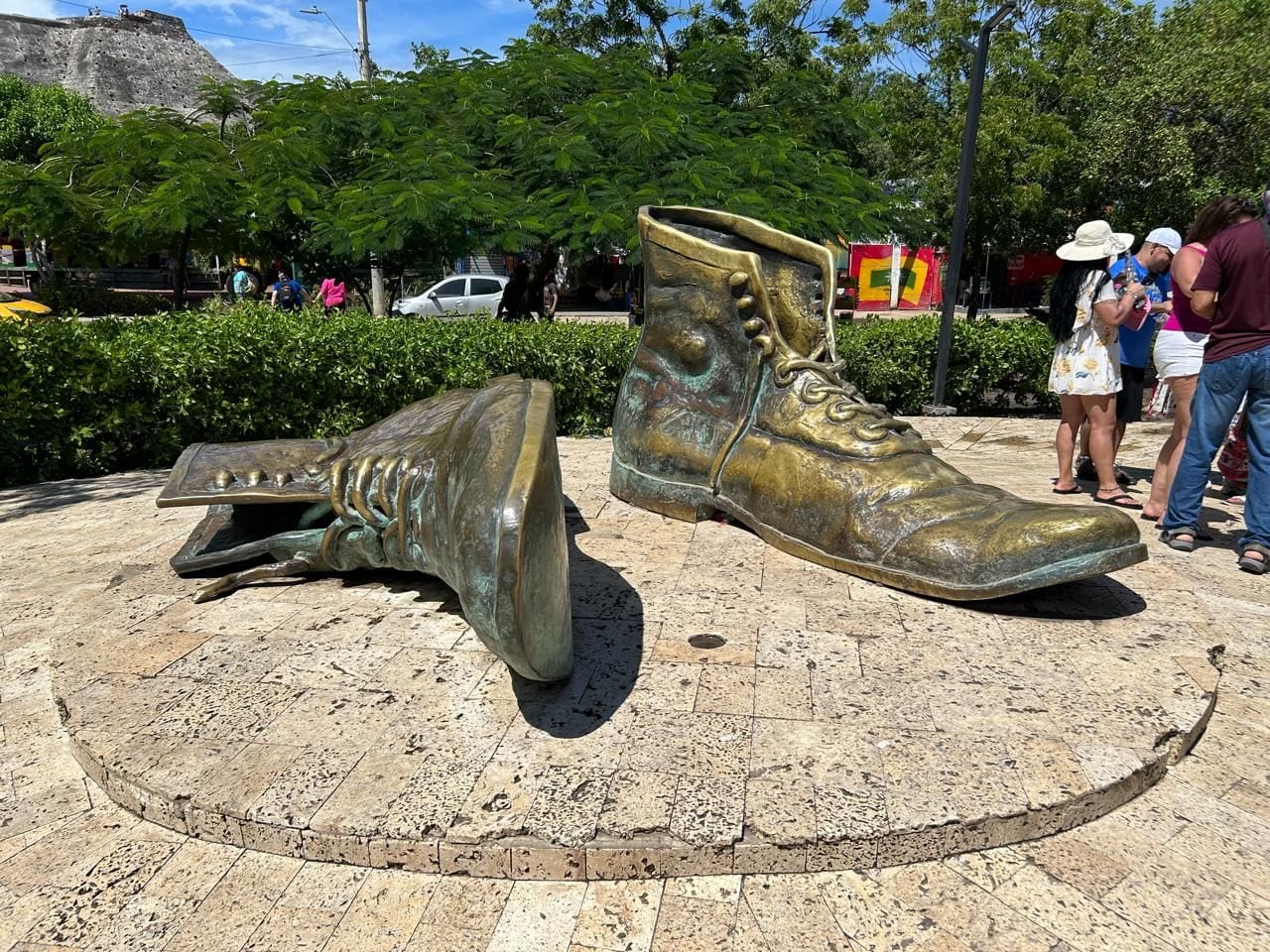
Las Botas Viejas, a giant pair of old boots set beside the road just behind Castillo San Felipe, is one of the city's most photographed oddities. The sculpture honors the Cartagena poet Luis Carlos López, whose poem "A mi ciudad nativa" compared his hometown to a pair of old shoes that he loved all the same.
It was made by the Colombian sculptor Héctor Lombana, and it takes only a few minutes to visit, so pair it with the fortress. Expect a queue of visitors waiting to climb inside the boots for a photo.
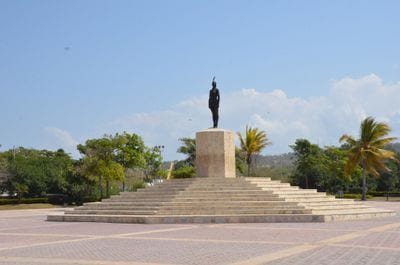
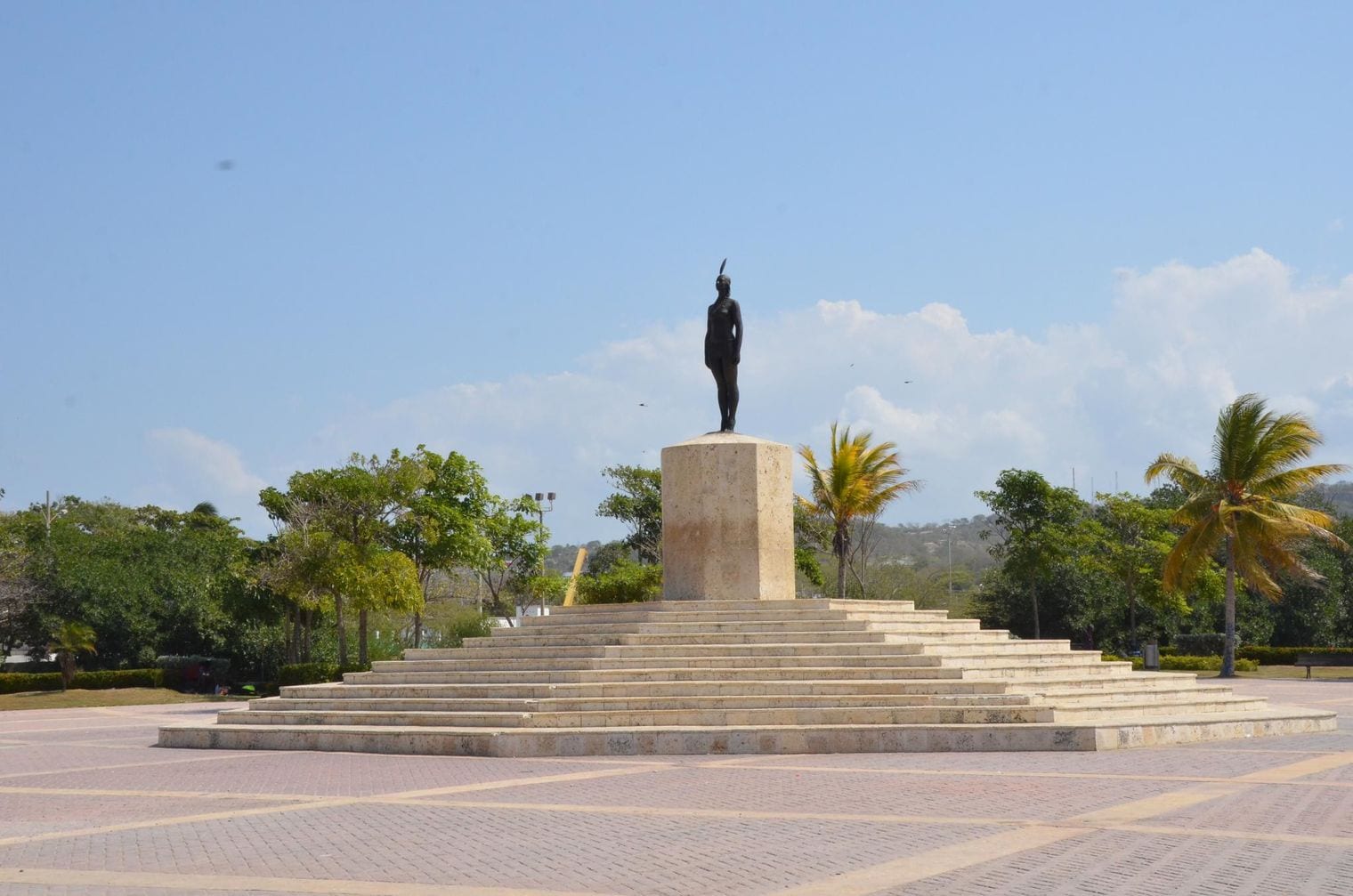
The bronze India Catalina monument stands on the busy avenue leading toward the old town, a graceful figure of the Indigenous woman who served the Spanish as an interpreter during the conquest of the region in the 1530s. The statue is the work of the Spanish sculptor Eladio Gil Zambrana.
A small statuette of the same figure, modeled by Héctor Lombana in 1961, was created as the award of the Cartagena film festival, and India Catalina has been a city emblem ever since. It is an easy stop on the way between Castillo San Felipe and the Torre del Reloj.
1313. Museum of Cartagena de Indias (Palacio de la Inquisición)
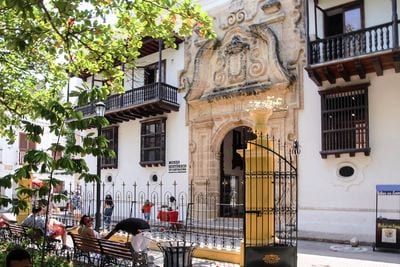
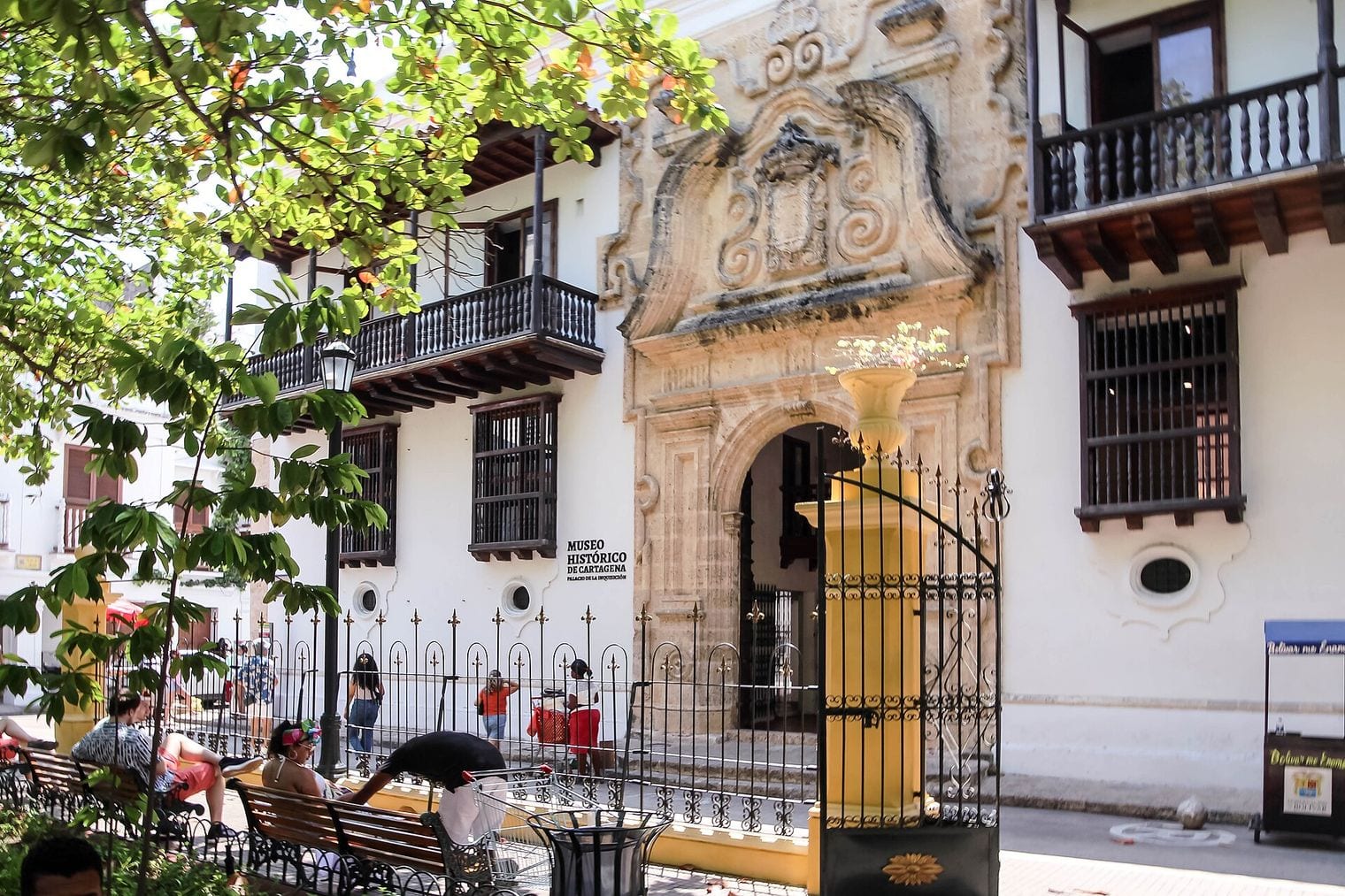
The Palace of the Inquisition on Plaza de Bolívar was the seat of the Holy Office in Cartagena, a tribunal established in 1610 and abolished with independence in 1811. The building, completed in 1770, has an elaborate carved stone portal.
It now houses the Museo Histórico de Cartagena, which covers the city's colonial and republican past as well as the workings of the Inquisition. The display of punishment devices draws the crowds, though many of these pieces are thought to be replicas rather than objects used by the tribunal.
Free printable checklist of all 30 places
Tick them off as you go. Confirm your email to download it, plus one email every Thursday with new guides for the places you tick.
1414. Muelle de la Bodeguita (Muelle de los Pegasos)
The waterfront between the old town and Getsemaní is where Cartagena meets the sea, and the Muelle de la Bodeguita is its busiest pier. This is the tourist dock where most boats to the Rosario Islands, Playa Blanca and other bay trips leave in the morning.
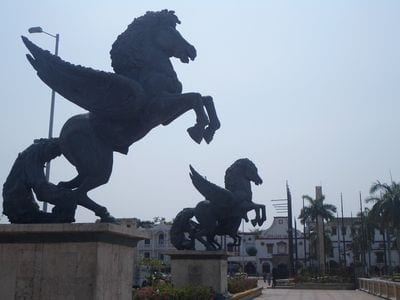
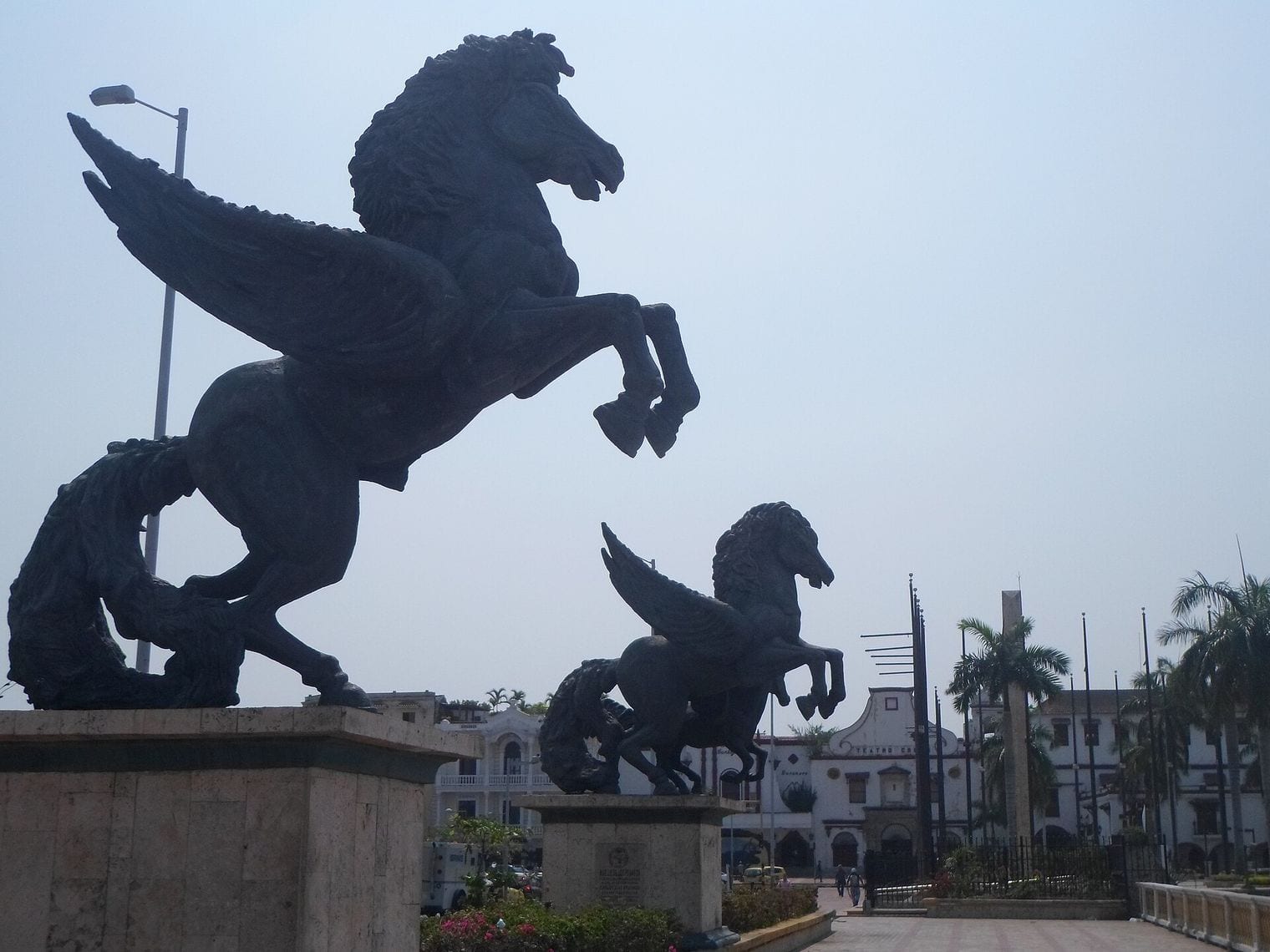
Next to it, the Muelle de los Pegasos is named for Héctor Lombana's large winged horses, which stand guard over the water. Even if you are not taking a boat, it is a lively spot to watch the harbor and the sunset.
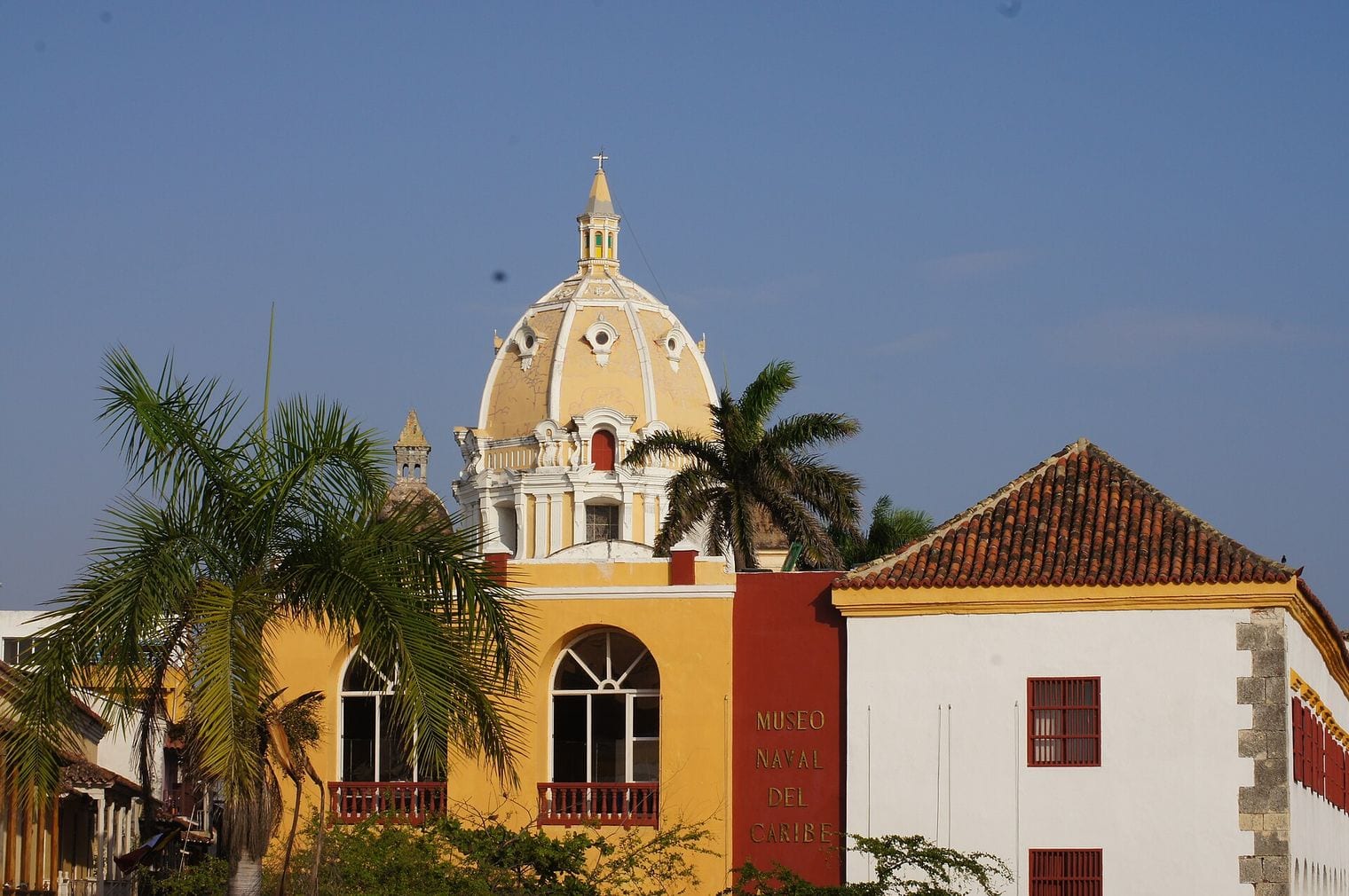
The Museo Naval del Caribe occupies a long colonial building on Plaza de Santa Teresa that began life as a Jesuit college and later served as a hospital and barracks. It became a naval museum in 1992.
The exhibits tell the story of Cartagena's fortifications, the sieges and pirate attacks, and Colombia's navy through ship models, maps, weapons and reconstructions. It is a good way to make sense of the walls and fortresses you will see around the city.
Plaza de Santa Teresa is a small square against the walls in the southern part of the old town, named after the colonial convent that stands on one side. The Museo Naval del Caribe opens onto it, and the ramparts are just a few steps away.
It is a quieter alternative to the busier plazas, with a few benches, shade at the edges and a good view of colonial facades. Start or finish a walk along the walls here, or stop for a drink before the evening crowds arrive.
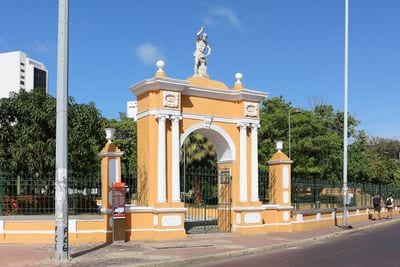
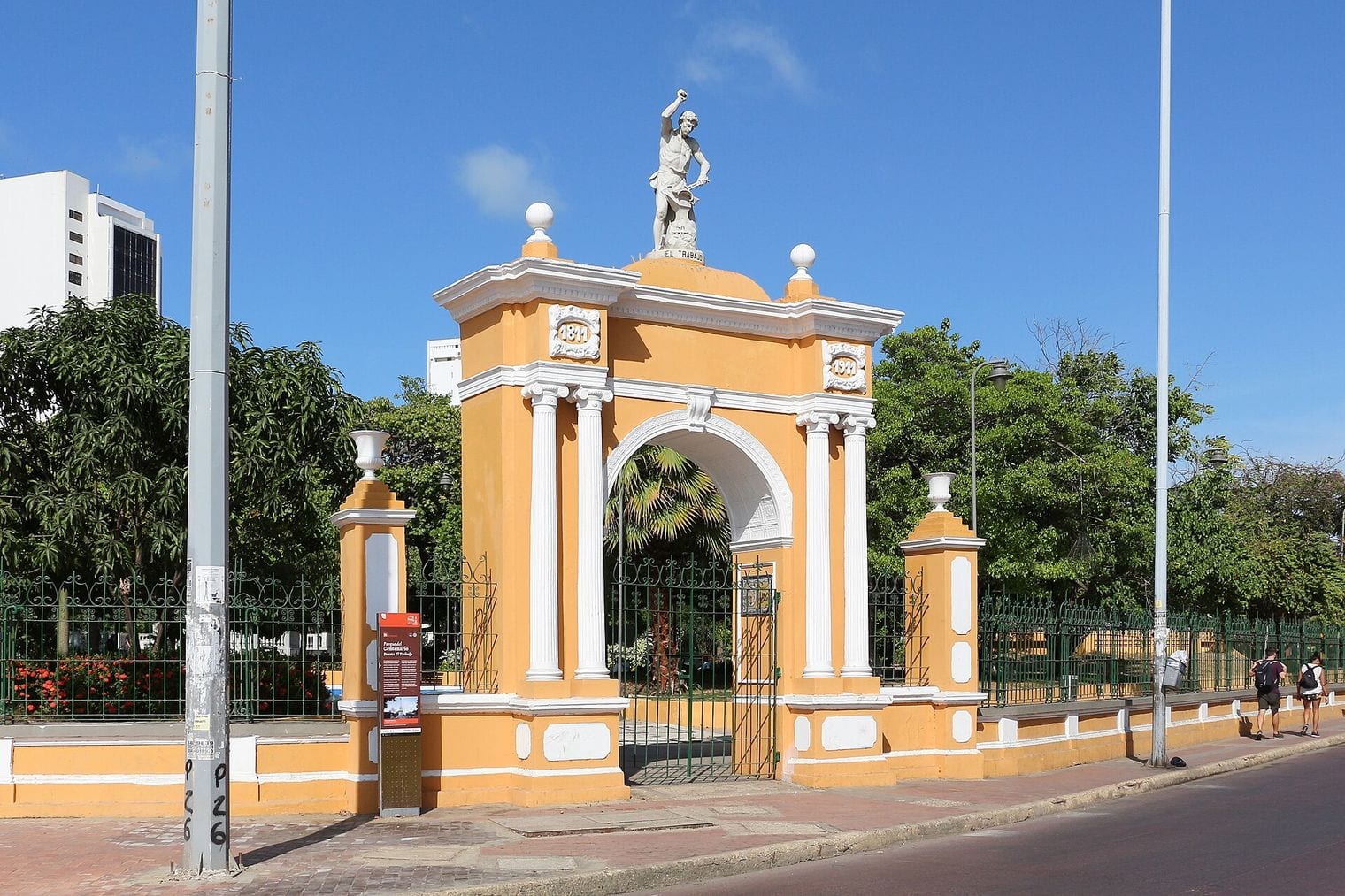
Centenario Park was laid out in 1911 to mark the centenary of Cartagena's independence and sits between the walled city and Getsemaní. Paths and big shade trees make it the greenest corner of the center.
The park is a nice place to escape the heat for a few minutes. It is bordered by the Camellón de los Mártires and is an easy shortcut between the clock-tower gate and Getsemaní.
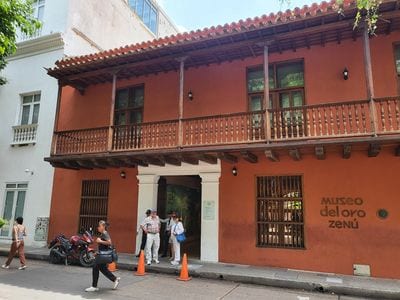
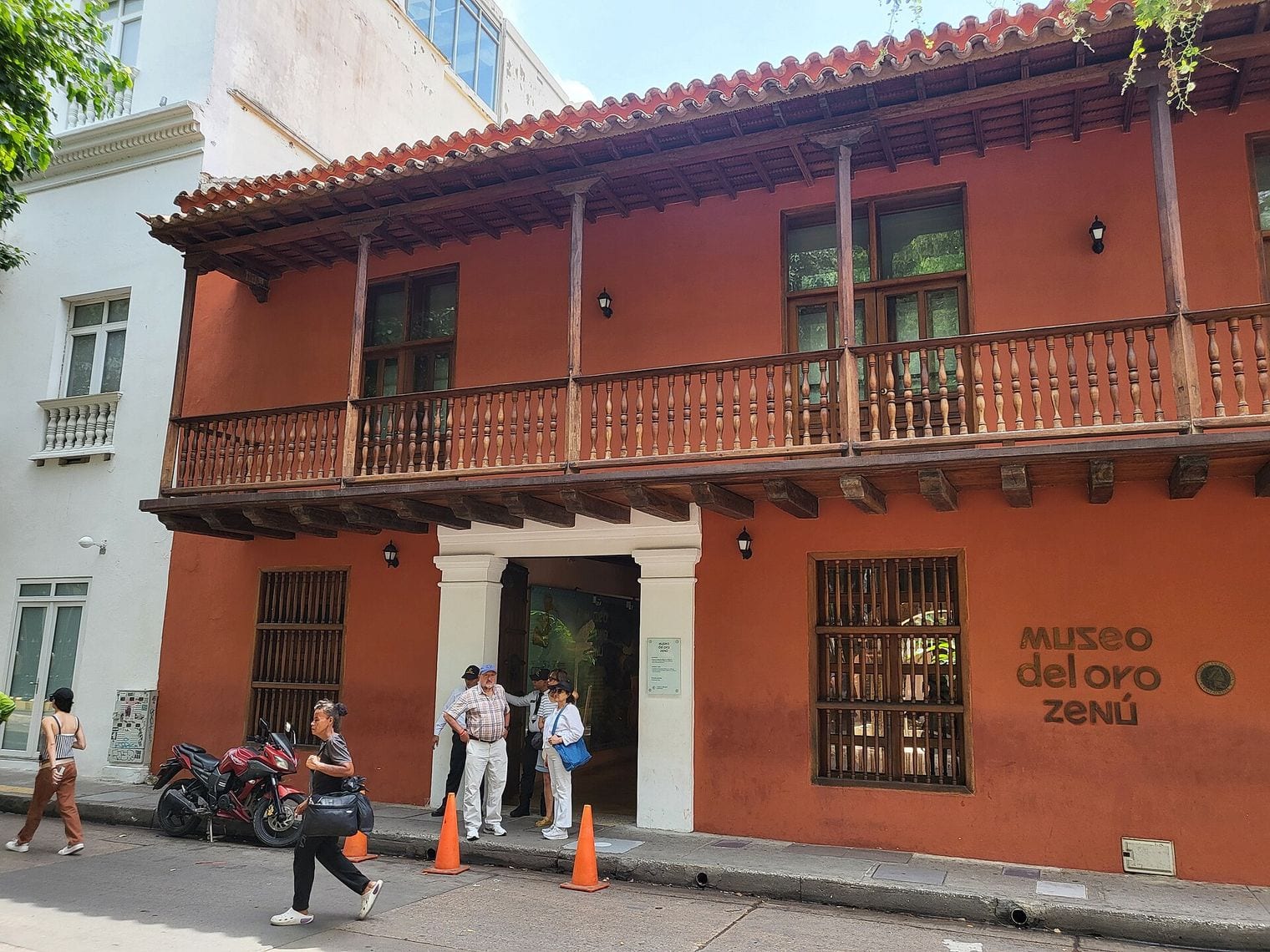
The Museo del Oro Zenú on Plaza de Bolívar is the Cartagena branch of Colombia's central bank gold museums, a smaller sister of the famous Museo del Oro in Bogotá. Its galleries focus on the Zenú, a pre-Columbian people of the Sinú and San Jorge river valleys who built extensive waterworks and produced remarkable gold ornaments.
The museum is compact, air-conditioned and free, so it is an easy hour in the middle of a hot day. Look for the delicate filigree earrings and pectorals, and the explanations of how the Zenú managed the floodplains of the Caribbean lowlands.
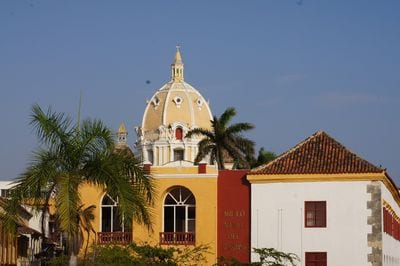
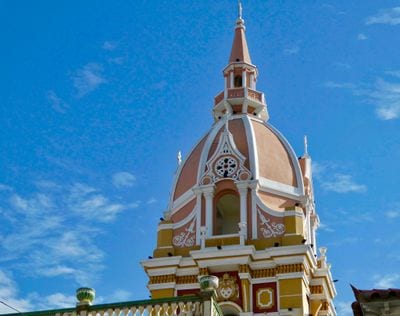
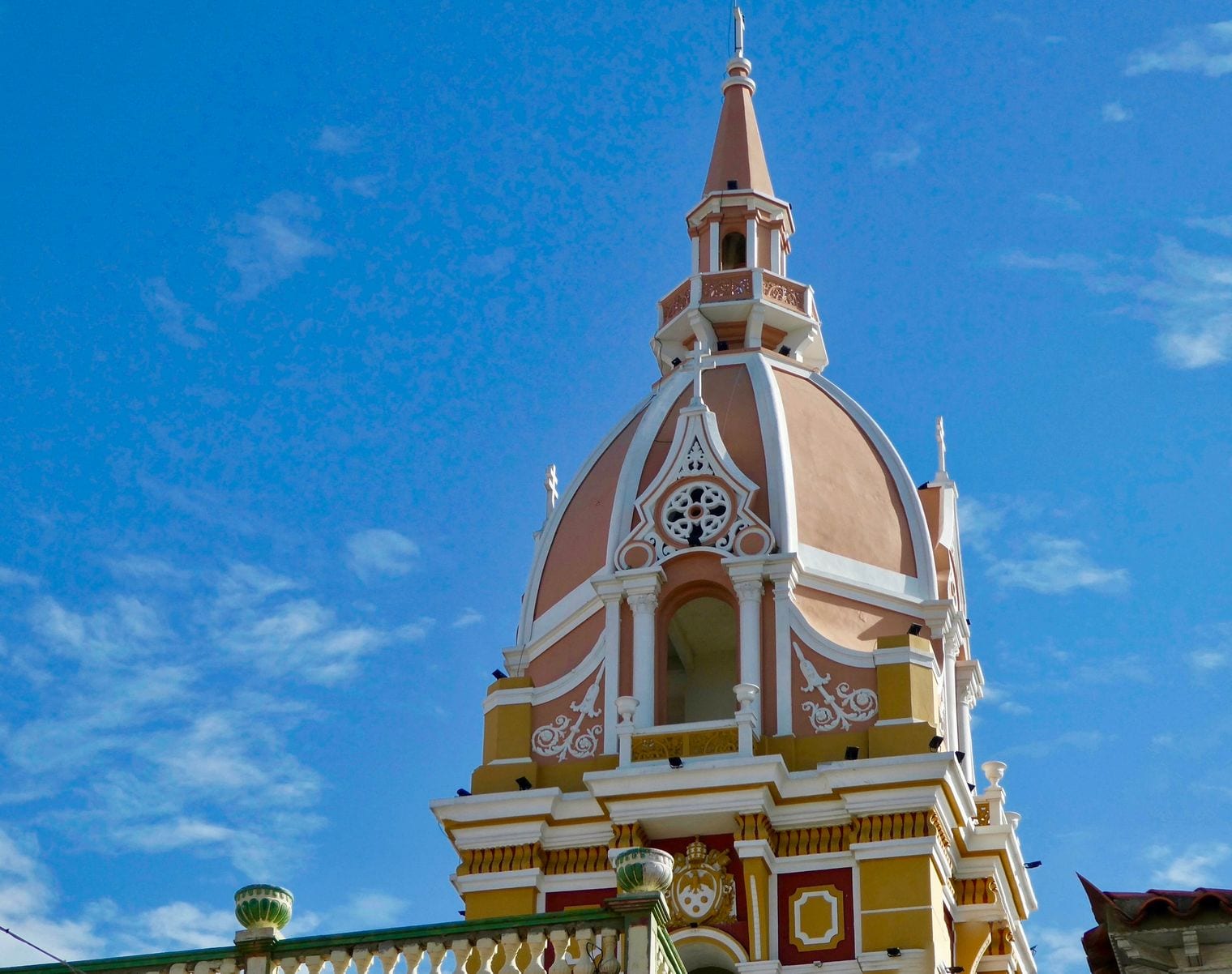
The Catedral de Santa Catalina de Alejandría was built between 1577 and 1612, and work was set back when Francis Drake attacked the city in 1586. Its fortress-like walls are typical of early colonial churches, while its tower and dome were redesigned by the French architect Gaston Lelarge in the early twentieth century.
Inside, the high arcades and simple interior are a cool retreat from the plaza outside. The church sits just off Plaza de Bolívar, and its tower is one of the landmarks of the old town skyline.
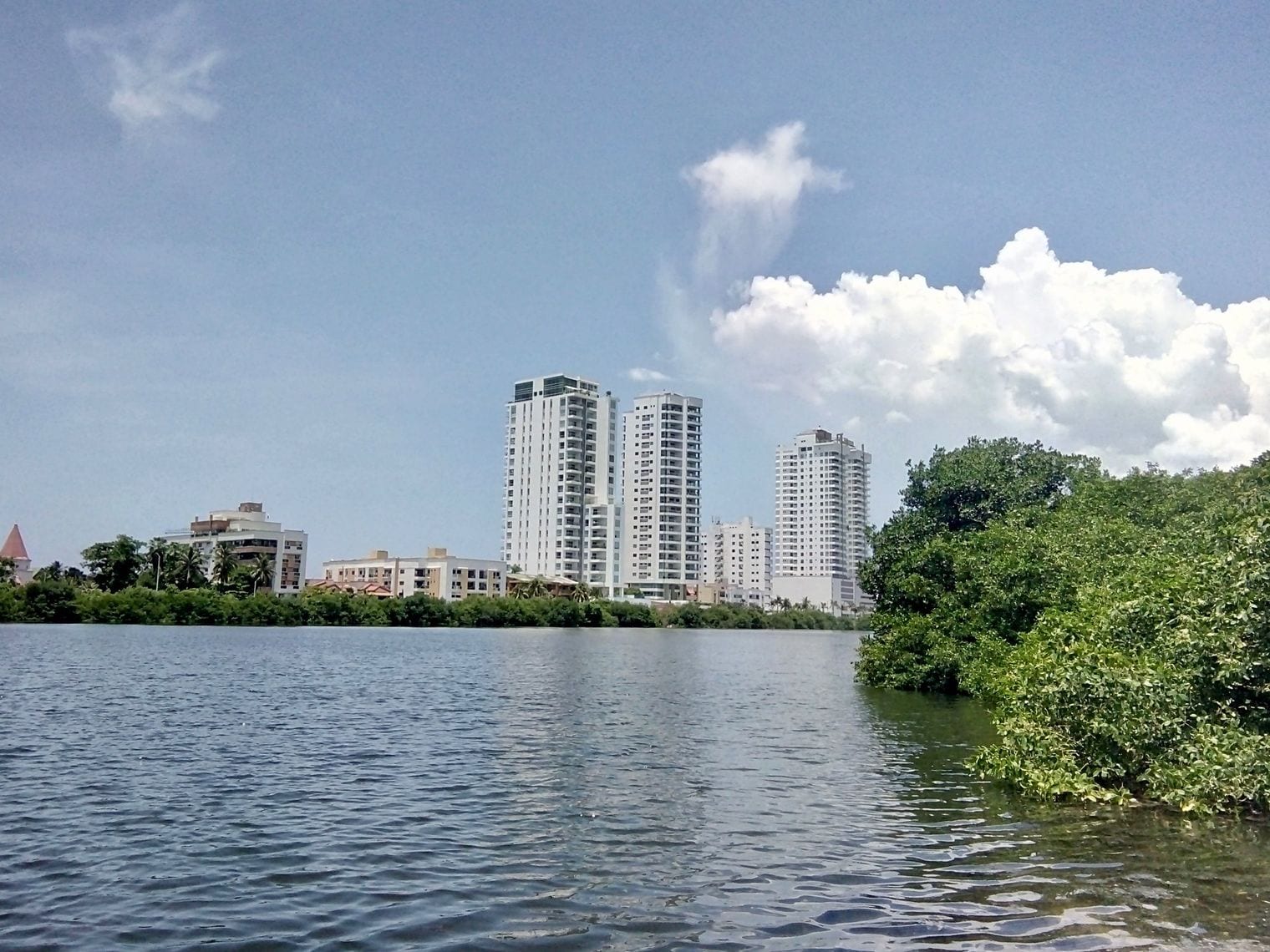
Parque Espíritu del Manglar is a waterside park in the Chambacú area near the India Catalina monument, set along the canal and lagoon east of the old town. A boardwalk and an ecological trail lead through restored mangroves, a rare patch of native coastal forest in the middle of the city.
It is a local family park more than a tourist attraction, with playgrounds and picnic areas, but it is worth a stop for anyone curious about Cartagena's mangrove ecosystem. Watch for herons and other water birds along the shore.
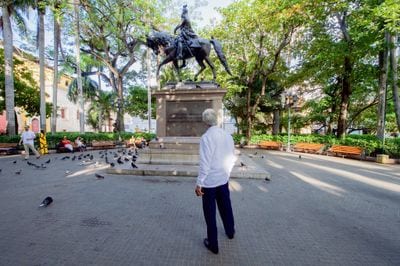
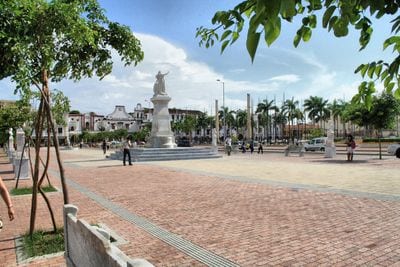
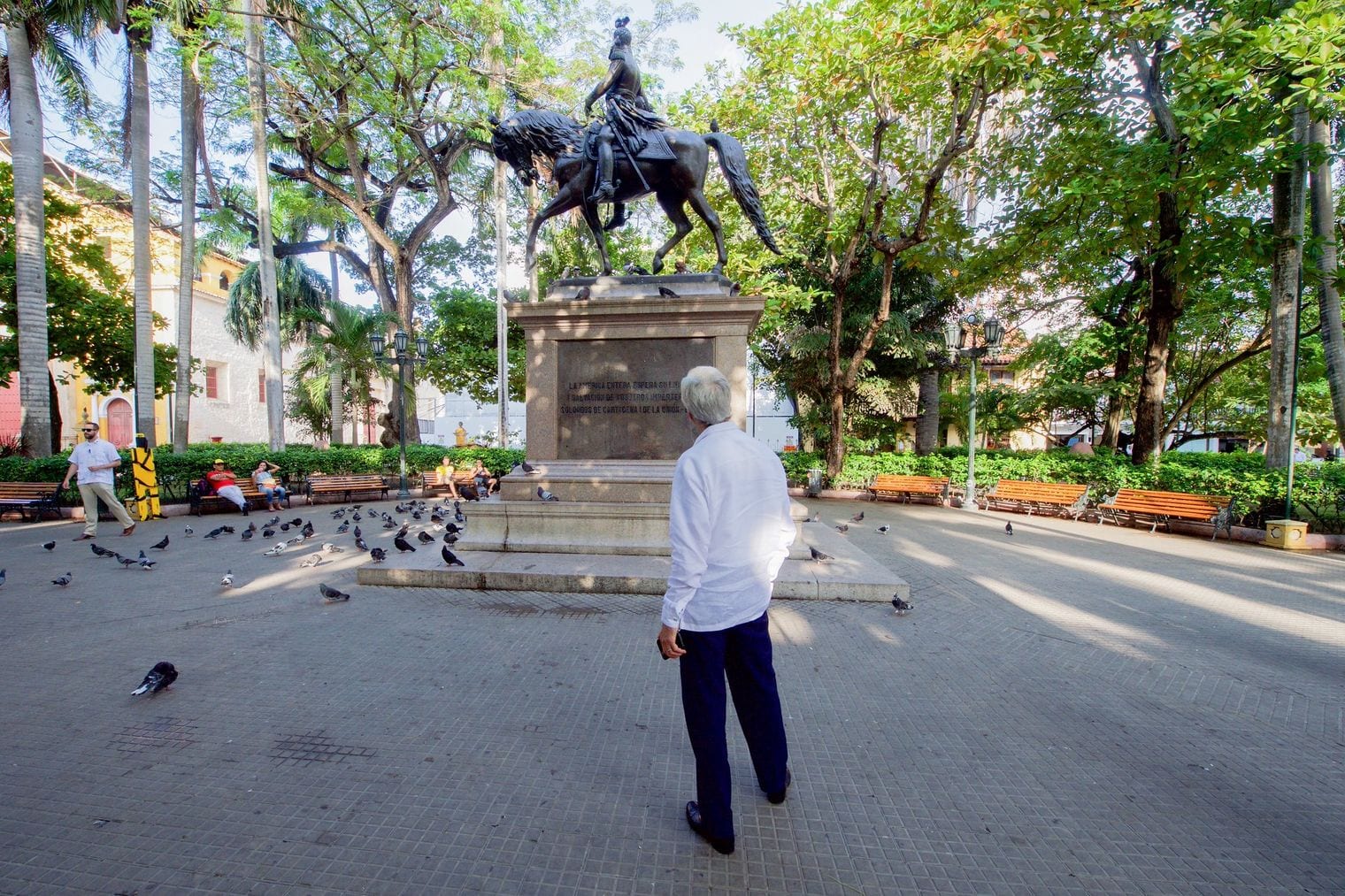
Plaza de Bolívar is the shady heart of the old town, a square of tall trees and benches around an equestrian statue of Simón Bolívar. Once known as the Plaza de la Inquisición, it is surrounded by the Palace of the Inquisition, the Museo del Oro Zenú and the cathedral just off its corner.
It is the best place in the old town to sit and rest in the shade, and it is busy with street vendors and local families in the evening. This is not the better-known square in Bogotá, but the walled city's own version of a central plaza.
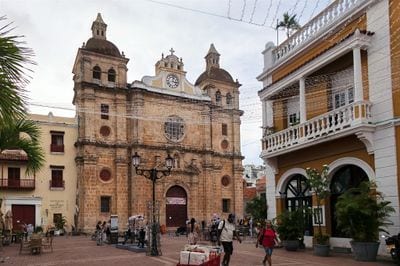
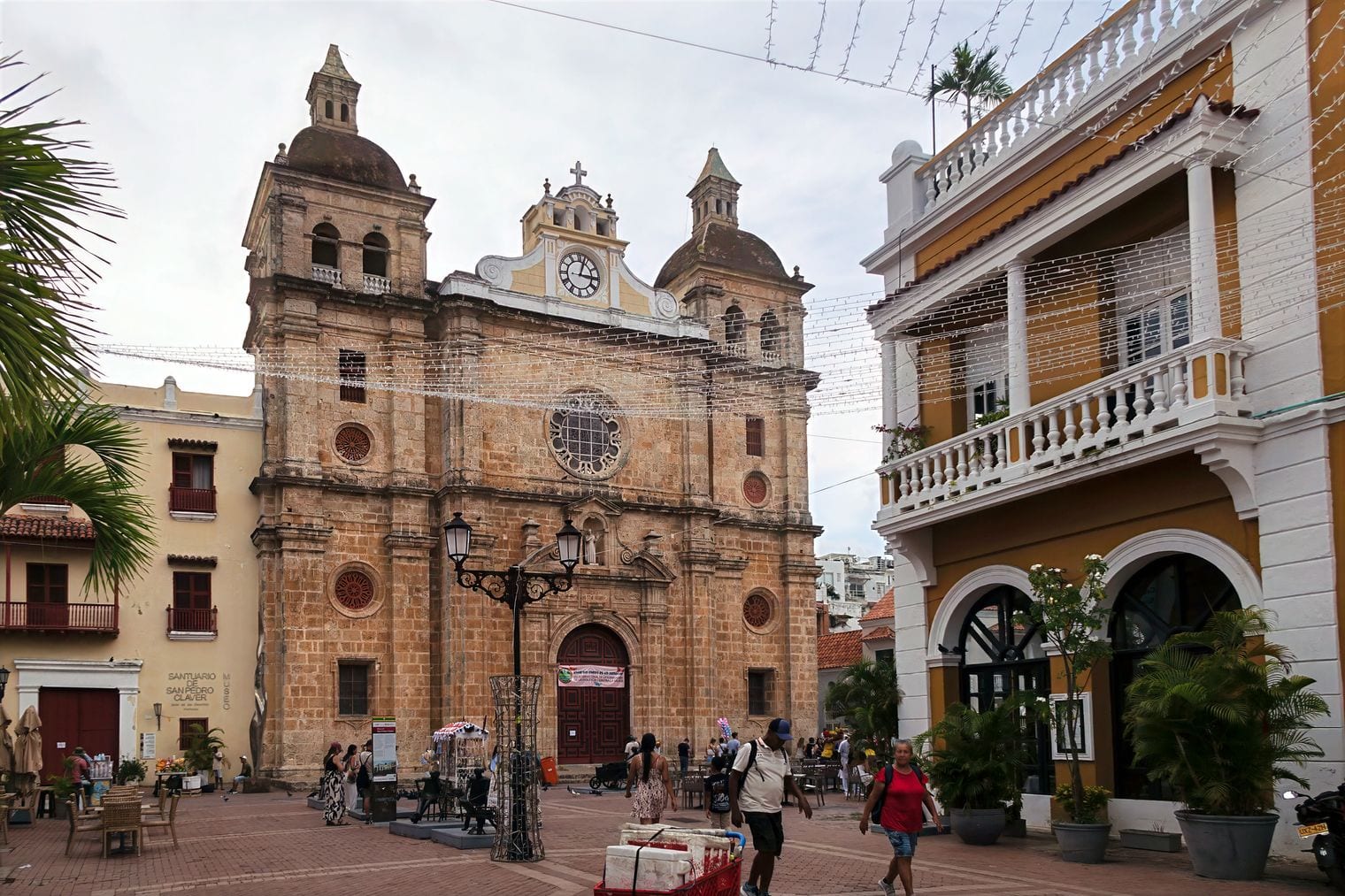
The Santuario de San Pedro Claver, a church built between 1580 and 1654, is dedicated to the Jesuit priest Peter Claver, who spent decades ministering to enslaved Africans arriving in the port. He became the patron saint of slaves and of Colombia, and his remains are venerated in the church.
Next door, the former Jesuit cloister holds a museum with religious art and archaeological pieces. The church and its stone facade overlook a small square near the sea wall.
The Baluarte de Santo Domingo is where the city walls began: the bastion was planned in the early seventeenth century by the engineers Battista Antonelli and Cristóbal de Roda, on the beach where Francis Drake had broken into the city in 1586.
Today it is best known as the site of Café del Mar, a bar on top of the walls, and one of the most popular sunset spots in Cartagena. Even without stopping for a drink, the bastion offers a broad view of the sea and the Bocagrande skyline.
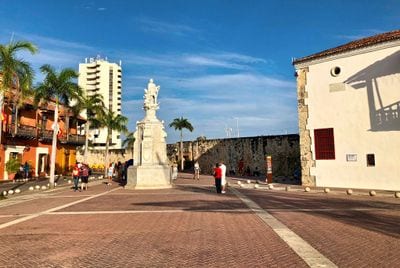
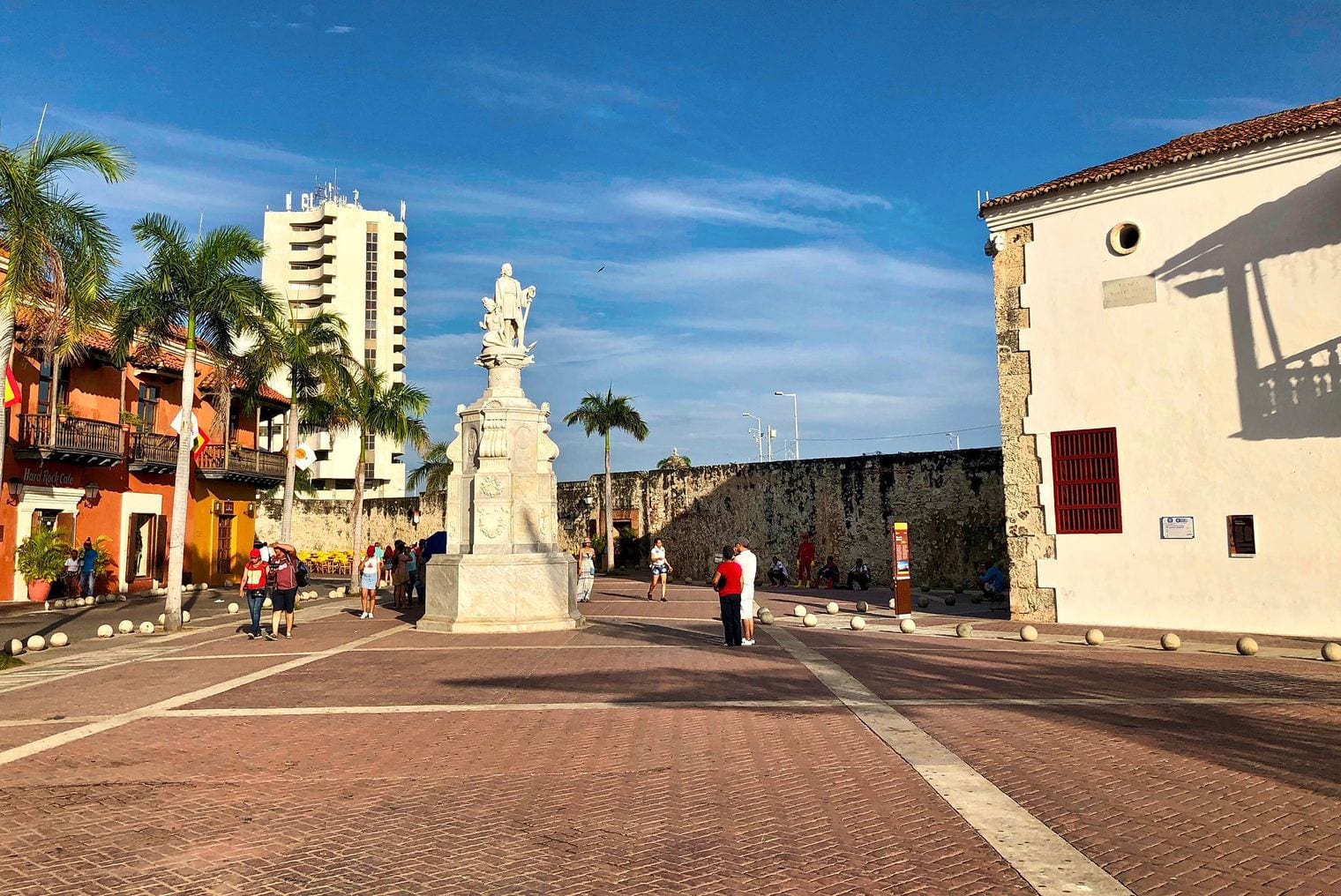
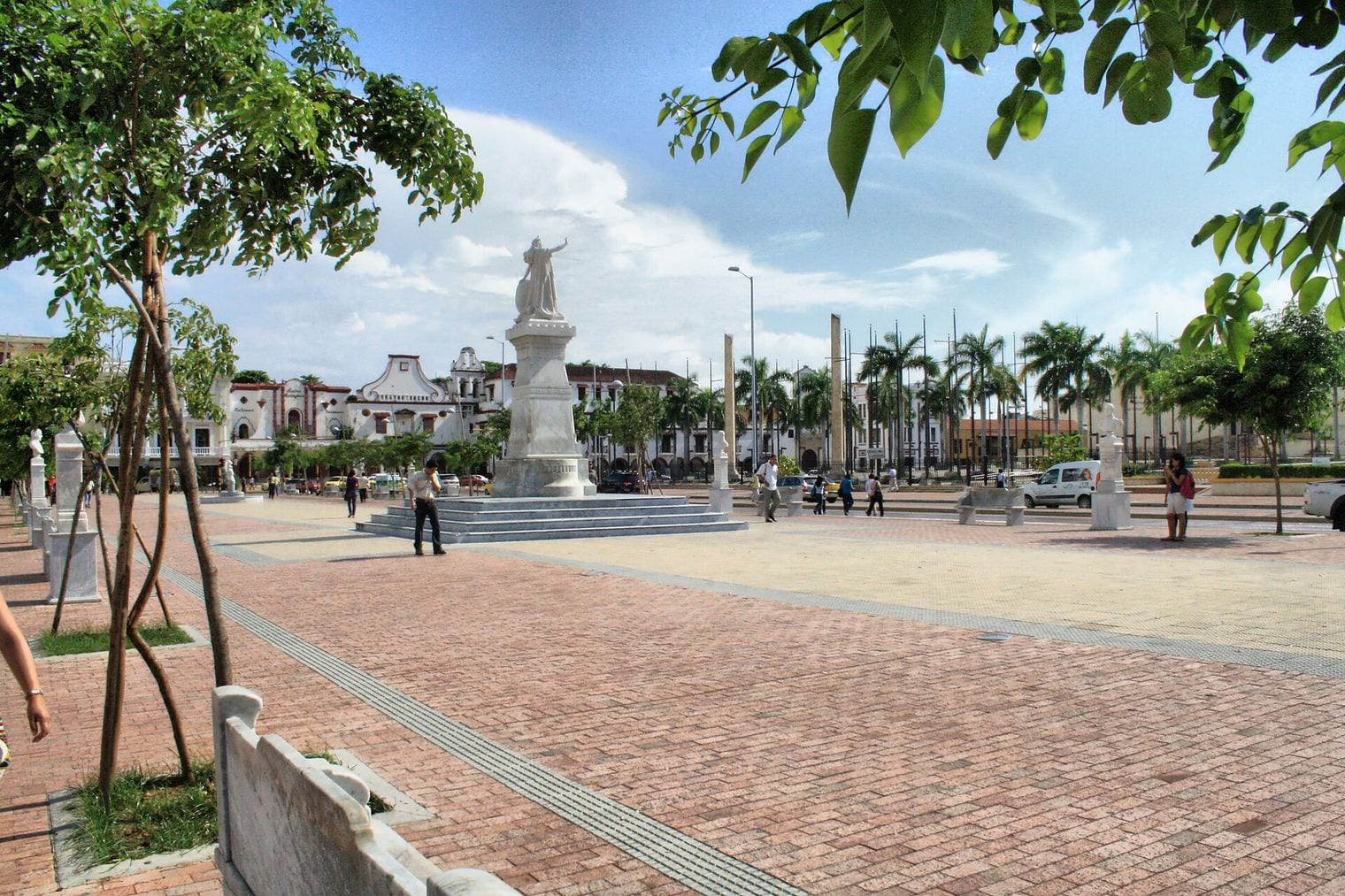
Plaza de la Aduana is a broad, open square in the old town, named for the colonial customs house that stands on one side. A statue of Christopher Columbus watches over it, and it opens toward the San Pedro Claver church and the Museo de Arte Moderno.
The square is a few steps from the Torre del Reloj and a good place to start a walk into the old town. Its arcaded buildings and open space make it lovely in the early morning before the heat.
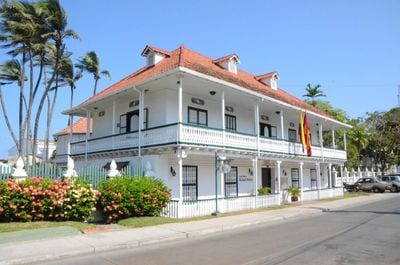
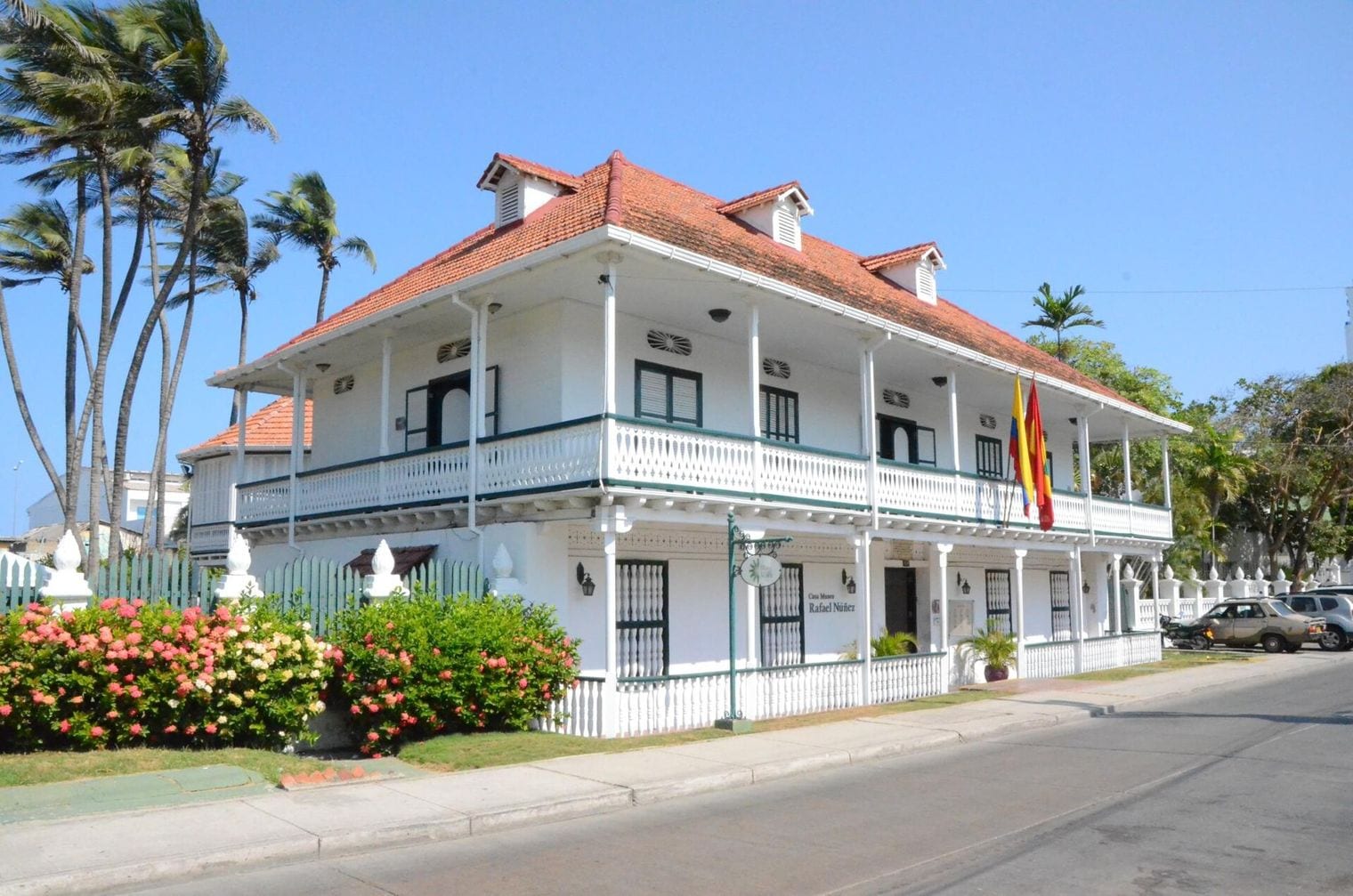
The Casa Museo Rafael Núñez is the white-and-green wooden house in the El Cabrero neighborhood where Rafael Núñez lived. Núñez, twice elected president of Colombia, led the movement behind the Constitution of 1886 and wrote the words of the national anthem.
The house preserves his furniture, documents and personal belongings, and across the street stands the small chapel where he is buried. It is just outside the walls near Las Bóvedas and makes a calm, free stop.
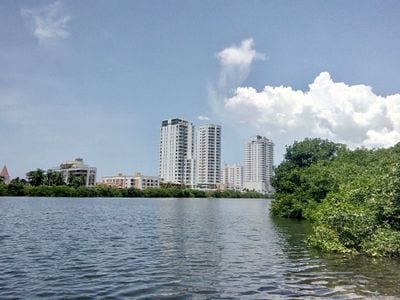
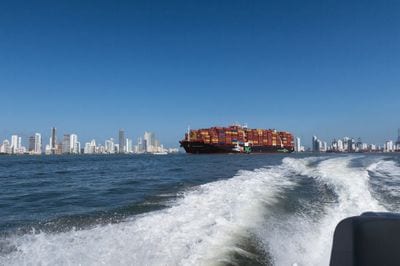
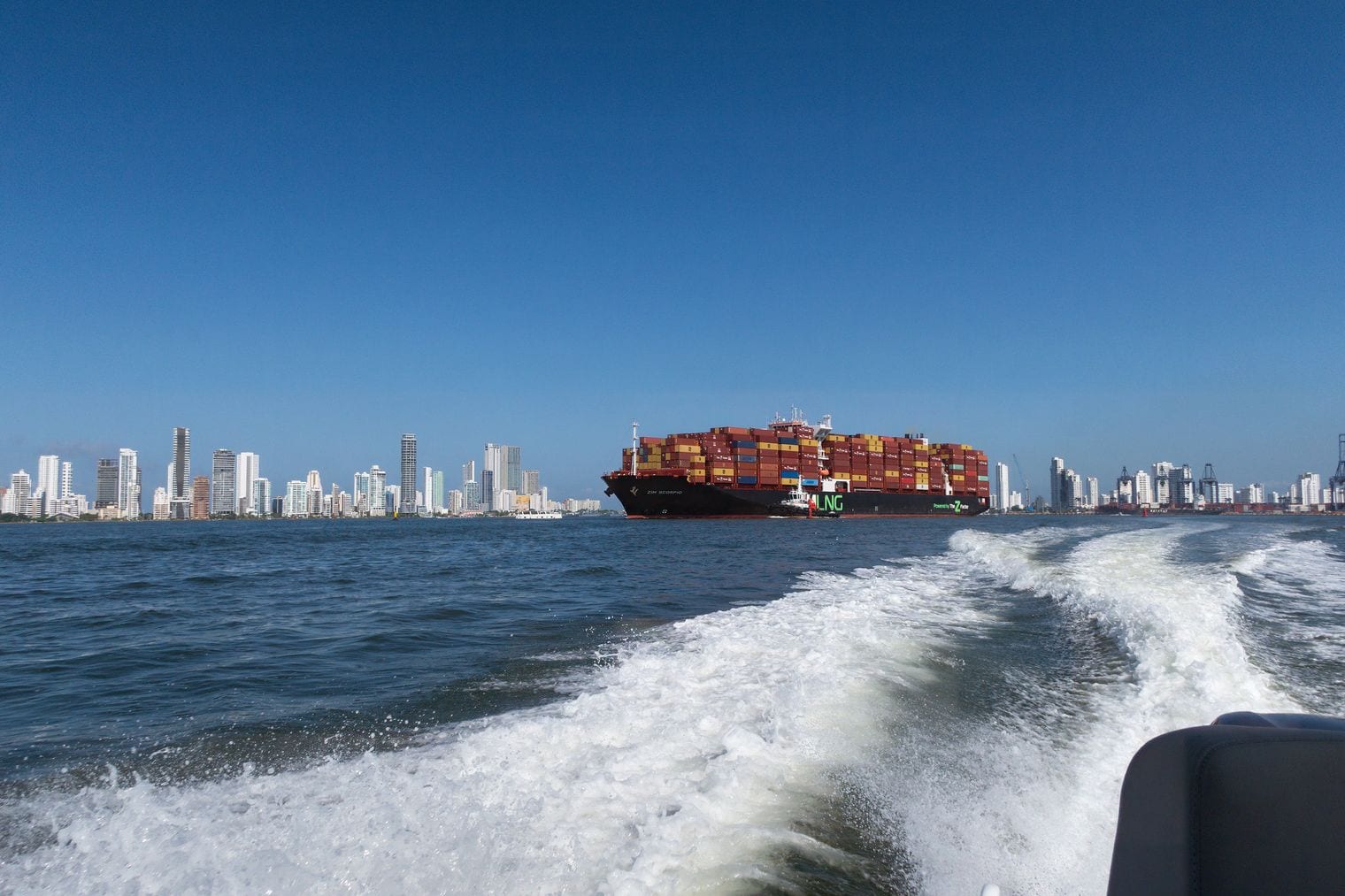
Cartagena Bay is the vast natural harbor that made the city's fortune, separated from the open sea by Tierra Bomba island and entered through two mouths, Bocagrande and Bocachica. The Spanish defended it with forts, chains and an underwater barrier across Bocagrande.
The best way to appreciate it is from the water, on a sunset sail or harbor cruise that passes the naval base, the forts and the city skyline. On land, the quieter bayfront at Castillogrande is a good spot to watch the sun go down over the water.
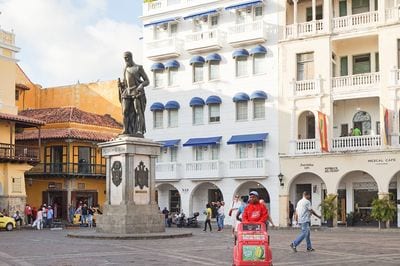
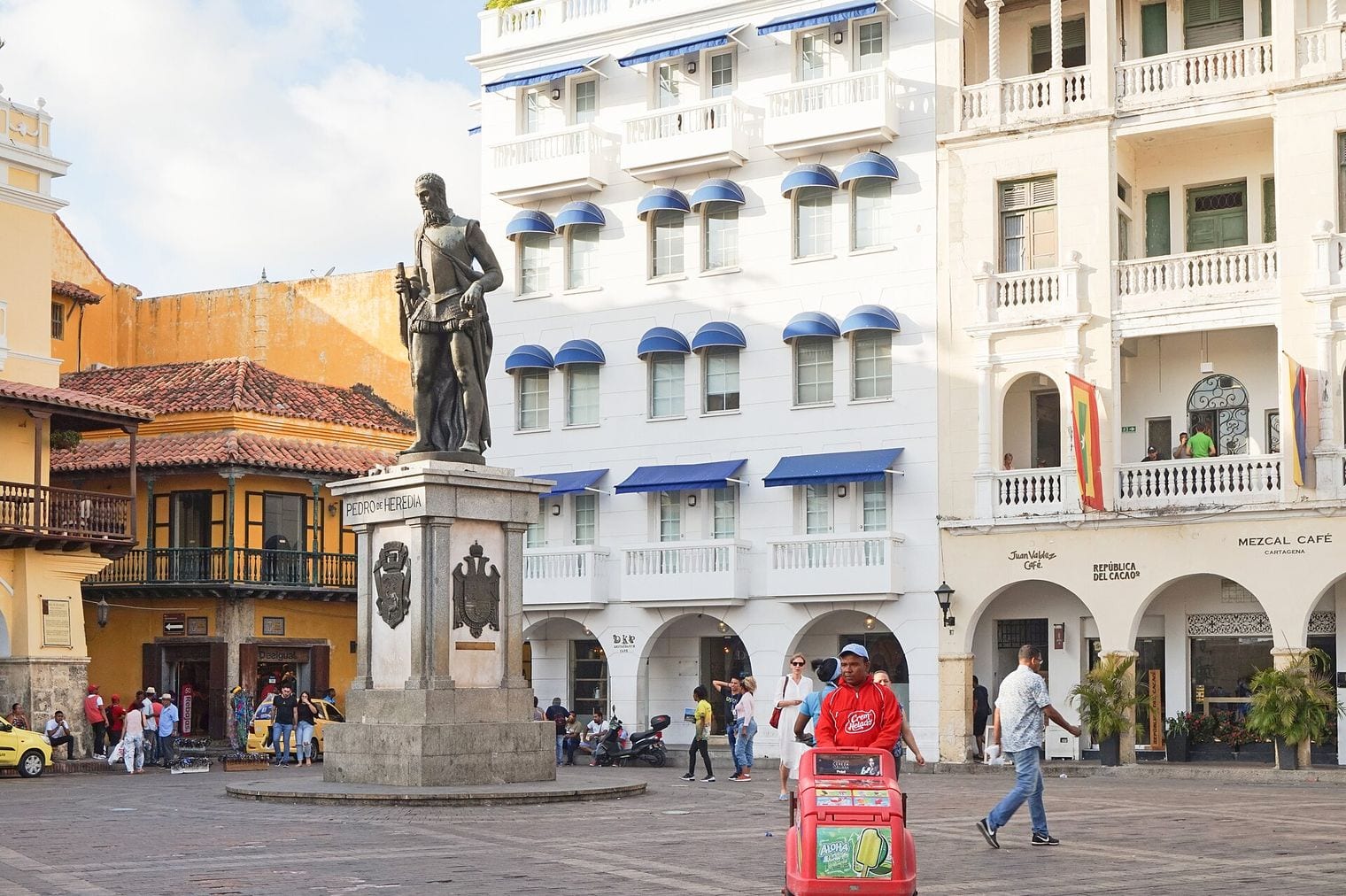
Plaza de los Coches is the triangular square just inside the Torre del Reloj, with a statue of the city's founder, Pedro de Heredia, at its center. It is remembered as a place where enslaved Africans were sold in colonial times, and it later took its present name from the coaches that parked here.
Along one side runs the Portal de los Dulces, an arcade of vendors selling traditional sweets, such as coconut cocadas and tamarind balls. Pick a few to snack on as you walk into the old town.
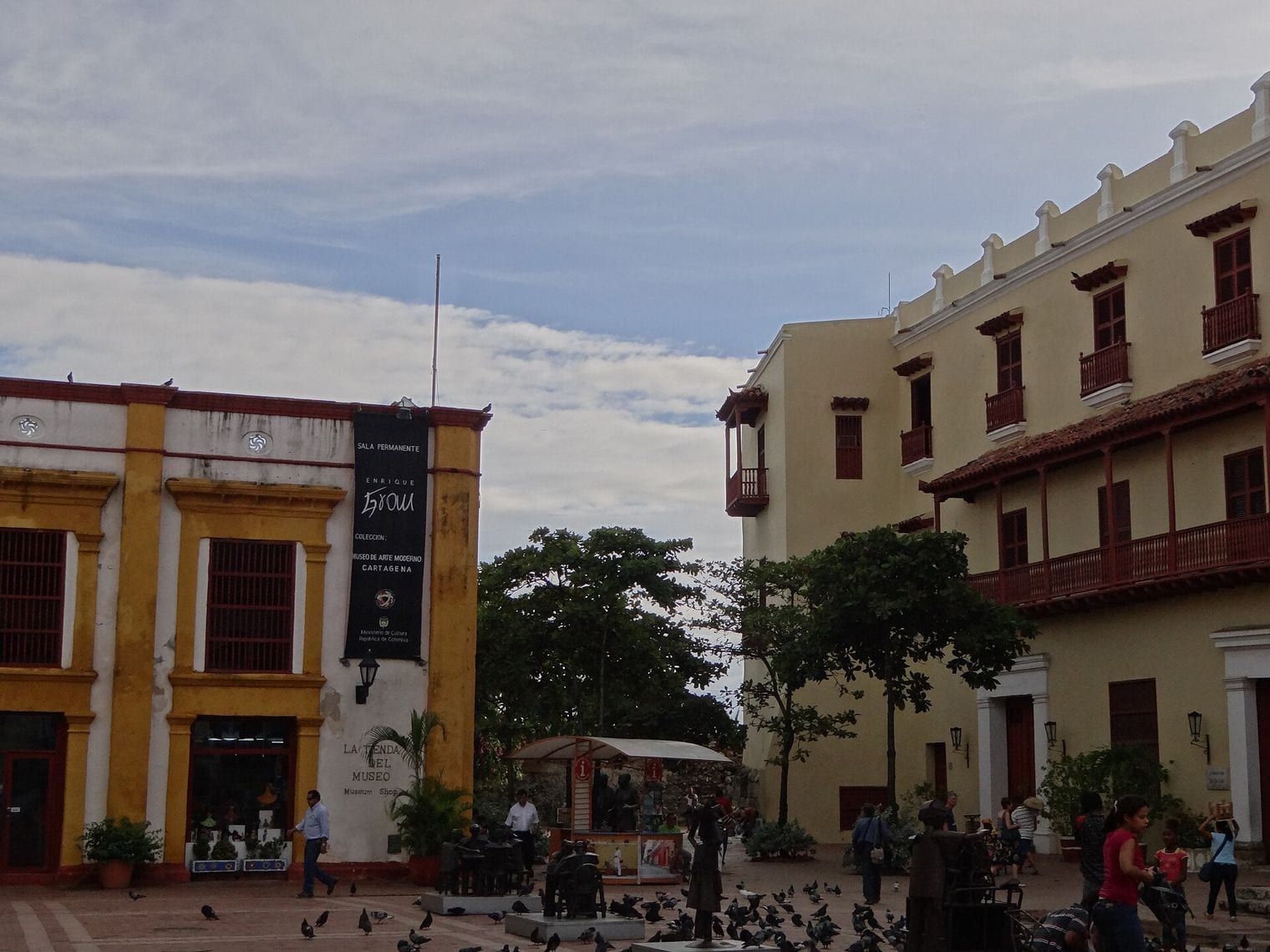
The Museo de Arte Moderno de Cartagena stands on Plaza San Pedro Claver and was founded by the painter Enrique Grau with the involvement of Alejandro Obregón, two of the leading names in Colombian modern art.
Its collection covers Colombian and Latin American art of the twentieth century, alongside temporary exhibitions. The museum is small enough to see in an hour, making it an easy stop between churches and plazas.
The Camellón de los Mártires is the promenade facing the Torre del Reloj, lined with the busts of nine leaders of the independence movement who were executed on February 24, 1816, after the Spanish general Pablo Morillo retook the city.
It is a short walk, but it gives a sense of how dearly Cartagena paid for its independence. The tree-lined avenue runs along Centenario Park and connects the clock-tower gate with Getsemaní.
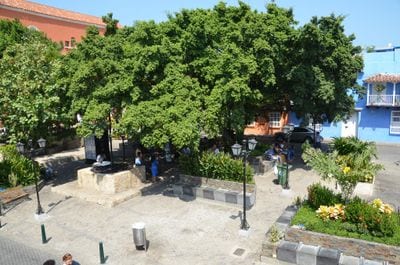
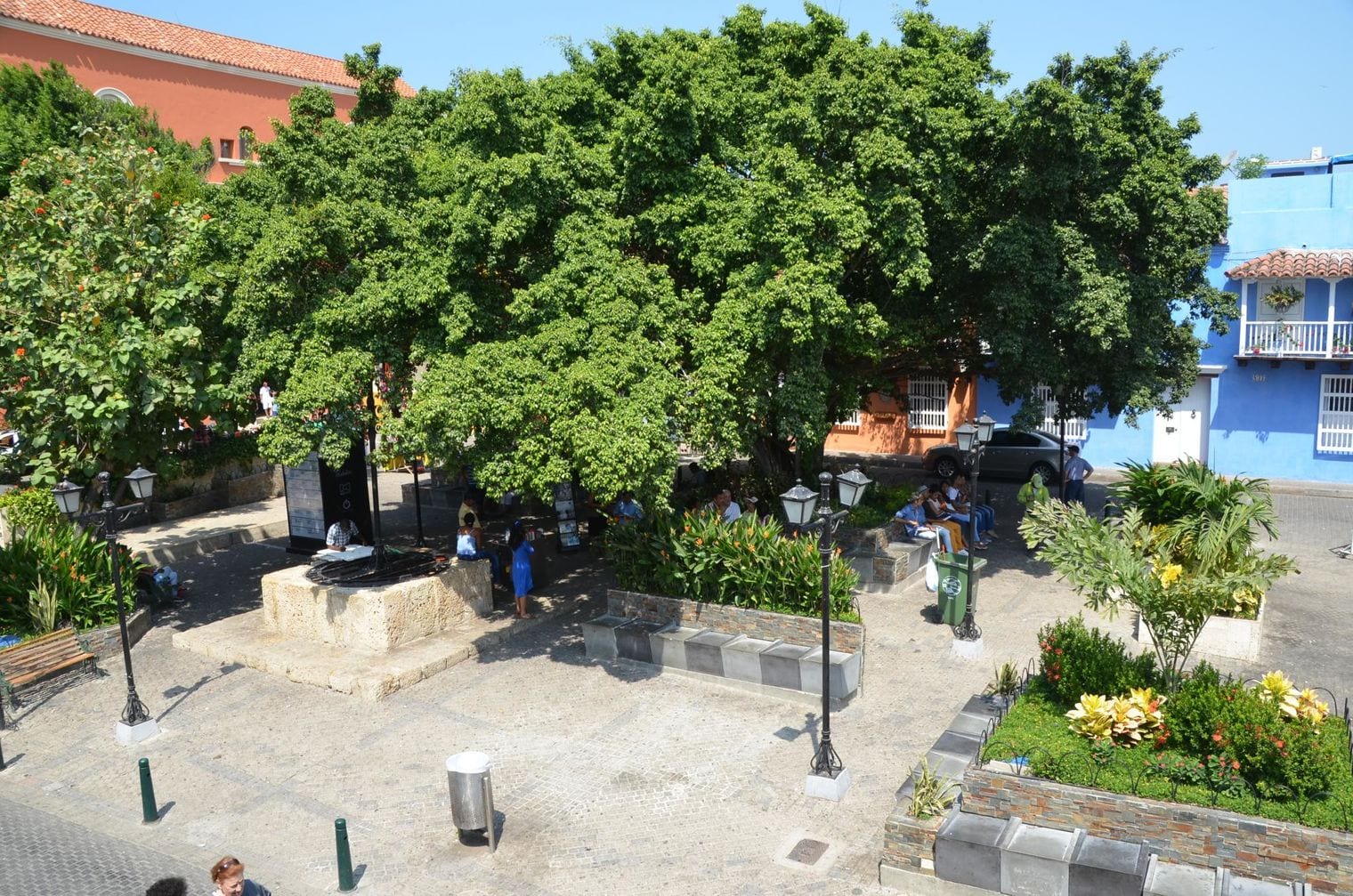
Plaza de San Diego is the heart of the San Diego quarter, the quieter, more residential corner of the walled city. On one side stands the former convent of San Diego, founded in the early seventeenth century and now home to a fine arts school.
The square has a relaxed, local feel, with small restaurants and bars around the edges and students spilling out of class. Visit at night, when it is lit by café lamps and much calmer than Plaza de Santo Domingo.
Plan your trip
Best Time to Visit Cartagena
Cartagena is hot and humid all year, with daytime highs around 30°C in every month, so the seasons are about rain and wind rather than temperature. The driest stretch usually runs from December to April, when steady trade winds take the edge off the heat and the sea is calmest around the islands. The rainiest months are generally September to November, with October the wettest, though downpours tend to be heavy but short.
The dry season is also the busiest: Christmas, New Year and Easter week fill the old town with Colombian and international visitors, and accommodation books up early. November brings the city's independence celebrations, with parades and street parties around the old town. For thinner crowds and reasonable weather, look at late April to June.
Getting to Cartagena
Rafael Núñez International Airport (CTG) sits in the Crespo neighborhood just north of the old town, usually a 10–15 minute drive from the Walled City. It has frequent domestic flights from Bogotá, Medellín and other major cities of Colombia, as well as direct international routes from North America and elsewhere in Latin America.
By road, the coastal highway runs northeast to Barranquilla in roughly two hours and on toward Santa Marta, and long-distance buses arrive at the main bus terminal on the eastern edge of the city. Cartagena is also a regular cruise-ship port of call, with ships docking at the port on Manga island, a short taxi ride from the old town.
Getting Around Cartagena
The Walled City, San Diego and Getsemaní are compact and best explored on foot, though the heat makes early mornings and evenings the most comfortable times to walk. Taxis are plentiful and cheap for hops to Castillo San Felipe, Bocagrande or La Popa; many do not use meters, so agree the price before you set off, or book a ride through an app.
A rapid-bus line runs along the main avenue from the old town into the wider city, but most visitors rarely need it. A car is more trouble than it is worth: parking inside the walls is very limited and the streets are narrow. Boats to the islands and around the bay leave from the tourist dock at the Muelle de la Bodeguita.
Where to Stay in Cartagena
The Walled City is the most atmospheric base, with boutique hotels and guesthouses in restored colonial houses; the Centro puts you in the middle of the action, while San Diego is a little quieter. Next door, Getsemaní has the liveliest nightlife and the widest choice of hostels and good-value small hotels, all within walking distance of the old town.
Bocagrande and its neighbor Castillogrande offer high-rise hotels and apartments on the beach, popular with families and longer stays, a short taxi ride from the center. Manga is a calmer residential option across the water, and the beachfront north of the airport toward La Boquilla suits travelers who want a resort-style stay.
Where to Eat in Cartagena
The Walled City and Getsemaní hold most of the restaurants, from refined Caribbean cooking in colonial courtyards to simple local lunch counters. The essential meal is fried whole fish with coconut rice and patacones (fried plantain), and seafood ceviche turns up everywhere. Posta negra cartagenera, a beef dish braised in a dark, sweet sauce, is the city's classic home-style dish.
Street food is a big part of the experience: arepas de huevo (fried corn patties with an egg inside), carimañolas (stuffed yuca fritters) and fresh fruit from the palenqueras. Finish with a coconut lemonade, and pick up coconut cocadas and other traditional sweets under the arcades of the Portal de los Dulces. For the most local experience, try a fish lunch at Bazurto Market.
Day Trips from Cartagena
The classic day out is a boat trip to the Rosario Islands, part of the Corales del Rosario y San Bernardo National Natural Park southwest of the city, with clear water, coral reefs and an aquarium on one of the islands; boats take around an hour from the Muelle de la Bodeguita.
Playa Blanca on Barú, about an hour south by road or reached by boat, has the area's most famous white-sand beach, and the Aviario Nacional bird park sits on the road to Barú. Closer in, boats cross the bay to Tierra Bomba island, where the colonial fort of San Fernando guards the Bocachica channel.
To the northeast, the Totumo mud volcano, roughly an hour away, lets you float in a crater of warm mud, and the pink salt flats of Galerazamba lie farther up the coast. The fishing village of La Boquilla, just north of the city, runs canoe tours through its mangrove channels. Inland, about an hour southeast, San Basilio de Palenque, a community founded by escaped enslaved Africans, is recognized by UNESCO for its language, music and oral traditions.
Before you go
Mobile dataAn eSIM gives your phone local data when you land, with no SIM card to swap.via AiraloGet an eSIM
Airport transferA driver meets you at arrivals and takes you to your hotel, at a price fixed when you book.via Welcome PickupsBook a transfer
We may earn a commission when you buy through these links, at no extra cost to you. How we make money.
Climb onto the walls for sunset at the Baluarte de Santo Domingo, then cross over to Getsemaní for dinner, street art and the nightly gathering on Plaza de la Trinidad.
Cartagena is best known for its colonial Walled City, a UNESCO World Heritage Site of balconied streets and lively plazas such as Plaza de Santo Domingo. Its other icons are the hilltop fortress of Castillo San Felipe de Barajas, the 11 km of stone walls that ring the old town, and the Torre del Reloj, the clock-tower gate that leads into it.
How many days do you need in Cartagena?
Three days is the sweet spot. Spend one on the Walled City, its plazas, churches and museums; a second on Castillo San Felipe, La Popa and an evening in Getsemaní; and a third at Bazurto Market, the beach or on the bay. Add a fourth day for a boat trip to the Rosario Islands or Playa Blanca.
What can you do in Cartagena for free?
Walking the city walls at sunset is free, and so is exploring the Walled City, Getsemaní's street art and plazas such as Santo Domingo and Bolívar. The Museo del Oro Zenú and the Casa Museo Rafael Núñez charge no admission, and the Camellón de los Mártires, Centenario Park and Bocagrande beach are open to everyone at no cost.
When is the best time to visit Cartagena?
December to April is the driest and breeziest period, and the best for island trips, though it is also the busiest and most expensive, especially around Christmas, New Year and Easter. September to November is the rainiest stretch. The city is hot all year, so plan sightseeing for early mornings and late afternoons whenever you go.
Do you need a car in Cartagena?
No. The Walled City, San Diego and Getsemaní are best seen on foot, and taxis are cheap and easy for longer hops to Castillo San Felipe, La Popa or Bocagrande. Parking inside the walls is scarce and the streets are narrow, while trips to the islands go by boat, so a car adds more hassle than freedom.
Sources & updates
How this guide was checked
Checked before launch
Sources cited
23
Publishers
13
Every place on this list was confirmed open and pinned on the map before publication, and what we say about each one was checked against its own website or an official source.
A PDF with a box to tick for every place. Confirm your email to download it, and get one email every Thursday with our newest guides for the places you tick.
Free Cartagena printable checklist
All 30 places in one PDF
Tick them off as you go. Confirm your email to download it, plus one email every Thursday with new guides for the places you tick.
We use cookies to analyse site traffic and improve your experience.
You can accept or reject analytics cookies. See our
May we use analytics cookies? See ourCookie Policy.