We build and rank every list first. Booking links come after, and only where
a partner sells a ticket, tour or stay for that exact place, so a place with
nothing to book is listed exactly as prominently as one you can book.
So how do we earn? Some links on this page go to booking
partners, and if you book tickets, tours or a stay through
one, we may earn a commission. It costs you nothing extra.
That commission never decides which places make the list, the order they
appear in, or what we write about them. No entry is sponsored or a paid
placement.
By the City Viking editorial teamPublished 35 places · 27 min read
Fact-checked Checked before launchOct 12, 202635 sources31 publishers7 government & parks11 tourism boards17 venues & other sitesPublished · Oct 12, 2026Researched and checked before it went liveClick for every source and the full change log.
Short answer
Rocky Mountain National Park, Boulder and Garden of the Gods are the day trips from Denver to do first, with Fort Collins and Breckenridge close behind. Allow a full day for each; Hanging Lake in Glenwood Canyon is the longest trip on the list, at about 2¼ hours (156 miles) one way, so start early or stay the night.
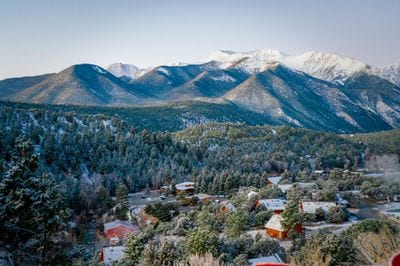
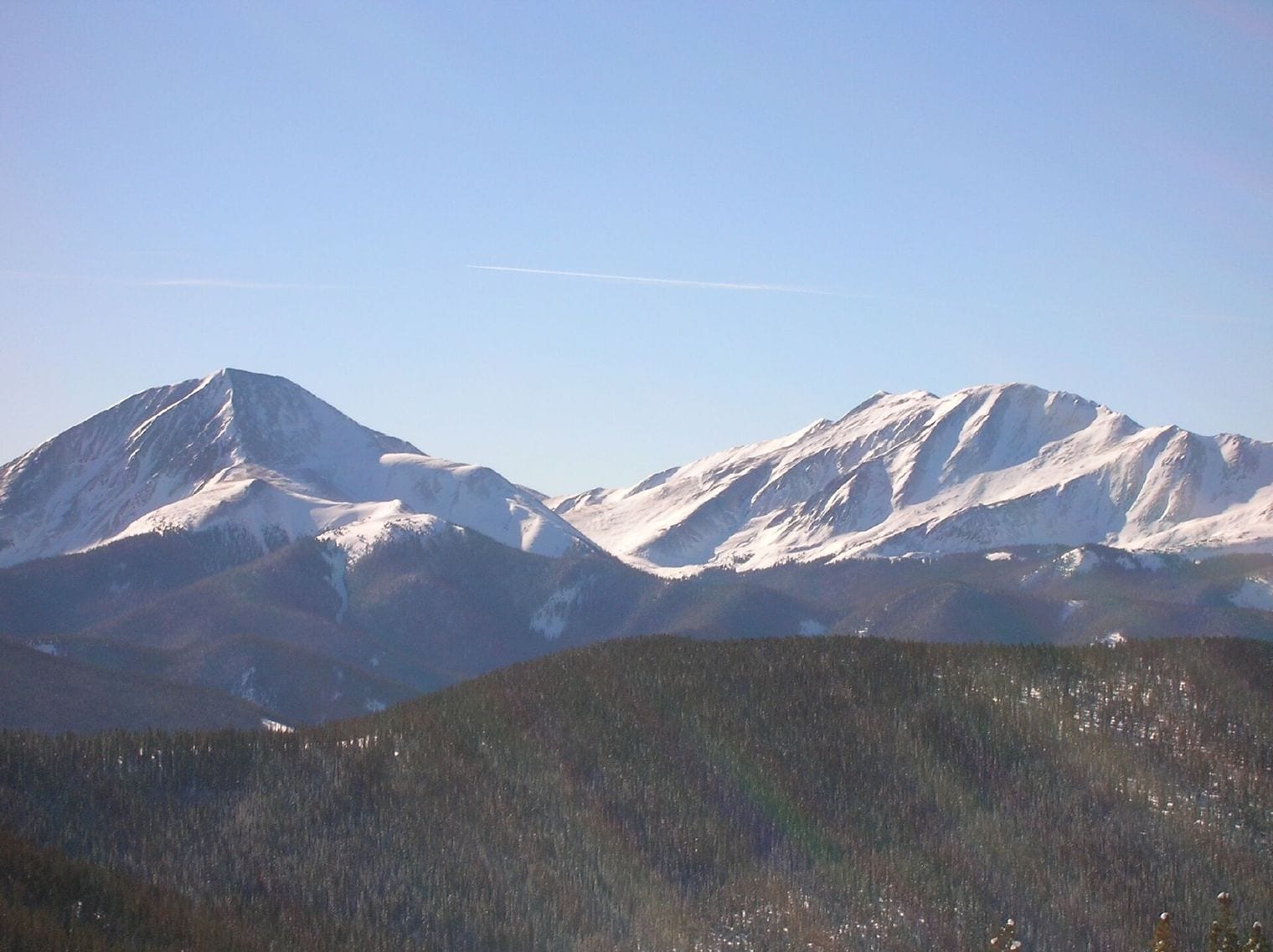
Denver sits where the Great Plains meet the Front Range, so the mountains begin at the city's edge. Within about three hours lie Rocky Mountain National Park, the old mining towns along I-70, the ski resorts of the Colorado high country, the red rocks and summit roads of Pikes Peak country and, just over the state line, Wyoming's capital.
This guide ranks the 35 best day trips from Denver, from Golden, 20 minutes west, to Hanging Lake in Glenwood Canyon. Each entry gives the routed drive time from downtown Denver, the road to take, what to pair it with and the best season to go.
The road up Mount Blue Sky is the highest paved road in North America, climbing past 14,000 feet; the mountain was called Mount Evans until it was renamed in 2023.
Pikes Peak inspired “America the Beautiful”: Katharine Lee Bates wrote the poem after reaching the summit in 1893.
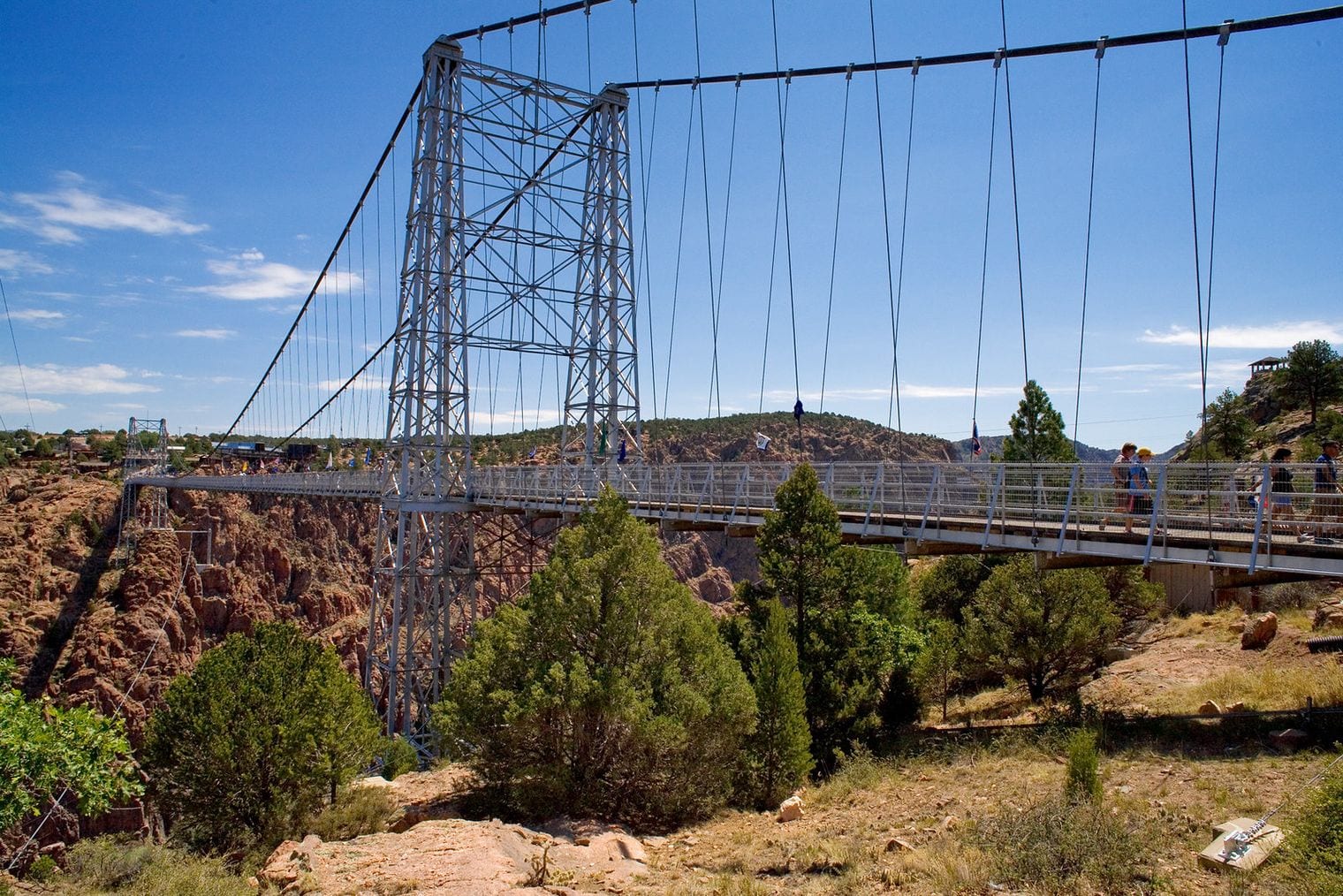
The Royal Gorge Bridge was the highest bridge in the world from 1929 until 2001, and it is still the highest in the United States, more than 950 feet above the Arkansas River.
Denver owns two of these day trips: Red Rocks Park and Amphitheatre belongs to the city, and so does Winter Park Resort, which opened for the 1939–40 ski season.
Golden was Colorado's capital before Denver: it served as the capital of Colorado Territory from 1862 until 1867, when the seat moved east to Denver.
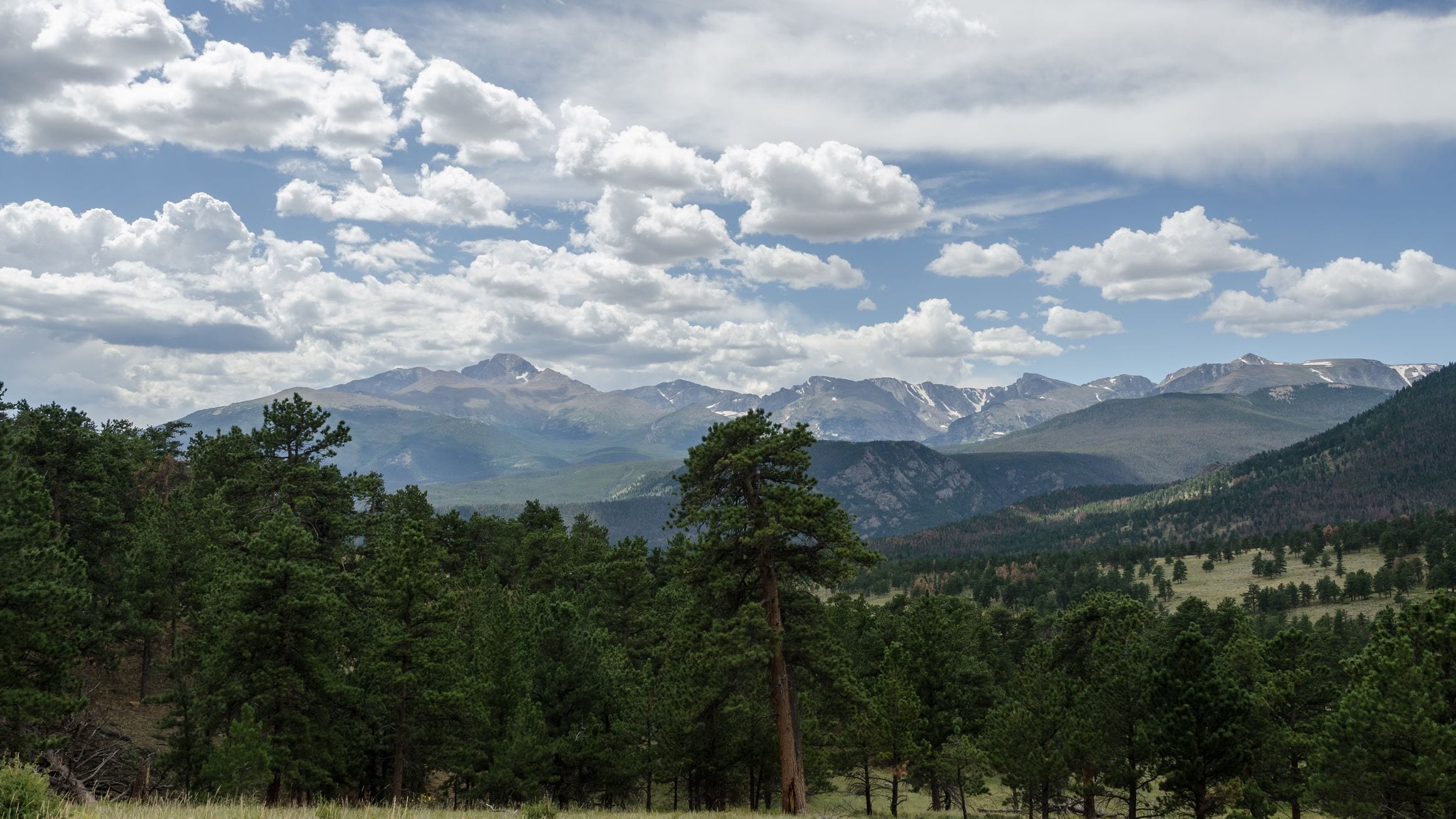
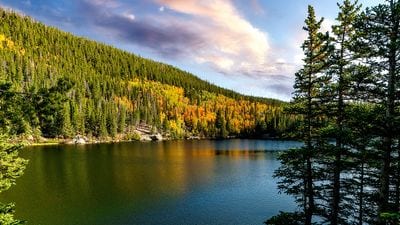
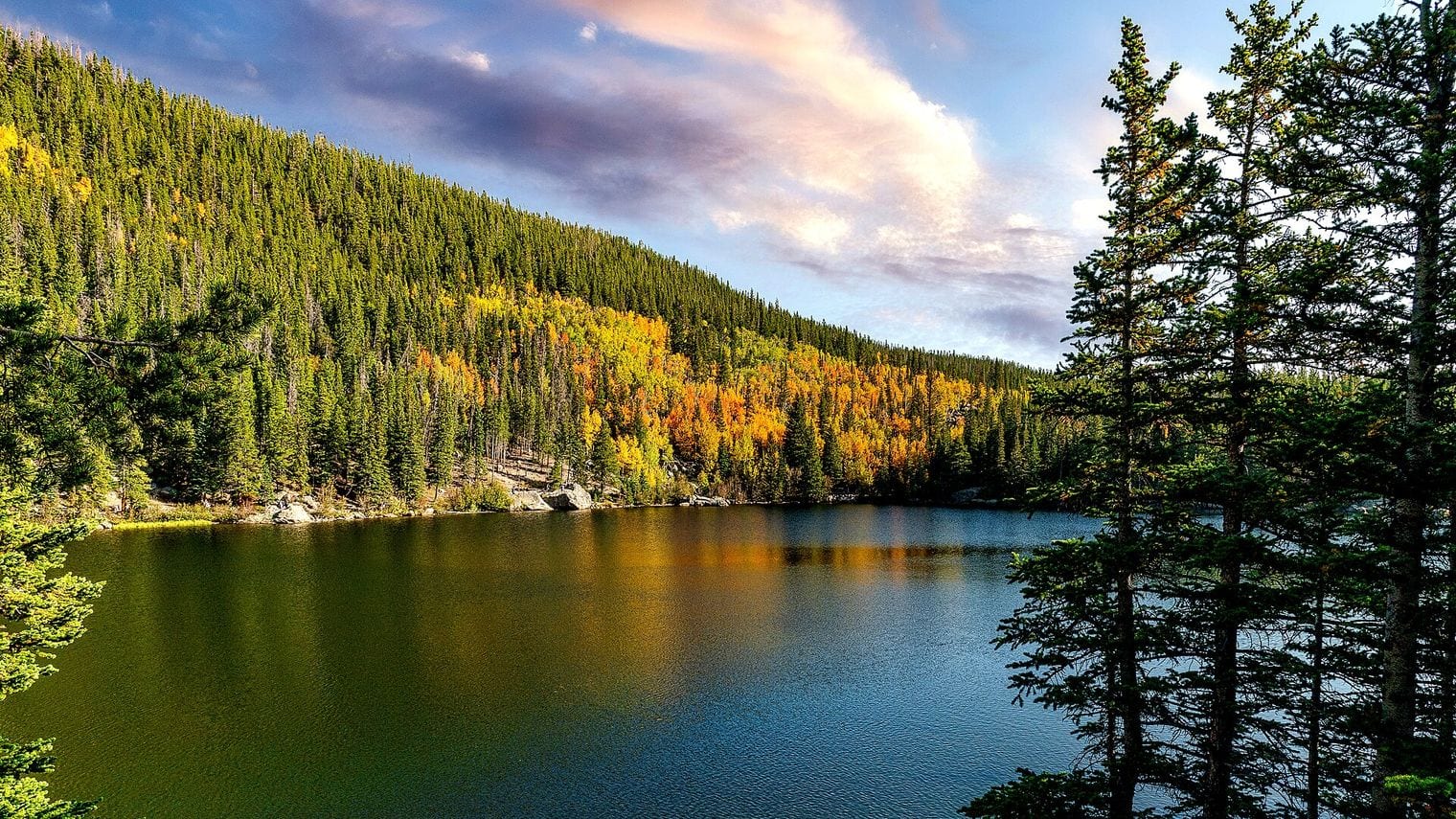
Rocky Mountain National Park is the day trip Denver is known for: alpine lakes, elk grazing in the meadows and peaks along the Continental Divide, which runs straight through the park. Trail Ridge Road crosses it from Estes Park to Grand Lake and tops out at 12,183 feet, the highest continuous paved road in the United States, while the Bear Lake trailhead starts short hikes to Nymph, Dream and Emerald lakes.
It's about 1¼ hours (68 miles) to the Beaver Meadows Visitor Center, by US-36 through Boulder and Lyons to Estes Park (#11), the park's east gateway. Timed-entry reservations are needed in summer and early fall, and the high section of Trail Ridge Road closes in winter, so the road over the top is a summer and early-fall drive.
Arrive early, or come in September and October, when the elk rut fills the meadows with bugling bulls. Guided day tours to the park also run from Denver.
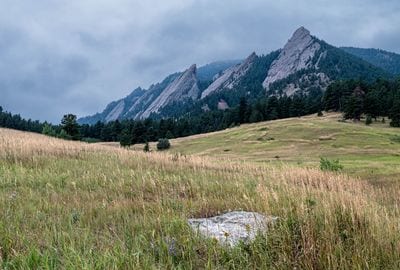
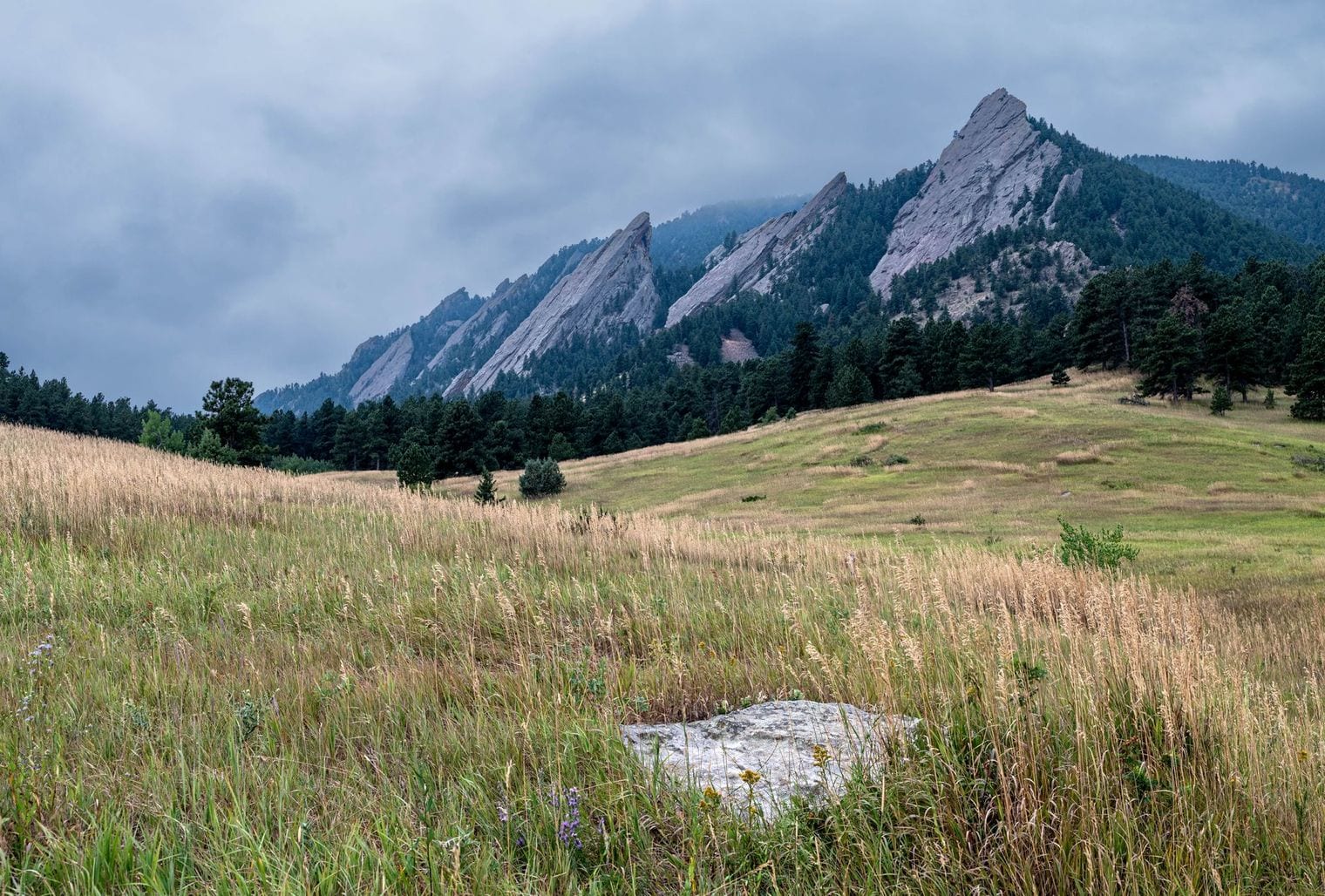
Boulder sits hard against the foothills, where the tilted slabs of the Flatirons rise above Chautauqua Park and its trailheads. Stroll the pedestrian Pearl Street Mall downtown, drive up Flagstaff Mountain for the view over the city, and take the factory tour at the Celestial Seasonings tea company on the north side of town. The University of Colorado campus adds red-roofed sandstone buildings and college-town energy.
It's about 35 minutes (29 miles) northwest of Denver on US-36, close enough for a half day, though most visitors stay for dinner on Pearl Street. Pair it with Eldorado Canyon State Park (#28) just south of Boulder, or carry on up Boulder Canyon to Nederland (#22). Spring through fall is the season for the Chautauqua trails, and the downtown works year-round.
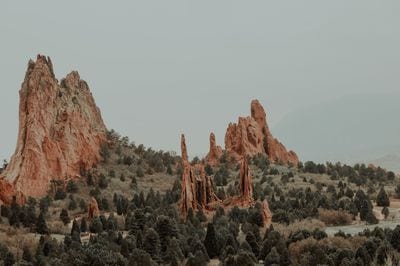
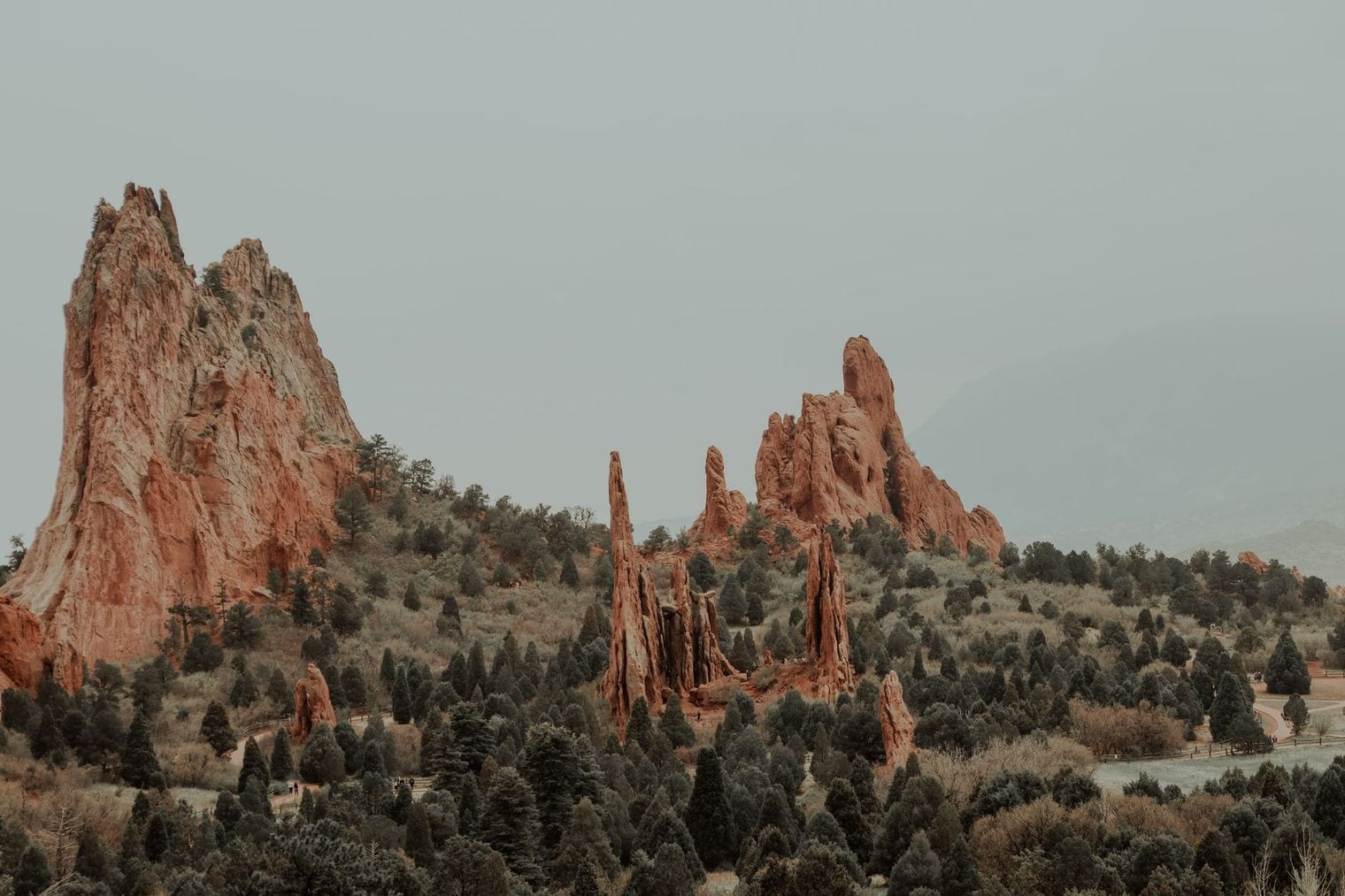
Garden of the Gods is a public park of towering red sandstone fins and spires on the west side of Colorado Springs, with Pikes Peak rising behind them. Paved paths loop through the Central Garden past the biggest formations and Balanced Rock, while climbers, horse riders and cyclists share the longer trails. Much of the park is a National Natural Landmark, and entry is free.
It's about 1¼ hours (70 miles) to the Visitor & Nature Center, south on I-25 to Colorado Springs. Most people pair it with Manitou Springs (#20) next door and a trip up Pikes Peak (#12), which makes a full day. The park is open year-round, and early mornings are the quietest in summer. Guided day tours from Denver combine it with Pikes Peak.
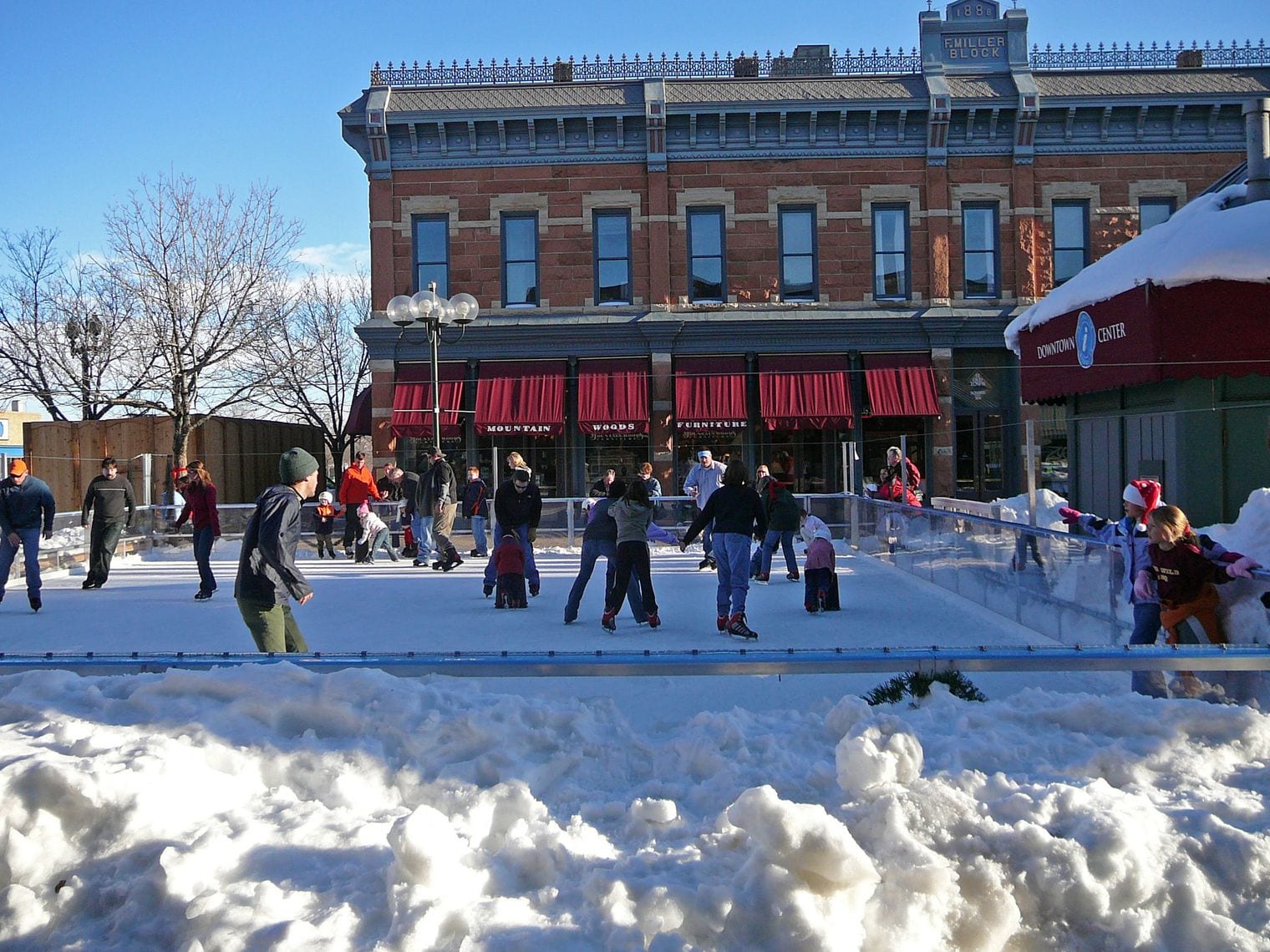
Fort Collins is a college town on the Cache la Poudre River, home to Colorado State University and a deep bench of craft breweries. Old Town's historic blocks fill with patios and shops, New Belgium Brewing runs tours, and just west of town Horsetooth Reservoir and Lory State Park offer swimming, paddling and foothill hikes.
It's about an hour (65 miles) north of Denver on I-25. Add the Poudre Canyon drive west of town for river views, or stop in Loveland (#34) on the way home. Summer and early fall suit the reservoir and the canyon, while the breweries and Old Town work year-round.
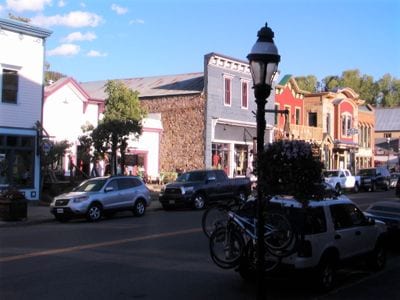
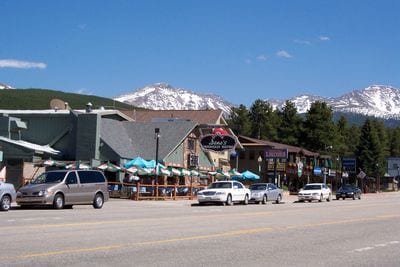
Breckenridge began as a gold-rush camp and keeps one of Colorado's largest historic districts, with clapboard and log buildings lining Main Street at the foot of the Tenmile Range. Breckenridge Ski Resort rises right behind town, and in summer the slopes switch to hiking, mountain biking and alpine slides.
It's about 1¼ hours (80 miles) west on I-70 to Frisco (#16), then south on CO-9. Pair it with Frisco and Lake Dillon or with Keystone (#35) next door. Winter and spring are ski season, summer brings wildflowers and festivals, and winter weekends bring heavy traffic on I-70, so leave early.
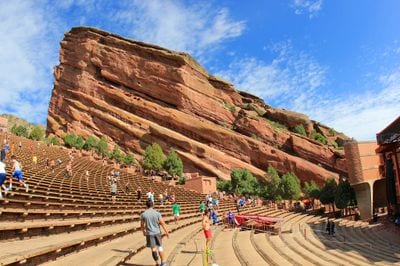
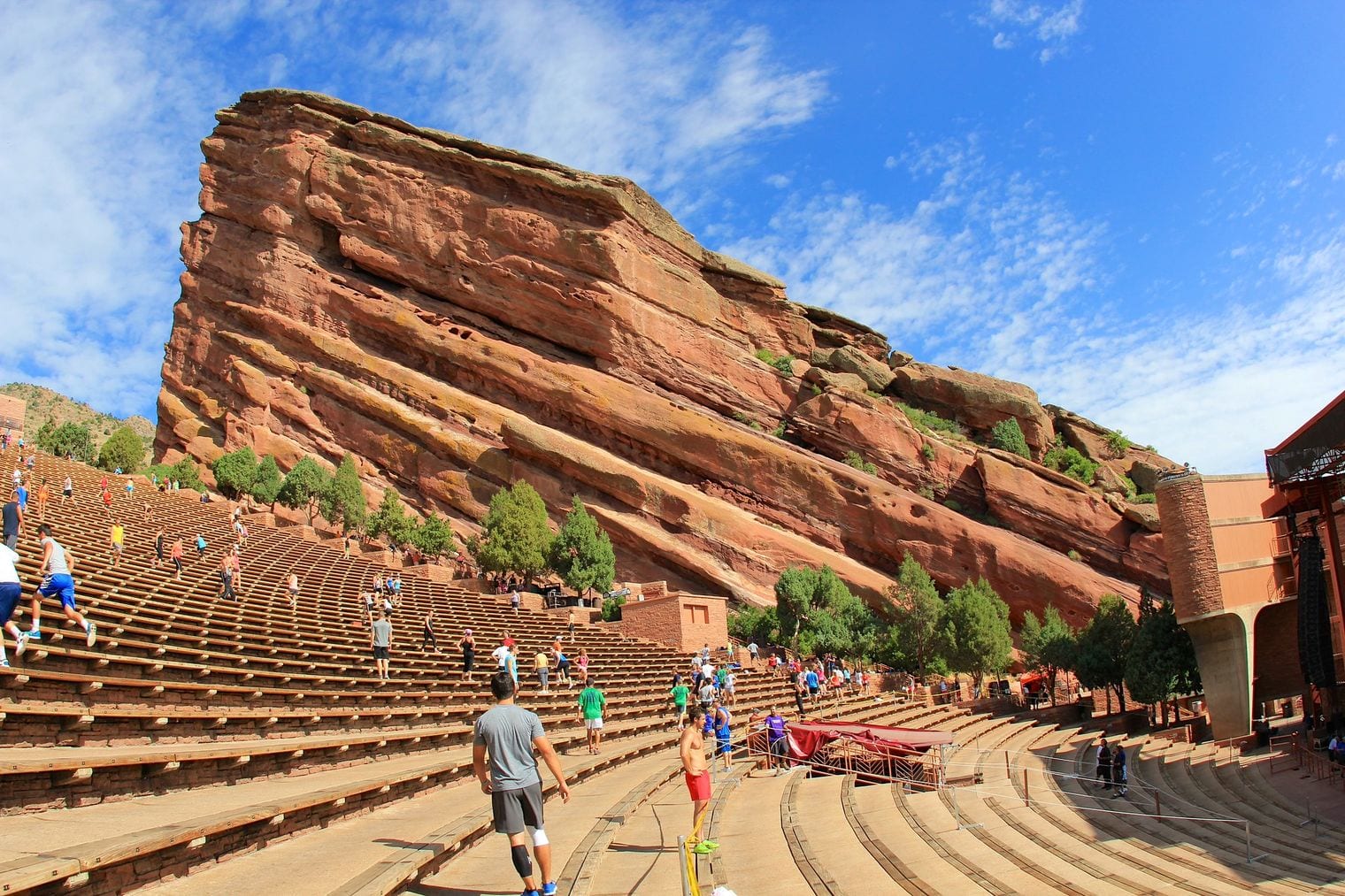
Red Rocks Park and Amphitheatre is a concert venue set between two huge sandstone monoliths, Ship Rock and Creation Rock, in the foothills above Morrison. On non-concert days you can climb the rows of the 9,525-seat amphitheatre, see the Red Rocks Hall of Fame in the visitor center and walk the Trading Post Trail through the rock formations, with free admission and parking. Nearby Dinosaur Ridge has dinosaur tracks set in the rock.
It's about 25 minutes (17 miles) west of Denver, one of the two closest trips on the list and a half day rather than a full one. Pair it with Golden (#7): the Lariat Loop climbs Lookout Mountain between the two and makes one easy loop. On concert days the amphitheatre usually closes to the public from early afternoon, so come in the morning. Half-day tours from Denver combine Red Rocks and Golden.
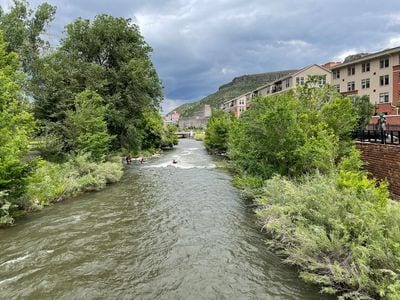
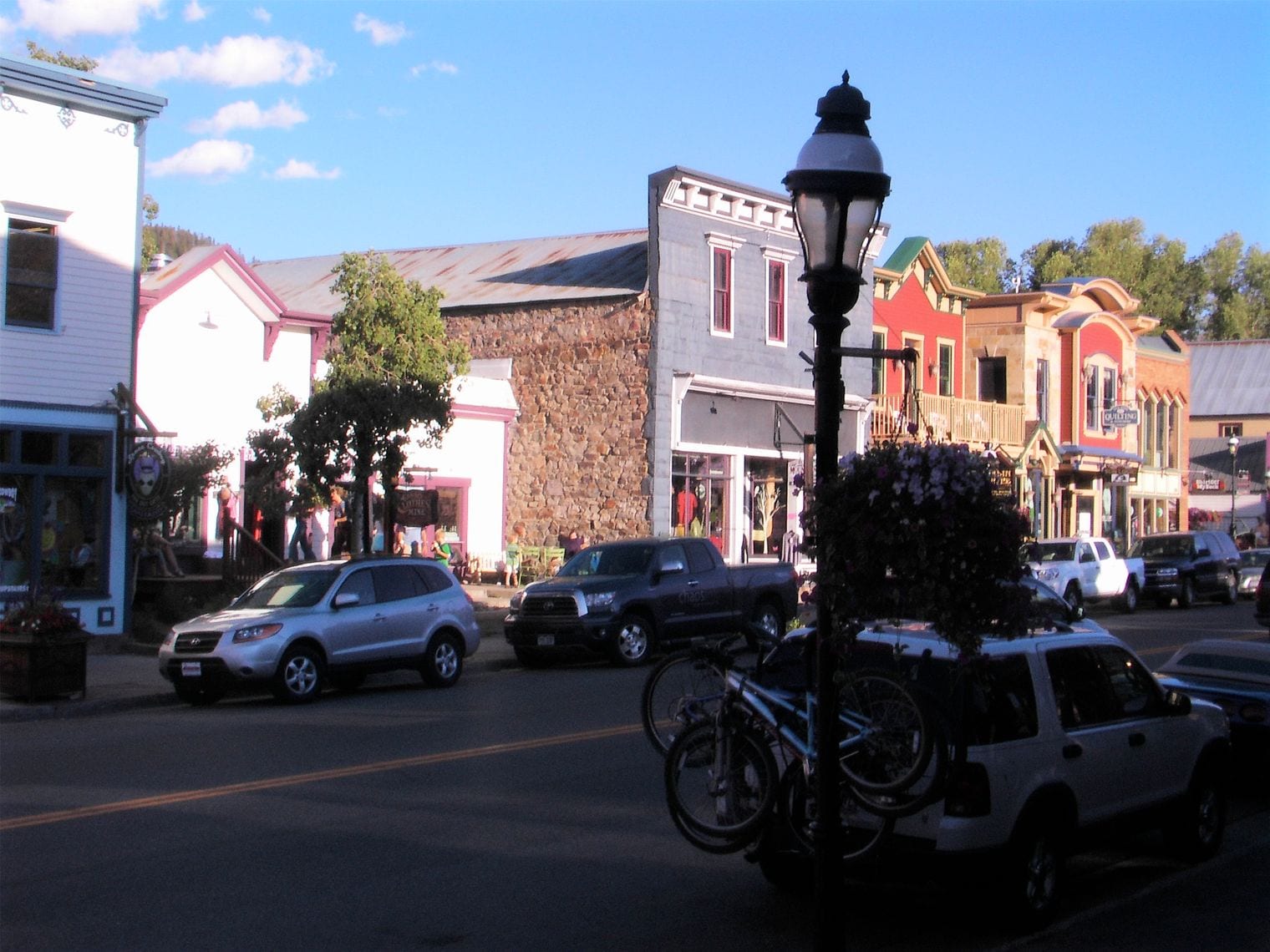
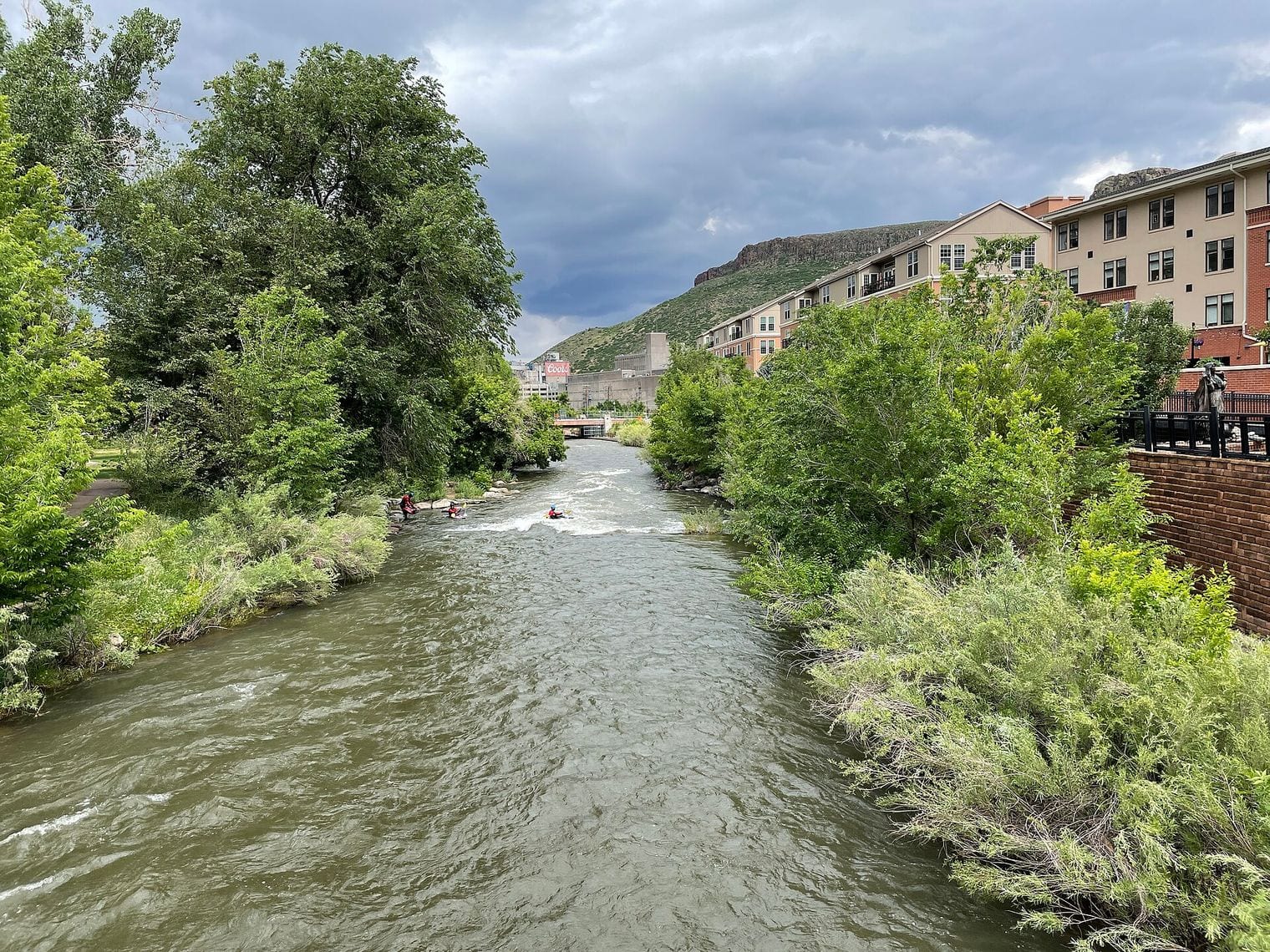
Golden sits where Clear Creek leaves the mountains, a gold-rush town that served as the capital of Colorado Territory before Denver took the title. Tour the Coors brewery, walk the creekside path and Washington Avenue under the Welcome to Golden arch, and visit the Colorado Railroad Museum or the Colorado School of Mines Geology Museum. Above town, Lookout Mountain holds the Buffalo Bill Museum and Grave.
It's about 20 minutes (15 miles) west of downtown, the closest trip on the list and a half day on its own. Pair it with Red Rocks (#6) by driving the Lariat Loop over Lookout Mountain, the classic half-day loop from Denver. Golden works in any season, with tubing on Clear Creek in summer. Half-day tours from Denver pair it with Red Rocks.
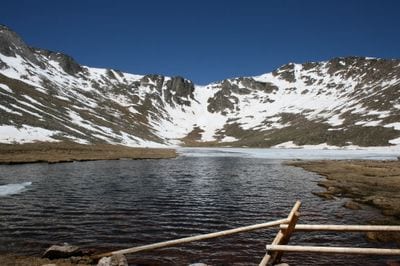
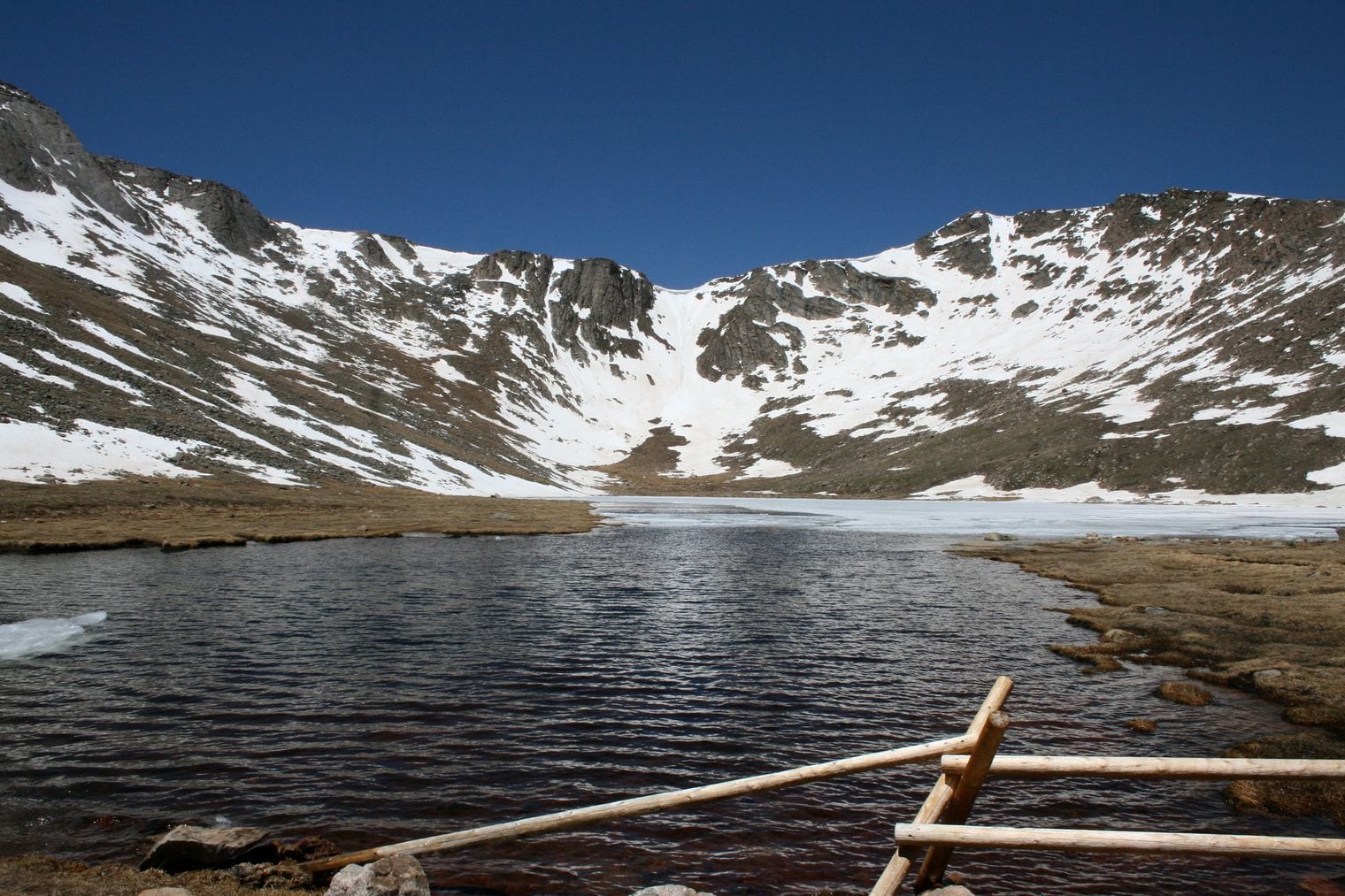
Mount Blue Sky, formerly Mount Evans, is the fourteener that dominates Denver's western skyline, and its scenic byway climbs higher than any other paved road in North America. The drive passes Echo Lake, the ancient bristlecone pines of the Mount Goliath Natural Area and Summit Lake on its way toward the top, with mountain goats and bighorn sheep often grazing near the road.
It's about 55 minutes (45 miles) to Echo Lake Park, west on I-70 to Idaho Springs (#10) and then up CO-103; the summit road climbs on from there. The upper road opens only in summer, and a timed-entry vehicle reservation is required, so book before you go. Pair it with Idaho Springs on the way down, and bring warm layers even in July. Guided day tours from Denver also run here.
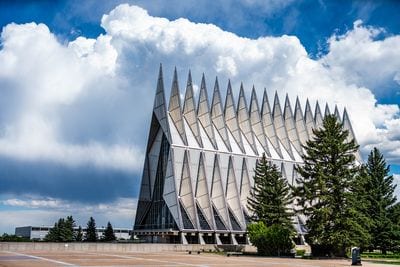
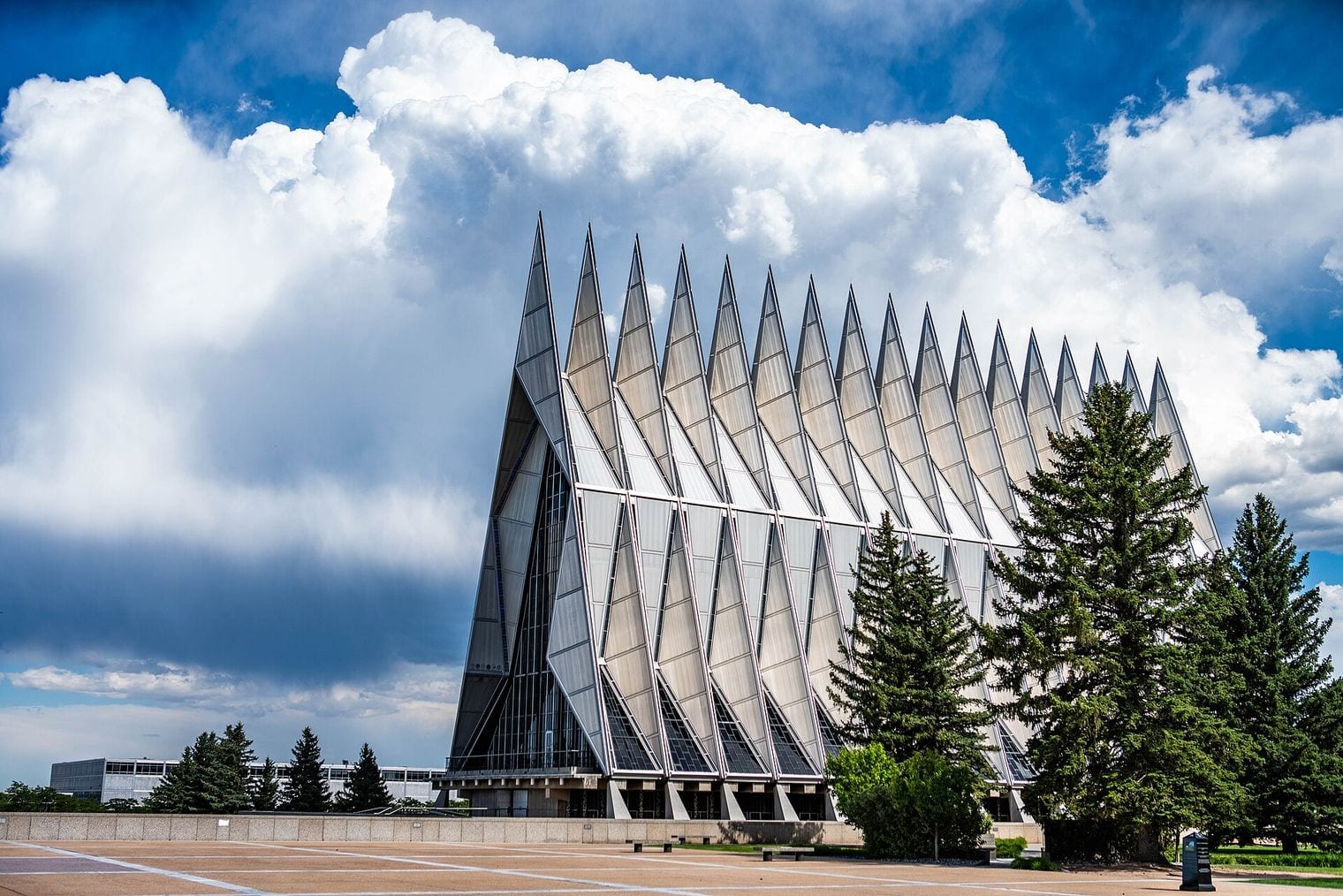
Colorado Springs is Colorado's second-largest city, spread along the base of Pikes Peak, and its own sights are distinct from the red-rock parks on its west side. Visit Cheyenne Mountain Zoo on the mountain's slope, the waterfalls of Seven Falls, the U.S. Air Force Academy north of town and the U.S. Olympic & Paralympic Museum downtown. North Cheyenne Cañon Park adds canyon trails and Helen Hunt Falls.
It's about 1¼ hours (70 miles) south of Denver on I-25. Garden of the Gods (#3), Manitou Springs (#20) and Pikes Peak (#12) all sit on the west side of Colorado Springs, so pick one of them for the same day. The zoo and the museums work year-round, and summer and fall are best for the canyons and falls.
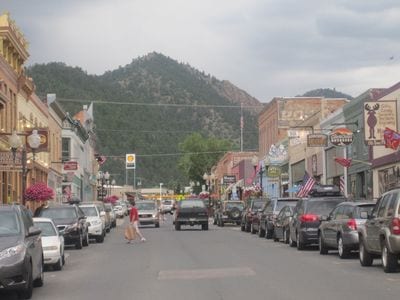
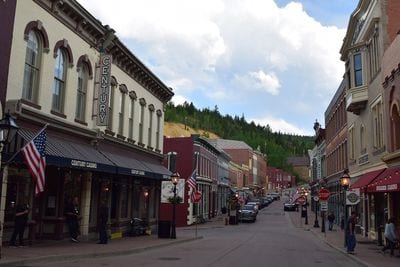
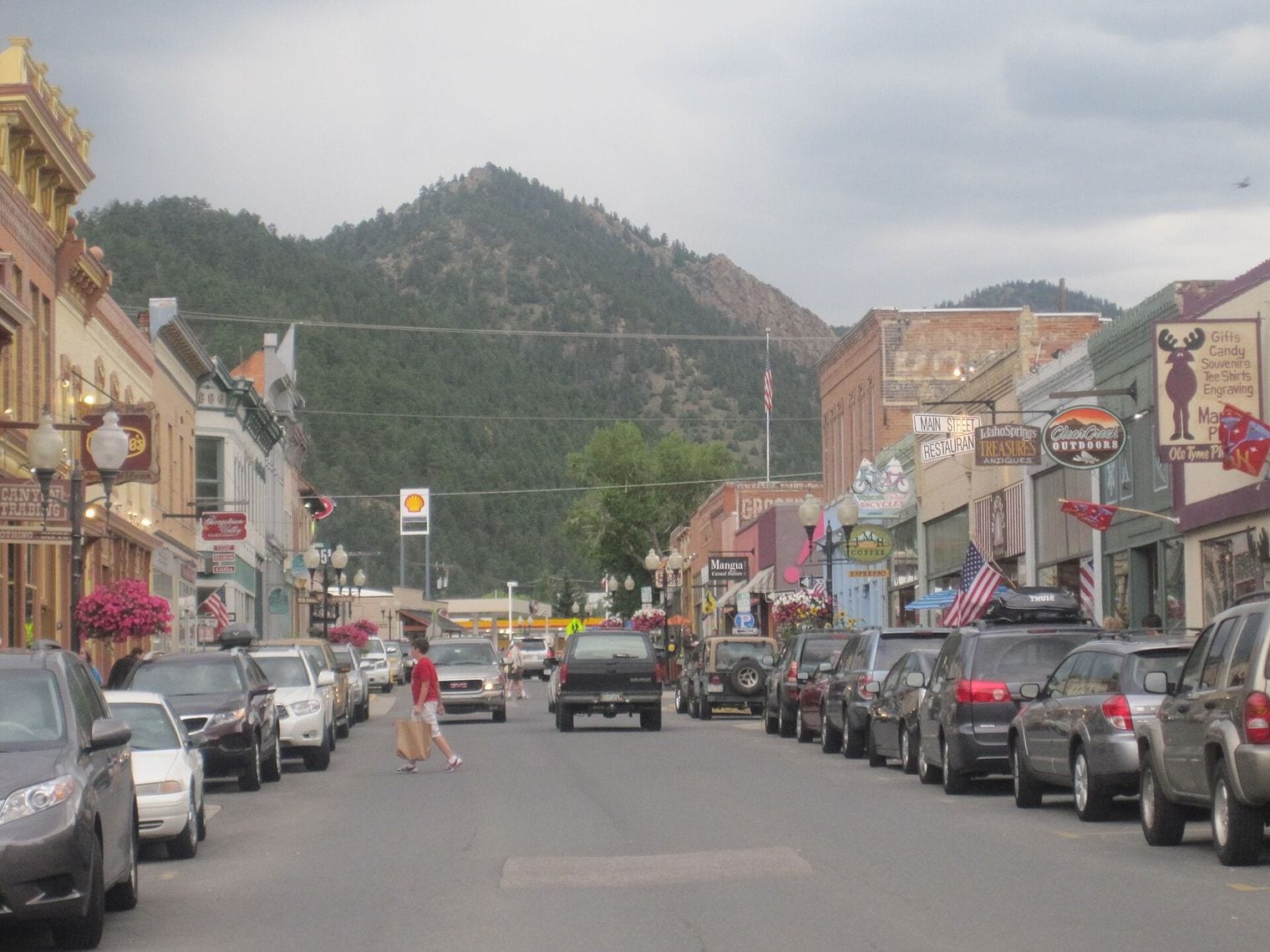
Idaho Springs is a gold-rush town of 1859 squeezed into Clear Creek Canyon beside I-70, with a historic Miner Street of shops and pubs. Soak in the hot springs pools at Indian Hot Springs, tour the Argo Gold Mine and Mill, and watch rafters run Clear Creek in early summer.
It's about 35 minutes (32 miles) west on I-70, and it is the turnoff for the Mount Blue Sky road (#8), so the two make a natural pair; Georgetown (#14) is a few exits farther west. Summer is rafting season and the hot springs make it a good winter stop, but avoid I-70 on ski-season weekends, when traffic backs up in both directions.
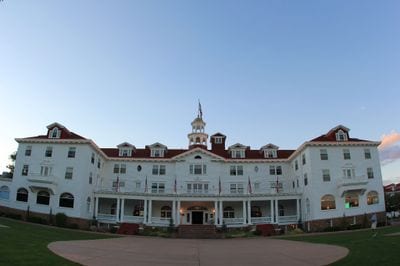
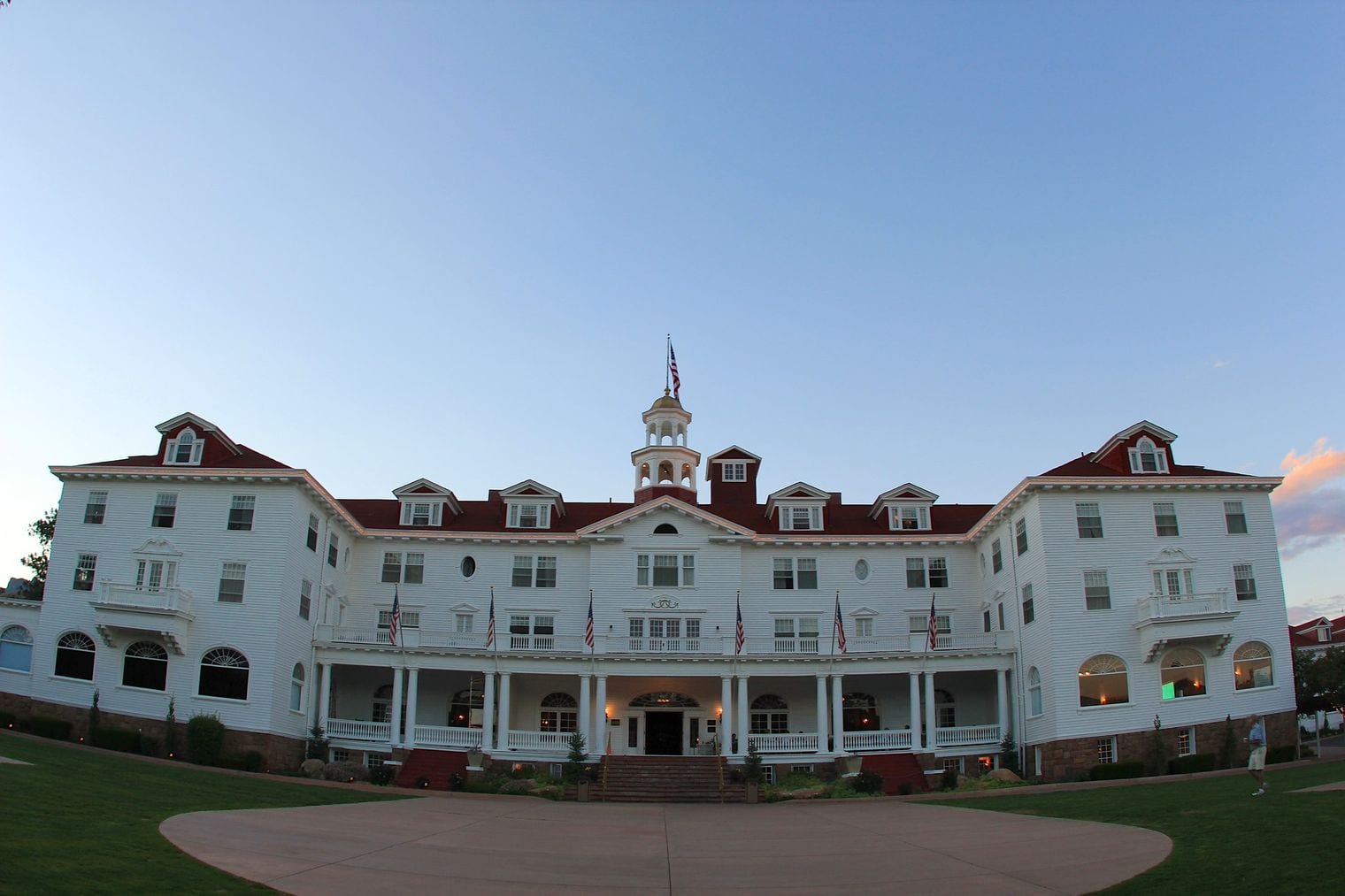
Estes Park is the mountain town at the east gate of Rocky Mountain National Park, set beside Lake Estes on the Big Thompson River. Its best-known landmark is The Stanley Hotel, the hilltop hotel that inspired the Overlook in Stephen King's The Shining and offers tours to visitors. The riverwalk and downtown shops fill up in summer, and elk wander through town in fall.
It's about 1¼ hours (65 miles) northwest of Denver on US-36 through Boulder and Lyons. Pair it with the national park (#1), or return through Big Thompson Canyon and Loveland (#34) on US-34 to make a loop. Summer is the busiest season, and September and October bring the elk rut and thinner crowds to Estes Park.
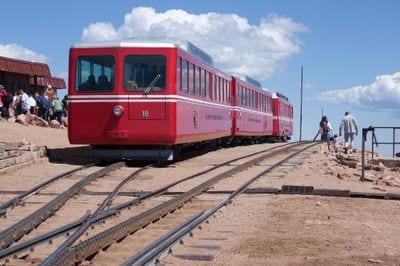
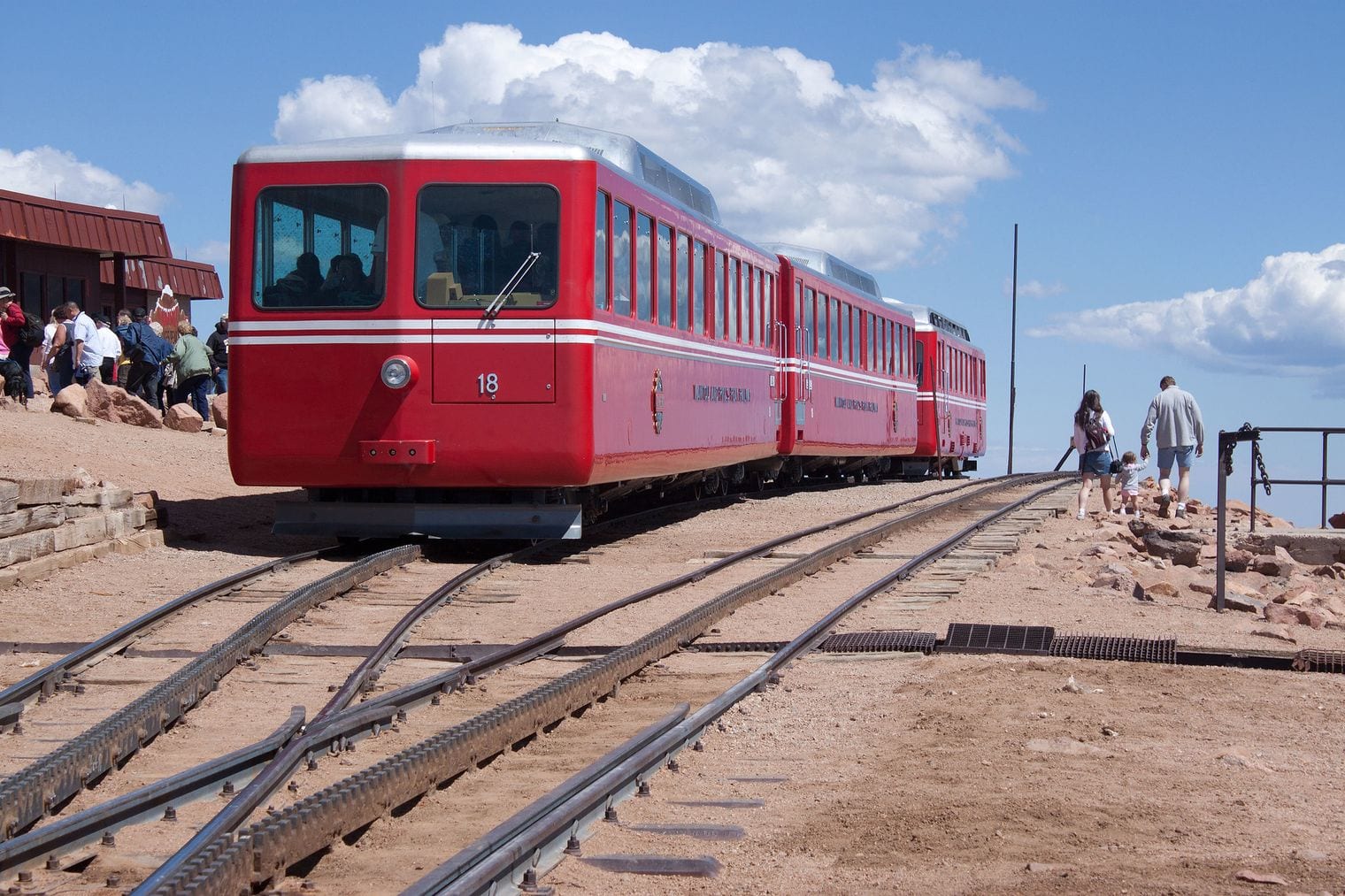
Pikes Peak rises to 14,115 feet above Colorado Springs, and the view from its summit inspired Katharine Lee Bates to write “America the Beautiful” in 1893. Two ways reach the top: the Pikes Peak Highway, a toll road that climbs all the way to the summit, and the Broadmoor Manitou and Pikes Peak Cog Railway from Manitou Springs, which runs year-round. The Summit Visitor Center waits at the top.
It's about 1¾ hours (96 miles) to the summit by the Pikes Peak Highway, south on I-25 to Colorado Springs and west on US-24. Timed-entry reservations are needed on the Highway in summer, and the cog railway is a three-hour round trip from its depot in Manitou Springs (#20). Pair it with Garden of the Gods (#3), and dress for snow and wind even in summer. Guided day tours from Denver cover the peak and the park together.
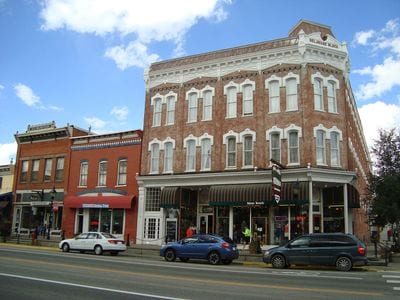
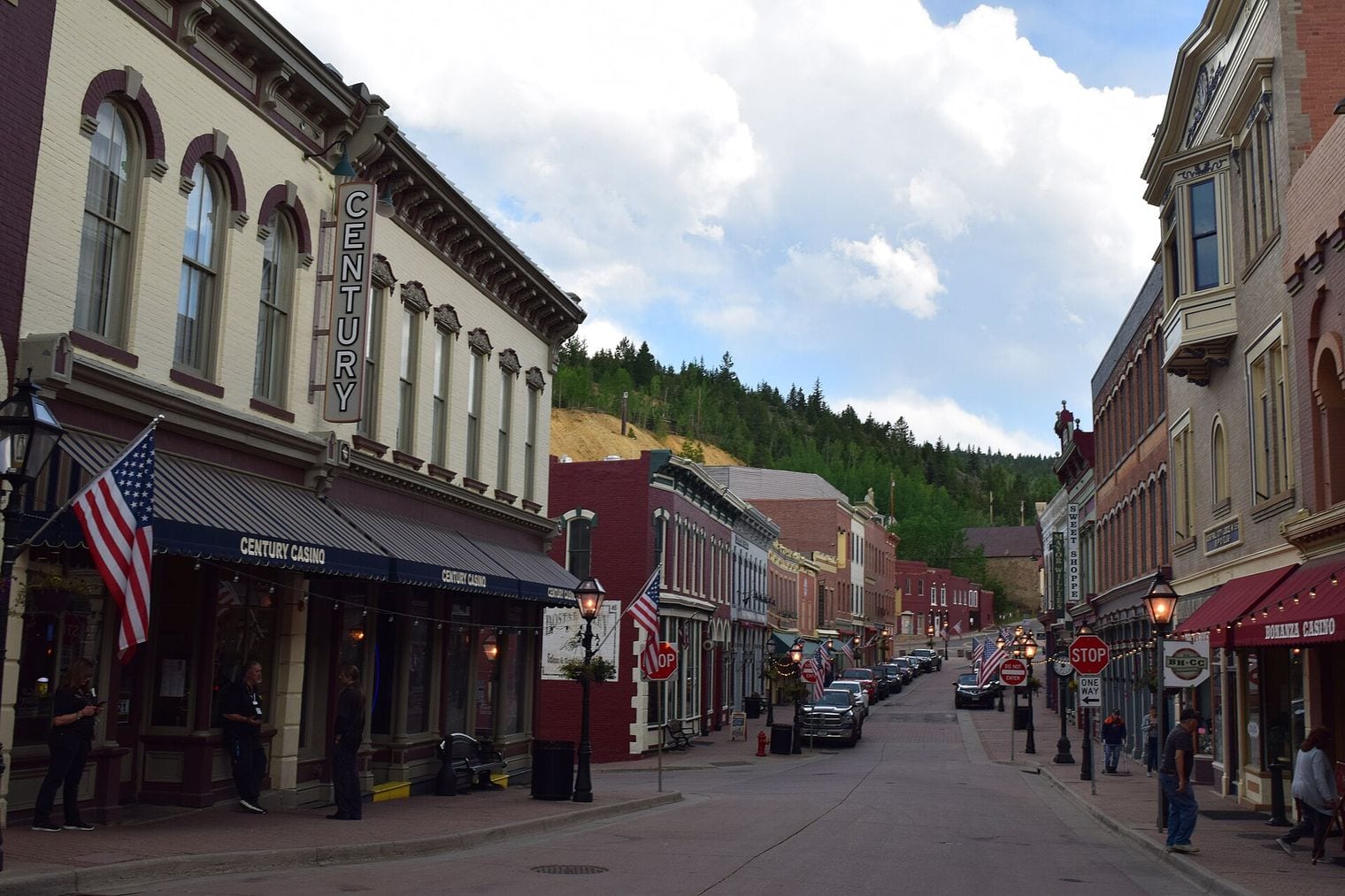
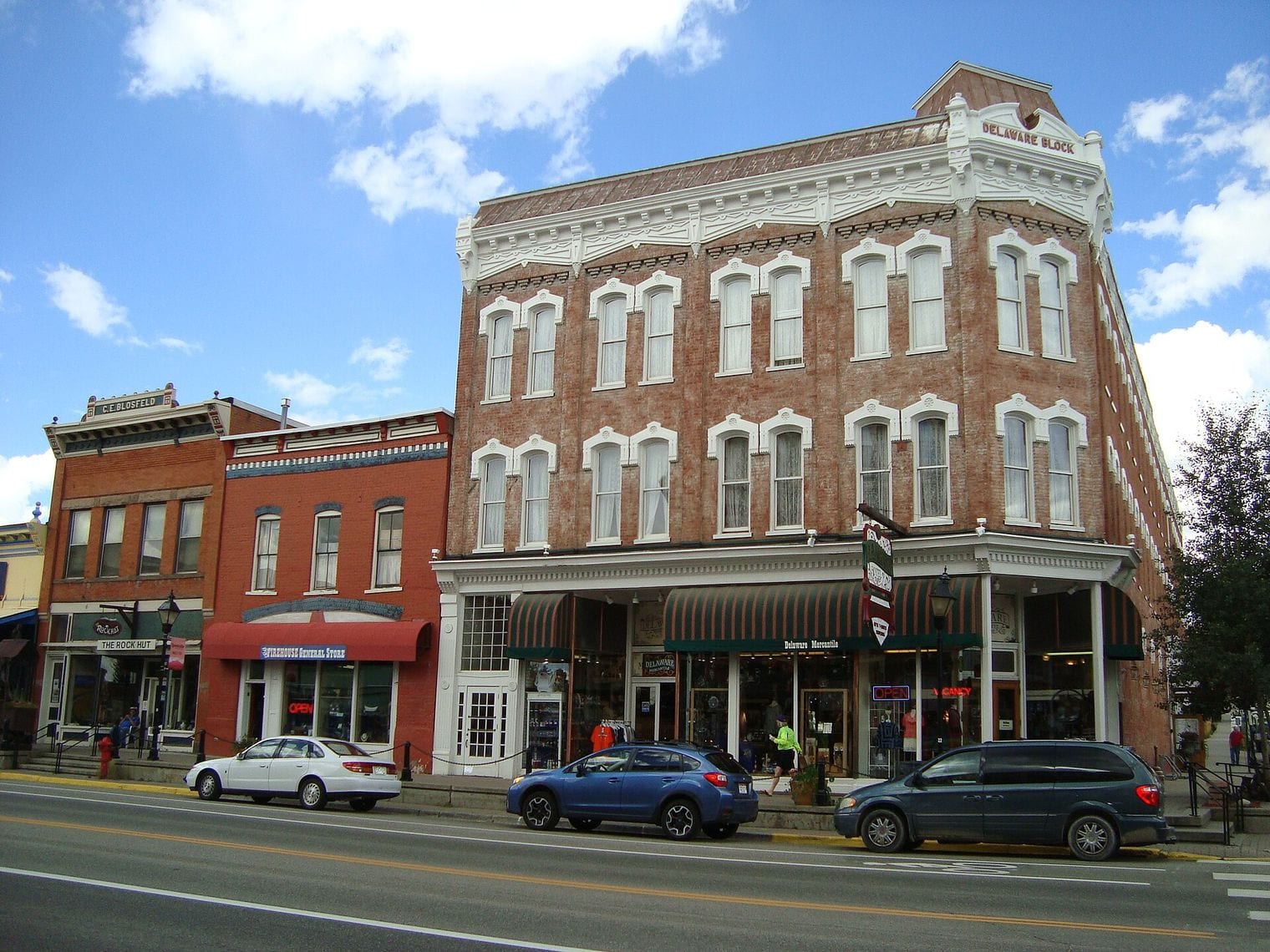
Central City was once called the Richest Square Mile on Earth, a gold camp of 1859 whose brick and stone blocks now form a historic district with neighboring Black Hawk. Casinos fill many of the old buildings in both towns, while the Central City Opera House, opened in 1878, still stages a summer opera season.
It's about 40 minutes (38 miles) west of Denver, up Clear Creek Canyon on US-6 and CO-119, or by I-70 and the Central City Parkway. Pair it with Idaho Springs (#10) or Golden (#7) on the way back. The opera is a summer event, and the casinos keep the towns busy year-round.
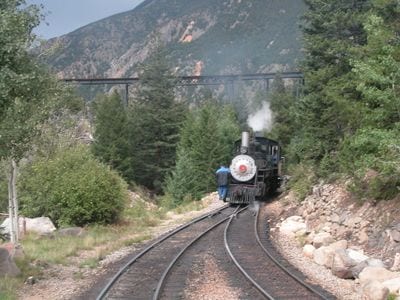
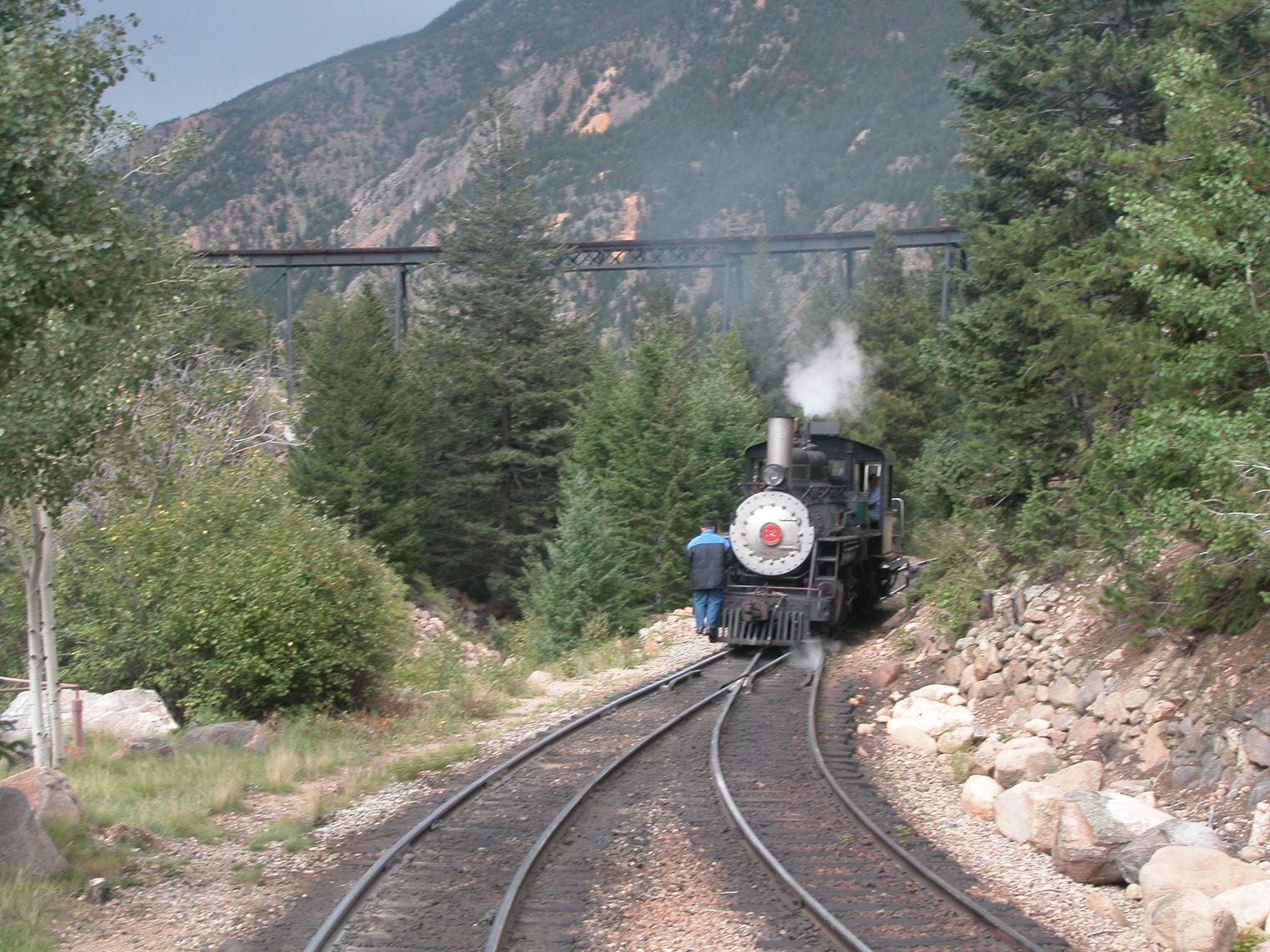
Georgetown is a former silver-mining camp founded in 1859 in the upper Clear Creek valley, its Victorian houses and storefronts part of the Georgetown-Silver Plume Historic District. The Georgetown Loop Railroad runs narrow-gauge trains between Georgetown and Silver Plume over high trestles and a looping grade, with mine tours along the way, and Guanella Pass climbs south of town to alpine lakes and fourteener trailheads.
It's about 45 minutes (45 miles) west on I-70, a few exits beyond Idaho Springs (#10). Pair it with Mount Blue Sky (#8). The railroad runs from spring through fall, with holiday trains in winter, and Guanella Pass closes in winter, so summer and early fall are the best time to go.
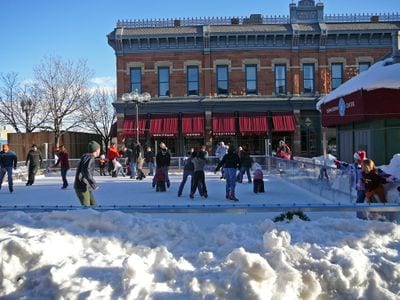
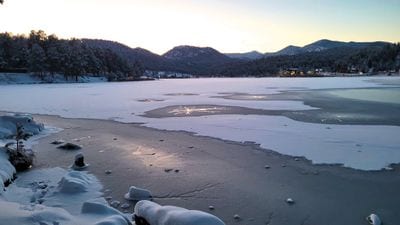
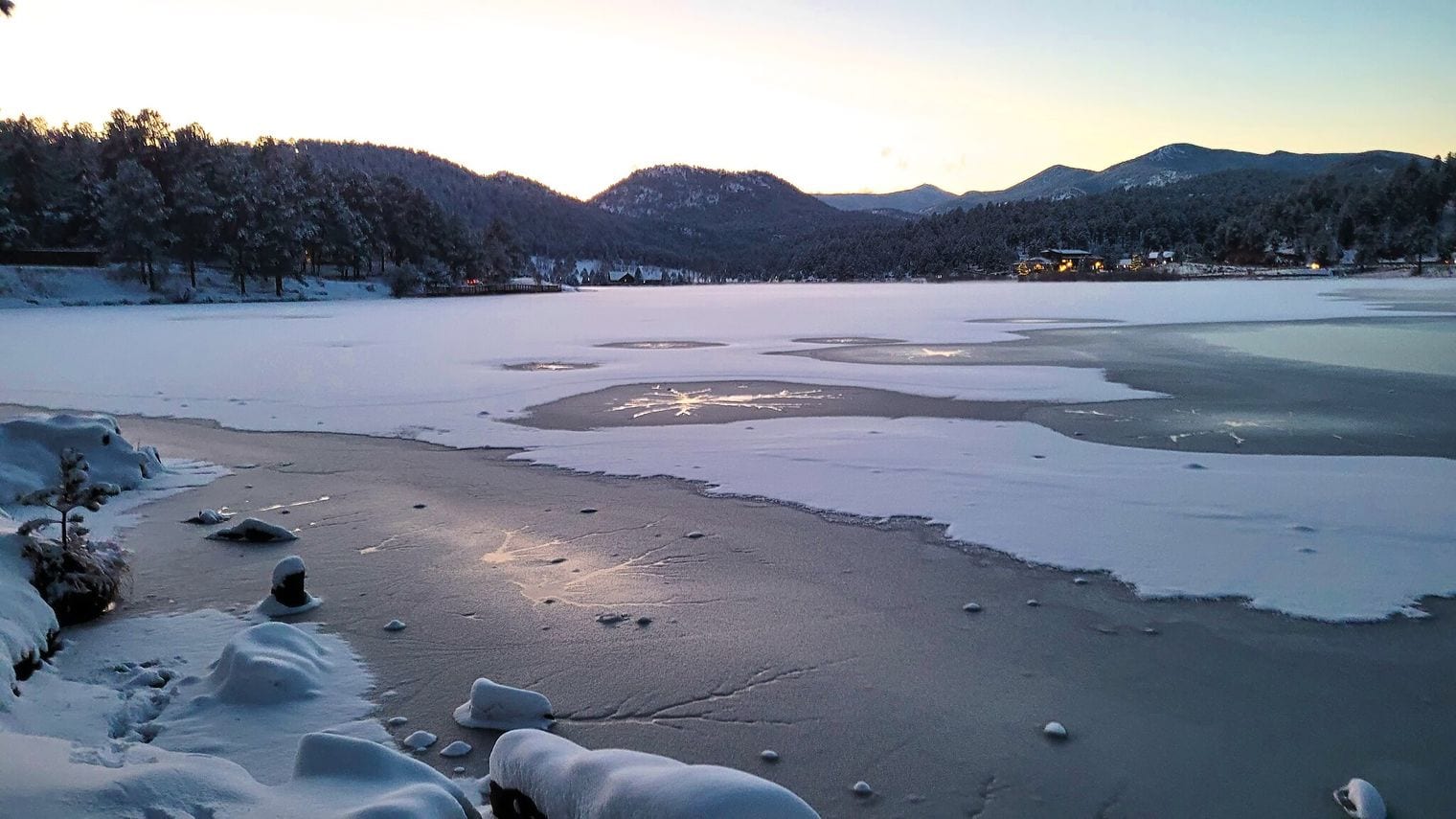
Evergreen is a mountain community in the foothills west of Denver, built around Evergreen Lake, where people paddle in summer and skate on the ice in winter. Bear Creek runs through the small downtown of galleries and cafés, and the canyon road east toward Morrison follows the creek past picnic spots and parks.
It's about 35 minutes (29 miles) west of Denver, by I-70 and CO-74 or by US-285. Evergreen sits on the Lariat Loop, so it pairs well with Red Rocks (#6) and Golden (#7), and CO-103 runs from nearby Bergen Park to Mount Blue Sky (#8). Fall color and winter skating are its best seasons.
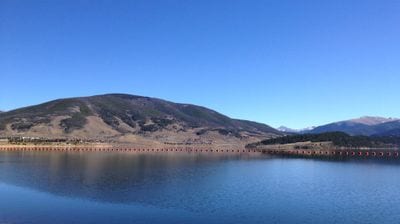
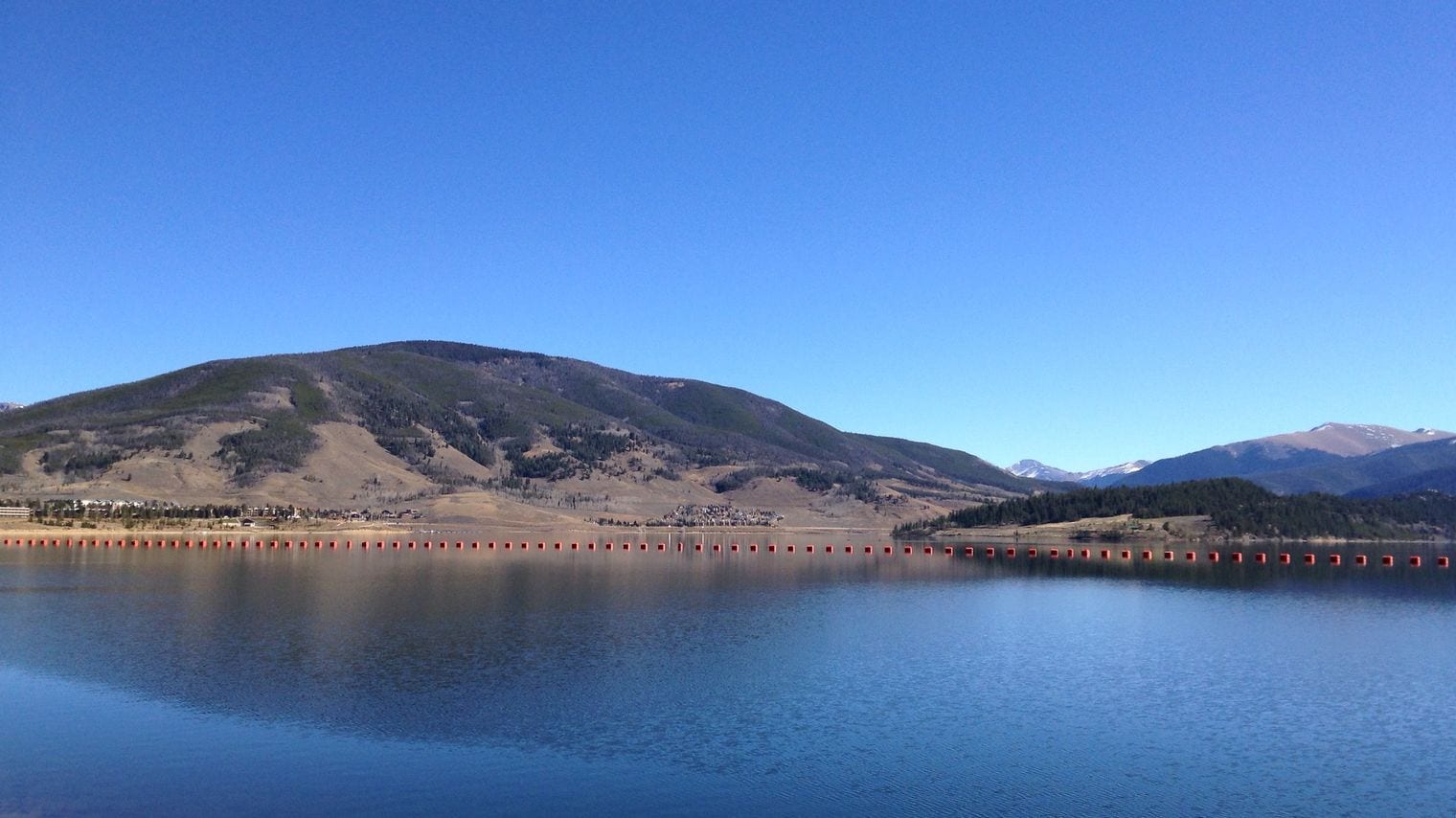
Frisco is a small Summit County town on the shore of Lake Dillon, a big reservoir ringed by mountains, a paved bike path and marinas. Main Street runs from the lake toward the Tenmile Range, and around the shore lie Dillon, Silverthorne's outlet stores and the Sapphire Point overlook. Four ski resorts are close by: Breckenridge, Keystone, Copper Mountain and Arapahoe Basin.
It's about an hour (71 miles) west of Denver on I-70, through the Eisenhower Tunnel. Pair it with Breckenridge (#5) or Keystone (#35), both a short drive away. Summer is for paddling and cycling around the lake, and in winter Frisco makes a central base for the ski areas; avoid I-70's weekend rush.
Free printable checklist of all 35 places
Tick them off as you go. Confirm your email to download it, plus one email every Thursday with new guides for the places you tick.
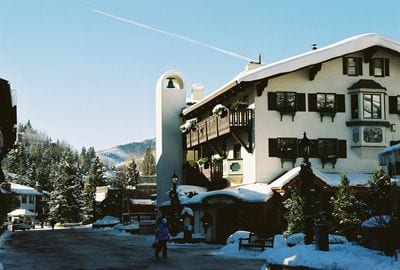
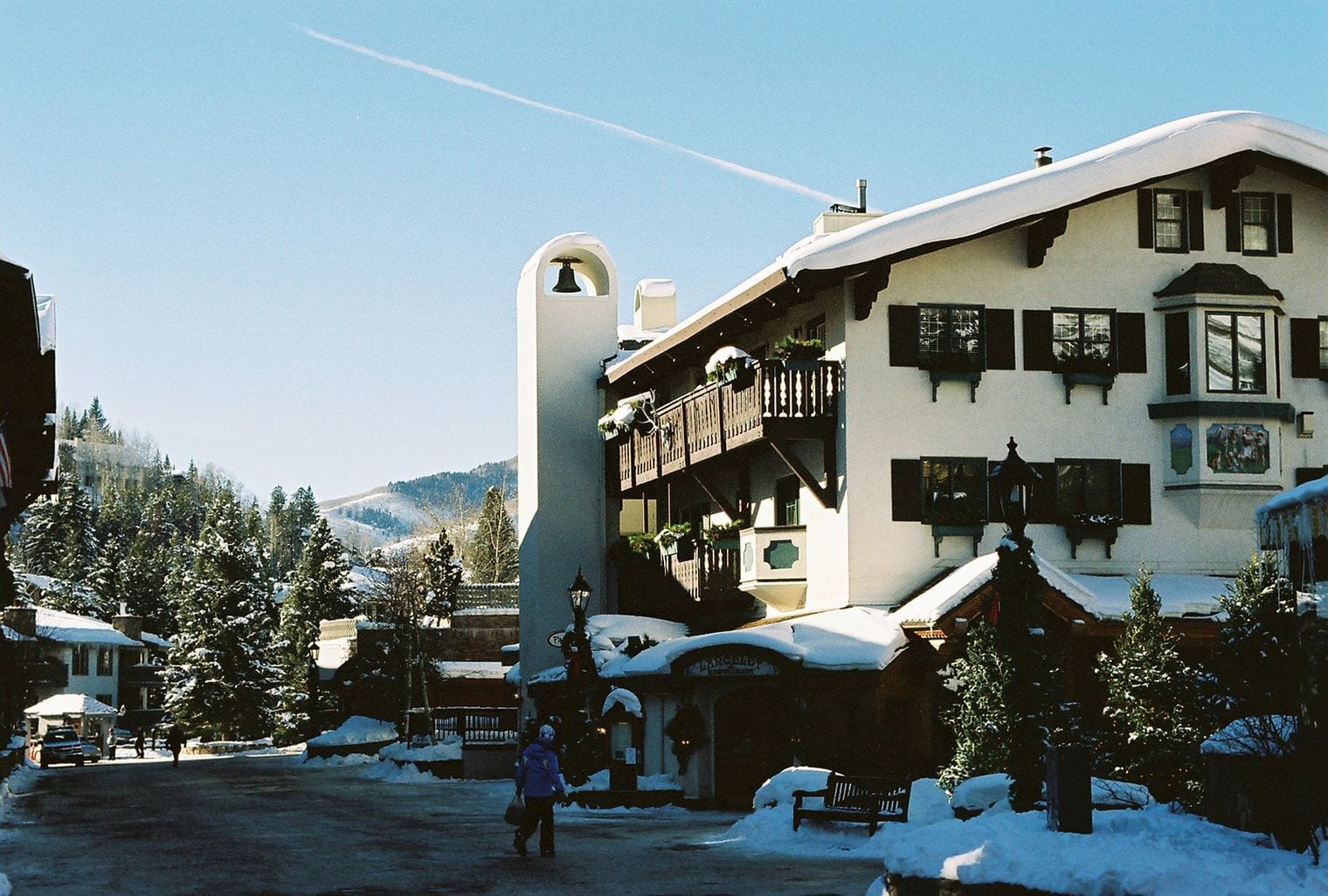
Vail is a purpose-built ski resort town in the Gore Creek valley, with a pedestrian Vail Village of Alpine-style chalets, a covered bridge over the creek and gondolas climbing straight from town. In summer the mountain switches to hiking and biking, and the Betty Ford Alpine Gardens bloom beside the creek.
It's about 1½ hours (98 miles) west on I-70, over Vail Pass. Pair it with Frisco (#16) or Breckenridge (#5) on the way, or stay the night for a less rushed trip. Ski season fills the winter, summer and the September aspens are calmer, and in snow the drive over Vail Pass can require snow tires or chains.
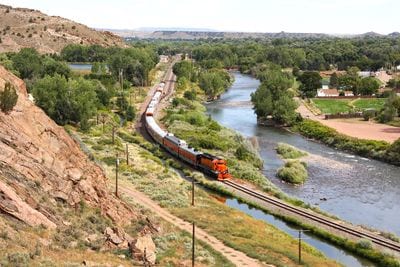
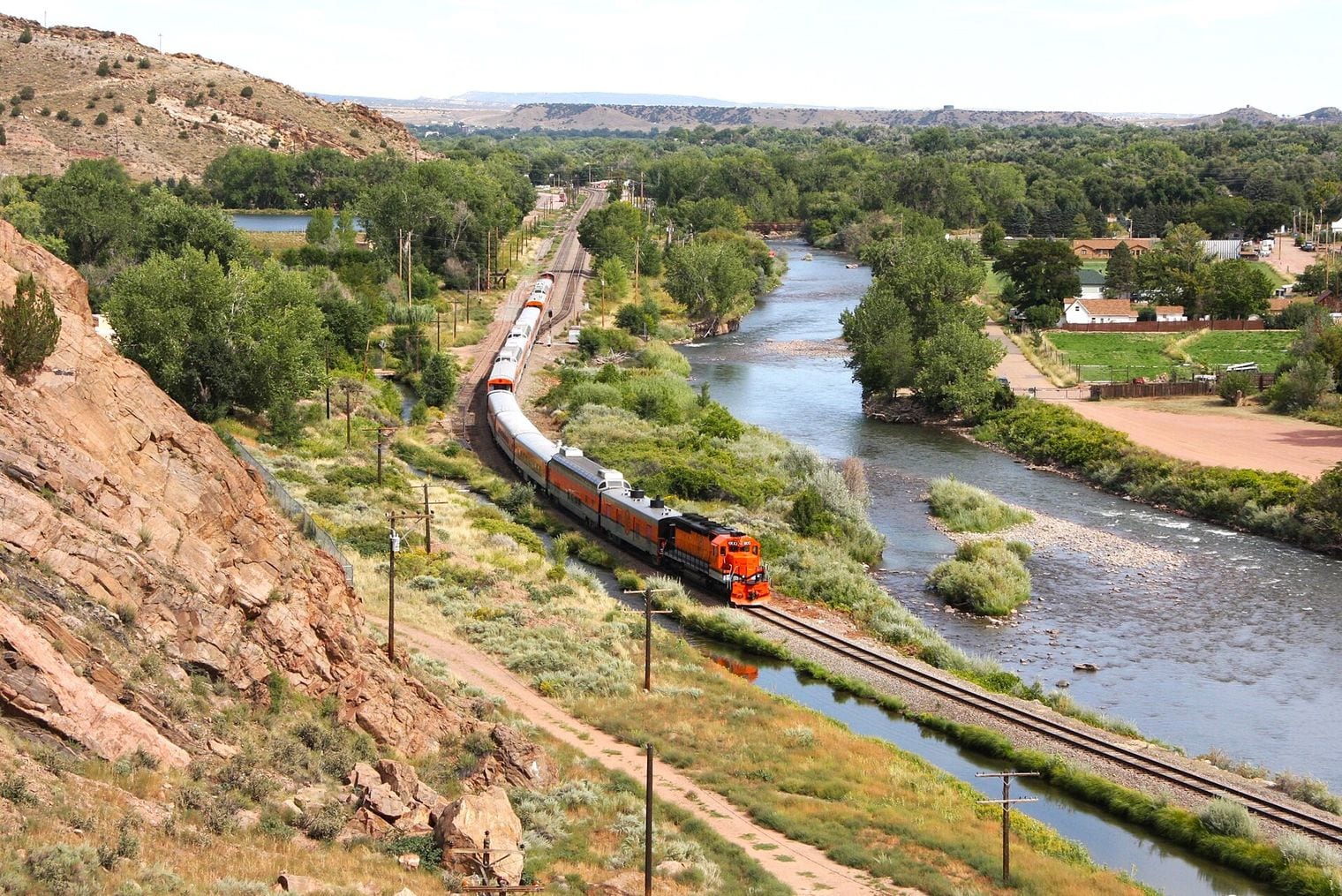
Cañon City is an Arkansas River town at the mouth of the Royal Gorge, and its sights are down on the canyon floor rather than up on the rim. The Royal Gorge Route Railroad runs through the bottom of the gorge, Skyline Drive climbs a narrow hogback ridge above town, and the Museum of Colorado Prisons and the Dinosaur Depot Museum tell the town's other stories.
It's about 2 hours (116 miles) from Denver: I-25 to Colorado Springs, then CO-115 and US-50. Pair it with Royal Gorge Bridge & Park (#19) on the rim above, or loop home through Pueblo (#33) on US-50 and I-25. Summer is rafting season on the Arkansas, and spring and fall are the most comfortable for walking.
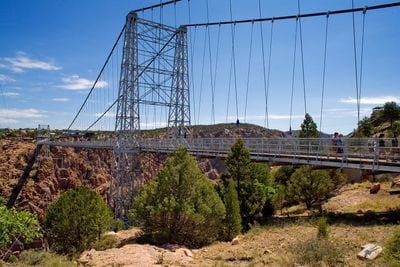
Royal Gorge Bridge & Park is built around a suspension bridge strung more than 950 feet above the Arkansas River, the highest bridge in the United States and the highest in the world from 1929 to 2001. Walk across its wooden planks, ride the aerial gondola over the gorge, fly the Cloudscraper Zip Line or climb the via ferrata on the granite walls.
It's about 2¼ hours (129 miles) to the park visitor center on the gorge rim, by I-25, CO-115 and US-50 past Cañon City (#18). Pair it with the town's railroad along the gorge floor for the view from above and below. The park is open year-round; summer is the busiest season and fall the most comfortable.
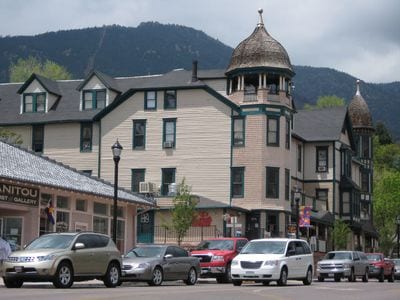
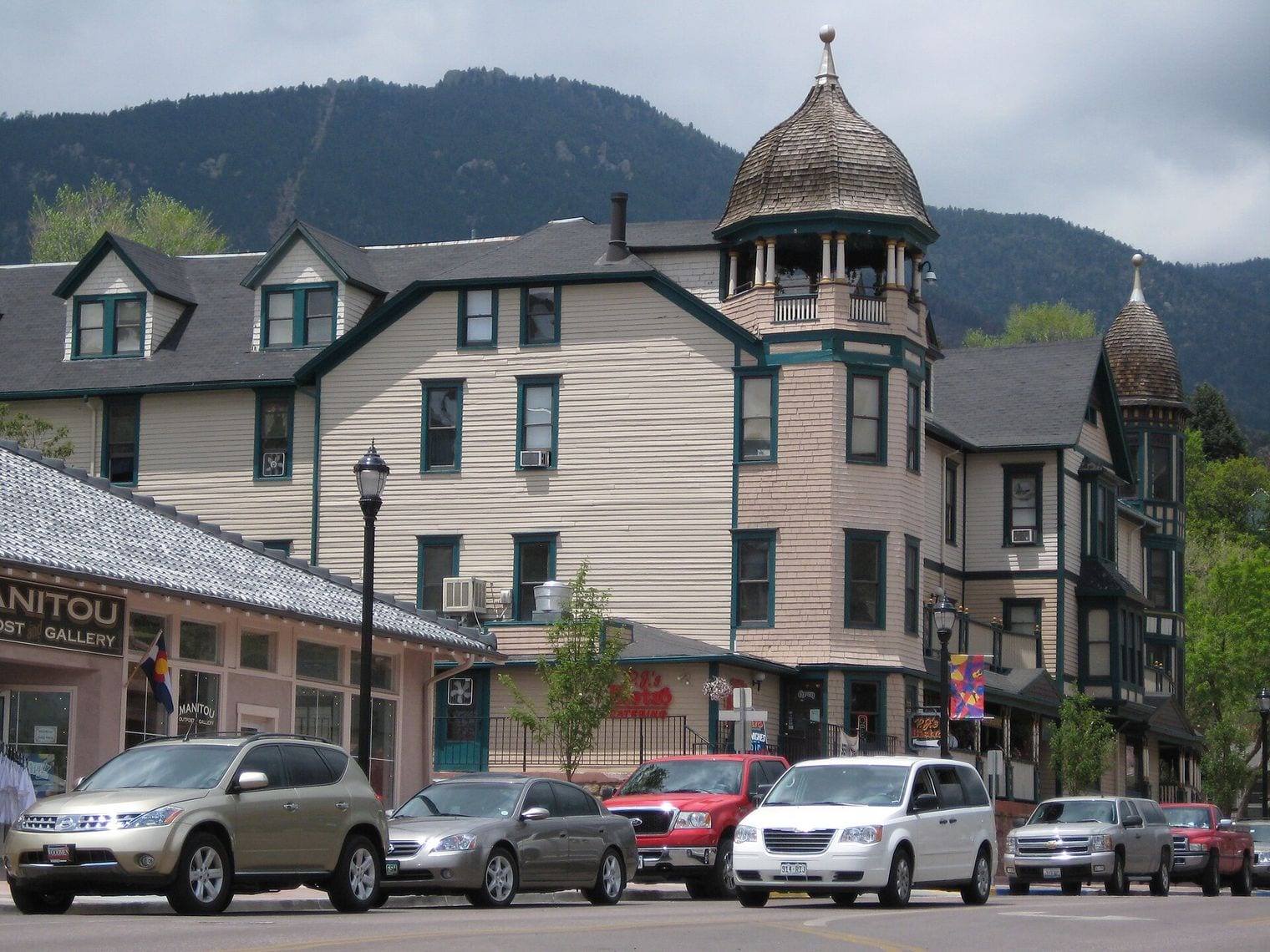
Manitou Springs is a mineral-springs town tucked against the foot of Pikes Peak, with a walkable downtown of shops and public spring-water fountains. It's also the base for some of the region's big outings: the Manitou Incline, a former cable railway that climbs about 2,000 feet in under a mile, the caverns at Cave of the Winds, the Manitou Cliff Dwellings and the Pikes Peak Cog Railway depot.
It's about 1¼ hours (73 miles), south on I-25 to Colorado Springs and west on US-24. Pair it with Garden of the Gods (#3) next door, or with Pikes Peak (#12) by the cog railway. The Incline is free but needs a timed reservation booked online, and summer is the town's busiest season.
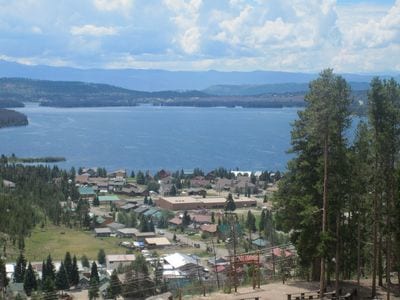
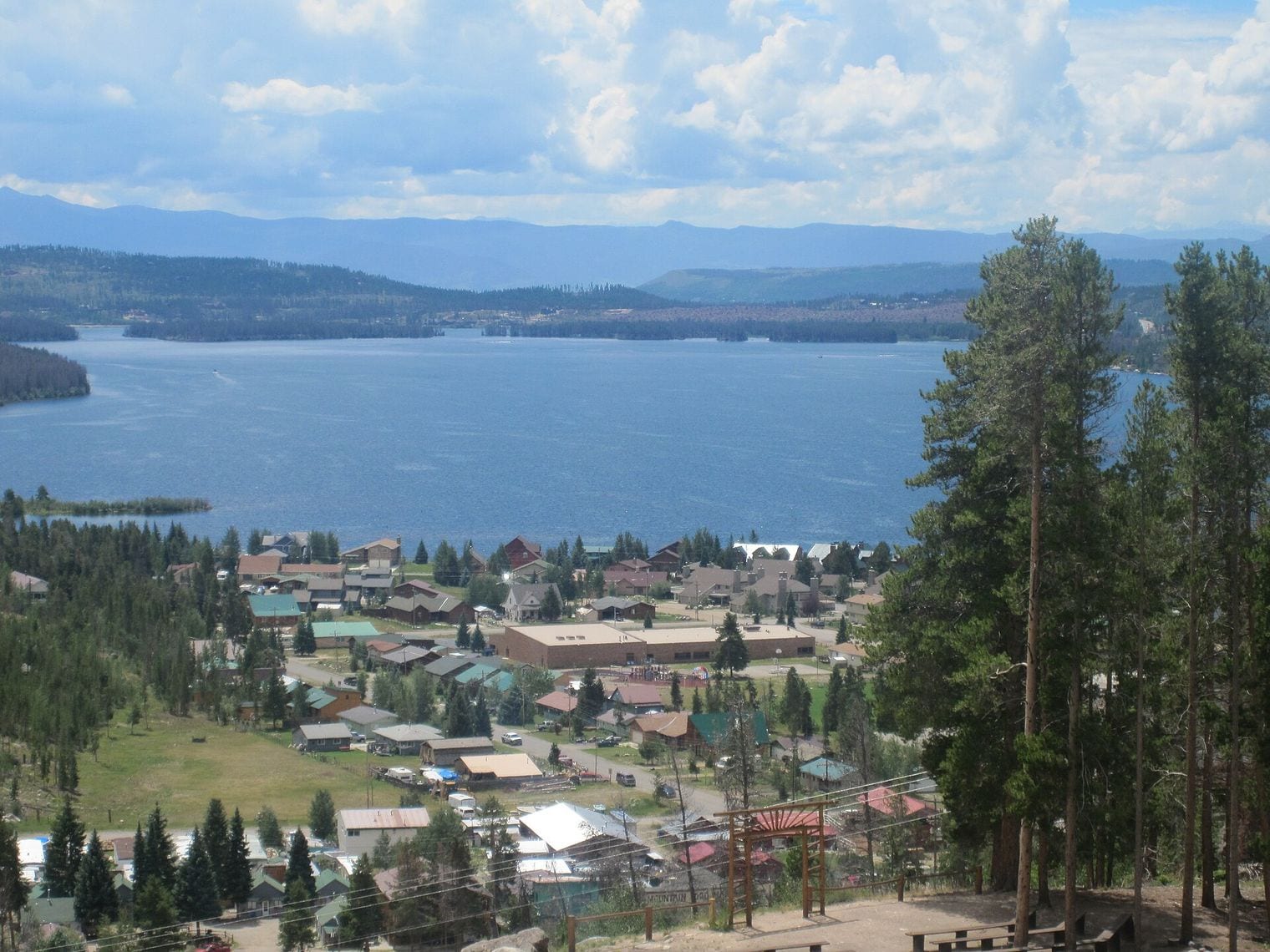
Grand Lake is a village of log storefronts and boardwalks on the shore of Colorado's largest and deepest natural lake, beside the west entrance of Rocky Mountain National Park. Rent a boat on the lake, walk the main street, and drive on to Shadow Mountain Lake and Lake Granby just to the south.
It's about 2 hours (101 miles) from Denver by I-70 and US-40 over Berthoud Pass, which stays open year-round. In summer you can return through the national park (#1) on Trail Ridge Road to Estes Park (#11), one of Colorado's great loop drives. Winter is quiet, with snowmobiling and cross-country skiing, and a night in the village makes the trip far less rushed.
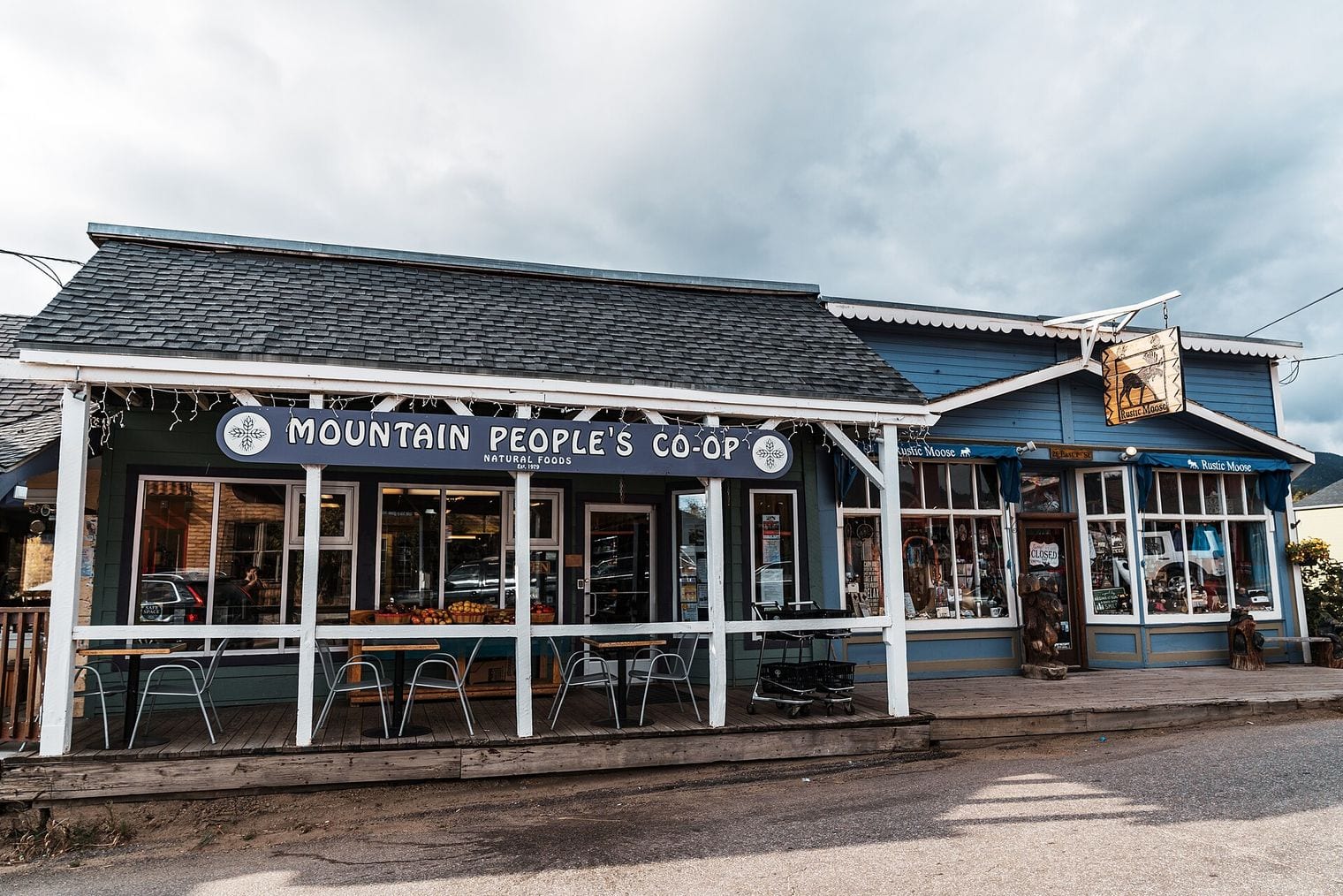
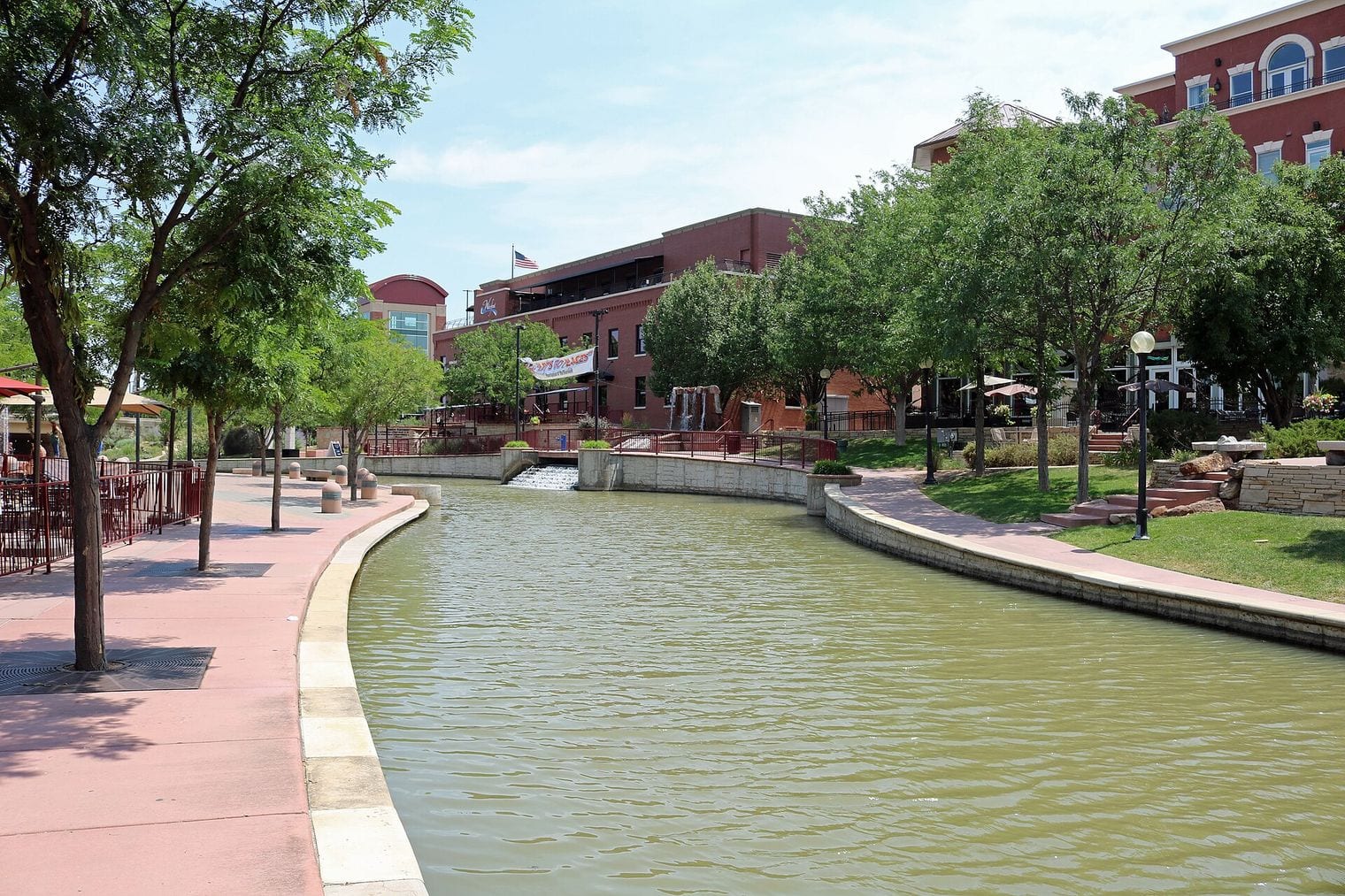
Nederland is a quirky mountain town at the top of Boulder Canyon, beside Barker Meadow Reservoir. Ride the hand-carved animals of the Carousel of Happiness, browse the small downtown, and head west to the Eldora ski area or north on the Peak to Peak Scenic Byway toward Estes Park.
It's about an hour (45 miles) from Denver by way of Boulder (#2) and Boulder Canyon on CO-119. Pair it with an afternoon in Boulder, or follow the Peak to Peak north for the fall aspens. Summer and fall are the best seasons, and Eldora draws skiers in winter.
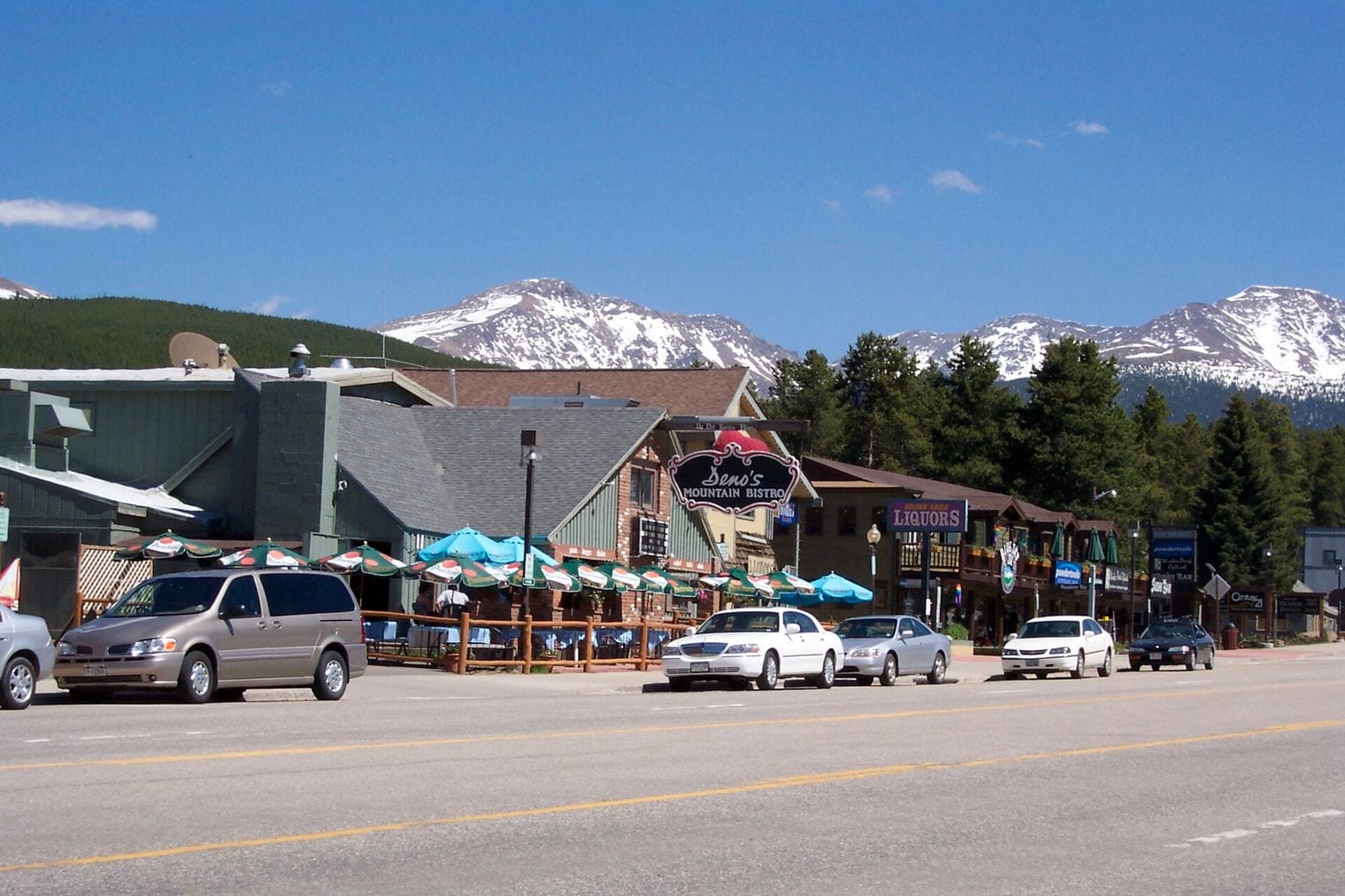
Winter Park is a ski town on the far side of Berthoud Pass, at the head of the Fraser Valley. Winter Park Resort, owned by the City of Denver, has run since the 1939–40 season and turns to lift-served mountain biking and hiking in summer, and the neighboring town of Fraser sits a little farther down the valley.
It's about 1¼ hours (68 miles) west on I-70 and north on US-40 over Berthoud Pass. Pair it with Grand Lake (#21) farther down US-40. Ski season runs through winter and spring, and summer brings bikers and hikers; leave early on winter weekends to beat the I-70 traffic.
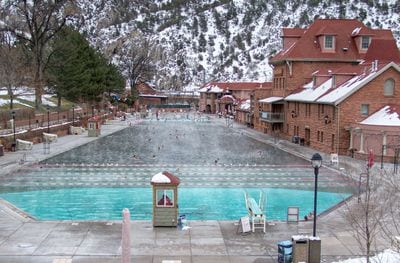
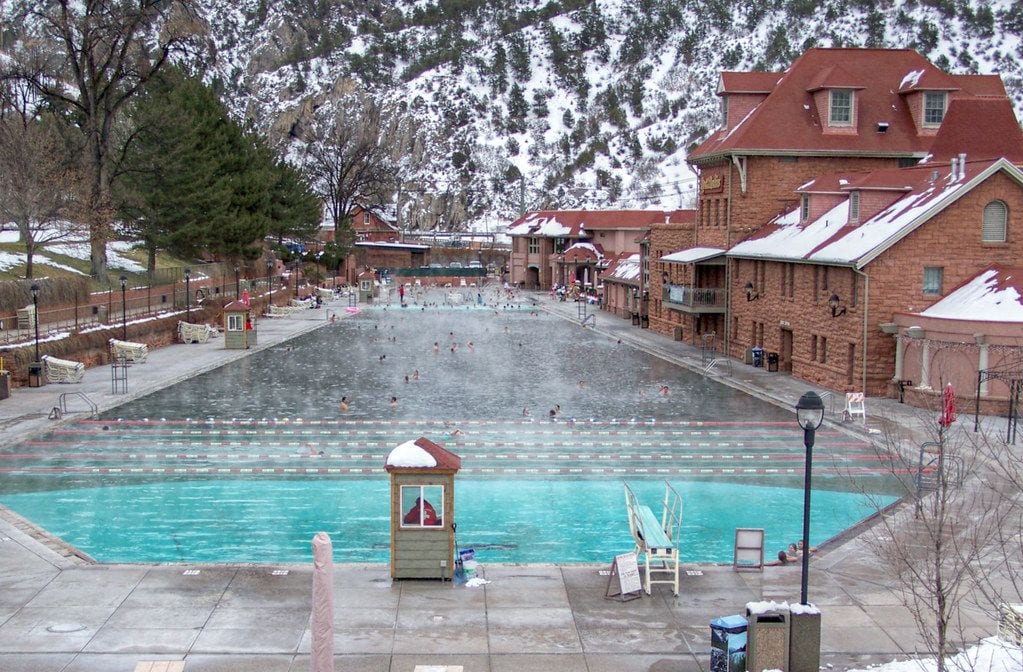
Glenwood Springs is a hot-springs town where the Roaring Fork River meets the Colorado, at the west end of Glenwood Canyon. Swim in the big Glenwood Hot Springs Pool, ride up Iron Mountain to Glenwood Caverns Adventure Park's caves and thrill rides, and walk or cycle the paved path through the canyon.
It's about 2¼ hours (157 miles) west on I-70, and the last stretch runs through Glenwood Canyon, a 12-mile gorge of the Colorado River. The canyon closes at times for rockfall and debris flows, so check COtrip before you go. Pair it with Hanging Lake (#29) in the canyon. It's a long day, so many visitors stay the night; the pools are open year-round and are at their best on a cold winter evening.
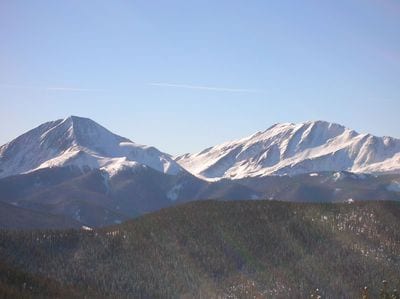
Leadville is the highest incorporated city in the United States, at 10,119 feet, a former silver boomtown whose Victorian main street and mining relics form a National Historic Landmark district. Visit the National Mining Hall of Fame and Museum and look out at Mount Elbert and Mount Massive, the two tallest peaks in Colorado, rising over town.
It's about 1¾ hours (101 miles) from Denver, by I-70 to Copper Mountain and CO-91 over Fremont Pass. Pair it with Frisco (#16) or Breckenridge (#5) on the way, or continue south to Buena Vista (#32) and stay overnight. Summer and early fall are best; winter is cold at this altitude, and the pass can be snowy.
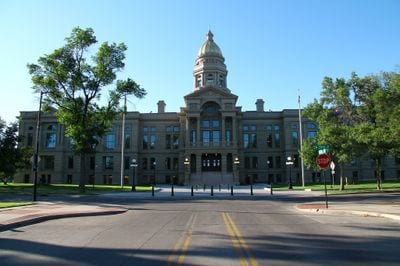
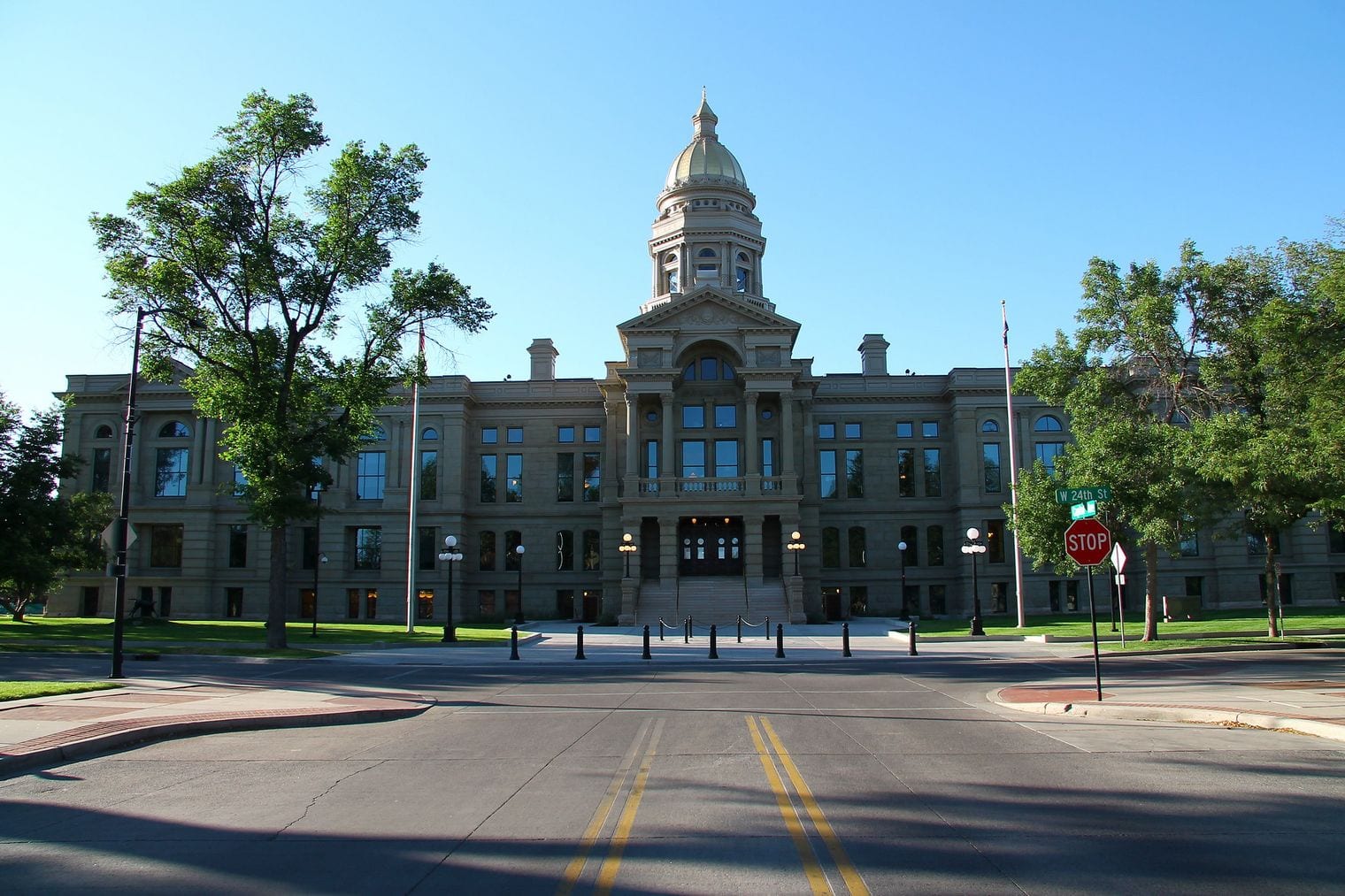
Cheyenne is Wyoming's capital and largest city, founded in 1867 as a stop on the Union Pacific Railroad. Its Western heritage peaks during Cheyenne Frontier Days, a rodeo and festival every July, and the Cheyenne Frontier Days Old West Museum tells that story year-round. The restored Wyoming State Capitol and the Wyoming State Museum anchor downtown.
It's in Wyoming, just over the state line, about 1¾ hours (102 miles) north of Denver on I-25, with no formalities at the border beyond a welcome sign. Pair it with Fort Collins (#4) on the way back. Late July is the busiest time, during Frontier Days; the rest of the year it is an easy, uncrowded drive.
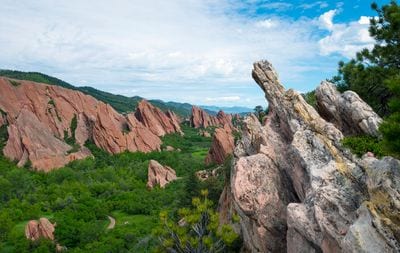
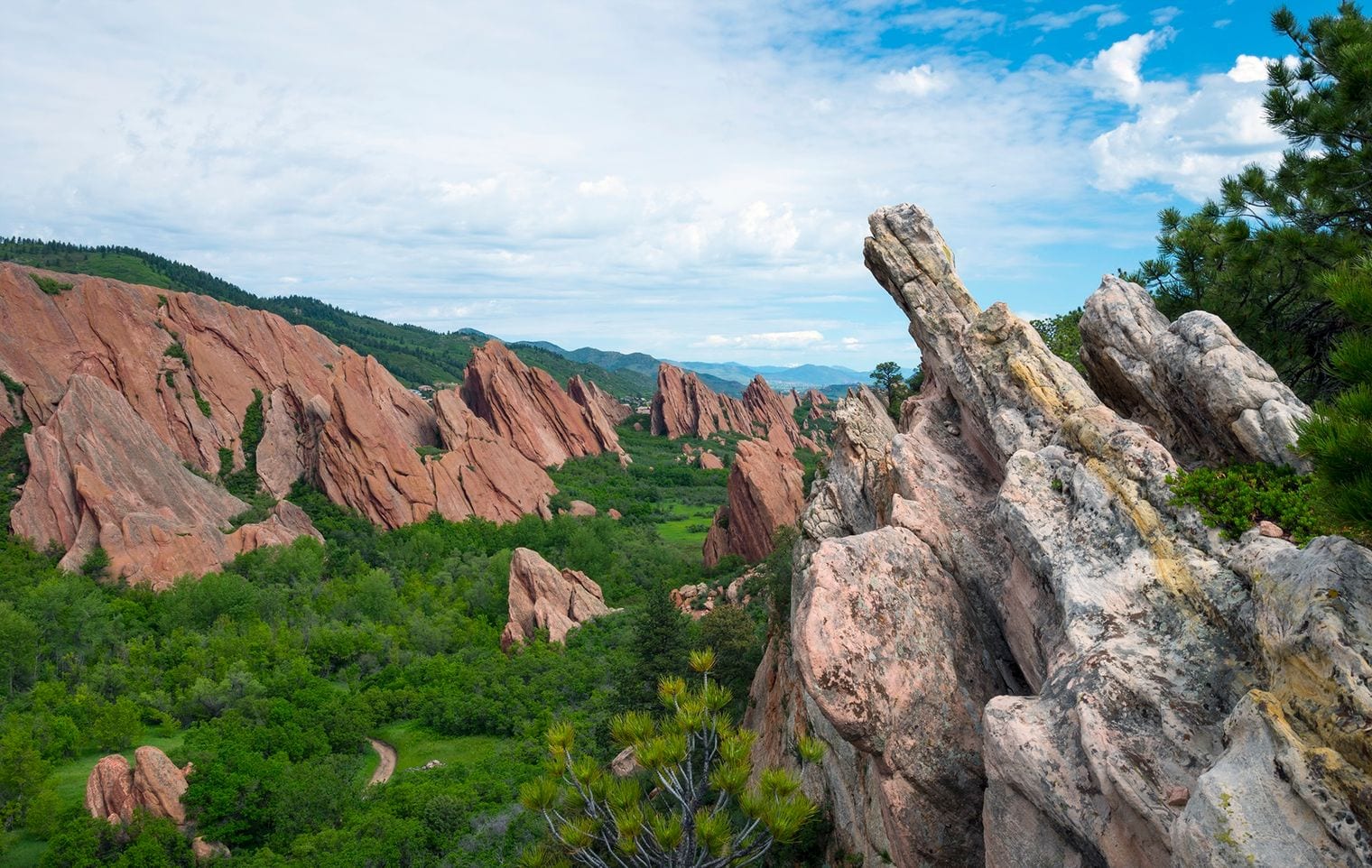
Roxborough State Park protects tilted fins of red sandstone where the plains meet the foothills south of Denver, a quieter cousin of Garden of the Gods. Its day-use trails wind through the rock formations, scrub oak and meadows, and the park has been a National Natural Landmark since 1980.
It's about 50 minutes (37 miles) south of Denver through the southern suburbs, an easy half day that pairs with Red Rocks (#6) on the same side of the metro. A Colorado state parks pass or daily vehicle pass is required. Spring and fall are the best seasons, and summer mornings beat the afternoon heat and storms.
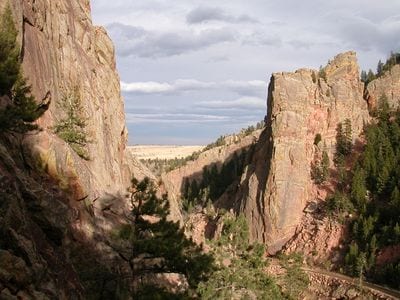
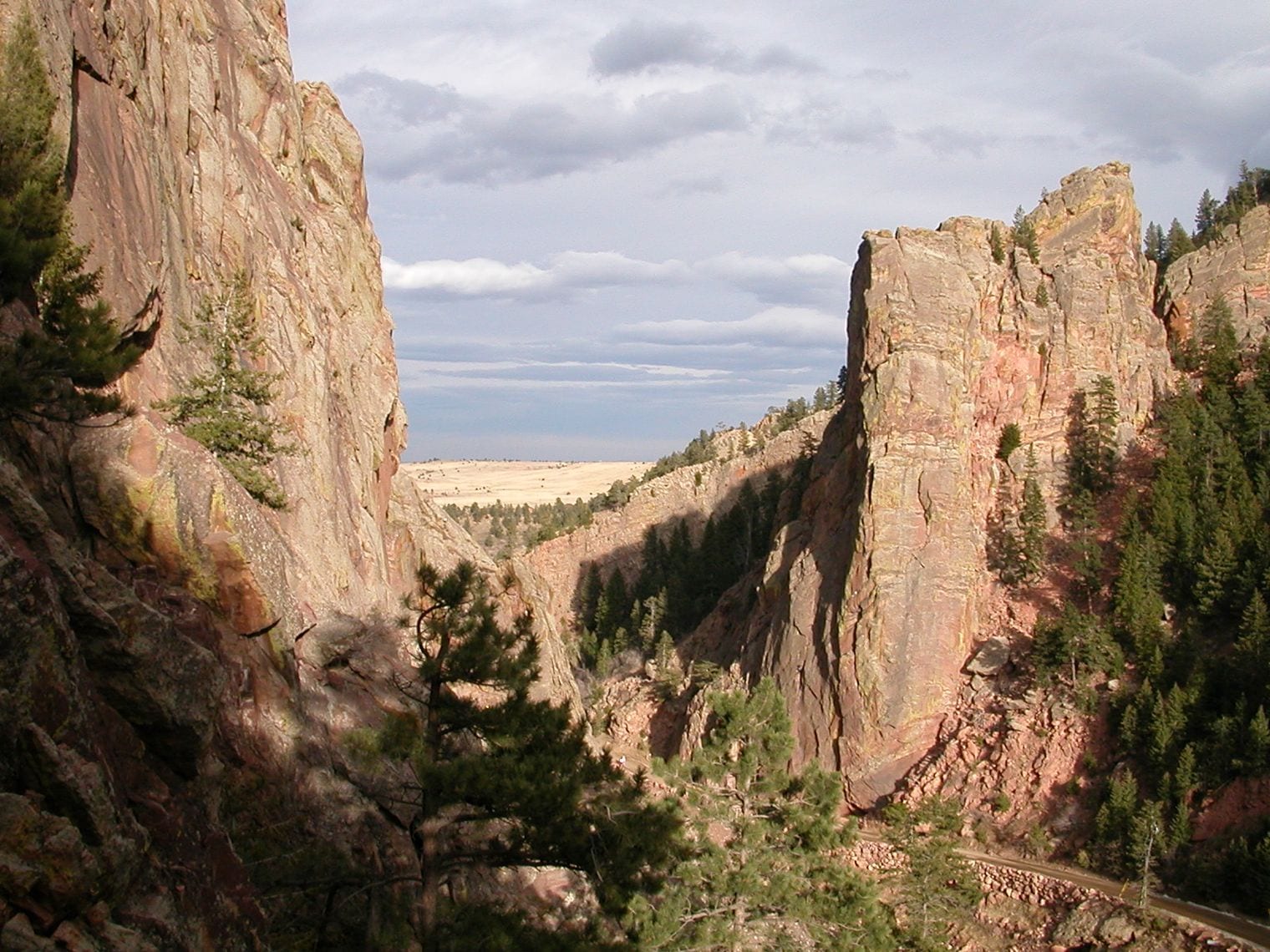
Eldorado Canyon State Park is a narrow canyon of sheer sandstone walls just south of Boulder and one of Colorado's classic rock-climbing areas. Even without a rope it's worth the trip: South Boulder Creek runs through the inner canyon, and trails climb to views of the Continental Divide.
It's about 45 minutes (35 miles) northwest of Denver, through Boulder (#2) or by CO-93 and CO-170. Timed vehicle-entry reservations are needed on summer weekends and holidays, and the park closes at dusk, so go early. Spring and fall are the best seasons for climbing and hiking.
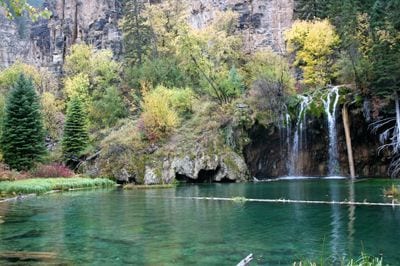
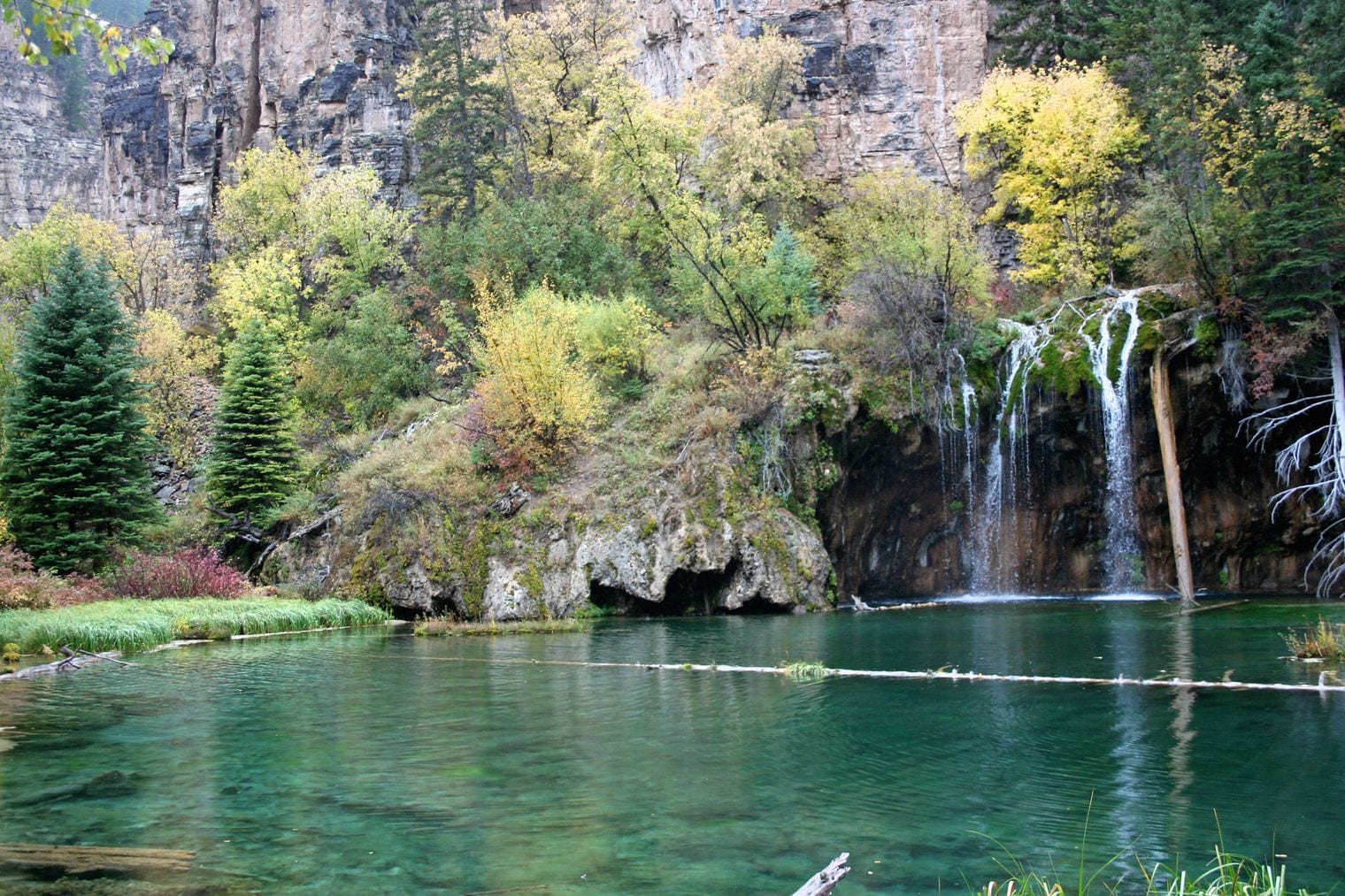
Hanging Lake is a small turquoise lake held on a travertine ledge high in Glenwood Canyon, fed by waterfalls that spill over the cliff above it, including Spouting Rock. The steep trail up Dead Horse Creek climbs about 1,000 feet in just over a mile, and it is one of Colorado's best-known short hikes.
It's about 2¼ hours (156 miles) west on I-70, the longest trip on this list, and you need a paid permit, booked ahead, to hike. The road runs through Glenwood Canyon, which closes at times for rockfall and debris flows, so check COtrip before you set out. Pair it with Glenwood Springs (#24) and its hot springs, or stay the night there. Late spring through fall is the most comfortable season for the climb.
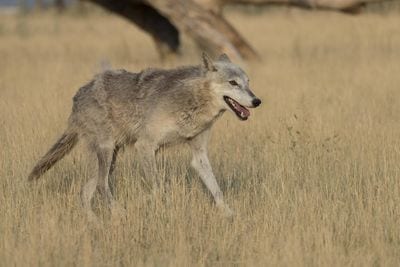
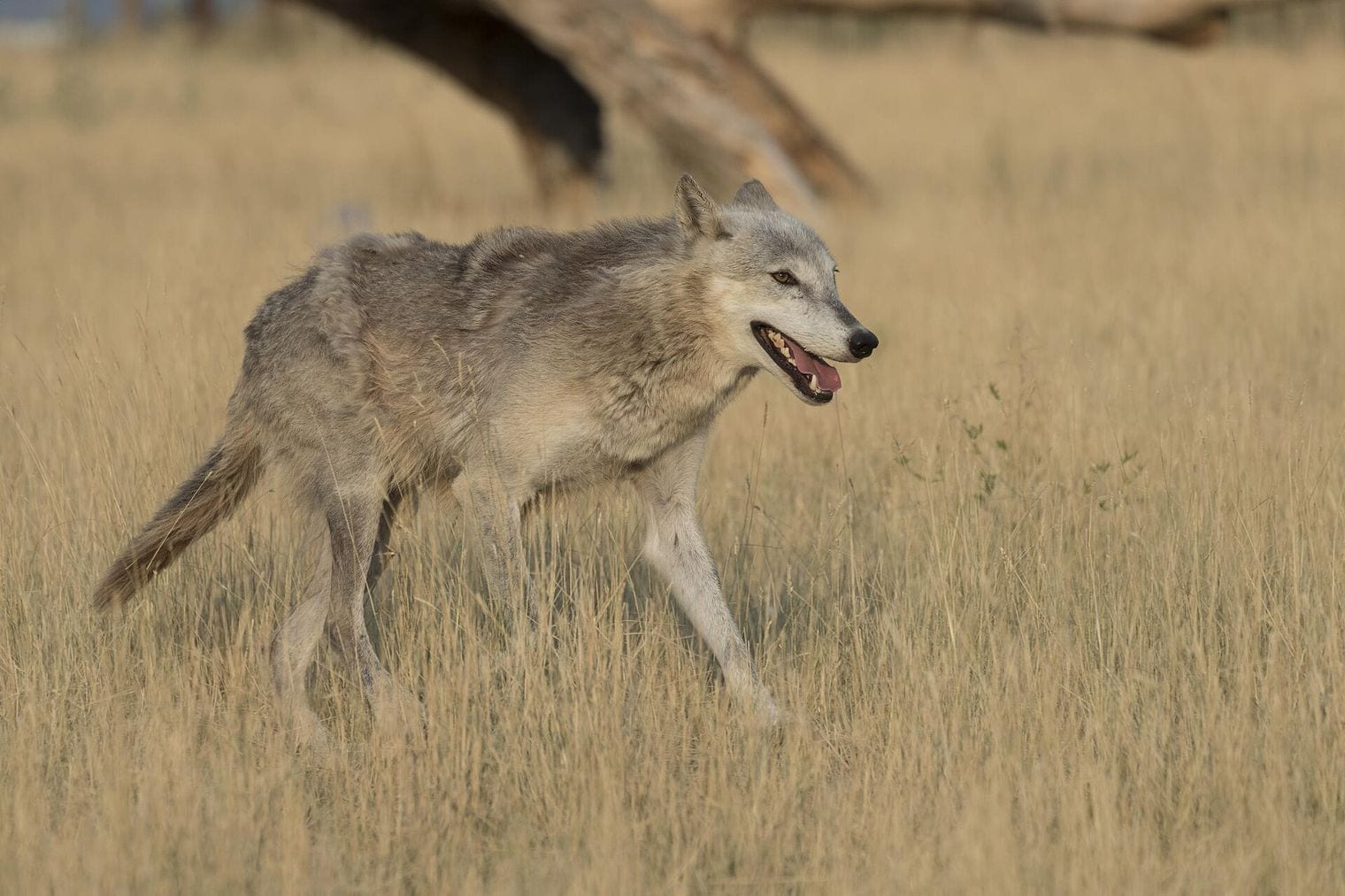
The Wild Animal Sanctuary near Keenesburg is a refuge for rescued lions, tigers, bears, wolves and other large carnivores, many taken from owners who could no longer care for them. Instead of cages, the animals live in large grassland habitats, and visitors watch them from 1.5 miles of elevated walkways above the enclosures.
It's about an hour (40 miles) northeast of Denver on I-76, out on the plains. It makes a half day on its own, and paid admission supports the sanctuary. Spring and fall are the most comfortable seasons, and in summer the cooler morning hours are the best time to walk.
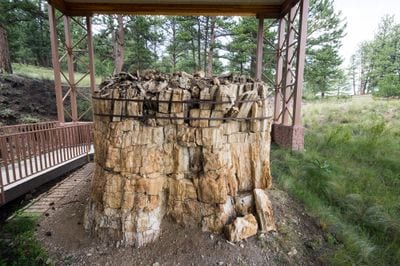
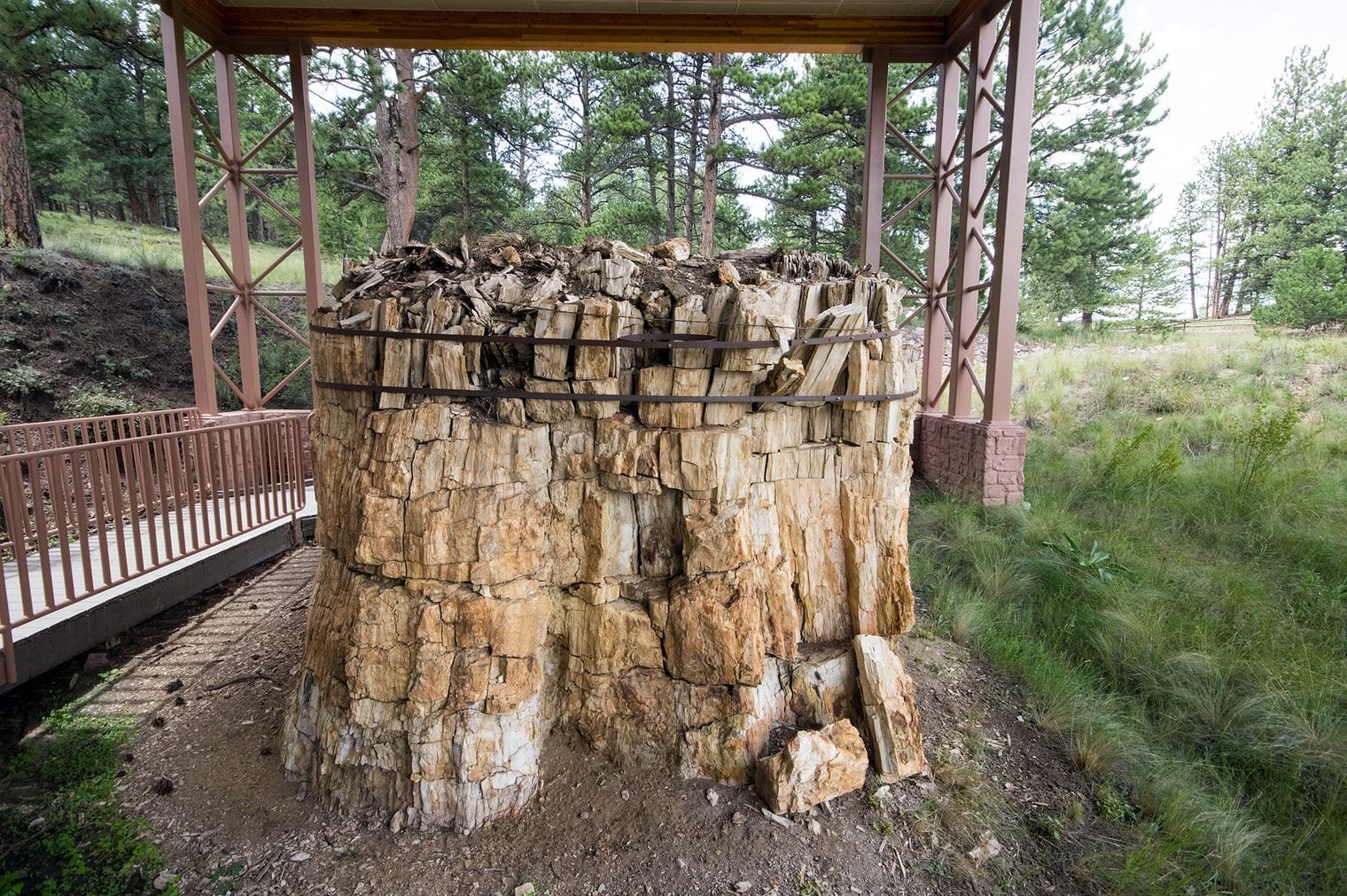
Florissant Fossil Beds National Monument preserves an ancient lake bed where volcanic ash buried plants and insects about 34 million years ago. The highlights are giant petrified redwood stumps beside the trails, and the visitor center displays fossil leaves and insects preserved in fine detail.
It's about 1¾ hours (103 miles) from Denver, by I-25 to Colorado Springs and west on US-24 through Woodland Park. Pair it with Pikes Peak (#12) or the old gold town of Cripple Creek to the south. Summer and early fall are best, and the high meadows can be snowy in winter.
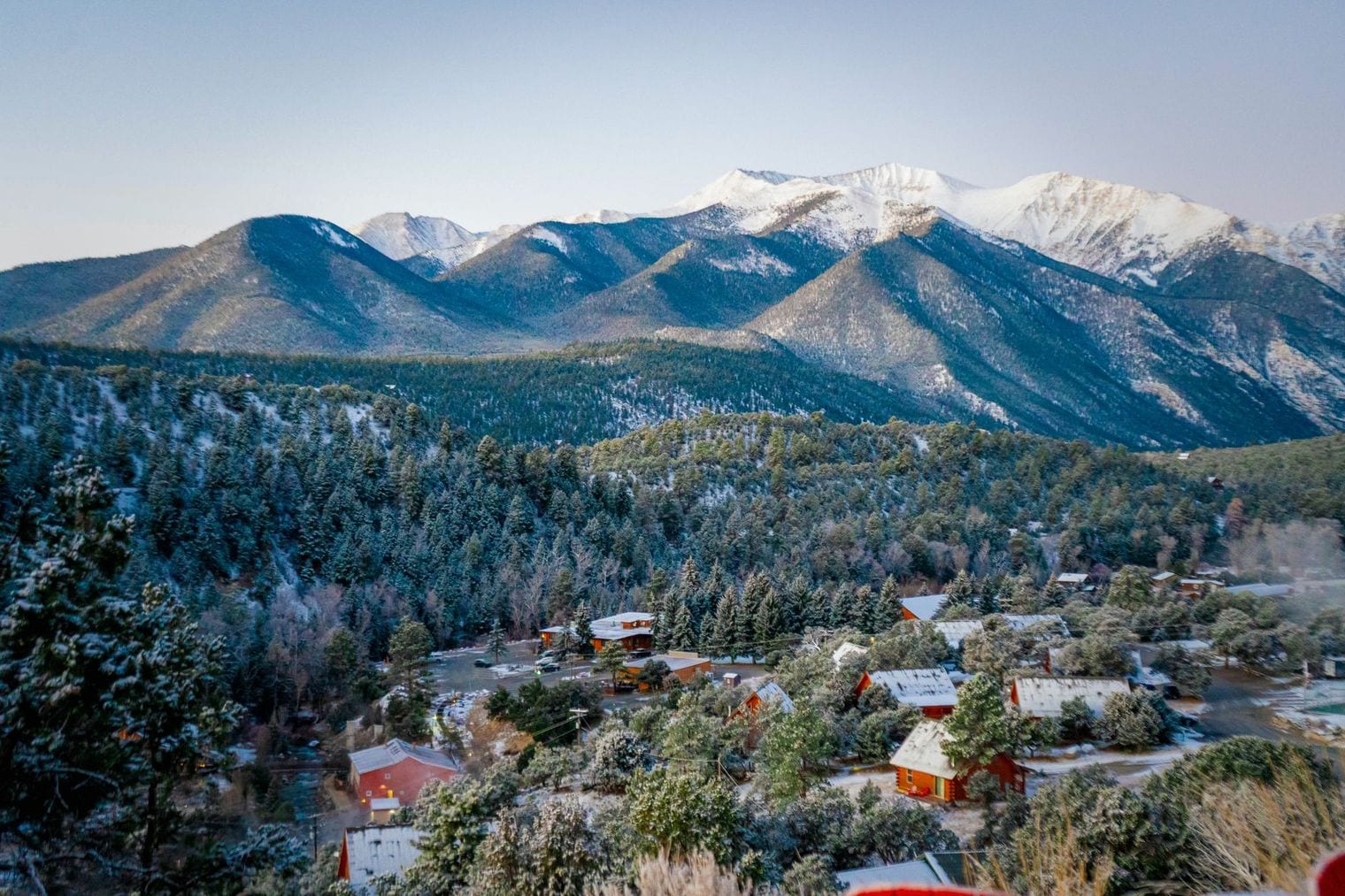
Buena Vista is a river town in the Upper Arkansas Valley, beneath the Collegiate Peaks. Raft the Arkansas through Browns Canyon, soak at Mount Princeton Hot Springs and, in summer, drive over Cottonwood Pass to the Continental Divide.
It's about 2¼ hours (122 miles) southwest of Denver on US-285, over Kenosha and Trout Creek passes through South Park. Pair it with Leadville (#25) up the valley, or make it an overnight trip. Summer is rafting season, and Cottonwood Pass closes in winter.
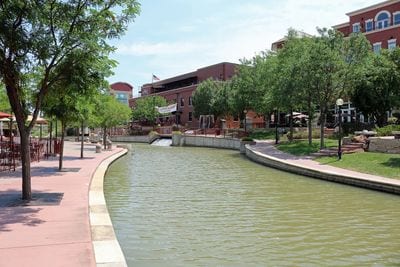
Pueblo is a steel city on the Arkansas River, with less snow than the other big Front Range cities. Walk the Historic Arkansas Riverwalk downtown, boat or fish at Lake Pueblo State Park west of town, and taste the city's own variety of green chile.
It's about 1¾ hours (114 miles) south on I-25. Pair Pueblo with Cañon City (#18) or the Royal Gorge (#19) to the west. Late summer and early fall bring the chile harvest, and its milder winters make it a good cold-season trip.
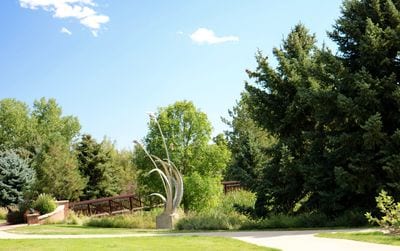
Loveland is a Front Range city known for its public art and for its Valentine Re-mailing Program, which has stamped cards sent through the Sweetheart City since 1947. Benson Sculpture Garden displays sculptures across a park, and US-34 heads west through Big Thompson Canyon toward Estes Park.
It's about an hour (52 miles) north on I-25. Pair it with Fort Collins (#4) to the north, or drive Big Thompson Canyon to Estes Park (#11) and return by US-36 to make a loop. February brings the valentines, and summer and fall suit the canyon drive.
Keystone is a Summit County ski town, incorporated in 2023, with Keystone Resort's runs spreading across three mountains above the Snake River. In summer the River Run Gondola carries sightseers and mountain bikers to the top of Dercum Mountain, and Lake Dillon lies just down the road.
It's about 1¼ hours (70 miles) west on I-70 and US-6, past Dillon. Pair it with Frisco (#16) or Breckenridge (#5), or continue up US-6 to Arapahoe Basin. Winter is ski season, and in summer the gondola and the lake make it a cool escape from the city.
Plan your trip
Best Time for Denver Day Trips
Summer, from late June to early September, opens the high country. Trail Ridge Road in Rocky Mountain National Park, the summit road on Mount Blue Sky, Guanella Pass above Georgetown and Cottonwood Pass above Buena Vista are all open, and the mountain towns fill with festivals and wildflowers.
It is also the season of timed entry, for the national park, Mount Blue Sky, the Pikes Peak Highway and weekend visits to Eldorado Canyon, and of afternoon thunderstorms above treeline, so book ahead and start early.
September and early October are the favorite. Aspens turn gold along the Peak to Peak Scenic Byway and over Kenosha and Guanella passes, elk bugle in the meadows of the park and in Estes Park, and the summer crowds thin.
Winter is ski season in Breckenridge, Keystone, Vail and Winter Park, but I-70 slows to a crawl on weekends, Colorado's traction law can require snow tires or chains, and the highest roads close until summer. Spring brings mud and late snow to the mountains, which makes it the time for the red-rock parks and the plains: Garden of the Gods, Roxborough, Pueblo and The Wild Animal Sanctuary.
Getting to Denver
Most visitors fly into Denver International Airport (DEN), one of the busiest airports in the world, on the plains northeast of the city, and pick up a car there; a commuter rail line also links the airport with Union Station downtown, where Amtrak's California Zephyr stops.
Denver sits where I-70, which runs west into the mountains and east across the plains, crosses I-25, the north-south road along the Front Range from Wyoming to Colorado Springs and Pueblo. US-36 heads northwest to Boulder and Estes Park, US-285 southwest toward South Park and Buena Vista, and I-76 northeast onto the plains.
Getting Around on Denver Day Trips
A car is the way to do almost every trip on this list. The towns, parks and passes sit off I-70, I-25, US-36 and US-285, and trailheads, scenic byways and summit roads need your own wheels. In winter, carry snow tires or chains for I-70 and the passes, and avoid the westbound rush toward the ski towns on weekend mornings and the eastbound return in the afternoon.
Without a car, the choice is narrower. Guided day tours from Denver run to Rocky Mountain National Park, to Pikes Peak and Garden of the Gods, to Red Rocks and Golden, and to Mount Blue Sky.
The Winter Park Express ski train runs from Union Station to Winter Park on weekends in ski season, the one rail day trip from the city, and the state's Bustang coaches link Denver with Fort Collins, Loveland, Colorado Springs and I-70 towns as far as Glenwood Springs, though not with the parks themselves.
Where to Stay for Denver Day Trips
For most of this list, base yourself in Denver and come home each night: almost every trip here is two hours or less each way, and the city's highways point straight at them. Staying downtown or near Union Station keeps you close to I-25, I-70 and the tour pickups, and the west side of the metro trims the mountain drives. For the days you stay put, see our guide to things to do in Denver.
The far trips reward a night away. Sleep in Glenwood Springs for Hanging Lake and the hot springs, in Buena Vista or Leadville for the Upper Arkansas Valley, in Cañon City for the Royal Gorge, in Grand Lake to drive Trail Ridge Road back in the morning, or in Breckenridge or Vail to stay clear of the I-70 traffic.
Colorado Springs makes a good base for the Pikes Peak region, and many of these mountain towns also appear in our guide to the best small towns in Colorado.
Free Things to Do on Day Trips from Denver
Many of the best days out cost nothing but fuel. Garden of the Gods is free, and so are Red Rocks Park and Amphitheatre and its parking on non-concert days. The trails under the Flatirons at Chautauqua Park and the Pearl Street Mall in Boulder are free, the Manitou Incline costs nothing but needs a free reservation, and Manitou Springs' public mineral springs are free to taste.
Golden's Clear Creek path, the shore of Lake Dillon in Frisco, Main Street in Breckenridge and the Benson Sculpture Garden in Loveland cost nothing too. The national park, the scenic summit roads, the state parks and most attractions charge for entry or need a pass.
Rocky Mountain National Park is the classic day trip from Denver: alpine lakes, elk meadows and Trail Ridge Road, the highest continuous paved road in the United States, about 1¼ hours away. Boulder is the easiest half day out, and Garden of the Gods, with Pikes Peak rising behind its red rocks, is the best trip to the south.
What are the closest day trips from Denver?
Golden is the closest, about 20 minutes west, and Red Rocks Park and Amphitheatre is about 25 minutes away; together they make a half-day loop over Lookout Mountain. Boulder, Evergreen and Idaho Springs are each about 35 minutes out, and Central City, Georgetown and Eldorado Canyon State Park are within about 45 minutes.
What is the longest day trip on this list?
Hanging Lake in Glenwood Canyon is the longest, about 2¼ hours (156 miles) one way, and it needs a paid permit booked ahead. Glenwood Springs, the Royal Gorge Bridge and Buena Vista are about as far, so plan on four and a half hours or more in the car, start early, or stay the night.
Can you do Great Sand Dunes or Aspen as a day trip from Denver?
Not comfortably. Great Sand Dunes National Park is about 4¼ hours each way by road and Aspen just over 3 hours, so both work better as overnight trips, which is why neither is on this list. For red rock and mountain views in a day, try Garden of the Gods and Pikes Peak; for a mountain resort town, Breckenridge or Vail.
Can you take day trips from Denver without a car?
A few. The Winter Park Express ski train runs to Winter Park on ski-season weekends, Bustang coaches reach Fort Collins, Colorado Springs and Glenwood Springs, and guided day tours from Denver cover Rocky Mountain National Park, Pikes Peak and Garden of the Gods, Red Rocks and Golden, and Mount Blue Sky. For the parks, passes and small towns, plan on a car.
Do you need a tour for day trips from Denver?
No. Every trip here works as a self-drive day on paved roads. A guided day tour from Denver helps if you would rather not drive mountain roads or juggle the timed-entry reservations; they run to Rocky Mountain National Park, Pikes Peak and Garden of the Gods, Red Rocks and Golden, and Mount Blue Sky.
Do you need a reservation for Rocky Mountain National Park?
In summer and early fall, yes, for most of the day: the park uses timed-entry reservations, booked online through Recreation.gov, and the Bear Lake Road corridor has its own, longer reservation hours. Outside the reserved hours and season, a park pass is enough. Check the National Park Service website for the current dates before you go.
When is the best season for day trips from Denver?
Late June to early October is the best stretch: the high roads and passes are open, and September adds golden aspens and thinner crowds. Winter suits the ski towns and the hot springs at Glenwood Springs and Idaho Springs, and spring is good for the red-rock parks and the plains while the high country is still snowy.
Sources & updates
How this guide was checked
Checked before launch
Sources cited
35
Publishers
31
Drive times on this page are routed, not estimated, and any train or ferry time comes from the operator’s timetable. Before publication, each destination was checked to be open, along with its season and any timed entry.
A PDF with a box to tick for every place. Confirm your email to download it, and get one email every Thursday with our newest guides for the places you tick.
Free Denver day trips printable checklist
All 35 places in one PDF
Tick them off as you go. Confirm your email to download it, plus one email every Thursday with new guides for the places you tick.
We use cookies to analyse site traffic and improve your experience.
You can accept or reject analytics cookies. See our
May we use analytics cookies? See ourCookie Policy.