We may earn a commission if you book tickets, tours or a stay through a link on
this page, at no extra cost to you. It never affects which places we list or how
we rank them (how we make money).
Short answer
Start with Ouray for its hot springs and Victorian Main Street walled in by the San Juan Mountains, Telluride for its box canyon, free gondola and Bridal Veil Falls, and Crested Butte for its painted Elk Avenue and summer wildflowers. Most towns on this list fill a relaxed day, while Ouray, Telluride and Crested Butte each deserve a weekend.
Colorado's mountain towns were built by the rush for gold and silver, and many still wear it proudly: Victorian main streets in box canyons, narrow-gauge railroads, old opera houses and hot springs that once soothed tired miners. Today they are bases for skiing, rafting, hiking and some of the most dramatic drives in the Rocky Mountains.
This guide ranks 30 of the best, each home to fewer than 50,000 people at the 2020 census, from Ouray to Cripple Creek. Most fill a relaxed day, several are easy trips from Denver, and Ouray, Telluride and Crested Butte each deserve a weekend.
Steamboat Springs has produced more Winter Olympians than any other town in North America, many of them trained on Howelsen Hill, the ski jumping and race hill right in town.
Paonia is named after the peony: settler Samuel Wade, who brought peony roots with him in 1881, proposed the flower's Latin name, Paeonia, and the post office dropped the extra vowel.
Robert Ford, the man who killed Jesse James, was shot dead in his own tent saloon in Creede in June 1892, three days after a fire destroyed most of the town's business district.
Doc Holliday died in Glenwood Springs in November 1887, aged 36, after arriving in town badly ill with tuberculosis and taking a room at a hotel near the hot springs.
A hydroelectric plant built in 1907 sits atop Bridal Veil Falls above Telluride; restored in the early 1990s, it still supplies roughly a quarter of the town's electricity.
Colorado is the Centennial State because it joined the Union on August 1, 1876, four weeks after the United States celebrated its 100th birthday.
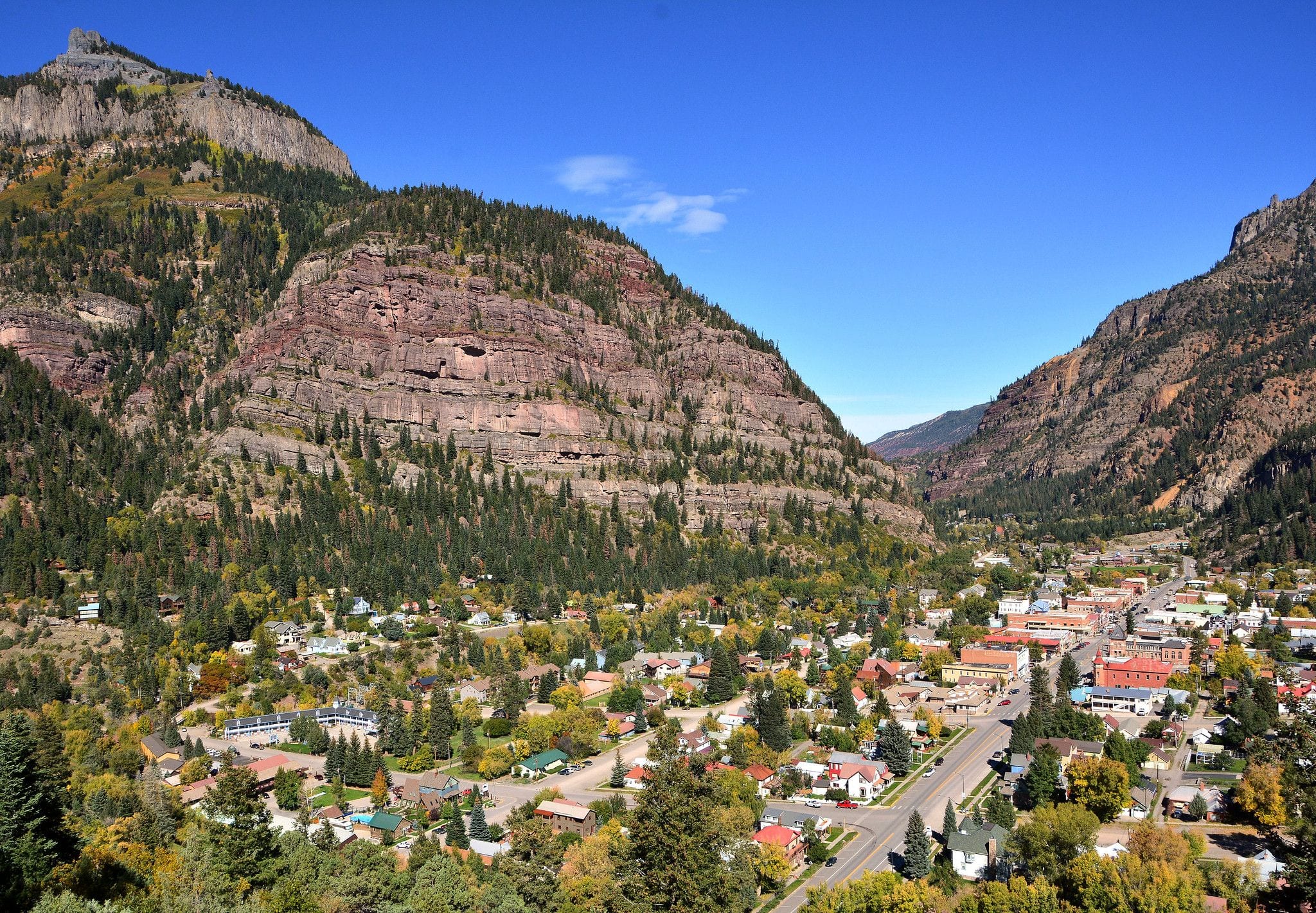
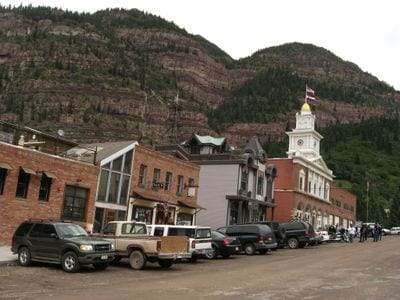
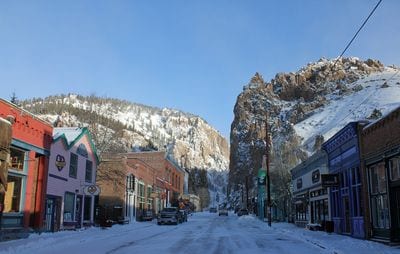
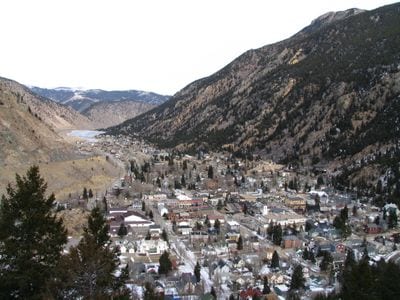
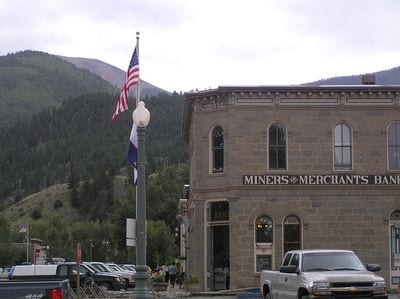
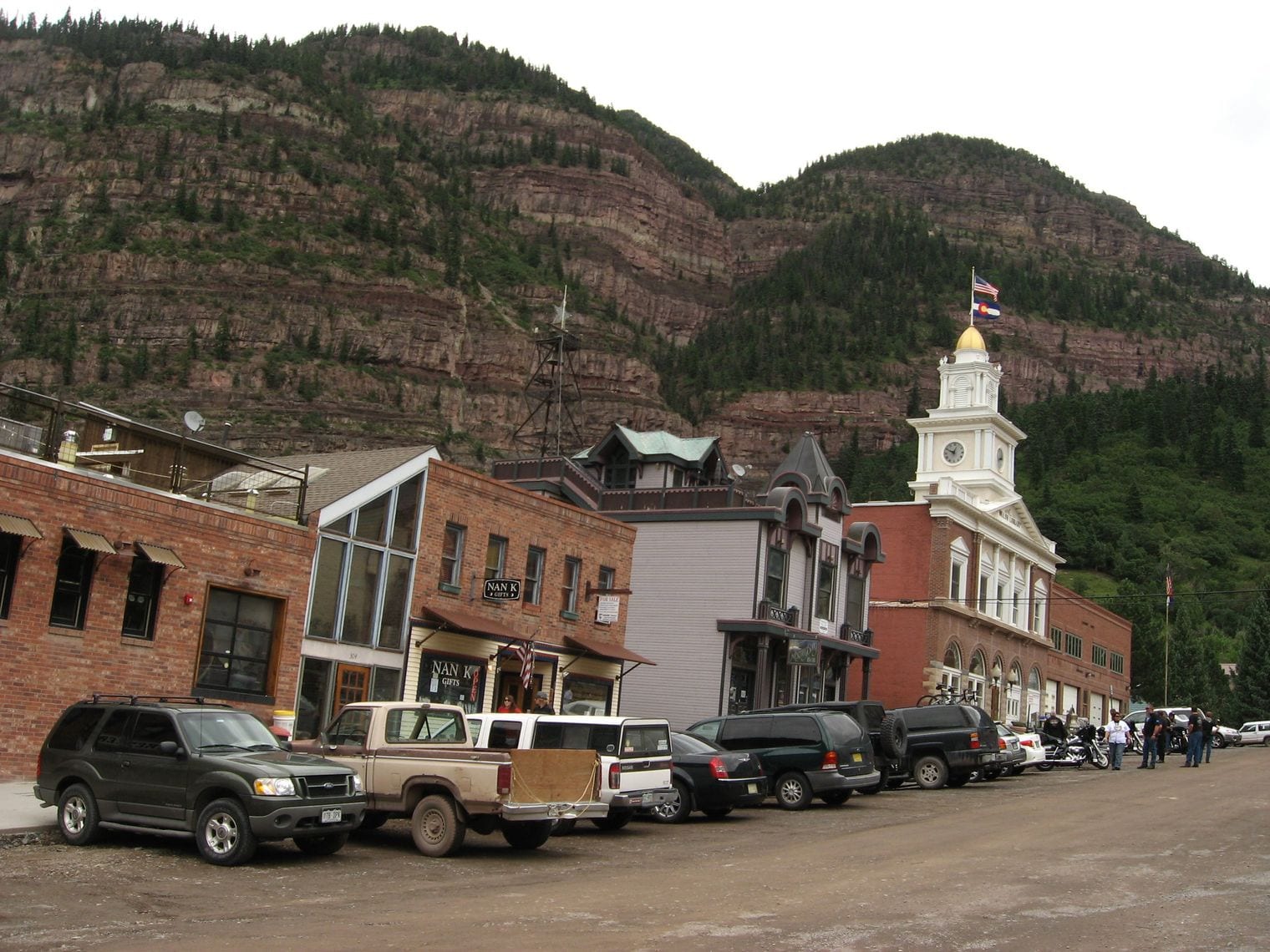
Hemmed in on three sides by the steep peaks of the San Juan Mountains, Ouray earns its old nickname, the Switzerland of America, within minutes of arrival. Prospectors came looking for silver and gold in 1875, the town was incorporated a year later, and its entire Main Street is now a National Historic District of brick and stone buildings from the late 19th century, set at about 7,800 feet.
Soak in the Ouray Hot Springs Pool, then walk into Box Cañon Falls, where the water thunders through a narrow slot in the rock. In winter, the Ouray Ice Park, billed as the world's first ice-climbing park, farms dozens of frozen waterfalls along the Uncompahgre Gorge, and in summer jeep roads climb to ghost towns and alpine basins.
South of town, US 550, the Million Dollar Highway, climbs through the gorge toward Red Mountain Pass, with steep cliffs, hairpin curves and no guardrails on some stretches.
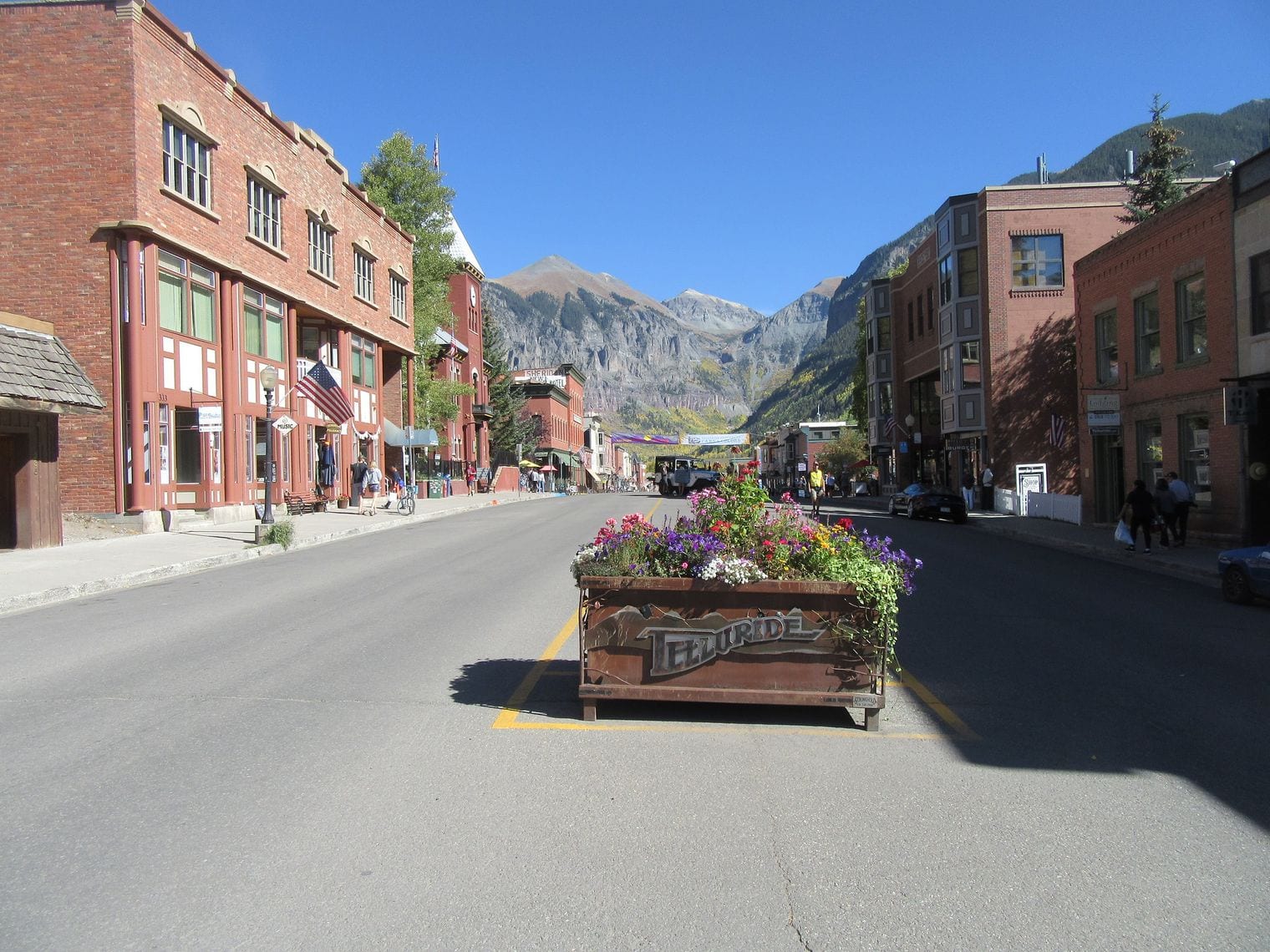
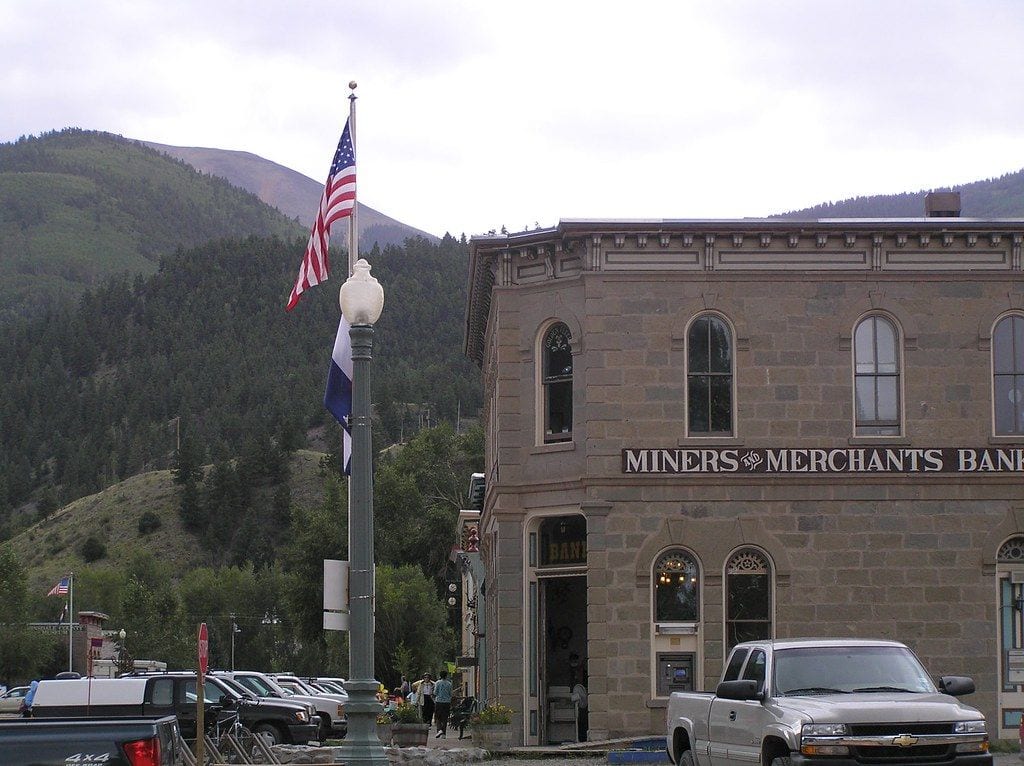
At the head of a box canyon in the western San Juan Mountains, Telluride is ringed by cliffs and forested slopes, with Bridal Veil Falls, a 365-foot waterfall, closing off the far end of the valley. Founded in 1878 as a mining camp, the town is now a National Historic Landmark district, and it was here in 1889 that a young Butch Cassidy robbed the San Miguel Valley Bank, his first major recorded crime.
Ride the free gondola over the ridge to Mountain Village for the views alone, then follow the trail up the valley toward Bridal Veil Falls, past the ruins of old mines that dot the hillsides. Winter belongs to the ski slopes above town, while summer brings a packed festival calendar headlined by the Telluride Bluegrass Festival and the Telluride Film Festival, both held since 1974. Colorado Avenue, the main street, is lined with restored Victorian storefronts beneath the peaks.
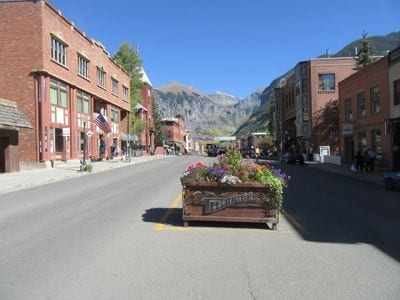
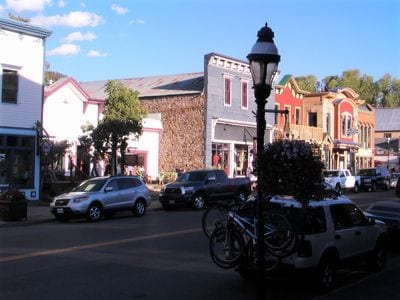
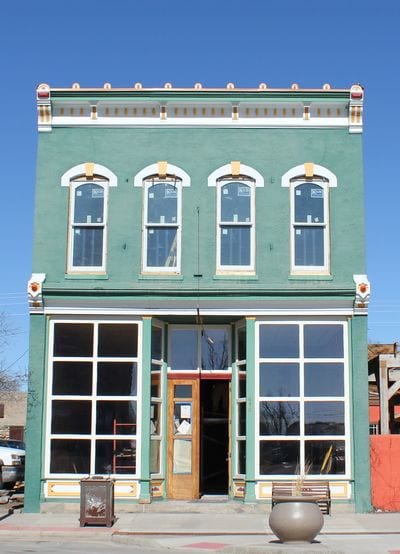
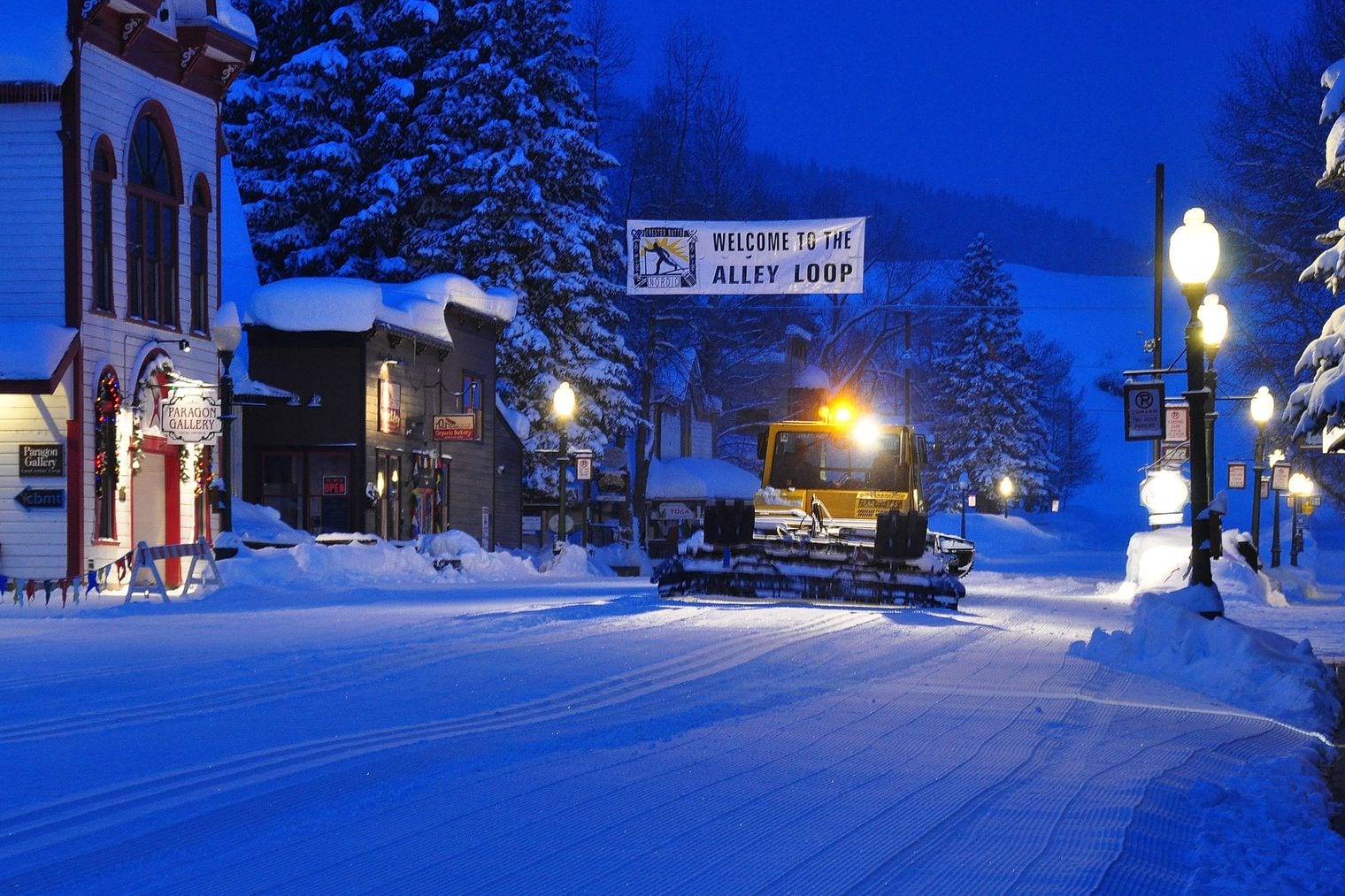
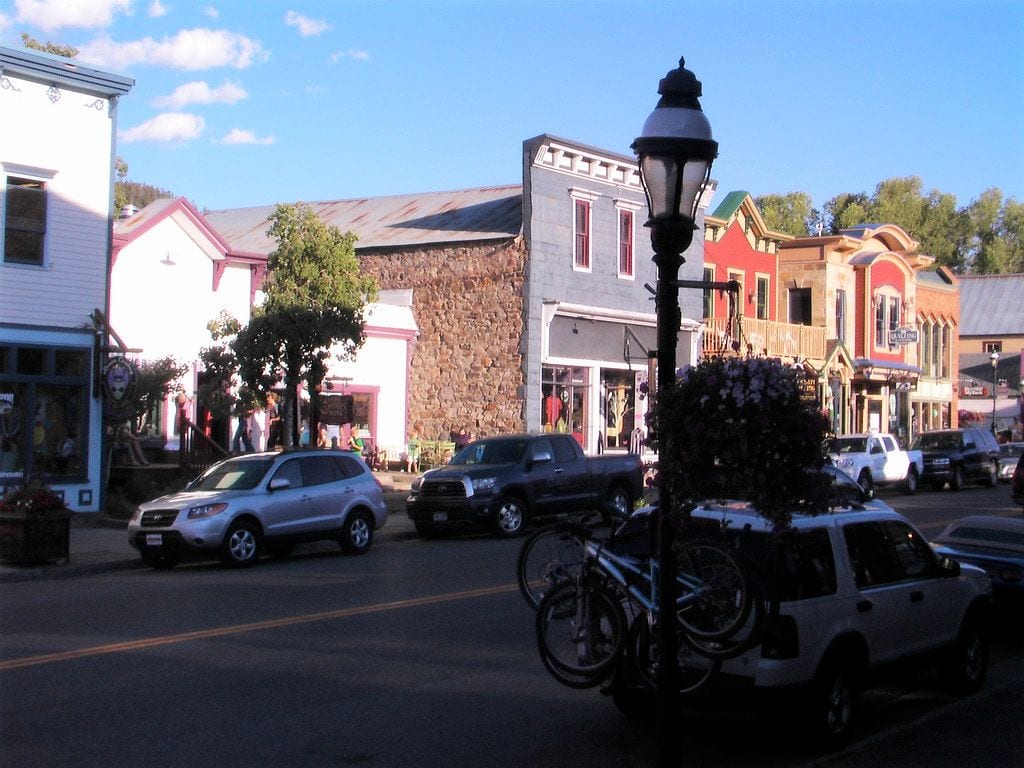
Crested Butte is a former coal-mining town in the Slate River Valley, and its main street looks the part: Elk Avenue is lined with wooden false-front buildings painted in bright, playful colors, most of them dating from the late 1800s and early 1900s. The town was incorporated in 1880, its historic core was listed on the National Register of Historic Places in 1974, and the Elk Mountains rise right behind it.
In 1990 the Colorado General Assembly named Crested Butte the Wildflower Capital of Colorado, and in summer the meadows around town fill with color, celebrated by the Crested Butte Wildflower Festival. The valley is laced with hiking and mountain-biking trails, Crested Butte Mountain Resort draws skiers to the slopes just up the road, and in every season the town keeps its relaxed, end-of-the-road feel.
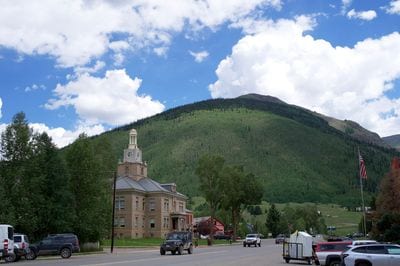
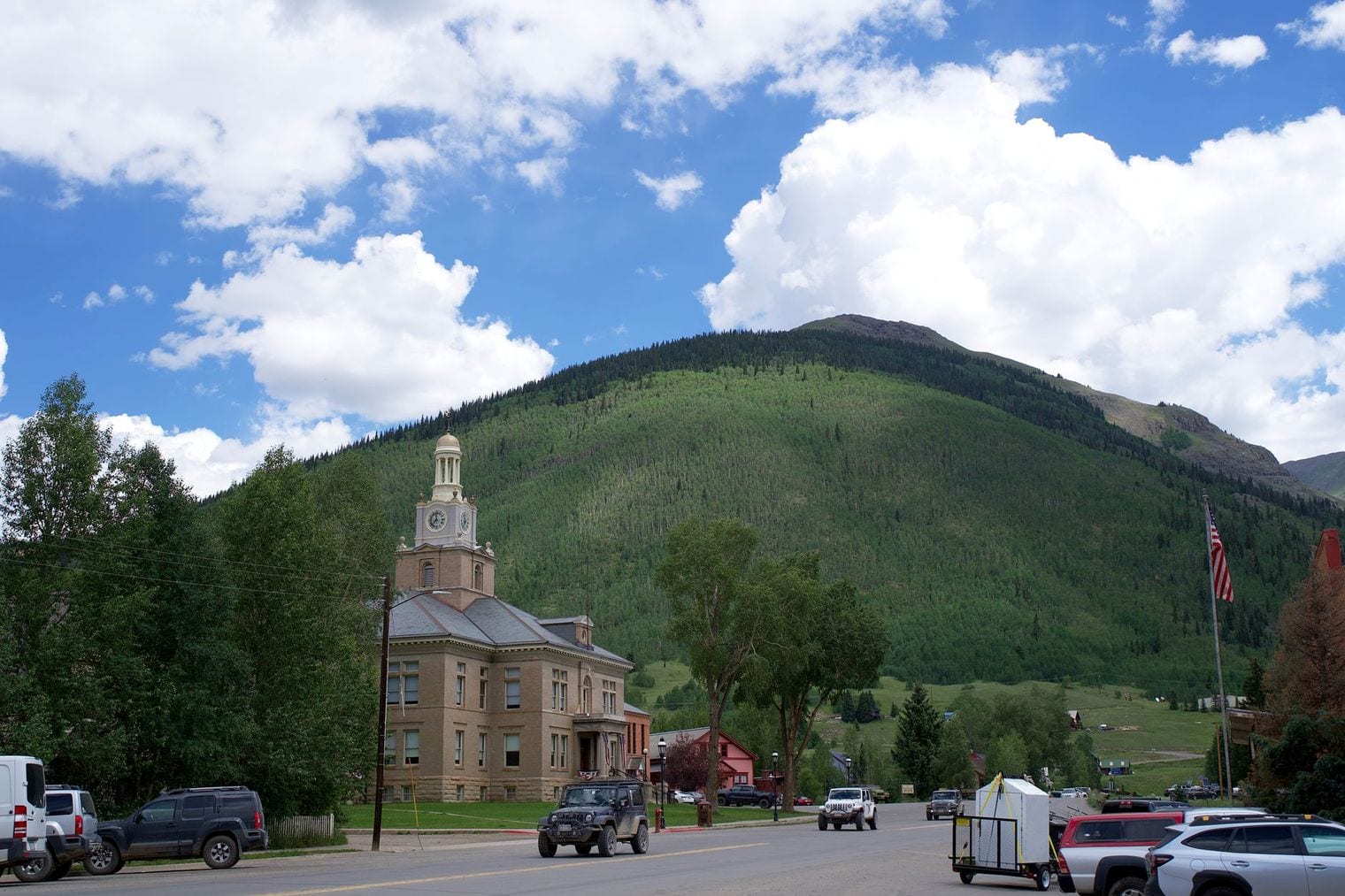
Set at 9,318 feet in a high valley of the San Juan Mountains, Silverton is one of the highest towns in the United States, ringed by 13,000-foot peaks. Founded in 1874, it boomed on silver and later gold, kept mining until its last operating mine closed in 1992, and the entire town lies within a National Historic Landmark district.
Many visitors arrive on the Durango & Silverton Narrow Gauge Railroad, which ends its run up the Animas River canyon in the middle of town. Greene Street holds the main shops and grandest old buildings, while one block over, Blair Street was the notorious red-light district of saloons, dance halls and bordellos in the boom years.
Jeep roads lead to the ghost town of Animas Forks and the Alpine Loop, and the Million Dollar Highway climbs north over Red Mountain Pass to Ouray.
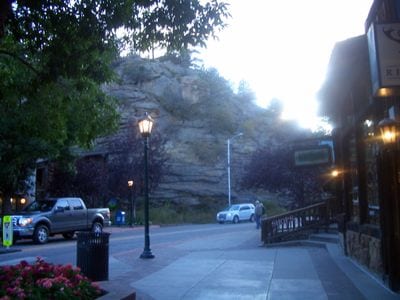
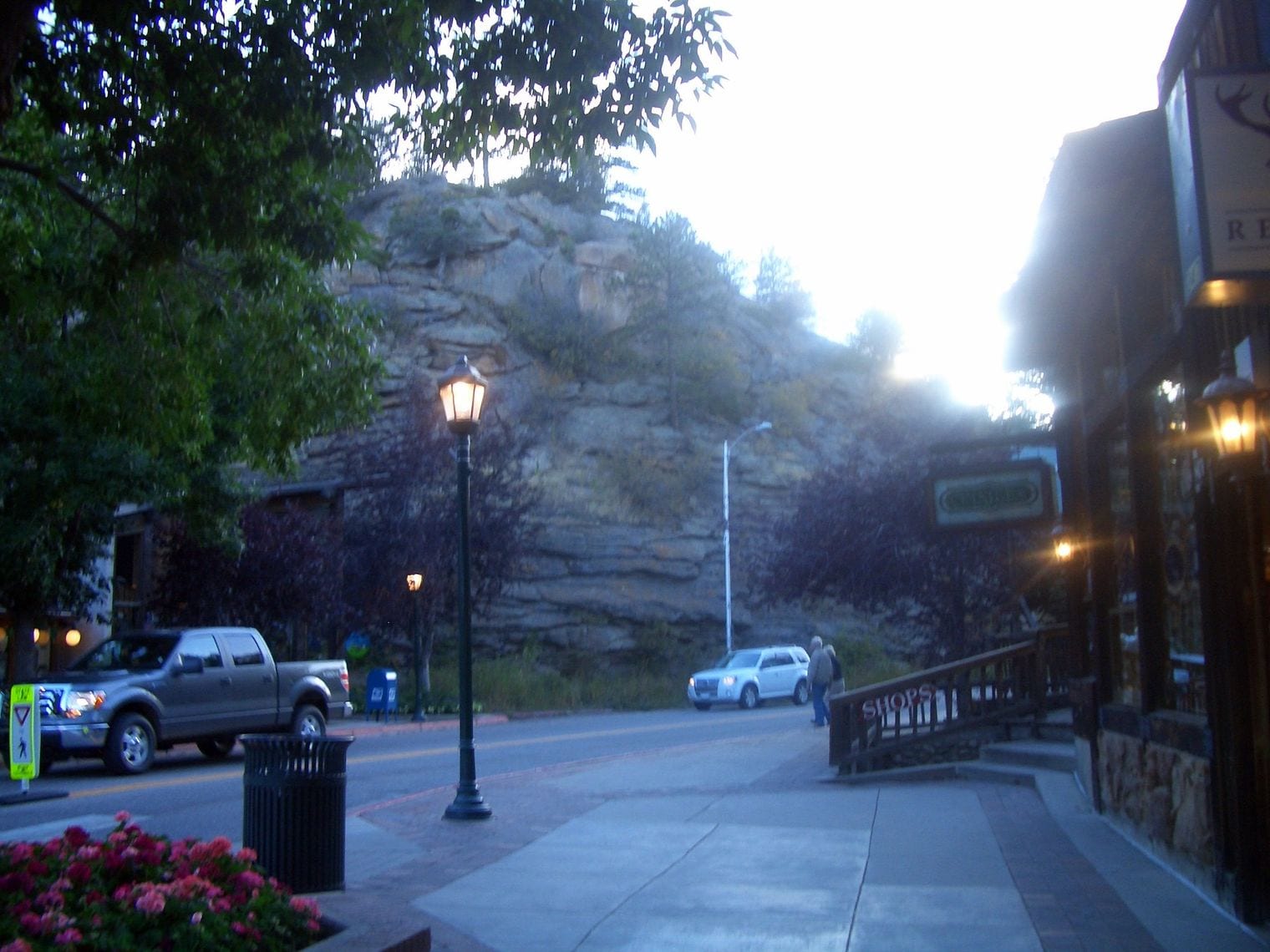
Estes Park sits at the eastern edge of Rocky Mountain National Park, home to the park's headquarters, and for many travelers it is the first taste of the high Rockies. The town lies along the Big Thompson River above Lake Estes, a river walk runs behind the shops of Elkhorn Avenue, and in spring and fall elk wander right through town on their way to and from the park.
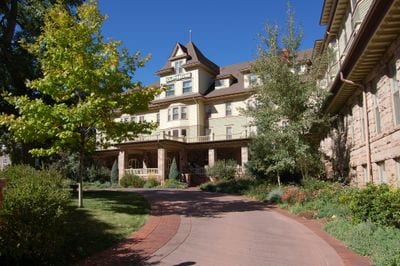
Up the hill stands the Stanley Hotel, a white Georgian Revival resort that opened in 1909, where a night in 1974 inspired Stephen King's The Shining.
From town, Trail Ridge Road, the highest continuous paved road in North America, climbs through the national park to 12,183 feet before dropping to Grand Lake, though its high section closes from about October to May. Our guide to the best things to do in Estes Park covers the town and the park in more depth.
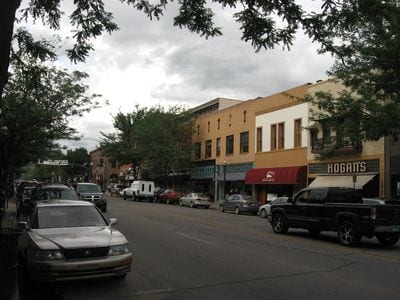
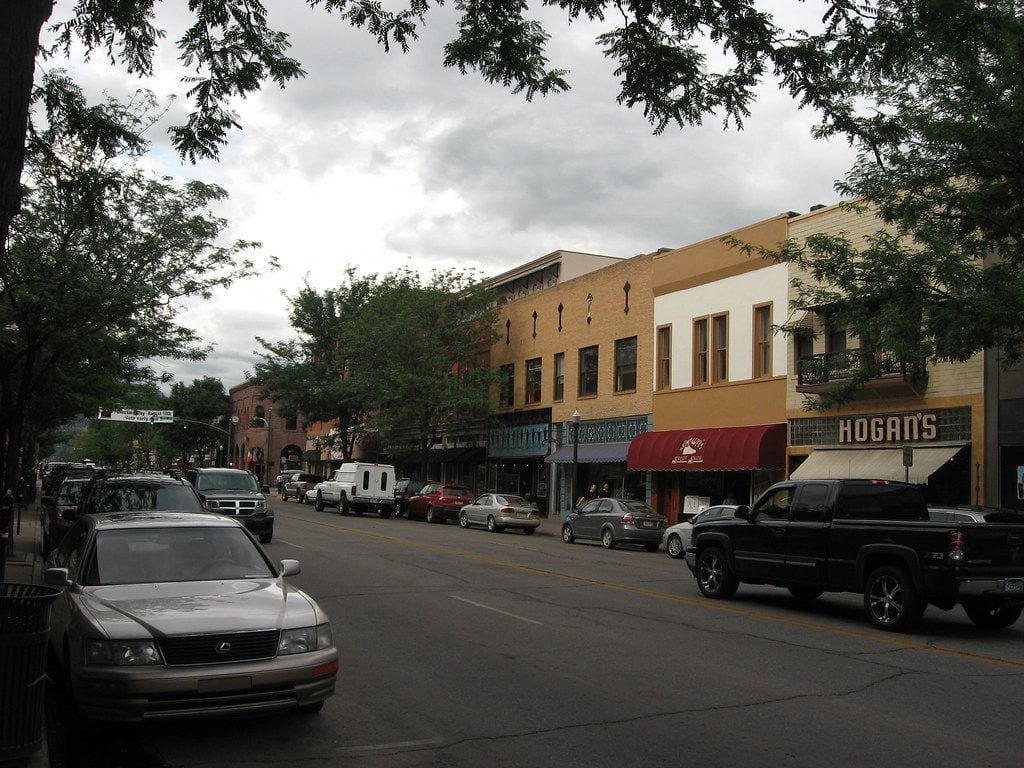
Durango is the biggest town on this list, but its historic core still feels like the railroad town it was born as: the Denver & Rio Grande laid it out in 1880 as a stop on its line to the silver mines around Silverton. Main Avenue, a historic district on the National Register, is lined with brick buildings, galleries and Victorian hotels, and the town is also home to Fort Lewis College.
The big draw is the Durango & Silverton Narrow Gauge Railroad, whose trains, many of them pulled by steam locomotives, have climbed the narrow Animas Canyon to Silverton since 1882, departing from a depot built that same year. Back in town, the Animas River runs right past downtown for rafting, tubing and riverside walks, and Mesa Verde National Park, with its Ancestral Puebloan cliff dwellings, lies to the west, an easy day trip.
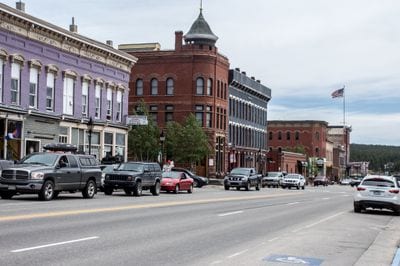
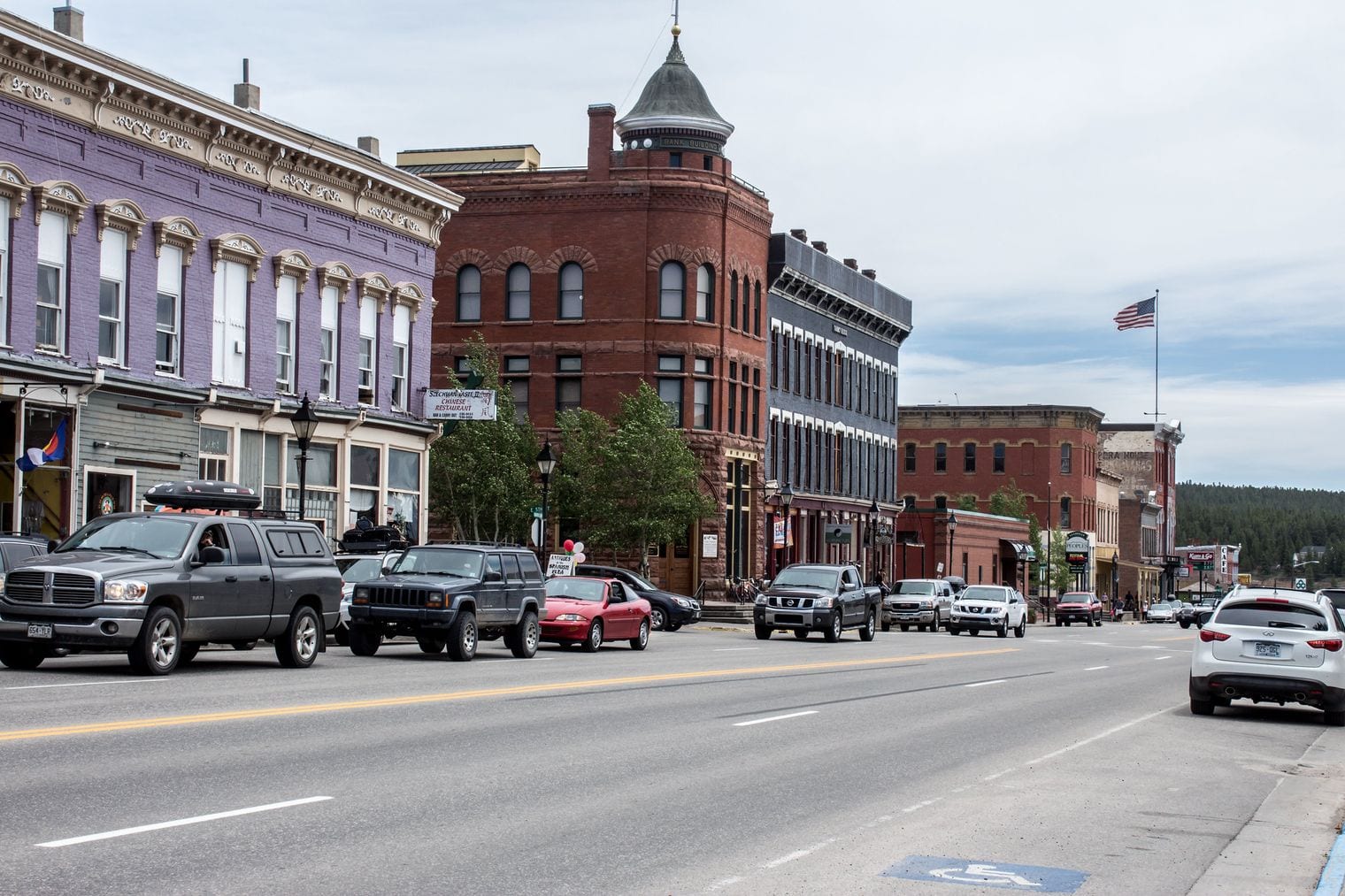
Set above 10,000 feet at the headwaters of the Arkansas River, Leadville is the highest incorporated city in the United States, and in the silver-boom years of the late 1800s it was the second most populous city in Colorado. Founded in 1877, it made fortunes for men like Horace Tabor, the Silver King, and its historic district has been a National Historic Landmark since 1961.
Walk Harrison Avenue, named for the pioneer smelter owner Edwin Harrison, past boom-era storefronts and the Tabor Opera House, which Tabor opened in 1879, then visit the National Mining Hall of Fame and Museum, the only national mining museum with a Congressional charter. Mount Elbert and Mount Massive, the two highest peaks in Colorado, fill the western skyline, and the thin air makes even a stroll around town feel like a workout.
Breckenridge was founded in 1859 to serve miners working the gold deposits along the Blue River, and Main Street still follows the route laid out in that rush. More than 200 Victorian-era buildings, many with clapboard and log fronts, make up one of the largest historic districts in Colorado, all set at the foot of the Tenmile Range.
In winter, Breckenridge Ski Resort, whose first trails were cut in 1961, rises from the edge of town. Summer swaps skis for hiking trails, mountain biking, fly fishing on the Blue River and alpine slides, and the winter calendar includes Ullr Fest, a week of festivities honoring the Norse god of snow. Wander the side streets for restored miners' cabins and Victorian homes, and leave time for a drive over Hoosier Pass or out to the shores of Lake Dillon.
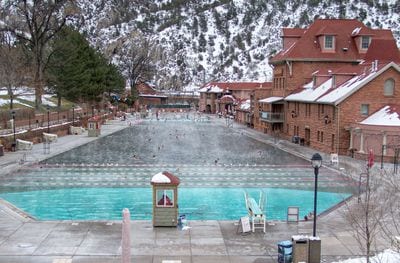
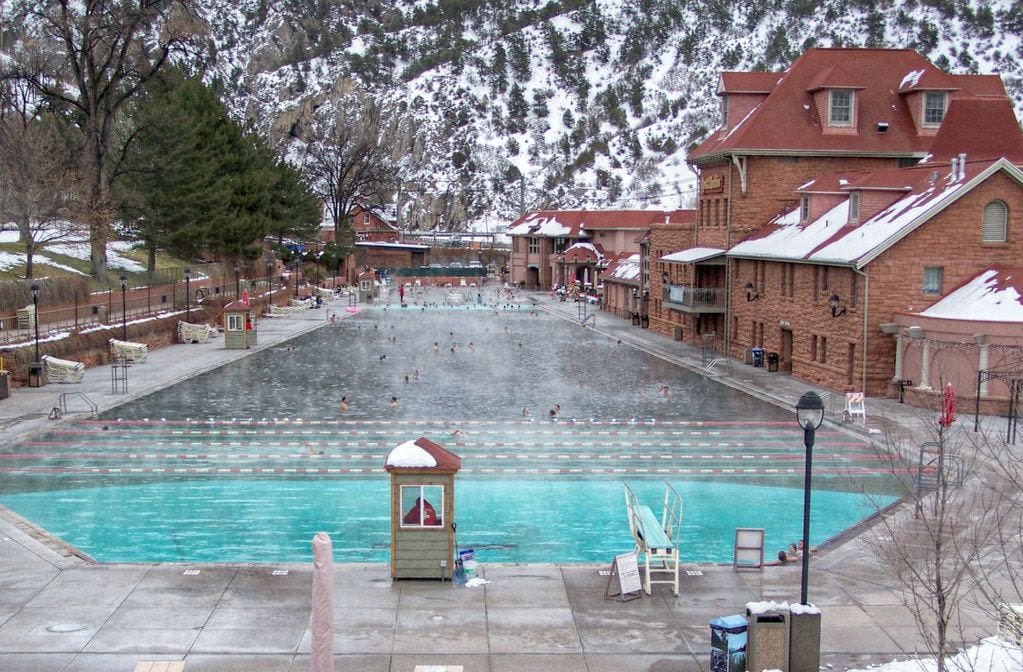
Glenwood Springs sits where the Roaring Fork River meets the Colorado River, and it has been a hot springs resort since 1888, when the Glenwood Hot Springs Pool opened beside the Yampah Spring that the Ute people had long used. The pool, about 400 feet long, is billed as the largest hot springs pool in the world, and steam rolls off it all winter.
Beyond the big pool, Iron Mountain Hot Springs has smaller mineral soaking pools, and the Yampah Vapor Caves offer underground geothermal steam baths. Glenwood Caverns Adventure Park sits on Iron Mountain above town, while I-70 threads through the cliffs of Glenwood Canyon to the east, where a steep trail climbs to Hanging Lake, a travertine-rimmed lake fed by waterfalls; access is limited, so plan ahead. The Rio Grande Trail follows an old rail line from town toward Aspen.
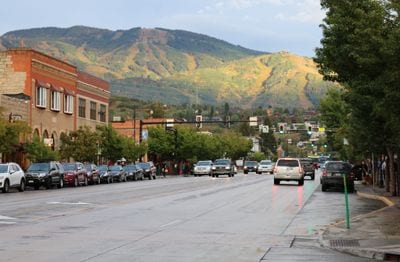
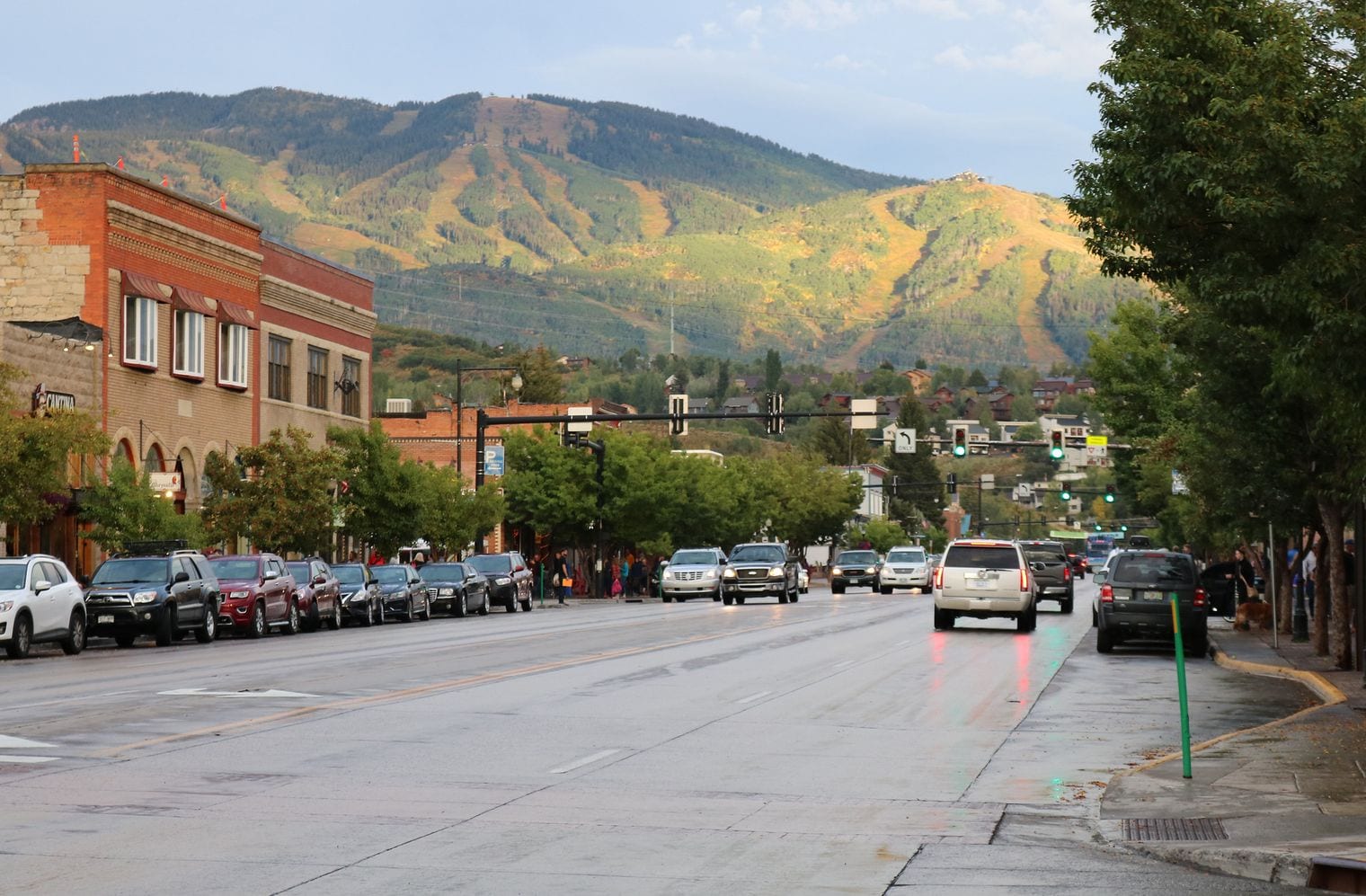
Steamboat Springs is a ranching town with a big ski mountain on its doorstep, set in the upper Yampa River valley just west of the Continental Divide and Rabbit Ears Pass. Early trappers heard a chugging sound, thought a steamboat was coming down the river and found a hot spring instead, and the name stuck; the town has billed itself as Ski Town USA since the late 1950s.
Steamboat Ski Resort spreads across Mount Werner just east of town, but the local heart of winter is Howelsen Hill, a ski area right downtown since the 1910s and often cited as the oldest continuously operating ski area in North America.
In summer, soak at Old Town Hot Springs in town or at Strawberry Park Hot Springs in the hills to the north, hike to Fish Creek Falls east of town, and float or fish the Yampa River as it runs through downtown.
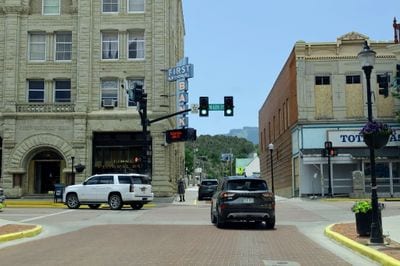
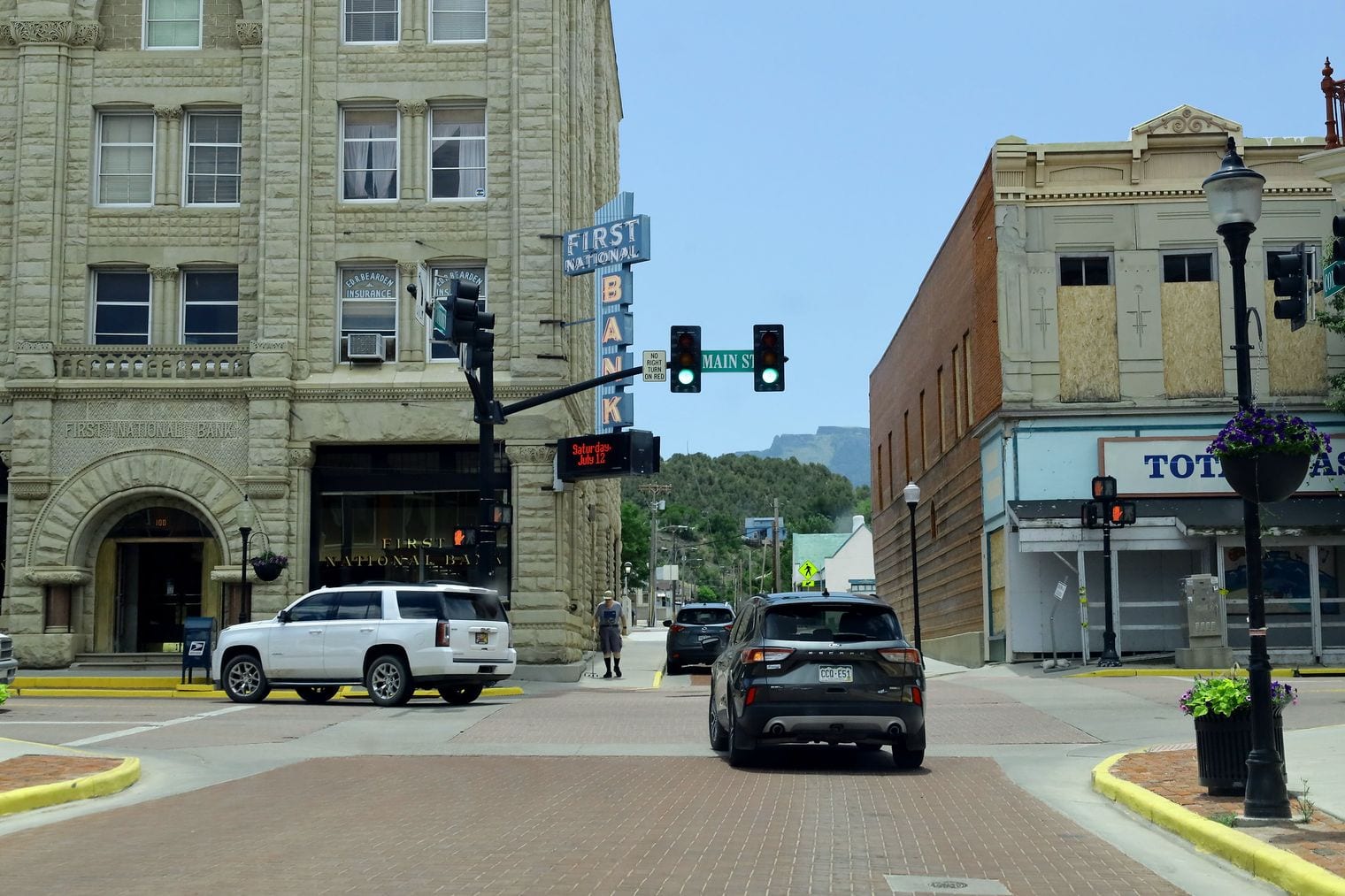
Trinidad sits on the historic Santa Fe Trail just north of the New Mexico line, and its downtown holds some of the finest Victorian commercial architecture in Colorado. Founded in 1862 after coal was discovered nearby, it grew rich on coal and the railroad, Bat Masterson briefly served as its marshal in 1882, and the Corazon de Trinidad historic district, listed on the National Register in 1973, spreads along red brick streets.
Walk the brick streets and see the paintings of Western artist Arthur Roy Mitchell, a Trinidad native, at the Mitchell Museum, then head to Fishers Peak State Park just south of town, which protects the flat-topped 9,600-foot mountain that looms over the city. Trinidad Lake State Park is nearby too, and the town makes a natural overnight stop on a drive along I-25 between Colorado and New Mexico.
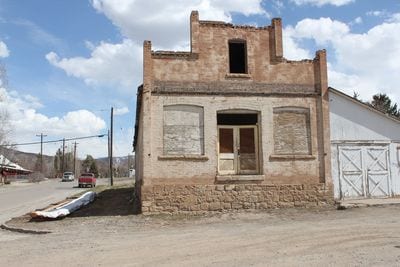
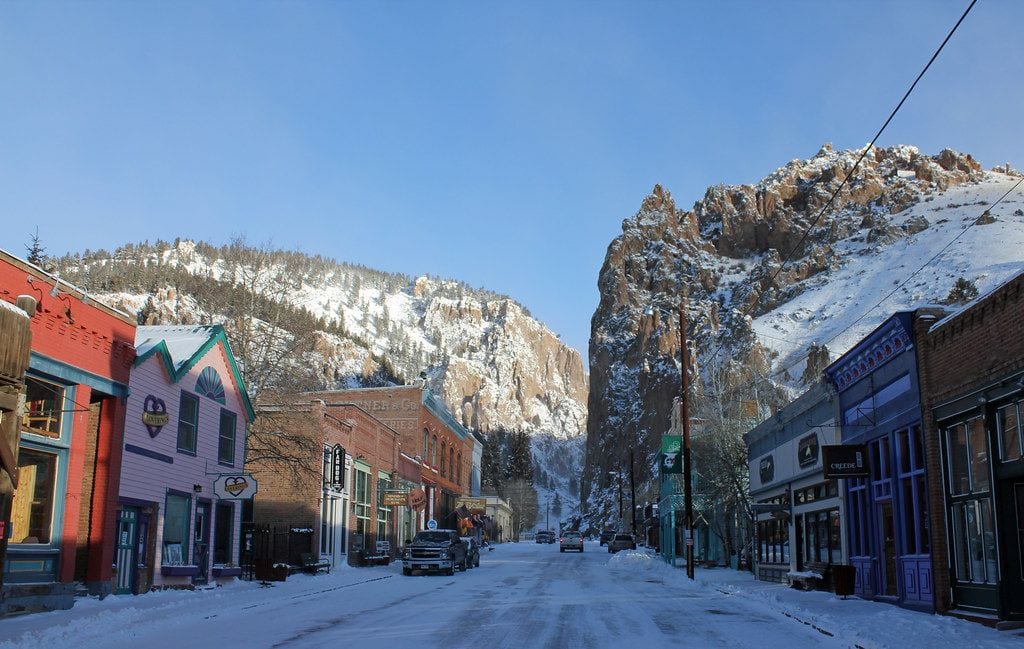
Creede, the only incorporated town in Mineral County, is tucked into the mouth of a narrow canyon above the upper Rio Grande. Silver was found along Willow Creek here in 1890, the population soon passed 7,000, and Creede became the last silver boom town in Colorado; today fewer than 300 people live here year-round.
The town's great surprise is the Creede Repertory Theatre, a professional summer company founded in 1966 by a group of University of Kansas students. Explore the Underground Mining Museum, then drive the Bachelor Loop, a historic route that climbs past old mine structures and vanished camps above the canyon. The upper Rio Grande offers fishing and rafting, and the Silver Thread Scenic Byway continues west over Spring Creek Pass to Lake City.
Manitou Springs, at the foot of Pikes Peak, was founded in 1872 as a scenic health resort around natural mineral springs the Ute people had used for generations, and it has been a tourist town ever since. Its creekside downtown is a jumble of Victorian buildings, shops and galleries, and several mineral springs still flow from public fountains around town, each with its own distinct taste.
The Manitou Incline, a former cable railway built in 1907, is now a brutally steep trail that gains about 2,000 feet in less than a mile, and Barr Trail starts nearby for the long hike up Pikes Peak.
The Broadmoor Manitou and Pikes Peak Cog Railway climbs to the 14,115-foot summit from its depot in town, Cave of the Winds burrows into the canyon walls above town, and Garden of the Gods, with its towering red rock fins, is next door on the way to Colorado Springs.
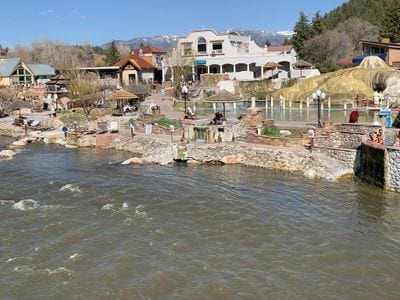
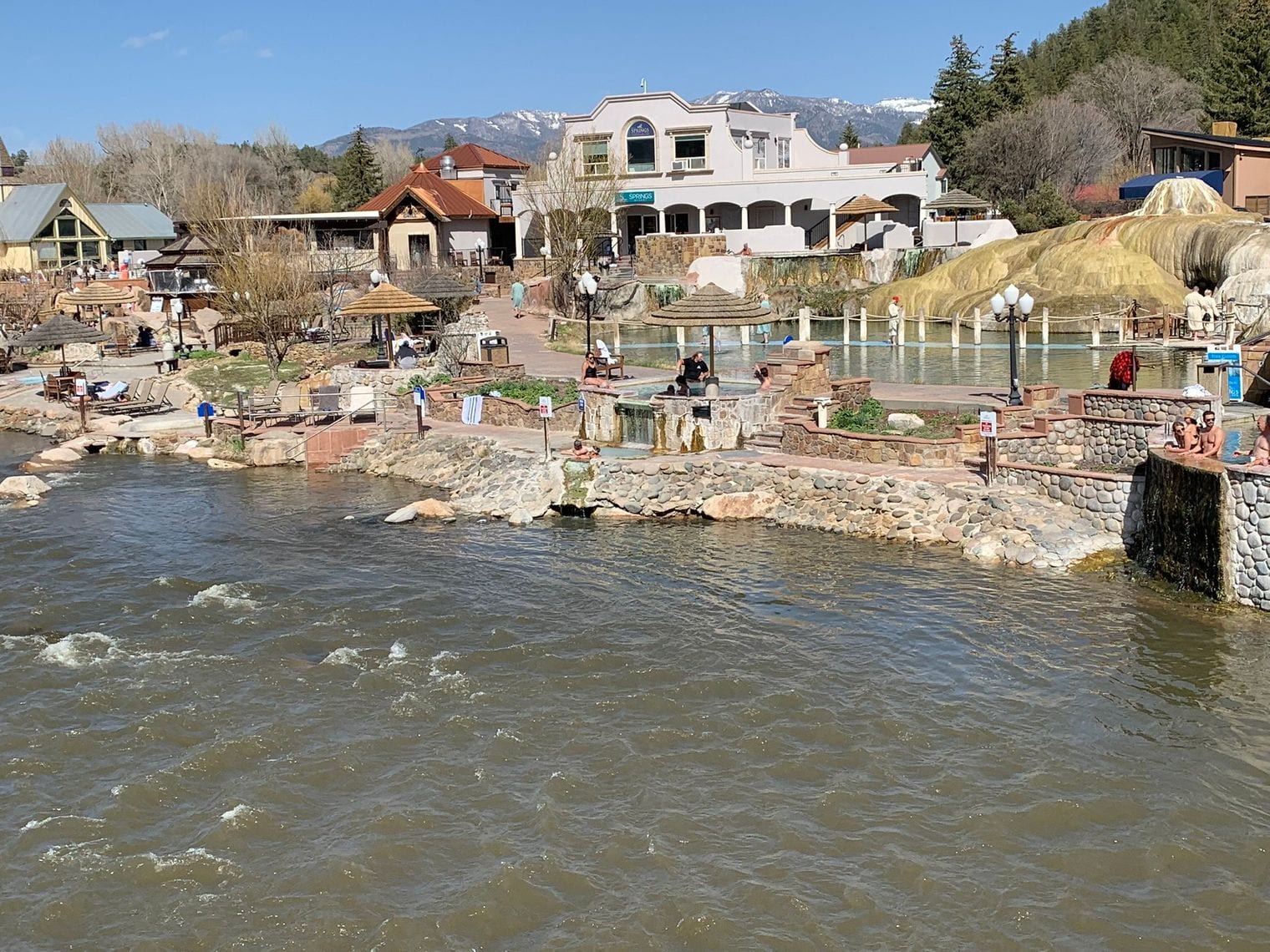
Pagosa Springs grew up around the hot springs on the banks of the San Juan River, and its name comes from a Ute phrase for the sulfur-rich waters. Their source is the Mother Spring, which Guinness World Records recognized in 2011 as the world's deepest known geothermal hot spring, and its water reaches around 144 degrees Fahrenheit.
Several resorts and bathhouses along the river let you soak in pools fed by the spring, and the San Juan River itself runs right through the middle of town. The surrounding San Juan National Forest is laced with trails, Wolf Creek Ski Area lies east of town at the top of Wolf Creek Pass, and to the west Chimney Rock National Monument protects an Ancestral Puebloan great house set high on a ridge beside a pair of rock spires.
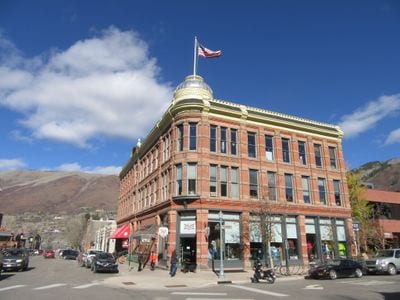
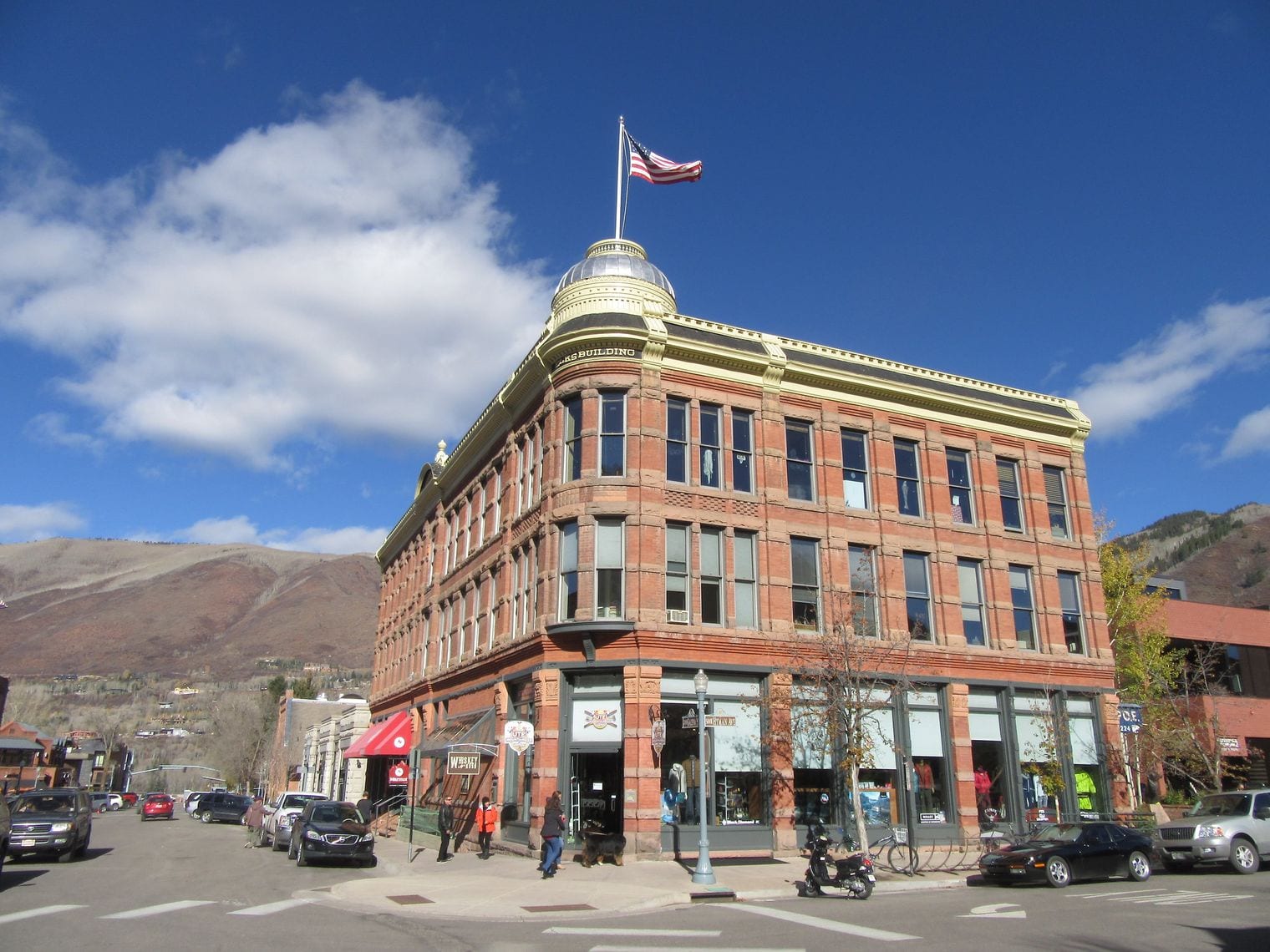
Aspen began as a silver camp in 1879, boomed through the 1880s and all but emptied after the silver crash of 1893, until skiing and the industrialist Walter Paepcke revived it in the mid-20th century. Today it is famous as a celebrity retreat, but its Victorian core survives, set at nearly 8,000 feet along the Roaring Fork River.
The Wheeler Opera House, built in 1888 and 1889 at the height of the silver boom, still hosts performances, and in summer the Aspen Music Festival and School fills the town with classical music.
Four ski areas surround Aspen, and in summer the same mountains turn into hiking and biking country. Don't miss the Maroon Bells, the twin peaks about 12 miles southwest of town that form one of the most photographed views in Colorado, or the summer-only drive east over 12,095-foot Independence Pass.
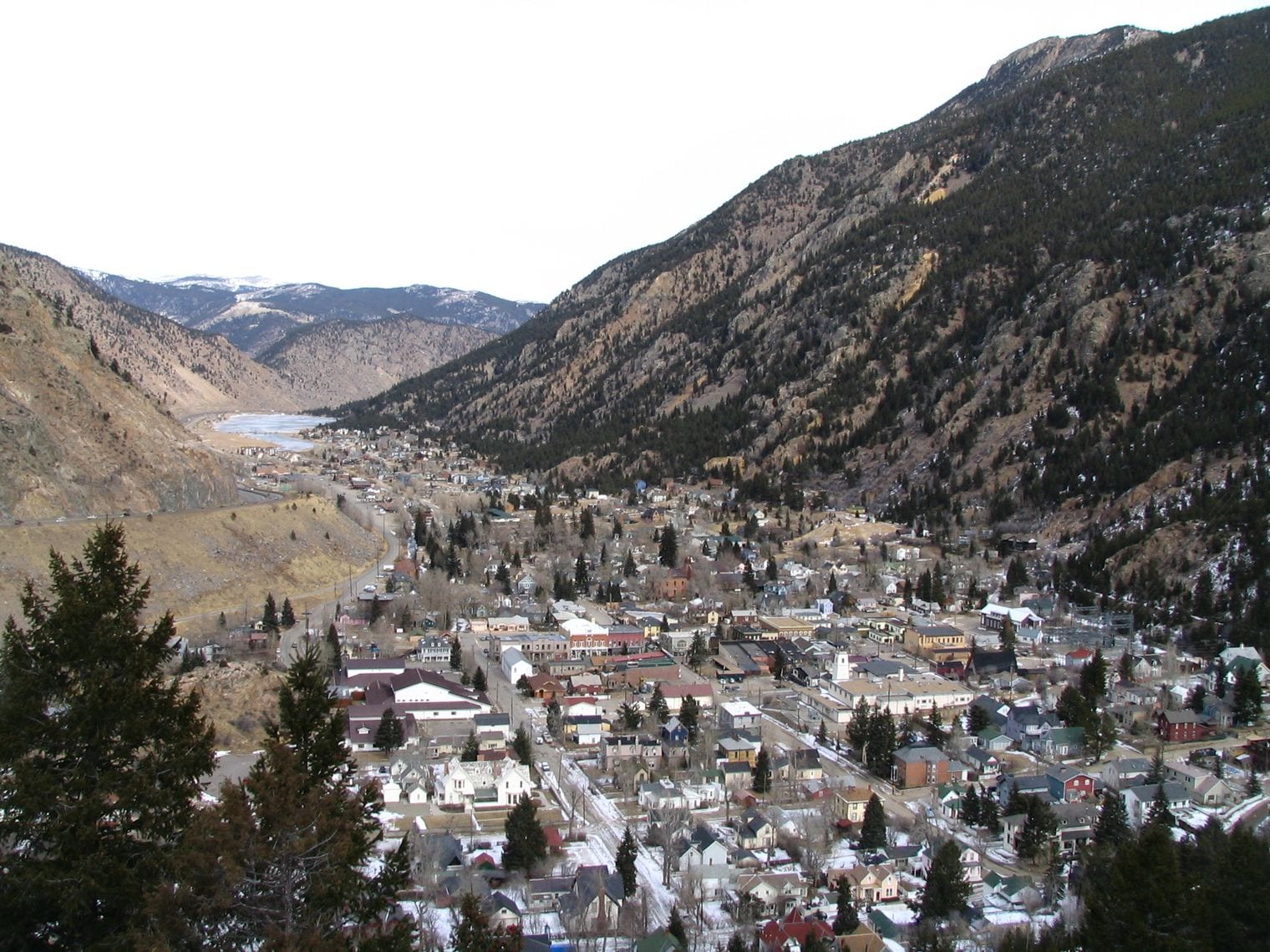
Tucked into the upper Clear Creek valley at about 8,500 feet, roughly an hour west of Denver along I-70, Georgetown was settled in 1859 during the Pike's Peak Gold Rush and grew into the Silver Queen of Colorado. Its historic downtown of brick commercial blocks and Victorian homes forms part of the Georgetown-Silver Plume National Historic Landmark District.
The Georgetown Loop Railroad runs between Georgetown and Silver Plume, two miles apart, on a 4.5-mile route of trestles and a grand loop that climbs about 640 feet up the valley. In town, the Hotel de Paris Museum preserves the elegant inn that French immigrant Louis Dupuy opened in 1875, its rooms filled with original Victorian furnishings. South of town, the Guanella Pass Scenic Byway climbs over the mountains toward Grant, passing within a few miles of Mount Blue Sky.
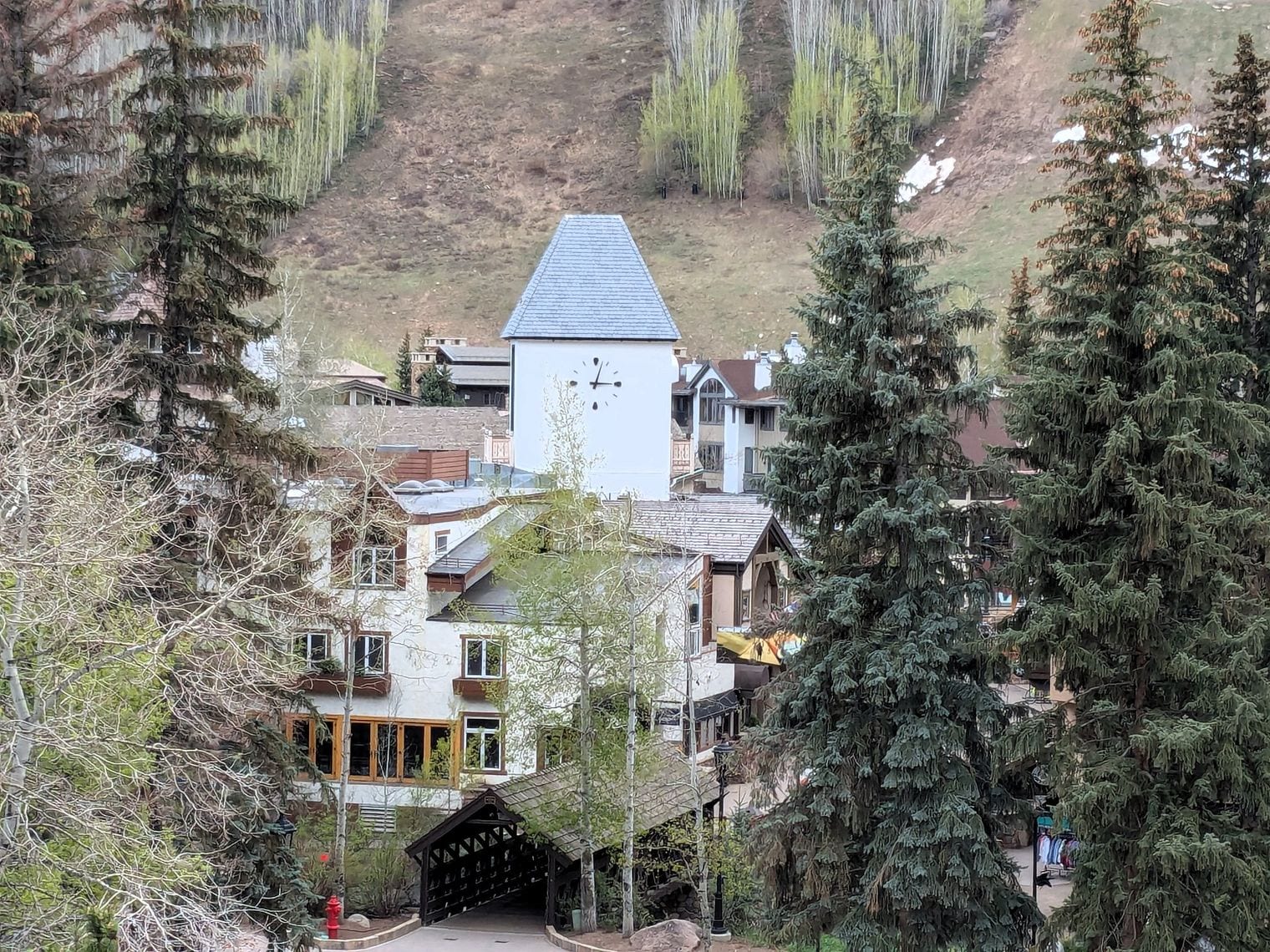
Vail is a young town by Colorado standards: the ski area opened in 1962, founded by Pete Seibert and local rancher Earl Eaton, and the town itself was incorporated four years later, in 1966. Seibert was one of several veterans of the Army's 10th Mountain Division, the ski troops who trained at nearby Camp Hale during World War II, who came back after the war to build ski resorts.
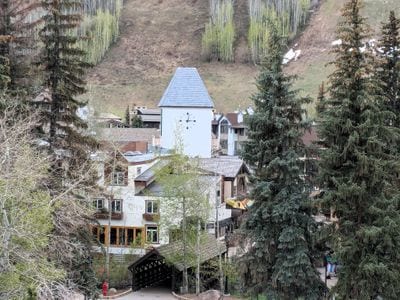
Vail Village and Lionshead are pedestrian villages of Tyrolean-style buildings and plazas along Gore Creek, with lifts rising onto Vail Mountain, the largest ski mountain in Colorado. In summer, stroll the creekside paths, ride the gondola up for hiking and mountain biking, and visit the Betty Ford Alpine Gardens, billed as the highest-elevation botanical garden in North America at around 8,200 feet.
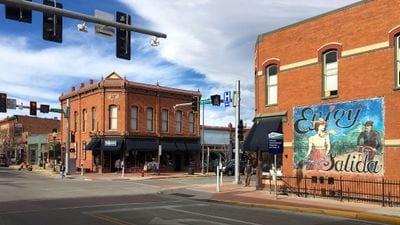
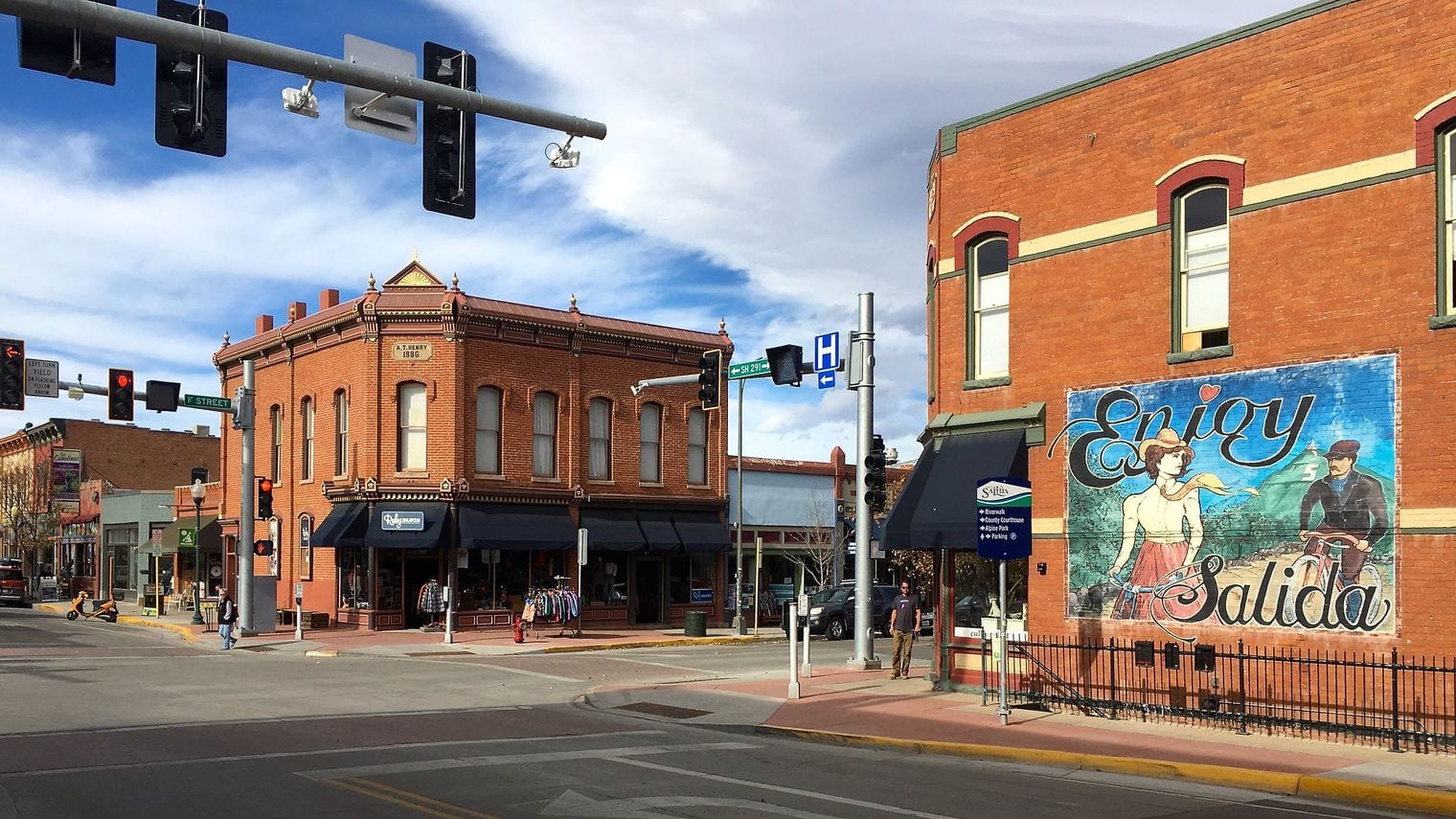
Salida, Spanish for exit, takes its name from its spot near where the Arkansas River leaves the upper valley for the canyons downstream. The Denver & Rio Grande Railroad put the town on the map in 1880, and it grew into a busy rail town; today its historic downtown of brick buildings beside the river is a lively creative district full of galleries, studios and cafes.
The Arkansas runs right through town, and each summer FIBArk, short for First in Boating the Arkansas, holds its races on the river through downtown, a tradition that began with a 1949 boat race from Salida to Cañon City. Rafters head upstream into Browns Canyon National Monument, Monarch Mountain is Salida's hometown ski area to the west, and the Collegiate Peaks and a string of hot springs lie within a short drive.
Paonia is a farm town in the North Fork Valley of the Gunnison River, surrounded by orchards, organic farms and vineyards beneath the West Elk Mountains. It was incorporated in 1902, and its wineries belong to the West Elks AVA, a federally recognized wine region with some of the highest-elevation vineyards in North America.
Come in summer and early fall for orchards heavy with peaches, apples, cherries, pears and plums, for wine tastings along the valley roads and for a slow, artsy main street of cafes and shops. The town's Cherry Days festival around the Fourth of July is one of the longest-running outdoor festivals in Colorado, Paonia State Park lies up the valley to the east, and the unpaved, summer-only road over Kebler Pass leads through deep aspen forests to Crested Butte.
Lake City is a mining-era county seat of barely 400 people, tucked into a San Juan valley where Henson Creek meets the Lake Fork of the Gunnison River, with the fourteener Uncompahgre Peak about seven miles to the west. It grew up in the 1870s as a supply center for prospectors, and the Lake City Historic District, listed on the National Register in 1978, preserves its old storefronts, churches and homes.
The town is named for Lake San Cristobal, just to the south, which formed about 700 years ago when the Slumgullion Earthflow, a vast natural landslide, dammed the river. Lake City is also the traditional starting point of the Alpine Loop, a rugged 63-mile byway to Ouray and Silverton that needs a high-clearance four-wheel-drive vehicle, and the Hinsdale County Museum tells the grim story of Alfred Packer, whose 1875 murder and cannibalism charges made Lake City notorious.
Nederland is a quirky mountain town at the top of Boulder Canyon, a winding drive up from the city of Boulder, set beside Barker Reservoir at about 8,200 feet. It took its name in 1874 from a Dutch company that had bought the nearby Caribou Mine, and tungsten, silver and gold mining shaped its early years.
Today it is a gateway to the Indian Peaks Wilderness, the James Peak Wilderness and Rocky Mountain National Park, and Eldora Mountain Resort, a ski area since 1961, sits just up the valley. In town, ride the Carousel of Happiness, then hear the tale of Bredo Morstøl, a Norwegian grandfather whose cryogenically frozen body was brought to Nederland in 1993, a story that inspired the Frozen Dead Guy Days festival the town hosted from 2002 until 2023.
Buena Vista sits in the Upper Arkansas Valley at nearly 8,000 feet, roughly midway between Salida and Leadville, beneath the Collegiate Peaks, a wall of fourteeners named for universities such as Harvard, Yale and Princeton. Incorporated in 1879, it grew as a stagecoach and railroad stop for miners heading up the valley to Leadville, and locals simply call it BV.
In summer, the Arkansas River makes Buena Vista a hub for whitewater rafting, kayaking and fly fishing, with Browns Canyon National Monument just downstream, and the Colorado Trail and a cluster of fourteeners offer serious hiking. Afterward, soak at Cottonwood Hot Springs a few miles west of town or at Mount Princeton Hot Springs in Chalk Creek Canyon to the south, beneath the pale Chalk Cliffs.
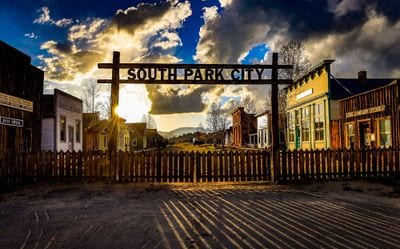
Fairplay sits at nearly 10,000 feet on the western edge of South Park, the vast high grassland basin that gave the cartoon South Park its name, and it is the sixth-highest incorporated town in Colorado. It was founded in 1859 in the first days of the Pike's Peak Gold Rush, and the mines around it kept producing gold and silver well into the 20th century.
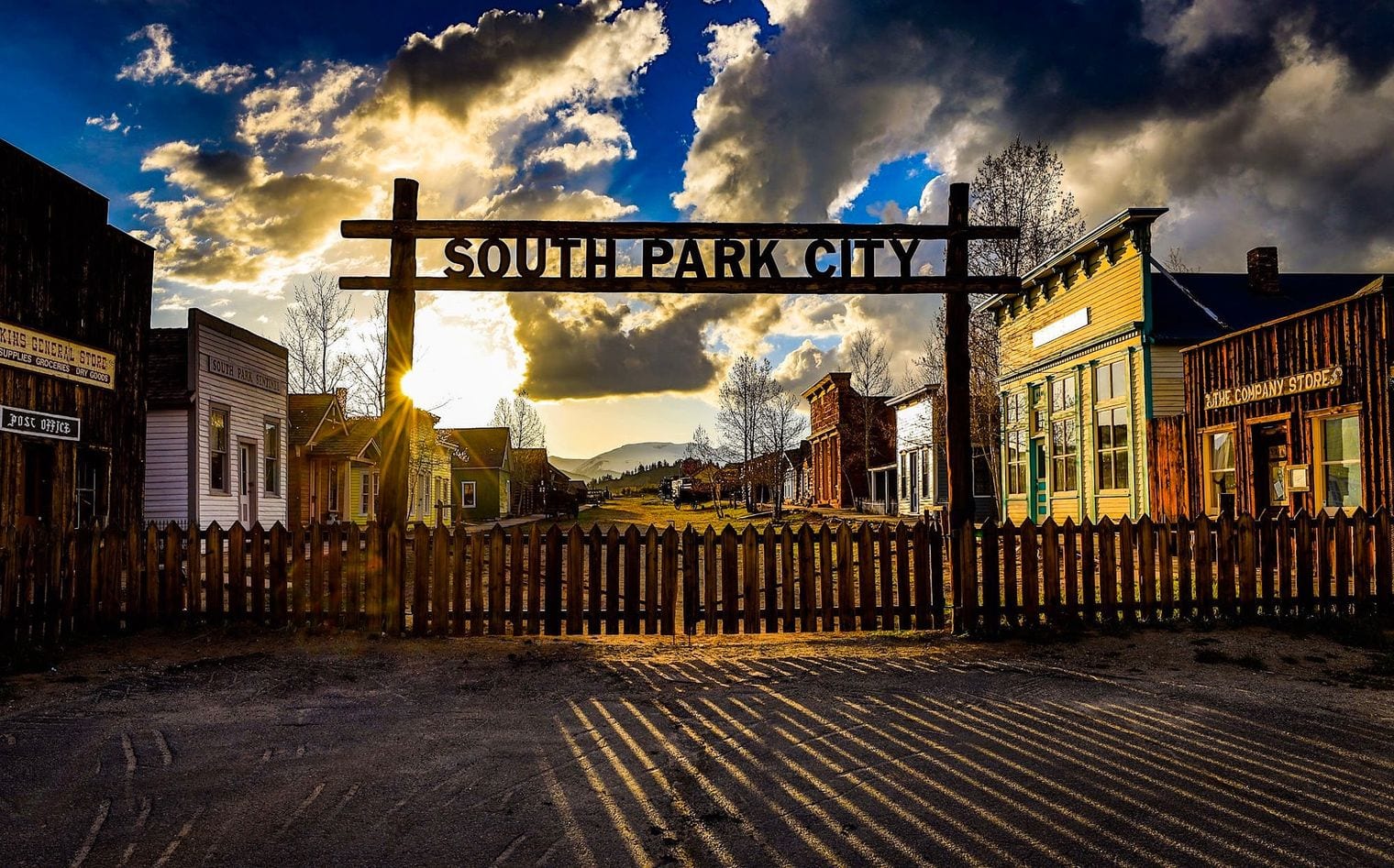
The essential stop is South Park City, an open-air museum of 35 relocated historic buildings filled with some 60,000 artifacts, which recreates a Colorado mining town from the late 1850s through the 1880s. From town, Highway 9 climbs north past the old mining town of Alma to Hoosier Pass and Breckenridge, while the wide-open basin all around offers some of the biggest skies in the state.
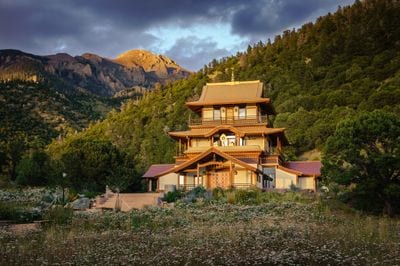
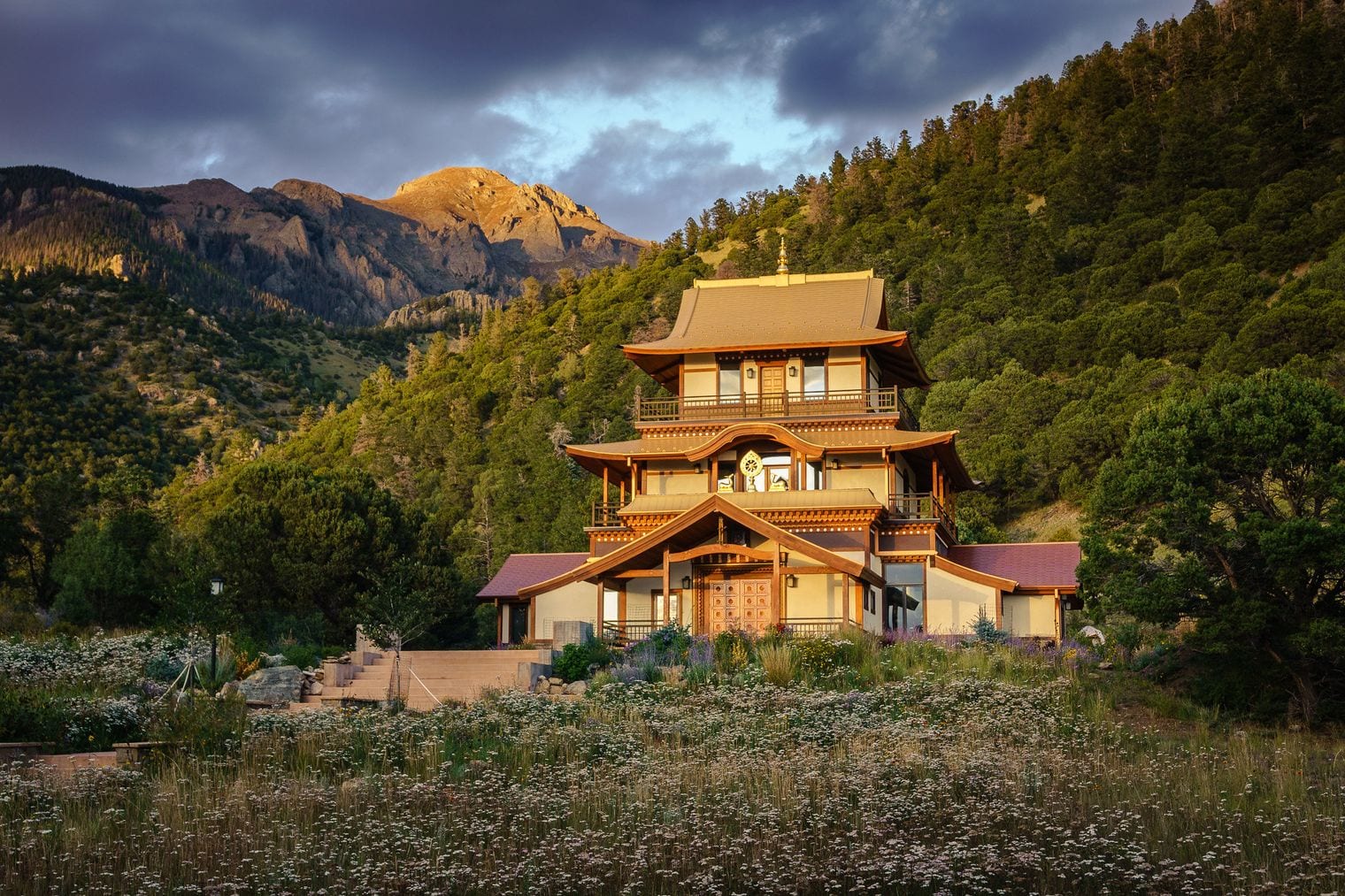
Crestone is a village of about 140 people at the foot of the Sangre de Cristo Range, on the eastern edge of the San Luis Valley, named for Crestone Peak and Crestone Needle, the jagged fourteeners that rise just east of town. It was platted in 1880, but today it is known for something else entirely.
Since the 1970s, the Crestone area has drawn a remarkable mix of faiths, including a Hindu temple, a Zen center and several Tibetan Buddhist centers, with stupas, temples and retreats scattered across the foothills. Trails climb from the edge of town into the Sangre de Cristo Wilderness, the valley floor spreads out in a vast sweep to the west, and Great Sand Dunes National Park lies to the south along the same mountain front.
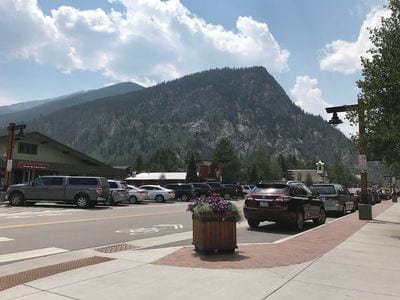
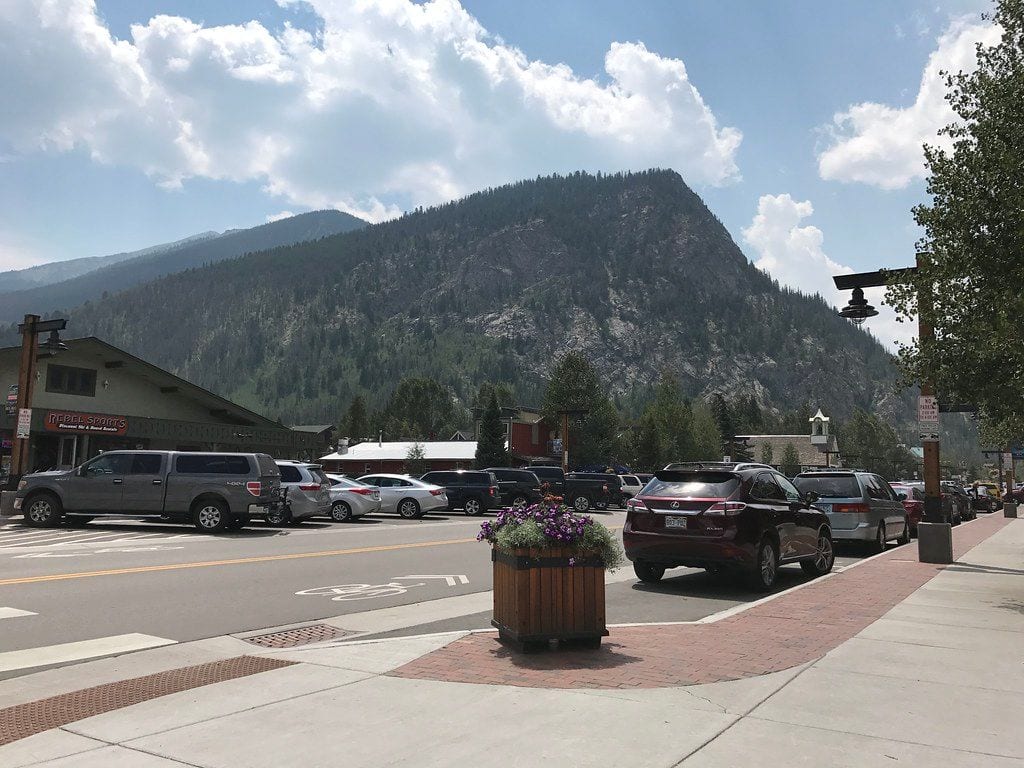
Frisco sits on the shore of Dillon Reservoir in the heart of Summit County, and with Breckenridge, Copper Mountain, Keystone and Arapahoe Basin all close by, it is one of the handiest bases in the Colorado high country. Founded in the 1870s in the silver-mining era, it calls itself the Main Street to the Rockies, and its walkable Main Street runs down toward the water.
Start at the Frisco Historic Park and Museum, a cluster of old cabins and a schoolhouse that tell the town's mining-era story, then head down to Frisco Bay Marina for boating and paddling on the reservoir, which was built in the early 1960s and covers the original town of Dillon. Paved recreation paths link Frisco with neighboring Summit County towns for cycling, and in winter the Frisco Nordic Center and the Frisco Adventure Park add cross-country skiing and tubing.
Gunnison is a ranching and college town in a broad valley of the Gunnison River, home to Western Colorado University and named for John W. Gunnison, the Army officer who surveyed the region for a transcontinental railroad in 1853. The railroad arrived in 1880, the cattle business took hold the same year, and the town still feels like a working Western Slope hub rather than a resort.
Its real draw is the outdoors on every side. Curecanti National Recreation Area begins just west of town, with Blue Mesa Reservoir, a 20-mile-long lake known for its lake trout and kokanee salmon fishing, and farther west the Gunnison River carves the sheer, dark walls of Black Canyon of the Gunnison National Park. Crested Butte is a short drive north, and the surrounding national forests are full of trails for hiking and mountain biking.
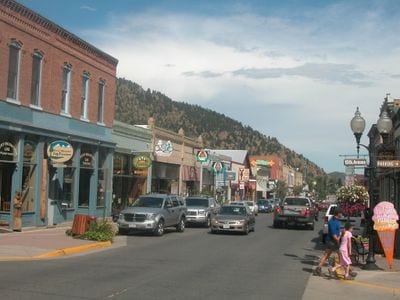
Idaho Springs, in Clear Creek Canyon about 30 miles west of Denver, is where the Colorado gold rush got going: in January 1859 prospector George A. Jackson found placer gold where Chicago Creek meets Clear Creek, the first substantial gold discovery in Colorado. Its compact historic downtown sits just off I-70, an easy stop on the way to the ski areas.
Tour the Argo Gold Mine and Mill at the mouth of the Argo Tunnel, which was driven more than four miles through the mountain to drain and reach the ore veins toward Central City. The hot springs whose rising steam first drew Jackson to the valley still feed a soaking spa in town, and the Mount Blue Sky Scenic Byway climbs from Idaho Springs toward the 14,000-foot summit of Mount Blue Sky, a summer-only drive.
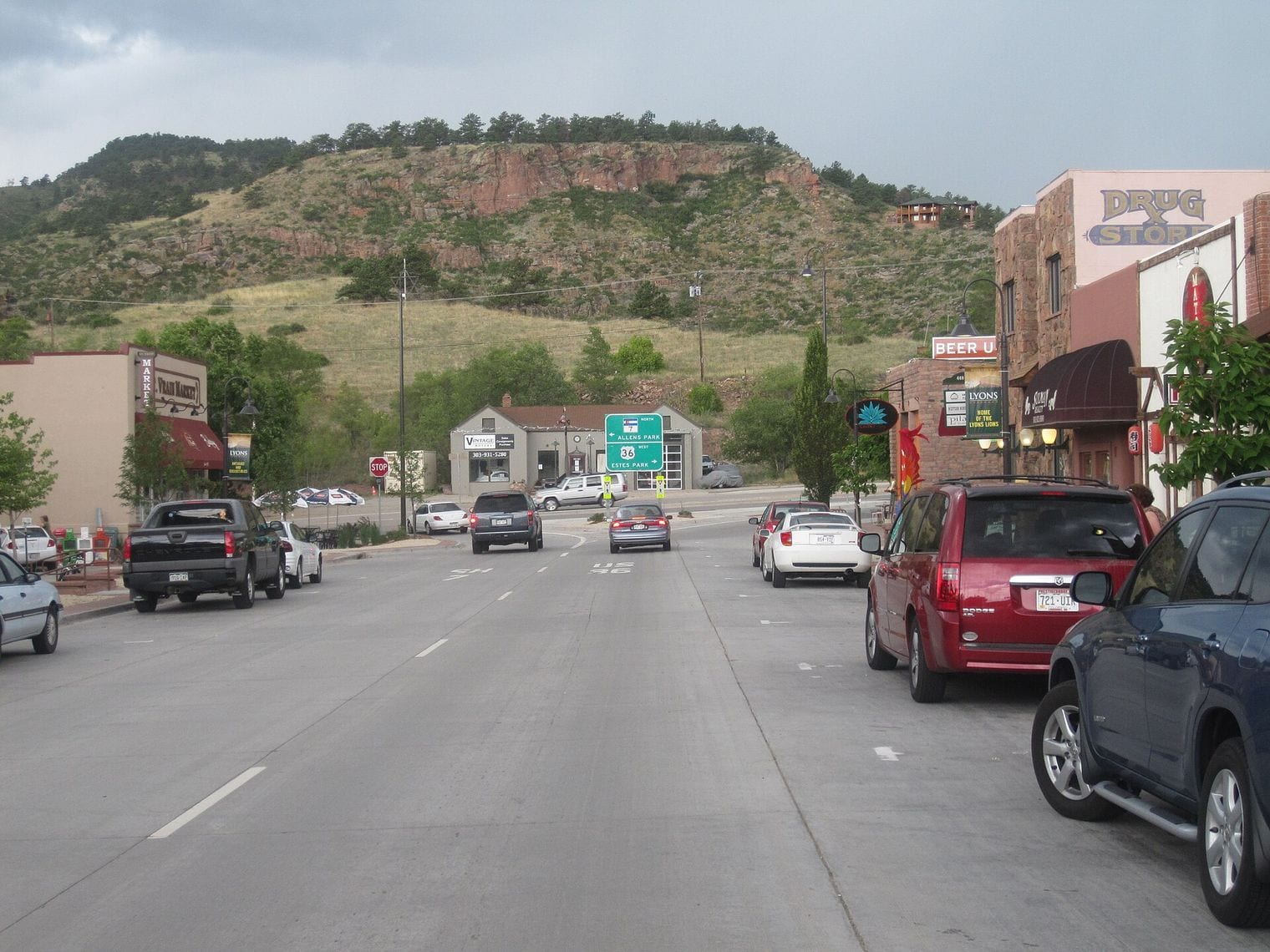
Lyons sits where the North and South St. Vrain creeks meet, at the junction of two highways that both lead into Rocky Mountain National Park, which is why it is known as the Double Gateway to the Rockies. The town grew up around red sandstone quarries, many of its older buildings are made of the same salmon-red stone, and red sandstone mountains surround it on three sides.
Music is the other draw: the Planet Bluegrass festival grounds along the St. Vrain host the RockyGrass bluegrass festival and the Folks Festival each summer. Between festivals, walk the creekside parks and the small downtown of galleries and cafes, and stop at the small historical museum. Lyons is a natural stop on the scenic drive to Estes Park and the national park beyond.
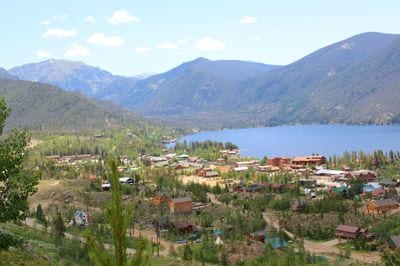
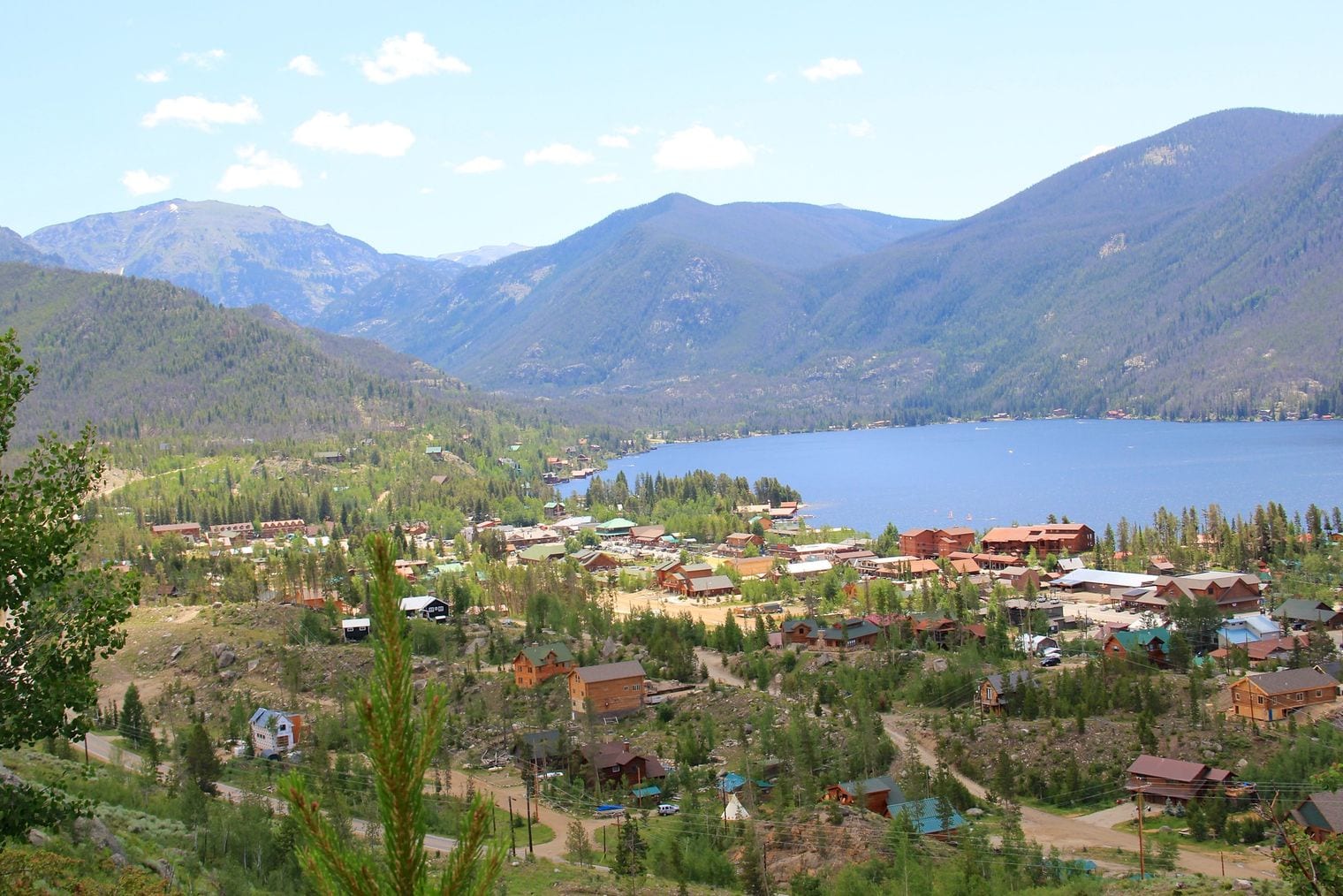
Grand Lake is a tiny resort town on the shore of Grand Lake, Colorado's largest and deepest natural lake, held in place by a glacial moraine at the western entrance to Rocky Mountain National Park. The park surrounds the lake and town on three sides, and Trail Ridge Road climbs from here over the Continental Divide to Estes Park, about 45 miles to the east.
The town's main street is lined with wooden boardwalks and rustic storefronts, and the Kauffman House, a log hotel built in 1892, is now a museum run by the local historical society. In summer, get out on the lake by boat or paddleboard, and hike into the park from trailheads just outside town, keeping an eye out for moose along the Colorado River in the Kawuneeche Valley. Shadow Mountain Lake and Lake Granby lie just to the south.
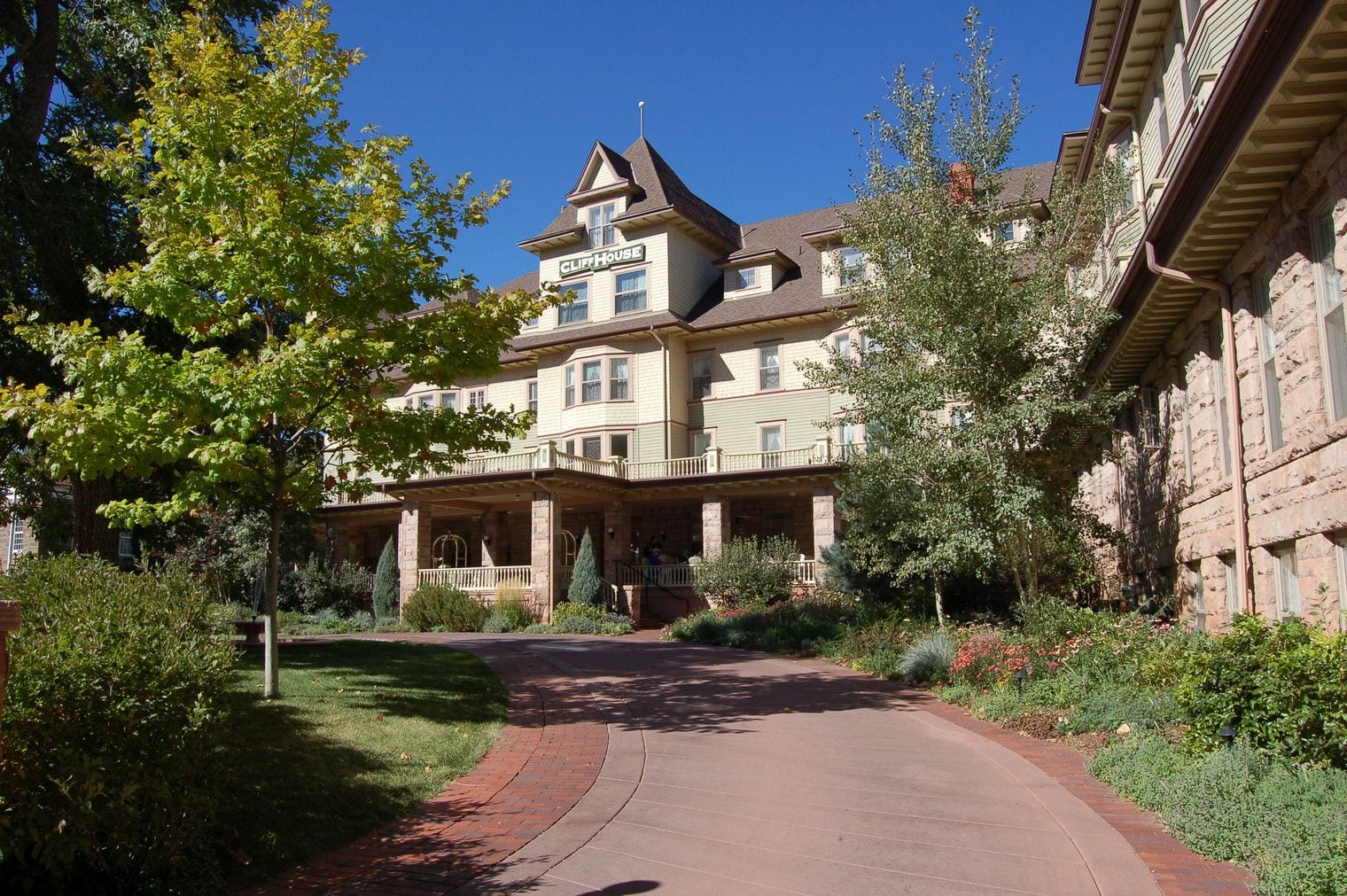
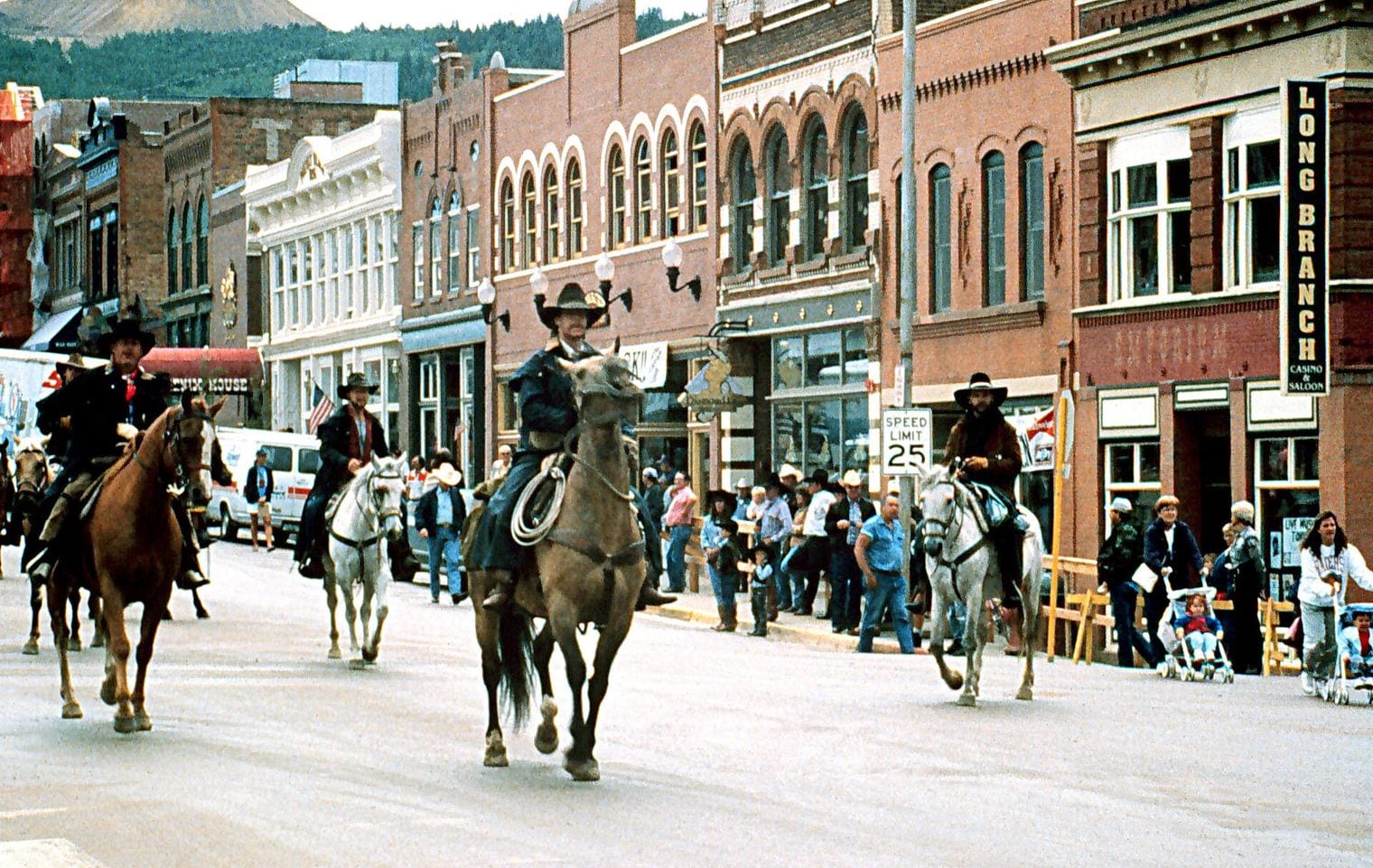
Cripple Creek sits high on the back side of Pikes Peak, about 20 miles southwest of Colorado Springs, and in the 1890s it was the scene of the last great Colorado gold rush, set off when prospector Bob Womack struck rich ore in 1890. The mines produced hundreds of millions of dollars in gold and more than 30 millionaires, and the whole town lies within a National Historic Landmark district designated in 1961.
Limited-stakes gambling arrived in 1991, and many of the brick buildings along Bennett Avenue are now casinos. For history, ride the Cripple Creek & Victor Narrow Gauge Railroad, a steam train that makes a four-mile round trip past old mines, visit the neighboring mining town of Victor, and look out in summer for the town's herd of free-roaming donkeys, a tradition rooted in the burros that once worked the mines.
Free Things to Do in These Colorado Towns
Many of the best moments on this list cost nothing. Walk the Victorian Main Street of Ouray, ride the free gondola from Telluride over the ridge to Mountain Village, and wander the painted false fronts of Elk Avenue in Crested Butte and the old red-light district on Blair Street in Silverton.
Stroll Harrison Avenue in Leadville and the red brick streets of Trinidad, fill a cup at the public mineral springs in Manitou Springs, and in spring and fall watch for elk wandering through Estes Park. Scenic drives such as the Million Dollar Highway out of Ouray, Independence Pass east of Aspen and the Guanella Pass Scenic Byway from Georgetown cost nothing but fuel, and in summer the free-roaming donkeys of Cripple Creek wander the streets.
Colorado's small towns fall into a few natural loops. From Denver, I-70 climbs west past Idaho Springs and Georgetown to Frisco, Breckenridge and Vail, with Glenwood Springs and Aspen beyond; weekend ski traffic on I-70 can be heavy, so travel midweek when you can.
From Boulder, Lyons and Nederland are short drives into the foothills, Estes Park lies a little farther, and in summer Trail Ridge Road links Estes Park with Grand Lake across the national park. In the southwest, the San Juan Skyway strings together Durango, Silverton, Ouray and Telluride, and the Million Dollar Highway between Ouray and Silverton is one of the most spectacular drives in the state, with steep drop-offs and no guardrails in places.
Through the middle of the state, the Upper Arkansas Valley links Leadville, Buena Vista and Salida, with Fairplay across South Park to the east and Gunnison and Crested Butte over Monarch Pass to the west. In the south, I-25 runs from Colorado Springs through Pueblo to Trinidad, with Manitou Springs and Cripple Creek in the Pikes Peak region and Creede, Lake City and Pagosa Springs deep in the San Juans.
Many of these towns sit above 8,000 feet, and Leadville tops 10,000, so drink plenty of water and take the first day easy, and remember that high routes such as Trail Ridge Road, Independence Pass and the Alpine Loop close in winter.
FAQ: Visiting the Best Small Towns in Colorado
What is the best small town in Colorado?
Ouray is the best small town in Colorado for most visitors, with its Victorian Main Street walled in by the San Juan Mountains, its hot springs pool and the Million Dollar Highway on its doorstep. Telluride follows for its box canyon and free gondola, then Crested Butte for its painted Elk Avenue, Silverton for its narrow-gauge railroad and Estes Park for Rocky Mountain National Park.
Which small towns in Colorado are closest to Denver?
Idaho Springs, about 30 miles west of Denver on I-70, is the closest mountain town on this list, and Georgetown lies a little farther up the same highway. Nederland and Lyons are easy drives from Boulder, while Estes Park and the Summit County towns of Frisco and Breckenridge are popular day trips or weekend escapes from the city.
Which small towns in Colorado have hot springs?
Glenwood Springs has the Glenwood Hot Springs Pool, open since 1888, along with Iron Mountain Hot Springs and the Yampah Vapor Caves. Ouray has its hot springs pool, Pagosa Springs soaks above the record-deep Mother Spring, Steamboat Springs has Old Town and Strawberry Park, and Buena Vista sits between Cottonwood and Mount Princeton hot springs.
How do you handle the altitude in Colorado's mountain towns?
Many towns on this list sit above 8,000 feet, and Leadville and Fairplay are close to or above 10,000, so the air holds noticeably less oxygen than at sea level. Drink plenty of water, go easy on alcohol and hard exercise for the first day or two, wear strong sunscreen, and consider a night at a lower elevation before heading higher.
When is the best time to visit small towns in Colorado?
Summer and early fall are the easiest time, when high roads such as Trail Ridge Road, Independence Pass and the Alpine Loop are open, wildflowers fill the meadows around Crested Butte and the aspens turn gold in September. Winter suits the ski towns of Breckenridge, Vail, Aspen, Telluride and Steamboat Springs, but expect snowy passes and heavy weekend traffic on I-70.
How many days do you need to visit a small town in Colorado?
Most towns on this list fill a relaxed day, and many pair up neatly on a road trip. Ouray, Telluride and Crested Butte each deserve a weekend to enjoy the hot springs, hiking and scenery properly, while a week lets you link several towns on one loop, such as the San Juan Skyway through Durango, Silverton, Ouray and Telluride.