We build and rank every list first. Booking links come after, and only where
a partner sells a ticket, tour or stay for that exact place, so a place with
nothing to book is listed exactly as prominently as one you can book.
So how do we earn? Some links on this page go to booking
partners, and if you book tickets, tours or a stay through
one, we may earn a commission. It costs you nothing extra.
That commission never decides which places make the list, the order they
appear in, or what we write about them. No entry is sponsored or a paid
placement.
30 Best Things to Do in Colorado Springs, Colorado (2026)
By the City Viking editorial teamPublished 30 places · 22 min read
Fact-checked Checked before launchOct 11, 202630 sources25 publishers2 government & parks8 encyclopedias & research20 venues & other sitesPublished · Oct 11, 2026Researched and checked before it went liveClick for every source and the full change log.
Short answer
Colorado Springs is known for the peak that inspired "America the Beautiful," its Old West history and its Olympic pride. Start with Garden of the Gods, the summit of Pikes Peak and Cheyenne Mountain Zoo, then add Seven Falls and the mineral springs of Manitou Springs. Plan on three days: one for the red rocks and Manitou Springs, one for Pikes Peak, and one for the Cheyenne Mountain side of town.
Colorado Springs spreads along the foot of Pikes Peak, a city where red sandstone fins and waterfall canyons sit minutes from downtown and a 14,115-foot summit fills the western sky. An hour south of Denver on Colorado's Front Range, it mixes Old West history, Olympic pride and some of the state's most accessible scenery.
This guide ranks the 30 best things to do in Colorado Springs, from Garden of the Gods and the Cog Railway to quirky museums, two castles and wild city parks. Plan on three days for the highlights, longer if you want to hike.
Map of Things to Do in Colorado Springs, Colorado
Things to Do in Colorado Springs, Colorado
Things to Do in Colorado Springs, Colorado at a Glance
Pikes Peak inspired “America the Beautiful” — Katharine Lee Bates wrote the poem after reaching the summit in 1893, and at first she titled it “Pikes Peak.”
Cheyenne Mountain Zoo is the highest zoo in the country, sitting at about 6,714 feet on the slopes of Cheyenne Mountain.
Garden of the Gods is free by design — when the family of Charles Elliott Perkins gave the land to the city in 1909, they made it a condition that it remain a free public park.
The city sits more than a mile high — downtown stands at about 6,035 feet, several hundred feet above Denver.
Nikola Tesla ran a laboratory here — his experimental station operated on Knob Hill from 1899 to 1901.
Cars have raced up Pikes Peak since 1916 — the Pikes Peak International Hill Climb, nicknamed the Race to the Clouds, finishes on the 14,115-foot summit.
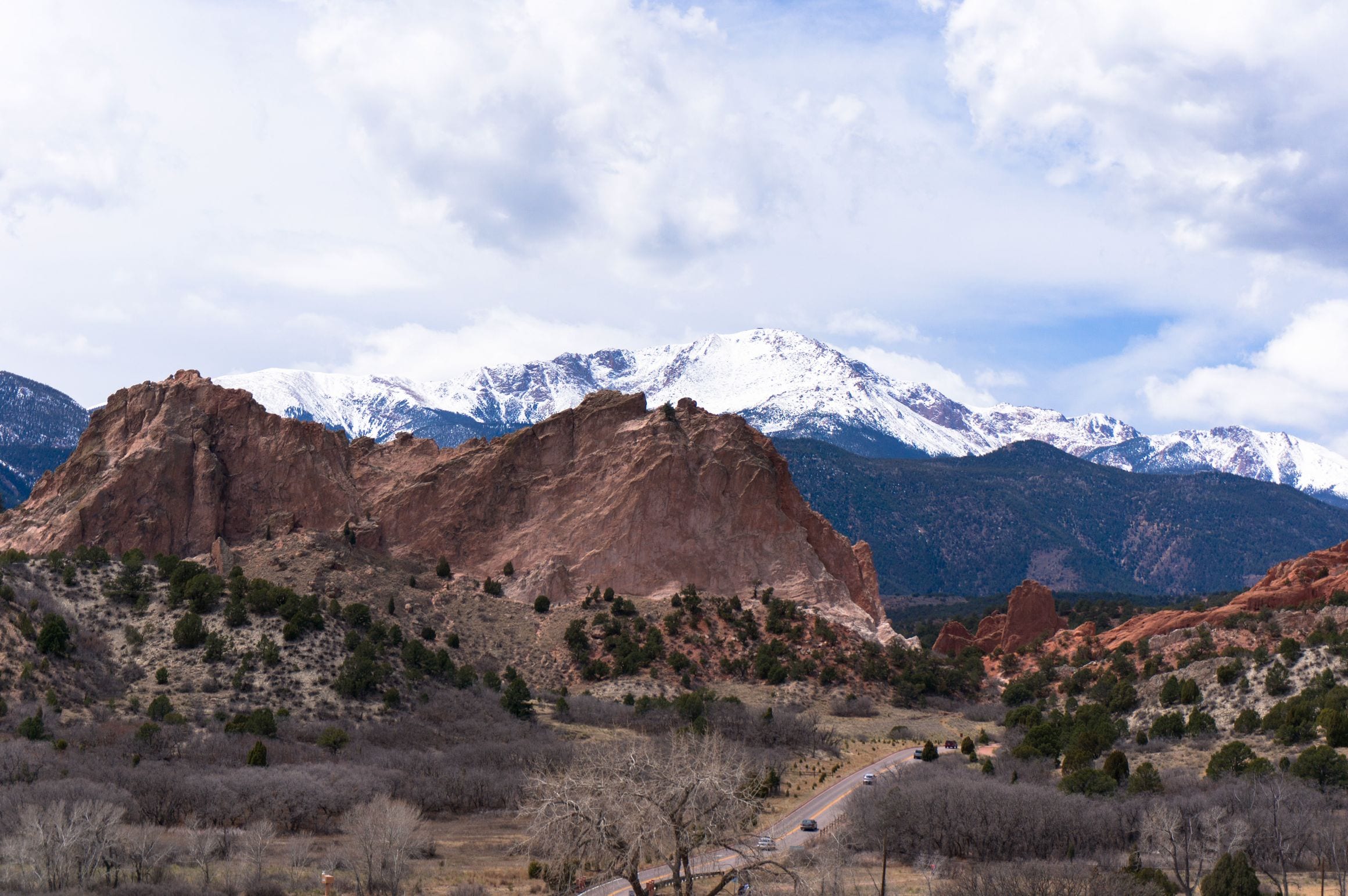
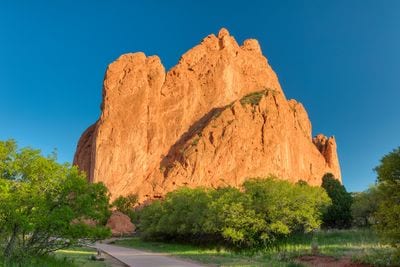
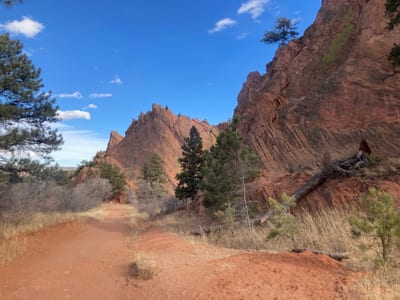
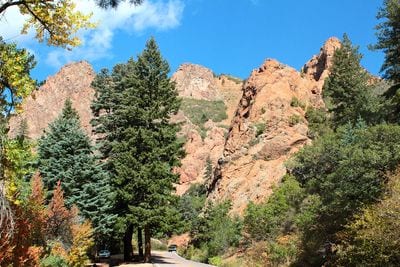
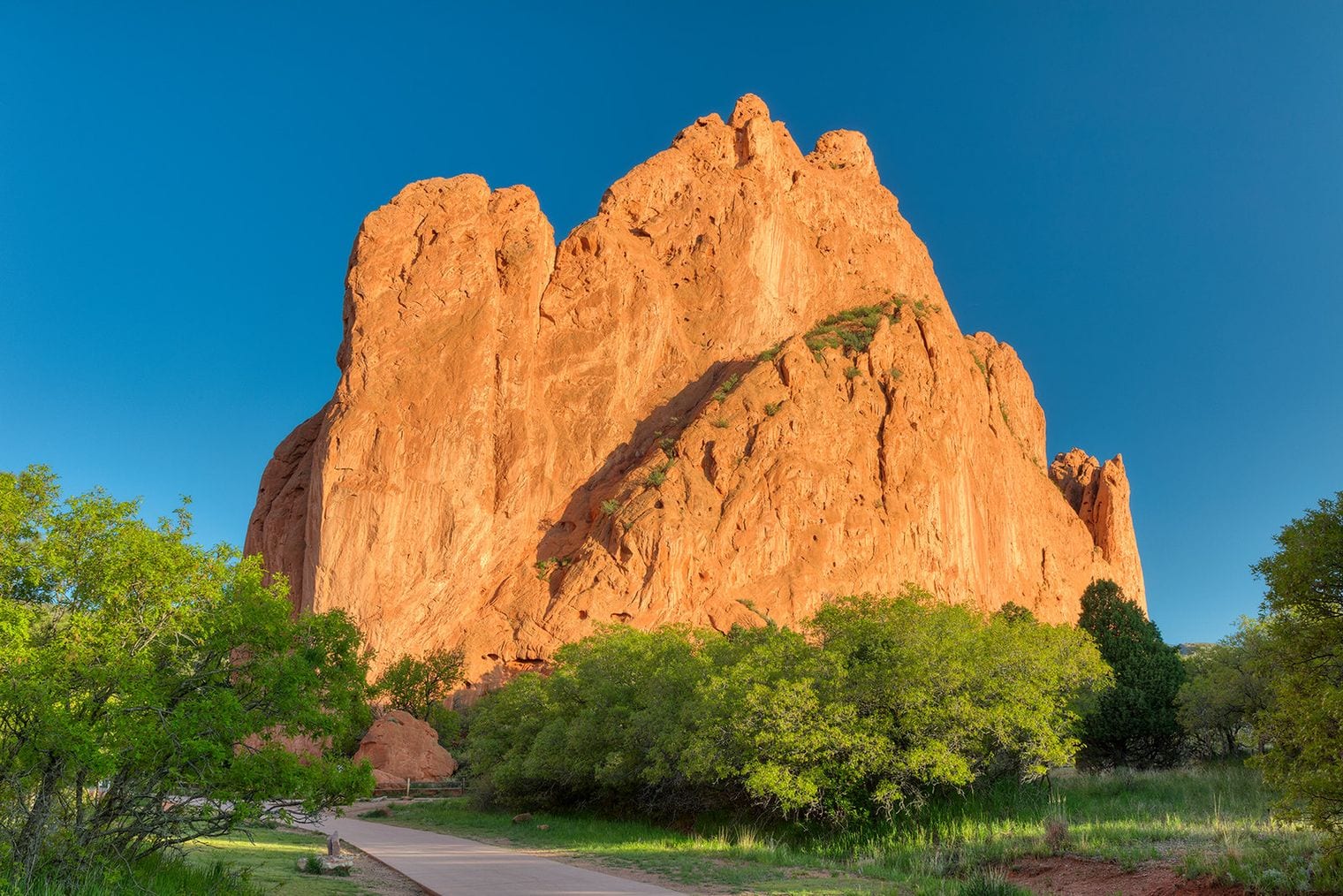
Garden of the Gods is the image Colorado Springs is known for: towering fins of red sandstone, tipped on end and set against the snowy bulk of Pikes Peak. Much of the park is a National Natural Landmark, and paved paths through the Central Garden lead past formations such as Balanced Rock and the Three Graces, with dirt trails looping out into quieter corners.
Entry is free, a condition attached when the land was given to the city in 1909, so it is easy to come back at sunrise or sunset, when the rock glows deepest. Stop at the visitor and nature center for its exhibits, then hike, cycle or watch climbers working their way up the walls.
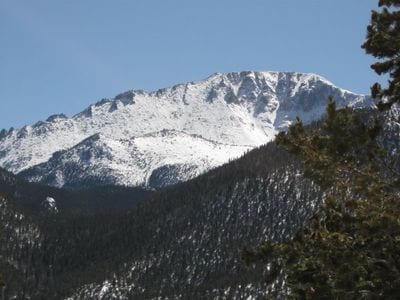
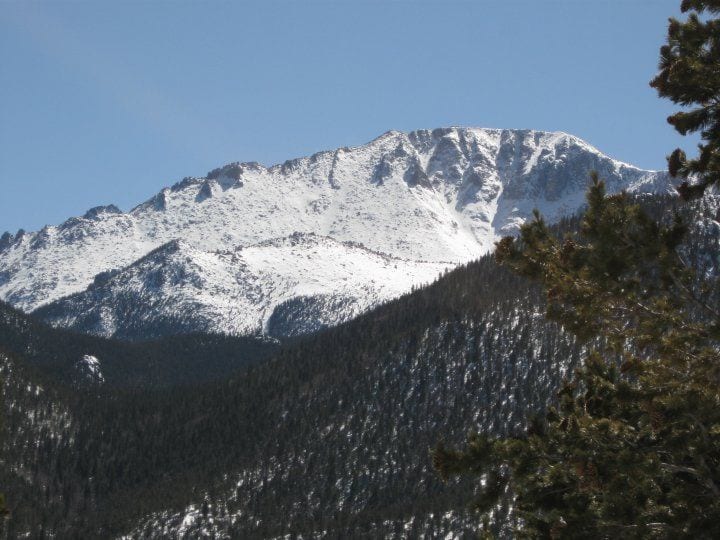
Pikes Peak rises to 14,115 feet west of the city, and the view from its summit inspired Katharine Lee Bates to write the words of “America the Beautiful” in 1893. There are three classic ways up: drive the 19-mile highway, ride the Cog Railway, or hike the 13-mile Barr Trail from Manitou Springs.
The toll road climbs through forest and hairpin bends above the tree line, with visitor stops along the way and a modern visitor center at the top, where the high-altitude doughnuts are a tradition. Bring warm layers whatever the season — the summit is far colder than town, and storms build quickly on summer afternoons.
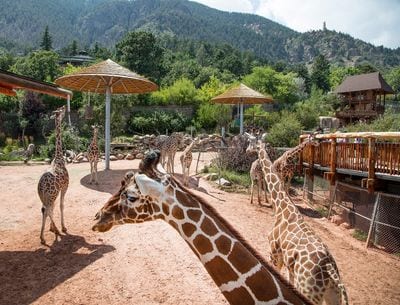
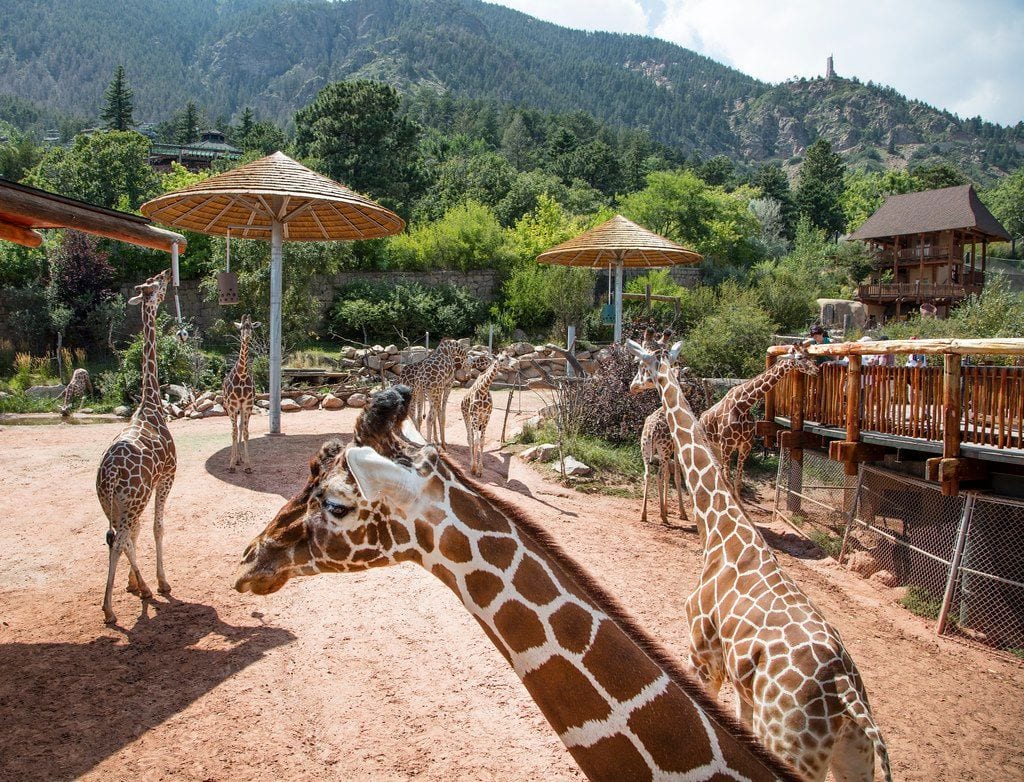
Cheyenne Mountain Zoo clings to the mountainside above the Broadmoor area at about 6,700 feet, making it the highest zoo in the country, and its terraced paths come with sweeping views over the city and the plains. It is best known for its large giraffe herd, and visitors can feed the giraffes from a raised deck at eye level.
Beyond the giraffes, the hillside exhibits hold big cats, bears, primates and a carousel, and the Mountaineer Sky Ride chairlift carries you up over the treetops. Wear comfortable shoes, because the grounds climb steadily, and leave time for the road beyond the zoo that continues up the mountain.
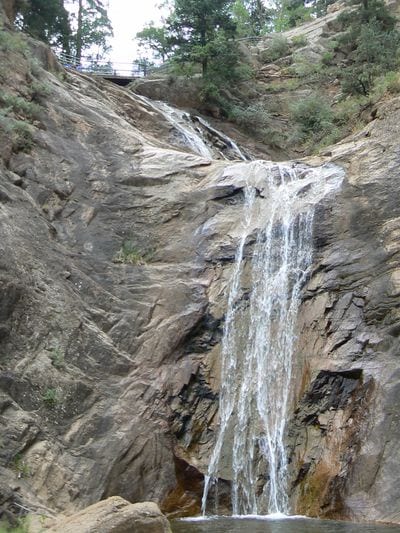
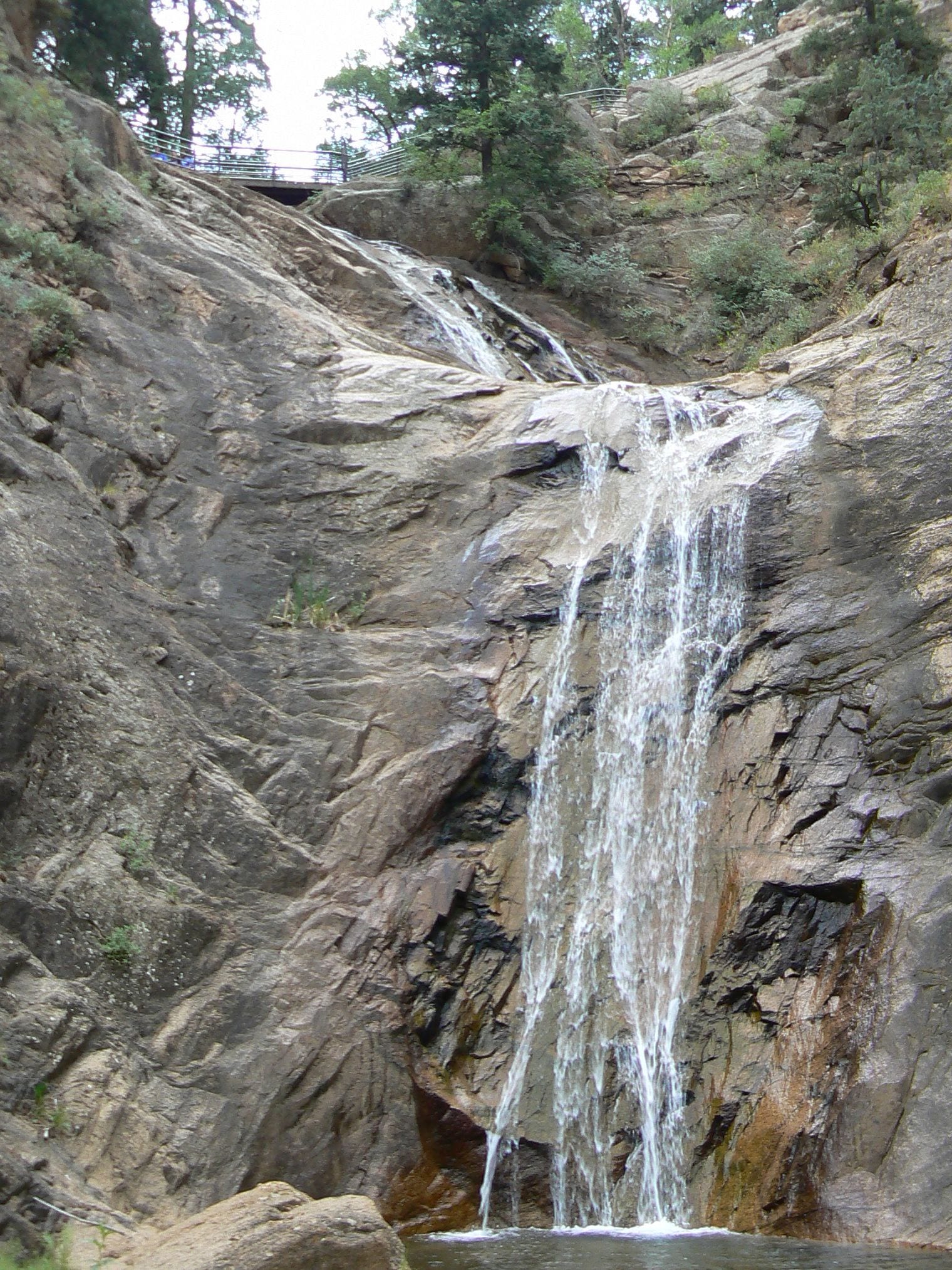
Seven Falls tumbles through a narrow granite box canyon in seven cascades that together drop about 181 feet. It has drawn sightseers since the early 1880s, and The Broadmoor bought the canyon in 2014 and reopened it in 2015 after repairing damage from a 2013 flood.
A staircase of 224 steps climbs beside the falls to trails leading on to Midnight Falls and Inspiration Point, while an elevator cut into the canyon wall rises to the Eagle's Nest viewing platform. The resort also runs a zipline course in the mountains nearby, for anyone who wants to see the canyon country at speed.
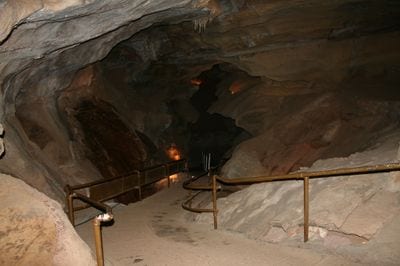
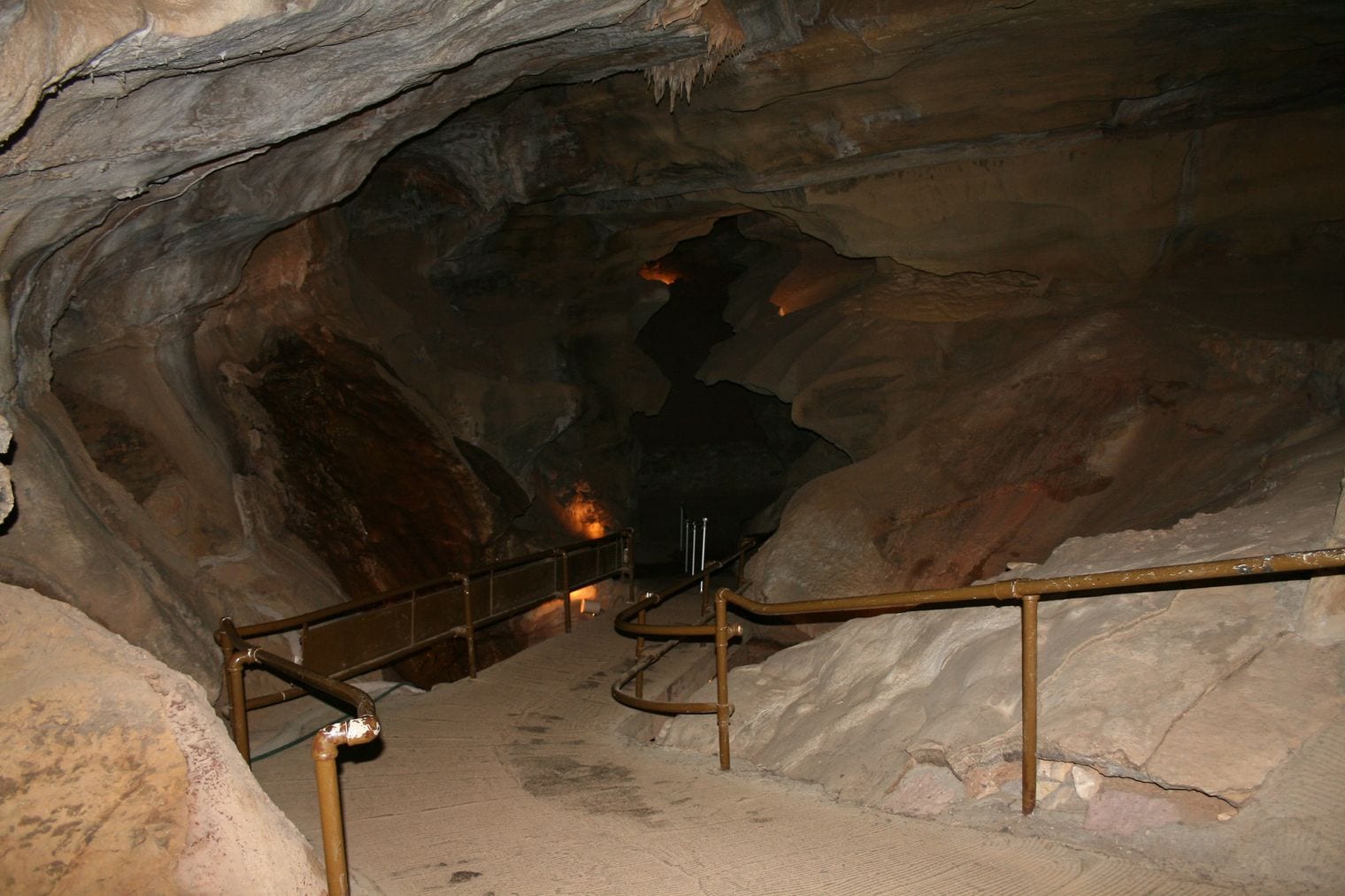
Cave of the Winds Mountain Park pairs a show cave with cliff-edge thrill rides above Williams Canyon, just outside Manitou Springs. The cave has welcomed visitors since soon after it was explored in 1880, and guided tours lead through passages and chambers decorated with stalactites, flowstone and delicate crystal formations.
For atmosphere, pick a lantern-lit tour that leaves the electric lights behind; for adrenaline, the outdoor rides swing and drop out over the canyon rim. Even if you skip the rides, the drive up and the views down into Williams Canyon are part of the fun.
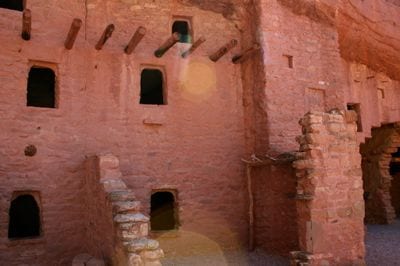
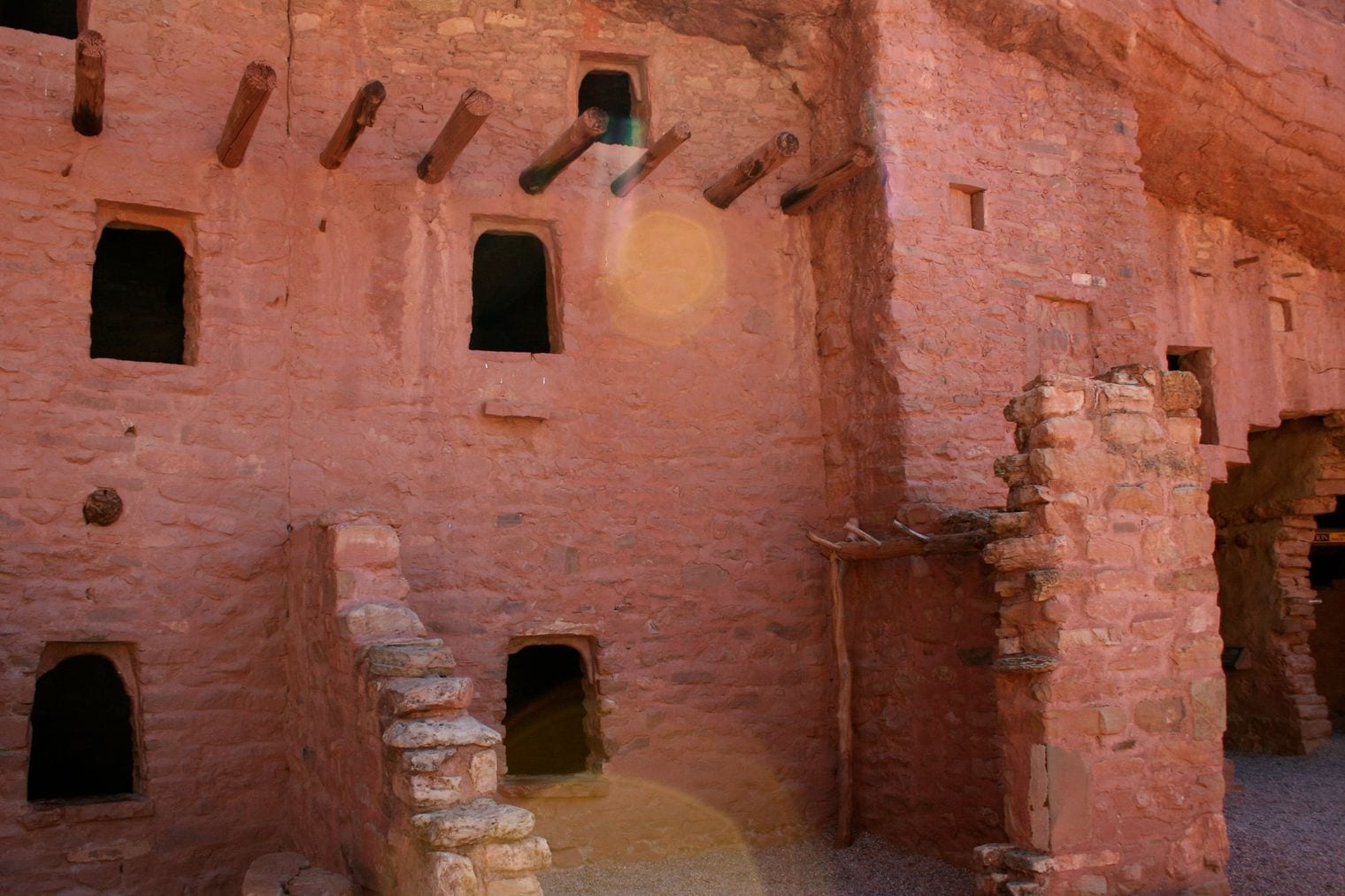
Manitou Cliff Dwellings is a curious slice of tourism history: Ancestral Puebloan-style cliff dwellings rebuilt on a Manitou Springs hillside from stones taken from a prehistoric site, and opened to visitors in 1907. The dwellings were not built here originally, and knowing that makes the visit more interesting rather than less.
You can walk through the stone rooms and passages of the village, then browse museum displays of pottery, tools and artifacts about Ancestral Puebloan life, along with a demonstration of a traditional horno oven. It is a quick, family-friendly stop that pairs naturally with a cave tour down the road.
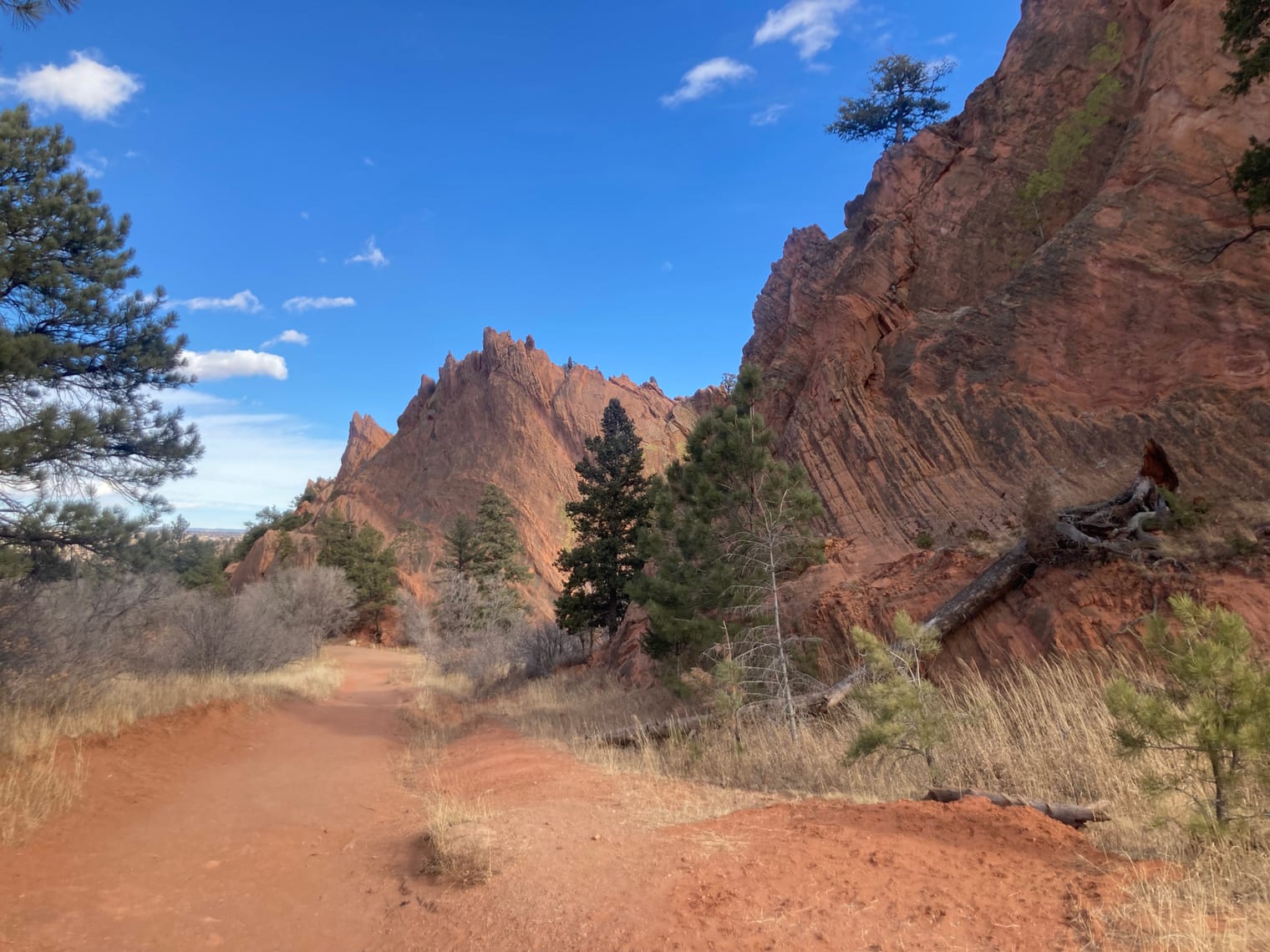
Red Rock Canyon Open Space is the quieter neighbor of Garden of the Gods, with the same red sandstone spread across about 789 acres of canyons and hogback ridges on the city's western edge. The rock layers here continue those of Garden of the Gods, a little over a mile to the north.
A network of trails suits easy walks, trail runs and mountain biking, and the ridgetops give long views to Pikes Peak and back over the city. Look for the cut faces of the old sandstone quarry, and come early on summer mornings, before the heat and the crowds.
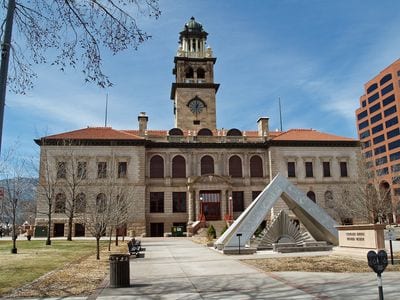
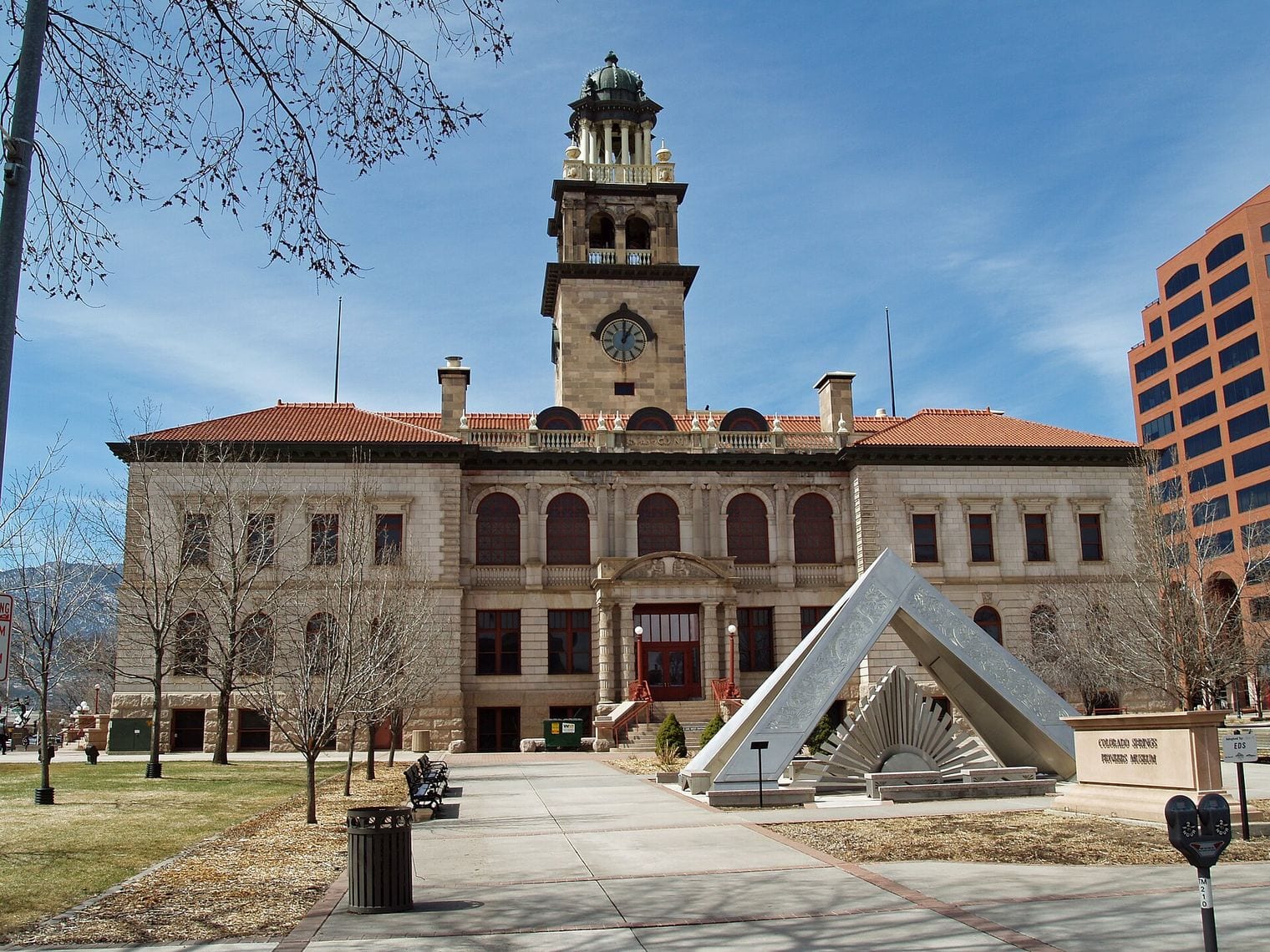
Colorado Springs Pioneers Museum fills the former El Paso County Courthouse, a granite building with a domed clock tower that served as the courthouse from 1903 to 1973. Its art, artifacts and archives tell the story of the Pikes Peak region, and a large mural traces local history from early Native Americans to the building of the Air Force Academy.
Admission is free, which makes it an easy downtown stop between other sights. History lovers should look into its research center, which holds the personal papers of the city's founder, William Jackson Palmer, and the shady park around the building is a pleasant place to sit afterward.
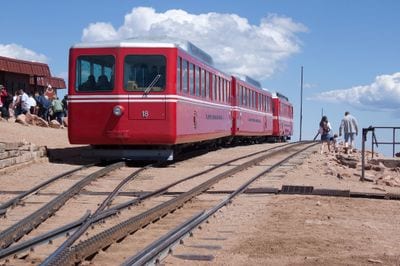
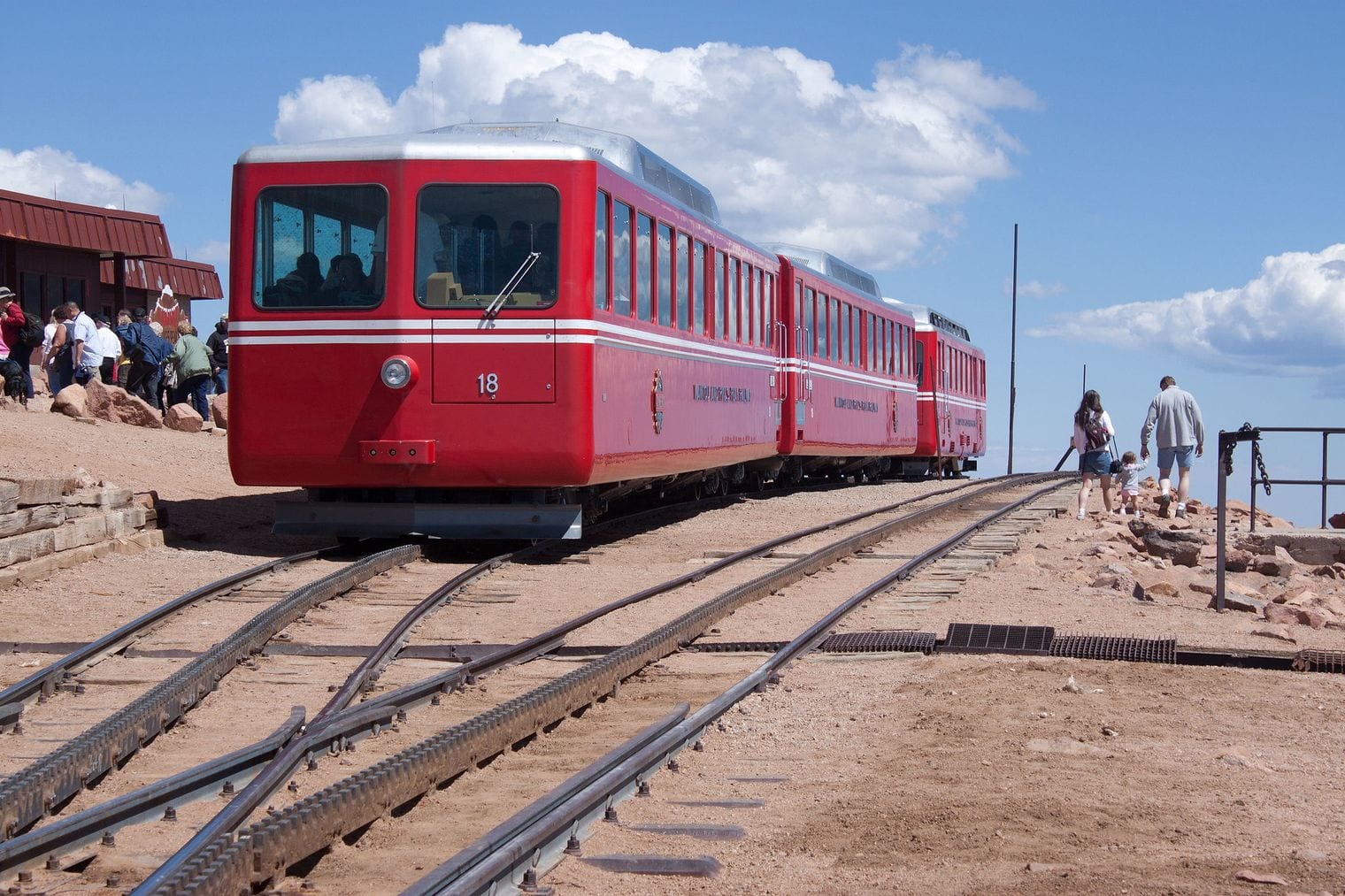
The Broadmoor Manitou and Pikes Peak Cog Railway has carried passengers from its depot in Manitou Springs toward the summit of Pikes Peak since 1891, its toothed rail gripping grades no ordinary train could climb. It is one of very few cog railways left in the United States, and it reopened in 2021 after a complete rebuild of its track and trains.
The ride climbs from canyon forest past aspen groves and boulder fields to the bare tundra above the tree line, with time at the summit before the trip back down. Book ahead for summer departures and pack a warm layer, as the top can feel like another season entirely.
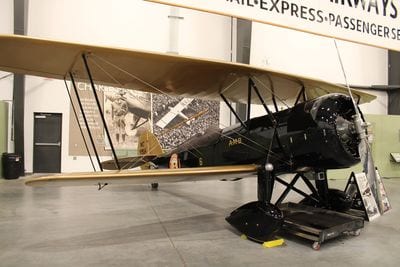
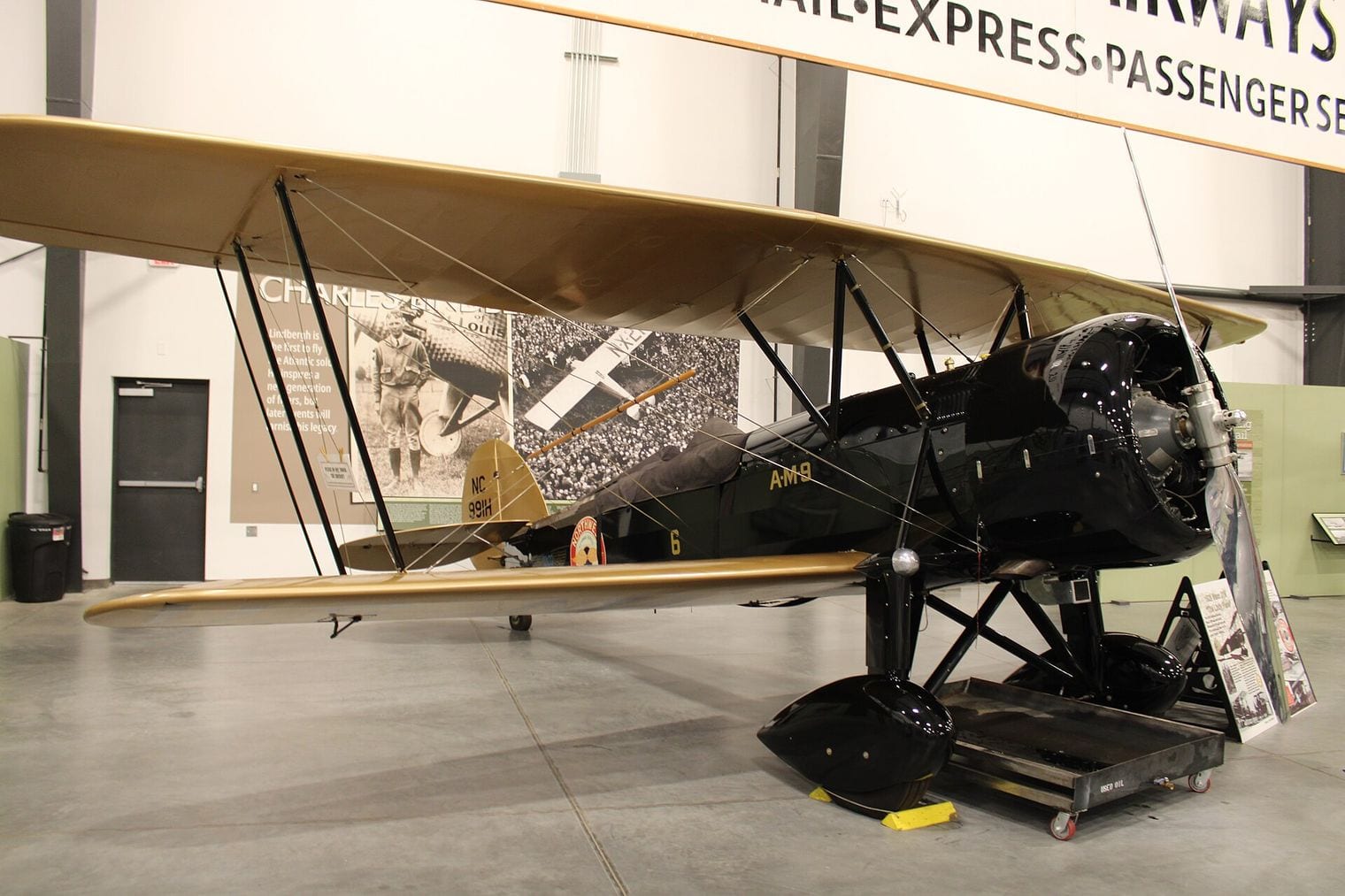
The National Museum of World War II Aviation sits beside Colorado Springs Airport and tells the story of the air war through aircraft restored to flying condition. Its hangars hold fighters, trainers and bombers alongside engines and exhibits on the people who built, maintained and flew them.
The museum also carries on restoration work, so you may see an aircraft partway through its rebuild. Guided tours add depth for history buffs, and it makes a fine indoor choice for a hot afternoon or a snowy day.
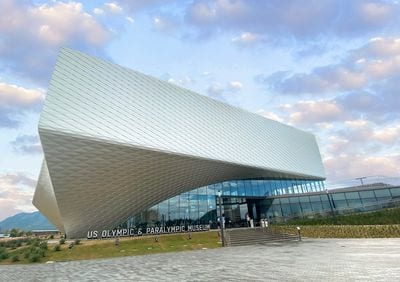
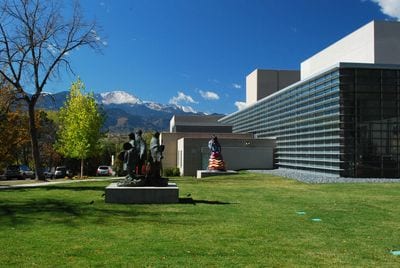
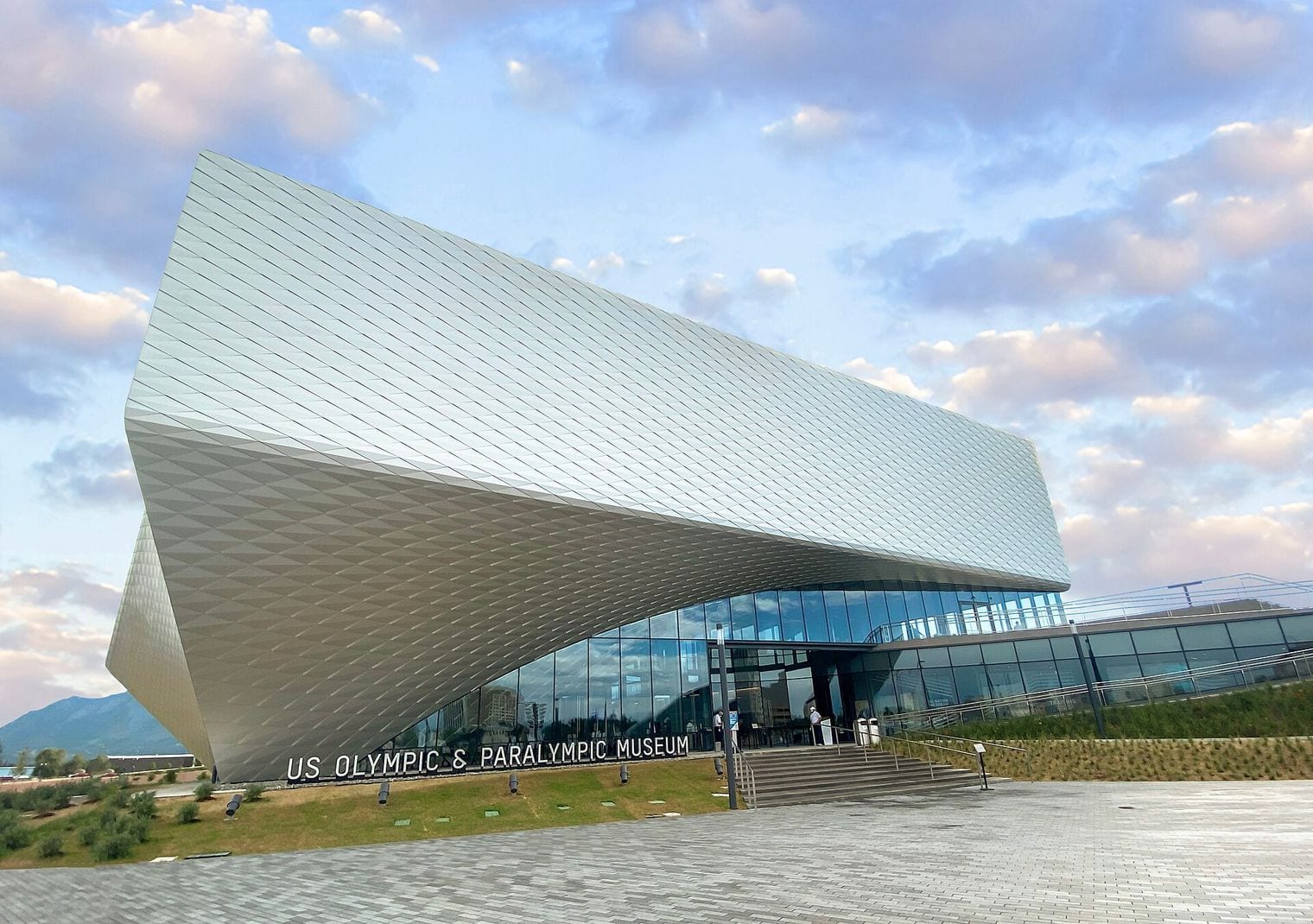
The U.S. Olympic & Paralympic Museum opened downtown in 2020 in a striking, twisting building of angled metal panels, a fitting showcase for the city where the U.S. Olympic & Paralympic Committee has its headquarters. Its galleries celebrate the athletes who have represented Team USA, telling Olympic and Paralympic stories side by side.
The exhibits lean interactive, with hands-on sport challenges, film and memorabilia from famous Games, so it works well for families. Plan an hour or two, and longer with children who want to try everything.
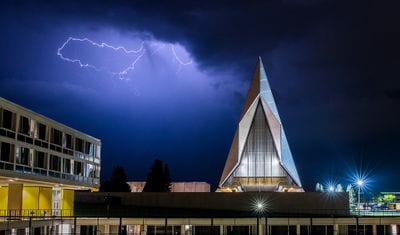
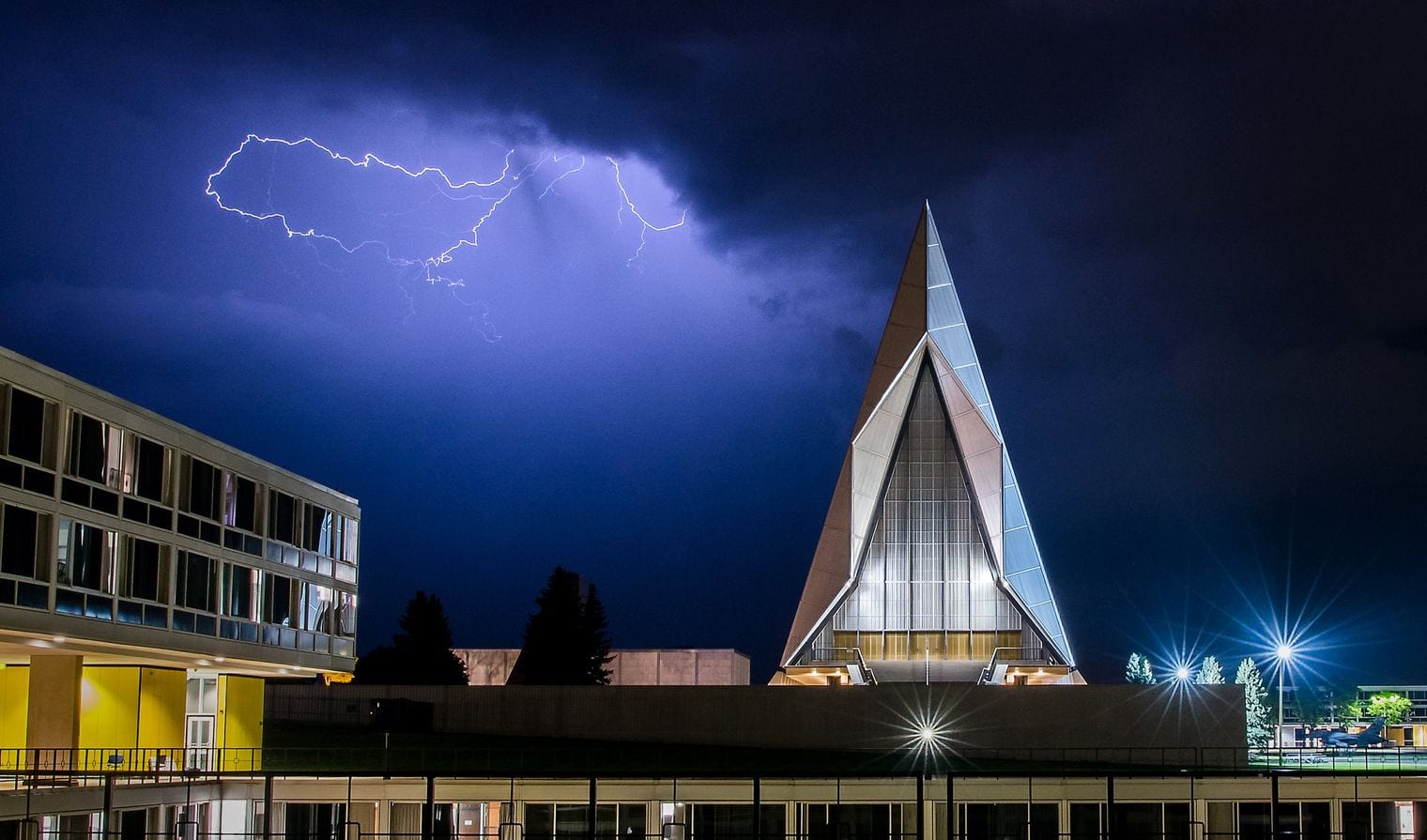
The U.S. Air Force Academy spreads across a sweeping campus at the foot of the Rampart Range just north of the city, and it is one of the most visited attractions in Colorado. Start at the Hosmer Visitor Center just outside the North Gate, where free, interactive galleries follow the cadet journey beneath a soaring atrium hung with a glider.
The academy's best-known landmark, the Cadet Chapel with its row of aluminum spires, has been closed for a long restoration, so check whether it has reopened before planning around it. Access to the rest of the grounds depends on the academy's security rules, so look at its visitor page before driving in, and in fall consider a home football game.
1313. Flying W Ranch
Tourist Attraction~6.6 miles (10.7 km) from centre
Flying W Ranch has served cowboy-style chuckwagon suppers in the foothills on the city's west side since 1953, on what is also a working mountain cattle ranch. Dinner is a hearty barbecue plate served at long tables, followed by a stage show of Western music from the ranch's own band.
The ranch burned in the 2012 Waldo Canyon Fire and its owners rebuilt it, and arriving early leaves time to explore the Western grounds, shops and ponds before the meal. Check the season before you go, since the outdoor chuckwagon suppers run in the warmer months.
Free printable checklist of all 30 places
Tick them off as you go. Confirm your email to download it, plus one email every Thursday with new guides for the places you tick.
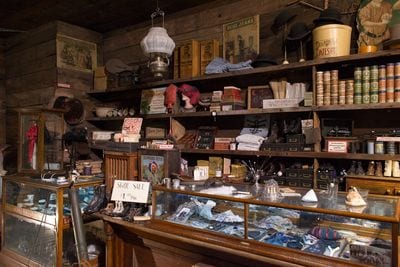
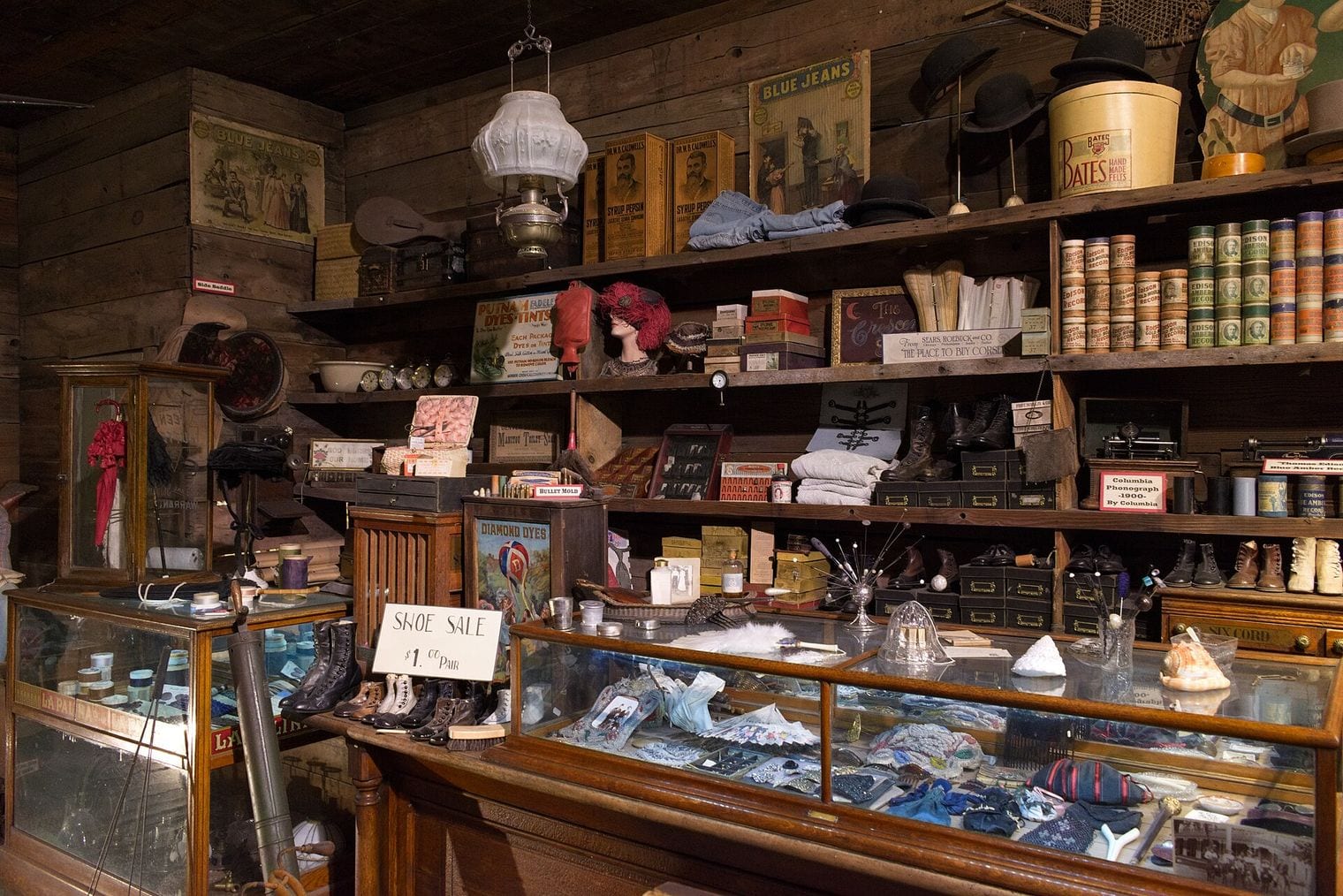
Ghost Town Museum gathers buildings and artifacts rescued from across the Pikes Peak region into an indoor Old West town on the west side of Colorado Springs. Wander its boardwalk past storefronts and displays of everyday frontier life, and it is easy to imagine yourself in a Western movie.
It is more hands-on than most museums: try the antique arcade machines and the shooting gallery, churn butter, and in summer pan for gold outside. It makes an easy family stop on the way to Old Colorado City or Manitou Springs.
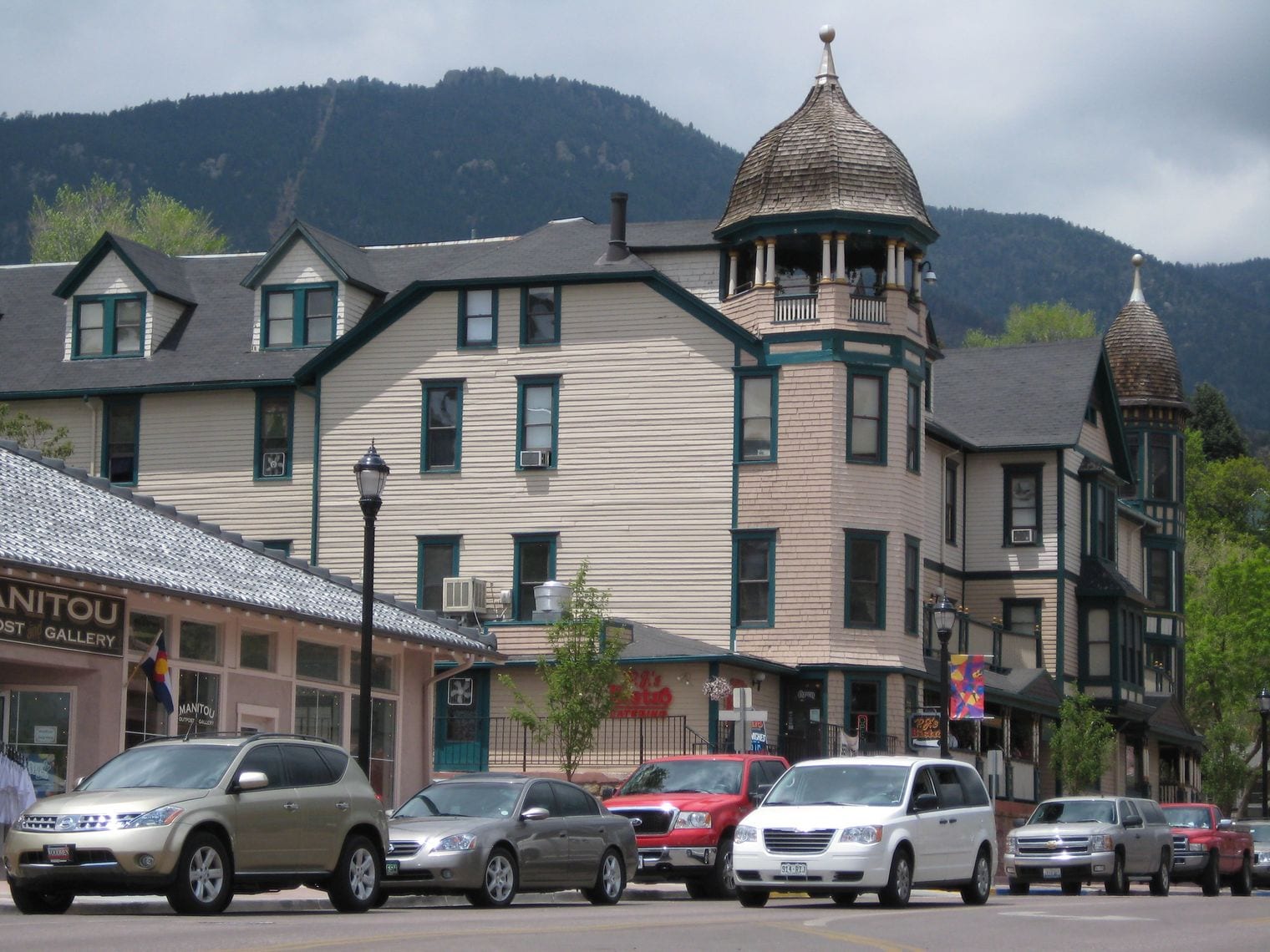
Manitou Springs is the small town at the foot of Pikes Peak that grew up around its natural mineral springs, and many of those springs still flow from public fountains around town, free to taste. Follow a springs walk along Manitou Avenue, where each fountain's water has its own mix of minerals and fizz.
Between fountains, the historic district is lined with shops, galleries and cafés, a creekside park and an old-fashioned penny arcade. Several of the region's best-known sights start just up the hill, which makes the town an easy base, and it also features among Colorado's best small towns.
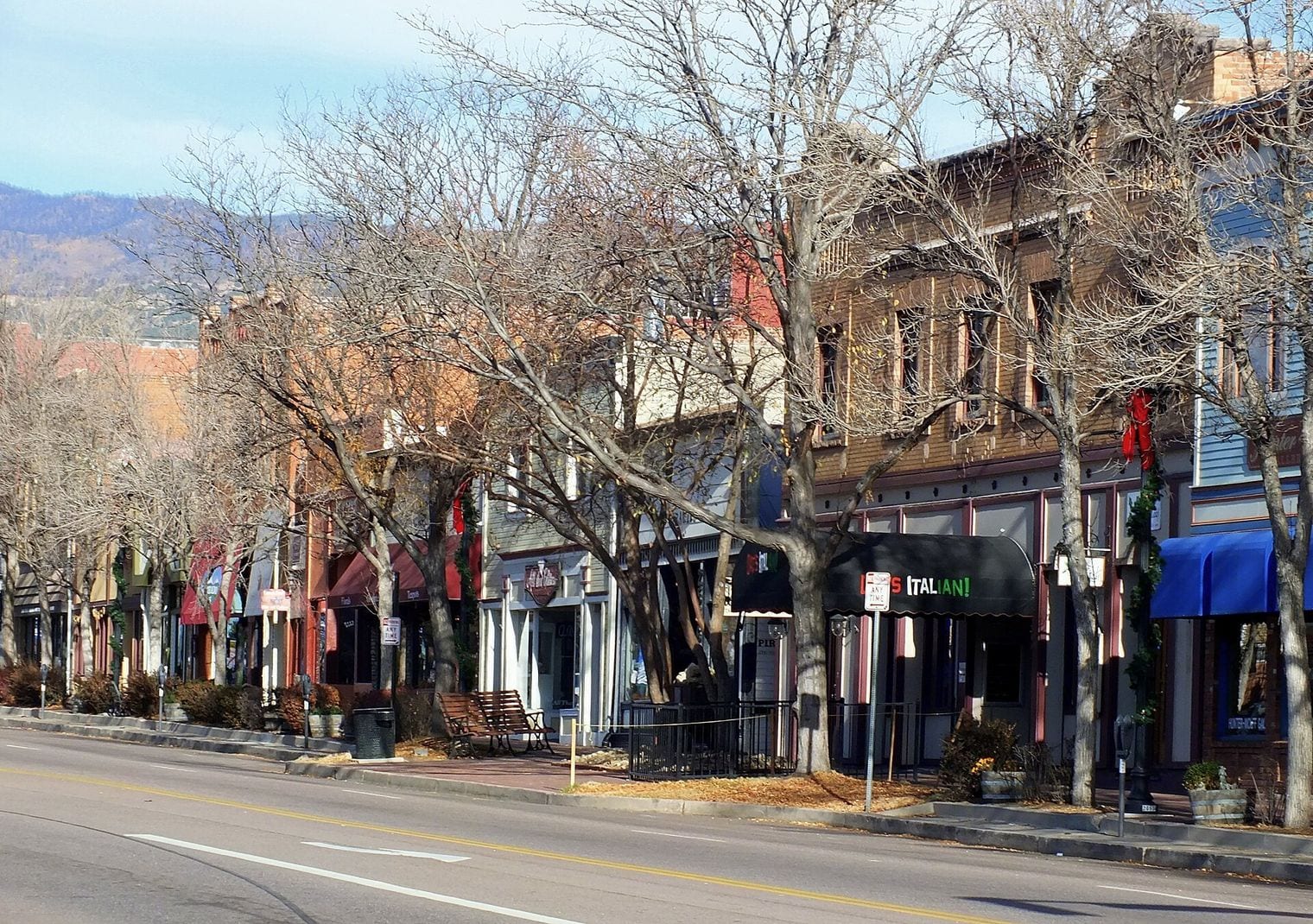
Old Colorado City predates Colorado Springs itself: founded during the 1859 gold rush as a supply town near the route up Ute Pass, it was briefly the capital of Colorado Territory. Its saloons gave it a rowdy reputation, which is partly why William Jackson Palmer banned alcohol in his new town next door.
Today the historic commercial district along Colorado Avenue is a walkable strip of boutiques, galleries and restaurants, centered on Bancroft Park, the old town square. Visit the small history center for the backstory, then linger for dinner as the patios fill up.
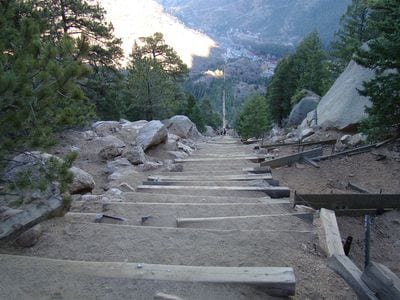
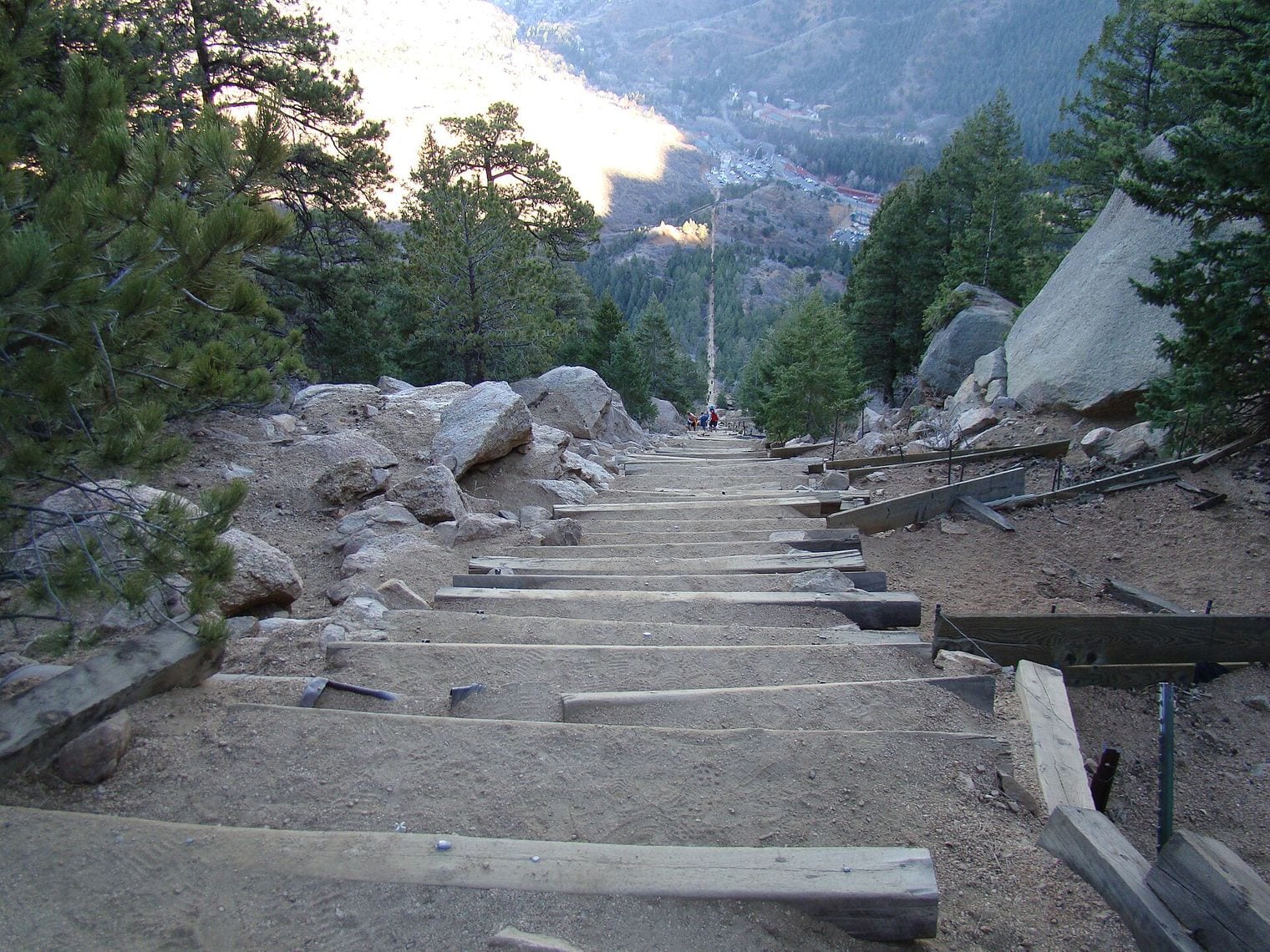
The Manitou Incline is a brutal, beloved staircase up the mountain above Manitou Springs, following the bed of an old funicular railway whose tracks washed out in 1990. It gains about 2,000 feet in under a mile, at an average grade near 45 percent, and its thousands of old railroad-tie steps make it a local fitness rite.
The reward is a sweeping view over Manitou Springs, the city and the plains, and most hikers come down by a longer, gentler trail. Start early, carry water, check the city's reservation and parking rules before you go, and take the altitude seriously if you have just arrived from sea level.
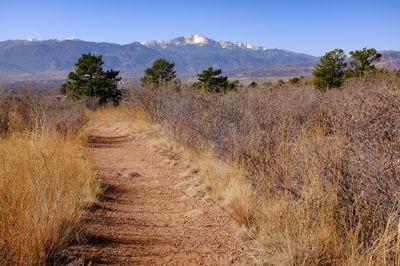
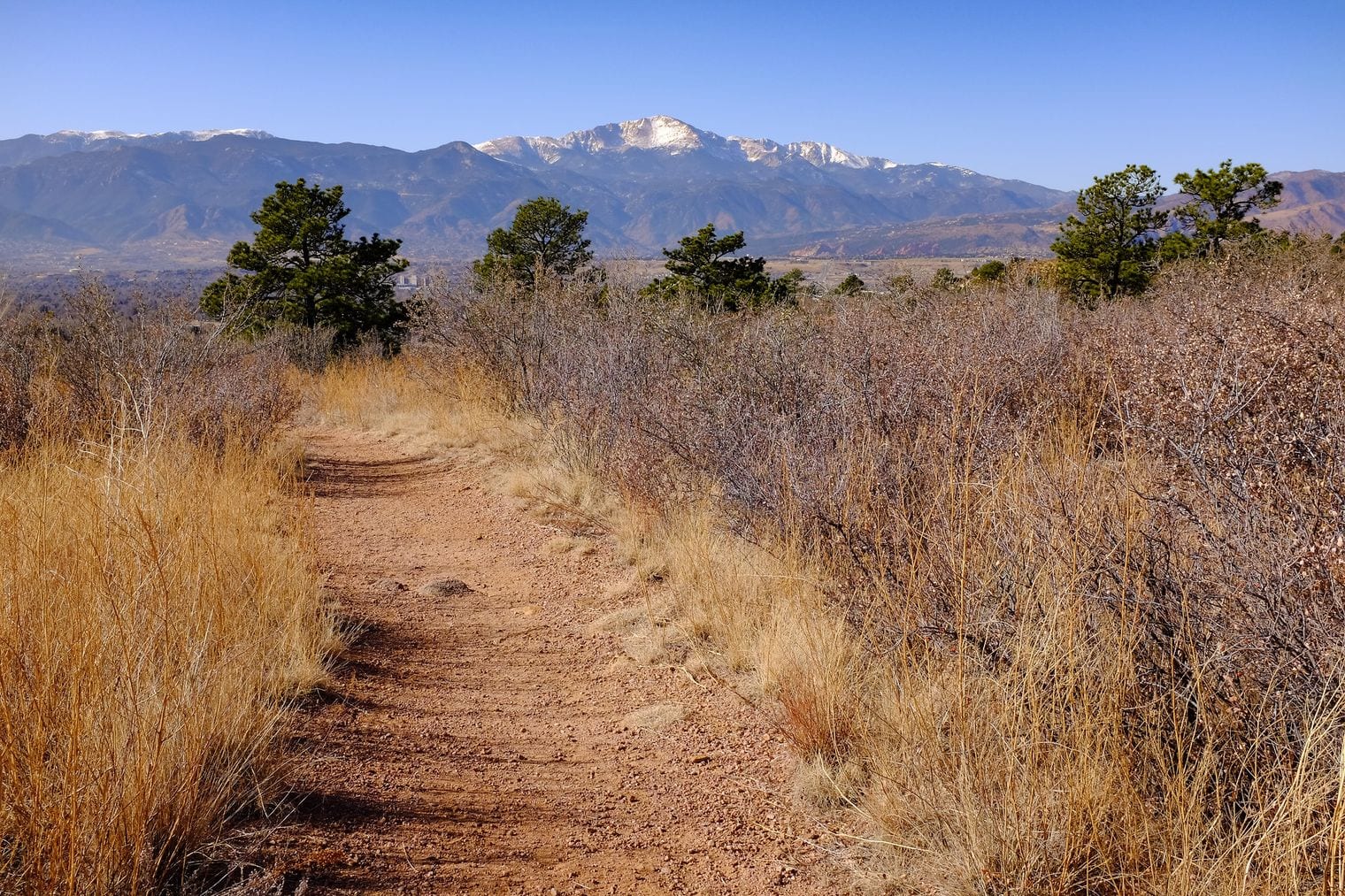
Palmer Park is a rugged slice of wild country in the middle of the city, about 692 acres of mesa, sandstone outcrops and pine woods that William Jackson Palmer gave to Colorado Springs in 1902. Its trails wind along rock ledges and across the mesa top, with some of the finest views of Pikes Peak anywhere in town.
Locals come here to hike, run and mountain bike, and the trail network is big enough that the surrounding suburbs quickly drop out of sight. It is free, far less crowded than Garden of the Gods, and a lovely place for a sunset walk.
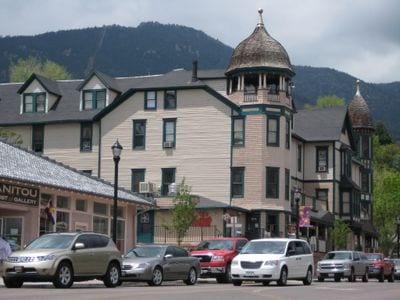
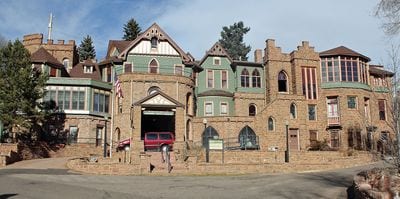
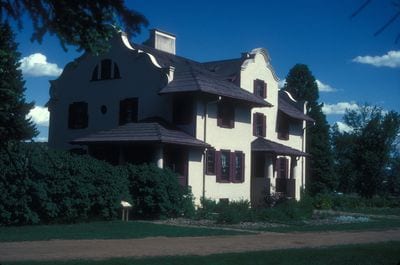
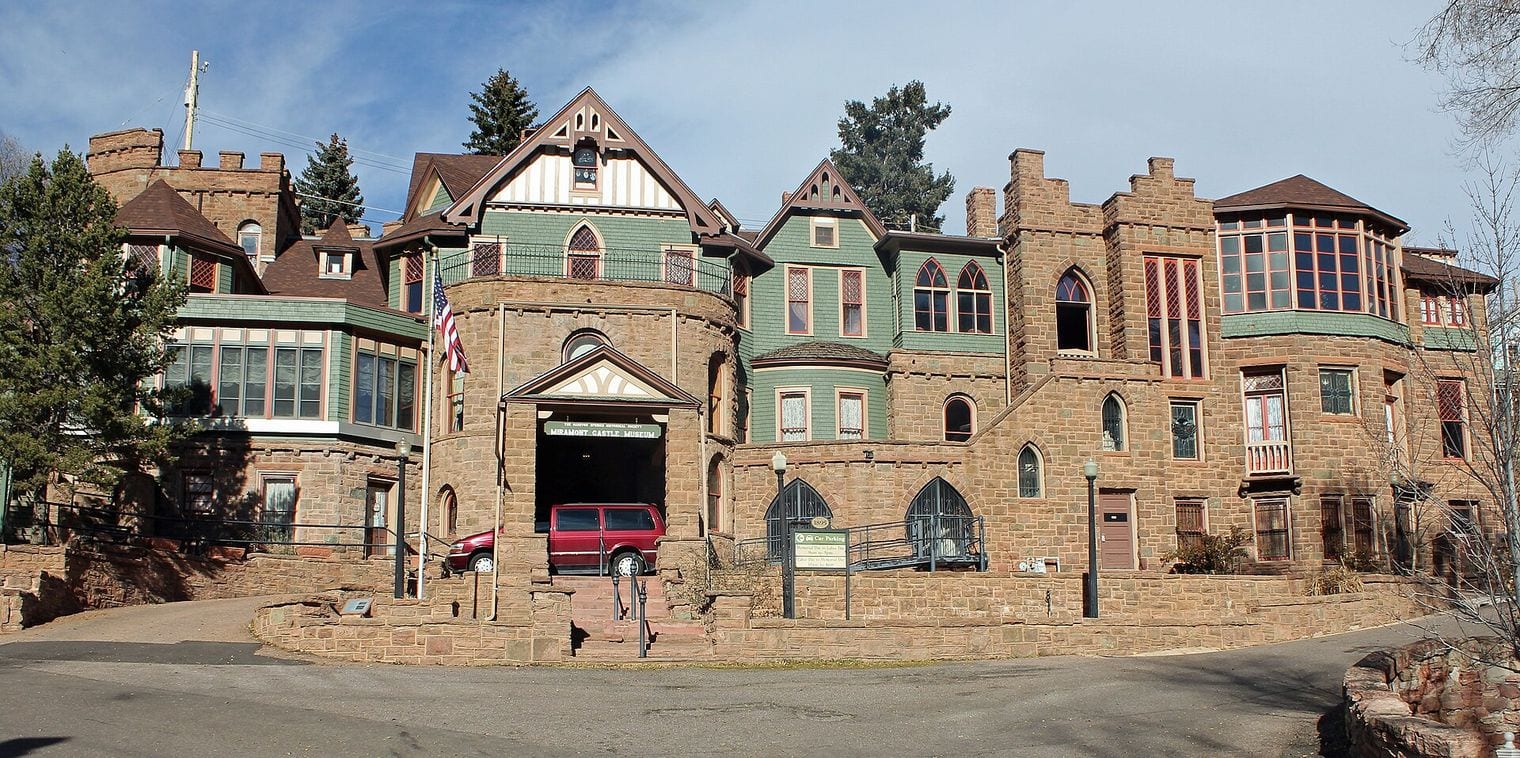
Miramont Castle Museum is one of the oddest houses in Colorado, built in 1895 on a Manitou Springs hillside as a private home for a French-born Catholic priest, Father Jean Baptist Francolon. The building mixes nine architectural styles, from Romanesque and English Tudor to Flemish stepped gables and Moorish touches.
Inside, rooms furnished in period style tell the story of the house and the people who lived and worked there over the years. Round off the visit with afternoon tea in the castle's tearoom, then walk down into the Manitou Springs historic district.
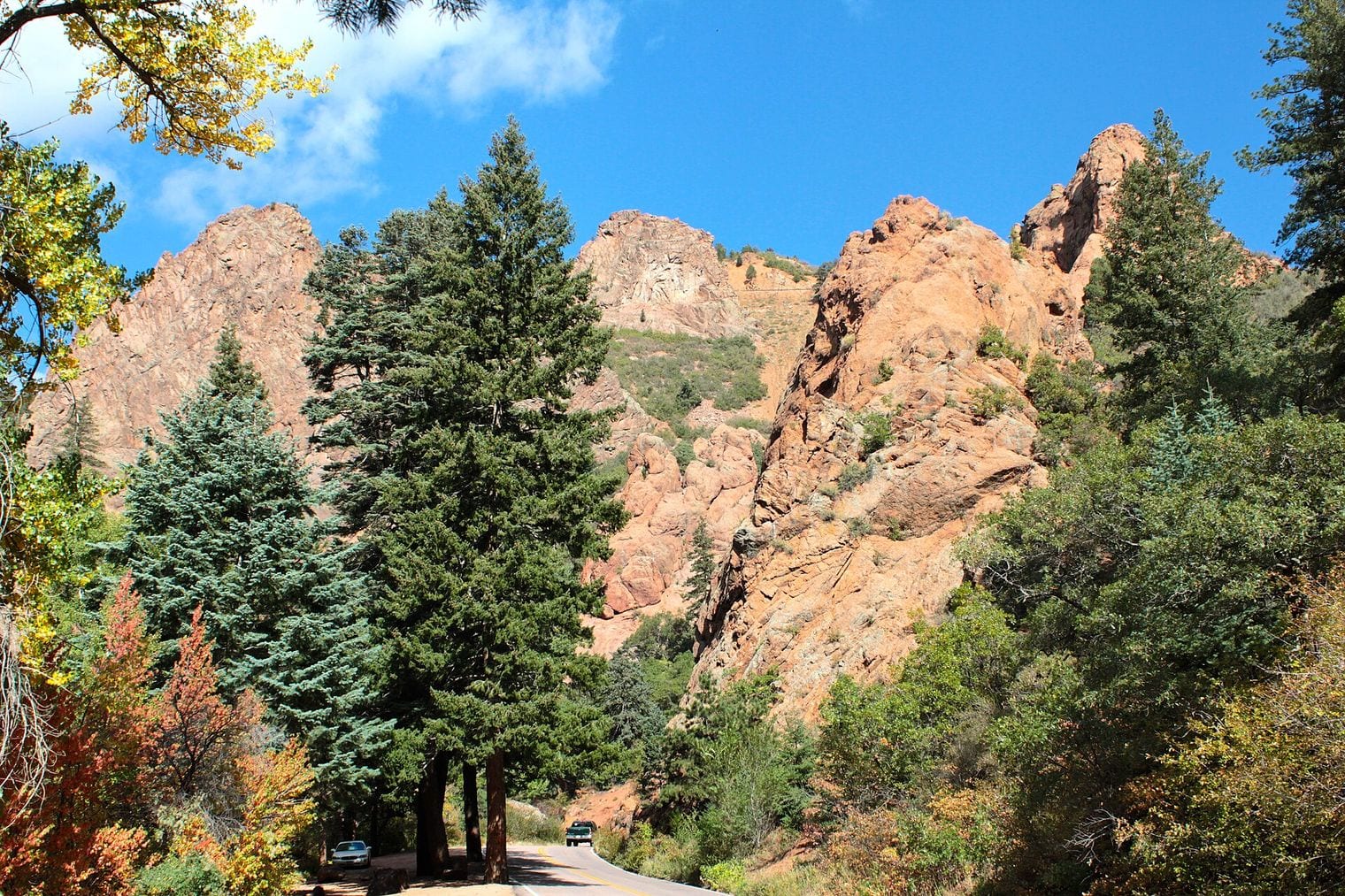
North Cheyenne Cañon Park is a steep-walled canyon of granite, pines and waterfalls on the city's southwest edge, much of it land that William Jackson Palmer gave to the city. Start at the Starsmore Visitor and Nature Center by the canyon entrance, then drive the winding road up to Helen Hunt Falls and Silver Cascade Falls.
Hikers can follow the Seven Bridges Trail as it crosses the creek again and again on its way up a side canyon, or climb Mount Cutler for views over the city. At the top of the canyon, the dirt Gold Camp Road heads into the mountains for walkers and cyclists.
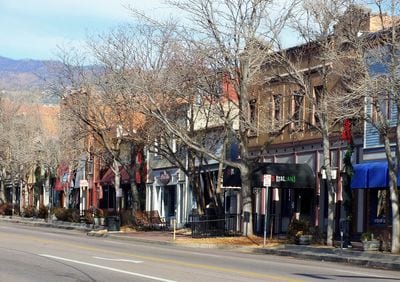
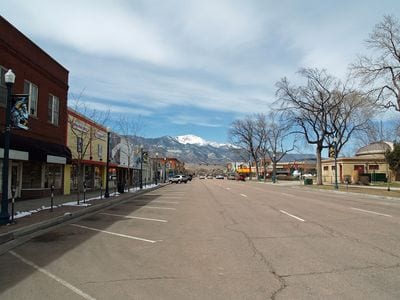
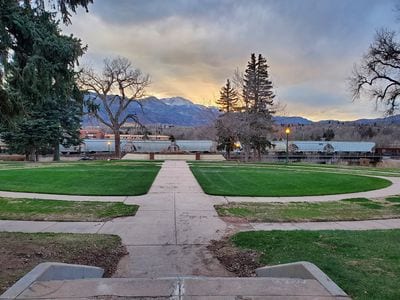
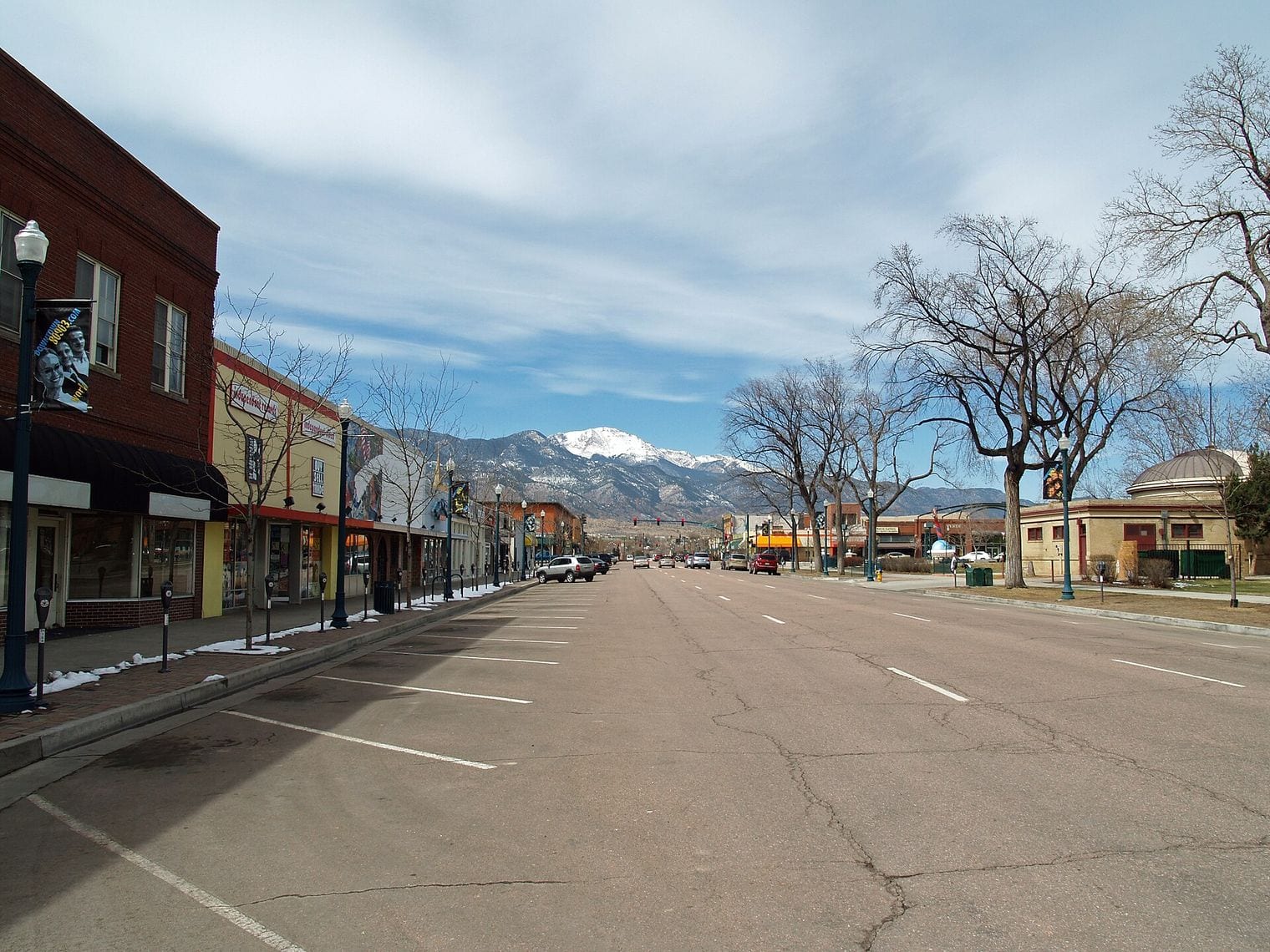
Downtown Colorado Springs is compact and easy to explore on foot, a grid of brick blocks around Tejon Street with Pikes Peak filling the view to the west. Acacia Park is its green heart, and the Uncle Wilber Fountain splash pad there draws families on warm days.
Tejon and the streets around it hold many of the city's bars, coffee shops, breweries and independent restaurants, and the Pikes Peak Center hosts concerts and touring shows. Come in the evening, when the patios fill and the museum crowd gives way to dinner and live music.
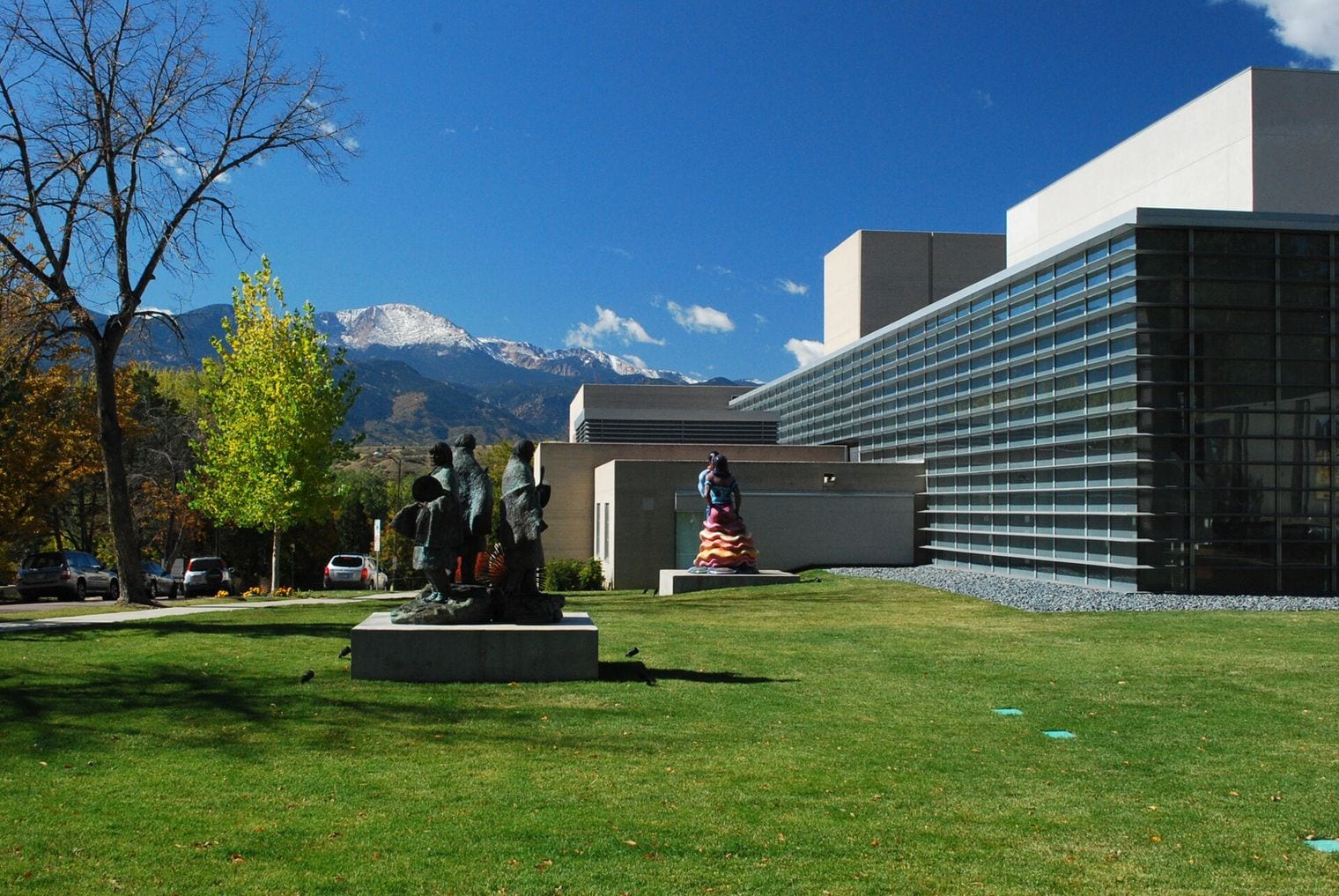
The Colorado Springs Fine Arts Center opened in 1936 in a landmark building by architect John Gaw Meem, who blended modernism with the Pueblo Revival style, and it is now part of Colorado College. Its collections are strong in the art of the American Southwest, shown alongside changing exhibitions.
The center also has a theatre company that stages plays and musicals, so you can pair an afternoon in the galleries with an evening show. Even with only an hour to spare, the building itself is reason enough to stop.
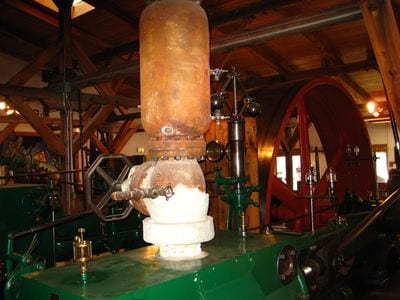
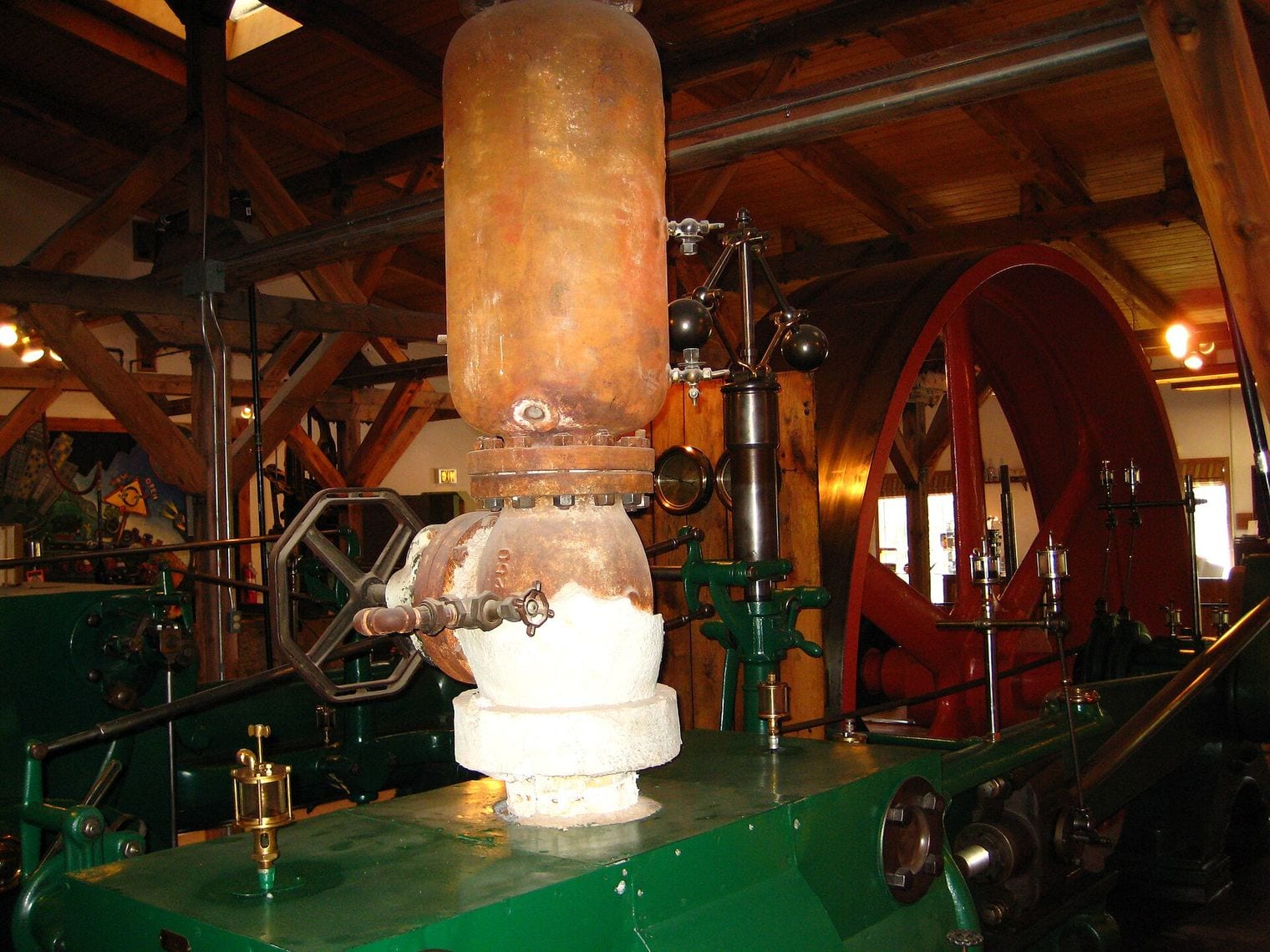
The Western Museum of Mining & Industry spreads over 27 acres on the north side of the city, near the Air Force Academy, and shows how the West's mines were dug and worked. An exhibit hall and a model mining tunnel cover the tools and techniques, while the grounds hold working machinery and historic buildings.
Docent-led tours bring the machines to life, a stamp mill runs in the warmer months, and families can try their hand at gold panning. It is a good primer before a drive up to the old gold camp of Cripple Creek.
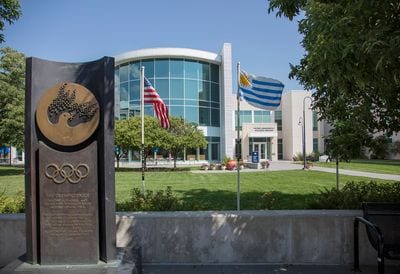
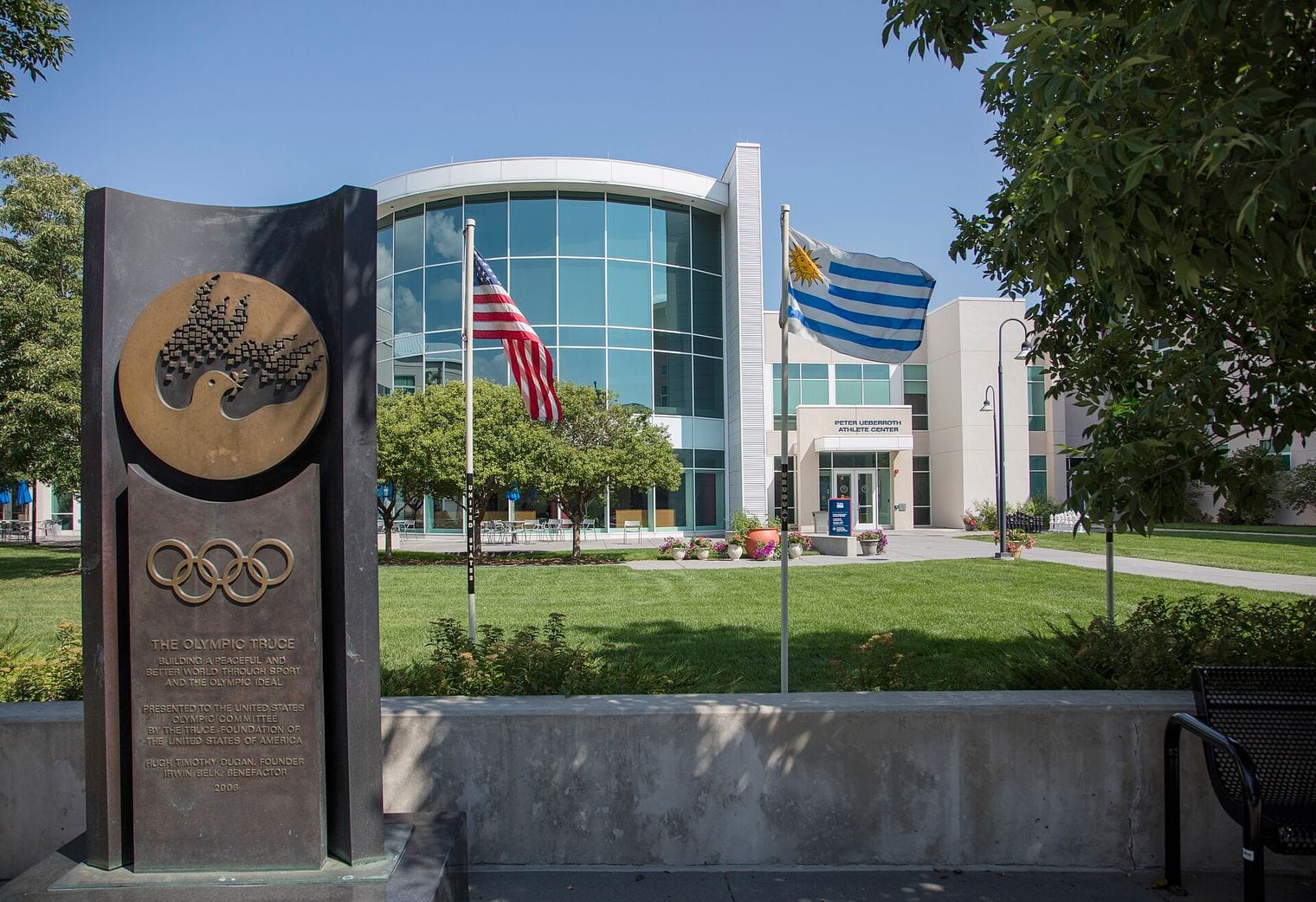
The U.S. Olympic & Paralympic Training Center is a working campus where athletes live and train for the Games, a short drive east of downtown. Guided walking tours take visitors past training venues such as gyms and pools used by national team athletes, and on a lucky day you may see some of them at work.
Tours start at the visitor center, which also has exhibits and a Team USA shop. Pair it with the Olympic museum downtown: the museum covers the history and the heroes, while the training center shows where the next generation is being made.
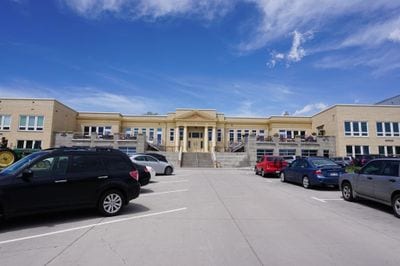
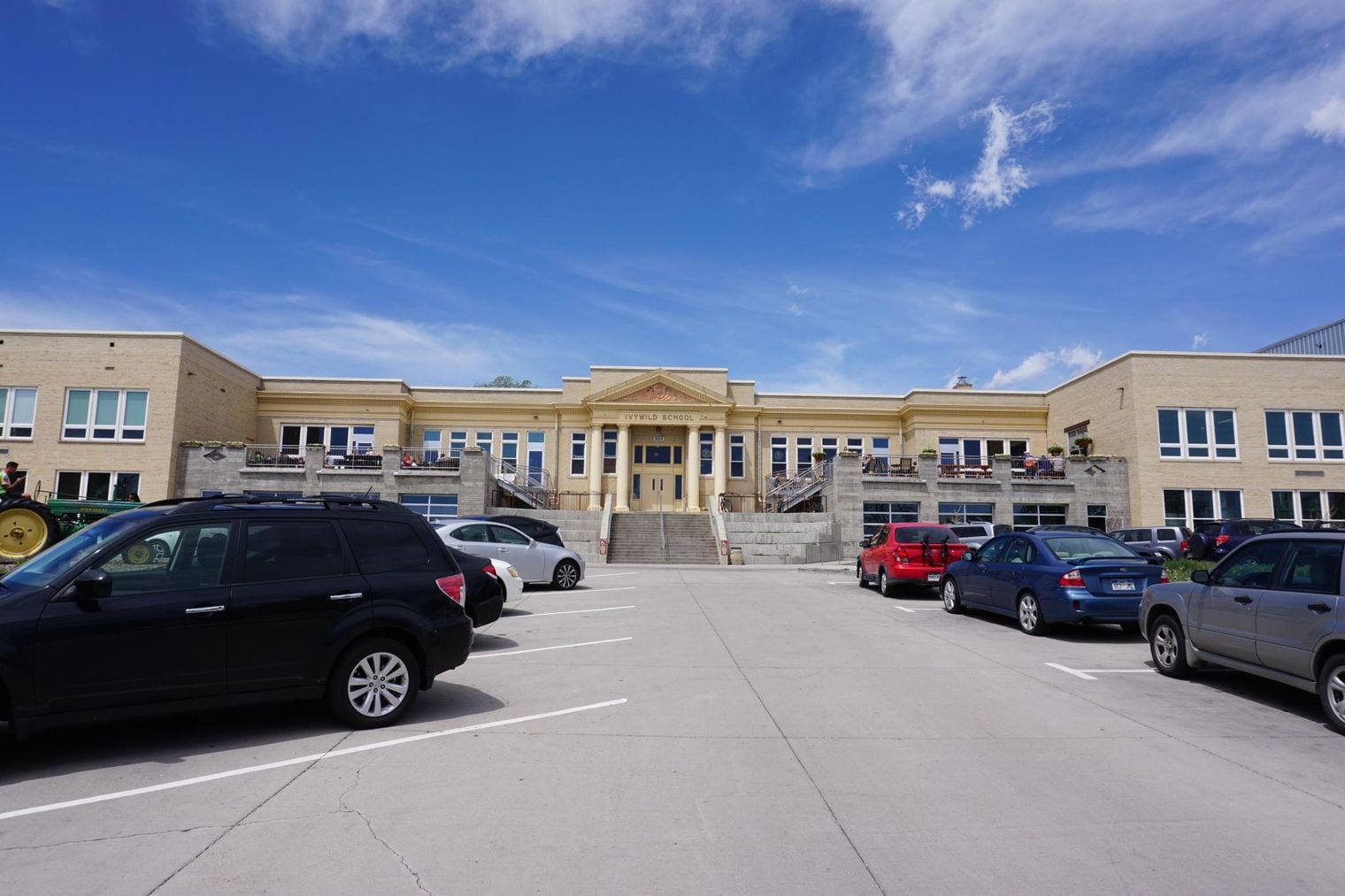
Ivywild School is a 1916 brick neighborhood elementary school that closed in 2009 and reopened in 2013 as a lively community hub. The old classrooms and gym now hold a brewery and a mix of food, drink and local businesses, with plenty of the school's original character left in place.
It sits in the small Ivywild neighborhood south of downtown, on the way toward the Broadmoor area and Cheyenne Mountain, so it is a handy stop after the zoo or Seven Falls. Grab a drink in what used to be a classroom and wander the old halls.
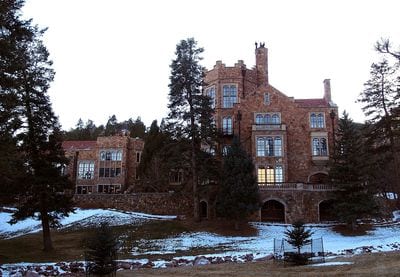
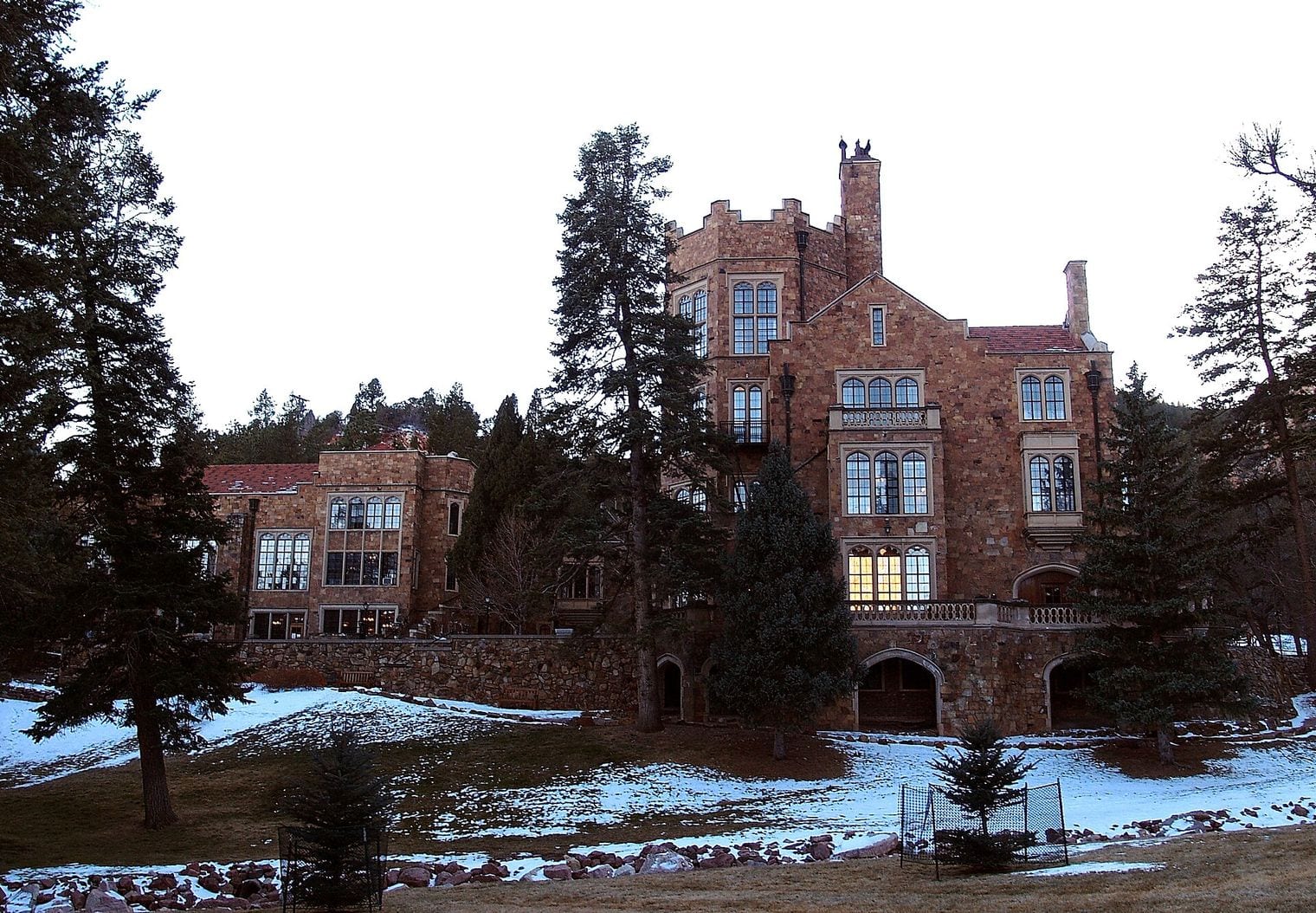
Glen Eyrie Castle is the Tudor-style home of General William Jackson Palmer, the founder of Colorado Springs, tucked into a red-rock valley just north of Garden of the Gods. Palmer founded the estate in 1871, and today it belongs to The Navigators, a Christian organization that runs it as a conference and retreat center.
The way to see it is on a guided castle tour, which needs a reservation, and which tells the story of Palmer, his family and the house. The drive in through the valley, with sandstone cliffs on either side, is a highlight in itself.
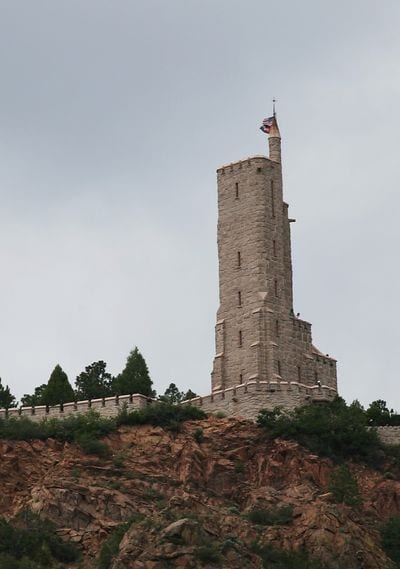
2727. Will Rogers Shrine of the Sun
Historical Landmark~4.8 miles (7.8 km) from centre
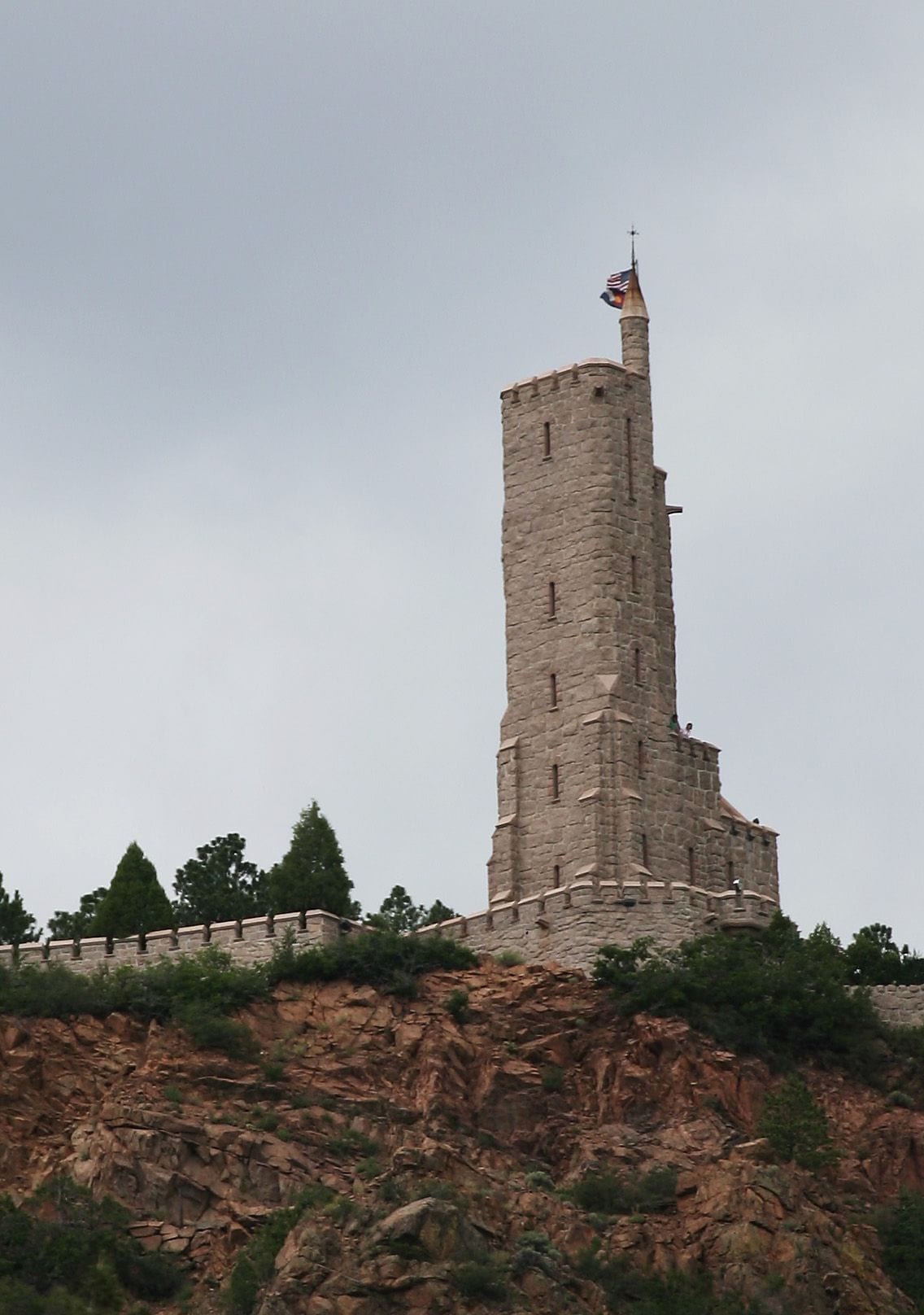
Will Rogers Shrine of the Sun is a 100-foot stone tower high on Cheyenne Mountain, completed in 1937 by Spencer Penrose, the developer behind The Broadmoor and the zoo below. Penrose named it for the humorist Will Rogers, who died in 1935 while the shrine was being built, and Penrose and his wife are entombed inside.
Climb past a large mural of Pikes Peak region history to the top of the tower for a view across the city and plains. The road to the shrine runs up through Cheyenne Mountain Zoo, so it is easiest to combine the two.
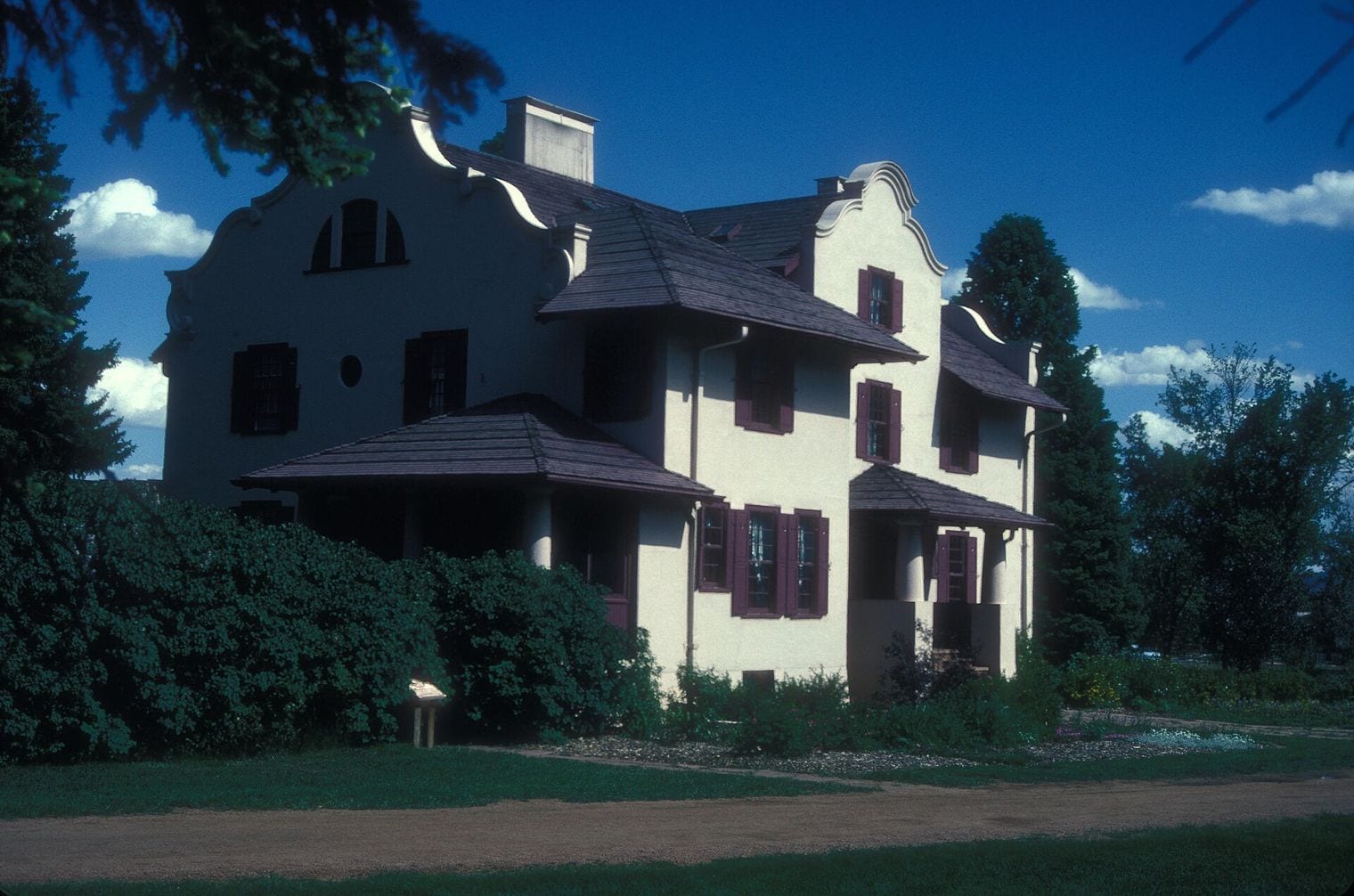
Rock Ledge Ranch Historic Site is a living history farm at the edge of Garden of the Gods, where staff and volunteers in period dress interpret life in the Pikes Peak region from the late 1700s to the early 1900s. Its six sites run from an American Indian area to an 1860s homestead cabin, the 1874 Rock Ledge House, a blacksmith shop and a 1907 Edwardian country estate.
Walking from one era to the next, with the red rocks as a backdrop, makes history feel close at hand. The site opens seasonally and for special events, so check its calendar before you go.
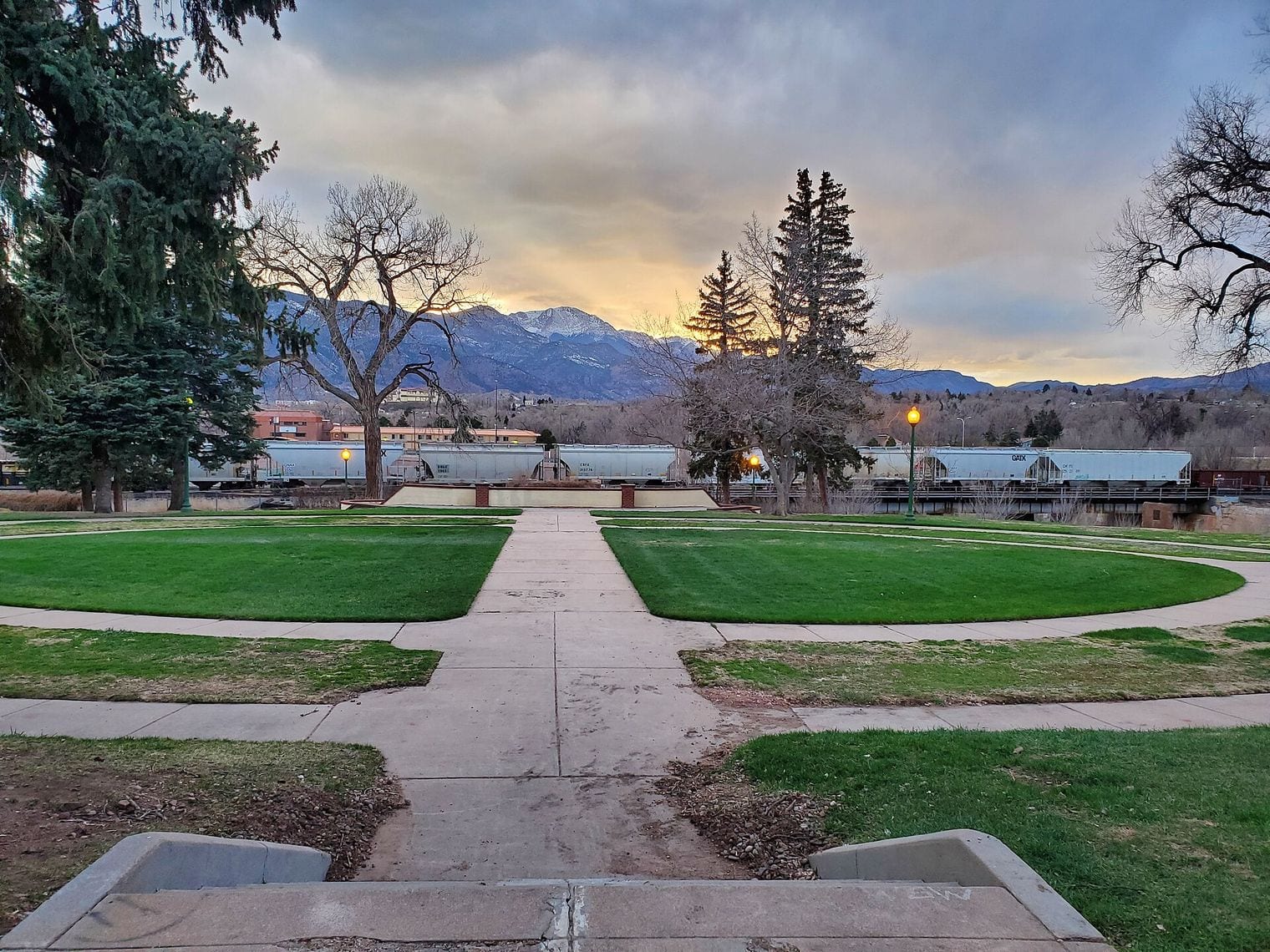
Monument Valley Park is a long green ribbon along Monument Creek just west of downtown, a historic park that William Jackson Palmer gave to the city and now listed on the National Register of Historic Places. Paths run its length beneath cottonwoods, linking playgrounds, sports fields and picnic spots.
It makes an easy walk or bike ride from downtown or Colorado College, and the creekside trail continues north and south through the city. Bring a picnic on a summer afternoon, or come in fall when the cottonwoods turn gold.
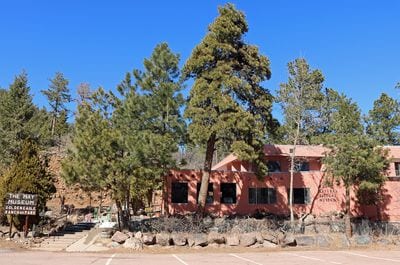
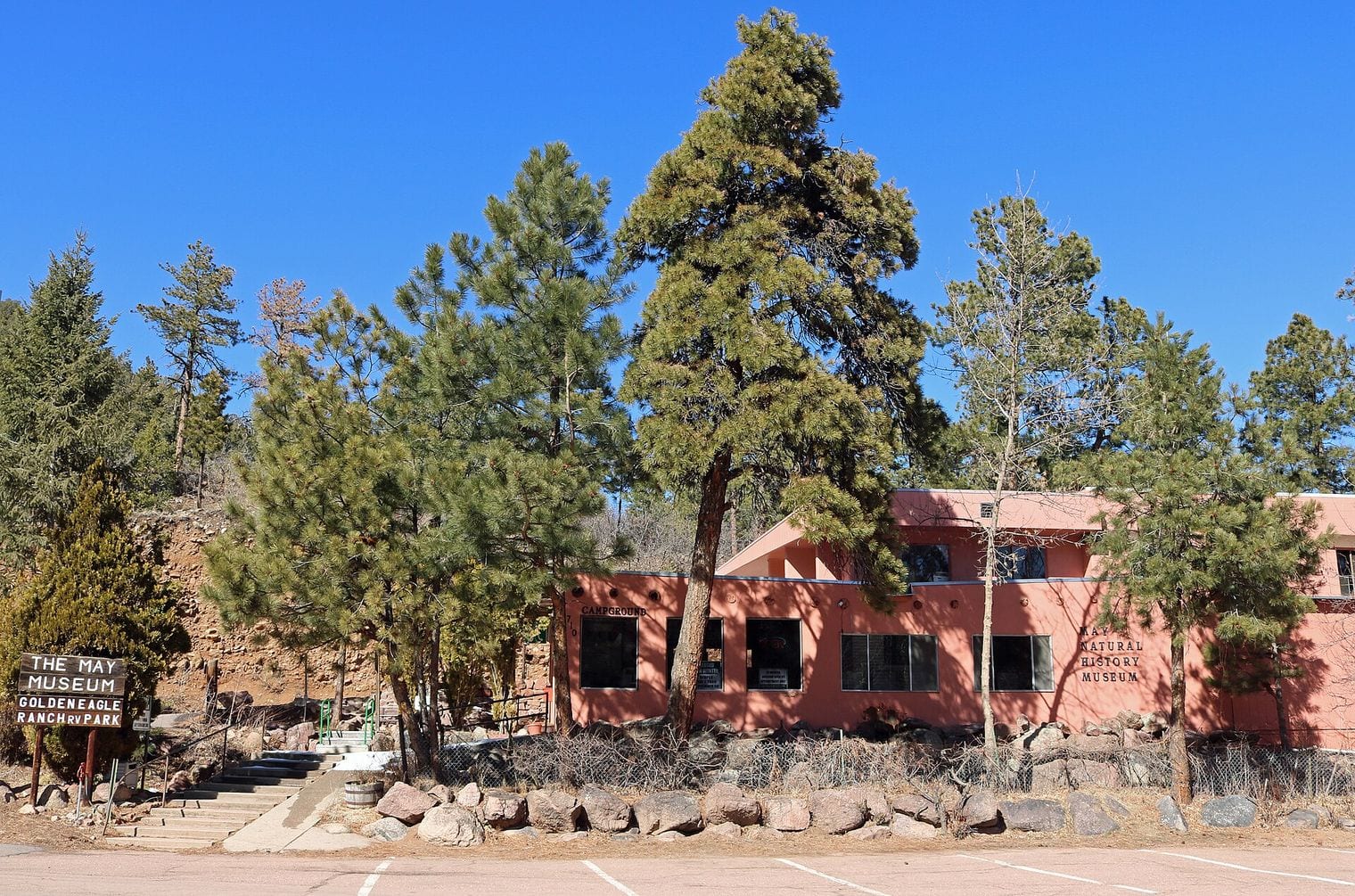
May Natural History Museum displays more than 7,000 insects and arachnids, gathered by naturalist James May from 1903 until his death in 1956 and shown by his family since 1952. The museum describes it as the world's largest private insect collection, full of giant beetles, shimmering butterflies, scorpions and huge spiders.
You can't miss the entrance: Herkimer, a giant model of a Hercules beetle, has been the museum's trademark since it opened. It sits in a canyon southwest of the city, a short detour from the Cheyenne Mountain sights.
Plan your trip
Best Time to Visit Colorado Springs
Summer is peak season: the Pikes Peak Highway and the Cog Railway reach the summit most reliably, the Hill Climb roars up the mountain, and the chuckwagon suppers and seasonal historic sites are open. Days are warm and sunny, but afternoon thunderstorms are common, so hike early and be off high ground by midday. Early fall is many visitors' favorite time, with clear skies, thinner crowds and golden aspens on the mountain roads.
Winter in the city is often milder and sunnier than people expect, with snow that tends to melt quickly in town, though the upper Pikes Peak Highway can close in bad weather. Spring is changeable, swinging between warm days and late snowstorms, but it brings quieter trails and lower demand for rooms.
Getting to Colorado Springs
Colorado Springs Airport sits on the east side of the city and has direct flights from a number of major hubs; many visitors instead fly into Denver International Airport, roughly a 90-minute drive north. Interstate 25 is the main north–south route, linking the city with Denver to the north and Pueblo to the south, while U.S. Highway 24 climbs west up Ute Pass into the mountains.
Intercity buses connect the city with Denver and other Front Range towns, and many hotels sit close to the Interstate 25 exits for drivers arriving by road.
Getting Around Colorado Springs
A car is the easiest way to see Colorado Springs, because the main sights are spread out between the foothills, the Air Force Academy to the north and Cheyenne Mountain to the southwest. Parking is generally easy, though the most popular trailheads and the Manitou Springs historic district fill early on summer weekends, and some sights use shuttles or reservations at busy times.
Downtown, Old Colorado City and Manitou Springs are each pleasant to explore on foot, a city bus network covers the main corridors, and rideshare is widely available. Cyclists can use the creekside trails that run through the city, including the path through Monument Valley Park.
Where to Stay in Colorado Springs
Downtown puts you within walking distance of restaurants, bars and the Olympic museum, and it is central for day trips in every direction. Manitou Springs and Old Colorado City suit travelers who want character and quick access to Garden of the Gods, the Incline and the Cog Railway, with historic inns and smaller lodgings.
The Broadmoor and Cheyenne Mountain area in the southwest is the choice for resort stays close to the zoo, Seven Falls and North Cheyenne Cañon, while the north side near the Air Force Academy and Interstate 25 has the widest spread of chain hotels and the easiest highway access.
Where to Eat in Colorado Springs
Tejon Street and the blocks around it downtown hold the densest mix of restaurants, breweries and coffee shops, while Old Colorado City and Manitou Avenue in Manitou Springs are good for a relaxed meal after a day outdoors. The Ivywild neighborhood south of downtown adds a lively craft-beer scene.
Look for green chile, smothered over burritos and plates in the Southwest style, along with Colorado lamb, Rocky Mountain trout and the region's craft beer. Up on Pikes Peak, the summit's high-altitude doughnuts are a tradition, and a Western chuckwagon supper is a local experience in its own right.
Day Trips from Colorado Springs
The old gold camp of Cripple Creek, about an hour to the west on the far side of Pikes Peak, pairs a historic mining district with the mountain scenery of the drive; it is one of several Colorado small towns within easy reach.
Nearby, Florissant Fossil Beds National Monument protects giant petrified redwood stumps and a rich bed of fossil insects and plants. To the southwest, about an hour away, the Royal Gorge Bridge spans a deep canyon of the Arkansas River near Cañon City.
Interstate 25 makes the bigger cities easy too. Pueblo, under an hour south, has its Riverwalk and a strong food scene built around local green chile, while Denver, a little over an hour north, has major museums, sports and neighborhoods worth a full day of their own.
One Day in Colorado Springs
Morning
Start early at Garden of the Gods, when the red rock glows and the trails are quiet, then drive a few minutes west into Manitou Springs to taste the mineral springs along Manitou Avenue.
Head east to Old Colorado City for a stroll past its galleries and an unhurried dinner, or continue to Downtown Colorado Springs for drinks and live music around Tejon Street.
Colorado Springs is best known for Garden of the Gods, its free park of red sandstone fins, and for Pikes Peak, the 14,115-foot mountain that inspired “America the Beautiful.” Cheyenne Mountain Zoo, the highest zoo in the country, the waterfalls of Seven Falls and the show cave at Cave of the Winds round out its most famous sights.
How many days do you need in Colorado Springs?
Plan on three days to see the highlights. Spend one on Garden of the Gods and Manitou Springs, one on Pikes Peak by highway, cog train or trail, and one on the Cheyenne Mountain side of town, with the zoo, Seven Falls and North Cheyenne Cañon. Add more time for hiking, the Air Force Academy or day trips.
Is Colorado Springs worth visiting?
Yes. Few American cities put this much dramatic scenery so close to town: red rock parks, a fourteen-thousand-foot summit, waterfalls and canyons, all within a short drive of downtown. Add the Olympic museum, Old West history, two castles and the historic mountain town of Manitou Springs, and it rewards a stay of several days.
What can you do in Colorado Springs for free?
Garden of the Gods, Red Rock Canyon Open Space, Palmer Park, North Cheyenne Cañon Park and Monument Valley Park are all free to explore. Admission is also free at the Colorado Springs Pioneers Museum and the Air Force Academy's Hosmer Visitor Center, and you can taste the mineral springs of Manitou Springs and stroll Old Colorado City at no cost.
What is the altitude in Colorado Springs?
Downtown Colorado Springs sits at about 6,035 feet, more than a mile above sea level, and Pikes Peak's summit reaches 14,115 feet. Visitors arriving from low elevations should drink plenty of water, take the first day gently and treat hikes such as the Manitou Incline with respect, as the thin air makes them harder.
Sources & updates
How this guide was checked
Checked before launch
Sources cited
30
Publishers
25
Every place on this list was confirmed open and pinned on the map before publication, and what we say about each one was checked against its own website or an official source.
A PDF with a box to tick for every place. Confirm your email to download it, and get one email every Thursday with our newest guides for the places you tick.
Free Colorado Springs printable checklist
All 30 places in one PDF
Tick them off as you go. Confirm your email to download it, plus one email every Thursday with new guides for the places you tick.
We use cookies to analyse site traffic and improve your experience.
You can accept or reject analytics cookies. See our
May we use analytics cookies? See ourCookie Policy.