We may earn a commission if you book tickets, tours or a stay through a link on
this page, at no extra cost to you. It never affects which places we list or how
we rank them (how we make money).
Short answer
Start with Mystic for its seaport museum and historic drawbridge, Essex for the steam train and river museum on the Connecticut River, and Kent for its waterfalls and covered bridge. Most towns on this list fill a relaxed day, while Mystic, Litchfield and Old Saybrook reward a full weekend.
Connecticut packs a remarkable amount of New England into a small state: white-steepled greens in the Litchfield Hills, shipbuilding villages along the Connecticut River, harbor towns on Long Island Sound and old mill towns in the rural Quiet Corner. Many were founded in the 1600s and still keep their colonial centers.
This guide ranks 35 of the best, from Mystic and Essex to Kent and Litchfield. Most make an easy day trip from Hartford, New York City or Boston, the bigger names deserve a weekend, and many pair up neatly on a road trip.
Connecticut's state flag takes its design from the seal of the Saybrook Colony, founded at the mouth of the Connecticut River in present-day Old Saybrook in 1635.
The Rocky Hill–Glastonbury Ferry has crossed the Connecticut River since 1655 and is believed to be the oldest continuously operating ferry service in the United States.
In July 1776, New Yorkers pulled down a lead statue of King George III; it was taken to Litchfield and melted into bullets for the Continental Army at Oliver Wolcott's house.
Mystic's Charles W. Morgan, built in 1841, is the world's oldest surviving merchant vessel and the only wooden whaling ship left from America's 19th-century fleet.
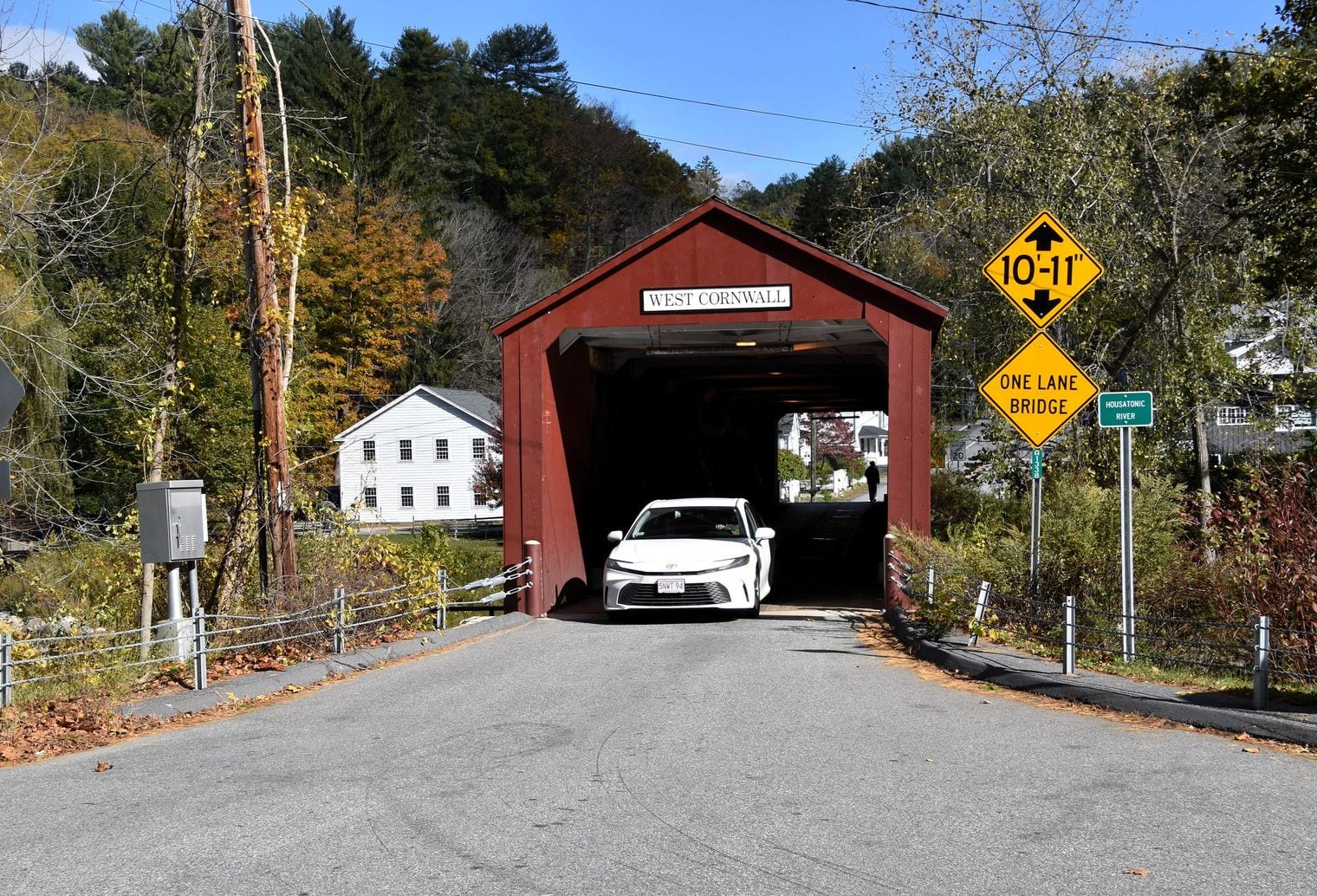
Kent and Cornwall share the state's only two covered bridges still open to cars: Bull's Bridge and the West Cornwall Covered Bridge over the Housatonic River.
As a teenager, Martin Luther King Jr. spent the summer of 1944 working on a tobacco farm in Simsbury, and his letters home marveled that he could sit anywhere he wanted in the North.
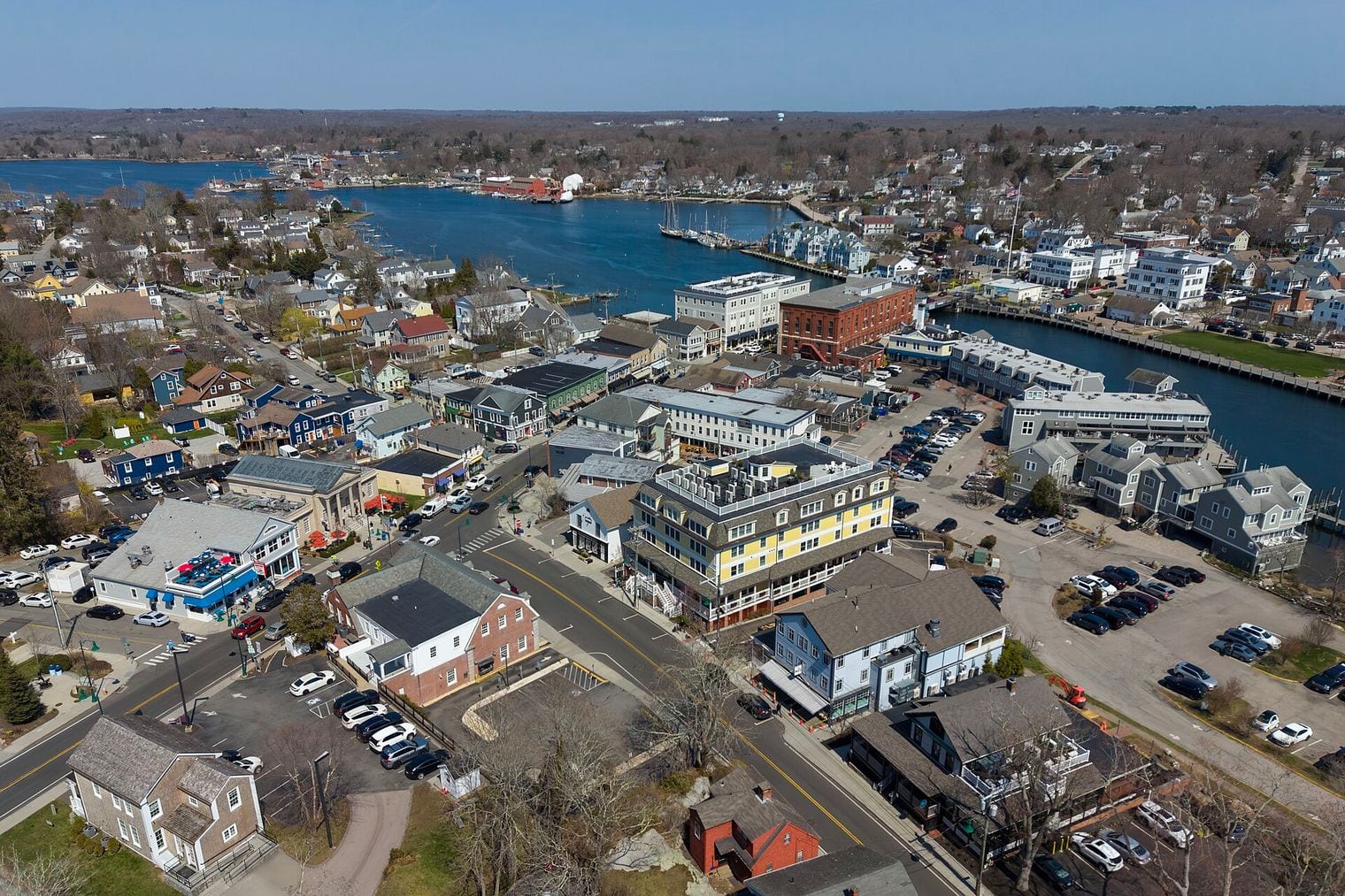
Mystic is the small town most people picture when they think of coastal Connecticut. The village straddles the Mystic River just above Fishers Island Sound, its west bank in the town of Groton and its east bank in Stonington, and its shipyards launched more than 600 vessels over 135 years from 1784. The name comes from a Pequot word for a large river whose waters are driven into waves by tides or wind.
Mystic Seaport Museum, the largest maritime museum in the United States, recreates a 19th-century seaport village from more than 60 historic buildings and is home to the Charles W. Morgan, a whaleship built in 1841 and the world's oldest surviving merchant vessel.
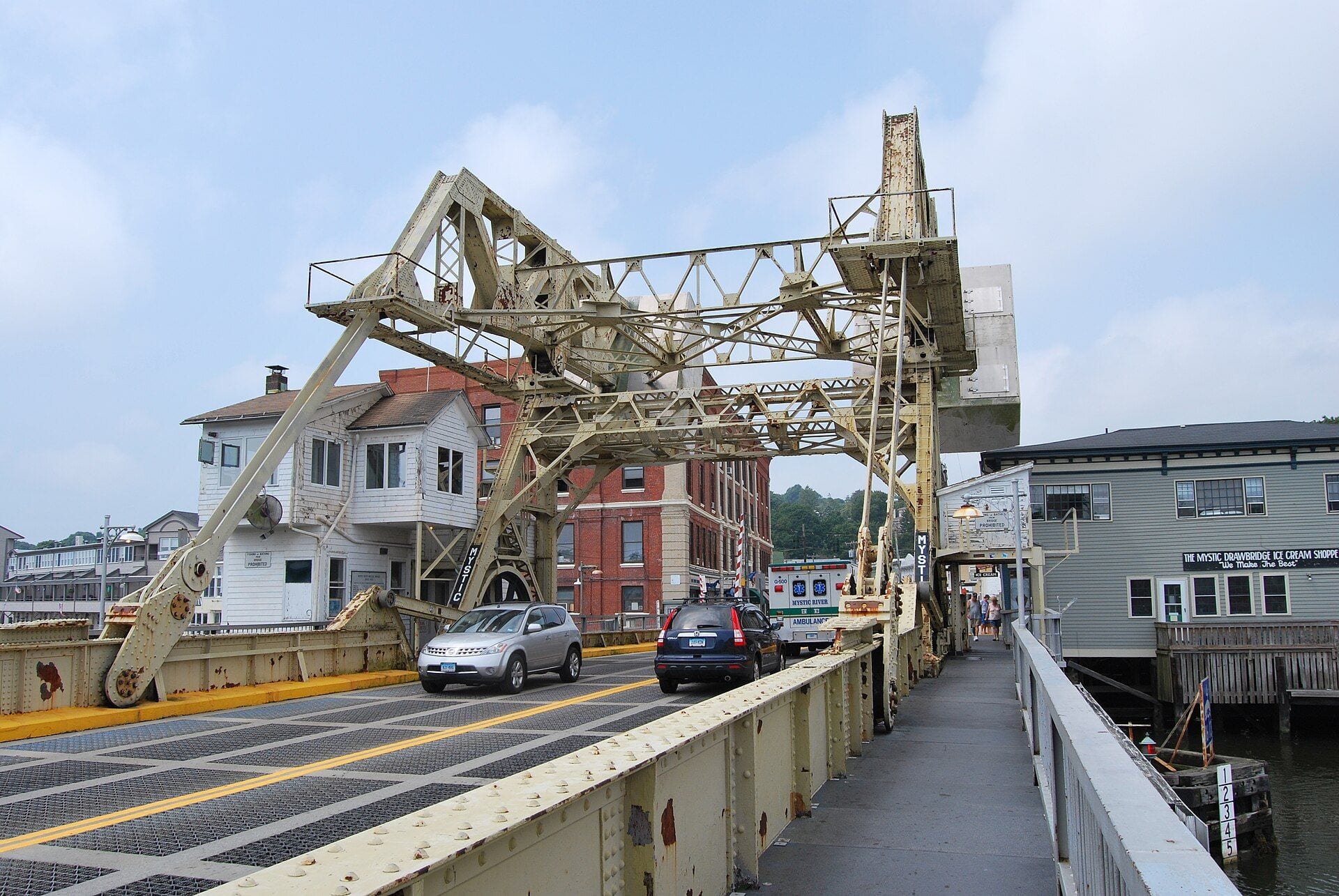
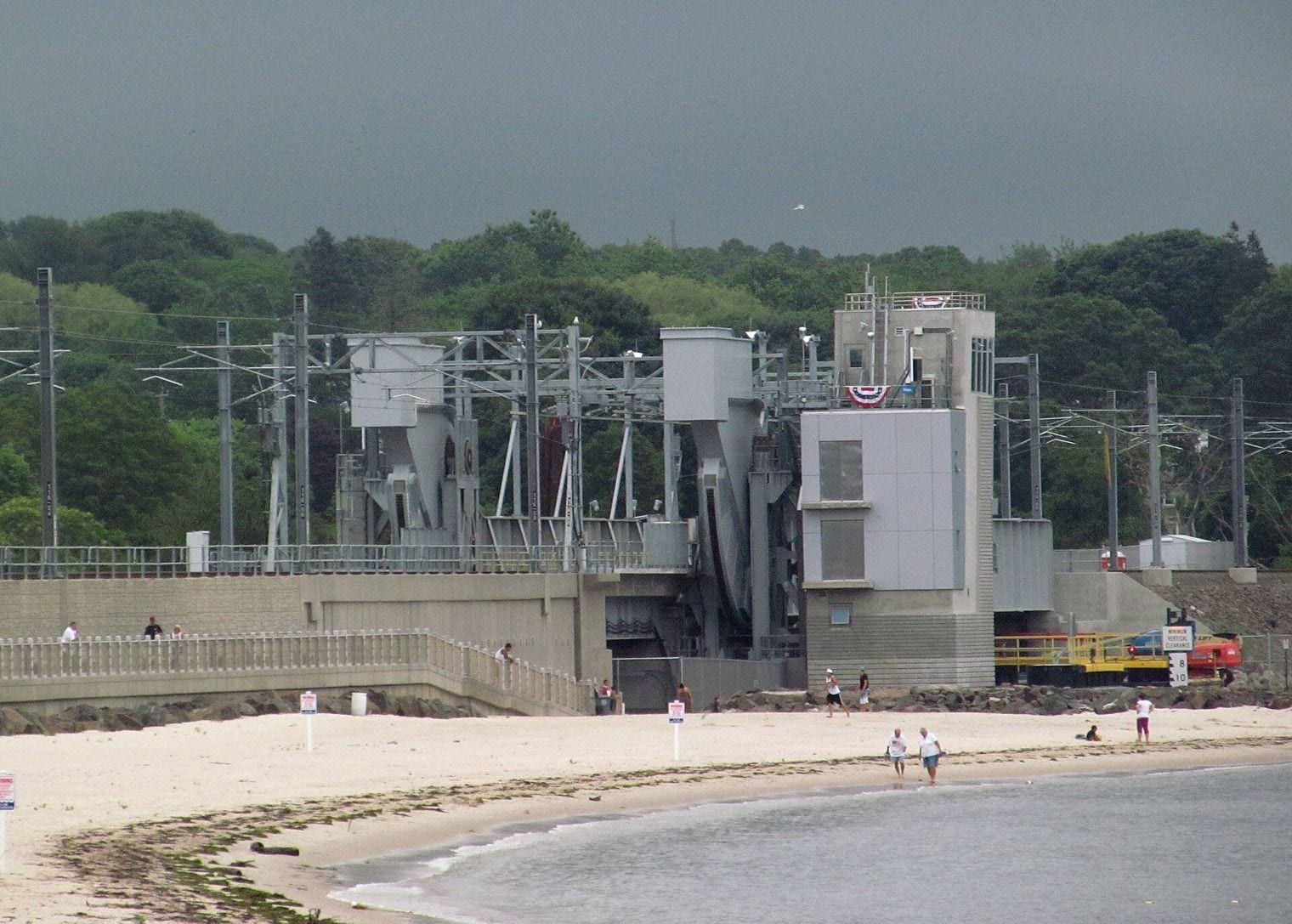
In the center of the village, the 1922 Mystic River Bascule Bridge still lifts to let sailboats pass, Mystic Aquarium keeps the only beluga whales in New England, and the 1988 film Mystic Pizza put the whole village on screen.
Essex is a Connecticut River village whose Main Street of Federal-era houses runs down to the steamboat dock on the river. The town takes in three villages, Essex itself, Centerbrook and Ivoryton, and in April 1814 it became one of the few American towns ever attacked by a foreign power, when British raiders rowed up the river and burned 28 ships in the harbor.
The Connecticut River Museum tells that story from a restored 1878 steamboat warehouse on the dock, along with a full-scale replica of the Turtle, a submarine built during the American Revolution.
The Essex Steam Train and Riverboat pairs a vintage steam train ride through the valley with a cruise on the river, and in Ivoryton, a village that grew up making piano keys from ivory, the 1911 Ivoryton Playhouse is regarded as one of the oldest self-supporting summer theaters in the country.
Kent is a Litchfield Hills village on the New York border, set where the Housatonic River runs through a valley of farms and wooded ridges. Its small village center of galleries and shops is the base for some of the best walking in Connecticut, and a section of the Appalachian Trail runs through the western half of town, across the river.
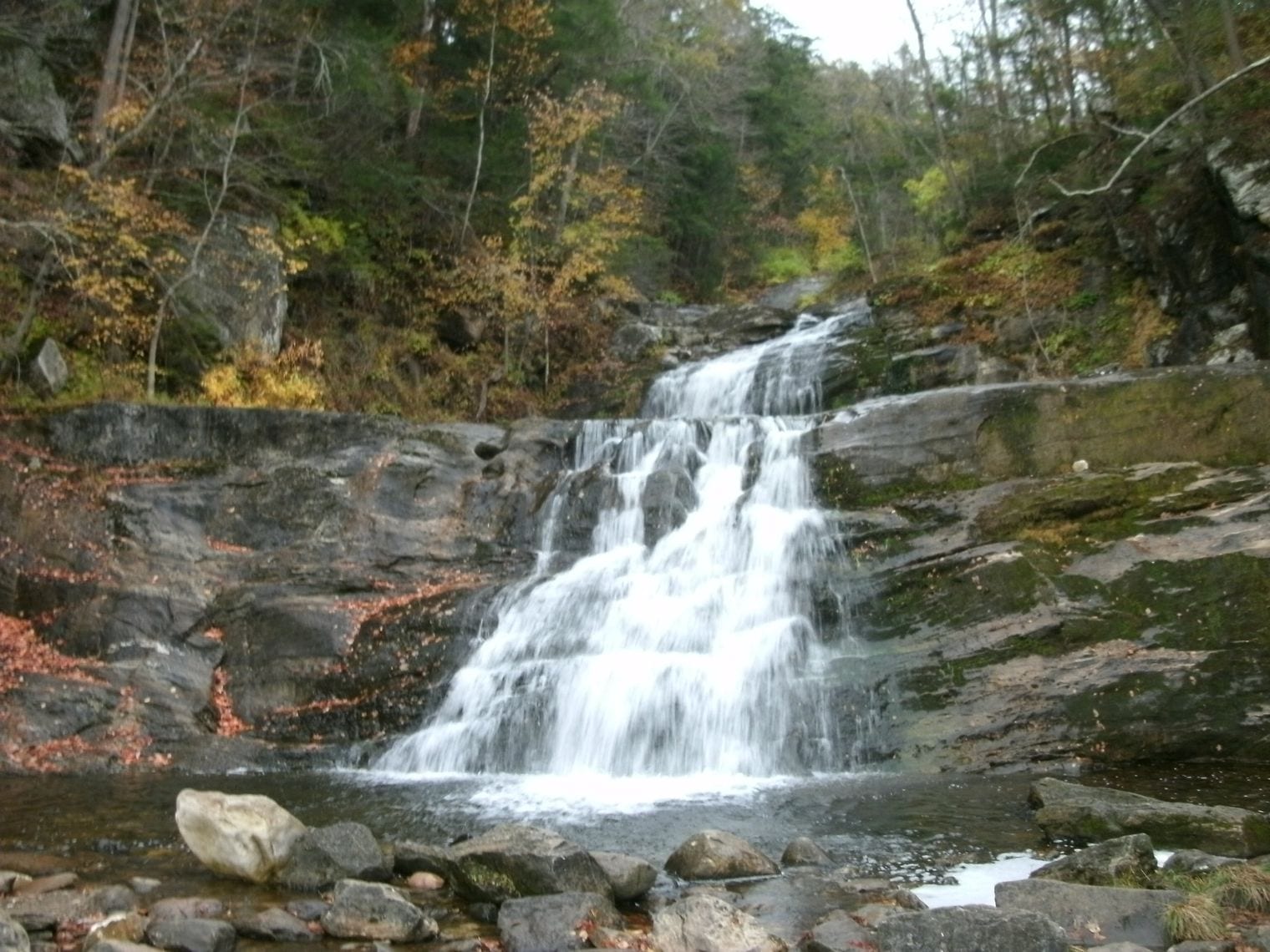
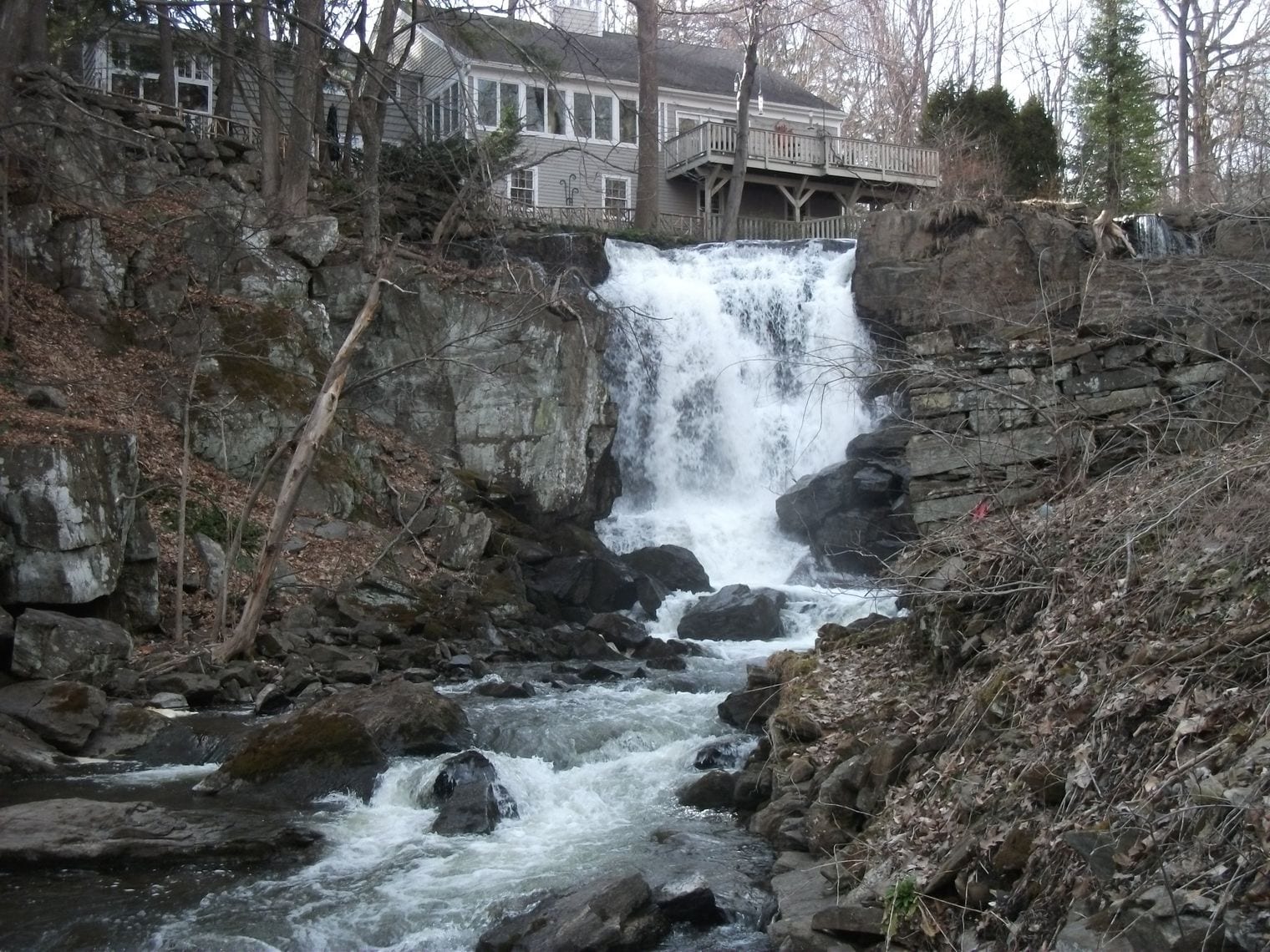
At Kent Falls State Park, Falls Brook drops about 250 feet in under a quarter of a mile, its biggest cascade plunging more than 70 feet into a pool before a string of smaller falls.
South of the village, Bull's Bridge is one of only two covered bridges in Connecticut still open to cars, close to where George Washington crossed the Housatonic in 1781, and Macedonia Brook State Park has ridge trails with views to the Catskills and the Taconic Mountains.
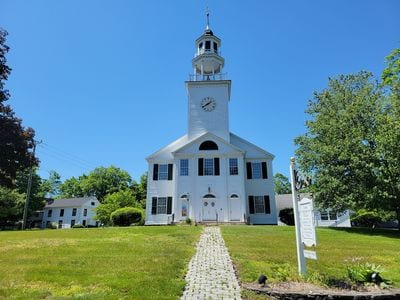
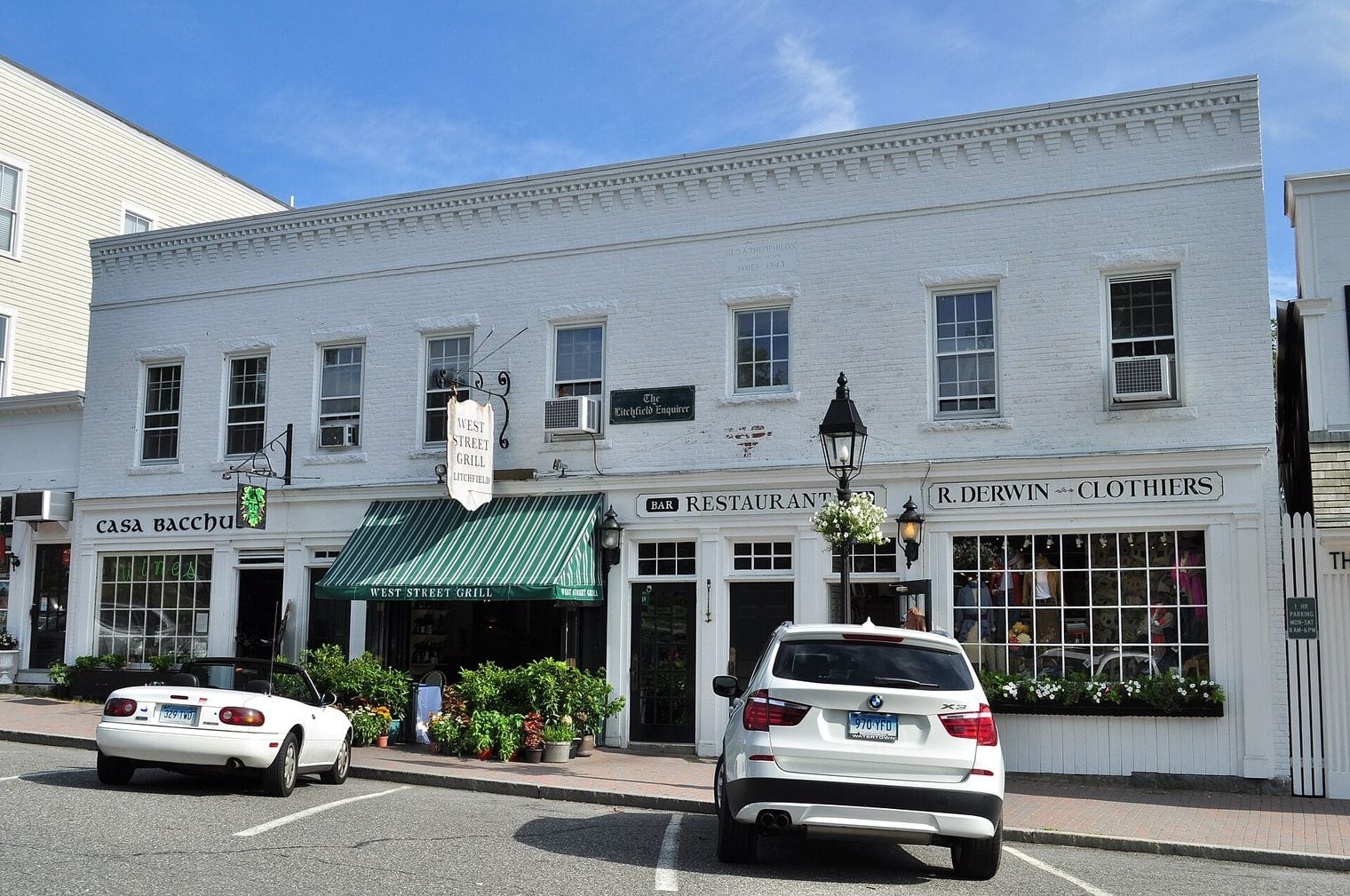
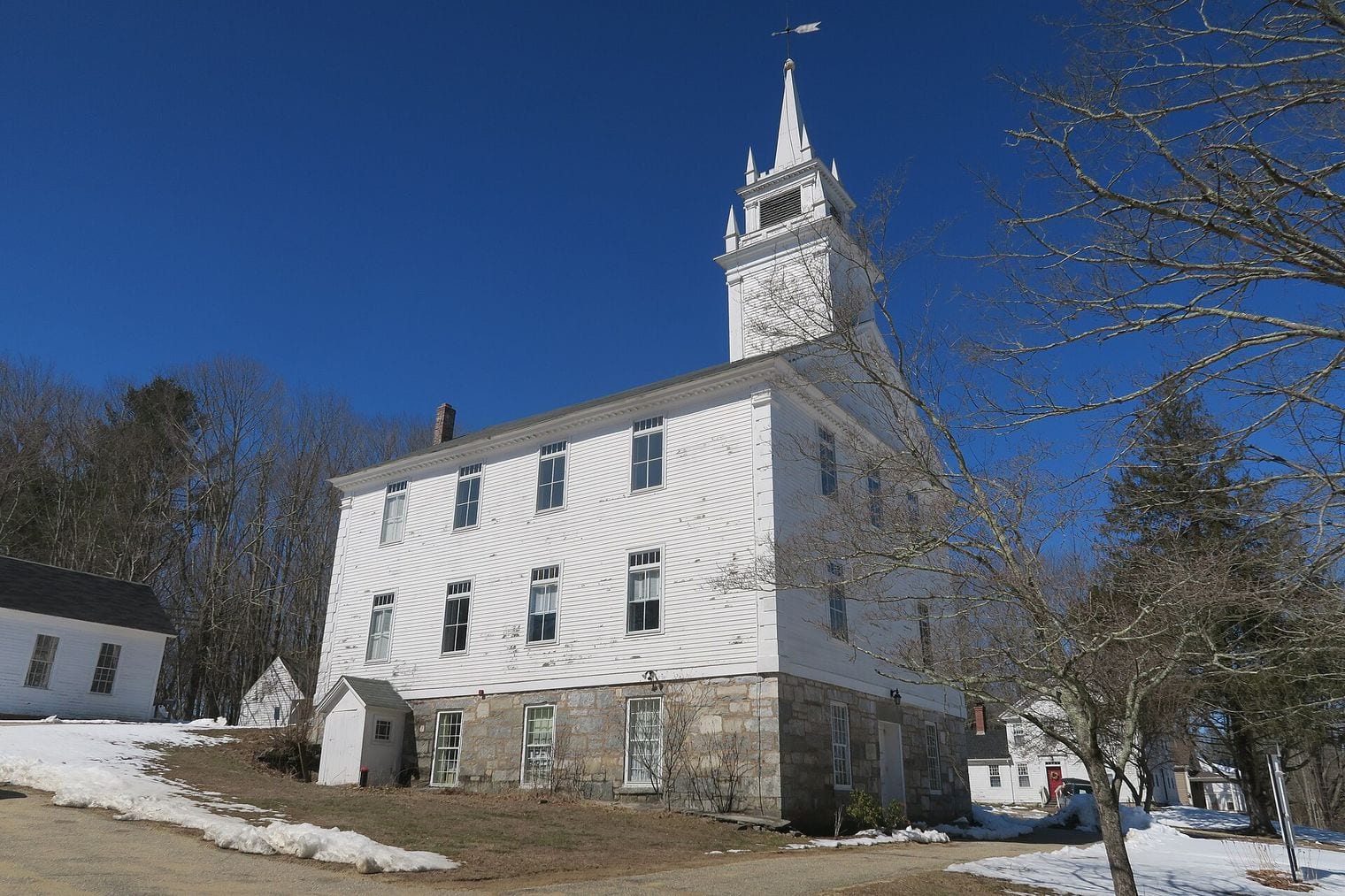
Litchfield is the picture-book New England town, with a broad green, the tall white spire of the 1829 First Congregational Church and a historic district of Colonial and Federal houses lining North and South streets. Once the county seat, it was the birthplace of both Harriet Beecher Stowe, author of Uncle Tom's Cabin, and the Revolutionary War hero Ethan Allen.
The Tapping Reeve House and Law School, run by the Litchfield Historical Society, preserves what is often called America's first law school, which taught more than 1,100 students between 1774 and 1833, Aaron Burr and John C. Calhoun among them. In July 1776, a lead statue of King George III pulled down in New York was melted into bullets at Oliver Wolcott's house in town, and the White Memorial Conservation Center adds a natural history museum and nature center.
Chester is a tiny Connecticut River town whose village center fits along one short Main Street of galleries, shops and restaurants, tucked into a valley just back from the river. It has the unhurried feel of the lower valley at its best, and makes an easy pairing with Essex, a few miles downstream.
The Chester–Hadlyme Ferry has carried travelers across the river here since 1769, making it the second-oldest continuously operating ferry in Connecticut. It runs seasonally, and from the deck you look up at Gillette Castle, the stone mansion that Sherlock Holmes actor William Gillette built on the bluffs across the river. Back in town, the Norma Terris Theatre is the second stage of Goodspeed Musicals, whose famous opera house stands upriver in East Haddam.
Old Saybrook sits where the Connecticut River meets Long Island Sound, and its history reaches back to the Saybrook Colony, founded at the river mouth in 1635. Its Main Street is easy to walk, and a causeway across a cove leads to Fenwick, the least populous borough in Connecticut, where two lighthouses mark the mouth of the river.
Lynde Point Light, a 65-foot brownstone tower first lit in 1839, stands at the tip of Fenwick, and the Saybrook Breakwater Light just offshore is the lighthouse pictured on many Connecticut license plates. On Main Street, the Katharine Hepburn Cultural Arts Center, known as The Kate, fills the town's 1911 town hall and theater with concerts, films and plays, and includes a small museum devoted to the actress, the town's most famous resident.
Westport is Fairfield County's arts town, a Long Island Sound community about 48 miles northeast of New York City where the Saugatuck River meets the shore. Writers, artists and musicians made it a creative haven in the 20th century, and that reputation still shapes its galleries, its theater and its lively, walkable downtown along the river.
Compo Beach is the town beach, where a statue of a crouching Minuteman recalls the British landing here in April 1777 on the way to raid Danbury. The Westport Country Playhouse, founded in 1931 by the New York producer Lawrence Langner in a converted 1830s tannery, still presents plays as a not-for-profit regional theater, and Saugatuck, around the train station at the mouth of the river, is the town's old waterfront neighborhood.
Madison sits at the center of Connecticut's Long Island Sound shoreline, bordered by Guilford to the west and Clinton to the east. Its town green and the historic houses around it are protected as the Madison Green Historic District, and the compact downtown nearby, with its independent shops and cafes, is made for an unhurried stroll after a day at the beach.
The big draw is Hammonasset Beach State Park, Connecticut's largest shoreline park, with two miles of beach on the Sound, a large campground and a nature center, and an estimated one million visitors a year. Madison also has a Shore Line East station, so the town center is an easy train ride from New Haven.
Washington is a rural Litchfield Hills town of several villages, the best known being Washington Depot, down in the Shepaug River valley, and Washington Green, on the hill above. In the late 19th century, the architect Ehrick Rossiter and a circle of wealthy New York patrons remade the green into an idealized New England village, and the town still has the polished, unhurried air of a country retreat.
The Steep Rock Association, founded in 1925 when Rossiter gave 100 acres along the Shepaug River, now protects more than 2,700 acres of woods and riverbanks with walking trails, and the Institute for American Indian Studies has a replica Algonkian village, nature trails and a garden of plants used by Native peoples. Washington Depot, once a mill village known as Factory Hollow, now has a small cluster of shops beside the river.
Cornwall is one of Connecticut's smallest towns, with fewer than 1,600 people spread across three villages, Cornwall Village, Cornwall Bridge and West Cornwall, and the Housatonic River along its western edge. So much of it is forest, including a large part of Mohawk State Forest, that it is often called the greenest town in Connecticut.
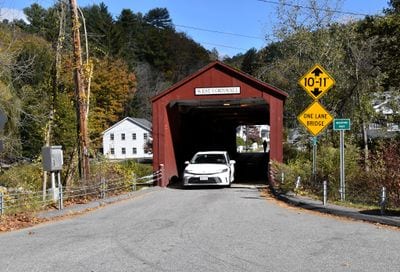
West Cornwall is home to the West Cornwall Covered Bridge, a two-span lattice-truss bridge that has carried traffic over the Housatonic since around 1864. It is one of only three surviving covered bridges in the state and among its most photographed sights. The river below draws anglers and paddlers, and in winter Mohawk Mountain brings skiing to the town's hills.
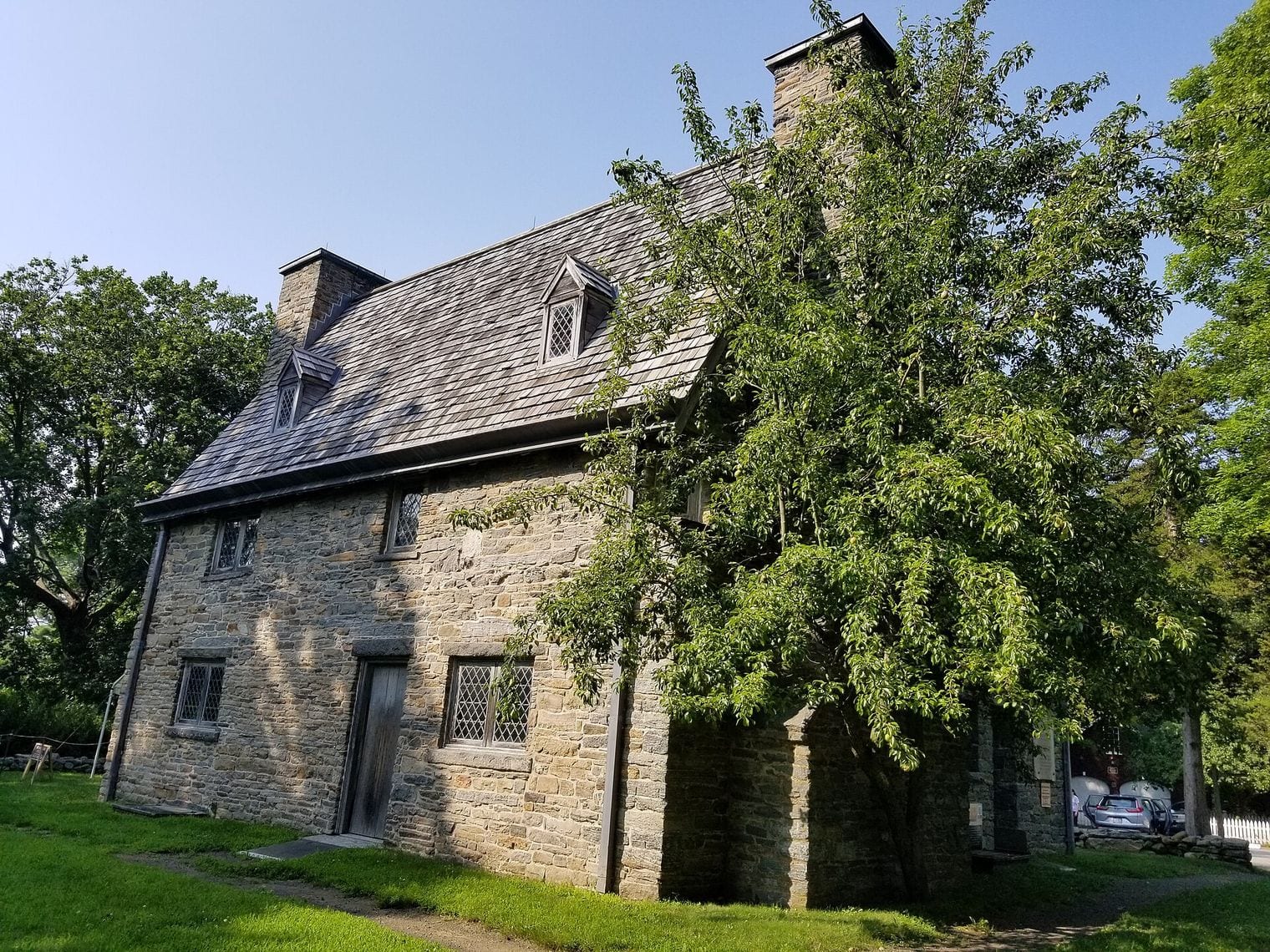
Guilford was founded in 1639 by a group of Puritan families led by the Reverend Henry Whitfield, and few Connecticut towns keep their colonial past so visibly. Its 7.7-acre green is ringed by shops, churches and the town hall, and the streets around it are lined with historic homes from three centuries.
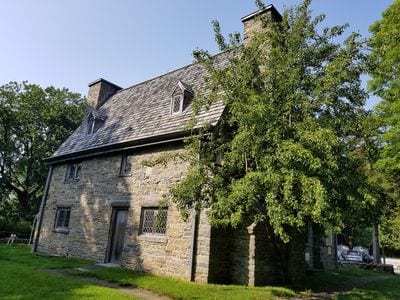
The Henry Whitfield House, begun in 1639, is the oldest house in Connecticut and the oldest stone house in New England, and it opened in 1899 as the first Connecticut state museum. Guilford has four more historic house museums, including Dudley Farm, while the town's land trust preserves offer miles of trails, among them a stretch of the New England Trail.
Ridgefield sits in the foothills on the New York border, and its mile-long Main Street, lined with Revolutionary War landmarks, has kept its 19th- and early 20th-century look thanks to strict planning and zoning. On April 27, 1777, the town was the scene of the Battle of Ridgefield, where General David Wooster fell and Benedict Arnold had his horse shot from under him.
The Keeler Tavern Museum, an 18th-century tavern bombarded during the battle, still has a British cannonball embedded in its corner post, and the architect Cass Gilbert later made it his summer home. Nearby, the Aldrich Contemporary Art Museum is the only museum in Connecticut devoted solely to contemporary art, with no permanent collection and a constantly changing program of exhibitions.
Niantic is a seaside village in the town of East Lyme, set on Niantic Bay where the Niantic River meets Long Island Sound. It is a laid-back beach town, with small beaches at McCook Point Park and Hole-in-the-Wall Beach and a compact main street a short walk from the water.
The Niantic Bay Boardwalk runs for about a mile along the shore beside the railroad, from the mouth of the Niantic River to Hole-in-the-Wall Beach, and is the best way to take in the bay. Just west of the village, Rocky Neck State Park spreads across 710 acres with a white sand beach, a broad salt marsh, a tidal river and a large stone pavilion from the 1930s.
Putnam is a Quiet Corner mill town on the Quinebaug River, which runs right through the center of town. Incorporated in 1855 and named for the Revolutionary War general Israel Putnam, it grew up around its mills and the railroad that carried their goods, and its old mill buildings and downtown still tell that story.
When the mills emptied in the late 20th century, Putnam reinvented itself as an antiques center, filling the old buildings with dealers, and since then restaurants, small shops and an active arts community have moved in. It makes a good base for exploring the rural northeast corner of the state, and Providence, Rhode Island, is less than an hour's drive east.
Simsbury, incorporated in 1670, sits in the Farmington River valley northwest of Hartford beneath the long ridge of Talcott Mountain. Its handsome town center makes a good base for the river and the hills, and the Pinchot Sycamore, the largest tree in Connecticut, grows beside the Farmington River at the foot of the mountain.
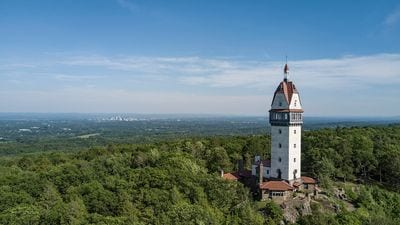
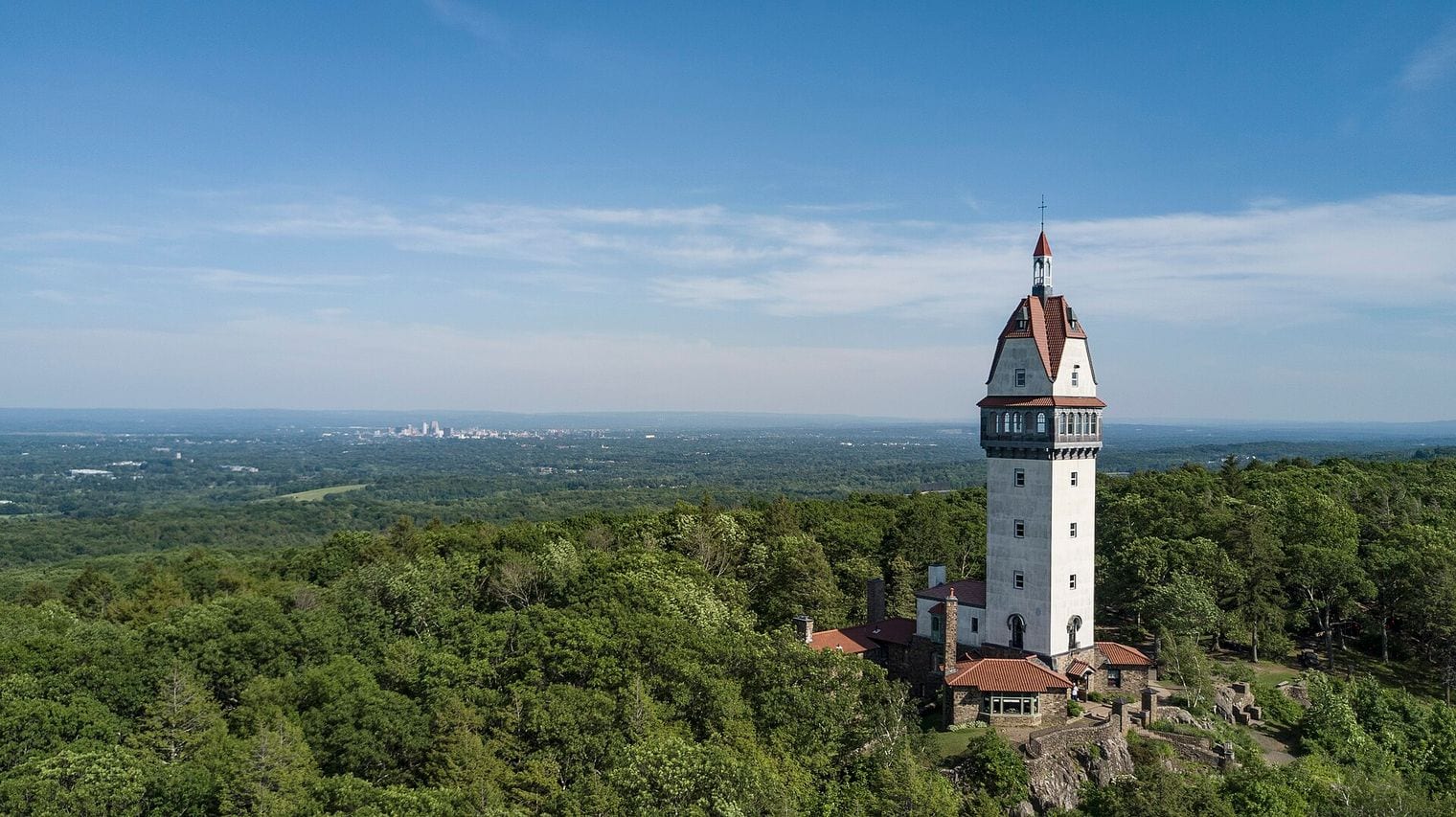
In Talcott Mountain State Park, a trail of about 1.25 miles climbs to the 165-foot Heublein Tower, with views over the Farmington Valley and to the Hartford skyline. Down in the valley, the Old Drake Hill Flower Bridge, an 1892 metal truss bridge over the Farmington River, is now a footbridge decorated with flower boxes and hanging baskets tended by volunteers.
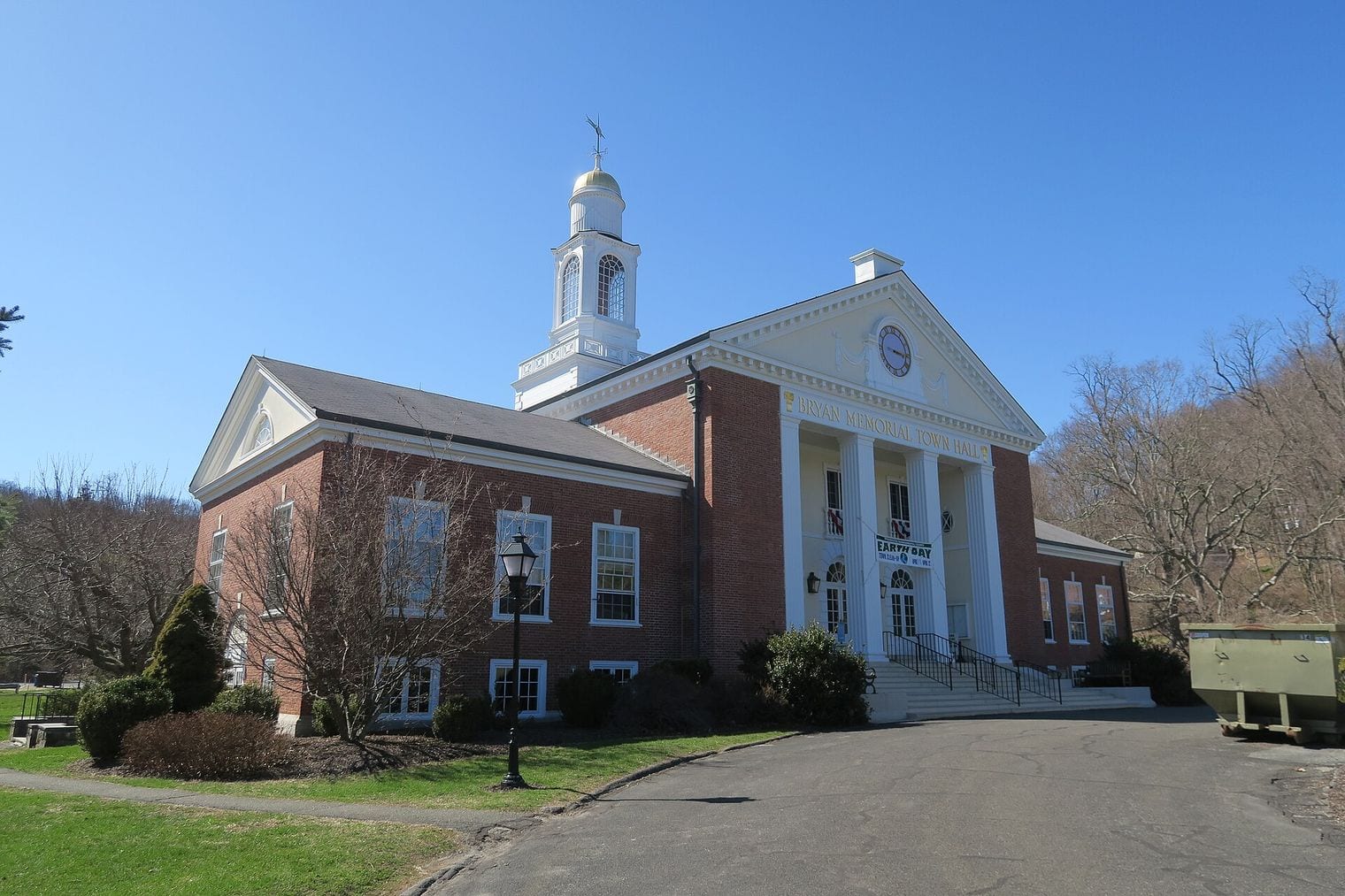
Monroe is a quiet, wooded Fairfield County town made up of the villages of Monroe Center, Stepney and Stevenson. Its heart is the Monroe Center Historic District, where the town green is bordered by churches and municipal buildings, and Stepney has its own green beside a cemetery founded in 1794.
Monroe is mainly residential, so come for low-key outdoor time rather than sightseeing. Wolfe Park is where the Pequonnock River begins, and the town borders Lake Zoar, a reservoir on the Housatonic River held back by the Stevenson Dam, a pleasant stop on a drive through the hills of western Connecticut.
Wethersfield, just south of Hartford on the Connecticut River, is home to Old Wethersfield, the site of the first permanent European settlement in Connecticut. Old Wethersfield is also the state's largest historic district, covering about 2 square miles with some 1,100 buildings from the 17th, 18th and 19th centuries, including about 50 houses built before the Revolutionary War.
The Webb-Deane-Stevens Museum keeps three 18th-century houses side by side on their original sites. In the 1752 Joseph Webb House, George Washington stayed for five nights in May 1781 and met the French general Rochambeau to plan the campaign that led to the Siege of Yorktown, while the neighboring Silas Deane and Isaac Stevens houses show how other local families lived.
New Milford is the largest town in Connecticut by land area, spread along the Housatonic River about 14 miles north of Danbury. Its historic center, with the town green and old tobacco warehouses now listed on the National Register of Historic Places, is the hub of a big, rural town of farms and lakeside communities.
The northeastern shore of Candlewood Lake, the largest lake in Connecticut, lies within the town, with boating, fishing and swimming in summer. South of the center, Lovers Leap State Park straddles the Housatonic Gorge, with short hikes to river views and the historic Lover's Leap Bridge.
Branford is a shoreline town about 6 miles east of New Haven, with a historic green at its center and some 20 miles of coastline wrapped around harbors, coves and beaches. Its most charming corner is Stony Creek, a seaside village of old Victorian hotels and summer homes beside a working granite quarry.
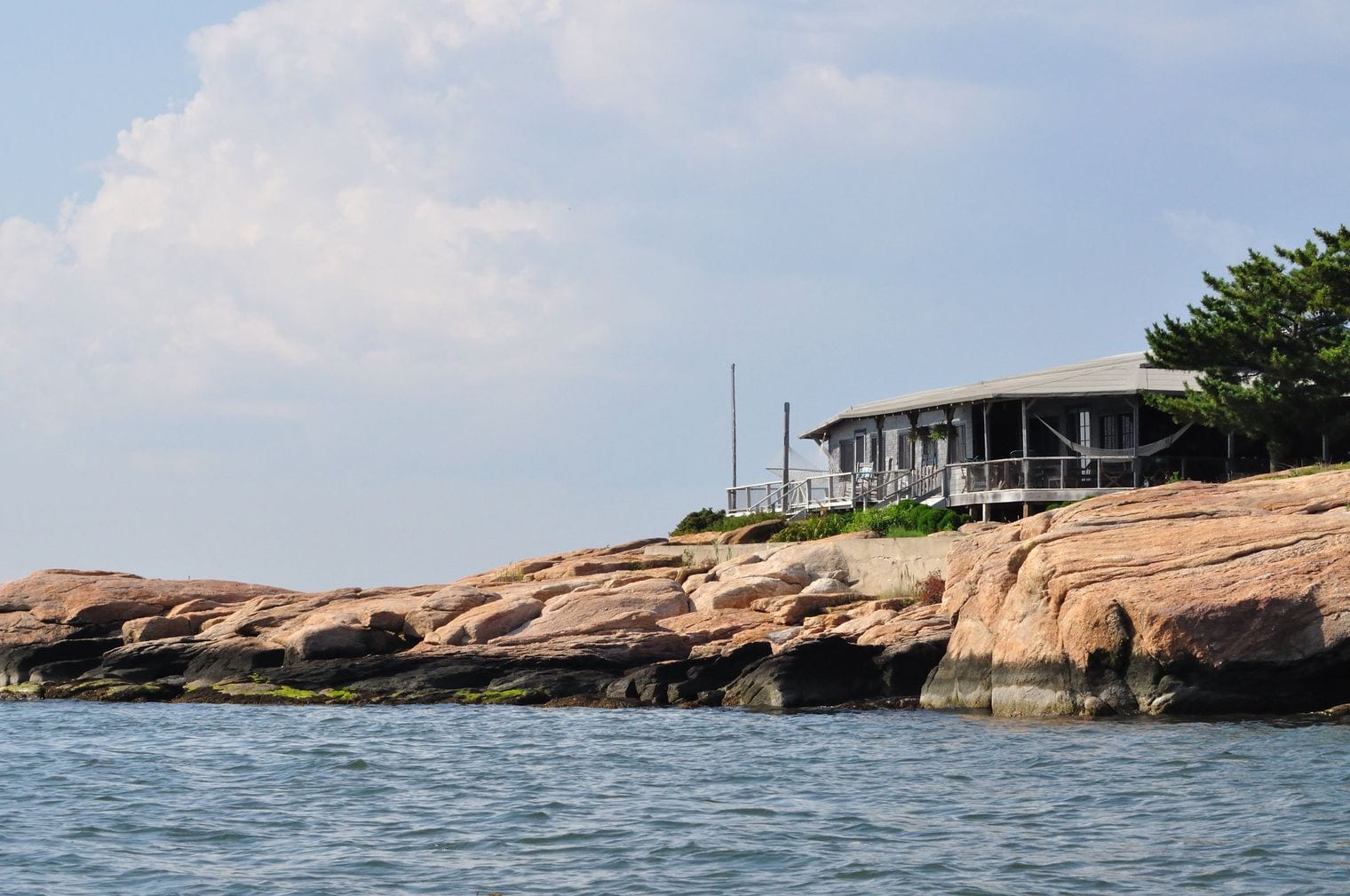
Tour boats leave the Stony Creek dock in spring, summer and fall to cruise among the Thimble Islands, an archipelago of small islands of pink granite, most of them privately owned. Branford Point has the town beach, and a stretch of the Shoreline Greenway Trail and the trails around Lake Saltonstall add easy walks.
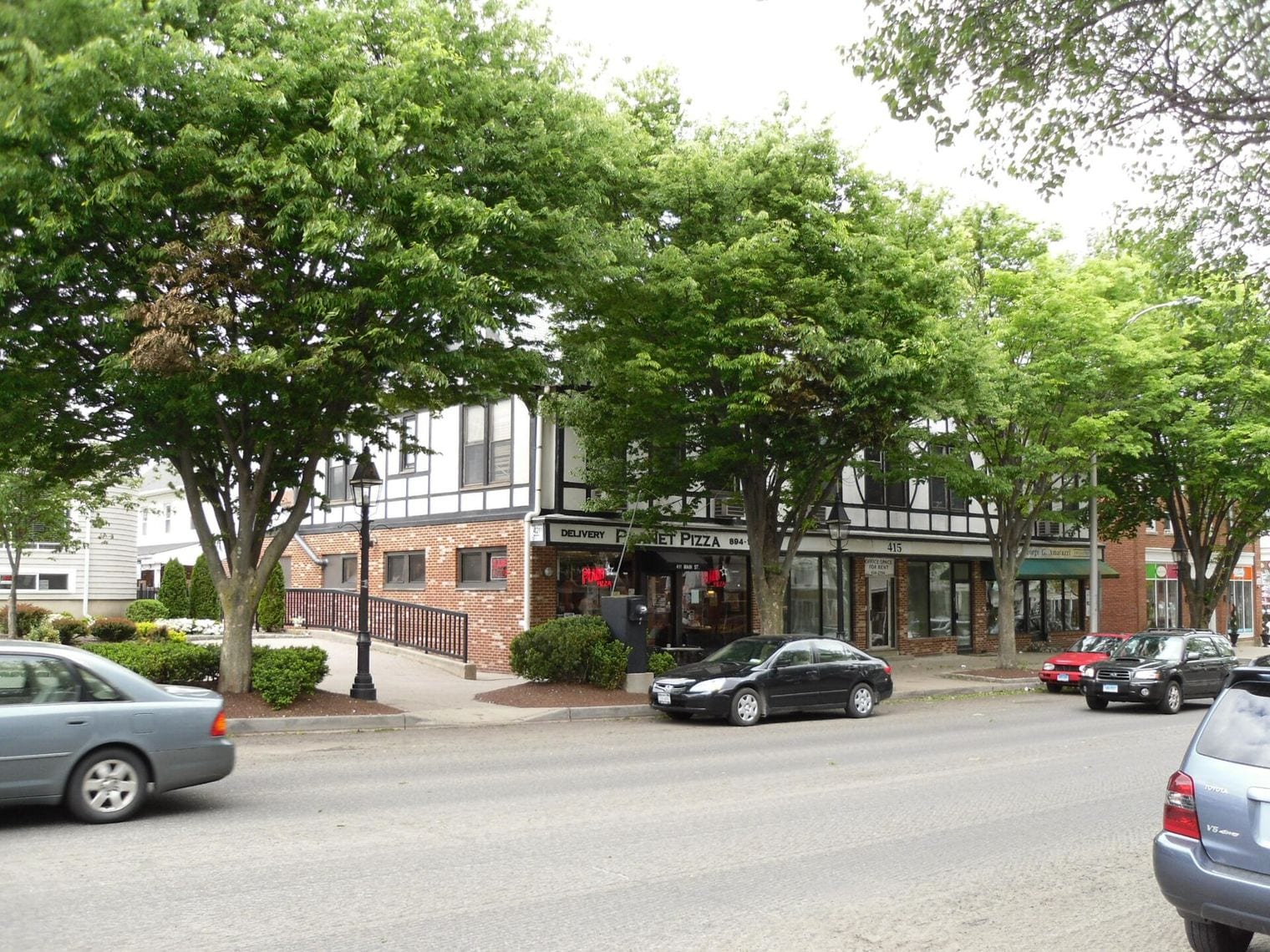
Bethel is a small Fairfield County town just southeast of Danbury, and the birthplace of the showman P.T. Barnum, born here in 1810. A life-size sculpture of Barnum, commissioned for his 200th birthday, stands outside the public library, and the walkable downtown along Greenwood Avenue is a historic district of shops and restaurants.
From the late 1700s until the 1960s, hat-making was Bethel's main industry, with the town's factories working alongside those of neighboring Danbury. Today Bethel is an easy car-free trip, with a Metro-North station on the Danbury Branch, and a good base for the lakes and hills of western Connecticut.
Stonington is a town of about 18,000, but the place to visit is the Borough of Stonington, a densely built village of colonial, Federal and Greek Revival houses on a narrow point of land reaching into Little Narragansett Bay. Two main streets link Cannon Square and Wadawanuck Square, and the harbor is home to one of Connecticut's last fishing and lobstering fleets.
In August 1814, the borough's residents and militia held out through three days of bombardment by a British squadron and drove the attack off. The Old Lighthouse Museum occupies the 1840 Stonington Harbor Light, which became a museum in 1925 and is the oldest lighthouse museum in America, and the small granite Customs House still stands just north of Cannon Square.
New Canaan is a polished Fairfield County town on the New York border, known for its architecture, its parks and a town center of boutiques. Every Christmas Eve since 1916, residents have gathered on God's Acre, the old green in the center of town, to sing carols.
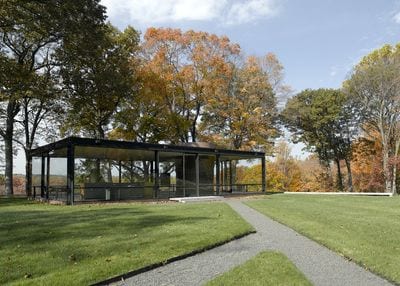
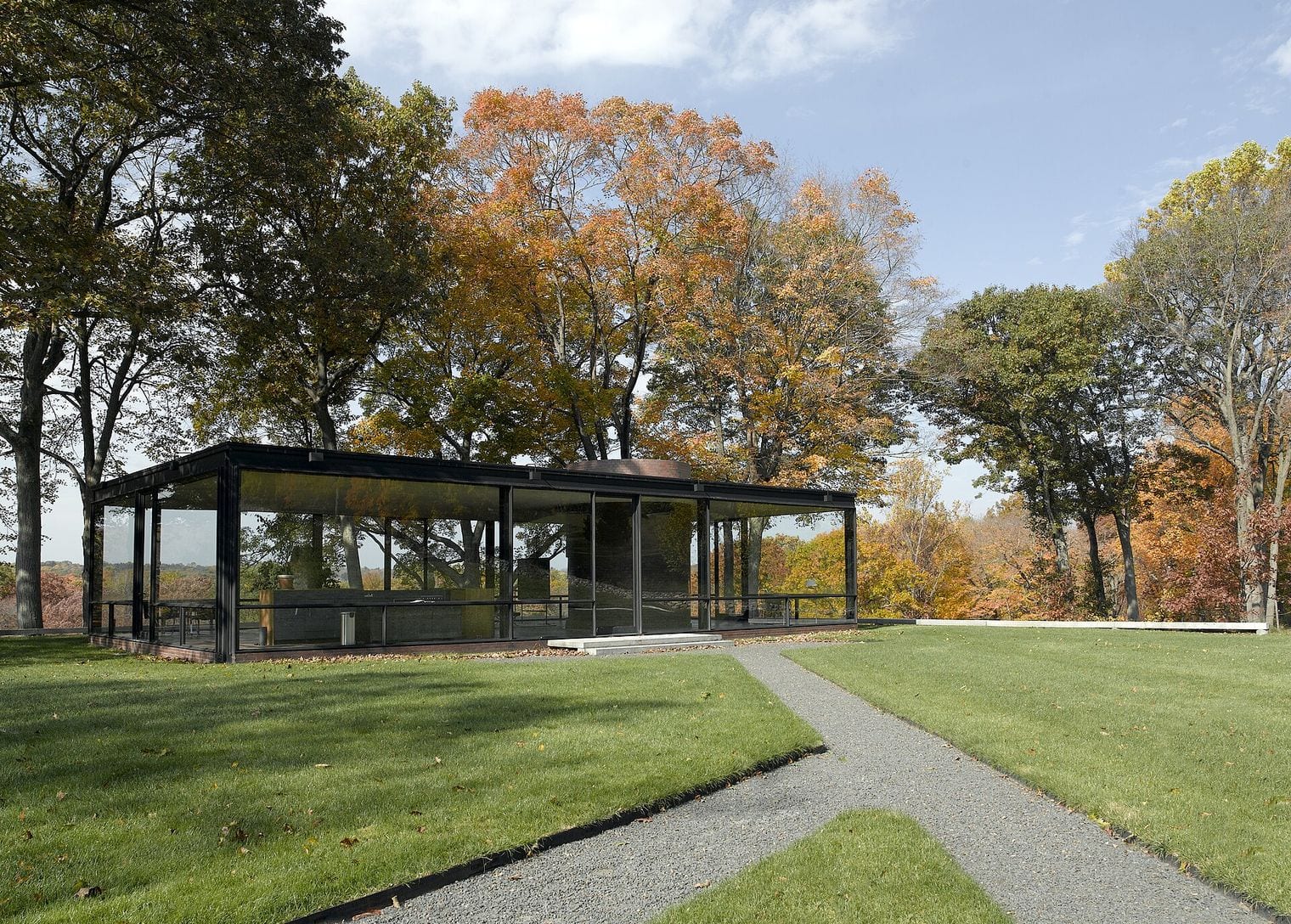
Its landmark is Philip Johnson's Glass House, a one-room house with glass walls completed in 1949 that introduced many Americans to Modernism. Now owned by the National Trust for Historic Preservation, it is open on guided tours that start from a visitor center in town. Grace Farms, an 80-acre cultural center, adds a striking building that curves across the landscape like a river, and Waveny Park gives the town a big green space for walks.
Farmington is a Farmington Valley town about 10 miles west of Hartford, where Main Street in the historic village is lined with colonial houses, some dating to the 17th century. The town played a real part in American history: after the Supreme Court freed the Africans of the Amistad in 1841, they lived and studied in Farmington for about eight months before sailing home to Sierra Leone, and the town was an active stop on the Underground Railroad.
Hill-Stead Museum, a 1901 Colonial Revival house designed by Theodate Pope Riddle, one of America's first female architects, together with McKim, Mead & White, is best known for its French Impressionist masterpieces. The Farmington Canal Heritage Trail and the Farmington River Trail, built along an old canal and railroad line, are popular with cyclists and walkers.
Weston is one of Fairfield County's most rural towns, with two-acre zoning, very little commercial development and a center of just a handful of stores. It is the closest Connecticut town to New York City without a train station, and much of it is woodland.
The reason to come is Devil's Den Preserve, a Nature Conservancy preserve of 1,746 acres, most of it in Weston, and the largest preserve in Fairfield County. Some 20 miles of trails wind through its rocky, wooded hills, and the name comes from local lore: charcoal makers said a hoof-like mark on a boulder was the footprint of the Devil.
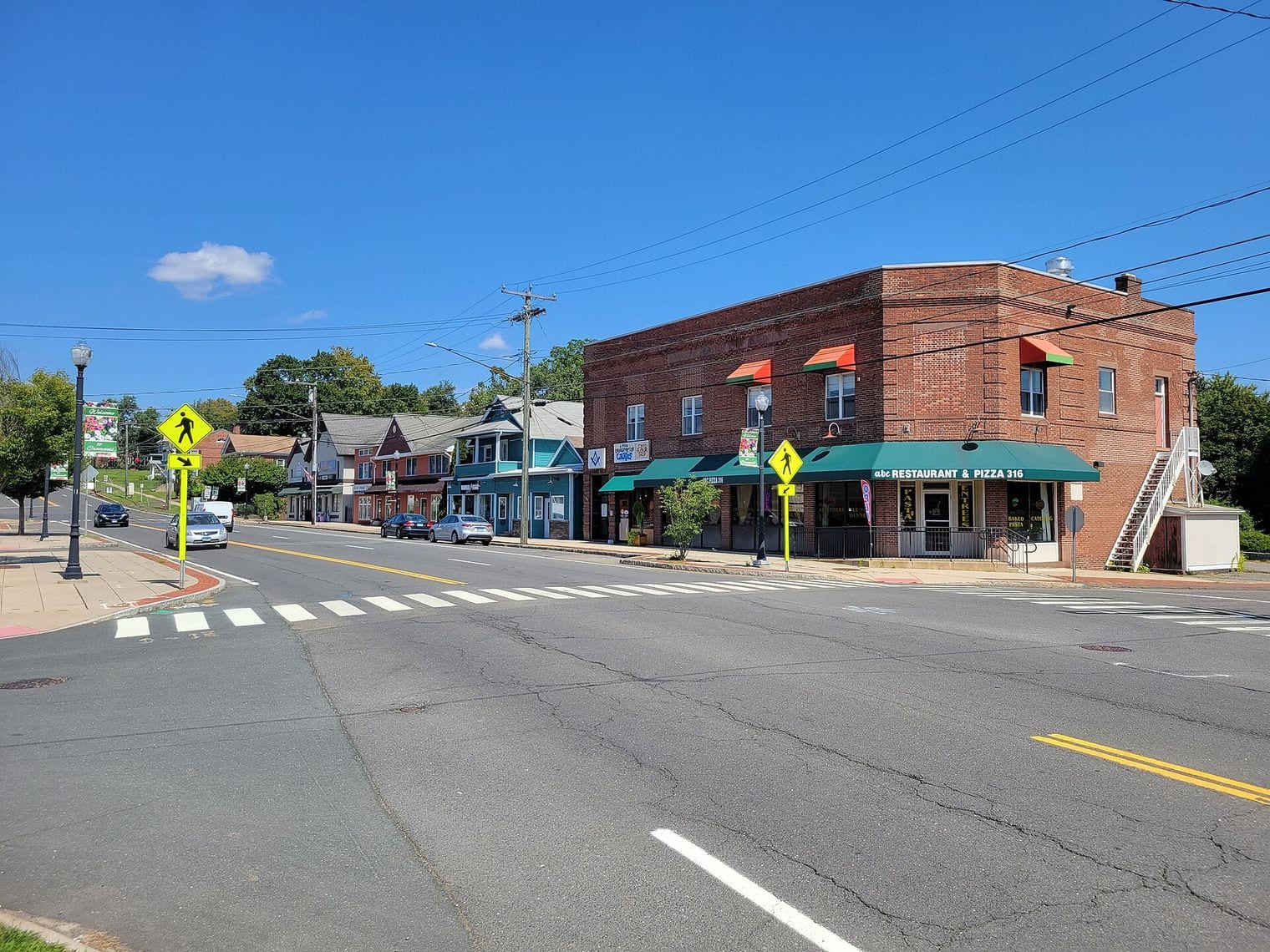
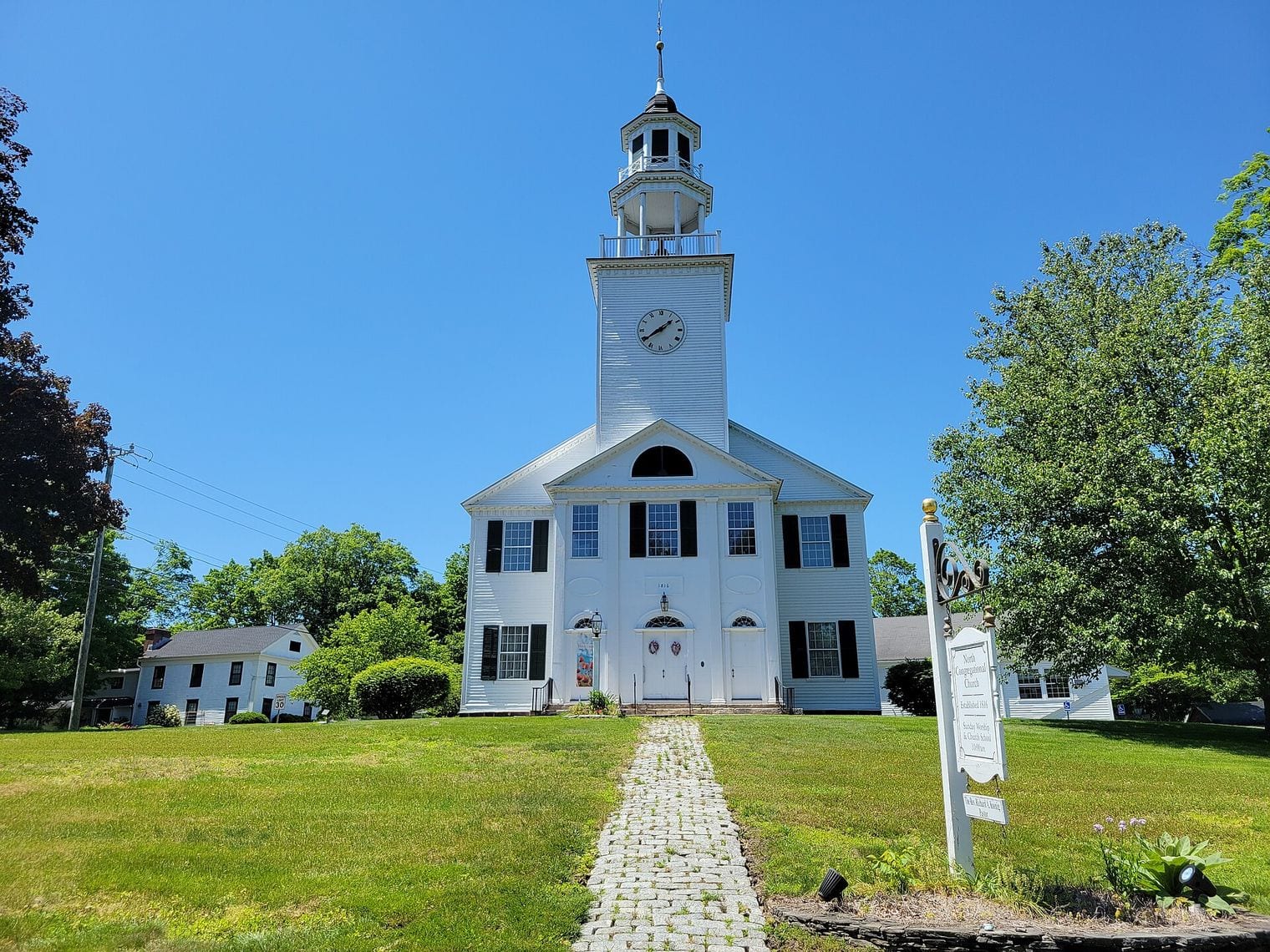
Chaplin is one of the smallest towns on this list, with about 2,150 people in the rural hills of the Quiet Corner, and is named for Deacon Benjamin Chaplin, an early settler. Its village center along Chaplin Street is a historic district, and the town has its own small local history museum.
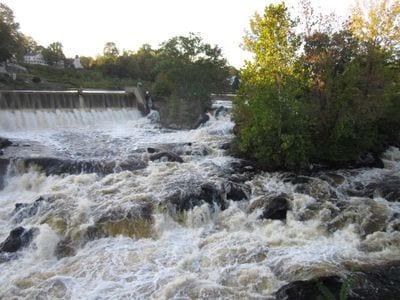
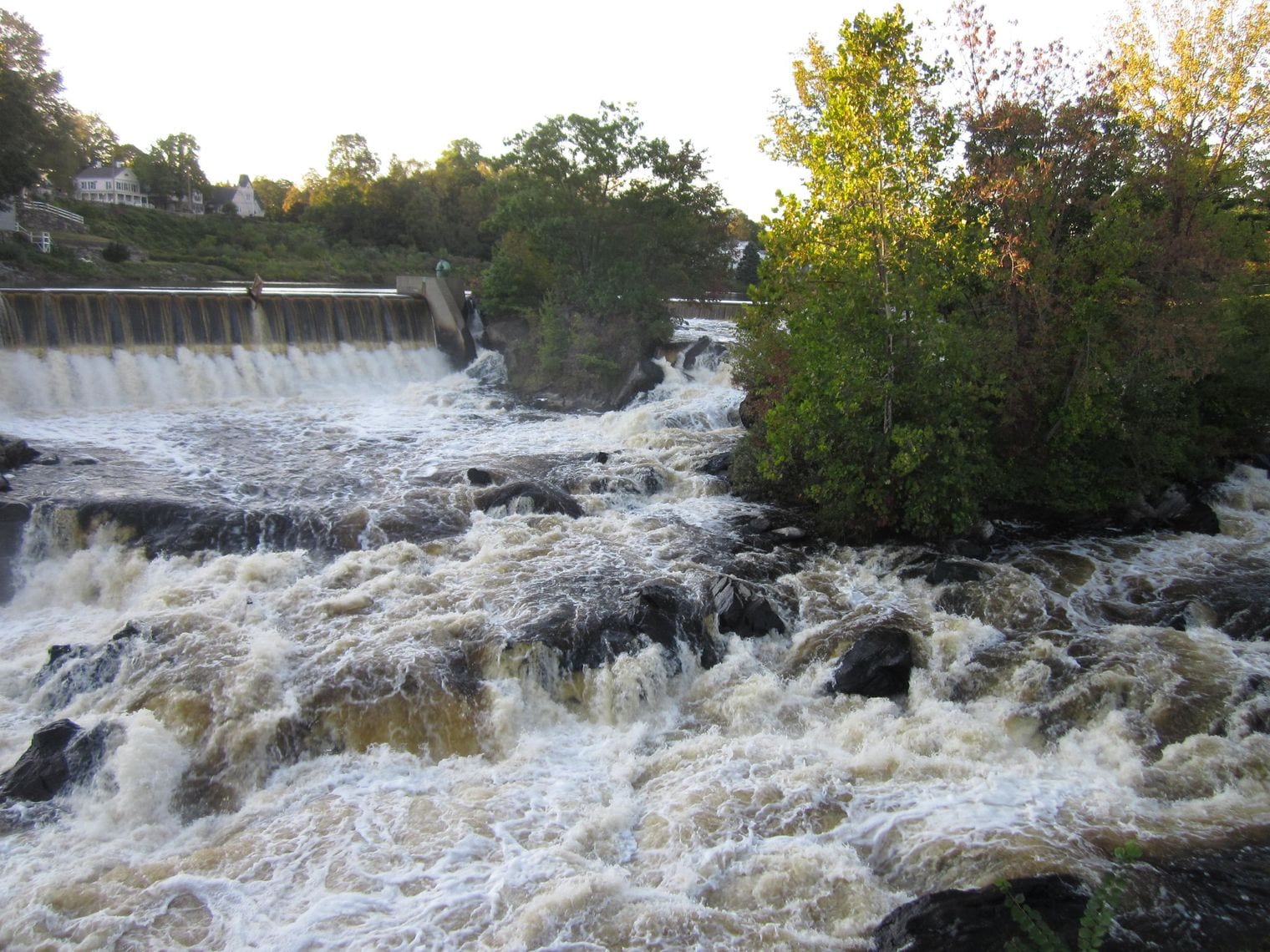
Most visitors come for Diana's Pool, a stretch of the Natchaug River where clear water tumbles over rocks and small falls between evergreen banks. Short paths follow the river past old mill ruins, it is a favorite spot for trout fishing and picnics on the rocks, and local legend offers more than one story about how the pool got its name.
Glastonbury is the most populous town on this list, but it earns its place as a historic river town of orchards and farms on the east bank of the Connecticut River, about 7 miles southeast of Hartford. First settled in 1636, it became famous for fruit after 1866, when J.H. Hale started the orchards that made him known as the Peach King, and orchards and berry farms still dot its hills.
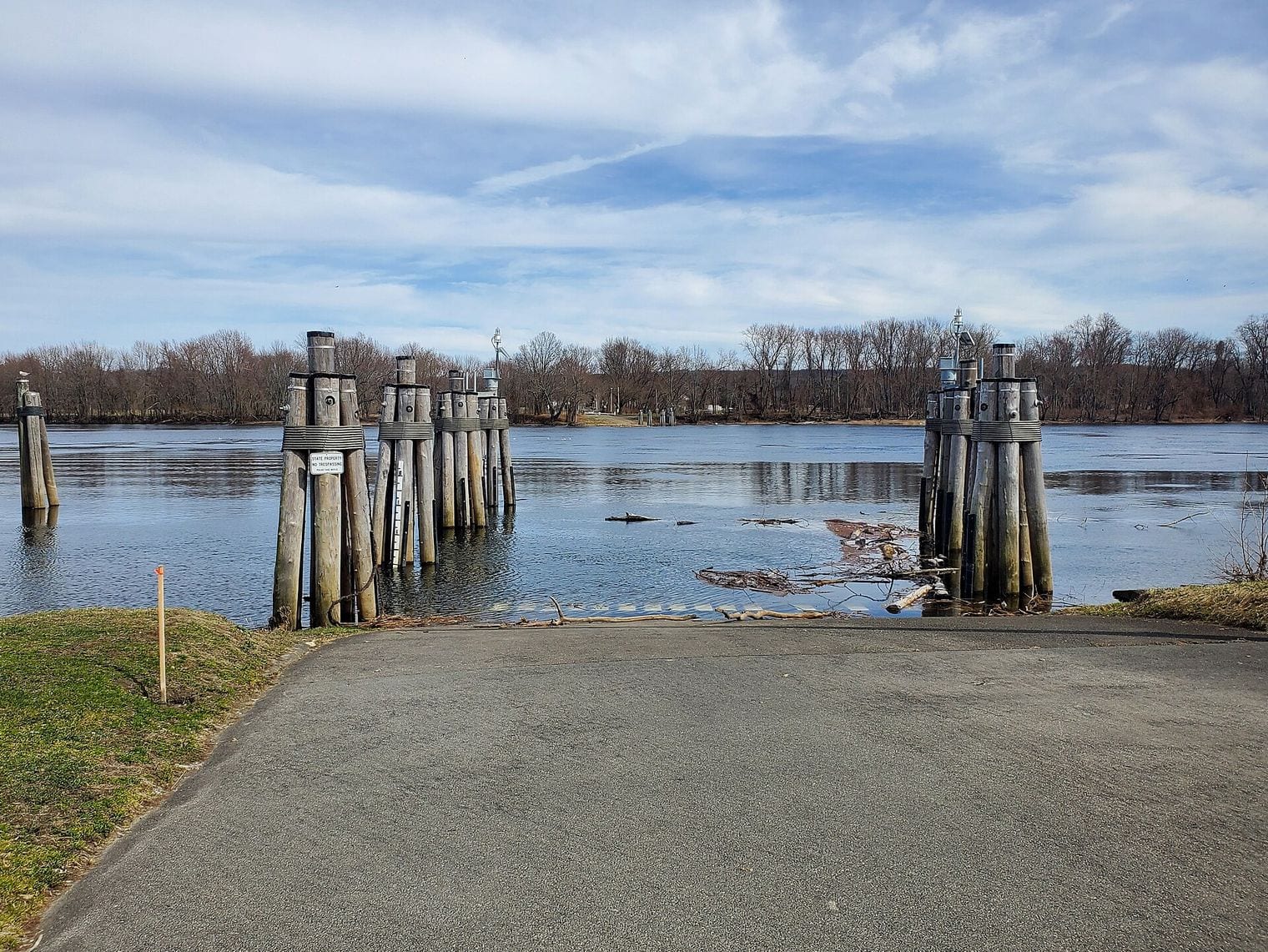
In South Glastonbury, the Rocky Hill–Glastonbury Ferry has crossed the river since 1655 and is believed to be the oldest continuously operating ferry service in the United States, a short seasonal crossing that carries Route 160. Billy Joel filmed part of his video for The River of Dreams in a South Glastonbury barn, and the ferry appears in it too.
Old Lyme sits where the Connecticut River meets Long Island Sound, across the river from Old Saybrook, and has been an artists' town for generations. Its main street, Lyme Street, is a historic district of houses once owned by sea captains and is home to the Lyme Art Association and the Lyme Academy of Fine Arts.
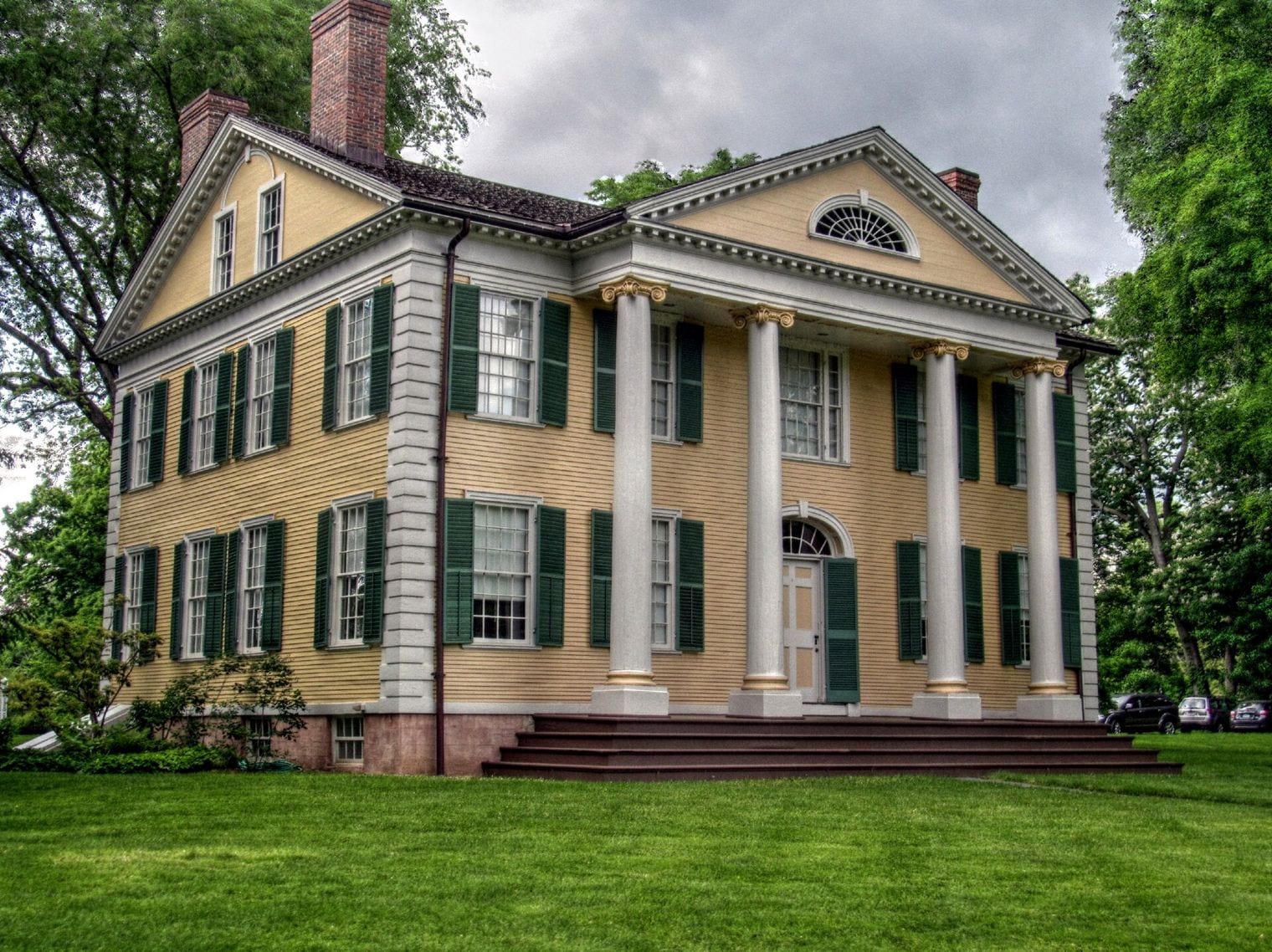
The Florence Griswold Museum is the centerpiece. The boarding house of Florence Griswold became the heart of the Old Lyme Art Colony, whose painters played an important role in American Impressionism, and the museum's 12-acre site includes the house, galleries, gardens and walking trails. In summer, the town's beach communities along the Sound fill with seasonal visitors.
Cromwell, named after Oliver Cromwell, is a Connecticut River town just north of Middletown that began life as Upper Middletown. Its Main Street Historic District and the Middletown Upper Houses Historic District preserve the old riverfront village, and Riverport Park at Frisbee Landing opens the town to the water.
Golf is Cromwell's claim to fame: TPC River Highlands has hosted the PGA Tour's annual Travelers Championship since 1984, bringing many of the world's best players to town each summer. The rest of the year, it makes a convenient base for the lower Connecticut River valley, within easy reach of Hartford, Wethersfield and Glastonbury.
Woodbury, founded in 1673, is often called Connecticut's antiques capital, and its center is a mile-long stretch of historic buildings on both sides of the main road, many of them now home to antiques dealers. Churches from 1785, 1816 and 1818 line the way, and the 1839 Masonic Temple, a small Greek Revival building, sits dramatically atop a high cliff reached by a long flight of steps and lit up at night.
The Glebe House, a Georgian colonial house built around 1740, was where Connecticut clergy met in March 1783 for the first Episcopal election in the United States, and its garden was designed by the celebrated English gardener Gertrude Jekyll in 1926. Woodbury is a short drive from Waterbury, and an easy add-on to a Litchfield Hills loop.
Colebrook is one of the smallest and most rural towns in Connecticut, with about 1,360 people in the far northwest corner of the state on the Massachusetts line, and is named after Colebrooke in the English county of Devon. Its tiny village center is a historic district that feels far removed from the rest of the state.
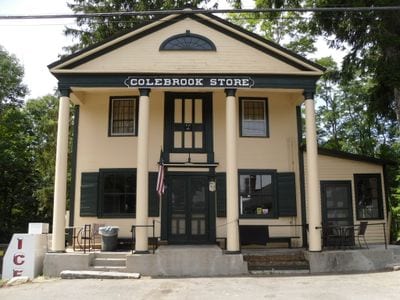
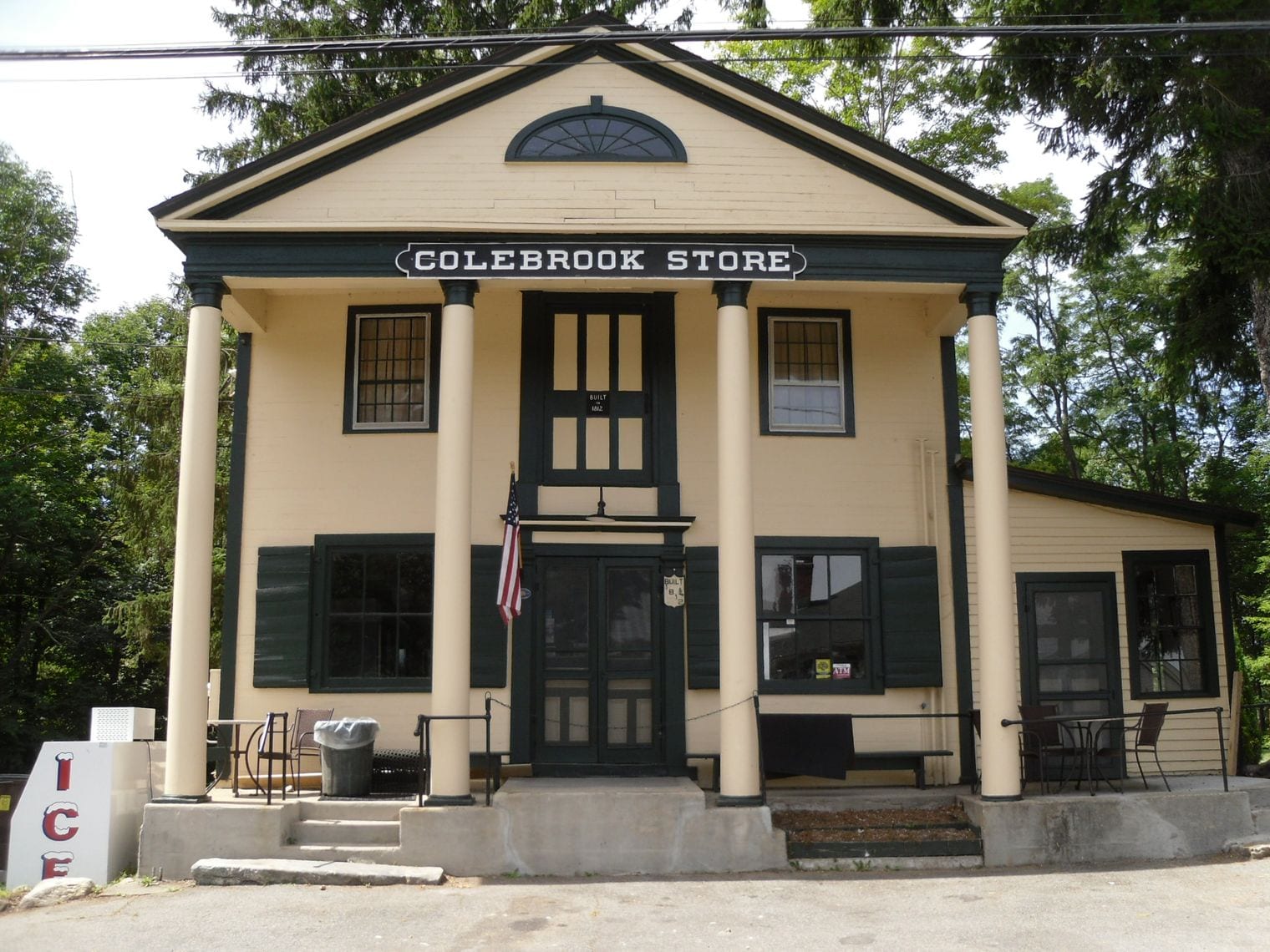
Its landmark is the Colebrook Store, built in 1812 with a two-story temple front and run as the village general store for most of the two centuries since. Colebrook is a place for back roads and forest, an easy add-on to a drive through Norfolk and the hills of the northwest corner, with Springfield, Massachusetts, about an hour away.
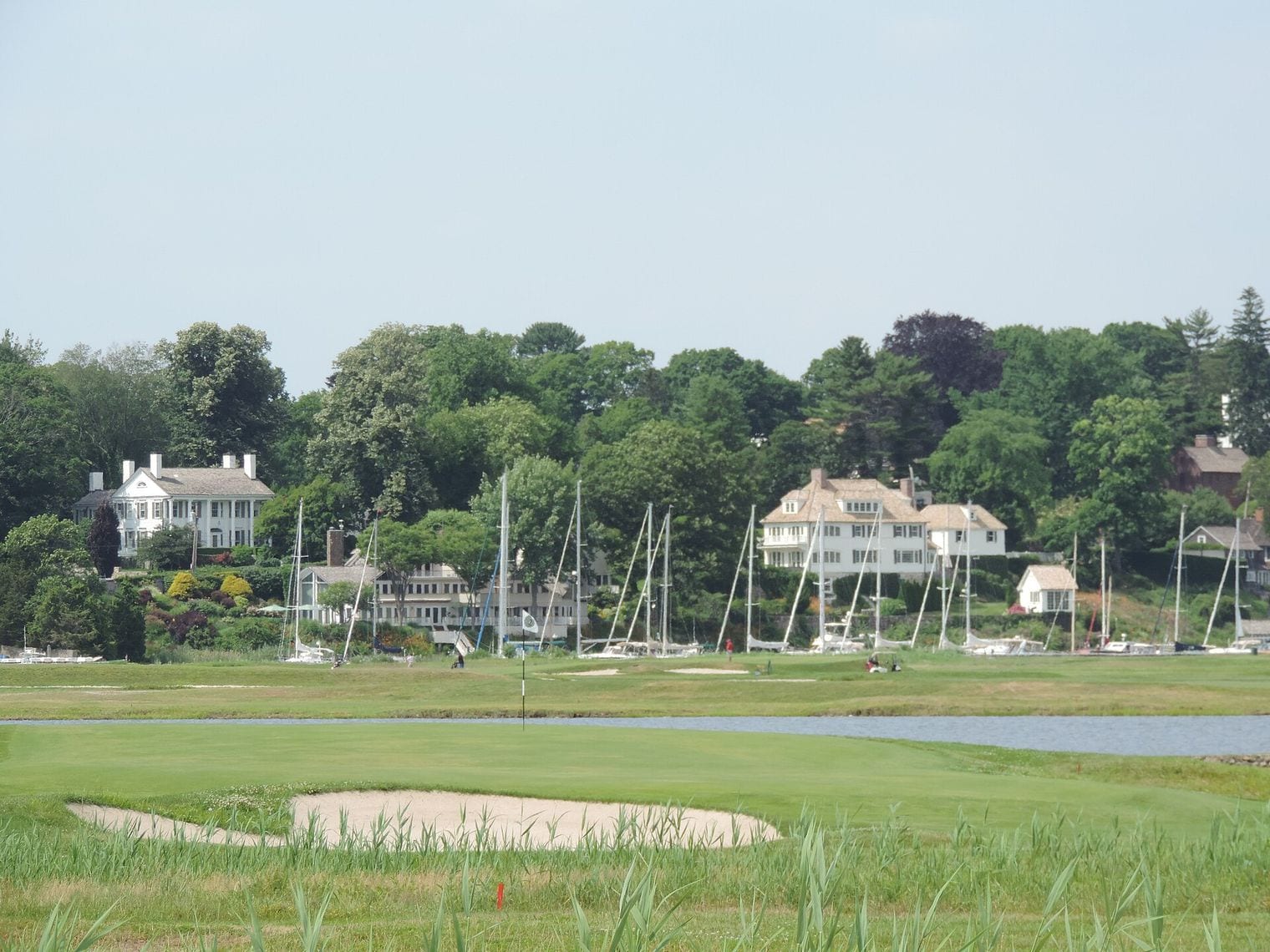
Southport is a small harbor village in the town of Fairfield, set between the Mill River and Sasco Brook on Long Island Sound. Settled in 1639, it was almost entirely burned by the British in 1779, and its rebuilt streets now form the Southport Historic District, with more than 150 Greek Revival and Victorian buildings, many of them homes built by merchants, bankers and shipping men.
In the 1800s the little harbor shipped farm produce to New York and beyond, above all Southport Globe onions, which by the 1890s were going out by the tens of thousands of barrels. The Pequot Library, opened in 1894 in a Romanesque Revival building with Tiffany glass windows, is the village landmark, and Southport has its own Metro-North station on the New Haven Line.
Woodstock is a rural Quiet Corner town with its historic center on Woodstock Hill, where the houses around the common form the Woodstock Hill Historic District. Originally part of Massachusetts, it joined Connecticut in 1749, and scenic Route 169 runs through the heart of town.
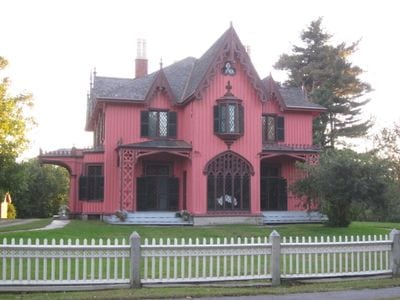
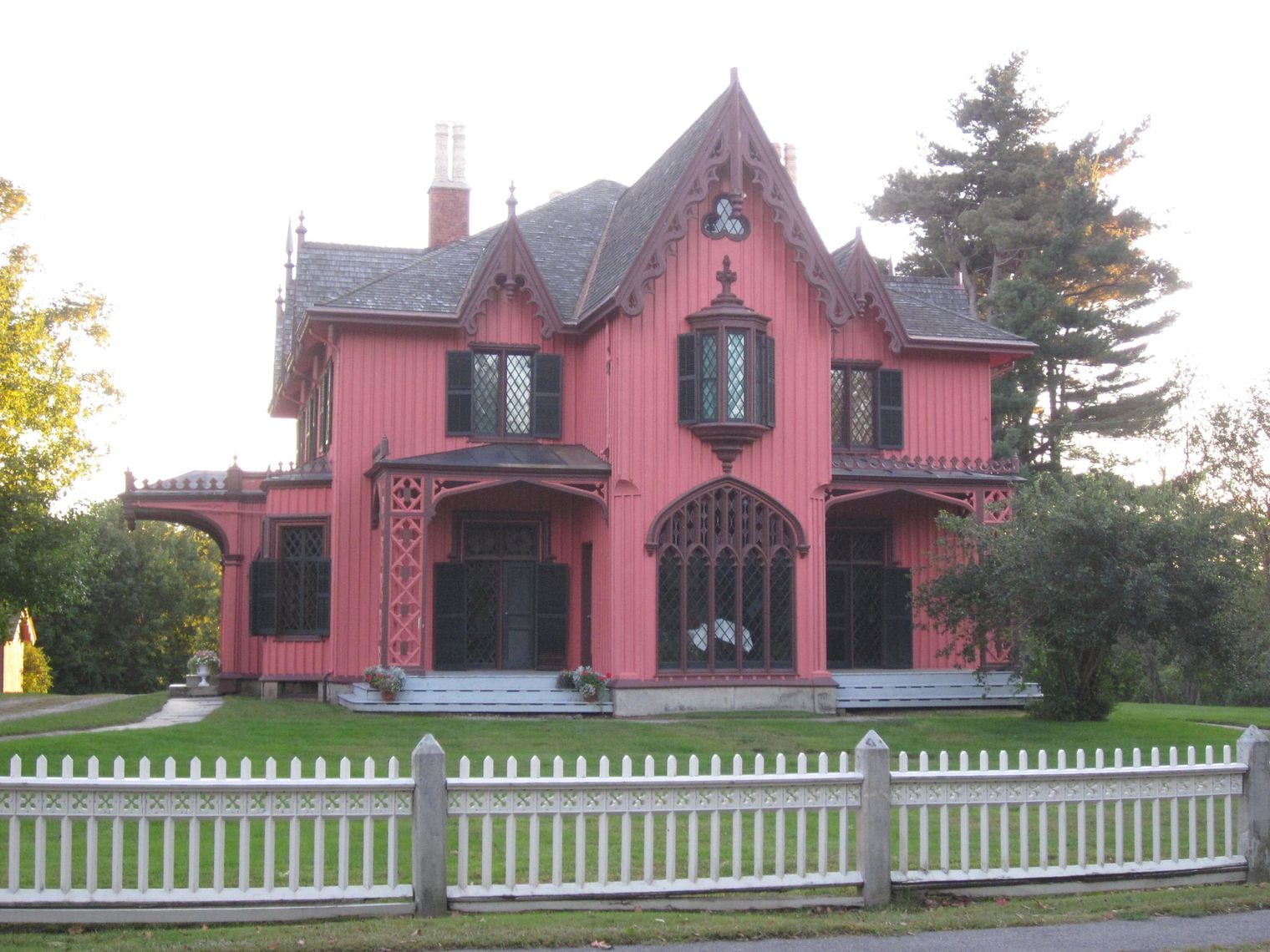
Roseland Cottage, a Gothic Revival summer house built in 1846 for the businessman Henry C. Bowen and painted a startling coral pink, is one of the best-preserved Gothic summer houses in the country and now a Historic New England museum; four US presidents came here for Bowen's famous Fourth of July celebrations. Every Labor Day weekend, the Woodstock Fair, one of Connecticut's biggest agricultural fairs, with roots going back to 1859, fills the fairgrounds in South Woodstock.
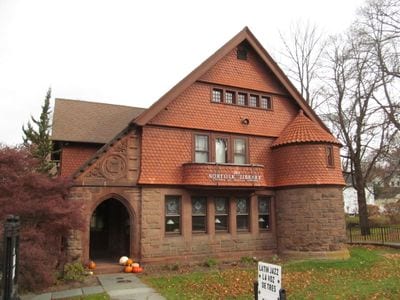
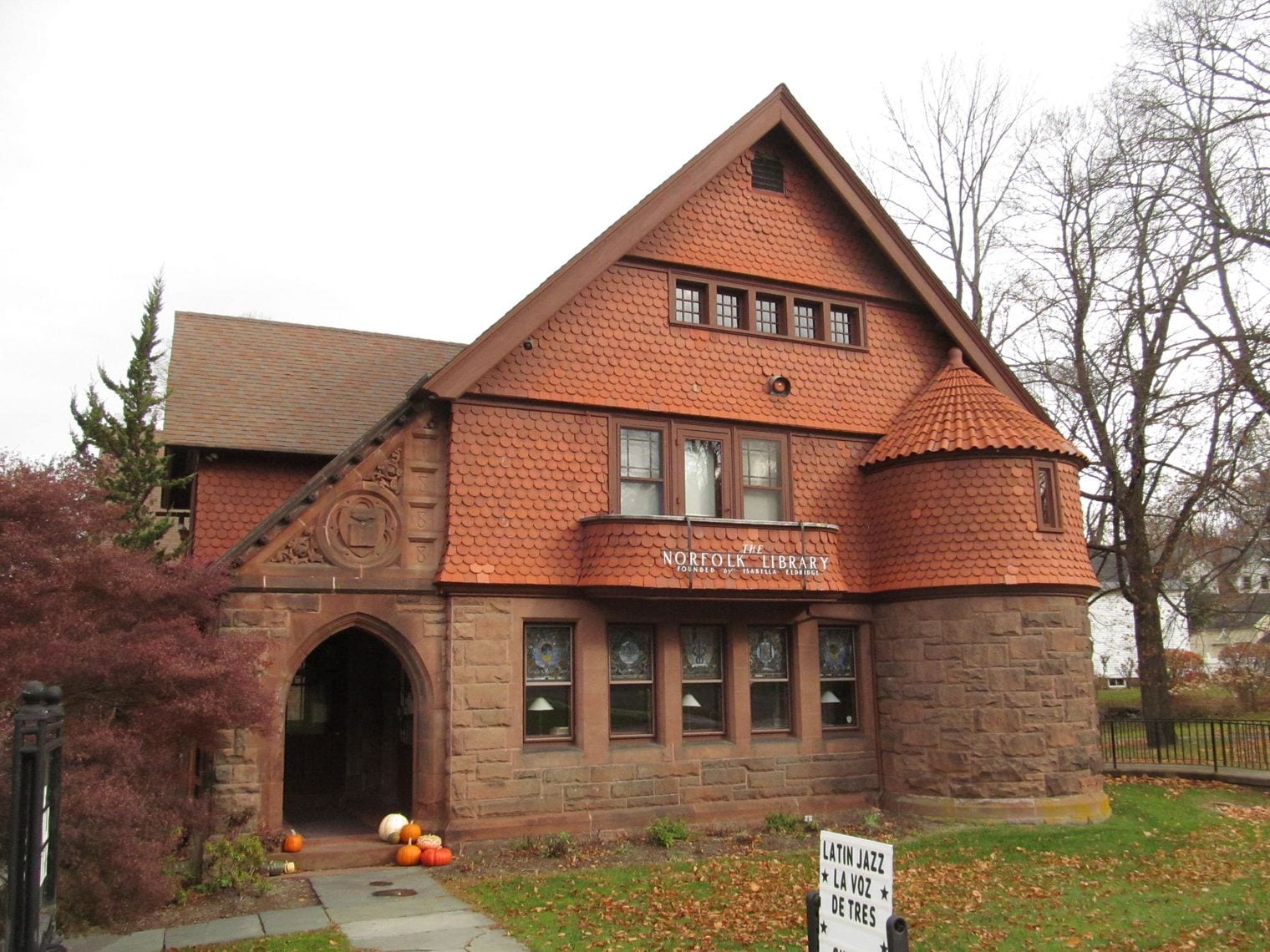
Norfolk is a high, cool Litchfield Hills village at about 1,230 feet, sometimes called the Icebox of Connecticut for its harsh winters and cool summers. It has fine examples of regional architecture, including the shingle-style Norfolk Library of the late 1880s and more than 30 buildings designed by the architect Alfredo S. G. Taylor before the Second World War.
Each summer the Norfolk Chamber Music Festival, hosted by the Yale School of Music, fills the Music Shed on the Ellen Battell Stoeckel estate, just west of the village green, carrying on summer concerts that the Battell family began in the 1880s. For views, head up to the 1929 stone tower on Haystack Mountain, which looks out over three states and to Long Island Sound, or picnic at Dennis Hill State Park.
Columbia is a small, rural Tolland County town in eastern Connecticut that was part of Lebanon, known as Lebanon's Crank, until it was incorporated in 1804 and named after the patriotic symbol Columbia. Its historic center is the Columbia Green Historic District, and summer life revolves around Columbia Lake.
The green has an outsized place in American education. The minister Eleazar Wheelock, pastor here for 34 years, ran Moor's Charity School on Columbia's town green to educate Native Americans, and his effort to enlarge it grew into Dartmouth College in New Hampshire. Columbia makes a peaceful stop on country roads between Hartford and the Quiet Corner.
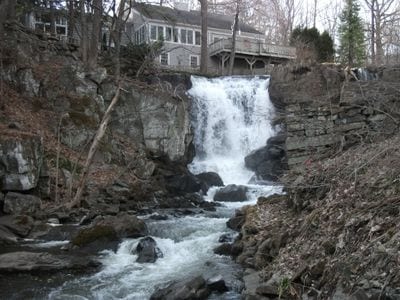
New Preston is a village in the northwest corner of the town of Washington, set just south of Lake Waramaug, where the East Aspetuck River leaves the lake and runs through the village over New Preston Falls. Its tiny center fell into decline in the 20th century, then came back to life from the mid-1980s as small shops reopened in the old buildings by the river.
Lake Waramaug, a 656-acre lake, has drawn summer visitors since the Wyantenock people spent their summers on its shores, and the railroad's arrival in 1872 brought inns and summer homes around its edge. Lake Waramaug State Park, on the lake's northwest shore, offers swimming, picnicking, camping and canoeing, and George Washington spent a night in New Preston in May 1781.
Free Things to Do in These Connecticut Towns
Many of the best moments on this list cost nothing. Stroll the greens of Litchfield and Guilford, the mile-long Main Street of Ridgefield and the old streets of the borough in Stonington.
Watch the bascule bridge lift over the river in Mystic, drive through Bull's Bridge in Kent and the covered bridge in Cornwall, and walk the Niantic Bay Boardwalk in Niantic or the Old Drake Hill Flower Bridge in Simsbury. Hikers can follow the trails of Devil's Den in Weston and the Steep Rock preserves in Washington, or watch the river tumble through Diana's Pool in Chaplin.
Connecticut is compact, so the easiest way to see these towns is to pick one region and link several together. The shoreline is the simplest: Branford, Guilford, Madison, Old Saybrook, Old Lyme, Niantic, Mystic and the Borough of Stonington line up along I-95 and Route 1, with Essex and Chester a short drive up the Connecticut River and Westport and Southport farther west toward New York.
In the Litchfield Hills, Litchfield, Kent, Cornwall, Washington, New Preston, Woodbury and Norfolk make a classic loop, especially in fall, and Woodbury and Bethel are both within easy reach of Waterbury.
The Quiet Corner pairs Putnam, Woodstock, Chaplin and Columbia, with Putnam and Woodstock an easy drive from Providence, Rhode Island. Simsbury, Farmington, Wethersfield, Glastonbury and Cromwell circle Hartford, and Colebrook and Norfolk sit about an hour from Springfield, Massachusetts.
You will want a car for most of the list, but Metro-North trains serve Westport, Southport, New Canaan and Bethel, Shore Line East commuter trains stop in Branford, Guilford, Madison and Old Saybrook, and Amtrak's Northeast Regional calls at Old Saybrook and Mystic.
FAQ: Visiting the Best Small Towns in Connecticut
What is the best small town in Connecticut?
Mystic is the best small town in Connecticut for most visitors, with Mystic Seaport Museum, the largest maritime museum in the United States, Mystic Aquarium and a 1922 drawbridge that still lifts over the river. Essex on the Connecticut River, Kent in the Litchfield Hills, the colonial green of Litchfield and riverside Chester round out the top five.
Which Connecticut small towns can you reach by train?
Several towns on this list are easy car-free trips. Metro-North's New Haven Line stops in Westport and Southport, and its branch lines serve New Canaan and Bethel. Shore Line East commuter trains stop in Branford, Guilford, Madison and Old Saybrook, and Amtrak's Northeast Regional calls at Old Saybrook and Mystic, a short ride from the seaport.
What are the best small towns in the Litchfield Hills?
Litchfield is the classic, with its broad green, 1829 Congregational church and early law school. Kent has Kent Falls and Bull's Bridge, Cornwall the West Cornwall Covered Bridge, Washington and New Preston the Steep Rock preserves and Lake Waramaug, Woodbury its antiques dealers, and cool, high Norfolk a summer chamber music festival.
What are the best small towns on the Connecticut shoreline?
Mystic and the Borough of Stonington are the stars of the eastern shore, with the Niantic boardwalk nearby. Old Saybrook and Old Lyme face each other across the mouth of the Connecticut River, Madison has Hammonasset Beach State Park, Guilford its historic green and Branford the Thimble Islands, while Westport and Southport anchor the western shore.
When is the best time to visit Connecticut's small towns?
Fall is the classic season, when foliage colors the Litchfield Hills and the Quiet Corner, and the Woodstock Fair marks the end of summer every Labor Day weekend. Summer brings beach days on the shoreline and chamber music in Norfolk, the river ferries at Chester and Glastonbury run from spring through fall, and winter brings skiing at Mohawk Mountain in Cornwall.
How many days do you need to visit a small town in Connecticut?
Most towns on this list fill a relaxed day, and many make easy day trips from Hartford, New Haven or New York City. Mystic, Litchfield and Old Saybrook reward a full weekend, while a long weekend lets you link several towns in one region, such as the shoreline, the lower Connecticut River valley or the Litchfield Hills.