We may earn a commission if you book or buy through a link on
this page, at no extra cost to you. It never affects which places we list or how
we rank them (how we make money).
Short answer
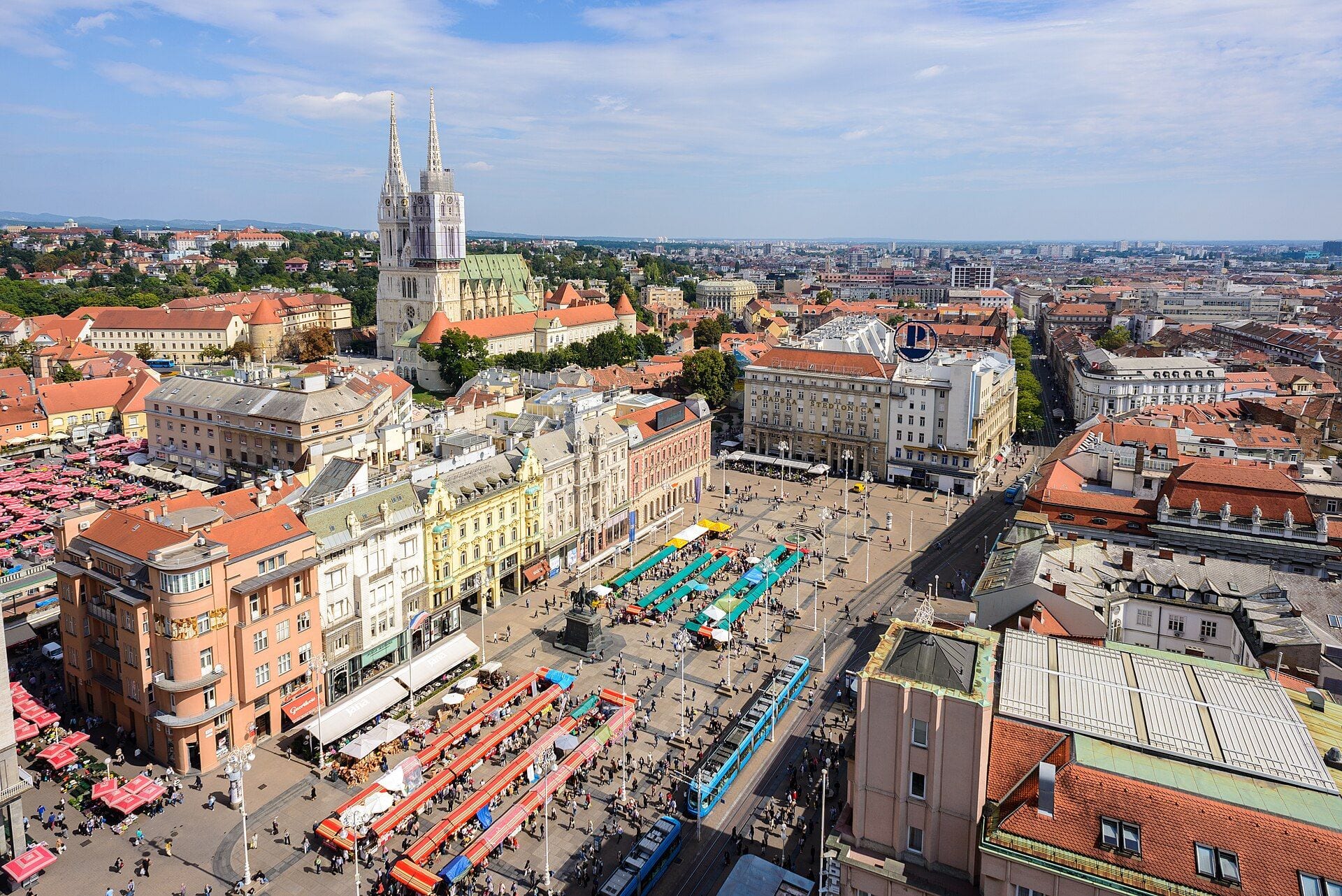
Zagreb's essentials are Ban Jelačić Square at the centre of the city, the twin-spired Zagreb Cathedral and the tiled roof of St. Mark's Church in the Upper Town, and Dolac Market on the terrace between them. Two days covers it comfortably: one for the Upper Town, the cathedral and the market, another for the museums and parks of the lower town — including the Museum of Broken Relationships.
Zagreb rewards travellers who slow down. Croatia's capital keeps its medieval Upper Town on one hill and its Habsburg boulevards spread out below, linked by a funicular ride that lasts barely a minute. It is a city of café terraces, tram bells, leafy squares and some of the most unusual museums in Europe.
This guide covers 40 of the best things to do in Zagreb, from the tiled roof of St Mark's and the arcades of Mirogoj to the produce stalls of Dolac and the parks of the Green Horseshoe. Two or three days is enough to see the centre properly.
The necktie is a Croatian invention — the word "cravat" comes from the French Croate, after the Croatian mercenaries whose knotted neck scarves caught the eye of Louis XIII in 1630. Zagreb marks World Cravat Day every 18 October by tying an enormous red tie around the Ban Jelačić statue.
The Upper Town is still lit by hand every evening — more than two hundred gas lanterns survive on Grič, and lamplighters walk the lanes at dusk opening each one with a long pole, exactly as they have since the 1860s.
A cannon has been fired at noon every day since 1 January 1877 from the window of Lotrščak Tower. It was introduced so the bell-ringers of the city churches could set their clocks by it, and it has barely missed a day since.
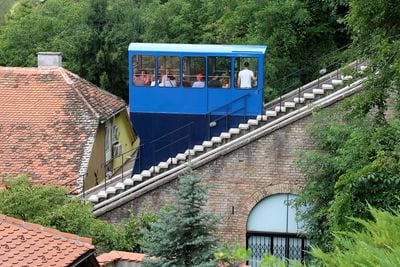
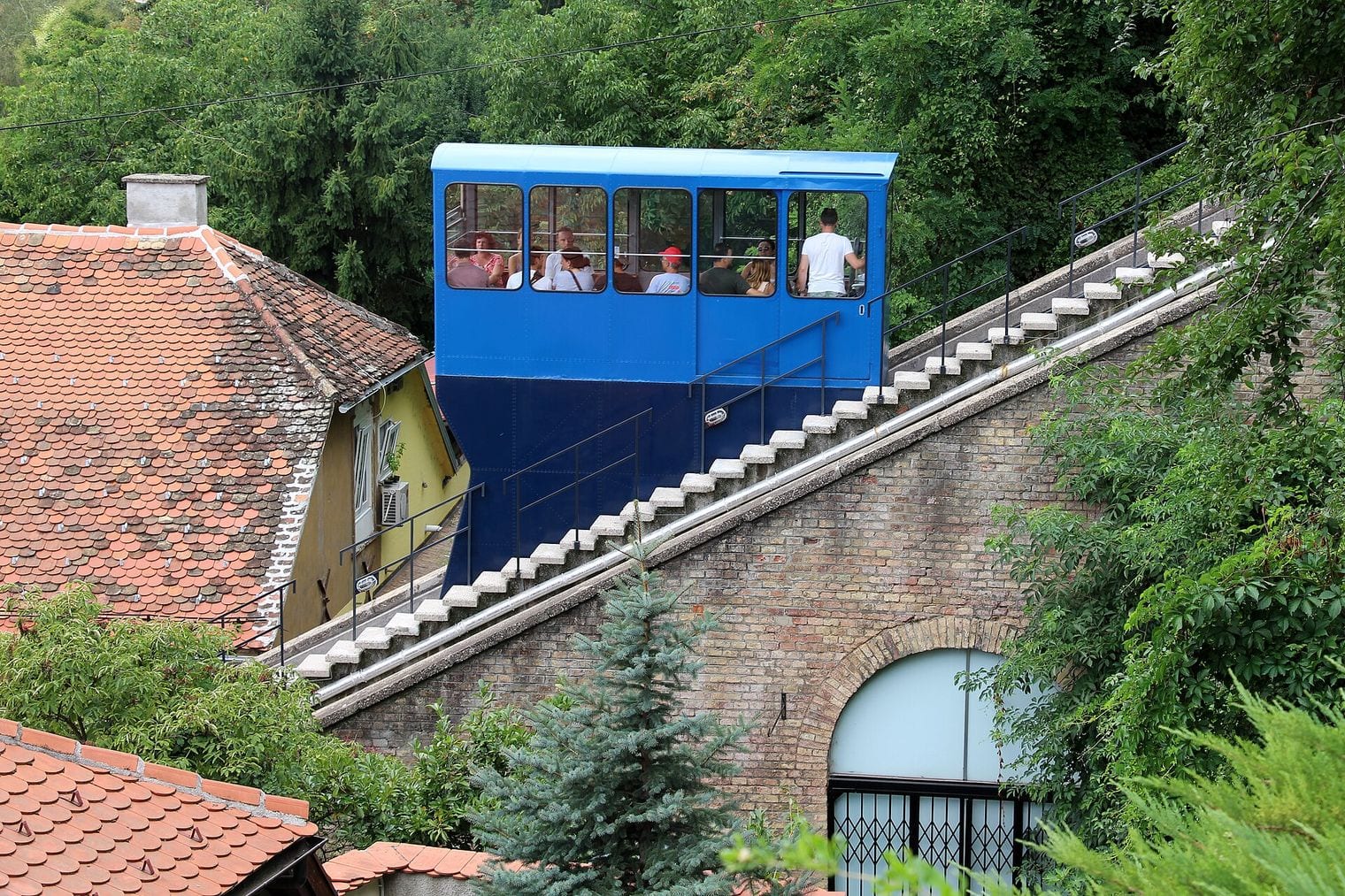
The funicular linking the two halves of the old town is 66 metres long and takes 64 seconds, which makes it one of the shortest public funiculars anywhere in the world.
Zagreb was built as a Habsburg city, not a Mediterranean one — its grand nineteenth-century theatre came from Fellner and Helmer, the Viennese partnership that supplied playhouses to cities right across the empire, from Vienna to Budapest.
The Museum of Illusions began in Zagreb in 2015 and has since been franchised to dozens of cities worldwide — so the branch you may have visited elsewhere is a copy of this one.
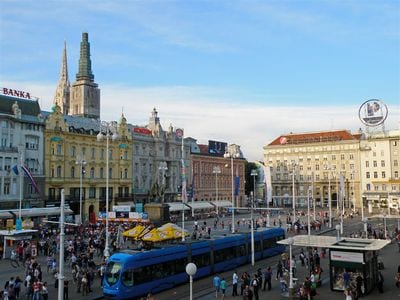
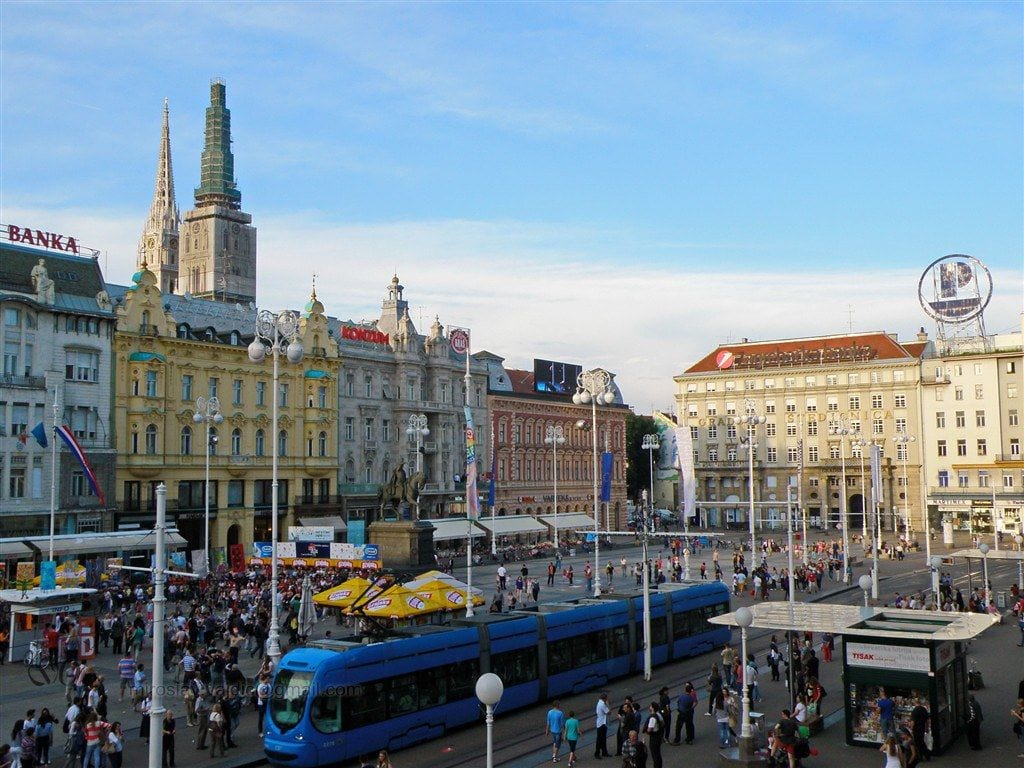
Ban Jelačić Square is where Zagreb meets itself. Trams converge from every direction, the city's main pedestrian arteries run off it, and the equestrian statue of Ban Josip Jelačić in the middle is the default meeting point for the entire city. The statue was removed under Yugoslavia and returned after independence, which tells you most of what you need to know about its symbolism.
The square is ringed by 19th-century facades in ochre and cream, with the Manduševac fountain at its eastern end marking the well that supposedly gave the city its name. On Saturday mornings it fills with the špica, the local ritual of dressing up and drinking coffee in public. Sit down and join in.
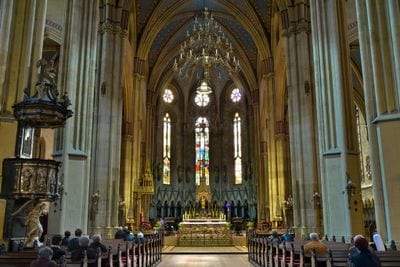
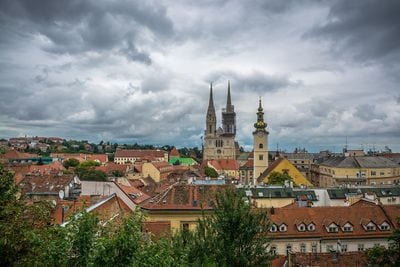
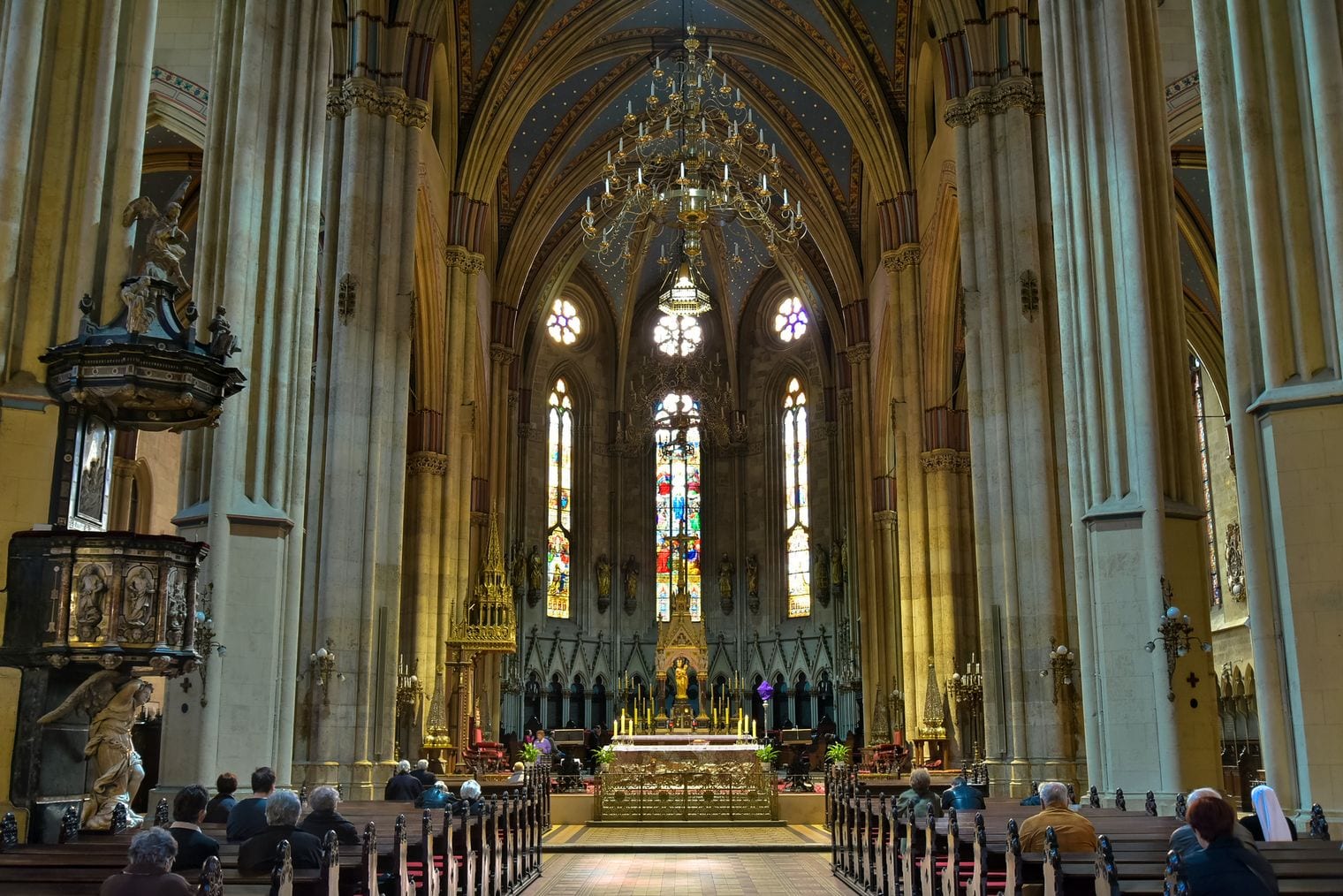
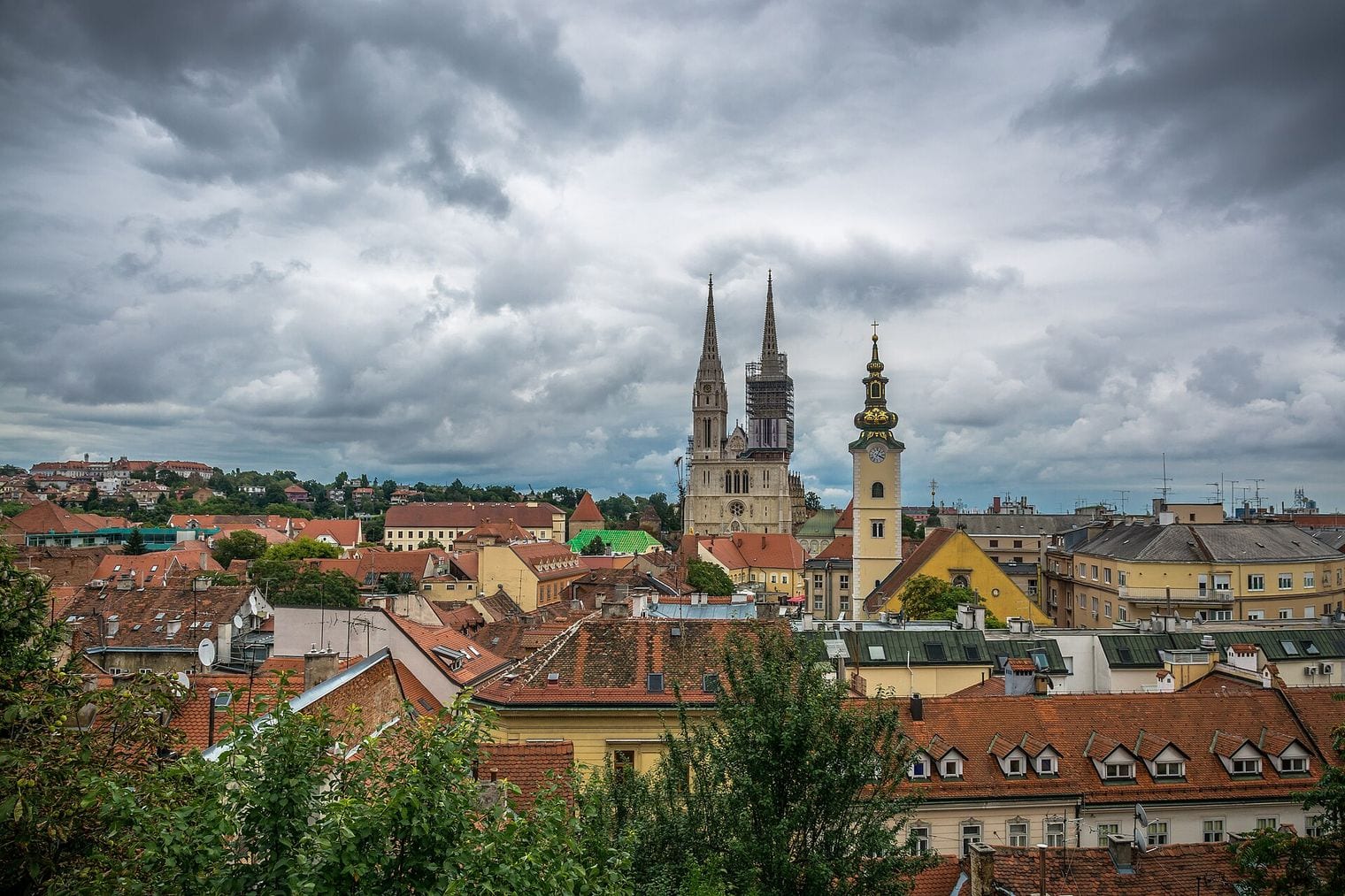
Zagreb Cathedral is the tallest sacral building in Croatia and visible from almost anywhere in the lower town. Its twin neo-Gothic spires date from the restoration that followed the 1880 earthquake, when Hermann Bolle rebuilt the damaged medieval church in the style it wears today.
An earthquake struck the city again in March 2020 and brought down the top of one spire, and the spires have been under restoration ever since. Scaffolding aside, the interior is worth stepping into for its scale, its treasury and the tomb of Cardinal Alojzije Stepinac. The cathedral sits on Kaptol, the old ecclesiastical quarter, a two-minute walk from Dolac market.
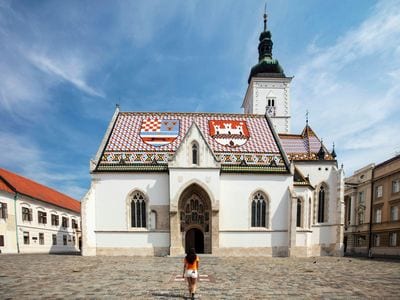
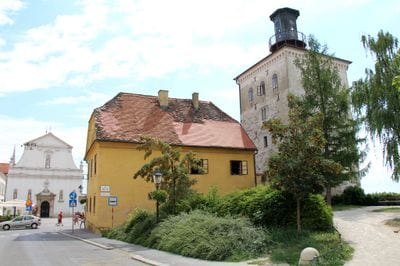
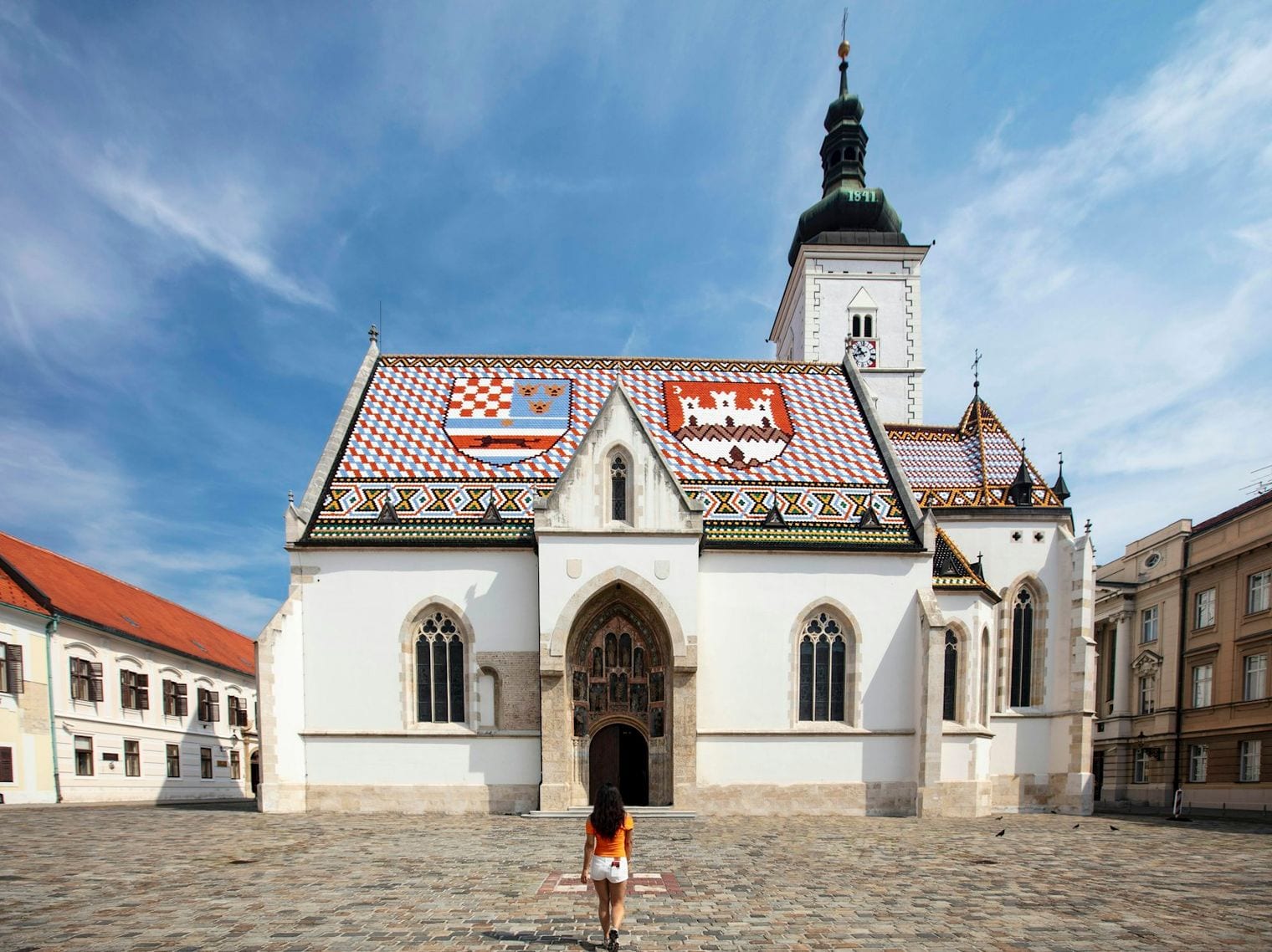
The tiled roof of St. Mark’s Church is the single image Zagreb is known by. Laid during a 19th-century restoration, it sets out two coats of arms in glazed tile: the emblems of Croatia, Dalmatia and Slavonia on the left, and the city of Zagreb on the right. The church itself is far older, with a Gothic portal that survives from the medieval building.
It stands on St Mark's Square, the quietest and most photographed corner of the Upper Town, flanked by the Croatian Parliament and the government palace. The interior holds sculpture by Ivan Meštrović but keeps limited opening hours, so many visitors see only the outside. That is no great loss, because the roof is the point.
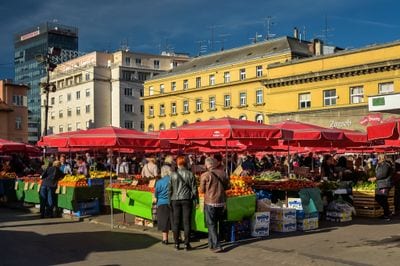
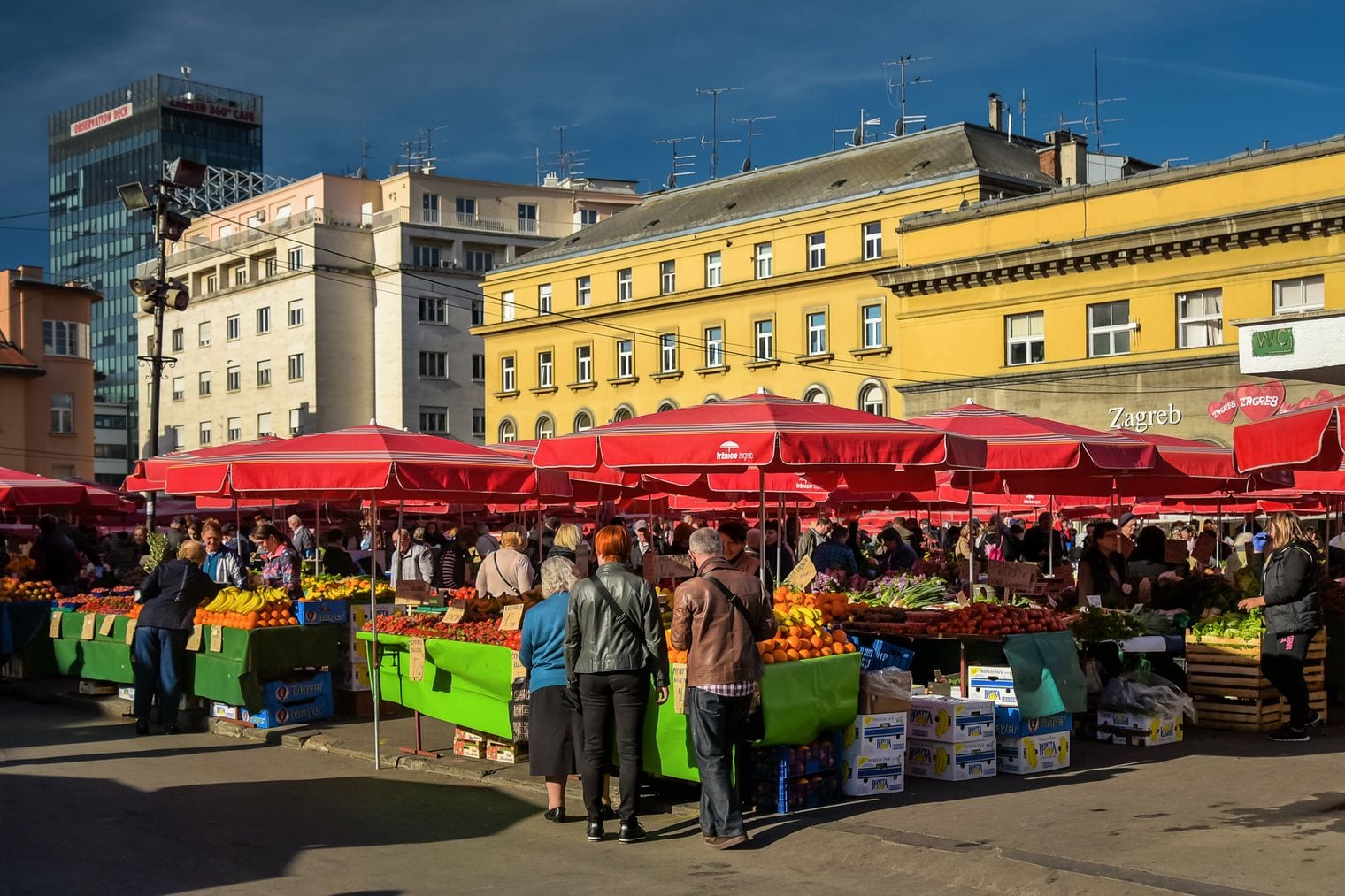
Dolac Market has been the belly of Zagreb since it opened in the 1930s, and it still is. The upper level is an open-air terrace of stalls under red parasols, selling fruit, vegetables, honey and flowers brought in from the surrounding countryside; the covered level below handles meat, cheese and fish.
It sits directly above Ban Jelačić Square, reached by a short flight of steps, and it is at its best early on a weekday morning when the traders are still setting up. Look for the bronze statue of the kumica, the market woman who traditionally carried produce into the city on her head. Buy fruit, taste the sheep's cheese, and watch the city do its shopping.
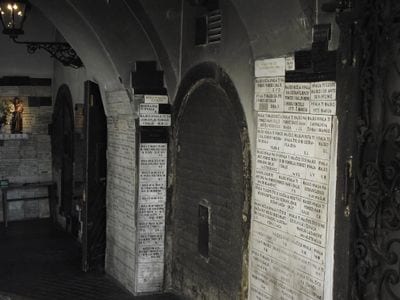
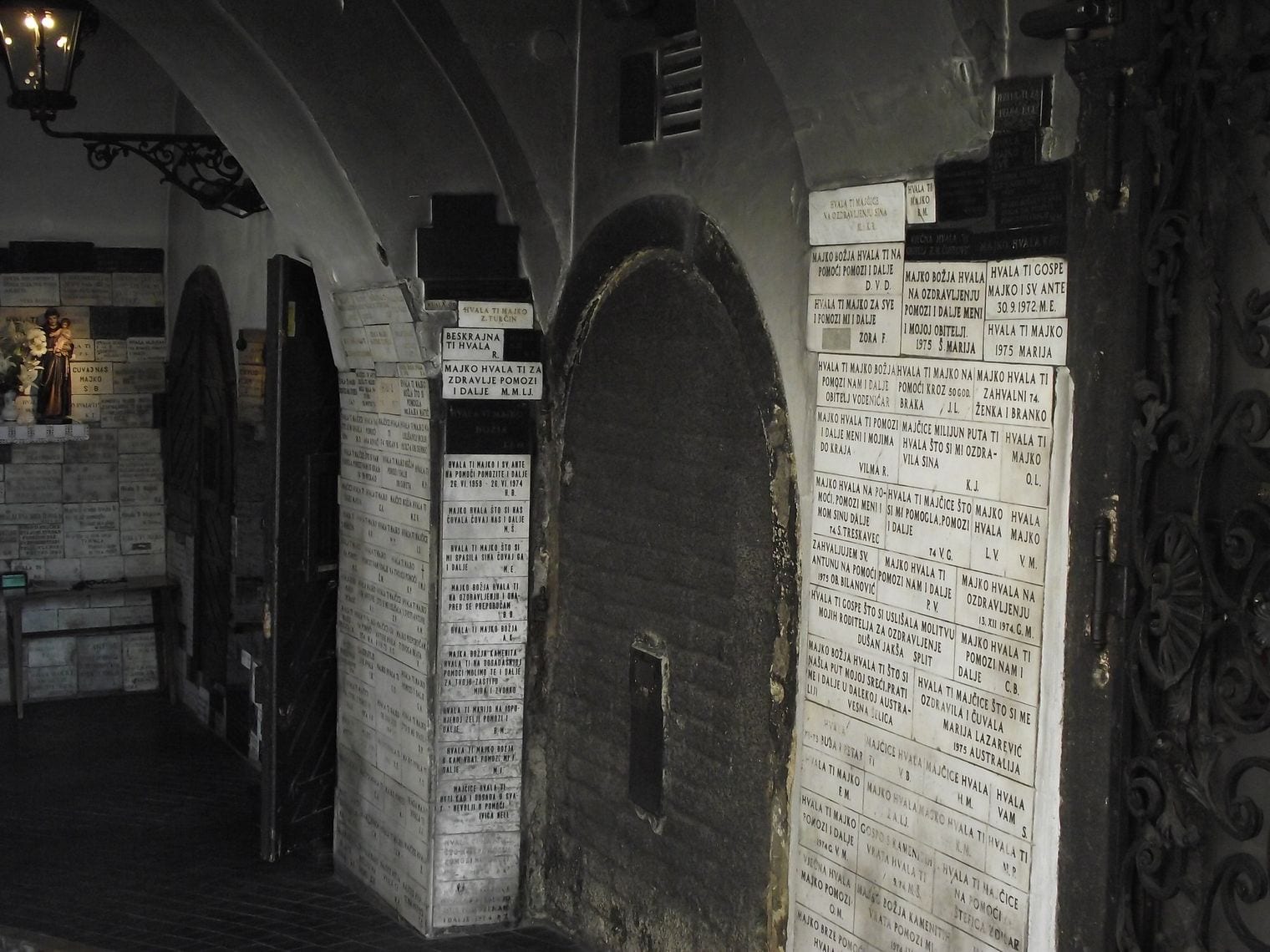
The Stone Gate is the last of the medieval gateways into the Upper Town still standing, and it is not really a monument at all: it is a working shrine. A fire in the 18th century destroyed the timber around it but left a painting of the Virgin and Child untouched, and the city has treated the spot as sacred ever since.
Walk through the vaulted passage and you pass an iron grille, rows of candles and wooden benches where people sit in silence. The walls are covered in small stone plaques carved with the single word hvala, thank you, left by those whose prayers were answered. It takes two minutes to walk through and is one of the most affecting corners of Zagreb.
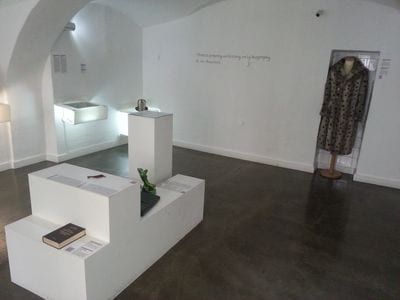
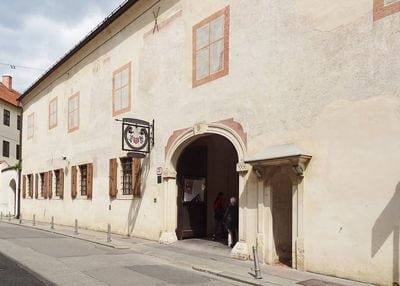
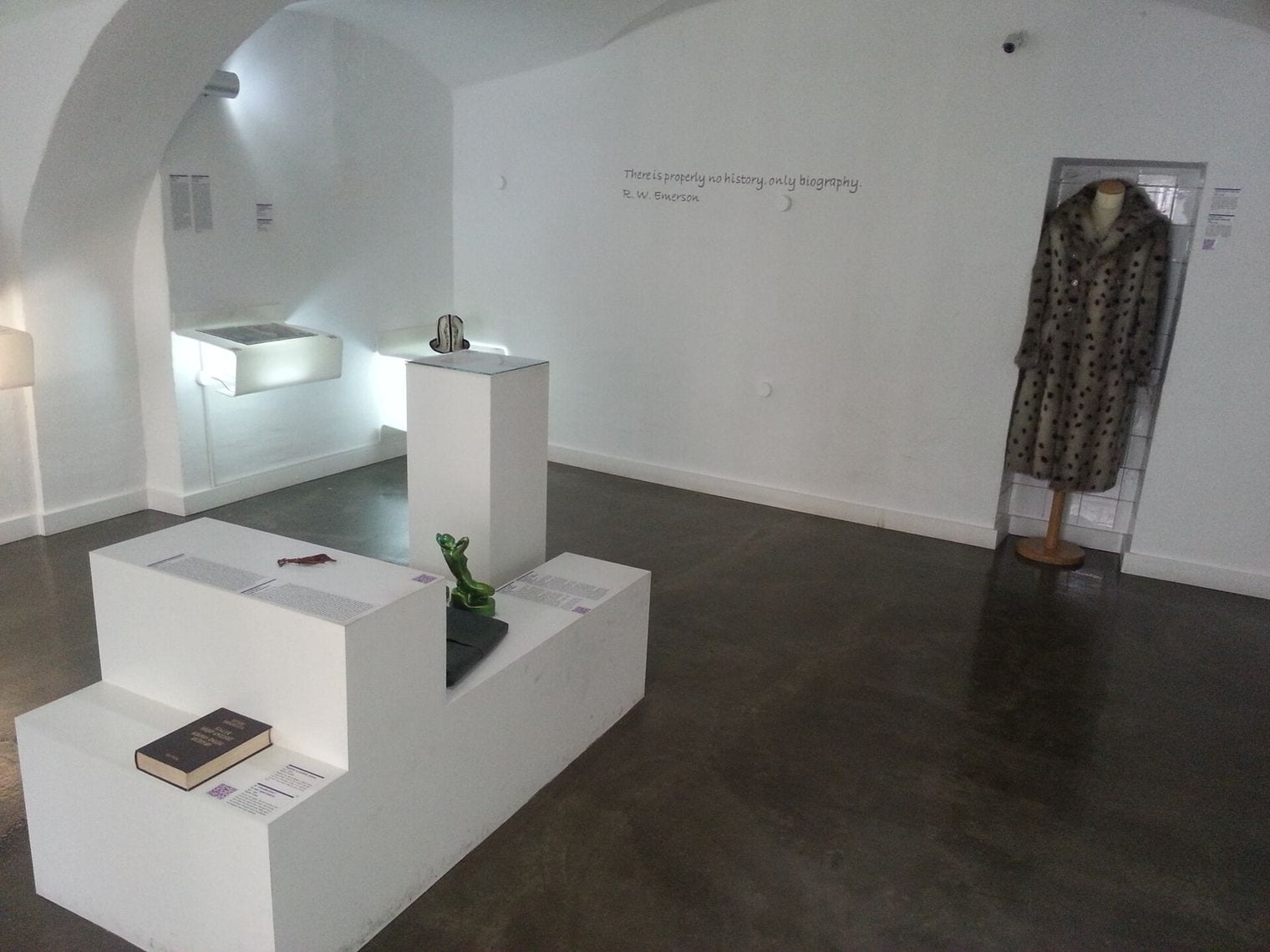
The Museum of Broken Relationships began when two Zagreb artists, Olinka Vištica and Dražen Grubišić, ended their own relationship and could not decide what to do with the objects left over. What started as a travelling exhibition grew into a permanent collection in the Upper Town, built entirely from items donated by strangers around the world.
Each exhibit is an ordinary object paired with an anonymous note explaining what it meant and how it ended. A garden gnome, an axe, a wedding dress, a plush toy. It sounds gimmicky and is anything but: the writing is by turns funny, furious and quietly devastating, and most visitors stay far longer than they planned. Allow an hour, and expect to read every card.
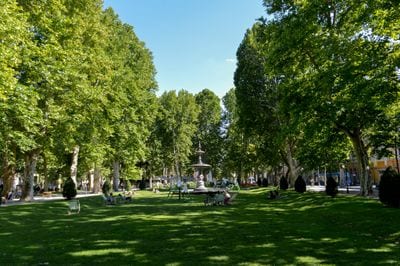
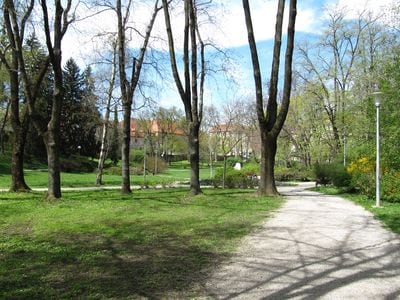
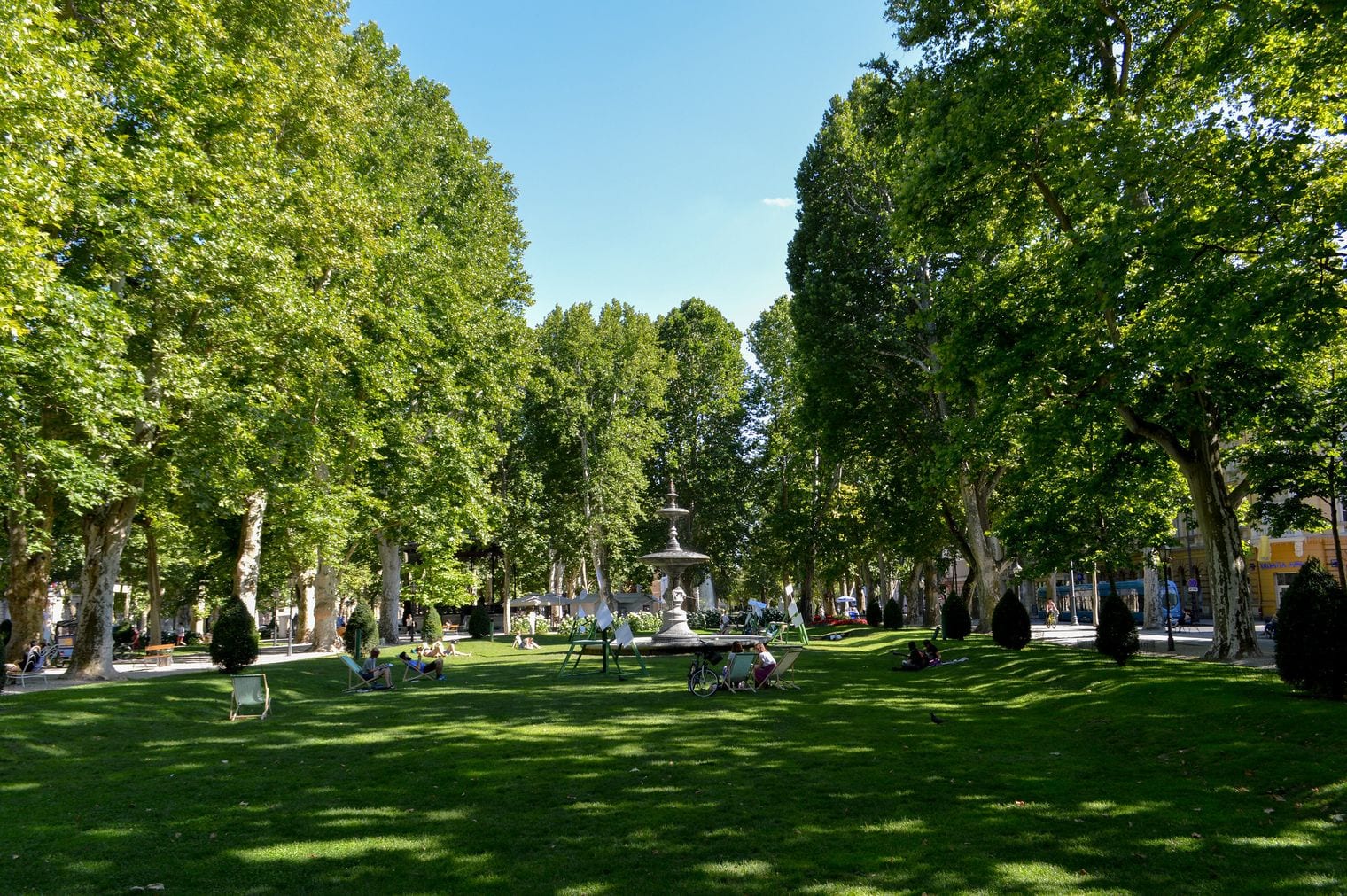
Zrinjevac Park is the loveliest link in the Green Horseshoe, the U-shaped chain of squares and gardens that gives Zagreb's lower town its shape. Avenues of plane trees run the length of it, with fountains, a 19th-century bandstand and a weather column that has been recording the city's climate since the Habsburg era.
It functions as Zagreb's outdoor living room. Office workers cut through it, families occupy the benches, and in summer the bandstand hosts free concerts. In December it becomes the centrepiece of the city's Advent celebrations, when the paths fill with lights and food stalls. Come at any season and you will find locals doing exactly what you are doing: walking slowly and looking up at the trees.
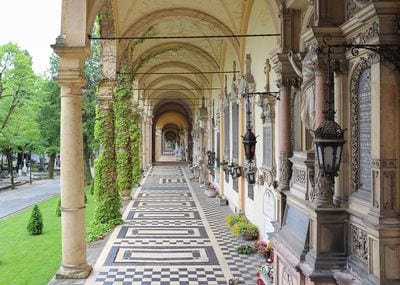
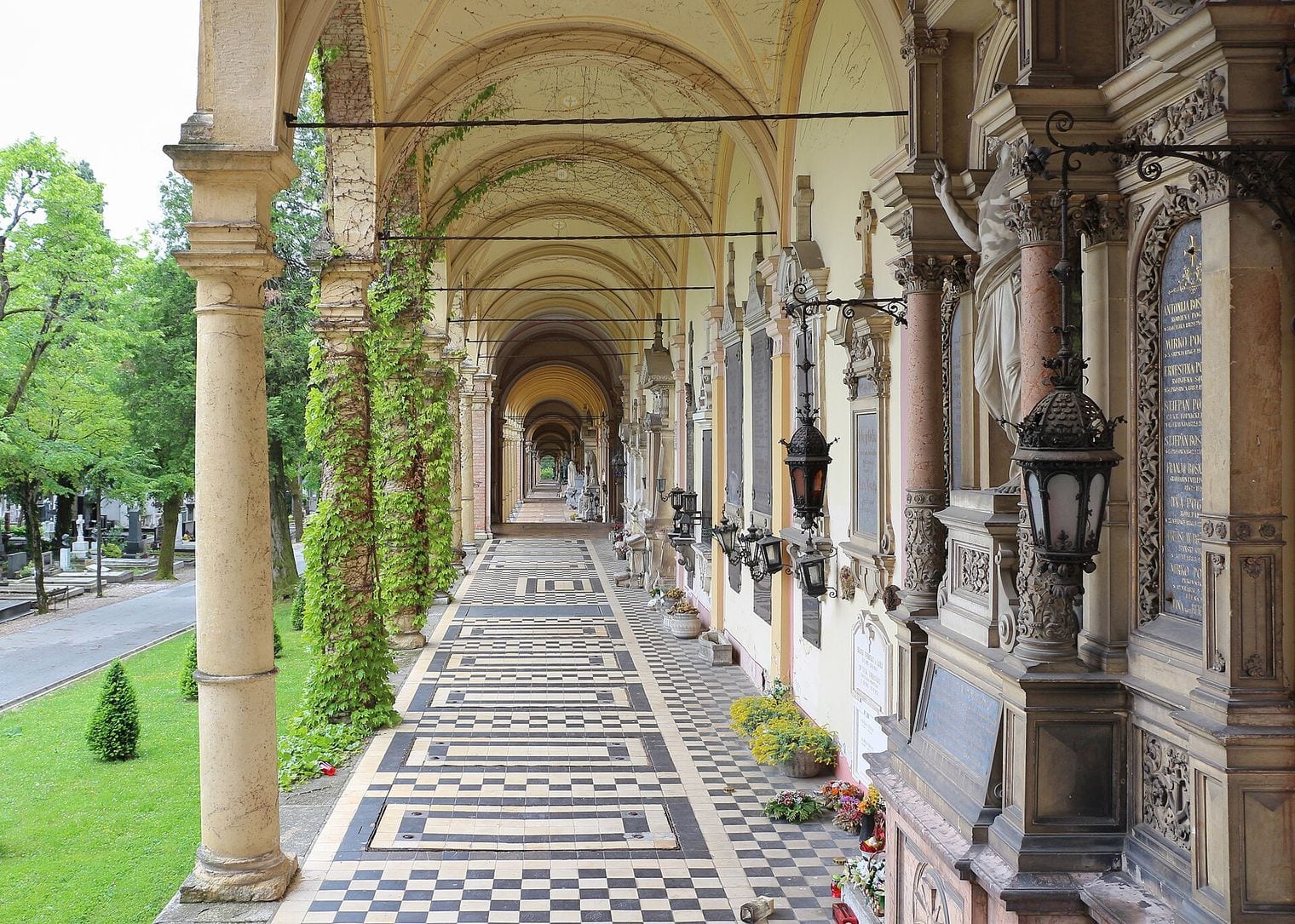
Mirogoj Cemetery is regularly called one of the most beautiful cemeteries in Europe, and the claim is hard to argue with. Hermann Bolle, the architect behind much of Zagreb's 19th-century rebuilding, wrapped the grounds in long arcades topped with cupolas, and the ivy that now covers the facade turns the whole frontage green in summer and copper in autumn.
Inside, the arcades shelter the tombs of Croatian writers, scientists and politicians, many marked by fine sculpture. It is a working, multi-faith burial ground, with Catholic, Orthodox, Muslim and Jewish sections sharing the same walls, which says something about the city. It sits a short bus ride north of the cathedral and is free to enter.
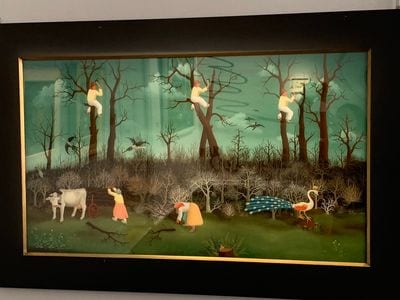
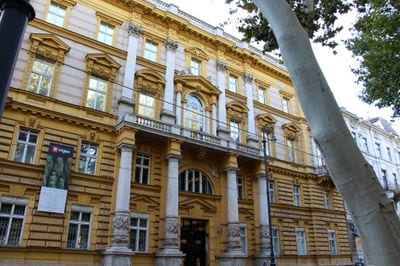
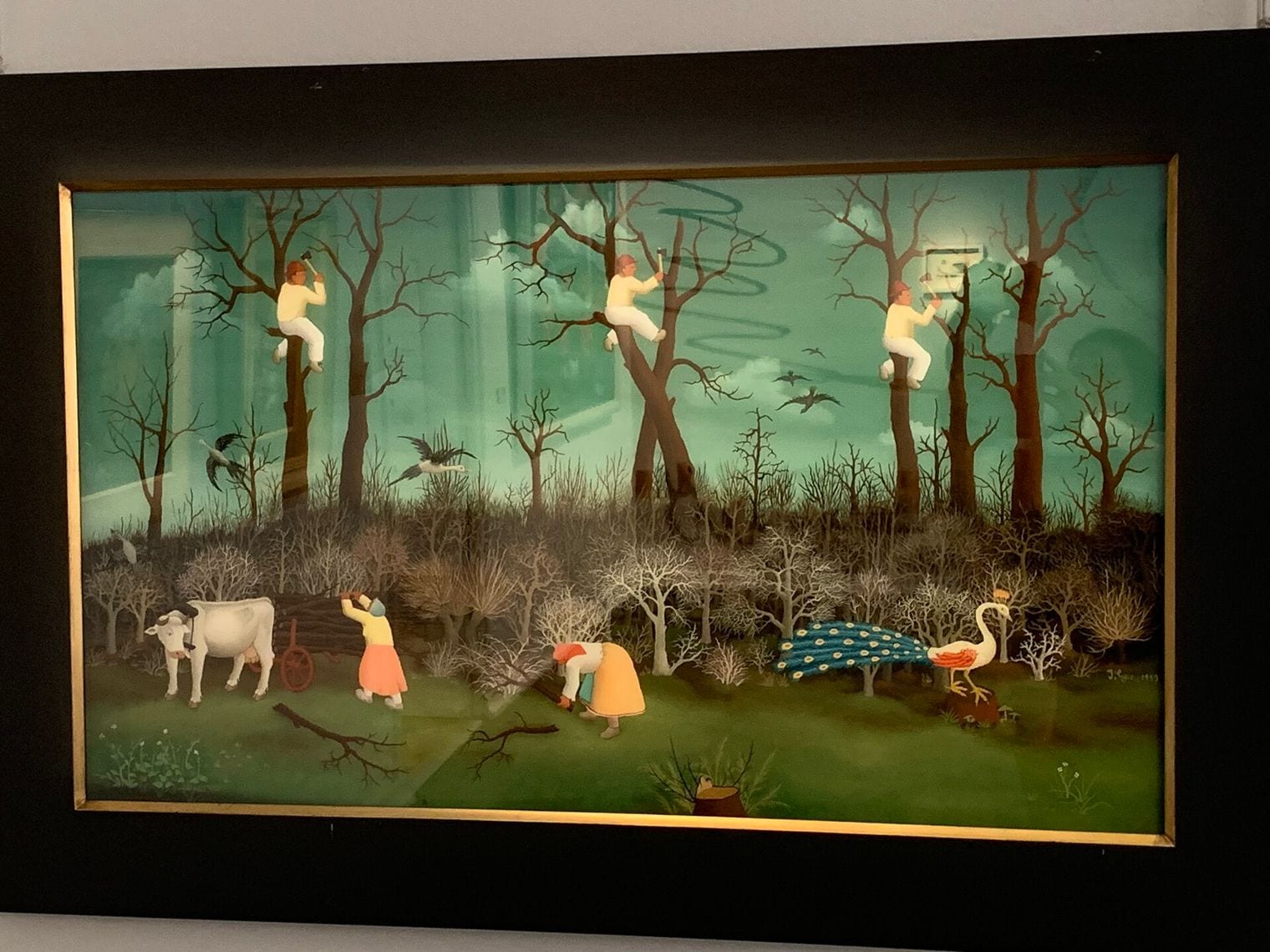
The Croatian Museum of Naïve Art occupies a modest Upper Town palace and holds something you will not find anywhere else: a collection devoted entirely to naïve art, the self-taught painting movement that took root in the Croatian village of Hlebine between the wars.
The signature technique is painting in reverse on glass, which gives the works an odd, glowing depth. Ivan Generalić, Ivan Rabuzin and Mirko Virius are the names to look for, and the subjects are mostly rural: harvests, weddings, snowbound farms, occasionally something stranger. The museum is small enough to see in under an hour, and it is one of the most genuinely Croatian things in the city.
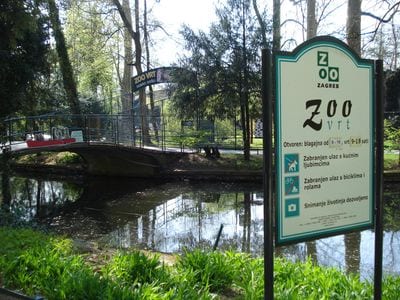
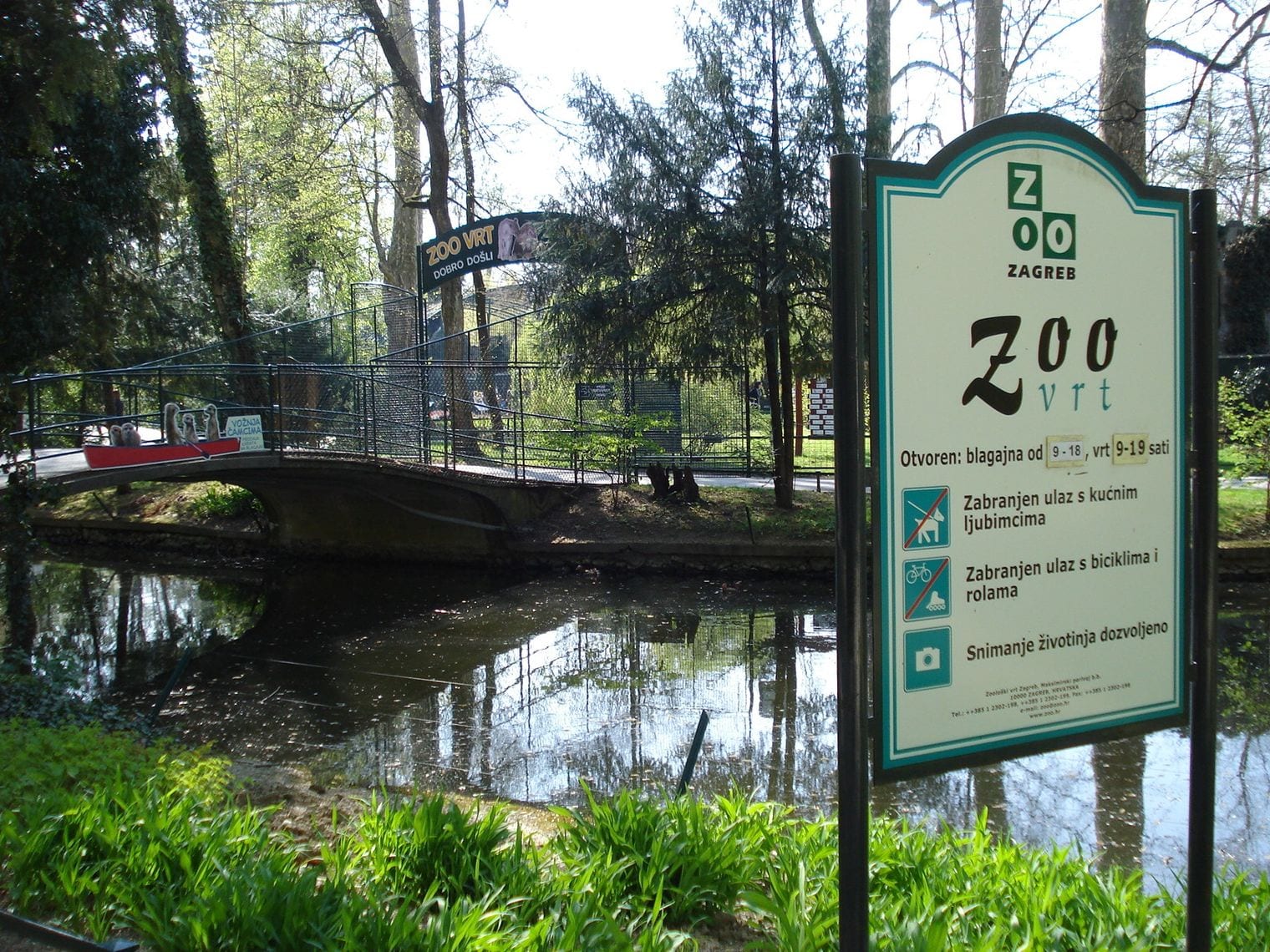
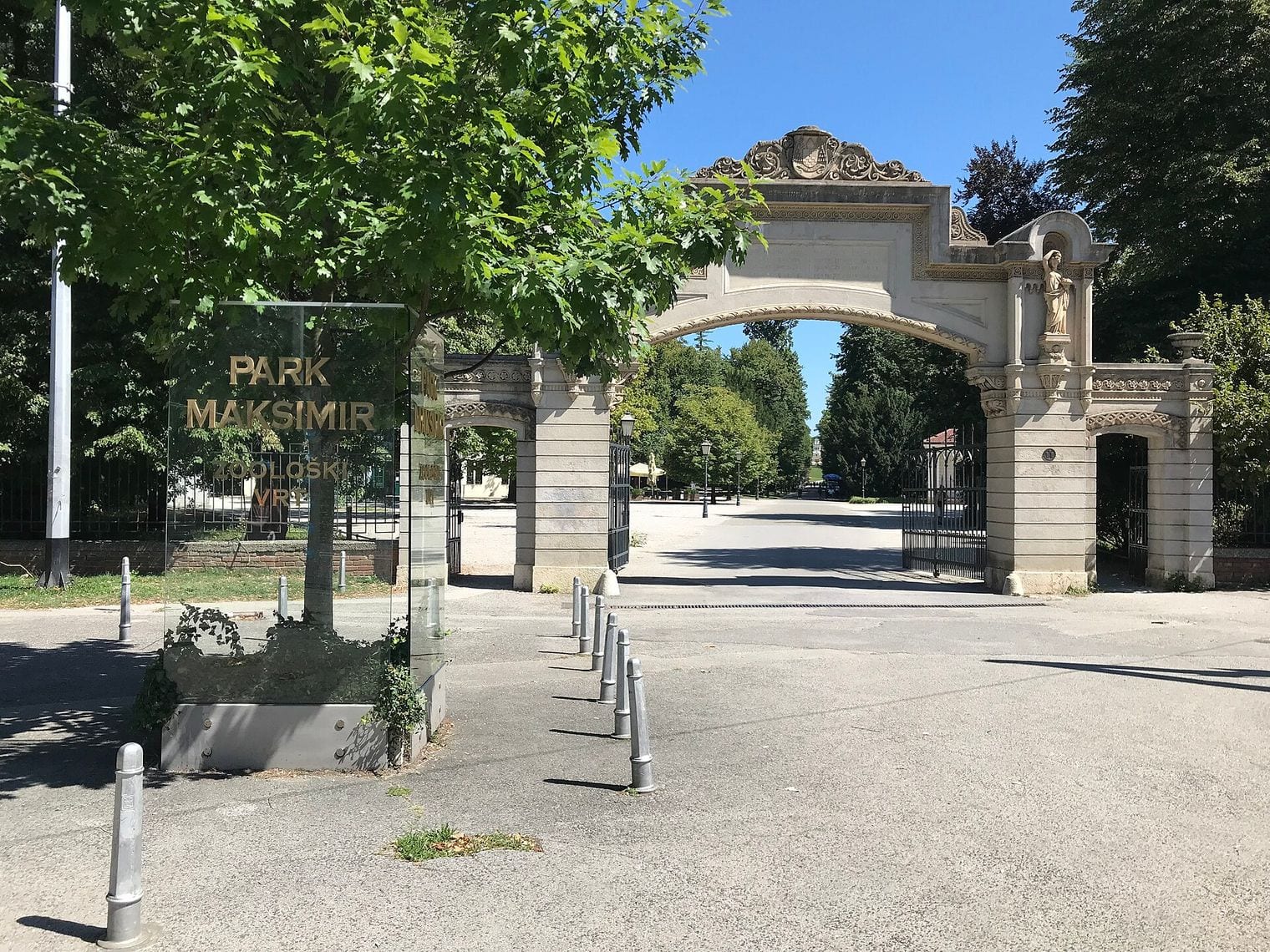
Zagreb Zoo sits inside Maksimir Park, which makes a visit an easy combination: a morning among the animals and an afternoon under the oaks. It is a compact, walkable zoo rather than a sprawling safari park, laid out around the park's ponds and old woodland.
The collection covers big cats, primates, reptiles and a good deal of birdlife, with newer enclosures gradually replacing the older ones. It draws more visitors than any other attraction in the city, most of them local families, and it is an easy tram ride from the centre. If you are travelling with children, it is the most reliable half-day in Zagreb.
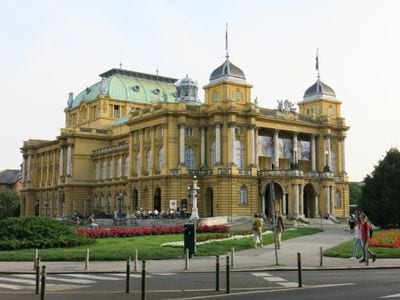
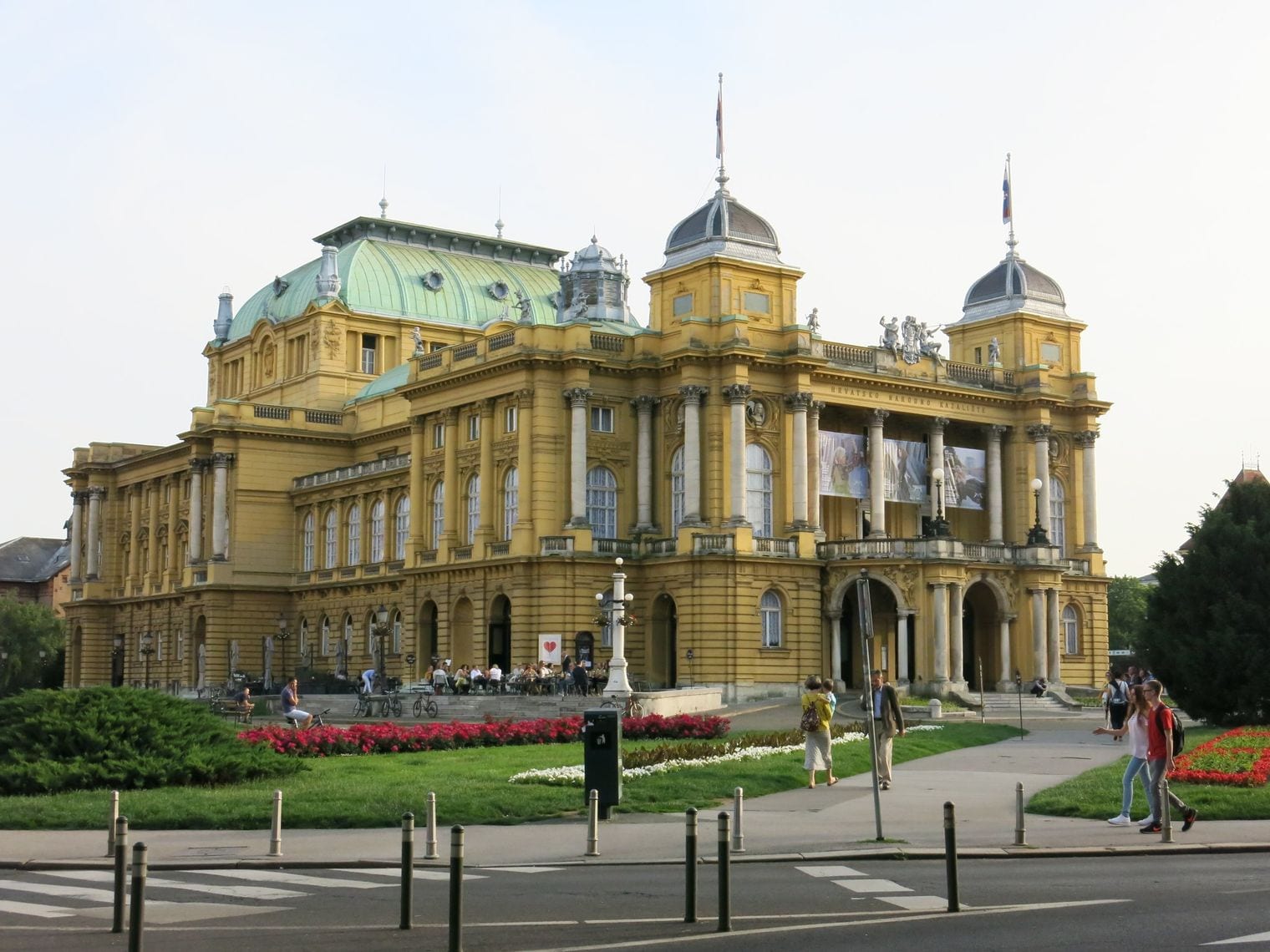
The Croatian National Theatre is a butter-yellow neo-Baroque pile that would not look out of place in Vienna, which is no accident: it was built by Fellner and Helmer, the Viennese partnership responsible for opera houses across Central Europe. It opened in 1895 and still stages opera, ballet and drama through the season.
Even with no ticket it is worth the walk. The building anchors its own square in the Green Horseshoe, and Ivan Meštrović's sculpture The Well of Life sits in front of it, a huddle of bronze figures leaning over a circular pool. Come at dusk when the facade is floodlit and the fountain lights come on.
HaHaHouse Museum of Laughter is exactly what its name suggests: a walk-through attraction built around optical tricks, distorting mirrors, tilted rooms and interactive games designed to make you look ridiculous in photographs. It is aimed squarely at families and groups rather than at art lovers.
Rooms are themed and staff explain the trick behind each one, which children tend to enjoy as much as the illusion itself. It sits in the centre, close to the main square, and takes about an hour. If the weather has turned and you have already done the serious museums, it is a painless way to spend a rainy afternoon in Zagreb.
The Nikola Tesla Technical Museum is a proper old-fashioned science museum: hangar-like halls of aircraft, locomotives, tractors, fire engines and industrial machinery, most of it Croatian-made and much of it big enough to walk around.
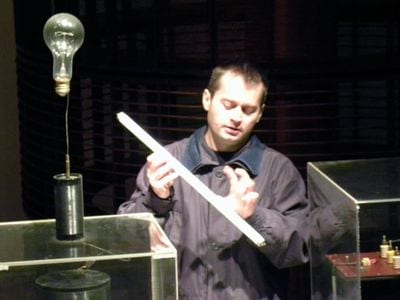
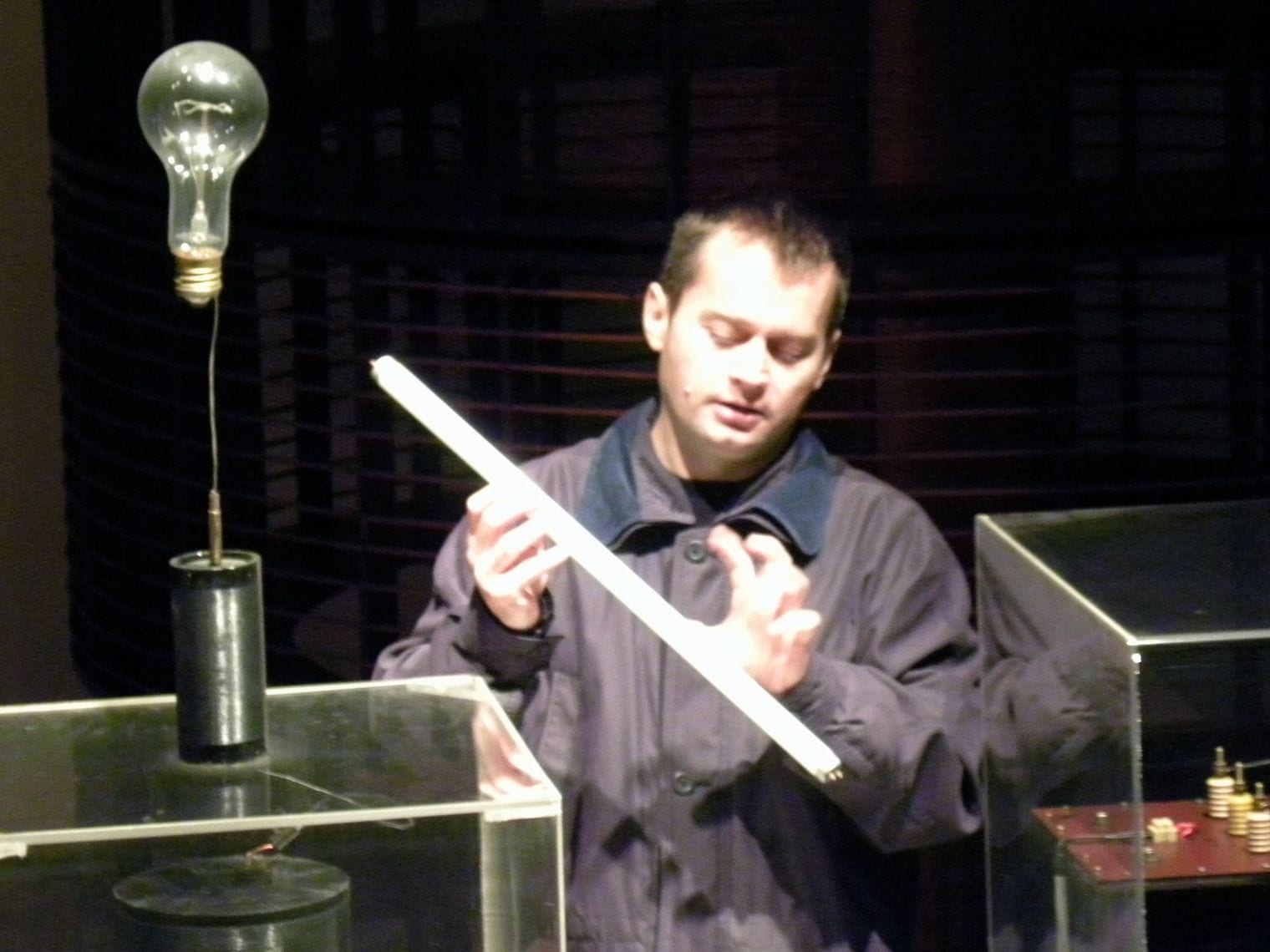
Two things lift it above the ordinary. The first is a full-scale replica mine tunnel in the basement, toured with a guide, which winds through mock coal and ore workings. The second is the Tesla demonstration room, where staff fire up a Tesla coil and explain the work of the Serbian-American inventor who was born in what is now Croatia. There is a planetarium too. Check demonstration times when you arrive, as they run at set intervals.
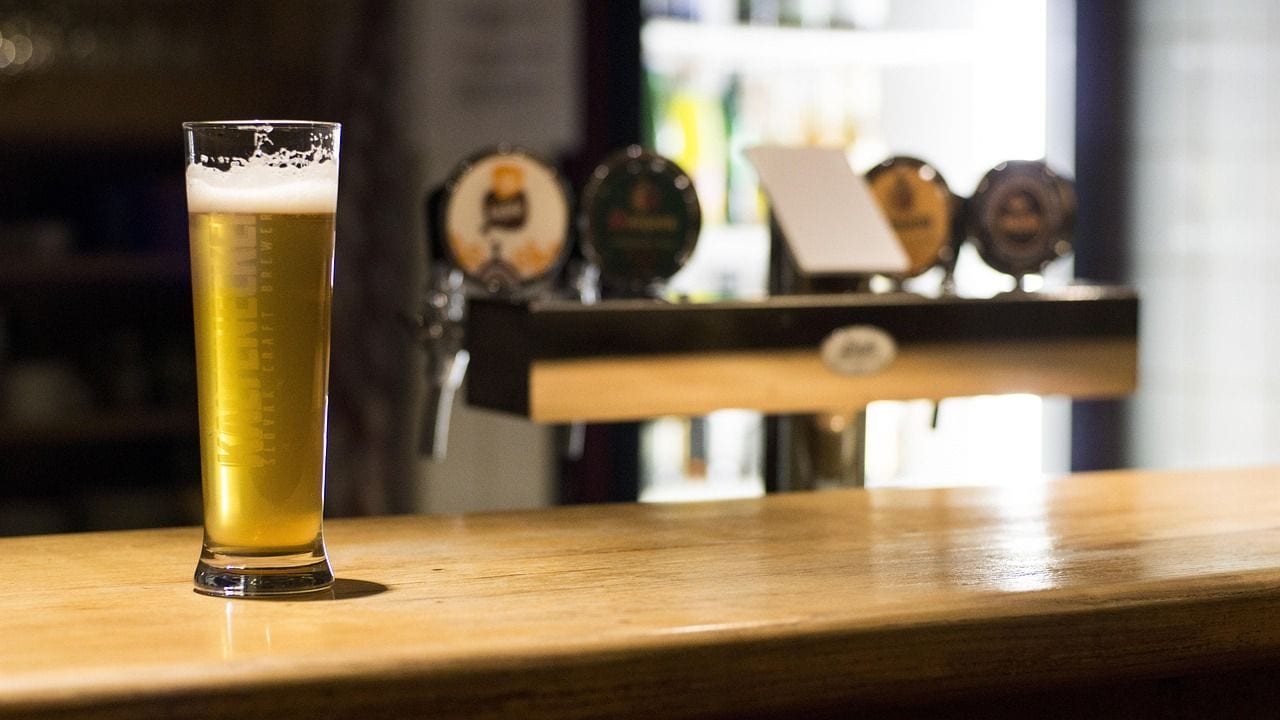
Croatia's beer culture runs deeper than the mass-market lagers suggest, and Pivnica Medvedgrad is the easiest place in Zagreb to test that. The brewery takes its name from the fortress on the mountain above the city and runs a handful of large, wood-panelled beer halls across the centre.
The beers are brewed locally and change with the season, running from pale lagers through wheat beers to darker styles, and they are poured alongside substantial Croatian pub food: grilled meats, sausages, beans and štrukli. It is loud, unpretentious and full of locals rather than tour groups. Go hungry, and ask what is freshest on tap.
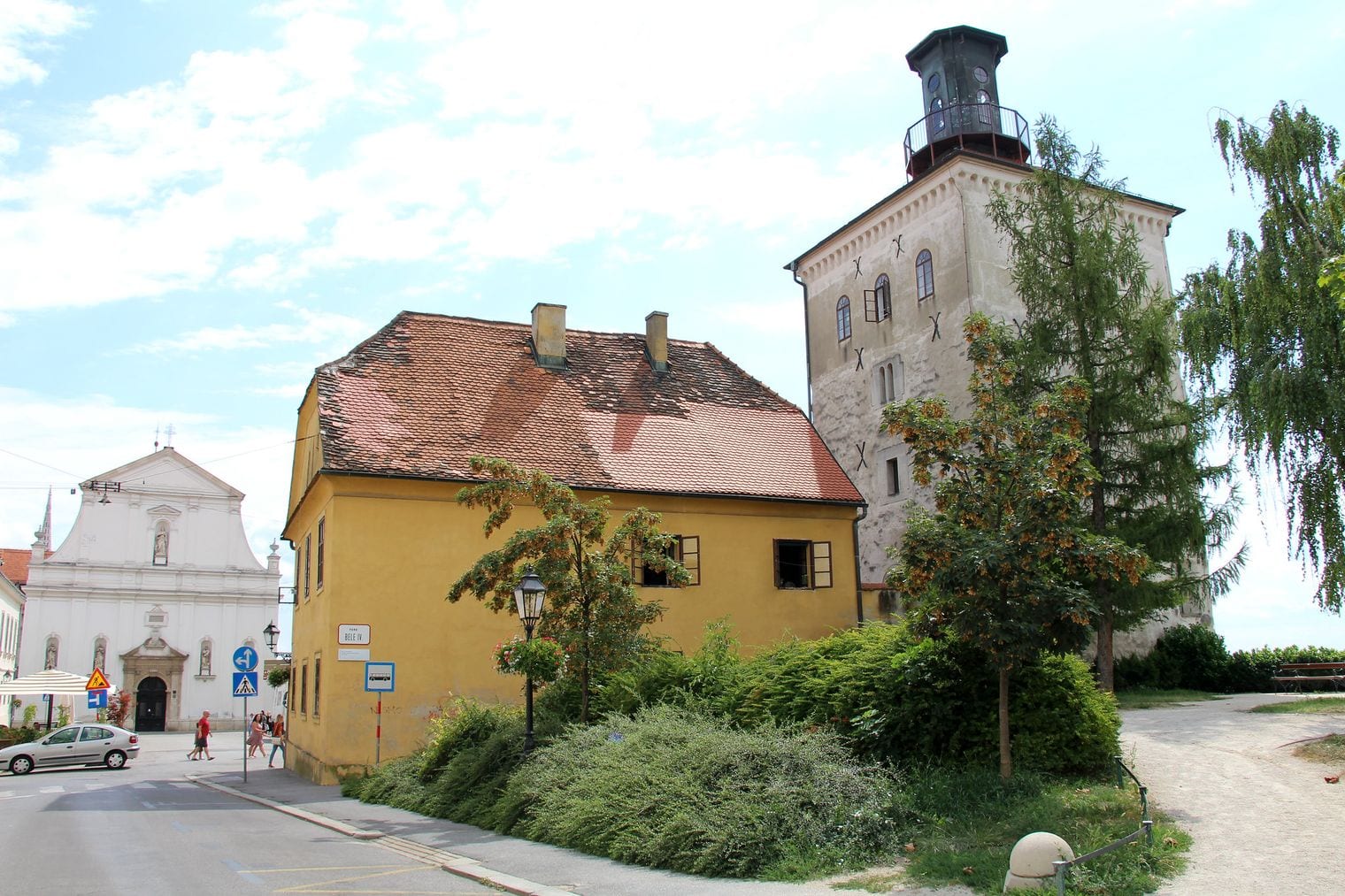
Lotrščak Tower was built to defend the southern gate of the medieval hilltop settlement, and it has kept a job ever since. Every day at noon a cannon is fired from its upper window, a tradition maintained since the 19th century to let the city's churches synchronise their bells. If you are nearby, expect it, because it is loud.
Climb the internal staircase and you reach a viewing gallery with the best rooftop panorama in Zagreb: the cathedral spires, the red roofs of the Upper Town, the tower blocks beyond, and Medvednica rising behind. The tower sits at the top of the funicular, so you can ride up and walk down.
The Museum of Hangovers is a small, deliberately silly museum devoted to the morning after. Its exhibits are the objects people woke up next to, or woke up wearing, each captioned with the story of the night that produced it, submitted by the public in the same spirit as the city's better-known museum of failed relationships.
The centrepiece is a set of goggles that simulate drunkenness, worn while you attempt simple tasks, which is funnier to watch than to do. It occupies a couple of rooms near Tkalčićeva, takes half an hour, and does not take itself remotely seriously. Treat it as a diversion between the serious sights rather than a destination.
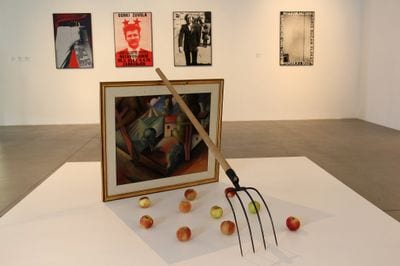
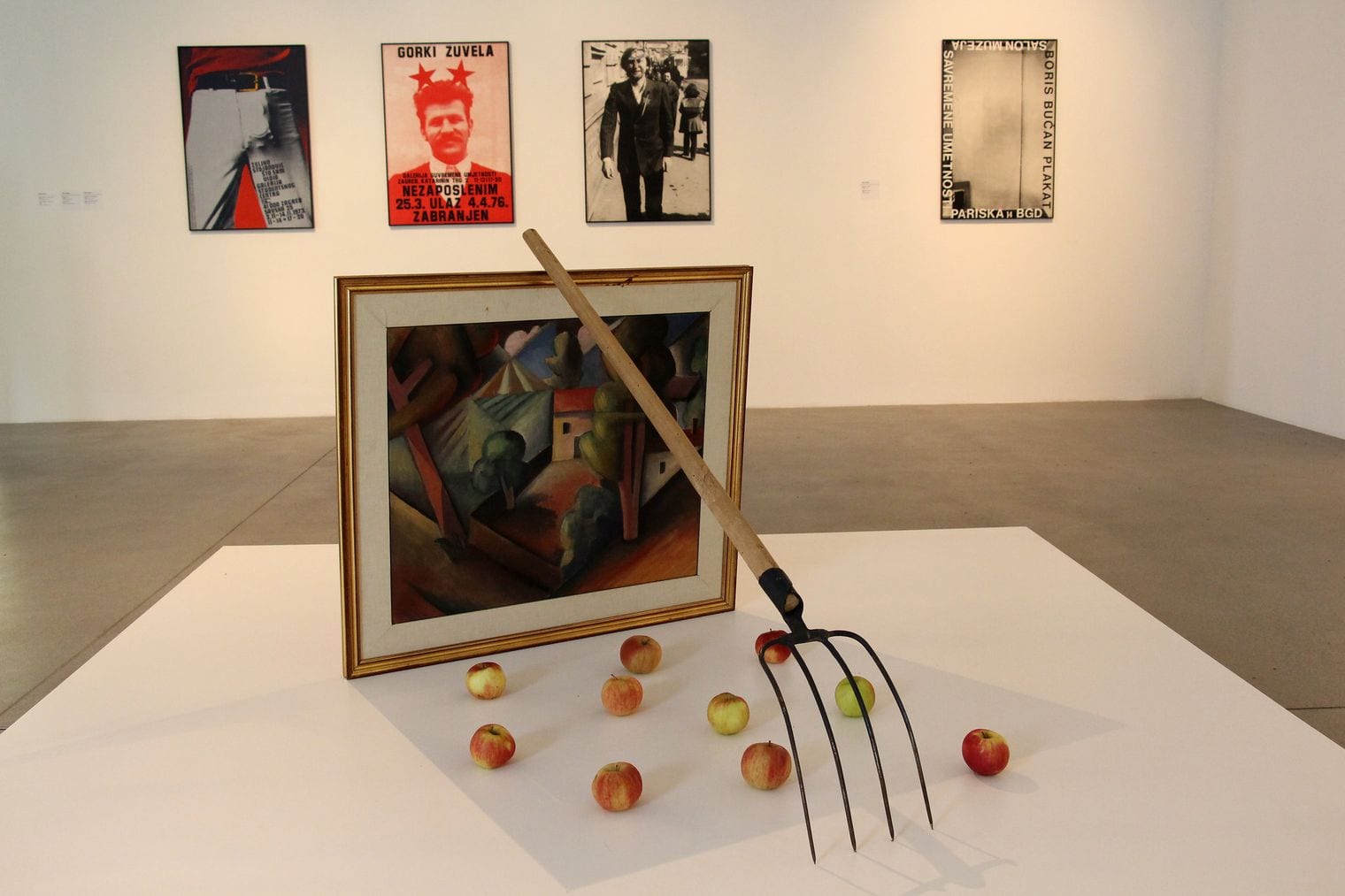
The Museum of Contemporary Art Zagreb sits across the Sava in Novi Zagreb, a deliberate move that put the city's biggest art institution in its postwar half. The building is a long, angular block on stilts, and the permanent collection traces Croatian and international art from the mid-20th century onward.
The piece everyone remembers is Carsten Höller's slide, a stainless-steel tube that runs down through the building and which visitors are invited to ride. Beyond that there is a strong collection of postwar Croatian work, including the conceptual and new-media art for which Zagreb has a real reputation. It is a tram ride from the centre and rarely crowded.
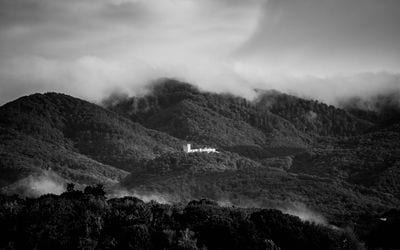
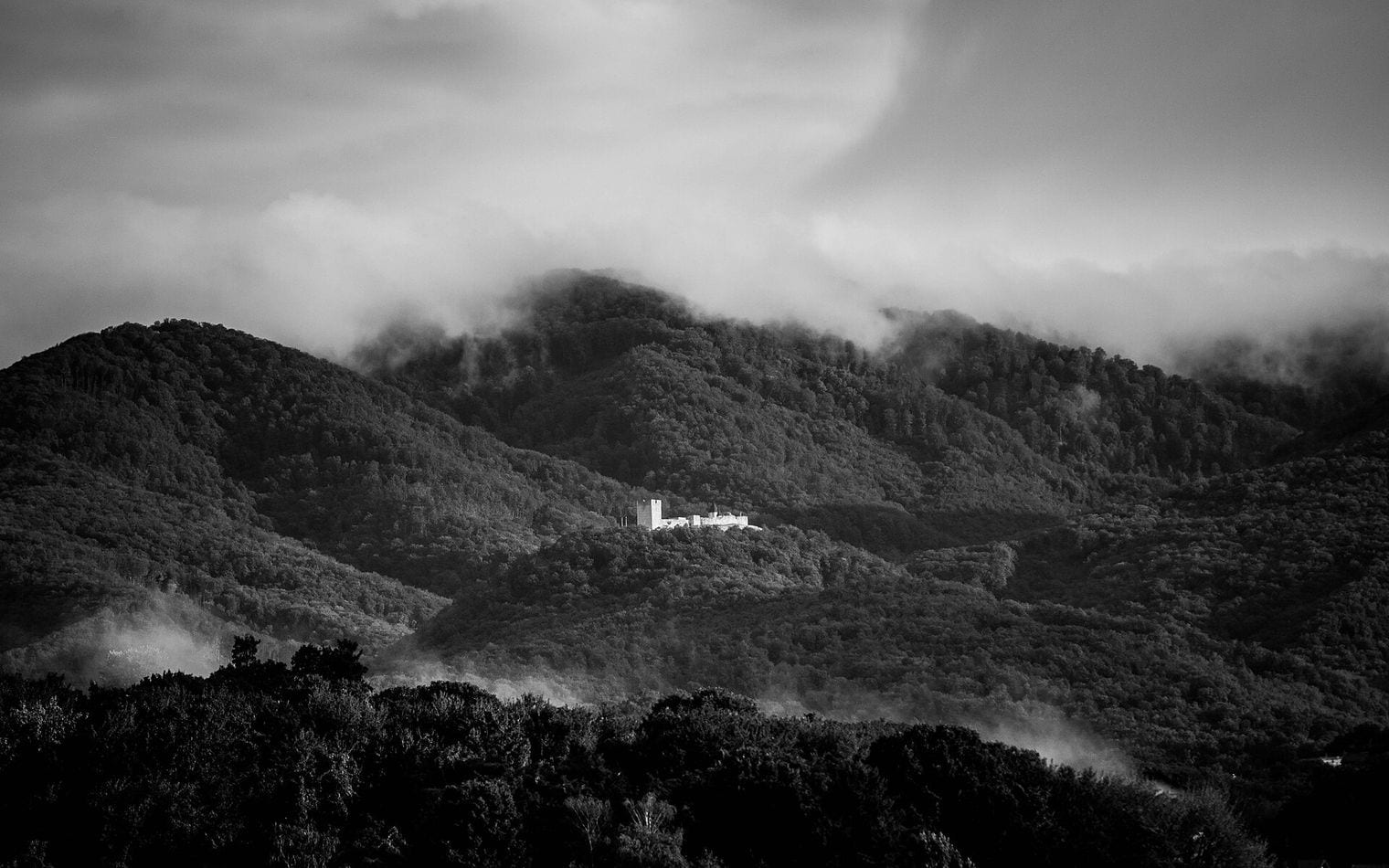
Medvedgrad Fortress occupies a spur of Medvednica, the wooded mountain that fills Zagreb's northern horizon. It was built in the 13th century after the Mongol invasion, fell into ruin over the following centuries, and has since been substantially reconstructed, so what you walk through is a mix of medieval fabric and modern rebuilding.
The fortress holds the Altar of the Homeland, a memorial with an eternal flame honouring those who died for Croatian independence, and the views from the walls run clear across the city to the plain beyond. It is reachable by a walk of an hour or so from the tram terminus, or by road. Take water and proper shoes.
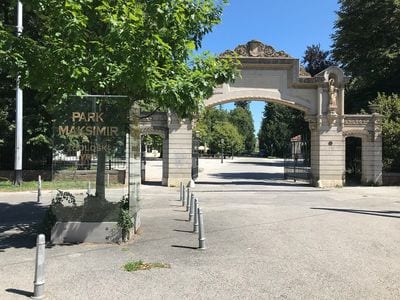
Maksimir Park is Zagreb's great green lung, an English landscape park of oak woodland, meadows and five linked lakes laid out at the end of the 18th century by a Zagreb bishop who wanted a public park for the city rather than a private garden. It was among the earliest public parks in this part of Europe.
Paths wind between the lakes past the Echo Pavilion, the one ornamental pavilion to survive from the park's early decades, and there is enough space that it never feels busy even at weekends. The zoo sits within the grounds. It is fifteen minutes east of the centre by tram and is the obvious place to walk off a heavy lunch.
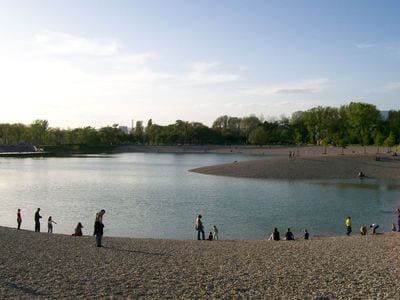
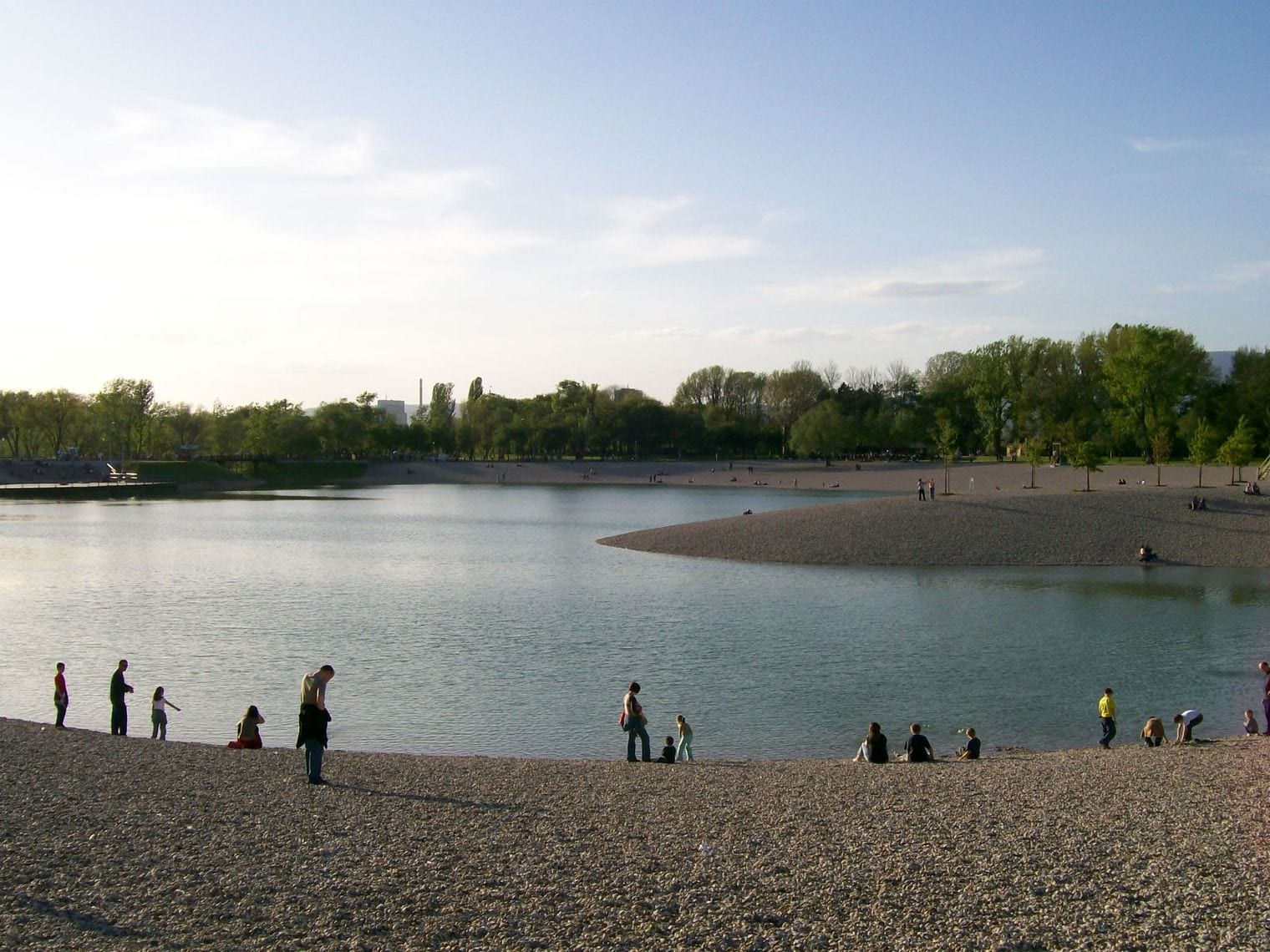
Bundek City Park is Zagreb's other big green space, laid out around two lakes on the Novi Zagreb bank of the Sava. It was neglected for decades before a thorough restoration turned it into one of the city's most used parks, with wide lawns, a pebble beach, playgrounds and a circuit that draws runners and cyclists all year.
In summer it becomes an unofficial city beach, with people swimming, picnicking and using the outdoor gym equipment. It also hosts open-air concerts and festivals in the warmer months. It is an easy walk or short tram ride from the Museum of Contemporary Art, which makes the two a natural pairing on a day across the river.
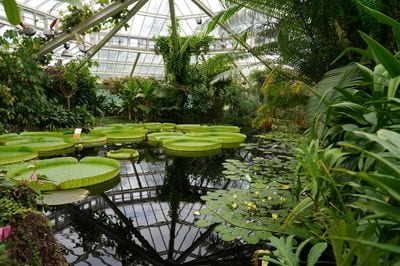
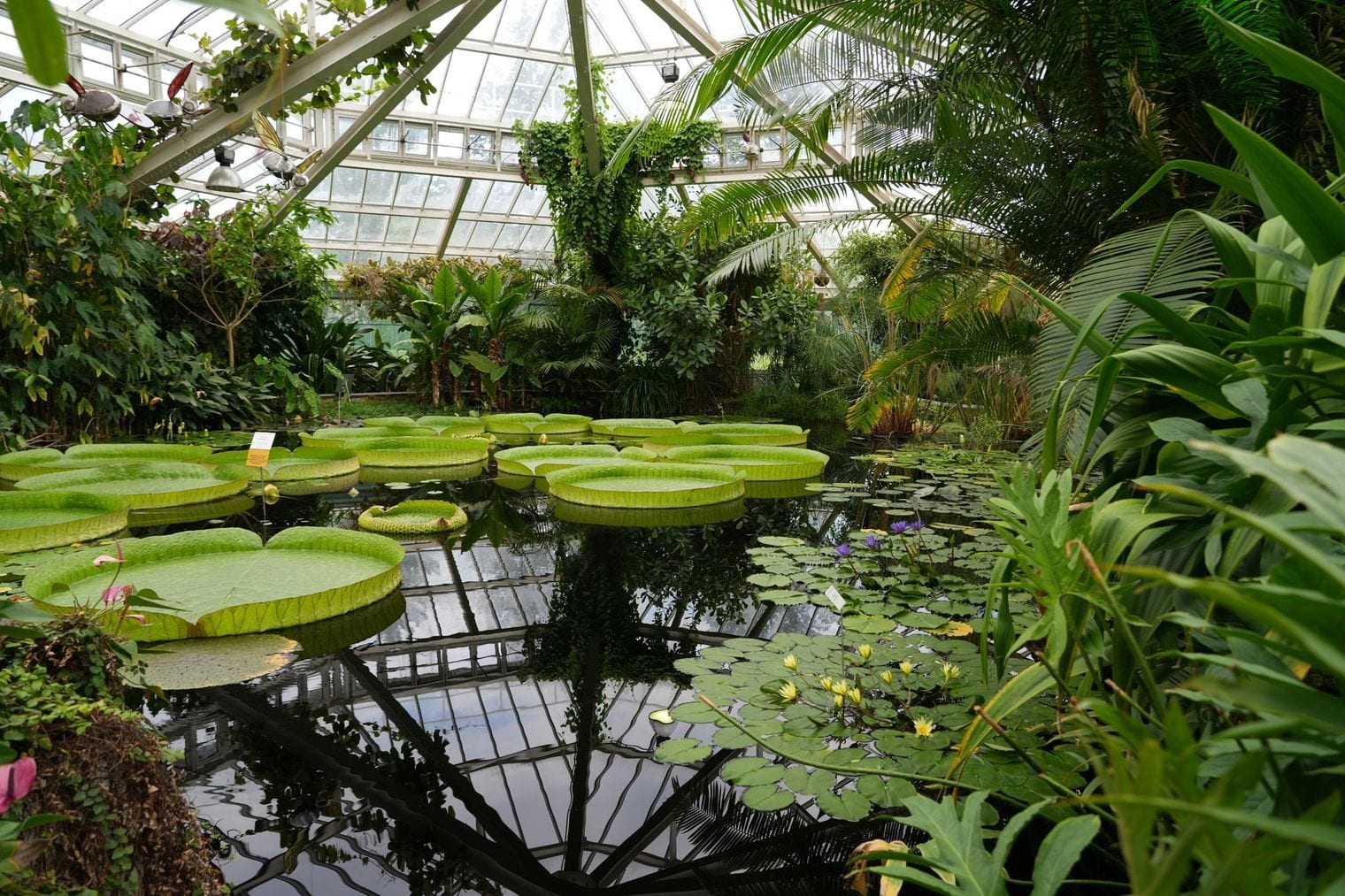
The Zagreb Botanical Garden belongs to the university's Faculty of Science and forms one corner of the Green Horseshoe, tucked between the railway line and the boulevards. It was laid out at the end of the 19th century in the English style, with winding paths, an ornamental lake and a rock garden.
Several thousand plant species grow here, arranged partly by geography and partly by family, with historic glasshouses at the centre of the grounds. It closes over winter and keeps shorter hours than a public park, so check before making a special trip. Entry is free, and on a warm afternoon it is the quietest green space within walking distance of the main station.
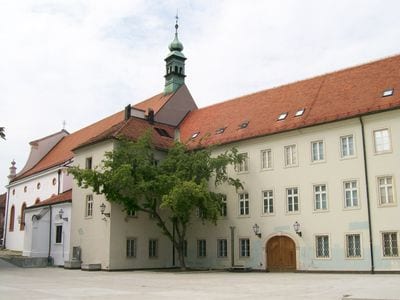
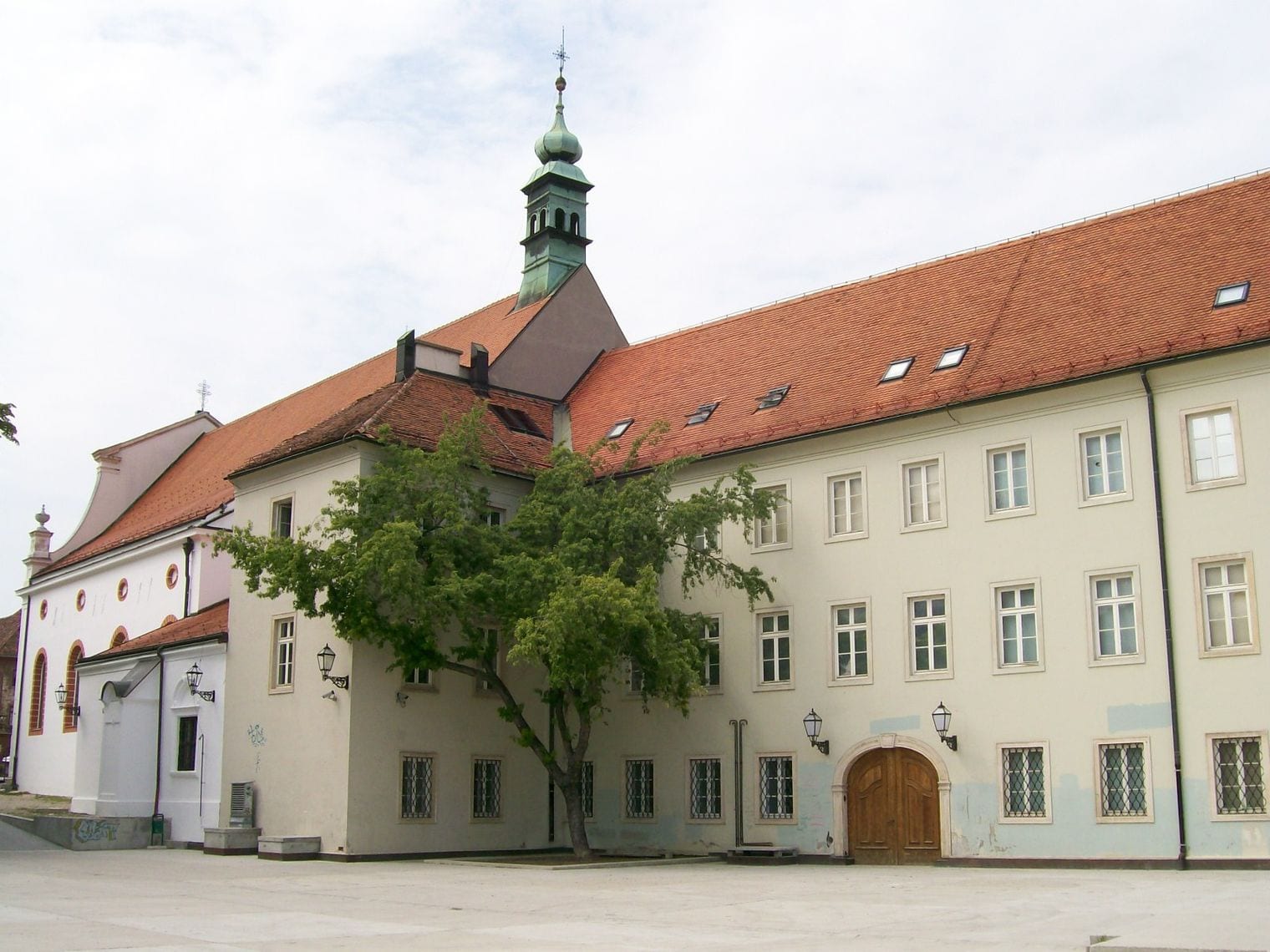
Klovićevi Dvori Gallery occupies a former Jesuit monastery in the Upper Town and is Zagreb's principal venue for large temporary exhibitions. It has no permanent collection to speak of, which is the point: the programme turns over regularly and ranges from old masters and archaeology to photography and contemporary Croatian art.
The building itself is worth the entry, arranged around a handsome arcaded courtyard that doubles as a café and occasional concert space. It is named after Julije Klović, the Renaissance miniaturist. Check what is showing before you go, because the gallery is only as good as its current exhibition, and it is usually very good indeed.
The Zagreb 360° Observation Deck occupies the upper floor of the Neboder, the mid-century tower block that has stood over Ban Jelačić Square since the 1950s. A lift takes you straight up to a glazed gallery running right around the building.
The view is the whole city in one turn: the cathedral spires and the tiled roofs of the Upper Town on one side, the grid of the lower town and the Sava beyond it on the other, and Medvednica filling the northern skyline. There is a bar on the deck, so you can sit with a coffee or a glass of wine. Come towards sunset, when the light on the red roofs is at its best.
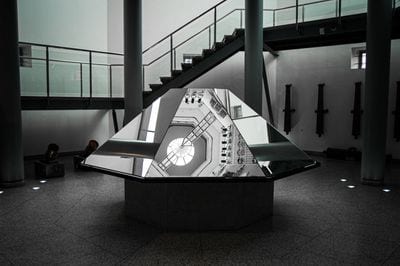
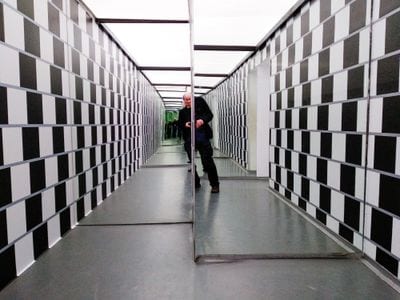
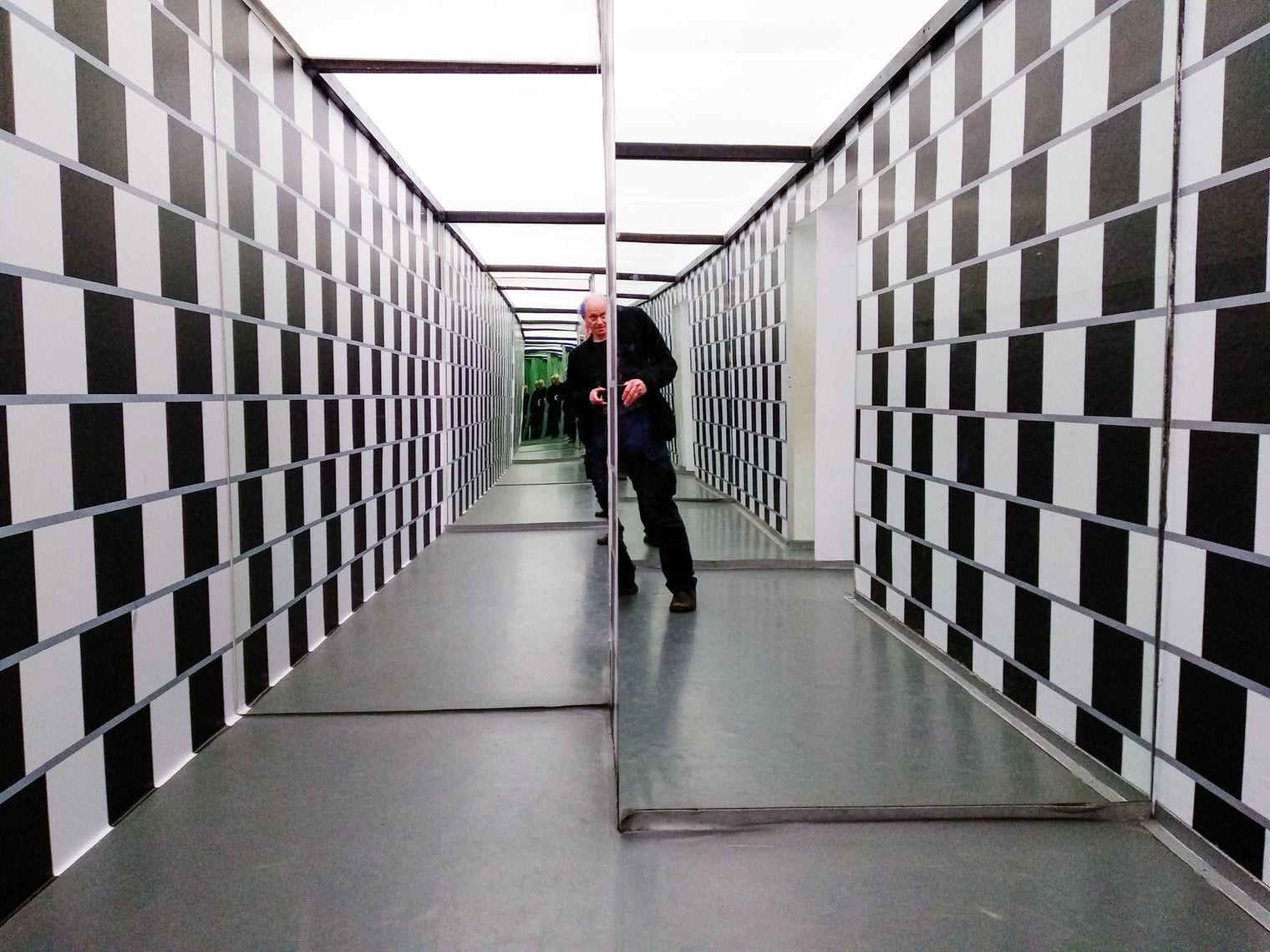
The Museum of Illusions opened in Zagreb in 2015 and has since been franchised to cities all over the world, which makes the original worth a look on home ground. It is a compact run of rooms built around optical and perceptual tricks rather than any collection.
Expect an anti-gravity room where the floor lies to you, an infinity chamber of mirrors, a rotating vortex tunnel that is genuinely hard to walk through, and a set of holograms and puzzles at the end. It is unashamedly a photo attraction and it works best with company. Reckon on 45 minutes, and be ready to queue for the popular rooms at weekends.
Vinodol is a Zagreb institution and the easiest place in the centre to eat properly Croatian food without ceremony. It occupies a vaulted dining room just off the main square, with a large courtyard terrace that fills up the moment the weather turns.
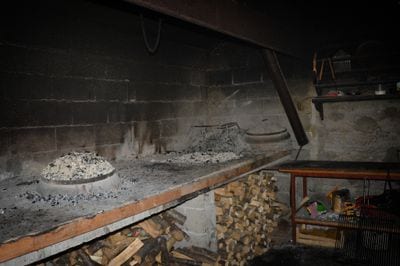
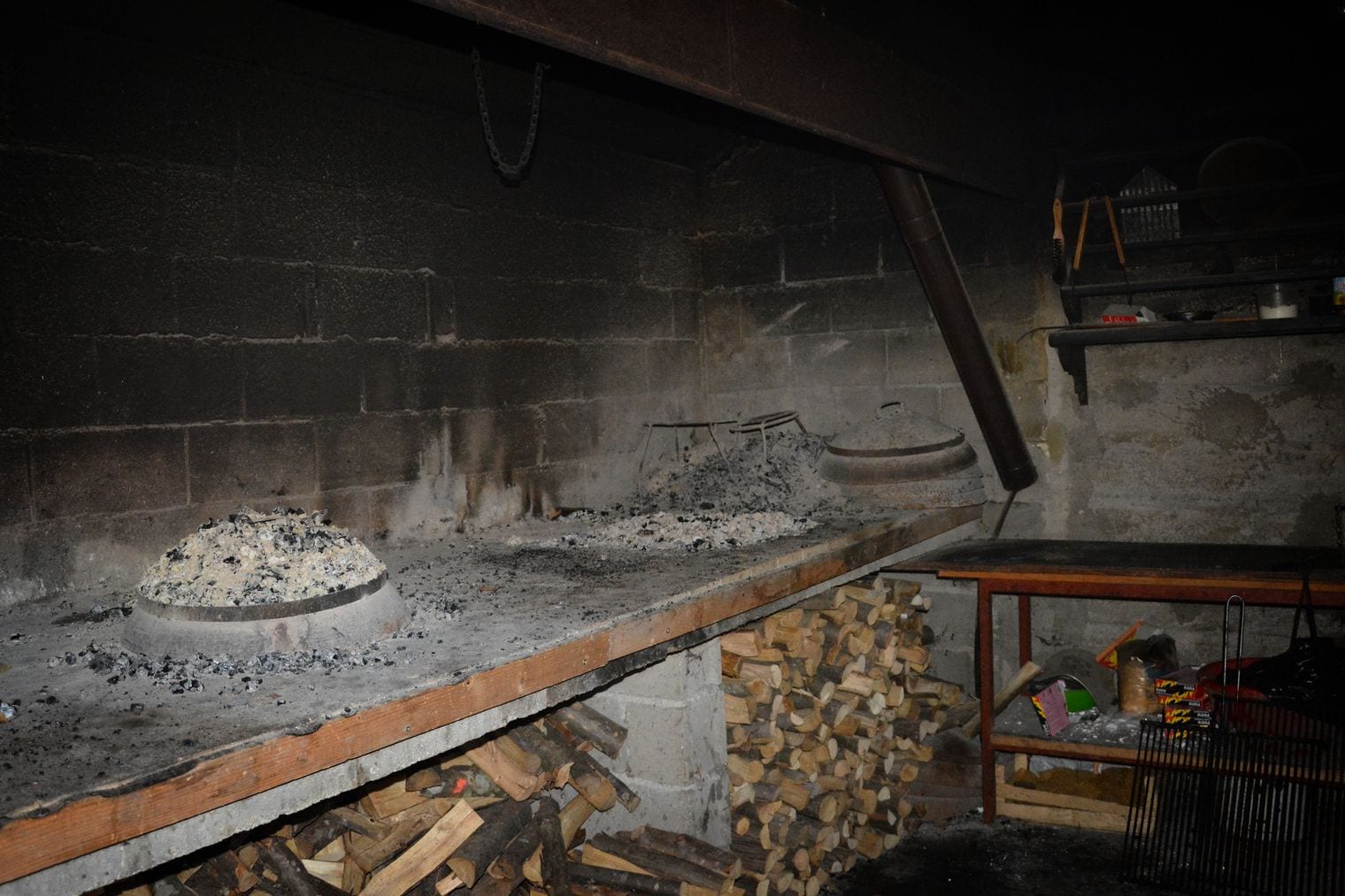
The dish to order is anything cooked under the peka, the iron bell buried in embers that slow-roasts veal or lamb with potatoes until it falls apart. It needs ordering in advance, so ask when you book. Otherwise the menu runs through grilled fish, štrukli and the hearty inland cooking that most visitors, arriving via the coast, never get to try.
The Zagreb funicular has been hauling passengers up the slope between Ilica and the Upper Town since 1890, which makes it the oldest piece of public transport in the city — older than the trams. Its track is 66 metres long, one of the shortest of any funicular in public service anywhere, and the ride takes about a minute.
It reopened on 19 May 2026 after a €7.2 million rebuild, the first serious overhaul in more than fifty years: new cabins, new haulage and braking gear, and step-free access, with the old blue-and-cream livery kept exactly as it was. It still carries 28 people a trip, still costs the price of a tram ticket, and still delivers you beside Lotrščak Tower with the whole lower town at your back.
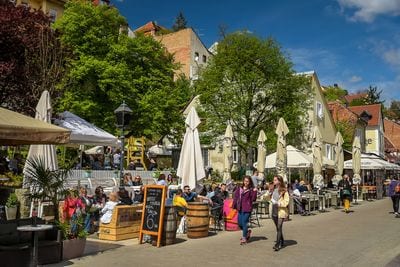
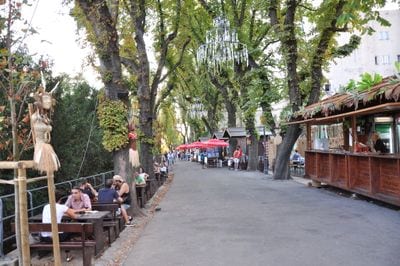
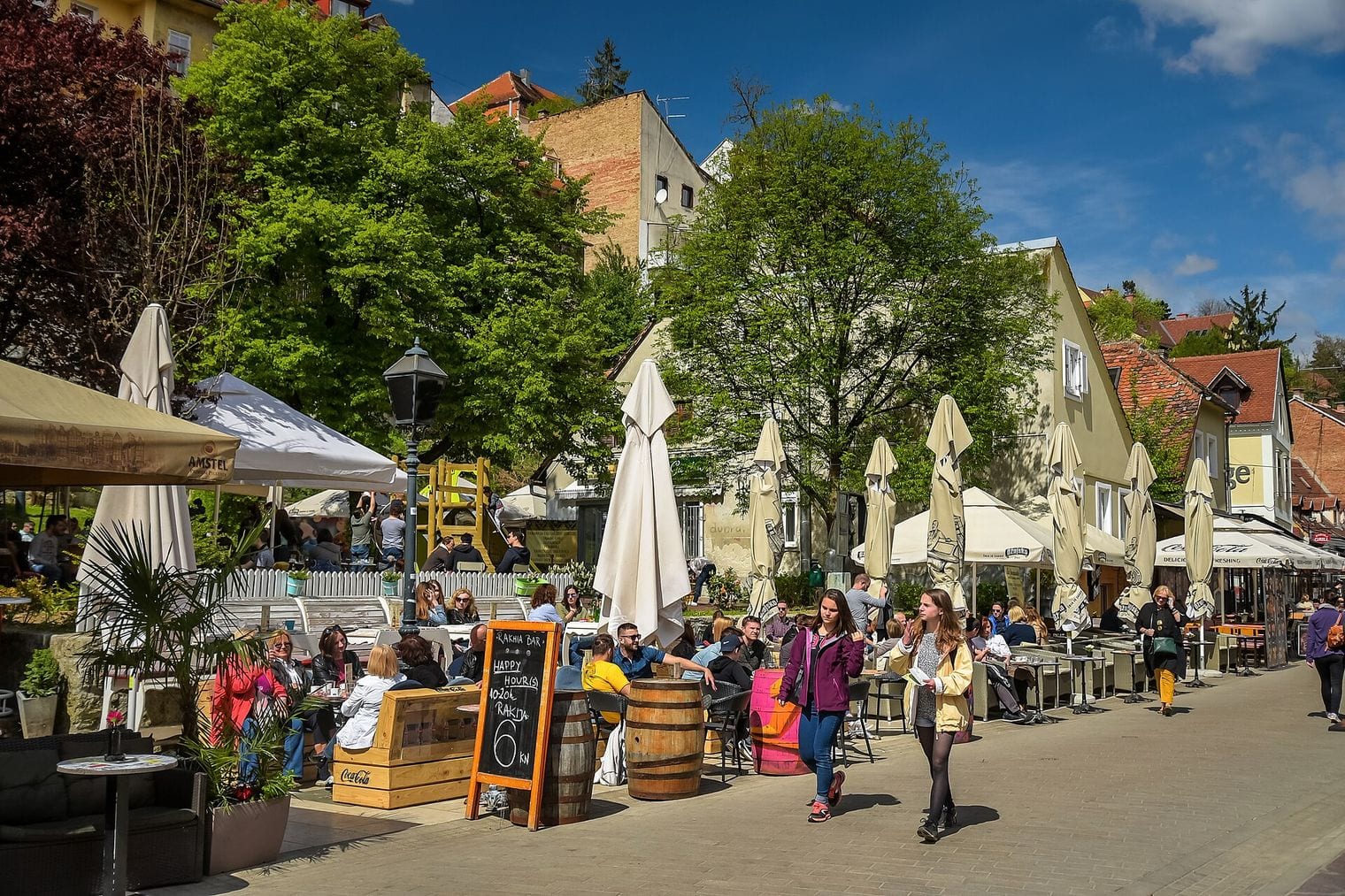
Running north from Ban Jelačić Square to Mala ulica, Tkalčićeva is where Zagreb goes to sit outside. The low painted houses with their wooden balconies line what used to be the Medveščak stream — the water that once separated the rival hill towns of Gradec and Kaptol, and turned the mills between them, until it was covered over at the end of the nineteenth century.
The result is a long, gently curving pedestrian street with no traffic and a solid wall of terraces down both sides. It is busy from mid-morning coffee until well after midnight, and it costs nothing to walk. Come on a Saturday late morning for špica, the weekly ritual in which half the city puts on something good and goes out to be seen over coffee.
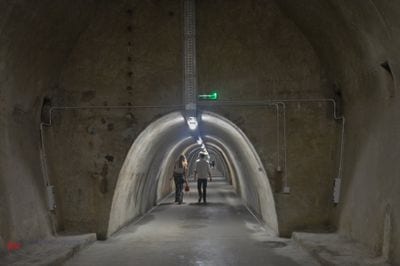
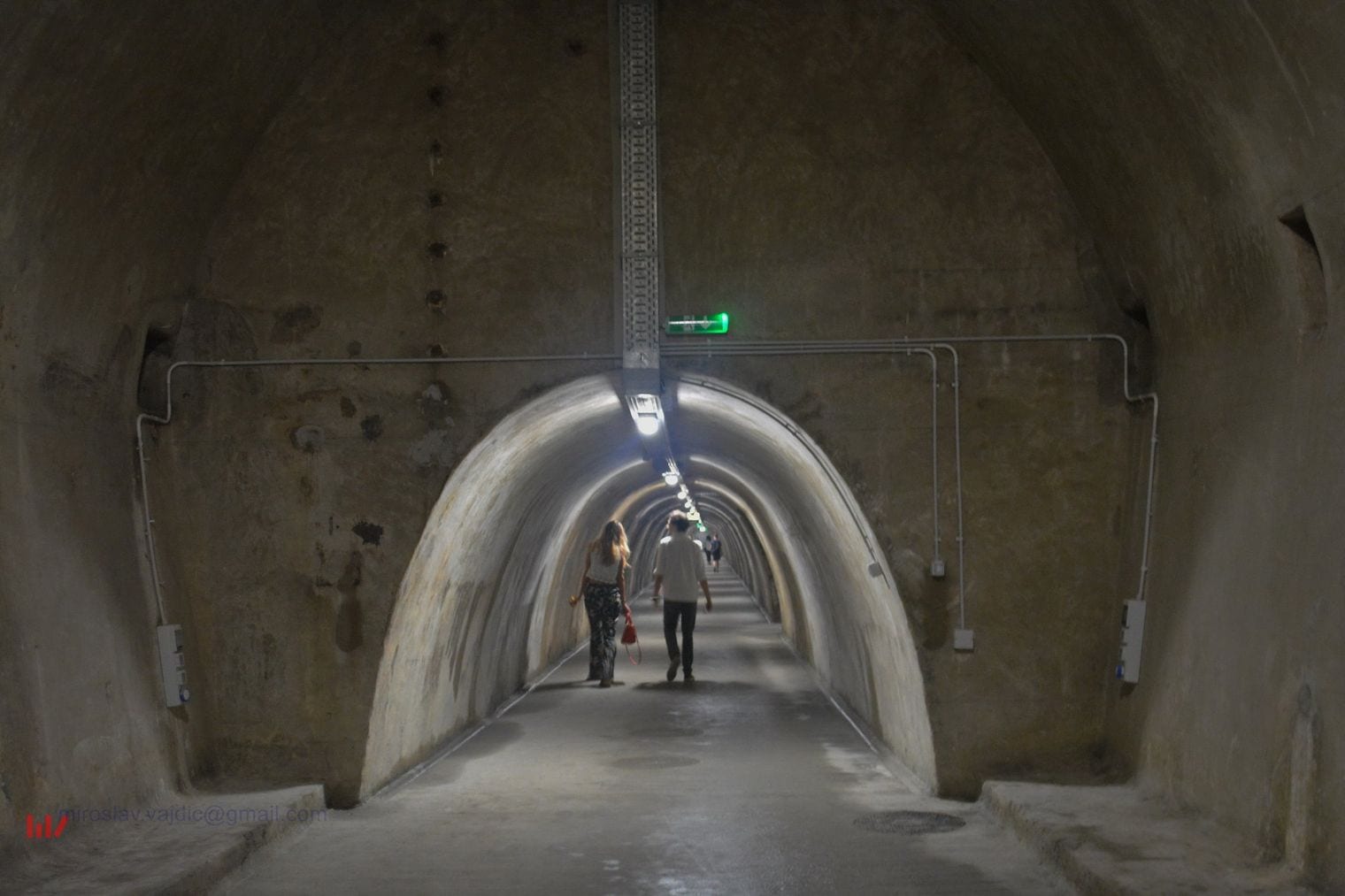
Directly beneath the Upper Town, the Grič Tunnel runs from Mesnička Street in the west to Radićeva in the east, with four more passages branching south off a central hall. It was cut during the Second World War to serve as an air-raid shelter, was left to rot afterwards, hosted some of the first raves in Croatia in the 1990s, and sheltered people again during the Croatian War of Independence.
The city cleaned it up and opened it to the public in 2016. It is free, it is open daily from around 9am to 9pm, and it takes five minutes to walk — a cool, lit, faintly eerie shortcut under the hill that also doubles as an exhibition and event space. Check before you set out, as it closes occasionally for installations and city races.
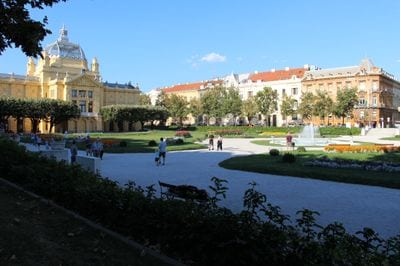
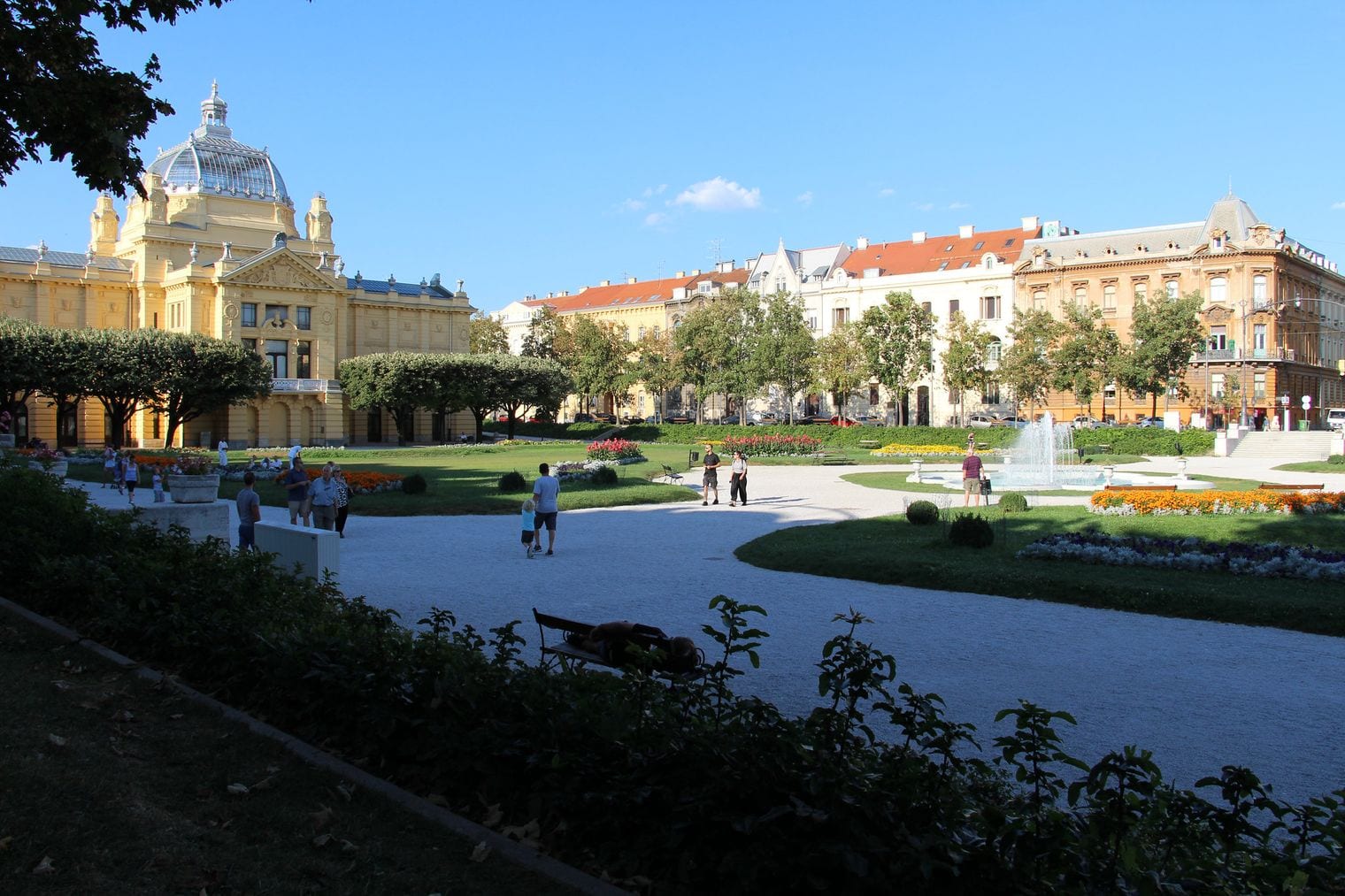
Step out of Zagreb's main railway station and this is the view: a long formal lawn, an equestrian statue of Croatia's first king, and the yellow Art Pavilion closing the far end. King Tomislav Square is the southern hinge of the Lenuci Horseshoe, the U-shaped chain of seven linked garden squares that Milan Lenuci laid out from 1882 and finished in 1889.
It is the grandest single stretch of the sequence, and it connects straight through Zrinjevac to the rest. Walking the whole horseshoe takes about forty minutes and is the best free thing to do in the lower town. One caveat: the Art Pavilion itself is closed for post-earthquake reconstruction, so admire it from outside for now.
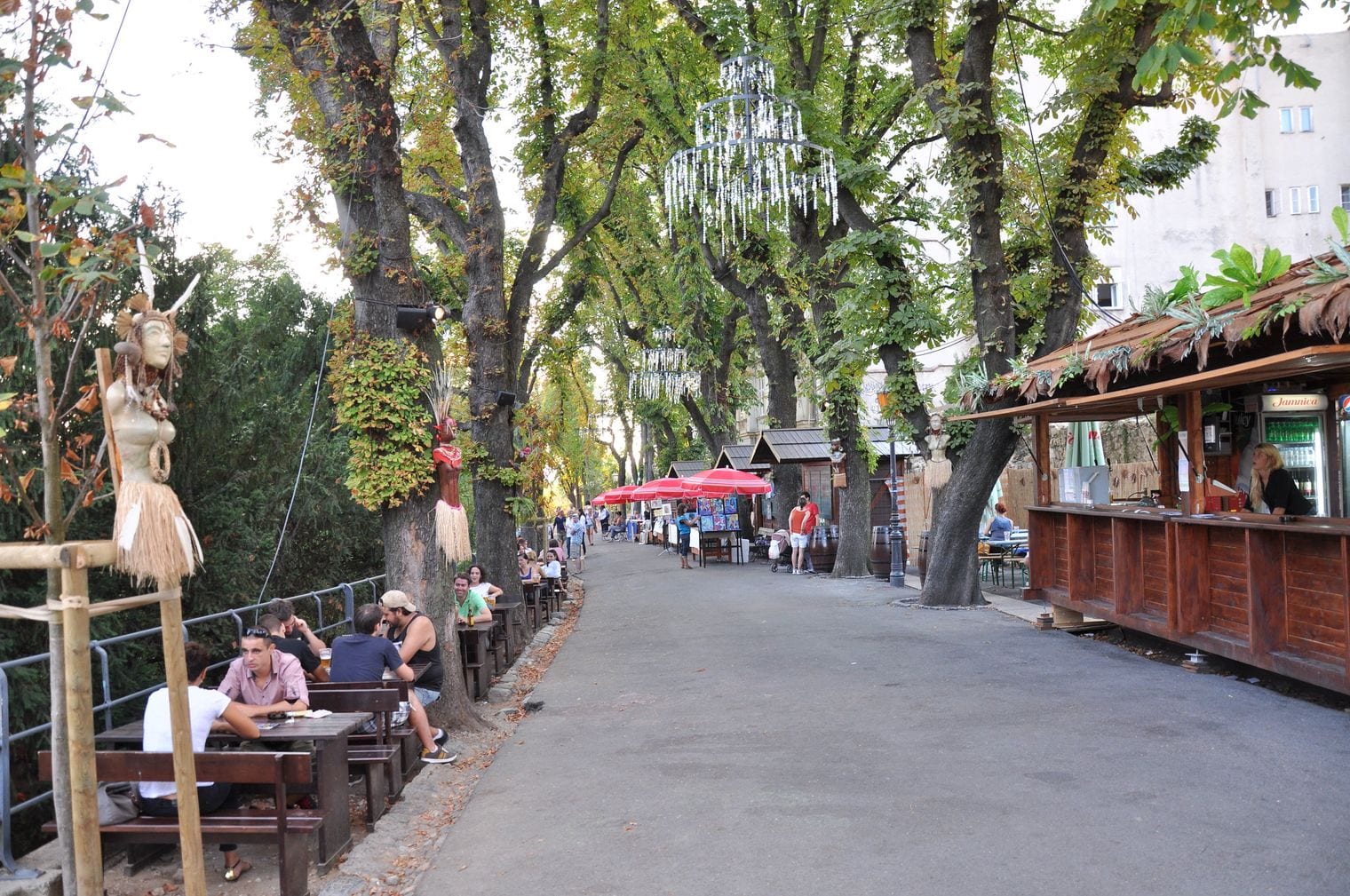
Known to everyone in Zagreb as Stross, the Strossmayer Promenade is a chestnut-shaded walk that follows the line of the old Gradec walls along the southern lip of the Upper Town. It begins at Lotrščak Tower, where the funicular arrives, and runs the length of the ridge with the rooftops and steeples of the lower town spread out below.
A bronze Antun Gustav Matoš sits on a bench part-way along, looking out at the view he wrote about — the single most photographed seat in the city. Through July and August the promenade turns into Ljeto na Strossu, an open-air festival of free concerts, film screenings and second-hand stalls that runs most evenings under the trees.
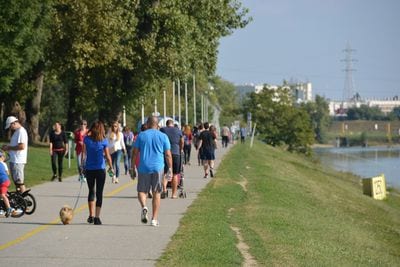
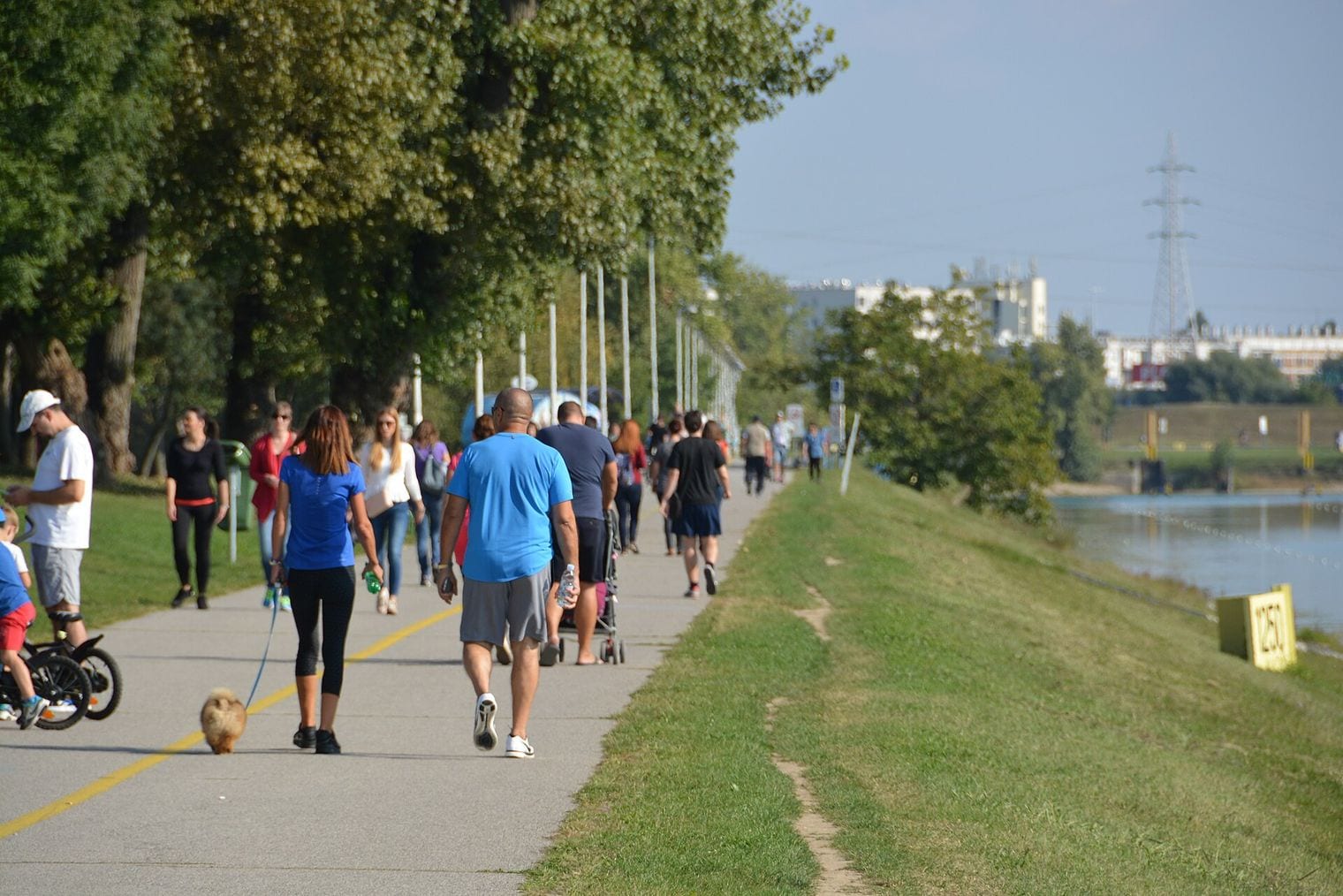
Zagrebians call Jarun the Zagreb sea, which tells you how landlocked the city feels in August. The lake was shaped out of a bend of the Sava for the 1987 Summer Universiade, and it still holds the 2,000-metre regatta course the rowers were given then, along with pebble beaches, a marina and a chain of bars along the shore.
A flat six-kilometre path loops the whole thing, busy with runners, cyclists and rollerbladers from spring onwards. Swimming is free and the water is monitored through the season. It is also where INmusic pitches its stages each June, on the islands in the middle of the lake — tram 17 from Ban Jelačić Square drops you at the gates.
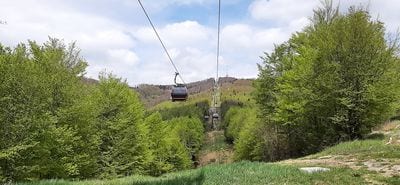
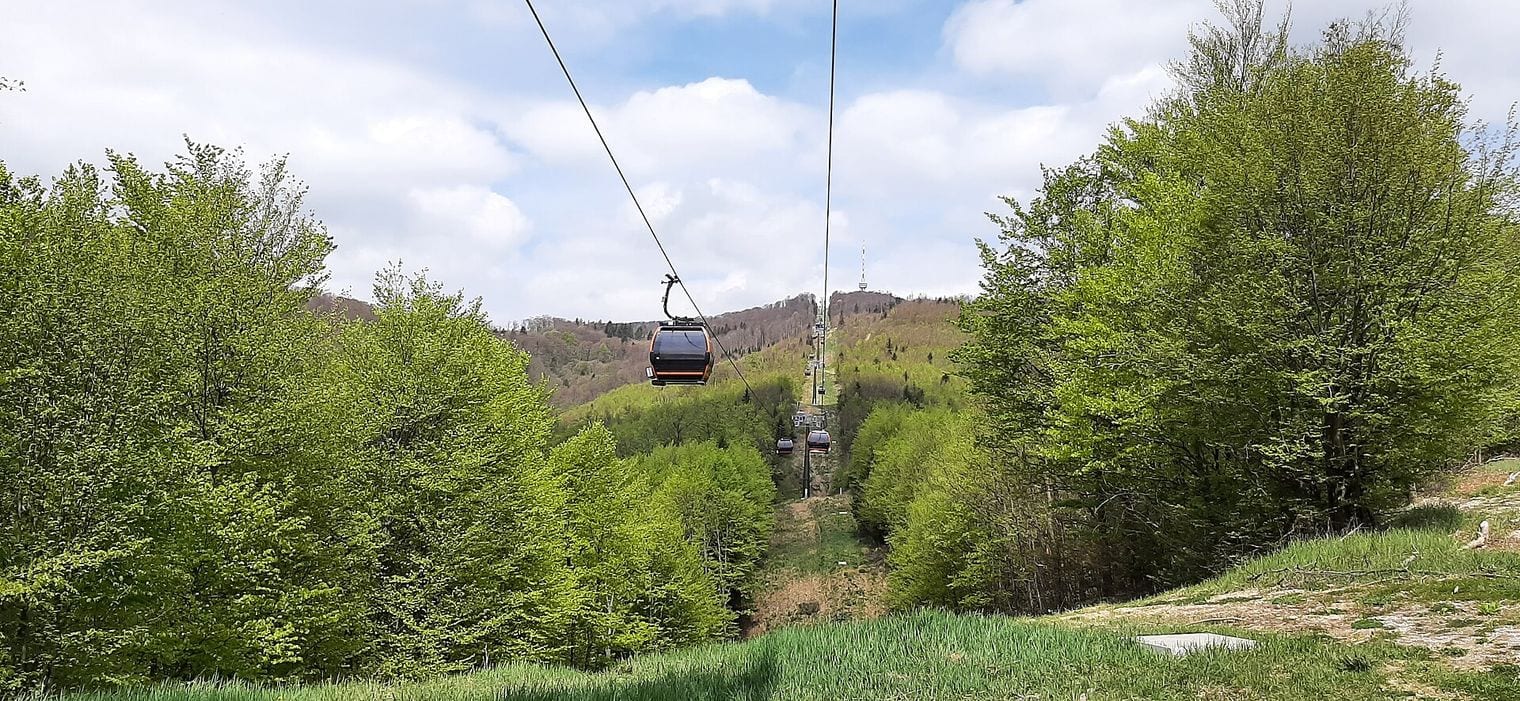
Medvednica, the wooded mountain along Zagreb's northern edge, has been the city's escape valve for a century, and since February 2022 the Sljeme cable car has made getting up it trivial. The gondola climbs 5,017 metres in about 15 minutes, from a lower station at 276 metres to the summit at roughly 1,030 — three stations in all, with a stop at Brestovac in between.
At the top there are marked hiking trails in every direction, mountain huts serving bean stew and štrukli, a modest ski run in winter and a view that reaches into Slovenia on a clear day. It runs from 10am on weekdays and 9am at weekends, with last descents at 6.30pm, and closes one or two days a month for inspection — check the timetable before you commit to the trip.
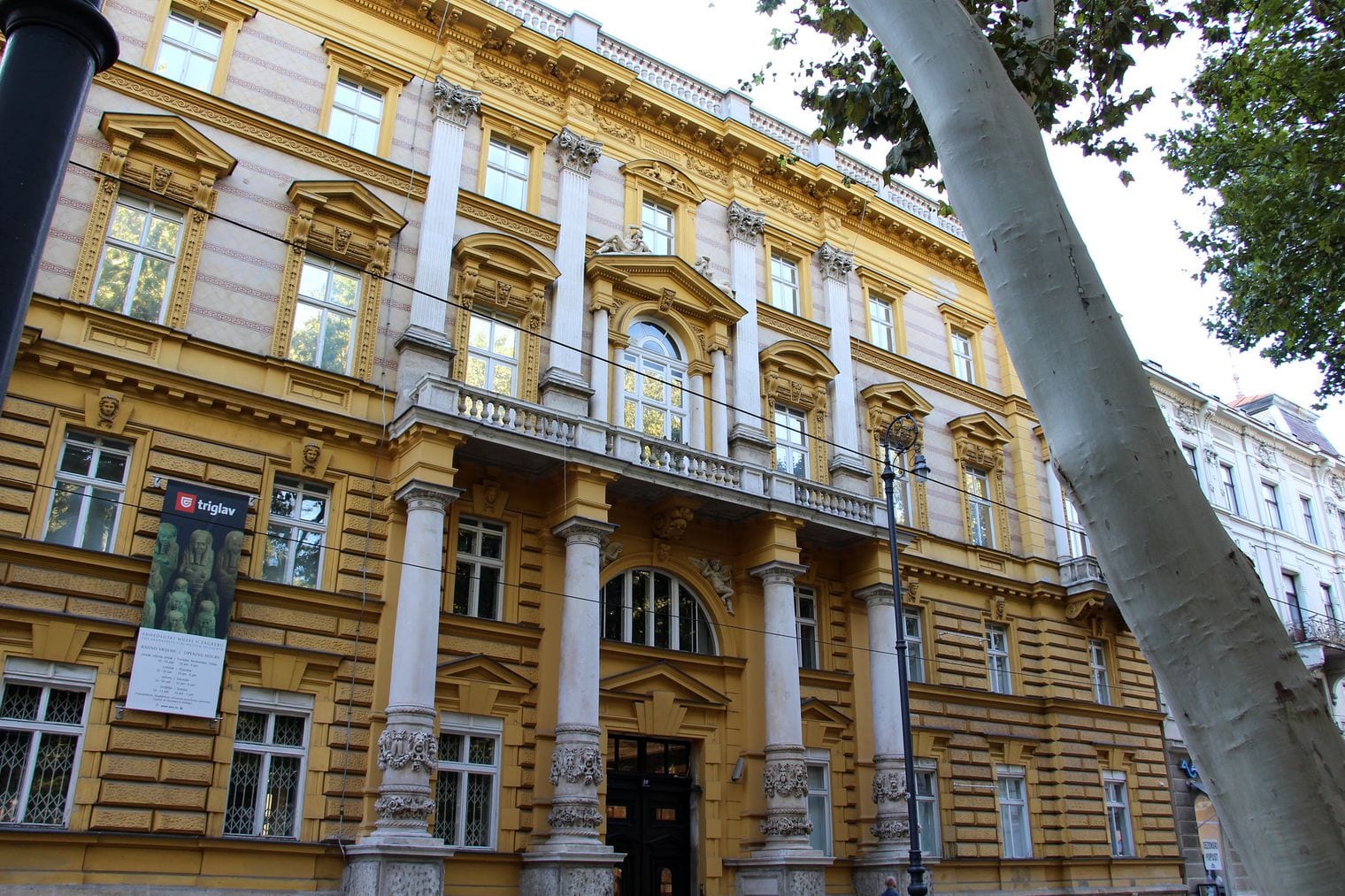
On the corner of Zrinjevac, the Archaeological Museum holds something no other museum on earth can show you. The Zagreb Mummy arrived from Egypt in the nineteenth century wrapped in torn linen strips, and somebody eventually noticed the strips were covered in writing — the Liber Linteus, the longest surviving text in the Etruscan language, a book cut up and reused as bandages.
Around it sit some 450,000 objects covering prehistory, Greek and Roman antiquity and the medieval period, including the Vučedol Dove, a 3,000 BC ritual vessel that has become a national emblem. The building is a comfortable size for a single visit, and the courtyard behind it is planted with Roman stonework and open in good weather.
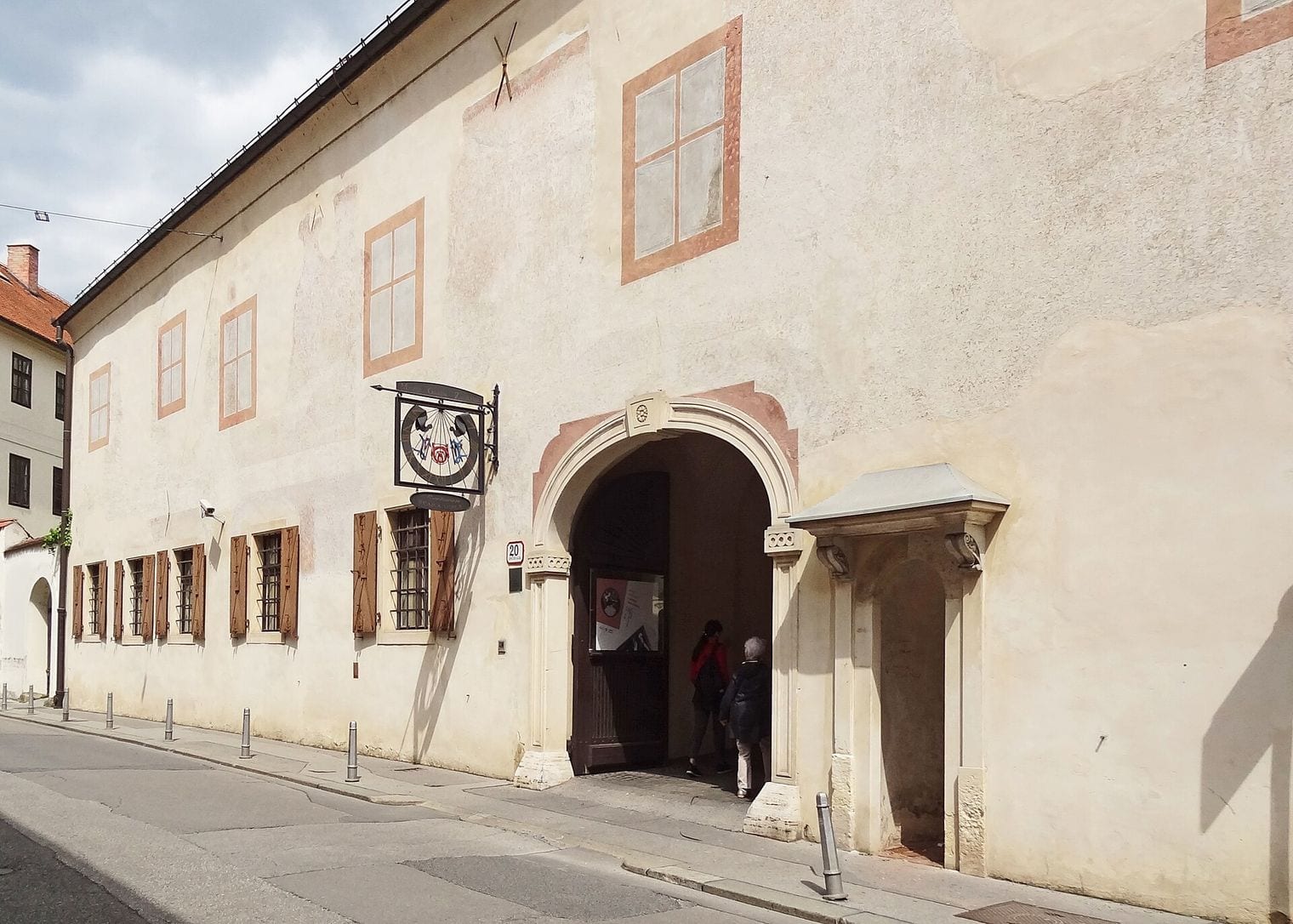
Housed in the converted Convent of the Poor Clares at the quiet northern end of the Upper Town, the Zagreb City Museum is the one place that explains how the two hostile hill settlements of Gradec and Kaptol became a single capital. The route runs chronologically from Roman Andautonia through the Tatar invasion and the Habsburg centuries to the twentieth century.
The strongest rooms are the recreated interiors and shopfronts of nineteenth-century Zagreb, and the salvaged fragments of buildings the city has lost — including pieces of the cathedral. Roman and medieval foundations are visible under glass in the basement. It opens Tuesday to Saturday until 6pm and Sunday until 2pm, and closes on Mondays.
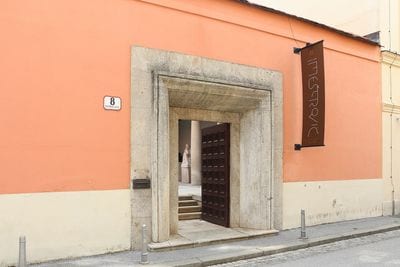
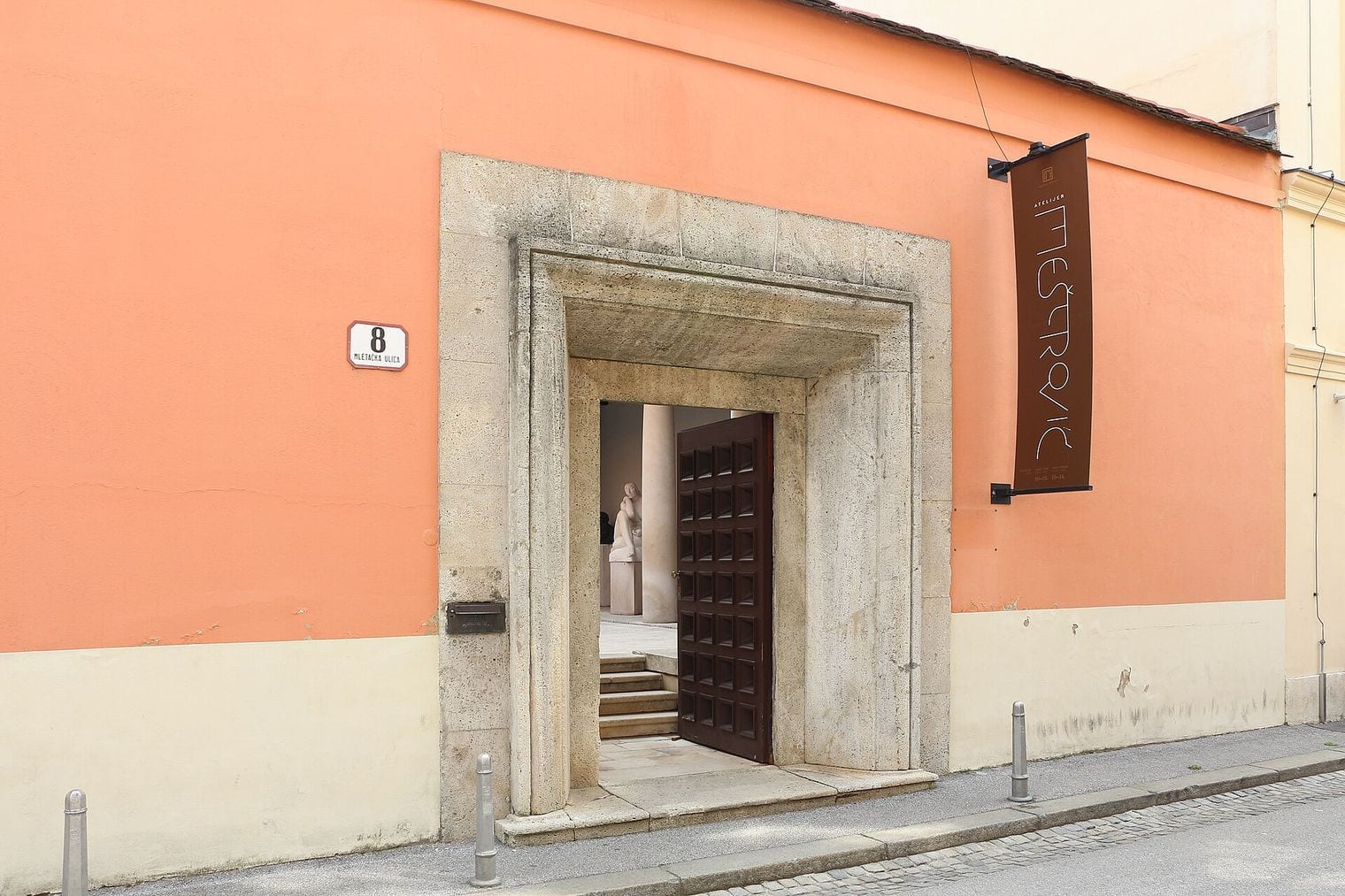
Ivan Meštrović is the sculptor whose work you have already been walking past — the Well of Life outside the National Theatre, the History of the Croats, the bishops in the cathedral. The Meštrović Atelier occupies the seventeenth-century house on Mletačka that he rebuilt as his home and studio, and lived and worked in from 1922 until he left the country in 1942.
It is a small, unhurried museum of about a hundred works: sculptures in wood, marble and bronze, drawings, and the furniture he designed for the rooms they stand in. The courtyard and garden are part of the visit. Coming here after the Upper Town churches makes sense of half the statues in Zagreb, and it takes under an hour.
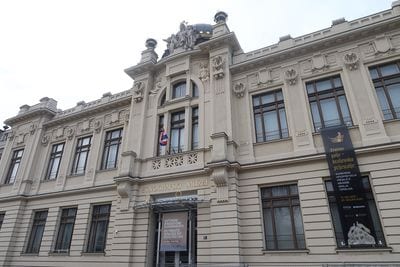
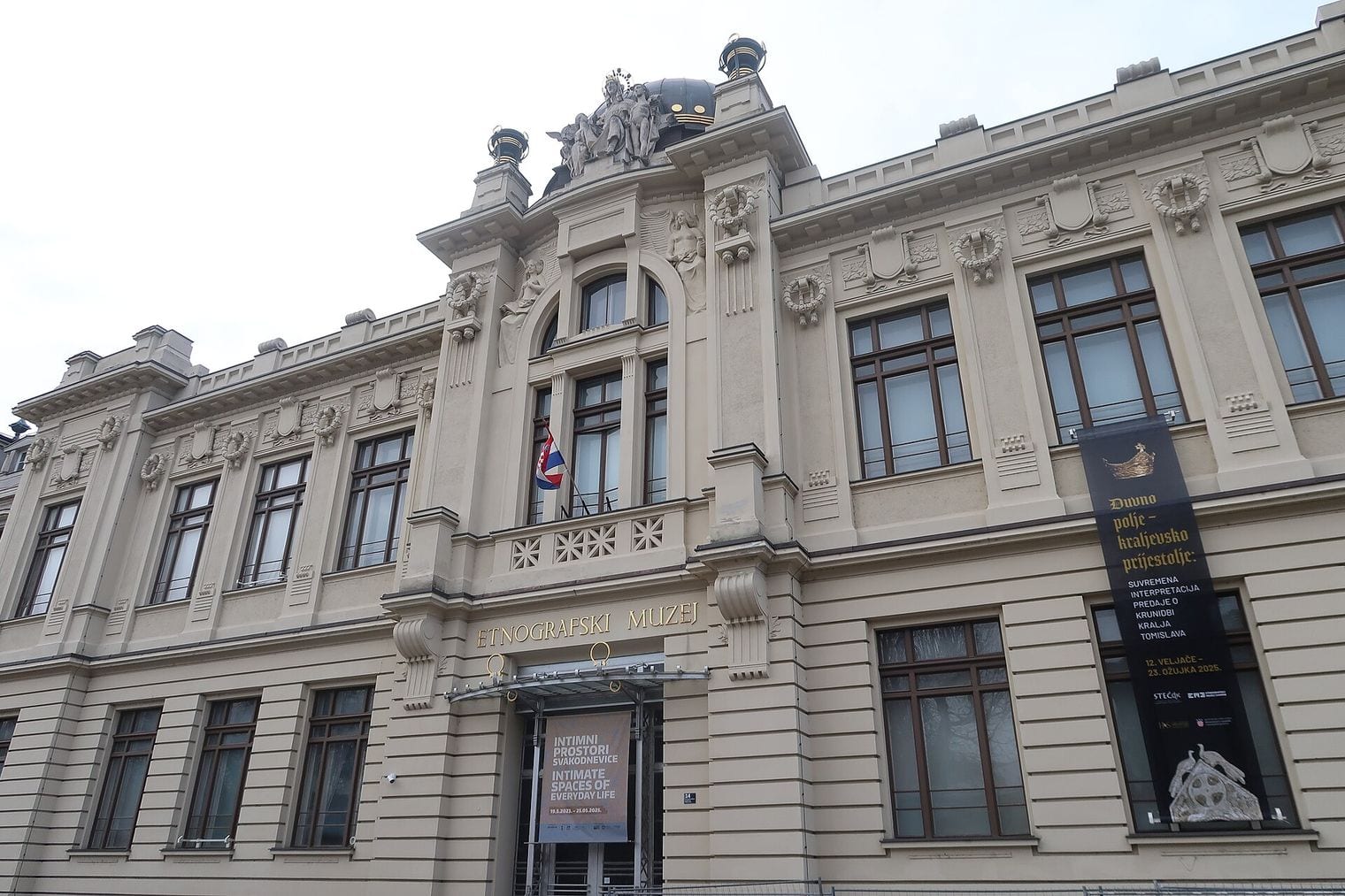
Behind a domed Secession façade on Mažuranić Square — built in 1903 as a trades hall, which explains the scale — the Ethnographic Museum holds the national collection of Croatian folk dress. Some 2,800 costumes cover the Pannonian, Dinaric and Adriatic regions, and the gold-thread embroidery and lace of the Slavonian pieces is genuinely startling at close range.
The other half of the museum is stranger and better: objects brought back from South America, Africa, Asia and the Pacific by Croatian travellers, chiefly the Seljan brothers and Dragutin Lerman, who spent the 1880s and 1890s in Ethiopia, Brazil and the Congo. It closes on Mondays and public holidays, and admission is free on 18 May.
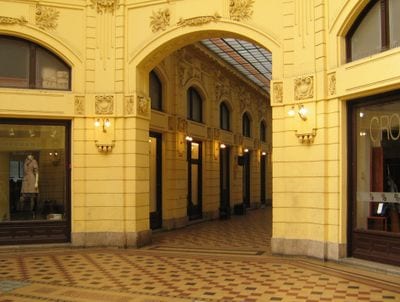
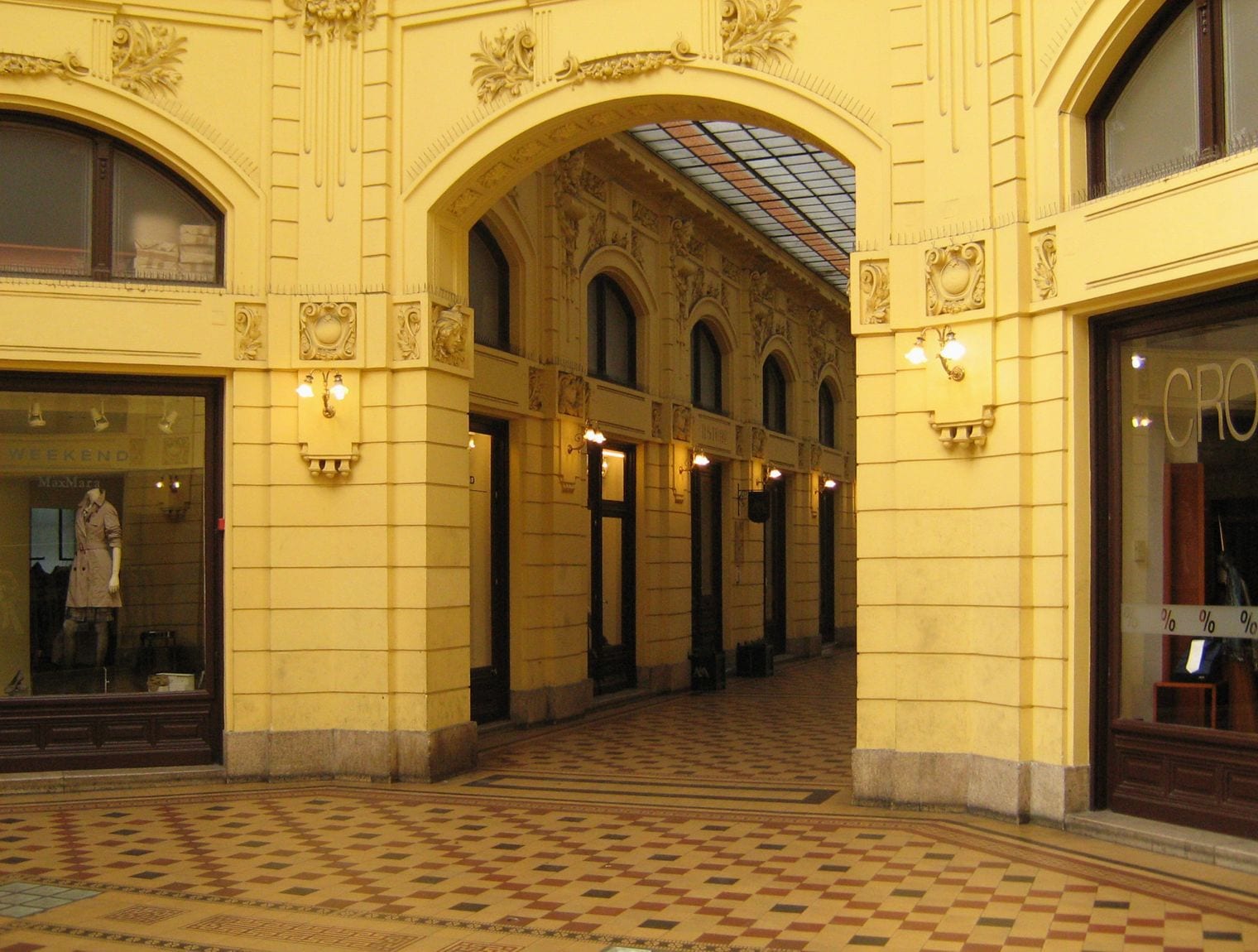
Cut straight through the old First Croatian Savings Bank between Ilica and Flower Square, the Oktogon is a covered arcade built to Josip Vancaš's design between 1898 and 1900. Two short passages meet at an octagonal atrium — hence the name — lit from above by a stained-glass dome and lined with marble, ironwork and small shops.
It takes ninety seconds to walk and most visitors never find it, which is the whole point of recommending it. There is a story attached, too: a stray dog called Pluto kept the builders company throughout construction and died as it finished, so they set a bas-relief of him into the wall. It was moved to nearby Mirko Bogović Street in 2013.
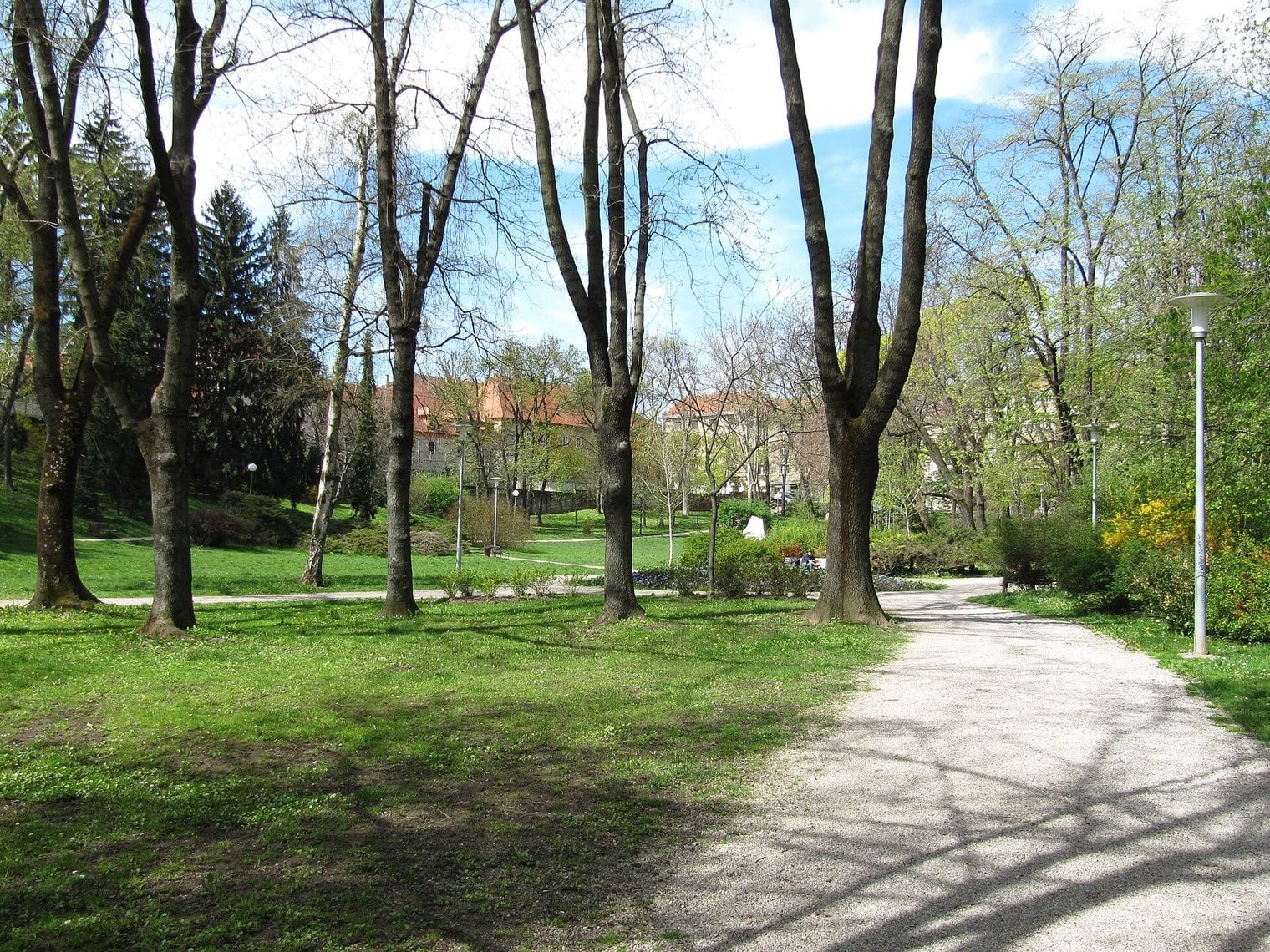
Park Ribnjak runs along the outside of the eastern Kaptol walls, immediately behind Zagreb Cathedral, and the name means fishpond: the bishops kept their fish here, in ponds fed by the Medveščak, until they were drained in the nineteenth century and the ground was landscaped into a public garden.
It is the shadiest park in the centre and the one locals actually use — terraced lawns, mature trees, a rose garden and a scattering of sculpture, with the cathedral wall rising on one side. The Purgeraj club and the Ribnjak youth centre sit at the southern end, which gives it a summer evening programme of gigs. Two minutes from Dolac, and empty by comparison.
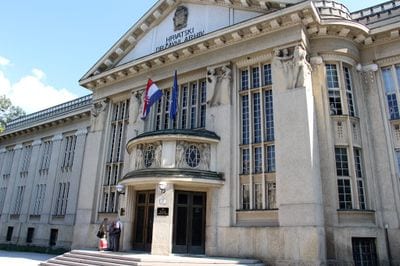
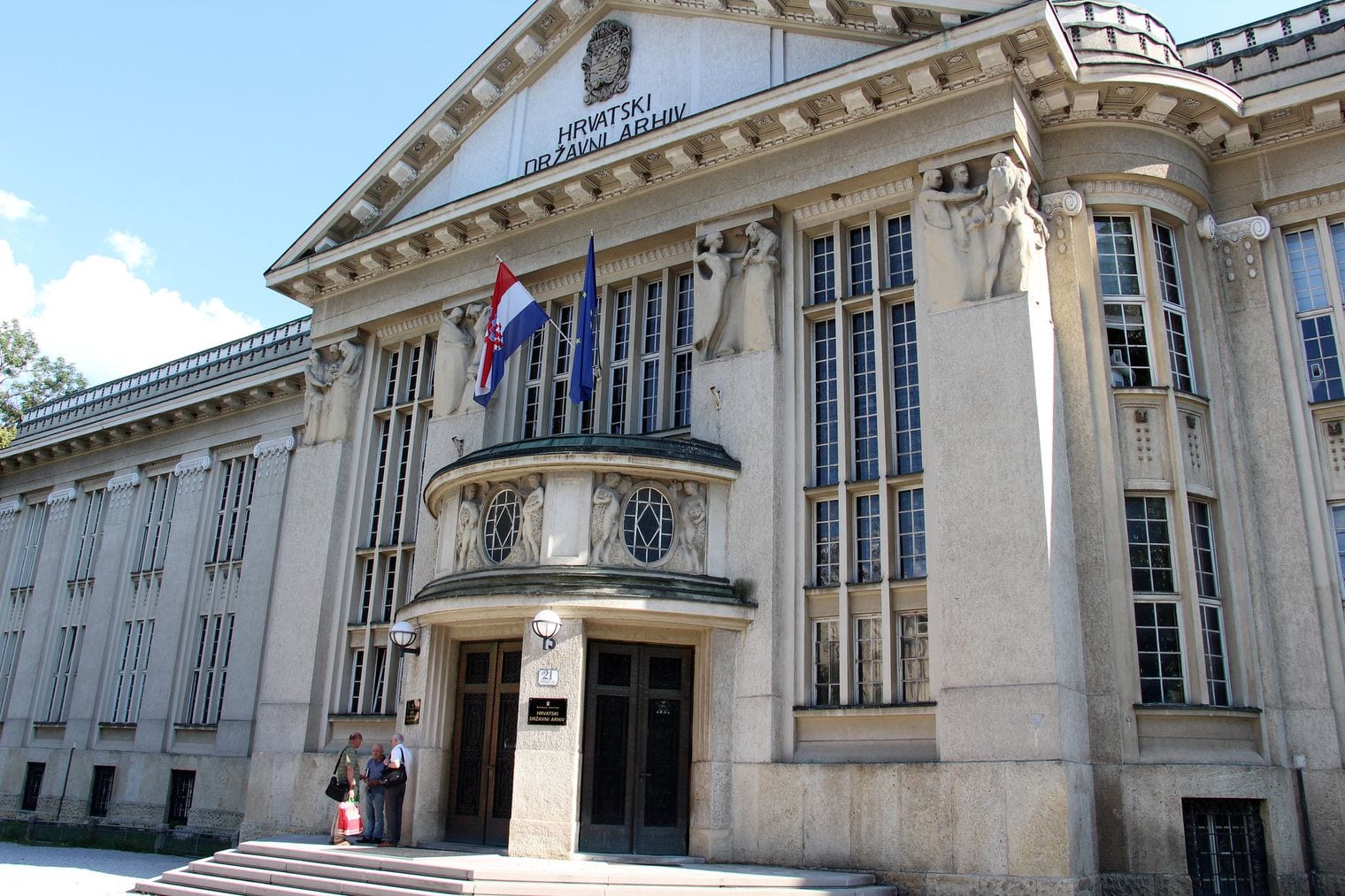
Rudolf Lubynski's 1913 building on Marulić Square was built as the National and University Library and is the finest Secession interior in Croatia. The Croatian State Archives took it over when the library moved out, and — unusually for a working archive — runs guided tours of the reading rooms on weekdays for anyone who books ahead.
What you go for is the decoration: four gilded glass owls on the roof, Vlaho Bukovac's ceiling painting of the Croatian National Revival, marble, stained glass and floors of structural glass block that light the storage below. Tours run in English, German and Croatian and last about an hour; ring or email in advance, as it is not a walk-in.
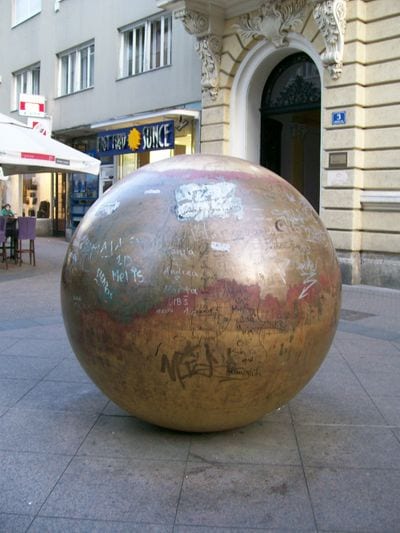
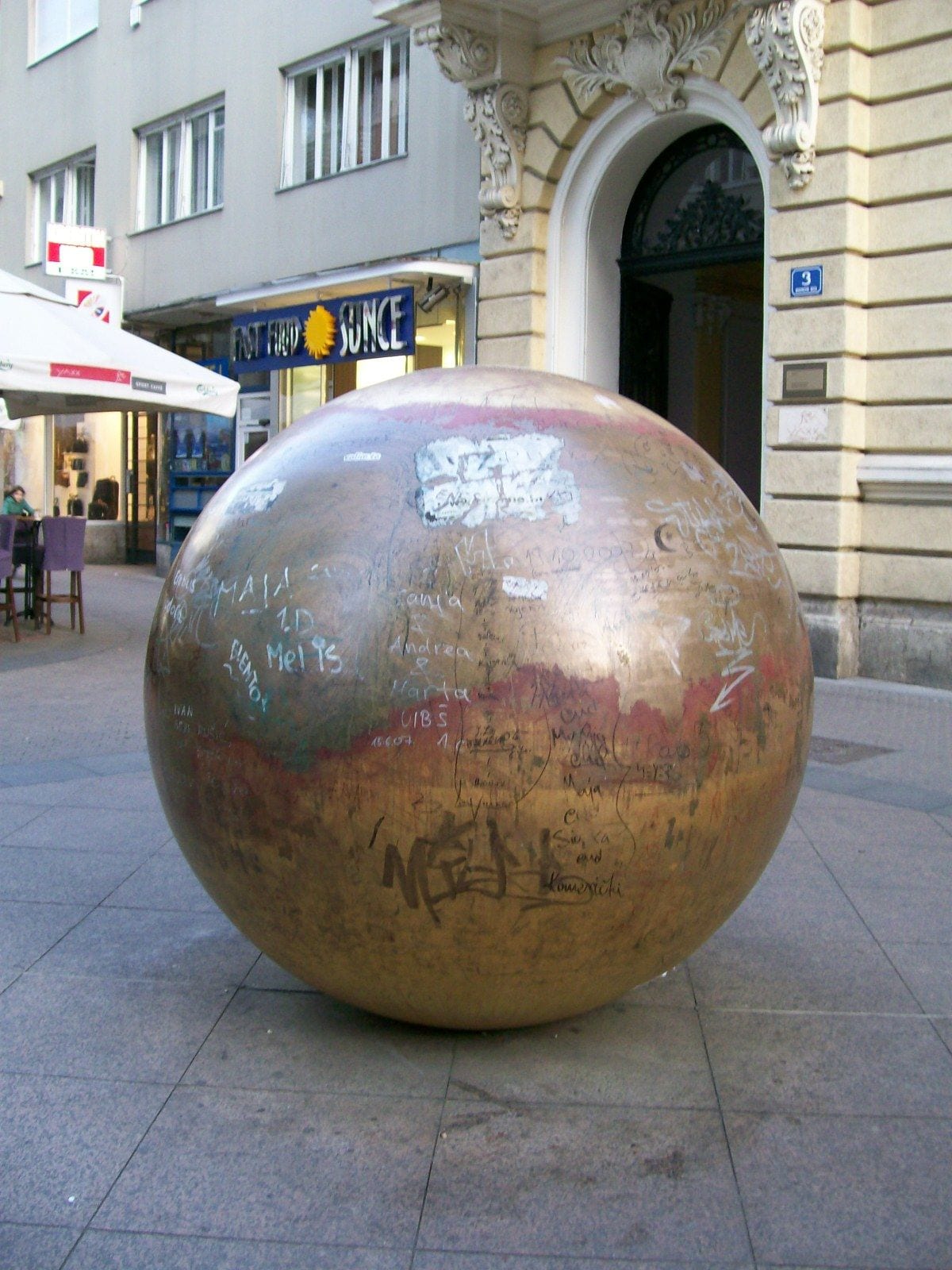
A two-metre bronze sphere stands on Bogovićeva, patinated by decades of hands. It is Ivan Kožarić's Prizemljeno Sunce — the Grounded Sun — first shown outside the National Theatre in 1971 and moved here in 1994. In 2004 the artist Davor Preis quietly added the rest: nine planets, sited around Zagreb at the correct scale, as the Nine Views installation.
Preis put them up without announcement and never marked them, so the city took years to notice they existed. Mercury, Venus and Earth are within a few minutes of the sphere; Neptune is out in a distant suburb, over six kilometres away. Finding even the inner three is the best free scavenger hunt in the city, and it makes you look at ordinary buildings properly.
Plan your trip
Best Time to Visit Zagreb
Late spring and early autumn are the best windows. May, June and September bring warm days without the heat that settles over the inland plain in midsummer, the café terraces are fully open, and the parks of the Green Horseshoe are at their best.
Zagreb is a working capital rather than a resort, so it never empties the way the coast does, but August is noticeably quieter as locals head for the Adriatic — some smaller restaurants close for a few weeks.
Winter is cold and often grey, yet December is one of the most rewarding times to come: the Advent season turns Zrinjevac, the squares of the lower town and the Upper Town lanes into an open-air market of lights, food stalls and free concerts, and it has won the city a considerable reputation across Europe.
Snow is common enough that the ski runs on Medvednica open in a good year. Spring arrives late but the blossom along the Horseshoe is worth timing a trip around.
Getting to Zagreb
Franjo Tuđman Airport sits about 17 kilometres southeast of the centre and handles most international arrivals, with a regular shuttle bus running into the main bus station in roughly half an hour and taxis taking about twenty minutes outside rush hour.
Zagreb is also an easy overland arrival: it is the hub of the Croatian motorway network, with the A1 running south towards Split and the coast, the A3 crossing east to west between Ljubljana and Belgrade, and the A2 heading north for Slovenia and Austria.
The main railway station, Glavni kolodvor, faces King Tomislav Square at the foot of the Green Horseshoe, which makes arriving by train unusually pleasant — you step out into a park rather than a car park.
International services connect Ljubljana, Vienna and Budapest, though the domestic network is slow and most Croatians travel long distances by coach instead. The long-distance bus station east of the centre is the busiest arrival point in the country and is linked to the centre by tram.
Getting Around Zagreb
The centre is small and flat and almost everything in the lower town is walkable — you can cross from the railway station to the main square in about fifteen minutes, entirely through parks.
The Upper Town is the only real climb, and even that can be avoided by taking the funicular from Ilica, which does the job in about a minute. A car is genuinely unhelpful here: the historic core is pedestrianised or one-way, and street parking is metered and scarce.
Beyond walking distance, the blue ZET trams are the answer. The network is dense, runs late, and reaches the zoo, the museums across the Sava and most residential districts; buy and validate a ticket before boarding. Bike-share stands are scattered across the flat lower town, and taxis and rideshare apps are inexpensive by Western European standards. For Medvednica, a tram to the northern terminus connects with buses and the cable car up the mountain.
Where to Stay in Zagreb
Most visitors should base themselves in Donji Grad, the lower town, and specifically the blocks around the Green Horseshoe between the railway station and the main square. You are within walking distance of the museums, the theatre, the market and the Upper Town, the streets are handsome nineteenth-century apartment buildings, and the trams pass the door. The area immediately around Ban Jelačić Square is the most central of all, though it is also the noisiest at weekends.
For atmosphere over convenience, the Upper Town and Kaptol put you among cobbles, gas lamps and church bells, with the trade-off of steps and a steeper walk home. Tkalčićeva is lively but loud well into the night. If you want more space for the money, the residential districts west of the centre such as Trešnjevka are only a few tram stops out, while Novi Zagreb across the river is cheaper again and convenient for the contemporary art museum and Bundek.
Where to Eat in Zagreb
Zagreb's cooking is central European rather than Mediterranean, and it is worth adjusting your expectations if you have arrived from the coast. The dish to seek out is štrukli, sheets of thin dough wrapped around fresh cheese and either boiled or baked until blistered, served savoury as a starter or sweet as a pudding.
The other local signature is the zagrebački odrezak, a veal escalope stuffed with ham and cheese, breaded and fried. Look also for turkey with mlinci, sarma in winter, and strukli's cousin, the region's baked pastries.
For where to graze, Tkalčićeva is the obvious strip, a long pedestrian run of terraces climbing north from the main square, busy and slightly touristy but genuinely enjoyable.
The lanes around Dolac and Opatovina hold the more serious kitchens and the best craft-beer bars, Cvjetni trg is the place for a coffee and to be seen doing it, and Ilica and Vlaška carry everyday neighbourhood restaurants. Coffee is close to a civic institution here, so budget an hour for it rather than fifteen minutes.
Day Trips from Zagreb
The easiest escape is Samobor, a small baroque town about half an hour west, famous throughout the country for its custard slice and pleasant enough to justify the trip on its own.
North of the city the hills of Zagorje open up within an hour's drive: Trakošćan, a turreted castle above its own lake, sits alongside the Neanderthal museum at Krapina and the restored village of Kumrovec, and the whole region is dotted with thermal spas. Varaždin, an hour north, has the best-preserved baroque town centre in Croatia.
Further afield, Plitvice Lakes National Park is roughly two hours south and is the day trip most visitors build their schedule around — sixteen terraced lakes joined by waterfalls and crossed on timber boardwalks.
It is a long day from Zagreb, so start early or treat it as a stop on the way to the coast. Closer to home, Medvednica rises directly behind the city, with forest trails, a show cave and the fortress on its flank reachable in well under an hour.
Before you go
Mobile dataAn eSIM gives your phone local data when you land, with no SIM card to swap.via AiraloGet an eSIM
Airport transferA driver meets you at arrivals and takes you to your hotel, at a price fixed when you book.via Welcome PickupsBook a transfer
We may earn a commission when you buy through these links, at no extra cost to you. How we make money.
One Day in Zagreb
Morning
start with coffee on Ban Jelačić Square to watch the trams and the city wake up, then climb the steps to Dolac Market while the traders are still setting out fruit under the red parasols. Walk on to Zagreb Cathedral on Kaptol, then double back through The Stone Gate into the Upper Town, pausing at the candlelit shrine inside the passage.
go up to the Zagreb 360° Observation Deck as the light drops and the red roofs turn gold, then come back to street level for dinner at Vinodol, or settle in for Croatian beer and grilled meat at Pivnica Medvedgrad.
Zagreb is known for the tiled roof of St Mark's Church, the Museum of Broken Relationships that began here and has since travelled the world, the ivy-covered arcades of Mirogoj cemetery, and the Croatian Museum of Naïve Art. Add the Green Horseshoe of linked parks, an unusually strong café culture, and a run of eccentric small museums.
How many days do you need in Zagreb?
Two days covers the essentials comfortably: one for the Upper Town, the cathedral and the market, another for the museums and parks of the lower town. A third day lets you cross the Sava to the contemporary art museum, walk Mirogoj properly, or head up Medvednica. Many visitors treat Zagreb as an overnight stop, which sells it short.
What can you do in Zagreb for free?
Walk the Green Horseshoe through Zrinjevac and its neighbouring squares, wander the arcades at Mirogoj, browse the stalls at Dolac, and pass through the Stone Gate shrine. Maksimir Park, Bundek and the Botanical Garden are all free, as is watching the noon cannon fire from below Lotrščak Tower and joining the Saturday morning promenade.
When is the best time to visit Zagreb?
May, June and September offer the best balance of warm weather and open terraces without midsummer heat. December is the other strong option, when the Advent markets take over the squares and the city is at its most atmospheric. July and August are hot and slightly subdued, as many residents decamp to the coast for the holidays.
Is Zagreb worth visiting?
Yes, particularly if you want a Croatian city that is lived in rather than staged for visitors. It is compact, walkable and considerably cheaper than the coastal resorts, with a museum scene out of proportion to its size. Travellers who give it only a night between flights almost always say afterwards they should have stayed longer.