Three thousand years of rulers left their mark on one island — and in Nicosia you can walk through most of them in an afternoon.
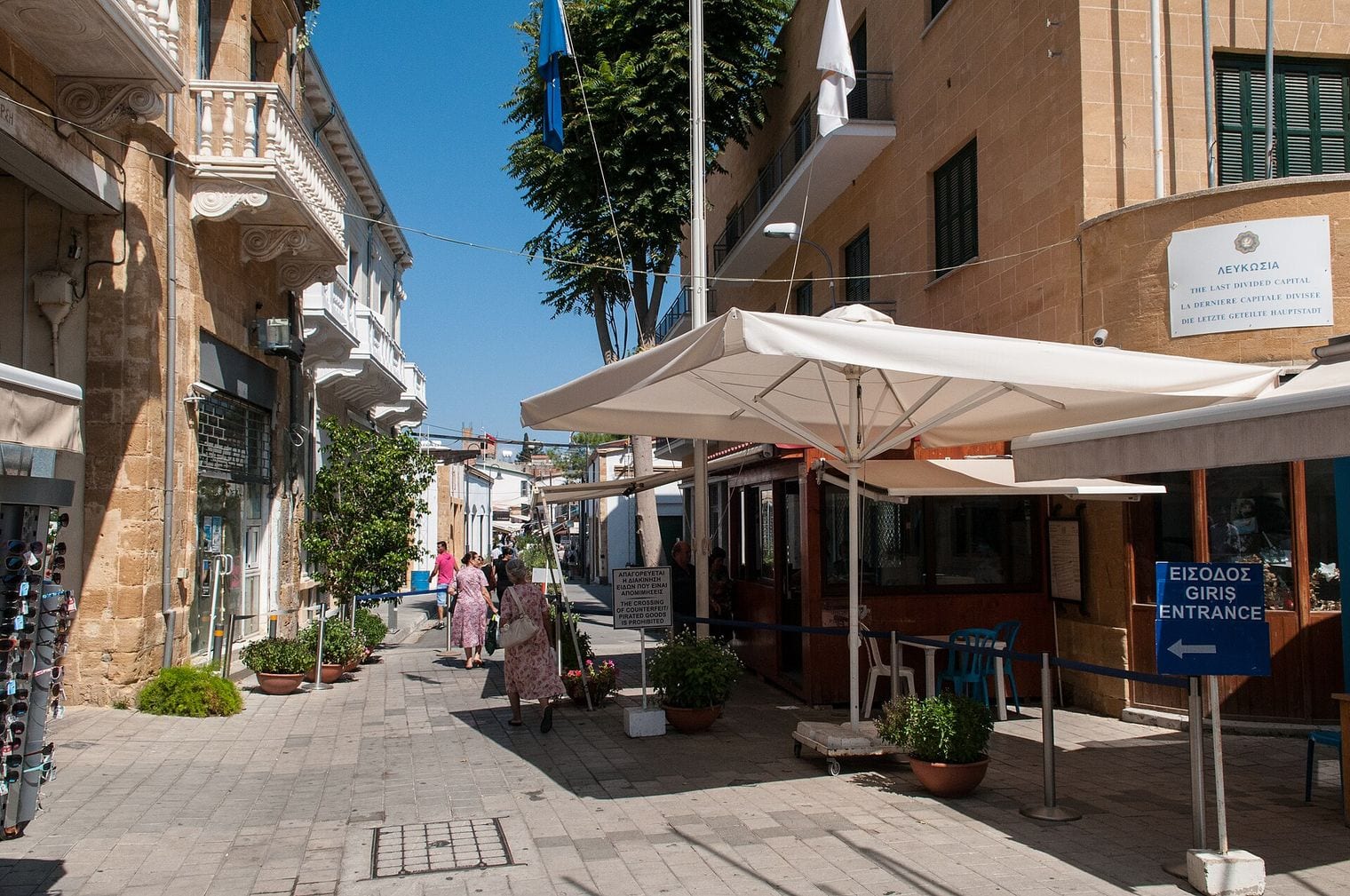
Cyprus is the Mediterranean's third-largest island and easily its most layered — a place where Greek, Roman, Byzantine, Venetian, Ottoman and British history sit within a few streets of one another. Roman mosaics run beneath Paphos, painted Byzantine churches hide in the Troodos pine forests, and Nicosia remains the last divided capital in Europe. It is small enough to drive across in three hours, which means mountain villages, archaeological sites and a swim can all belong to the same day.
The island's best-kept season. Hillsides turn green and fill with wildflowers, the Troodos peaks still hold snow into April while the coast is already warm, and archaeological sites can be walked at midday without suffering. The sea is bracing until about May.
SummerJun–Aug
Hot and reliably dry. The coast is tempered by sea breezes, but inland Nicosia sits in a bowl and regularly pushes past 40°C, so sightseeing in the capital is best done early or late. Peak season for beaches and the busiest, priciest months.
FallSep–Nov
Arguably the sweet spot. The sea is at its warmest after a summer of heating, the fierce inland heat breaks through September and October, hiking in the Troodos becomes pleasant again, and the crowds thin considerably after early September.
WinterDec–Feb
Mild and green on the coast, where daytime temperatures often stay in the mid-teens and cafés keep their terraces open. This is the island's rainy season, and snow settles on the Troodos — Mount Olympus has ski runs, so it is genuinely possible to ski in the morning and reach the sea the same afternoon.
Regions
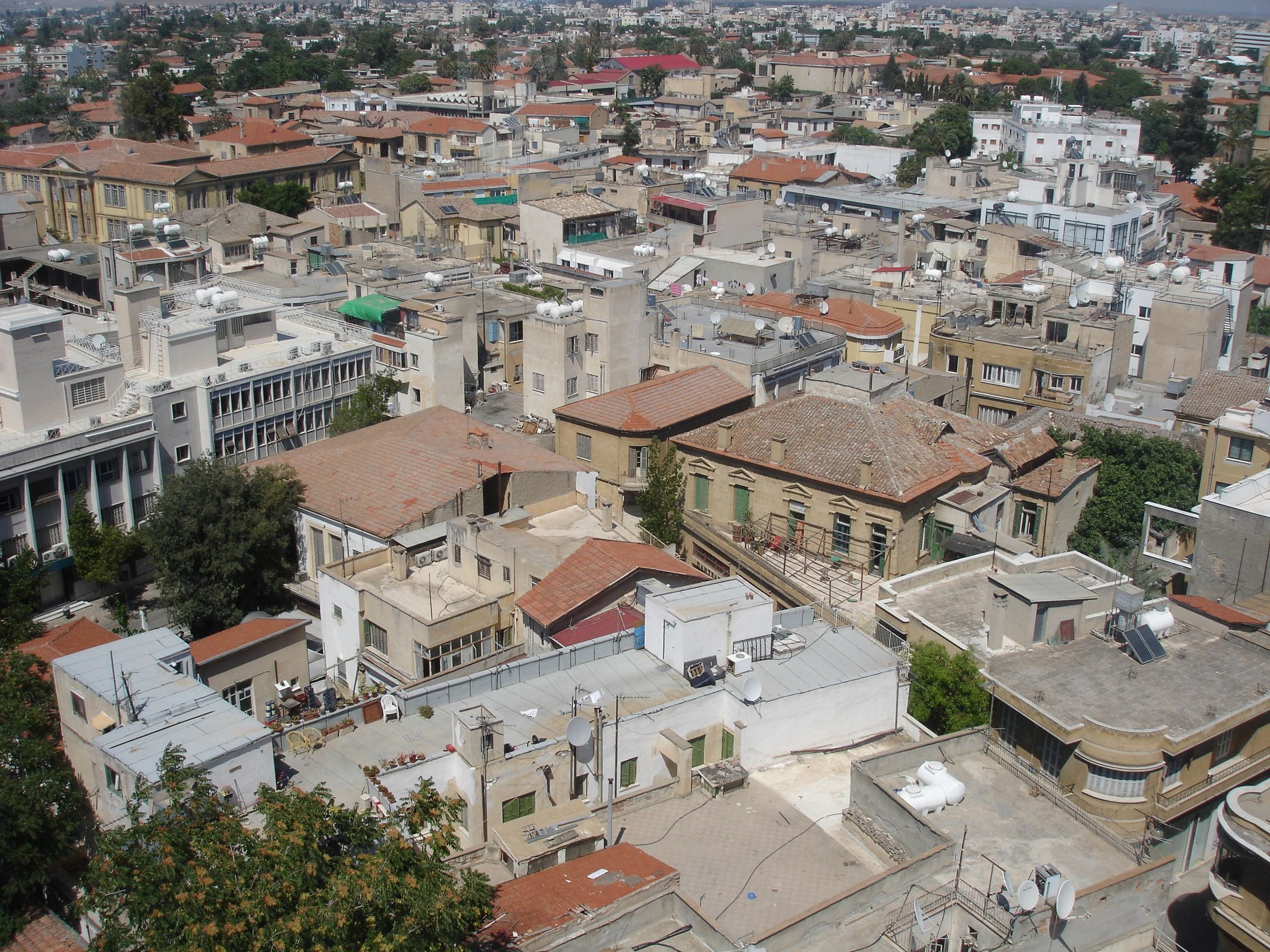
Nicosia & the centreThe inland capital, ringed by Venetian walls in a perfect star and split down the middle by the UN buffer zone. The old town holds the island's best museums, an Ottoman caravanserai and a Gothic cathedral turned mosque, and it is the one place where both communities' Cyprus can be seen in a single walk.
Limassol & the south coastThe island's busiest port and its most contemporary city, with a long seafront promenade, a restored medieval castle and a marina district. Ancient Kourion and the Sanctuary of Apollo sit on the cliffs just west, and the Commandaria wine villages climb into the hills behind.
Paphos & the westA UNESCO-listed archaeological park of Roman villa mosaics, the rock-cut Tombs of the Kings, and the mythological birthplace of Aphrodite on the coast nearby. Beyond it the Akamas peninsula runs out into the island's wildest, least-built shoreline.
Larnaca & the southeastThe main arrival point, with a palm-lined seafront, a salt lake that fills with flamingos each winter and the Hala Sultan Tekke mosque on its shore. Further east the resorts of Ayia Napa and Protaras hold the island's most famous sandy beaches and sea caves.
The Troodos MountainsA forested massif rising to Mount Olympus at 1,952 m, cool in summer and snow-covered in winter. Ten painted Byzantine churches here share a single UNESCO listing, their interiors frescoed from wall to ceiling, and stone villages like Omodos and Kakopetria sit along the valleys between them.
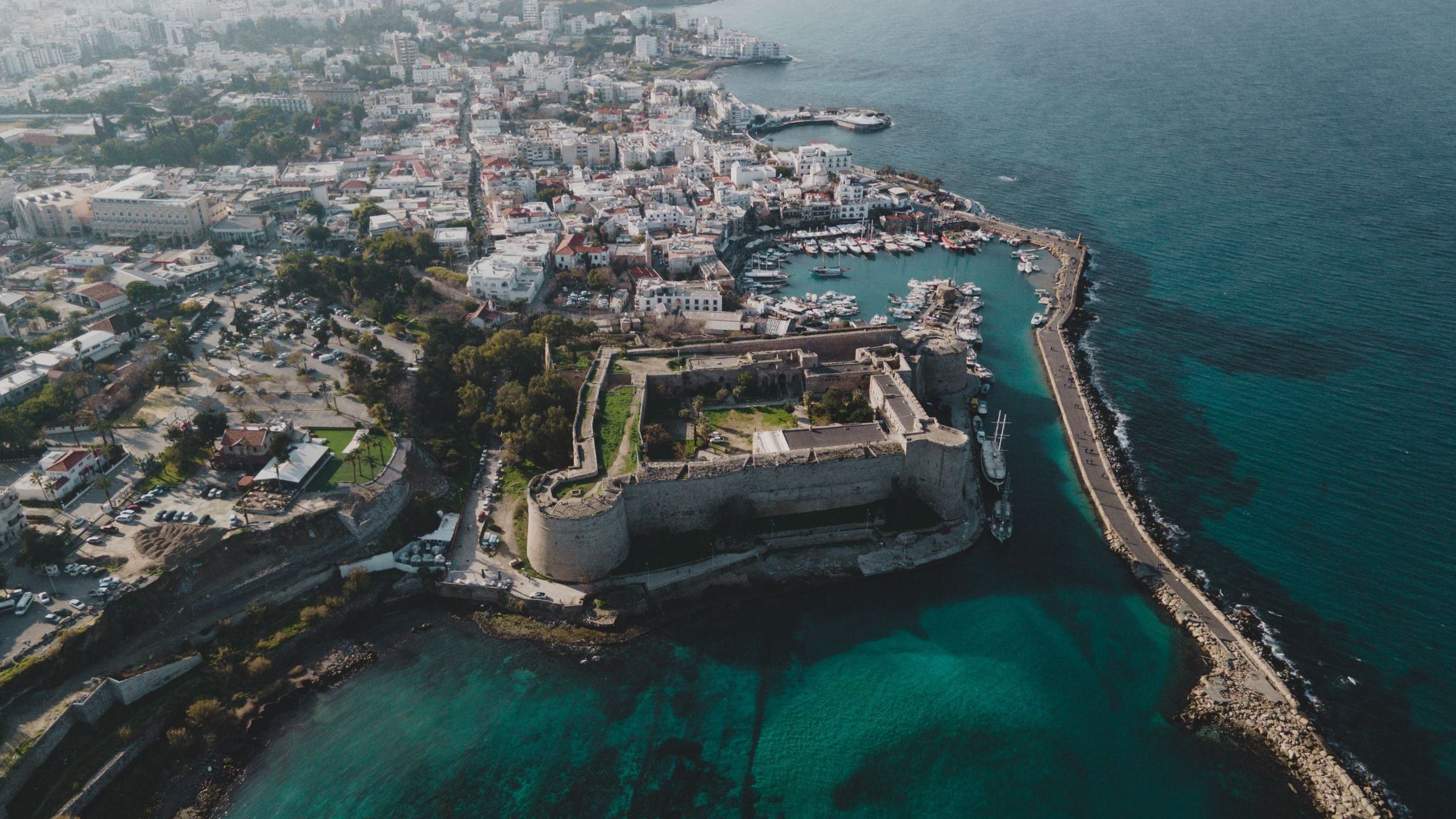
Northern CyprusReached through the buffer-zone crossings, and a noticeably different Cyprus in language, currency and pace. Kyrenia has a harbour ringed by a Venetian castle, Bellapais Abbey and St Hilarion Castle stand in the mountains above it, and the Karpas peninsula runs north-east to empty beaches and wild donkeys.
Cyprus's signature sights at a glance
Büyük HanThe best-preserved Ottoman caravanserai on the island — a 1572 merchants' inn whose arcaded courtyard now holds craft workshops and cafés.Basecamp: North Nicosia
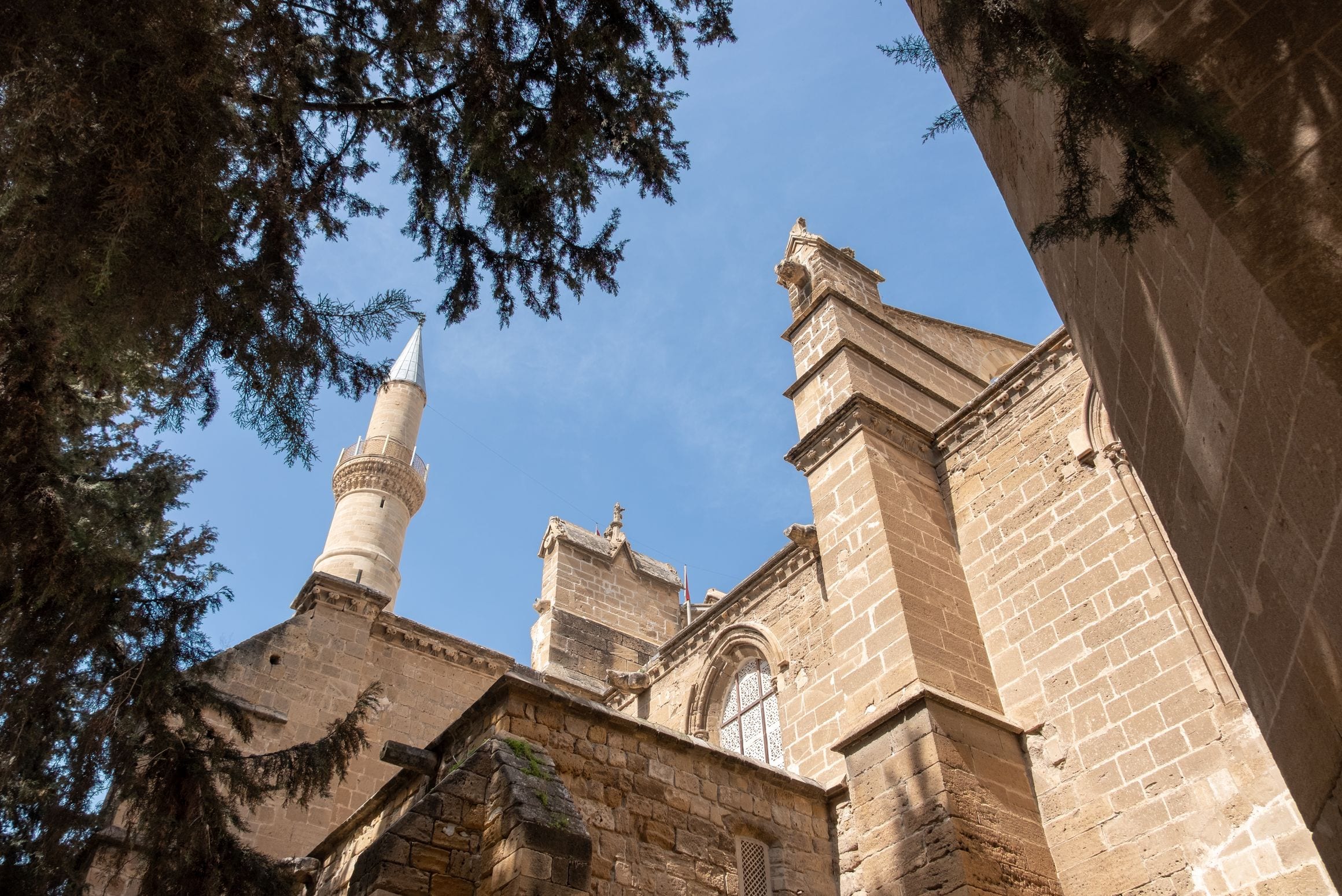
Selimiye MosqueA French Gothic cathedral raised by the Lusignans in the 13th century and given minarets after 1570 — flying buttresses and a mihrab in one building.Basecamp: North Nicosia
Paphos Archaeological ParkA UNESCO World Heritage site whose Roman villas hold some of the finest surviving floor mosaics in the eastern Mediterranean.Basecamp: Paphos
Painted Churches of the TroodosTen small mountain churches under a single UNESCO listing, plain and barn-like outside and covered in Byzantine frescoes within.Basecamp: Troodos
ChoirokoitiaA UNESCO-listed Neolithic settlement of round stone dwellings, occupied from around 7000 BC and among the oldest in the Mediterranean.Basecamp: Larnaca
Suggested routes
The classic island loop
~1 week
A full circuit of the government-controlled south by hire car, taking in the capital, the mountains, the west coast ruins and the beaches. Distances are short, so most days involve under two hours' driving.
1Larnaca — fly in; salt lake and seafront
2Nicosia — two days for the walled city and the crossing
3Troodos — painted churches and mountain villages
4Paphos — Roman mosaics and the Tombs of the Kings
5Limassol — Kourion, the castle and the wine villages
6Ayia Napa — sea caves and the best sandy beaches
Capital & mountains
~3–4 days
A short break pairing the divided capital with the Troodos range an hour to its south-west — the island's densest history alongside its best walking, with no long drives.
2Kakopetria — stone village and Agios Nikolaos tis Stegis
3Mount Olympus — the island's high point and forest trails
4Omodos — wine village on the way back down
Both sides of the line
~5 days
For travellers who want the whole island rather than half of it: the southern capital first, then north through the buffer zone to Kyrenia and the Karpas. Bring your passport and check the current crossing arrangements and hire-car insurance before you go.
2Nicosia (north) — Büyük Han, Selimiye and the Bedesten, across the line
3Kyrenia — harbour, castle and Bellapais Abbey
4St Hilarion Castle — crusader ruin on the mountain ridge
5Karpas peninsula — empty beaches at the island's north-east tip
Cyprus travel FAQ
Eight questions travellers ask before they go.
When is the best time to visit Cyprus?
Spring (April–May) and autumn (September–October) are the sweet spots — warm but not punishing, with the sea swimmable at both ends and far fewer crowds than high summer. July and August are hot and busy, and inland Nicosia in particular becomes uncomfortable at midday. Winter is mild and green on the coast and is the only time you can ski in the Troodos, though it is also the rainy season.
How many days do you need in Cyprus?
A week is enough to loop the whole southern half of the island at a relaxed pace — capital, mountains, west-coast ruins and a few beaches. Four or five days covers the capital plus one other region comfortably. If you also want to cross into the north for Kyrenia and the Karpas, allow ten days rather than trying to compress it.
Do you need a car in Cyprus?
Effectively yes. There is no passenger railway anywhere on the island, and while intercity buses link the main towns cheaply they run infrequently and barely at weekends, leaving the mountain villages and quieter beaches out of reach. Note that Cyprus drives on the LEFT, a legacy of British rule, which surprises many visitors arriving from elsewhere in the EU.
What is Cyprus known for?
Beaches and reliable sunshine first, but the island's real distinction is its density of history: Neolithic Choirokoitia, Roman mosaics at Paphos, frescoed Byzantine churches in the Troodos, Venetian walls and Ottoman monuments in Nicosia. It is also known for halloumi, which originated here, and for being home to the last divided capital city in Europe.
Is English widely spoken in Cyprus?
Very widely, especially in the south and in anywhere touristed — Cyprus was a British colony until 1960 and English remains common in business, signage and daily life. Greek is the main language in the south and Turkish in the north, and both are official languages of the Republic, but visitors rarely have difficulty getting by in English.
What currency does Cyprus use, and is it in the EU?
The Republic of Cyprus joined the EU in 2004 and adopted the euro in 2008, so the south uses euros and cards are accepted almost everywhere. Northern Cyprus runs on the Turkish lira, so if you cross the Green Line you change currency as well as jurisdiction — carry some lira or expect to use cash machines on that side, as euros are accepted informally but at poor rates.
What should you eat in Cyprus?
Meze is the thing to order at least once — a long procession of small plates that can run to twenty or more dishes and is designed to be shared over several hours. Halloumi is the island's own cheese and is grilled rather than melted; souvla is chunks of pork or lamb cooked slowly over charcoal, distinct from the smaller souvlaki. Finish with loukoumades or a glass of sweet Commandaria, said to be among the oldest named wines still in production.
What kind of trip is Cyprus best for?
Archaeology, winter sun and coastal road trips.
We use cookies to analyse site traffic and improve your experience.
You can accept or reject analytics cookies. See our Cookie Policy.