We may earn a commission if you book or buy through a link on
this page, at no extra cost to you. It never affects which places we list or how
we rank them (how we make money).
Short answer
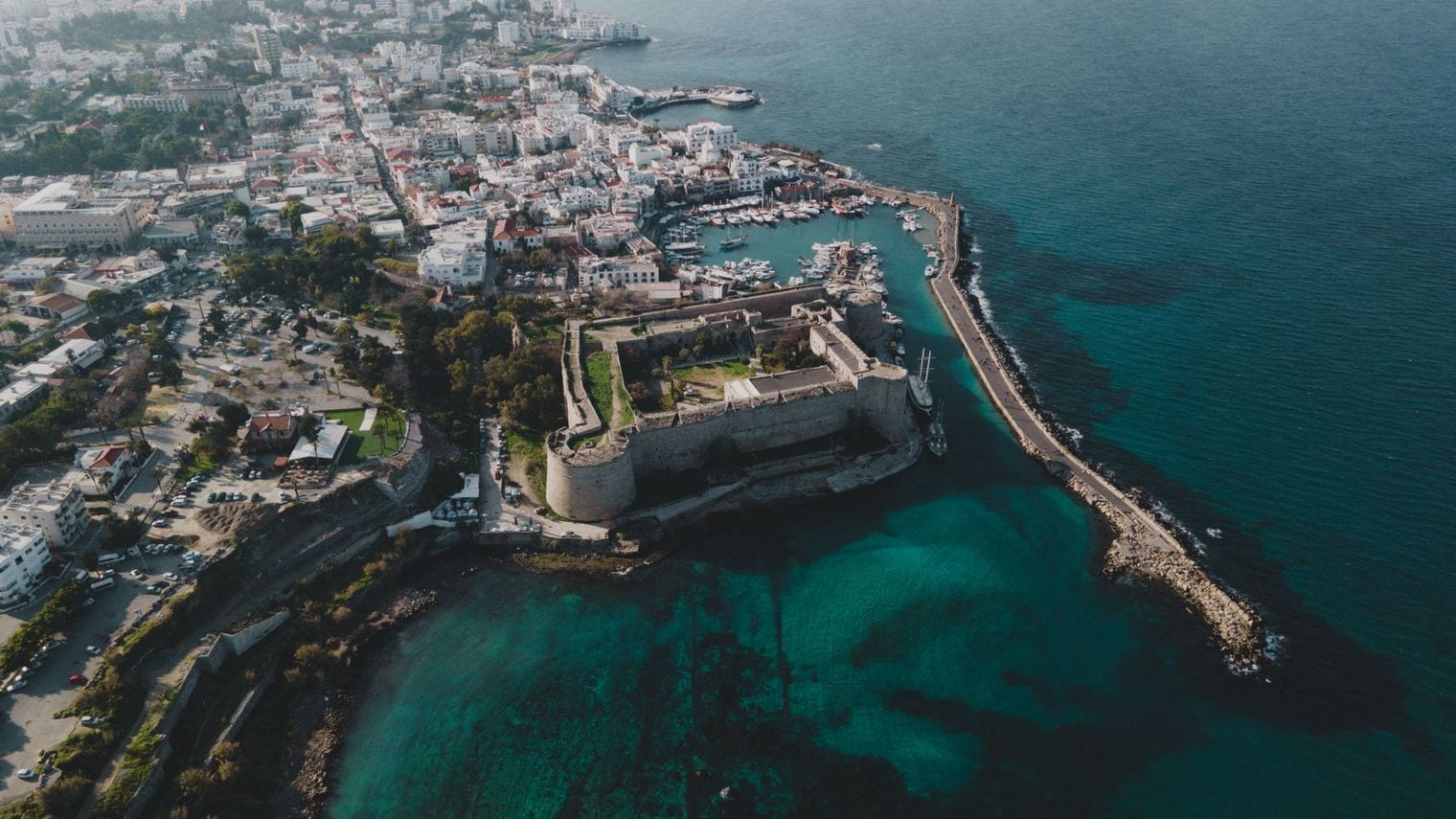
Kyrenia's three essentials are the Byzantine-to-Venetian castle guarding the harbour mouth, with its 4th-century BC shipwreck inside, the horseshoe harbour ringed by Ottoman stone warehouses, and the ruined 13th-century Gothic Bellapais Abbey on the escarpment above town. Two to three days: one on foot for the castle, harbour and old town, a second to drive up to Bellapais and St Hilarion Castle.
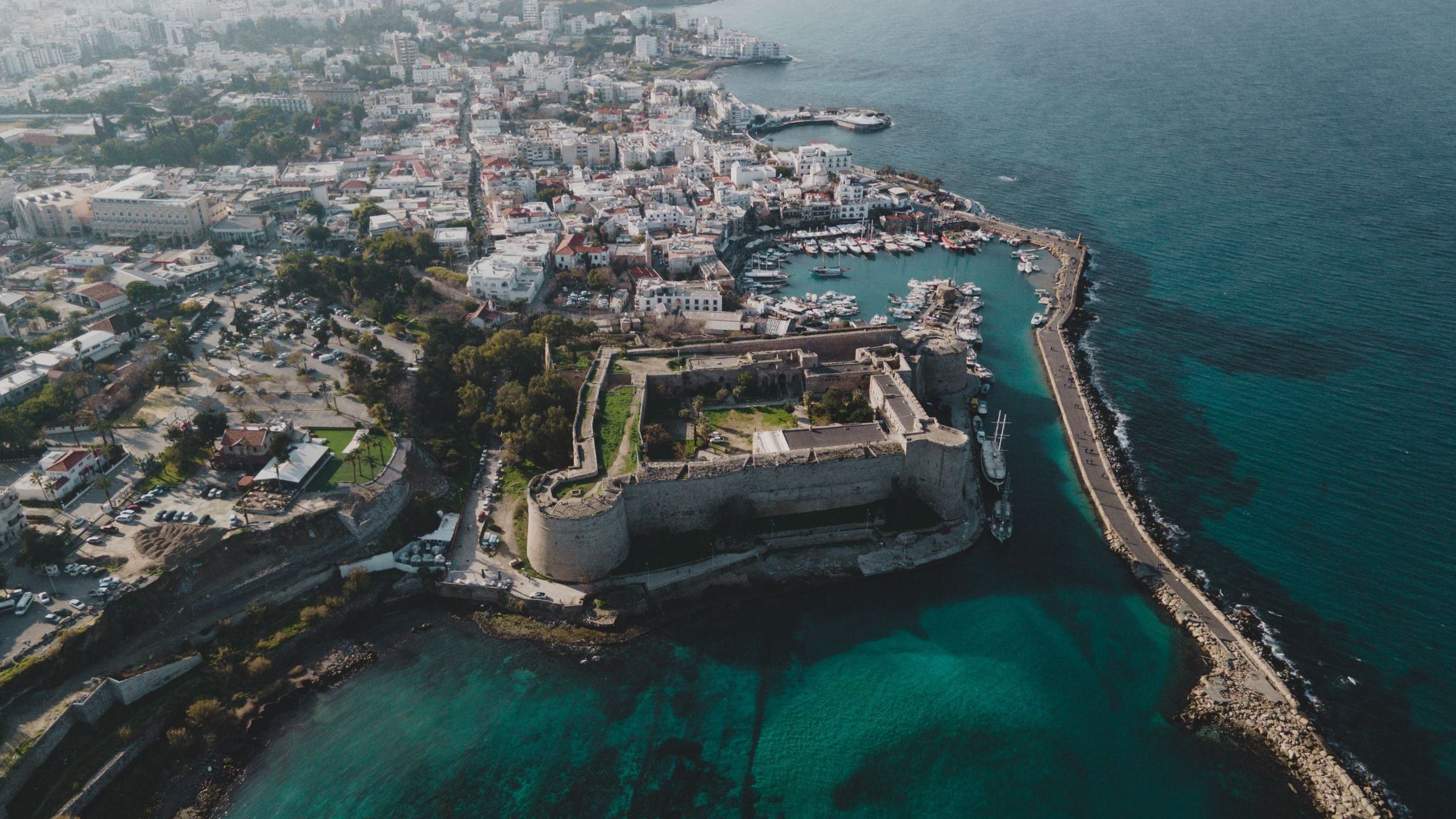
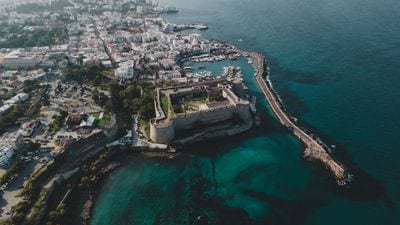
Kyrenia curls around a horseshoe harbour on the north coast of Cyprus, its Ottoman stone warehouses now cafes and its castle still squatting at the entrance. Behind the town the mountains rise almost vertically, carrying three crusader castles and a Gothic abbey along the ridge.
This guide covers the castle and its ancient shipwreck, Bellapais Abbey, the climb to St Hilarion, the beaches west of town and the drives up into the range. Two or three days covers most of it comfortably.
The castle contains a Greek merchant ship that sank around 294 BC — its hull is displayed in the Shipwreck Museum, more than 2,300 years after it went down.
The wreck was found by accident, and then lost again. Sponge diver Andreas Cariolou came across it in 1965, could not relocate the spot after a storm, and dived more than 200 times before finding it a second time in 1967.
Richard the Lionheart captured Kyrenia Castle in 1191, on his way to the Third Crusade.
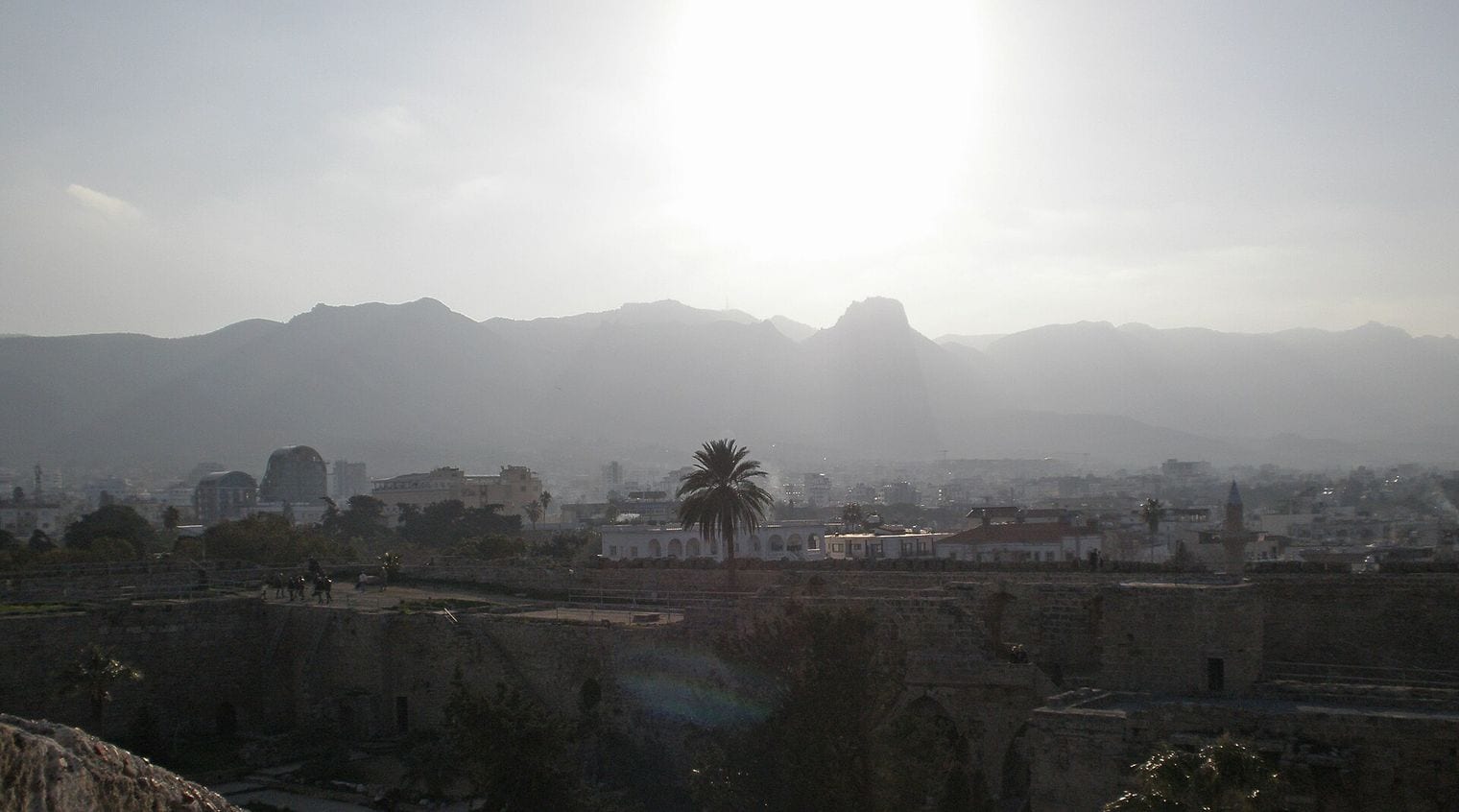
The mountains behind the town are called "five fingers" in both local languages — Beşparmak in Turkish, Pentadaktylos in Greek — after a peak said to carry the handprint of the folk hero Digenis.
Lawrence Durrell wrote Bitter Lemons in the village above the town, living at Bellapais between 1953 and 1955.
A town of roughly 33,000 people holds around thirty authenticated Rodin sculptures, shown free to the public in the clock tower since 2021.
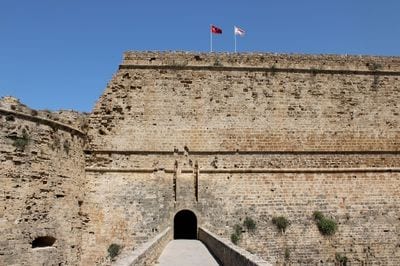
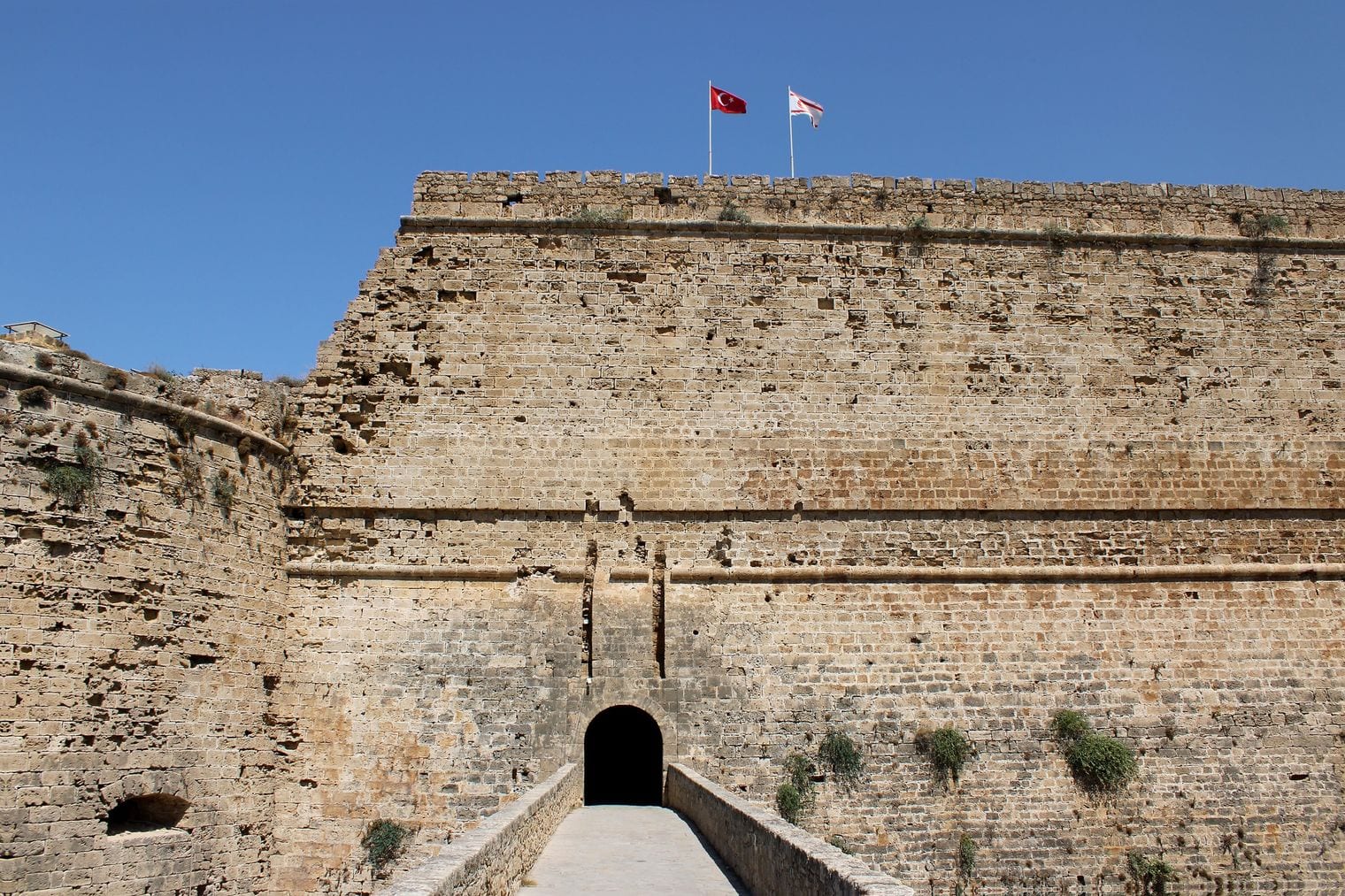
Kyrenia Castle is the reason the town sits where it does. The Byzantines raised the first fortress here in the seventh century to watch for Arab raiders; Richard the Lionheart took it in 1191 on his way to the Third Crusade, the Lusignans held it through a siege so long the defenders were reduced to eating rats, and the Venetians rebuilt it in 1540 with squat artillery bastions that give it the shape you see today. It passed to the Ottomans in 1570.
You enter over a bridge on the harbour side and come out on ramparts that run right round the walls, with the boats below on one side and the mountains behind. Inside the courtyard are a small Byzantine chapel dedicated to St George and a series of vaulted chambers, one of which holds the Shipwreck Museum. Allow a couple of hours; the walls are uneven and there is little shade.
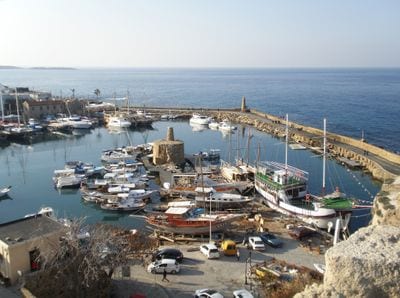
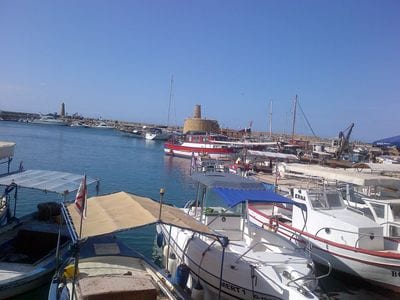
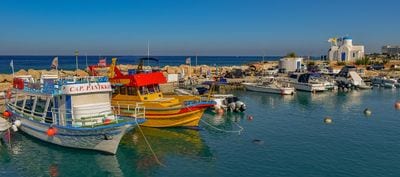
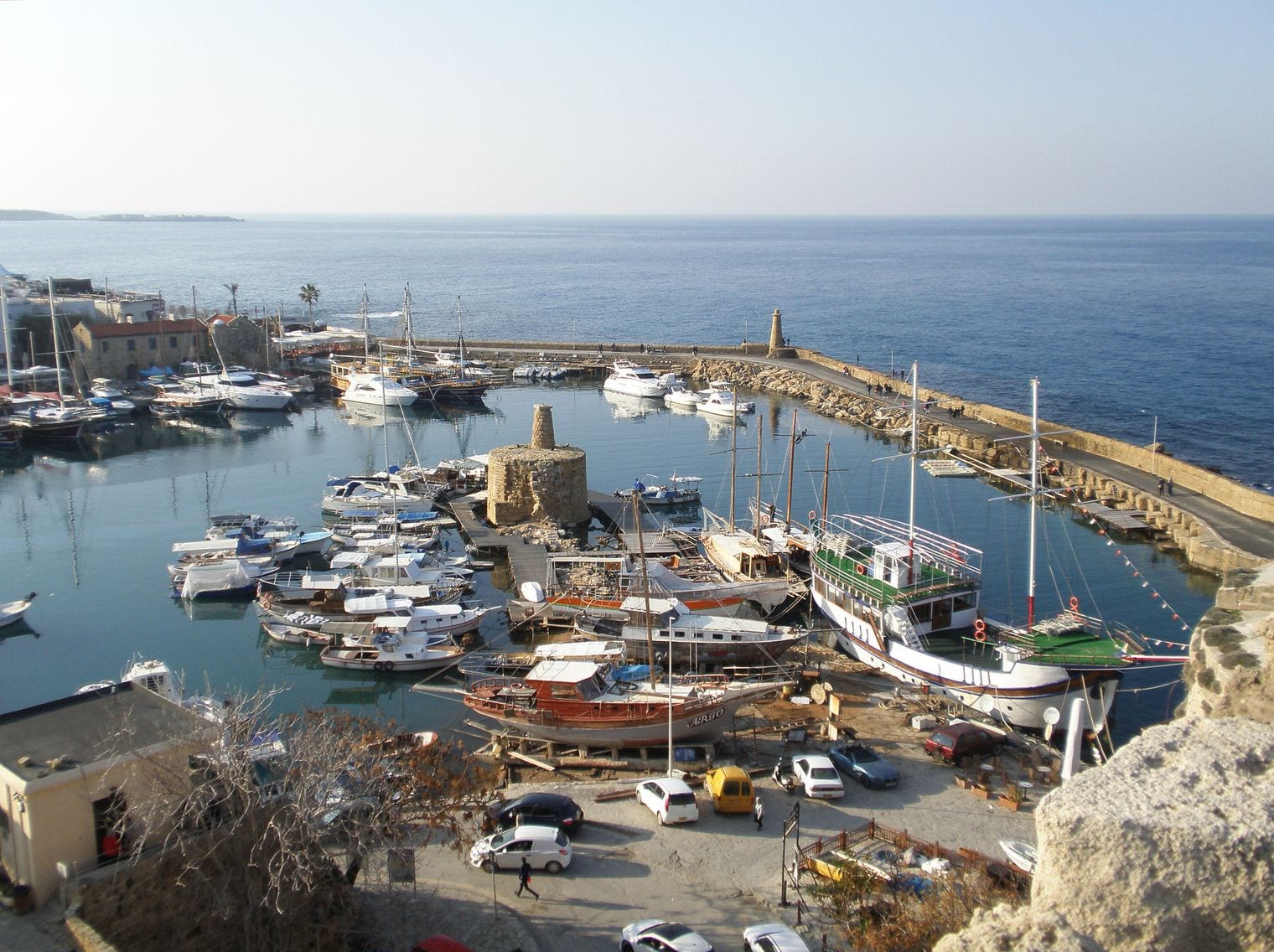
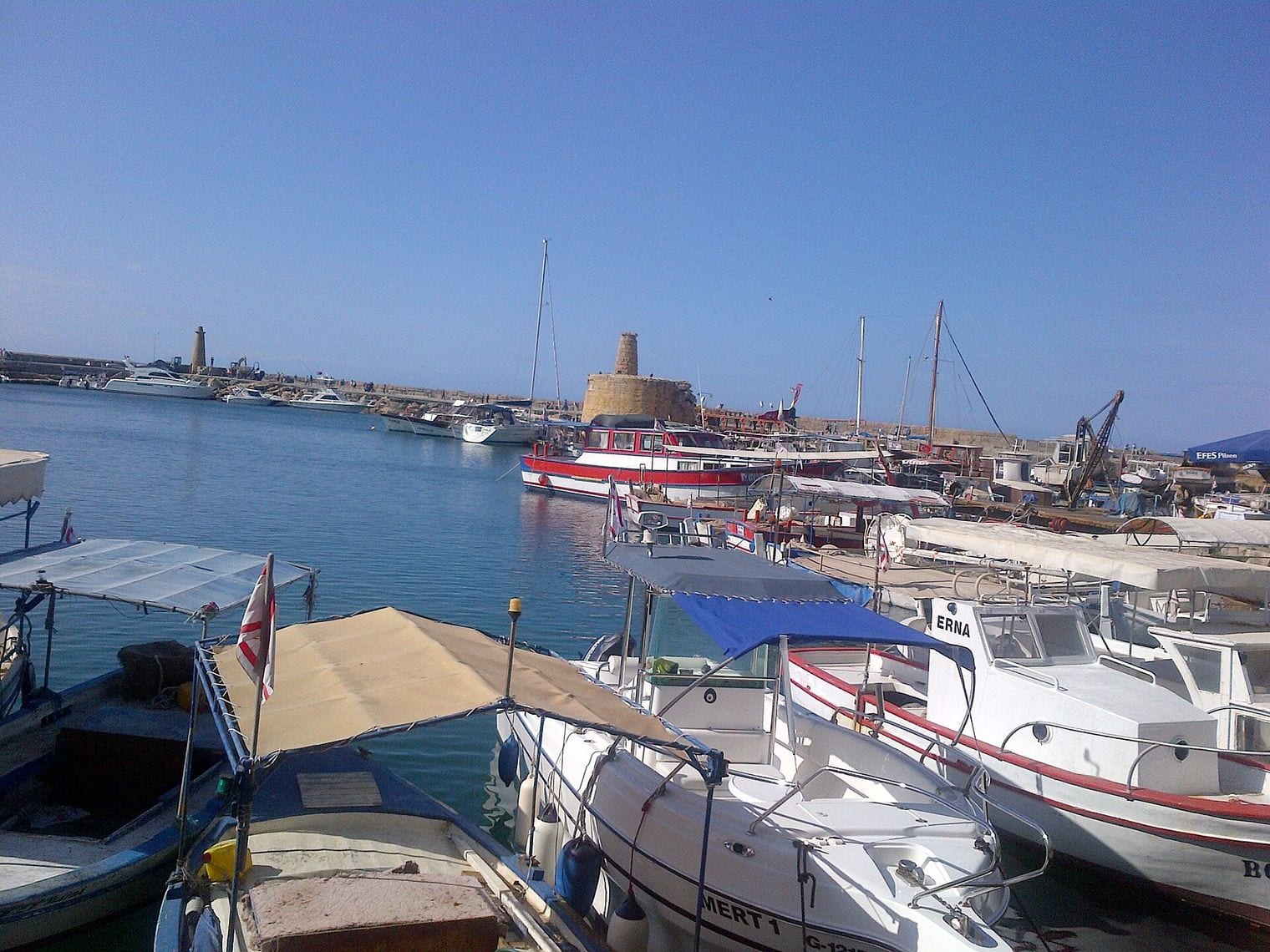
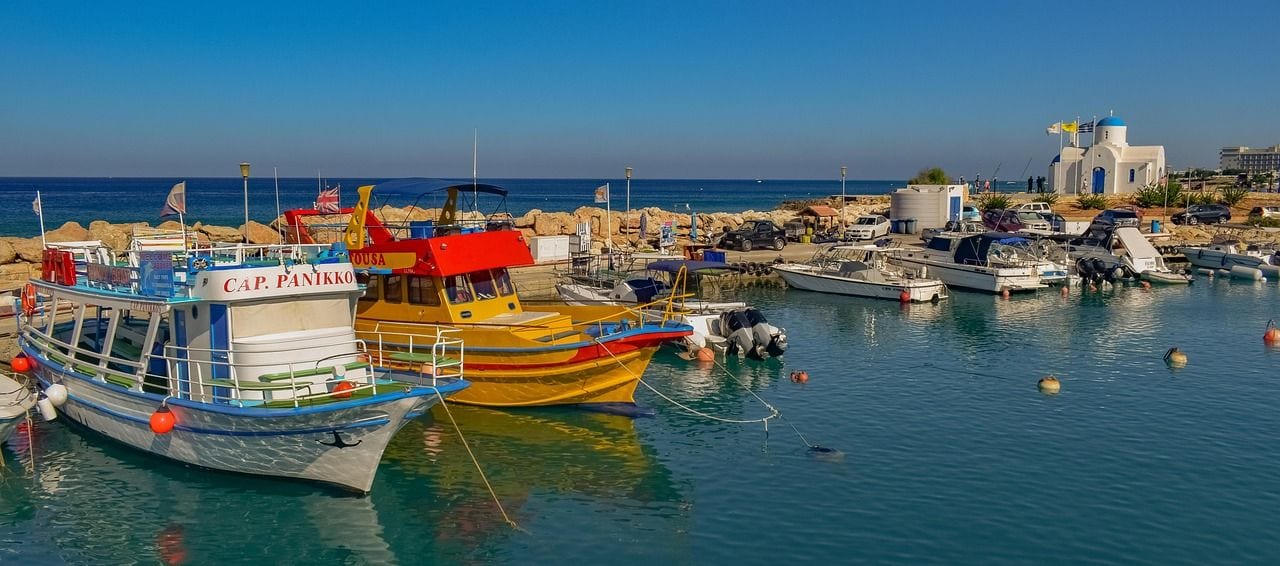
Kyrenia Harbour is the picture that sells the north coast: a tight horseshoe of water ringed by two-storey stone warehouses, built to store carob and now occupied by cafes and dive shops. Fishing boats and wooden gulets tie up along the quay, and the castle closes off the eastern end, so the whole basin reads as one enclosed room.
It is a place to walk rather than tick off. Come in the early evening when the light drops behind the breakwater and the day boats come back in, and follow the quay round to the Chain Tower at the mouth, where a chain was once raised to close the harbour to attackers. Most of the town's boat trips still leave from these moorings.
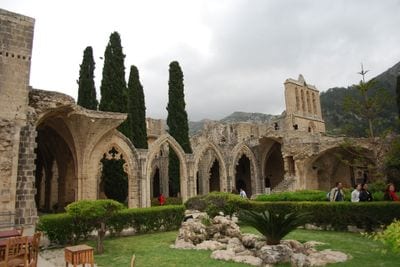
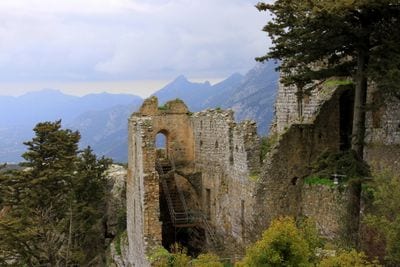
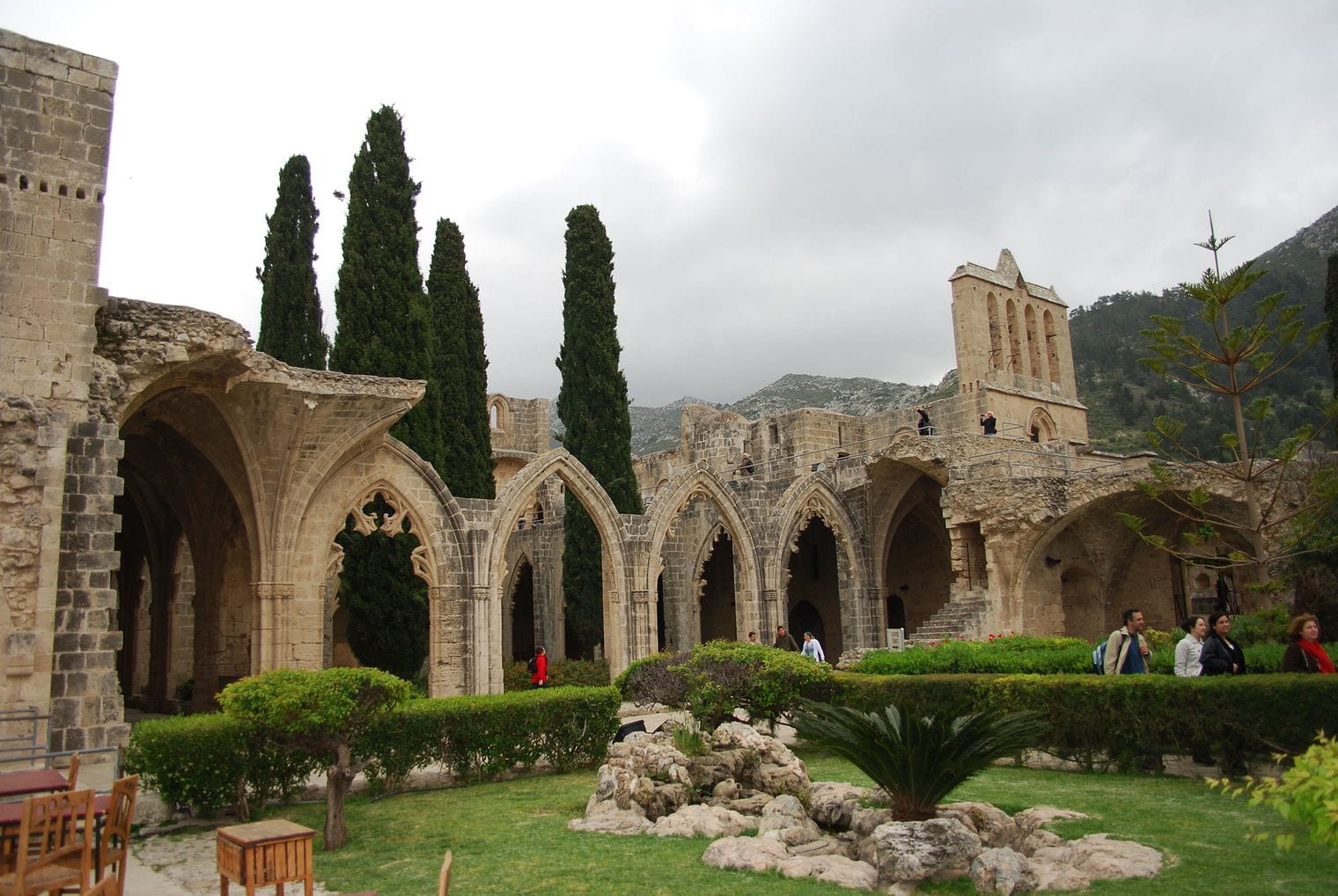
Bellapais Abbey stands on a shelf of rock above the coastal plain, a few kilometres up from the harbour. Augustinian canons who had fled Jerusalem founded it in the early thirteenth century on land granted by Aimery de Lusignan, and the cloister and refectory were built out under Hugh IV in the fourteenth. Enough survives, roofless but intact, for the scale of it to land.
The refectory is the piece people remember — a long vaulted hall with a rose window at one end and, through the openings along its flank, a straight drop to the sea. The cloister arcade around the courtyard is half ruined and better for it. The village that grew up around the abbey is where Lawrence Durrell lived between 1953 and 1955 and wrote Bitter Lemons.
44. St. Hilarion Castle
Historical Landmark~4.5 km (2.8 miles) from centre
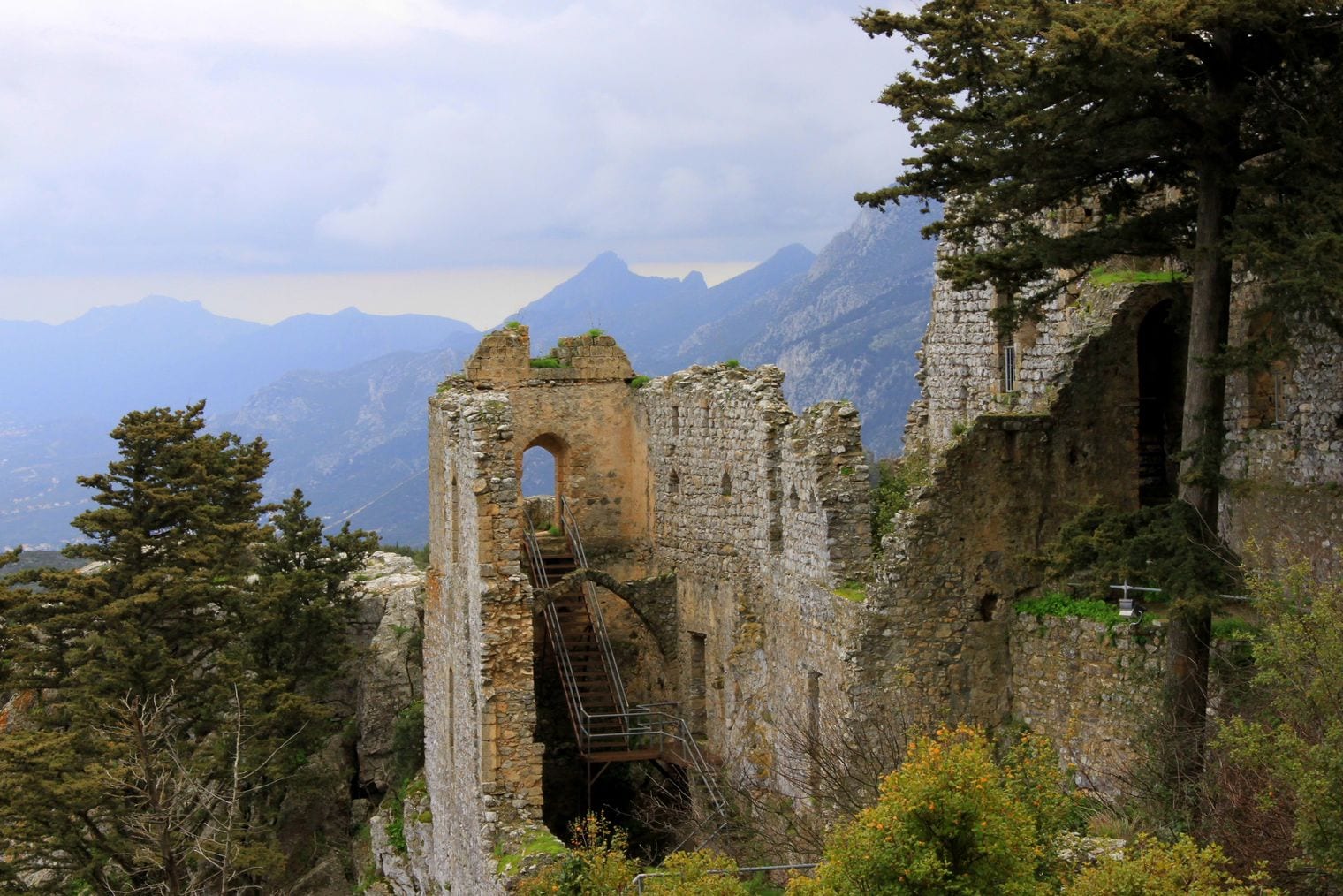
St. Hilarion Castle is scattered up a crag on the ridge behind Kyrenia, at around 700 metres. It takes its name from a hermit said to have fled the Holy Land and died in a cave on the site; a monastery came first, and by the eleventh century it was the best preserved of three Byzantine castles strung along the range to watch for Arab raids.
The Lusignans used it as a summer residence before the Venetians dismantled parts of it as too costly to hold.
The castle climbs in three wards and so do you — a steep, stepped scramble from the car park up to the royal apartments, where a window frames the coast far below. It is widely repeated that a Disney artist sketched the castle in the 1950s as a model for an animated fortress; the studio has never confirmed it. Wear real shoes and carry water.
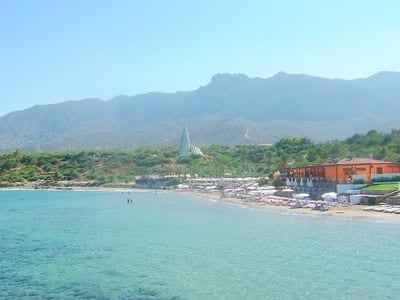
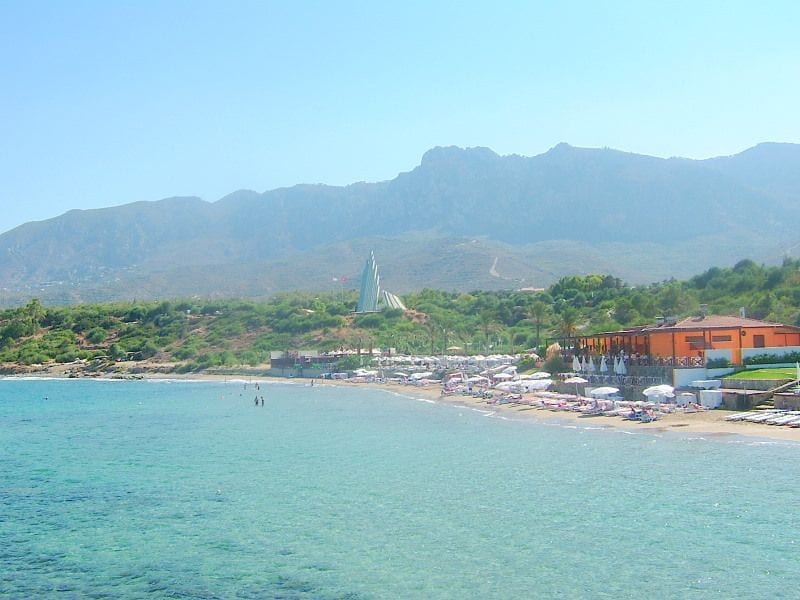
Escape Beach Club holds the best stretch of sand near the town, several kilometres west along the coast road. It is a managed beach rather than a wild one — loungers, a pool, a bar, volleyball and jet skis — and it is where much of Kyrenia fetches up on a hot afternoon, which makes it lively rather than peaceful.
The same shore carries another name, Yavuz Çıkarma, because this is where Turkish troops came ashore in 1974; the Peace and Freedom Museum sits a short way along the same beach. Swimming here is easy, with sand underfoot rather than the rock-and-ladder arrangement of the town beaches.
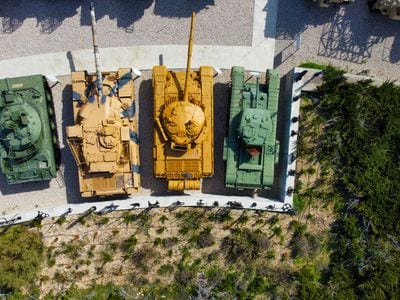
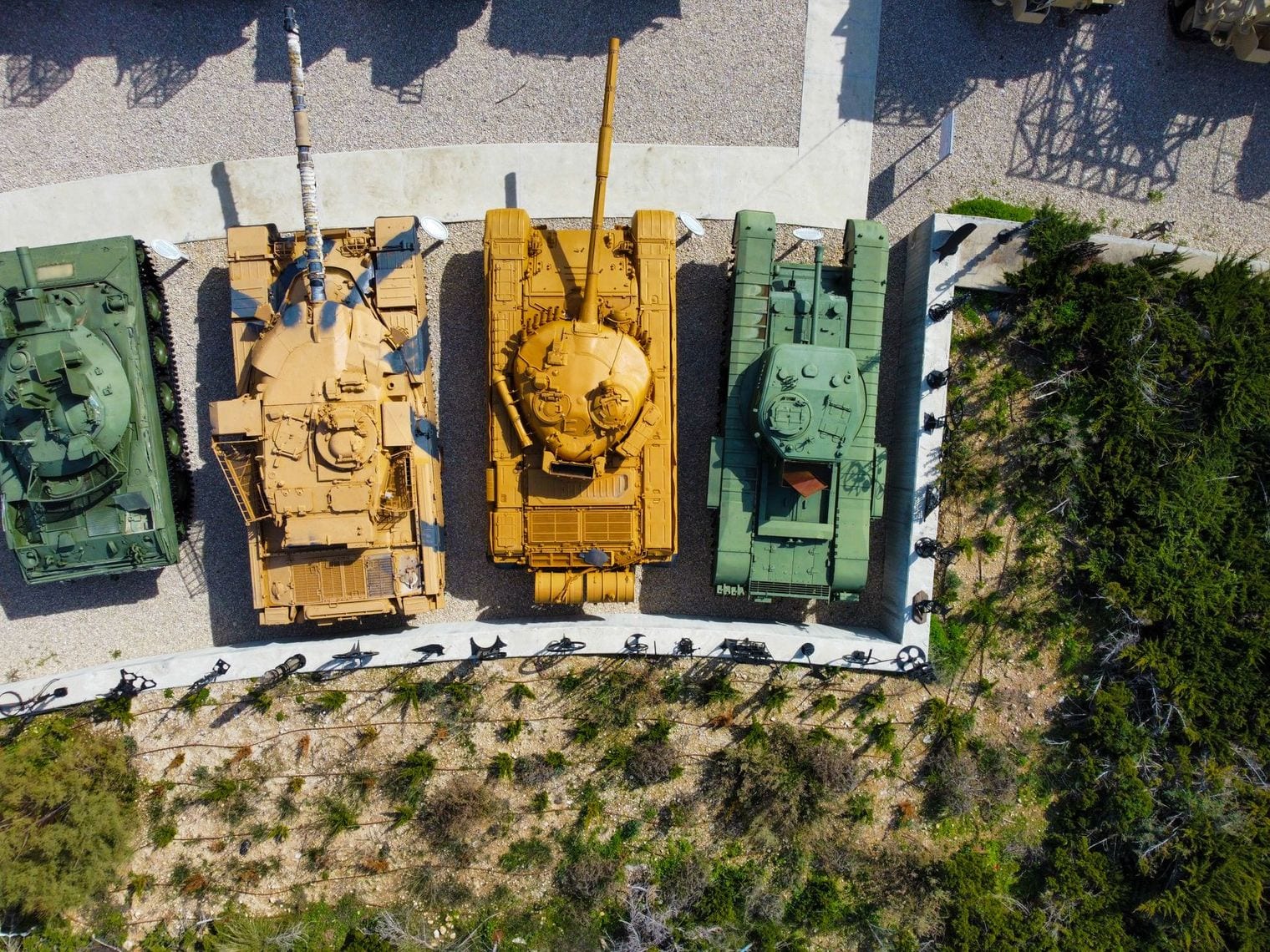
The Peace and Freedom Museum is an open-air military museum on the coast at Karaoğlanoğlu, laid out at the point where troops landed in 1974. Tanks, field guns, armoured vehicles and aircraft stand in the open around a memorial, with an indoor section of photographs, uniforms and documents.
It is a partisan museum and reads as one — the framing is the Turkish Cypriot account of those events, and a visitor who knows the Greek Cypriot account will notice the difference. Taken on those terms it is a useful stop, because the division of the island is the single fact that shapes everything you will see in the north, and this is where it is set out at length.
Kyrenia Marina is the modern counterpart to the old harbour, a deep-water basin near the castle with pontoon berths for larger yachts. Where the old horseshoe is all stone and shade, the marina is open, bright and considerably quieter, and it takes the boats the historic quay cannot.
For a visitor the draw is the walk. A promenade runs along the waterfront with the castle walls rising on one side and the range behind, and it is the easiest place in town to see the fortress whole rather than in fragments between buildings. It is a short, flat stroll from the old harbour.
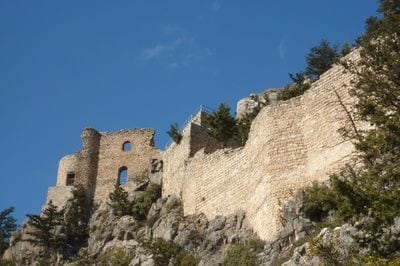
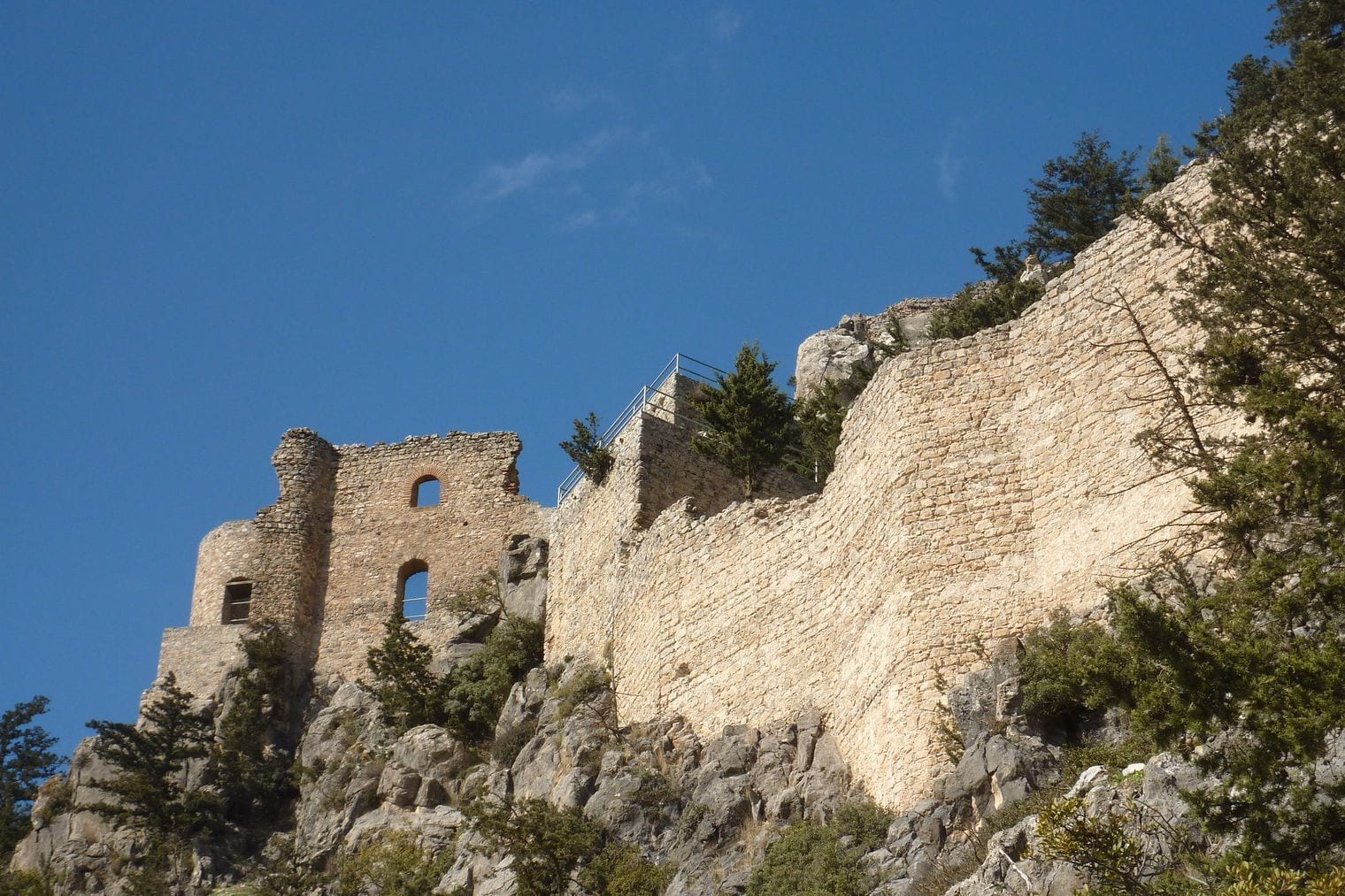
Buffavento Castle is the highest of the three mountain castles at roughly 950 metres, and the least restored. Its name is usually glossed as something close to wind-buffeted, which you will find fair. Richard the Lionheart took it in 1191, and because both St Hilarion to the west and Kantara to the east are visible from the summit it served as the middle link in a signal chain along the ridge.
There is no gentle way up. A rough track leaves the road between Kyrenia and Nicosia, then a stepped footpath climbs steeply for the better part of an hour to ruins that are genuinely ruined — walls, cisterns and vaults clinging to the rock. What you come for is the view, which on a clear day takes in both coasts of the island at once.
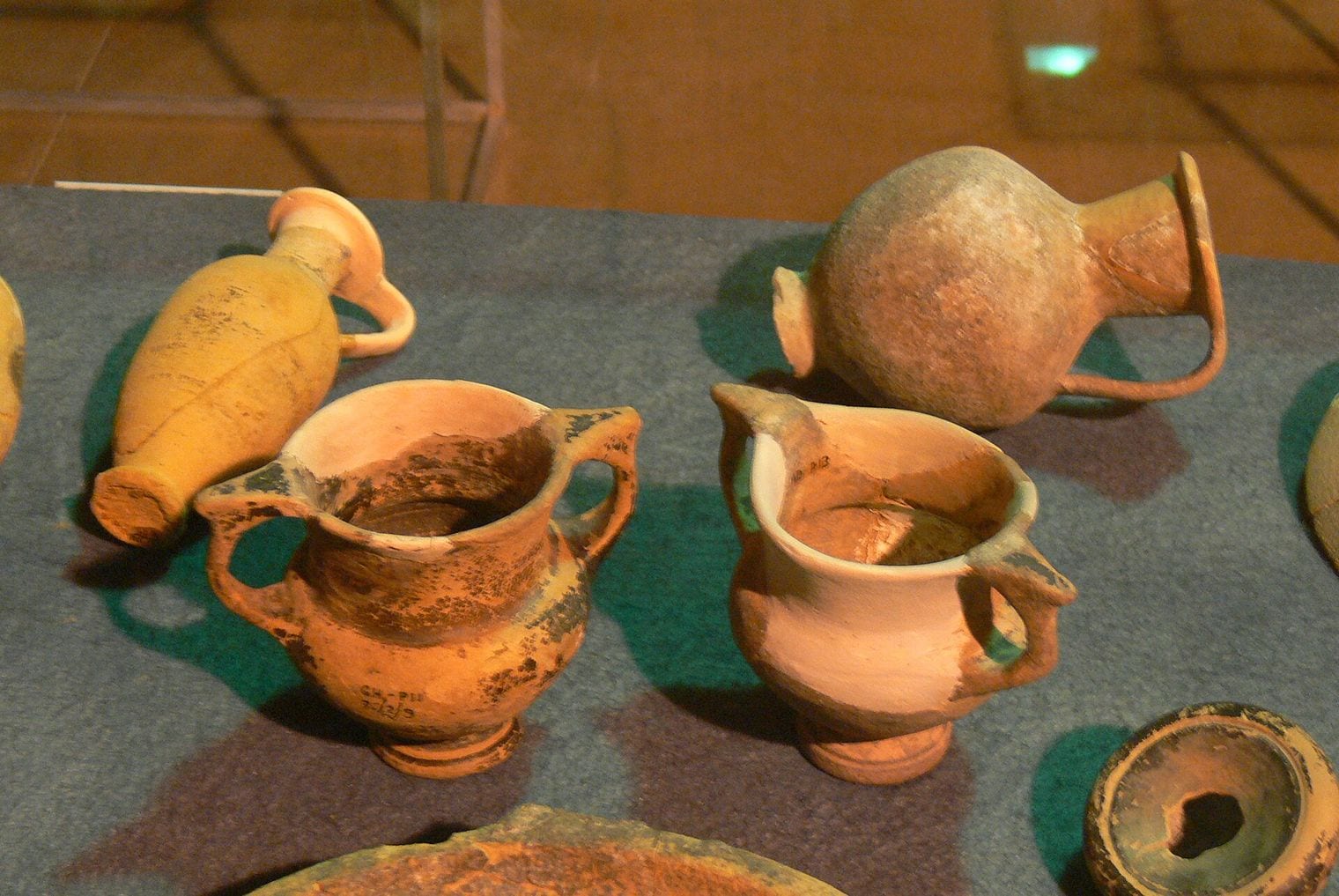
The Shipwreck Museum occupies vaulted rooms inside Kyrenia Castle and holds one object of real international importance: a Greek merchant ship that sank off this coast around 294 BC. A local diving instructor, Andreas Cariolou, found the wreck in 1965, lost the position in a storm and dived more than two hundred times before relocating it; a team excavated the site between 1967 and 1969.
What is displayed is the hull itself, dark and fragile in a controlled room, alongside the cargo that came up with it — amphorae, millstones and a quantity of almonds. Small labels do the explaining. It is one thing to read that ancient ships crossed the Mediterranean and quite another to stand beside the timbers of one.
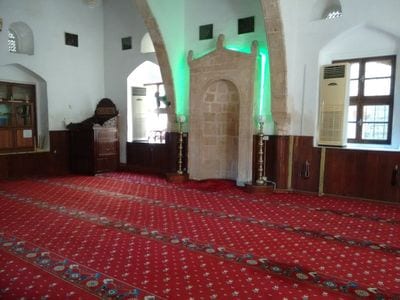
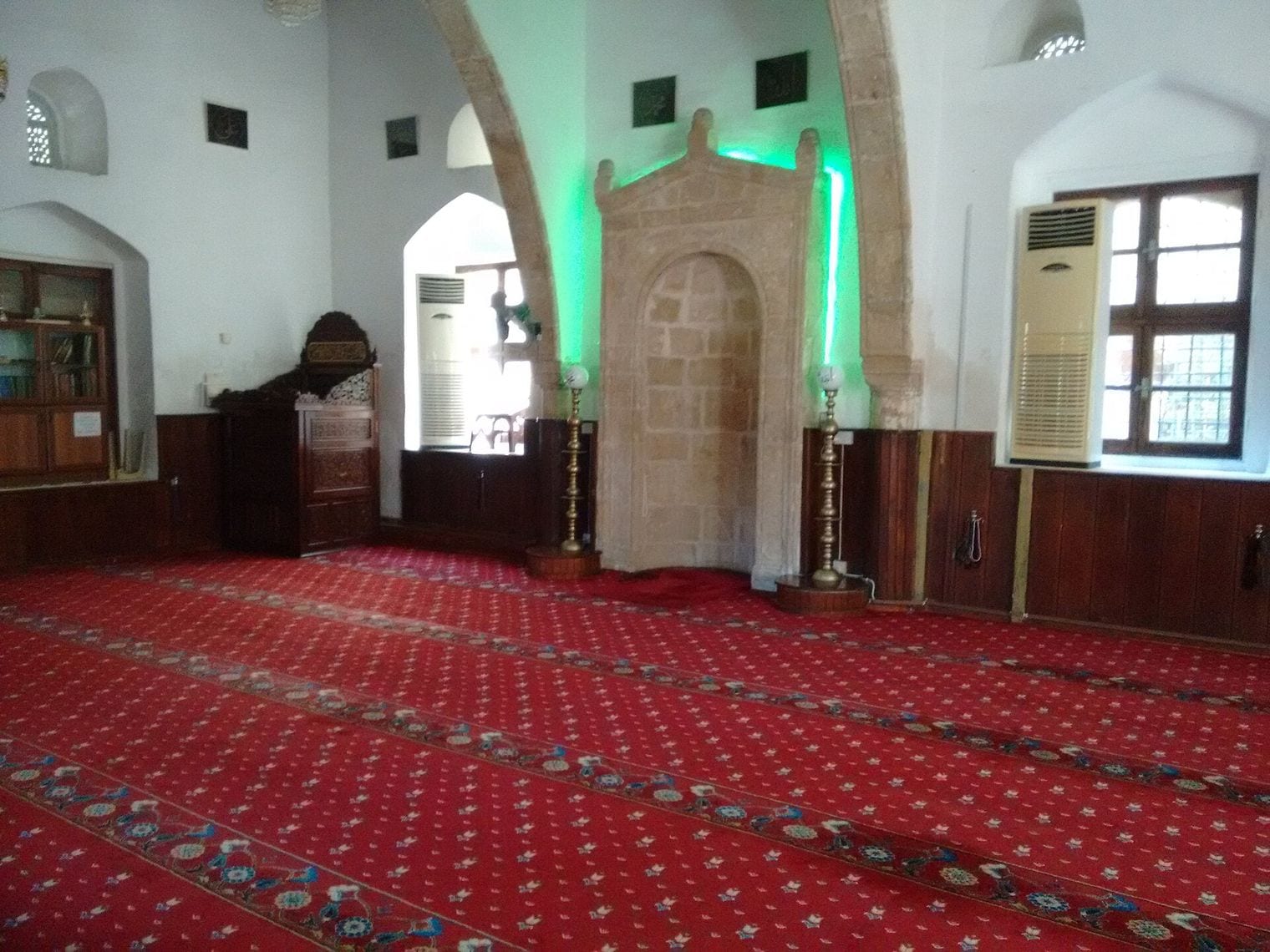
The Ağa Cafer Pasha Mosque sits a street back from the harbour, an Ottoman-era mosque with a slim minaret that appears in most photographs of the waterfront without most photographers knowing what it is. It is a modest building rather than a grand one, whitewashed and low, with a small walled courtyard and a fountain for ablutions.
It remains a working mosque, so visits go around prayer times and shoes come off at the door; shoulders and knees covered, and a scarf for women. Standing here is a useful corrective to the crusader-castle version of Kyrenia — the Ottomans held this town for roughly three centuries, longer than the Lusignans and Venetians combined.
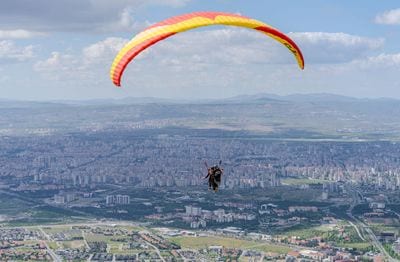
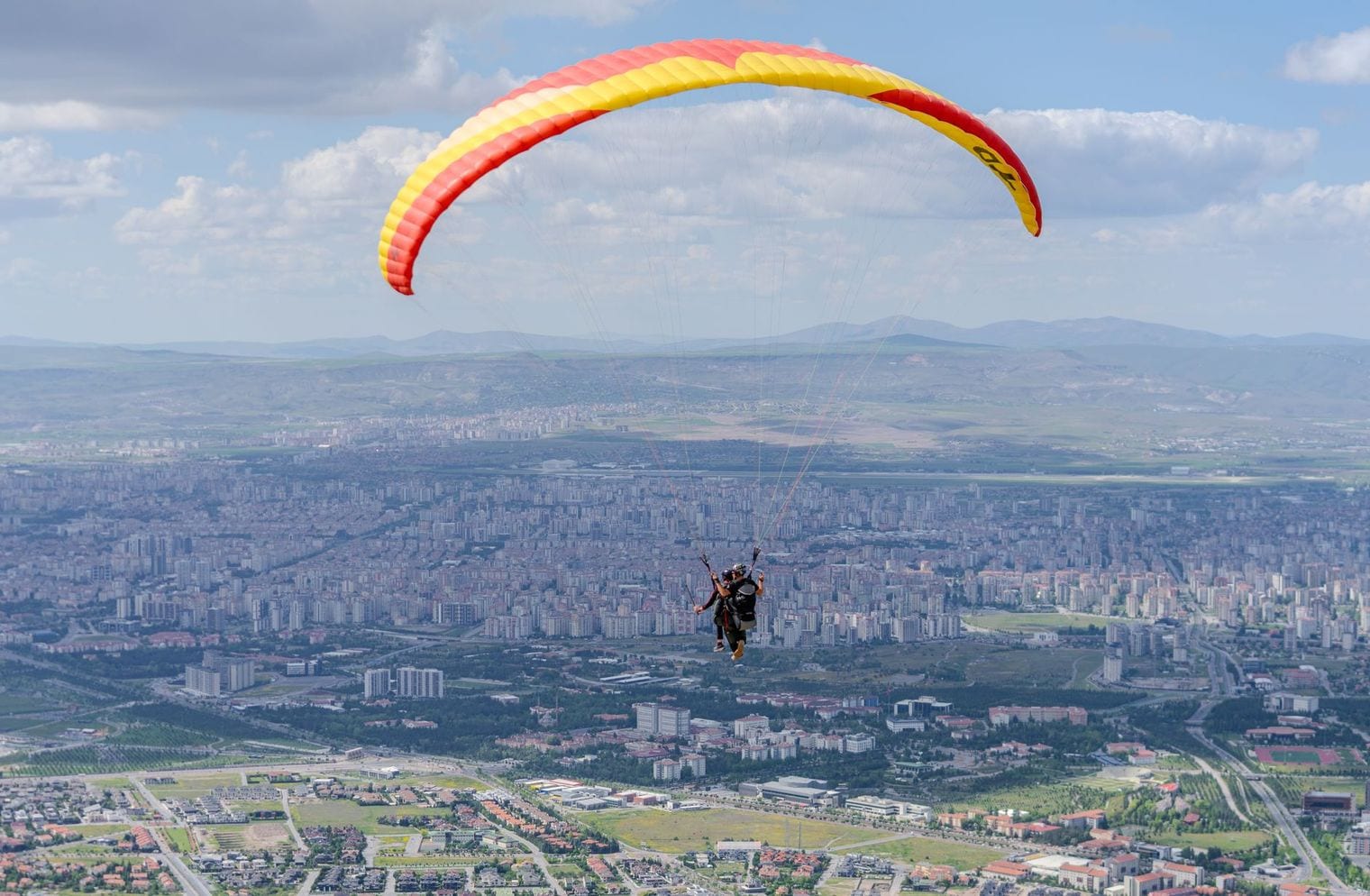
Highline Paragliding runs tandem flights from the ridge behind the town, launching from the mountains near St Hilarion and landing down on the coast. You are strapped to a pilot and do nothing but sit, which makes it accessible to people with no intention of ever learning to fly.
The appeal is specific to this geography: the range drops so sharply to the sea that a single flight takes in the castles on the ridge, the coastal plain and the harbour at once. Flights depend on wind and are usually flown in the morning or late afternoon, and booking ahead is sensible.
Lesland Lunapark is a small funfair and animal park a short drive from the centre, and it exists for one reason: children. Fairground rides, a play area and enclosures with birds, reptiles and farm animals make up the bulk of it, and it is aimed squarely at families rather than at travellers working through the castles.
Set expectations accordingly — this is a modest regional attraction, not a major zoo, and the pleasure of it is that it breaks up a trip otherwise made of medieval masonry. Late afternoon and evening are the better slots in summer, when the site is cooler and the rides are running.
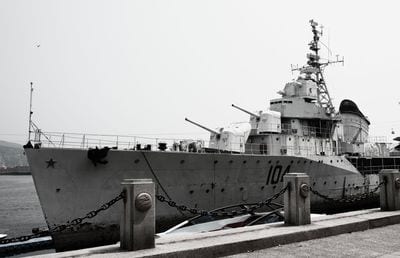
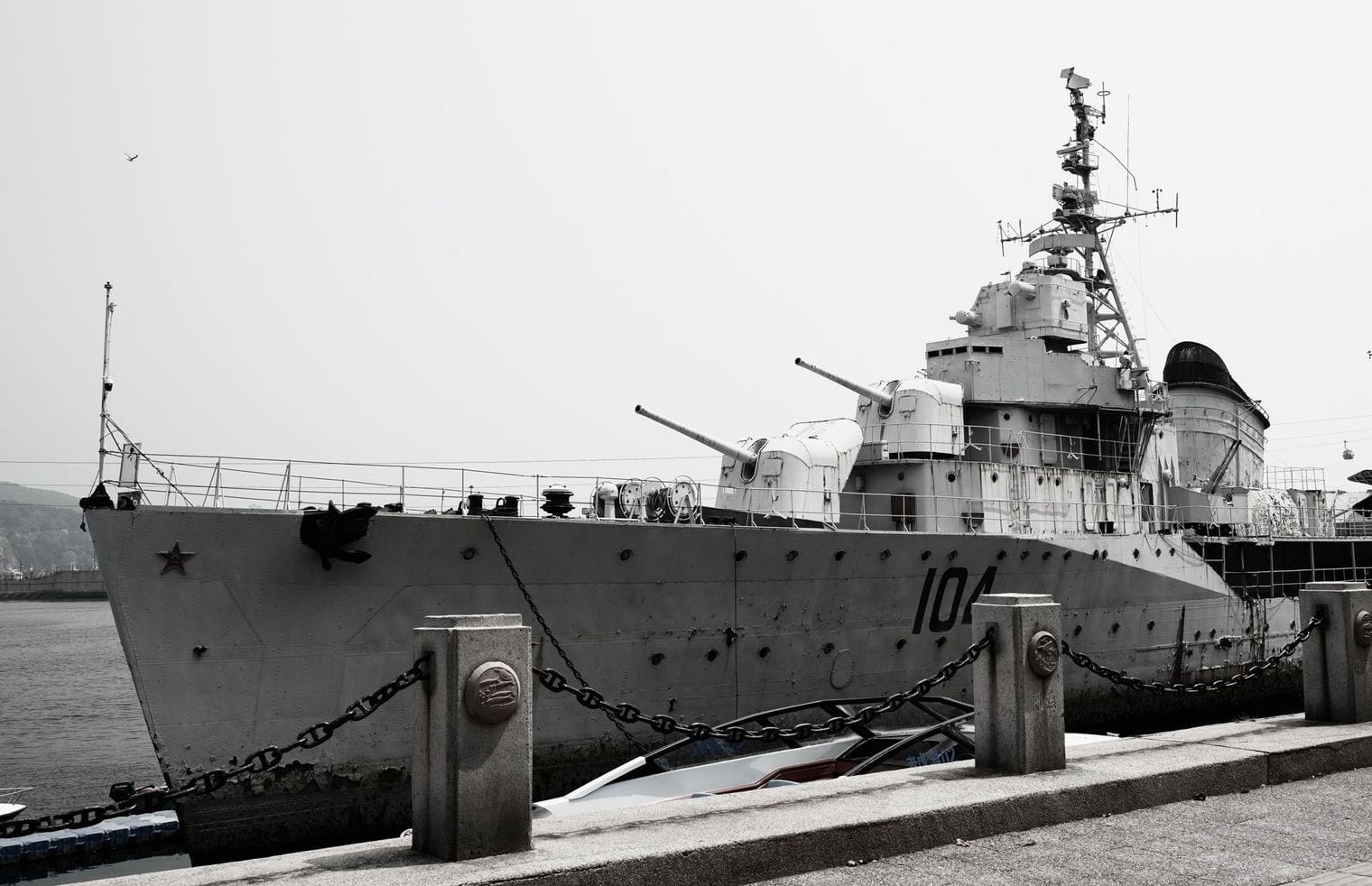
The 1974 Monument Ship stands on the coast west of Kyrenia, a full-sized naval landing ship set on dry land with a helicopter mounted beside it. There is a detail worth knowing that most accounts skip: the vessel is not one of the 1974 ships. It was built in 1978, served with the Turkish navy until 2014, and was retired here as a stand-in because it closely resembles the craft that were used.
You can go aboard and through the vehicle deck and superstructure, which is the interesting part — the inside of a landing ship is not something most people ever see. Together with the Peace and Freedom Museum a little further along the same shore, it forms the coastal pair of 1974 memorials.
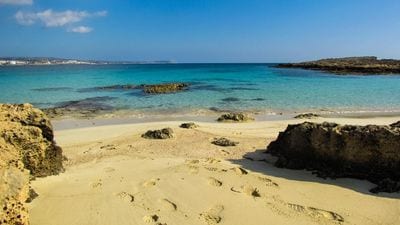
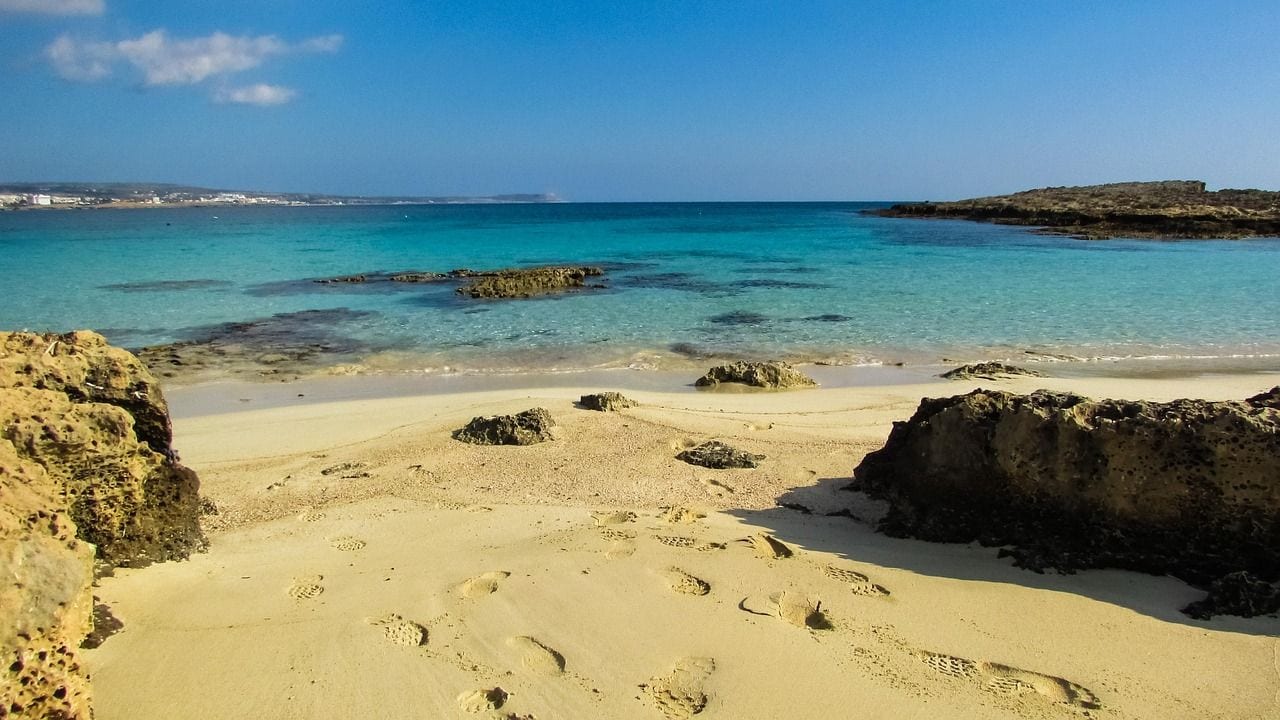
Gizli Koy means hidden cove, and the name is doing accurate work. It is a small rocky inlet a few kilometres from the centre, reached down a track rather than signposted off the main road, with a scrap of beach and clear, deep water against the rocks.
This is a swimming and snorkelling stop rather than a sunbathing one — there is little sand, and shade is whatever you bring with you. In exchange you get somewhere far quieter than the managed beach clubs west of town. Footwear that survives rock helps, and so does going early.
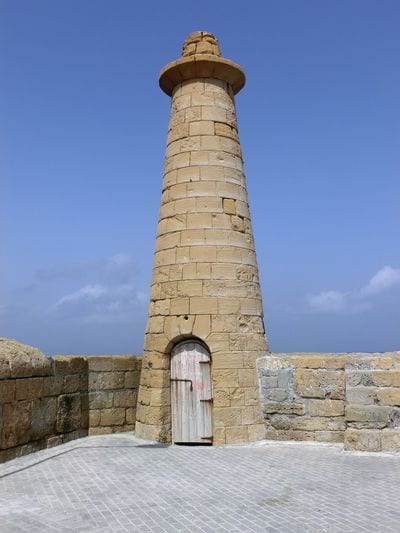
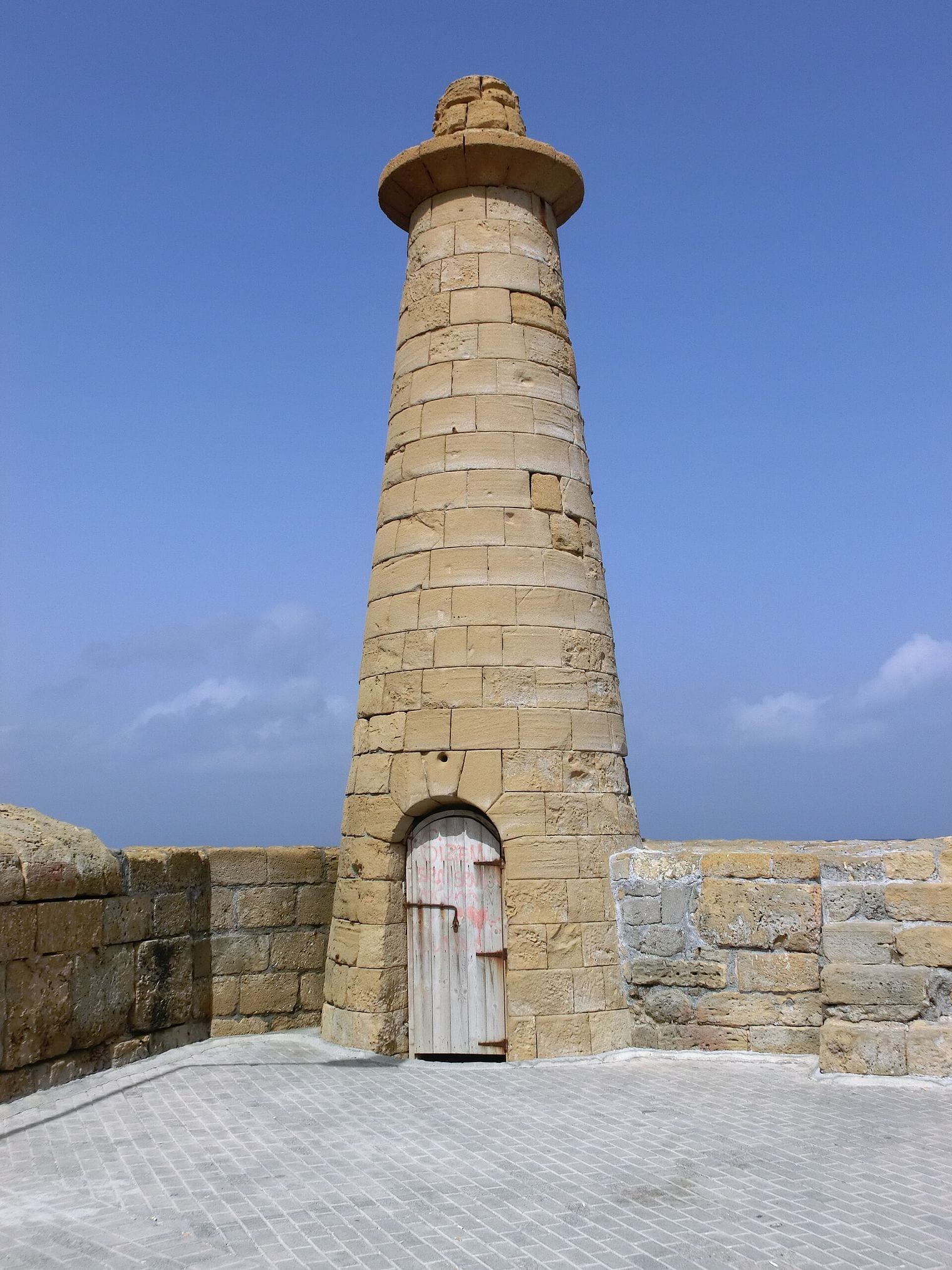
The Kyrenia Historic Lighthouse is a short stone tower at the harbour mouth, out on the arm of the breakwater opposite the castle. It is small enough to walk past, and most people do, which is part of why the short walk out to it is one of the better ten minutes in town.
From the end of the breakwater you get the view back that no waterfront table can offer — the full horseshoe of the harbour, the warehouse frontage and the castle behind, with open sea at your back. Early morning and the hour before sunset are when it is worth the walk.
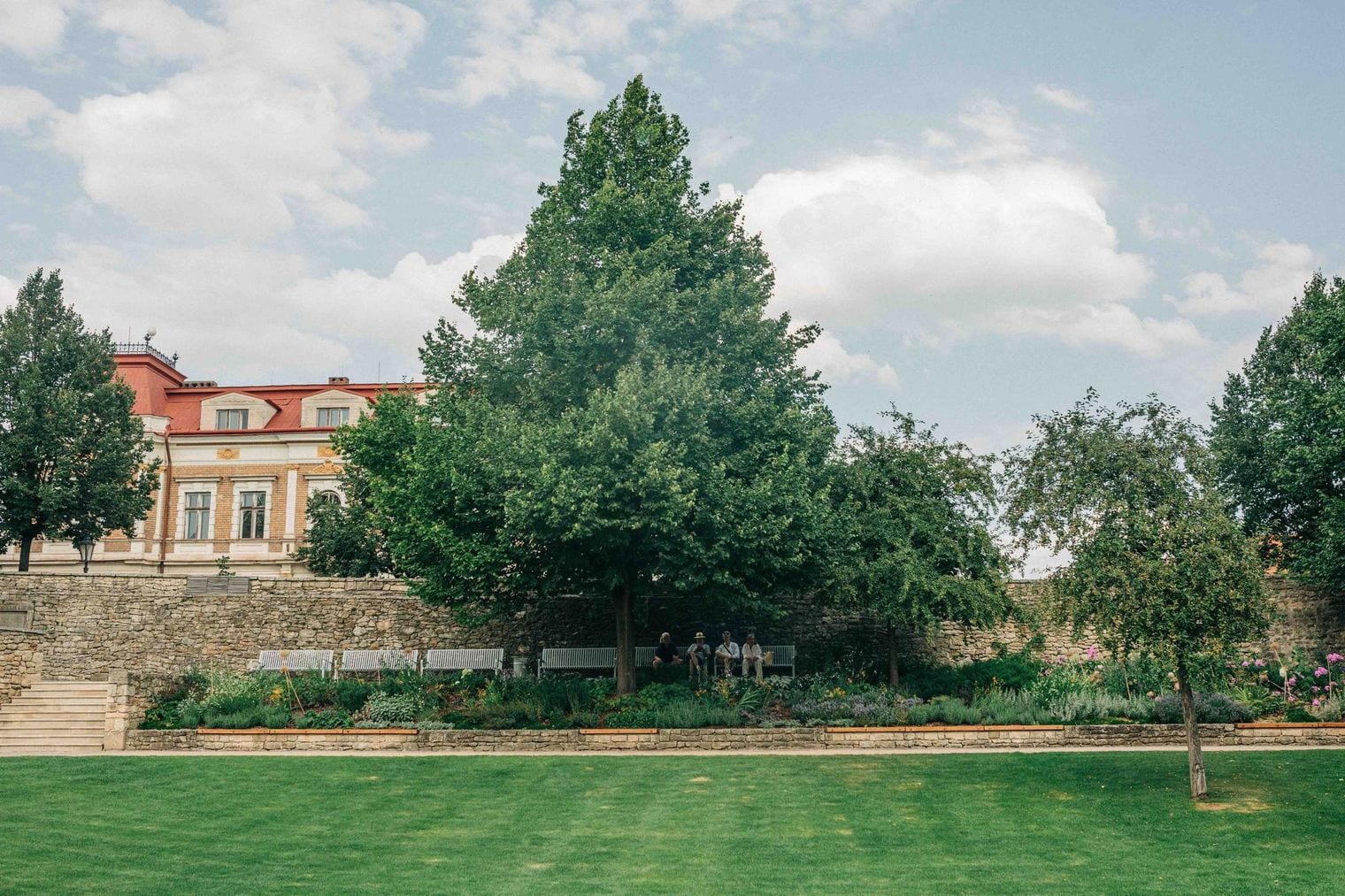
Peace Park is the town's main green space, a strip of lawn, palms and paved paths a few minutes from the harbour. It carries a memorial and a stretch of open ground, and it functions as Kyrenia's municipal park rather than as a sight in its own right.
That is exactly its use to a visitor: somewhere flat and shaded to sit between the old town and the seafront, particularly in the middle of a hot afternoon when the castle ramparts are unforgiving. In the evenings it fills with families, and it is one of the few places in the centre where the town is simply being itself.
Freedom National Park lies west of Kyrenia along the coast road, a larger area of pine and open ground with picnic tables, walking paths and shade — the sort of place local families come at weekends with a barbecue rather than a guidebook.
Come for a break from stone and sun. The pines make it noticeably cooler than the coast below, the paths are easy walking, and there are views back over the sea through the trees. It pairs naturally with the beaches and the 1974 memorials along the same stretch of road.
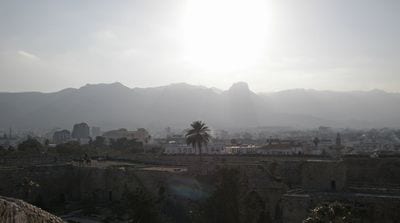
The Kyrenia Mountains are the limestone wall that runs behind the town for the length of the north coast, known in Turkish as Beşparmak and in Greek as Pentadaktylos — both meaning five fingers, after a peak said to bear the handprint of the Byzantine folk hero Digenis. The range rises so abruptly from the coastal plain that the town has almost no gradual hinterland at all.
The range is a destination in its own right, not just a backdrop. A road climbs the pass towards Nicosia with pull-offs looking back over the coast, walking routes run along the ridge, and the three castles — St Hilarion, Buffavento and Kantara — are strung along it. Even an hour's drive up and back changes your sense of the place.
The St. Hilarion Viewpoint is the pull-off on the mountain road below the castle, at the point where the climb from the coast tops out and the whole plain opens up behind you. It costs nothing and takes as long as you want to give it.
From here Kyrenia is laid out below with the harbour picked out against the sea, the castle ruins climb the crag above, and on a clear day the Turkish coast shows on the horizon. It is the obvious stop on the way up to or down from the castle, and worth doing even if you decide against the climb itself.
2020. Chamada Beach Club
Sports Activity Location~7.5 km (4.7 miles) from centre
Chamada Beach Club is one of the managed beaches on the coast strip outside town, with loungers and umbrellas on the sand, a pool, a bar and a swimming area marked off in the sea. It works as a day out rather than a quick dip — you settle in.
Choose it over the busier clubs if you want the same easy access to the water with fewer people around it. Facilities are the point: shade, somewhere to change, somewhere to eat, and calm shallow water that suits families and weaker swimmers better than the rocky entries closer to the harbour.
Vela Yachting runs boat trips out of the old harbour, from shared half- and full-day cruises to private charters. Boats follow the coast with stops to swim off the side, and lunch is usually cooked aboard — the standard shape of a Kyrenia day at sea.
The reason to do it is the view back. The mountains stand up behind the town from the water in a way you cannot see from land, and the castle reads as a fortress guarding a harbour rather than a building at the end of a street. Boats leave from the quay, so it is a walk-on rather than a drive-out.
The Karaoğlanoğlu Museum sits in the coastal village of the same name west of Kyrenia, alongside a military cemetery. It is a small museum built around the events of 1974 and the men buried next to it, with photographs, personal effects and documents.
It is quieter and more intimate than the larger Peace and Freedom Museum a short distance away, and the cemetery beside it does more of the work than the displays do. Like the other 1974 sites in the north it presents one side of a contested history; go knowing that, and it is a worthwhile half hour.
Panagia Chrysopolitissa Church is one of the old Orthodox churches in the streets behind the harbour, a reminder that Kyrenia's old town was a Greek Cypriot town before 1974. It is a modest stone building on a narrow lane, easily missed among the shops and houses.
The old town's churches are no longer in regular use as churches and access varies, so treat finding it open as luck rather than a plan. Even from outside it is worth the detour — the mosque by the harbour, the Latin abbey up the hill and the Orthodox churches down here are the three layers of this town in one short walk.
The Arkin Rodin Collection Gallery is the most unexpected thing in Kyrenia: around thirty authenticated sculptures by Auguste Rodin, displayed in the clock tower building in the middle of town. The collection was assembled by the Cypriot businessman Erbil Arkın, whose first Rodin purchase came at auction in 2004, and it opened to the public in 2021.
Casts of works including The Kiss and Eternal Spring are shown in a small, well-lit space you can walk in half an hour. Admission has been free since it opened, though opening hours are limited and worth checking before you make the trip. Coming across Rodin bronzes in a town of thirty thousand people is genuinely disarming.
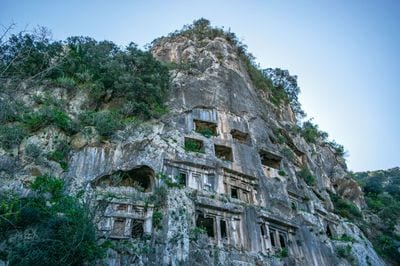
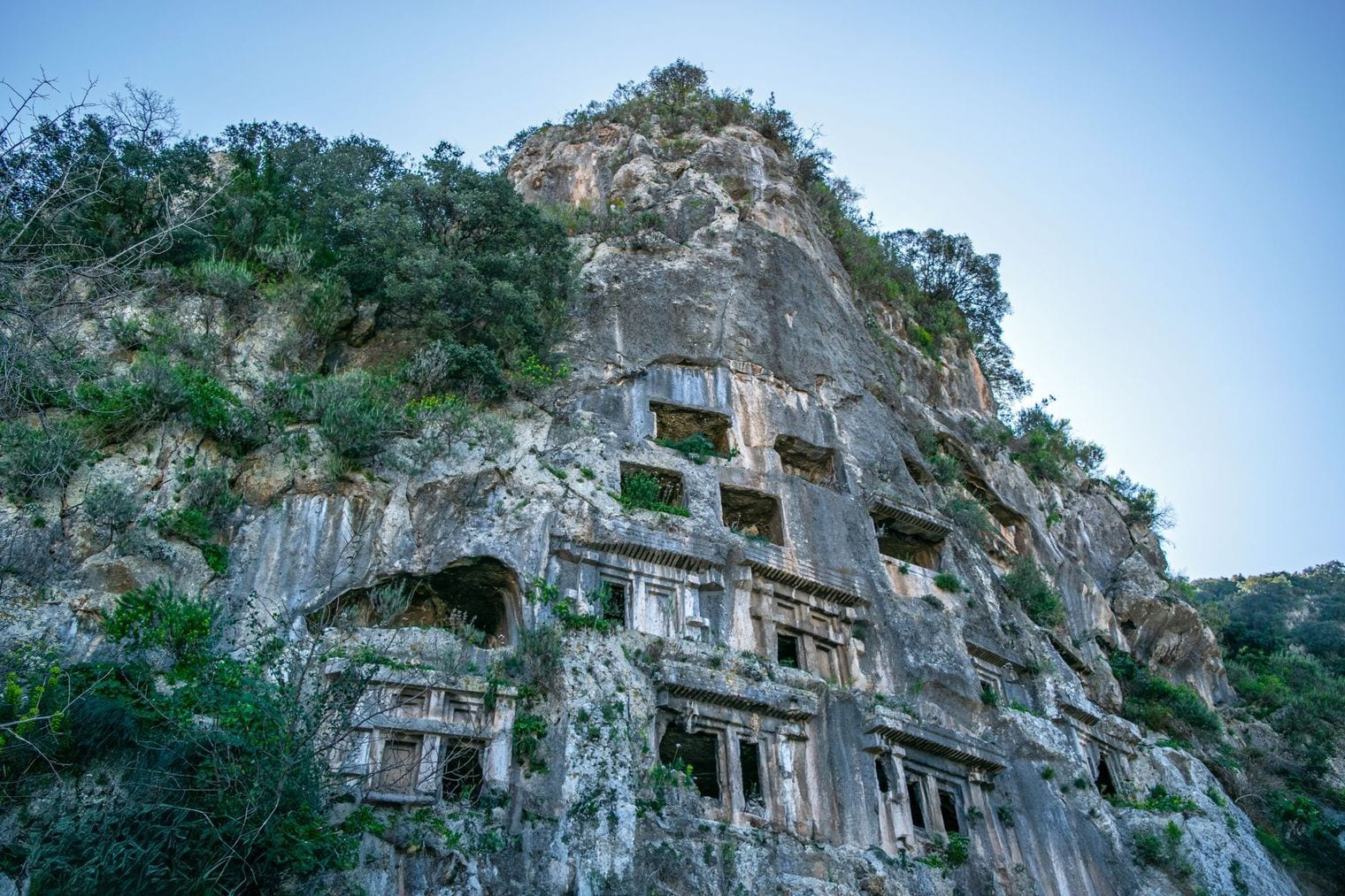
Above the restored hill village of Karmi lie two Bronze Age cemeteries, Palealona and Lapatsa, cut into the rock of the foothills. The archaeologist James Stewart excavated them in 1961 and uncovered forty-two rock-cut tombs; he died the following year, and the results went unpublished for decades.
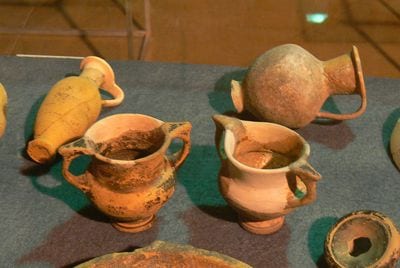
The tombs are the dromos type — a sloping passage cut down to a sealed oval chamber — and one at Palealona carries a human figure over a metre high carved in relief beside the entrance, which is unusual for Cyprus. Another produced a Minoan cup from Crete, hard evidence of trade across the eastern Mediterranean four thousand years ago. The Karmi Bronze Age Cemetery is open ground with little signage; the village itself is worth the drive regardless.
Plan your trip
Best Time to Visit Kyrenia
Late spring and early autumn are the sweet spots. April, May, September and October give you warm days without the flattening heat of midsummer, which matters enormously here because the best things in Kyrenia — the castle ramparts, the climb up to St Hilarion, the footpath to Buffavento — are all done in the open with almost no shade. The sea stays warm well into October, so you get swimming weather and walking weather at the same time.
High summer is hot and reliably dry, and the coast strip is built around it: this is when the beach clubs are at full tilt and the town stays busy late into the evening. Winter is mild and green rather than cold, with the year's rain falling between roughly November and March and the mountains behind the town turning briefly lush. Some smaller sites keep shorter hours out of season.
Getting to Kyrenia
There are two routes onto this coast and they are genuinely different journeys. Ercan is the airport in the north, roughly a 45-minute drive from Kyrenia over the mountain pass — but because of the island's political status, every flight into Ercan begins or ends in Türkiye, so travellers from elsewhere connect through a Turkish airport rather than flying direct. There are also ferries into Kyrenia's port from the southern Turkish coast.
The alternative is to fly into Larnaca or Paphos in the Republic of Cyprus and cross the Green Line by road. From Larnaca it is well under two hours to Kyrenia, most of it on good dual carriageway to Nicosia and then over the pass. The main vehicle crossing is at Agios Dometios, on the western edge of Nicosia; bring your passport, and see the note on hire cars below.
Getting Around Kyrenia
The centre is small and flat, and you will not need a car for it. The old harbour, the castle, the old-town lanes behind it, the mosque and the clock tower are all within a fifteen-minute walk of one another, and the seafront promenade links the harbour to the marina. Shared minibuses run along the coast road to the villages and beaches either side of town, and taxis are easy to find near the harbour.
For everything above the coast, a car earns its keep. The mountain castles, Bellapais, the hill villages and the beaches west of town are all short drives but awkward without your own transport.
If you are hiring in the south and driving north, note that Republic of Cyprus insurance is not valid in the north: you buy separate third-party cover at the crossing, and many southern hire companies do not permit the trip at all, so confirm before you book. The north uses the Turkish lira.
Where to Stay in Kyrenia
Staying in the old town or immediately behind the harbour puts you within walking distance of almost everything in this guide's first half, and lets you do the harbour at night without driving. It is the most atmospheric base and the most convenient, at the cost of some evening noise in the streets nearest the water.
West along the coast road — through Karaoğlanoğlu, Alsancak and out towards Lapta — is the beach-resort strip, better if swimming and sun are the priority and you are happy to drive in for the sights.
For quiet, look uphill instead: the villages on the escarpment around Bellapais and Ozanköy sit in the cool air above the coastal plain with views straight down to the sea, and are a ten-minute drive from the harbour. Çatalköy, east of town, is the calmer equivalent on that side.
Where to Eat in Kyrenia
The harbour front is the obvious place to eat and, unusually, it is not a tourist trap you should avoid — the setting genuinely is the point, and fish is the thing to order. For everyday eating at everyday prices, walk one or two streets inland into the old town around Ziya Rızkı Street, where the places are smaller and busier with locals.
Order Cypriot rather than generic Mediterranean. Şeftali kebabı, a grilled Cypriot sausage found on both sides of the island, is the local speciality worth seeking out; hellim, the squeaky grilled cheese exported everywhere as halloumi, comes from here and tastes better at source.
Look also for molehiya, slow-cooked lamb or chicken with a dark leaf stew, and kleftiko. A full meze arrives as a long procession of small plates and is the best way to eat if there are a few of you.
Day Trips from Kyrenia
Nicosia is the obvious one, about half an hour south over the mountain pass — the last divided capital in Europe, where you can cross between the two sides on foot in the middle of the old town and see an Ottoman caravanserai, a Gothic cathedral turned mosque and two very different city centres in an afternoon.
Famagusta lies roughly an hour and a quarter east and pairs a walled Venetian city with the ruins of ancient Salamis on the shore just outside it.
Closer to hand, the coast east of town leads to Alagadi, a protected nesting beach where loggerhead and green turtles come ashore in the summer months. With a full day and an early start, the Karpaz peninsula running out to the island's north-eastern tip rewards the drive with empty beaches and free-roaming wild donkeys.
Before you go
Mobile dataAn eSIM gives your phone local data when you land, with no SIM card to swap.via AiraloGet an eSIM
We may earn a commission when you buy through these links, at no extra cost to you. How we make money.
One Day in Kyrenia
Morning
Start at Kyrenia Castle before the heat builds, walking the ramparts first while they are still in shade, then dropping into the Shipwreck Museum in the vaults below — it is the single most remarkable thing in town and it takes about half an hour. Come out onto Kyrenia Harbour and follow the quay round for coffee.
Drive up into the hills. Bellapais Abbey is the gentler option, five minutes above the coast with its roofless refectory looking out to sea; St. Hilarion Castle is the more demanding and more spectacular, a steep climb through three wards to the royal apartments. Do one properly rather than both badly, and stop at the St. Hilarion Viewpoint on the way for the view back over the plain.
Come back down to the water. Walk out along the breakwater to the Kyrenia Historic Lighthouse for the view back across the whole horseshoe as the light goes, then eat on the harbour front with the castle lit behind you.
Its horseshoe harbour, ringed by Ottoman stone warehouses and closed off by a Byzantine and Venetian castle that holds a Greek merchant ship wrecked around 294 BC. Behind the town, the mountain ridge carries Bellapais Abbey and the crag-top ruins of St Hilarion Castle, with sand beaches along the coast road west.
How many days do you need in Kyrenia?
Two to three. One full day covers the castle, the shipwreck, the harbour and the old town on foot. A second lets you drive up to Bellapais Abbey and St Hilarion Castle without rushing either. A third adds the beaches west of town, the mountain roads, or a day trip to Nicosia or Famagusta.
Can you visit Kyrenia from the south of Cyprus?
Yes. Kyrenia sits in the north, and you cross the Green Line by road at Agios Dometios on the edge of Nicosia, passport in hand. The important catch is vehicle insurance: cover bought in the Republic of Cyprus is not valid in the north, so you buy separate third-party insurance at the crossing, and many southern hire companies forbid the journey entirely.
What can you do in Kyrenia for free?
Walk the harbour and out along the breakwater to the lighthouse, sit in Peace Park, picnic among the pines at Freedom National Park, drive the mountain roads and stop at the St Hilarion Viewpoint, swim at Gizli Koy, and see around thirty Rodin sculptures at the Arkin Rodin Collection Gallery, which has been free to enter since it opened.
When is the best time to visit Kyrenia?
April to May and September to October. The castles and the mountain climbs are all done in full sun with little shade, so the shoulder seasons are far more comfortable than midsummer, and the sea stays warm enough to swim well into October. Winter is mild and green, with the year's rain falling roughly November to March.