We may earn a commission if you book or buy through a link on
this page, at no extra cost to you. It never affects which places we list or how
we rank them (how we make money).
Short answer
Nicosia's essentials are the Cyprus Museum, holding the island's national archaeological collection, the Ledra Street crossing where the UN buffer zone cuts the old town in two, and Zaha Hadid's white deck at Eleftheria Square thrown across the 16th-century Venetian walls. Two days is the sweet spot: one for the walled city, its museums and a stretch of the ramparts, a second for the rest.
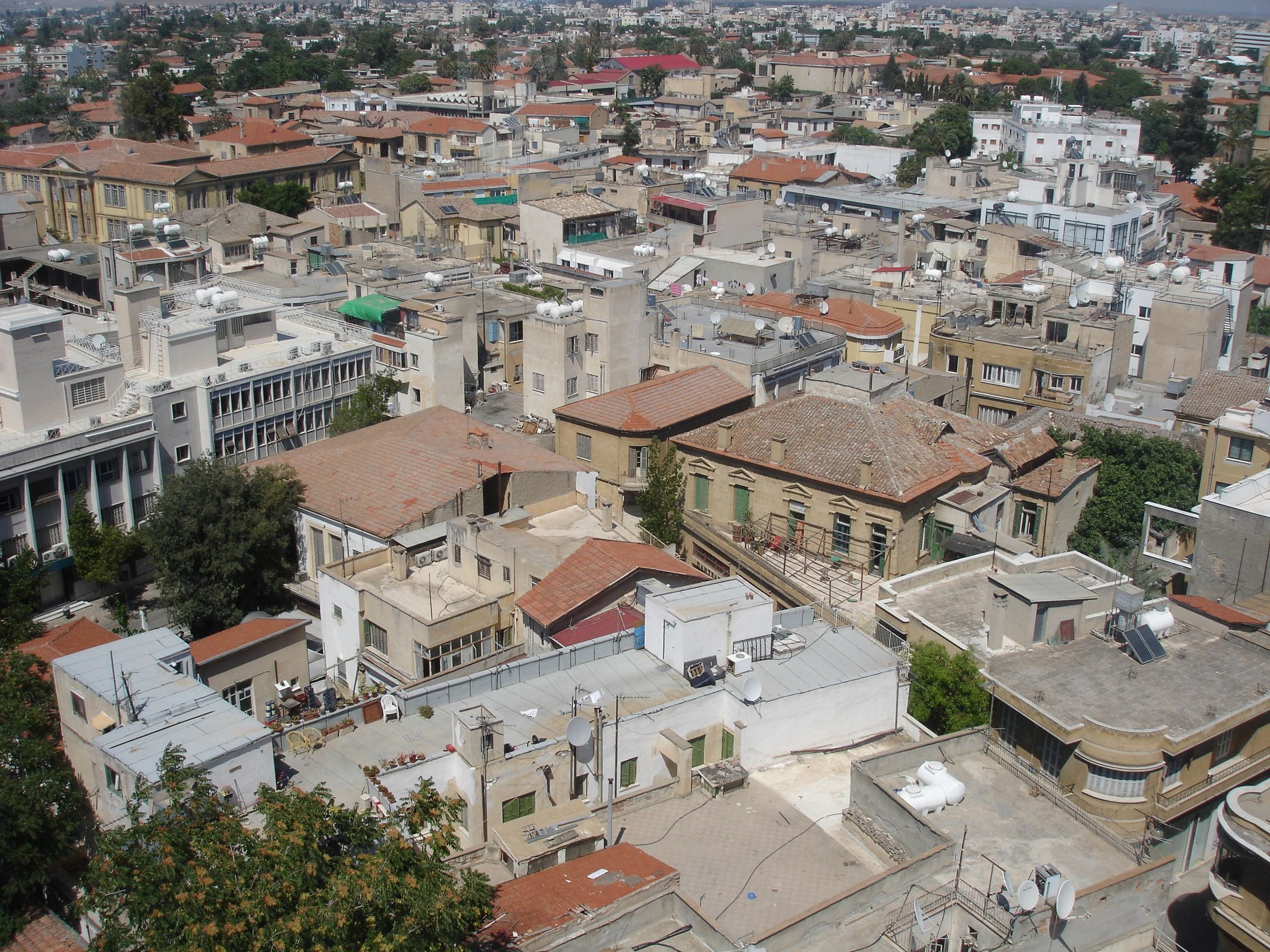
Nicosia is the last divided capital in Europe — a walled Venetian city with a UN buffer zone running straight through the middle. The southern half holds the island's national museum, its grandest Ottoman mansion, a Zaha Hadid square thrown across a sixteenth-century moat, and a shopping street that stops dead at a checkpoint.
This guide covers Nicosia south of the Green Line, where everything below sits within a walk of the walls. Two unhurried days will cover it, and the crossing on Ledra Street is worth seeing even if you go no further.
Nicosia is Europe's last divided capital — and the only city in the world that serves as the capital of two separate administrations at once, the Republic of Cyprus in the south and Northern Cyprus in the north.
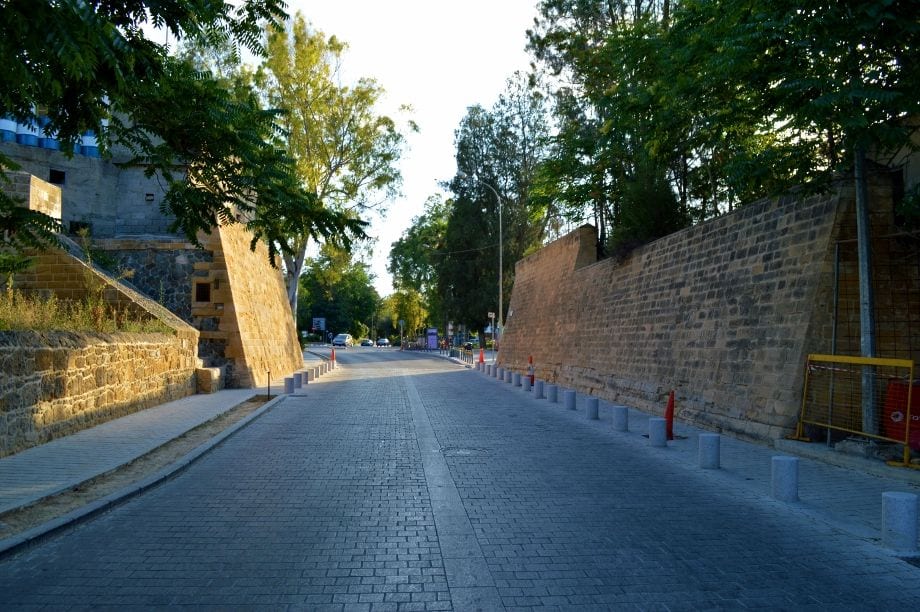
The Venetian walls were built in just three years, between 1567 and 1570, and still ring the old town in a near-perfect circle about five kilometres round, with eleven bastions and a dry moat some 80 metres wide.
The UN buffer zone runs around 180 kilometres across the island, but it is at its narrowest here — in places just a few metres separate the two sides in the middle of the old city.
Nicosia International Airport has stood abandoned since 1974, sealed inside the buffer zone west of the city with a derelict terminal and a decaying airliner still on the apron.
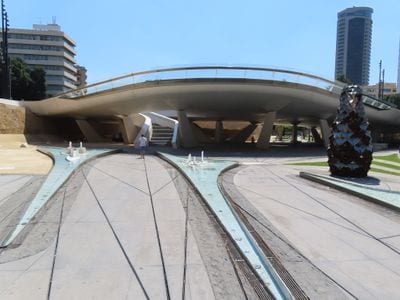
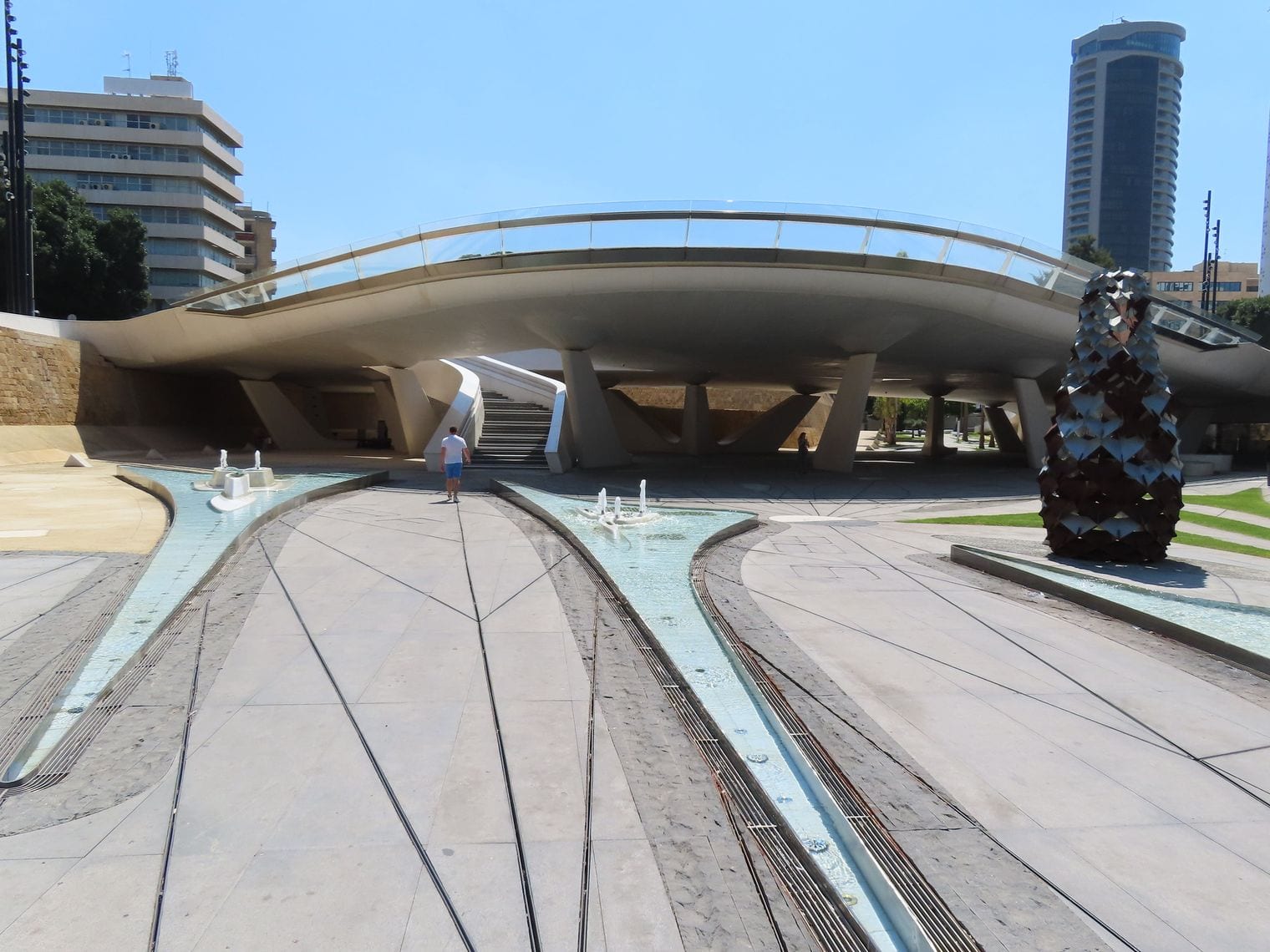
Eleftheria Square was designed by Zaha Hadid Architects — a sweeping deck of white concrete curves and running water laid straight over the 16th-century Venetian moat, stitching the walled city to the modern one.
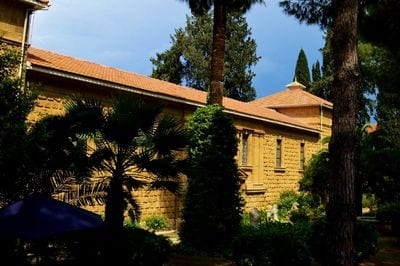
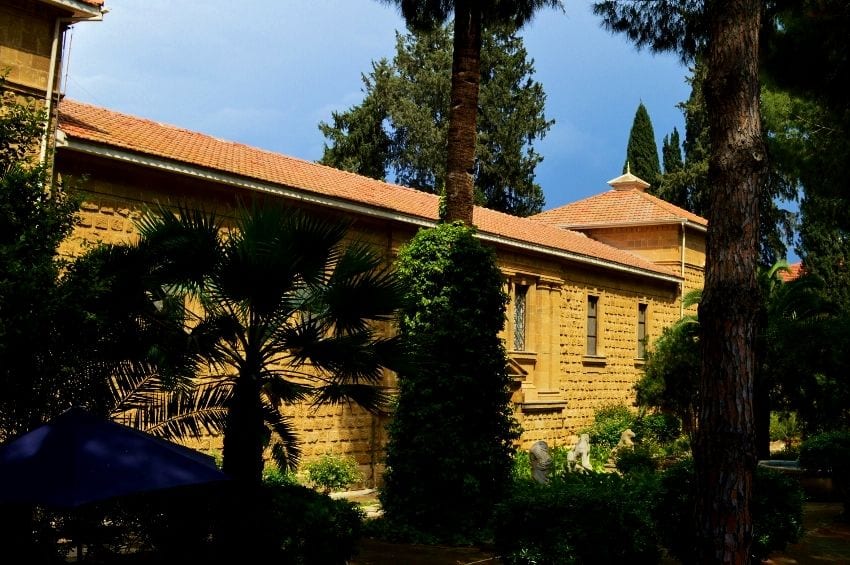
The Cyprus Museum holds the island's national archaeological collection and is the best single explanation of Cyprus you will find anywhere. Its rooms run chronologically from the Neolithic through the Bronze Age city-kingdoms to the Roman period, so an hour spent here makes sense of every ruin you visit afterwards.
The showstopper is the Ayia Irini find: hundreds of terracotta votive figures arranged as they were discovered, ranks of small wide-eyed worshippers facing their altar. A Roman marble Aphrodite and a bronze head from Soloi are close behind. The museum sits just outside the walls to the west, an easy walk from the old town.
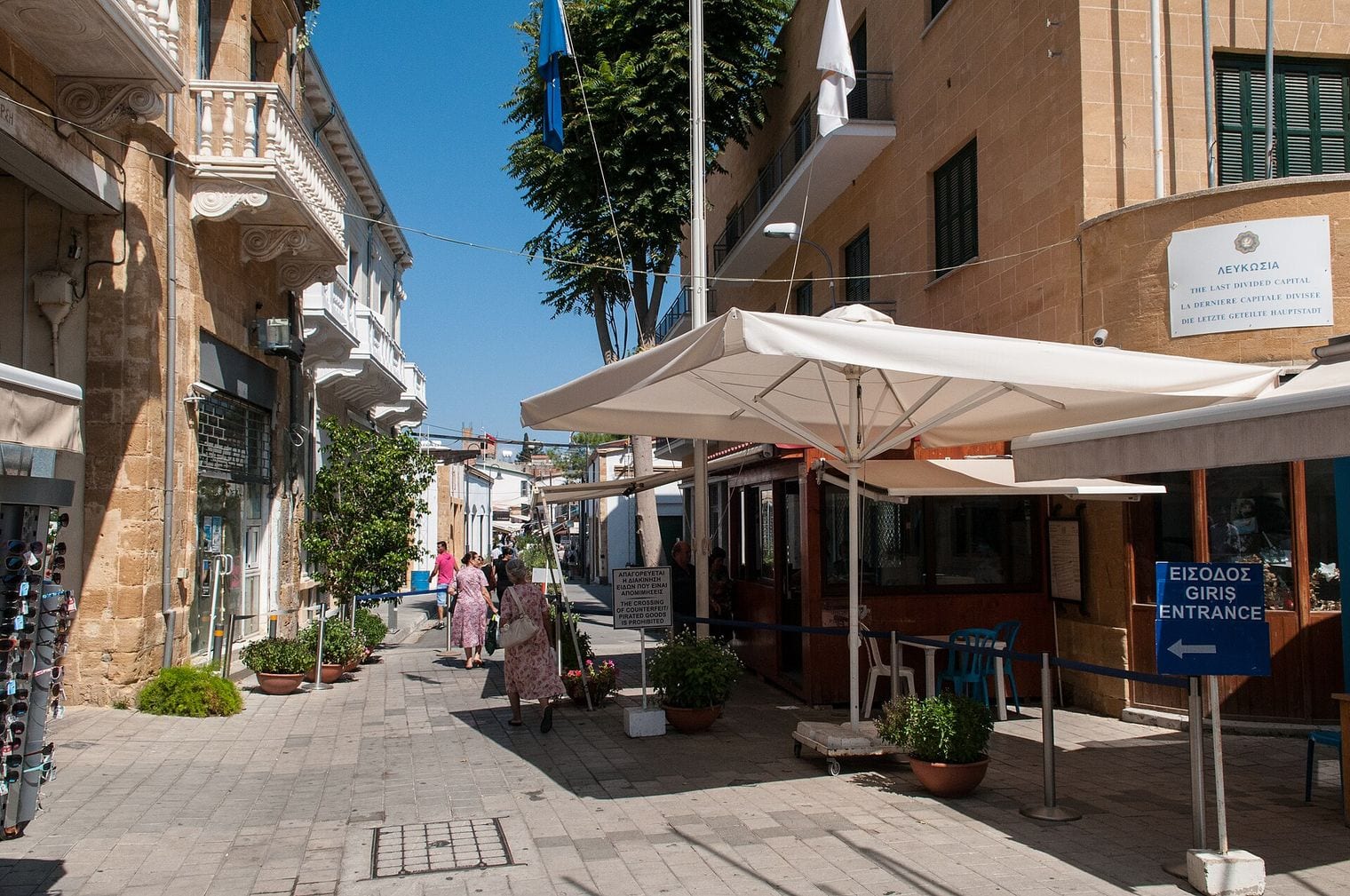
At the northern end of Ledra Street the shops simply stop and a checkpoint begins. This is the pedestrian crossing through the Green Line, the UN-patrolled buffer zone that has divided Nicosia since 1974, and walking through it is the single most memorable thing you can do in the city.
The process itself is undramatic — show your passport at the Republic of Cyprus booth, walk a few metres of no-man's-land past sandbags and shuttered upper storeys, then show it again on the northern side. What changes is everything around it: the script on the signs, the currency in your pocket, the coffee. Check the current crossing arrangements before you travel.
Eleftheria Square is where the modern city meets the walled one. It spans the moat at the D'Avila bastion, stitching the old town to the shopping streets outside, and was rebuilt to a design by Zaha Hadid Architects — a sweeping white deck of curves, ramps and water that could hardly be less Venetian.
It divides opinion locally, which is part of what makes it interesting. Come in the evening, when the lighting is on and the square fills with skateboarders, families and people cutting through towards Ledra Street. The ramps leading down into the moat gardens give the best possible angle on the bastion walls.
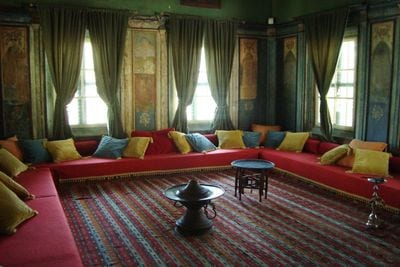
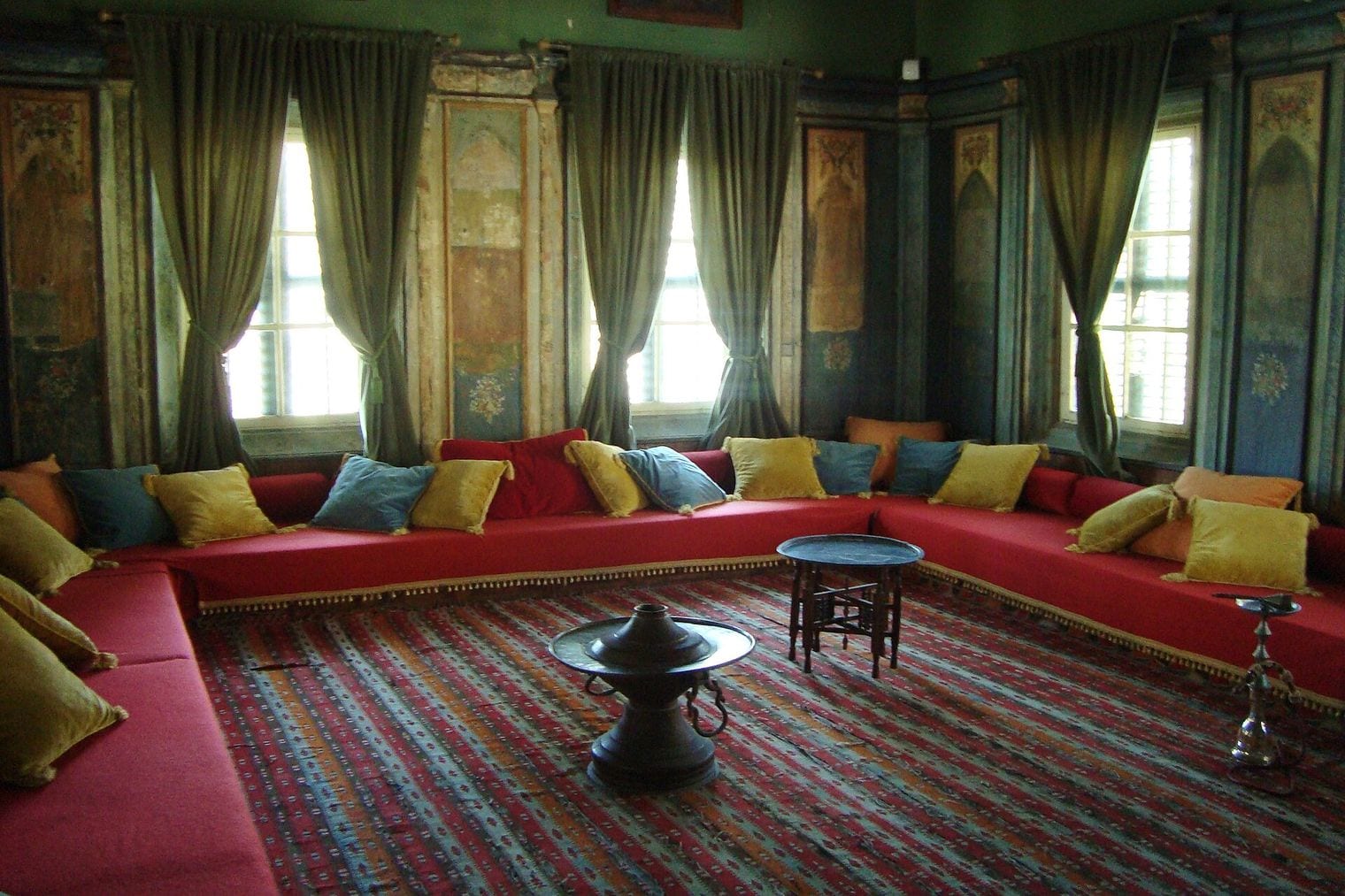
This is the finest surviving Ottoman-era house in Nicosia, built for the dragoman of Cyprus — the Christian official who acted as intermediary between the Ottoman administration and the island's Greek population, a post that made its holder enormously wealthy and eventually cost him his life.
The house now serves as an ethnological museum, and the interior is the reason to come: a raised reception room with a carved wooden ceiling and coloured glass, marble floors, an inner courtyard and a private hammam. It preserves a level of domestic luxury in eighteenth-century Nicosia that nothing else in the city can show you.
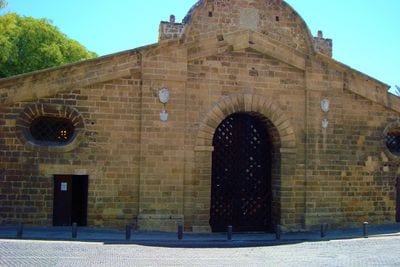
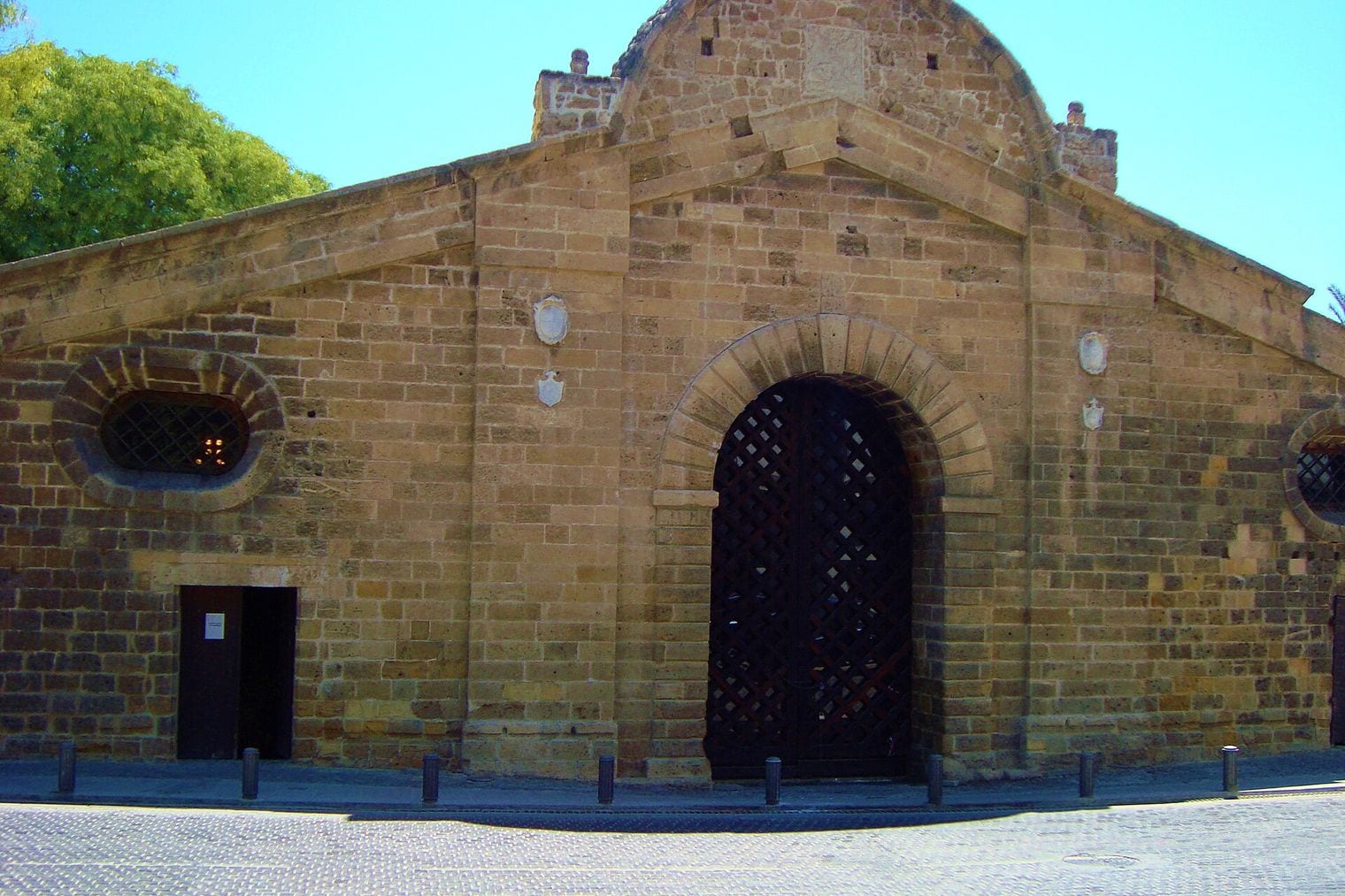
Famagusta Gate is the grandest of the three Venetian gates — a long vaulted passage driven through the earth rampart and opening into a domed chamber. It faced east towards Famagusta and the sea, and its sheer scale tells you how much traffic once came that way.
Restored in the twentieth century, it now serves as a cultural centre hosting exhibitions and concerts, and the acoustics beneath the dome are extraordinary. The surrounding Chrysaliniotissa quarter is among the prettiest restored corners of the walled city, all sandstone houses and quiet lanes, and rewards an unhurried wander afterwards.
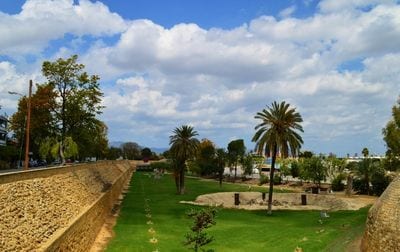
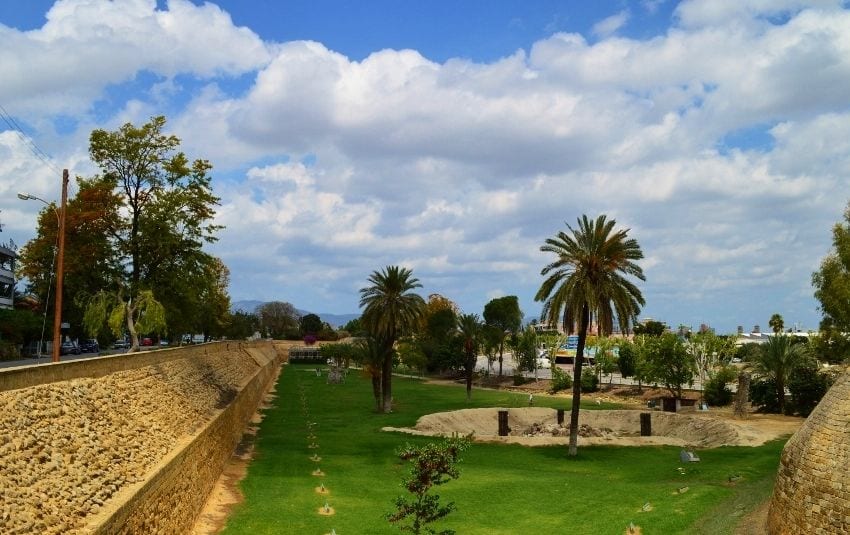
Nicosia's walls are the reason the city reads as a star from the air. The Venetians demolished the older medieval defences and threw these up in the years before 1570 — a near-perfect circle roughly five kilometres round, with eleven arrowhead bastions shaped to deflect cannon fire.
They did not save the city; the Ottomans took it anyway. But they survive almost intact and still govern how Nicosia works: the buffer zone runs across them, the dry moat has become gardens, car parks and football pitches, and the bastions carry monuments, a mosque and open-air markets. Walking a stretch of that moat is the best free hour in the city.
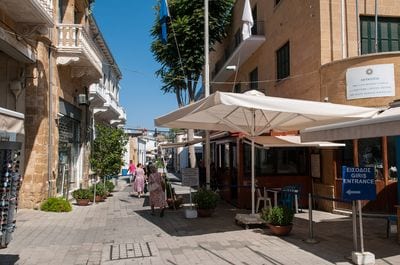
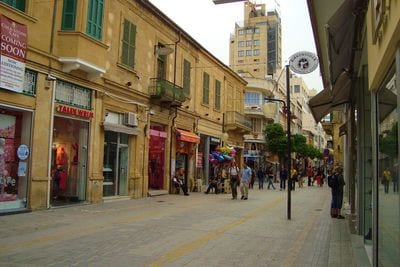
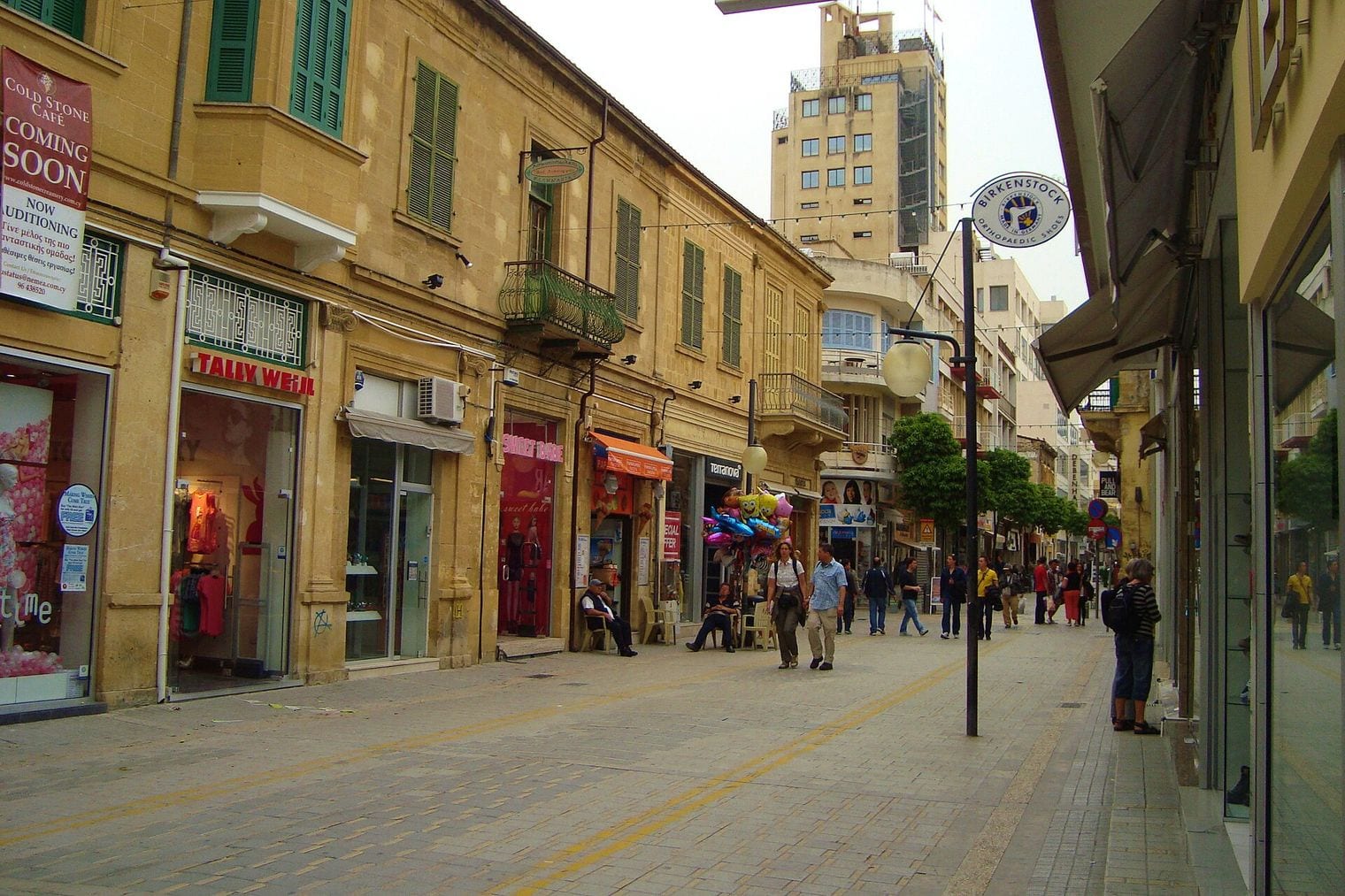
Ledra Street is Nicosia's main pedestrian artery, running north from Eleftheria Square to the crossing. It is not especially picturesque — chain stores, phone shops and ice-cream counters — but it is the spine that everything else hangs off, and it has been the commercial heart of the city for centuries.
It carries more history than a shopping street usually does. It was nicknamed Murder Mile during the EOKA campaign of the 1950s, and for decades it simply dead-ended at a barricade. Side alleys lead to quieter squares, and parallel Onasagorou Street is where the cafés and bars cluster in the evening.
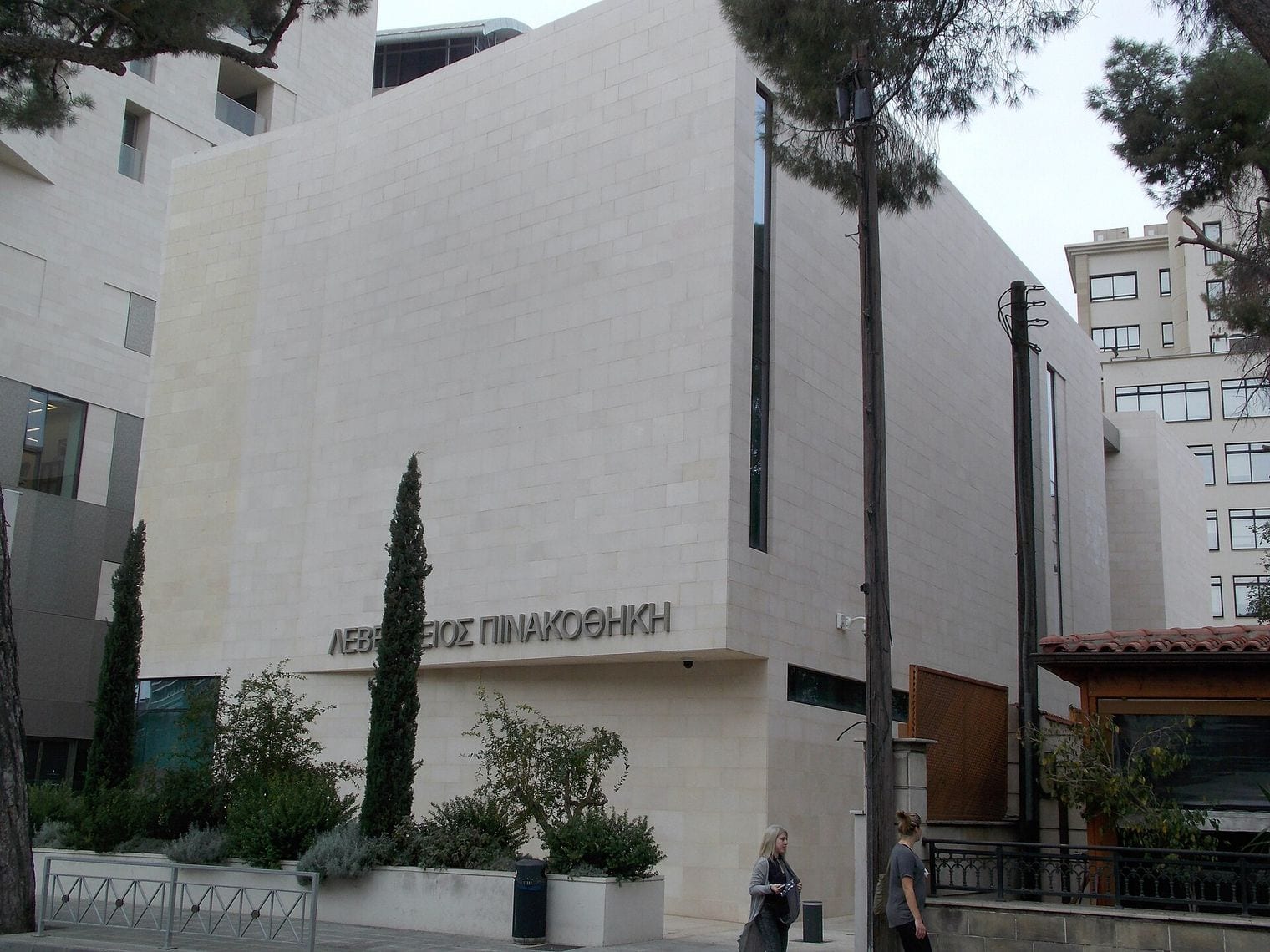
The Leventis Municipal Museum tells the story of the city itself rather than the island, working backwards through its rooms from the modern era to antiquity. It occupies a restored nineteenth-century house a few steps off Ledra Street, in the heart of the walled town.
It is a genuinely well-made small museum — costume, furniture, photographs, maps and household objects that show how Nicosians actually lived under Venetian, Ottoman and British rule. If you have time for only one museum inside the walls, this is a far stronger choice than its modest frontage suggests.
On the eleventh floor of the Shacolas Tower, above the shops of Ledra Street, a glassed-in gallery offers the best high, all-round view of Nicosia. From up here the geography of the divided city finally resolves itself.
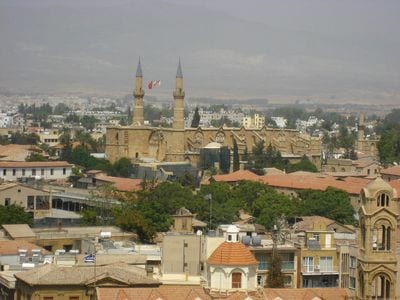
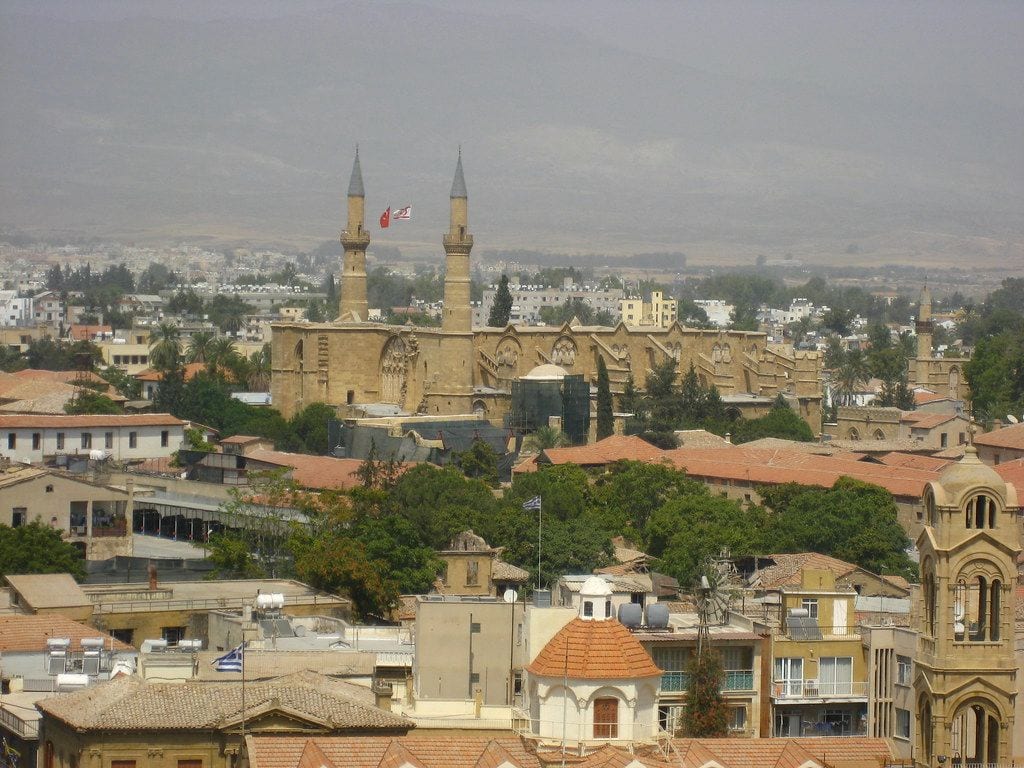
You can trace the ring of the Venetian walls, pick out the minarets of the Selimiye Mosque to the north and the Pentadaktylos range behind them, and follow the buffer zone as it cuts its overgrown channel through the middle of everything. Labelled panels and telescopes identify what you are looking at. Go on a clear day, and ideally before you cross rather than after.
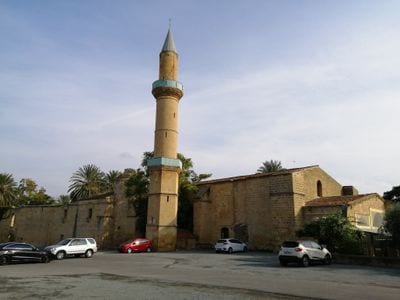
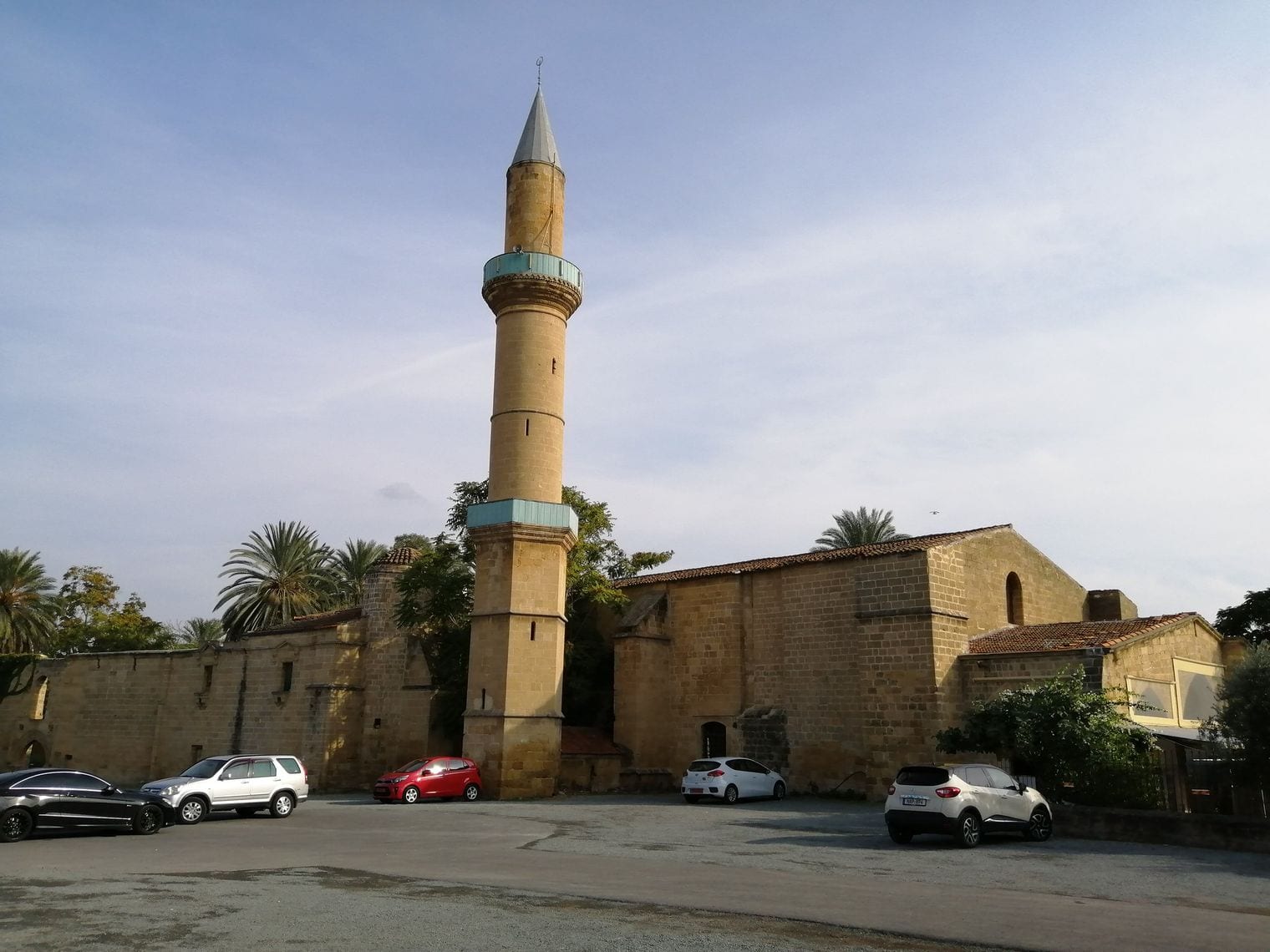
Omeriye Mosque began life as the fourteenth-century Augustinian church of St Mary, converted after the Ottoman conquest — reputedly because the commander believed the caliph Omar had rested on the site. The Gothic shell remains unmistakable: a tall pointed doorway, heavy buttresses, and traces of the original nave inside.
It is still a working mosque and welcomes respectful visitors outside prayer times, with the usual expectations about shoes and modest dress. Directly opposite stands the restored Omeriye Hammam, an Ottoman bathhouse that gives this quiet little square most of its character.
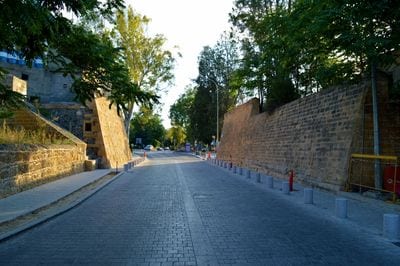
Paphos Gate is the least grand and the most awkward of the three Venetian gates, and that is exactly what makes it worth finding. It sits at a low point in the walls on the western side, and the road that now runs past it was cut through the rampart centuries later, leaving the original vaulted passage stranded below the modern street.
It also stands hard against the buffer zone, so the ground around it carries sandbags, a watchtower and a flag on the bastion opposite — the division is more plainly visible here than anywhere except the crossing itself. The gate is usually looked at rather than walked through, and the stretch of moat either side of it is the real reason to come.
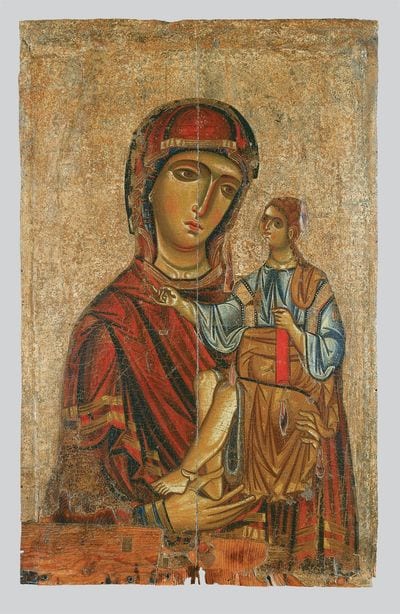
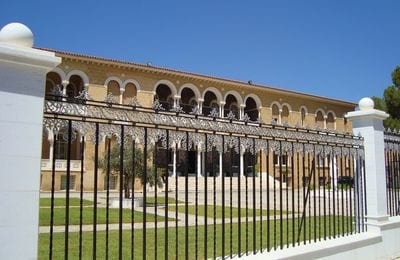
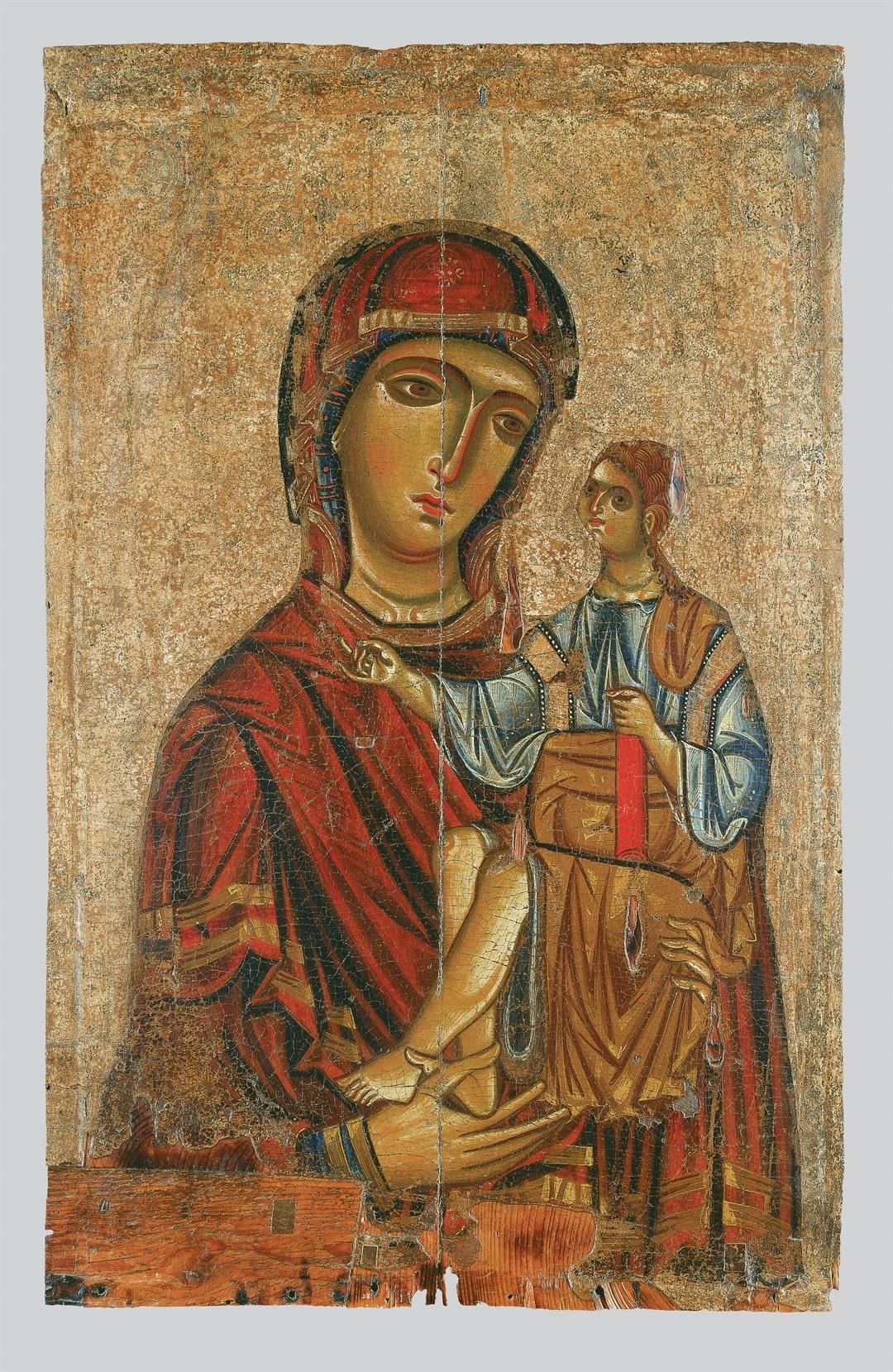
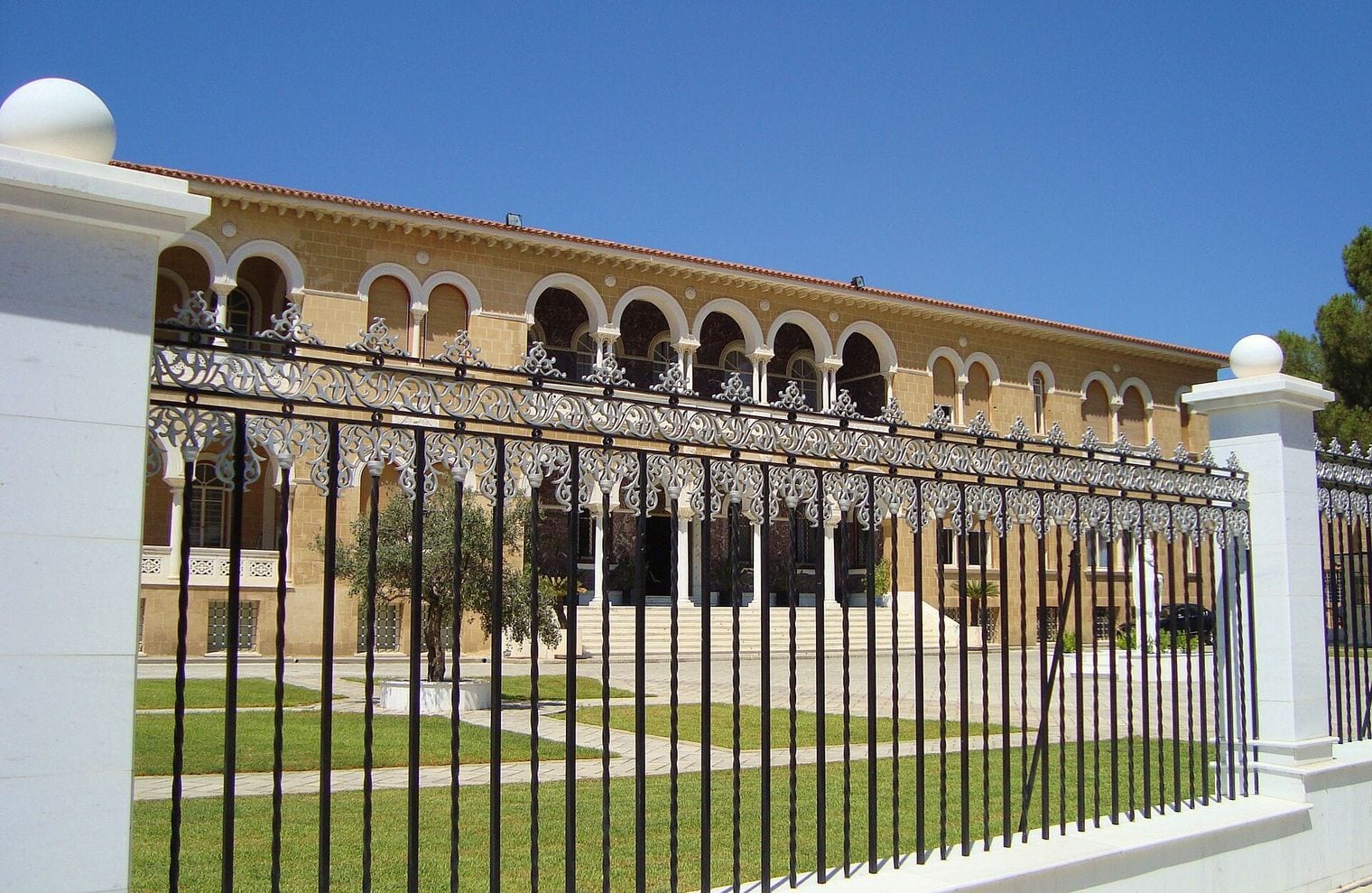
Housed in the Archbishop Makarios III Cultural Foundation beside the archbishopric, the Byzantine Museum holds the largest collection of Cypriot icons anywhere — several hundred of them, spanning roughly the ninth century to the nineteenth.
The rooms run chronologically, so you can watch the style shift as the island passes from Byzantine to Frankish to Venetian rule and its painters absorb each in turn. A separate section displays mosaics from the church of Panagia Kanakaria, removed after 1974 and returned to Cyprus following a long legal case — the wall text on that alone justifies the visit.
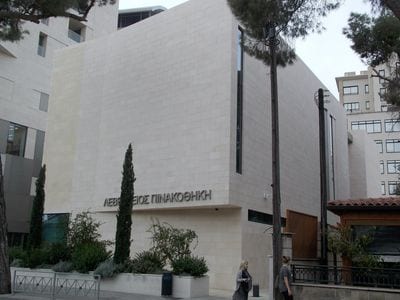
The A. G. Leventis Gallery holds one collector's three separate collections, arranged over three floors: Cypriot art, Greek art, and a Paris collection of European painting that reaches into the Impressionist and post-Impressionist period.
It is a modern, purpose-built, well-lit gallery in the new town just outside the walls, and it makes a deliberate contrast with the archaeology-heavy museums inside them. The Cypriot floor is the most rewarding for visitors, tracing how the island's own painters saw their landscape and their towns across the twentieth century.
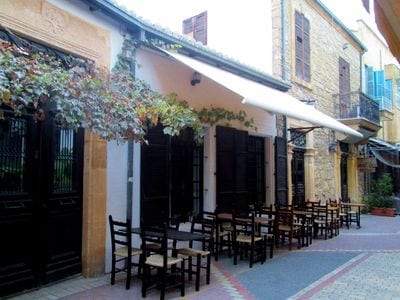
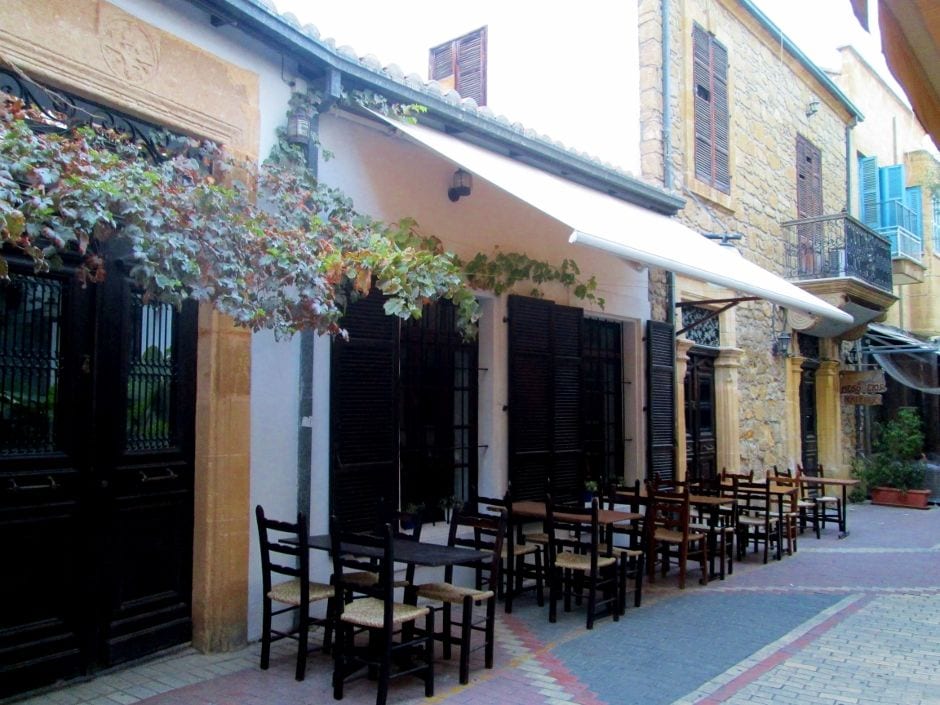
Laiki Geitonia — the name means something like folk neighbourhood — is a small pedestrian quarter of restored houses just inside the walls near Eleftheria Square, laid out along narrow sandstone lanes under shuttered windows. It was among the first parts of the old town to be rehabilitated, and it is still the most concentrated stretch of traditional architecture on the southern side.
It is unashamedly aimed at visitors, with craft shops, lace and silverware and tavernas putting their tables out in the lanes, which puts some people off. Taken for what it is — a compact, walkable picture of how the walled city looked before the twentieth century rebuilt much of it — it does the job, and it sits within a few minutes of most other entries here.
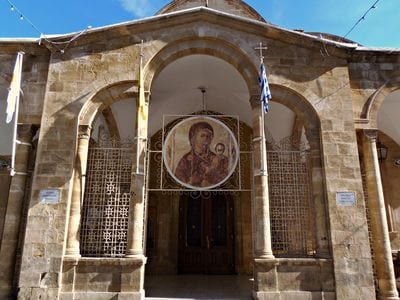
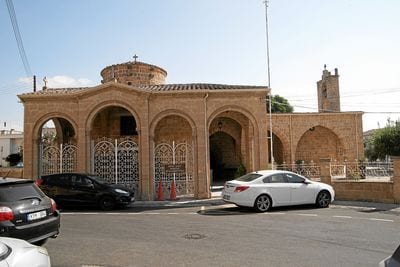
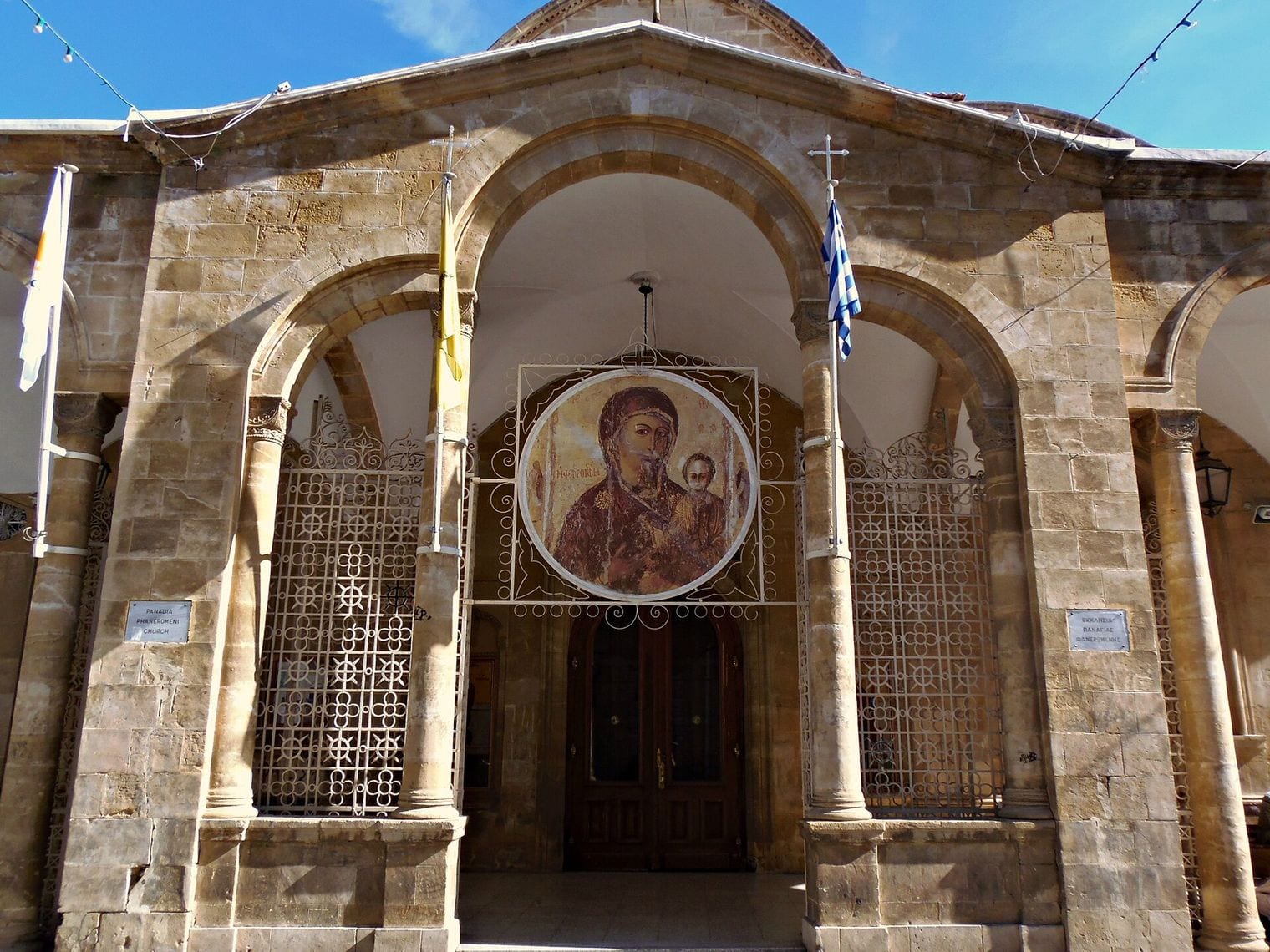
Faneromeni is the largest church inside the walled city and long its most important: a broad stone basilica rebuilt in the early nineteenth century on much older foundations, with a marble iconostasis within and a shaded square laid out in front.
Beside it stands a marble mausoleum holding the remains of clerics executed in 1821, which makes the building a place of national commemoration as much as of worship. The square outside is one of the most agreeable spots in the old town to sit with a coffee — ringed by cafes, shaded by trees, and busy with students from the school alongside.
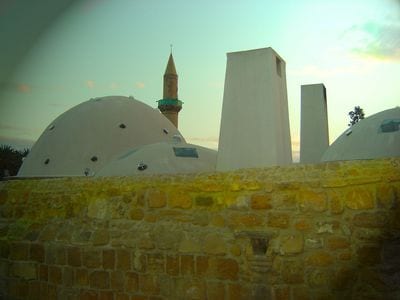
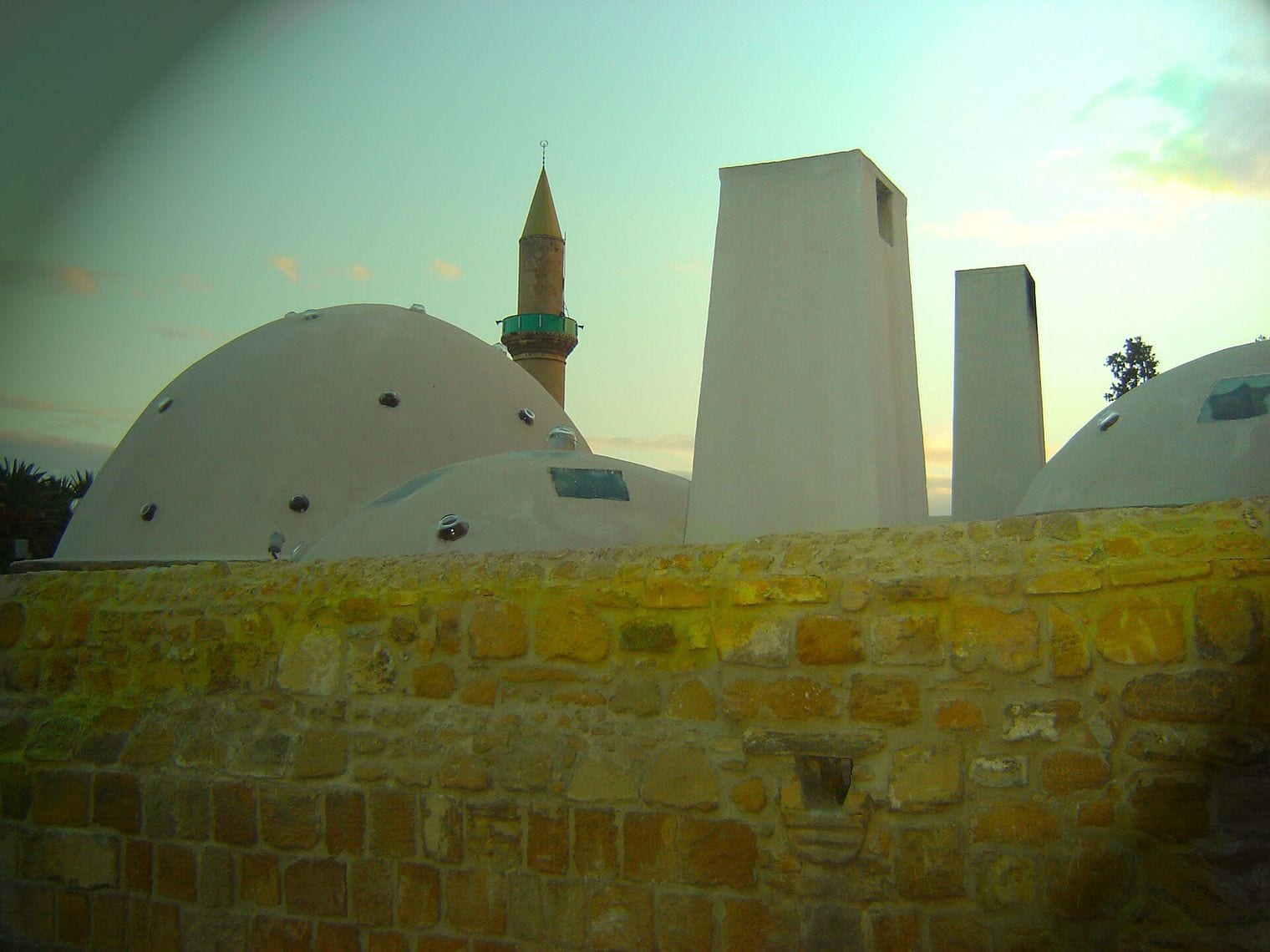
Directly across the small square from the Omeriye Mosque, the Omeriye Hammam is an Ottoman bathhouse that has been in use, on and off, since the sixteenth century. Like most hammams in the old town its floor sits well below the modern street, reached down a short flight of steps.
Restoration brought it back as a working bath rather than a museum piece, which makes it one of very few historic buildings in Nicosia you can experience instead of merely look at: domed chambers, star-shaped skylights throwing light down through the steam, the marble slab, the progression from warm room to hot. Arrangements vary, so check before turning up.
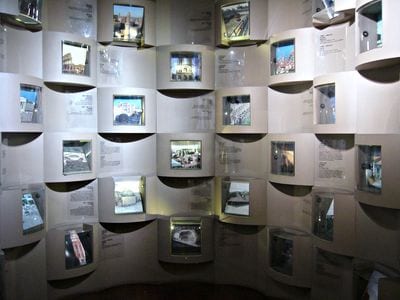
CVAR is the most unexpected museum in Nicosia — a private collection assembled by the Severis family and housed in a restored building on the edge of the buffer zone, devoted not to antiquities but to how Cyprus has been seen and depicted across the last few centuries.
The holdings run to travellers' prints and paintings, maps, photographs, costume, colonial-era ephemera and postcards: the visual record of the island as outsiders and Cypriots each framed it. It is thoughtfully arranged and unusually good on the British period and the years before the division, which makes it a sharp companion to the more celebratory museums elsewhere in the city.
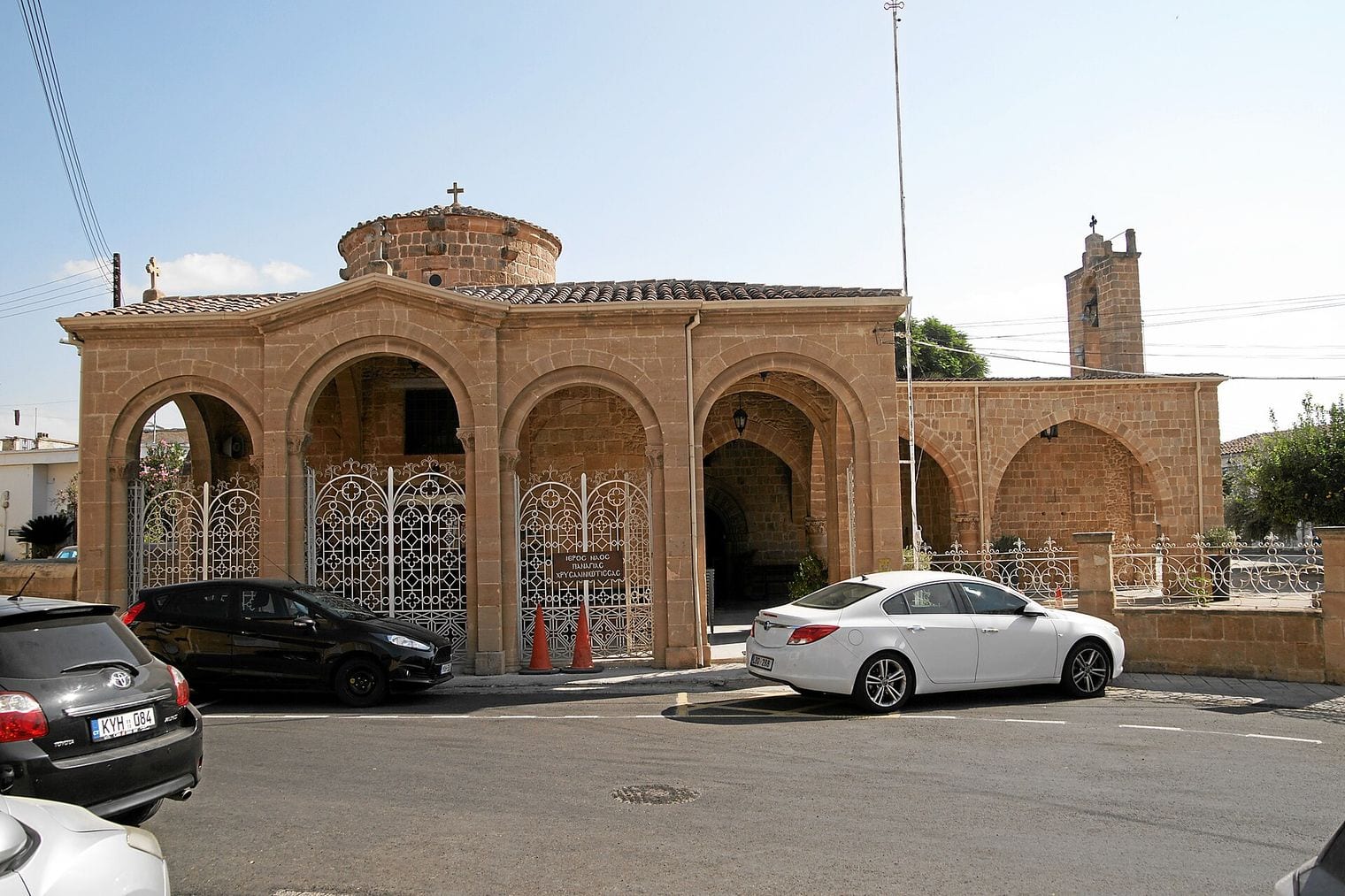
In the Chrysaliniotissa quarter at the north-east corner of the walled city — among the oldest and least altered parts of the old town — a courtyard of workshops has been given over to traditional Cypriot crafts, arranged around a shaded central yard in the manner of a traditional urban house.
Silversmiths, potters, weavers and basket makers work in the units around the courtyard, and you can watch as readily as buy. The quarter itself is the other reason to walk out this far: sandstone houses with wooden balconies, quiet lanes that dead-end at the buffer zone, and Panagia Chrysaliniotissa, the oldest Byzantine church inside the walls.
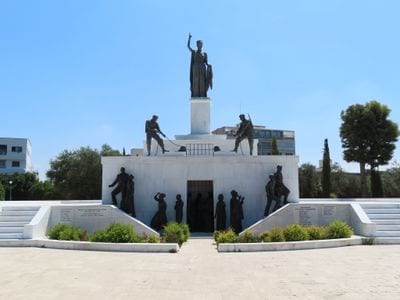
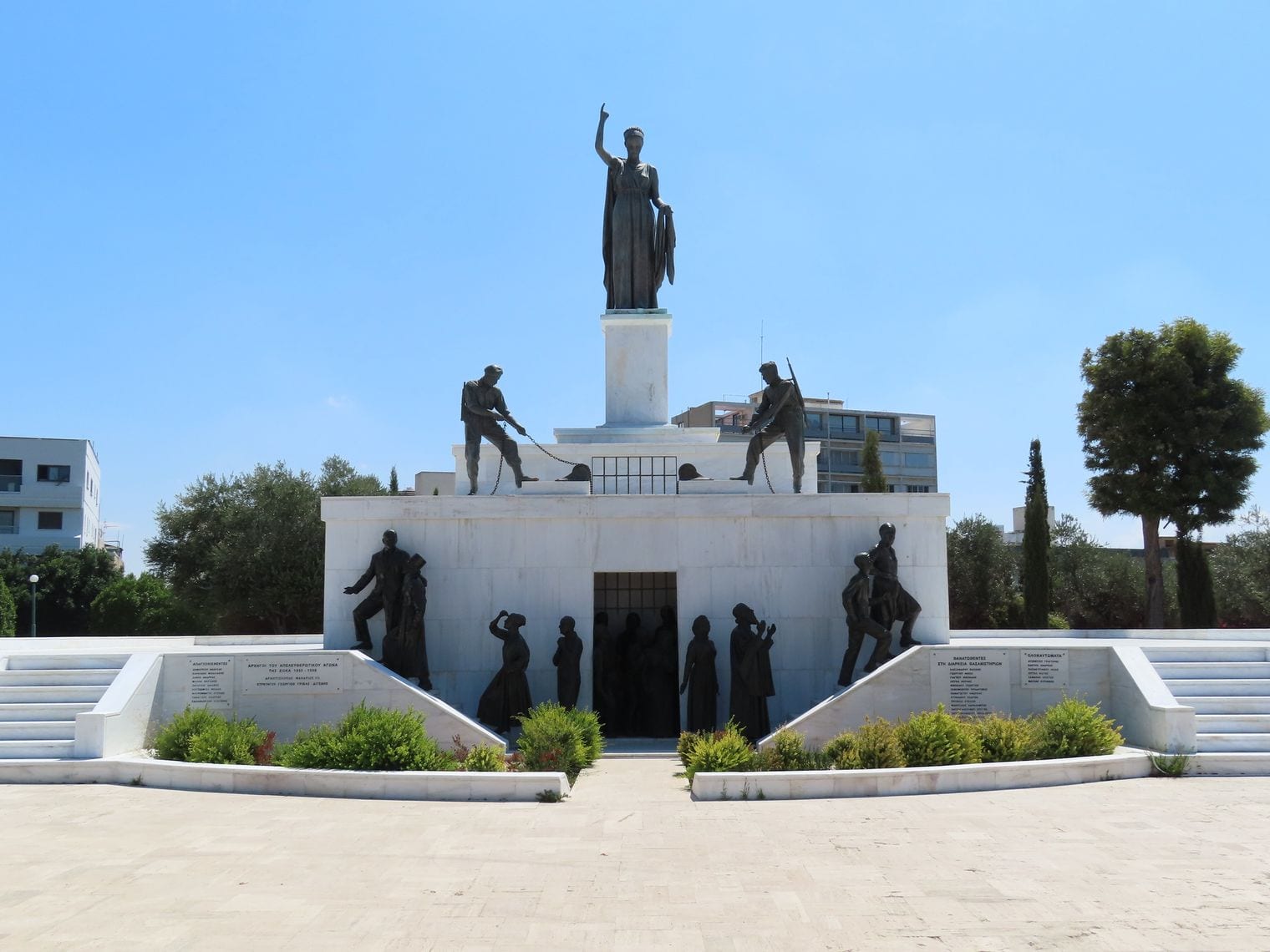
Set into the Podocataro bastion, the Liberty Monument is a large sculptural group showing prisoners emerging from a barred gateway as fighters haul it open, watched over by a female figure of Liberty above.
It commemorates the EOKA campaign against British rule in the late 1950s and the release of detainees that followed. It is an unapologetically heroic piece of nationalist sculpture, and standing in front of it is a useful corrective to visiting only the Venetian and Ottoman layers of the city — a reminder that Nicosia's most recent history is the one still being argued over.
The Museum of the National Struggle sets out the Greek Cypriot account of the EOKA campaign against British rule between 1955 and 1959, in buildings beside the archbishopric. It is a museum of documents, weapons, photographs, prison relics and personal effects rather than of objects chosen for their beauty.
It is a national narrative rather than a neutral one and reads that way, which is precisely why it earns an hour if you want to understand how independence — and everything that followed — is remembered on this side of the line. Taken with the Liberty Monument a few minutes away, the two make a coherent pair.
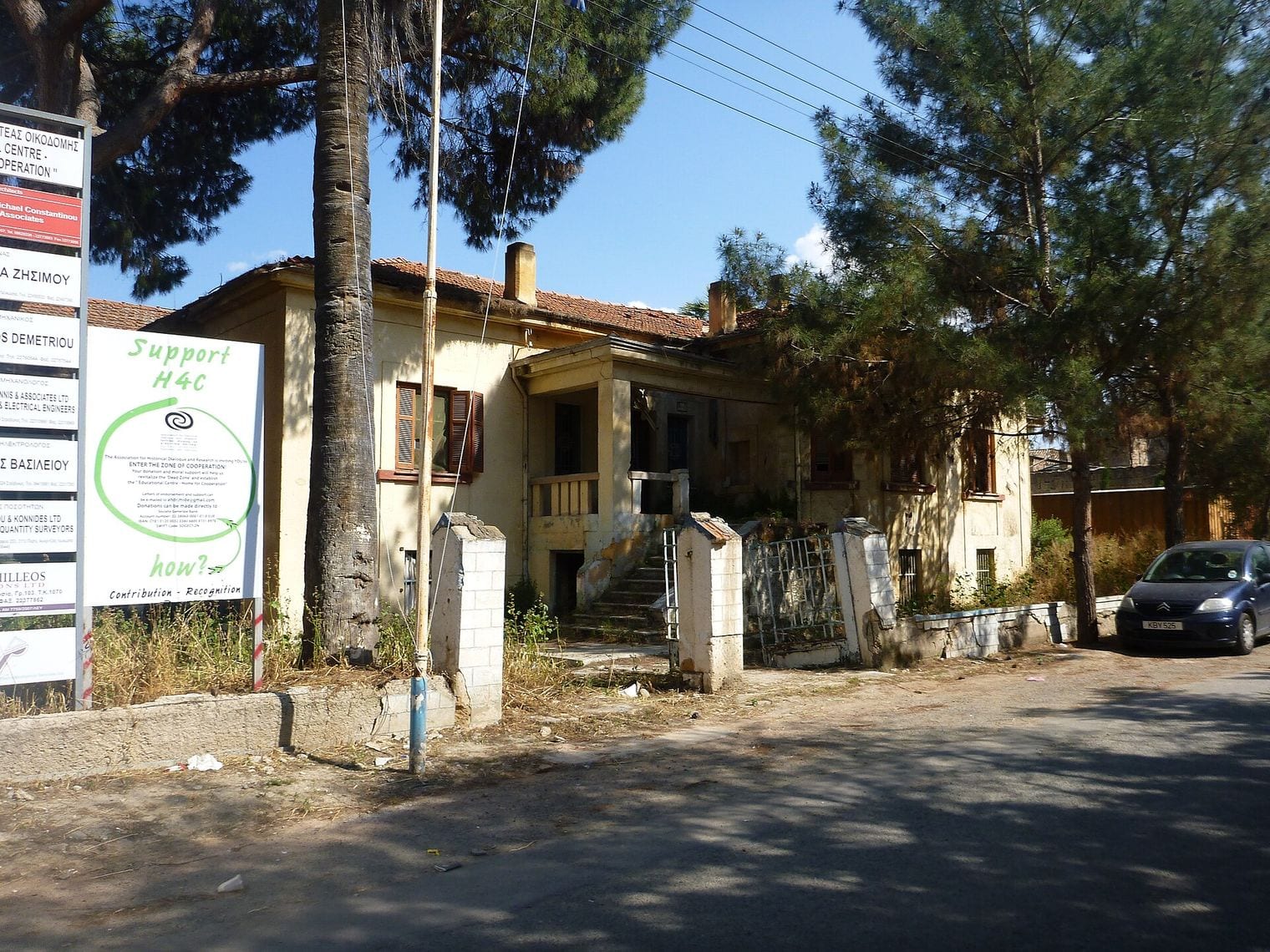
The Home for Cooperation stands inside the buffer zone itself, close to the Ledra Palace crossing — a building that spent decades derelict on the dividing line before reopening as a bicommunal centre where Greek Cypriots and Turkish Cypriots can meet on neutral ground.
It houses a café, a library, an oral-history archive and meeting rooms, and runs talks, language classes and exhibitions. Having a coffee here is a quiet but pointed thing to do in Nicosia: it is one of very few addresses in the city that belongs to neither side of the line.
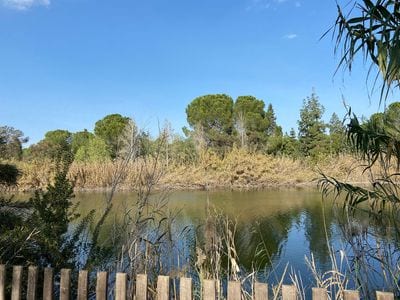
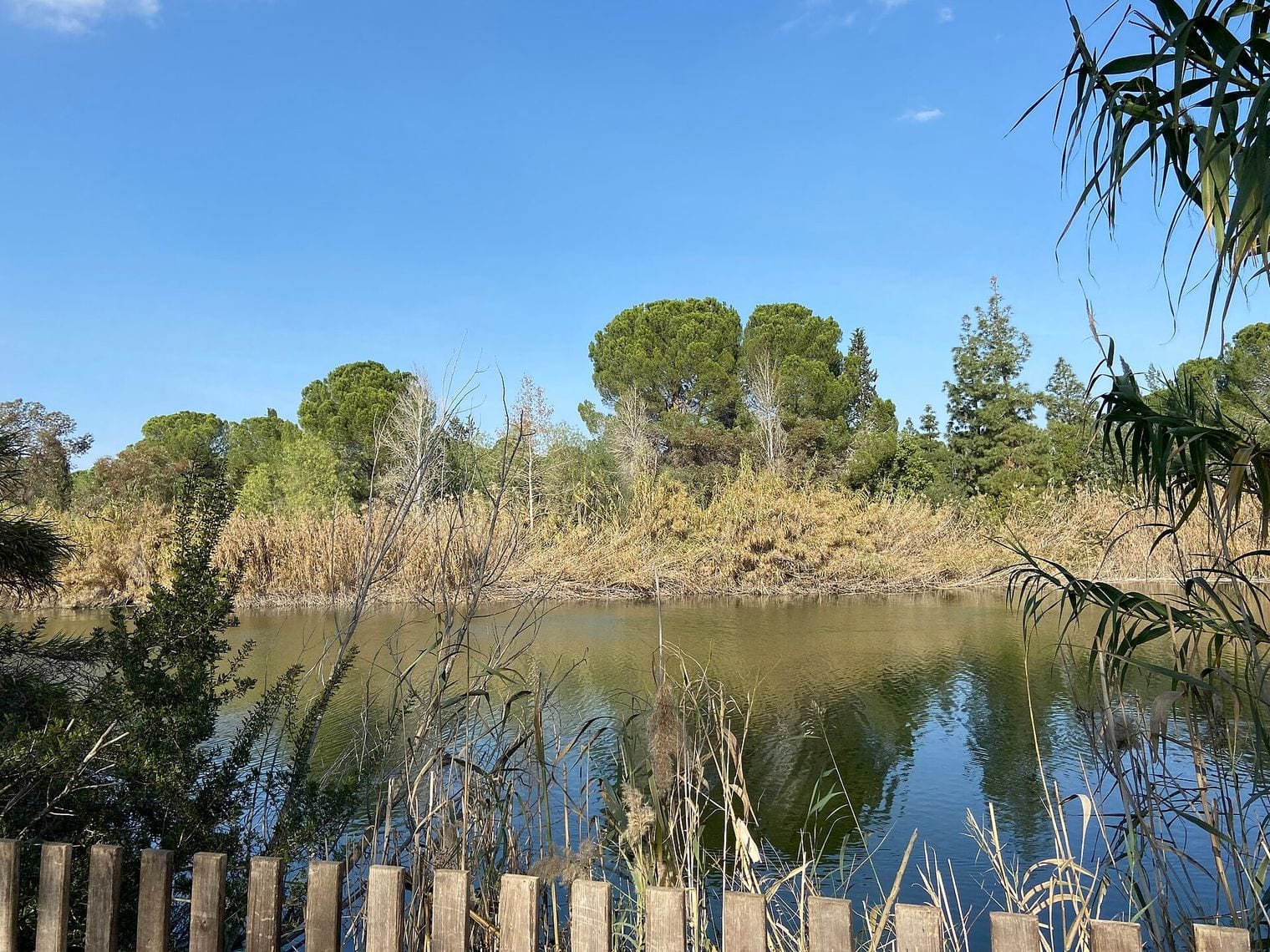
Athalassa is Nicosia's green lung, a large planted forest park on the eastern edge of the city with a small lake, waymarked walking and cycling trails, and picnic areas under the pines.
It was created by afforesting what had been bare open ground, and it now shelters birdlife, a botanical garden and an environmental information centre. For a landlocked capital that gets brutally hot in summer, this is where Nicosians come to walk, run and cycle in the cool hours at either end of the day.
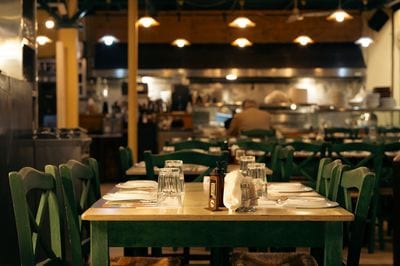
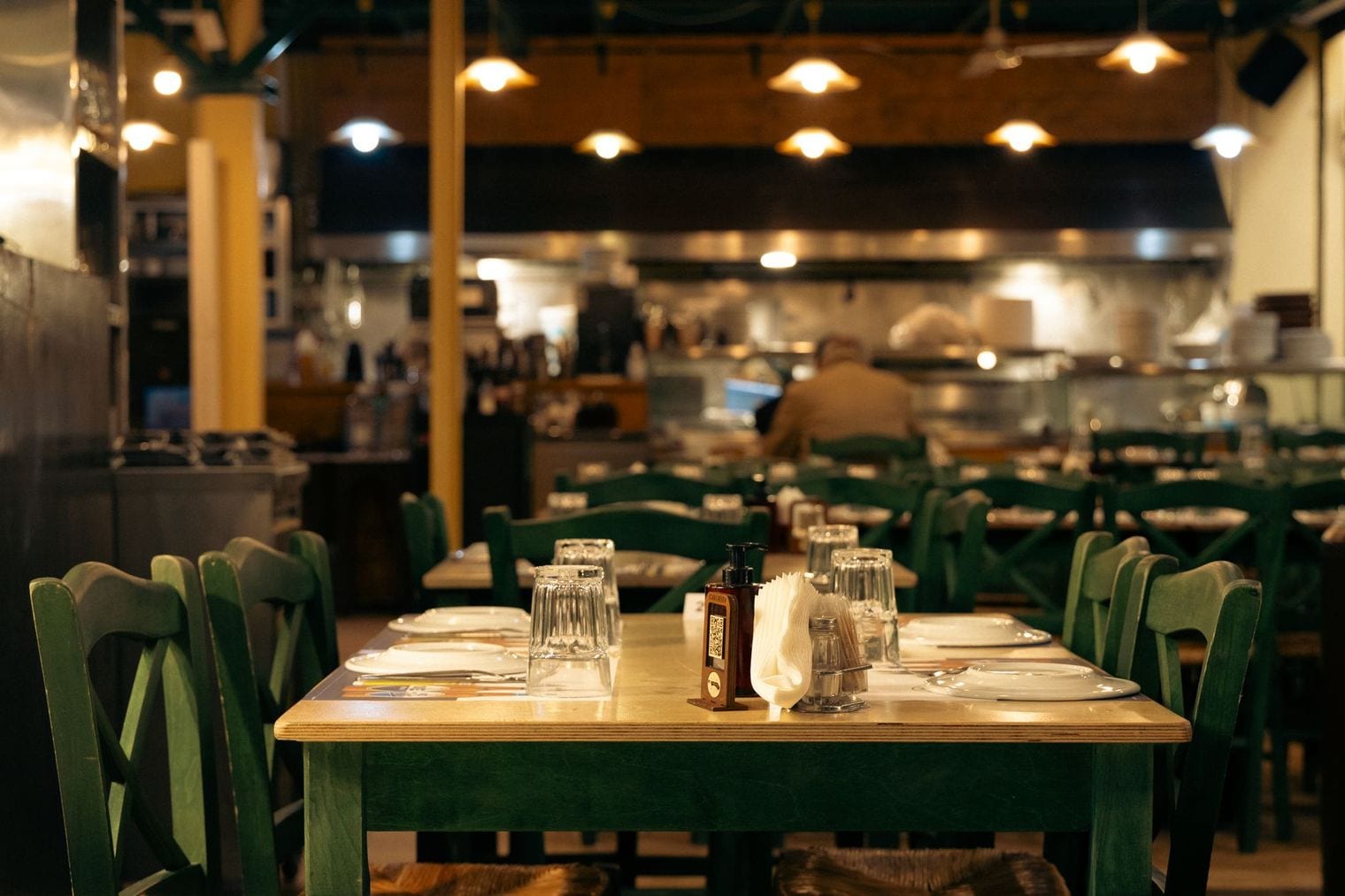
Zanettos is the old guard of Nicosia’s tavernas — a plain, tiled room down a side street in the old town that has been serving the same long meze for generations, and the place locals still name first when asked where to take a visitor.
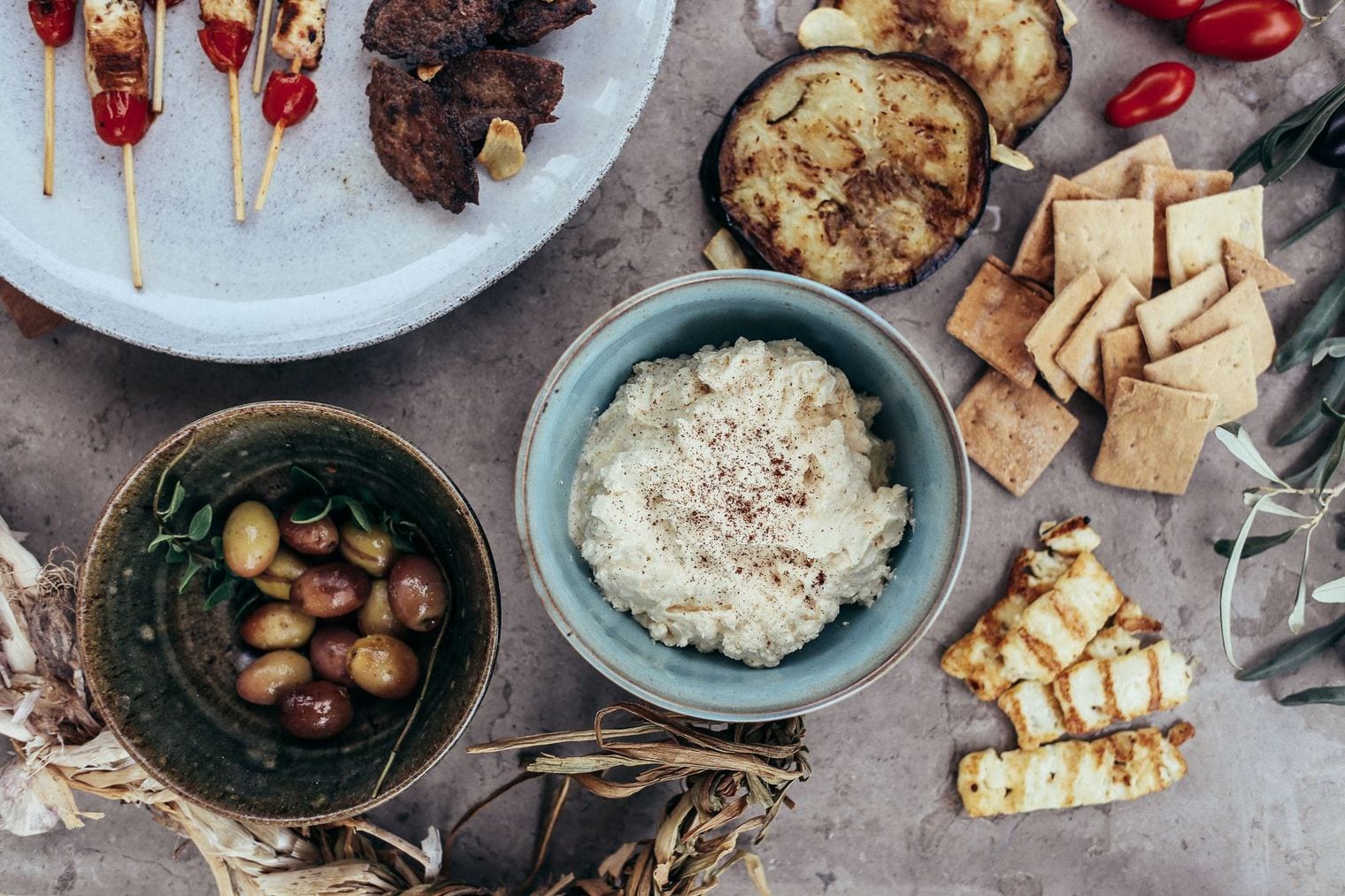
The format is fixed: you sit down, you say how many you are, and the plates start arriving and do not stop for a couple of hours. Dips and pickles come first, then halloumi, sheftalia and a run of grilled meats. Pace yourself — the last third is where most first-timers quietly surrender.
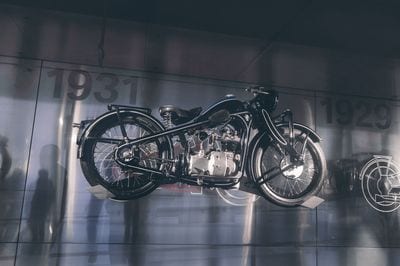
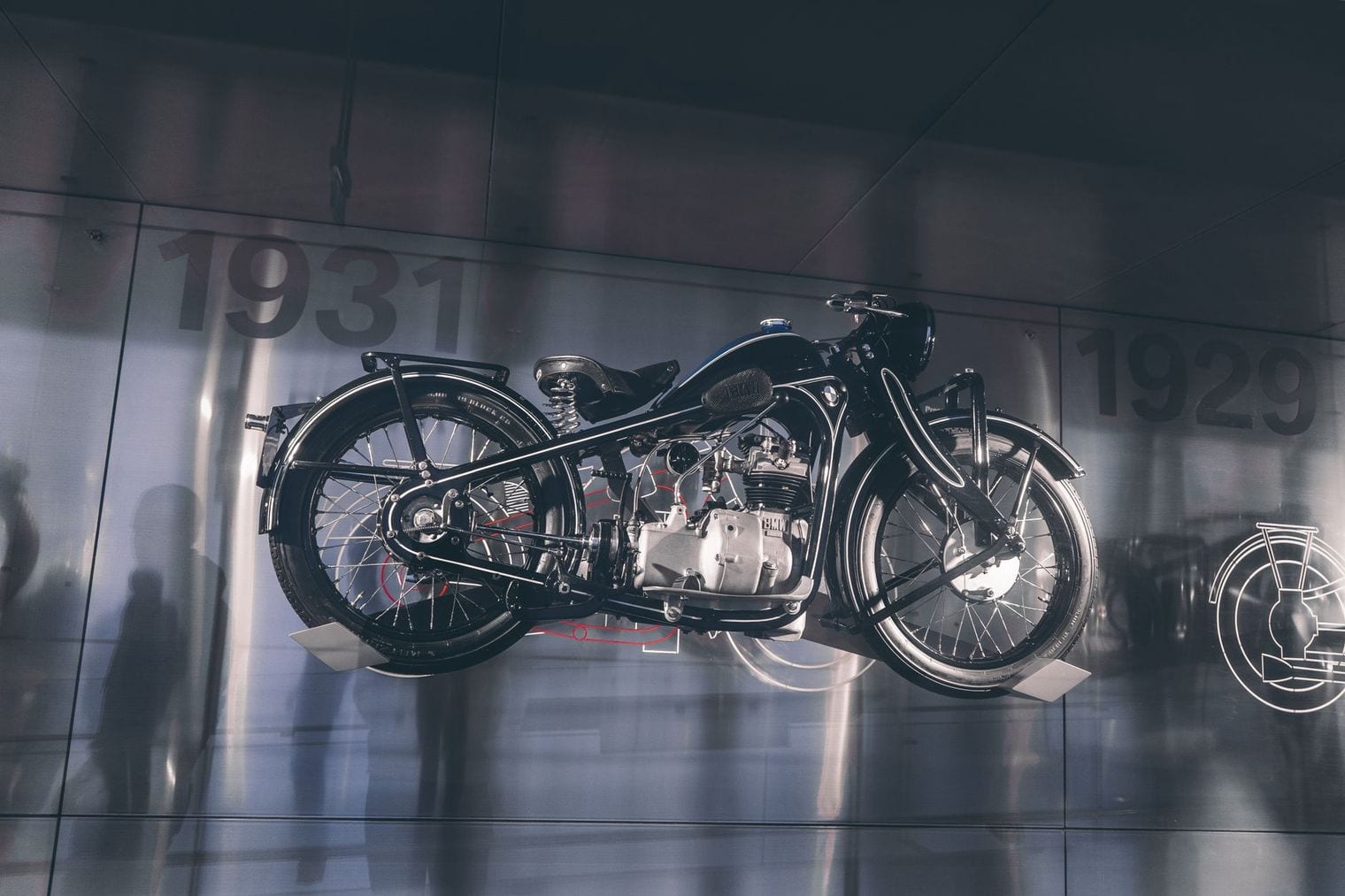
Tucked into the old town, this is an enthusiast's museum rather than an institutional one — a couple of rooms packed with restored motorcycles, many of them British marques from the decades when Cyprus was a British colony and those machines were everywhere on the island's roads.
The collection is personal, and that is its charm: the bikes come with photographs, tools, period advertising and stories attached. It is small enough to see properly in half an hour, and close enough to the Cyprus Museum to pair the two on the same walk.
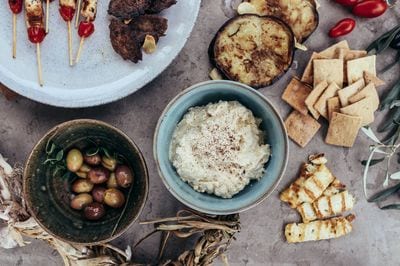
Cypriot food is best met as meze — a long sequence of small plates rather than a single dish — and this old-town taverna is one of the most popular places in Nicosia to do exactly that. Expect grilled halloumi, dips, village sausage, and pork handled several different ways.
It is loud, busy and built around sharing, which suits the format: meze is designed to be eaten slowly by a table of people who have cleared an evening for it. Arrive hungry, pace yourself through the early plates, and remember that the grilled dishes come late and keep coming.
Plan your trip
Best Time to Visit Nicosia
Spring and autumn are comfortably the best windows. Nicosia sits inland in a shallow bowl with no coast to cool it, so from roughly April to early June and again from mid-September into November the walled city is warm, dry and genuinely walkable all day — which matters in a place where nearly everything worth seeing is done on foot.
Midsummer is the one season to plan around rather than through. Inland Cyprus is markedly hotter than the coast and the old town offers little shade, so sightseeing works best early in the morning and again in the evening, with the middle of the day spent in the museums. Winter is mild, green and the wettest part of the year; days are short but the city is at its quietest, and the Troodos mountains an hour away carry snow.
Getting to Nicosia
Nicosia has no airport of its own — the old one has sat inside the buffer zone since 1974 — so almost every visitor arrives by road. Larnaca International Airport (LCA) is the closest and the usual choice, roughly three quarters of an hour away on the A2 motorway; Paphos International Airport (PFO) is the island's other main gateway and takes closer to an hour and a half. Both have direct motorway links to the capital.
The A1 motorway connects Nicosia with Limassol on the south coast in about an hour, and intercity coaches run from the airports and the main coastal towns to the central bus station just outside the walls. There is no railway anywhere in Cyprus, so a hire car or the coach network is the choice.
Getting Around Nicosia
The walled city is small and flat, and walking is not just possible but preferable — the lanes inside the ramparts are too narrow and too one-way to enjoy in a car, and the distance from Eleftheria Square to the far corners of the old town is a comfortable stroll. Every numbered entry in this guide that sits inside the walls is within about fifteen minutes of the others.
Outside the walls the city sprawls, and a car earns its keep for Athalassa, the outlying museums and any day trip. Remember that Cyprus drives on the left. Parking is easiest in the moat car parks ringing the old town, where you can leave the car and walk in through a bastion. Urban buses cover the newer districts cheaply but run infrequently, and taxis and ride-hailing fill the gaps.
Where to Stay in Nicosia
Staying inside the Venetian walls puts you within walking distance of nearly every entry on this list. The restored quarters — around Phaneromeni and the lanes running east towards Chrysaliniotissa — are the most atmospheric, with sandstone houses and quiet courtyards, though they are residential and go very still after dark.
The new town immediately south of the walls, around Makarios Avenue and Stasikratous Street, is the practical alternative: a short walk to Eleftheria Square, more open in the evening, and easier parking. Engomi and the university districts to the west are quieter and better value if you have a car, and put you close to the Cyprus Museum end of the old town.
Where to Eat in Nicosia
Eat meze at least once. It is not a starter but the whole meal — a long procession of small plates that keeps arriving for a couple of hours, designed for a table of people rather than a solo diner. Look for grilled halloumi, which originated on the island and squeaks rather than melts; sheftalia, a caul-wrapped minced-meat sausage; kleftiko, lamb slow-baked until it falls apart; and souvla, big chunks of pork turned slowly over charcoal.
The dining clusters around Onasagorou and Faneromeni Square, where the old town's cafes and tavernas spill onto the pavement, with a smarter scene along Stasikratous in the new town. Finish with loukoumades, or a glass of sweet Commandaria — a dessert wine the island has been making, under one name or another, for a very long time.
Day Trips from Nicosia
Nicosia's position in the middle of the island is its practical advantage: nowhere in Cyprus is far. Larnaca and its salt lake lie about three quarters of an hour south-east, Limassol and the cliff-top ruins of ancient Kourion around an hour south, and the Troodos mountains — with their frescoed Byzantine churches and stone villages — roughly an hour south-west, climbing to snow in winter.
Closer still, the Neolithic settlement at Choirokoitia and the ancient city-kingdom of Tamassos both sit within half an hour or so, and the lace-making hill village of Lefkara makes an easy half-day. The northern half of the island is reached through the buffer-zone crossings, with Kyrenia and its Venetian harbour about forty minutes over the mountain ridge — take your passport and check current crossing and hire-car insurance arrangements before you set off.
Before you go
Mobile dataAn eSIM gives your phone local data when you land, with no SIM card to swap.via AiraloGet an eSIM
We may earn a commission when you buy through these links, at no extra cost to you. How we make money.
One Day in Nicosia
Morning
Start at The Cyprus Museum just outside the walls, to get the island's history straight before you meet it in the streets. Walk in across Eleftheria Square and up Ledra Street, then ride the lift to the Shacolas Tower Museum and Observatory — the whole divided city laid out from above makes far more sense before you walk through it than after.
A surprising amount of the best of Nicosia costs nothing. You can walk a stretch of the Venetian Walls of Nicosia and the moat gardens beneath them, stand at the Ledra Street Crossing where the buffer zone cuts the old town in half, wander the length of Ledra Street and out across Eleftheria Square, find the awkward, half-buried Paphos Gate on the western walls, and stand in front of The Liberty Monument on the Podocataro bastion — a full day on foot without an admission ticket between them.
Nicosia is best known for being the last divided capital in Europe, with a UN buffer zone running straight through its old town. On the southern side its signature sights are the national collection at the Cyprus Museum, the star-shaped Venetian walls, the Zaha Hadid deck at Eleftheria Square, the dragoman's mansion at Hadjigeorgakis Kornesios, and the crossing at the end of Ledra Street.
How many days do you need in Nicosia?
Two days is the sweet spot. One full day covers the walled city comfortably — the main museums, Ledra Street, the crossing and a stretch of the ramparts. A second lets you slow down, add the galleries and the outlying museums, and walk out to the quieter quarters. Anything beyond that is better spent on day trips from the city.
Can you cross to the northern side of Nicosia?
Yes. The crossing on Ledra Street is a pedestrian checkpoint in the middle of the old town, and visitors cross in both directions daily, showing a passport on each side. This guide covers the southern half of the city; the northern half of the island, including Kyrenia, is a separate trip and worth planning as one.
What can you do in Nicosia for free?
Walking the Venetian walls and their moat gardens costs nothing, as does standing at the Ledra Street crossing, strolling Ledra Street itself and Eleftheria Square, finding the Paphos Gate on the western ramparts, and visiting the Liberty Monument on the Podocataro bastion. Together they make a full day on foot without an admission ticket.
Is Nicosia worth visiting?
Yes, particularly for travellers who want more than beaches from Cyprus. It is the only European capital where a shopping street ends at a UN checkpoint, and the old town packs a national museum, an Ottoman mansion, a working hammam and five centuries of Venetian walls into an area you can cross on foot in twenty minutes. It is a working inland city rather than a resort, which is what makes it interesting.