We may earn a commission if you book or buy through a link on
this page, at no extra cost to you. It never affects which places we list or how
we rank them (how we make money).
Short answer
North Nicosia's essentials are Büyük Han, the 1572 Ottoman caravanserai whose arcaded courtyard is now craft workshops and cafés, the Selimiye Mosque — a French Gothic cathedral begun in 1209 and given minarets in 1570 — and the 14th-century Büyük Hamam, still working and still bookable. One full day covers the walled city on foot, since almost everything sits a short walk from the mosque.
North Nicosia is the Turkish Cypriot half of the world's last divided capital, and it wears its history in layers: a Gothic cathedral answering the call to prayer, an Ottoman inn full of craft workshops, Venetian ramparts holding back the traffic. Almost everything worth seeing sits inside one walkable square kilometre.
This guide covers the 20 best things to do in north Nicosia, from the Büyük Han and the Selimiye Mosque to a working Ottoman bath house and the Samanbahçe cottages. Crossing to southern Nicosia takes minutes, and Kyrenia is an easy hour north.
Nicosia is the last divided capital city in the world — a distinction it has held alone since Berlin was reunified in 1989, with a United Nations buffer zone running straight through the middle of the old town.
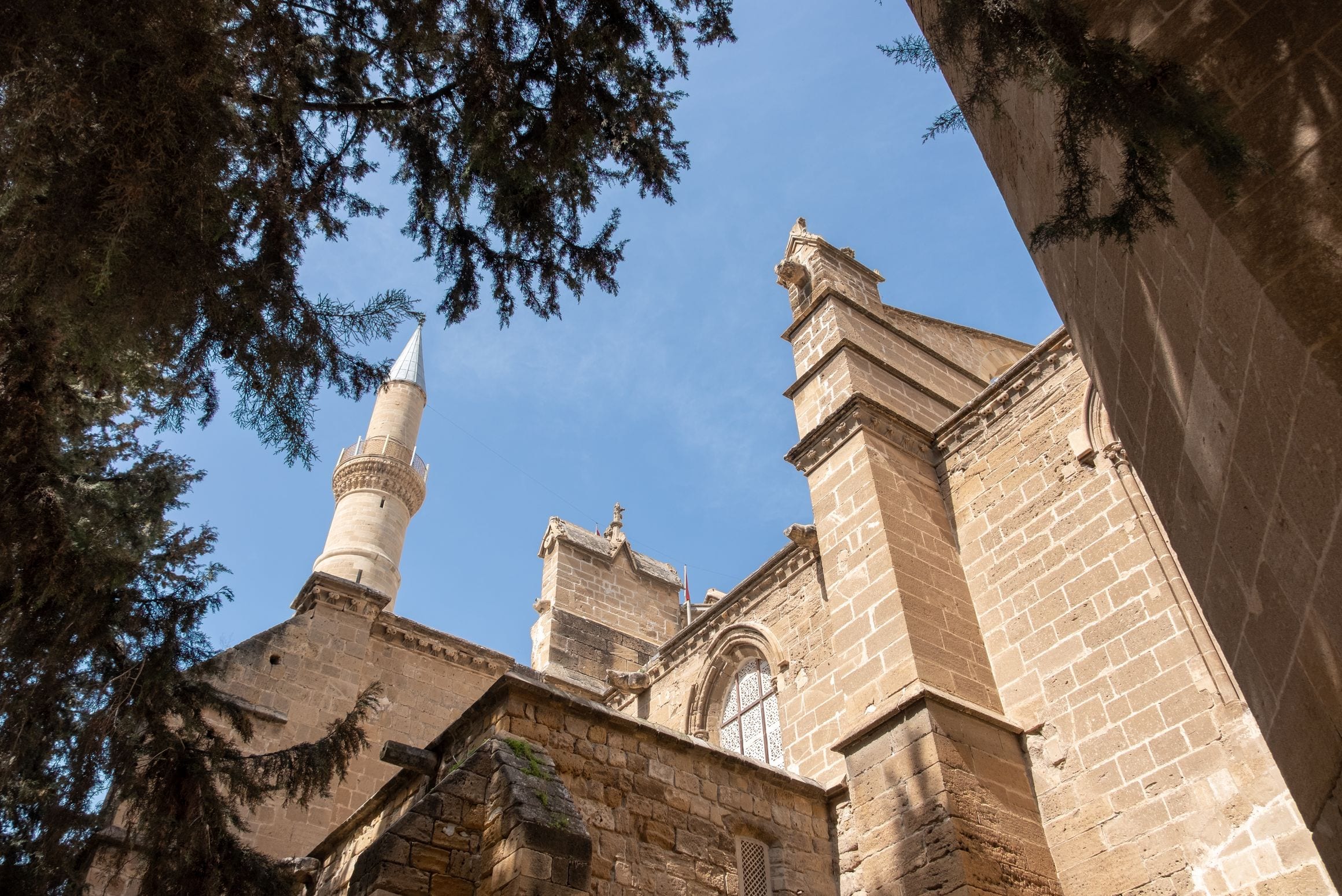
The Selimiye Mosque is a French Gothic cathedral — begun in 1209 and consecrated in 1326 as the Cathedral of Saint Sophia, it was the church in which the Lusignan kings of Cyprus were crowned, until the Ottomans converted it in 1570.
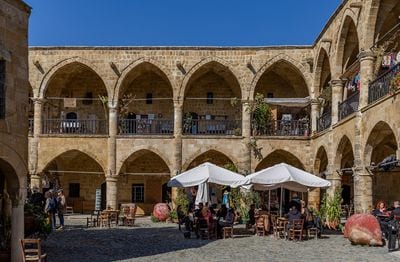
Büyük Han spent eleven years as a prison — after the British took over in 1878 they restored the Ottoman inn and used it as the Central Prison of Nicosia between 1892 and 1903.
The Venetian walls have eleven bastions and three gates, built between 1567 and 1570 — and the partition cuts right through them, leaving Flatro Bastion stranded inside the UN buffer zone, in neither the north nor the south.
The Ledra Street crossing reopened on 3 April 2008 after 34 years sealed shut, restoring a pedestrian link between the two halves of the old city for the first time since 1974.
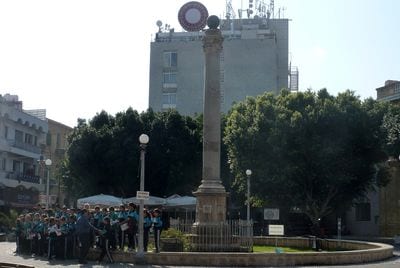
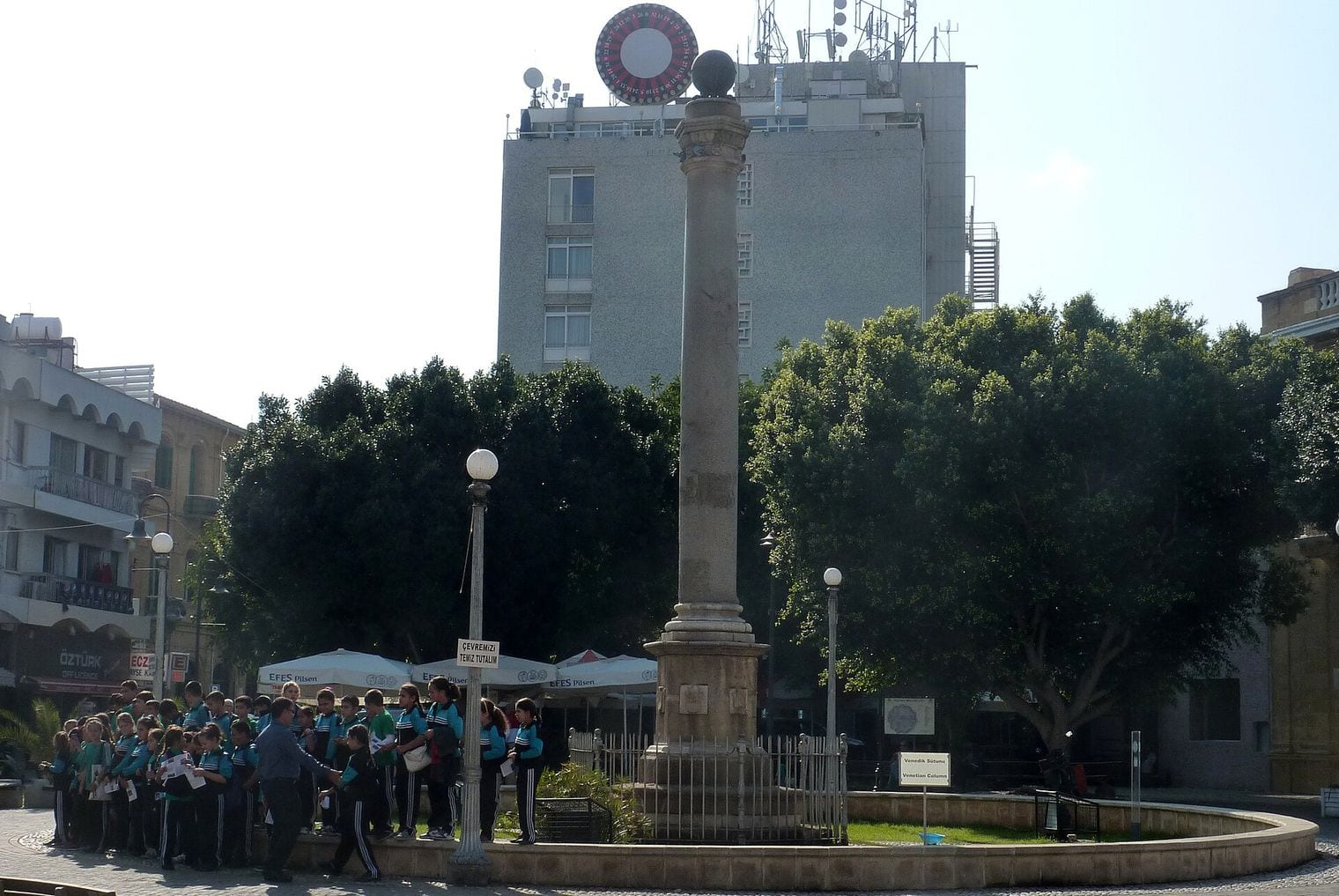
The granite Venetian column in Atatürk Square was quarried at ancient Salamis, believed to have come from the temple of Zeus there before the Venetians brought it to Nicosia in 1550.
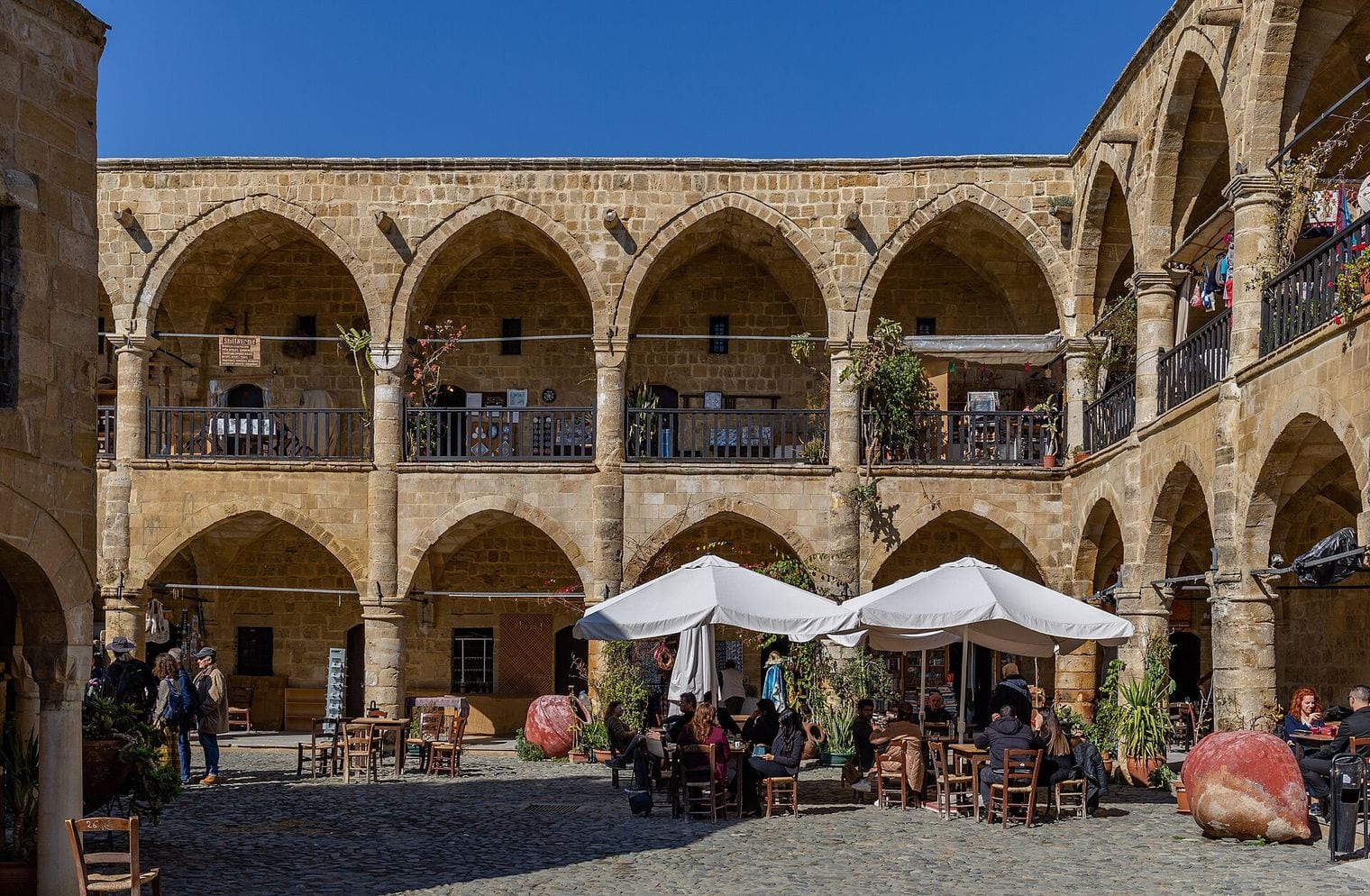
Büyük Han is the finest Ottoman building on Cyprus and the place every visitor to the north ends up. It was built in 1572, a couple of years after the Ottomans took the island, as an inn for merchants and their animals: two storeys of arched cells around an open courtyard, with a small domed mosque raised on pillars in the middle of it.
The cells are craft studios and galleries now and the courtyard is filled with low tables under the arches. Come early, when the light rakes across the sandstone and the place is nearly empty, or late afternoon when it fills up with people who live here. Under British rule the han served for a time as the city's prison, which is why one corner still feels unexpectedly severe.
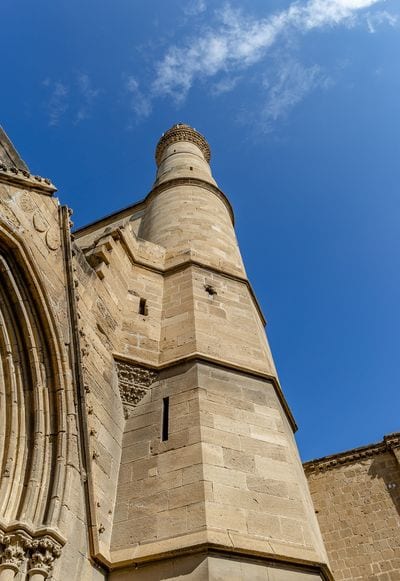
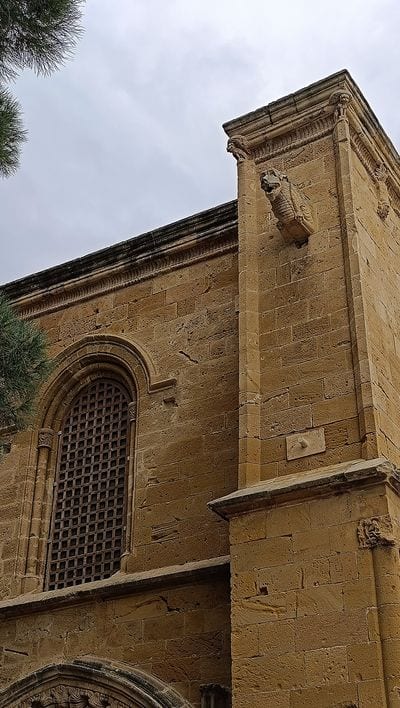
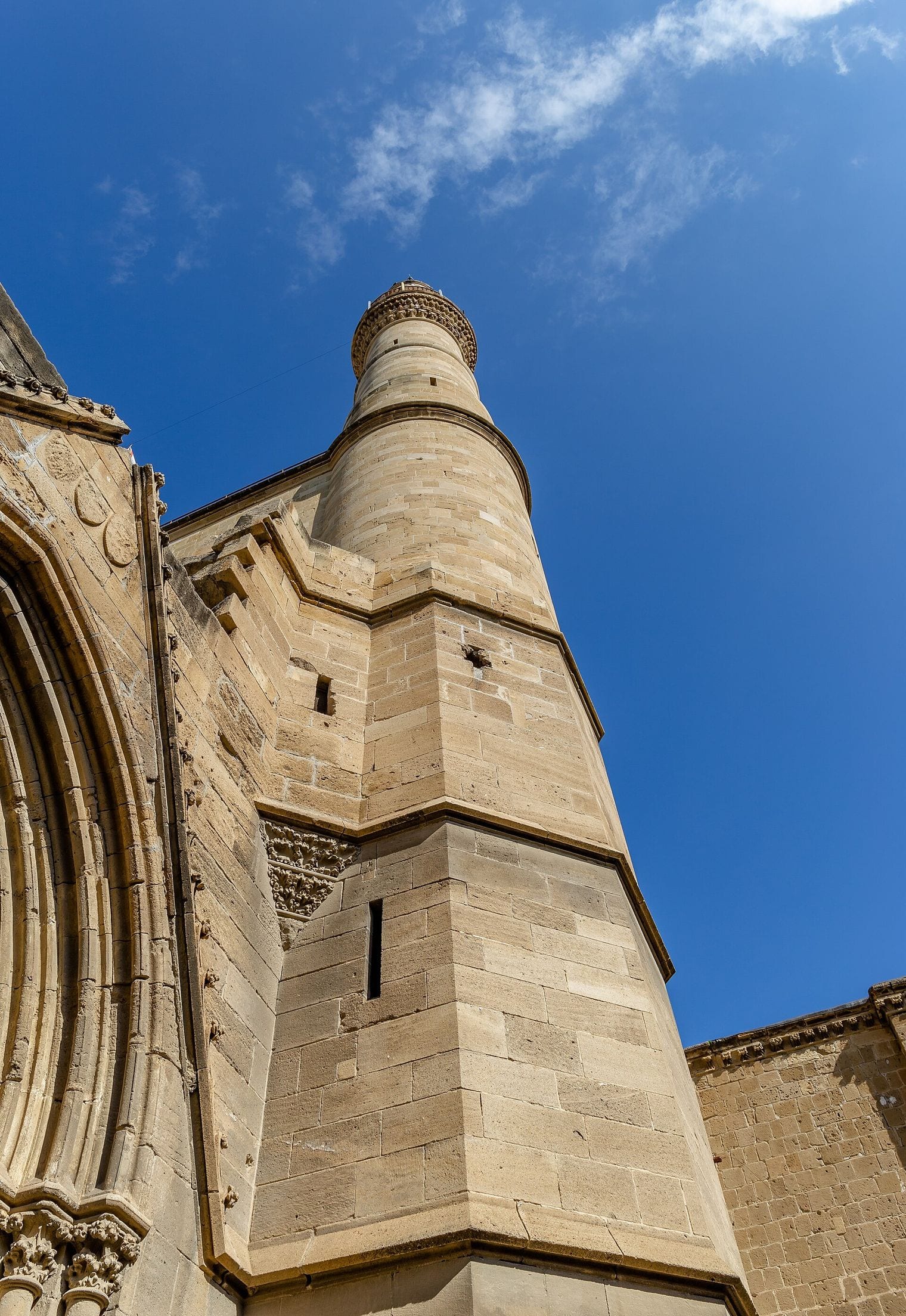
Nothing quite prepares you for Selimiye Mosque. It was begun in 1209 as the Cathedral of Saint Sophia, the church in which the Lusignan kings of Cyprus were crowned, and it is unmistakably French Gothic: a great west front with three deep portals, pointed arches, tall ribbed vaults. Then in 1570 the Ottomans took Nicosia, stripped the interior and added minarets.
The result is one of the strangest and most affecting buildings in the Mediterranean — a whitewashed Gothic nave with no pews, no statues and no stained glass, just carpet, a mihrab cut into one wall, and light. Take your shoes off, dress modestly and avoid prayer times, and give yourself long enough to look up.
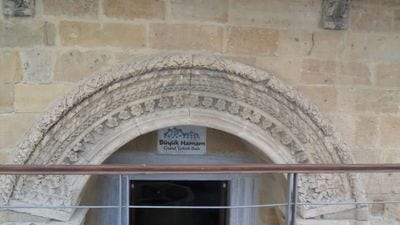
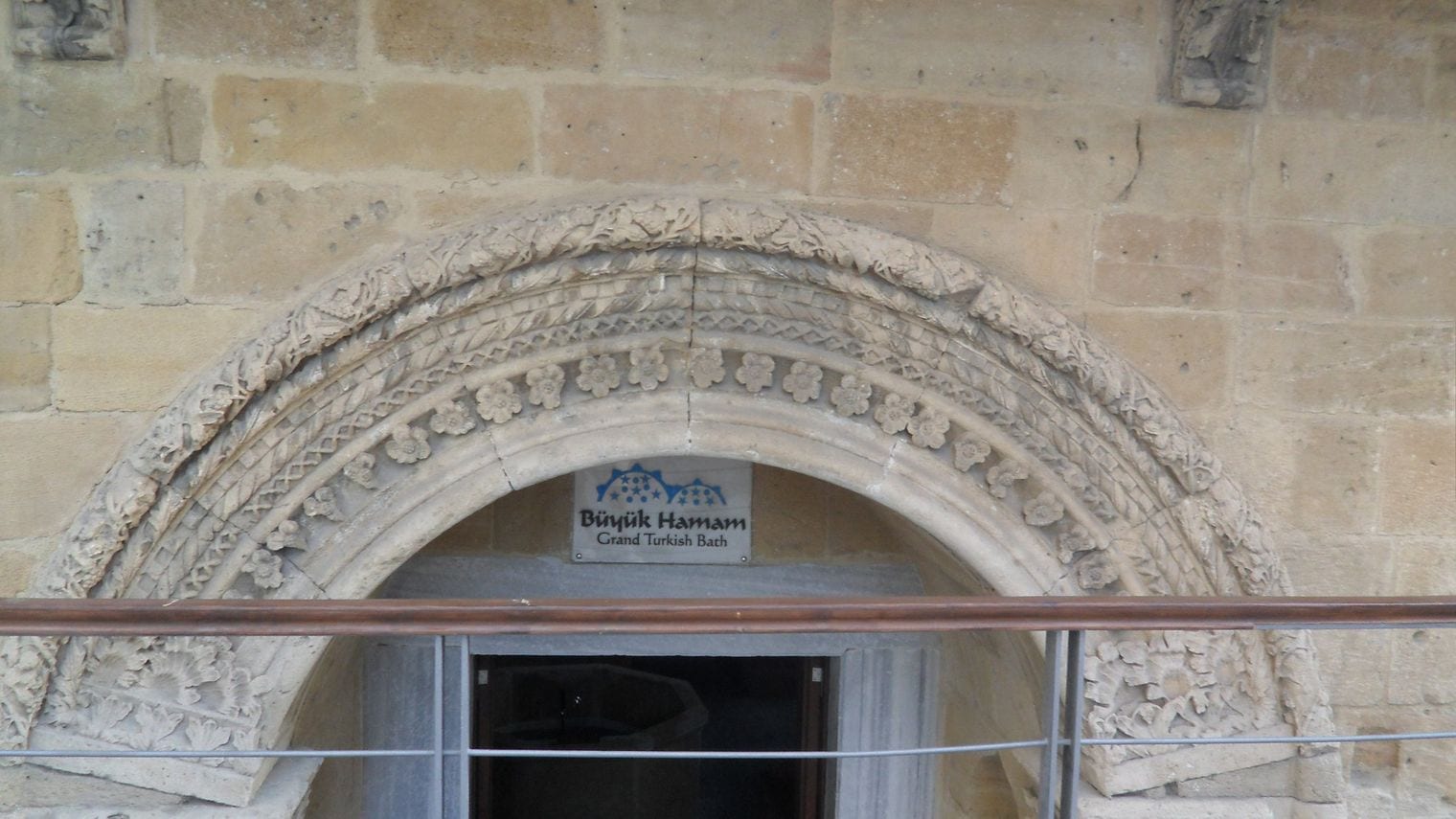
You step down to reach Büyük Hamam, and that drop is the whole story: the doorway was once at street level and the city has risen around it over the centuries. The building is thought to have started as a medieval church before the Ottomans converted it into a bath house, and it has been steaming ever since.
Inside are the three classic chambers, cool, warm and hot, under domes pierced with star-shaped glass that drops shafts of light through the steam. You can book a scrub and a soak or simply look. It is one of very few genuinely working Ottoman baths left on the island, and it is a good deal rougher around the edges than a resort spa — which is the point.
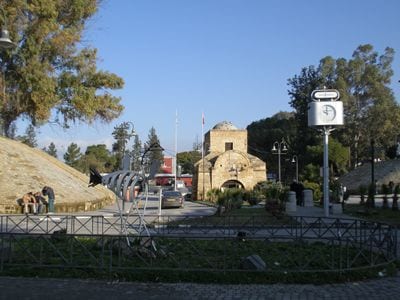
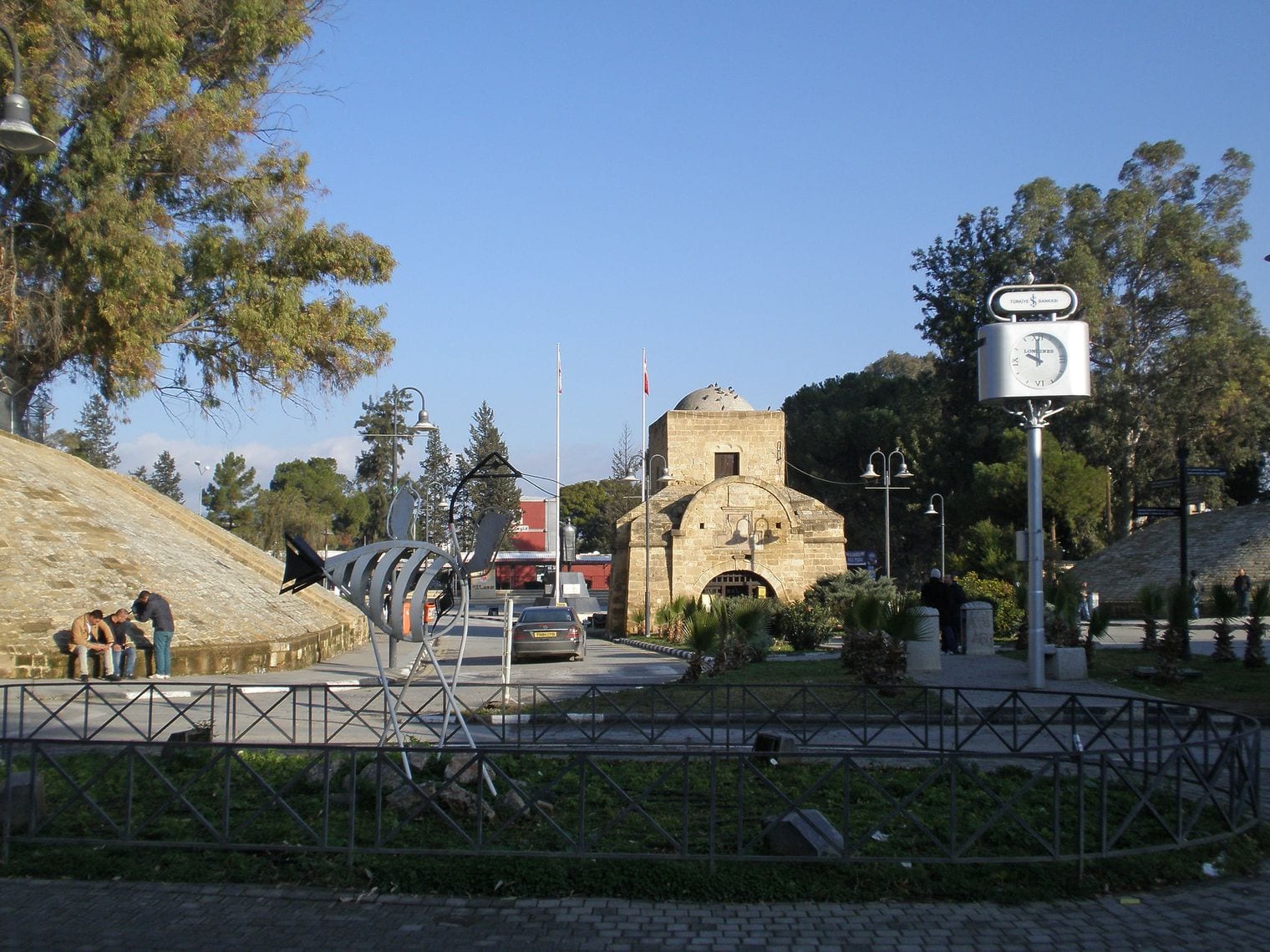
Kyrenia Gate stands marooned on a traffic island, which sounds like a diminishment and somehow isn't. The Venetians built it in 1567 as the northern entrance through their new walls, and for centuries it was the way in from the coast road, its passage cut straight through the earth rampart.
Roads were later driven around either side of it, leaving the little domed gatehouse stranded in the middle of the junction. An Ottoman inscription over the arch records a later restoration, and the building now holds a small tourist office. Everyone in the north gives directions by it, so you will end up here whether you plan to or not.
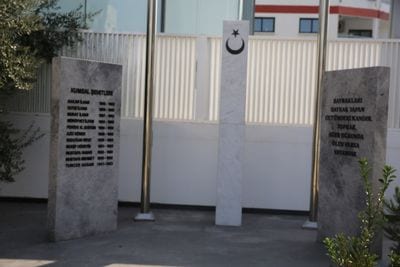
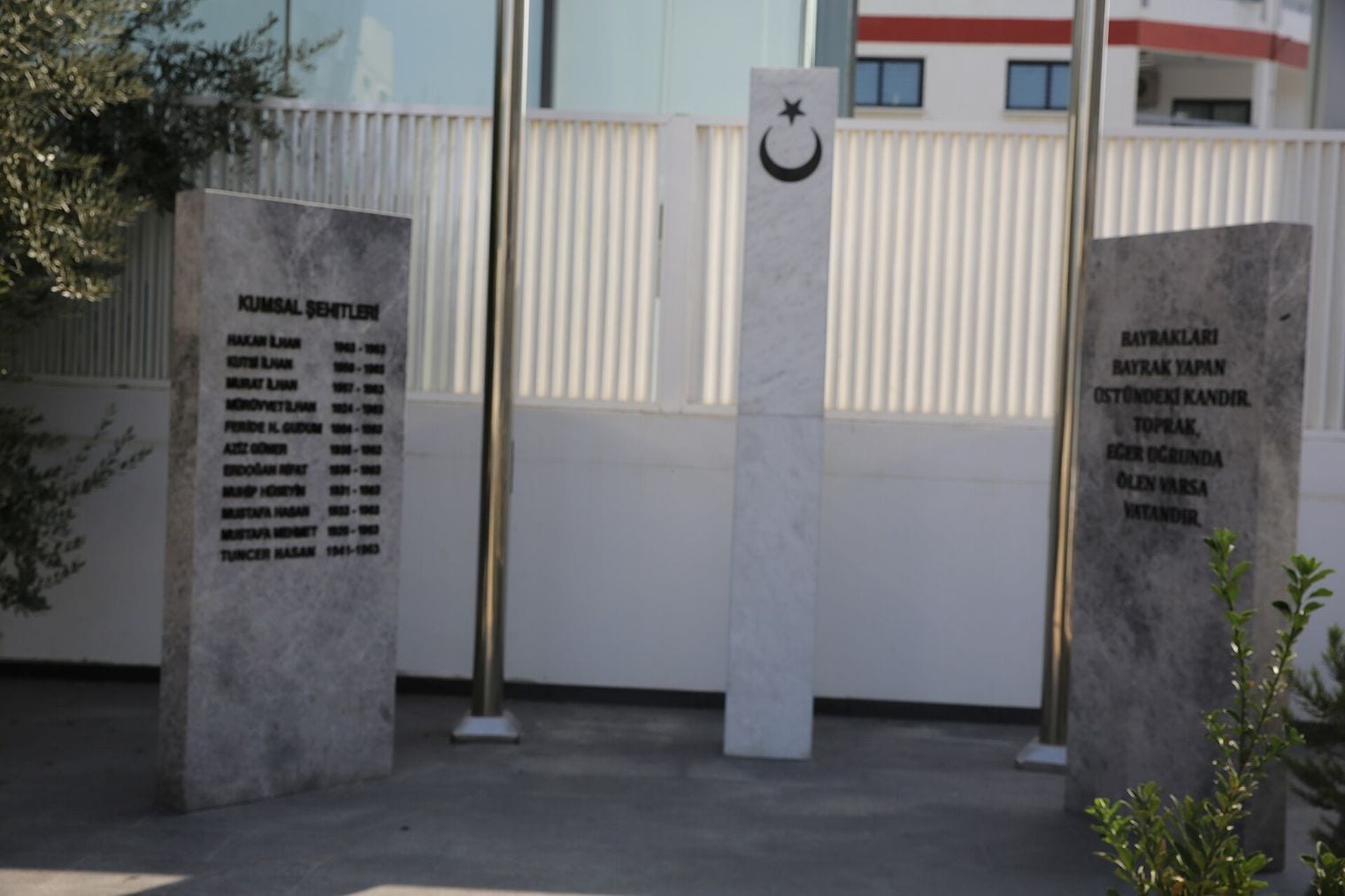
The Museum of Barbarism is an ordinary suburban house in Kumsal, and it is the hardest stop in this guide. On 24 December 1963, during the intercommunal violence Turkish Cypriots call Bloody Christmas, the wife and three children of a Turkish army medical officer were killed in its bathroom.
The house is kept as a memorial, with photographs, belongings and the bathroom itself preserved as it was found. It presents one side of a bitterly contested history and makes no attempt at balance, so read it as a monument to how the division is remembered in the north rather than as a neutral account of it. Go, but go knowing what it is.
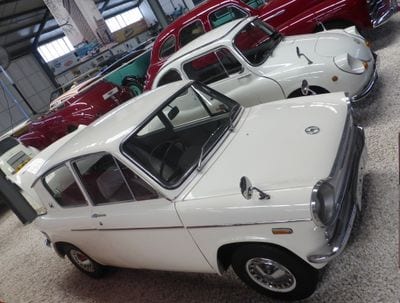
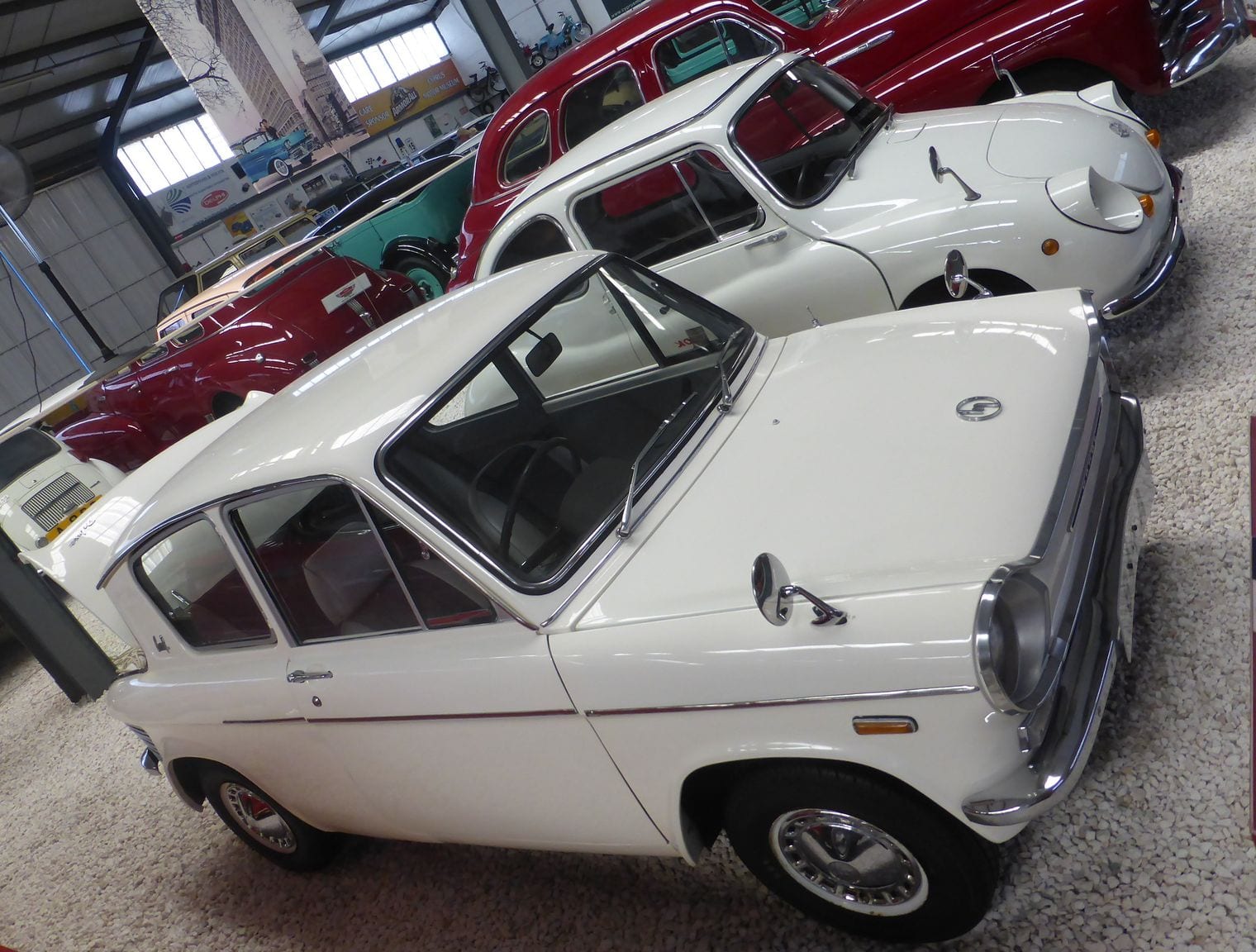
Out towards Gönyeli, well beyond the walls, the Cyprus Car Museum is a genuine surprise: a large private collection of classic cars gathered over decades and shown in a purpose-built hall on the edge of the city.
There are pre-war saloons, post-war British marques, American cruisers and a long run of oddities, most of them kept in running order and polished to a shine. Labelling is light and the atmosphere is more enthusiast's garage than institution, which suits it. It is the one stop in this guide with nothing at all to do with the Green Line, and after a morning in the old city that is exactly its appeal.
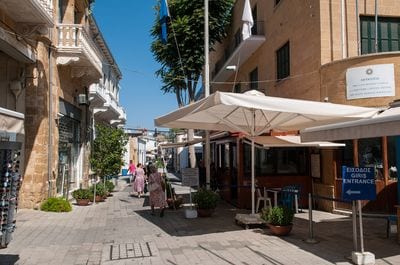
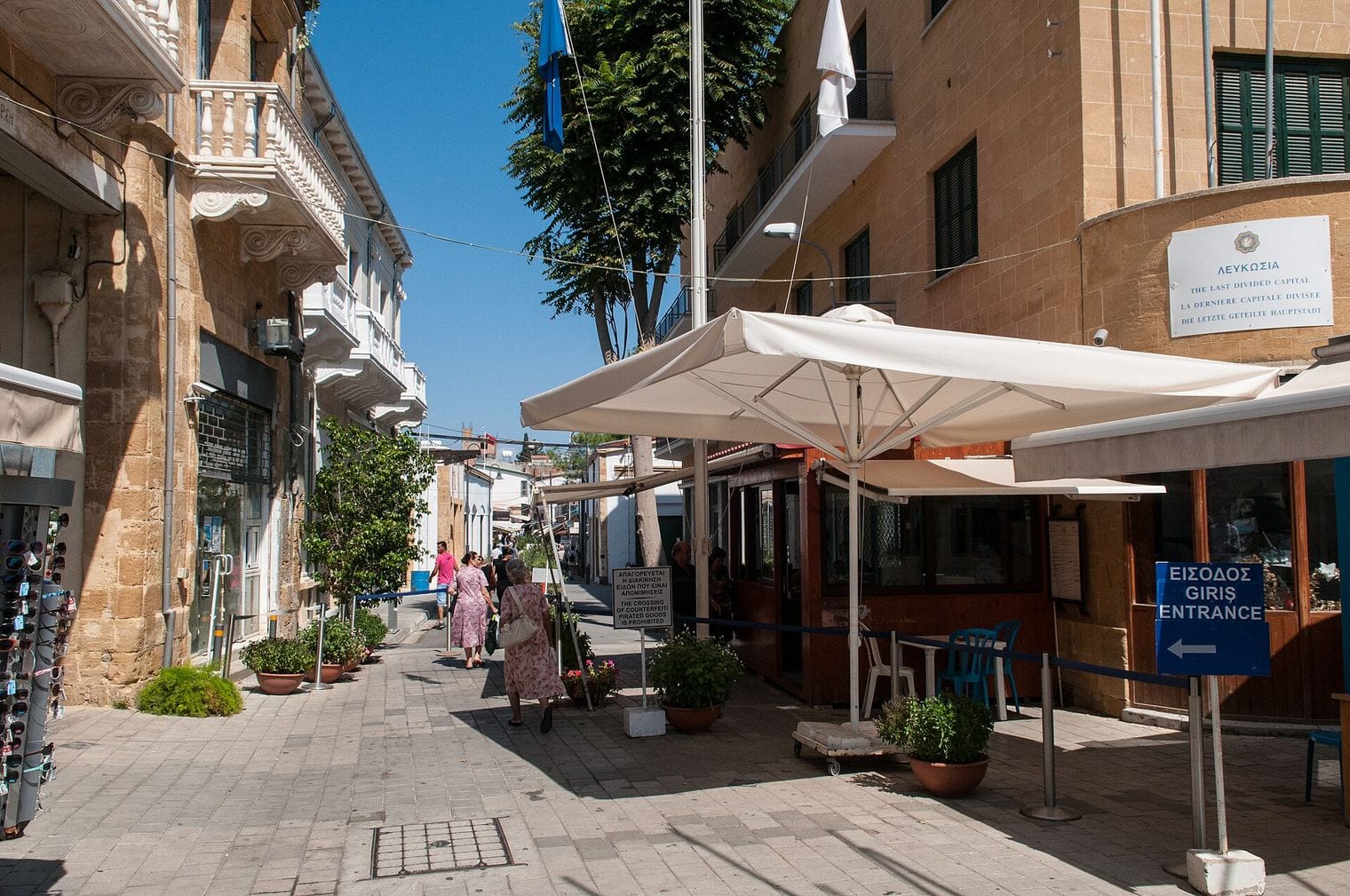
At the southern end of the main shopping street the pavement simply runs into a checkpoint. This is the Lokmacı Crossing — Ledra Street on the far side — and it is the busiest of the pedestrian crossings through the United Nations buffer zone that divides the city.
It opened in 2008 after decades sealed shut, and walking through takes a few minutes: show a passport at the northern booth, cross a short stretch of no-man's-land past shuttered and shell-marked buildings, then show it again on the southern side. You can be drinking Greek coffee ten minutes after Turkish coffee. Nothing else explains Nicosia so quickly.
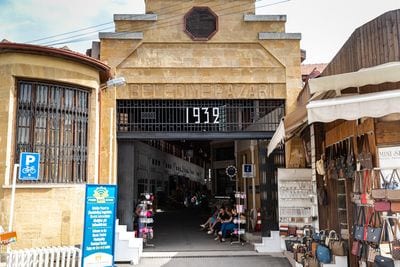
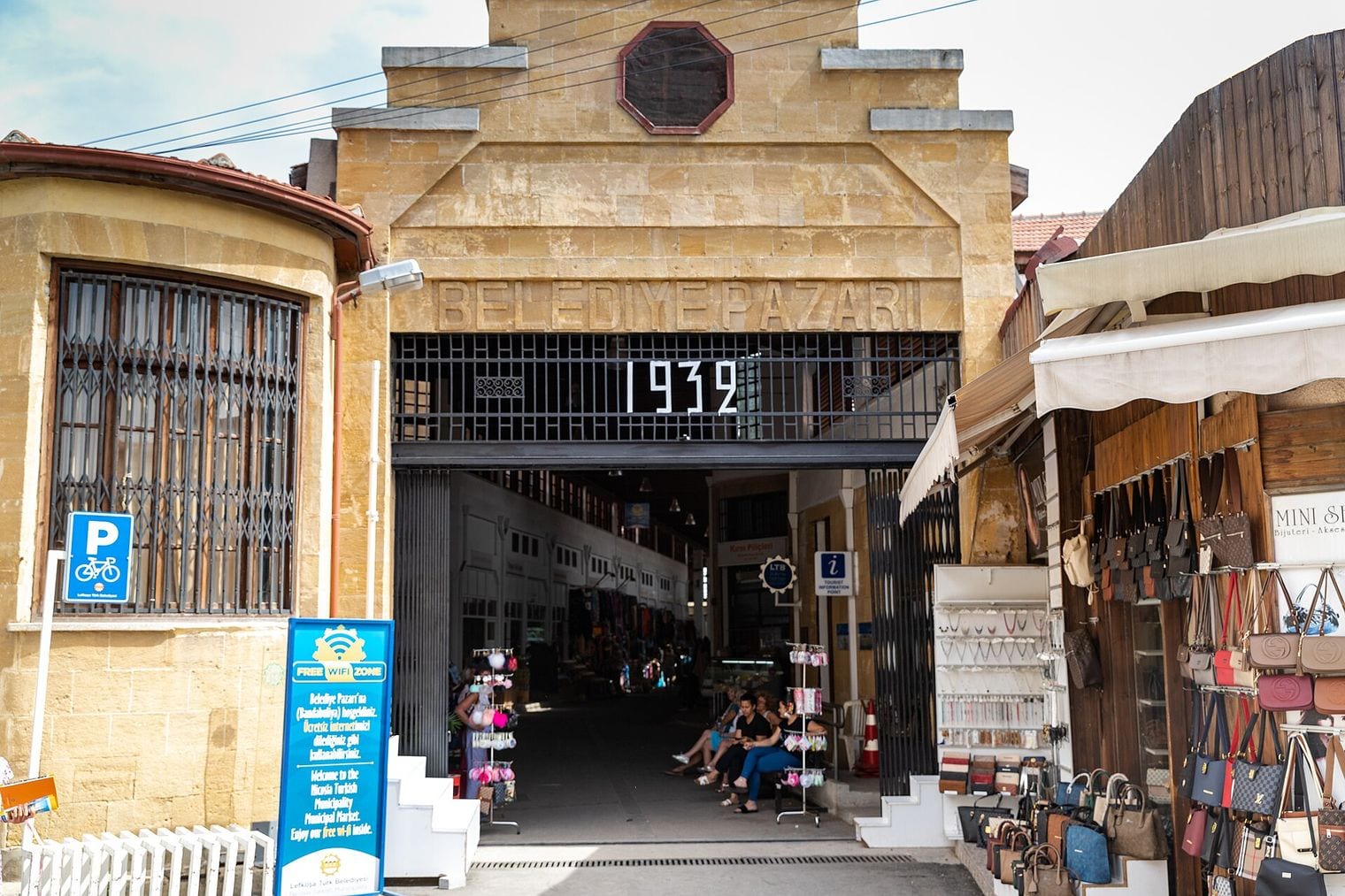
Bandabuliya is the covered municipal market that sits just behind the Selimiye Mosque, a long hall built under British rule that served for generations as the walled city's fruit, vegetable and butcher market.
A restoration reopened it as a mix of produce stalls, craft shops and cafés arranged around a central seating area. It is quieter and more visitor-facing than it once was, and old Nicosians will tell you so, but the vaulted hall is handsome, the halloumi and sucuk on the counters are the real thing, and it makes a sensible lunch stop roughly halfway round a walking circuit of the old city.
Atatürk Square — Sarayönü to older residents, and still called that by most of them — is the civic heart of the walled north city. Its centrepiece is a grey granite column the Venetians brought to Nicosia in 1550, quarried at ancient Salamis on the east coast and set in its present position in 1915.
A Lion of Saint Mark once stood on top of it, placed there to mark Venetian rule. Government offices and colonial-era facades line the square, and the streets running off it carry most of the north's everyday shopping life. It is the natural place to get your bearings before walking down towards Selimiye, and the obvious meeting point if you are splitting up.
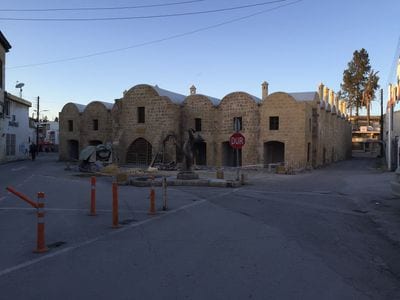
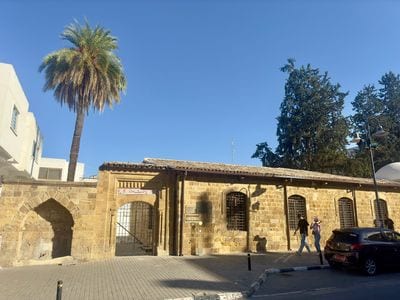
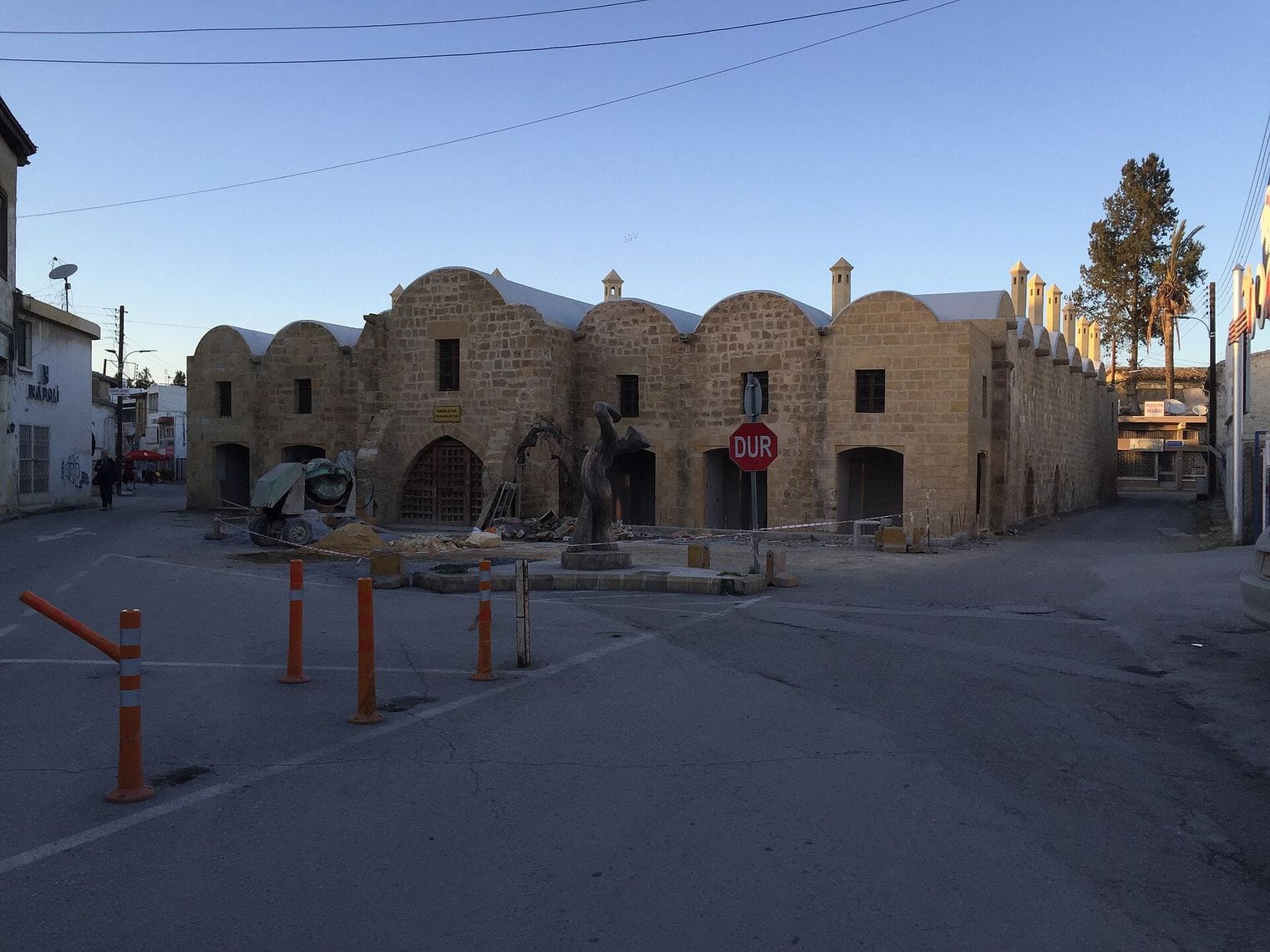
If Büyük Han is the showpiece, Kumarcılar Han is the quiet one. This smaller Ottoman inn stands a couple of streets away and is built to exactly the same logic — a courtyard ringed by cells on two floors — but at something close to domestic scale.
Its name translates as the gamblers' inn, which says something about the trade it once attracted, though today it is one of the calmest corners in the walled city. It has been restored but is often closed or only partly in use, so treat it as a look-through-the-archway stop rather than a visit. The contrast with the crowded Büyük Han is the reason to walk over.
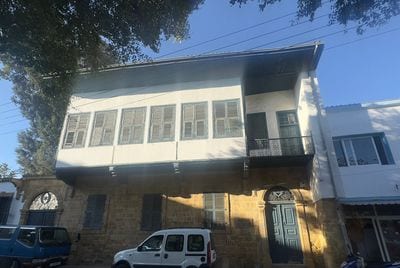
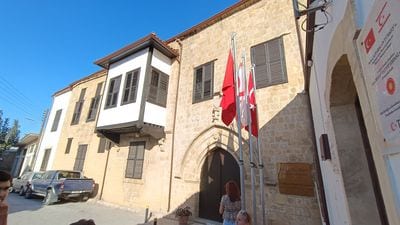
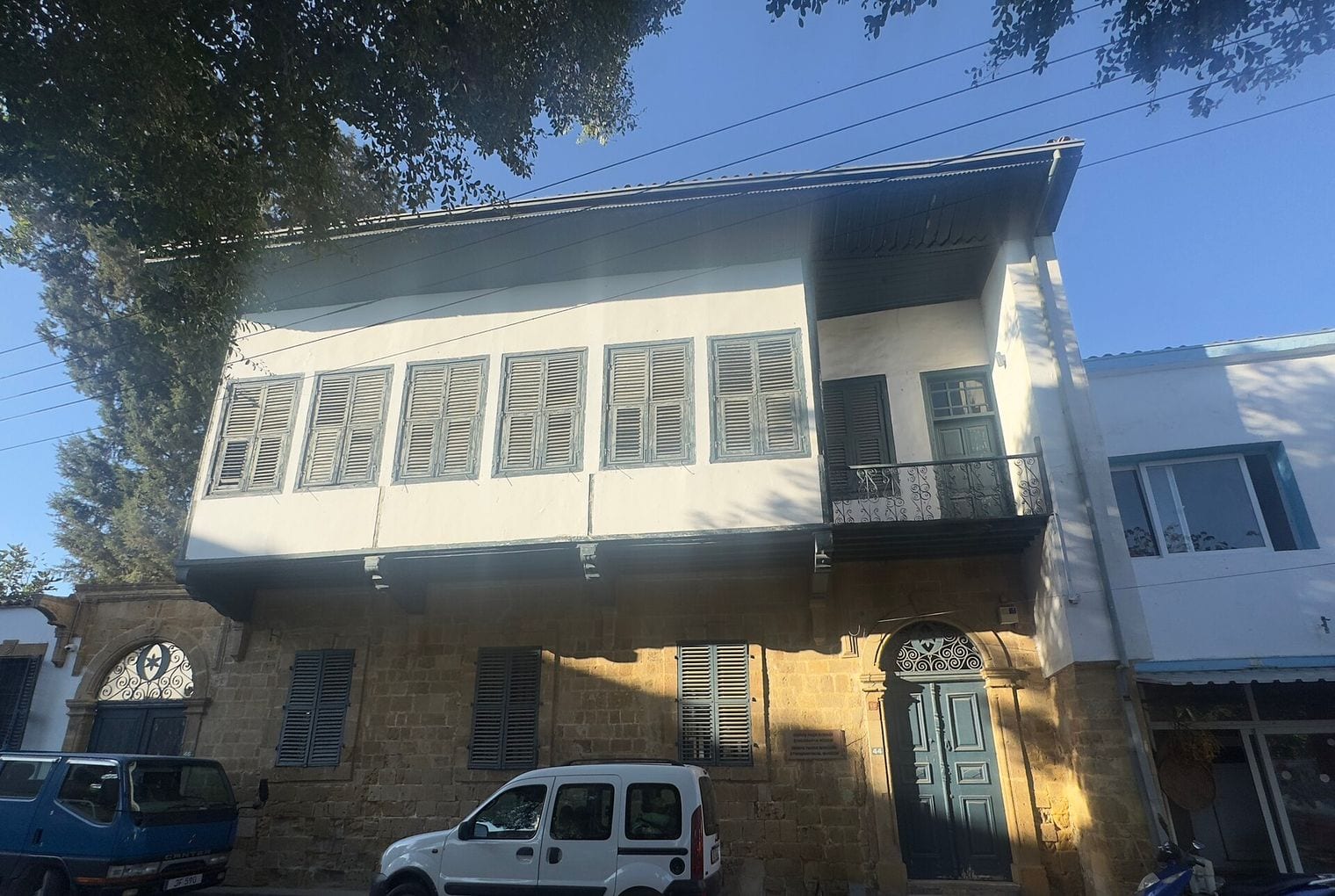
Dervish Pasha Mansion is the best surviving example of a wealthy Ottoman townhouse in Nicosia, and it is built to the classic Cypriot plan: a solid stone ground floor for storage and work, a lighter timber-framed upper floor where the family actually lived, and a courtyard in between.
It now holds the city's ethnography collection — embroidery, copperwork, costume, carved chests, a reconstructed bridal room. The upstairs rooms, with their shuttered windows and low divans running along the walls, give a clearer picture of nineteenth-century domestic life in Nicosia than any amount of labelling could.
1212. Yiğitler Bastion
Historical LandmarkCity centre
Source: Datingjungle on Unsplash (illustrative image)
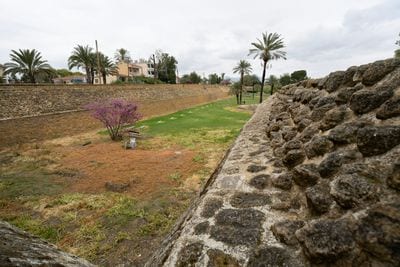
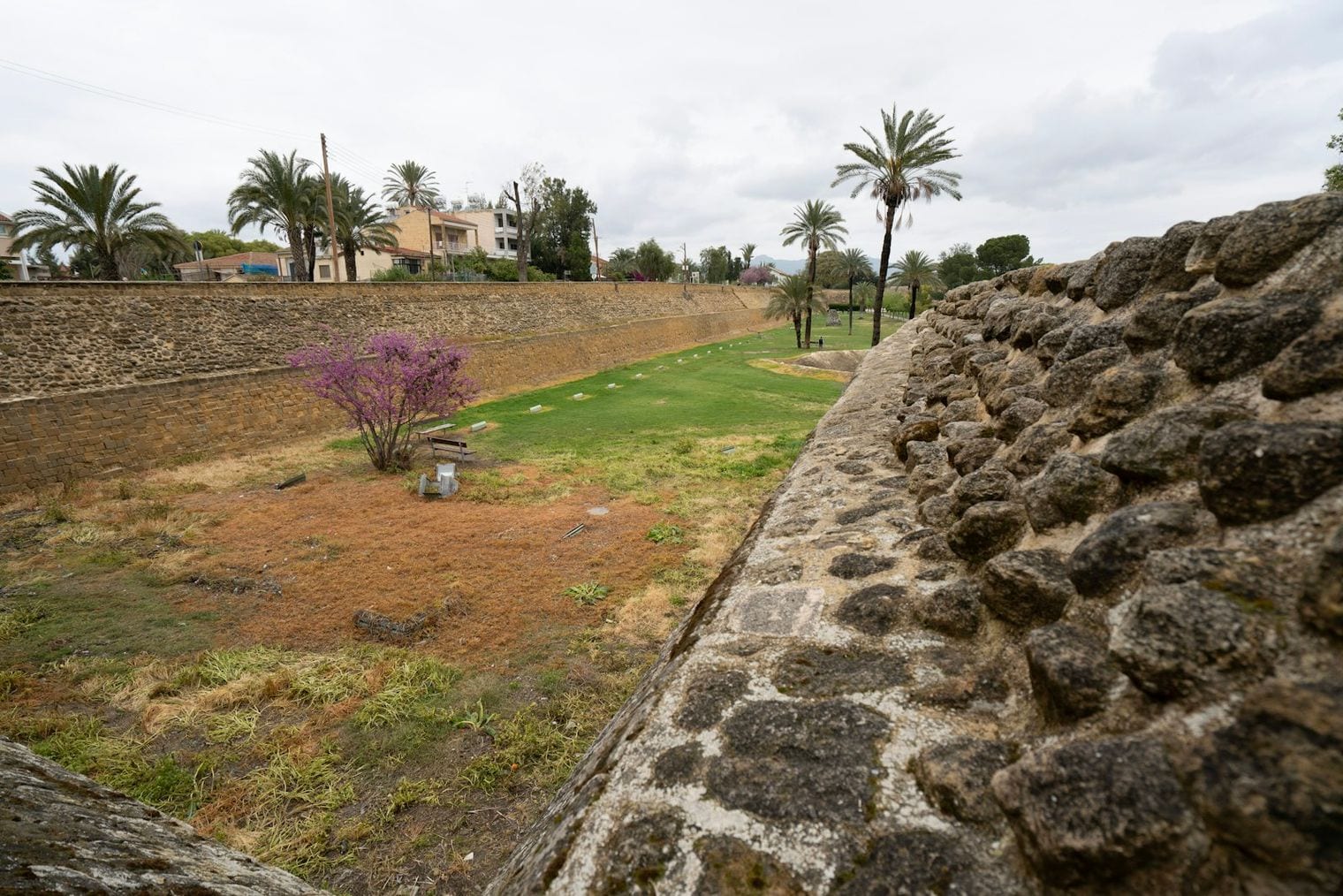
The Venetian walls that ring the old city form a near-perfect circle punctuated by eleven arrow-headed bastions, and Yiğitler is the one that has been handed back to the public as a garden.
Paths climb the earthwork to a terrace planted with cypress and oleander, and from the top you look across the rooftops of the walled city on one side and the modern north on the other. It is the easiest place in Nicosia to grasp how the fortification actually works: not a tall wall but a low, immensely thick, angled one, built to absorb cannon fire rather than stand above it.
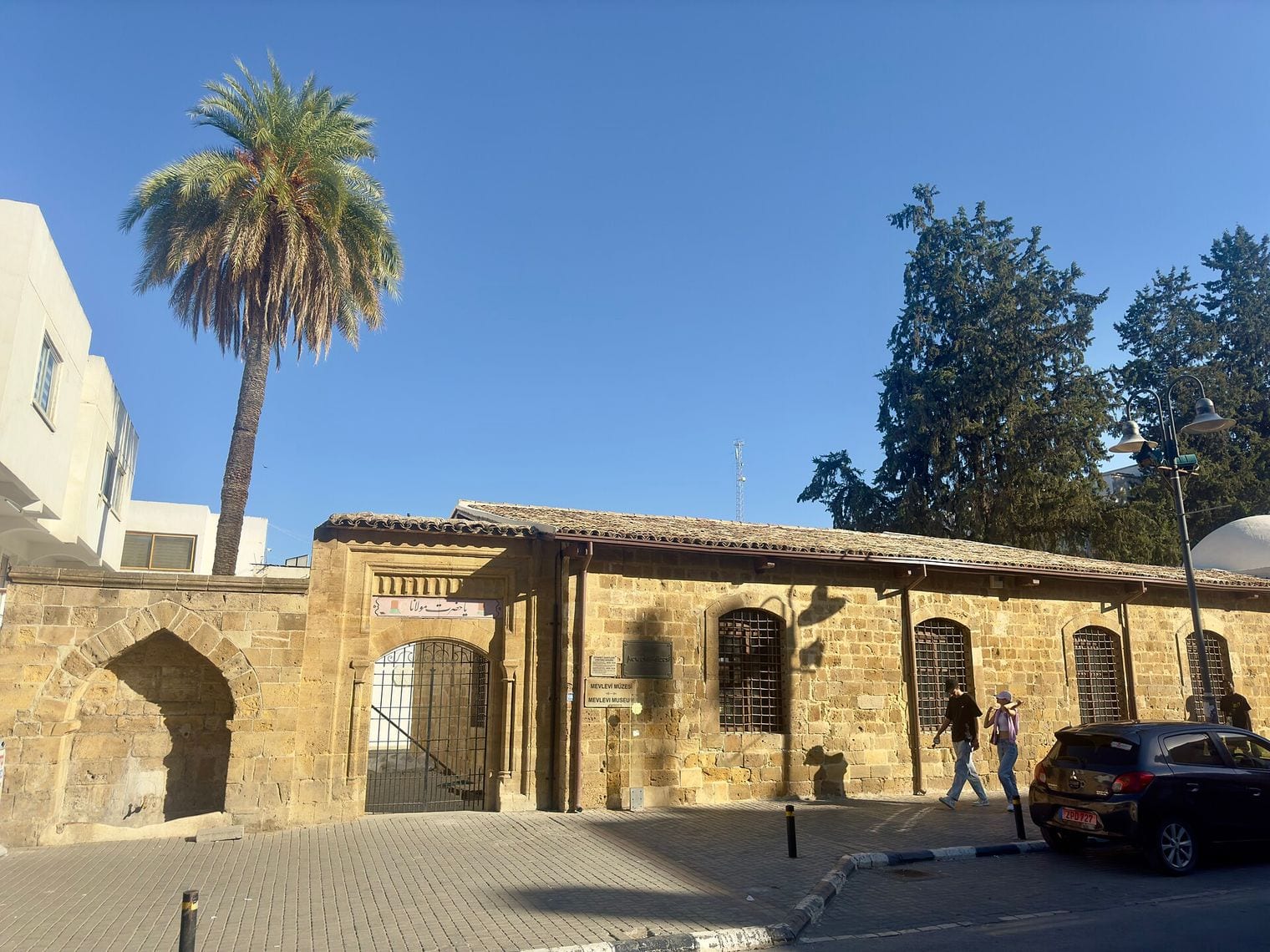
Just inside Kyrenia Gate stands the Mevlevi Tekke, the lodge of the whirling dervishes of Nicosia. The Mevlevi order kept a presence on Cyprus for centuries and this was their house — its heart a wooden semahane, the round floor on which the sema ceremony was performed, with a musicians' gallery above.
The lodge no longer functions as one and the building is now a museum of Mevlevi life: reed flutes and frame drums, robes and tall felt hats, manuscripts and instruments, and a run of domed tombs of sheikhs at the far end. The semahane alone justifies the stop, and it takes twenty minutes to see.
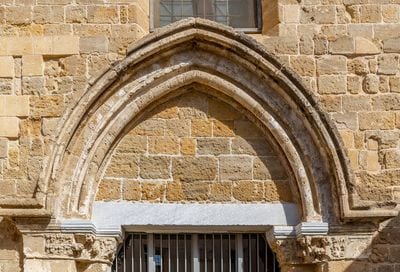
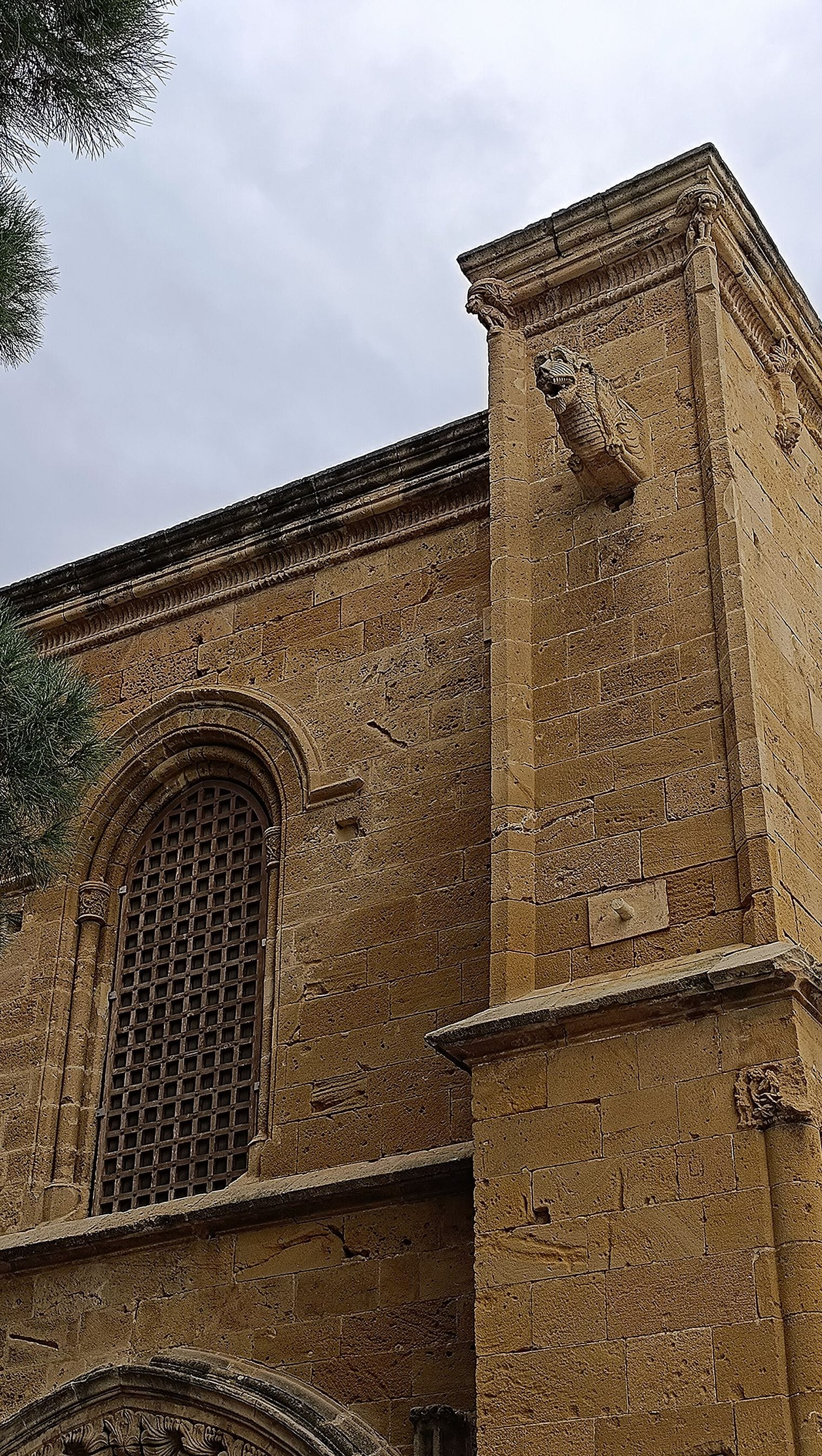
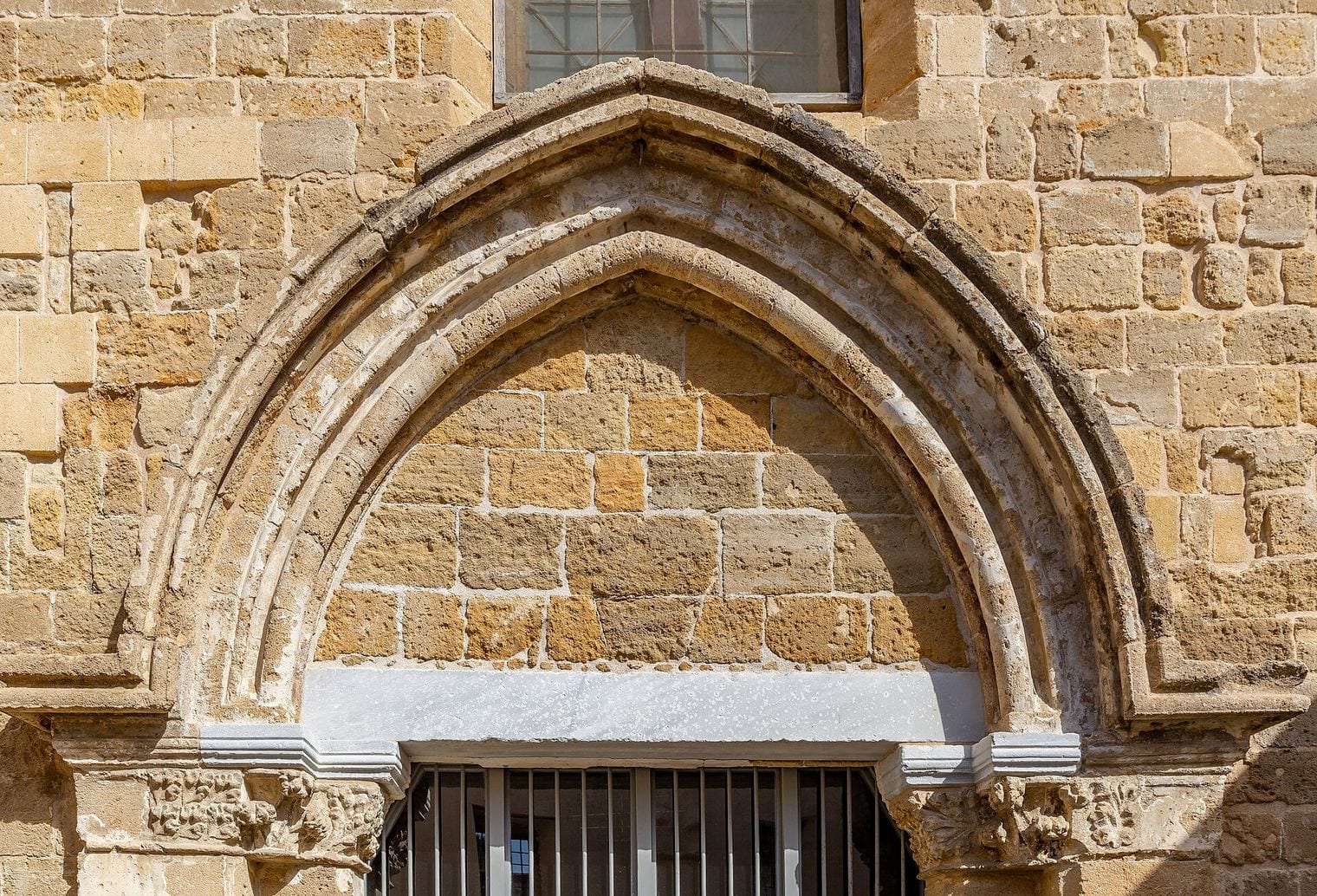
Bedesten is really two buildings fused into one. At its core is a Byzantine church, later rebuilt and enlarged in the Gothic style, and its north doorway carries the finest carved stonework anywhere in the city — deep mouldings, foliage, coats of arms.
After 1570 the Ottomans put the building to work as a bedesten, a covered market for cloth and valuables, and that is the name that stuck. It stood as a roofless ruin for a long stretch of the twentieth century before a major restoration brought it back, and it is now used for concerts and exhibitions. If the doors are shut, the north front is reason enough to come.
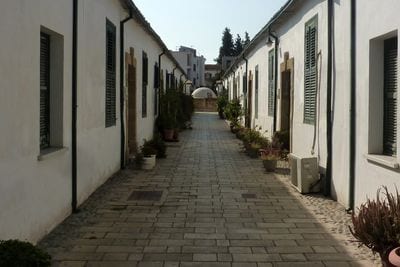
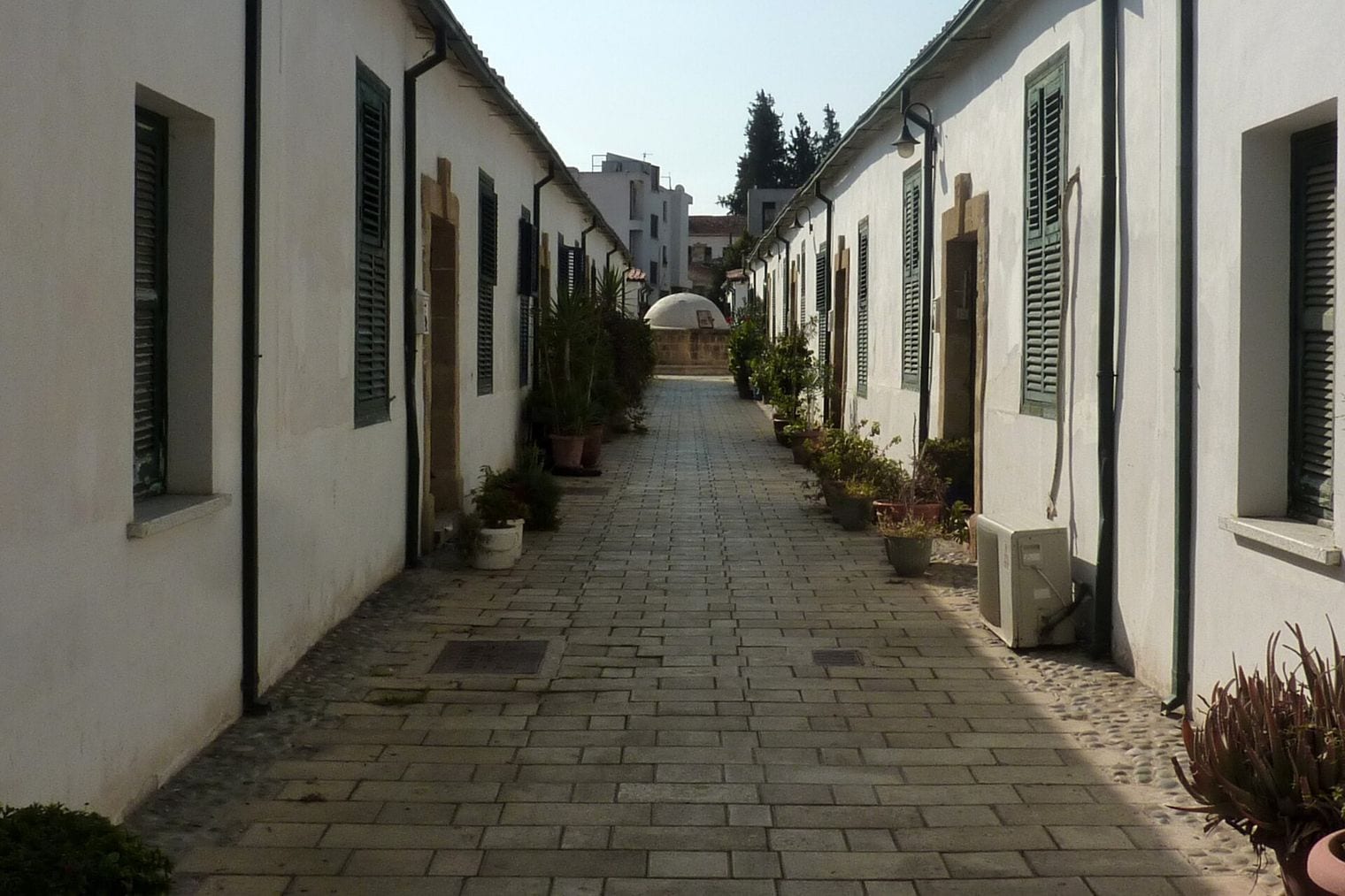
Samanbahçe is a grid of small, identical, single-storey cottages with pitched roofs and painted doors, laid out in neat rows behind the main street. It is generally described as the earliest social housing on Cyprus, built to rehouse poorer families of the walled city.
People still live here, so walk quietly and keep your camera away from windows. The central lane, with its communal fountain and washing strung between the houses, is one of the most photographed corners of the north — and one of the very few places in the old city that has kept its residents instead of losing them to shopfronts and storage.
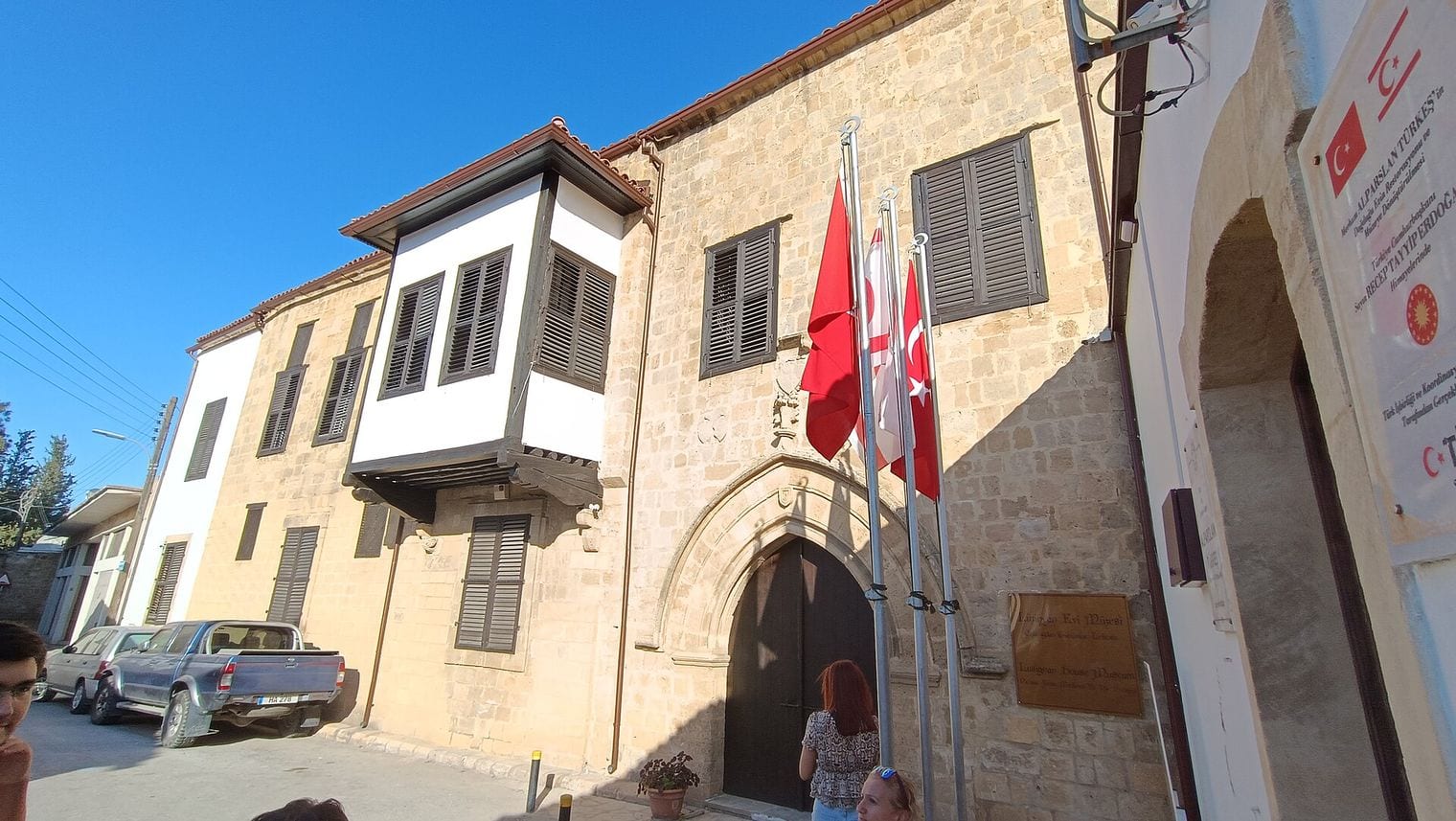
The Lusignan House is a restored stone house from the last decades of Frankish rule, tucked into the lanes east of Selimiye. It is the sort of medieval building that would pass without comment in Italy and is close to unique in Nicosia.
Inside, the rooms have been furnished to suggest a well-off household of the period: a hall with a great fireplace, carved stone corbels, heavy chests, hangings and shuttered openings onto the courtyard. It is small, frequently empty, and it fills in the Lusignan layer of the city that Selimiye can only hint at now that its interior has been stripped.
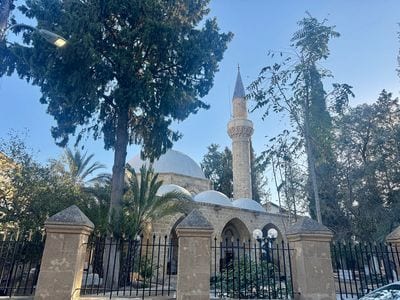
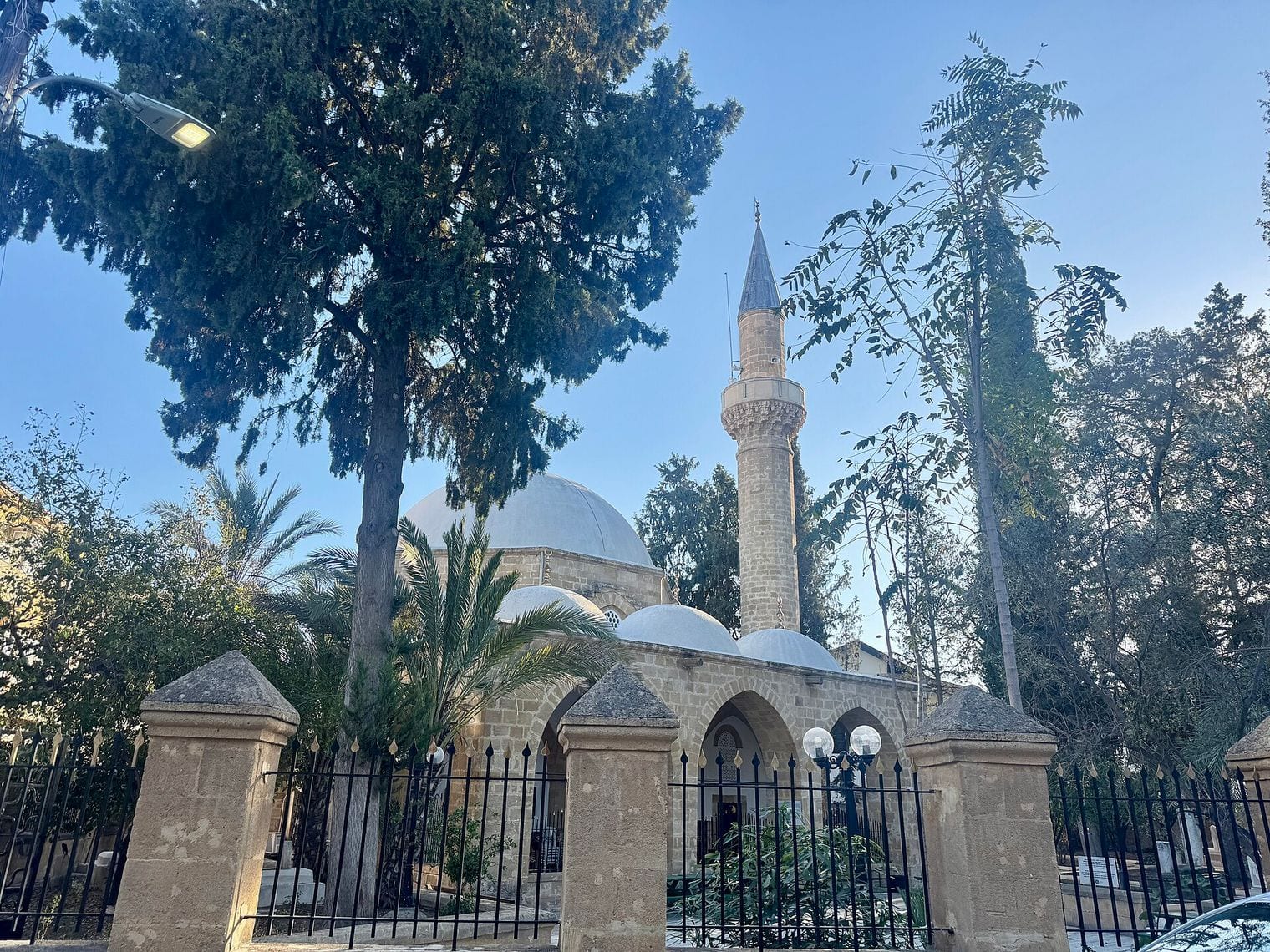
Arabahmet Mosque anchors the quarter west of the main street that carries its name. It is a domed Ottoman mosque of classical plan, named for Arab Ahmet Pasha, one of the commanders of the 1570 campaign, and rebuilt in the nineteenth century on the older foundations.
The deeper pleasure here is the quarter around it. Arabahmet holds the most intact stretch of Ottoman domestic architecture left in Nicosia — overhanging timber balconies, heavy courtyard doors, lanes that still follow their old lines thanks to a long restoration programme. Walk it in the late afternoon, when the stone goes warm and the streets are shaded.
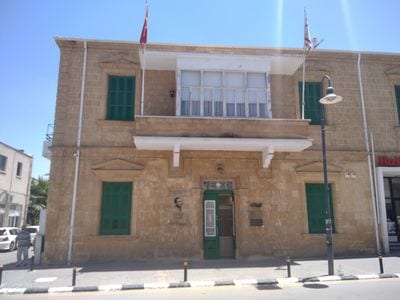
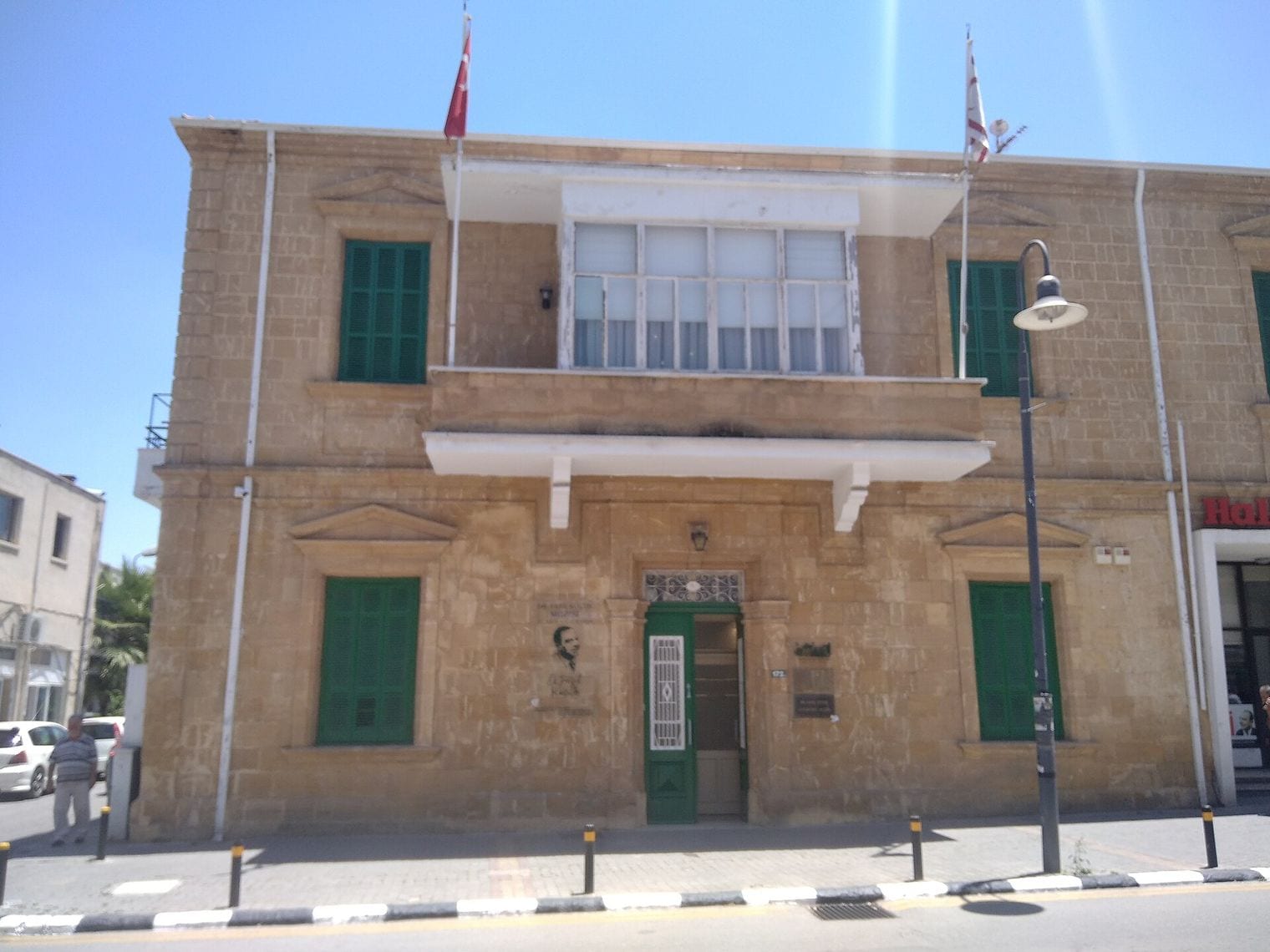
Dr Fazıl Küçük led the Turkish Cypriot community through the years around independence and became the first Vice-President of the Republic of Cyprus in 1960. This is the house he lived in, kept as a museum to his life and his politics.
The rooms hold his furniture, instruments from his medical practice, correspondence, photographs and copies of the newspaper he founded. Like the Museum of Barbarism it is a partisan telling and does not pretend otherwise, but it is compact, well kept and quietly revealing, and it lays out the north's own account of the years before the division more clearly than any street plaque.
1919. Barış Manço Park
ParkCity centre
Source: Emediong Umoh on Unsplash (illustrative image)
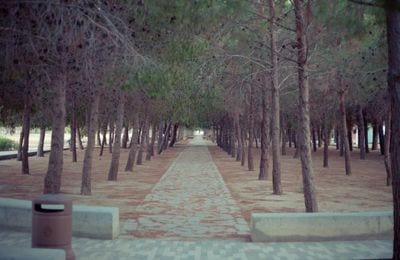
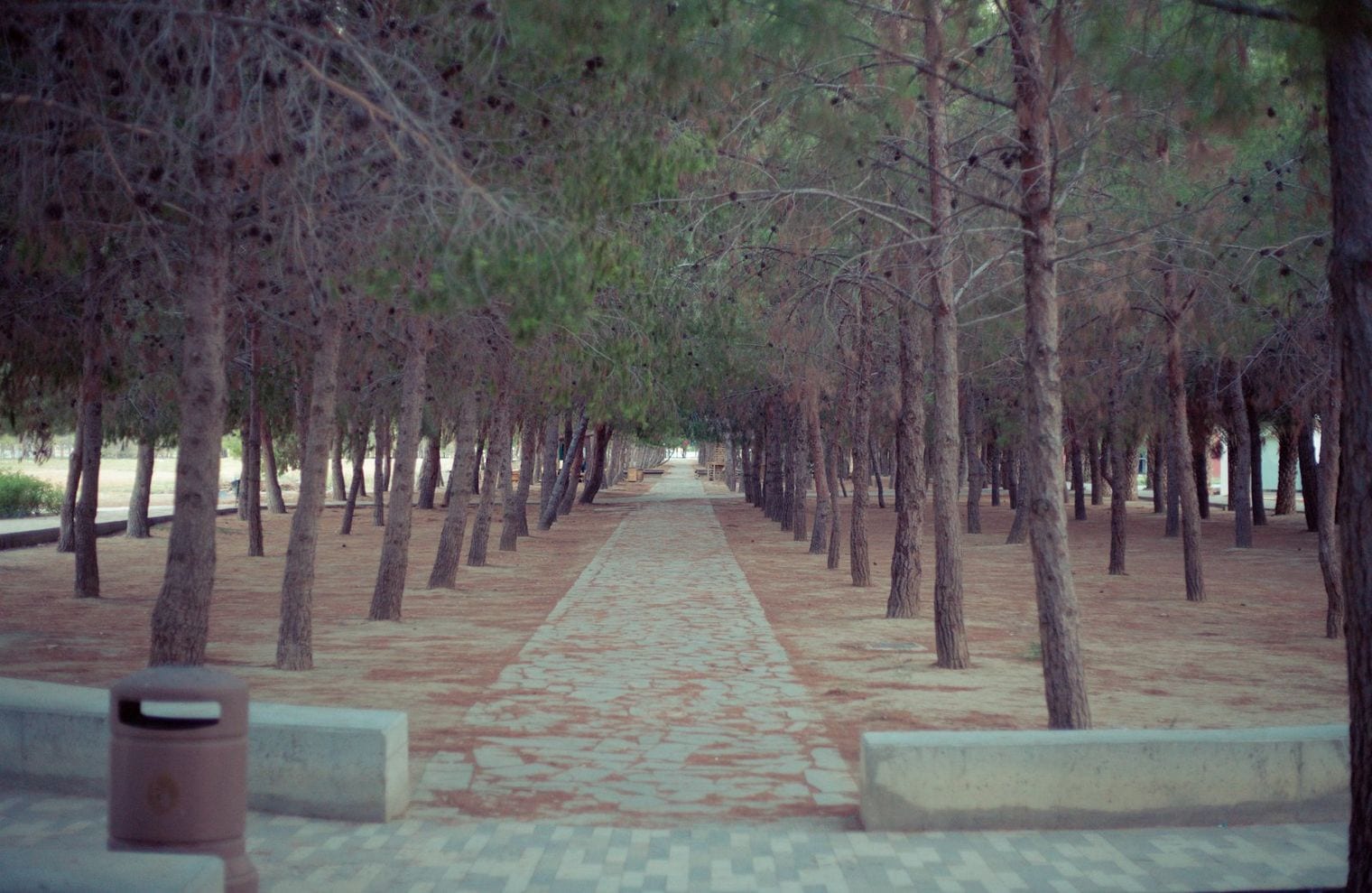
Named after the Turkish singer-songwriter Barış Manço, this is one of the largest public parks in the north of the city, out past the walls and easy to reach on foot from the newer districts.
It is a straightforward municipal park — wide lawns, mature trees, playgrounds, walking loops and a café or two — and it is where north Nicosia actually spends its evenings, particularly through the long hot months when the walled city empties out after dark. If you are travelling with children, or simply want an hour of shade and ordinary life after a morning of monuments, come here.
In the Arabahmet quarter stands a small Gothic church that began as a medieval Benedictine convent and passed to Nicosia's Armenian community after the Ottoman conquest. It is known as Our Lady of Tire, or Sourp Asdvadzadzin.
The Armenians of Nicosia left this side of the city during the troubles of the 1960s and the church slid into ruin; a long restoration has since brought back the vaulting, the carved west doorway and the little walled courtyard. Access is not always possible, but even from the street the layering of Latin, Armenian and Ottoman Nicosia is legible in one small building.
Plan your trip
Best Time to Visit North Nicosia
Spring and autumn are the seasons to aim for. From March to May the Mesaoria plain around the city is green, the walled streets are comfortable to walk all day, and the stone interiors of the mosques and hans are pleasant rather than cold. September through November does the same in reverse, with warm evenings that pull everyone outdoors well after dark.
Nicosia sits inland, well away from any sea breeze, and that makes it the hottest city on Cyprus in high summer — midsummer afternoons can be punishing, and the sensible approach is an early start, a long shaded break, and a return to the streets after five. Winter is mild and often bright, with short spells of rain; it is the quietest time to see the old city, and museums and monuments keep shorter daylight hours.
Getting to North Nicosia
The north has its own airport at Ercan, roughly half an hour east of the city, but flights there route through Turkey, so most visitors from elsewhere fly instead into Larnaca or Paphos in the south and cross by land. Larnaca is about an hour's drive from Nicosia on a good motorway, and Paphos rather longer.
Crossing between the two halves is routine and takes minutes. Pedestrians use the Ledra Street crossing in the middle of the old city or the Ledra Palace crossing just outside the western walls; drivers use Metehan, on the western edge. Bring your passport for every crossing, and check the insurance position before taking a hire car over, since cover often does not carry across the line in either direction.
Getting Around North Nicosia
The walled city is small and best seen entirely on foot — almost every stop in this guide sits within a fifteen-minute walk of the Selimiye Mosque, and the lanes are too narrow and too one-way to make driving worthwhile. Wear proper shoes; the older streets are cobbled and uneven, and the bastion earthworks involve a climb.
Outside the walls it changes. The modern districts spread north and west, and a car is much the easiest way to reach the outlying sights or to continue over the mountains to the coast. Shared minibuses known as dolmuş run along the main arteries for very little, taxis are easy to find around Kyrenia Gate and the main square, and parking is straightforward on the ring road just outside the ramparts rather than inside them.
Where to Stay in North Nicosia
Staying inside the walls puts you within walking distance of everything in this guide, and a handful of restored Ottoman houses in the old city have been converted into small guesthouses — atmospheric, quiet at night, and the best choice if the history is what brought you.
For more modern comforts, the Yenişehir and Köşklüçiftlik districts immediately north and west of the ramparts hold most of the city's larger hotels and sit within easy reach of the Dereboyu restaurant strip. Kumsal and the streets around it are quieter and residential, and suit a longer stay. If you plan to see both halves of the city, note that basing yourself on the southern side works equally well — the crossing is a short walk either way.
Where to Eat in North Nicosia
Dereboyu Avenue, out in the modern city, is the north's dining and nightlife heart, a long strip of restaurants, meyhanes and cafés that fills up late. Inside the walls the eating is more atmospheric than extensive: the courtyard of the Büyük Han, the lanes around the Selimiye Mosque, and the covered market are where you will find lunch.
Eat the Cypriot things. Şeftali kebabı — caul-wrapped minced lamb grilled over charcoal — is the local speciality and is done better here than almost anywhere; hellim, the halloumi that started on this island, comes grilled alongside almost everything. Look out for molehiya and kolokas as home-style stews, macun preserves sold by the spoonful, and künefe with a Cyprus coffee to finish.
Day Trips from North Nicosia
Kyrenia is the obvious one — about forty minutes north over the Beşparmak range, with a horseshoe harbour, a castle holding an ancient shipwreck, and the crag-top ruin of St Hilarion and the abbey at Bellapais on the mountain road above it. Famagusta lies roughly an hour east and pairs a Venetian walled city with the vast Roman and Hellenistic ruins of Salamis on the coast just beyond it.
The shortest trip of all is on foot: southern Nicosia begins a few metres past the checkpoint, and the museums, galleries and tavernas of the Republic-controlled half make an easy half-day. For a wider loop, the Karpaz peninsula runs north-east into empty beaches and wild donkeys, though that is a long day rather than a short one.
Before you go
Mobile dataAn eSIM gives your phone local data when you land, with no SIM card to swap.via AiraloGet an eSIM
We may earn a commission when you buy through these links, at no extra cost to you. How we make money.
One Day in North Nicosia
Morning
Start at the Büyük Han before the courtyard fills, then walk five minutes east to the Selimiye Mosque, taking in the carved north door of the Bedesten beside it. Drop into the Bandabuliya Municipal Market for a coffee and a look at the stalls.
Climb Yiğitler Bastion for the light going off the rooftops, then either book a steam at the Büyük Hamam or walk through the Lokmacı Crossing and have dinner on the southern side. If you would rather stay north, the Dereboyu strip is a ten-minute taxi ride away.
It is best known for the Büyük Han, the great Ottoman caravanserai of 1572, and for the Selimiye Mosque — a French Gothic cathedral where the Lusignan kings of Cyprus were crowned before the Ottomans converted it in 1570. The walled city also holds a working Ottoman bath house, the Büyük Hamam, and the Museum of Barbarism.
Can you cross between north and south Nicosia?
Yes. The Ledra Street crossing in the middle of the old city has been open to pedestrians since 2008, and the walk through the buffer zone takes a couple of minutes. Carry your passport, as it is checked on both sides. Ledra Palace is a second pedestrian crossing, and Metehan handles vehicles.
How many days do you need in North Nicosia?
One full day covers the walled city comfortably on foot, since almost everything sits within a short walk of the Selimiye Mosque. A second day lets you add the outlying stops, cross to the southern half of the city, or take the mountain road to the coast without rushing any of it.
What can you do in North Nicosia for free?
A great deal. The Büyük Han courtyard, the Selimiye Mosque, Kyrenia Gate, Atatürk Square, the Bandabuliya market hall, the cottage rows of Samanbahçe, the Arabahmet Mosque and the garden terrace on Yiğitler Bastion all cost nothing, and walking the Lokmacı Crossing is free too.
When is the best time to visit North Nicosia?
Spring and autumn. Nicosia sits inland on the Mesaoria plain with no coastal breeze, which makes it the hottest city on the island in midsummer and hard work for a walking day. March to May and September to November give warm, comfortable weather, and winter stays mild if you do not mind shorter daylight.