We may earn a commission if you book tickets, tours or a stay through a link on
this page, at no extra cost to you. It never affects which places we list or how
we rank them (how we make money).
Short answer
Start with Lewes for its historic district and the beaches of Cape Henlopen State Park, Rehoboth Beach for its mile-long boardwalk, and New Castle, where William Penn first landed in America, for its colonial Court House and green. Most towns on this list fill a relaxed day, while Lewes and Rehoboth Beach deserve a weekend.
Delaware is the second-smallest state, but its small towns hold a remarkable amount of history: the Dutch-founded harbor at Lewes, the colonial capital of New Castle, Quaker crossroads villages and creekside ports that once built sailing ships. Along the Atlantic, the Delaware Beaches run from boardwalk resorts to the Quiet Resorts near the Maryland line.
This guide ranks 25 of the best, from river towns a short drive south of Wilmington to the bay and ocean towns of Sussex County. Most fill a rewarding day, the beach towns deserve a weekend, and many pair up neatly on one drive.
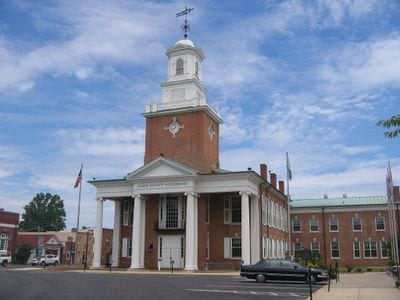
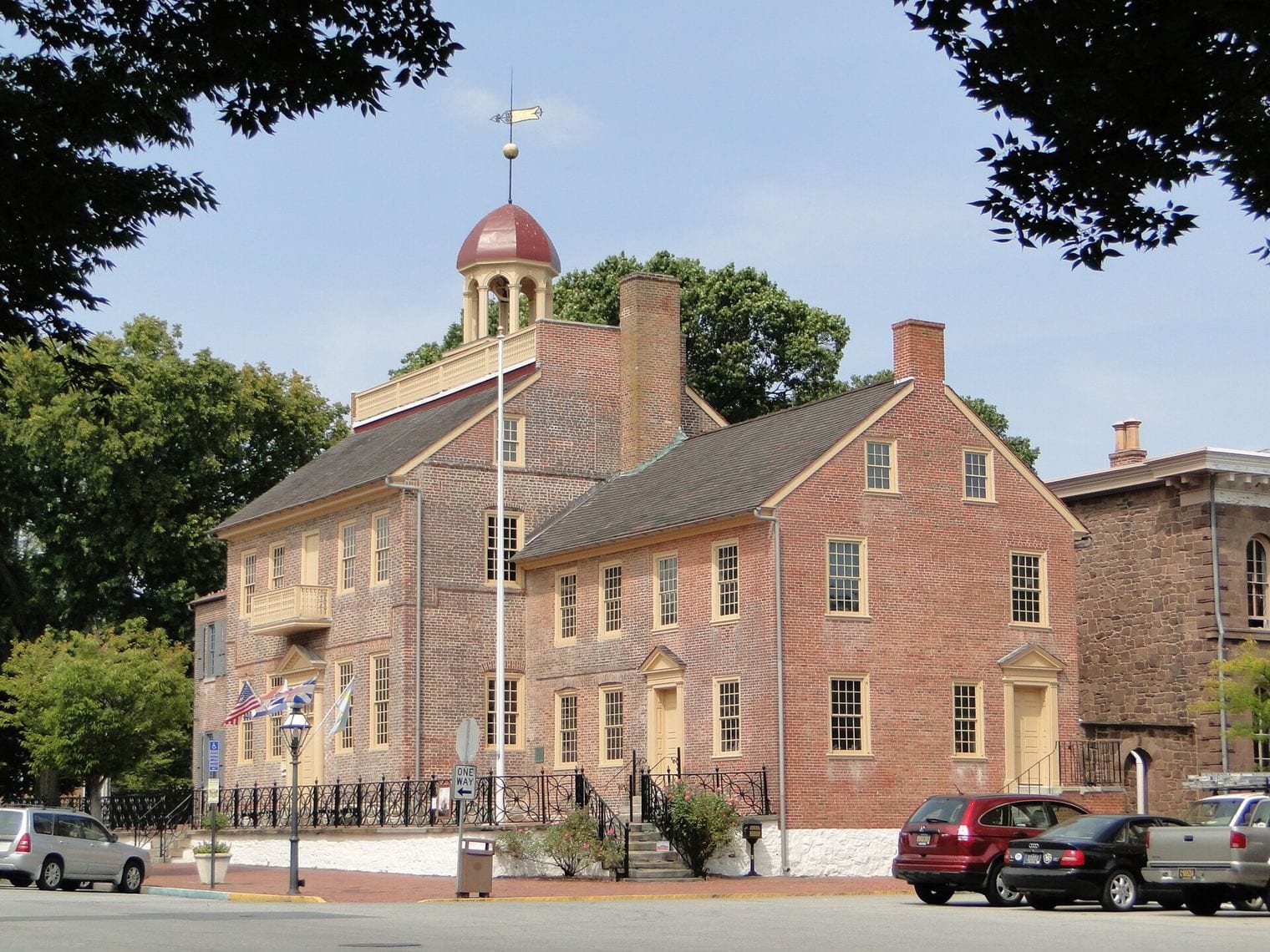
New Castle's Court House cupola is the center of the Twelve-Mile Circle, the arc that forms most of Delaware's border with Pennsylvania and gives the state its curved northern edge.
Barratt's Chapel, built near Frederica in 1780, is the oldest surviving church in the United States built by and for Methodists; at a service there in 1784, ordained Methodist clergy administered the sacraments for the first time.
Millsboro holds both of Delaware's temperature records: a low of −17 °F on January 17, 1893, and a high of 110 °F on July 21, 1930.
Seaford became known as the Nylon Capital of the World after DuPont opened the world's first nylon plant there in 1939.
Bethel, a Broad Creek village of a few hundred people, was the birthplace of the Chesapeake sailing ram, a flat-bottomed, three-masted schooner; as many as thirty were built there between 1871 and 1918.
Georgetown holds Return Day every two years, two days after Election Day, a tradition from colonial times when residents gathered to hear the results; the winners parade around The Circle in horse-drawn carriages.
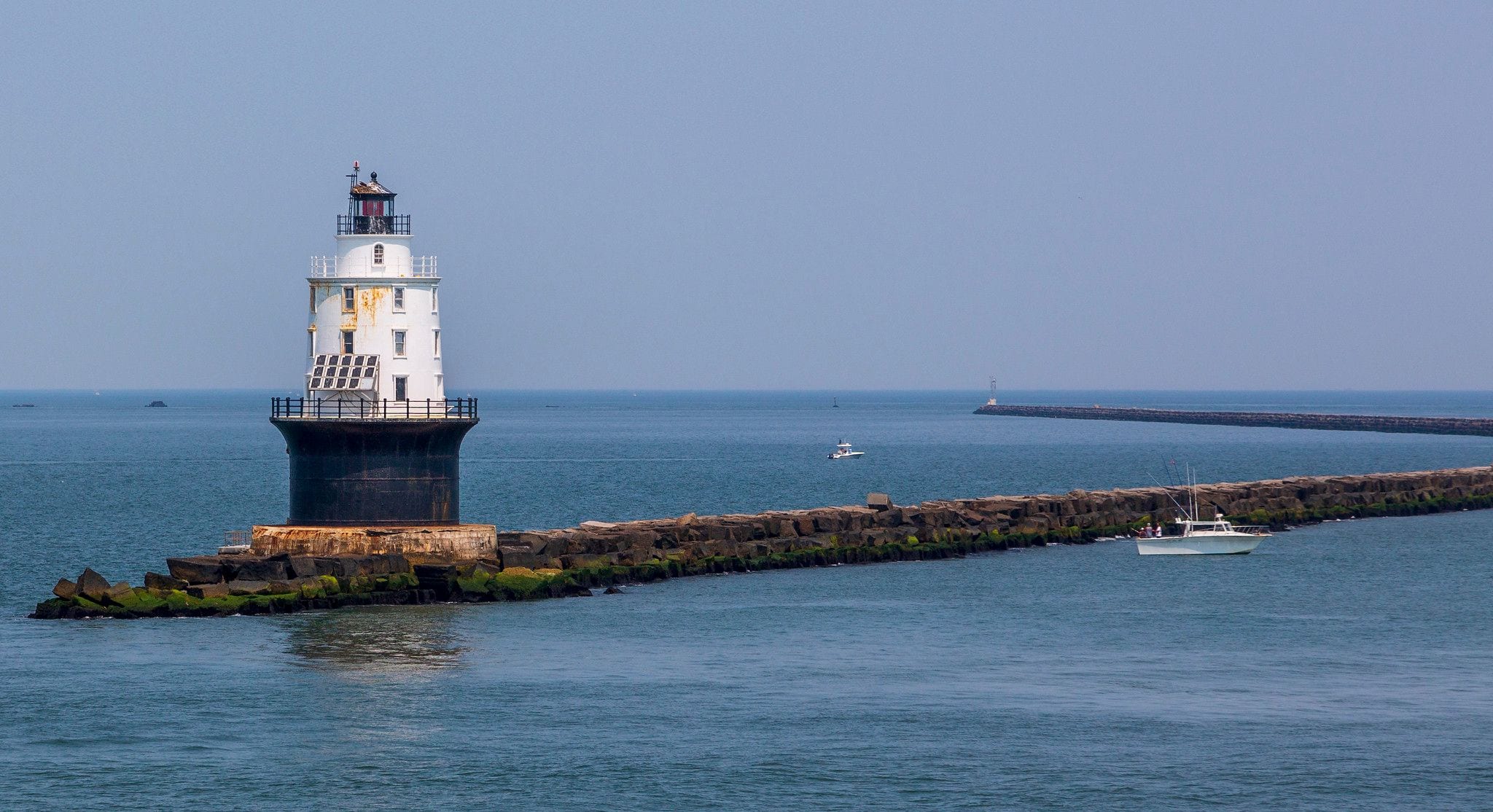
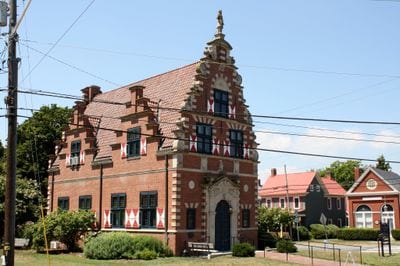
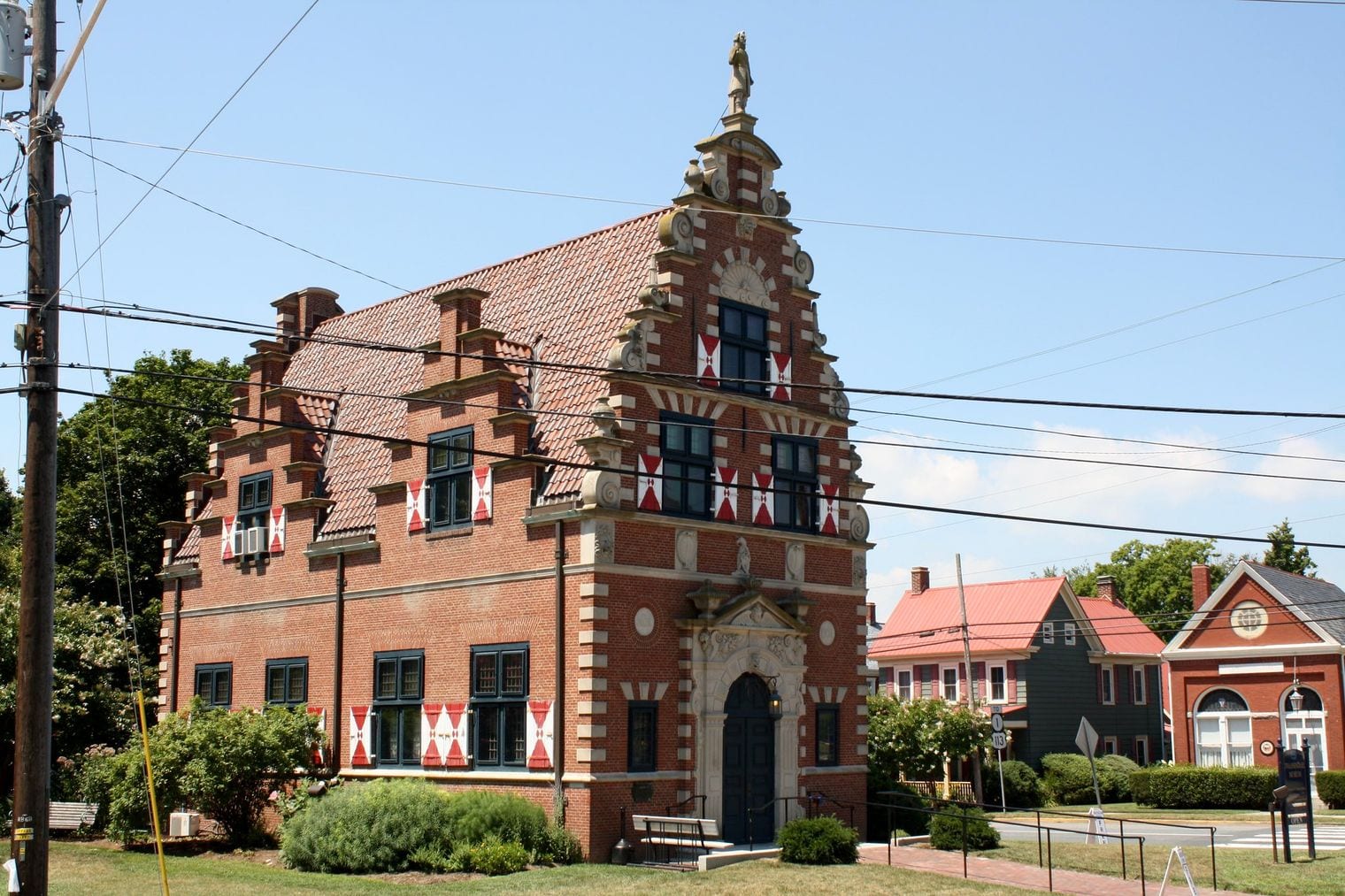
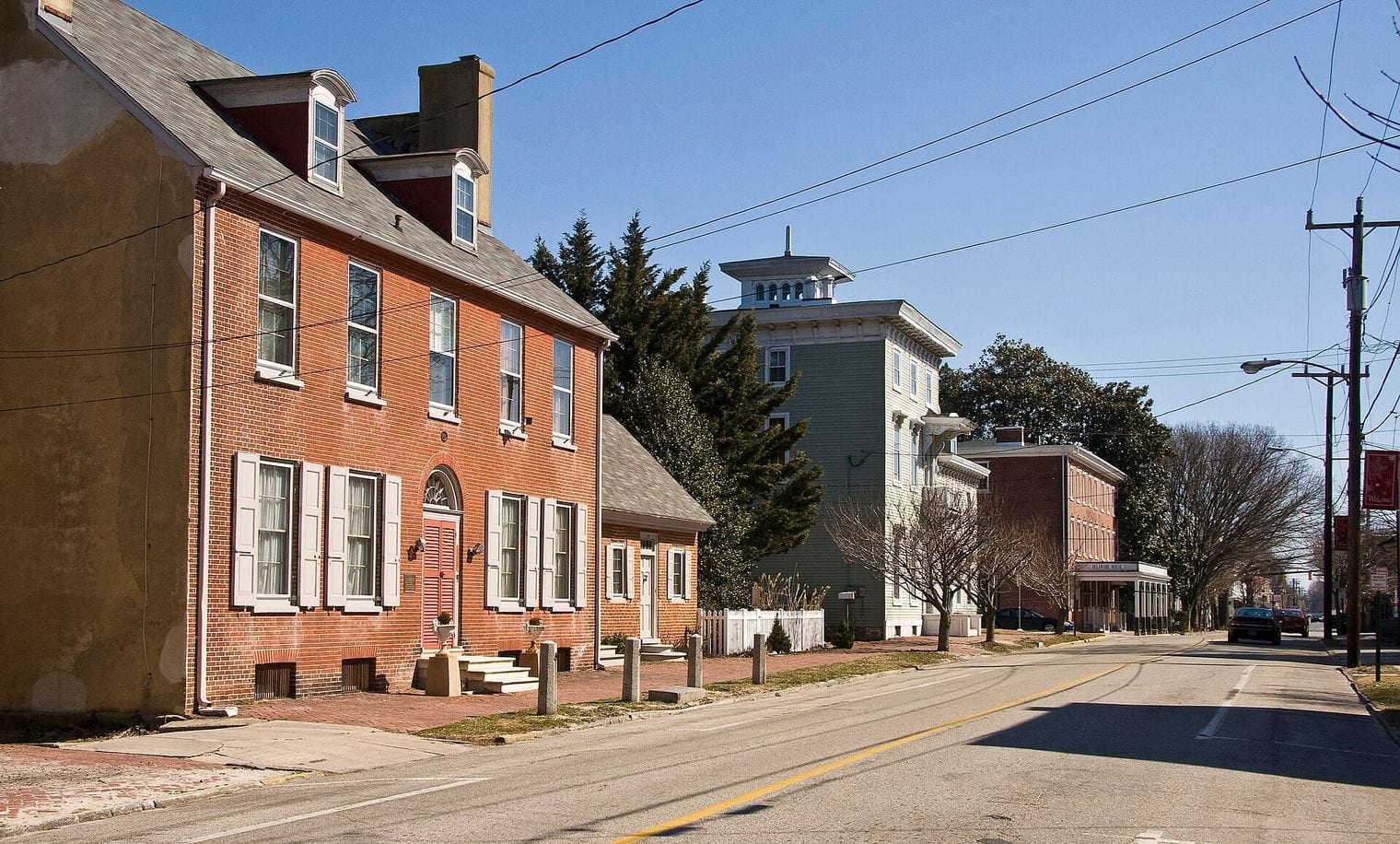
Lewes calls itself the First Town in the First State, and its story begins in 1631, when the Dutch planted the short-lived Zwaanendael settlement near the mouth of Delaware Bay. The streets of its historic district are lined with houses from the 18th and 19th centuries, and the Zwaanendael Museum, modeled on the old city hall of Hoorn in the Netherlands, tells the story of the colony, local shipwrecks and the lighthouses of the cape.
The Cannonball House, which still has a British cannonball lodged in its foundation from the bombardment of Lewes during the War of 1812, now holds the town's maritime museum. Just east of town, Cape Henlopen State Park adds ocean and bay beaches, dunes, bike paths and the World War II batteries of Fort Miles, and the Cape May–Lewes Ferry crosses Delaware Bay to New Jersey.
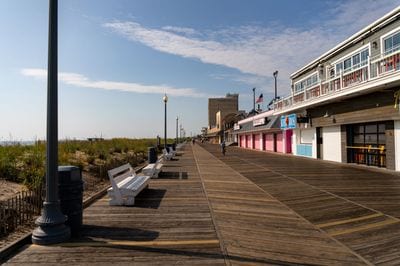
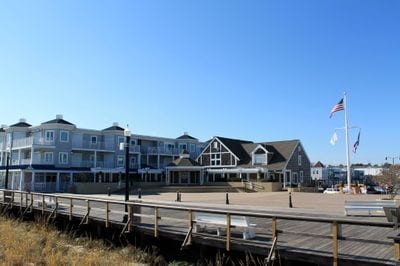
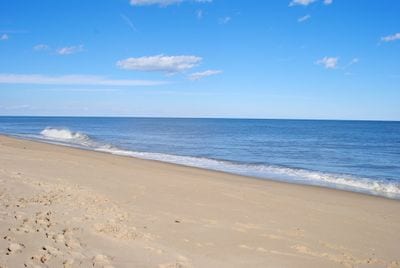
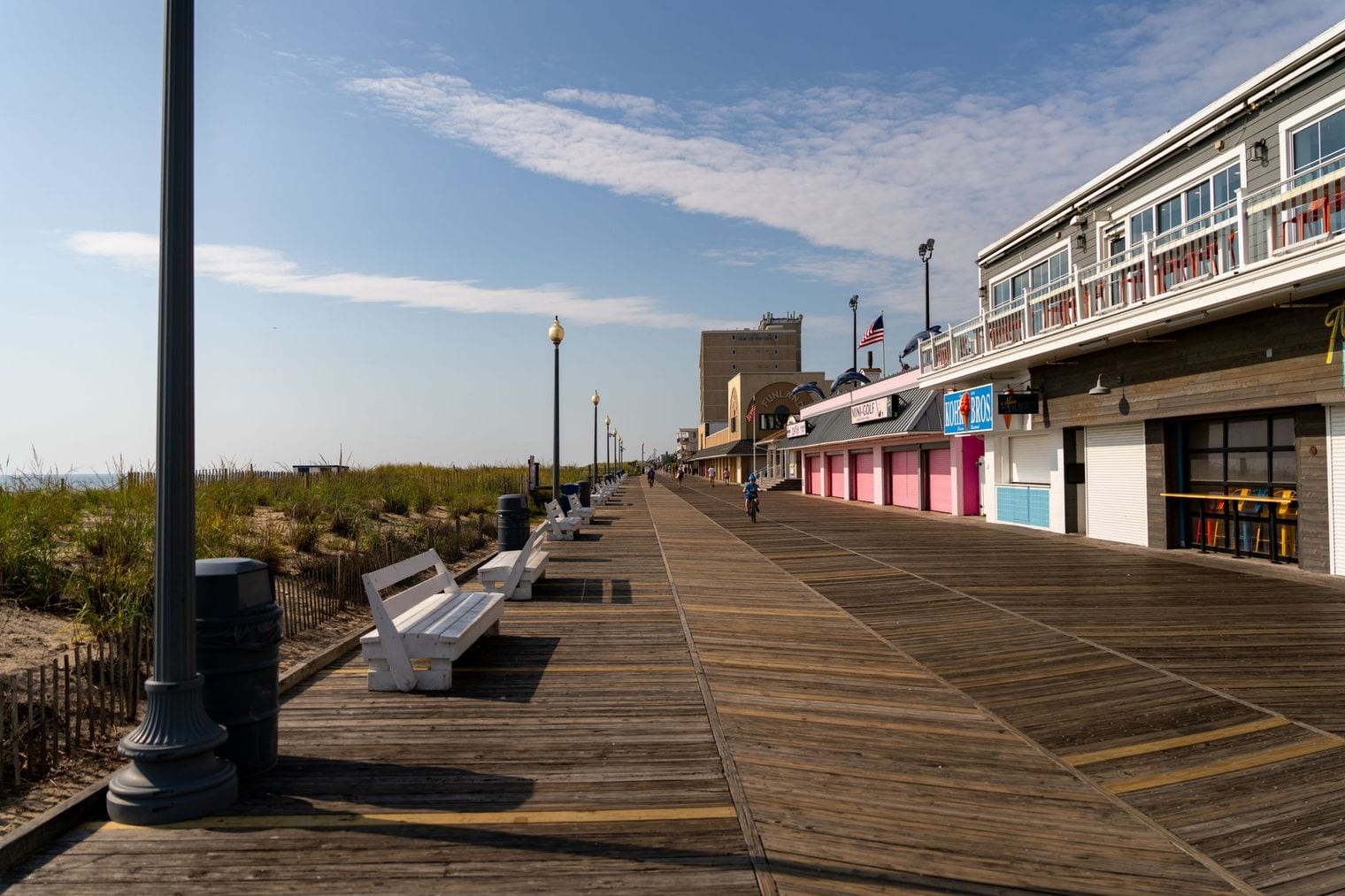
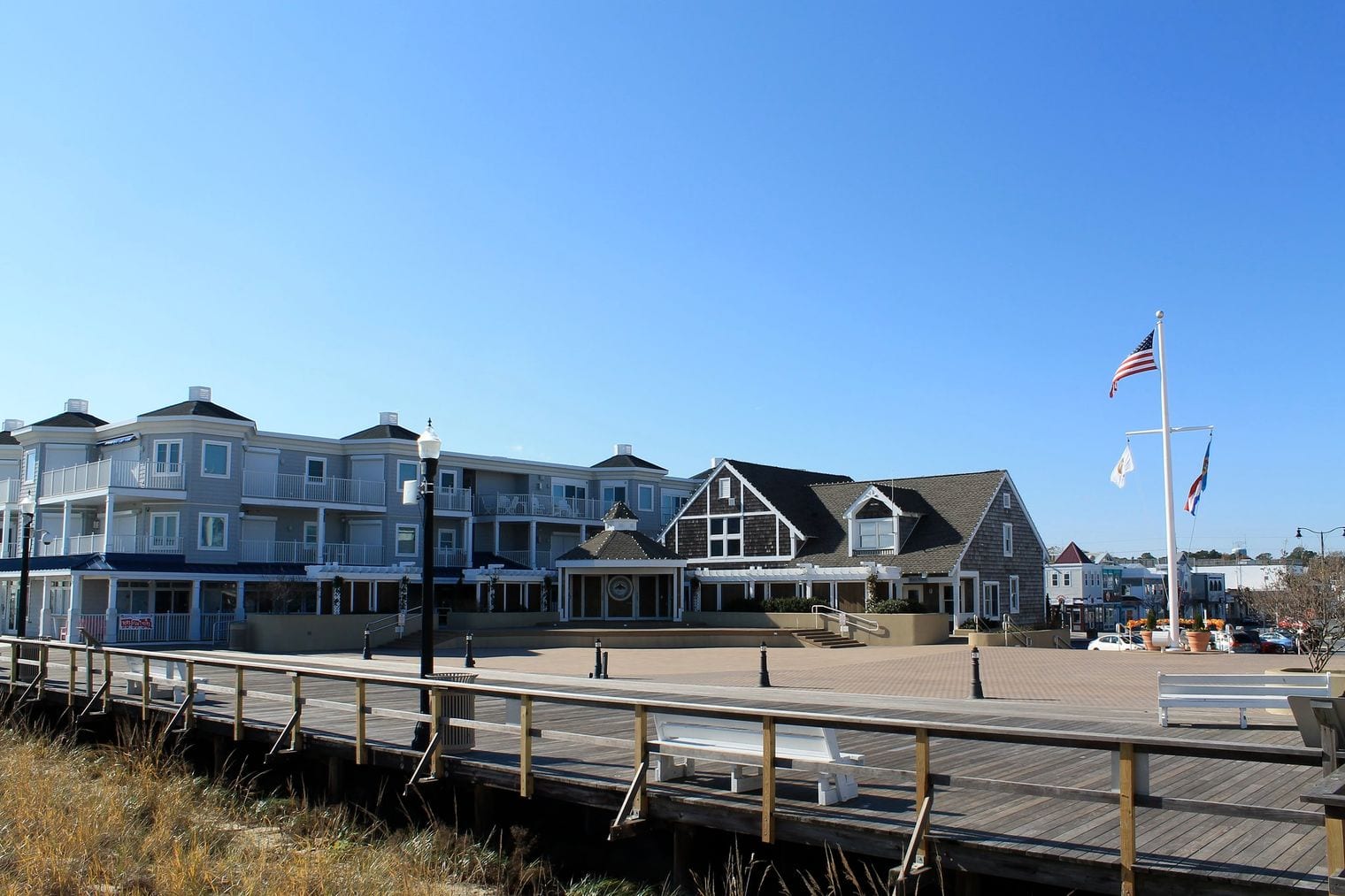
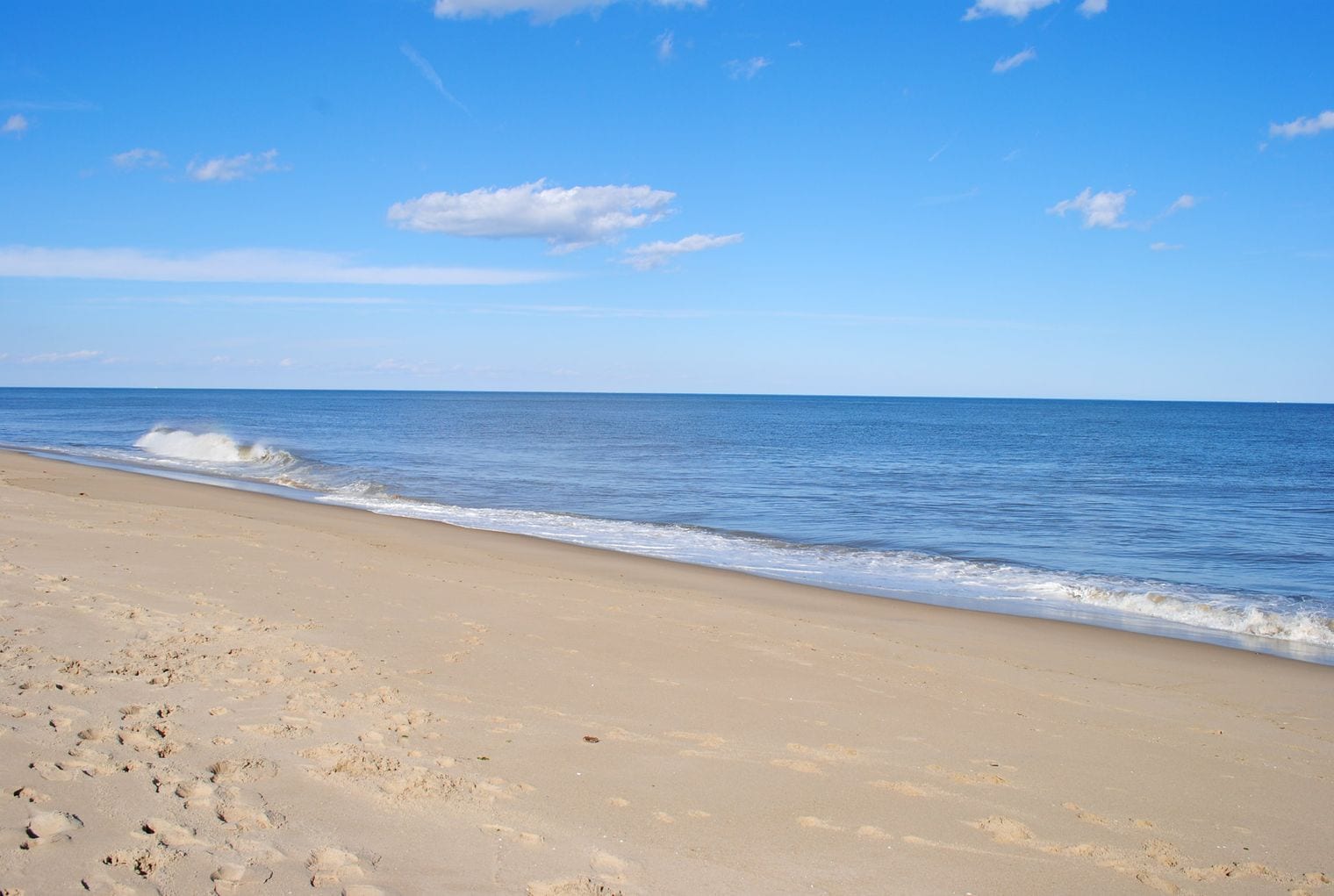
Rehoboth Beach began in 1873 as a Methodist camp meeting by the sea and grew into Delaware's best-known resort, long nicknamed the Nation's Summer Capital for the Washington crowds who vacation here. Its mile-long wooden boardwalk runs beside a wide Atlantic beach, lined with snack stands, arcades and shops.
Funland, the family-run amusement park beside the boardwalk, has kept its old-fashioned rides turning for generations, and Rehoboth Avenue leads inland past restaurants, galleries and boutiques. The town is also one of the mid-Atlantic's best-known LGBTQ+-friendly getaways, and the quieter beaches and trails of Cape Henlopen State Park lie just to the north.
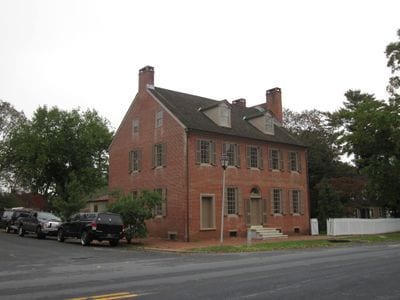
Few towns in the mid-Atlantic hold as much colonial history as New Castle, founded by the Dutch under Peter Stuyvesant in 1651 on the Delaware River. It served as the capital of colonial Delaware until 1777, and William Penn first set foot in America here in 1682. The green the Dutch laid out at the heart of town is still there, surrounded by 18th- and early 19th-century houses and churches.
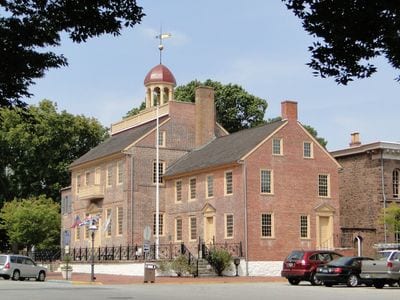
The New Castle Court House, built in 1732 and Delaware's first state capitol, is part of First State National Historical Park along with the Green and the old Sheriff's House. Nearby, the Amstel House and the Read House and Garden open two of the town's grand homes to visitors, and the riverfront makes for an easy stroll.
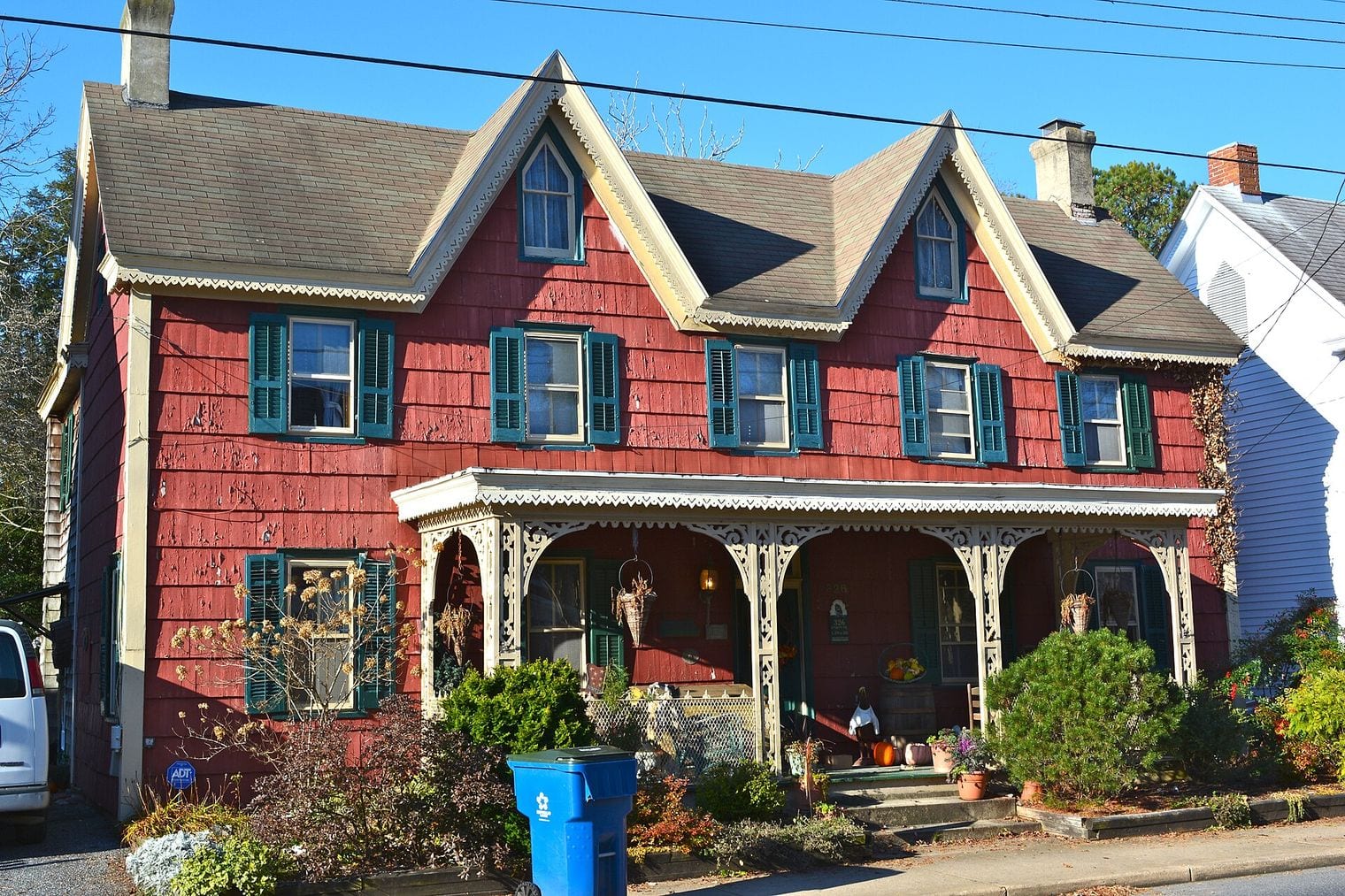
Milton sits at the head of the Broadkill River, which winds out to Delaware Bay, and it grew into an important shipbuilding town in its early years. Renamed in 1807 for the English poet John Milton, it has some of the finest Victorian and colonial architecture in Delaware, especially along Union and Federal streets, and much of the center is a historic district.
The Governors Walk follows the river through the middle of town, and the slow-moving Broadkill invites a paddle by kayak or canoe. Milton is also home to Dogfish Head's brewery, and Prime Hook National Wildlife Refuge, a haven for migrating birds, lies just to the east.
Bethany Beach is the best known of the Quiet Resorts, the low-key stretch of coast that also takes in South Bethany and Fenwick Island. It was founded at the start of the 20th century as a Christian seaside retreat, and it still guards its quiet, family-friendly reputation, helped by the undeveloped dunes of Delaware Seashore State Park on its northern edge.
A short boardwalk runs along the broad, sandy beach, and where Garfield Parkway meets Route 1 stands Chief Little Owl, a carved cedar sculpture by Peter Toth that most people simply call the totem pole. Days here revolve around the beach, the boardwalk and an evening stroll, with the livelier towns of Dewey and Rehoboth a short drive north.
Smyrna began as Duck Creek Cross Roads and took its present name in 1806 from the ancient port of Smyrna, now Izmir in Turkey. It grew as a shipping center on Duck Creek, sending grain, lumber and produce north, and that prosperity shows in a historic district of some 850 buildings, many of them from the mid-to-late 19th century.
The Smyrna Opera House is now the town's cultural arts center, hosting concerts and performances, and Belmont Hall is a Georgian house built about 1773 by Thomas Collins, later governor of Delaware. Bombay Hook National Wildlife Refuge, a vast tidal marsh on Delaware Bay where migrating waterfowl gather, is a short drive east.
Millsboro grew up along the Indian River after a dam was built across it in 1792, and the mills that followed, from lumber mills to gristmills, gave the town its name. Today it is a busy inland town on the river, a gateway to the inland bays and the beaches to the east.
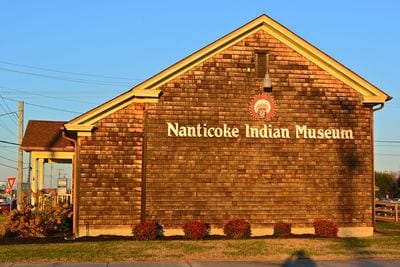
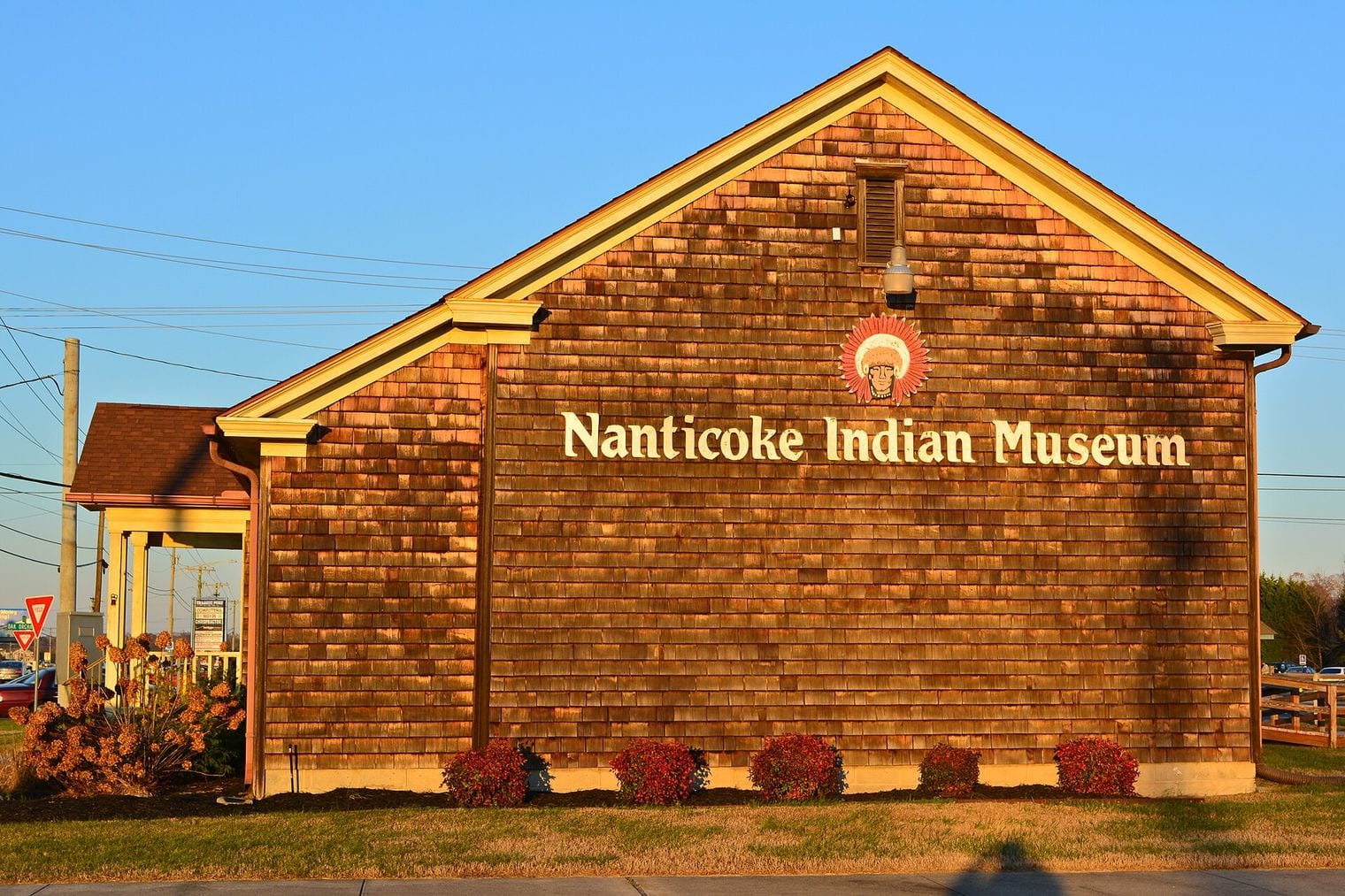
The Nanticoke people have lived in and around Millsboro since the 17th century, and the Nanticoke Indian Museum, set in a former schoolhouse for Nanticoke children, displays arrowheads, pottery and other artifacts of their history. Each September the Nanticoke Indian Powwow brings singing, dancing and Native American artisans to the woods near town.
Dewey Beach squeezes onto a strip of land about a mile long and two blocks wide between the Atlantic Ocean and Rehoboth Bay, so you can watch the sun rise over the ocean and set over the bay on the same day. The town is believed to take its name from Admiral George Dewey, who became a national hero in the Spanish–American War.
Dewey has a reputation as the coast's party town in summer, with bars and live music along Coastal Highway, but its wide, sandy beaches also draw plenty of families, and the calm bay side suits paddling. Just south of town, Delaware Seashore State Park offers long stretches of undeveloped beach between the ocean and the bays.
Founded as Cantwell's Bridge, where a toll bridge crossed Appoquinimink Creek in 1721, Odessa grew into a busy port shipping wheat, corn and produce down the creek to Delaware Bay. It was later renamed for the Black Sea port of Odessa, but its grain trade collapsed after the Delaware Railroad passed it by in 1855, leaving the old town remarkably intact.
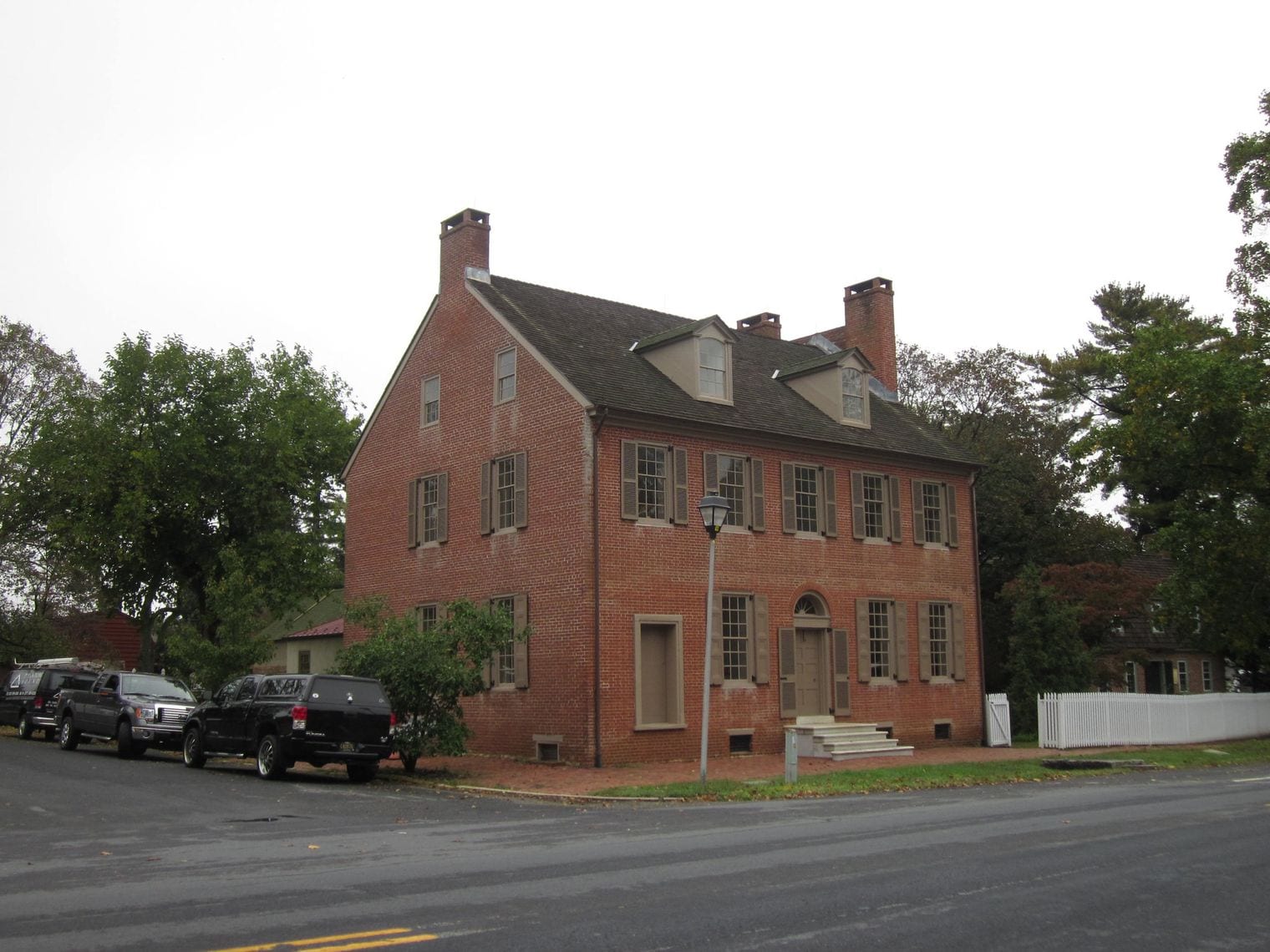
Much of Odessa is now a National Register historic district, and the Historic Odessa Foundation opens several of its finest houses, including the Corbit–Sharp House, a brick Georgian mansion built by the tanner William Corbit in 1774 and now a National Historic Landmark. The quiet streets of old brick houses make for a peaceful hour or two of wandering.
Laurel was laid out along Broad Creek in the 1790s and named for the laurel bushes on its banks, on land that had earlier been a Nanticoke settlement known as Broad Creek Town. Its historic district, with roughly 700 buildings dating from the late 18th century to the 1930s, is one of the largest in Delaware.
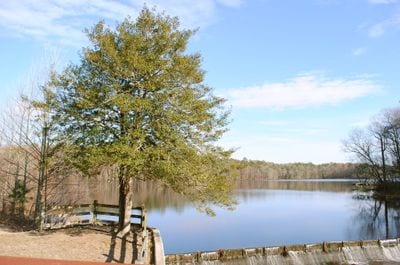
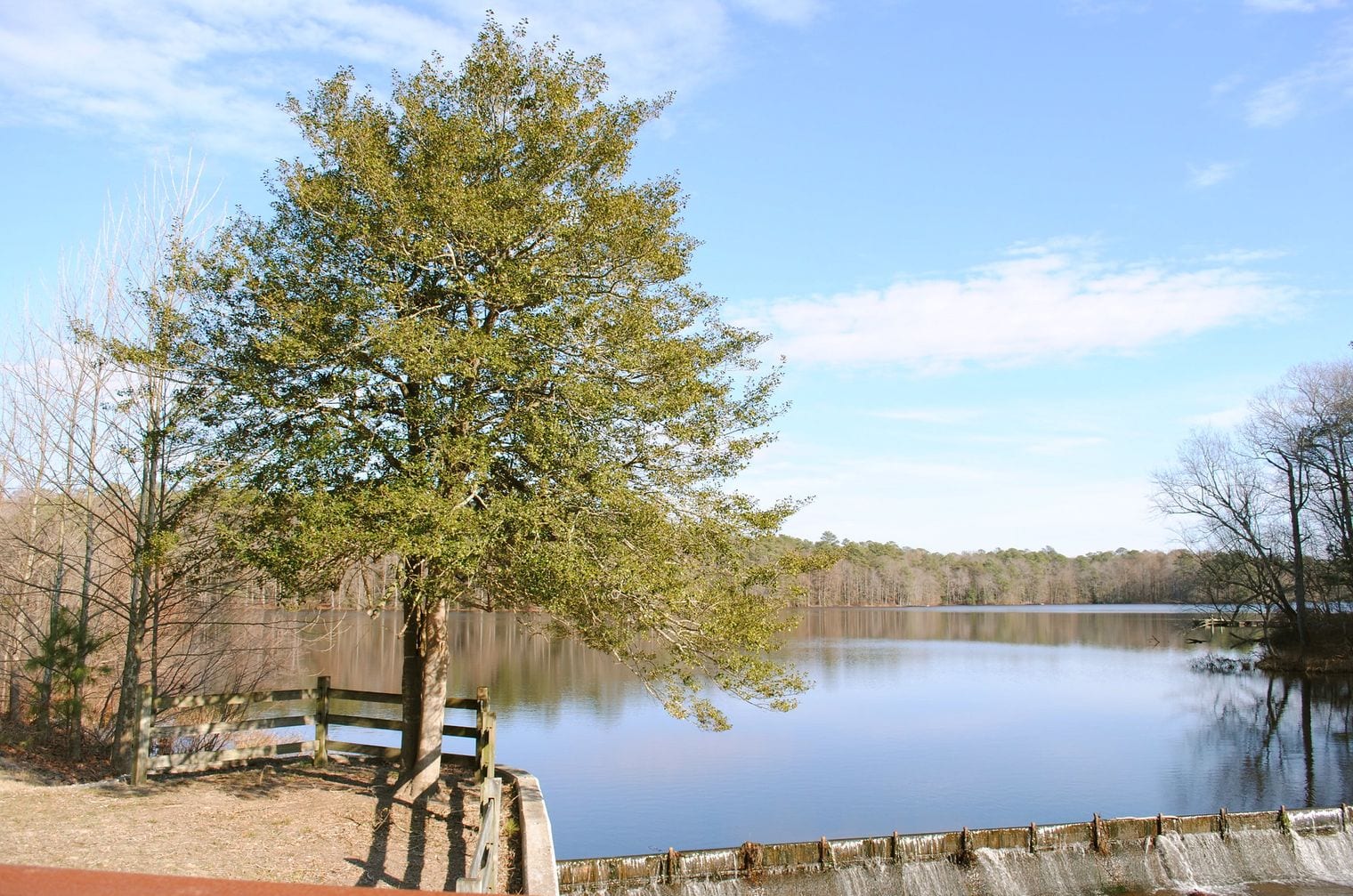
Stroll the residential streets above the creek to see two centuries of small-town architecture, then head just outside town to Trap Pond State Park, where paddlers glide through a swamp of bald cypress trees. The park protects one of the largest surviving pieces of the wetland that once covered this corner of Sussex County.
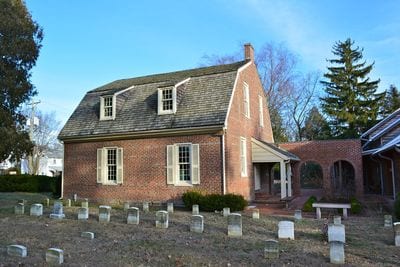
Hockessin is an unincorporated community of farms, woods and winding roads in northern New Castle County near the Pennsylvania line, with Quaker roots that reach back to the 18th-century Hockessin Friends Meetinghouse. Mushroom farms still operate in the area, and the Wilmington and Western Railroad, a heritage line running steam and diesel trains, has its northern terminus here and follows the Red Clay Creek valley south.
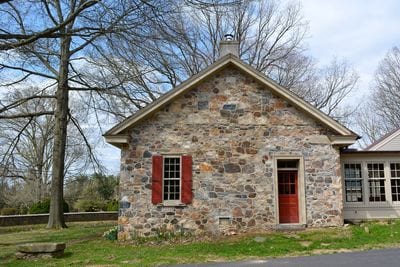
The Delaware Nature Society's Ashland Nature Center has about four miles of trails through woods, meadows and marsh along Red Clay Creek, next to a 19th-century covered bridge. History lovers can seek out Hockessin Colored School #107, the segregated schoolhouse at the center of Bulah v. Gebhart, one of the five cases the Supreme Court decided together as Brown v. Board of Education in 1954.
Milford straddles the Mispillion River on the line between Kent and Sussex counties, and from the 1770s through World War I its riverside shipyards turned out wooden sailing ships. The town grew up around the dam and mills of the Reverend Sydenham Thorne, whose Parson Thorne Mansion still stands.
Today the mile-long Mispillion Riverwalk threads through downtown along both banks of the river, linking parks, galleries and places to eat. Just southwest of town, Abbott's Mill, a historic gristmill set in a nature preserve, adds woodland trails and mill tours.
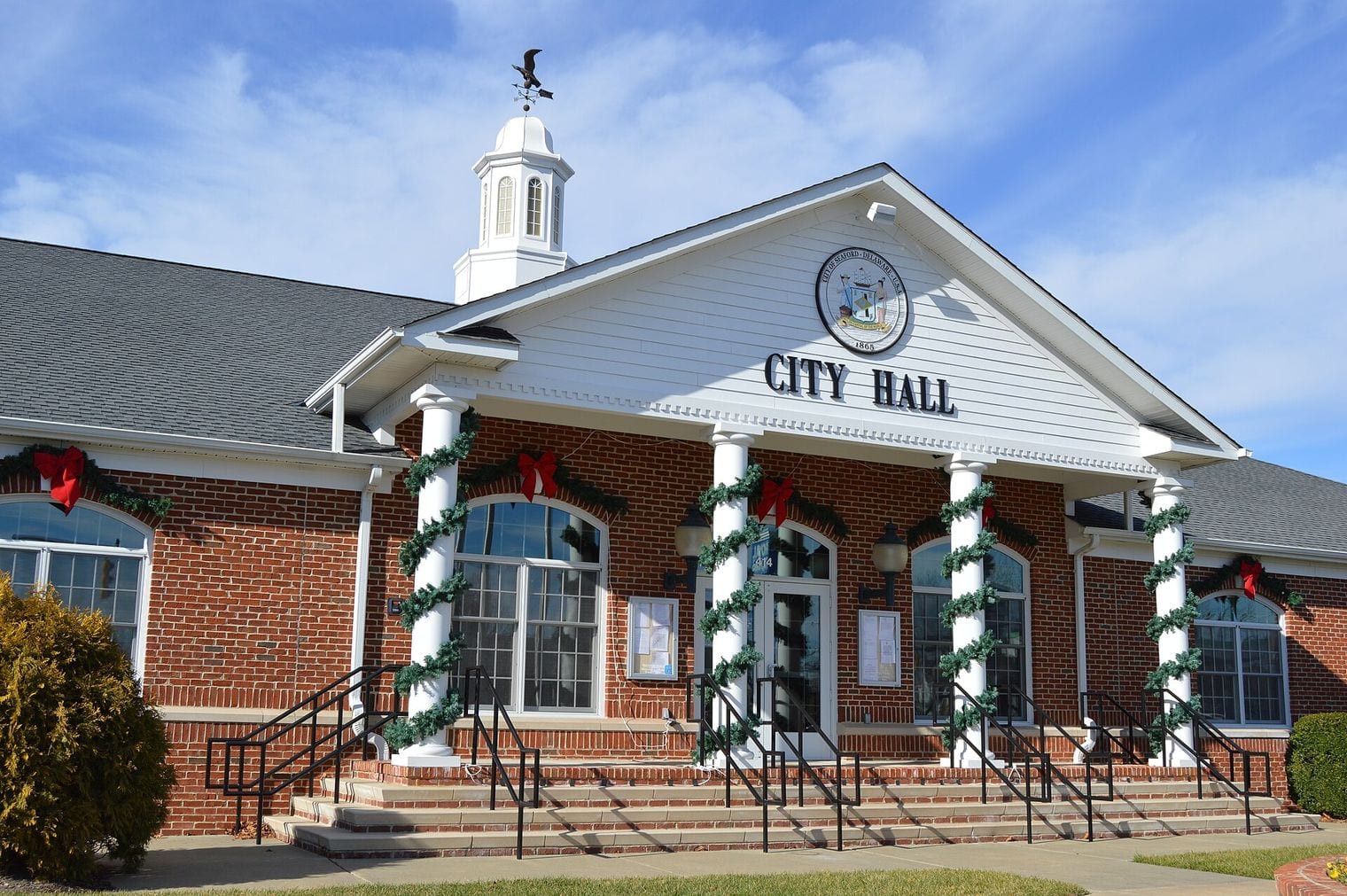
Seaford grew up as a shipping town on the Nanticoke River, but its claim to fame came in 1939, when DuPont opened the world's first nylon plant here and the town became known as the Nylon Capital of the World. Downtown sits right on the river, and the Nanticoke Riverwalk follows the water past it.
The Seaford Museum, in the town's former post office, covers local history, and the Ross Mansion and Plantation preserves the home of Governor William H. H. Ross, with a granary, a carriage house and Delaware's only documented log slave quarters. It is a good base for exploring the river towns of western Sussex County.
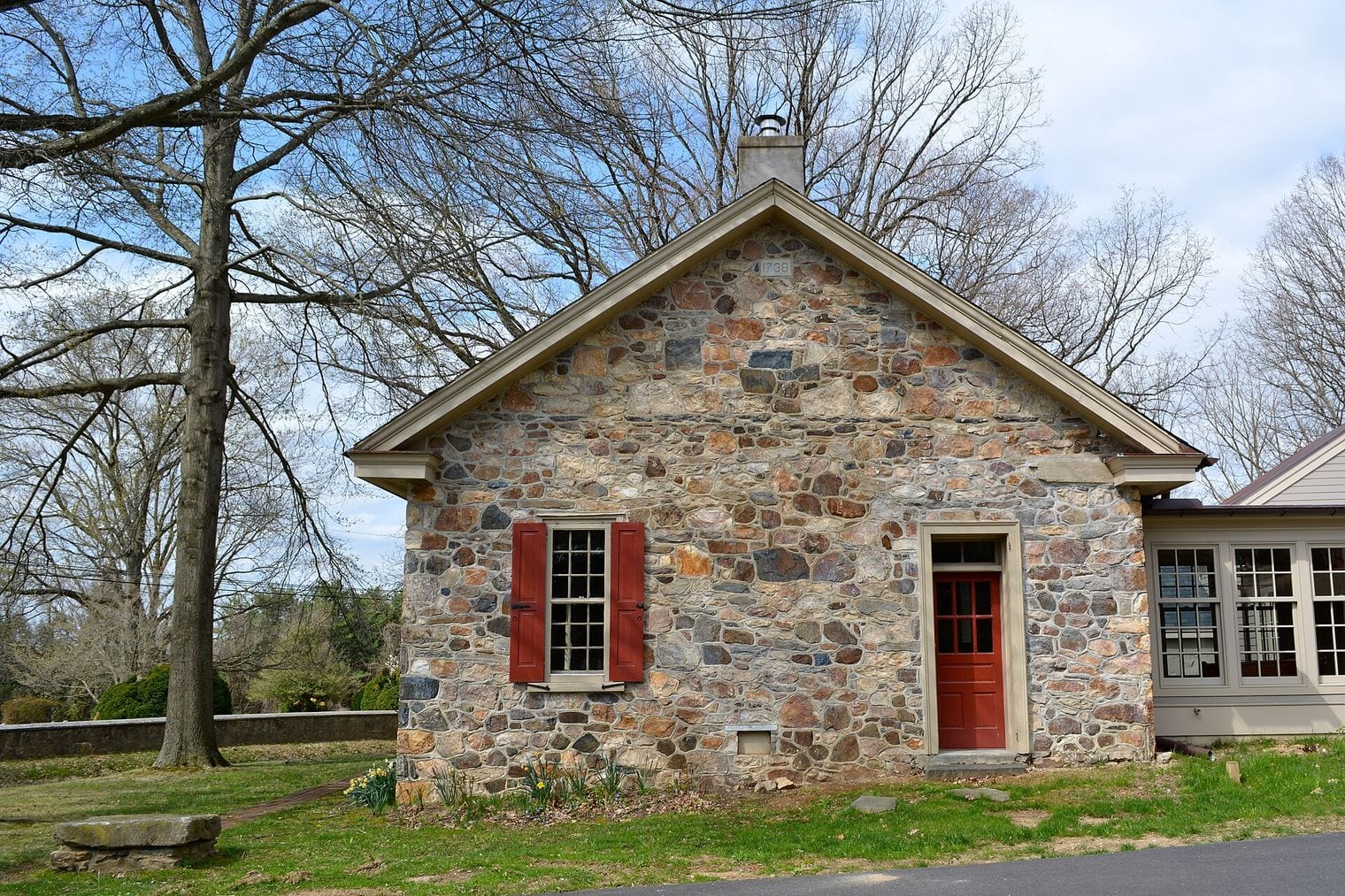
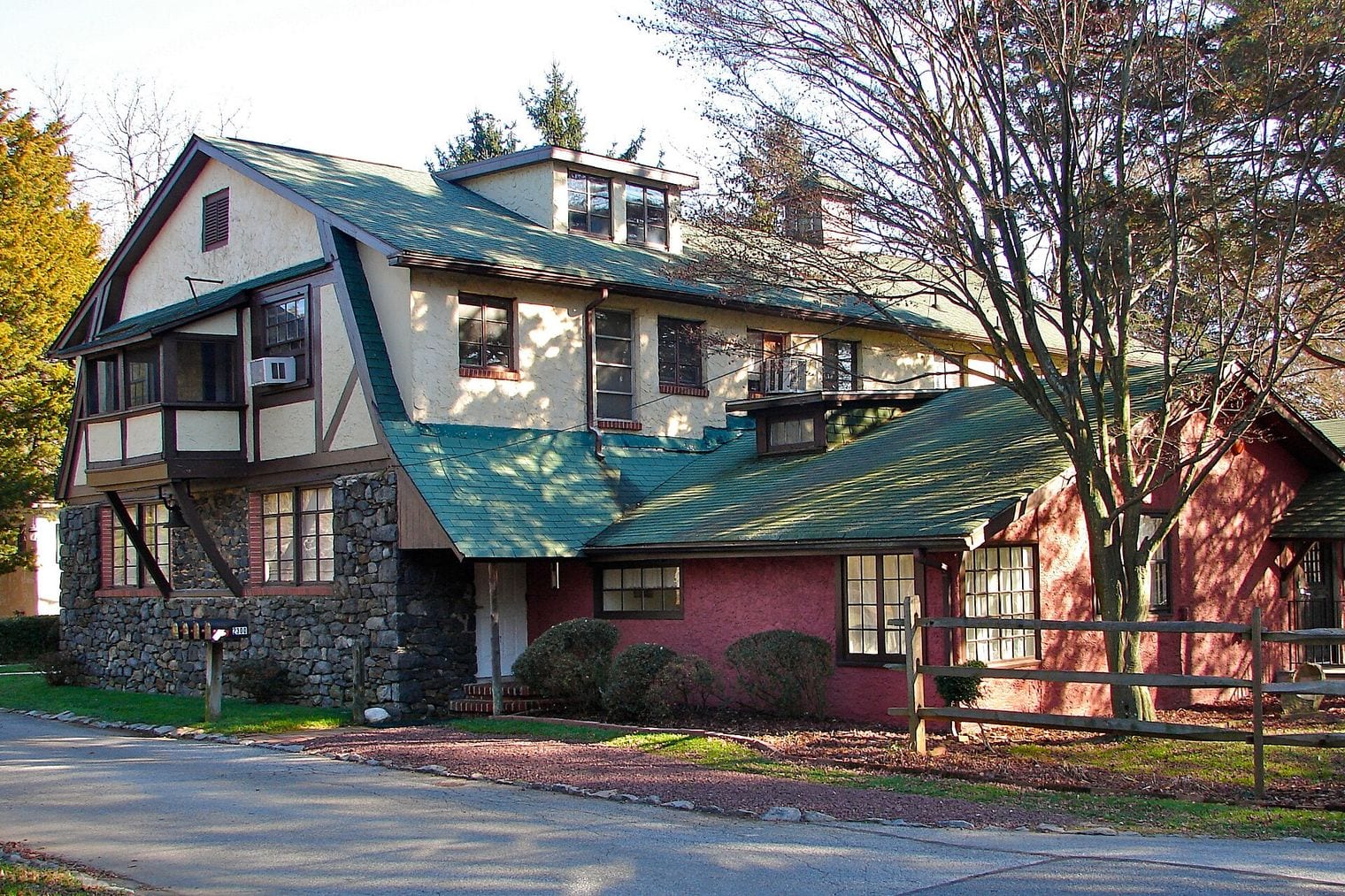
Arden was founded in 1900 by sculptor Frank Stephens and architect Will Price as a single-tax community built on the ideas of economist Henry George, and residents still hold their land on leases rather than owning it outright. The whole village is listed on the National Register of Historic Places, and about half of its roughly 160 acres is kept as open woods and greens.
Wander the leafy lanes past Arts and Crafts cottages, the Craft Shop of 1913 and Gild Hall, the community hall that hosts concerts, plays and dances, and look for the outdoor Field Theater, where villagers staged Shakespeare from Arden's earliest days. The Arden Fair brings crafts, antiques and music to the village each Labor Day weekend.
Fenwick Island is Delaware's southernmost beach town, set on a narrow barrier spit right on the Maryland line, with the resort strip of Ocean City just across the border. It is the southern end of the Quiet Resorts, a little livelier than the Bethanies thanks to its neighbor, but still a place of beach houses, bay sunsets and family days on the sand.
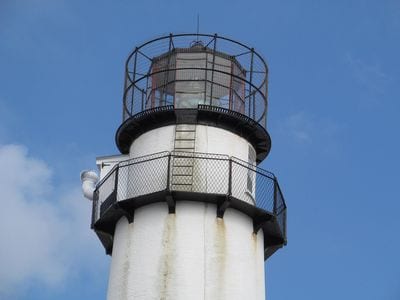
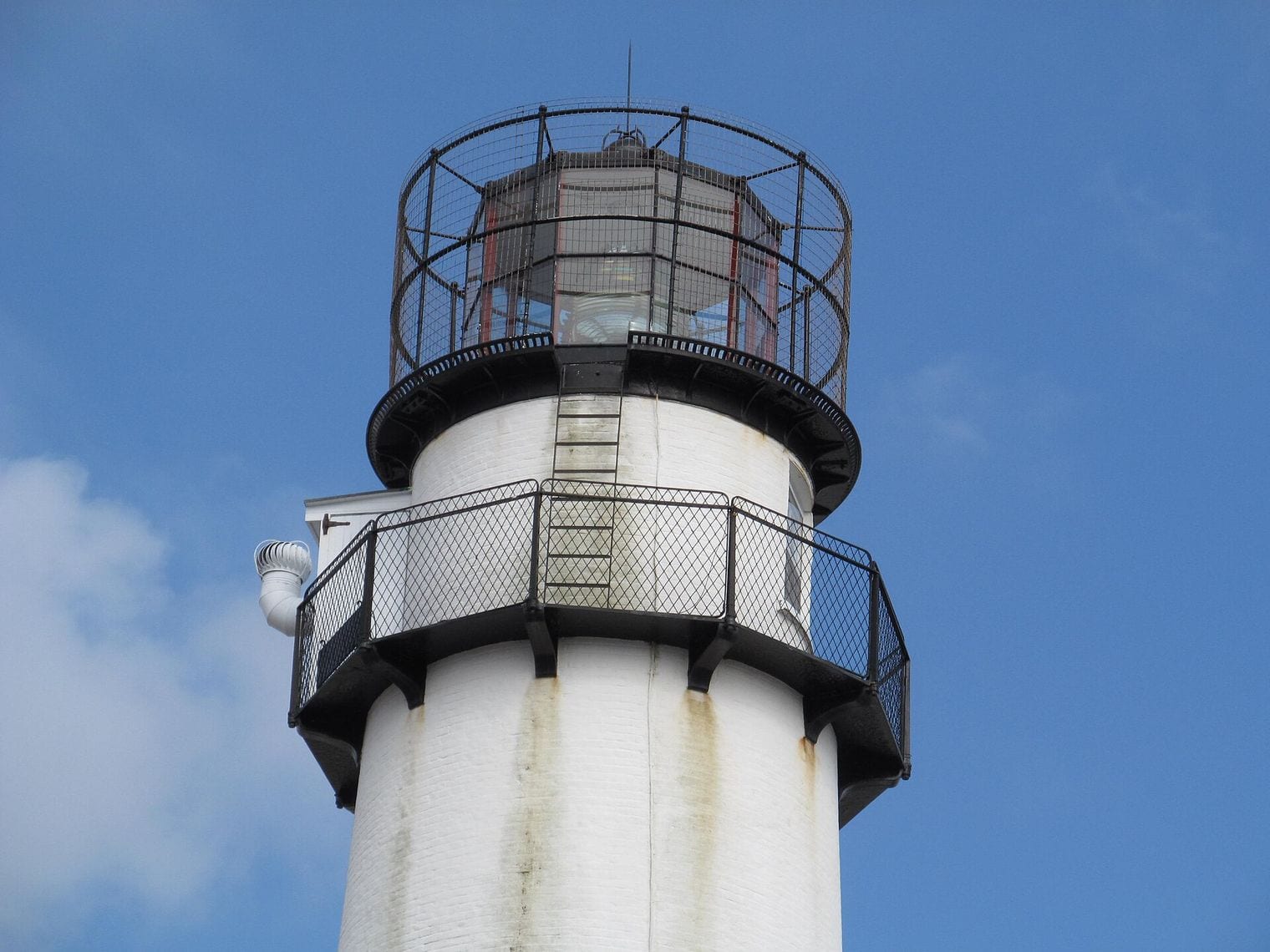
The 87-foot Fenwick Island Lighthouse, completed in 1858, stands just inland on the state line, and at its base is the 1751 stone marking the eastern end of the Transpeninsular Line, carved with the arms of William Penn and Lord Baltimore. Fenwick Island State Park protects a stretch of undeveloped beach just north of town.
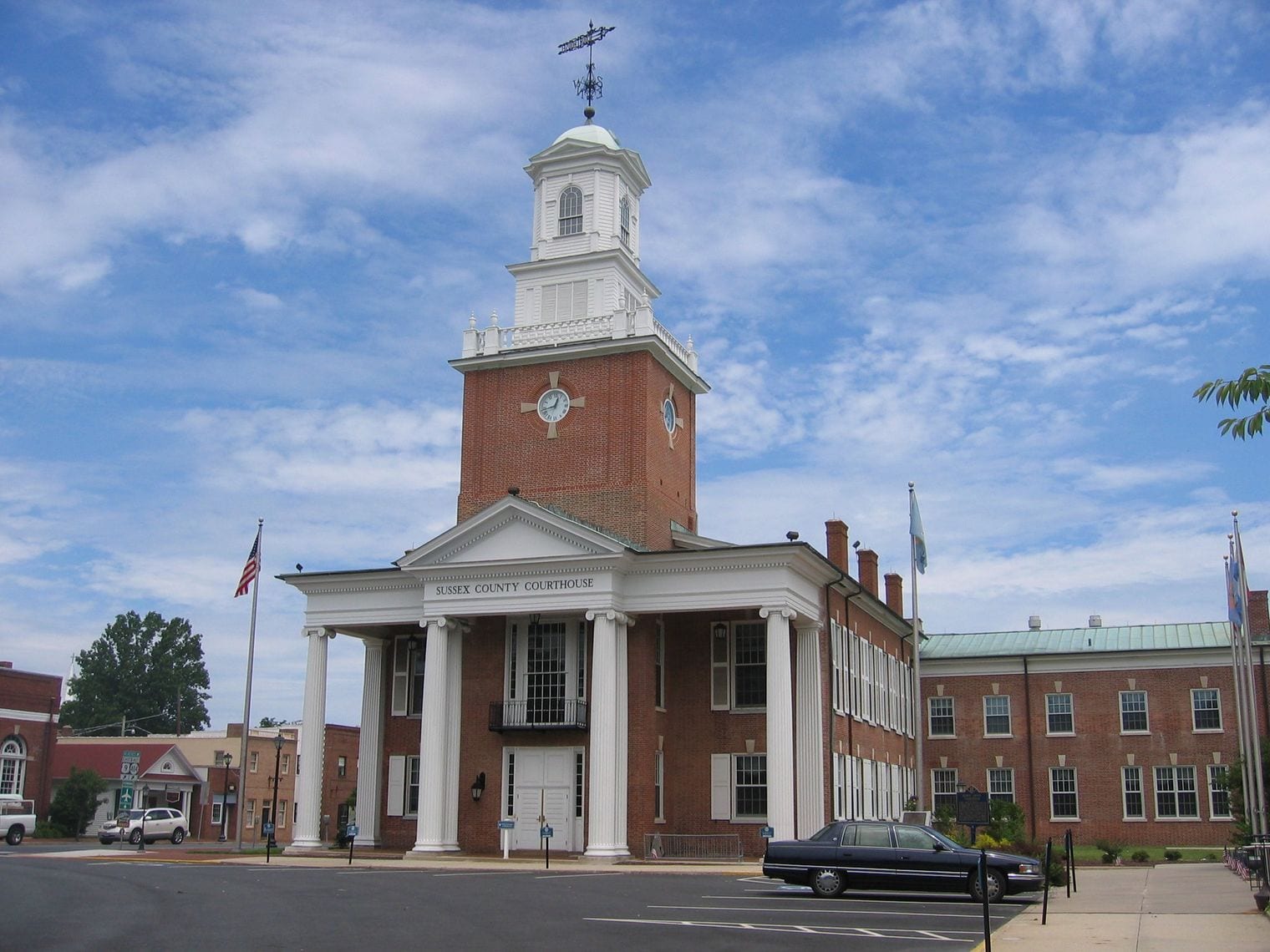
Georgetown was created in 1791 to give Sussex County a seat of government in the middle of the county, and it was laid out around a central square that became The Circle, still the heart of town. The area inside the original mile-wide town circle is now a National Register historic district.
Every two years, two days after Election Day, Georgetown stages Return Day, a parade and festival that dates to colonial times, when people gathered here to hear the election results. The winners parade around The Circle in horse-drawn carriages, and the afternoon is a holiday for county and state workers in Sussex County.
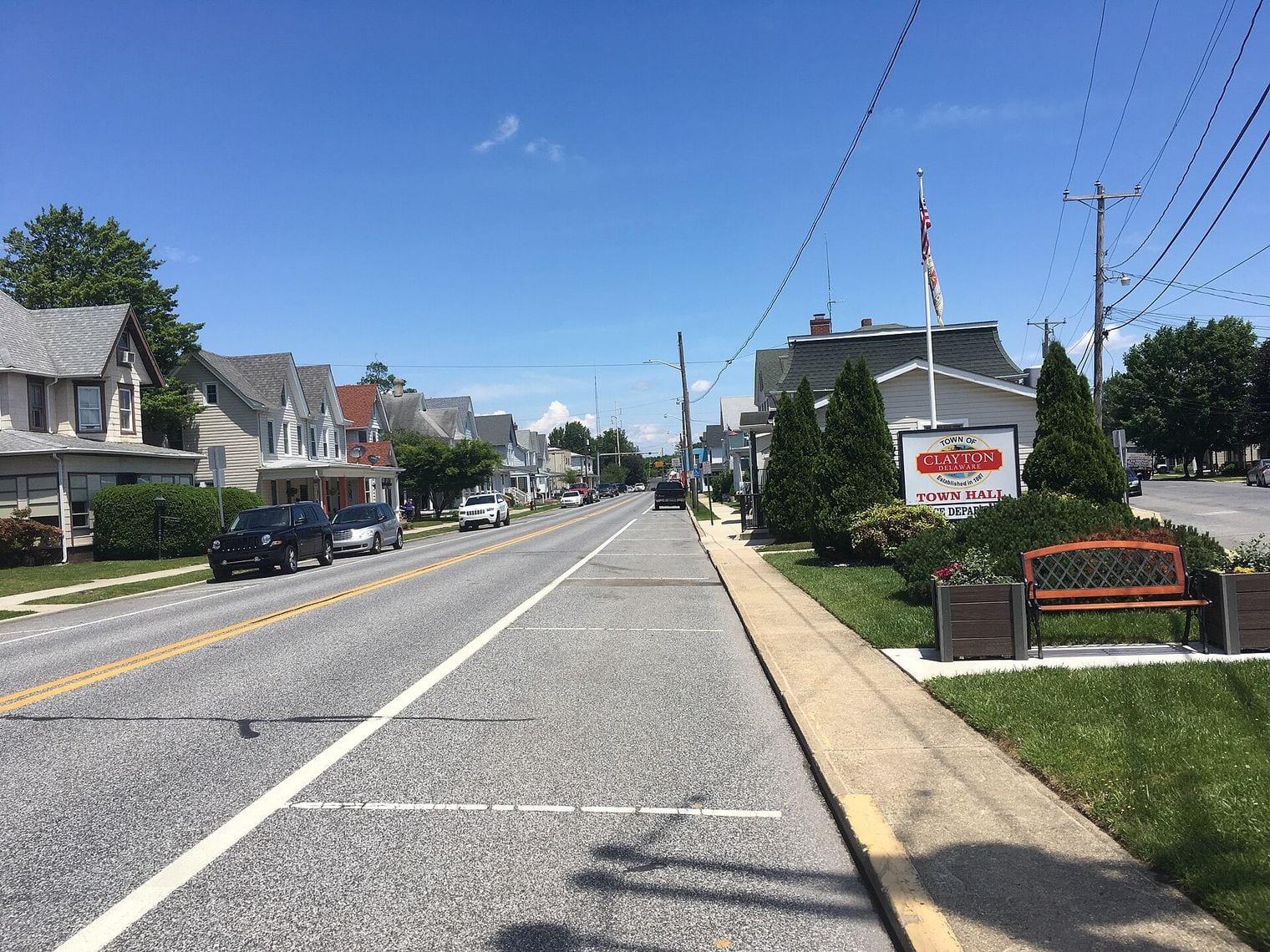
Clayton grew up around a railroad stop after the Delaware Railroad came through in 1855 and passed west of Smyrna. The station was first called Smyrna Station and later Smyrna Junction, but locals called it Clayton after John M. Clayton, a supporter of the railroad, and the name stuck when the town was incorporated in 1887.
The old Clayton Railroad Station is among the town's listed historic buildings, and the compact center makes an easy stop on a drive through Kent County. It is also a handy base for the outdoors: the trails of Blackbird State Forest lie a short drive north, and Bombay Hook National Wildlife Refuge is east past Smyrna.
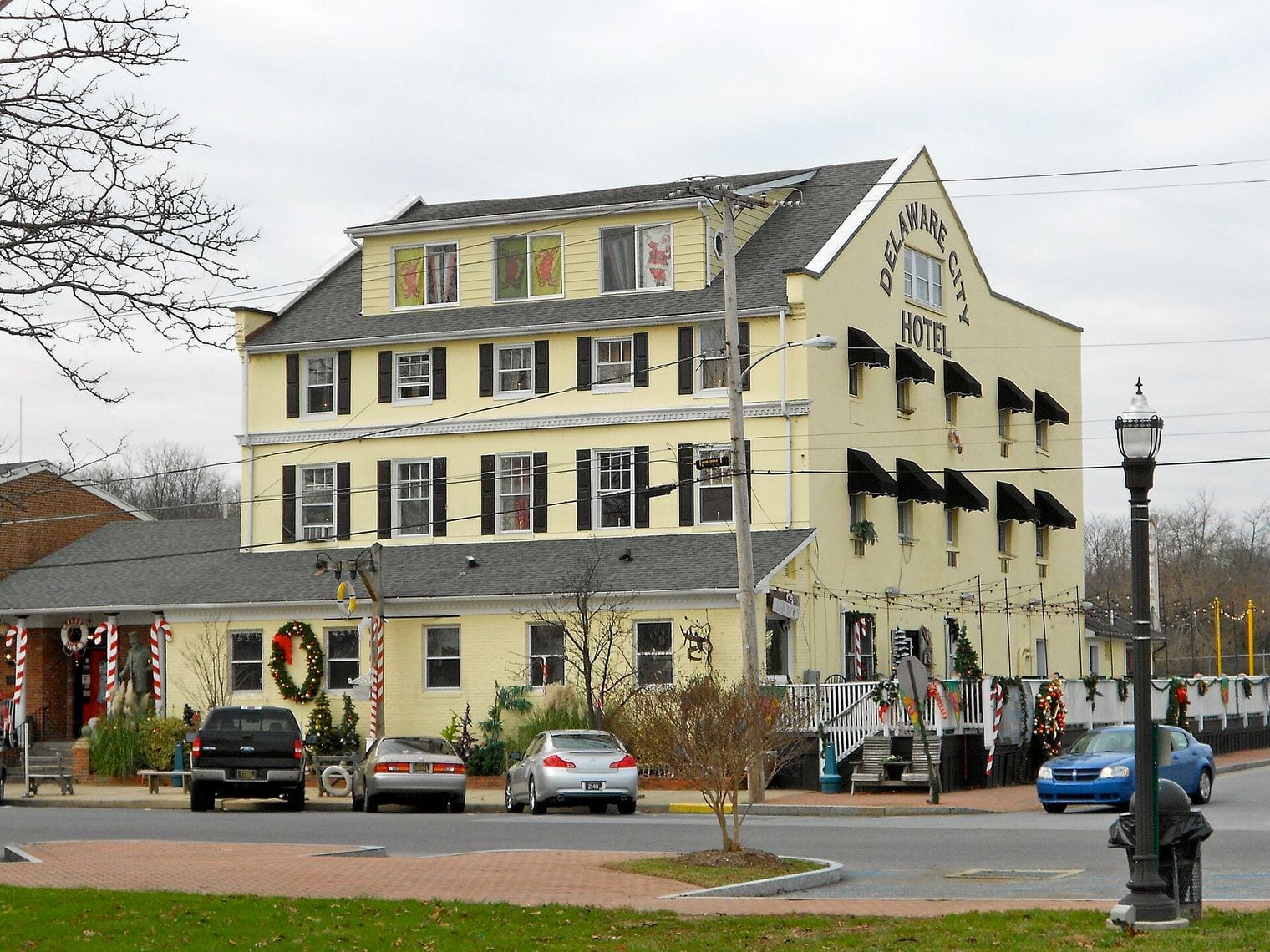
Delaware City grew as a port at the eastern end of the Chesapeake and Delaware Canal, the 14-mile ship canal that links the Delaware River with Chesapeake Bay, and its waterfront historic district still has the feel of a 19th-century canal town.
From the waterfront, the Forts Ferry Crossing carries visitors to Pea Patch Island and Fort Delaware, a massive fort that held Confederate prisoners during the Civil War and is now a living-history museum in Fort Delaware State Park. Fort DuPont State Park sits just south of the old town, and the paved Michael N. Castle Trail follows the canal west toward Maryland.
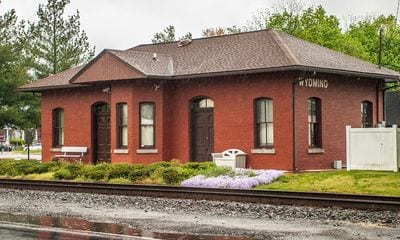
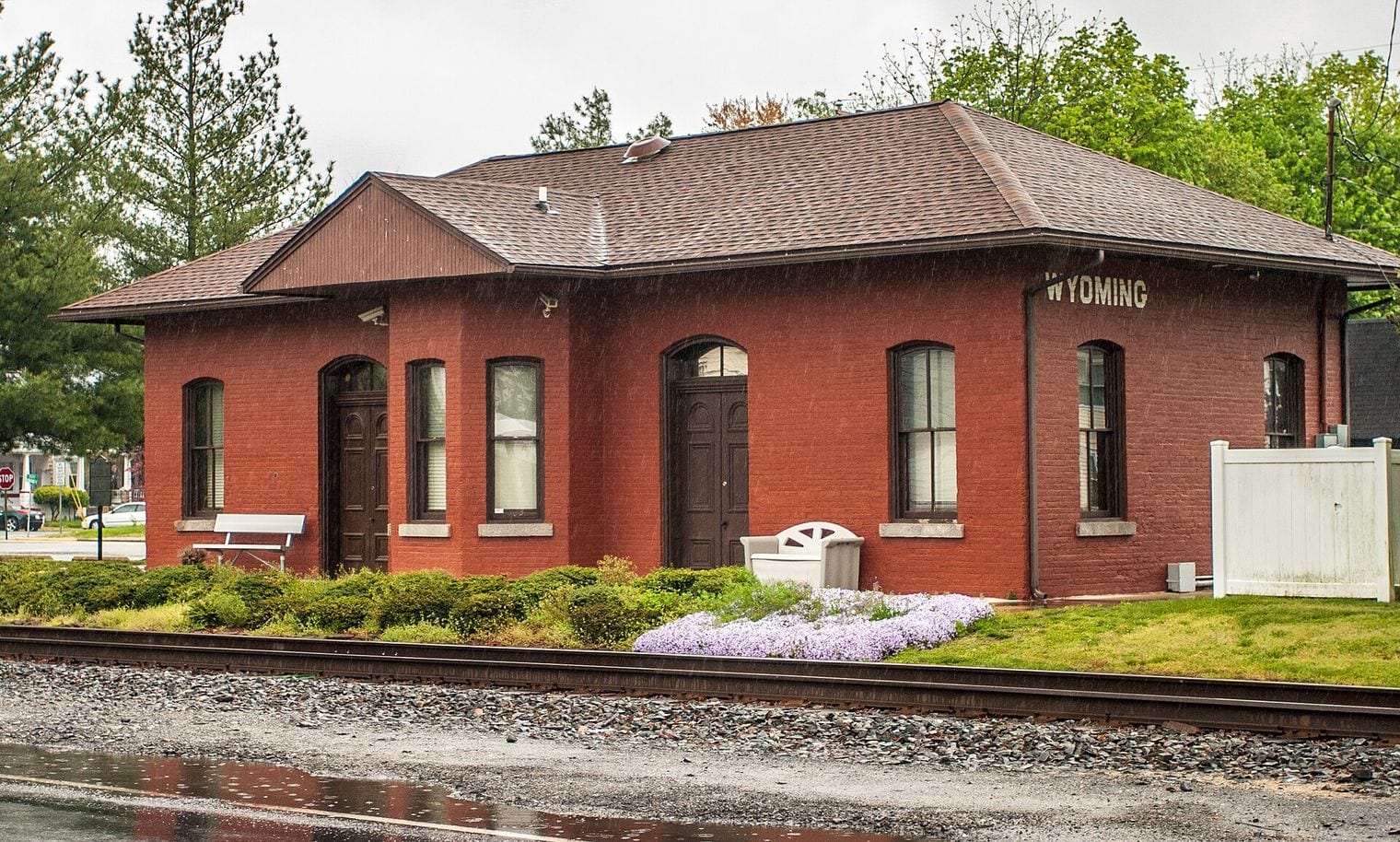
Wyoming, a few miles southwest of Dover, began as West Camden, a station on the Delaware Railroad after neighboring Camden turned the line away. Settlers from the Wyoming Valley of Pennsylvania helped build the new community, and it was renamed in their honor before being incorporated as a town in 1869.
This is peach country, and each August the Wyoming Peach Festival brings homemade peach ice cream and orchard tours to town, while the farms around it sell fresh fruit through summer and fall. The town's historic district and old railroad station recall its 19th-century growth, and Camden's Quaker streets are right next door.
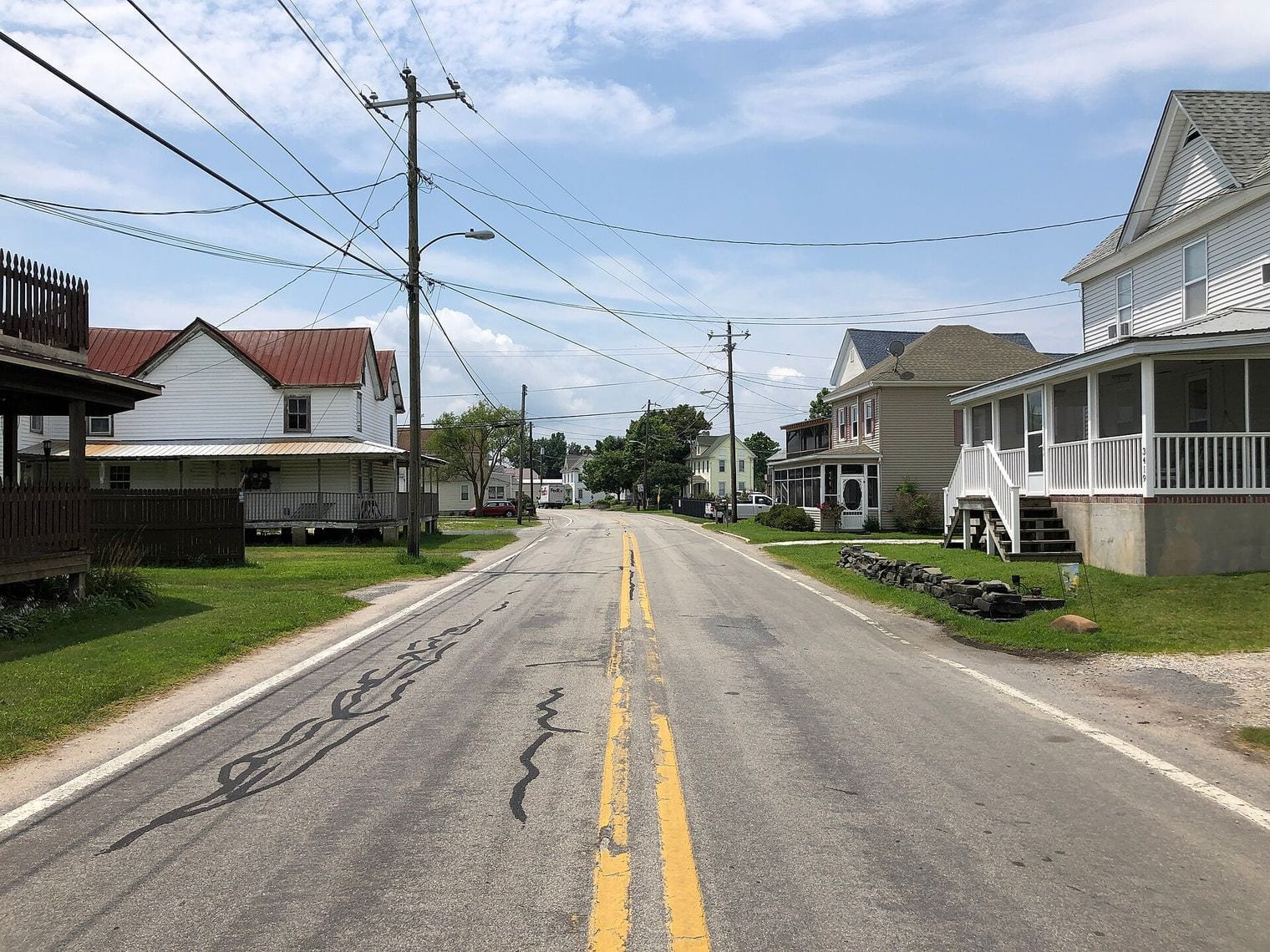
Bethel is a tiny village on Broad Creek, home to only a few hundred people, but in the 19th century it was a busy shipbuilding port known as Lewisville. Its shipwrights developed the Chesapeake sailing ram, an economical, flat-bottomed, three-masted schooner that needed only a small crew, and as many as thirty rams were built here between 1871 and 1918.
Much of the village is a National Register historic district, and a walk along its handful of streets, past 19th-century houses and the quiet creek, takes in nearly the whole place. Laurel and Trap Pond State Park are a short drive east.
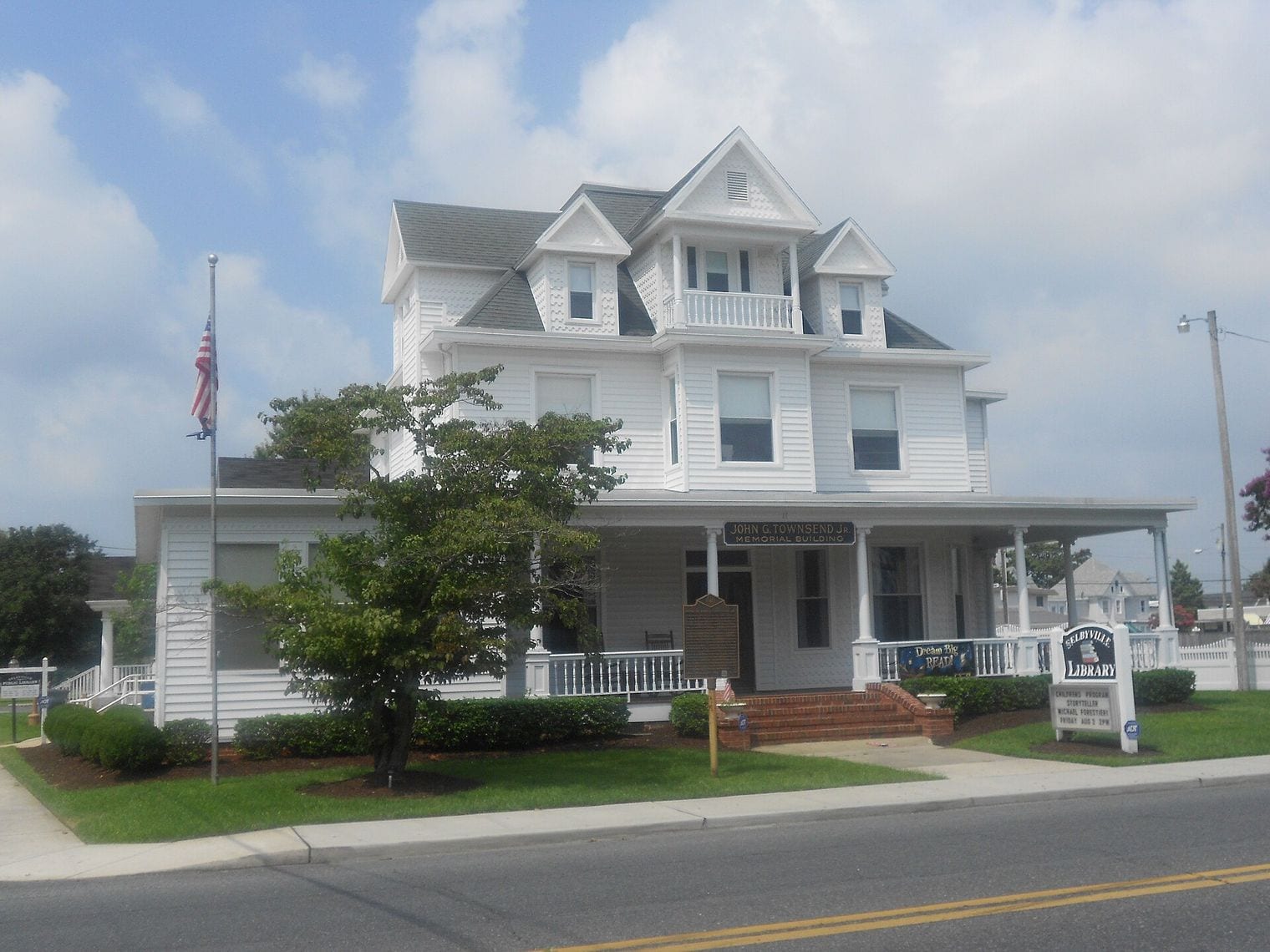
Selbyville, a few miles inland from Fenwick Island near the Maryland line, takes its name from Sampson Selby, who began marking packages for his country store "Selby-Ville" in 1842. By 1918 the town was a major supplier of strawberries to the East Coast, and farming, especially poultry, still shapes the area.
Nearby, the open-air Freeman Arts Pavilion stages concerts and performances through the summer, and the small downtown makes a calm inland stop before or after a day on the beaches of Fenwick Island.
Bowers Beach is a small fishing village on Delaware Bay between the mouths of the St. Jones and Murderkill rivers, settled in the late 1600s and long one of the bay's busiest fishing harbors, with hundreds of boats crowding its docks at its peak.
The Bowers Beach Maritime Museum, started by residents in 1973, tells the story of the bay's fishermen and oystermen, and the village was home to Big Thursday, a 19th-century celebration of the oyster season that is still remembered with a local festival. Today visitors come for fishing, kayaking, birdwatching and the quiet bay beaches.
Frederica sits at a bend of the Murderkill River, about six miles up from Delaware Bay, and grew as a shipping and shipbuilding town first known as Johnny Cake Landing before taking its grander name in 1796. Its river trade faded after the Delaware Railroad passed it by in the 1850s, leaving a quiet town of old houses along the water.
Just north of town stands Barratt's Chapel, built in 1780 and the oldest surviving church in the United States built by and for Methodists. It is known as the Cradle of Methodism for a famous 1784 service held there, and it makes a moving stop for anyone interested in early American religion.
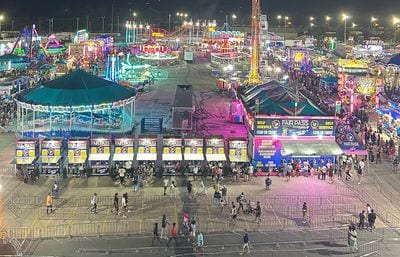
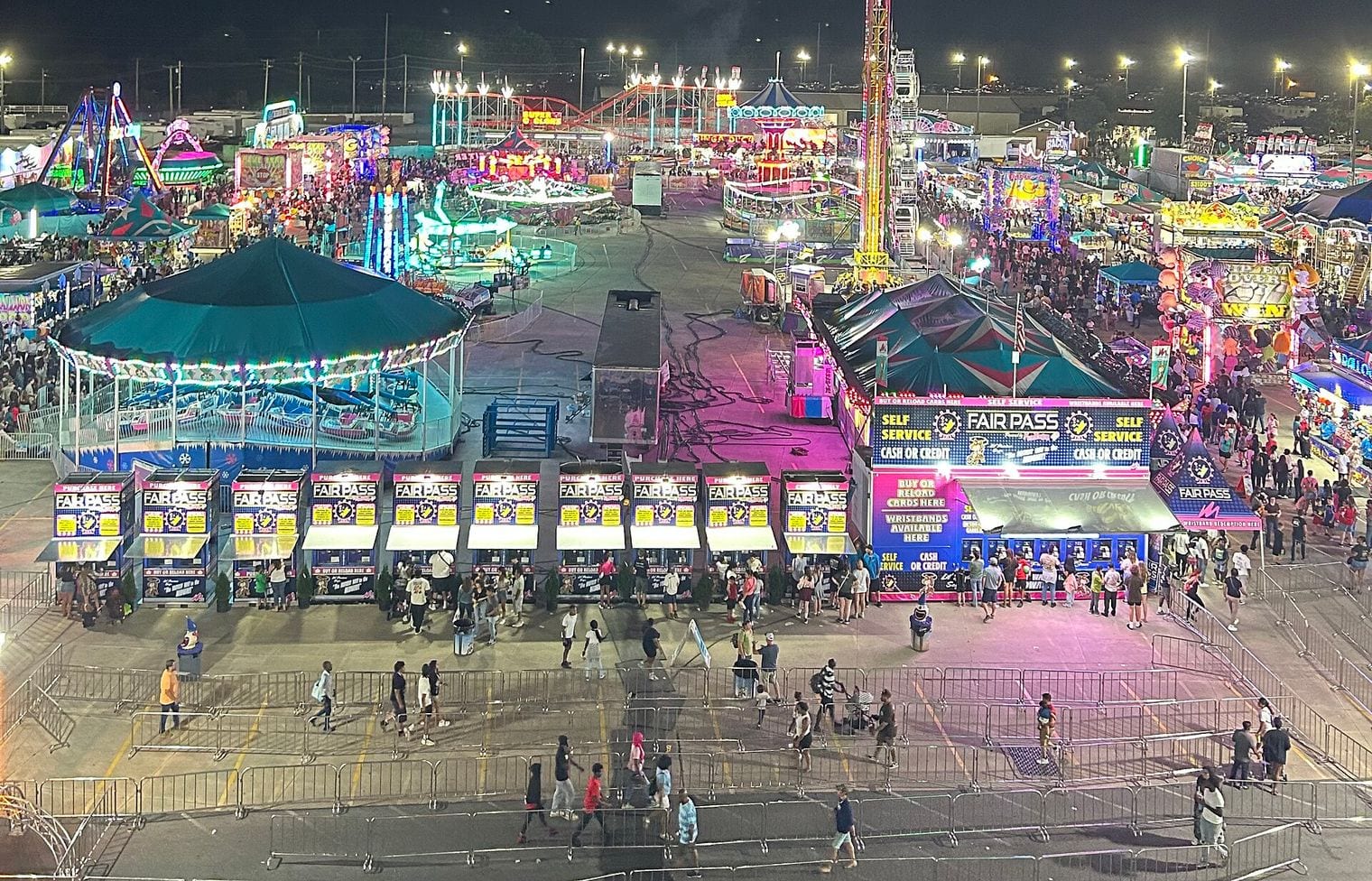
Harrington grew up at a junction on the Delaware Railroad and was named for Samuel Maxwell Harrington, a former chancellor of Delaware; freight trains still rumble through on the Delmarva Central line. The town is best known as the home of the Delaware State Fair, a ten-day event held at the end of July each year.
The Messick Agricultural Museum on the edge of town displays antique tractors, farm machinery, tools and toys in two buildings and several open sheds, a look back at the farming that still surrounds Harrington. Outside fair season, the town makes an easy stop on U.S. 13 between Dover and Seaford.
Camden was laid out in 1783 by the Quaker Daniel Mifflin as Mifflin's Crossroads, just south of Dover, and much of its old center is now the Camden Historic District. The town prospered after the Delaware Railroad came through nearby Wyoming in the 1850s and opened new markets for local farms.
The Camden Friends Meeting House, built in 1805, is still used by the only active Quaker meeting left in Kent County. Camden and Wyoming share a ZIP code and run together along Camden Wyoming Avenue, and in 1975 Camden voted to merge with its neighbor, but Wyoming's residents turned the idea down.
Free Things to Do in These Delaware Towns
Many of the best moments on this list cost nothing. Walk the mile-long boardwalk at Rehoboth Beach, wander the historic streets of Lewes and stroll around the Green in New Castle, where William Penn first came ashore.
Follow the Governors Walk along the Broadkill River in Milton or the Mispillion Riverwalk through Milford, find Chief Little Owl in Bethany Beach, and look for the 1751 Transpeninsular Line stone beside the lighthouse at Fenwick Island. The leafy lanes of Arden and the quiet old streets of Odessa are free to explore, and every other November the Return Day parade fills The Circle in Georgetown.
Delaware is compact, so it is easy to link several of these towns in one trip, with Route 1 and U.S. 13 running the length of the state. In the north, New Castle, Arden and Hockessin are all a short drive from Wilmington, and Delaware City and Odessa lie a little farther south near the Chesapeake and Delaware Canal.
In Kent County, Smyrna and Clayton sit side by side, while Camden, Wyoming, Frederica, Bowers Beach and Harrington are all within easy reach of Dover, with Milford on the line with Sussex County.
The coast is the heart of most trips. Lewes, Rehoboth Beach, Dewey Beach, Bethany Beach and Fenwick Island string together along Route 1, with Milton, Georgetown, Millsboro and Selbyville a short drive inland, and Seaford, Laurel and Bethel to the west along the Nanticoke River and Broad Creek. The beach towns are a classic summer escape from Baltimore and Washington, and the Cape May–Lewes Ferry links Lewes with the New Jersey shore across Delaware Bay.
FAQ: Visiting the Best Small Towns in Delaware
What is the best small town in Delaware?
Lewes tops the list for most visitors: the First Town in the First State pairs a historic district and museums with the beaches of Cape Henlopen State Park next door. Rehoboth Beach is the favorite for a classic boardwalk trip, while New Castle, Milton and Bethany Beach round out the top five for colonial history, river charm and quiet beach days.
What are the best beach towns in Delaware?
Rehoboth Beach and Lewes are the classic choices, Rehoboth for its mile-long boardwalk and Lewes for its bay beach and the dunes of Cape Henlopen. Dewey Beach is the liveliest in summer, while Bethany Beach and Fenwick Island, two of the Quiet Resorts, suit families looking for a slower pace near the Maryland line.
Which small towns are closest to Wilmington?
New Castle is just six miles south of Wilmington on the Delaware River, and Arden and Hockessin are also an easy drive from the city. Delaware City and Odessa lie a little farther south and make a good half-day loop with New Castle, taking in Fort Delaware, the Chesapeake and Delaware Canal and Odessa's historic houses.
What is the oldest town in Delaware?
Lewes claims the title of the First Town in the First State, because the Dutch founded the short-lived Zwaanendael settlement there in 1631. Among the towns on this list, New Castle comes next, founded by the Dutch as Fort Casimir in 1651; it later became the colonial capital and is where William Penn first stepped ashore in America in 1682.
When is the best time to visit Delaware's small towns?
Summer is beach season, when the coastal towns are at their liveliest and inland events include the Delaware State Fair in Harrington each July and the Wyoming Peach Festival each August. Late spring and early fall bring quieter beaches and good birding at Bombay Hook and Prime Hook, and the Arden Fair falls on Labor Day weekend.
How many days do you need to visit a small town in Delaware?
Most towns on this list fill a relaxed day, and many make easy half-day stops on a longer drive. Lewes and Rehoboth Beach deserve a weekend, and because Delaware is compact, a week is enough to link the colonial towns of the north, the river towns of Kent County and the whole string of beach towns along the coast.