We may earn a commission if you book or buy through a link on
this page, at no extra cost to you. It never affects which places we list or how
we rank them (how we make money).
Short answer
Copenhagen's three essentials are Nyhavn, the painted 17th-century canal quay of gabled townhouses and wooden ships, Tivoli Gardens, an 1843 pleasure garden still running its original wooden coaster, and Freetown Christiania, the car-free self-governing commune in a former naval barracks. Three days covers the city — one for the old centre and its castles, one for Christianshavn and the harbour, one for the museums and parks.
Copenhagen is a city built for wandering — a compact capital of painted quays, palace courtyards and harbour baths, where bikes outnumber cars and the sea is never more than a few streets away.
This guide runs through the 50 best things to do in Copenhagen, from the freetown of Christiania to a power station you can ski down. Three or four days covers the essentials, with a castle or two to spare.
Tivoli Gardens is the second-oldest operating amusement park in the world — and the oldest, Dyrehavsbakken, is also in Denmark, just north of the city.
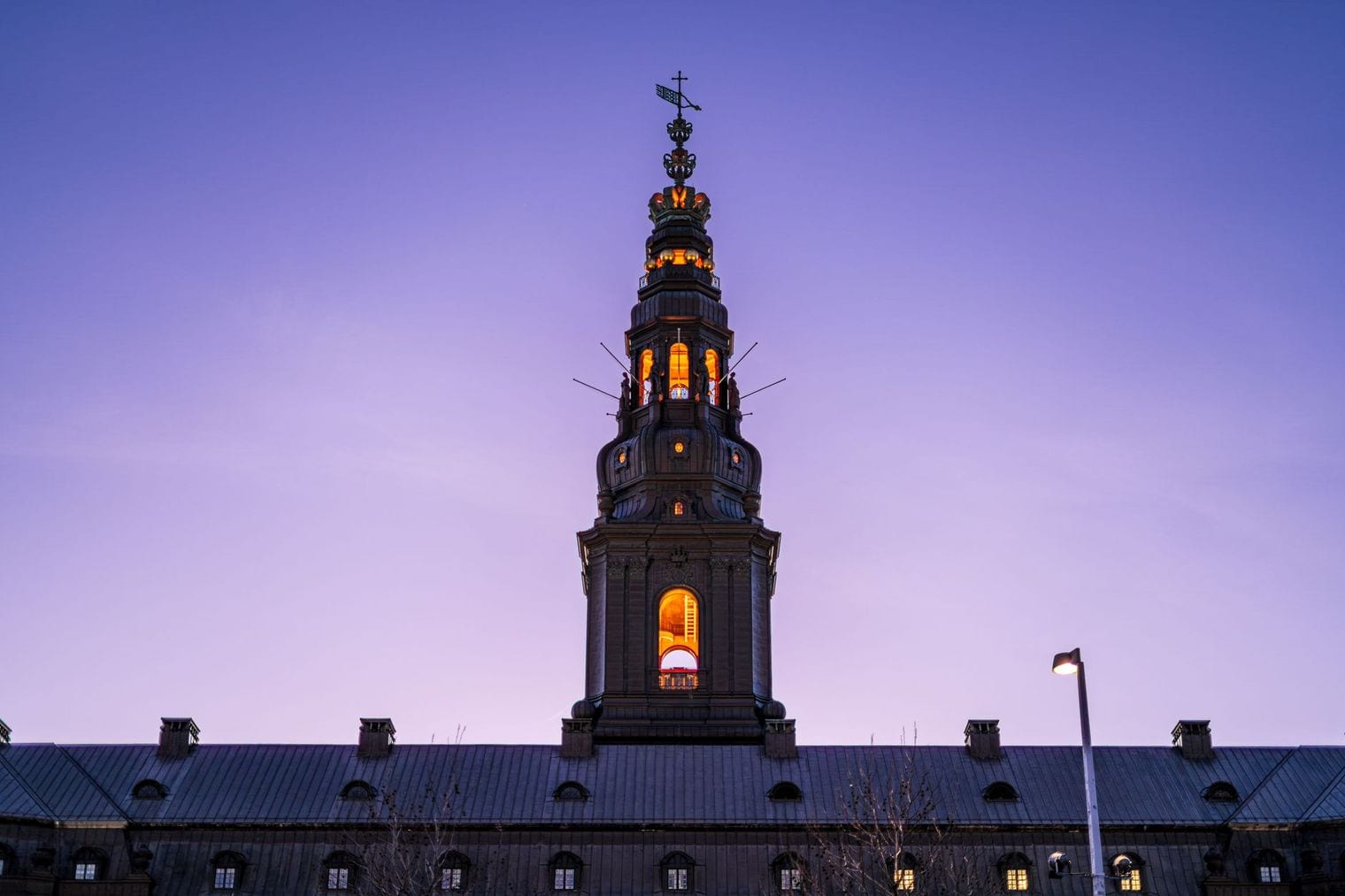
Christiansborg Palace is the only building in the world that houses all three branches of a country’s government — parliament, supreme court and prime minister’s office.
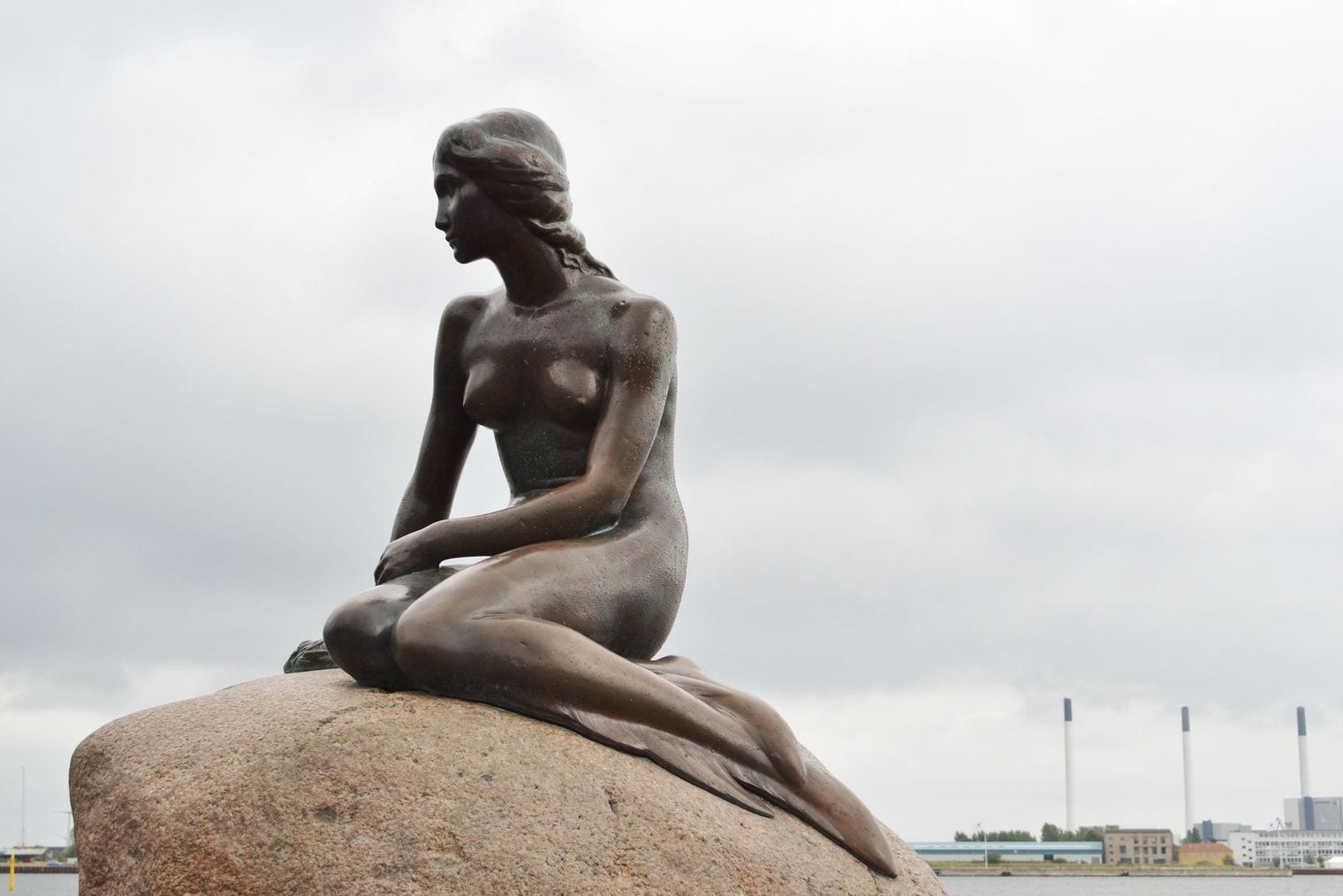
The Little Mermaid has been beheaded twice, in 1964 and again in 1998, and has been repaired and repainted more times than anyone cares to count.
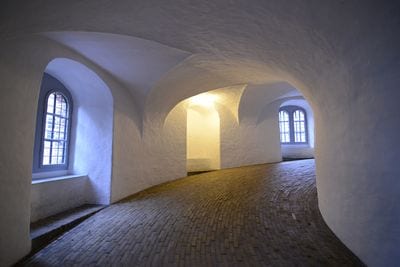
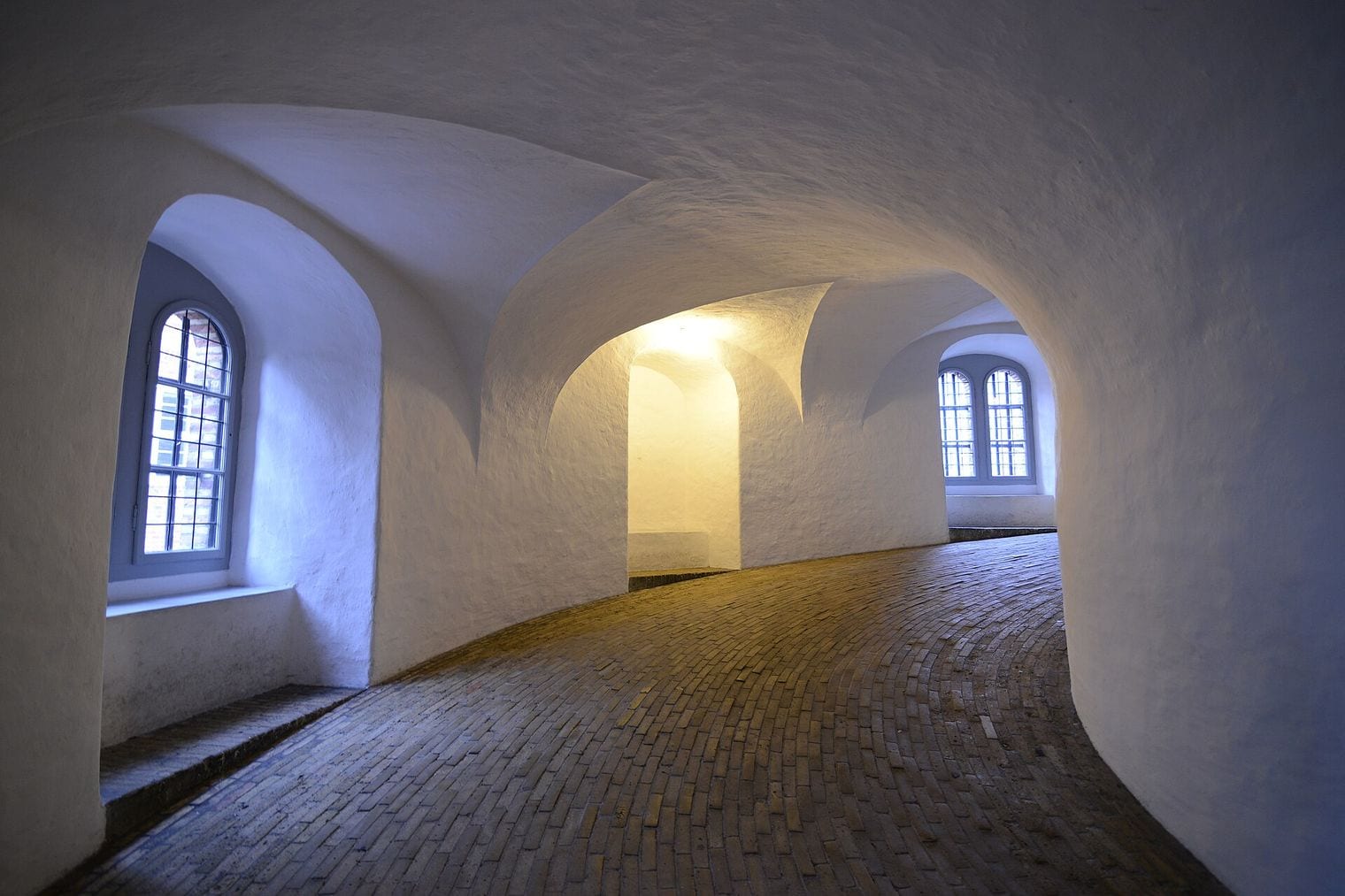
The Round Tower is climbed by a cobbled spiral ramp rather than a staircase, wound gently enough around its hollow core that a horse and cart could manage the ascent.
Kongens Have, the oldest and most-visited park in central Copenhagen, was laid out from 1606 as Christian IV’s private pleasure garden.
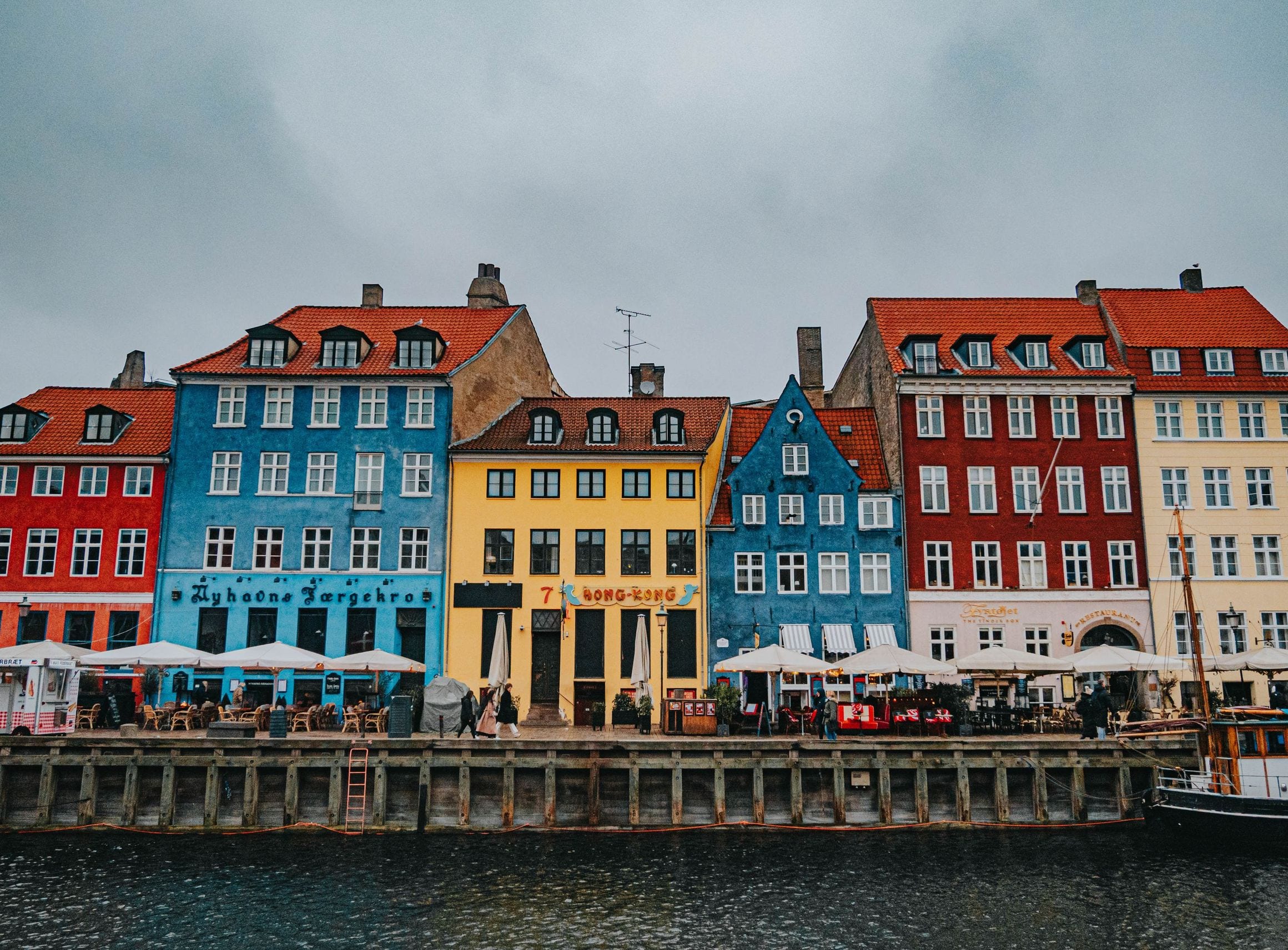
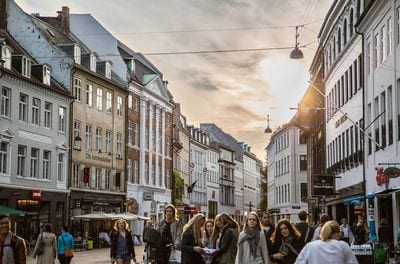
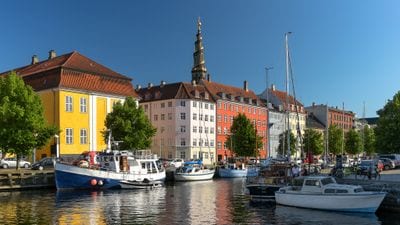
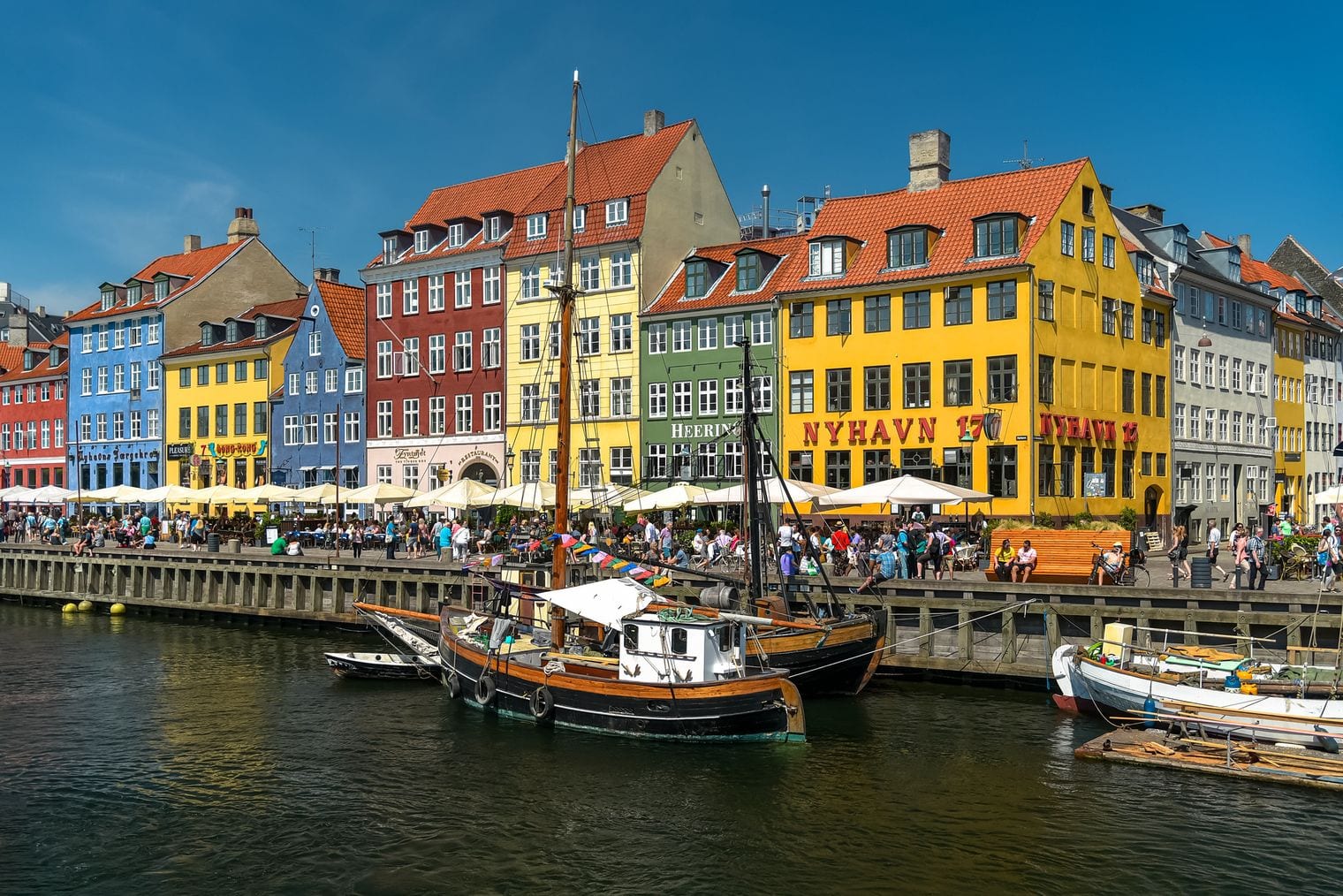
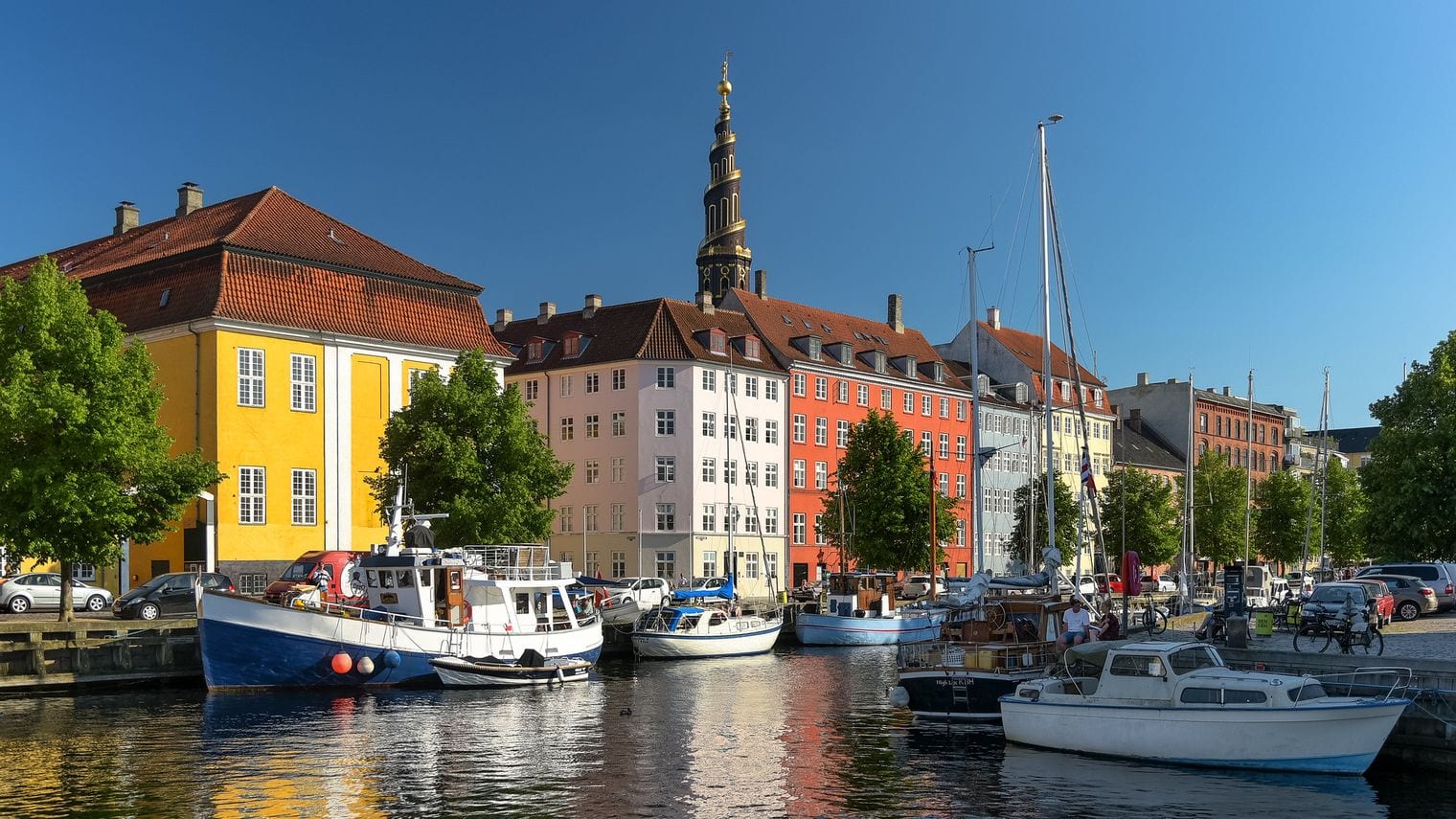
Nyhavn is the photograph everyone takes home: a narrow canal lined with gabled townhouses painted mustard, ox-blood and duck-egg blue, with wooden ships moored along the quay. It was dug in the 17th century as a working harbour to bring cargo into the heart of the city, and the buildings along the sunny side were once sailors' lodgings, taverns and tattoo parlours.
Today the north side is a solid run of restaurant terraces and the south side is quieter for walking. Hans Christian Andersen lived on this canal, and most of the boat tours that thread the rest of the harbour cast off from here — which makes Nyhavn the obvious first stop and the easiest place to get your bearings.
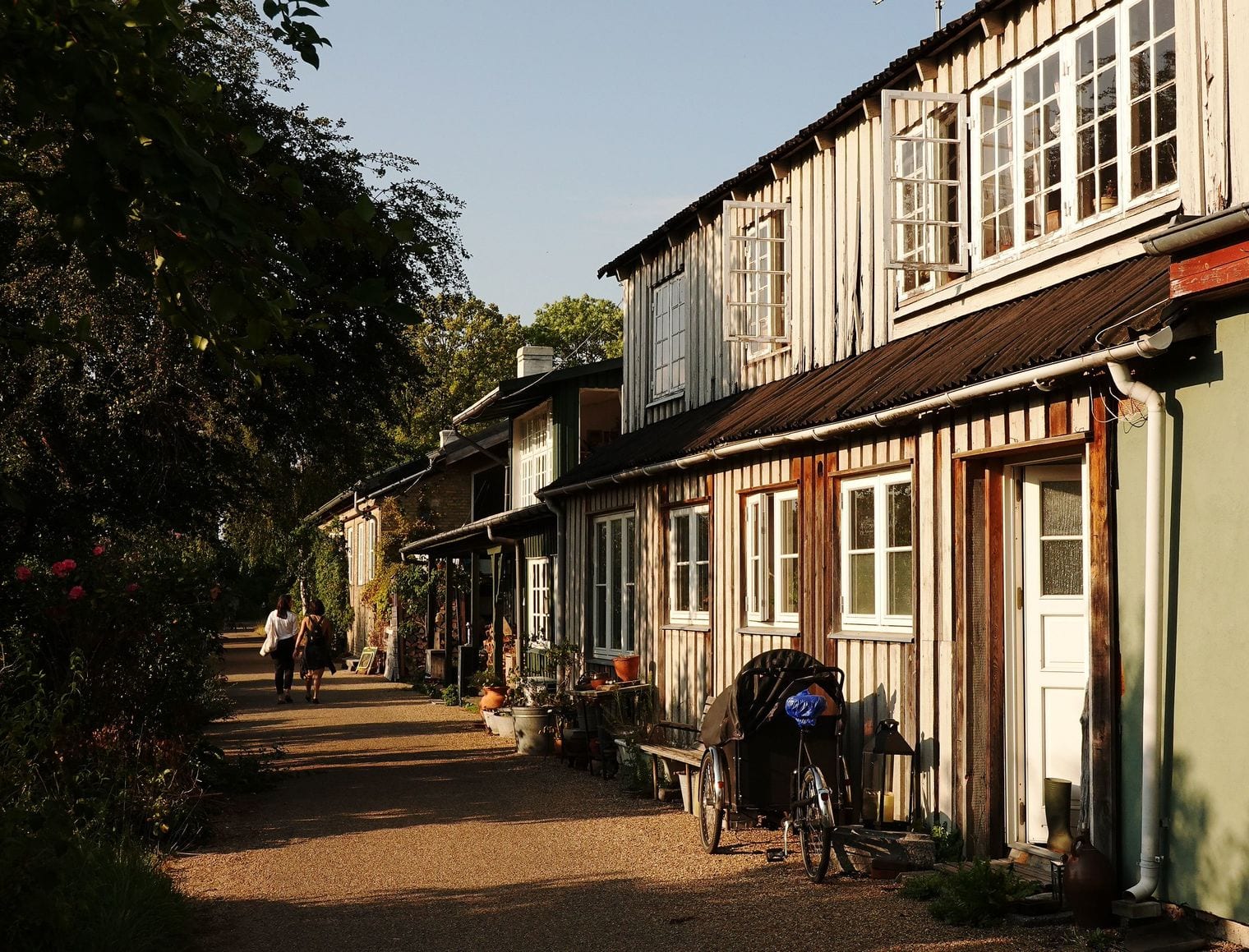
Freetown Christiania is the strangest and most argued-over corner of Copenhagen: a car-free settlement founded in 1971, when squatters moved into abandoned military barracks on Christianshavn and declared the place self-governing. Hand-built houses lean over the old ramparts, murals cover every flat surface, and workshops, music venues and vegetarian cafés fill the former army halls.
Visit on foot and read the signs at the gates — parts of the freetown ask you not to take photographs, and it is a residential community first and a curiosity second. Come for the walk around the lake and the earthworks, the improvised timber architecture, and a genuinely different idea of what a European capital can contain.
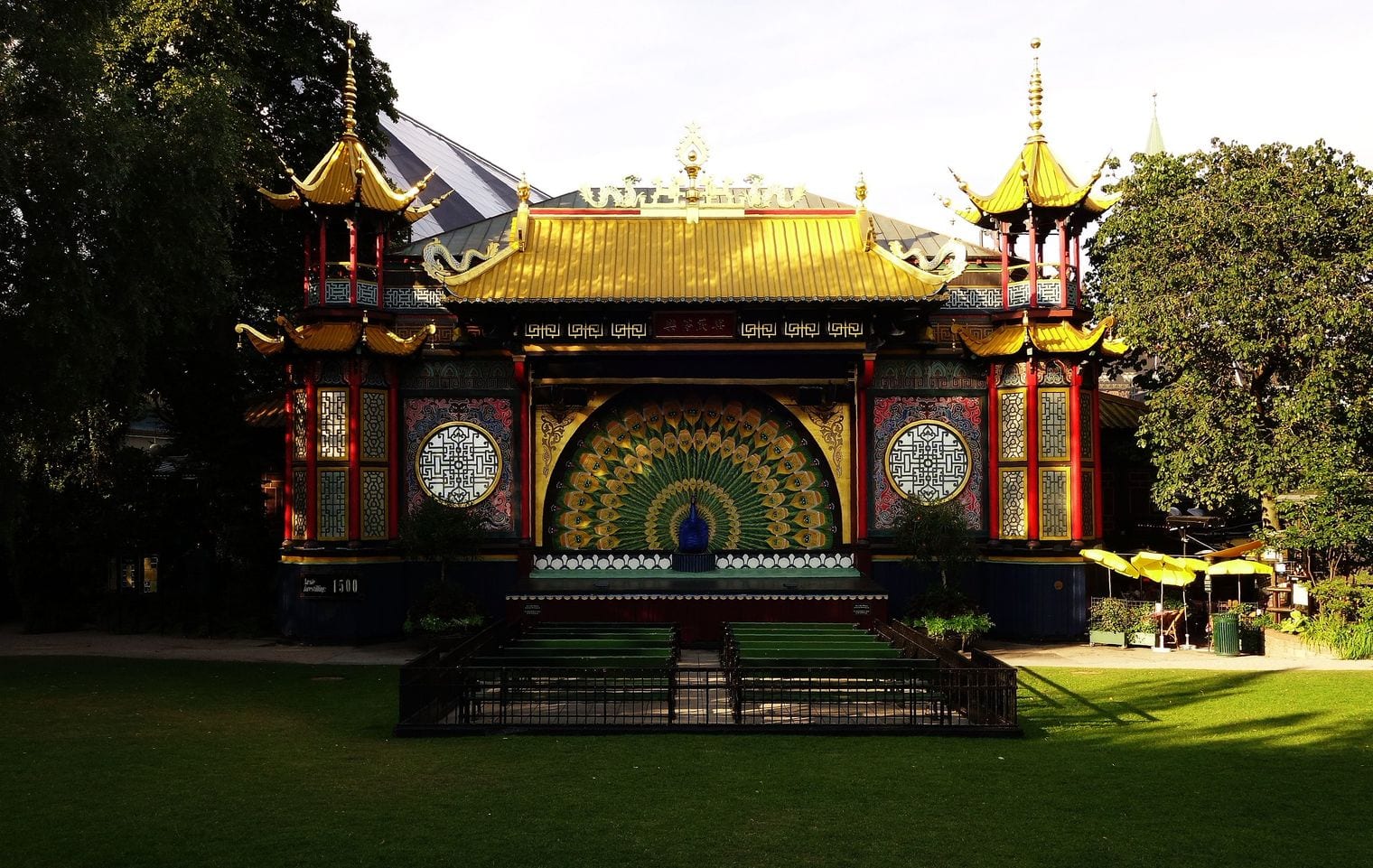
Tivoli Gardens opened in 1843 and has been the beating heart of central Copenhagen ever since — a pleasure garden rather than a theme park, where flowerbeds, lakes and lantern-lit pavilions matter as much as the rides. The old wooden roller coaster still runs with a brakeman riding aboard, and the open-air stage keeps a concert programme going through the season.
It sits directly across from the main railway station, so Tivoli folds into almost any itinerary. Go in the evening if you can: the whole garden is lit by thousands of small bulbs and the crowds thin after dinner. Its founder said Tivoli would never, so to speak, be finished — a line Walt Disney echoed a century later about the Tivoli-inspired park he built himself.
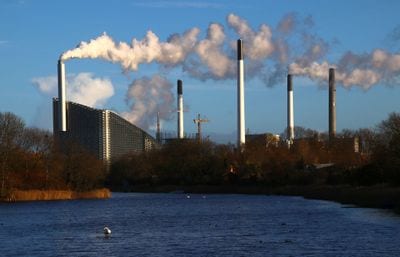
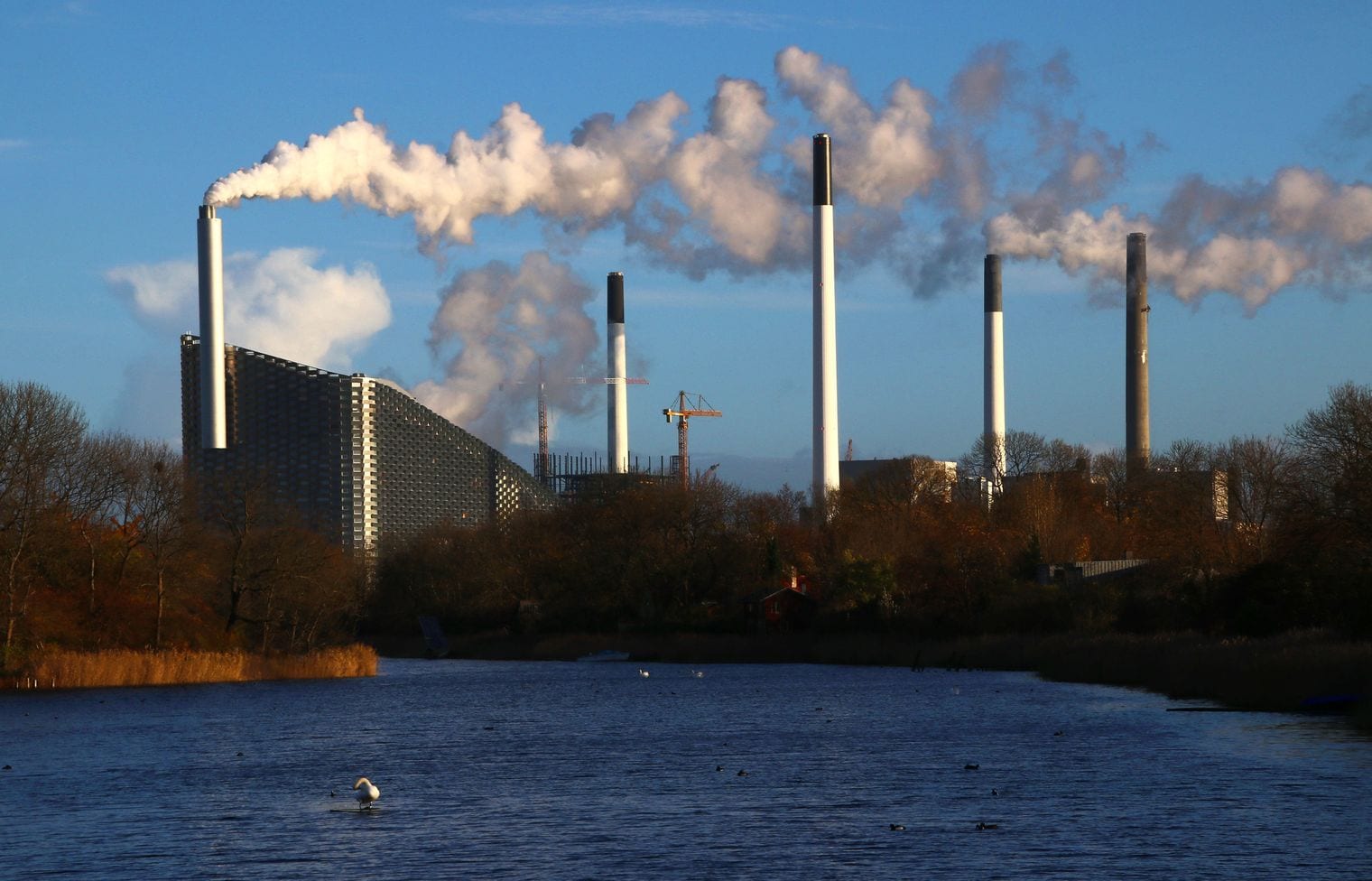
CopenHill is Copenhagen's argument in built form: a waste-to-energy plant on Amager with a public park on its roof. The slope carries a year-round dry ski and snowboard run, a hiking and running trail planted with grasses and pines, and a climbing wall running up the full height of one flank of the building.
You can take the lift to the top for the view alone, which takes in the wind turbines, the Øresund and the whole low sprawl of the city. There is a bar at the summit, and walking back down through the planted switchbacks costs nothing — a strange, brilliant piece of infrastructure that treats an incinerator as a public amenity.
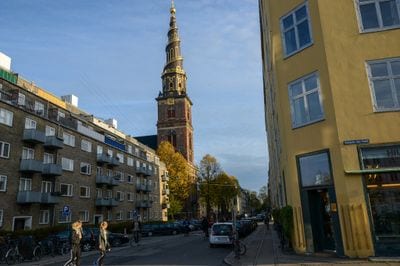
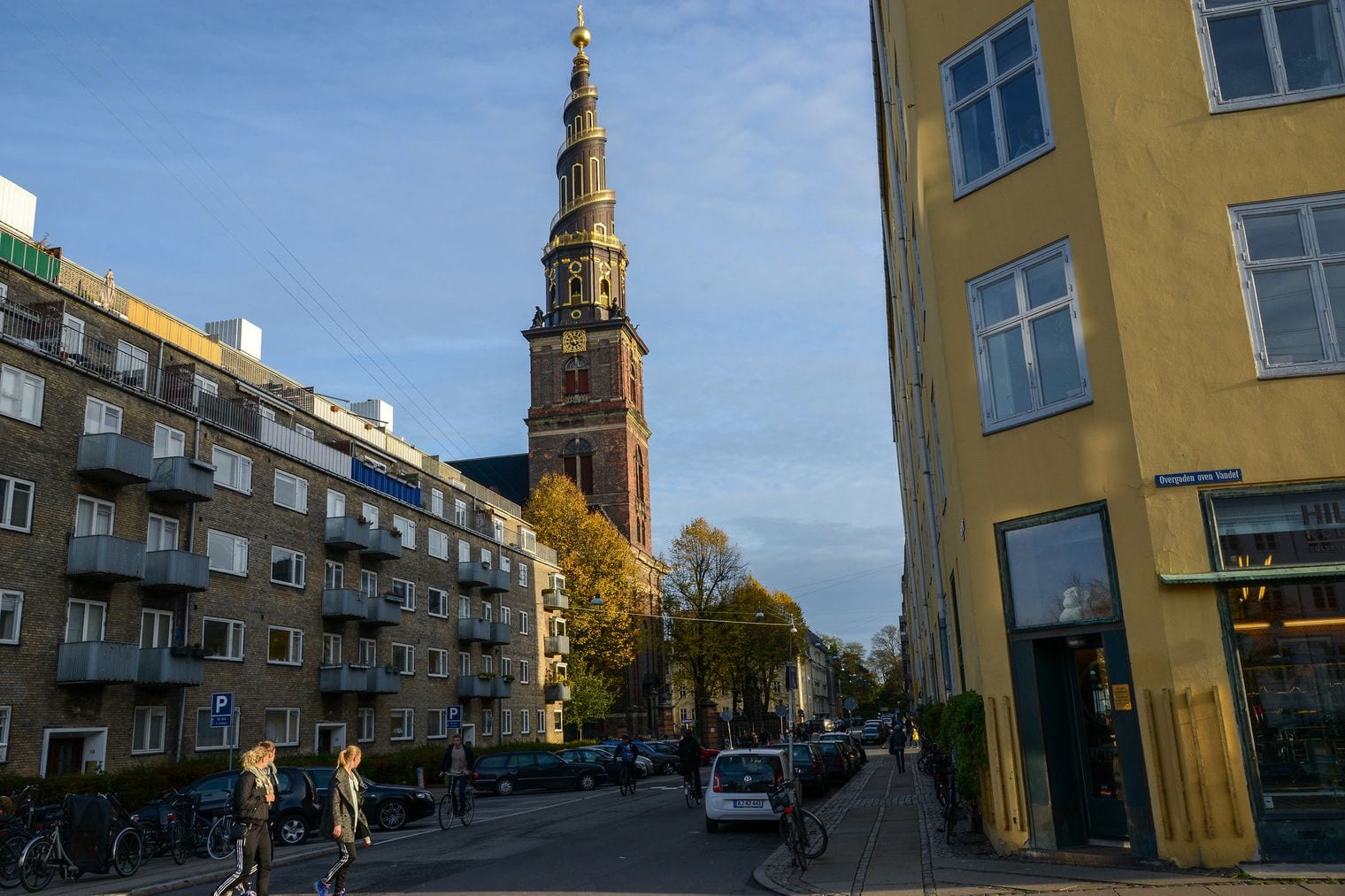
The Church of Our Saviour is a baroque church in Christianshavn with one unforgettable feature: an external staircase that spirals around the outside of its blackened spire, winding up to a golden globe at the very top. The final stretch is open to the weather, and the steps narrow as they climb.
It is not a climb for anyone uneasy with heights, but the reward is the least obstructed view in the city — copper roofs, the harbour, Christiania's low green sprawl next door and, on a clear day, Sweden across the water. Inside, the church keeps an extravagantly carved organ case and a floor of worn ledger stones.
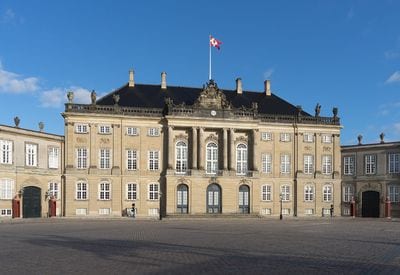
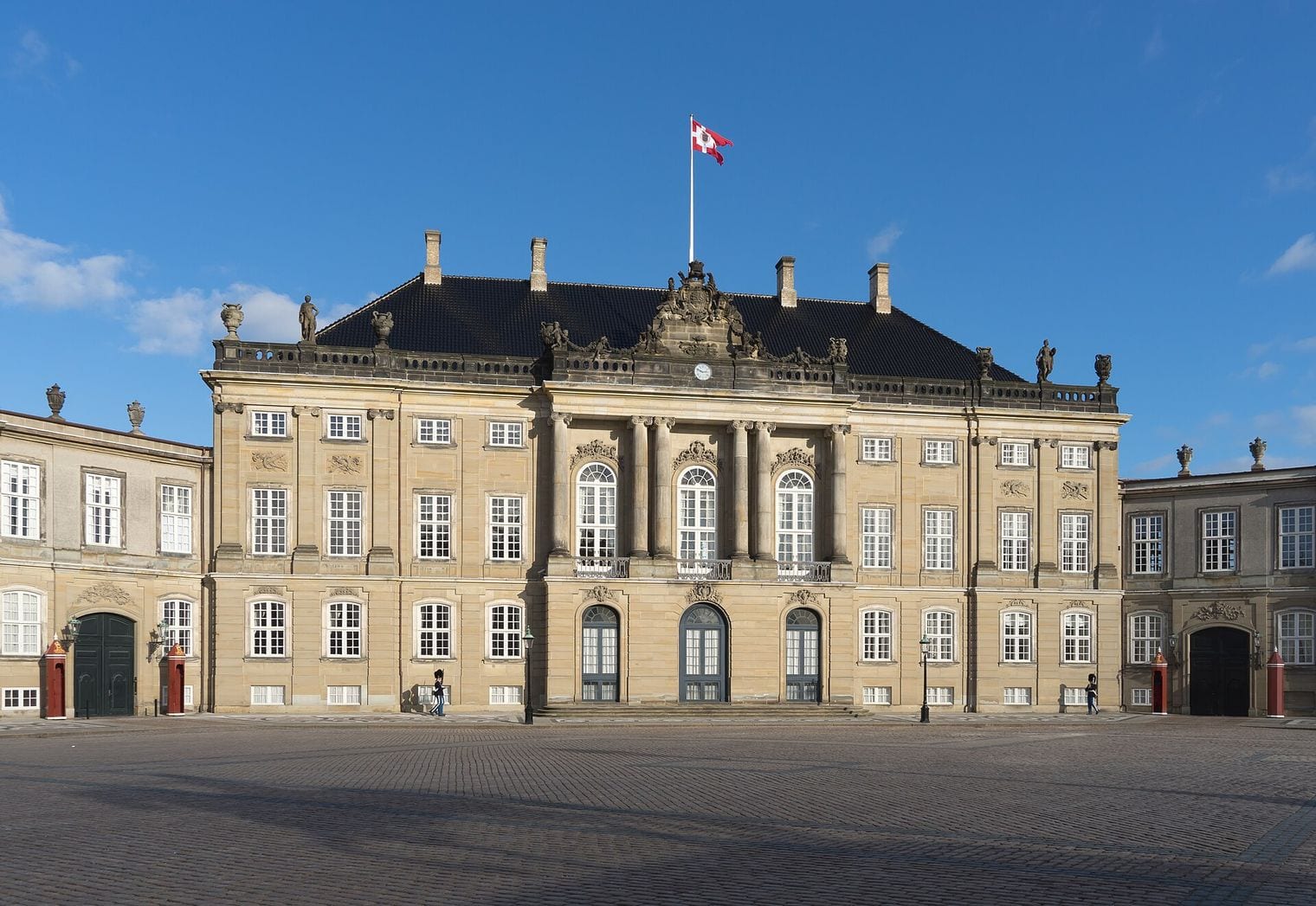
Amalienborg is the Danish royal family's home in the city: four near-identical rococo palaces set around an octagonal courtyard, with an equestrian statue at the centre and the dome of the Marble Church closing one axis. The symmetry is the whole point — stand in the middle and the square resolves around you.
The changing of the guard takes place when the royal standard is flying, with the Royal Life Guards marching across the city from their barracks to arrive around midday. One wing is open as a museum of the royal apartments, and the formal garden below the square runs down to the harbour, facing the Opera House across the water.
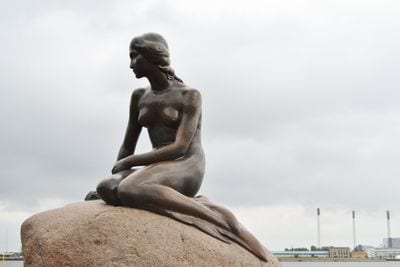
The Little Mermaid has sat on her granite boulder at the water's edge since 1913, a small bronze figure from Hans Christian Andersen's story, looking back toward the shore. She is famously, cheerfully underwhelming in scale — barely more than life-size — and she is almost always ringed by people.
Go anyway, and go early: at first light, with the harbour flat and empty, she is genuinely lovely. The statue stands on the Langelinie promenade, so it folds naturally into a walk from the citadel, and her long history of being painted, beheaded and repaired has become part of the story visitors come to hear.
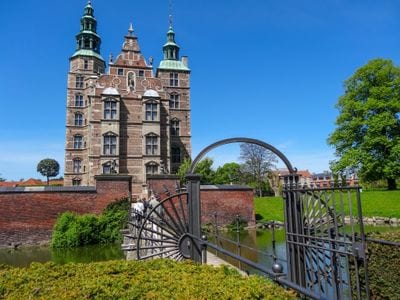
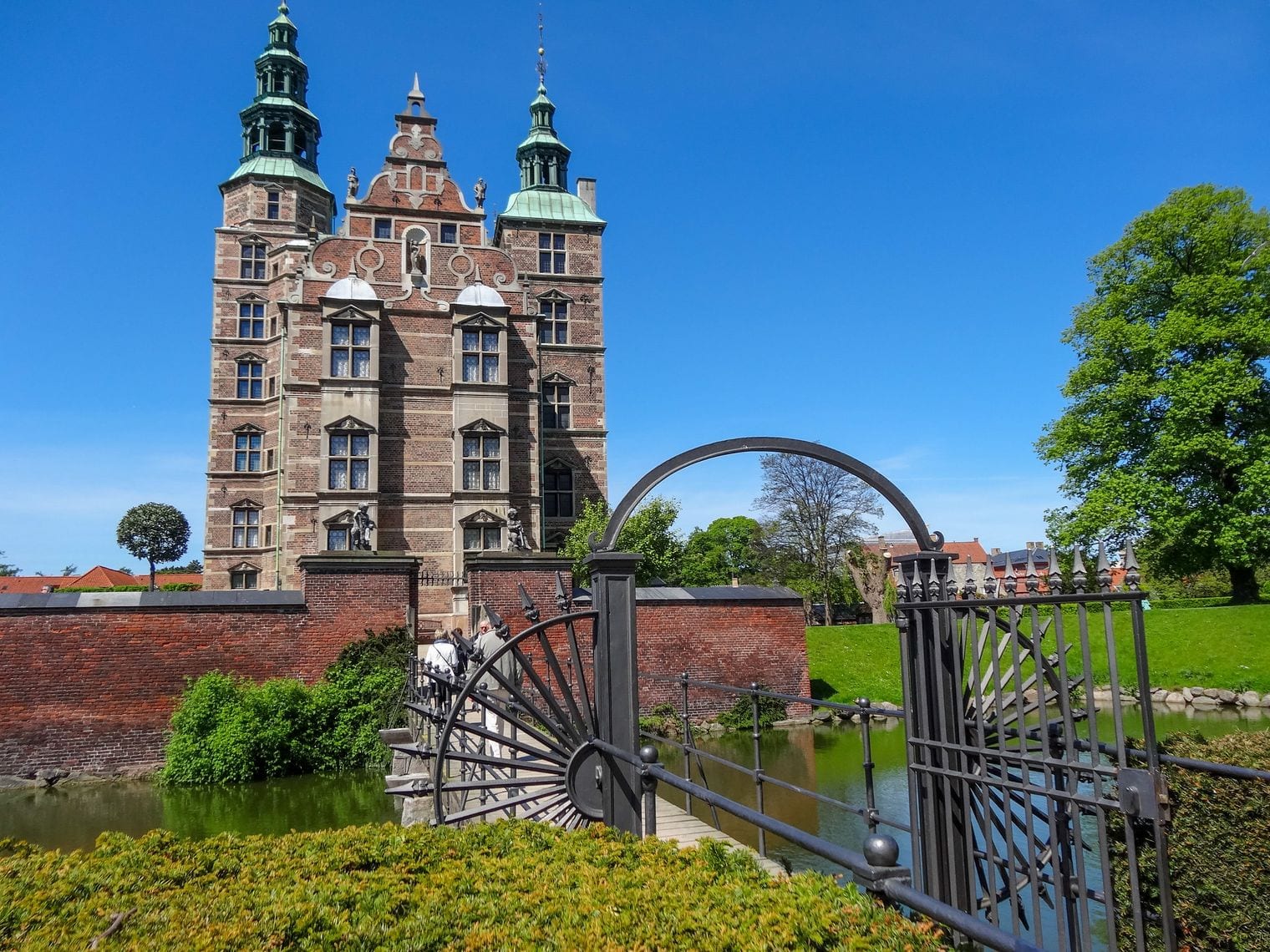
Rosenborg Castle was built by Christian IV as a summer retreat, back when this was open country beyond the city ramparts, and it still looks like something from a fairy tale: a compact Dutch Renaissance house of red brick, copper spires and moat, standing in the middle of a royal garden.
The interiors run in sequence through the centuries, ending in the Long Hall with its silver lions and coronation thrones. Downstairs, in a vaulted basement strongroom, the Danish crown jewels and regalia are on display — the single best reason to come, and the reason to arrive early before the cellar fills up.
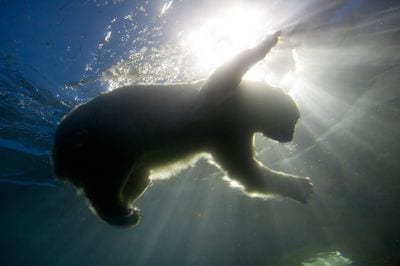
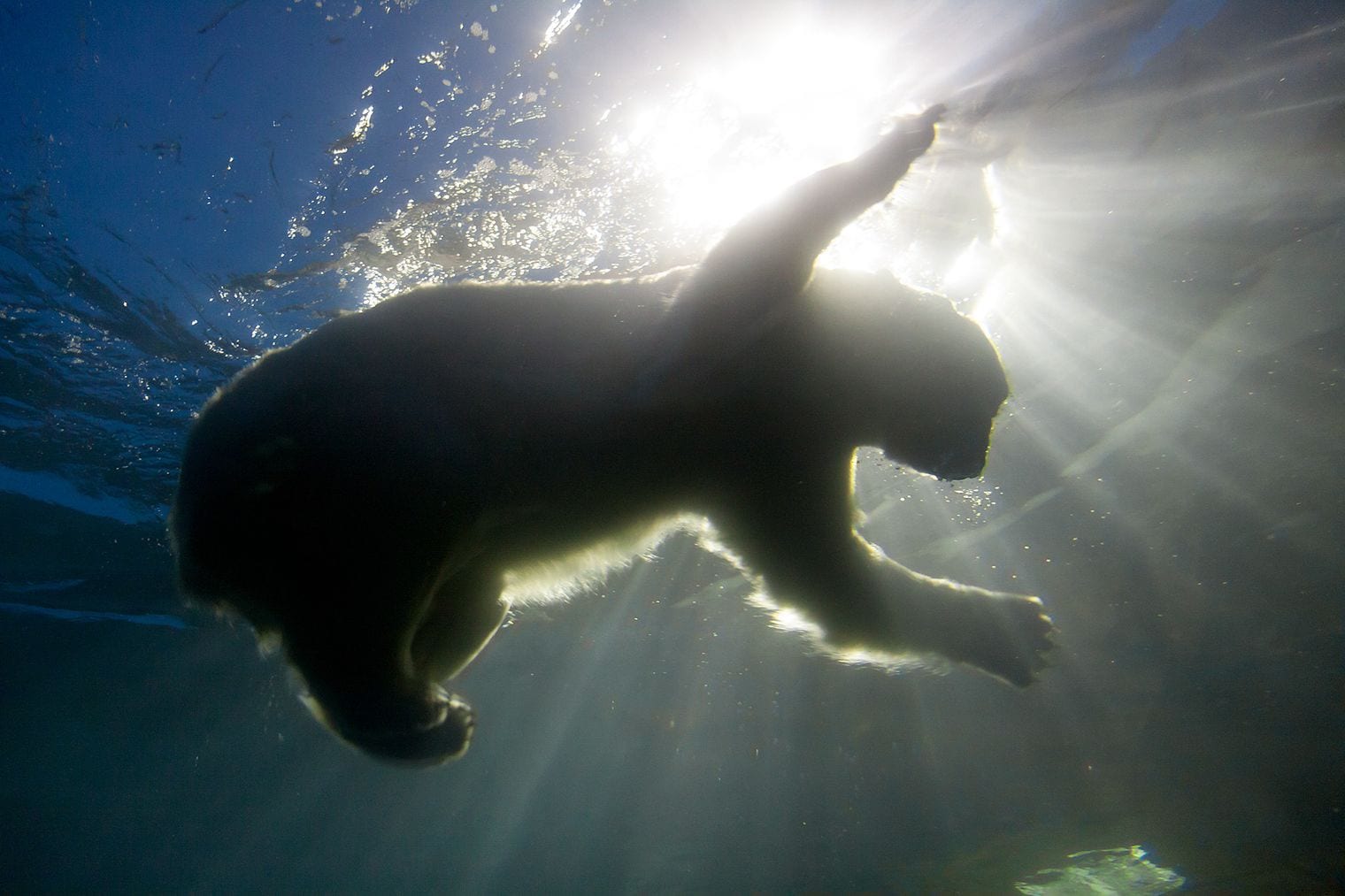
Copenhagen Zoo sits on the Frederiksberg side of the city, laid out among mature trees with a wooden observation tower still standing at its centre. Its modern enclosures are the draw — a glass-tunnelled Arctic Ring where polar bears swim over your head, and an elephant house roofed with two great glass domes that flood the enclosure with daylight.
It is genuinely good for children and unhurried enough for adults, and it shares a boundary with Frederiksberg Gardens, so the two combine into an easy half-day. The old tower can be climbed for an unexpected view back over the rooftops toward the spires of the city centre.
The Round Tower is a 17th-century observatory built by Christian IV, and its charm is in how you reach the top: not by stairs but by a broad cobbled ramp that spirals around a hollow core, rising at a gradient gentle enough for a horse and cart.
At the summit is a working observatory and an open platform with a low railing and a full circle of view over the old town's roofs and towers. Partway up, the former university library hall now holds changing exhibitions, and a glass panel set into the floor of the ramp lets you look straight down the core to the bottom.
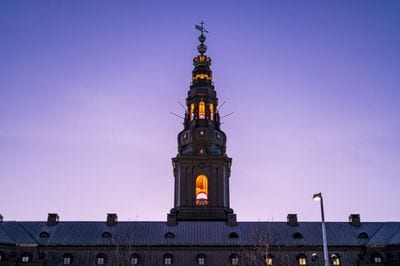
Christiansborg is the rare building that houses all three branches of a country's government — parliament, supreme court and prime minister's office — while still keeping a suite of royal reception rooms for state occasions. Its grey granite bulk fills an island of its own in the middle of the city.
The tower is the tallest in Copenhagen and can be climbed without a ticket, which makes it the best-value view in town. Below ground, the excavated ruins of the medieval castles that stood here before it are open to walk through, and the tapestry-hung Great Hall and the working royal stables are worth the entry.
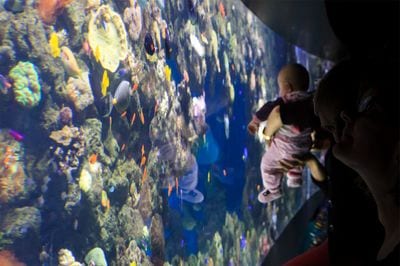
Den Blå Planet is shaped like a whirlpool, its aluminium-clad arms spiralling out from a central hall so that every corridor draws you further in. It stands on the waterfront out toward the airport, and the building alone justifies the metro ride.
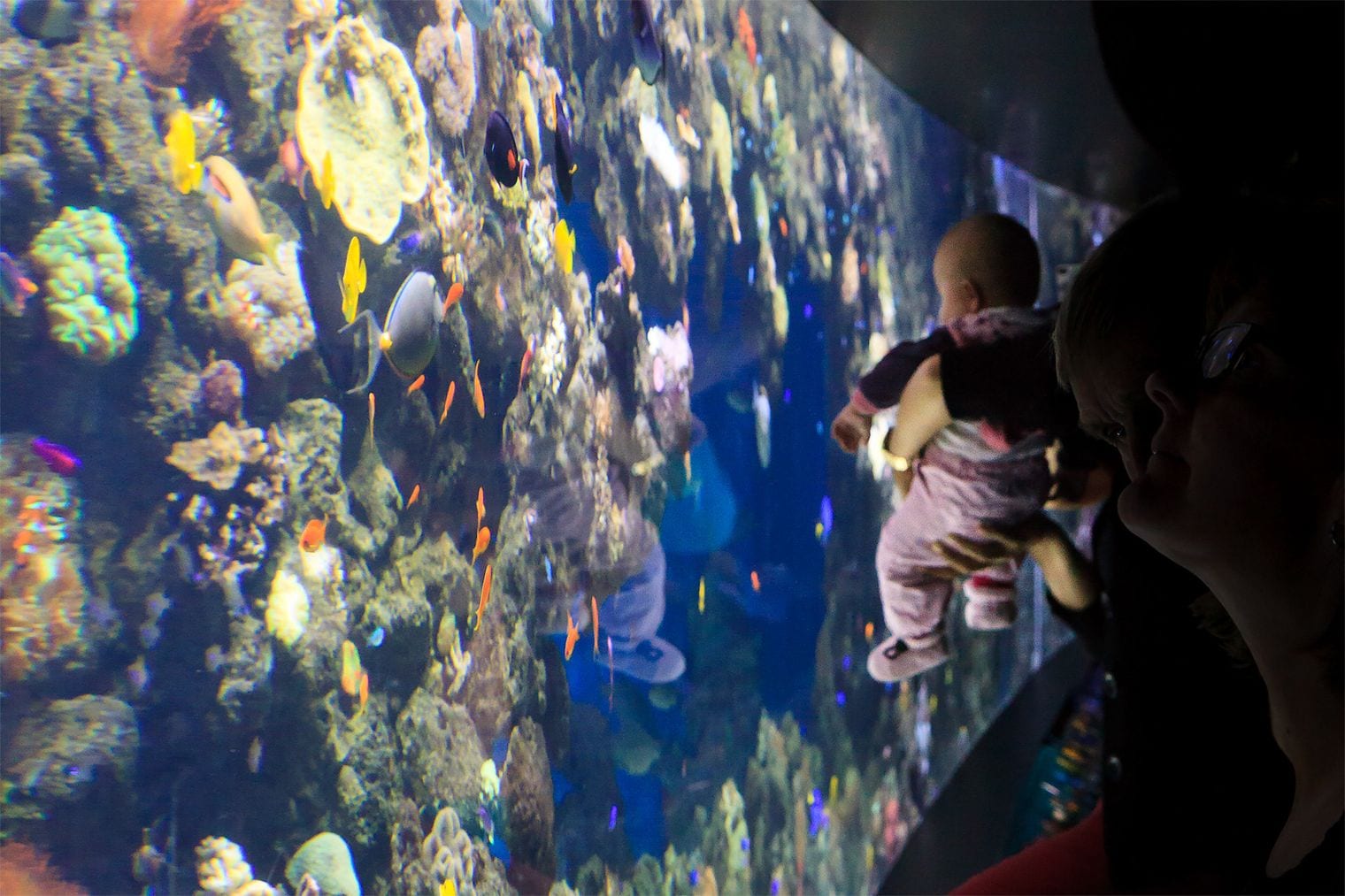
Inside, the Ocean Tank is the centrepiece, with hammerhead sharks and rays sliding past a vast curved window, and a warm rainforest section where free-flying birds and butterflies share the walkway. It is one of the largest aquariums in Northern Europe and the most reliable rainy-day option in the city.
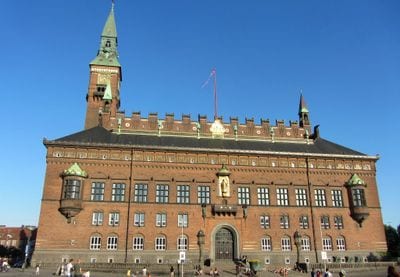
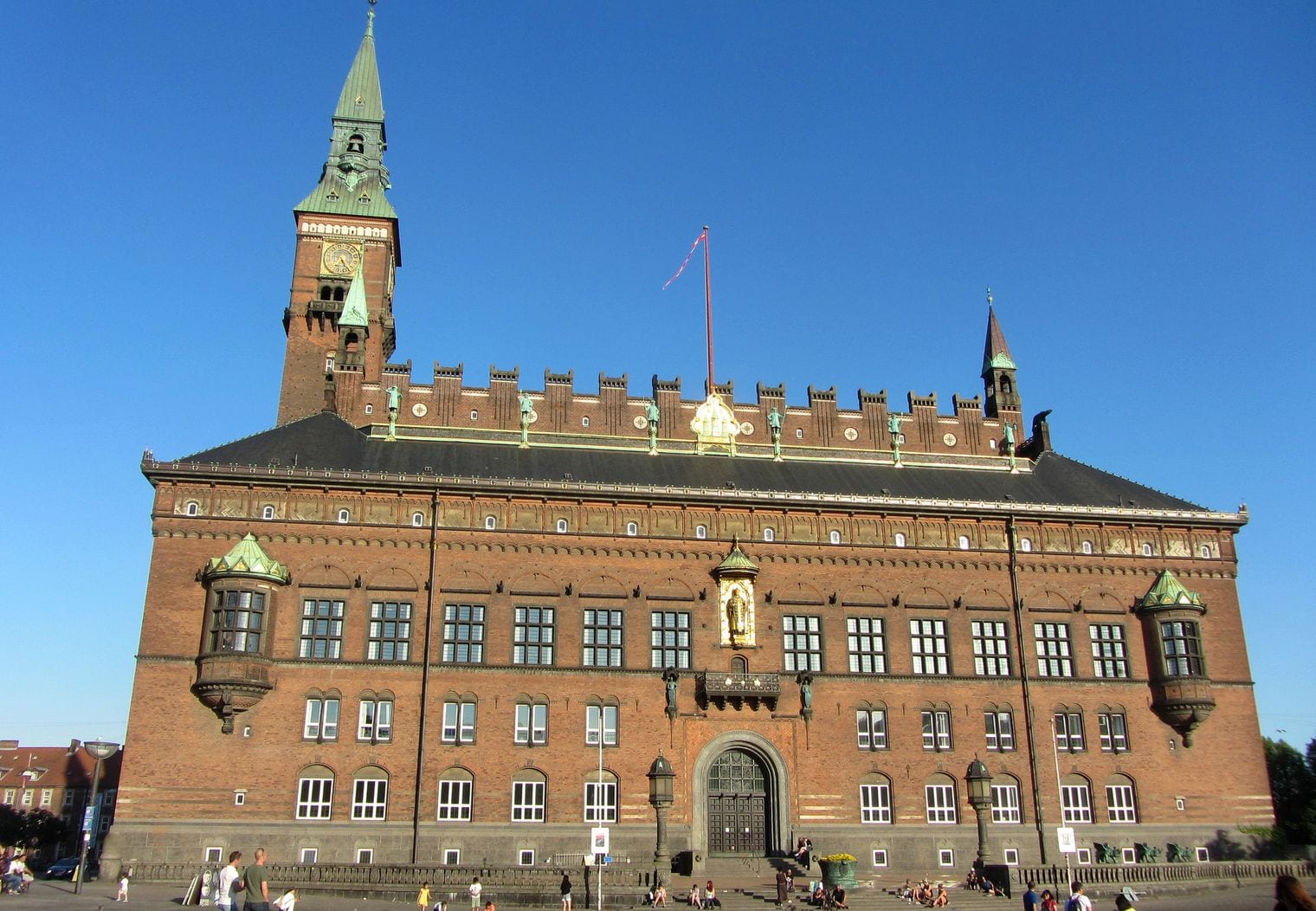
Rådhuspladsen is Copenhagen's civic living room — a broad open square at the end of the Strøget shopping street, with the red-brick City Hall and its tall clock tower along one side and the entrance to Tivoli just across the road.
It is a crossroads more than a destination, but it is where the city gathers, and the City Hall itself can be visited. Inside is Jens Olsen's World Clock, an astronomical clock of extraordinary complexity that tracks solar time, lunar phases and the movements of the planets, and the tower can be climbed on a guided tour for a view straight down onto the square.
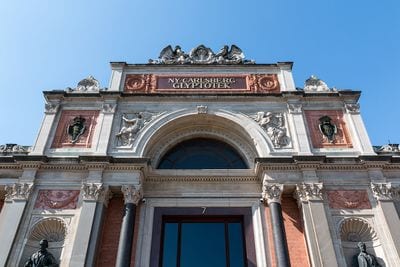
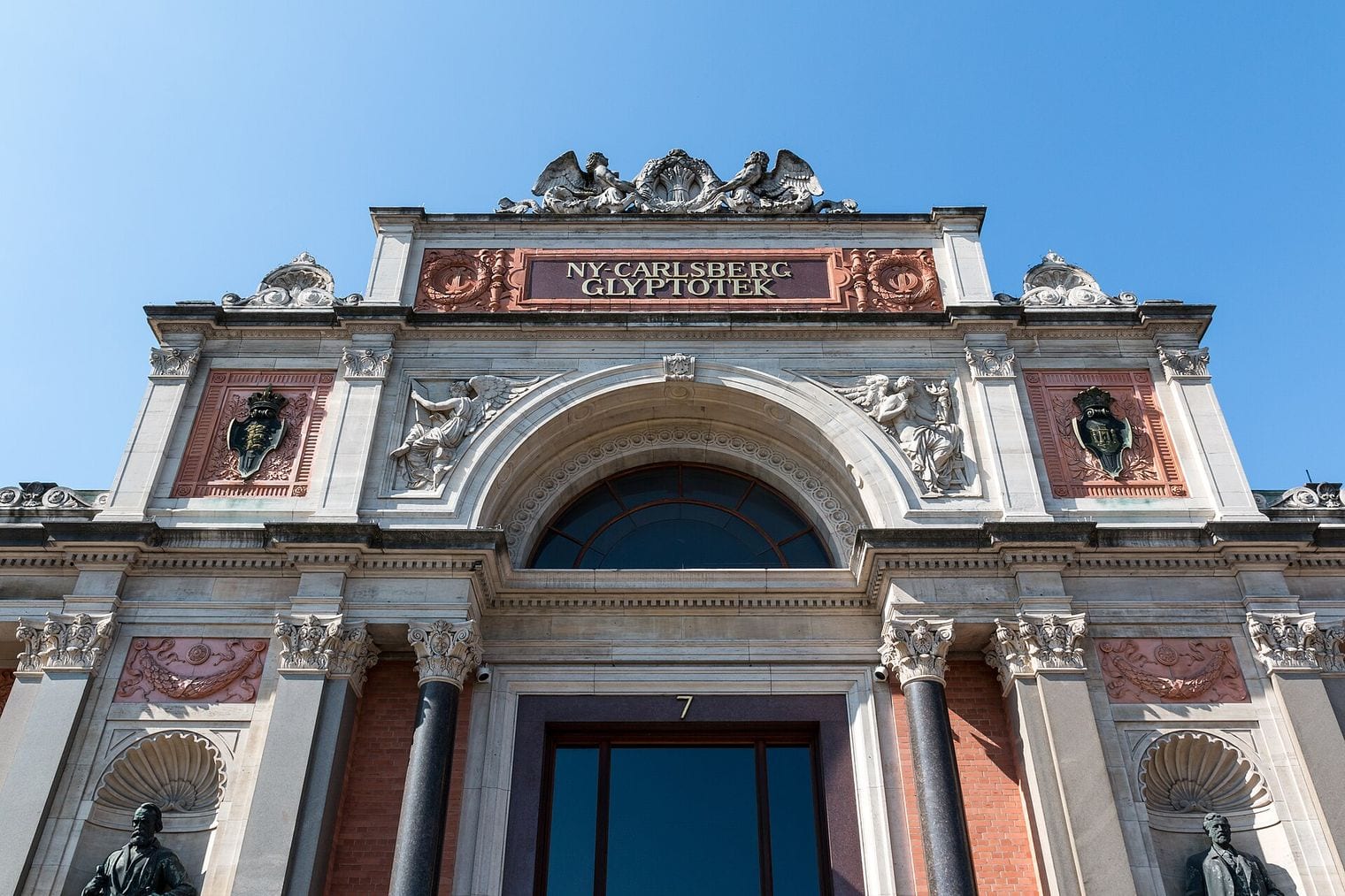
The Glyptotek grew out of a brewer's private collection and remains the most atmospheric museum in Copenhagen. Its Egyptian, Greek and Roman antiquities are arranged in top-lit galleries, and its French holdings run deep in Rodin and the Impressionists, with a substantial group of Gauguin from the years his family spent in the city.
At the centre of it all is the Winter Garden, a domed glass conservatory of palms and marble with a café beneath it. On a grey afternoon it is the warmest room in Copenhagen, and it is the reason a good many locals come at all.
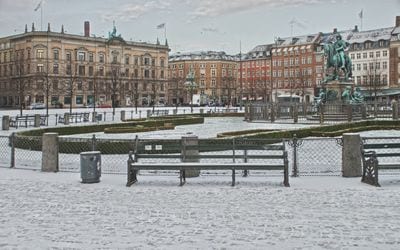
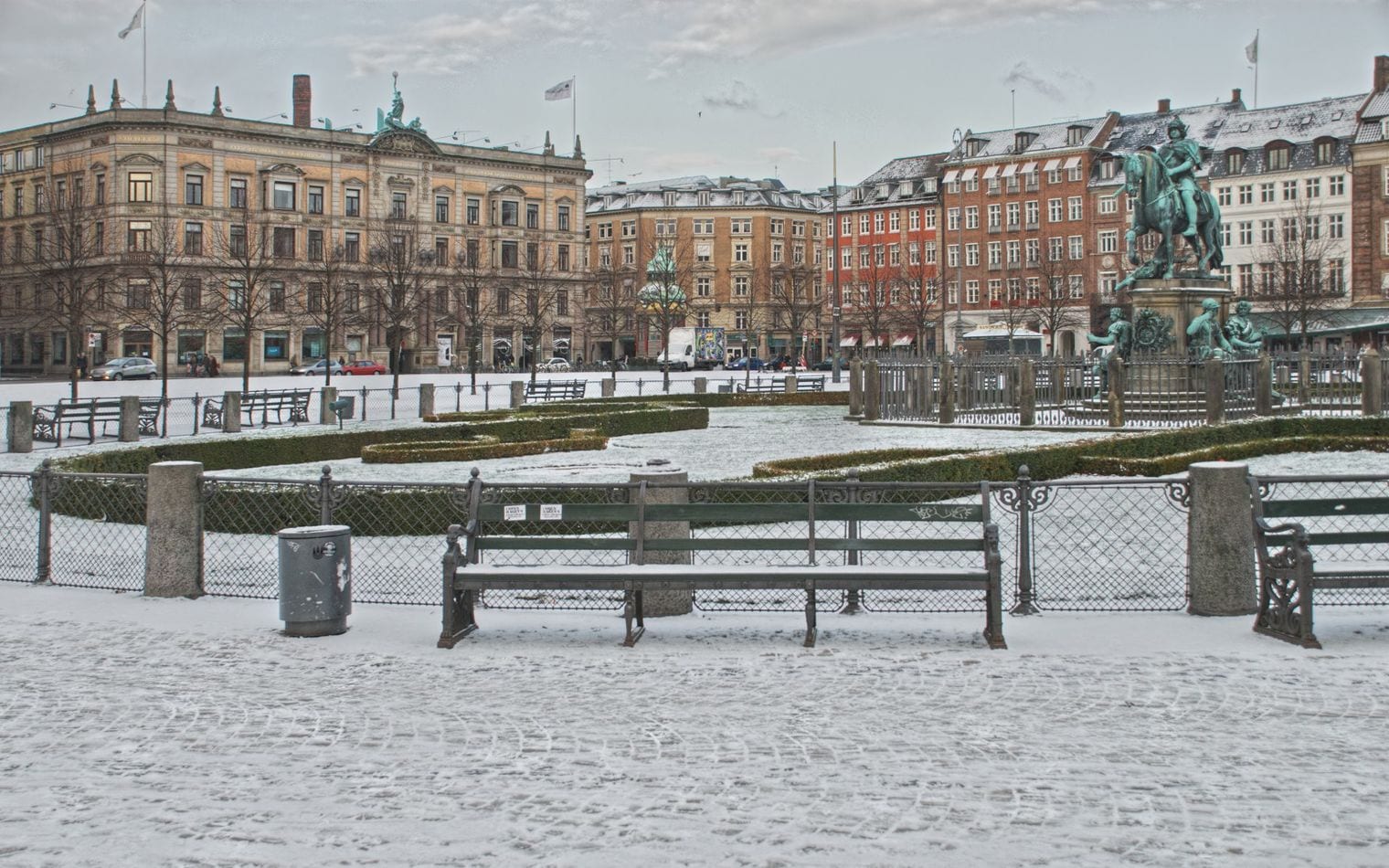
Kongens Nytorv — the King's New Square — is the grand formal square of the old city, laid out in the 17th century with an equestrian statue of Christian V at its centre and a ring of stately facades around it: the Royal Danish Theatre, the old department store, and the mouth of Nyhavn on its eastern corner.
It works better as a hinge between neighbourhoods than as a place to linger. The metro station beneath makes it a natural starting point for a day, and in the coldest months an ice rink opens in the middle of the square, ringed by the bare lime trees.
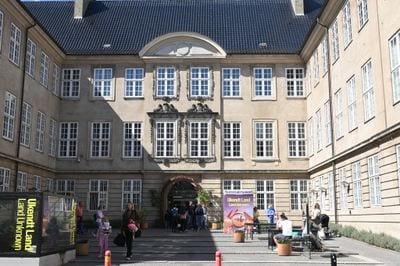
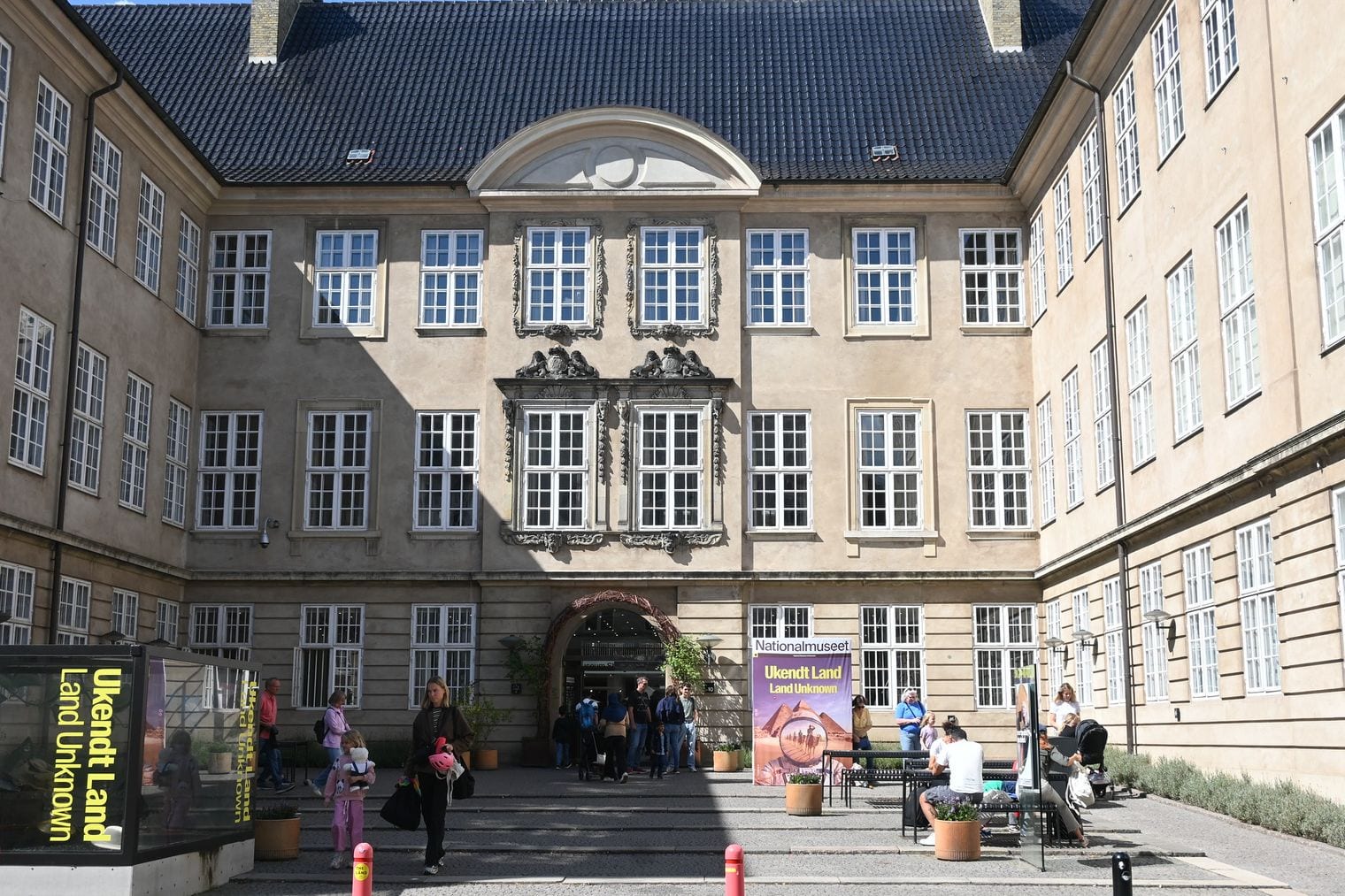
The National Museum is where Denmark tells its own story, from the Stone Age to the present, inside a former royal residence a short walk from Christiansborg. The prehistoric collection is the standout: bog bodies, curved bronze lur horns, and the Sun Chariot, a small bronze horse drawing a gilded disc that has become a national emblem.
Upstairs the Viking galleries lay out weapons, silver hoards and rune stones without over-romanticising them, and there is a large ethnographic collection gathered over centuries of Danish trade and exploration. The children's museum is unusually good, with a Viking ship to clamber over and armour to try on.
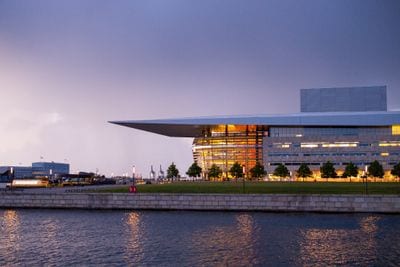
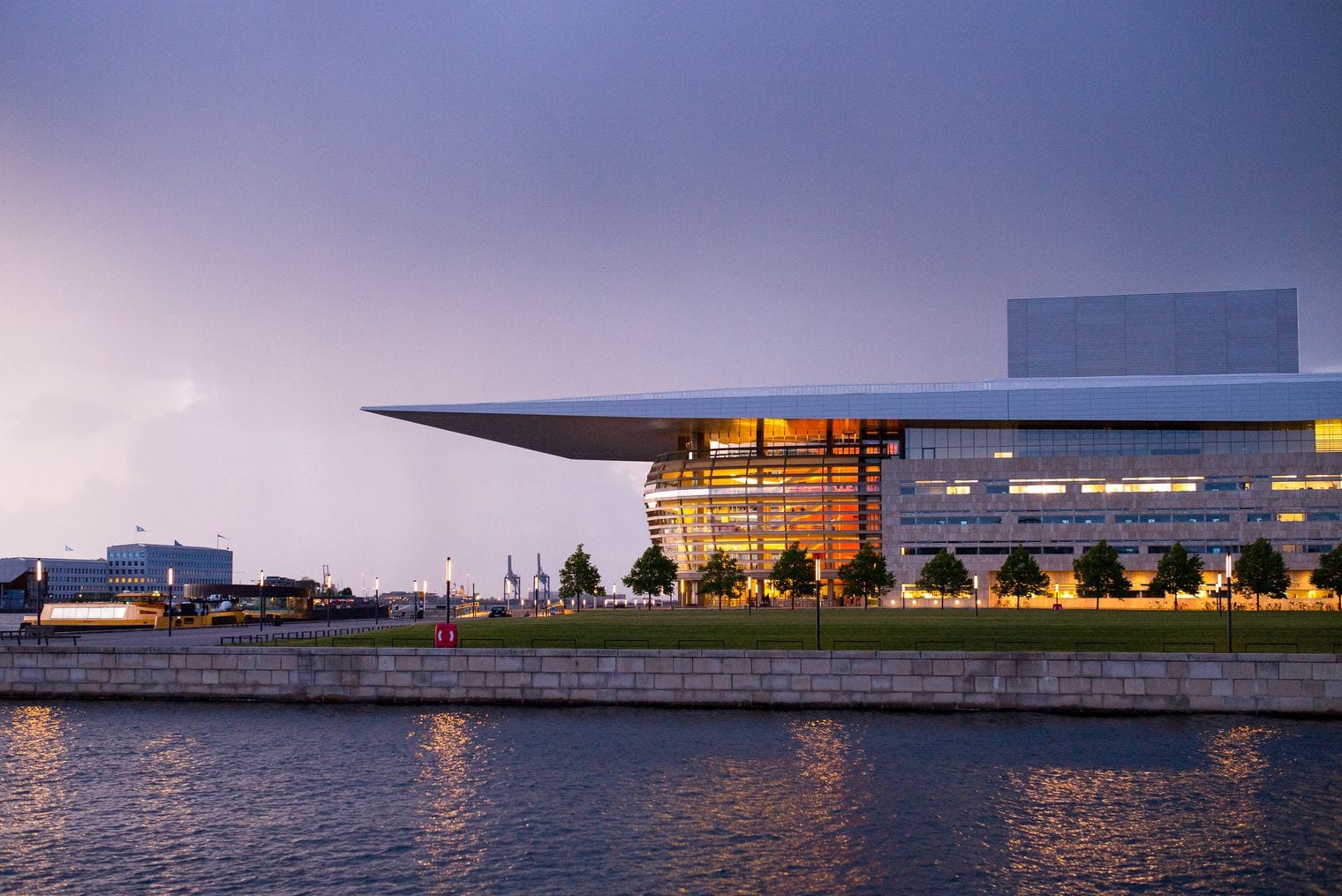
The Opera House stands on Holmen, directly across the water from Amalienborg, its vast flat roof cantilevered out over a glass foyer so the whole building reads as one long horizontal gesture on the harbour. Inside, the auditorium is wrapped in maple and lit by a ceiling of gold leaf.
You do not need a performance ticket to appreciate it — the foyer is open to visitors, guided tours go behind the scenes, and the waterfront terrace is among the best places in the city to watch the light shift over the water. Crossing by harbour bus from the Marble Church lines the two buildings up on the same axis.
Langelinie is the long harbour-front promenade running north from the citadel past the cruise quay, and it is the classic Copenhagen stroll: open water on one side, lawns and clipped trees on the other, with the Little Mermaid perched on her rock partway along.
Walk its full length and you pass the Gefion Fountain, the English church and a scatter of maritime monuments, ending near the modern development at the harbour mouth. It is exposed and often breezy, which is part of the appeal — this is where the city meets the Øresund head-on, with Sweden low on the horizon.
Amager Strandpark is Copenhagen's beach: an artificial island of sand and dunes laid parallel to the shore with a shallow lagoon between the two, all of it a short metro ride from the centre. The result is two kinds of water — calm, shallow lagoon on the inside and open Øresund along the outer edge.
In summer it fills with swimmers, kite-surfers and barbecues; in winter it becomes a bracing, empty walk with the bridge to Sweden on the horizon. There are changing facilities and a sauna, and the dunes are high enough that you can find a sheltered hollow even on a blustery day.
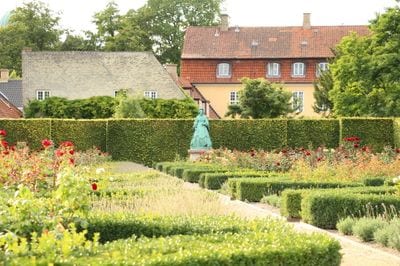
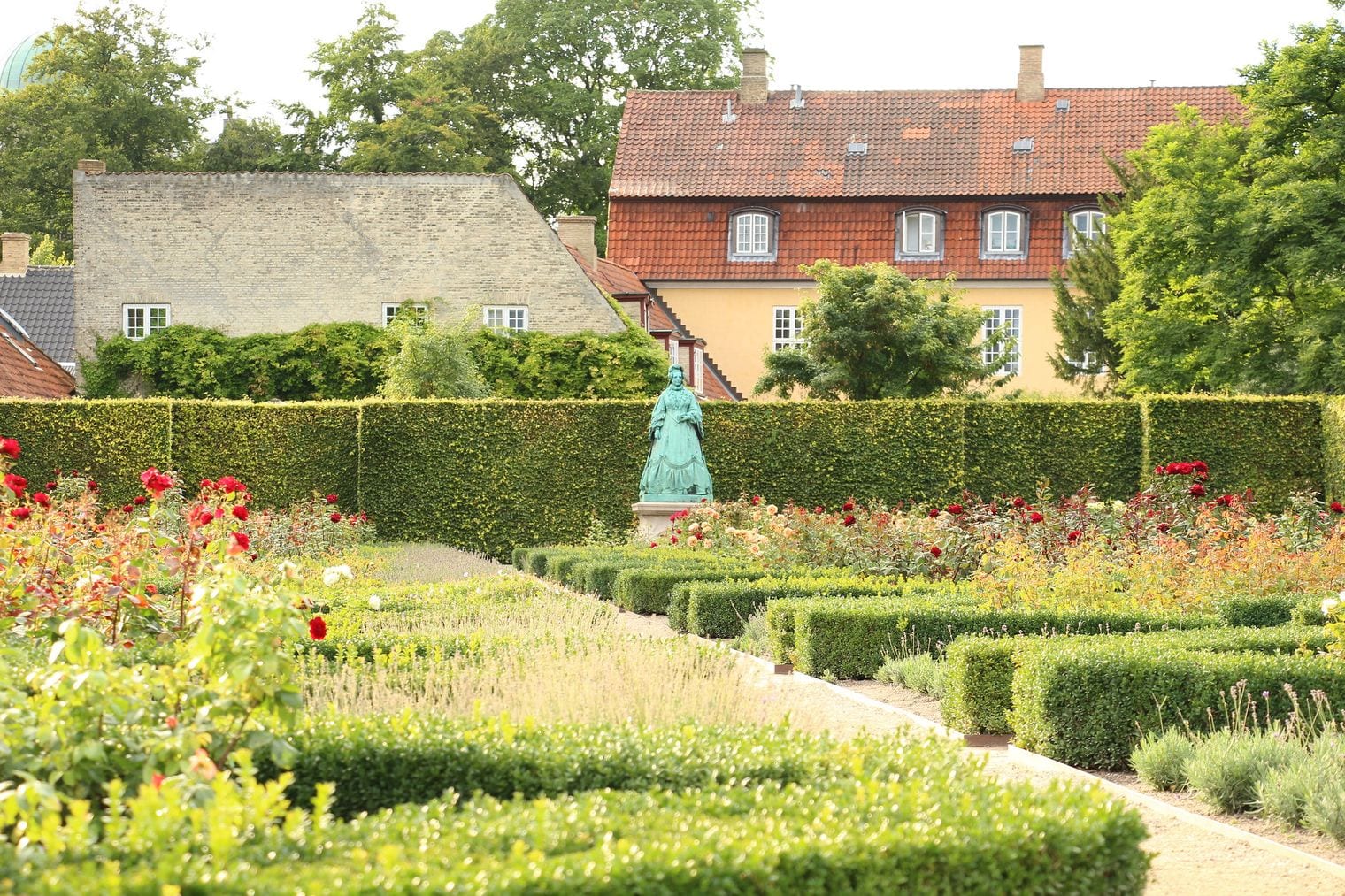
Kongens Have is the oldest and most-visited park in central Copenhagen, laid out in the early 17th century as Christian IV's private garden around Rosenborg Castle and still following its original avenues. Gravel paths run between clipped limes, and the long herbaceous borders are handsomely kept.
It is a working public park rather than a formal showpiece — students spread across the lawns, a puppet theatre in the summer months, a walled rose garden and a statue of Hans Christian Andersen tucked along one path. Combine it with Rosenborg, which stands in the middle of it, for the easiest good hour in the city.
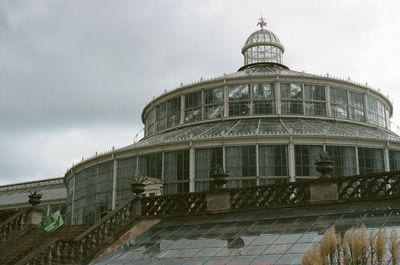
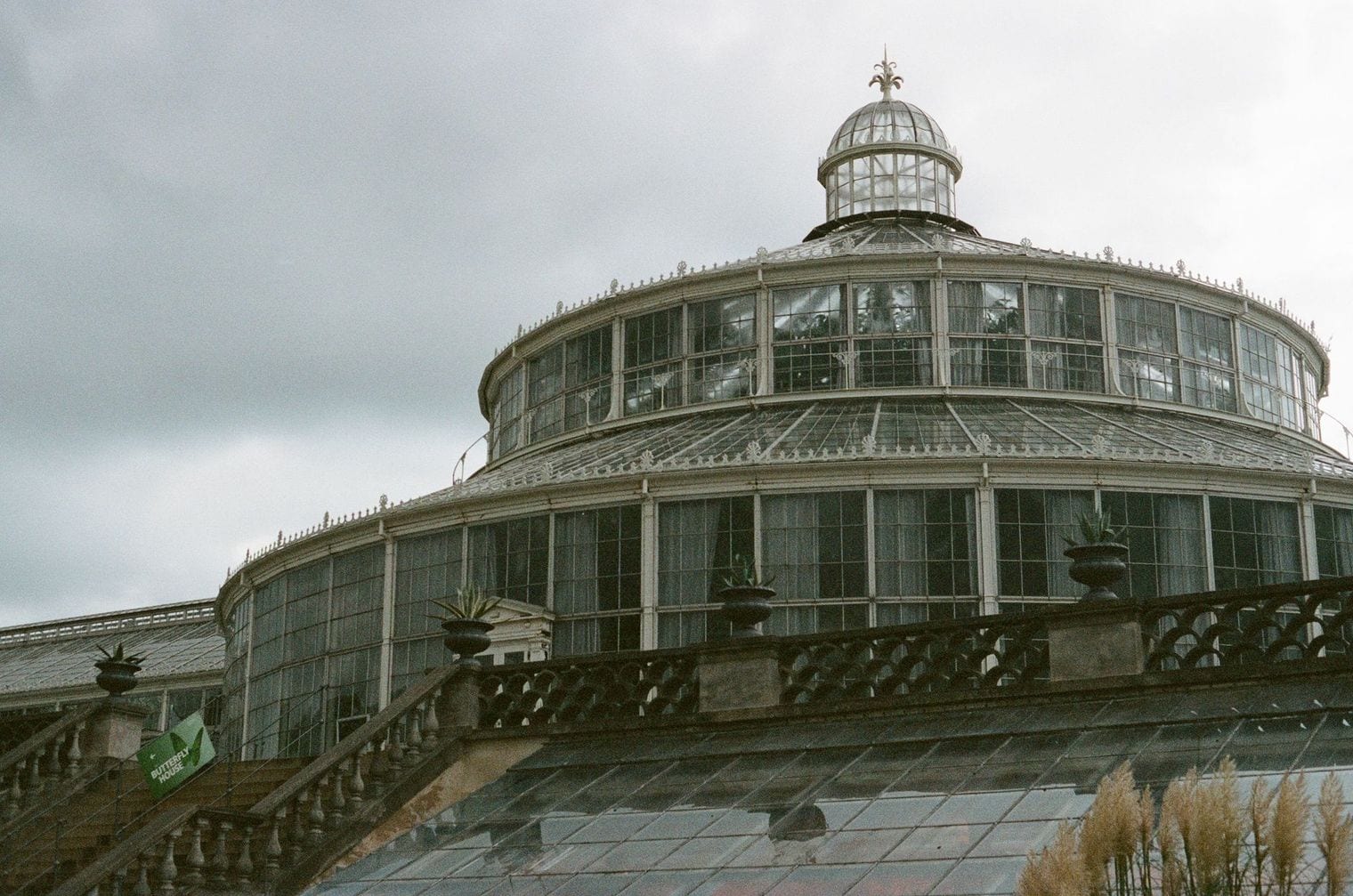
The Botanical Garden fills a corner of the old ramparts with lakes, rockeries and glasshouses, its landscape still following the line of the city's vanished fortifications. The centrepiece is the Palm House, a tall Victorian conservatory of iron and glass with a narrow cast-iron spiral stair running up to a walkway among the treetops.
Outside, the collection is arranged by geography and habitat, and the rockery — built up from stone brought in from across Scandinavia — is a genuine curiosity. It adjoins the natural history collections and sits between the King's Garden and the National Gallery, so all three link into one easy walk.
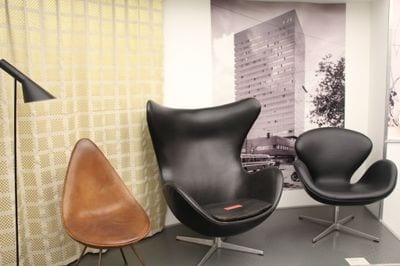
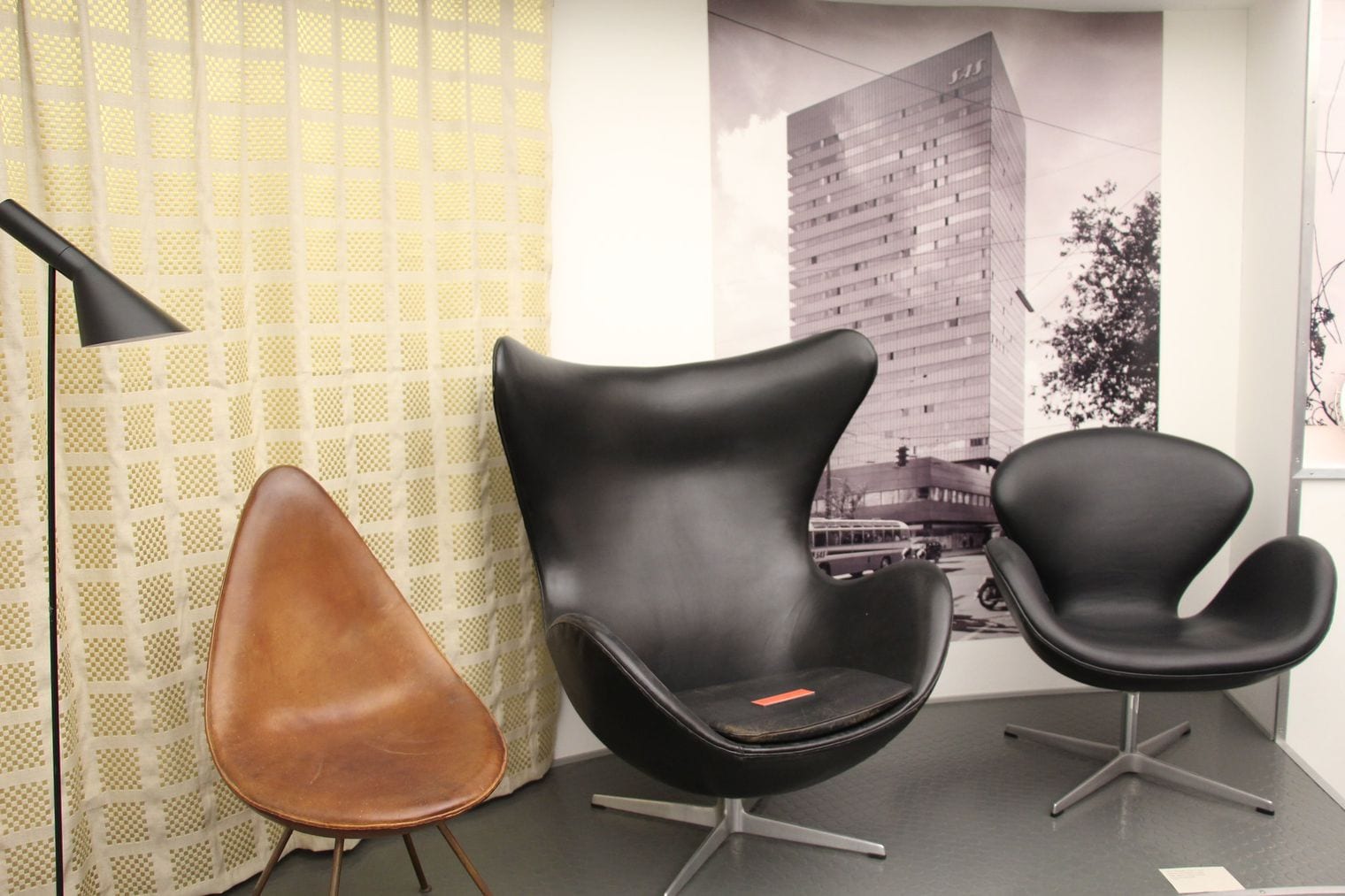
If Danish design is why you came, Designmuseum Danmark is where to start. It occupies an 18th-century rococo building — originally a hospital — arranged around a garden courtyard, and it traces the line from craft traditions through to the mid-century furniture that made the country's reputation abroad.
The chair gallery is the set piece: a long corridor of seats arranged in sequence, letting you follow a single idea being refined across decades. There are strong collections of ceramics, textiles and posters as well, and the courtyard is a good place to stop before walking on to Amalienborg, a few minutes away.
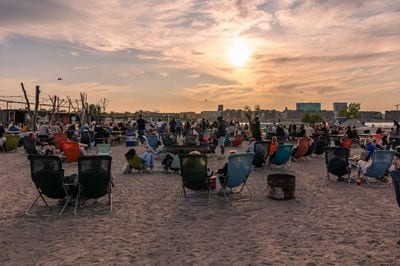
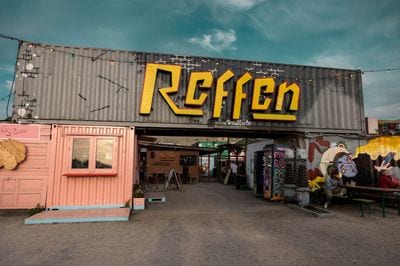
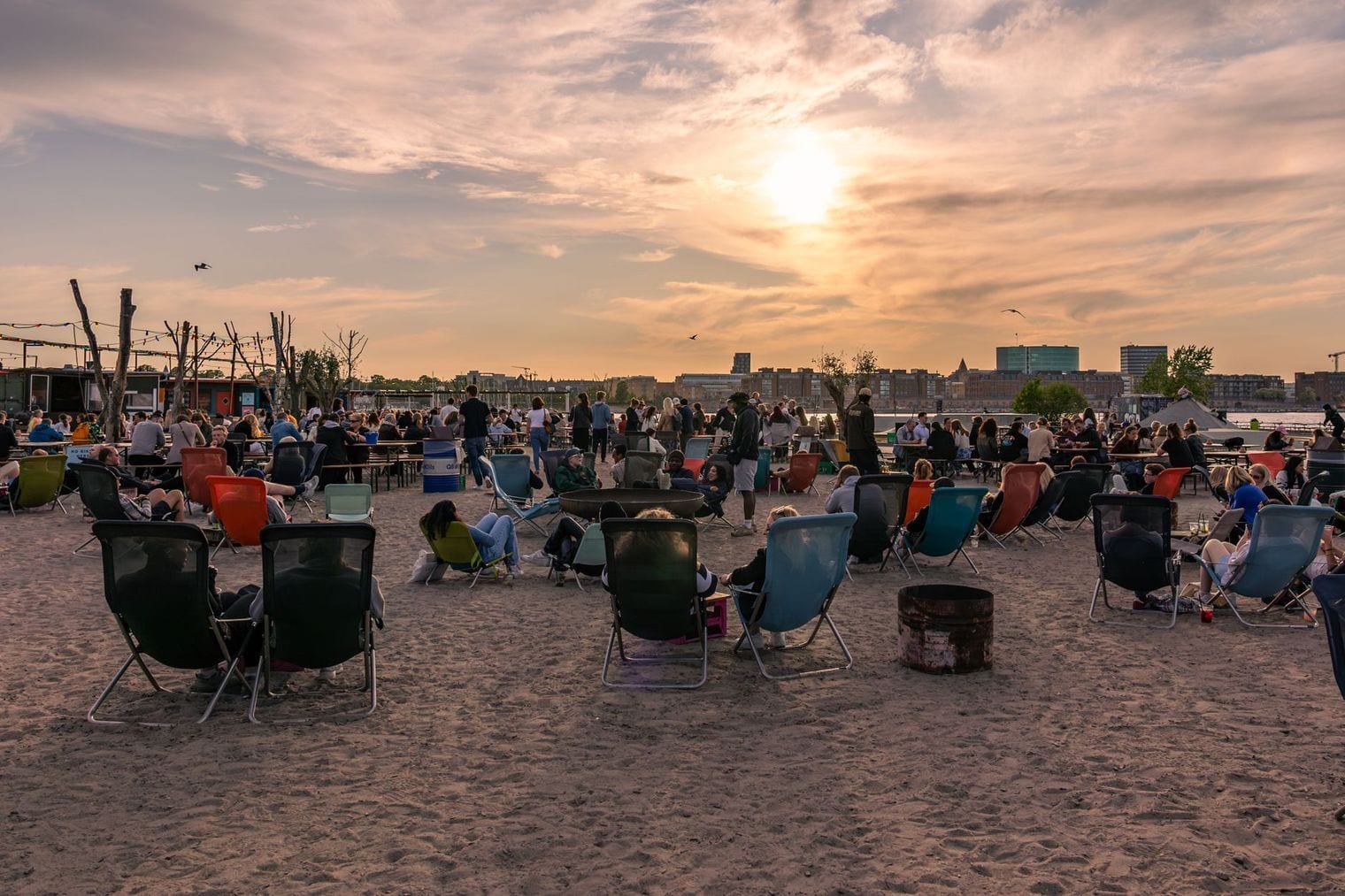
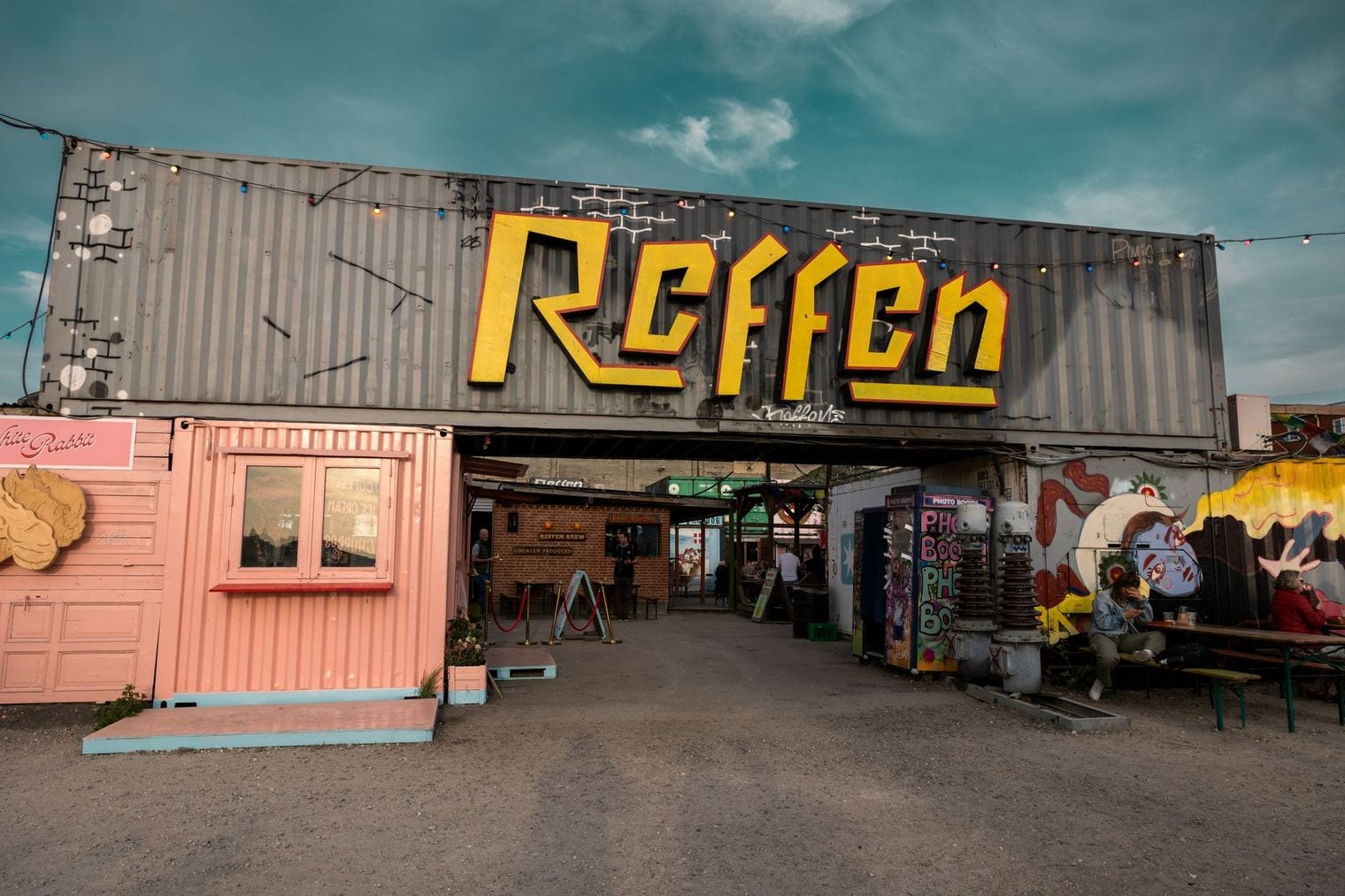
Reffen sits out on Refshaleøen, the old shipyard island that has become the city's workshop for food, art and events. It is a street-food market built from shipping containers strung along the water, with dozens of small kitchens cooking everything from Danish smørrebrød to Ethiopian, Argentinian and Korean.
The setting is half the appeal: industrial cranes overhead, harbour water alongside, long communal tables and a bar at the end of the quay. It is open-air and seasonal, so it belongs to the warmer half of the year, and it pairs naturally with a walk around Refshaleøen or a harbour-bus ride back into town.
Høst is where New Nordic cooking meets Copenhagen's design instincts, and it has done more than most to make the style approachable rather than forbidding. The name means harvest, and the menu follows it — Nordic ingredients handled simply, with plenty of pickling, smoking and foraged elements.
The room is as considered as the food: raw timber, unglazed ceramics and layered low lighting in a converted townhouse, warm rather than austere. It is a place to plan an evening around rather than wander into, and a gentler introduction to the city's cooking than the tasting-menu temples it grew up alongside.
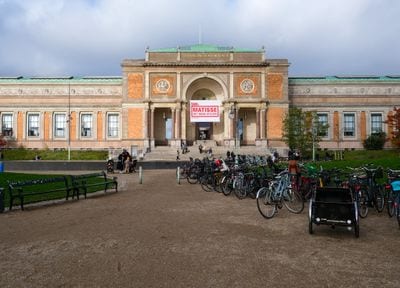
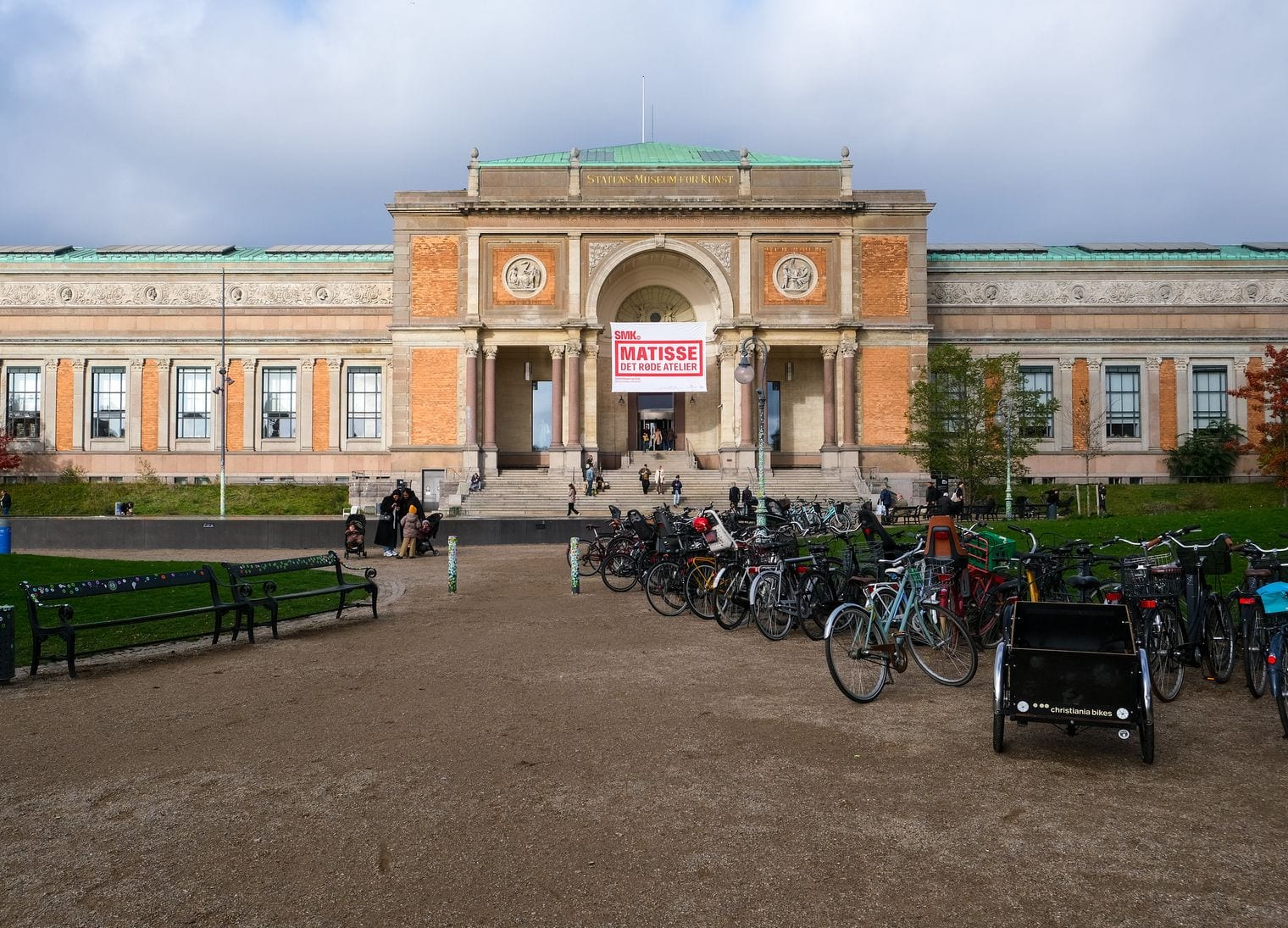
SMK, the National Gallery of Denmark, grew out of the Danish monarchs' art chamber and now runs from 14th-century European masters through to contemporary installation. The building pairs a grand 19th-century hall with a long glass-roofed sculpture street that connects it to a modern wing at the back.
Danish Golden Age painting is the reason to come — luminous, quiet studies of light and landscape that repay slow looking — alongside strong holdings of Matisse and the European moderns. It backs onto a park and sits beside the Botanical Garden, which makes it an easy pairing on a walking day.
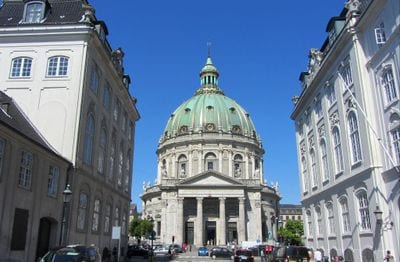
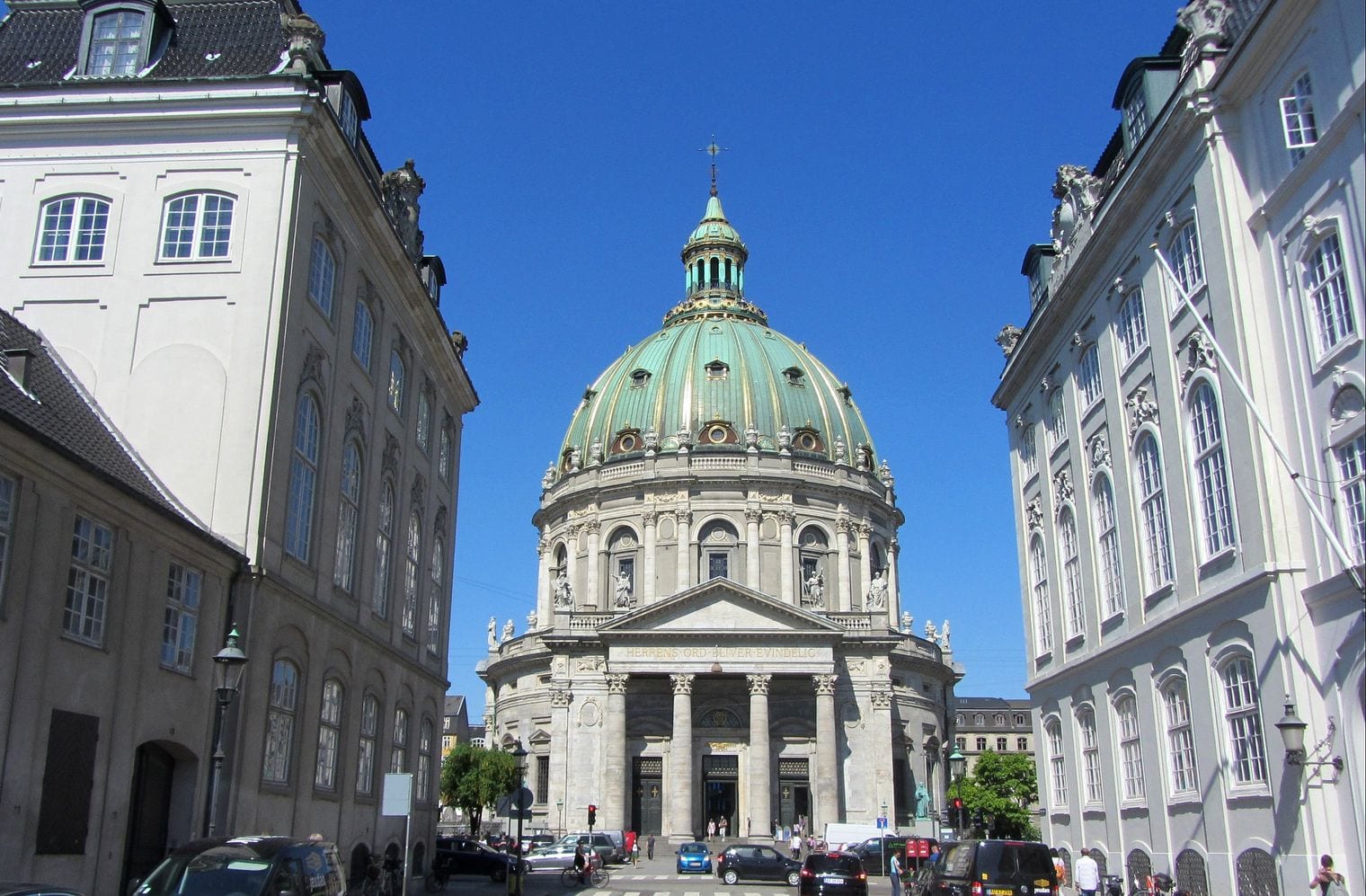
Frederik's Church closes the axis that runs west from Amalienborg, and its dome is the largest in Scandinavia at just over 30 metres across. The foundation stone was laid in 1749 to mark three centuries of the Oldenburg line, but the money ran out and the half-built shell was left open to the weather for nearly 150 years.
A financier finally paid for its completion in 1894, which is why the rococo plan carries a late-19th-century finish and Norwegian marble gave way to cheaper Danish stone. Guided climbs run up between the inner and outer shells to a walkway around the base of the dome, and the view back down Frederiksgade to the palace square is the best argument for the ticket.
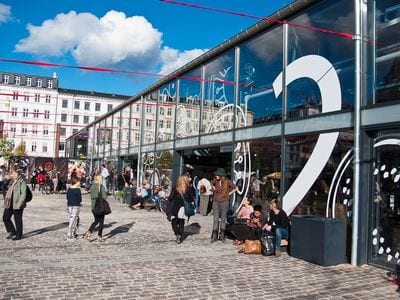
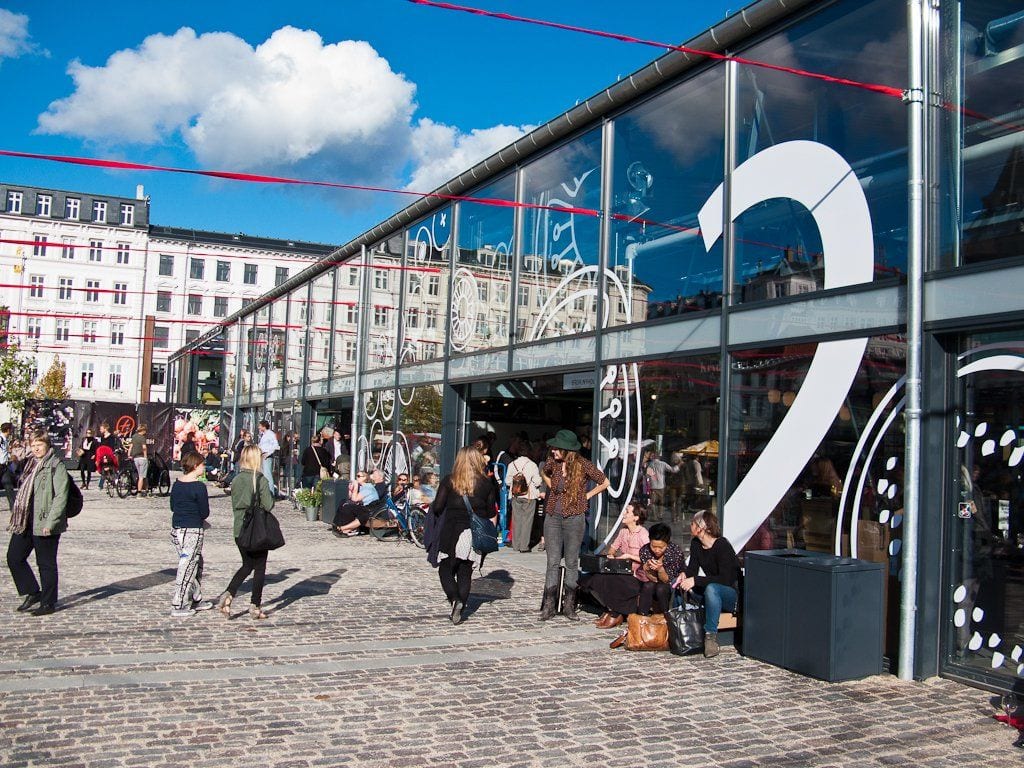
Torvehallerne opened in 2011 on Israels Plads, where an open-air vegetable market had traded since 1889 before it was cleared for a car park. Two glass halls now hold about sixty stalls, one leaning towards produce and fish, the other towards prepared food, with an outdoor row of greengrocers and flower sellers between them.
It is the most efficient introduction to how Copenhagen actually eats: smørrebrød built to order, smoked fish, Danish cheeses, and coffee from roasters that helped set the city's standard. Come mid-morning on a weekday if you want to browse rather than queue, and note that it is a short walk from Nørreport, the busiest station in the country.
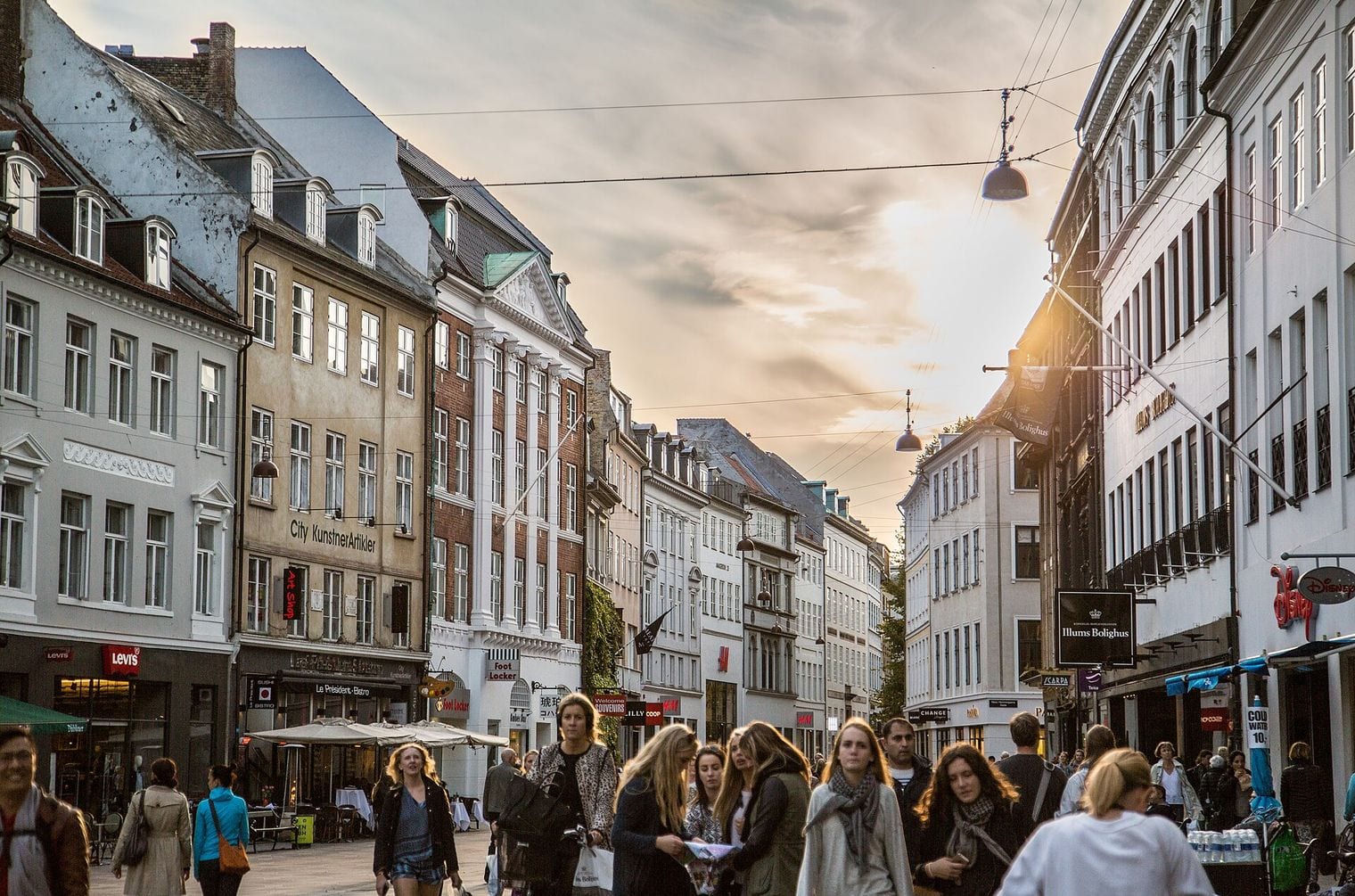
Strøget is not one street but five linked together — Frederiksberggade, Nygade, Vimmelskaftet, Amagertorv and Østergade — running 1.1 kilometres from Rådhuspladsen to Kongens Nytorv. It was closed to cars in 1962 as a trial that half the city expected to fail, and it became the template other European cities copied.
The shopping runs from high-street chains at the City Hall end to Royal Copenhagen and Illums Bolighus around Amagertorv, but the reason to walk it is the sequence of squares it strings together, and the Stork Fountain in the middle of them. Duck off it often: the Church of Our Lady, the old courthouse on Nytorv and the Round Tower are all a minute away.
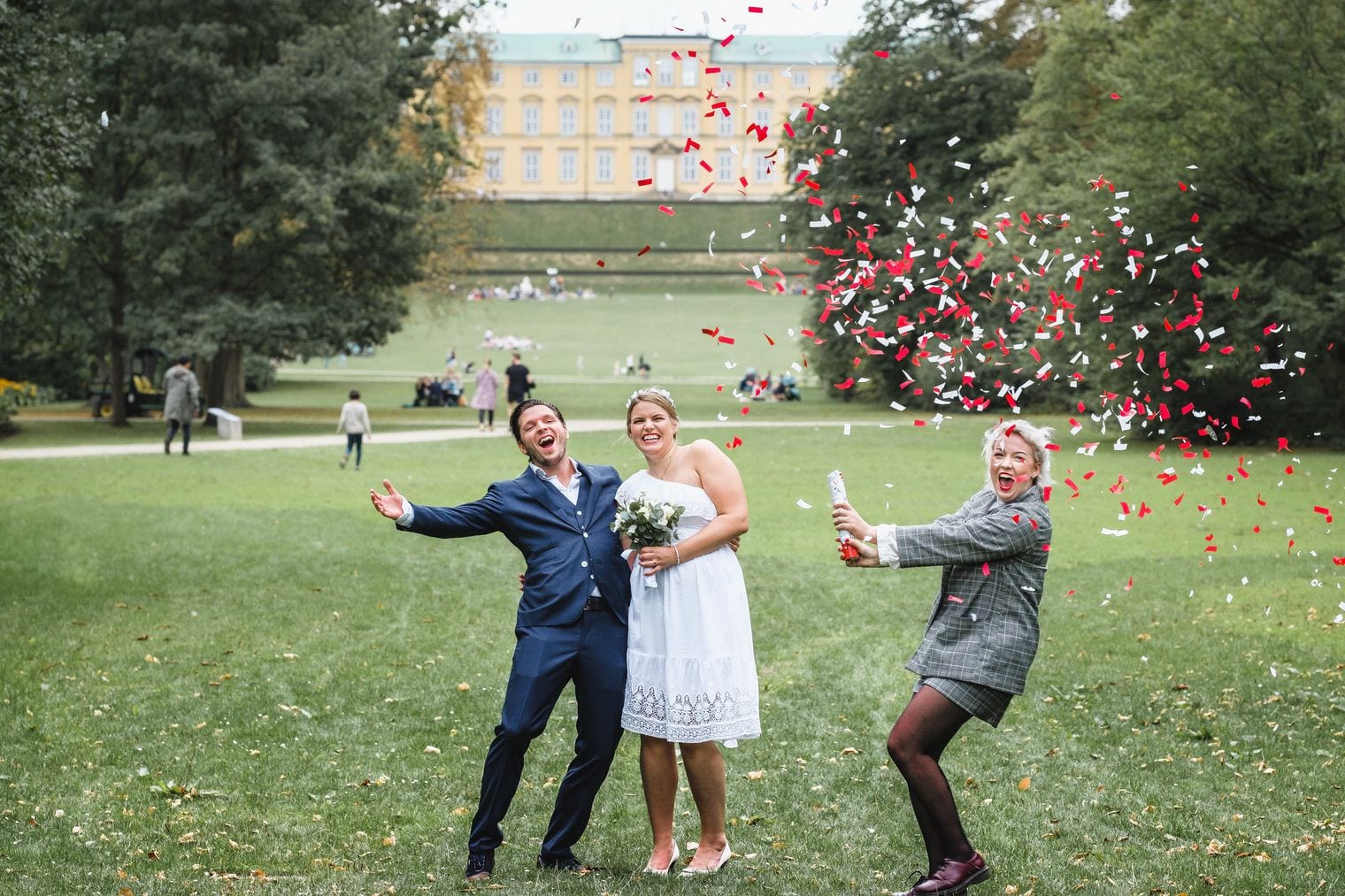
Frederiksberg Have began as a formal baroque garden below the royal summer palace and was remodelled between 1798 and 1804 into the loose English landscape style it still keeps. Winding canals, artificial islands and long grass slopes replaced the axial parterres, and the garden was opened to the public in 1852.
A Chinese pavilion of 1801 sits on one of the islands, rowing boats work the canals through the summer, and herons stand about the water with complete indifference to passers-by. The zoo backs onto the western edge, so from one path you can watch the elephants over the fence — a piece of civic geography that surprises most first-time visitors.
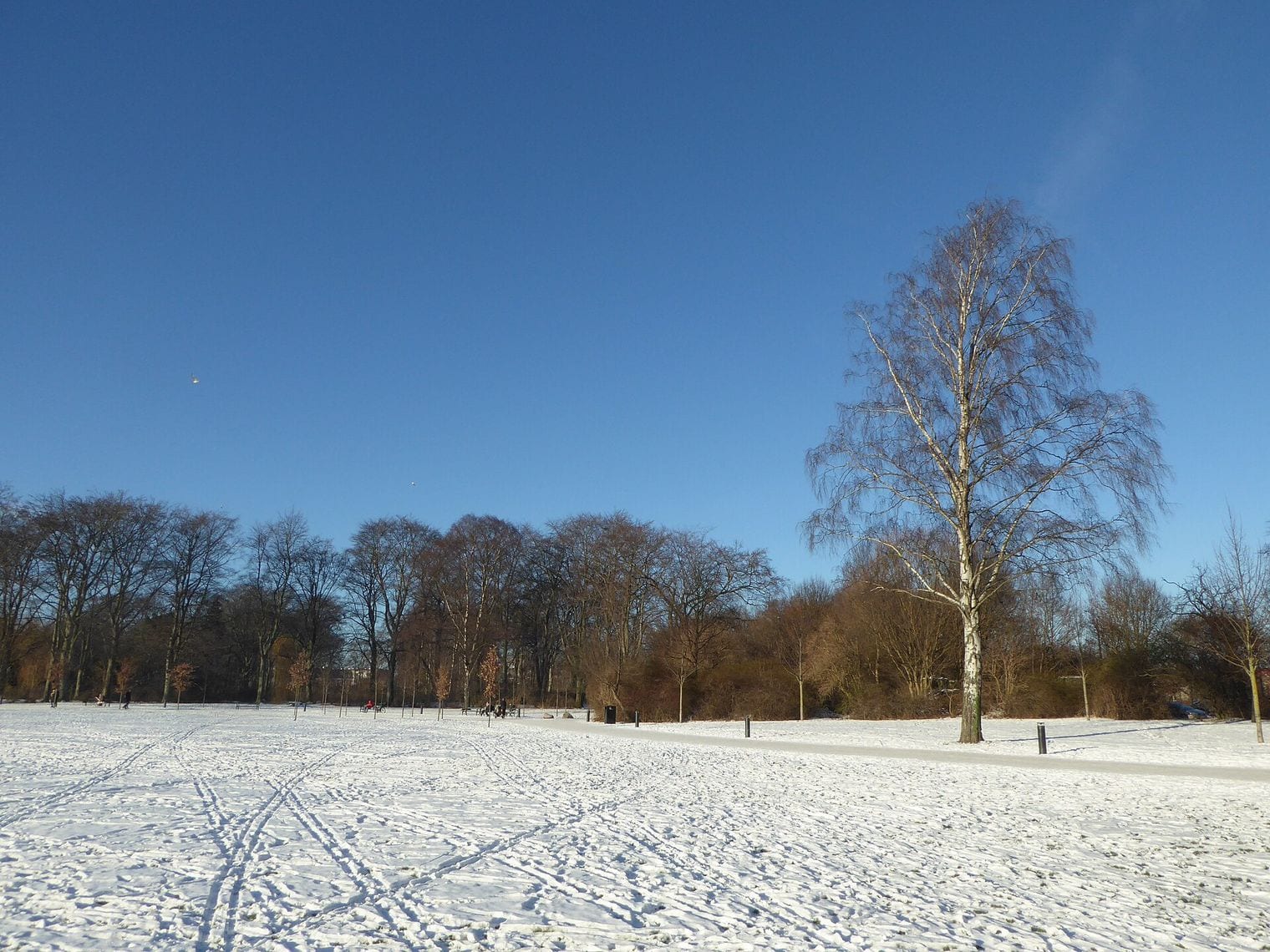
Fælledparken is the largest park in Copenhagen at around 58 hectares, laid out between 1908 and 1914 on common grazing land that had been kept clear of building for military reasons. It has been the city's gathering ground ever since, and the first of May still fills it with tens of thousands of people.
On an ordinary day it is playing fields, a skate park, three themed playgrounds and a great deal of open grass, with the national stadium on its southern edge. It is more useful than picturesque — this is where Østerbro actually spends its weekends, which makes it a better read on the city than another manicured royal garden.
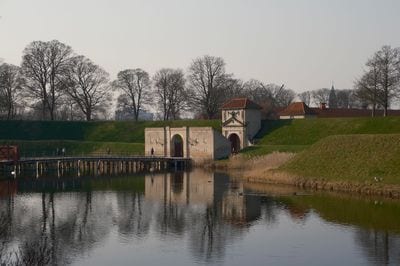
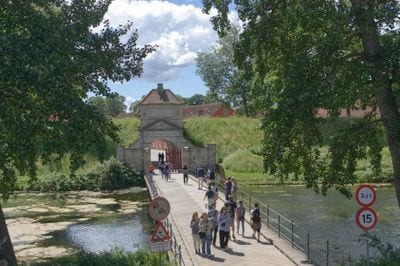
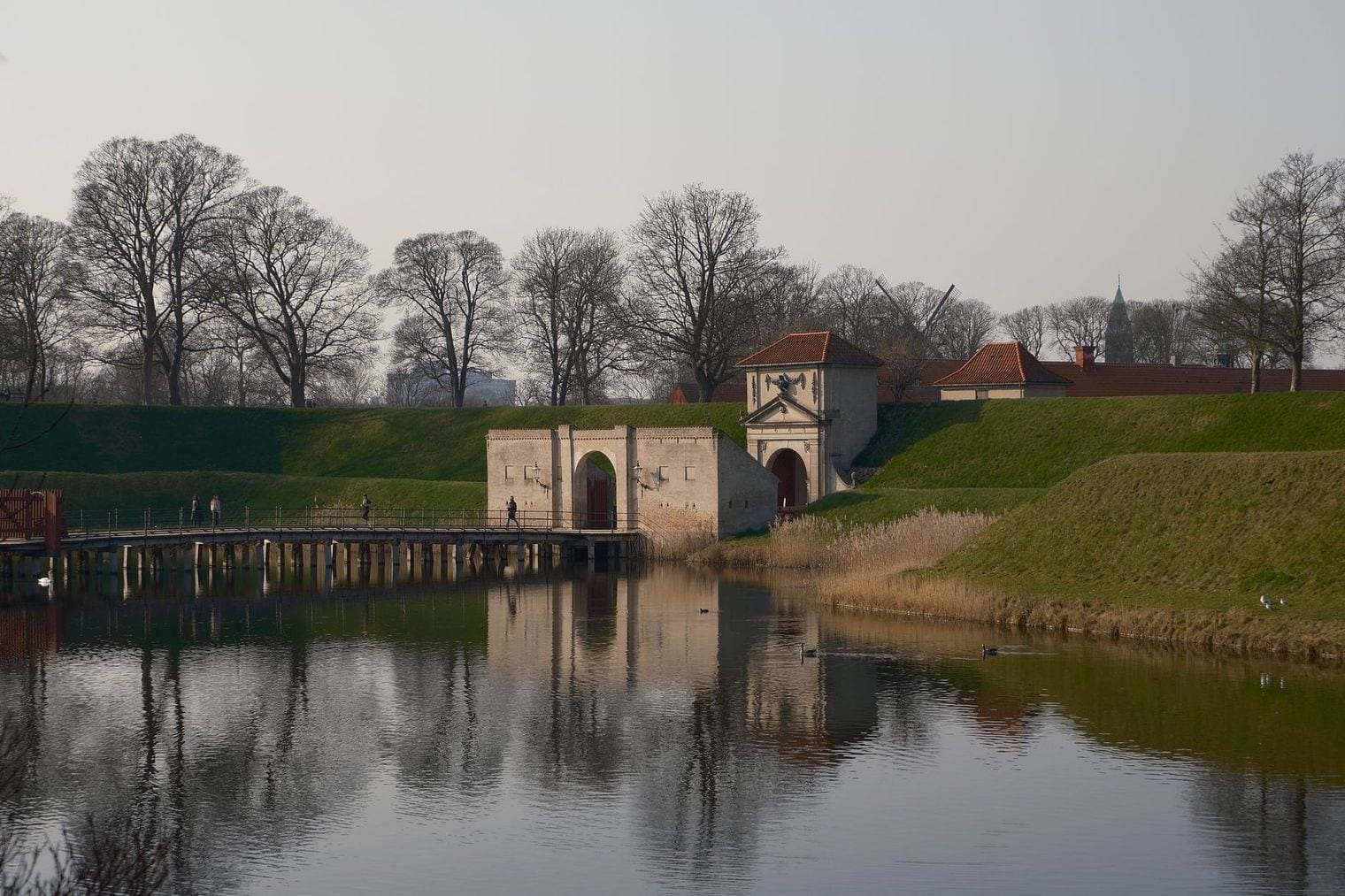
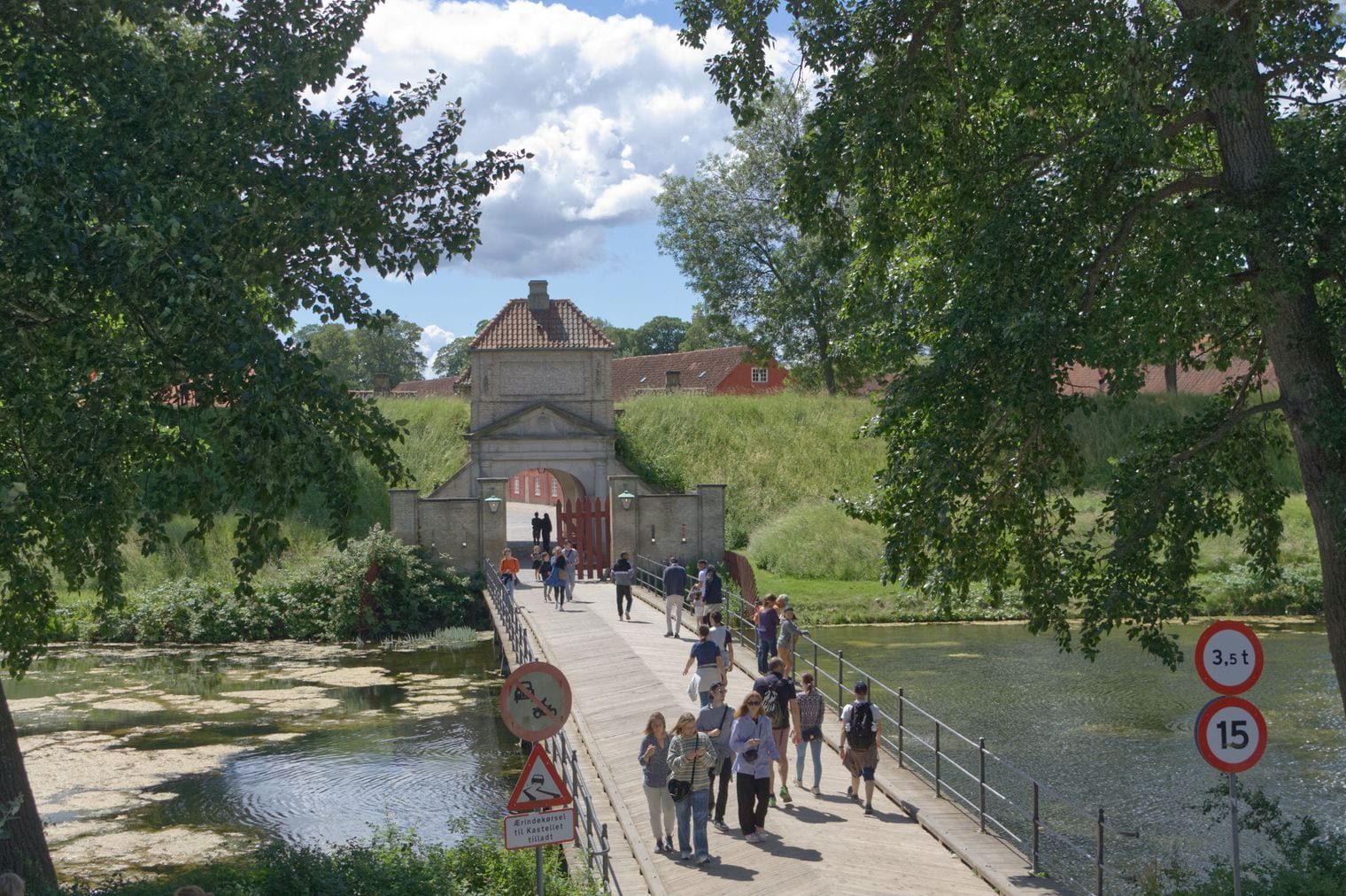
Kastellet is a five-bastion star fort completed in 1664 and one of the best-preserved of its kind anywhere in northern Europe. The grass ramparts still hold their original geometry, and inside them run two long rows of ochre barracks, a commander's house, a garrison church and a wooden windmill dating from 1847.
It remains an active military property, but the grounds are open daily and the circuit of the ramparts takes about half an hour, with the moat on one side and the harbour on the other. It sits directly between the Gefion Fountain and the Little Mermaid, so it slots into the Langelinie walk rather than needing a trip of its own.
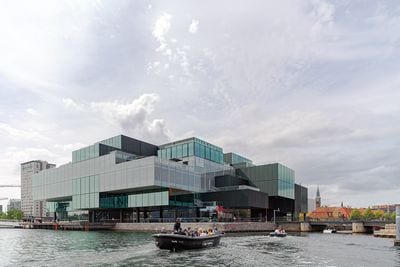
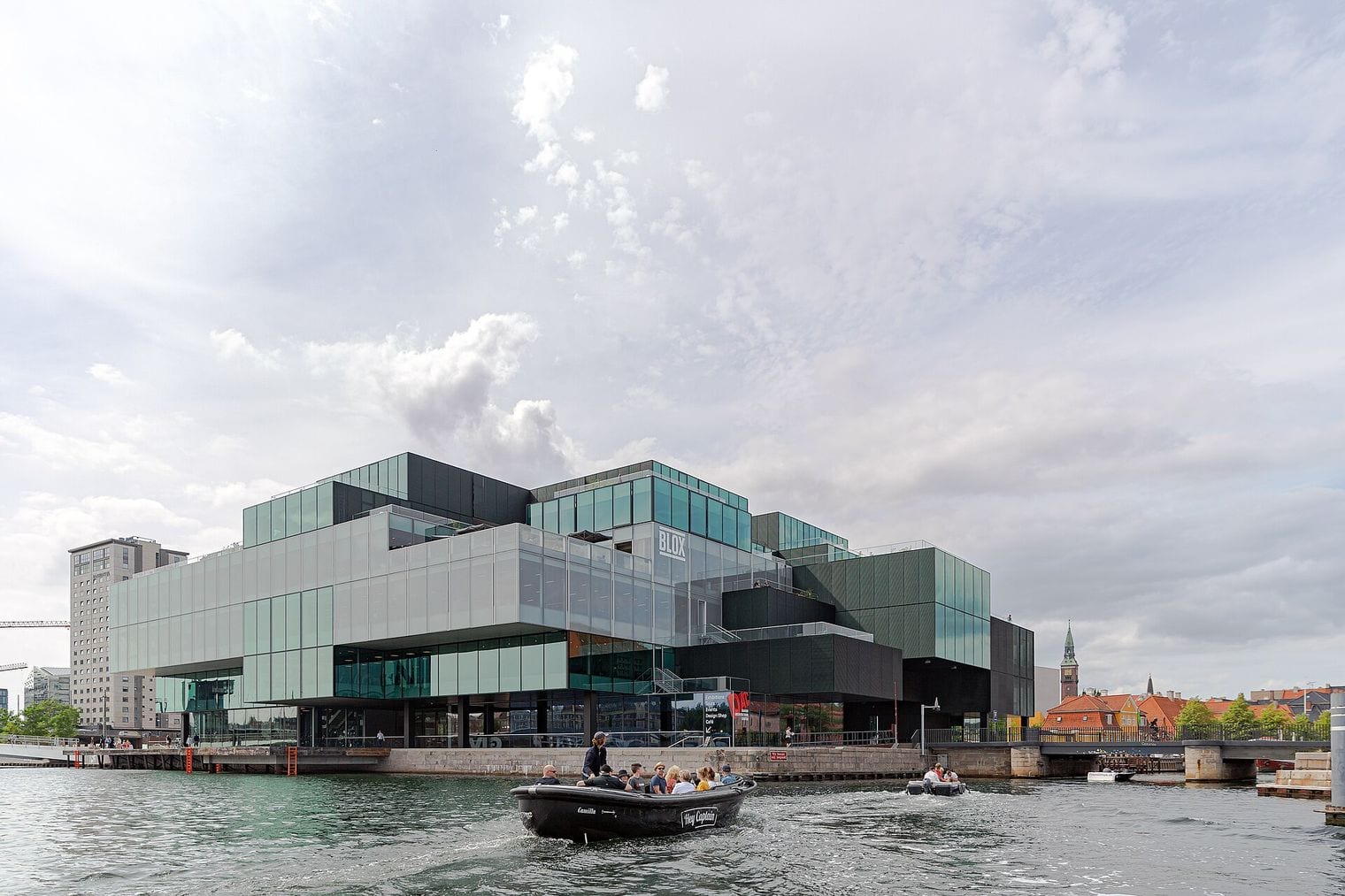
The Danish Architecture Center occupies BLOX, a stack of glazed boxes on the harbourfront designed by OMA and opened in 2018. The building is deliberately argumentative — it bridges a busy road, hosts offices and flats alongside the galleries, and has been picked over by Copenhagen's critics since the day it opened.
The exhibitions explain how Denmark arrived at the architecture visitors come to photograph, from post-war housing to the harbour bath. There is a two-storey slide through the middle of the building for anyone who would rather not read wall text, and the top-floor café terrace gives one of the better free views along the canal to Christiansborg.
Christianshavn was laid out from 1618 on reclaimed ground, a fortified merchant town on the Dutch model that Christian IV hoped would rival Amsterdam. The grid of canals he ordered is still there, lined with 17th- and 18th-century warehouses and moored with houseboats that residents actually live on.
Overgaden Neden Vandet is the postcard stretch, and Wilders Bro is the crossing most people photograph. The district holds three of the entries already on this list — the Church of Our Saviour, Christiania and Reffen's harbour — so the sensible approach is to treat it as an afternoon on foot rather than a single stop.
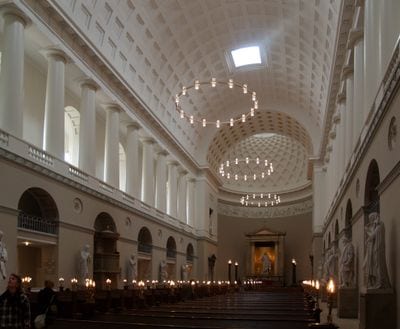
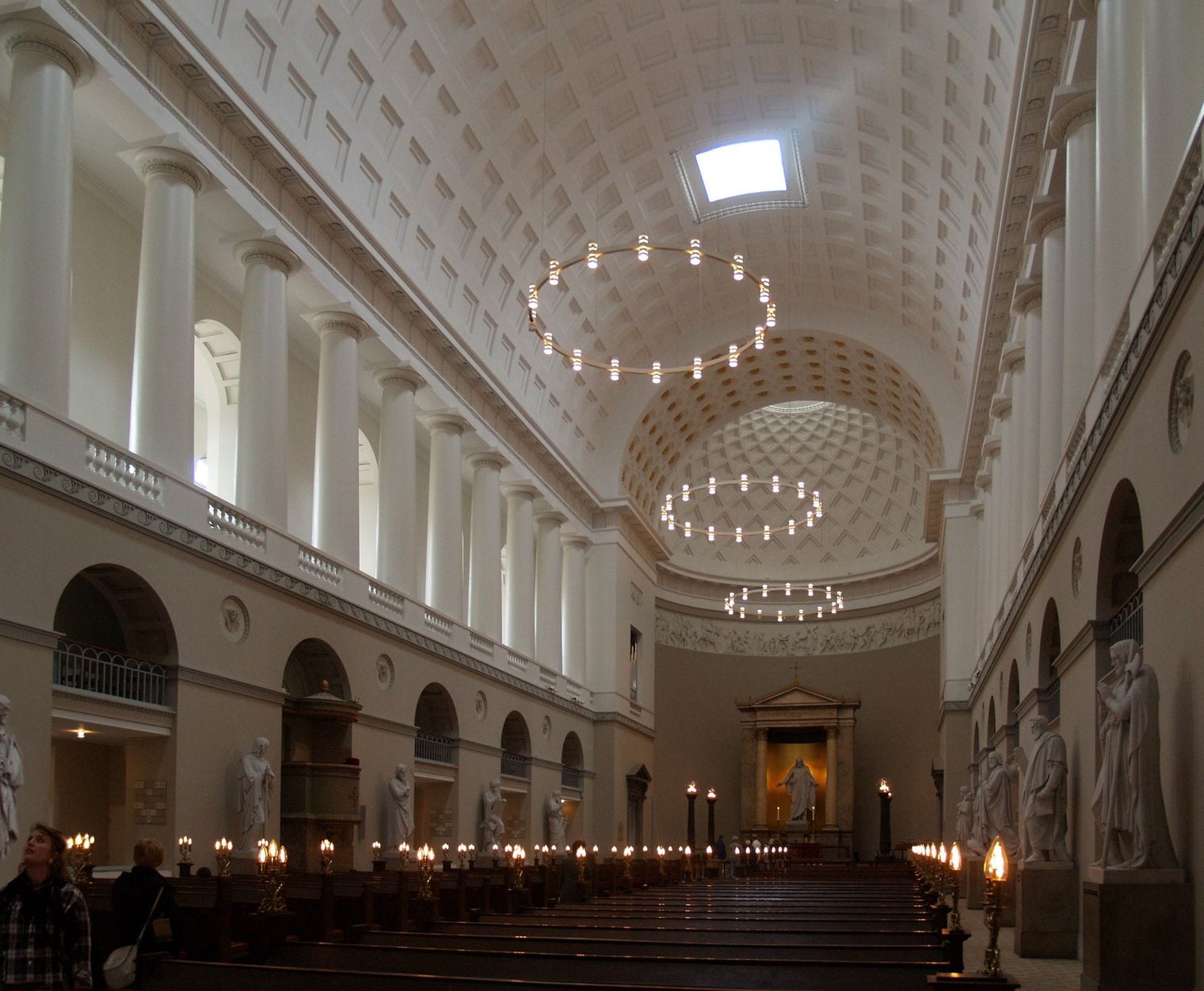
The Church of Our Lady is Copenhagen's cathedral, and the building standing today is the fourth on the site. Its predecessor burned when the British bombarded the city in 1807, and C.F. Hansen replaced it with the severe neoclassical hall that opened in 1829 — a barrel-vaulted white interior with almost no ornament.
What it has instead is sculpture. Bertel Thorvaldsen carved the Christus above the altar and the twelve apostles that line the nave, and the Christus in particular has been copied around the world. Entry is free, it is thirty seconds off Strøget, and it is where Crown Prince Frederik and Mary Donaldson were married in 2004.
Cisternerne is a former drinking-water reservoir buried under the Søndermarken park, holding sixteen million litres until it was drained in the 1980s. It reopened as an exhibition space in which a single artist is invited each year to respond to conditions no ordinary gallery could offer.
Humidity sits near 100 per cent, the temperature stays between about 4 and 16°C, daylight never reaches the chambers and sound takes up to seventeen seconds to die away. Stalactites have grown from the vaults since the water left. The season runs roughly from March to the end of November, so check before crossing town, and bring a jacket.
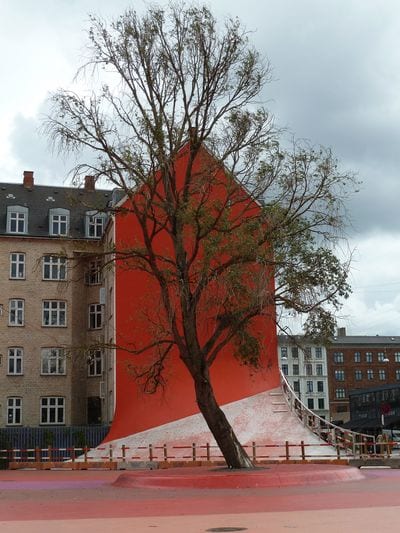
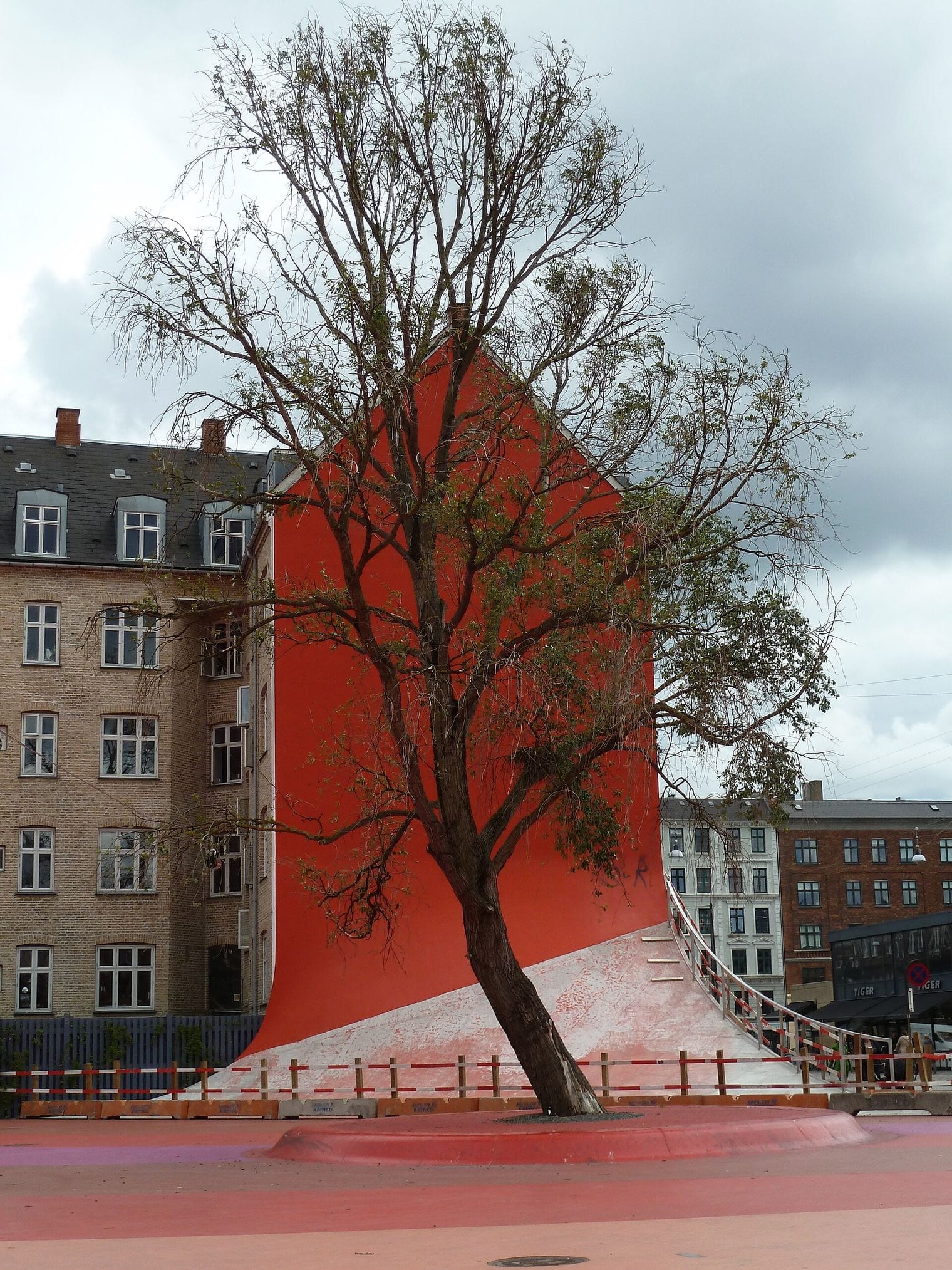
Superkilen is a wedge of public space through Nørrebro, completed in 2012 by the architects BIG with Topotek 1 and the artist group Superflex. It runs in three zones — a red square for sport and markets, a black market with a Moroccan fountain at its centre, and a green park for picnics.
The idea was to furnish it with objects nominated by the people who live around it, so the benches, signs, lamps and play equipment were sourced from roughly sixty countries. A Japanese octopus slide, a Texan neon bull and Iraqi swings sit within a few hundred metres of each other. It is the clearest statement Copenhagen has built about who its residents now are.
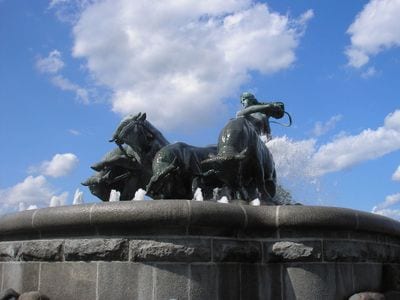
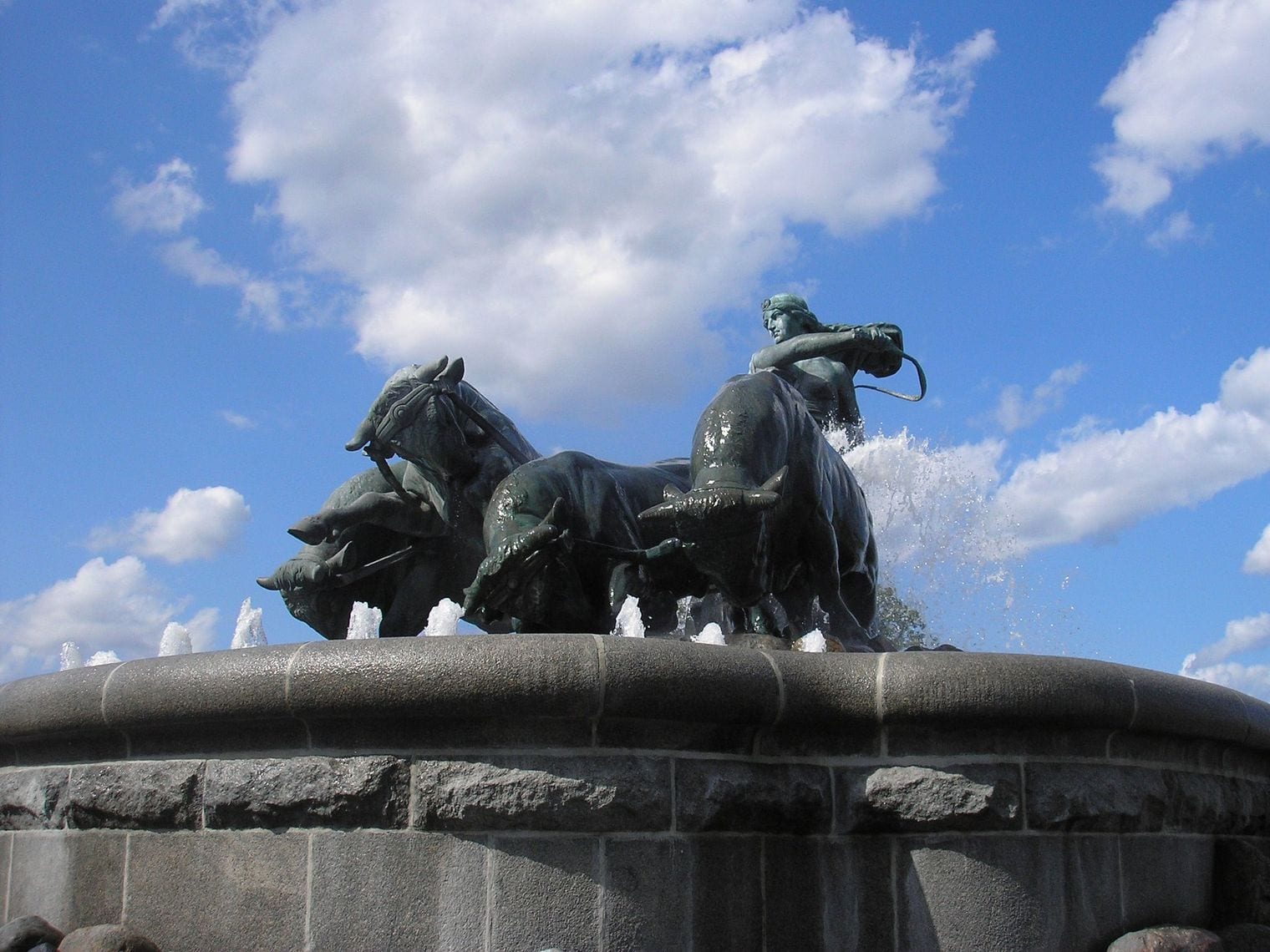
The Gefion Fountain is the largest monument in Copenhagen, unveiled in Churchillparken in 1908 as a gift from the Carlsberg Foundation. Anders Bundgaard's bronze group shows the Norse goddess Gefion driving four oxen at full strain, water breaking around them down a stepped basin.
The myth explains the map: Gefion was promised as much land as she could plough in a night, turned her four sons into oxen and cut Zealand out of Sweden, leaving the lake behind. It stands a few steps from Kastellet and the Little Mermaid, and it is at its best after dark when the fountain is lit.
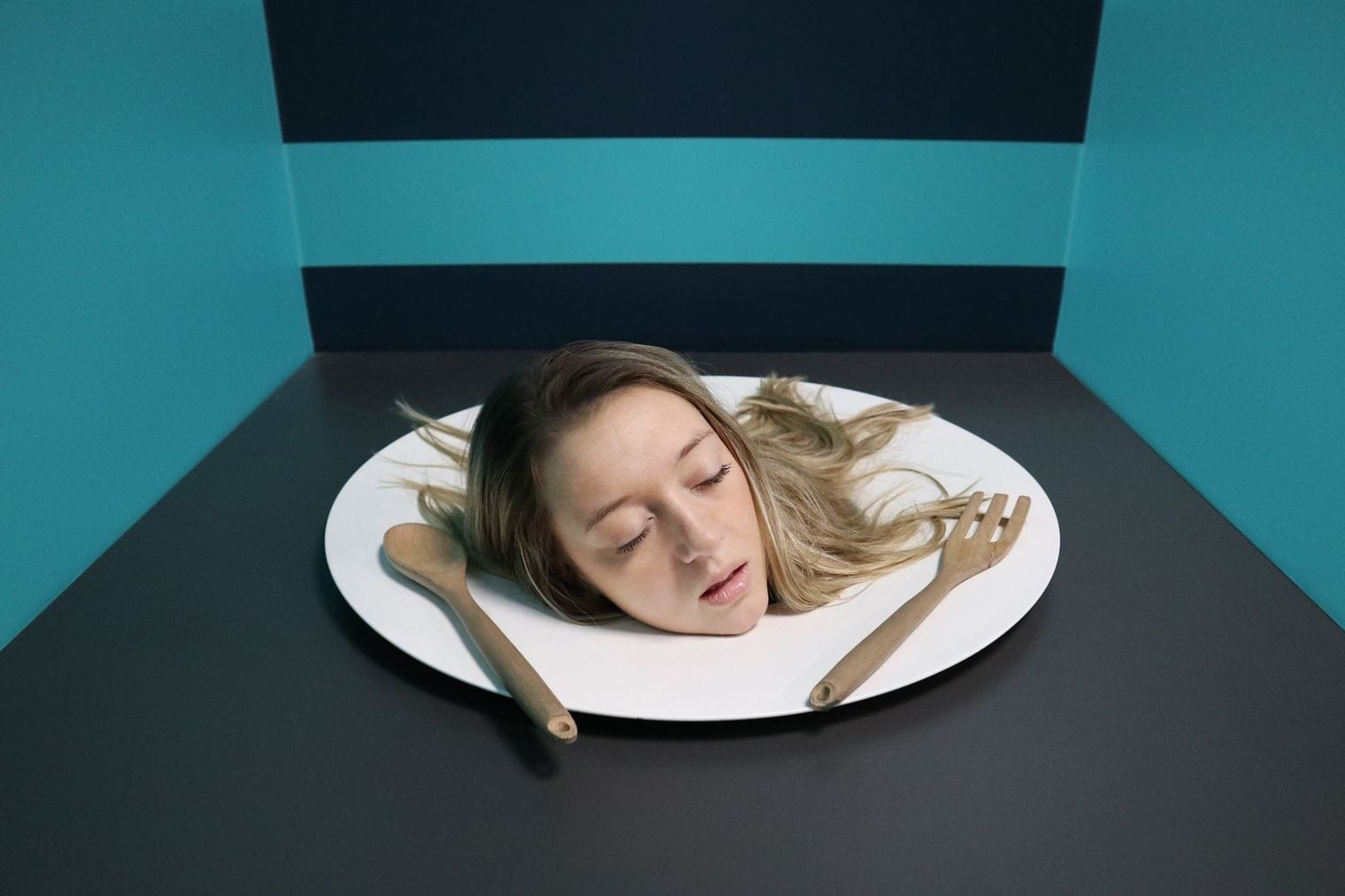
The Museum of Illusions sits on Frederiksberggade at the City Hall end of Strøget, which makes it the easiest indoor stop to reach in the whole city centre. Inside are the standard set pieces done well — a tilted Ames room that shrinks and stretches whoever walks across it, a rotating vortex tunnel, an infinity room and a chair that appears to seat a head with no body.
It is unashamedly a place to take photographs rather than a museum in the scholarly sense, and it works best with children or on the kind of horizontal Danish rain that ends outdoor plans. Allow about an hour, and book ahead in school holidays because the rooms are small and the queue backs onto the street.
Assistens Cemetery opened in 1760 outside the ramparts as an overflow burial ground for the poor, then became fashionable during the Golden Age when the city's writers and painters chose to be buried there. Hans Christian Andersen, Søren Kierkegaard, Niels Bohr and the American saxophonist Ben Webster all lie within its walls.
It is also, and without any contradiction, a park. Nørrebro treats the lime avenues as its front garden — people read, picnic and sunbathe between the headstones, which startles visitors before it charms them. Maps at the gates mark the notable graves, and Andersen's is a plain slab in plot P rather than the monument most people expect.
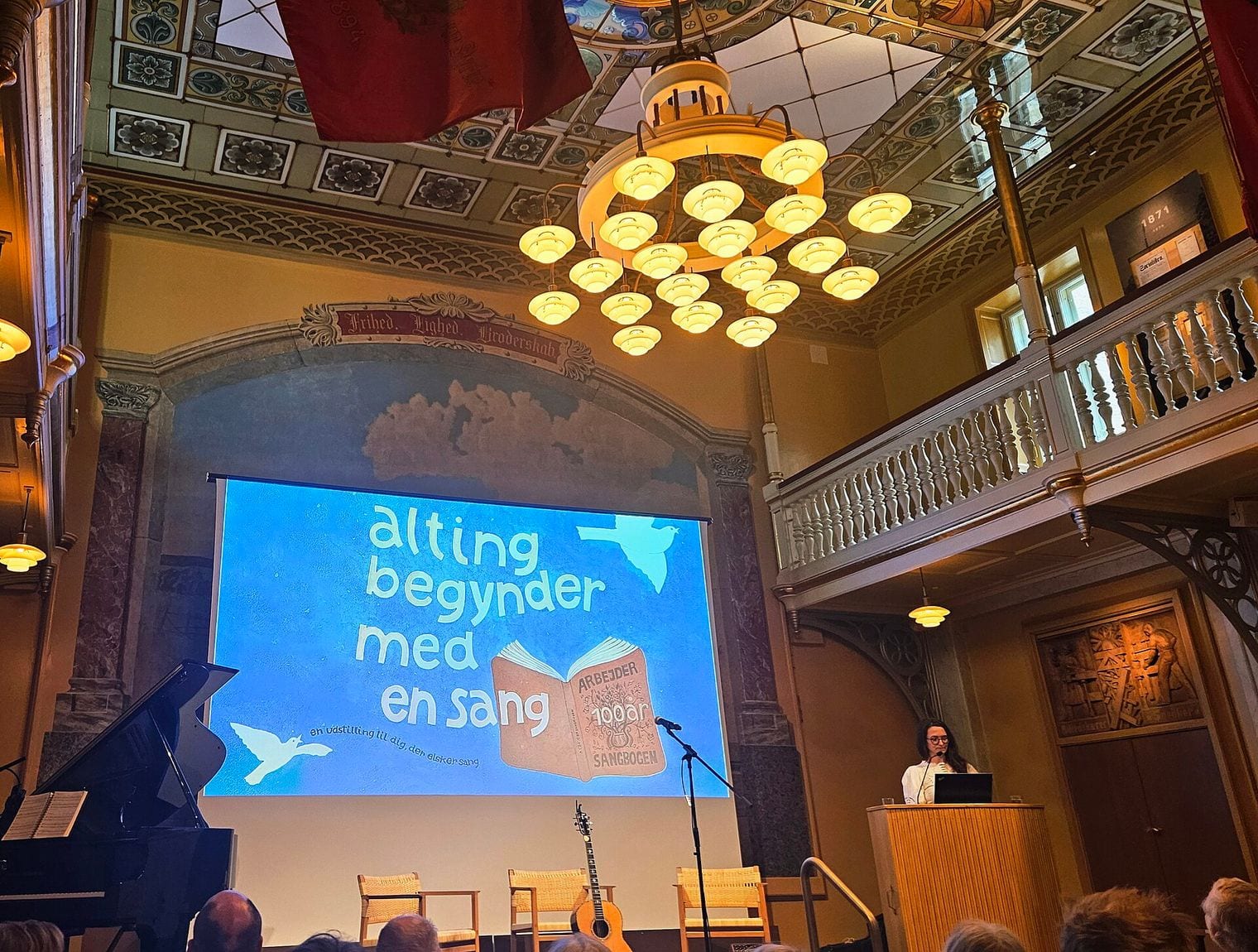
The Workers Museum occupies the Workers' Assembly Hall of 1879, a building put up by the labour movement itself and never significantly altered. It tells the story of Danish working life from the 1870s onward, which is to say it explains where the welfare state visitors keep hearing about actually came from.
The set piece is the Sørensen family's flat, preserved as it stood in the 1950s down to the wallpaper and the tinned food in the cupboard. Downstairs, the museum's beer hall serves the same dishes it served a century ago at prices that undercut most of the neighbourhood. It stands a couple of minutes from Torvehallerne.
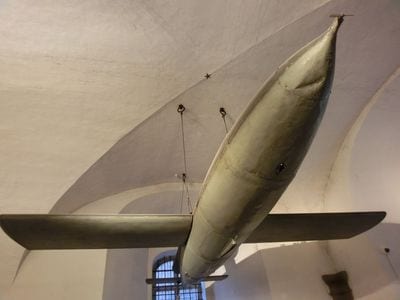
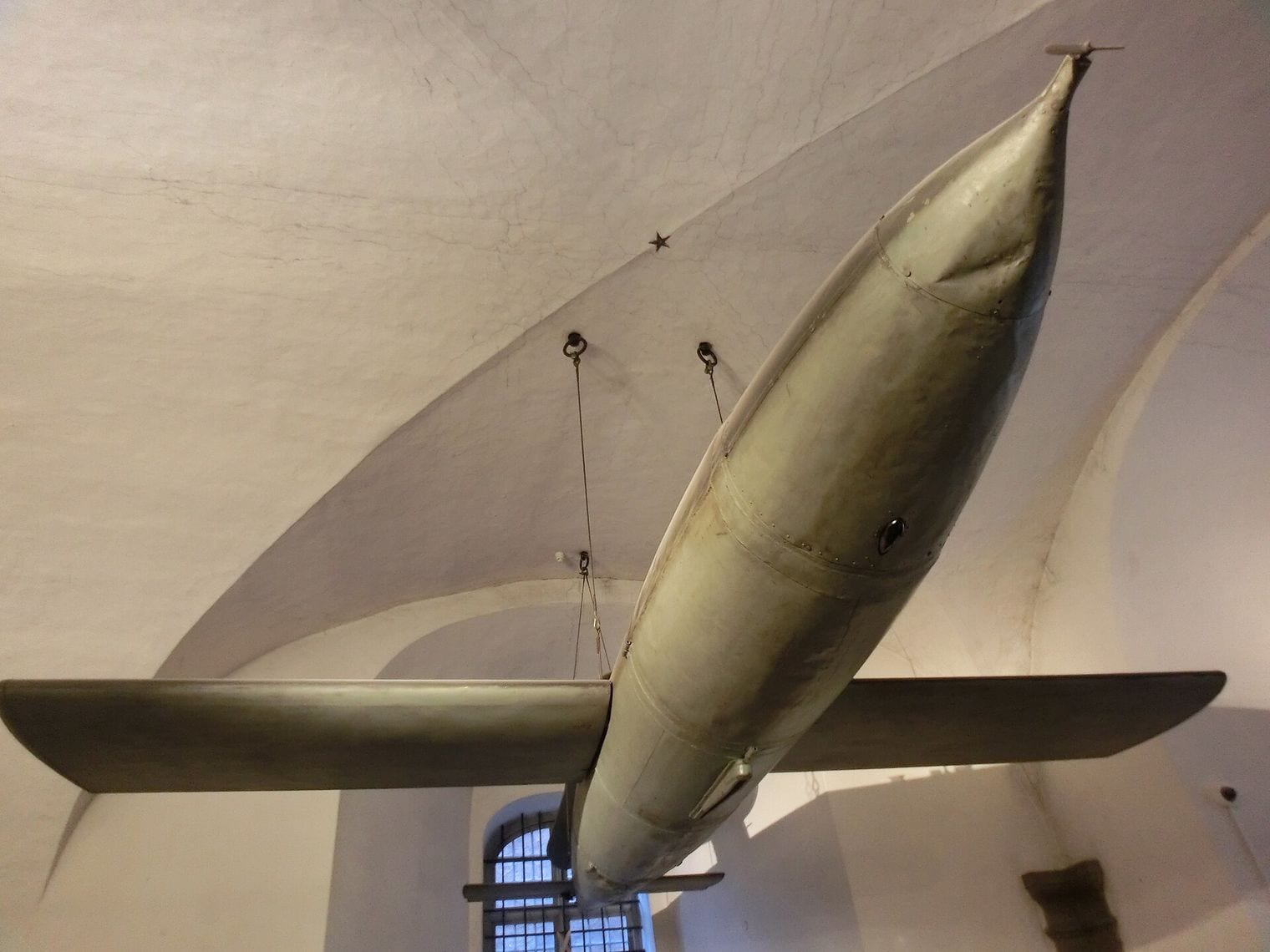
The Copenhagen War Museum is housed in Christian IV's arsenal of 1604, on Slotsholmen behind Christiansborg. The ground floor is a single vaulted cannon hall running 163 metres, one of the longest Renaissance interiors in Europe, and it is worth the admission on its own before a word of the labelling is read.
Above it, the collection covers Danish military history from gunpowder to Afghanistan, with a strong section on the wars of 1864 that cost Denmark a third of its territory and much of its self-image. It is quiet even in August, and it pairs naturally with the Royal Library gardens next door.
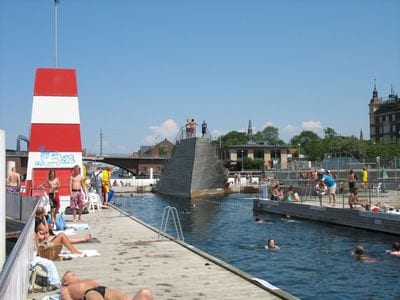
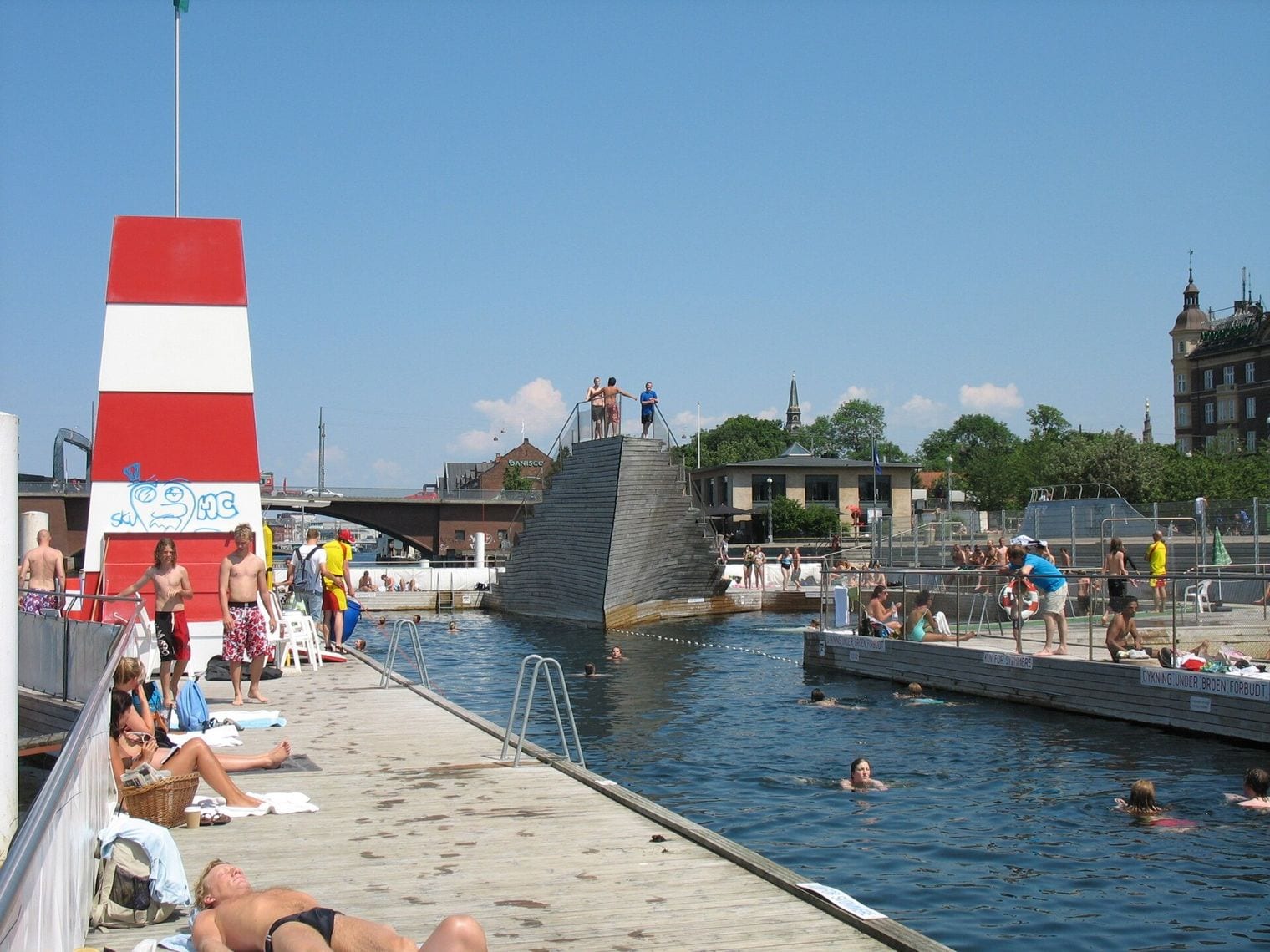
Islands Brygge Harbour Bath opened in 2003, the first of the city's harbour baths and the proof that a working industrial harbour could be cleaned up enough to swim in. Five pools sit in the water itself, from a 30-centimetre paddling pool to a diving basin with towers at one, three and five metres.
It is free, lifeguarded through the summer season, and the water quality is tested daily before anyone is let in. The lawn behind it fills on the first warm day of the year, and the view across to the city's spires while treading water is the single best argument Copenhagen makes for itself.
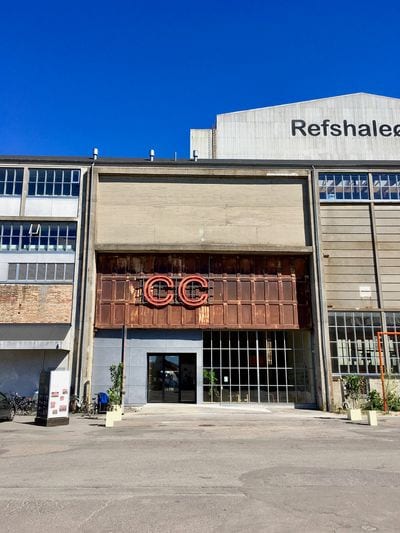
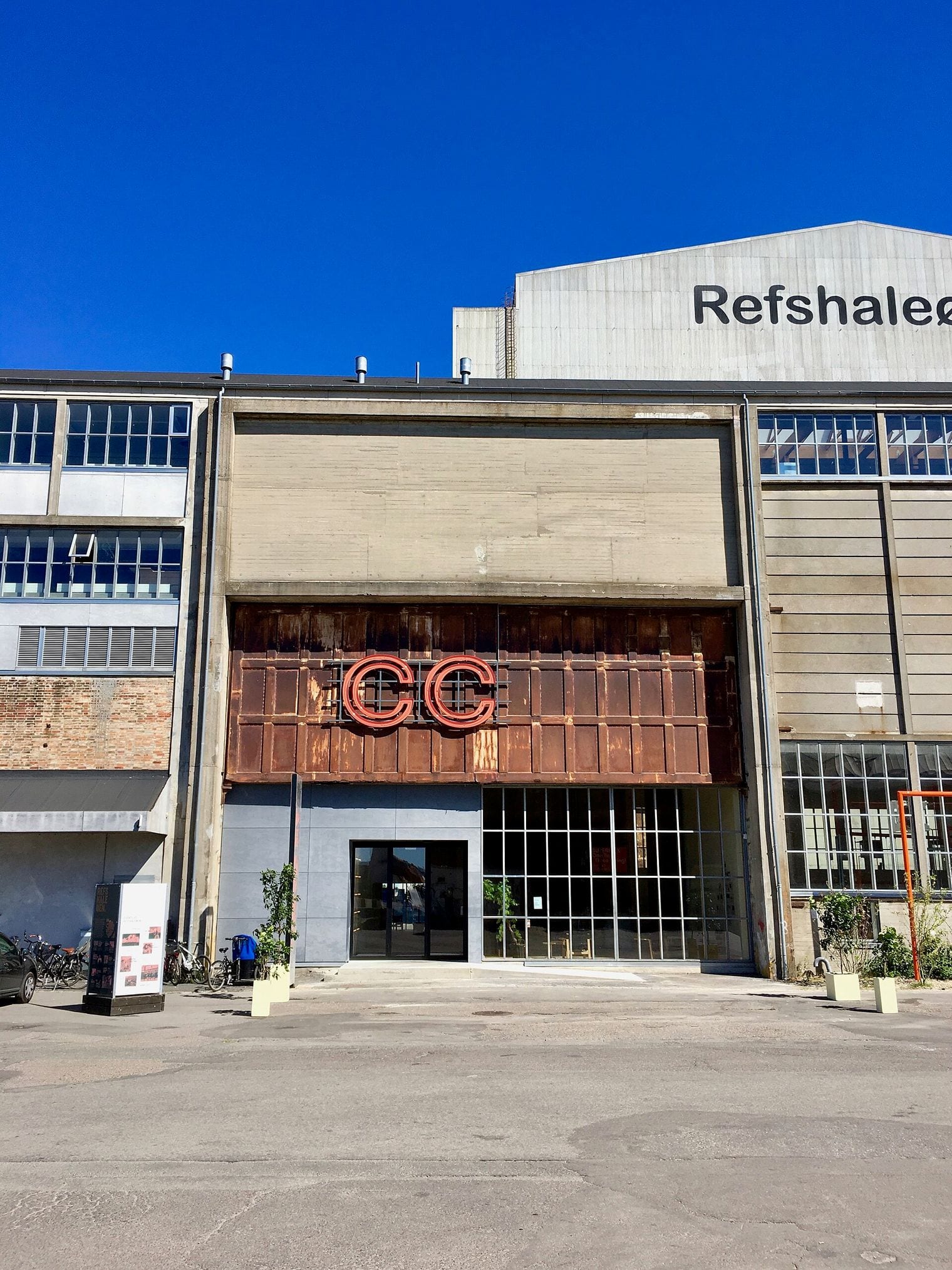
Copenhagen Contemporary took over a former Burmeister & Wain welding hall on Refshaleøen in 2018 and has roughly 7,000 square metres to play with. That scale sets the programme: it shows installation art that simply will not fit anywhere else in the city, often room-sized, often walk-through.
Yayoi Kusama's mirrored infinity rooms and Bruce Nauman's corridors have both filled the halls, and the raw shed — concrete, gantry cranes, rolled steel doors — does more for the work than a white cube would. It stands beside Reffen on the same spit of reclaimed land, so the harbour bus makes an easy pairing of the two.
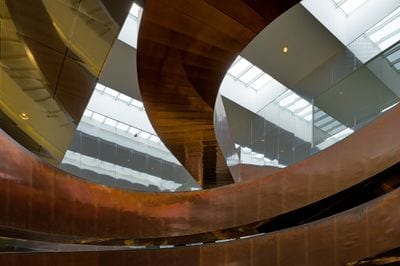
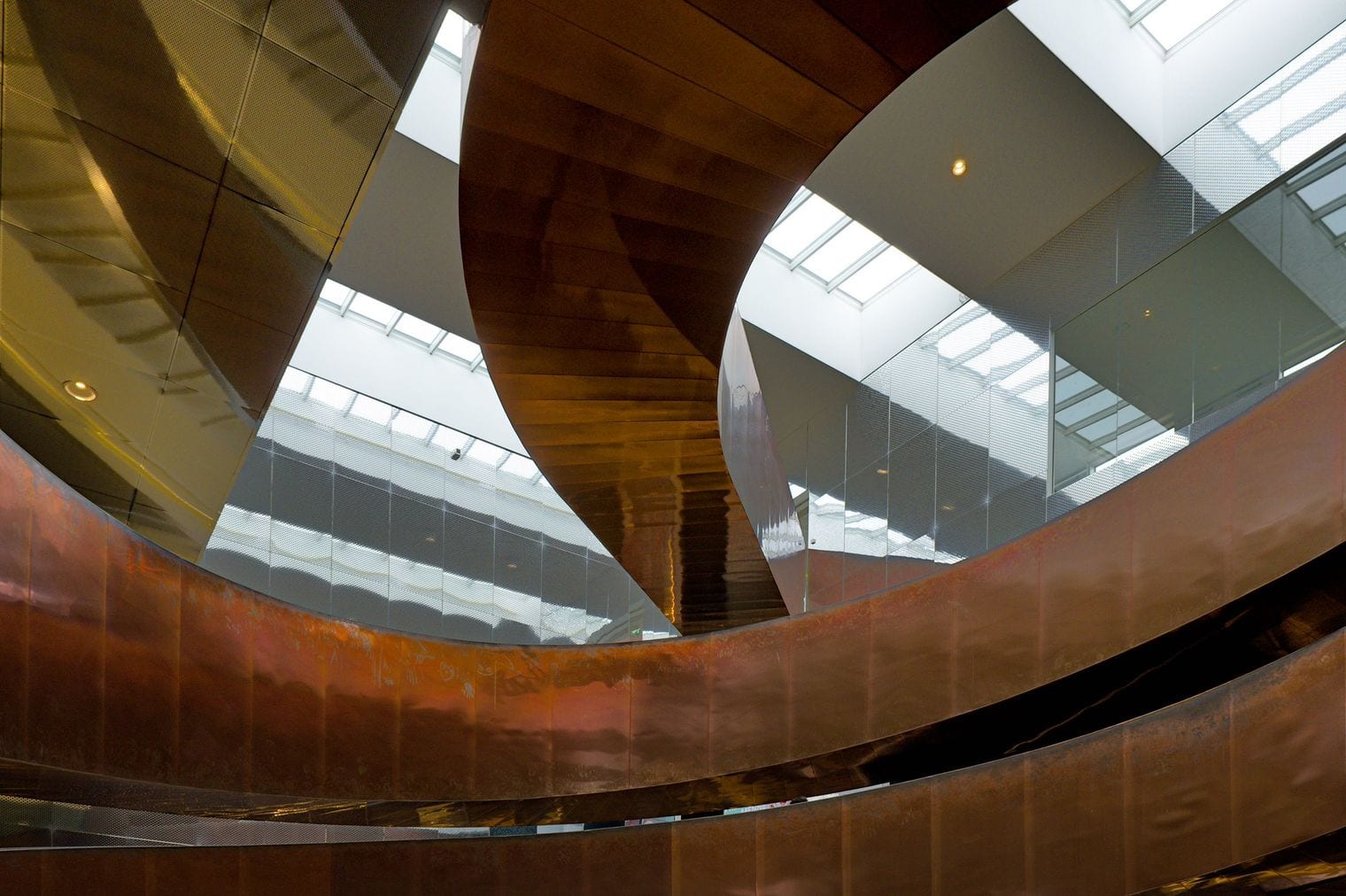
Experimentarium is Denmark's science centre, rebuilt inside the old Tuborg bottling plant at Hellerup and reopened in 2017. The architectural signature is the Brass Tube, a helix staircase clad in more than ten thousand brass tubes that spirals through the atrium and is the first thing anyone photographs.
Sixteen hands-on exhibitions cover everything from the physics of a football to the human body, with a Bubblearium for small children and a pulse arena that turns visitors into the experiment. It is about twenty minutes north of the centre by S-train, and it is the reliable answer to a wet day with children in tow.
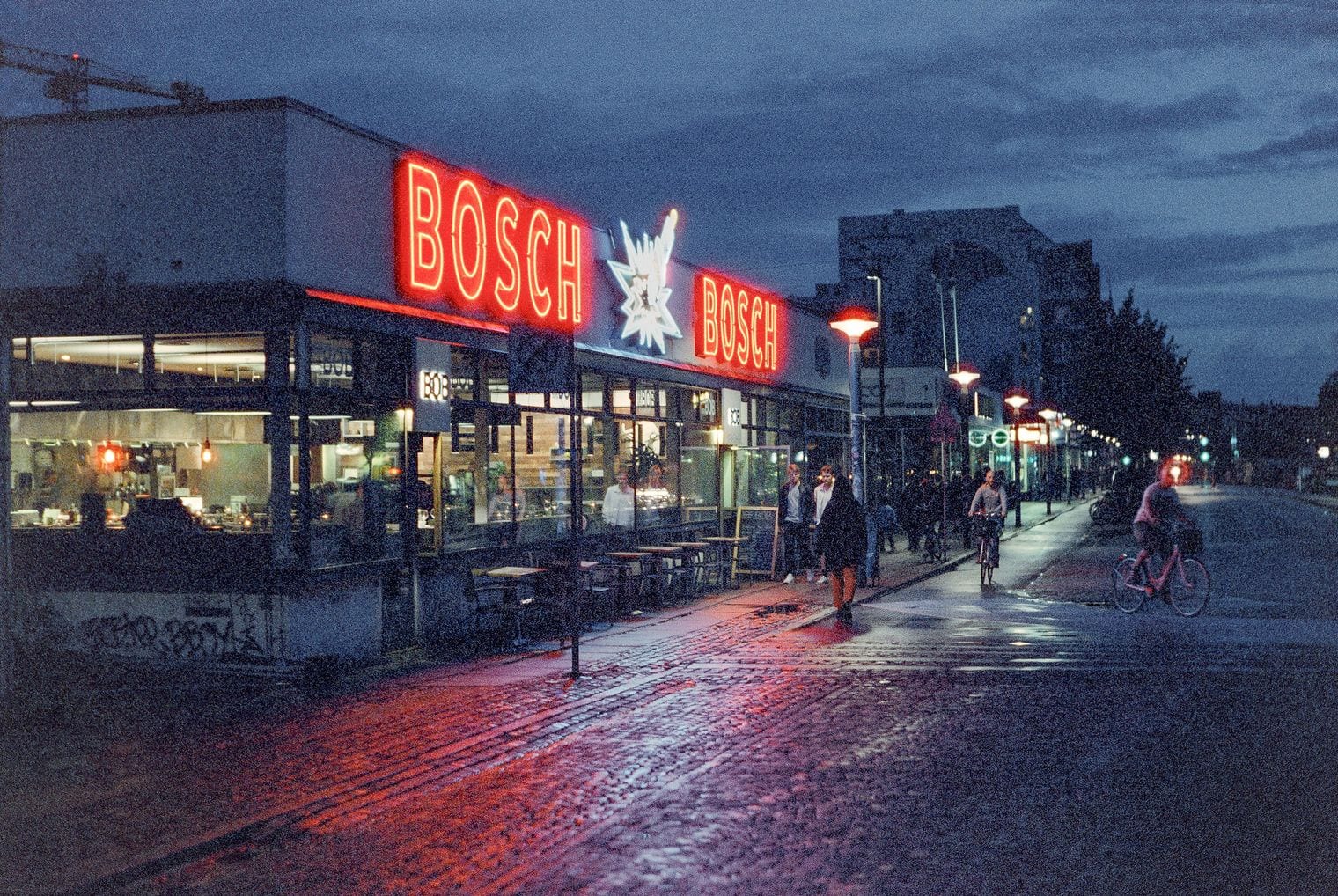
Kødbyen is Copenhagen's meat district, built in three phases behind the main station — the Brown from 1879 and the listed white functionalist halls of 1934, whose tiled facades and steel windows are the reason the place looks the way it does on film.
It still works as a meat market in the mornings and turns into the city's densest run of galleries, wine bars and restaurants after dark, all inside buildings that were never designed for it. The mix has been under negotiation for years as the city debates the district's future, so treat the tenant list as changeable and the architecture as the constant.
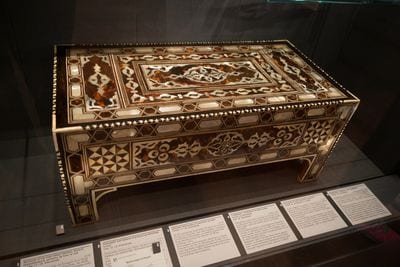
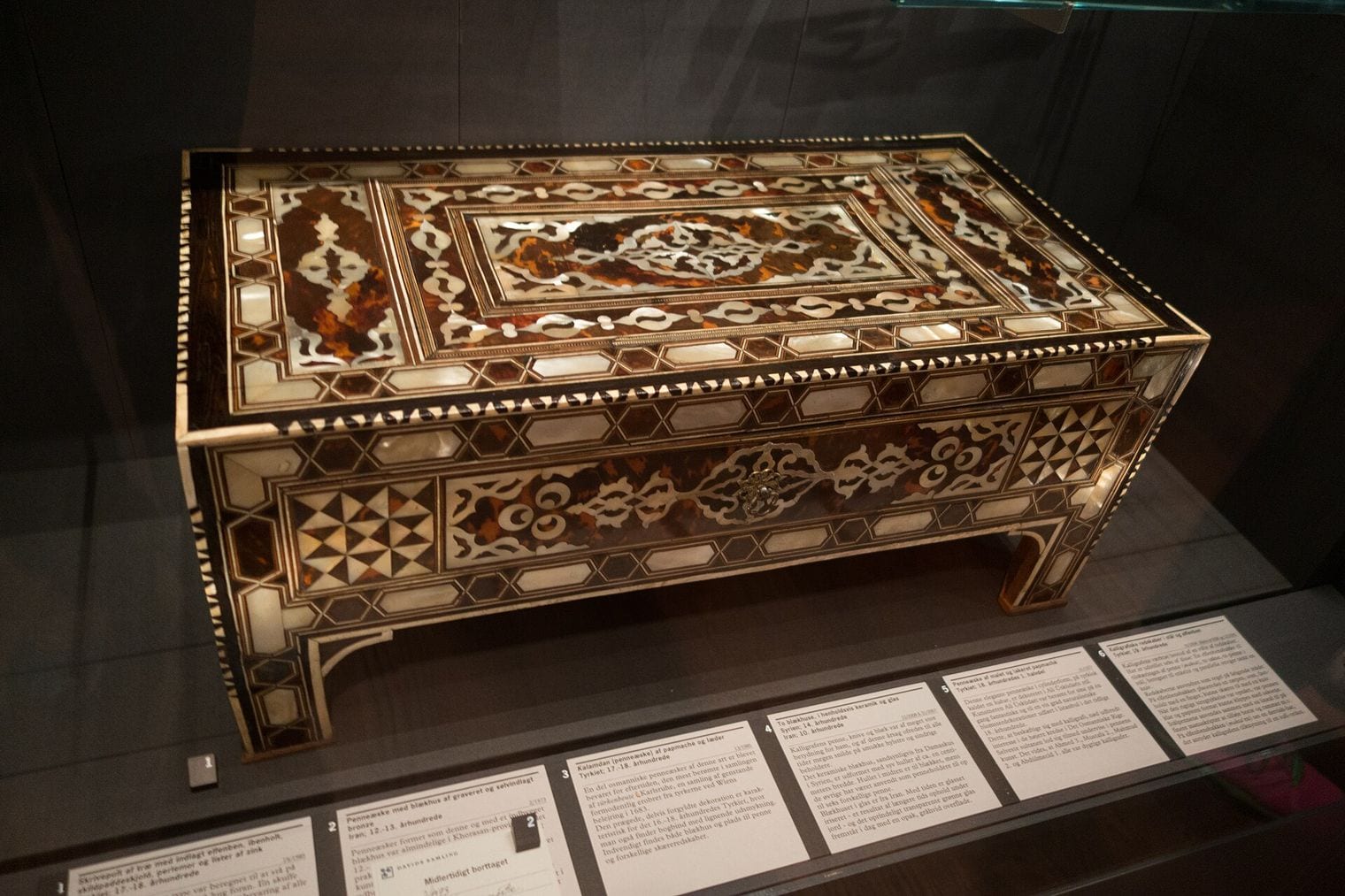
The David Collection occupies the townhouse where the barrister C.L. David lived, overlooking the King's Garden, and it holds one of the largest collections of Islamic art in northern Europe. Ceramics, metalwork, textiles, calligraphy and ivories run from the eighth century to the nineteenth across three floors of domestic-scale rooms.
European and Danish decorative arts fill the remaining floors, but it is the Islamic galleries — dimly lit, densely hung, meticulously captioned — that earn the museum its reputation among people who visit a great many museums. Admission is free, it is rarely crowded, and it is the highest-rated collection in this guide.
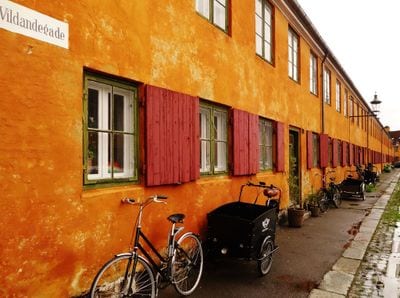
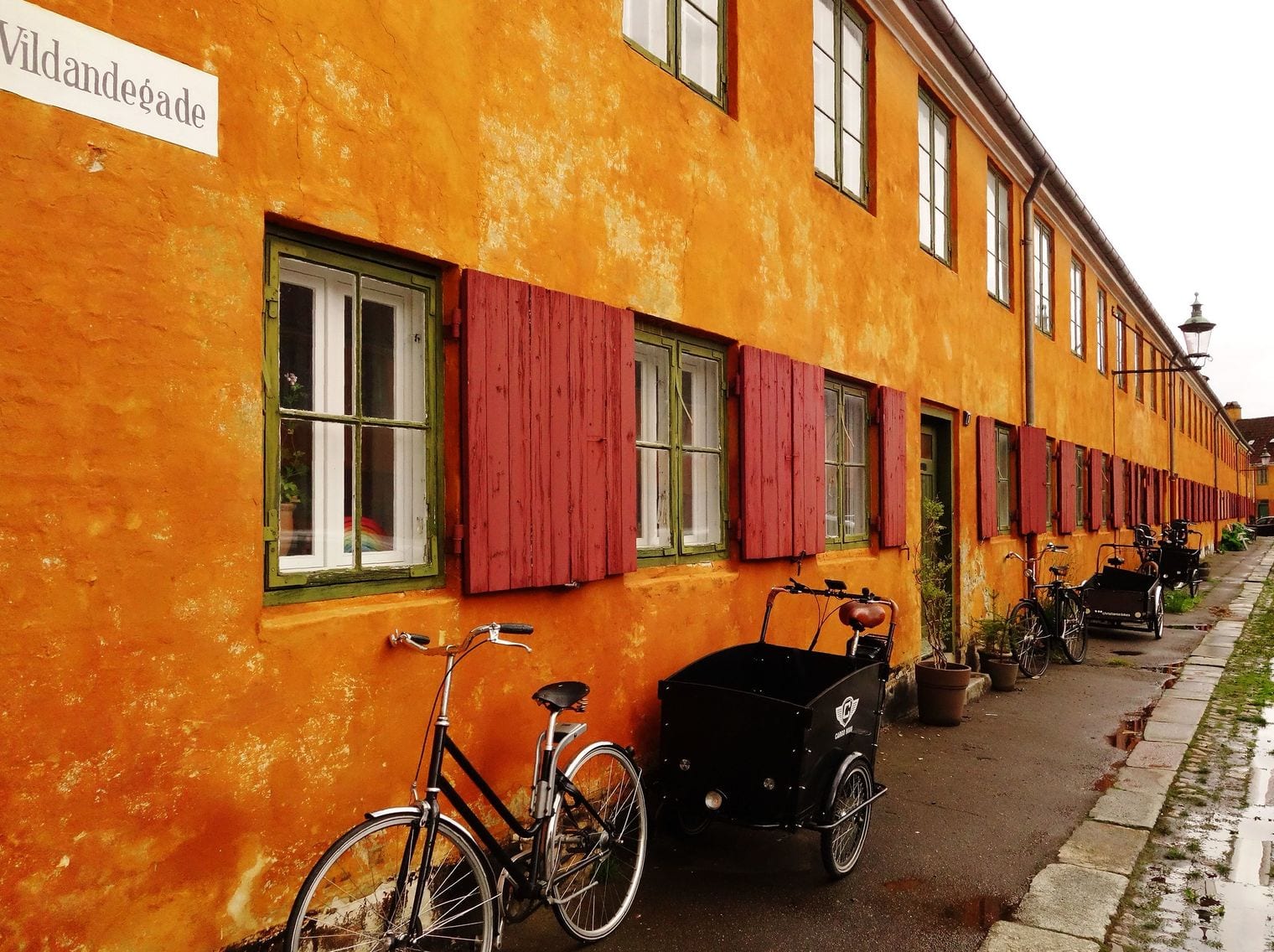
Nyboder is a district of ochre-yellow terraces begun in 1631 by Christian IV to house the navy's crews and their families. Purpose-built housing for ordinary working people almost never survives four centuries, which is precisely what makes these quiet rows worth the ten-minute detour from Kongens Nytorv.
Most of the terraces were raised to two storeys in the 19th century, but Sankt Pauls Gade keeps the original single-storey line and gives the truest sense of the plan. Number 20 holds a small museum of preserved interiors, open on limited hours, and much of the district still houses defence personnel — so walk it quietly.
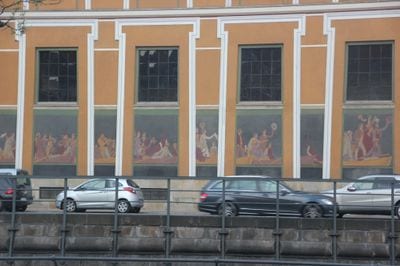
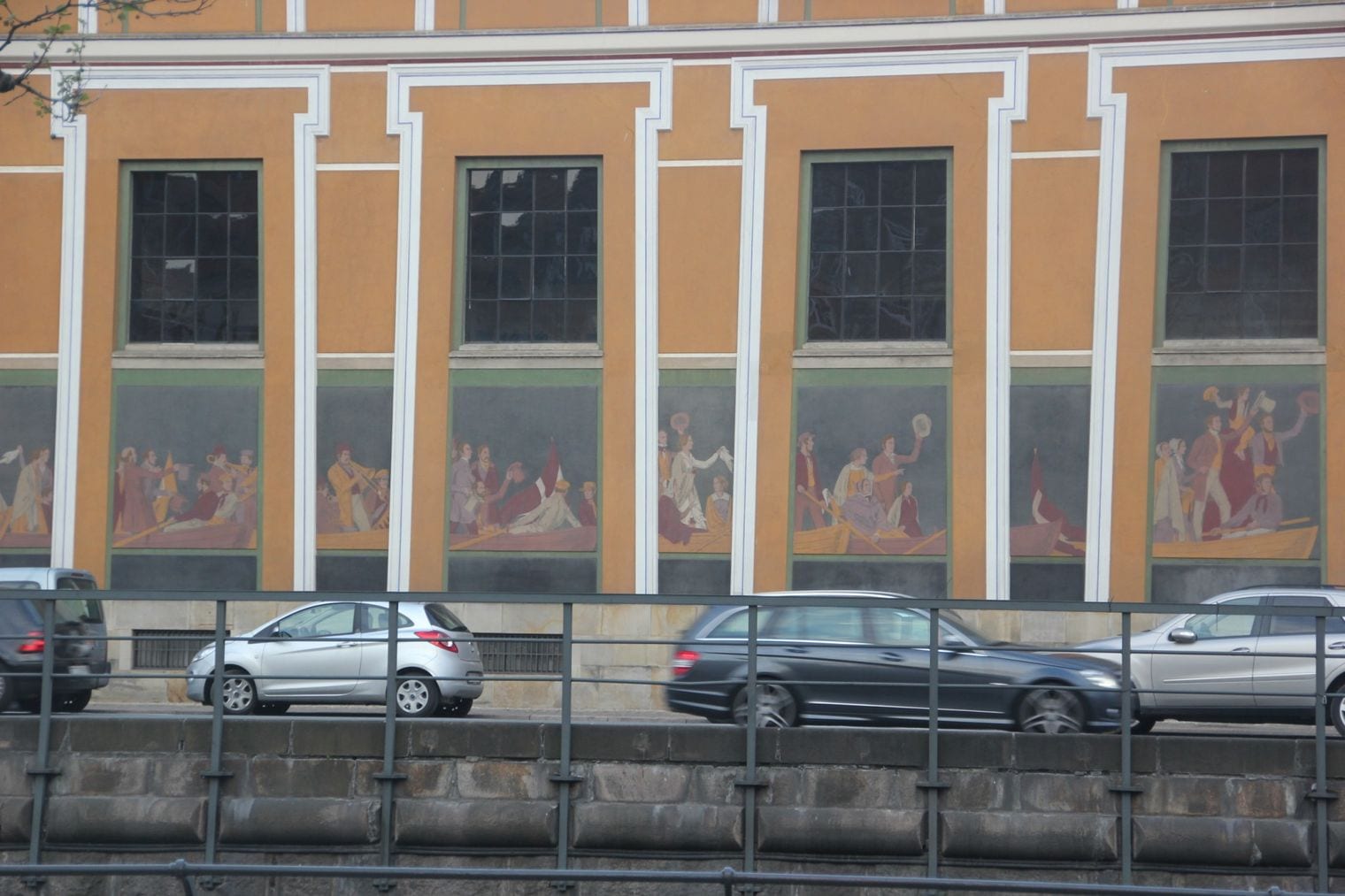
Thorvaldsens Museum opened in 1848 as Denmark's first purpose-built museum, raised by public subscription for a single artist while he was still alive to argue about it. M.G. Bindesbøll's building is the point as much as the sculpture: saturated ochre outside, and inside a sequence of small vaulted rooms painted in Pompeian reds, blues and greens.
It holds Bertel Thorvaldsen's own works and the antiquities he collected in Rome, and the sculptor himself is buried in the courtyard at the centre. It stands beside Christiansborg on Slotsholmen, five minutes from the Round Tower, and it is one of the calmest interiors in the city.
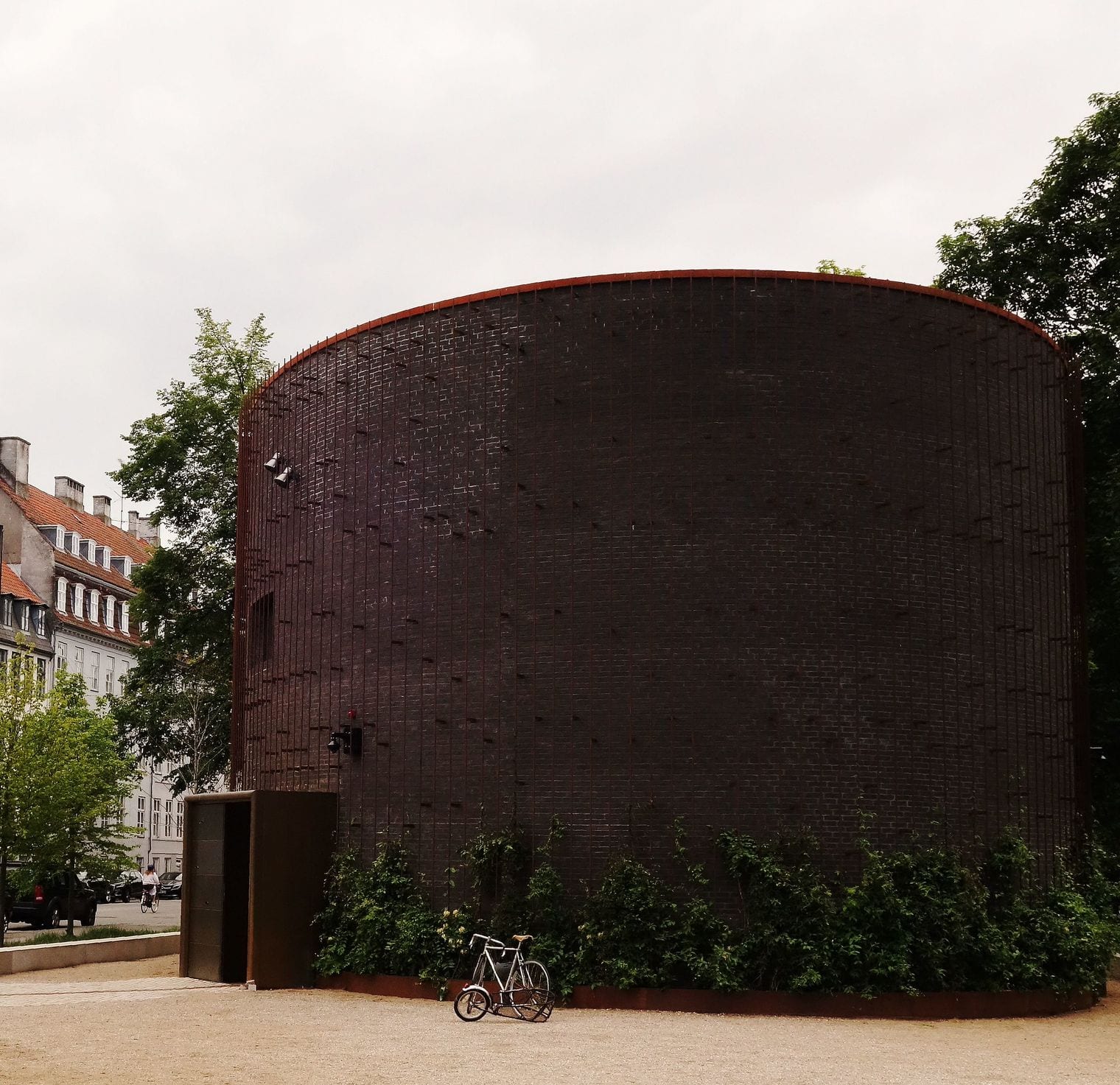
The Museum of Danish Resistance covers the occupation of 1940 to 1945 from inside the movement that opposed it — the illegal press, the sabotage groups, the informers and the reprisals. The old building burned down in 2013, and the collection reopened in 2020 in a new one on the same site in Churchillparken.
The section that stays with most visitors is October 1943, when word of the coming round-up leaked and some 7,000 Danish Jews were ferried across the sound to Sweden in fishing boats over a few weeks. The museum is careful not to flatten that into a national myth, and it is the better for it. Kastellet is next door.
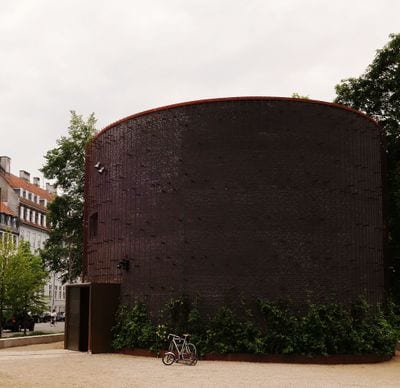
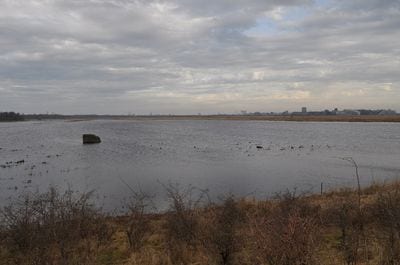
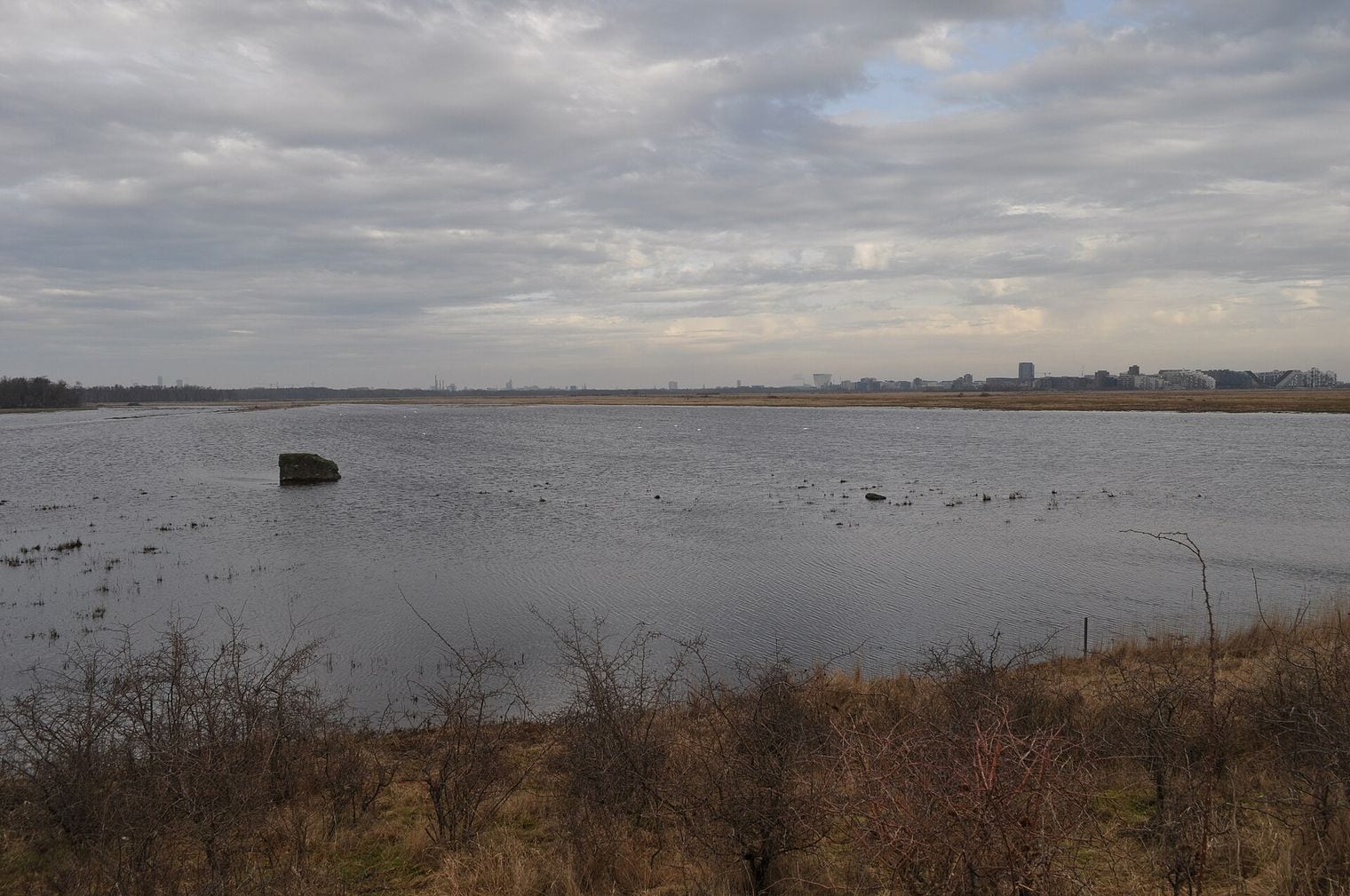
Naturcenter Amager is the way into Kalvebod Fælled, a flat expanse of grassland, reedbed and birch scrub that was seabed until it was drained in the 1940s. Together with Amager Fælled and the Kongelunden woods it forms Naturpark Amager, thousands of hectares of open country inside the city's own boundary.
Konik horses and Scottish Highland cattle graze it loose, marsh harriers work the reeds, and the birdwatching towers pull a steady traffic of binoculars through the spring. The centre hires out bicycles and canoes, the metro reaches Vestamager station at the edge of it, and almost no visitor to Copenhagen ever comes — which is rather the point.
Plan your trip
Best Time to Visit Copenhagen
Late spring and early autumn are the sweet spot. May, June and September bring long daylight, mild air and open terraces without the peak-season crush, and the city's parks and harbour baths come into their own. Midsummer is the warmest stretch and the liveliest, with light lingering past ten in the evening, but it is also when queues are longest and rooms cost the most.
Winter is dark and often wet, with only a handful of usable daylight hours around the solstice — yet it is the season Copenhagen leans into hardest, with candlelit cafés, Christmas markets and Tivoli's winter programme. Whenever you come, pack a windproof layer: the city sits on open water and the weather turns quickly in every season.
Getting to Copenhagen
Copenhagen Airport at Kastrup is Scandinavia's busiest hub and sits remarkably close to the city — a metro ride of a little over ten minutes puts you in the centre, with trains also running from the airport terminal. Arriving by rail is just as easy: the main station sits opposite Tivoli, with direct services north into Sweden, south toward Hamburg and across the country to Odense and Aarhus.
Drivers arrive on the E20, E47 and E55 motorways, which converge on the capital from Jutland, Sweden and the south. The Øresund Bridge carries road and rail traffic across to Malmö in around half an hour and is tolled. Once you are in the city, a car is a liability rather than an asset — see below.
Getting Around Copenhagen
You almost certainly do not need a car. Central Copenhagen is flat, compact and made for walking, and nearly everything in this guide sits within a few kilometres of the harbour. The driverless metro runs around the clock at weekends, S-trains handle the longer suburban hops, and one integrated ticket covers metro, bus, local train and the harbour buses that double as the cheapest sightseeing cruise in the city.
Better still, ride a bike. Protected cycle lanes run along nearly every major street, bikes have their own traffic signals, and hire schemes are widespread — cycling is genuinely the fastest and most enjoyable way to cross the city. Parking a car in the centre is expensive and awkward, so if you do drive in, leave it where you are staying.
Where to Stay in Copenhagen
Indre By, the old centre, puts you within walking distance of most of this list and is the obvious choice for a short first visit — quiet at night, busy by day, and never far from a metro station. Vesterbro, just behind the main station, is livelier and younger, with the old Meatpacking District at its heart; Nørrebro is the most multicultural quarter and the best value, full of independent shops and small bars.
For something calmer, Frederiksberg is a leafy, well-heeled enclave beside the zoo and its gardens, while Christianshavn offers canals, houseboats and a five-minute walk to the freetown. Østerbro suits families, with parks and the harbour baths close by, and Nordhavn is the newest and most architectural, out on the redeveloped waterfront.
Where to Eat in Copenhagen
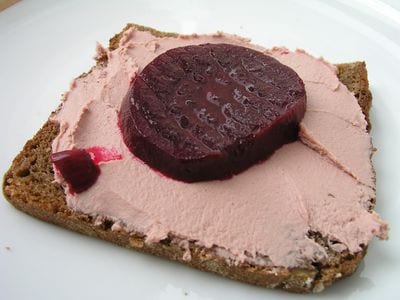
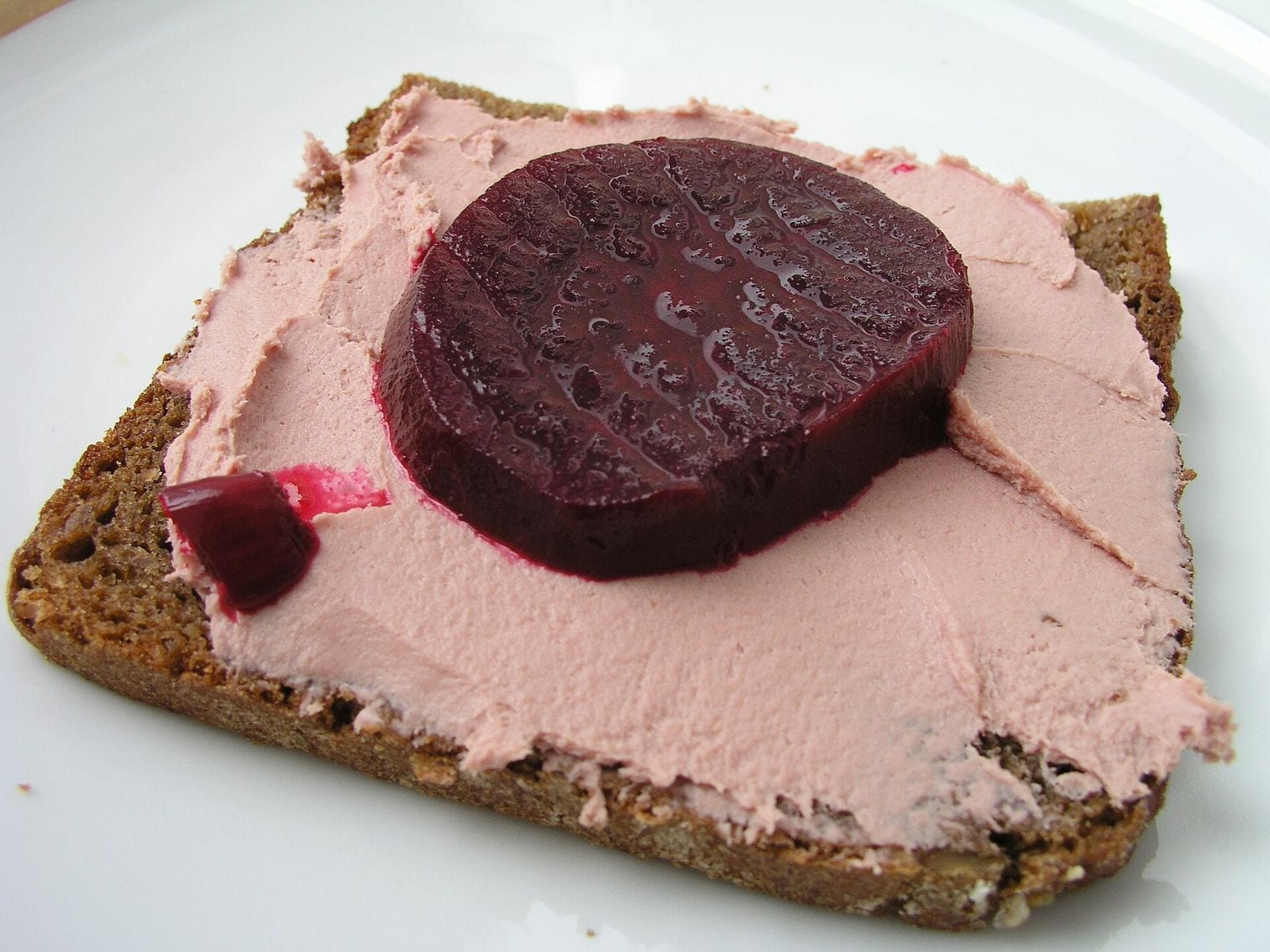
Start with smørrebrød — the open rye sandwich piled with pickled herring, roast pork and crackling, breaded plaice or shrimp under a slick of remoulade. It is a lunch dish, eaten with a beer and a shot of aquavit if you are committing. Beyond it, seek out a proper bakery for wienerbrød and cardamom buns, and a street wagon for a pølse in a bun.
For dining districts, the Meatpacking District in Vesterbro is the concentrated hit of bars and restaurants; Jægersborggade in Nørrebro is a single street of small independent kitchens and coffee bars; and Værnedamsvej straddles the Vesterbro–Frederiksberg line with delicatessens and wine shops. The covered market hall near Nørreport is the easiest place to graze, and the New Nordic movement that reshaped how the world thinks about Scandinavian food started here.
Day Trips from Copenhagen
Copenhagen sits at the eastern edge of Zealand with fast trains running in every direction, so the classic day trips are all under an hour. Roughly half an hour west, Roskilde pairs a UNESCO-listed royal burial cathedral with a museum of excavated Viking longships.
North along the Øresund coast, Humlebæk holds a celebrated modern-art museum looking across the water to Sweden, and Helsingør at the narrowest point of the sound is crowned by the Renaissance castle the world knows as Hamlet's Elsinore. Inland at Hillerød stands a moated Renaissance palace set in formal baroque gardens.
Closer in, the preserved fishing village of Dragør lies about half an hour south past the airport, all yellow cottages and cobbled lanes. And because the Øresund Bridge puts another country within commuting distance, Malmö in Sweden is barely thirty-five minutes away by train — an easy way to add a second nation to a trip to Denmark.
Before you go
Mobile dataAn eSIM gives your phone local data when you land, with no SIM card to swap.via AiraloGet an eSIM
Airport transferA driver meets you at arrivals and takes you to your hotel, at a price fixed when you book.via Welcome PickupsBook a transfer
We may earn a commission when you buy through these links, at no extra cost to you. How we make money.
One Day in Copenhagen
Morning
Start at Rosenborg Castle when it opens and go straight down to the basement for the crown jewels before the room fills. Walk out through Kongens Have, then cut south to The Round Tower and spiral up the cobbled ramp for a first look across the rooftops.
Head east to Nyhavn for lunch on the quay, then follow the water to Amalienborg Palace and its octagonal courtyard. Cross the harbour bridge into Christianshavn to climb the external spire of the Church of Our Saviour, and give the last of the daylight to Freetown Christiania next door.
Walk back across the water and finish at Tivoli Gardens, which is at its best after dark once the lanterns come on and the day crowds have gone home. If you would rather be on the water, the Copenhagen Opera House sits directly across the harbour from Amalienborg and its foyer and terrace are open to visitors.
Copenhagen is known for design, cycling and hygge, and for a handful of sights that appear on every itinerary: the painted canal quay at Nyhavn, the 1843 pleasure garden of Tivoli, the self-governing freetown of Christiania, the corkscrew spire of the Church of Our Saviour, and CopenHill, a power station with a ski slope on its roof.
How many days do you need in Copenhagen?
Three days covers the city comfortably — one for the old centre and its castles, one for Christianshavn and the harbour, and one for the museums and parks. A fourth day lets you add a castle or the modern-art museum up the coast. Two days is enough for the headline sights if that is all you have.
What can you do in Copenhagen for free?
Plenty. Walking Christiania, Nyhavn and the Langelinie promenade to the Little Mermaid costs nothing, and neither do Kongens Have, the Botanical Garden or the beach at Amager Strandpark. The viewing tower at Christiansborg Palace, the tallest in Copenhagen, is also free to climb, as is the walk down from CopenHill's roof.
Is Copenhagen walkable, and do you need a car?
Copenhagen is very walkable and you do not need a car. The centre is flat and compact, almost everything worth seeing sits near the harbour, and the metro, S-trains and harbour buses share one integrated ticket. Cycling is faster still, with protected lanes on most major streets. Driving in the centre is expensive and awkward.
When is the best time to visit Copenhagen?
May, June and September are ideal: long daylight, mild weather, open terraces and thinner crowds than high summer. July and August are warmest and busiest. Winter brings only a few hours of daylight and frequent rain, though the Christmas markets and Tivoli's winter season are a genuine draw for a short break.
Is Copenhagen worth visiting?
Yes. Few capitals pack this much into so small a footprint — royal castles, a working freetown, world-class design museums and a swimmable harbour, all within a short walk or bike ride. It is expensive by European standards, but the compactness means you see a great deal without spending on transport.
Do people speak English in Copenhagen?
Almost universally. English is taught from early schooling and spoken fluently by the large majority of Danes, and menus, museum labels and transport signage are routinely bilingual. You can visit comfortably without a word of Danish, though learning tak for thank you is always appreciated.