Two-thirds of an island, and almost nobody who visits sees more than a tenth of it.
The Dominican Republic packs an improbable amount into the eastern two-thirds of one Caribbean island: the all-inclusive beaches of Punta Cana, the oldest European city in the Americas at Santo Domingo, humpback whales wintering in Samaná Bay, and the highest mountain range between the Rockies and the Andes. It is the most-visited country in the Caribbean, and the easiest to reach from the United States — several US cities are under four hours from Punta Cana. Most first-time visitors never leave the eastern resort strip, which is a fine holiday and a fraction of the country. Go one region further and you find waterfalls, cloud forest, colonial streets and kitesurfing bays.
The tail of the dry season and arguably the best window overall: hot but not yet oppressive, the sea warm, the crowds thinning after the winter peak, and the hills still green. March and April are reliably bright on both coasts; by late May the afternoon build-up of cloud and short heavy showers begins in the interior.
SummerJun–Aug
Hot, humid and lively, with sea temperatures at their warmest and short, heavy afternoon downpours that usually clear as fast as they arrive. Atlantic hurricane season opens on 1 June, though the genuinely risky months come later. This is peak season for Dominican and other Latin American travellers, so domestic beaches and the north coast fill up.
FallSep–Nov
The wettest and quietest stretch, and the statistical peak of hurricane risk in September and October — worth insuring against rather than avoiding outright, since most trips are unaffected. Rates fall accordingly. By mid-November the weather settles again and the north coast picks up the trade winds that make Cabarete a kitesurfing destination.
WinterDec–Feb
High season, and the driest, clearest and most comfortable weather of the year — warm days, cooler nights, and the lowest humidity. It is also whale season: thousands of humpbacks gather in Samaná Bay to breed and calve, roughly mid-January to mid-March. Book well ahead, particularly over the Christmas and New Year weeks.
Regions
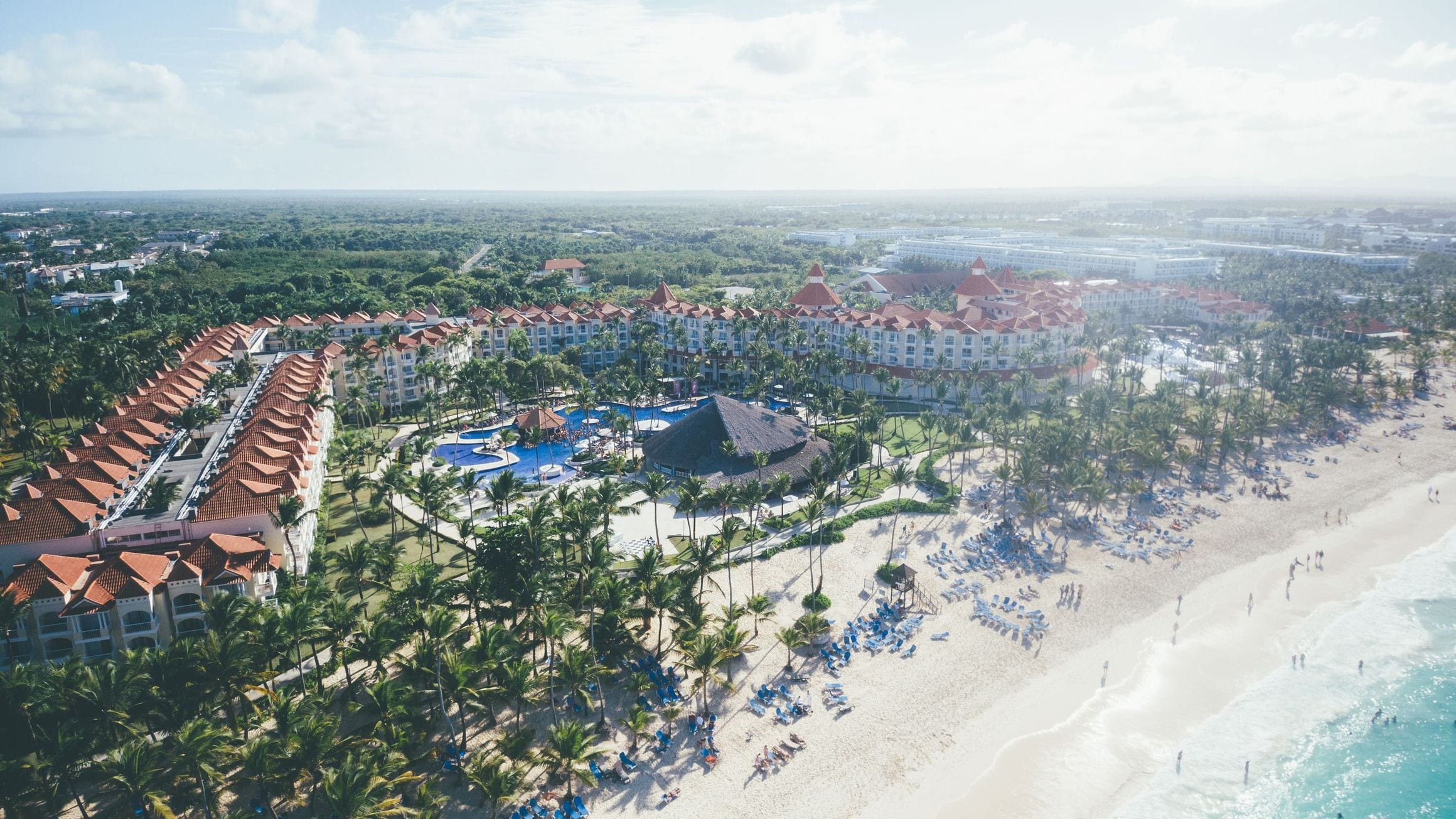
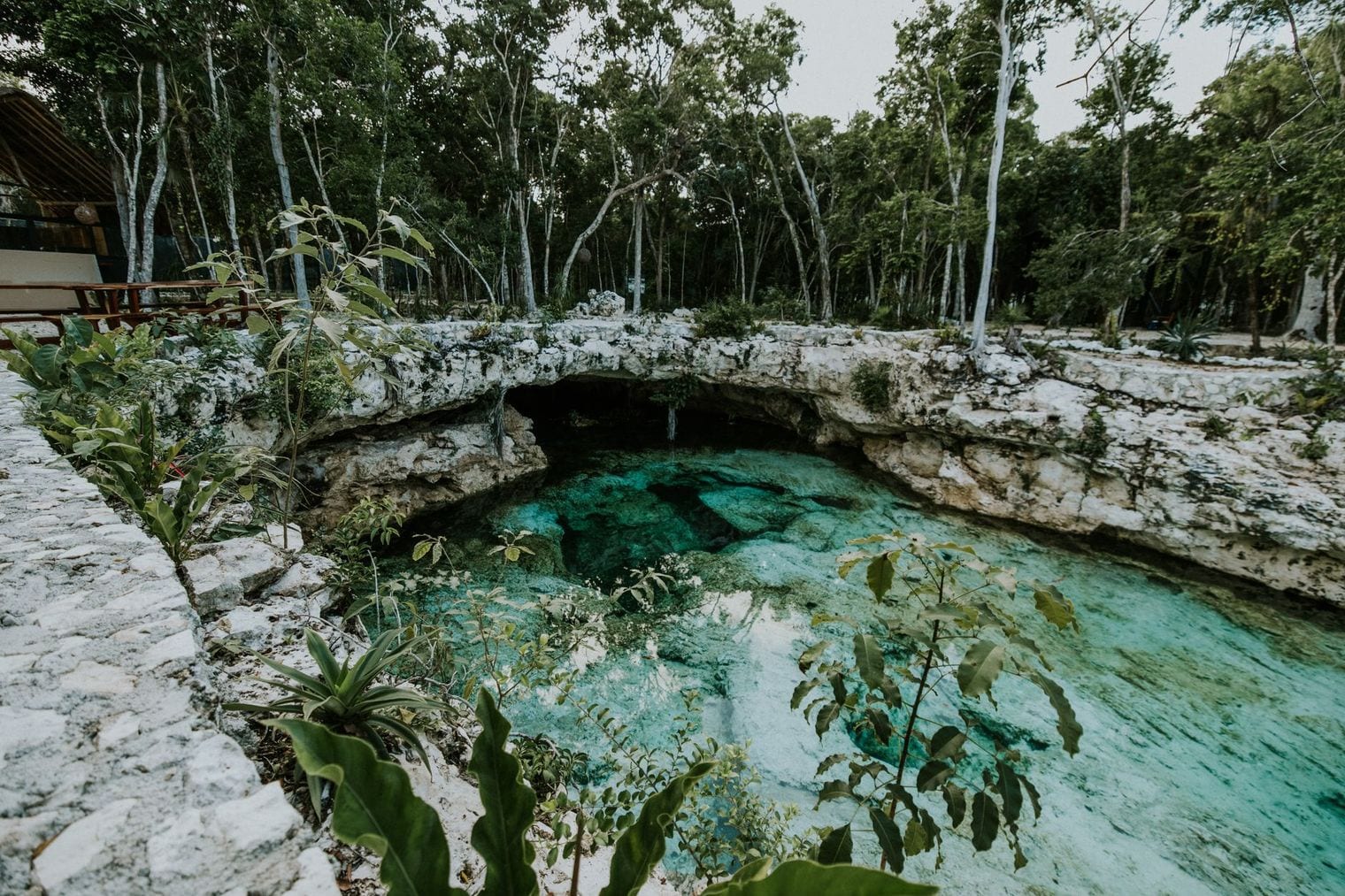
Punta Cana & the east coastThe resort strip that brought the country its tourism, running roughly 40 km from Uvero Alto through Bávaro and El Cortecito down to Cap Cana. Wide white sand behind a protective reef, the country's busiest airport, championship golf on the cliffs, and the cenotes, caves and wild surf beaches of the Macao coast just inland.
Santo Domingo & the southThe capital and the country's only UNESCO World Heritage Site, where the Colonial City preserves the first cathedral, hospital and university built in the Americas — and remains a living neighbourhood rather than a museum. Beyond it the southern coast runs out to the beach towns of Boca Chica and Juan Dolio and, much further west, the salt lakes and desert of Barahona and Pedernales.
La Romana & BayahibeThe southeastern corner, where the Casa de Campo estate and the hilltop replica village of Altos de Chavón sit above the Chavón river. The fishing village of Bayahibe is the departure point for Saona and Catalina islands and the gateway to Cotubanamá National Park, which protects them.
The Samaná PeninsulaA narrow green finger of land in the northeast, and the country's most scenic corner: coconut coast beaches at Las Terrenas and Las Galeras, the El Limón waterfall inland, the mangrove channels and karst islands of Los Haitises across the bay, and the humpback whales that fill that bay every winter.
Puerto Plata & the north coastThe Amber Coast, and the country's original tourist region — Victorian gingerbread architecture in Puerto Plata, a cable car up Mount Isabel de Torres, the cascades and jumps of the 27 Charcos de Damajagua, and the reliable trade winds that made Cabarete one of the world's serious kitesurfing and windsurfing towns.
The Cordillera Central & the interiorThe mountainous heart, cool enough to grow strawberries and coffee and high enough to hold Pico Duarte, the tallest peak in the Caribbean. Jarabacoa and Constanza are the bases for rafting, canyoning and cloud-forest hiking, while Santiago, the second city, anchors the Cibao valley and the cigar industry.
The Dominican Republic's signature sights at a glance
Colonial City of Santo DomingoThe oldest permanent European settlement in the Americas and the country's only World Heritage Site, with the first cathedral, hospital and university built in the New World.Basecamp: Santo Domingo
Saona IslandA protected island of palm-backed sand inside Cotubanamá National Park, reached by catamaran and famous for the shallow offshore sandbar where starfish gather.Basecamp: Bayahibe
The humpback whales of Samaná BayOne of the most reliable whale-watching grounds anywhere: thousands of North Atlantic humpbacks gather here each winter to breed and calve.Basecamp: Samaná
Pico DuarteAt 3,098 m, the highest mountain in the Caribbean — a two- to three-day guided trek through pine forest that surprises everyone who thinks of this country as only a beach.Basecamp: Jarabacoa
Suggested routes
The east coast first-timer
~1 week
The trip most visitors actually take, done properly: a base on the Punta Cana strip with three or four days out of it, so you see the coast, the interior and an island rather than only a sun lounger.
2Cap Cana — Hoyo Azul, the cliffs and Juanillo Beach
3The Macao coast — wild surf beach, caves and buggy trails
4Saona Island — full-day catamaran from Bayahibe
5Altos de Chavón — the clifftop village above the Chavón river
Coast to coast: capital, peninsula and north shore
~10–14 days
A cross-country loop for travellers who want the country rather than the resort — colonial history, the greenest corner of the island, and the north coast's waterfalls and wind. Best driven, or linked by long-distance coach.
1Santo Domingo — two or three days in the Colonial City
2Samaná & Las Galeras — beaches, El Limón waterfall, Los Haitises
3Las Terrenas — the peninsula's coconut coast
4Cabarete — kitesurfing bay and the north-shore scene
The interior almost no visitor sees: pine ridges, whitewater, coffee farms and the Caribbean's highest summit, at altitudes cool enough to need a jacket at night. Pair it with a few coastal days at either end.
1Jarabacoa — rafting, canyoning and the Jimenoa falls
2Pico Duarte — two- to three-day guided trek to the summit
3Constanza — high farming valley ringed by cloud forest
4Santiago — the Cibao valley and the cigar country
Dominican Republic travel FAQ
Eight questions travellers ask before they go.
When is the best time to visit the Dominican Republic?
December to April is the classic window — driest, clearest and least humid, though also the busiest and most expensive. March through May is the sweet spot if you want that weather with thinner crowds. September and October are the wettest months and the statistical peak of hurricane season, which is why rates drop then. If you want to see humpback whales in Samaná Bay, you need roughly mid-January to mid-March.
How many days do you need in the Dominican Republic?
A week is enough for one region done well — most commonly a Punta Cana base with a few day trips out of it. Ten days to two weeks lets you combine two regions, such as the capital with Samaná or the north coast, without spending the trip in transit. Distances are longer in practice than they look on a map, so adding a third region usually costs more travel time than it is worth.
Do you need a car in the Dominican Republic?
Not if you are staying on a resort strip like Punta Cana, where transfers, taxis and excursion pickups cover everything and parking is pointless. A car becomes genuinely useful once you want the waterfalls, mountain towns and quieter beaches, where public transport is slow and infrequent. Toll highways are excellent; secondary roads are rough, unlit at night and shared with motorbikes, so many visitors compromise by using long-distance coaches between cities and hiring a driver or a car only for the days they need one.
What is the Dominican Republic known for?
Beaches and all-inclusive resorts above all — it is the Caribbean's most-visited country, and Punta Cana is the region's single biggest resort destination. It is also the birthplace of merengue and bachata, the site of the oldest European city in the Americas at Santo Domingo, a baseball powerhouse far out of proportion to its size, and a major producer of cigars, rum, cacao and amber.
Is English widely spoken in the Dominican Republic?
Spanish is the official language and what you will hear everywhere. English is widely spoken in the resort zones, at hotels, excursion desks and tourist restaurants in Punta Cana, Bayahibe and the north coast, so you can travel those areas comfortably without Spanish. Away from tourism — in the interior, in local restaurants and on public transport — English thins out quickly, and a little Spanish makes a large difference.
What currency does the Dominican Republic use, and do you need cash?
The Dominican peso (RD$), and US dollars are widely accepted across the resort areas, where excursions, transfers and hotel extras are often quoted in dollars. Cards work in hotels, malls and larger restaurants, but pesos in cash are what you want for beach vendors, colmados, small restaurants, guaguas and tips. Watch the currency on any price board: the plain "$" sign is used for both, and at roughly sixty pesos to the dollar the difference is substantial.
What food is the Dominican Republic known for?
The everyday staple is la bandera — rice, stewed beans and meat, usually with fried plantain — eaten at lunch, which is the main meal. Look out for sancocho, the rich meat and root-vegetable stew served on special occasions; mangú, mashed plantain topped with pickled onions, at breakfast; tostones and mofongo made from green plantain; and fresh fish along both coasts. Local rum is excellent and cheap, and the coffee and cacao grown in the interior are among the country's best exports.
What kind of trip is Dominican Republic best for?
Winter sun, families, diving and mountain adventure.
We use cookies to analyse site traffic and improve your experience.
You can accept or reject analytics cookies. See our Cookie Policy.