We may earn a commission if you book or buy through a link on
this page, at no extra cost to you. It never affects which places we list or how
we rank them (how we make money).
Short answer
Punta Cana's essentials are Juanillo Beach, the crescent of white sand at Cap Cana the area is known for, Scape Park with Hoyo Azul, a turquoise cenote at the foot of a limestone cliff, and Coco Bongo for the acrobatic nightclub-and-theatre show that defines a night out here. A week is the standard trip: several beach days plus three or four excursions without rushing; five days works if you pick carefully.
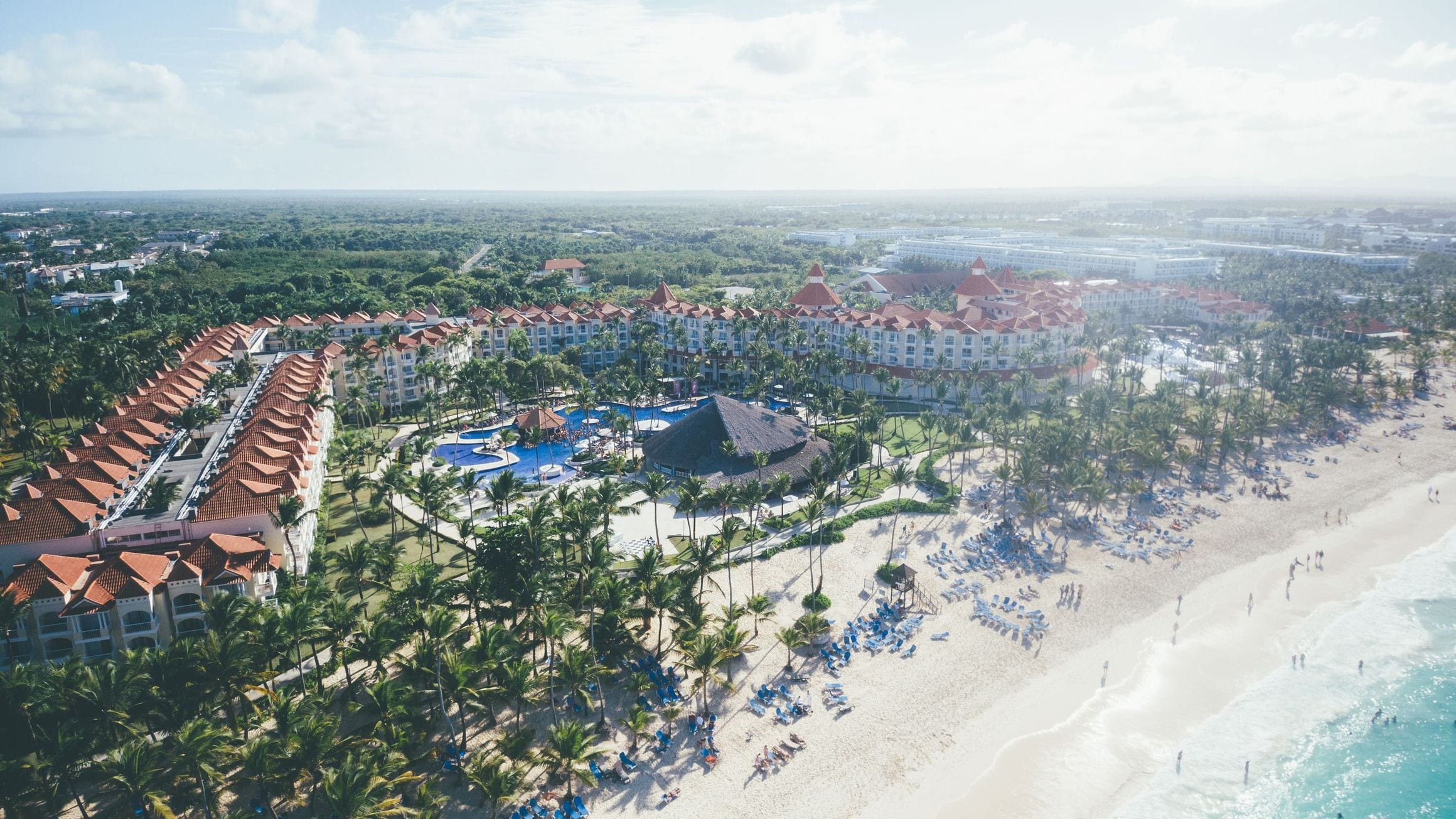
Punta Cana sits at the easternmost tip of the Dominican Republic, where miles of reef-sheltered white sand run from Uvero Alto in the north down to Cap Cana in the south. Most visitors come for an all-inclusive week and never leave that strip, which is a fine holiday and a fraction of what is actually here.
Beyond the loungers there are cenotes in the limestone, squirrel monkeys in the hills, a wild surf beach at Macao and a nightlife scene people fly in for. These 30 places cover the coast, the country just inland from it, and the after-dark.
Punta Cana used to be called Punta Borrachos — roughly "point of the drunks". The developer Frank Rainieri renamed it in 1970; the older local name for the area was Yauya.
It is not a town or a municipality at all. Punta Cana was incorporated in 2006 as the Verón–Punta Cana Touristic Municipal District, and it still sits under the municipality of Higüey, about 45 km inland.
Punta Cana International Airport was the first privately owned international airport in the world when it opened in December 1983, and it is still run by the private group that built it.
That airport’s terminal roofs are thatched with palm fronds, and it has since become the busiest airport in the Dominican Republic and the second-busiest in the Caribbean, behind San Juan.
The entire resort coast began with a 40-guest hotel. In the late 1960s a Dominican entrepreneur in his twenties, Frank Rainieri, and a New York labour lawyer, Theodore Kheel, bought the land and opened the Punta Cana Club.
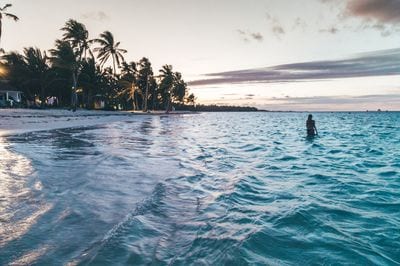
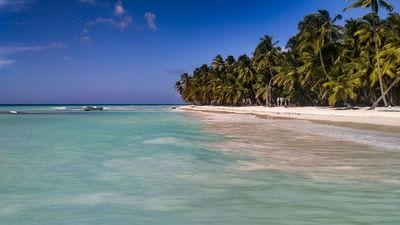
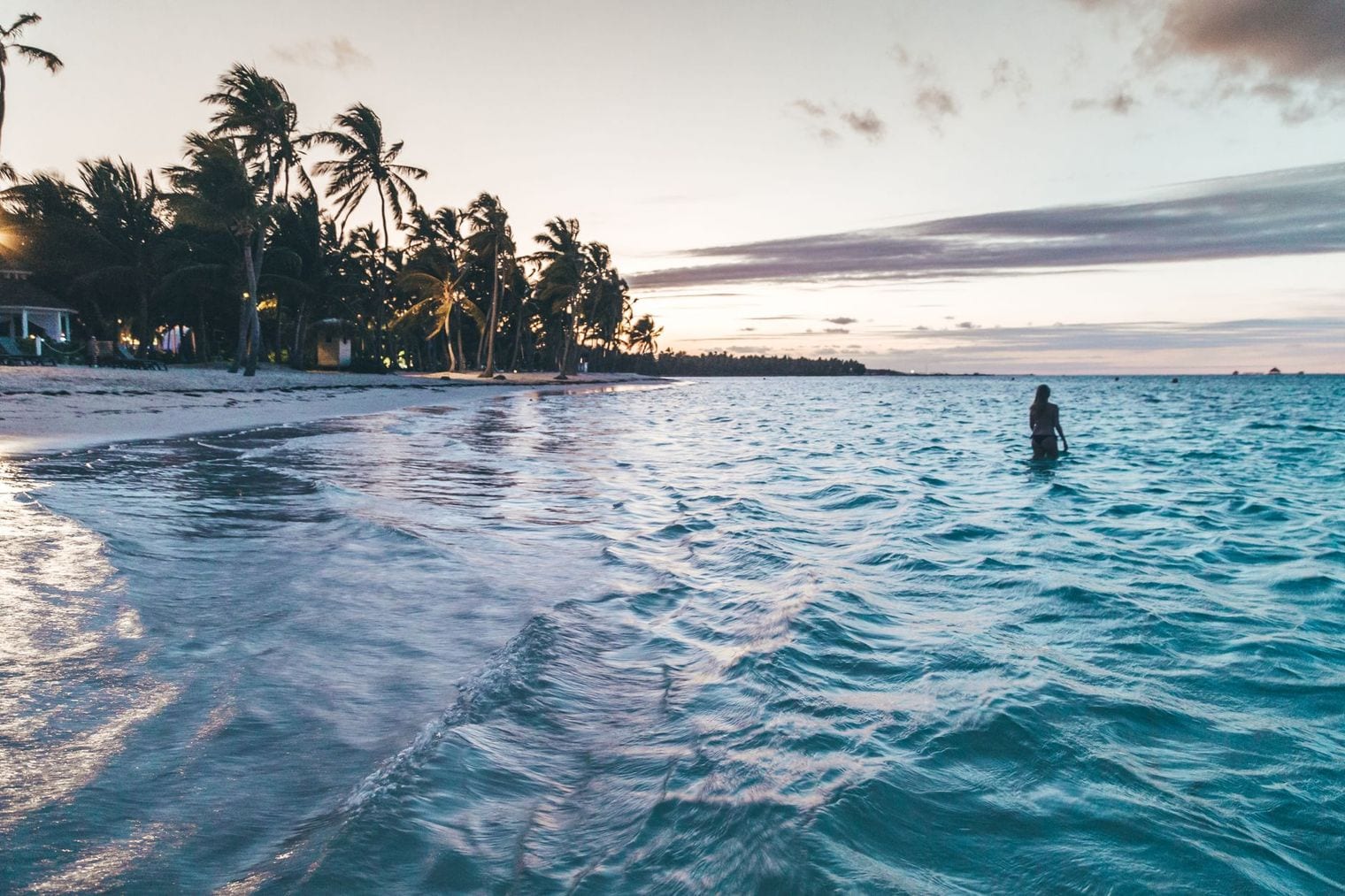
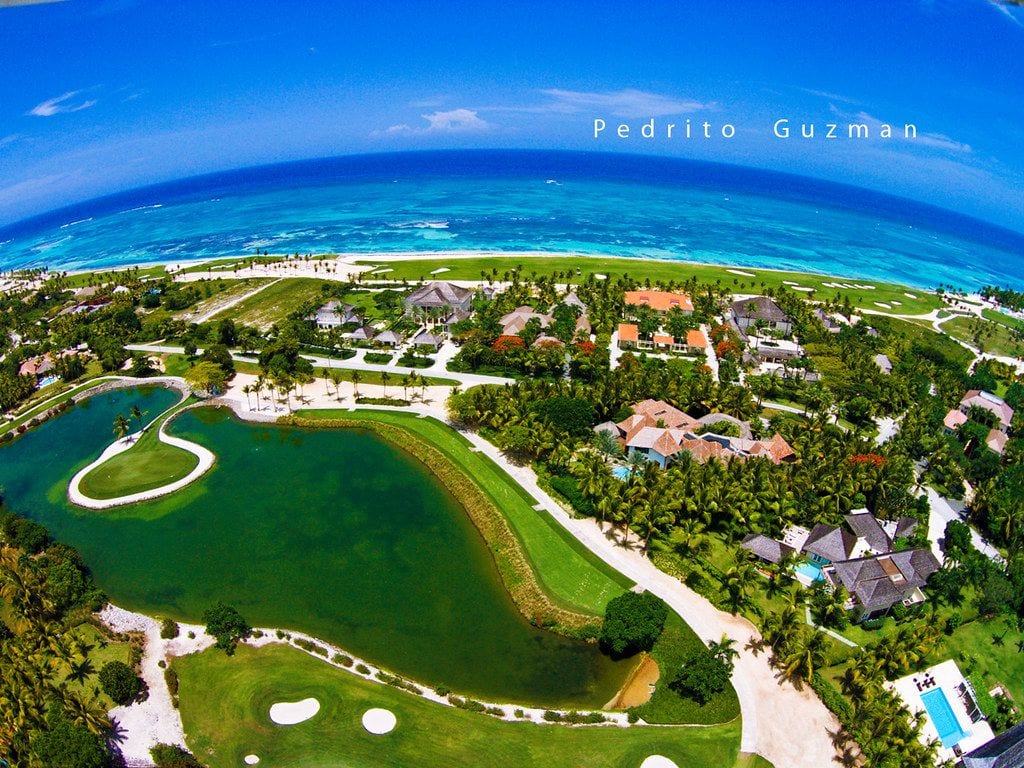
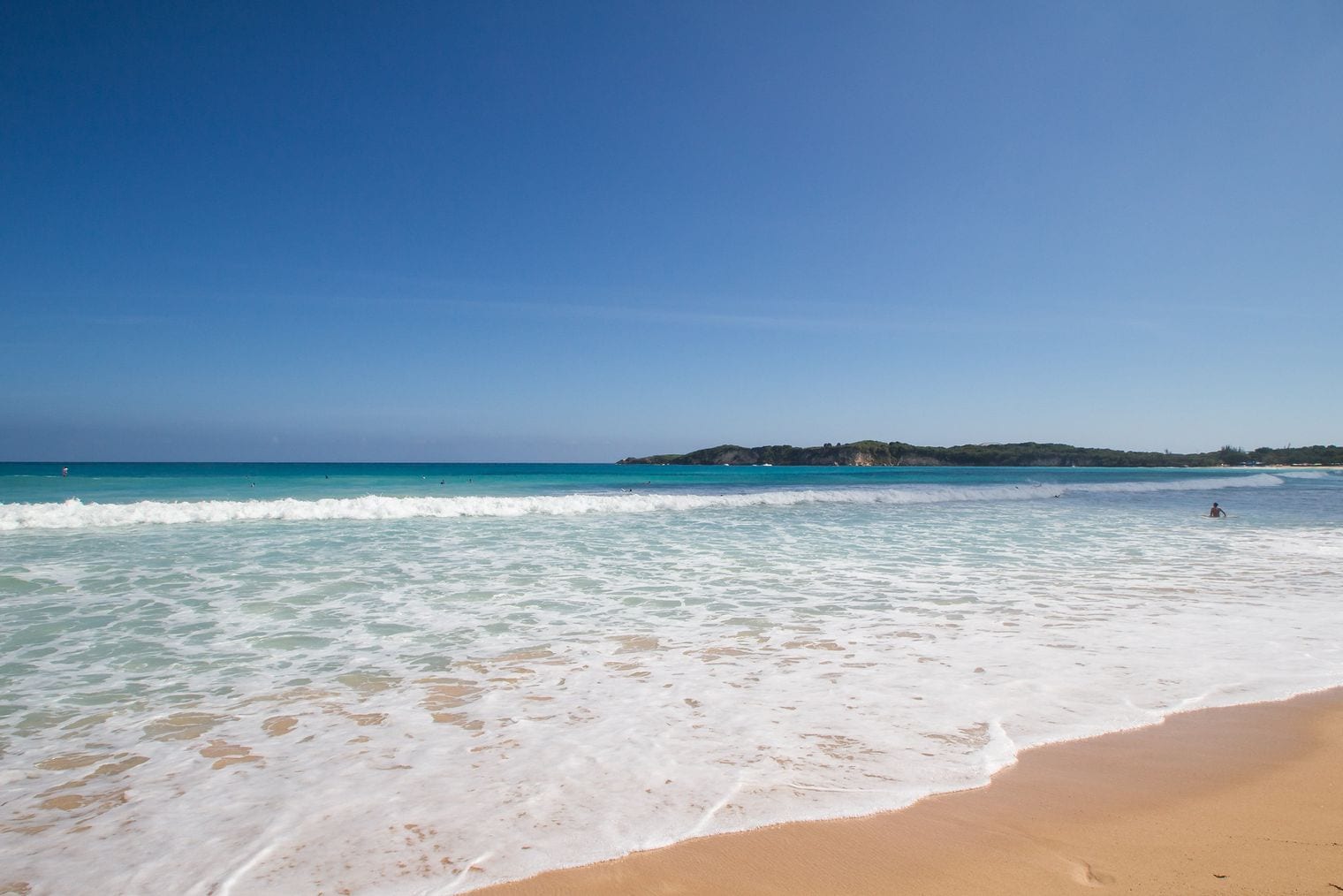
The most photographed stretch of sand on this coast sits inside Cap Cana, the gated resort community at the southern end of the strip. Juanillo Beach curves in a shallow crescent between two rocky headlands, with water that shades from clear to deep turquoise and a line of thatched palapas set back under the palms. The reef offshore keeps the water calm enough that you can wade a long way out.
It is a public beach, as all Dominican beaches legally are, but reaching it means passing through the Cap Cana gate and the beach club that runs the loungers charges for its own facilities. Come early if you want the wide-open version rather than the busy one, and bring cash if you plan to eat at the beach club rather than walk back out.
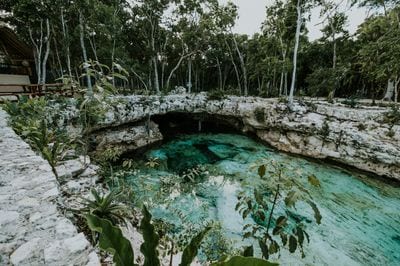
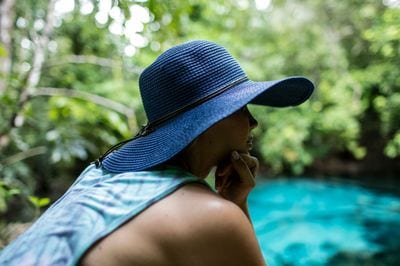
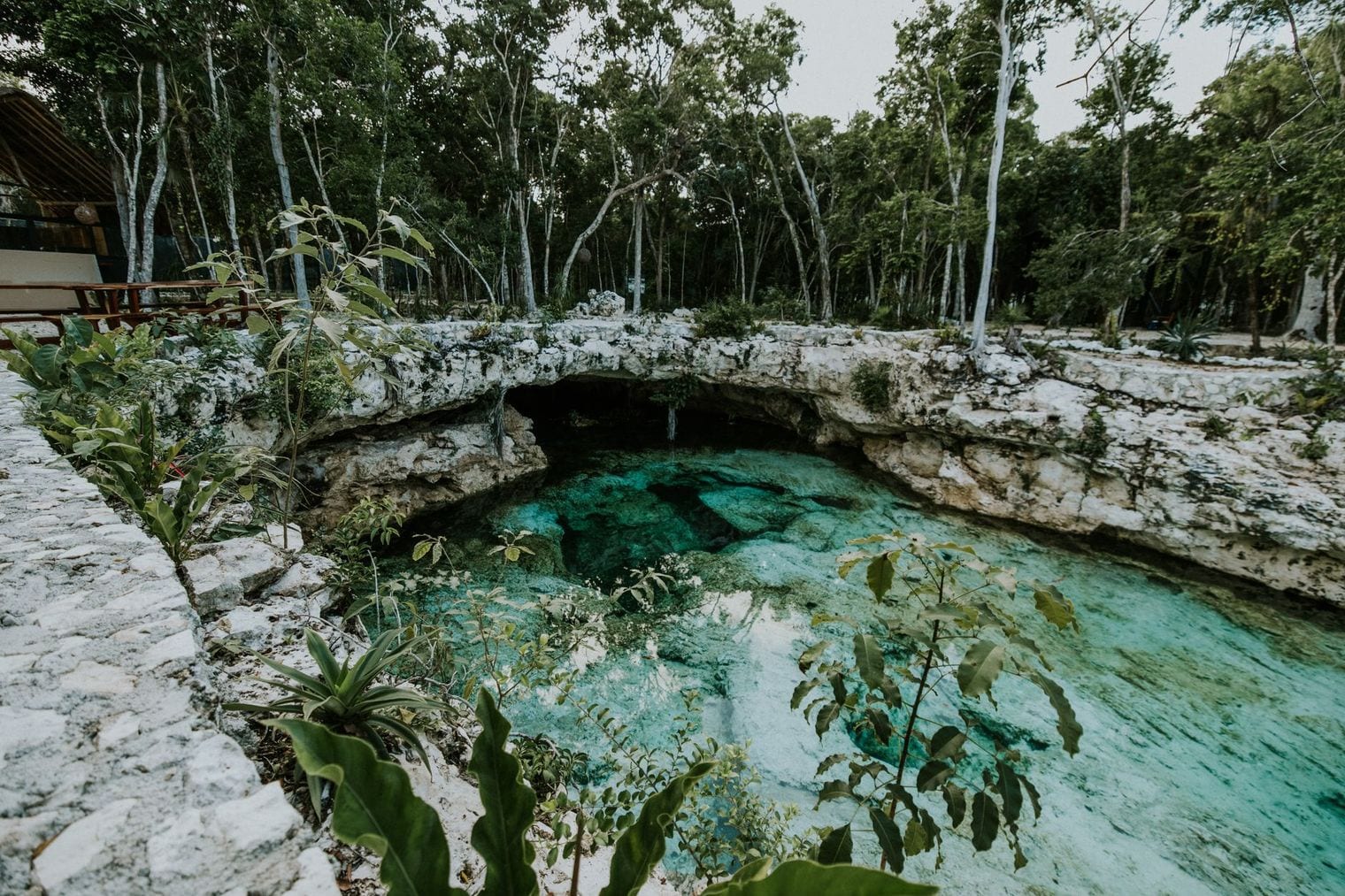
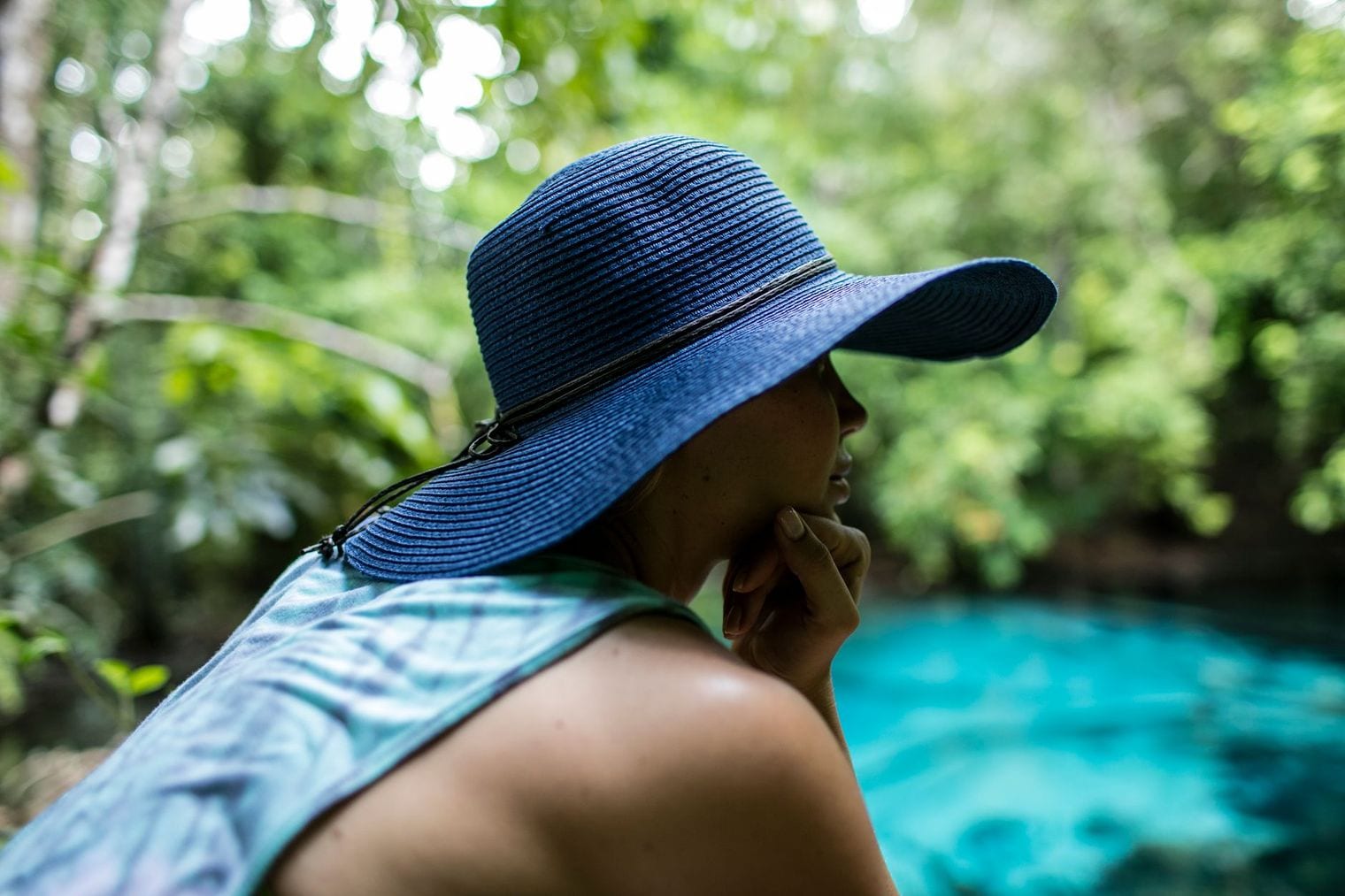
Scape Park is the closest thing the east coast has to a single unmissable natural attraction, and the reason is Hoyo Azul: a cenote of startlingly blue fresh water at the foot of a tall limestone cliff, reached on a short walk through jungle. The colour comes from the mineral-rich water and pale rock floor rather than anything added, and swimming in it is the point.
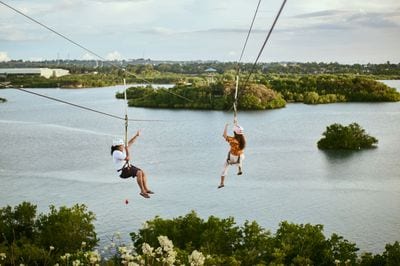
The wider park wraps the cenote in a day's worth of activity, with ziplines, cave systems, a farm and cultural stops that you can take as a package or skip in favour of the walk to the water. It sits at Cap Cana, close enough to the southern resorts to do in a half day and far enough from Bavaro to be worth an early start.
Part nightclub, part circus, part tribute show, Coco Bongo Punta Cana is the night out this strip is known for. The format began in Cancun and transplanted well: acrobats drop from the ceiling on silks, impersonators work through a run of film and pop numbers, confetti cannons go off, and there is no real distinction between stage and dance floor because performers use both.
It is loud, deliberately excessive and not remotely a live-music venue in the traditional sense, which is either the appeal or the reason to skip it. Entry is normally a cover that includes drinks, so it draws a crowd that stays all night rather than bar-hopping, and it sits within walking distance of the Downtown Punta Cana complex.
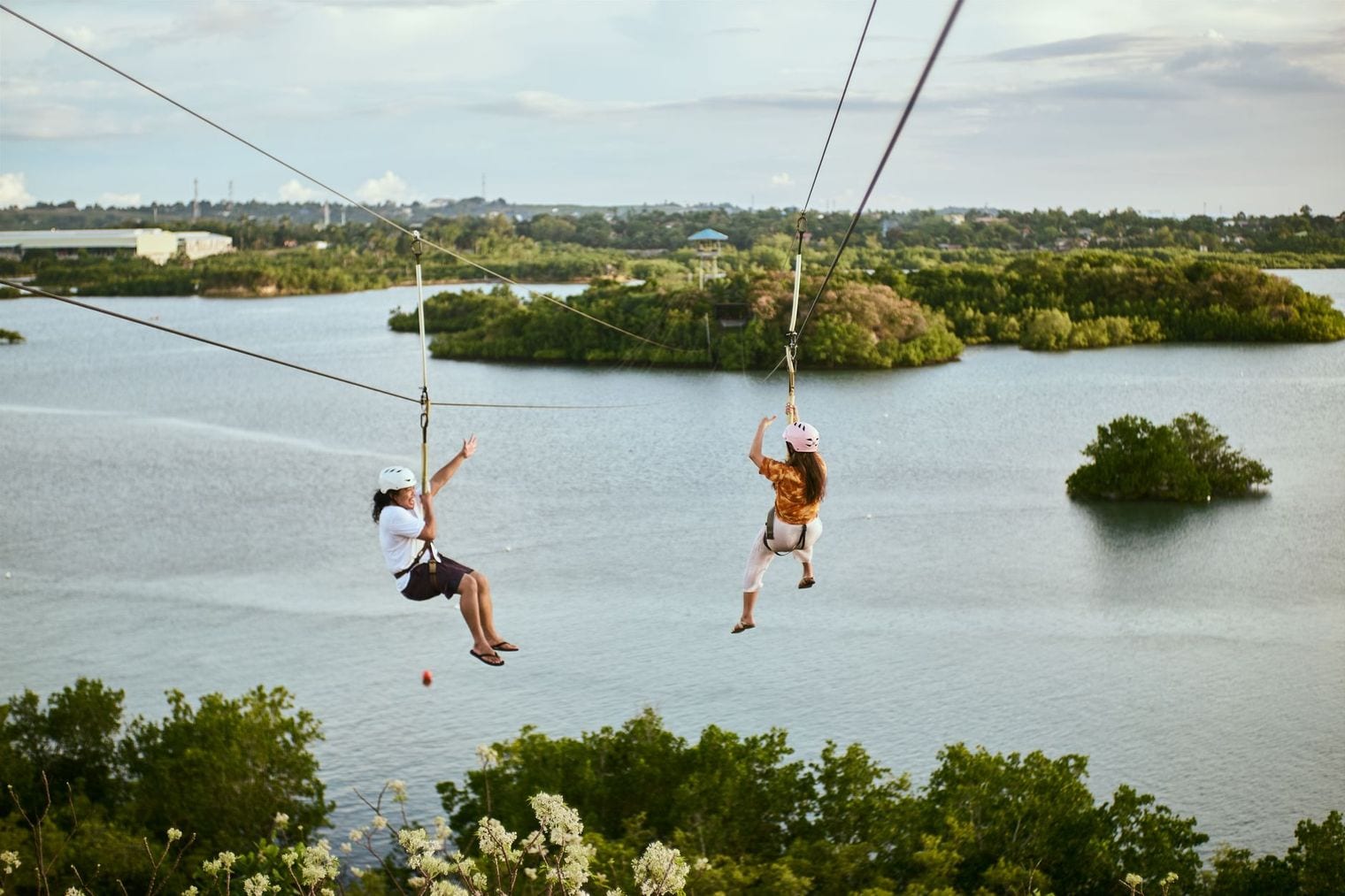
Bavaro Adventure Park is the strip's activity hub, a large open site inland from the beach hotels where the emphasis is on doing rather than looking. Ziplines run across the property, there is a ropes course and a climbing wall, buggies and ATVs head out on dirt circuits, and segways and zorbing fill in the gaps for anyone who would rather stay closer to the ground.
Because everything is on one site you can build a half or full day without the transfers that eat into most Punta Cana excursions, which makes it a practical choice for families splitting up by nerve level. It is one of the few places here where the queue is genuinely for adrenaline rather than a boat.
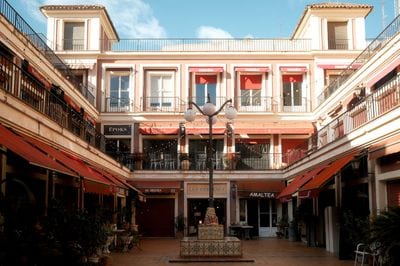
A resort strip built in the last few decades has no old town, and Downtown Punta Cana is the closest substitute: an open-air complex of shops, restaurants, bars and entertainment arranged around walkways rather than a single mall corridor. It functions as the strip's evening centre of gravity, and it is where a lot of people end up when they want to eat somewhere that is not their hotel.
The mix runs from duty-free and souvenir shopping to sit-down restaurants and the nightlife venues clustered at one end, so it works equally as an afternoon browse or a whole evening. It is also the most useful orientation point on this coast, since a good share of the strip's non-hotel attractions sit within a few minutes of it.
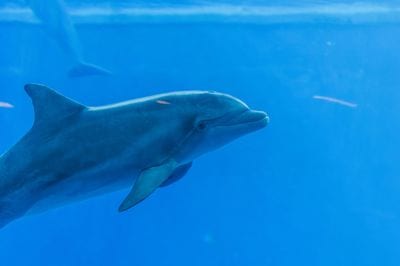
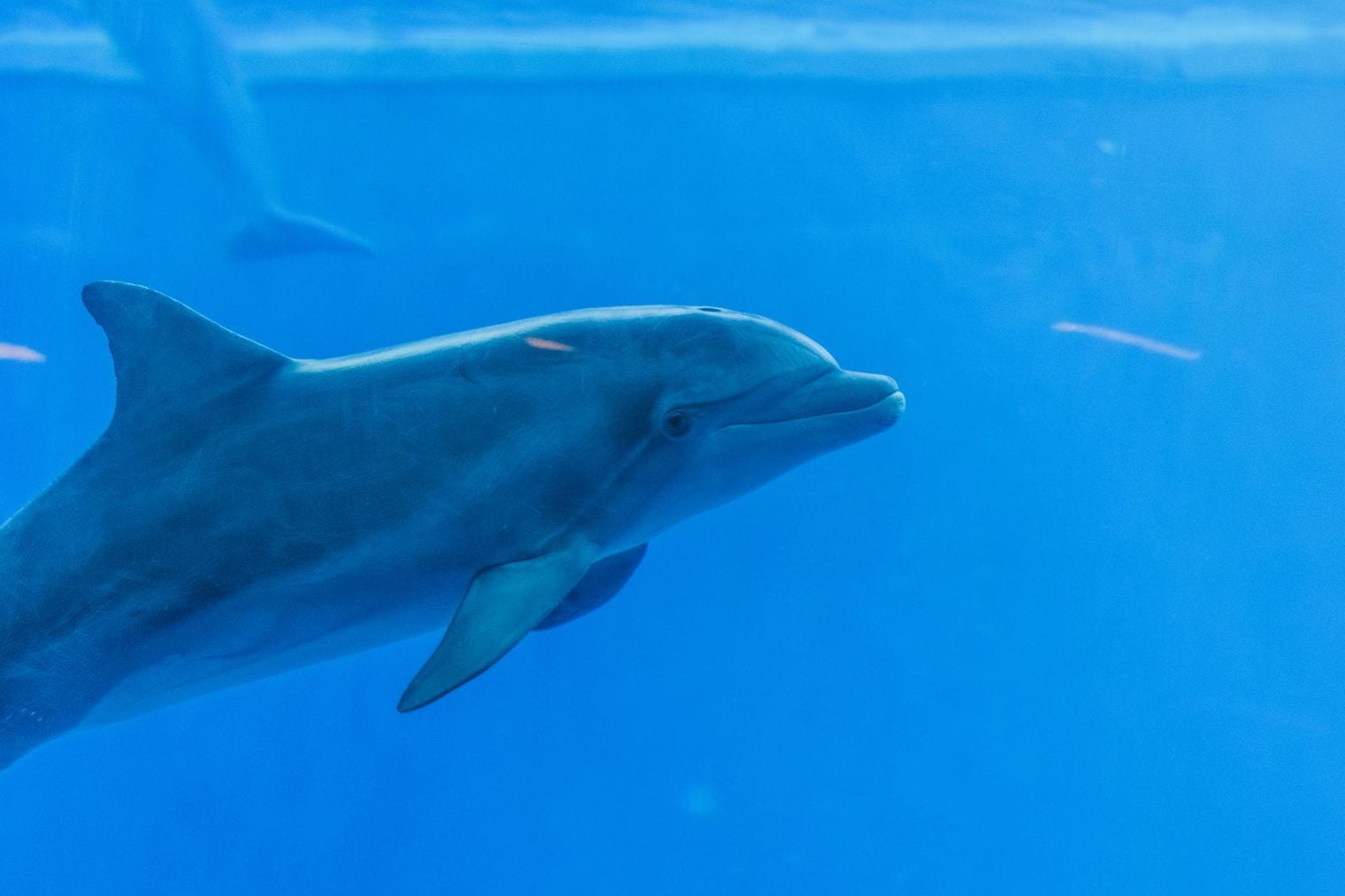
Dolphin Explorer runs the marine encounters that appear in almost every Punta Cana excursion brochure, on a floating complex moored offshore from Bavaro rather than in a land-based tank. Boats run out from the coast and the programmes range from a shallow-water meeting to a full swim, with separate enclosures for stingrays, sharks and sea lions.
It is worth knowing what it is before booking: these are captive marine mammals in sea pens, and how you feel about that will decide whether this belongs on your list at all. Visitors who go generally rate the organisation and the guides highly; travellers who would rather see wildlife wild will find the whales of Samana Bay in winter, or the reef snorkelling closer to shore, a better fit.
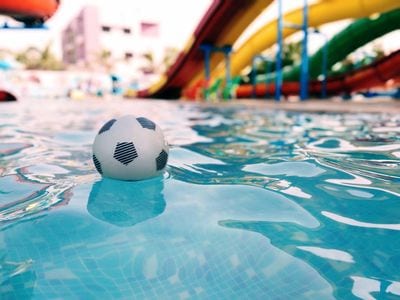
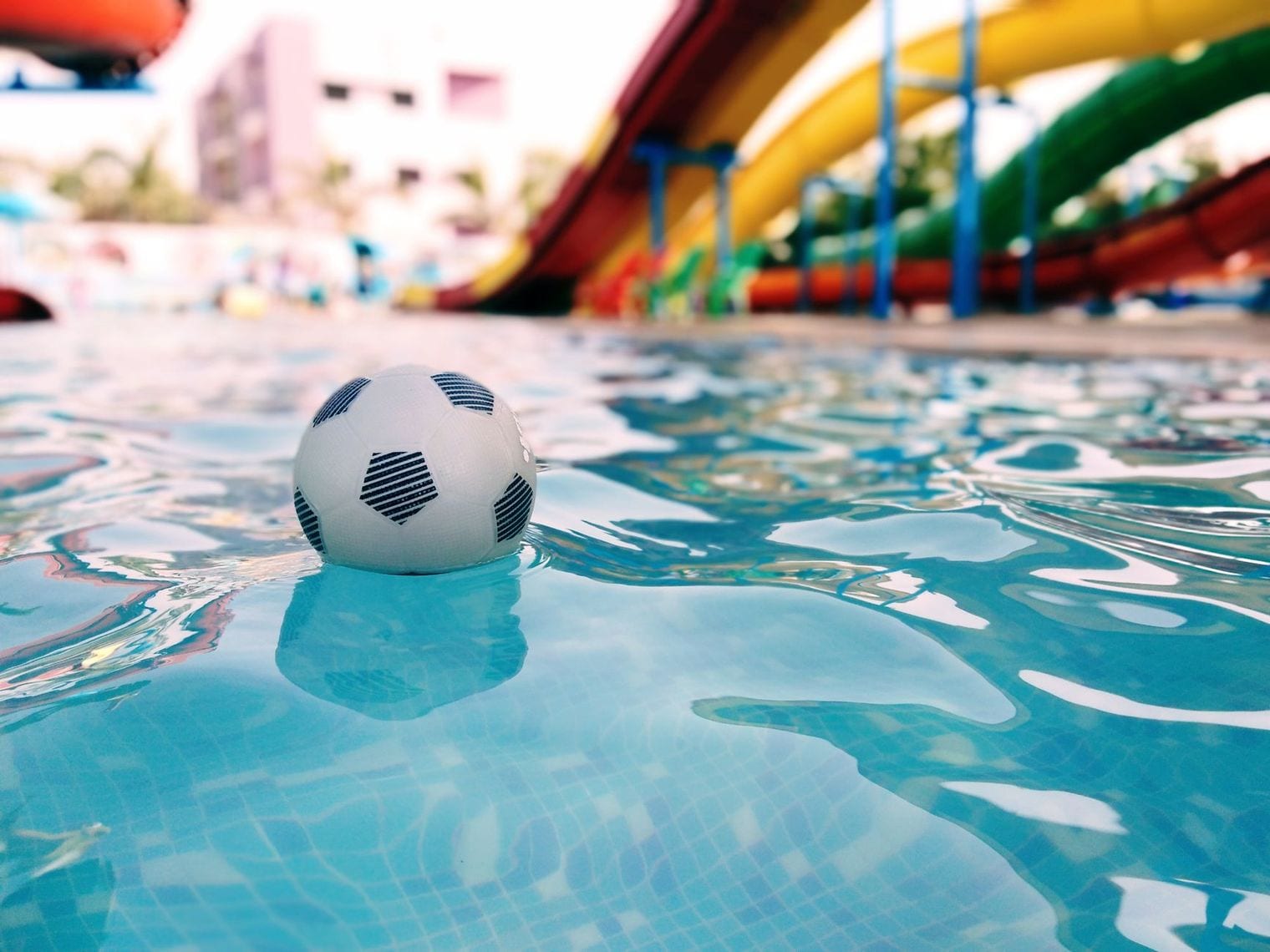
El Dorado Water Park at Cap Cana is a genuinely public water park rather than a resort facility, which on this coast makes it unusual, and it bills itself as the largest in the Caribbean. The layout runs to a spread of slides at different nerve levels, a wave pool, a lazy river and a shaded shallow area for small children, with cabanas and food outlets around the edges.
It is the obvious wet-weather-proof day out for families staying anywhere along the strip, and because it sits at the southern end it pairs naturally with Scape Park or the Cap Cana marina in the same trip. Anyone travelling without children can safely skip it in favour of the beaches.
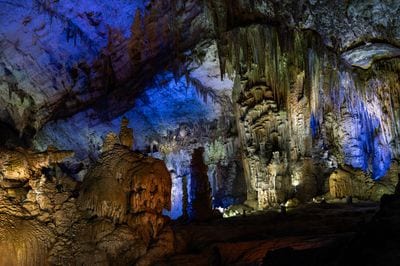
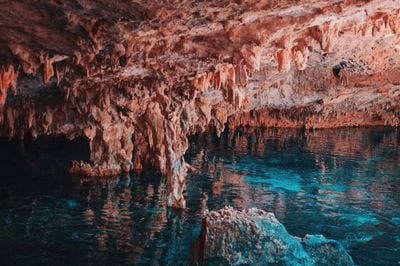
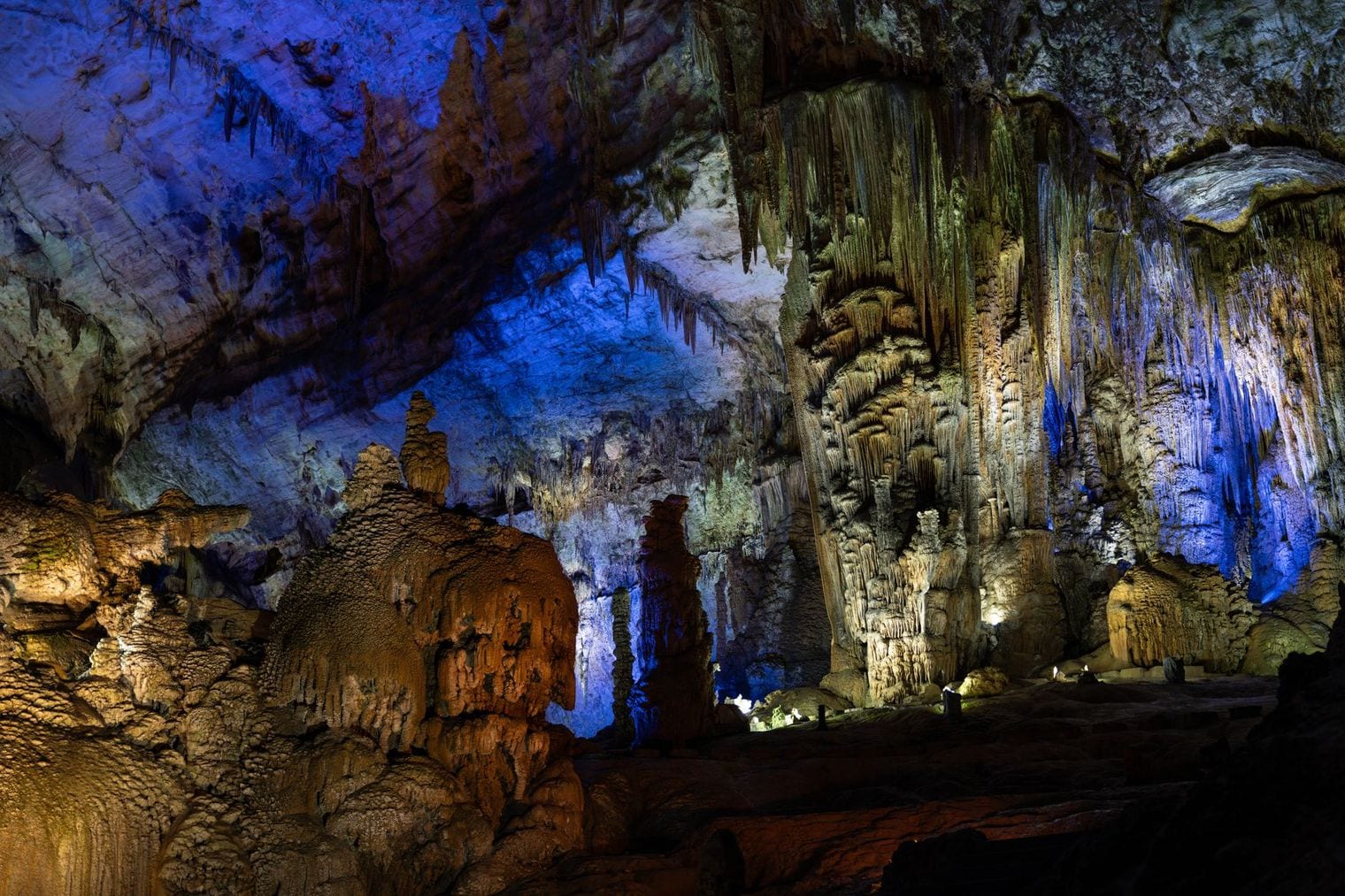
The most distinctive nightclub on the coast is not a building at all: Imagine Punta Cana occupies a natural limestone cave system, with the dance floors set inside connected chambers under the rock. The setting does the work that lighting rigs do elsewhere, and the temperature underground is a relief after a day on the sand.
Music is split across the caverns so the rooms run different styles at once, from Latin to commercial dance, and the crowd is a mix of resort guests bussed in and Dominicans who have driven over. It is a short hop inland from Bavaro, and like most nightlife here it starts far later than visitors expect.
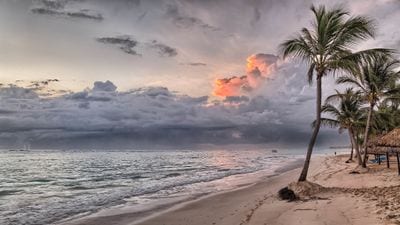
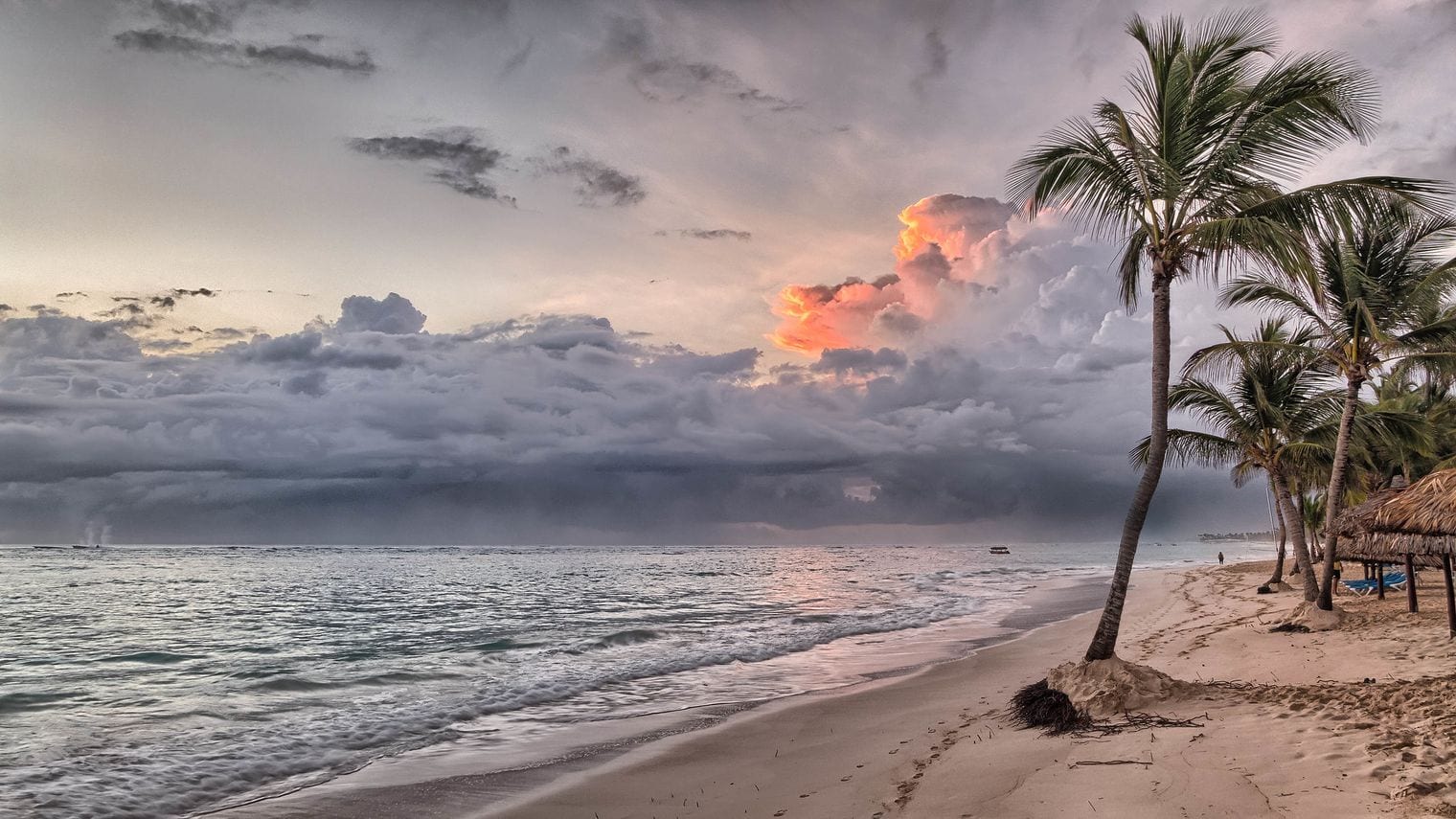
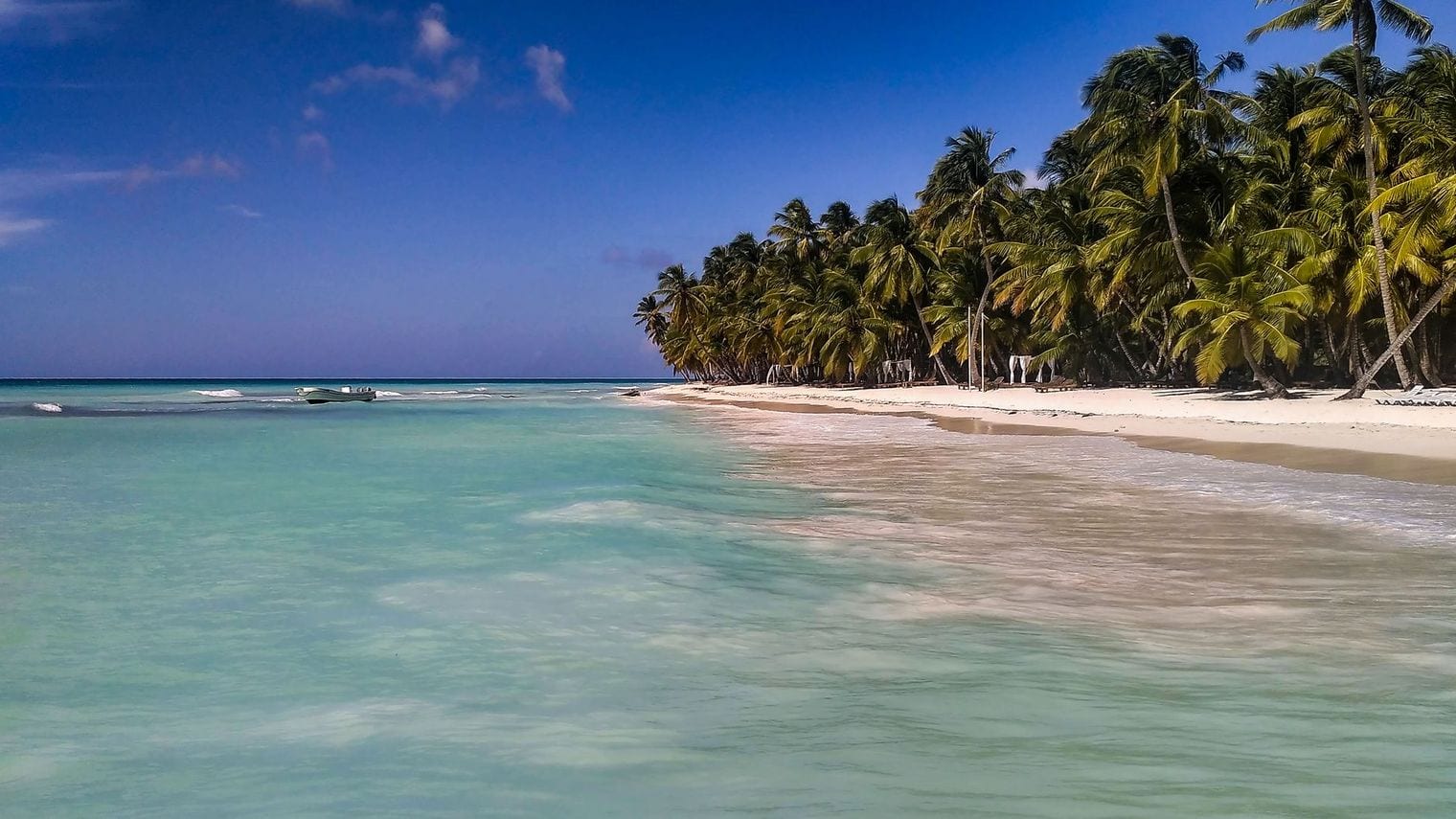
If Punta Cana has one defining image it is Bavaro Beach: a long, gently curving band of pale sand backed by leaning coconut palms, with a coral reef far enough offshore to flatten the swell into something you can swim in without thinking about it. Most of the strip's big resorts sit behind this stretch, but the sand itself is public and you can walk it for a long way in either direction.
The walk is the thing to do. Head north and the hotels thin out; head south and you reach the boats and beach bars of El Cortecito. Vendors work the busier sections offering braids, cigars and excursions, so decide in advance whether you want the conversation or the quiet stretch further along.
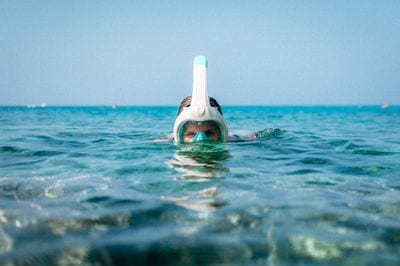
Seaquarium Punta Cana puts you on the reef without needing a diving certificate. The signature activity is a sea trek, where a weighted helmet feeds you air as you walk along the sea floor with your head dry, which suits anyone who dislikes a mask or cannot swim well enough for a snorkel tour.
The site also runs conventional snorkelling over the same shallow reef and encounters with rays and nurse sharks in a controlled enclosure. It sits close in to the Bavaro coast, so the boat transfer is short, and the whole thing fits comfortably into a morning rather than swallowing a full day the way the island excursions do.
Cortecito Beach is where the Punta Cana strip still feels like a Dominican fishing village rather than a resort frontage. Wooden boats are pulled up on the sand, a craft market runs behind the beach, and the bars and restaurants that back onto it are open to anyone rather than gated behind a hotel wristband.
This is the best stretch on the coast for wandering with no plan: buy something grilled, watch the boats come in, negotiate for a hammock or a painting, and swim off a beach that is noticeably livelier than the manicured resort sections either side. It is also the easiest place to arrange a small-boat trip directly with the person who will be driving it.
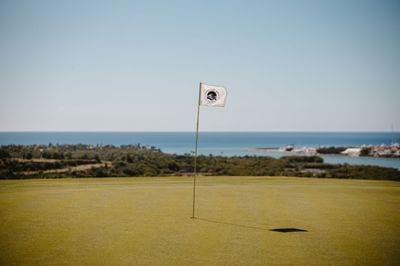
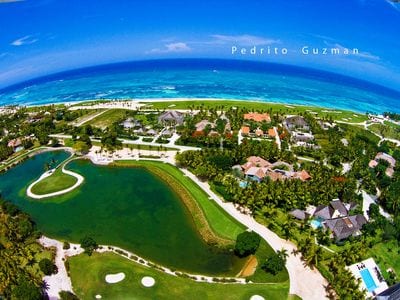
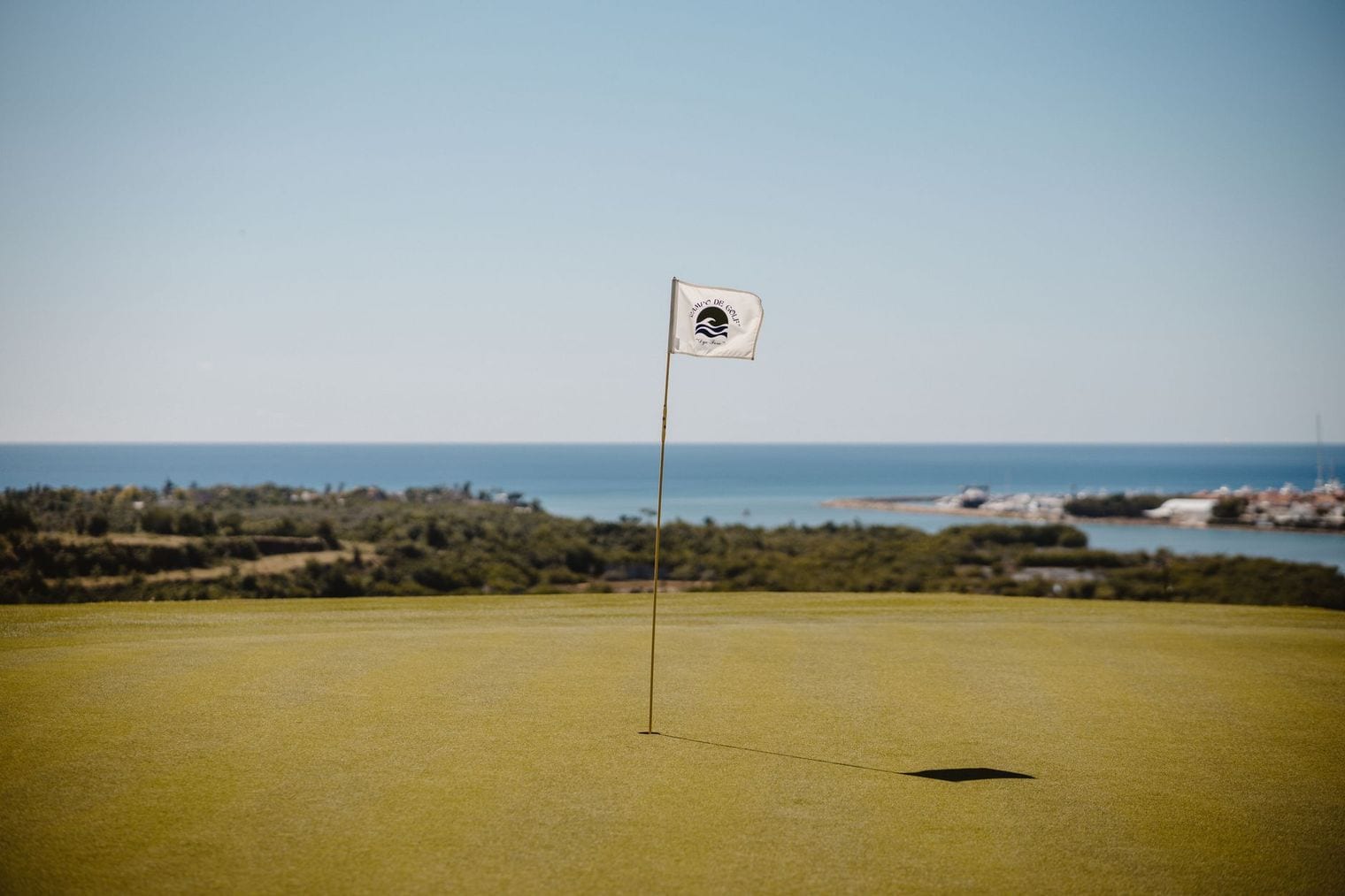
Punta Espada Golf Club at Cap Cana is the course that put Dominican golf on the international map, a Jack Nicklaus design routed along a stretch of cliff and cove where a run of holes plays directly along the sea. It is regularly rated among the finest courses in the Caribbean, and the setting is doing at least as much of that work as the layout.
Green fees are firmly at the resort end of the scale and the course is busiest in the dry winter months, so book ahead if you are travelling in high season. Non-golfers are not missing much by skipping it, but anyone who plays should treat it as one of the reasons to come to this coast at all.
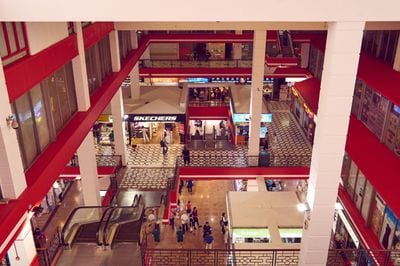
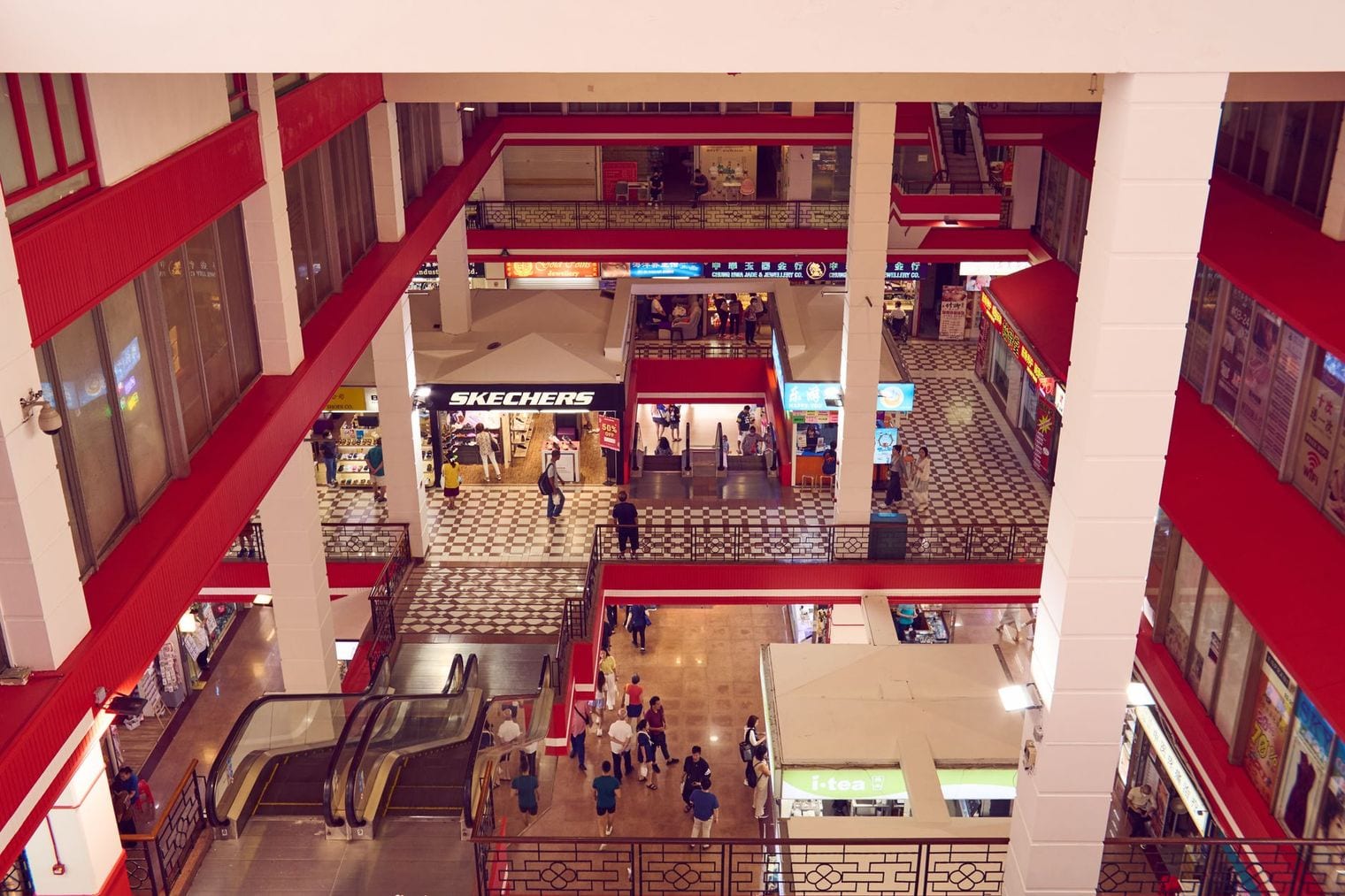
BlueMall Puntacana is the strip's proper indoor mall, air-conditioned across several floors with international fashion brands, a cinema, a supermarket and a food hall. On a coast where most shopping happens in open-air plazas and beach markets, it is the one place that feels like a city centre.
Its real value to a visitor is practical: it is where you go for a rainy afternoon, a pharmacy, a phone repair, a proper grocery shop if you are self-catering, or a break from the heat that does not involve a pool. It sits between the Bavaro hotels and the airport, so it is an easy stop on the way in or out.
Corales Golf Course belongs to the Puntacana Resort and Club and is the other serious course on this coast, a Tom Fazio layout that works along cliffs, inland lagoons and coral bays. Its closing stretch runs right at the ocean, and the final hole plays across an inlet in a way that has made it one of the most recognisable finishes in the region.
It hosts the Corales Puntacana Championship, a regular stop on the PGA Tour, which is the clearest signal of how the course is regarded. Tee times are limited and generally prioritise resort guests, so it takes more planning than Punta Espada, but it is the better course for anyone who values a varied routing over pure ocean drama.
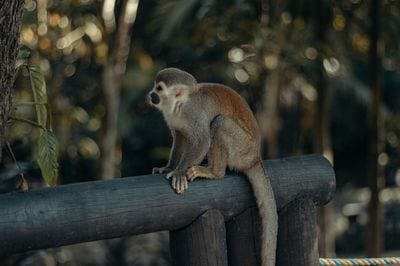
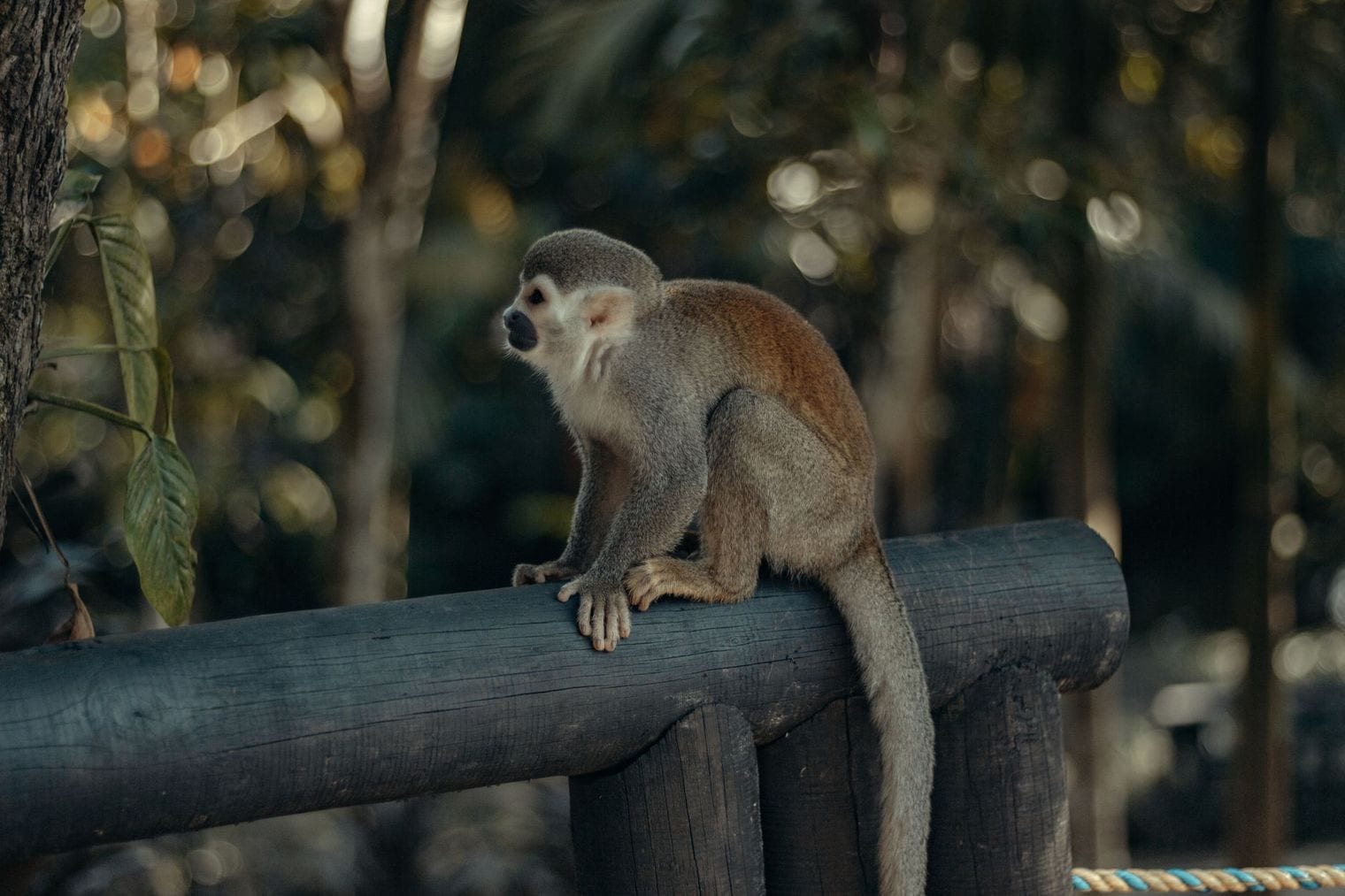
Monkey House Bavaro VIP is a small sanctuary in the hills inland from the beach where troops of squirrel monkeys come down to visitors, land on shoulders and take fruit from open hands. The animals are habituated rather than caged, and the visit is structured around a short guided session with rules about what you can carry and touch.
It is a genuinely charming hour and among the most popular family outings on this coast, usually sold as a combination with a buggy run or a cultural stop because the site itself does not take long. The drive inland is part of the appeal, since it takes you through farmland and small villages that the resort strip gives no hint of.
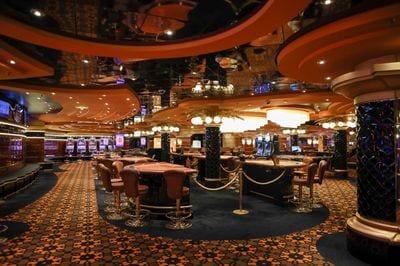
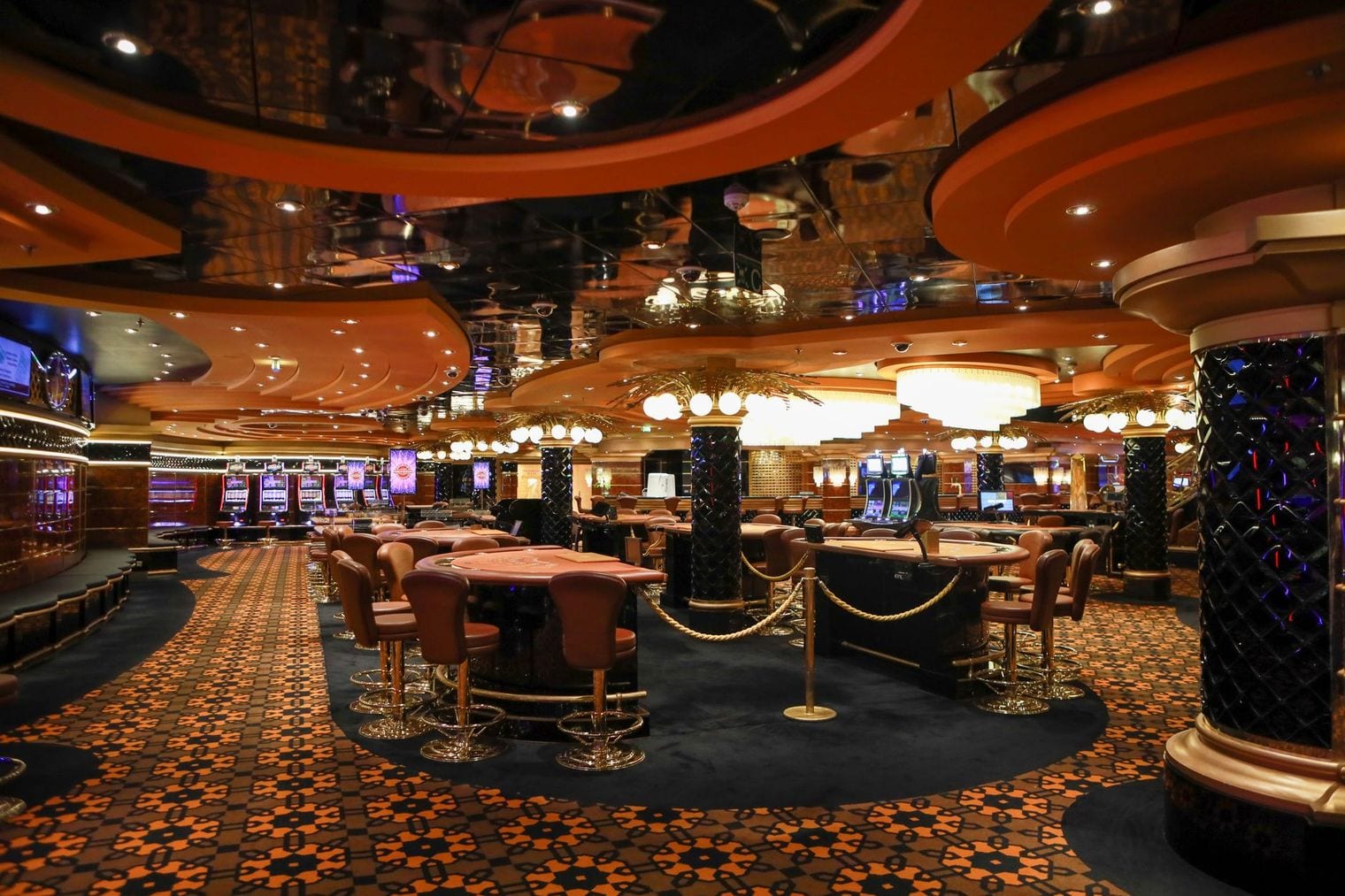
Kviar bundles three things into one building: a casino floor, a nightclub and a cabaret-style show, so an evening here can move from roulette to a stage act to a dance floor without a taxi in between. That combination is why it works well for a mixed group who cannot agree on a single plan.
The show is the part worth timing your arrival around, a costumed revue with dancers and music that leans on Dominican and wider Latin repertoire. Afterwards the room turns over into a club, and the casino runs on regardless. It sits within the Bavaro cluster, close enough to most hotels for a short transfer.
Playa Blanca Beach sits beside the marina at the Puntacana Resort and Club, a compact and unusually calm stretch of sand that reads as a quiet cove rather than an open coastline. Palms lean over the sand, the water is shallow and sheltered, and the whole beach has the settled feel of somewhere designed to be lingered on.
It is best known for the barefoot beachfront restaurant that sits directly on the sand, which is what draws non-resort visitors down here for a long lunch. Come for a half day rather than a full one, and combine it with the marina alongside if you want to see the boats or pick up a fishing trip.
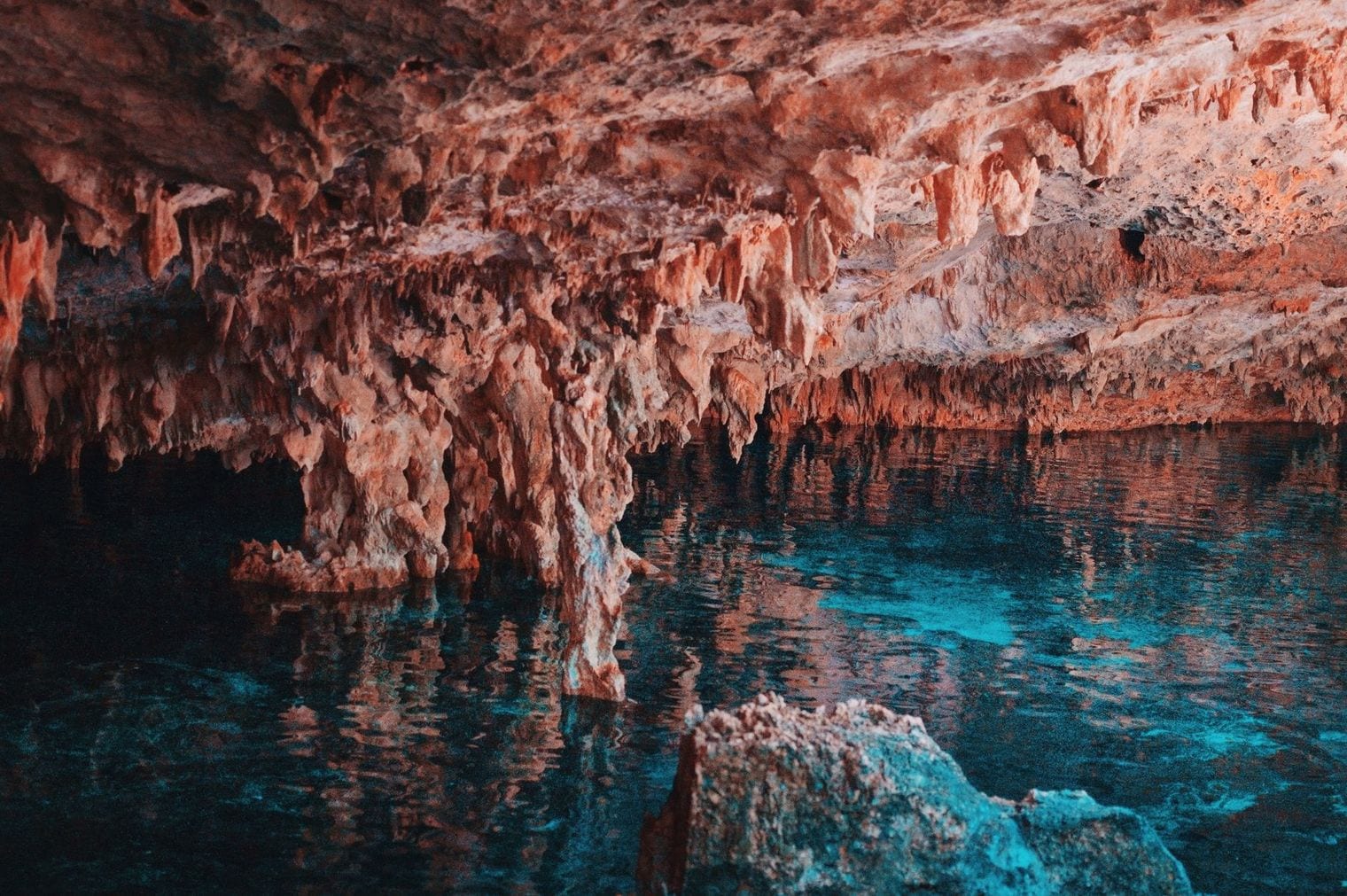
Inland from the wild coast at Macao, the limestone is riddled with caves and sinkholes, and Macao Cave is the one most visitors see. A stepped descent leads down into a chamber holding a pool of cool fresh water, and swimming in it is the reward for the climb back out.
Almost everyone arrives on a buggy or ATV tour, since the cave sits on the same dirt circuits that run out to Macao Beach, and the standard trip pairs the swim with the beach and a farm stop. Take shoes that cope with wet rock, and expect to get thoroughly muddy on the way there, which is a large part of why people enjoy it.
The Indigenous Eyes Ecological Reserve protects a patch of subtropical forest threaded with freshwater lagoons, fed from below by the same underground system that produces the region's cenotes. Trails link the pools, several of which are open for swimming, and the water sits cool and clear under a canopy that keeps the whole place shaded.
It is run as a conservation project rather than an attraction, with a research programme and native plant work alongside the visitor trails, and it is deliberately low-key: no slides, no soundtrack, just a walk and a swim. That makes it the best antidote on this coast to a week of loungers and buffets, and it is quiet in the early morning.
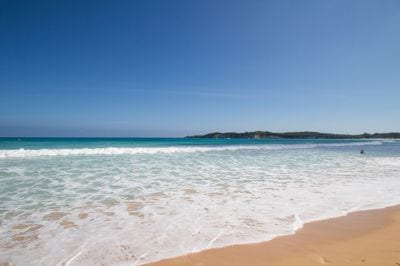
Playa de Macao is the wild one. Backed by low cliffs and scrub rather than hotels, it takes the Atlantic swell head on, which means real waves, a shore break and a stretch of sand that looks the way this whole coast did before the resorts arrived. Surf schools work the beach and it is the main place near Punta Cana to take a lesson.
It is a public beach with a handful of shacks selling fried fish and cold beer, and it gets busy in the middle of the day when the buggy tours arrive in convoy. Go early or late for the empty version, take care with the current, and do not expect the flat turquoise water of Bavaro.
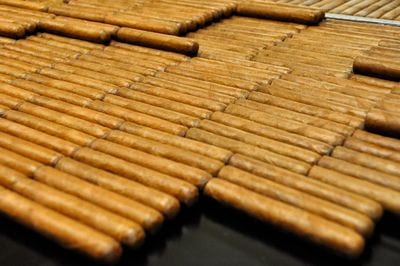
Mundo Autentico is a working shop and small museum devoted to the four things the Dominican Republic actually exports well: cacao, coffee, cigars and amber. You can watch chocolate being made from the bean, see cigars rolled by hand, and get a straightforward explanation of how Dominican amber differs from the Baltic kind, including the insect inclusions it is prized for.
The format is a short guided walk-through with tastings, ending in the shop, which is the honest arrangement rather than a hidden one. It is a genuinely useful hour if you want to bring something home that is from here rather than from an airport, and it is one of the few cultural stops on the strip that needs no transfer.
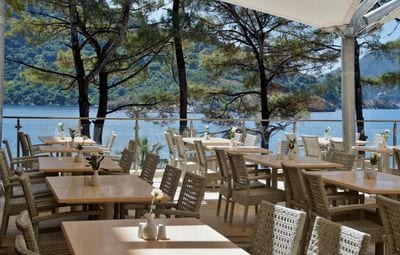
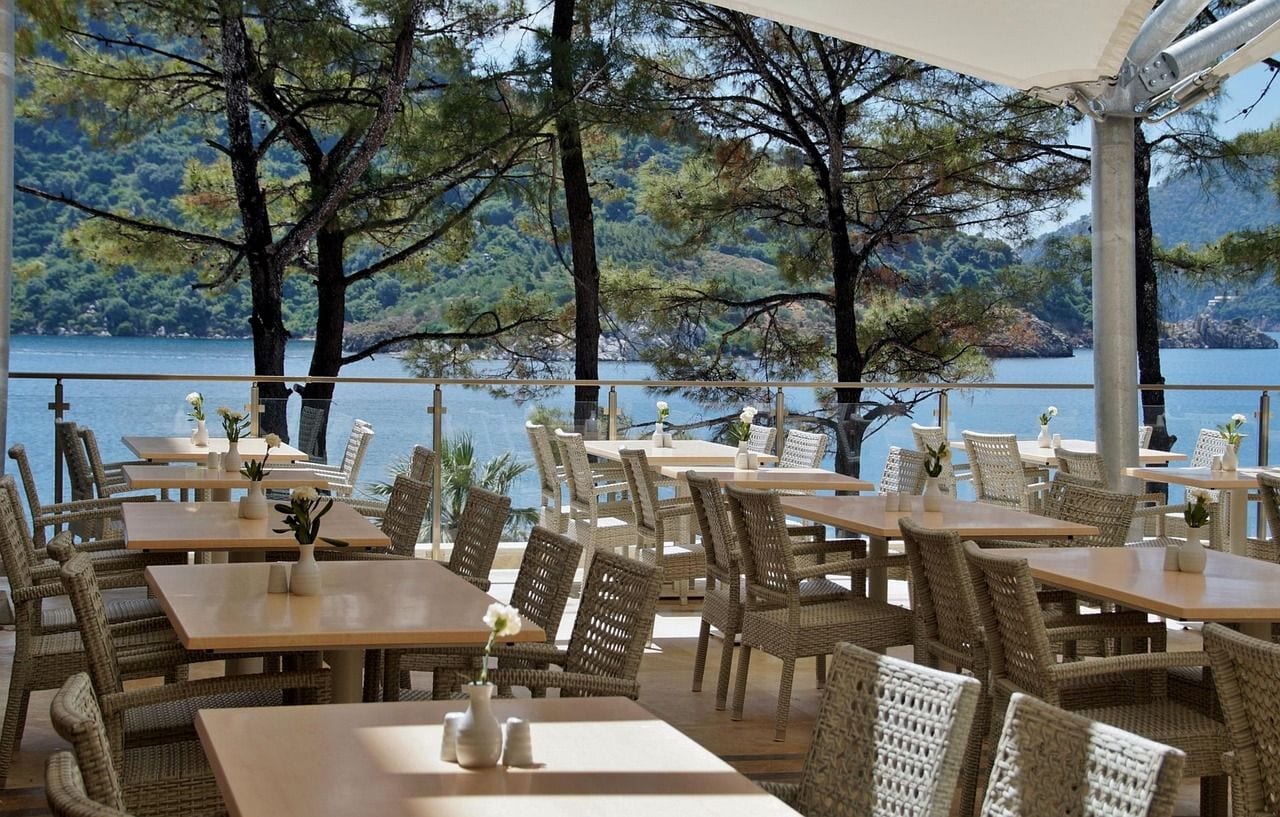
Jellyfish Restaurant is the beachfront dining room most often recommended to visitors on this coast, a high thatched palapa sitting directly on Bavaro Beach with the sand running up to the tables. The kitchen leans on seafood, and the setting is the draw: open sides, sea breeze and the water a few steps away.
It works for a long lunch in swimwear and reinvents itself in the evening, when the lighting drops and it becomes one of the more formal options outside the hotels. It is popular enough that walking in at peak times is optimistic, and it is a common choice for people who want one meal off the all-inclusive plan.
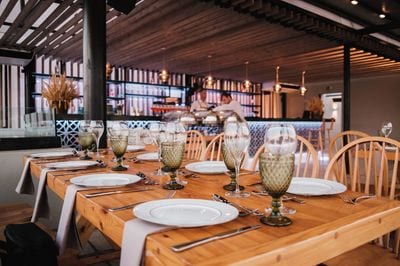
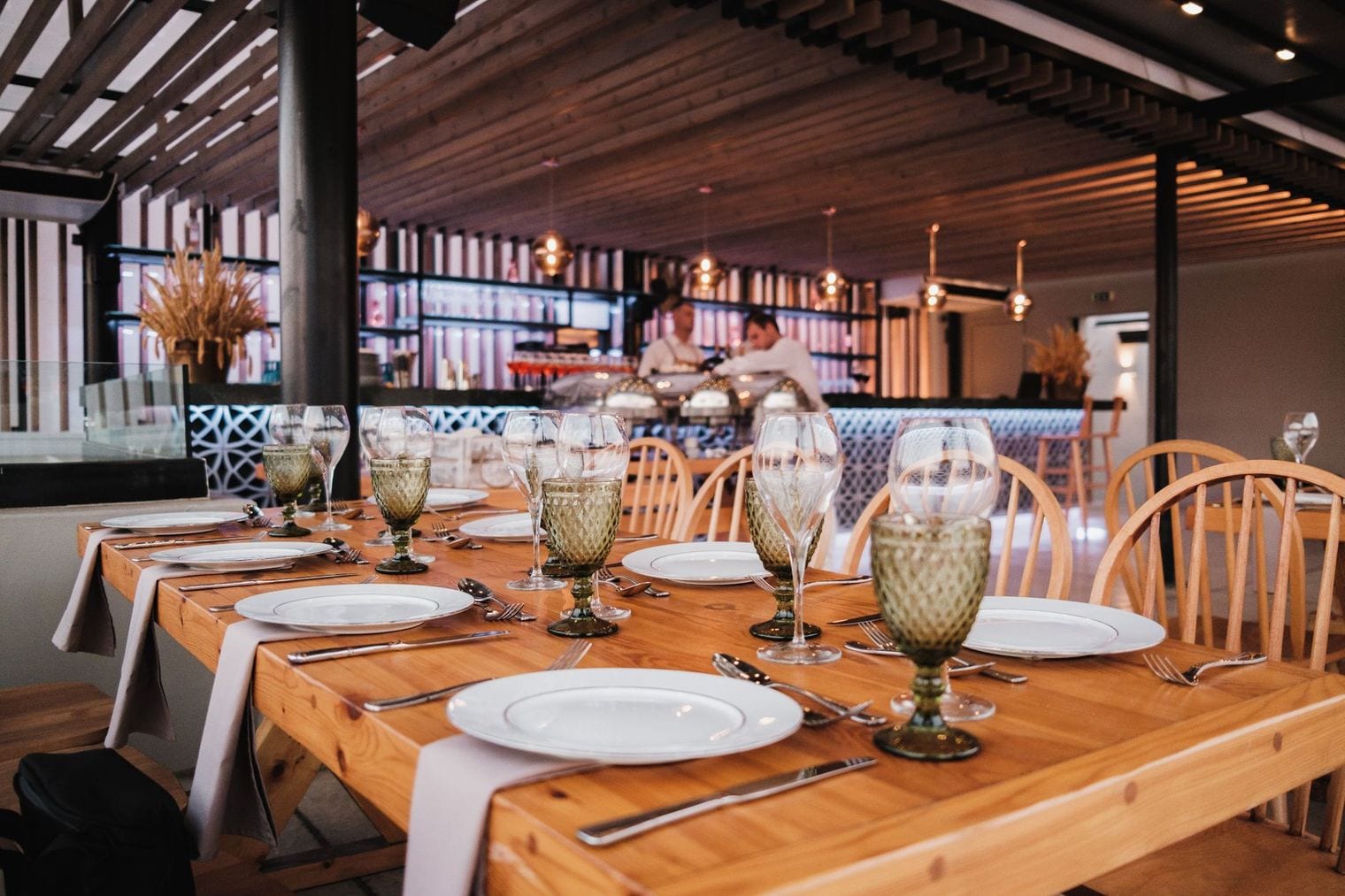
Noah is the restaurant that signals how much the dining scene here has grown beyond the buffet. Set in the Los Corales district behind the beach, it does contemporary cooking with a strong Mediterranean and Latin thread, in a room that is closer to a design-led city restaurant than anything you would expect on a resort strip.
It is also a lounge, so the evening runs long and the bar keeps going after the kitchen slows. Los Corales around it has become the strip's most walkable eating district, a cluster of independent restaurants and bars a short taxi from most Bavaro hotels, which makes this an easy anchor for a night out that does not involve a nightclub.
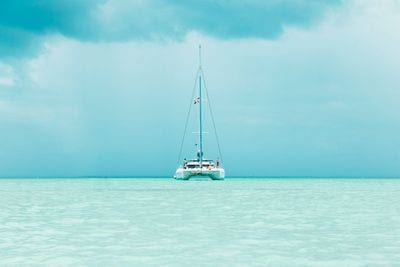
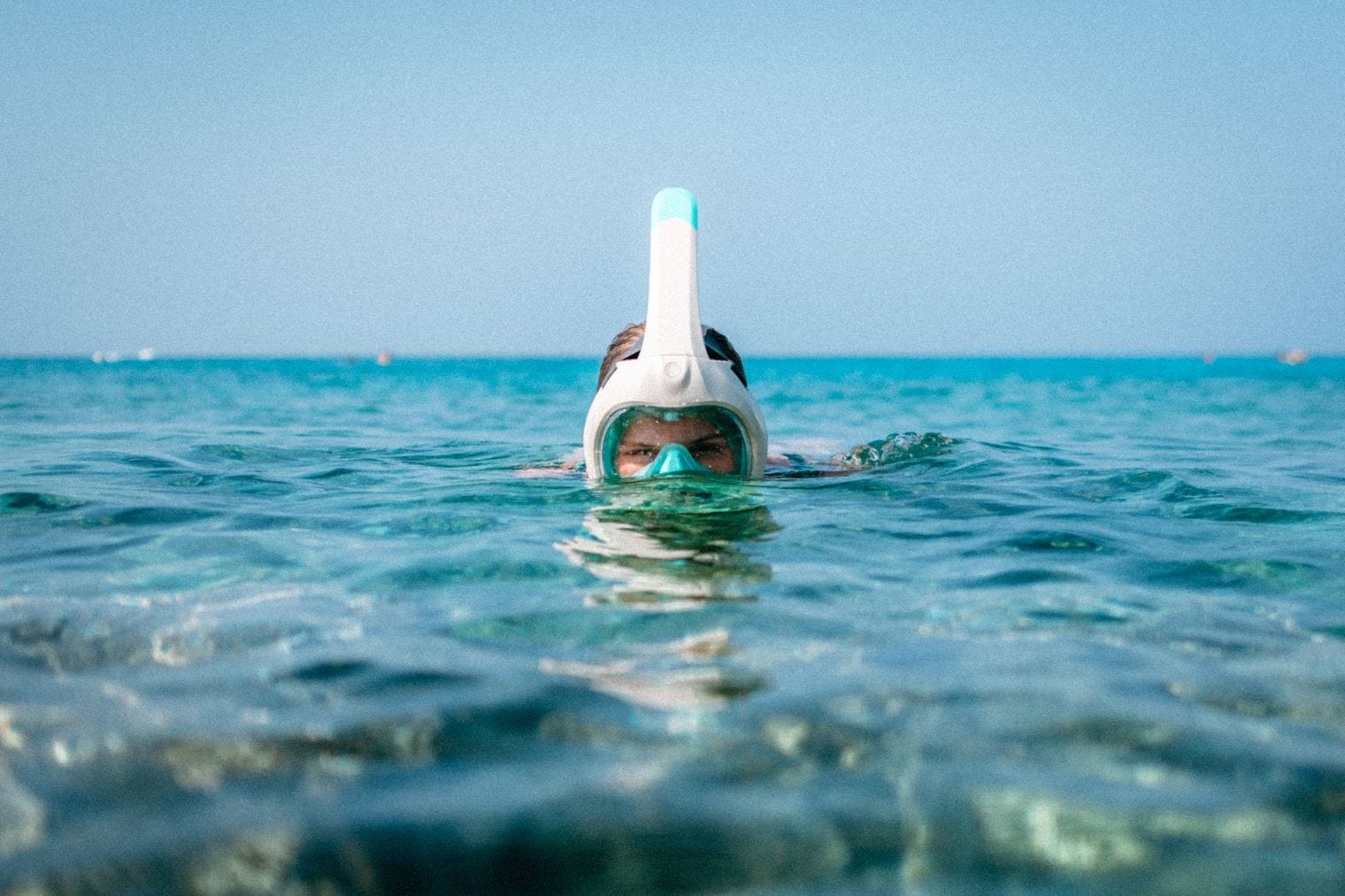
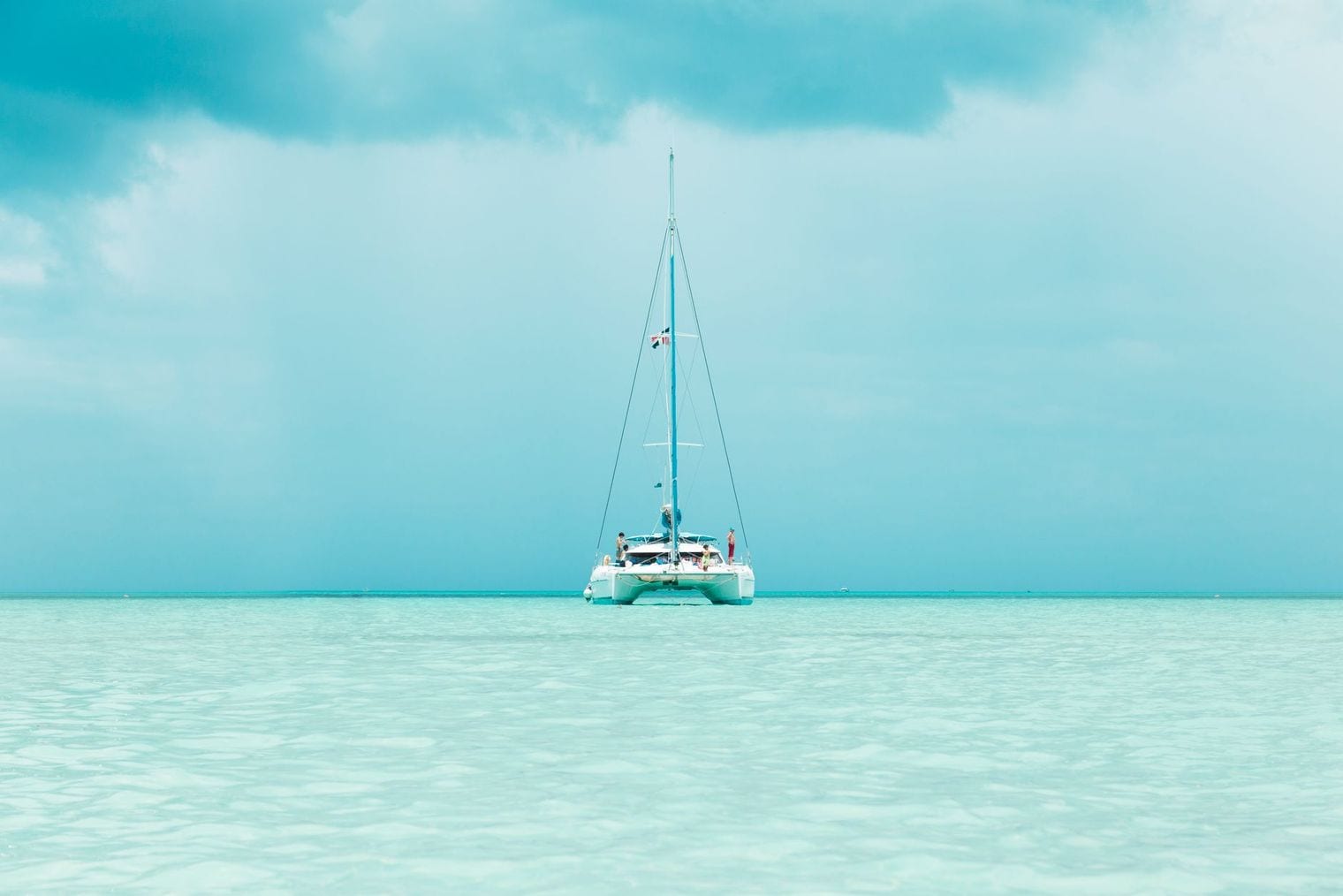
Marinarium runs a catamaran out to an enclosed section of reef where you snorkel among nurse sharks and stingrays in water shallow enough to stand in. The animals are habituated and the enclosure is netted, so it is a controlled encounter rather than a wild one, which is exactly why it suits nervous or first-time snorkellers.
The trip is as much about the sail as the swim: the boats run a bar on the way back, the music starts, and the return leg is reliably the loudest part of the day. Take reef-safe sunscreen and accept that this is a party boat with a marine attraction attached rather than a quiet nature outing.
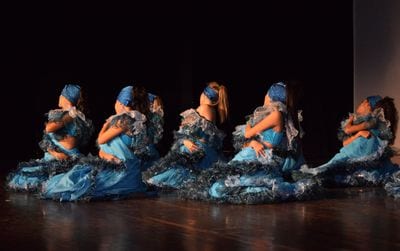
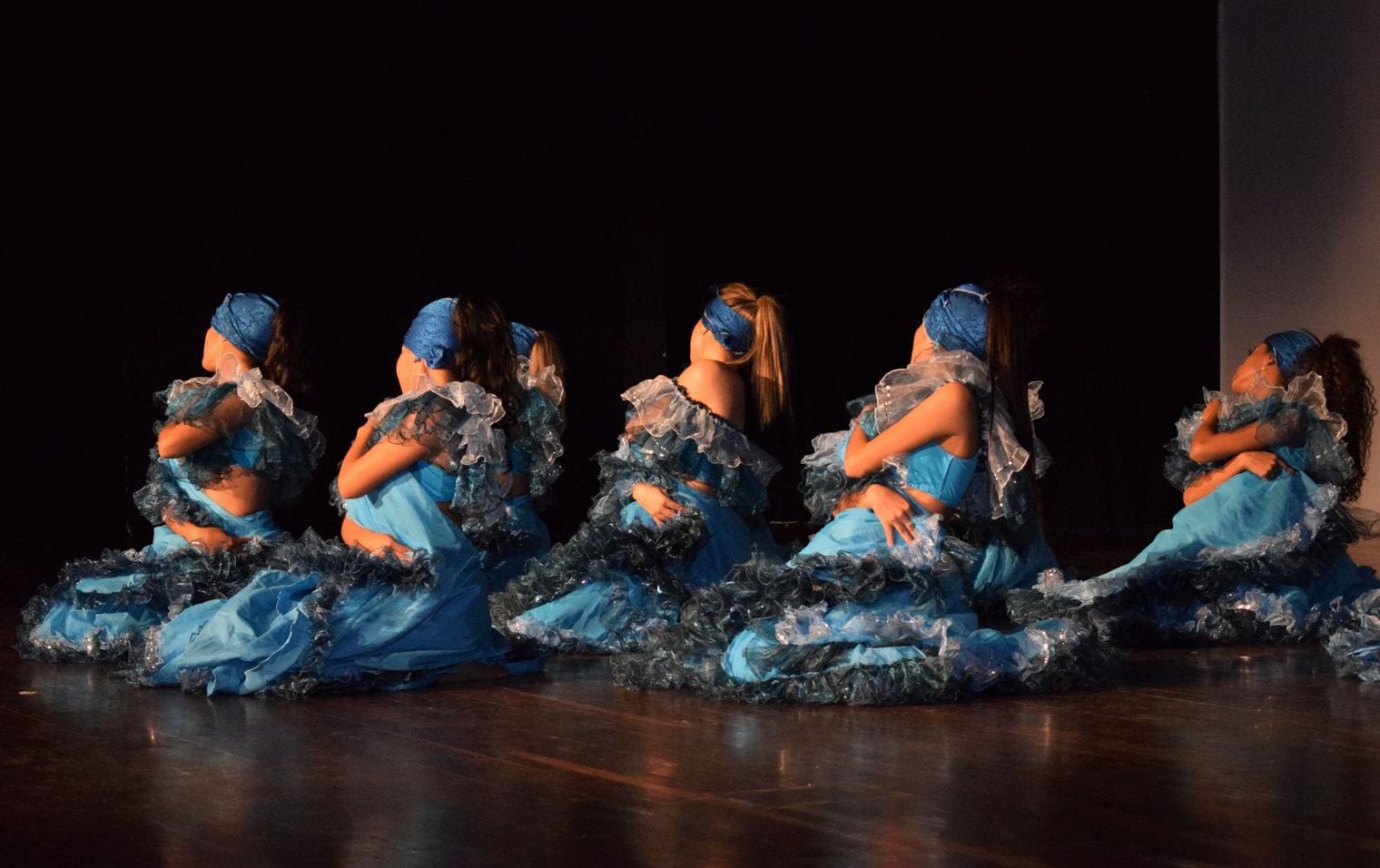
Dominicania is an immersive cultural show that walks you through Dominican history and identity across a series of staged rooms, from Taino origins through the colonial period to merengue and bachata, with live performers rather than screens doing the telling. It is theatre rather than museum, and it is unashamedly designed for visitors.
What lifts it above a hotel folklore night is the production and the fact that it tries to explain the country rather than just entertain, which is rarer on this coast than it should be. It runs in the evening and sits centrally near the Downtown complex, so it slots in before a late dinner without a long transfer.
Evolution Adventure Park is the one stop that tries to bundle the whole inland experience into a single afternoon: mud-spattered buggy circuits, a cave, a cenote to swim in, a working farm, a plantation walk and a monkey sanctuary, run as one roughly four-hour loop. It sits well inland from the resorts, on the road out towards Macao.
That combination is the appeal and also the caveat. If you only have one free day it delivers a lot at once, and the cultural stops are more substantial than the buggy-tour norm. If you have already booked a monkey visit or a cave swim elsewhere on this list, you will be repeating yourself, so treat it as an alternative to those rather than an addition.
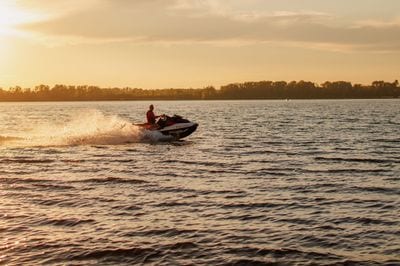
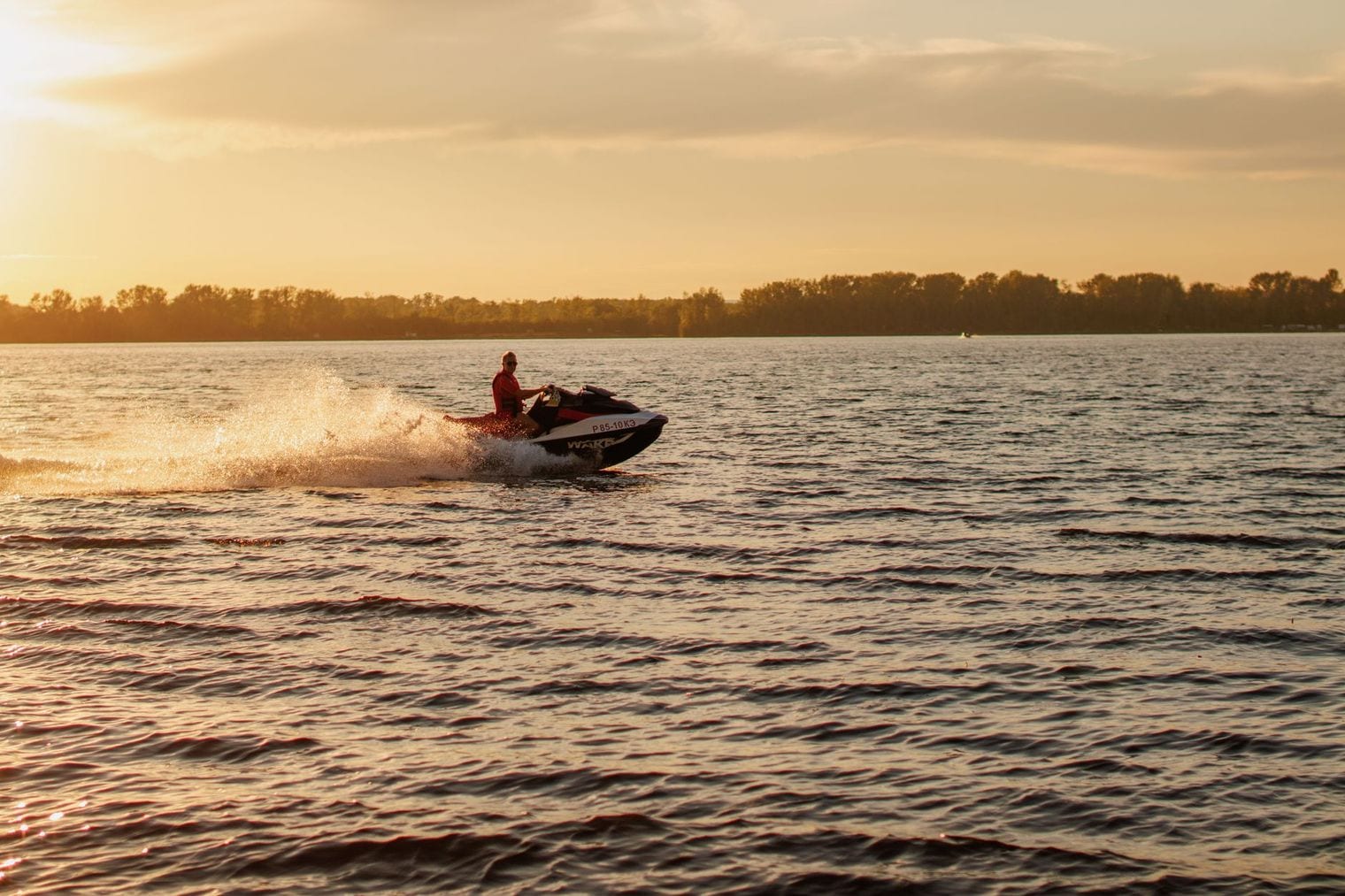
Caribbean Lake Park takes the watersports that usually happen out at sea and puts them on a lake in the middle of Downtown Punta Cana, which makes it the easiest adrenaline stop on the strip to reach. The draw is the motorised end of the menu: jet-ski circuits, flyboarding, buggies on a private track and an aqua-kart course the park bills as the first of its kind in the Caribbean.
There is a calmer side too, with a pool club, an inflatable course and a restaurant, so a group can split by appetite rather than all doing the same thing. Because it is a lake rather than open water, conditions are predictable and it stays usable on days when the sea is rough.
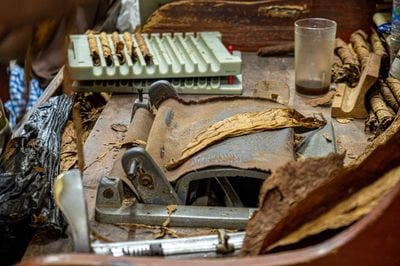
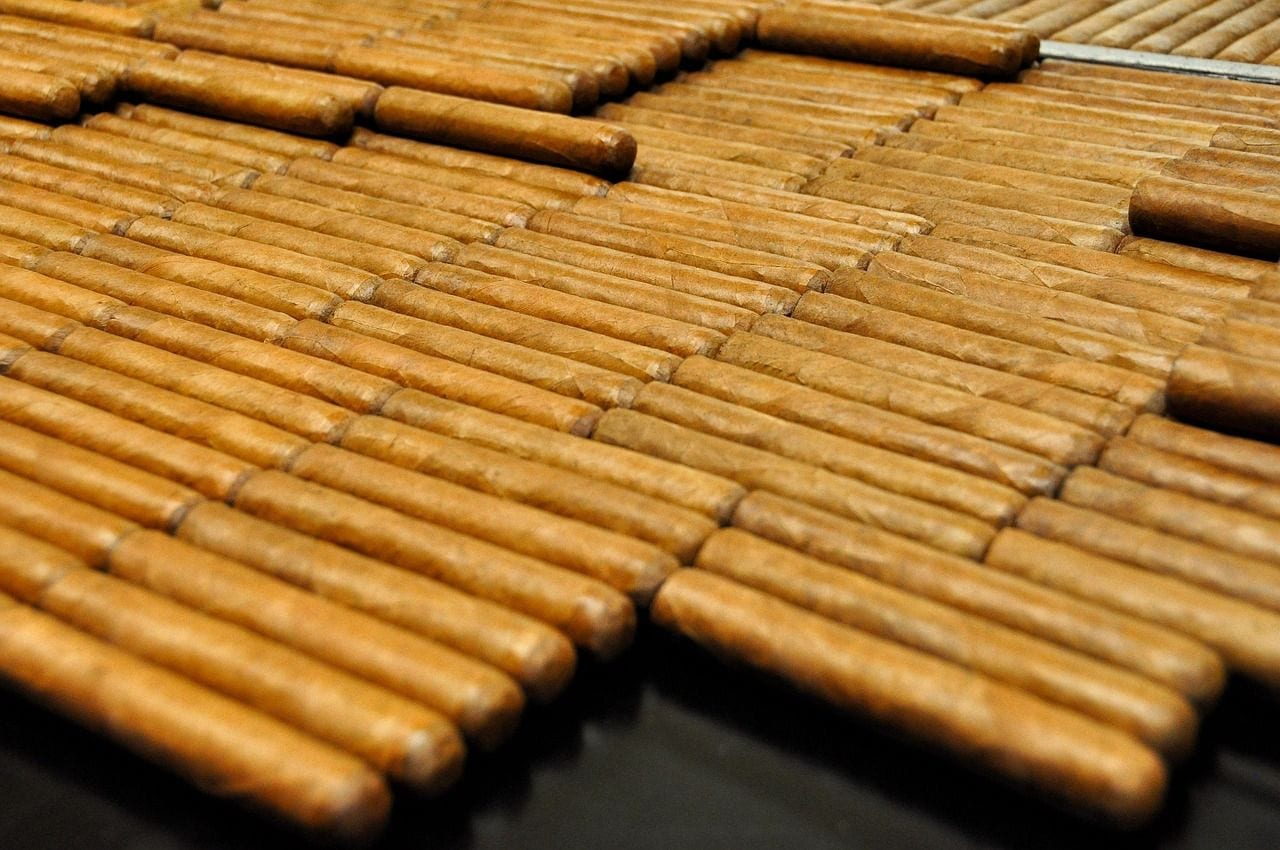
Out on the road towards Miches, Rancho Real Cigars is a working cigar operation rather than a shop with a counter. You watch leaves being sorted and cigars rolled by hand, hear how the Dominican Republic came to rival Cuba as the world source for premium tobacco, and taste the results with a coffee or a rum alongside.
It is a genuinely rural stop, which is much of the point: the drive out crosses cane and pasture country that gives no hint of the resort strip half an hour behind you. Most people arrive as part of a countryside tour, and it pairs naturally with the inland parks rather than with a beach day.
PANACA styles itself a national park of Dominican culture, and in practice it is a large open-air venue built around animals and performance rather than rides. The centrepiece is an equestrian theatre show with a big cast of horses and performers, staged as acrobatics, dance and storytelling; around it sit interactive livestock and heritage areas with hundreds of animals.
It is the most family-oriented cultural stop within easy reach of the strip, and unusually for this coast the emphasis falls on the countryside rather than the sea. Reviews are consistently strong, and it works best as a half-day out for anyone who wants a break from the beach that is not another boat.
3030. Astron Ship Wreck
Historical Landmark~6.7 km (4.2 miles) from centre
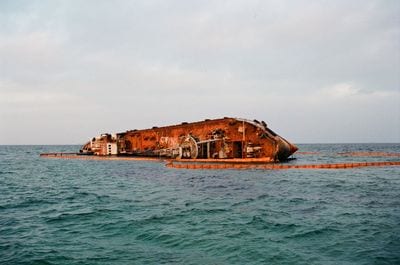
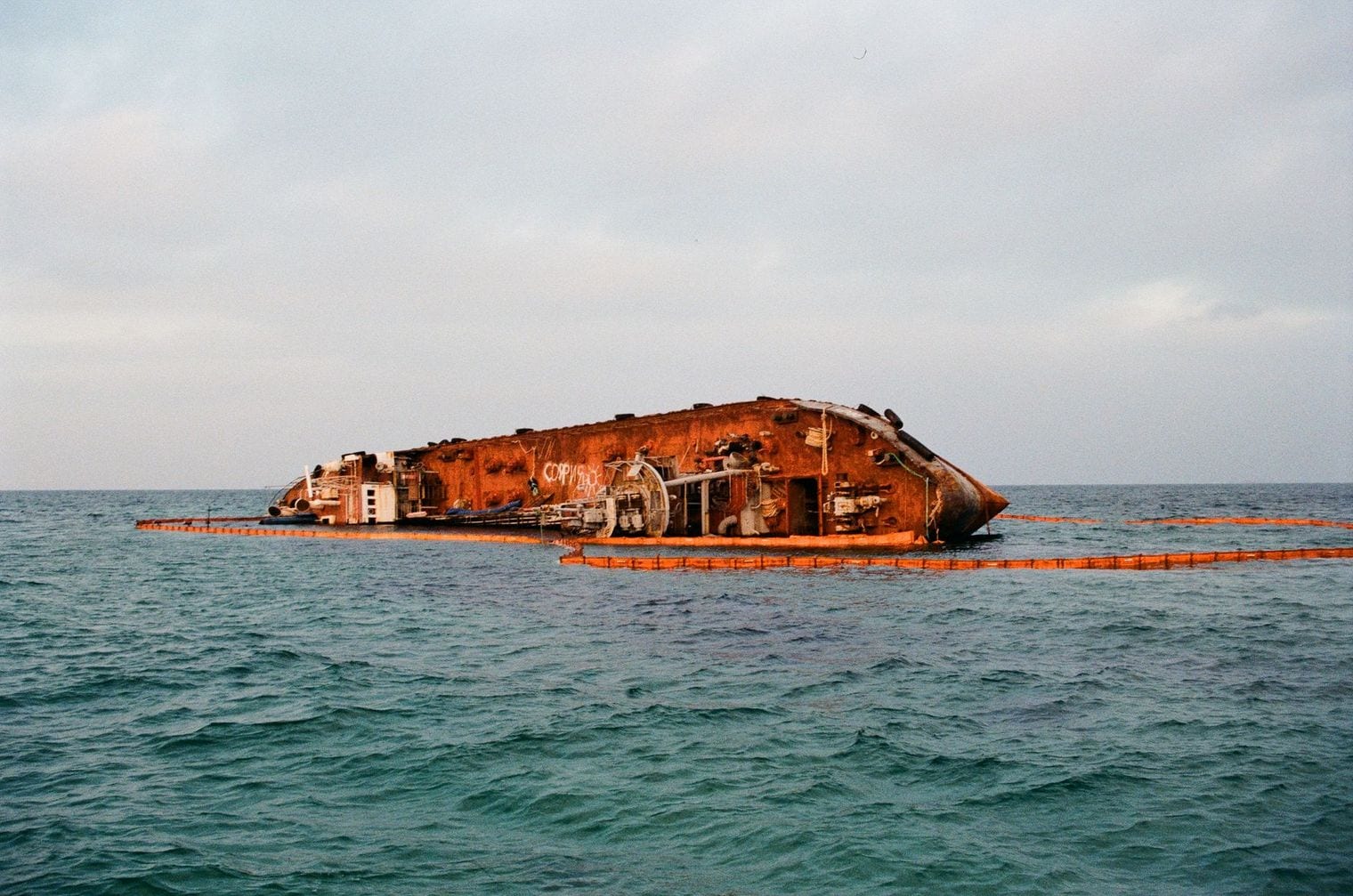
A 127-metre cargo ship ran onto the reef off this coast in 1978 and never left. The Astron Ship Wreck has sat there ever since, its bow still breaking the surface within sight of the shore and its stern lying in shallow water, which makes it one of the most accessible wrecks in the Caribbean and a fixture of local dive and snorkel trips.
Accounts of how it ended up there vary and have hardened into local legend over the decades, so take the stories with some salt. What is not in doubt is what the hull has become: an artificial reef thick with fish, with morays in the plating and the occasional barracuda patrolling the wreckage.
Plan your trip
Best Time to Visit Punta Cana
December through April is the classic window: this is the dry season, with the clearest skies, the lowest humidity and the warmest, calmest sea. It is also the busiest and priciest stretch of the year, and the weeks around Christmas and New Year book out furthest ahead. If you want that weather with fewer people around, aim for the shoulder — March through May holds most of the dry-season sunshine while the winter crowds thin out.
Summer is hot and humid, with short heavy downpours most afternoons that usually clear as quickly as they arrive; the sea is at its warmest and the strip fills with Dominican and Latin American families. Atlantic hurricane season opens in June, but September and October are the genuinely wet, storm-prone months, which is why rates fall furthest then. Whatever the month, the reef keeps the swimming beaches sheltered.
Getting to Punta Cana
Almost everyone arrives at Punta Cana International Airport, a short drive from the resort strip and the busiest airport in the country, with direct flights from a long list of North American and European cities.
Its palm-thatched, open-sided terminals are the first sign you have arrived somewhere tropical. Transfers are the norm rather than the exception here: most hotels and excursion operators include or arrange pickup, and the drive from the terminal to a Bavaro hotel takes well under an hour.
If you are combining Punta Cana with the rest of the country, the capital's Las Americas airport sits roughly two and a half hours west, linked by the Autopista del Coral, the fast toll road that also serves La Romana.
The Boulevard Turistico del Este is the spine road running the length of the resort strip itself, and everything on this list hangs off it. Long-distance coaches connect Punta Cana with Santo Domingo and Santiago for a fraction of a private transfer.
Getting Around Punta Cana
There is no single walkable centre here, because Punta Cana is a strip rather than a town. Two pockets do reward walking: Los Corales and El Cortecito, where restaurants, bars and the beach sit within a few blocks of each other, and the Downtown complex, which is designed to be strolled. Everywhere else you will be getting into something, and distances between the northern and southern ends of the coast are longer than a map suggests.
Hotel taxis and pre-booked transfers cover most needs and quote fixed fares, usually in US dollars, so agree the price before setting off. Ride-hailing works patchily along the strip and is far more reliable in the cities.
The cheap local option is the guagua, the shared minibus that runs the main road and stops wherever you flag it. A rental car only earns its keep if you plan to reach Macao, the inland caves or the beaches beyond Uvero Alto under your own steam.
Where to Stay in Punta Cana
Bavaro is the default and the busiest: the long central stretch of beach with the greatest concentration of large all-inclusives, the shortest walk to shops and excursion desks, and the best value across the board.
Immediately south of it, Los Corales and El Cortecito trade some polish for character and independence, putting you among restaurants and bars that anyone can walk into rather than behind a wristband. These are the districts to pick if you want to eat off the resort more than once.
Cap Cana, at the southern end, is the quiet luxury option, a gated community with its own marina, golf and the calmest beaches on the coast, but you will drive for everything outside it.
Uvero Alto, far to the north, is remoter still and suits travellers who genuinely want isolation over convenience. Punta Cana Village near the airport is the least resort-like choice, a residential neighbourhood useful for a first or last night, and Cabeza de Toro sits quietly in between.
Where to Eat in Punta Cana
The strip has outgrown the buffet. Los Corales is the dining heart, a walkable cluster of independent kitchens behind the beach where you can eat Mediterranean, Asian or contemporary Dominican and then move on to a bar without a taxi; Noah is the anchor of it.
El Cortecito is the scruffier, cheaper counterpart, where the fish comes straight off the boats, while Downtown and the Cap Cana marina cover the polished end. For a meal with your feet in the sand, Jellyfish Restaurant sits directly on Bavaro Beach.
Eat what the country is actually good at. La bandera, the everyday plate of rice, stewed beans and meat with fried plantain, is the national lunch, and mofongo, made from mashed green plantain with garlic and crackling, is the dish to order at least once.
Look for sancocho, the thick meat and root stew, tostones alongside almost anything, and fresh grilled fish on the public beaches. Local rum is excellent and the coffee and cacao are grown a few hours inland.
Day Trips from Punta Cana
The classic is Saona Island, a protected island of palm-backed sand inside Cotubanama National Park, reached by catamaran from the fishing village of Bayahibe about an hour and a half west.
In the same direction, La Romana holds the clifftop village of Altos de Chavon above the Chavon river, and further west again the capital, Santo Domingo, is around two and a half hours away on the toll road — enough for a long day among the oldest European streets in the Americas.
Inland, the basilica at Higuey is under an hour away and is the country's most important pilgrimage site. To the northwest, roughly two hours out, the mangrove channels and limestone islands of Los Haitises National Park make one of the best boat trips in the country, and the coast road north towards Miches opens onto empty beaches and hilltop viewpoints that see a fraction of Punta Cana's traffic.
Before you go
Mobile dataAn eSIM gives your phone local data when you land, with no SIM card to swap.via AiraloGet an eSIM
Airport transferA driver meets you at arrivals and takes you to your hotel, at a price fixed when you book.via Welcome PickupsBook a transfer
We may earn a commission when you buy through these links, at no extra cost to you. How we make money.
One Day in Punta Cana
Morning
Start on the sand while it is still cool. Walk out onto Bavaro Beach early, when the loungers are empty and the light is low, and follow the shoreline south until the resort frontage gives way to the boats and beach bars of Cortecito Beach. Stop there for breakfast at one of the open-sided places behind the sand, and let the craft market wake up around you.
Head inland and south, out of the resort belt, to the Indigenous Eyes Ecological Reserve for a walk between the freshwater lagoons and a swim in water that runs startlingly cold after the sea. If you would rather trade the quiet for adrenaline, swap it for the ziplines and buggy circuits at Bavaro Adventure Park, which sits closer to Bavaro and takes the whole afternoon.
Clean up and make for Downtown Punta Cana, the open-air complex that does duty as this coast's town centre. Eat first, either there or back in the Los Corales restaurant cluster at Noah, then walk over to Coco Bongo Punta Cana for the acrobats and confetti. Nothing here starts early, so there is no rush.
Dominican beaches are public by law, which makes the best of this coast free: you can walk the full length of Bavaro Beach, spend a day among the fishing boats and craft stalls at Cortecito Beach, or drive out to the wave-battered sand at Playa de Macao without paying for anything but a cold drink. Playa Blanca Beach beside the marina is another, calmer option, and wandering Downtown Punta Cana in the evening costs nothing at all.
A week is the standard trip and works well: enough for several beach days plus three or four excursions without feeling rushed. Five days is workable if you pick two outings and accept you will miss the rest. Anything beyond ten days is better split, giving the extra time to Samana, the north coast or the capital instead.
What can you do in Punta Cana for free?
Every beach in the country is legally public, so the coast costs nothing. Walk Bavaro Beach end to end, browse the boats and market stalls at Cortecito Beach, take the surf and open sand at Playa de Macao, or spend an evening wandering Downtown Punta Cana. Only the loungers and beach clubs charge.
When is the best time to visit Punta Cana?
December to April is driest, clearest and least humid, and also busiest. March through May is the sweet spot, keeping most of that weather as the winter crowds leave. September and October are the wettest months and the peak of hurricane season, which is why they are cheapest. The sea stays warm enough to swim year round.
Do you need a car in Punta Cana?
Not for a standard resort holiday. Transfers, hotel taxis and excursion pickups cover the strip, and parking is of no use on a beach day. A car becomes worthwhile only if you want to reach Macao, the inland caves or the quieter northern beaches independently. Many visitors hire a driver for a single day instead.