We may earn a commission if you book or buy through a link on
this page, at no extra cost to you. It never affects which places we list or how
we rank them (how we make money).
Short answer
London's three essentials are the Tower of London, a thousand-year fortress still guarding the Crown Jewels, Buckingham Palace and the Changing of the Guard, and Tower Bridge with its glass walkway high over the Thames. Three days covers the headline sights at a brisk pace; four to five is the sweet spot and lets you do a couple of museums properly and get to the theatre.
London rewards the curious. Two thousand years of history sit within a few Tube stops of each other — a Norman fortress, a working royal palace, Wren's dome and a medieval hall — and many of the museums holding the spoils are free to walk into.
This guide runs through 50 of the best things to do in London, from the Crown Jewels and Borough Market to the royal parks and the view from the Shard. Give the city four days, and use the map below to plan your route.
London was the largest city in the world from about 1831 to 1925 — nearly a century at the top, on the back of the Industrial Revolution and the empire it ran.
The London Underground is the world’s oldest rapid transit system, dug in the 19th century as an answer to street congestion that had already become intolerable.
The city holds four UNESCO World Heritage Sites — the Tower of London, Westminster, Maritime Greenwich and Kew Gardens — and every one of them appears on this list.
Greater London is 32 boroughs plus the City of London, which is a separate authority barely a square mile across and still keeps its medieval boundaries.
Big Ben is the bell, not the tower. The tower was officially renamed the Elizabeth Tower in 2012, though almost nobody calls it that.
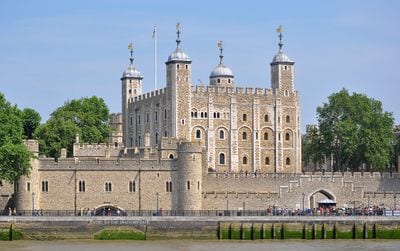
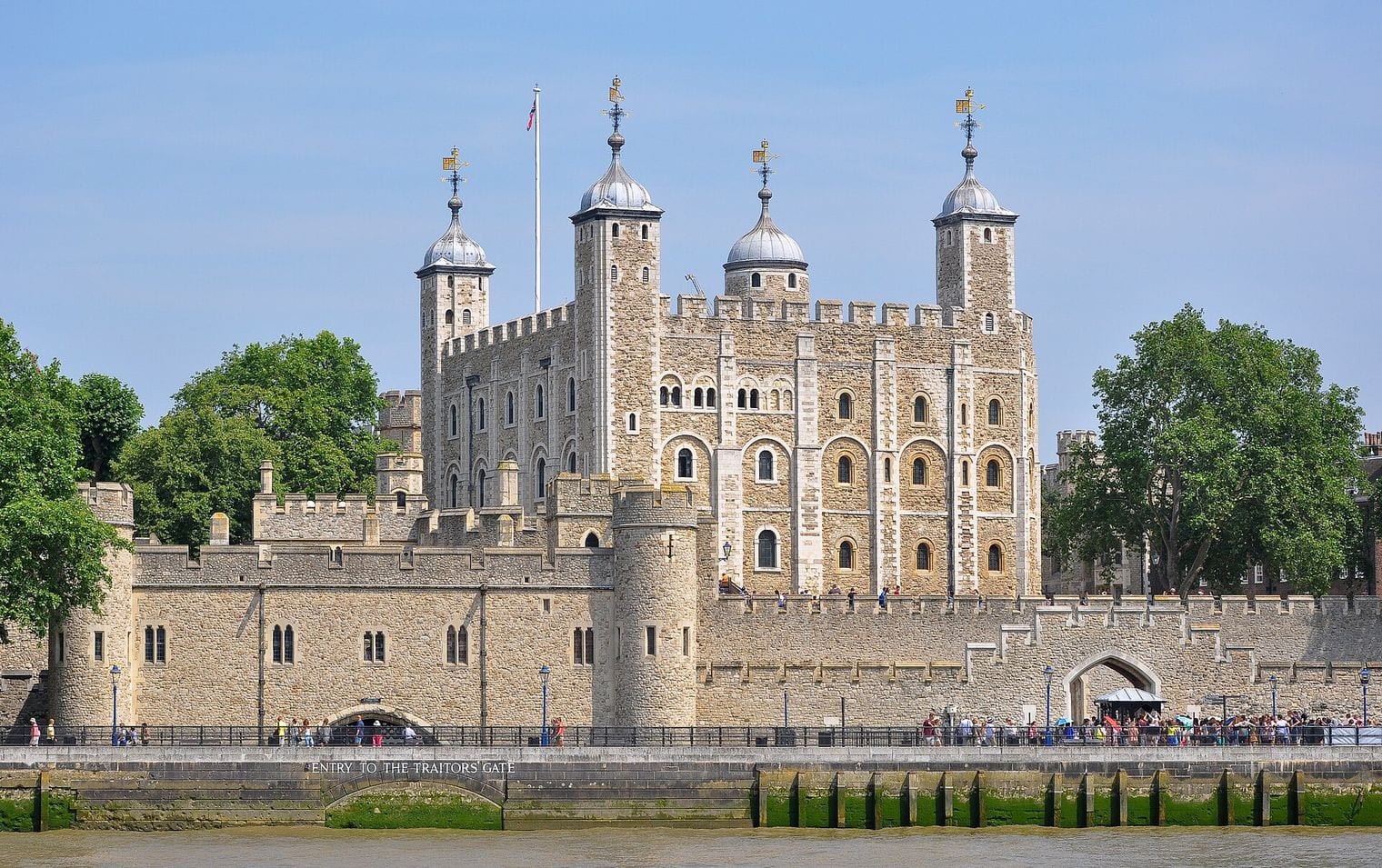
Begin where the city's story turns violent. The Tower of London has been a fortress, a royal palace, an armoury and a prison across roughly a thousand years, and the White Tower at its centre was raised by William the Conqueror to intimidate a newly conquered capital. It worked, and it still does.
Most visitors come for the Crown Jewels, guarded here and displayed behind a moving walkway that keeps the queue shuffling past. Beyond them are the Yeoman Warders, whose guided tours are theatrical and genuinely informative, the resident ravens, and the chapel where executed queens lie buried. It is a UNESCO World Heritage Site, and it needs a good half day.
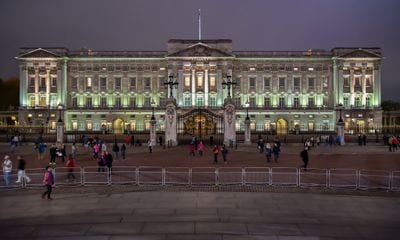
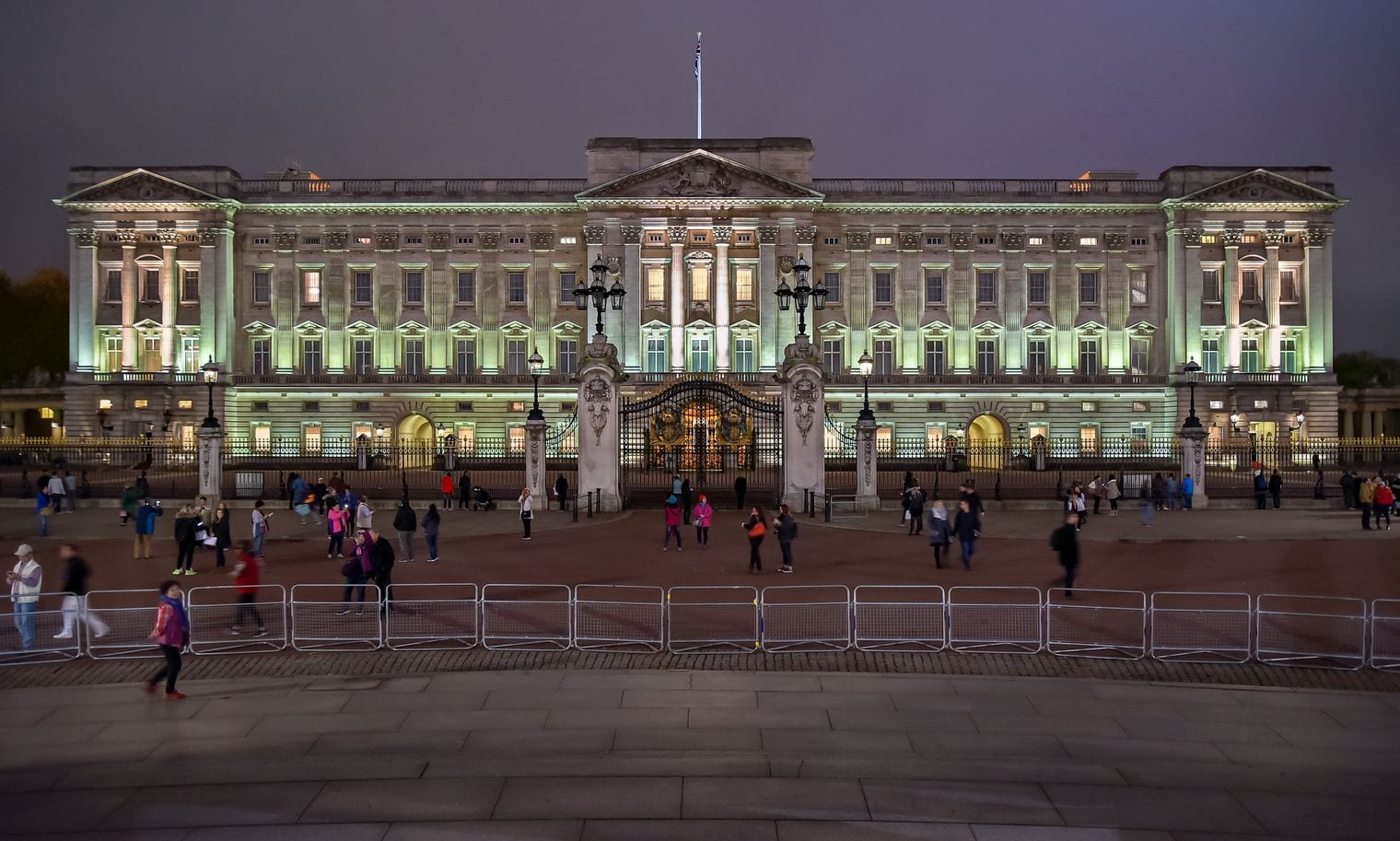
Buckingham Palace is the official London residence of the monarch, and the point where most first-time visitors go to look at the railings and take a photograph. The building itself is more imposing than beautiful, but the sense of occasion is real, particularly when the Royal Standard is flying to show the sovereign is at home.
Changing of the Guard is the free spectacle, drawing crowds along the forecourt and down the Mall. In late summer the State Rooms open to visitors, and they are worth the ticket: gilded interiors, a picture gallery hung with old masters, and the garden at the back that most Londoners never see.
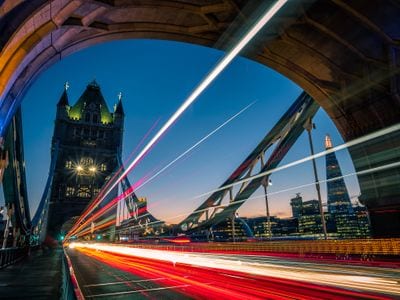
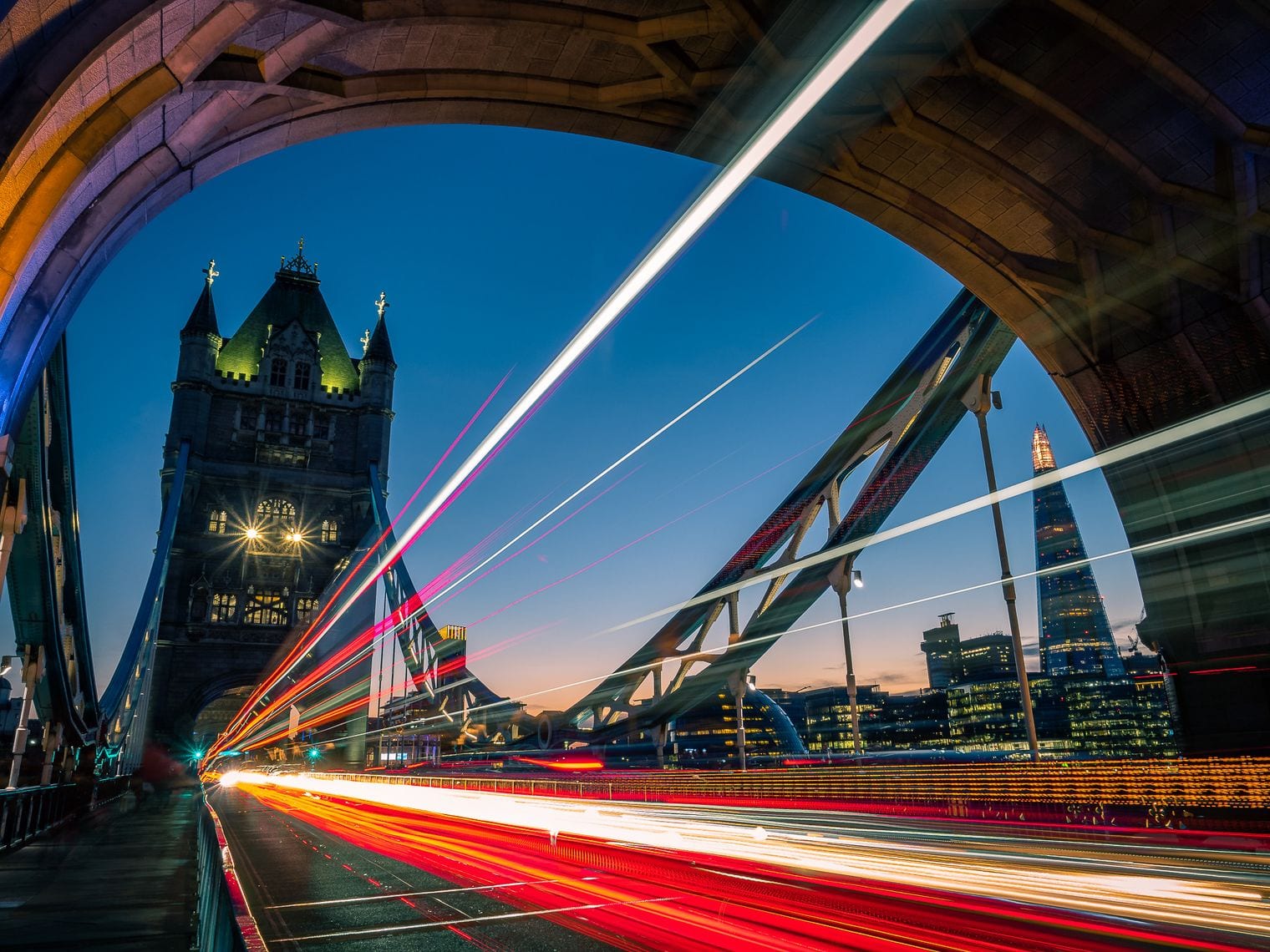
The bridge everyone photographs and half of them call London Bridge by mistake. Tower Bridge is a Victorian bascule bridge whose two towers and blue suspension chains give London its most recognisable silhouette, and it still lifts for tall ships passing up the Thames.
Go inside and you climb to the high-level walkways strung between the towers, where a glass floor lets you look straight down at the traffic and the water. The ticket also takes in the Victorian engine rooms below the southern approach, where the original steam machinery that once raised the roadway has been preserved.
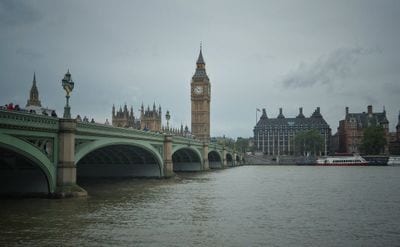
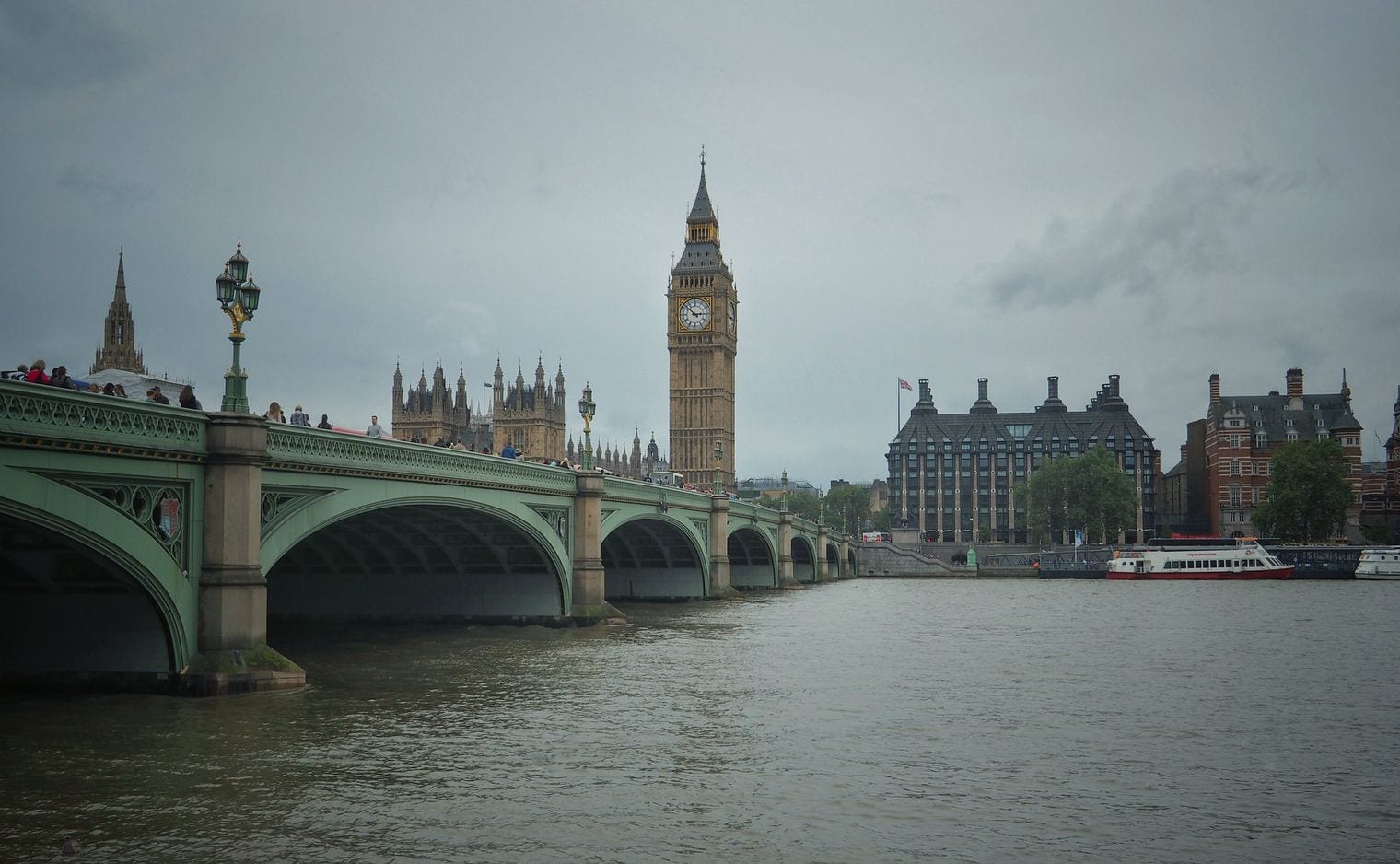
Strictly, Big Ben is the great bell inside the clock tower at the north end of the Palace of Westminster, though almost nobody uses the name that carefully. The tower itself is the Elizabeth Tower, and its four dials, gothic stonework and hourly chime are the single image most of the world pictures when it thinks of London.
The best views are free and from outside: from Westminster Bridge, from the South Bank across the water, or from Parliament Square. UK residents can arrange tours up the tower through their MP, and visitors can tour the Houses of Parliament beneath it, which is the closer look most people actually want.
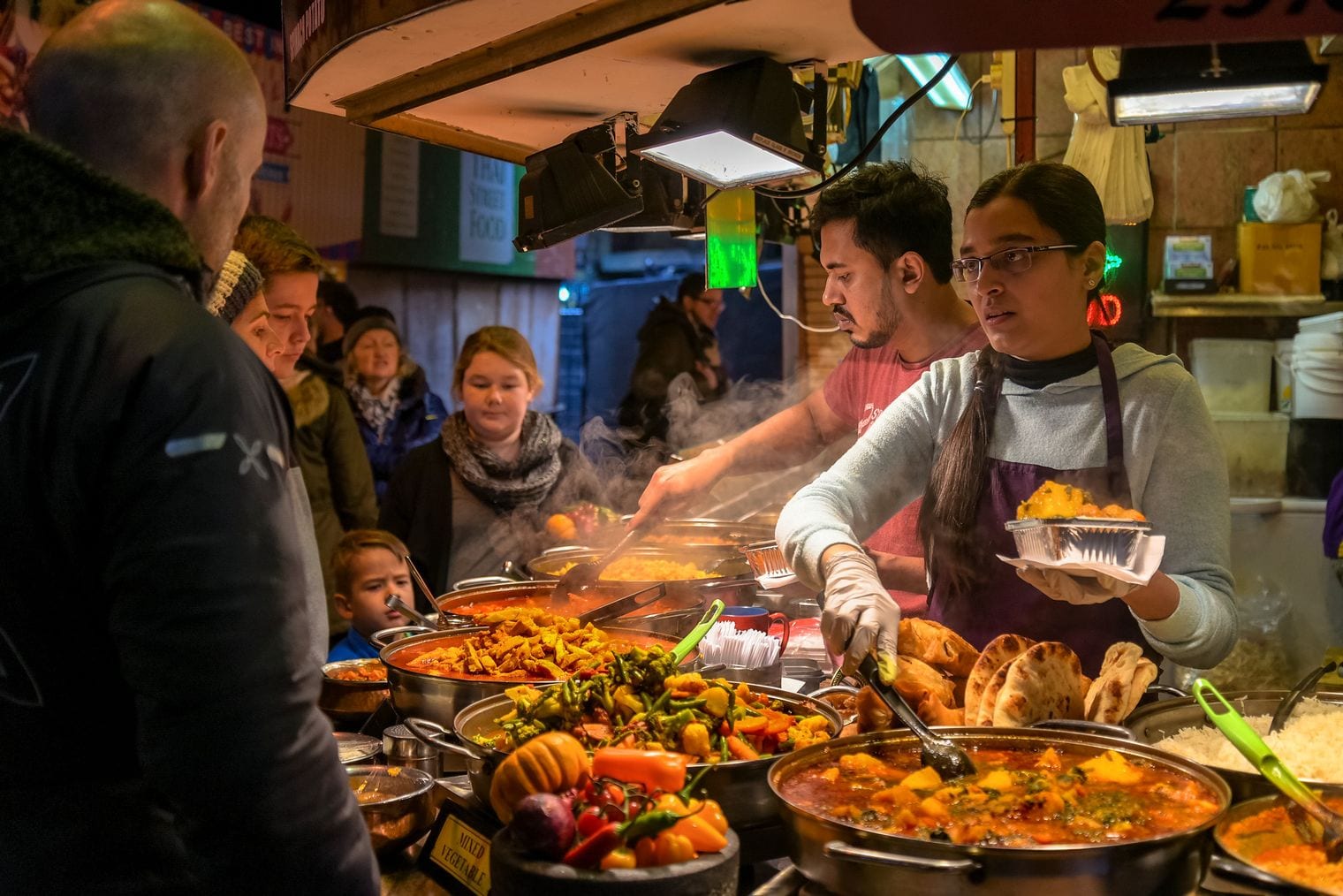
Borough Market sprawls under the railway arches beside London Bridge, and a market has traded on or near this spot for centuries. Today it is the city's most serious food market — cheesemongers, fishmongers, bakers and grocers trading alongside stalls doing one thing extremely well for a lunchtime queue.
Come hungry and graze: salt beef, raclette scraped over potatoes, oysters, doughnuts, coffee. It is busiest at lunch on Friday and Saturday, and calmer earlier in the week if you want to actually talk to the traders. The surrounding streets have picked up excellent bars and restaurants on the market's coat-tails.
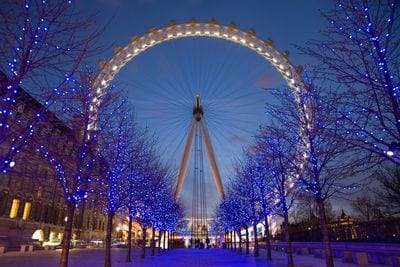
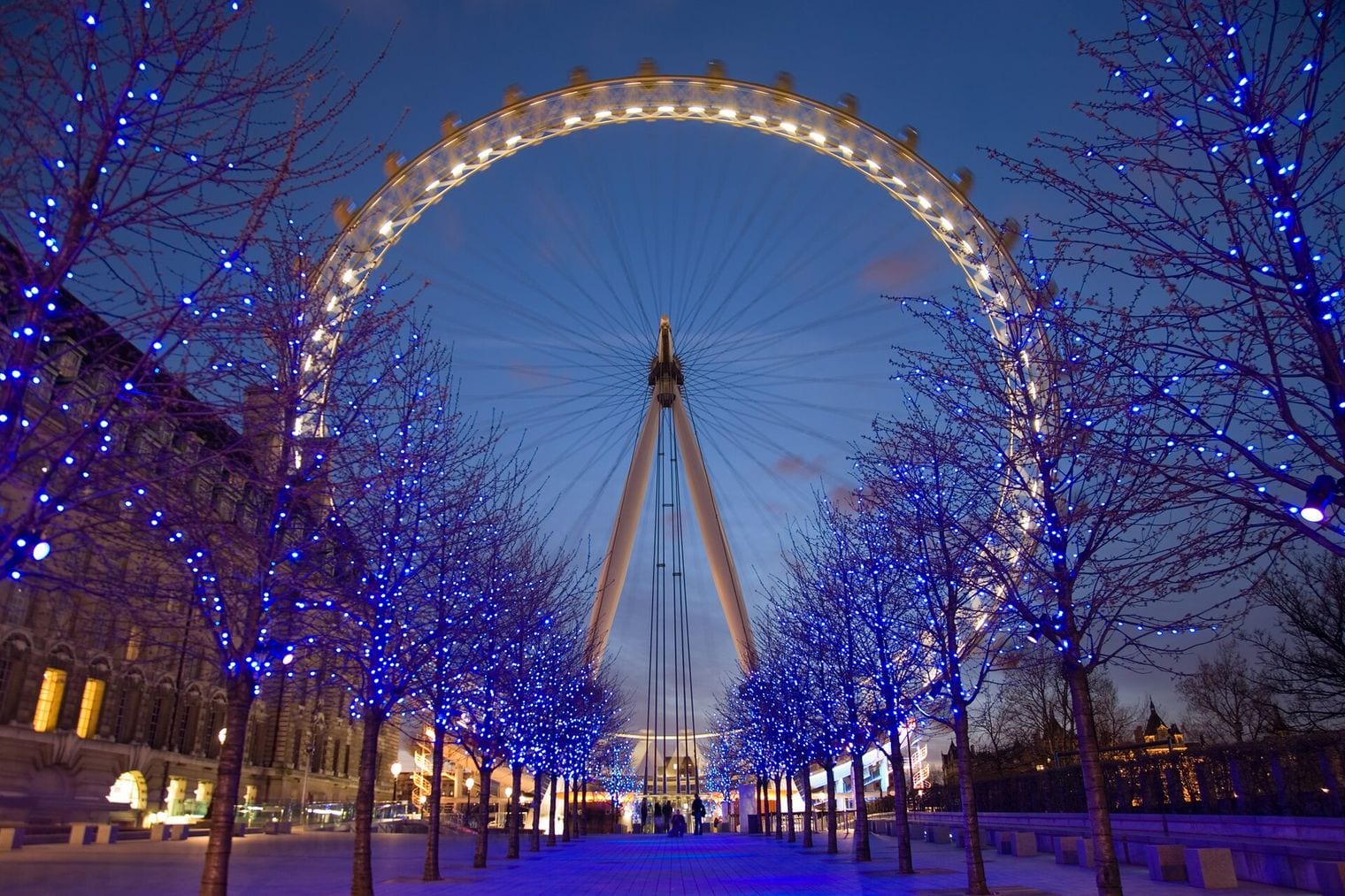
The London Eye is the giant cantilevered observation wheel on the South Bank, directly across the Thames from the Houses of Parliament. Built as a millennium project and never removed, it has become as much a part of the skyline as the buildings it looks at.
A rotation takes about half an hour in a glass capsule, rising high enough to put the whole central city in one view — Westminster below, the parks to the west, the towers of the City and Canary Wharf to the east. Book a timed ticket ahead, and go near sunset if you can, when the light does most of the work.
Camden Market is really several markets knitted together around Camden Lock and the Regent's Canal, and it remains the best place in London to spend an afternoon with no particular plan. Vintage clothing, records, jewellery, band t-shirts and a great deal of cheerful tat fill the stalls and railway arches.
The food is the real draw now — dozens of kitchens covering most of the world, eaten standing up or on the canal steps. Camden's music history is stitched through the surrounding streets, from the venues on the high street to the pubs that fed them, and the walk along the towpath towards Little Venice is a fine way to leave.
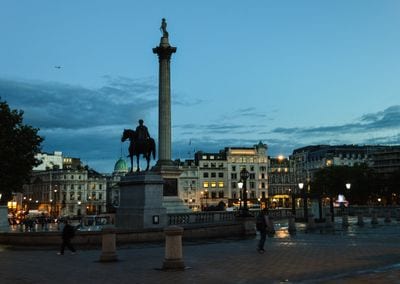
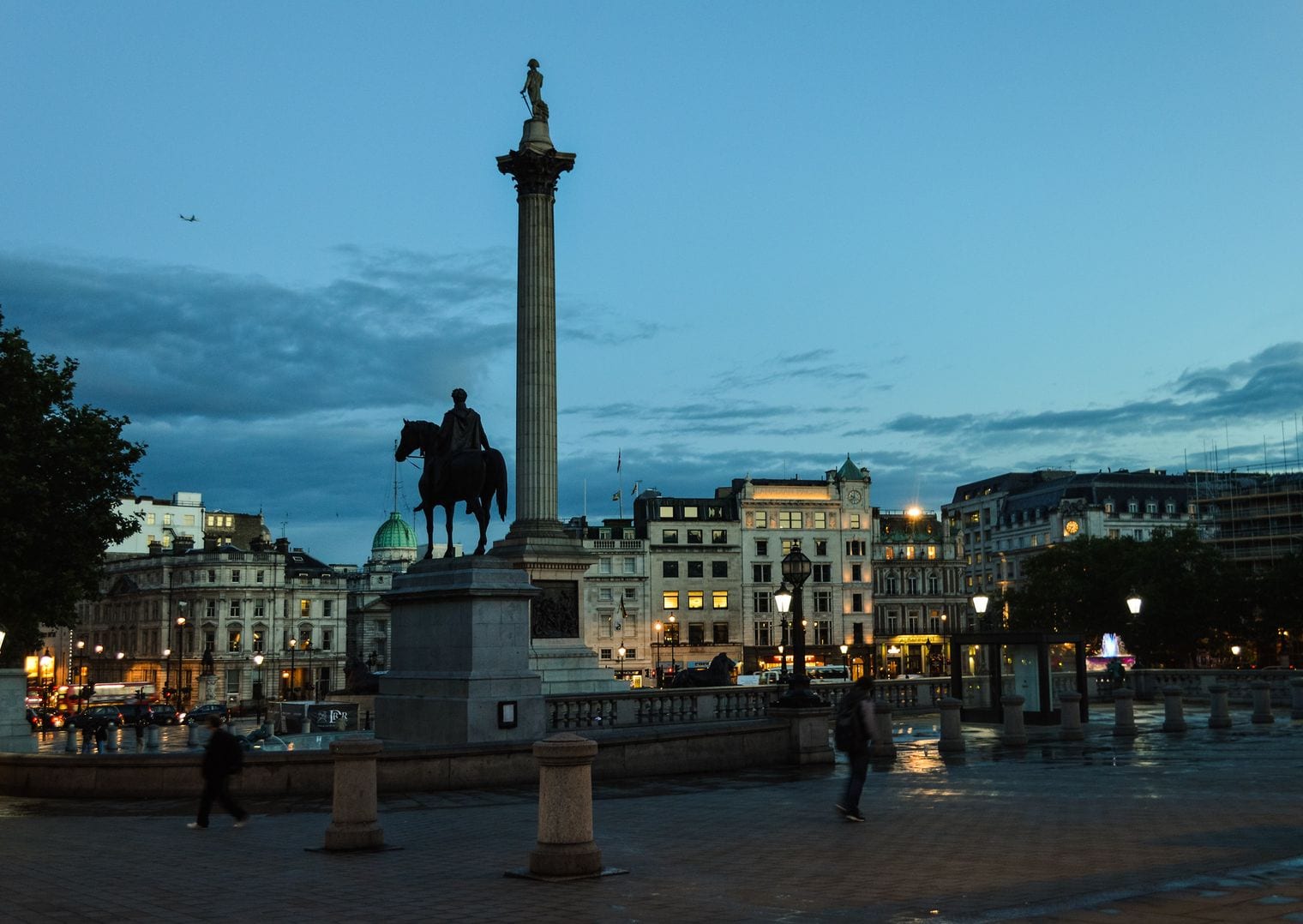
Trafalgar Square is London's great civic space, laid out below the portico of the National Gallery and presided over by Nelson on his column, with four bronze lions at the base that children have been climbing on for generations. It is where the city gathers — for protests, for celebrations, for the Christmas tree Norway sends each year.
The Fourth Plinth in the north-west corner carries a rotating series of contemporary commissions, so there is usually something odd and worth arguing about. The square is also the obvious hinge for a day on foot: the National Gallery behind you, Whitehall running south to Westminster, and the West End a few minutes north.
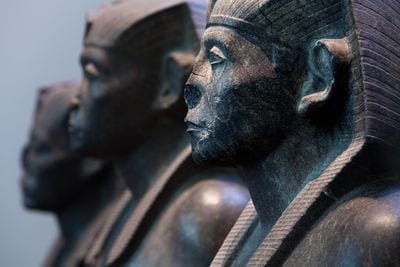
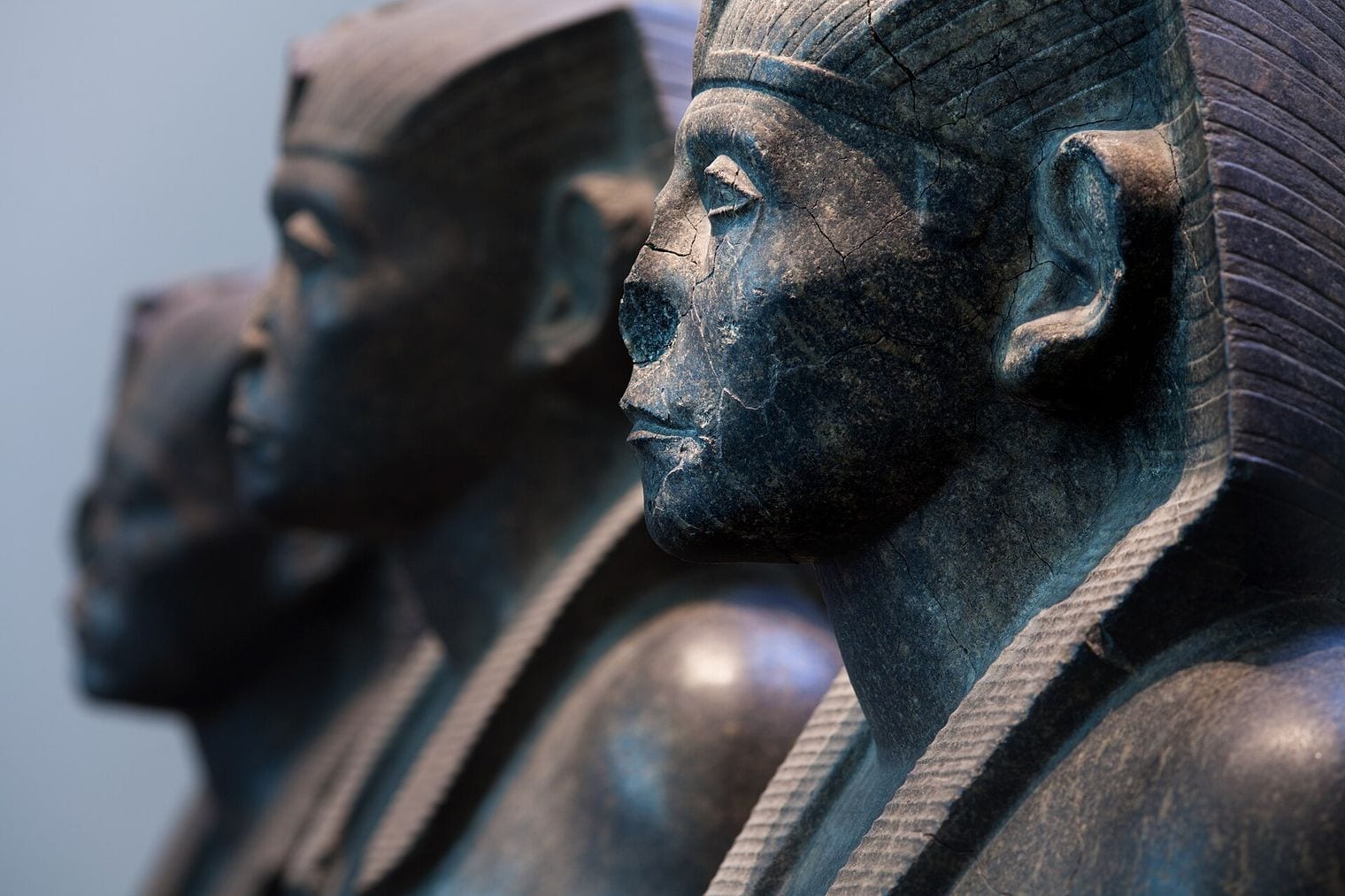
The British Museum holds one of the world's great collections of human history and culture, gathered across continents and several centuries of empire. The Rosetta Stone, the Parthenon sculptures, Assyrian reliefs, Egyptian mummies and the Sutton Hoo treasures are all here, and entry to the permanent collection is free.
Queen Elizabeth II's Great Court, roofed with a glass and steel lattice, is the light-filled hub the museum was missing for most of its life, and the old circular Reading Room sits at its centre. The scale defeats most visitors, so pick two or three galleries rather than attempting the lot, and go early to beat the tour groups.
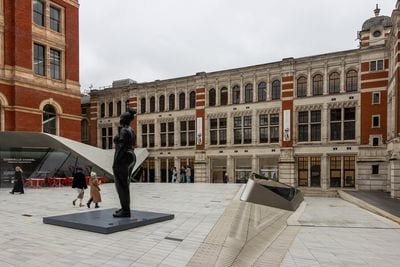
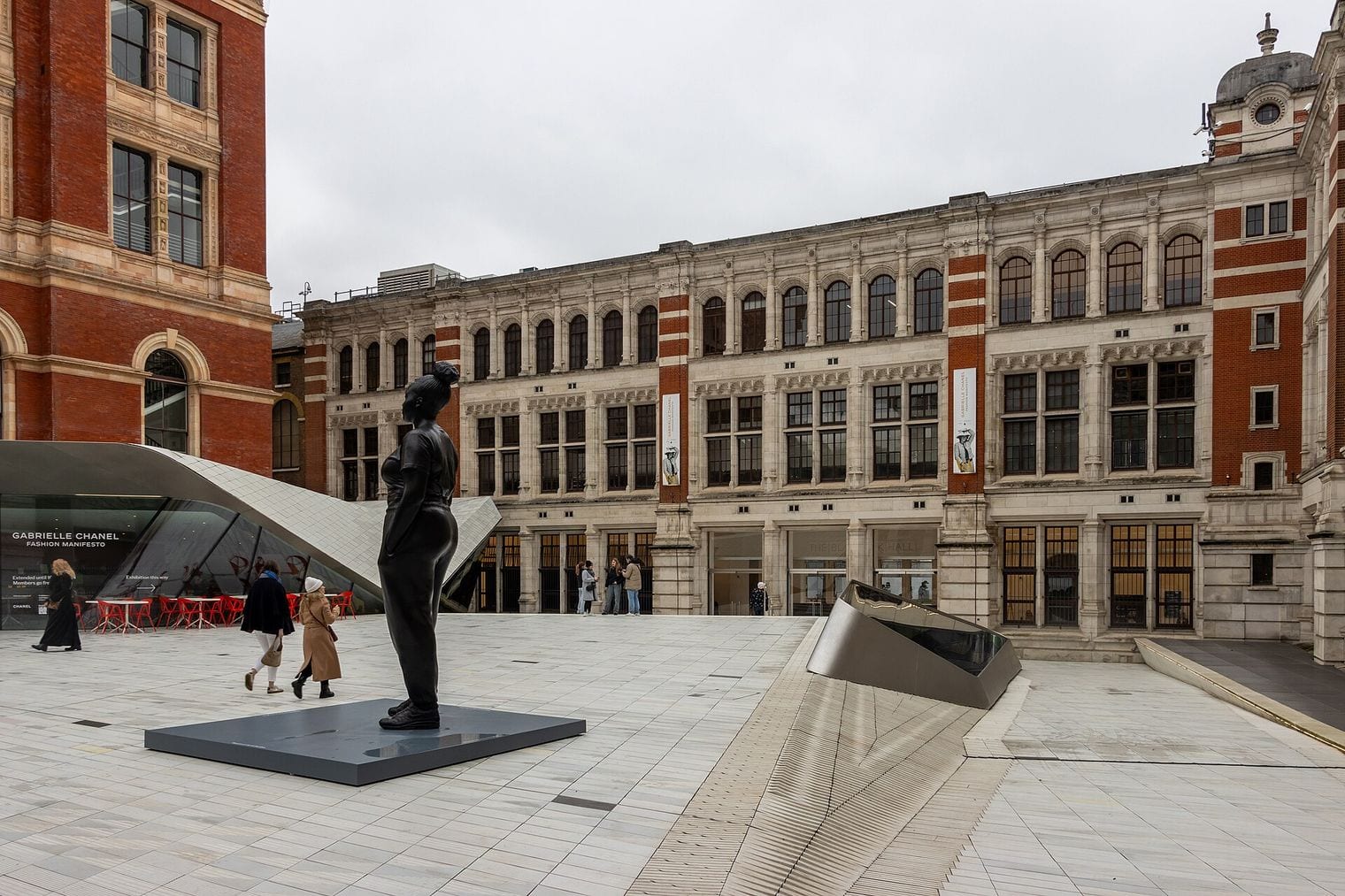
The Victoria and Albert Museum is the world's leading museum of art, design and performance, which in practice means it contains almost everything: Raphael's cartoons, Tudor miniatures, Islamic carpets, Japanese armour, cast courts holding full-size plaster copies of European monuments, and several centuries of fashion.
It is a building worth visiting for its own sake, all mosaic, marble and tiled Victorian ambition, with a garden courtyard at the centre where people eat lunch in the sun. The permanent collection is free. The V&A also runs the most consistently good ticketed exhibitions in London, so it is worth checking what is on before you go.
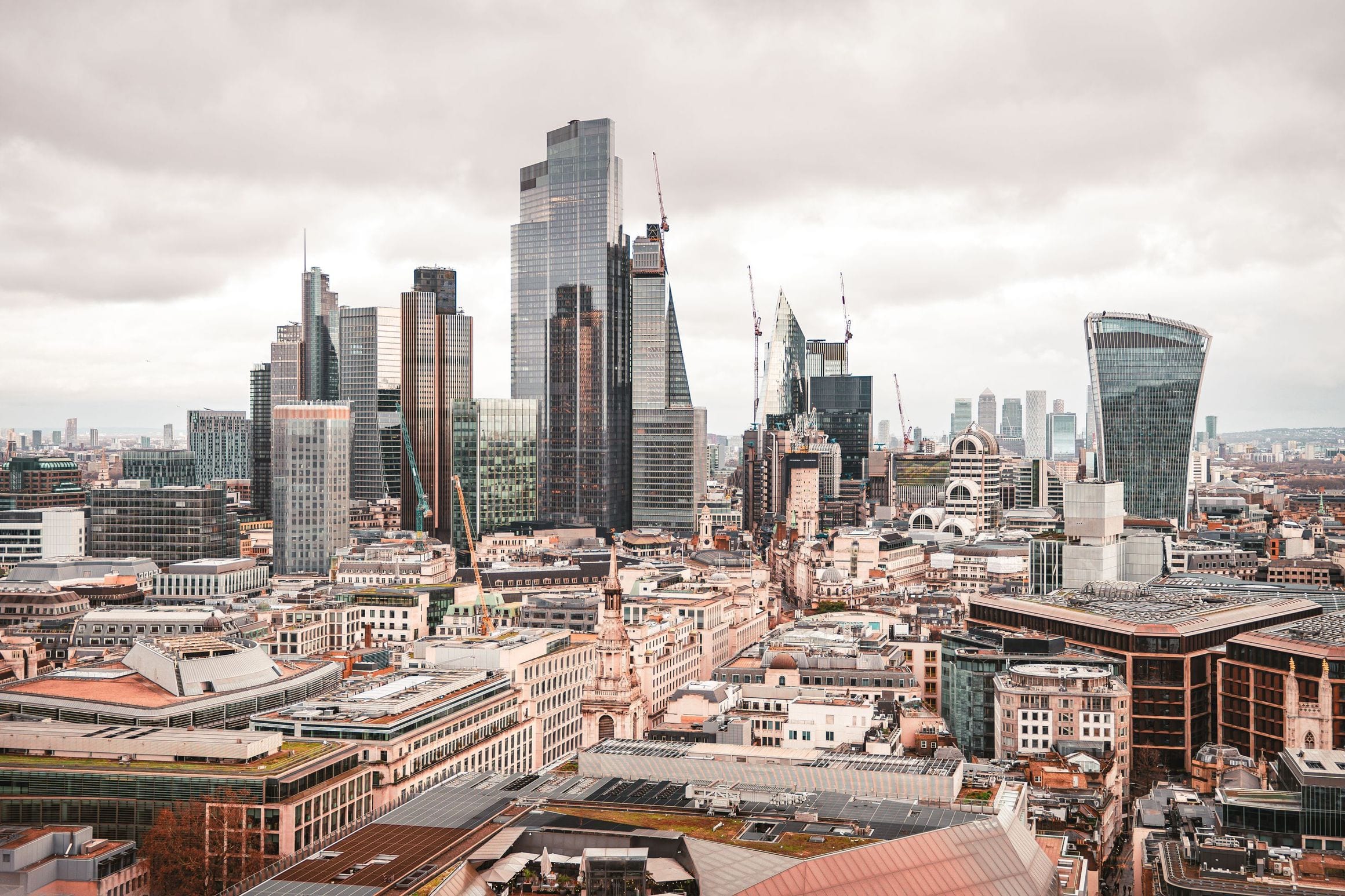
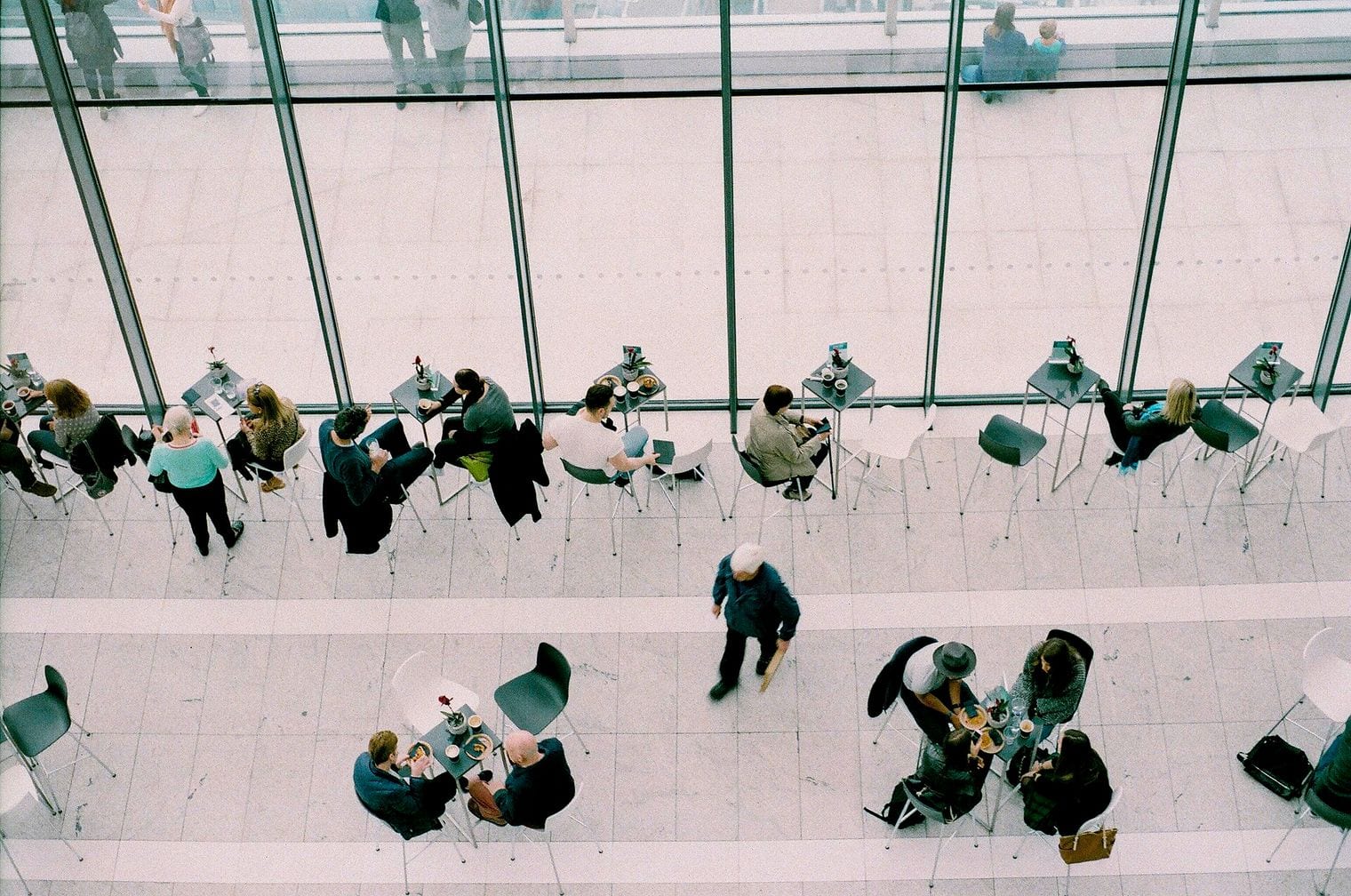
Sky Garden sits at the top of 20 Fenchurch Street, the City tower everyone calls the Walkie Talkie for its bulging top-heavy profile. Three storeys of landscaped terraces climb under a curved glass roof, planted with ferns and Mediterranean shrubs, with bars and restaurants tucked among them.
The reason to go is the view, which takes in the Thames, Tower Bridge, the Shard and the whole eastern half of the city, and the reason it gets busy is that general admission is free if you book a slot in advance. Slots open a few weeks ahead and go quickly, so plan this one rather than turning up.
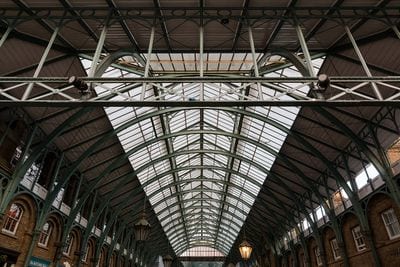
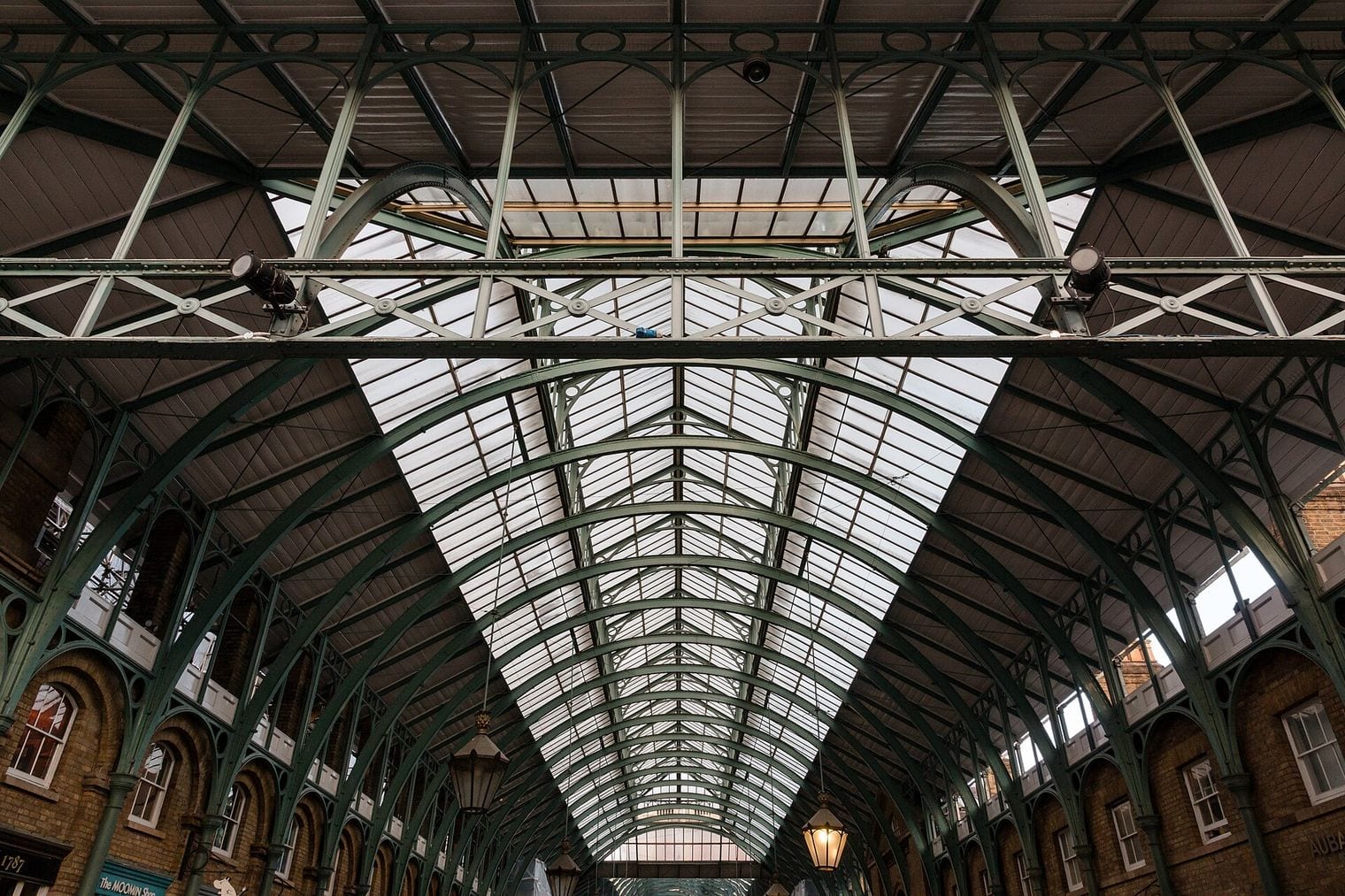
Covent Garden is the cobbled piazza and covered market halls at the heart of theatreland, once the city's fruit and vegetable market and now a mix of shops, stalls and restaurants under iron and glass. The Apple Market inside sells crafts and antiques depending on the day.
Street performers work the pitches around the piazza and in the lower courtyard, where the acoustics carry the opera singers rather well. The Royal Opera House stands on one corner and the London Transport Museum on another, and the surrounding lanes — Neal's Yard, Seven Dials, Floral Street — are among the most rewarding in central London for wandering.
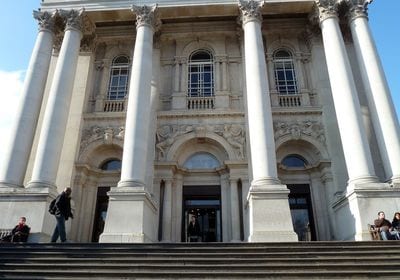
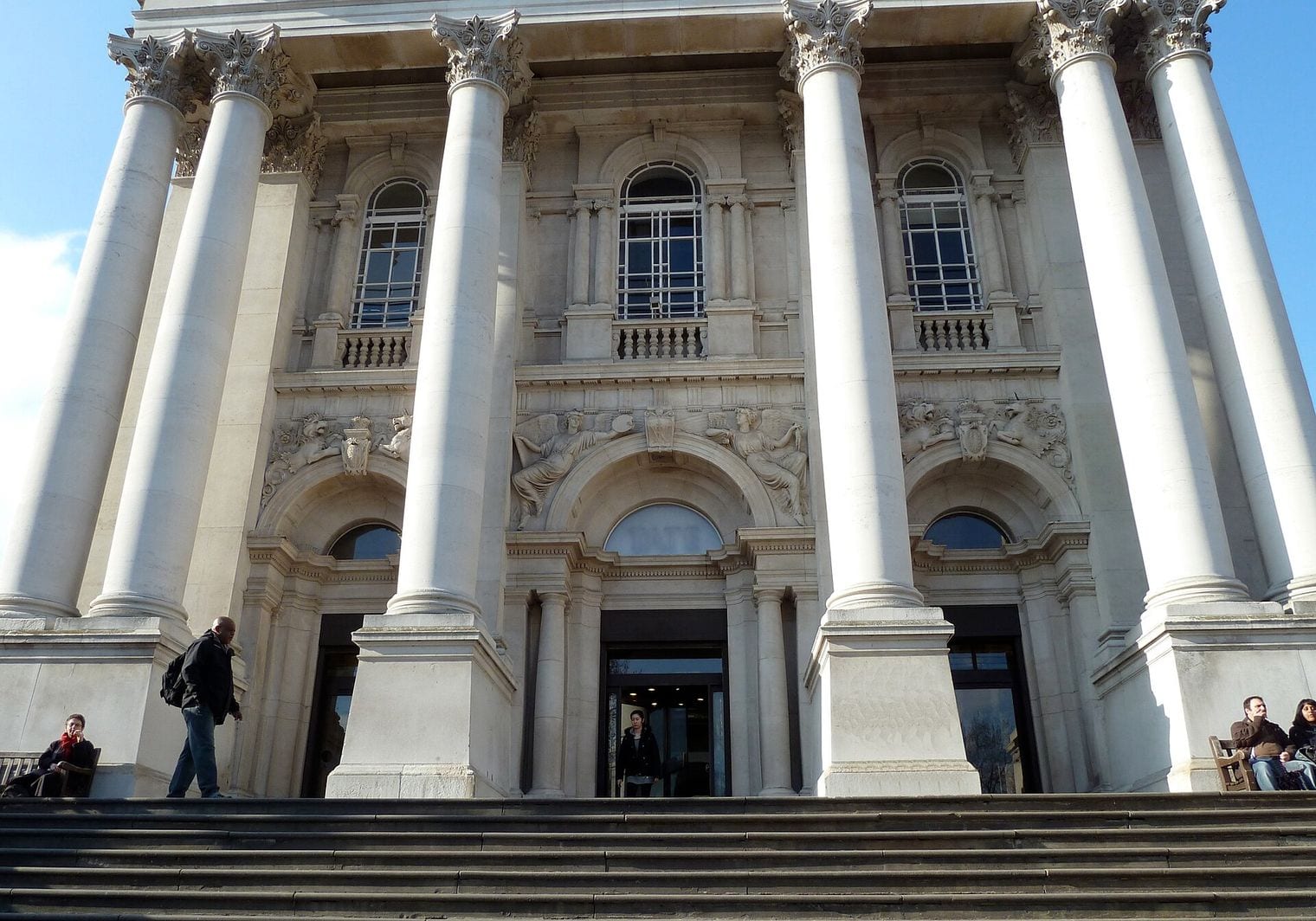
Tate Modern occupies the former Bankside Power Station on the south bank of the Thames, a brick monolith with a single chimney that faces St Paul's across the Millennium Bridge. The conversion kept the industrial bones, and the vast Turbine Hall running the length of the building is now a space for enormous commissioned installations.
The collection covers international modern and contemporary art, with the permanent displays free to enter. The Blavatnik Building extension added more gallery space and a viewing level with a wide sweep over the river and the City. Come for the art, stay for one of the best free views in London.
The Science Museum in South Kensington is the most purely enjoyable of the great free museums, and the one where you can lose a rainy afternoon without noticing. It covers the history of science, industry and medicine, from early steam engines and telegraphy to spaceflight, with plenty of objects that were built to work rather than to be looked at.
Interactive galleries make it excellent with children, and the Wonderlab gallery is a ticketed hands-on floor aimed squarely at them. The IMAX cinema and the flight simulators are also paid extras. Entry to the main museum, as with its neighbours on Exhibition Road, costs nothing.
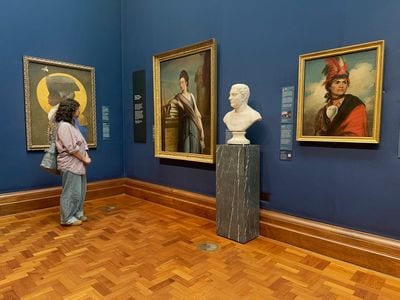
The National Gallery looks down over Trafalgar Square and holds the national collection of Western European painting, running from the thirteenth century to about 1900. Van Eyck, Leonardo, Titian, Caravaggio, Rembrandt, Turner, Van Gogh — the roll call is absurd, and the whole permanent collection is free.
Because it is compact by the standards of its rivals, it is one of the few great galleries you can see properly in a couple of hours. If you have less time, ask at the desk for the highlights route, or simply walk the Sainsbury Wing chronologically and let the rooms do the teaching.
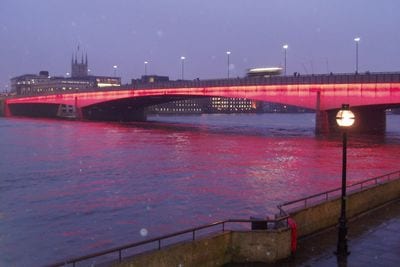
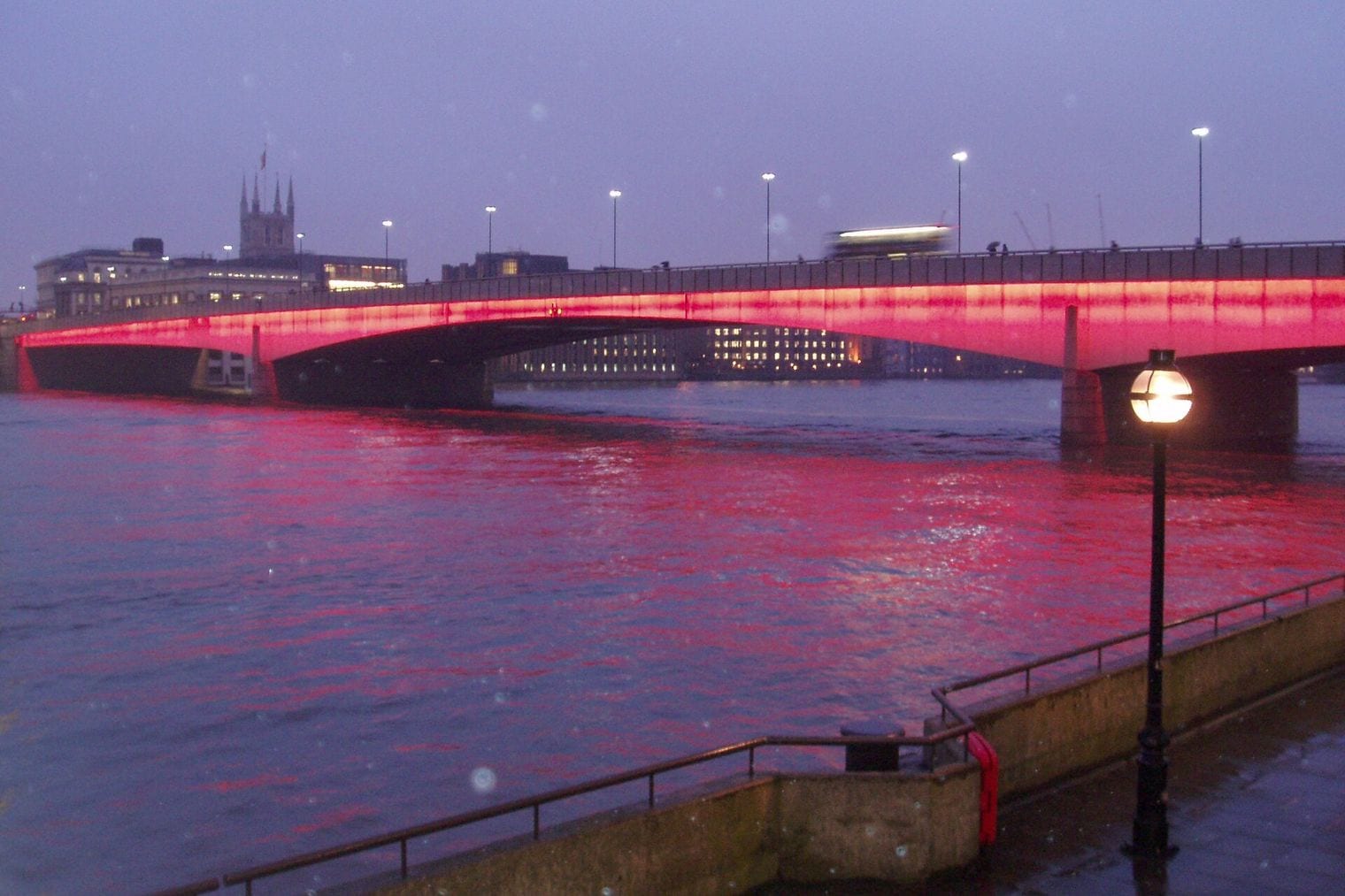
The plainest famous bridge in the world, and the source of endless confusion with its ornate neighbour downstream. The current London Bridge is a spare modern crossing of concrete and steel, but the site has carried a bridge since Roman times, and for centuries it was the only way across the Thames in the city.
Its predecessor was sold in the late 1960s and re-erected in Arizona, which remains one of London's better pieces of trivia. Walk it for the view rather than the structure: the Tower and Tower Bridge to the east, HMS Belfast moored below, and the City's towers rising directly ahead as you come north.
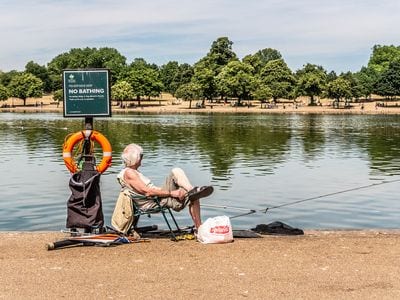
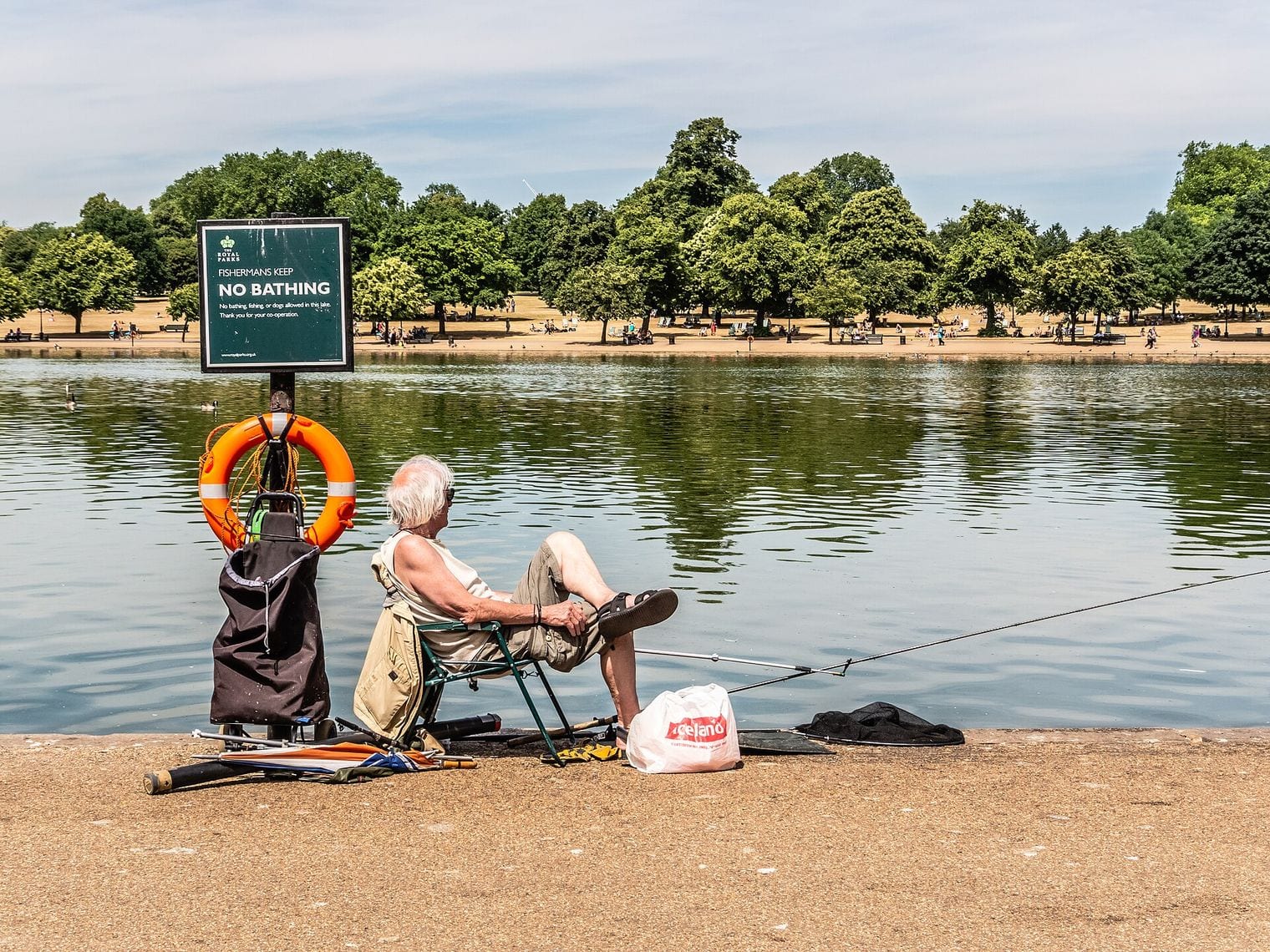
Hyde Park is the great green lung of central London, running west from Marble Arch and joining Kensington Gardens to form a single enormous stretch of grass, water and old trees. The Serpentine lake cuts across the middle, with rowing boats in summer and a lido for anyone willing to swim in it.
Speakers' Corner at the north-east edge has hosted open-air argument for well over a century and still does on Sundays. Elsewhere there are memorials, a rose garden, bandstands and long straight rides where horses still come through. In winter a large funfair takes over part of the park, which is either a treat or a reason to walk elsewhere.
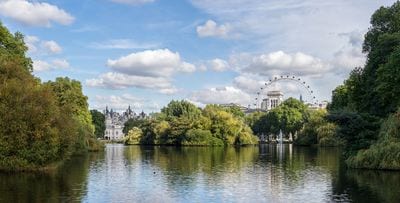
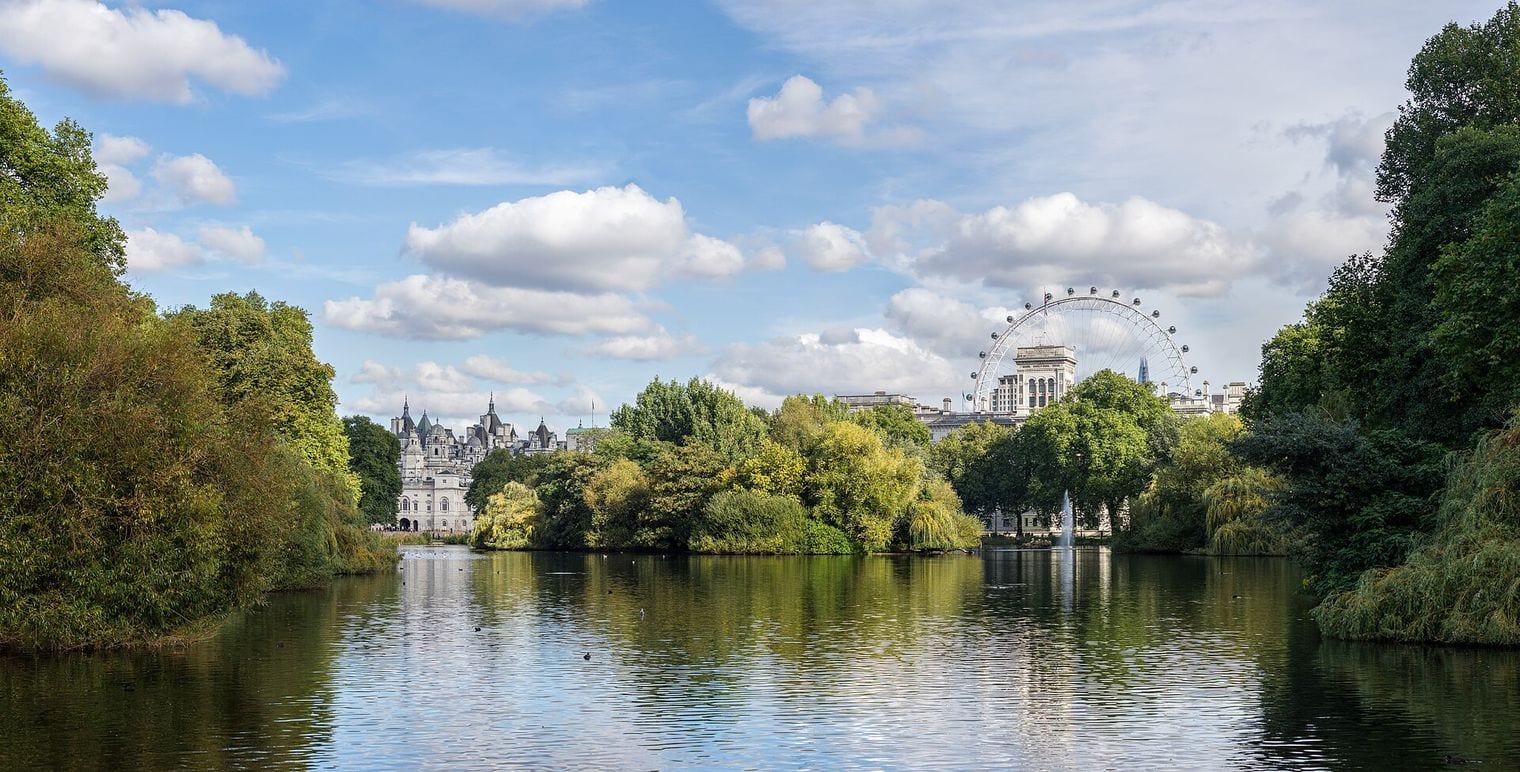
The oldest and prettiest of the royal parks, St James's Park runs between Buckingham Palace and Horse Guards, which makes it the most convenient patch of grass in London for collapsing on after a morning of sightseeing. A long lake fills the centre, crossed by a bridge with a much-photographed view towards the palace.
Pelicans have lived here since the seventeenth century, when they arrived as a diplomatic gift, and they are still fed most afternoons. The planting is more careful than in the bigger parks, the deckchairs come out in summer, and the whole thing sits inside a five-minute walk of Westminster, the Mall and the Guards' parade ground.
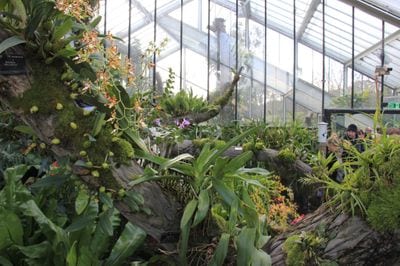
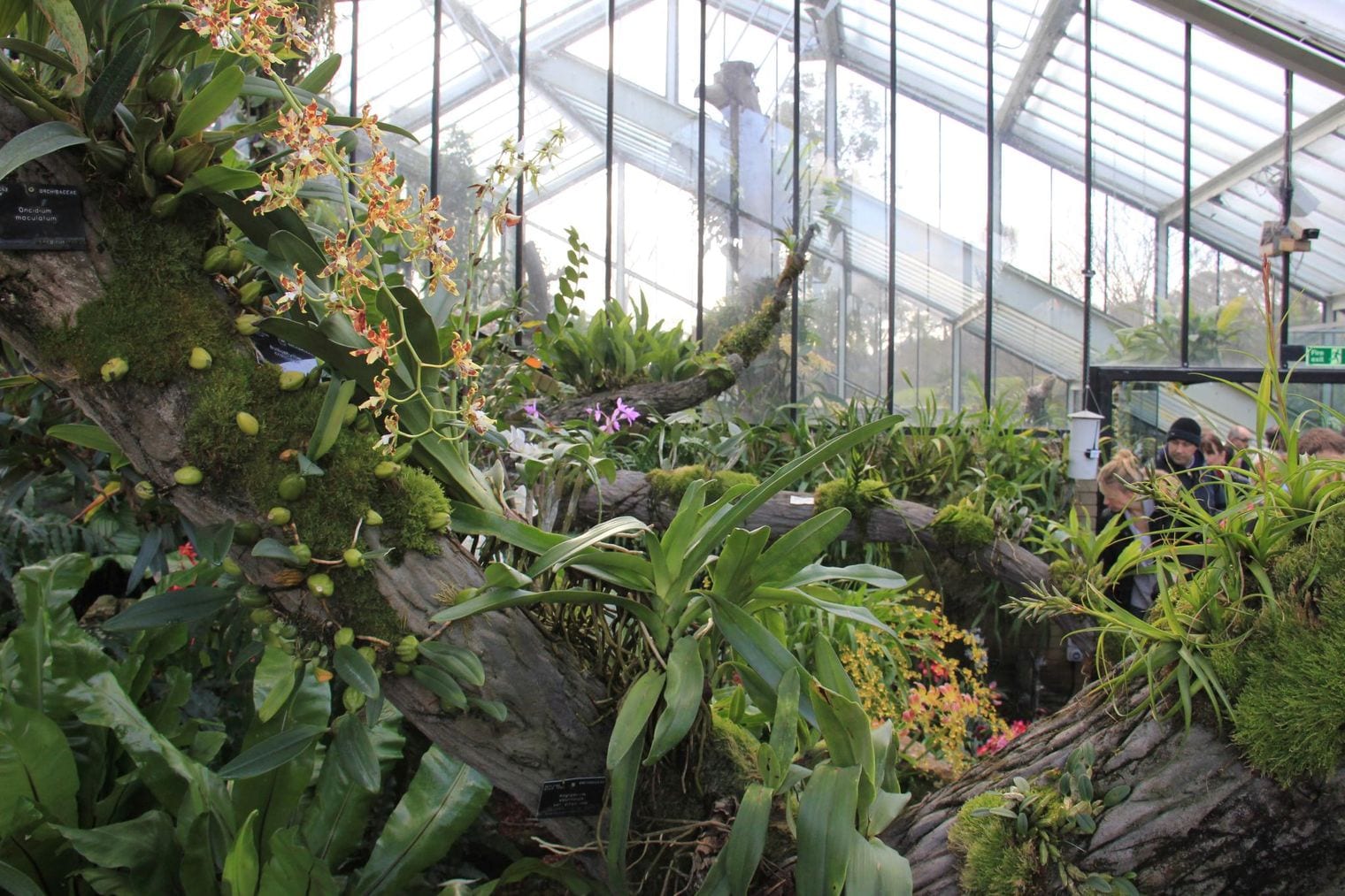
Kew is a working botanical research institution that happens to be one of the loveliest days out in London, spread across a huge site by the Thames in the south-west and listed as a UNESCO World Heritage Site. The Victorian glasshouses are the signature: the Palm House dripping with tropical humidity, and the Temperate House, the larger of the two.
Beyond them are an arboretum, a Japanese gateway, a Chinese pagoda, and the Treetop Walkway that carries you high up into the canopy. It takes a full day and rewards one. Kew is a long way out on the District line, so treat it as a destination rather than a stop.
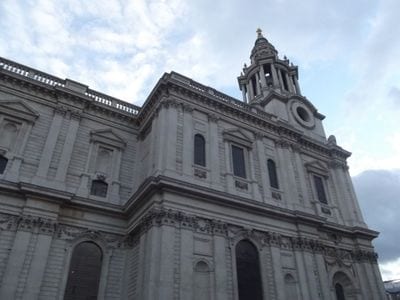
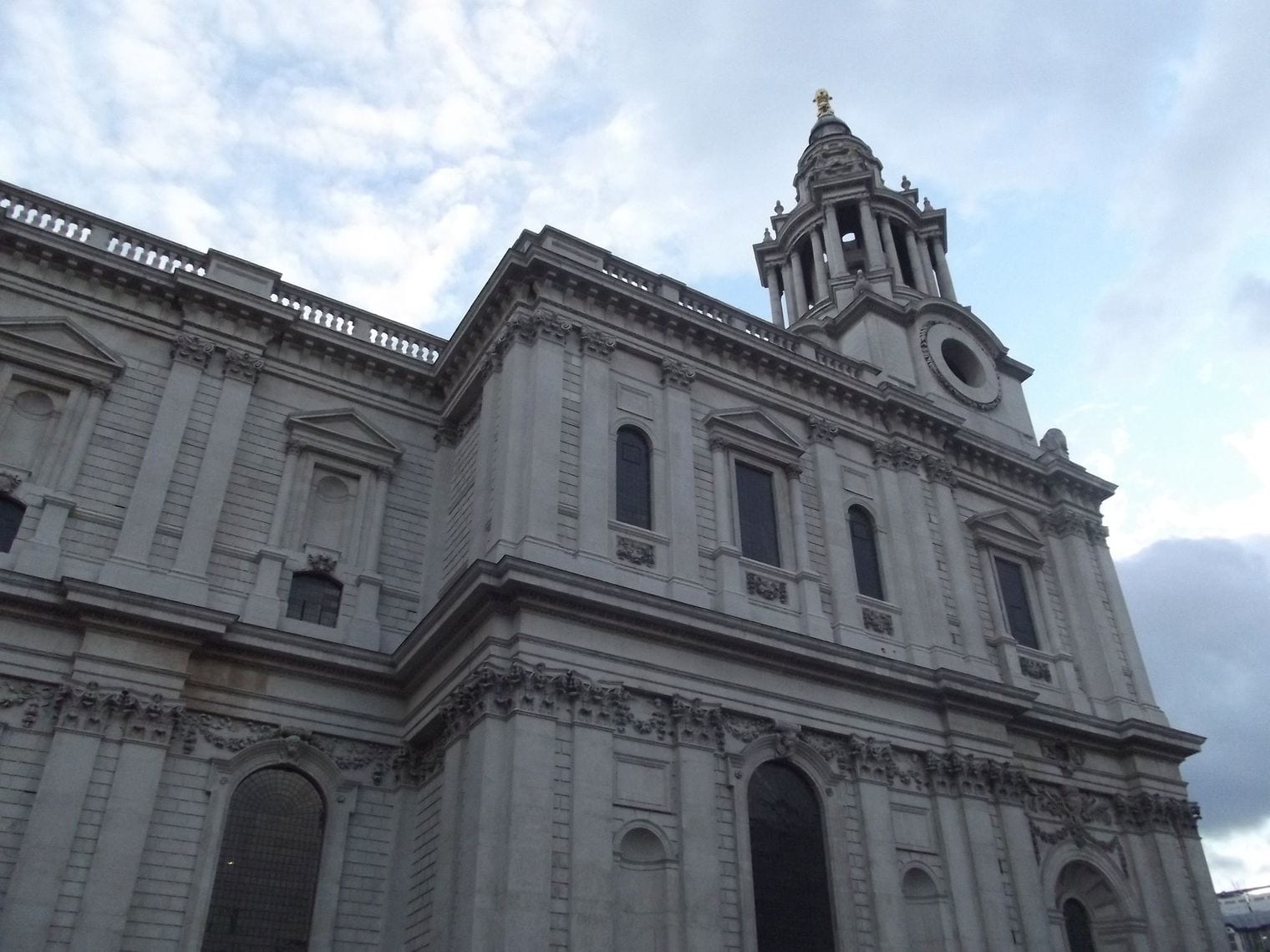
Christopher Wren's masterpiece, built after the Great Fire destroyed its medieval predecessor, and for centuries the tallest building in London. St Paul's Cathedral has hosted state funerals, royal weddings and national services of remembrance, and its dome remains the defining shape of the City skyline.
The climb is the thing. The Whispering Gallery runs around the dome's interior, where a murmur against the wall carries clear across the void; above it the Stone Gallery and then the Golden Gallery open onto a full circuit of the city. It is several hundred steps and the staircases narrow as you rise, but the view at the top is among London's best.
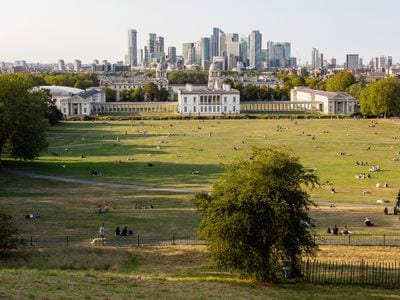
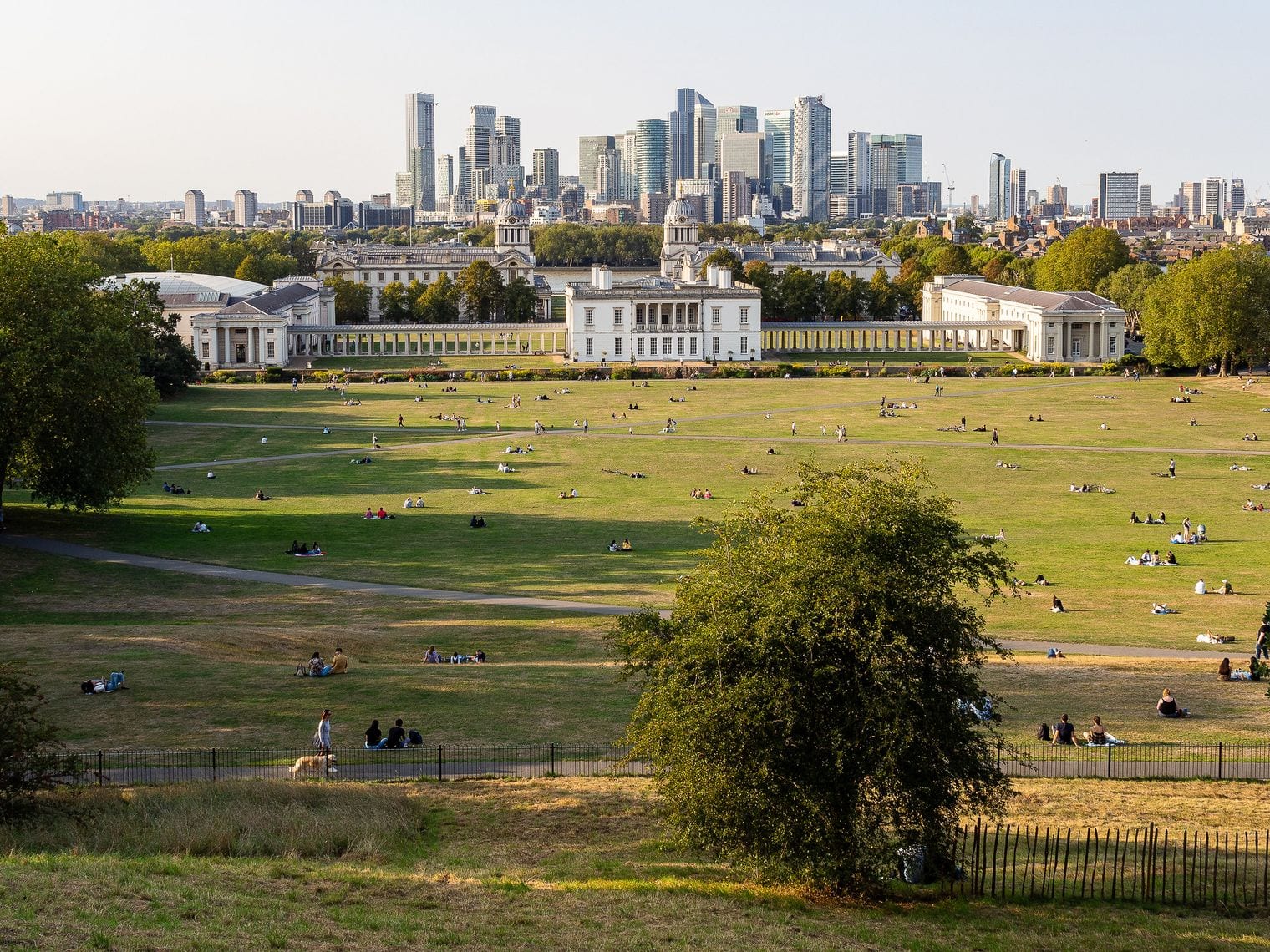
Greenwich Park climbs steeply from the river to the Royal Observatory, and the slope is the point: from the statue of General Wolfe at the top you look down over the Old Royal Naval College, the Queen's House and the Thames, with the towers of Canary Wharf directly opposite. It is the finest view in south London.
The Royal Observatory sits at the crest, and the Prime Meridian line runs through its courtyard, so this is where you stand with a foot in each hemisphere. The rest of the park holds a deer enclosure, a rose garden and long avenues of chestnuts, and the whole of maritime Greenwich below is a World Heritage Site.
The original waxworks, founded by a French modeller who learned her trade taking death masks during the Revolution and brought her travelling exhibition to London in the early nineteenth century. Madame Tussauds has been on Marylebone Road for generations and remains an unembarrassed crowd-pleaser.
The appeal is straightforward: film stars, footballers, musicians and royalty rendered in wax and arranged so you can stand next to them for a photograph. There is a Marvel section, a Star Wars section and a short dark ride through London's history. Book online in advance, both for the discount and to avoid a long wait on the pavement outside.
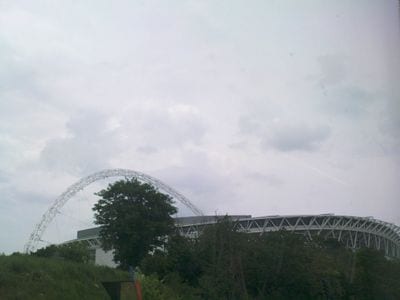
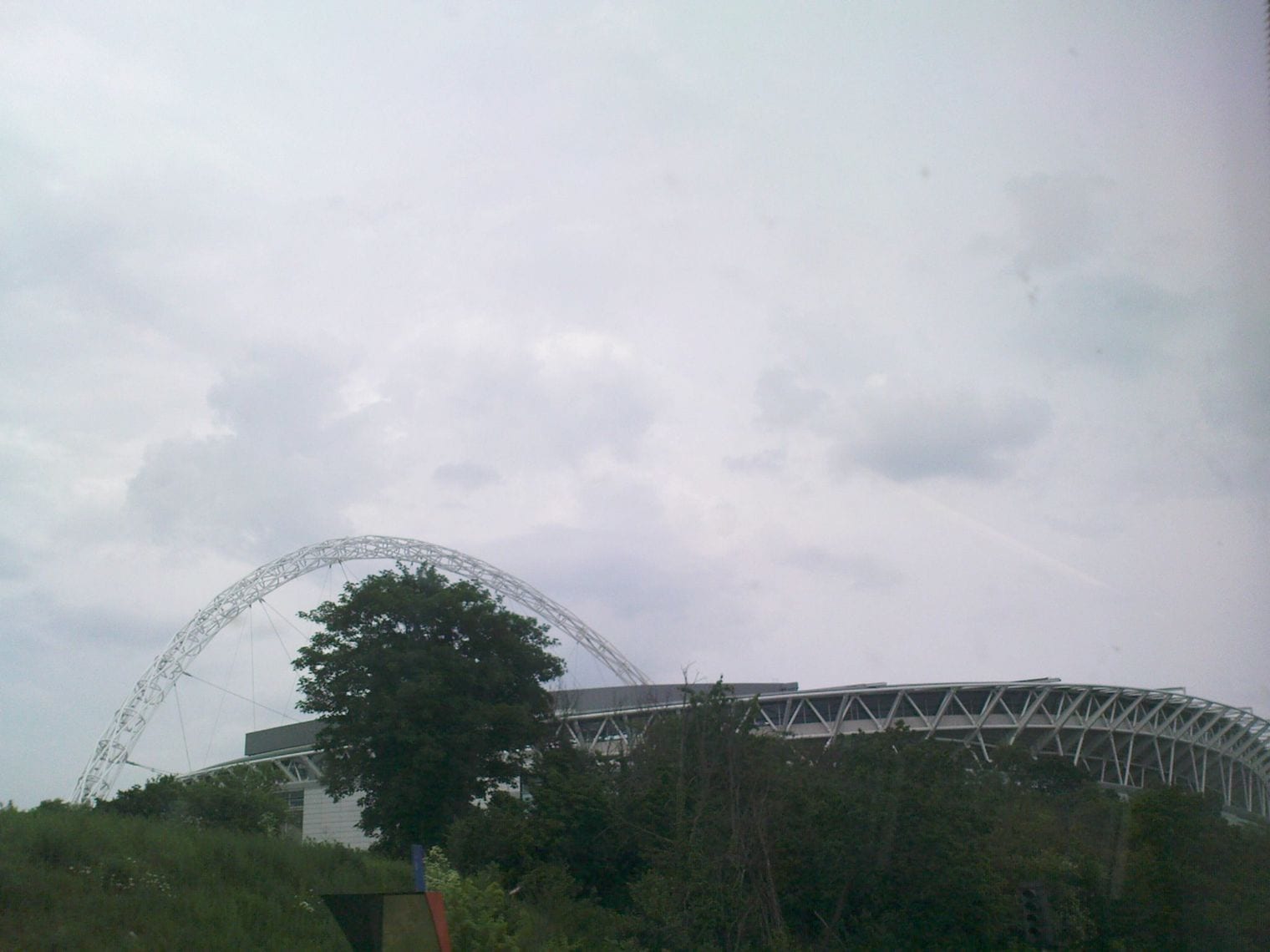
England's national stadium, rebuilt in the 2000s on the site of the old twin-towered ground and crowned instead with a vast steel arch visible from across north-west London. Wembley Stadium hosts England internationals, the FA Cup final, rugby league's showpiece games and the biggest touring concerts.
If you cannot get a ticket to an event, the stadium tour is a decent substitute, taking in the players' tunnel, the dressing rooms, the press areas and a seat in the stands with the whole bowl opening out in front of you. The trophy silverware usually appears somewhere along the route. It is a short walk from Wembley Park station.
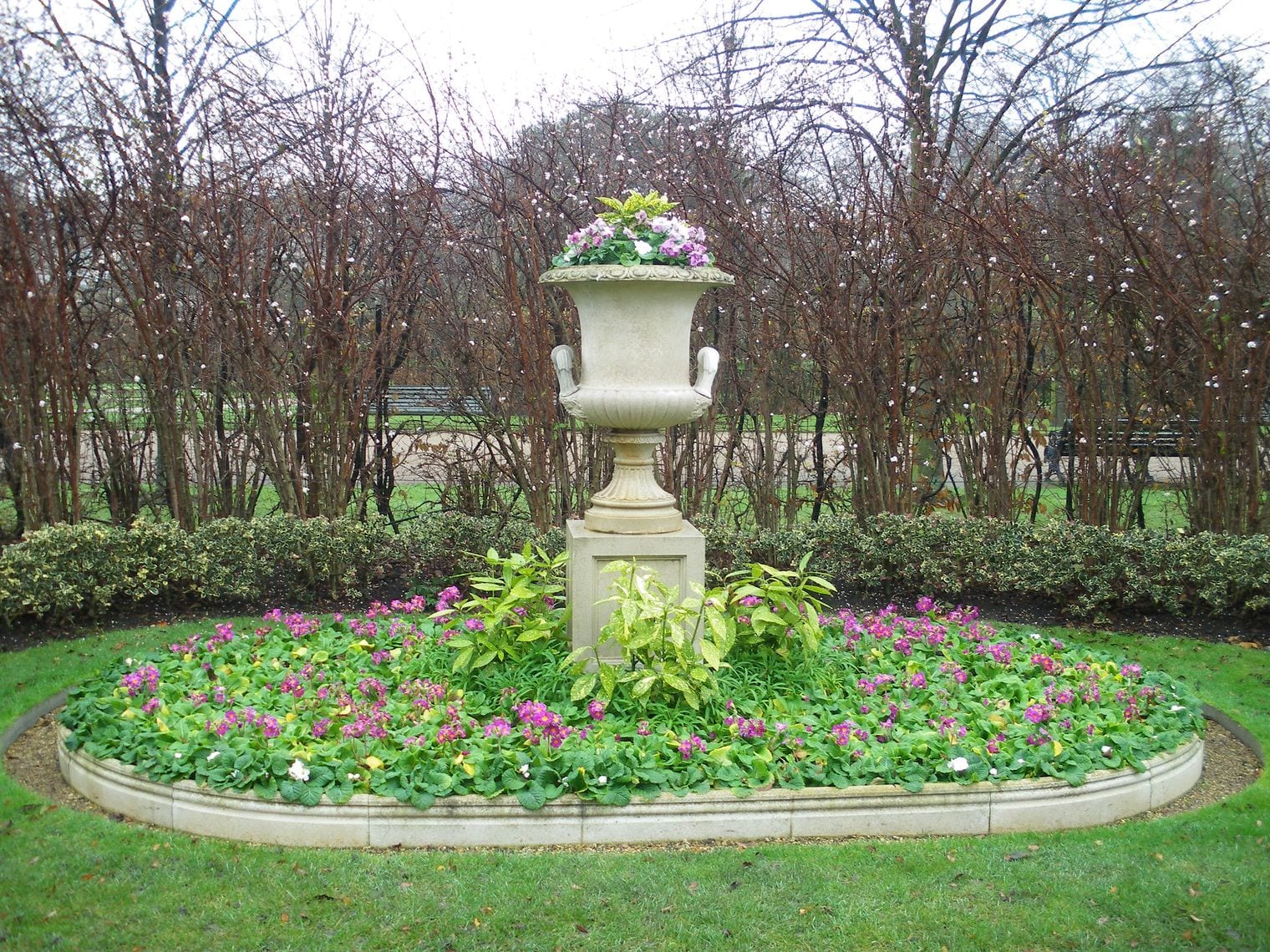
The Regent's Park is the most formally beautiful of the royal parks, laid out by John Nash and ringed by his cream stucco terraces, which give the whole place the air of a very large private garden that somebody forgot to lock. Wide lawns, a boating lake and long tree-lined avenues fill the space.
Queen Mary's Gardens at the centre hold thousands of roses that peak in June and are worth timing a visit around. An open-air theatre runs a summer season under the trees, London Zoo occupies the northern edge, and Primrose Hill rises just beyond it for one of the classic postcard views back across the skyline.
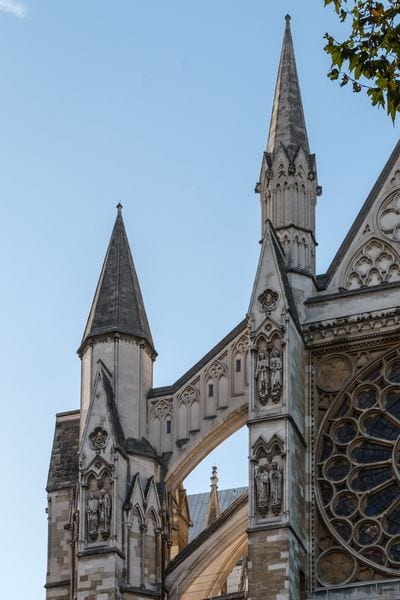
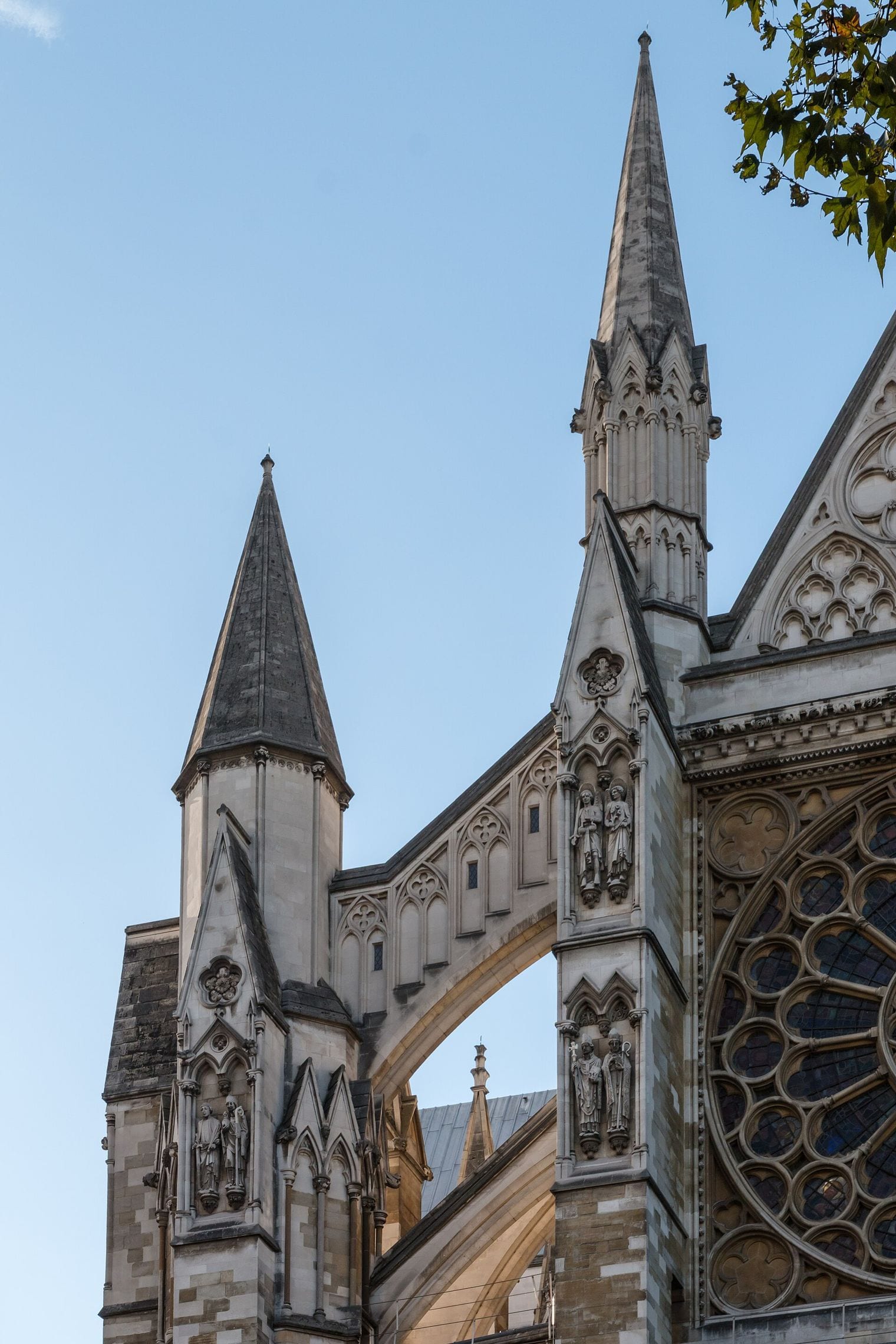
Every English and British coronation since 1066 has taken place at Westminster Abbey, and the building carries that weight everywhere you look. It is a working church, a royal peculiar, and effectively the national mausoleum: monarchs, statesmen and scientists are buried beneath the floor you walk on.
Poets' Corner gathers the memorials to Chaucer, Dickens, Hardy and dozens more, and the Lady Chapel at the east end has a fan-vaulted ceiling of extraordinary delicacy. The Queen's Diamond Jubilee Galleries, high in the medieval triforium, look down the length of the nave. Book ahead, and allow longer than you think.
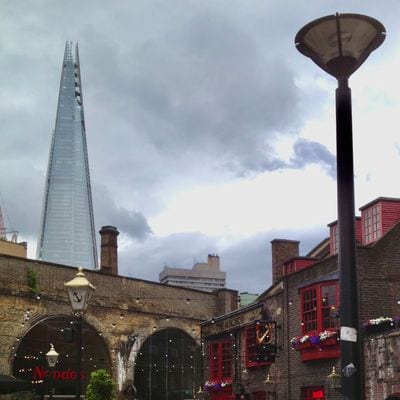
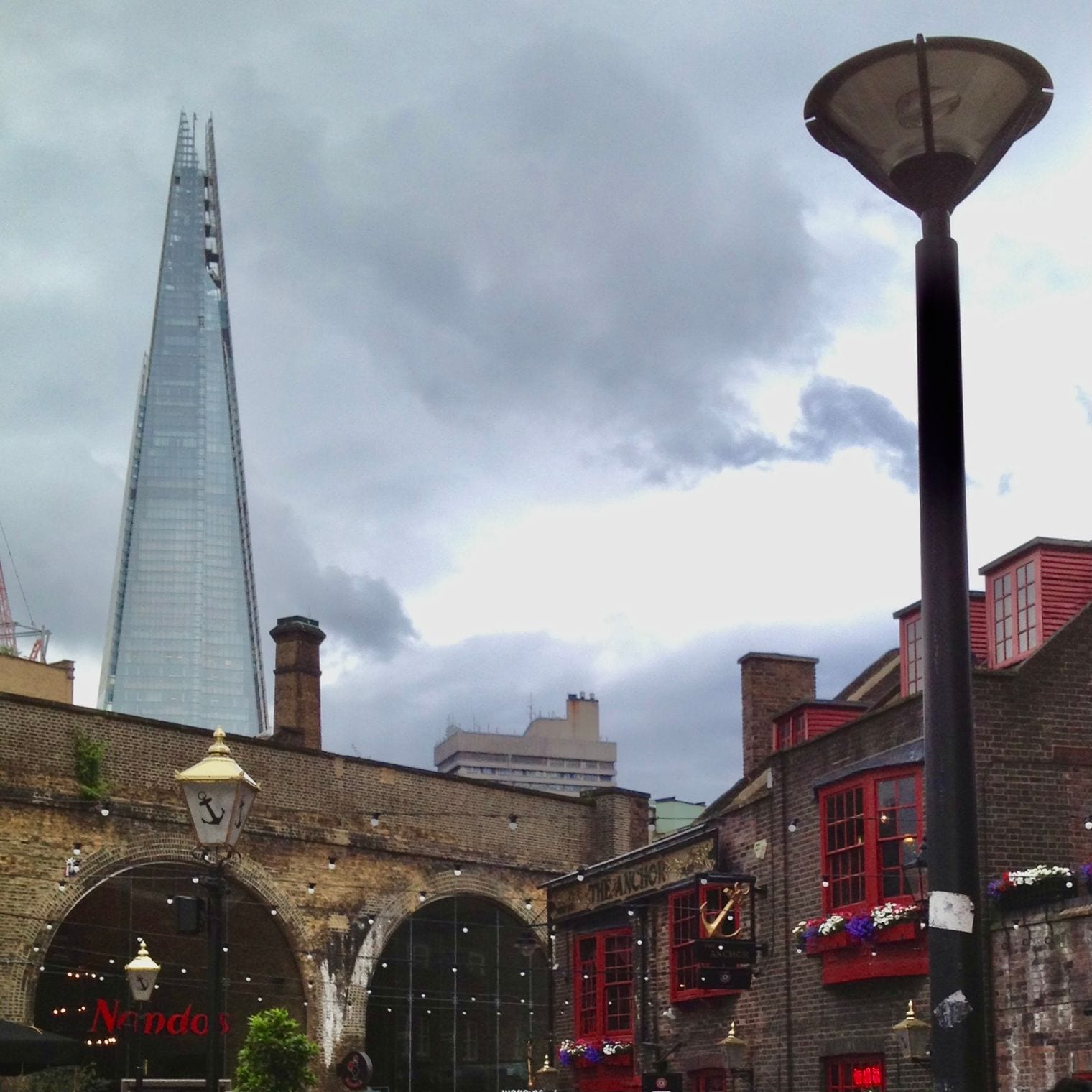
Renzo Piano's glass spike beside London Bridge station is the tallest building in the United Kingdom, tapering to an unfinished-looking point that catches the light differently through the day. The Shard has become the landmark that fixes the south bank on the skyline.
The View from the Shard occupies the upper floors, with an open-air deck near the top where the wind gets in and the city spreads out for miles in every direction. It is not cheap. The cheaper alternative, if the weather is kind, is a drink in one of the bars a few floors below, where the view is nearly as good and comes with a seat.
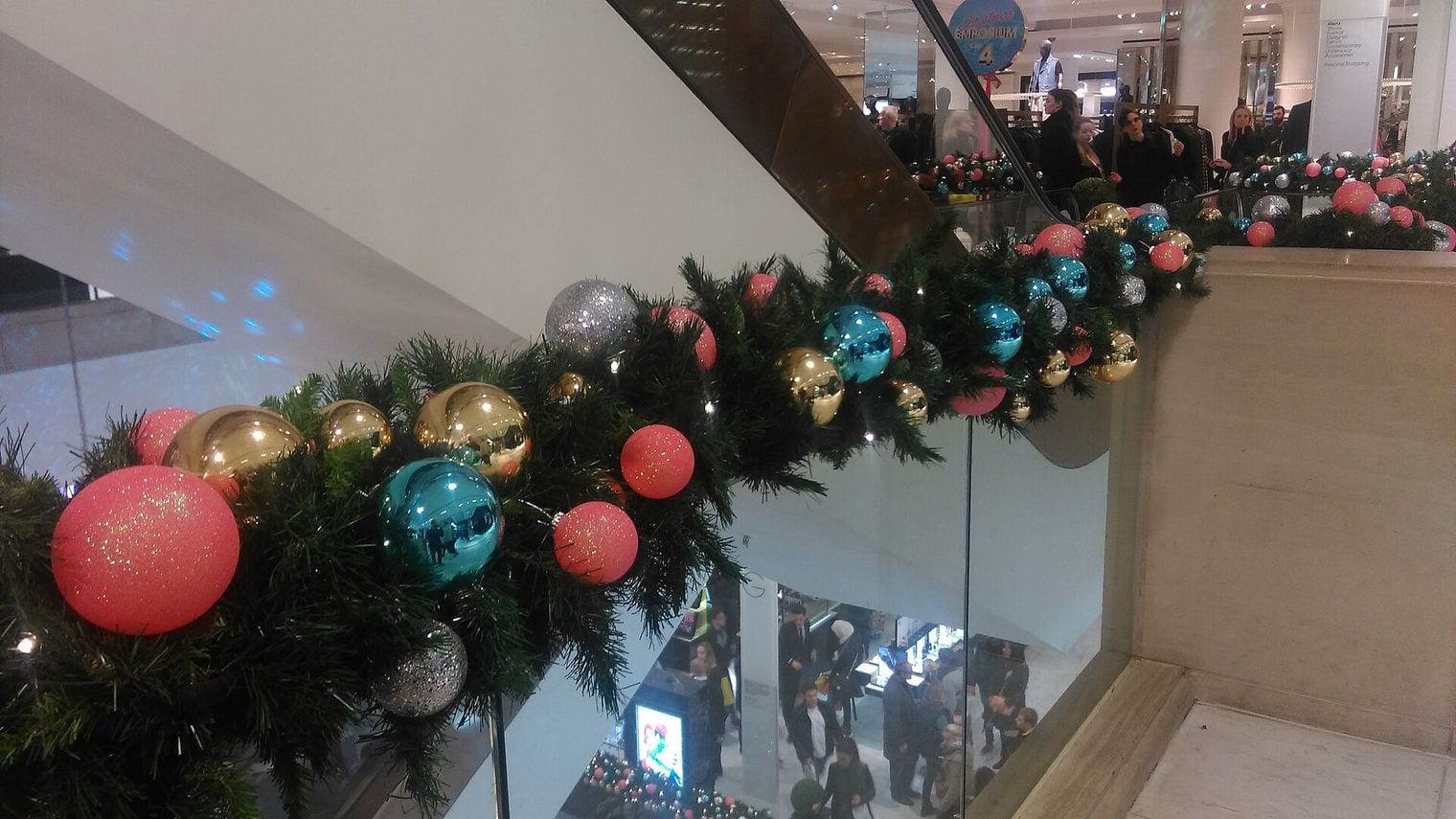
The Oxford Street department store that changed how Britain shops, opened by an American retailer who understood that a shop could be an entertainment rather than a transaction. Selfridges put the goods where customers could touch them and turned the ground floor into a spectacle.
The window displays are still treated as a serious art form and are free to walk past. Inside, the food hall and the beauty floor are the most enjoyable browsing even if you buy nothing, and the building's Edwardian columns and clock give the whole thing a sense of occasion. It anchors the western end of Oxford Street, a short walk from Bond Street station.
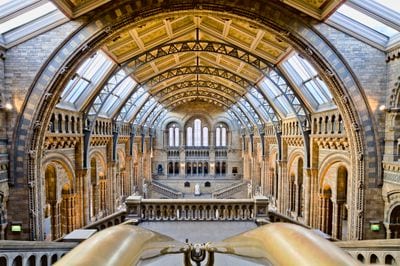
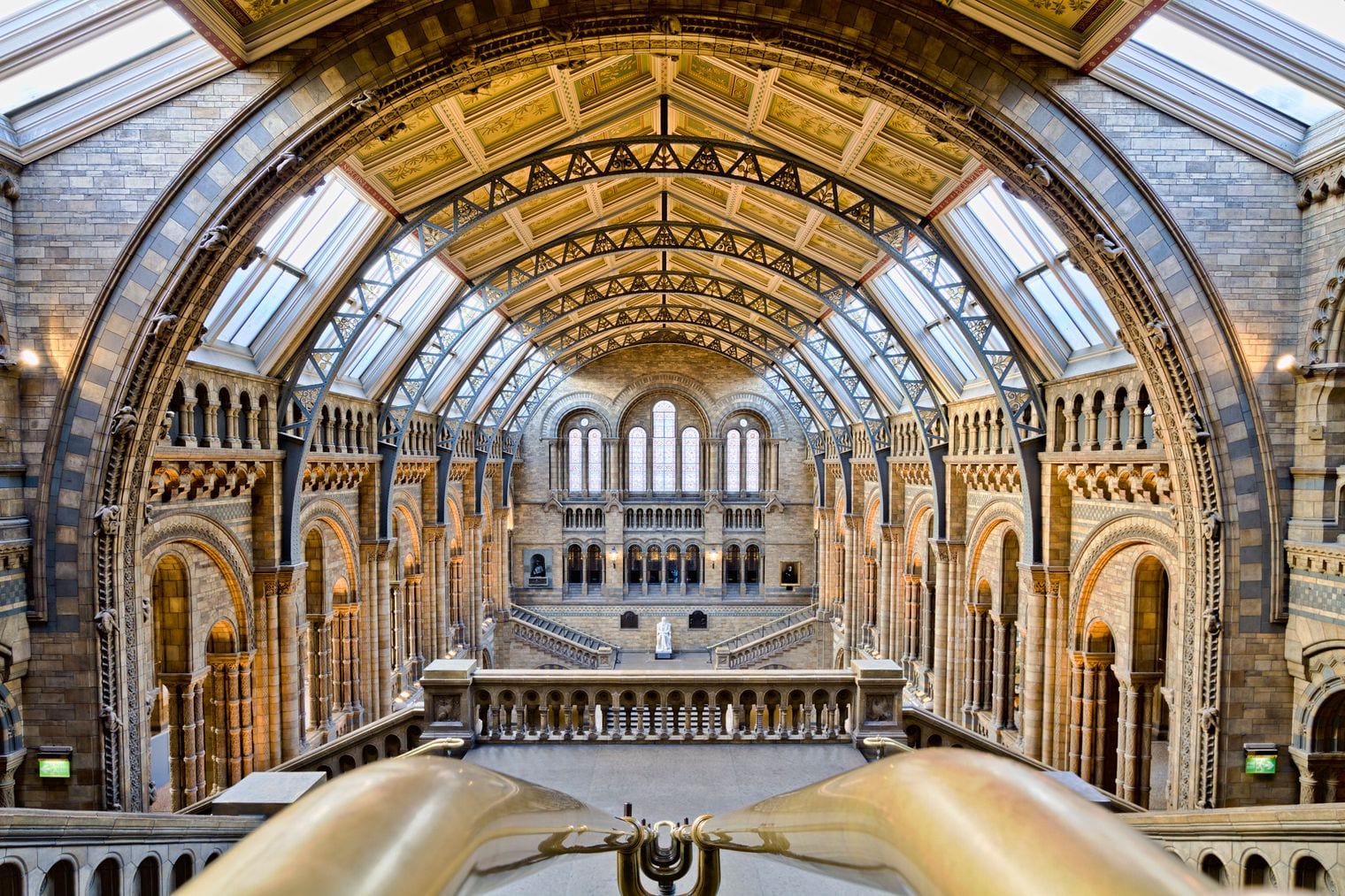
Alfred Waterhouse's terracotta cathedral to the natural world, carved inside and out with animals and plants, and arguably the most beautiful museum building in London. Hintze Hall runs the length of the entrance with a blue whale skeleton suspended overhead, diving towards the visitors below.
The dinosaur gallery is the one children come for, the mineral galleries are quietly extraordinary, and the earthquake and volcano displays hold up well. Entry to the Natural History Museum is free, it stands next door to the Science Museum and across from the V&A, and it gets extremely busy at weekends and in school holidays.
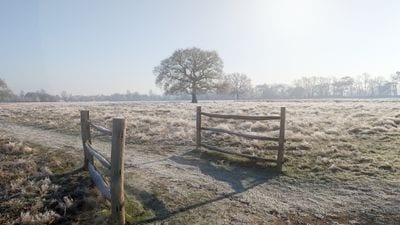
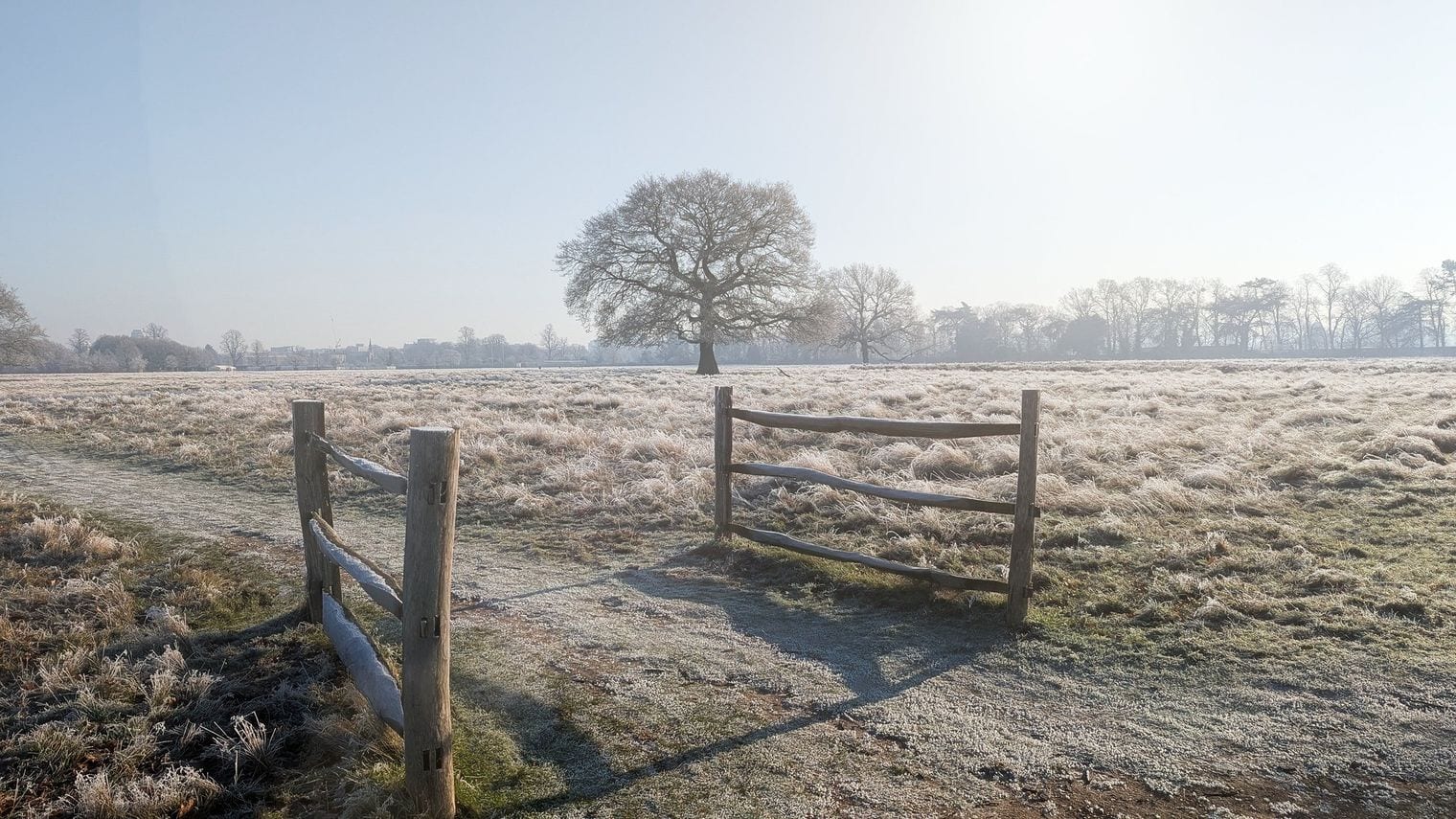
The largest of London's royal parks, enclosed as a deer chase and still home to hundreds of free-roaming red and fallow deer that graze among the bracken with no fence between you and them. Richmond Park feels less like a park than a piece of countryside that London grew around.
The Isabella Plantation is a woodland garden that turns spectacular when the azaleas and rhododendrons come out in late spring. King Henry's Mound holds a protected sightline that frames St Paul's dome ten miles away. Keep a respectful distance from the deer, especially in autumn rutting season and again when the calves arrive.
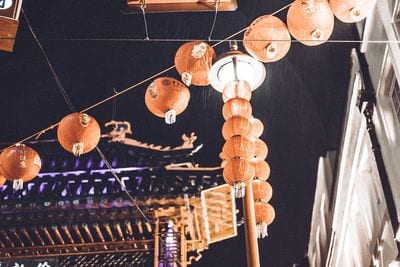
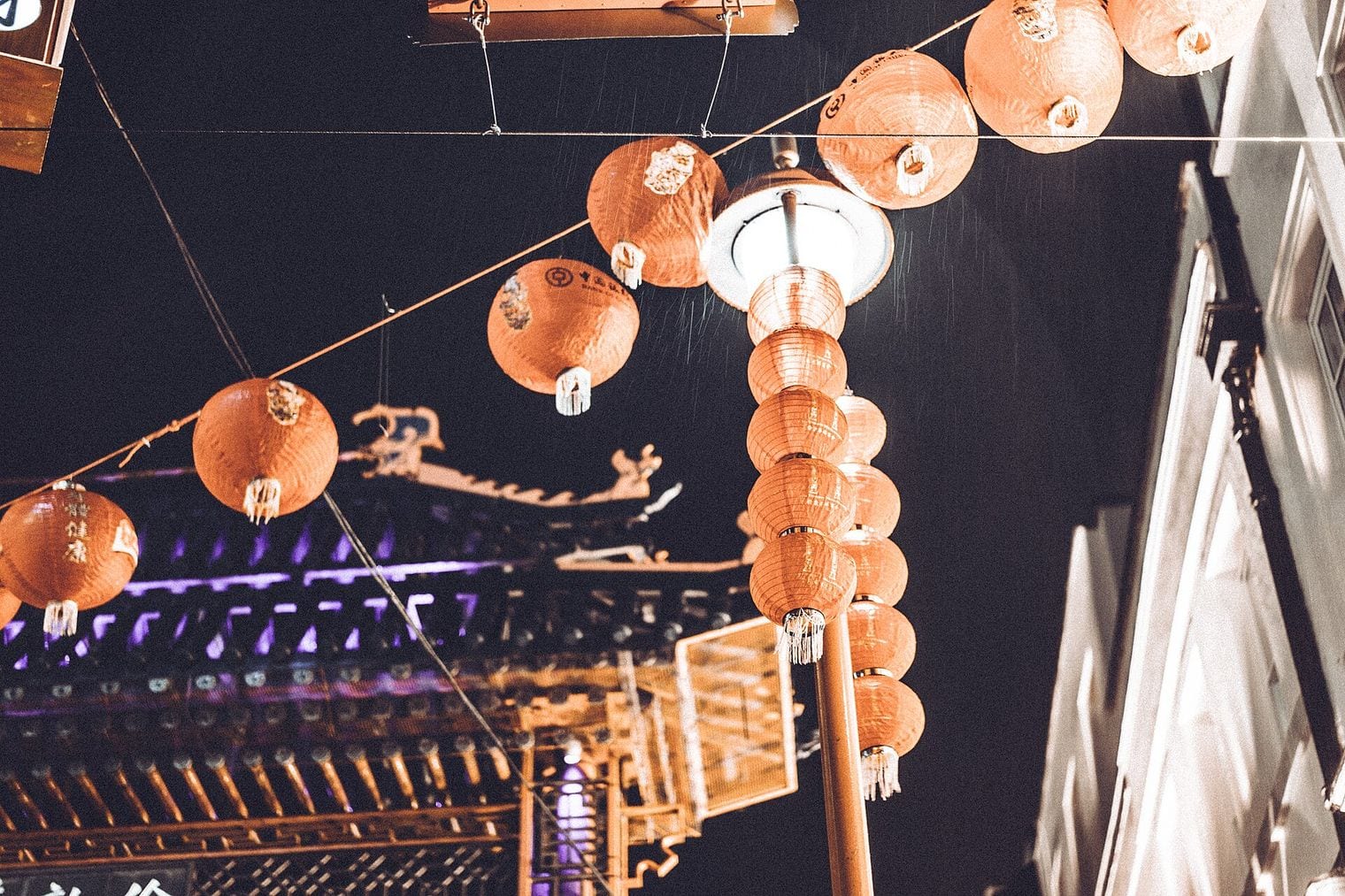
A dense grid of streets between Shaftesbury Avenue and Leicester Square, marked by ornamental gates and strung with red lanterns overhead. London's Chinatown centres on Gerrard Street and has been the heart of the city's Chinese community since the community moved here from the East End in the middle of the last century.
It is first and foremost somewhere to eat: roast meats hanging in the windows, dim sum, hand-pulled noodles, hotpot, and bakeries selling egg tarts to take away. The supermarkets are worth a look even if you are not cooking. Lunar New Year brings lion dances and enormous crowds through the surrounding streets.
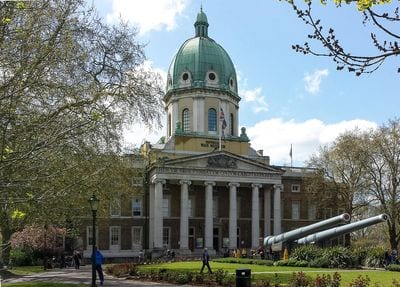
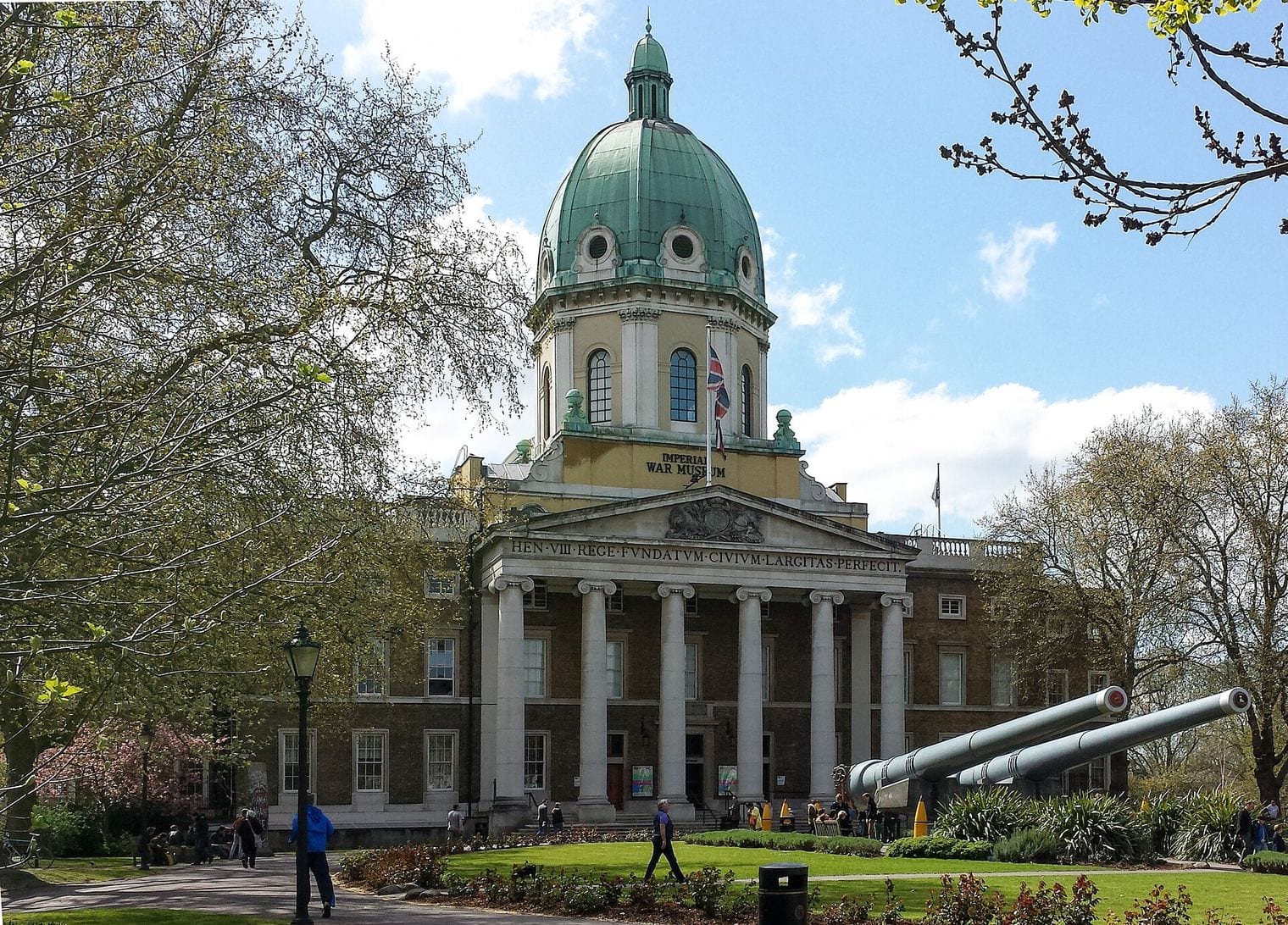
Housed in a domed former hospital in Lambeth, with two enormous naval guns pointing across the lawn outside, the Imperial War Museum covers conflict involving Britain and the Commonwealth from the First World War onwards. It is a serious, unflinching museum rather than a celebratory one.
The First and Second World War galleries are the core, built around personal objects, letters and film as much as hardware. The Holocaust Galleries occupy two floors and are among the most carefully made displays of their kind anywhere. Entry is free. It is not a light morning, and it is one of the most worthwhile museums in the city.
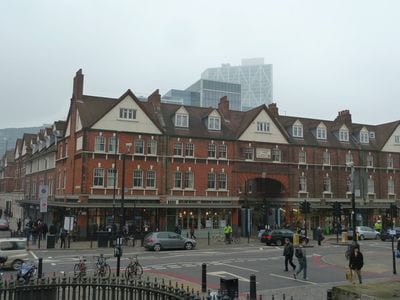
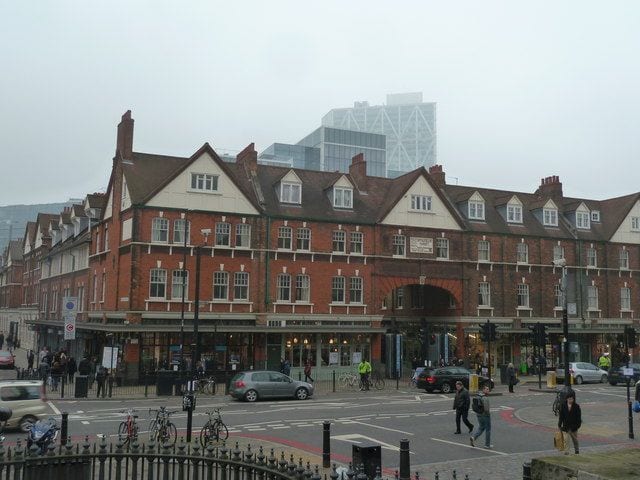
A covered Victorian market hall on the edge of the City, where the old iron structure has been kept and the trading has shifted to independent fashion, art, vintage and design. Old Spitalfields Market runs different themes on different days, so what you find depends on when you come.
The surrounding streets are the real reward. Georgian silk-weavers' houses line Fournier Street and Princelet Street, Brick Lane and its curry houses and bagel shops run north, and the whole quarter carries layer on layer of immigrant history — Huguenot, Jewish, Bengali. Come on a Sunday, when the market and the neighbouring ones are all running at once.
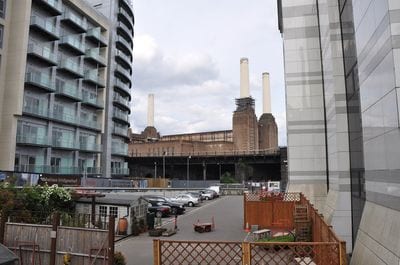
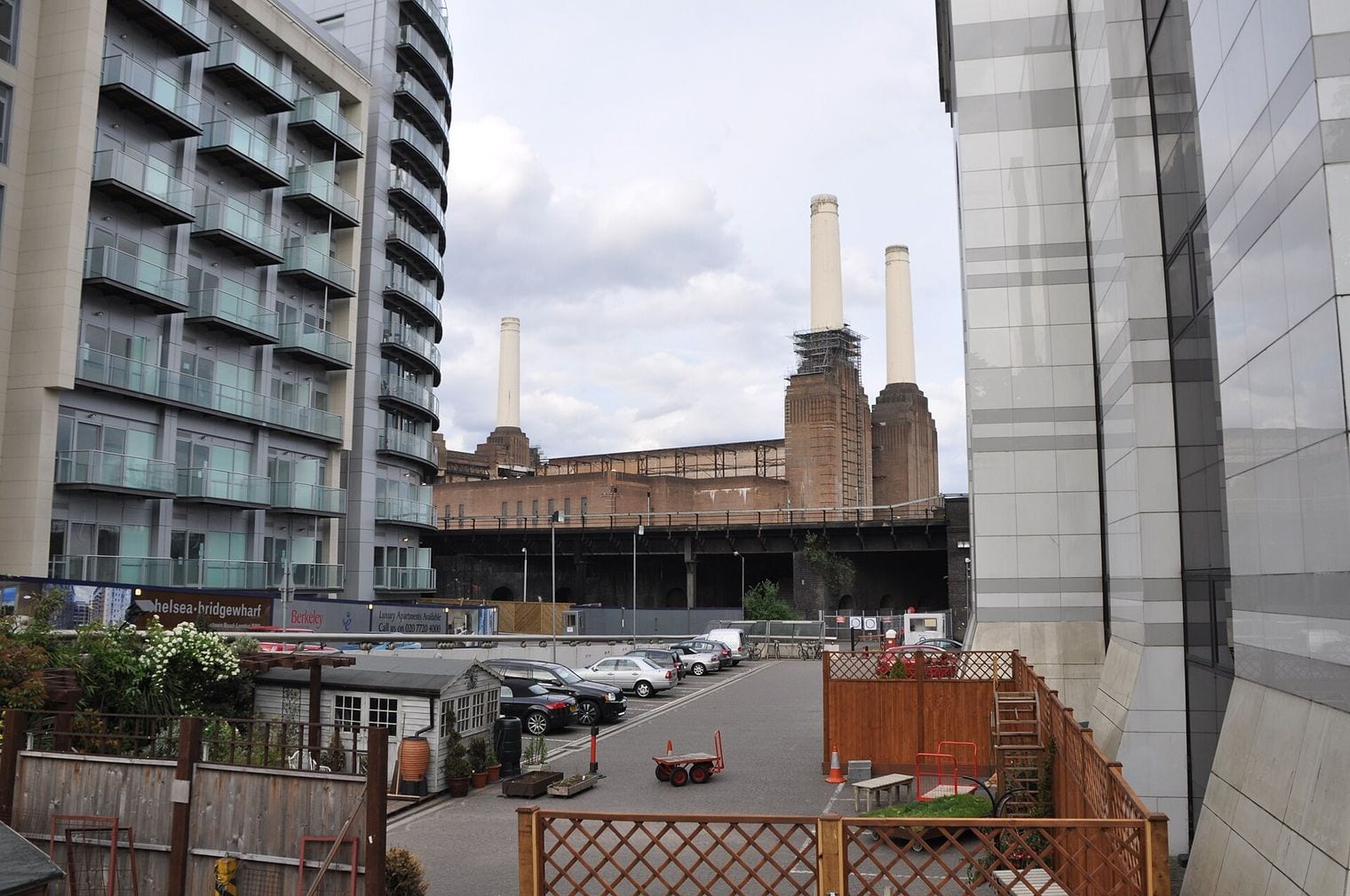
The brick colossus on the south bank with four white chimneys at its corners, familiar from album covers and film shots long before anybody could go inside. Battersea Power Station stood derelict for decades after it stopped generating, and has now reopened as a shopping and leisure destination inside the preserved shell.
The turbine halls have been restored, one in art deco and one in a later, plainer style, and the industrial scale survives the retail. Lift 109 takes visitors up inside one of the chimneys to a glass viewing platform at the top. The riverside walk outside is free and the building is best appreciated from a distance anyway.
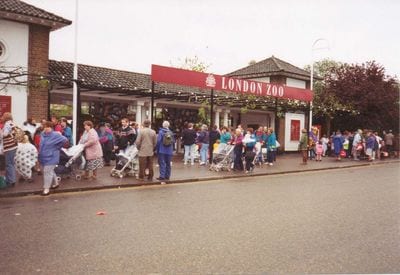
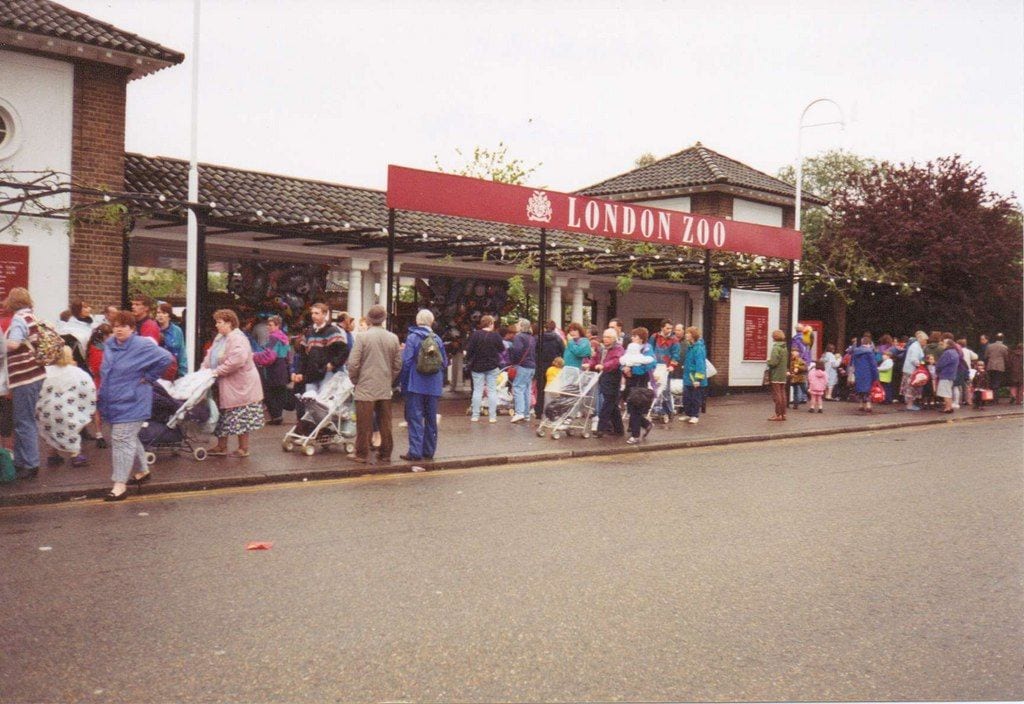
Occupying the northern edge of Regent's Park, London Zoo opened in the first half of the nineteenth century as a scientific collection and has been evolving away from that Victorian model ever since. It is run by the Zoological Society of London, and conservation and research remain the point of it.
The Land of the Lions, the gorilla enclosure and the penguin pool are the crowd-pullers, and the walk-through areas — the rainforest, the butterfly tunnel, the monkey territory — make it a good day with children. Some of the original listed buildings survive on site. Book online in advance, as the gate price is noticeably higher.
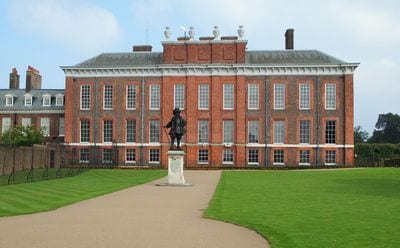
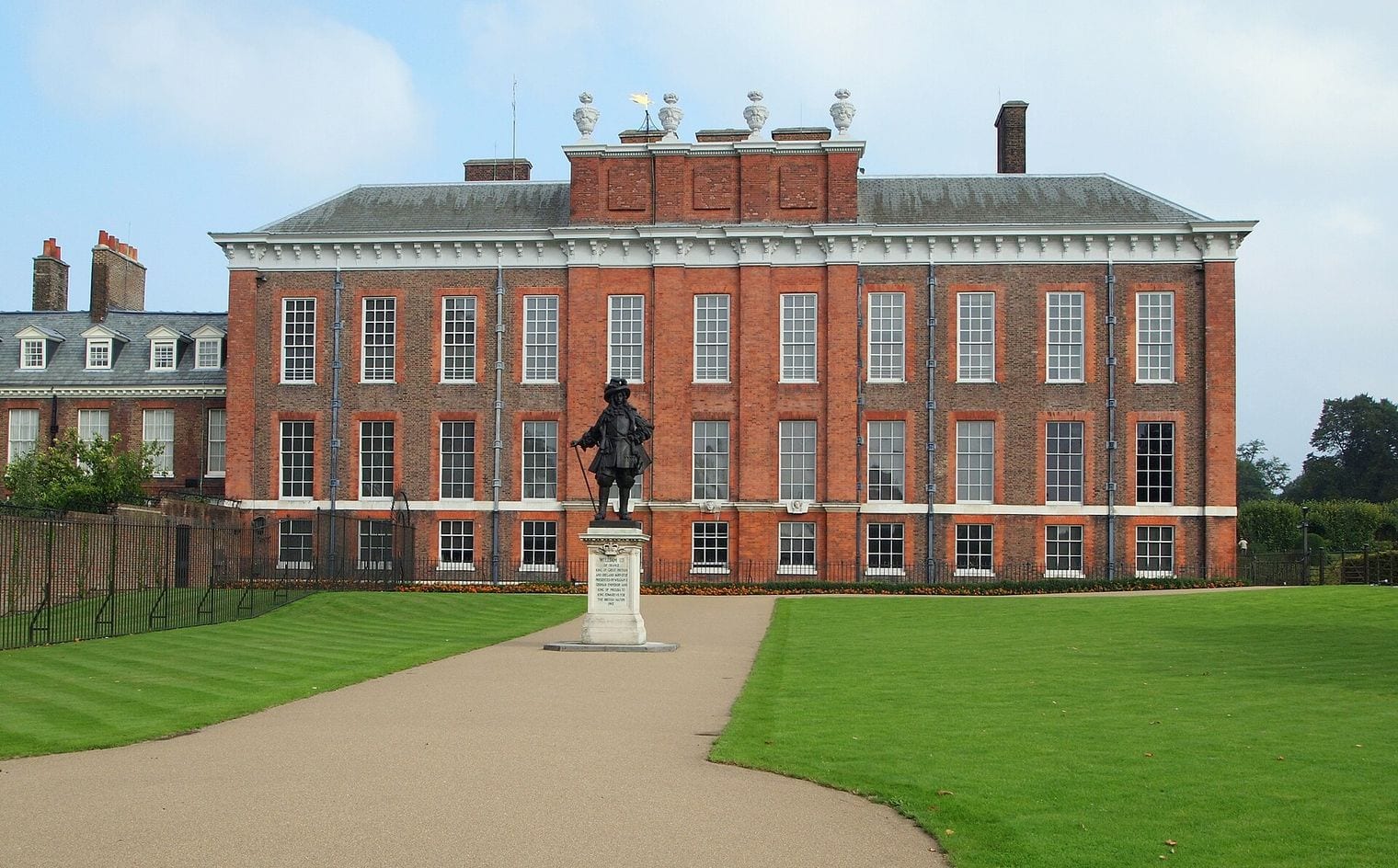
A working royal residence on the edge of Kensington Gardens, and a far more domestic building than Buckingham Palace, which is exactly what makes it interesting. Kensington Palace was Queen Victoria's birthplace and childhood home, and the rooms telling her story are the strongest part of the visit.
The King's and Queen's State Apartments are open to the public, with painted ceilings and a grand staircase, and the palace regularly stages exhibitions drawn from the Royal Ceremonial Dress Collection. Outside, the Sunken Garden is free to look into from the surrounding walk, and Kensington Gardens runs straight on into Hyde Park.
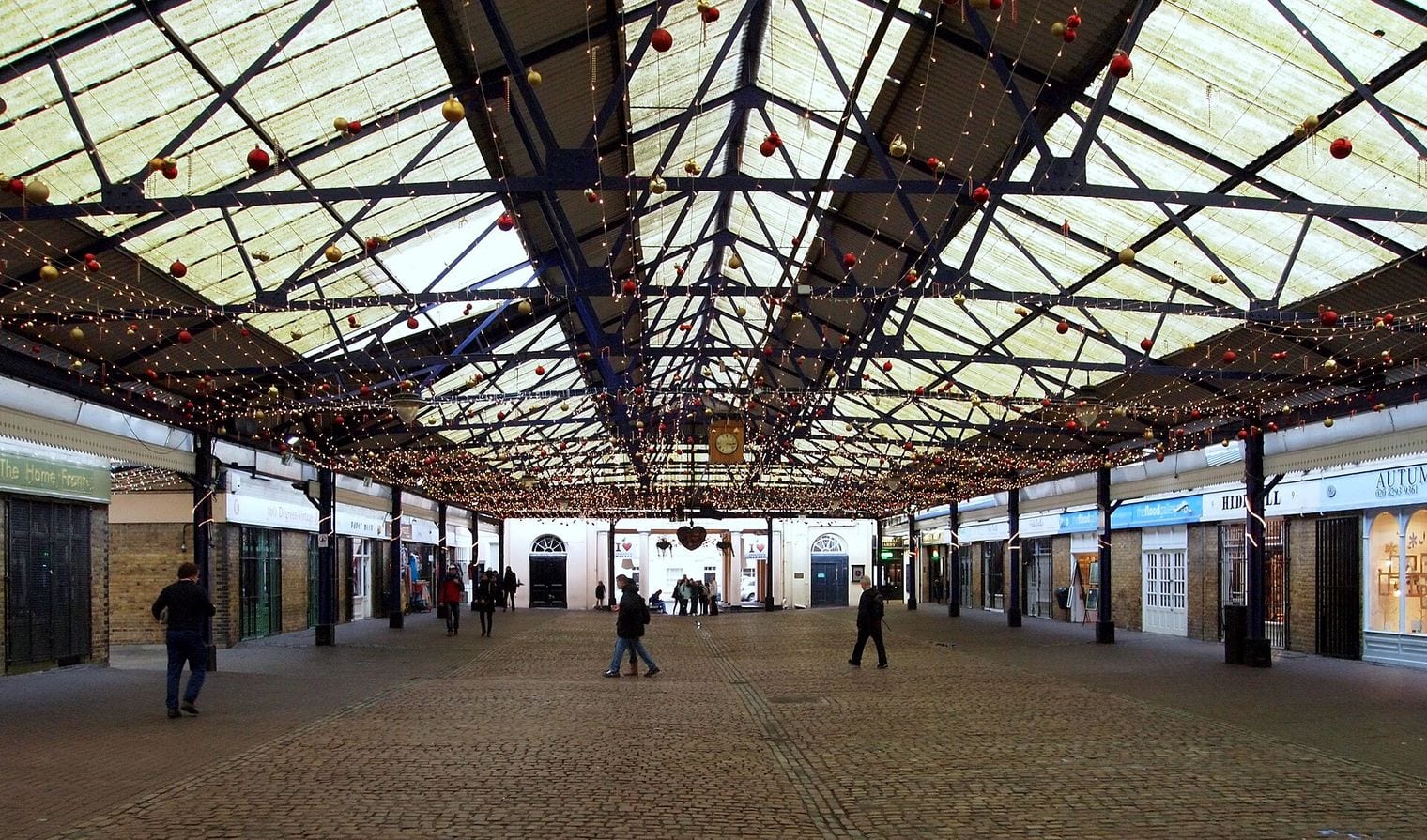
A covered market in the middle of maritime Greenwich, smaller and more manageable than Camden or Spitalfields, and better for actually buying something. Greenwich Market leans towards crafts, prints, jewellery and antiques, with makers frequently selling their own work from behind the stall.
The food traders around the edges are excellent and the whole thing sits within a few minutes' walk of the Cutty Sark, the Old Royal Naval College and the foot tunnel under the Thames. Coming by riverboat from central London turns the trip into an outing in itself, and is far more enjoyable than the train.
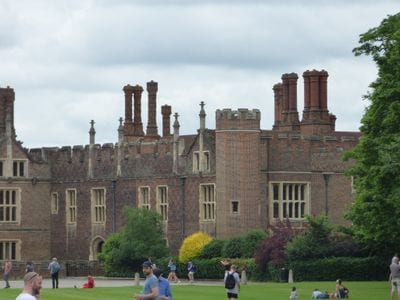
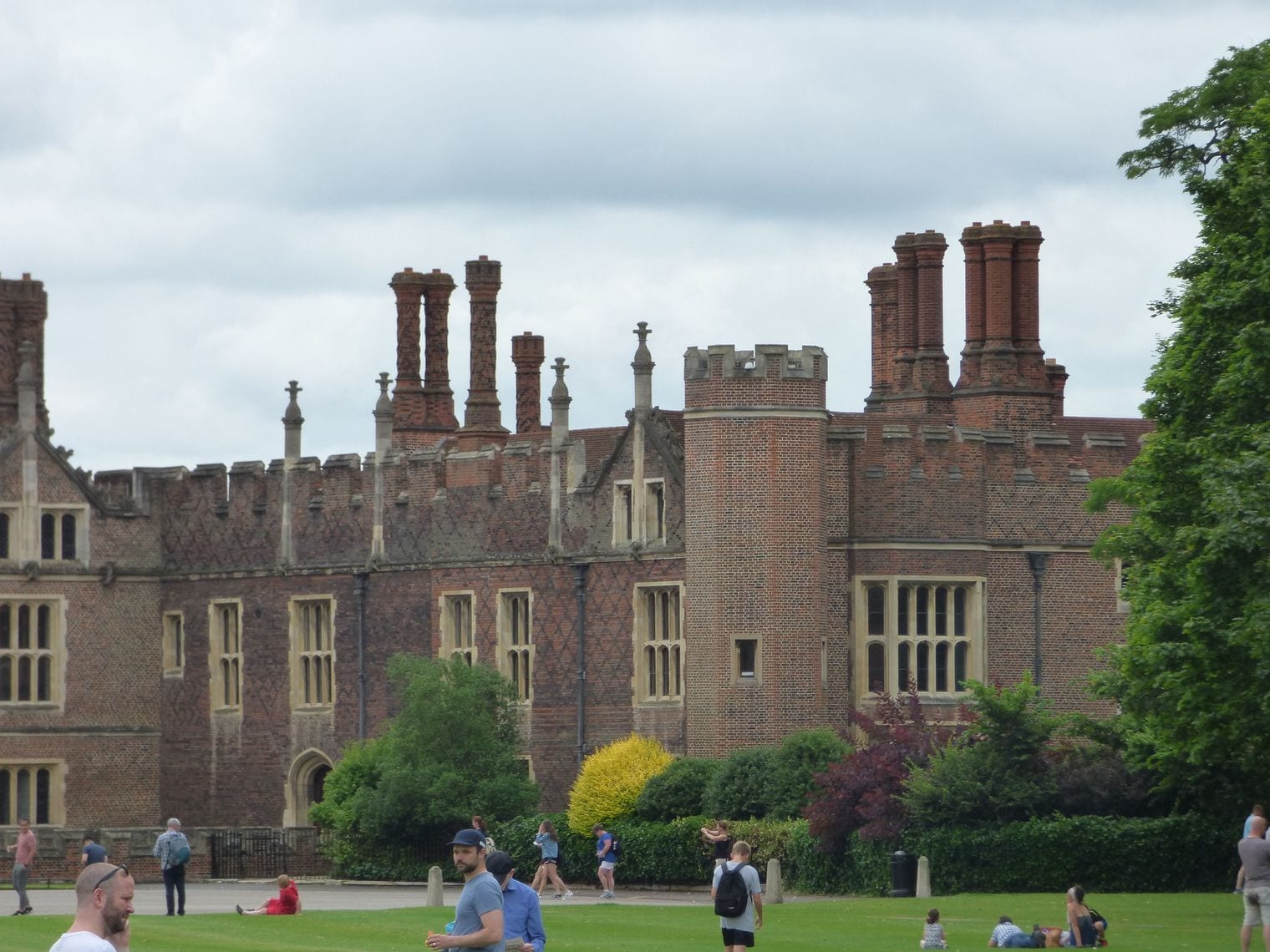
Hampton Court Palace is Henry VIII's great riverside palace upstream of the city, and effectively two buildings joined together: a Tudor palace of red brick, turrets and chimneys, and a baroque one added later by Wren for William and Mary. Walking between them takes you across a century and a half of architecture in a few steps.
The Tudor kitchens are the highlight for many, built to feed a court of hundreds and often staffed by costumed interpreters. The Great Hall has a hammerbeam roof, the gardens are enormous and formal, and the famous hedge maze still defeats a fair number of visitors. It is a train ride from Waterloo and needs the best part of a day.
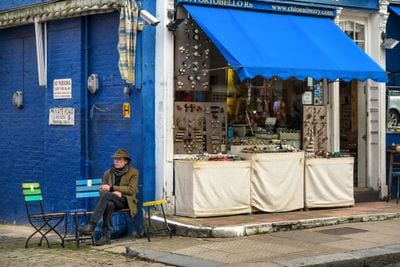
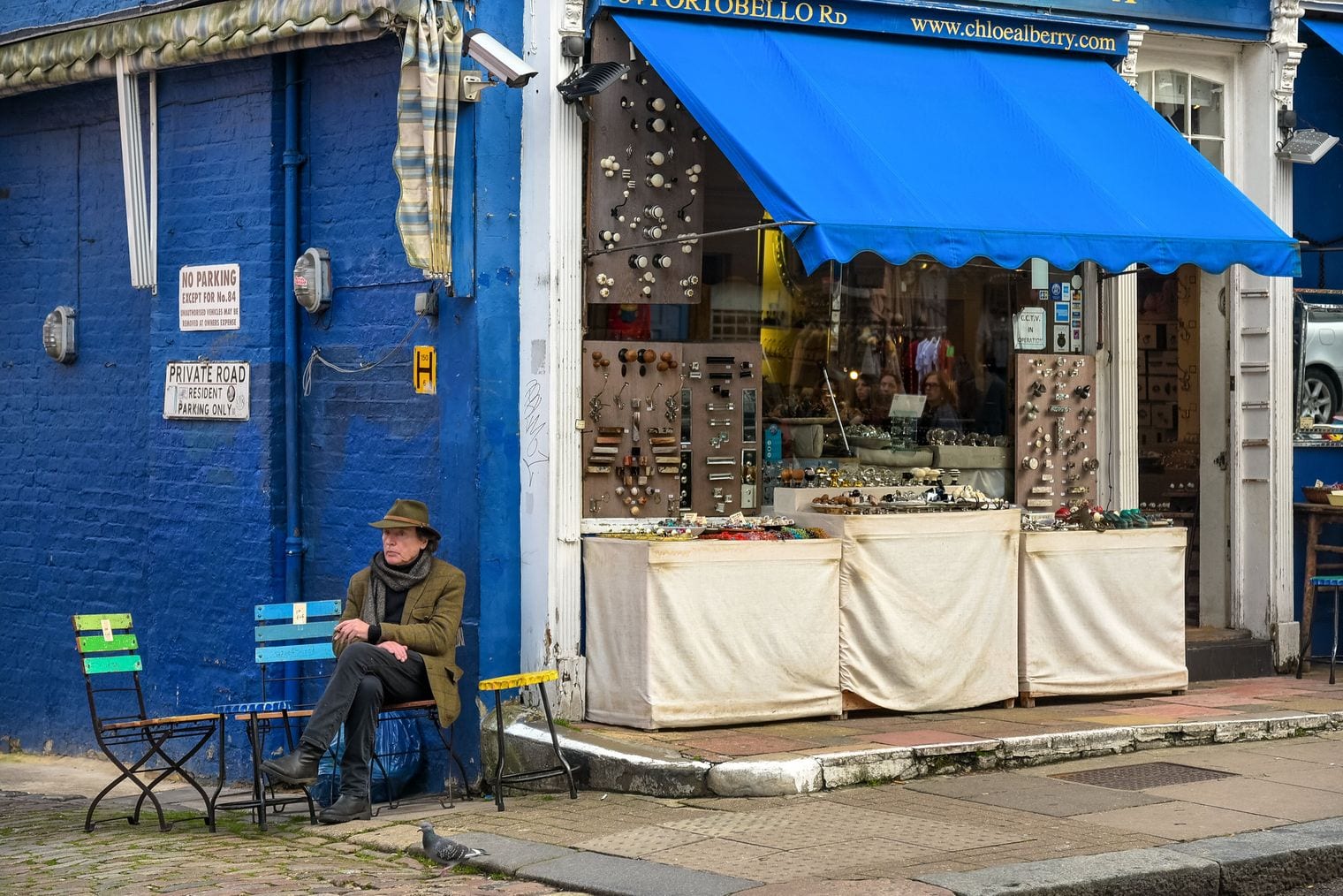
The long market street running through Notting Hill, lined with pastel terraced houses and the reason a good many visitors come to this part of west London at all. Portobello Road Market is best known for antiques, and Saturday is the big day, when the dealers set up and the street fills end to end.
Other days are quieter and more local, with fruit and vegetable stalls, second-hand clothing towards the northern end, and food under the Westway flyover. The surrounding streets are worth as much of your time as the market: garden squares, mews cottages, and some of the most photographed doorways in the city.
3939. Shakespeare's Globe
Performing Arts Theater~1.3 miles (2.1 km) from centre
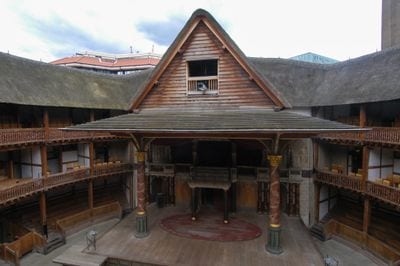
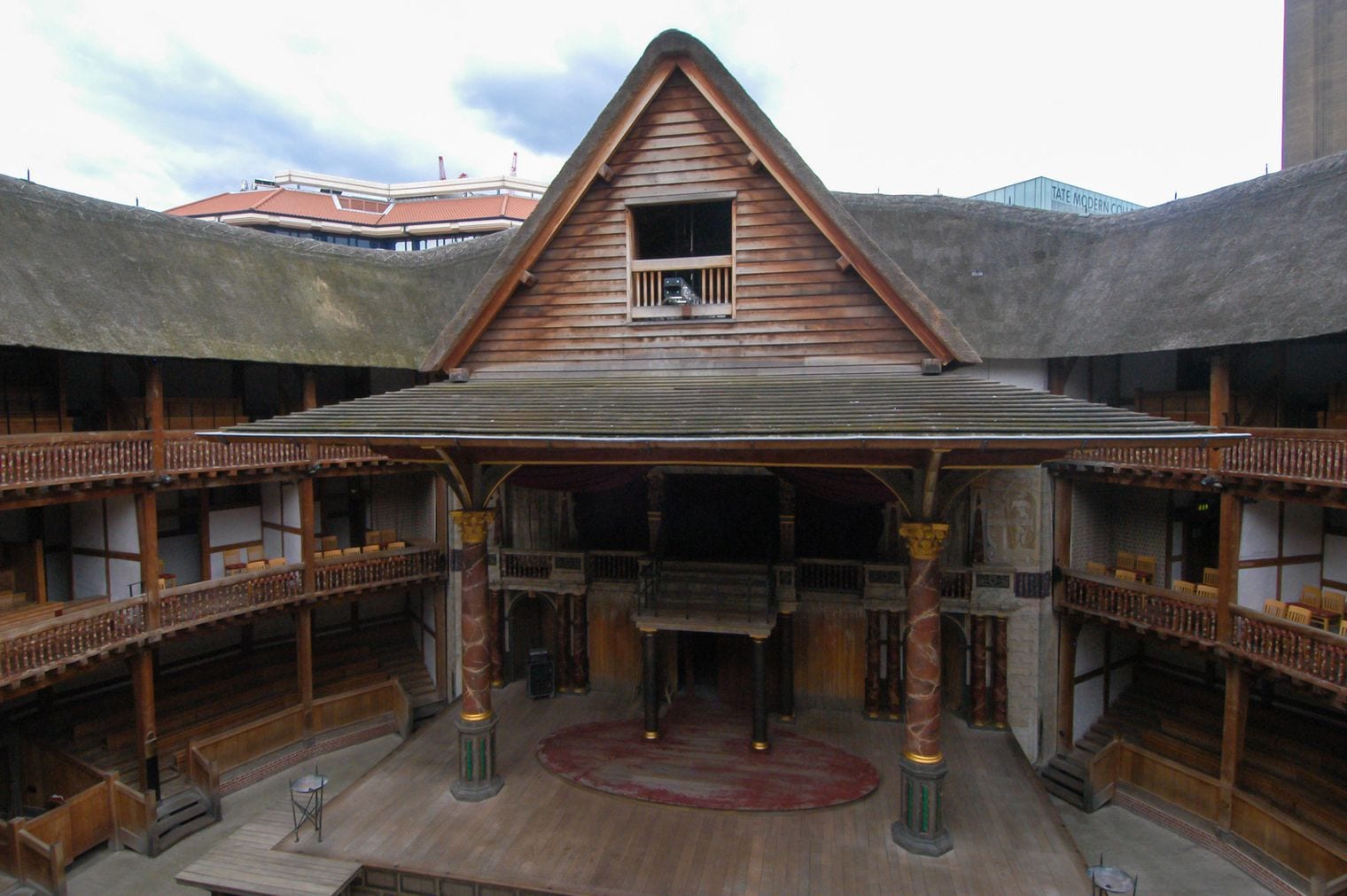
A careful reconstruction of the open-air playhouse where Shakespeare's company performed, built from oak, lime plaster and thatch close to the original Bankside site. Shakespeare's Globe is a working theatre, and seeing a play here is quite unlike seeing one anywhere else.
The yard in front of the stage is standing room, sold cheaply, exposed to the weather and by far the best way to watch — groundlings are close enough to be part of the performance. Galleried seating rings the yard for those who prefer a bench and a roof. Outside the season, guided tours run through the theatre and its exhibition.
The older of the two Tates, on Millbank beside the river, holding the national collection of British art from the sixteenth century to the present. Tate Britain is quieter than its downstream sibling and considerably easier to see properly in a single visit.
The Turner collection is the reason to come. Bequeathed by the artist to the nation, it fills a dedicated wing and traces him from careful topographical watercolours to the late, half-abstract storms of light. Hogarth, Blake, the Pre-Raphaelites and twentieth-century British painting fill the rest. Entry to the collection is free, and a boat runs along the river between the two Tates.
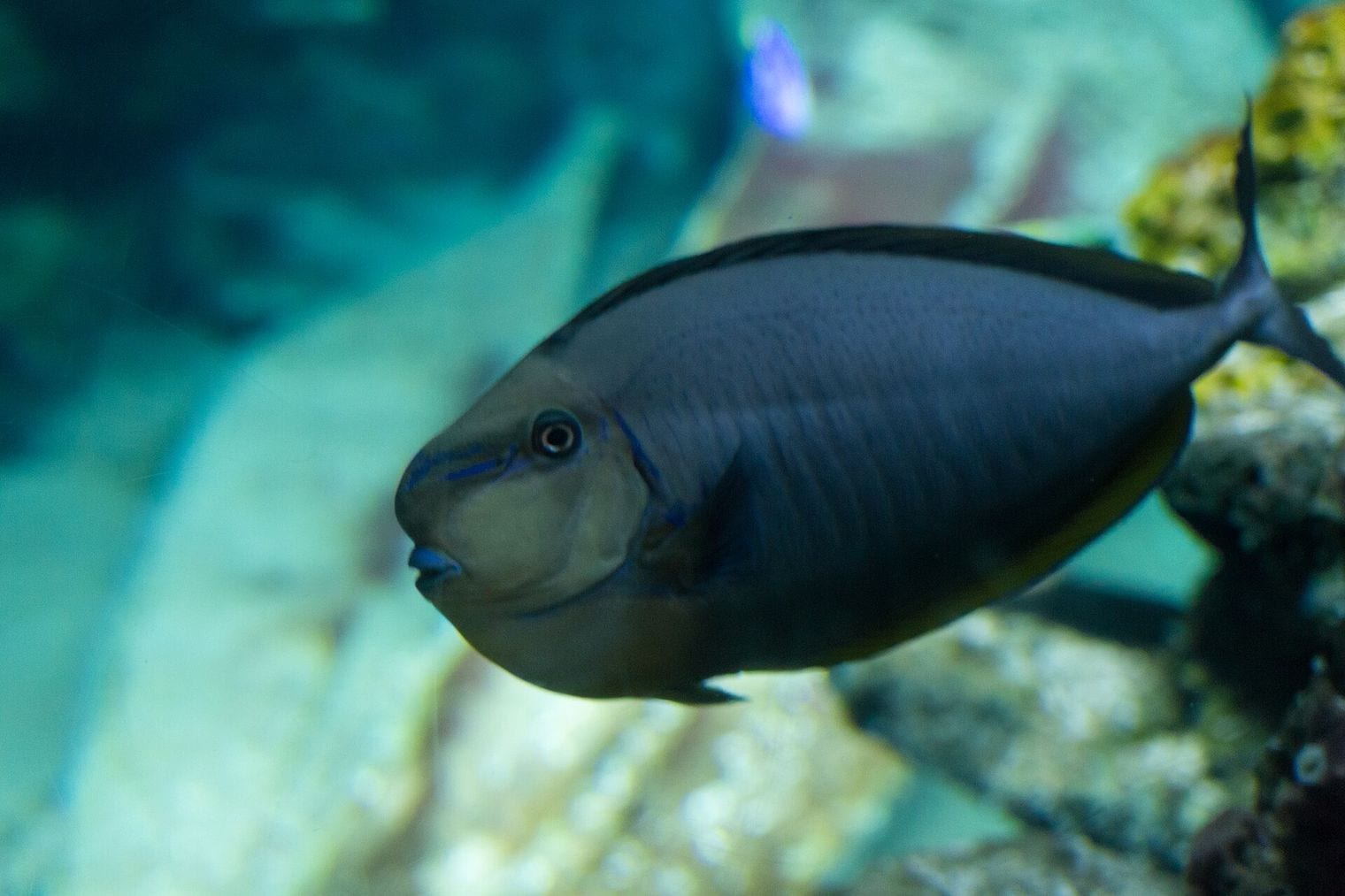
Set in the basement of County Hall on the South Bank, directly beneath the old Greater London Council building and next door to the London Eye, SEA LIFE London Aquarium is a straightforward, well-executed aquarium and a reliable option when the weather turns.
The route runs through themed zones — rainforest rivers, rockpools, coral, the Atlantic — building to a large ocean tank with sharks and rays, crossed by a glass walkway you can stand on. Penguins occupy an ice-themed enclosure near the end. It is aimed squarely at families, tickets are cheaper booked online, and it pairs naturally with the wheel next door.
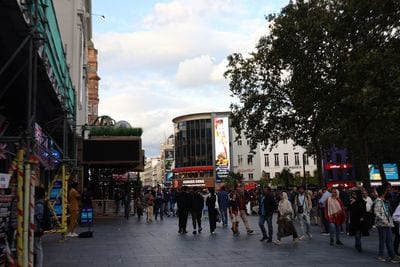
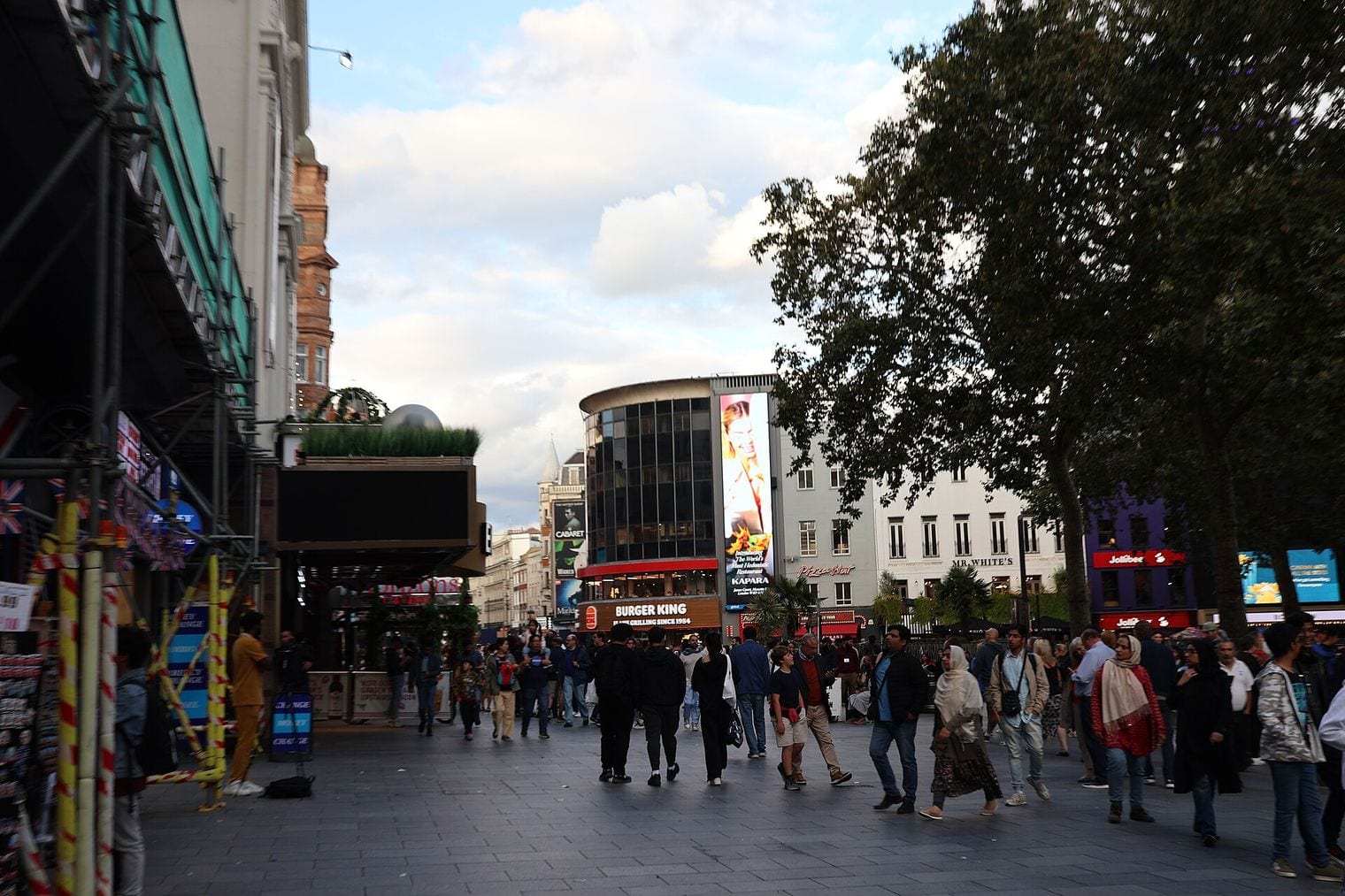
Leicester Square is the centre of London's cinema trade and the place the industry uses for its red-carpet premieres, which means the square is periodically fenced off and filled with barriers, film crews and people waiting to see somebody famous. The rest of the time it is a garden square ringed by big screens and neon.
It works best as a hinge rather than a destination. Chinatown starts immediately to the north, the theatres of Shaftesbury Avenue run west, Covent Garden lies a few minutes east, and the discount ticket booth on the square sells same-day West End seats. Come through in the evening, when the lights do it far more favours.
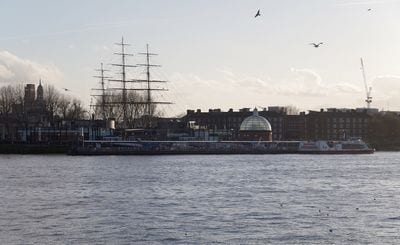
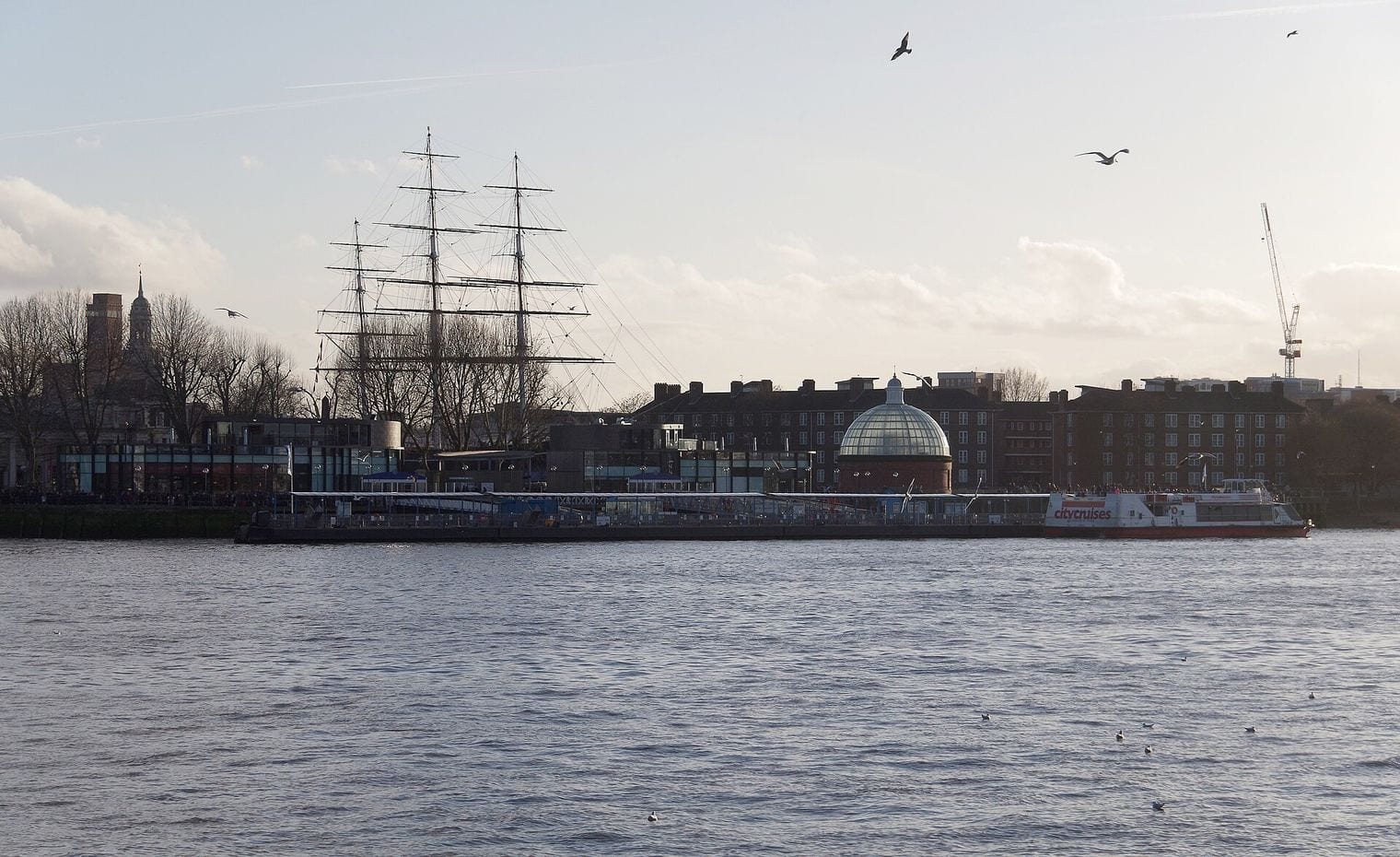
Billed as the world’s sole surviving tea clipper, preserved in a dry berth at Greenwich and raised on supports so that visitors can walk directly underneath the hull. Cutty Sark was built for speed in the closing years of commercial sail, racing cargoes of tea home from China before steam made the whole business obsolete.
On deck you get the rigging, the wheel and the cramped quarters; below, the holds house displays on the tea and wool trades and the ship's long afterlife. The view from beneath the copper-sheathed hull is the one that stays with you. It stands beside the Greenwich pier, so arriving by river is the appropriate approach.
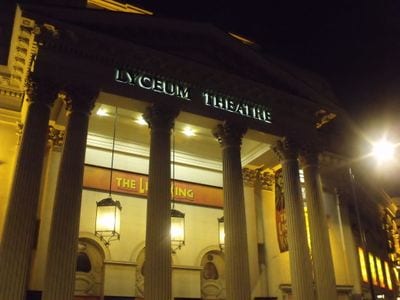
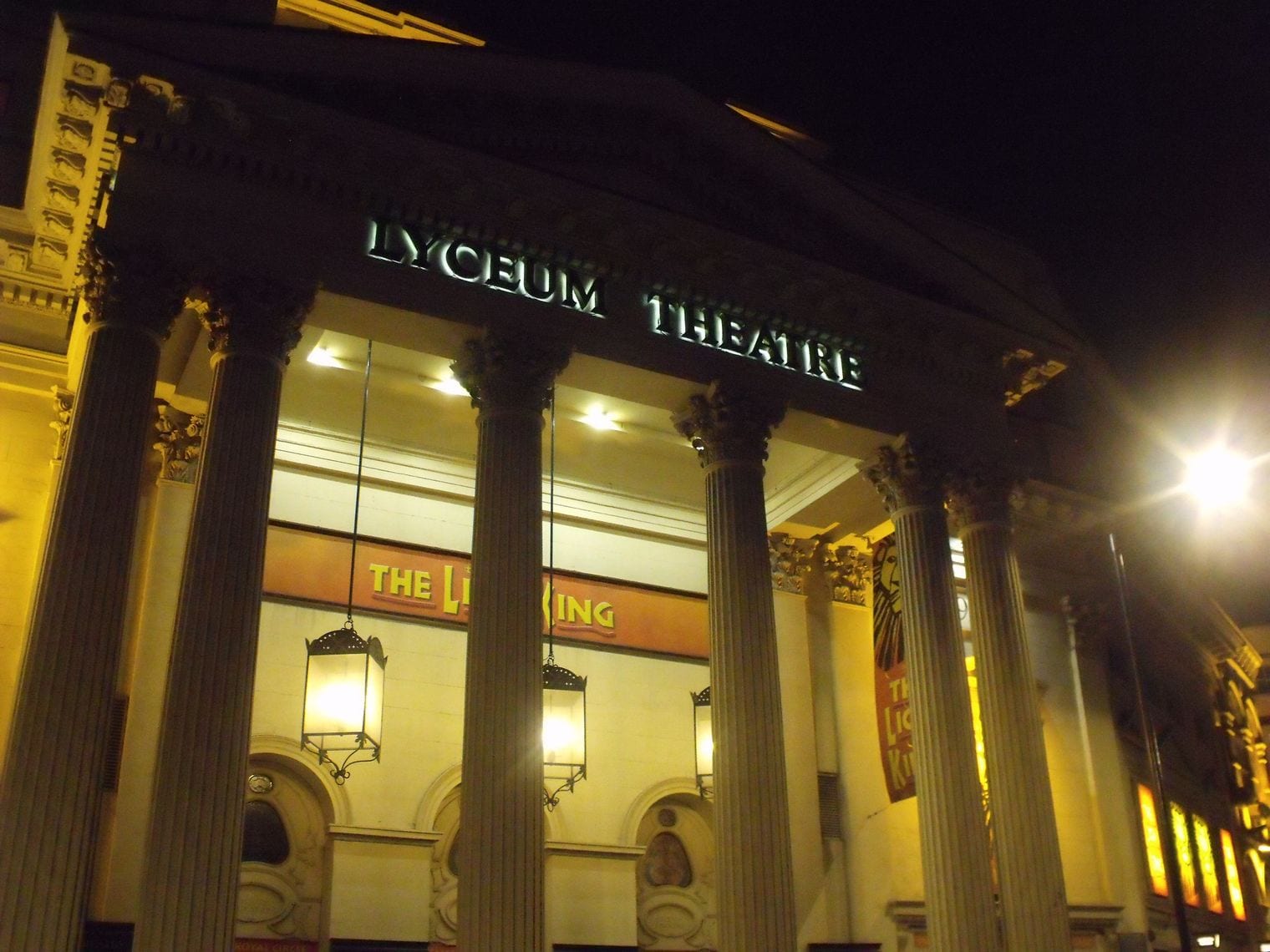
A grand West End house on Wellington Street just off the Strand, with a portico of tall columns facing the road and a richly decorated auditorium behind it. The Lyceum Theatre has stood on this site in various forms for a very long time, and Henry Irving's Victorian seasons here made it one of the most famous stages in the country.
It is now a large-capacity musical house, which is what fills the seats eight times a week. The circle offers a better sense of the room's decoration than the stalls do. Book directly with the theatre where you can, and arrive early enough to look properly at the ceiling.
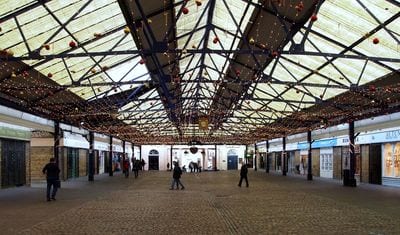
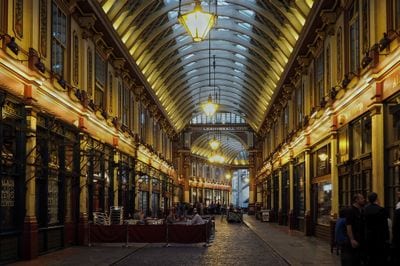
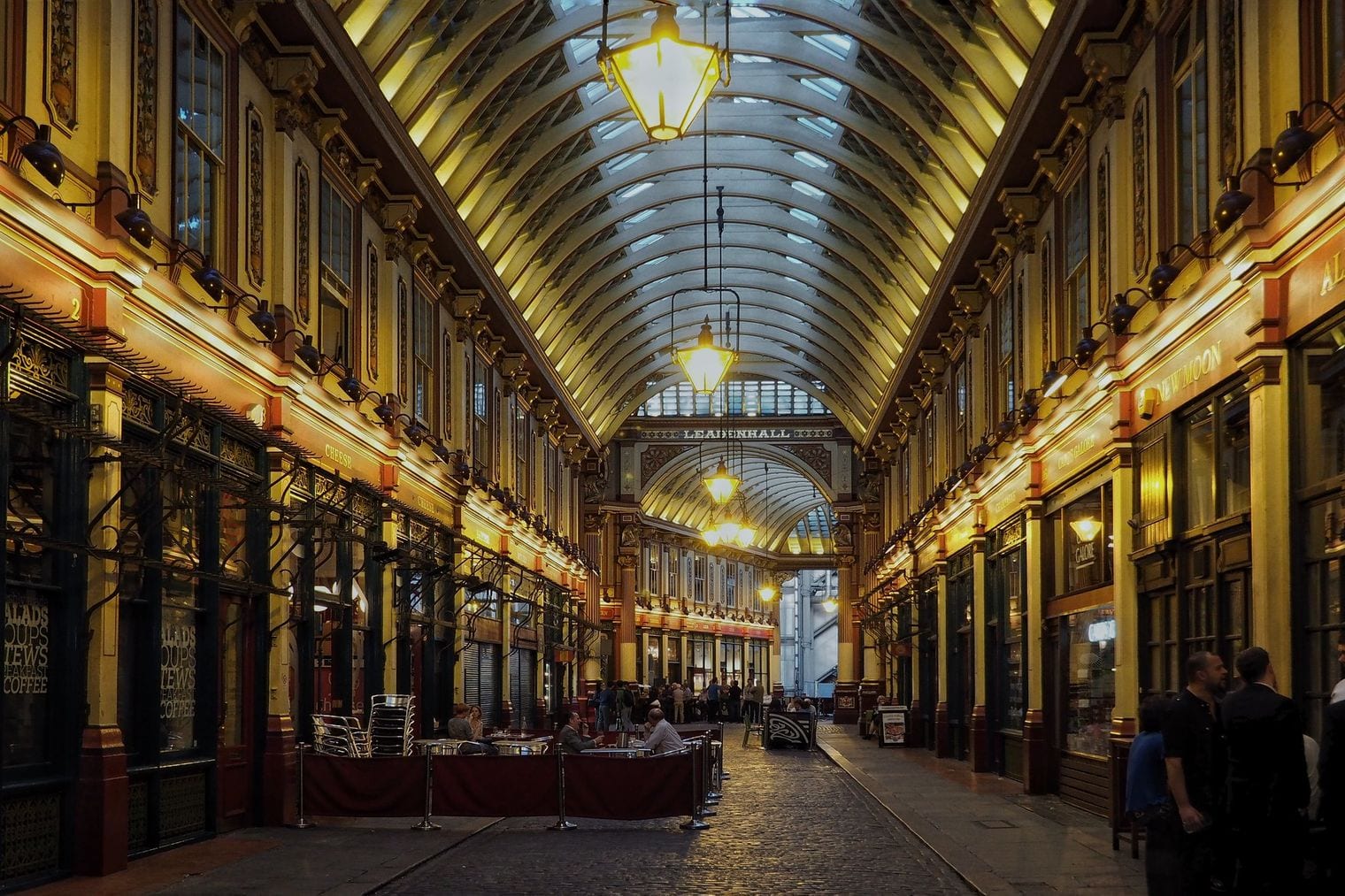
A covered Victorian market in the middle of the City, all cream and maroon ironwork, painted detailing and cobbled floor beneath a high glazed roof. Leadenhall Market stands on ground that has held a market since the Middle Ages, and the current hall is a small architectural jewel wedged between modern office towers.
The traders these days are mostly bars, restaurants and shops serving the surrounding financial district, so it is liveliest on weekday evenings and can be almost deserted at weekends. Film crews use it regularly — it stood in for the approach to Diagon Alley — and it is a two-minute walk from the Lloyd's building and the Gherkin.
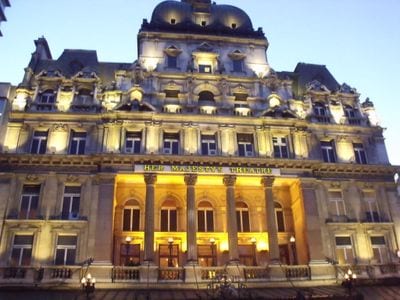
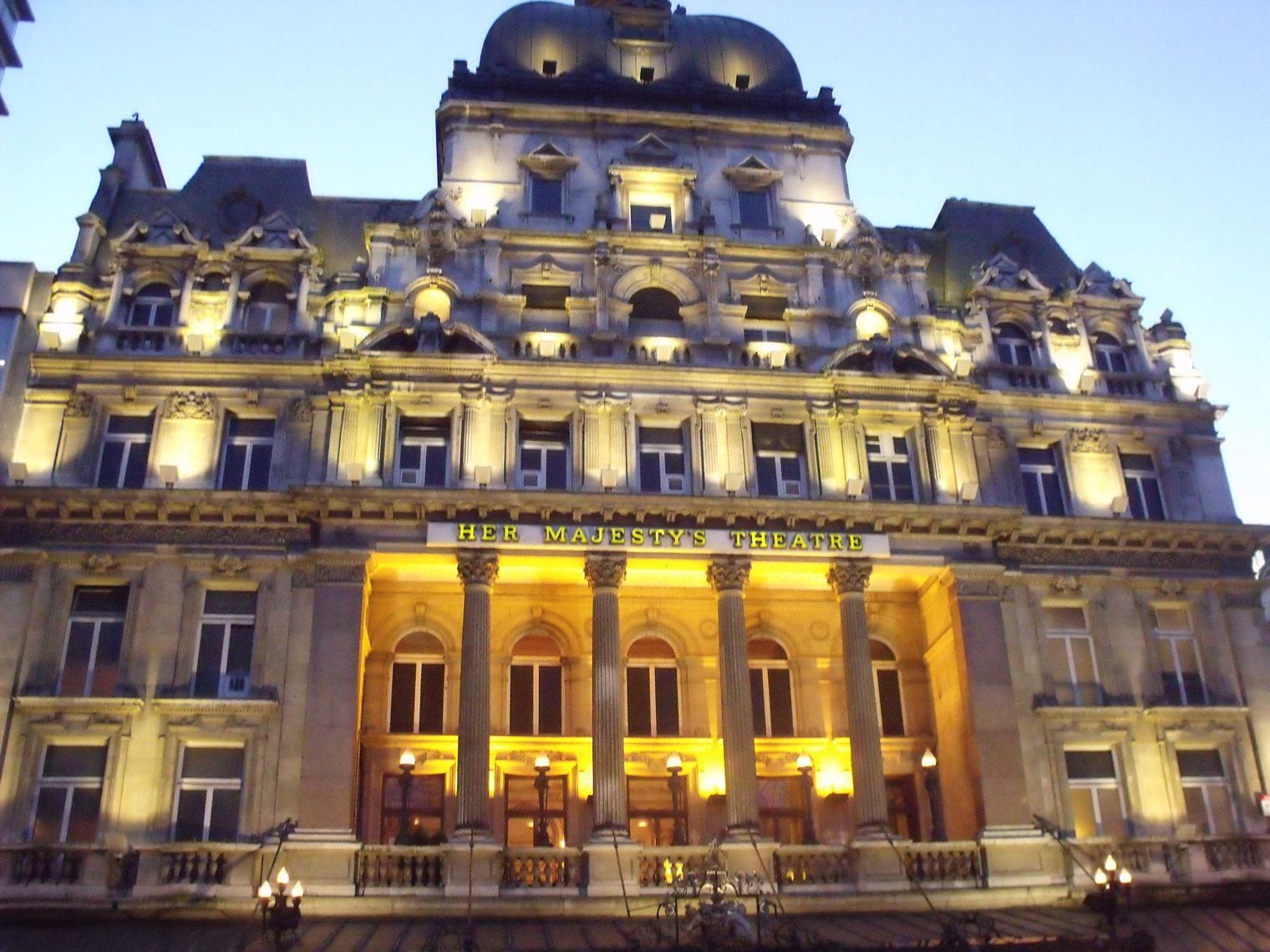
His Majesty's Theatre is a domed and colonnaded theatre on the Haymarket, built at the end of the nineteenth century by the actor-manager Herbert Beerbohm Tree and among the most handsome playhouses in the West End. The name changes with the monarch, so older Londoners and older posters still call it Her Majesty's.
The auditorium is opulent in the full late-Victorian manner, horseshoe-shaped and heavily gilded, and it has been given over to long-running musicals for decades. It sits within a couple of minutes of Piccadilly Circus, Trafalgar Square and St James's Park, which makes it easy to fold an evening performance onto the end of a day's sightseeing.
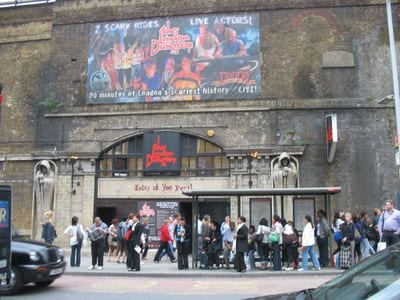
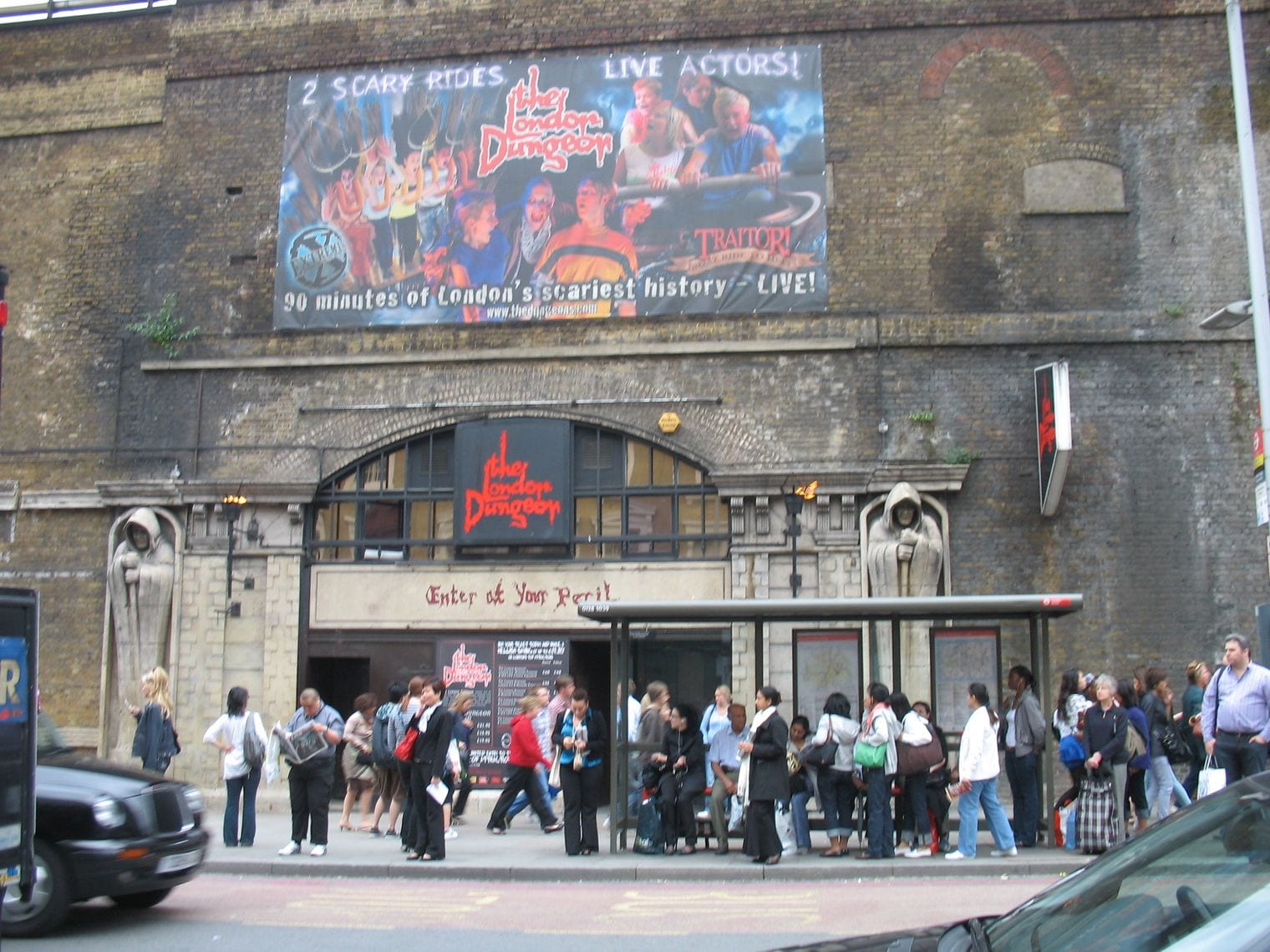
An immersive walk-through attraction in County Hall on the South Bank, staffed by live actors who take small groups through a succession of sets drawn from the grimmer corners of London's past — plague, the Great Fire, Newgate, Jack the Ripper's Whitechapel.
The register is horror-comedy rather than history, with a lot of shouting, some jump scares and two short rides built into the route. Anyone hoping for a museum will be disappointed; anyone in the mood to be shouted at in the dark will enjoy it enormously. The London Dungeon is not suitable for younger children, and it sits next to the aquarium and the London Eye.
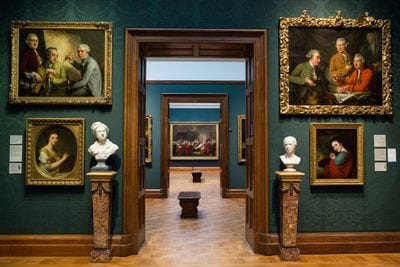
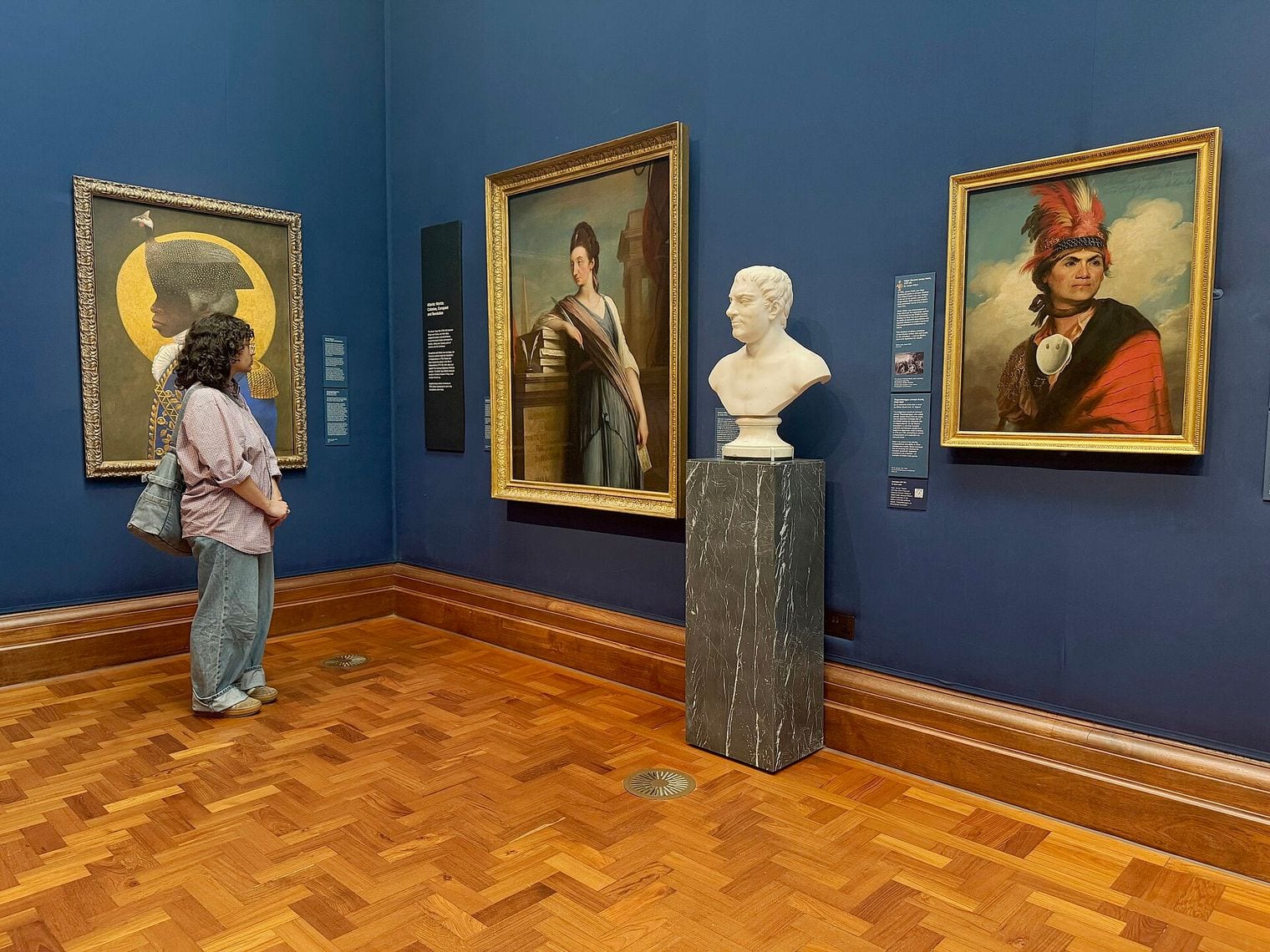
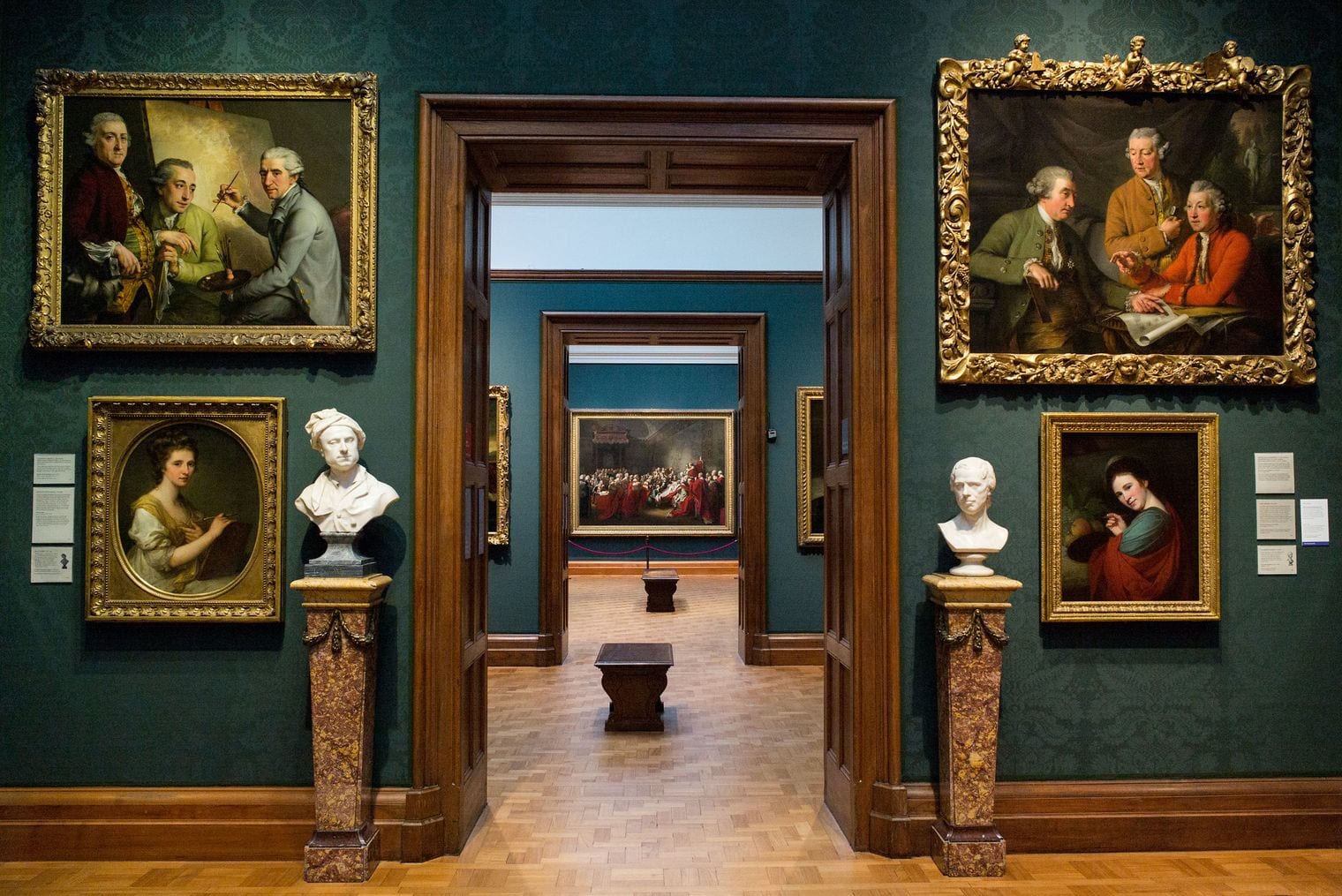
Tucked just behind the National Gallery, this is a collection organised around people rather than painters — the sitters are the point, and the result is a walk through British history by way of the faces that made it. The National Portrait Gallery runs from Tudor monarchs to contemporary photography.
Holbein, the Chandos portrait of Shakespeare, the Brontë sisters painted by their brother, and a top floor of modern photographic portraiture are among the highlights. A major refurbishment reopened the building with a new entrance and rehung galleries. Entry to the collection is free, and it makes an easy pairing with Trafalgar Square next door.
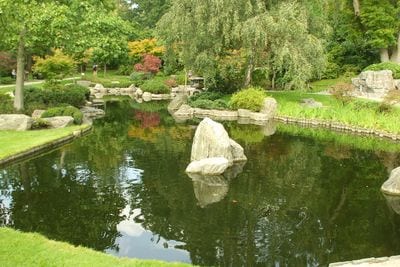
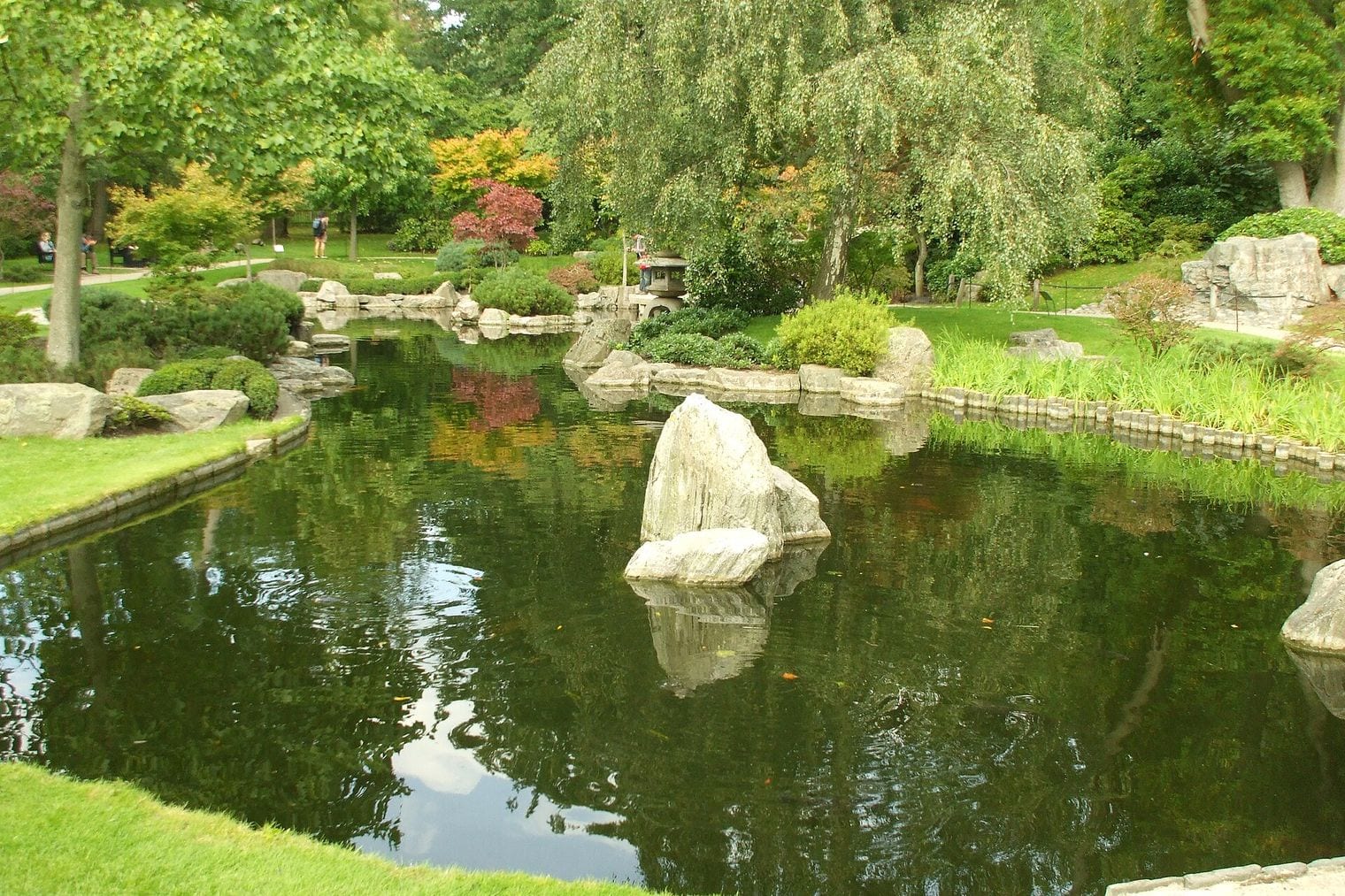
The Kyoto Garden is a Japanese garden tucked inside Holland Park in west London, created as a gift marking a Japanese festival and laid out with tiered stone, clipped shrubs and a tumbling waterfall that empties into a koi pond. It is small, deliberate and startlingly quiet given how close the traffic is.
Peacocks wander the paths and the surrounding woodland, entirely unbothered by visitors. Maples turn the garden a fierce red in autumn and the cherry blossom draws photographers in spring, which are the two moments worth planning for. Entry is free, Holland Park itself is worth the rest of an hour, and the whole thing is a short walk from Kensington High Street.
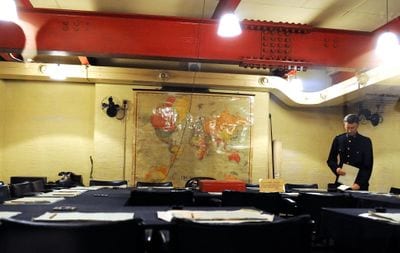
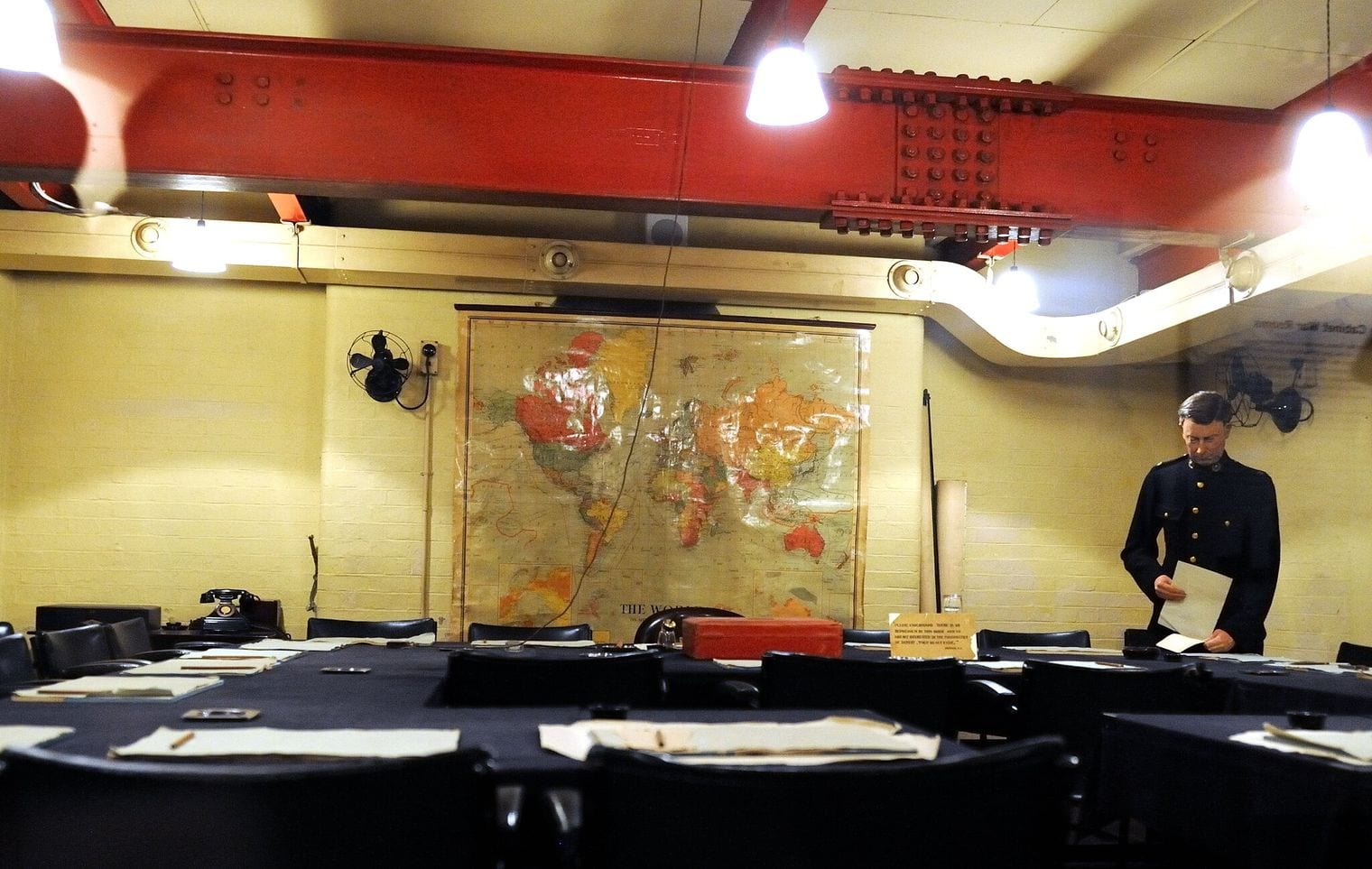
The underground complex beneath Whitehall from which Churchill and his government directed the Second World War, left largely as it was when the lights were switched off at the end of the conflict. The Churchill War Rooms preserve the Map Room, the Cabinet Room and the cramped bedrooms with their original fittings in place.
It is the ordinariness that lands — pin-stuck maps, sugar hoarded in a drawer, a chair with the arms worn where Churchill gripped them. An adjoining museum covers his long and contradictory career in more depth. It is part of the Imperial War Museum, tickets are timed, and it is deservedly one of the busiest sites in the city.
Plan your trip
Best Time to Visit London
Late spring and early autumn are the sweet spots. May and June bring long daylight, the royal parks at their best and gardens in full bloom, while September holds much of the warmth after the school holidays have emptied out. Both shoulder seasons suit a city you see largely on foot, and both dodge the worst of the summer queues at the big-ticket sights.
Summer is warmest and busiest, with open-air theatre, festival weekends and daylight running past nine in the evening — book the headline attractions well ahead. Winter is cold, damp and dark by mid-afternoon, but it is the season the city is arguably best at: markets and lights through December, and the great free museums, galleries and theatres all doing what they do indoors. Rain is possible in every month, so a jacket beats a plan.
Getting to London
Six airports serve the city. Heathrow to the west is the main long-haul gateway, connected by the Underground and a fast rail link into Paddington; Gatwick sits to the south with express trains to Victoria; and Stansted, Luton, London City and Southend handle mostly short-haul traffic. Allow roughly an hour from Heathrow or Gatwick into the centre, and rather longer in rush hour.
By rail, the Eurostar arrives from the continent at St Pancras International, and the main-line termini fan out to the rest of Britain — King's Cross and Euston for the north, Paddington for the west, Waterloo and Victoria for the south. Long-distance coaches use Victoria Coach Station. If you are driving, the M25 orbital ring feeds the M1, M4, M40 and M11 into the city, but a car in central London is a liability rather than an asset.
Getting Around London
Do not hire a car. The Underground reaches nearly everywhere a visitor wants to go, buses cover the gaps and show you the city above ground, and both run on contactless tap-in with a daily cap, so there is no ticket to buy in advance. The Overground and the Elizabeth line handle the longer east-west hops, and riverboats along the Thames turn a journey to Greenwich into part of the day out.
Central London is far more walkable than the Tube map suggests — neighbouring stations are often only a few minutes apart on foot, and walking is how you actually see the place. The West End, the City, Westminster and the South Bank all link comfortably on foot along the river. Cycle hire docks are everywhere, and a car only starts to earn its keep for the outer sights such as Hampton Court, where the train is still usually simpler.
Where to Stay in London
For a first visit, base yourself centrally and walk. The West End — Covent Garden, Soho and Bloomsbury — puts the theatres, the National Gallery and the British Museum on your doorstep and keeps late evenings easy. Westminster and South Kensington are quieter and grander, with the big free museums and the royal parks within walking distance, and they suit families.
The South Bank and Southwark give you the river, Borough Market and Tate Modern, with quick crossings to the City. For better value and more local character, look east to Shoreditch and Spitalfields or north to Islington and Camden, both a short Tube ride from the centre. Whatever you choose, proximity to a Tube station matters more than the postcode.
Where to Eat in London
London's great strength is range rather than a single signature dish. Start with the classics done properly — fish and chips, a Sunday roast with Yorkshire pudding, a full cooked breakfast, and afternoon tea with scones and clotted cream. Pie and mash and salt beef bagels are the older East End traditions, and a curry is close to a national institution: the Bangladeshi and Indian restaurants around Brick Lane and Whitechapel are part of the city's fabric.
For grazing, the markets are the answer — Borough for serious food shopping and lunch, Spitalfields and Camden for something cheaper and more global. Soho and Chinatown are the densest eating grounds in the centre, Peckham and Dalston the most interesting further out, and Brixton Village is where the Caribbean tradition is strongest. Book ahead for anywhere popular at the weekend.
Day Trips from London
Windsor sits about an hour west by train, with the castle that is still a working royal residence and Eton across the river. Oxford and Cambridge are each roughly an hour out in opposite directions, and both reward a day of college quads, chapels and punting. Bath is around ninety minutes west on a fast train, pairing Roman baths with Georgian crescents, and Stonehenge lies beyond it on Salisbury Plain.
For the coast, Brighton is under an hour south — a pebble beach, the Lanes and the Royal Pavilion's onion domes. Canterbury and its cathedral sit about an hour south-east, and the castles and white cliffs of the Kent coast run beyond. Closer in, Hampton Court Palace and Kew Gardens are both on this list and both easily reached from the centre without leaving Greater London at all.
Before you go
Mobile dataAn eSIM gives your phone local data when you land, with no SIM card to swap.via AiraloGet an eSIM
Airport transferA driver meets you at arrivals and takes you to your hotel, at a price fixed when you book.via Welcome PickupsBook a transfer
We may earn a commission when you buy through these links, at no extra cost to you. How we make money.
One Day in London
Morning
Start at the Tower of London before the coaches arrive, giving yourself a couple of hours for the Crown Jewels and a Yeoman Warder tour. Walk out across Tower Bridge for the high-level walkways and the glass floor, then drop down to the south bank of the river.
Follow the Thames west to Borough Market and eat your way along the stalls. Continue on the riverside path to Tate Modern for an hour in the Turbine Hall and the free collection, then cross the Millennium Bridge on foot — the view lines up perfectly on the dome of St. Paul's Cathedral ahead of you.
Take the Tube two stops west to Covent Garden for the street performers and the market halls, and eat early nearby. Finish with a show — the Lyceum Theatre is a few minutes' walk — or, if you would rather end on a view, book a slot at Sky Garden and watch the City light up.
Royal history above all — the Tower of London with the Crown Jewels, Buckingham Palace and the Changing of the Guard, and the silhouettes of Tower Bridge and Big Ben. Beyond the monarchy it is known for world-class free museums, West End theatre, and food markets such as Borough Market.
How many days do you need in London?
Three days covers the headline sights at a brisk pace. Four to five is the sweet spot, letting you add a couple of museums properly, an evening at the theatre and a day out to Greenwich or Hampton Court. A week lets you take in the outer parks, the East End markets and a day trip or two without ever feeling rushed.
What can you do in London for free?
A great deal. The permanent collections at the British Museum, the V&A, the National Gallery, Tate Modern, Tate Britain and the Natural History, Science and Imperial War Museums are all free. So are the royal parks, Trafalgar Square, the Changing of the Guard, the markets, and — with an advance booking — the view from Sky Garden.
When is the best time to visit London?
May, June and September give the best balance of mild weather, long days and manageable crowds. July and August are warmest but busiest, and December trades daylight for markets and lights. The city works year-round because so much of it is indoors, so the season matters less here than in most European capitals.
Is London expensive?
It can be, but it need not be. Accommodation and paid attractions are the real costs, and booking timed tickets in advance almost always beats the gate price. Offsetting that, the greatest museums are free, the parks are free, public transport is capped daily on contactless, and the markets make for excellent cheap eating.