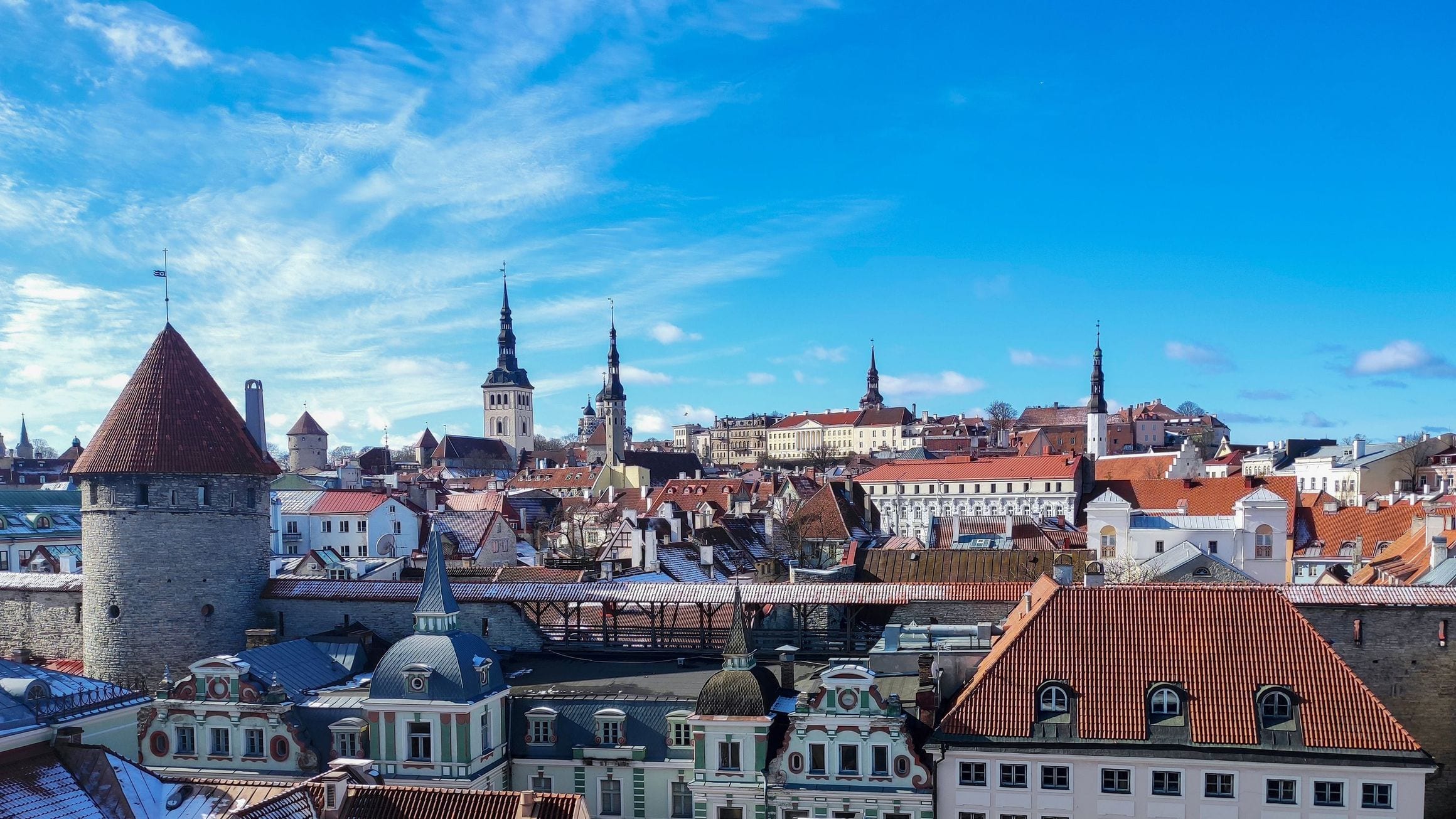
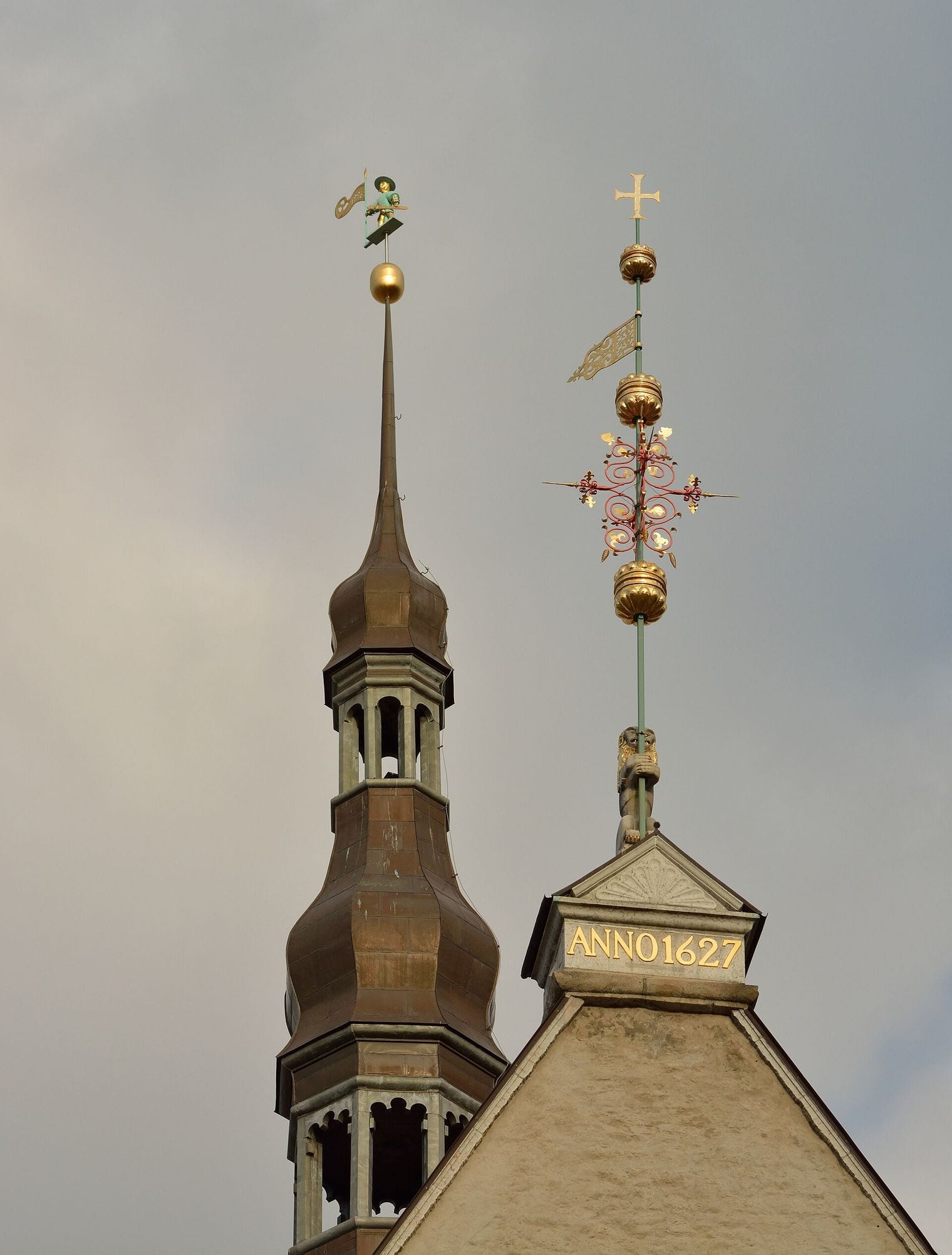
A country the size of a large county, holding a walled Hanseatic capital, two thousand islands and some of the emptiest forest in Europe.
Estonia is the northernmost of the Baltic states — a small, forested, famously digital country where a UNESCO-listed medieval capital sits an hour's ferry from Helsinki and half the land is still woodland and bog. Tallinn draws most visitors with its walled Old Town, but the rest rewards anyone who keeps going: manor houses and boulder-strewn coast in Lahemaa, a student city in Tartu, windmills and juniper heath on the western islands. Use this hub to plan your trip: browse our Estonian city guides below, or read on for the regions, seasons and routes that tie the country together.
A slow, late thaw: March and early April are still bare and grey, but by May the birches are out, migrating cranes and geese pass through Matsalu, and the cafe terraces reopen in Tallinn. One of the quietest times to have the Old Town largely to yourself.
SummerJun–Aug
The peak season and by far the liveliest, with white nights around midsummer when it barely gets dark in the north. Warm rather than hot, this is the window for the islands, the beaches at Pärnu, open-air festivals and the long midsummer bonfire night. Book island ferries and Pärnu beds well ahead.
FallSep–Nov
The forests turn gold and the bog boardwalks are at their most photogenic, with mushroom and berry picking a genuine national pastime. September is mild and uncrowded; by November it is dark, wet and cold, and island ferry timetables thin out.
WinterDec–Feb
Cold, dark and often snowy, with temperatures well below freezing and only a few hours of proper daylight in December. This is Christmas-market season on Tallinn's Town Hall Square, plus cross-country skiing around Otepää and, in a hard winter, ice roads out to the western islands.
Regions
Tallinn & the north coastThe capital and its hinterland, where a walled Hanseatic Old Town gives way to the limestone cliffs, waterfalls and pine forest of the north coast. Lahemaa National Park sits an hour east with its restored manor houses and fishing villages, while Paldiski and the Pakri cliffs mark the abrupt western edge.
Tartu & the southeastEstonia's second city is a low-slung university town on the Emajõgi river, with a classical main square, a hilltop park of ruins and a young, studenty atmosphere quite unlike Tallinn. South of it the land finally starts to roll, rising to Estonia's modest highlands around Otepää and Haanja.
The western islandsSaaremaa, Hiiumaa, Muhu and their smaller neighbours are the slow half of Estonia — juniper heath, windmills, lighthouses, thatched roofs and a bishop's castle at Kuressaare. Reached by car ferry, they keep their own dialects, traditions and a noticeably unhurried pace.
Pärnu & the west coastEstonia's summer capital is a genteel spa and beach town with a long sandy shore and a wooden villa quarter. Around it lie Matsalu National Park, one of northern Europe's great migratory bird stopovers, and Soomaa, where spring meltwater floods the bogs into a so-called fifth season.
Lake Peipsi & the eastThe shore of one of Europe's largest lakes, where Old Believer villages string along the water and onions and chicory have been grown for centuries. Further north the industrial northeast leads to Narva, whose castle stares directly across the river at a Russian fortress.
Setomaa & the far southA distinct cultural corner near the southeastern border, home to the Seto people, their polyphonic leelo singing and their own festivals and food. The surrounding Võrumaa countryside holds smoke saunas, lakes and the country's highest ground.
Lahemaa National ParkEstonia's largest national park and its most accessible slice of wild north coast: bog boardwalks, erratic boulders, fishing villages and a cluster of restored German-Baltic manor houses.Basecamp: Tallinn
Saaremaa & Kuressaare CastleThe biggest Estonian island, reached by ferry, with juniper heath, windmills, a meteorite crater at Kaali and a moated bishop's castle that is the best-preserved in the Baltics.
TartuThe country's university city and 2024 European Capital of Culture — a classical main square, a hilltop park of cathedral ruins and a museum quarter with a decidedly student atmosphere.
Soomaa & the raised bogsBoardwalk trails across ancient peat bogs, best known for the spring 'fifth season' when meltwater floods the forest and locals travel by canoe.
Suggested routes
Tallinn & the north coast
~3–4 days
The short trip most visitors take: two days in the walled capital, then a day or two along the limestone coast east of it. Doable by bus and tour, though a car opens up Lahemaa properly.
4Lahemaa National Park — manor houses, bog boardwalk and coast
5Jägala or Keila-Joa — a waterfall stop on the way back
The island loop
~1 week
A slow western circuit for the quiet half of the country, built around the Virtsu and Rohuküla car ferries. Best in summer, when the ferries run often and the heath is in flower.
4Muhu & Saaremaa — windmills, Kaali crater, Kuressaare Castle
5Pärnu — the beach and the villa quarter on the way home
Tallinn to the southeast
~1–2 weeks
The full length of the country, trading the coast for lakes, bogs and the Seto borderland. The Tallinn–Tartu leg runs fine by train or bus; the far southeast wants a car.
3Narva & Lake Peipsi — the border castle and Old Believer villages
4Tartu — the university city, two nights
5Otepää & Haanja — Estonia's modest highlands and lakes
6Setomaa — Seto villages, smoke saunas and leelo singing
Estonia travel FAQ
Eight questions travellers ask before they go.
When is the best time to visit Estonia?
Late spring through early autumn — roughly May to September — is the comfortable window, with June and July bringing the white nights when it barely gets dark. September is mild, golden and much quieter. Winter is genuinely cold and dark, but it is also when Tallinn's Christmas market fills the Town Hall Square and the skiing around Otepää works, so it depends what you want.
How many days do you need in Estonia?
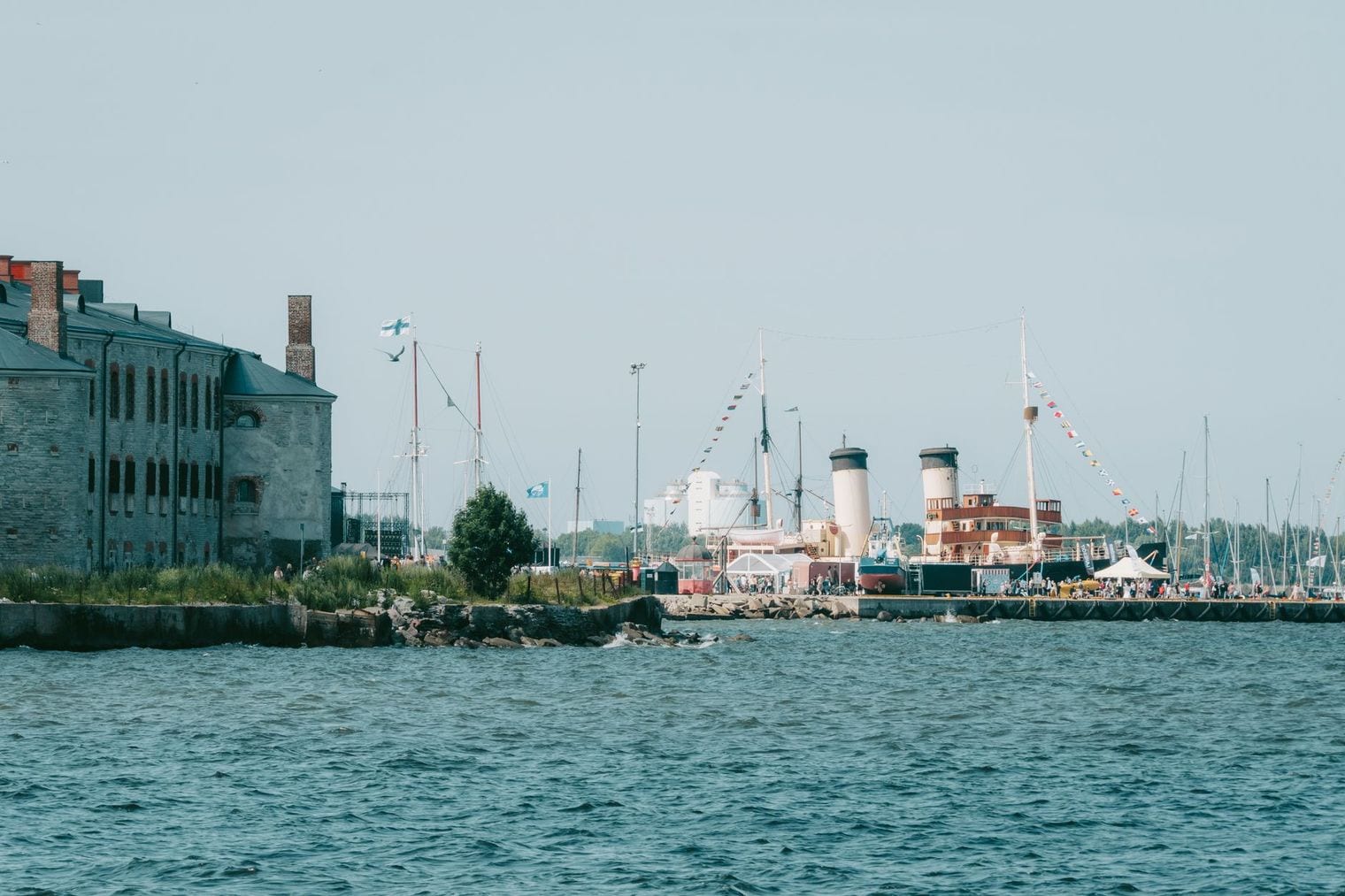
Two full days covers Tallinn's Old Town and Kadriorg comfortably, and three lets you add Telliskivi, the Seaplane Harbour and a half-day in Lahemaa. A week is enough to add Tartu and either the islands or the southeast, and around ten days to a fortnight covers the whole country without rushing.
Do you need a car in Estonia?
Not for the cities. Intercity buses are cheap, frequent and reach almost every town, and the Tallinn–Tartu and Tallinn–Narva trains are fast and modern. A car becomes worth it as soon as you want Lahemaa's manor houses, the bog trails, the smaller islands or the southeast, where public transport thins out considerably.
What is Estonia known for?
Its UNESCO-listed medieval capital, its forests and raised bogs, and its song festival tradition — the mass choral gatherings that gave the Singing Revolution its name. It is also known as one of the most digital societies in the world, where public services, banking and voting run online.
Is English widely spoken in Estonia?
Yes, particularly in Tallinn, Tartu and anywhere used to visitors, and especially among younger Estonians. Estonian is the national language and is Finnic rather than Slavic or Baltic, so it will look unfamiliar; Russian is also widely understood, most of all in the northeast.
What currency does Estonia use, and is it in the EU?
Estonia uses the euro and has done since 2011. It is a member of both the European Union and the Schengen area, so travel from most of Europe involves no border checks. Card payment is accepted almost everywhere, and carrying much cash is rarely necessary.
What food should you try in Estonia?
Dark rye bread appears at nearly every meal, alongside smoked and marinated fish, sprats, sour cream and potatoes, and game such as elk in season. Forest berries and mushrooms are close to a national obsession in late summer and autumn, and kama — a toasted grain mixture stirred into buttermilk or yoghurt — is the distinctive local taste worth seeking out.
What kind of trip is Estonia best for?
City breaks, island-hopping and quiet nature.
We use cookies to analyse site traffic and improve your experience.
You can accept or reject analytics cookies. See our Cookie Policy.