Nowhere else treats a lake, a forest and a hot room full of steam as the three things a week should contain.
Finland is the quiet corner of the Nordics — a country of some 188,000 lakes, deep pine forest and a Baltic archipelago that breaks into thousands of islands, where the sauna is a weekly habit rather than a treatment. Helsinki holds the design shops, the market halls and the sea fortress of Suomenlinna, while the north runs on to Lapland, the midnight sun and the aurora. Use this hub to plan your trip: browse our Finnish city guides below, or read on for the regions, seasons and routes that tie the country together.
A long, late thaw. March still holds snow in the north and reliable ski conditions in Lapland while the south turns grey and wet; by May the ice is off the lakes, the birches come into leaf almost overnight and terraces reopen in the cities. A quiet, cheap shoulder if you accept that April can deliver either season.
SummerJun–Aug
The country comes outdoors. Daylight runs close to round the clock at midsummer and never fully goes north of the Arctic Circle, lake cabins and archipelago ferries are all running, and the water is warm enough to swim by July. It is the season for canoeing, island-hopping and long evenings, and the one time Finns themselves take to the lakes en masse.
FallSep–Nov
September is the connoisseur's month: crisp, bright and empty, with the northern forests turning gold and red in the short, intense display Finns call ruska, and berry and mushroom picking at its peak. By November the light is fading fast and the first snow arrives inland, making it the flattest stretch of the year for travel.
WinterDec–Feb
Cold, dark and genuinely magical if you dress for it. The north lies under deep, dependable snow with husky and reindeer sledding, ice fishing and the aurora on clear nights; the south gets less snow but freezes hard enough for sea ice. Days are very short, and above the Arctic Circle the sun does not clear the horizon at all around midwinter.
Regions
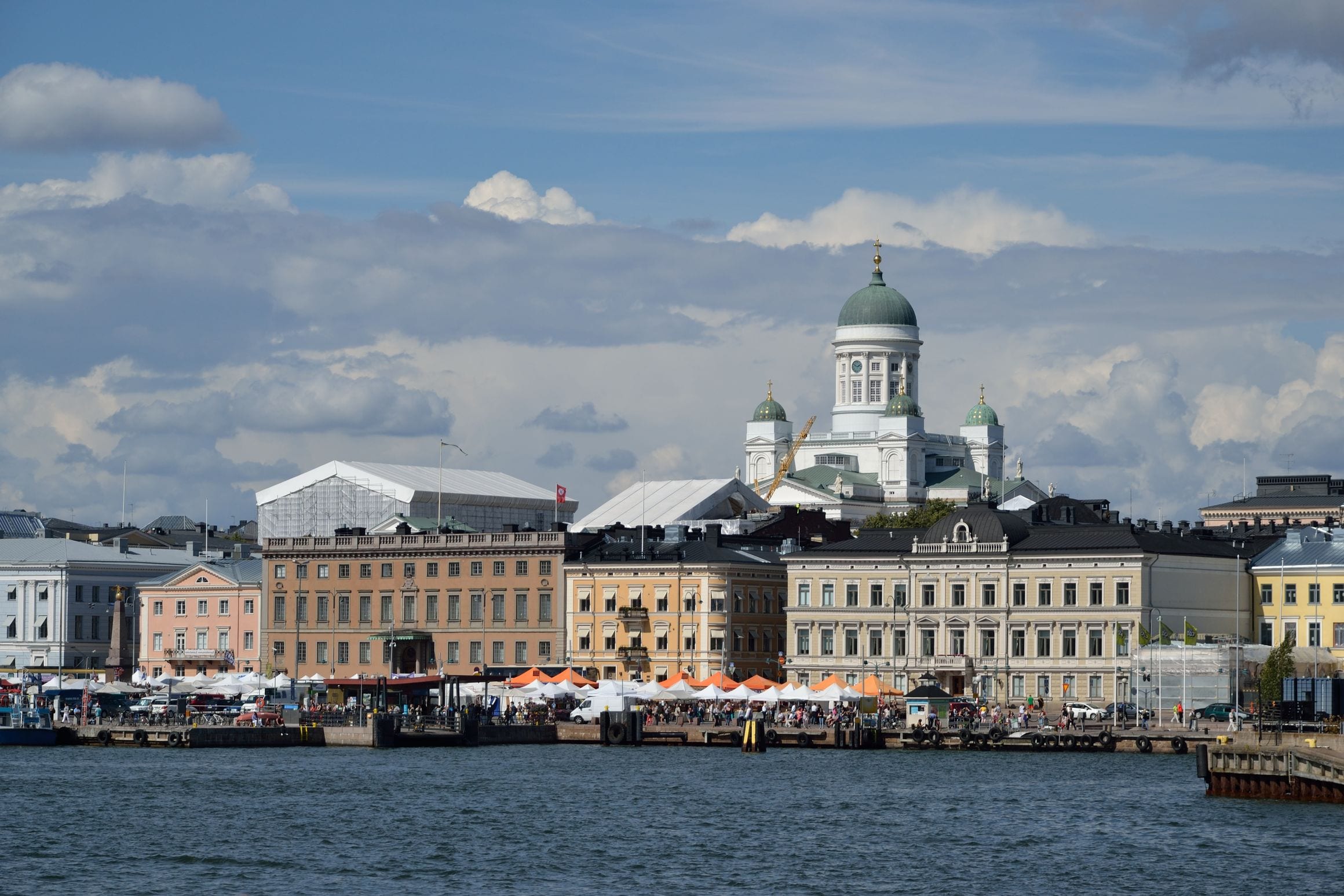
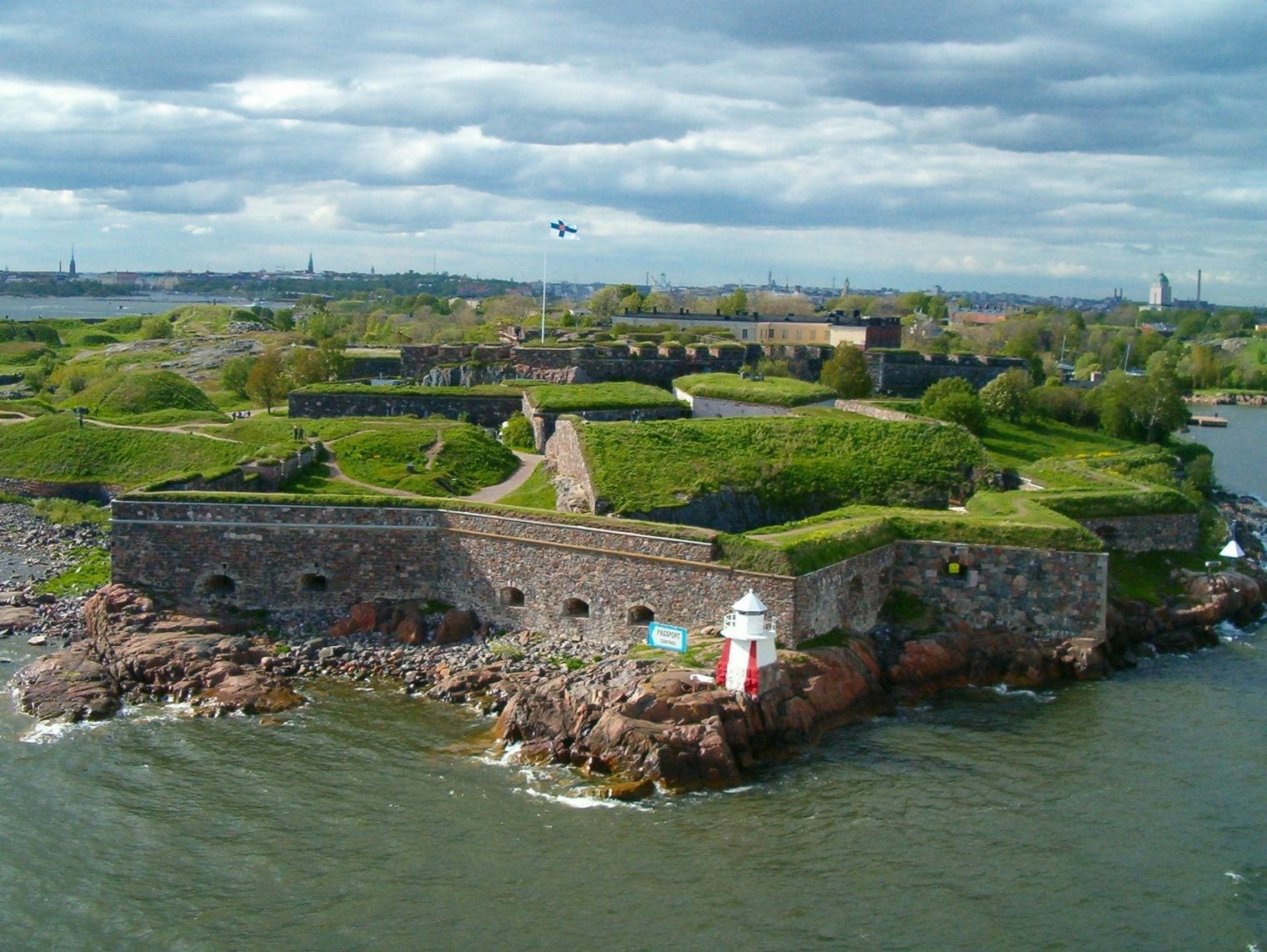
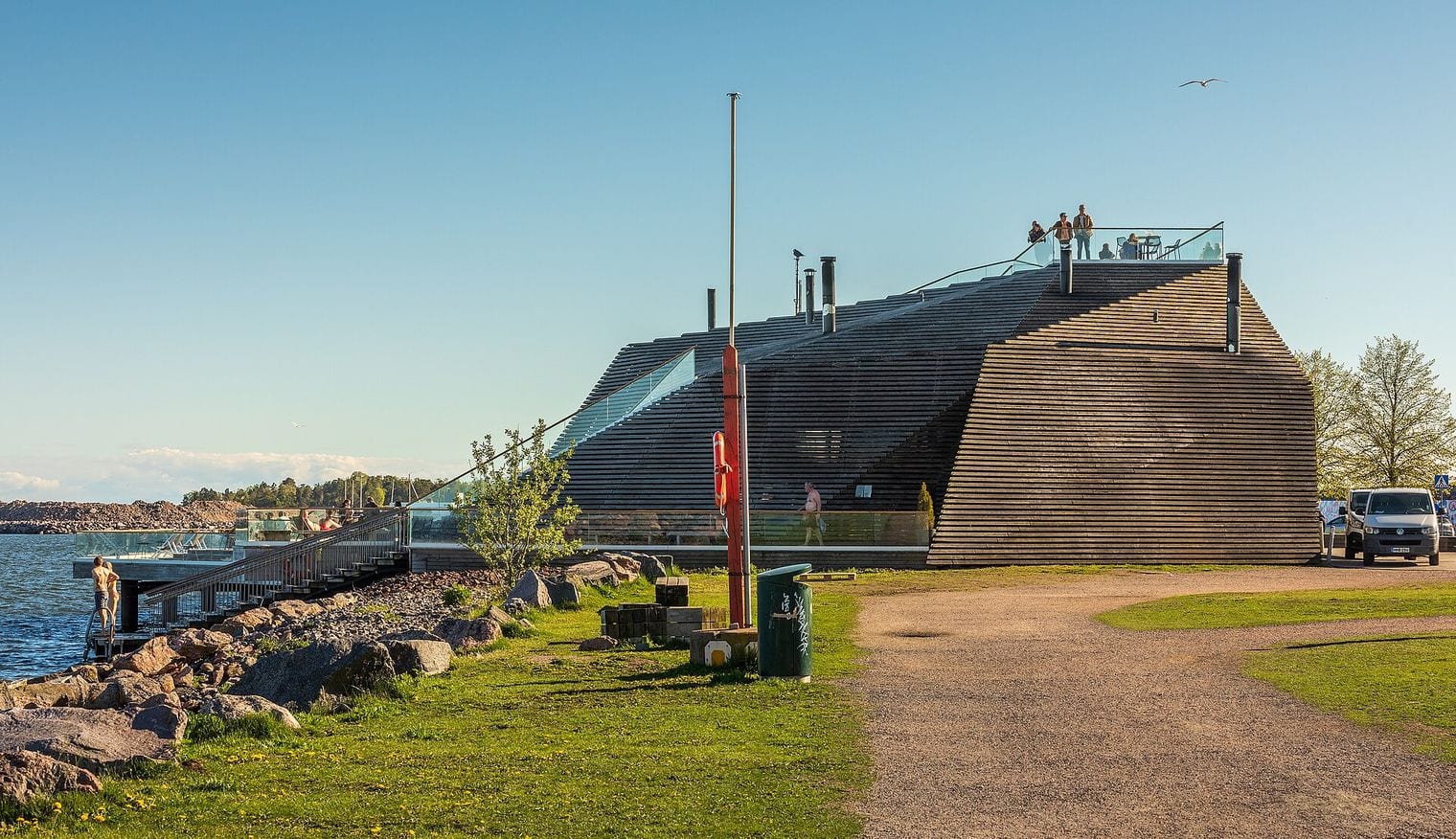
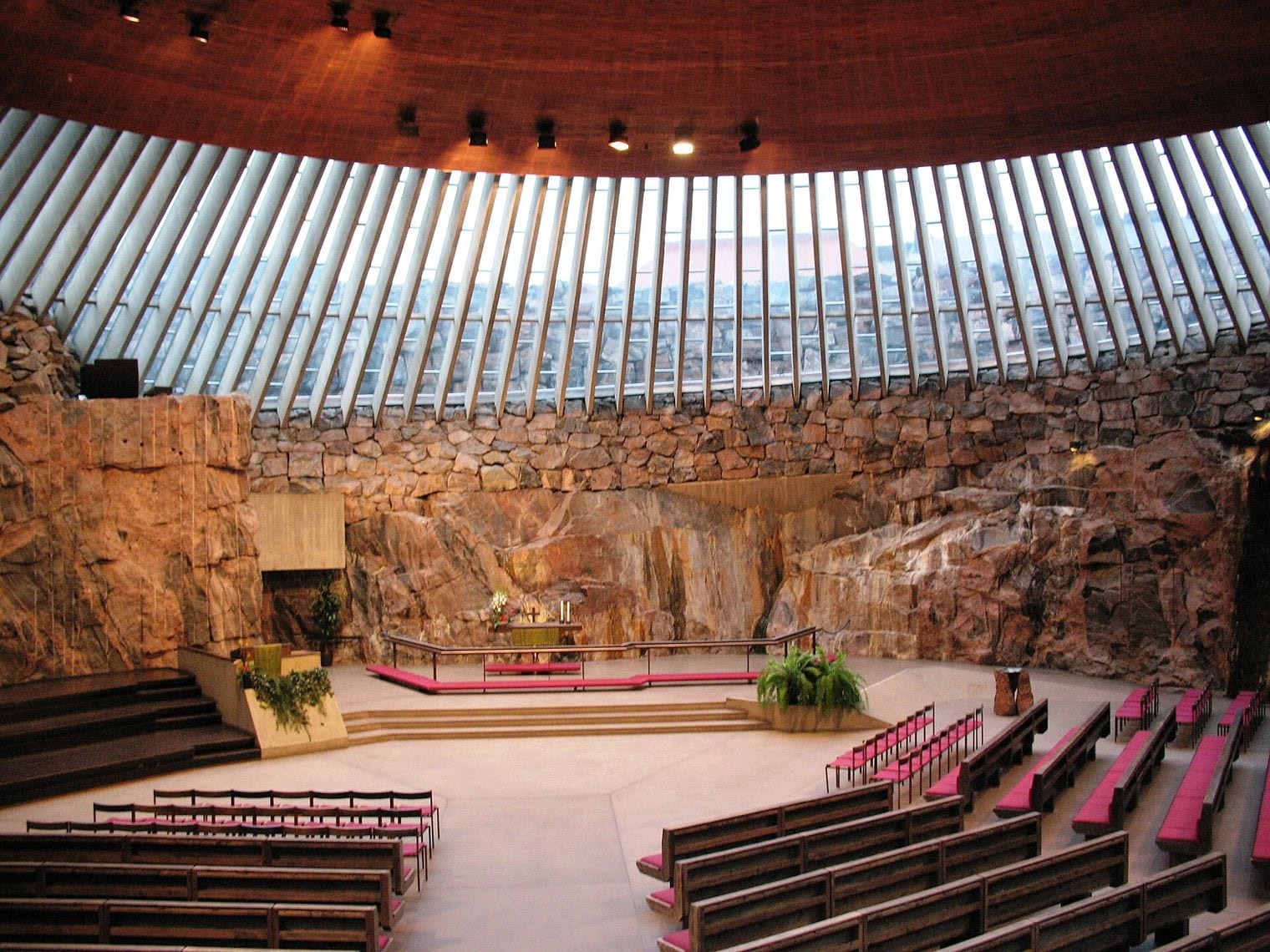
Helsinki & the south coastThe capital region and the country's front door, where a compact neoclassical city sits on a peninsula among 315 islands, backed by a coastline of wooden towns like Porvoo. This is where the design shops, the market halls, the museums and the public saunas are concentrated, and where most trips begin and end.
The Archipelago & ÅlandSouthwest of Turku the coast dissolves into one of the largest archipelagos in the world, thousands of rocky, pine-topped islands linked by a chain of small ferries. The marked Archipelago Trail loops through it by bike or car, and further out lies Åland, a Swedish-speaking autonomous region with its own flag and a very slow pace.
The LakelandThe blue heart of the country, an inland maze of water and forest centred on Saimaa, Finland's largest lake and home to a rare freshwater ringed seal. This is cottage-and-sauna Finland: you rent a cabin on a shoreline, swim off the jetty, take a boat out, and see almost nobody. Savonlinna's island castle is the one unmissable built thing.
Turku & the southwestThe old capital and the country's medieval core, with a riverside cathedral and a squat stone castle that predate almost everything in Helsinki. It is the gateway to the archipelago, an easy two hours by train from the capital, and the most historically layered part of Finland.
Ostrobothnia & the west coastA flat, sparsely visited coast along the Gulf of Bothnia, strongly Swedish-speaking in places and dotted with wooden town centres. Its headline is the Kvarken Archipelago, a UNESCO-listed shore where the land is still visibly rising out of the sea after the last ice age.
Lapland & the northAbove the Arctic Circle the forest thins into open fell, and the year splits between the midnight sun and the polar night. Rovaniemi is the practical base and the official home of Santa Claus; beyond it lie national parks for autumn hiking, winter husky and reindeer sledding, and the northern lights on clear, cold nights.
Lake Saimaa & the LakelandFinland's largest lake, a labyrinth of water, islands and forest that is the classic setting for a rented cabin, a rowing boat and a lakeside sauna.Basecamp: Savonlinna or Mikkeli
Lapland & the northern lightsArctic fell country where winter brings deep snow, husky and reindeer sledding and the aurora on clear nights, and summer brings a sun that never sets.Basecamp: Rovaniemi
The Turku archipelagoThousands of islands strung together by small ferries southwest of the old capital, best taken slowly by bike along the marked Archipelago Trail.Basecamp: Turku
Suggested routes
Helsinki & the south in a long weekend
~3–4 days
The short introduction to Finland, entirely doable without a car. Base yourself in the capital, give a day to the fortress islands and a sauna, then take the coast road or a ferry for a change of scale.
1Helsinki — two days for the sights, market halls and a sauna
3Porvoo — an hour east; wooden old town on a river
4Tallinn — optional two-hour ferry hop to Estonia
The Lakeland by rail and cabin
~1 week
The summer Finland most Finns would recognise: trains inland from the capital, then a few slow days on a lake shore with a boat and a wood-fired sauna. Best from late June to August, when the water is warm and the ferries run.
4Lake Saimaa — two or three nights in a lakeside cabin
5Kuopio — smoke sauna and a tower view over the lakes
Lapland in winter
~5–7 days
A cold-season trip built around snow and darkness rather than in spite of them. Take the overnight sleeper north, then split your time between a town base and a fell resort for sledding and aurora watching.
1Helsinki — a night in the capital before the sleeper
2Rovaniemi — the Arctic Circle base and Santa Claus Village
3Levi or Ylläs — fell resorts for skiing and husky sledding
4Inari — far north, Sámi culture and dark skies
Finland travel FAQ
Eight questions travellers ask before they go.
When is the best time to visit Finland?
It depends entirely on which Finland you want. June to August gives near-endless daylight, warm lakes, open archipelago ferries and the whole country outdoors, and is the best all-round choice. September is quieter and brings the ruska autumn colours. For snow, husky sledding and the northern lights, aim for the Lapland winter from December to March, and accept very short days in return.
How many days do you need in Finland?
Three or four days covers Helsinki and a day trip comfortably. A week lets you add either the Lakeland or the southwest archipelago at a Finnish pace, which is the point of going. Ten days to two weeks is what you need to combine the south with Lapland, since the north is a long way up and deserves several days of its own rather than an overnight dash.
Do you need a car in Finland?
Not for the cities. Helsinki, Turku and Tampere are walkable and well served by trams, buses and fast intercity trains, so a car is a liability in the centre. Hire one for the Lakeland, where the cabins are down unmarked tracks, or for Lapland outside the resort towns. Sleeper trains north carry cars, which is a common way to have one at both ends.
What is Finland best known for?
Saunas above all — there are more than three million of them for 5.6 million people. Beyond that: some 188,000 lakes, vast pine and spruce forest, Lapland with its reindeer, midnight sun and northern lights, and a design tradition that runs from Alvar Aalto's buildings to Marimekko prints and Iittala glass. Helsinki's sea fortress of Suomenlinna is its best-known single sight.
Do people speak English in Finland?
Very widely, and to a high standard, especially among younger people and anywhere in the tourism trade. Finland has two national languages, Finnish and Swedish, so signs are often bilingual, but you will not need either to travel. Learning kiitos for thank you is appreciated and about as much as anyone expects of a visitor.
What currency does Finland use, and is it in the EU?
Finland uses the euro and is a member of both the European Union and the Schengen area, so travel from most of Europe involves no border formalities. It is the only Nordic country to have adopted the euro. Card payment is close to universal — contactless is accepted almost everywhere, including buses and market stalls — and carrying cash is genuinely unnecessary.
What food should you try in Finland?
Start with salmon soup, rye bread and Karelian pies, the little rice-filled pastries eaten with egg butter. Reindeer appears on menus in the north, usually sautéed with mashed potato and lingonberry. In summer look for new potatoes, herring and forest berries; year round, the cinnamon and cardamom buns that go with Finland's famously heavy coffee habit.
What kind of trip is Finland best for?
Nature, winter travel, city design and calm.
We use cookies to analyse site traffic and improve your experience.
You can accept or reject analytics cookies. See our Cookie Policy.