We may earn a commission if you book or buy through a link on
this page, at no extra cost to you. It never affects which places we list or how
we rank them (how we make money).
Short answer
Helsinki's essentials are Suomenlinna, the sea fortress spread across islands in the harbour, the Temppeliaukio Rock Church blasted into solid granite, and Oodi, the central library that functions as the city's living room. Two full days covers the central sights comfortably, including a half-day on Suomenlinna; a third lets you add another island, a sauna at Löyly and a museum or two.
Finland's capital sits on a granite peninsula where the Baltic reaches right into the city, a place of neoclassical squares, working harbours and islands you get to on a public ferry. Helsinki is small enough to cross on foot and confident enough to put a church inside a rock and a sauna on the waterfront.
This guide covers the 30 best things to do in Helsinki, from the sea fortress of Suomenlinna to the market halls and the design quarter. Three days covers the highlights comfortably, and the harbour makes it easy to add a ferry day to Tallinn or Stockholm.
Helsinki is built across 315 islands, which is why so much of the city ends up being reached by boat — the Suomenlinna ferry runs on an ordinary public transport ticket.
It has only been the capital since 8 April 1812, when Alexander I moved it from Turku to weaken Swedish influence and bring the seat of government nearer St Petersburg.
Finland has more than three million saunas for a population of roughly 5.6 million, which is the context for treating a public sauna as a sightseeing stop.
The city hosted the 1952 Summer Olympics, and the stadium built for them still stands in Toolo with a tower open for the view.
Helsinki has two official names — Helsinki in Finnish and Helsingfors in Swedish — and street signs across the city carry both.
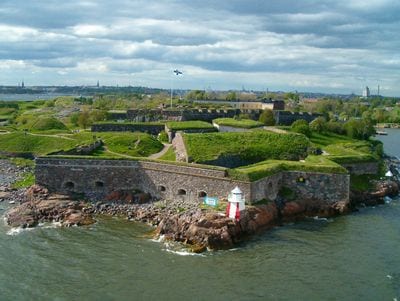
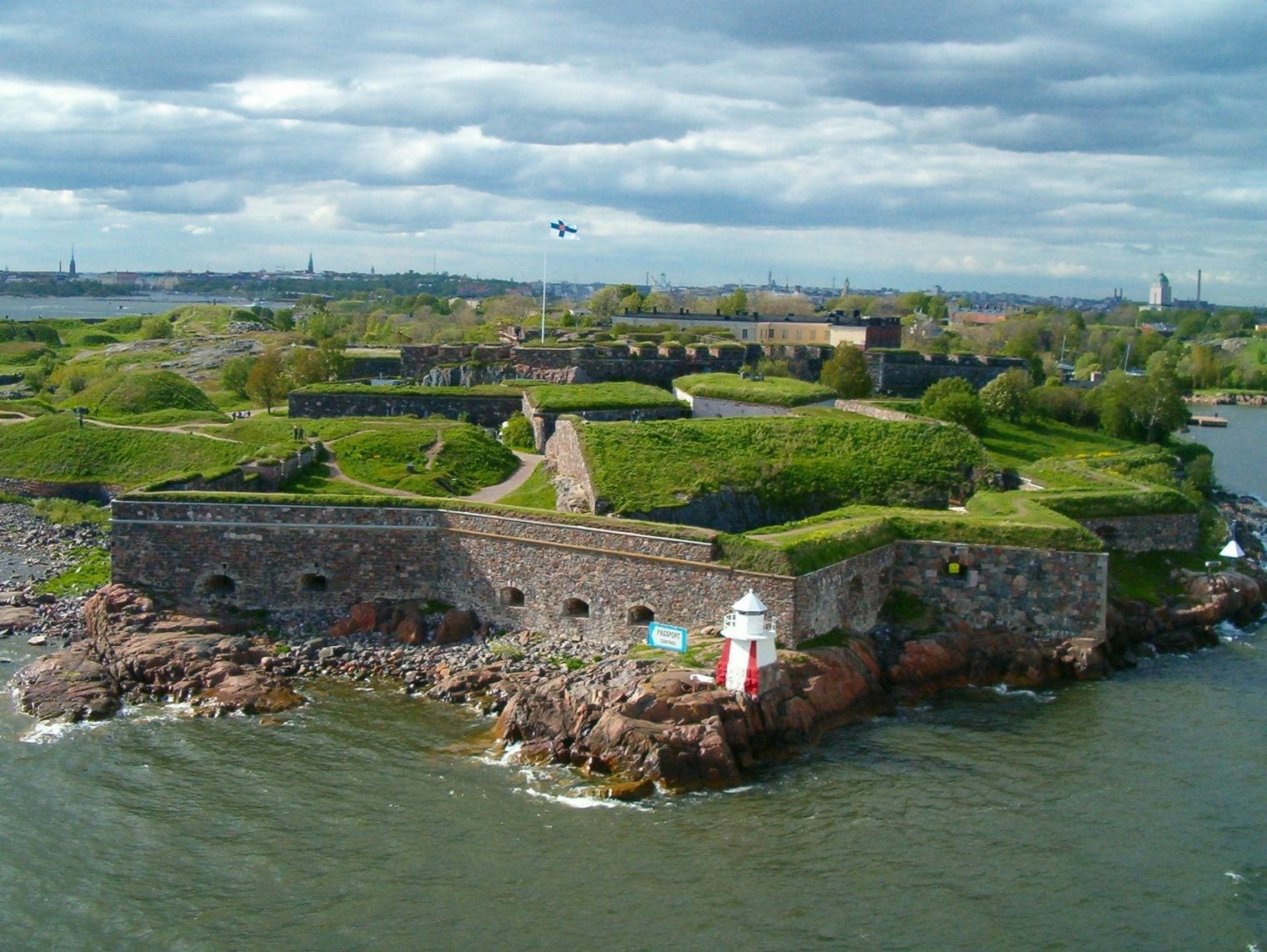
Spread across a cluster of islands at the mouth of the harbour, Suomenlinna is a sea fortress begun in the 18th century while Finland was part of Sweden, later held by Russia and now a UNESCO World Heritage Site. It is not a ruin behind a ticket barrier but an inhabited neighbourhood of Helsinki, with a few hundred residents, a school and a shop among the ramparts.
The ferry from Market Square runs year round on a normal public transport ticket, which makes this the easiest big day out in the city. Follow the marked blue route past the dry dock and the King's Gate, drop into the tunnels, and look for the submarine Vesikko drawn up on the shore. In summer the grass banks fill with picnickers; in winter the walls stand over grey ice.
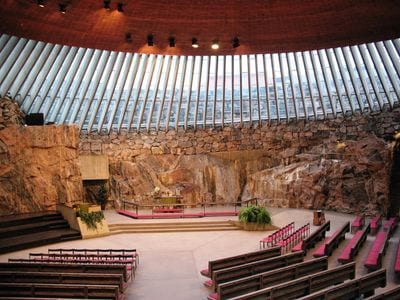
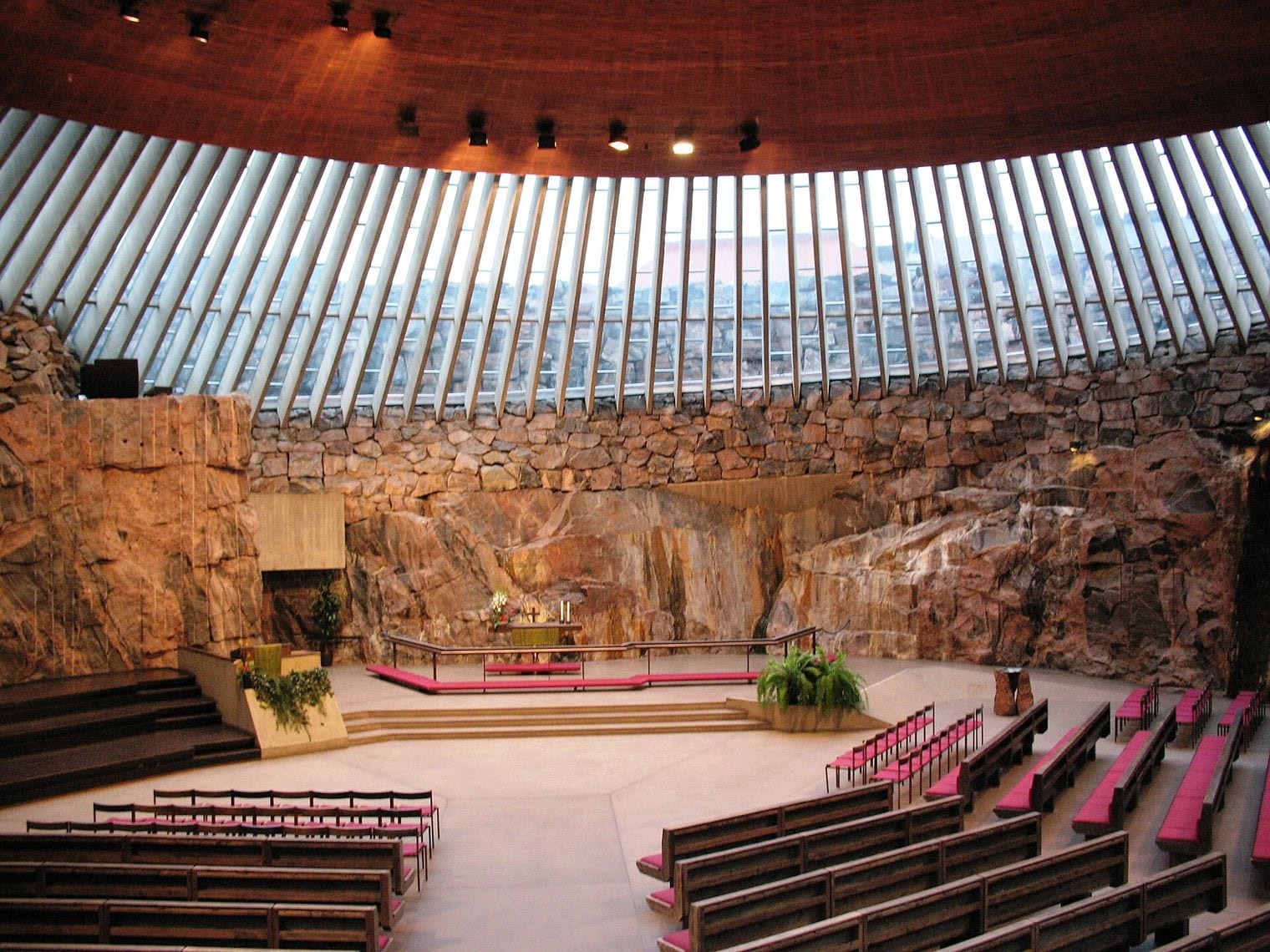
Temppeliaukio Rock Church was excavated straight down into a granite outcrop in a residential block, so its walls are raw quarried bedrock and its roof is a coil of copper wire under a glazed rim. Daylight comes in through that ring of glass and falls on the stone, which is the whole effect: from outside you see little more than a low dome in a square, and inside you are sitting in the rock.
It is a working Lutheran church rather than a museum piece, and the bare stone gives it an acoustic that makes it one of the city's busiest concert venues. Go early or late if you want it quiet, because tour groups arrive in waves through the middle of the day.
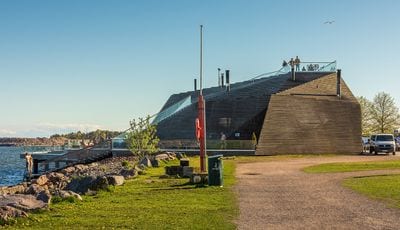
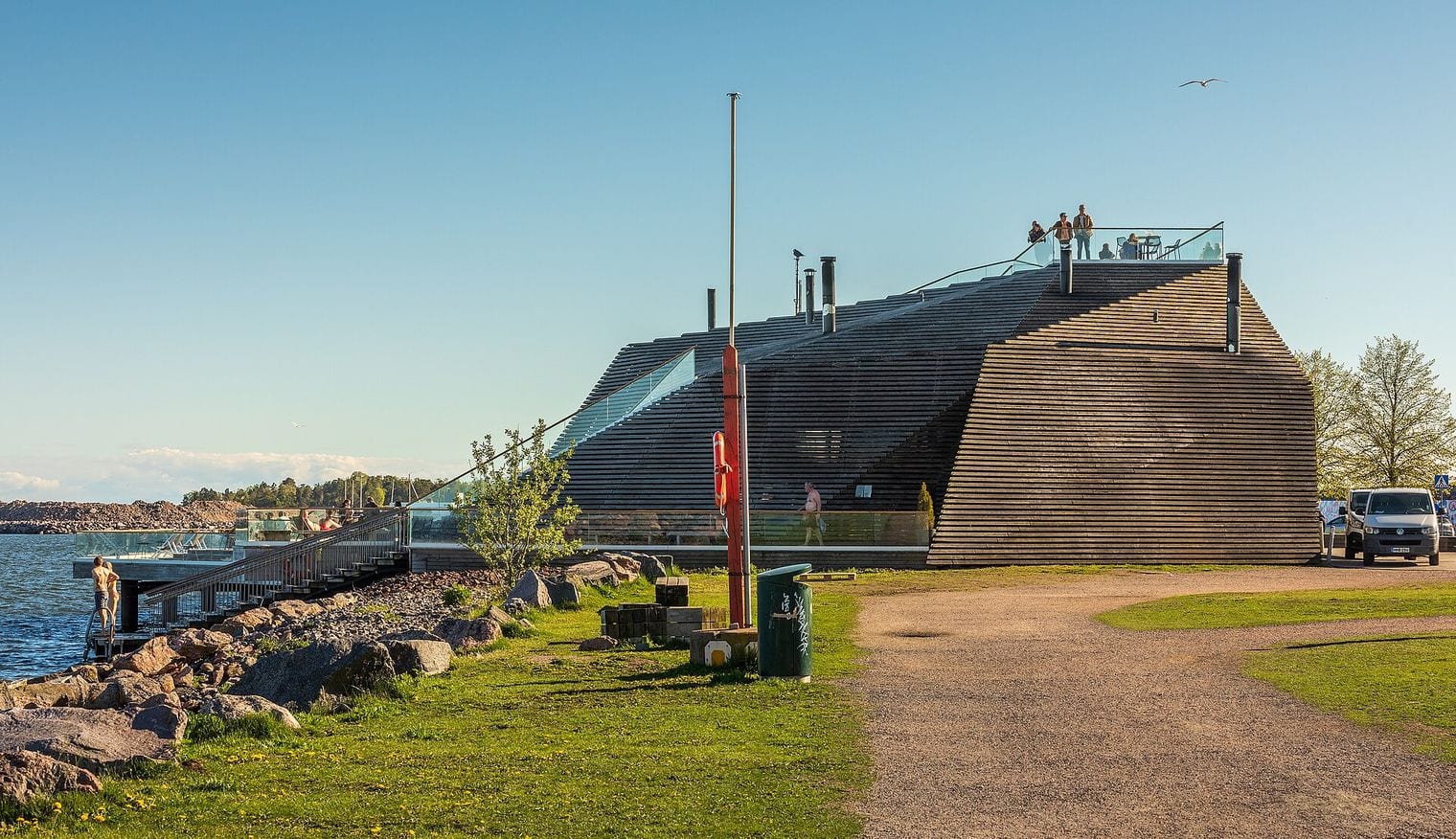
Sauna is the ordinary Finnish way to end a day rather than a spa treatment, and Löyly is the easiest place for a visitor to try it properly. The building is a low sculpted stack of timber on the Hernesaari shore, with slatted steps you can climb over the roof for a view along the water, and it is open to anyone who books a slot.
Inside there is a wood-heated sauna and a smoke sauna, and a ladder straight down into the Baltic for the cold dip that is the point of the exercise. Swimsuits are worn in the mixed sections, towels are provided, and a restaurant and terrace run alongside if you want to stay on afterwards. It is a twenty-minute tram ride from the centre.
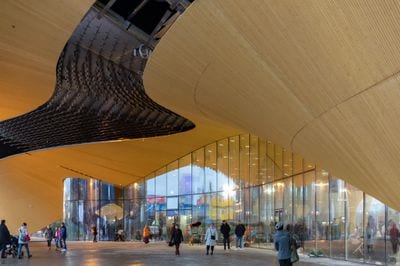
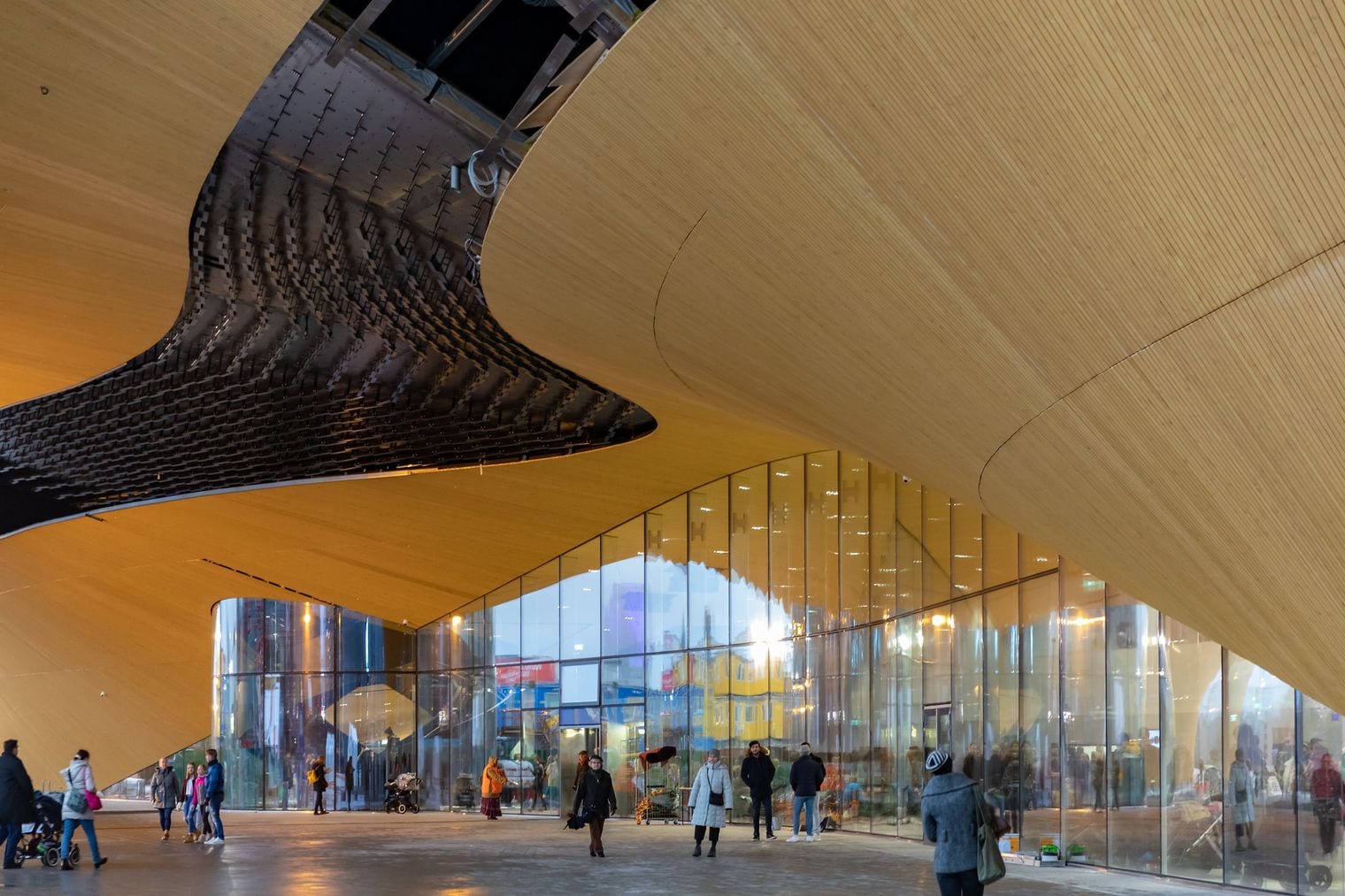
Oodi is a public library in the sense that a Finnish city means it: a free building in the middle of town, facing the parliament across the road, where the books are only part of what happens. The ground floor holds a cafe and a cinema, the middle floor has workshops with sewing machines, 3D printers and studios, and the top floor is one long timber room under a rippling white ceiling.
It opened in 2018 as a centenary project for Finnish independence and was named Public Library of the Year the following year. You do not need a card to go in, sit down and use the place, and the top-floor balcony gives one of the best free views of central Helsinki.
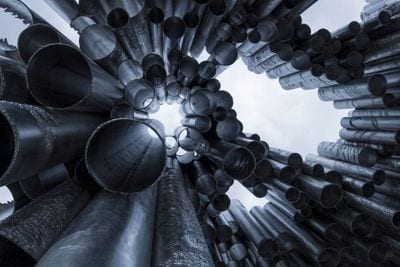
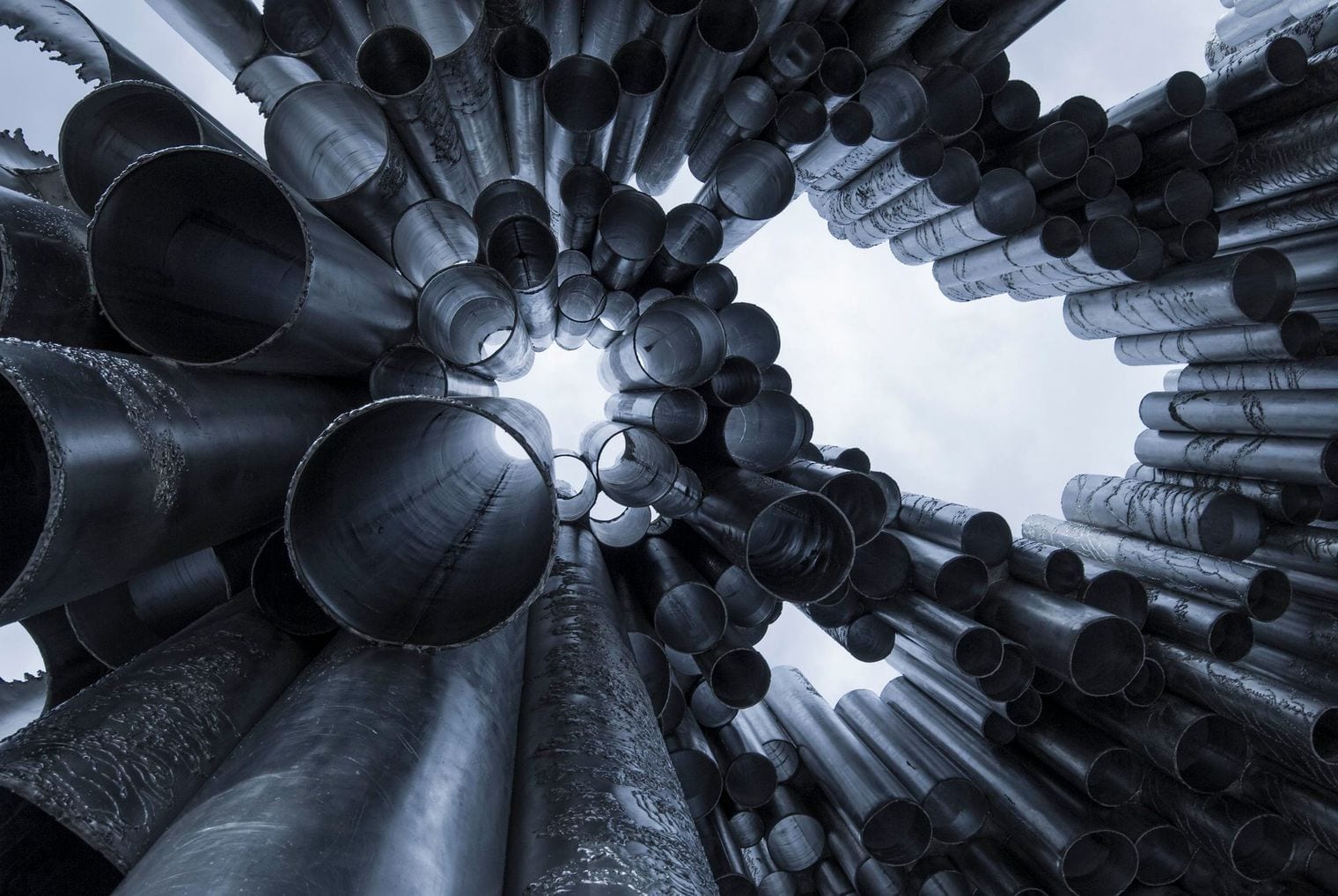
In a seaside park in Töölö, hundreds of hollow steel tubes are welded into a wave that catches the light and moves the wind around, honouring the composer Jean Sibelius. Eila Hiltunen's design caused a public argument when it was chosen, on the grounds that an abstract sculpture was no way to remember a national figure, and a bust of the composer's face was added on the rock beside it as a concession.
The Sibelius Monument has long since won that argument and become one of the city's fixed images. It sits in an open park by the water, so it is free, always accessible and easy to combine with a walk along the Töölö shoreline or a stop at the little waterside cafe nearby.
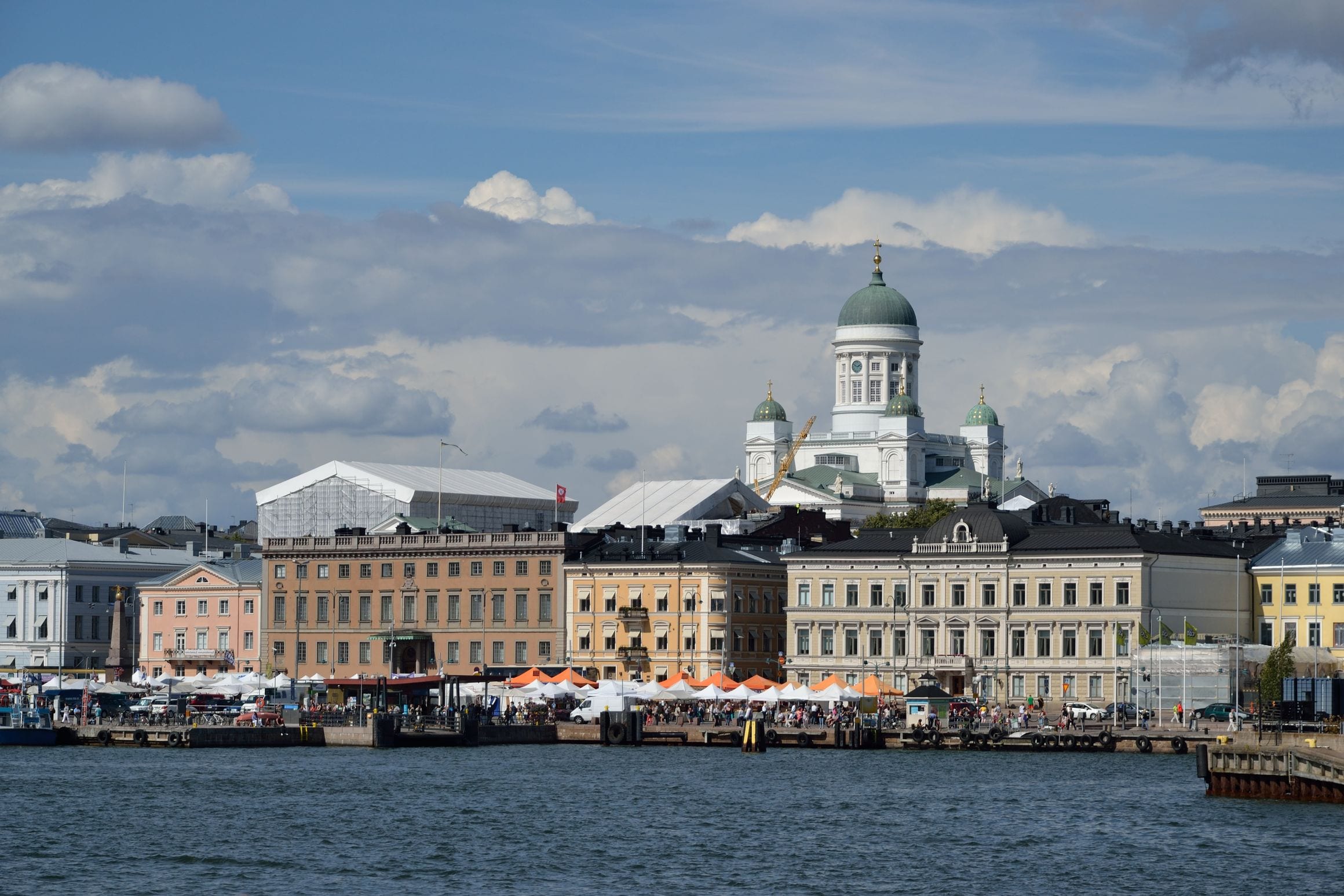
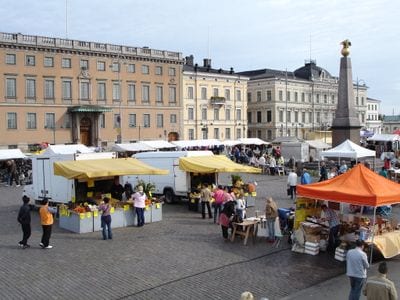
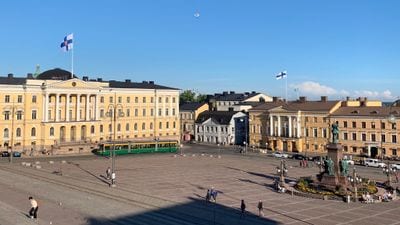
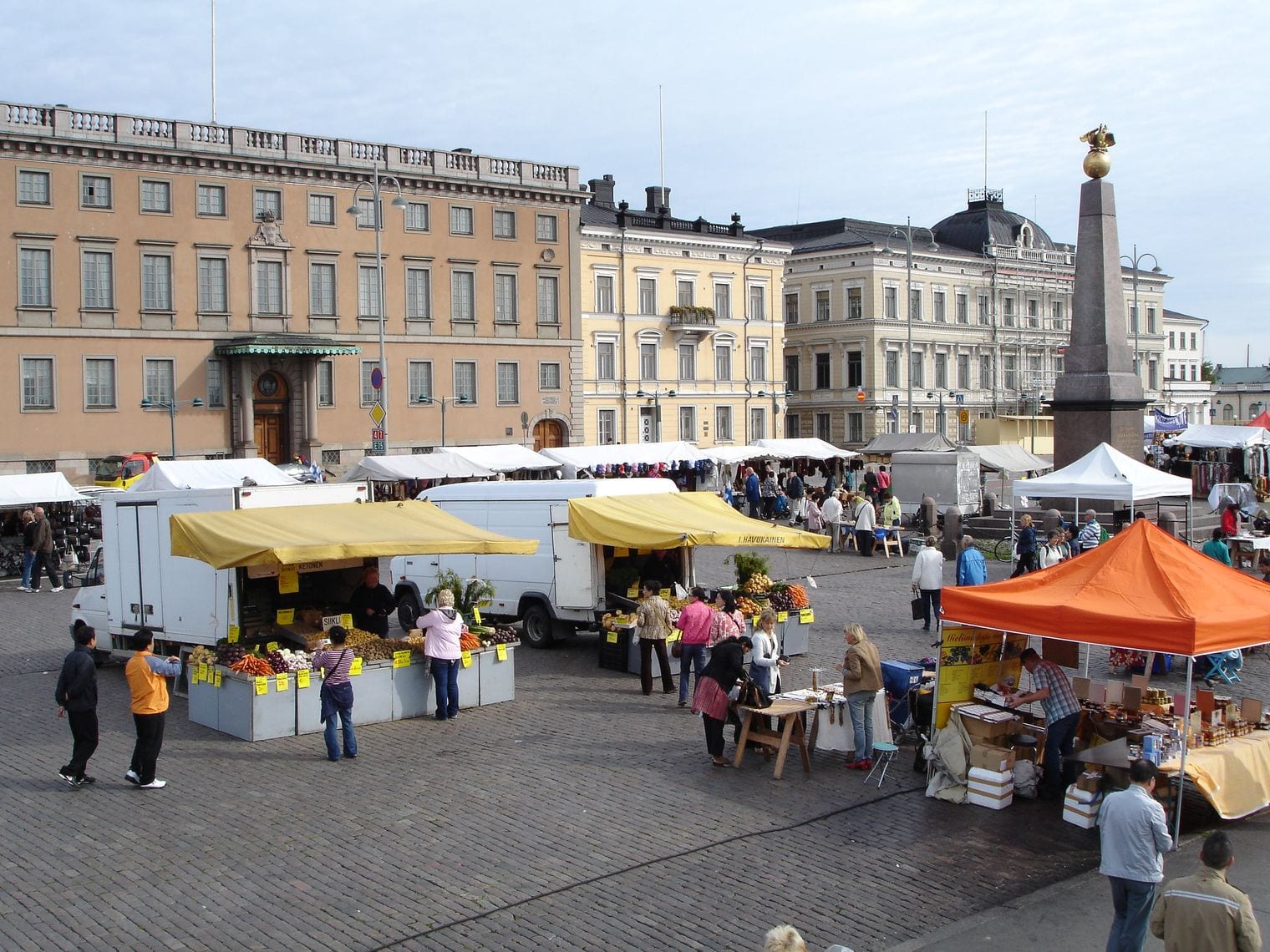
Market Square is the open cobbled space where the harbour meets the city, backed by the Presidential Palace and the City Hall and edged by the water where the archipelago ferries and the Suomenlinna boat come and go. Orange tents sell berries, peas, new potatoes and smoked fish through the warmer months, alongside the reindeer hides and birch souvenirs aimed squarely at visitors.
Come for a bowl of salmon soup or fried herring eaten at a trestle table with the gulls watching, and treat the stalls as a snapshot of what is in season. The Havis Amanda fountain stands at the head of the square, and Market Square is the natural starting point for almost any walk around central Helsinki.
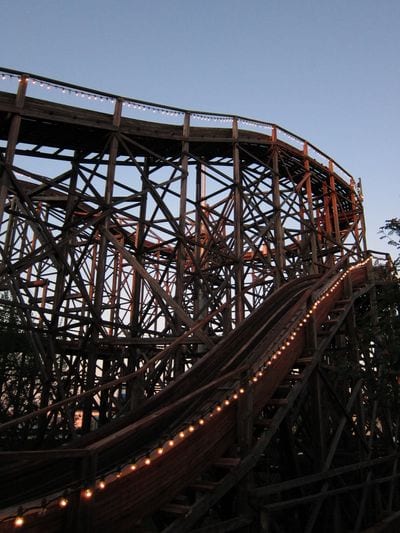
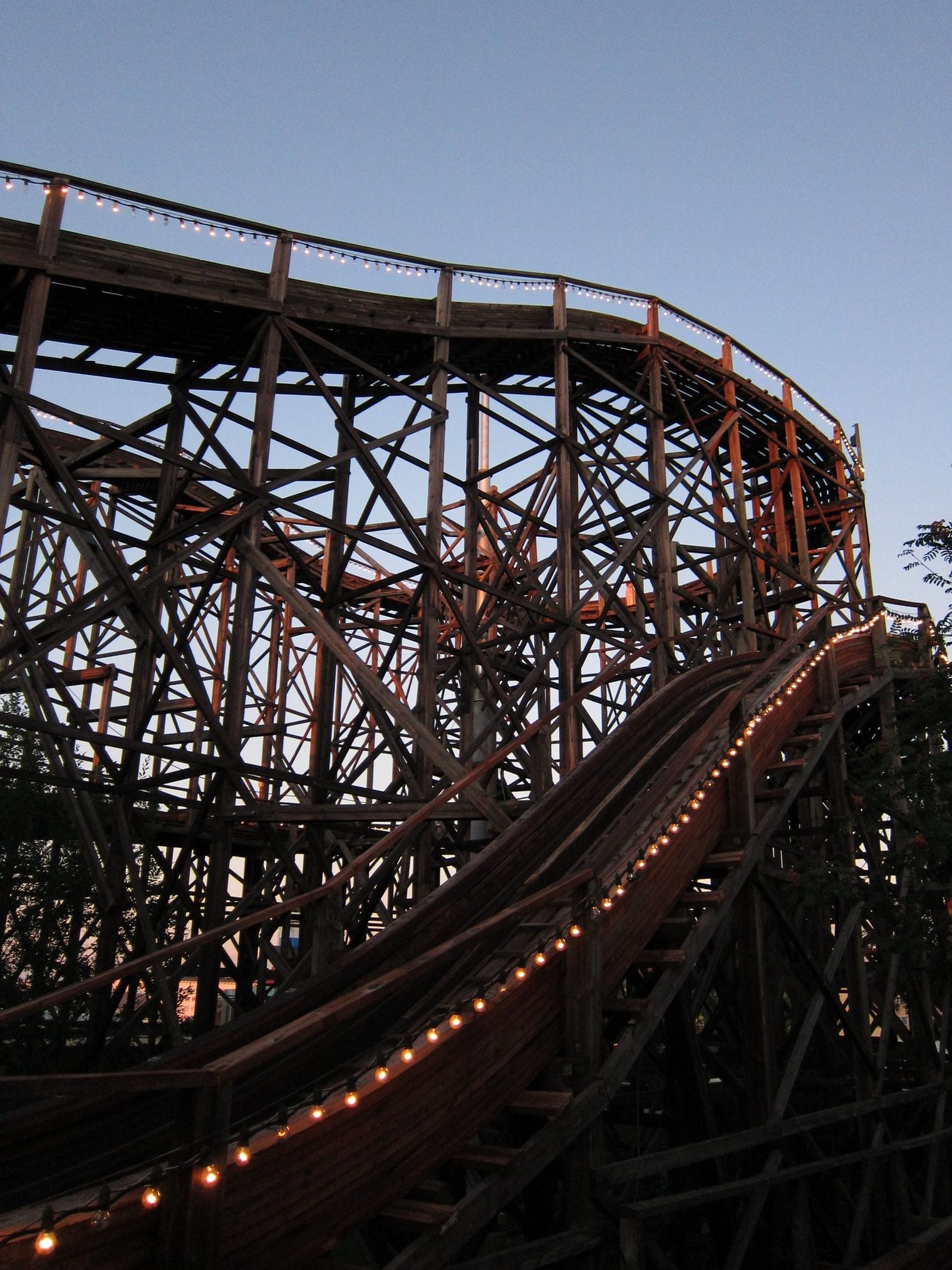
Linnanmäki sits on a hill north of the centre and has an unusual arrangement behind it: the park is owned by a non-profit children's day foundation and run to raise money for Finnish child welfare work rather than for shareholders. It has been going since 1950, and you can buy rides individually or take a wristband if you plan to do everything.
The wooden roller coaster is the one people come back for, a rattling circuit still operated with a brakeman riding along at the back of the train. It is open seasonally rather than year round, and the autumn Carnival of Light evenings, when the park runs after dark under strings of lights, are the atmospheric time to visit.
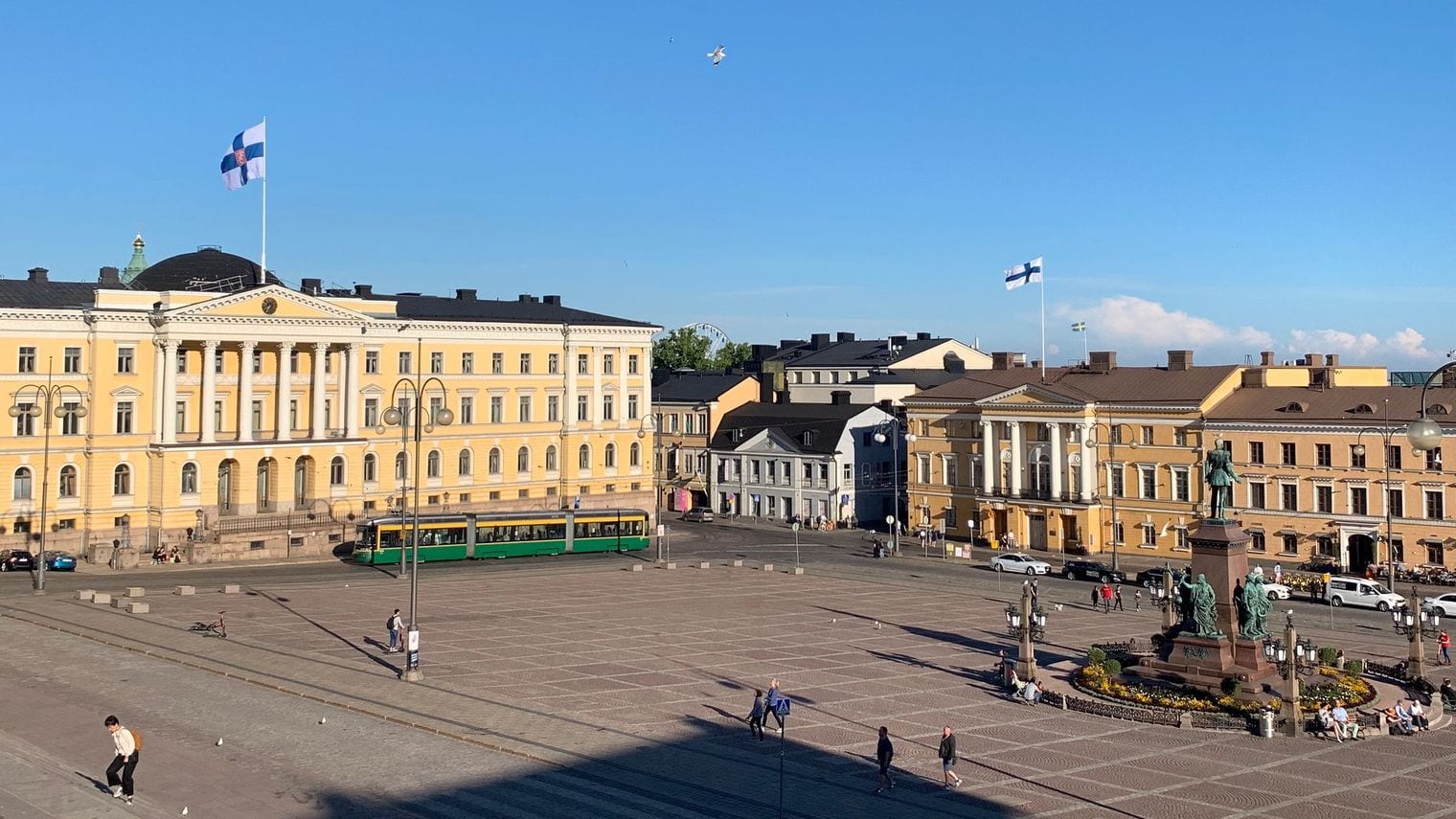
Senate Square is the set piece of Helsinki, a wide granite square framed on three sides by pale neoclassical facades and closed at the top by the cathedral's steps. The government palace stands on one side and the main building of the University of Helsinki on the other, with a statue of Alexander II in the middle, and the whole ensemble was laid out after the capital moved here in the 19th century.
The scale is deliberately imperial and it photographs best from the bottom of the steps looking up. Around the square the Torikorttelit quarter has been restored into small shops, cafes and the old Sederholm House, which makes the area more than a place to stand and admire the architecture.
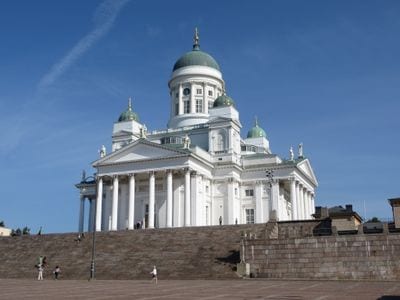
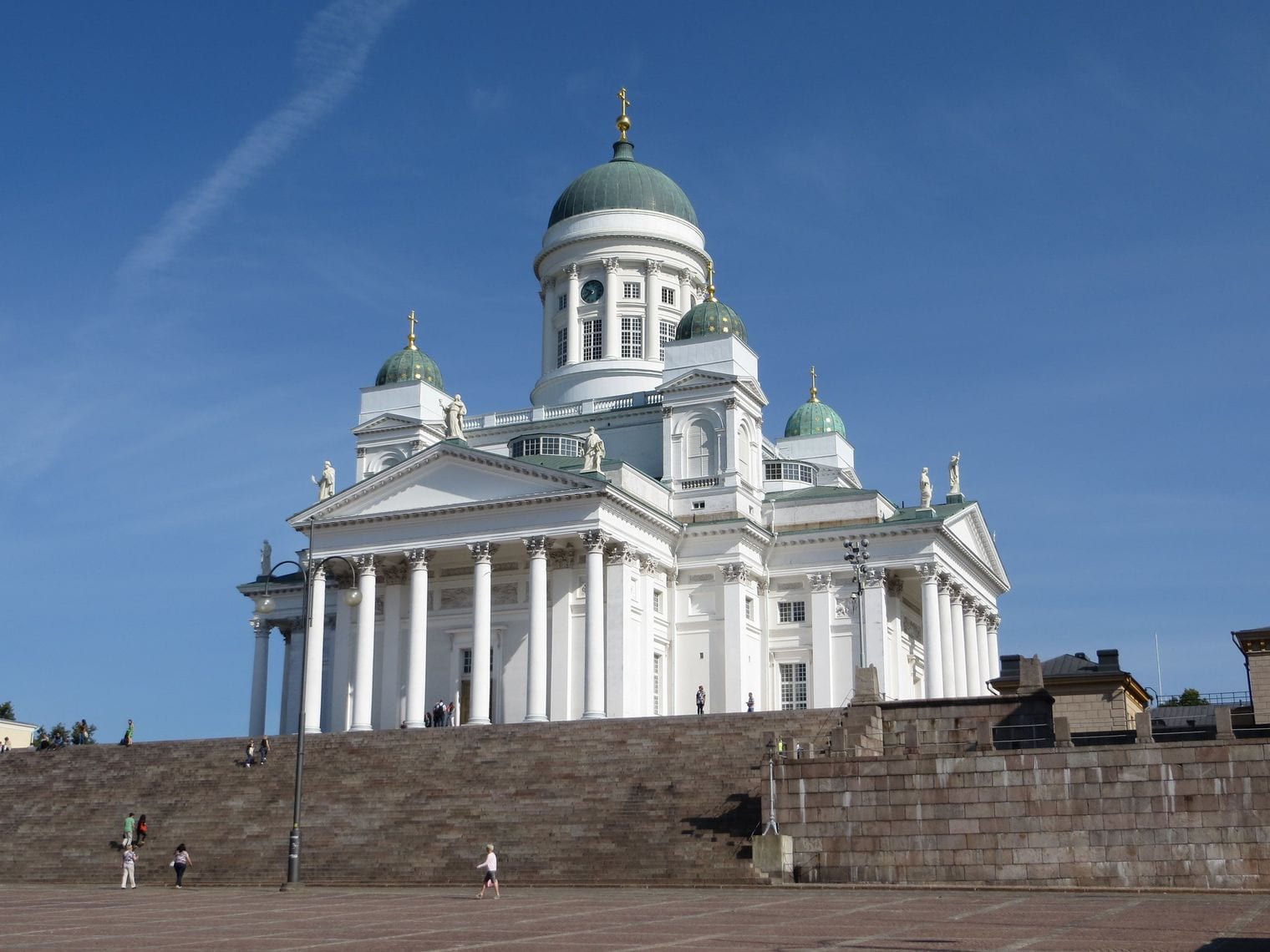
The white cathedral above Senate Square, with its green dome and rank of steps, is the building that ends up on the postcard. It was designed by Carl Ludvig Engel as the centrepiece of the neoclassical city and completed after his death in the middle of the 19th century, and the smaller domes and the apostles on the roofline were added later.
Inside, Helsinki Cathedral is startlingly plain after the exterior: white walls, clear windows and very little decoration, in keeping with its Lutheran use. Entry is free, the crypt below is used for exhibitions and a cafe, and the steps outside are one of the city's default meeting places and sitting spots in summer.
Korkeasaari occupies its own island a short way east of the centre and has been a zoo since 1889. Its collection leans deliberately towards animals that cope with a northern climate, so snow leopards, Amur tigers, wolverines and forest reindeer are the ones worth planning around rather than tropical species.
The island setting is half the appeal: paths run between rocky outcrops and pines with sea views opening between the enclosures. You can reach Korkeasaari Zoo by bridge and bus year round, and by ferry from Market Square in summer, which turns the trip into a short boat ride through the harbour.
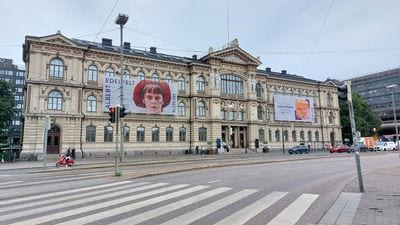
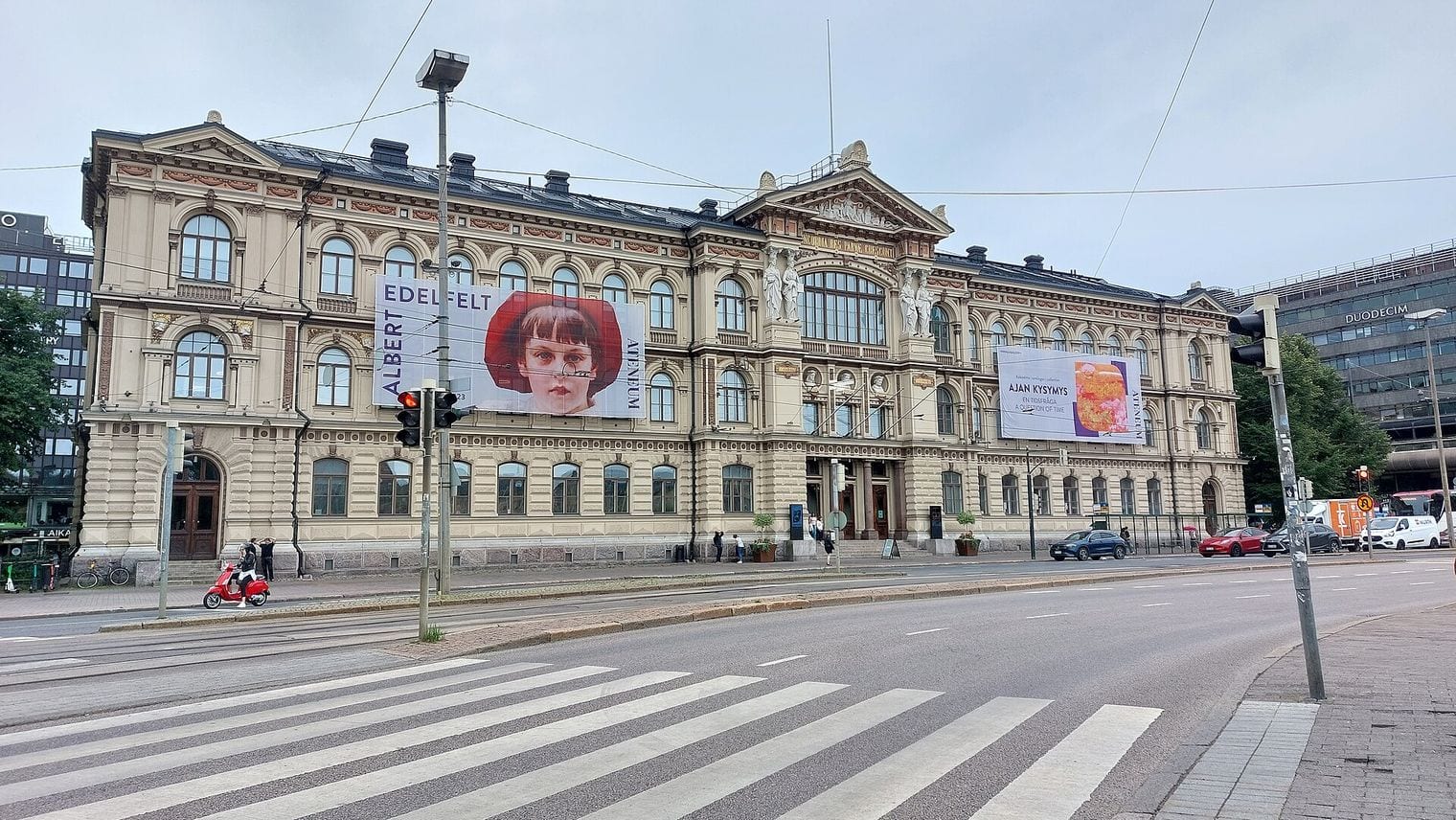
Ateneum holds the national collection of older Finnish art, and it is the place to understand how the country pictured itself while it was still a Grand Duchy of Russia. The Golden Age painters are all here, including Akseli Gallen-Kallela's scenes from the Kalevala and the quiet, pared-down portraits of Helene Schjerfbeck, alongside international works that Finnish artists were reacting to.
The building faces the railway station across the square and is compact enough to see properly in a couple of hours. Between Ateneum Art Museum for the historic collection, Kiasma for contemporary work and Amos Rex for exhibitions, the three sit within a few minutes' walk of one another in the centre.
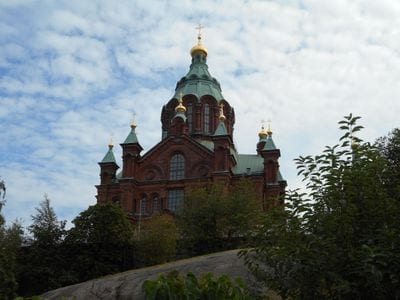
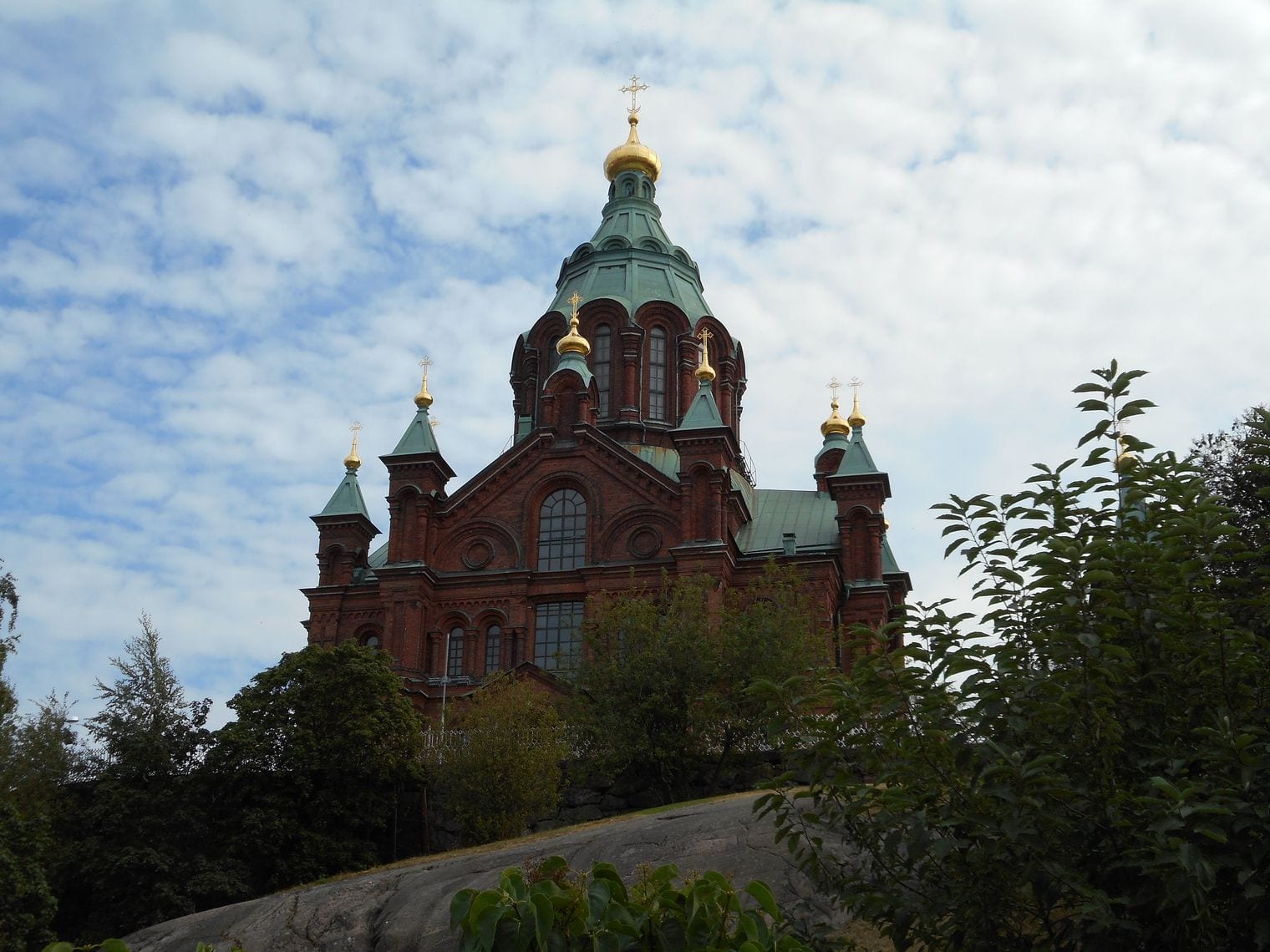
Uspenski Cathedral rises in red brick on the Katajanokka side of the harbour, its gold onion domes visible from the market and the ferry decks. It is an Orthodox cathedral, a legacy of the century when Finland was governed from St Petersburg, and it is usually described as the largest Orthodox church in western Europe.
The interior is the opposite of the Lutheran cathedral across the water: dim, warm, heavy with gilt and icons and the smell of candle wax. Entry is free outside services. The climb up from the quay takes a few minutes and the terrace at the top is a good vantage point back over the harbour and the city skyline.
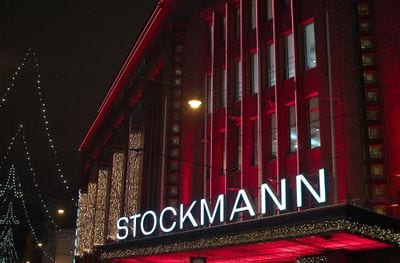
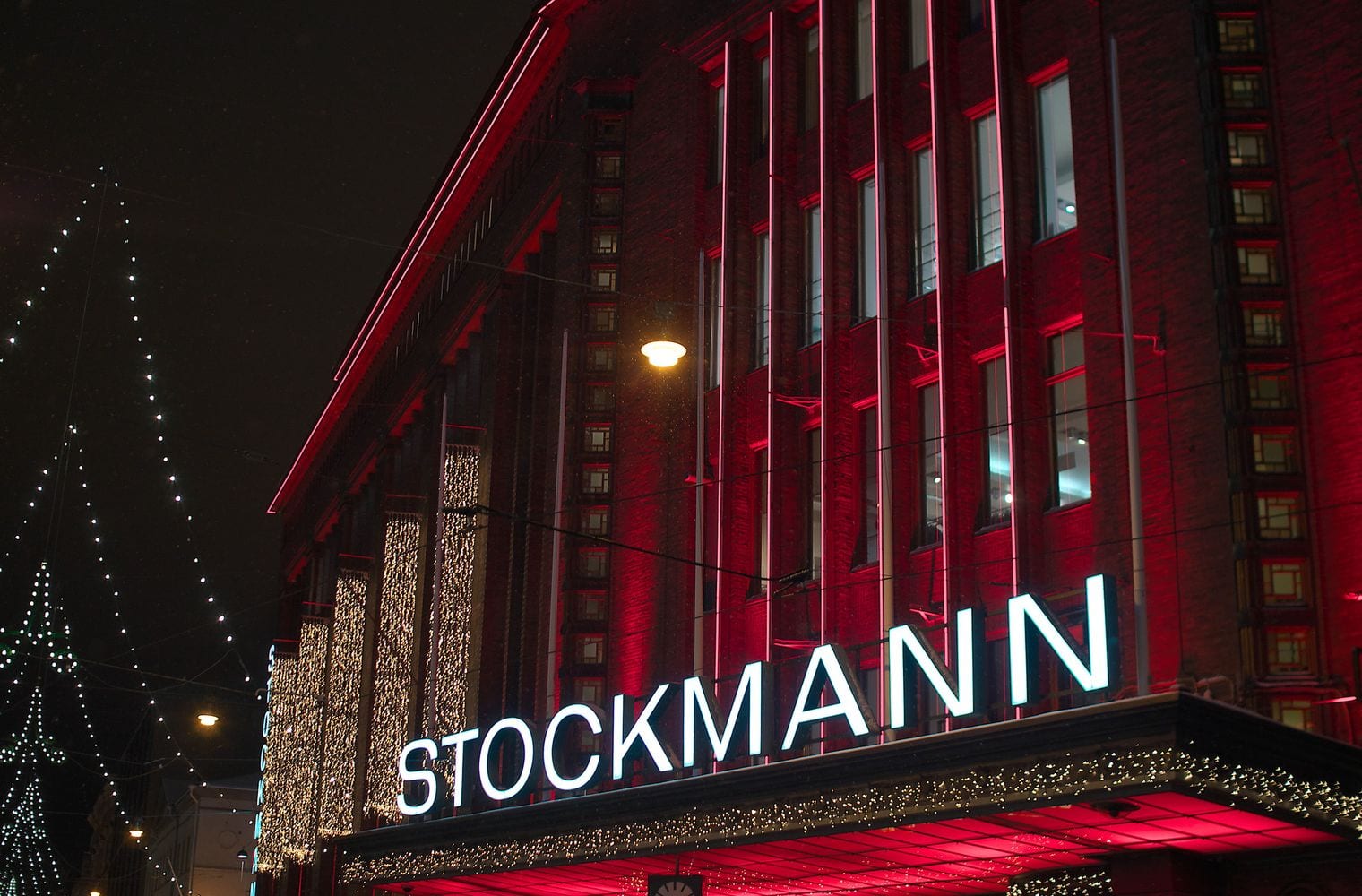
Stockmann is the Finnish department store, and its flagship on the corner of Mannerheimintie functions as a landmark as much as a shop. Generations have arranged to meet under the clock outside, the food hall in the basement is a serious stop for Finnish produce, and the top floors carry Finnish design brands if you want Iittala glass or Marimekko prints in one place.
The store is woven into the city's calendar: the Crazy Days sales in spring and autumn are a genuine local event, and the Christmas window displays draw families in from across the region. Even if you buy nothing, it is a useful shelter and a fair snapshot of everyday Helsinki in the middle of the shopping district.
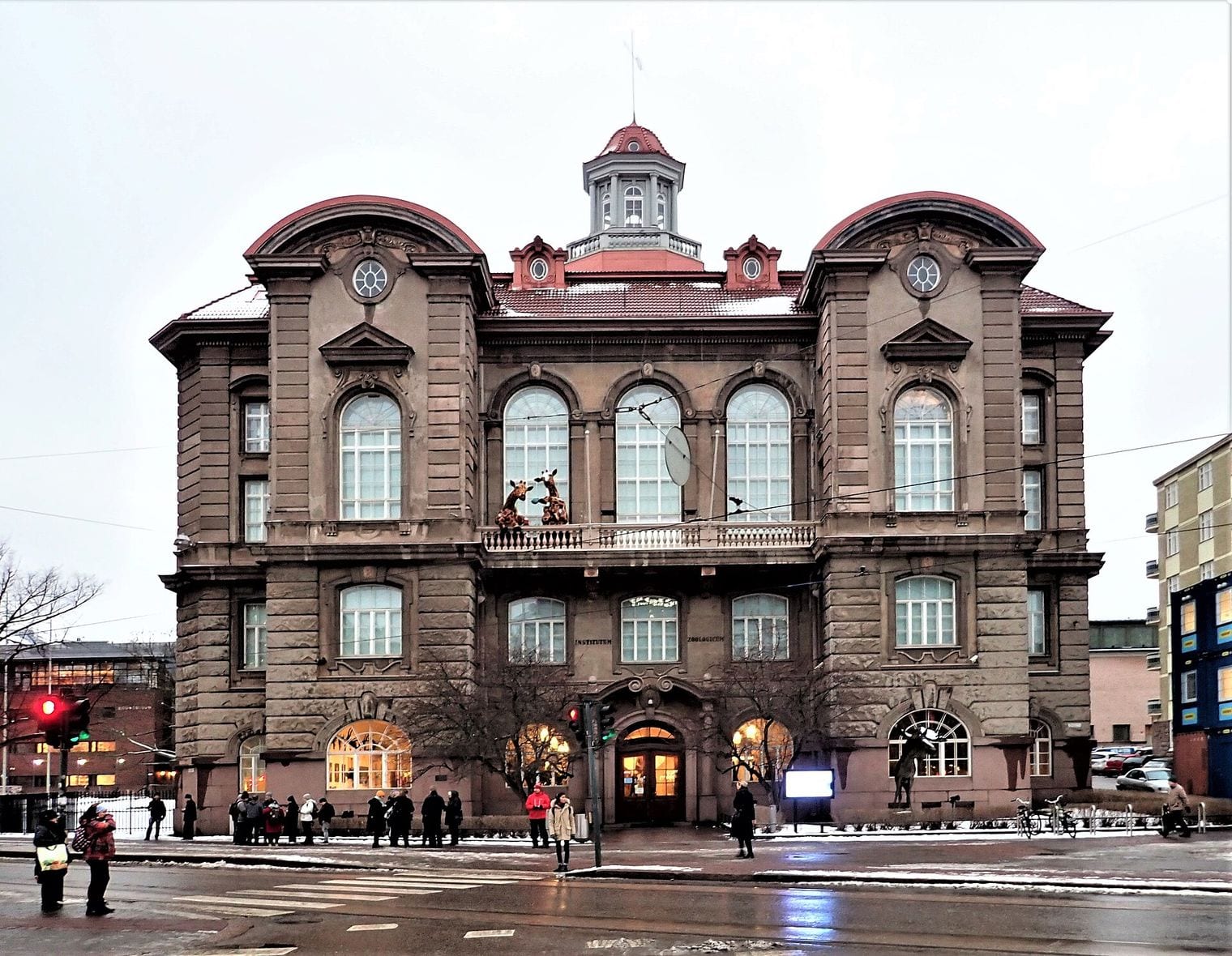
Run by the University of Helsinki, the Finnish Museum of Natural History fills a handsome older building near the parliament with the sort of collection that works for adults and children equally. The mounted skeletons and dioramas cover Finnish habitats in detail, from Baltic shoreline to Lapland fell, and there are dinosaur casts and a whale skeleton for the ones who came for something bigger.
It is a research institution as well as a public museum, so the labelling is careful rather than showy. The scale is manageable in an hour or two, and it sits close enough to the Sibelius Monument and the Töölö parks to fold into the same walk on a wet afternoon.
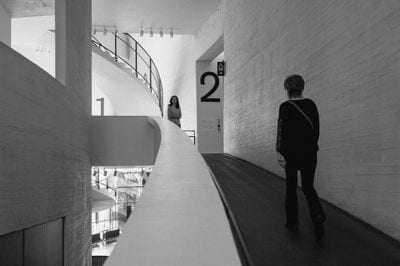
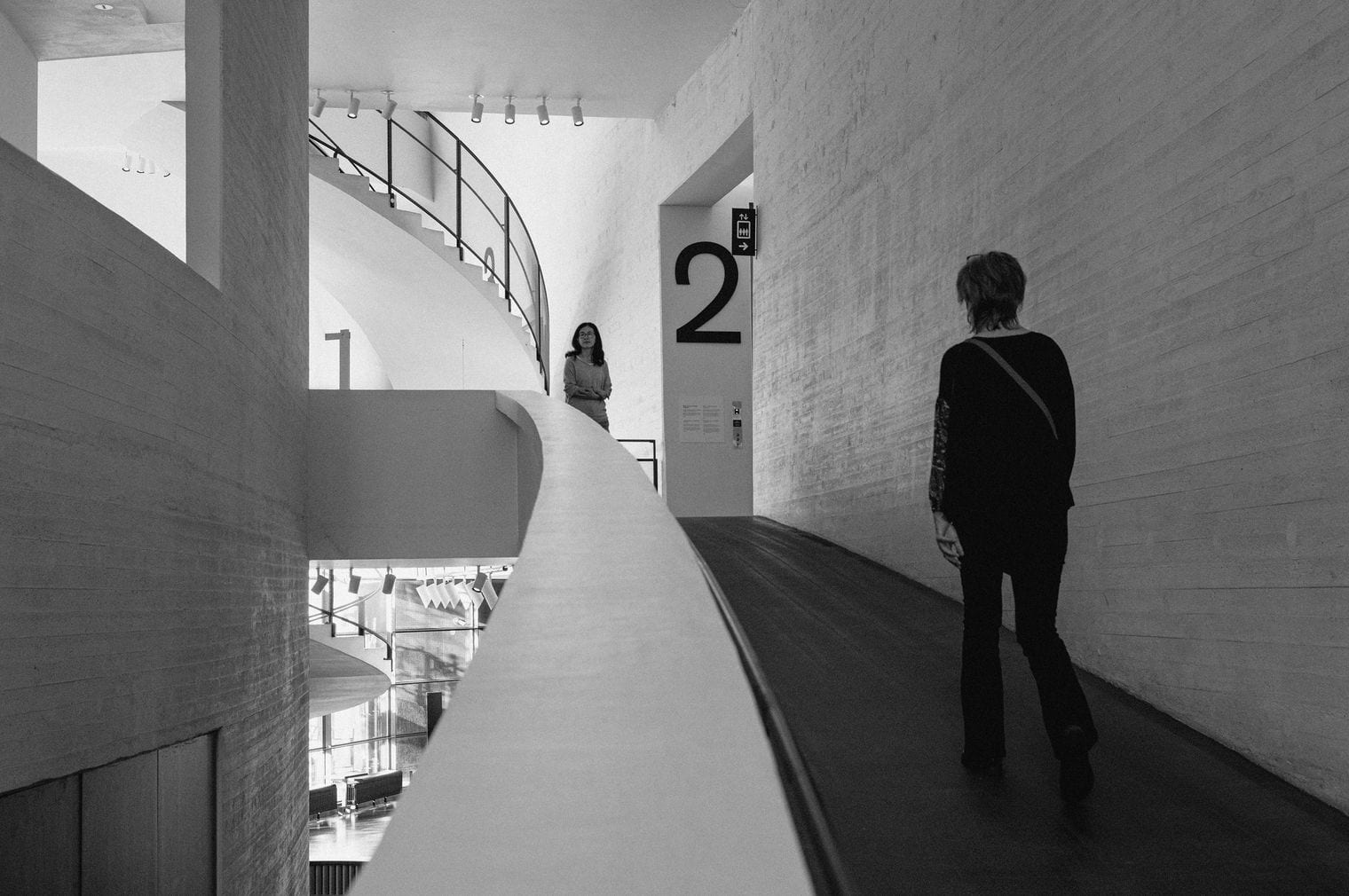
Kiasma is the national museum of contemporary art, housed in a curving metal-clad building by Steven Holl that argues with the straight lines of the civic buildings around it. The interior is the real design: a long ramp climbs through the galleries so that you move up the building in a slow curl, with daylight let in from above along the way.
Exhibitions rotate frequently and lean towards Finnish and Nordic artists, so what is on will differ from one visit to the next. Kiasma Museum of Contemporary Art sits between the railway station, the parliament and Oodi, which makes it easy to combine with the other central sights in a single afternoon.
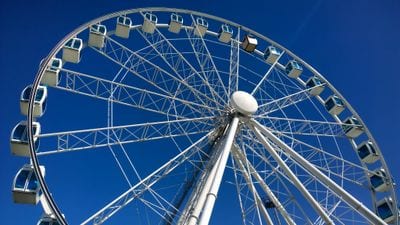
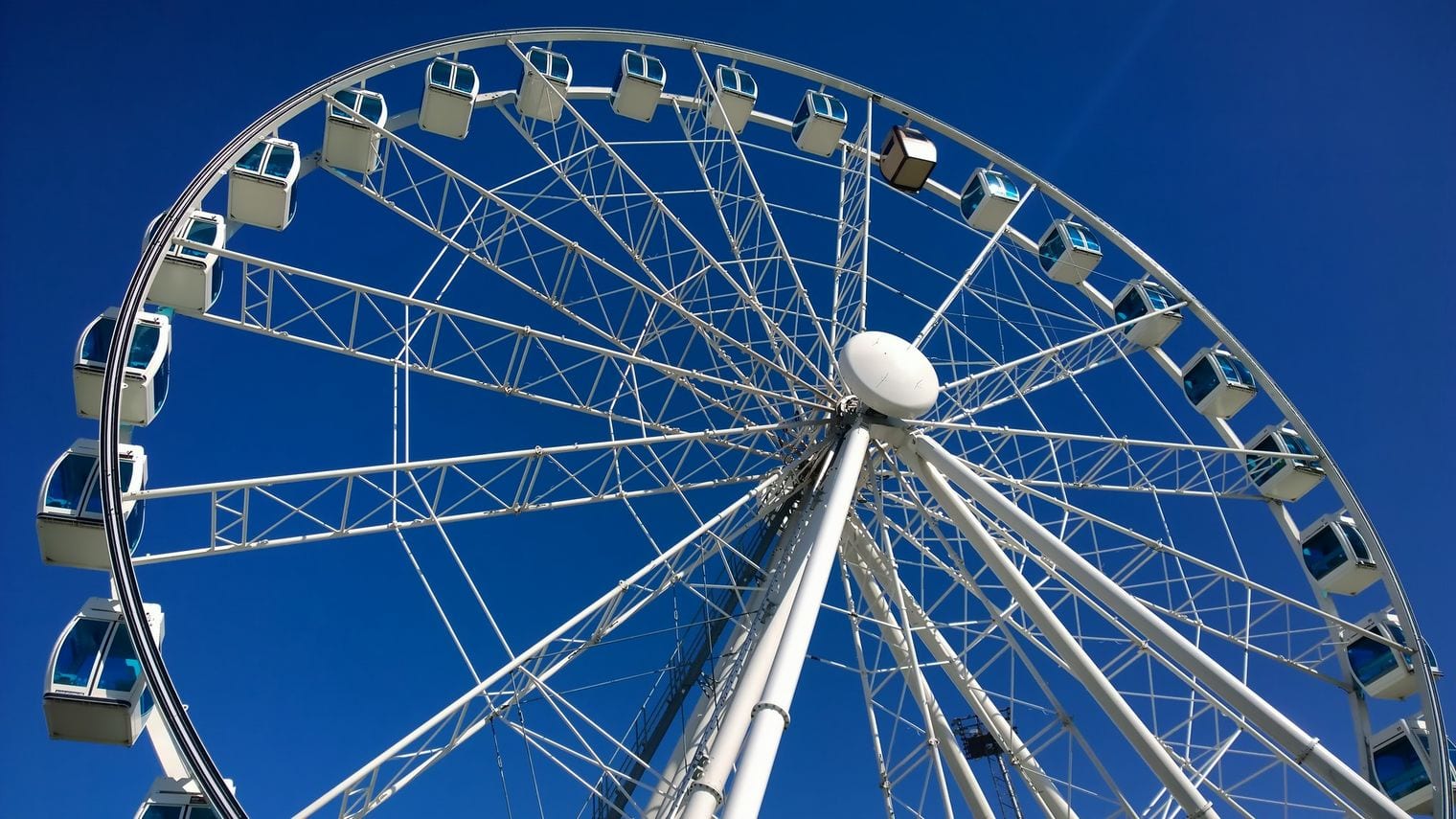
The observation wheel on the Katajanokka quay gives the straightforward version of a Helsinki view: a slow turn above the harbour with the cathedral domes, the market and the ferries laid out below, and the archipelago running away to the south. Cabins are enclosed and heated, which matters for most of the year here.
SkyWheel Helsinki has one gondola that is genuinely unusual, a private sauna cabin that rotates with the rest of the wheel and comes with a cold drink and a shower at ground level. It is a novelty and priced like one, but it is also a very Helsinki idea, and the ordinary cabins do the job for a few euros.
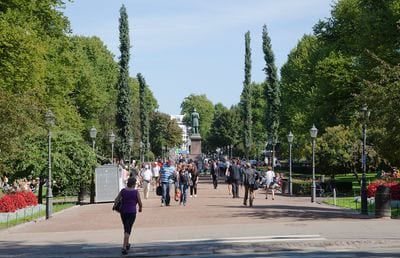
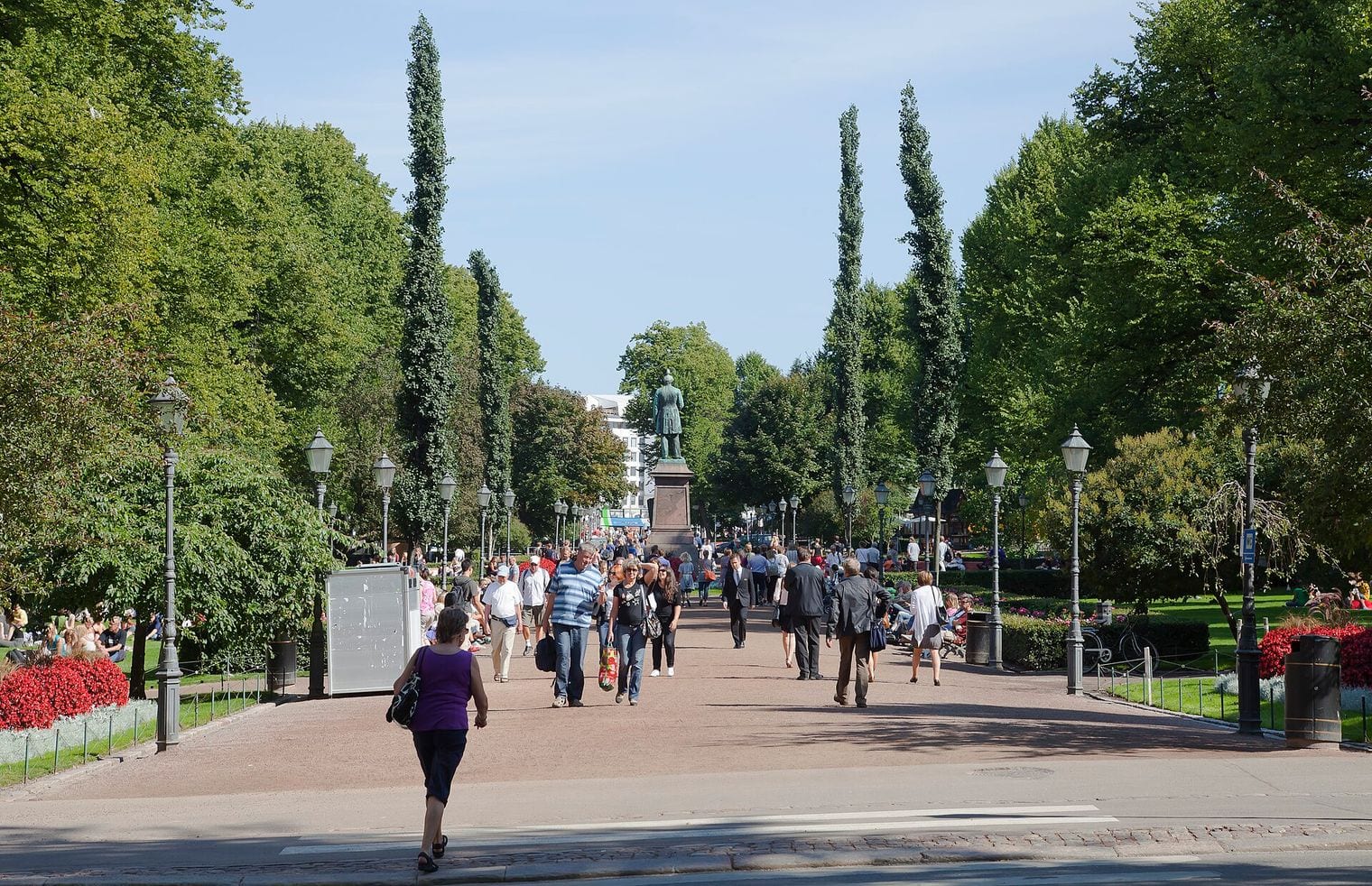
Esplanadi is the long green promenade running from the harbour up into the shopping streets, a strip of lawn and lime trees between two roads that acts as the city's front garden. On the first warm day of the year it fills completely, and it stays that way through the summer with people eating lunch on the grass.
The park has a bandstand at the harbour end where free concerts run in the warmer months, the Kappeli restaurant has stood at that corner since the 19th century, and the flanking streets carry the flagship Finnish design shops. Walking the length of Esplanadi from Market Square to Stockmann is about as central a Helsinki stroll as exists.
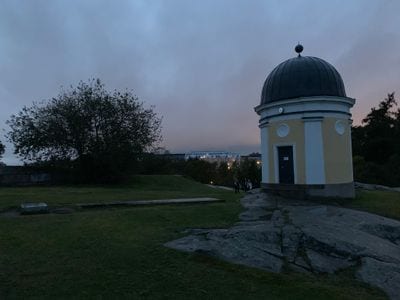
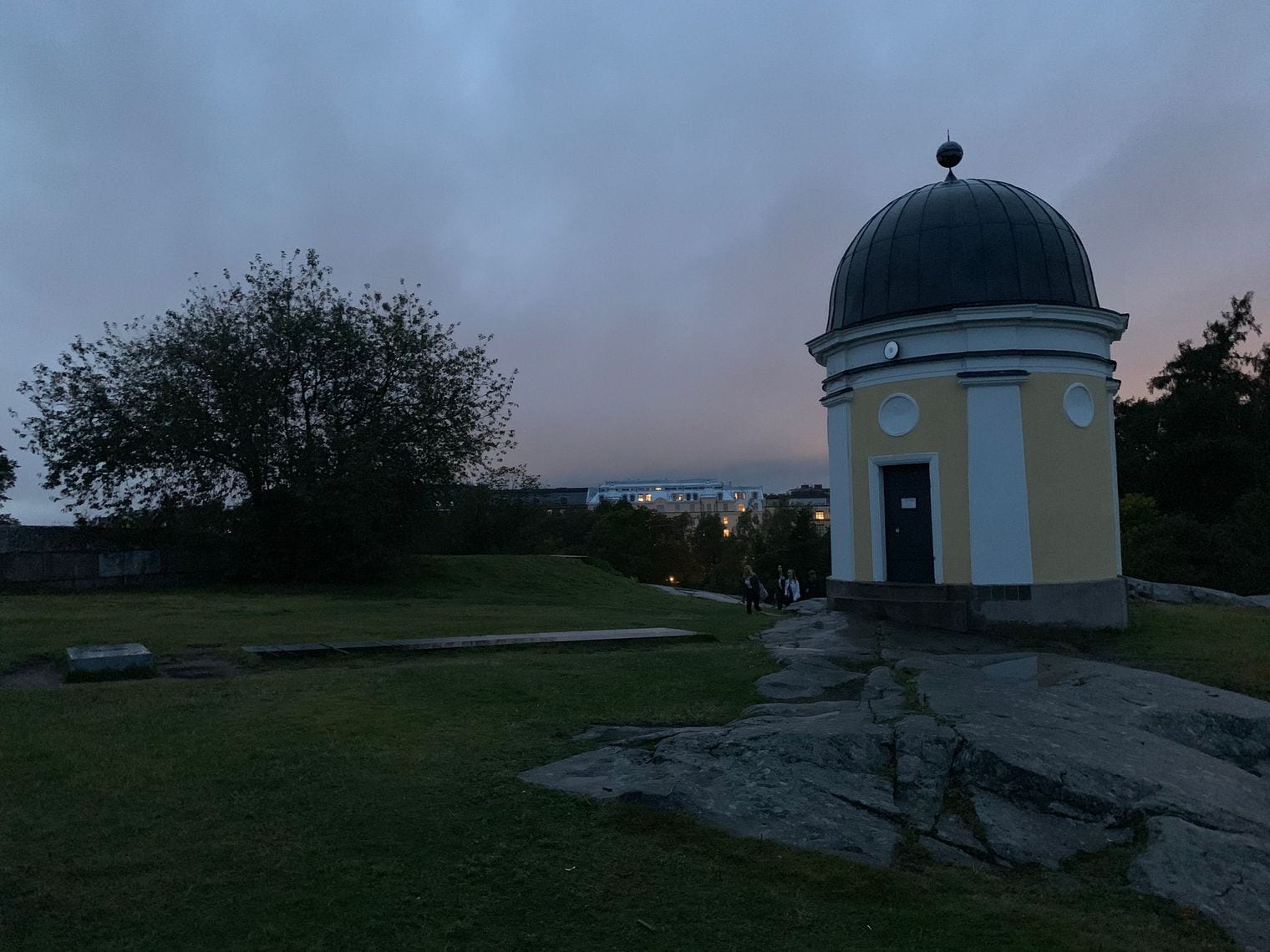
Kaivopuisto is the big seafront park at the southern tip of the peninsula, laid out around a 19th-century spa that drew visitors to take the waters. What remains is a rolling landscape of lawns, rock outcrops and old villas, with paths running along the shoreline and out to the water's edge.
The hill in the middle holds the observatory, and the view from the top takes in the islands and the ferry lanes. In winter the slopes are used for sledging, and on the first of May the whole park turns into a mass picnic for Vappu. The shoreline walk from Kaivopuisto round to the harbour is one of the best free things to do in the city.
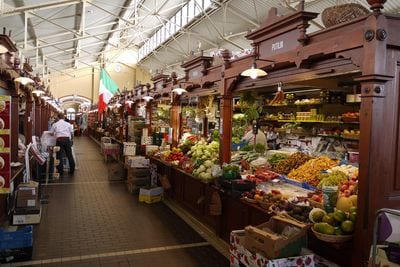
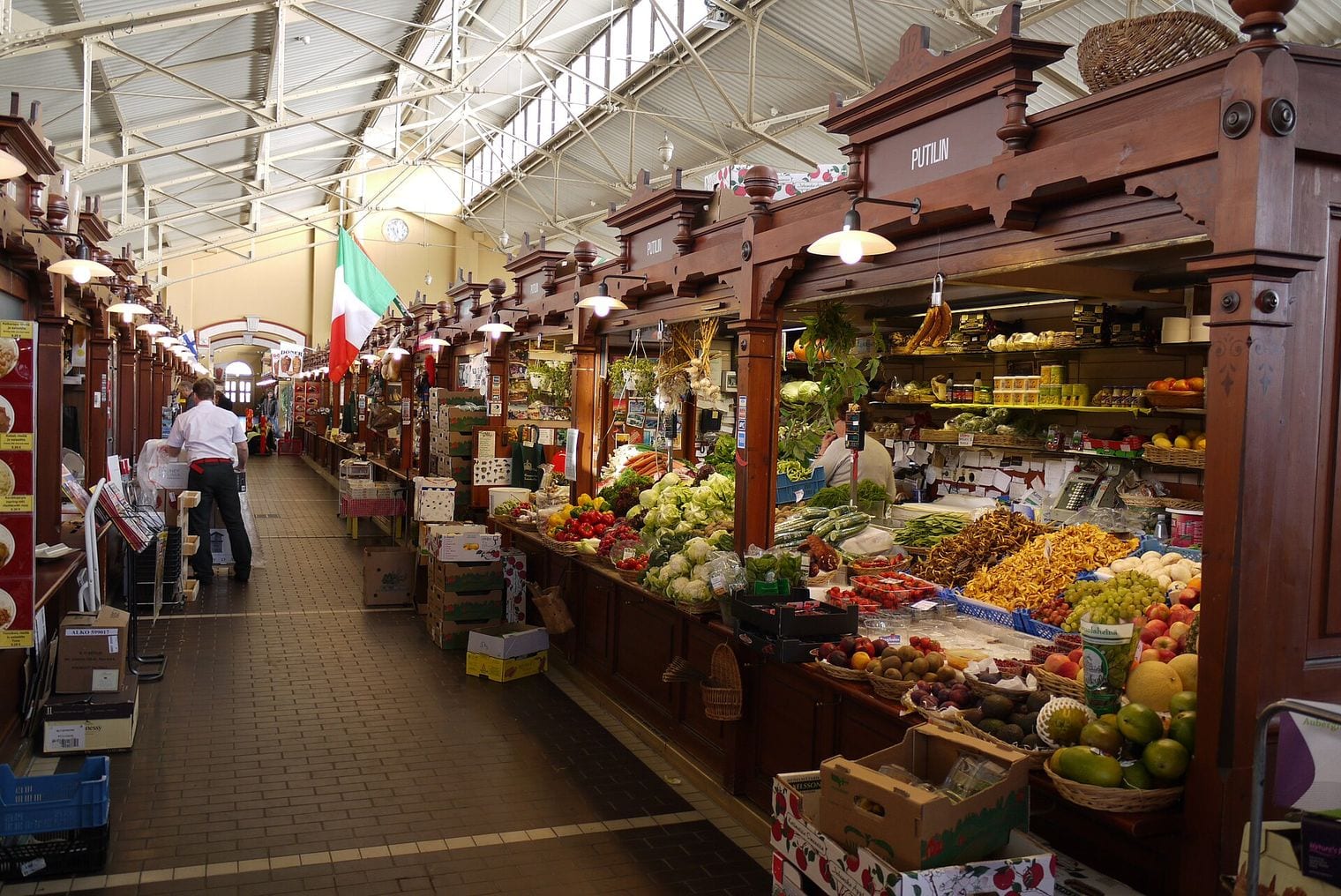
The Old Market Hall stands just off Market Square in a red brick building from the late 19th century, and it is the indoor, year-round counterpart to the tents outside. Under its wooden roof a single aisle runs between stalls selling fish, cheese, reindeer, bread and pastries, with several small counters where you can sit and eat.
This is the place to try salmon soup properly, and to look at the less touristy end of Finnish food shopping. The Old Market Hall is smaller than the market halls in Hakaniemi or Hietalahti, which makes it quick to walk through, and its position between the ferry quay and the square puts it on the way to most other things.
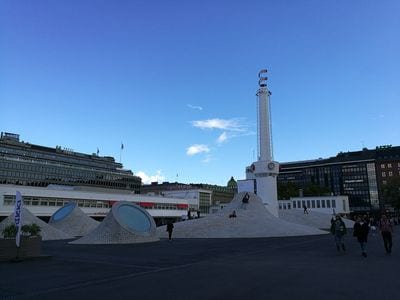
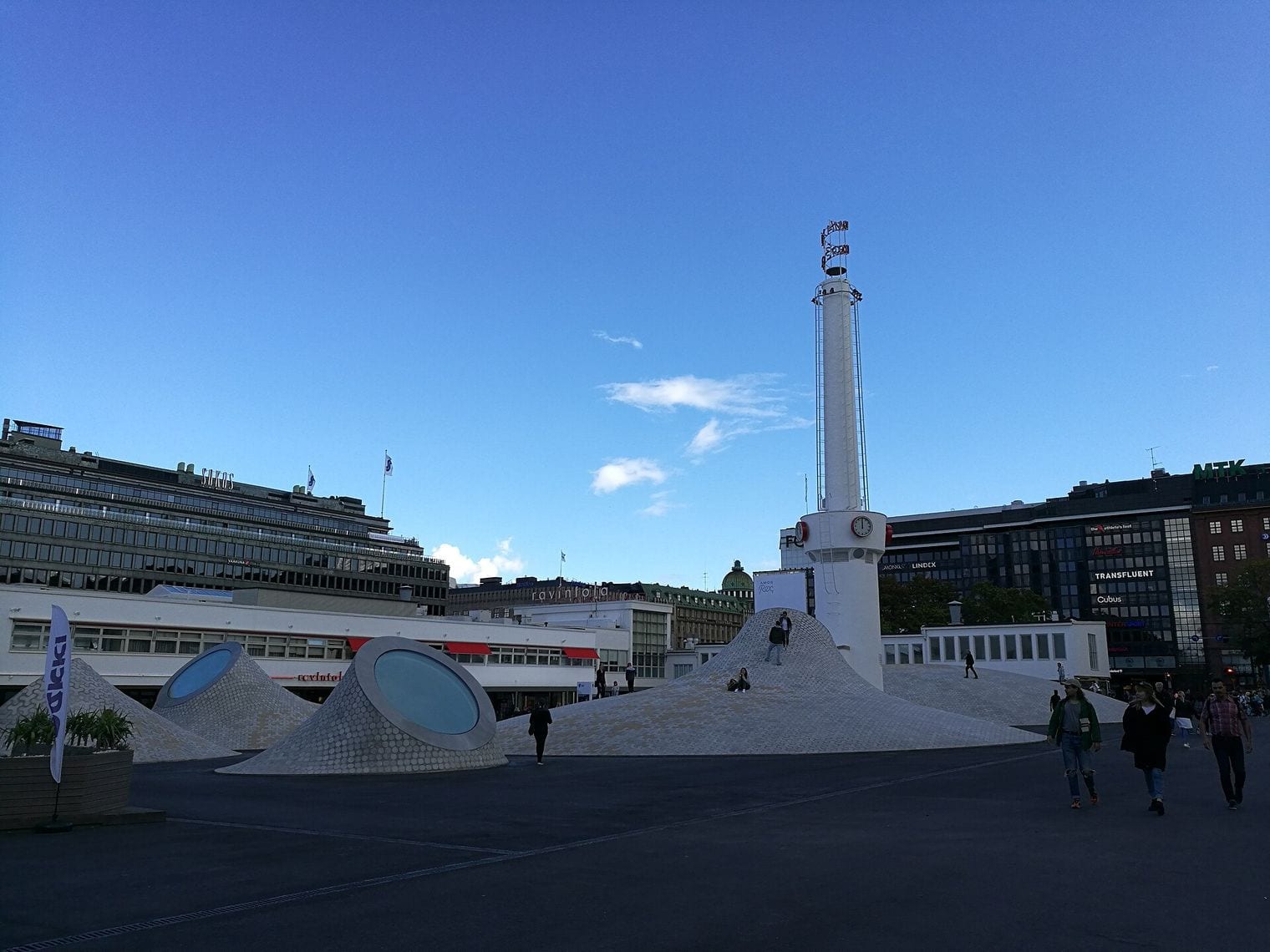
Amos Rex put its galleries underground beneath Lasipalatsi Square and pushed the roof back up through the paving as a set of humped domes with round skylights in their tops. The result is a plaza that children climb over and skateboard around while exhibitions run beneath their feet, which is a far better piece of city-making than a conventional museum block.
The programme is ambitious and often immersive, mixing contemporary installations with older material, and the column-free underground halls suit large-scale work. Amos Rex shares the square with the restored Bio Rex cinema and the functionalist Lasipalatsi building, and it sits a couple of minutes from the bus station and Kamppi.
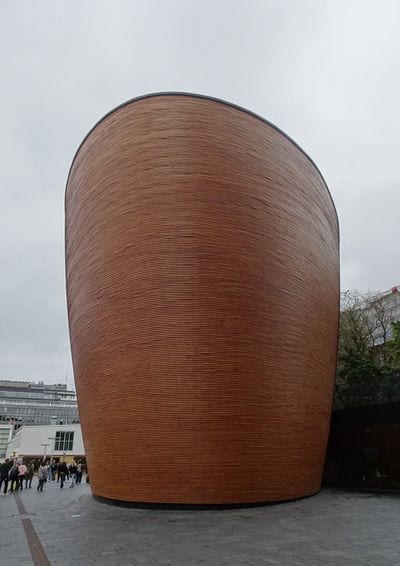
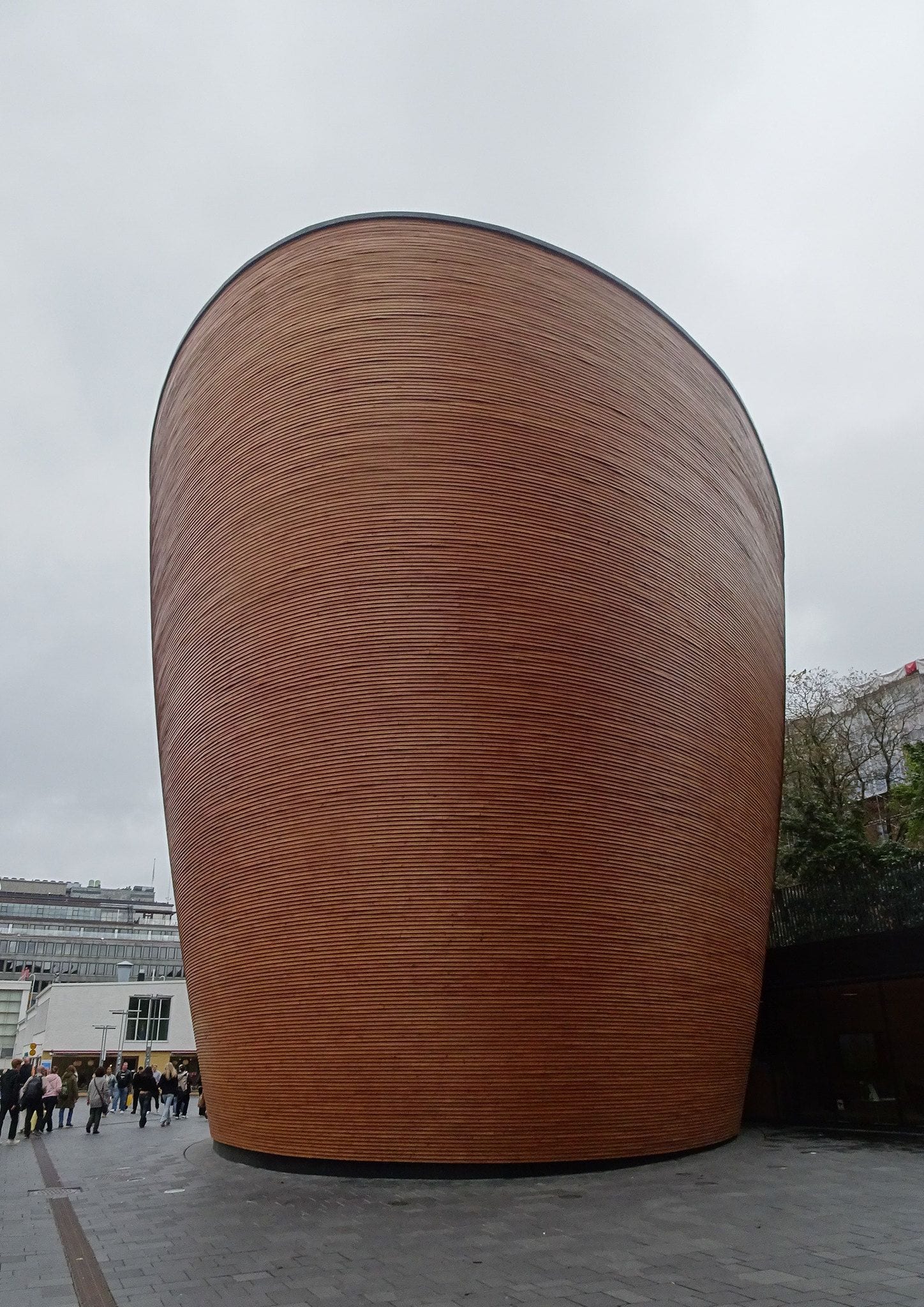
In the middle of one of the busiest squares in Helsinki, a smooth curved drum of spruce sits like a stopper in the noise. The Kamppi Chapel of Silence is not a parish church and holds no services: it exists purely as a room to be quiet in, open to anyone regardless of belief, with staff on hand if someone wants to talk.
Inside there are plain benches, alder walls and light washing down from a hidden slot near the ceiling, and the street sound simply stops at the door. A visit takes five minutes and costs nothing. It is worth stepping in even if you are only passing, because the contrast with Narinkka Square outside is the whole design.
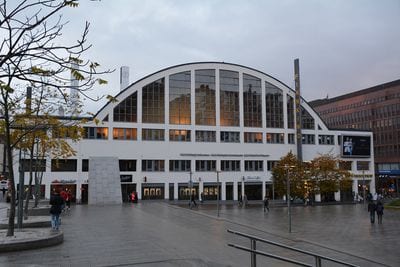
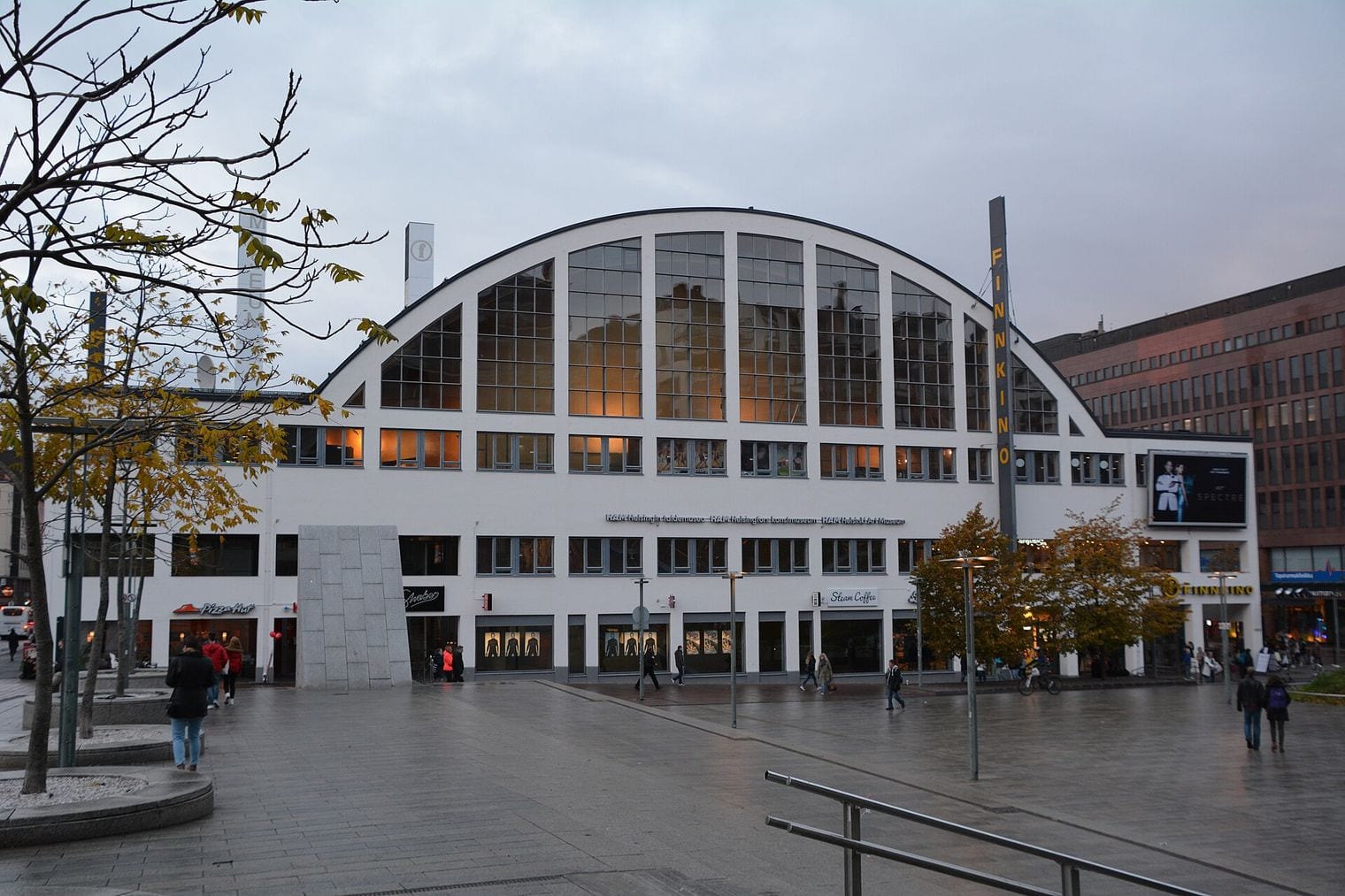
HAM is the city's own art museum, which gives it a different remit from the national institutions: it looks after the art Helsinki owns, including thousands of works out on the streets as public sculpture. The galleries occupy part of the Tennispalatsi building, a converted 1930s sports hall near Kamppi.
The permanent draw is a room of Tove Jansson's large public murals, brought inside and displayed properly, which will interest anyone who knows her beyond the Moomins. Alongside them HAM Helsinki Art Museum runs a changing exhibition programme and manages the city's outdoor art collection, so the museum is really a starting point for looking at the rest of Helsinki.
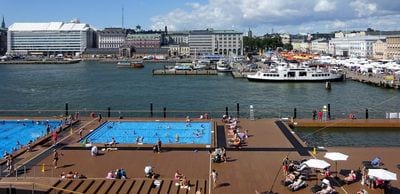
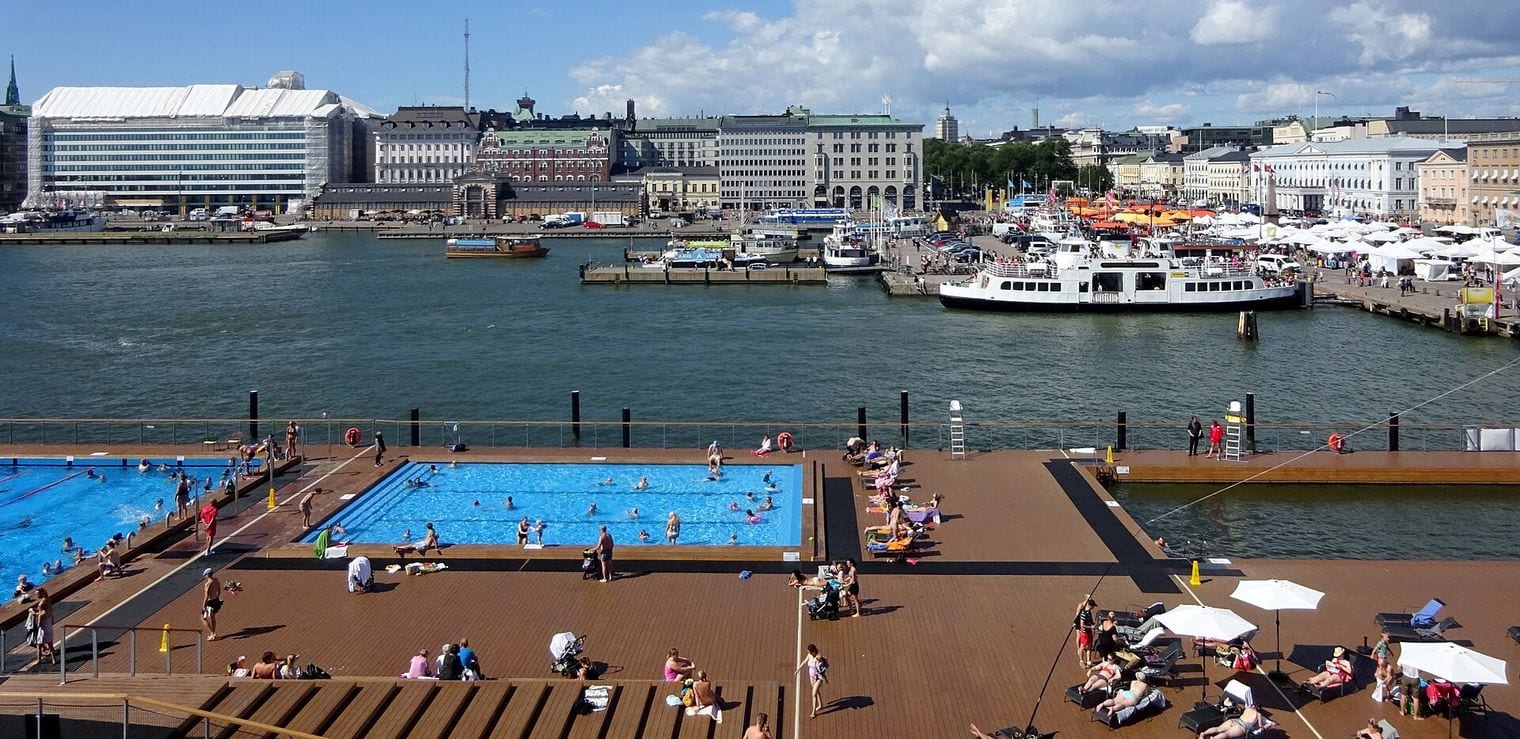
Allas Sea Pool is built out over the water beside Market Square, a deck of pools and saunas moored where the harbour traffic passes. There is a heated freshwater pool for swimming laps, a separate seawater pool at whatever temperature the Baltic is that day, and saunas facing out across to Katajanokka.
The seawater pool is the point. Locals use it through the winter, going from the sauna into cold water with the cathedral in view, and it is the least intimidating way for a visitor to try the Finnish cold-water habit. Swimsuits are required, towels can be hired, and the position could hardly be more central for something that feels like an escape from the city.
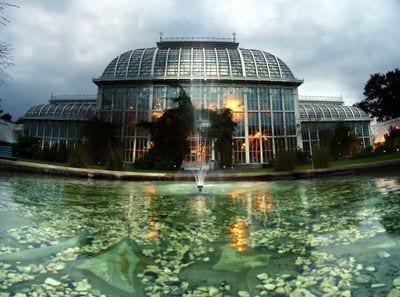
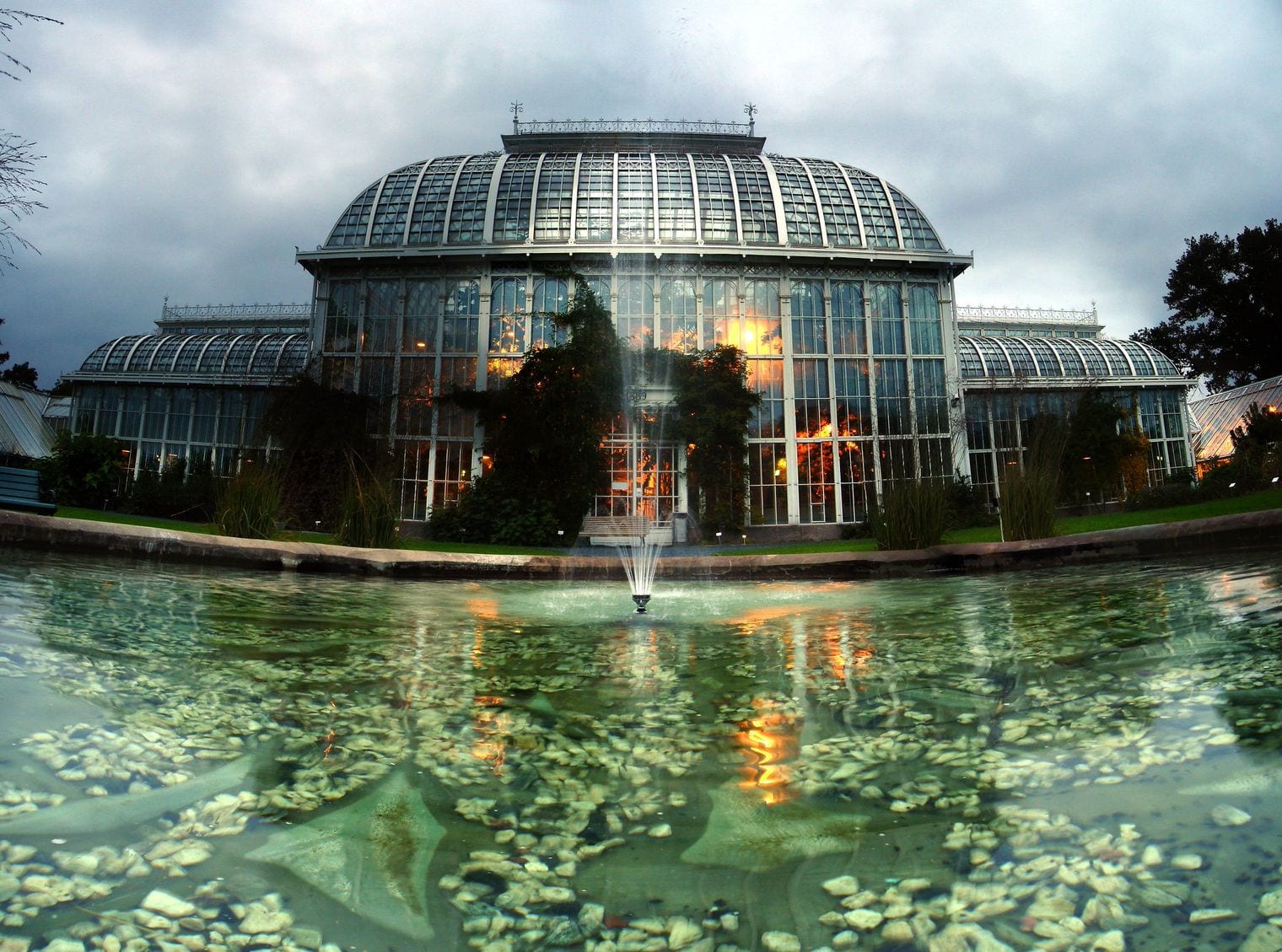
A short walk from the railway station, the Kaisaniemi Botanic Garden gives you an outdoor park of beds and ponds plus a run of connected glasshouses, all maintained by the University of Helsinki as a working collection rather than a display garden.
The glasshouses are the reason to come between October and April, when they offer palms, cacti, orchids and a warm humid tropical room while the city outside is dark and frozen. The outdoor grounds are free and pleasant to cut through in summer. It is a small, quiet stop rather than a half day, and it pairs naturally with the Kaisaniemi park and the harbour beyond.
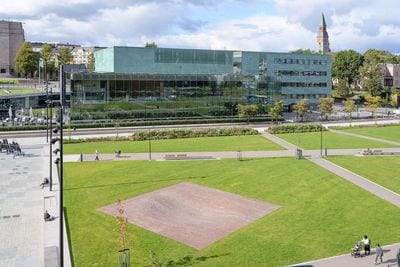
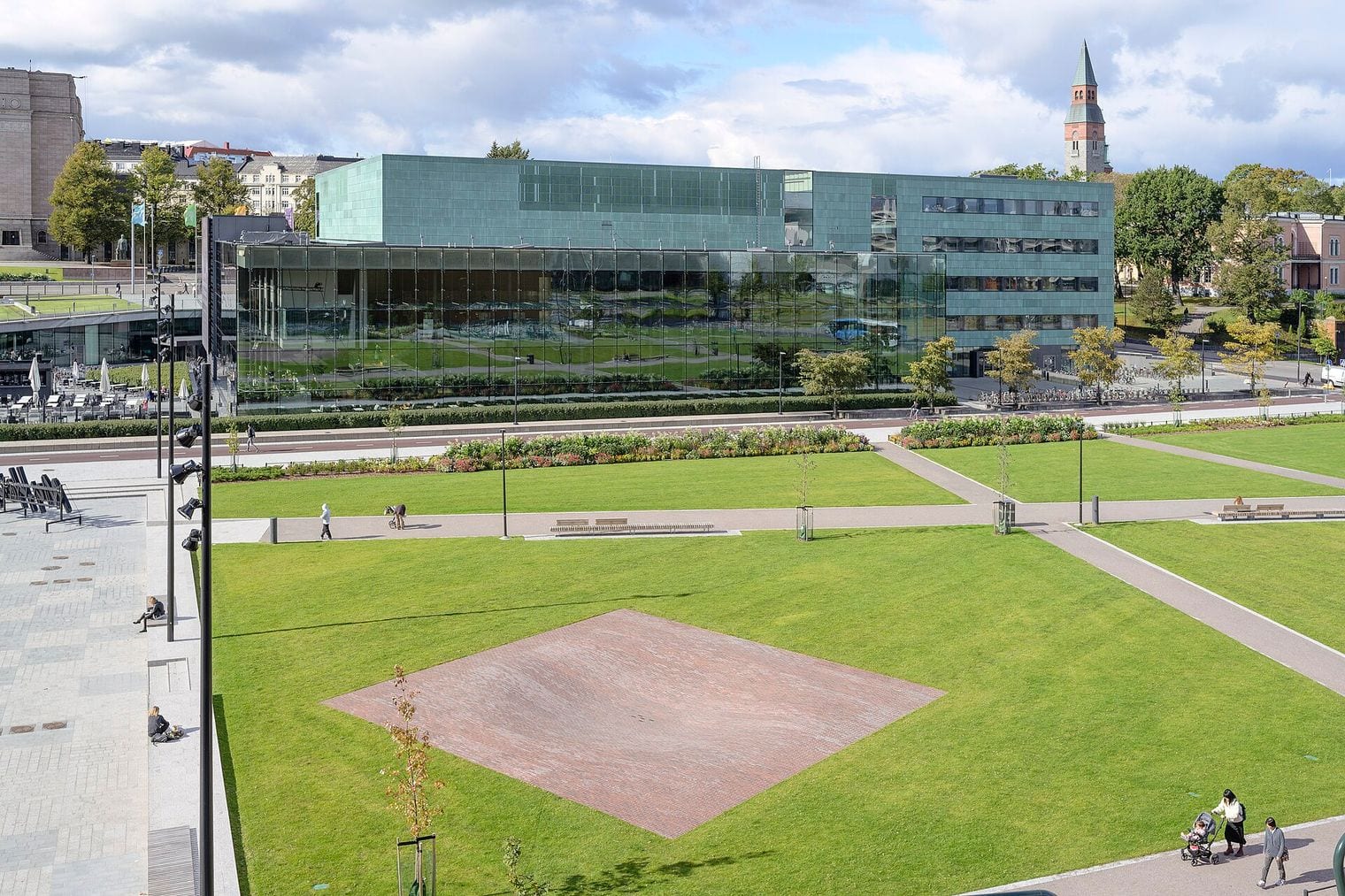
Musiikkitalo, the Helsinki Music Centre, sits low between Finlandia Hall and Kiasma with much of its bulk sunk below ground so it does not crowd the parliament opposite. The main auditorium places the audience all around the orchestra, and the acoustics are the reason the building exists.
It is home to the Helsinki Philharmonic and the Finnish Radio Symphony Orchestra and is also used by the Sibelius Academy, so the programme runs from major concerts to student recitals and free lunchtime performances in the foyer. The glass-walled ground floor with its cafe is open in the daytime whether or not you have a ticket, and the lawns outside run down to Töölönlahti.
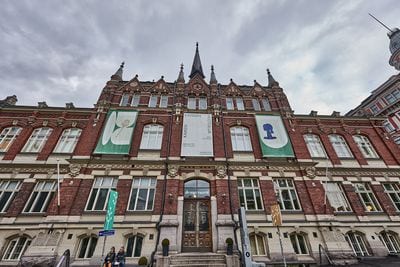
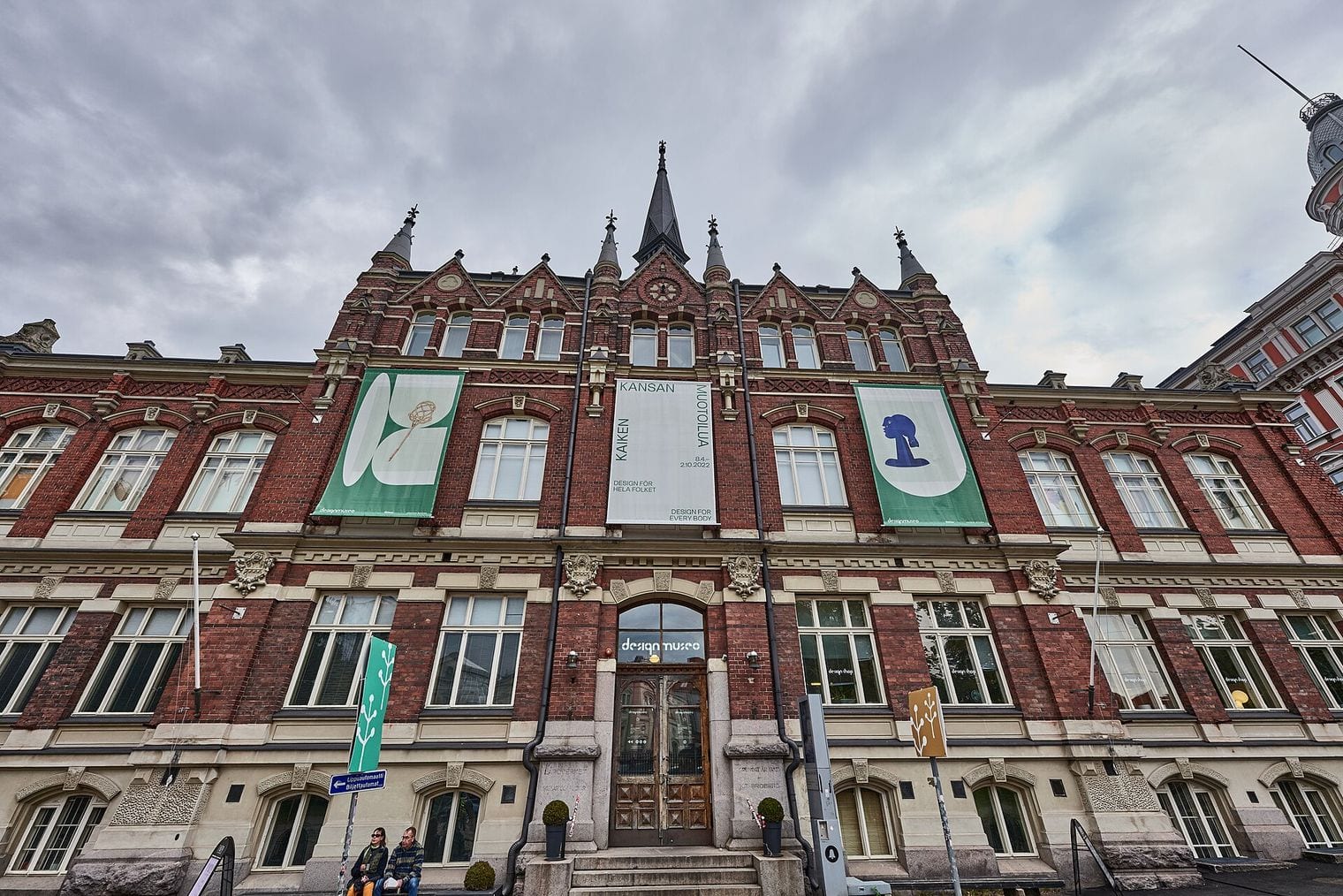
The Design Museum and the Museum of Finnish Architecture merged in January 2024, and the combined Architecture & Design Museum now works out of the older of the two premises, a red-brick former school on Korkeavuorenkatu in the middle of the Design District. It holds the national collections for both disciplines, which in a country this attached to its own design is a larger claim than it sounds.
The displays run from the National Romantic period through Alvar Aalto and the mid-century names — Artek, Iittala, Marimekko — to contemporary work, and the programme rotates rather than sitting on one permanent hang.
A new building by JKMM Architects is due on the South Harbour waterfront around 2030, so the Korkeavuorenkatu house is an interim home rather than the final one. It is a five-minute walk from Esplanadi and pairs naturally with an hour in the design shops around it.
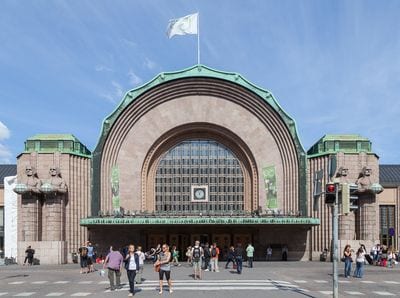
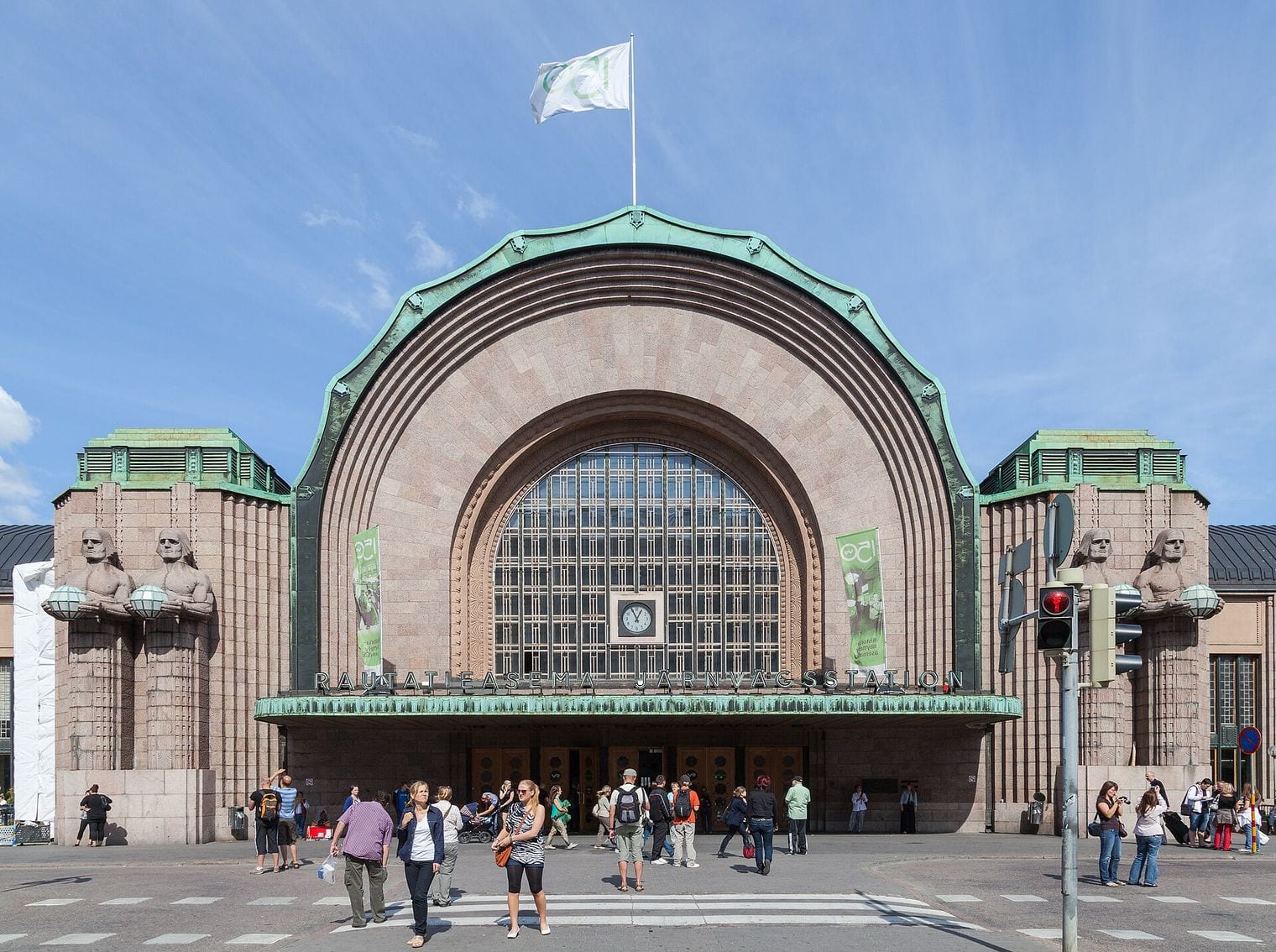
Most visitors pass through Eliel Saarinen's central station without stopping to look at it, which is a mistake. Opened in 1919, it is the building where Finnish National Romanticism gives way to something leaner and more monumental, and it went on to influence station design well beyond Finland.
The four granite giants flanking the main doors are the Lantern Bearers, carved by Emil Wikström in 1914 and known locally as the Stone Men; they hold spherical lamps that are lit after dark and are the most photographed thing on the building.
The clock tower beside them rises 48.5 metres and was the tallest structure in Helsinki when it went up. Step inside for the vaulted main hall, then use the station for what it is — trains to Turku, Tampere and Lapland, and the Ring Rail line out to the airport.
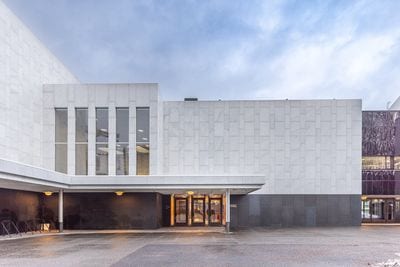
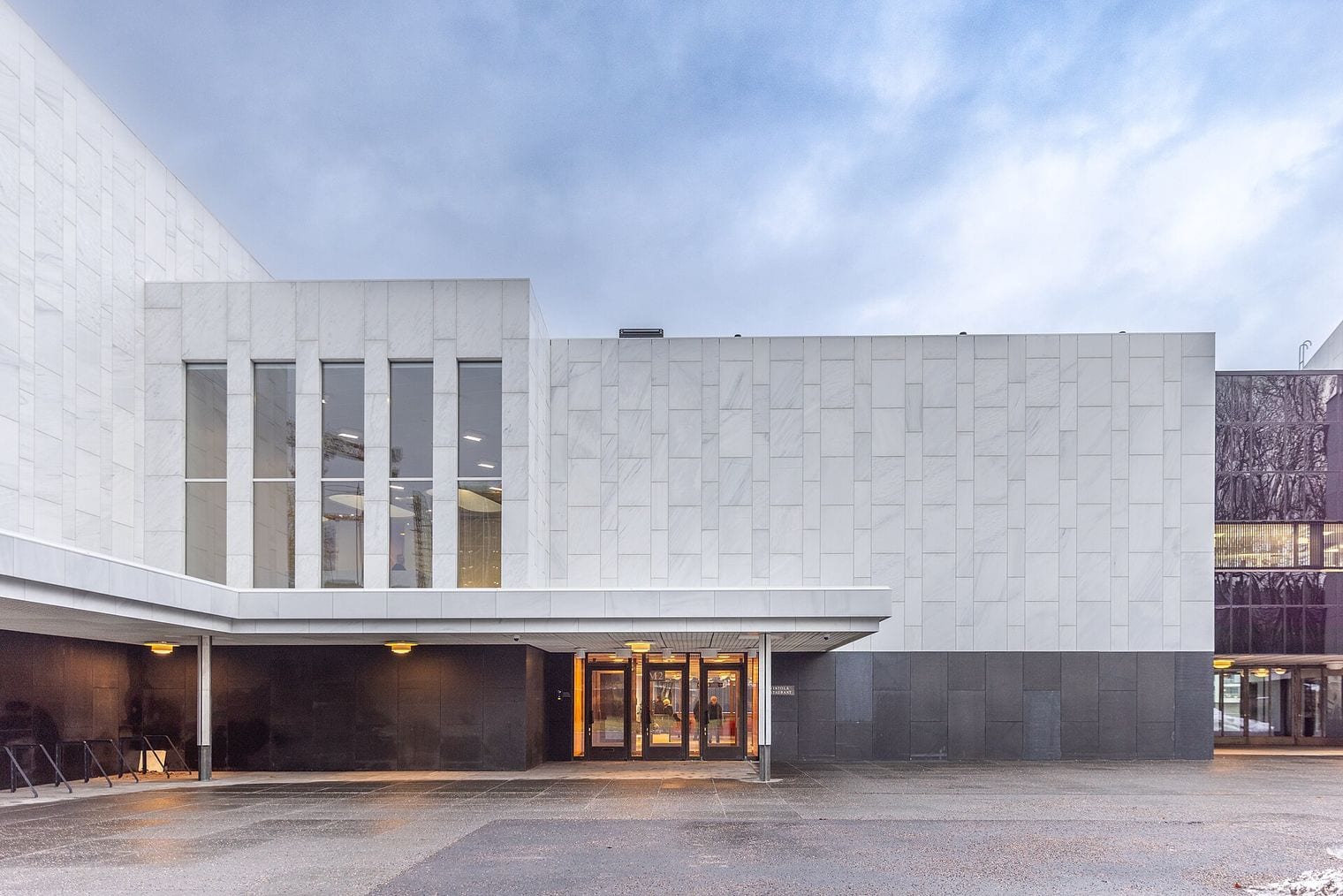
Finlandia Hall is Alvar Aalto's white marble concert and congress building on the shore of Töölönlahti, completed in 1971 and reopened on 4 January 2025 after a three-year renovation. It is the one major Aalto building in the city centre you can now simply walk into.
That is the change worth knowing about. The ground floor carries a café and wine bar, a design shop and the Visions of Alvar Aalto exhibition, all open in the daytime whether or not you hold a ticket to anything; the event halls upstairs stay closed to non-attendees.
The marble cladding is the building's long-running argument — the original Carrara stone bowed in the Finnish climate and has been replaced with South Tyrolean Lasa marble that should weather better. The lawns outside run down to the bay, with Musiikkitalo and Oodi both a few minutes' walk south.
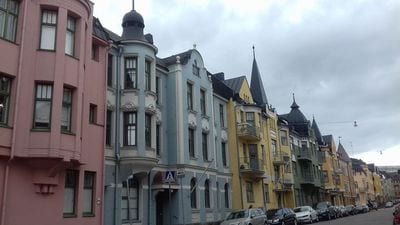
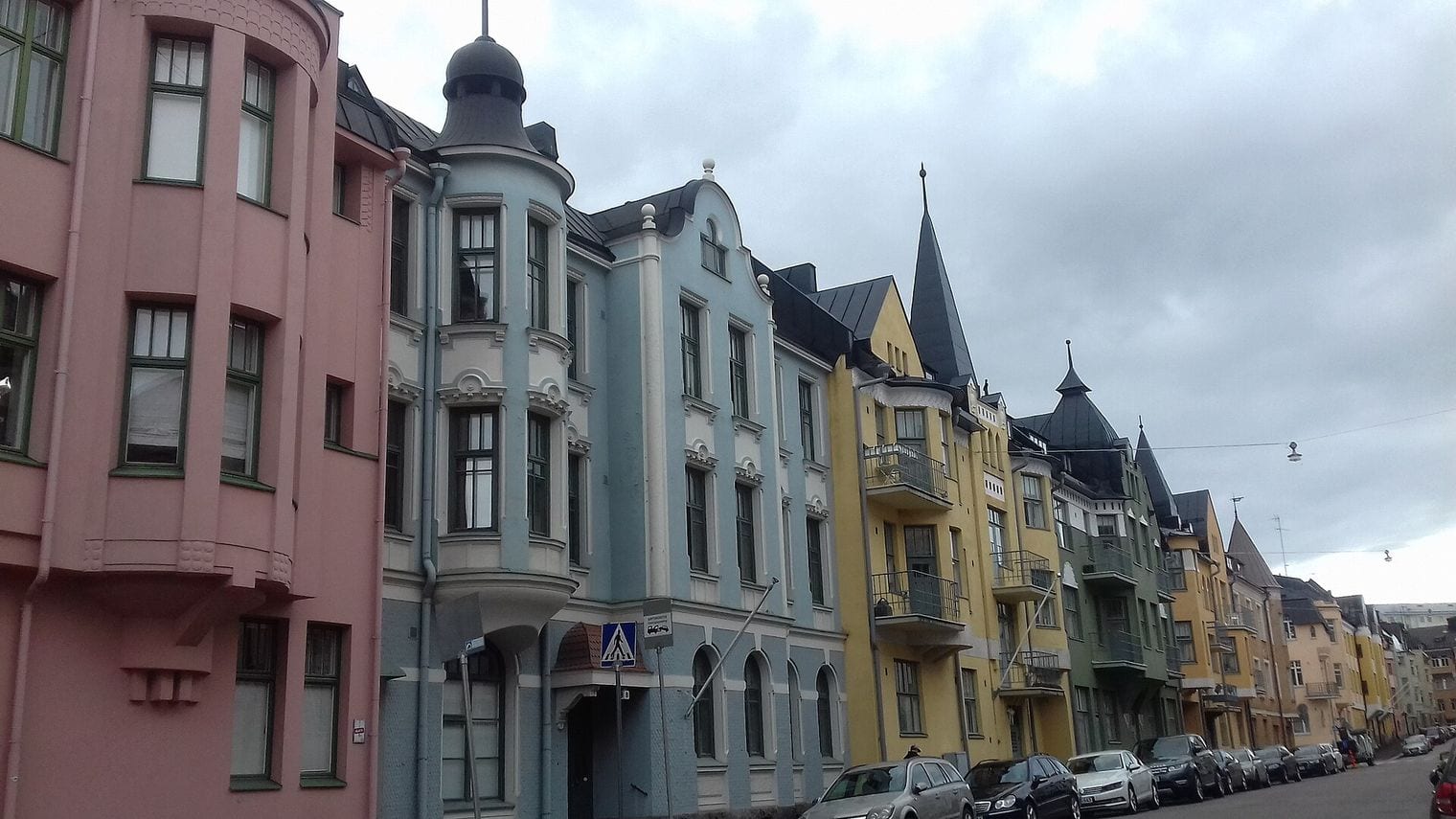
Huvilakatu is a single curving street in Ullanlinna, barely three hundred metres end to end, and it is routinely called the prettiest in Helsinki. The name means Villa Street, after the wooden summer villas that stood here before stone apartment blocks replaced them, and what went up instead is textbook Finnish Jugend — the local strain of Art Nouveau — finished around 1910.
The colour is what makes it worth the detour: façades in blue, green, ochre, pink and pale yellow, with turreted bay windows, carved doorways and an unusually varied run of balconies, put up by a roll-call of the era's Finnish architects.
It is residential and unticketed, so the etiquette is to walk it quietly and point the camera at the buildings rather than the windows. It takes ten minutes, sits a short walk west of Kaivopuisto, and slots neatly into the shoreline route between that park and the Design District.
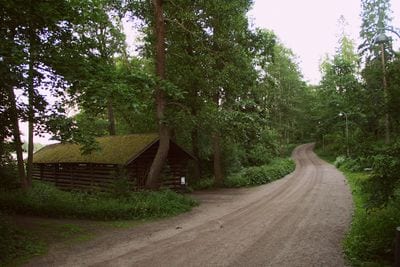
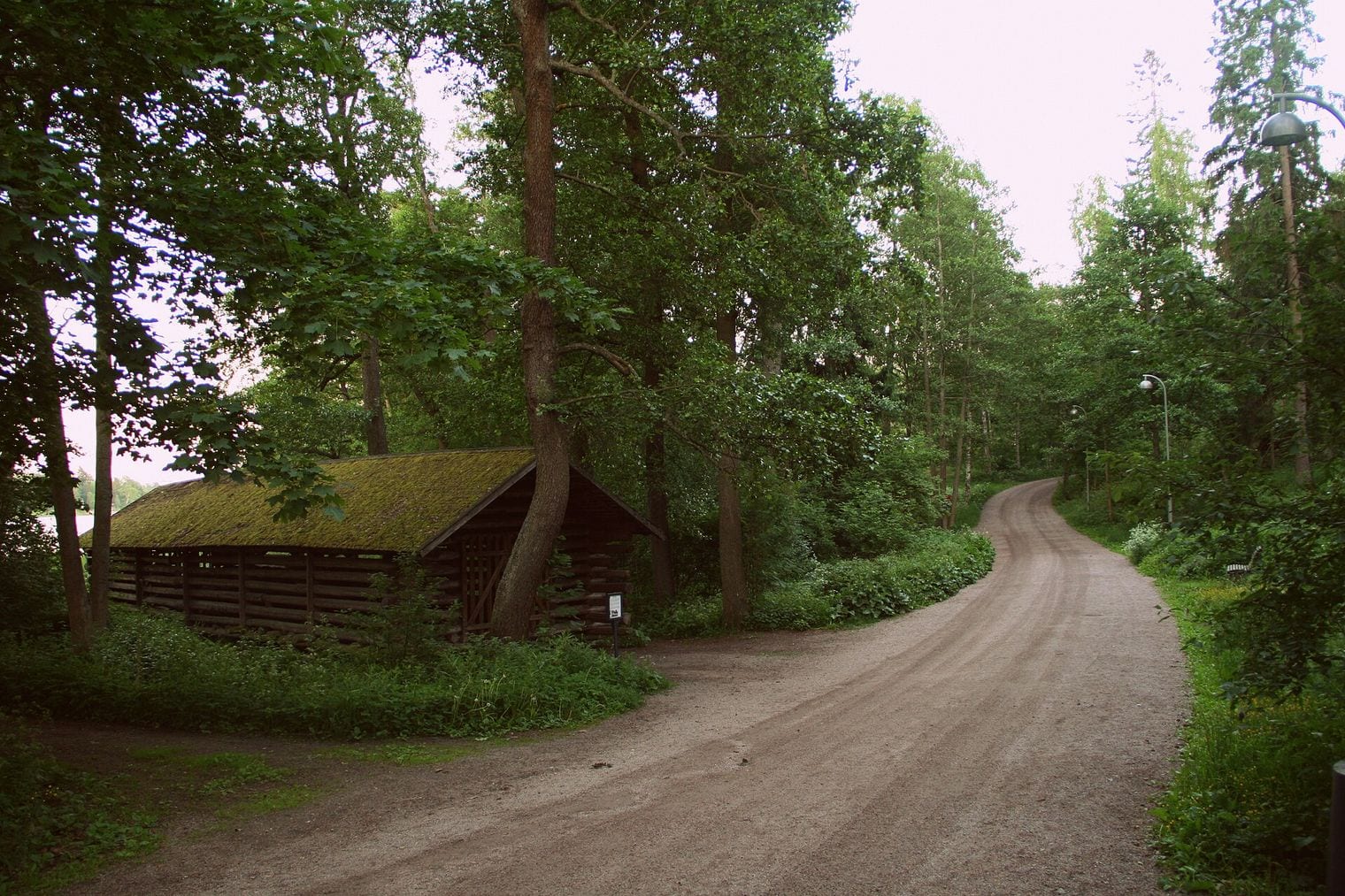
A wooden footbridge from the Meilahti shore leads onto Seurasaari, a wooded island four kilometres north-west of the centre, where the open-air museum has been collecting rural Finnish buildings since 1909. Farmsteads, cottages, a manor and a 17th-century wooden church were dismantled around the country and rebuilt here among the pines.
The museum buildings are seasonal, open roughly mid-May to mid-September with costumed guides working the interiors, so a visit outside that window gets you the exteriors only.
The island itself is a public park and free to walk all year, which is how most locals use it — a loop of shoreline paths, tame red squirrels and thoroughly unbothered barnacle geese. It is also where the city holds its Midsummer bonfires. Allow half a day if you want the buildings, an hour if you only want the walk.
Plan your trip
Best Time to Visit Helsinki
June to August is the obvious window. Daylight stretches close to round the clock at midsummer, the island ferries and outdoor pools are all running, terraces spill onto the pavements and the archipelago is genuinely usable. It is also when the city empties of locals for their own summer holidays, which softens the crowds in a way most European capitals never manage.
Late May and early September are the value shoulders — mild, bright and quiet, with the parks in leaf and the seasonal boats still going.
Winter is dark and properly cold, with only a few hours of low sun in December, but it is also when the sauna culture makes most sense, when the Christmas market fills Senate Square and when sea ice can lock in around the islands. Avoid March if you want either snow or warmth; it reliably delivers neither.
Getting to Helsinki
Helsinki Airport sits in neighbouring Vantaa, north of the city, and is the main long-haul gateway to Finland. The Ring Rail line connects it directly to the central railway station in roughly half an hour, running frequently and using the same regional ticketing as the rest of the network, so no car or transfer booking is needed.
Arriving by sea is the more characterful option. Ferries cross from Tallinn in about two hours and from Stockholm overnight, docking at the West and South Harbours within easy reach of the centre. Domestic trains run to the central station from Turku, Tampere and, over a much longer haul, Lapland, and long-distance coaches serve the same routes from the bus terminal under Kamppi.
Getting Around Helsinki
You do not need a car. The centre is compact and flat enough to cross on foot in half an hour, and almost everything in this guide sits inside that walkable core or one tram ride from it. The tram network is the thing to learn: it covers the peninsula densely and is the easiest way to reach Töölö, Kallio and the western shore.
One quirk worth knowing is that the public ferry to Suomenlinna is part of the ordinary transit system rather than a tourist excursion, so a normal ticket covers it.
A single ticketing zone covers the city proper, day tickets are good value if you are moving around, and city bikes are widespread in the warmer months. Parking in the centre is expensive and largely unnecessary; if you hire a car, do it for a day trip out of town rather than for the city itself.
Where to Stay in Helsinki
Kluuvi and Kaartinkaupunki, the blocks around the central station, Esplanadi and the harbour, put you within walking distance of most of this list and on top of the tram network. Kamppi, just west, is the same convenience with more of a shopping and transport-hub feel and the bus terminal underneath. Katajanokka, across a short bridge from the market, is quieter and prettier, a peninsula of Art Nouveau apartment blocks with the Orthodox cathedral at its head.
For a lower-key stay, Punavuori sits at the centre of the Design District and is full of small shops, cafes and bars, while Kallio north of the centre is the traditionally working-class quarter that now carries much of the city's nightlife and its best-value eating. Töölö, west of the Olympic Stadium, is the leafy residential option — quiet streets, close to the parks and the Sibelius Monument, still only a tram ride from the middle.
Where to Eat in Helsinki
Start with the market halls. The Old Market Hall by the harbour is the oldest and the most visitor-facing, Hakaniemi in Kallio is the bigger and more everyday one, and Hietalahti in Punavuori has been turned over largely to restaurants. All three are the easiest way to try Finnish staples without committing to a full sit-down meal: salmon soup, rye bread, cured and smoked fish, reindeer, and the cardamom-and-cinnamon buns that anchor the coffee habit.
For dinner, Punavuori and the Design District carry the highest concentration of small independent kitchens, Kallio is where to go for cheaper and more informal food, and the streets off Esplanadi hold the more formal end. Look for Karelian pies at breakfast, new potatoes and herring in high summer, and game and root vegetables in the colder months. Finnish coffee consumption is among the highest anywhere, so the cafes are a serious part of the culture rather than an afterthought.
Day Trips from Helsinki
Porvoo is the classic half-day, about an hour east along the coast, where wooden houses in red ochre line a river and the old town survives largely intact. Nuuksio National Park lies roughly forty minutes north-west in Espoo and gives you the Finnish forest of lakes, boardwalks and pine ridges without a long drive. Turku, the former capital, is about two hours west by train and pairs a medieval castle and cathedral with its own archipelago.
The most popular trip of all crosses a border: Tallinn is around two hours south by ferry, close enough that people go for the day, and the Estonian capital's walled old town makes an easy contrast with Helsinki's neoclassical grid; its St Olaf's Church was once reckoned among the tallest buildings in the world. Ferries also run overnight to Stockholm if you would rather turn the crossing itself into the trip.
Before you go
Mobile dataAn eSIM gives your phone local data when you land, with no SIM card to swap.via AiraloGet an eSIM
Airport transferA driver meets you at arrivals and takes you to your hotel, at a price fixed when you book.via Welcome PickupsBook a transfer
We may earn a commission when you buy through these links, at no extra cost to you. How we make money.
One Day in Helsinki
Morning
Begin at Market Square when the stalls are setting up, then step into the Old Market Hall next door for a bowl of salmon soup. From the same quay, take the public ferry out to Suomenlinna and give the fortress a couple of hours on the marked route across the islands.
Back on shore, walk up to Senate Square and the steps of Helsinki Cathedral, then cut through the Torikorttelit lanes and along Esplanadi towards the shops. Turn north for Temppeliaukio Rock Church, and finish the sightseeing at Oodi, where the top-floor balcony gives you the city laid out for free.
Head west to Löyly for a sauna and a dip in the Baltic as the light goes, or stay central and use Allas Sea Pool beside the harbour for the same idea with the cathedral in view. Either one leaves you well placed to eat in Punavuori afterwards.
Oodi asks nothing of you at all, and Kamppi Chapel of Silence is free to step into for five quiet minutes. Huvilakatu costs nothing to walk, and the island of Seurasaari is a public park year-round even when its museum buildings are shut.
Helsinki is known for the sea fortress of Suomenlinna, a UNESCO site spread over islands in its harbour, and for buildings that do something unexpected: Temppeliaukio Rock Church cut into bedrock and the Oodi library at the civic heart of the city. It is also known for design, for the Sibelius Monument, and for treating the public sauna as an everyday habit.
How many days do you need in Helsinki?
Two full days covers the central sights comfortably, including a half-day on Suomenlinna. A third day lets you add an island, a sauna and a museum or two without rushing, or take a ferry to Tallinn. The city is compact and well connected, so you see more per day here than in most European capitals.
What can you do in Helsinki for free?
Plenty. Senate Square, Helsinki Cathedral, Esplanadi, Kaivopuisto and the Sibelius Monument are all free to visit, and the Oodi library is free to enter and use, including its top-floor terrace. The Kamppi Chapel of Silence costs nothing, and walking the shoreline from Kaivopuisto round to the harbour is one of the best things to do in the city.
Is Helsinki walkable?
Very. The centre sits on a small peninsula and most of the major sights are within a half-hour walk of each other, with flat pavements throughout. Trams fill in the longer hops to Töölö, Kallio and the western shore, and the Suomenlinna ferry runs on the same ordinary transit ticket, so a car is unnecessary for a city visit.
When is the best time to visit Helsinki?
June to August for long daylight, open islands and outdoor swimming, with late May and early September quieter and still mild. Winter is dark and cold but suits the sauna and Christmas-market side of the city, and sea ice can form around the islands. March tends to offer neither reliable snow nor warmth.