We may earn a commission if you book tickets, tours or a stay through a link on
this page, at no extra cost to you. It never affects which places we list or how
we rank them (how we make money).
Short answer
Start with St. Augustine for its Spanish colonial streets and coquina fort, Mount Dora for its lakeside downtown of antique shops and festivals, and Apalachicola for its old cotton-port waterfront and Gulf oysters on the Forgotten Coast. Most towns on this list fill a relaxed day, while St. Augustine and Key West deserve two or three days.
Beyond the theme parks and high-rise beach strips, Florida is full of small towns with real character: Spanish colonial streets, Gulf oyster ports, spring-fed rivers, lake towns in the rolling middle of the state and fishing villages strung along the Keys. Many still move at the unhurried pace locals call Old Florida.
This guide ranks 40 of the best, each home to fewer than 50,000 people, from the red hills near Tallahassee to the end of the Overseas Highway. Most make a rewarding day trip, the bigger names deserve a weekend, and many pair up neatly on a road trip.
St. Augustine, founded by the Spanish in 1565, is the oldest continuously occupied European-founded city in the continental United States, and its Castillo de San Marcos, built from coquina stone made of fused seashells, is the oldest masonry fort in the continental US.
Apalachicola doctor John Gorrie received a US patent for mechanical refrigeration in 1851, and his ice-making machine made him a pioneer of air conditioning.
Naturalist John Muir ended his famous thousand-mile walk from Kentucky at Cedar Key in 1867.
The pastel Panhandle town of Seaside, begun in 1981 as one of the first New Urbanist communities in America, was the set of The Truman Show (1998).
Lake Placid, Florida owes its name to Melvil Dewey, inventor of the Dewey Decimal System, who in 1927 proposed renaming the town of Lake Stearns after his club in Lake Placid, New York.
Tiny Micanopy was the filming location of the 1991 Michael J. Fox comedy Doc Hollywood.
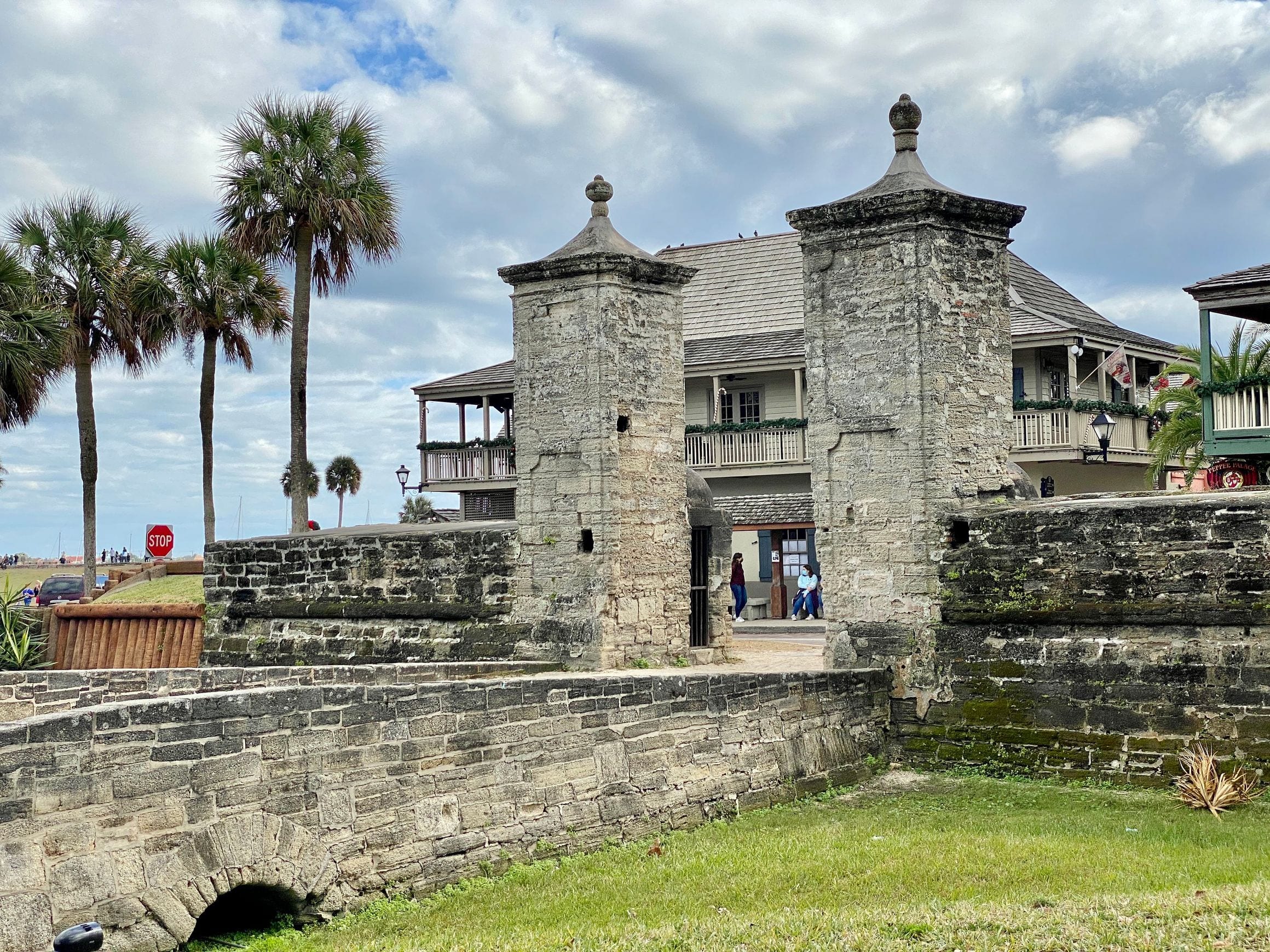
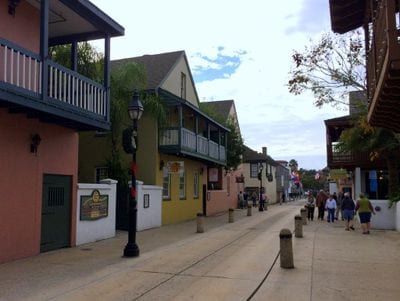
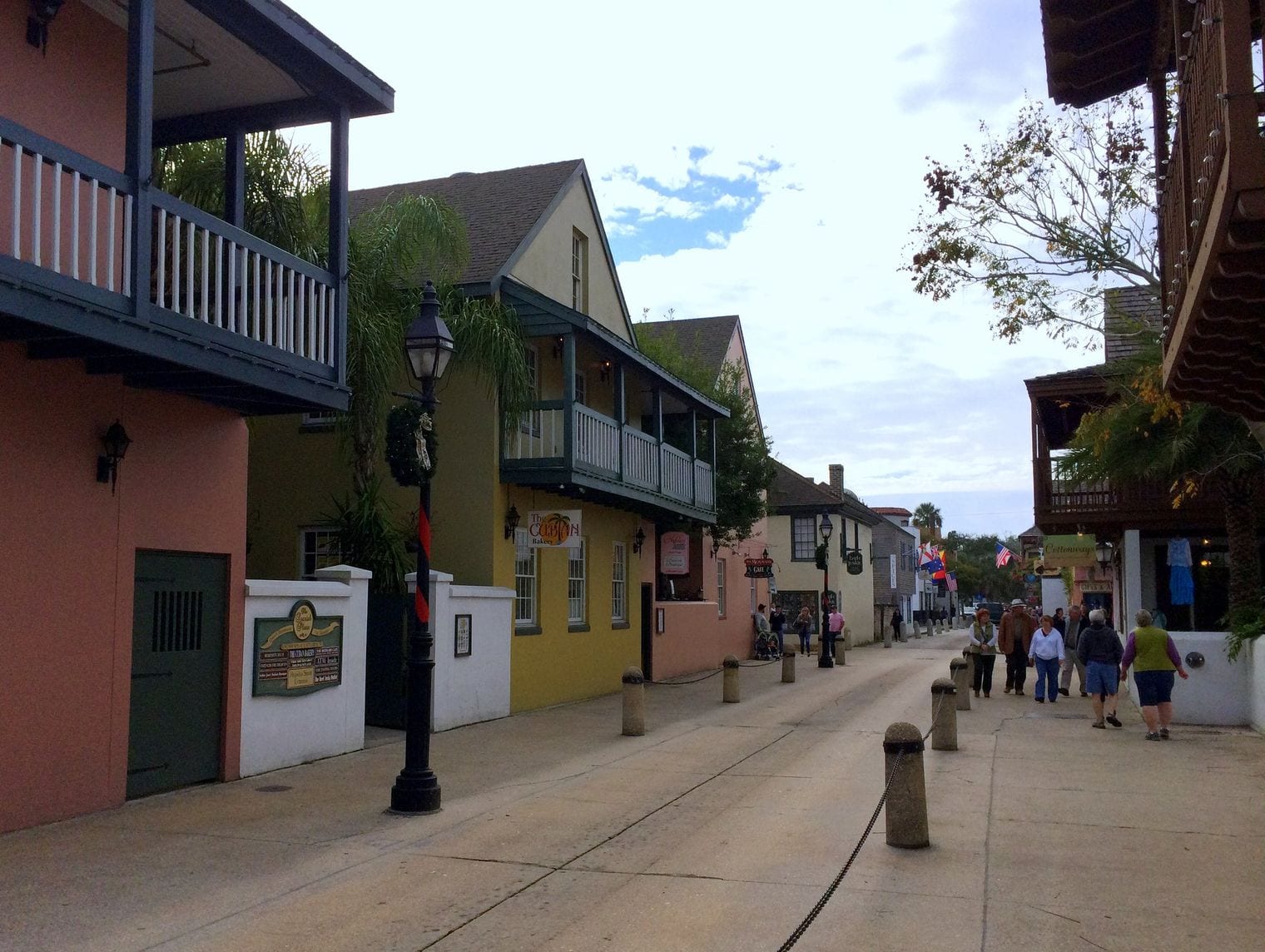
Founded by the Spanish in 1565, St. Augustine is the oldest continuously occupied European-founded city in the continental United States, and it wears that history lightly. Narrow lanes in the colonial quarter run past balconied houses, shaded plazas and Gilded Age landmarks, all within an easy walk of Matanzas Bay. No town in Florida packs more story into so few blocks, which is why it tops this list even though it is busier than most.
Start at the Castillo de San Marcos, a 17th-century Spanish fort built from coquina, a stone of fused seashells, then wander pedestrian St. George Street down from the old City Gates. Henry Flagler's former Hotel Ponce de Leon, now the heart of Flagler College, and the Lightner Museum in his old Hotel Alcazar show off the town's resort era. Across the bay on Anastasia Island, the black-and-white striped St. Augustine Lighthouse rewards the climb with views over the whole coast.
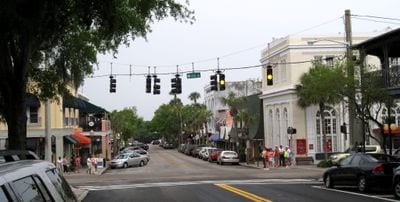
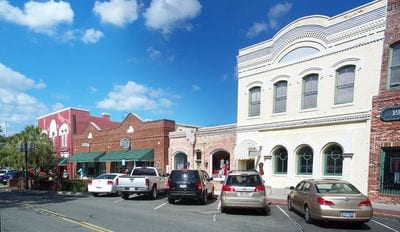
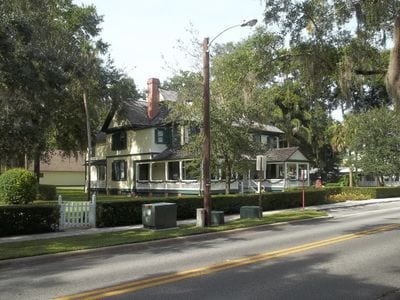
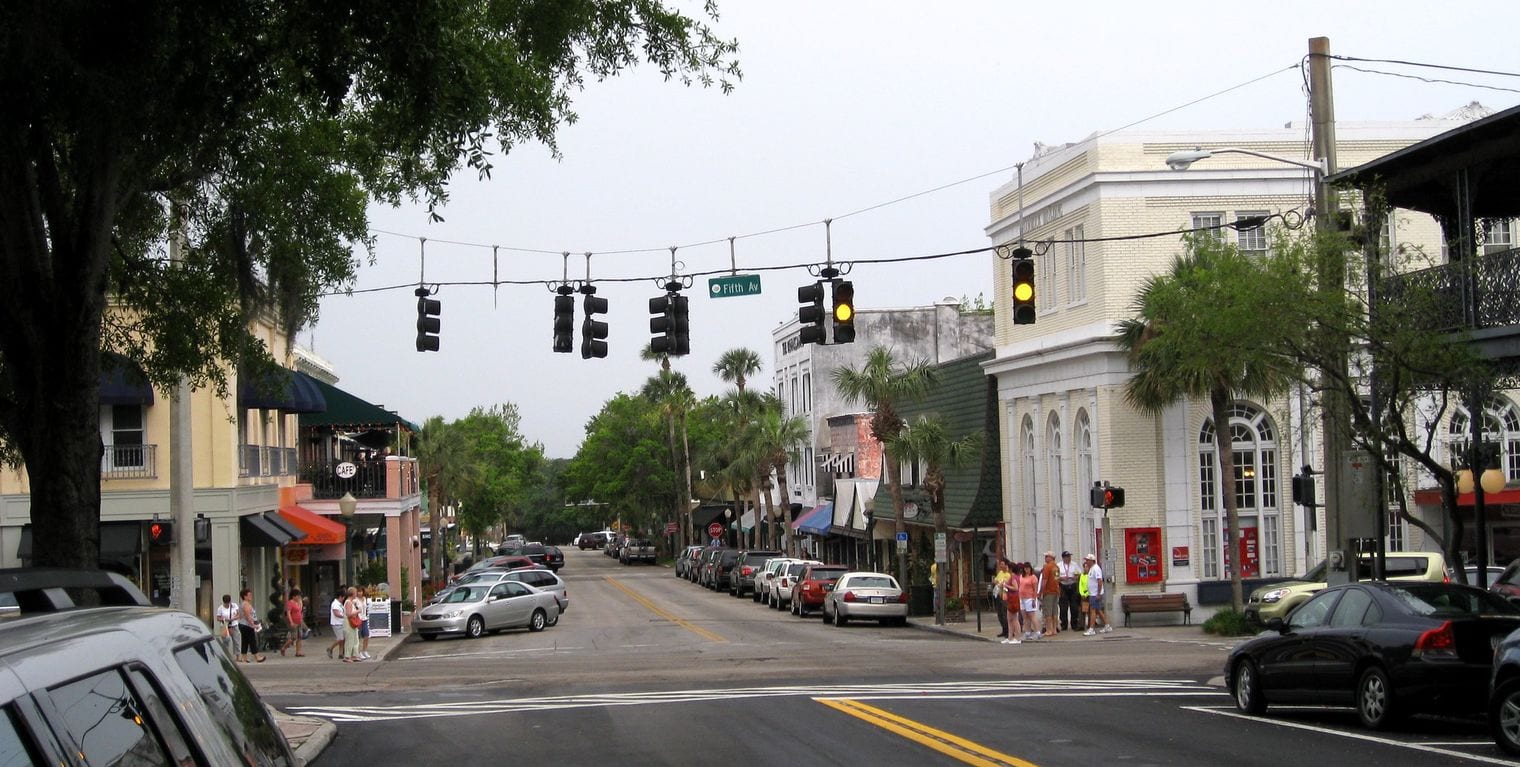
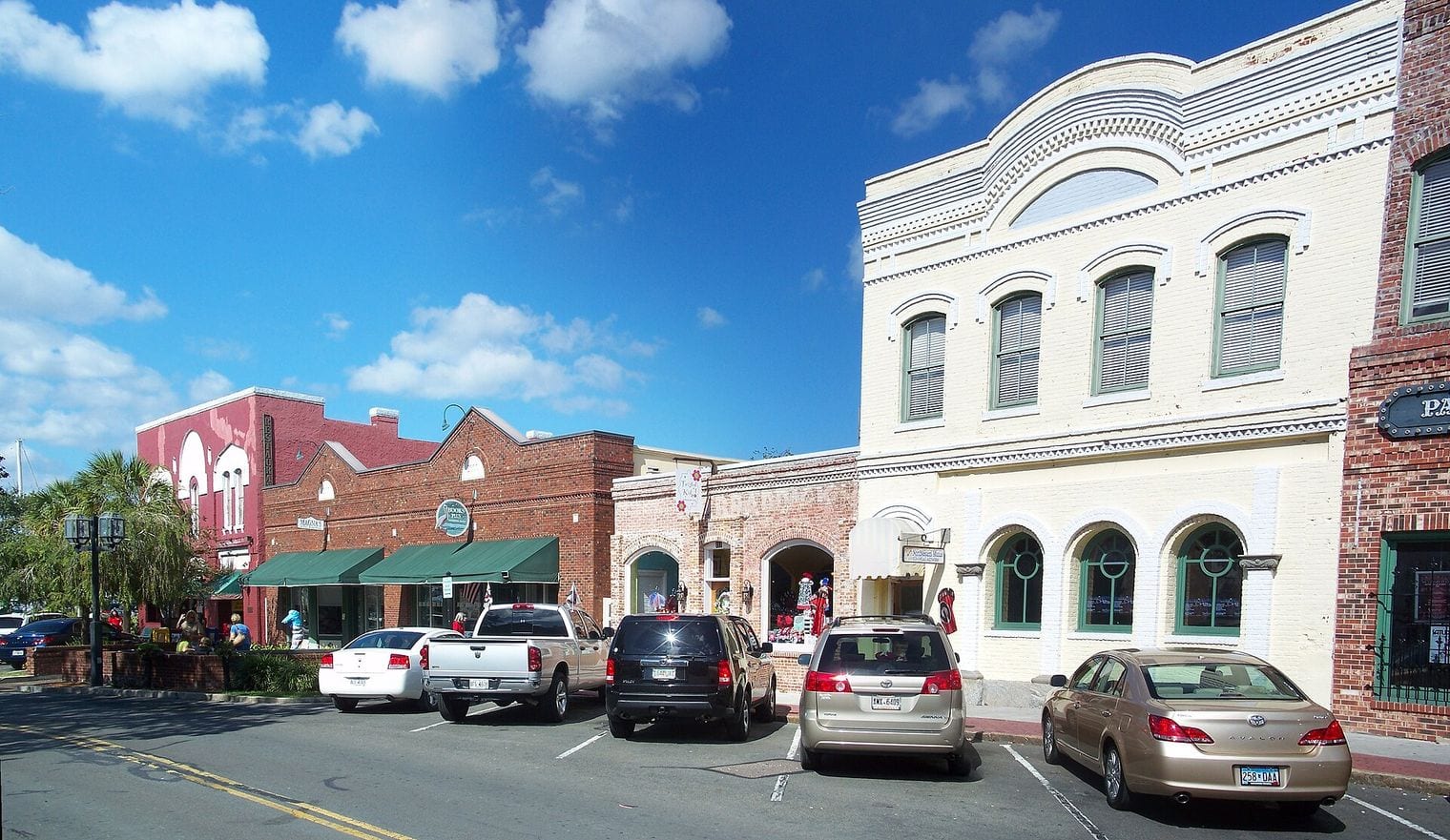
Perched on a rise above Lake Dora, Mount Dora has the oak-shaded, storybook downtown that many small towns only aspire to. Its streets are lined with antique dealers, galleries and cafés, and a busy calendar of arts and crafts shows has earned it the nickname Festival City. It sits within an easy drive of Orlando, yet it feels a world away from the theme parks.
Browse the downtown shops, then walk down to the waterfront, where Grantham Point Park is home to one of Florida's rare freshwater lighthouses and Palm Island Park's boardwalk winds through cypress along the lakeshore. A boat trip along the Dora Canal slips beneath moss-draped cypress trees, and the Modernism Museum adds a surprise collection of studio furniture and design pieces.
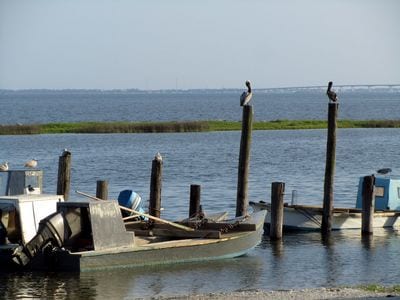
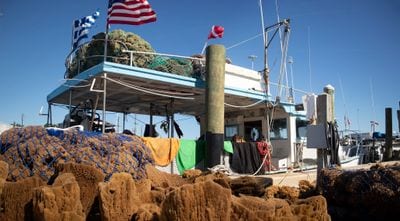
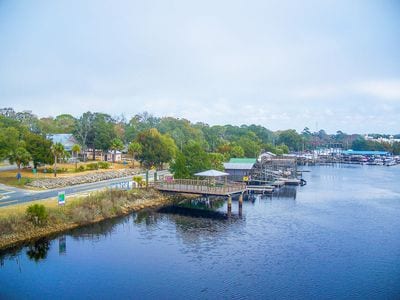
Apalachicola grew prosperous in the 1800s as a cotton port at the mouth of the Apalachicola River, and its brick waterfront and streets of old homes still recall that era. Today it anchors Florida's Forgotten Coast, a working harbor town whose name has long been synonymous with Gulf oysters, and it feels refreshingly unpolished next to the resort strips farther west.
Walk the historic downtown and the docks where shrimp boats tie up, then stop at the John Gorrie Museum State Park, which honors the local doctor whose ice-making machine made him a pioneer of refrigeration and air conditioning. Evenings are for oysters and Gulf seafood, and the beaches of St. George Island are a short drive across the bay.
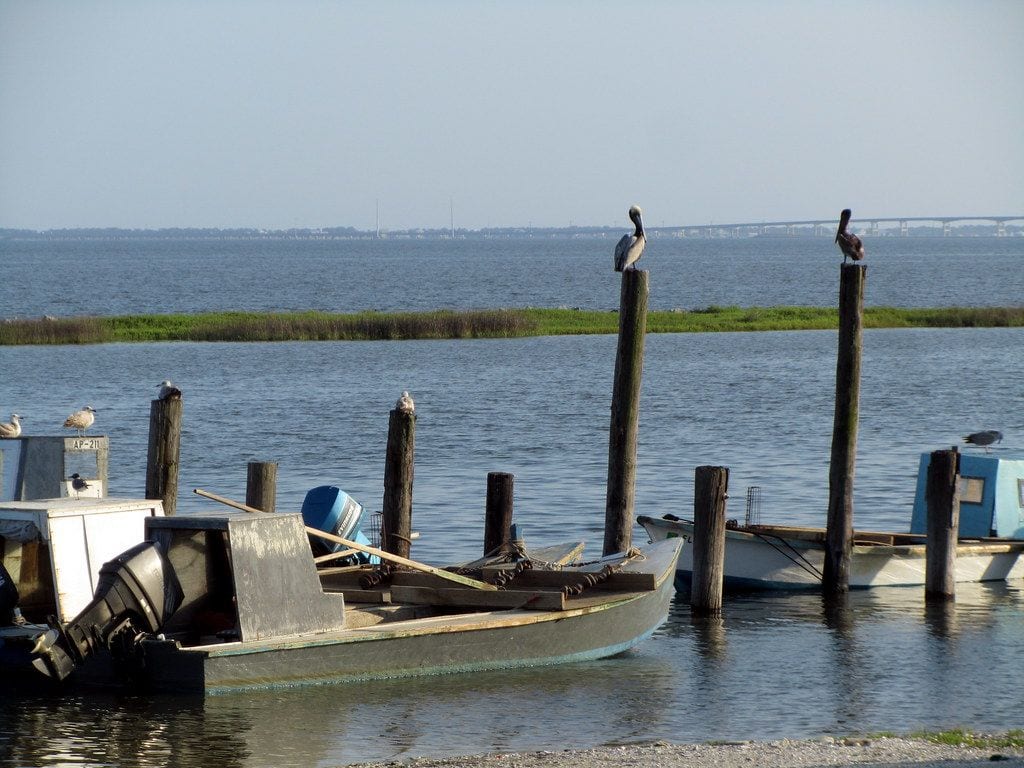
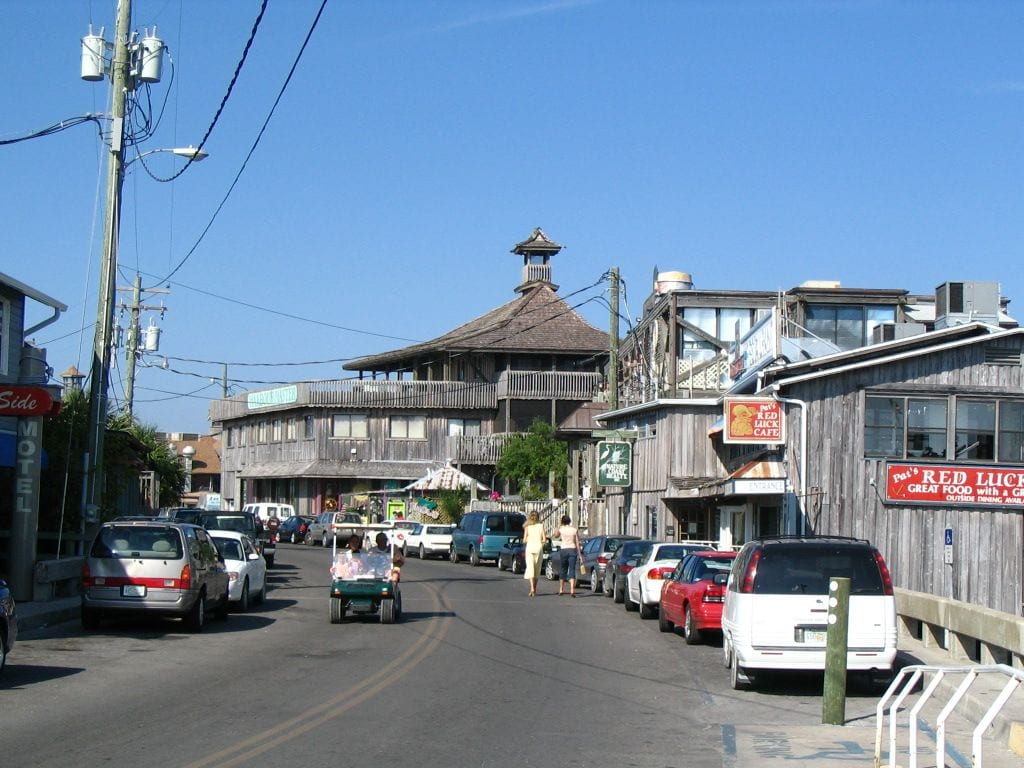
Cedar Key is a Gulf fishing village on a cluster of low islands at the end of a long causeway, where weathered buildings on stilts line Dock Street and pelicans work the channels. In the 1800s its mills cut cedar slats for northern pencil factories; today it is the center of Florida's farmed-clam industry, and its unhurried island pace is the whole point of coming.
Kayak or take a boat around the bird islands of the Cedar Keys National Wildlife Refuge, set aside in 1929 as a nesting ground for colonial waterbirds, and visit the Cedar Key Museum State Park to learn how naturalist John Muir ended his thousand-mile walk here in 1867. A sunset from the docks, with a plate of local clams, is the classic way to end the day.
Islamorada is a village of islands in the upper Florida Keys that proudly calls itself the Sportfishing Capital of the World. Spread across several keys between Key Largo and Marathon, it is a place of backcountry flats, offshore reefs and fishing-lodge culture, with turquoise water never more than a short walk away on either side of the Overseas Highway.
Anglers come for tarpon, bonefish and sailfish, but there is plenty for everyone else: the History of Diving Museum charts centuries of underwater exploration, a roadside monument remembers the victims of the Labor Day Hurricane of 1935, and boat trips reach the island state parks that protect the ruins of a 19th-century settlement on Indian Key and the tropical forest of Lignumvitae Key.
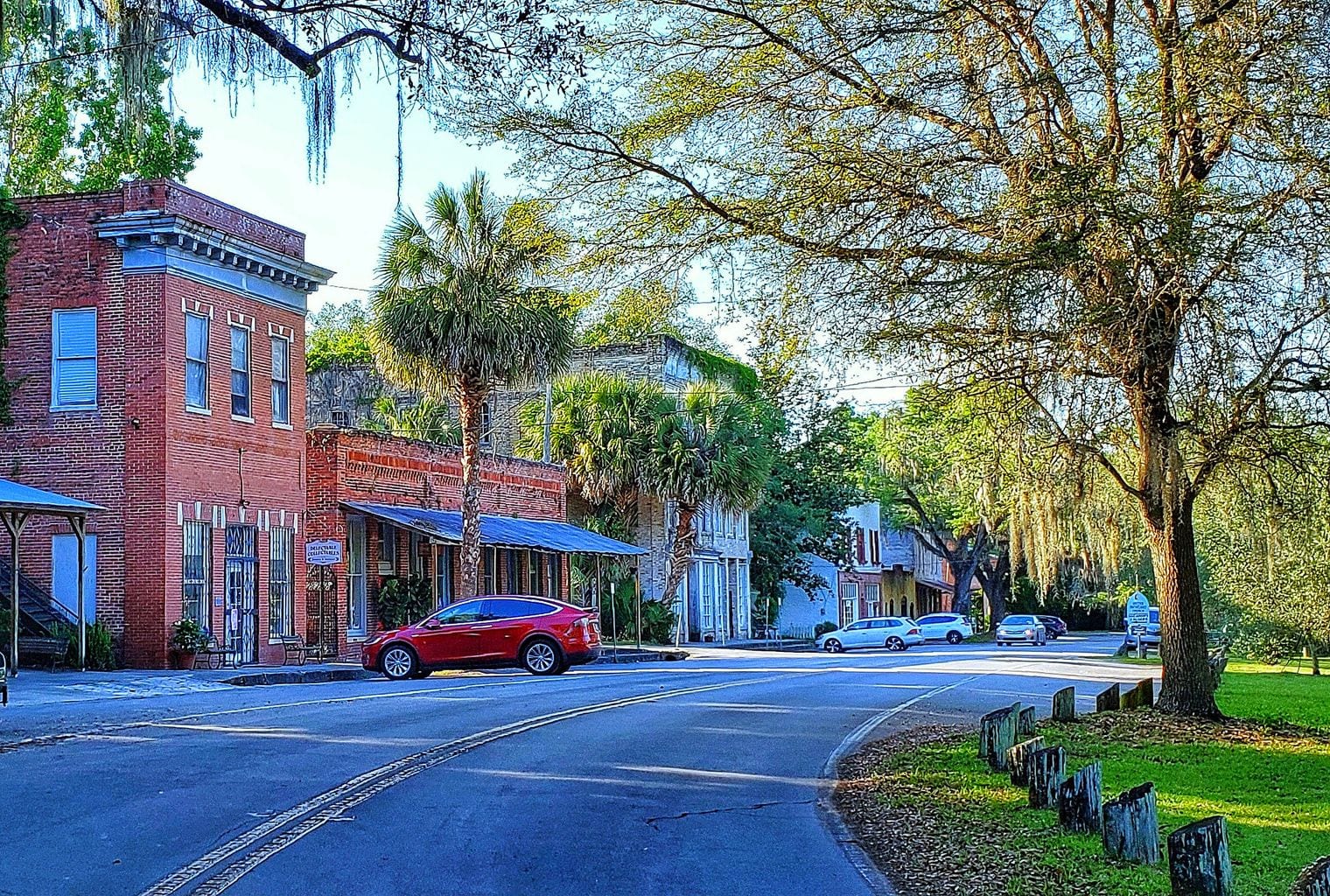
Micanopy is often described as the oldest inland town in Florida, a tiny village south of Gainesville whose main street sits beneath a canopy of live oaks and Spanish moss. Its story runs from a Seminole town visited by naturalist William Bartram in the 1770s to the frontier forts of the Seminole Wars, and its good looks eventually caught Hollywood's eye.
Browse the antique shops along Cholokka Boulevard, visit the Micanopy Historical Society Museum in an old warehouse, and look for the storefronts seen in the 1991 comedy Doc Hollywood, which was filmed here. Next door, Paynes Prairie Preserve State Park spreads across a vast savanna where herds of Cracker horses and bison graze and alligators line the ponds.
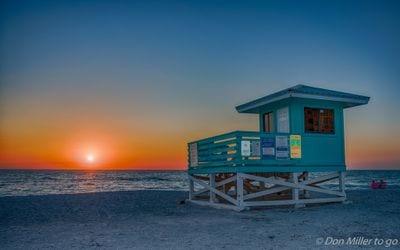
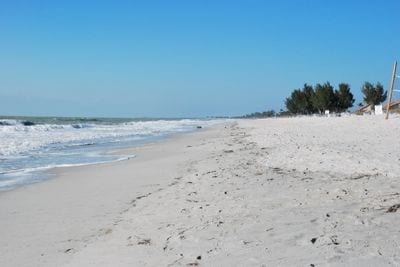
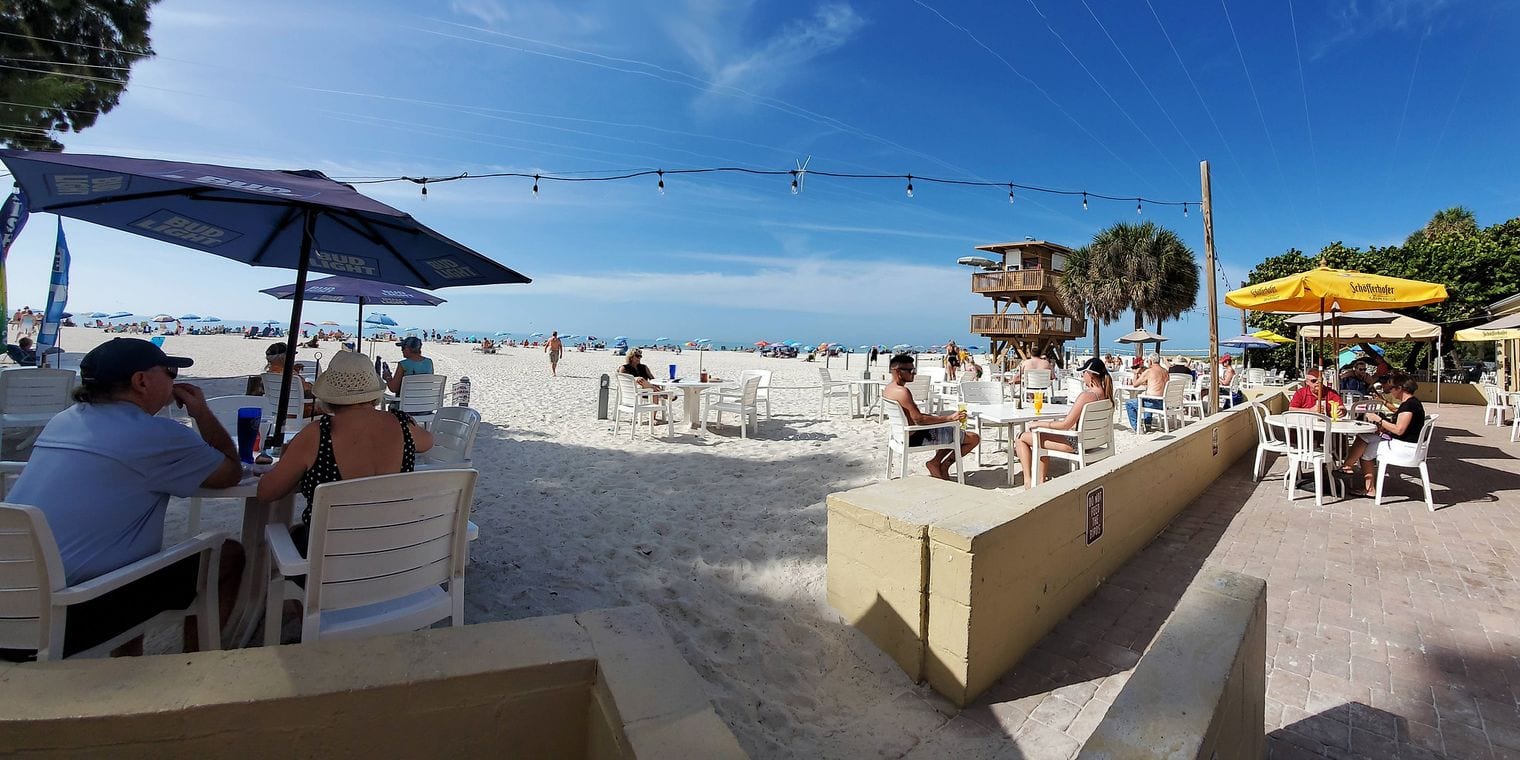
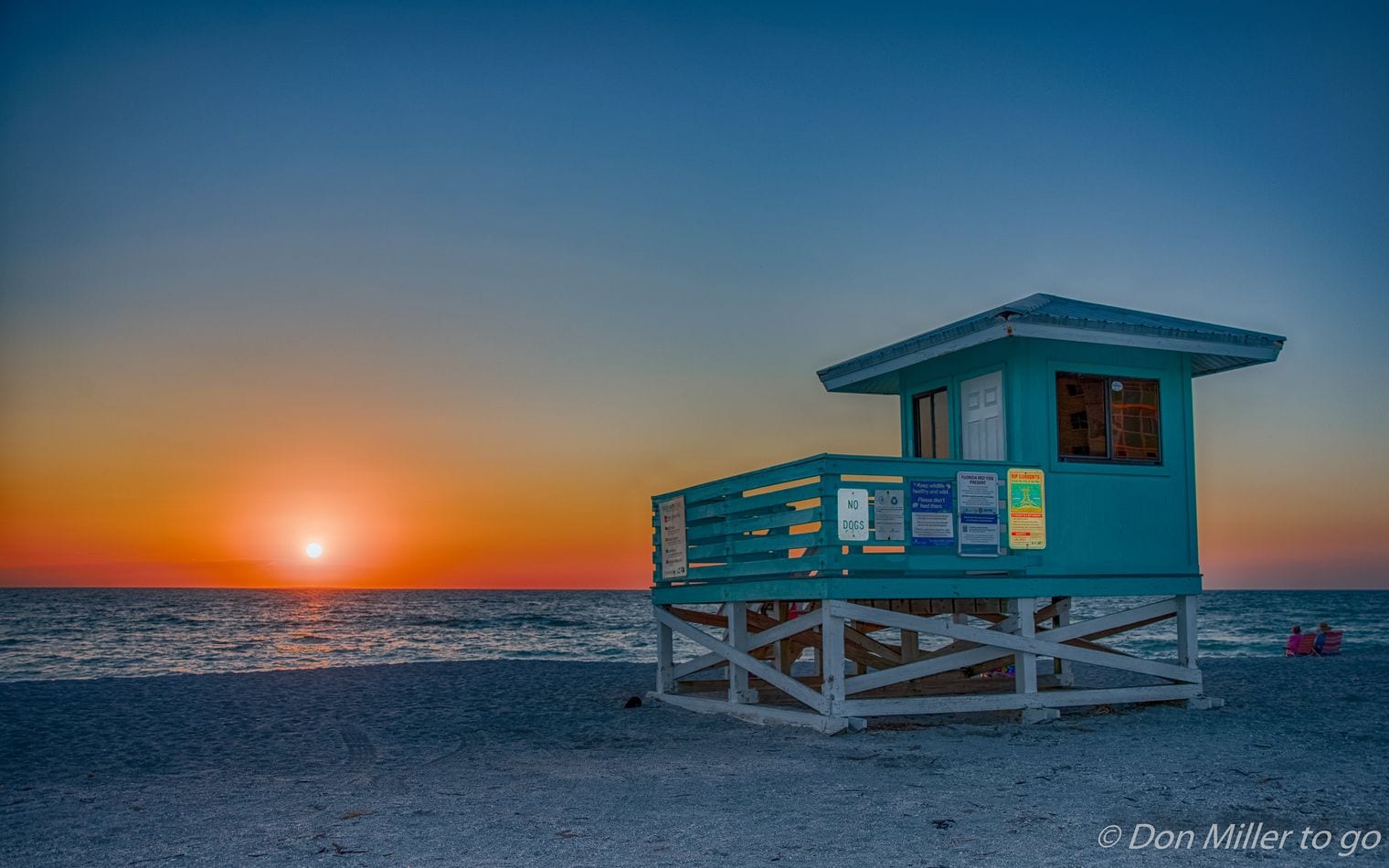
Anna Maria Island is a seven-mile Gulf barrier island shared by three small cities, Anna Maria, Holmes Beach and Bradenton Beach, and it has kept a low-key, flip-flop charm that much of the coast has lost. Beach cottages sit behind the dunes, life moves at bicycle speed, and the sunsets over the Gulf are a nightly event.
Spend the day on the wide white-sand beaches, fish or watch the sunset from the island's piers, and wander the shops and cafés of Bridge Street in Bradenton Beach. A free trolley runs up and down Gulf Drive, so you can leave the car behind, and the old fishing village of Cortez sits just across the bridge on the mainland.
Fernandina Beach, the main town on Amelia Island and the northernmost city on Florida's Atlantic coast, has a downtown historic district of Victorian-era storefronts and handsome old houses. Amelia Island is nicknamed the Isle of Eight Flags for the many nations and would-be republics that have claimed it, and the town is still a working shrimping port.
Stroll Centre Street from the marina past shops, saloons and restored brick buildings, then head to Fort Clinch State Park, where a brick fort begun in 1847 guards the mouth of the St. Marys River. The island's wide Atlantic beaches, shady bike trails and shrimp boats at the harbor round out an easygoing weekend.
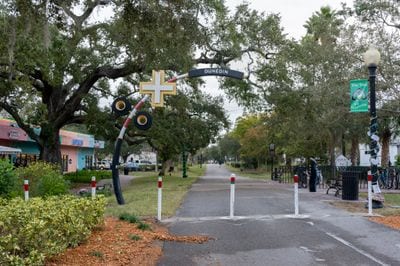
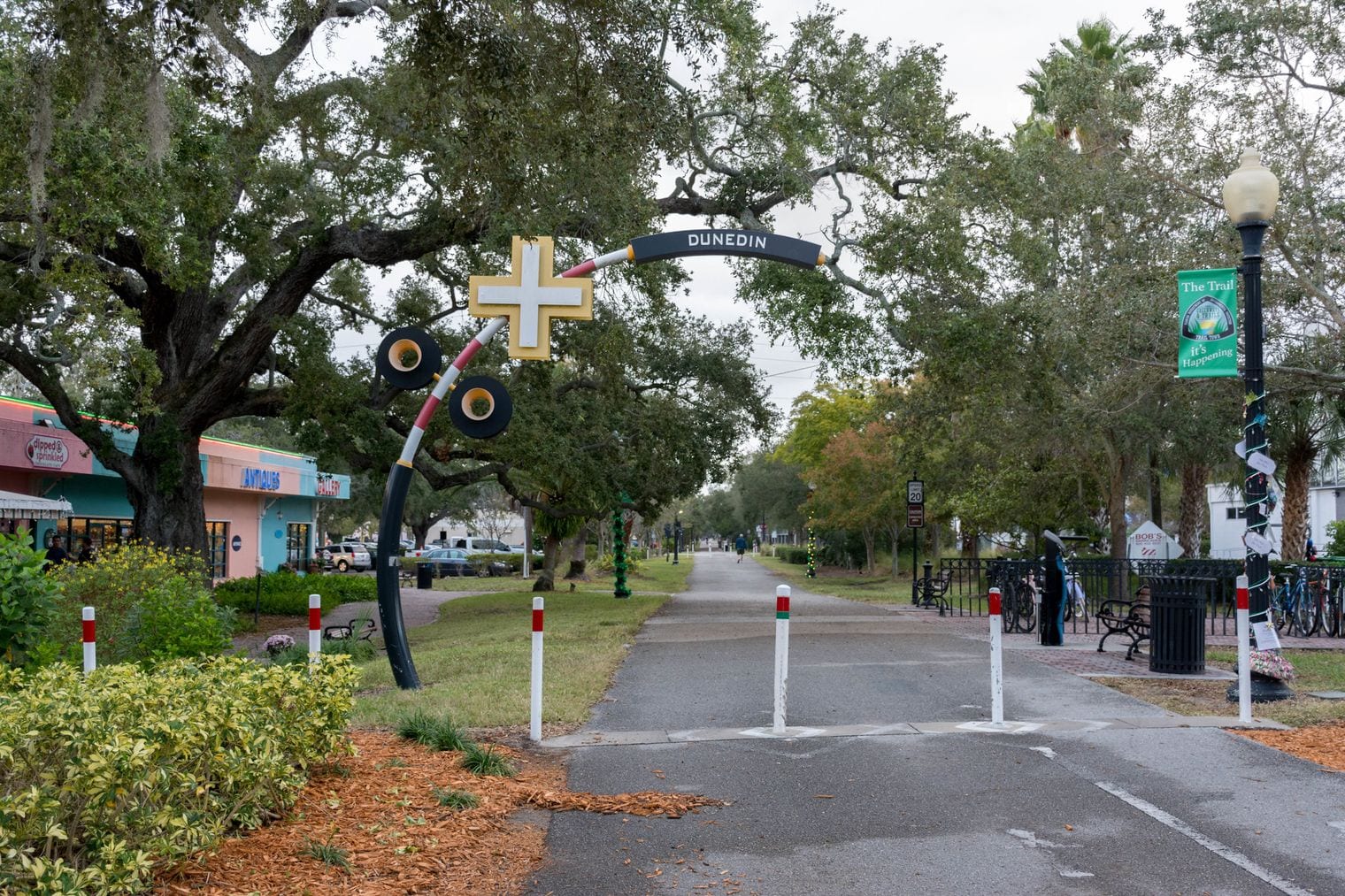
Named after the Scottish Gaelic name for Edinburgh, Dunedin is a Gulf Coast town just north of Clearwater with a proud Scottish streak, celebrated each year at its Highland Games. Its compact, walkable downtown is packed with independent shops, cafés and craft breweries, and it has a friendlier, smaller feel than the beach cities around it.
The Pinellas Trail runs straight through downtown, perfect for a bike ride, and the Dunedin Causeway leads to Honeymoon Island State Park, where a ferry crosses to the undeveloped beaches of Caladesi Island. Baseball fans know Dunedin as the longtime spring training home of the Toronto Blue Jays.
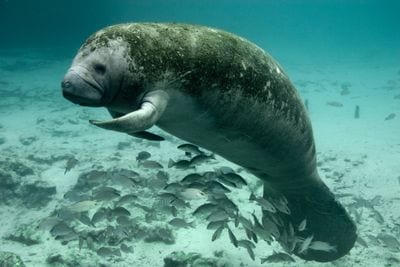
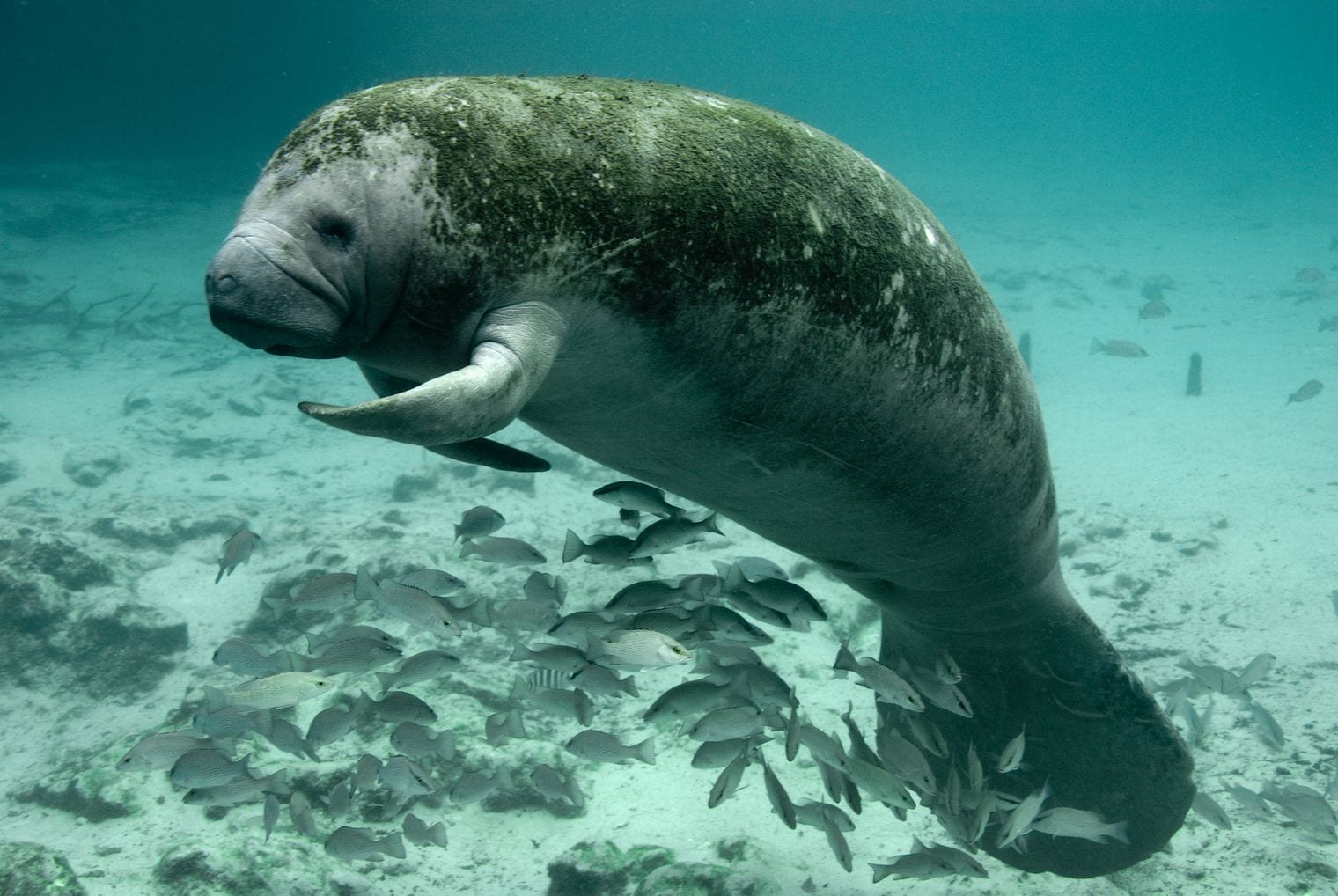
Crystal River sits on Kings Bay, a spring-fed bay on Florida's Nature Coast that stays warm through the winter, and that warmth draws hundreds of manatees in from the Gulf each cold season. It is one of the few places in Florida where you can legally swim near these gentle animals in the wild, which makes this quiet town a bucket-list stop.
Join a guided snorkel or kayak trip, or walk the boardwalk at Three Sisters Springs, part of the Crystal River National Wildlife Refuge, for a look into the clear blue water. On the edge of town, Crystal River Archaeological State Park preserves ceremonial mounds that Native Americans began building here more than two thousand years ago.
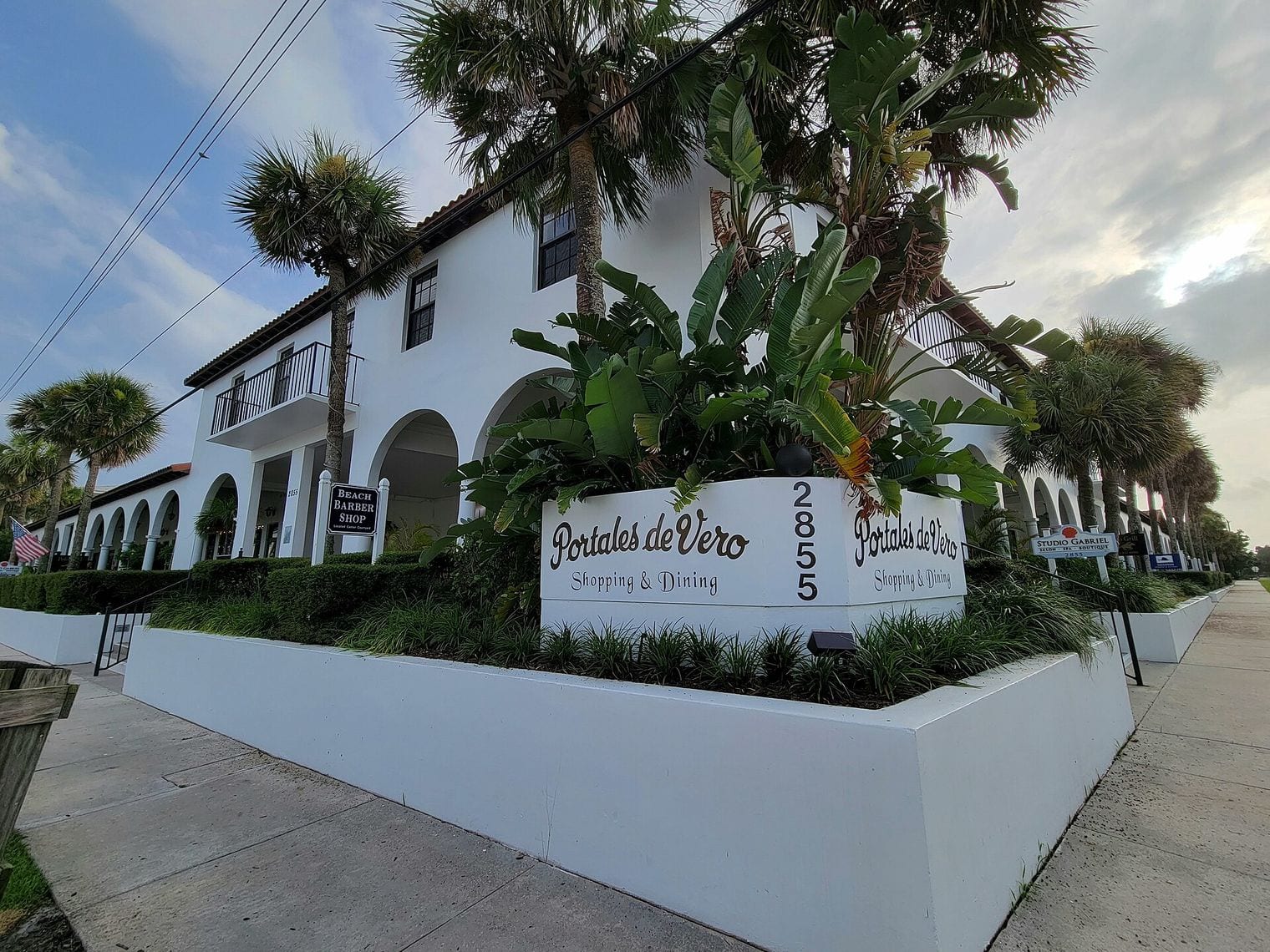
Vero Beach is an easygoing Treasure Coast town of low-rise oceanfront, Indian River Lagoon views and a genteel arts scene. This stretch of coast owes its name to a Spanish treasure fleet that wrecked offshore in 1715, and the town has kept an unhurried, uncrowded feel that sets it apart from the busier resorts to the south.
Walk the beach and the shops along Ocean Drive, explore the tropical plantings of McKee Botanical Garden, and see changing exhibitions at the Vero Beach Museum of Art. Baseball history lives on at the former Dodgertown, now the Jackie Robinson Training Complex, remembered as the first integrated spring training site in the South.
Venice was laid out in the 1920s by city planner John Nolen, and its palm-lined boulevards and Italian-inspired buildings still give the downtown a gracious, planned feel. The town has long been called the Shark's Tooth Capital of the World for the fossil teeth that wash up on its Gulf beaches, and it celebrates them with an annual festival.
Hunt for small black shark teeth at Caspersen Beach, walk out on the Venice Fishing Pier for sunset, and browse the shops and cafés along Venice Avenue. The Legacy Trail, a paved rail trail, links the town with Sarasota to the north for an easy bike ride through the countryside.
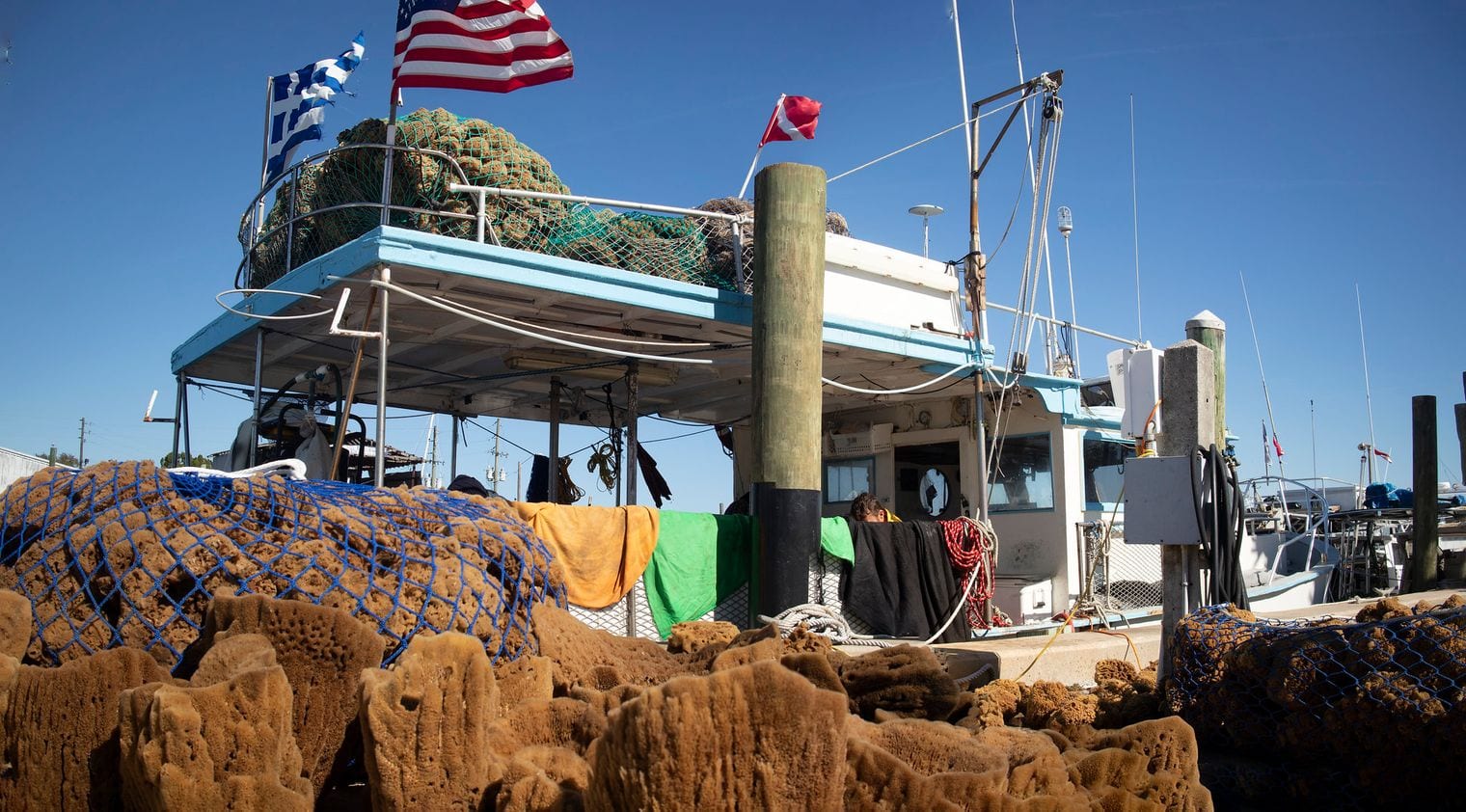
Greek sponge divers began arriving in Tarpon Springs in the early 1900s, and the town still has one of the highest concentrations of Greek Americans in the United States. The historic sponge docks along the Anclote River are its heart, lined with sponge shops, bakeries and tavernas, and sponge boats still tie up along the waterfront.
Take a sponge-diving demonstration cruise, sample baklava and other Greek pastries, and visit St. Nicholas Greek Orthodox Cathedral, a domed Neo-Byzantine church completed in 1943. Each January, teenage boys dive into Spring Bayou to retrieve a cross at the Epiphany celebration, the town's best-known tradition.
Founded in 1912 beside Lake Jackson, Sebring was laid out around a circle, and its downtown historic district still radiates from Circle Park, giving it the nickname City on the Circle. The town is best known around the world for the 12 Hours of Sebring, a sports car endurance race held at the raceway on a former World War II airfield.
Stroll the boom-era Mediterranean-style buildings around the circle, swim or boat from Lake Jackson's sandy shores, and spend a morning at nearby Highlands Hammock State Park, which opened in 1931 and has boardwalk trails through cypress swamp and a museum devoted to the Civilian Conservation Corps.
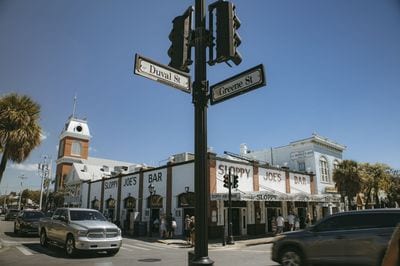
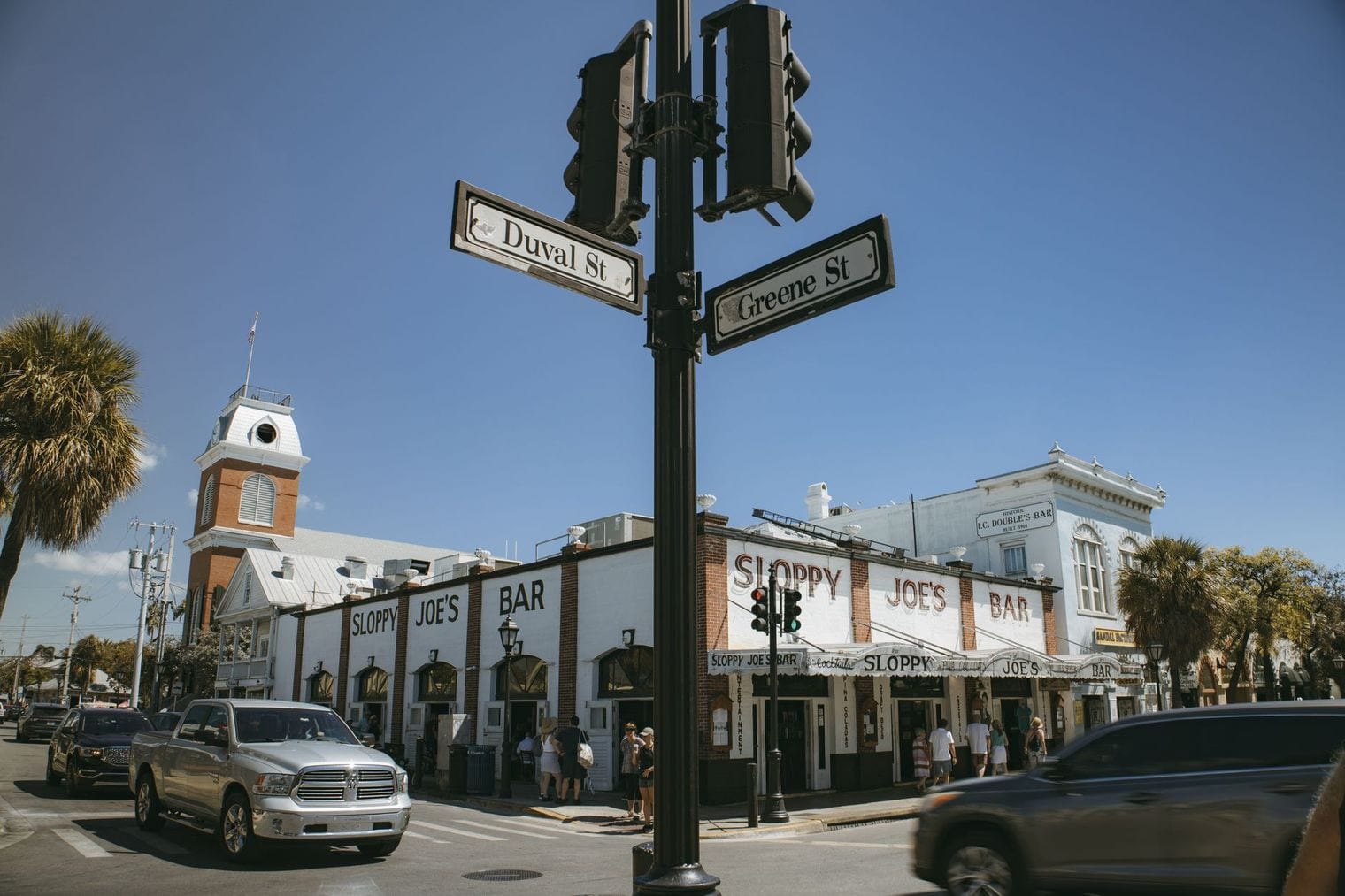
At the end of the Overseas Highway, Key West is the southernmost city in the contiguous United States and the most famous town in the Keys, a free-spirited island of conch houses, tropical gardens and sunset rituals. It has drawn writers, presidents and dreamers for generations, and its Old Town is still best explored on foot or by bike.
Tour the Ernest Hemingway Home, where the writer lived in the 1930s and six-toed cats still roam, and the Truman Little White House, then join the crowds at Mallory Square for sunset. Duval Street runs from the Gulf to the Atlantic, and boats and seaplanes head out to Dry Tortugas National Park, about 70 miles to the west.
Just north of Orlando but a world apart in mood, Winter Park is a leafy college town built around Rollins College, founded in 1885, and a chain of lakes linked by narrow canals. Park Avenue, lined with boutiques and sidewalk cafés, faces the lawns of Central Park and gives the town a polished, almost European air.
Don't miss the Charles Hosmer Morse Museum of American Art, famous for its collection of Louis Comfort Tiffany's work, including the chapel he created for the 1893 World's Columbian Exposition in Chicago. Boat tours glide through the lakes and canals past grand lakefront homes, and the Albin Polasek Museum shows sculpture in a lakeside garden.
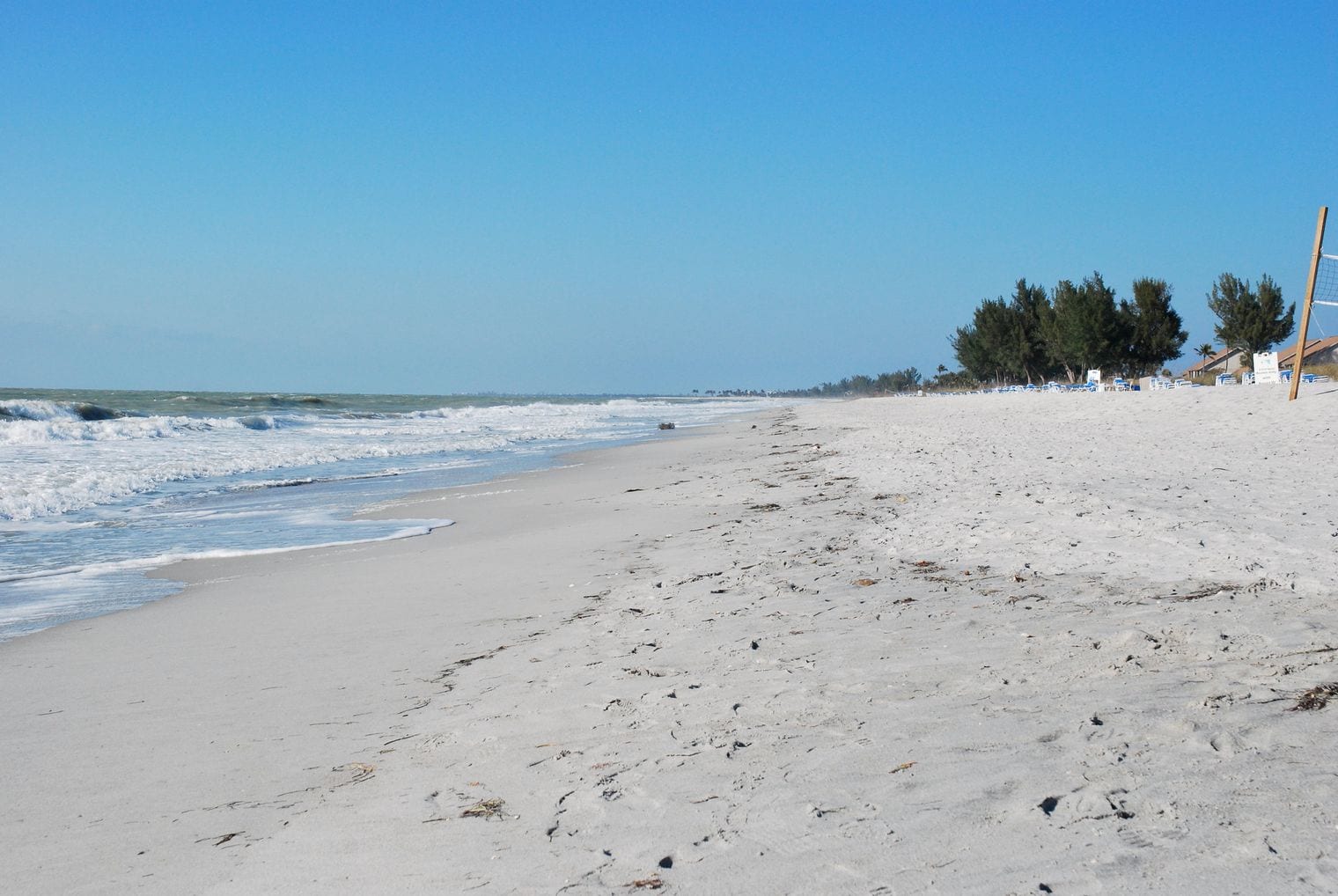
Sanibel is a barrier-island city off Fort Myers, famous for the shells that pile up along its Gulf beaches. Since incorporating in 1974 it has guarded its character with a strict land-use plan, so the island stays low-rise, green and full of wildlife, with bike paths rather than big development.
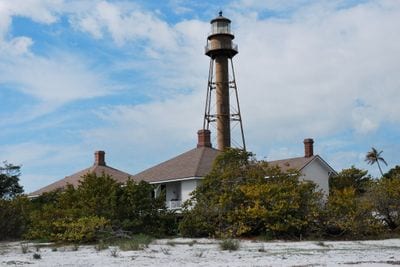
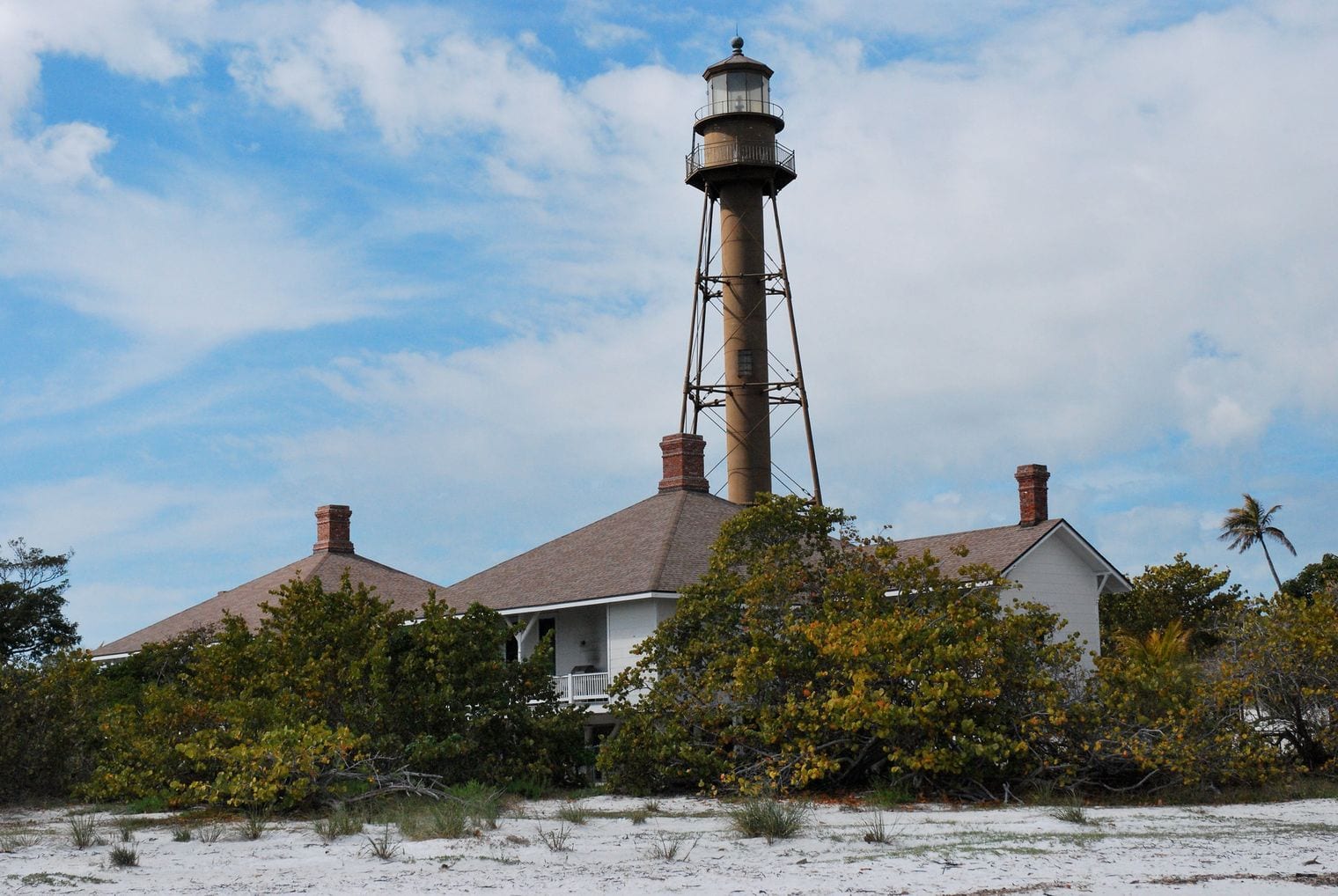
Walk the beaches in the famous Sanibel stoop, drive or cycle the wildlife route through the J.N. "Ding" Darling National Wildlife Refuge to spot wading birds among the mangroves, and learn about mollusks at the Bailey-Matthews National Shell Museum. At the island's eastern tip, the Sanibel Lighthouse, first lit in 1884, still stands on its iron frame.
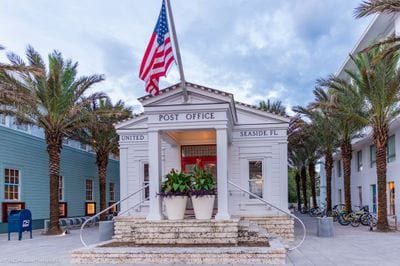
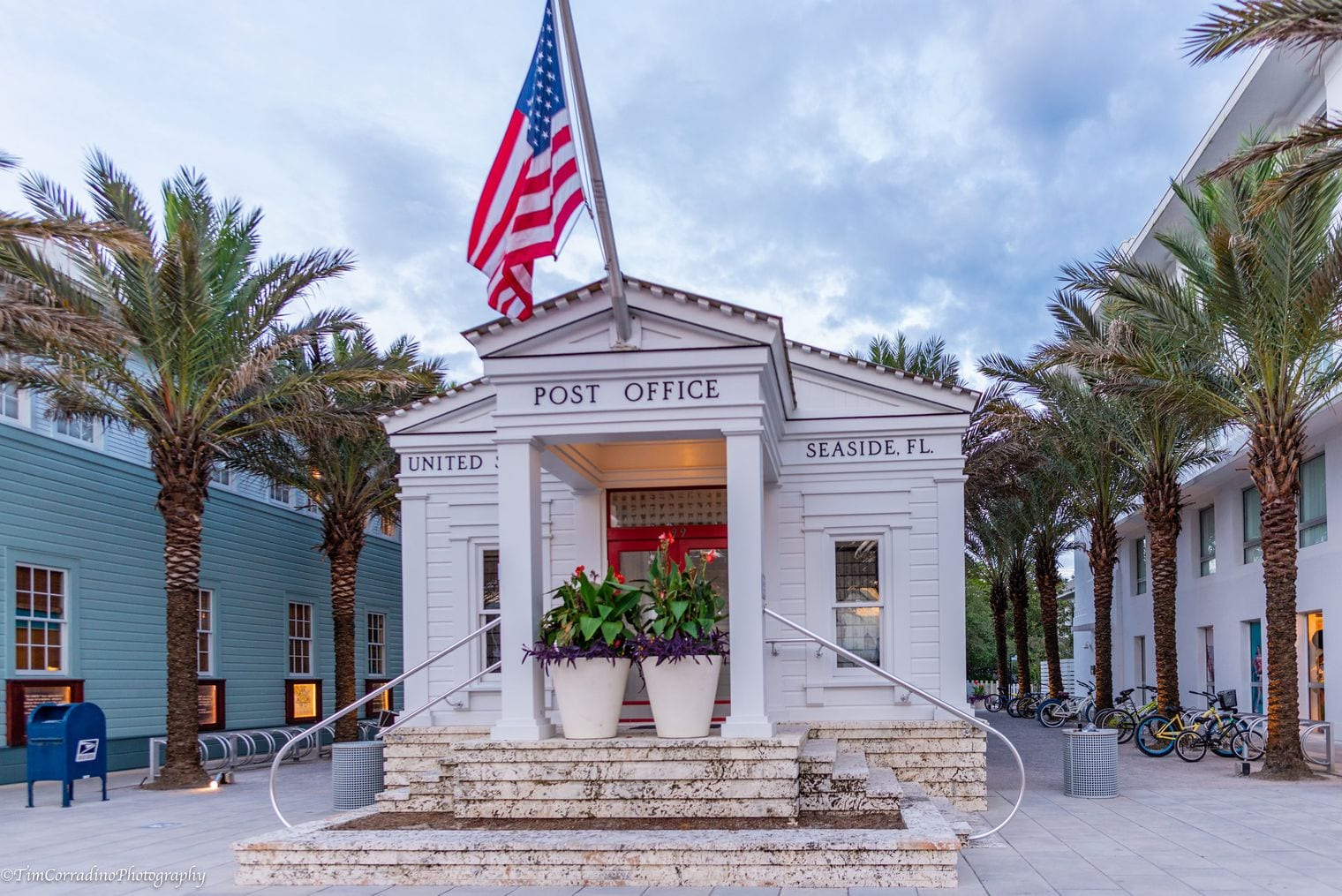
Seaside, on Scenic Highway 30A in the Florida Panhandle, is a planned beach town of pastel cottages, picket fences and sand paths that architects travel from across the country to study. Begun in 1981 by developer Robert Davis with architects Andrés Duany and Elizabeth Plater-Zyberk, it was one of the first communities in America built on the principles of New Urbanism.
Film fans will recognize it as the set of The Truman Show (1998). Walk or bike the streets to the white-sand beach, browse the shops around the central green, and look for the nine beach pavilions at the ends of the streets, each designed by a different architect.
Stuart, on the St. Lucie River near its meeting with the Indian River Lagoon, adopted the slogan Sailfish Capital of the World in 1957, and fishing still shapes its identity. Its restored downtown of colorful historic buildings and its riverfront boardwalk make it one of the most appealing small towns on the Treasure Coast.
Stroll the riverwalk and the shops and galleries of the historic downtown, then cross to Hutchinson Island for the beaches and the House of Refuge at Gilbert's Bar, built in 1876 to shelter shipwrecked sailors. The nearby Elliott Museum mixes local history with a big collection of classic cars.
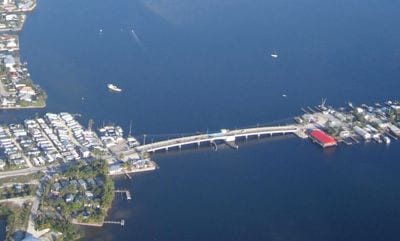
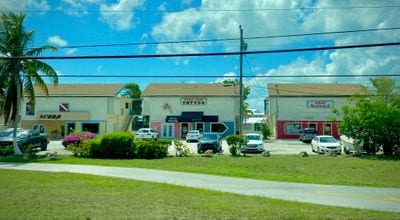
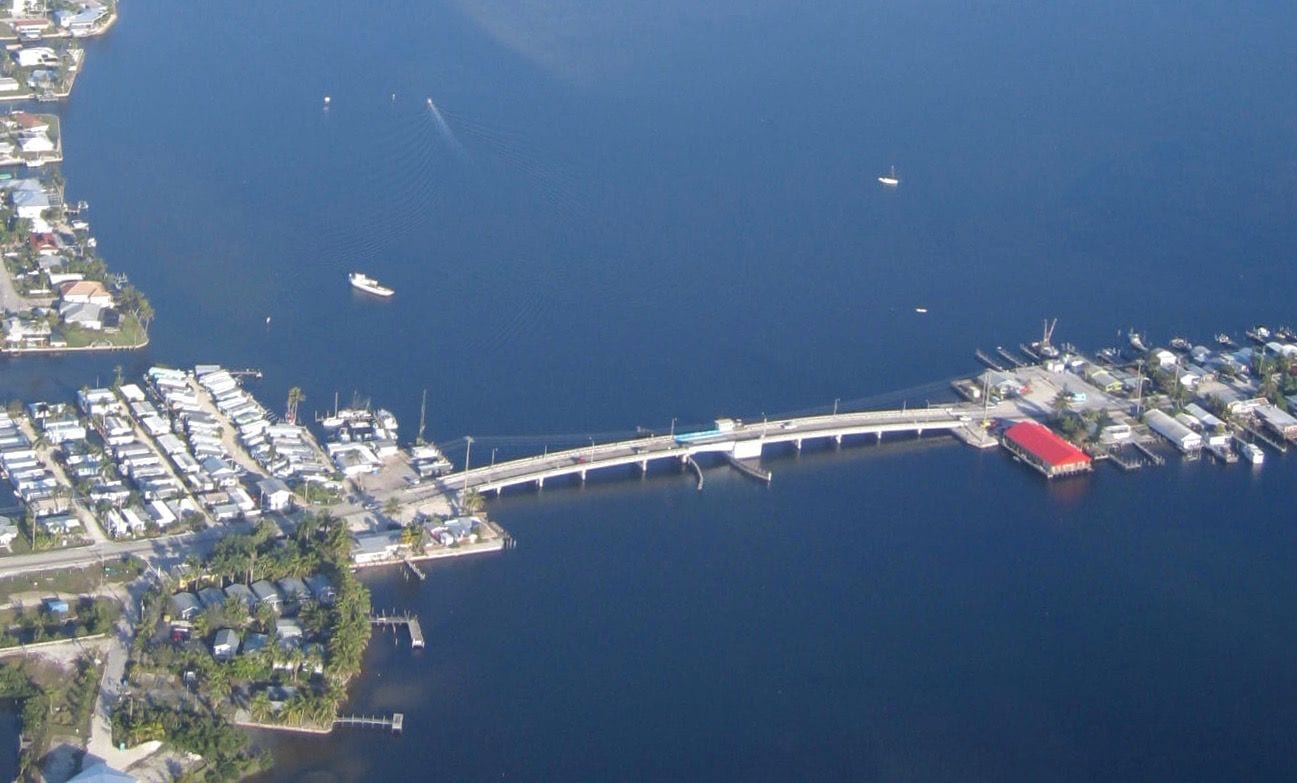
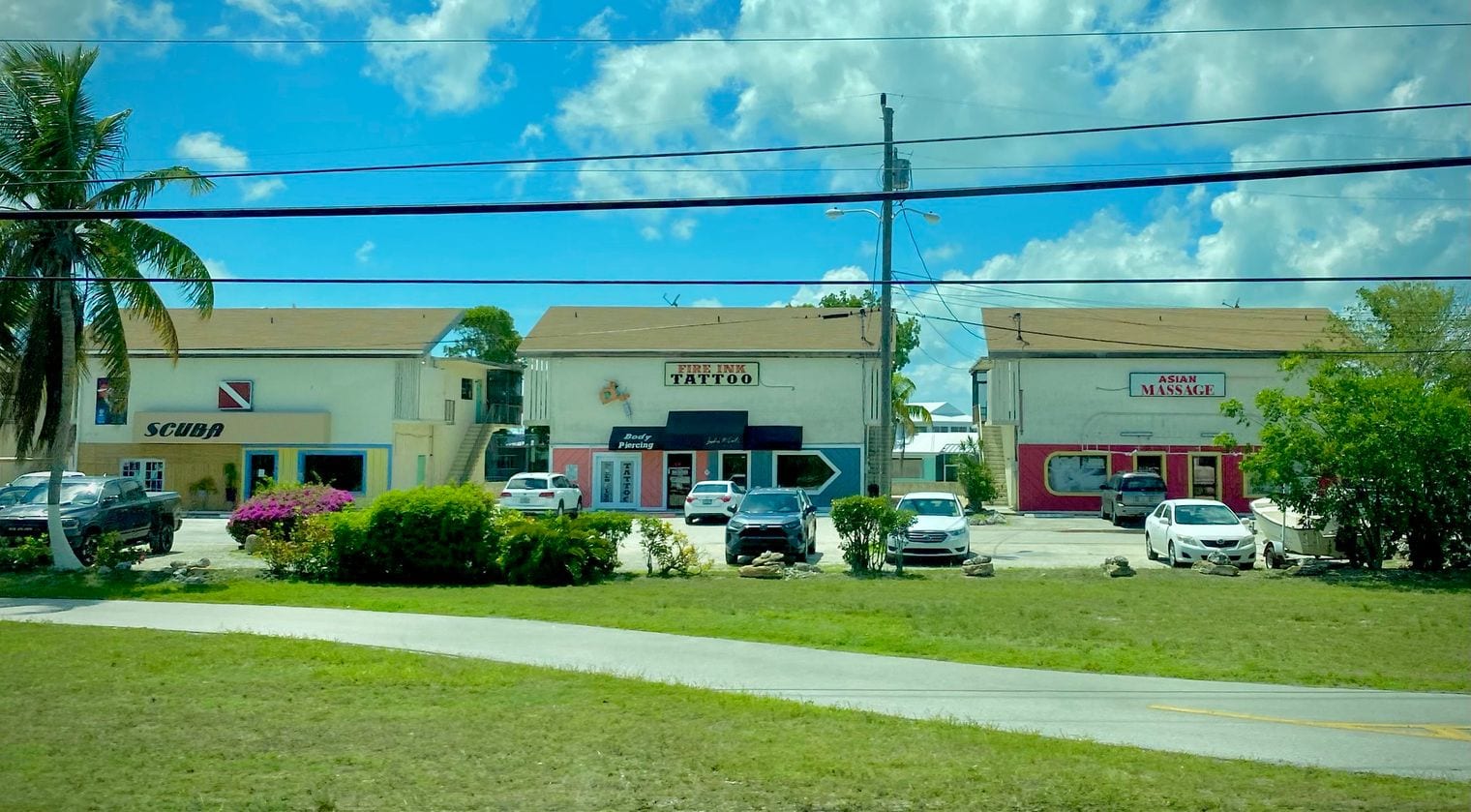
Matlacha (say mat-luh-SHAY) is a tiny Old Florida fishing village strung along the road to Pine Island, where brightly painted cottages, art galleries and bait shops crowd a narrow strip of land between the mangroves. It has weathered its share of hurricanes, and its offbeat, artsy spirit is what keeps visitors coming back.
Browse the galleries, cast a line from the bridge over Matlacha Pass, long nicknamed the fishingest bridge in the world, and rent a kayak to paddle the mangrove channels, where dolphins and manatees are regular visitors. Continue onto Pine Island for its quiet fishing villages and tropical fruit groves.
Key Largo is the first island of the Florida Keys, the gateway where the Overseas Highway leaves the mainland behind. The real draw lies beneath the surface: the coral reefs of John Pennekamp Coral Reef State Park, which opened in 1963 as the first undersea park in the United States.
Snorkel, dive or ride a glass-bottom boat over the reef, where the bronze Christ of the Abyss statue stands in about 25 feet of water, and paddle the park's mangrove trails. Back on land, bayside sunsets and the dive-shop culture along the highway set the easygoing tone for the rest of the Keys.
DeLand, founded in 1876 by baking soda magnate Henry DeLand, is a college town anchored by Stetson University and a handsome historic Main Street. Its downtown of brick storefronts, murals and the restored Athens Theatre has a lively, youthful energy thanks to the students, without losing its small-town ease.
Walk Woodland Boulevard's shops and cafés, visit the Museum of Art - DeLand, and stroll the Stetson campus with its historic buildings. In winter, manatees gather in the warm spring run at Blue Spring State Park a short drive south, and the town's airport has made DeLand a famous hub for skydiving.
At the northern tip of Sanibel, across the little bridge over Blind Pass, Captiva is a slender island community of lush tropical lanes, old cottages and quiet beaches, far smaller and more secluded than its neighbor. Theodore Roosevelt came here to fish, and a channel off the island's bay shore still carries his name.
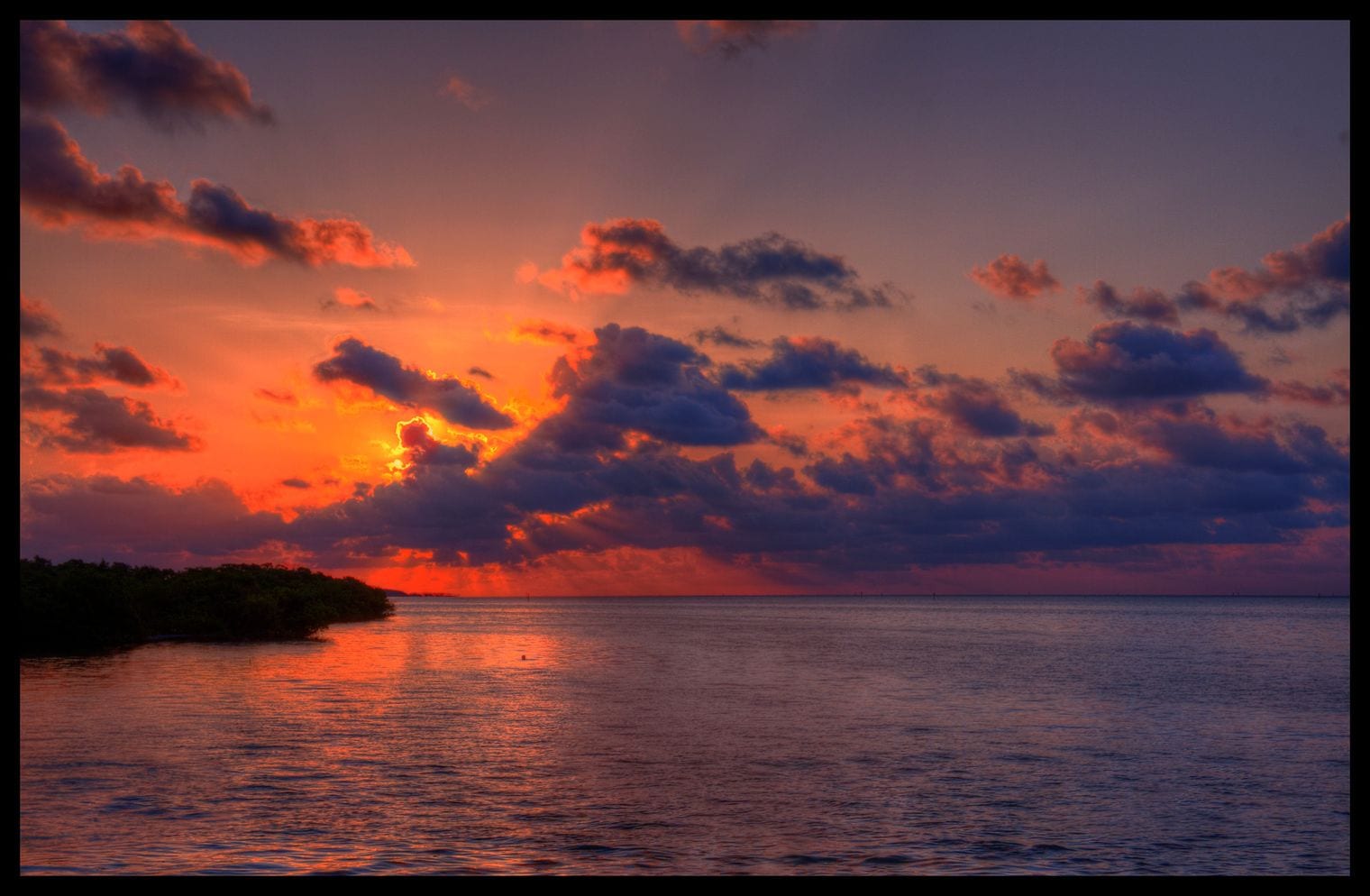
Captiva is famous for its sunsets over the Gulf, best watched from the beach at the end of the road, and its waters are good for shelling, kayaking and dolphin-watching. Stop at the tiny Chapel by the Sea and its seaside cemetery, and take a boat trip to the car-free islands of Cabbage Key and Cayo Costa.
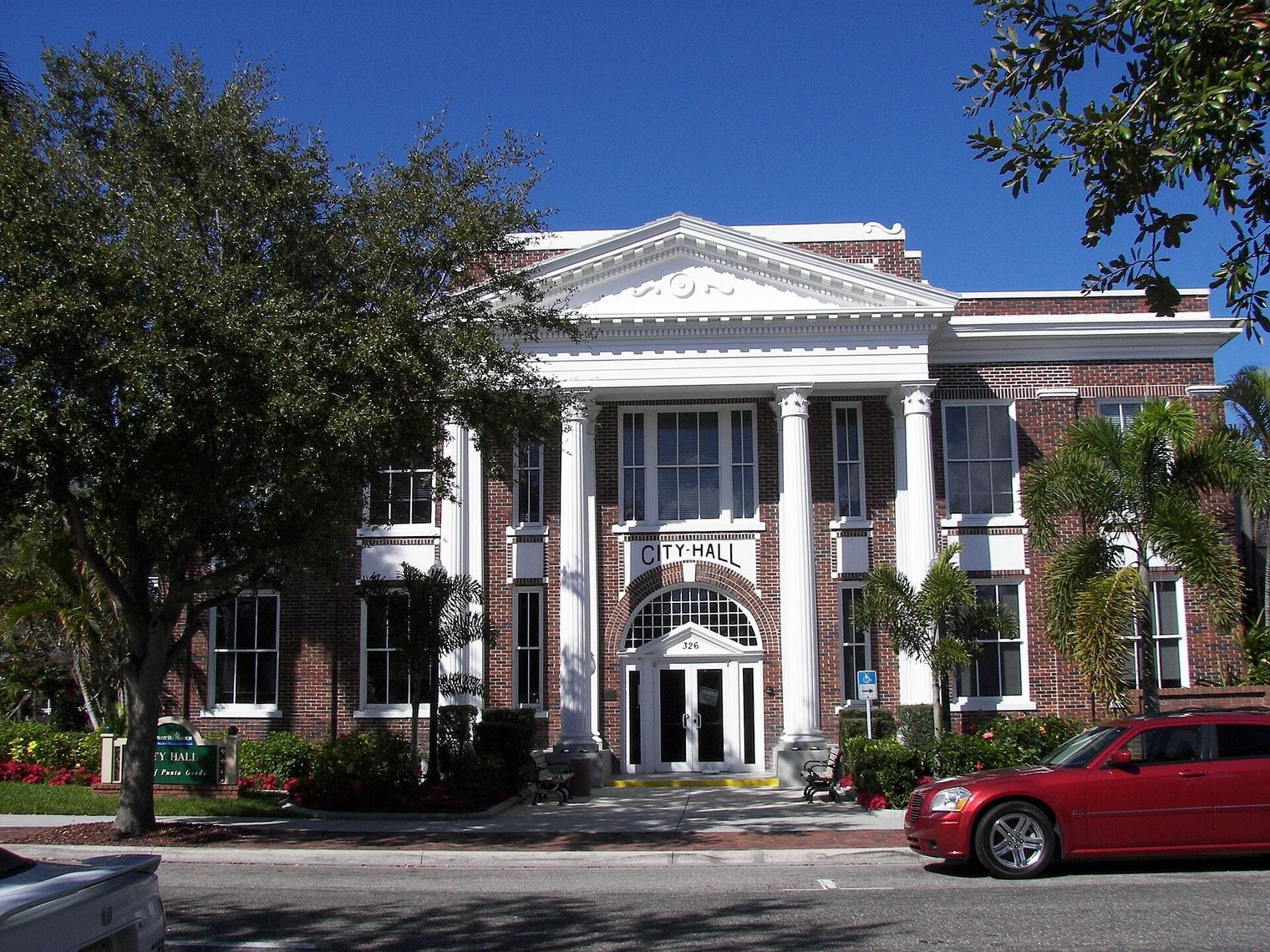
Punta Gorda sits on the point where the Peace River meets Charlotte Harbor, and after Hurricane Charley struck in 2004 the town rebuilt its downtown and waterfront with real flair. The result is a tidy, walkable harbor town with a long Harborwalk, restored historic buildings and a collection of outdoor murals.
Walk or cycle the Harborwalk along the river, look for the murals painted across downtown walls, and visit Ponce de Leon Park, where a boardwalk leads into the mangroves. Quiet canal neighborhoods and the nearby Charlotte Harbor Preserve State Park make it a restful base for boating and birding.
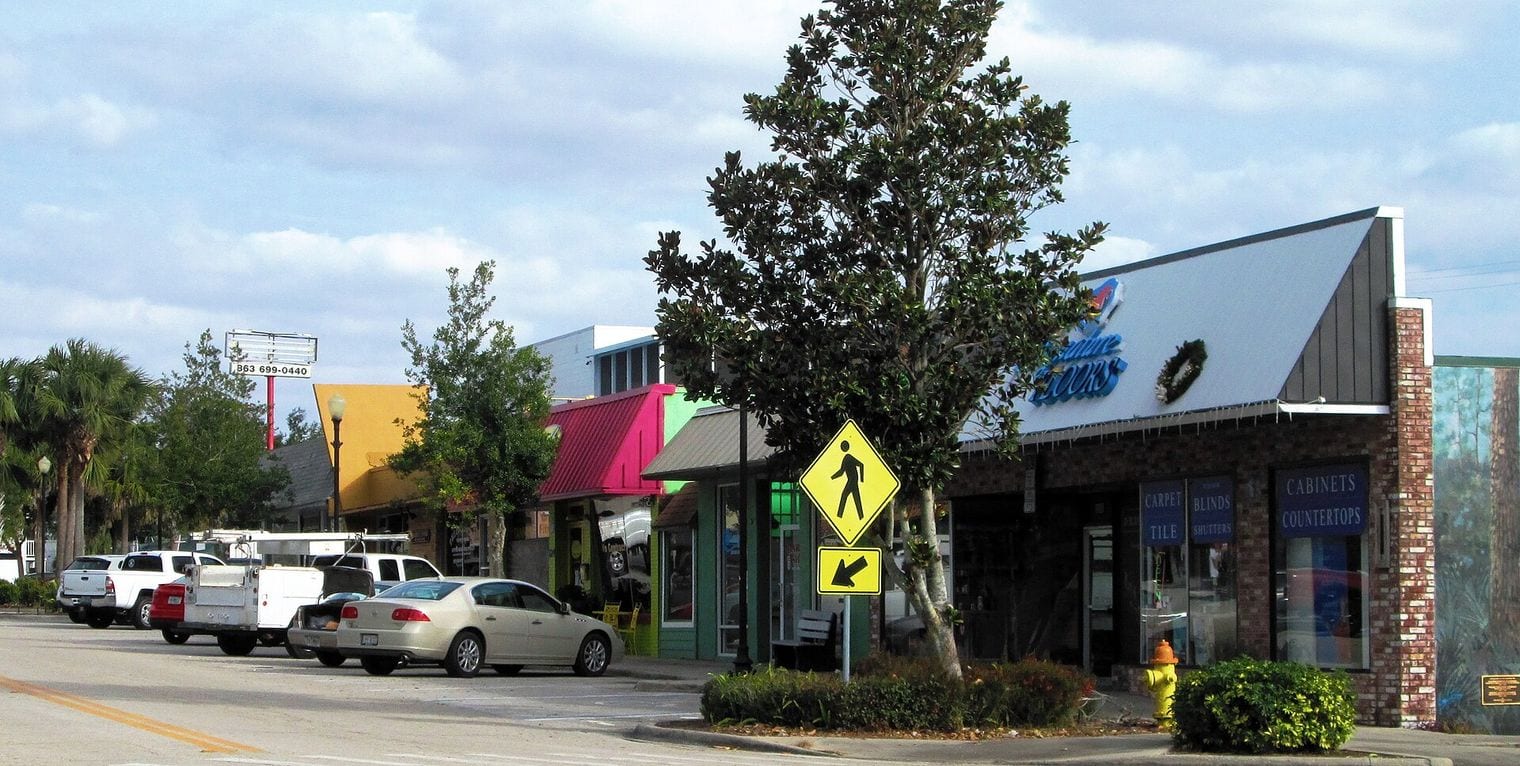
Lake Placid, in the lake country of Central Florida's Ridge, goes by two mottoes: Town of Murals and Caladium Capital of the World. The first refers to the dozens of murals painted on downtown buildings, the second to the colorful caladium bulbs grown on farms around town. It took its name in 1927 at the suggestion of Melvil Dewey, founder of the Lake Placid Club in New York.
Follow the murals on foot through the compact downtown, then swim, fish or boat on Lake June in Winter and the other clear lakes nearby. Just south of town, Archbold Biological Station, founded in 1941, studies and protects the rare Florida scrub, and summer is when the caladium fields are at their most colorful.
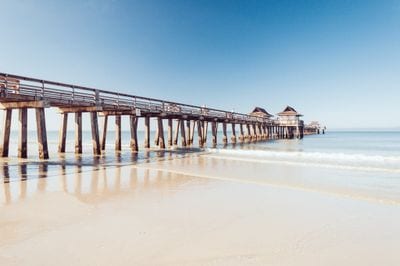
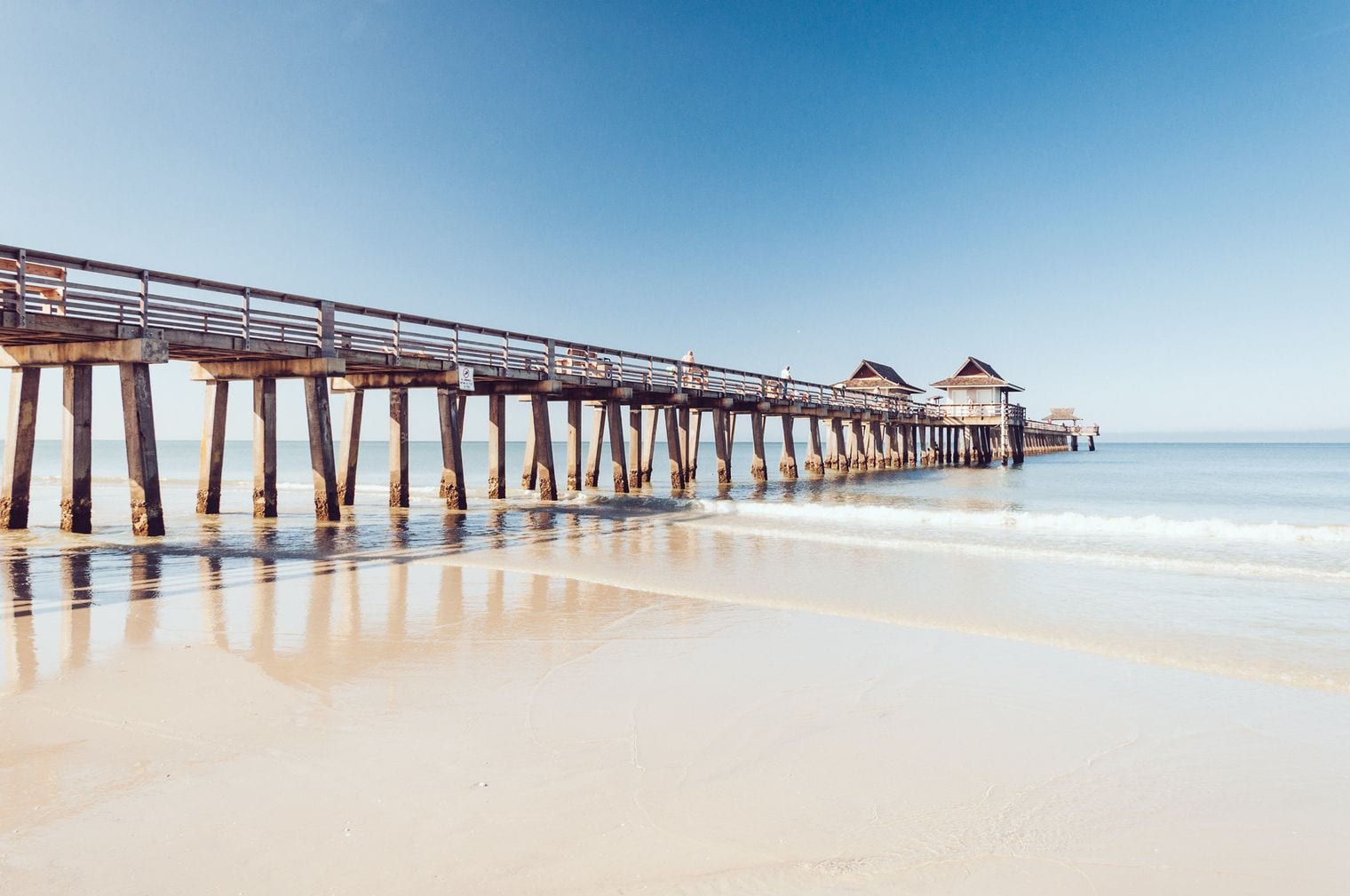
Naples is the polished small city of the southwest Gulf Coast, a place of manicured neighborhoods, white-sand beaches and some of Florida's most photographed sunsets. Its historic heart is the Naples Pier, first opened in 1888, and the shopping streets of Fifth Avenue South and Third Street South give it a stylish, walkable downtown.
Watch the sunset from the pier, spend a day at the Naples Botanical Garden, and walk the public beach that runs for miles along the Gulf. Beyond town, the boardwalk at Corkscrew Swamp Sanctuary and the western edge of the Everglades put some of Florida's wildest country within easy reach.
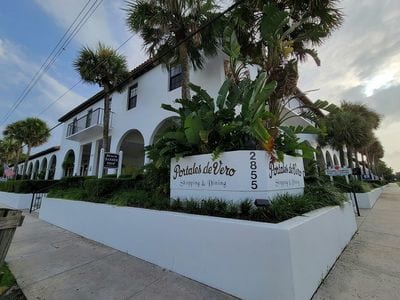
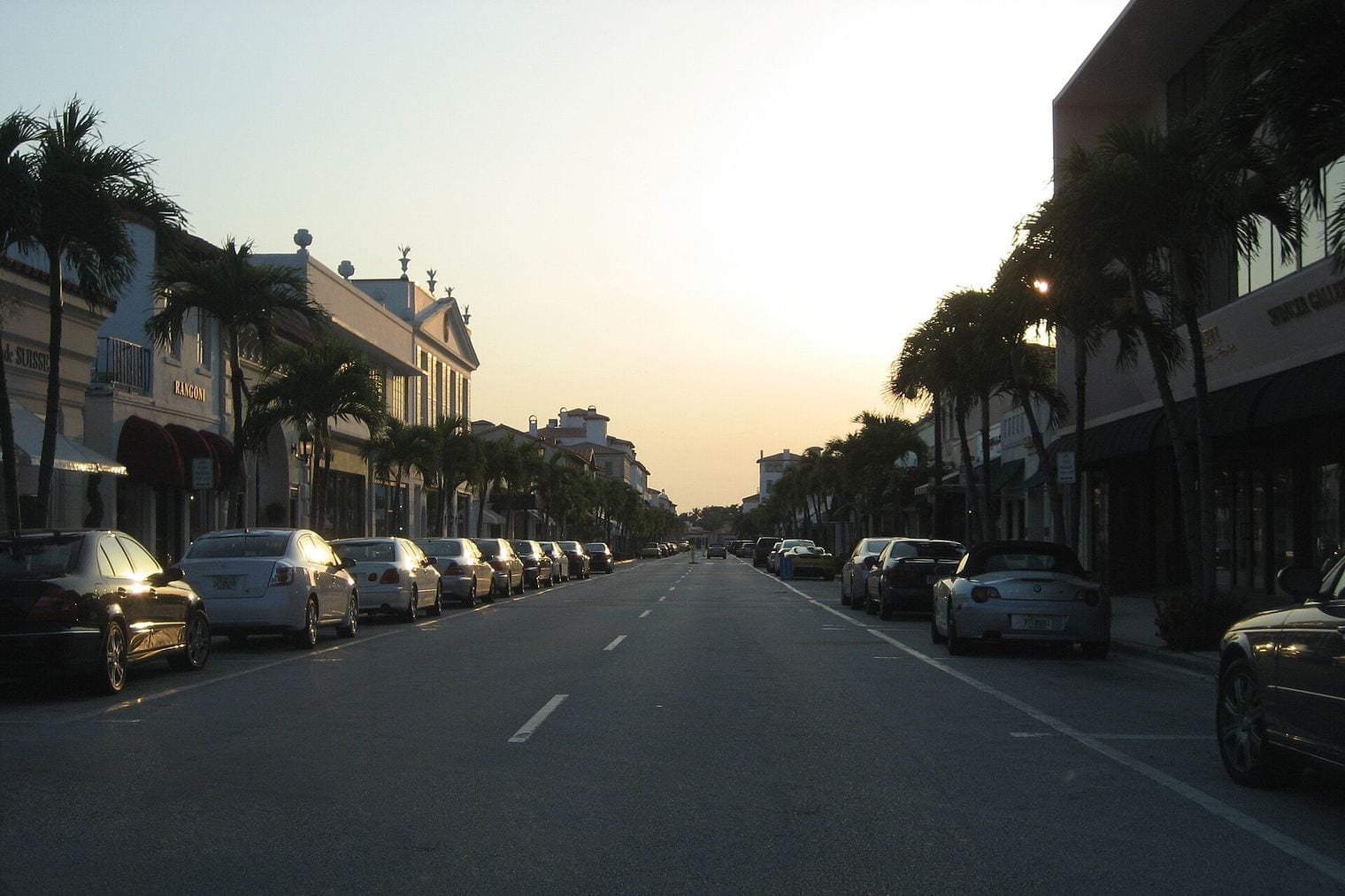
The town of Palm Beach occupies a slender barrier island across the lagoon from West Palm Beach, and since Henry Flagler built his grand hotels here in the 1890s it has been one of America's most exclusive winter resorts. Mediterranean-style mansions hide behind tall hedges, and the whole town feels immaculately kept.
Window-shop the boutiques and courtyards of Worth Avenue, whose Spanish-style vias were shaped by architect Addison Mizner, and tour Whitehall, Flagler's 1902 Gilded Age mansion, now the Flagler Museum. The Lake Trail follows the Intracoastal Waterway for miles past grand estates and makes a lovely bike ride.
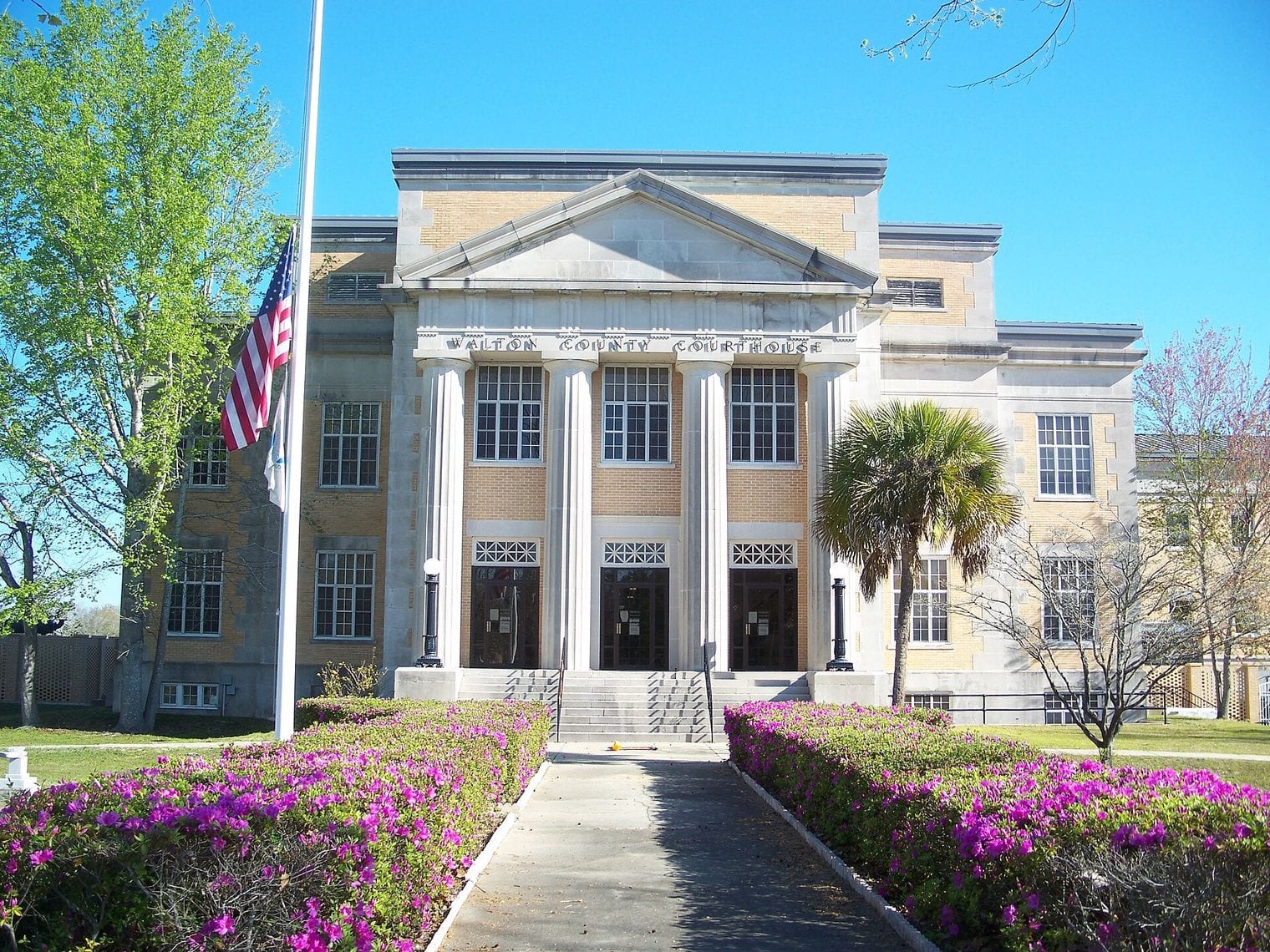
DeFuniak Springs, the Walton County seat in the Panhandle, is built around Lake DeFuniak, a spring-fed lake so nearly circular it looks drawn with a compass. In the late 1800s the town became the home of the Florida Chautauqua, part of a national adult-education movement, and a ring of Victorian homes and grand halls still circles the water.
Walk or drive Circle Drive around the lake, past the Chautauqua Hall of Brotherhood and the tiny Walton-DeFuniak Library, which opened in 1887 and is counted among the oldest libraries in Florida. During the holiday season the lakeshore glows with light displays reflected in the water.
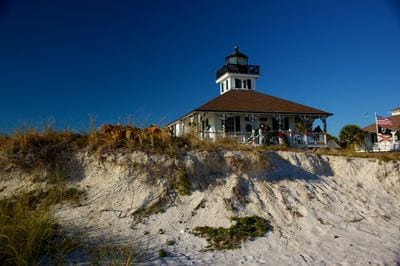
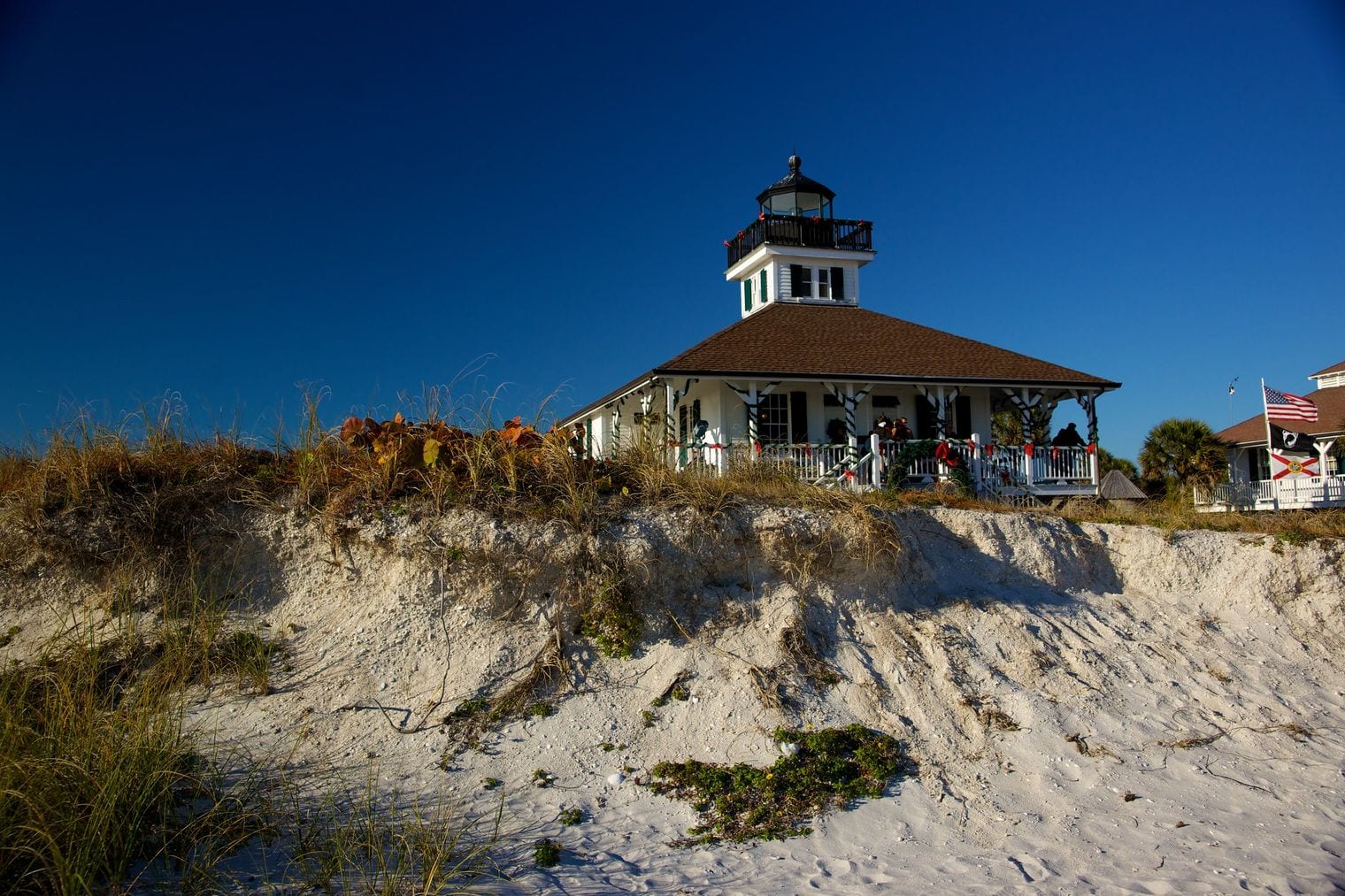
Boca Grande is a quiet, old-money village on Gasparilla Island, where golf carts are a favorite way to get around and banyan trees arch over the streets. Its fame rests on Boca Grande Pass, one of the most celebrated tarpon fishing grounds anywhere, which has drawn sport fishermen since the early 1900s.
Ride the island's bike path, laid on the old railroad bed, walk beneath the arching trees of Banyan Street, and visit Gasparilla Island State Park, home to the restored Port Boca Grande Lighthouse. The beaches are quiet and good for shelling, and the old railroad depot recalls the island's days as a phosphate port.
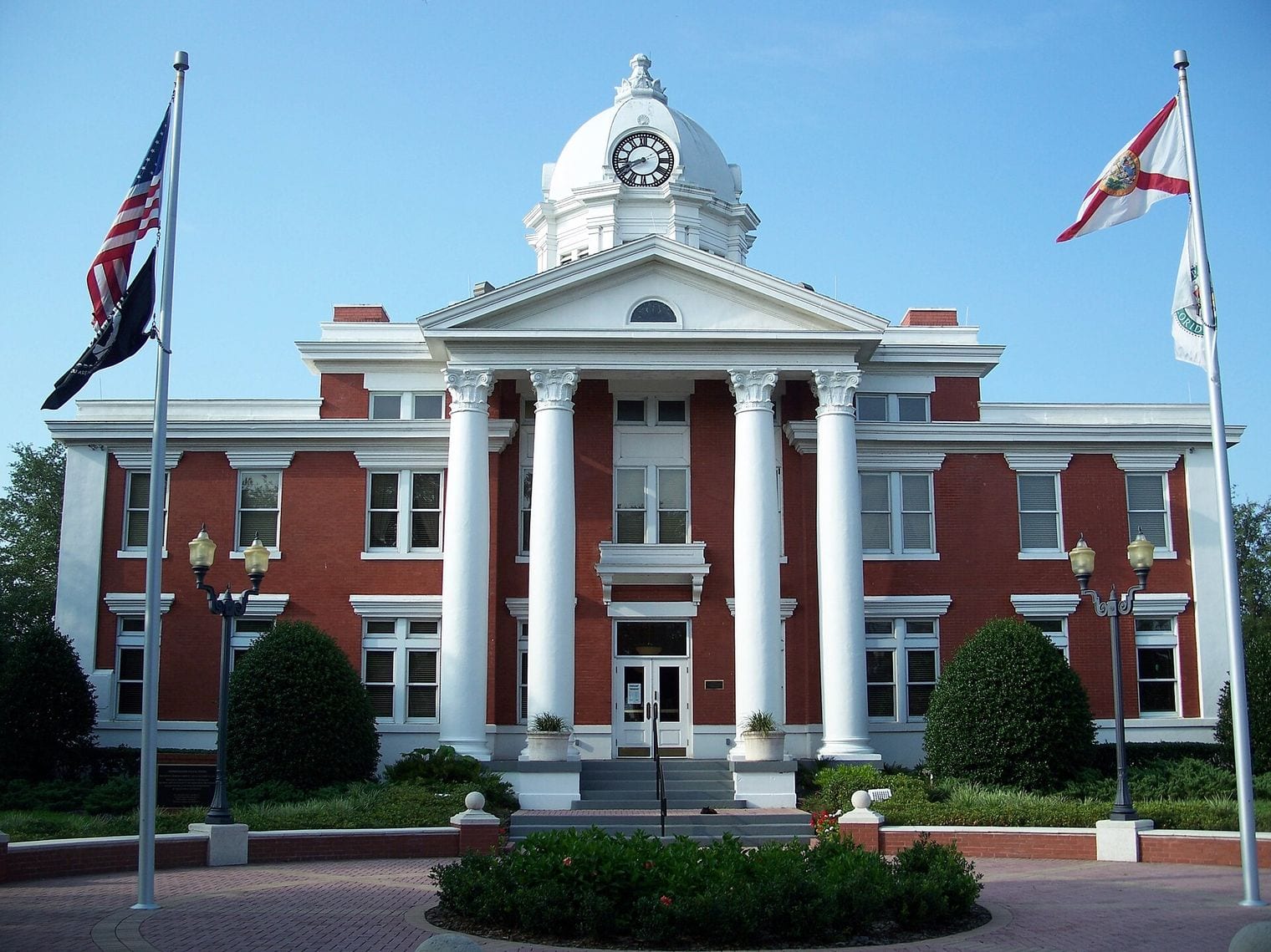
Dade City, the Pasco County seat in the rolling hills north of Tampa, is a classic old Florida courthouse town, with a historic courthouse square, brick storefronts and a downtown full of antique shops. The surrounding countryside is dotted with farms, pastures and the kumquat groves the town celebrates with an annual festival.
Browse the antique and gift shops around the courthouse, then visit the Pioneer Florida Museum just outside town, where historic buildings show rural life in Central Florida. The Withlacoochee State Trail, Florida's longest paved rail trail, begins close by for a ride through the countryside.
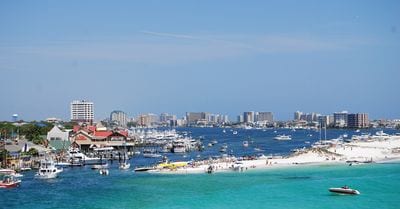
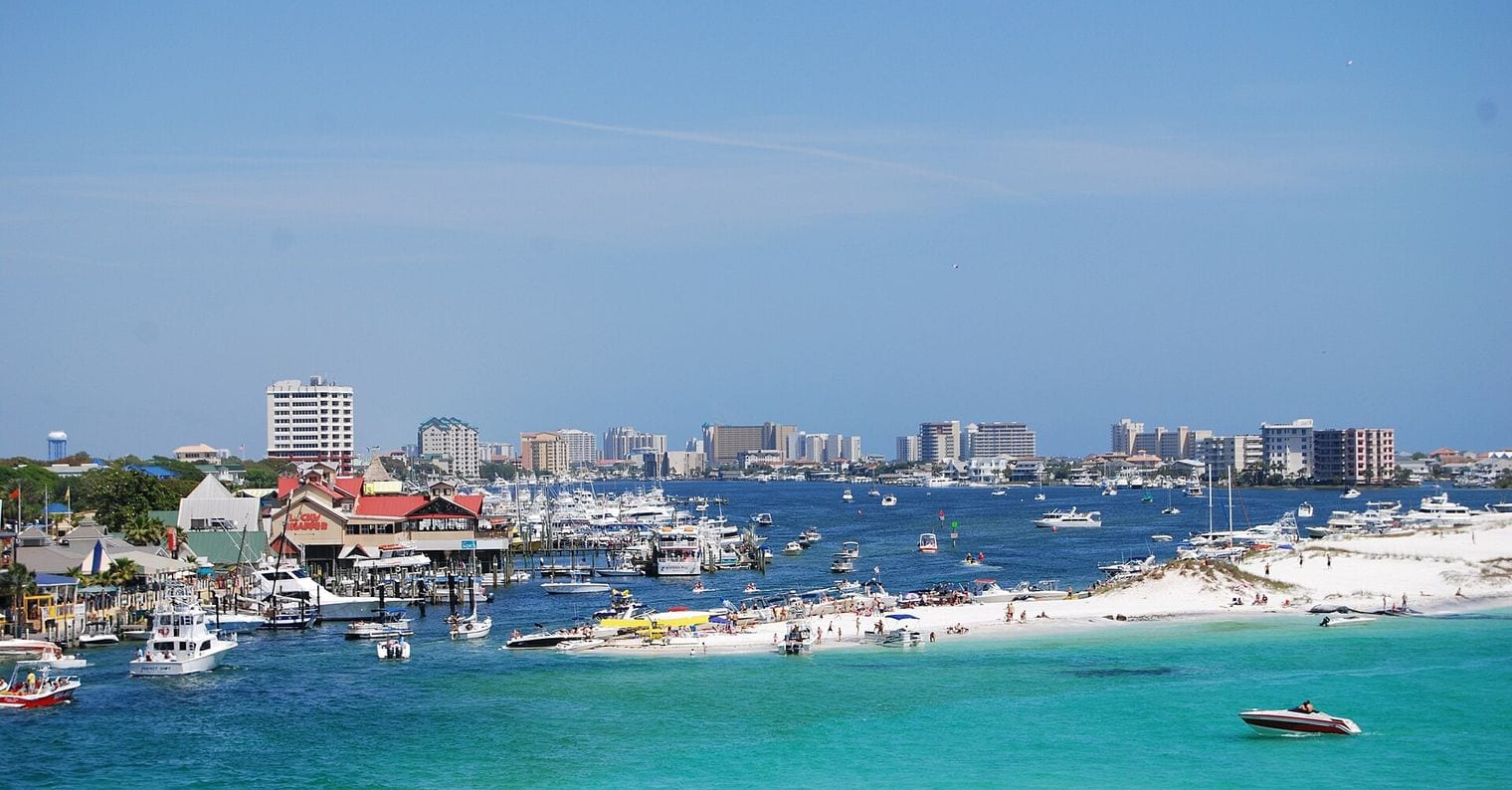
Destin grew from a small fishing settlement begun by Captain Leonard Destin in the mid-1800s into the Emerald Coast's best-known resort town, yet it still calls itself the World's Luckiest Fishing Village. Its beaches of sugar-white sand and emerald-green water are the reason most people come.
Head out on a charter from the harbor, stroll the Destin Harbor boardwalk, and spend a day among the undeveloped dunes of Henderson Beach State Park. Boaters gather at Crab Island, a shallow sandbar beside East Pass, the channel that links Choctawhatchee Bay with the Gulf.
Brooksville, the Hernando County seat, is a hilly, oak-shaded town of historic homes that feels far removed from the Gulf Coast sprawl a few miles west. Chinsegut Hill, just north of town, rises to one of the highest points in peninsular Florida, and the countryside rolls in a way visitors rarely expect in this state.
See local history at the Hernando Heritage Museum in the Victorian May-Stringer House, then walk or cycle the Good Neighbor Trail, which connects with the Withlacoochee State Trail. The famous mermaid shows at Weeki Wachee Springs State Park are a short drive west.
Safety Harbor is a small town on the shore of Old Tampa Bay, known for its Espiritu Santo mineral springs, which Hernando de Soto is said to have named in 1539 while searching for the Fountain of Youth. A historic spa resort stands over the springs today, and the shady Main Street has a friendly, arty feel.
Walk Main Street's galleries and cafés down to the waterfront, visit the local history museum, and drive to Philippe Park, where a Tocobaga ceremonial mound overlooks the bay. The park is named for Odet Philippe, a French settler credited with bringing grapefruit to Florida.
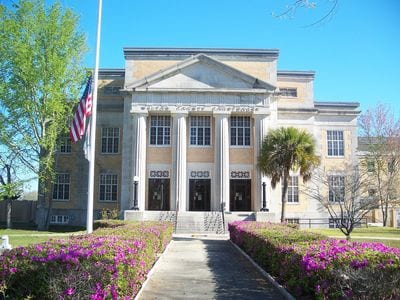
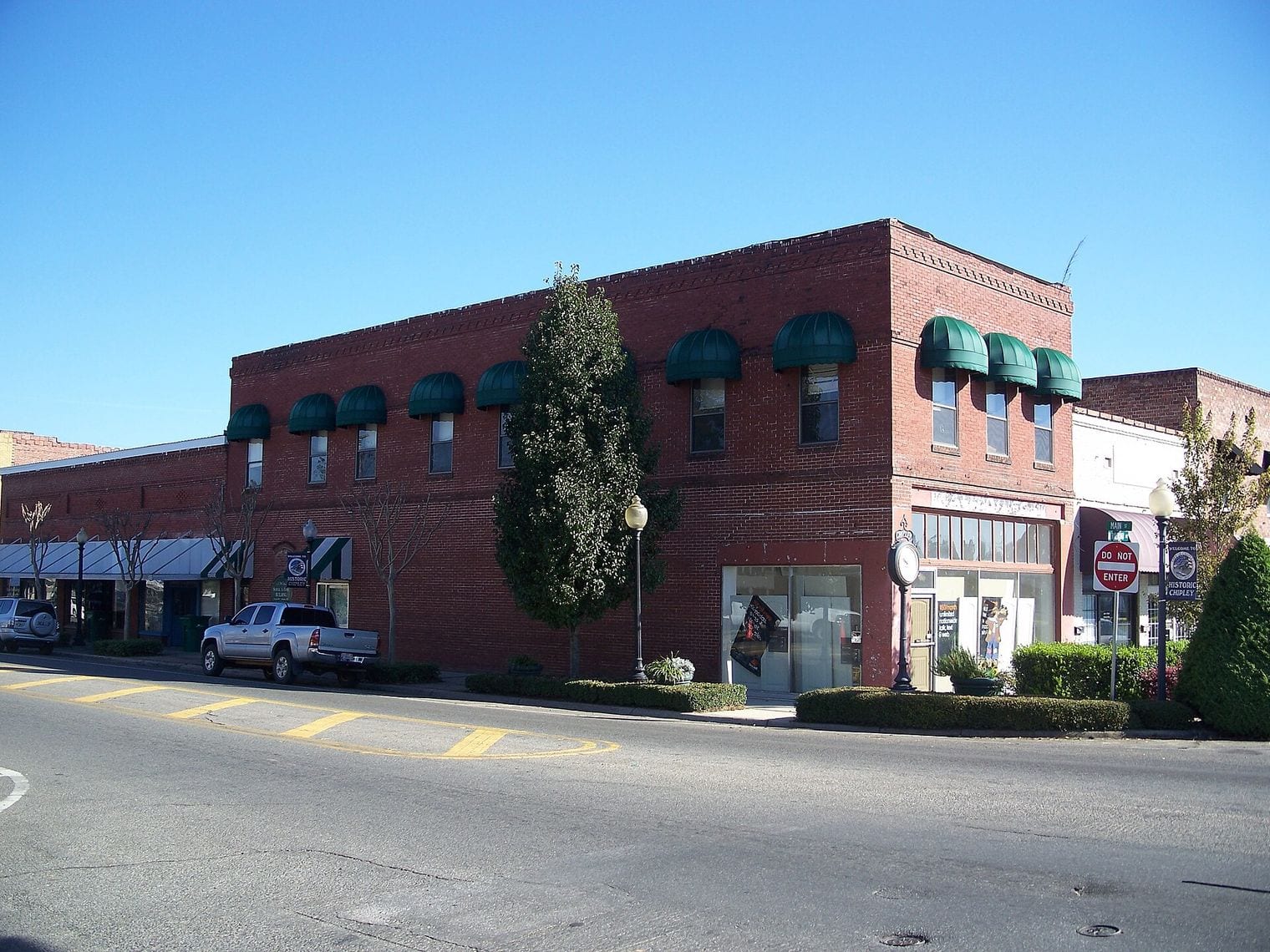
Chipley, the Washington County seat, is a slow-paced Panhandle town of historic brick buildings, named in 1882 for the railroad builder William Dudley Chipley. It sits in rolling farm country between Tallahassee and Pensacola, and it is the natural base for one of Florida's most unexpected natural wonders.
A few miles south of town, Falling Waters State Park is home to Florida's tallest waterfall, a stream that plunges about 73 feet into a deep, fern-lined sinkhole. Boardwalks lead past other sinkholes through the pine forest, and the park's campground sits on one of the highest hills in the state.
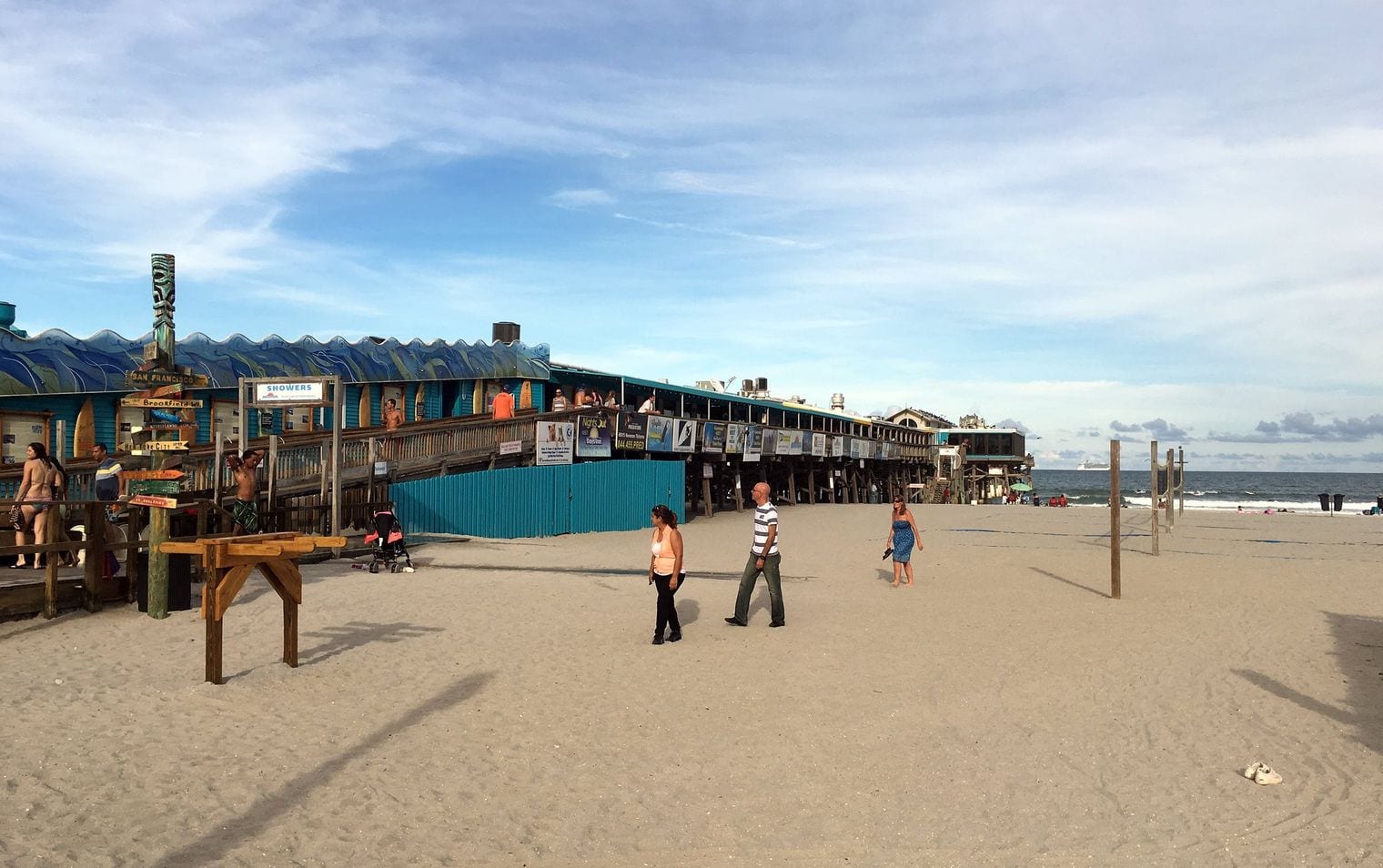
Cocoa Beach is the Space Coast's classic surf town, a barrier-island strip of beach shops and surf breaks that grew up alongside the launch pads at Cape Canaveral in the 1950s. It was the fictional setting of the 1960s sitcom I Dream of Jeannie, and it is home to the East Coast Surfing Hall of Fame.
Take a surf lesson, walk out on the Cocoa Beach Pier, built in 1962, and keep an eye on the horizon, since rocket launches from Cape Canaveral are often visible from the sand. Kennedy Space Center is a short drive north, and the Thousand Islands in the Banana River make a peaceful kayak trip where manatees and dolphins are often seen.
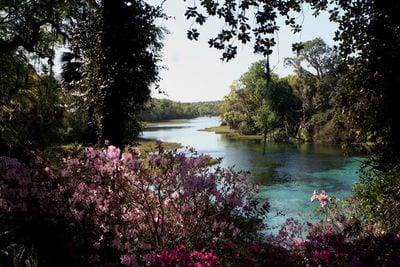
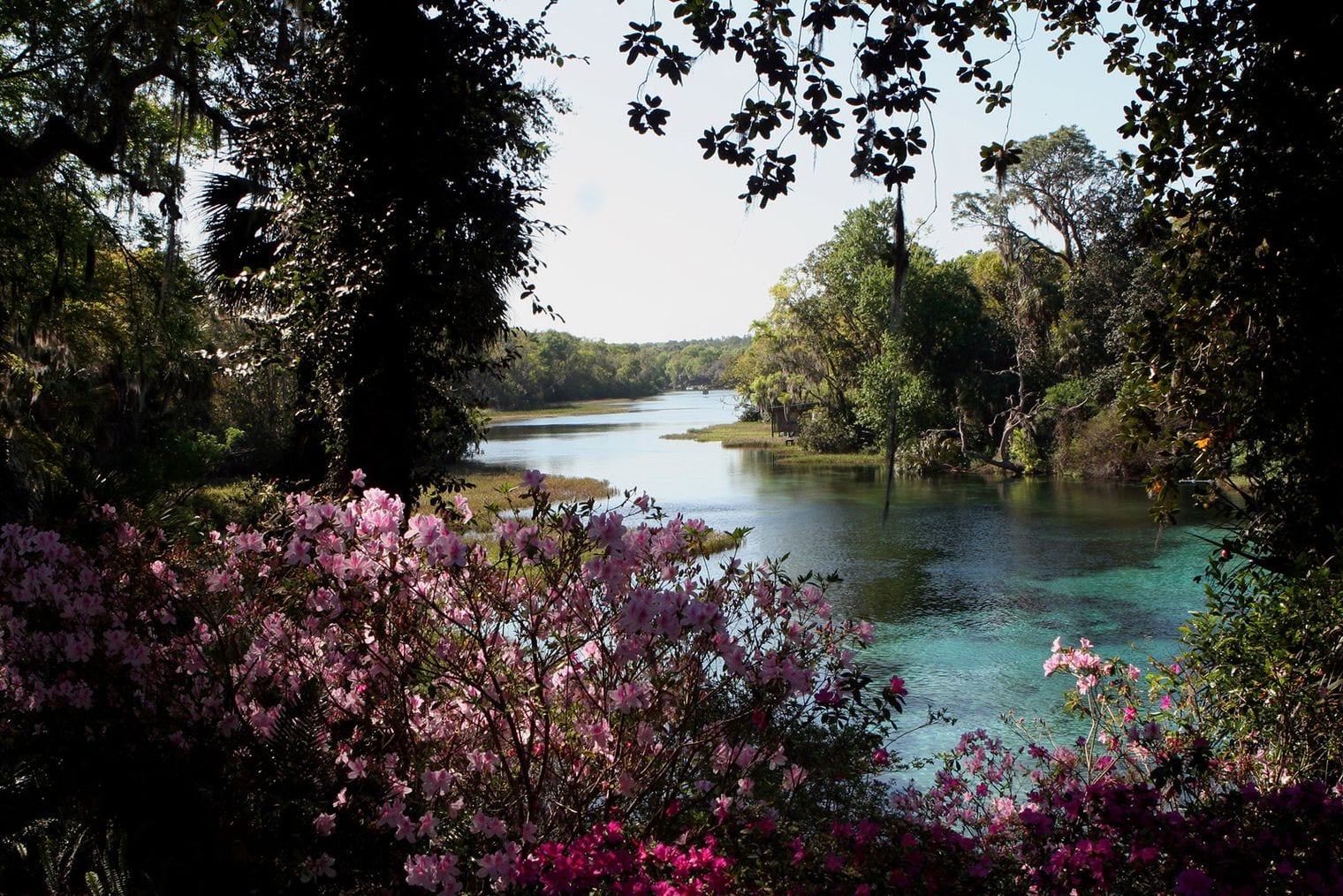
Dunnellon boomed on phosphate in the 1890s where the crystal-clear Rainbow River meets the Withlacoochee, and today it is a laid-back river town devoted to the water. The Rainbow River flows from a first-magnitude spring that keeps it clear and cool all year, making it one of the prettiest paddles in Florida.
Swim at the headspring in Rainbow Springs State Park, where waterfalls from its days as a roadside attraction still tumble through the gardens, then float downstream by tube, kayak or paddleboard. Back in town, riverside parks and the old downtown make for an easy stroll.
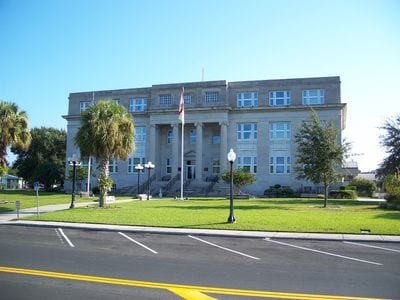
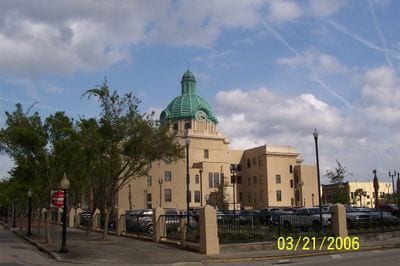
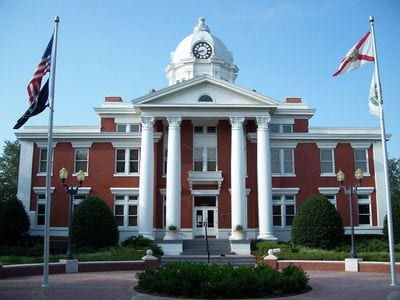
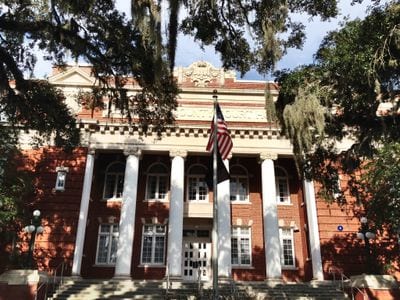
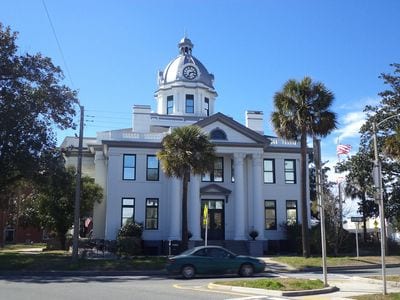
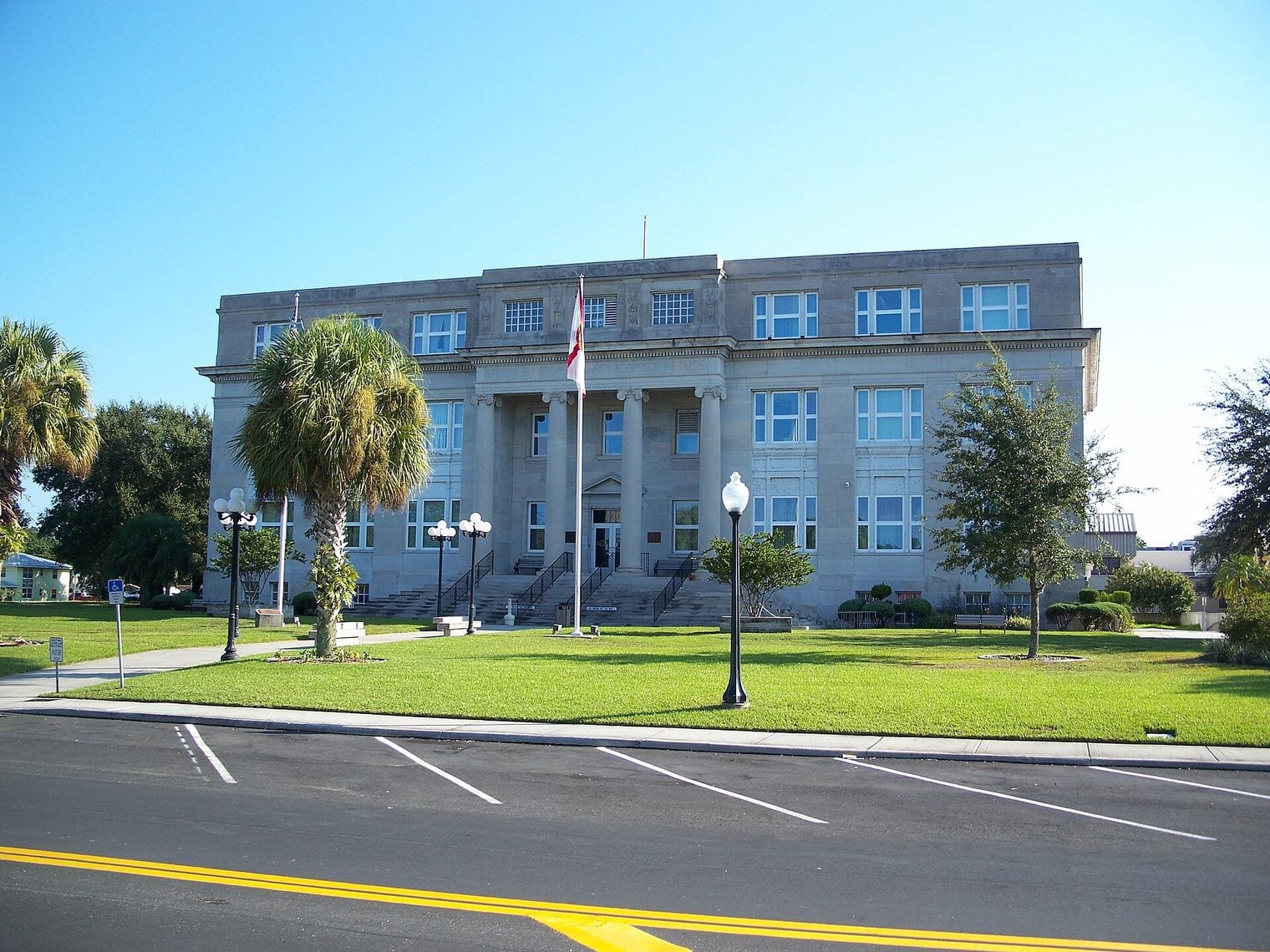
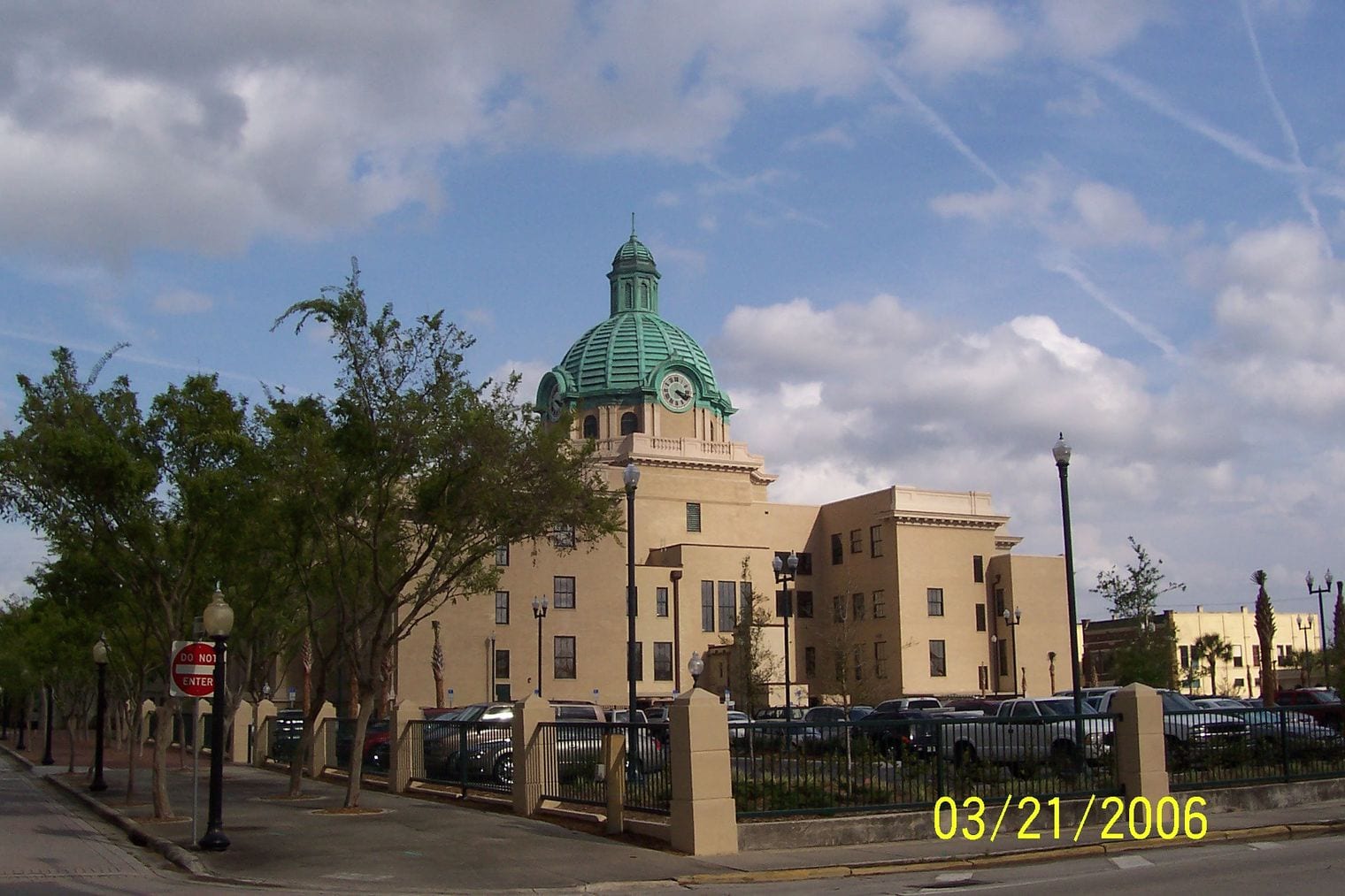
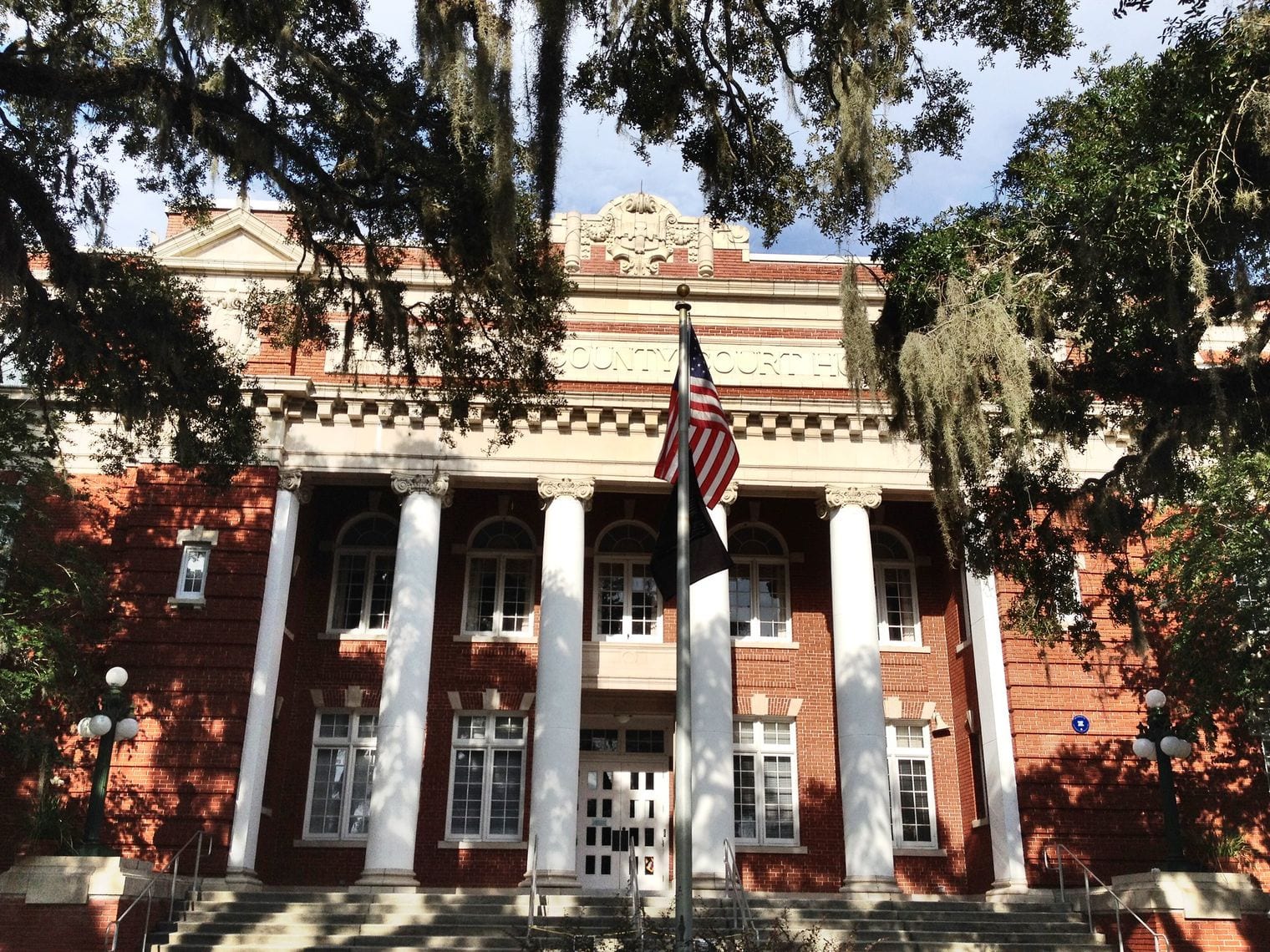
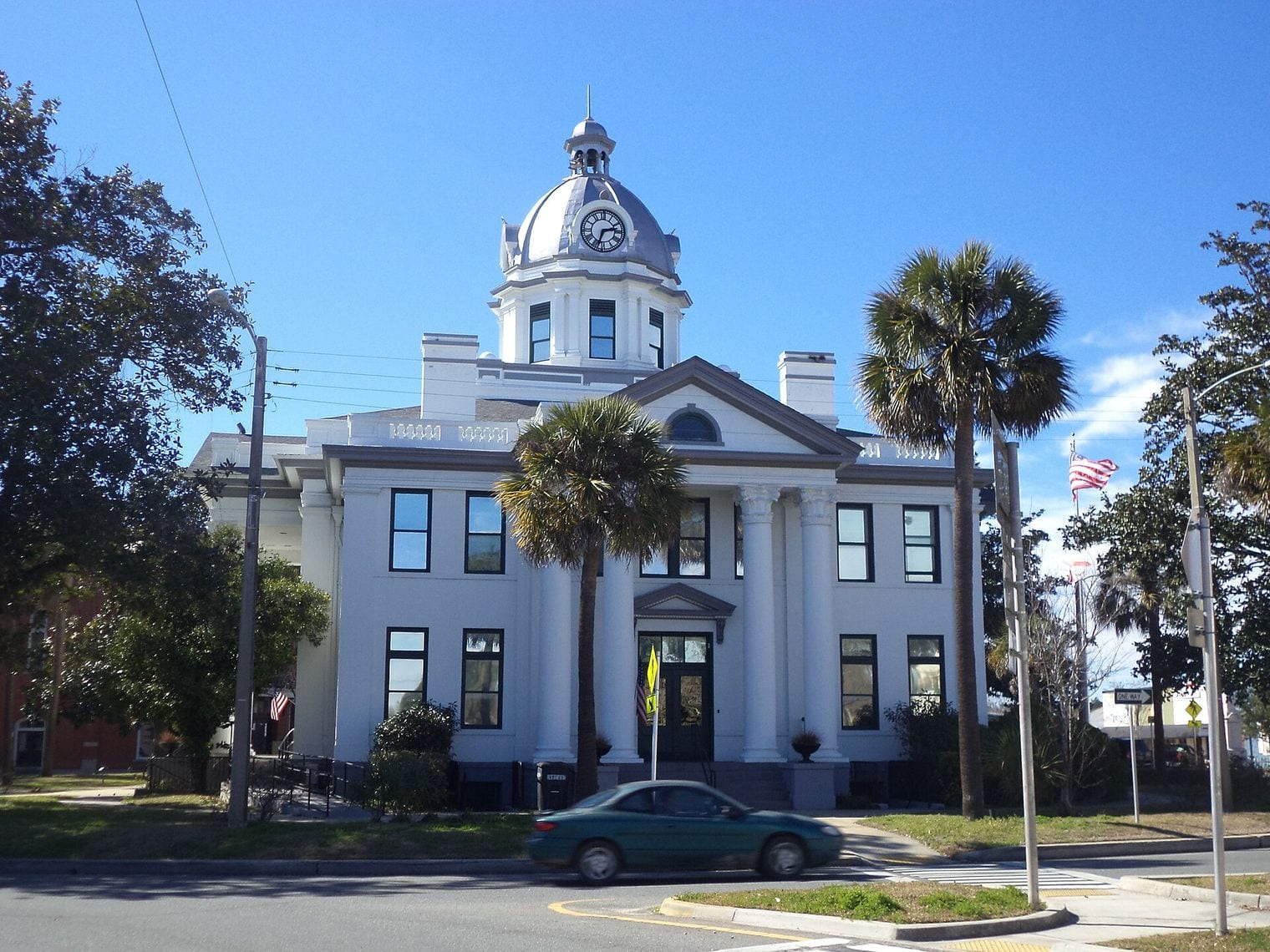
Monticello, in the Red Hills east of Tallahassee, is a quiet Southern town of antebellum homes and live oaks gathered around one of Florida's most striking courthouses. The domed 1909 Jefferson County Courthouse was modeled on Thomas Jefferson's Virginia home, which also gave the town its name.
Walk the historic streets of antebellum and Victorian houses, catch a performance at the restored Monticello Opera House, completed in 1890, and visit the Old Jail Museum. The surrounding Red Hills are a landscape of old plantations and quail-hunting country, laced with canopy roads shaded by moss-draped oaks.
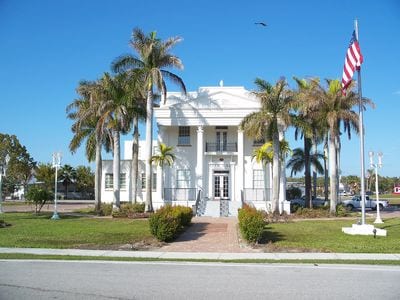
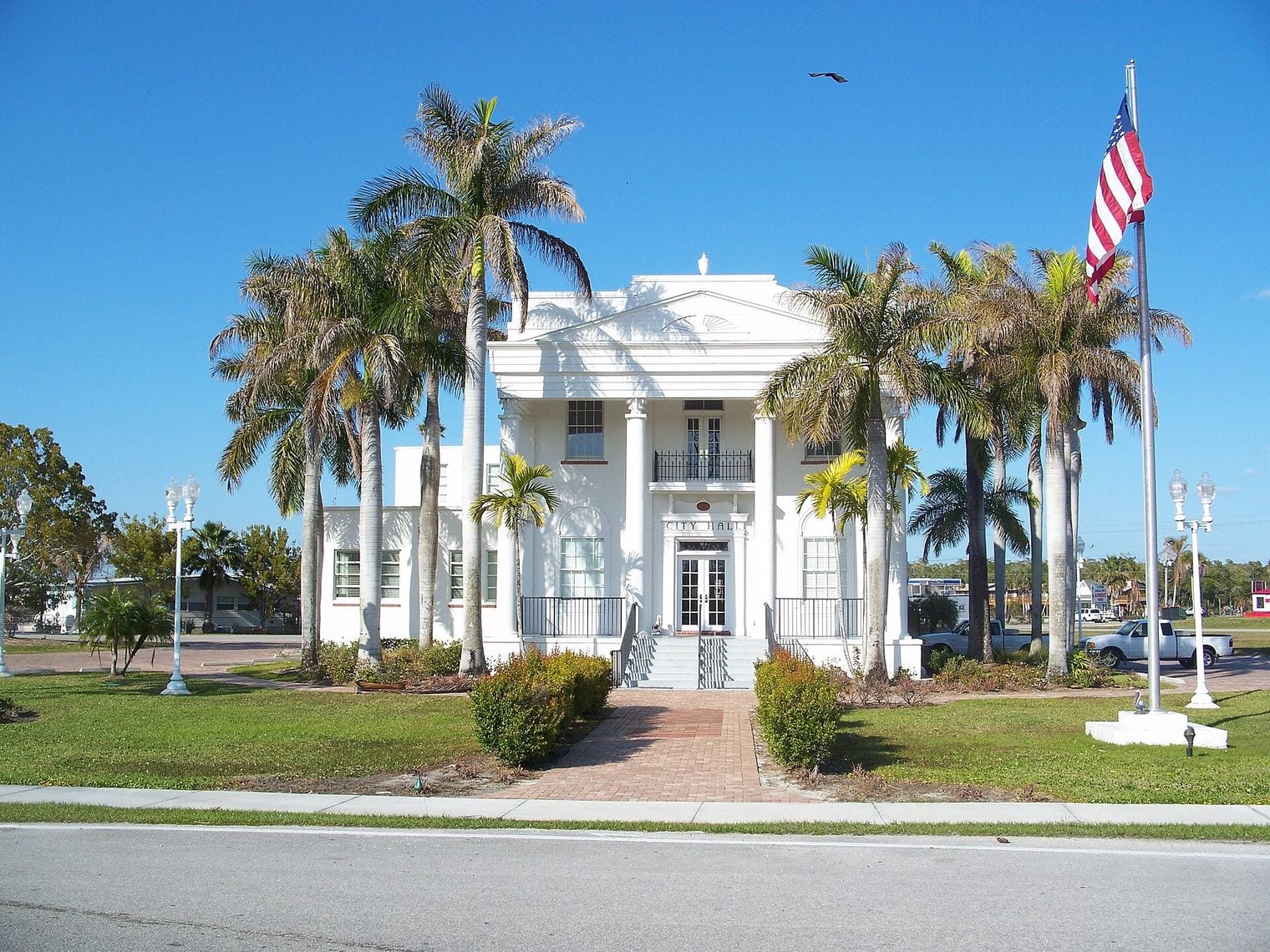
Everglades City is a tiny fishing town on Chokoloskee Bay at the edge of the Ten Thousand Islands, the western gateway to Everglades National Park. It grew in the 1920s as the headquarters of developer Barron Collier and served as the Collier County seat until a hurricane helped push the government to the Naples area, leaving a sleepy, end-of-the-road outpost.
Take a boat tour or paddle into the mangrove maze of the Ten Thousand Islands, where dolphins, manatees and wading birds are common, and try the local stone crab in season. The Museum of the Everglades tells the town's story, and a causeway leads to Chokoloskee and the historic Smallwood Store, an old trading post turned museum.
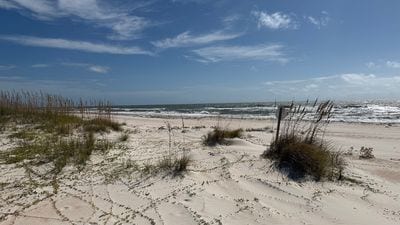
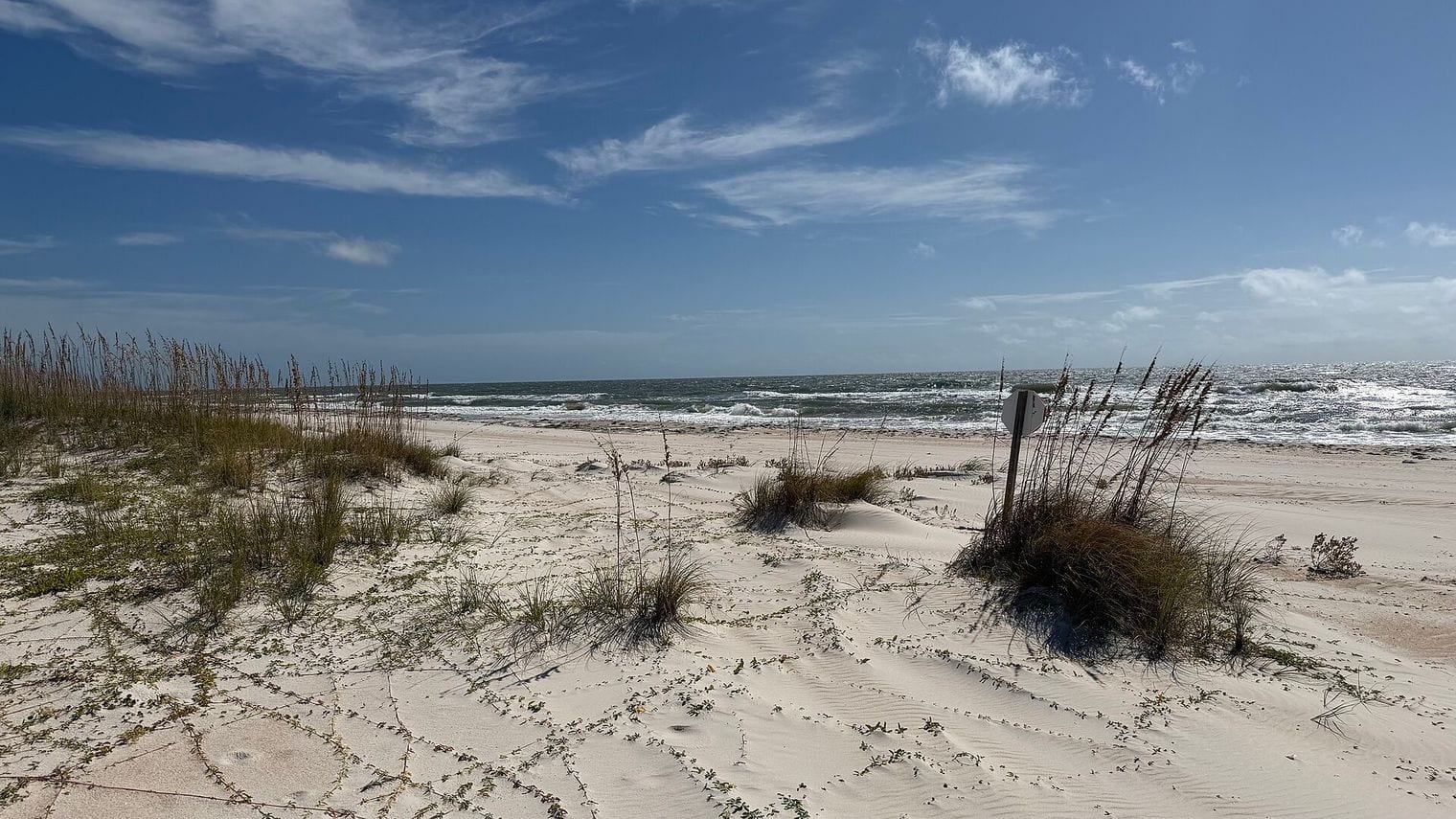
St. George Island is a 28-mile barrier island off Apalachicola, reached by a four-mile bridge from Eastpoint, and it has some of the most unspoiled beaches on the Gulf. The island is a low-key place of stilted beach houses, a small village center and miles of dunes, with none of the bustle of the bigger resort towns.
The eastern end is protected as Dr. Julian G. Bruce St. George Island State Park, with about nine miles of undeveloped beach, dunes and bayside trails. In the middle of the island, the Cape St. George Lighthouse, which toppled into the Gulf in 2005, was rebuilt from its salvaged pieces and restored in 2008.
Steinhatchee (say STEEN-hatch-ee) is a sleepy fishing village on the Steinhatchee River in Florida's Big Bend, where the river winds past cottages and fish camps to the Gulf. Once part of the cedar trade that supplied pencil makers, it is now famous for its summer bay scallop season, when boats fill the grass flats offshore.
Snorkel for scallops in the shallow seagrass, fish for redfish and trout, or paddle the quiet river. Upstream, Steinhatchee Falls is a wide limestone ledge a few feet high where the river spills over, a peaceful spot for a picnic, and the tiny community of Jena sits just across the river.
Free Things to Do in These Florida Towns
Many of the best moments on this list cost nothing. You can wander the colonial lanes of St. Augustine, the lakeside downtown of Mount Dora and the old waterfront of Apalachicola, or join the sunset crowd at Mallory Square in Key West and on the pier in Naples.
Hunting for fossil shark teeth on the beaches of Venice is free, as is cycling the Pinellas Trail through Dunedin or the Lake Trail in Palm Beach. Stroll the sponge docks of Tarpon Springs, follow the murals of Lake Placid, circle the round lake at DeFuniak Springs, and walk the streets and beach pavilions of Seaside.
Florida is long, so the easiest way to see these towns is to pick one region and link several together. In the northeast, St. Augustine and Fernandina Beach pair naturally for a weekend of colonial history and Victorian streets. Central Florida strings Winter Park, Mount Dora and DeLand within an easy drive of one another, with Micanopy, Dunnellon, Crystal River and Brooksville to the north and west, and Sebring and Lake Placid down on the Ridge.
The Gulf Coast runs from Tarpon Springs, Dunedin and Safety Harbor south through Anna Maria Island and Venice to Boca Grande, Punta Gorda, Matlacha, Sanibel, Captiva, Naples and Everglades City. On the Atlantic side, Cocoa Beach, Vero Beach and Stuart lead down to Palm Beach, which faces West Palm Beach across the lagoon, and the Overseas Highway ties Key Largo, Islamorada and Key West into one of the great American drives.
The Panhandle and Big Bend reward a slower trip. Seaside, Destin, DeFuniak Springs and Chipley sit within easy reach of one another in the west, while Apalachicola, St. George Island, Monticello and Steinhatchee make natural add-ons to a visit to Tallahassee, with Cedar Key a little farther down the coast.
Winter and spring bring the most comfortable weather across the state, summer brings heat, afternoon storms and the Big Bend scallop season, and the Atlantic hurricane season runs from June through November, so keep plans flexible on the coast.
FAQ: Visiting the Best Small Towns in Florida
What is the best small town in Florida?
St. Augustine is the best small town in Florida for history, with its Spanish colonial quarter and coquina fort. Mount Dora is the favorite for charm, thanks to its lakeside downtown of antique shops and festivals. Apalachicola, Cedar Key and Islamorada round out the top five for Gulf seafood, island calm and Keys fishing culture.
What is the oldest small town in Florida?
St. Augustine, founded by the Spanish in 1565, is the oldest continuously occupied European-founded city in the continental United States, and its Castillo de San Marcos dates from the late 1600s. Away from the coast, tiny Micanopy, south of Gainesville, is often described as the oldest inland town in Florida, with roots in the 1820s.
Which small towns in Florida have the best beaches?
For beaches, look to Anna Maria Island and Sanibel on the Gulf, where soft sand and shelling set the pace, and to Seaside, Destin and St. George Island on the Panhandle, known for white sand and emerald water. Captiva is famous for sunsets, while Cocoa Beach and Vero Beach offer classic Atlantic surf and easygoing oceanfront towns.
Where can you see manatees in small-town Florida?
Crystal River is the best-known small town for manatees: hundreds gather in spring-fed Kings Bay each winter, and it is one of the few places where you can legally swim near them. DeLand is close to Blue Spring State Park, another winter gathering spot, and manatees also turn up around Matlacha, Everglades City and the Banana River near Cocoa Beach.
When is the best time to visit Florida's small towns?
Late fall through spring is the most comfortable time for most of these towns, with milder temperatures and lower humidity, and winter is manatee season at Crystal River. Summer is hot and stormy but brings scallop season to Steinhatchee and quieter streets inland. Keep coastal plans flexible during the June to November hurricane season.
How many days do you need to visit a small town in Florida?
Most towns on this list fill a relaxed day, and many make easy day trips from Florida's larger cities. St. Augustine and Key West deserve two or three days to see properly, while a week lets you link several towns in one region, such as the Panhandle's Forgotten Coast, the Gulf islands or the Florida Keys.