We build and rank every list first. Booking links come after, and only where
a partner sells a ticket, tour or stay for that exact place, so a place with
nothing to book is listed exactly as prominently as one you can book.
So how do we earn? Some links on this page go to booking
partners, and if you book tickets, tours or a stay through
one, we may earn a commission. It costs you nothing extra.
That commission never decides which places make the list, the order they
appear in, or what we write about them. No entry is sponsored or a paid
placement.
35 Best Things to Do in Jacksonville, Florida (2026)
By the City Viking editorial teamPublished 35 places · 22 min read
Fact-checked Checked before launchOct 19, 202635 sources20 publishers3 government & parks11 encyclopedias & research21 venues & other sitesPublished · Oct 19, 2026Researched and checked before it went liveClick for every source and the full change log.
Short answer
Jacksonville is known for being the largest city by area in the contiguous United States, the St. Johns River and its Atlantic surf. Start with the Cummer Museum of Art & Gardens, the Jacksonville Zoo and Gardens and Kathryn Abbey Hanna Park's beach and trails. Three days is about right: one downtown and in Riverside, one at the zoo and the Timucuan Preserve's sea islands, and one at Hanna Park or Jacksonville Beach.
Jacksonville covers more ground than any other city in the contiguous United States, so its sights come in layers: a downtown on the wide St. Johns River, leafy historic Riverside, Atlantic surf, and salt-marsh islands where Florida's colonial history runs deep.
This guide ranks the 35 best things to do, from the Cummer Museum and the zoo to Boneyard Beach and the forts of the Timucuan Preserve, with a map, a one-day plan and trip tips. Give it three days, and it doubles as a base for the small towns of the northeast coast.
Since merging with Duval County in 1968, Jacksonville has been the largest city by area in the contiguous United States, taking in land and water across most of the county.
The city is named for Andrew Jackson, the first military governor of the Florida Territory, after a town was platted here in 1822.
Jacksonville is Florida's most populous city, and the Census Bureau's 2024 estimates put it past one million residents for the first time.
The St. Johns River, the longest river in Florida, flows north from its headwaters to meet the Atlantic just east of the city.
On Black Hammock Island, in today's Timucuan Preserve, a University of North Florida team found some of the oldest pottery remnants in the United States, dating to about 2500 BCE.
Its naval stations, together with nearby Naval Submarine Base Kings Bay, form one of the largest military presences in the country.
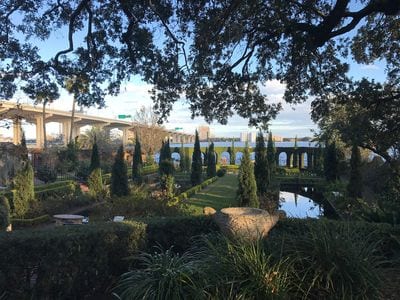
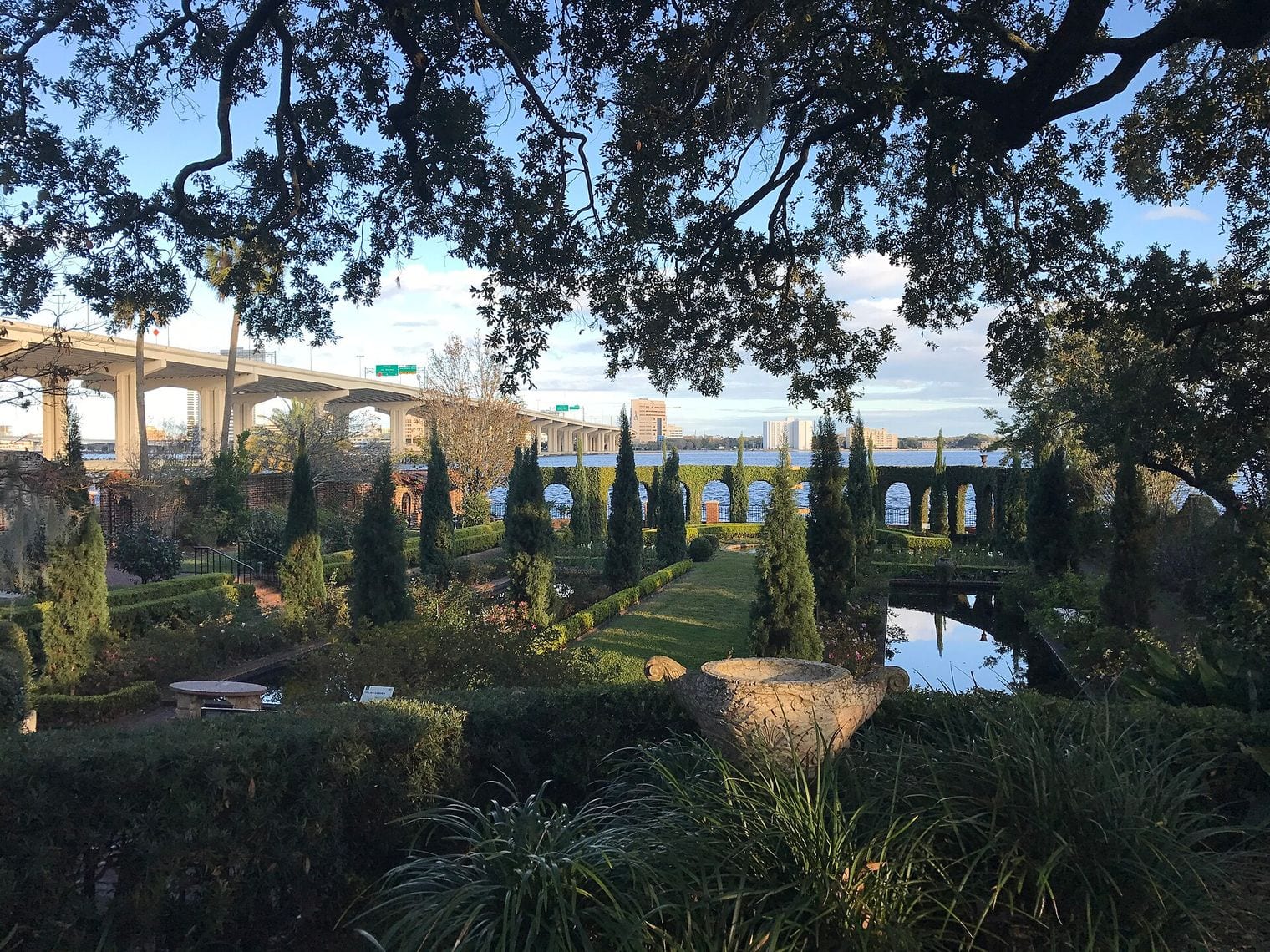
The Cummer Museum grew out of one woman's bequest: Ninah Cummer left her riverfront home, her art collection and her gardens to found it, and the museum was established in 1961 after her death. Its permanent collection now holds more than 5,000 works dating from 2100 BCE to the present, and it is especially strong in European and American painting and Meissen porcelain.
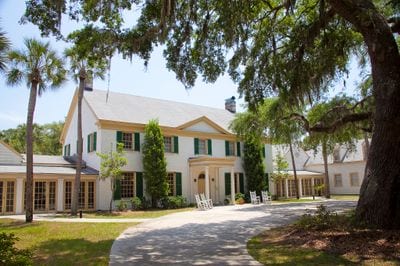
Save time for the grounds. Three flower gardens lie along the St. Johns River, the oldest dating to 1903, and part of Ninah's home survives with its historic furnishings. It is the most rewarding couple of hours in Riverside, and a calm counterweight to a beach-heavy trip.
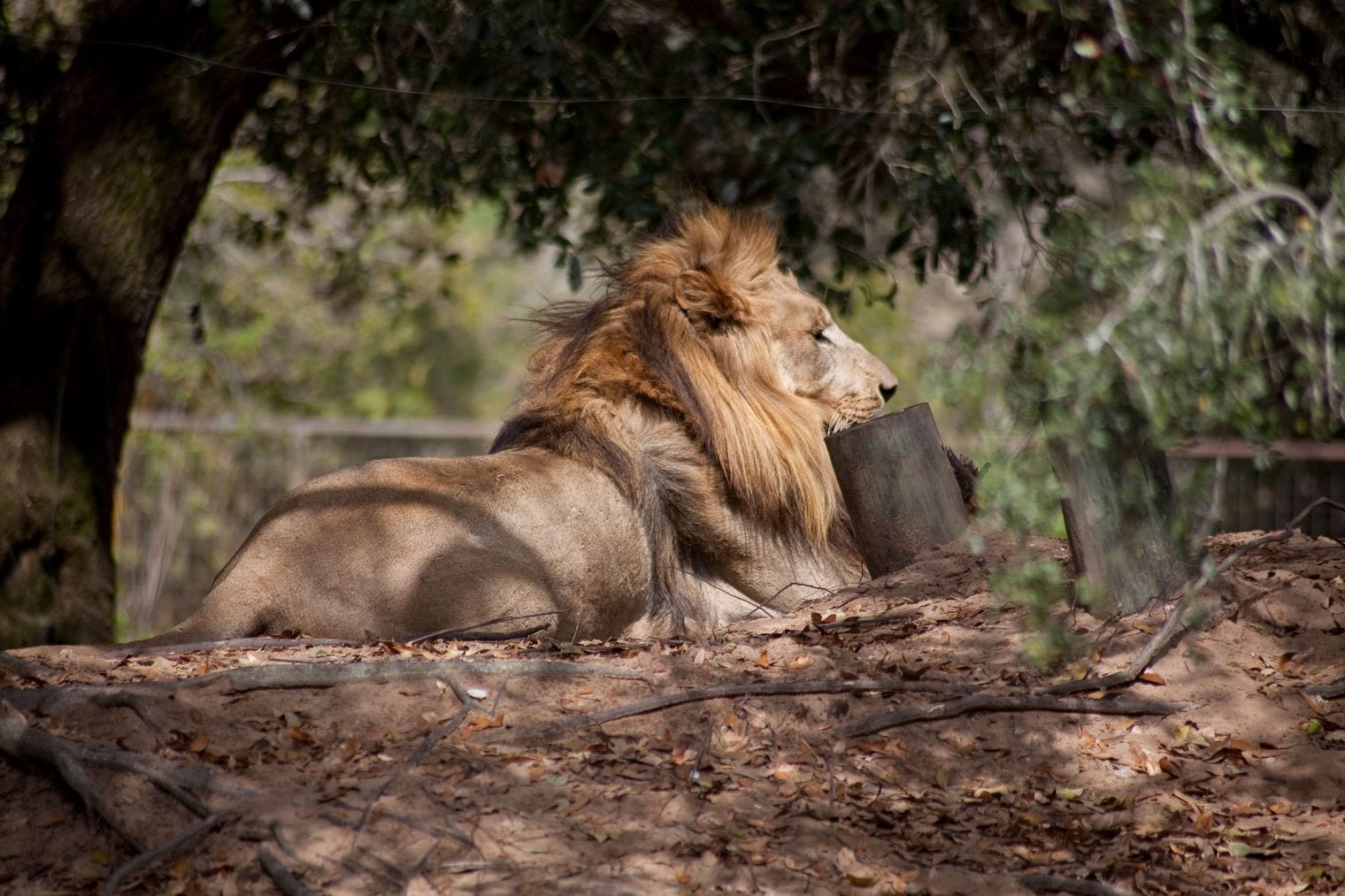
The Jacksonville Zoo and Gardens spreads across roughly 122 acres near the mouth of the Trout River, where it meets the St. Johns, with more than 2,000 animals and 1,000 plant species. What began as a small collection in Springfield has grown into one of the city's biggest draws, with more than a million visits a year.
Its showpieces are Range of the Jaguar, named the AZA Exhibit of the Year in 2005, and Land of the Tiger, which gives the zoo's tigers their own network of walk-through trails. Add the African savanna exhibits, a manatee rehabilitation center and botanical gardens woven between the habitats, and a full day disappears easily.
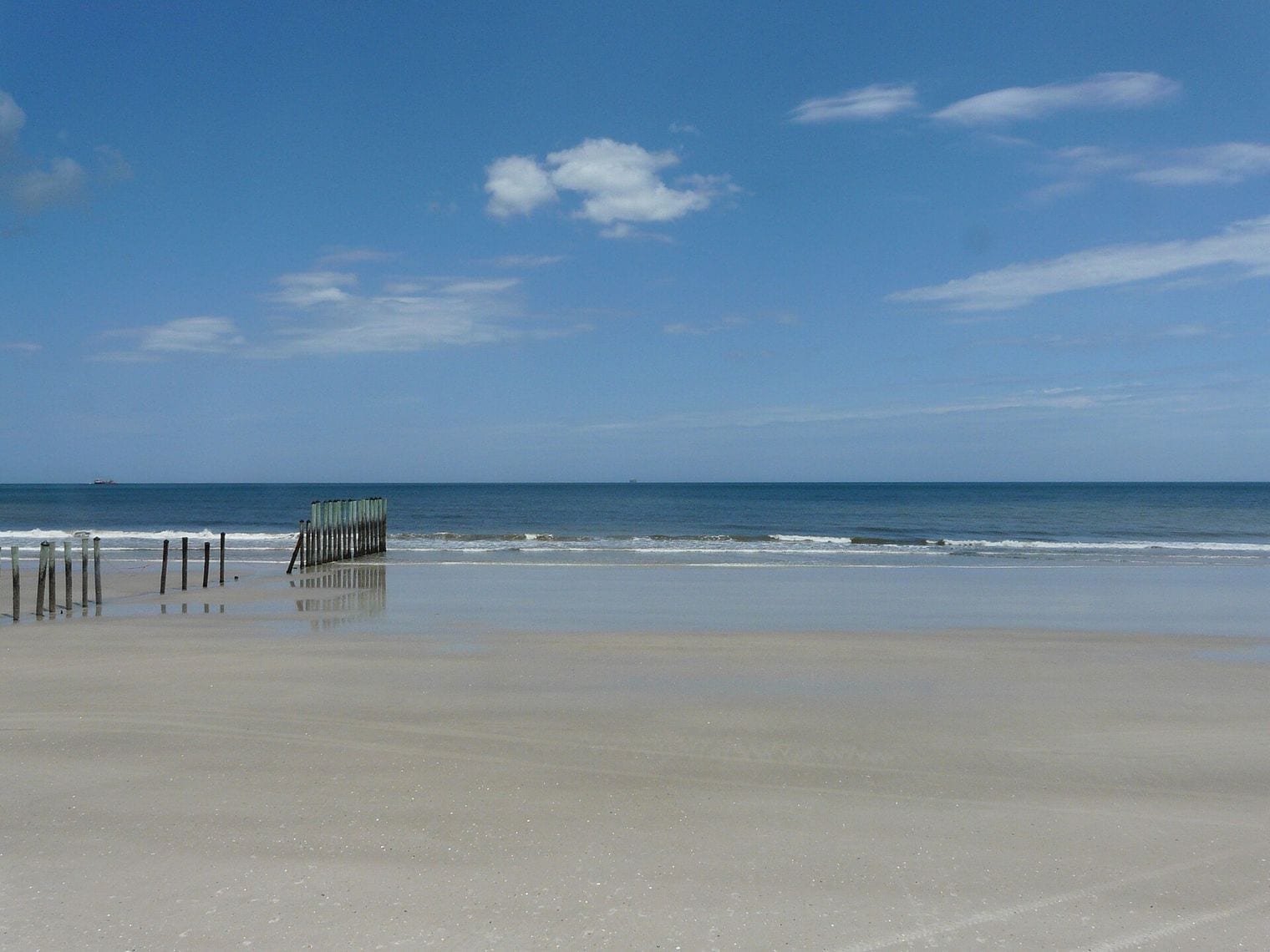
Kathryn Abbey Hanna Park packs 1.5 miles of Atlantic beach and 447 acres of mature coastal hammock, a habitat increasingly rare on Florida's developed coast, into the Mayport corner of the city. It is where locals go when they want sand without high-rises behind it.
Away from the surf, a freshwater lake draws anglers and paddlers, wooded campsites fill the interior, and miles of single-track trails make the park a favorite with mountain bikers, with loops from easy to genuinely technical. Arrive early on summer weekends, when the beach lots fill.
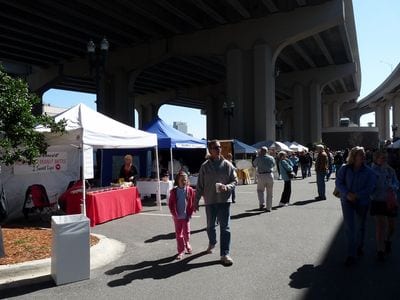
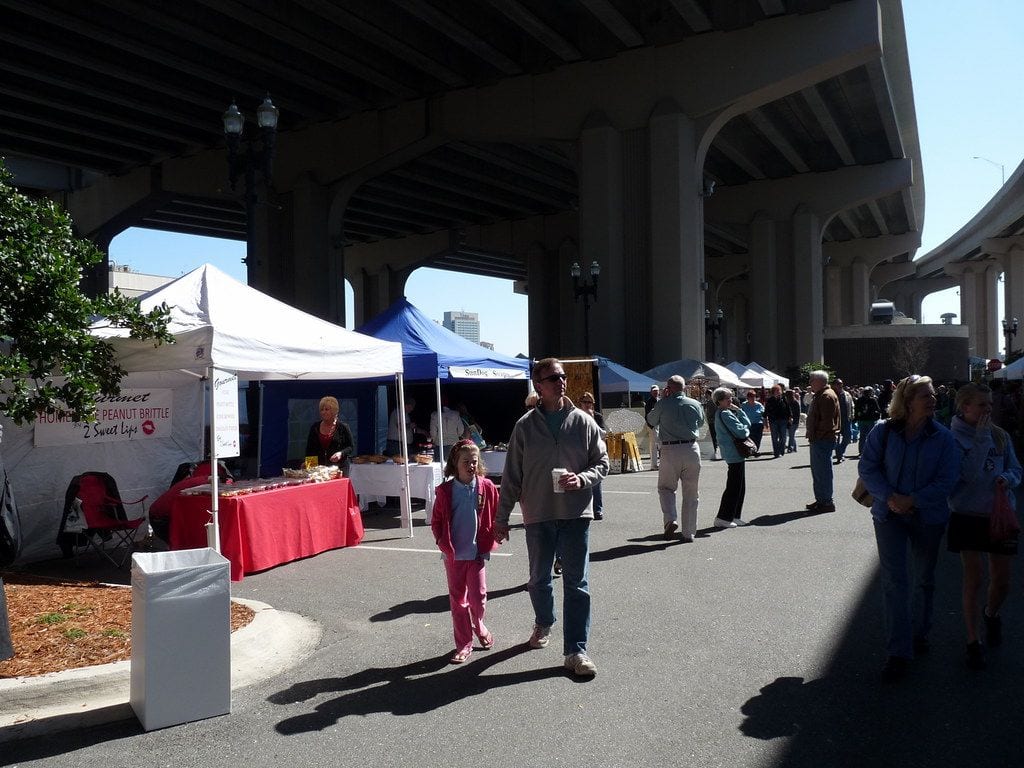
Every Saturday, rain or shine, the Riverside Arts Market fills the space beneath the Fuller Warren Bridge with artists' stalls, fresh produce, food vendors and live music. Opened in 2009, it has become Riverside's weekly social hour, sheltered from sun and showers by the bridge deck overhead.
Browse handmade jewelry, prints and ceramics, then carry a coffee to the river's edge, where the market's amphitheater marks the end of the Northbank Riverwalk. Pair it with the Cummer Museum, a short walk south, for an easy Saturday morning.
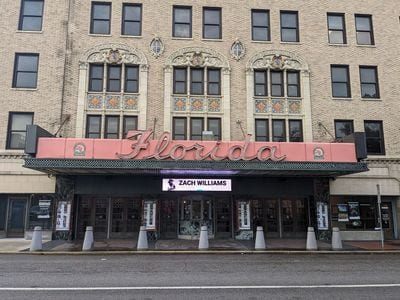
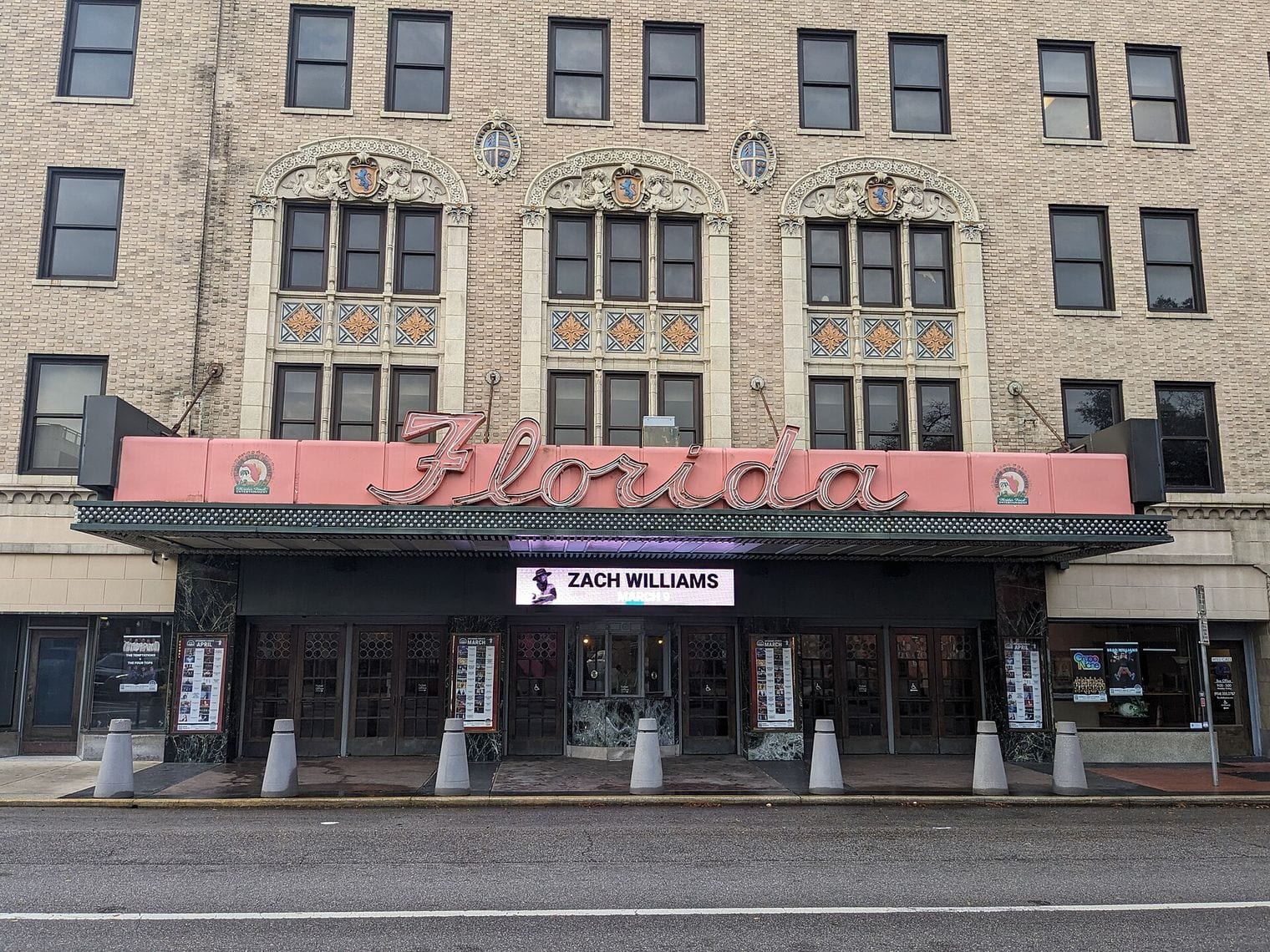
Opened in 1927, the Florida Theatre is one of only five surviving high-style theater palaces built in Florida during the Mediterranean Revival boom of the 1920s, and it is listed on the National Register of Historic Places. Its ornate auditorium now hosts concerts, comedy, film and touring shows.
The building carries some rock-and-roll lore too: Elvis Presley played two shows here in August 1956, and his act worried city leaders enough that a local judge warned him to behave or face arrest. Even if nothing on the bill appeals, a downtown walk past its marquee is worth it.
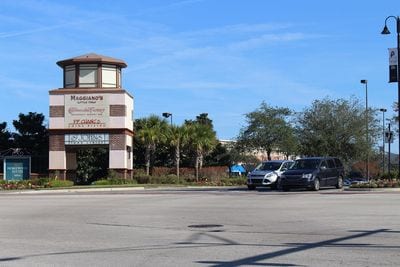
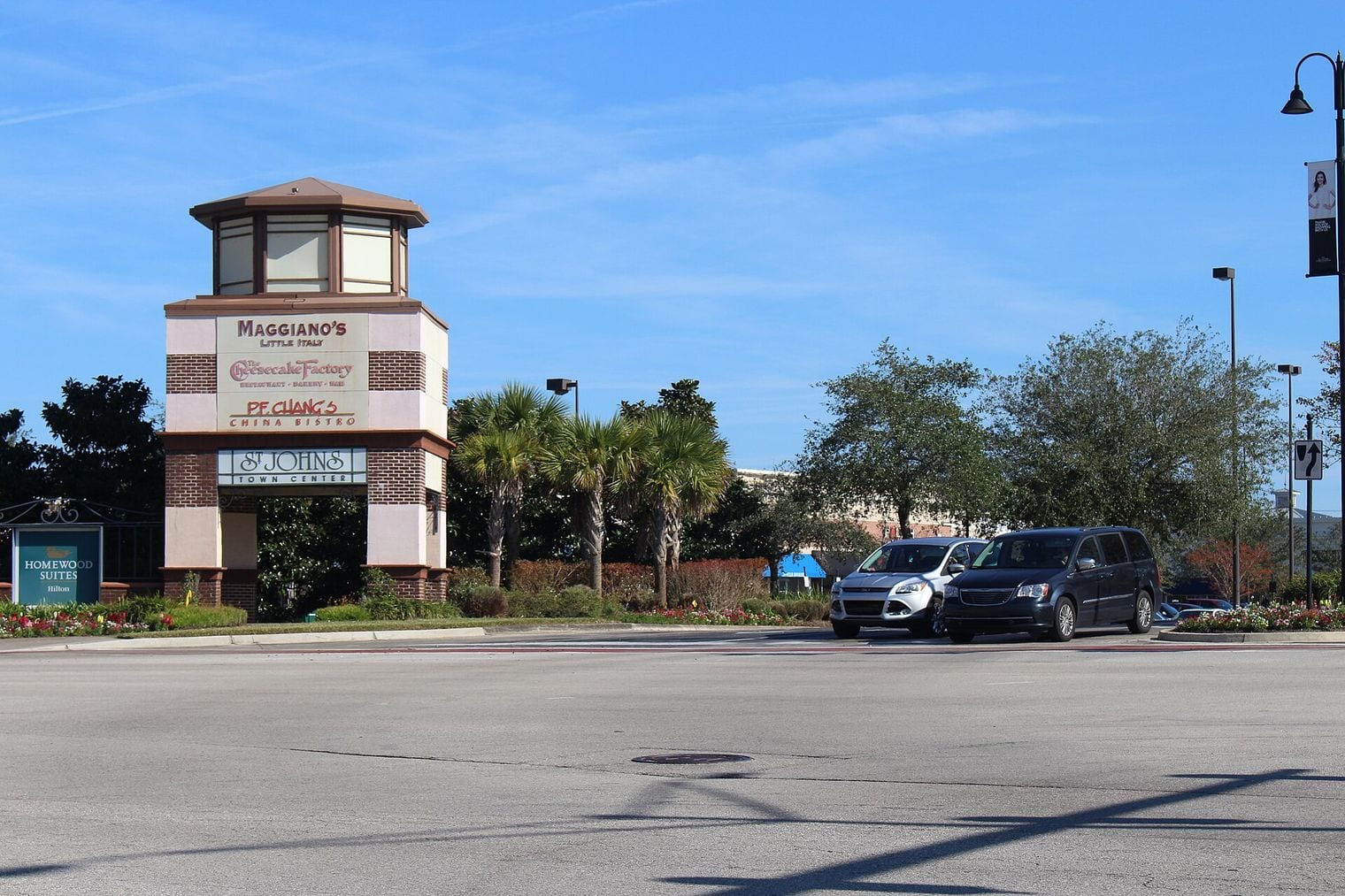
St. Johns Town Center is northeast Florida's big shopping day out: an open-air mall that opened in 2005 at the junction of J. Turner Butler Boulevard and I-295, across the interstate from the University of North Florida. Its stores line outdoor streets and promenades rather than enclosed corridors.
Many high-end brands have their only Northeast Florida location here, alongside department-store anchors, and the promenades make for a pleasant evening stroll with plenty of places to eat. It sits conveniently between downtown and the beaches.
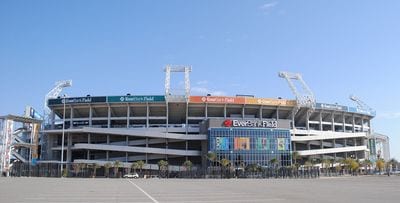
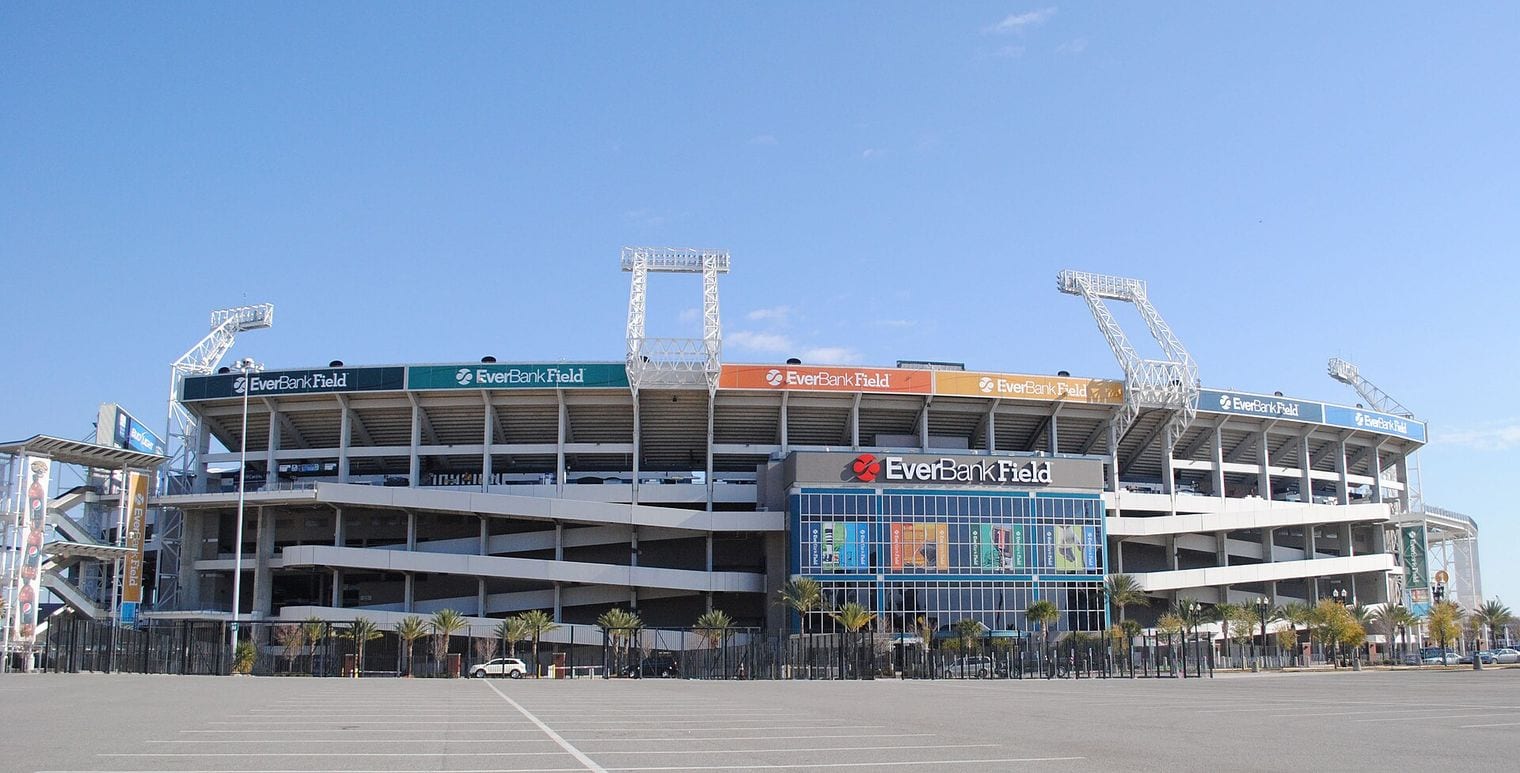
EverBank Stadium is home to the NFL's Jacksonville Jaguars, opened in 1995 on the site of the old Gator Bowl beside the St. Johns River. It has long hosted the Florida–Georgia college football rivalry game as well as concerts and other big events, and on game days the surrounding Stadium District fills with tailgaters.
The stadium is in the middle of a major renovation planned to finish in time for the 2028 season, and during the work the Jaguars are playing their 2027 home games in Orlando. Check the schedule before you plan a trip around a game here.
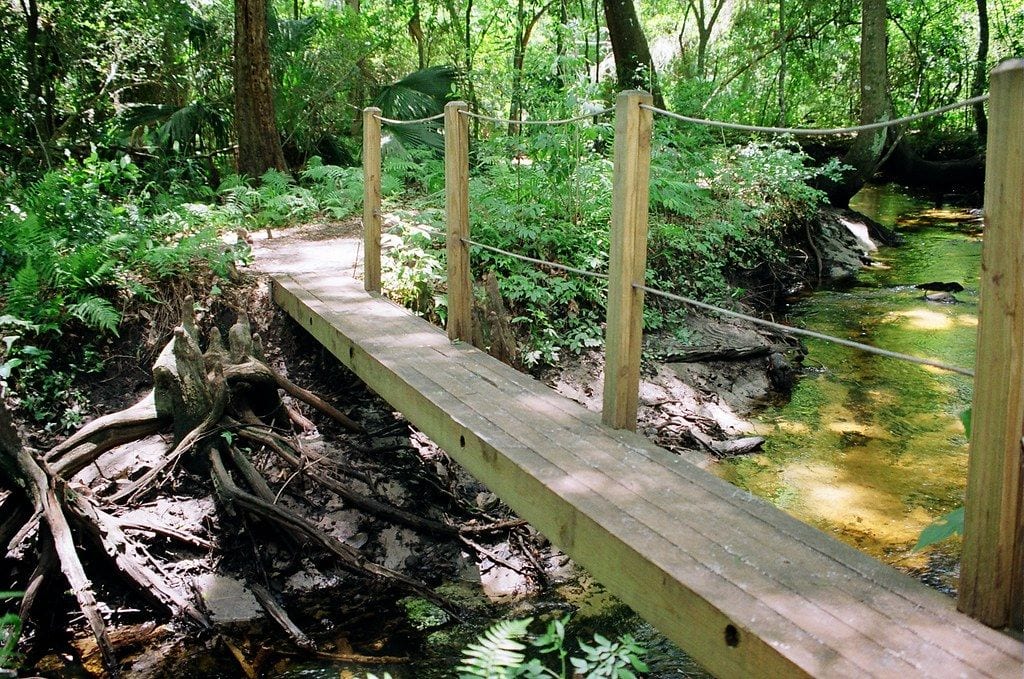
The Jacksonville Arboretum is a comeback story you can walk through. Between 1941 and 1961 the land was strip-mined, leaving bare white sand, and it later became an unofficial dumping ground before volunteers turned it into the gardens that opened in 2008.
Today shaded trails wind through native woodland and planted gardens, and the Lake Loop circles a two-acre lake on a gently graded, accessible path. It makes a quiet hour or two on the Arlington side of the river, and it is at its prettiest in spring.
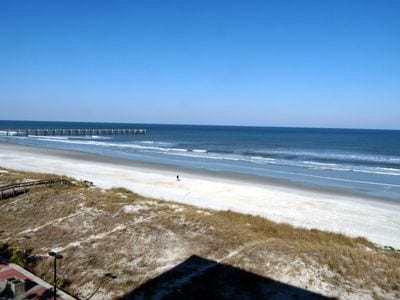
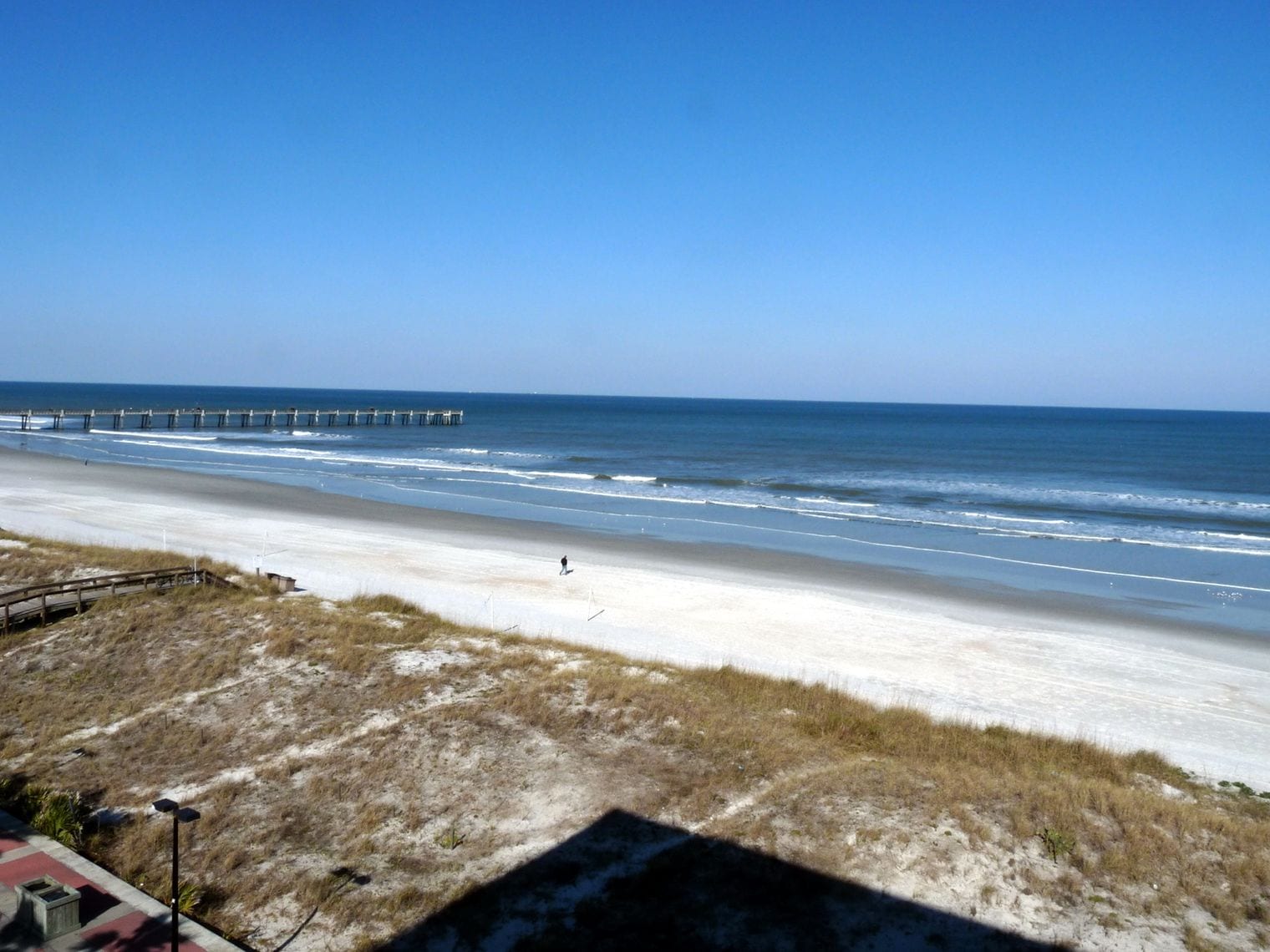
Jacksonville Beach is a separate coastal city just outside Jacksonville's limits: when Jacksonville merged with Duval County in 1968, the beach town voted to keep its own government. For visitors it is the classic beach town of the Duval coast, with a wide strand, surf breaks and an oceanfront walkway lined with places to eat.
The Jacksonville Beach Pier is the landmark. Hurricane damage kept it closed for years, and it reopened in 2022 rebuilt eight feet higher, popular with anglers and for sunrise walks. Nearby, the Seawalk Pavilion hosts concerts and festivals on the oceanfront lawn.
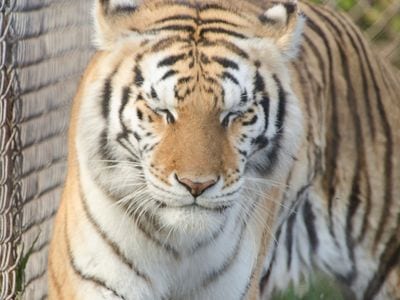
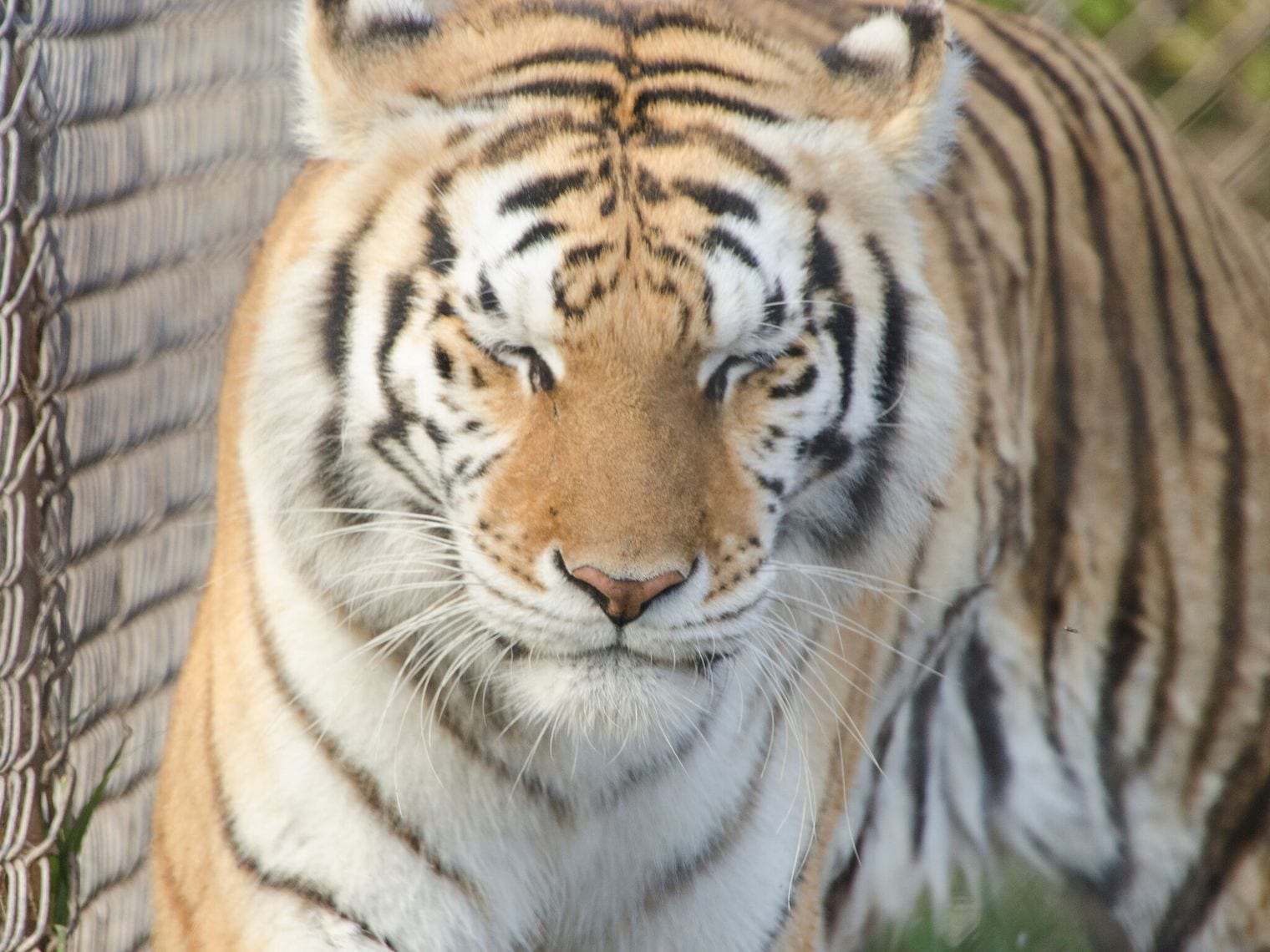
Catty Shack Ranch is a nonprofit sanctuary on Jacksonville's Northside that gives a permanent home to big cats, among them tigers, lions, leopards and pumas. Its mission is part refuge and part classroom, teaching visitors about the threats these animals face in the wild and in captivity.
The sanctuary opens only for scheduled tours, including daytime visits and evening feedings, a chance to see the cats at mealtime. Check the tour calendar before you go; it is a small, intimate visit rather than a zoo day.
The Timucuan Ecological and Historic Preserve protects some 46,000 acres of salt marsh, waterways and coastal forest in northeast Jacksonville, managed by the National Park Service with the city and Florida State Parks. Established in 1988, it takes in several sites in this guide, including Kingsley Plantation and Fort Caroline.
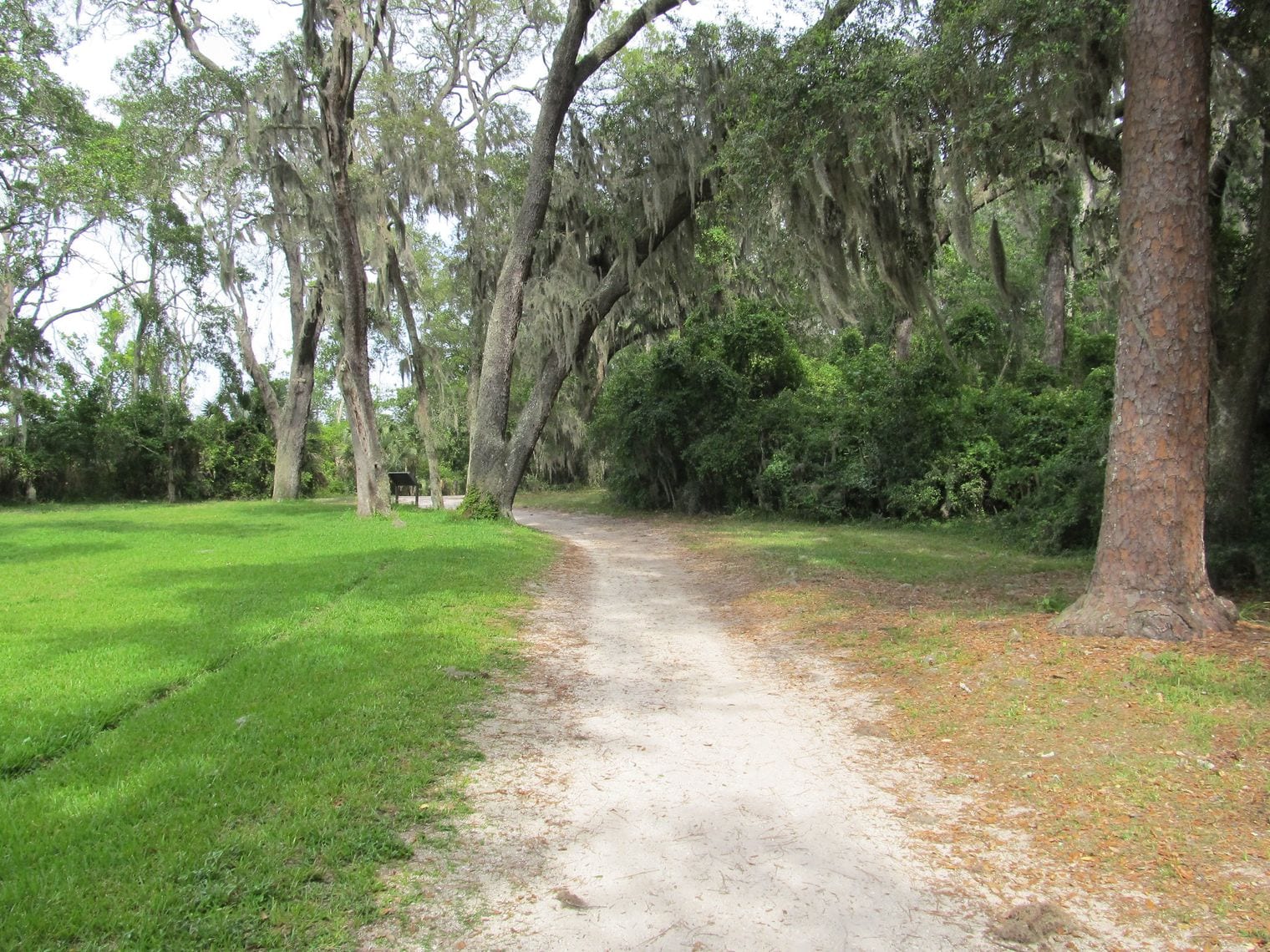
To experience the preserve itself, walk the woodland trails of the Theodore Roosevelt Area to overlooks of the marsh, or paddle the tidal creeks with a local outfitter. Few places show as clearly how much wild water lies inside the city limits.
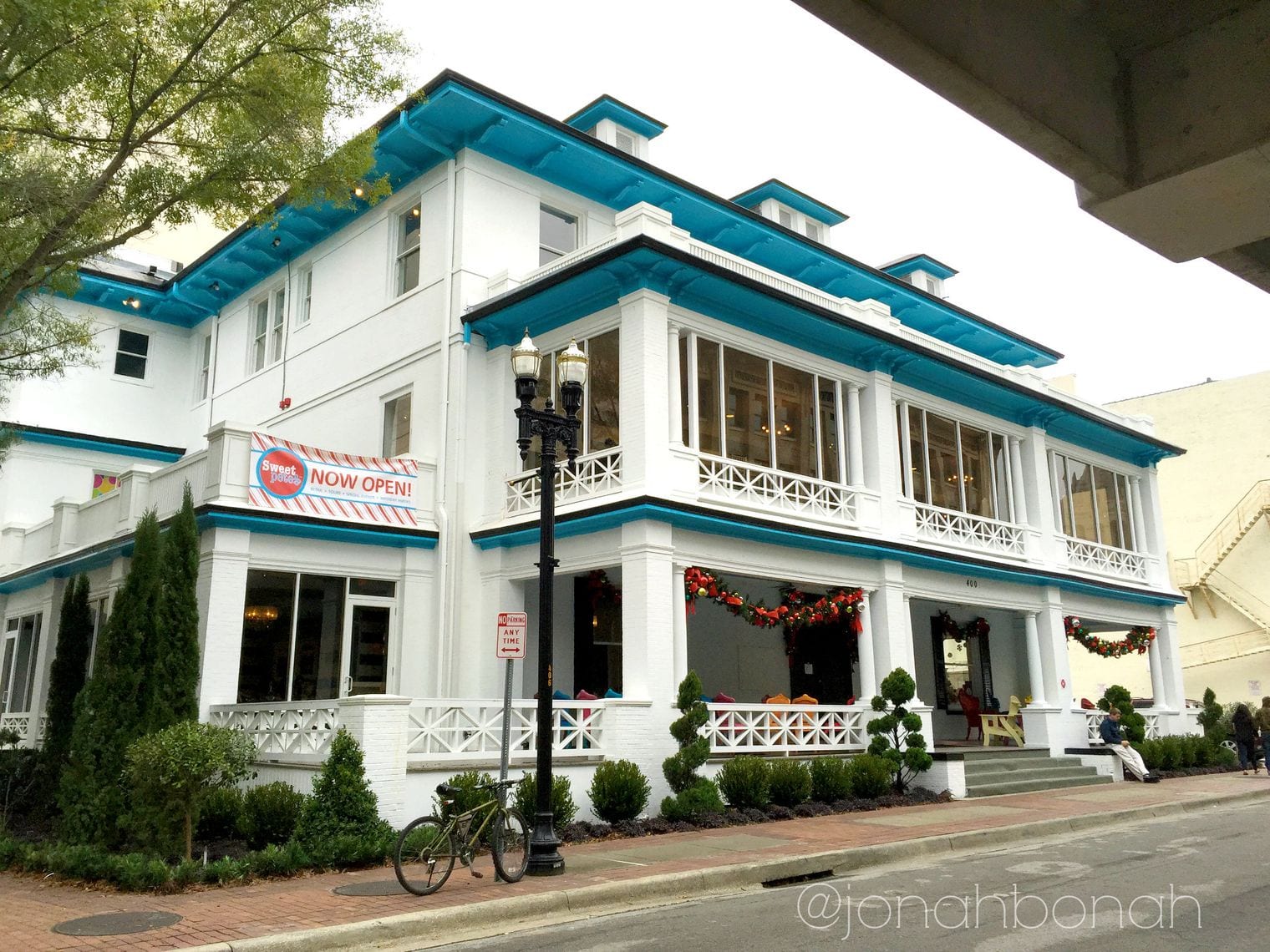
Sweet Pete's fills the historic Seminole Club building downtown, a landmark more than a century old, with three floors of sugar: a candy shop, a dessert counter and a toy shop. Its own candy kitchen turns out treats such as sea-salt caramels and chocolate-dipped apples.
Families can book hands-on candy-making classes in the kitchen, and the shop stocks gluten-, dairy- and nut-free options. It is a couple of blocks from James Weldon Johnson Park, so it slots easily into a downtown afternoon.
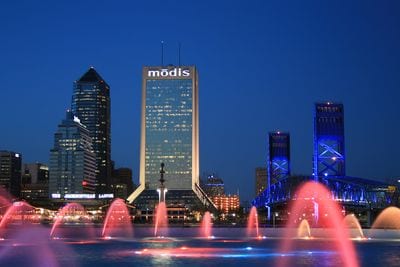
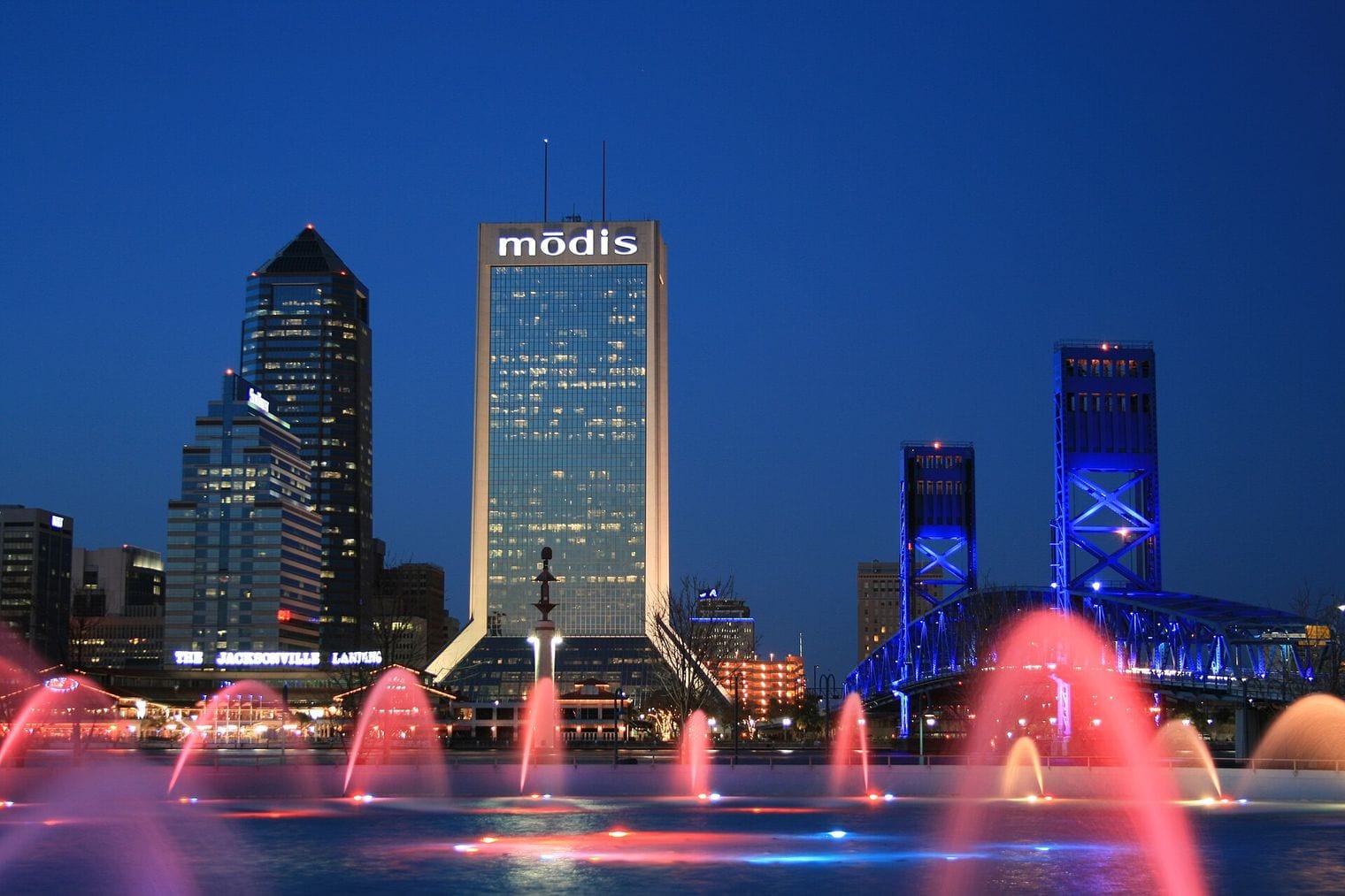
Friendship Fountain has been one of Jacksonville's signature sights since it opened in 1965, when it was billed as the world's largest and tallest fountain. Designed by local architect Taylor Hardwick, it anchors St. Johns River Park at the west end of the Southbank Riverwalk, with the downtown skyline across the water.
Come after dark, when colored lights play across the jets, and bring children to the ship-themed playground in the surrounding park. Renovations have kept it running after years of corrosion problems, and it remains a natural meeting point on the river.
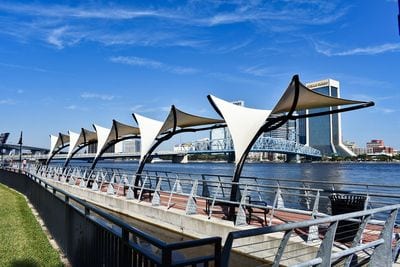
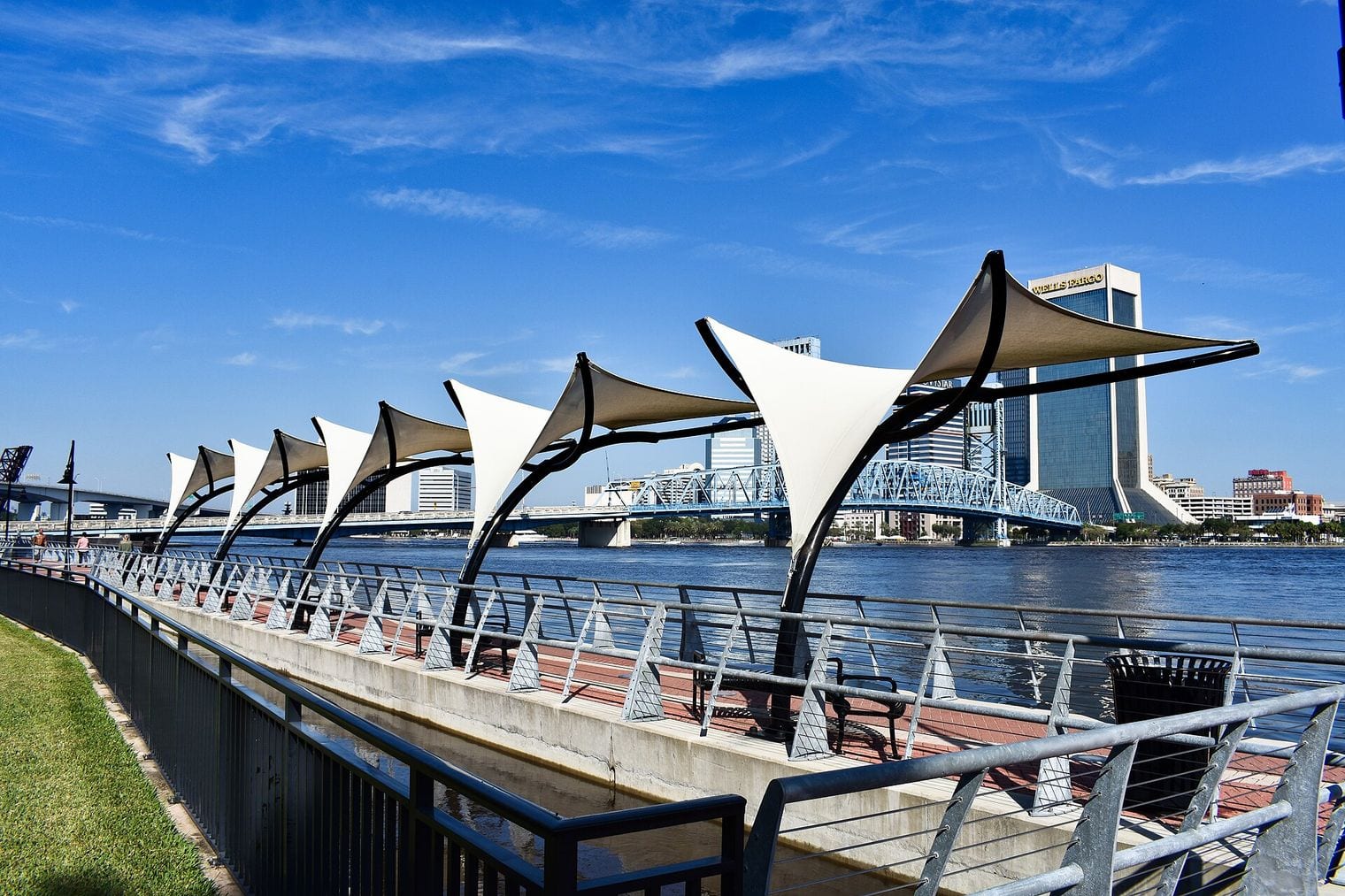
The Southbank Riverwalk runs about 1.2 miles along the south shore of the St. Johns, from Friendship Fountain to the hotels and offices east of the Main Street Bridge, with some of the best skyline views in the city. Its first section opened in 1985, launching the riverwalks that now line both banks downtown.
Walk it at sunset, when the Northbank towers catch the last light, then cross the bridge to continue on the longer Northbank Riverwalk. For a different angle, a water taxi links the two banks and runs sightseeing cruises on the river.
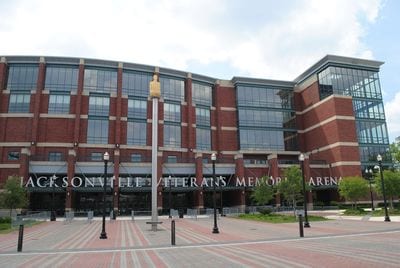
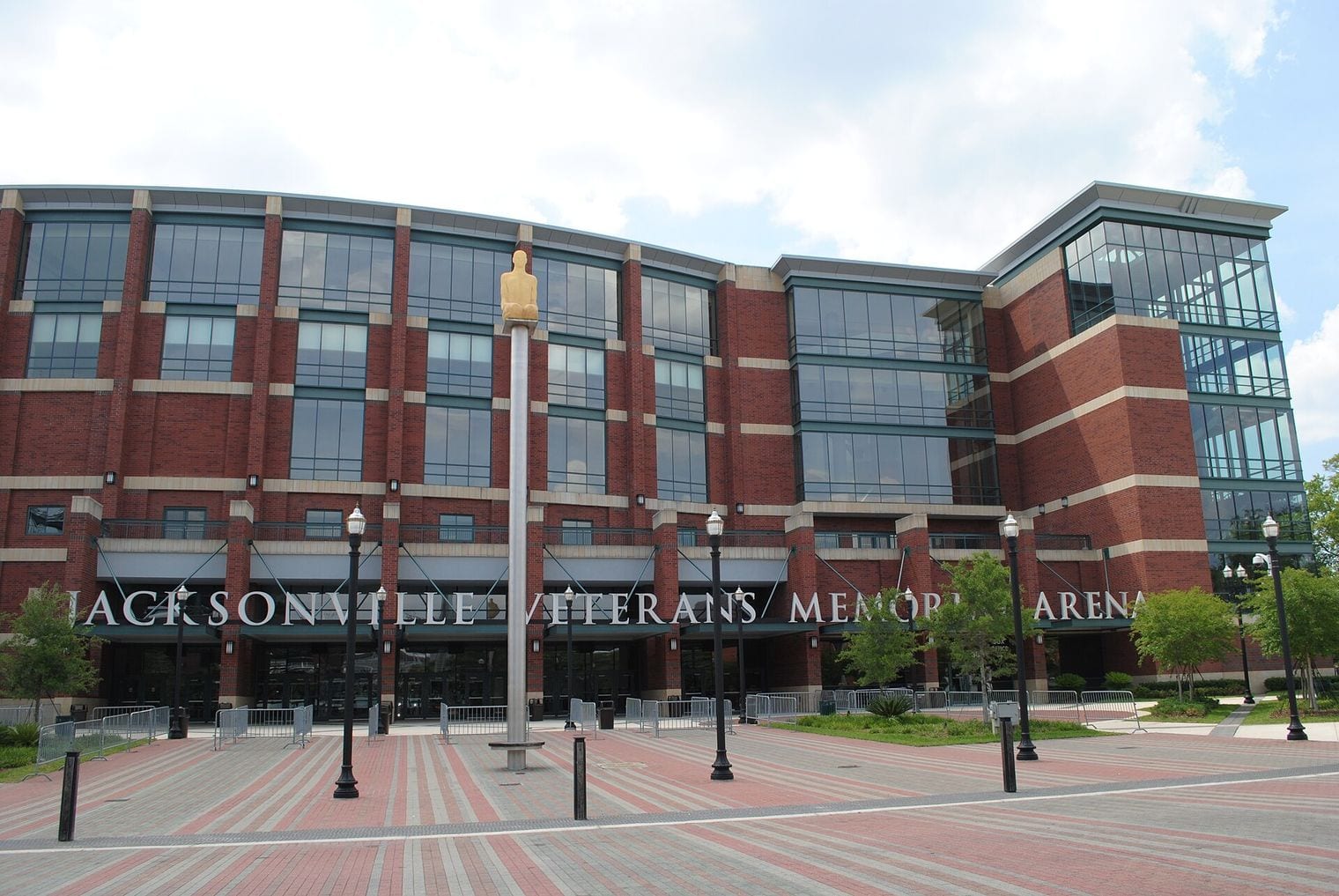
VyStar Veterans Memorial Arena is downtown's big indoor venue, part of the sports complex east of the center alongside EverBank Stadium and VyStar Ballpark. Originally named Jacksonville Veterans Memorial Arena, it hosts touring concerts, family shows and home games for the city's pro hockey and indoor football teams.
Check the calendar before your trip: a hockey night is a high-energy evening out, and big touring acts stop here regularly. The arena's name honors the region's veterans, and the Veterans Memorial Wall stands a short walk away.
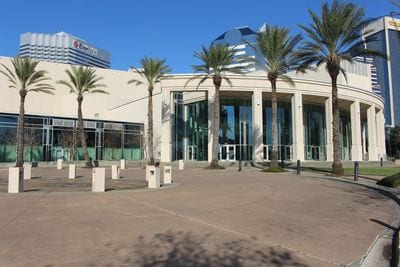
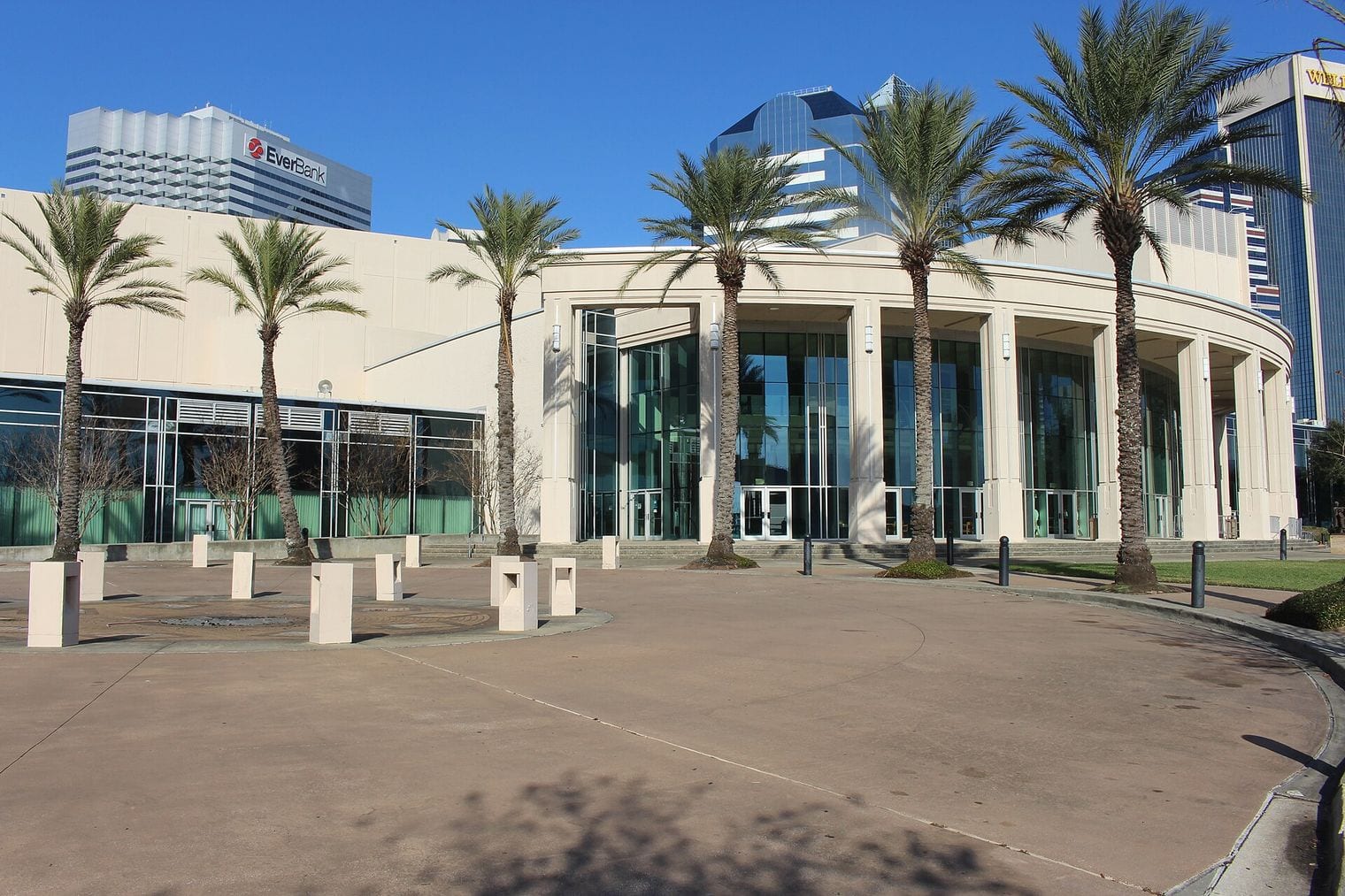
The Jacksonville Center for the Performing Arts, known for years as the Times-Union Center, is the city's main performing arts complex, set on the Northbank riverfront downtown. Opened in 1962 as the Civic Auditorium and renovated in the 1990s, it holds three venues: a theater, a concert hall and a recital hall.
It is home to the Jacksonville Symphony, and the FSCJ Artist Series brings touring Broadway productions to its stage. A stroll on the Northbank Riverwalk right outside makes a good pre-show warm-up.
Free printable checklist of all 35 places
Tick them off as you go. Confirm your email to download it, plus one email every Thursday with new guides for the places you tick.
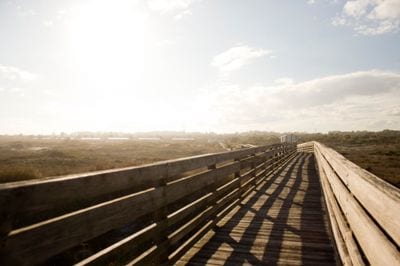
Huguenot Memorial Park occupies a horseshoe-shaped peninsula where Fort George Inlet, the St. Johns River and the Atlantic meet, just north of the river mouth. It is one of the few places around Jacksonville where you can drive onto the sand, and its campsites sit almost on the beach.
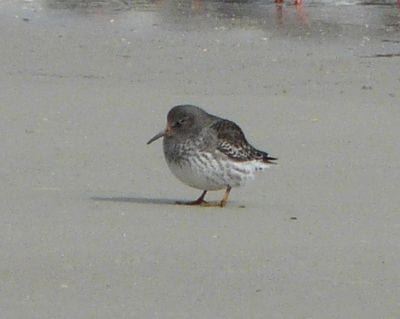
Birders rank it among the best sites in Duval County: it is on the Great Florida Birding Trail, and terns and shorebirds nest here, so part of the peninsula closes to vehicles in nesting season. Surfers, anglers and kayakers share the rest, with the jetties and passing ships as a backdrop.
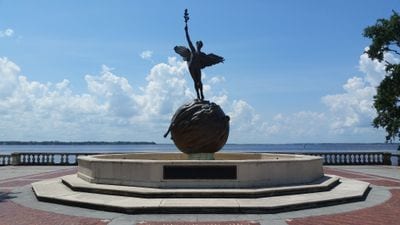
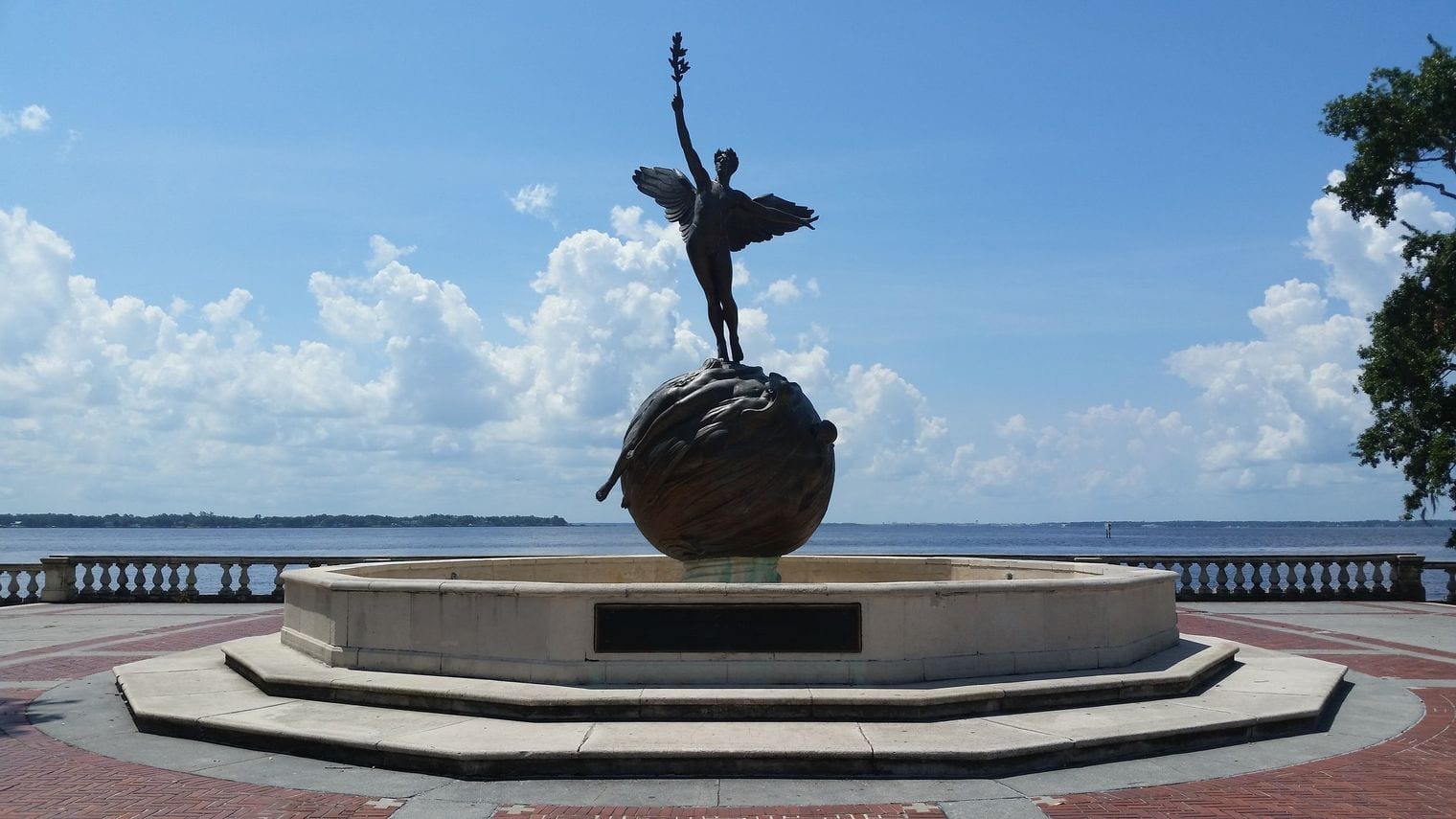
Memorial Park is a riverfront green in Riverside created to honor the 1,200 Floridians who died in World War I, and it is the city's third-oldest park. The Olmsted Brothers firm designed it, and it was added to the National Register of Historic Places in 2017.
At its center stands Charles Adrian Pillars's bronze Spiritualized Life, meant in the sculptor's words to present the idea of life, its struggle and its victory, framed by lawns and a long view of the St. Johns. It is a peaceful spot for a picnic or a sunset after the Riverside Arts Market.
Kingsley Plantation, at the northern tip of Fort George Island, preserves what is considered the oldest plantation house still standing in Florida, now part of the Timucuan Preserve run by the National Park Service. It takes its name from Zephaniah Kingsley, who spent 25 years here.
The most moving sight is the row of tabby slave cabins, among the best preserved in the United States, built of a durable concrete made with oyster shell. The site also tells the story of Anna Madgigine Jai, who arrived enslaved from West Africa and became Kingsley's wife.
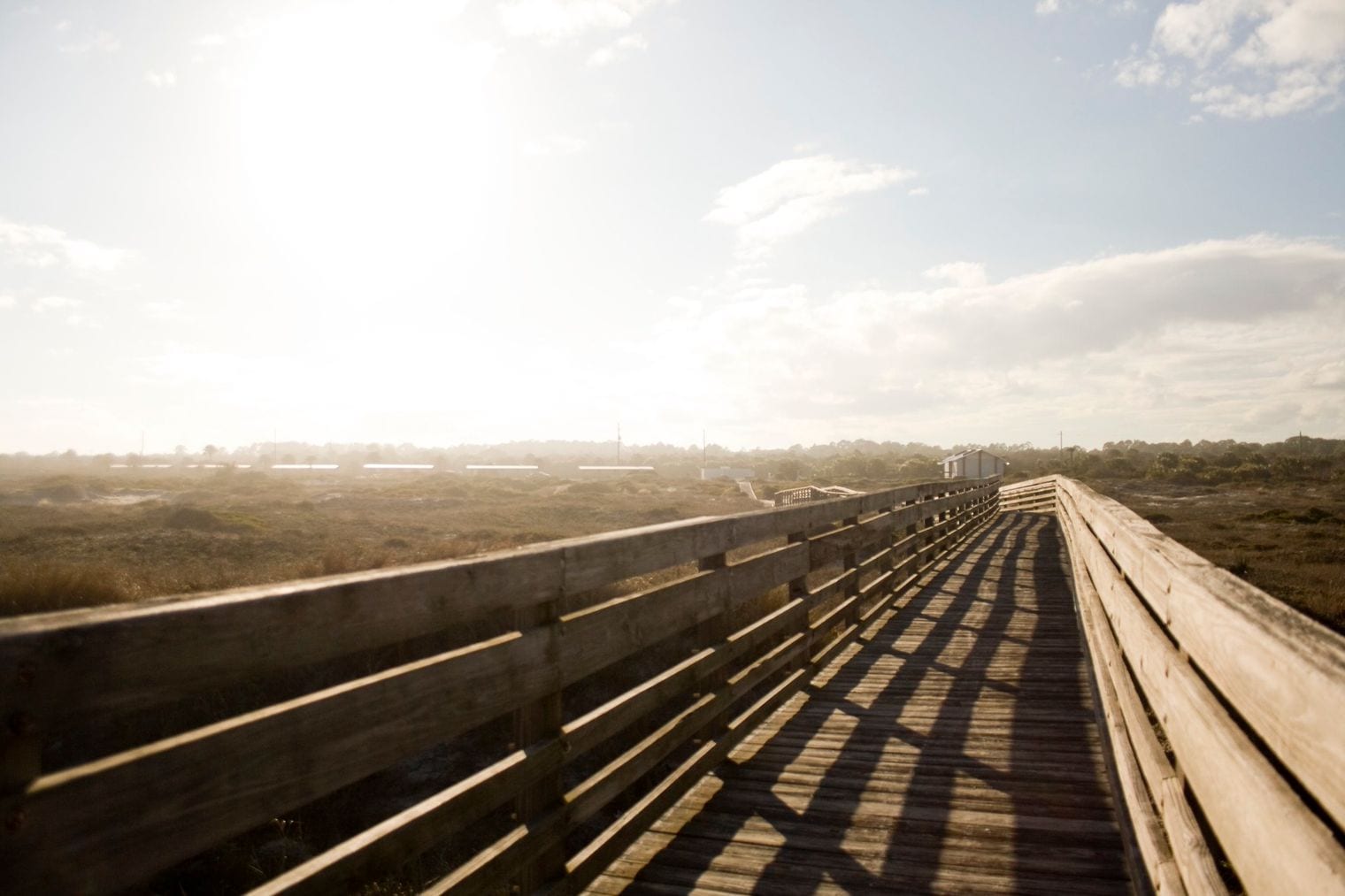
Little Talbot Island State Park covers a barrier island about 17 miles northeast of Jacksonville on State Road A1A, with maritime forest, dunes and salt marsh. It is one of the wildest stretches of beach near the city, and river otters, marsh rabbits and bobcats live on the island.
Come to hike, fish, paddle, surf or camp. Erosion has closed the south-end beach area indefinitely, so head for the north beach boardwalks, and check which ones are open before you go.
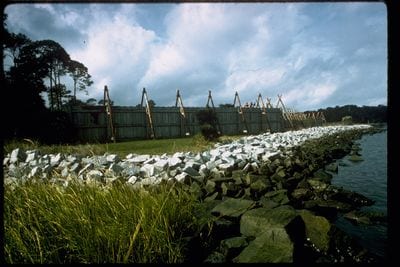
Fort Caroline National Memorial recalls a startling chapter of American history: in June 1564, French Huguenot settlers led by René Goulaine de Laudonnière founded a colony on the St. Johns River, more than four decades before Jamestown. Spain, which founded St. Augustine the following year, sacked the fort in September 1565.
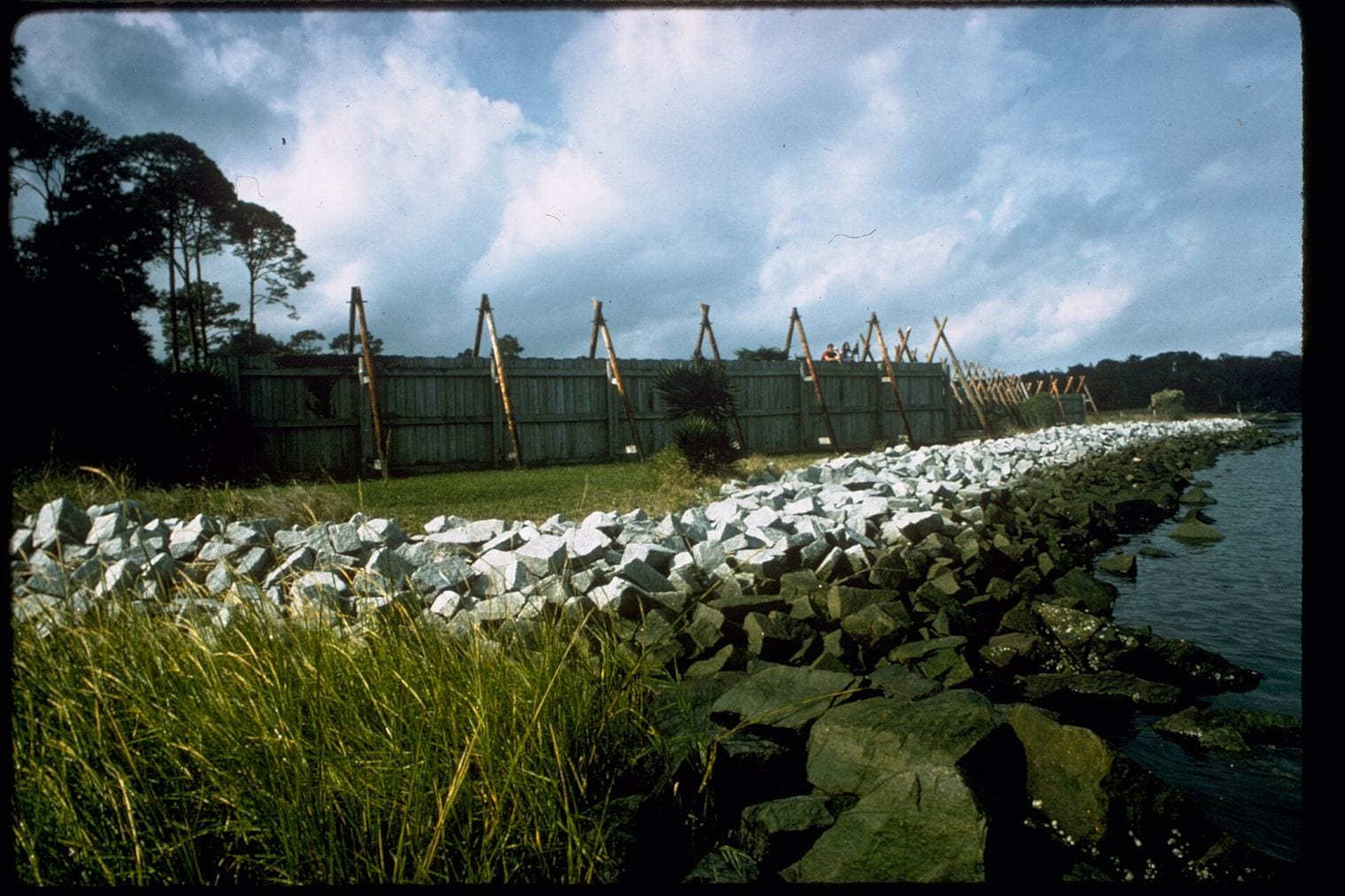
The exact site of the fort has never been found, but the National Park Service memorial, established in 1953 on the river's south bank near the point that marks the French landing, tells the colony's brief, violent story. It sits within the Timucuan Preserve, so pair it with the trails of the Theodore Roosevelt Area.
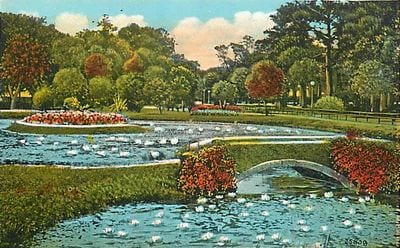
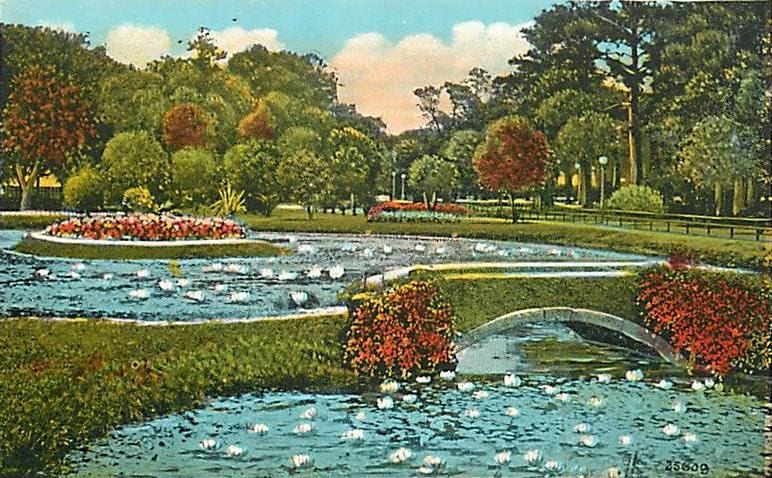
Riverside Park is an 11.4-acre green at the heart of the Riverside neighborhood and the city's second-oldest park, a few blocks inland from the river. Two ponds, open lawns, a playground and picnic tables make it the neighborhood's backyard.
It is best enjoyed as part of a walk through the surrounding historic district, admiring the old homes on the streets nearby before heading to the shops and cafes of Five Points, a short stroll away.
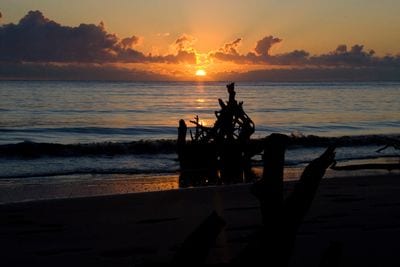
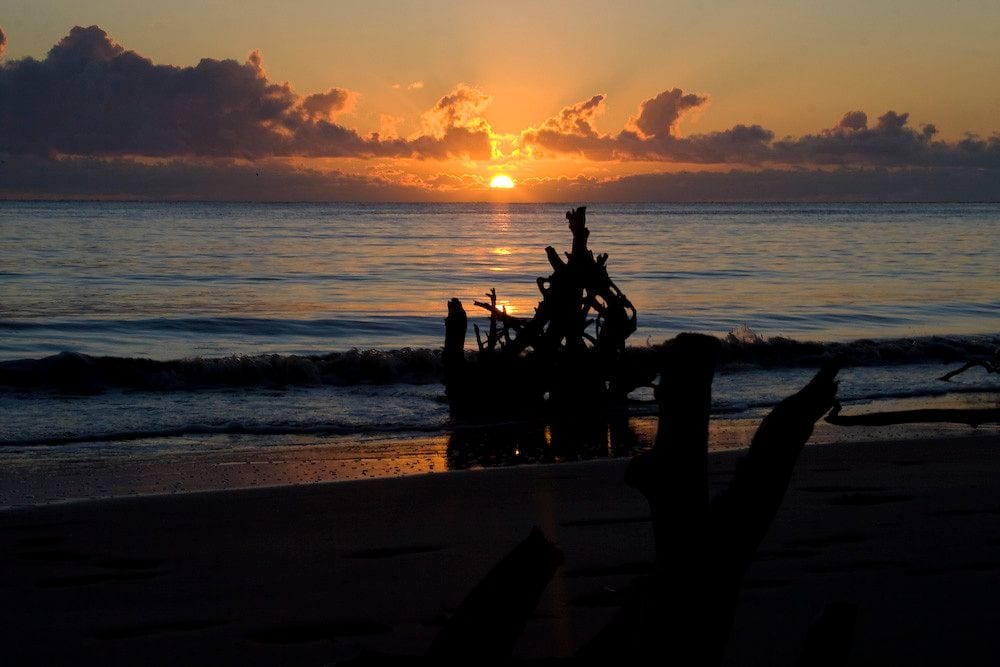
Big Talbot Island State Park is a nature preserve on a barrier island about 20 miles from downtown on A1A, just north of Little Talbot Island. Its signature sight is Boneyard Beach, where weathered fallen trees lie scattered across the sand and into the surf.
Reach it on the Blackrock Trail, a short walk through coastal forest to dark, rock-like formations along the shore that are unique in Florida. The beach is not recommended for swimming, but it is a photographers' favorite; the park also has bike trails, a fishing pier and a boat ramp.
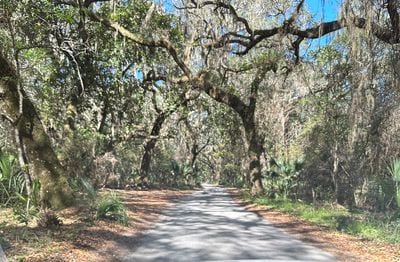
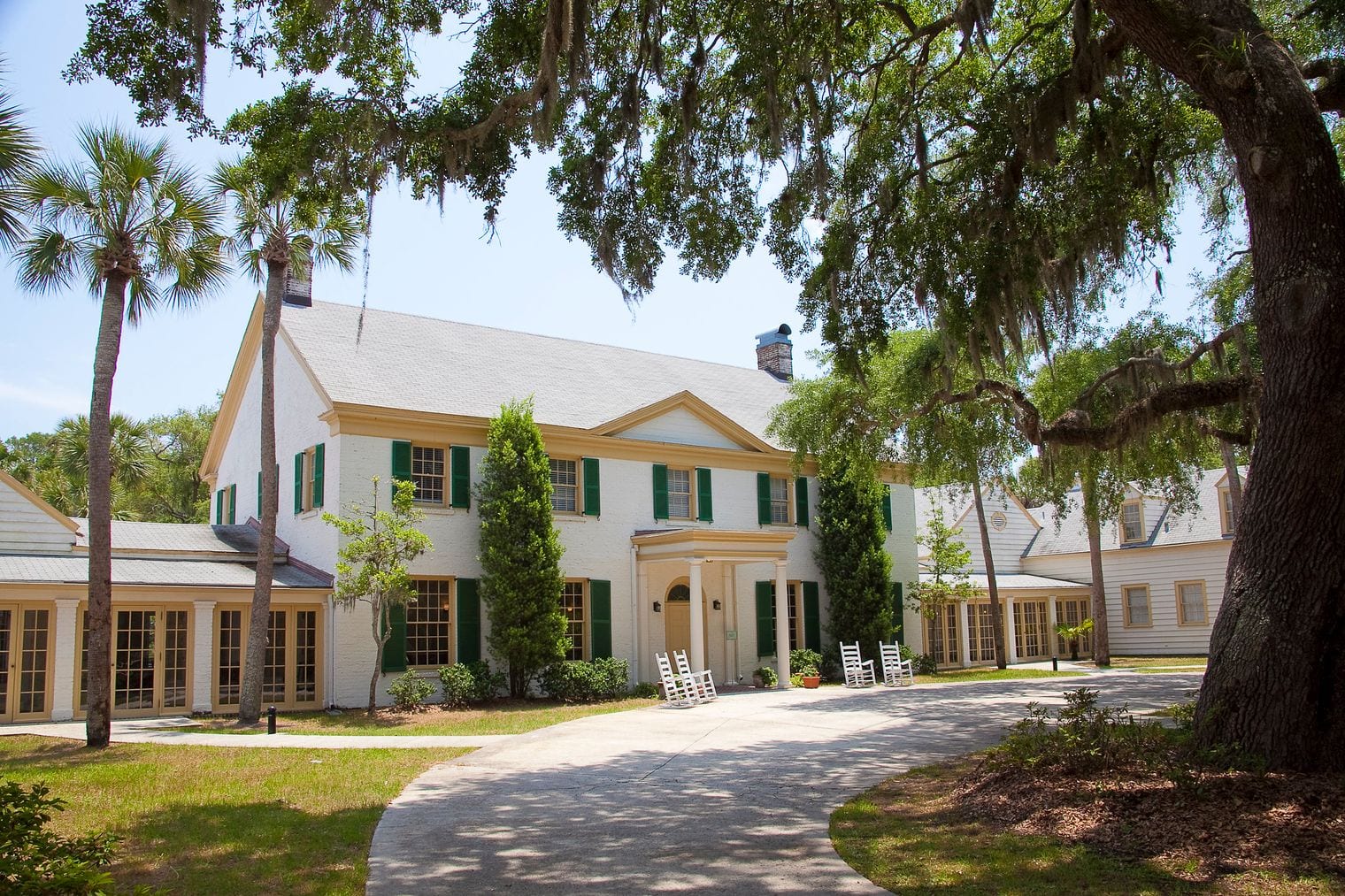
Fort George Island Cultural State Park covers an island with a long human history: it lay close to a major Timucua center, and the Spanish later founded the mission of San Juan del Puerto nearby. Today it is a quiet, wooded island at the mouth of the St. Johns.
The centerpiece is the Ribault Club, built in 1928 as a winter resort and now the visitor center for the island and nearby Kingsley Plantation. From there, follow the island's loop trail through shady hammock, on foot or by bike.
2525. Riverside Avondale Historic District
Non-Profit Organization~2.7 miles (4.3 km) from centre
Riverside and Avondale, two linked neighborhoods southwest of downtown, are often called Florida's most architecturally varied, and both are listed as National Register historic districts. Riverside was platted in 1868 and boomed after the Great Fire of 1901; Avondale followed in the 1920s land boom.
Walk the shady streets for bungalows, Prairie-style homes and Mediterranean Revival mansions, then stop in the commercial pockets: Five Points for vintage shops and bars, the King Street District for a drink, and the Shoppes of Avondale for boutiques.
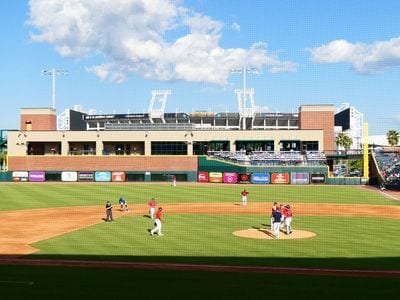
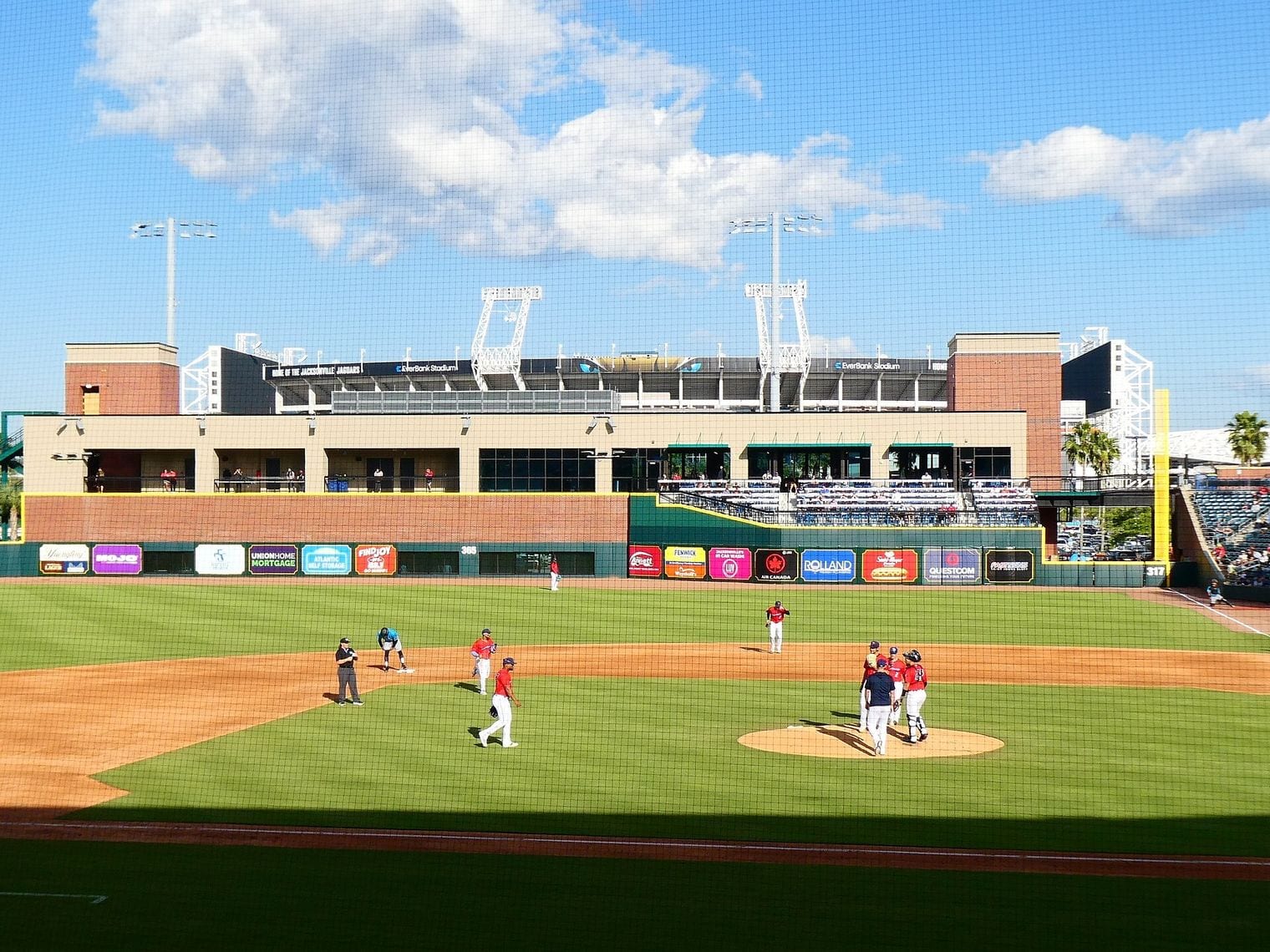
VyStar Ballpark, opened in 2003 as the Baseball Grounds of Jacksonville, is home to the Jacksonville Jumbo Shrimp, the city's Minor League Baseball team. It sits in the downtown sports complex beside the arena and within sight of EverBank Stadium.
A minor-league game here is one of the most relaxed evenings in town, with seats close to the field and between-innings fun for kids. Spring and summer weekends are the liveliest time to go.
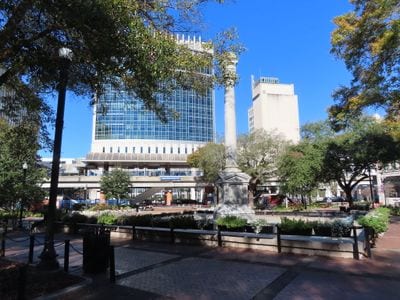
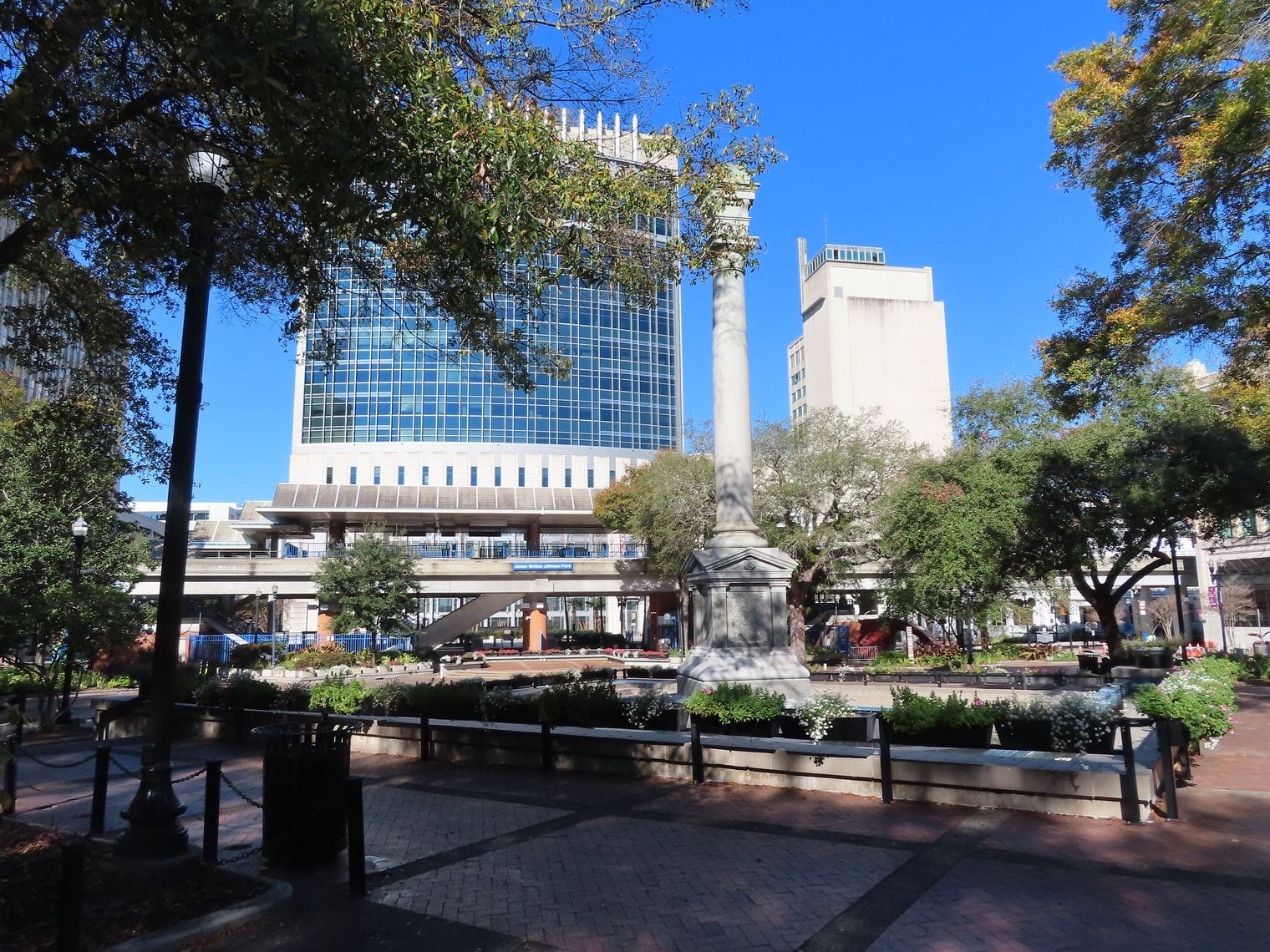
James Weldon Johnson Park is Jacksonville's oldest park, a 1.54-acre square that began as the village green of the young city. For 120 years it was known as Hemming Park, and in 2020 it was renamed for James Weldon Johnson, the Jacksonville-born writer of Lift Every Voice and Sing.
Today it is downtown's central square, with City Hall on one side and MOCA Jacksonville facing it, plus shade, seating and frequent events. Use it as a starting point for walking to the Florida Theatre and the Basilica nearby.
Tree Hill Nature Center is a nonprofit wilderness preserve in Arlington, opened as a city park in 1971 to protect an urban woodland from the development around it. Three creeks run through the property, which takes in three different ecosystems along its trails.
Walk the trails with an eye out for wildlife, join a guided walk with a Florida Master Naturalist, or time a spring visit for the annual Butterfly Festival. It is a gentle, kid-friendly outing a short drive from downtown.
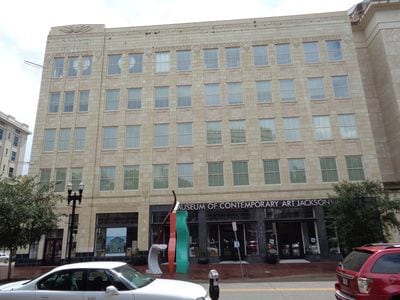
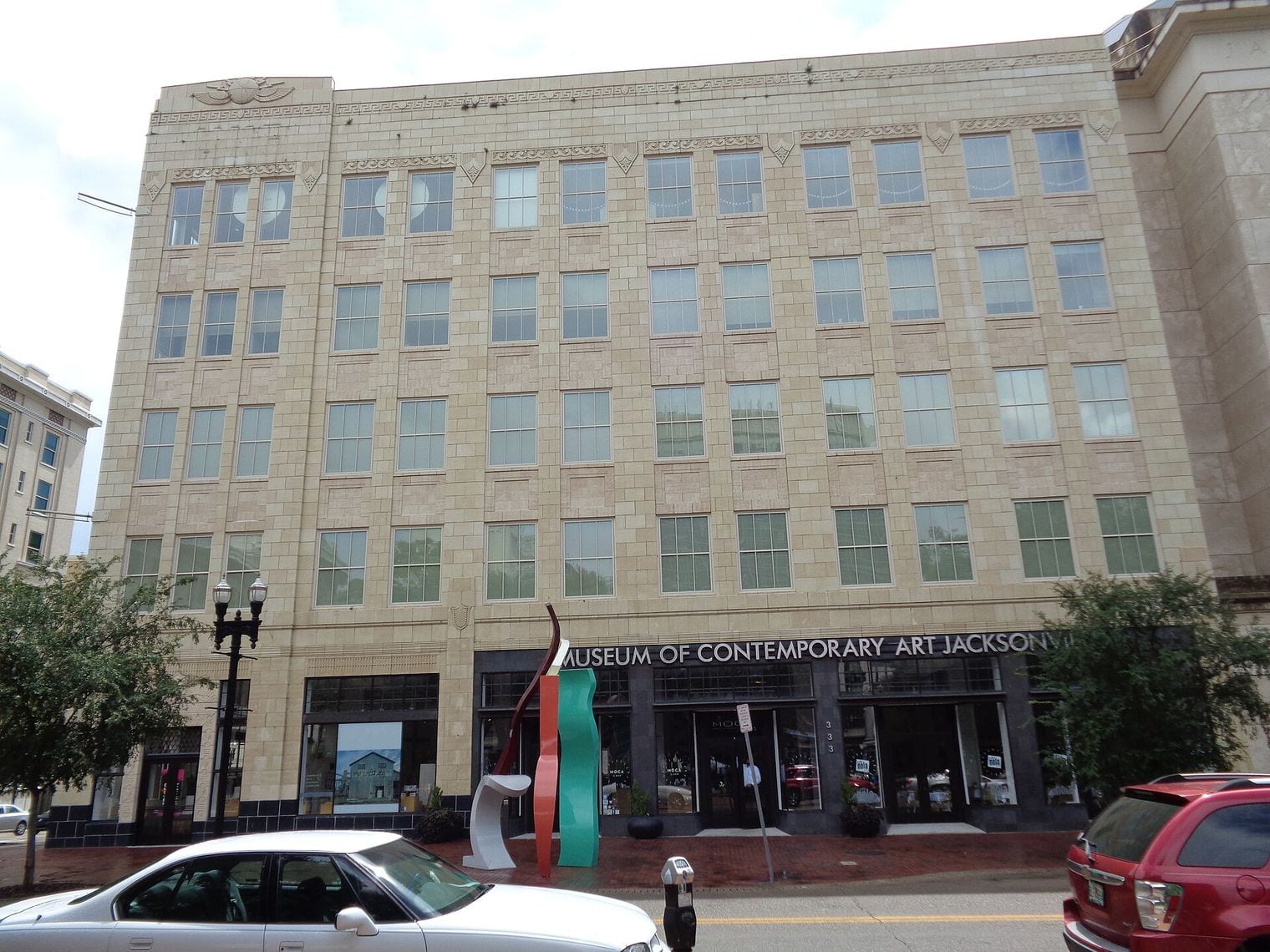
MOCA Jacksonville, the Museum of Contemporary Art Jacksonville, is one of the largest contemporary art institutions in the Southeast, run as a cultural institute of the University of North Florida. It presents rotating exhibitions by international, national and regional artists.
The museum occupies the historic Western Union Telegraph Building on James Weldon Johnson Park, its home since 1999. Its roots go back to 1948, when it was incorporated as the Jacksonville Art Museum, so check what is showing and pair it with a downtown walk.
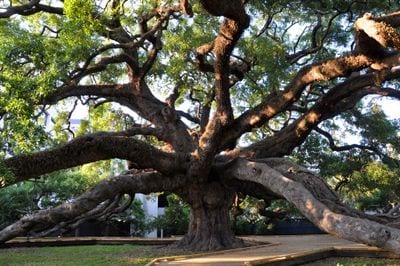
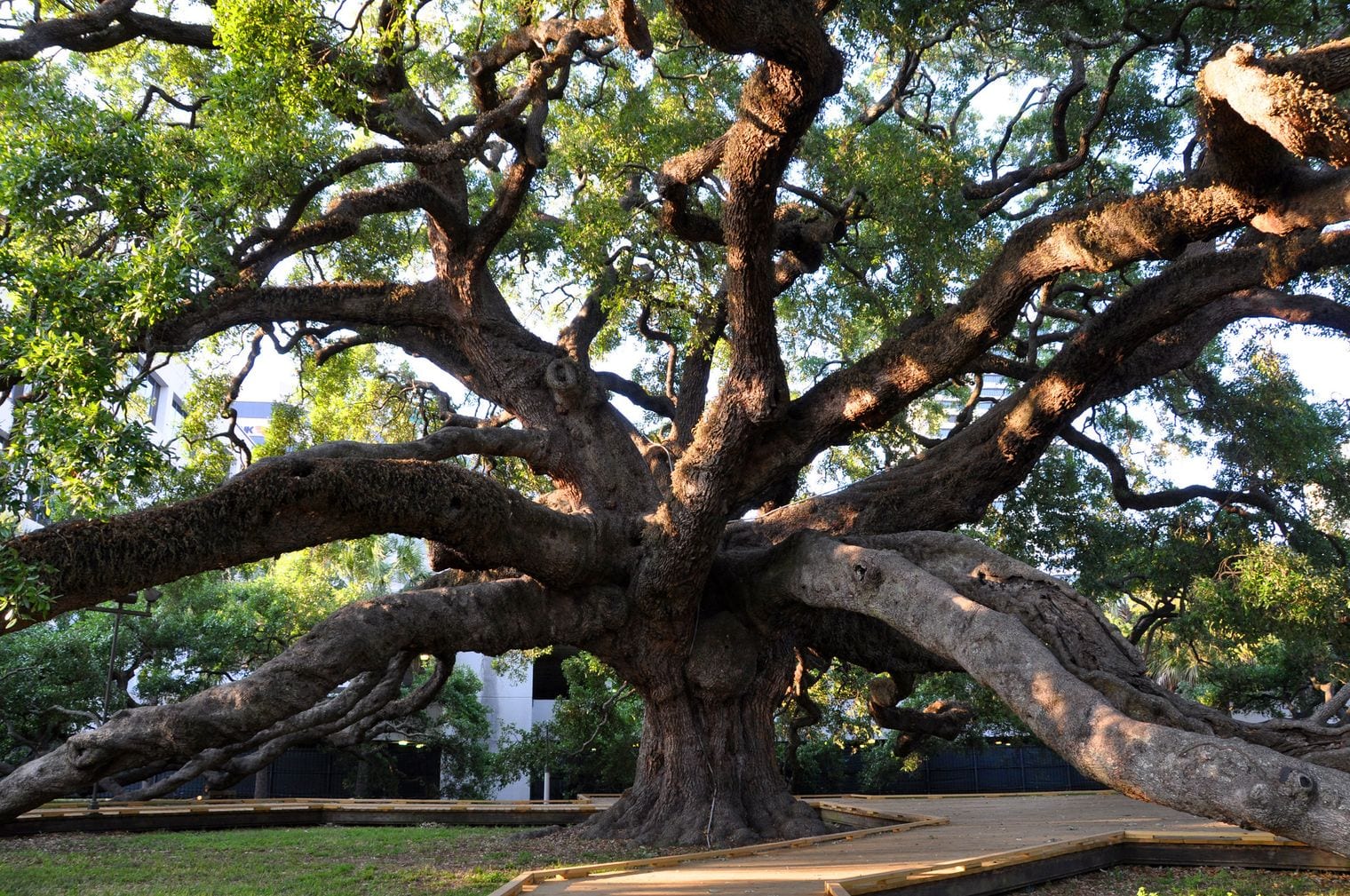
The Treaty Oak is a sprawling southern live oak on the Southbank, estimated to be about 250 years old and possibly the oldest living thing in Jacksonville. Its octopus-like limbs shade a circle roughly 190 feet across in a small park beside the river.
Despite its name, there is no evidence a treaty was ever signed beneath it: a newspaper writer made up the story to save the tree from developers, and it worked. The oak is a free, five-minute detour from the Southbank Riverwalk.
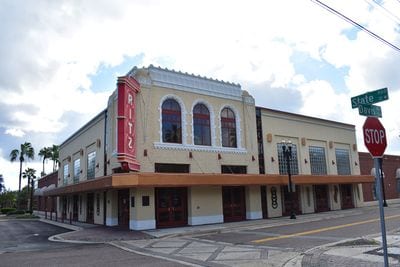
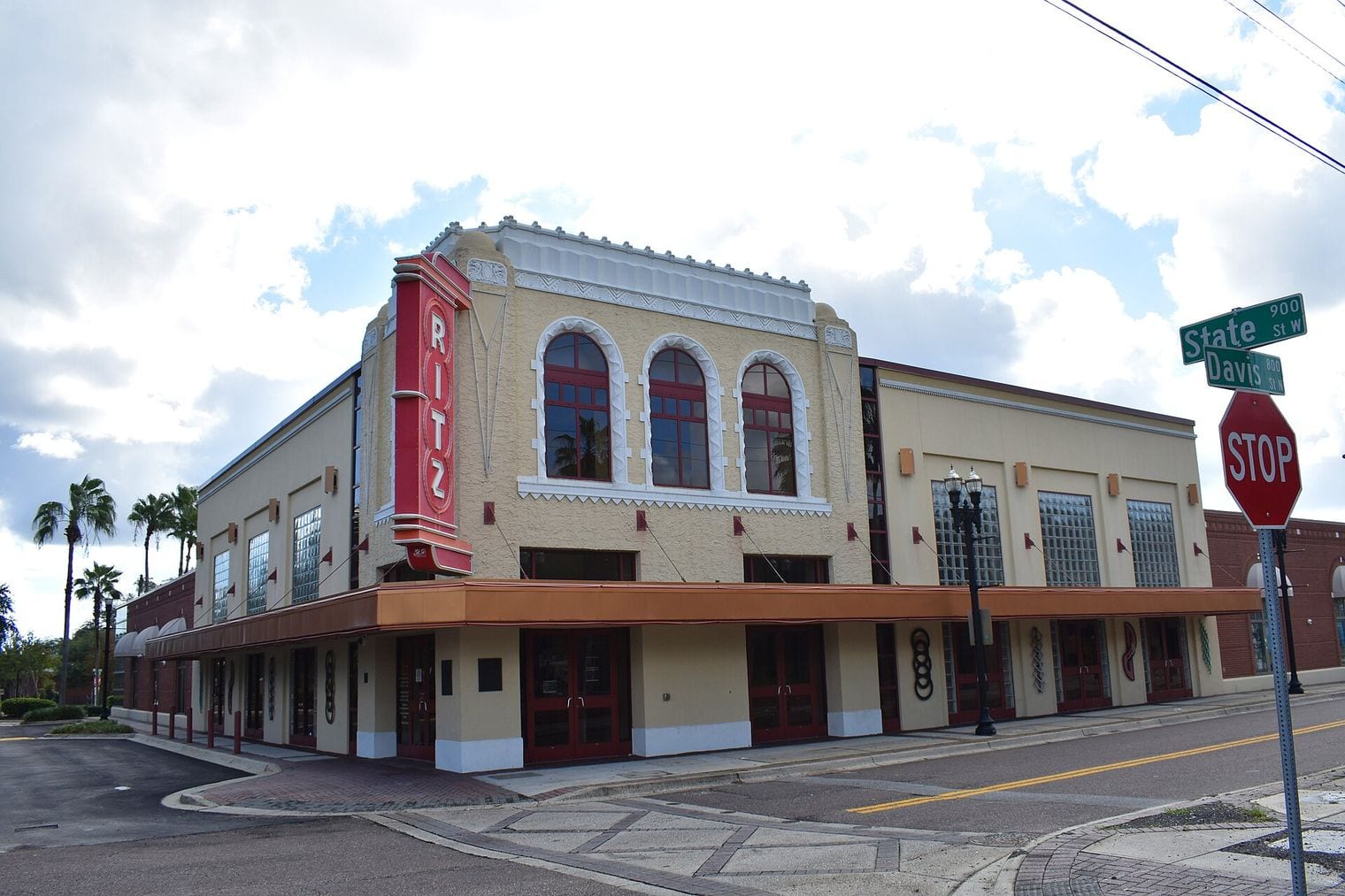
The Ritz Theatre is the cultural anchor of LaVilla, the historic neighborhood long celebrated as a center of African American culture in Florida. The 426-seat theater stages music, dance, drama and film.
Just off the lobby, the LaVilla Museum fills some 11,000 square feet with exhibits on the neighborhood's African American history and the people who made it famous. It is a short walk west of the downtown core and well worth pairing with James Weldon Johnson Park.
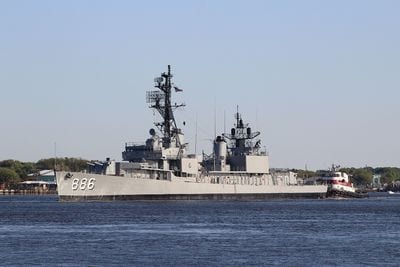
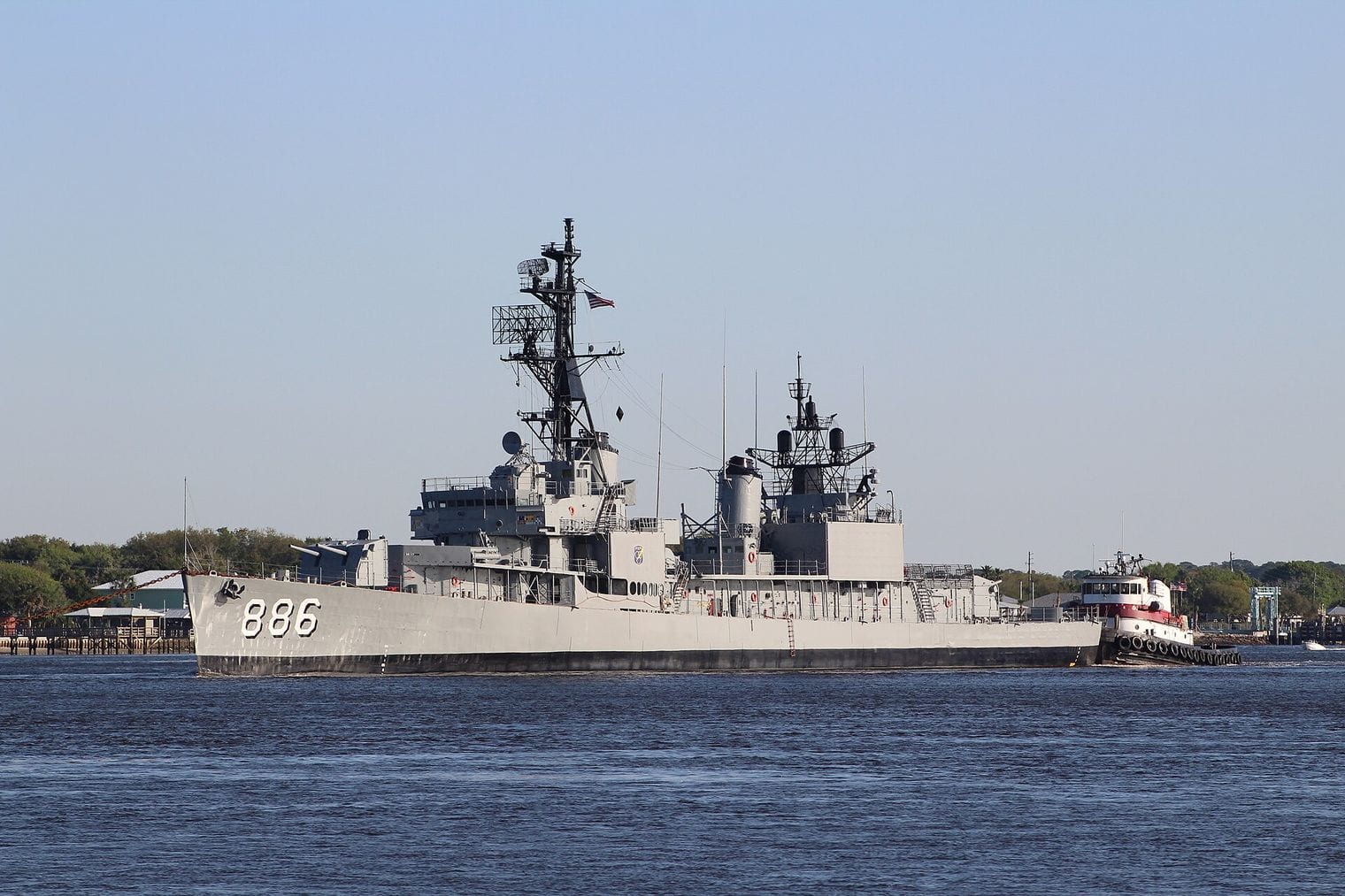
The USS Orleck is a Gearing-class destroyer that served in the US Navy from 1945 to 1982, then sailed under the Turkish flag before becoming a museum ship. After stints in Texas and Louisiana it arrived in Jacksonville in 2022, and since 2023 it has been moored at the Shipyards on the downtown riverfront.
Tours lead through its decks and compartments, giving a vivid sense of life aboard a postwar warship. It is the centerpiece of the Jacksonville Naval Museum, a fitting stop in a city shaped by its naval bases.
3333. Jacksonville Veterans Memorial Wall
Historical Landmark~1.1 miles (1.7 km) from centre
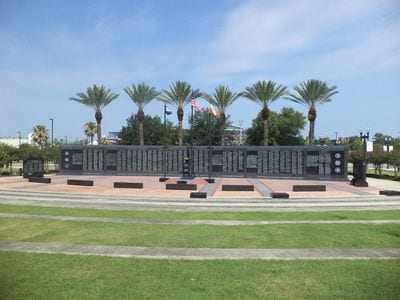
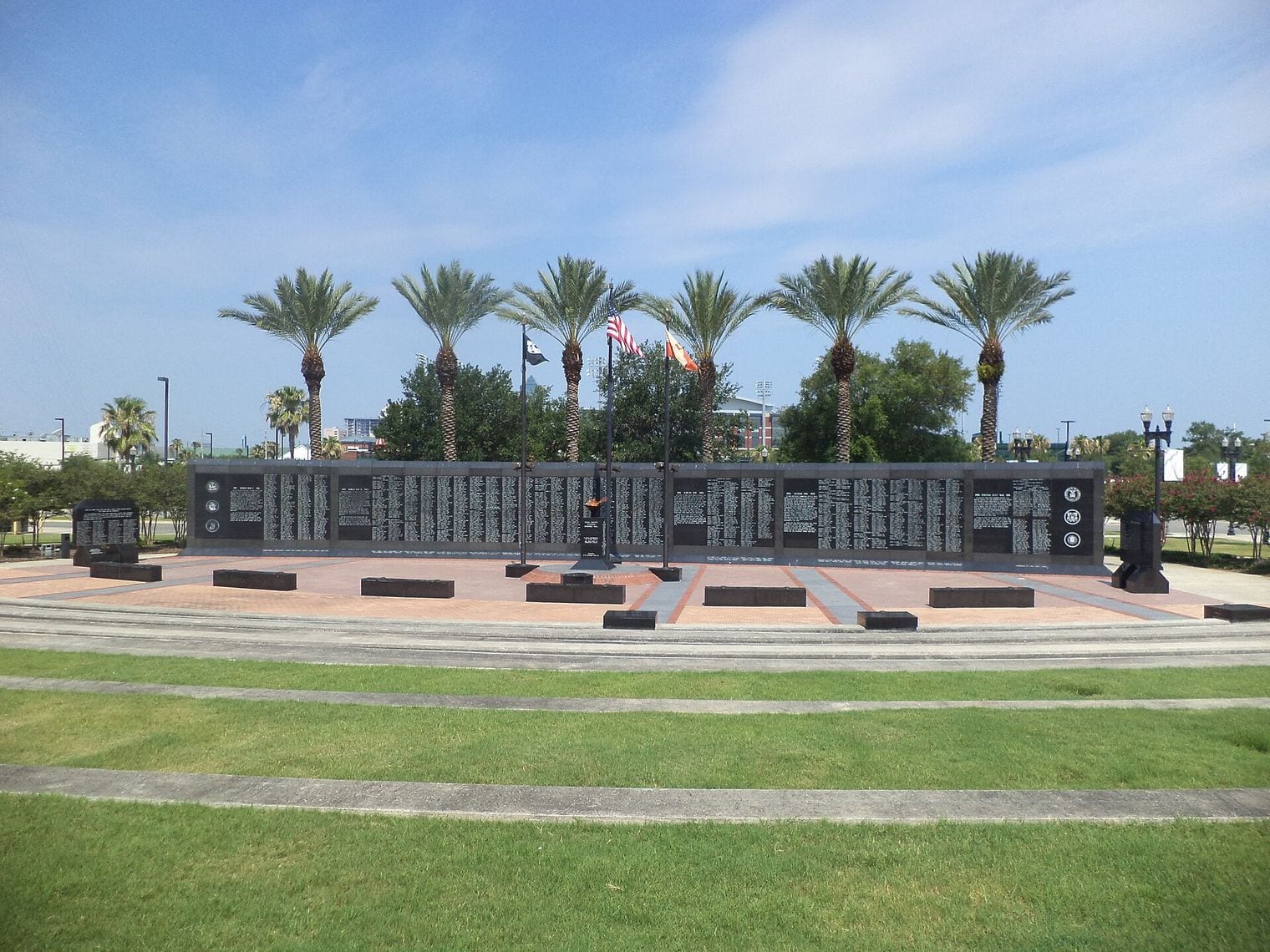
The Veterans Memorial Wall, beside EverBank Stadium, honors more than 1,500 men and women from the Jacksonville area who gave their lives in military service. Dedicated in 1995, the 65-foot black granite wall stands behind a torch with an eternal flame.
It was built to honor all six service branches, including the Coast Guard and the Merchant Marine, and each Memorial Day the city's ceremony adds the names of local service members lost in the past year. It is a quiet, reflective stop on a stadium-district walk.
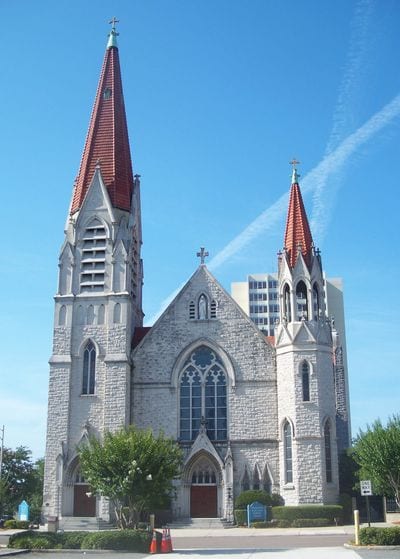
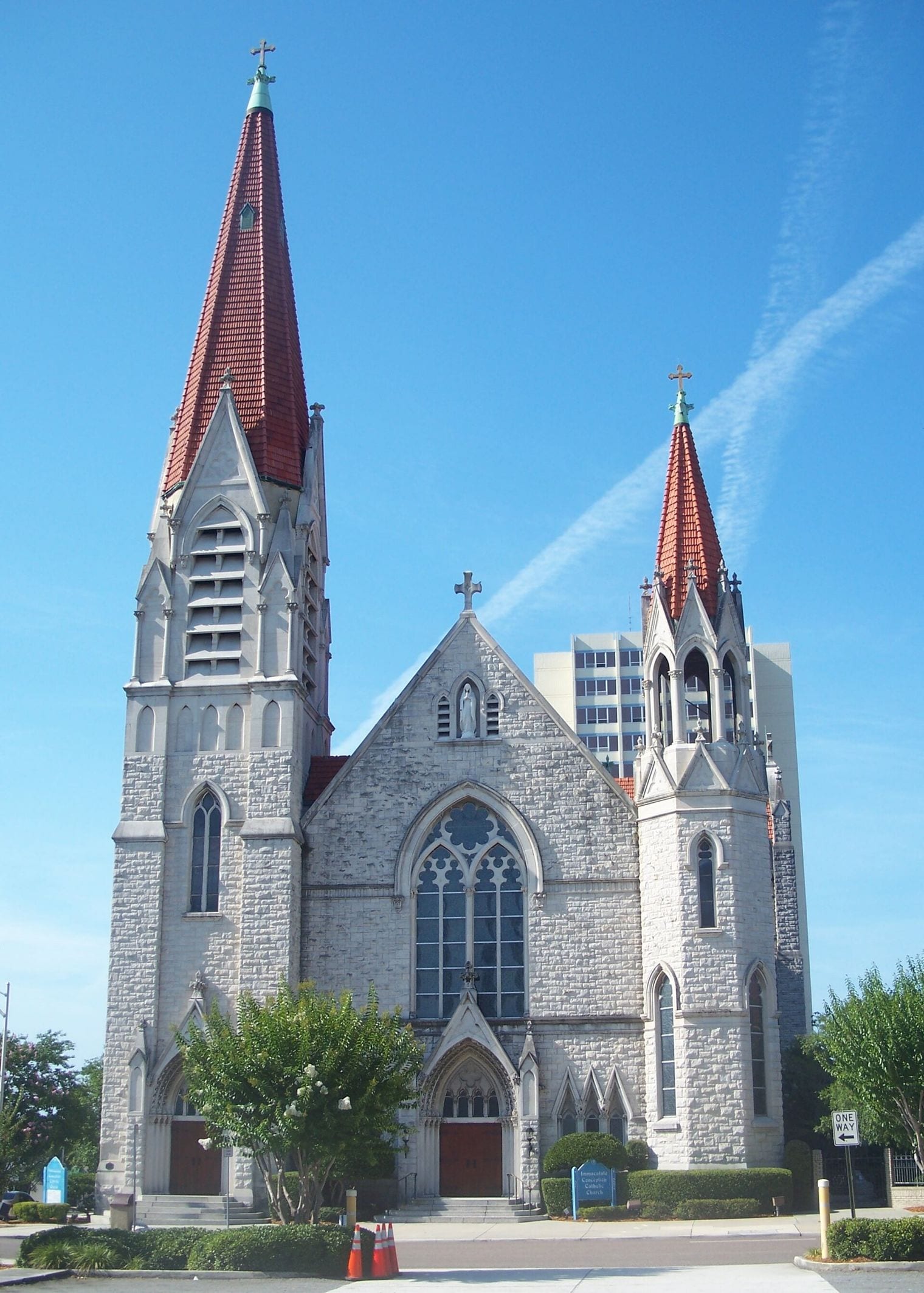
The Basilica of the Immaculate Conception is home to Jacksonville's oldest Catholic congregation, and its Gothic Revival church downtown dates to 1910, built after the Great Fire of 1901 destroyed its predecessor. Pointed arches, traceried windows and a high vaulted interior make it one of the finest examples of the style in Florida.
Its 178.5-foot steeple, topped by a gold-plated cross, was the highest point in the city until 1913, and the church was named a minor basilica in 2013. Step inside quietly between services; it is a short walk east of James Weldon Johnson Park.
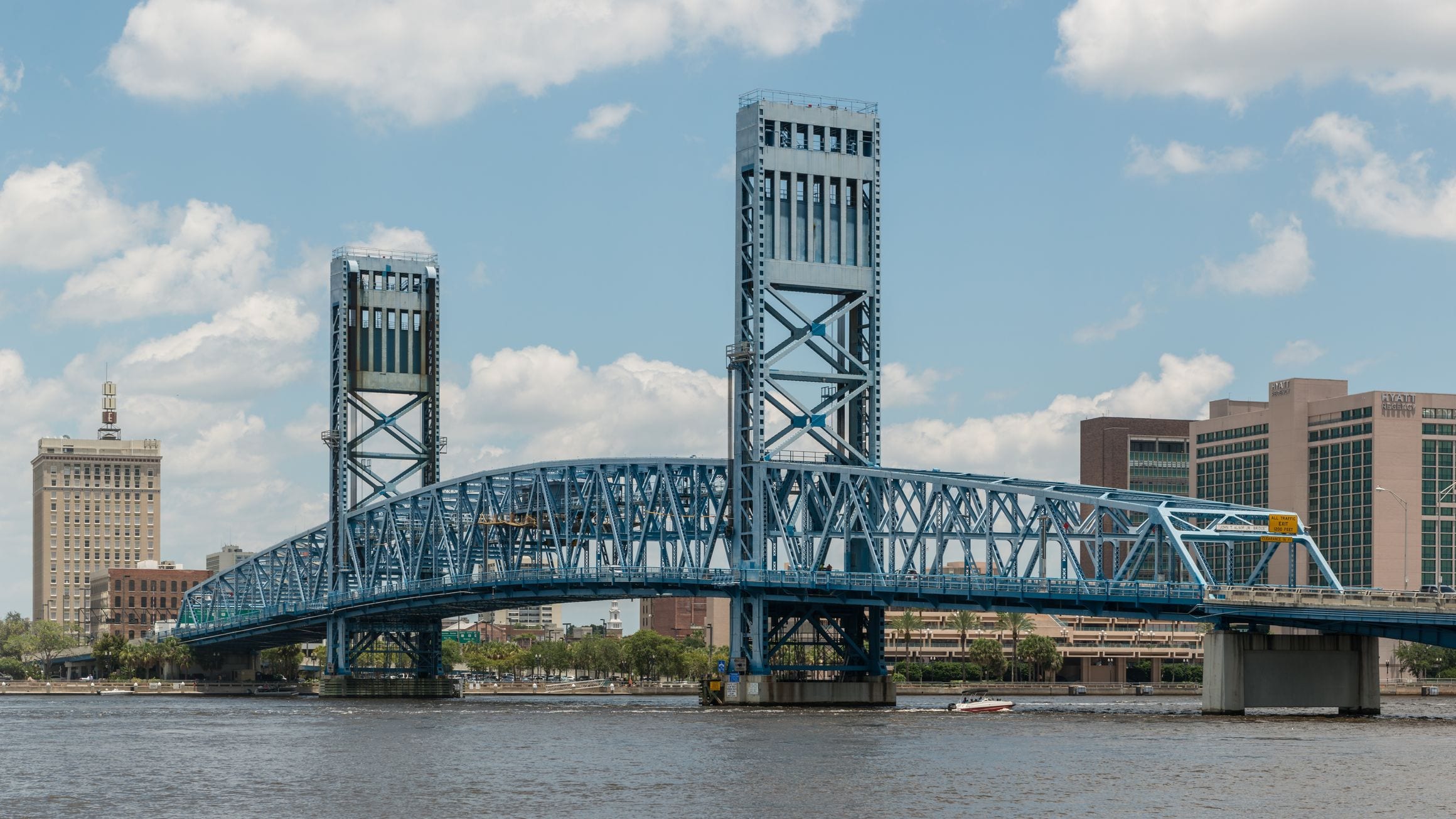
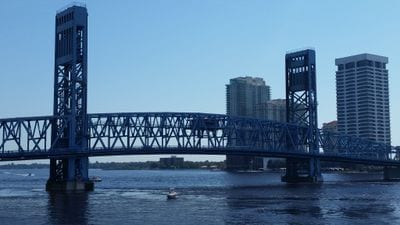
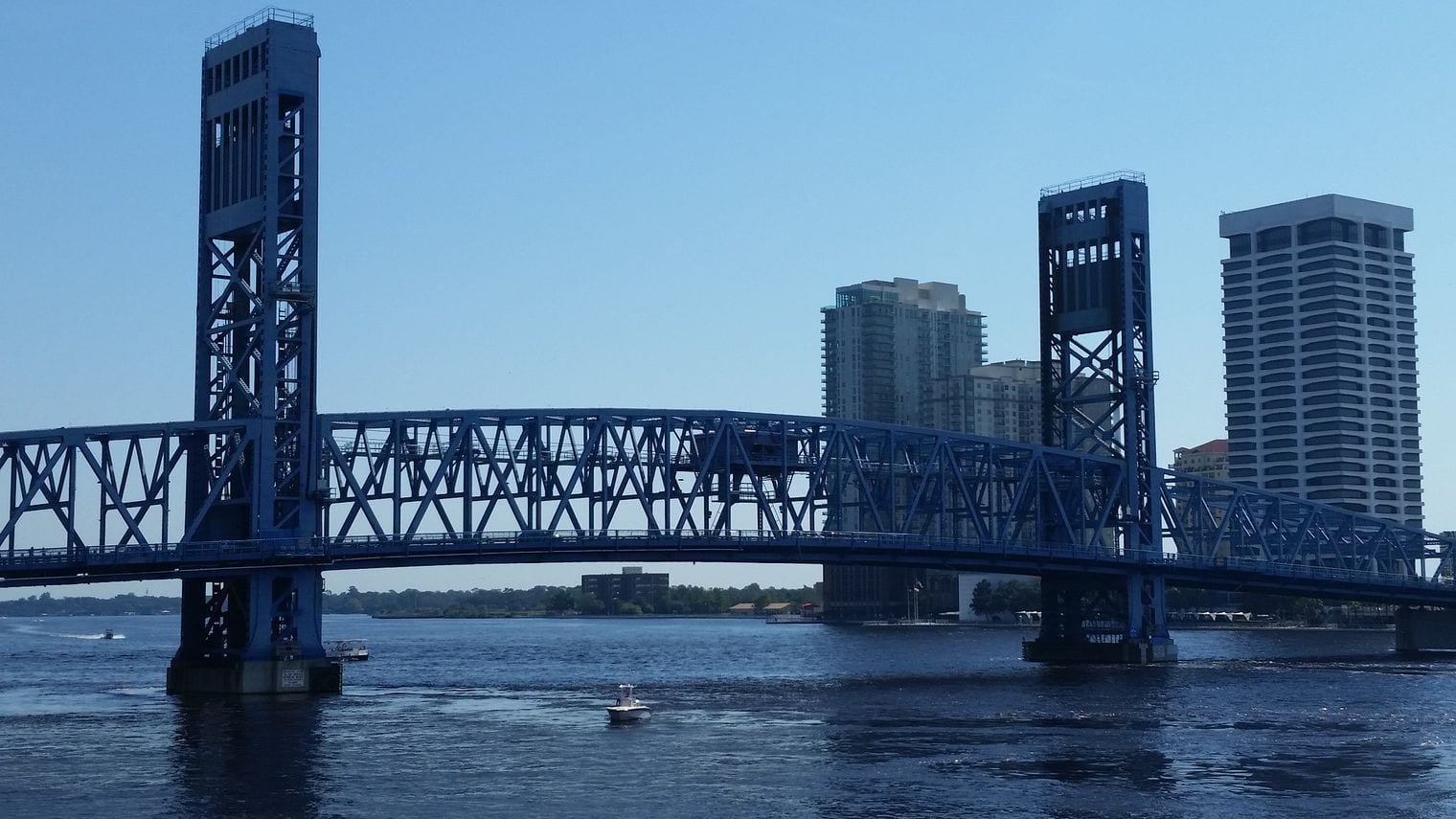
The Main Street Bridge, officially the John T. Alsop Jr. Bridge and nicknamed the Blue Bridge, is the defining shape of the downtown skyline. Opened in 1941 as a vertical lift bridge carrying US 1 across the St. Johns, it was only the second bridge built across the river.
Walk across for river views, or photograph it from the riverwalks at dusk. Its southbound walkway is closed into early 2027 during riverfront park construction, but the northbound side stays open to pedestrians.
Plan your trip
Best Time to Visit Jacksonville
Spring and fall are the sweet spots. From March to May the days are warm, the humidity is still bearable and the beaches, sea islands and trails of the Timucuan Preserve are at their best; it is also when the gardens bloom. October and November bring cooler, drier air, comfortable hiking on the Talbot Islands and the buzz of football season downtown.
Summer is hot and humid, with near-daily afternoon thunderstorms, so plan the beach for mornings and museums for afternoons; hurricane season runs from June through November. Winter is mild and quiet, too cool for most swimmers but ideal for birding at Huguenot Memorial Park and walking the riverwalks.
Getting to Jacksonville
Jacksonville International Airport sits north of downtown, roughly a 20-minute drive from the center, and Orlando's larger airport is about two and a half hours south. By road, I-95 runs north–south through the city and I-10 begins here and heads west across the Panhandle, with the I-295 beltway looping around the city. Coming down the coast, Charleston is about four hours north and Savannah about two.
Amtrak trains on the East Coast route stop at a station on the city's Northside, and long-distance buses also serve Jacksonville.
Getting Around Jacksonville
Jacksonville is enormous and spread out, so a car is the practical choice: the beaches are roughly half an hour east of downtown, and the Talbot Islands and Kingsley Plantation are farther still up A1A. Parking is easy almost everywhere outside the downtown core.
Downtown, Riverside and San Marco are walkable in pieces, and the riverwalks on both banks make the riverfront a pleasant stroll or bike ride. A water taxi crosses between the Northbank and Southbank, local buses cover the main corridors, and rideshare fills the gaps.
Where to Stay in Jacksonville
For a first visit, base yourself downtown or on the Southbank, close to the riverwalks, the theaters and the stadium district, with river views from many rooms. Riverside and Avondale suit travelers who want historic streets, walkable dining and the Cummer Museum nearby, while San Marco offers a village feel just across the river from downtown.
If the ocean is the point of the trip, stay at Jacksonville Beach, where you can walk to the sand, the pier and the nightlife. The Southside, around St. Johns Town Center, is a convenient middle ground between downtown and the beaches.
Where to Eat in Jacksonville
Riverside's Five Points and the King Street District are the liveliest dining areas inland, with cafes, brewpubs and casual restaurants, and San Marco Square is good for a relaxed dinner on the Southbank side. Downtown and the stadium district come alive around game nights and shows.
Seafood rules near the coast: look for Mayport shrimp, landed by the local shrimp boats and served fried, boiled or in shrimp and grits, along with fresh local fish at the beach towns and in the fishing village of Mayport. Southern barbecue and the datil-pepper dishes of nearby St. Augustine also turn up on local menus.
Day Trips from Jacksonville
St. Augustine, the old Spanish city with its stone fort and colonial streets, is about 45 minutes south and the classic day trip. About 45 minutes north, Amelia Island pairs the Victorian downtown of Fernandina Beach with the brick bastions of Fort Clinch State Park, and the beaches of Ponte Vedra are only half an hour south.
For a longer drive, Valdosta is about two hours northwest across the Georgia line, and Tallahassee, the state capital, is roughly two and a half hours west on I-10. Up the coast, the historic waterfront town of Beaufort is about three hours north, in South Carolina's Lowcountry.
Jacksonville is known for its size, its river and its beaches. Its signature sights are the Cummer Museum of Art & Gardens, the Jacksonville Zoo and Gardens, the beach and trails of Kathryn Abbey Hanna Park, the Saturday Riverside Arts Market and the restored 1927 Florida Theatre, plus NFL football and the wild Timucuan sea islands.
How many days do you need in Jacksonville?
Three days is about right. Spend one downtown and in Riverside, with the Cummer Museum, the riverwalks and a show; a second at the zoo and the Timucuan Preserve's islands, including Kingsley Plantation and Boneyard Beach; and a third at Hanna Park or Jacksonville Beach. Add a day for St. Augustine.
Is Jacksonville worth visiting?
Yes, especially for travelers who like variety. Within one city you get a strong art museum, a major zoo, Atlantic beaches, historic neighborhoods and some of the wildest coastal preserves in Florida, at a slower pace than the state's theme-park cities. It also makes an easy base for St. Augustine and Amelia Island.
What can you do in Jacksonville for free?
Plenty. The Riverside Arts Market, Friendship Fountain, the Southbank Riverwalk, the Treaty Oak, James Weldon Johnson Park and the Veterans Memorial Wall are all free, as are Memorial Park and Riverside Park. The National Park Service sites, Kingsley Plantation and Fort Caroline National Memorial, also charge no entrance fee.
When is the best time to visit Jacksonville?
Spring, from March to May, and fall, in October and November, bring warm, comfortable weather that suits both the beaches and the trails. Summer is hot and stormy in the afternoons and falls in hurricane season, while winter is mild and quiet, better for birding and walking than swimming.
Sources & updates
How this guide was checked
Checked before launch
Sources cited
35
Publishers
20
Every place on this list was confirmed open and pinned on the map before publication, and what we say about each one was checked against its own website or an official source.
A PDF with a box to tick for every place. Confirm your email to download it, and get one email every Thursday with our newest guides for the places you tick.
Free Jacksonville printable checklist
All 35 places in one PDF
Tick them off as you go. Confirm your email to download it, plus one email every Thursday with new guides for the places you tick.
We use cookies to analyse site traffic and improve your experience.
You can accept or reject analytics cookies. See our
May we use analytics cookies? See ourCookie Policy.