We build and rank every list first. Booking links come after, and only where
a partner sells a ticket, tour or stay for that exact place, so a place with
nothing to book is listed exactly as prominently as one you can book.
So how do we earn? Some links on this page go to booking
partners, and if you book tickets, tours or a stay through
one, we may earn a commission. It costs you nothing extra.
That commission never decides which places make the list, the order they
appear in, or what we write about them. No entry is sponsored or a paid
placement.
By the CityViking Research TeamPublished 30 places · 22 min read
Sources Checked before launchOct 16, 202630 sources22 publishers10 encyclopedias & research20 venues & other sitesPublished · Oct 16, 2026Researched and checked before it went liveClick for every source and the full change log.
Short answer
Miami is known for being Florida's gateway to Latin America, the world's busiest cruise port and its founding by a woman, Julia Tuttle. Start with Vizcaya, James Deering's bayfront villa, then the Wynwood Walls murals and the Cuban cafés of Little Havana, adding the Pérez Art Museum Miami. Three days is the sweet spot: the downtown bayfront and a cruise, then Vizcaya, Coconut Grove, Little Havana and Wynwood, then South Beach and the Art Deco District.
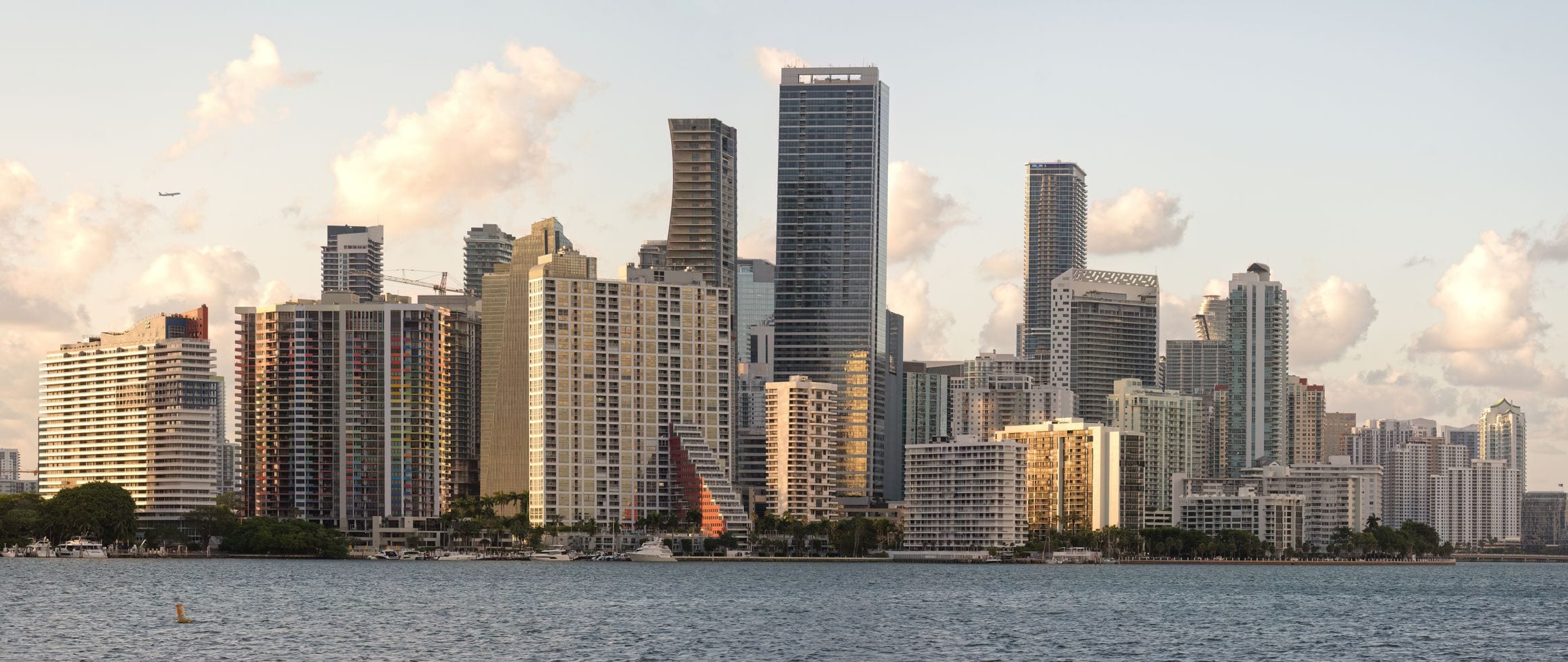
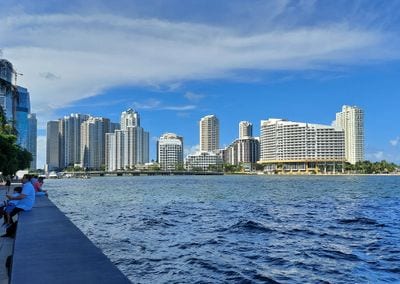
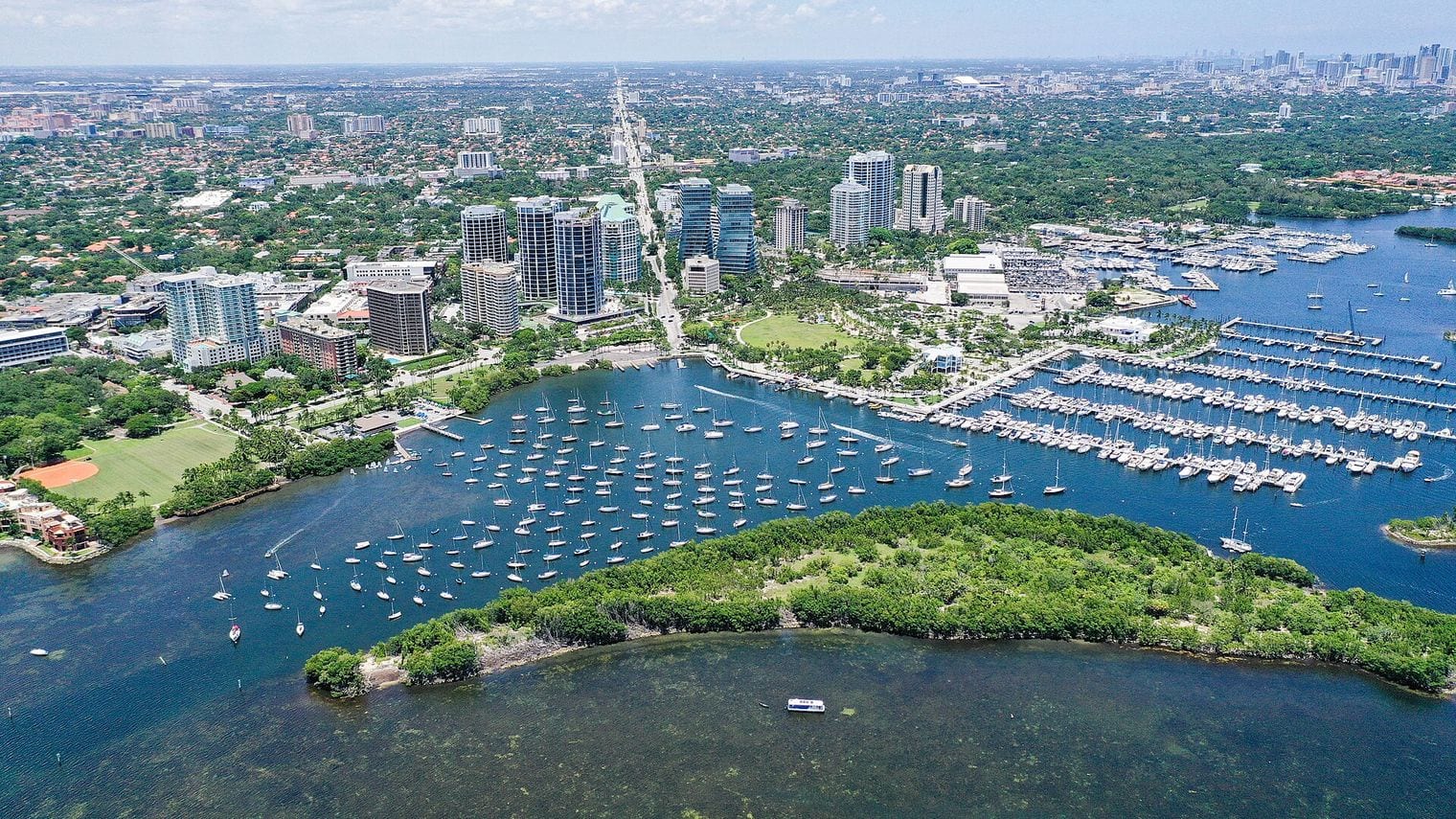
Miami is a city of bay and boulevard, where Cuban coffee windows, an Italianate villa and a wall of glass towers sit a short drive apart. It grew from a frontier settlement into Florida's gateway to Latin America in little more than a century, and its neighborhoods still feel like separate worlds.
This guide covers 30 things to do, from Vizcaya and the Wynwood Walls to Little Havana, the bayfront museums and the Art Deco streets of neighboring Miami Beach. Allow three days, and add a fourth for the beach or a drive up the coast to West Palm Beach.
Miami is the only major US city founded by a woman: citrus grower Julia Tuttle owned the land it was built on and persuaded Henry Flagler to extend his Florida East Coast Railway south, earning the title “the mother of Miami”.
When Miami was incorporated on July 28, 1896, it had just over 300 residents; the 2020 census counted 442,241.
Snow has never been recorded at an official Miami weather station, but flurries fell in parts of the city on January 19, 1977.
PortMiami ranks as the busiest cruise port in the world, by both passenger traffic and the number of cruise lines.
The Tequesta lived in the Miami area for around 2,000 years before European contact, and the Miami Circle in Brickell may mark the site of one of their buildings.
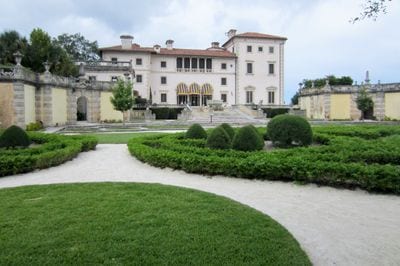
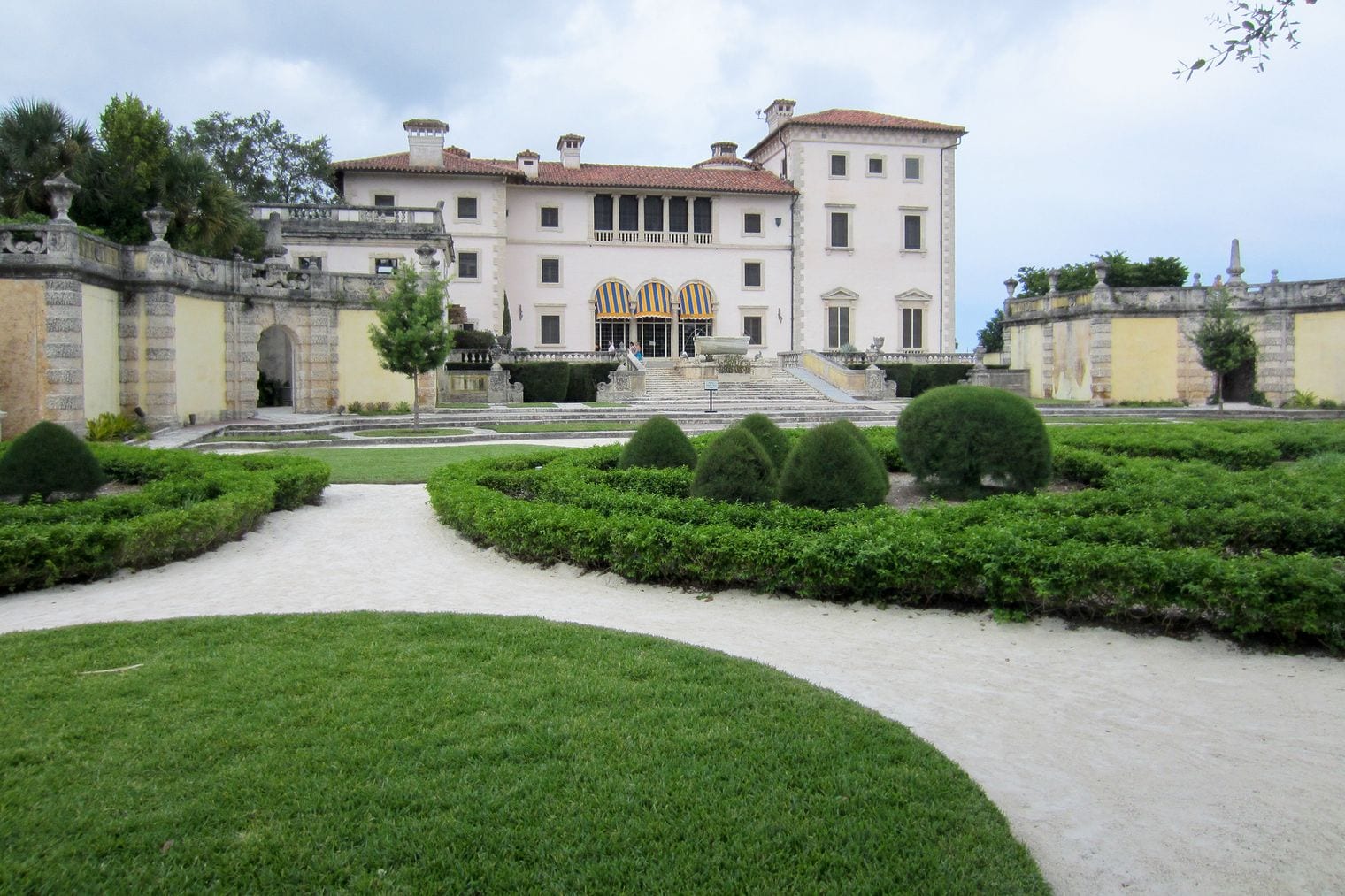
Vizcaya Museum and Gardens is the winter estate that industrialist James Deering built on Biscayne Bay, a Mediterranean Revival villa with Baroque touches set in formal Italian Renaissance gardens. The house went up mainly between 1914 and 1922, and Deering wintered here from 1916 until his death in 1925.
Inside, the rooms are filled with European art and antiques; outside, paths lead past fountains, clipped hedges and native woodland to the water's edge. Now owned by Miami-Dade County and a National Historic Landmark, the estate sits on the northern edge of Coconut Grove. Come early to see the gardens before the midday heat.
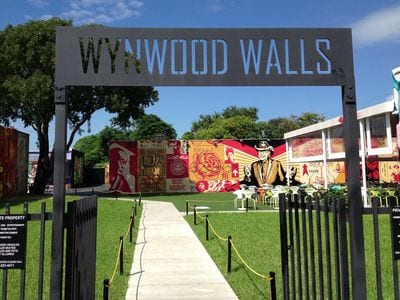
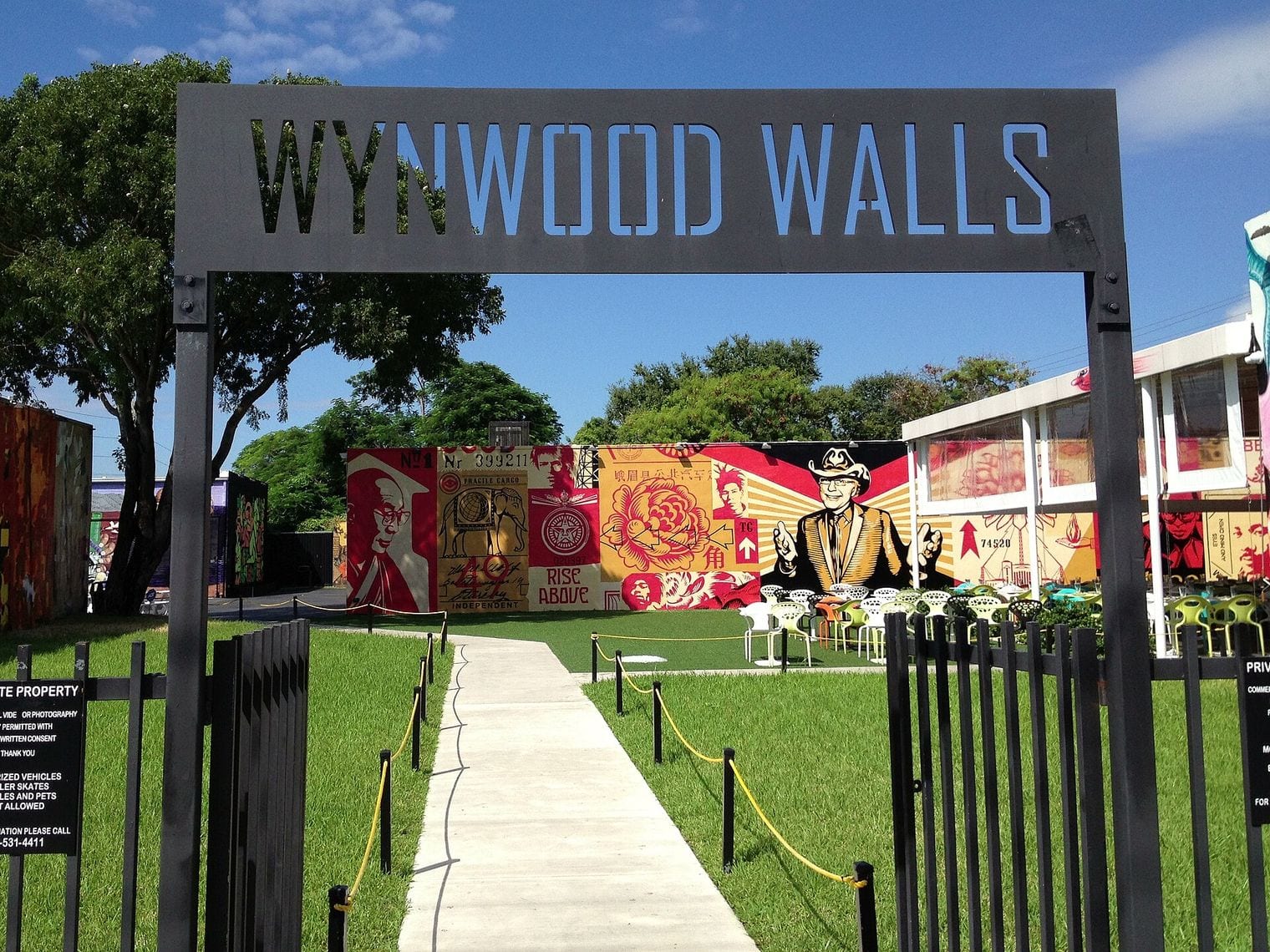
The Wynwood Walls began in 2009, when developer Tony Goldman invited artists to paint the bare walls of a cluster of warehouses, and it has grown into an outdoor museum of rotating street art that draws visitors from around the world. Huge murals by international and local artists fill the ticketed walls and courtyards, and they change often enough that a repeat visit rarely looks the same.
The walls sit at the heart of the Wynwood Art District, a former industrial quarter where almost every surrounding street is covered in murals you can see for free, along with galleries, breweries and shops. The Museum of Graffiti is a short walk away if you want the history behind the style.
Little Havana is the heart of Cuban Miami, the neighborhood west of downtown where exiles settled in large numbers after the 1959 revolution. Its main street, Calle Ocho (SW 8th Street), still runs on Cuban coffee, cigar shops and fruit stands, and its Walk of Fame stars honor Latin stars such as Celia Cruz, Gloria Estefan and Desi Arnaz.
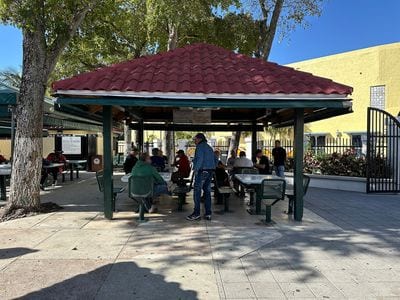
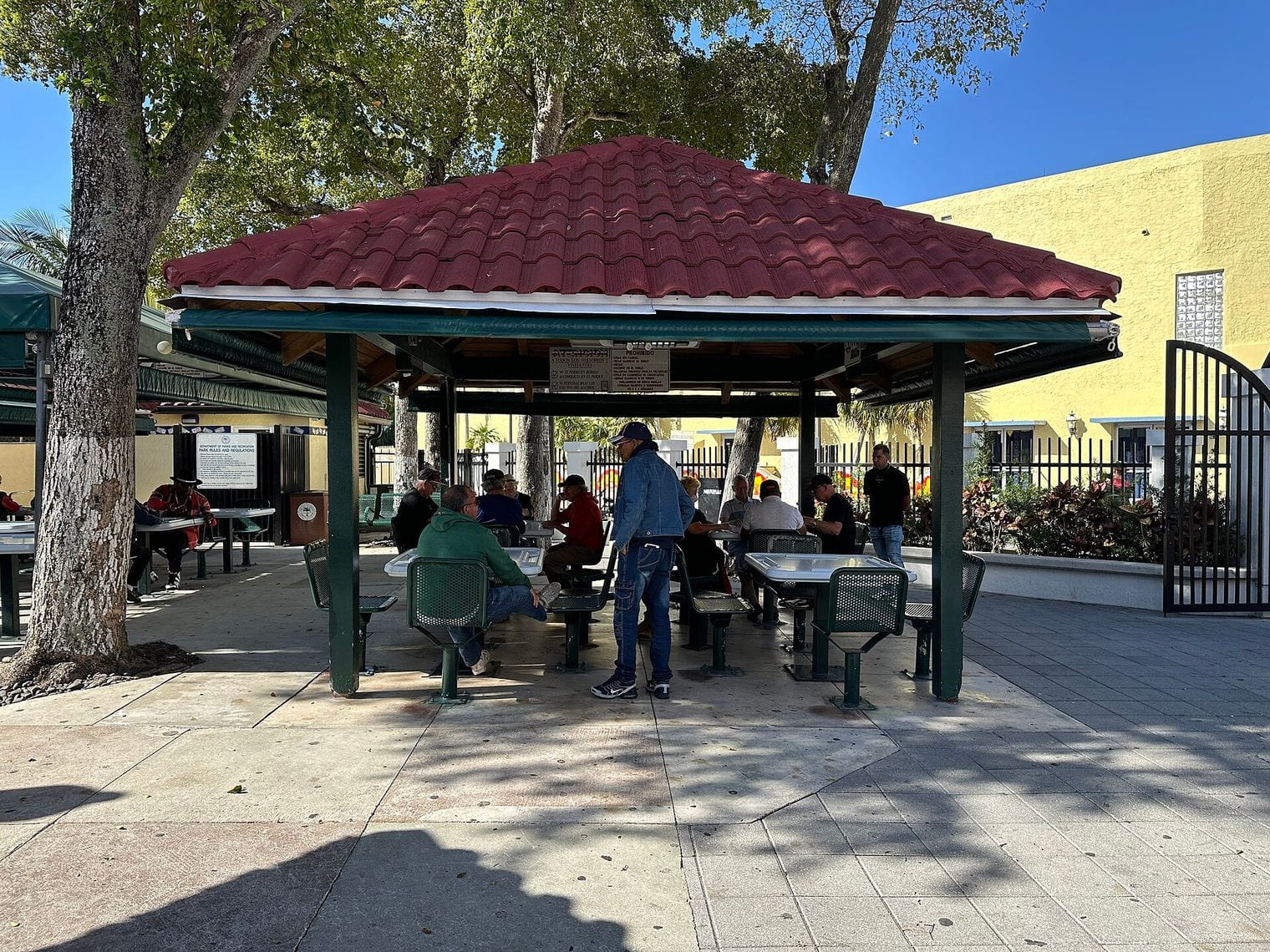
Stop at Máximo Gómez Park, better known as Domino Park, where older Cuban men gather over games of dominoes, then look up at the Tower Theater and walk the monuments of Cuban Memorial Boulevard. The Little Havana Visitors Center helps with orientation, and the street is at its liveliest during the Viernes Culturales (Cultural Fridays) evenings and the big Calle Ocho festival.
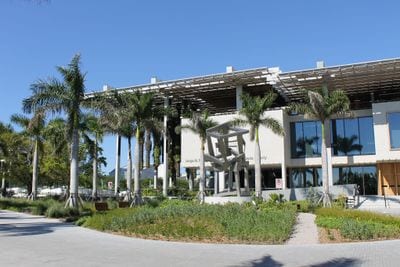
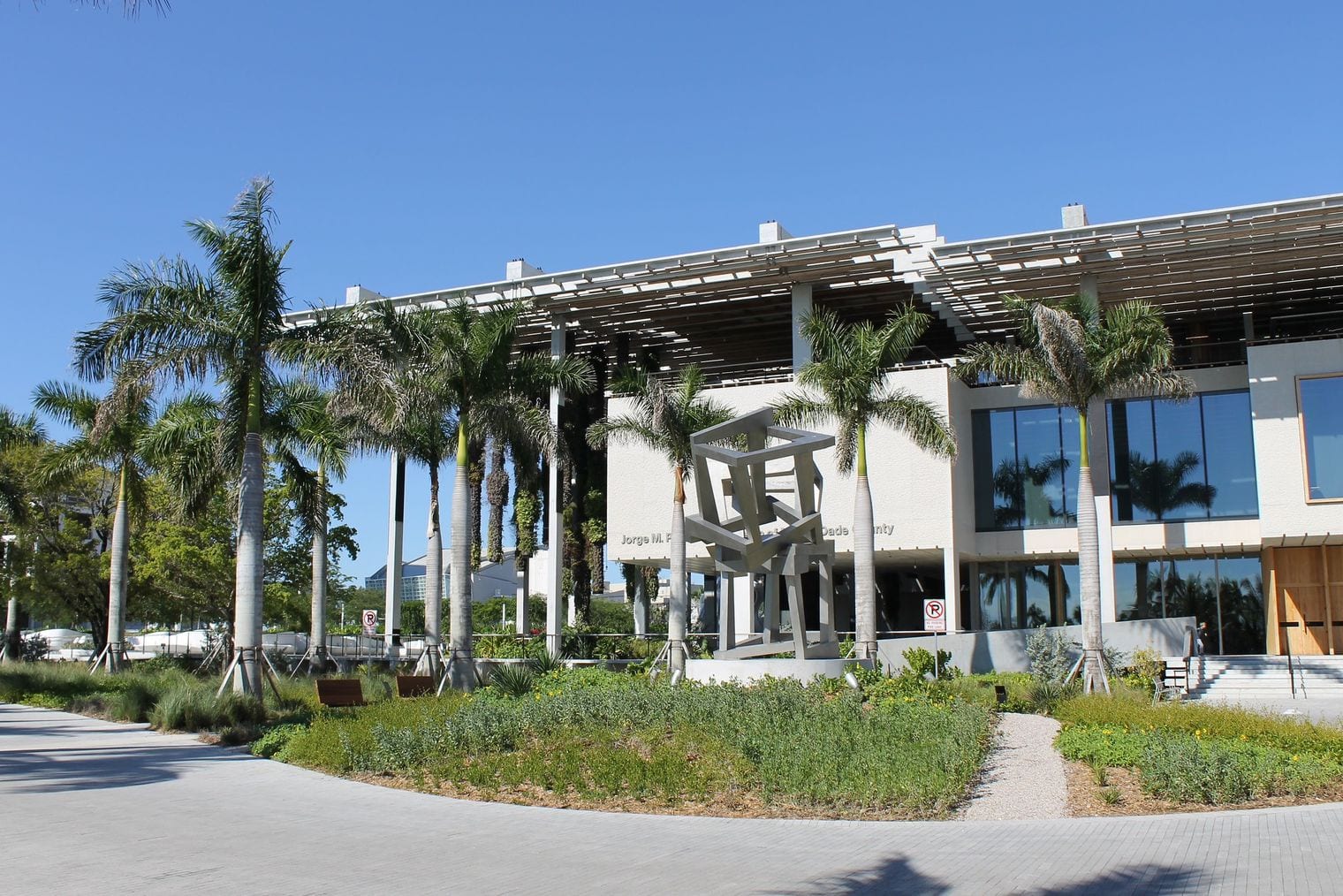
Pérez Art Museum Miami is the city's flagship for modern and contemporary art, housed since 2013 in a building by Herzog & de Meuron on the edge of Biscayne Bay. Its collection concentrates on 20th- and 21st-century art from the Americas, Western Europe and Africa, a mix that suits a city sitting between continents.
The building is half the experience: deep, shaded terraces look over the water, and hanging vertical gardens of local plants, designed by the French botanist Patrick Blanc, drape the outside. PAMM stands in Maurice A. Ferré Park, the bayfront green it shares with the Frost science museum, so leave time for a stroll along the water after the galleries.
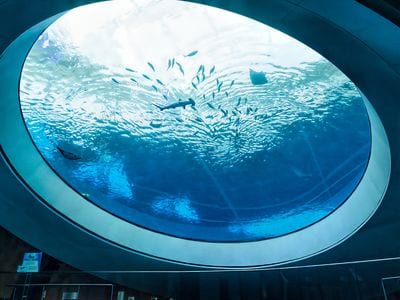
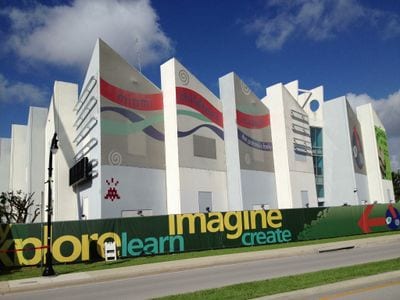
The Phillip and Patricia Frost Museum of Science moved from Coconut Grove to its downtown bayfront home in 2017, bringing a science museum, a planetarium and an aquarium together in one complex beside PAMM. Interactive galleries make it one of the best rainy-day choices in the city, for adults as much as for children.
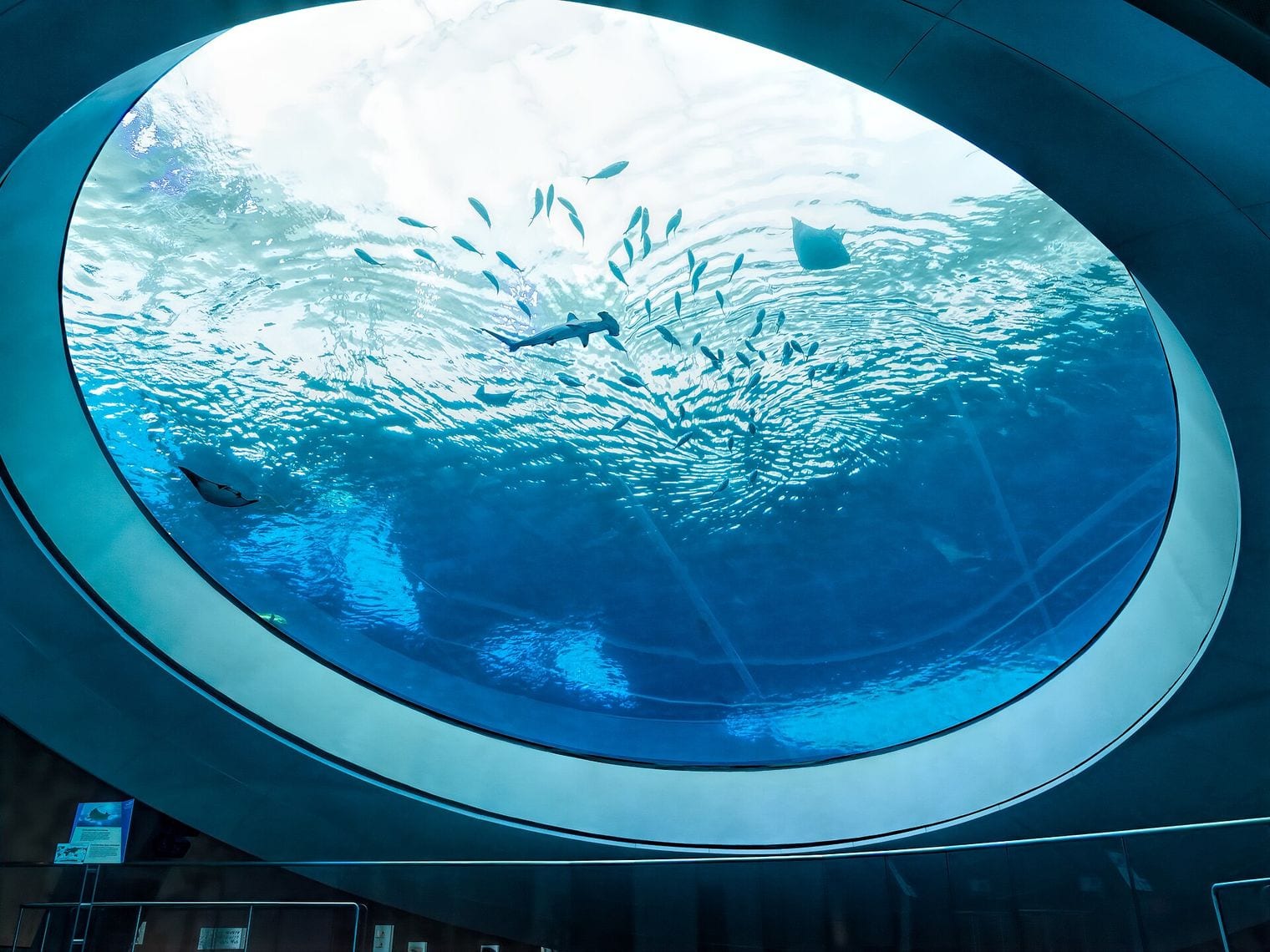
The aquarium is the highlight, stacked over several levels around the 500,000-gallon Gulf Stream Aquarium, where hammerhead sharks, rays and mahi-mahi glide past, with coral reef and mangrove habitats on the way down. Finish under the 67-foot dome of the Frost Planetarium, whose full-dome shows seat about 250 people.
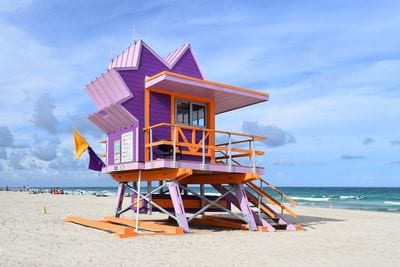
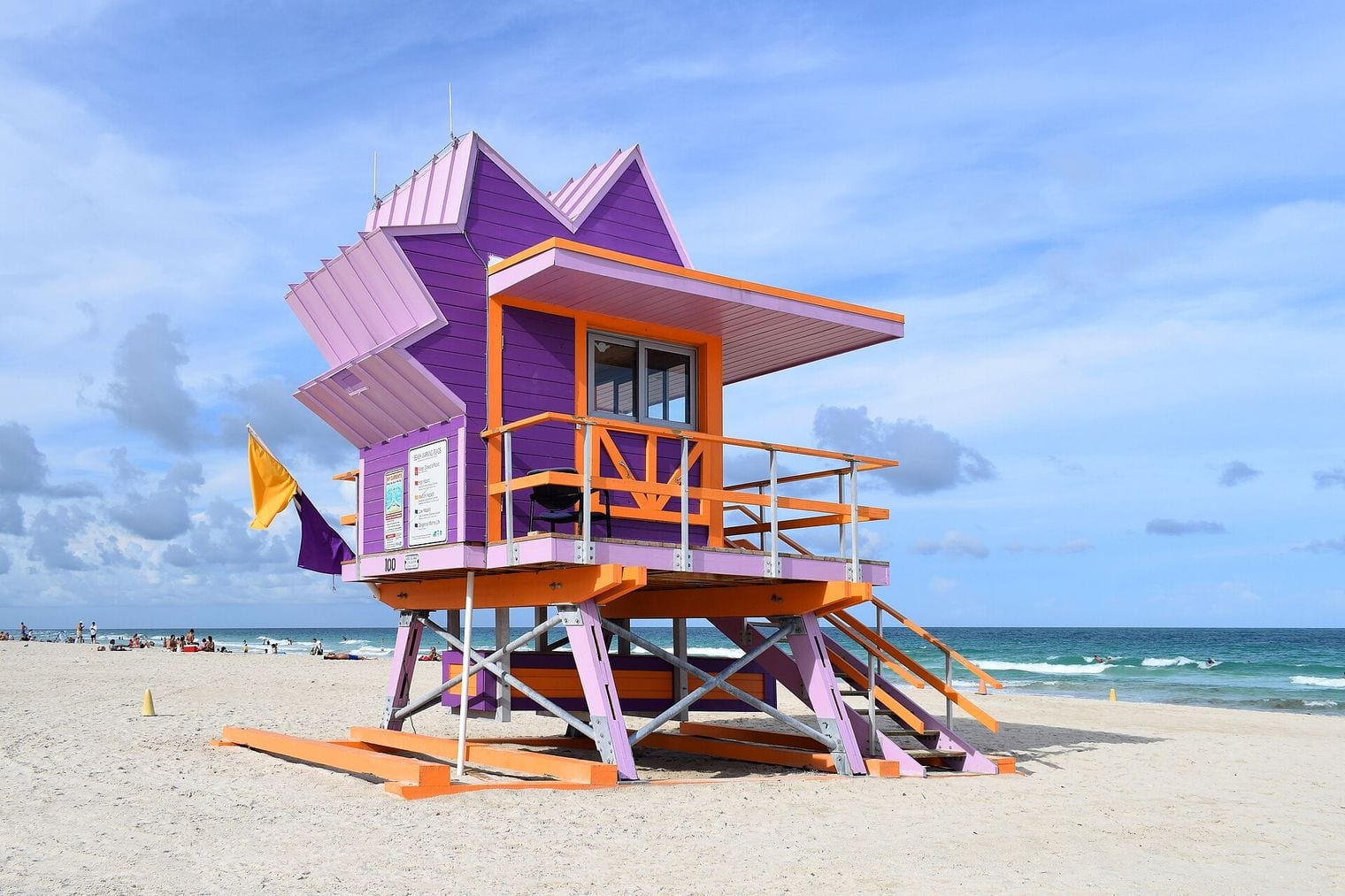
South Beach is the southern end of Miami Beach, which is a separate city from Miami, on the barrier island across Biscayne Bay and a short drive over the causeways from downtown. It was the first part of Miami Beach to be developed, from the 1910s, and its wide Atlantic beach, colorful lifeguard stands and palm-lined promenade are the picture most people have of Miami.
Spend the day on the sand, then walk the beachfront path through the Art Deco blocks, browse the pedestrian Lincoln Road Mall, or watch the sun go down over the bay from South Pointe Park at the island's southern tip. It is busy, loud and glamorous after dark, and at its calmest early in the morning.
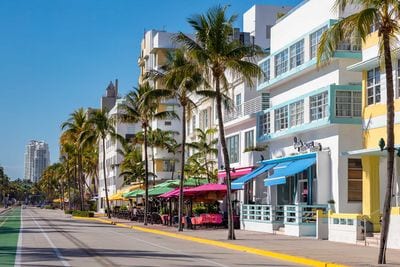
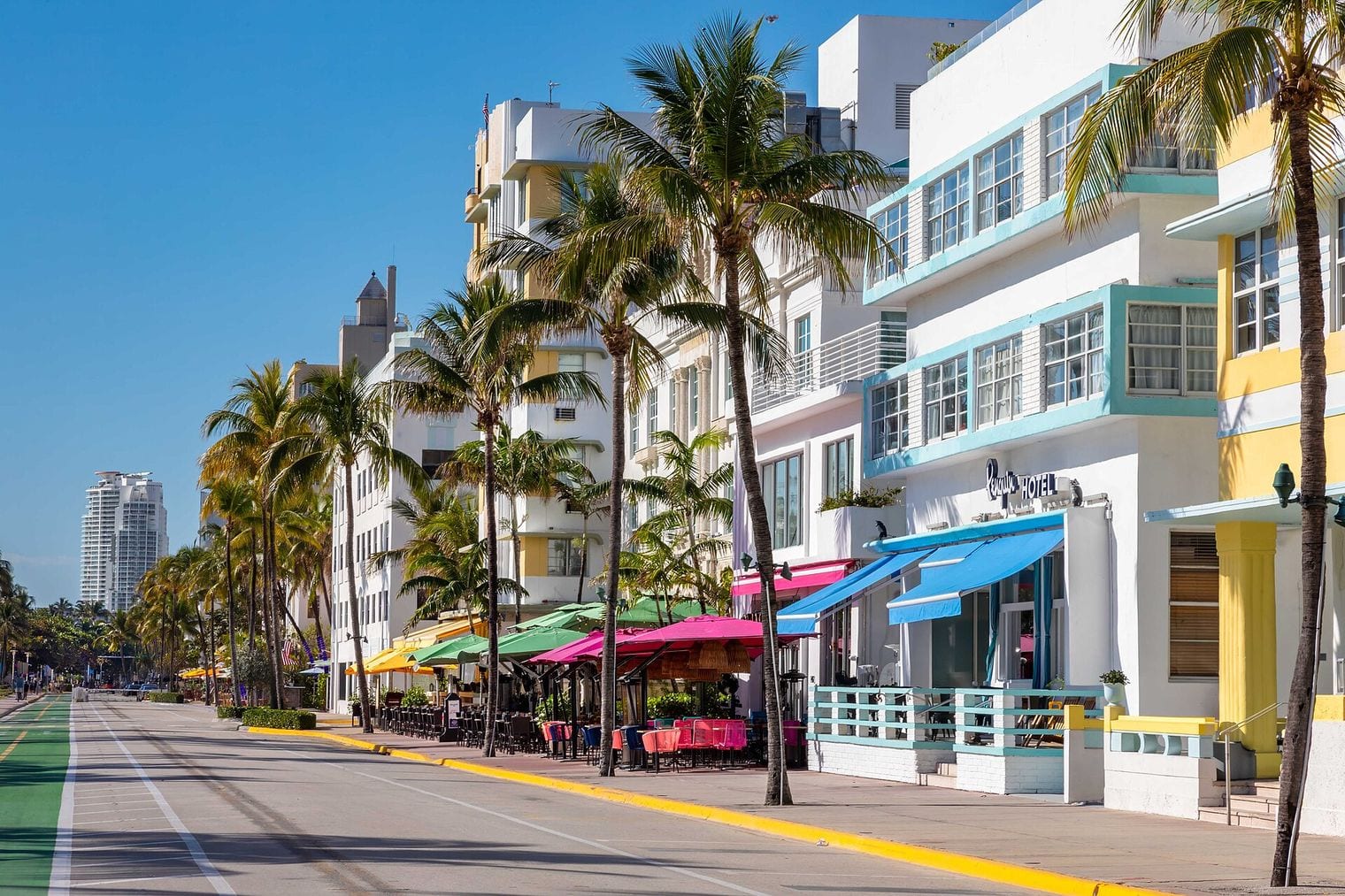
The Art Deco Historic District, listed on the National Register of Historic Places in 1979, packs some 960 historic buildings into the streets of South Beach, many of them in the Art Deco, Streamline Moderne and Mediterranean Revival styles of the 1920s to the 1940s. Like South Beach, it lies in the City of Miami Beach rather than in Miami itself.
Ocean Drive is the showpiece, a beachfront row of pastel facades, porthole windows and neon signs that glow after dark, while Collins and Washington Avenues hold more of the same architecture on quieter blocks. The Miami Design Preservation League, the group whose campaign helped save the district, runs guided walking tours and an Art Deco Welcome Center on Ocean Drive.
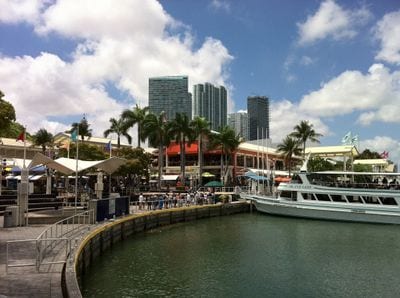
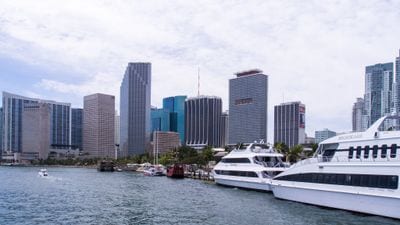
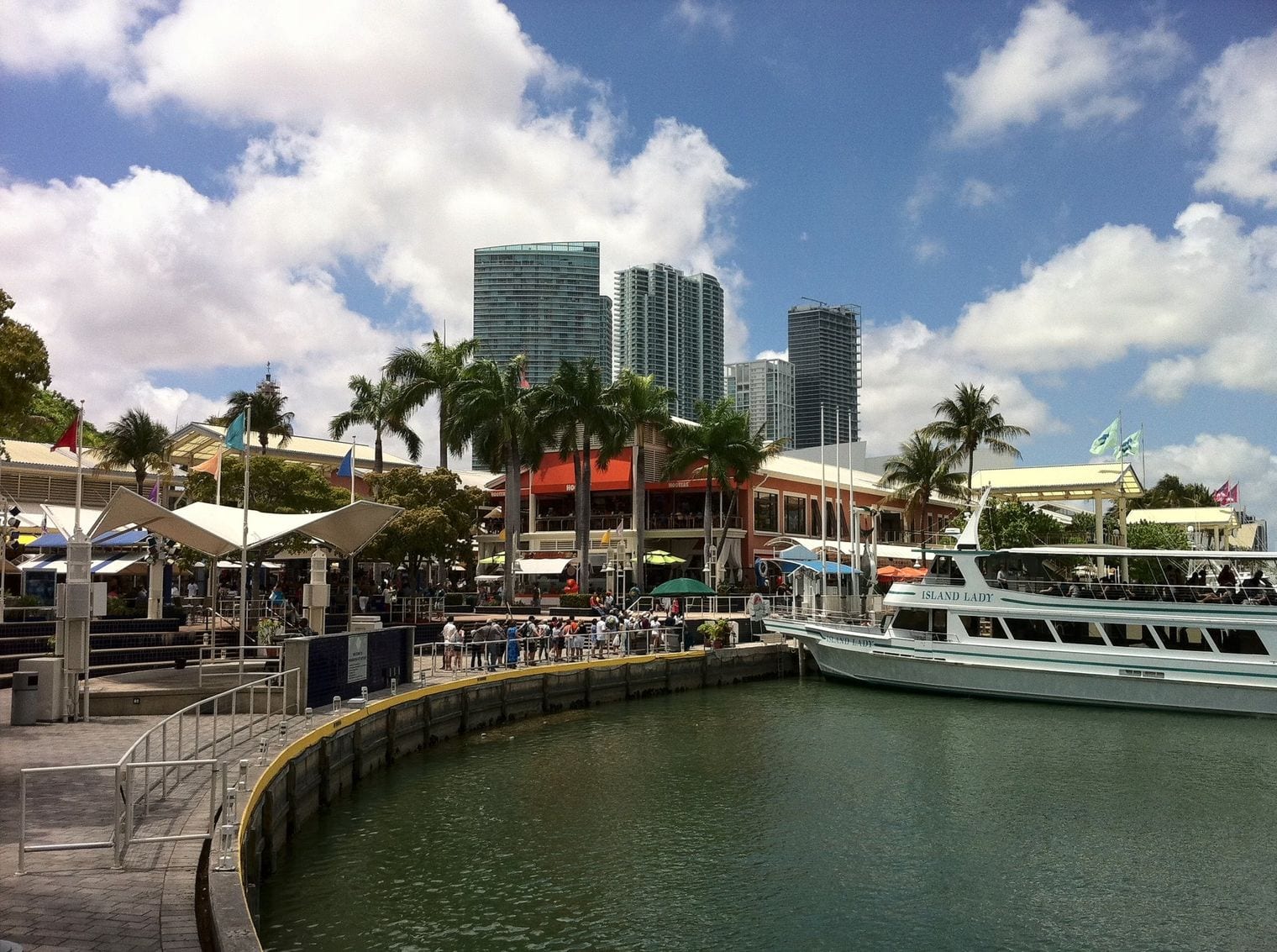
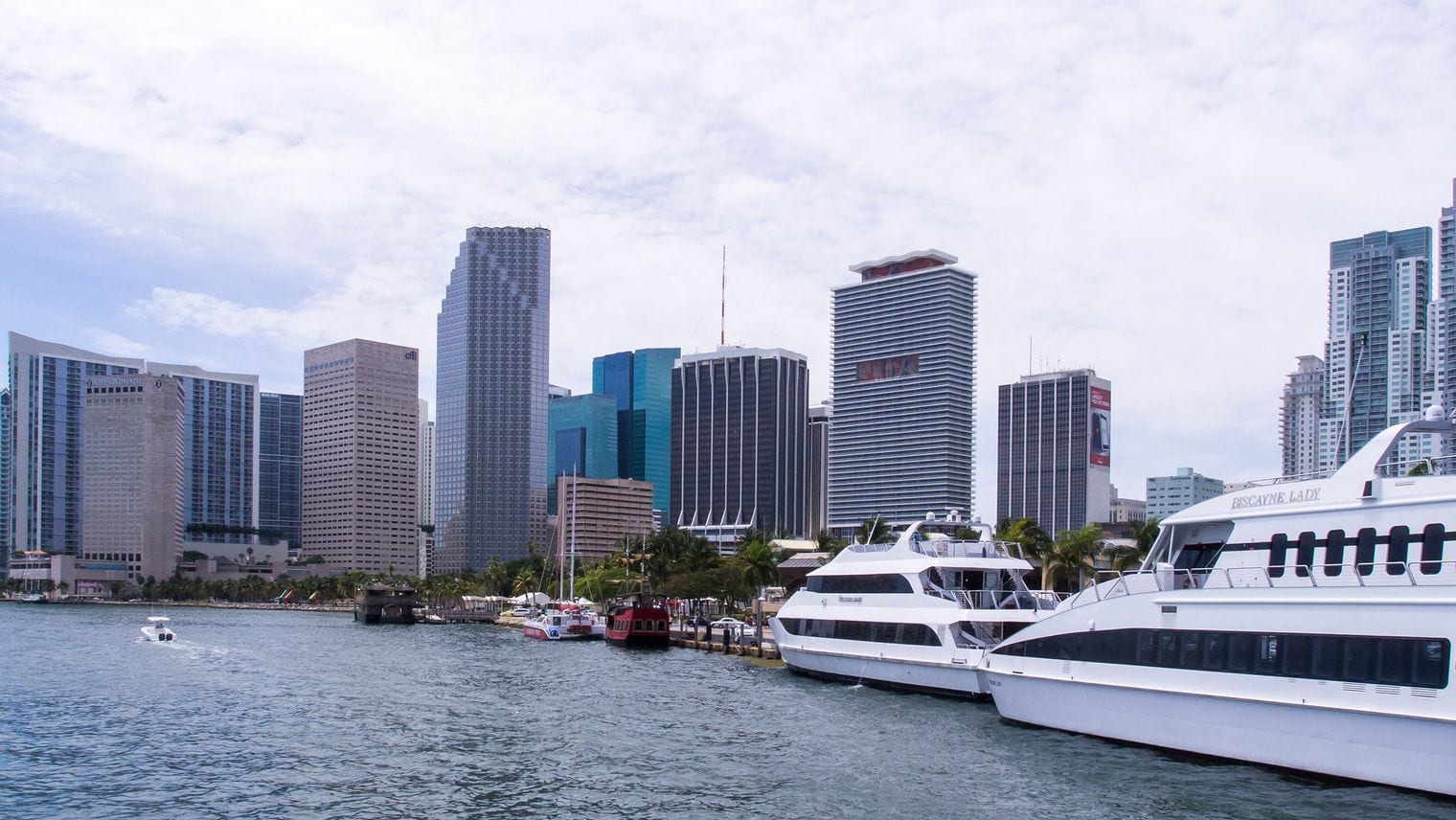
Bayside Marketplace opened in 1987 as an open-air festival marketplace on the downtown waterfront, built around the city marina, and it is still the easiest place in Miami to combine shopping, souvenirs and a drink by the water. Its two pavilions wrap around the boat basin, so you can browse while the sightseeing boats come and go.
The marina is where Island Queen and other bay cruises depart, and the Skyviews wheel turns at one end, so Bayside works as a base for an afternoon downtown. Free live music on the waterfront stage adds to the atmosphere, especially in the evening when the skyline lights up across the water.
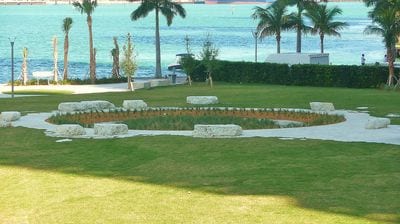
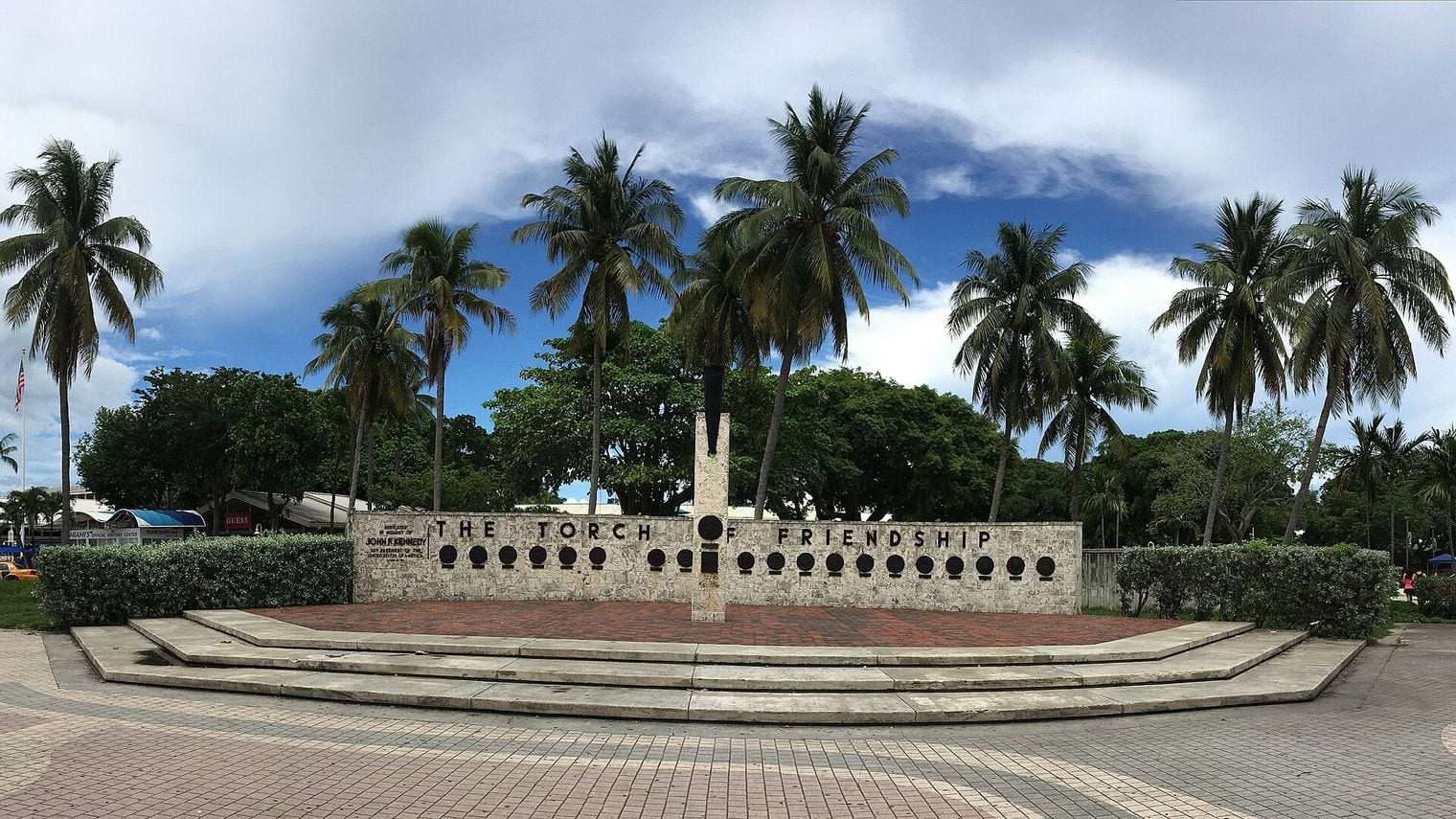
Bayfront Park is a 32-acre green on Biscayne Bay at the foot of downtown, first opened in 1925 and reshaped from 1980 by the Japanese-American artist and landscape architect Isamu Noguchi. Its lawns and bay walk give the busy Biscayne Boulevard a breathing space.
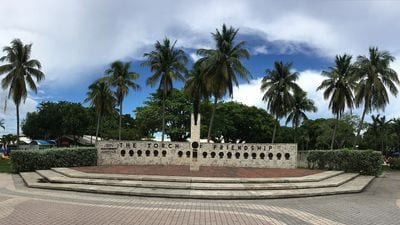
Look for Noguchi's memorial to the crew of the space shuttle Challenger, and for the Torch of Friendship at the park's northwest corner, a 1960 monument to the immigrants who came from Latin America and the Caribbean. The park hosts big concerts at its amphitheater and the city's New Year's Eve celebrations, but on an ordinary afternoon it is a quiet spot to watch the boats.
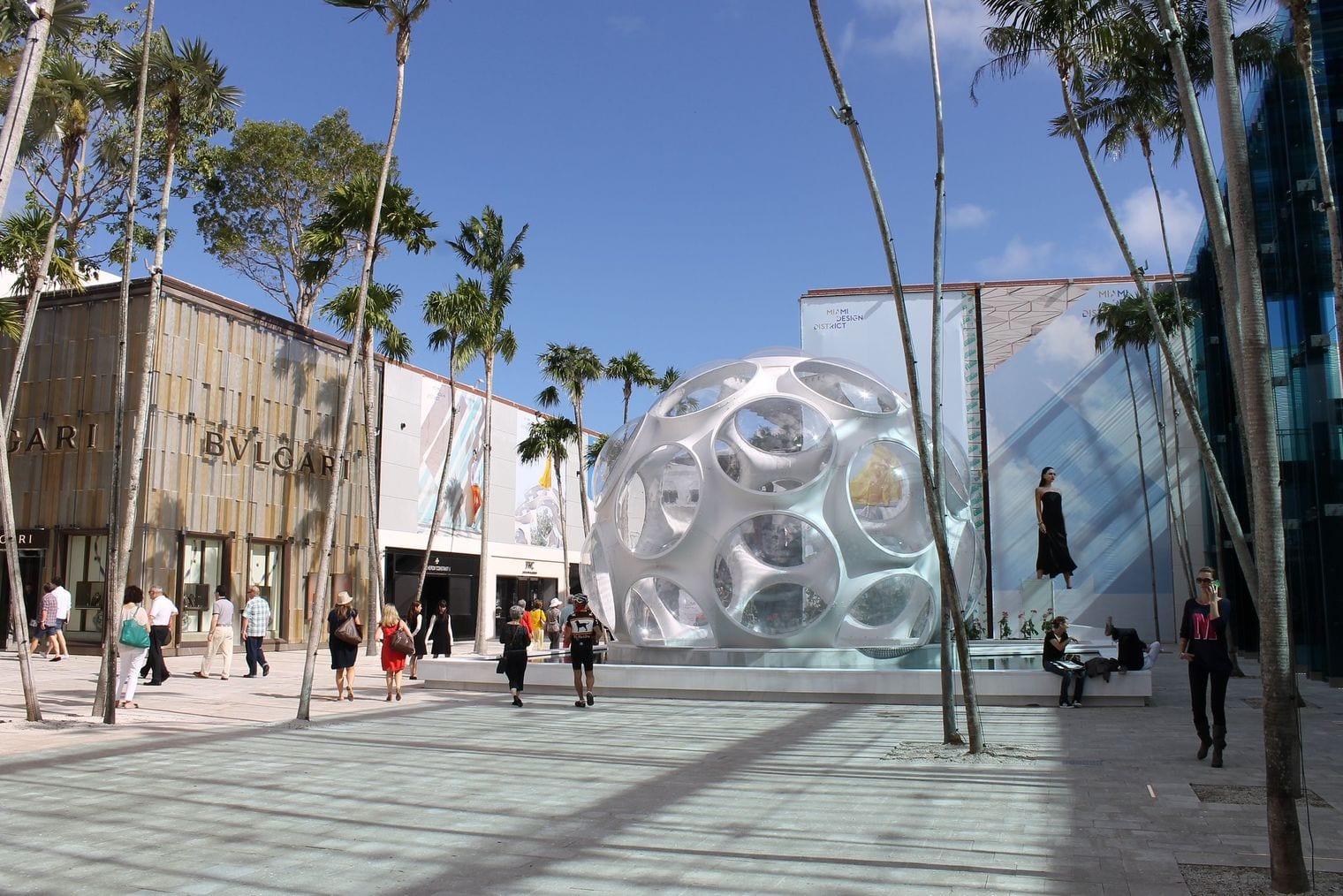
The Miami Design District had fallen into disrepair until a redevelopment from the early 2000s turned it into the city's showcase for luxury fashion, design and contemporary art. Today its streets mix designer flagships with galleries, showrooms and some of Miami's most ambitious architecture.
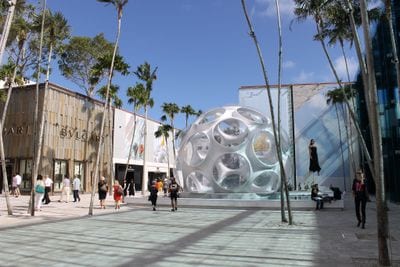
Even if you never step into a store, it rewards a walk for its public art: Buckminster Fuller's Fly's Eye Dome in Palm Court, Zaha Hadid's Elastika on the Moore Building and inventive facades at every turn. Two contemporary art spaces stand side by side here, the Institute of Contemporary Art and the de la Cruz Collection, the private collection of Rosa and Carlos de la Cruz.
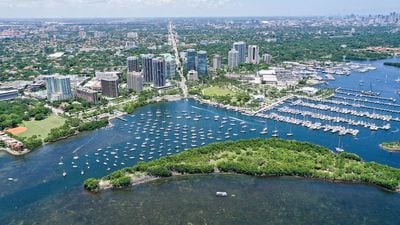
Coconut Grove, known simply as the Grove, is the oldest continuously inhabited neighborhood of Miami, a leafy bayside district that was a town of its own until Miami annexed it in 1925. It keeps a village feel, with tree-shaded streets, sailboats in the marinas and parks along the water.
The compact center of shops, cafés and outdoor terraces makes for an easy afternoon, and several sights on this list are close by: The Barnacle, The Kampong, the Ermita de la Caridad and Vizcaya on the Grove's northern edge. It is a good base for travelers who want Miami at a slower pace.
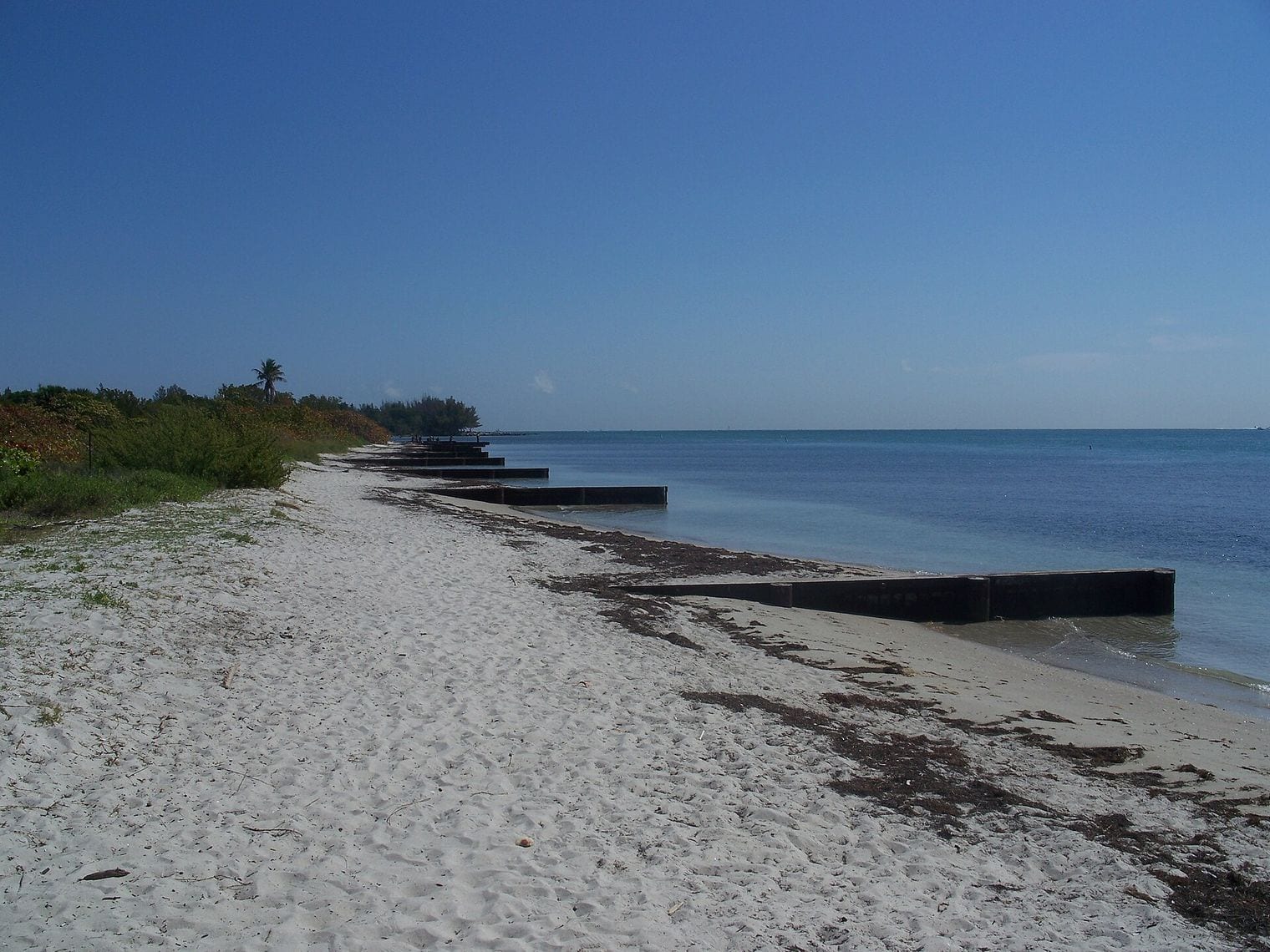
Historic Virginia Key Beach Park opened on August 1, 1945, as the beach for Black residents of the Miami area during segregation, when the region's other beaches were closed to them. For decades it was a gathering place for families and community events, and today it is protected as a place of memory as well as recreation.
The park lies on Virginia Key, a short drive across the Rickenbacker Causeway from downtown, and it is a quieter alternative to South Beach. Expect a natural shoreline for swimming, shaded picnic areas, a loop trail through coastal greenery and calm water that suits kayaking.
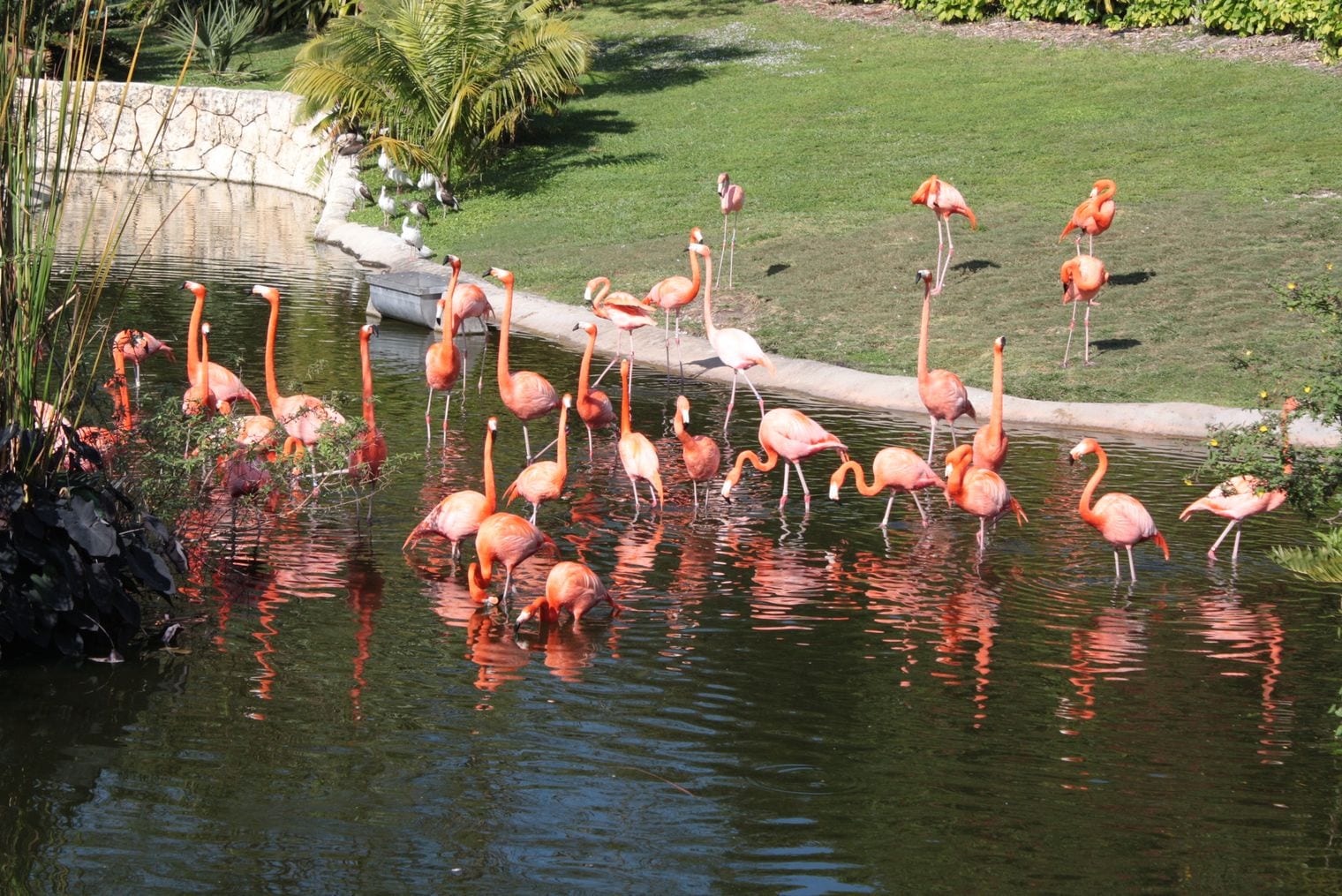
Jungle Island began life as Parrot Jungle, a bird park in suburban Pinecrest, before it moved to Watson Island just east of downtown in the early 2000s and took its current name in 2007. It has since been relaunched as an eco-adventure park.
Today you can meet parrots and other animals, then try zip lines and other active attractions among tropical planting with views of the downtown skyline. Voters have approved a long-term plan that would turn much of the island site into a public park, so enjoy it for now as a fun half-day out, especially with children, next door to the Miami Children's Museum.
Free printable checklist of all 30 places
Tick them off as you go. Confirm your email to download it, plus one email every Thursday with new guides for the places you tick.
Island Queen Cruises runs narrated sightseeing trips on Biscayne Bay from the marina at Bayside Marketplace, the simplest way to see Miami's skyline and waterfront from the water. It is a good first-day activity, giving you the layout of the bay, the islands and the city before you explore on land.
The signature Millionaire's Row cruise glides past waterfront mansions on the bay's islands, with commentary on the homes of the rich and famous and the downtown towers. Other departures add sunset sailings and a cruise down the bay to Vizcaya, and there is space on deck to take photos as the skyline slides by.
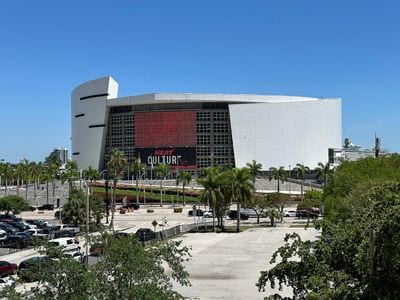
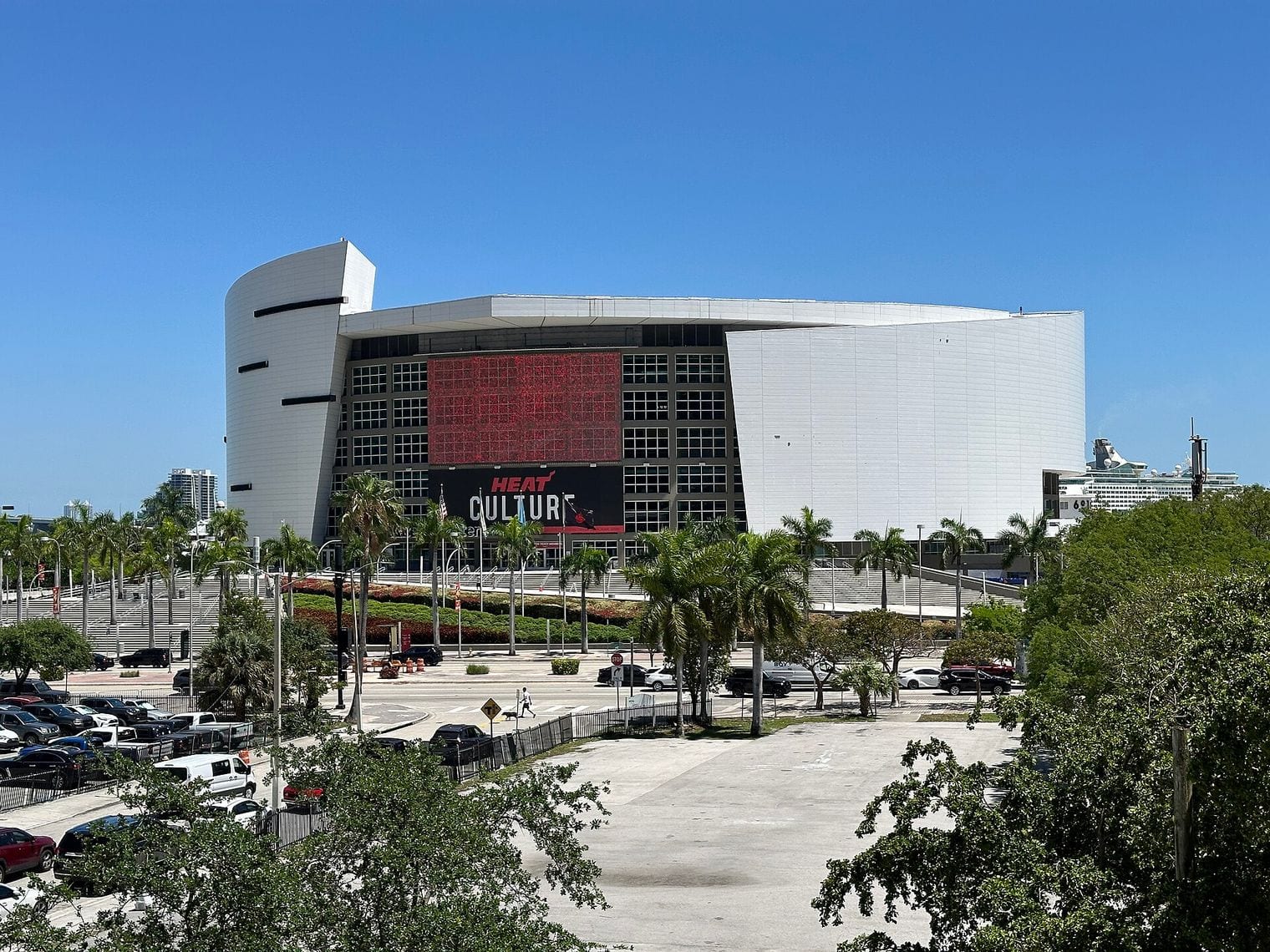
Kaseya Center is the bayfront arena that has been home to the NBA's Miami Heat since it opened in 1999 as the American Airlines Arena; it has carried its current name since 2023. A Heat game here, with the crowd and the bay outside, is one of the city's great nights out.
The basketball season runs from fall to spring, and the arena also hosts major concerts, family shows and other events through the year. It sits on Biscayne Boulevard beside Bayside Marketplace and Bayfront Park, so a game or a show fits neatly into an evening downtown.
1616. Adrienne Arsht Center for the Performing Arts
Performing Arts Theater~1.8 miles (2.9 km) from center
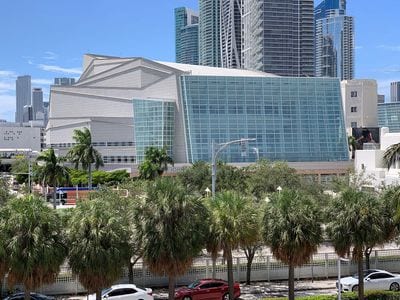
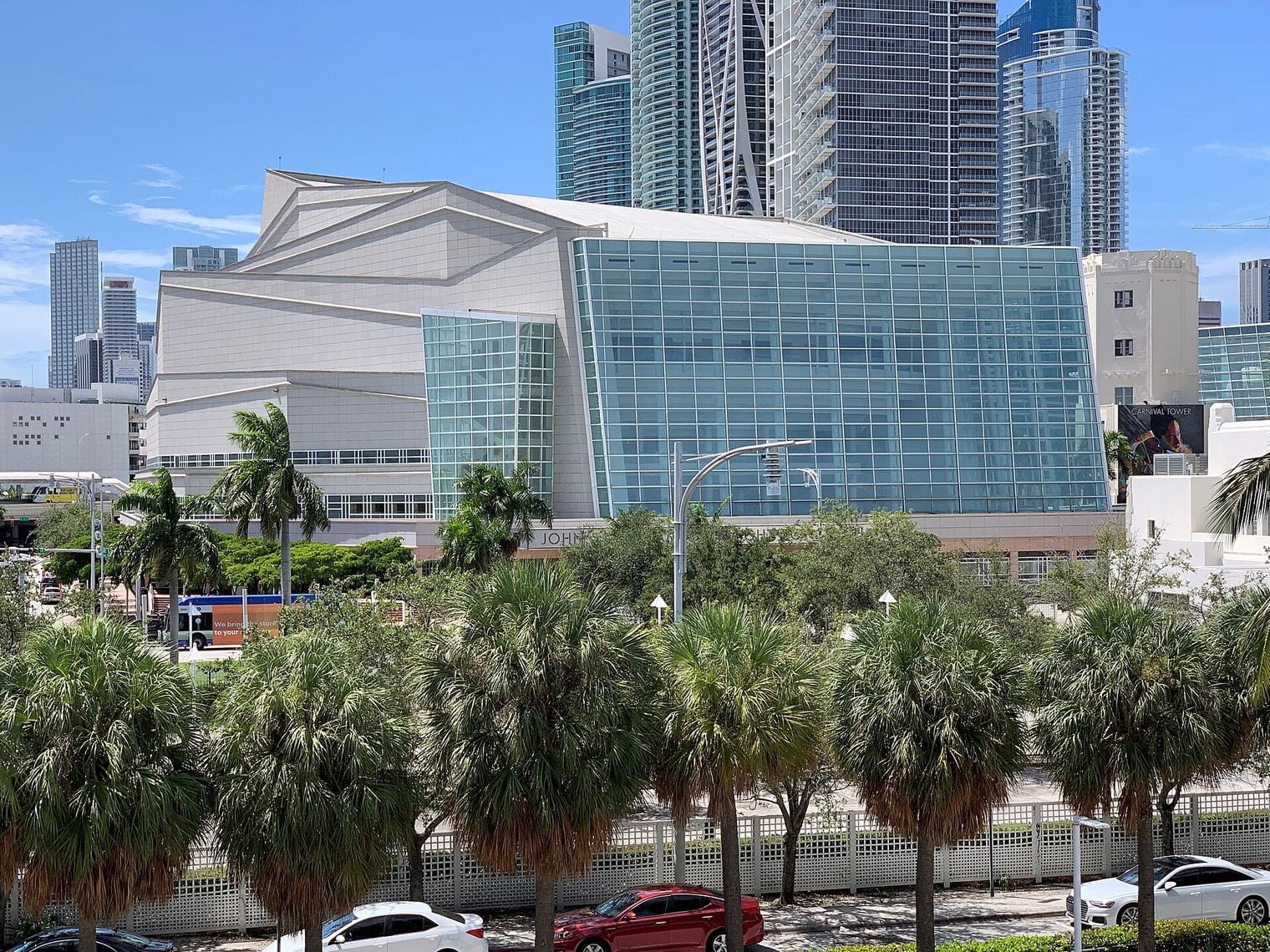
The Adrienne Arsht Center for the Performing Arts is Miami's main stage for opera, ballet, touring Broadway shows and concerts, and one of the largest performing arts centers in the United States. Its season brings artists from around the world alongside its resident companies.
Designed by César Pelli, the center occupies two buildings on either side of Biscayne Boulevard, linked by a pedestrian bridge, at the north end of downtown. Alongside the ticketed season it runs free community events through the year, so check what is on even if your budget is tight.
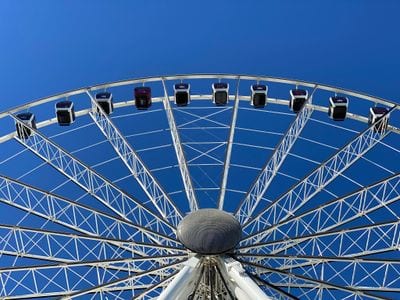
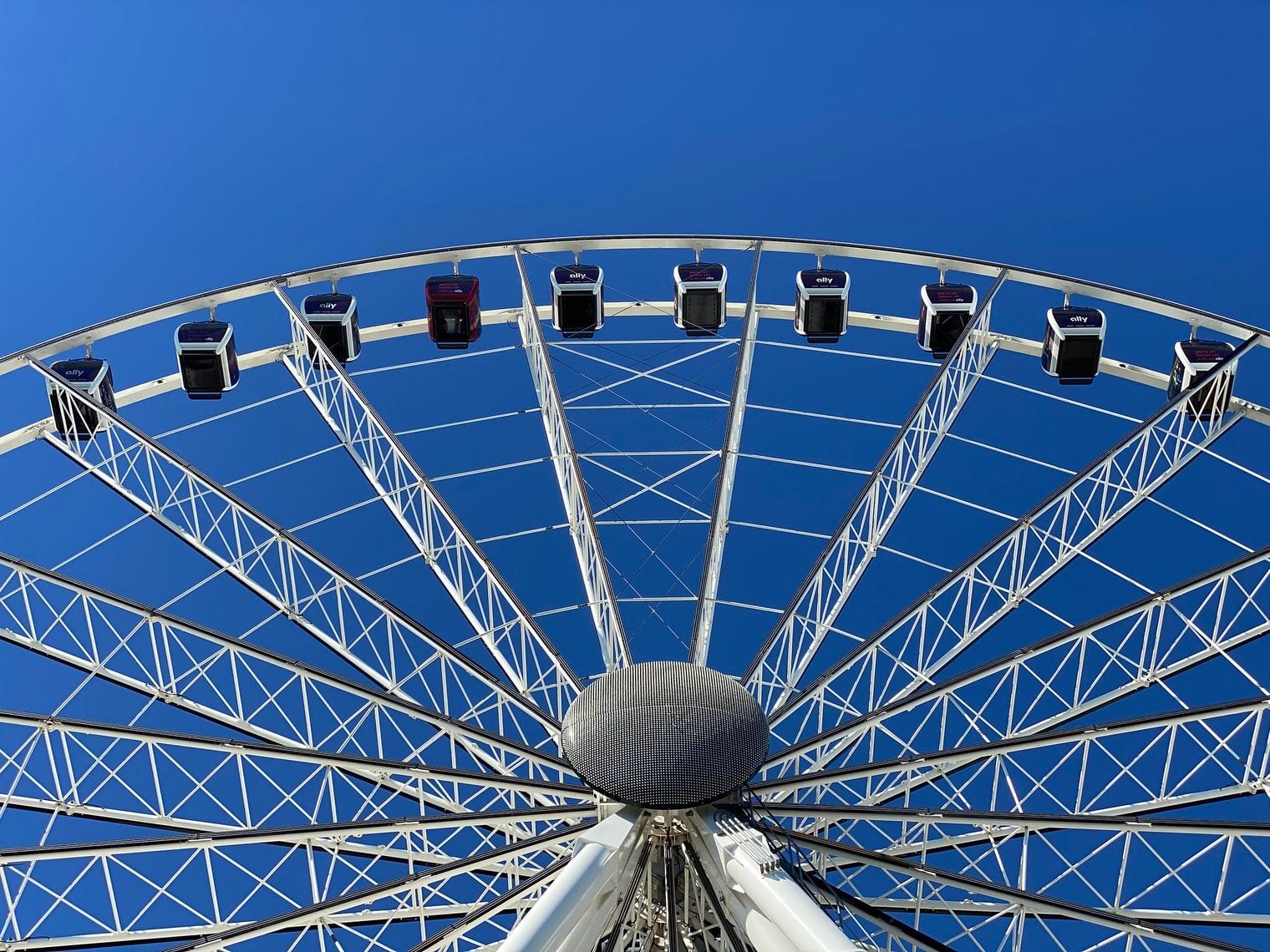
The Skyviews Miami Observation Wheel turns beside Bayside Marketplace, where it was added in 2022, lifting its gondolas about 200 feet above the waterfront. It is the quickest way to get a bird's-eye view of the city without leaving downtown.
From the top you look across Biscayne Bay to Miami Beach and the Atlantic, and back over the downtown towers and the port. Ride around sunset, when the skyline begins to light up, and pair it with an evening at Bayside or Bayfront Park.
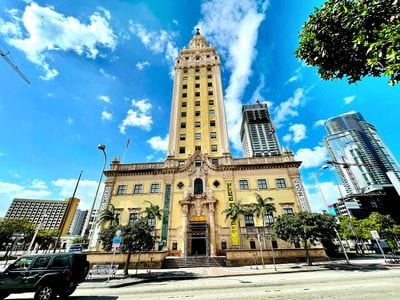
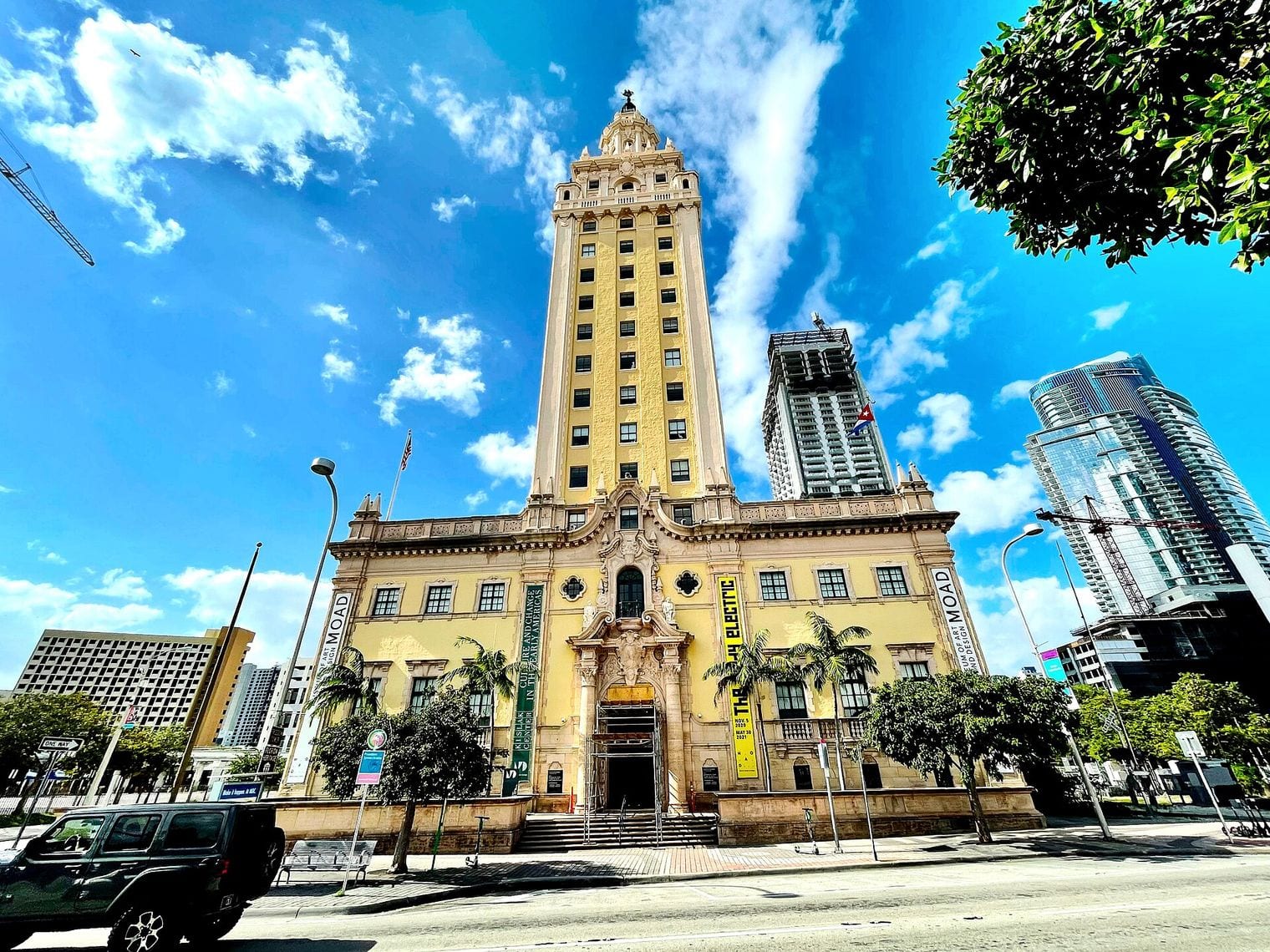
The Freedom Tower was built in 1925 as the headquarters and printing plant of The Miami News, an ornate tower by the architects Schultze and Weaver on Biscayne Boulevard. In the 1960s the federal government used it to process and care for refugees from the Cuban Revolution, which earned it its name.
That role made it a National Historic Landmark in 2008, and for many Cuban Americans it is one of Miami's most symbolic buildings. Miami Dade College now runs it as a museum, with exhibitions on the Cuban exile experience and the building's history, and it offers public tours.
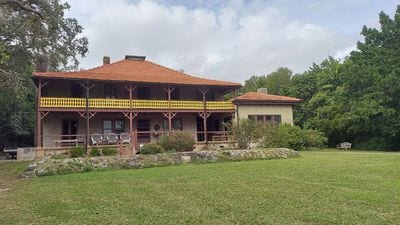
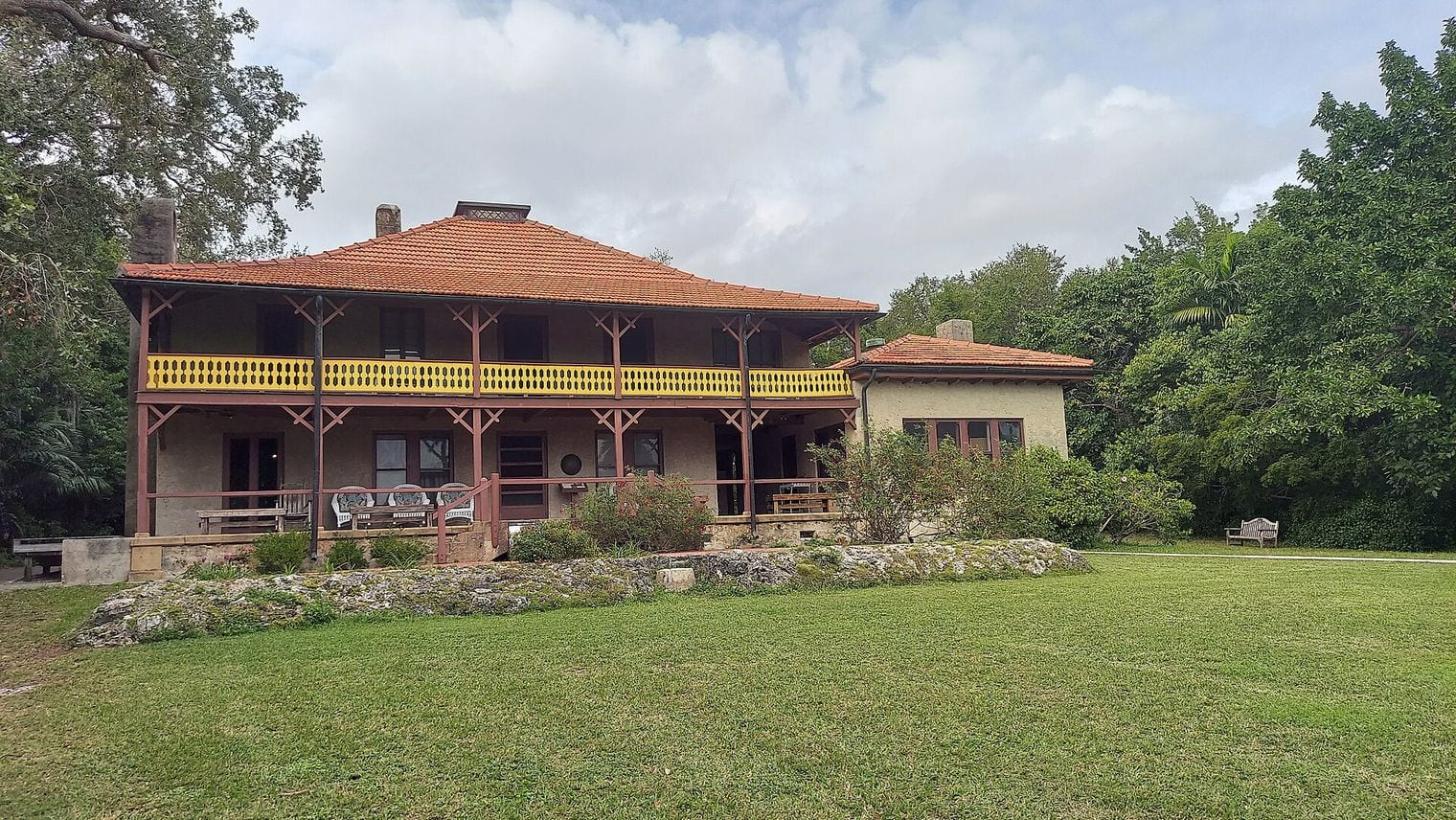
The Barnacle Historic State Park protects the oldest house in its original location in Miami-Dade County, built in 1891 by Ralph Middleton Munroe, a yacht designer and one of Coconut Grove's founders. It offers a rare look at the bayfront before the city grew around it.
The wooden house sits on five acres of shady grounds that run down to Biscayne Bay, a remnant of Munroe's original 40-acre homesite. A guided tour of the house shows how a pioneer family lived here, and the park makes a peaceful break from the Grove's busier streets.
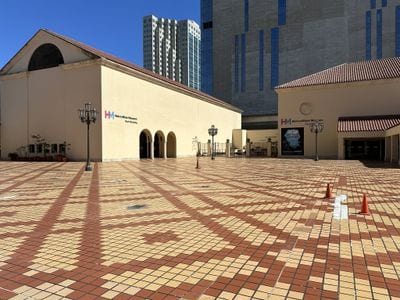
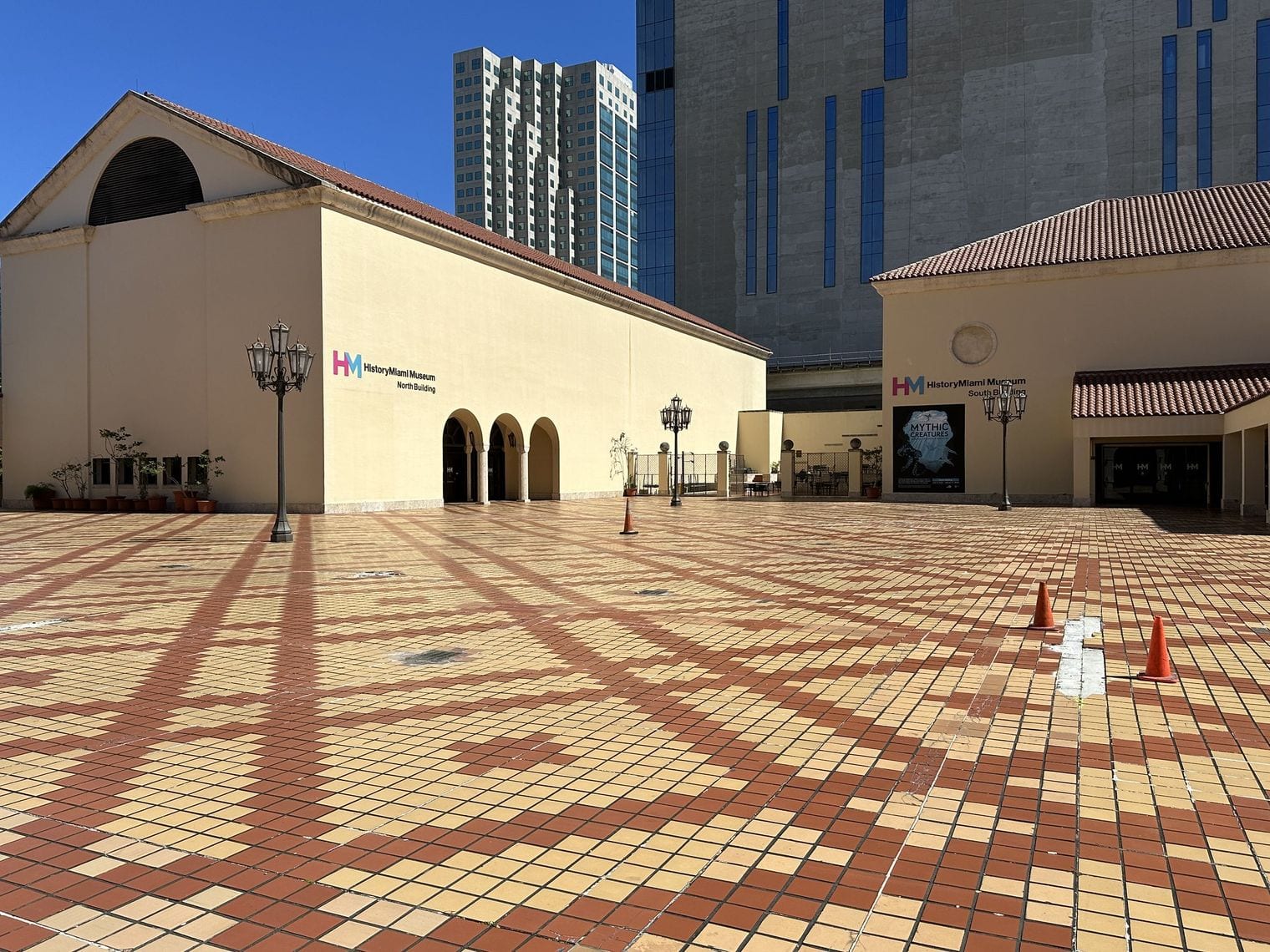
The Museum of Miami, known until 2026 as HistoryMiami Museum, tells the story of South Florida from its first peoples to the present, and it is a Smithsonian affiliate. Founded as the Historical Museum of Southern Florida in 1940, it is the oldest continuously running cultural institution in South Florida.
Its permanent galleries and traveling exhibitions sit in the downtown cultural center on Flagler Street, and artifacts from the Miami Circle are displayed here. The museum's city tours, led by its historians on foot and by boat, are one of the most rewarding ways to understand how Miami came to be.
2121. Lummus Park Historic District
Historical Landmark~1.2 miles (1.9 km) from center
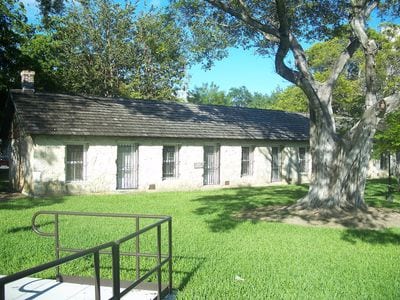
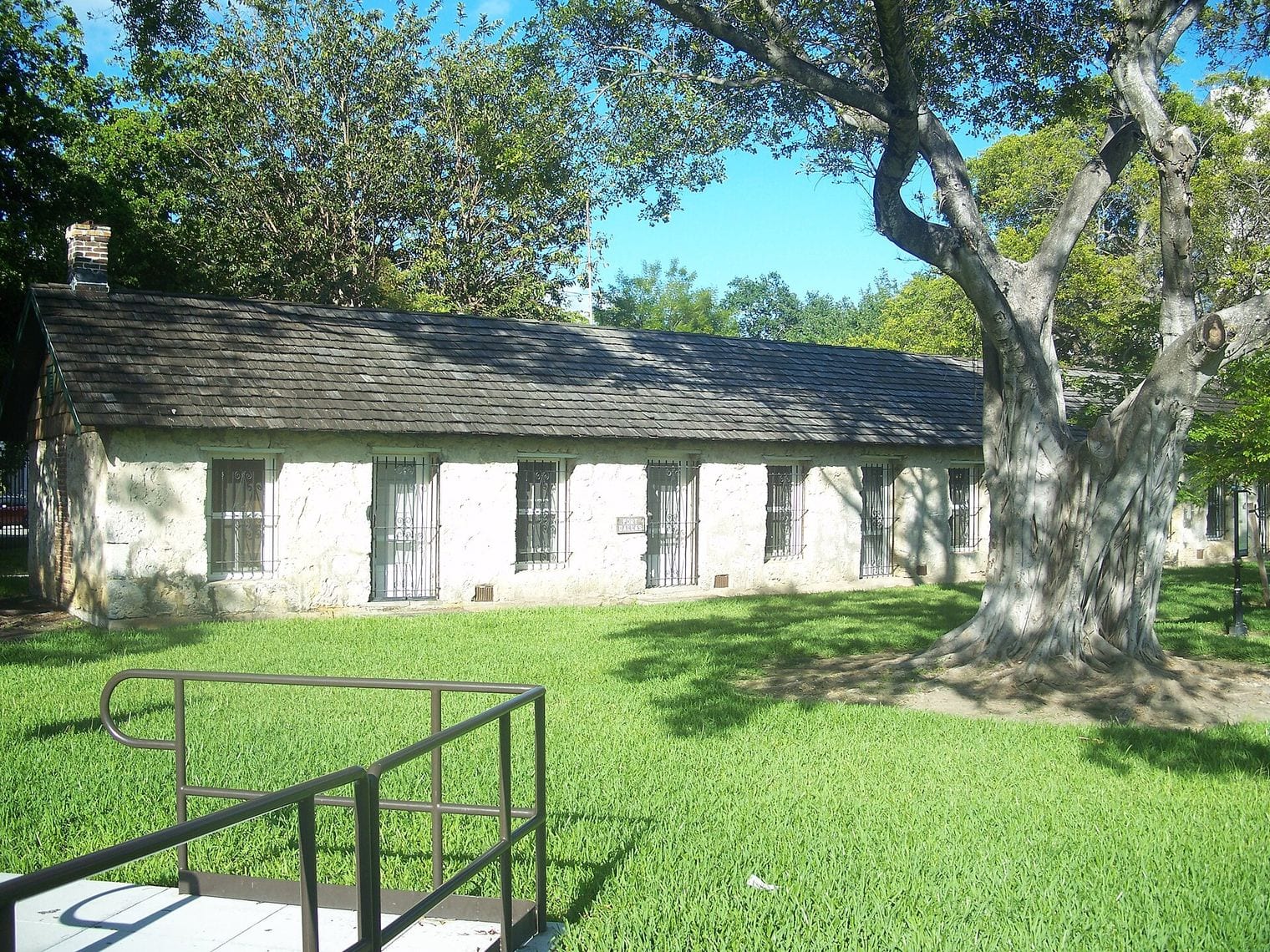
Lummus Park Historic District sits beside the Miami River just west of downtown and holds two of the last structures from Miami's pioneer days. It joined the National Register of Historic Places in 2006 and still has the feel of an older, quieter Miami.
Fort Dallas, built of native limestone, is the only remaining structure tied to Miami's early military history, while the William Wagner House, moved here in 1979, was the home of the pioneer who built the first church in Miami-Dade County. It is a short, rewarding stop, not to be confused with the beachfront Lummus Park in Miami Beach.
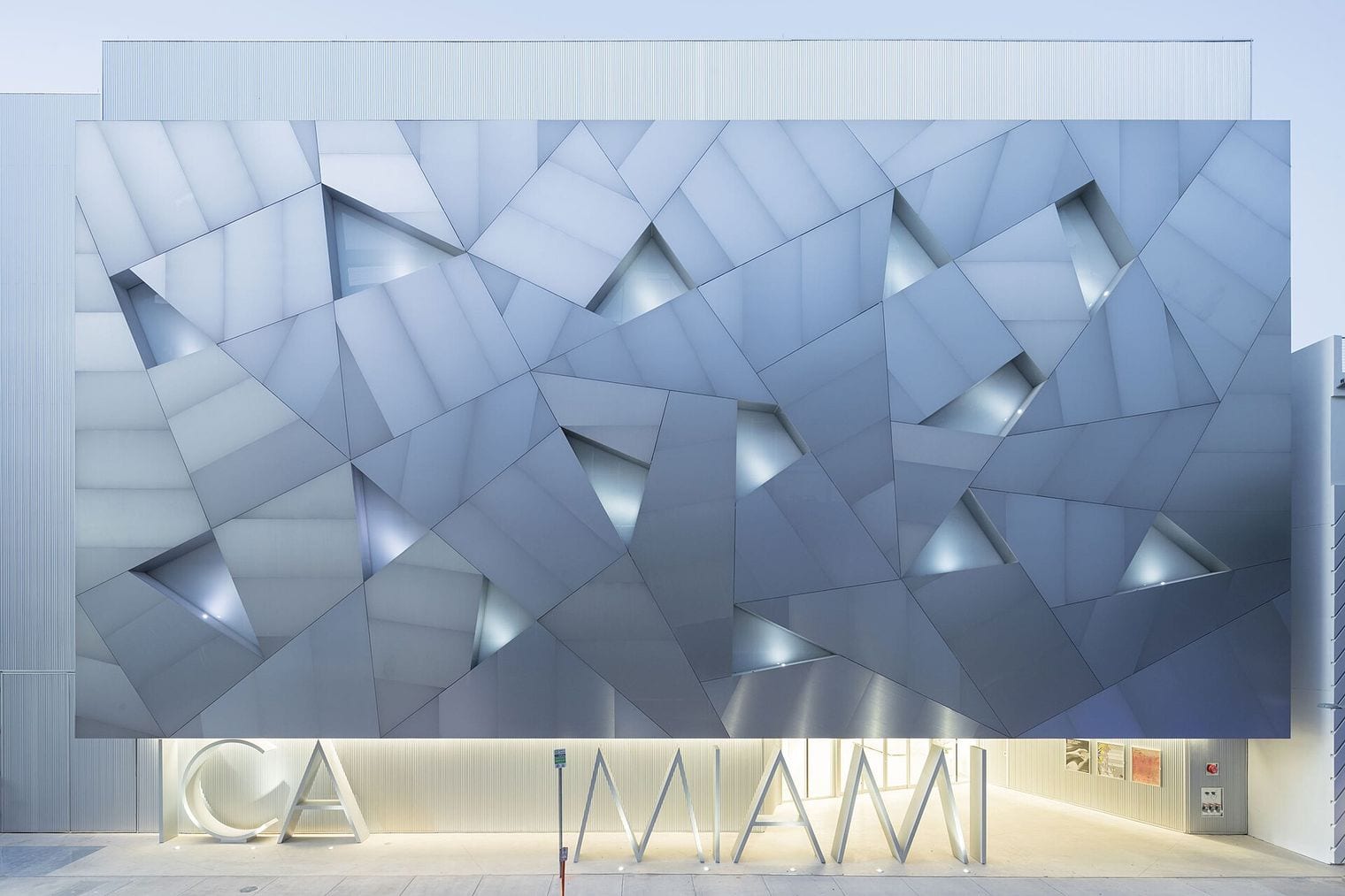
The Institute of Contemporary Art, Miami, known as ICA Miami, is a contemporary art museum in the Design District with free admission. Its exhibitions focus on emerging and established artists, which makes it a good place to see what is new in the art world.
The three-story building has a sculpture garden at the back, with works by artists such as Abigail DeVille and Pedro Reyes, visible through its rows of windows. Pair it with a walk through the district's public art and the de la Cruz Collection next door.
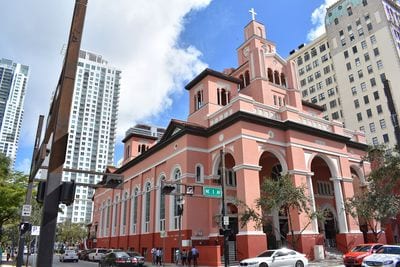
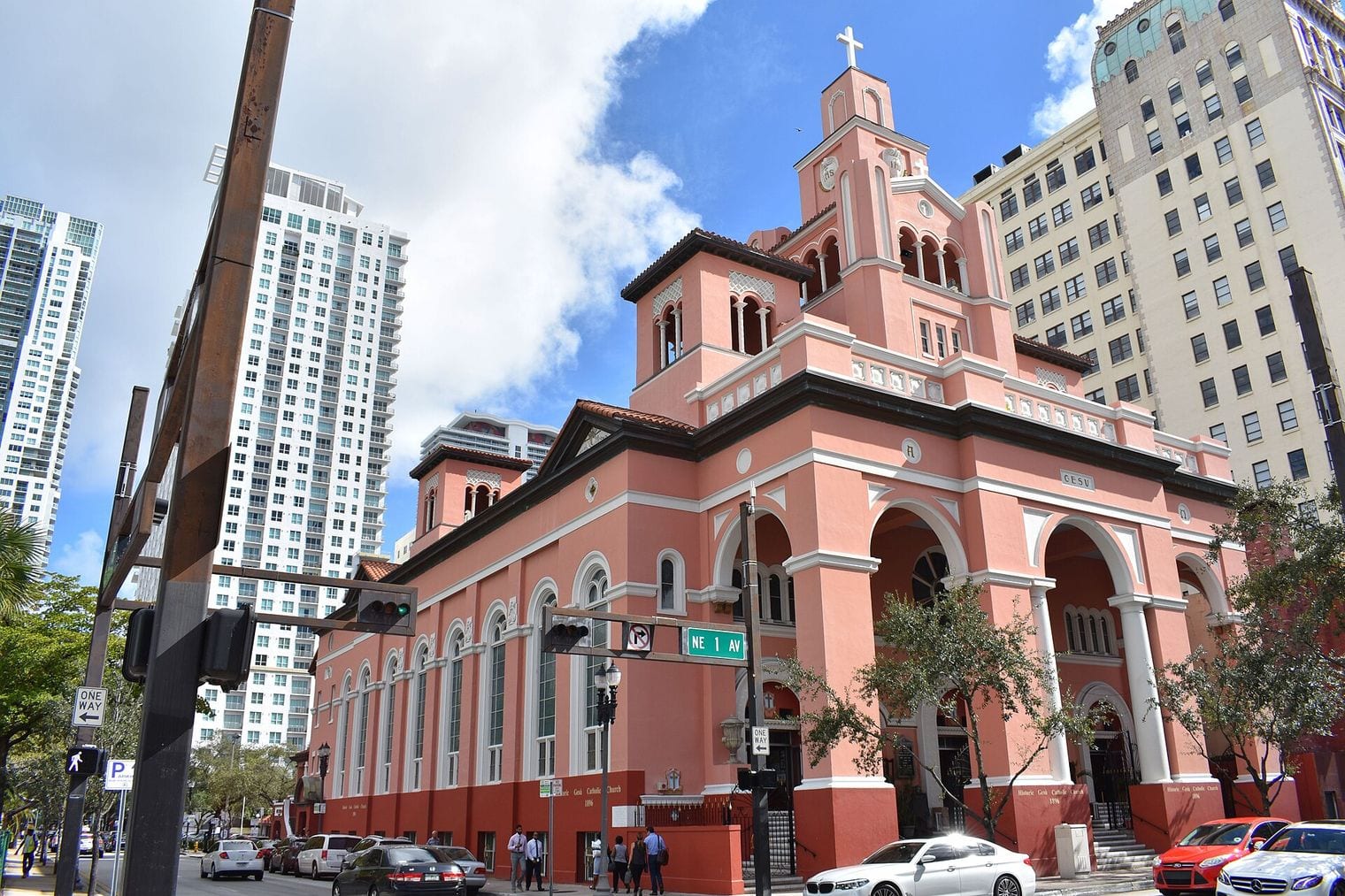
Gesu Church is regarded as the oldest Catholic church in Miami, with roots in a church built on the site in 1896; the present building downtown was dedicated in 1925. It was added to the National Register of Historic Places in 1974.
Its quiet, high-ceilinged interior is a short step from the noise of Flagler Street and the downtown shopping streets, and it is still a working parish. Visitors are welcome outside services, so step in respectfully and take a moment out of the city.
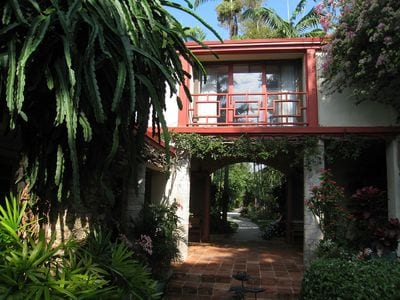
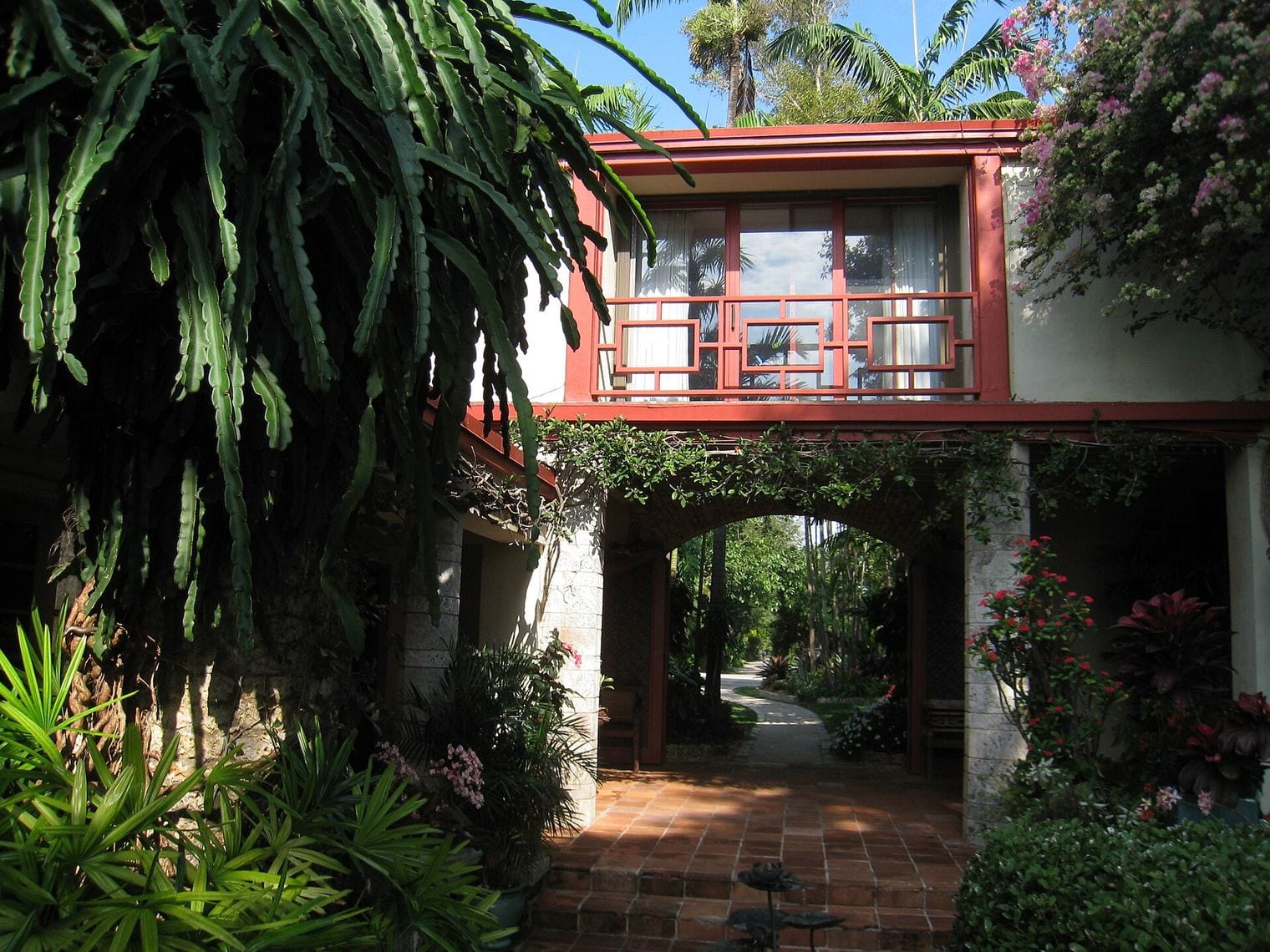
The Kampong is a tropical botanical garden on Biscayne Bay in Coconut Grove, the former home of the plant explorer David Fairchild, who introduced tens of thousands of plant species and varieties to the United States. Fairchild bought the property as a winter home in 1916 and lived here from 1928.
He filled the grounds with plants gathered on his travels, and today the garden is one of five run by the National Tropical Botanical Garden, with tropical fruit trees, palms and flowering trees around the historic house. Visits are by reservation, guided or self-guided, so book ahead.
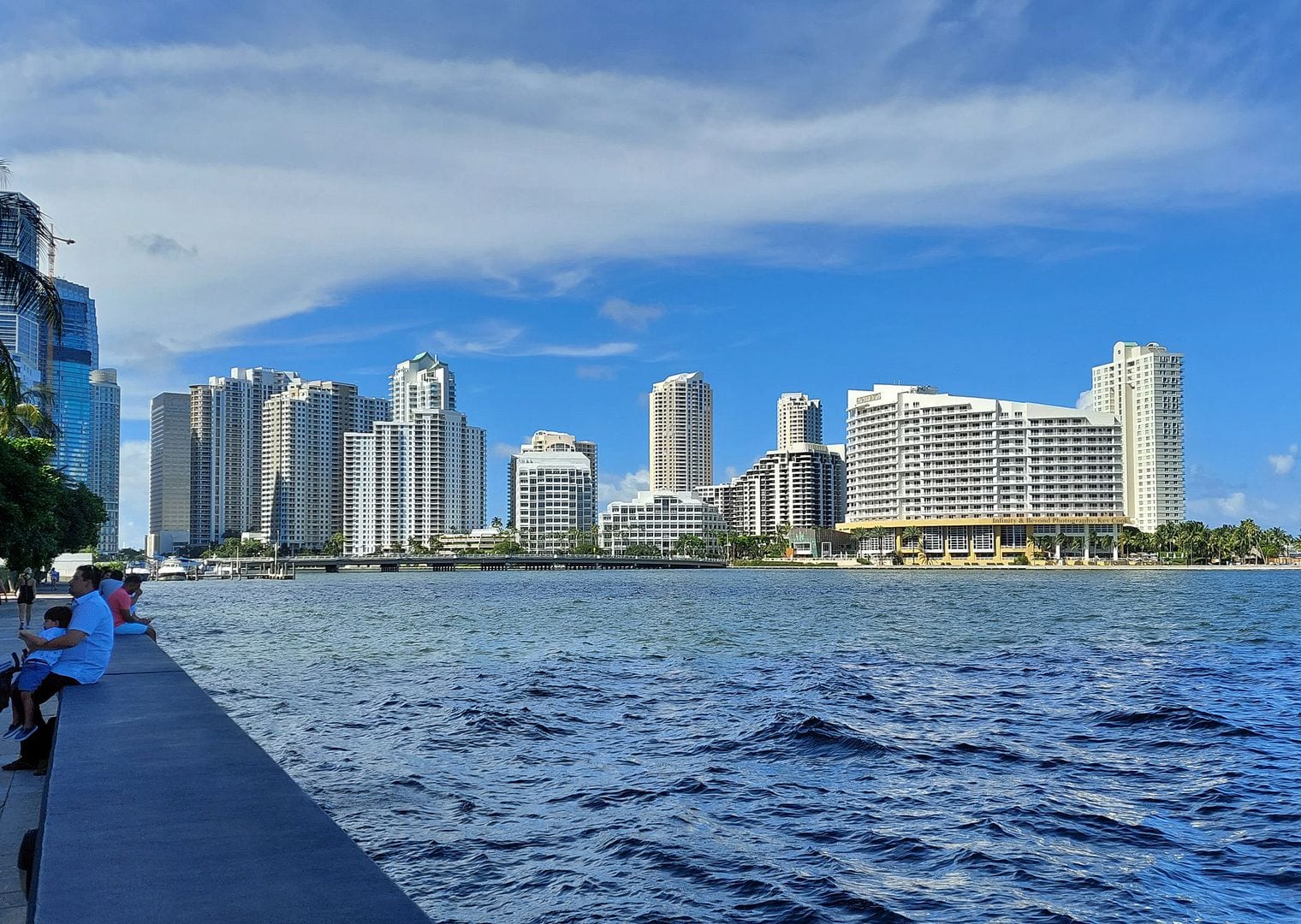
Brickell is Miami's financial district, a forest of glass towers south of the Miami River named for the pioneer couple William and Mary Brickell. In the early 20th century Brickell Avenue was lined with mansions and known as Millionaire's Row.
Today the avenue holds the largest concentration of international banks in the United States, and the neighborhood around it is full of rooftop bars, shopping and places to eat. Ride the free elevated Metromover through the towers, then walk to the Miami Circle at the river's mouth.
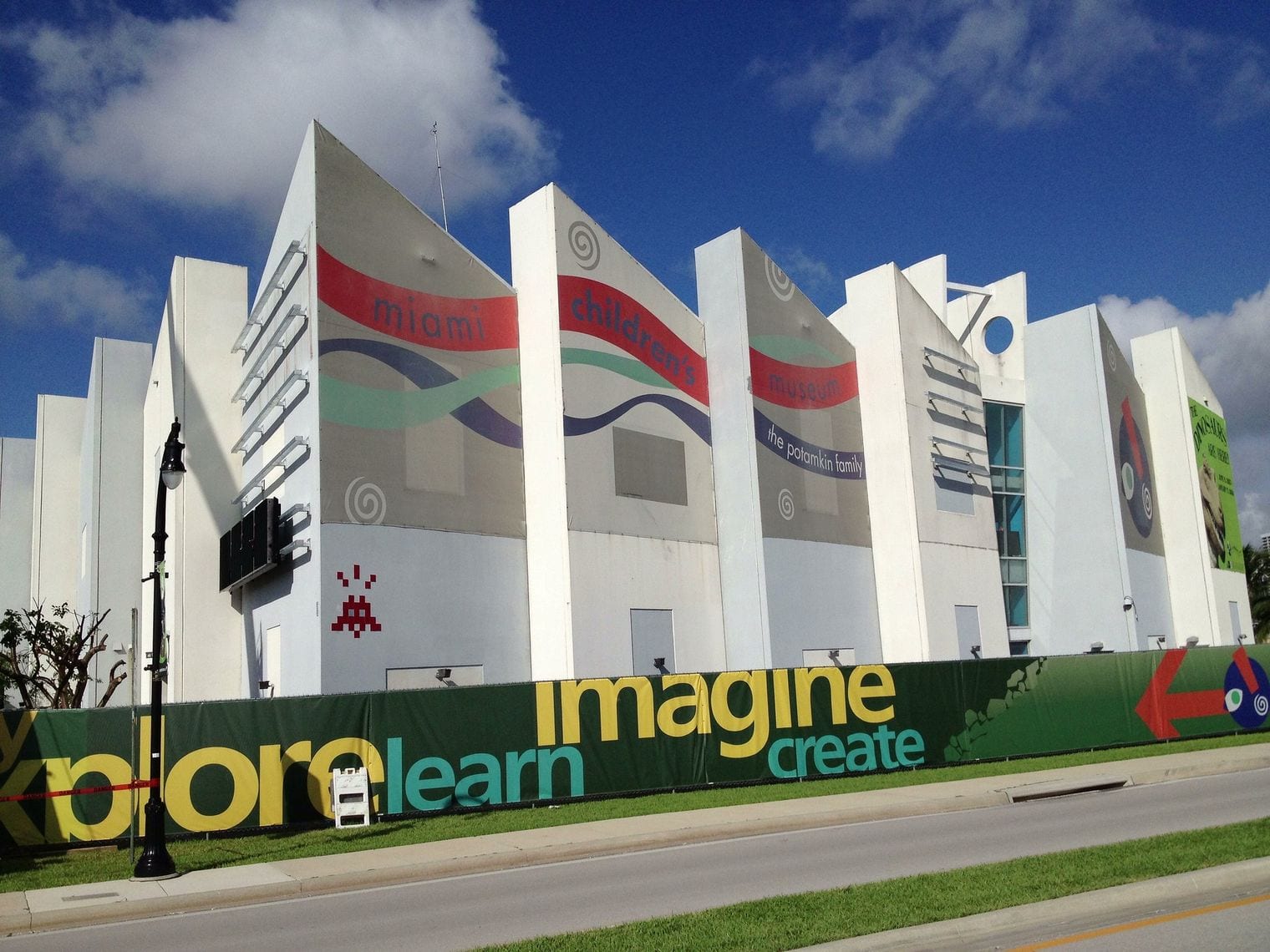
The Miami Children's Museum has been in its building on Watson Island since 2003, with hands-on play spaces built around arts, culture, community and communication. Its exhibits and programs are designed to be bilingual and to welcome children of every background and ability.
Younger children get their own play areas and toddler programs, while older kids can explore the larger interactive galleries. It sits beside Jungle Island, just across the causeway from downtown, so the two make an easy family day.
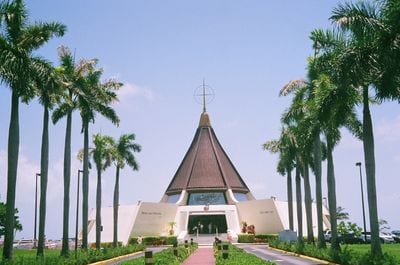
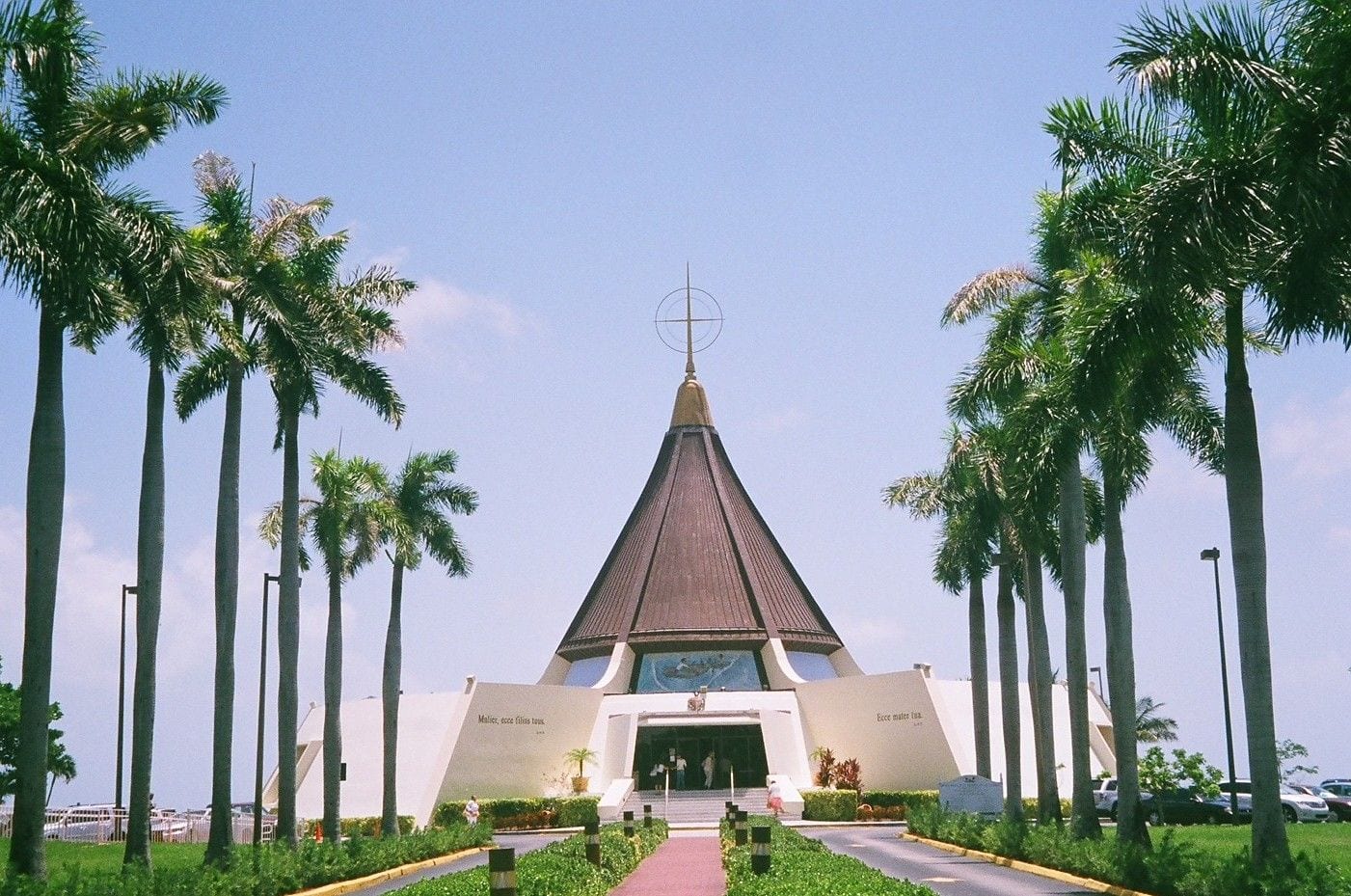
The Ermita de la Caridad, the National Shrine of Our Lady of Charity, patroness of Cuba, was built by Cuban exiles and dedicated in 1973 on the shore of Biscayne Bay, facing out across the water toward their homeland. For many in the community it is one of the most meaningful places in Miami.
Inside the cone-shaped shrine, a large mural of Cuban history surrounds the image of the Virgin of Charity behind the altar. Pilgrims bring flowers throughout the year, and the shrine is busiest around her feast day each September; the bayfront lawn outside is a peaceful place to sit.
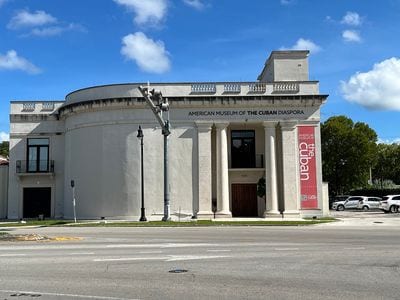
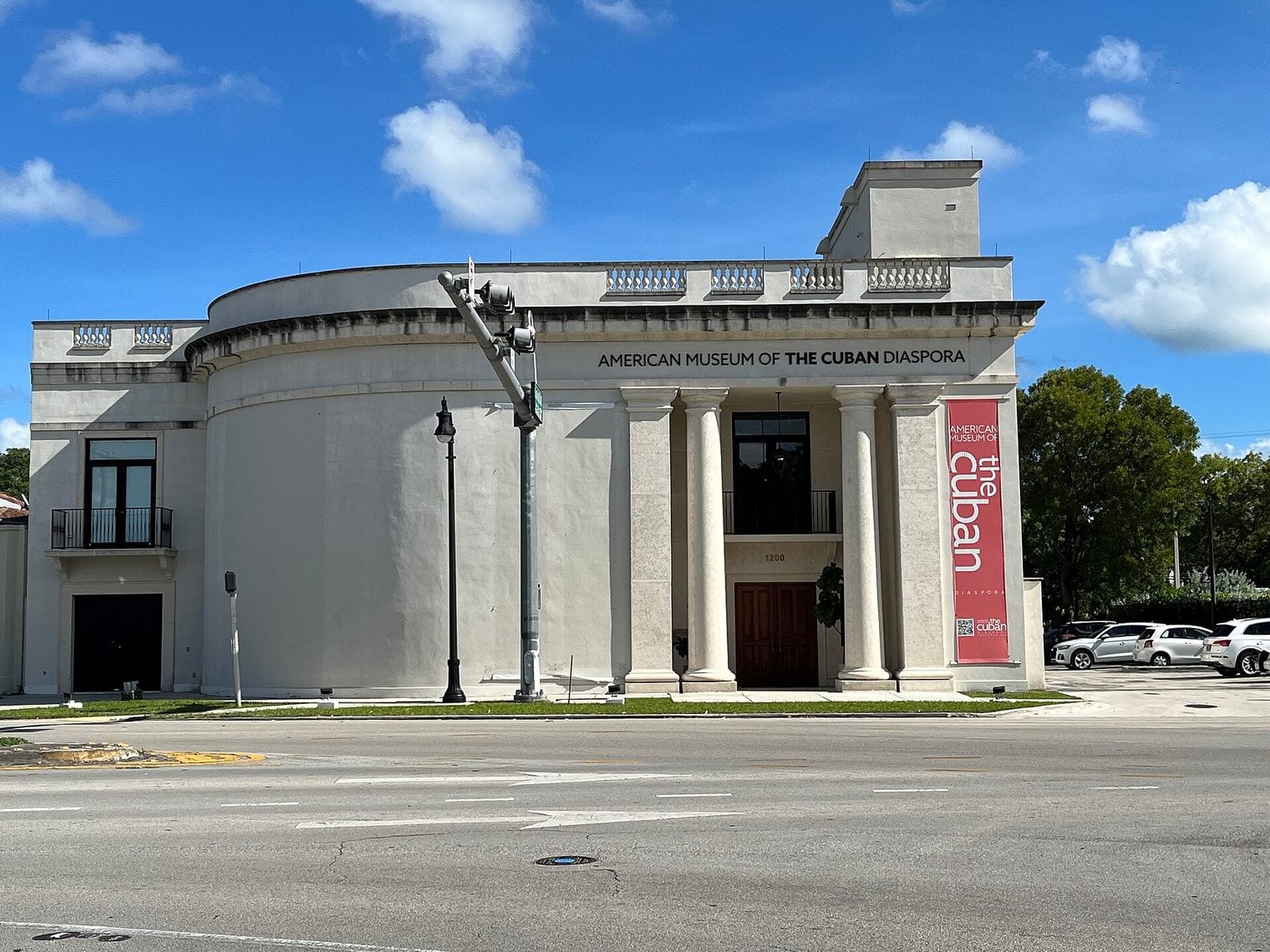
The American Museum of the Cuban Diaspora, known simply as The Cuban, is dedicated to the history and culture of the Cubans who left the island after the 1959 revolution, and to what they built in exile. It opened its building on Coral Way in 2016.
Its rotating exhibitions of art and history explore the artistic, historical and cultural contributions of Cubans abroad. It adds the exile story to a Cuban-Miami day that might start in Little Havana and end at the Freedom Tower.
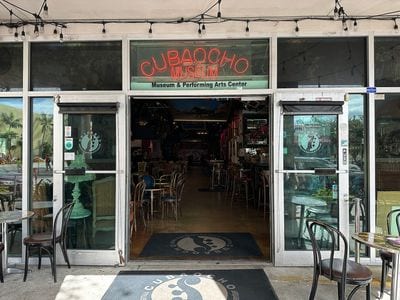
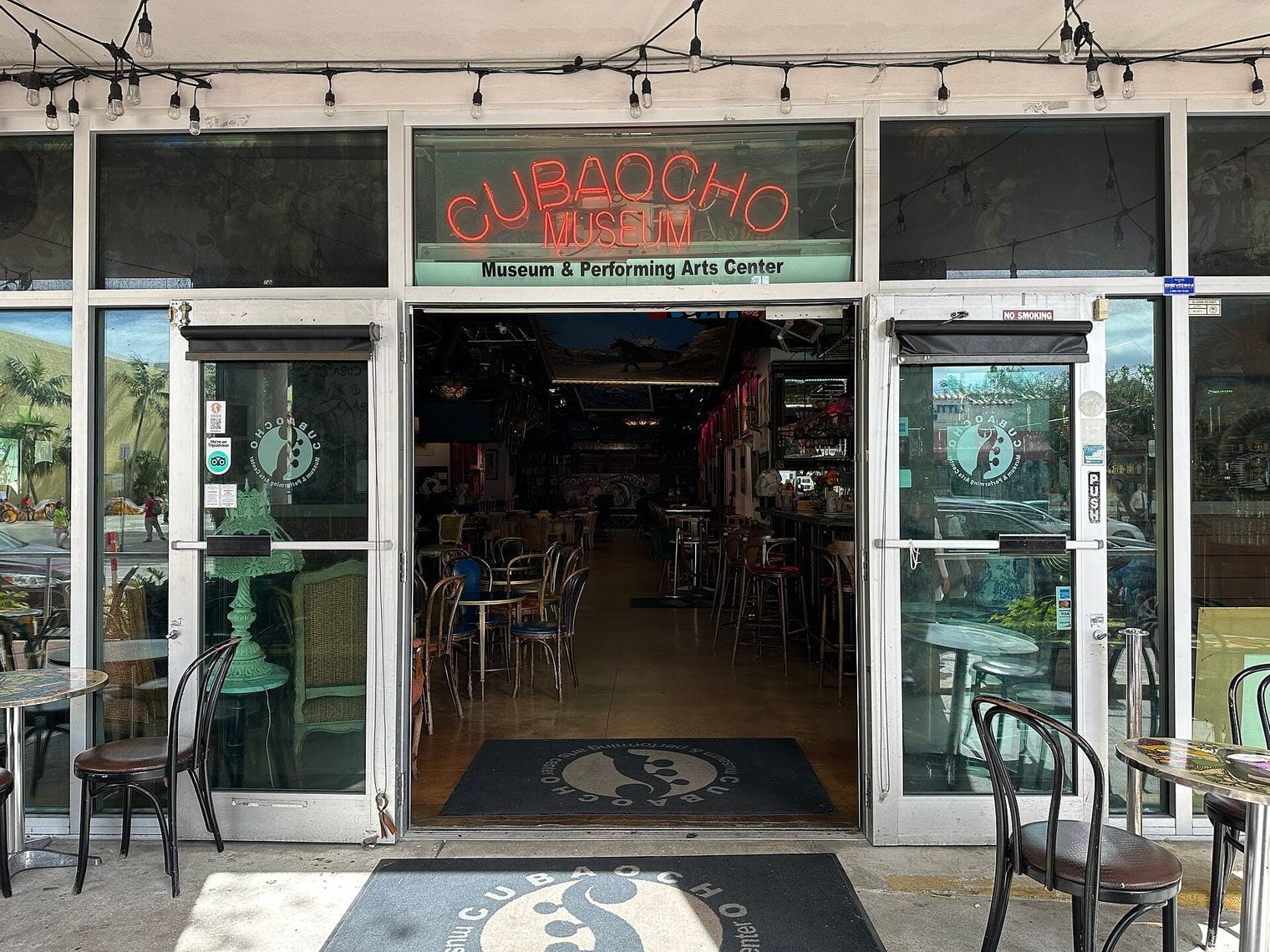
Cubaocho is part gallery, part music hall on Calle Ocho in Little Havana, its walls hung with Cuban paintings and its evenings given over to live Cuban music. Its mission is to share Cuban culture through art, music and community.
Come by day to look at the art in a relaxed setting with a drink in hand, or at night when live bands take the stage. It shows a different side of Little Havana from the street outside, a place to slow down, listen and soak up the atmosphere.
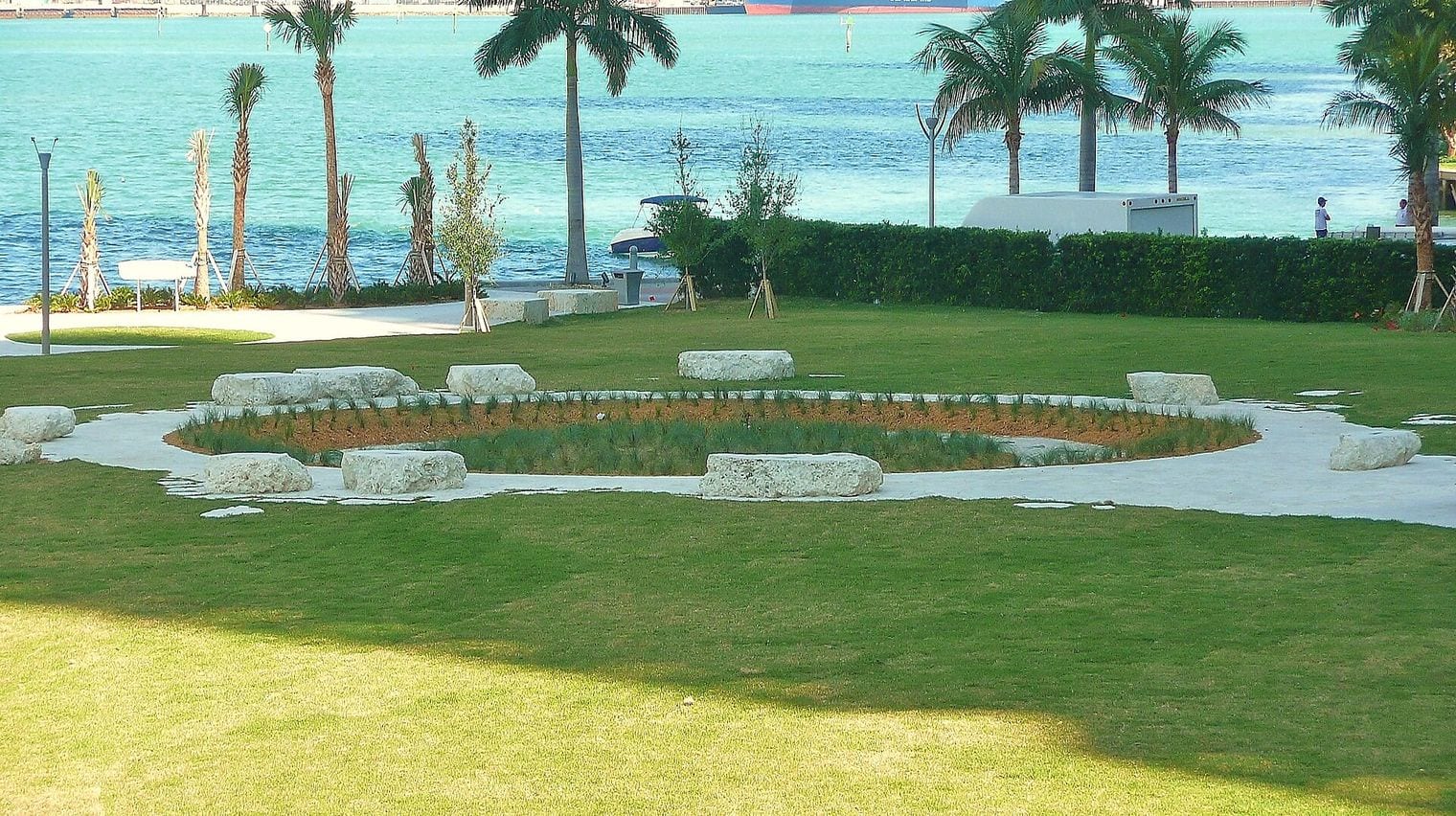
The Miami Circle is an archaeological site at the mouth of the Miami River in Brickell: a 38-foot ring of holes cut into the limestone bedrock, believed to mark a structure built by the Tequesta between 1,700 and 2,700 years ago. Discovered in 1998, it was declared a National Historic Landmark in 2009.
The circle itself has been reburied to protect it, so what you see today is a small, free waterfront park with its outline marked in the landscape and interpretive signs. Artifacts recovered from the site are displayed at the Museum of Miami.
Plan your trip
Best Time to Visit Miami
The dry season, from roughly December to April, is the most comfortable time to visit, with warm days, lower humidity and the city's busiest calendar. Early December brings the Art Basel Miami Beach art fair and its satellite shows to Miami Beach, Wynwood and the Design District, and Little Havana's huge Calle Ocho street festival fills the neighborhood in March.
From May to October the weather turns hot and humid, with short, heavy afternoon thunderstorms, and the Atlantic hurricane season runs from June through November. Summer and early fall are quieter and good for museums and indoor sights, but plan flexible days and watch the forecast.
Getting to Miami
Miami International Airport sits about 8 miles west of downtown and handles flights from across the Americas and Europe; Fort Lauderdale-Hollywood International Airport, about 45 minutes north by car, is a useful alternative. A Metrorail line links Miami International Airport with downtown and Brickell.
By road, Interstate 95 and Florida's Turnpike bring traffic down the east coast, US 1 continues south toward the Florida Keys, and the Tamiami Trail (US 41) crosses the Everglades from the Gulf coast. Intercity trains reach downtown from Fort Lauderdale, West Palm Beach and Orlando, and PortMiami, just off downtown, is the starting point for many Caribbean cruises.
Getting Around Miami
Downtown and Brickell are easy to explore on foot and on the free Metromover, an elevated people mover that loops through both, while Metrorail runs to Coconut Grove, the Civic Center and the airport. Free city trolleys cover several neighborhoods, including Little Havana and Coconut Grove.
Walkability: downtown Miami scores 62.3 out of 100, the 26th most walkable of the 100 biggest US cities in our walkability study. Within a mile of its center we counted 18 rail stops, 27 notable landmarks and 40 cafés, restaurants and shops per square kilometer.
For Vizcaya, Virginia Key, Miami Beach and day trips, a car or rideshare is far more practical. Traffic on the causeways and expressways is heavy at rush hour, and parking in South Beach, Brickell and Wynwood is limited and can be expensive, so leave the car behind where you can.
Where to Stay in Miami
Downtown and Brickell suit first-time visitors who want transit, bay views and short walks to the museums, Bayside and the arena. Across the bay, South Beach puts you on the sand and among the Art Deco blocks, with the liveliest nightlife; Mid-Beach, farther north on the same island, is calmer.
Coconut Grove is a leafy, slower-paced base close to Vizcaya and the bayfront parks, while Edgewater and the area around Wynwood and the Design District appeal to travelers who want galleries, murals and a creative scene on their doorstep.
Where to Eat in Miami
Little Havana is the place for Cuban food: strong cafecito from a walk-up window, Cuban sandwiches, croquetas and guava pastelitos. Little Haiti adds Haitian dishes such as griot, and Peruvian ceviche and Venezuelan arepas are easy to find across the city, a reflection of how much of Miami has roots in Latin America and the Caribbean.
Wynwood is known for food halls, casual spots and craft breweries, Brickell and the Design District for chef-driven dining, and Miami Beach for oceanfront terraces. In the cooler months look for Florida stone crab claws, and finish anywhere with a slice of key lime pie.
Day Trips from Miami
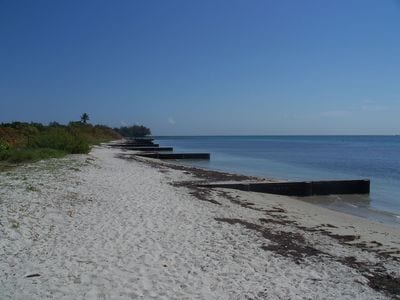
Everglades National Park is the essential day trip: the Shark Valley entrance on the Tamiami Trail is under an hour west, with a paved loop for spotting alligators and wading birds, and Biscayne National Park lies about an hour south near Homestead.
Closer to town, Key Biscayne's beaches and lighthouse are about half an hour away across the Rickenbacker Causeway, Coral Gables with its Venetian Pool and Fairchild Tropical Botanic Garden is about 20 minutes southwest, and Zoo Miami is about 40 minutes southwest.
Drive about an hour and a half south down US 1 to Key Largo to snorkel or take a glass-bottom boat over the Florida Reef, or head north on I-95 to the canals and beaches of Fort Lauderdale, about 45 minutes away, and on to West Palm Beach, about an hour and a half from Miami, for Clematis Street and the Palm Beach waterfront.
One Day in Miami
Morning
Arrive at Vizcaya Museum and Gardens as the gates open, when the gardens are cool and quiet, then drive north to Little Havana for a Cuban coffee on Calle Ocho and a look at the domino games in Máximo Gómez Park.
Spend the evening among the murals of the Wynwood Walls and the streets around them, or cross the causeway to South Beach and walk Ocean Drive as the Art Deco facades light up.
Miami is best known for its beaches, its Cuban culture and its art. The headline sights are Vizcaya Museum and Gardens, the Wynwood Walls street-art museum, Little Havana and Calle Ocho, and the bayfront Pérez Art Museum Miami and Frost Museum of Science, with the Art Deco streets of neighboring Miami Beach close behind.
How many days do you need in Miami?
Three days is the sweet spot. Spend one downtown on the bayfront museums, Bayfront Park and a cruise, a second on Vizcaya, Coconut Grove, Little Havana and Wynwood, and a third on South Beach and the Art Deco District. Add a fourth for the Everglades or another day trip.
Is South Beach in Miami?
Not technically. South Beach is the southern end of Miami Beach, a separate city on a barrier island across Biscayne Bay, linked to downtown Miami by causeways. Most visitors treat the two as one destination, and the drive from downtown to South Beach usually takes about 15 to 20 minutes outside rush hour.
What can you do in Miami for free?
Plenty. Bayfront Park, Little Havana's Domino Park, the Design District's public art, ICA Miami, the Ermita de la Caridad and the Miami Circle are all free, as are South Beach and the Art Deco District across the bay. The Metromover through downtown and Brickell is free to ride too.
When is the best time to visit Miami?
December to April is the best time, with dry, warm weather and the busiest events calendar, from Art Basel in early December to the Calle Ocho festival in March. Summer is hot, humid and stormy, and hurricane season runs from June to November, so travel then with flexible plans.
Sources & updates
How this guide was verified
Checked before launch
Sources cited
30
Publishers
22
Every place on this list was confirmed open and pinned on the map before publication, and what we say about each one was checked against its own website or an official source.
A PDF with a box to tick for every place. Confirm your email to download it, and get one email every Thursday with our newest guides for the places you tick.
Free Miami printable checklist
All 30 places in one PDF
Tick them off as you go. Confirm your email to download it, plus one email every Thursday with new guides for the places you tick.
We use cookies to analyze site traffic and improve your experience.
You can accept or reject analytics cookies. See our
May we use analytics cookies? See ourCookie Policy.