We may earn a commission if you book tickets, tours or a stay through a link on
this page, at no extra cost to you. It never affects which places we list or how
we rank them (how we make money).
Short answer
Start with the Riverwalk, the Augusta Museum of History and a Petersburg boat tour on the Augusta Canal, then see the spires of the Sacred Heart Cultural Center. One full day covers downtown; plan on two days to add Phinizy Swamp Nature Park and a walk or ride on the Augusta Canal Trail.
Augusta sits on the Savannah River at Georgia's eastern edge, a river city founded in 1736 whose name the world knows from one week of golf each April. Beyond the Masters are brick mill streets, an 1845 power canal still carrying water, grand churches and a riverfront built for walking.
This guide covers 25 of the best things to do in Augusta, from the Riverwalk and the canal to museums, historic houses and wild swampland. Plan on two days, and add Athens, about two hours northwest, for a longer road trip.
Augusta National Golf Club is the reason most of the world has heard of Augusta. Founded by Bobby Jones and Clifford Roberts and opened in 1933, the club has hosted the Masters Tournament since the first edition in 1934, and each spring the azaleas, the pines and the green jacket turn this stretch of Washington Road into the center of the golf universe.
The club itself is private, so the grounds are not open for casual visits or tours. The way in is a Masters ticket or practice-round pass, usually won through the tournament's ballot; if you do not land one, the week still fills the city with watch parties, and the Augusta Museum of History tells the story of the tournament year-round.
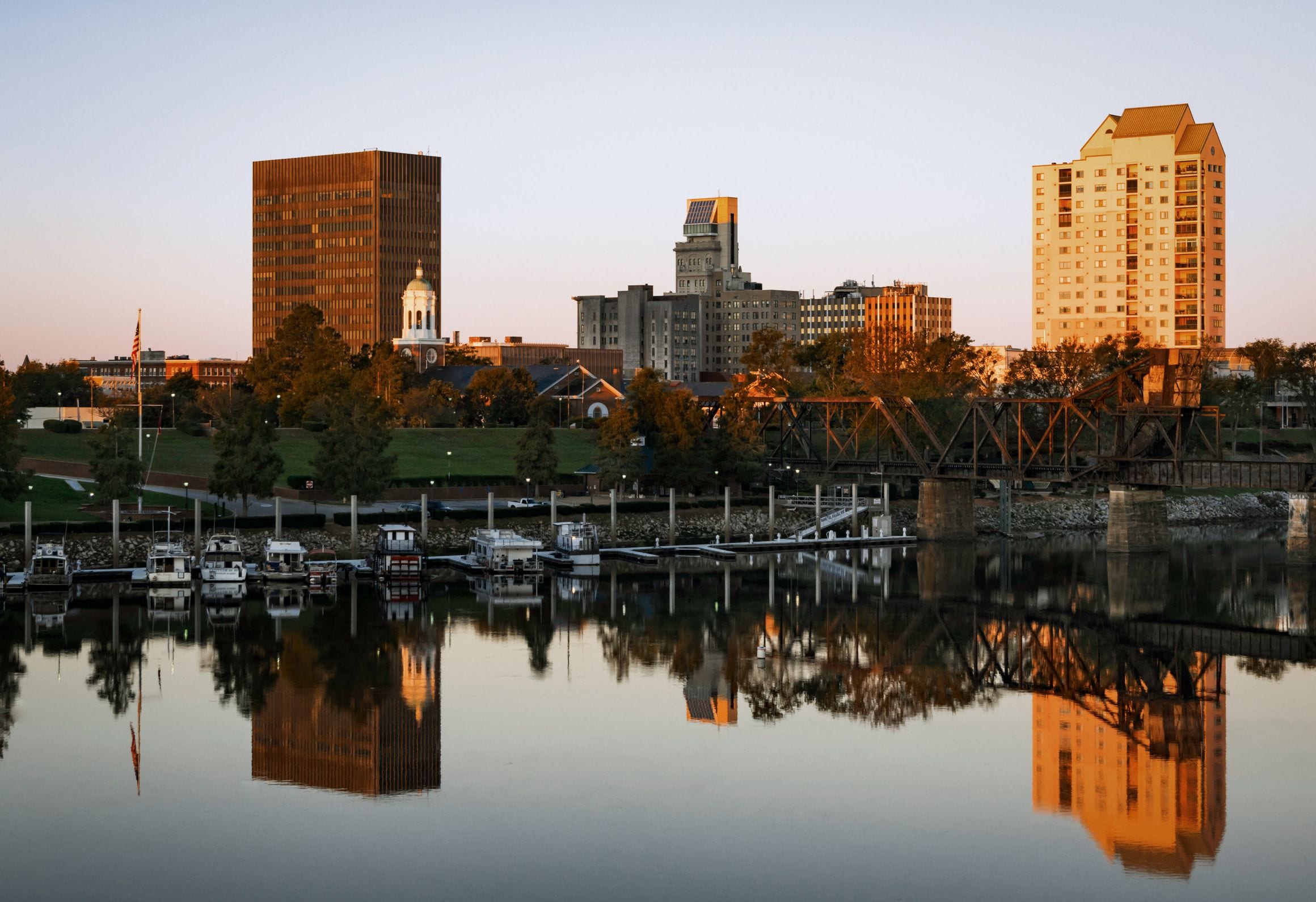
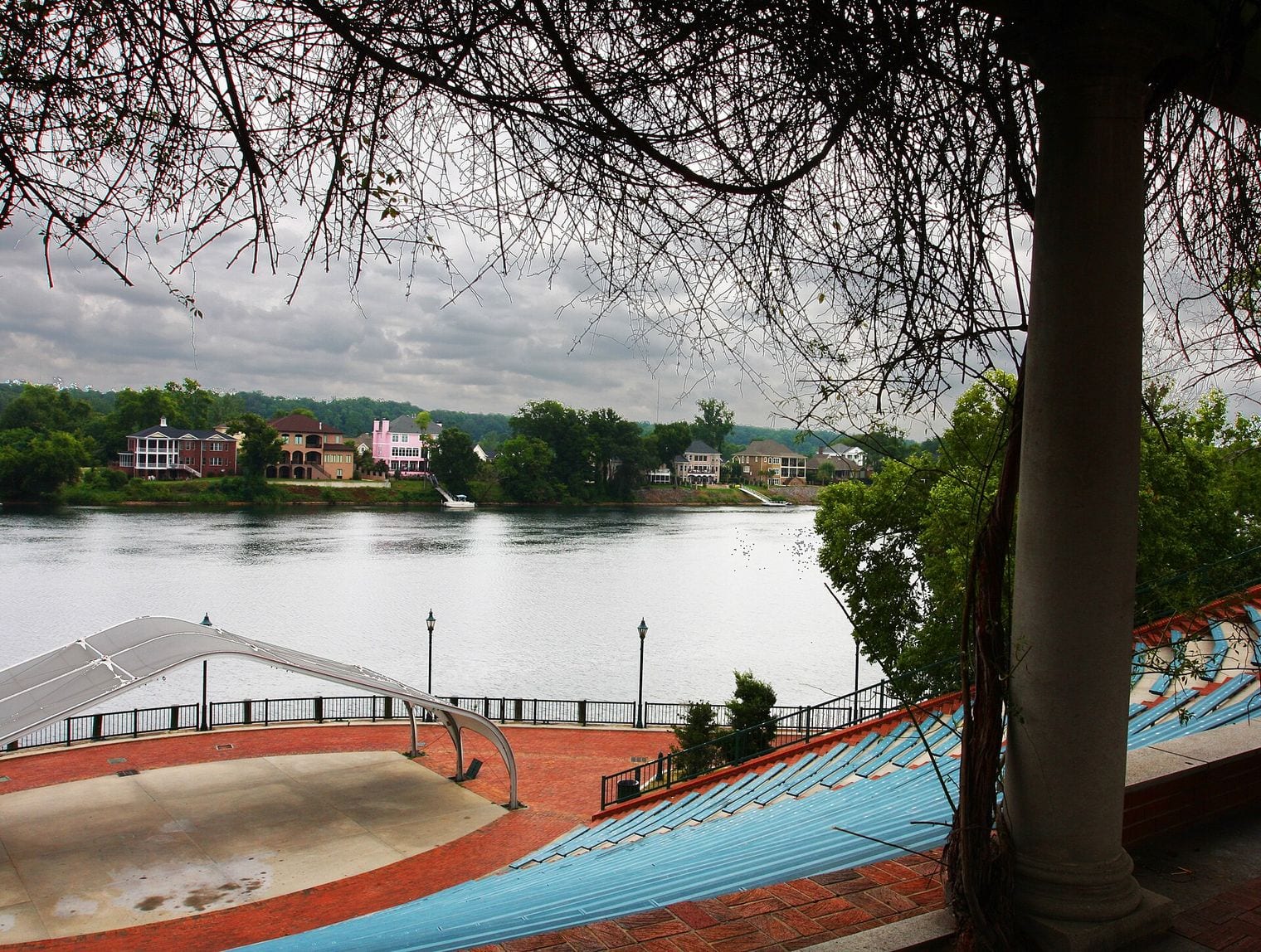
Riverwalk Augusta is downtown's front porch: a brick promenade laid along the top of the Savannah River levee, with a lower path closer to the water, shade trees, gardens and benches looking across to South Carolina. It is the easiest place to feel the city's relationship with its river, and it links several of downtown's main sights on foot.
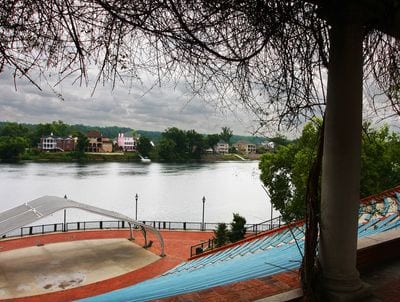
Walk it early for joggers, herons and quiet water, or late in the day when families and dog-walkers fill the paths. The Jessye Norman Amphitheater hosts outdoor concerts, a marina sits at the river's edge, and the Morris Museum of Art and the Saturday Augusta Market are just steps away.
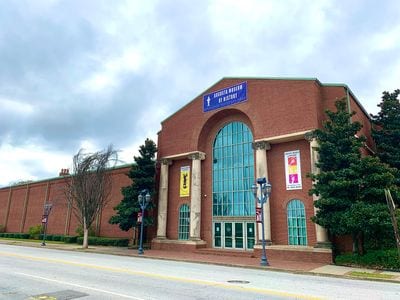
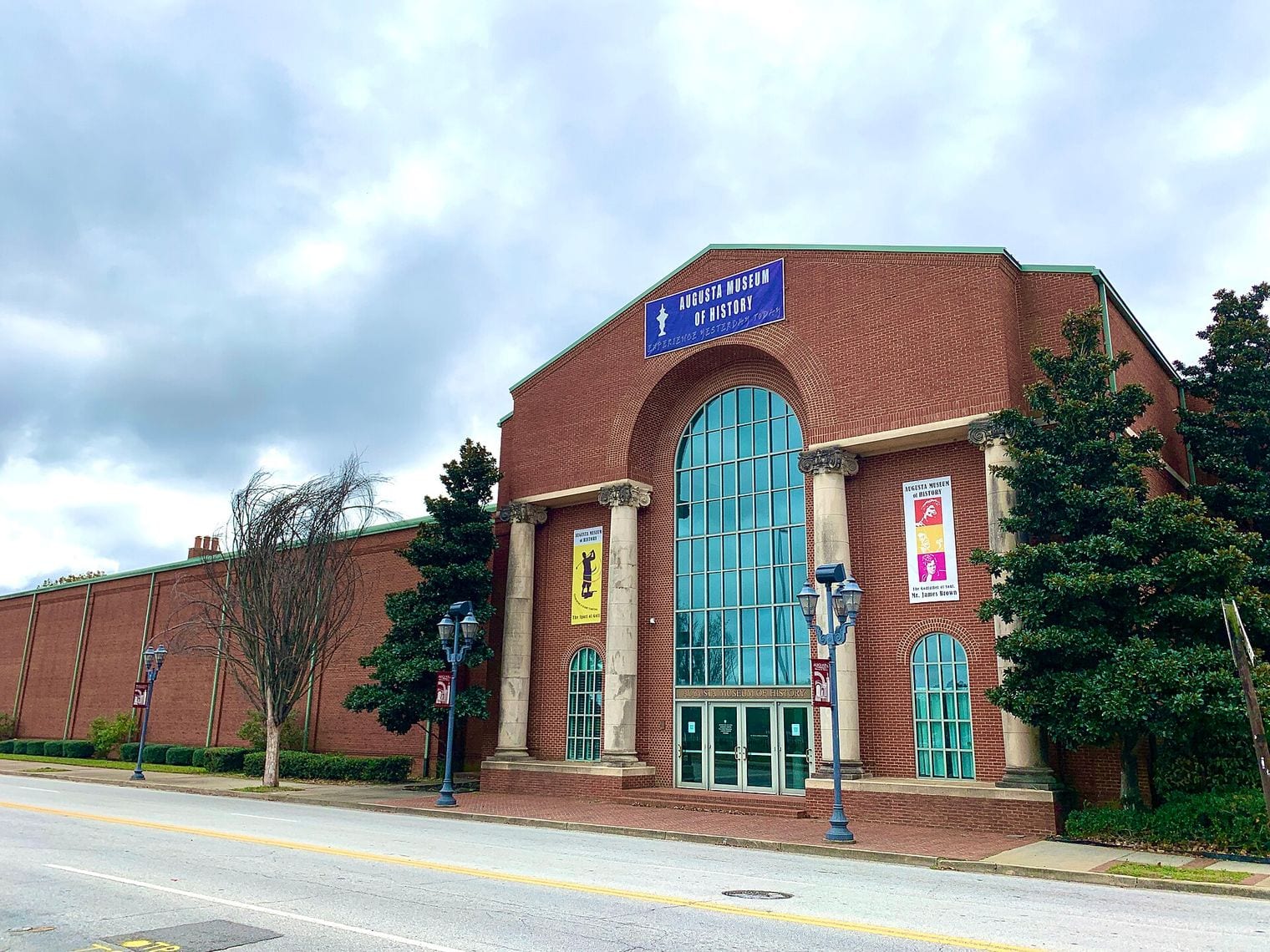
The Augusta Museum of History is the best single introduction to the city, tracing the story of the Savannah River region from its earliest people through colonial Augusta, the cotton and canal era and the twentieth century. It sits a short walk from the Riverwalk and makes an easy first stop.
Two galleries draw most visitors: a golf exhibit on Augusta's long relationship with the Masters, including a green jacket, and a gallery devoted to James Brown, the Godfather of Soul, who grew up in the city. A restored steam locomotive rounds out the collection and is a hit with kids.
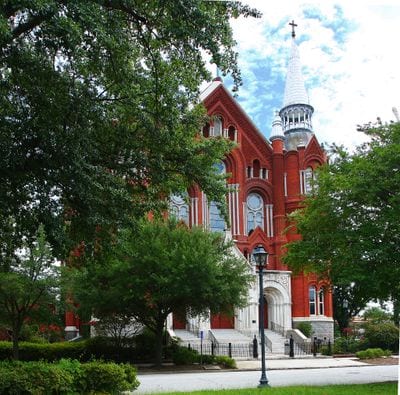
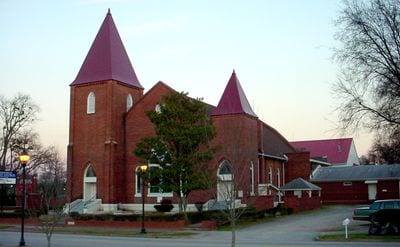
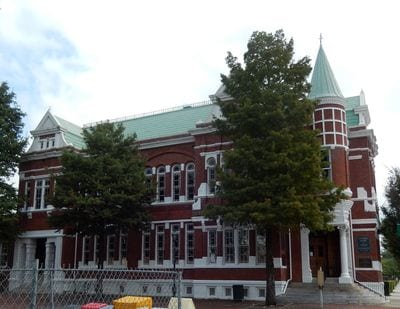
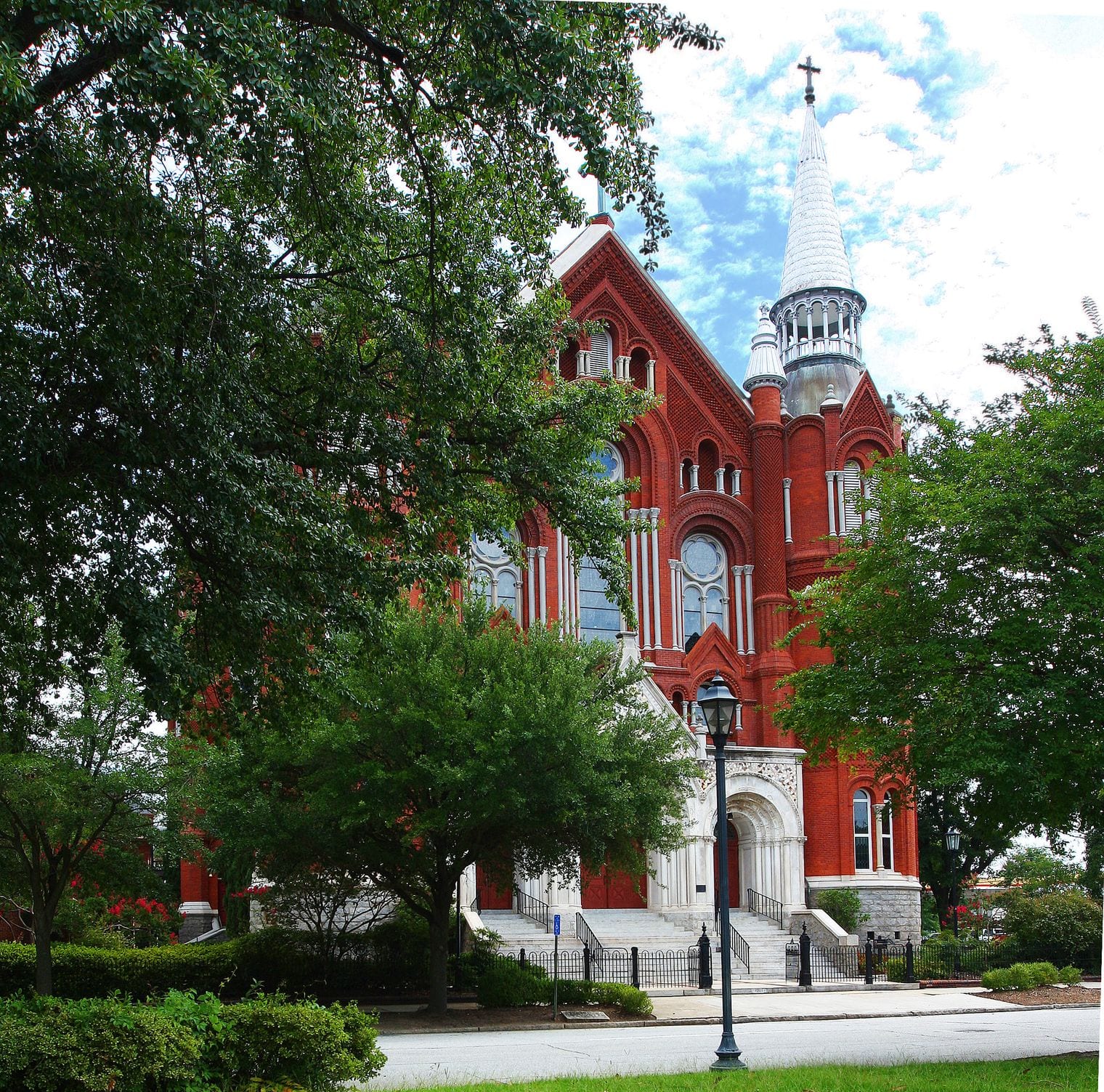
The Sacred Heart Cultural Center is the most striking building in Augusta, a Romanesque church whose first Mass was held in 1900. Its round towers and conical spires rise above Greene Street, and the brick walls are famous for their intricate patterns, built from many different types of brick.
The church closed in 1971 and was later restored as an arts and events venue, so today you are as likely to find a concert, a wine festival or a gallery show inside as a quiet visit. Step in to see the soaring nave and the Munich stained glass, including the rose windows at the ends of the transepts.
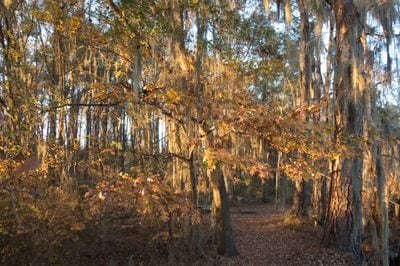
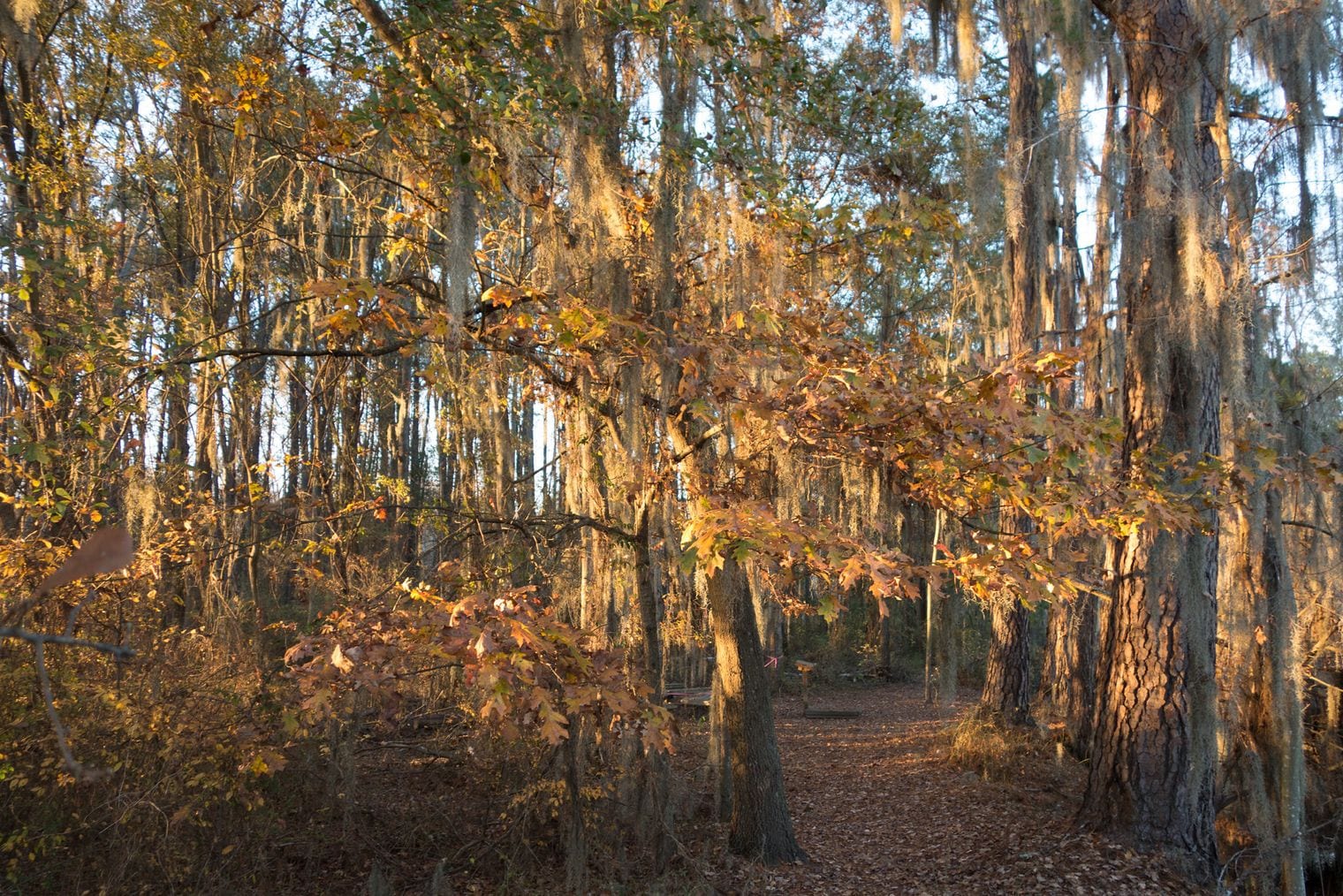
Phinizy Swamp Nature Park protects around 1,100 acres of wetland, forest and fields on the southern edge of Augusta, run by the Phinizy Center for Water Sciences. It feels far wilder than its short drive from downtown suggests, with trails winding through marsh, swamp and forest.
Bring binoculars: wading birds, turtles and alligators are regular sightings, and the open marshes are busy with birdlife in the cooler months. Outdoor sculptures dot the trails, and it is a rewarding stop for families, photographers and anyone who wants a slower morning outside.
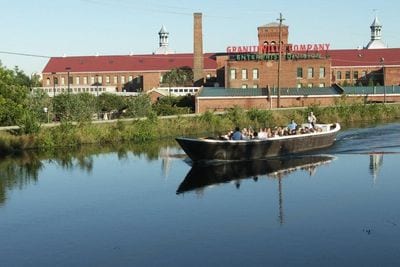
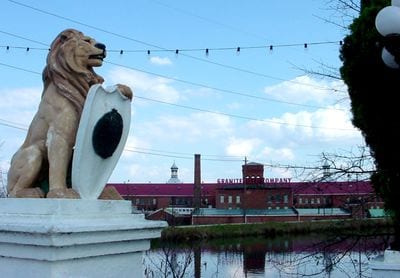
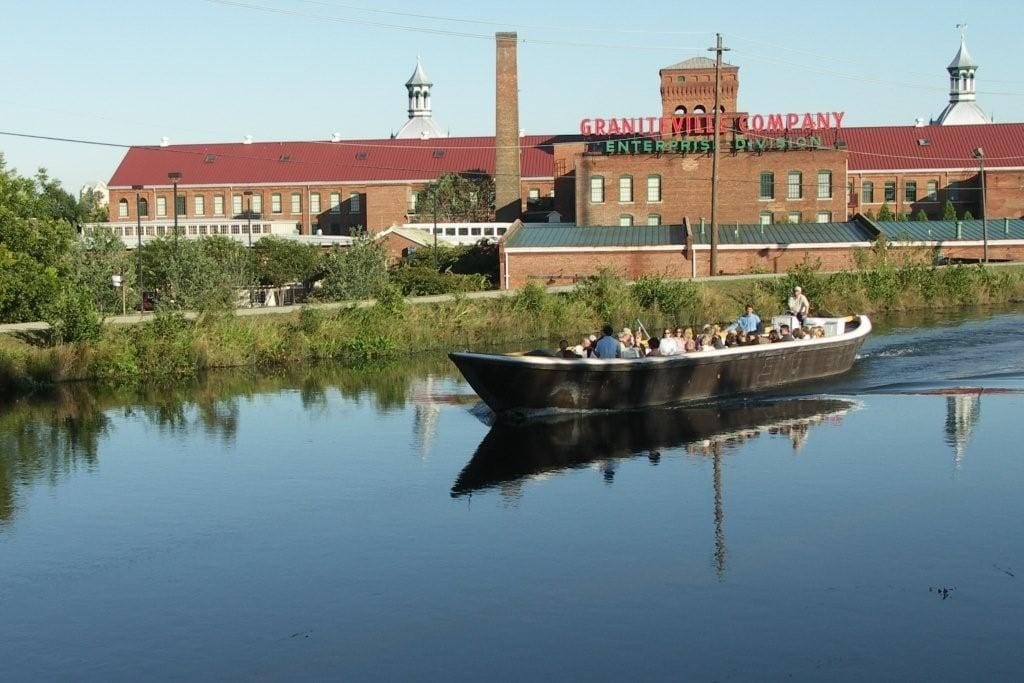
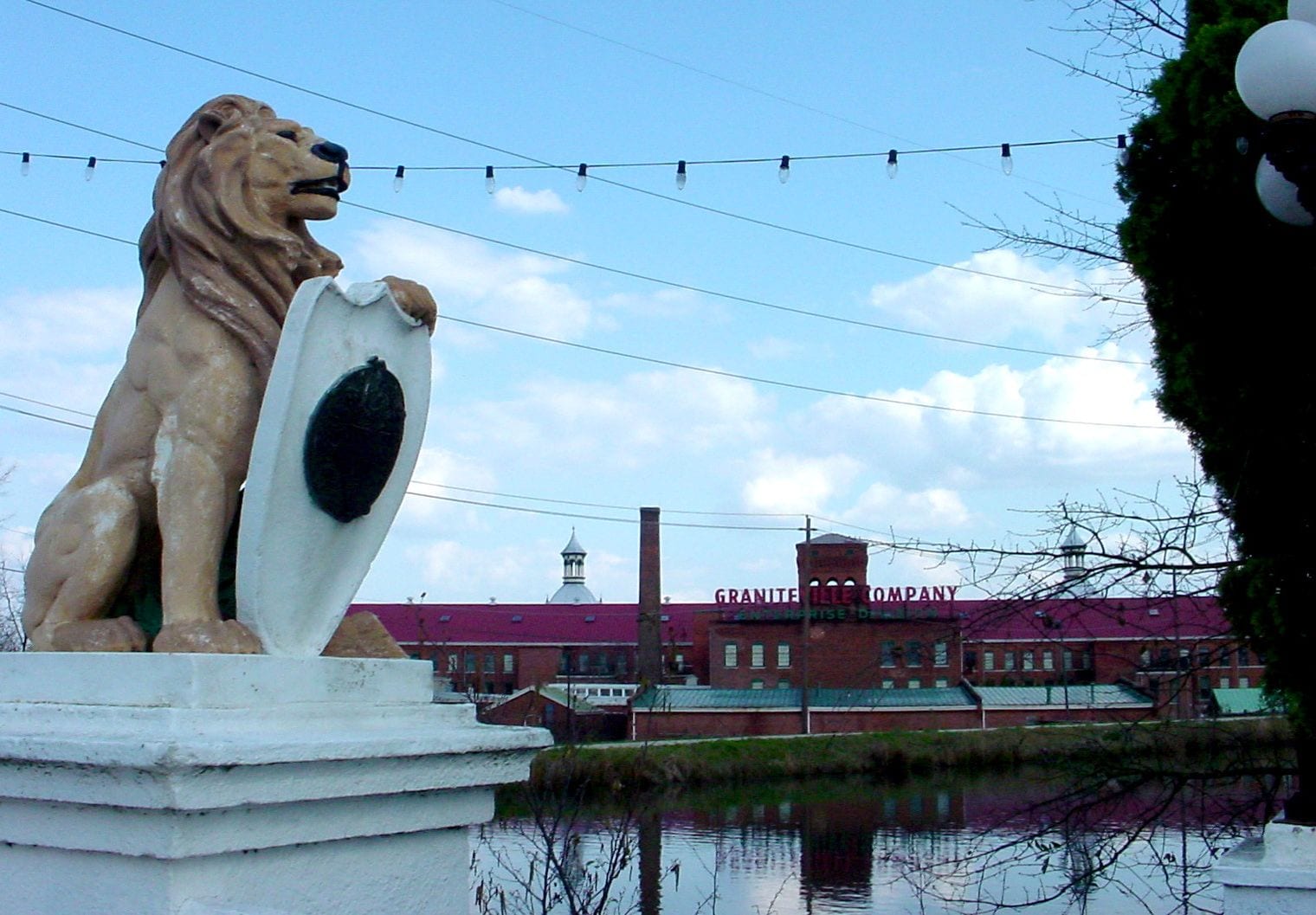
The Augusta Canal National Heritage Area centers on the power canal completed in 1845 to bring water, power and transport to the city, one of the few successful industrial canals in the American South. In 1996 it became Georgia's first National Heritage Area, and its mills and locks still define the west side of downtown.
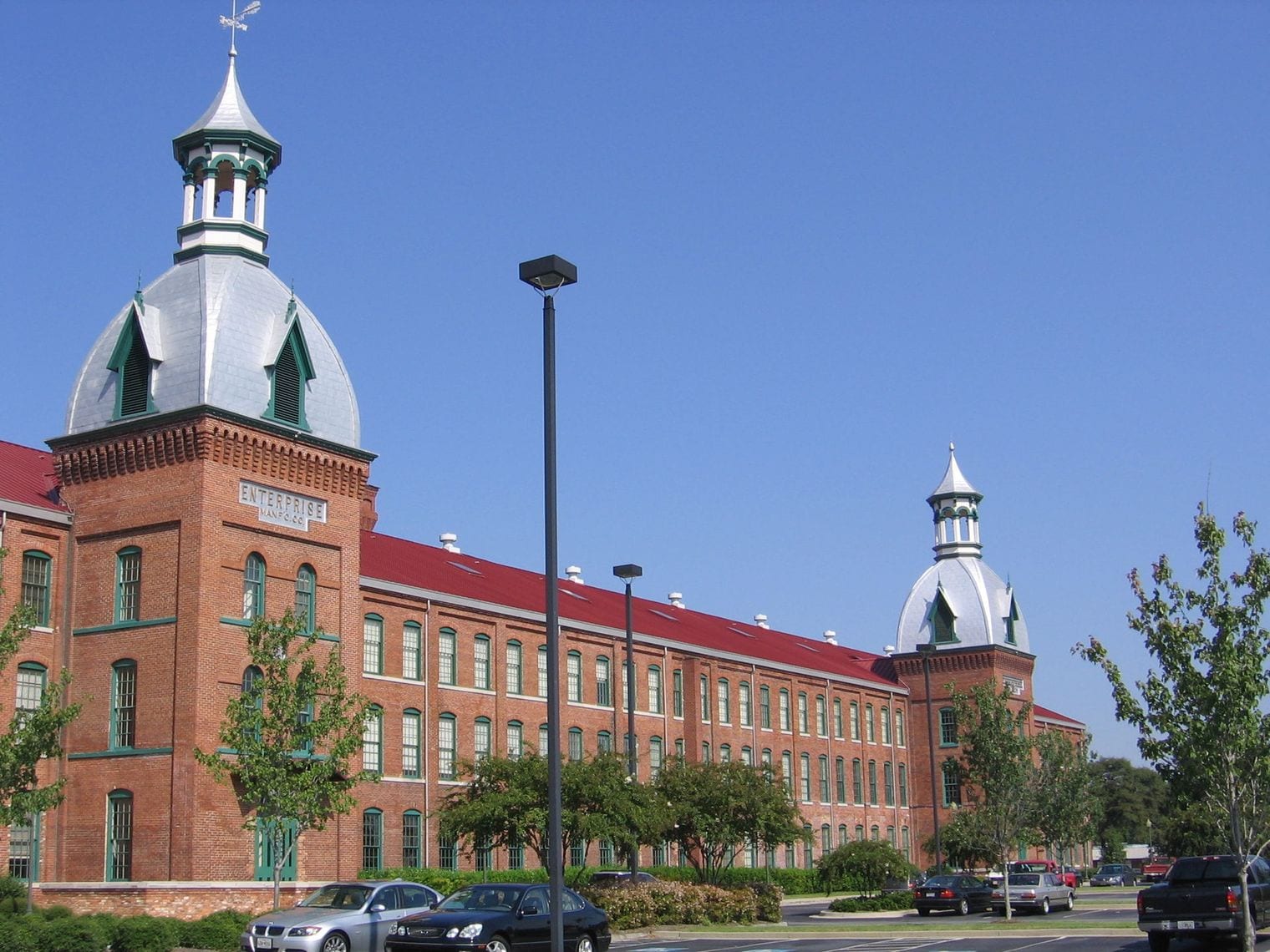
Start at the Augusta Canal Discovery Center inside the restored Enterprise Mill, where interactive exhibits tell the story of the canal and the mill workers who lived beside it. From there, guided tours on flat-bottomed Petersburg boats glide past historic mills and wooded banks, the most relaxing way to see this side of the city.
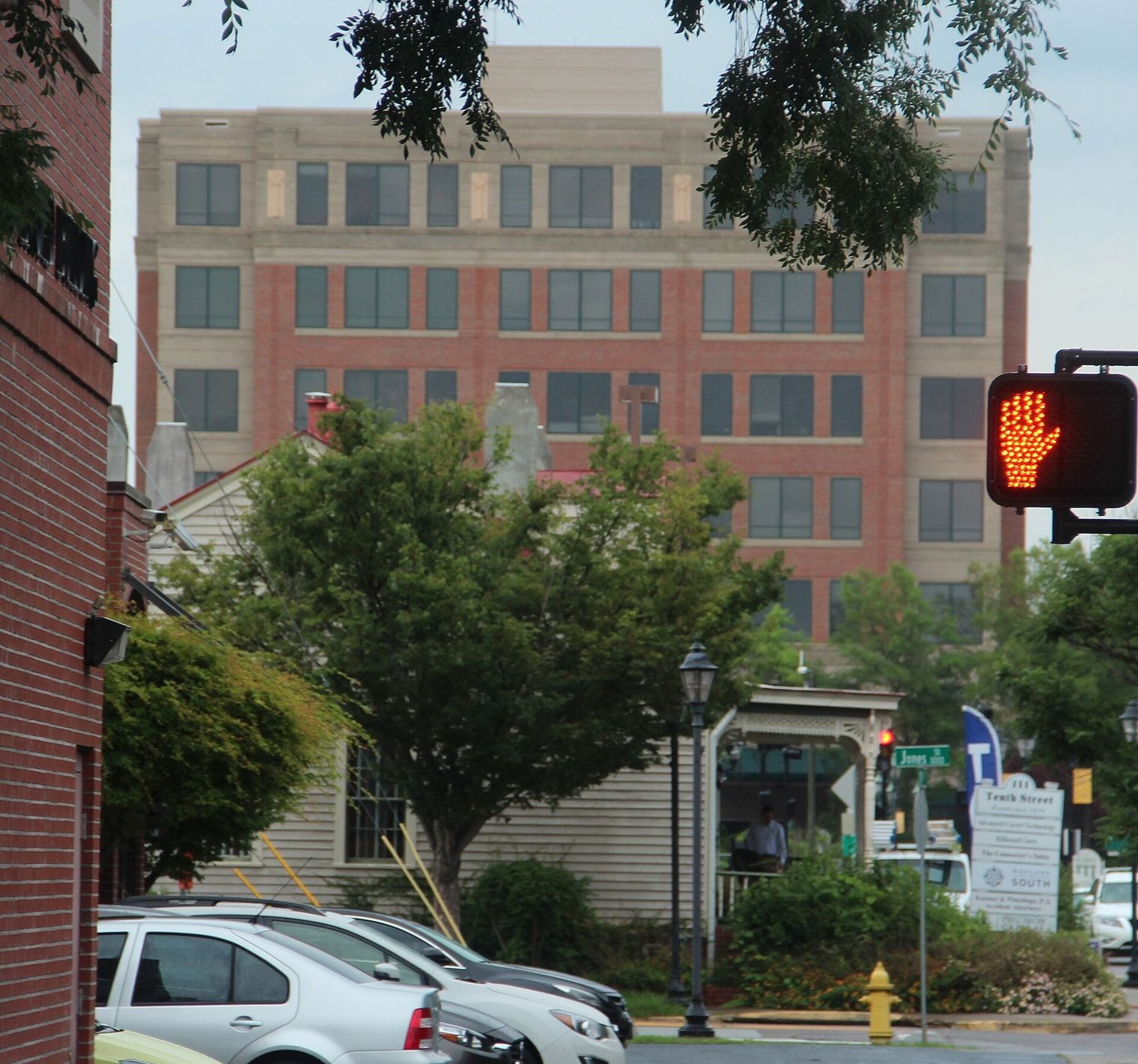
The Morris Museum of Art was the first museum dedicated to the art and artists of the American South, and it sits right on the riverfront at the end of Tenth Street. Its galleries move from early portraits and landscapes to contemporary work, all through the lens of the South.
The collection is big enough to fill an afternoon but manageable in an hour, which makes it an easy pairing with a Riverwalk stroll. Look out for the changing exhibitions, which often give a fuller picture of the region than any history book.
88. Boyhood Home of President Woodrow Wilson
Historical Landmark~2.6 miles (4.2 km) from centre
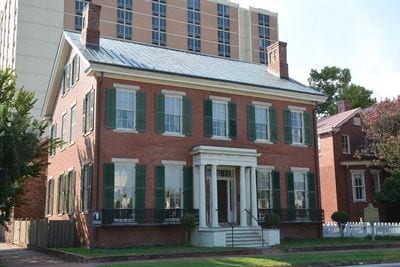
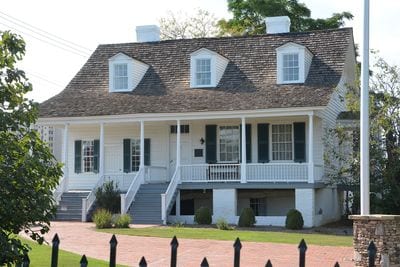
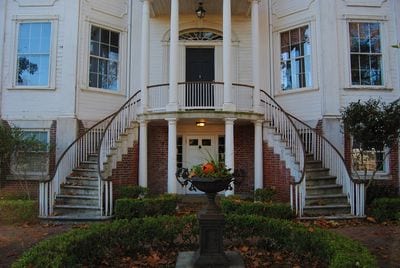
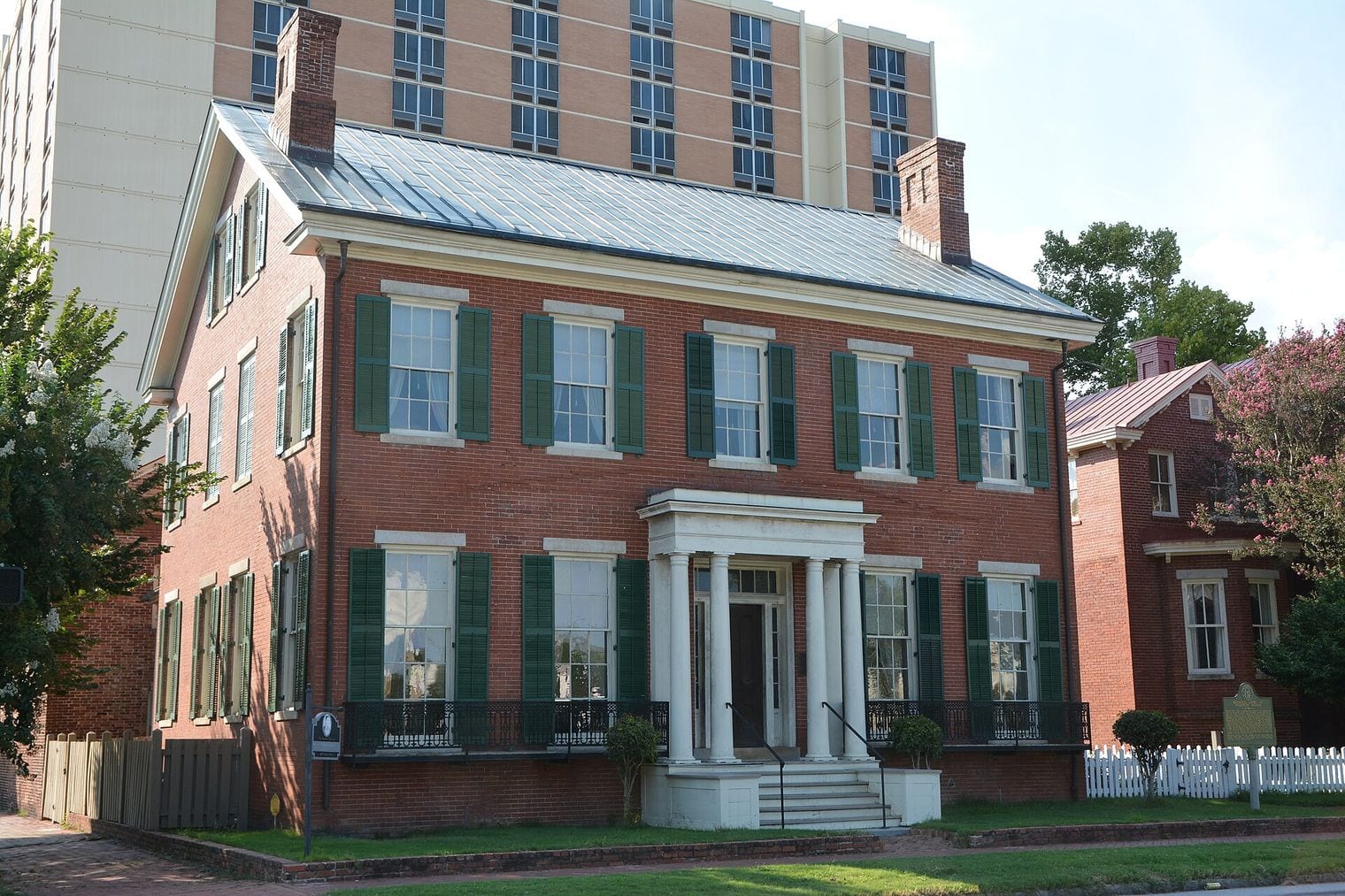
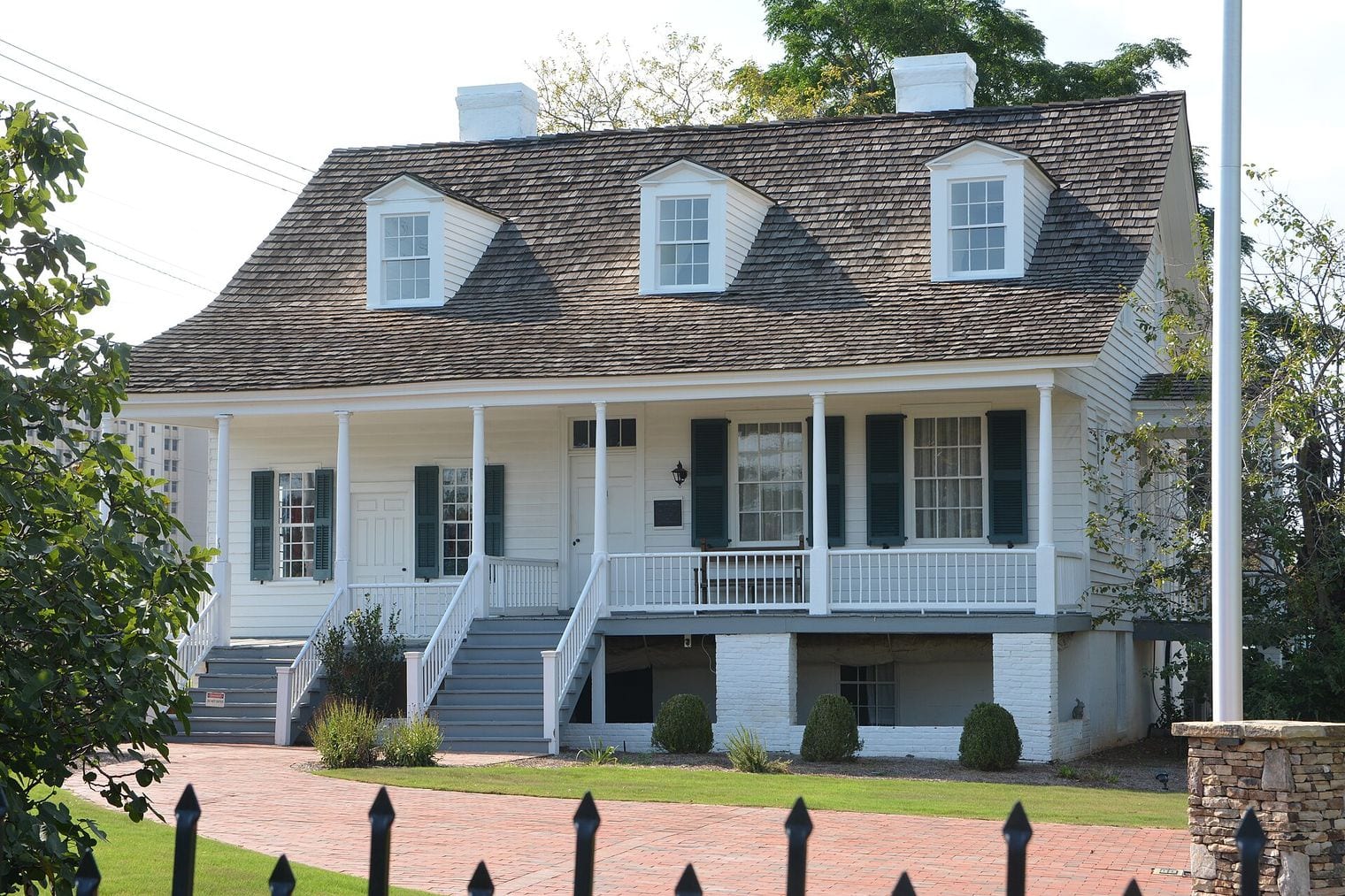
The Boyhood Home of President Woodrow Wilson is the house on Seventh Street where the future 28th president lived from 1860 to 1870, the years of the Civil War and Reconstruction. Guided tours walk through the restored rooms and explain how growing up in a Southern city at war shaped his later thinking.
Next door, the boyhood home of Supreme Court Justice Joseph Rucker Lamar serves as the headquarters of Historic Augusta and the starting point for tours. Together the two houses make a compact, thoughtful stop in the downtown historic district.
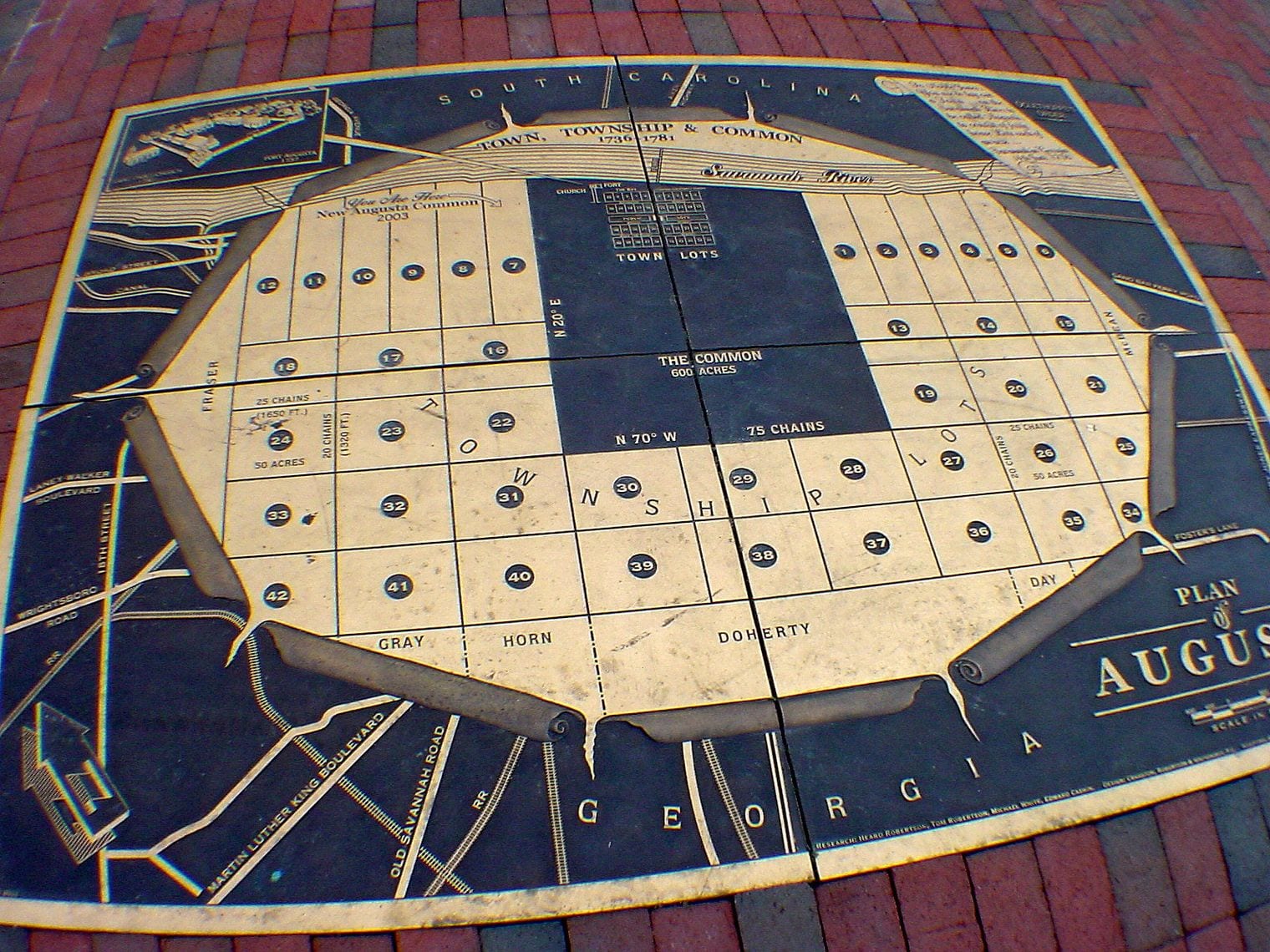
Augusta Common is the green heart of downtown, a lawn stretching between Broad and Reynolds Streets with a statue of James Oglethorpe, Georgia's founder, at its center. It is the city's gathering place for festivals, concerts and outdoor events, and an easy spot to pause between downtown sights.
On the Broad Street side stands the bronze statue of James Brown, dedicated in 2005 to the Godfather of Soul, who called Augusta home. Fans come to pose beside it, and it is well worth seeing before you head down to the gallery about him at the Augusta Museum of History.
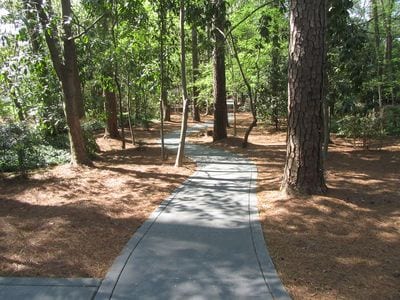
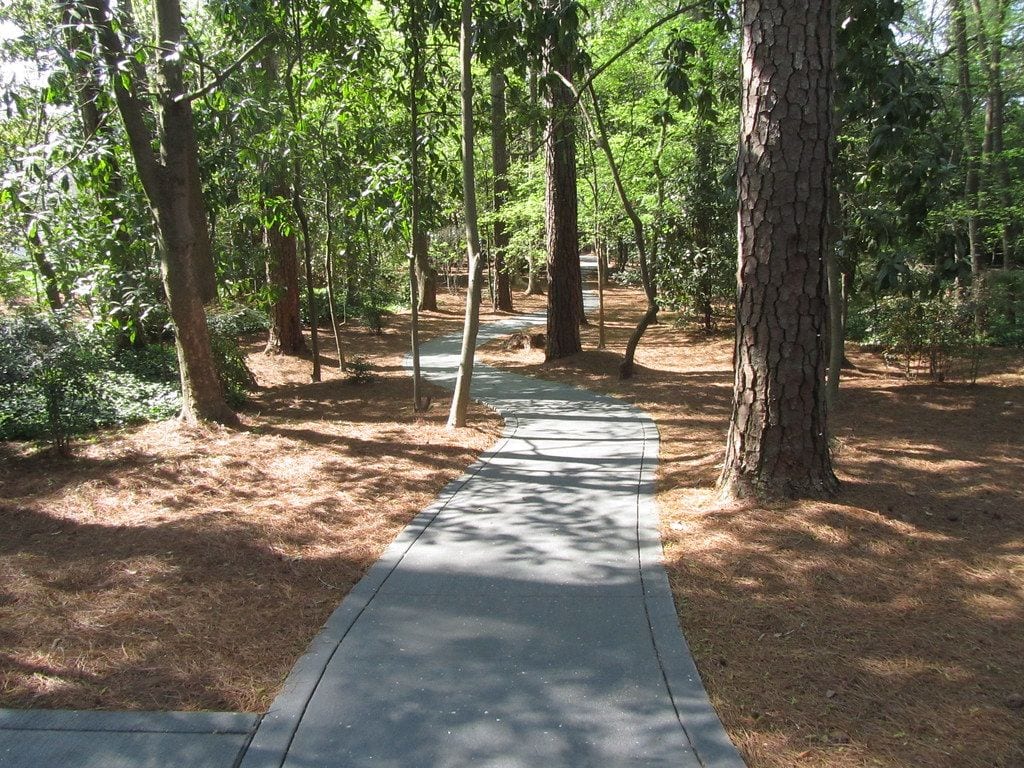
Pendleton King Park is a 64-acre wooded park in the heart of Augusta, designated a bird sanctuary and loved by locals for its quiet trails. Tall pines and hardwoods shade winding paths, and the park feels like a small forest tucked between neighborhoods.
It also has an 18-hole disc golf course, a fenced off-leash dog park, picnic areas and play spaces, so it works as well for a family afternoon as for an early-morning walk. Birders should bring binoculars; the mix of woodland and open lawns draws songbirds through the seasons.
1111. Meadow Garden
Historical Landmark~1.8 miles (2.9 km) from centre
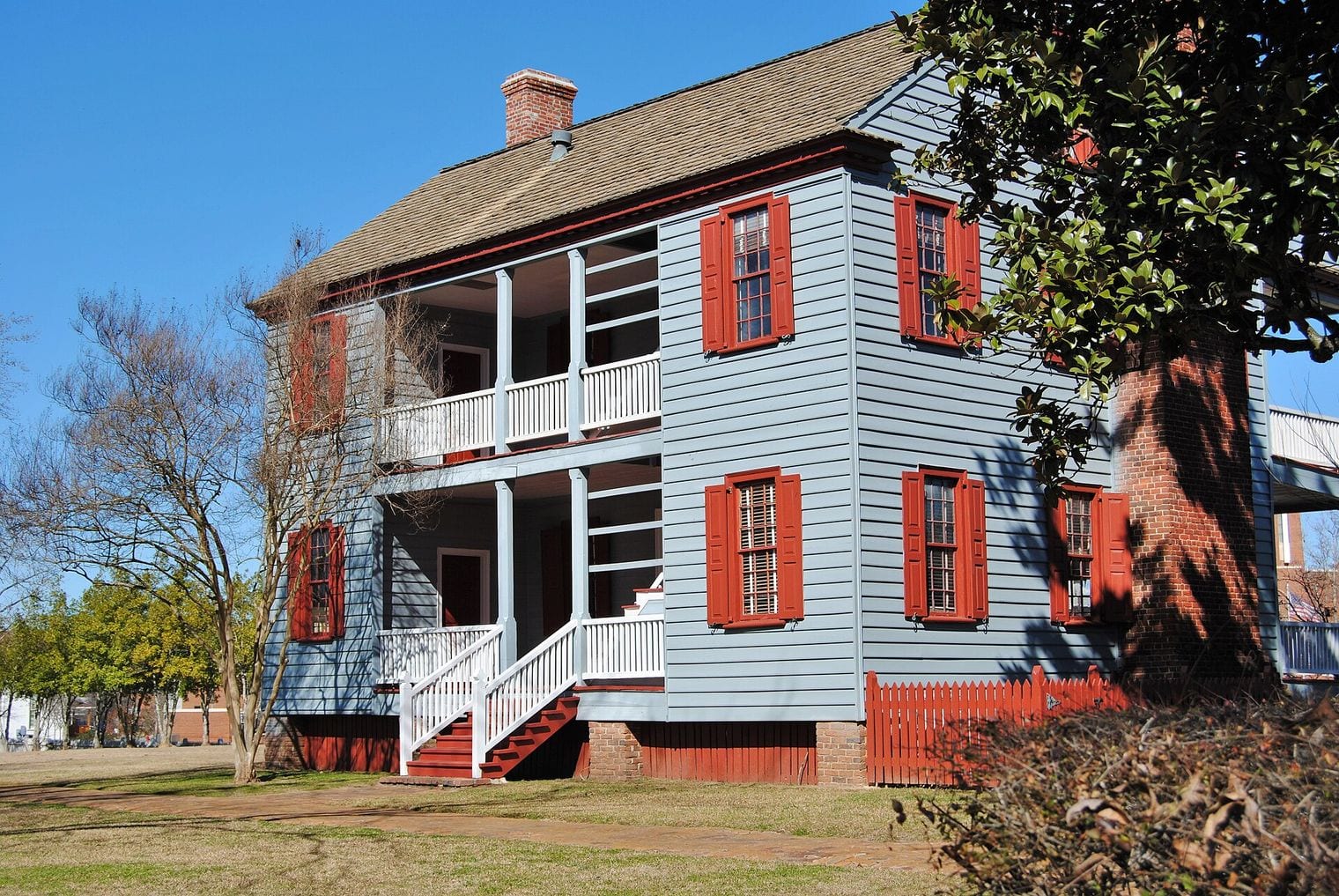
Meadow Garden is the home where George Walton, one of Georgia's signers of the Declaration of Independence, lived in the late eighteenth century. The oldest part of the house dates to around 1791, and the Daughters of the American Revolution have run it as a museum since 1901.
Guided tours explain Walton's life in revolutionary and early Georgia and the everyday world of an eighteenth-century household. The house sits near the Augusta Canal, so it pairs easily with a visit to the Discovery Center.
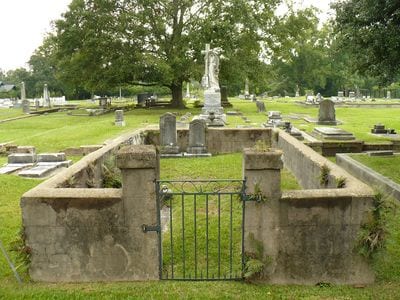
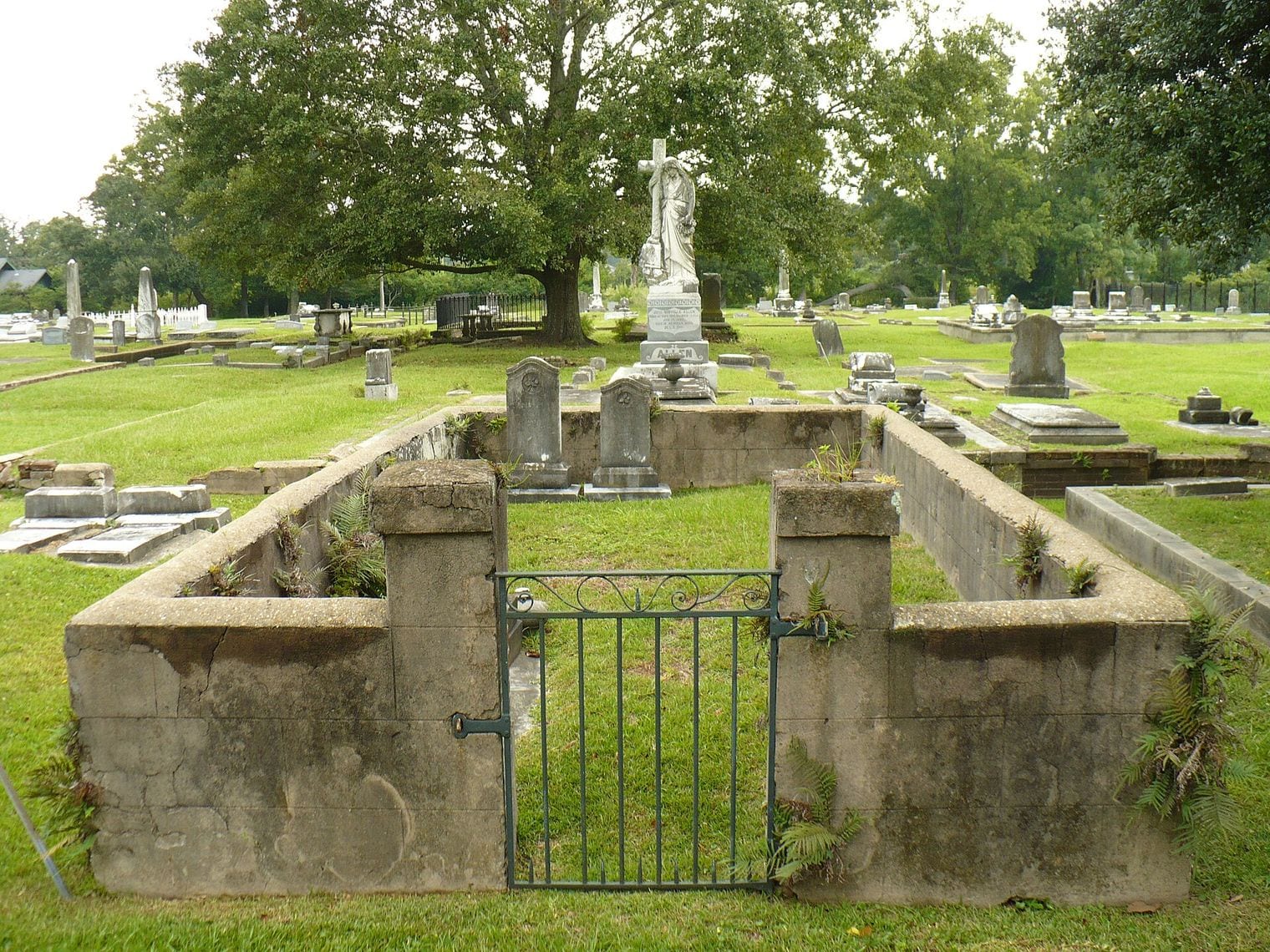
Magnolia Cemetery, founded in 1818, is one of Augusta's most atmospheric places, a quiet grid of moss-draped oaks, magnolias and weathered monuments on the east side of downtown. Its paths are lined with iron fences, family plots and carved stonework spanning two centuries of the city's history.
Seven Confederate generals are buried here alongside generations of Augustans. Walk it slowly for the gravestone carving and the shade; it rewards history lovers and photographers alike.
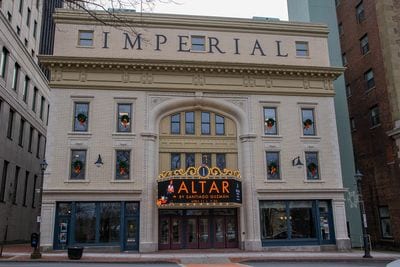
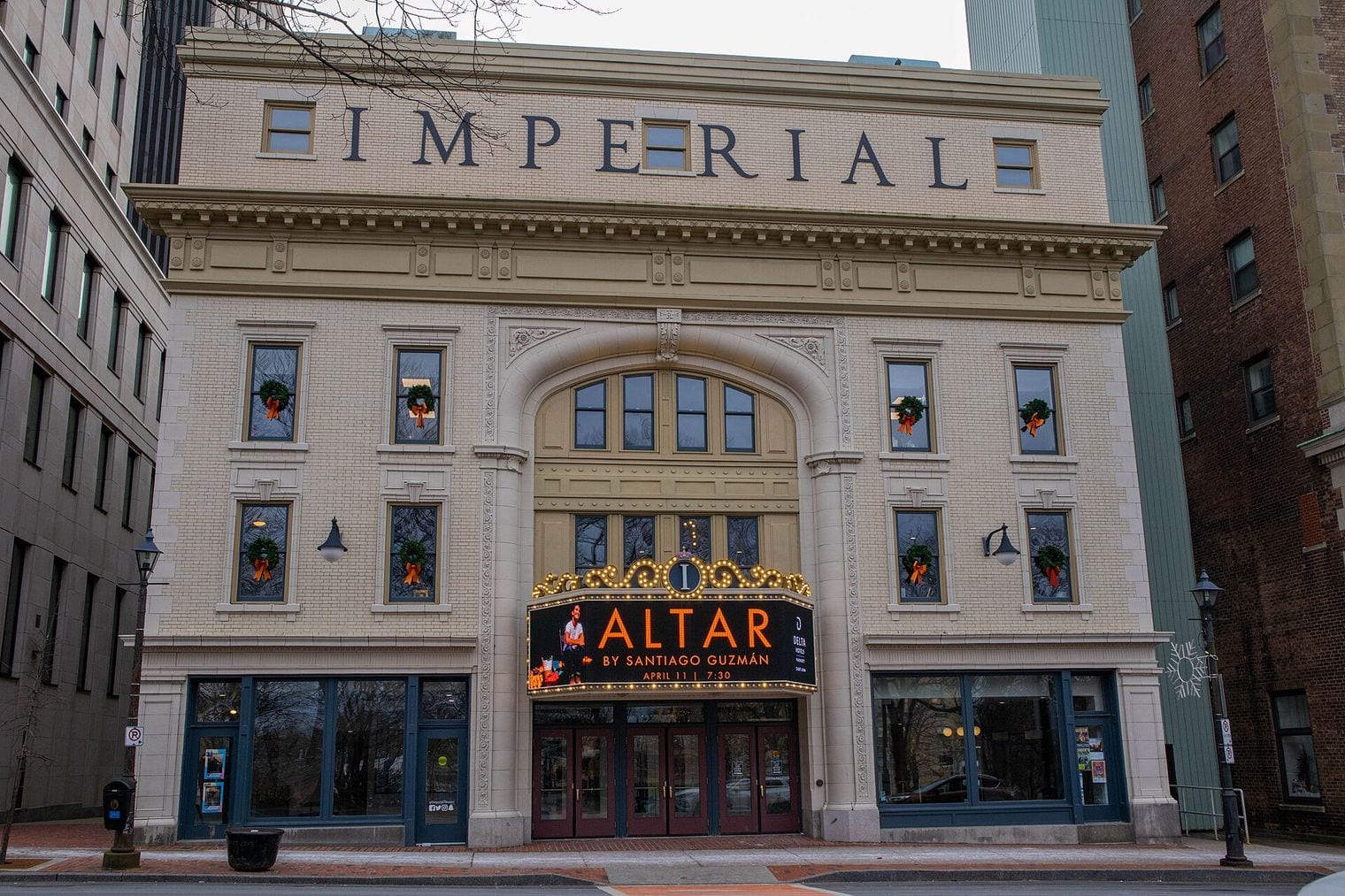
The Imperial Theatre opened on Broad Street in 1918 as the Wells Theatre, a vaudeville house, and it has been one of downtown's great stages ever since. Its restored auditorium keeps the feel of an early-twentieth-century theater.
Today it hosts touring shows, concerts, ballet, comedy and community performances, so check what is on during your visit. Even a simple show here is a chance to see the interior, and it is a lively anchor for an evening on Broad Street.
1414. Confederate Powder Works Chimney
Historical Landmark~1.4 miles (2.2 km) from centre
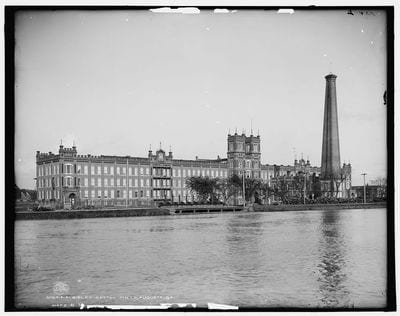
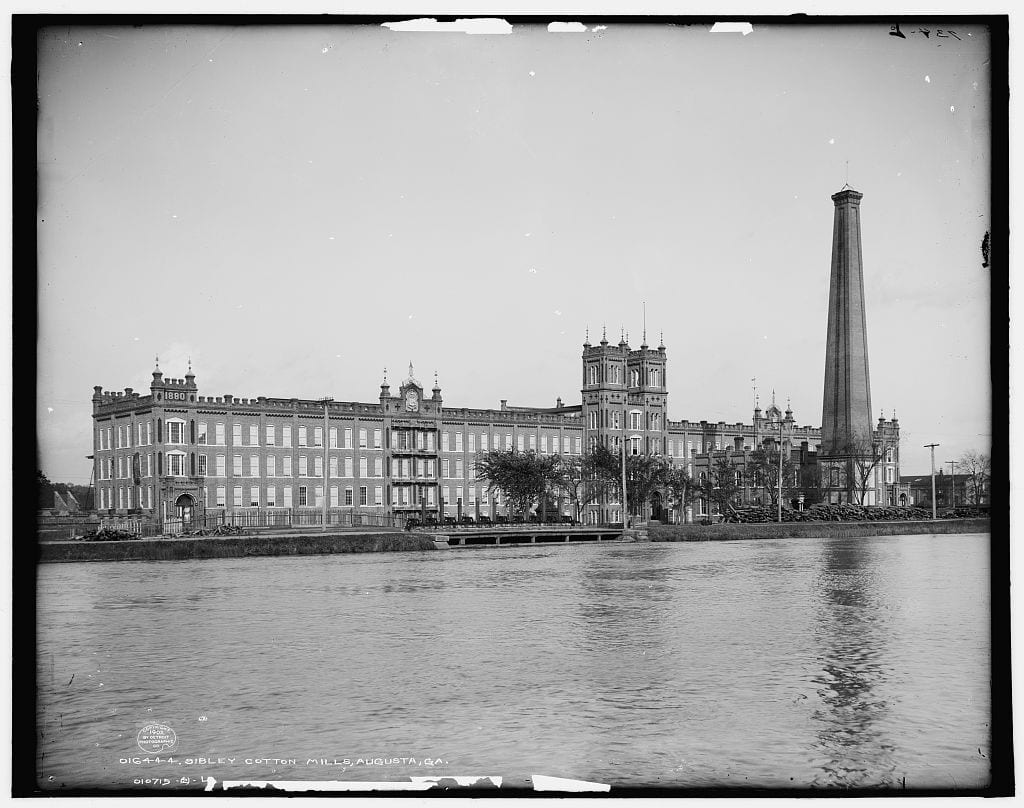
The Confederate Powder Works Chimney is the only surviving structure of the vast gunpowder works the Confederacy built along the Augusta Canal during the Civil War. The factory once stretched for about two miles beside the canal, and this brick chimney, roughly 150 feet tall, is all that remains.
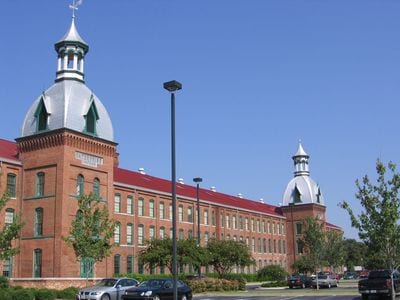
It stands beside the castle-like Sibley Mill, built on the powder works site after the war, and the pair make a dramatic scene from the canal towpath. Stop here on a walk or bike ride along the canal to read the markers and take in one of Augusta's most unusual landmarks.
Lake Olmstead Park wraps around a lake created by damming Rae's Creek when the Augusta Canal was expanded in the nineteenth century. Its shoreline paths, picnic spots and open lawns make it a favorite local escape a few minutes from downtown.
The park is home to the Julian Smith Casino, a historic recreation hall, and a barbecue pit built by the Civilian Conservation Corps in the 1930s. It is also a trailhead for the Augusta Canal towpath, so it makes a natural starting or finishing point for a canal walk or ride.
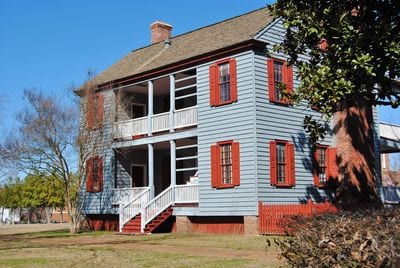
The Ezekiel Harris House was built in 1797 by a tobacco merchant who hoped to draw the tobacco trade to his planned town just outside Augusta. It is a rare survivor of eighteenth-century Augusta, a tall frame house with broad porches.
The Augusta Museum of History cares for the house, and tours are arranged by appointment, so plan ahead. Inside, the rooms show how a prosperous merchant family lived in the early years of the republic.
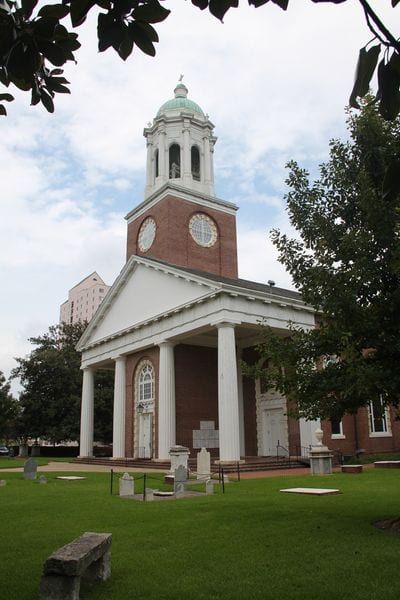
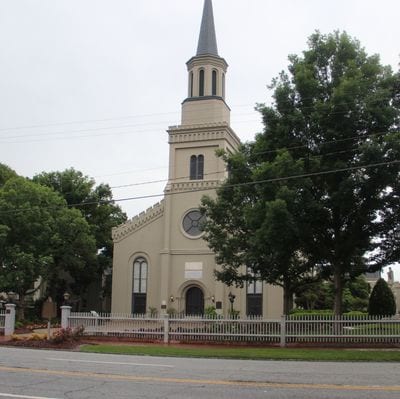
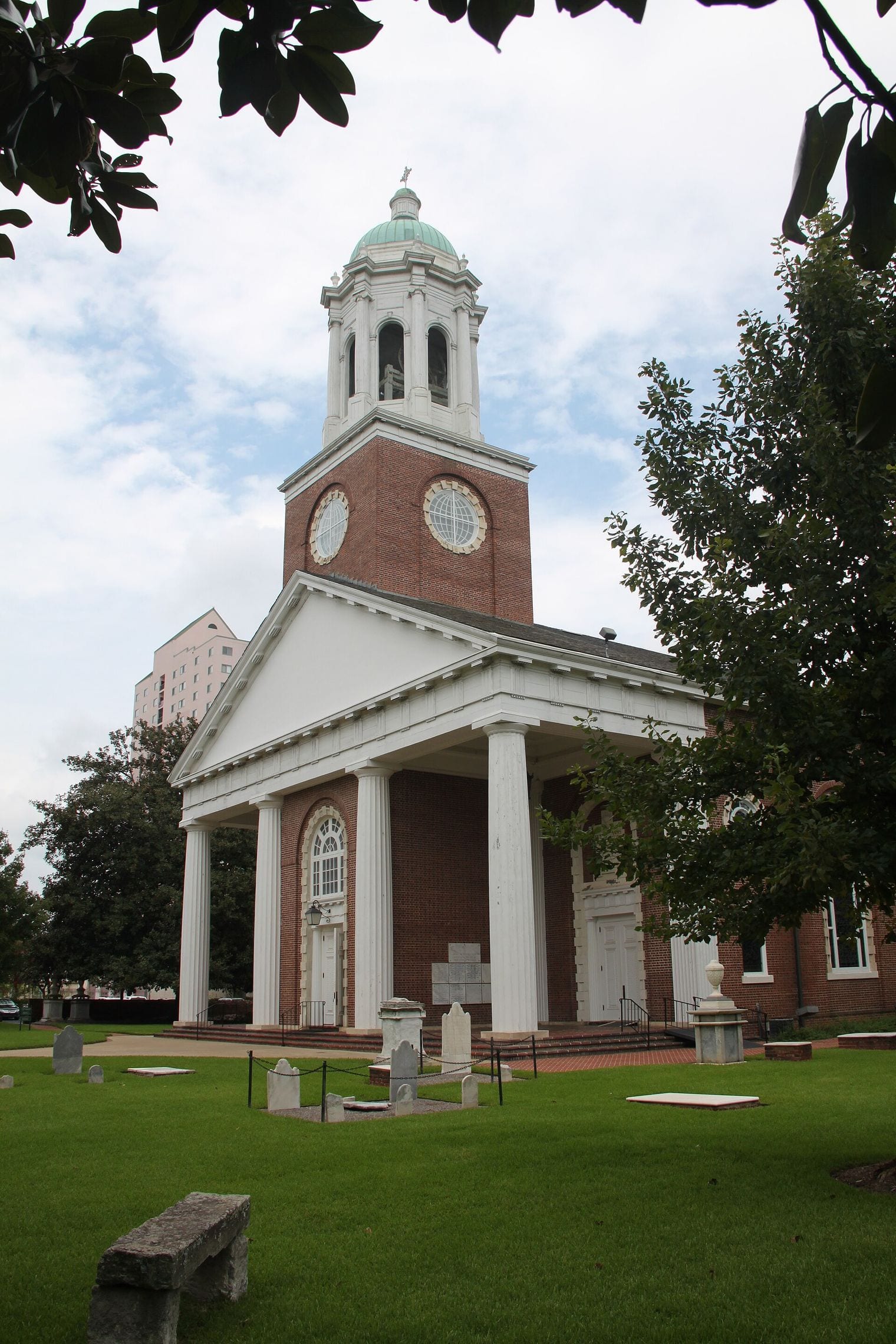
St. Paul's Church is home to Augusta's oldest congregation, founded in 1750 beside Fort Augusta, the colonial outpost from which the city grew. The present church on Reynolds Street was built after a fire in 1916 and faces the Riverwalk and the river.
In the churchyard, a Celtic cross set up in 1901 marks the site of the old fort, and the old churchyard is one of the quietest corners of downtown. It is a peaceful place to reflect on Augusta's colonial beginnings, just steps from downtown's busiest stretch of riverfront.
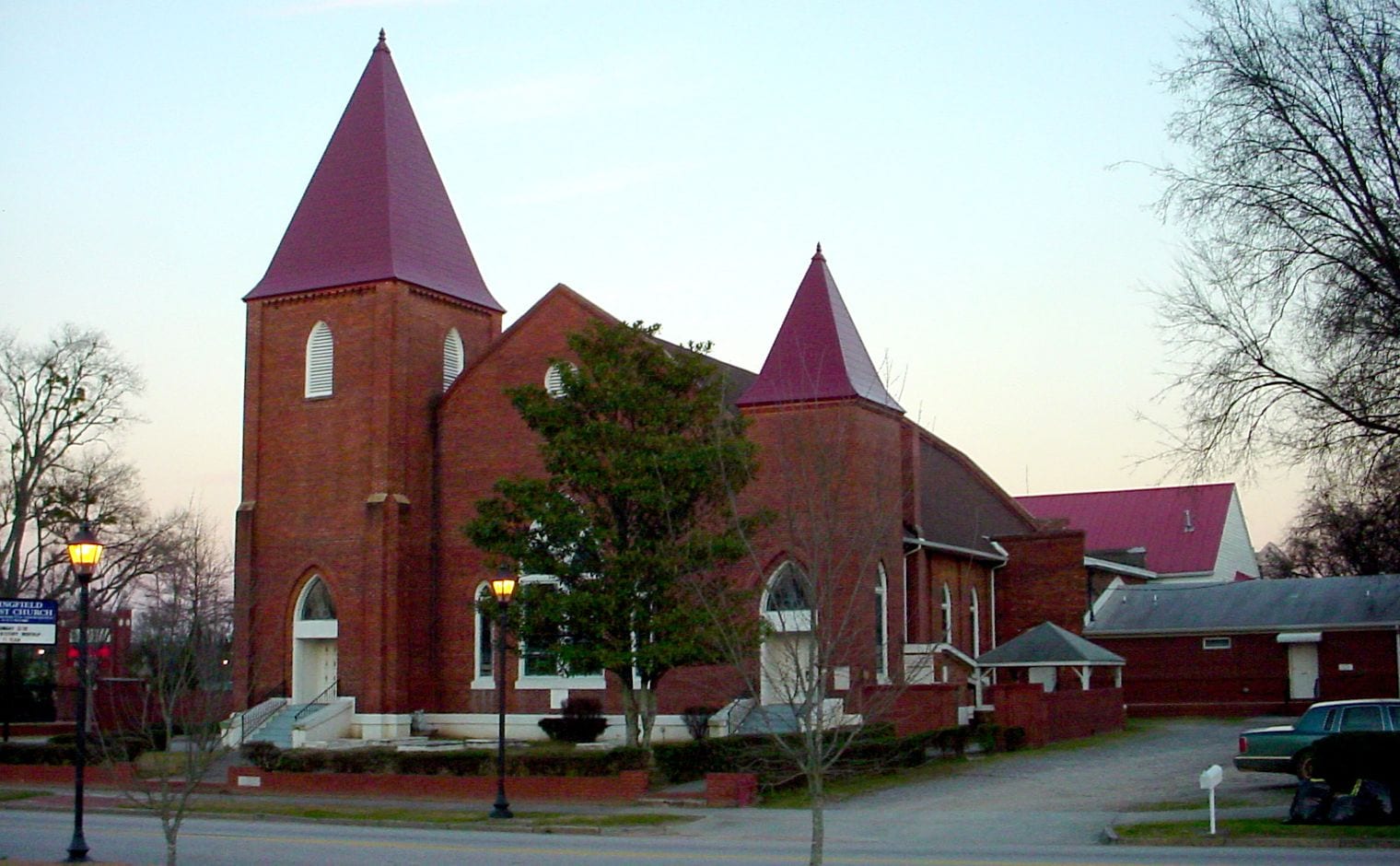
Springfield Baptist Church traces its roots to 1787, making it one of the oldest Black congregations in the United States. Its campus on Twelfth Street holds a Late Victorian Gothic church from 1897 alongside an older meetinghouse moved to the site in the 1840s.
After the Civil War, the church hosted Georgia's 1866 Freedmen's Convention, and its history is central to the story of Black Augusta. Visitors can see the exterior and markers at any time; check with the church before visiting the interior.
The Old Government House on Telfair Street was built in 1801 as the Richmond County courthouse and served as the seat of local government in Augusta's early years. The elegant Federal-style building later became a private home before the city took it back into public hands.
Today it is used for weddings, receptions and events, and its garden makes a pretty stop on a walk along Telfair Street's row of historic buildings. Even from the sidewalk, it offers a glimpse of early-nineteenth-century Augusta.
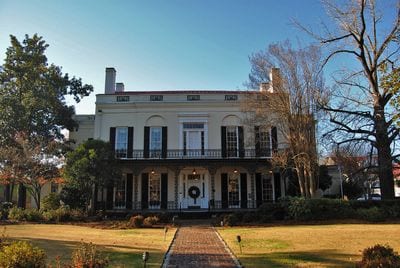
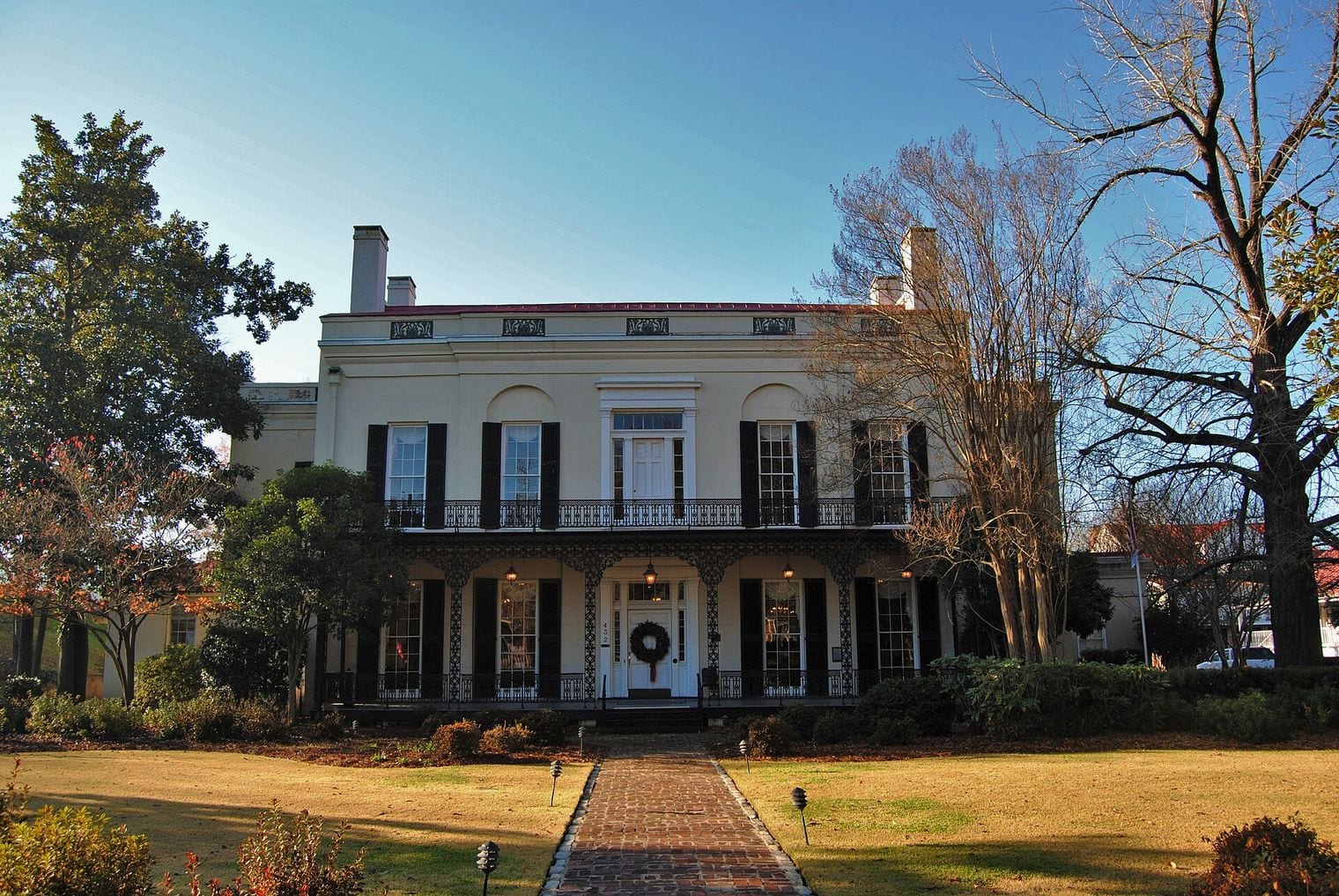
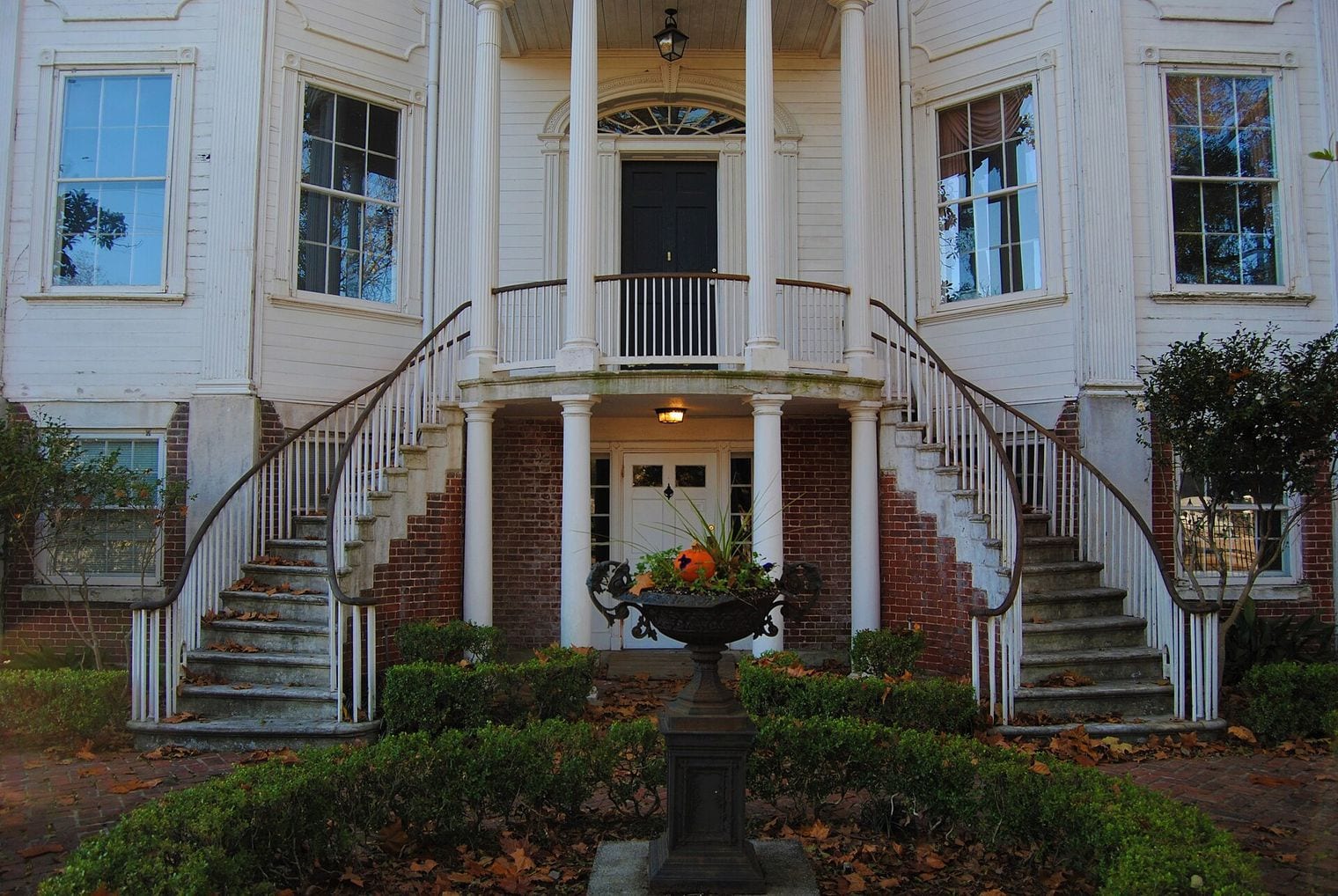
The Gertrude Herbert Institute of Art is Augusta's community art school and gallery, housed since 1937 in a grand Federal-style mansion built around 1818 by Nicholas Ware. The house is nicknamed Ware's Folly for the lavish sum it reportedly cost,.
Changing exhibitions of regional and contemporary art fill the galleries, and the institute runs classes for adults and children. It is a small, rewarding stop that pairs well with the nearby museums on Telfair Street.
The Augusta Canal Trail follows the canal's towpath for about seven miles, from the headgates upriver down into the city. It is flat, shaded and easy going, with the canal on one side and woods, the river or old mill buildings on the other.
Walk a section from Lake Olmstead, or rent a bike and ride its full length past the locks, the mills and the Confederate powder works chimney. Paddlers can also launch on the canal, and it is one of the best ways to see how water shaped the city.
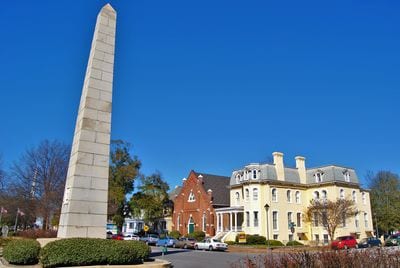
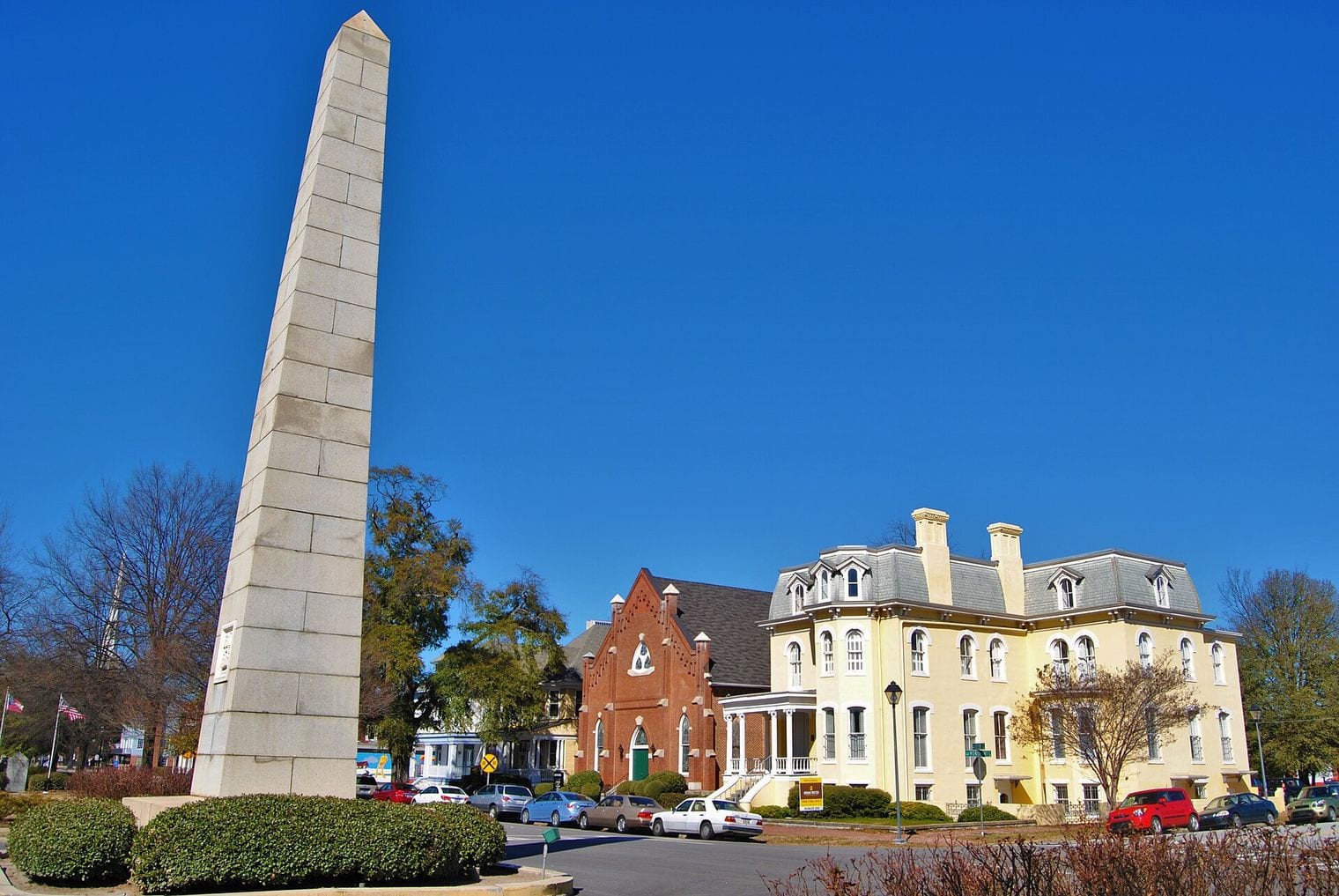
Signers' Monument is a 50-foot granite obelisk on Greene Street, dedicated on July 4, 1848, to Georgia's signers of the Declaration of Independence. Two of them, George Walton and Lyman Hall, are buried beneath it.
It sits in the median of one of Augusta's grandest oak-lined avenues, surrounded by historic homes and churches. It is a quick stop, but a fitting one on a walk between the Sacred Heart Cultural Center and downtown.
The Butt Memorial Bridge carries Fifteenth Street over the Augusta Canal and honors Archibald Butt, an Augusta native and military aide to Presidents Theodore Roosevelt and William Howard Taft, who died on the Titanic. Taft dedicated the bridge in 1914.
It is considered one of the first Titanic memorials and the only one in Georgia, and its decorative details set it apart from an ordinary crossing. Pause here on a walk along the canal to read its story.
2424. Augusta Cotton Exchange Building
Historical Landmark~2.7 miles (4.3 km) from centre
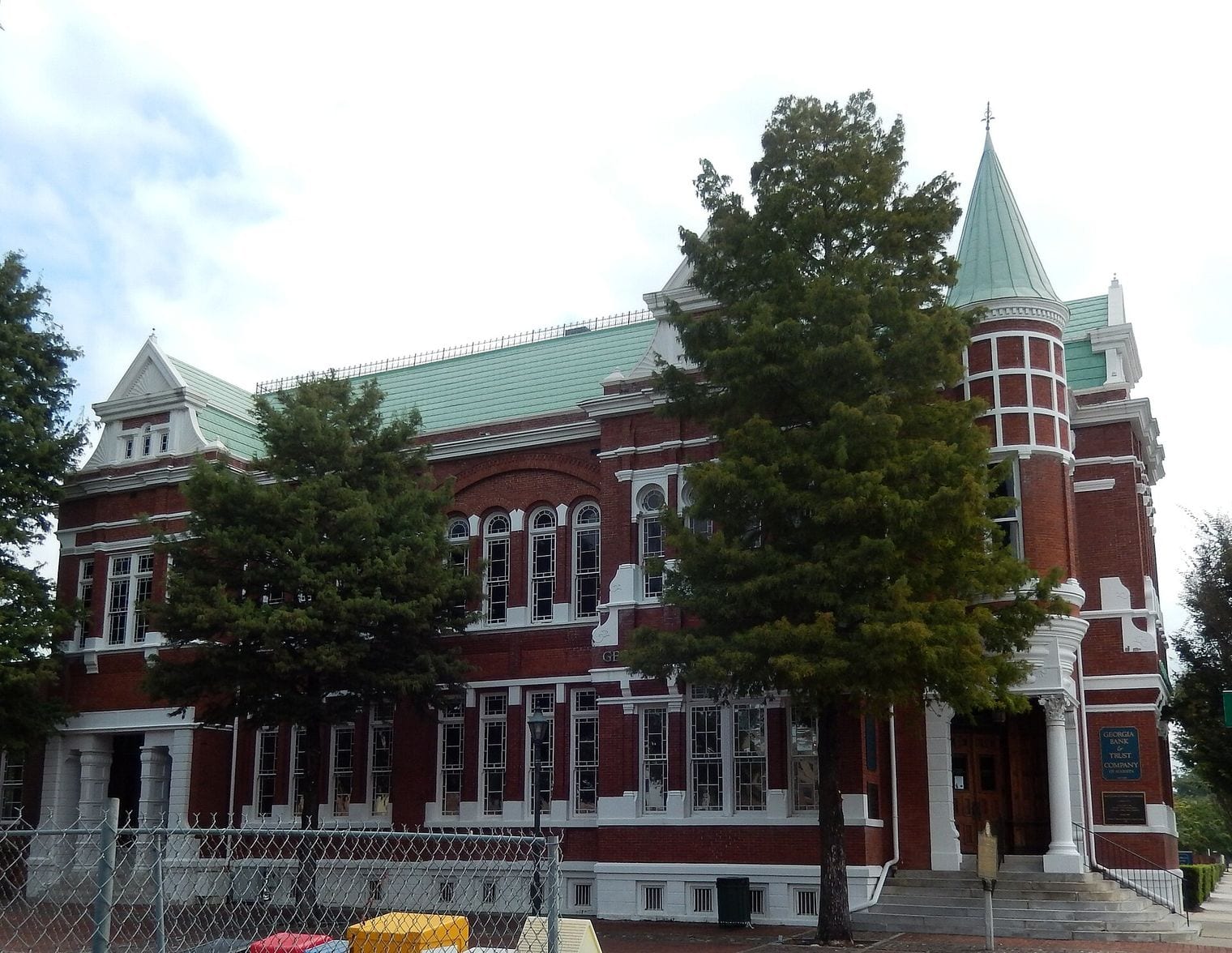
The Augusta Cotton Exchange Building, completed in 1886 at the corner of Eighth and Reynolds, recalls the years when cotton ruled Augusta's economy. Its ornate red-brick Victorian facade faces the riverfront, a short walk from the Riverwalk.
Inside, a huge blackboard once used to post market information has been preserved, a rare survivor of the trading floor. The building now houses a bank branch, so step in during business hours for a look.
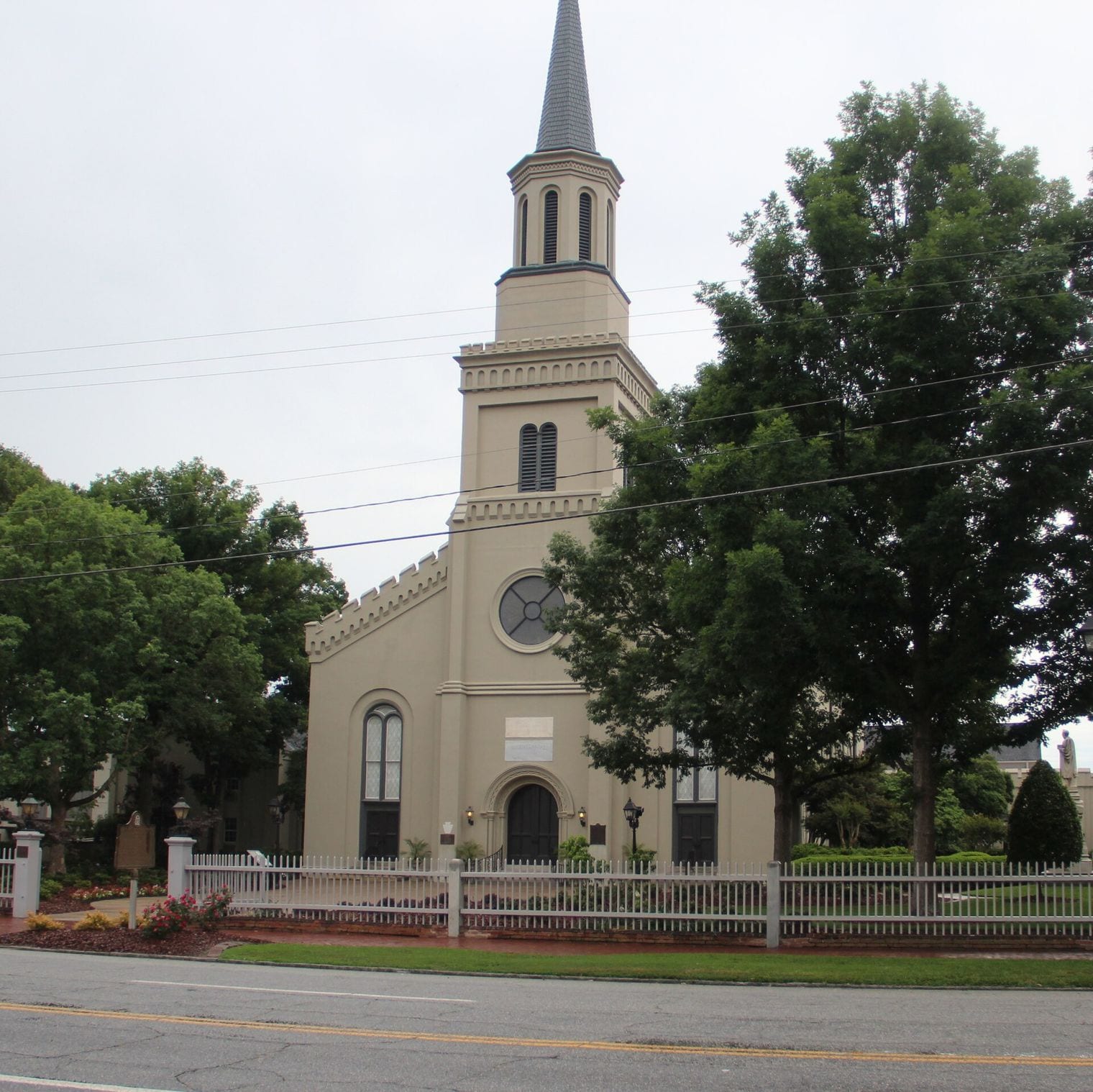
First Presbyterian Church has stood on Telfair Street since 1812, built for a congregation established in 1804 and designed by Robert Mills, the architect later known for the Washington Monument. It is one of the landmarks of downtown's historic district, a short walk from the Old Government House and the Gertrude Herbert Institute.
From 1858 to 1870 its minister was Joseph R. Wilson, father of Woodrow Wilson, and a plaque marks the family's pew in the sanctuary. In 1861 the church hosted the first General Assembly of the Presbyterian Church in the Confederate States. The Boyhood Home of President Woodrow Wilson is only a few blocks away, so the two make a natural pair.
Plan your trip
Best Time to Visit Augusta
Spring is Augusta at its most beautiful, with azaleas and dogwoods in bloom and comfortable temperatures for the Riverwalk and the canal. It is also Masters season: in tournament week each April, hotels fill far in advance, rates climb and traffic builds along Washington Road, so plan around it unless the golf is the point of your trip.
Fall is the other sweet spot, warm but less humid, with festivals on the Common and good weather for Phinizy Swamp and the canal trail. Summers are long, hot and humid, best for early mornings outdoors and air-conditioned museums in the afternoon, while winters are mild and quiet.
Getting to Augusta
Augusta sits on Interstate 20, roughly two and a half hours east of Atlanta and about an hour and a quarter west of Columbia, South Carolina, which makes it an easy road-trip stop. Interstate 520 loops around the city and connects the airport, Washington Road and downtown.
Augusta Regional Airport handles regional flights, while Atlanta's Hartsfield-Jackson International Airport offers far more connections for a longer drive. There is no passenger rail service to Augusta, so most visitors arrive by car.
Getting Around Augusta
Downtown is compact and walkable: the Riverwalk, Augusta Common, Broad Street, the Morris Museum, the Augusta Museum of History and the historic houses on Telfair and Seventh Streets all sit within a few blocks. Beyond downtown you will want a car or rideshare for Phinizy Swamp, Pendleton King Park, Lake Olmstead and Washington Road.
The canal towpath is the best way to cover the west side of the city on foot or by bike, and parking downtown is generally straightforward outside of festival days and Masters week.
Where to Stay in Augusta
Downtown near the Riverwalk puts you within walking distance of the museums, Broad Street's restaurants and the canal, and suits a first visit best. The Washington Road corridor, closer to Augusta National and lined with chain hotels, is convenient for golf trips and quick highway access.
The historic Summerville neighborhood on the hill offers quieter, leafy streets and a more residential feel, and North Augusta across the river in South Carolina is another option. During Masters week, many visitors rent private homes, and anything close to the course books out early.
Where to Eat in Augusta
Broad Street and the blocks around it are the center of Augusta's dining scene, with Southern kitchens, bistros, cafes and bars in restored storefronts that make it easy to walk from dinner to a show at the Imperial Theatre. Washington Road and the Summerville area add more choices away from downtown.
Look for Southern and Lowcountry staples such as shrimp and grits, fried chicken, barbecue and pimento cheese, which is a local favorite thanks in part to the famous sandwich sold at the Masters.
Day Trips from Augusta
Aiken, South Carolina, about half an hour east, is known for its horse country, wide boulevards and gardens. Head west for about two hours to reach Athens, Georgia's lively college town, with its music scene, historic homes and the University of Georgia campus.
For a longer day, the Lowcountry is within reach: Beaufort, South Carolina, a few hours southeast, rewards the drive with antebellum homes, live oaks and a peaceful waterfront.
One Day in Augusta
Morning
Start at the Augusta Museum of History for the city's story, the golf gallery and the James Brown exhibit, then walk up to Augusta Common and the James Brown statue on Broad Street.
Augusta is best known for Augusta National Golf Club and the Masters Tournament, held every April. Visitors also come for the Riverwalk along the Savannah River, the Augusta Museum of History and its James Brown and golf galleries, the twin-spired Sacred Heart Cultural Center and the wild wetlands of Phinizy Swamp Nature Park.
Can you visit Augusta National Golf Club?
Augusta National is a private club and is not open for public tours or casual visits. The only way most people get inside is with a Masters tournament or practice-round ticket, usually obtained through the tournament's ballot. The Augusta Museum of History covers the club's and the tournament's history year-round.
How many days do you need in Augusta?
One full day covers downtown: the Riverwalk, the Augusta Museum of History, the Morris Museum of Art and a canal boat tour. Plan on two days to add Phinizy Swamp Nature Park, a walk or ride on the Augusta Canal Trail, and a few of the historic houses and churches at a relaxed pace.
What can you do in Augusta for free?
Walking the Riverwalk, visiting Augusta Common and the James Brown statue, following the Augusta Canal Trail, exploring Magnolia Cemetery and relaxing at Pendleton King Park or Lake Olmstead Park are all free. The Confederate Powder Works Chimney, the Butt Memorial Bridge and the Signers' Monument can also be seen at no cost.
Is Augusta worth visiting outside Masters week?
Yes. Outside tournament week, Augusta is relaxed and good value, with an easy-to-walk riverfront downtown, strong museums, a historic canal you can explore by boat, bike or on foot, and nature parks close to the city. Spring and fall are the most pleasant seasons for exploring.