We build and rank every list first. Booking links come after, and only where
a partner sells a ticket, tour or stay for that exact place, so a place with
nothing to book is listed exactly as prominently as one you can book.
So how do we earn? Some links on this page go to booking
partners, and if you book tickets, tours or a stay through
one, we may earn a commission. It costs you nothing extra.
That commission never decides which places make the list, the order they
appear in, or what we write about them. No entry is sponsored or a paid
placement.
By the City Viking editorial teamPublished 20 places · 21 min read
Fact-checked Checked before launchOct 6, 202620 sourcesPublished · Oct 6, 2026Researched and checked before it went liveClick for every source and the full change log.
Short answer
Start with Hanalei on Kauaʻi for its one-lane bridge, taro fields and crescent bay, Haleʻiwa for the surf shops and shave ice of Oʻahu's North Shore, and Hāna at the end of Maui's winding Hāna Highway. Most towns on this list fill a relaxed day, and with every island a flight apart, plan on three or four days per island to link several of them together.
Step away from the resort strips and Waikīkī's towers and Hawaii turns out to be a state of small towns: surf towns on the North Shores, old sugar and pineapple plantation villages, paniolo ranch country on the slopes of the volcanoes and harbor towns where life still runs on island time.
This guide ranks 20 of the best across six islands, each home to fewer than 50,000 people, from tiny Hanalei on Kauaʻi to Hilo on the Big Island. Most fill a relaxed day, and because every island is a flight apart, plan on a few towns per island rather than all of them at once.
Hawaii has no city or town governments: its counties are the only level of local government, and the consolidated City and County of Honolulu is the state's only incorporated area, so every town on this list is officially a census-designated place.
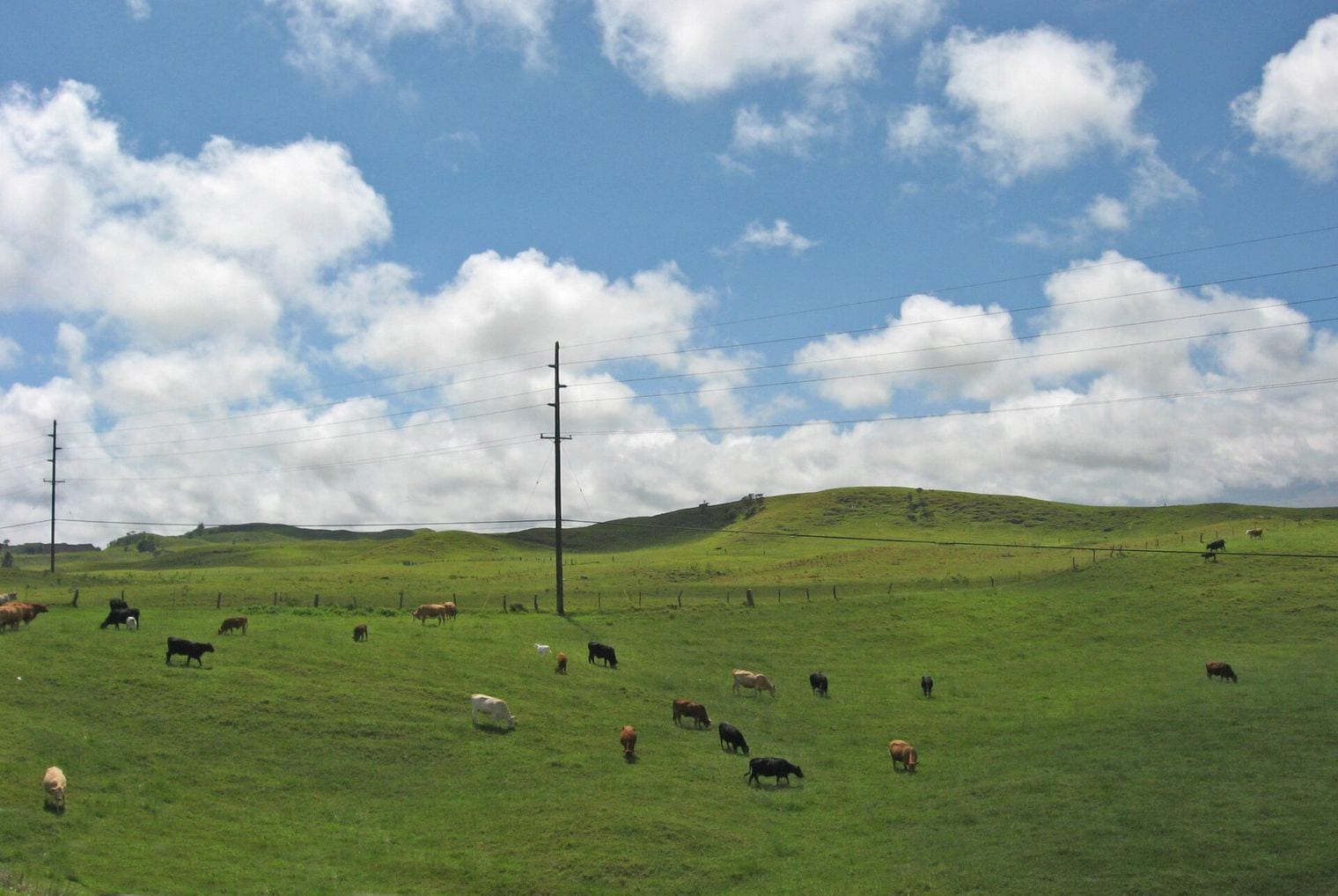
Hawaii had working cowboys by 1836, after Spanish-speaking vaqueros were hired to teach Hawaiians to ride and rope cattle. Their successors became the paniolo, a name taken from the Hawaiian pronunciation of Español.
The original statue of Kamehameha I was lost in a shipwreck near the Falkland Islands after being cast in Paris. A second casting went to Honolulu, and the recovered original now stands at Kapaʻau, just east of Hāwī, near the king's birthplace in North Kohala.
Many of the banyan trees along Banyan Drive in Hilo were planted by famous visitors, among them Babe Ruth and Amelia Earhart, which is why the street is known as the Hilo Walk of Fame.
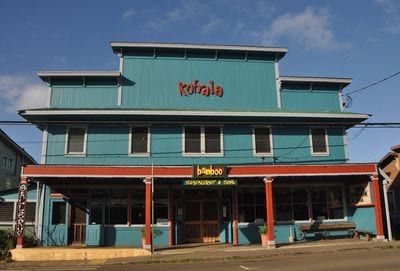
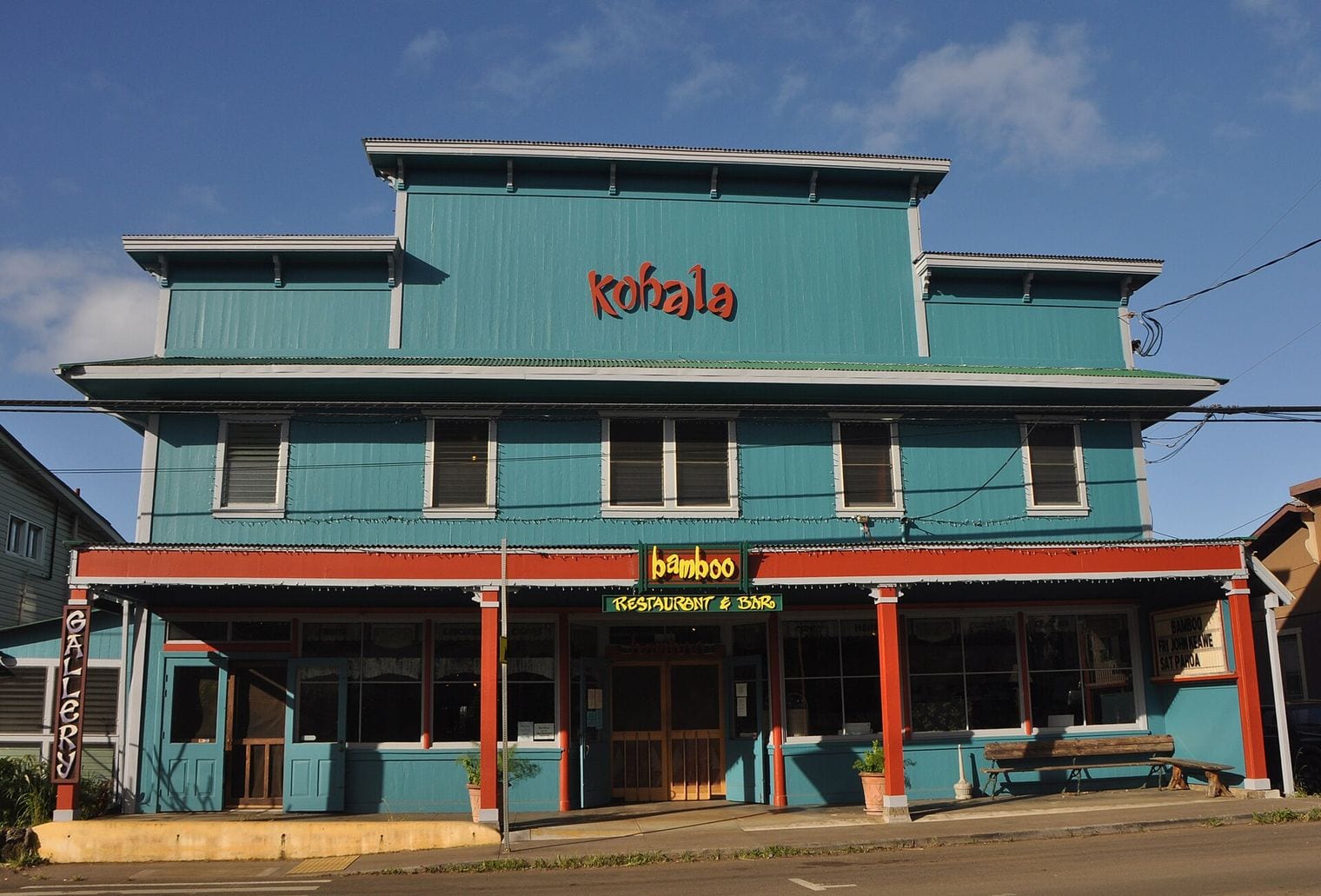
Because Kauaʻi already had a Waimea post office, the Big Island's Waimea gets its mail as Kamuela, Hawaiian for Samuel, after Samuel Parker, a grandson of the founder of Parker Ranch.
The loco moco, white rice topped with a hamburger patty, a fried egg and brown gravy, was reportedly created in Hilo in 1949.
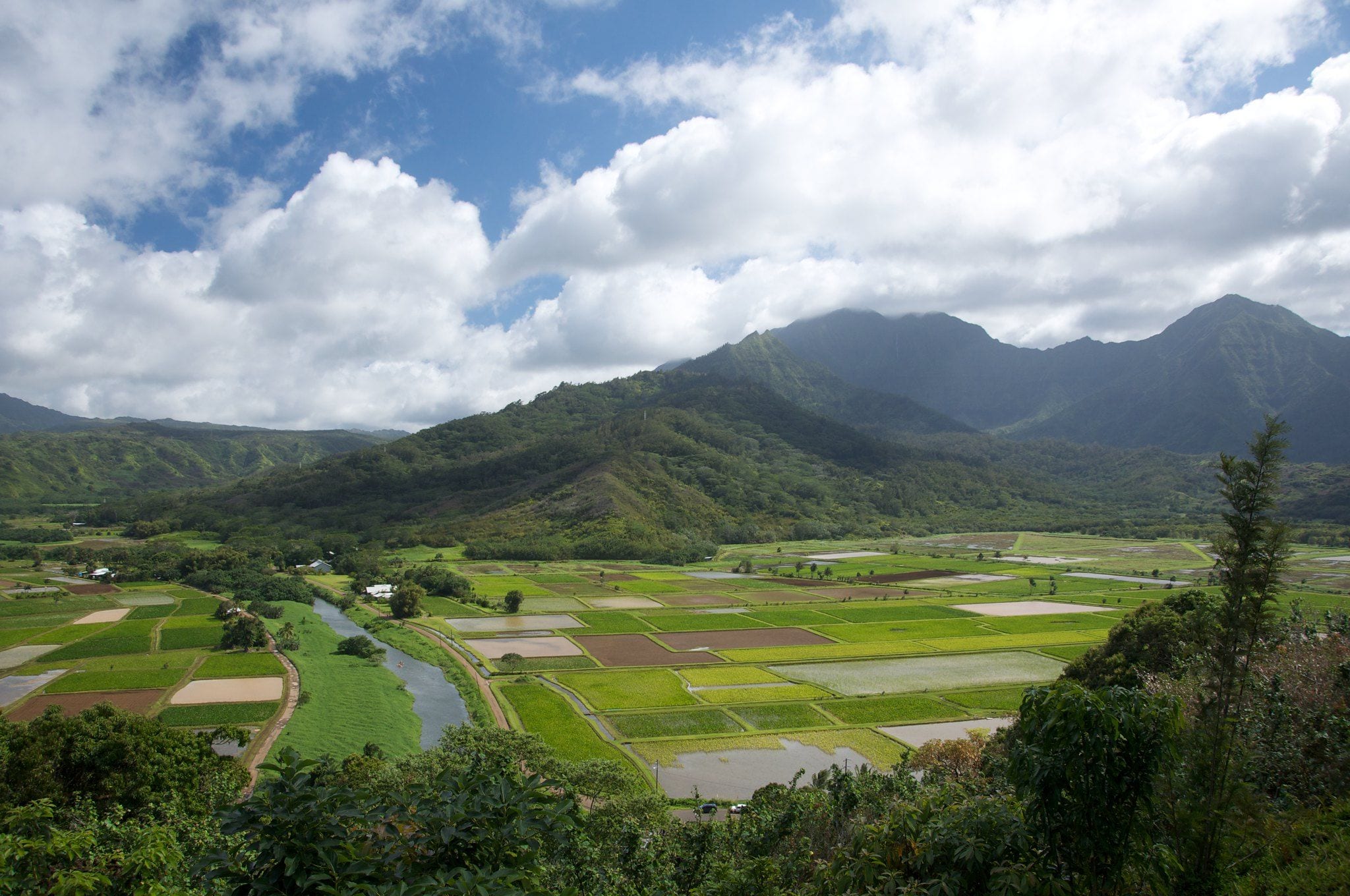
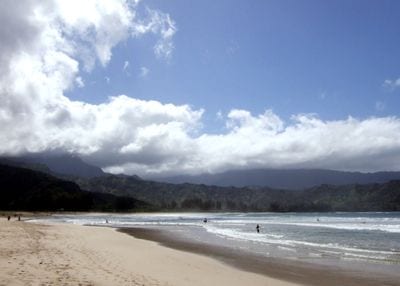
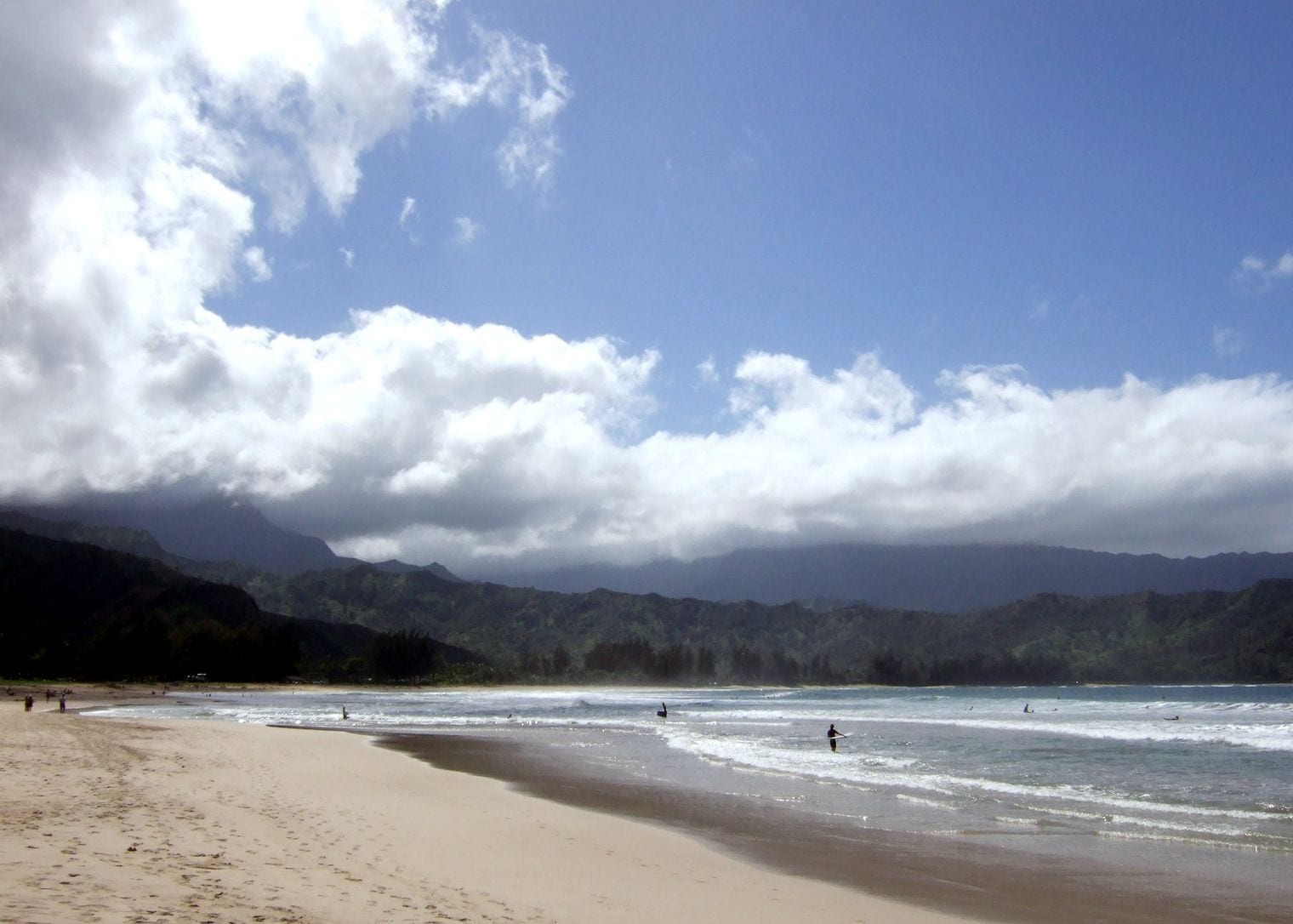
Few places in the islands look as much like the Hawaii of postcards as Hanalei, a North Shore village of 444 people curled around a wide crescent bay on Kauaʻi. The road in crosses the Hanalei River on a one-lane bridge, and the valley behind town is a patchwork of flooded taro fields inside the Hanalei National Wildlife Refuge, framed by steep green mountains that run with waterfalls after heavy rain.
The old Hanalei Pier, which reaches into the bay from Black Pot Beach and featured in the film South Pacific, is the classic place to watch the sunset. In town, the Waiʻoli Mission House, built for missionaries in the 1830s, is now a small museum beside the mission's 1912 church.
Beyond Hanalei the road winds on to Hāʻena State Park and the start of the Kalalau Trail along the Nā Pali Coast; non-residents need an advance reservation to enter the park.
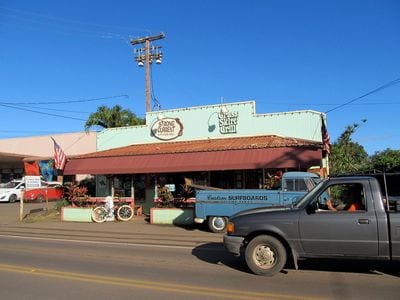
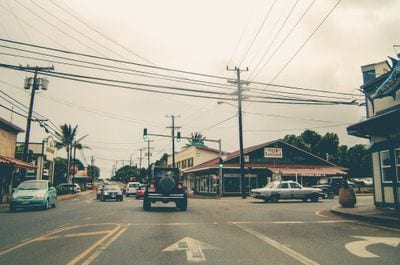
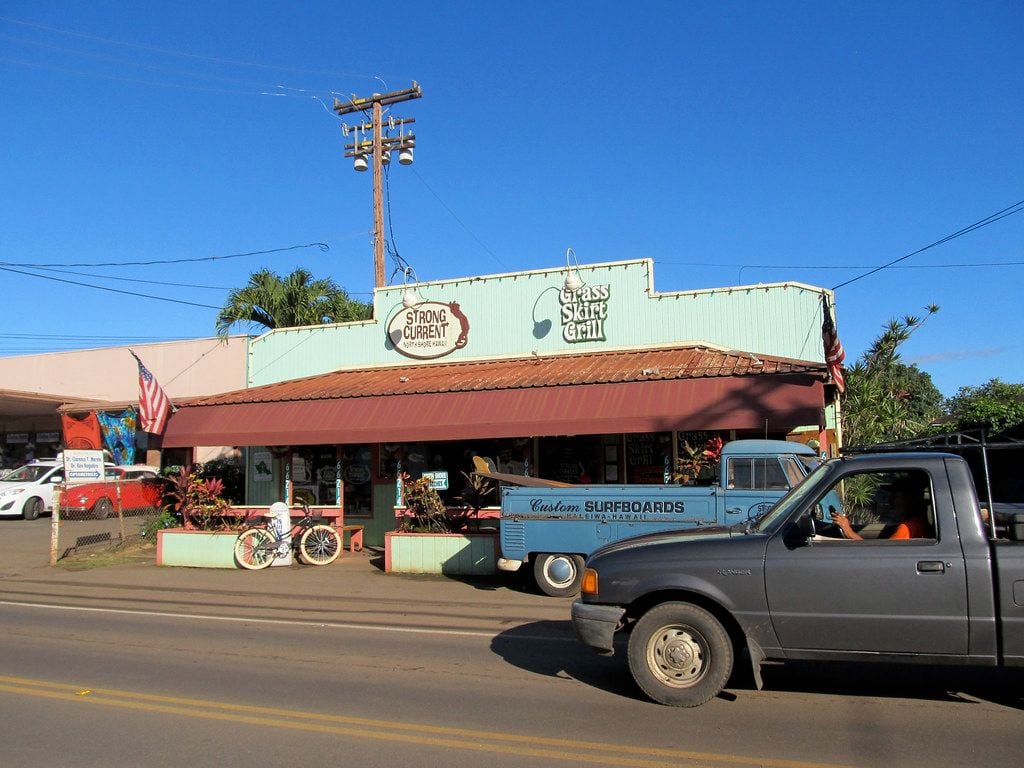
Haleʻiwa is the surf town of Oʻahu's North Shore and the largest commercial center on that coast, a low-slung main street of plantation-era buildings on Waialua Bay where the Anahulu Stream meets the sea. The town takes its name from a hotel opened here in the 1890s, hale meaning house and ʻiwa the frigatebird, and since 1984 it has been a protected historic, cultural and scenic district, so new buildings must still match its old plantation look.
Cross the double-arched Rainbow Bridge into the old town, browse the surf shops and galleries, then join the line for shave ice, the North Shore's signature treat. A short drive up the coast lie Waimea Bay, Sunset Beach and the Banzai Pipeline, where winter swells draw surfers and spectators from around the world; in summer the same water is usually far calmer, with easier conditions for swimming and snorkeling.
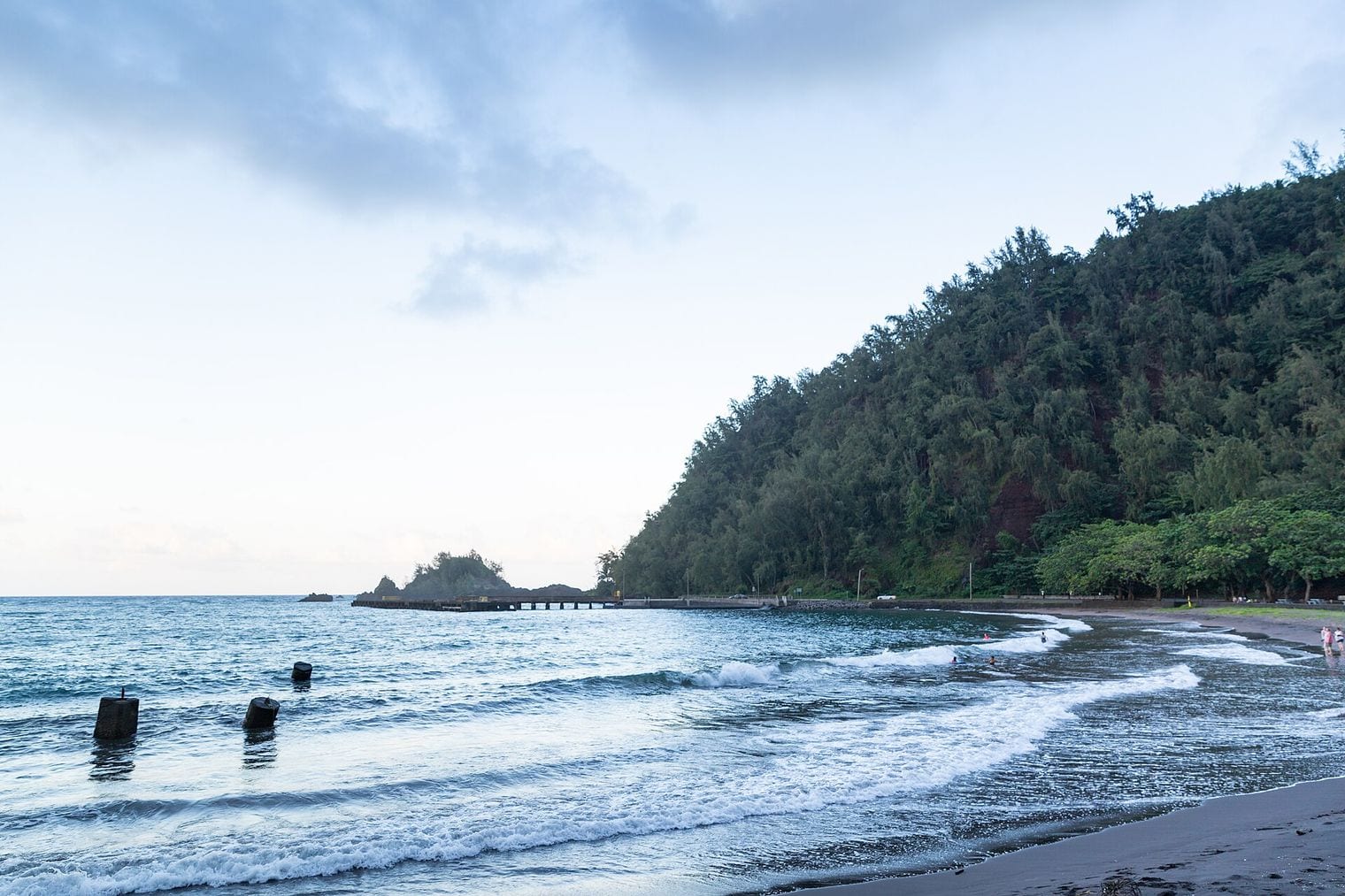
Hāna is less a destination than a reward: a small, quiet town of about 1,500 people at the far eastern end of Maui, and one of the most isolated communities in the state. Getting there is half the point. The Hāna Highway, finished in 1926, winds along the island's rainforest coast over 59 bridges, most of them only one lane wide, and roughly 620 curves, past waterfall after waterfall.
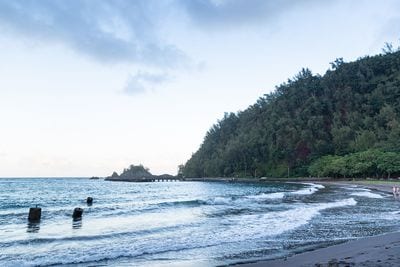
Just outside town, Waiʻānapanapa State Park frames a small black-sand beach with lava tubes, a natural arch and sea stacks; non-residents must reserve entry and parking in advance.
Kahanu Garden protects Piʻilanihale Heiau, believed to be the largest temple platform in the Hawaiian Islands, and beyond Hāna the road continues to the pools of ʻOheʻo Gulch in the Kīpahulu District of Haleakalā National Park. Most visitors come for the day, but staying the night lets you see the town after the traffic leaves.
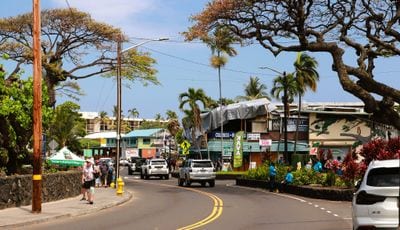
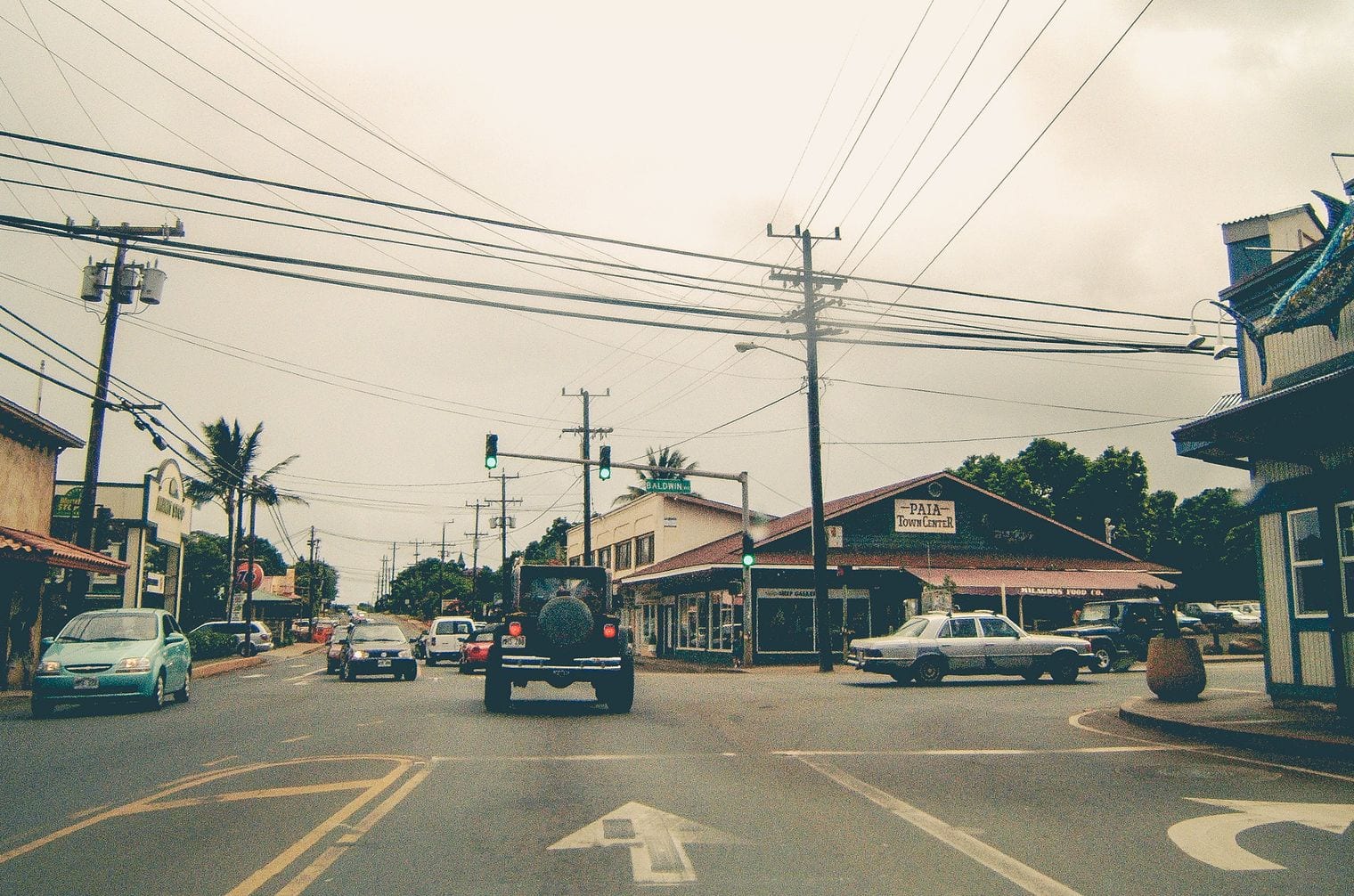
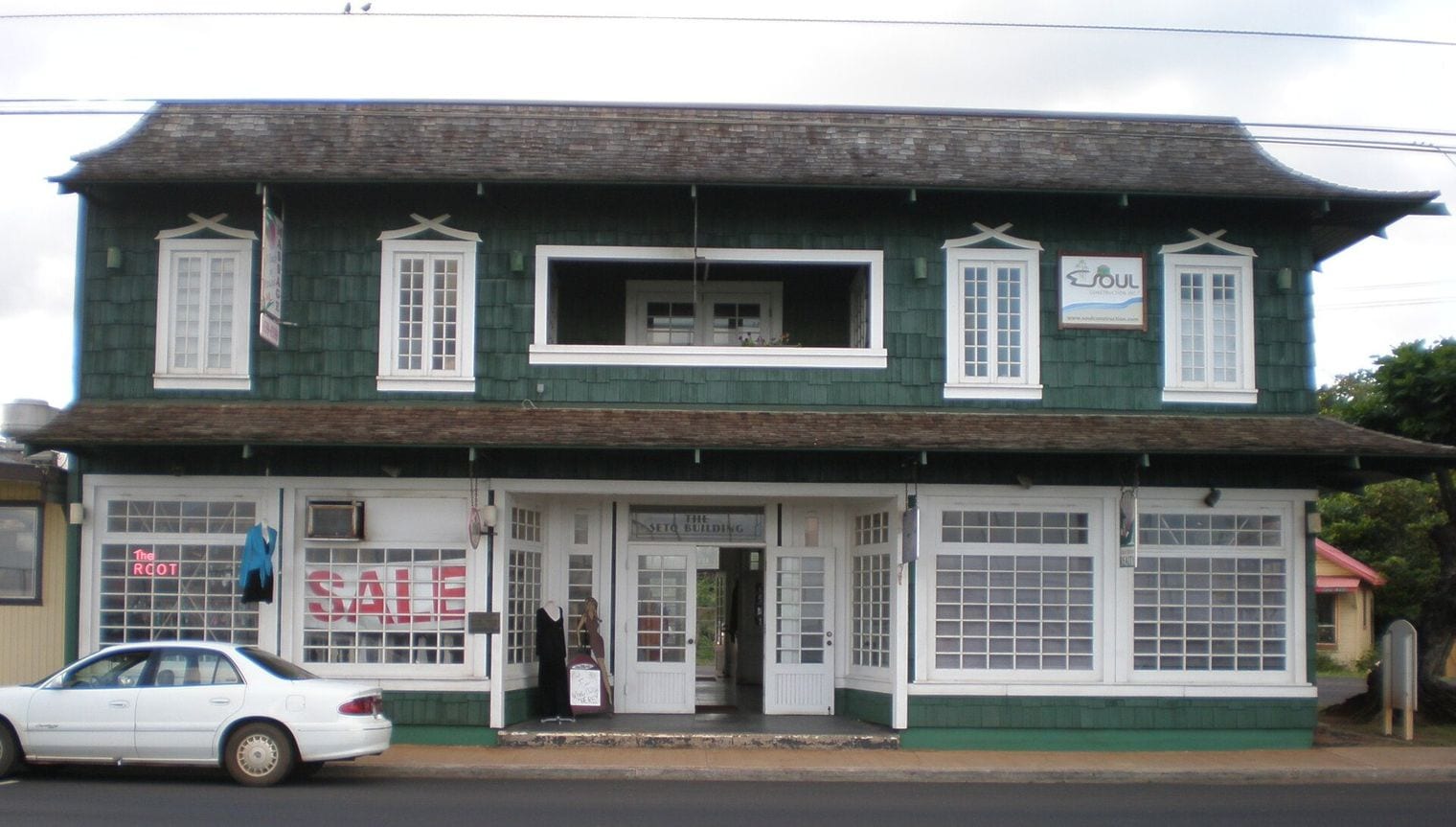
The first town on the Hāna Highway, Pāʻia is where Maui's North Shore shows its laid-back, bohemian side. Sugar built it, with a Hawaiian Commercial & Sugar Company mill running here from 1880 to 2000, and the colorful wooden storefronts of the old mill town now hold surf shops, boutiques, art galleries and cafés.
A few minutes east, Hoʻokipa is renowned as one of the best windsurfing sites in the world, which is why Pāʻia is sometimes called the windsurfing capital of the world. The waves are biggest in winter, and the lookout above the beach is a fine perch for watching the sailors and surfers at work. Pāʻia makes a natural first stop on the drive to Hāna, and an easy place to unwind on the way back.
At the northern tip of the Big Island, Hāwī is a former Kohala Sugar plantation town whose old wooden storefronts now hold galleries, cafés and small shops. It is also the turnaround of the Ironman World Championship bike course: riders climb to Hāwī, the northernmost point of the ride, before heading back to the finish line in Kailua-Kona.
This corner of North Kohala is the birthplace of Kamehameha I, and the original bronze statue of the king stands at the old courthouse in neighboring Kapaʻau, while the ancient Moʻokini Heiau lies within the Kohala Historical Sites State Monument nearby. Keep driving east and the highway ends at the Pololū Valley Lookout, where a short trail drops to a black-sand beach at the mouth of the valley.
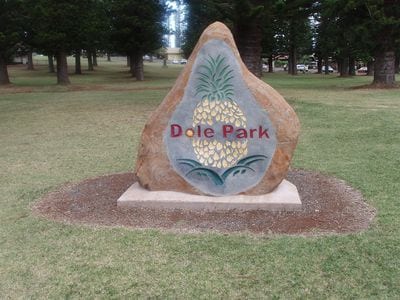
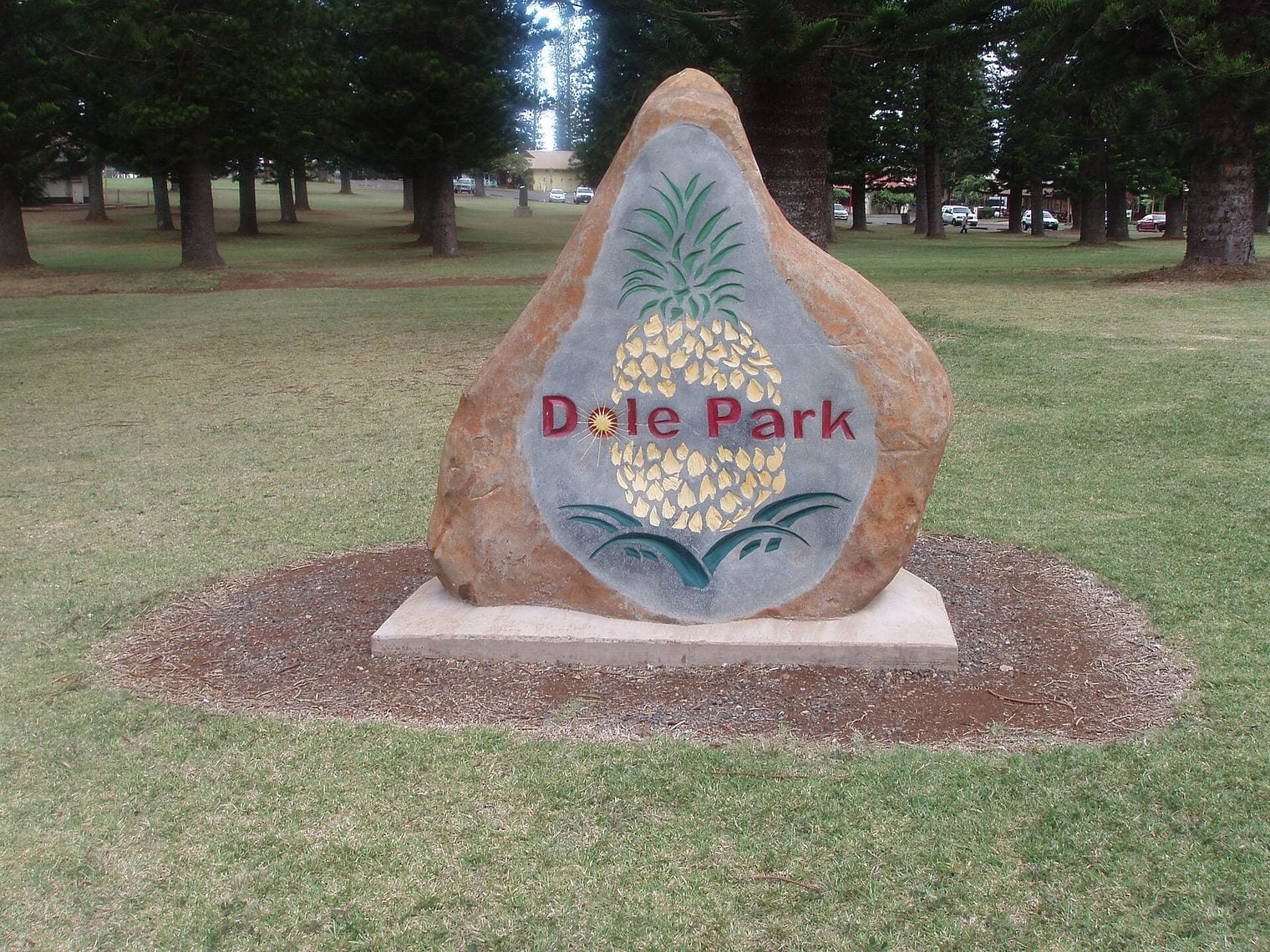
Lānaʻi City is the only real town on the island of Lānaʻi, a planned village built in the 1920s by James Dole's pineapple company to house the workers of what became an island-wide plantation, the reason Lānaʻi is still called the Pineapple Island. It sits about 1,600 feet up in the cool interior, and its shops, cafés and 1920s plantation homes are gathered around Dole Park, the town square at its heart.
There are no traffic lights anywhere on Lānaʻi, and many of its sights lie at the end of dirt roads best tackled in a four-wheel-drive vehicle. A passenger ferry links the island with Maui, so Lānaʻi City can be a day trip, but an overnight stay lets you settle into its slow rhythm: a stroll around the square, a drive down to Hulopoʻe Beach on the south coast and cool evenings in the uplands.
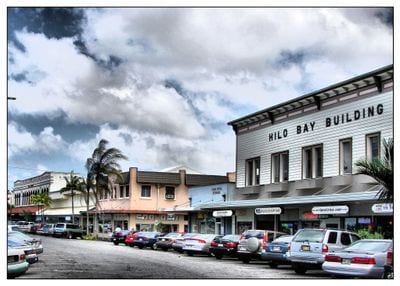
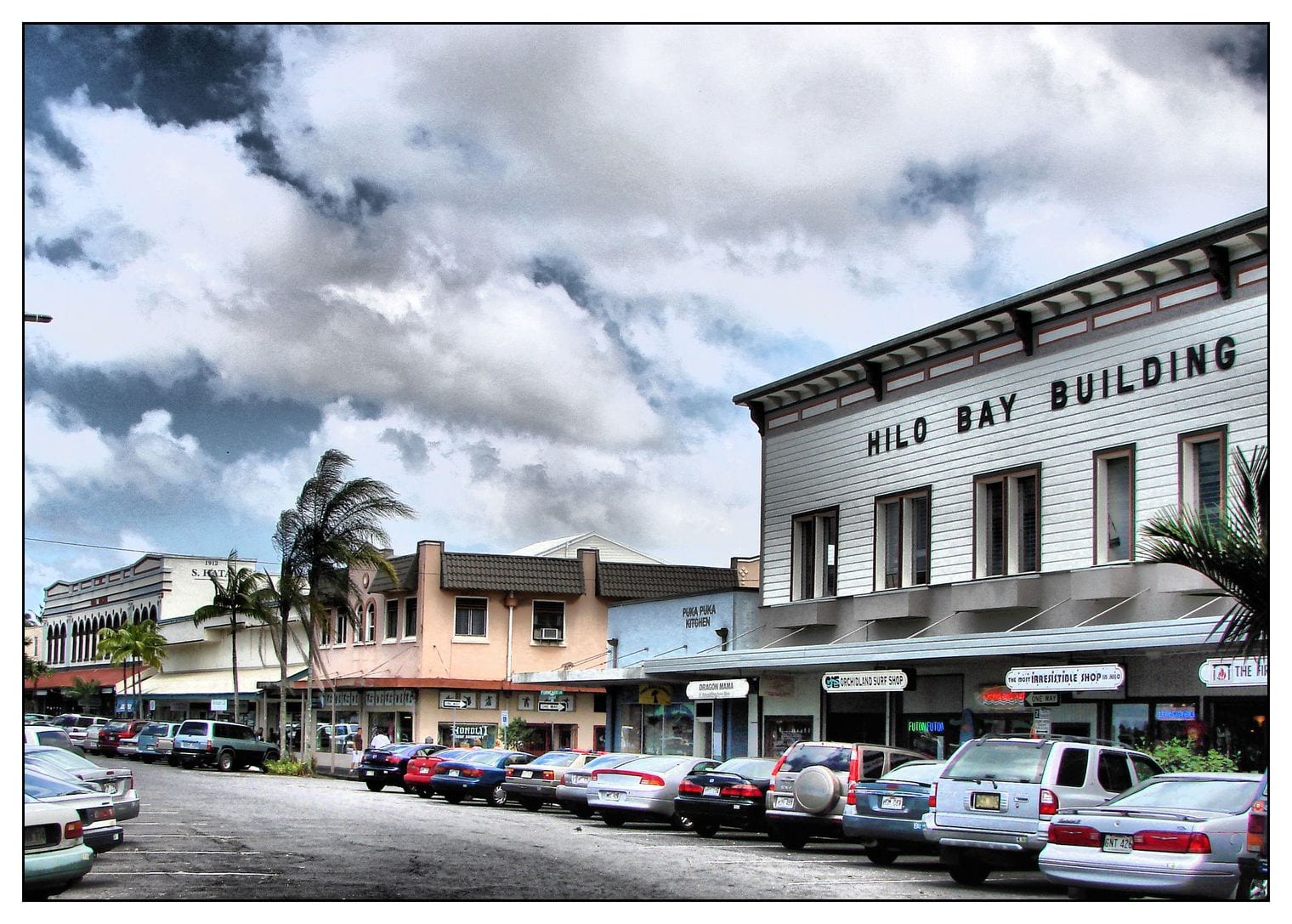
With 44,186 people at the 2020 census, Hilo is the biggest place on this list and the county seat of the Big Island, but its downtown still has the feel of a small town, its old storefronts facing Hilo Bay with Mauna Kea and Mauna Loa rising behind. It is also one of the wettest cities in the United States, which is why the windward coast around it is so lush and green.
Tsunamis in 1946 and 1960 swept the bayfront, and the Pacific Tsunami Museum downtown tells their story; much of the low ground they cleared is now waterfront parkland. Browse the Hilo Farmers Market, drive up to Rainbow Falls and, in spring, catch the week-long Merrie Monarch Festival, the world's preeminent hula competition. Hawaiʻi Volcanoes National Park is an easy drive away, and our guide to things to do in Hilo has much more.
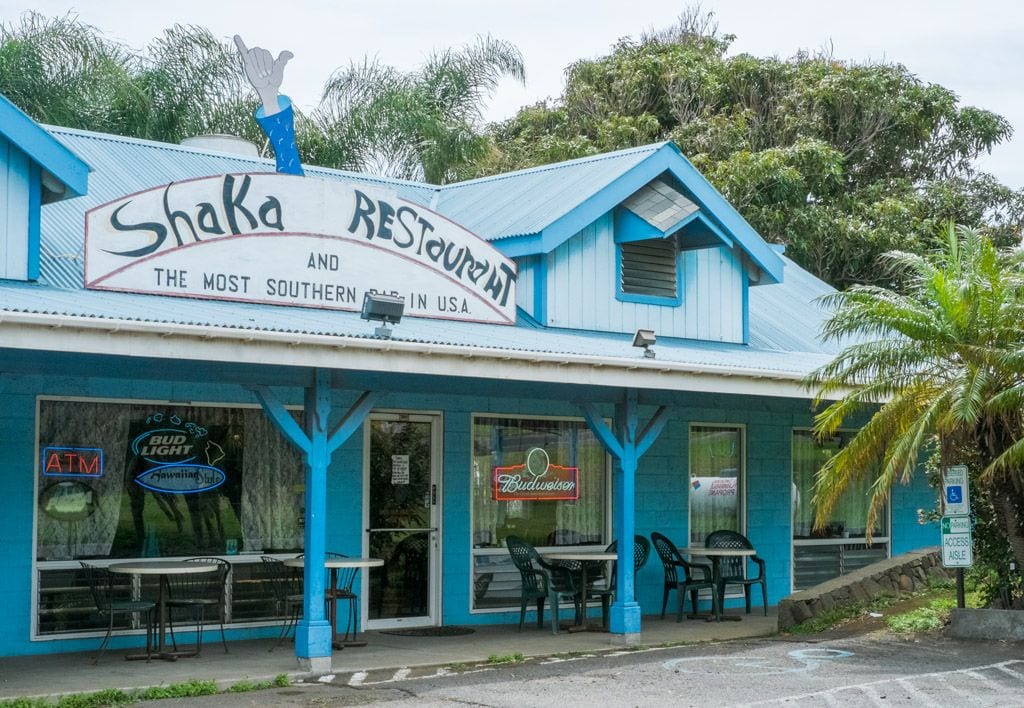
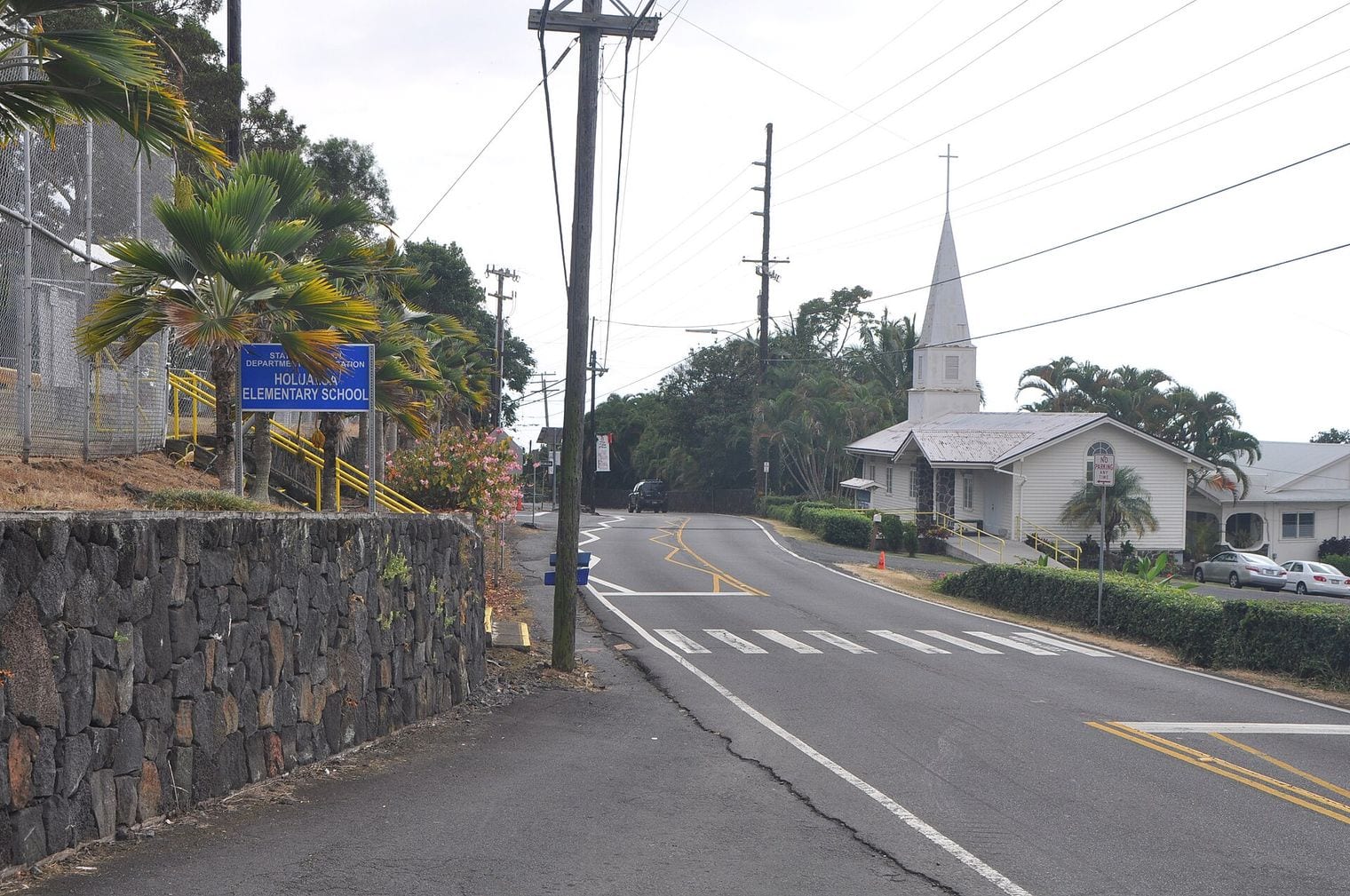
Nāʻālehu, whose Hawaiian name means the volcanic ashes, lays claim to being the southernmost town in the United States, and with about 800 residents it is about as small as a real town gets. It grew up as a plantation town of the Hutchinson Sugar Plantation Company in the Kaʻū District, and today it is a welcome stop on the long, quiet stretch of highway around the island's southern tip.
It is also the natural base for two of the Big Island's most memorable detours. A narrow paved road leads down to Ka Lae, or South Point, the southernmost point of the 50 states and a National Historic Landmark where fishermen work the windswept cliffs, with a branch toward Papakōlea, a beach known for its green sand.
In the other direction, the black-sand beach at Punaluʻu is a favorite basking spot for green sea turtles, so give them plenty of room.
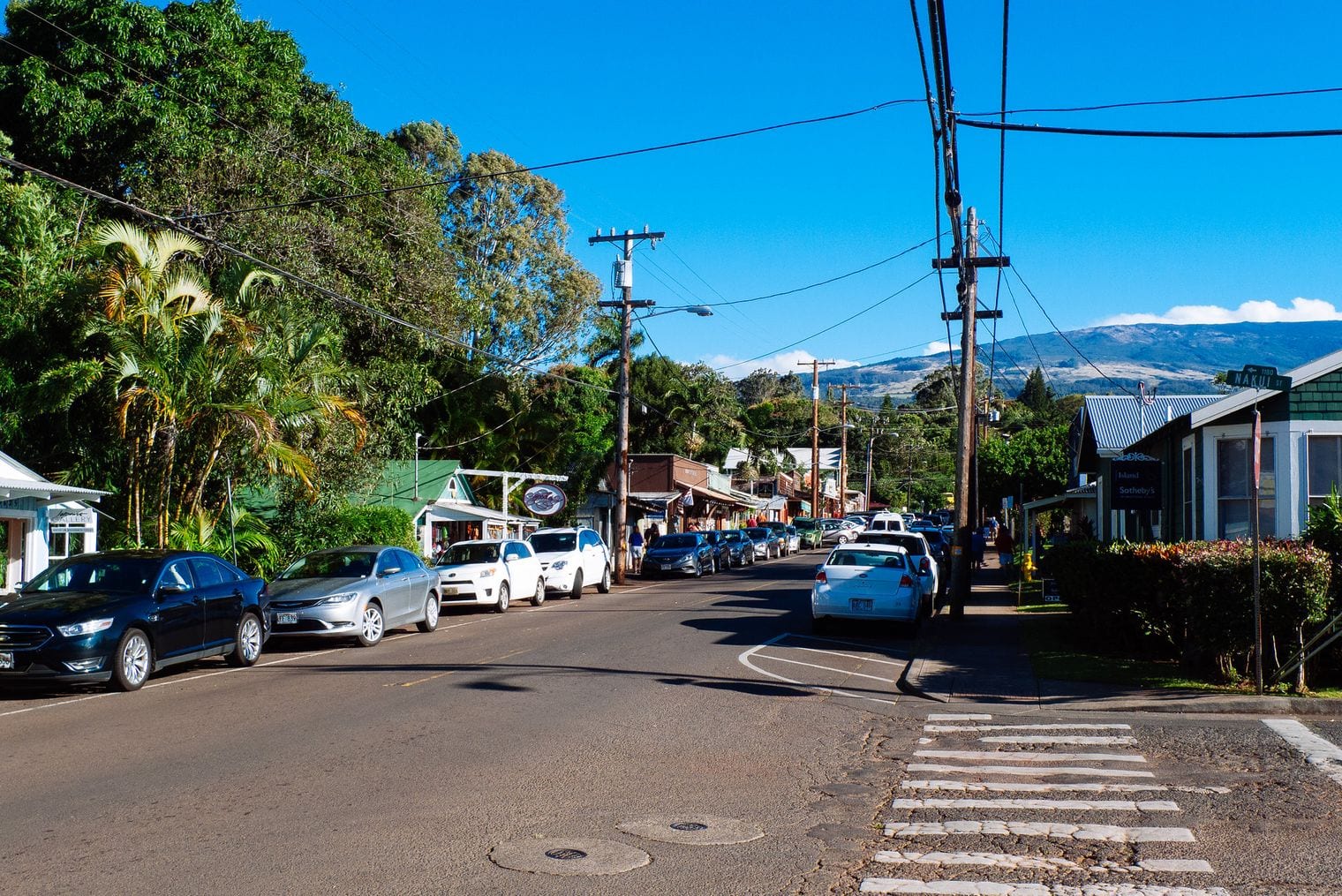
Makawao is the paniolo heart of Upcountry Maui, a ranching town on the northwest slope of Haleakalā surrounded by farms and pastureland. Hawaiian cowboys have worked these slopes for generations, and every Fourth of July the Makawao Rodeo at the Oskie Rice Arena draws riders from across the islands, alongside a paniolo parade through town.
Today Makawao is as much an art town as a cowboy town, with galleries and boutiques tucked into its old wooden buildings. Along Baldwin Avenue, the Hui Noʻeau Visual Arts Center occupies Kaluanui, a 1917 estate designed by architect C. W. Dickey, with a gallery and art studios on its grounds. Makawao pairs easily with a drive up to Haleakalā National Park, where watching the sunrise from the summit requires an advance reservation.
Free printable checklist of all 20 places
Tick them off as you go. Confirm your email to download it, plus one email every Thursday with new guides for the places you tick.
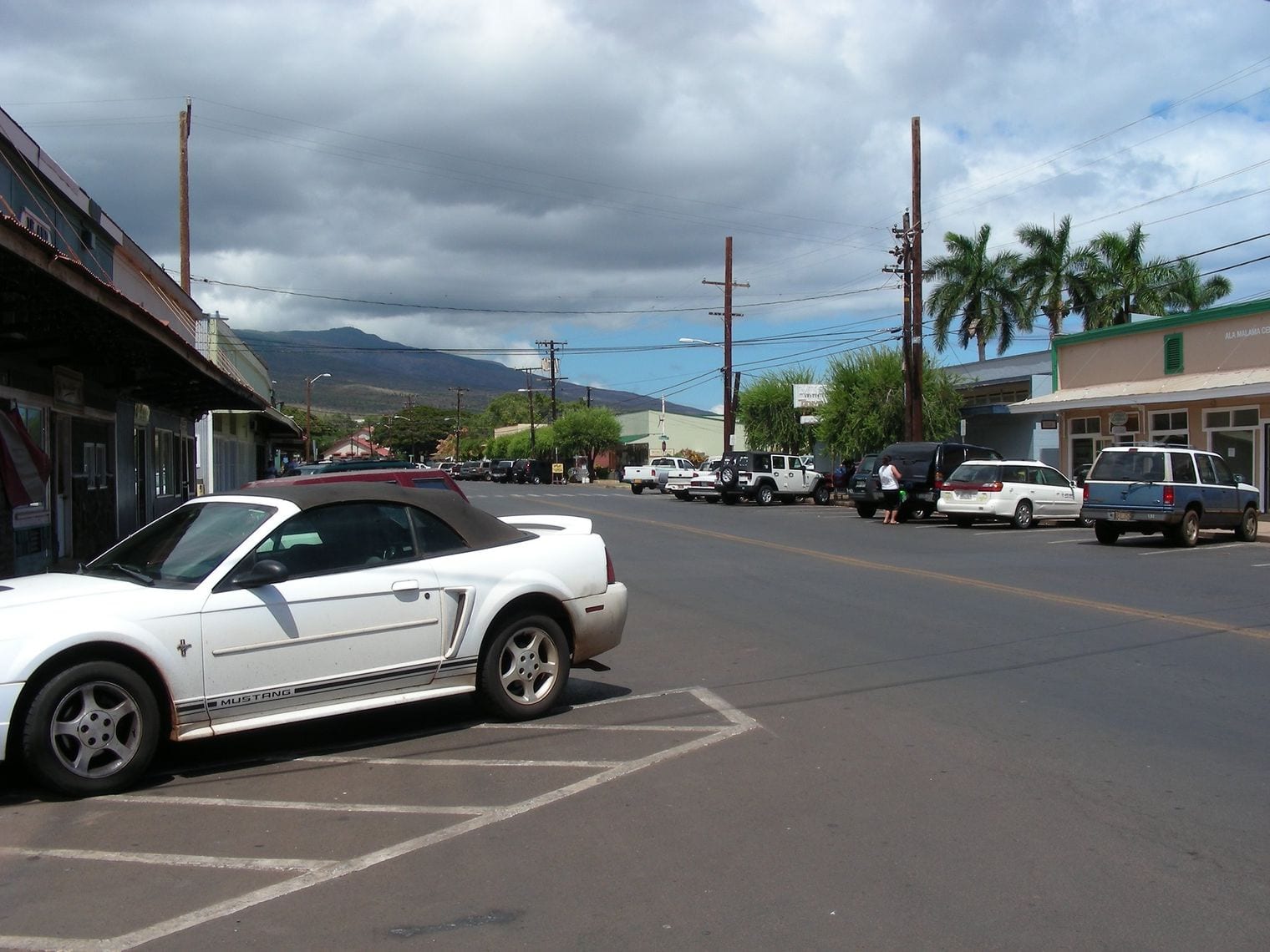
Kaunakakai, the largest town on Molokaʻi, keeps an unhurried pace that has changed little over the years, with a short main street of low wooden storefronts and a harbor on the south shore. That main street, Ala Malama Avenue, is named after the summer home King Kamehameha V kept here in the 1800s, and the king's legacy also stands nearby in Kapuāiwa Coconut Grove, planted on his orders with more than 1,000 coconut palms.
The town wharf is often described as the longest pier in Hawaii, a fine place to watch the fishing boats come and go. Kaunakakai also gave its name to a 1930s song, The Cockeyed Mayor of Kaunakakai, which began a tradition of naming an honorary mayor for the town. With just a handful of roads on the island, it makes the natural base for exploring the rest of Molokaʻi by car.
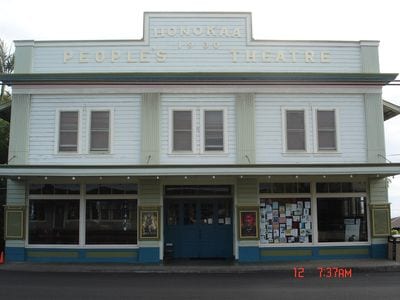
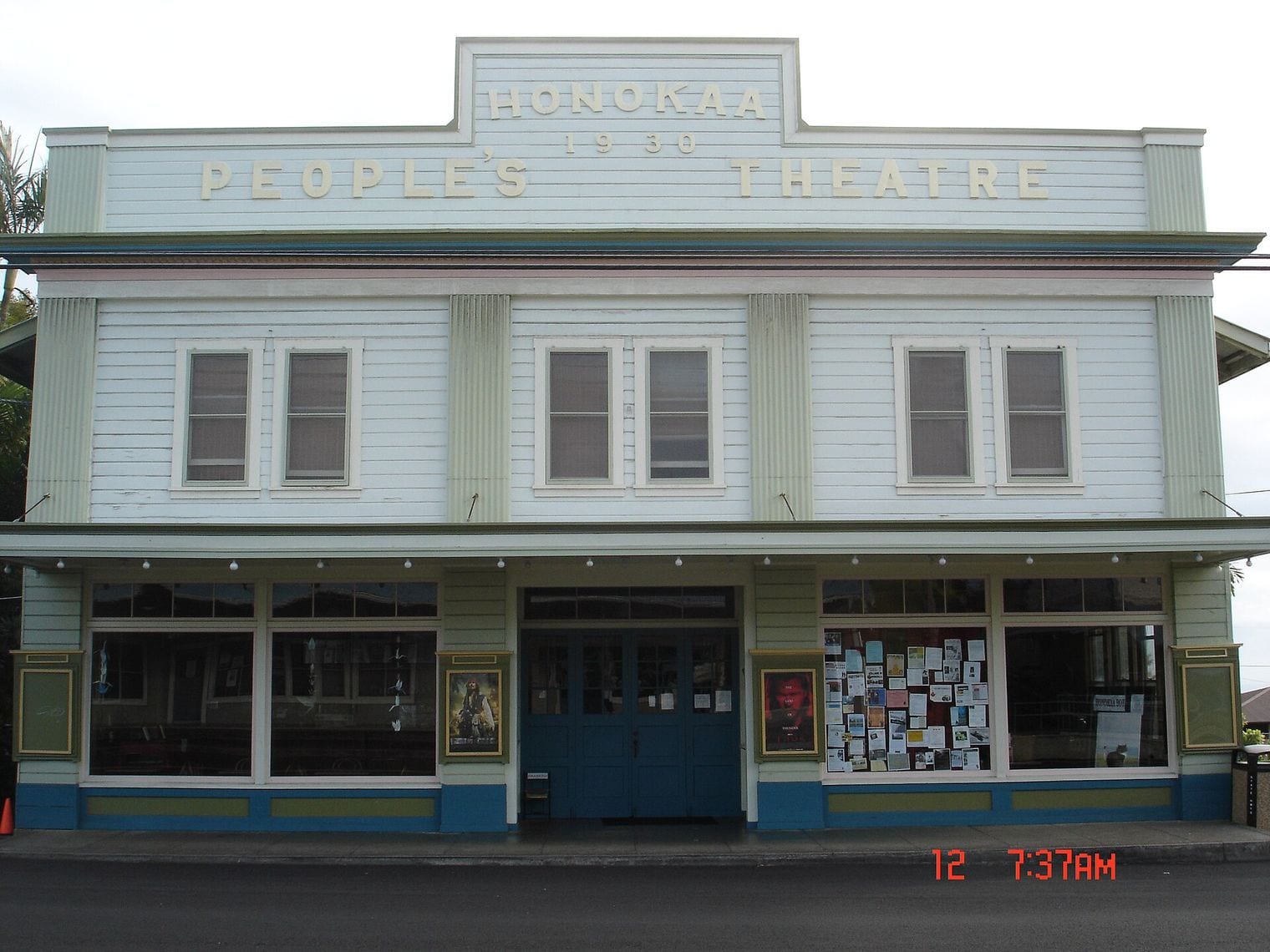
Honokaʻa grew up around sugar, which the Hāmākua Sugar Company produced here from 1873 to 1994, and its historic downtown along Māmane Street still has the old storefronts of that plantation era. The centerpiece is the Honokaʻa People's Theatre, built on Māmane Street by the Tanimoto family in 1930, which starred in the 2009 Japanese film Honokaʻa Boy and hosted its premiere.
As the gateway to the Hāmākua Coast, Honokaʻa gives the first open view of the Pacific on the drive down from Waimea, and it sits at the start of the 8-mile road out to the Waipiʻo Valley Lookout. From the lookout you gaze into a deep green valley with a black-sand beach and waterfalls, once home to Hawaiian chiefs. The steep road down to the valley floor is restricted, so enjoy the view from the top.
Kapaʻa is the most populous town on Kauaʻi, yet it still feels more like a beach town than a city, its shops, art galleries and places to eat strung along Kūhiō Highway on the island's Royal Coconut Coast. It makes a central base for exploring the island, with Līhuʻe and its airport about 8 miles to the south.
The best way to see the town is on foot or by bike along Ke Ala Hele Makalae, a coastal multi-use path that runs for nearly 4 miles along the shore to Kealia Beach, partly on the bed of an old sugar railroad. Inland, the ridge called Sleeping Giant, or Nounou, rises behind town, its profile said to resemble a giant from a Hawaiian legend who lay down to rest, and hiking trails climb to the top.
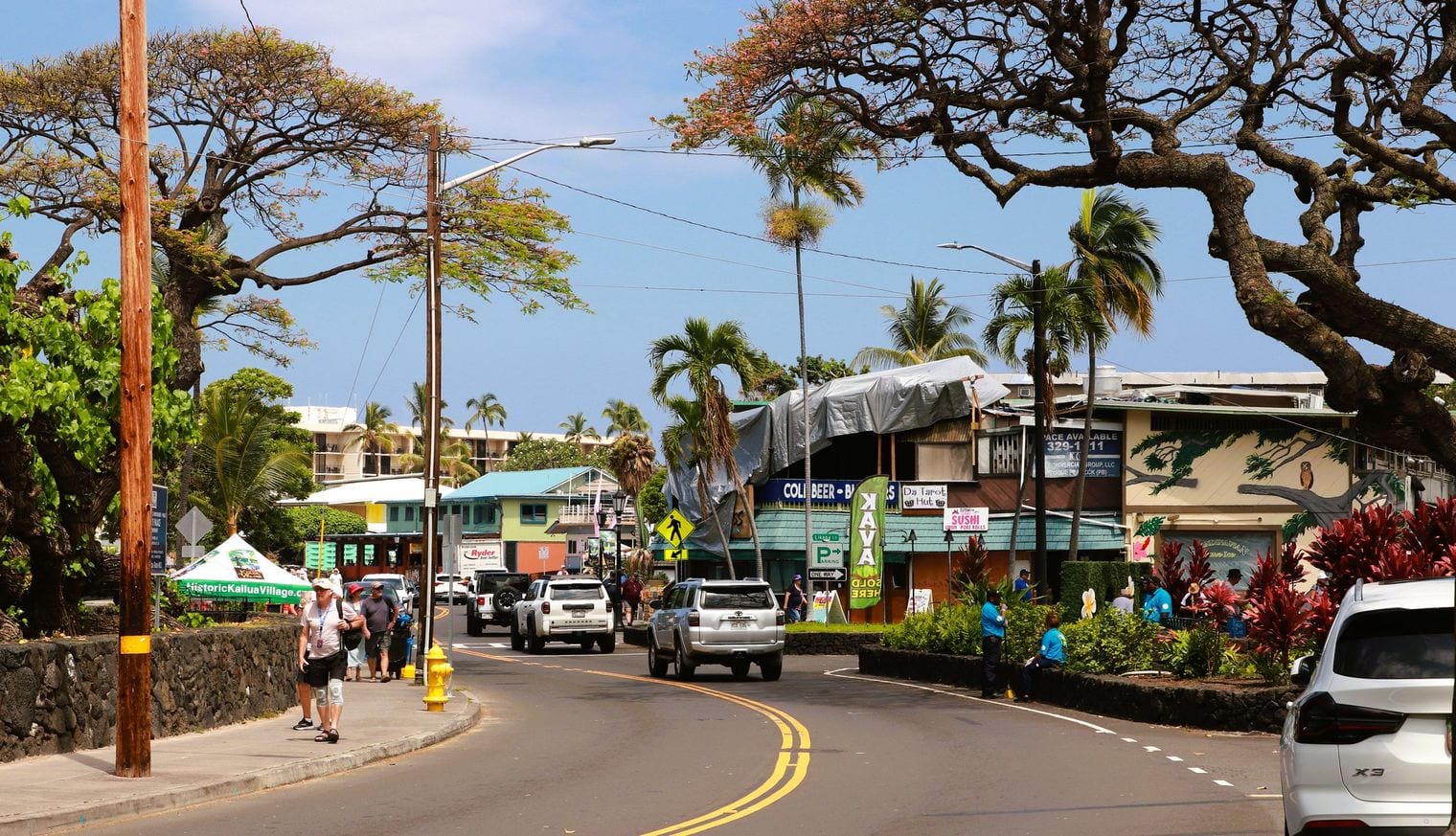
Kailua-Kona, usually just called Kona, is the Big Island's west-coast harbor town and not to be confused with Kailua on Oʻahu. King Kamehameha I made it his seat of government, and his Kamakahonu royal residence and the Ahuʻena Heiau stand just north of the pier. Aliʻi Drive, the oceanfront main street that starts at the pier, is a designated Hawaii Scenic Byway, the Royal Footsteps Along the Kona Coast.
Stroll Aliʻi Drive past Huliheʻe Palace, a former vacation home of Hawaiian royalty that the Daughters of Hawaiʻi run as a museum, and Mokuʻaikaua Church, the oldest Christian church in the islands, whose congregation dates to 1820 and whose stone building was finished in 1837. Kona hosts the Ironman World Championship, gives its name to the coffee grown on the slopes above town, and is the jumping-off point for boat trips to see dolphins, whales and manta rays.
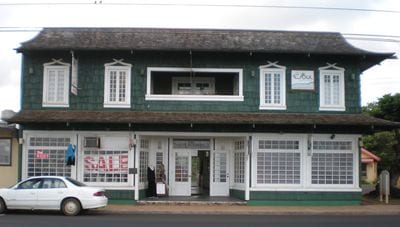
Hanapēpē is nicknamed Kauaʻi's Biggest Little Town, and on the island's West Side it lives up to the joke, with a short main street of old storefronts, many of them now art galleries, beside the Hanapēpē River. Unlike most towns on Kauaʻi it was not created by a sugar plantation, and its unhurried streets helped inspire the island town in Disney's Lilo & Stitch.
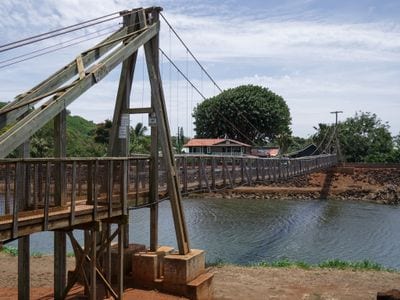
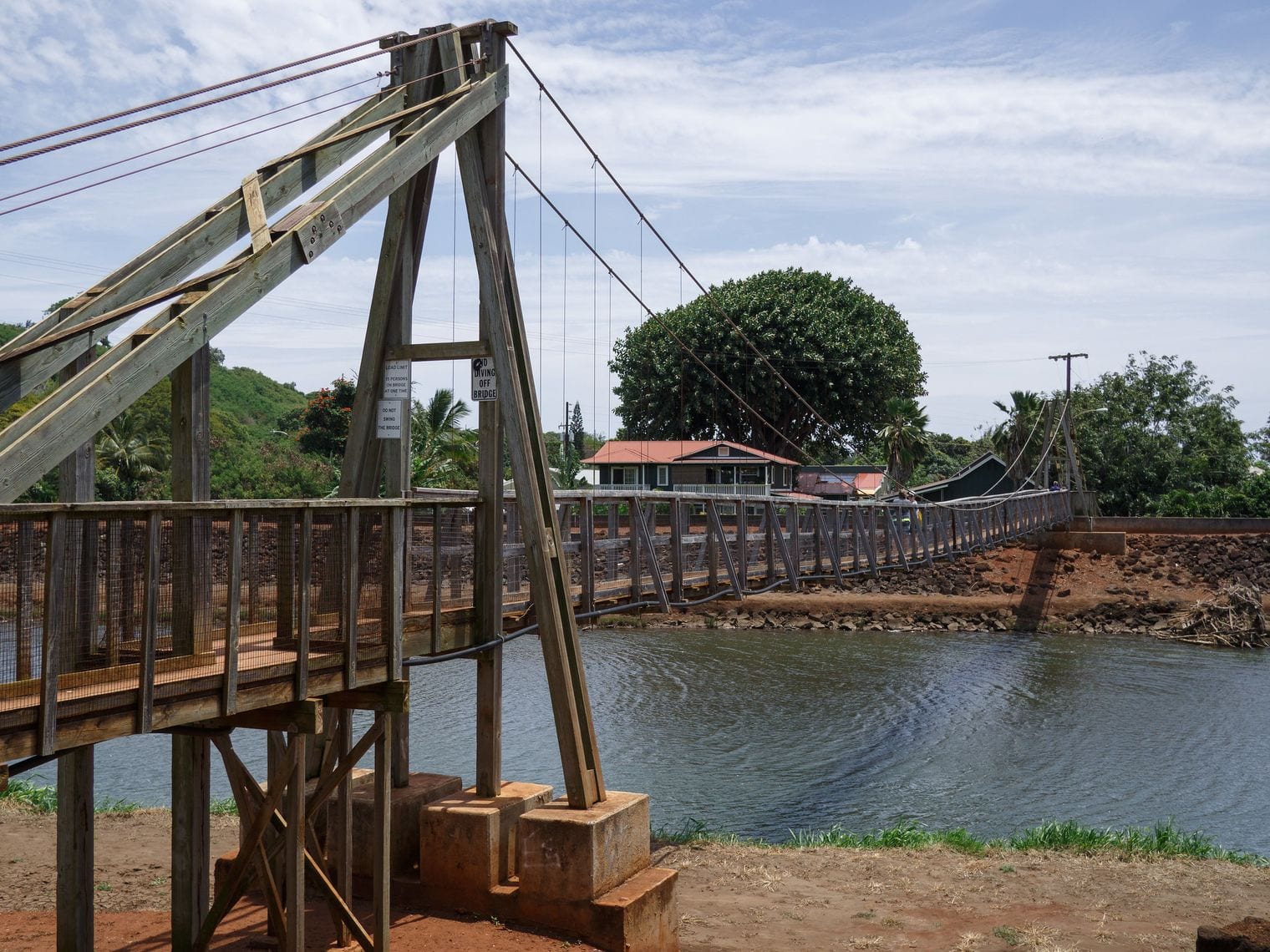
Every Friday evening the galleries stay open late for Friday Art Night, when food trucks and artisans' booths join the shops along the street. Cross the Hanapēpē Swinging Bridge, a suspension footbridge first built in 1911 that rocks gently underfoot, then head to Salt Pond Beach Park, a quiet beach a short drive from the center of town.
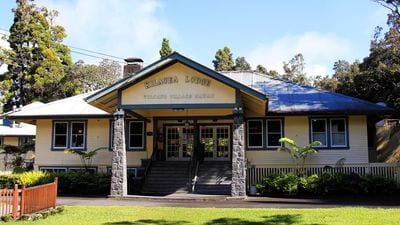
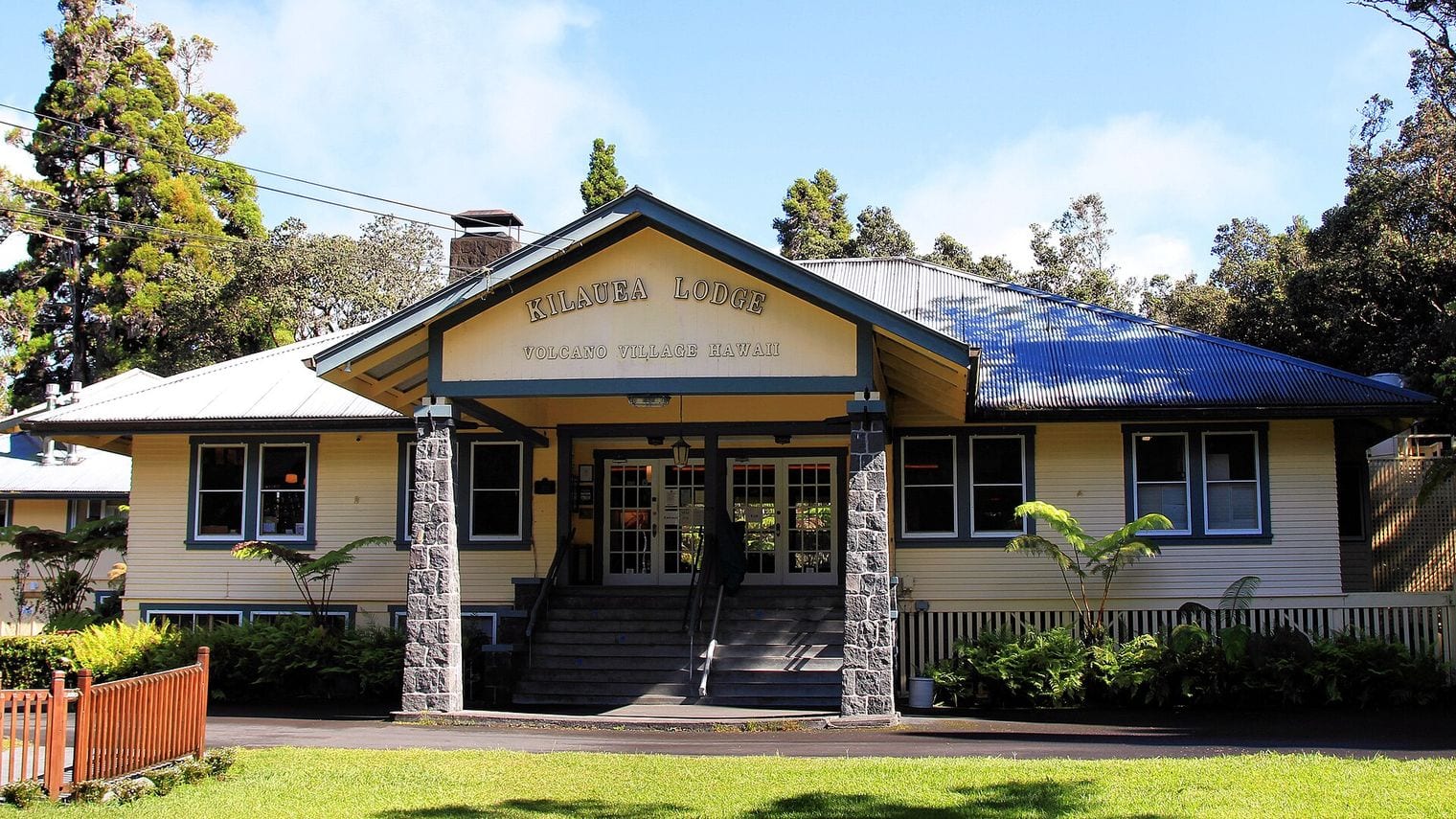
Volcano, or Volcano Village, is a misty rainforest community of a few hundred people at about 3,700 feet, tucked among ʻōhiʻa trees and ferns just outside the entrance to Hawaiʻi Volcanoes National Park. The cool, damp air comes as a surprise after the coast, so bring a sweater, and the quiet lanes hide the studios of painters, glass blowers and ceramic artists who have made their homes here.
The village is the most convenient base for exploring the national park, where the summit caldera of Kīlauea and the Thurston Lava Tube are only minutes away, and staying overnight makes early starts easy. Inside the park, the Volcano Art Center runs a gallery in the historic 1877 Volcano House building near the Kīlauea Visitor Center, showing island artists' work from hand-blown glass to painting and photography.
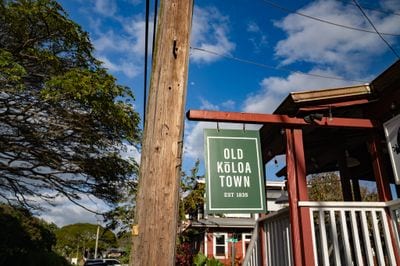
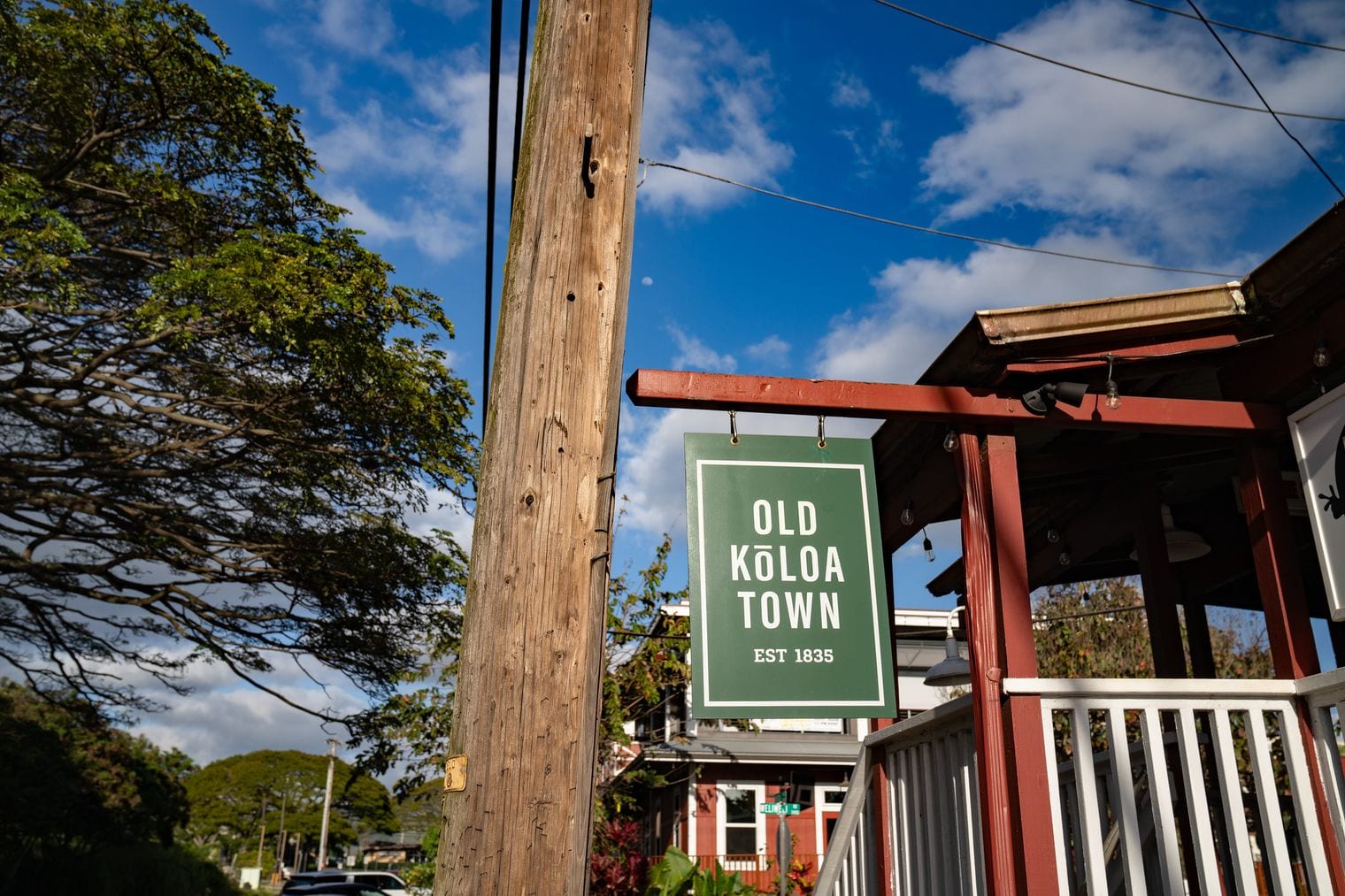
Hawaii's sugar industry began in Kōloa, where the first successful sugar plantation in the islands started in 1835, and the old sugar mill site is now a National Historic Landmark. The plantation town that grew up beside it survives as Old Kōloa Town, a row of restored plantation-era buildings along Kōloa Road now filled with shops and places to eat.
Drive in through the Tree Tunnel, a stretch of Maluhia Road lined with eucalyptus trees first planted about a century ago, and come in summer for Koloa Plantation Days, a festival celebrating the area's plantation heritage. The beaches and resorts of Poʻipū are just to the south, along with the Spouting Horn blowhole, so Kōloa makes a handy and characterful stop between days on the sand.
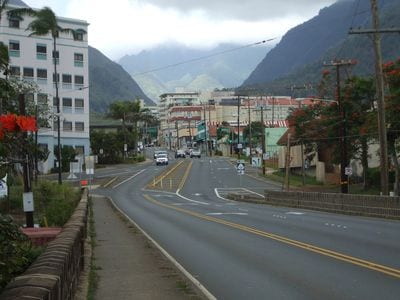
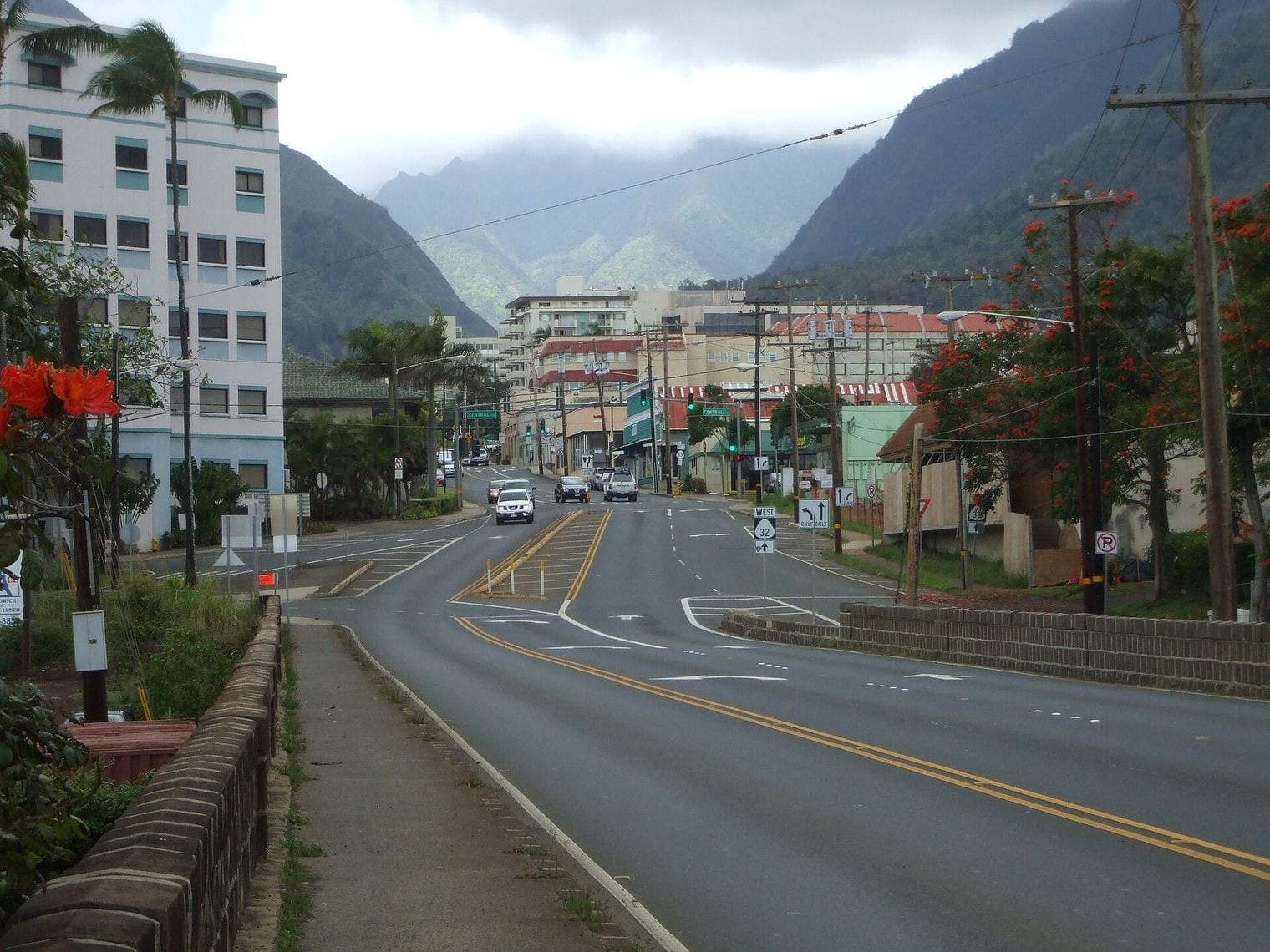
Wailuku has been Maui's county seat since 1905, and its old downtown at the mouth of ʻĪao Valley is a world away from the resort coast, with local shops and eateries along Market and Main streets and historic churches and civic buildings in between. In the early 20th century this was Maui's main tourist destination, before resort towns drew the visitors elsewhere.
On upper Main Street, the road to ʻĪao Valley, the Bailey House, a 19th-century former seminary and home, holds the Maui Historical Society's museum of Hawaiian artifacts and missionary-era rooms, and Kaʻahumanu Church dates to 1876. Up the valley, ʻĪao Valley State Monument frames the ʻĪao Needle, a green lava pinnacle rising 1,200 feet from the valley floor, close to where Kamehameha I won the Battle of Kepaniwai in 1790.
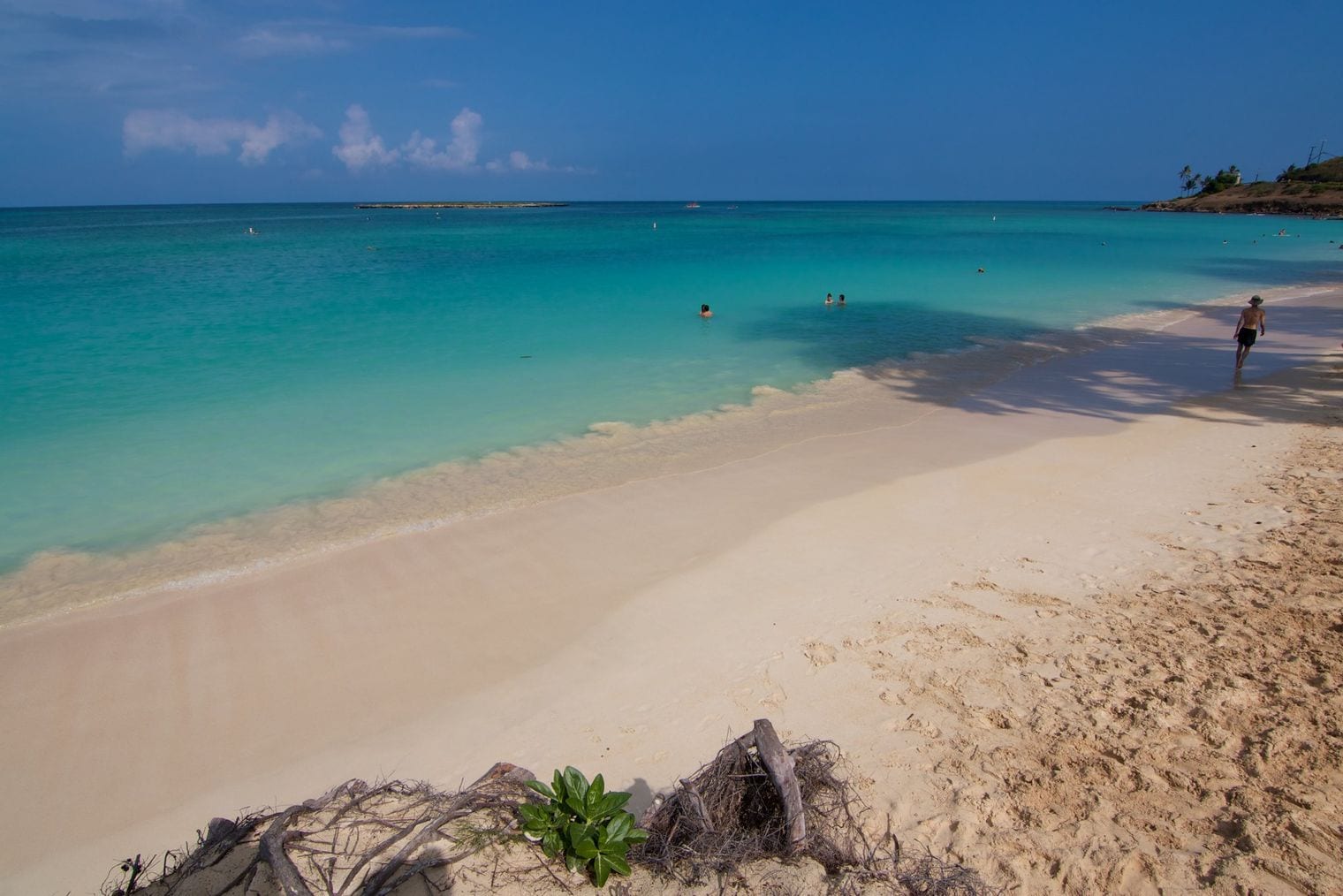
Kailua, on Oʻahu's windward coast about 12 miles from Honolulu over the Nuʻuanu Pali, is the second-biggest place on this list, a mostly residential beach town of about 40,000 people, and not to be confused with Kailua-Kona on the Big Island. Its compact commercial center along Kailua Road has cafés and shops, but the real draw is the water.
Kailua Beach is a crescent of soft sand about 2.5 miles long, and steady trade winds make it a top spot for windsurfing and kitesurfing.
Paddle a kayak out to the seabird sanctuaries of Flat Island and Nā Mokulua, the twin islets popularly known as the Mokes, or walk to neighboring Lanikai Beach and hike the Kaʻiwa Ridge Trail to the World War II bunkers known as the Lanikai Pillboxes. Kawainui Marsh, the largest wetland in the Hawaiian Islands, lies just inland.
Hōlualoa is an artists' village on the slopes of Hualālai above Kailua-Kona, its old wooden buildings along the upcountry highway now home to galleries, studios and coffee shops. The name means long sled course in Hawaiian, and the village feels a world away from the busy coast below, with cooler air and views down to the sea.
This is the heart of Kona coffee country: Hōlualoa lies within the Kona Coffee Belt, where farms on the slopes of Hualālai and Mauna Loa grow the famous beans, and coffee trees surround the village. One curious footnote: Harold Sakata, who played the villain Oddjob in the 1964 James Bond film Goldfinger, was born here in 1920. Pair a gallery stroll with a cup of the local coffee for an easy half-day escape from the beach.
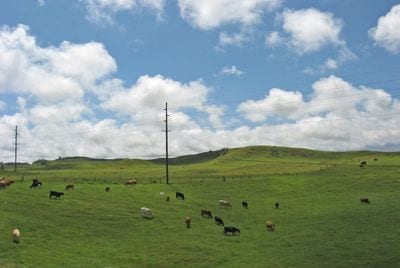
Waimea (Kamuela) is the Big Island's paniolo country, a cool upland town at about 2,700 feet at the southern foot of the Kohala Mountains, near the northwestern base of Mauna Kea, and not to be confused with Waimea on Kauaʻi or Waimea Bay on Oʻahu. Kamuela is the name of its post office, though locals simply call the town Waimea, the center of ranching and cowboy culture on the island.
Parker Ranch, founded in 1847 by John Palmer Parker and one of the oldest ranches in the United States, still runs cattle across about 130,000 acres around town, and its Fourth of July rodeo and horse races are the big event of the year. In early February, the Waimea Cherry Blossom Heritage Festival celebrates the trees in bloom, and the town is also home to the headquarters of the W. M. Keck Observatory, whose telescopes stand atop Mauna Kea.
Plan your trip
Best Time to Visit Hawaii's Small Towns
Hawaii is warm all year, so the best time to visit its small towns depends more on the coast than the calendar. Winter brings big surf to the North Shores of Oʻahu and Maui, the spectacle that draws crowds to Haleʻiwa and to Hoʻokipa near Pāʻia, along with more rain on the windward sides of the islands, and it is also humpback whale season. Summer usually calms the north-facing beaches, the easiest time to swim at Hanalei.
Upland towns such as Volcano, Waimea, Makawao and Lānaʻi City are cooler than the coast in every season, so pack a light layer for the evenings. Events follow the seasons too: the Waimea Cherry Blossom Heritage Festival in early February, the Merrie Monarch Festival in Hilo in spring, the Fourth of July rodeos in Makawao and Waimea, and Koloa Plantation Days in summer.
Getting to Hawaii's Small Towns
Most visitors fly into Honolulu on Oʻahu, the state's main gateway, and both Haleʻiwa and Kailua are an easy drive from the city. Inter-island flights link Honolulu with Līhuʻe on Kauaʻi, Kahului on Maui, and Kona and Hilo on the Big Island, and several of these airports also take direct flights from the mainland, so you can often skip Honolulu altogether.
Lānaʻi and Molokaʻi have small airports with short hops from the larger islands, and Lānaʻi is also linked to Maui by a passenger ferry that does not carry cars; otherwise the islands are connected by air. Hāna has a small airport as well, though most people drive the Hāna Highway for the experience. Molokaʻi rewards the extra effort, with a north shore walled by some of the tallest sea cliffs in the world.
Getting Around Hawaii's Small Towns
Outside Honolulu, a rental car is the practical way to reach these towns, and you will need one on each island, since cars do not travel between them. Most roads are two-lane highways, and drives take longer than the map suggests: allow a full day for the Hāna Highway and its one-lane bridges, and pull over to let local traffic pass.
On Kauaʻi the road does not circle the island, because the Nā Pali Coast blocks the way, so Hanalei on the North Shore and Hanapēpē and Kōloa on the south and west sit at opposite ends of one long highway.
On the Big Island, Hilo and Kailua-Kona face each other across the island, and a loop around it passes Waimea, Honokaʻa, Volcano and Nāʻālehu, with a short detour north to Hāwī. On Lānaʻi many sights need a four-wheel-drive vehicle, and the steep road into Waipiʻo Valley is closed to visitors' cars.
Where to Stay in Hawaii's Small Towns
Choose a base on each island rather than trying to see everything from one bed. On Kauaʻi, the North Shore around Hanalei suits a slow beach stay, Kapaʻa on the east side is the most central base, and the resort coast of Poʻipū puts Kōloa and Hanapēpē within easy reach. On Oʻahu, most visitors stay in Honolulu and Waikīkī and visit Haleʻiwa and Kailua as day trips.
On Maui, the resort areas of the west and south coasts are the usual bases, while a night in Hāna, Pāʻia or Upcountry near Makawao makes for a quieter stay.
On the Big Island, split your time between the drier, sunnier Kona side, around Kailua-Kona and the Kohala Coast, and the green Hilo side, adding a night in Volcano for the national park. Lānaʻi City and Kaunakakai each have a small choice of places to stay for travelers who want an island almost to themselves.
Where to Eat in Hawaii's Small Towns
Hawaii's small towns are the place to eat like a local: plate lunches with rice and macaroni salad, fresh poke from the fish counter, and the loco moco, which Hilo claims as its own invention. Haleʻiwa is famous for shave ice, Kailua-Kona and Hōlualoa for coffee grown on the slopes above the coast, and Waimea and Honokaʻa for beef raised on the island's ranch lands.
Farmers markets are a highlight, from the Hilo Farmers Market to the weekly markets in Kapaʻa and Honokaʻa, and Friday Art Night in Hanapēpē brings food trucks to the main street. Upcountry Maui around Makawao is farm country, and the small bakeries, lunch counters and cafés of towns like Pāʻia, Kapaʻa and Kaunakakai are often more memorable than a resort dining room.
Free Things to Do in These Hawaii Towns
Many of the best moments on this list cost nothing. Watch the sunset from the pier in Hanalei, cross the Rainbow Bridge into Haleʻiwa and watch the windsurfers from the lookout at Hoʻokipa near Pāʻia. Stroll the square in Lānaʻi City, the bayfront in Hilo and Aliʻi Drive in Kailua-Kona, and gaze into Waipiʻo Valley from the lookout beyond Honokaʻa.
Walk or cycle the coastal path at Kapaʻa, bounce across the Swinging Bridge and browse Friday Art Night in Hanapēpē, drive the Tree Tunnel into Kōloa and spend a day on the sand at Kailua. The Pololū Valley Lookout past Hāwī and the turtles basking at Punaluʻu near Nāʻālehu are free too.
Hanalei on Kauaʻi is the best small town in Hawaii for most visitors, with its one-lane bridge, taro fields and crescent bay. Haleʻiwa follows for North Shore surf culture and shave ice, then Hāna at the end of Maui's winding Hāna Highway, Pāʻia for its windsurfing and boutiques, and Hāwī for its old plantation main street.
Which Hawaiian island has the most small towns worth visiting?
The Big Island has the most towns on this list, eight in all: Hāwī, Waimea and Honokaʻa in the north, Hilo on the east coast, Volcano and Nāʻālehu in the southeast and south, and Kailua-Kona and Hōlualoa on the west side. Kauaʻi and Maui have four each, Oʻahu has two, and Lānaʻi and Molokaʻi have one apiece.
Which small towns are closest to Honolulu?
Kailua is the closest, about 12 miles from Honolulu over the Nuʻuanu Pali on Oʻahu's windward coast, with Kailua and Lanikai beaches on its doorstep. Haleʻiwa, the surf town of the North Shore, is a longer drive across the middle of the island and makes an easy day trip, pairing well with Waimea Bay and Sunset Beach.
Can you visit Lānaʻi or Molokaʻi on a day trip?
Yes, though an overnight stay is more relaxing. A passenger ferry links Maui with Lānaʻi, so a day trip to Lānaʻi City is possible, and both islands have small airports with short flights from the larger islands. On Molokaʻi, Kaunakakai is the natural base, and a rental car is the best way to see the rest of the island.
When is the best time to visit Hawaii's small towns?
Any time of year works, since Hawaii is warm in every season. Winter brings big surf to the North Shores and humpback whale season, while summer usually brings calmer seas on north-facing beaches. If you can, plan around an event such as Hilo's Merrie Monarch Festival in spring or the Fourth of July rodeos in Makawao and Waimea.
How many days do you need to visit Hawaii's small towns?
Most towns on this list fill a relaxed day, and several on the same island pair up neatly on one drive. Because every island is a flight apart, plan on three or four days per island to link its towns together, and give the Big Island longer, since it has the most towns and the longest drives.
Sources & updates
How this guide was checked
Checked before launch
Sources cited
20
Every town on this list was pinned on the map and checked against official and local sources before publication.
A PDF with a box to tick for every place. Confirm your email to download it, and get one email every Thursday with our newest guides for the places you tick.
Free Hawaii small towns printable checklist
All 20 places in one PDF
Tick them off as you go. Confirm your email to download it, plus one email every Thursday with new guides for the places you tick.
We use cookies to analyse site traffic and improve your experience.
You can accept or reject analytics cookies. See our
May we use analytics cookies? See ourCookie Policy.