We build and rank every list first. Booking links come after, and only where
a partner sells a ticket, tour or stay for that exact place, so a place with
nothing to book is listed exactly as prominently as one you can book.
So how do we earn? Some links on this page go to booking
partners, and if you book tickets, tours or a stay through
one, we may earn a commission. It costs you nothing extra.
That commission never decides which places make the list, the order they
appear in, or what we write about them. No entry is sponsored or a paid
placement.
By the CityViking Research TeamPublished 40 places · 28 min read
Sources Checked before launchOct 17, 202640 sources22 publishers6 government & parks18 encyclopedias & research16 venues & other sitesPublished · Oct 17, 2026Researched and checked before it went liveClick for every source and the full change log.
Short answer
Honolulu is known for being a surf town, a state capital and a royal city at once, with Waikīkī Beach beneath Diamond Head and ʻIolani Palace, the only royal palace on US soil, downtown. Its other must-sees are the USS Arizona Memorial at Pearl Harbor and the snorkeling reef of Hanauma Bay. Four days is the sweet spot, with time for Pearl Harbor, a dawn Diamond Head climb, a snorkel, a day downtown and the beach.
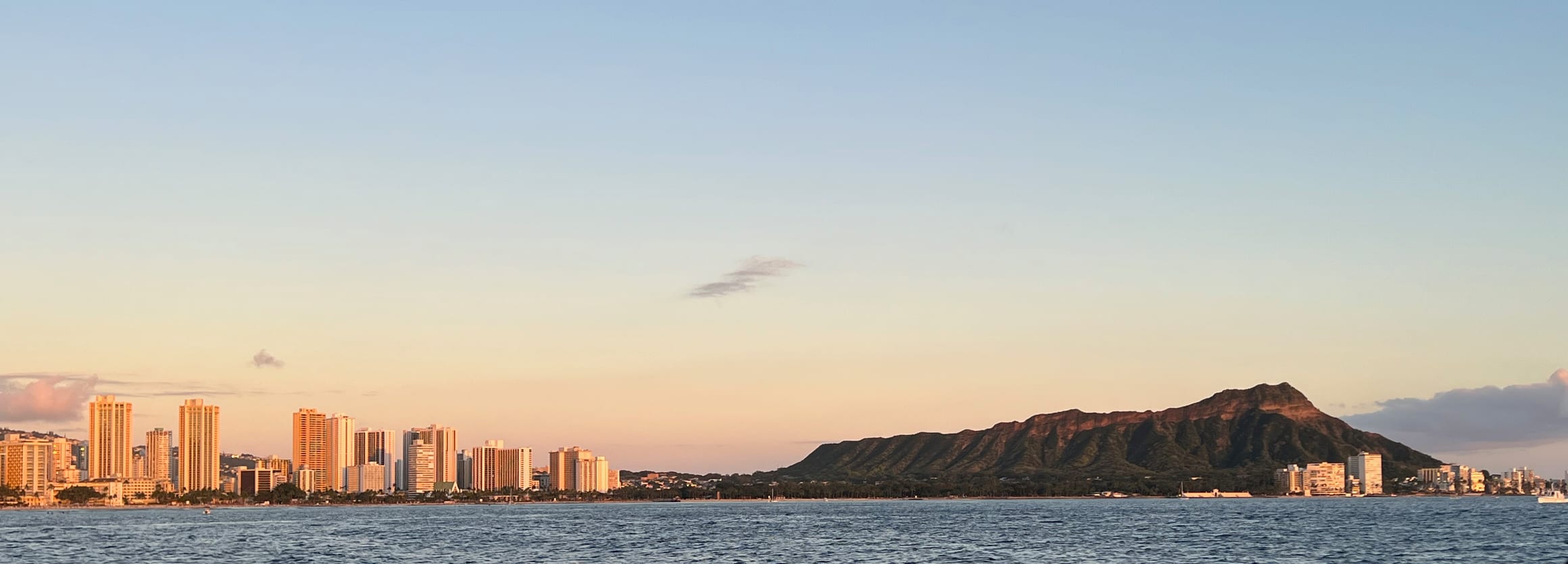
Honolulu is a surf town, a state capital and a royal city at once: waves roll into Waikīkī beneath Diamond Head, ʻIolani Palace still stands downtown, and the rainforest of Mānoa Valley begins minutes from the high-rises. It is also the gateway to the rest of Hawaiʻi, from Pearl Harbor to Hilo's volcano country.
This guide ranks 40 things to do inside the city, from the crater hikes and snorkel coves of the East Honolulu coast to the museums, gardens and murals of downtown and Kakaʻako. Give it four days to see the highlights without rushing.
The name Honolulu means "sheltered harbor" or "calm port" in Hawaiian, a nod to the natural harbor that made the city.
Honolulu has been Hawaiʻi's capital since 1845, when King Kamehameha III moved the kingdom's seat from Lahaina on Maui, and it stayed the capital through the territory and statehood.
It is the westernmost and southernmost major city and state capital in the United States.
ʻIolani Palace had electric lights in 1887, four years before the White House, after King Kalākaua met Thomas Edison.
Diamond Head has no diamonds: British sailors named it after mistaking sparkling calcite crystals in the sand for gems.
The Honolulu Zoo is the only US zoo established by grants from a sovereign monarch, on royal land King Kalākaua set aside for a public park.
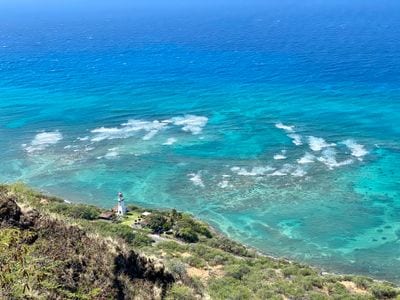
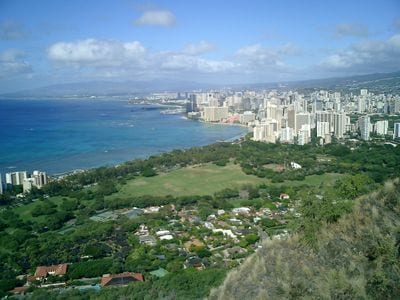
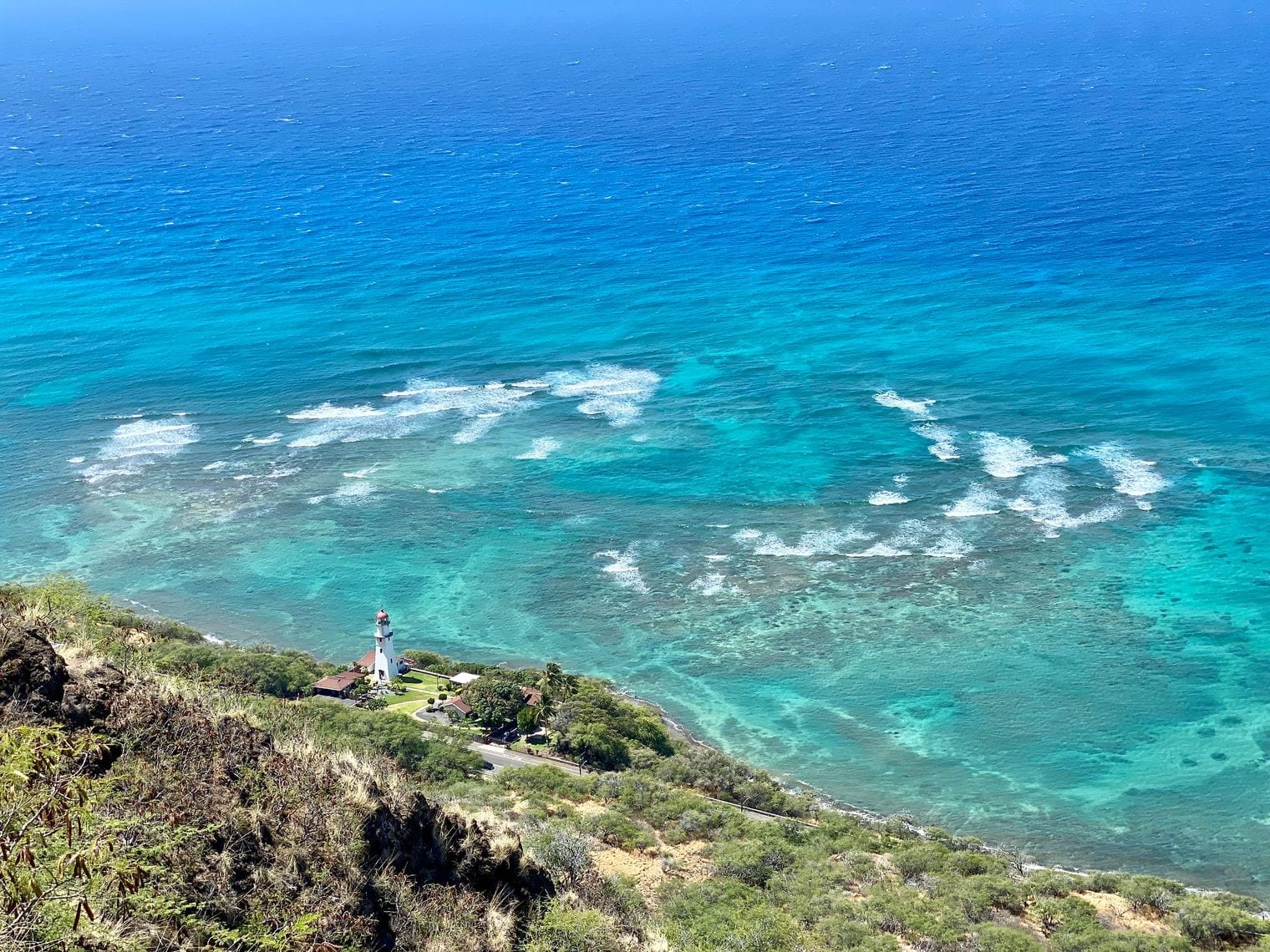
Diamond Head State Monument protects the volcanic tuff cone that frames every postcard of Waikīkī, known in Hawaiian as Lēʻahi. British sailors gave it its English name after mistaking the calcite crystals in the sand nearby for diamonds. The summit trail, first built in 1908 as part of the island's coastal defenses, starts on the crater floor and climbs about 560 feet through switchbacks, stairs and a tunnel to bunkers that once directed artillery fire.
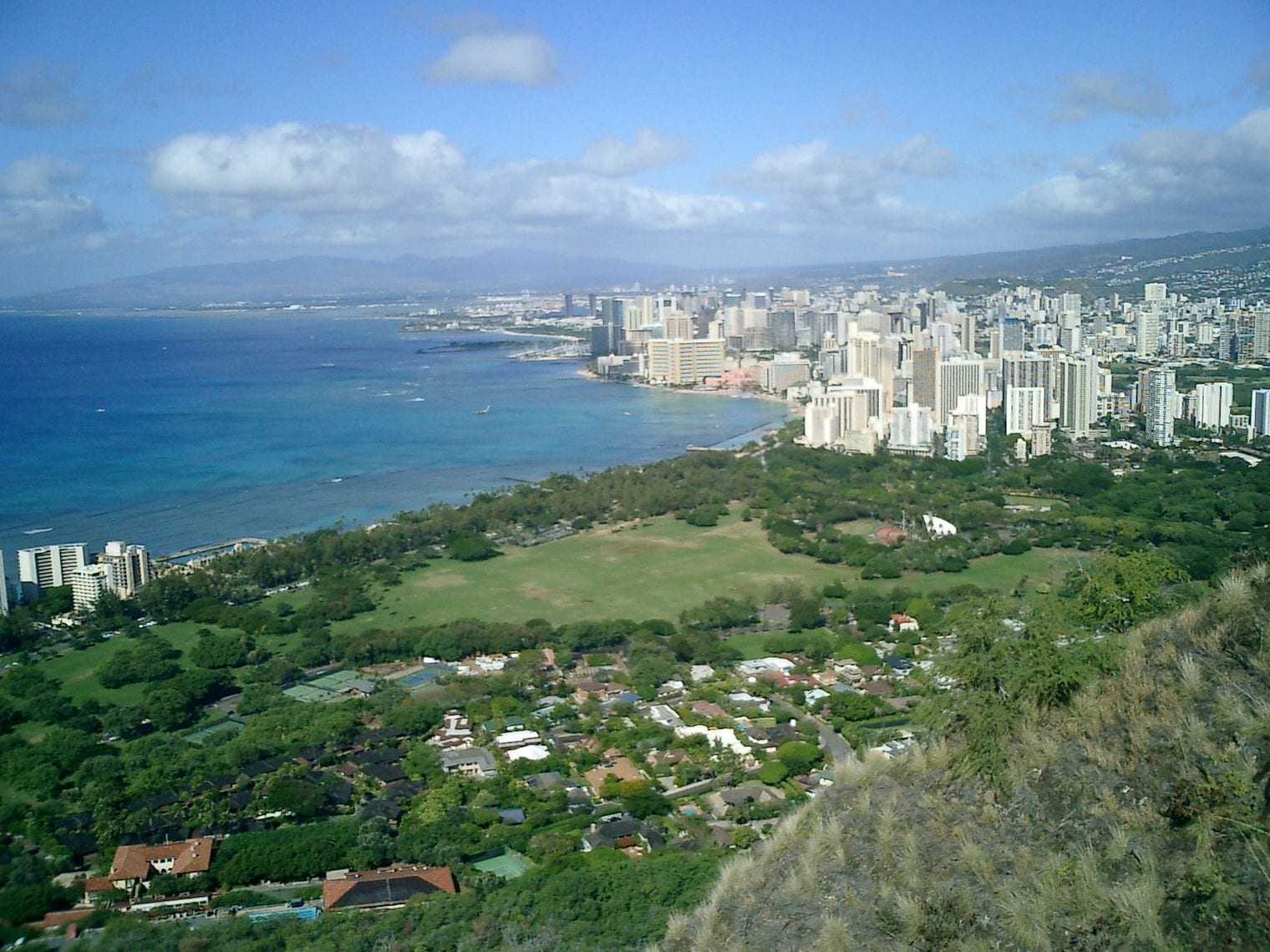
From the top the whole south shore opens up, with the Waikīkī skyline below and the coast running east toward Koko Head. Non-residents need a timed-entry reservation from the state parks system, bookable up to 30 days ahead, so plan it before you arrive. Start early to beat the heat and bring water, because the trail is exposed for most of the climb.
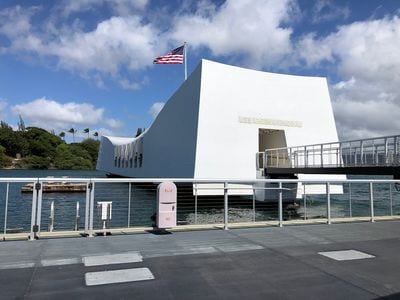
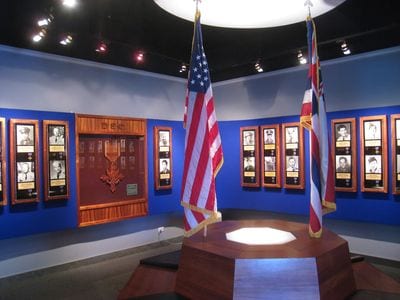
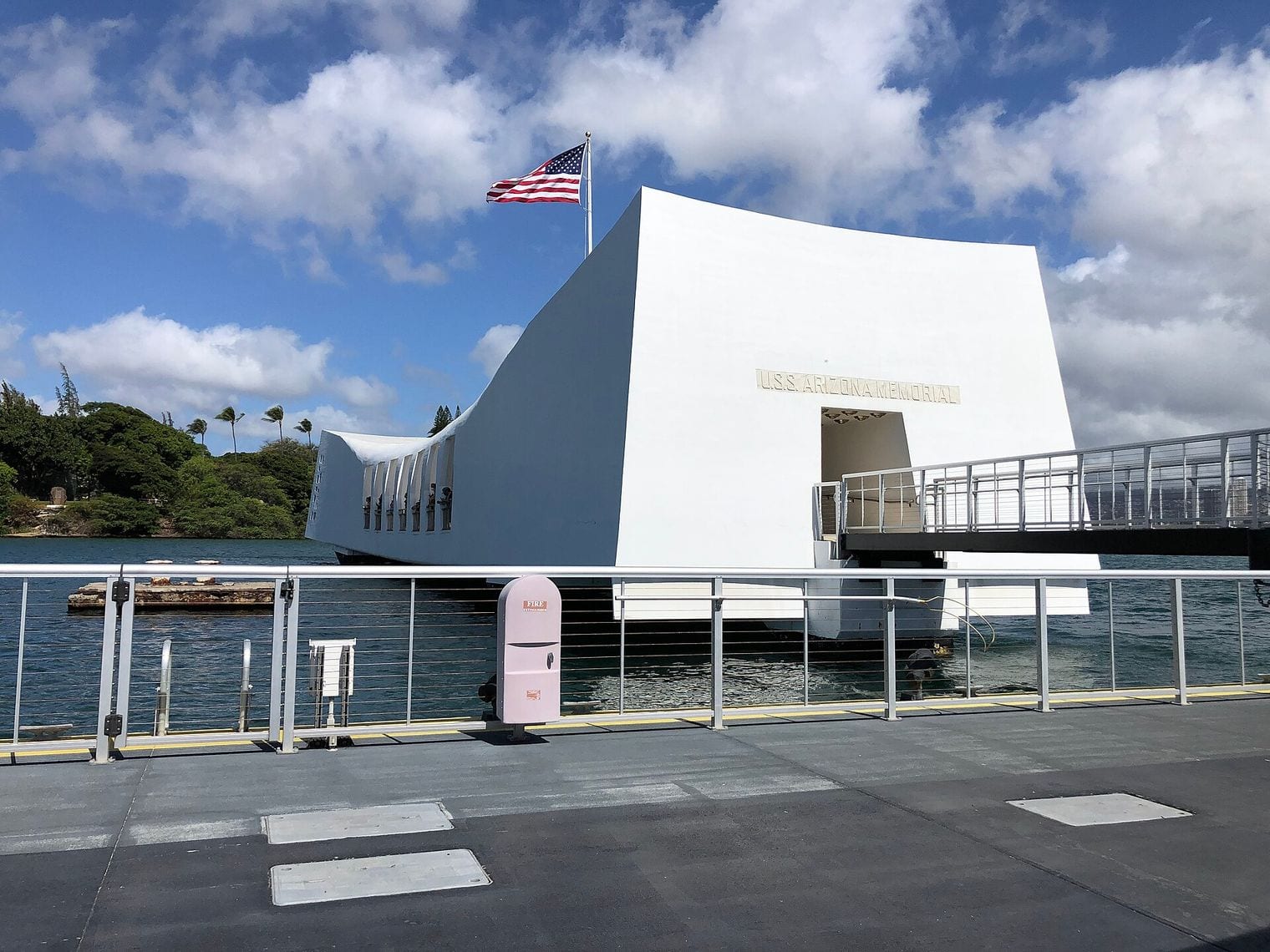
Pearl Harbor National Memorial commemorates the attack of December 7, 1941, which killed more than 2,400 Americans and sank twelve ships. The heart of the visit is the USS Arizona Memorial, the white structure that spans the sunken battleship, reached by a short Navy boat ride from the visitor center; the site also takes in the USS Utah and USS Oklahoma memorials on Ford Island.
There is no entrance fee for the visitor center, its galleries or the waterfront grounds, and the Arizona program is free too, but reserving a timed ticket ahead through the park's booking system is strongly advised because standby places are limited. Bags are not allowed inside, so leave them in the car or at the paid storage nearby. Three more ticketed sites share the harbor, and the neighboring Pearl City guide covers the rest of the area.
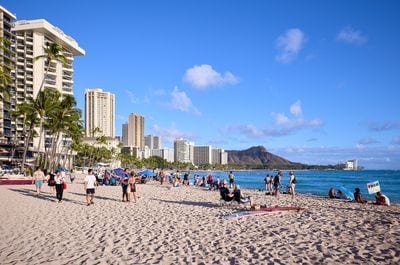
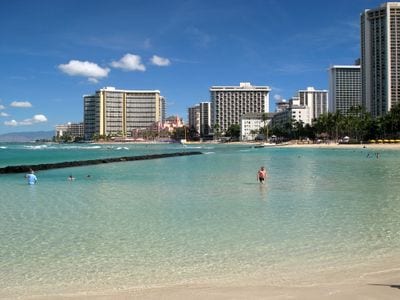
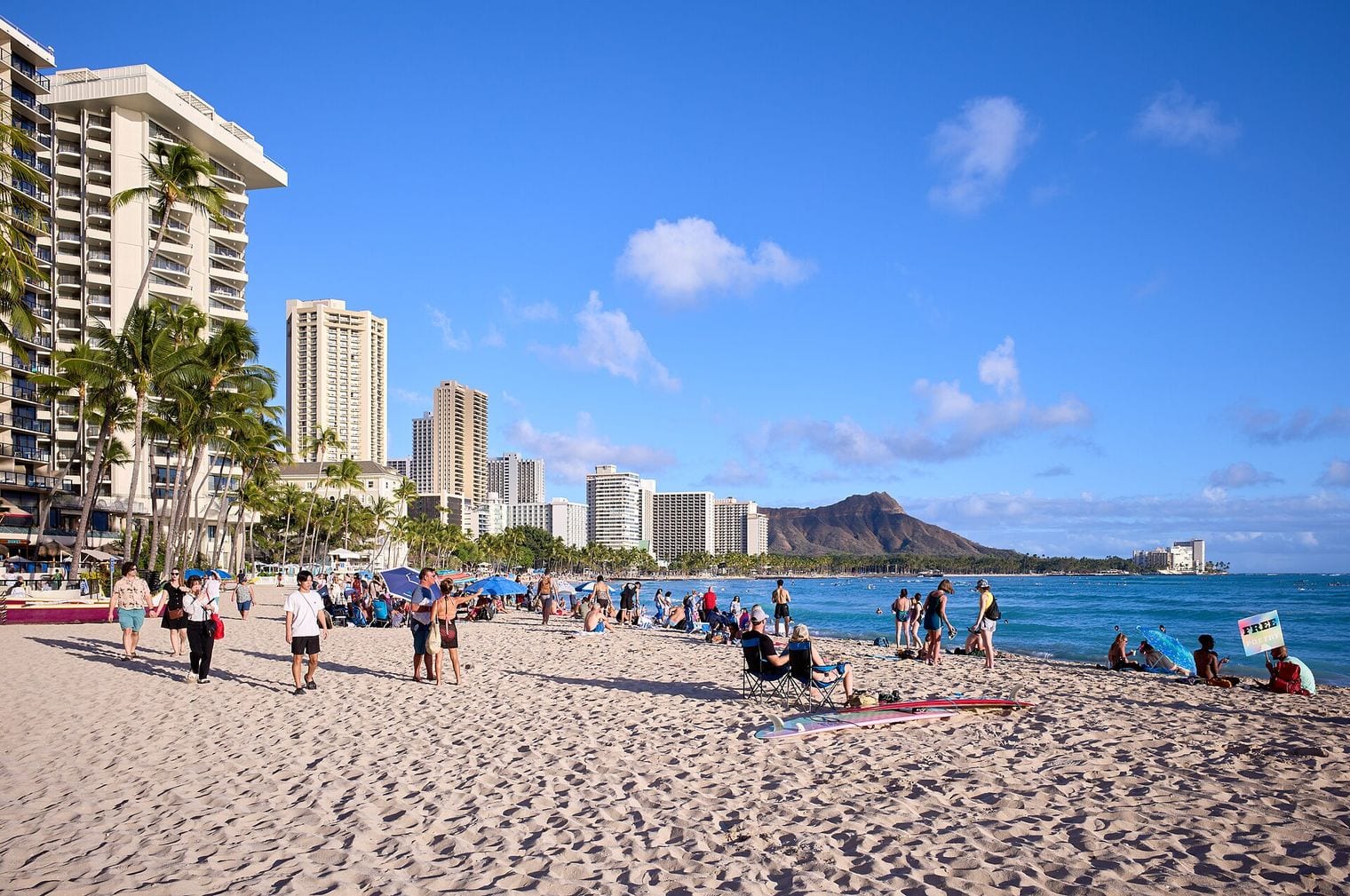
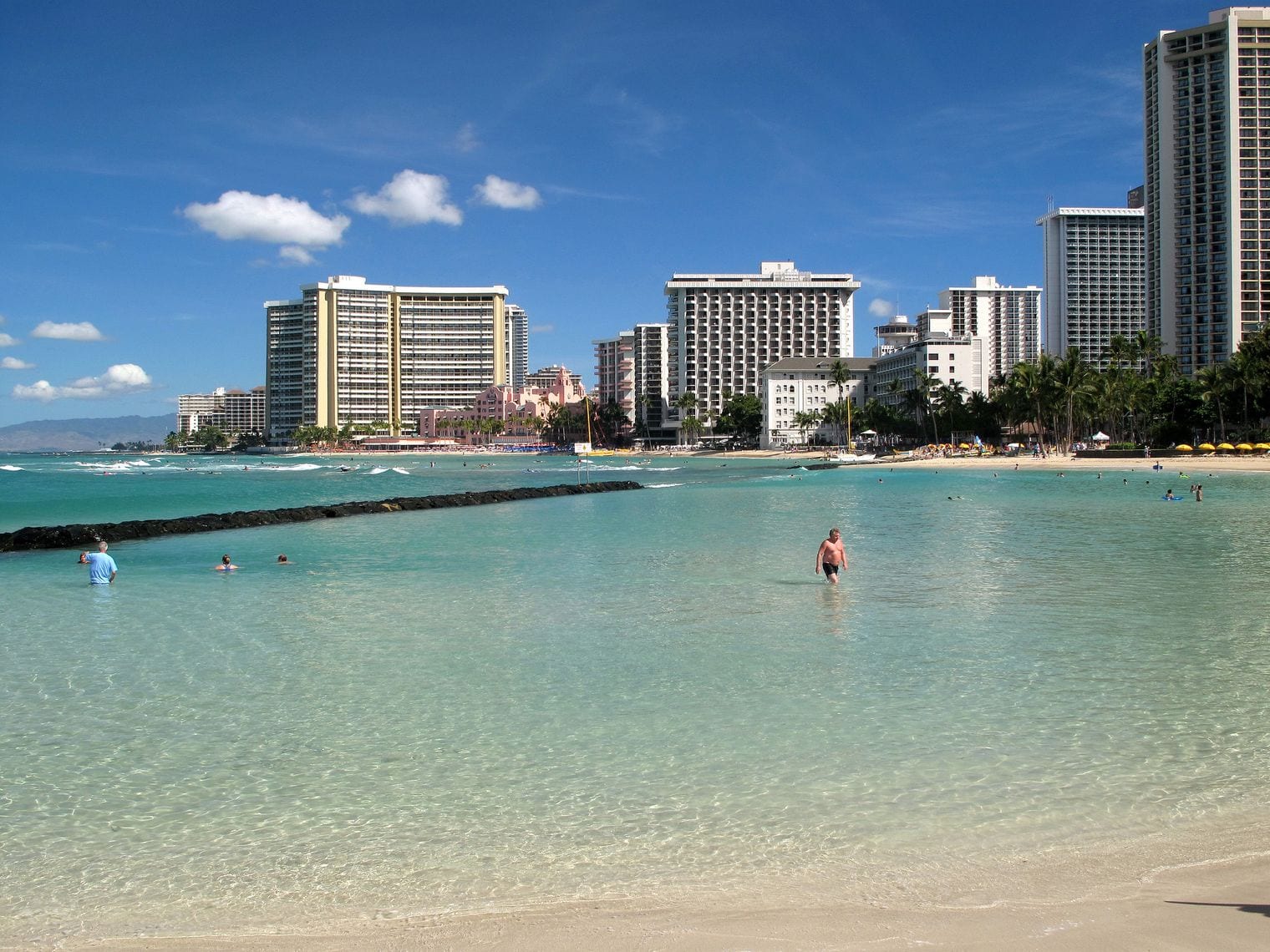
Waikīkī Beach is the famous curve of sand in front of Honolulu's resort district, with Diamond Head rising at its eastern end. It is really a chain of beaches, including Fort DeRussy Beach, Kūhiō Beach and Queen's Beach, and most of the sand is man-made. Long, gentle waves make it one of the classic places to take a first surfing lesson or ride an outrigger canoe.
Walk east and the scene changes: Queen's Beach and the marine life conservation district beyond it draw snorkelers, while Kaimana Beach, also called Sans Souci, at the Diamond Head end is quieter and more local. Waikīkī also served briefly as the first capital of the Hawaiian Kingdom in the 1790s, long before the hotels arrived.
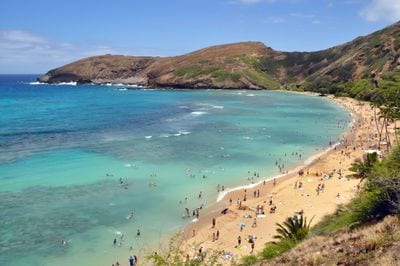
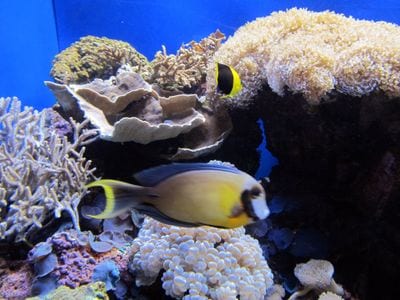
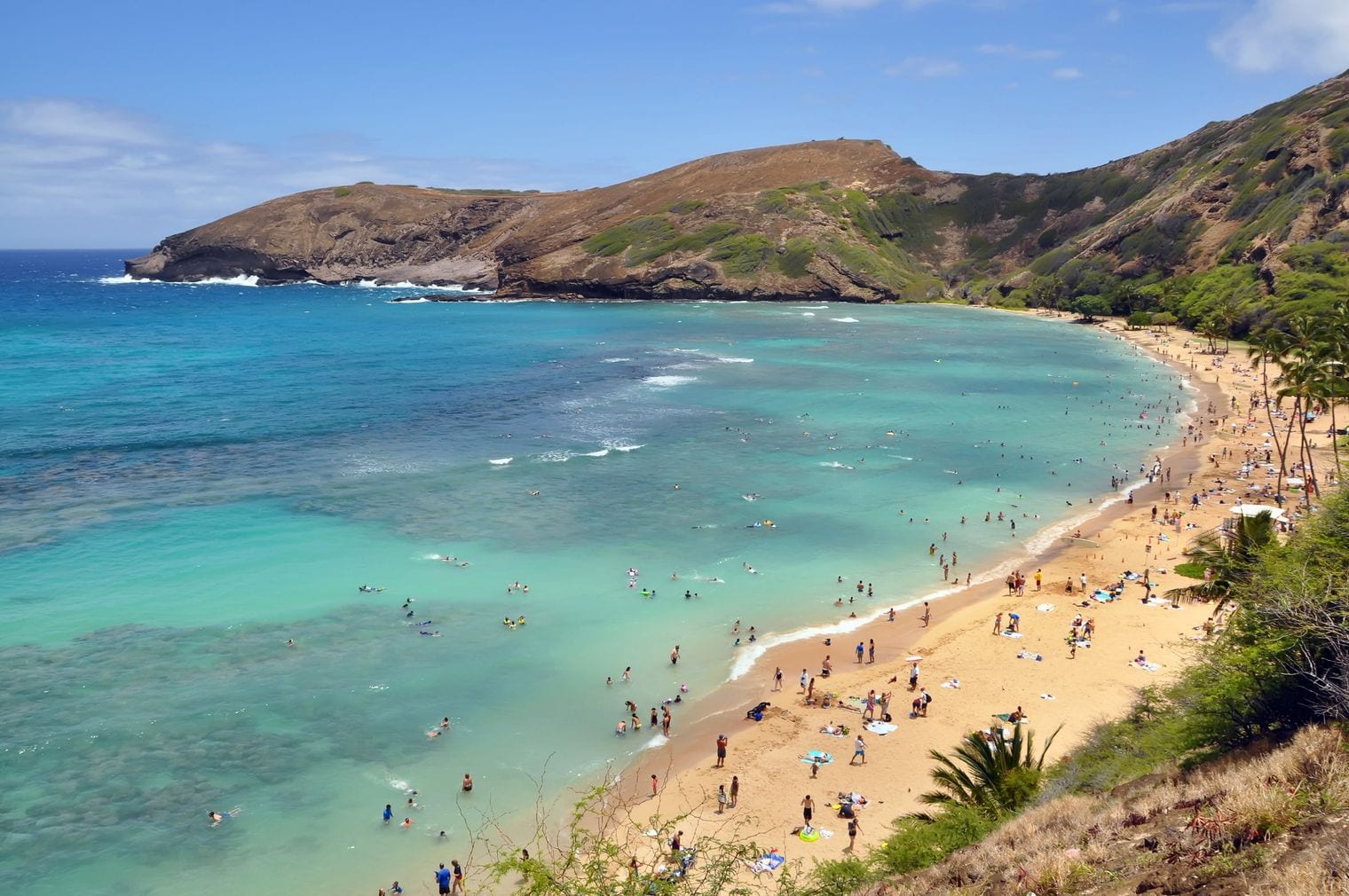
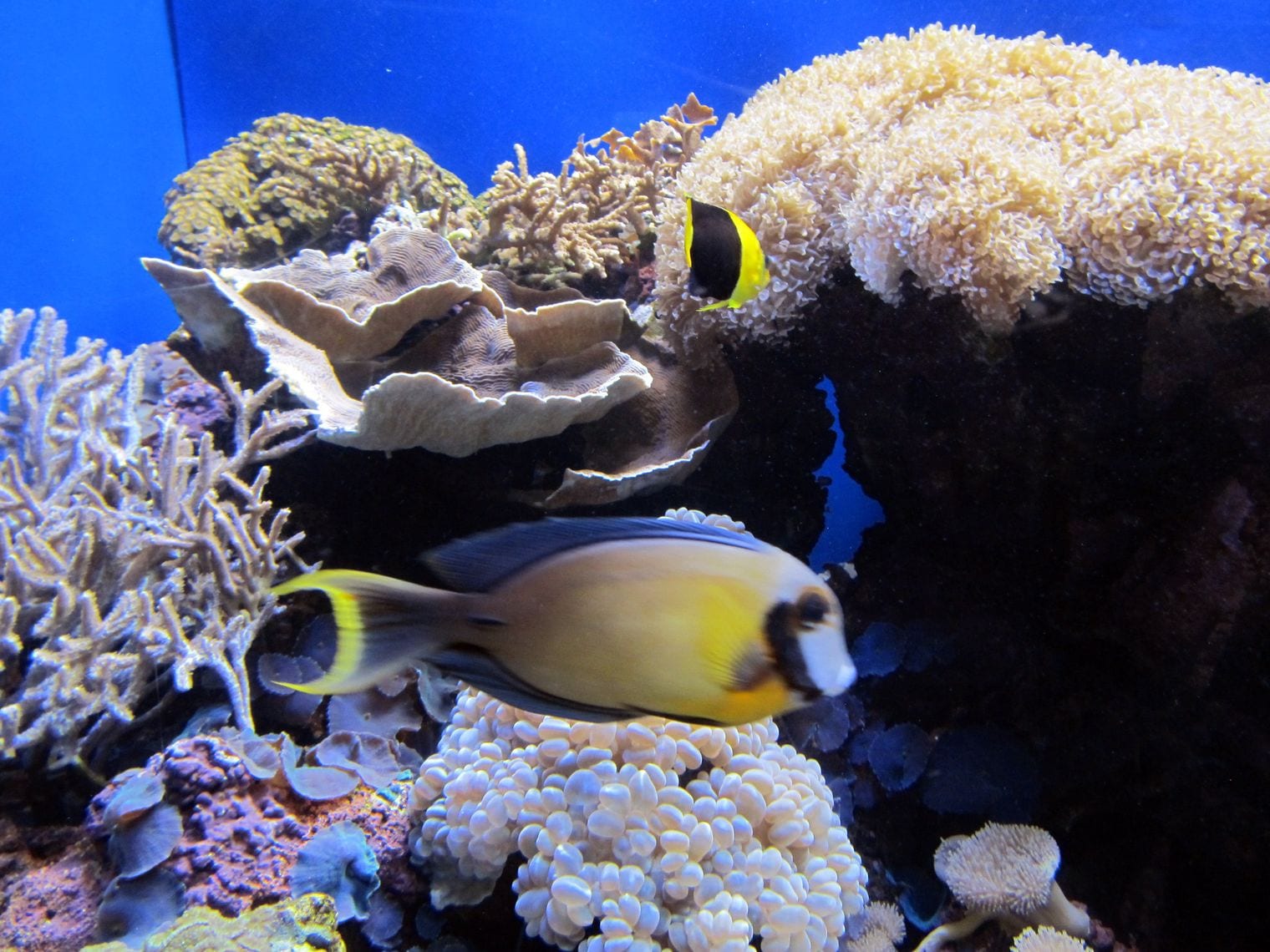
Hanauma Bay Nature Preserve is a sweeping bay inside an old tuff ring on the East Honolulu coast, its shallow fringing reef busy with tropical fish and sometimes green sea turtles. It was the first Marine Life Conservation District in the state, and protecting that reef from the crowds that once arrived by the millions each year shapes everything about a visit.
Non-residents book a timed entry through the city's reservation site, which opens only a couple of days ahead, and the preserve closes two days a week to let the bay rest. First-time visitors watch a short film on the bay's ecosystem before walking down to the beach. Bring reef-safe sunscreen, never stand on the coral, and come early, when the water is usually calmest.
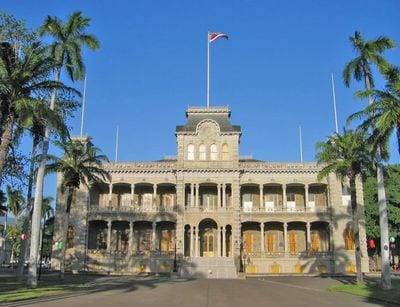
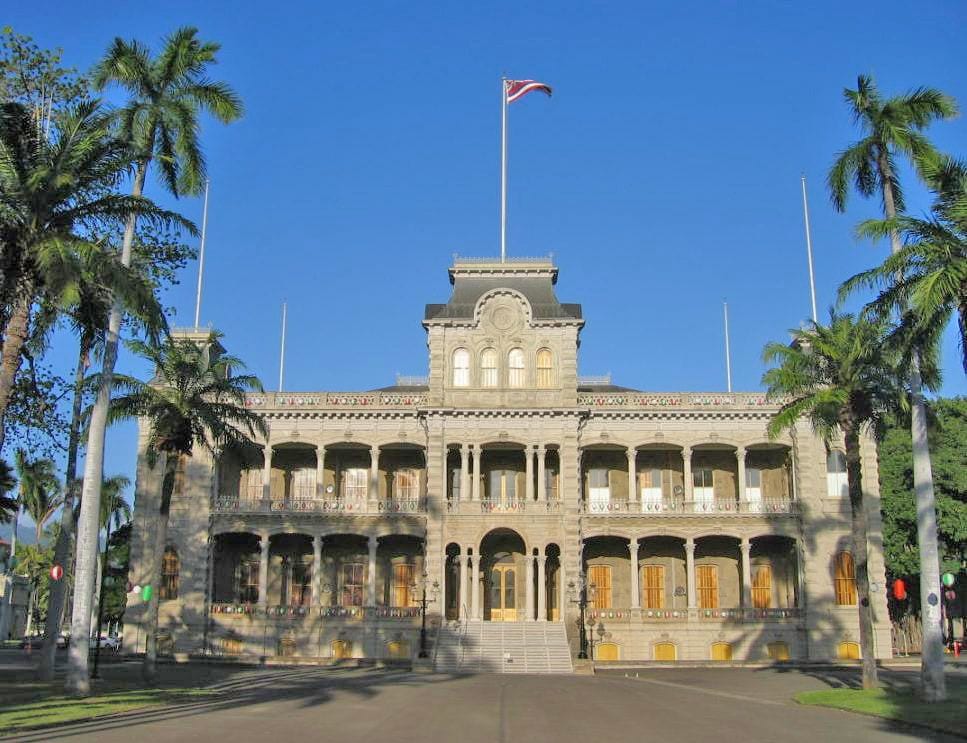
ʻIolani Palace, completed in 1882 for King Kalākaua, was home to Hawaiʻi's last monarchs and is the only royal palace on US soil. It had electric lights before the White House did. After the monarchy was overthrown in 1893 it served as the seat of government until 1969, and it opened as a restored museum in 1978.
Tours take in the grand hall and its koa wood staircase, the throne room and the upstairs room where Queen Liliʻuokalani was held prisoner in 1895. Choose a docent-led tour or a self-led audio tour, book ahead, and note that the palace is closed on Sundays and Mondays. The ticket office sits in the ʻIolani Barracks on the palace grounds.
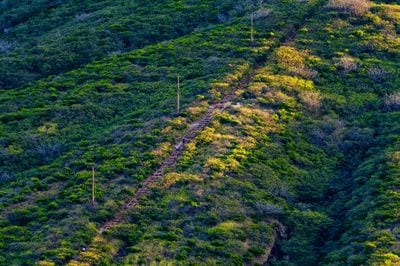
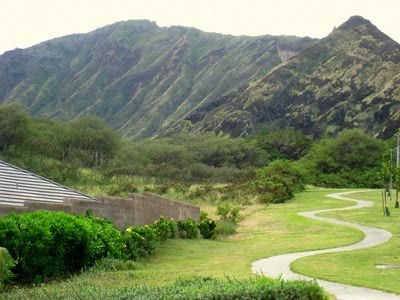
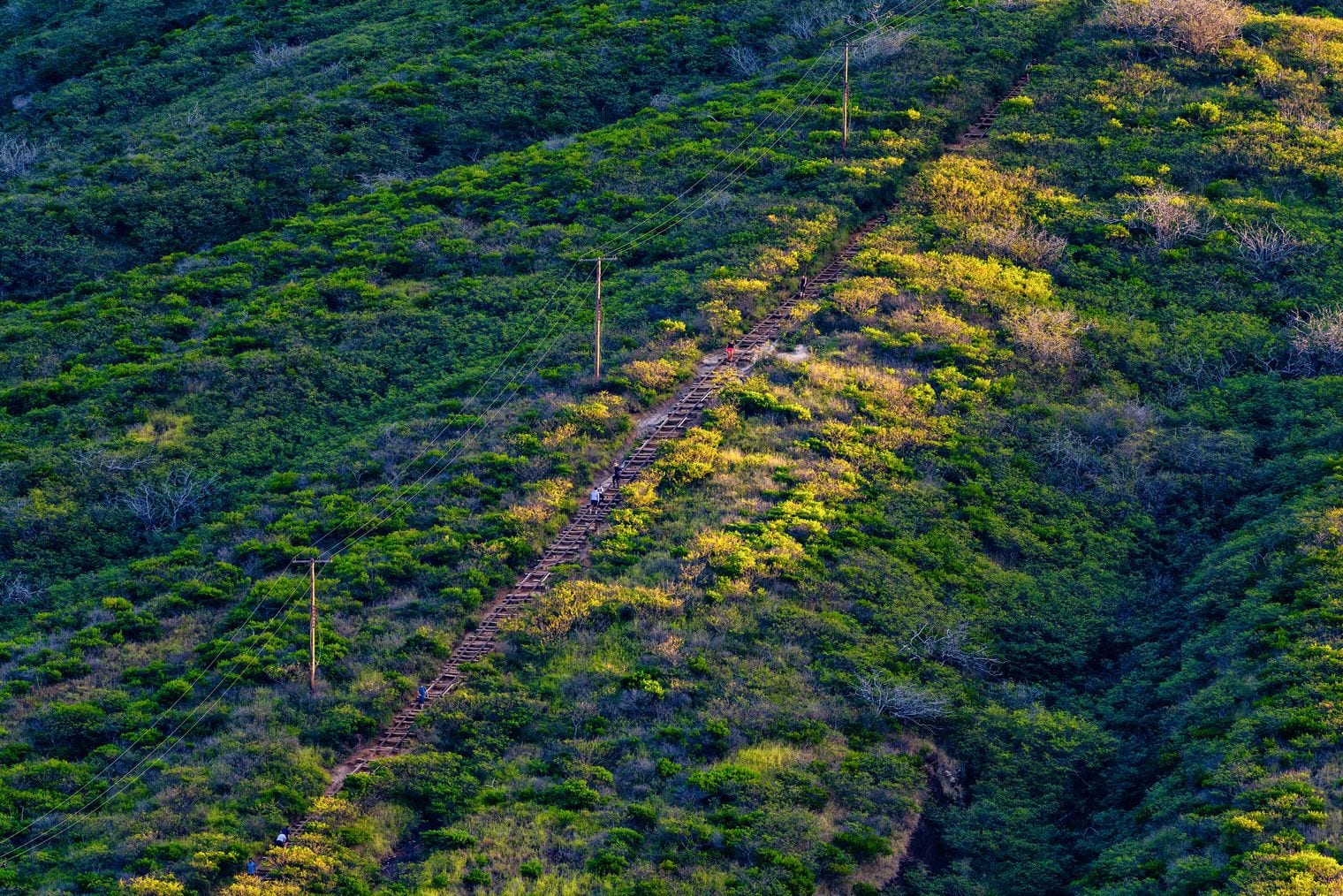
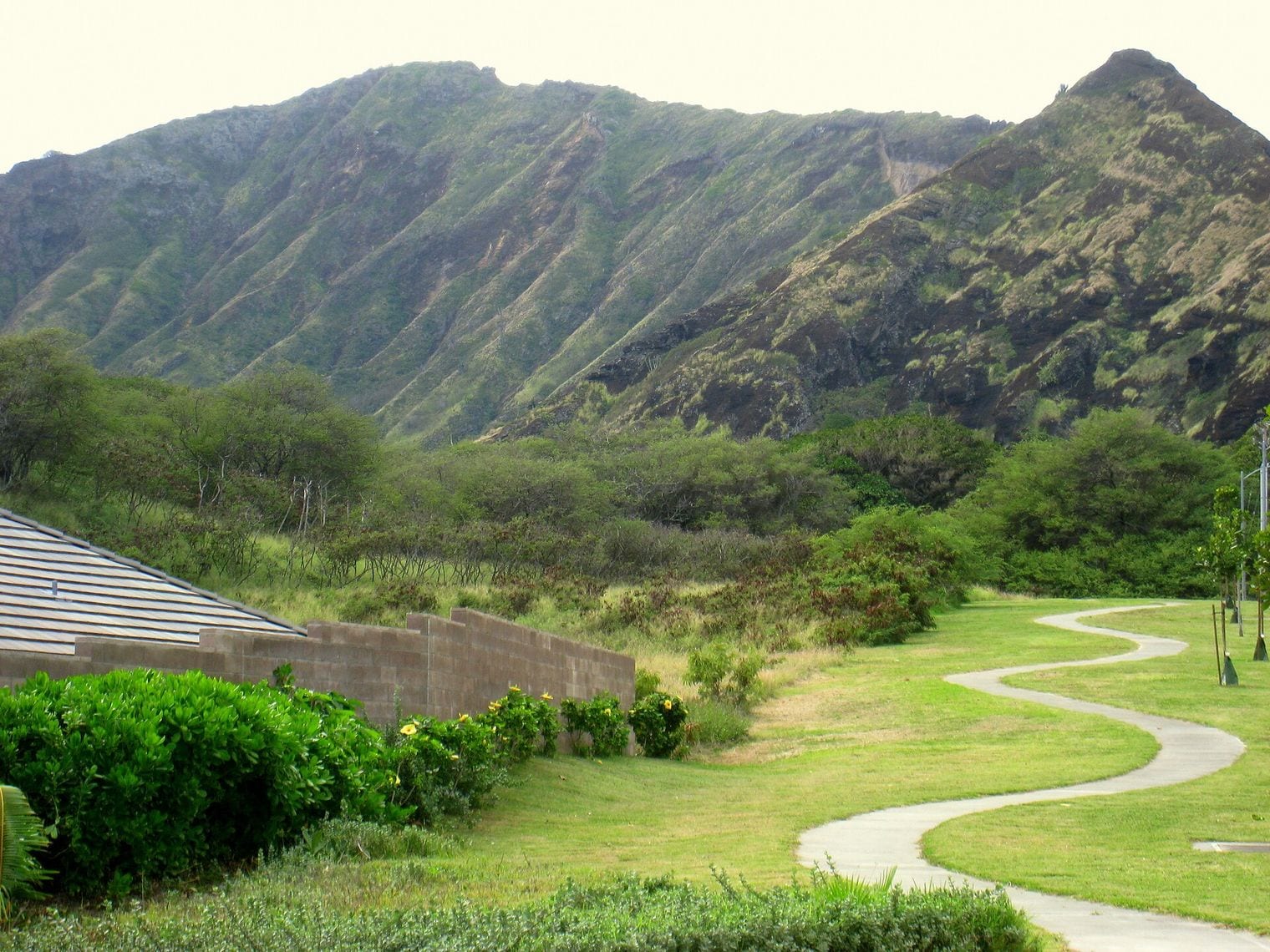
Koko Crater Trail is Honolulu's toughest short workout: a straight line of old railway ties running up the side of Koko Crater, left from the railroad the military laid to bunkers on the summit during World War II. There are no switchbacks, just step after step at a punishing gradient, and the climb feels longer than it looks from the bottom.
At the top, the rim looks down over Hanauma Bay, Hawaiʻi Kai and the East Honolulu coast. The trail starts from Koko Head District Park and has no shade at all, so go at sunrise or late in the day and carry plenty of water. The descent is harder on the knees than the climb, so take it slowly.
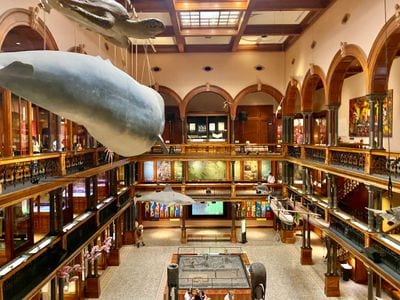
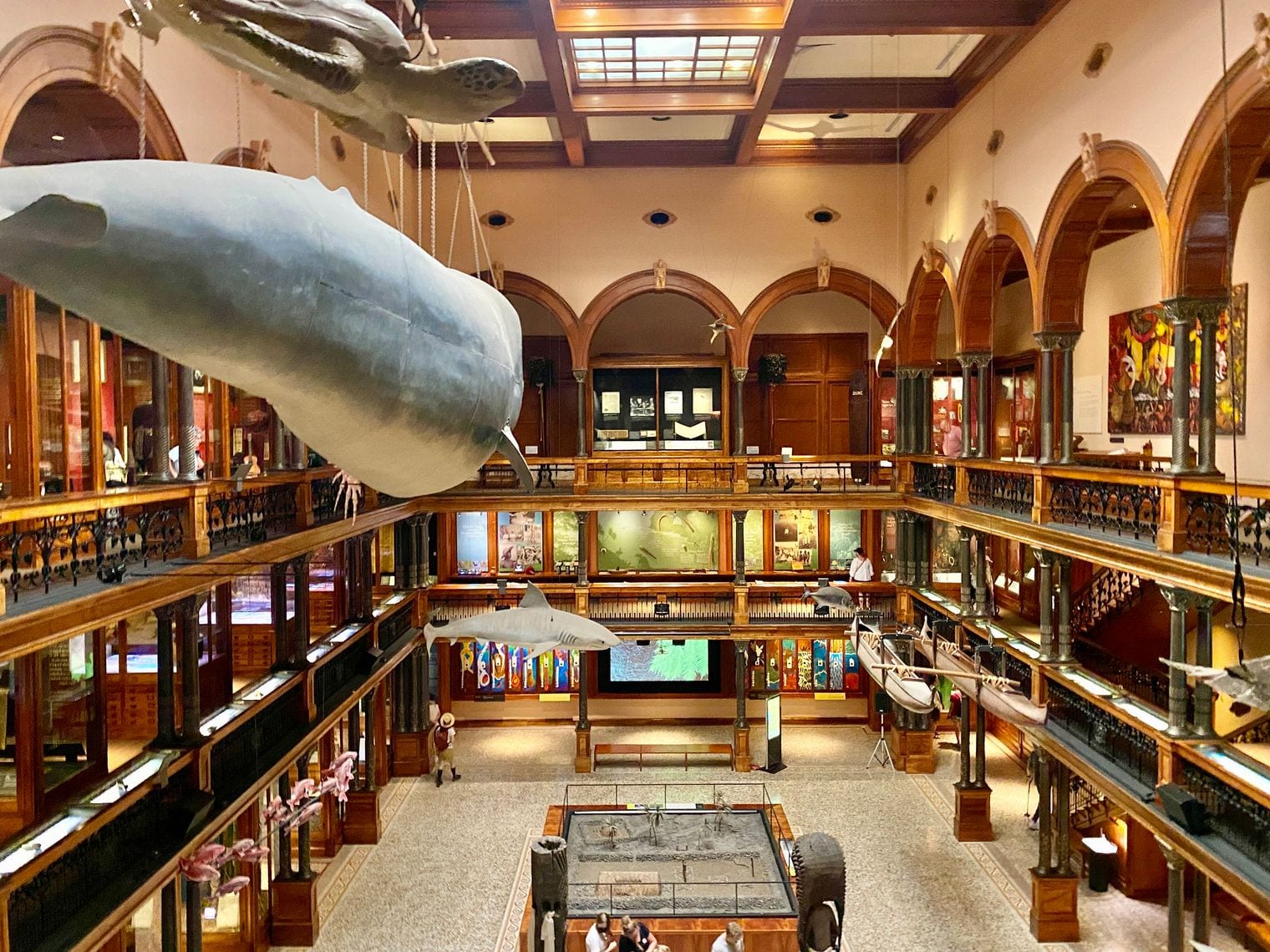
Bishop Museum, founded in 1889 and designated the Hawaiʻi State Museum of Natural and Cultural History, is the largest museum in the state and the best place in Honolulu to understand Hawaiian and Polynesian culture. It holds the world's largest collection of Polynesian cultural artifacts and natural history specimens, and its centerpiece is Hawaiian Hall, lined with koa wood cases and hung with a complete sperm-whale skeleton.
The campus in Kalihi also has the Jhamandas Watumull Planetarium, the oldest in Polynesia, and a science center with hands-on exhibits that work well for children, so plan on half a day rather than an hour. It sits away from Waikīkī, which makes it a natural pairing with a morning downtown.
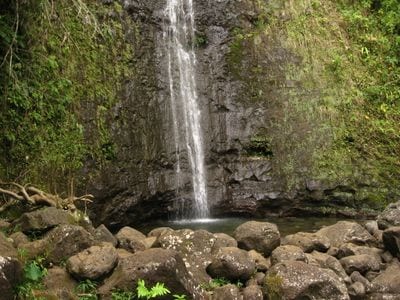
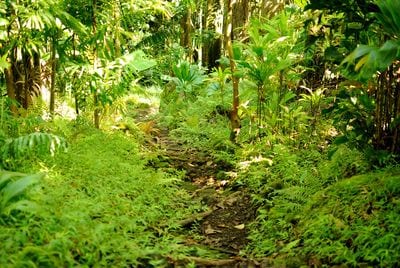
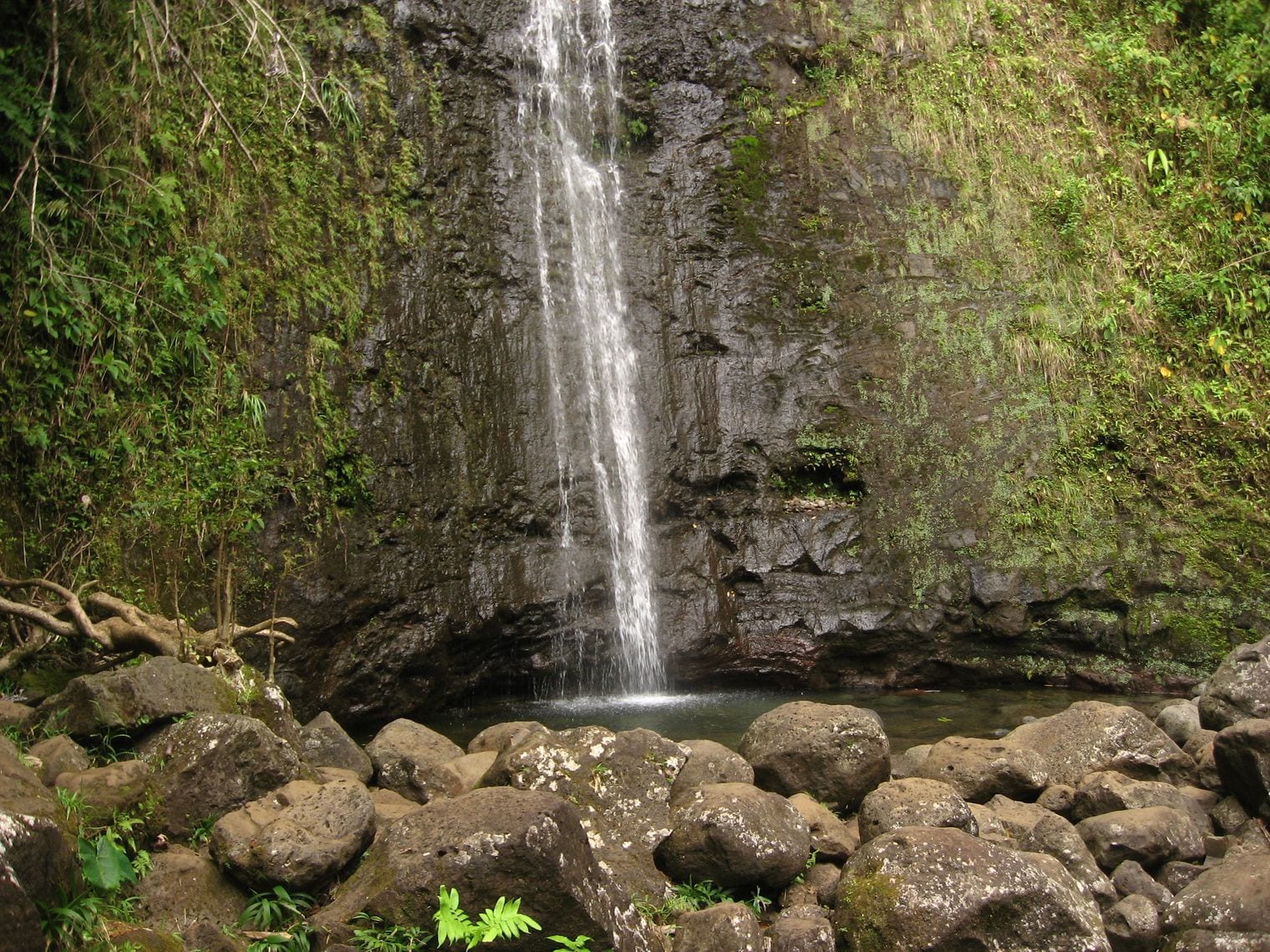
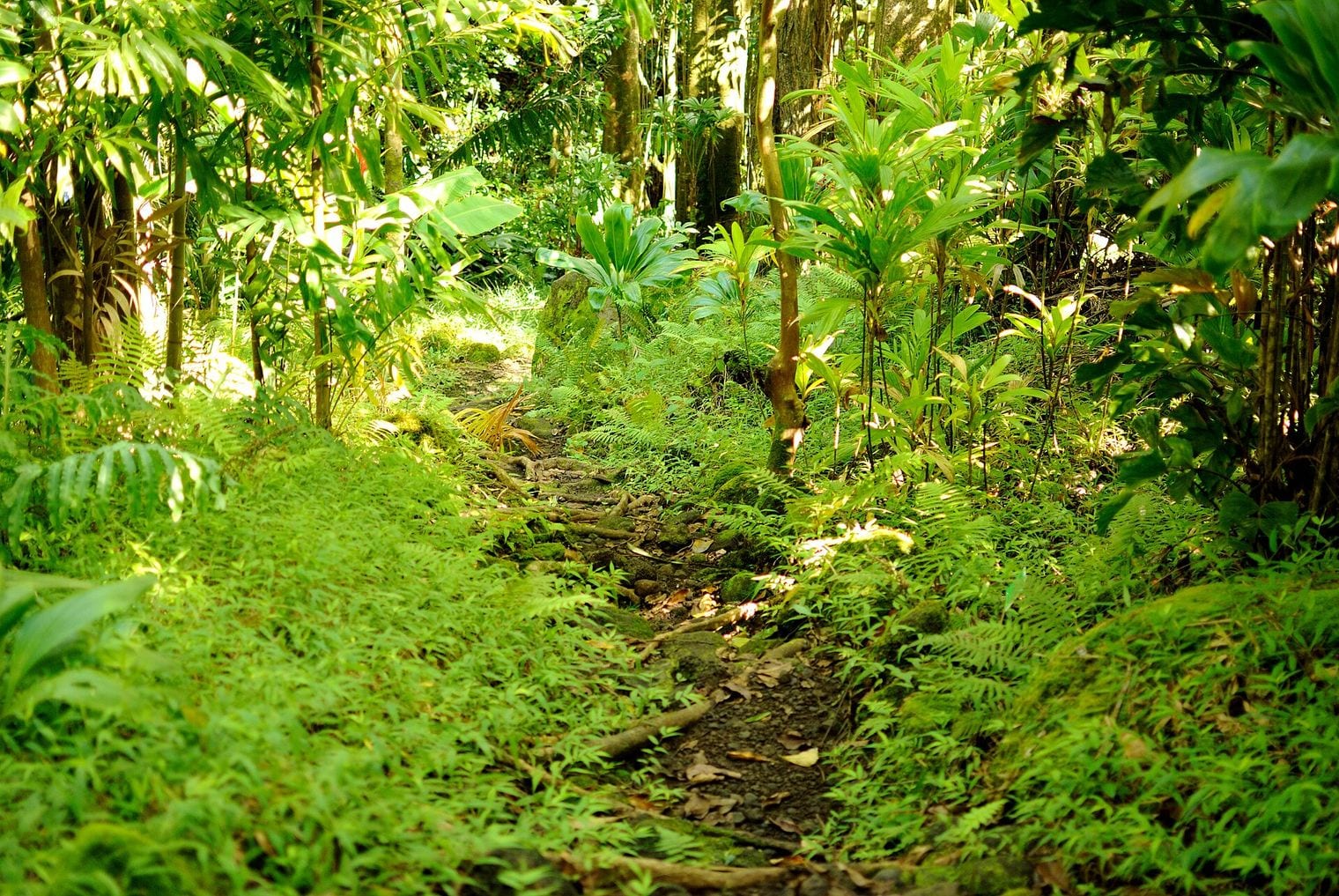
Mānoa Falls Trail climbs through dense rainforest at the head of Mānoa Valley to a waterfall of about 150 feet, a remarkable thing to find a short drive from Waikīkī. Bamboo and towering trees close in over the path, and scenes for films including Jurassic Park were shot at the falls.
The hike takes about an hour round trip for most walkers, longer after rain, and the valley gets a lot of it, so the path is often muddy and slick; wear shoes with grip and bring insect repellent. Lyon Arboretum sits at the base of the trail if you want to see more of the valley's plants.
Honolulu Zoo fills 42 acres of Kapiʻolani Park at the Diamond Head end of Waikīkī, on royal land King Kalākaua set aside for a public park in the 1870s. It is the only zoo in the United States established by grants from a sovereign monarch, and its paths wind through habitats for more than 1,200 animals.
The entrance is a short walk from Kūhiō Beach, so the zoo is an easy add-on to a beach morning and a good family choice when the sun is high; a couple of unhurried hours covers it. Its accreditation from the Association of Zoos and Aquariums, dropped in 2016, was restored in 2020.
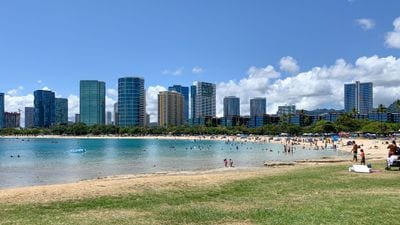
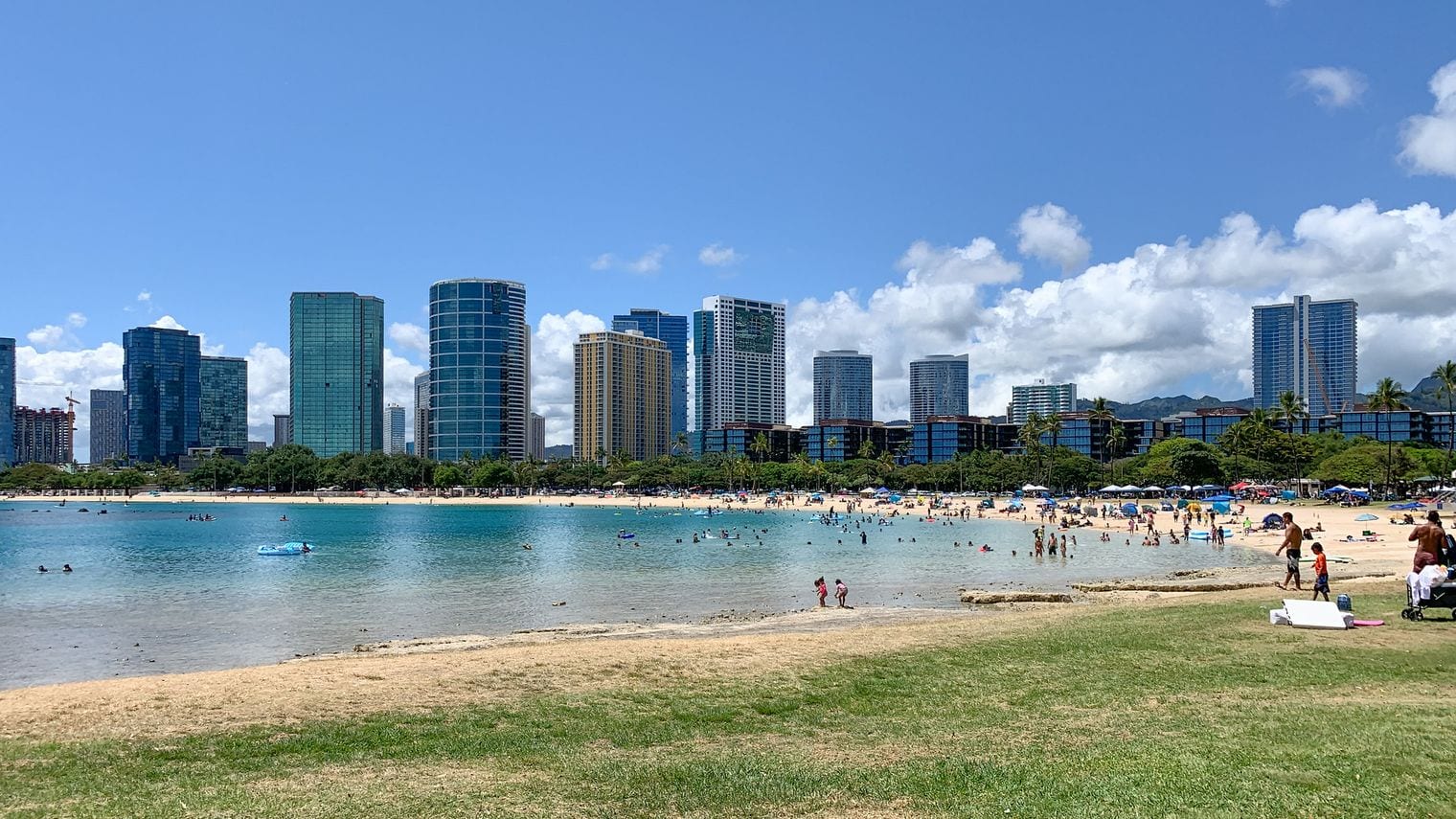
Ala Moana Beach Park is where Honolulu itself goes to the beach: a 100-acre park between Waikīkī and downtown with a wide golden beach more than half a mile long, protected by a shallow reef offshore. The water is usually calm enough for open-water swimming and paddleboarding, and the lawns, banyans and palms fill with picnics and family parties at weekends.
At its eastern end, Magic Island, officially ʻĀina Moana, is a peninsula built from dredged coral fill, with a sheltered lagoon and a fine spot for sunset. The bottom drops off quickly and the middle and western stretches are rockier underfoot, so the sandy Diamond Head end is the easiest place to get in. Ala Moana Center is just across the road.
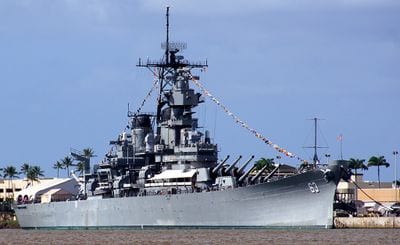
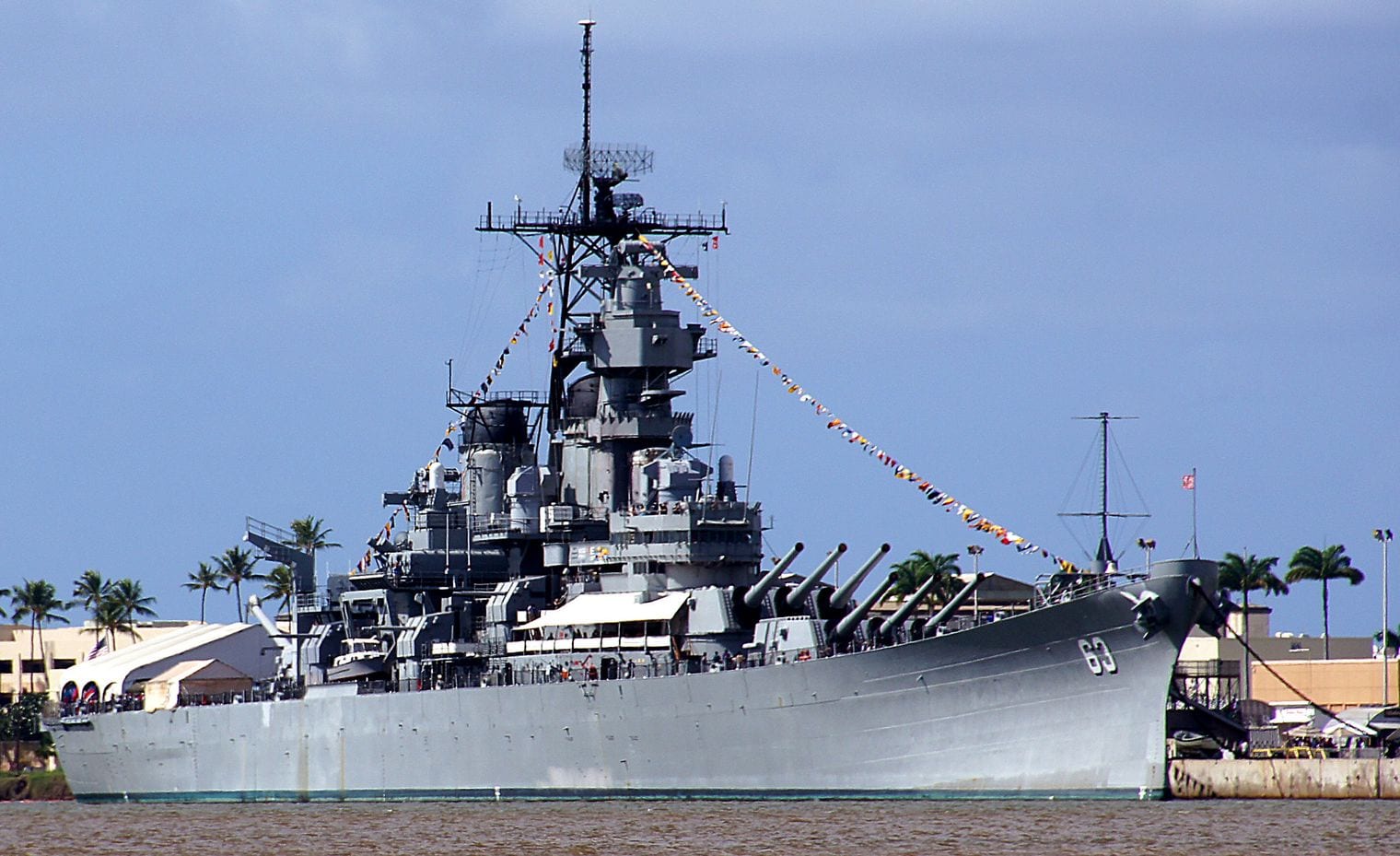
Battleship Missouri Memorial is the USS Missouri, the last battleship ever commissioned by the United States, now moored at Ford Island close to the USS Arizona Memorial. The Japanese Instrument of Surrender was signed on her deck in 1945, so the two ships mark the beginning and the end of America's war in the Pacific.
You can walk the main deck, stand at the surrender site, look up at the huge main guns and explore the crew's quarters below, with guided tours also available. Ford Island is an active military base, so visitors reach it on a shuttle bus from the Pearl Harbor visitor center area, and the same shuttle serves the aviation museum.
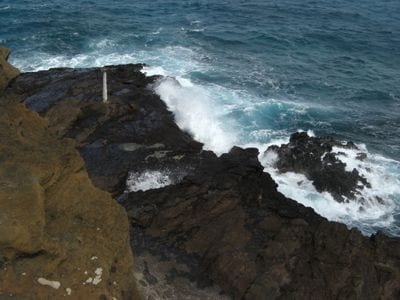
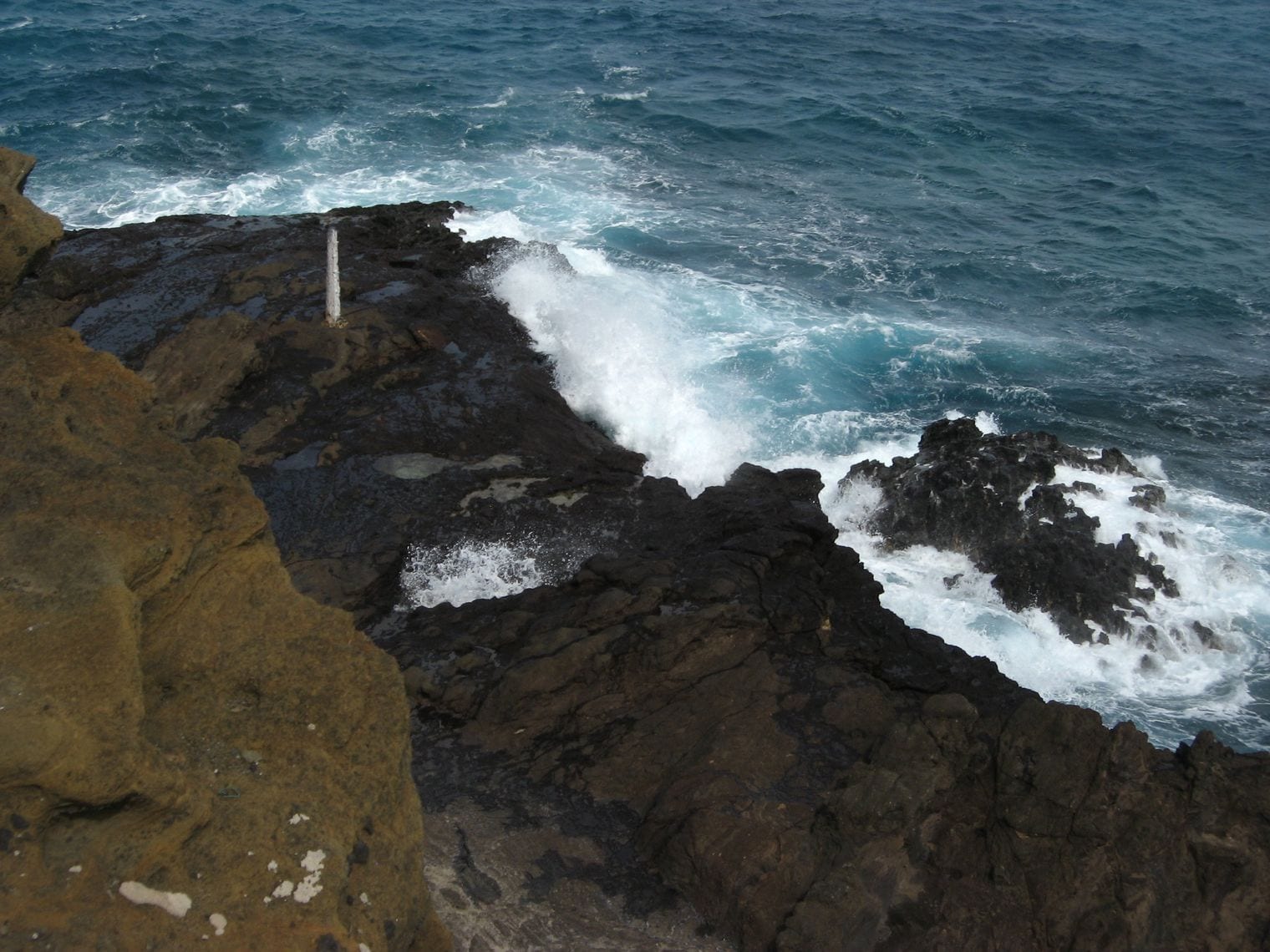
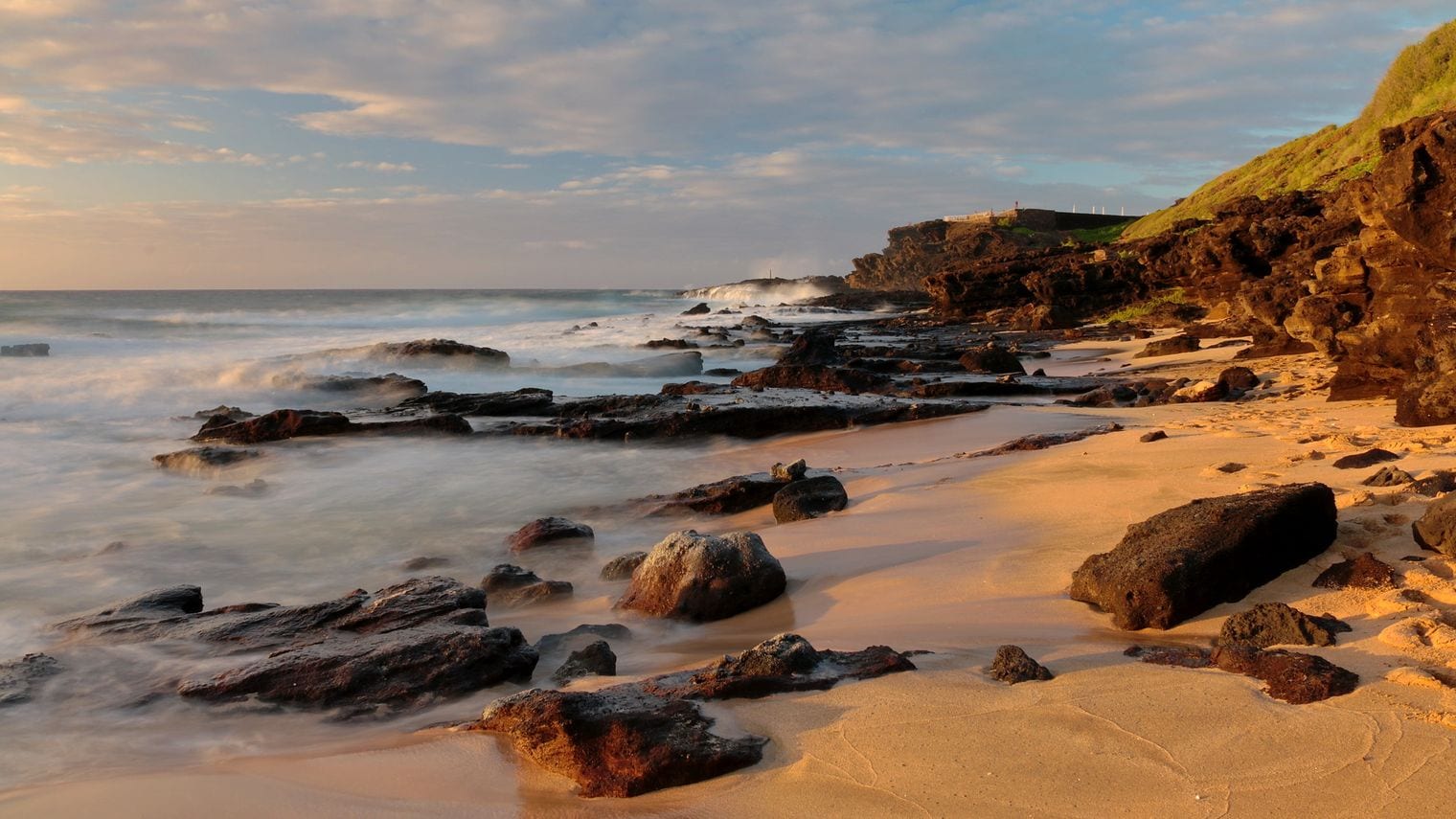
Hālona Blowhole Lookout sits on a rocky point of the East Honolulu coast, where incoming swells force seawater through an opening in the lava rock and up in a roaring spout. The show is best when the surf is up, and in winter the same viewpoint is a good place to scan the ocean for humpback whales.
Just below the lookout is Hālona Cove, the small sandy pocket where Burt Lancaster and Deborah Kerr filmed their beach scene in From Here to Eternity; locals call it Cockroach Cove. Swim there only when the sea is flat, and stay behind the railings at the blowhole itself, where the rocks are slick and the waves unpredictable.
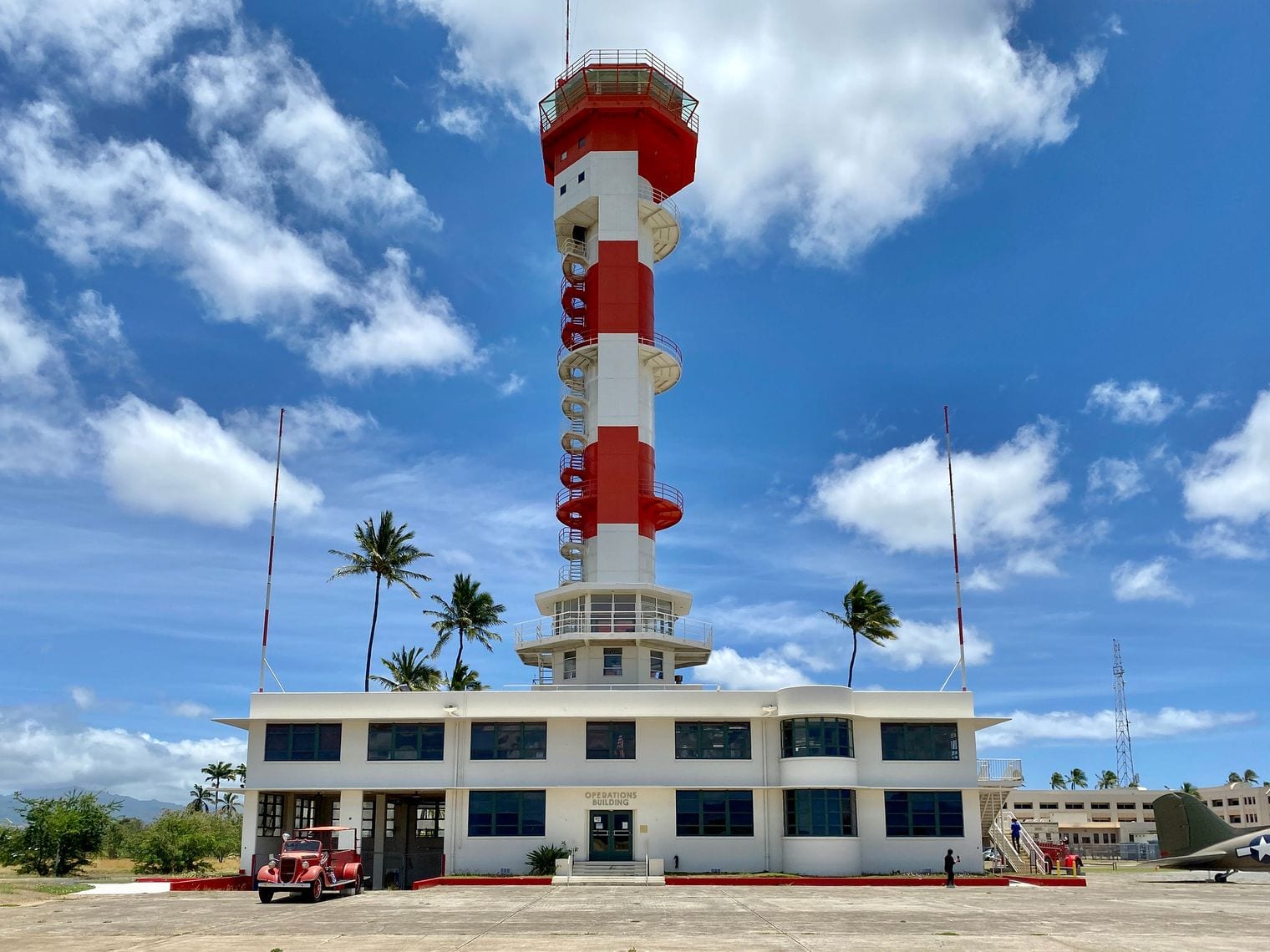
Pearl Harbor Aviation Museum occupies two World War II hangars on Ford Island, 37 and 79, and the buildings themselves are part of the story: the hangars still show damage from the December 7, 1941 attack. Exhibits follow the air war in the Pacific from that morning onward and World War II, told through restored aircraft and the hangars themselves.
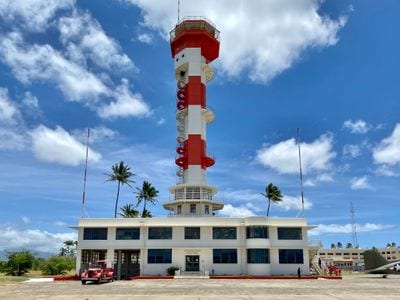
The museum has also worked to restore the historic Ford Island control tower nearby, a landmark of the attack. It is reached on the same shuttle bus as the battleship, so the two pair easily into an afternoon after the Arizona Memorial.
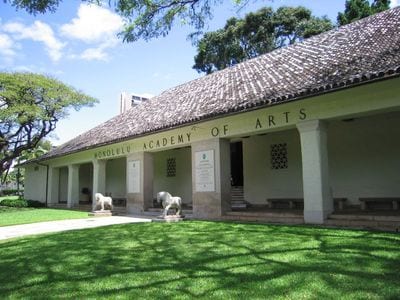
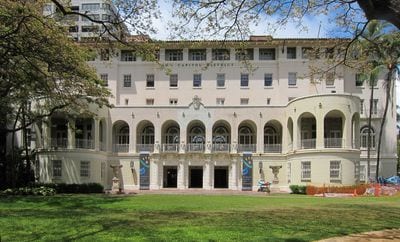
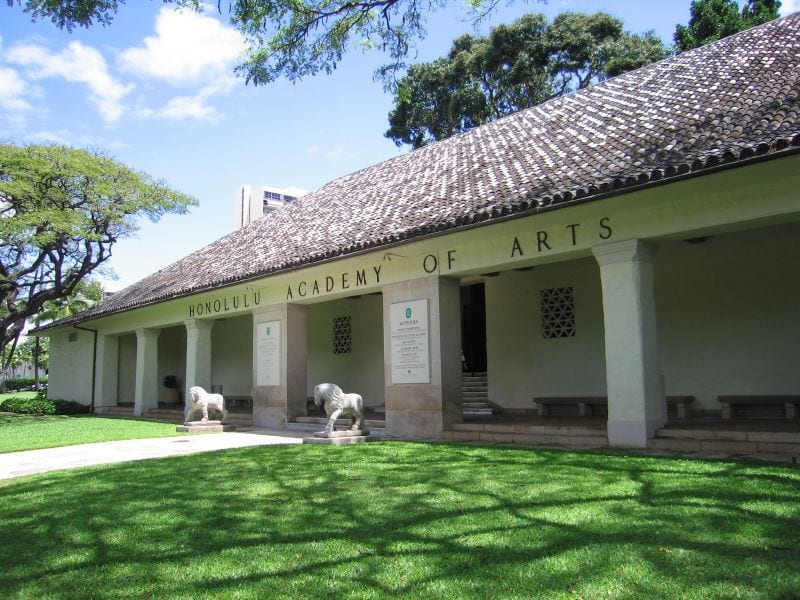
Honolulu Museum of Art was founded in 1922 by Anna Rice Cooke and opened in 1927, and it is the largest art museum in Hawaiʻi. Its collection of more than 55,000 works is especially strong in Asian and Pan-Pacific art, alongside European and American painting and work by Hawaiʻi's Volcano School painters.
What makes the visit, though, is the building: 32 galleries arranged around six open-air courtyards, designed to suit the island climate rather than shut it out. The museum also runs the guided tours to Shangri La, Doris Duke's house near Diamond Head, which depart from here.
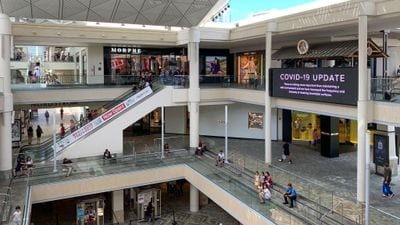
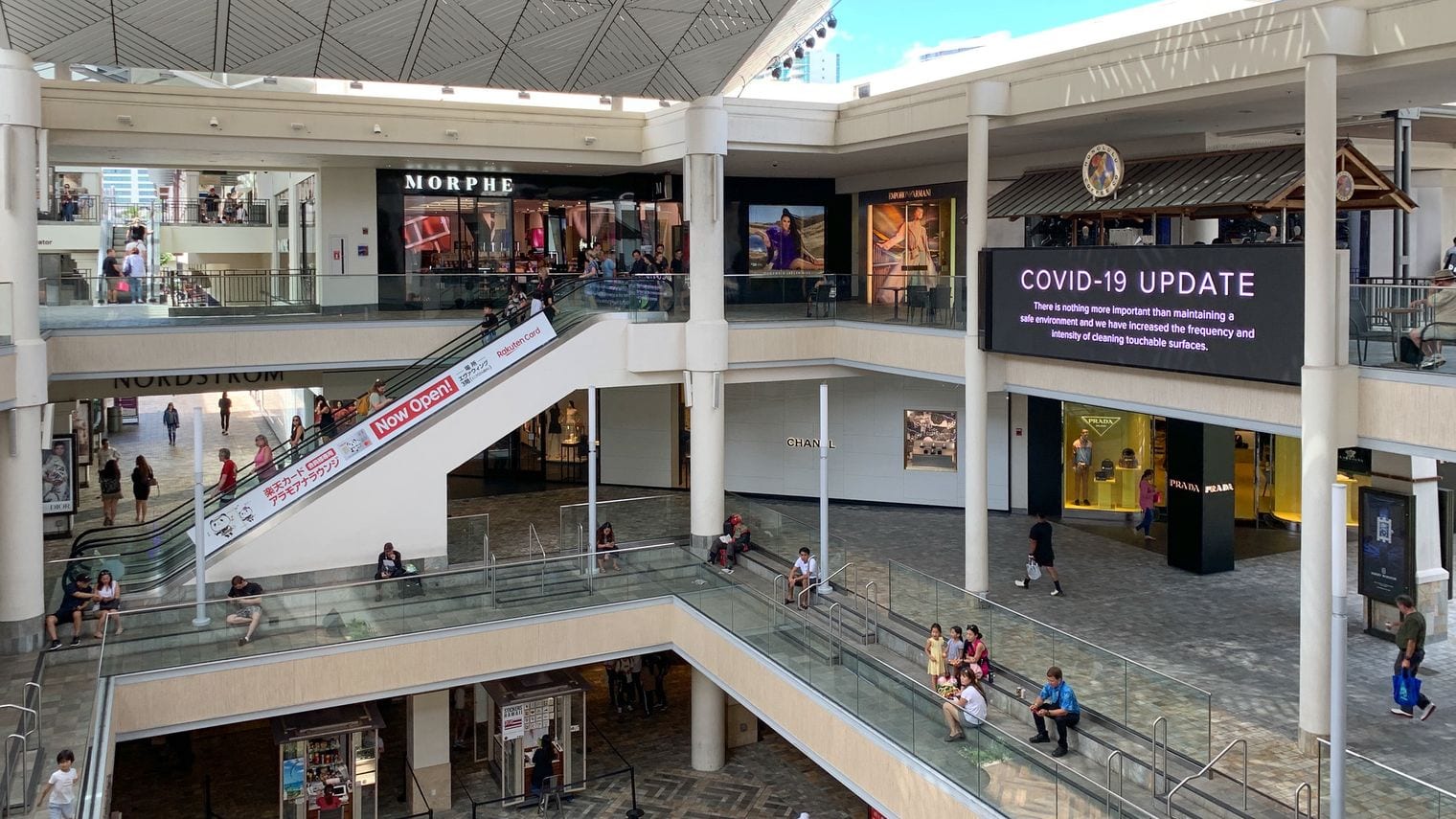
Ala Moana Center is a huge open-air mall across the road from Ala Moana Beach Park, billed as the largest open-air shopping center in the world and ranked among the biggest malls in the United States. Department stores, international brands, local boutiques and food counters spread over several levels of breezy walkways.
Even if shopping is not the plan, it is a handy stop for a rainy afternoon, a casual meal or island-made snacks and souvenirs, and it is one of the city's main bus hubs, with easy connections to Waikīkī and downtown. Pair it with a swim or a sunset across the road.
Kapiʻolani Park is the 300-acre green space at the Diamond Head end of Waikīkī, dedicated in 1877 by King Kalākaua and named for his queen, Kapiʻolani. It is the largest public park in Hawaiʻi and the second oldest, and its lawns fill with joggers, kite-flyers and pickup games under the bulk of Diamond Head.
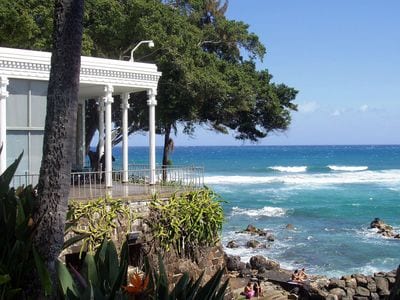
The park holds the Honolulu Zoo and the Waikiki Shell, the open-air amphitheater used for concerts, along with courts, sports fields and an archery range. Its shady edges make a good picnic spot after the beach, and the Waikīkī Aquarium sits just across the road on the ocean side.
1717. Tantalus Lookout (Puʻu ʻUalakaʻa State Park)
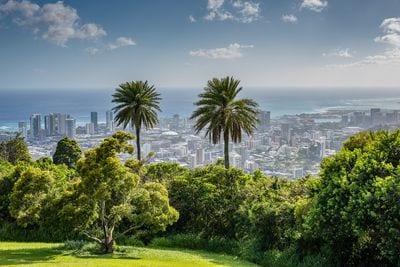
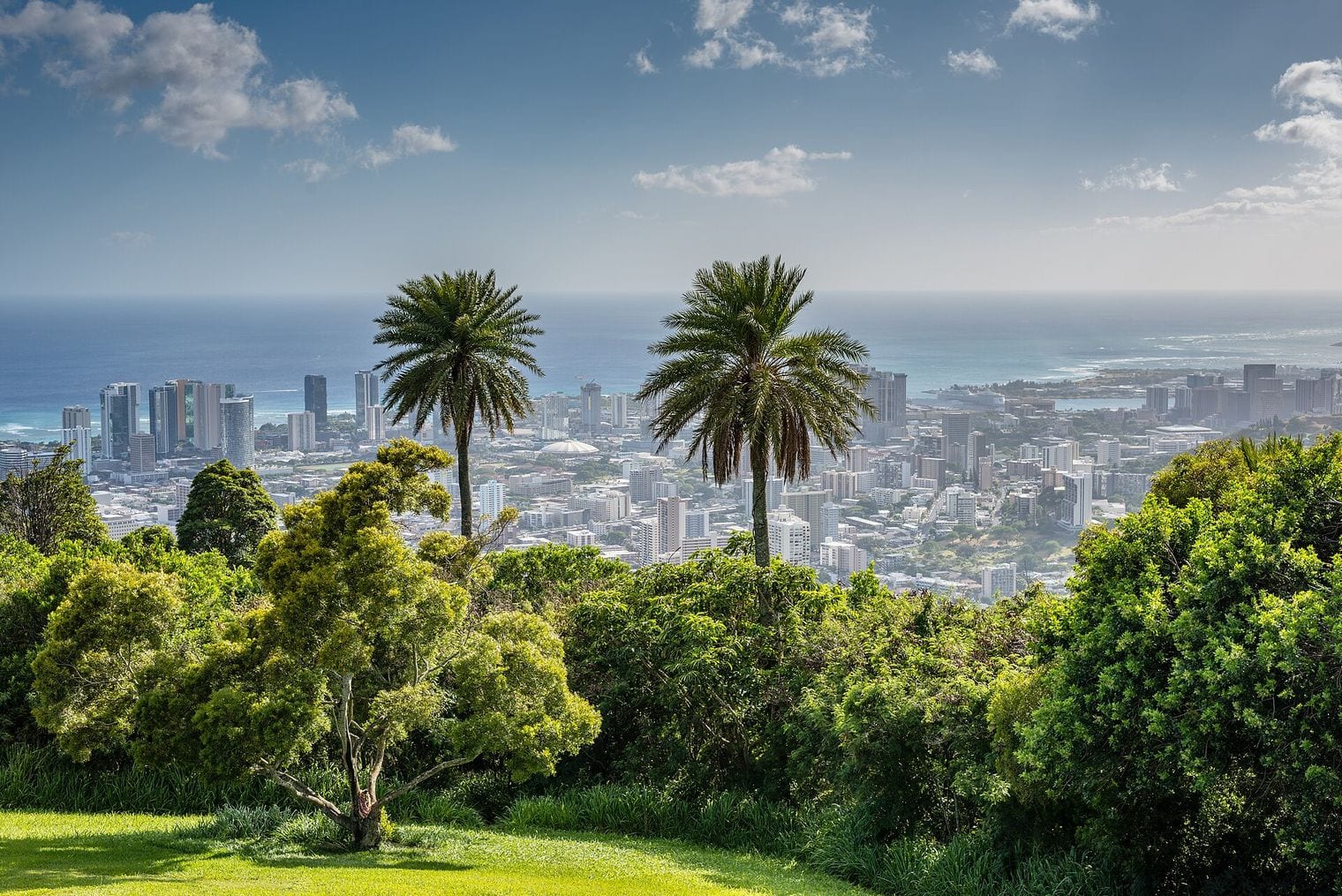
Tantalus Lookout, in the small Puʻu ʻUalakaʻa state wayside high above Makiki and Mānoa, gives one of the best views of the city you can reach without a hike. The panorama sweeps across southern Oʻahu from Diamond Head to Pearl Harbor, taking in Waikīkī, the downtown towers and Mānoa Valley below.
The drive up the winding Round Top Drive is part of the appeal, climbing through forest with glimpses of the city between the trees. Go in the late afternoon for the best light, and note that the park gates keep fixed hours and non-residents pay a parking fee.
Kūhiō Beach is the busy heart of Waikīkī's shoreline, where semi-protected waters make it a favorite swimming spot for families and first-timers. The park is named for Prince Jonah Kūhiō Kalanianaʻole, whose home stood on this spot; he opened part of the beach to the public in 1918, and the park was dedicated in 1940.
This is where you'll find the statue of Duke Kahanamoku, the Olympic swimmer and father of modern surfing, often draped in fresh lei. On set evenings each week, free hula performances take place on the hula mound beside it, so bring something to sit on and arrive a little early.
Free printable checklist of all 40 places
Tick them off as you go. Confirm your email to download it, plus one email every Thursday with new guides for the places you tick.
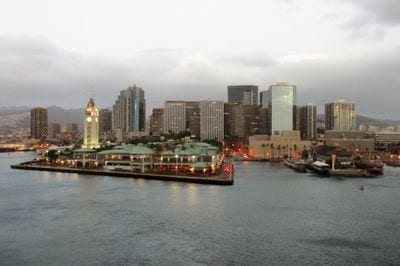
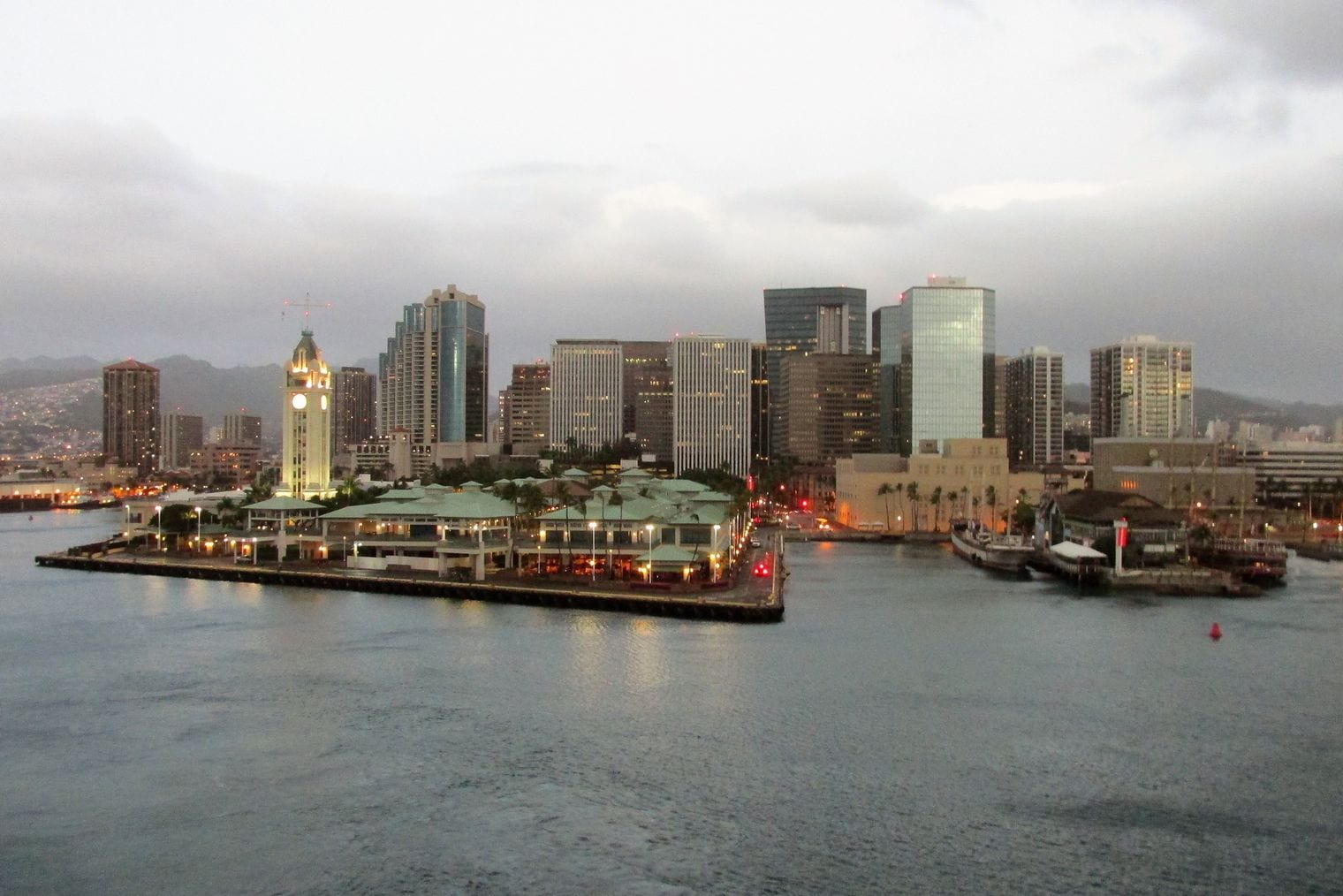
Aloha Tower has watched over Honolulu Harbor since 1926, a ten-story lighthouse at Pier 9 that greeted steamships and hundreds of thousands of arriving immigrants, much as the Statue of Liberty did in New York. At 184 feet, plus a 40-foot flag mast, it was the tallest structure in Hawaiʻi for four decades.
The observation deck near the top, closed to the public for a time after 2001, has since reopened and looks out over the harbor, the cruise piers and downtown. The waterfront complex around its base now belongs to Hawaii Pacific University, and the tower is a short walk from the Capitol District sights.
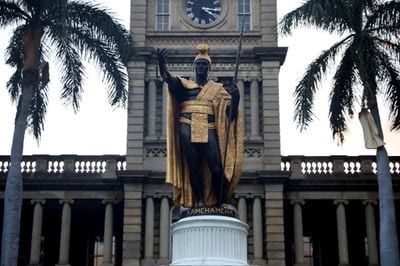
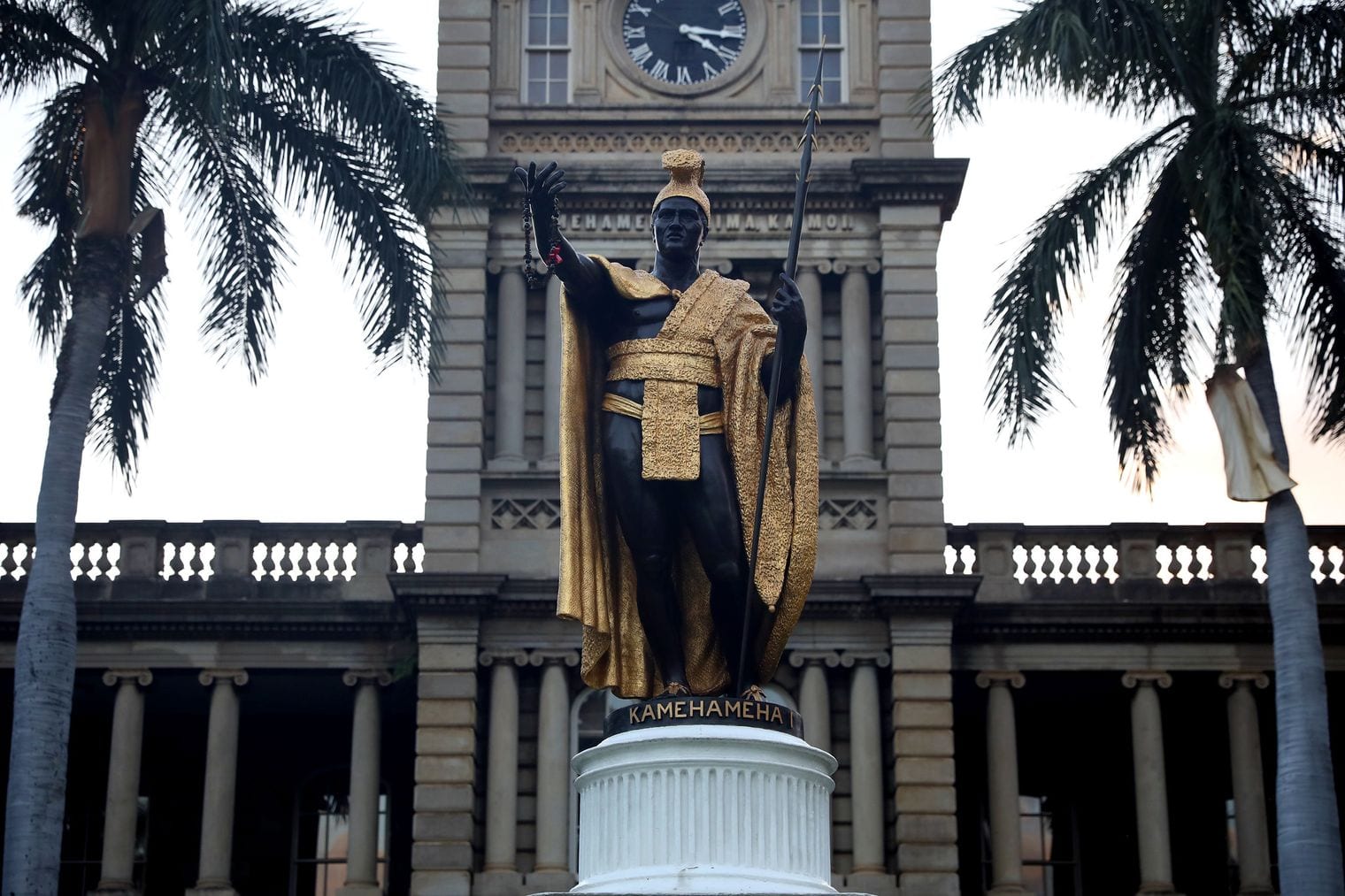
King Kamehameha Statue stands in front of Aliʻiōlani Hale, the gilded figure of the king who united the Hawaiian Islands, one arm outstretched. Sculpted by Thomas Ridgeway Gould, this Honolulu cast was erected in 1883; the original cast stands in North Kohala on Hawaiʻi Island.
Each year on King Kamehameha Day in June, the statue is draped in long strands of lei. Behind it, Aliʻiōlani Hale houses the Hawaiʻi Supreme Court and the King Kamehameha V Judiciary History Center, a free museum with a restored historic courtroom and exhibits on the kingdom's law and landmark cases.
Koko Crater Botanical Garden fills the bowl of Koko Crater with 60 acres of dryland plants, a world apart from the green valleys on the other side of the city. Part of the Honolulu Botanical Gardens and first established in 1958, it is organized by region, with aloes, baobabs, cacti, euphorbias and a native grove of wiliwili trees, plus plumeria and bougainvillea in the outer crater.
A loop trail of about two miles circles the crater floor, and it is hot and exposed, so bring water and a hat. The city closed the garden in late September 2026 while arborists clear damaged tree branches, until further notice, so check the city's botanical gardens page before you drive out.
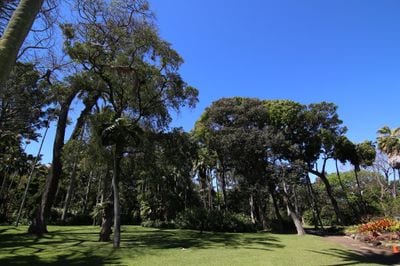
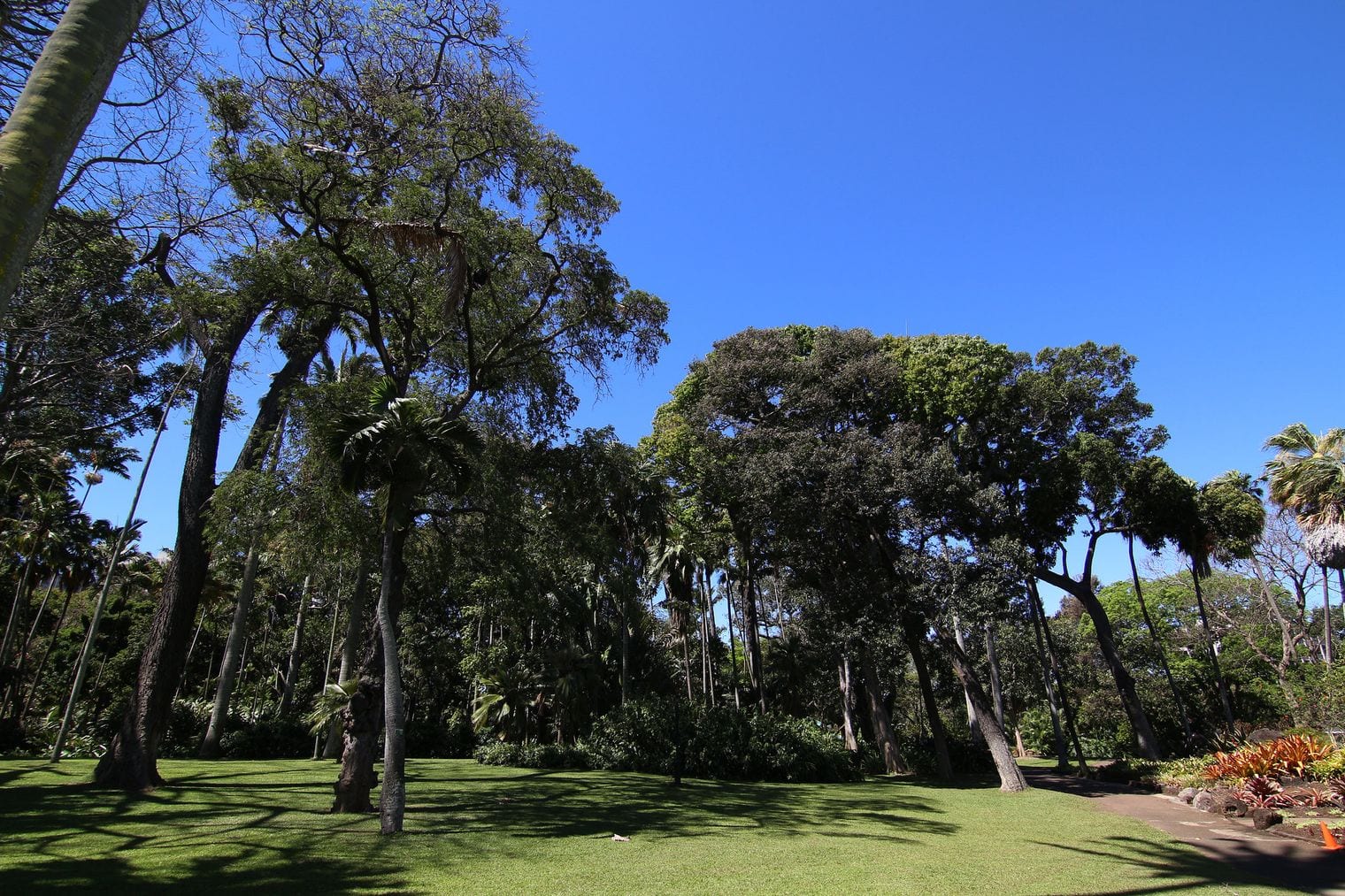
Foster Botanical Garden is the oldest botanical garden in Hawaiʻi, a 13.5-acre oasis on the edge of Chinatown that began in 1853, when the German physician and botanist William Hillebrand planted trees on land leased from Queen Kalama. Many of the giant trees on the Upper Terrace are his plantings, and Mary Foster later left the property to the city as a public garden.
Wander through palms, gingers and heliconias, the orchid displays and the Prehistoric Glen of primitive plants, and look out for its exceptional trees, among them a sacred fig descended from the Bodhi tree, a sapling given to Mary Foster in 1913.
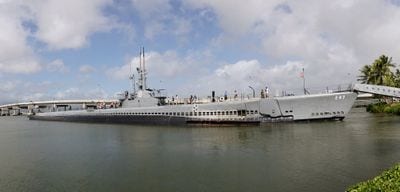
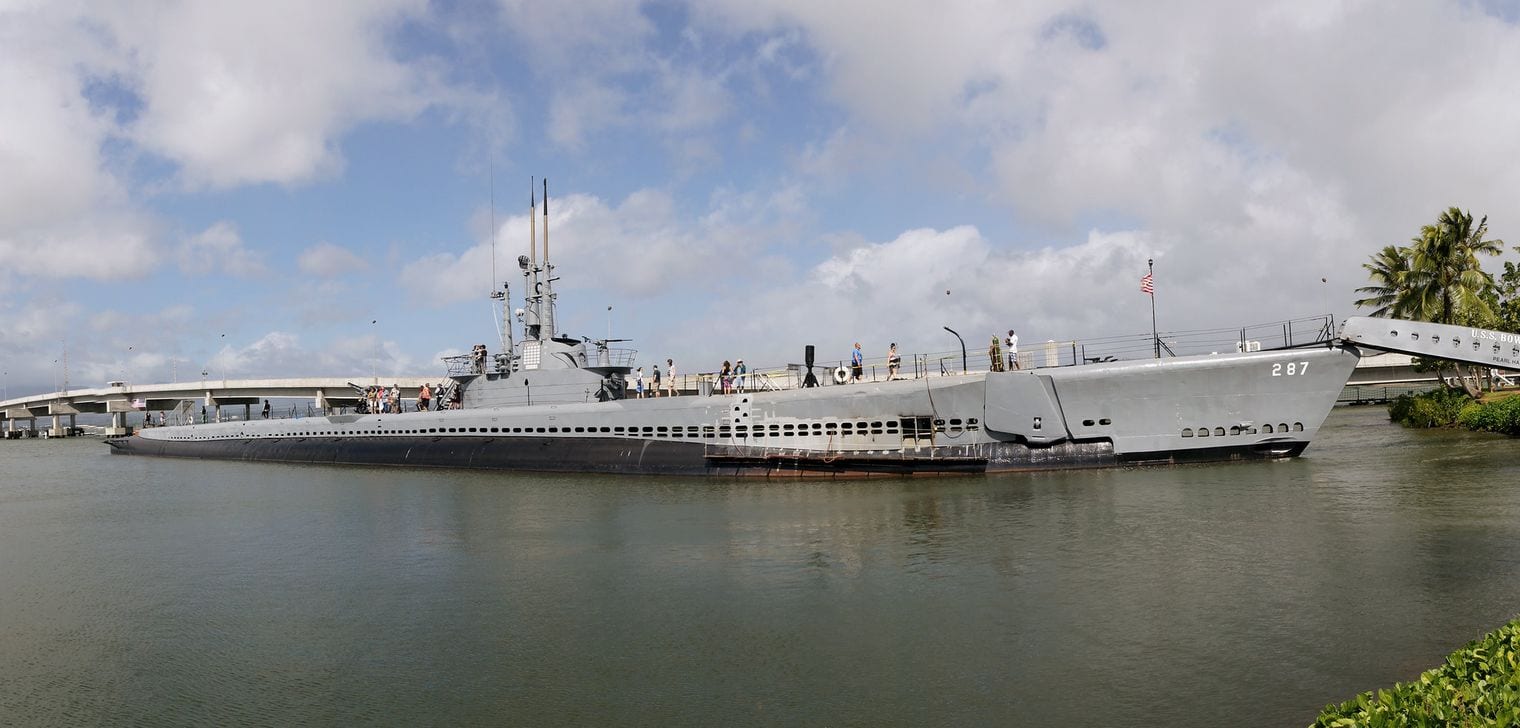
USS Bowfin Submarine Museum & Park, now formally the Pacific Fleet Submarine Museum, centers on USS Bowfin, a World War II Balao-class submarine launched on December 7, 1942, exactly a year after the attack, which earned her the nickname the Pearl Harbor Avenger. She has been open for public tours since 1981, moored next to the Pearl Harbor visitor center.
Climbing through her narrow compartments, past bunks, torpedo rooms and the control room, gives a vivid sense of life aboard a wartime submarine, and the museum alongside covers the US submarine service from World War II to today. It is the easiest of the Pearl Harbor sites to add on, since it sits right beside the Arizona Memorial visitor center.
Waikīkī Aquarium, founded in 1904 and part of the University of Hawaiʻi at Mānoa since 1919, is the second-oldest public aquarium still operating in the United States, after the New York Aquarium. It sits right on the shoreline next to a living coral reef, with some 3,500 organisms from about 490 species of marine plants and animals.
It is small enough to see in an hour or so, which makes it an easy add-on to Kapiʻolani Park or the zoo, and a good introduction to the reef life you will meet later snorkeling at Hanauma Bay. Children's programs make it a favorite with families.
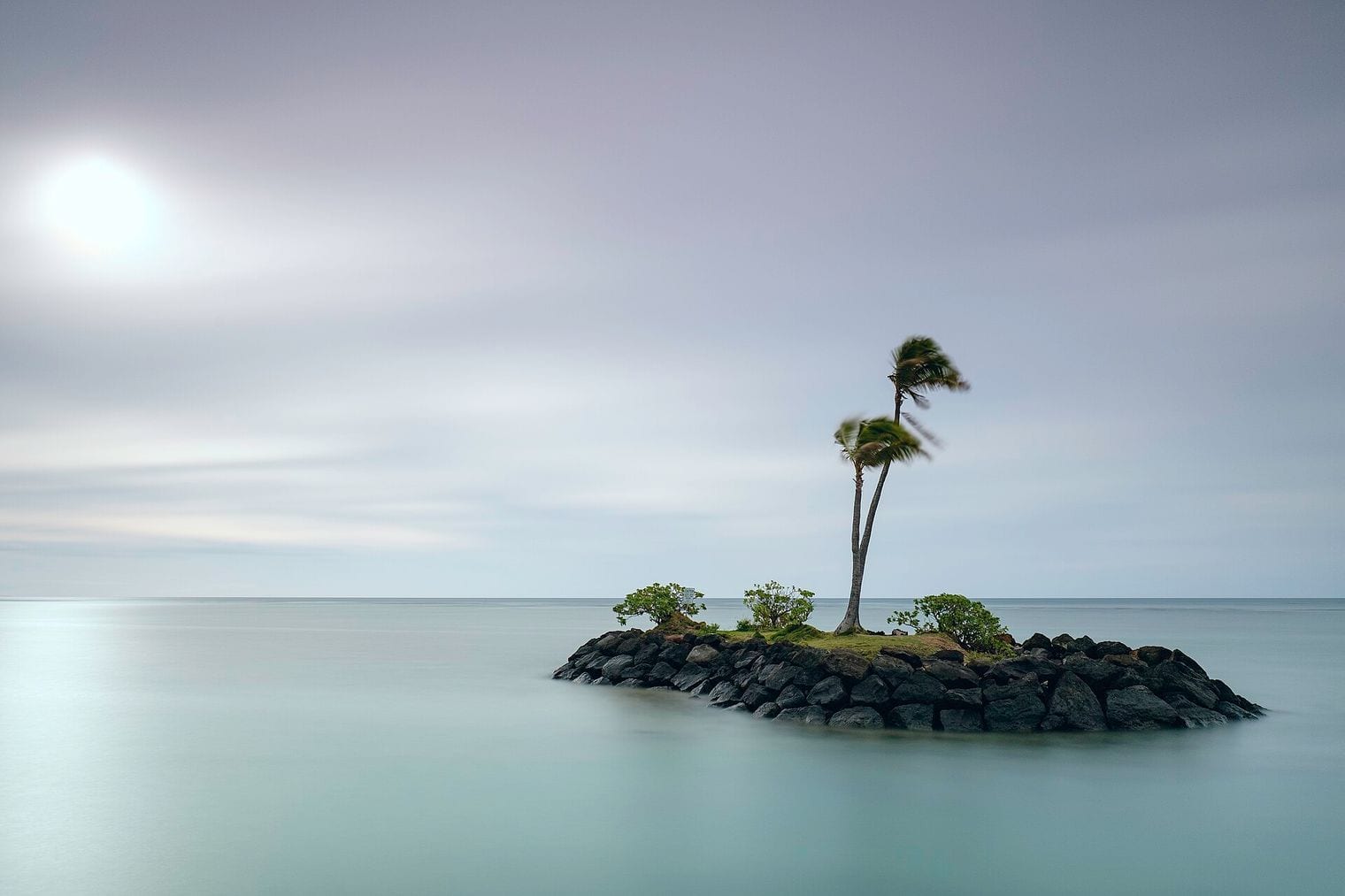
Kahala Beach, centered on Waiʻalae Beach Park, is a quiet stretch of sand in the well-to-do Kāhala neighborhood just east of Diamond Head, where residents come for a calm dip and a picnic in the shade. Waiʻalae Stream runs through the park and splits it in two, with a small white stone bridge linking the halves.
A shallow reef offshore keeps the water gentle, better for wading and paddleboarding than for laps, and the sand makes a pleasant beach walk past some of Honolulu's grandest homes. It is the antidote to Waikīkī's crowds, only a short drive away.
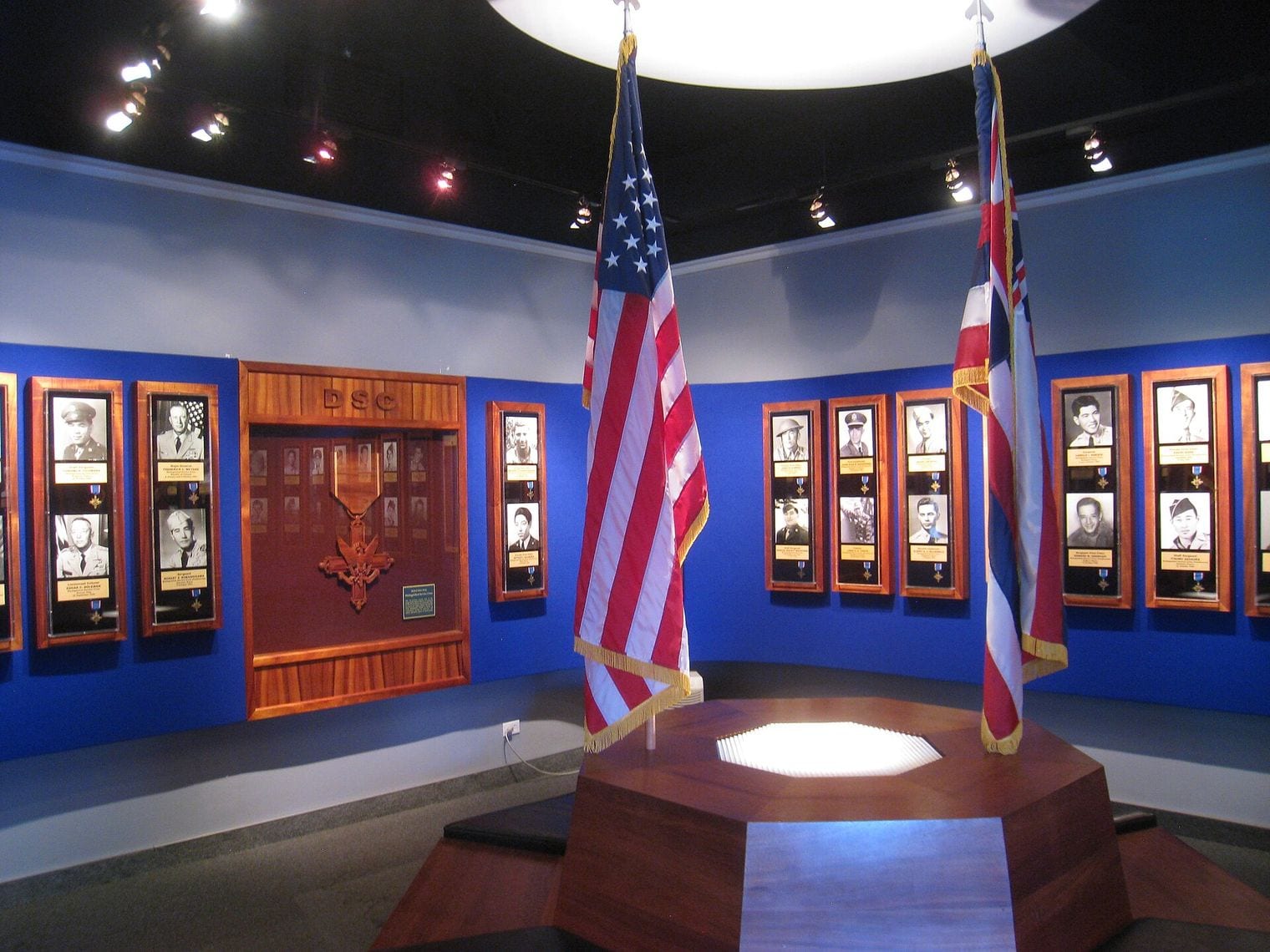
U.S. Army Museum of Hawaii occupies Battery Randolph, a former coastal artillery battery at Fort DeRussy, right behind the Waikīkī beachfront. The battery became a museum in 1976, and its exhibits trace Hawaiʻi's military history from before annexation through the US Army's campaigns of the twentieth century.
The collection includes two World War II light tanks, an American M24 Chaffee and a Japanese Type 95 Ha-Go, an AH-1 Cobra helicopter and two naval guns that replaced the battery's original weapons, while the massive concrete battery itself is part of the exhibit. It is an easy hour's detour from the beach.
Lyon Arboretum covers 200 acres at the upper end of Mānoa Valley, a University of Hawaiʻi at Mānoa garden where much of the collection forms an artificial lowland tropical rainforest. Trails wind through dense plantings past small streams and water features, with the valley's green ridges rising all around.
It is a quieter alternative to the busy Mānoa Falls Trail nearby and a place to see Hawaiian and tropical plants up close, including the native species it works to conserve. The arboretum opens on weekdays only and often closes at short notice for maintenance, so check its calendar before you go.
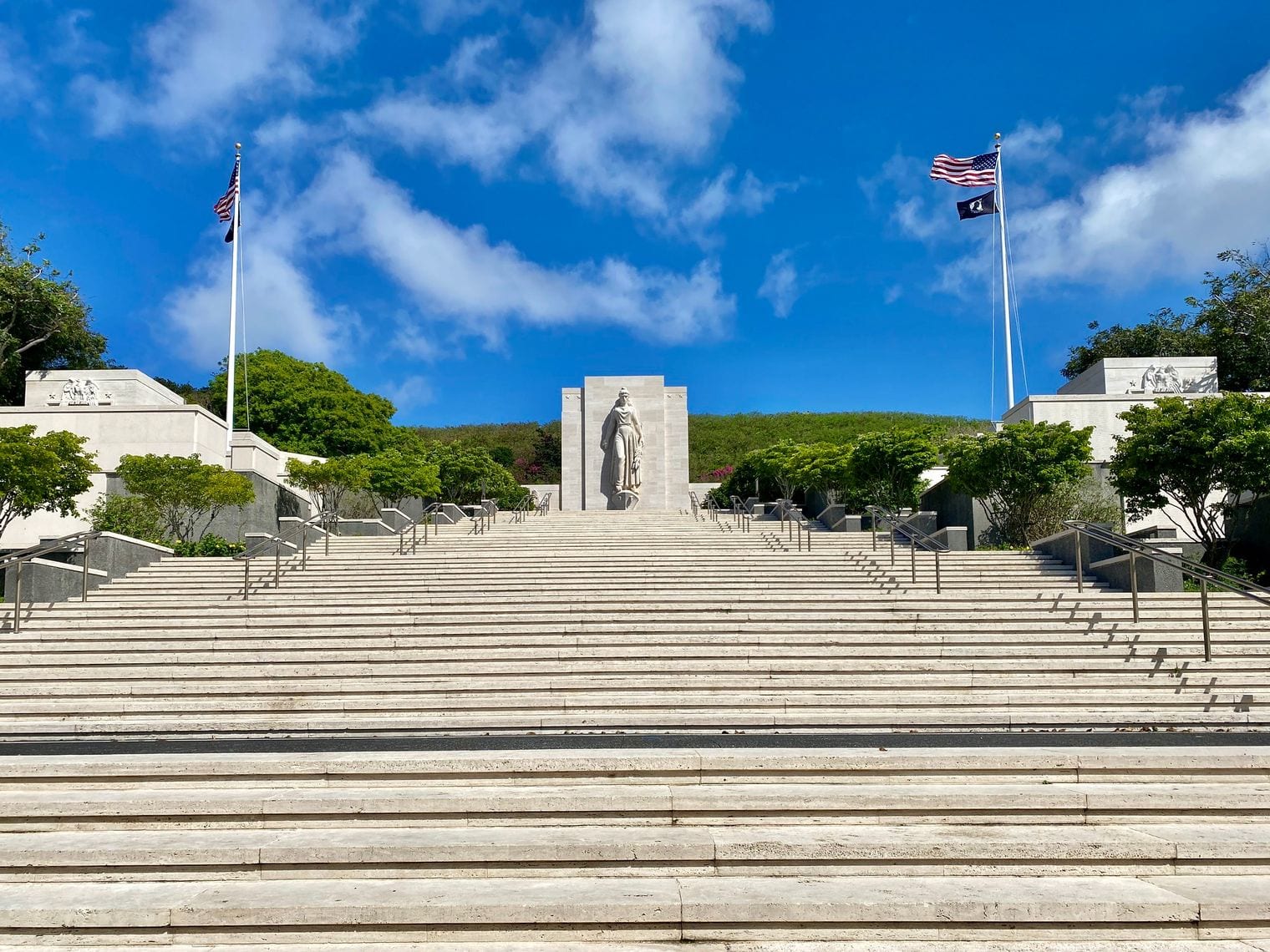
2828. National Memorial Cemetery of the Pacific (Punchbowl)
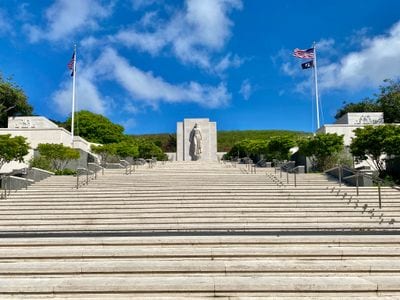
National Memorial Cemetery of the Pacific lies inside Punchbowl Crater, known in Hawaiian as Puowaina, a name usually translated as Hill of Sacrifice. It honors the men and women who served in the US armed forces, and rows of flat markers spread across the crater floor toward a broad staircase leading up to the Court of Honor and its statue of Lady Columbia, familiar from the opening of Hawaii Five-O.
The memorial's courts record the names of Americans missing in action whose resting place is known only to God, and a Memorial Pathway is lined with markers from organizations and governments. It is a place for quiet respect, a short drive above downtown.
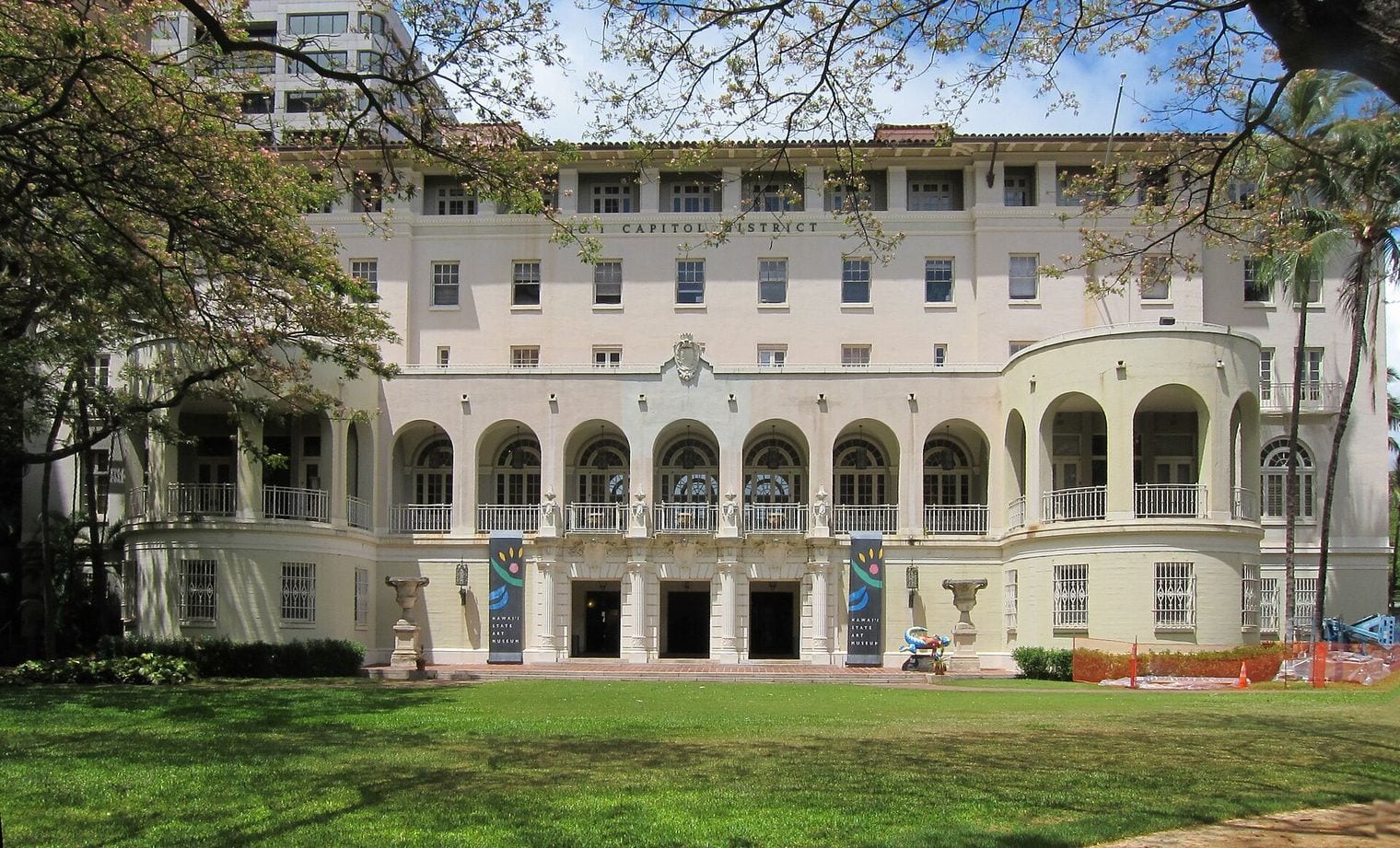
Capitol Modern (Hawaiʻi State Art Museum) shows work by the artists of Hawaiʻi from the state's own collection, built through its Art in Public Places program. It occupies the second floor of the No. 1 Capitol District Building, a few steps from ʻIolani Palace, and took its current name in 2023.
Admission is free, the galleries change regularly, and it is one of the best places in the city to see contemporary island art. It opens only part of the week, so check the days before planning a downtown loop around it.
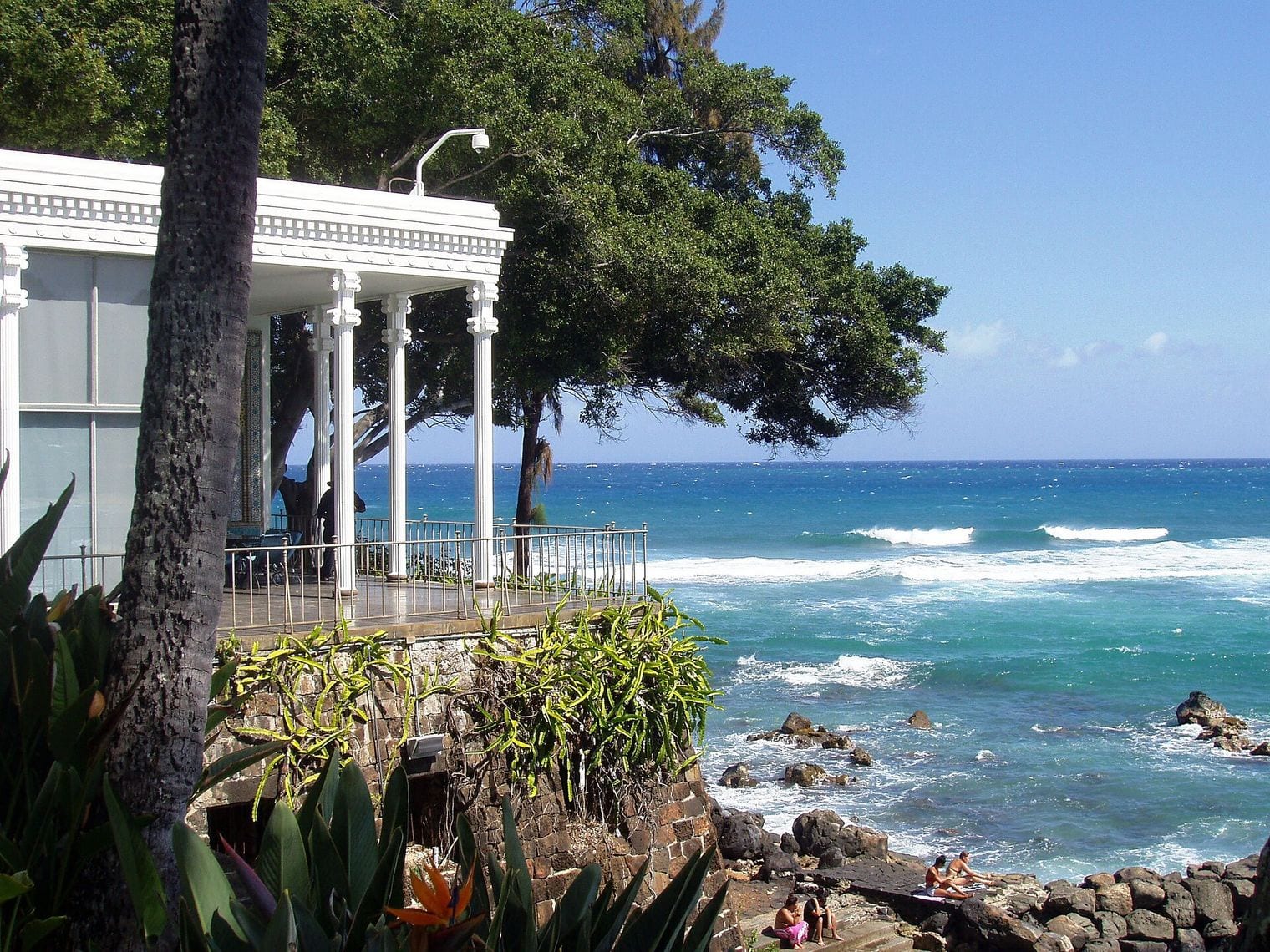
3030. Shangri La Museum of Islamic Art, Culture & Design
Shangri La Museum of Islamic Art, Culture & Design is the former seaside home of Doris Duke near Diamond Head, built between 1936 and 1938 after a honeymoon that took her through the Islamic world. Over nearly 60 years she commissioned and collected for it, blending Islamic art and architecture with the landscape of Hawaiʻi.
The only way in is a guided tour that departs from the Honolulu Museum of Art, run with the Doris Duke Foundation, and places are limited, so book well ahead. Tours run only on certain days, and the house closes for a stretch each year for conservation work.
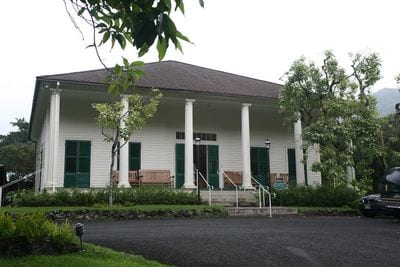
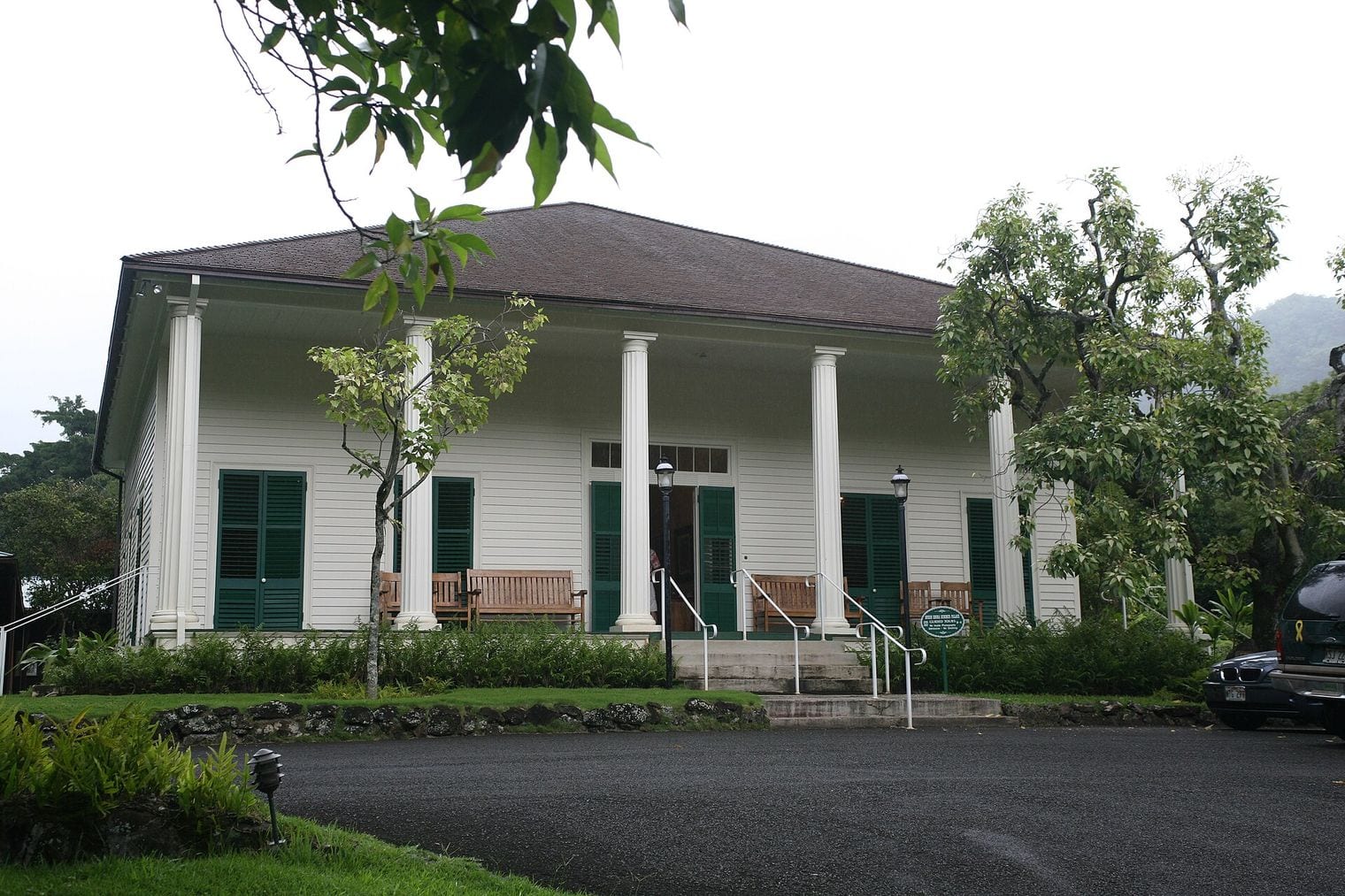
Queen Emma Summer Palace, known in Hawaiian as Hānaiakamalama, was the cool upland retreat of Queen Emma, her husband King Kamehameha IV and their son Prince Albert Edward from 1857 to 1885. It sits on the Pali Highway in Nuʻuanu Valley, less than ten minutes' drive from downtown.
The Daughters of Hawaii keep it as a museum, its rooms holding royal belongings such as Queen Emma's piano, feather capes and kāhili, the prince's cradle and gifts from Queen Victoria. It is an easy stop on the way up the highway to the Nuʻuanu Pali Lookout.
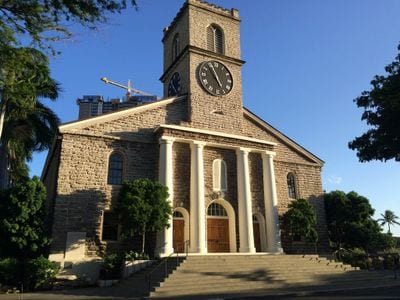
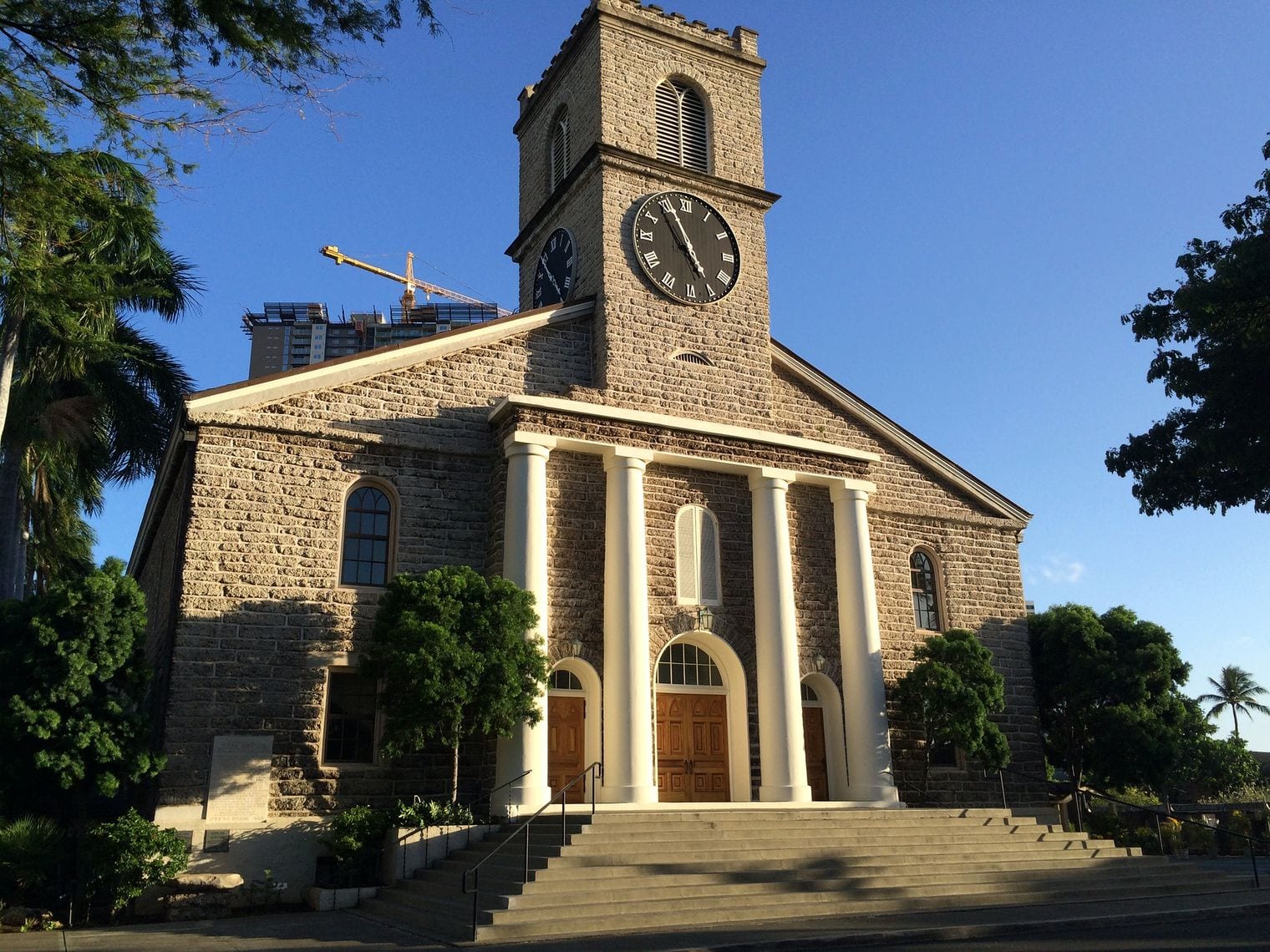
Kawaiahaʻo Church is the oldest church on Oʻahu, built between 1836 and 1842 from some 14,000 slabs of coral rock that Hawaiian divers cut by hand from an offshore reef. Once the central church of the Hawaiian Kingdom and chapel of the royal family, it is often called Hawaiʻi's Westminster Abbey, and King Lunalilo is buried in a tomb near its front courtyard.
Next door, the Hawaiian Mission Houses museum preserves the homes of the early American missionaries, including a frame house whose timbers were shipped around Cape Horn from Boston in 1821. The church is still an active congregation, so visit respectfully outside services.
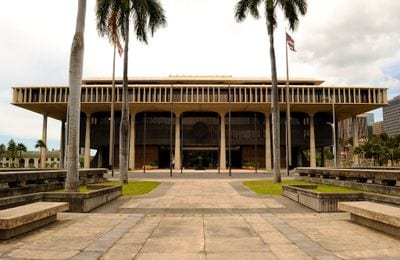
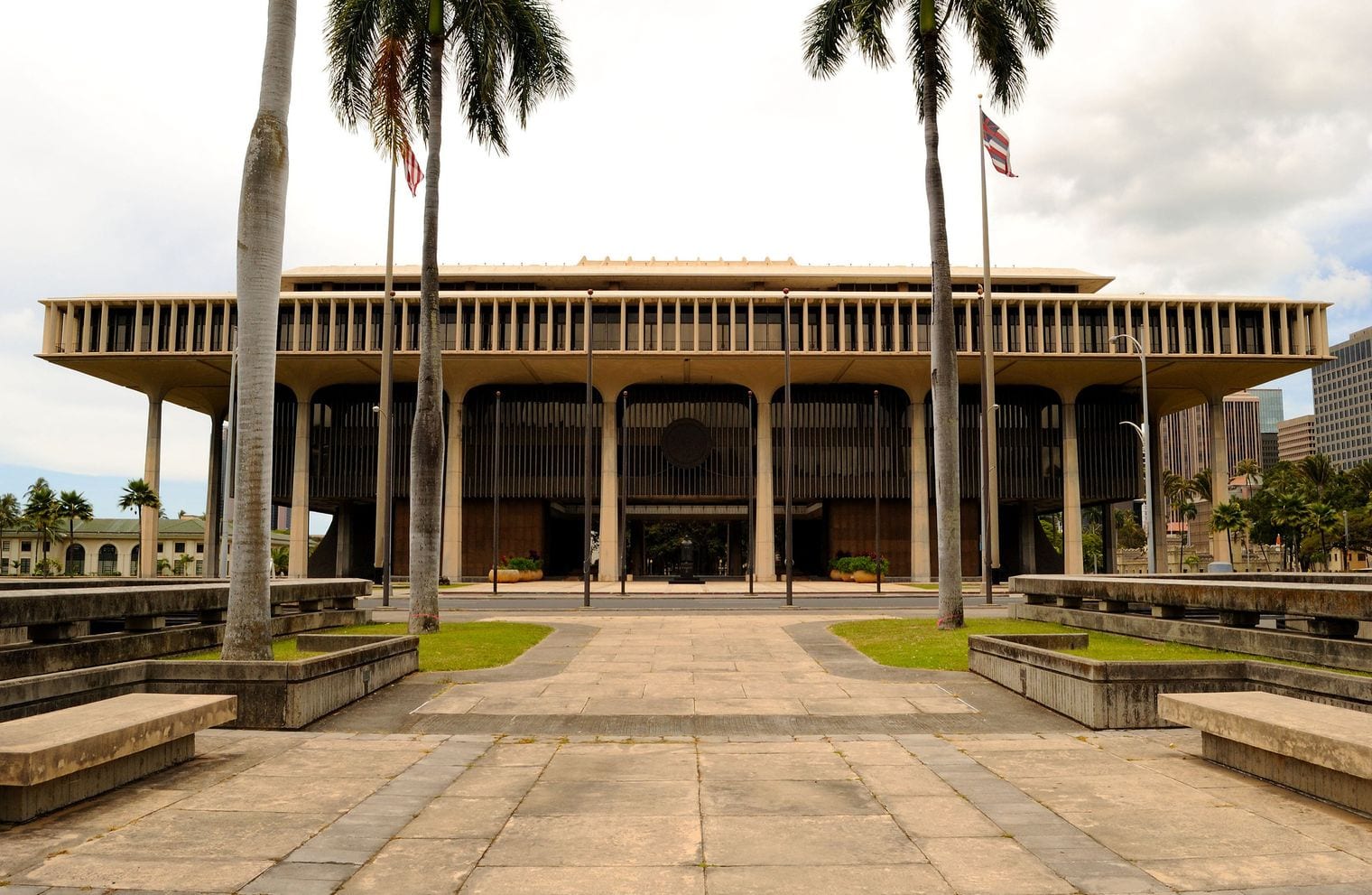
Hawaiʻi State Capitol is a building full of symbolism: its two legislative chambers are cone-shaped like the volcanoes that formed the islands, and the columns around it echo royal palms. It opened in 1969, replacing ʻIolani Palace next door as the seat of government.
The reflecting pools around the building are under renovation, but the grounds are still worth a walk to see the Eternal Flame war memorial, the replica Liberty Bell and the statue of Queen Liliʻuokalani, which faces the palace across the Capitol Mall. Combine it with the palace and Capitol Modern for an easy downtown loop.
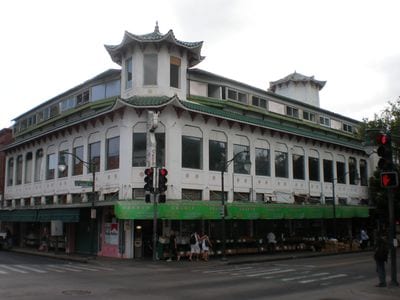
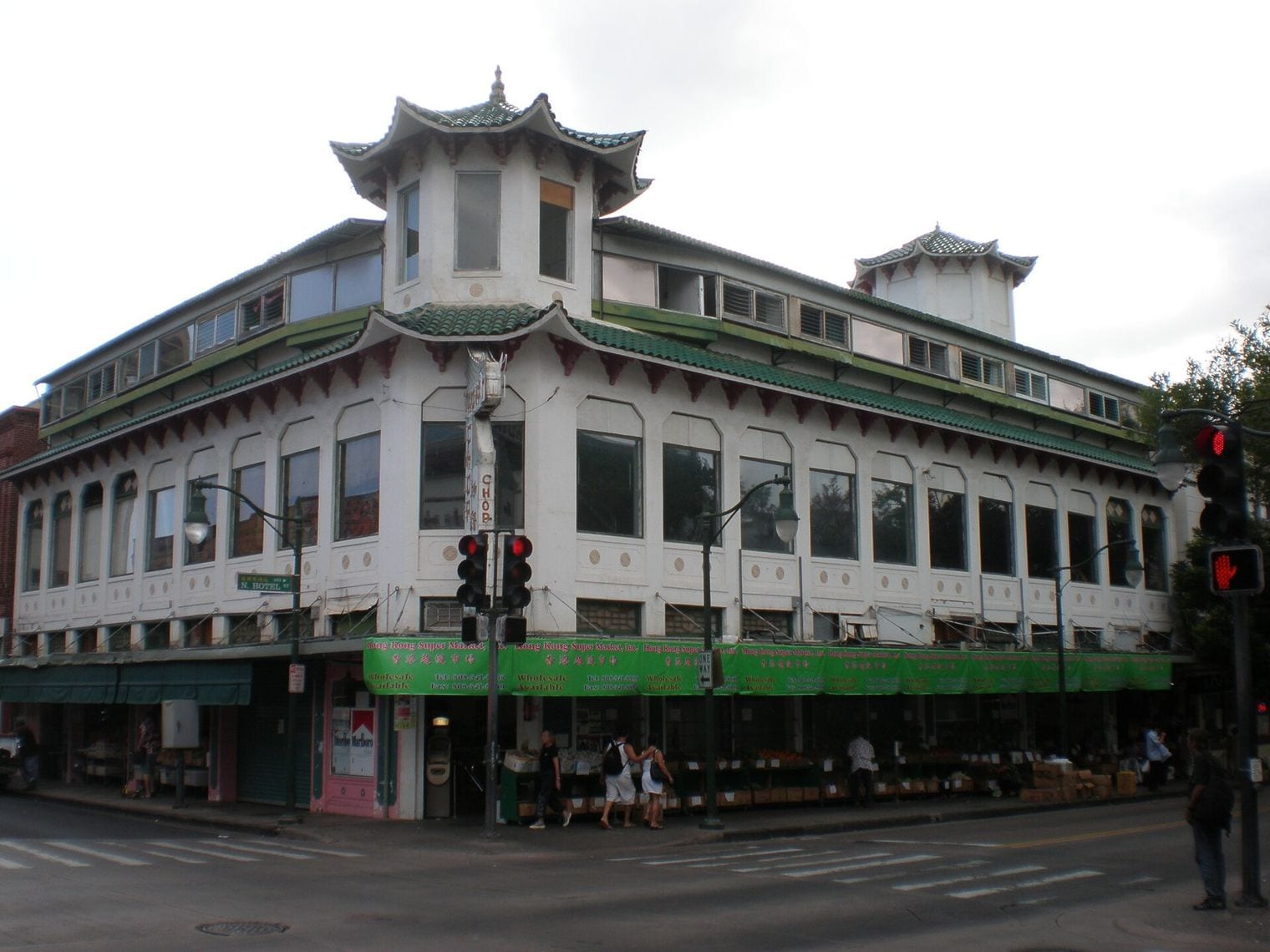
Chinatown Historic District is one of the oldest Chinatowns in the United States, a grid of low brick and stone buildings on the edge of downtown where lei stands, herbal shops, noodle makers and produce stalls crowd the sidewalks. Oʻahu Market, open since 1904, and Maunakea Marketplace are the places to see the morning food trade at full tilt.
The district has also become Honolulu's arts quarter, with galleries and the restored Hawaii Theatre on its eastern edge, and the monthly First Friday gallery night has long drawn crowds into the streets. Come by day for the markets and food, by evening for the art and nightlife.
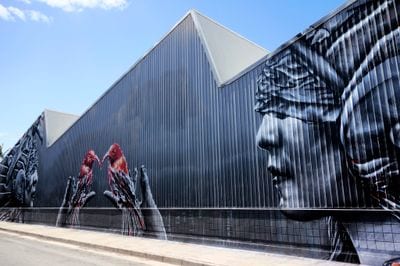
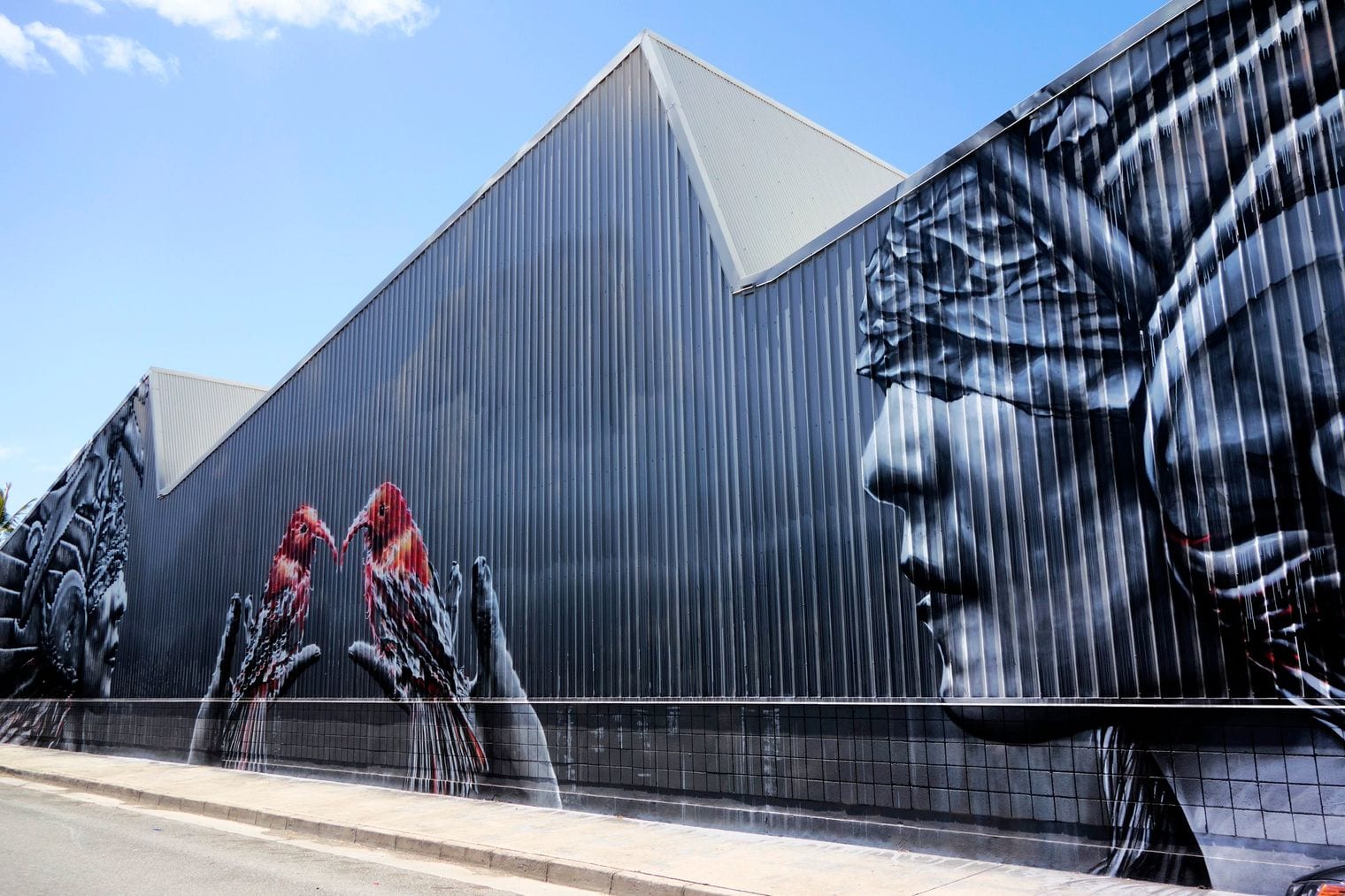
Kakaʻako Street Art turns the warehouse district between downtown and Ala Moana into an open-air gallery, with huge murals covering walls, loading docks and parking structures across several blocks. Many were painted for POW! WOW! Hawaiʻi, a festival held each February since 2010 that brings local and international artists to paint new walls.
Because fresh pieces replace older ones every year, no two visits look quite the same. Wander the blocks on foot with a camera, ideally in the morning light, then cool off in one of the neighborhood's cafés or breweries.
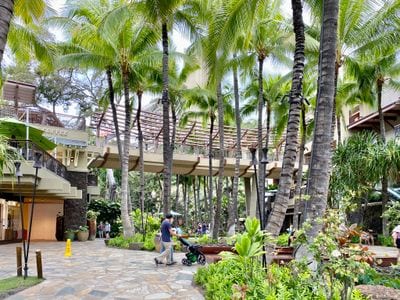
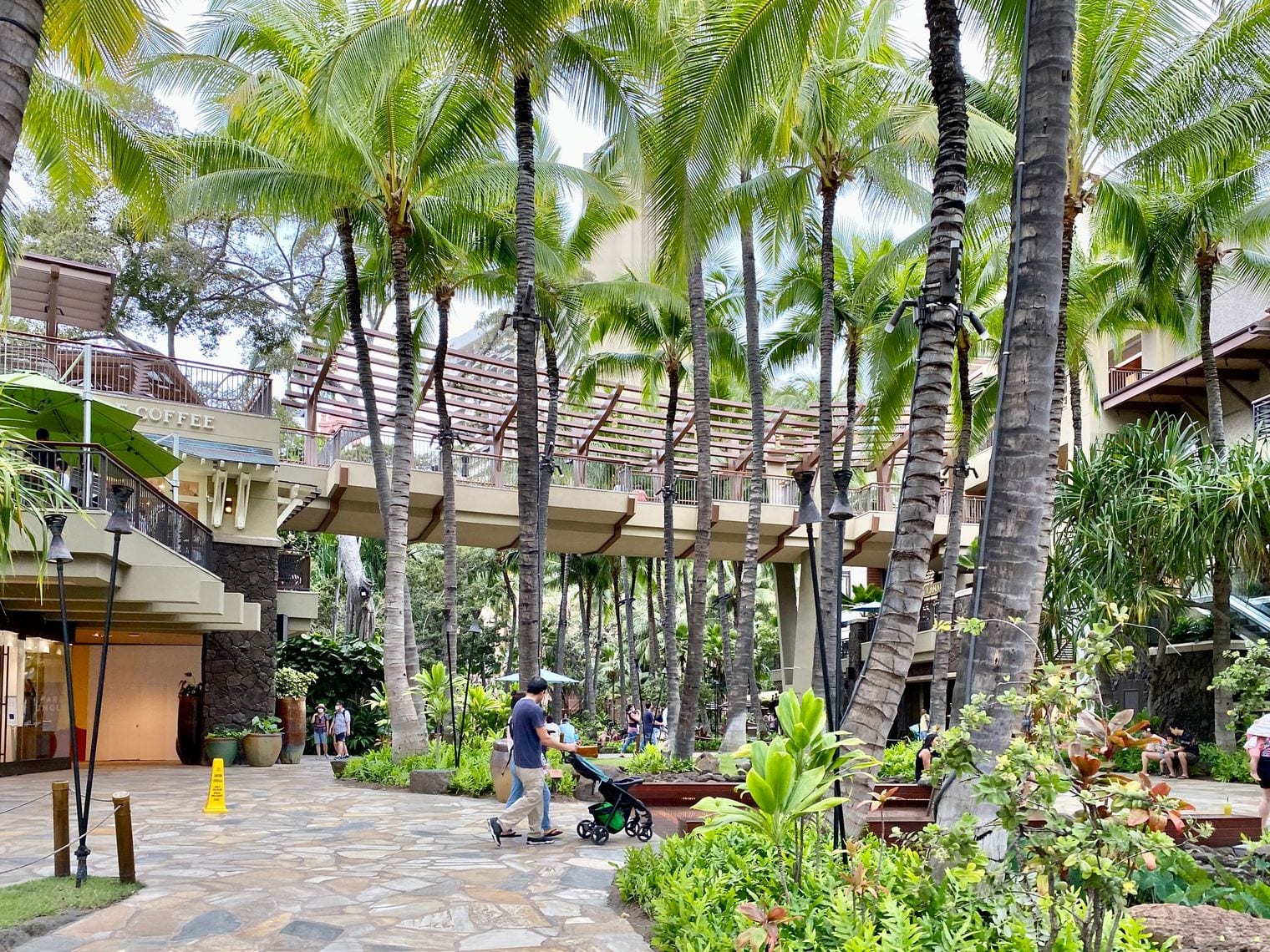
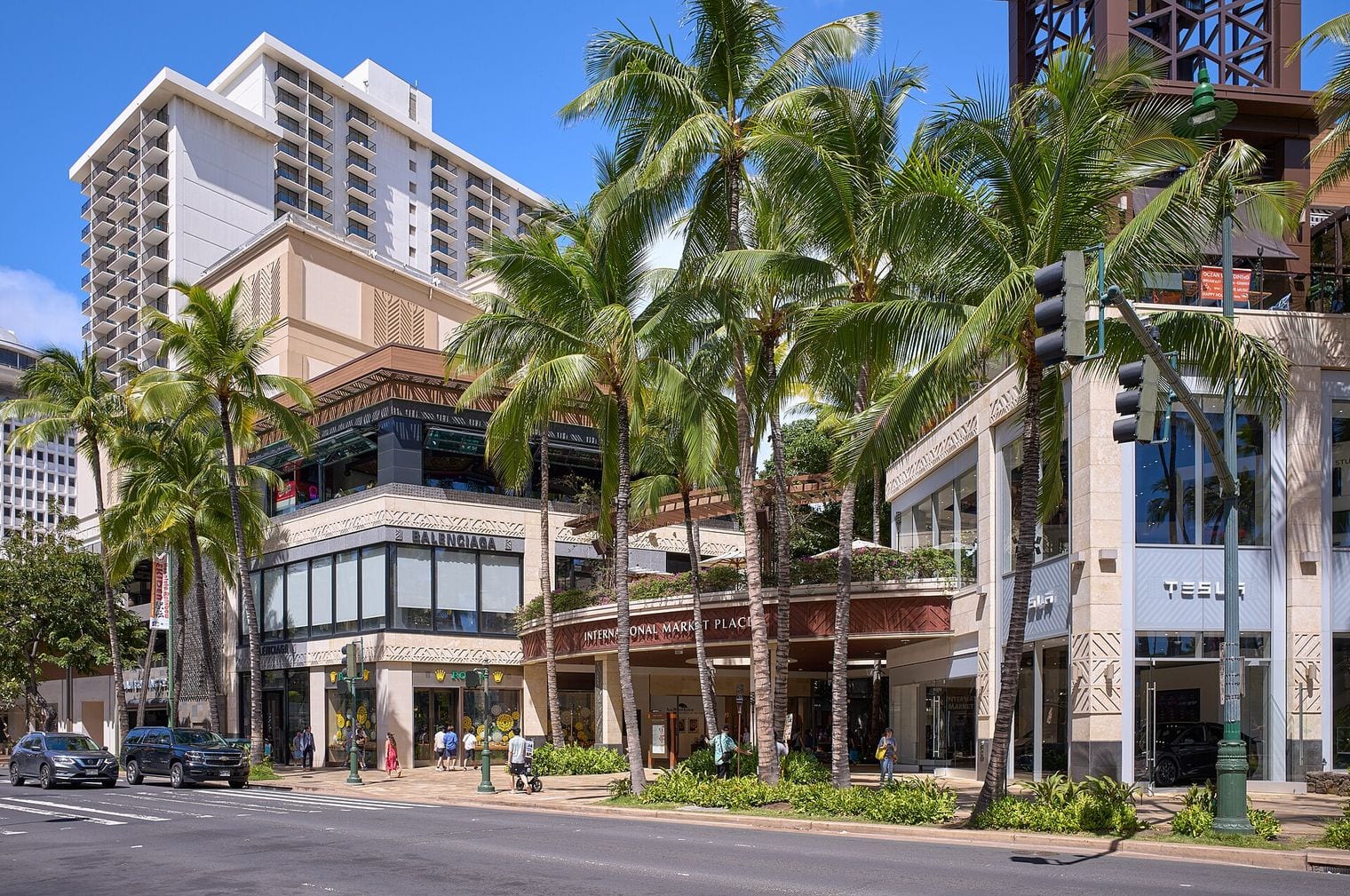
Royal Hawaiian Center is an open-air shopping center on Kalākaua Avenue in the middle of Waikīkī, on Helumoa, the historic coconut grove where Kamehameha I lived for a time. Shops and restaurants fill its terraces, but it feels more like a gathering place than a mall, with the shady Royal Grove at its center.
What sets it apart is its free cultural program: regular lessons in hula, lei making and ʻukulele, plus live Hawaiian music and hula performances in the Royal Grove. Check the weekly schedule and drop in between beach sessions.
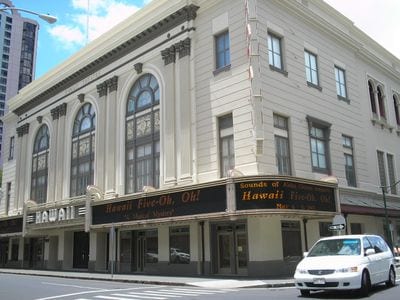
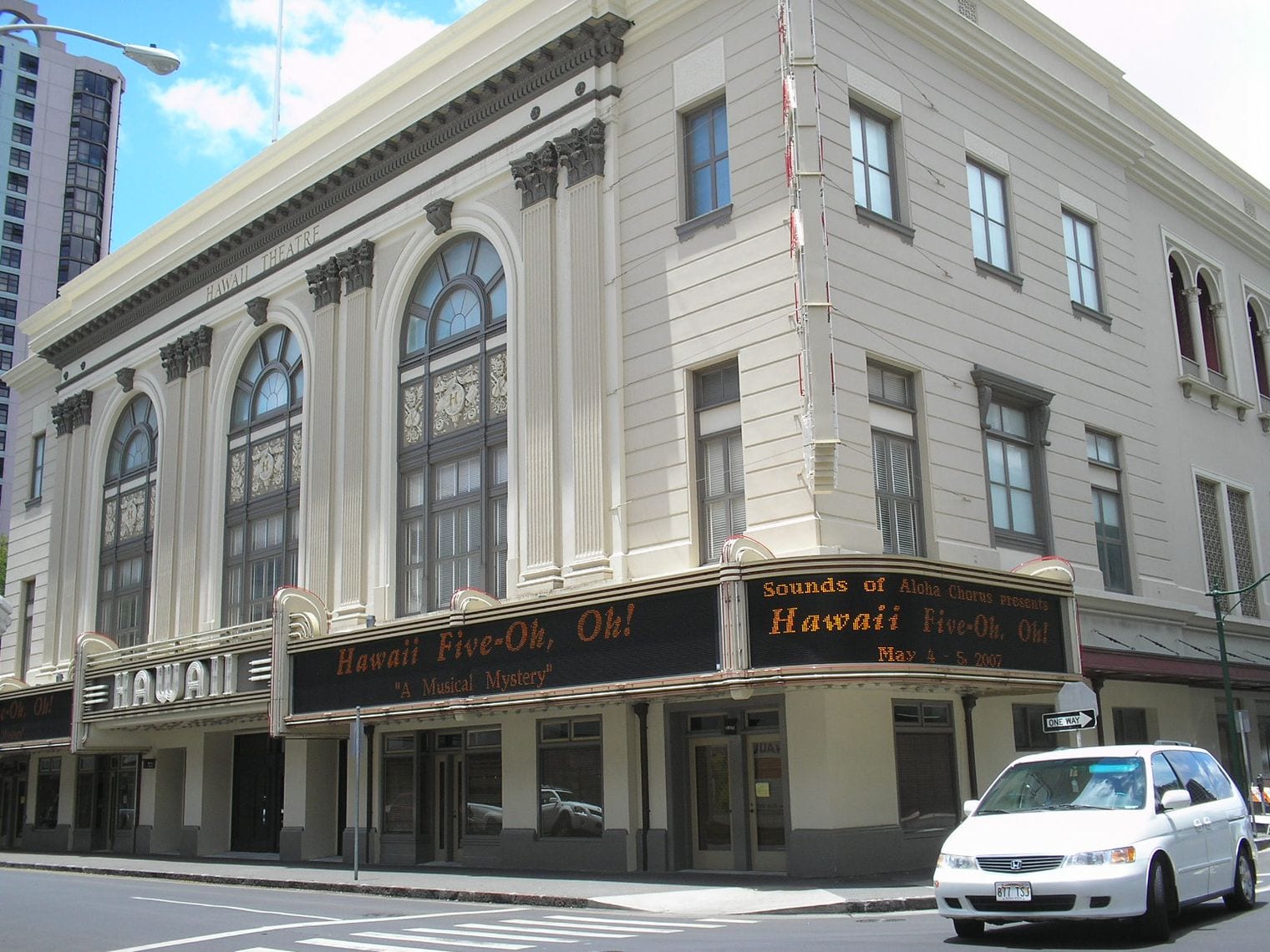
Hawaii Theatre opened in 1922 on Bethel Street, on the edge of Chinatown, and local newspapers hailed it as the Pride of the Pacific. It had its own orchestra and a large pipe organ to accompany silent films; after years of decline, a nonprofit formed by its organ volunteers bought it in 1986, restored it and reopened it in 1996.
Today it hosts concerts, dance, comedy and touring shows, and the restored interior alone is reason enough to catch a performance. Check the calendar and pair a show with dinner in Chinatown.
Sandy Beach Park, known to locals as Sandy's and in Hawaiian as Wāwāmalu, is a wide strip of sand on the East Honolulu coast between Hanauma Bay and Makapuʻu Point, famous for its bodyboarding and bodysurfing. The waves break hard and close to shore over shallow sand, which is exactly what experienced riders come for.
That same shorebreak gives it one of the highest rates of water-related spinal injuries in Hawaiʻi, earning it the nickname break-neck beach, and rip currents can be strong. Unless you are an expert, enjoy it from the sand: watch the riders, picnic on the lawn and take in the dramatic lava-rock coast.
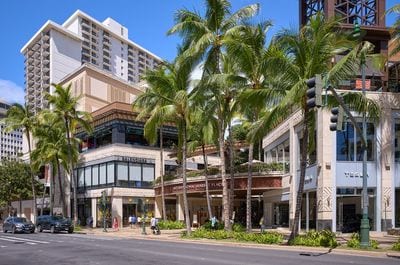
Kalākaua Avenue is Waikīkī's main street, running the length of the resort district toward Kapiʻolani Park; it was named for King Kalākaua, the last king of Hawaiʻi, in 1905. Much of it runs right behind the beach, lined with hotels, shopping centers and shops from luxury labels to souvenir stalls, in a mix of Hawaiian, Asian, Spanish and Moorish architectural styles.
Walk it in the evening, when buskers and street performers come out and the shop fronts light up, and look for the surfboard-shaped markers of the Waikīkī Historic Trail, which tell the story of the area's royal and surfing past.
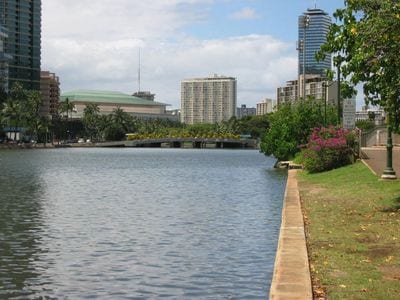
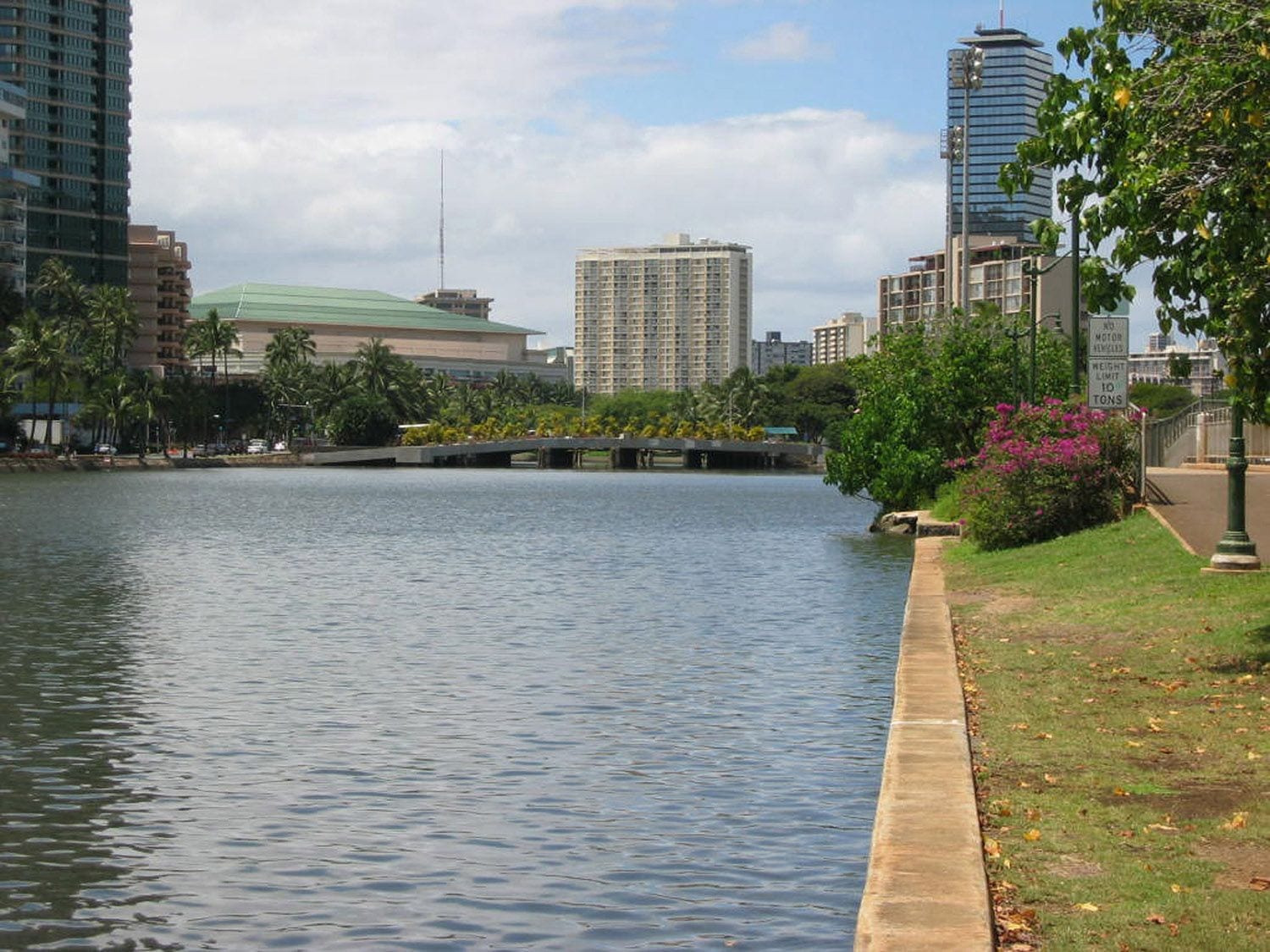
Ala Wai Canal is the long artificial waterway along the inland edge of Waikīkī, created in 1928 to drain the rice paddies and wetlands that later became the resort district. It still carries runoff from the streams of central and east Honolulu out to the ocean.
Today hundreds of outrigger canoe paddlers and boaters make it one of the busiest inland waterways in the state, and the promenade and Ala Wai Boulevard make it a pleasant place for a run or stroll, with the green Koʻolau Mountains as a backdrop. The water quality is often poor, so enjoy it from the bank rather than in the water.
Plan your trip
Best Time to Visit Honolulu
Honolulu is warm all year, with ocean breezes and only small swings in temperature, so the best time to visit depends more on crowds and the ocean than on the weather.
Hawaiians traditionally recognize two seasons: a drier, hotter summer from roughly May to October, when south swells bring the best surf to Waikīkī, and a cooler, wetter winter from November to April, when humpback whales pass offshore and the south shore is usually calmer. Spring and fall, between the winter holidays and the summer school break, tend to bring smaller crowds.
The calendar has a festival in every season: lantern floating on Memorial Day, lei-draping at the King Kamehameha Statue in June, the Aloha Festivals in September and the Honolulu Marathon in December. The Christmas and New Year period and the summer holidays are the busiest times, when Diamond Head and Hanauma Bay reservations go fastest.
Getting to Honolulu
Nearly every visitor arrives at Daniel K. Inouye International Airport, Hawaiʻi's main gateway, west of downtown; the drive to Waikīkī takes around 20 to 30 minutes outside rush hour, longer in traffic. The airport has nonstop service from the US mainland and across the Pacific, plus short inter-island flights to Maui, Kauaʻi and Hawaiʻi Island.
Cruise ships dock at the downtown harbor piers by Aloha Tower, a short taxi ride from Waikīkī. Once on Oʻahu, Interstate H-1 is the main east–west highway through the city, linking the airport and Pearl Harbor with downtown and Kāhala.
Getting Around Honolulu
Waikīkī itself is compact and easy to walk, and the city's extensive bus network connects it with Ala Moana, downtown, Chinatown and Pearl Harbor, while a docked bike-share system and rideshare cars fill the gaps. Many visitors manage the central sights without a car at all.
Walkability: downtown Honolulu scores 47.4 out of 100, the 50th least walkable of the 100 biggest US cities in our walkability study. Within a mile of its center we counted no rail stop, 30 notable landmarks and 43 cafés, restaurants and shops per square kilometer.
A rental car makes more sense for the East Honolulu coast, Tantalus Lookout, Mānoa Valley and day trips around the island. Traffic on H-1 is heavy at rush hour and parking in Waikīkī is scarce and costly, so many travelers rent a car for just the days they leave the resort district.
Where to Stay in Honolulu
Waikīkī is the obvious base for a first visit, with the beach, Kalākaua Avenue, Kapiʻolani Park and the widest choice of hotels and condos within walking distance; the Diamond Head end is quieter than the busy middle stretch. Ala Moana, next door, puts you near the beach park and the mall with easy bus links.
Kakaʻako, between Ala Moana and downtown, has newer high-rise condos, murals and cafés and suits travelers who want a more local feel. Downtown and Chinatown are convenient for the historic sights and nightlife but quiet after dark, while Kāhala, east of Diamond Head, is a calm, residential choice for a slower stay.
Where to Eat in Honolulu
Honolulu's food reflects its mix of Hawaiian, Asian and Pacific cultures. Look for poke made with fresh ahi, plate lunches with two scoops of rice and macaroni salad, loco moco, saimin noodle soup, Spam musubi, and laulau and kalua pig at Hawaiian food counters, with shave ice and sugar-dusted malasadas for dessert.
Chinatown is the place for dim sum, noodles, bakeries and the market stalls, while Kaimukī, along Waiʻalae Avenue, has become one of the city's best neighborhoods for a sit-down dinner. Kakaʻako mixes food halls, breweries and coffee bars around its murals, Ala Moana's food courts are good for a quick bite, and Waikīkī has everything from beachfront dining to late-night ramen.
Day Trips from Honolulu
The rest of Oʻahu is within easy reach. The Nuʻuanu Pali Lookout, about 20 minutes up the Pali Highway, looks down the sheer cliffs of the windward coast, and beyond it Kailua and Lanikai beaches are around half an hour from Waikīkī.
Following the coast east, the Makapuʻu Point Lighthouse Trail and its whale-watching views are about 30 to 40 minutes away. On the windward side, the Byodo-In Temple sits roughly 30 minutes away, Kualoa Ranch about 45 minutes, and the Polynesian Cultural Center at Lāʻie a little over an hour.
The North Shore, with Haleʻiwa town, Waimea Valley and its famous winter surf breaks, is about an hour north and makes a full day on its own. Closer in, Pearl City sits just beyond Pearl Harbor, around 20 minutes west. For a longer excursion, a short inter-island flight reaches Hilo and Hawaiʻi Volcanoes National Park, and the islands' small towns reward a few days beyond the capital.
One Day in Honolulu
Morning
Start at Diamond Head State Monument as early as your reservation allows, before the summit trail heats up, then cool off with a swim at Waikīkī Beach on the way back into town.
Honolulu is best known for Waikīkī Beach and the volcanic crater of Diamond Head rising above it, for Pearl Harbor National Memorial and the USS Arizona Memorial, for the snorkeling reef of Hanauma Bay, and for ʻIolani Palace, the only royal palace on US soil. It is also Hawaiʻi's capital and the gateway to the rest of the islands.
How many days do you need in Honolulu?
Four days is the sweet spot for Honolulu. That allows a morning at Pearl Harbor, a dawn hike up Diamond Head, a snorkel at Hanauma Bay, a day downtown at ʻIolani Palace, Chinatown and Bishop Museum, and plenty of beach time in Waikīkī. Add a day or two if you want to explore the North Shore or windward coast.
Do you need reservations for Diamond Head and Hanauma Bay?
Yes, for visitors who are not Hawaiʻi residents. Diamond Head State Monument requires a timed-entry reservation through the state parks system, which can be booked weeks ahead. Hanauma Bay uses the city's own reservation site, which opens only a couple of days in advance and fills quickly, and the preserve closes two days a week.
What can you do in Honolulu for free?
Plenty. The beaches are free, including Waikīkī, Kūhiō and Ala Moana, and so is Kapiʻolani Park. The Pearl Harbor visitor center and USS Arizona Memorial program cost nothing, as do Capitol Modern, the King Kamehameha Statue, the Hawaiʻi State Capitol grounds, Kakaʻako's murals, Chinatown's markets and the free hula shows at Kūhiō Beach.
Is Honolulu worth visiting?
Yes. Few cities combine a world-famous beach, volcanic crater hikes, rainforest waterfalls and a reef for snorkeling with major history sites like Pearl Harbor and ʻIolani Palace, all within a short drive. Honolulu also has the biggest food scene and the widest range of places to stay in Hawaiʻi, making it the natural base for exploring Oʻahu.
Sources & updates
How this guide was verified
Checked before launch
Sources cited
40
Publishers
22
Every place on this list was confirmed open and pinned on the map before publication, and what we say about each one was checked against its own website or an official source.
A PDF with a box to tick for every place. Confirm your email to download it, and get one email every Thursday with our newest guides for the places you tick.
Free Honolulu printable checklist
All 40 places in one PDF
Tick them off as you go. Confirm your email to download it, plus one email every Thursday with new guides for the places you tick.
We use cookies to analyze site traffic and improve your experience.
You can accept or reject analytics cookies. See our
May we use analytics cookies? See ourCookie Policy.