We build and rank every list first. Booking links come after, and only where
a partner sells a ticket, tour or stay for that exact place, so a place with
nothing to book is listed exactly as prominently as one you can book.
So how do we earn? Some links on this page go to booking
partners, and if you book tickets, tours or a stay through
one, we may earn a commission. It costs you nothing extra.
That commission never decides which places make the list, the order they
appear in, or what we write about them. No entry is sponsored or a paid
placement.
By the City Viking editorial teamPublished 11 places · 14 min read
Fact-checked Checked before launchOct 13, 202611 sources3 government & parks2 encyclopedias & research6 venues & other sitesPublished · Oct 13, 2026Researched and checked before it went liveClick for every source and the full change log.
Short answer
Pearl City is known for its quiet north-shore spot on Pearl Harbor, which Hawaiians called Wai Momi, the waters of pearl, and its railroad-town roots. Its must-sees sit just across East Loch: the USS Arizona Memorial, the Battleship Missouri Memorial and the Pearl Harbor Aviation Museum on Ford Island. Two days is right: one for the Pearl Harbor sites and a second for the Aiea Loop Trail at Keaīwa Heiau or the Waimano Falls hike.
Pearl City is a quiet residential town on the north shore of Pearl Harbor, the lagoon Hawaiians called Wai Momi, the "waters of pearl." Across East Loch, a short drive away, stand the memorials that bring travelers from all over the world to this side of Hawaii.
This guide covers 11 picks: the four Pearl Harbor historic sites, two hikes in the hills above town, and the malls, swap meet and harborside paths in between. Most sit next door in ʻAiea or on the Honolulu side of the harbor, so plan on short drives and two days.
Not technically a city: Hawaii has no municipal governments below the county level, so Pearl City, like Hilo, is an unincorporated census-designated place, governed by the consolidated City and County of Honolulu. The 2020 census counted 45,295 residents.
Named waters: Hawaiians knew Pearl Harbor as Wai Momi, the "waters of pearl," and also as Puʻuloa, regarded in legend as the home of the shark goddess Kaʻahupahau.
A railroad town: house lots for a yet-to-exist "Pearl City" went on sale in 1889, after Benjamin Dillingham's Oahu Railway pushed its line west along the harbor shore.
A Clipper base: Pan Am's transpacific flying boats first used Navy facilities on Ford Island, then moved to their own base on the Pearl City peninsula, a stop on the route that carried the first transpacific airmail in 1935.
Little League giants: Pearl City's Little League team reached the Little League World Series championship game in 1988, and a Pearl City team won the Junior League World Series in 2007.
11. Pearl Harbor National Memorial (USS Arizona Memorial)
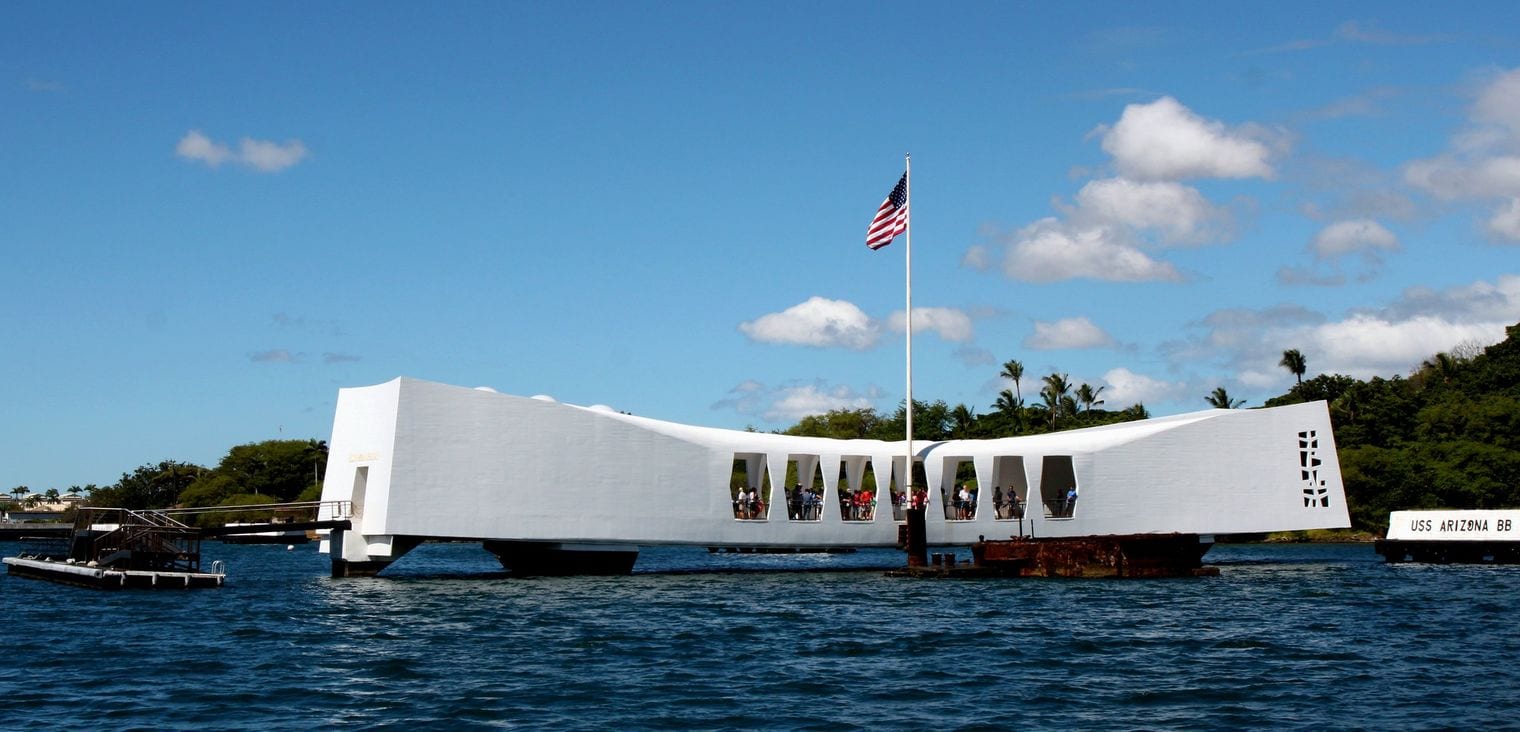
Pearl Harbor National Memorial is the reason most travelers come to this side of Oʻahu, and it lies across East Loch on the Honolulu side of the harbor, roughly 15 minutes' drive from Pearl City. The National Park Service site commemorates the attack of December 7, 1941, which killed more than 2,400 Americans, and its visitor center by the water holds galleries on the Pacific war, a theater showing a film about the attack, and memorial sculpture.
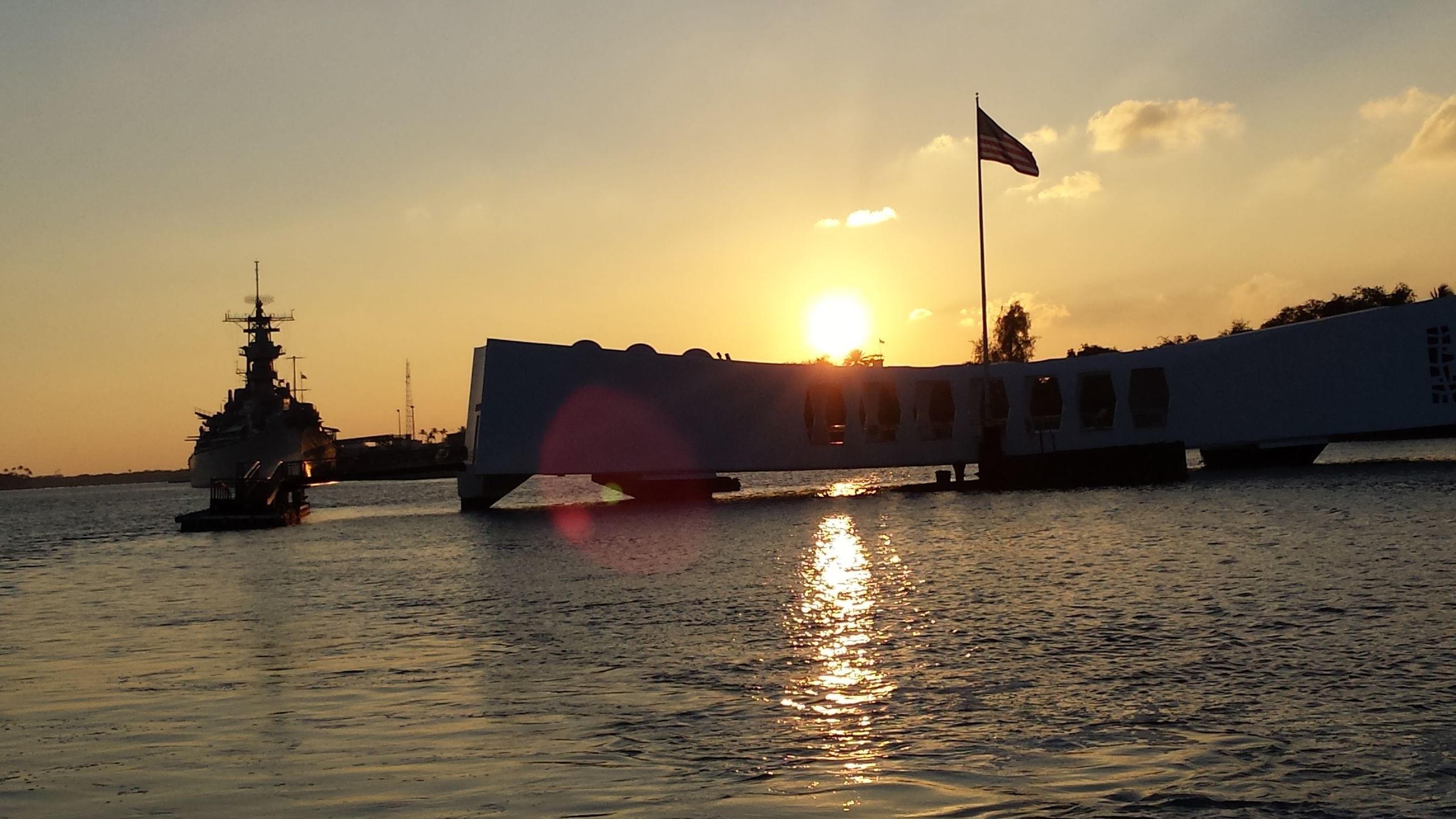
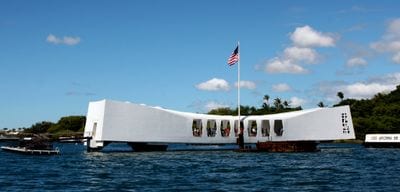
The centerpiece is the USS Arizona Memorial, the white structure built in 1962 over the sunken battleship, which remains the resting place of 1,102 of the 1,177 sailors and Marines killed aboard her. Visitors reach it on a boat program that runs from the visitor center, with reservations made ahead on Recreation.gov, and the park also takes in the USS Utah and USS Oklahoma memorials on Ford Island. The park charges no entrance fee.
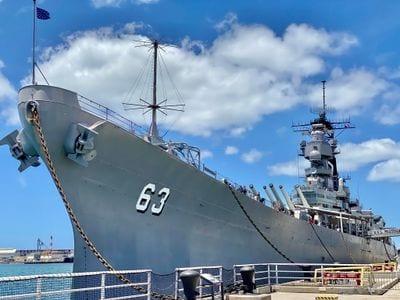
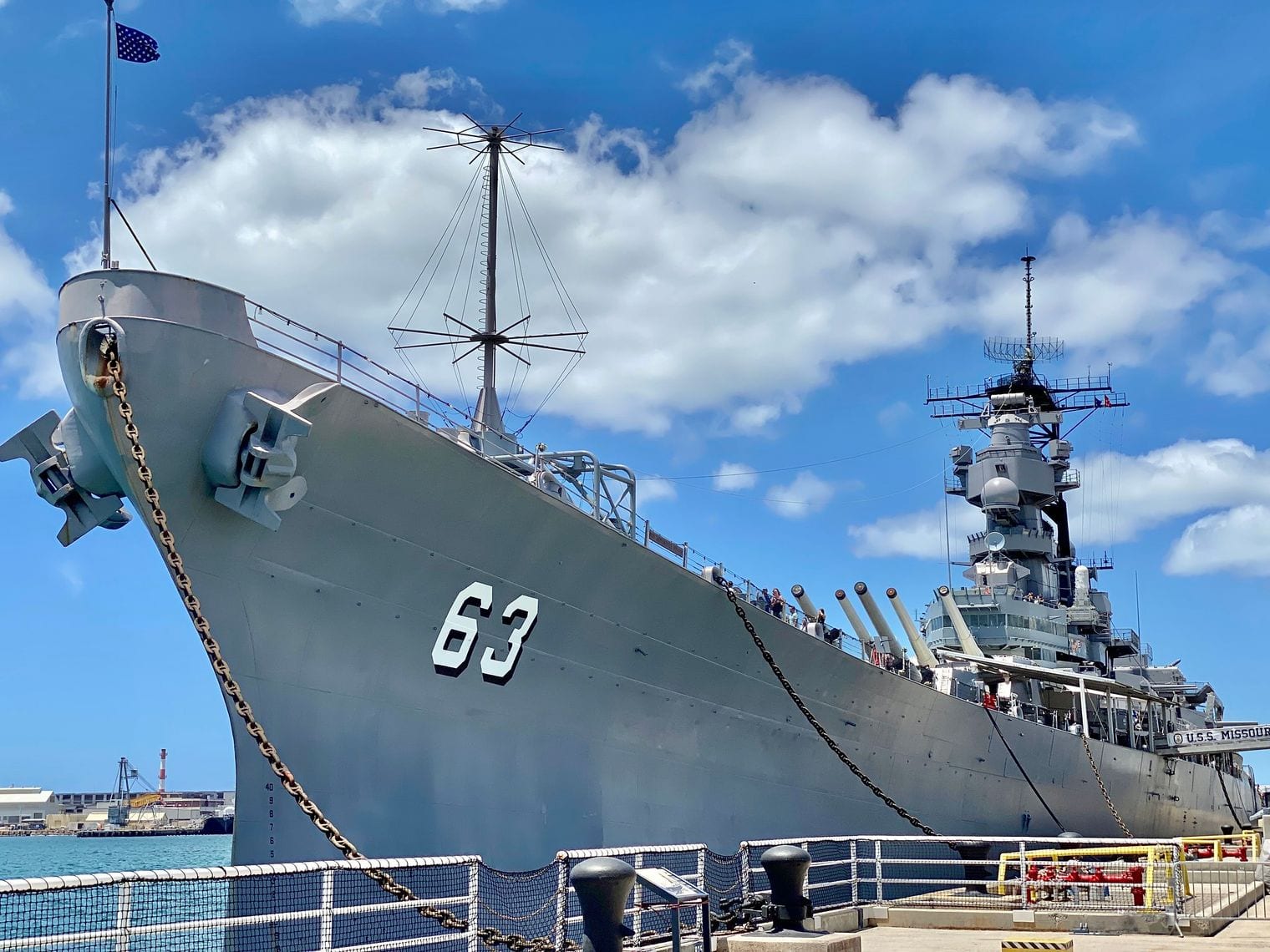
The Battleship Missouri Memorial is the Iowa-class battleship on whose deck Japan's formal surrender was signed in 1945, ending World War II, and she was the last battleship the U.S. Navy ever commissioned. Donated as a museum ship in 1998, she is moored off Ford Island a short way from the USS Arizona Memorial, so the start and the end of America's war in the Pacific sit within the same stretch of harbor.
Ford Island is an active military base, so the public reaches it only on the shuttle buses that leave from the Pearl Harbor visitor center area, and the same ride serves the aviation museum next door, which makes the two an easy pairing for one afternoon. On board you can climb between her decks, size up the huge main guns and stand at the spot where the surrender was signed.
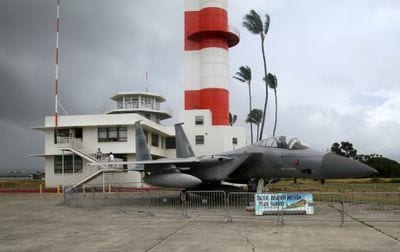
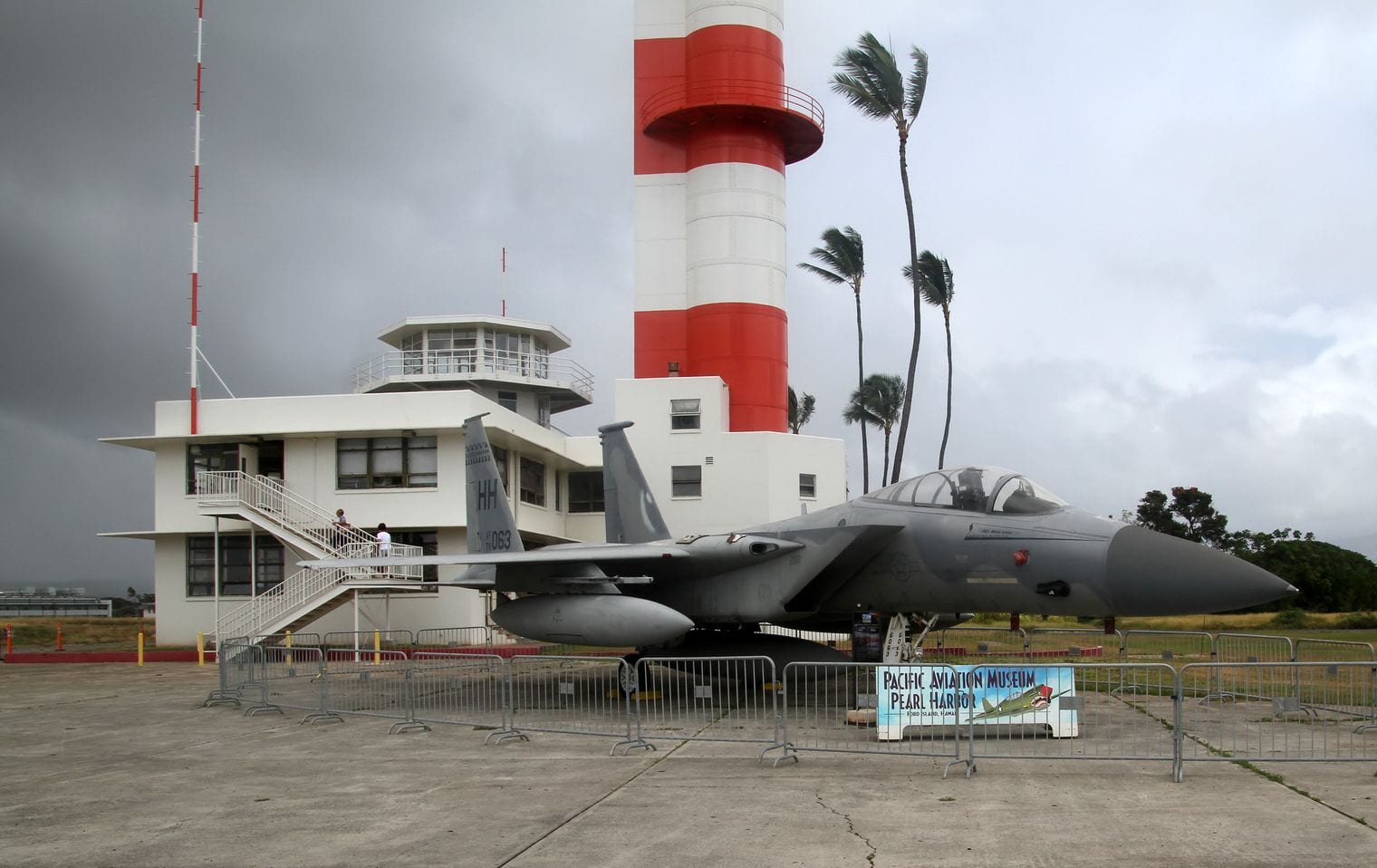
The Pearl Harbor Aviation Museum fills World War II-era hangars on Ford Island that survived the 1941 attack and still show damage from it. Founded as a nonprofit in 1999 and opened to the public on December 7, 2006, it tells the story of the Pacific air war through dozens of aircraft and exhibits, most of them tied to the attack and the war that followed.
Hangar 37 holds much of the static collection, and a second historic hangar adds more aircraft; the museum has also restored the historic Ford Island control tower that stands beside them. Flight simulators give kids a hands-on stop, and since it shares the Ford Island shuttle with the Missouri, most visitors see both in the same half day.
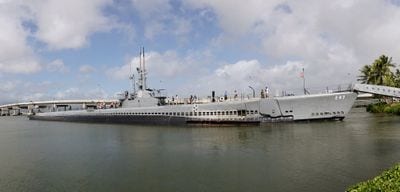
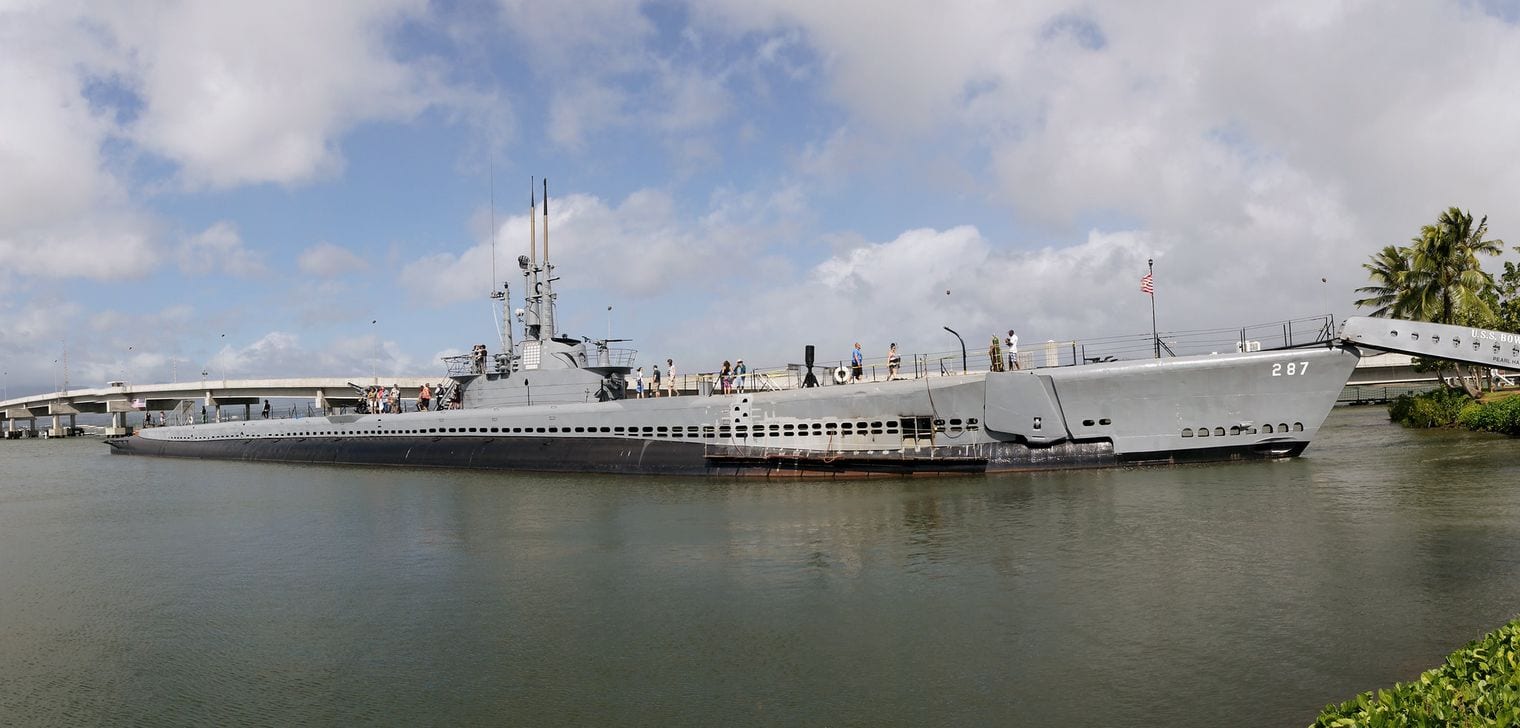
The USS Bowfin Submarine Museum & Park, now officially named the Pacific Fleet Submarine Museum, sits right beside the Pearl Harbor National Memorial visitor center but is run and ticketed separately. Its star is USS Bowfin, a Balao-class submarine launched on December 7, 1942, a year to the day after the attack, and open to public tours since 1981.
Walking her narrow passageways, restored to their 1945 configuration, shows how tightly a wartime crew lived and worked. Museum galleries hold submarine artifacts, and the outdoor Waterfront Memorial honors the 52 American submarines and more than 3,600 officers and crewmen lost in World War II. The museum does not allow children under four aboard the submarine itself.
55. Keaīwa Heiau State Recreation Area & Aiea Loop Trail
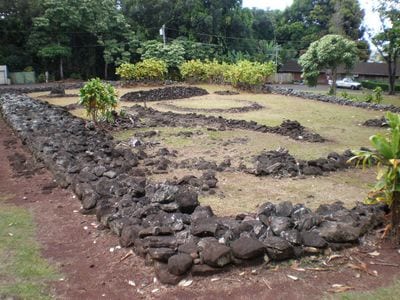
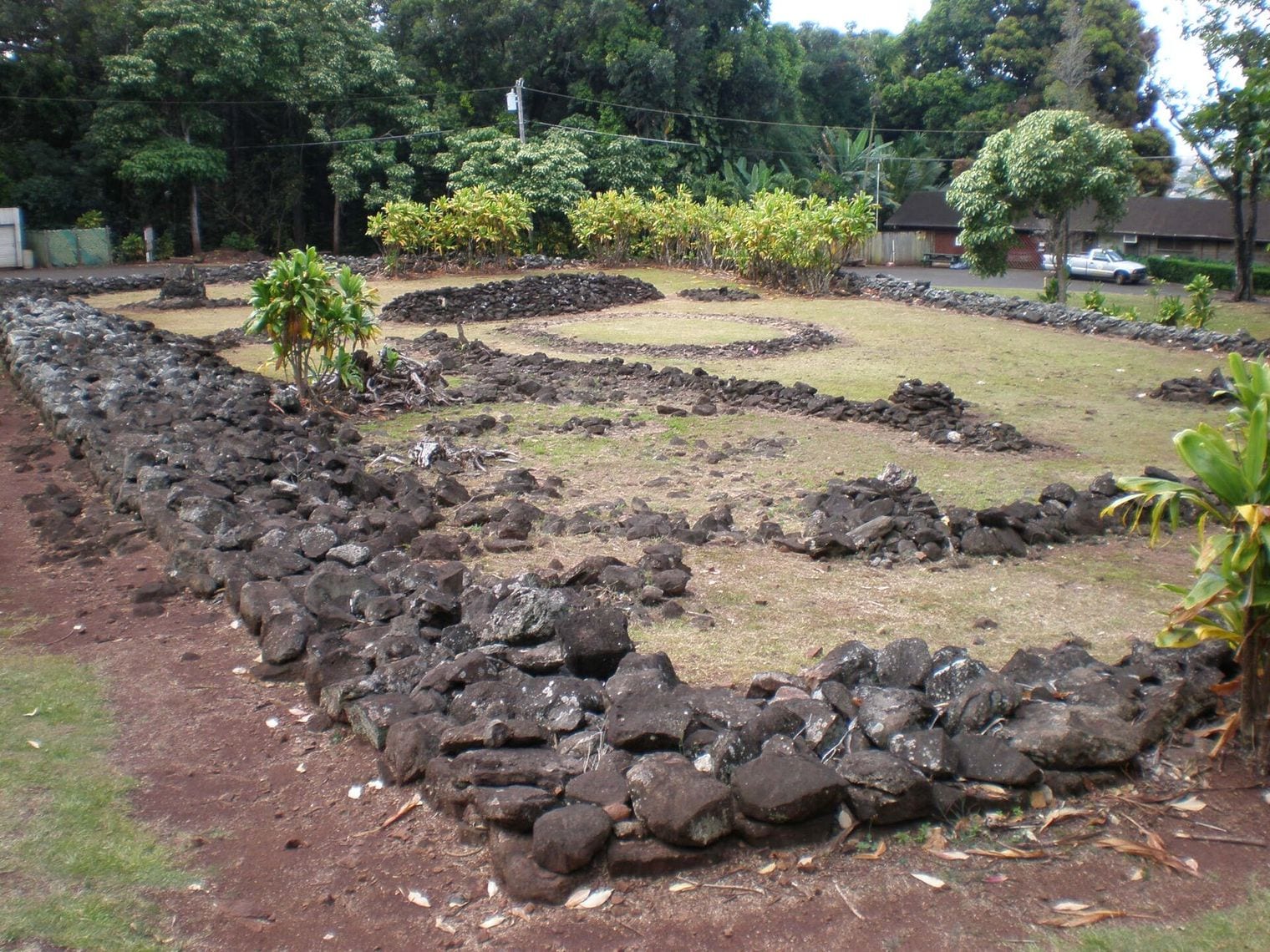
Keaīwa Heiau State Recreation Area crowns ʻAiea Heights, about 20 minutes' drive east of Pearl City, and protects the stacked-stone walls of a healing temple where kahuna diagnosed illness and trained students in laʻau lapaʻau, healing with medicinal plants, fasting and prayer. The heiau is believed to date to around the 16th century, and the 384-acre park around it is shaded by Norfolk pines and eucalyptus.
The park's 4.8-mile Aiea Loop Trail circles the ridge with views over Pearl Harbor and, on clear days, as far as Diamond Head, and along the way it passes the remnants of a B-24 bomber that crashed in 1944. Allow two and a half to three hours, expect one steep switchback and a stream crossing, and count on mud after rain.
Free printable checklist of all 11 places
Tick them off as you go. Confirm your email to download it, plus one email every Thursday with new guides for the places you tick.
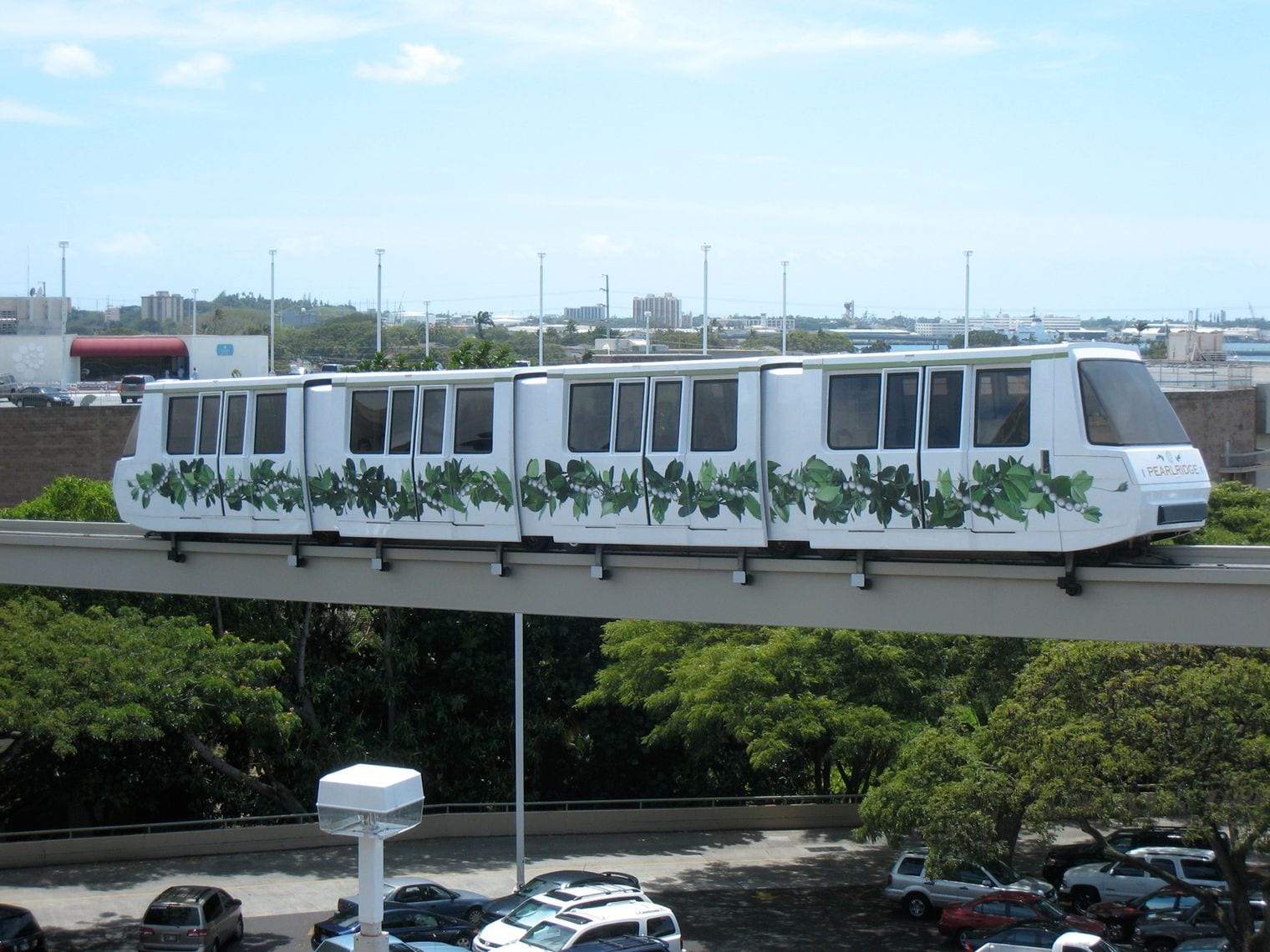
Pearlridge Center, next door in ʻAiea, is Hawaii's largest enclosed shopping center and the second-largest mall in the state after Ala Moana. Opened in 1972, it overlooks Pearl Harbor and spreads across separate Uptown and Downtown sections, with department stores, smaller shops and places to eat under one roof.
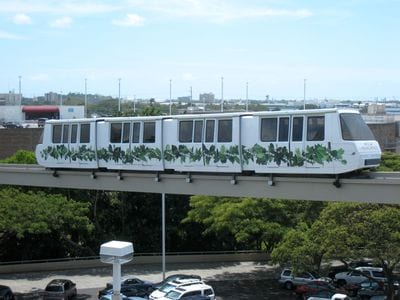
The two halves have long been linked by a short monorail, the only one in Hawaii and a small thrill for kids, and the mall's air-conditioned corridors are the obvious fallback on a rainy afternoon between hikes. Skyline, Honolulu's elevated rail line, stops at its Kalauao (Pearlridge) station.
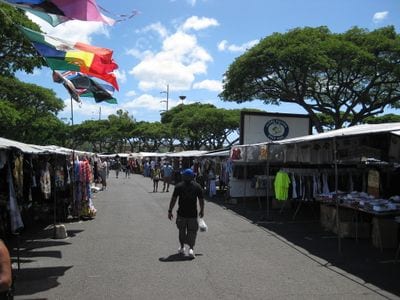
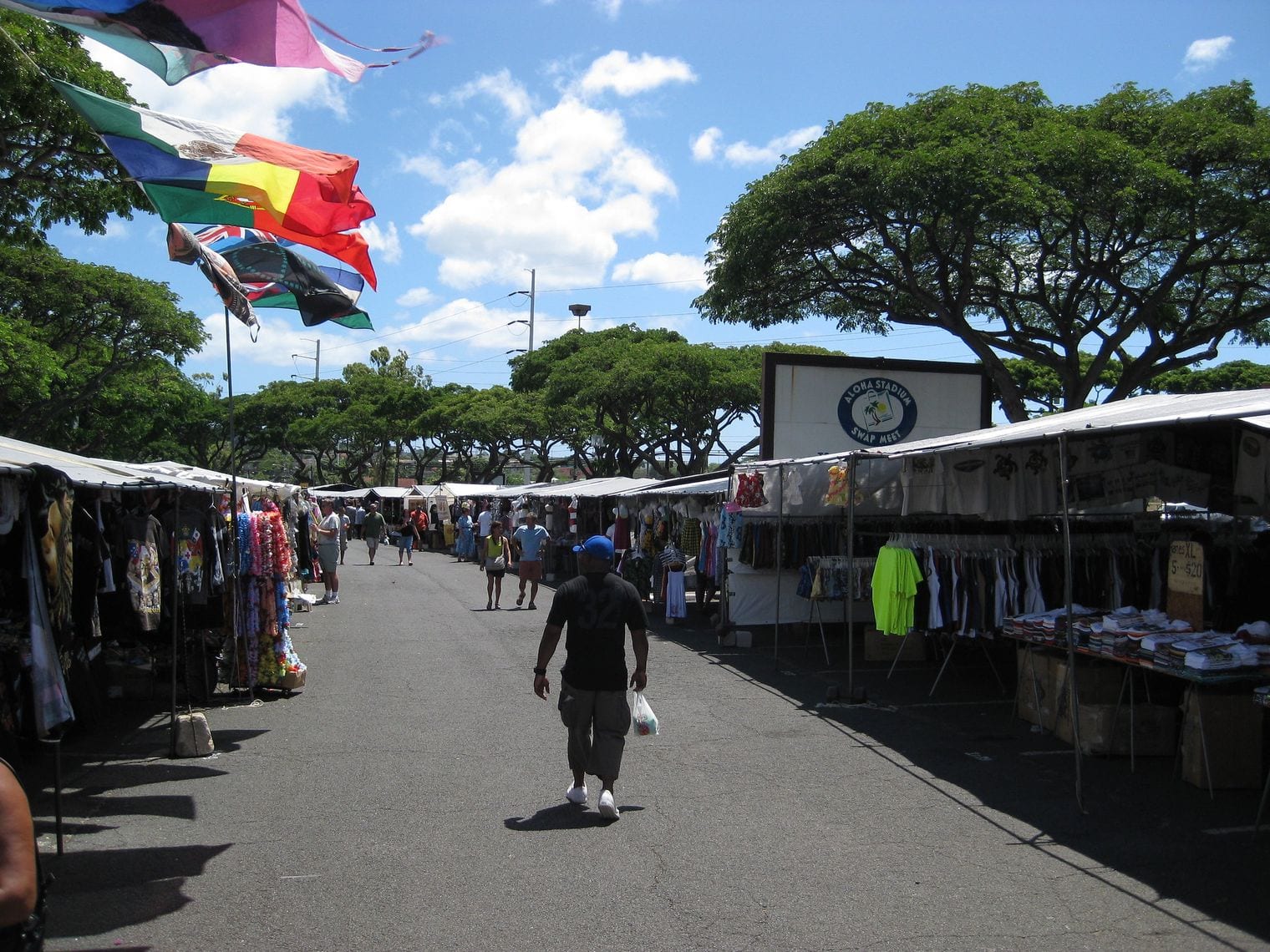
The Aloha Stadium Swap Meet, about ten minutes' drive east in Hālawa, is Oʻahu's big open-air bargain hunt, with hundreds of vendors, crafters and artists selling souvenirs, clothing, art and island snacks. Locals and visitors alike come for low-key browsing and a chance to pick up gifts away from the resort shops.
The original stadium has closed for the New Aloha Stadium Entertainment District redevelopment, and the market has moved into one of the Hālawa parking lots on the same site, with new retail units and a bigger food court. It runs only on certain days of the week, so check the Stadium Authority's schedule before you go, and arrive early for the best pickings and the coolest hours.
88. Pearl Harbor Bike Path (Pearl Harbor Historic Trail)
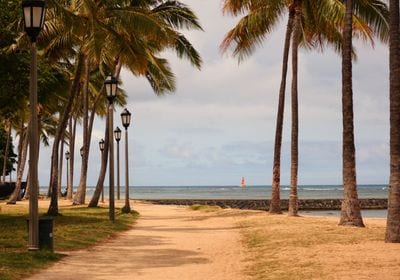
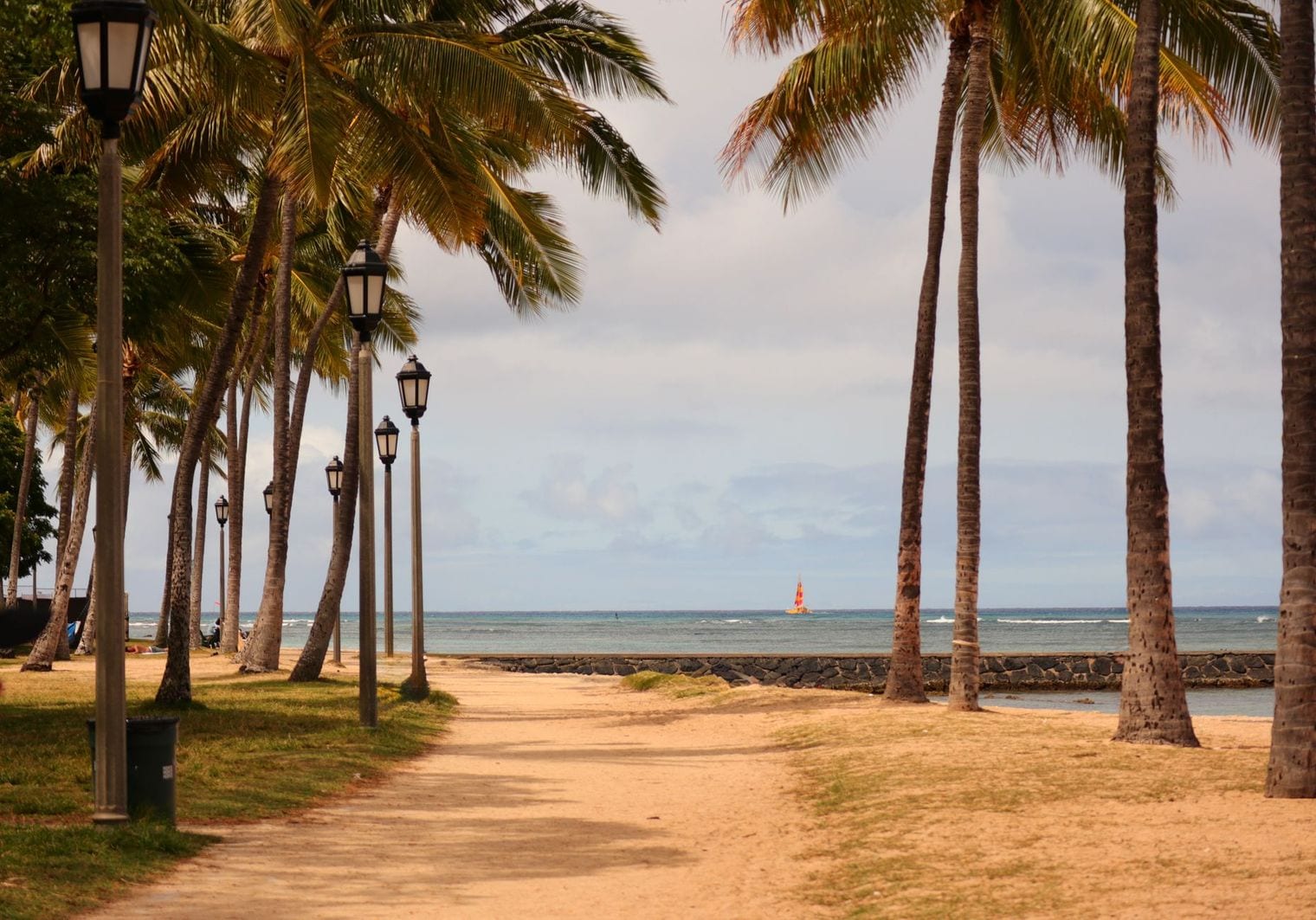
The Pearl Harbor Bike Path, officially the Pearl Harbor Historic Trail, is Pearl City's own shoreline ride: a flat path along the harbor's edge that follows the old right-of-way of the Oahu Railway, the line whose arrival in 1889 led to the first Pearl City house lots going on sale.
Running about five miles between Waipahu and the Aloha Stadium area, it passes Neal S. Blaisdell Park and opens long views across East Loch toward Ford Island, which makes it a good walk, jog or bike ride at sunrise or late afternoon. Low spots along East Loch and ʻAiea Bay flood during the highest king tides, usually between May and July, so check the tide table before you set out.
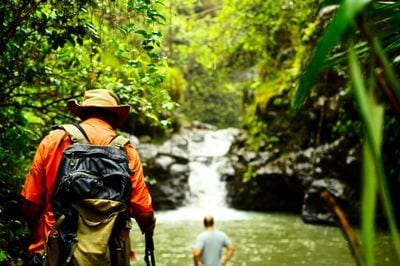
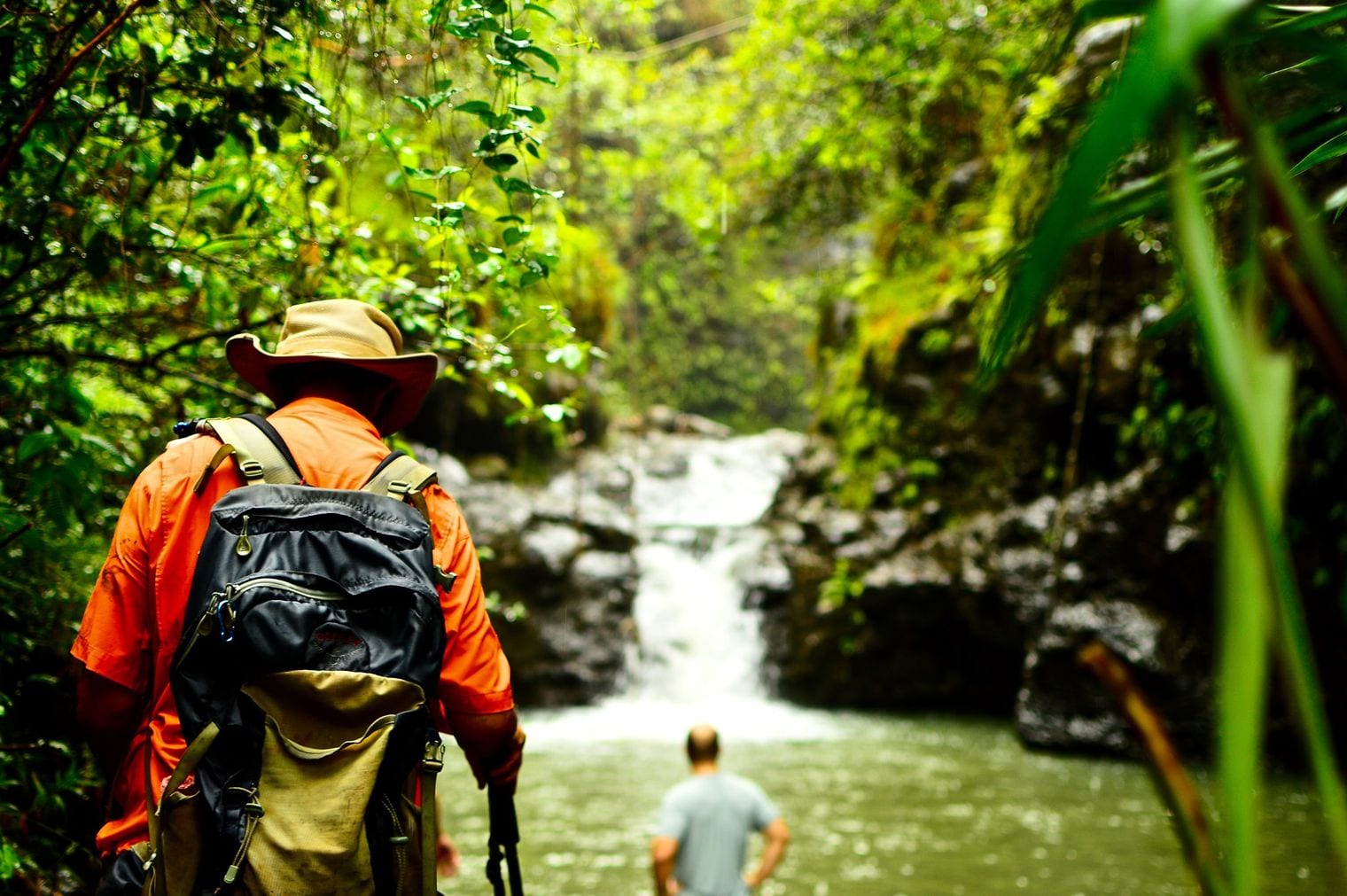
Waimano Falls is Pearl City's own waterfall hike, starting from the Mānana Trail trailhead at the top of Komo Mai Drive in Pacific Palisades, in the hills above town. The roughly 3-mile round trip drops off the ridge into Waimano Valley to a waterfall and swimming pools hidden in the forest.
Going down is the easy half; the climb back up a steep, root-tangled slope is the workout, and the trail turns slick and muddy after rain, so wear shoes with real grip.
The falls can slow to a trickle in dry spells, and like all Hawaii fresh water the pools carry a risk of leptospirosis, so keep cuts out of the water. Strong hikers can stay on the Mānana Trail instead, a long ridge route toward the Koʻolau summit, and everyone should park considerately on the residential street below the trailhead.
Neal S. Blaisdell Park is a 25.9-acre shoreline park on Pearl Harbor, just east of Pearl City toward ʻAiea. It is named for Neal Blaisdell, who was Honolulu's mayor when Hawaii became the 50th state in 1959.
This is a neighborhood park rather than a sight, and that is its appeal: space for a picnic and harbor views toward Ford Island without the crowds of the memorial side. The Pearl Harbor Bike Path runs right along its waterfront, so it makes an easy starting point or rest stop for a ride or a sunset walk.
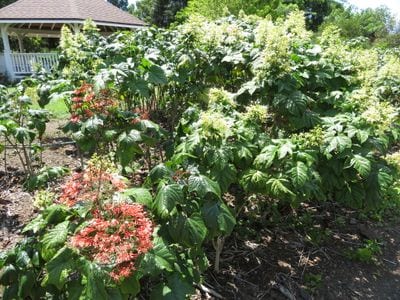
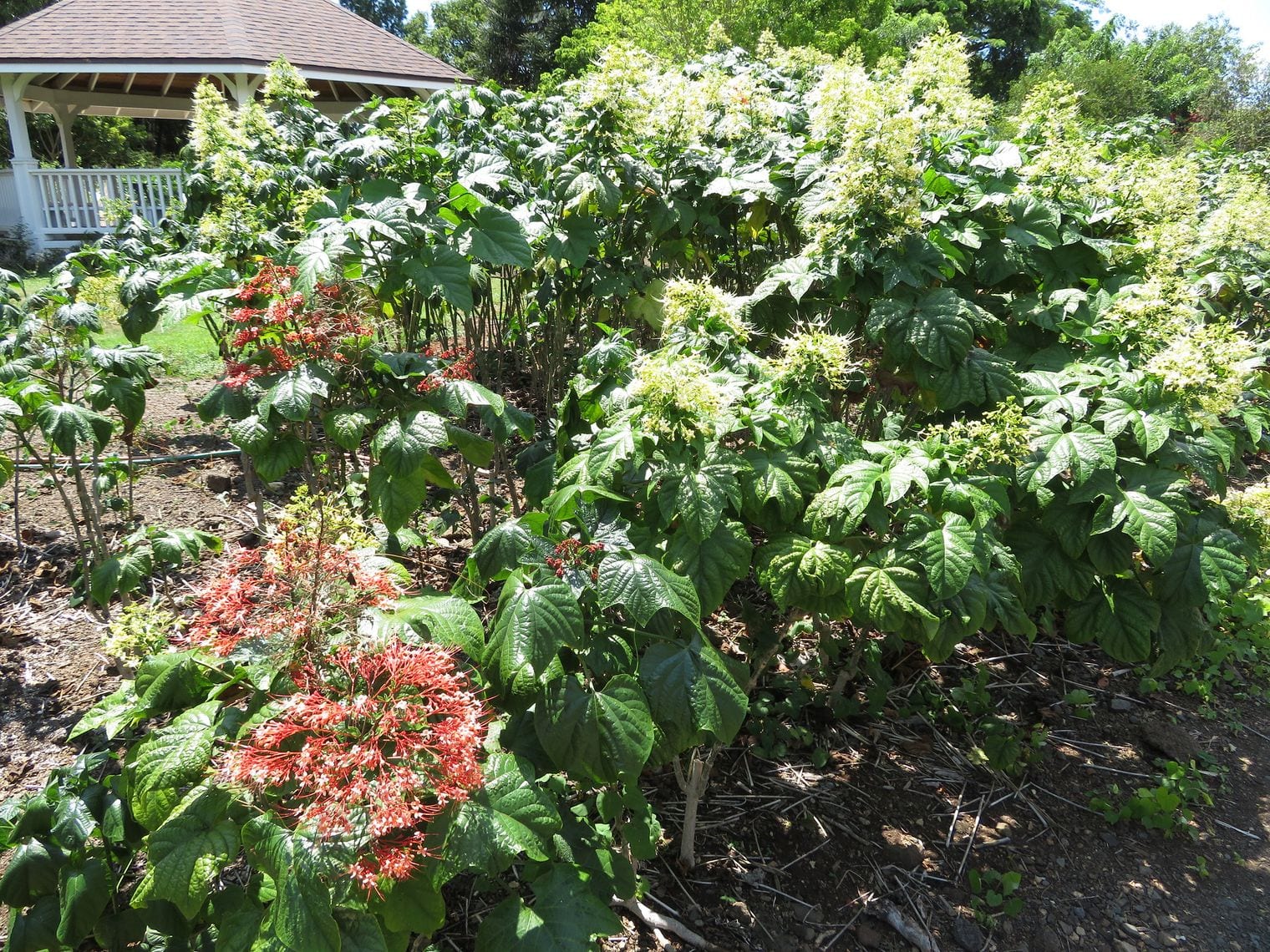
The Urban Garden Center is the University of Hawaiʻi's demonstration garden on Kamehameha Highway in Pearl City, run by the College of Tropical Agriculture and Human Resilience and also known as CARES Waiawa. Extension staff and Master Gardener volunteers grow edible crops and ornamental landscape plantings here to show how to garden sustainably in Hawaii's climate.
It is a learning garden rather than a park, and visits to the gardens run through its scheduled workshops and requested educational tours instead of drop-in self-tours, so check the center's visiting page and call ahead. Every visitor checks in at the main office first, and the entrance is easy to miss: it is reached through the Home Depot parking lot off Kamehameha Highway.
Plan your trip
Best Time to Visit Pearl City
Pearl City is warm all year, with winter highs in the upper 70s and summer highs in the upper 80s. The drier months from late spring through early fall are the best time for the ridge and valley trails, while the winter rains leave the Aiea Loop Trail and the Waimano Falls path slick with mud. Whatever the season, the Pearl Harbor sites are calmest first thing in the morning, before the tour buses and the midday heat.
Summer and the winter holidays bring the biggest crowds to Pearl Harbor, and each December the memorial marks the anniversary of the attack with remembrance events, a moving time to visit if you book well ahead. Cyclists should note that the highest king tides, usually in late spring and early summer, can flood low spots on the harbor-side bike path.
Getting to Pearl City
Pearl City sits about a dozen miles west of downtown Honolulu on the H-1 freeway, where the H-2 branches north toward central Oʻahu and the North Shore. Daniel K. Inouye International Airport (HNL), Hawaii's main gateway, is roughly 15 to 20 minutes away by car outside rush hour, which makes Pearl City an easy first or last stop on an Oʻahu trip.
Without a car, Skyline, Honolulu's elevated rail line, links the airport with stations at Aloha Stadium, Pearlridge and Pearl Highlands, and TheBus runs along Kamehameha Highway and the H-1 corridor between Pearl City, Waikiki and the rest of the island.
Getting Around Pearl City
A car is the easiest way to link these sights: the Pearl Harbor memorials, ʻAiea Heights and the Waimano trailhead sit in different directions, and the trailheads have no transit service. Pearl Harbor National Memorial has its own paid parking lot, and Ford Island can only be reached on the shuttle bus from the visitor center area, never by private car.
Between the flatter sights, the Pearl Harbor Bike Path is a pleasant way to cover the shoreline on foot or by bike, and Skyline and TheBus handle the run between Pearlridge, the swap meet and Honolulu. Rideshares are widely available around the malls and the memorial, and an early start beats the worst of the H-1 rush-hour traffic.
Where to Stay in Pearl City
Pearl City is a residential town with very few hotels, so most visitors base themselves elsewhere and drive in. Waikiki, about half an hour east, has by far the widest choice of beach hotels and puts you near Honolulu's dining and nightlife, while the hotels around the airport are the closest practical base for an early start at Pearl Harbor.
To the west, Kapolei and the Ko Olina resort coast offer quieter resort stays about 20 to 25 minutes away, a good fit if you plan to split your time between Pearl Harbor, the leeward beaches and the North Shore. Vacation rentals in the Pearl City and ʻAiea neighborhoods are another option for longer stays.
Where to Eat in Pearl City
Pearl City eats like local Oʻahu: plate lunches with rice and macaroni salad, saimin, poke by the pound, loco moco, spam musubi and shave ice for dessert. The busiest strip runs along Kamehameha Highway through Pearl City and Waimalu, lined with family diners, drive-ins, bakeries and Japanese, Korean and Filipino spots that cater to residents rather than tourists.
Pearlridge Center and the Pearl Highlands shopping area add food courts and sit-down chains, which make an easy dinner after a day at Pearl Harbor. Grocery delis and markets in the area are also a good place to pick up poke and bentos for a picnic at a harbor-side park.
Day Trips from Pearl City
Pearl City is a handy base for exploring Oʻahu. Honolulu and Waikiki are about half an hour east by the H-1, with Diamond Head, ʻIolani Palace and the beaches of Waikiki; the leeward resort coast at Ko Olina is about 25 minutes west; and the H-2 leads north to the North Shore surf town of Haleiwa in roughly 40 minutes.
Haleiwa and the windward beach town of Kailua, over the Koʻolau range by the H-3, both feature in our guide to Hawaii's best small towns.
For a longer trip beyond Oʻahu, Hilo on the Big Island is a short inter-island flight from Honolulu and the gateway to Hawaiʻi Volcanoes National Park.
Pearl City is best known as the neighbor of Pearl Harbor. Across East Loch stand Pearl Harbor National Memorial and the USS Arizona Memorial, the Battleship Missouri Memorial, the Pearl Harbor Aviation Museum and the USS Bowfin submarine, while the hills above town hold the Keaīwa Heiau healing temple and the Aiea Loop Trail.
Are the Pearl Harbor memorials in Pearl City?
Not quite. The memorials sit on the opposite, Honolulu side of the harbor, across East Loch from Pearl City, roughly 15 minutes away by car. Ford Island, home to the Battleship Missouri and the aviation museum, is an active military base reached only by the shuttle bus from the Pearl Harbor visitor center area.
How many days do you need in Pearl City?
Two days is right for most visitors. Give one full day to Pearl Harbor, covering the USS Arizona Memorial, the Bowfin submarine, the Battleship Missouri and the aviation museum, and use a second day for the Aiea Loop Trail or the Waimano Falls hike, the swap meet and a sunset walk on the harbor bike path.
What can you do in Pearl City for free?
Pearl Harbor National Memorial has no entrance fee for its visitor center and grounds, and Keaīwa Heiau State Recreation Area is free to enter, Aiea Loop Trail included. The Waimano Falls hike, the Pearl Harbor Bike Path and harbor-side Neal S. Blaisdell Park are free too, so a budget day here can still be a full one.
When is the best time to visit Pearl City?
Pearl City is warm year-round, but the drier months from late spring to early fall are best for the hikes, since winter rains turn the Aiea Loop and Waimano trails muddy. Go to Pearl Harbor early in the morning, and book well ahead for the busy summer and December holiday periods.
Sources & updates
How this guide was checked
Checked before launch
Sources cited
11
Every place on this list was confirmed open and pinned on the map before publication, and what we say about each one was checked against its own website or an official source.
A PDF with a box to tick for every place. Confirm your email to download it, and get one email every Thursday with our newest guides for the places you tick.
Free Pearl City printable checklist
All 11 places in one PDF
Tick them off as you go. Confirm your email to download it, plus one email every Thursday with new guides for the places you tick.
We use cookies to analyse site traffic and improve your experience.
You can accept or reject analytics cookies. See our
May we use analytics cookies? See ourCookie Policy.