We build and rank every list first. Booking links come after, and only where
a partner sells a ticket, tour or stay for that exact place, so a place with
nothing to book is listed exactly as prominently as one you can book.
So how do we earn? Some links on this page go to booking
partners, and if you book or buy through
one, we may earn a commission. It costs you nothing extra.
That commission never decides which places make the list, the order they
appear in, or what we write about them. No entry is sponsored or a paid
placement.
By the City Viking editorial teamPublished 35 places · 27 min read
Fact-checked Checked before launchOct 9, 202633 sources20 publishers1 tourism board11 encyclopedias & research21 venues & other sitesPublished · Oct 9, 2026Researched and checked before it went liveClick for every source and the full change log.
Short answer
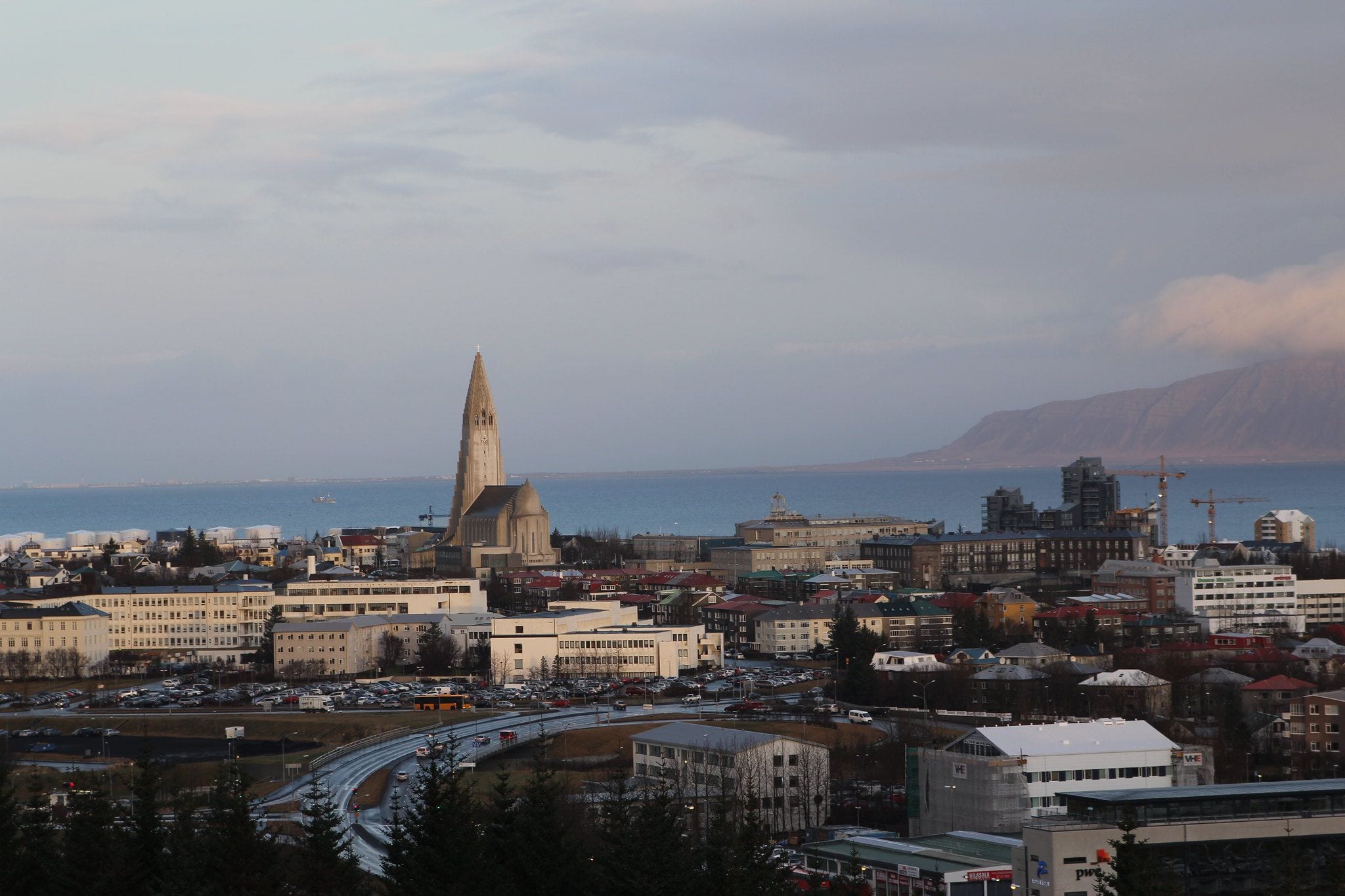
Reykjavík is known for being the world's northernmost capital of a sovereign state, its geothermal heat and brightly painted harbour houses. Its must-sees are Hallgrímskirkja, whose tower lift looks out over the whole city, the glass-walled Harpa Concert Hall and the Sun Voyager on the seafront, plus the milky-blue Blue Lagoon about 40 km southwest. Three days is the sweet spot: two for the city and one for the Golden Circle via Þingvellir National Park.
Reykjavík is the world's northernmost capital of a sovereign state, a compact harbour city of brightly painted houses, steaming public pools and a skyline ruled by one great concrete church. Its name means "bay of smoke", after the steam rising from hot springs, and that geothermal heat still warms the city's buildings.
This guide covers 35 of the best things to do in and around the city, from Hallgrímskirkja, Harpa and the Sun Voyager to the Blue Lagoon, Sky Lagoon and Þingvellir on the Golden Circle. Allow three days: two for the city, one for a day trip.
Reykjavík is the world's northernmost capital of a sovereign state, at a latitude of 64°08′ N. Nuuk in Greenland lies slightly further north, but Greenland is not an independent country.
The name means "bay of smoke", from the Old Norse words for smoke and bay, and is said to come from the steam rising off hot springs in the area.
According to the medieval Book of Settlements, Ingólfur Arnarson chose the spot by throwing his high-seat pillars overboard and settling wherever they washed ashore. Two of his slaves searched the coast for three years before finding them in the bay.
A fragment of turf wall under Aðalstræti, now in the Settlement Exhibition, lies beneath a layer of volcanic ash dated to 871, give or take two years, so it was built before the ash fell. It is the oldest evidence of human habitation found in Reykjavík.
Every building in Reykjavík is heated with geothermal water, which also warms the city's public pools and runs under some downtown pavements to melt the snow.
Höfði House, where Reagan and Gorbachev met in 1986, has a ghost story: a British consul who lived there in the 1950s insisted it be sold over "bumps in the night".
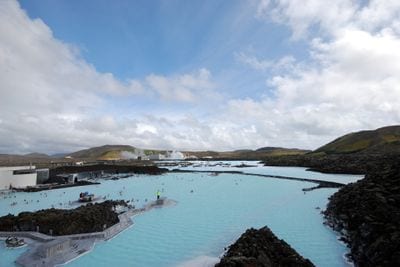
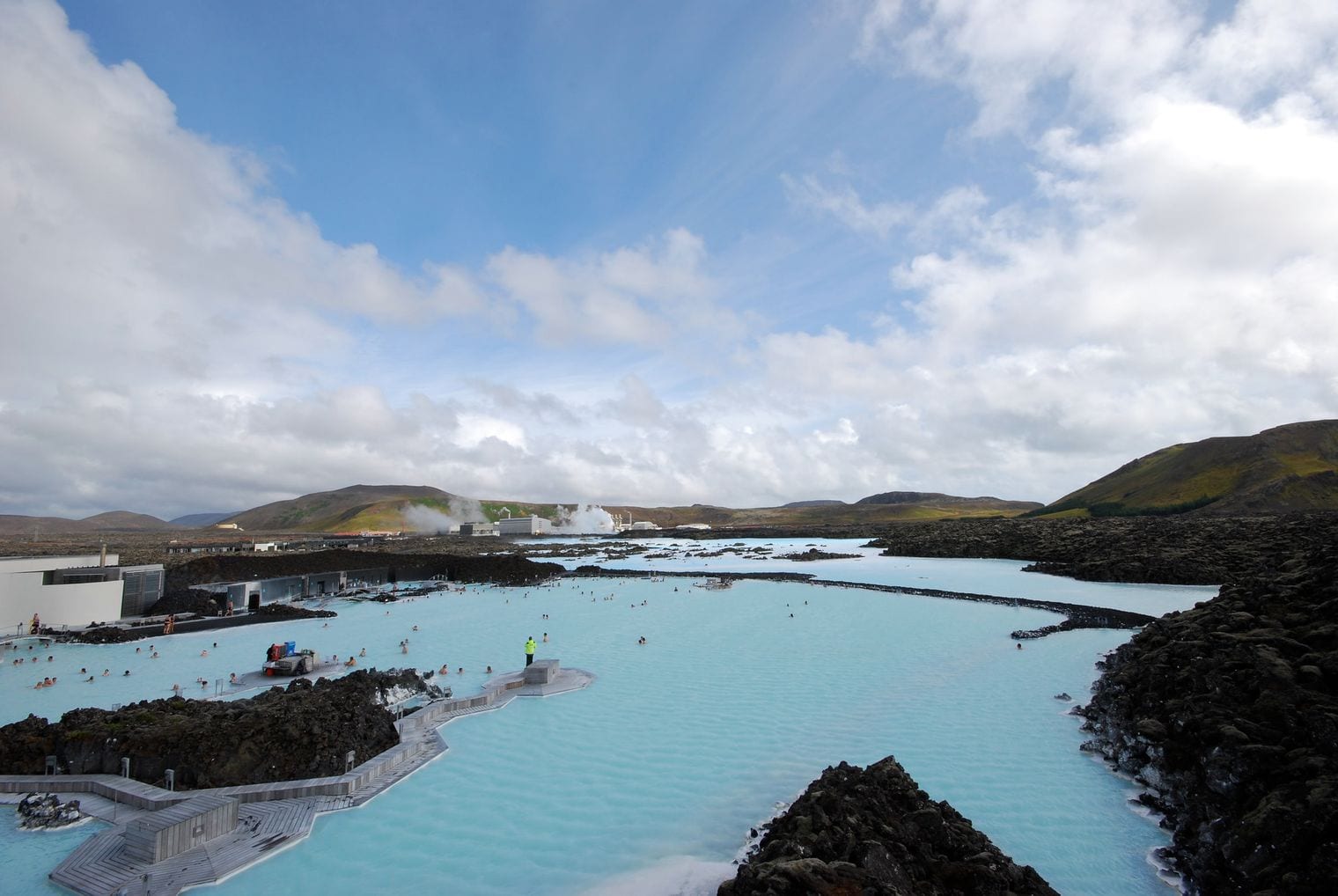
The Blue Lagoon is Iceland's most famous place to bathe: a milky-blue geothermal pool set in a black lava field on the Reykjanes Peninsula, near the fishing town of Grindavík. It lies outside the city, about 40 km southwest of Reykjavík (roughly a 45-minute drive), so treat it as a half-day trip.
The water is runoff from the neighbouring Svartsengi geothermal power station, and its colour comes from silica, which also settles on the bottom as the soft white mud bathers smear on their skin.
Because the lagoon is only about 20 km from Keflavík International Airport, many visitors fit it in on their arrival or departure day rather than making a separate trip from town. Volcanic eruptions nearby have closed it at short notice more than once, so check that it is open before you go, and book ahead rather than turning up on spec.
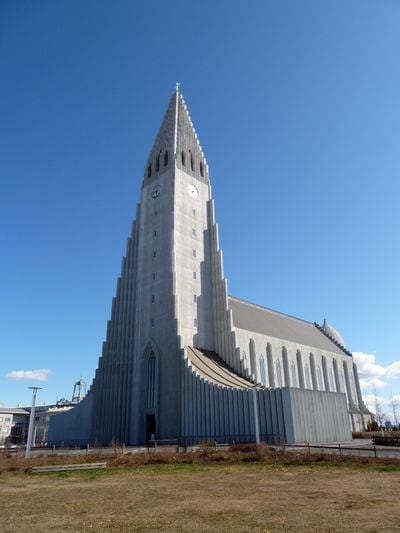
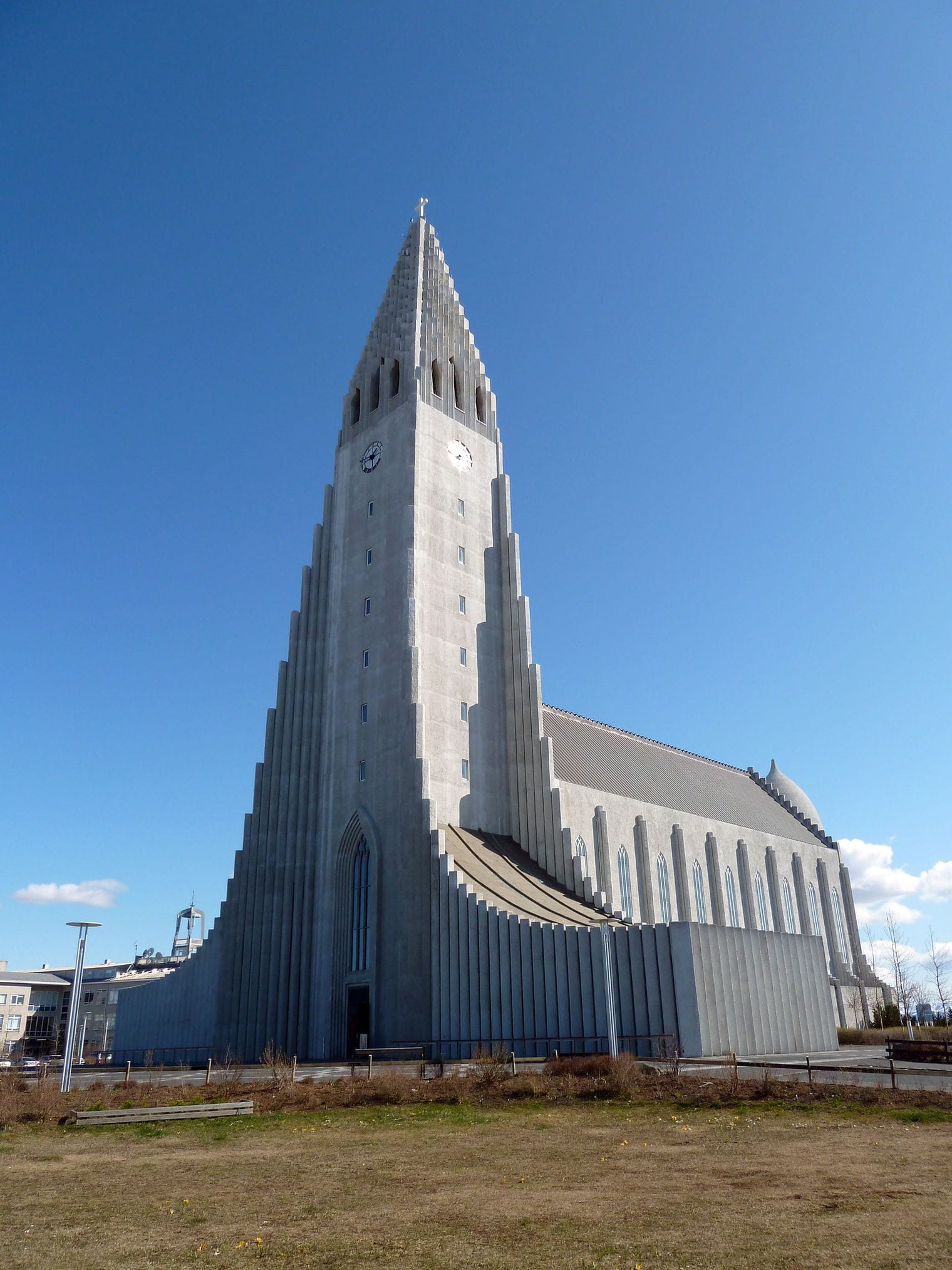
Hallgrímskirkja is the city's defining landmark, its stepped concrete tower visible from almost anywhere in Reykjavík. At 74.5 metres it is the largest church in Iceland, named after the 17th-century poet and cleric Hallgrímur Pétursson. State Architect Guðjón Samúelsson is said to have drawn on the Icelandic landscape for the design, especially the columnar basalt that forms organ-pipe cliffs, and construction ran from 1945 until 1986.
Inside, the nave is pale and spare, with a huge pipe organ at the back. A lift carries visitors up the tower for a view over the coloured rooftops to the bay and the surrounding mountains. Out front, the statue of the explorer Leif Erikson predates the church itself, and Skólavörðustígur runs straight downhill from the steps toward the old town.
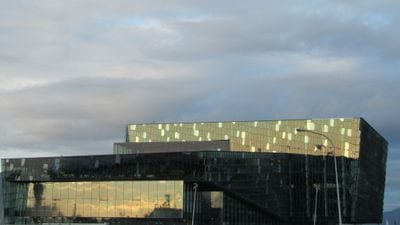
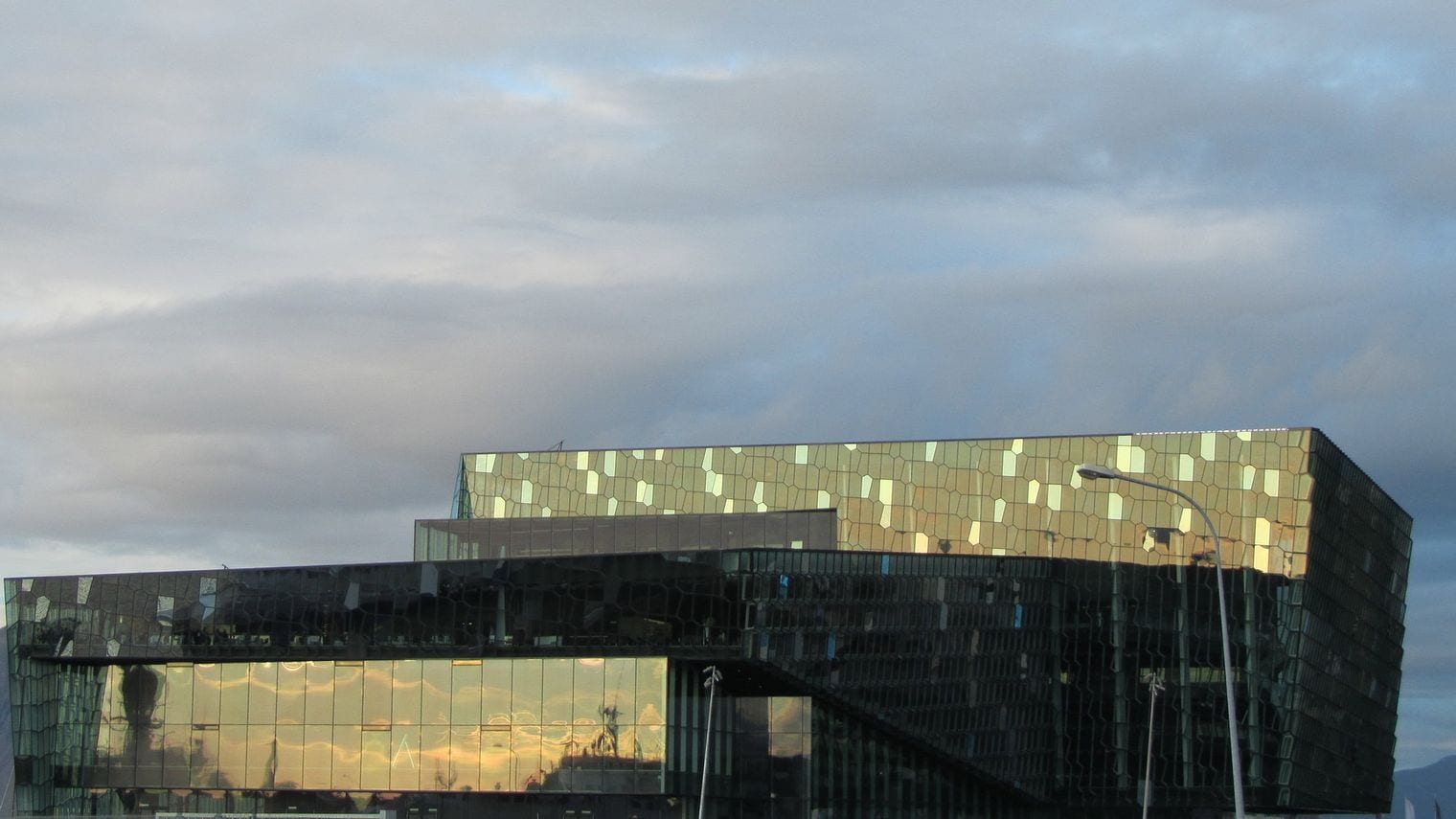
Harpa Concert Hall rises from the harbour in a honeycomb of coloured glass, a façade inspired by Iceland's basalt landscape. It was designed by Henning Larsen Architects with the Danish-Icelandic artist Olafur Eliasson, held its opening concert in 2011 and won the European Union's Mies van der Rohe award for contemporary architecture in 2013.
It is home to the Iceland Symphony Orchestra and hosts concerts, conferences and festivals such as Iceland Airwaves, but the building itself is the attraction: light pours through the glass and shifts with the weather and the hour. After dark, LED lights set into the façade play light works by Eliasson across the waterfront, and the seafront path leads east from here to the Sun Voyager.
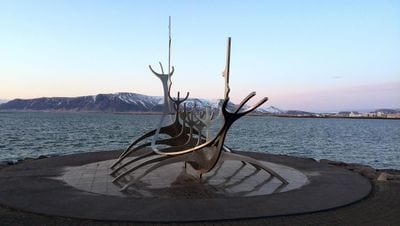
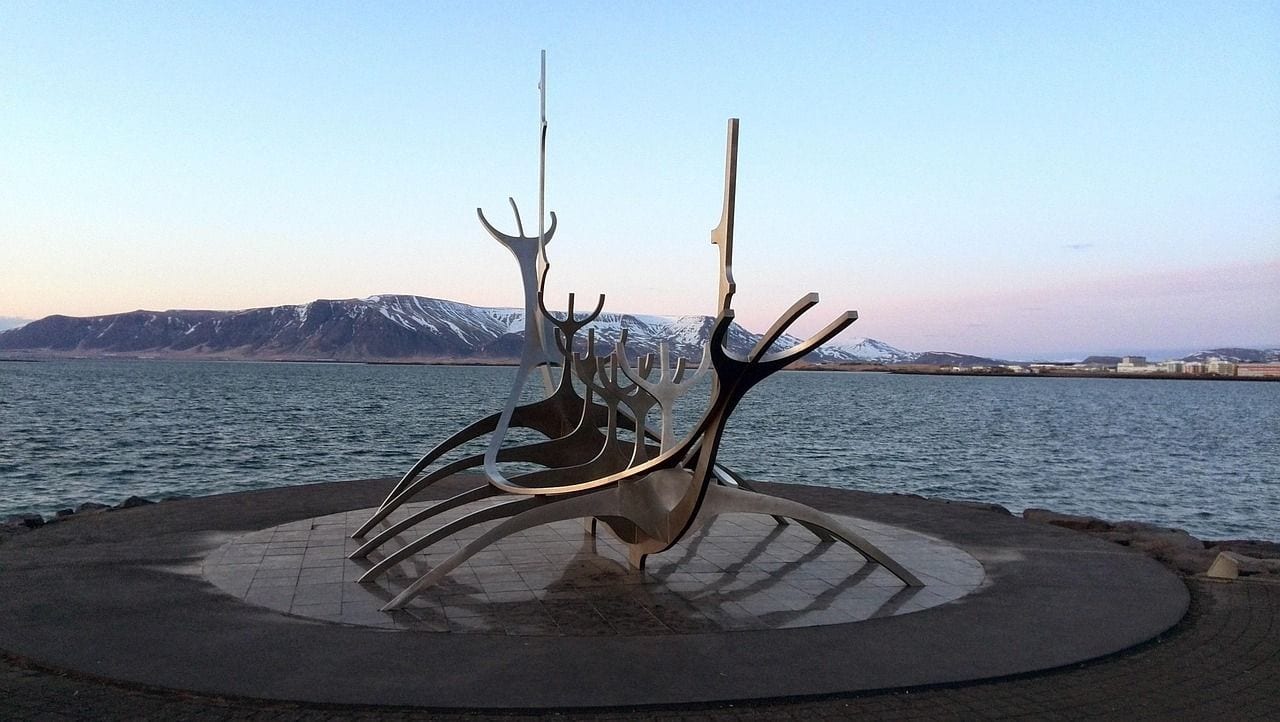
The Sun Voyager (Sólfar) is a stainless-steel sculpture of a skeletal ship on the seafront along Sæbraut, made by the artist Jón Gunnar Árnason and unveiled on the city's birthday in 1990. It is often taken for a Viking longship, but Árnason conceived it as a dreamboat, an ode to the sun carrying the promise of undiscovered territory, hope, progress and freedom.
It is free to see at any hour and a favourite with photographers, especially at sunset or with Mount Esja rising across the bay behind it. The shoreline path runs in both directions, west to Harpa and east toward Höfði House, so the sculpture slots naturally into a waterfront walk.
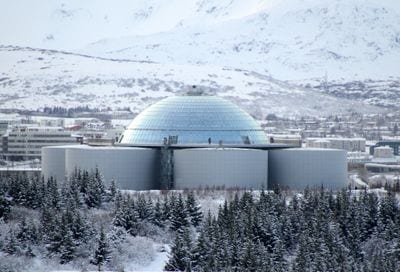
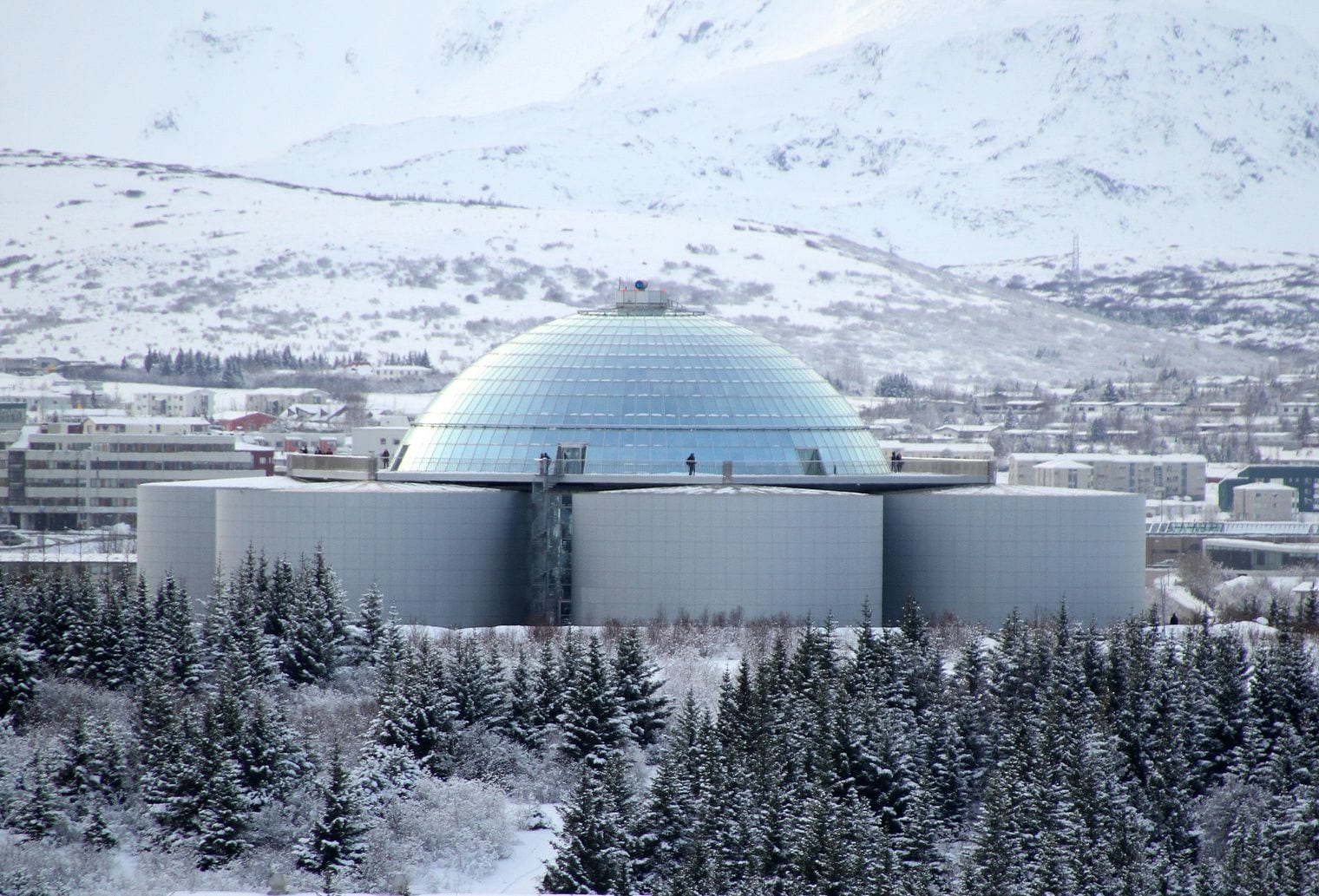
Perlan crowns Öskjuhlíð hill, a glass dome resting on top of the city's hot-water storage tanks that opened to the public in 1991. Inside is the Wonders of Iceland nature museum, with a man-made ice cave, interactive exhibits on glaciers, volcanoes and the forces that shaped the island, and a planetarium that screens a northern lights show.
Even if you skip the exhibitions, the observation deck circling the dome gives a 360-degree panorama of Reykjavík, the bay and the mountains beyond, and it is one of the best ways to get your bearings early in a trip. Wooded paths on the slopes of Öskjuhlíð lead down to Nauthólsvík Geothermal Beach and the southern shoreline.
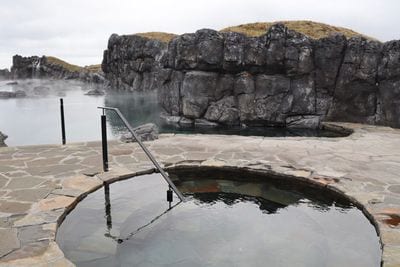
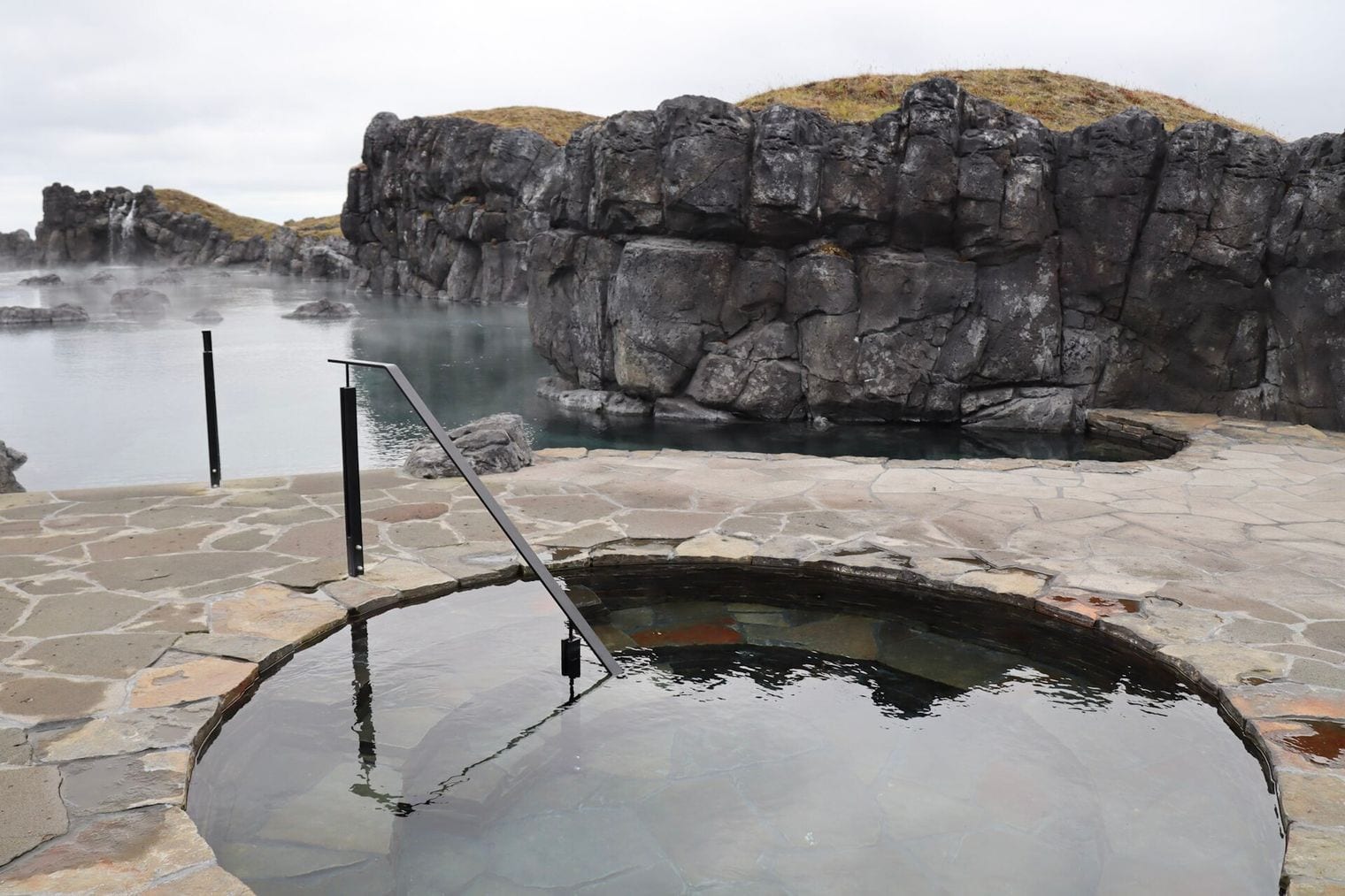
Sky Lagoon is a geothermal spa on the Kársnes waterfront in Kópavogur, just outside Reykjavík and only about 6 km from the city centre, which makes it an easy evening soak without a long drive. Opened in 2021, it has an infinity-edge pool that looks straight out over the North Atlantic, with the water kept at around 38–40 °C.
The design borrows from Icelandic building traditions, with turf walls and turf-house forms around the pool. Most visitors follow the seven-step Skjól ritual, moving from the lagoon to a cold plunge, a sauna, a cool mist, a body scrub and a steam room before returning to the water. On a clear day you can pick out Snæfellsjökull glacier and Keilir mountain from the lagoon.
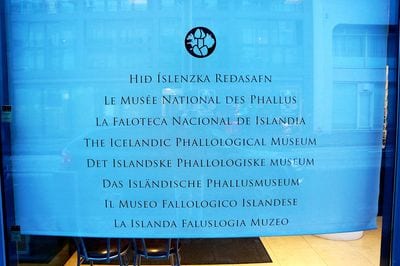
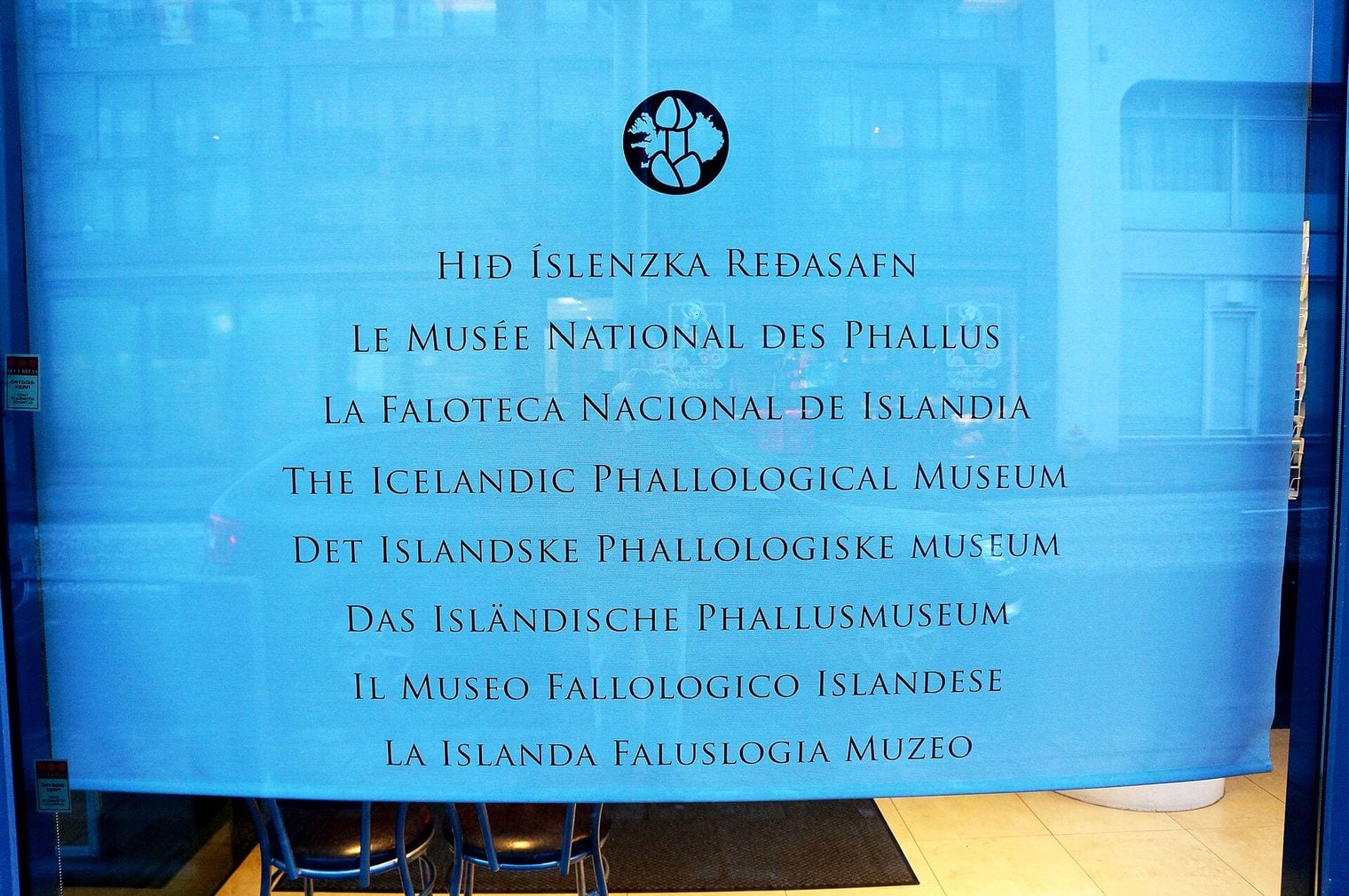
The Icelandic Phallological Museum is exactly what it sounds like: a straight-faced collection of penises and penile parts from more than 100 species of mammals, displayed in jars and mounted on walls. It was founded in 1997 by the retired teacher Sigurður Hjartarson, whose interest began with a childhood gift of a cattle whip made from a bull's penis, and it is now run by his son.
Whale specimens are the showstoppers, but the collection also includes playful pieces inspired by creatures from Icelandic folklore, and the whole place is equal parts natural history and tongue-in-cheek humour. It sits in the city centre at Hafnartorg, near the Old Harbour, and makes a memorable detour on a rainy afternoon.
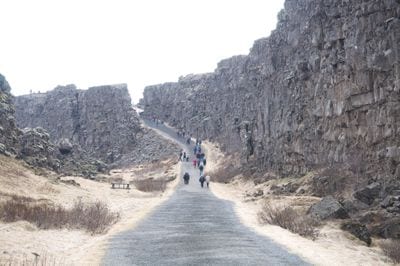
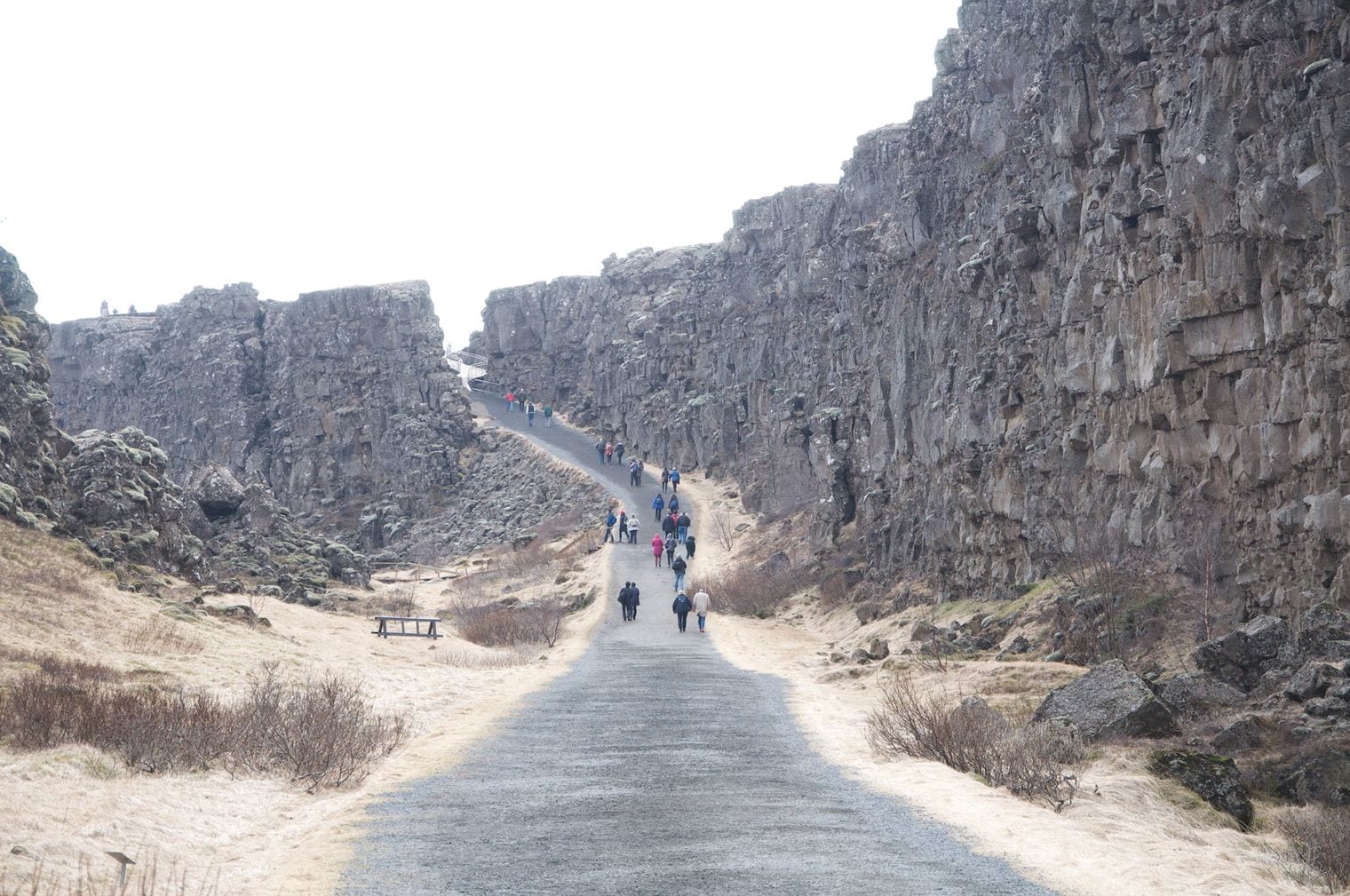
Þingvellir National Park lies outside the city, about 40 km northeast of Reykjavík, and anchors the Golden Circle, a loop of roughly 300 km that most visitors drive as a full day trip. Iceland's parliament, the Alþing, met in the open air here from 930 until 1798, and the park, a UNESCO World Heritage Site since 2004, sits in a rift valley that marks the boundary between the North American and Eurasian tectonic plates.
Walk through the Almannagjá gorge to the Lögberg, or Law Rock, where laws were once recited aloud, then follow the river to the Öxarárfoss waterfall; snorkellers and divers come for the clear water of the Silfra fissure. From Þingvellir the Golden Circle continues to the Haukadalur geothermal area, where Strokkur erupts every few minutes beside the mostly dormant Geysir, and on to the Gullfoss waterfall before looping back to the city.
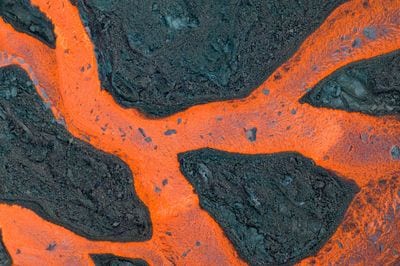
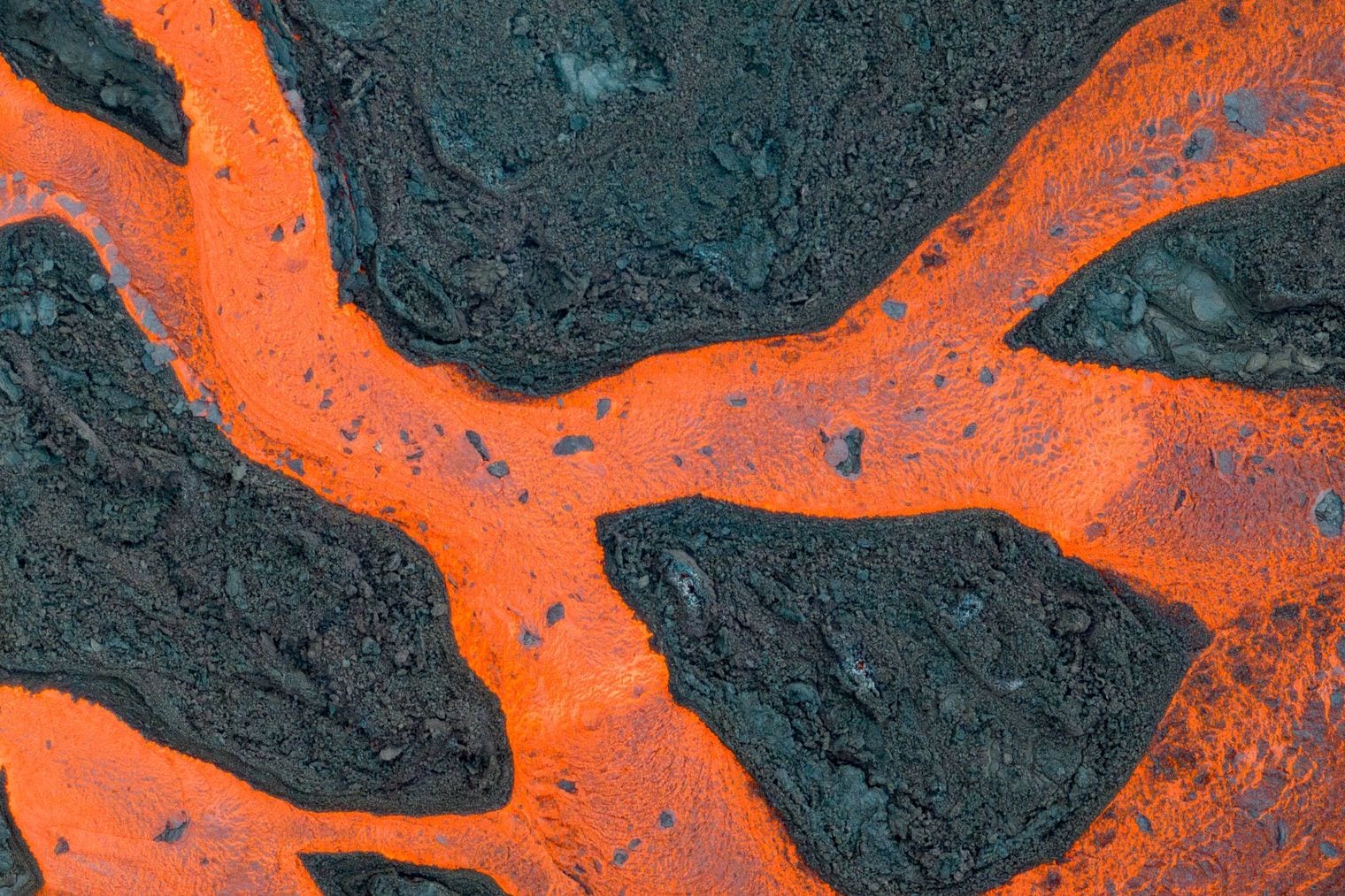
Lava Show is a live demonstration in the Grandi harbour district in which real molten lava is poured into a small purpose-built theatre a few metres from the audience. You watch it glow and flow, hear it crackle as it cools and feel the heat on your face, while the show explains how Iceland's volcanoes behave.
Because it runs indoors whatever the weather, it is a good fallback on a wet or windy day, and it sits right beside Aurora Reykjavík, with Whales of Iceland a short walk away. A second Lava Show operates in the South Coast village of Vík; the Reykjavík venue is the one in Grandi.
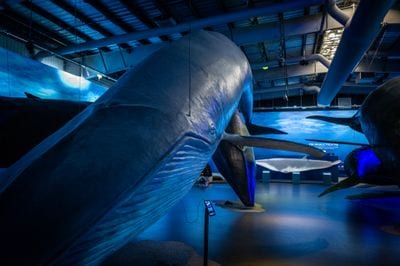
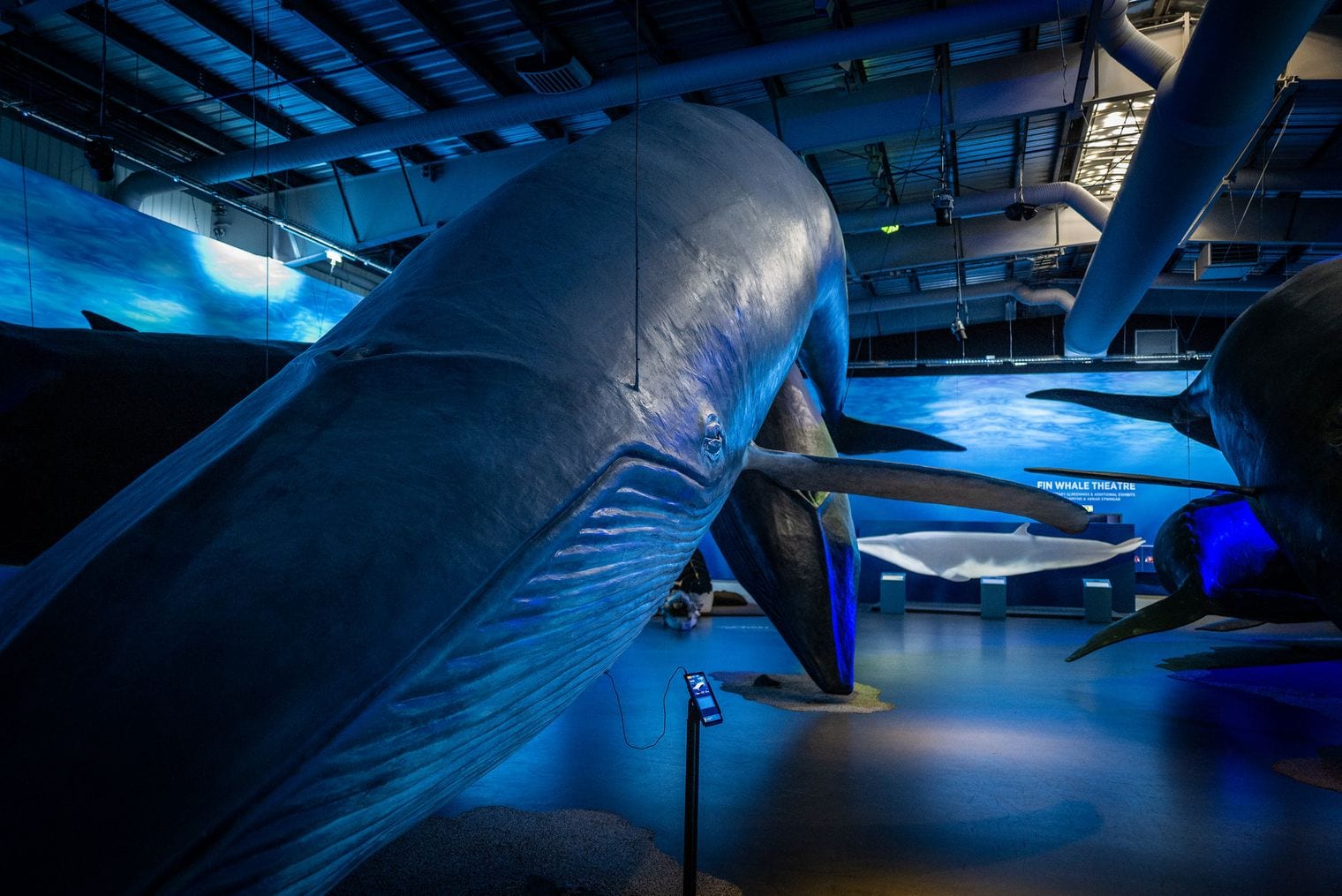
Whales of Iceland is a museum in the Grandi harbour district devoted to the whales and dolphins recorded in Icelandic waters, shown as life-size models in a dim, ocean-blue hall. Walking beneath the full length of a blue whale is the moment that sticks, and an audio guide explains each species as you go.
The museum opened in 2015 and bills itself as the largest whale museum in Europe. It makes a good primer before a whale-watching trip from the Old Harbour, or a stand-in if the weather keeps the boats in port, and it pairs easily with the other Grandi attractions.
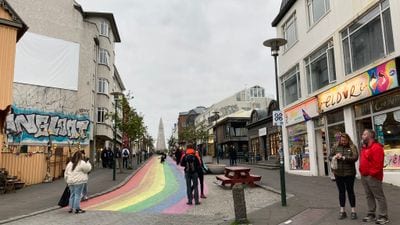
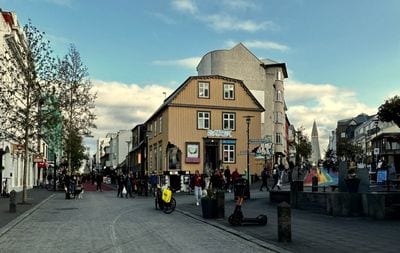
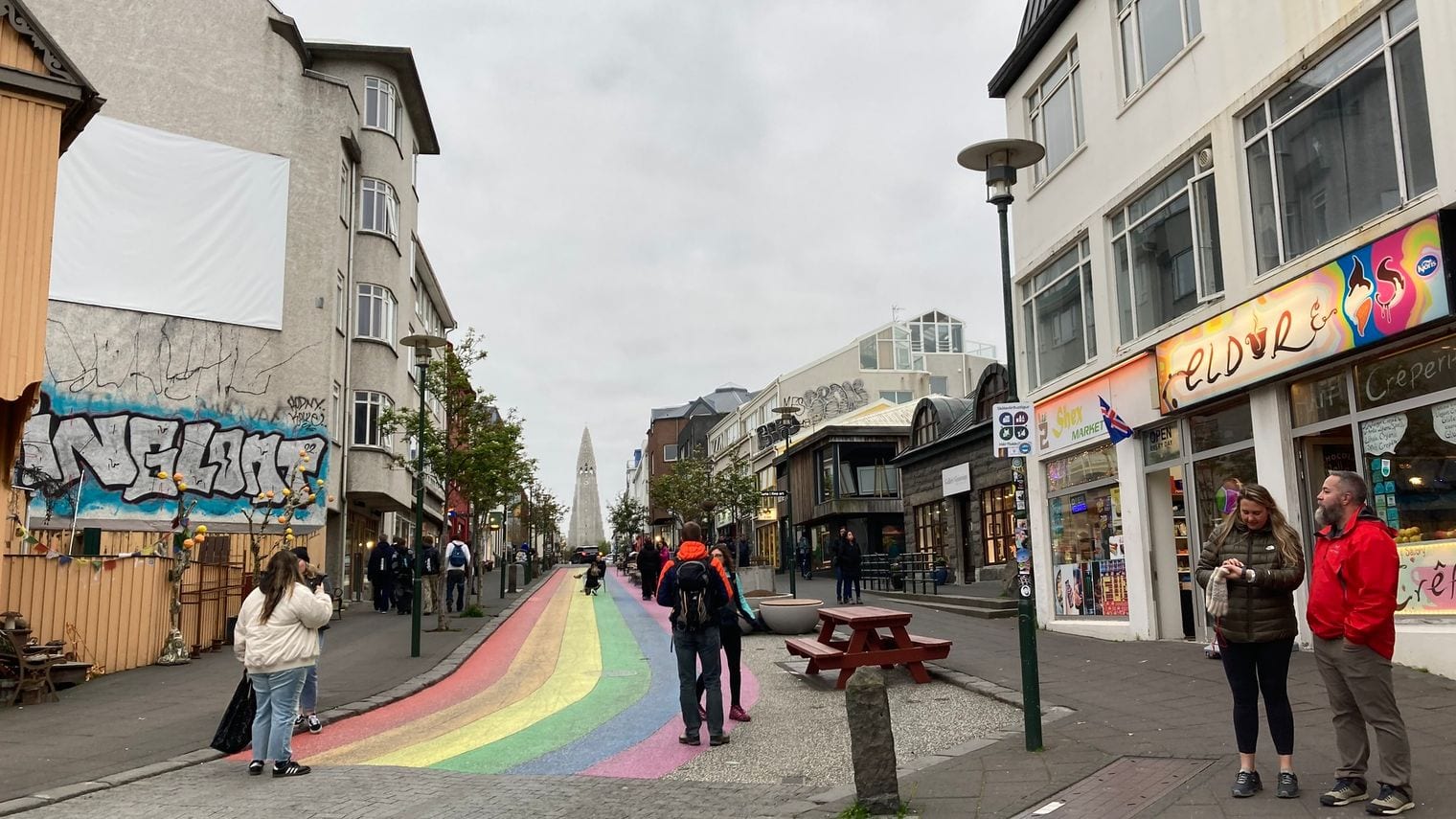
Skólavörðustígur climbs from the old town straight up to the doors of Hallgrímskirkja, and part of it is painted in rainbow stripes, first laid down for Reykjavík Pride in 2015 and since kept as a permanent fixture. With the church filling the top of the frame, it is one of the classic photographs of the city.
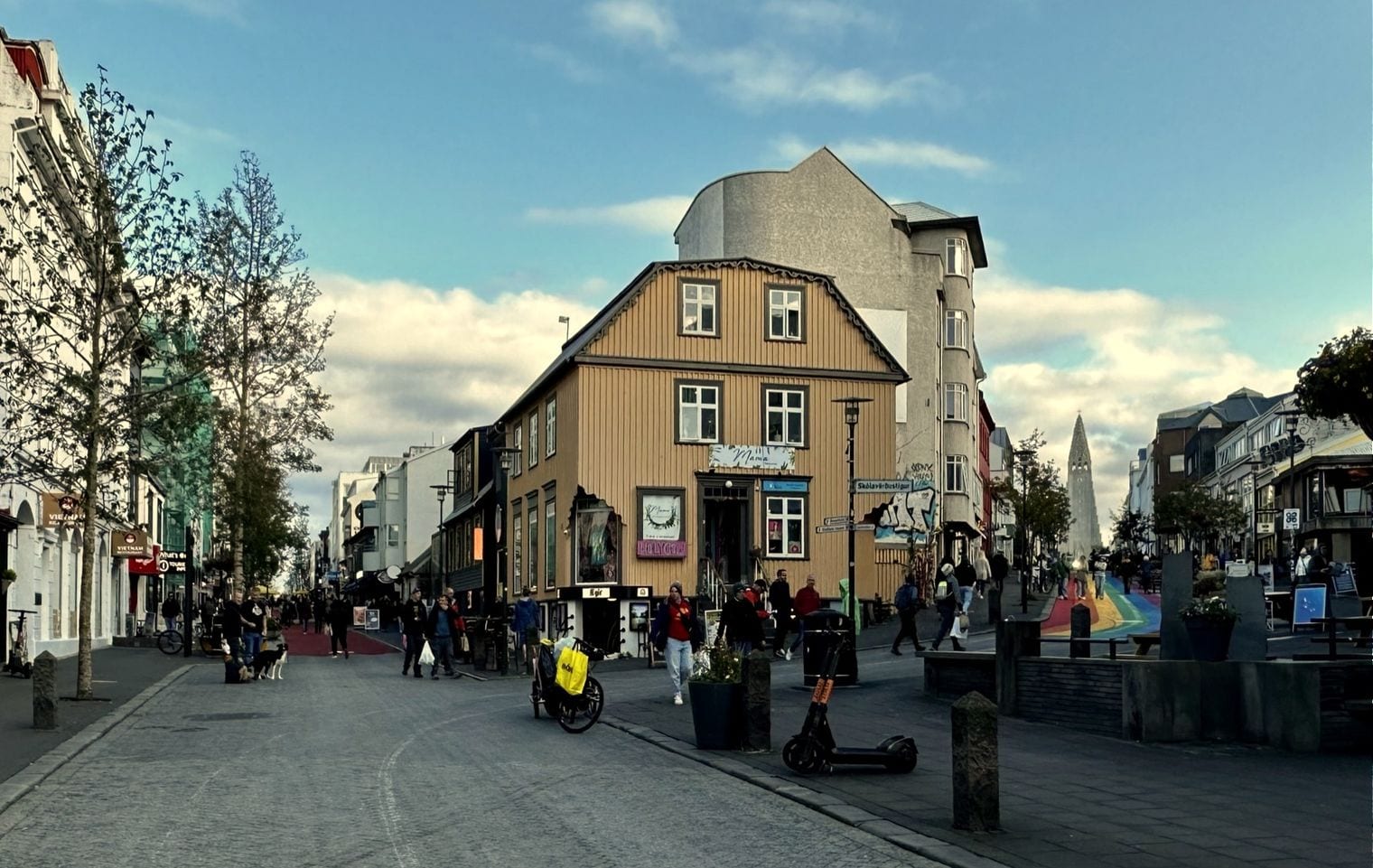
Beyond the paint, the street is lined with independent design shops, galleries, wool shops and cafés in small timber and corrugated-iron houses, which makes it a pleasant, gently uphill stroll. At the bottom it meets Laugavegur, the main shopping street, so the two are easily walked together.
Laugavegur is downtown Reykjavík's main shopping street and one of its oldest, running east from the old town past boutiques, bookshops, outdoor-gear stores, bars and cafés. Its name means "wash road": it once led to the hot springs in Laugardalur, where the women of Reykjavík carried the town's laundry to be washed.
By day it is the place to browse Icelandic design and woollens; on Friday and Saturday nights it fills with people moving between bars until late. It shares its name with a famous highland hiking trail far to the east, which is a different place entirely, so you are in the right spot if there are shopfronts on either side.
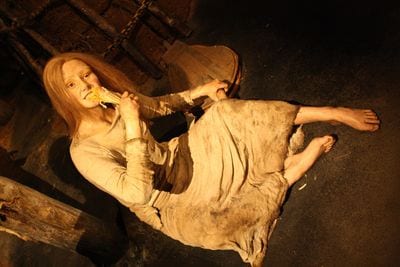
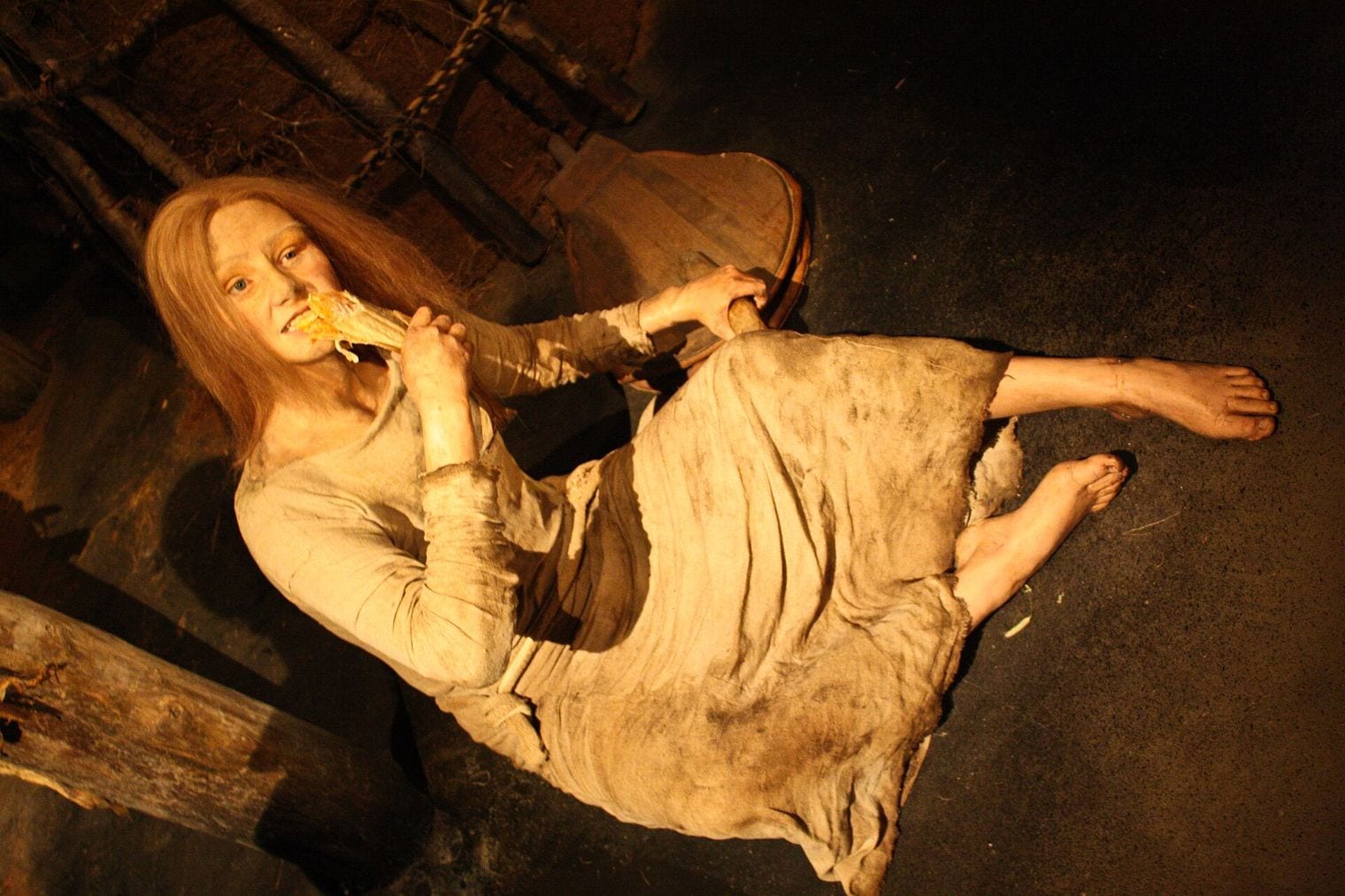
The Saga Museum in the Grandi harbour district retells Iceland's history from the time of the first settlers through life-size figures posed in recreated scenes of the moments that shaped the nation. An audio guide, offered in several languages, narrates as you walk from scene to scene.
The museum is the creation of the Icelandic designer Ernst Backman, and its figures are startlingly lifelike. At the end you can try on Viking-style clothing, helmets and chain mail and pose for photographs, which makes it a reliable hit with children and a good rainy-day stop near the Old Harbour.
1414. Höfði House
Historical Landmark~1.8 km (1.1 miles) from centre
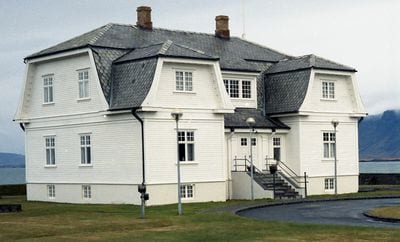
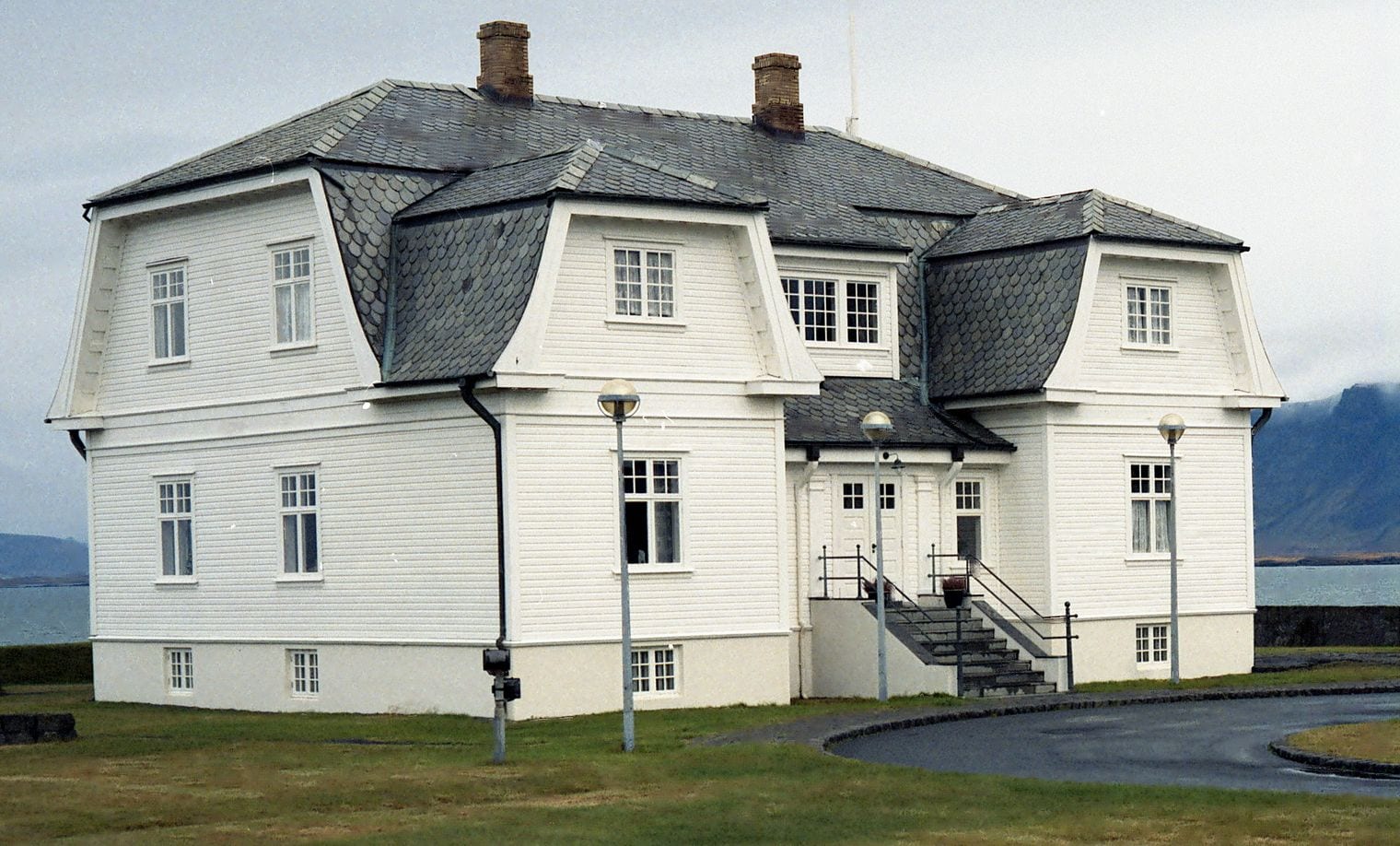
Höfði House is a white timber house on the seafront east of downtown, built in 1909 for the French consul and best known as the venue of the 1986 Reykjavík Summit between Ronald Reagan and Mikhail Gorbachev. The talks ended without a deal but are remembered as an important step toward ending the Cold War.
The city owns the house and uses it for official occasions, so it is generally not open to the public and most visitors admire it from outside. It is a short walk east along the shore path from the Sun Voyager, and it comes with a ghost story: a British consul who lived there in the 1950s is said to have insisted the house be sold because of "bumps in the night".
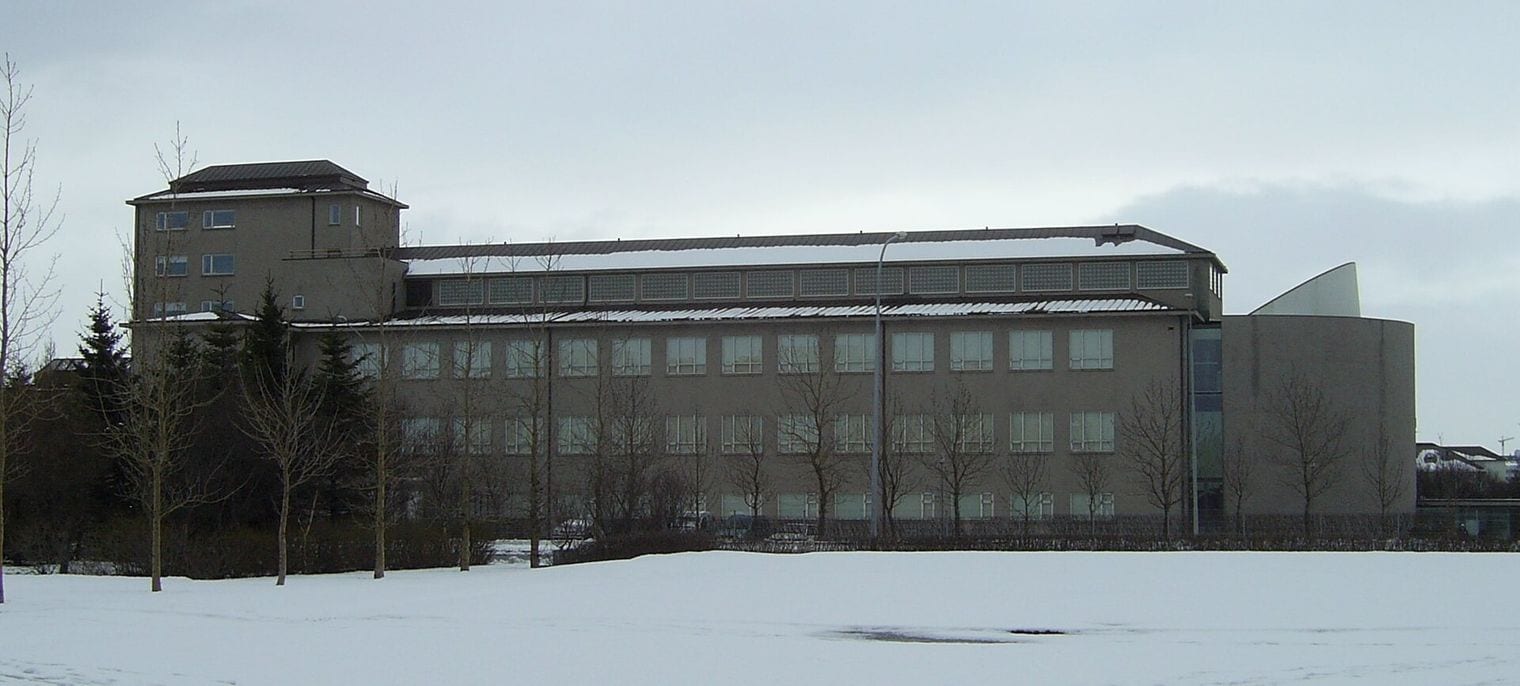
The National Museum of Iceland is the best single introduction to the country's past, tracing more than a thousand years from the settlement to the present day. Founded in 1863 and in its building on Suðurgata since 1950, it gathers around 2,000 objects in its permanent exhibition.
The star piece is the Valþjófsstaður door, a celebrated medieval carving that tells the tale of a knight who slays a dragon and frees a lion, which becomes his companion. Allow a couple of hours, and combine it with a walk around Tjörnin, which lies a short stroll to the north.
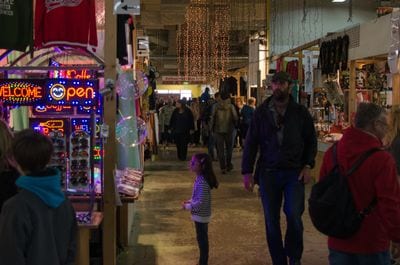
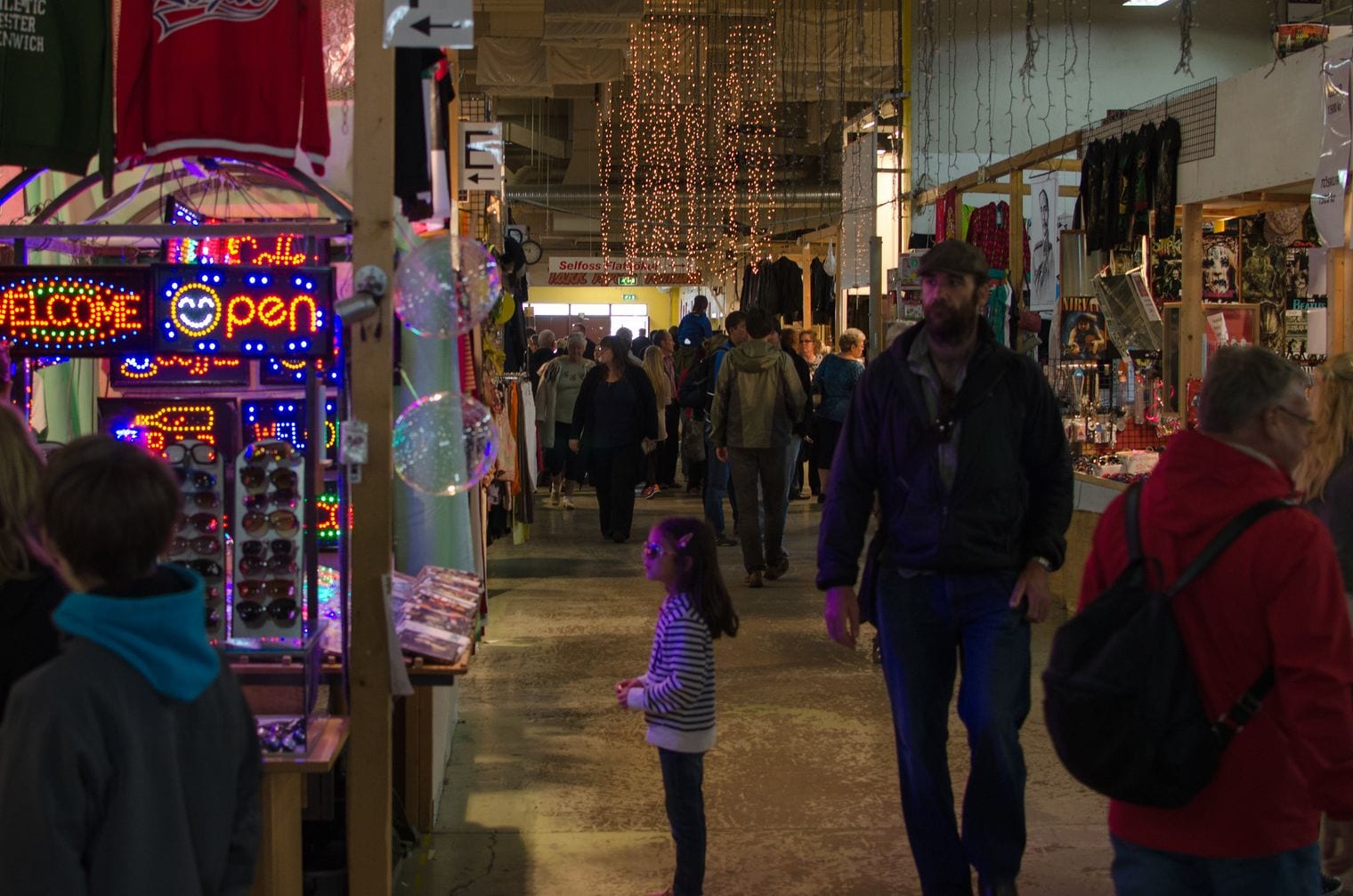
Kolaportið Flea Market fills a big indoor hall on Tryggvagata near the Old Harbour, and it opens at weekends only, so plan a Saturday or Sunday around it. Stalls sell second-hand clothes and woollens, records, books, antiques and souvenirs, with plenty of oddities in between.
The food section is the adventurous part: fishmongers sell dried fish, pickled herring and fermented shark, which makes it one of the easiest places in the city to try traditional Icelandic food on your own terms. Entry is free, and it is a lively, unhurried way to spend a grey weekend morning.
Free printable checklist of all 35 places
Tick them off as you go. Confirm your email to download it, plus one email every Thursday with new guides for the places you tick.
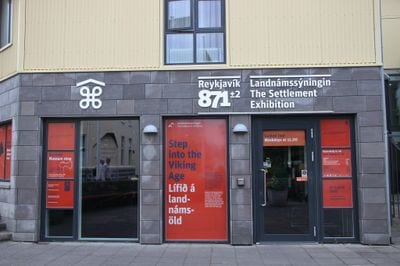
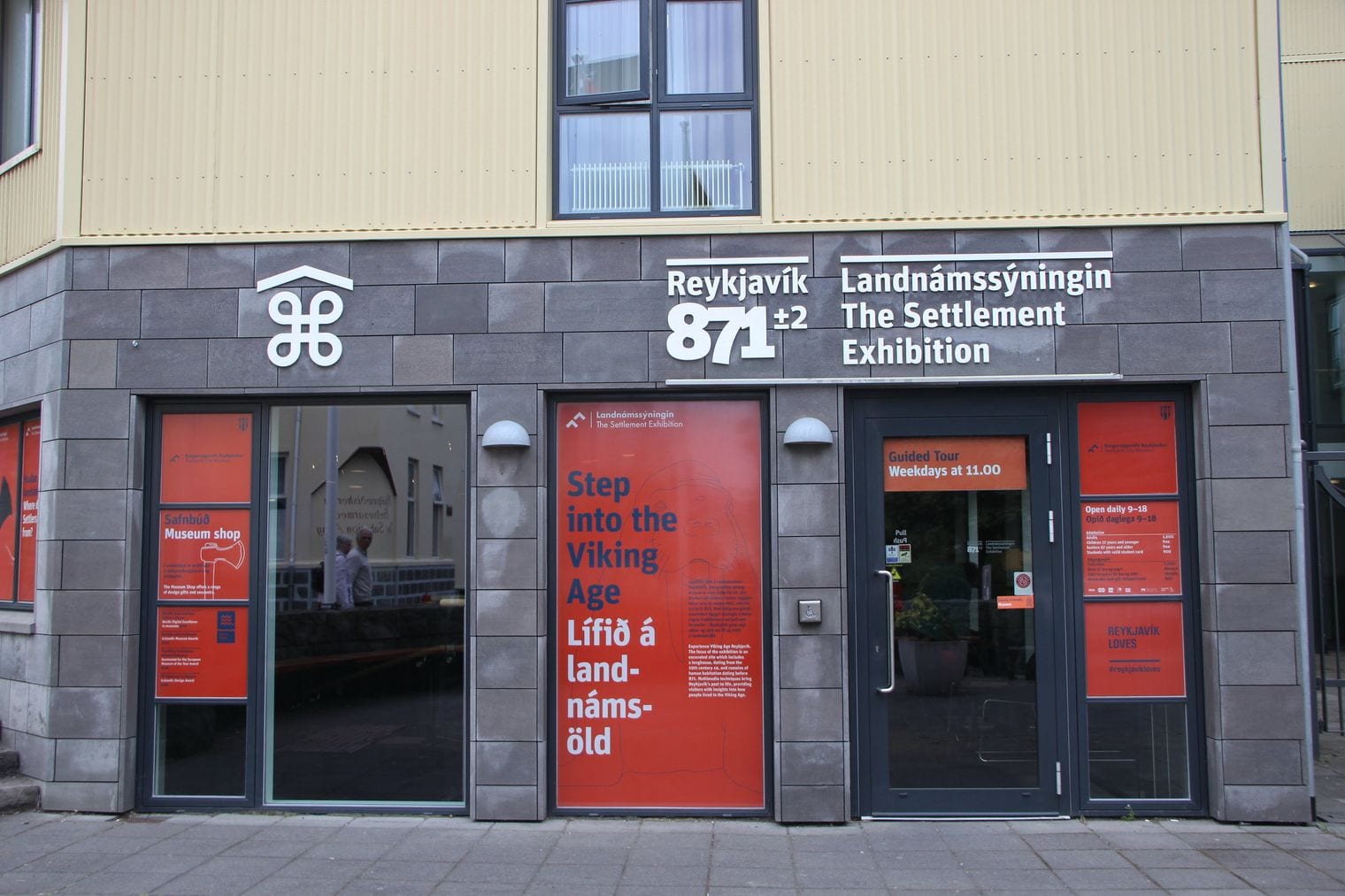
The Settlement Exhibition takes you underground on Aðalstræti to the excavated ruins of a Settlement Age hall, preserved where it was found in 2001 and among the oldest human-made structures discovered in Iceland. The hall was lived in from around 930 to 1000, and a fragment of turf wall beside it lies beneath a layer of volcanic ash dated to 871, give or take two years, so it was built even earlier.
Interactive displays and finds from central Reykjavík and the island of Viðey fill in how the first settlers lived. It is part of the Reykjavík City Museum, and its spot in the heart of the old town makes it an easy first stop that puts the rest of the city into context.
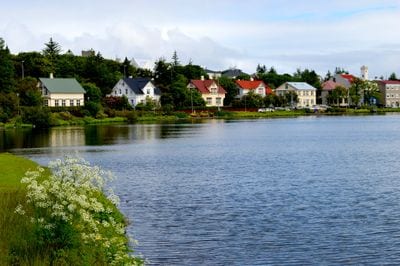
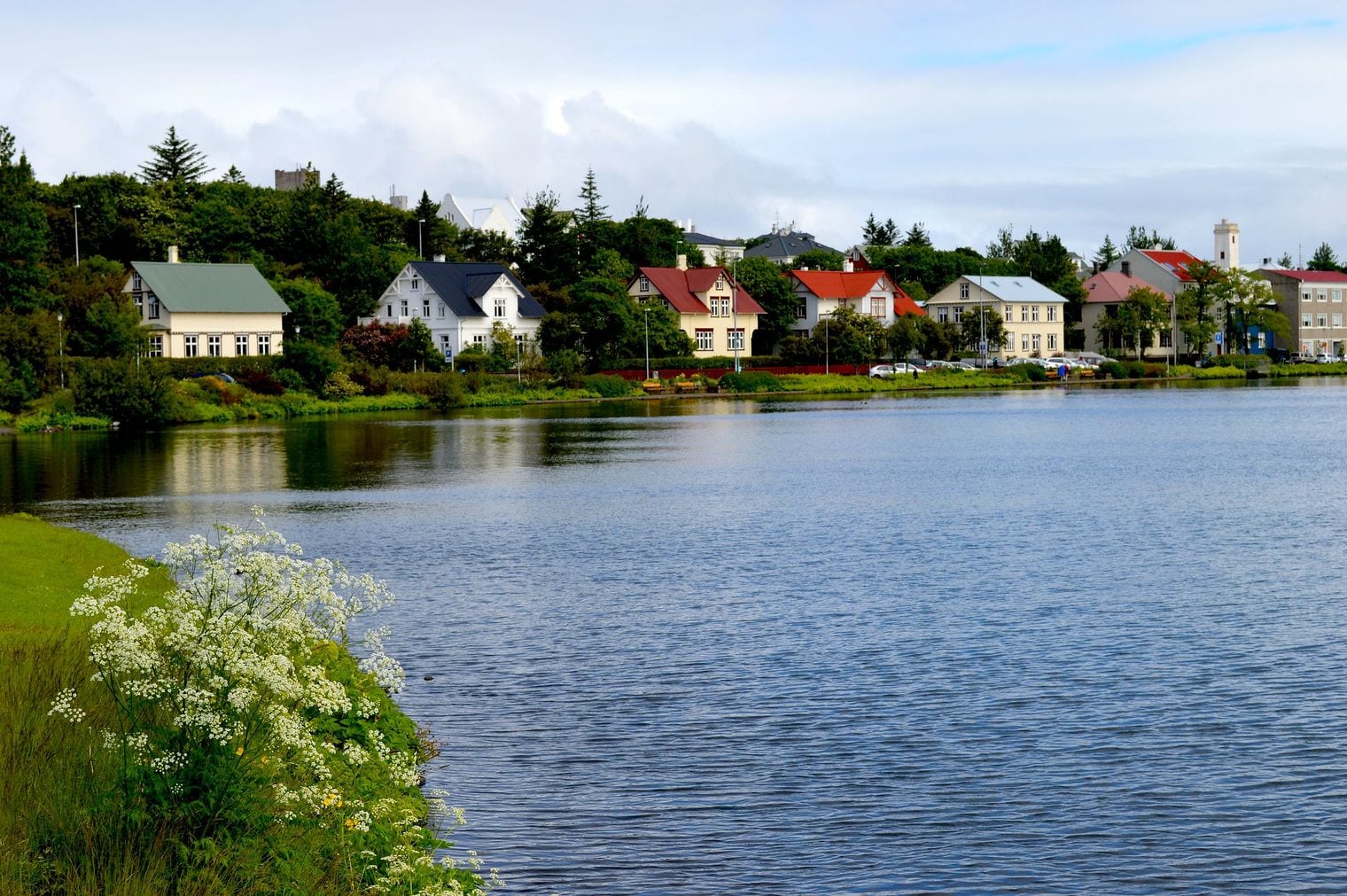
Tjörnin, which simply means "the pond", is the small lake at the heart of downtown, with City Hall rising from its northwest corner and museums and old timber houses around its shores. Between 40 and 50 species of water birds use it, from whooper swans and greylag geese to eiders and Arctic terns.
Feeding the ducks is such a local habit that the lake has been called "the biggest bread soup in the world", though the city has asked people to cut back because the bread also draws gulls that prey on ducklings. The shoreline paths make a gentle loop, and in winter, when the lake freezes over, it is used for ice skating.
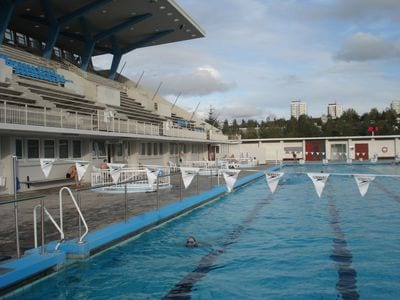
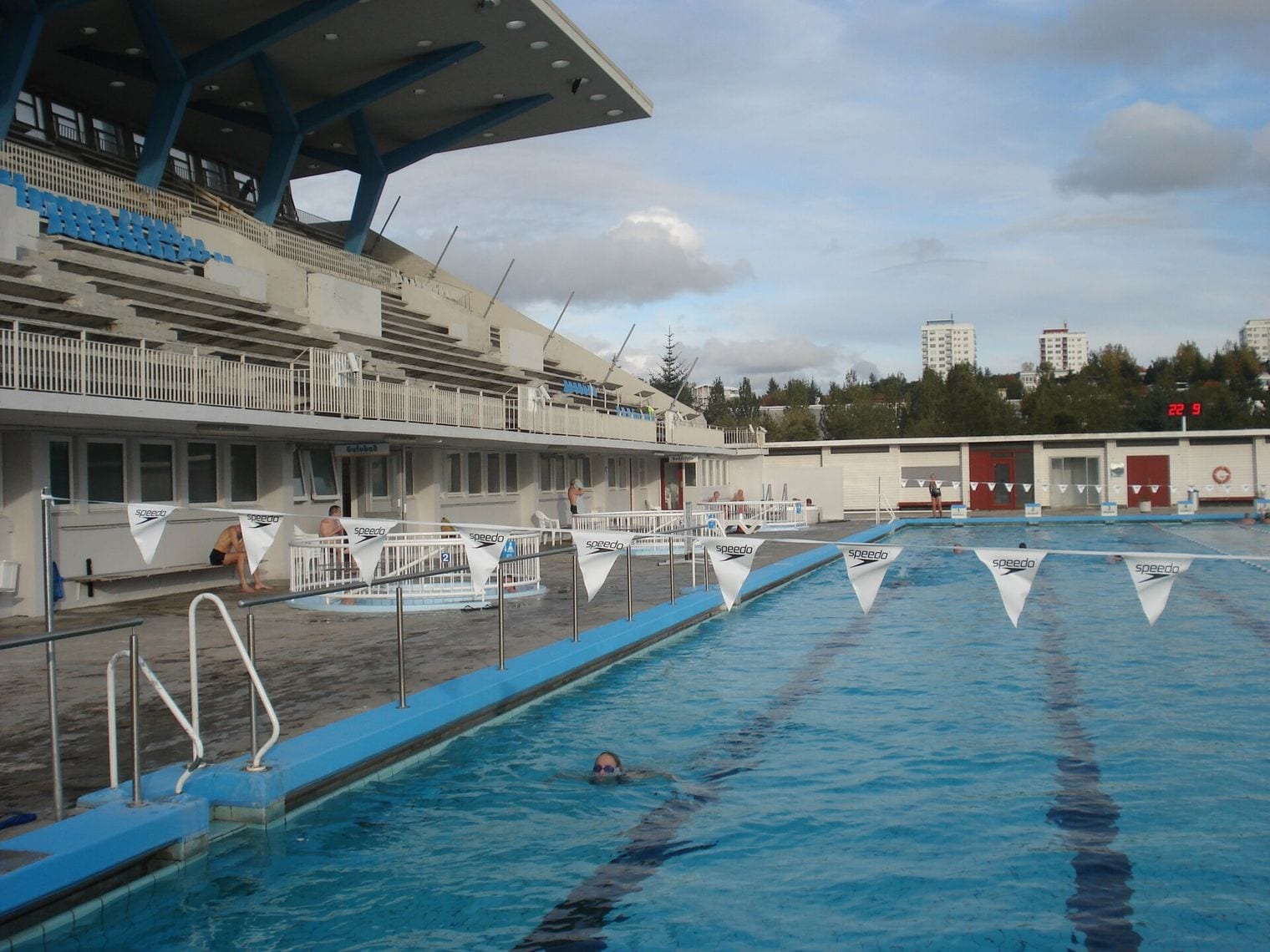
Laugardalslaug is the largest swimming pool complex in Iceland and the best place to see the city's bathing culture up close. Set in the green Laugardalur valley, it has an Olympic-size indoor pool, a 50-metre outdoor pool, a play pool, a steam bath and a row of hot pots at different temperatures, all heated with geothermal water.
Locals come to swim laps, then sink into the hot pots and talk, whatever the weather. Follow the etiquette and shower thoroughly before you get in, and you will get the same thermal soak as the famous lagoons at a neighbourhood pool. The Reykjavík Family Park and Zoo is a short walk away in the same valley.
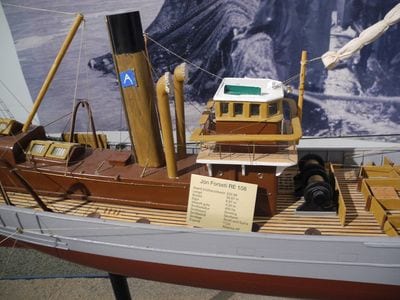
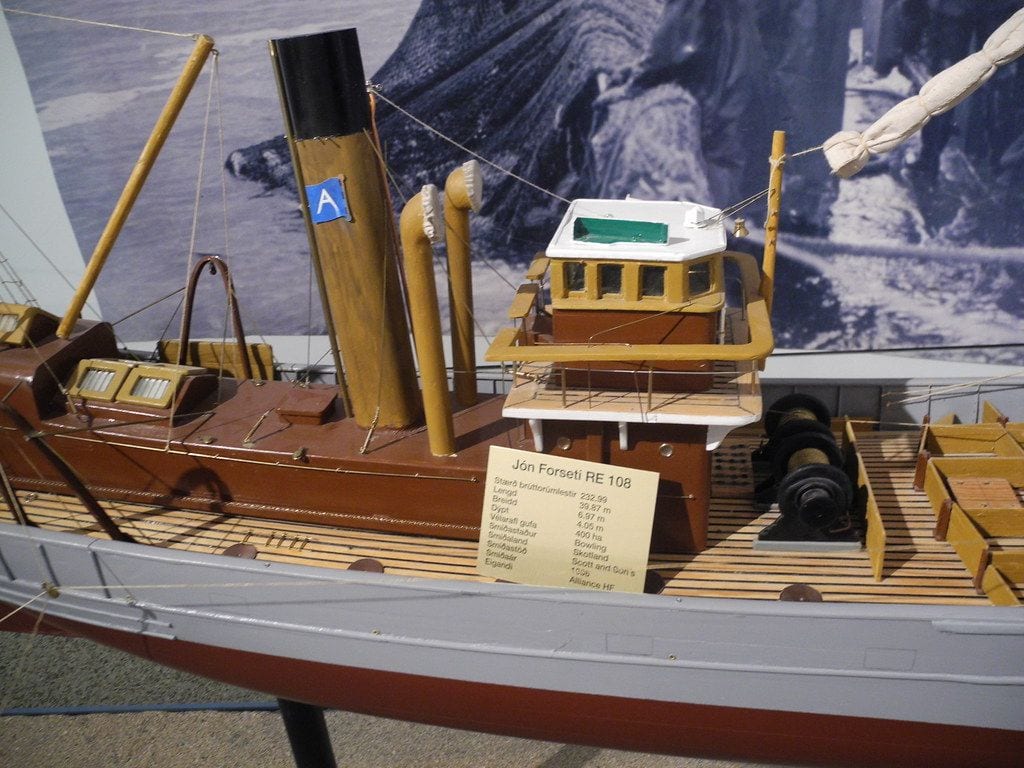
The Reykjavík Maritime Museum stands by the Old Harbour and tells the story of the fishing that built modern Iceland, from rowing boats to large trawlers, in its permanent exhibition Fish & Folk – 150 Years of Fisheries. It is one of the sites of the Reykjavík City Museum.
The biggest draw is moored at the museum pier: the Coast Guard vessel Óðinn, now an exhibit on the Cod Wars with Britain and the ship's rescue history, with guided tours on board in the warmer months. Alongside it is the tugboat Magni, the first steel ship built in Iceland.
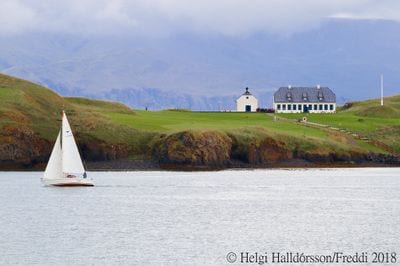
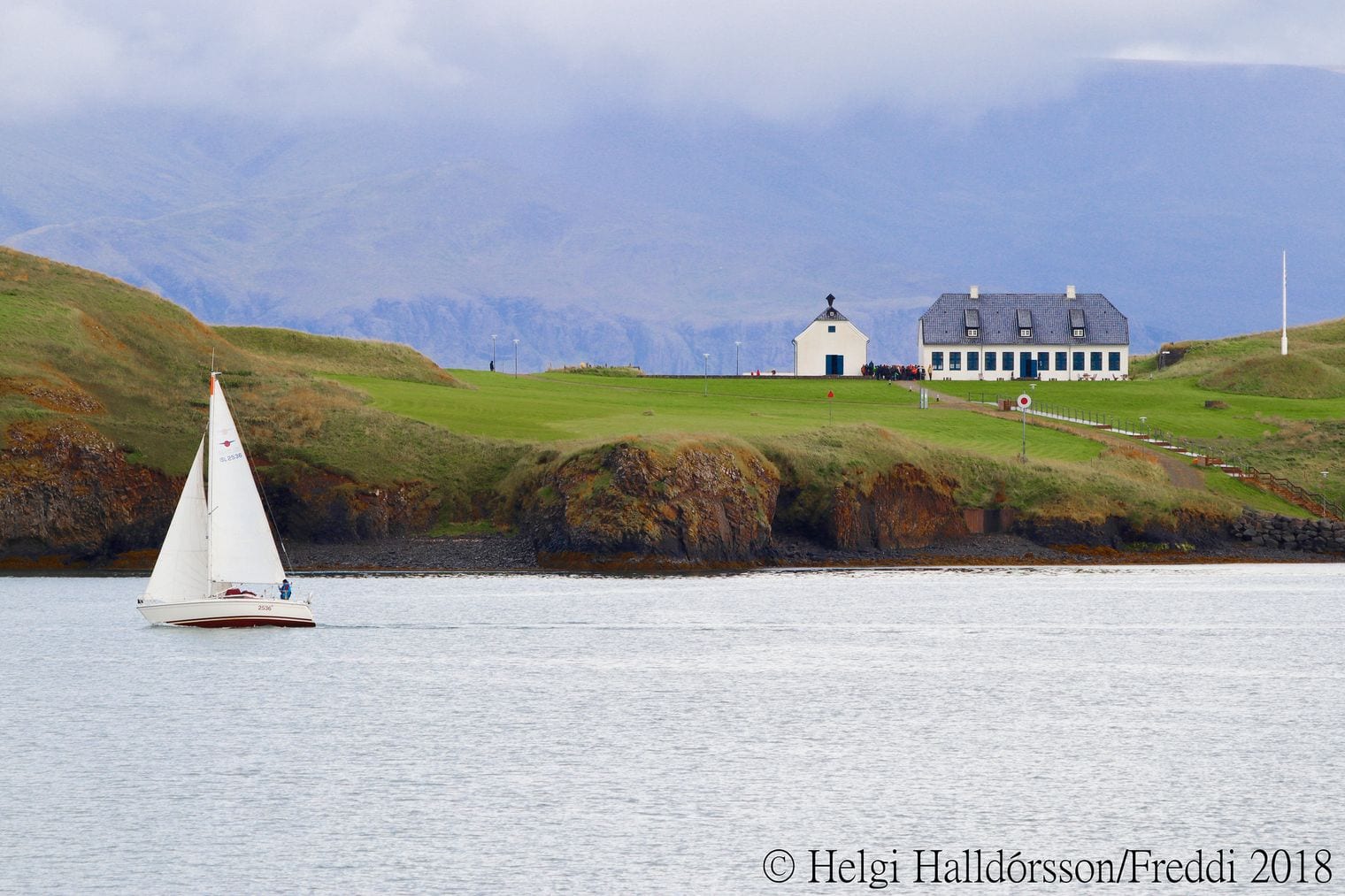
Viðey Island, a short ferry ride from Skarfabakki harbour (with seasonal sailings from the Old Harbour), is the city's easiest escape into open country: grassy hills, shoreline paths, birdlife and wide views back to Reykjavík and Mount Esja. It is also one of Iceland's most historic places, with remains from the settlement period, the site of a medieval monastery and two of the country's oldest buildings, Viðey House and Viðey Church.
Art is the other draw. Richard Serra's Áfangar sets pairs of standing stones across the island, and Yoko Ono's Imagine Peace Tower, a memorial to John Lennon, sends a column of light into the sky from a wishing well inscribed with "imagine peace" in 24 languages. It is lit every year from 9 October, Lennon's birthday, to 8 December, the date he was shot, and for a few other short periods.
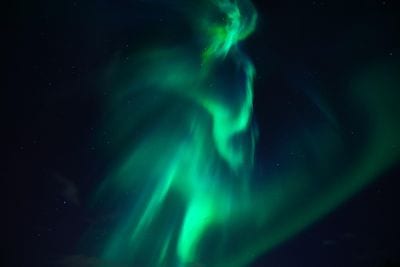
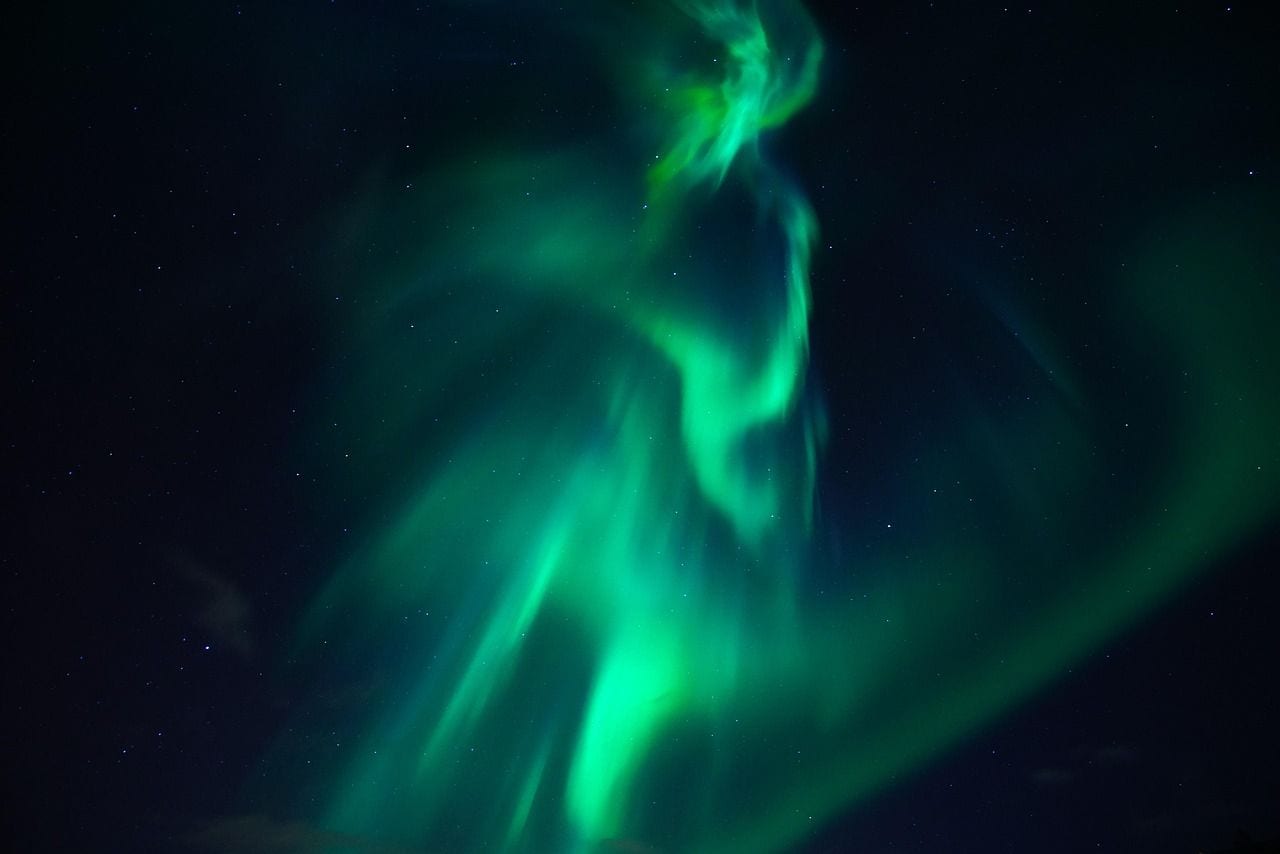
Aurora Reykjavík is a northern lights centre in the Grandi harbour district, made for anyone who wants to understand the aurora or see it at all, since the real thing depends on dark skies, clear weather and luck. Interactive exhibits explain the science, and real aurora footage filmed in remote Icelandic landscapes plays on big screens.
The highlight is a 360-degree virtual-reality film that puts you beneath a full aurora display, and staff share tips on reading the forecast and chasing the lights, which makes it a useful stop early in a winter trip. It sits right next door to Lava Show, so the two fit easily into one visit.
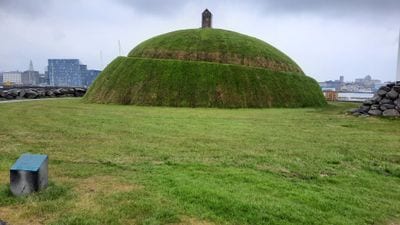
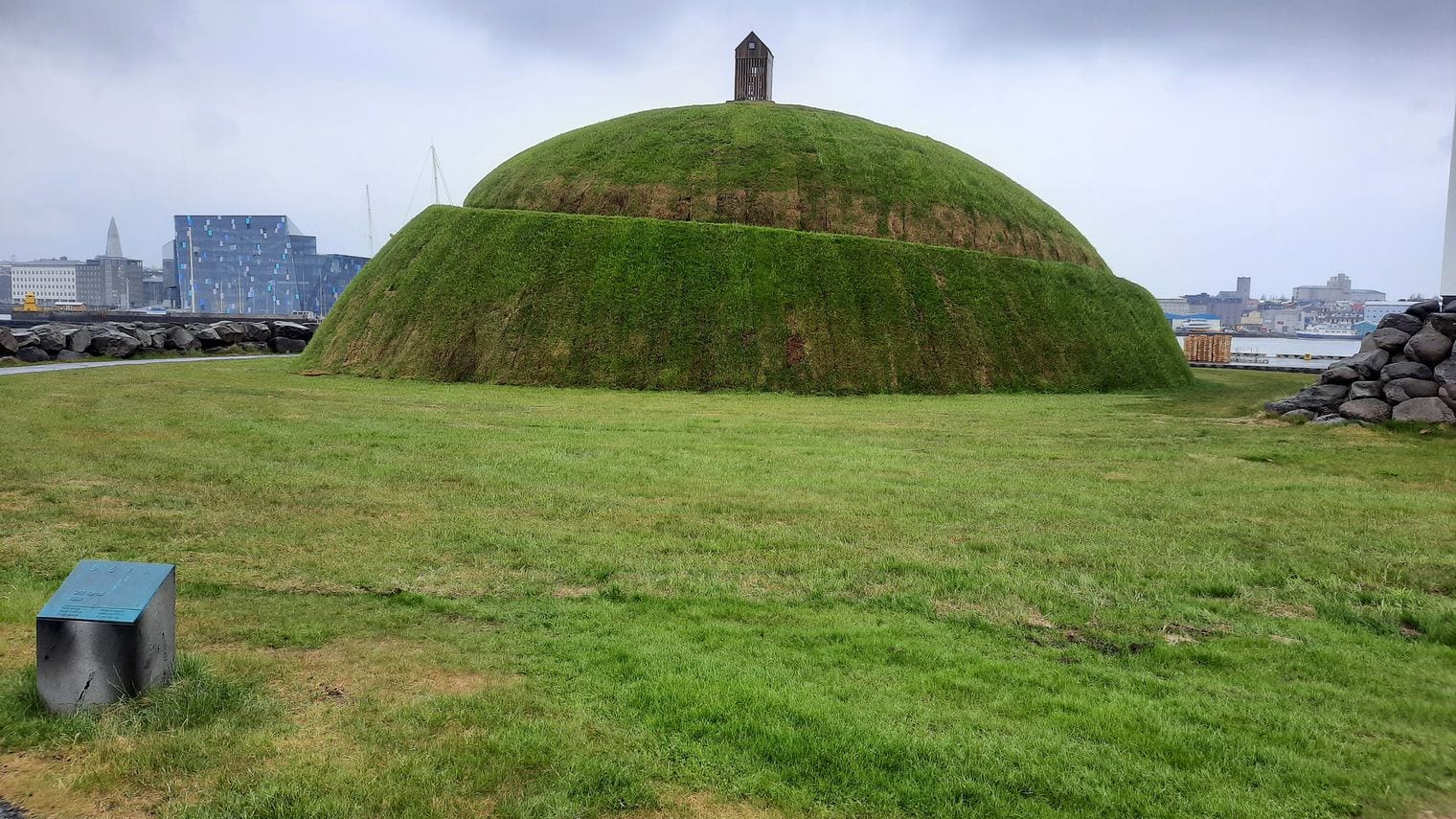
Þúfa is a grass-covered mound on the edge of Reykjavík harbour in Grandi, an artwork by the Icelandic artist Ólöf Nordal commissioned by the fishing company HB Grandi in 2013. Steps wind up its sides to a small shed at the top used for drying fish in the traditional way.
The name means a tussock or hummock, and the artist intended it as a calm, contemplative place in the middle of a working harbour. The climb takes only a few minutes and rewards you with a sweeping view over the harbour, the city skyline and Mount Esja across the bay, and it costs nothing to visit.
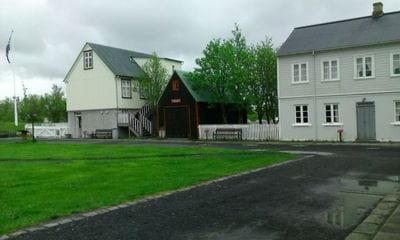
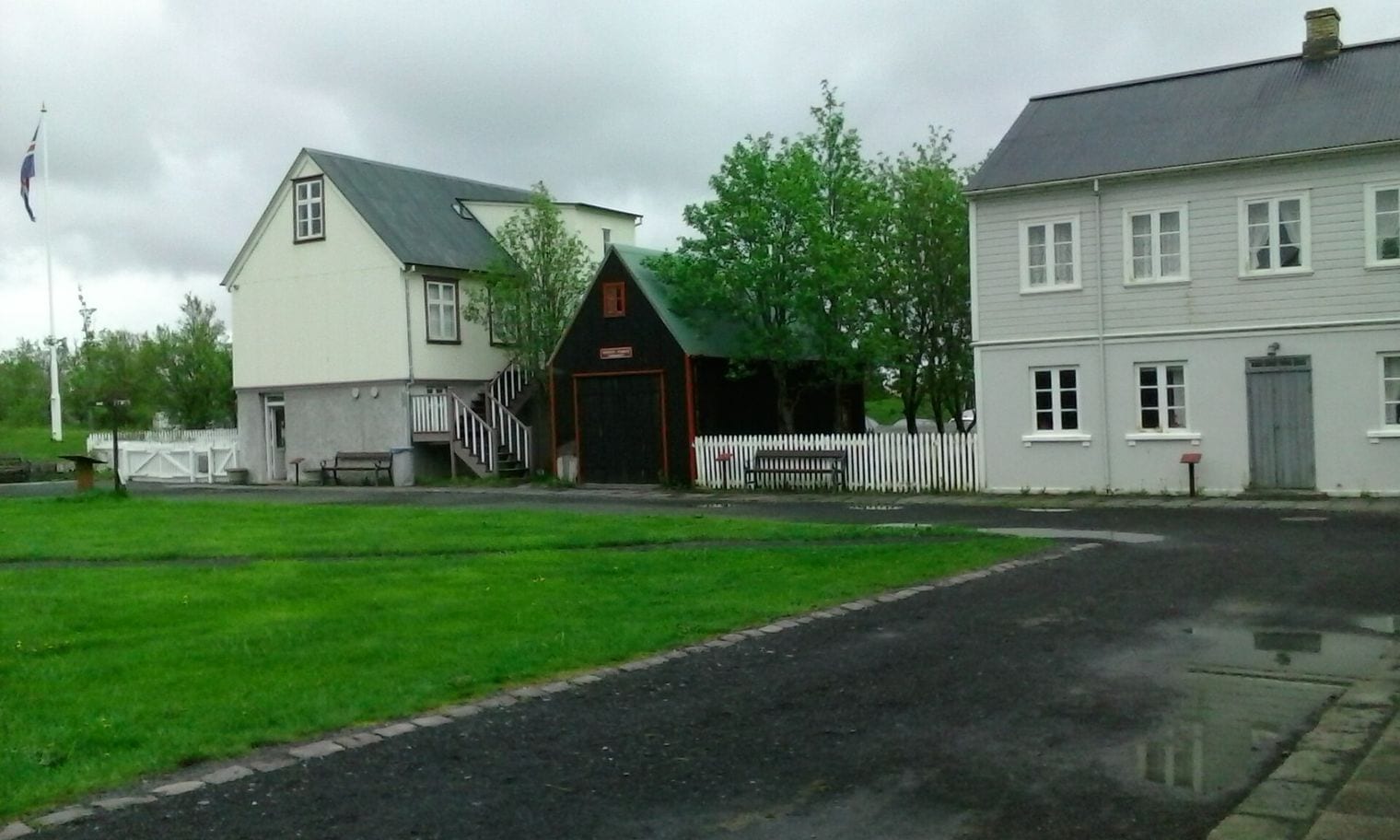
Árbær Open Air Museum gathers historic buildings around an old farm in the Árbær district on the eastern side of the city, most of them moved here from the centre of Reykjavík. Together they show how people in the town lived and worked in earlier times, and the museum describes itself as the largest of its kind in Iceland.
The farmhouse is the only building still on its original spot; the others include a former shop from Laugavegur, a 19th-century townhouse, a small church brought from the north of Iceland and the first Catholic church built in the country since the Reformation. Its Christmas programme during Advent has become a fixture of the local calendar.
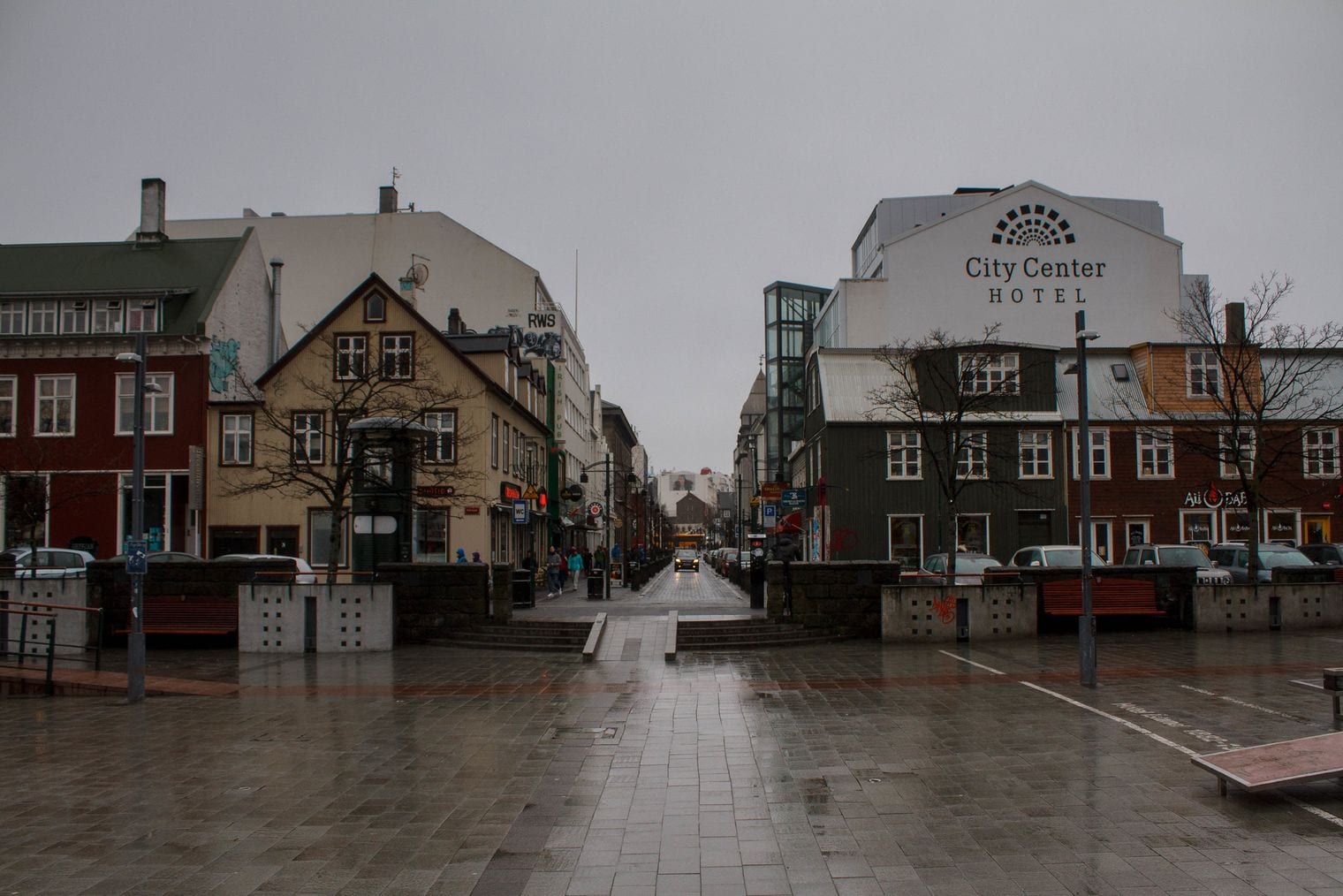
Ingólfstorg is an open square on Aðalstræti, in the oldest part of downtown, named after Ingólfur Arnarson, who by tradition was the first settler of Reykjavík. The street around it has been lived on for longer than almost anywhere else in the city, and the Settlement Exhibition is only a few steps away.
Today it is a meeting point and event space, used for concerts, speeches and crowds on big days such as National Day on 17 June and Culture Night in August, and skateboarders claim it the rest of the time. Around Christmas it has often been turned into a small ice rink, and it makes a natural starting point for a walk to Austurvöllur and the Old Harbour.
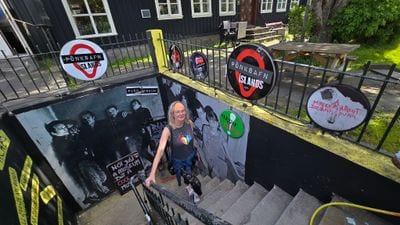
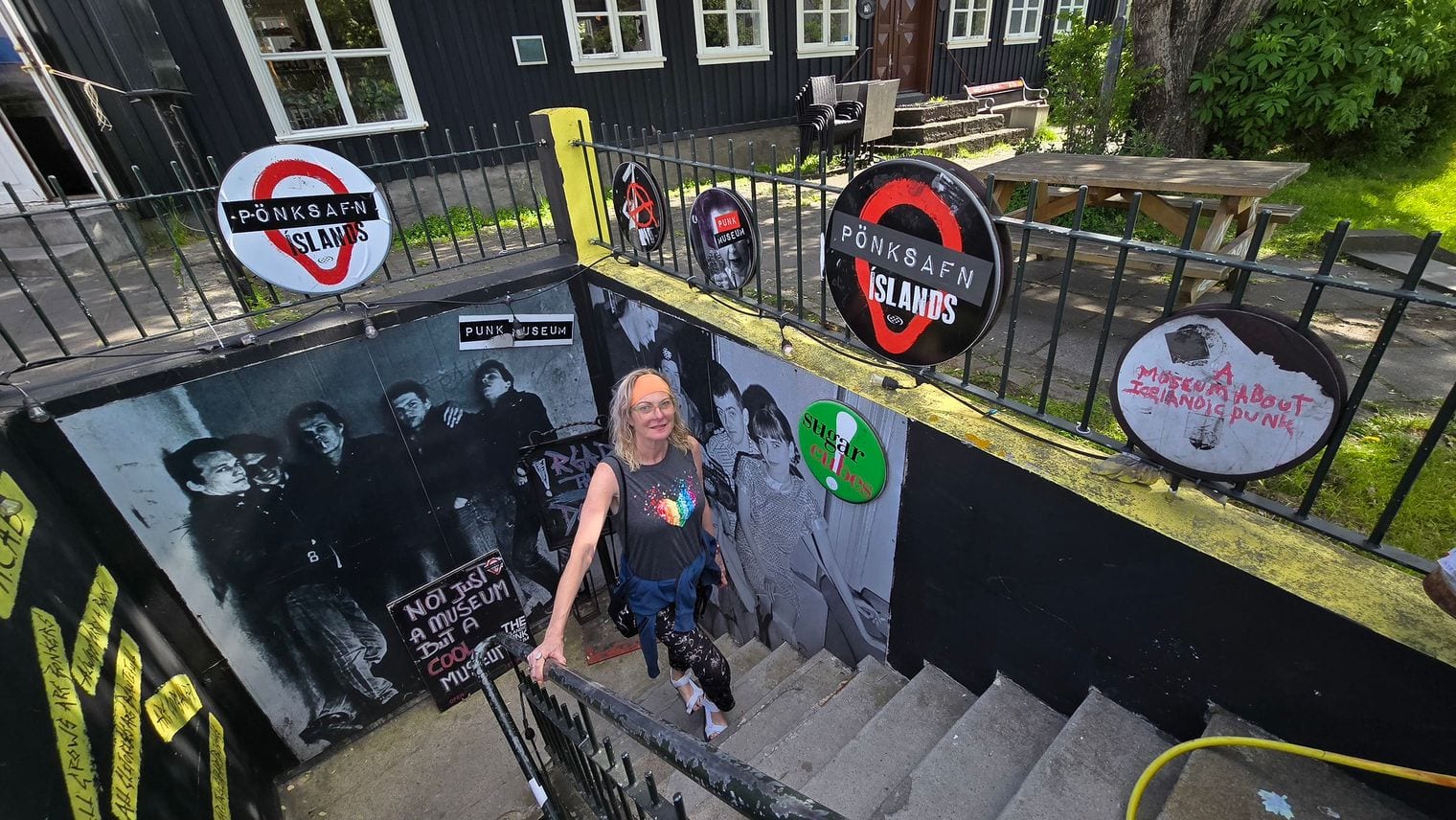
The Icelandic Punk Museum is one of Reykjavík's quirkiest stops: a tiny exhibition squeezed into a disused underground men's public toilet on Bankastræti, which served the busy pub street nearby from 1930 until 2000. Its walls and old cubicles are packed with memorabilia charting the early years of Icelandic punk after 1978.
It was opened in 2016 by the Sex Pistols singer John Lydon, and the scrappy, do-it-yourself feel suits the subject perfectly. A visit takes very little time, and it sits right in the centre, at the bottom of the hill below Laugavegur.
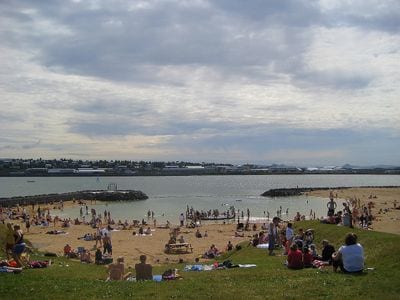
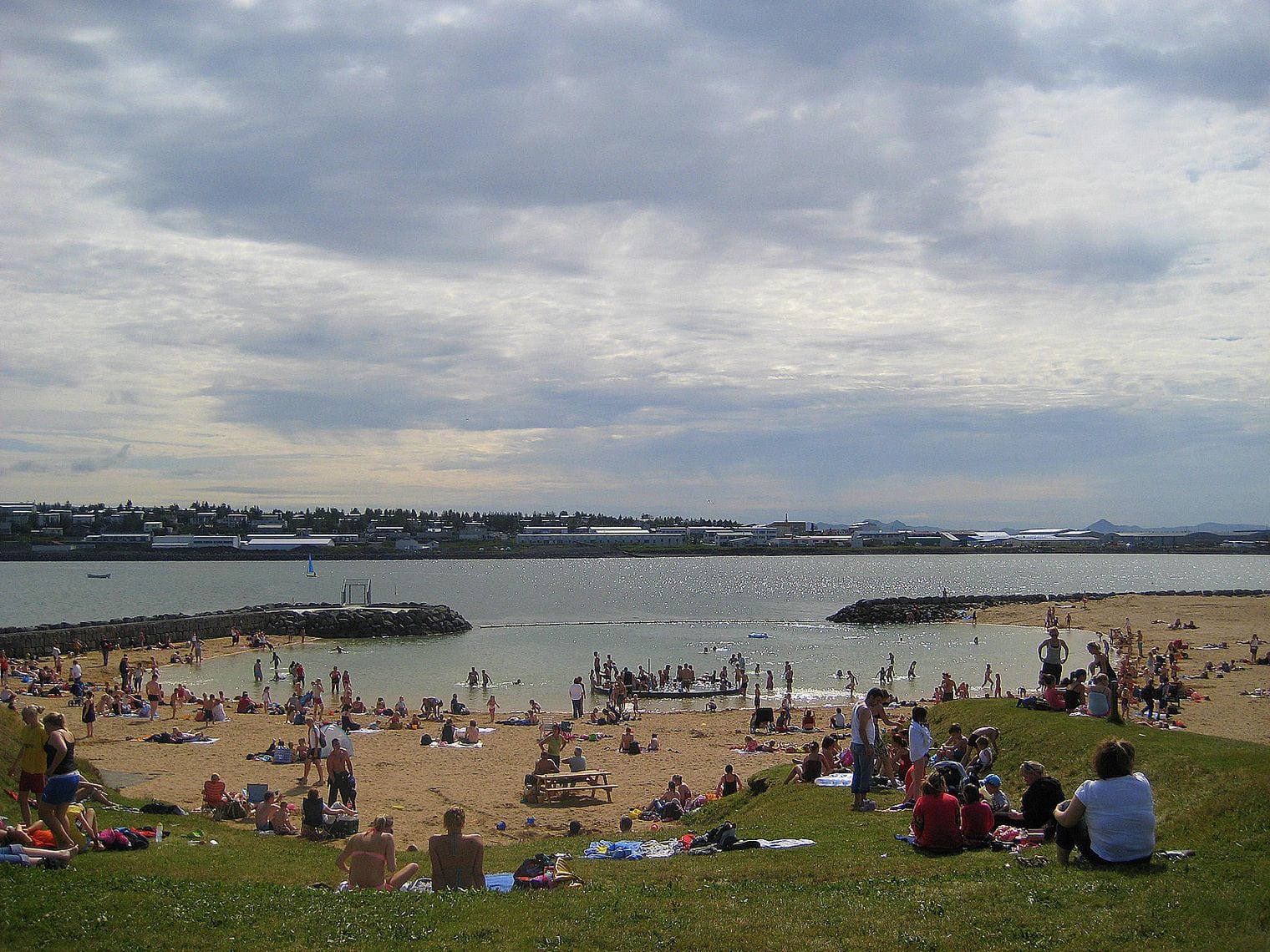
Nauthólsvík Geothermal Beach is a sheltered cove on the city's south shore, below Öskjuhlíð hill and about 900 metres from Perlan, where geothermal hot water is pumped into a man-made lagoon to take the edge off the North Atlantic. Inside the cove the sea runs a few degrees warmer than the open ocean, and a hot tub sits at around 38 °C.
It is the place to try sea swimming the Icelandic way: a quick, bracing dip in the bay, then a long thaw in the hot tub. It is busiest on bright summer days, and the walking and cycling paths along the shore make it easy to reach on foot from Perlan.
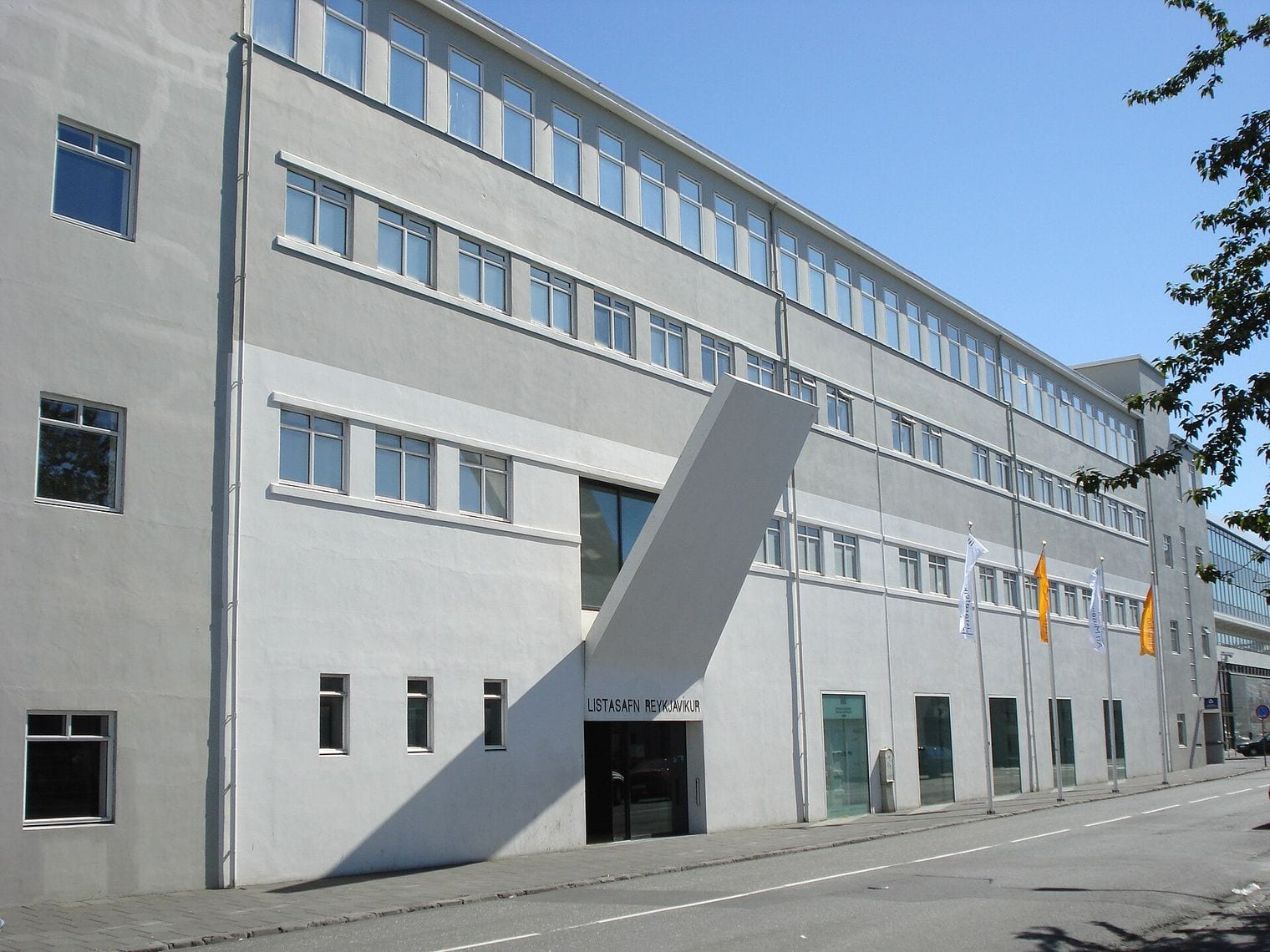
Reykjavík Art Museum Hafnarhús, the Harbour House by the Old Harbour, is the contemporary-art branch of the Reykjavík Art Museum, the largest visual art institution in Iceland. It focuses on progressive work by Icelandic and international artists, and the work of the Icelandic artist Erró is permanently on show.
The museum has three branches, and a general ticket covers all of them: Hafnarhús, Kjarvalsstaðir in Klambratún park, named after the painter Jóhannes Kjarval, and Ásmundarsafn in Laugardalur, devoted to the sculptor Ásmundur Sveinsson. That makes it easy to build an art day across the city.
The Reykjavík Family Park and Zoo, in Laugardalur, is less a conventional zoo than a farm park for Icelandic animals, with horses, cows, sheep, goats, pigs and hens alongside native wildlife such as reindeer, Arctic foxes and harbour seals, plus a few exotic species.
The family park next door adds rides and play areas for younger children, with the bigger attractions running mainly in summer. It makes an easy half-day with kids, and the Laugardalslaug pool complex is a short walk away for a swim afterwards.
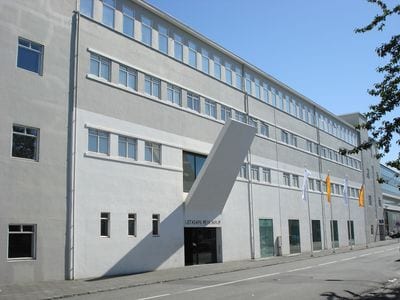
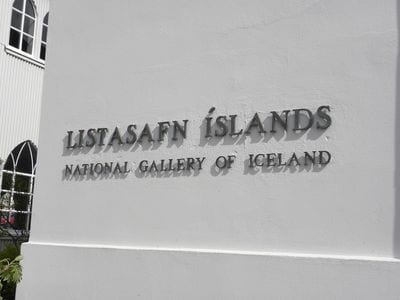
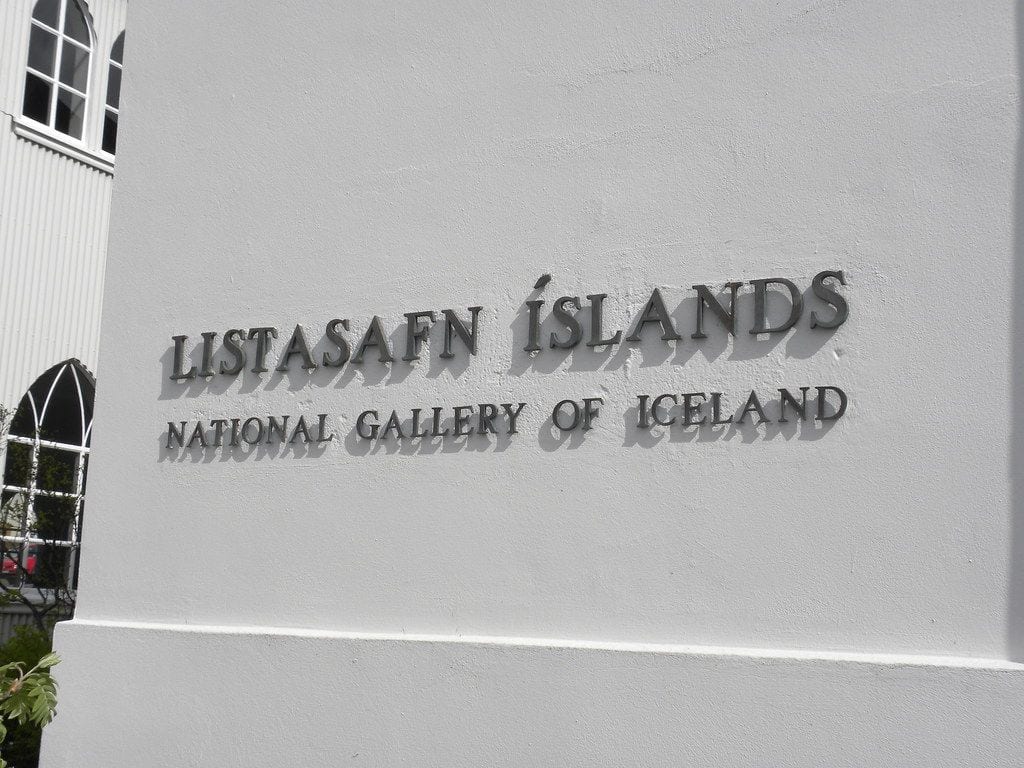
The National Gallery of Iceland holds the country's main collection of Icelandic art, roughly 15,000 works from the 19th century to the present, along with pieces by international artists. Founded in 1884, it has its main building on Fríkirkjuvegur, beside Tjörnin, in a converted former icehouse.
The gallery also shows its permanent collection at Safnahúsið, the House of Collections, a grand building from the early 20th century in the city centre. Between the two sites it is the best place in Reykjavík to see how Icelandic painting and sculpture developed, from landscape painters to contemporary artists.
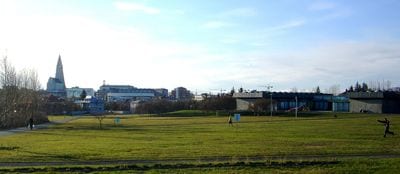
Klambratún is a broad green park in the Hlíðar district, a short walk east of the city centre, with open lawns and tree-lined paths that make it an easy place to stretch your legs away from the busier downtown streets.
Its main draw is Kjarvalsstaðir, the branch of the Reykjavík Art Museum that stands within the park and is named after the painter Jóhannes Kjarval. One general ticket covers it together with Hafnarhús and Ásmundarsafn, so it is easy to fold a stroll through Klambratún into an art-focused day.
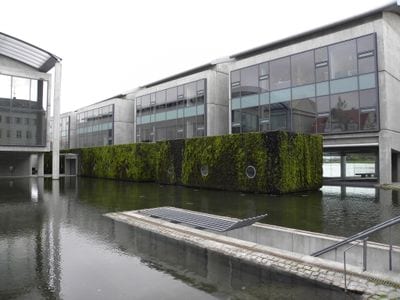
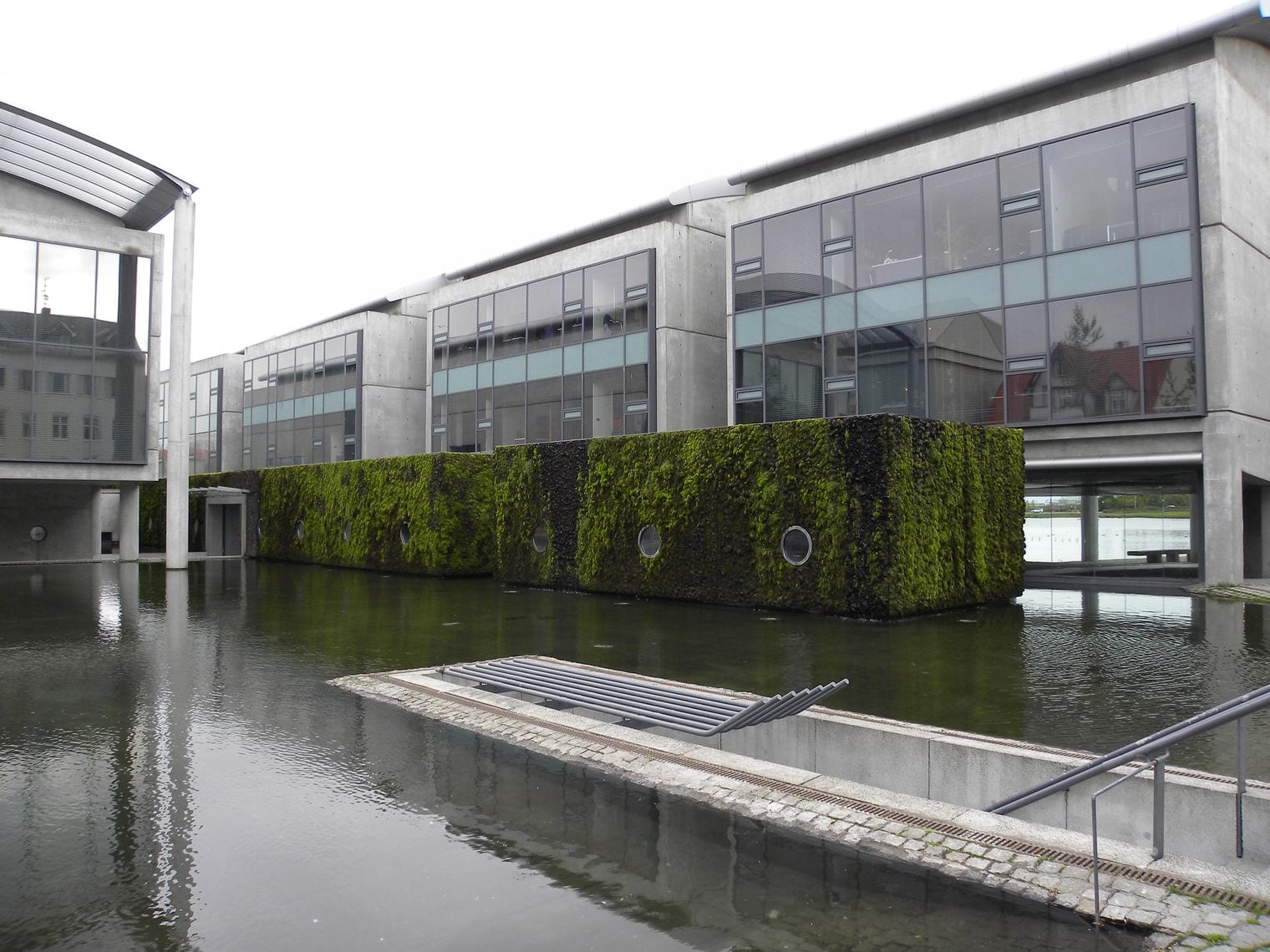
Reykjavík City Hall stands at the northwest corner of Tjörnin, a concrete-and-glass building completed in 1992 to a design by the architects Studio Granda, who won an international competition for it. It seems to rise straight out of the lake, and it houses the offices of the mayor of Reykjavík.
Step inside to see the large three-dimensional map of Iceland, a good way to grasp the country's glaciers, fjords and volcanoes before a road trip. The hall also hosts art exhibitions, functions and live music from time to time, and the lakeside paths outside lead around Tjörnin.
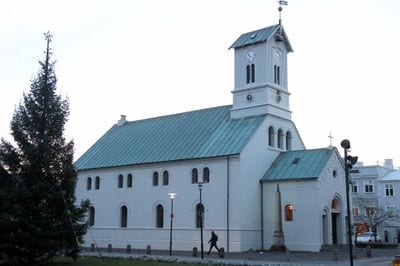
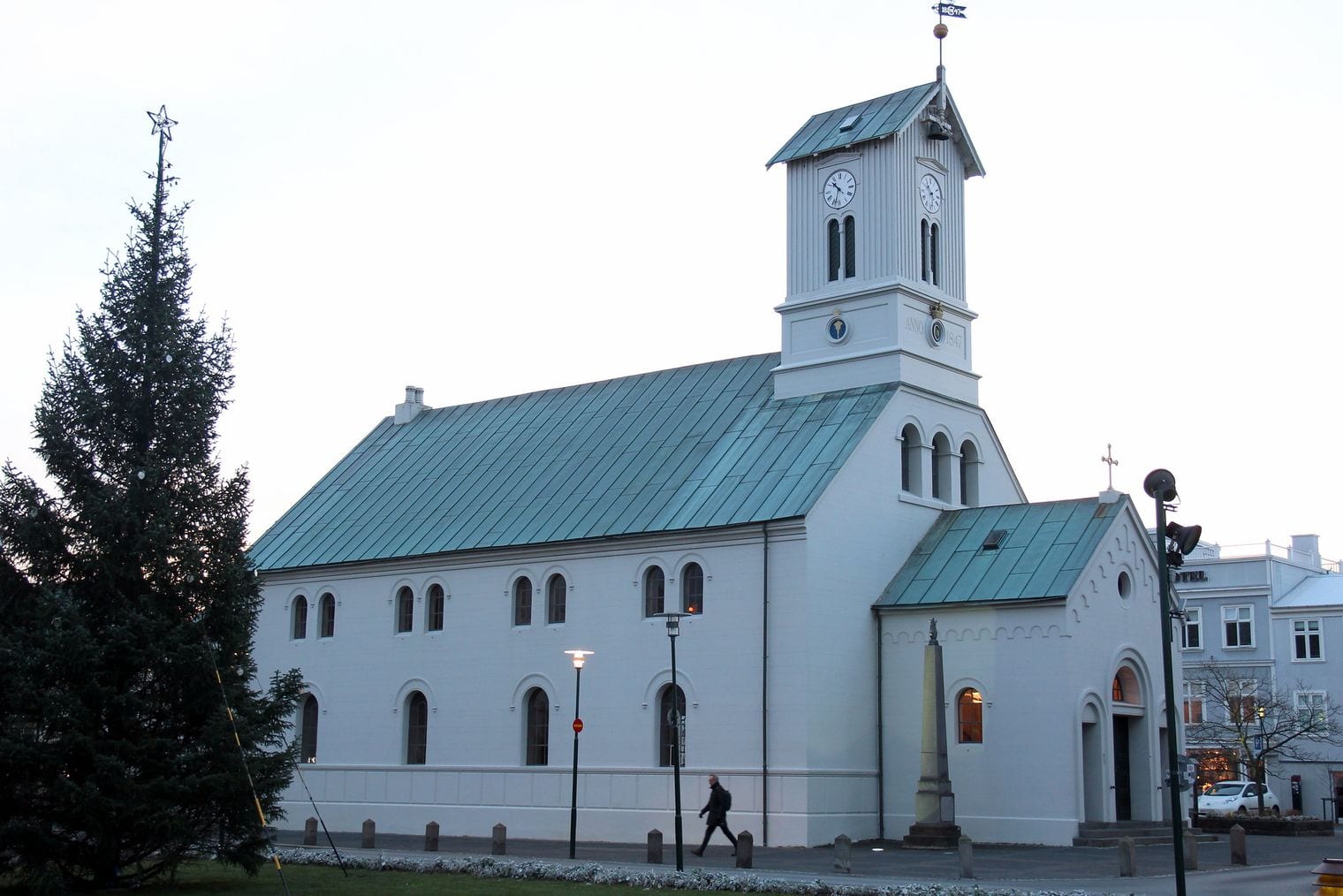
Reykjavík Cathedral (Dómkirkjan) is a modest church on Austurvöllur square, far smaller than Hallgrímskirkja but the seat of the Bishop of Iceland and the mother church of the Evangelical Lutheran Church of Iceland. It dates from the late 18th century and is still the parish church of the old city centre. It should not be confused with Landakotskirkja, the Catholic cathedral on the hill to the west.
Its link to the state is visible every year: since the Alþingi was restored in 1845, each session of parliament has opened with a service here, after which the members walk next door to the parliament house. The simple, light interior is worth a quiet look on any walk across Austurvöllur.
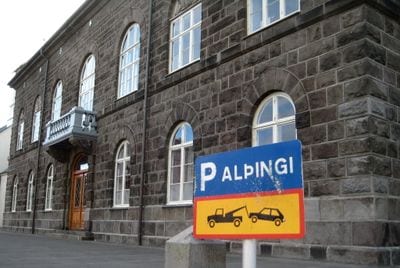
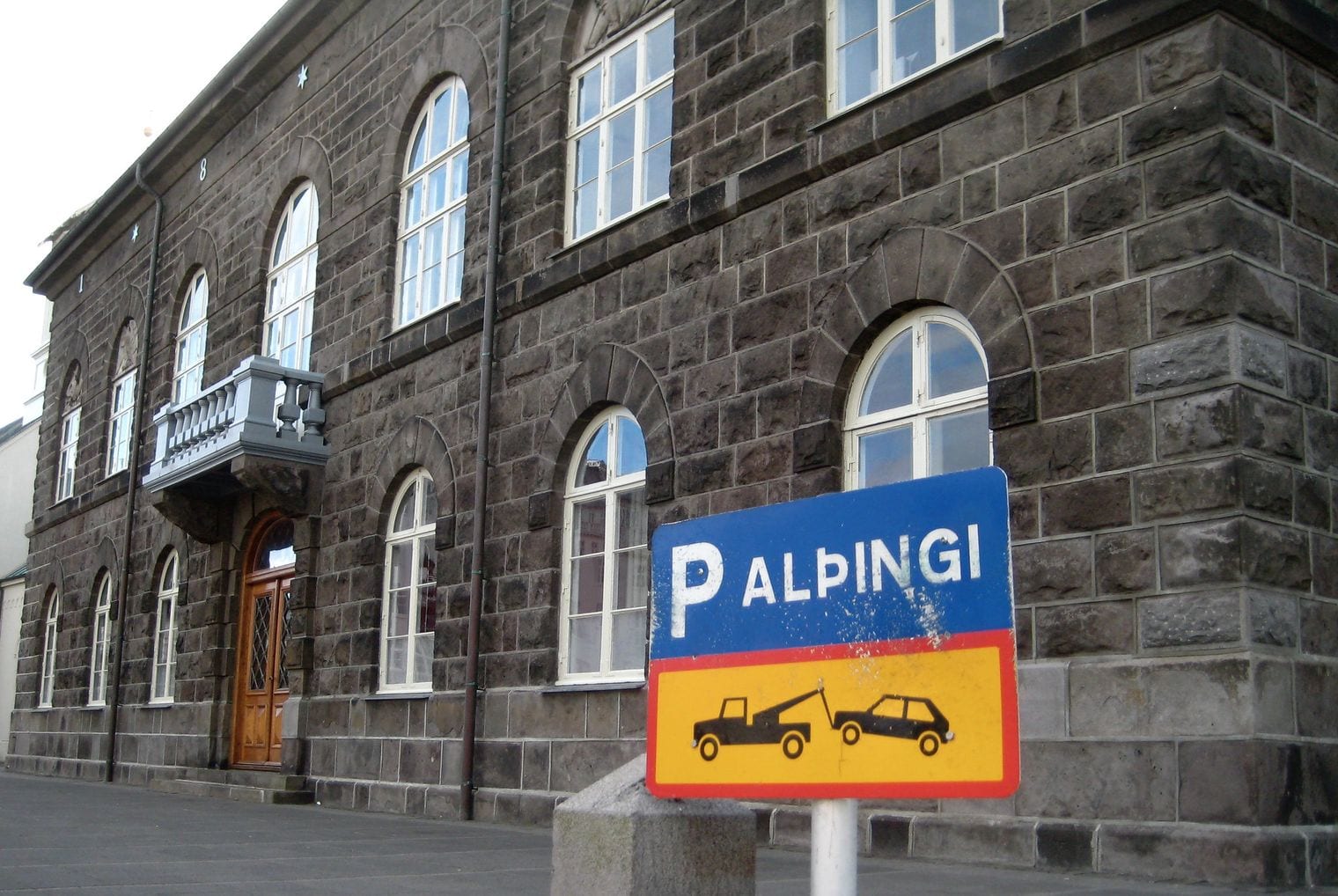
Alþingishúsið (Parliament House) is the home of the Alþingi, Iceland's parliament, whose roots go back to the open-air assembly founded at Þingvellir in 930. The sober grey building was designed by Ferdinand Meldahl and built in 1880–1881 from hewn Icelandic dolerite.
Look for the reliefs above four of the windows, which show the four guardian spirits of Iceland: a dragon, a vulture, a giant and a bull. The building faces Austurvöllur, a small square of lawns and benches at the heart of the old town, with the cathedral right beside it, and the square is a popular place to sit on a sunny day.
3535. Grótta Lighthouse
Historical Landmark~4.4 km (2.7 miles) from centre
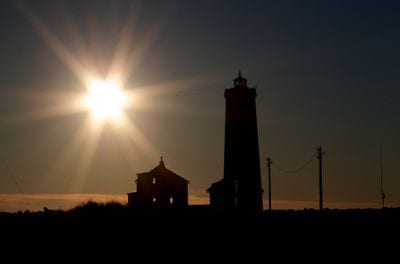
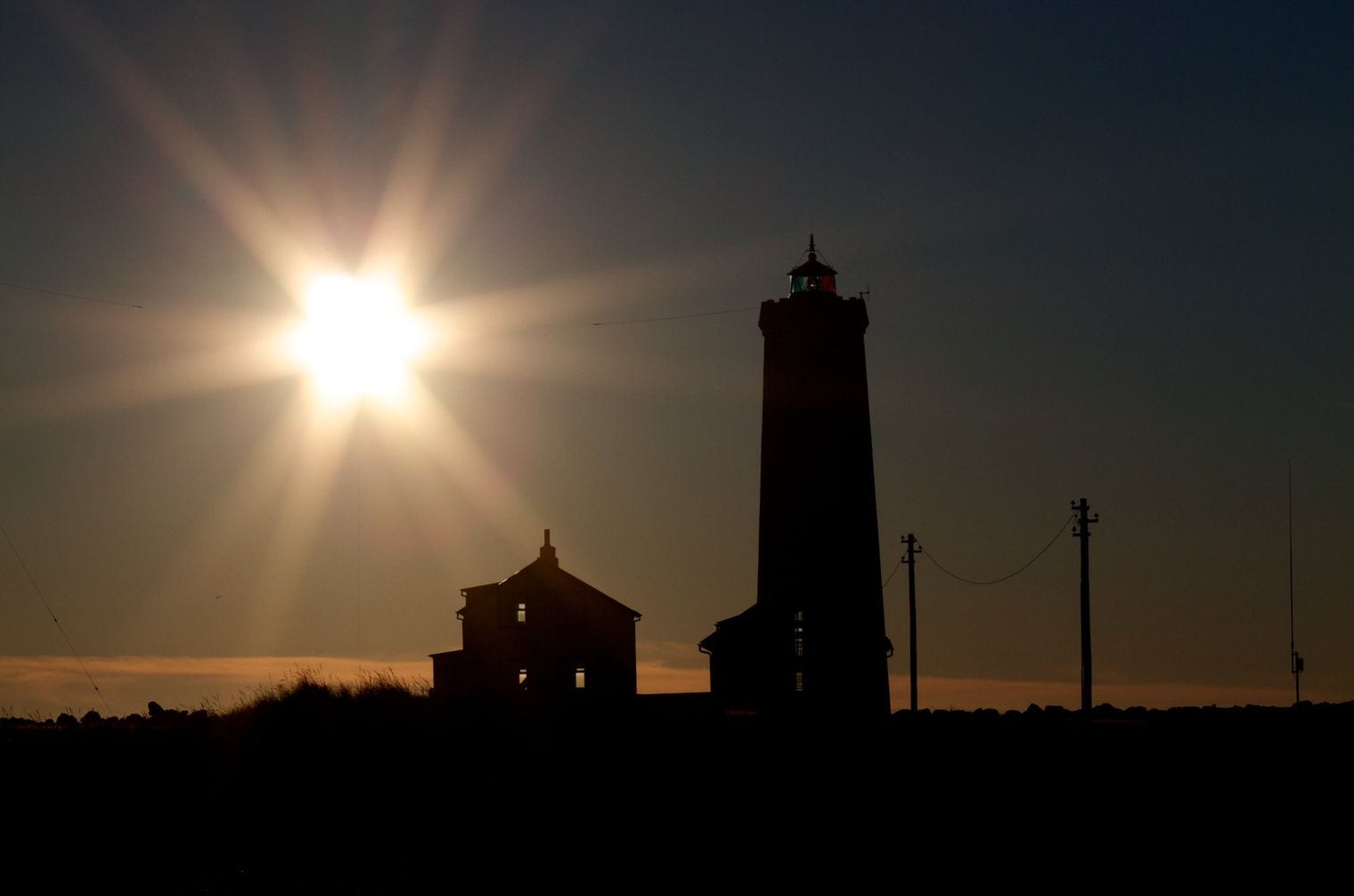
Grótta Lighthouse stands on a small tidal island at the tip of the Seltjarnarnes peninsula, just past Reykjavík's western edge. The island is joined to the mainland by a natural bar that floods at high tide, so you can walk across only around low tide, with a window of about six hours; check the tide times before you set out.
The present lighthouse dates from 1947. Grótta is a nature reserve and is closed to visitors during the spring and early-summer nesting season for its Arctic terns, but the shoreline around it stays open, and its dark, open setting away from the city lights draws aurora watchers on clear winter nights.
Plan your trip
Best Time to Visit Reykjavik
Summer, from June to August, is the easiest time to visit. Daylight is almost unbroken from late May to late July, the weather is at its mildest, the roads out to the waterfalls and glaciers are at their most dependable, and the city's calendar fills up: National Day on 17 June, then Reykjavík Pride and Culture Night in August, when crowds pack the centre for concerts and street events.
From late autumn to early spring the days are short, shrinking to a few hours of light around the winter solstice, but this is northern lights season, the outdoor pools and lagoons are at their most atmospheric in cold air, and the Iceland Airwaves music festival fills the city's venues in November. The shoulder months of May and September bring thinner crowds, long evenings and, in September, the first chance of an aurora.
Getting to Reykjavik
Almost every visitor arrives through Keflavík International Airport on the Reykjanes Peninsula, roughly a 45-minute drive southwest of the city. Airport buses run into Reykjavík's bus terminals and to many hotels, and car rental desks cluster at the airport, which suits anyone planning day trips. Reykjavík Airport, close to the city centre, handles domestic flights and some services to Greenland.
Cruise ships tie up at Skarfabakki, east of the centre, the same harbour the Viðey ferry leaves from. The Ring Road, Route 1, runs through the eastern suburbs on its loop around the country, so the city is the natural start and finish of any road trip.
Getting Around Reykjavik
Downtown Reykjavík is compact and best explored on foot: Hallgrímskirkja, Laugavegur, Tjörnin, Harpa and the Old Harbour are all within a short walk of one another, and the seafront path is ideal for walking or cycling. A city bus network links the centre with Perlan, Laugardalur, Árbær and the neighbouring towns of the capital area.
You don't need a car in the city, but you will want one, or a tour, for the Golden Circle, the South Coast and the lagoons outside town. Downtown parking is paid by zone, and in winter it is worth checking road and weather conditions before every drive out of the city, since storms can close roads at short notice.
Where to Stay in Reykjavik
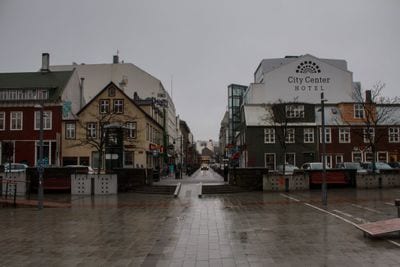
Most visitors base themselves in 101 Reykjavík, the downtown postcode around Laugavegur, Skólavörðustígur and the old town, where the main sights, restaurants and nightlife are all within walking distance. Streets a block or two off Laugavegur are quieter at weekends than the main drag itself.
The Old Harbour and Grandi put you beside the museums, whale-watching boats and seafood restaurants, while Laugardalur, a little further east, is calmer, close to the big pool and parks, and handy for drivers. If you are renting a car for day trips, the neighbouring towns of the capital area, such as Kópavogur and Hafnarfjörður, offer easier parking and quick access to the main roads.
Where to Eat in Reykjavik
Seafood is the backbone of the menu: fresh cod, haddock and Arctic char, langoustine, and plokkfiskur, a comforting stew of fish and potatoes. Lamb is the other staple, above all in kjötsúpa, a slow-cooked lamb and vegetable soup that is welcome on a cold day, while skyr, the thick cultured dairy, turns up at breakfast and in desserts.
The Old Harbour and Grandi are the places for seafood with a harbour view, and Laugavegur and the streets around it hold most of the cafés, bakeries and bars. Hot dogs from street stands, served with crispy and raw onions and sweet mustard, are a beloved cheap meal, and the adventurous can try fermented shark and dried fish at Kolaportið Flea Market.
Day Trips from Reykjavik
The South Coast is the classic longer day out along the Ring Road. Seljalandsfoss, the waterfall you can walk behind, is a little under two hours east; Skógafoss is a short drive further on; and Reynisfjara, the black-sand beach near Vík, is roughly two and a half hours from the city.
It is spectacular but known for dangerous sneaker waves, so stay well back from the water. Snæfellsnes, about two hours northwest, packs lava fields, fishing villages and the glacier-capped Snæfellsjökull volcano, visible from Reykjavík on clear days, into one peninsula.
Closer to town, the Reykjanes Peninsula to the southwest has lava fields, steaming geothermal areas and sea cliffs, though volcanic activity around Grindavík can close roads at short notice, so check before you go. In Þingvellir National Park, the Silfra fissure offers snorkelling between the tectonic plates, and the Reykjadalur valley near Hveragerði, under an hour east, ends in a hot river warm enough to bathe in.
Within about an hour you can also descend into the drained magma chamber of the dormant Þríhnúkagígur volcano in summer, walk through the Raufarhólshellir lava tube, or hike to Glymur in Hvalfjörður, the second-tallest waterfall in Iceland.
Before you go
Mobile dataAn eSIM gives your phone local data when you land, with no SIM card to swap.via AiraloGet an eSIM
Airport transferA driver meets you at arrivals and takes you to your hotel, at a price fixed when you book.via Welcome PickupsBook a transfer
We may earn a commission when you buy through these links, at no extra cost to you. How we make money.
One Day in Reykjavik
Morning
Start at Hallgrímskirkja and ride the lift up the tower for the view, then walk down Skólavörðustígur, photographing the rainbow stripes on the way, and turn along Laugavegur toward the old town, ducking into the Icelandic Punk Museum at the bottom of Bankastræti.
Soak at Sky Lagoon as the light fades over the sea, or join the locals in the hot pots at Laugardalslaug, then come back to the Old Harbour or Laugavegur for dinner.
Reykjavík is best known for Hallgrímskirkja, its towering hilltop church; the glass-walled Harpa Concert Hall and the Sun Voyager sculpture on the seafront; the panoramic dome of Perlan; and, just outside town, the milky-blue Blue Lagoon. It is also the world's northernmost capital of a sovereign state and the gateway to the Golden Circle.
How many days do you need in Reykjavik?
Three days is the sweet spot: two for the city itself, with Hallgrímskirkja, Harpa, the museums, a geothermal pool and the waterfront, and one for the Golden Circle via Þingvellir National Park. Add a fourth day for the South Coast or Snæfellsnes, and fit the Blue Lagoon in on your arrival or departure day, since it lies near Keflavík Airport.
What can you do in Reykjavik for free?
Plenty. Walk the seafront to the Sun Voyager, climb Þúfa for a harbour view, photograph the rainbow on Skólavörðustígur with Hallgrímskirkja behind it, stroll Laugavegur and loop around Tjörnin to watch the birds. Höfði House, Klambratún park and the walk out to Grótta Lighthouse cost nothing, and entry to the weekend Kolaportið Flea Market is free.
When is the best time to visit Reykjavik?
Come in summer for near-endless daylight, the mildest weather and the easiest driving to waterfalls and glaciers. Come between late autumn and early spring for the northern lights, short atmospheric days and steaming outdoor pools. May and September strike a balance, with thinner crowds and reasonable daylight for day trips.
Is Reykjavik worth visiting?
Yes. Reykjavík's centre is small enough to walk in a day, yet it packs in Hallgrímskirkja, Harpa, Viking-age ruins at the Settlement Exhibition and a geothermal pool culture woven into everyday life. It is also the natural base for Iceland's best-known day trips, from the Golden Circle and the Blue Lagoon to the waterfalls of the South Coast.
Sources & updates
How this guide was checked
Checked before launch
Sources cited
33
Publishers
20
Every place on this list was confirmed open and pinned on the map before publication, and what we say about each one was checked against its own website or an official source.
A PDF with a box to tick for every place. Confirm your email to download it, and get one email every Thursday with our newest guides for the places you tick.
Free Reykjavik printable checklist
All 35 places in one PDF
Tick them off as you go. Confirm your email to download it, plus one email every Thursday with new guides for the places you tick.
We use cookies to analyse site traffic and improve your experience.
You can accept or reject analytics cookies. See our
May we use analytics cookies? See ourCookie Policy.