We may earn a commission if you book tickets, tours or a stay through a link on
this page, at no extra cost to you. It never affects which places we list or how
we rank them (how we make money).
Short answer
Start with Stanley for the Sawtooth Range and Redfish Lake, Ketchum and Sun Valley for Bald Mountain's ski runs and Hemingway's old haunts, and Wallace for its silver-mining downtown on the National Register of Historic Places. Most towns on this list fill a relaxed day, while Ketchum and Sun Valley, Sandpoint and McCall deserve a weekend.
Much of Idaho's character lives in its small towns: gold and silver camps in forested canyons, lake towns in the Panhandle pines, ski towns in the Wood River and Teton valleys, and river outfitting posts on the edge of the vast Frank Church wilderness. Several have only a few hundred residents.
This guide ranks 20 of the best, each home to fewer than 50,000 people, from the Sawtooth hamlet of Stanley to gold-rush Idaho City, an easy drive from Boise. Most fill a rewarding day, the resort towns deserve a weekend, and many pair up neatly on a road trip.
The world's first chairlifts were installed at Sun Valley in 1936, the year the Union Pacific Railroad opened it as the first destination winter resort in the United States.
Wallace had the last traffic light on a coast-to-coast interstate until 1991, when Interstate 90 was lifted onto a viaduct above town; residents marked the occasion with a mock funeral for the signal.
Island Park was incorporated in 1947 largely to get around Idaho's liquor laws, and at 33 miles long but only about 500 feet wide in most places, it claims the longest Main Street in the world.
The Central Idaho Dark Sky Reserve, stretching from Ketchum and Sun Valley to Stanley, was designated in 2017 as the first gold-tier dark sky reserve in the United States.
The Port of Lewiston is Idaho's only seaport: dams and locks on the Snake and Columbia rivers let some ocean-going vessels reach it, making it the farthest inland port linked to the Pacific Ocean.
The cult comedy Napoleon Dynamite was filmed in and around Preston in 2003, including scenes at Preston High School.
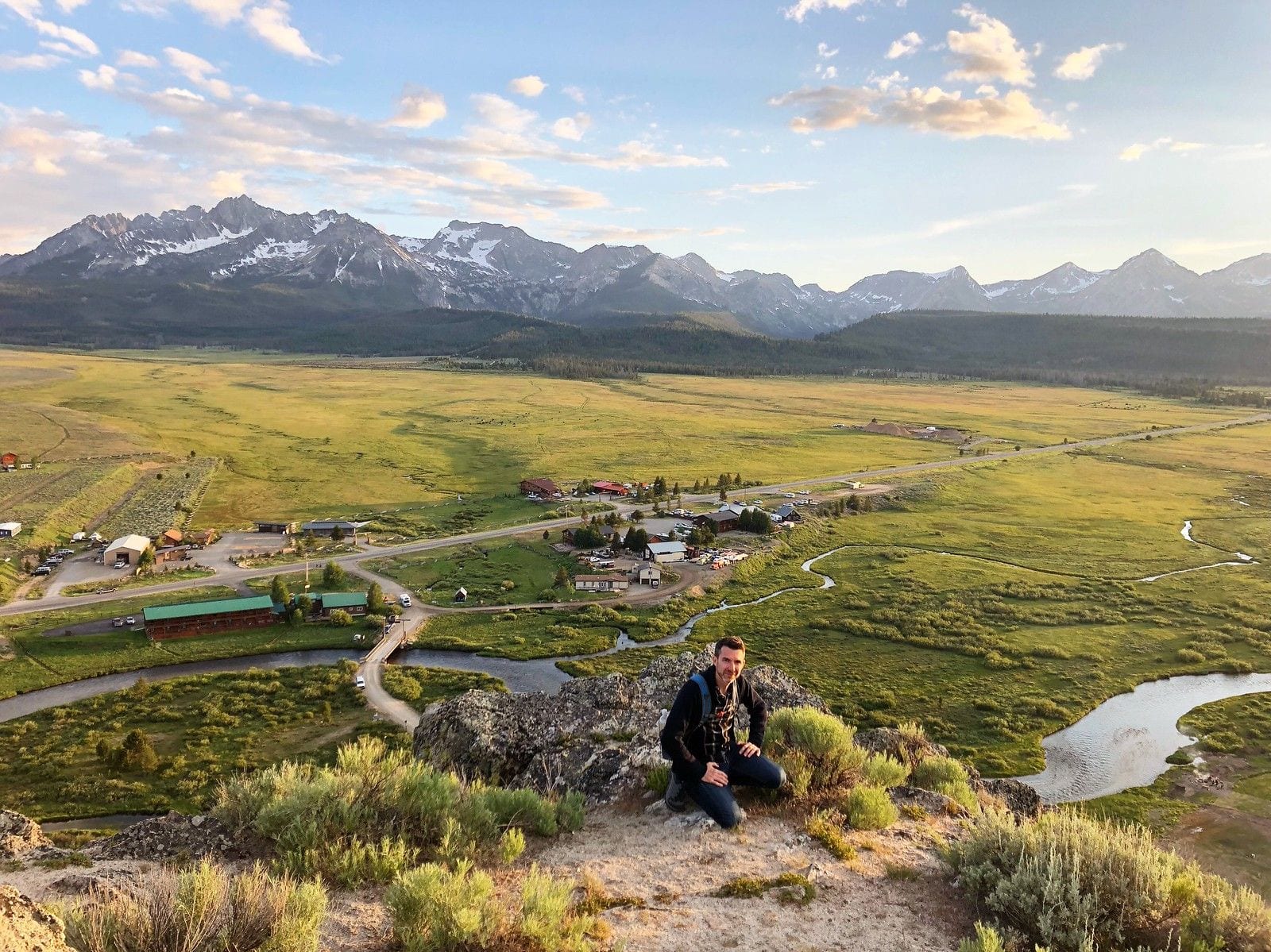
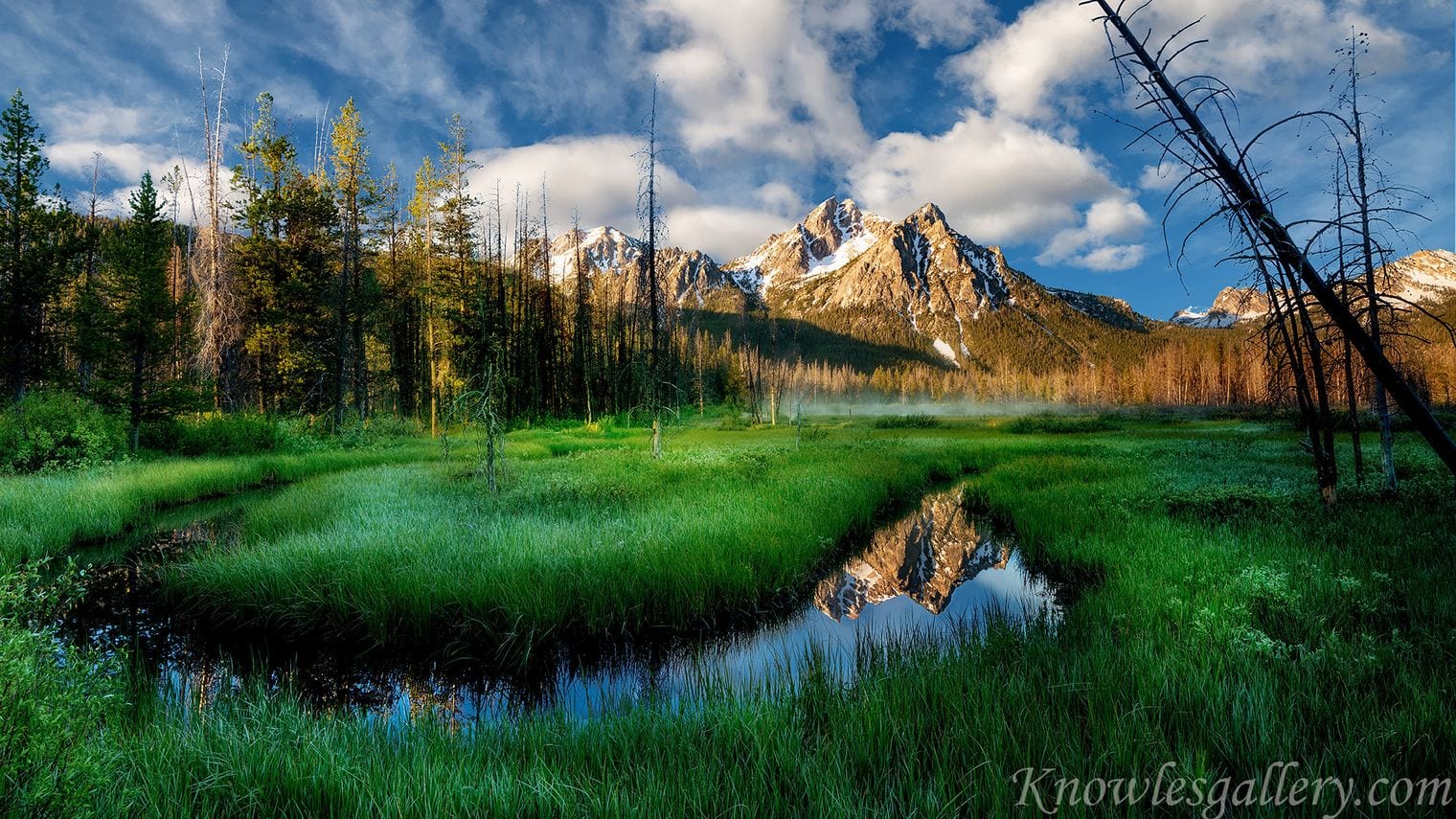
Only about a hundred people live in Stanley, a scattering of wooden buildings in the Sawtooth Valley where the young Salmon River swings east beneath the jagged granite peaks of the Sawtooth Range. It is the view many travelers picture when they think of Idaho, and the town is the northern base for the Sawtooth National Recreation Area, which keeps a ranger station here.
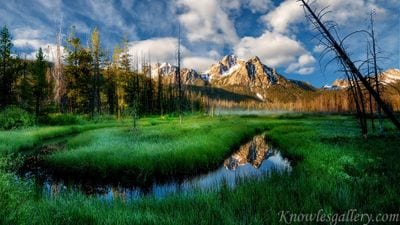
Just south of town, Redfish Lake, the largest lake in the recreation area, mirrors the mountains and marks the end of the longest Pacific sockeye salmon migration in North America. Summer brings rafting on the Salmon, hot springs along the river road and trailheads into the Sawtooth Wilderness, and after dark Stanley sits inside the Central Idaho Dark Sky Reserve, the first gold-tier dark sky reserve in the United States.
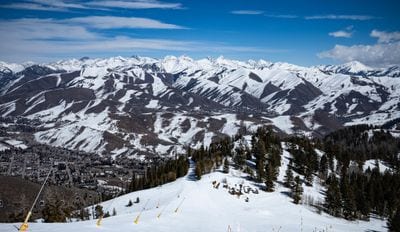
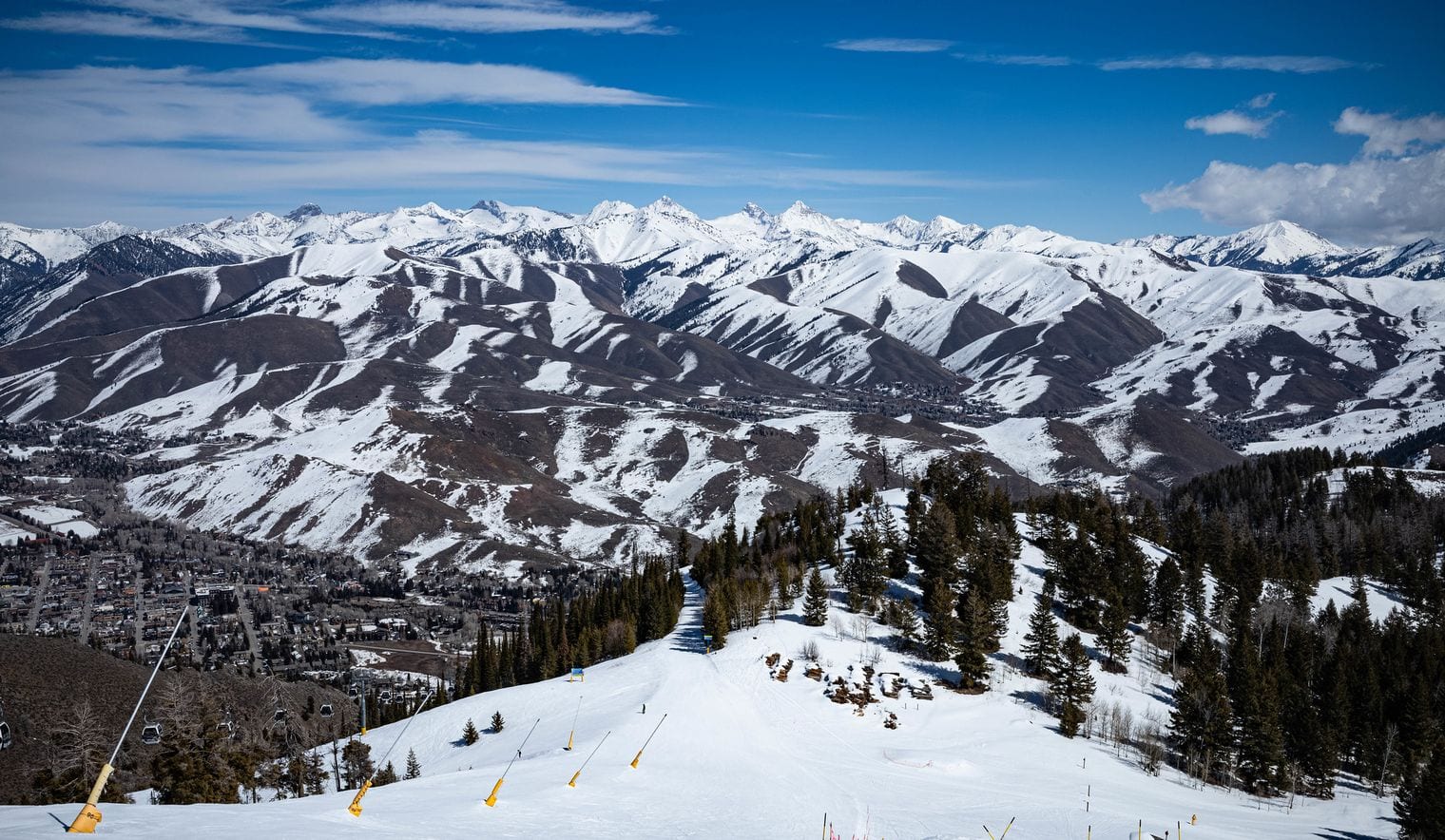
Ketchum began in 1880 as a mining and smelting town and by 1920 had become the largest sheep-shipping center in the West, then found a second life in 1936, when Union Pacific chairman W. Averell Harriman opened Sun Valley next door as the first destination winter resort in the United States. The two towns share the Wood River Valley beneath Bald Mountain, whose ski runs drop about 3,400 vertical feet, while gentler Dollar Mountain suits beginners.
Ernest Hemingway finished For Whom the Bell Tolls at the Sun Valley Lodge in 1939 and later bought a home near Ketchum overlooking the Big Wood River; he and his wife Mary are buried in the Ketchum Cemetery. In summer the valley turns to hiking, biking and fly fishing, galleries line Ketchum's compact downtown, and each October the Trailing of the Sheep festival parades flocks through the streets to celebrate the old drive to winter pasture.
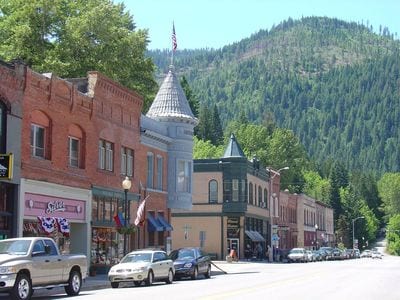
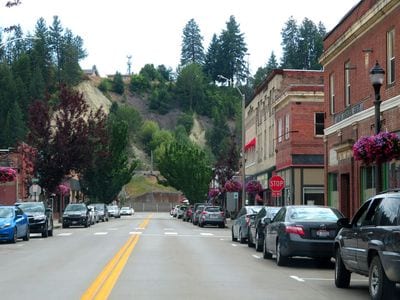
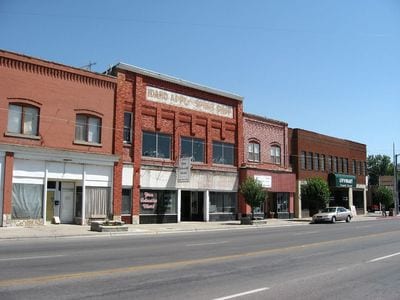
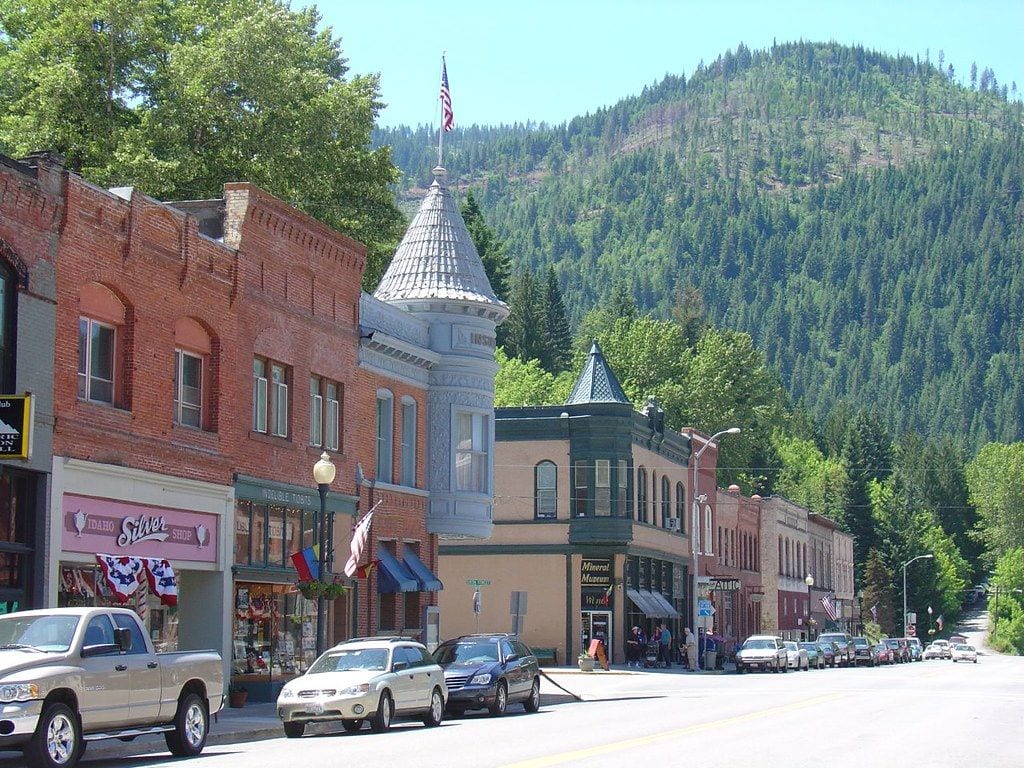
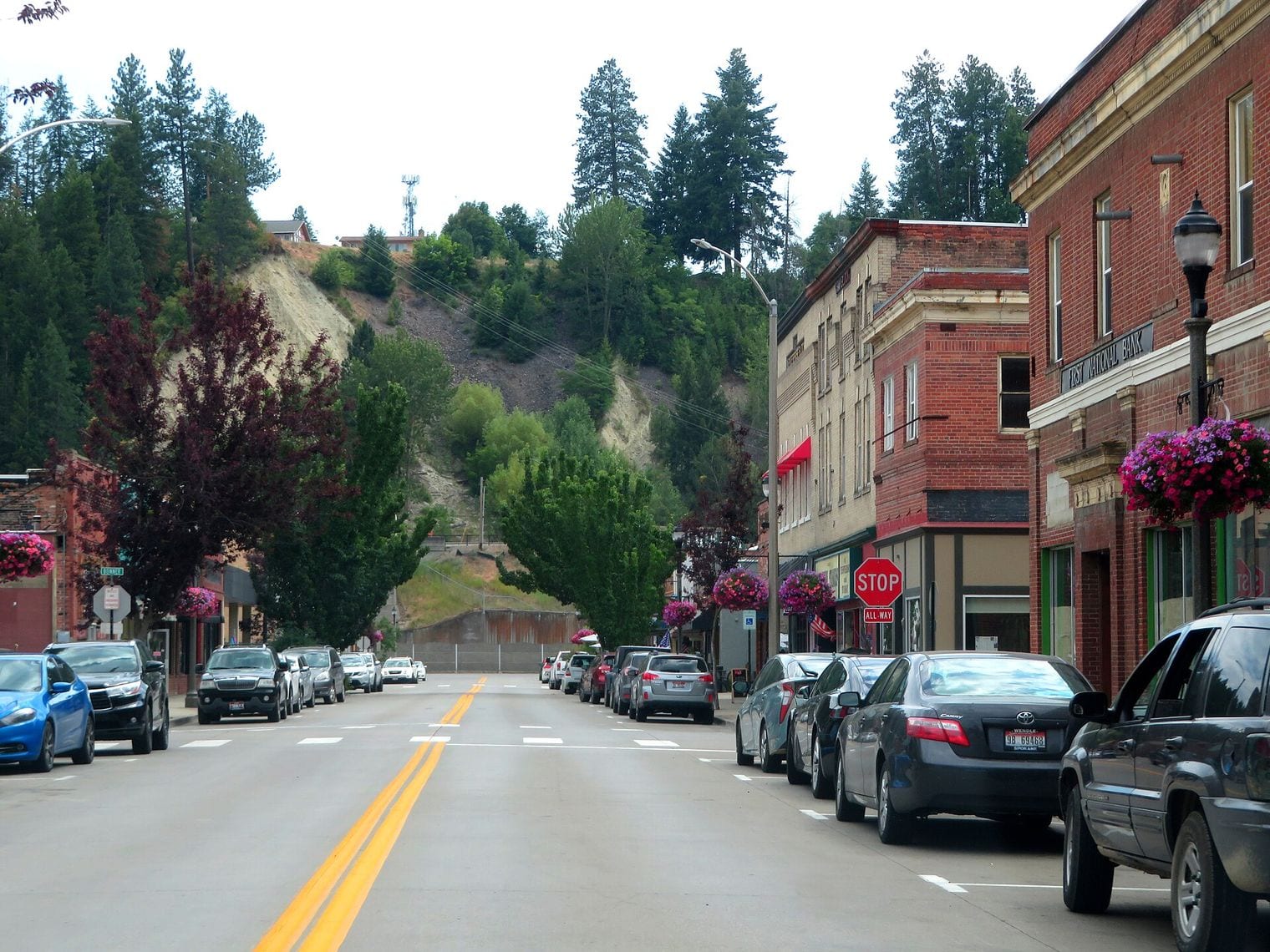
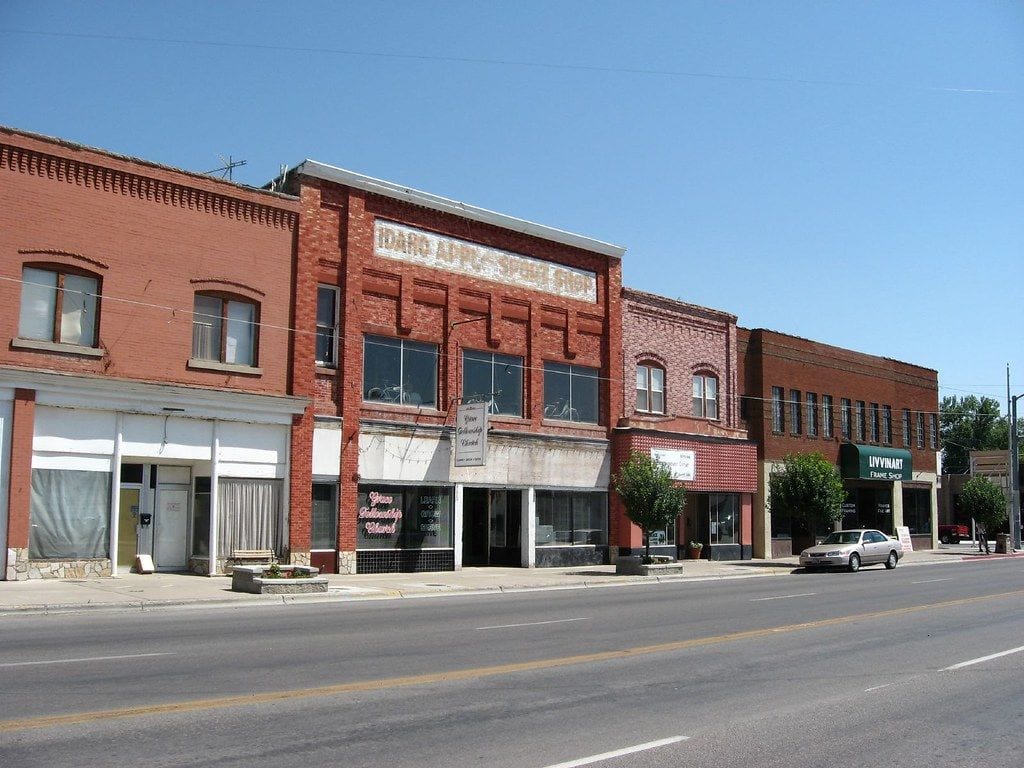
Hemmed into a narrow canyon in the Silver Valley, Wallace calls itself the Silver Capital of the World, and its mining district has yielded more than a billion ounces of silver. When Interstate 90 was planned straight through town, residents won National Register of Historic Places status for the entire downtown in 1979, forcing the freeway onto a viaduct along its northern edge; it opened in 1991 and retired the last traffic light on a coast-to-coast interstate.
Today the brick blocks hold the Wallace District Mining Museum and the Oasis Bordello Museum, set in a former brothel, and you can head underground on a tour of the Sierra Silver Mine. In 2004 the mayor proclaimed Wallace the center of the universe, marking the spot with a manhole cover downtown, and the Route of the Hiawatha bike trail starts near Lookout Pass on the Montana line, a short drive east.
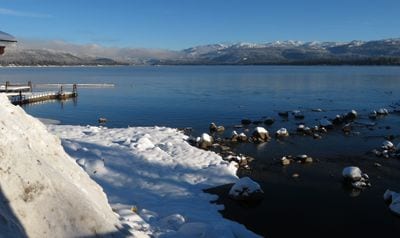
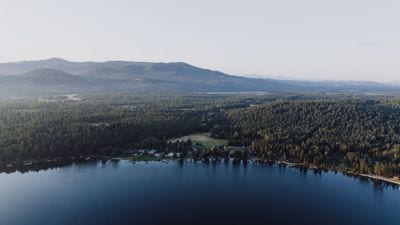
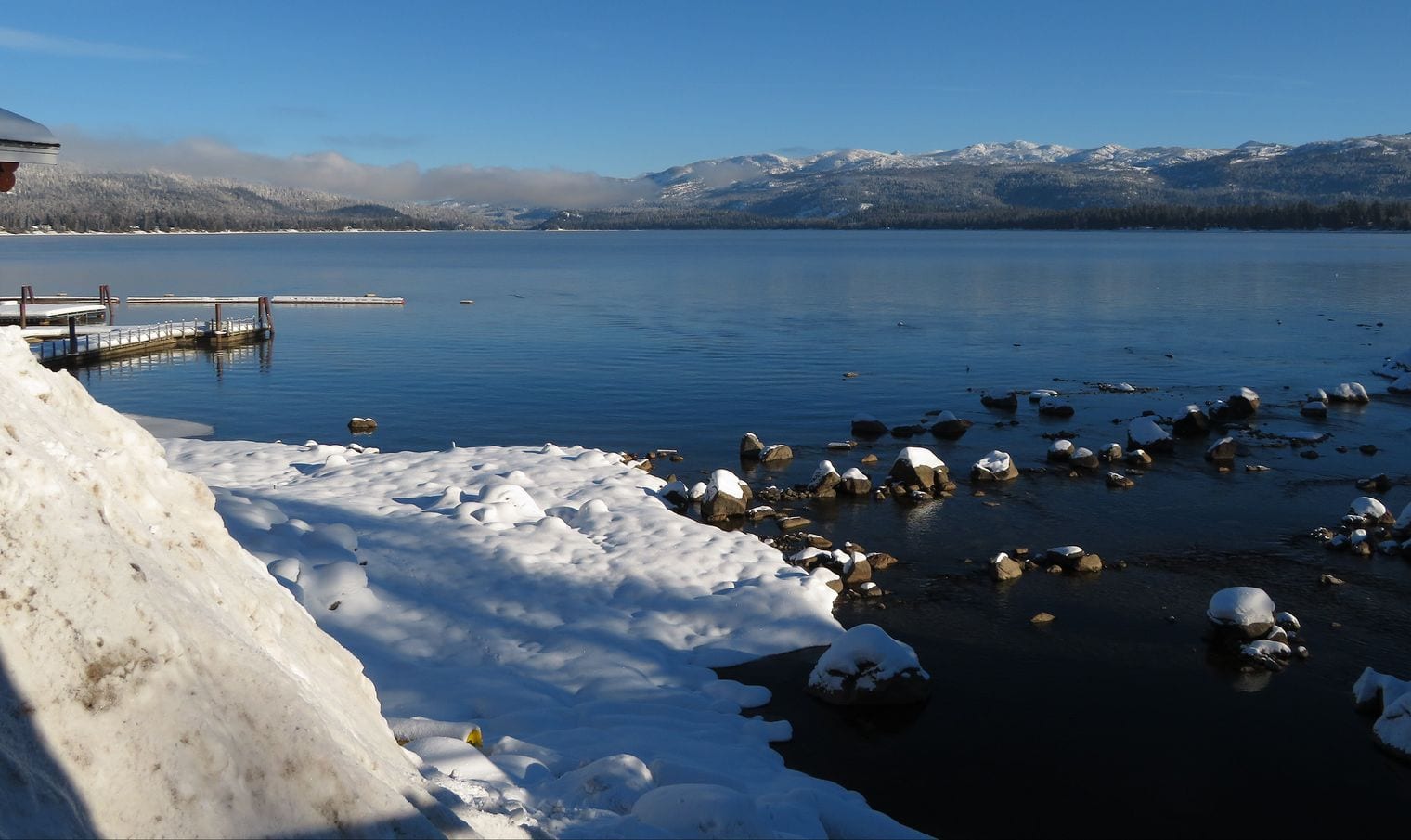
Sandpoint sits on the northern shore of Lake Pend Oreille, Idaho's largest lake, which stretches 43 miles through the mountains and reaches about 1,150 feet deep in places, making it the fifth-deepest lake in the country. The town beach and waterfront are the place to swim, paddle and watch the sun go down, and drivers arriving from the south cross the lake on a long bridge with open water on both sides.
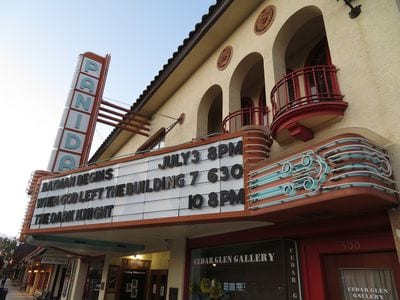
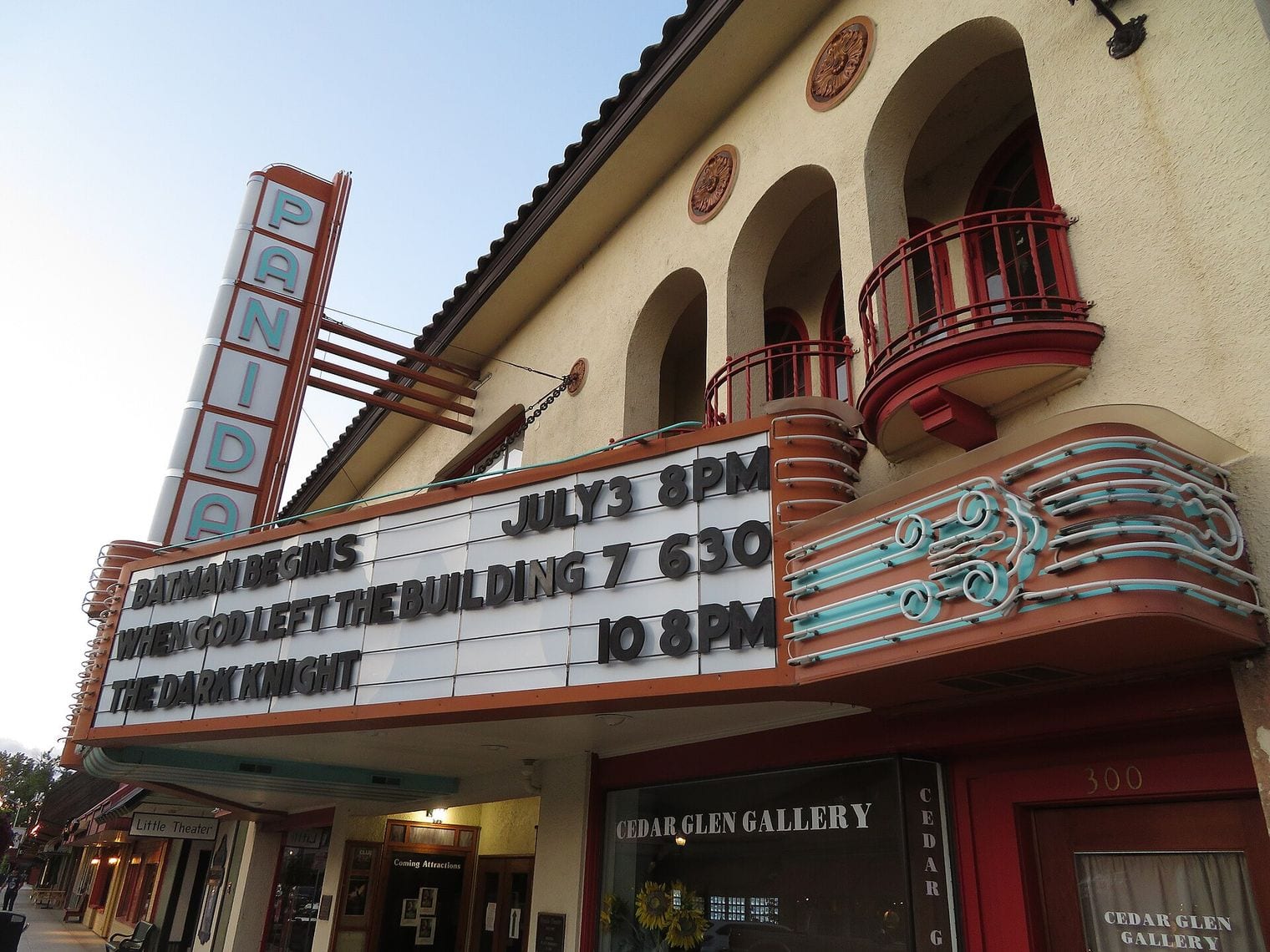
Schweitzer, a ski resort about 11 miles northwest of town in the Selkirk Mountains, opened in 1963 and turned Sandpoint into a year-round destination, with lake views from its slopes. Downtown, the vaudeville-era Panida Theater hosts films and live performances, and the Festival at Sandpoint brings outdoor summer concerts each August.
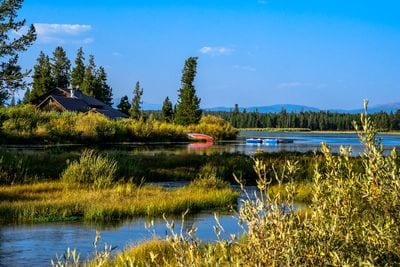
McCall wraps around the south end of Payette Lake, a glacier-carved mountain lake in the pine forests of west-central Idaho, and dates to 1889, when Thomas and Louisa McCall settled here. Summer is for boating, beaches and the trails of Ponderosa State Park, which covers a forested peninsula reaching into the lake on the edge of town.
Winter is just as lively: the McCall Winter Carnival fills the town with elaborate ice sculptures, parades and fireworks over ten days, and Brundage Mountain, northwest of town, has been skied since 1961 and averages more than 300 inches of snow a year. The Forest Service has also run a smokejumper base here since 1943, one of only nine permanent bases in the country.
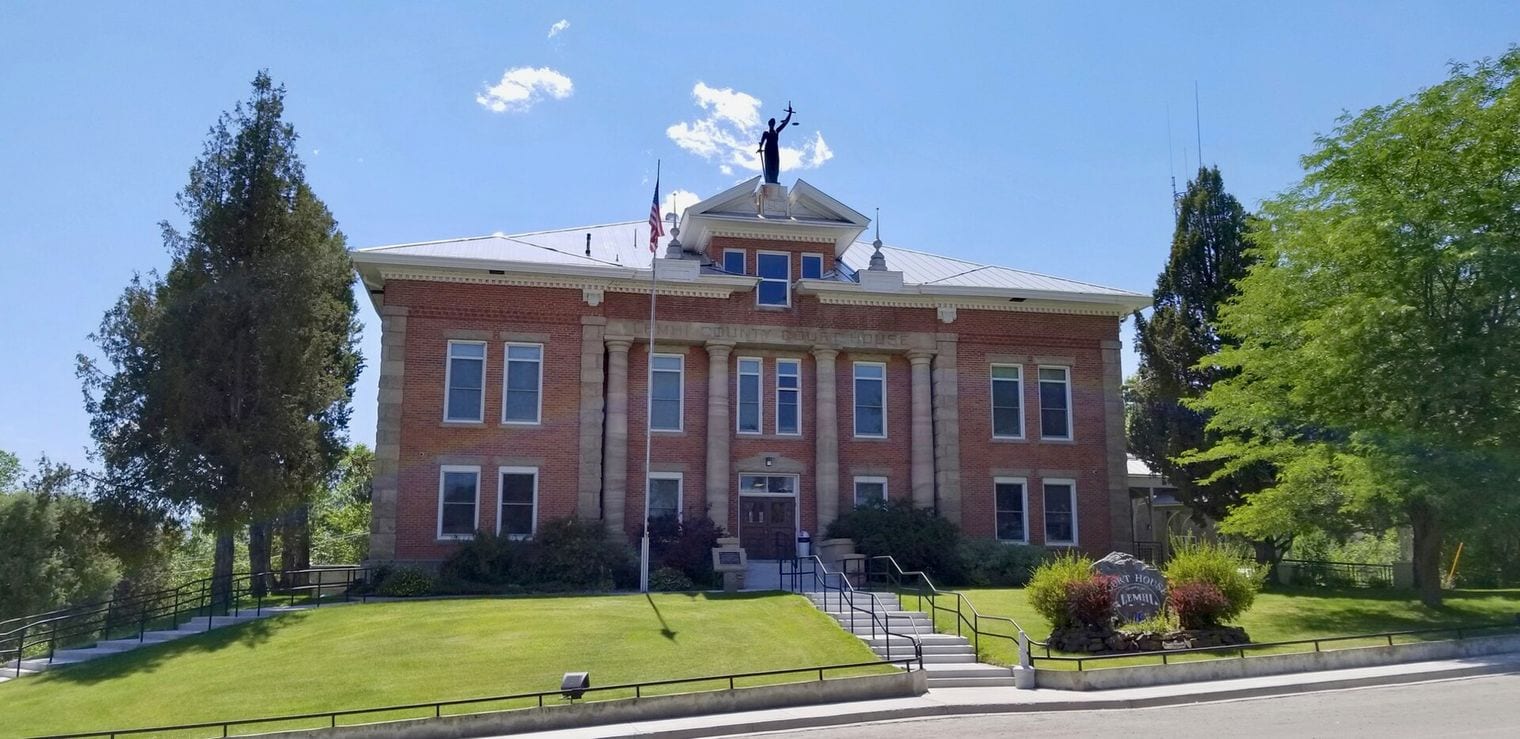
Salmon, the seat of Lemhi County, sits where the Lemhi River joins the Salmon River in a broad ranching valley ringed by mountains, and it is the outfitting town for the river nicknamed the River of No Return. Float and fishing trips head downstream toward the Frank Church–River of No Return Wilderness, the largest contiguous federally managed wilderness in the United States outside Alaska.
This is also Sacagawea's home country: the Lemhi Shoshone woman who traveled with Lewis and Clark was born in the Lemhi Valley near town, and the Sacajawea Interpretive, Cultural and Educational Center tells her story and her people's. The expedition crossed the Continental Divide at Lemhi Pass, about 30 miles to the southeast, where a backcountry road still climbs to the crest.
Driggs, the seat of Teton County, sits in Teton Valley on the quieter Idaho side of the Teton Range, where the headwaters of the Teton River wind through farmland and meadows beneath the peaks. Its easygoing main street makes a base for the western slope of the Tetons, and Victor, a few miles south, leads over Teton Pass to Jackson, Wyoming.
The only road to Grand Targhee Resort, a ski area on the west side of the Tetons just over the Wyoming line, climbs east from Driggs, and the resort's west-facing slopes look out over the valley. Back on the valley floor, the Spud Drive-In between Driggs and Victor is a classic summer-night stop for a film under the stars.
Bonners Ferry, the largest town and seat of Boundary County, sits on the Kootenai River in Idaho's far north, the gateway to the Porthill and Eastport border crossings into British Columbia. Its compact old downtown makes a pleasant stop on the way to Canada, and the Selkirk Mountains rise to the west of the valley.
About five miles from town, the Kootenai National Wildlife Refuge protects wetlands and forest between the Selkirks and the Kootenai River, where roads and short trails turn up waterfowl, moose, elk and bald eagles. The broad valley floor around town is farm country, and the surrounding national forest adds lakes, trails and quiet backroads for a longer stay.
Hailey, the seat of Blaine County, is the largest town in the Wood River Valley and sits a short drive south of Ketchum and Sun Valley, with a lived-in Main Street of local shops and cafés. It is named for John Hailey, a congressional delegate from Idaho Territory, and its Friedman Memorial Airport is the main air gateway to the valley.
The poet Ezra Pound was born here in 1885, and Hailey shares the October Trailing of the Sheep festival with Ketchum and Sun Valley, celebrating the autumn drive of sheep down the valley to winter range. With the Big Wood River on the edge of town and the ski slopes and Sawtooths up the road, Hailey makes a practical, slightly quieter base for exploring the whole valley.
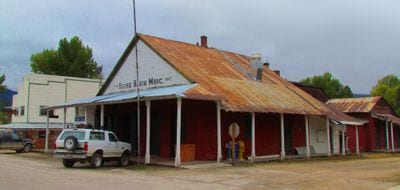
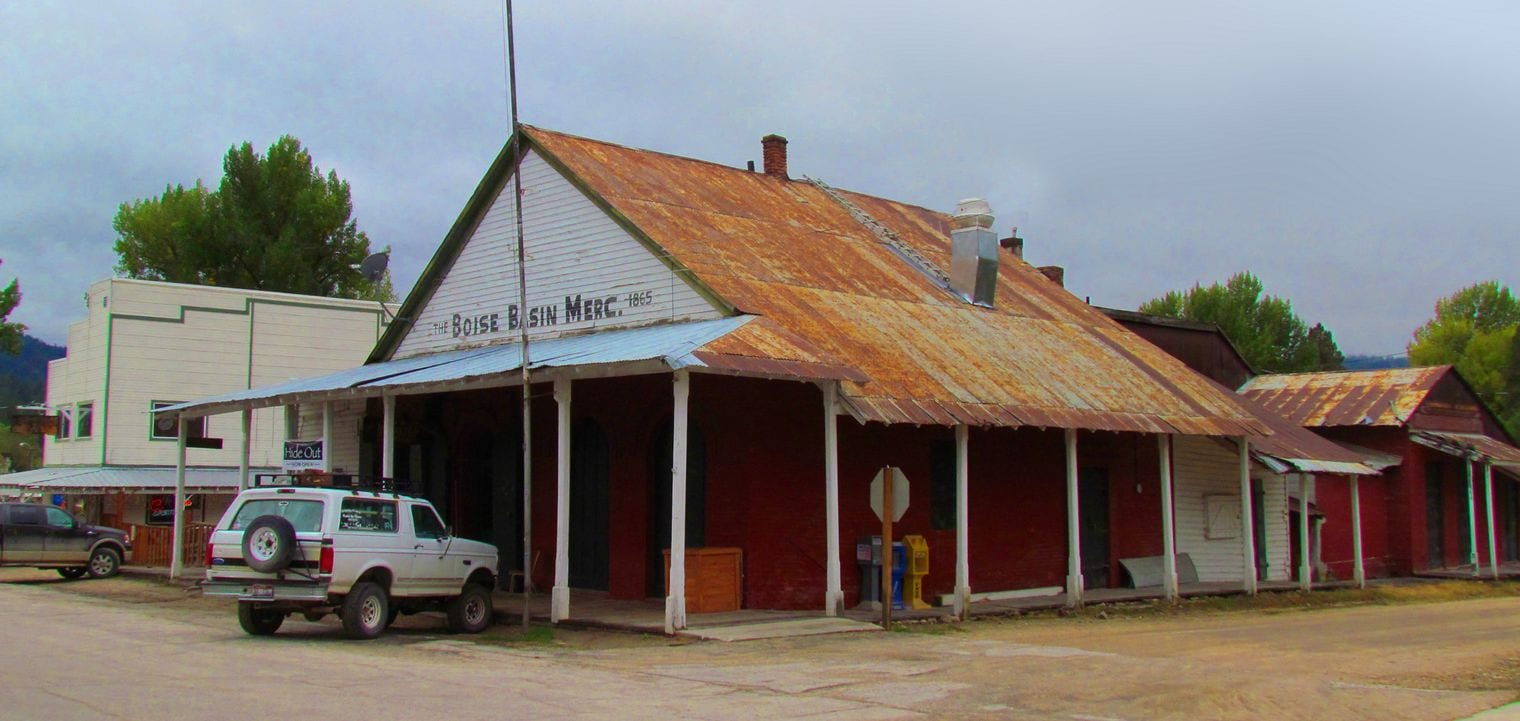
Idaho City grew from a gold strike in the Boise Basin and was founded in December 1862, in the middle of the Civil War; within a couple of years, by some accounts, it was the largest city in the Northwest, bigger than Portland. Fire swept through it four times between 1865 and 1871, but enough survived for the town to be listed as a historic district on the National Register of Historic Places.
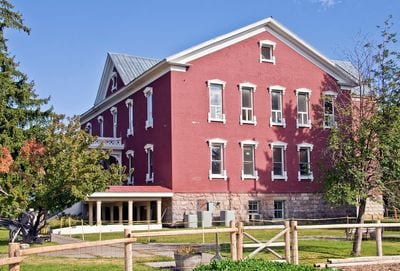
Today a few hundred people live among its weathered false-front buildings and wooden boardwalks, about 36 miles northeast of Boise on the Ponderosa Pine Scenic Byway. The Boise Basin Museum, in an 1867 building that once held the post office, tells the gold-rush story, and the Pioneer Cemetery, also called Boot Hill, spreads across a forested hillside with graves dating to the 1860s.
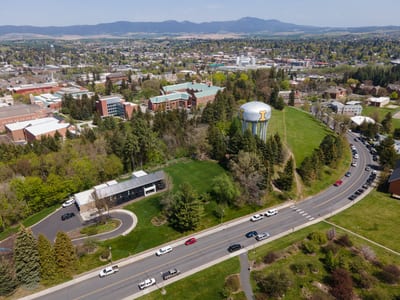
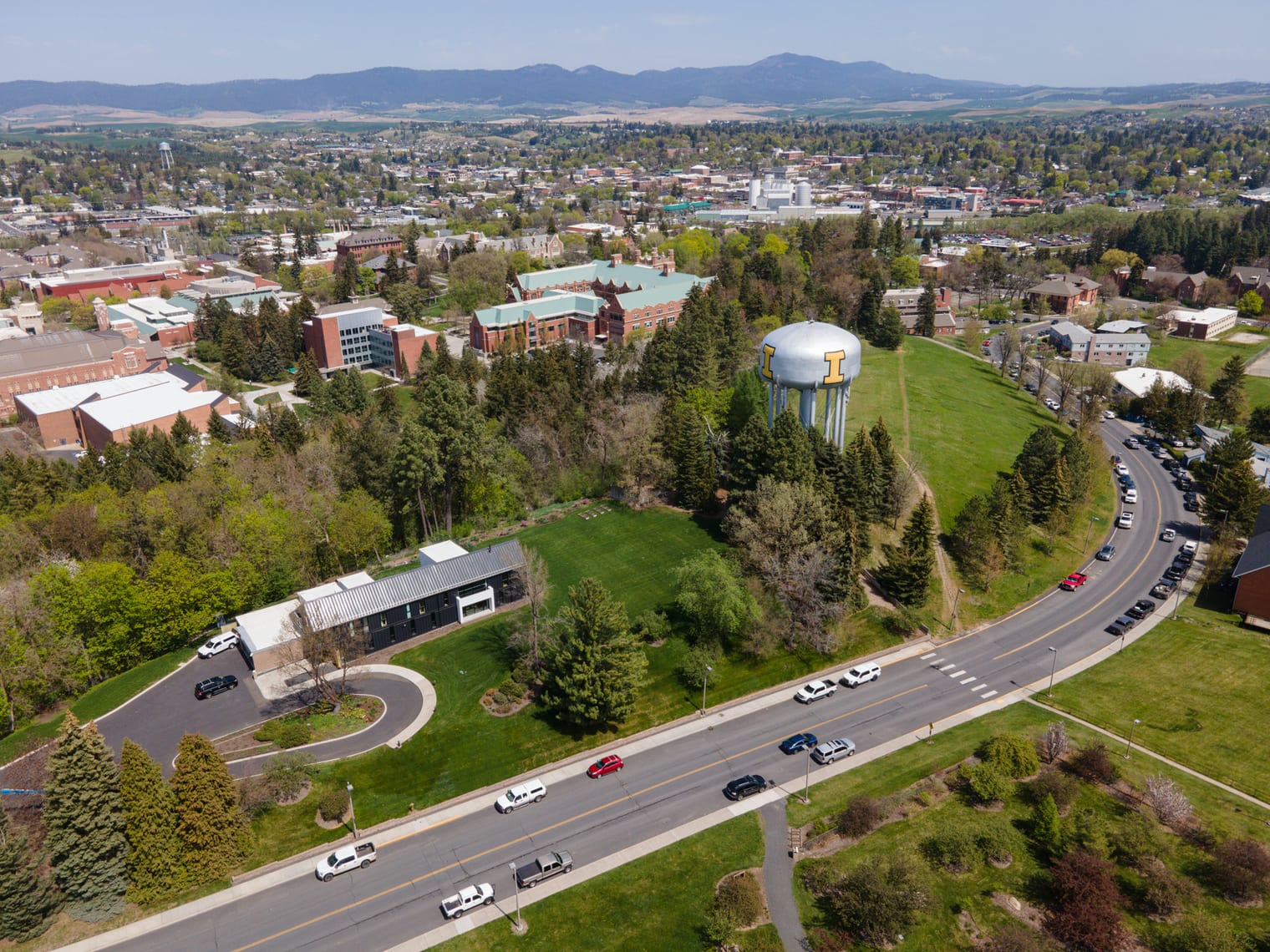
Moscow is the home of the University of Idaho, and the campus gives this Latah County town a lively, walkable downtown along Main Street, set among the rolling wheat fields of the Palouse. Pullman, Washington, home of Washington State University, is a short drive west across the state line, and the two towns share a regional airport.
Each April the Lionel Hampton Jazz Festival, billed as the largest jazz festival west of the Mississippi and honored with the National Medal of Arts in 2007, brings jazz performers and student musicians to campus. In summer a long-running farmers market fills Main Street on Saturday mornings, and the Palouse hills around town are at their most photogenic in early summer and at harvest.
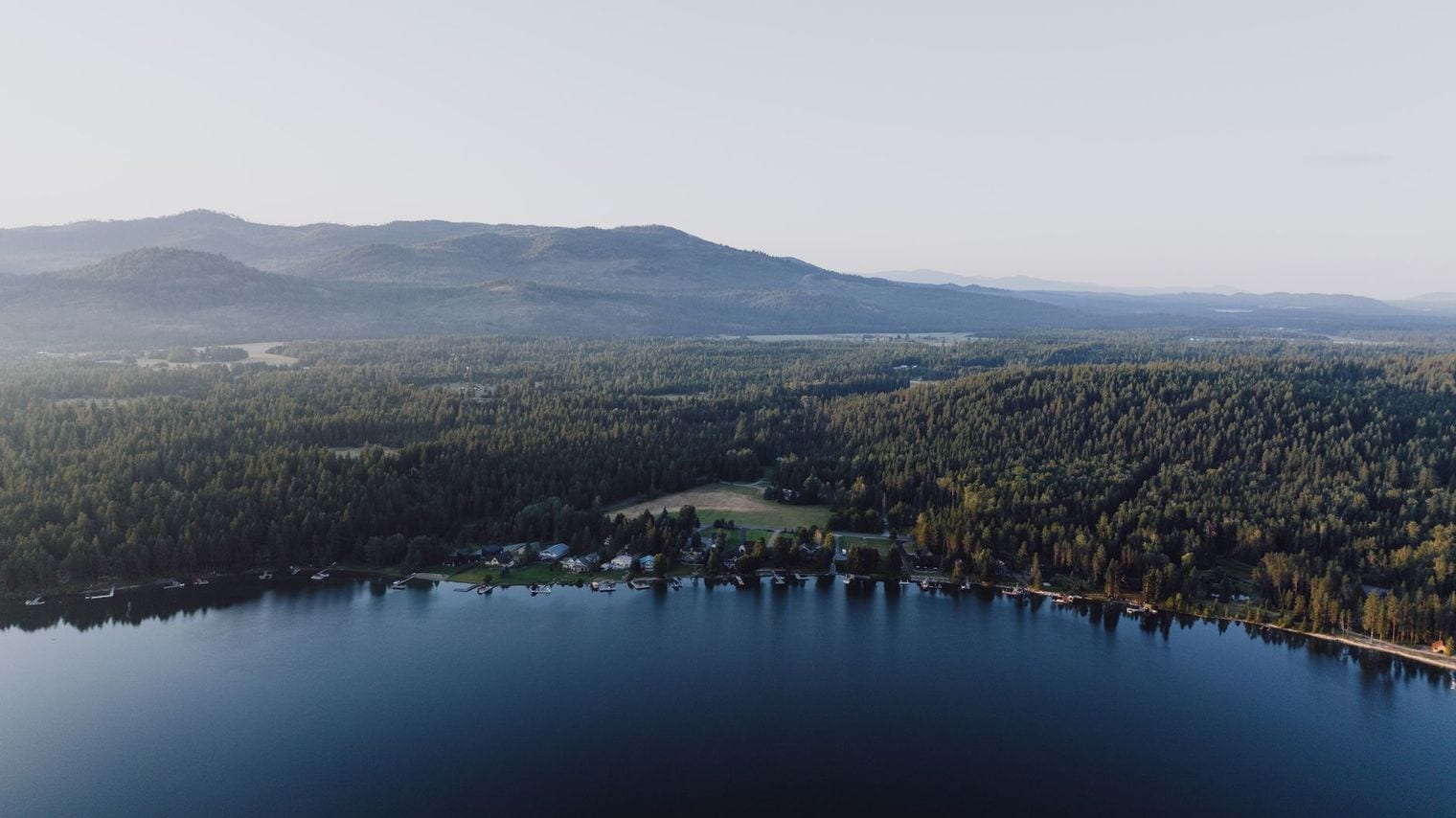
Priest River is a small Bonner County town where the Priest River flows into the Pend Oreille River, on the highway between Sandpoint and the Washington line. Its riverfront and unhurried main street make a pleasant stop, but most visitors come because it is the turnoff for Priest Lake and the wild lake country of the far northern Panhandle.
The road north follows the river up to Priest Lake, whose main basin is 19 miles long and more than 300 feet deep, linked by a 2.5-mile thoroughfare to the quieter Upper Priest Lake. The northern end lies within 15 miles of the Canadian border, and the shoreline mixes sandy beaches and campgrounds with thick forest.
Preston, the seat of Franklin County in the Cache Valley near the Utah line, is a quiet farm town that found fame when Napoleon Dynamite was filmed at Preston High School and around the county in 2003. Fans of the 2004 cult comedy still come to see the school and other locations from the film.
The valley has a darker history too: just outside town is the site of the Bear River Massacre, where the US Army attacked a Shoshone winter camp in January 1863 and killed hundreds of people, one of the deadliest such attacks in American history. Beyond that, the wide, irrigated valley is good for unhurried back-road drives, and Logan, Utah, is a short drive south.
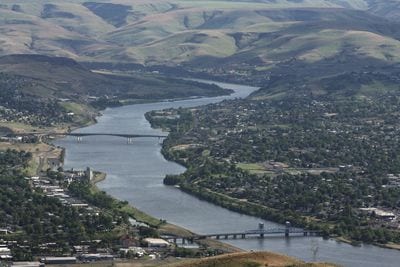
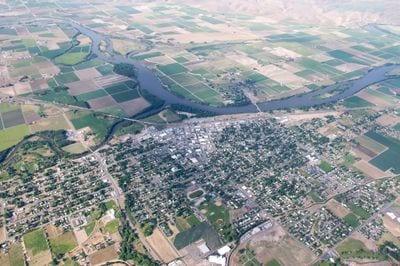
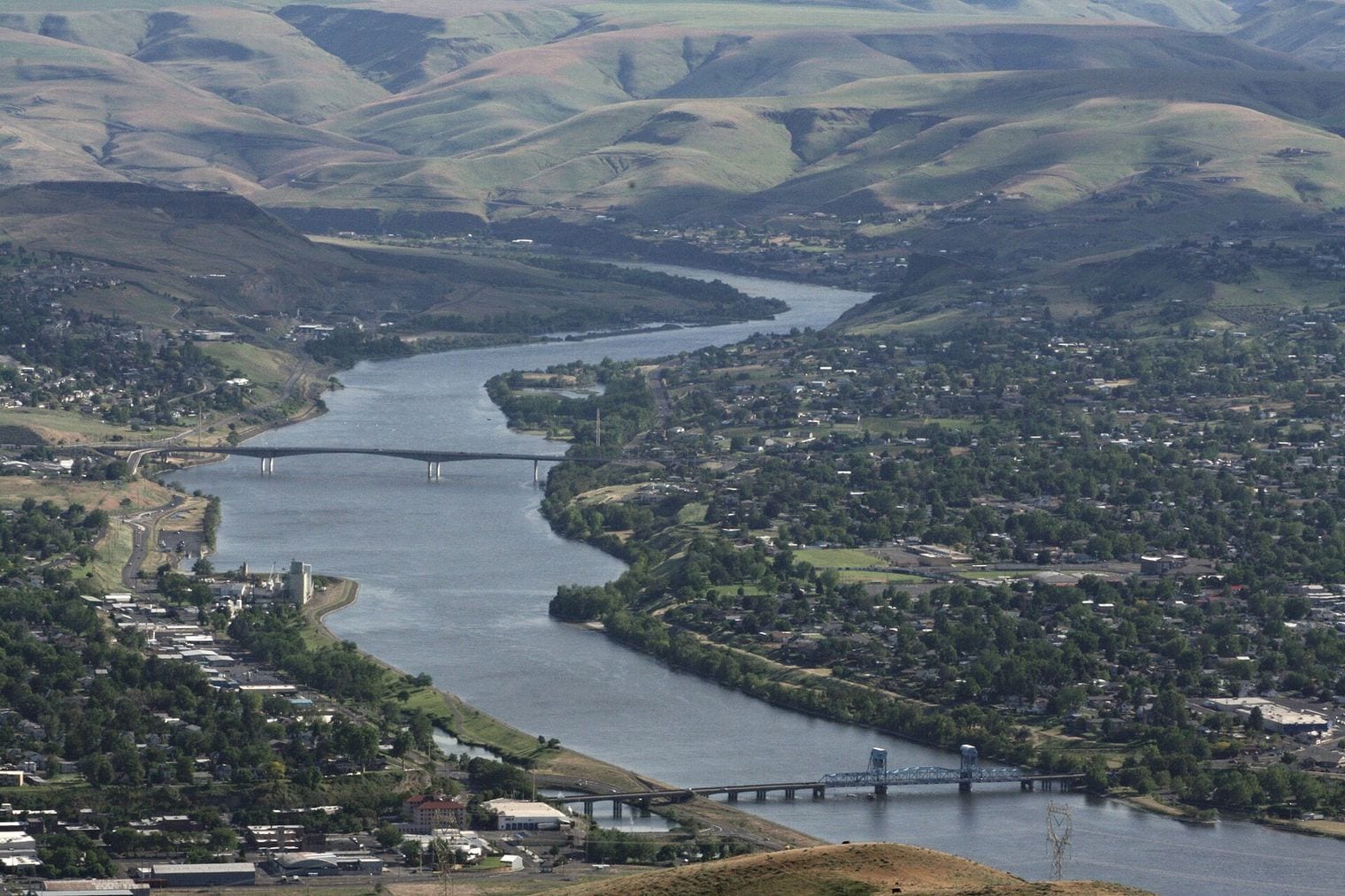
Lewiston sits where the Snake and Clearwater rivers meet, facing Clarkston, Washington, across the water, and its history is outsized for a city of about 34,000: founded in 1861 during a gold rush, it became the first capital of Idaho Territory in 1863 before the capital moved to Boise. Dams and locks on the Snake and Columbia rivers make it reachable from the Pacific, and the Port of Lewiston is Idaho's only seaport.
The big draw is Hells Canyon, North America's deepest river gorge, which jet boats run up from town along the Snake, while paved trails follow the levees beside both rivers. Lewis–Clark State College is here too, and the city is the shopping and services hub for a wide region of canyon and wheat country.
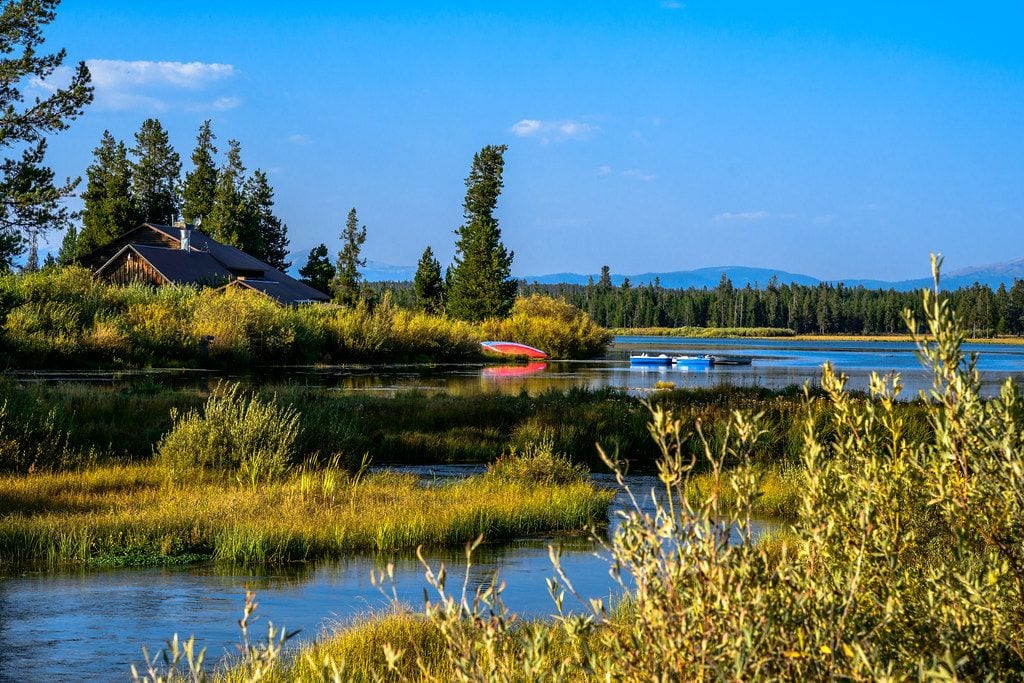
Island Park is less a town than a 33-mile stretch of US Route 20 near Yellowstone, only about 500 feet wide in most places; lodge owners incorporated it in 1947, largely to get around Idaho's liquor laws, and it claims the longest Main Street in the world. It lies inside the Henry's Fork Caldera, an ancient volcanic basin of forest, meadows and clear, spring-fed streams.
The Henrys Fork of the Snake River winds through it, past Harriman State Park, where two-thirds of the trumpeter swans that winter in the lower 48 states spend the season, and on to Upper and Lower Mesa Falls. Big Springs, Island Park Reservoir and miles of winter snowmobile trails fill out a stay, Yellowstone's west entrance is a short drive away, and Bozeman, Montana, is about two hours north.
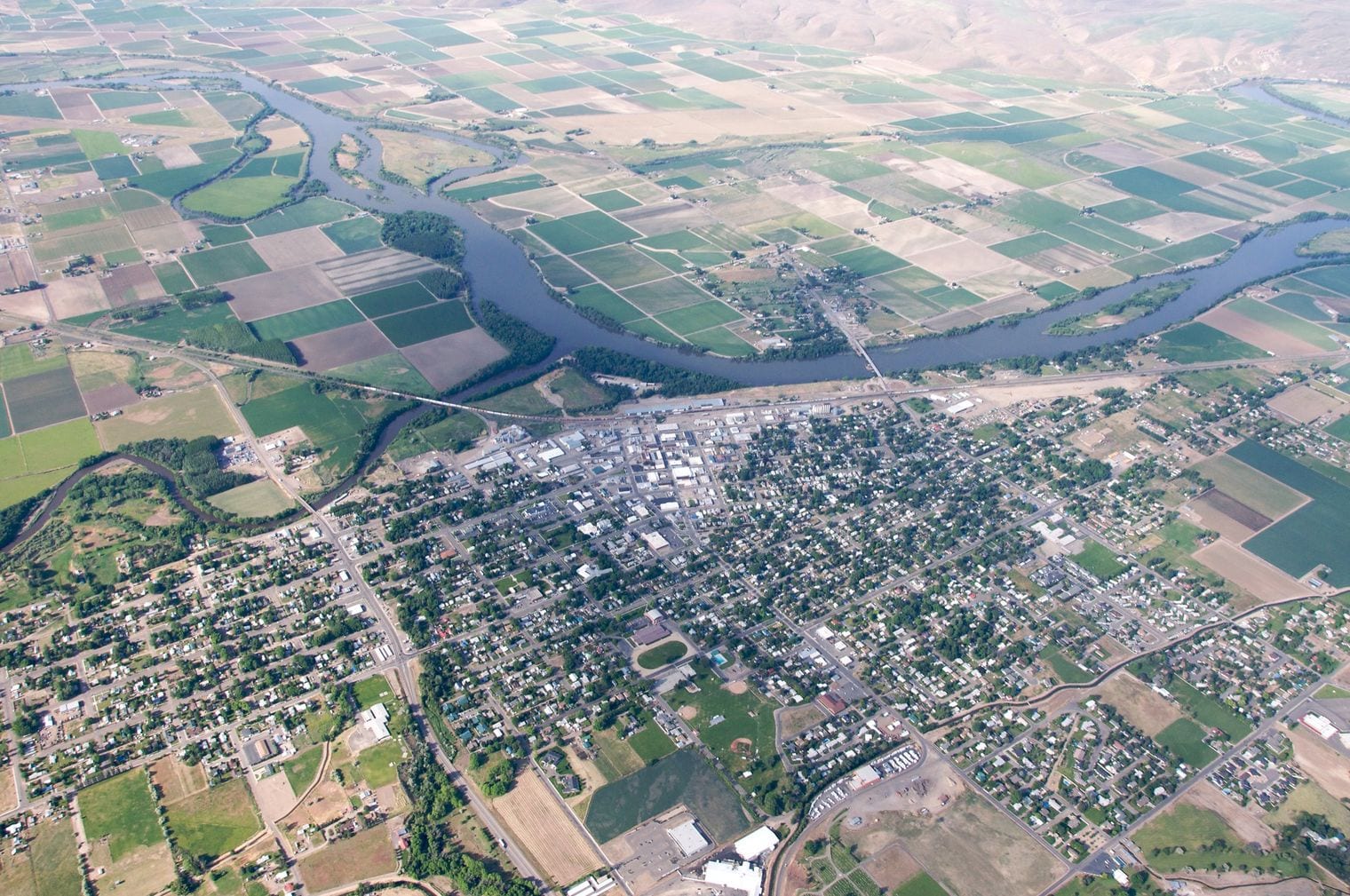
Weiser, the seat of Washington County, sits where the Weiser River meets the Snake River about 50 miles northwest of Boise, and the Snake forms the Oregon border at the edge of town. The irrigated valley around it is farm, orchard and livestock country, and the town keeps an easygoing pace for most of the year.
Every June, Weiser fills up for the National Oldtime Fiddlers' Contest, which draws fiddlers from across the country to compete at Weiser High School, with many contestants camping on the school's sports fields. Among fiddlers the contest is known simply as "Weiser", and the week also brings workshops, performances, a parade and a carnival.
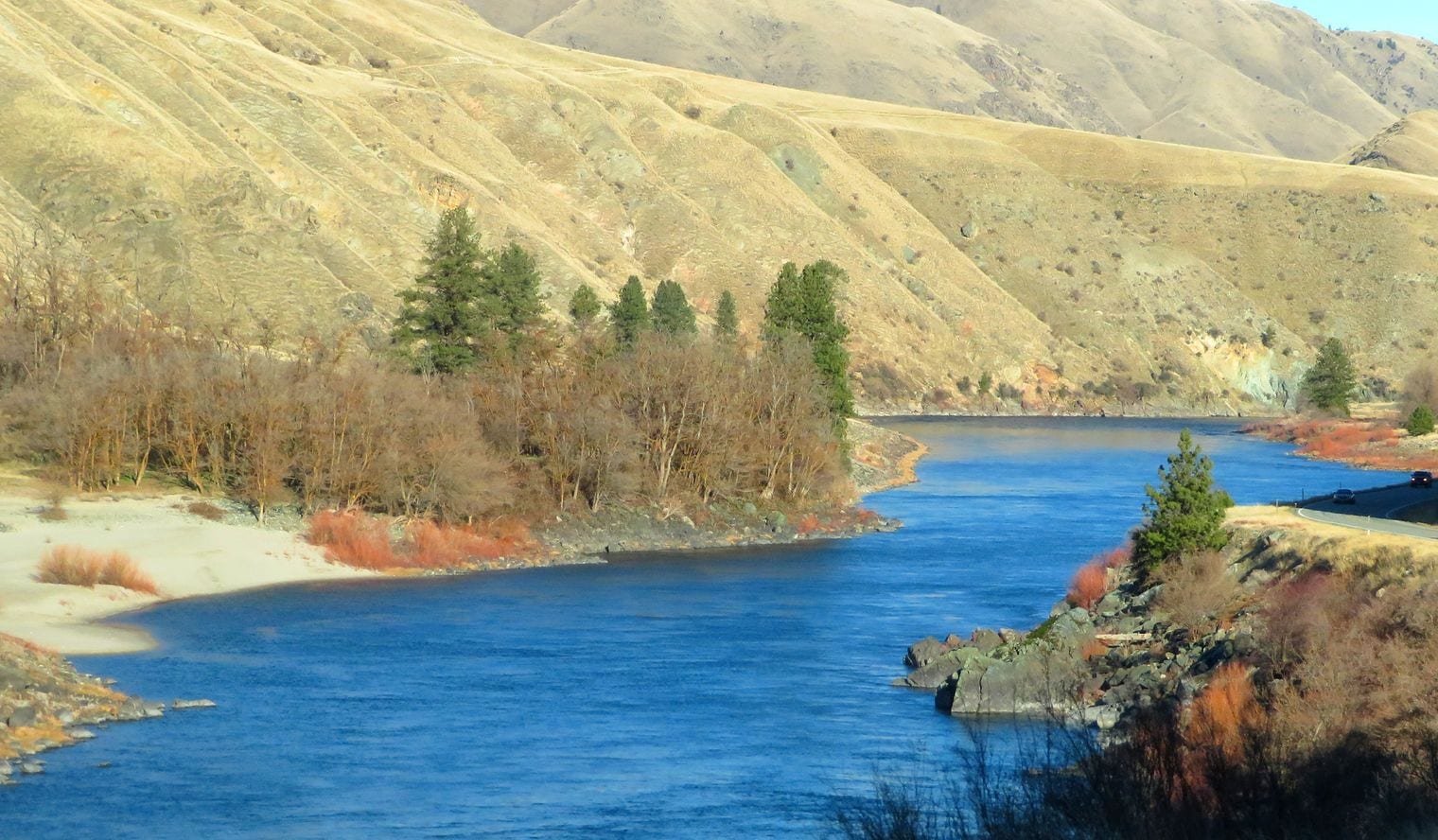
Riggins is squeezed into a deep canyon where the Little Salmon River joins the Salmon, and US 95, the only highway linking the Idaho Panhandle with the south of the state, doubles as its Main Street. The town's motto is "Idaho's Whitewater Capital", and in summer rafts and kayaks are everywhere.
Outfitters run day trips on the Salmon's whitewater from town, and anglers come for the river's steelhead and salmon. The Seven Devils Mountains and the Hells Canyon National Recreation Area lie just a few miles to the southwest, and Riggins is the last town on US 95 in the Mountain time zone: cross the Salmon River just north of town and you are on Pacific time.
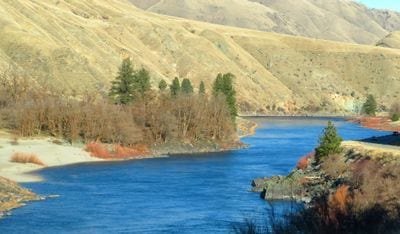
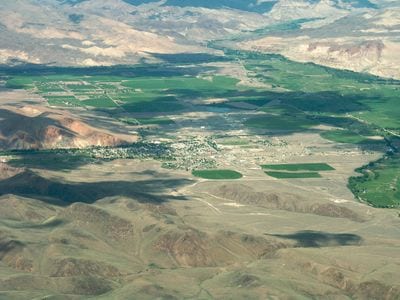
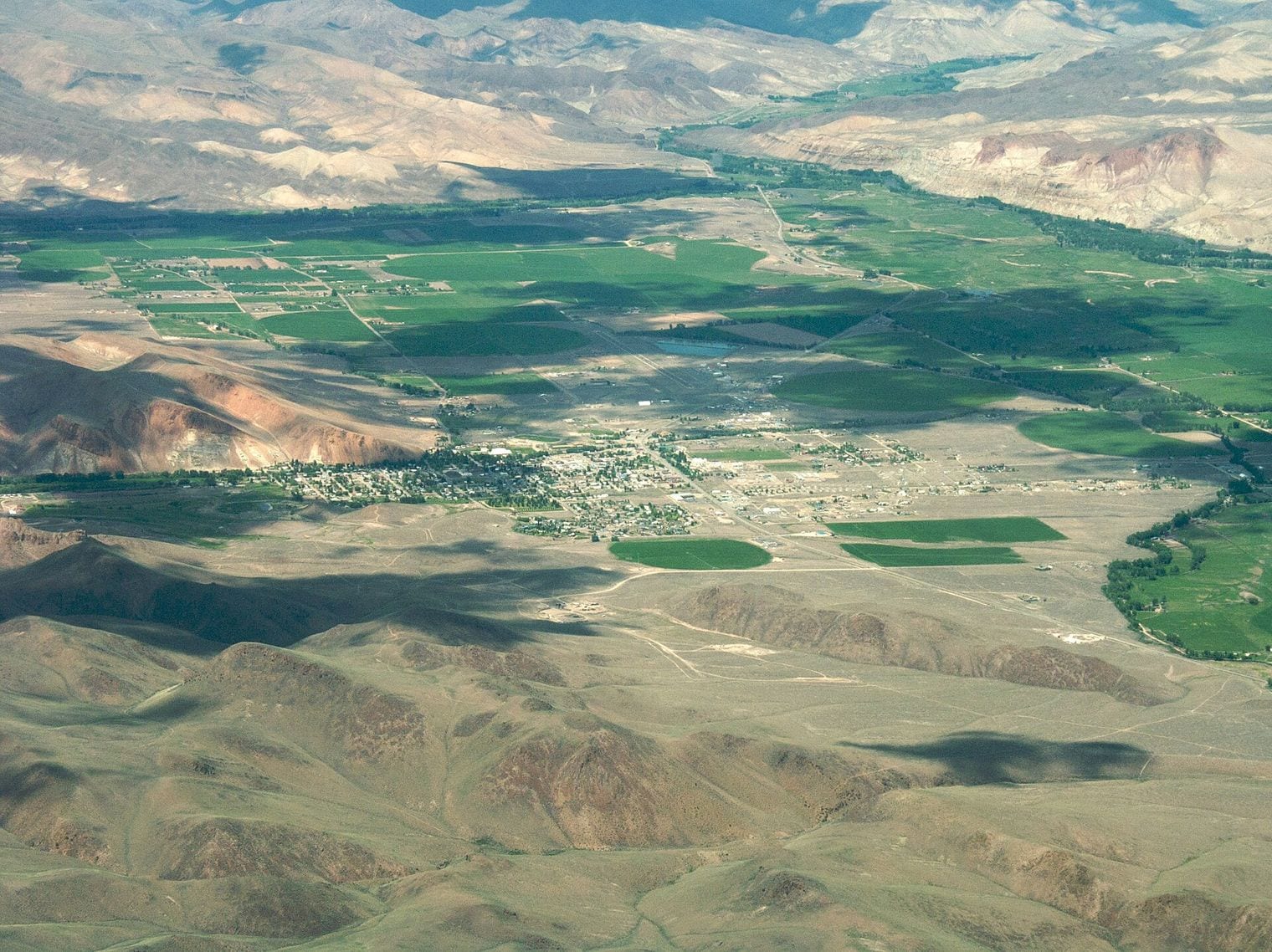
Challis, the seat and largest town of Custer County, sits in a wide, high valley along the upper Salmon River, a ranching town with mountains on every side. It makes a quiet base for exploring central Idaho's mining ghost towns, its hot springs and its highest mountain.
Two miles south of town, the interpretive center of Land of the Yankee Fork State Park has a museum and gold-panning station and tells the story of the ghost towns of Bayhorse, Bonanza and Custer, which lie within a drive. Challis Hot Springs, now a unit of the same state park, offers a soak beside the Salmon River, and to the southeast Borah Peak, Idaho's highest summit, rises in the Lost River Range.
Garden Valley is a scattered, unincorporated community in Boise County, strung along the South Fork of the Payette River in a mountain valley that has long drawn weekenders from the Boise area. Logging, mining and ranching built it, and the valley still feels rural, with hayfields, ranches and pine-covered slopes on every side.
The South Fork is a popular whitewater run, with rafting and kayaking trips launching nearby, and natural hot springs pools sit at the river's edge along the Banks–Lowman Road, also known as the Wildlife Canyon Scenic Byway. Garden Valley also makes an easy add-on to a loop through Lowman and Idaho City on the Ponderosa Pine Scenic Byway.
Lava Hot Springs sits in the narrow valley of the Portneuf River on the old route of the Oregon and California trails, and its natural hot springs have made this town of a few hundred people a resort. The main soaking pools are run by a state foundation, and a winter soak with snow on the hills is one of the best reasons to visit.
In summer the Portneuf becomes a playground, as visitors float a lively stretch of the river right through town on inner tubes, and the state-run complex adds outdoor swimming pools. Pocatello is less than an hour's drive to the northwest, making Lava Hot Springs an easy weekend escape in southeast Idaho.
Free Things to Do in These Idaho Towns
Many of the best moments on this list cost nothing. Watch the stars come out over the Sawtooths from Stanley, inside the Central Idaho Dark Sky Reserve, visit Hemingway's grave in the Ketchum Cemetery in Ketchum, and stroll the brick blocks of Wallace to find the manhole cover proclaimed the center of the universe.
In Idaho City you can walk the boardwalks and the hillside Pioneer Cemetery, in Moscow browse the summer farmers market on Main Street, and in Lewiston follow the levee trails beside the Snake and Clearwater rivers. Look for waterfowl, moose and eagles at the Kootenai National Wildlife Refuge outside Bonners Ferry, and in Preston fans can seek out the Napoleon Dynamite filming locations on their own.
Idaho's mountains split the state, so the easiest way to see these towns is to pick a region and link several together. In the north, Sandpoint, Priest River and Bonners Ferry cluster around Lake Pend Oreille and the Kootenai Valley, and Wallace lies east of Coeur d'Alene on Interstate 90 in the Silver Valley. Moscow and Lewiston are about 30 miles apart on US 95, which continues south down the Salmon River canyon through Riggins toward McCall.
In the middle of the state, Idaho City, Garden Valley and Weiser are all within easy reach of Boise, and McCall is a longer drive north. The Ponderosa Pine and Sawtooth scenic byways link Idaho City, Stanley, Ketchum and Sun Valley, and Hailey in one classic loop, and the Wood River Valley towns are also a reasonable drive north of Twin Falls.
Challis and Salmon lie downstream from Stanley on the Salmon River, while in the east, Island Park and Driggs are within reach of Idaho Falls, Lava Hot Springs sits southeast of Pocatello, and Preston lies in the Cache Valley near the Utah line.
FAQ: Visiting the Best Small Towns in Idaho
What is the best small town in Idaho?
Stanley is the best small town in Idaho for scenery, a hamlet of about a hundred people beneath the Sawtooth Range, a few miles from Redfish Lake. Ketchum and Sun Valley lead for skiing and history, while Wallace, Sandpoint and McCall round out the top five for silver-mining heritage and lakeside mountain living.
What are the best small towns near Boise?
Idaho City, about 36 miles northeast of Boise, is the classic day trip, a gold-rush town of boardwalks, false-front buildings and a hillside pioneer cemetery. Garden Valley adds whitewater and hot springs on the South Fork Payette, Weiser lies about 50 miles northwest on the Snake River, and McCall makes a mountain-lake weekend farther north.
What are the best small towns in North Idaho?
Sandpoint, on Lake Pend Oreille, is the Panhandle's favorite lake town, and Wallace preserves a silver-mining downtown in the Silver Valley. Bonners Ferry sits on the Kootenai River near the Canadian border, Priest River is the gateway to Priest Lake, and Moscow and Lewiston anchor the Palouse and the Hells Canyon country to the south.
Which small towns in Idaho have hot springs?
Lava Hot Springs is built around its soaking pools, with summer river tubing on the Portneuf as a bonus. Challis Hot Springs is part of a state park near Challis, natural pools sit beside the South Fork Payette around Garden Valley, and more hot springs lie along the Salmon River road near Stanley.
When is the best time to visit Idaho's small towns?
Summer is the main season, when backcountry roads open, rafting season is in full swing around Riggins, Salmon and Stanley, and the lakes at Sandpoint and McCall warm up. Winter brings skiing at Sun Valley, Schweitzer, Brundage and Grand Targhee and McCall's Winter Carnival, while fall adds golden aspens and the Trailing of the Sheep.
How many days do you need to visit a small town in Idaho?
Most towns on this list fill a relaxed day, and many make easy stops on a longer drive. Ketchum and Sun Valley, Sandpoint and McCall deserve a weekend to enjoy properly, while a week lets you link several towns in one region, such as the Panhandle lakes, the Sawtooth loop or the Yellowstone corner around Island Park.