We may earn a commission if you book tickets, tours or a stay through a link on
this page, at no extra cost to you. It never affects which places we list or how
we rank them (how we make money).
Short answer
Start with the Old Idaho Penitentiary Site and the Idaho Botanical Garden on its grounds, then walk the Boise River Greenbelt to Julia Davis Park, home to Zoo Boise and the city's main museums. Two or three days is the sweet spot: one for downtown, the Idaho State Capitol and the Basque Block, one for the river and its parks, and a third for the foothills trails at Camel’s Back Park and Table Rock.
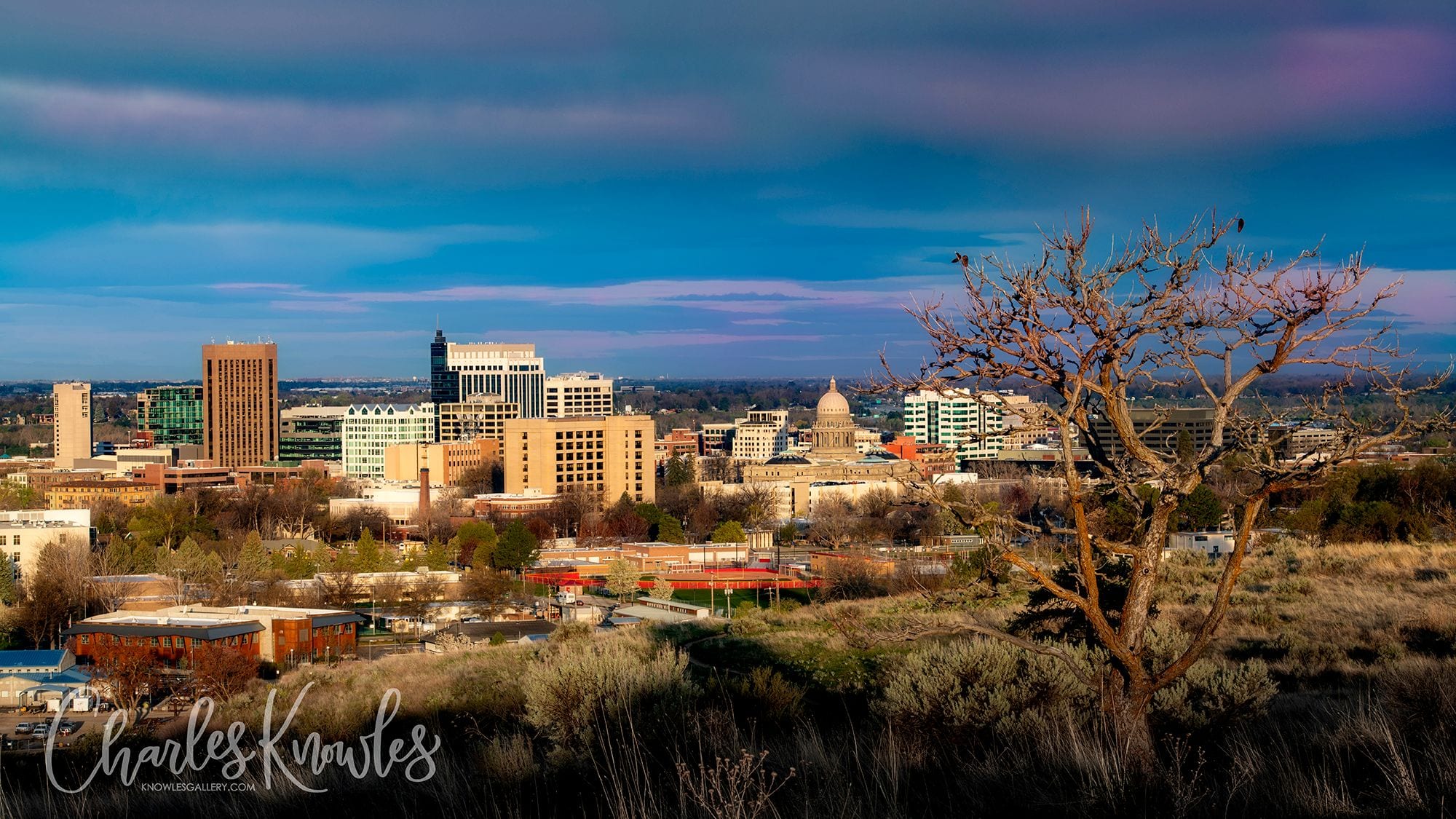
Boise, Idaho's capital, sits where the Boise River leaves the foothills, a city of sandstone landmarks, brick downtown blocks and the leafy streets that earned it the nickname City of Trees. A riverside path links its parks and museums, and foothills trailheads start a short walk from downtown.
This guide covers 35 of the best things to do in Boise, from the Old Idaho Penitentiary and the Greenbelt to Basque culture, foothills hikes and summer Shakespeare. Plan on two or three days, and add Twin Falls, about two hours southeast, for a longer road trip.
Boise's name is usually traced to French-Canadian fur trappers, who described the tree-lined Boise River as "la rivière boisée," the wooded river.
Boise has been Idaho's capital since 1864, when it was still the capital of Idaho Territory, a year after the Army founded a new Fort Boise here.
The city is home to the first geothermal district heating system in the United States, begun in 1892 along Warm Springs Avenue, and the Idaho State Capitol is the only state capitol heated with geothermal water.
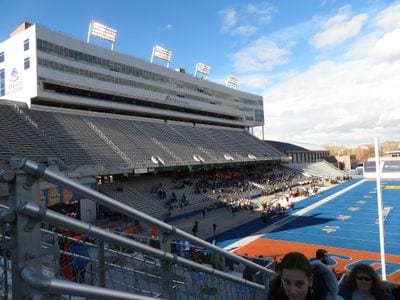
The blue turf at Albertsons Stadium, installed in 1986, was the first non-green playing field in football history.
Boise has one of the largest Basque communities in the United States, and every five years it hosts Jaialdi, an international Basque festival.
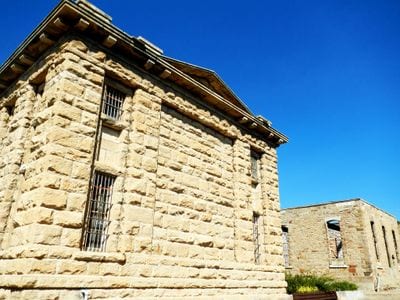
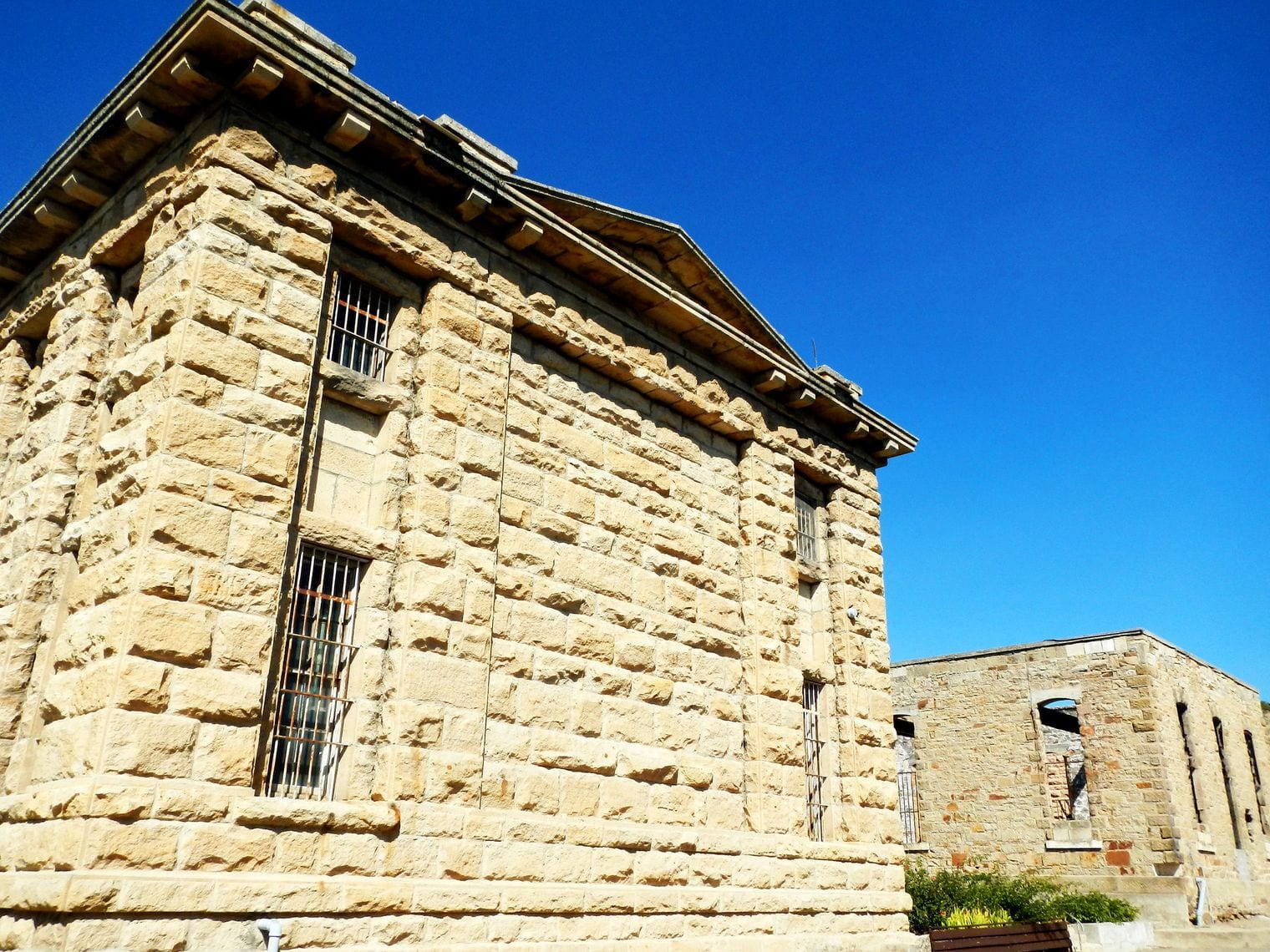
The Old Idaho Penitentiary Site is the place to start in Boise. The first cellhouse went up in 1870 at the foot of the foothills, and the prison held inmates for 101 years, until it closed in 1973 after a riot over living conditions. Today it is one of only four territorial prisons in the country open to the public.
The cellblocks, solitary cells and walled yards are built of sandstone that the inmates quarried themselves from the ridges above, and walking through them gives a vivid sense of frontier justice turning into a twentieth-century prison. The Idaho State Historical Society runs the site, and the trail up to Table Rock starts close by.
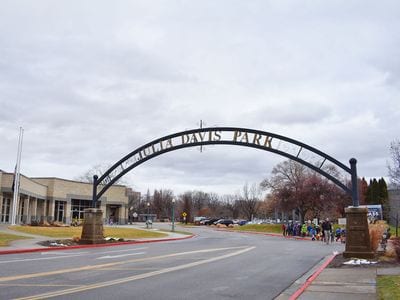
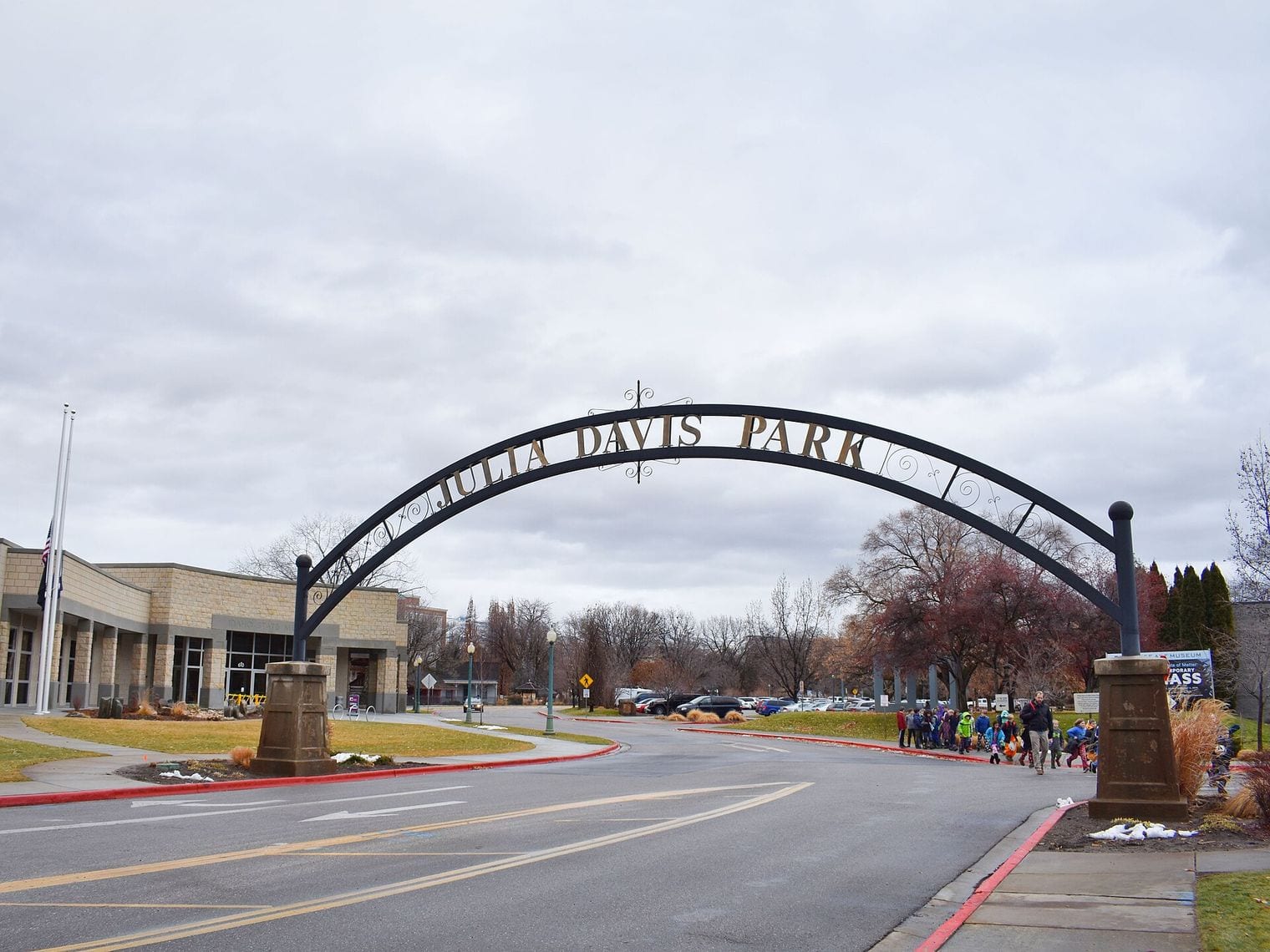
Julia Davis Park is downtown Boise's cultural backyard. Thomas Jefferson Davis gave the first 40 acres to the city in 1907 in memory of his wife, Julia, and the park became the first link in the String of Pearls, the chain of city parks along the Boise River.
It now holds Zoo Boise, the Idaho State Museum, the Boise Art Museum and the Idaho Black History Museum, along with a rose garden, a lagoon and the Gene Harris Bandshell. The Greenbelt runs along its riverbank, so you can walk or cycle in from the rest of downtown and easily fill a whole day here.
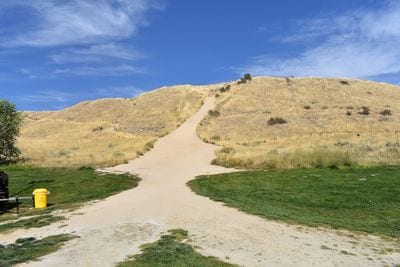
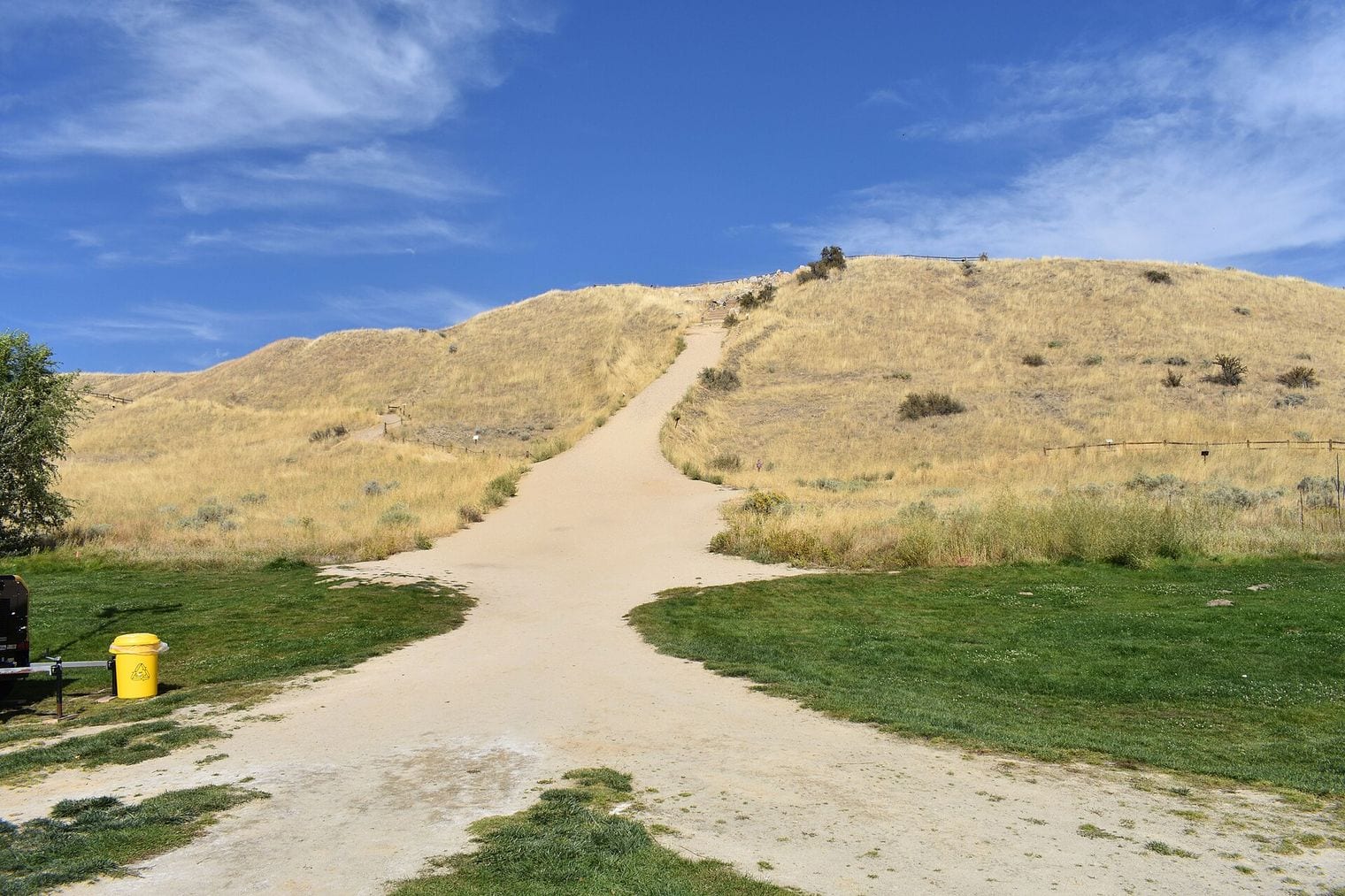
Camel’s Back Park is where Boise's foothills begin. The North End park's steep, sandy hill is a favorite scramble for kids and a quick sunset viewpoint over downtown, with a playground, tennis courts and open lawns spread out at its base.
Behind it lie the Camel's Back and Hulls Gulch reserves, more than 350 acres of sagebrush slopes and gullies laced with trails that connect to the Ridge to Rivers system, the web of foothills paths that gives Boise its outdoor reputation. The cafes of Hyde Park are just down the street for a post-hike coffee.
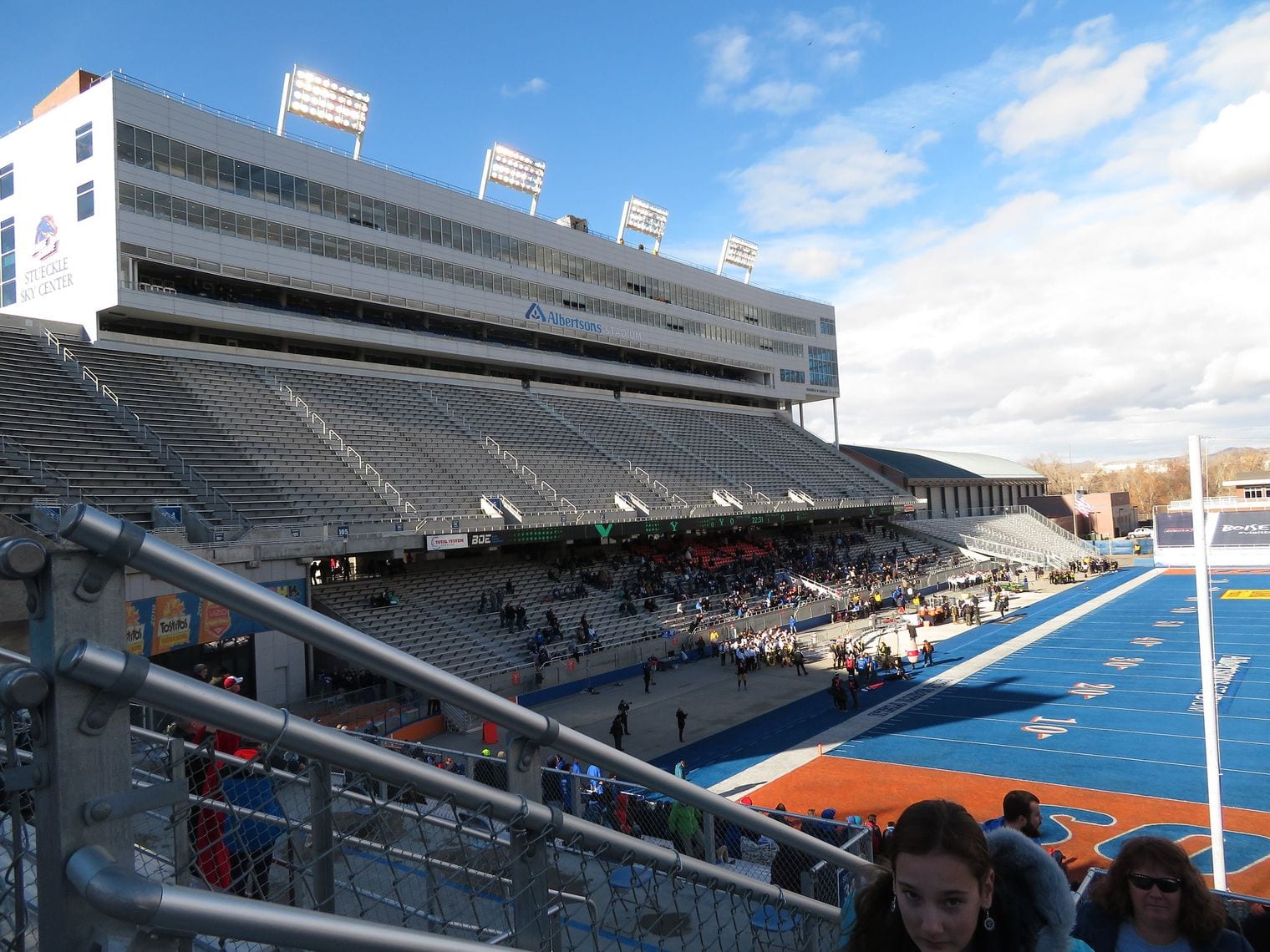
Albertsons Stadium is home to the Boise State Broncos and to the most recognizable field in college football. When its blue turf went down in 1986, it was the first non-green playing surface in football history, and it is still the image many people outside Idaho associate with Boise.
The stadium opened in 1970 as Bronco Stadium and took its current name in 2014. A fall game day on the Blue, as players call it, is the full Boise experience, with tailgaters filling the campus beside the Boise River before kickoff.
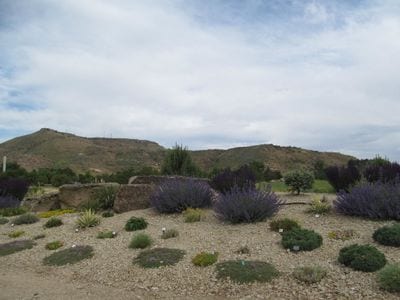
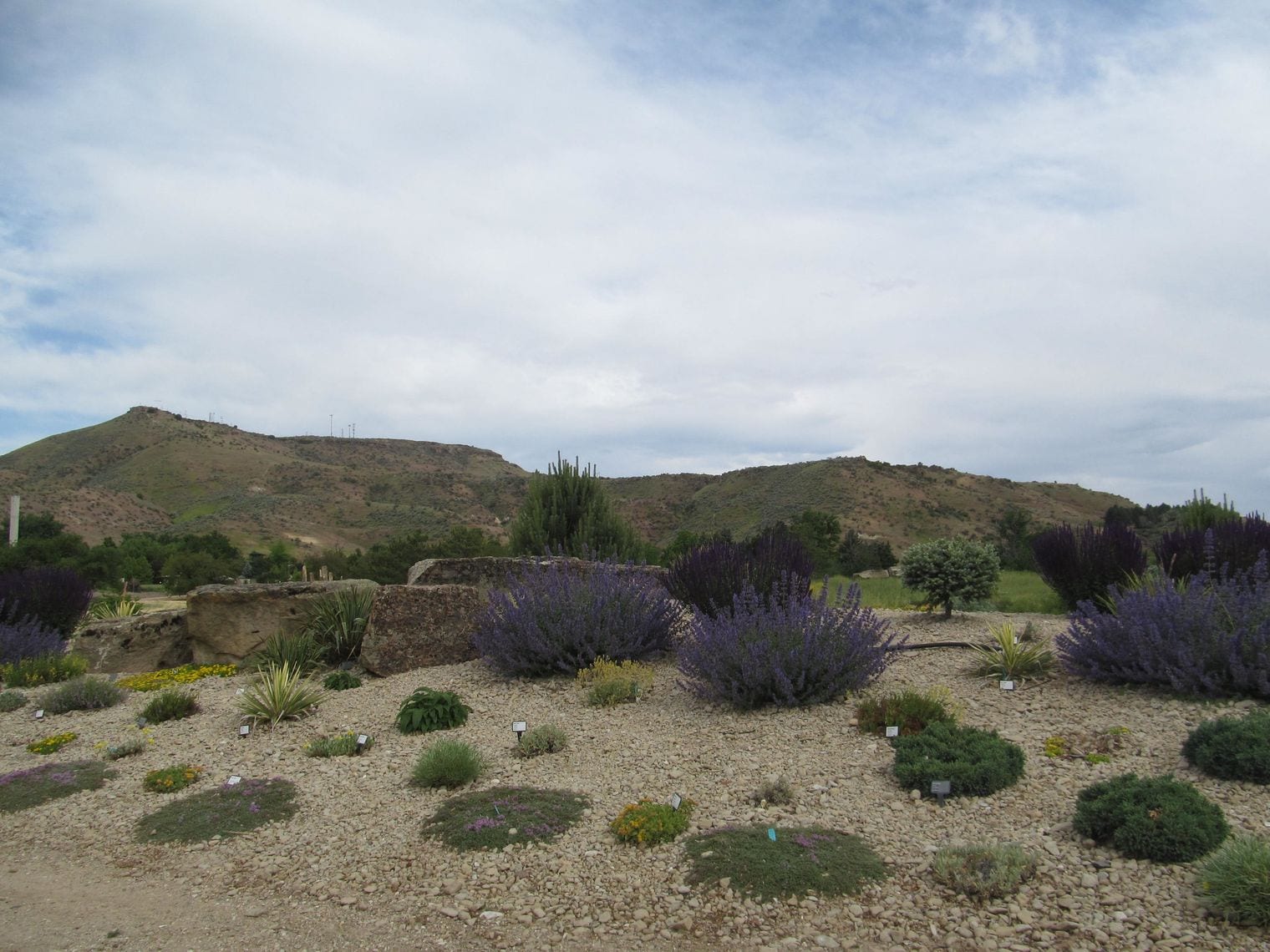
The Idaho Botanical Garden grows on the grounds of the Old Idaho Penitentiary, on land that once served as the prison's farm and nursery. Founded in 1984, it spreads themed gardens across 15 acres beneath the old sandstone walls and the foothills.
Highlights include an English garden designed by landscape architect John Brookes and the Lewis and Clark Native Plant Garden, which honors the expedition's journey through the region. Summer concerts on Outlaw Field and a winter light display draw big crowds, so check the garden's calendar before you go.
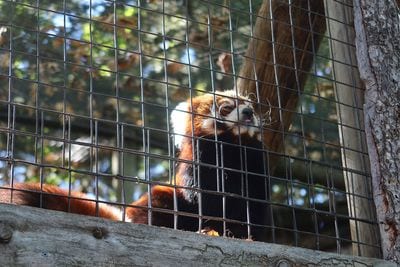
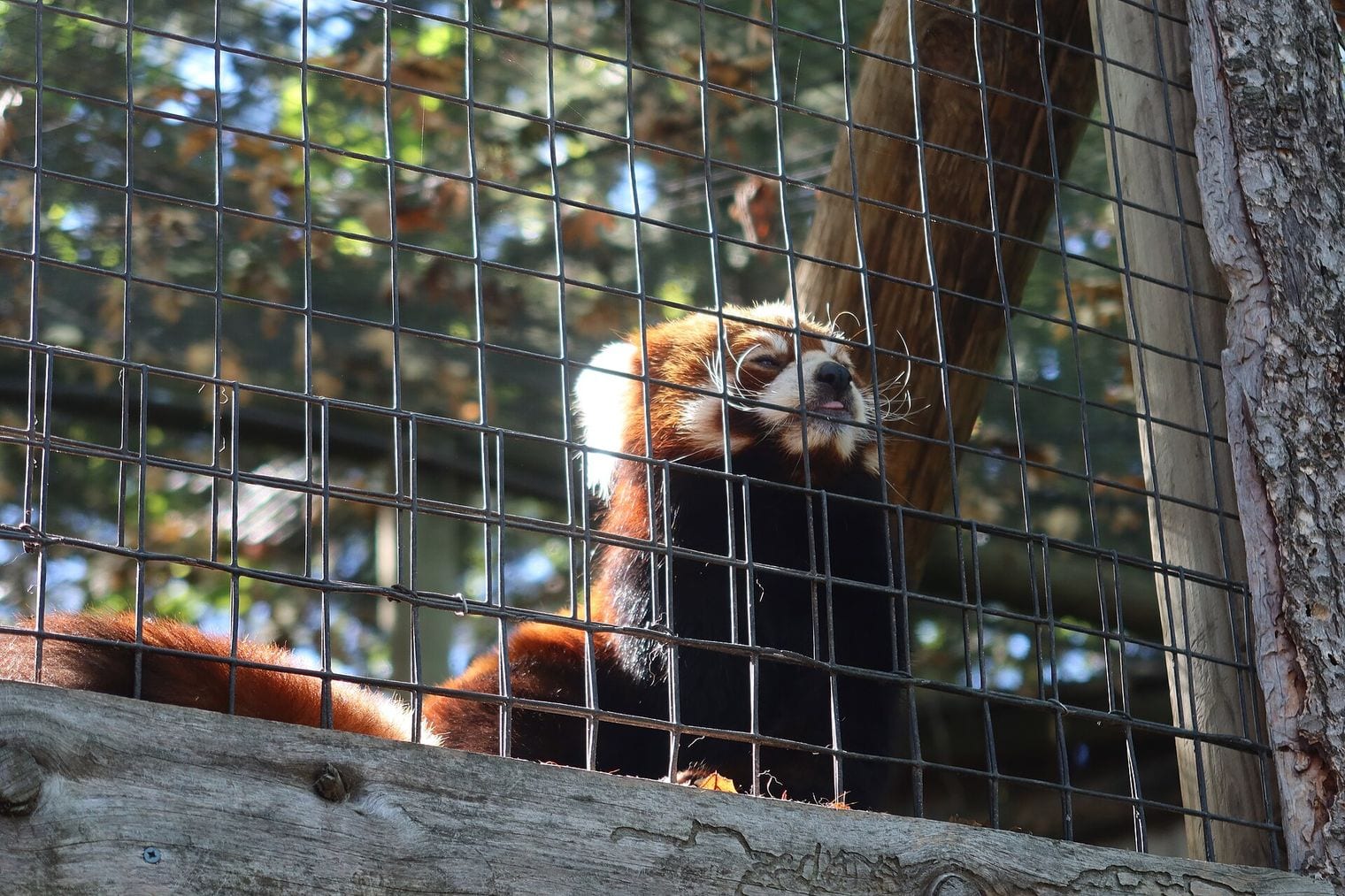
Zoo Boise has been part of Julia Davis Park since 1916 and is the kind of compact, walkable zoo you can enjoy in a morning. Its African plains exhibit and a newer area inspired by Gorongosa National Park in Mozambique bring savanna wildlife to the edge of downtown.
The zoo is accredited by the Association of Zoos and Aquariums and channels part of its revenue into wildlife conservation, so a visit supports work well beyond Idaho. Pair it with the museums and the rose garden elsewhere in the park for an easy family day.
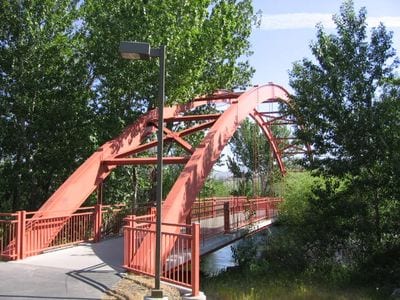
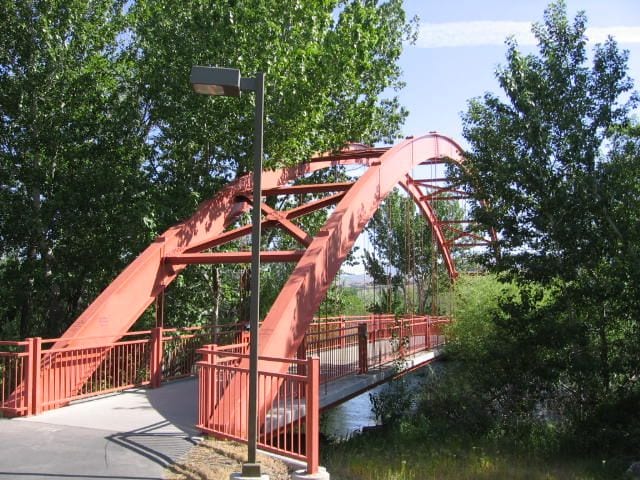
The Boise River Greenbelt is the thread that ties the city together. The tree-lined path follows the Boise River for miles, from Eagle Island State Park to Lucky Peak Reservoir, linking downtown, the university and a string of riverside parks. The city began assembling the land in the 1960s, and the trail system now runs along both banks.
Walk, run or ride a bike and you will pass anglers, herons and shady picnic spots without ever meeting traffic. In summer, locals float the river on tubes and rafts from Barber Park, just upstream of the city, to Ann Morrison Park, a lazy trip that has become a Boise ritual.
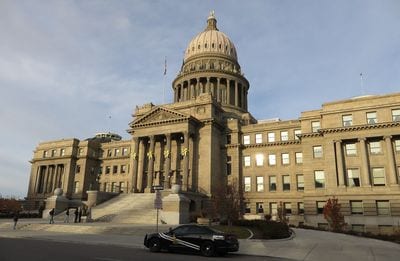
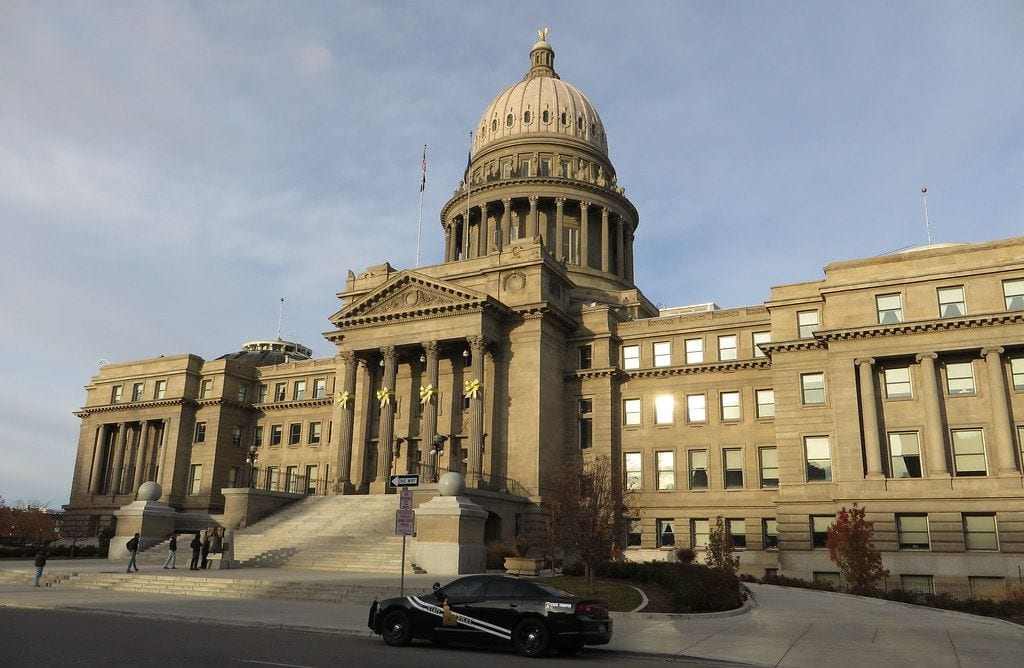
The Idaho State Capitol rises at the head of Capitol Boulevard, its dome reaching 208 feet and topped by a bronze eagle. Built between 1905 and 1920 to a design by John E. Tourtellotte and Charles Hummel, it is faced with sandstone cut from the quarry at nearby Table Rock.
Inside, red, gray, green and black marble from Georgia, Alaska, Vermont and Italy lines the rotunda, and the building is the only state capitol in the country heated with geothermal water. It is a working seat of government, and visitors can explore the public floors on their own.
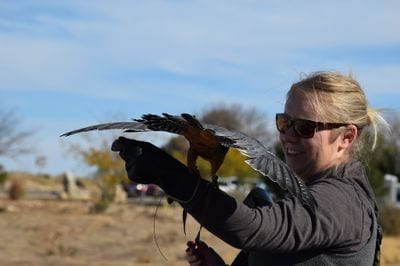
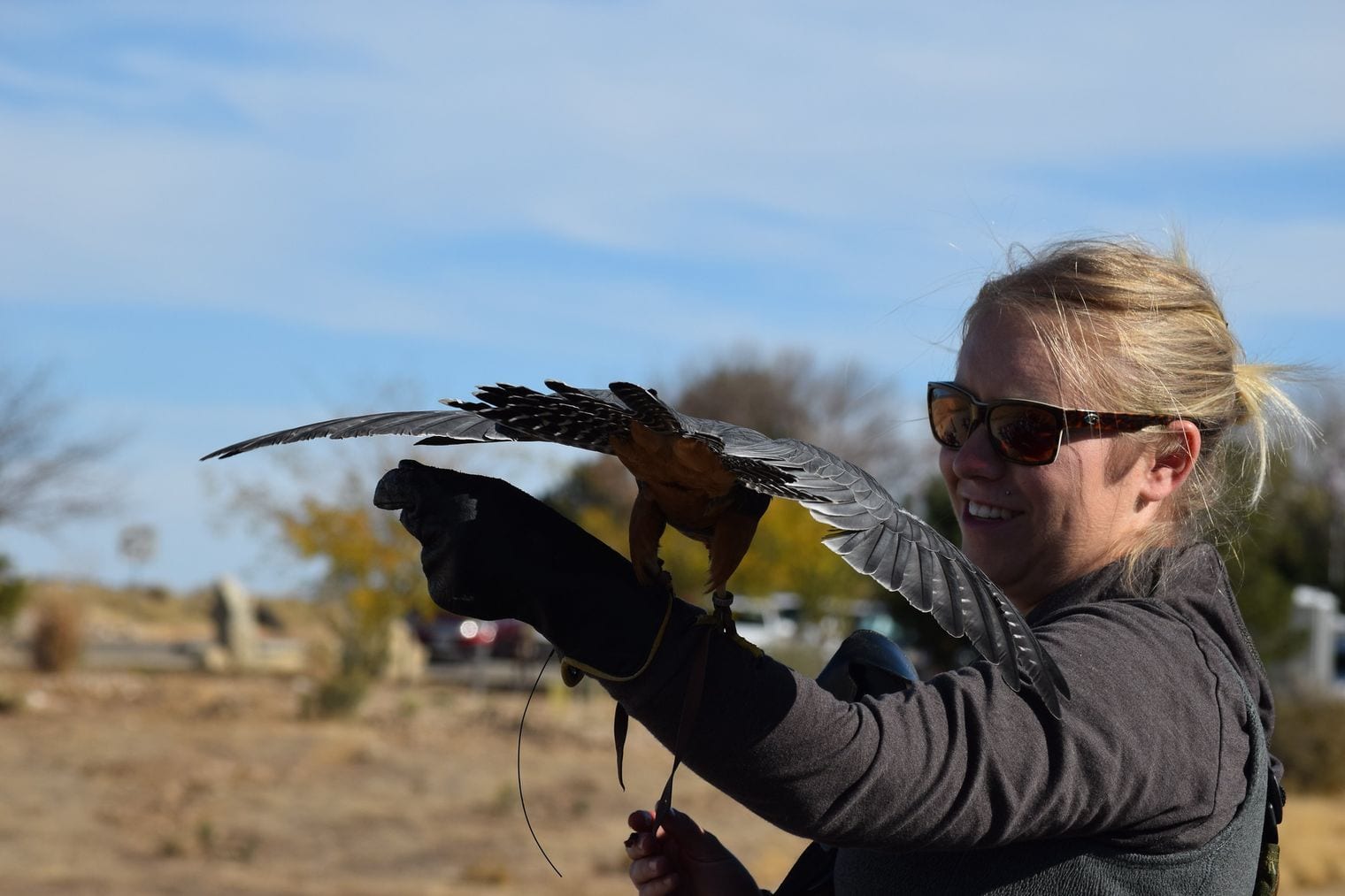
The World Center for Birds of Prey sits on a hilltop south of the city and is the headquarters of The Peregrine Fund, the conservation group founded in 1970 to breed peregrine falcons in captivity and return them to the wild. Its interpretive center puts you face to face with falcons, hawks, eagles and owls, and with live California condors from the fund's breeding program.
The center also holds the Archives of Falconry, a collection of books, equipment and art that includes volumes dating back to the 1490s. It is a short drive past the airport and makes a memorable outing with children.
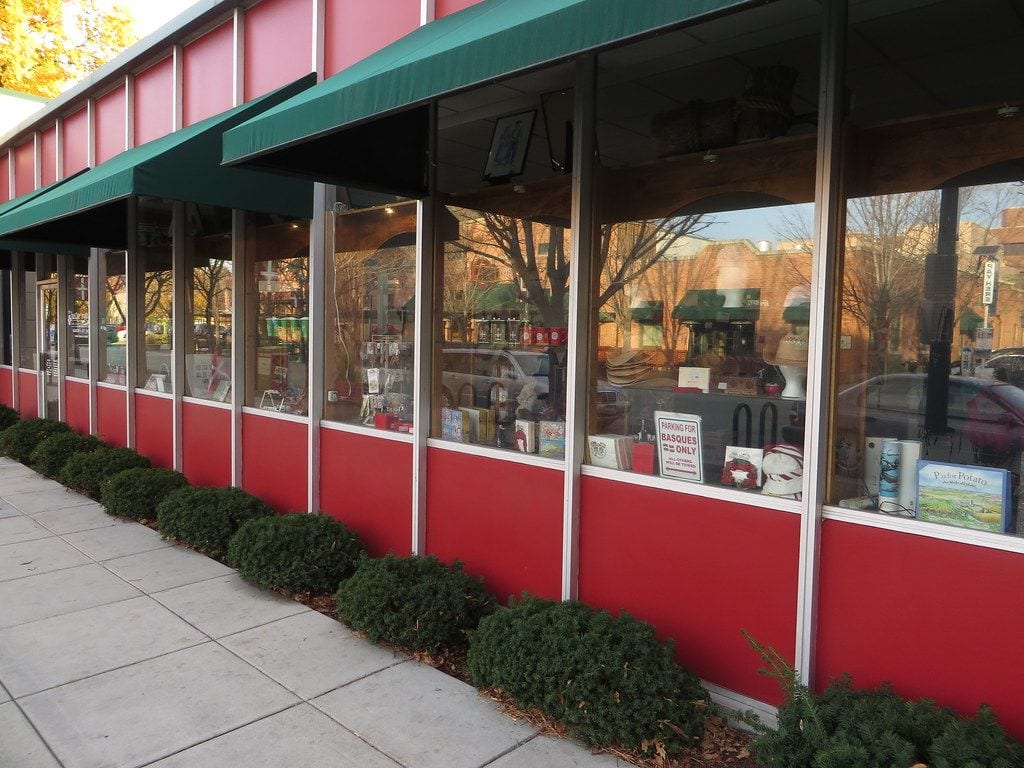
The Basque Block on Grove Street celebrates one of the largest Basque communities in the United States, built by immigrants who came to Idaho to work as sheepherders. Restaurants, a Basque market, a handball court and old boarding houses line this downtown block and keep the language, food and dances alive.
The Basque Museum & Cultural Center tells that story, and its Cyrus Jacobs-Uberuaga House served as a Basque boardinghouse from 1910 to 1969. Every five years the block fills for Jaialdi, an international Basque festival, but on any day you can stop for croquetas, chorizo or a glass of kalimotxo.
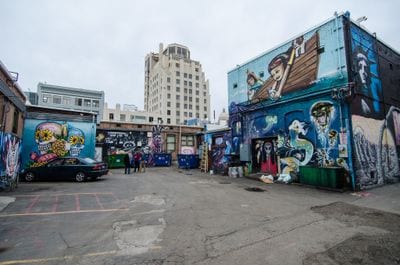
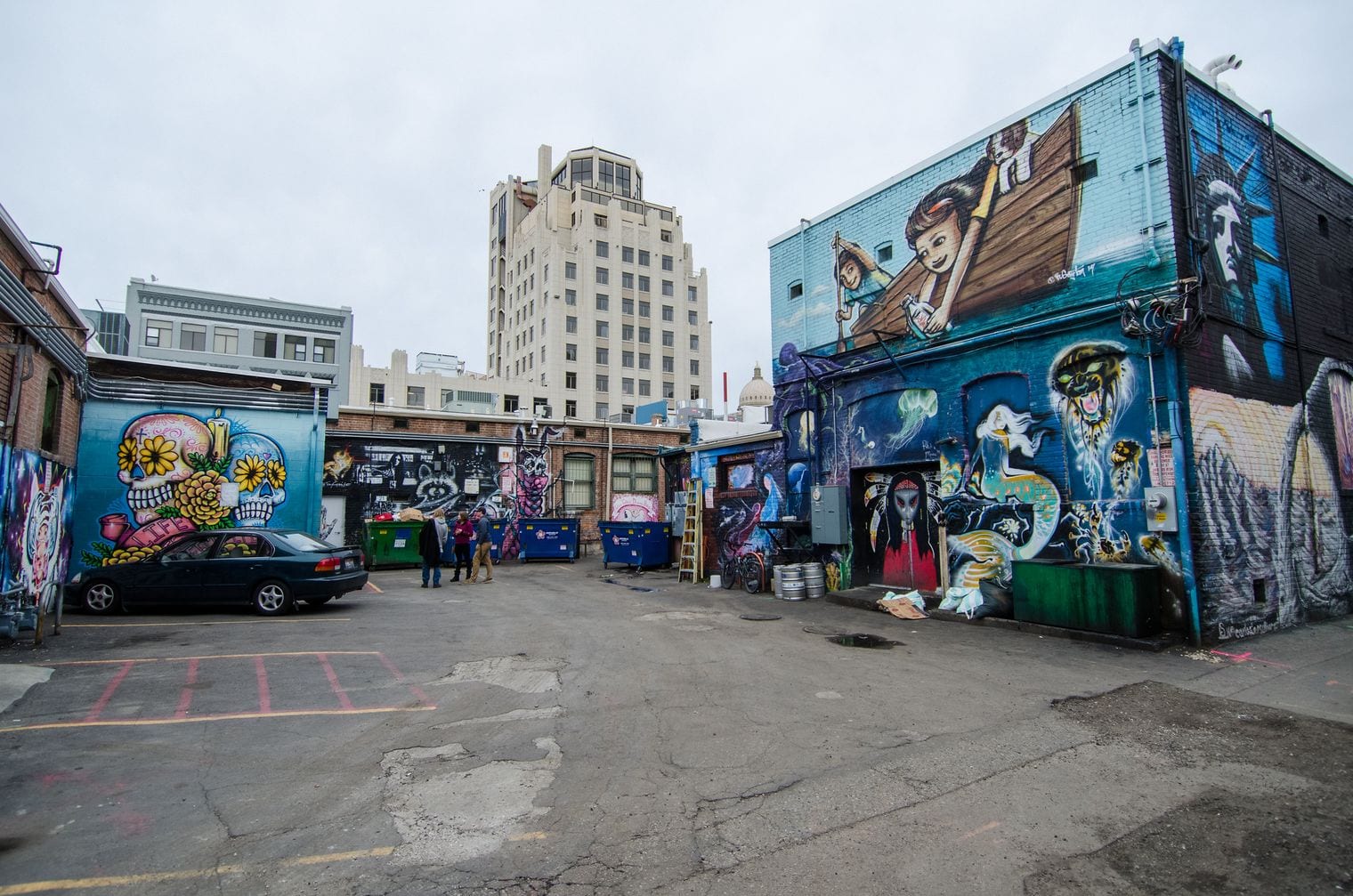
Freak Alley Gallery began in 2002, when a local artist painted a back doorway downtown, and has grown into an open-air gallery that covers an alley and an adjoining parking lot between 8th and 9th streets. It is often called the largest outdoor gallery in the Northwest, and more than 200 artists have contributed over the years.
The murals are painted over and replaced on a regular cycle, so the alley never looks quite the same twice. Come in daylight with a camera, then carry on to the cafes and bars a block away.
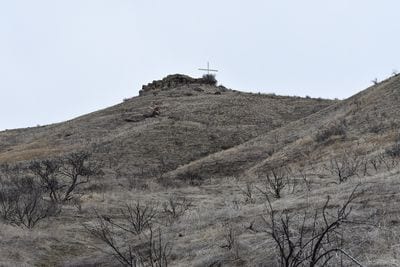
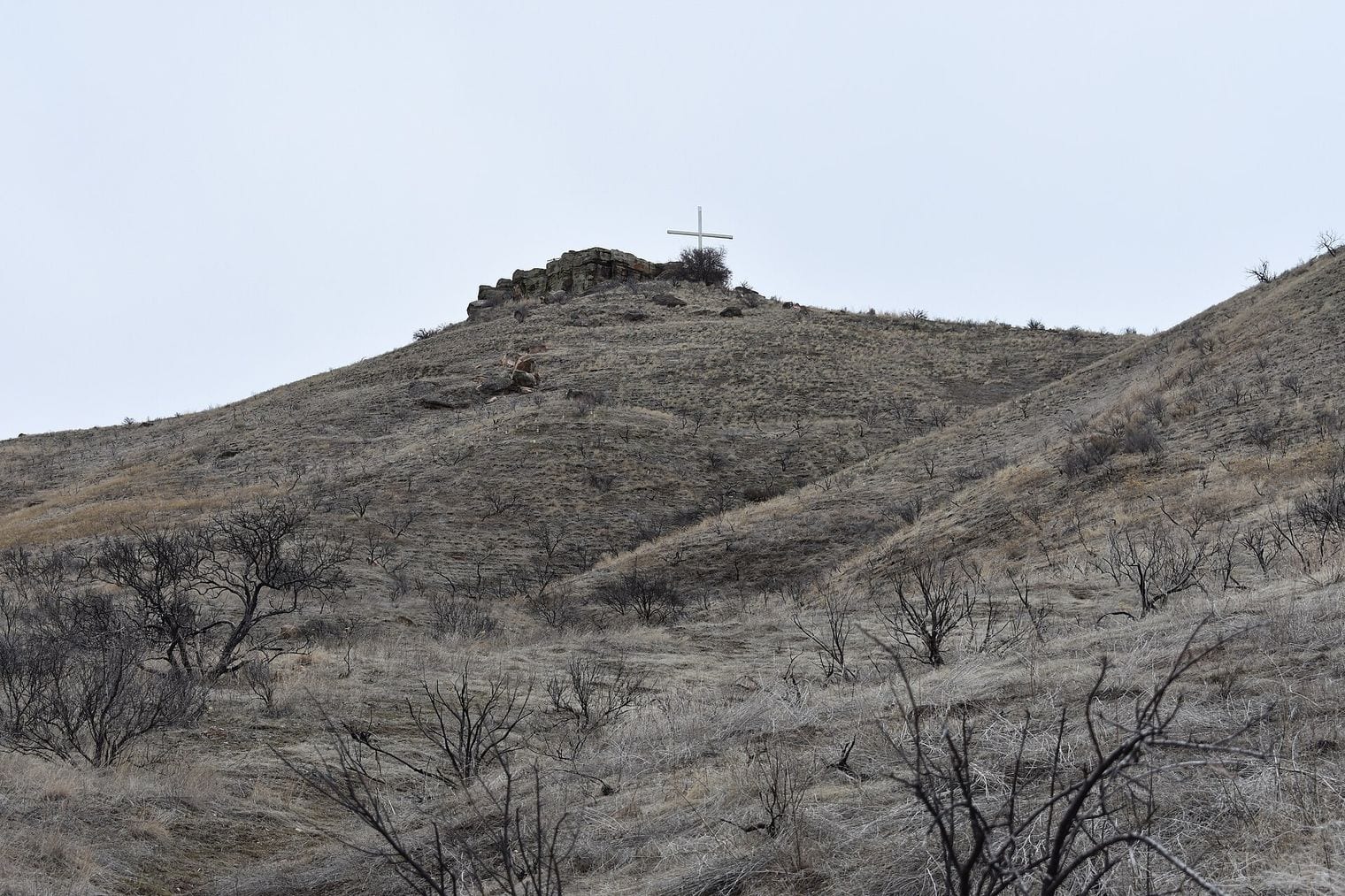
Table Rock is the flat-topped mesa that stands about 900 feet above downtown, crowned by a 60-foot illuminated cross that has been a Boise landmark since the 1950s. From the summit, at 3,650 feet, the view sweeps across the Treasure Valley to the Owyhee Mountains.
The hike starts near the Old Idaho Penitentiary, much of whose sandstone was quarried from this same mesa, and climbs through sagebrush on a steady grade. Go at sunrise or sunset for the best light and cooler air, and bring water, since there is little shade on the way up.
The Morrison Center, formally the Velma V. Morrison Center for the Performing Arts, has been Boise's main stage since it opened on the Boise State University campus in 1984. It is named for Boise philanthropist Velma V. Morrison.
Its large main hall hosts the Broadway in Boise touring series along with concerts, opera, ballet and symphony performances. The riverside campus setting makes a pre-show stroll along the Greenbelt easy on a warm evening.
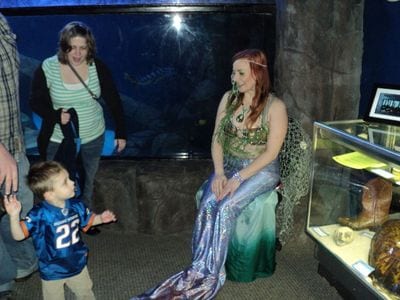
The Aquarium of Boise brings the ocean to a landlocked state, with dozens of exhibits holding hundreds of species, from sharks and stingrays to reef fish, chameleons and pythons. It is small enough to see in an hour or two, which makes it a good rainy-day or hot-afternoon stop with children.
The highlight for many visitors is the ray pool, a touch exhibit where stingrays glide within reach of the rim. Staff are usually nearby to answer questions about the animals and how they are cared for.
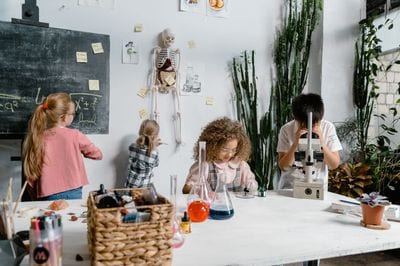
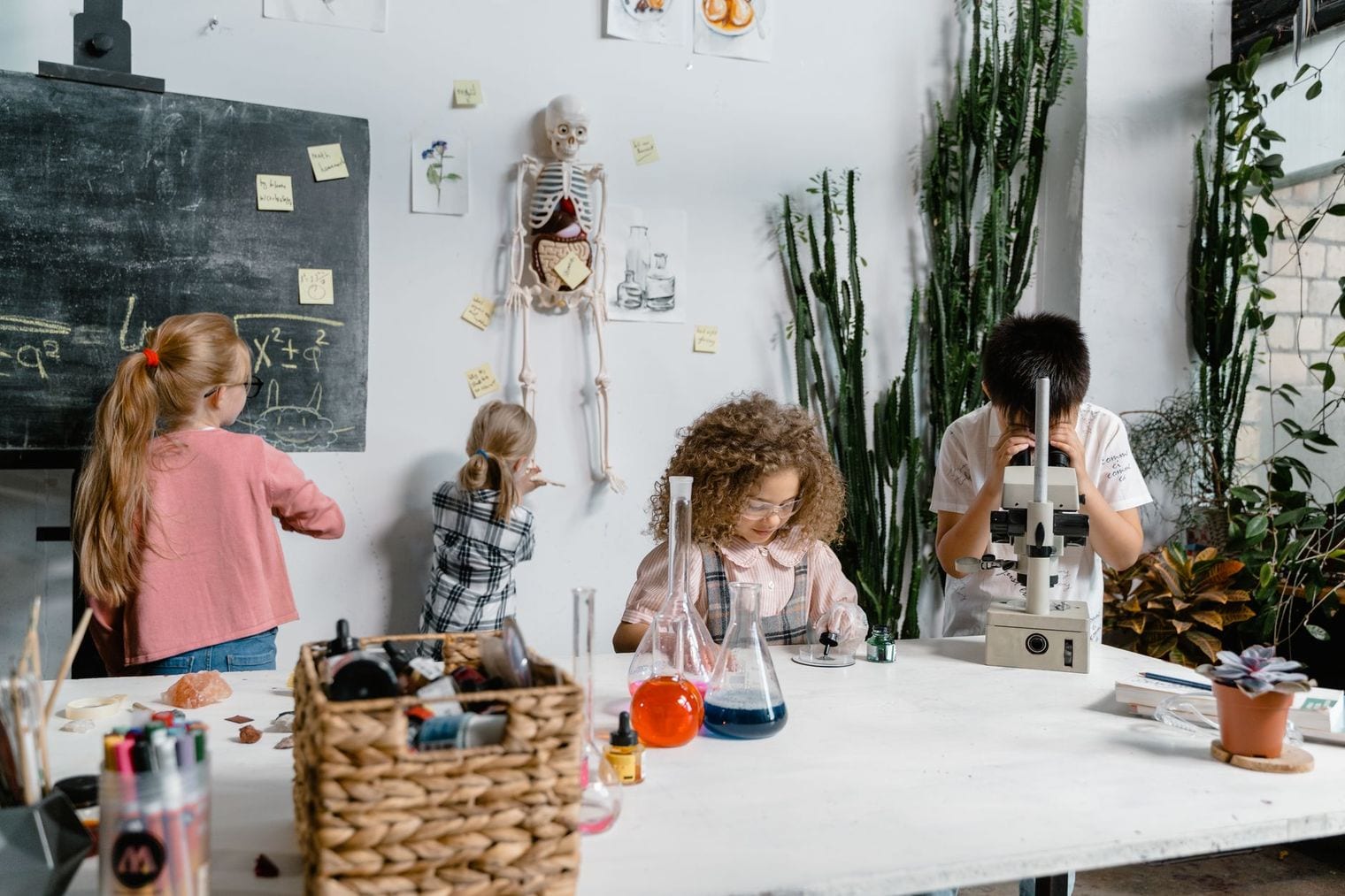
The Discovery Center of Idaho has been Boise's hands-on science center since 1988, a place where children and adults test ideas rather than just read about them. Interactive exhibits cover science, technology, engineering, math and the arts, and big traveling exhibitions rotate through.
It sits on Myrtle Street at the edge of Julia Davis Park, so it combines easily with the zoo and museums nearby. Many exhibits are designed and built in the center's own innovation lab, and it runs camps and workshops for young scientists.
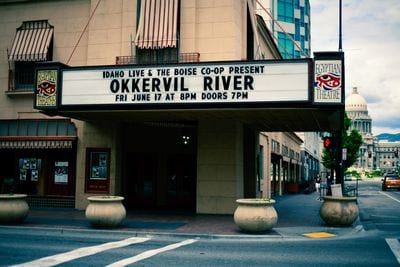
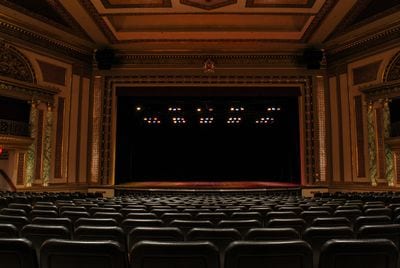
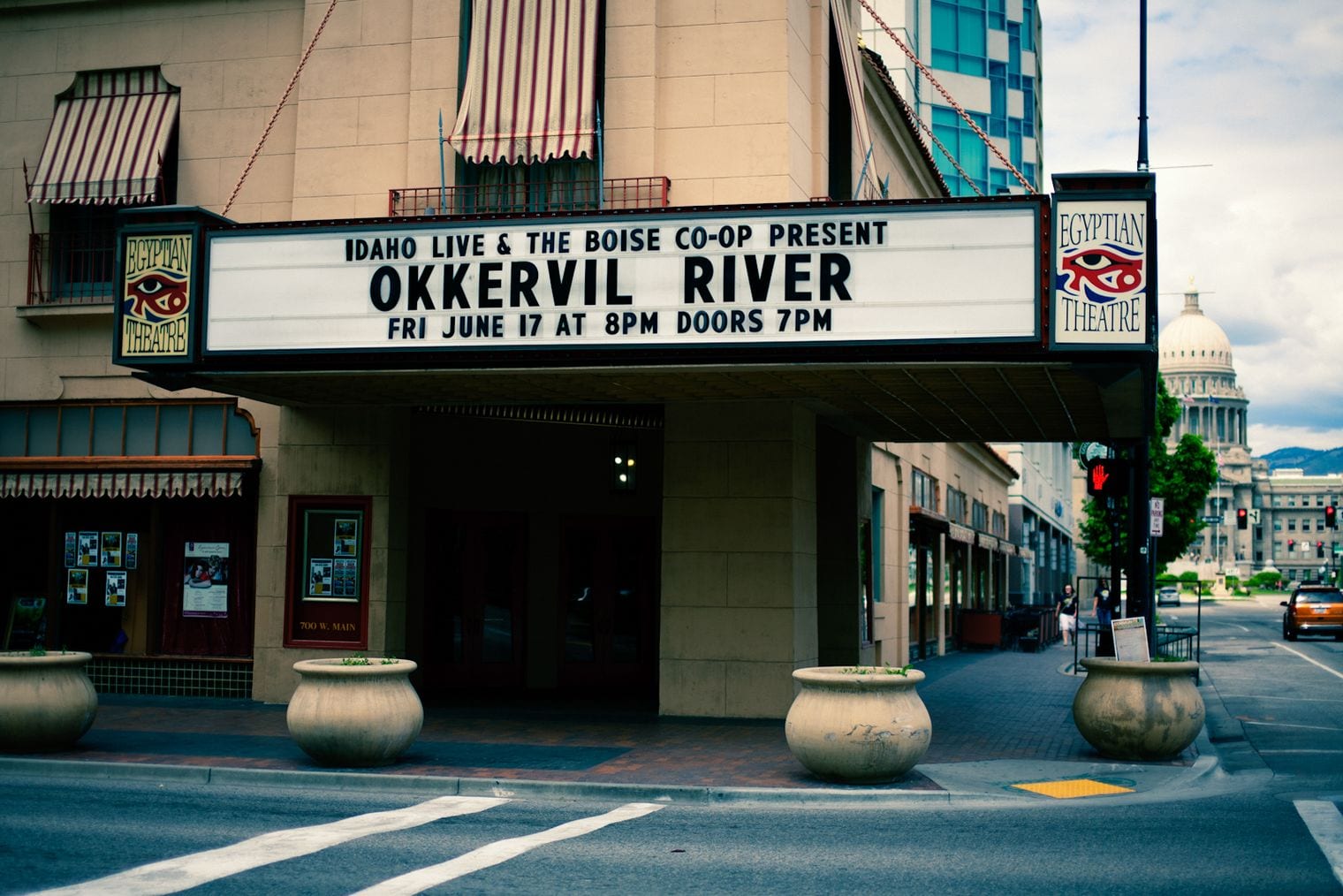
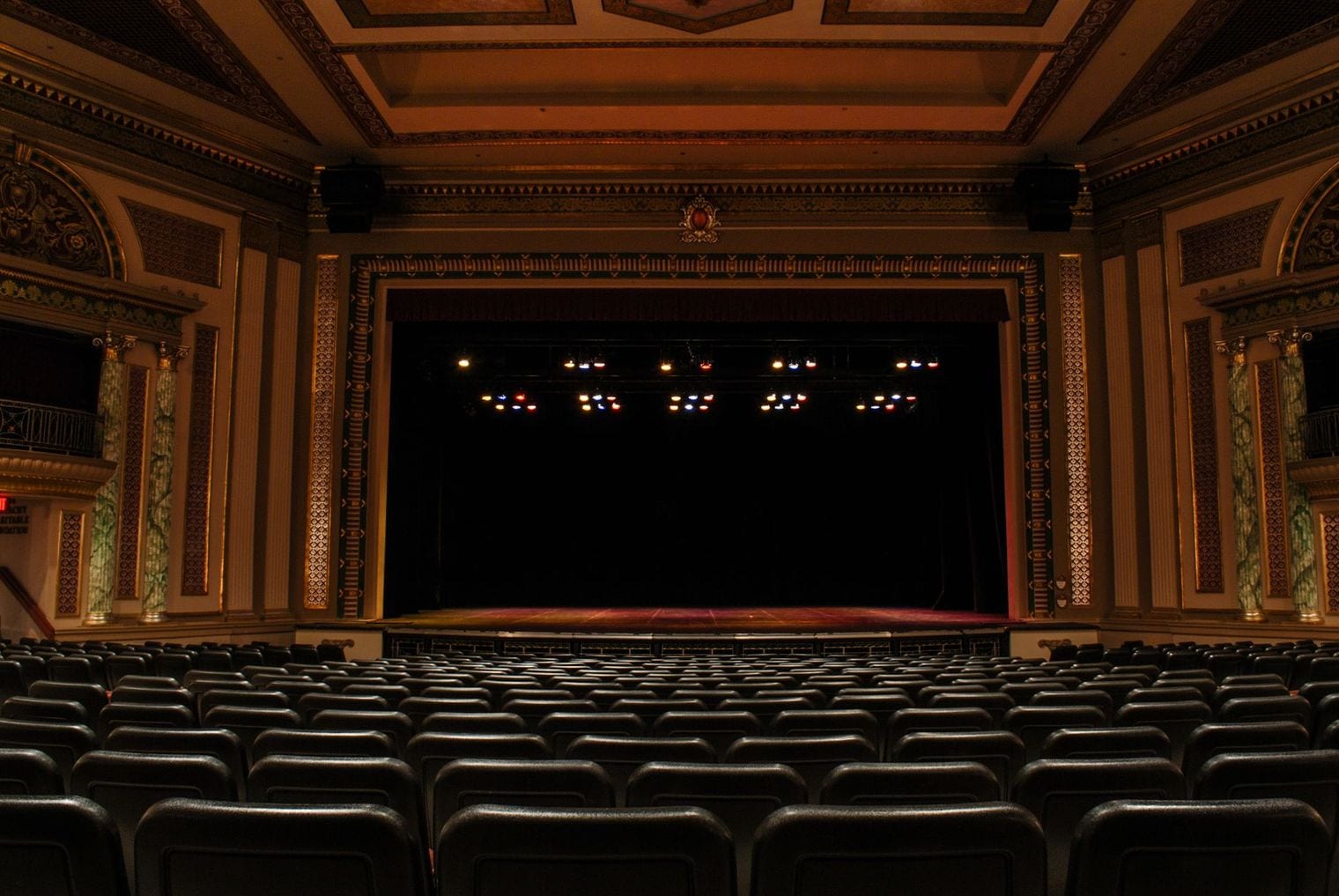
The Egyptian Theatre is downtown Boise's most exotic building, a 1927 movie palace designed by the firm of Tourtellotte & Hummel and inspired by the then-recent discovery of Tutankhamun's tomb. Truncated pyramids form its great pylons, and lotus-bud columns modeled on those at Karnak flank the screen.
Listed on the National Register of Historic Places and restored to its original design, it now hosts concerts, film screenings and stage shows, including productions by Opera Idaho. Even if you do not catch a performance, the facade at Main Street and Capitol Boulevard is worth a look.
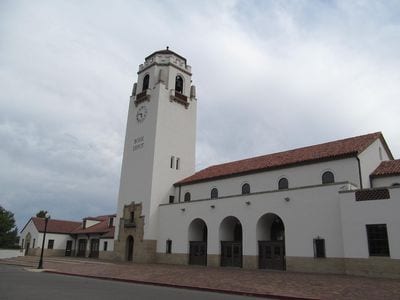
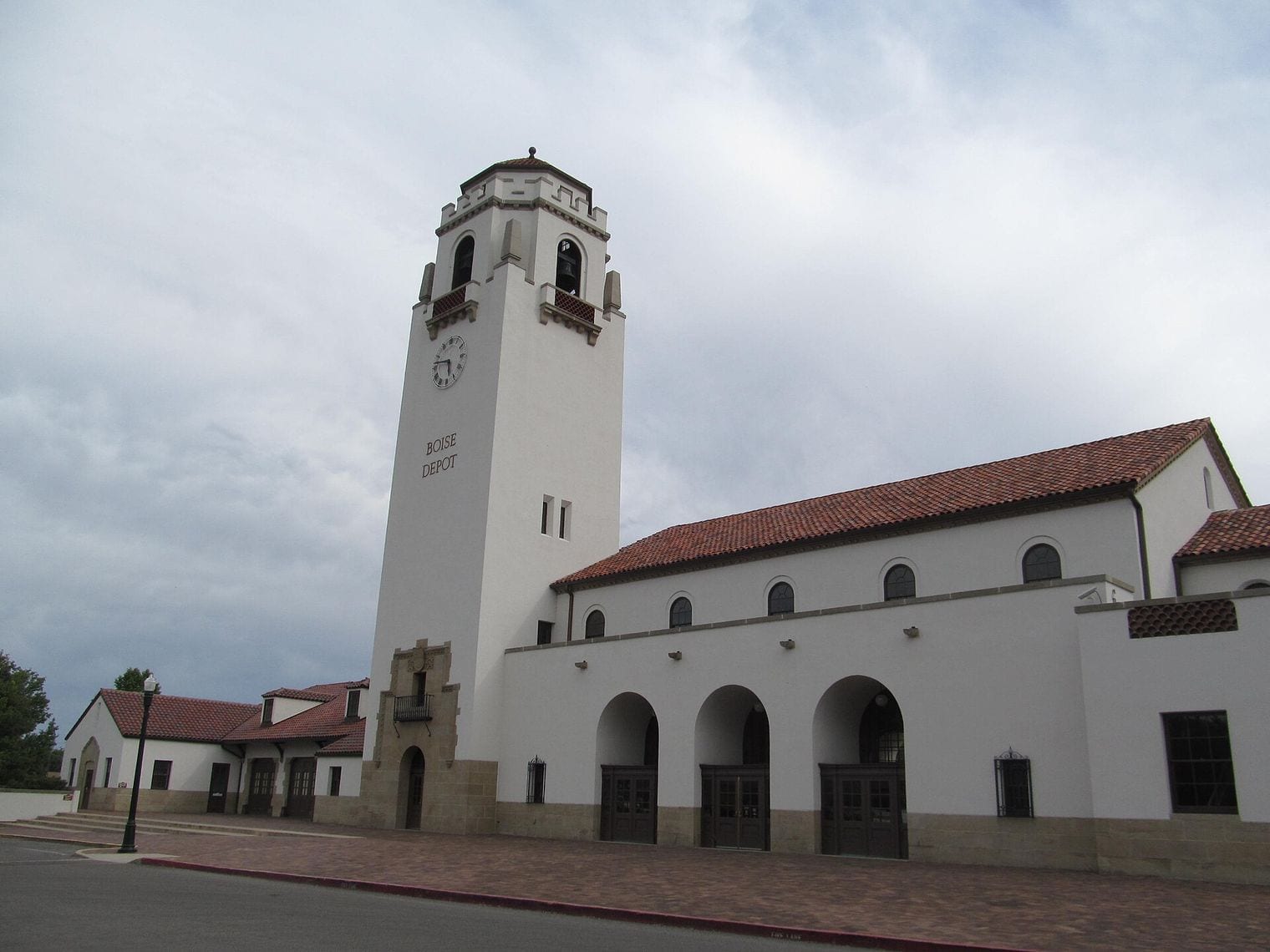
The Boise Depot crowns the bench at the south end of Capitol Boulevard, a Spanish Colonial Revival station that Union Pacific opened in 1925. Its 96-foot bell tower is floodlit at night and visible across the city, and the view from the patio runs straight up the boulevard to the Capitol dome.
Passenger trains stopped calling in 1997, and the City of Boise now opens the building for tours and events. Below it, Platt Gardens has a winding path, a koi pond and seasonal flower beds, one of the loveliest spots in town for photos.
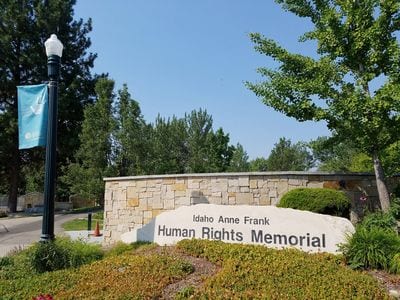
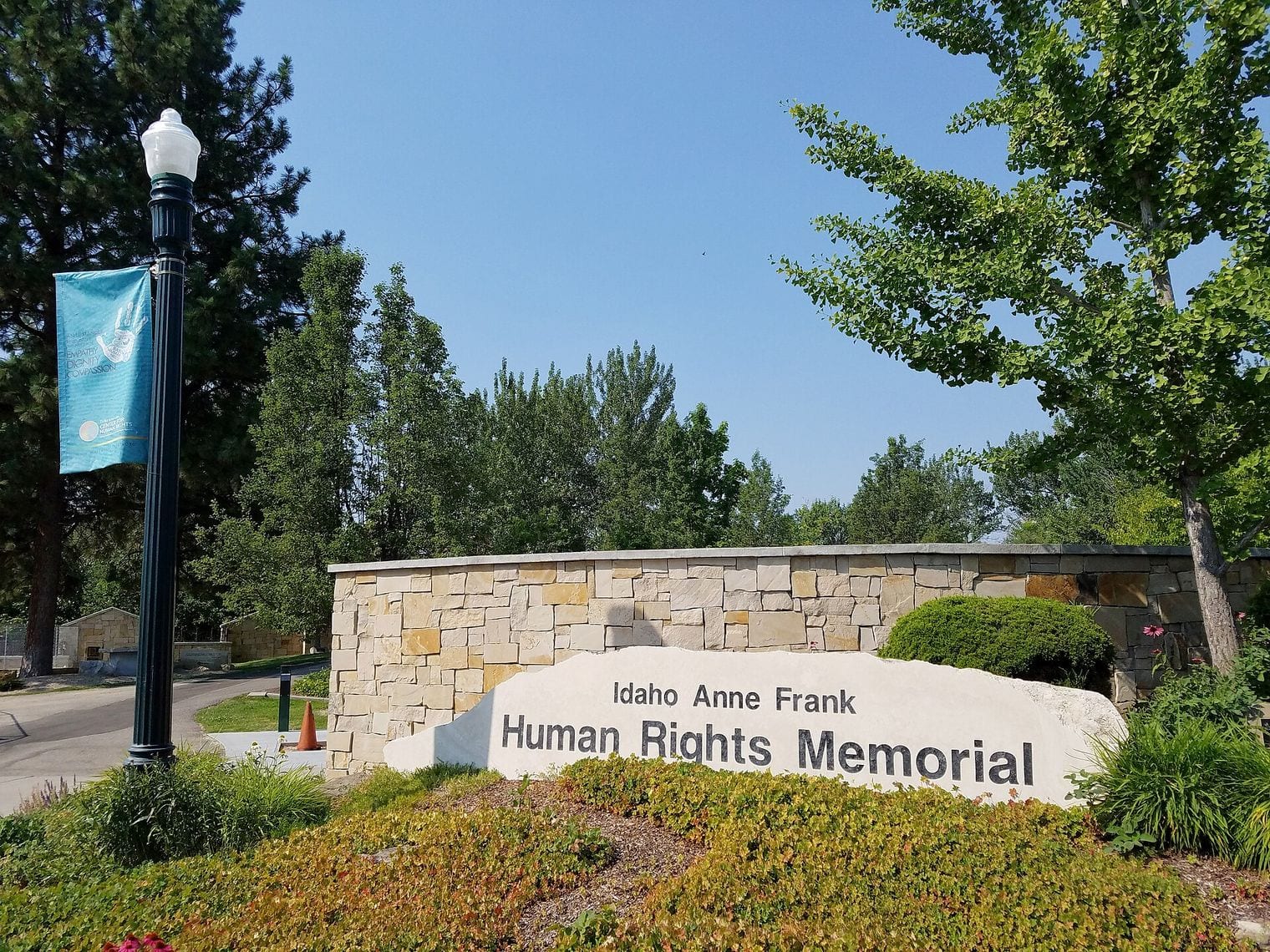
The Idaho Anne Frank Human Rights Memorial is a quiet, moving stop beside the Boise Public Library and the Greenbelt. Dedicated in 2002, it centers on a life-size bronze statue of Anne Frank, surrounded by stone walls carved with more than 60 quotations from human rights voices around the world.
It is described as the only Anne Frank memorial in the United States, and it is one of the few places where the full text of the Universal Declaration of Human Rights is on permanent public display. Water, stone and native plants frame the site, which rewards a slow, reflective visit.
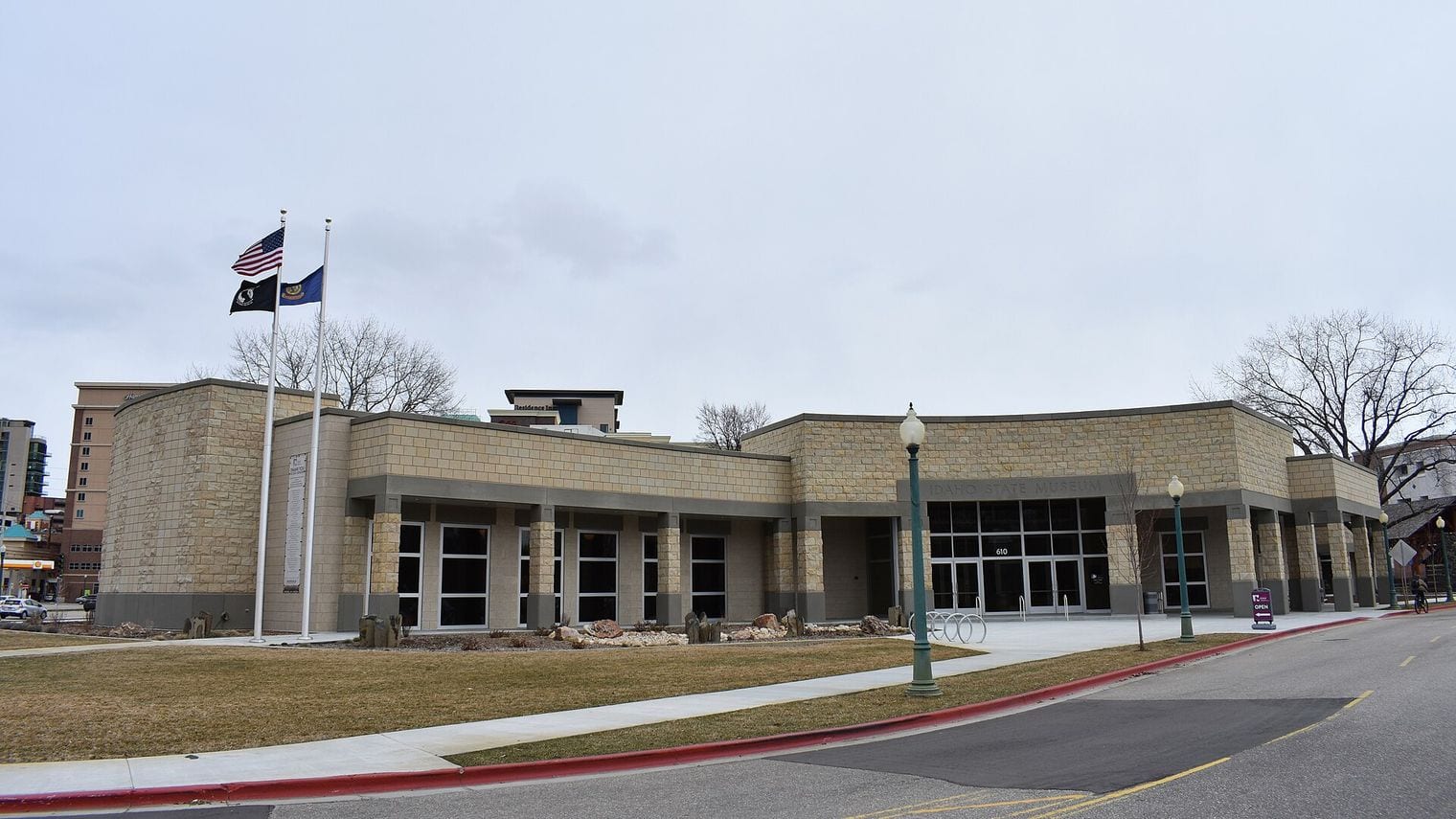
The Idaho State Museum in Julia Davis Park tells the story of the state through its landscapes and the people they shaped. A four-year renovation reopened it in 2018 with hands-on, interactive galleries built around how Idaho's rivers, mountains and deserts shaped life here.
More than 500 artifacts are woven through the displays, among them a peace medal from the Lewis and Clark Expedition and inaugural gowns worn by Idaho's first ladies. It is an ideal first stop for understanding much of what you will see around Boise.
2020. Idaho Shakespeare Festival
Performing Arts Theater~5.7 miles (9.2 km) from centre
The Idaho Shakespeare Festival stages its plays outdoors in a 770-seat amphitheater set in a natural reserve beside the Boise River, east of downtown. The festival began in 1977 on a downtown lawn and moved into this permanent home, built specifically to carry the human voice, in 1998.
Summer evenings here are a Boise tradition: arrive early, spread a picnic, and watch the light fade over the foothills as the play begins. The season mixes Shakespeare with musicals, comedies and other classics, so there is something for every taste.
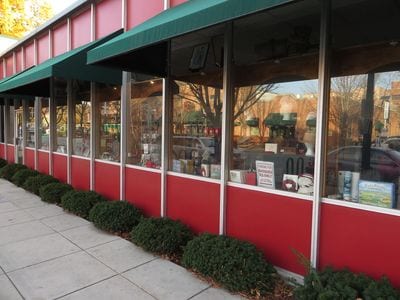
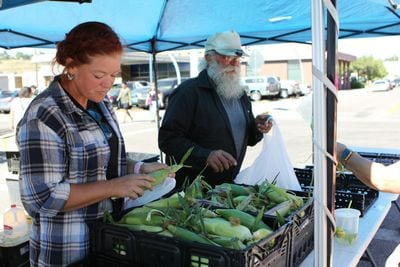
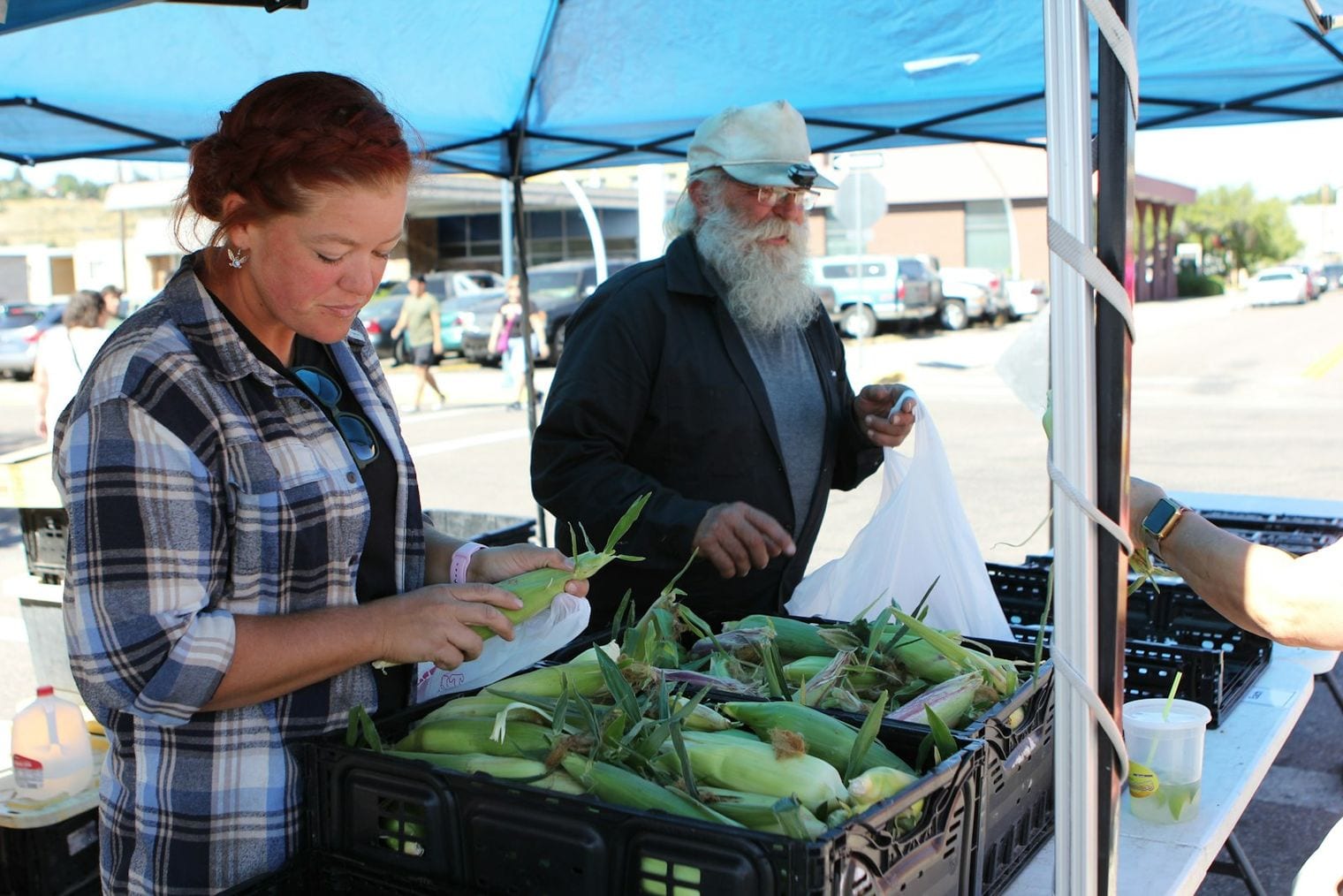
The Boise Farmers Market is the city's food-first Saturday market, where farmers, ranchers and food makers sell produce, meat, cheese, bread and flowers from Idaho farms. Vendors focus on local agriculture, and prepared-food stalls cook with local ingredients.
It runs through the growing season, and summer mornings bring the best spread of fruit and vegetables. Go early for the best choice, grab coffee and breakfast from one of the stalls, and talk with the people who grew what you are buying.
2222. Hyde Park
Historical Landmark~1.1 miles (1.7 km) from centre
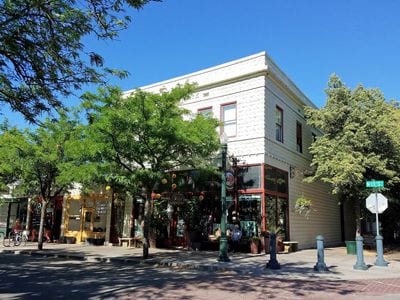
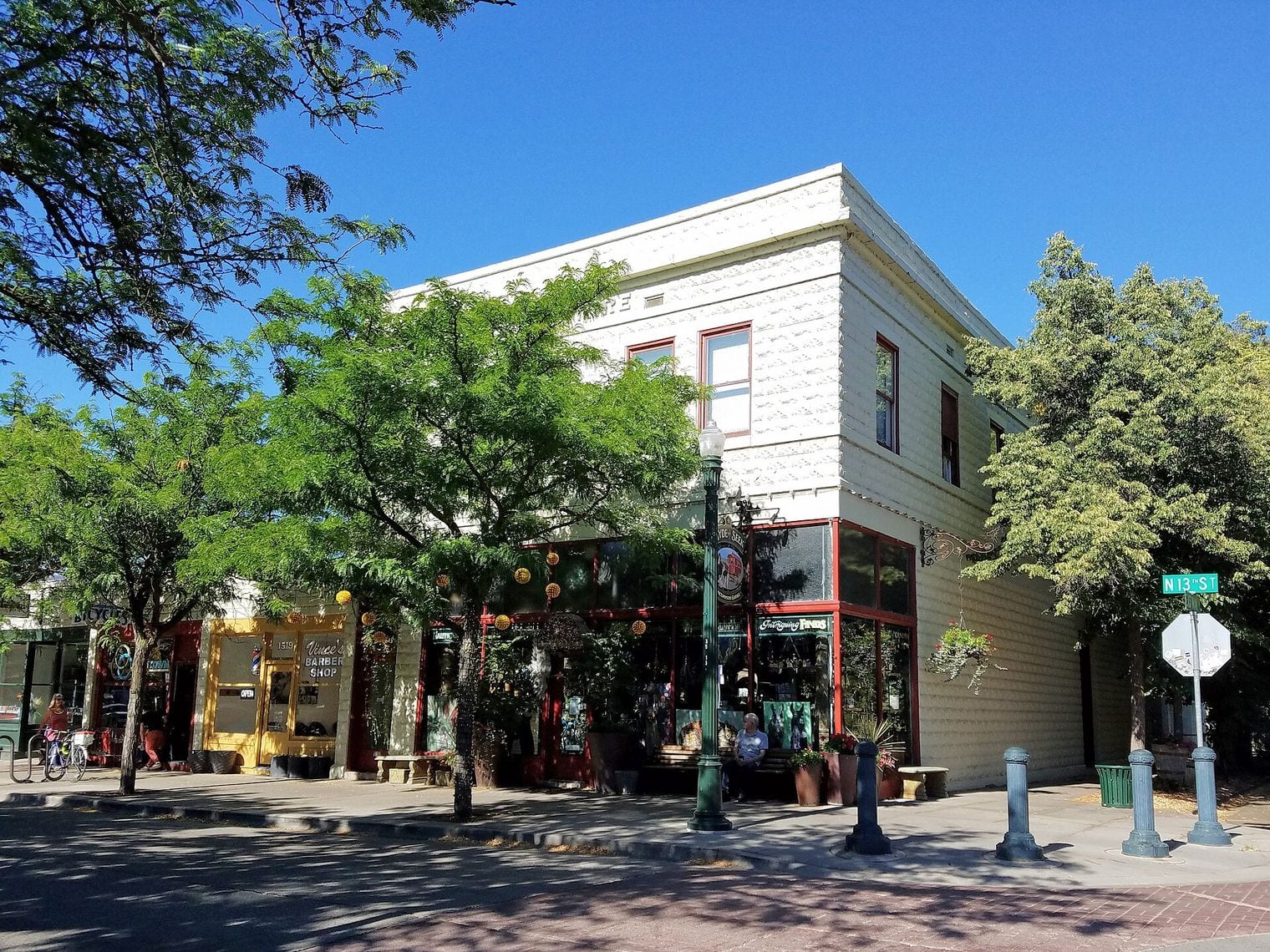
Hyde Park is the commercial heart of Boise's North End, a few blocks of early-1900s brick storefronts along North 13th Street that grew up as a streetcar suburb. Listed on the National Register of Historic Places, it now holds cafes, restaurants, bike shops and small boutiques.
With Camel’s Back Park and the foothills trails just up the street, Hyde Park doubles as the unofficial base camp for Boise's hikers and mountain bikers. Wander the surrounding streets afterward to see the North End's tree-shaded historic homes.
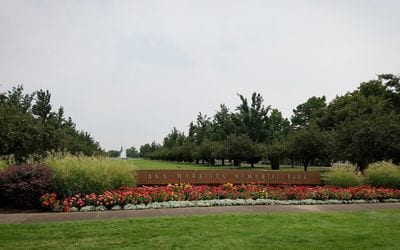
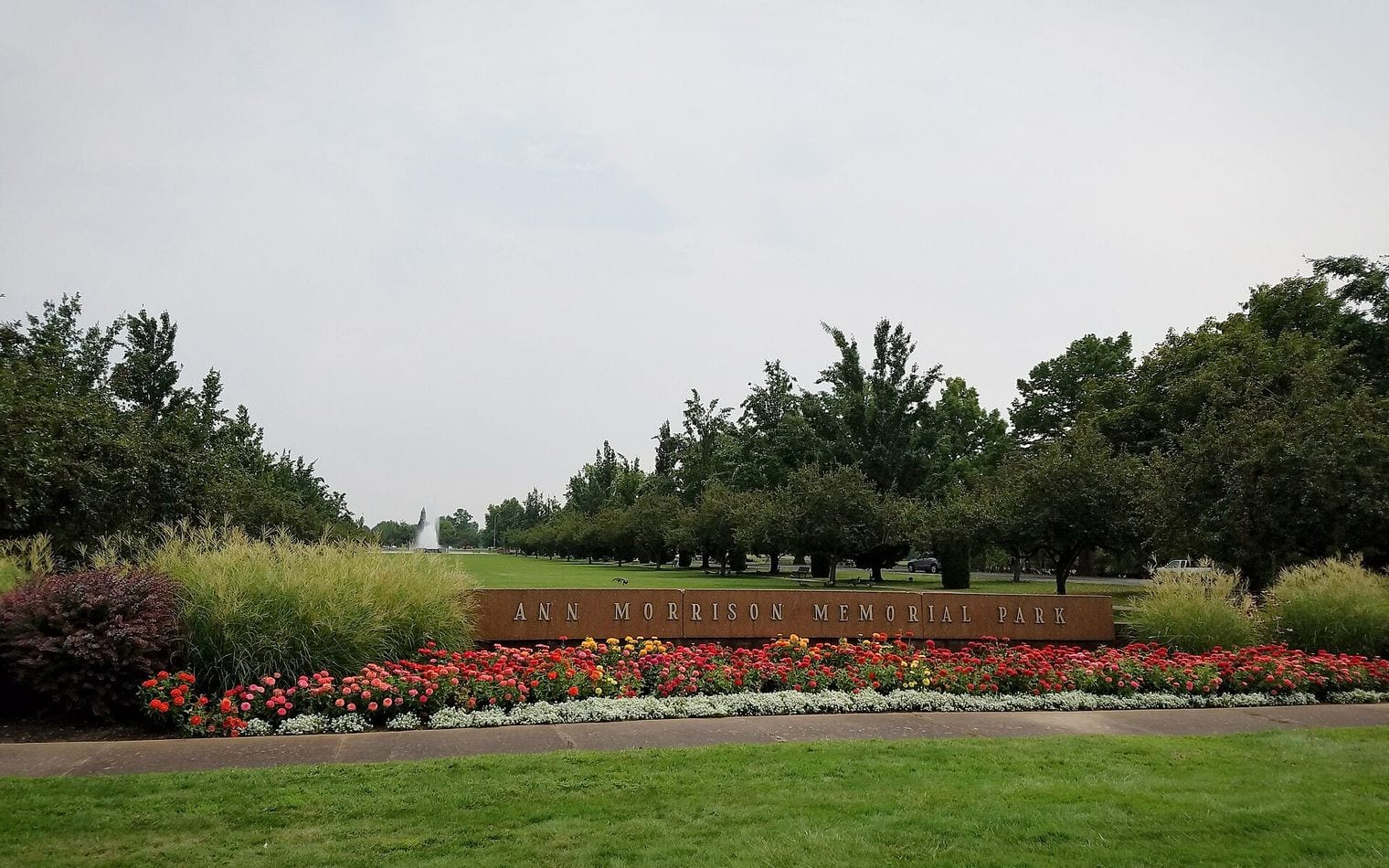
Ann Morrison Park is Boise's big riverside playground, 153 acres of lawns, sports fields and shade trees on the south bank of the Boise River. Harry W. Morrison, founder of the Morrison-Knudsen construction company, created it in memory of his late wife, Ann, and his company's employees built it.
A spray fountain, disc golf course and playground keep families busy, and the park is the traditional take-out for the summer float down the river from Barber Park. The Greenbelt runs through it, so it is an easy walk or ride from Julia Davis Park.
Kathryn Albertson Park is a 41-acre wildlife haven in the middle of the city, given to Boise in 1989 by Joe Albertson, founder of the Albertsons grocery chain, and his wife, Kathryn. Paved paths wind past ponds and marsh where you can spot waterfowl, turtles and, with luck, beavers or foxes.
It is a park for quiet walks rather than games: biking, fishing and swimming are not allowed, which keeps it peaceful. Look for the Rookery gazebo, whose red tile roof came from the first Albertsons supermarket.
The MK Nature Center is a four-and-a-half-acre wildlife refuge on the Greenbelt, run by Idaho Fish and Game and free to visit. Its StreamWalk follows a stream through native habitat, and underwater viewing windows let you watch trout and whitefish at eye level.
A visitor center explains Idaho's habitats and wildlife, and the grounds attract ducks, kingfishers and songbirds. The center opened in 1990 as Boise's centennial gift to the state, and it is an easy stop on a Greenbelt ride east of downtown.
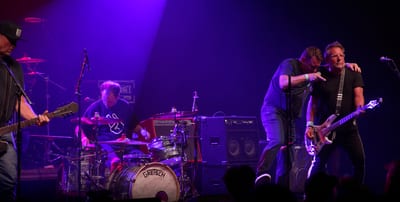
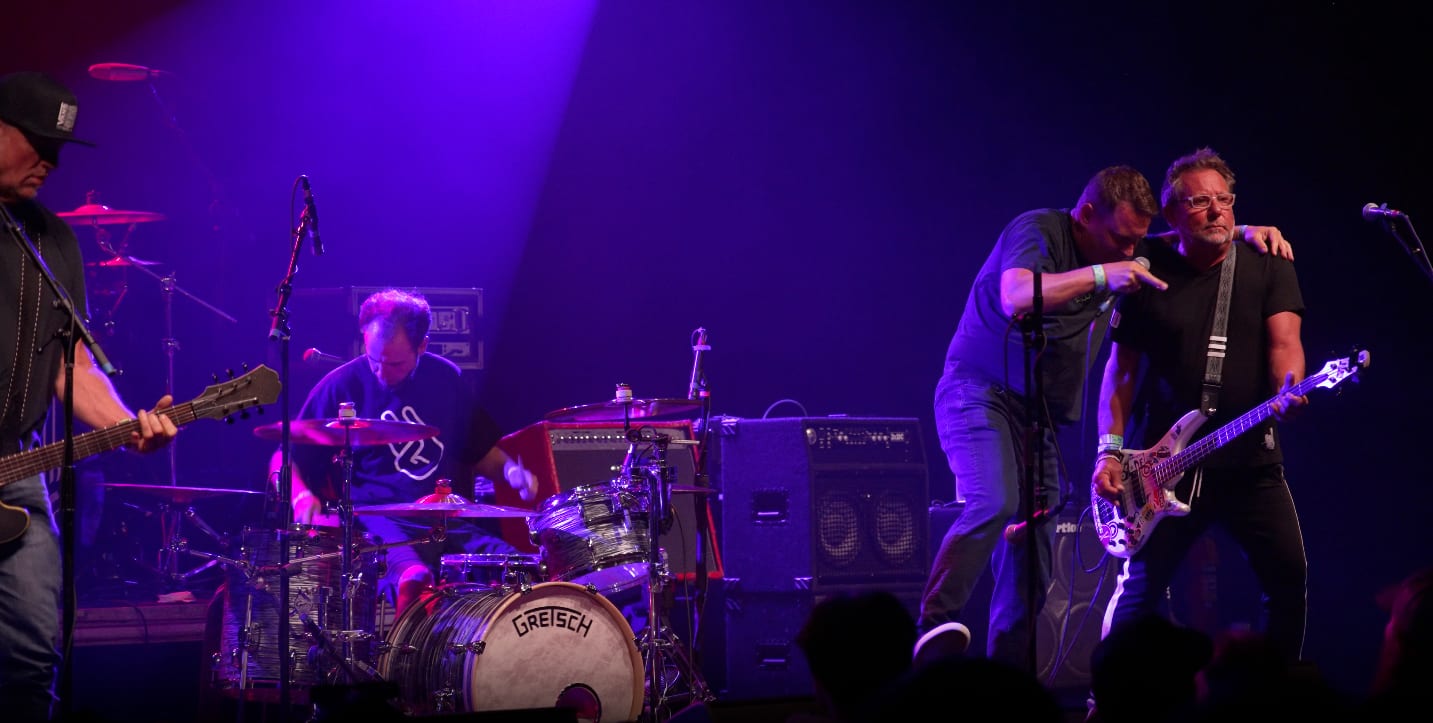
Knitting Factory Boise is downtown's go-to room for touring bands, a two-level concert house on 9th Street in the BoDo district. It books a wide mix of genres, and its size means you are never far from the stage.
The venue is a short walk from the bars and restaurants of downtown, so it is easy to make a night of it. Check the calendar before your trip, since big-name shows can sell out.
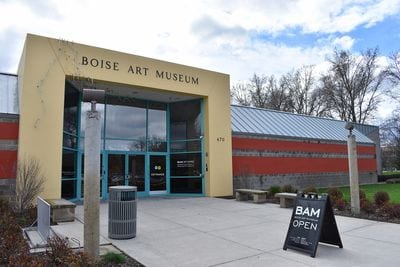
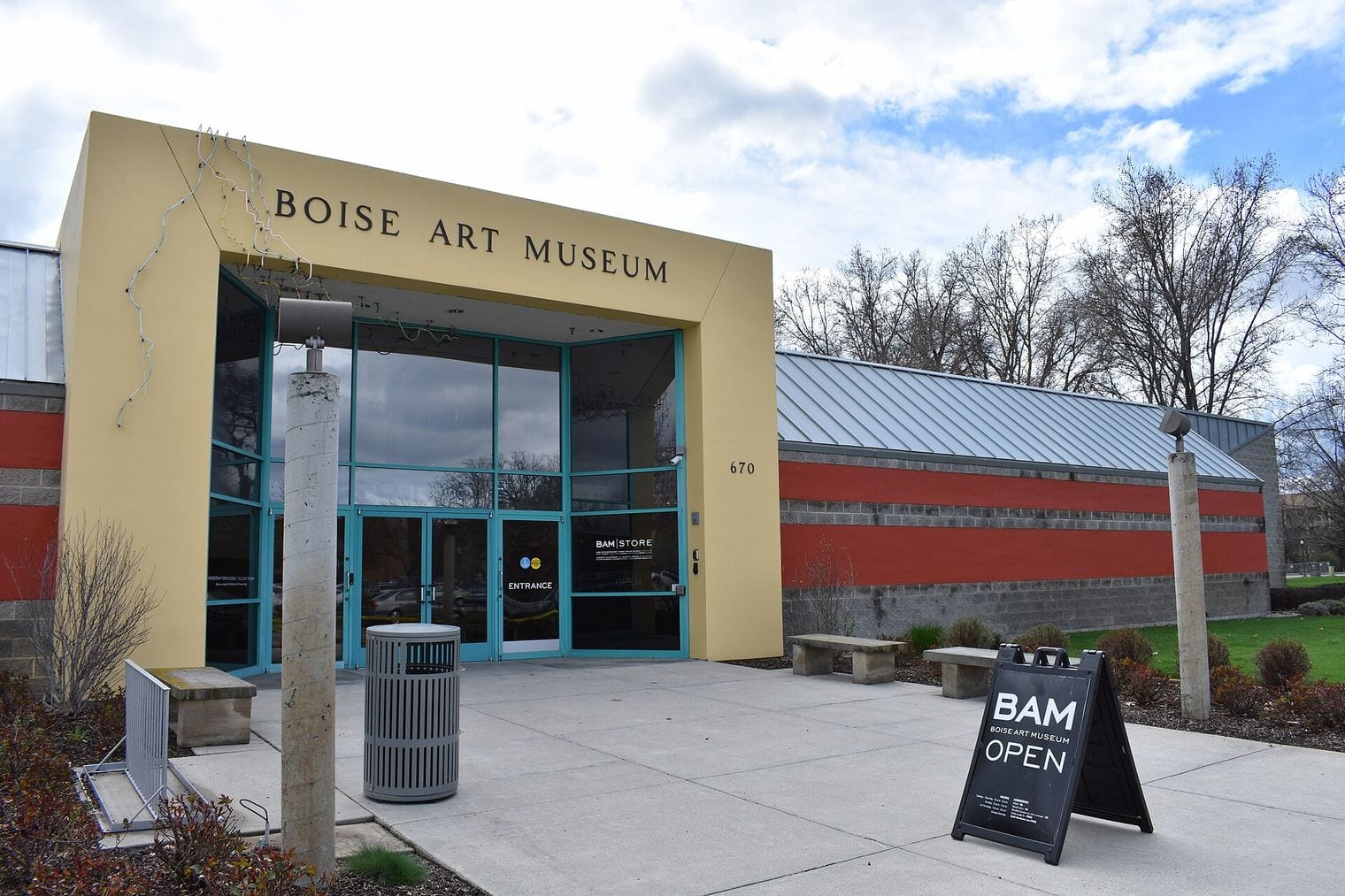
The Boise Art Museum opened in 1937 as the Boise Gallery of Art, in a building designed by Tourtellotte & Hummel and built with help from the federal Works Progress Administration. It sits in Julia Davis Park and holds a permanent collection of more than 4,000 works.
The collection is strong in contemporary realism and ceramics and includes the largest public collection of work by James Castle, the self-taught Idaho artist known for drawings made with soot and saliva. Changing exhibitions keep repeat visits fresh.
The Old Boise Historic District covers the oldest blocks of downtown along Main Street, where brick and stone commercial buildings from the late 1800s and early 1900s now house restaurants, bars and shops. It is the most atmospheric part of downtown for an evening stroll.
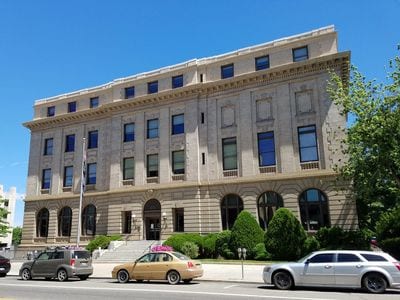
At the east end of Main Street, the U.S. Assay Office of 1871, a National Historic Landmark, recalls the gold rush that built the city. The BoDo district a few blocks southwest adds more places to eat and a lively nightlife, and together they make downtown easy to explore on foot.
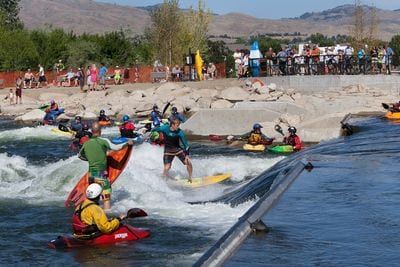
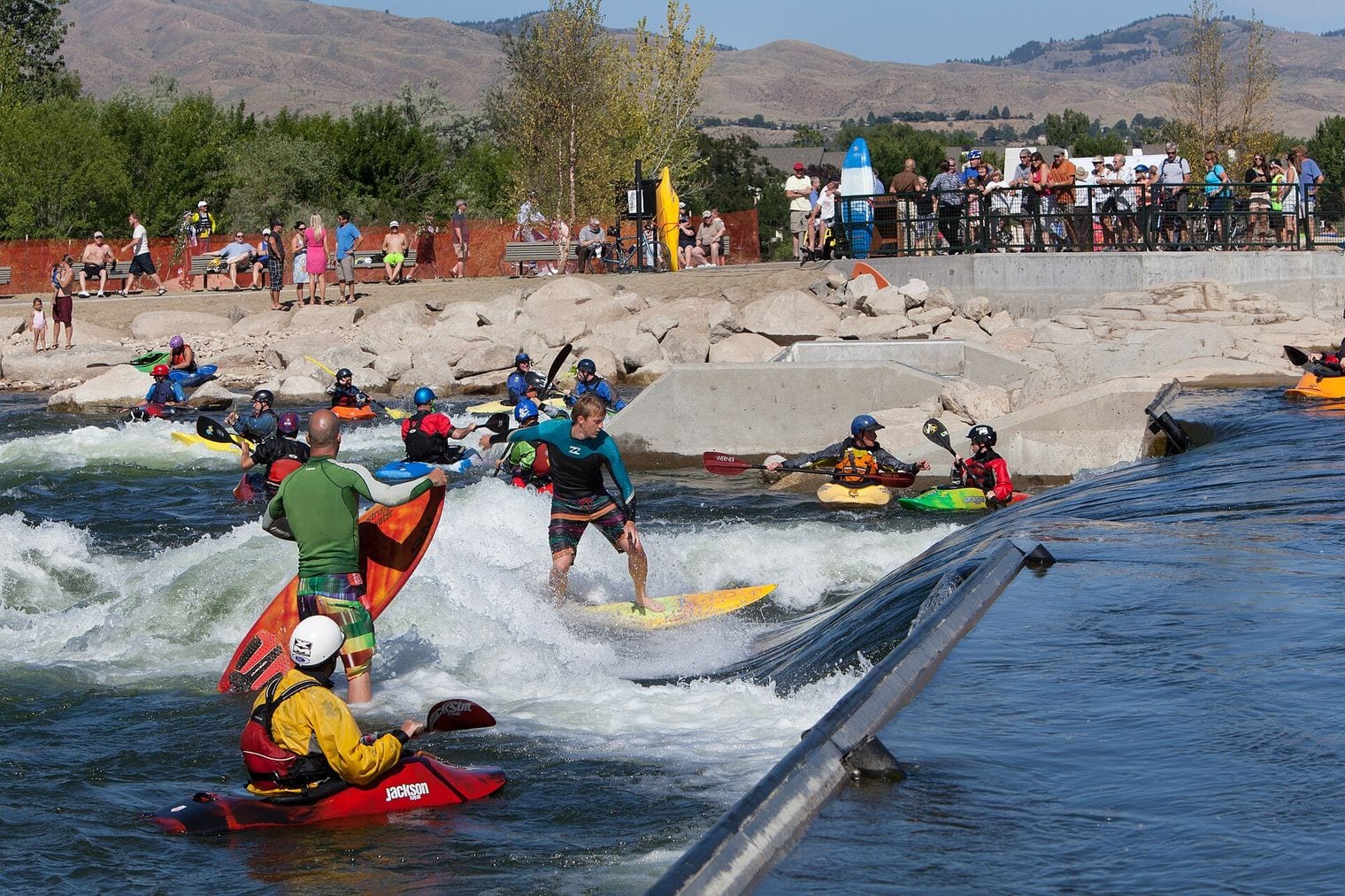
The Boise Whitewater Park turns the Boise River into a surf break. Adjustable wave-shaping gates beneath the water create standing waves where surfers and kayakers take turns riding, with the foothills rising behind them.
The first phase opened in 2012, and more wave features were added upstream beside Esther Simplot Park, whose ponds, docks and paths make a good base for the afternoon. Even if you never get wet, watching the riders from the riverbank is great entertainment.
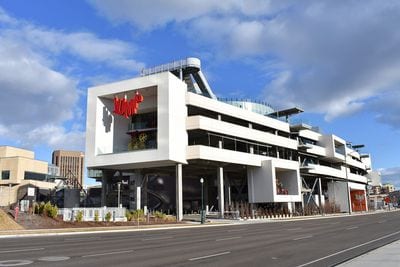
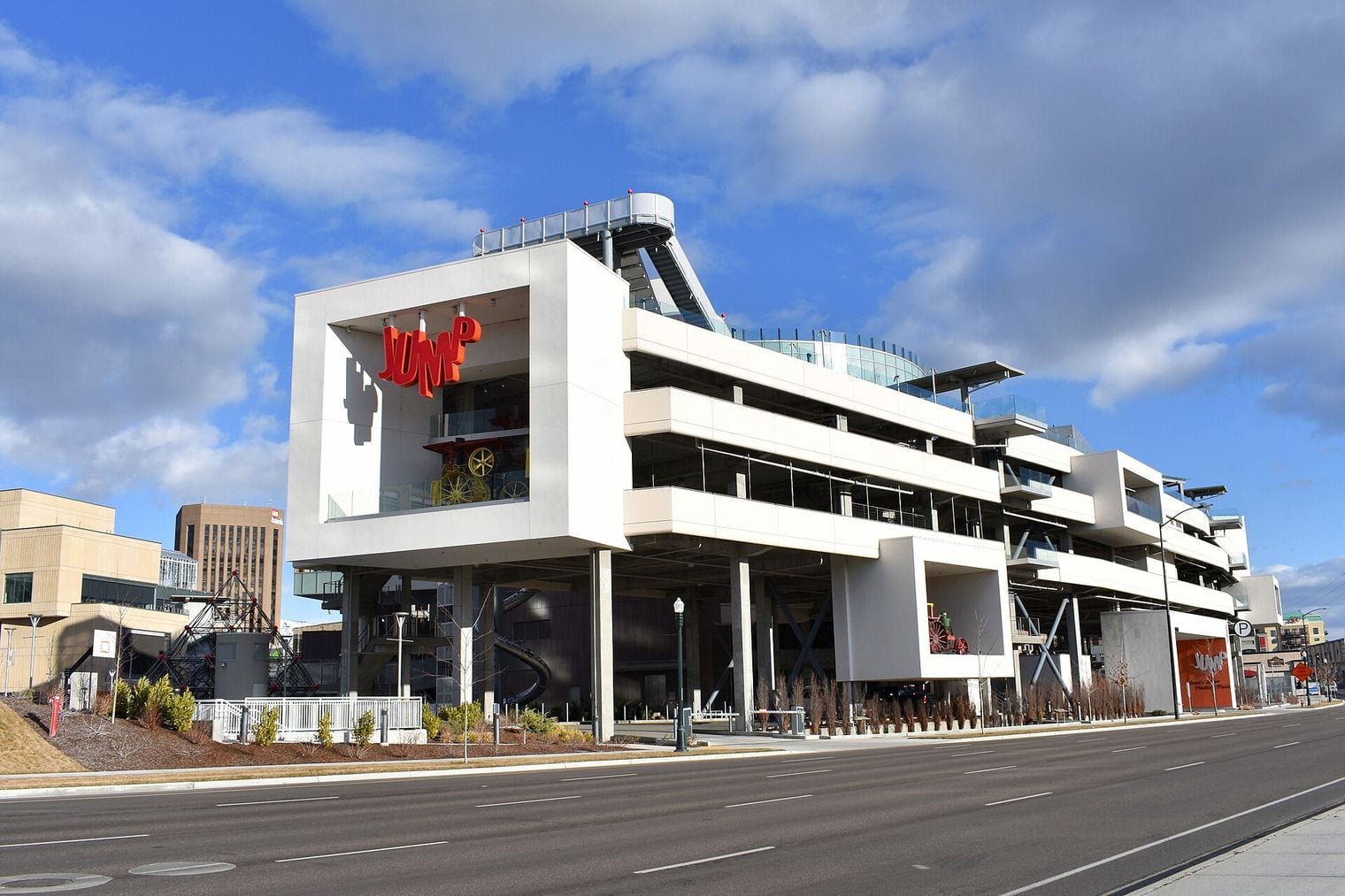
Jack's Urban Meeting Place, known as JUMP, is a playful downtown community space that opened in 2015 as a tribute to Idaho entrepreneur J.R. Simplot. Its best-known feature is a five-story spiral slide that corkscrews from the top floor to the ground.
Dozens of vintage tractors from Simplot's collection are displayed in and around the building, which also hosts classes, workshops and events in its studios and amphitheater. The surrounding grounds make a pleasant pause between downtown and the river.
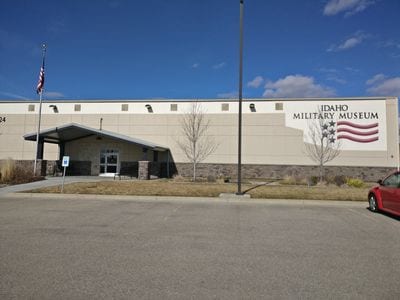
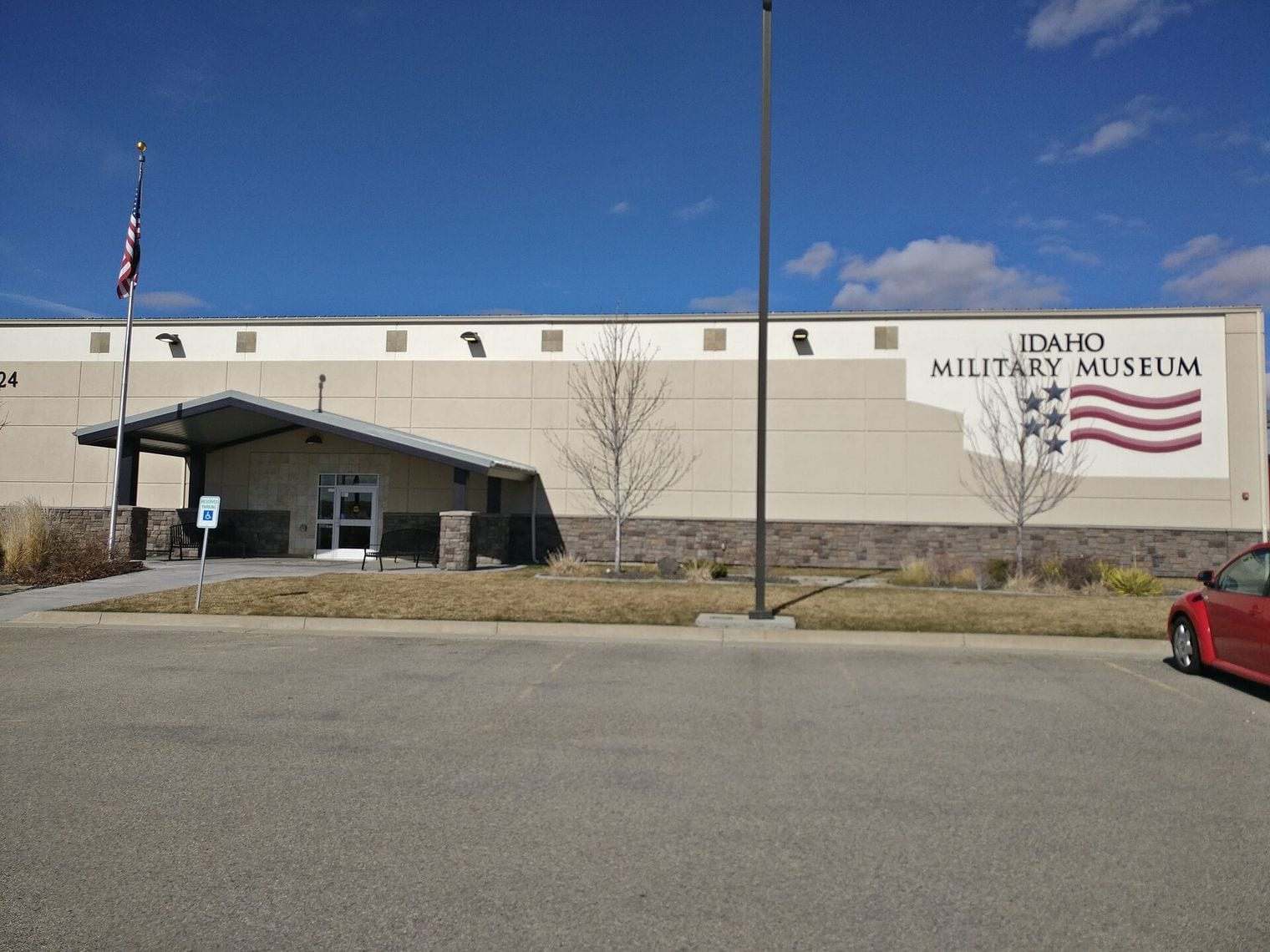
The Idaho Military Museum, officially the Idaho Military History Museum, tells the story of Idahoans in uniform from the 1860s to the present. It stands on Gowen Field, which was built in 1941 to train B-17 and B-24 bomber crews, and World War II memorabilia is a strength of the collection.
Outside, aircraft such as an F-86 and a MiG-21 stand alongside tanks and armored vehicles, and inside you will find weapons, uniforms and an exhibit on the cruiser USS Boise. It is a short drive south of downtown, near the airport.
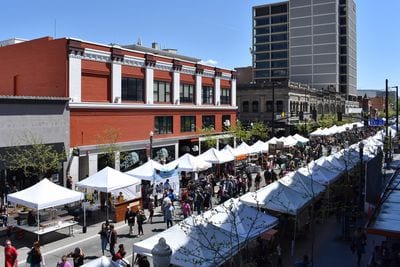
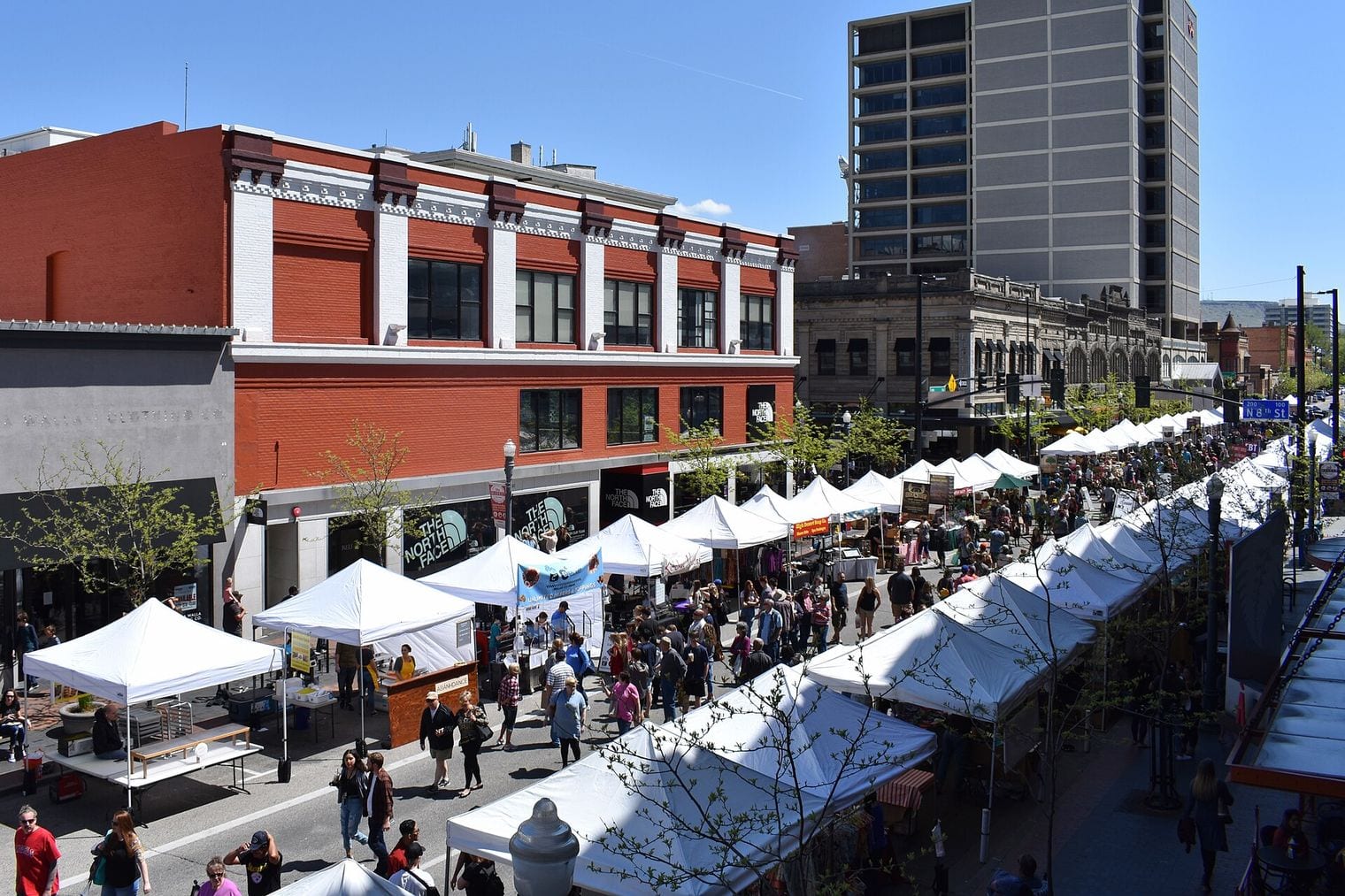
The Capital City Public Market has filled downtown on Saturdays since 1994, when it began as a small farmers market on 8th Street. It has grown into a sprawling gathering of farmers, bakers, artisans and food makers, with everything grown or made in Idaho.
Browse stalls of produce, honey, jewelry, pottery and prints, then grab breakfast from a food vendor and people-watch around the Grove Plaza. It is one of the best ways to feel downtown Boise's small-city energy.
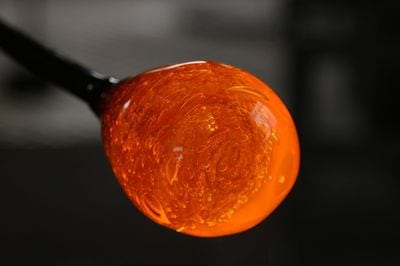
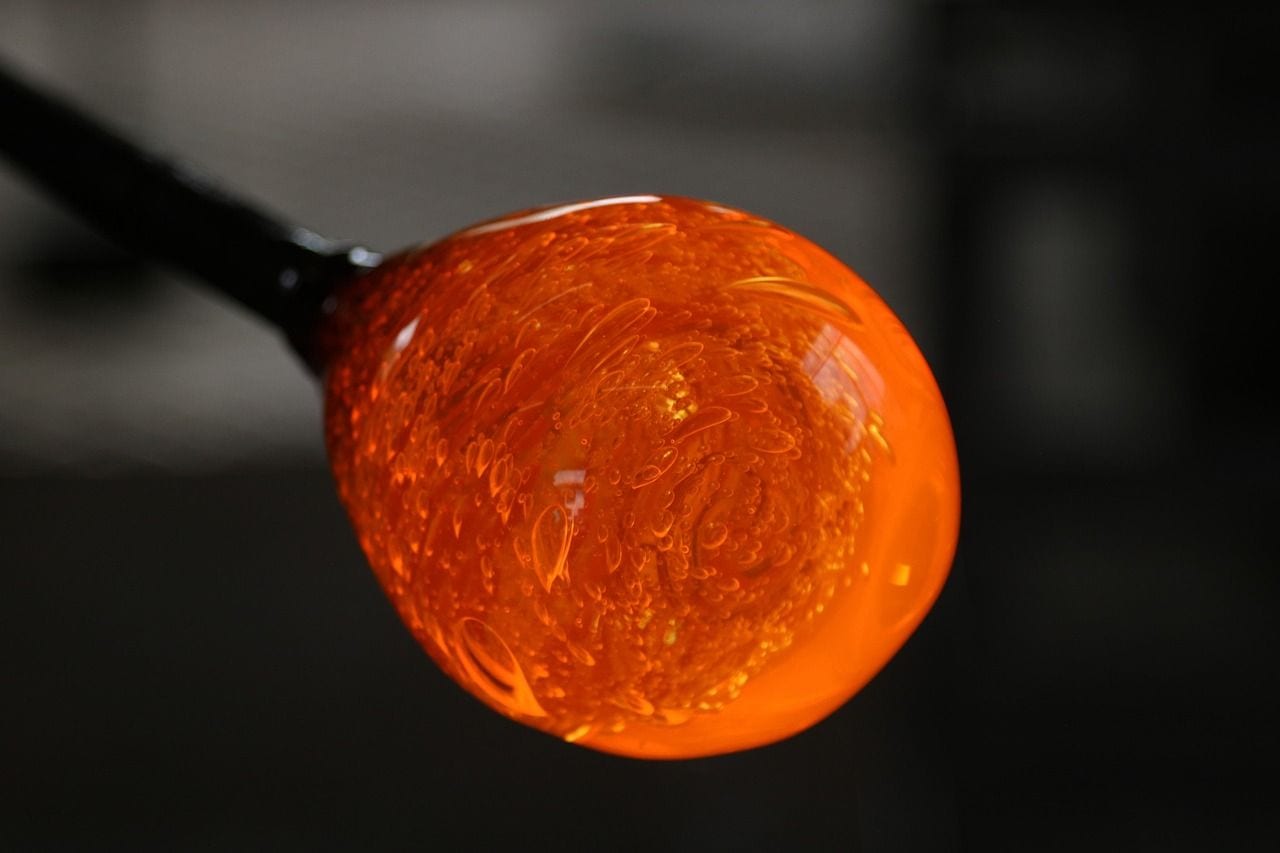
Boise Art Glass is a working glass studio and gallery where you can watch artists gather molten glass from the furnace and shape it into vases, bowls and sculpture. The gallery sells functional pieces, jewelry, marbles and larger art glass made by local artists.
The real draw is the hands-on classes, where beginners work alongside a glassblower in the hot shop or at the torch to make a piece of their own. Book ahead, since class spots are limited, and allow time for your creation to cool before you can take it home.
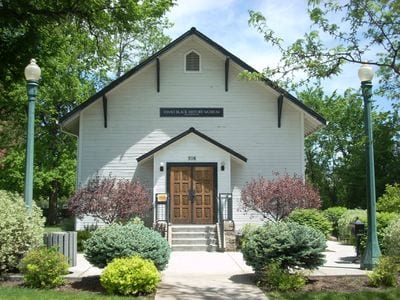
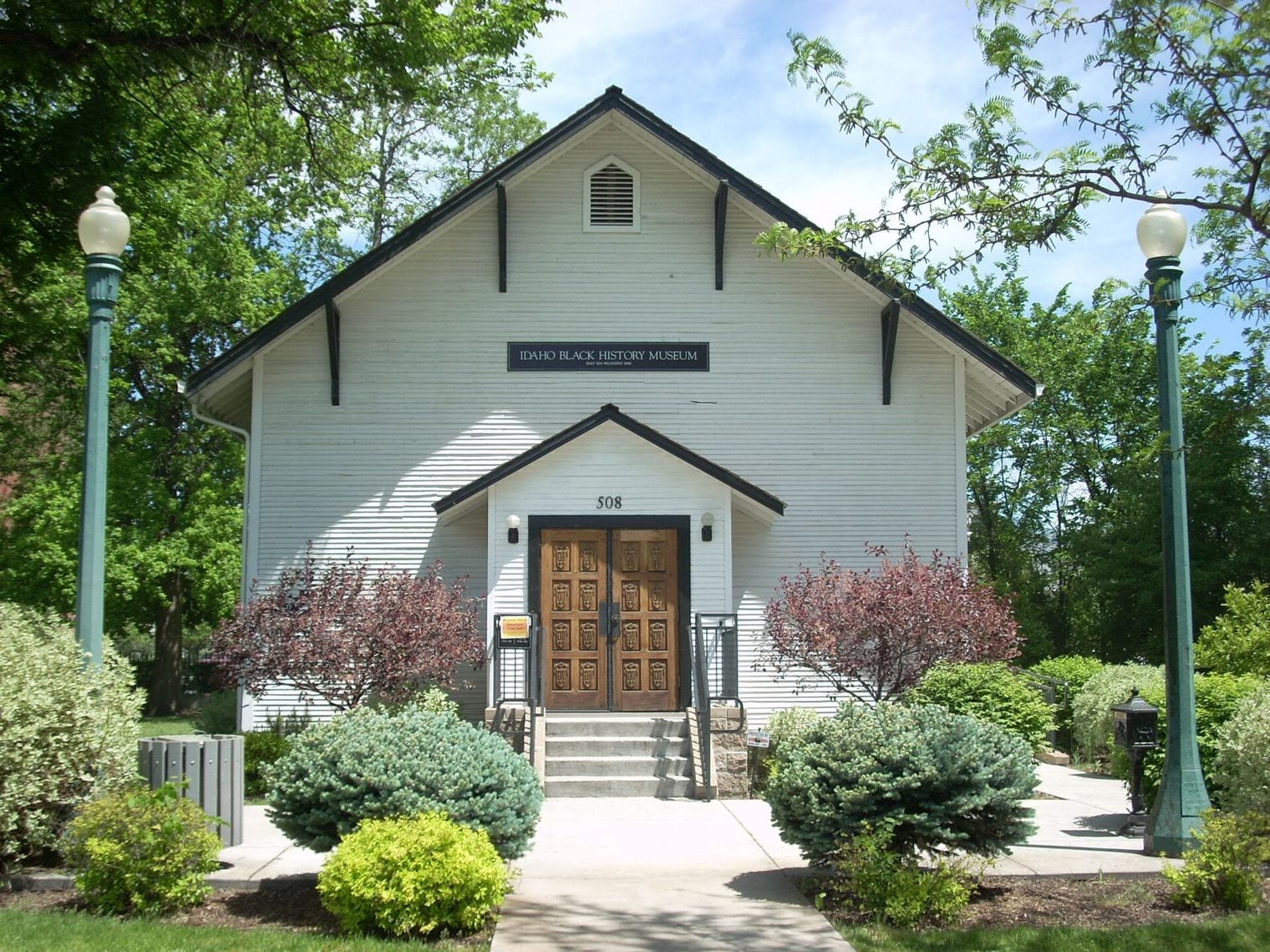
The Idaho Black History Museum occupies the former St. Paul Baptist Church, built in 1921 by Boise's Black community and one of the oldest buildings constructed by Black Idahoans. The museum was founded in 1995, and the church was moved to Julia Davis Park in 1998.
Exhibits share the history and culture of Black people in Idaho, and the museum hosts talks, performances and community events. Often described as the oldest Black history museum in the Pacific Northwest, it is small but essential.
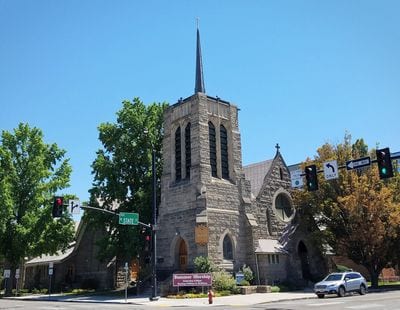
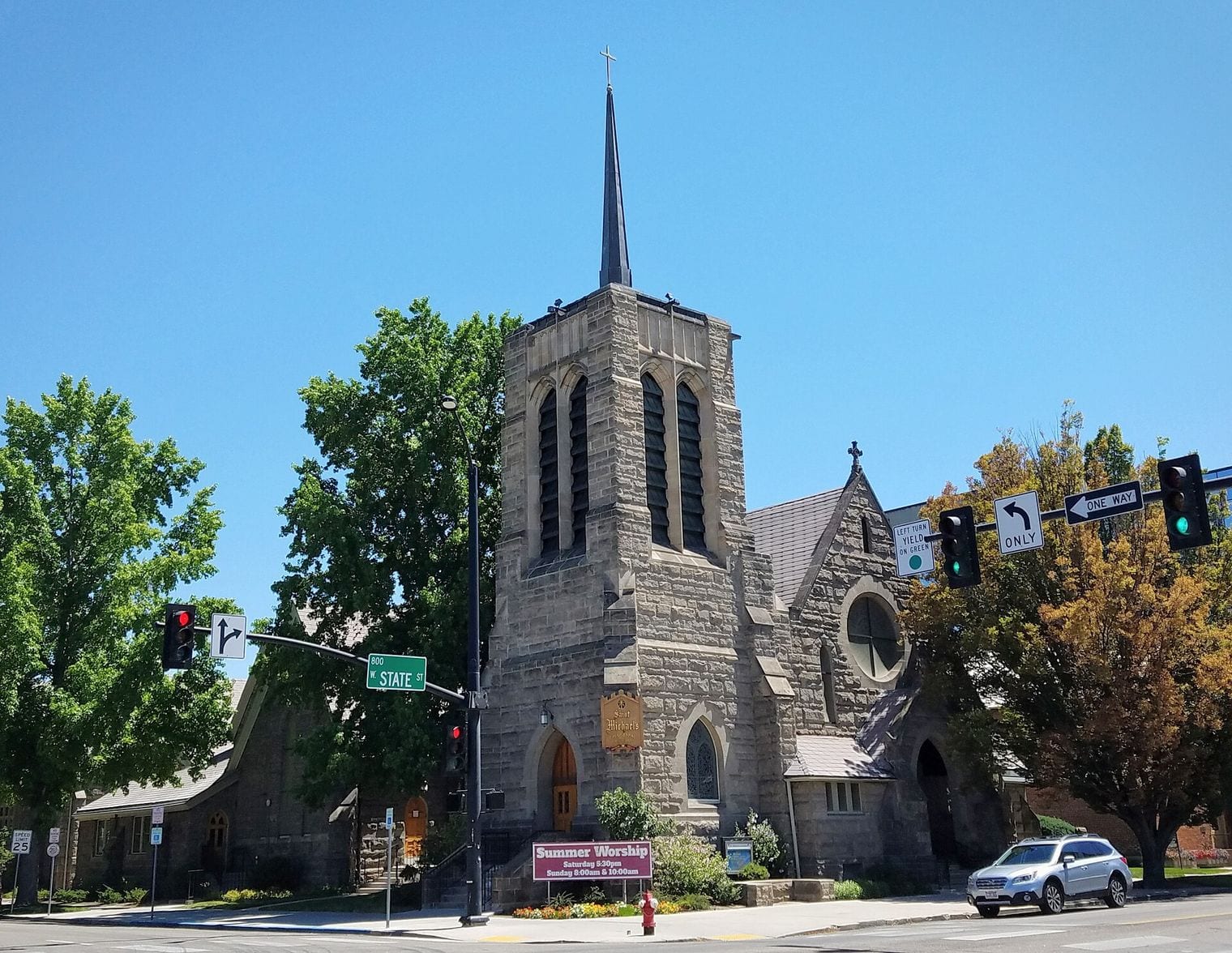
St. Michael's Episcopal Cathedral is a Gothic Revival church near the Capitol, dedicated in 1902 and built of the same Table Rock sandstone as many of Boise's landmarks. It was designed by New York church architect Henry Martyn Congdon.
Step inside to see its stained glass, especially a Nativity window by Louis Comfort Tiffany in the east transept, one of only a few Tiffany windows in the Northwest. The cathedral is an active parish, so plan your visit respectfully around services.
Plan your trip
Best Time to Visit Boise
Late spring through early fall is the best time to visit Boise. Summers are hot, dry and sunny, the season for floating the Boise River, evening plays at the Idaho Shakespeare Festival, concerts at the Idaho Botanical Garden and busy Saturday markets downtown. Spring turns the foothills green and brings wildflowers to the Table Rock and Camel's Back trails.
Fall is many locals' favorite season, with mild days, golden cottonwoods along the Greenbelt and Boise State football on the blue turf. Winters are cold, with occasional snow in town, but the ski slopes of Bogus Basin sit in the mountains just north of the city.
Getting to Boise
Boise Airport sits just south of downtown, only a few minutes' drive from the center, and is the main air gateway for southwest Idaho. Interstate 84 runs along the south side of the city, linking Boise with Salt Lake City, roughly five hours southeast, and Portland, Oregon, about six and a half hours northwest.
There is no passenger rail service to Boise, so most visitors fly in or arrive by car, often as part of a wider road trip through Idaho and the Northwest.
Getting Around Boise
Downtown Boise is compact and easy to walk: the Capitol, the Basque Block, Freak Alley, Old Boise and BoDo sit within a few blocks of one another, and Julia Davis Park is a short stroll south. The Boise River Greenbelt is the best way to cover the riverside parks, the university and the Whitewater Park by bike, and bikes are easy to rent in town.
Local buses serve the city, but a car is the easiest way to reach the World Center for Birds of Prey, the Idaho Military Museum and the mountains. Downtown has plenty of garage and street parking, and rideshare is widely available.
Where to Stay in Boise
Downtown is the best base for a first visit, with the Capitol, restaurants, nightlife and the Greenbelt all within walking distance. The area near Boise State University and the river suits visitors who want quick access to the Greenbelt, the Morrison Center and game days at Albertsons Stadium.
The historic North End offers a quieter, residential feel close to Hyde Park and the foothills trails, mostly through vacation rentals. For value and easy highway access, hotels cluster near the airport and along Interstate 84 toward Meridian.
Where to Eat in Boise
Downtown, BoDo and Old Boise hold the densest mix of restaurants, brewpubs and wine bars, and the Basque Block serves dishes found nowhere else in the region, from chorizo and croquetas to lamb stews and solomo, a marinated pork loin. Hyde Park and the North End add neighborhood cafes and bistros.
Look for Idaho potatoes in every form, locally raised lamb and beef, trout and finger steaks, a regional favorite, along with wines from the Snake River Valley and a thriving craft beer scene.
Day Trips from Boise
Bogus Basin, in the mountains less than an hour north, offers skiing in winter and hiking and mountain biking in summer, while Lucky Peak State Park, a short drive east up the river, is the place for boating and beaches.
The old gold-rush town of Idaho City is about an hour northeast, and the Snake River Valley wine country around Sunnyslope lies about 45 minutes west. Bruneau Dunes State Park, a little over an hour southeast, rewards the drive with towering sand dunes and dark night skies.
For a longer day, Twin Falls, about two hours southeast along Interstate 84, has Shoshone Falls and the dramatic Snake River Canyon. With more time, continue across Idaho to Idaho Falls, about four hours east, on the way toward Yellowstone and Grand Teton.
Boise is best known for the Old Idaho Penitentiary, the Boise River Greenbelt and the blue turf of Albertsons Stadium, home of the Boise State Broncos. Visitors also come for Julia Davis Park and its zoo and museums, the foothills trails at Camel's Back Park, the Idaho Botanical Garden and one of the largest Basque communities in the United States.
How many days do you need in Boise?
Two or three days is the sweet spot for Boise. Spend one day downtown at the Capitol, the Basque Block and Freak Alley, a second on the Greenbelt and in Julia Davis Park, and a third at the Old Penitentiary, the Botanical Garden and the foothills trails, or at the World Center for Birds of Prey.
What can you do in Boise for free?
Boise has plenty of free attractions. You can walk or bike the Boise River Greenbelt, explore the Idaho State Capitol, hike Table Rock or the Camel's Back trails, see the murals in Freak Alley, visit the Idaho Anne Frank Human Rights Memorial and the MK Nature Center, and watch river surfers at the Boise Whitewater Park.
Is Boise worth visiting?
Yes. Boise combines a walkable, lively downtown with outdoor adventure right on its doorstep, from river floats and a riverside path through the city to foothills trails and nearby ski slopes. Add distinctive history at the Old Penitentiary, a proud Basque heritage and a strong arts scene, and it makes a rewarding stop.
When is the best time to visit Boise?
Late spring through early fall is best. Summer brings river floats, outdoor Shakespeare and garden concerts, though afternoons can be hot, while fall offers mild weather, colorful trees along the Greenbelt and Boise State football. See the Best Time to Visit section above for more detail by season.