We build and rank every list first. Booking links come after, and only where
a partner sells a ticket, tour or stay for that exact place, so a place with
nothing to book is listed exactly as prominently as one you can book.
So how do we earn? Some links on this page go to booking
partners, and if you book tickets, tours or a stay through
one, we may earn a commission. It costs you nothing extra.
That commission never decides which places make the list, the order they
appear in, or what we write about them. No entry is sponsored or a paid
placement.
By the City Viking editorial teamPublished 45 places · 27 min read
Fact-checked Checked before launchOct 11, 202645 sources34 publishers4 government & parks6 encyclopedias & research35 venues & other sitesPublished · Oct 11, 2026Researched and checked before it went liveClick for every source and the full change log.
Short answer
Chicago is known for a skyline rebuilt after the Great Chicago Fire, its Lake Michigan shore and its nickname, the Windy City. Start with Cloud Gate in Millennium Park, the Art Institute of Chicago and the view from Skydeck Chicago at Willis Tower, then add an architecture river cruise and an evening on Navy Pier. Plan on three or four days to see the highlights at a comfortable pace, though one packed day covers the downtown essentials.
Chicago rises from the shore of Lake Michigan as one of America's great architecture cities, a skyline rebuilt after the Great Chicago Fire of 1871 and threaded by a river you can explore on foot or by boat. World-class museums, lakefront parks, historic ballparks and late-night blues give the biggest city in Illinois remarkable range.
This guide ranks the 45 best things to do in Chicago, from Cloud Gate and the Art Institute to neighborhood gems in Pilsen and Hyde Park, plus a one-day plan, food tips and day trips to places like Aurora. Plan on three or four days for the highlights.
Chicago reversed the flow of its own river — an engineering project completed by 1900 sent the Chicago River away from Lake Michigan instead of into it.
The Chicago River is dyed green for St. Patrick's Day, a tradition more than sixty years old that draws big crowds to the downtown bridges.
The Ferris wheel was born here: George Ferris built the original as the landmark of the 1893 World's Columbian Exposition, and Navy Pier's Centennial Wheel carries on the idea.
The 1885 Home Insurance Building is often cited as the world's first skyscraper, part of the building boom that followed the Great Chicago Fire of 1871.
Willis Tower was the world's tallest building for nearly 25 years after it opened in 1973, and Chicagoans still often call it the Sears Tower.
Beyond the Windy City, Chicago has gone by Chi-Town, the Second City and the City of the Big Shoulders, and it is the third-most populous city in the United States.
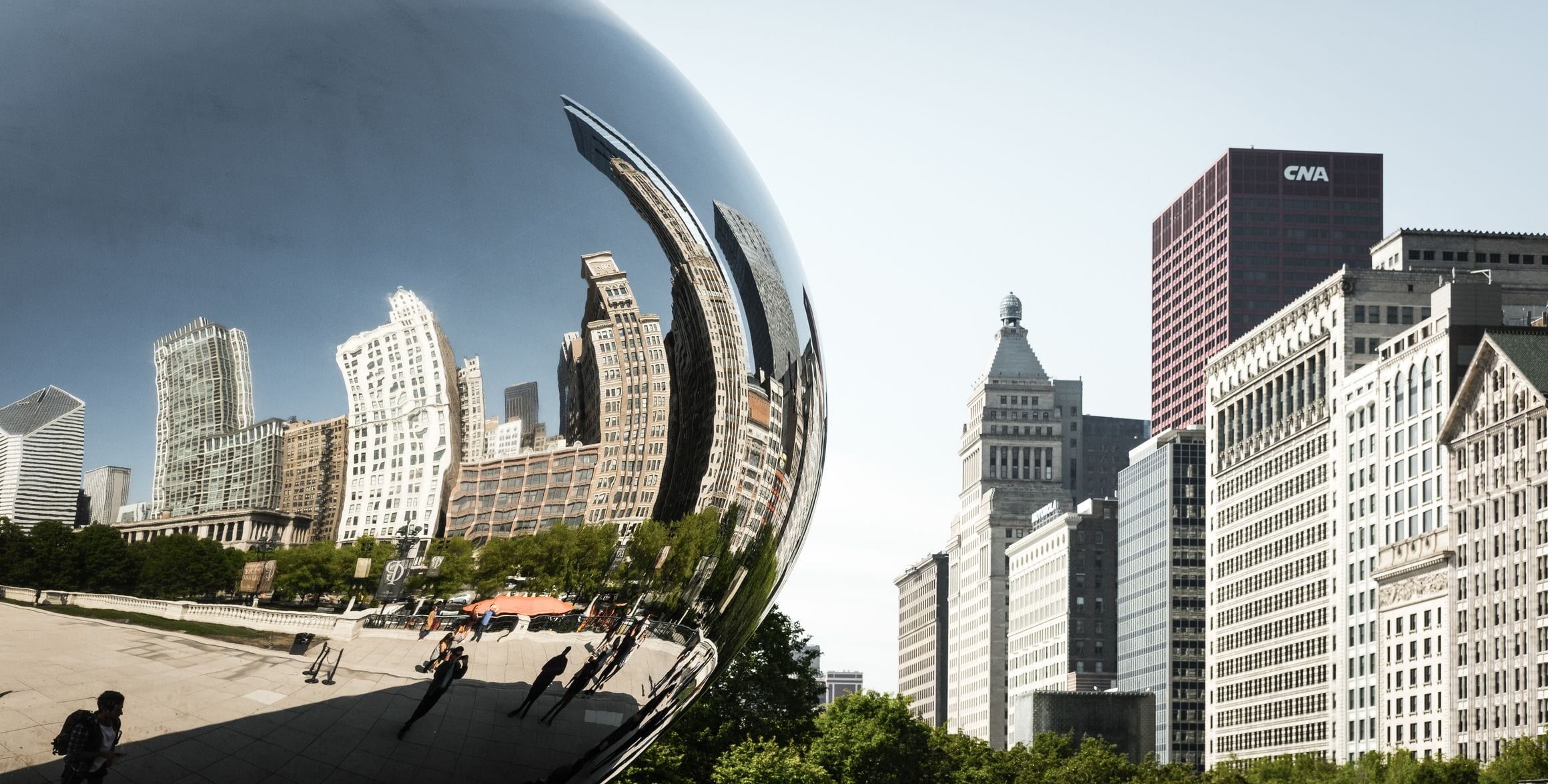
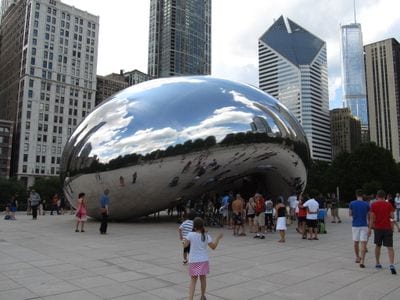
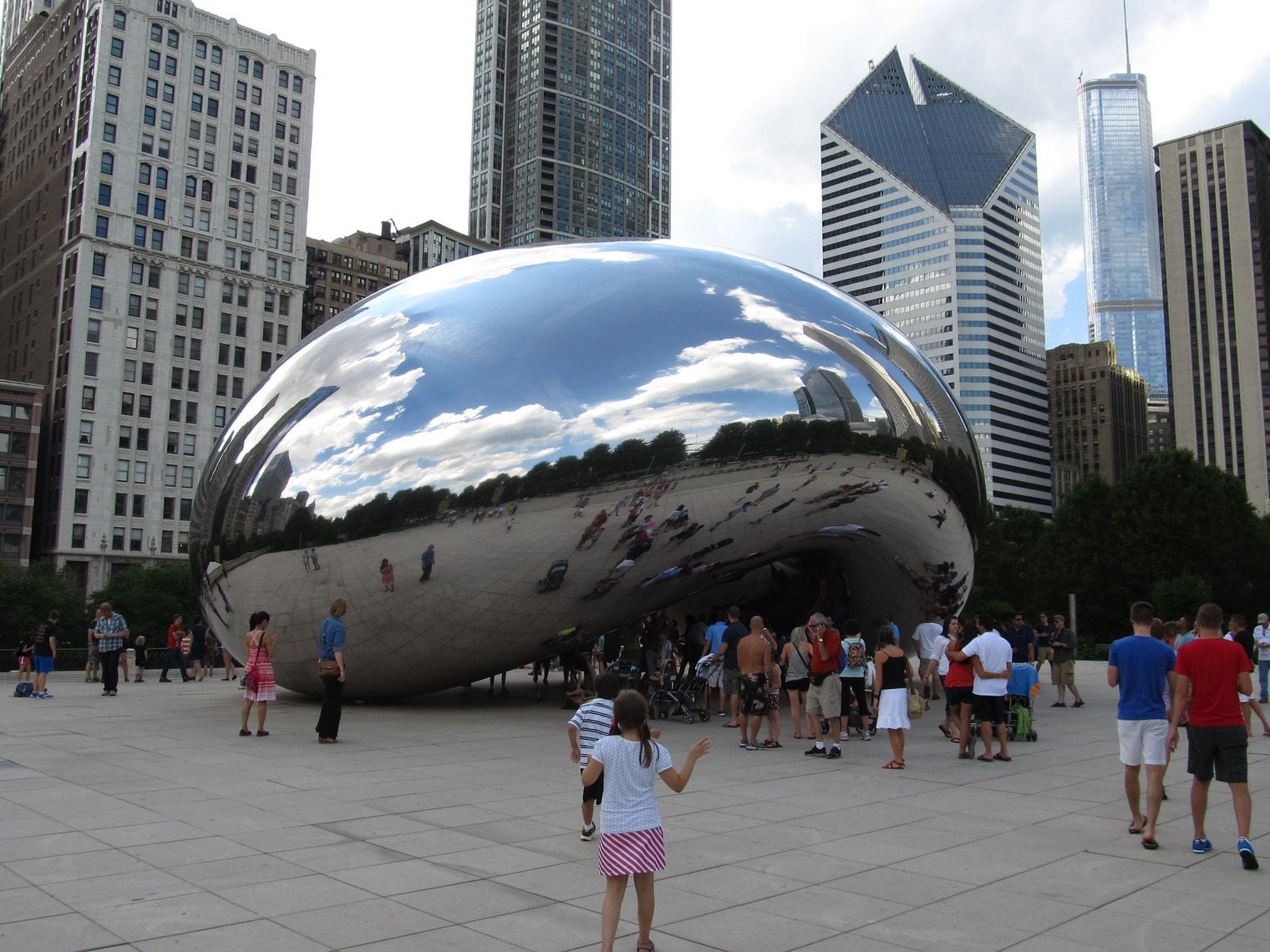
Anish Kapoor's Cloud Gate is the sculpture everyone calls "The Bean," a seamless, mirror-polished shape made of 168 welded stainless steel plates on Grainger Plaza in Millennium Park. Its surface bends the skyline, the passing clouds and the crowds into one liquid panorama, and it is a magnet for photographers at every hour.
Walk beneath its 12-foot arch to find the "omphalos," a concave chamber on the underside that warps and multiplies your reflection. Come early in the morning for clear shots without the crowds, then explore the rest of Millennium Park, whose fountains and gardens get their own entry below.
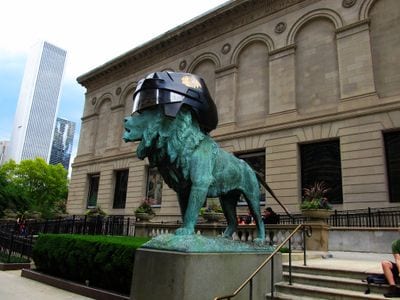
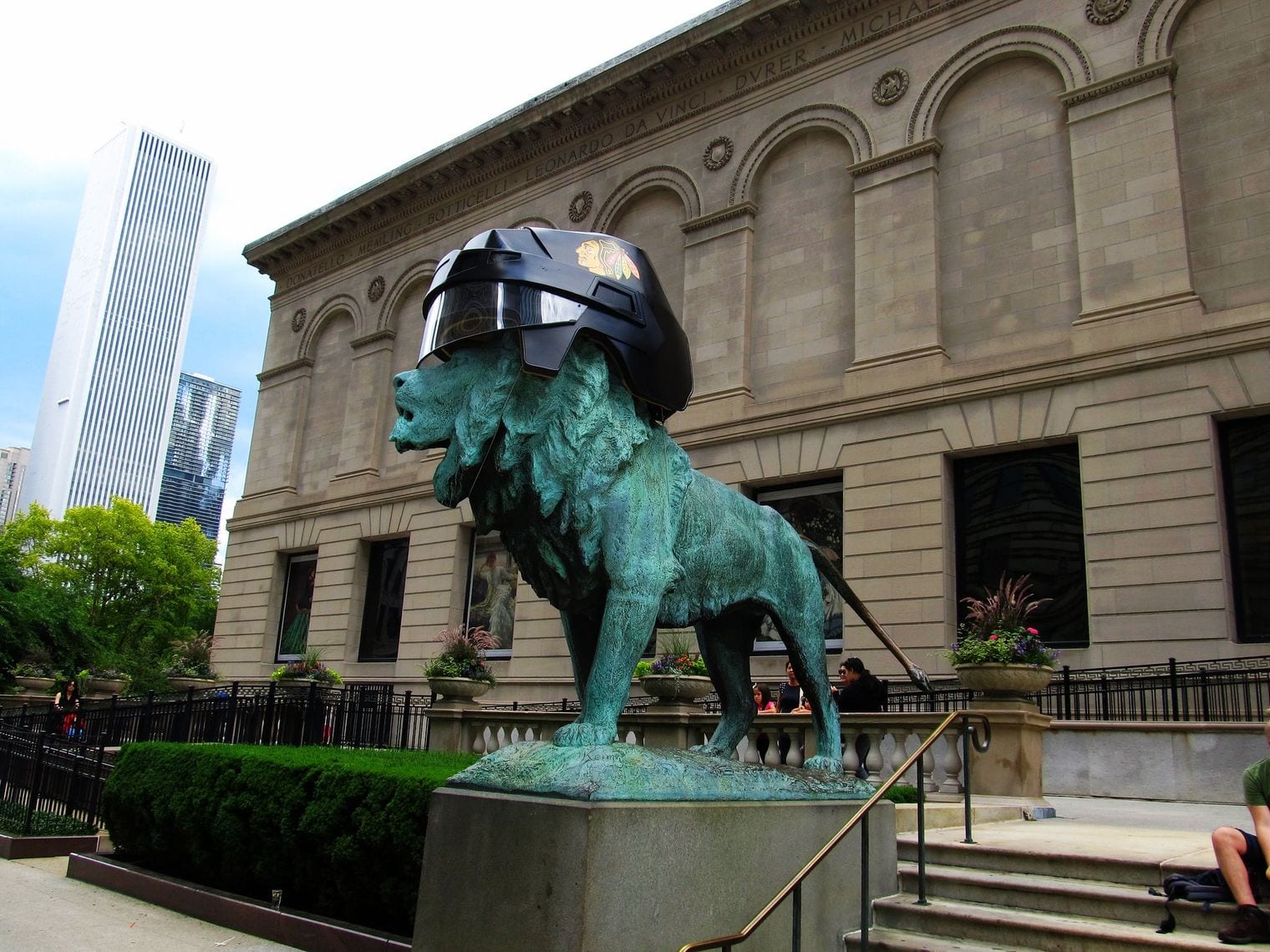
Founded in 1879, the Art Institute of Chicago is one of the oldest and largest art museums in the United States, guarded on Michigan Avenue by a pair of bronze lions. Its permanent collection of nearly 300,000 works includes paintings you will recognize instantly, among them Seurat's A Sunday on La Grande Jatte, Edward Hopper's Nighthawks, Grant Wood's American Gothic and Picasso's The Old Guitarist.
The Modern Wing, designed by Renzo Piano and opened in 2009, gives 20th-century art a light-filled home, and the Impressionist galleries alone could fill a morning. Budget at least half a day, then cross the Nichols Bridgeway footbridge straight into Millennium Park.
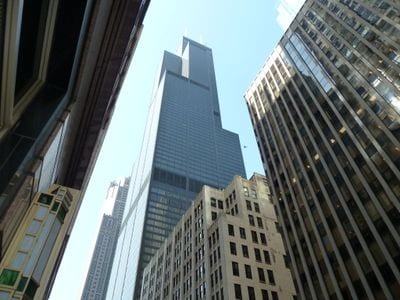
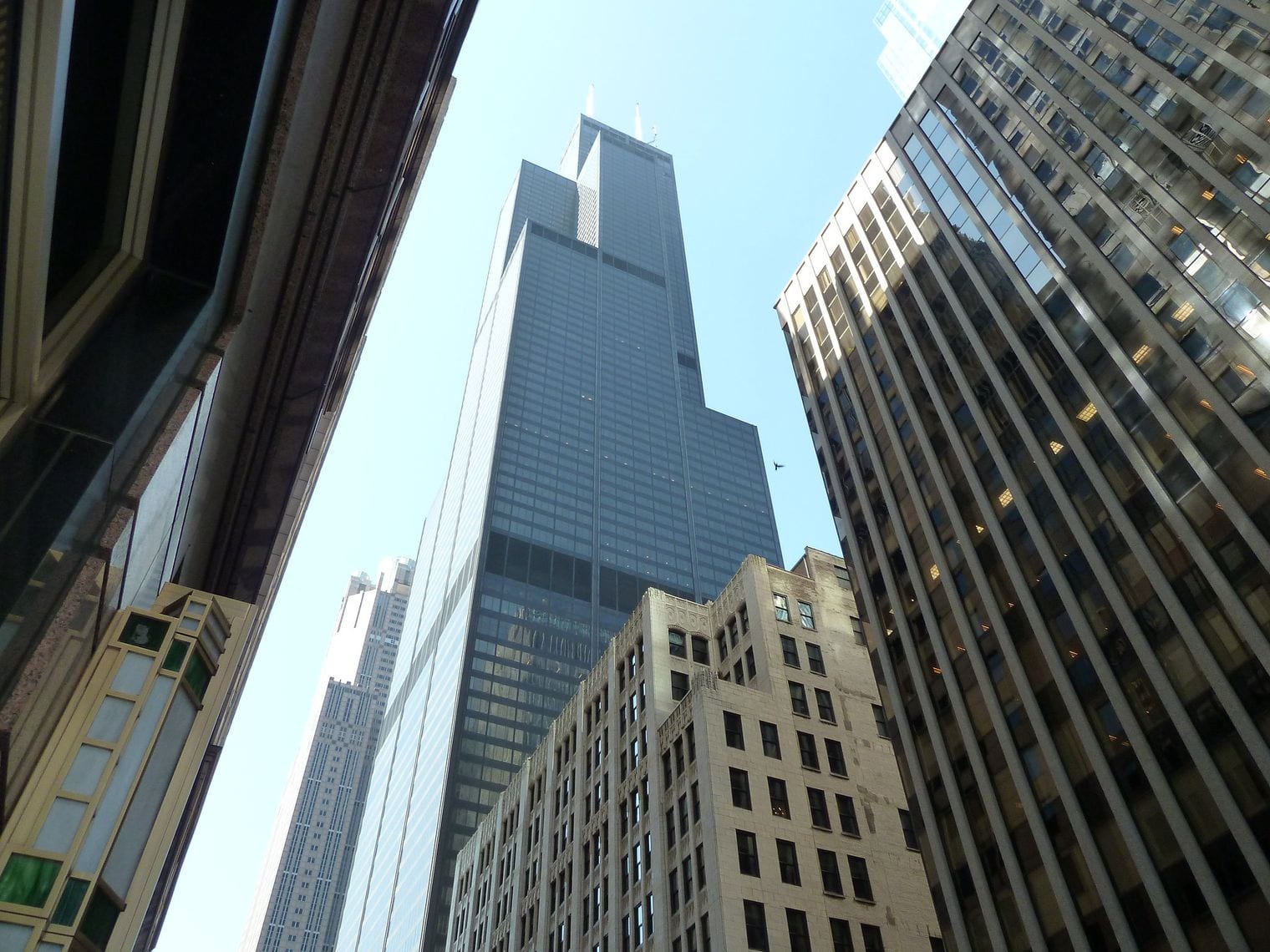
Skydeck Chicago sits on the 103rd floor of Willis Tower, the 110-story skyscraper long known as the Sears Tower, which reigned as the world's tallest building for nearly 25 years after it opened in 1973. From 1,353 feet up, the view on a clear day runs across the whole city grid and far out over Lake Michigan.
The big draw is The Ledge, a set of glass boxes that extend 4.3 feet out from the building, so you stand on 1.5 inches of glass with the street far below your feet. Lines build on summer afternoons, so arrive early or come for sunset, and don't confuse it with 360 CHICAGO, a separate deck in a different tower.
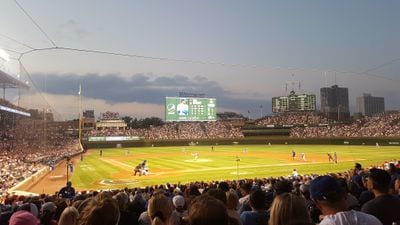
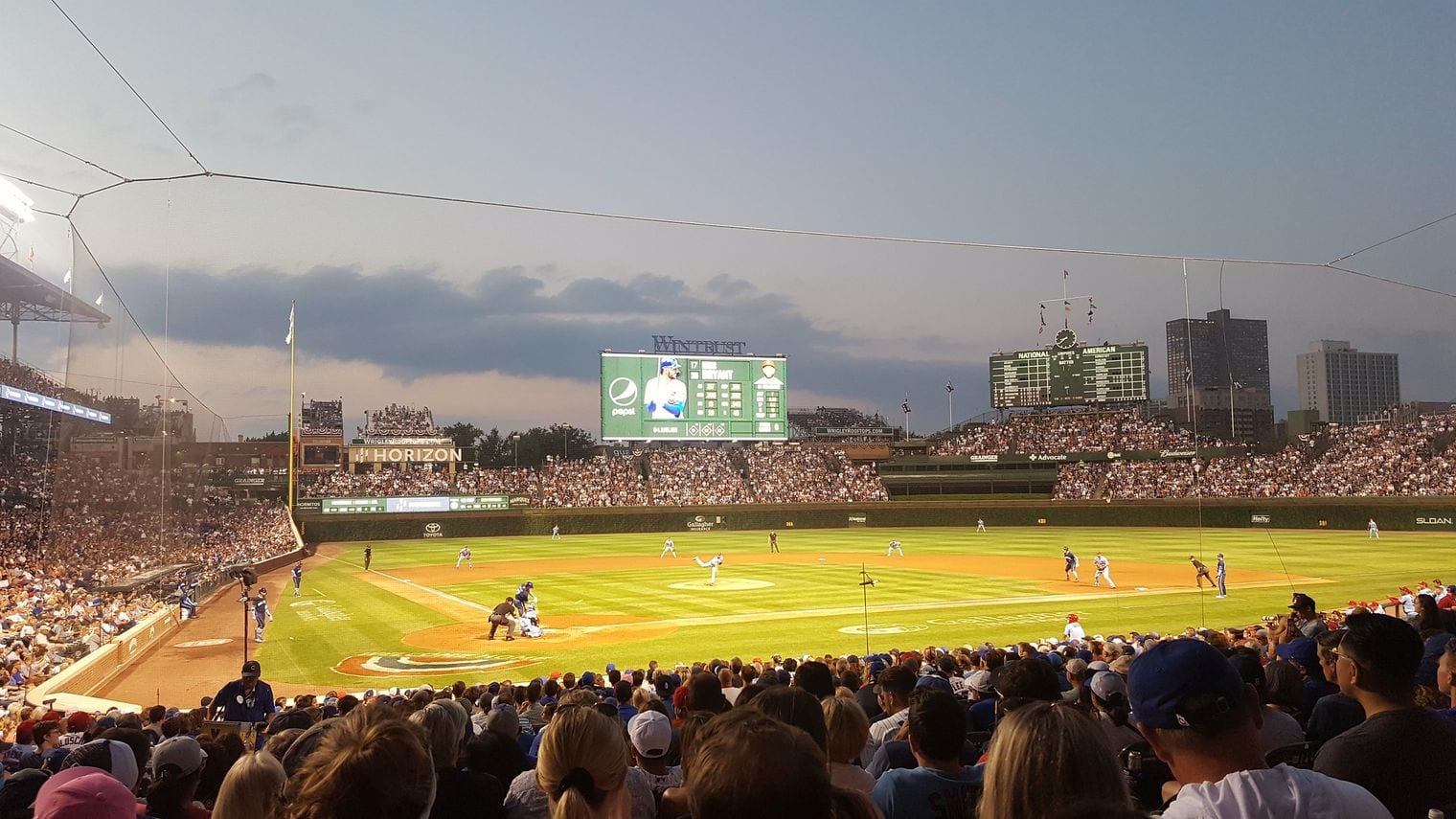
Wrigley Field opened in 1914 and has been home to the Chicago Cubs since 1916, making it the oldest ballpark in the National League and the second-oldest in the majors after Boston's Fenway Park. The ivy-covered brick outfield wall, the red marquee over the main entrance and the hand-turned scoreboard make a game here feel like a trip back in time.
The park sits in a residential corner of Lakeview known as Wrigleyville, where fans watch from rooftop seats across the street and the neighborhood bars fill up long before first pitch. It was named a National Historic Landmark in 2020, and ballpark tours offer a look behind the scenes when the Cubs are away. Don't mix it up with the Wrigley Building downtown.
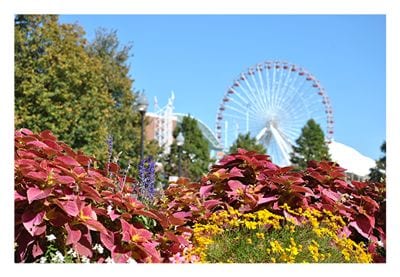
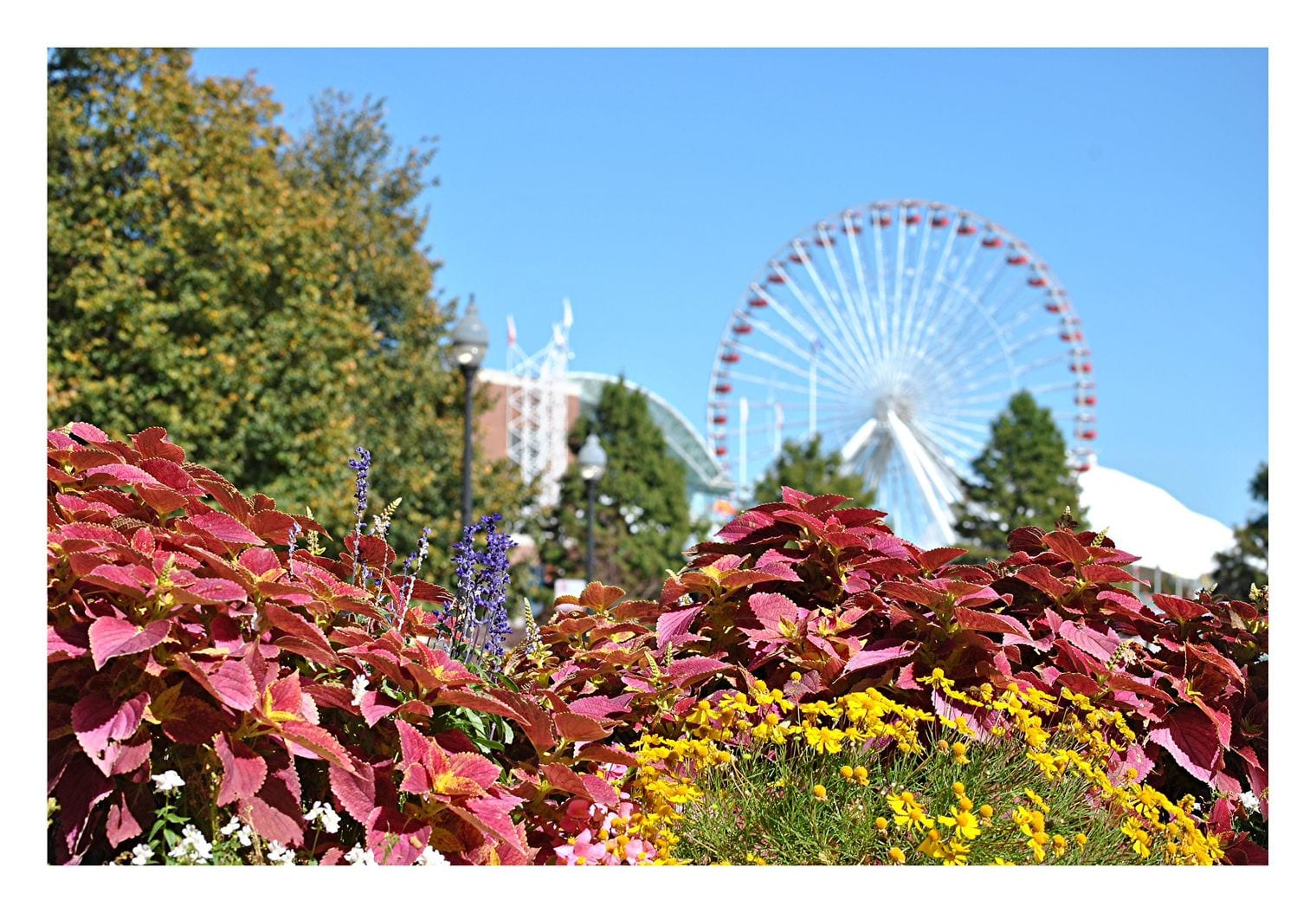
Navy Pier stretches 3,300 feet into Lake Michigan from Streeterville, packing more than 50 acres of shops, restaurants, theaters, gardens and promenades into one of the most visited attractions in the Midwest. Its centerpiece is the Centennial Wheel, a 196-foot Ferris wheel that nods to the original wheel built for Chicago's 1893 World's Columbian Exposition.
The pier is also home to the Chicago Children's Museum and Chicago Shakespeare Theater, and sightseeing cruises and the water taxi sail from its docks. On summer nights, fireworks over the lake are the big draw, and the walk to the end of the pier gives a free, sweeping view back at the skyline.
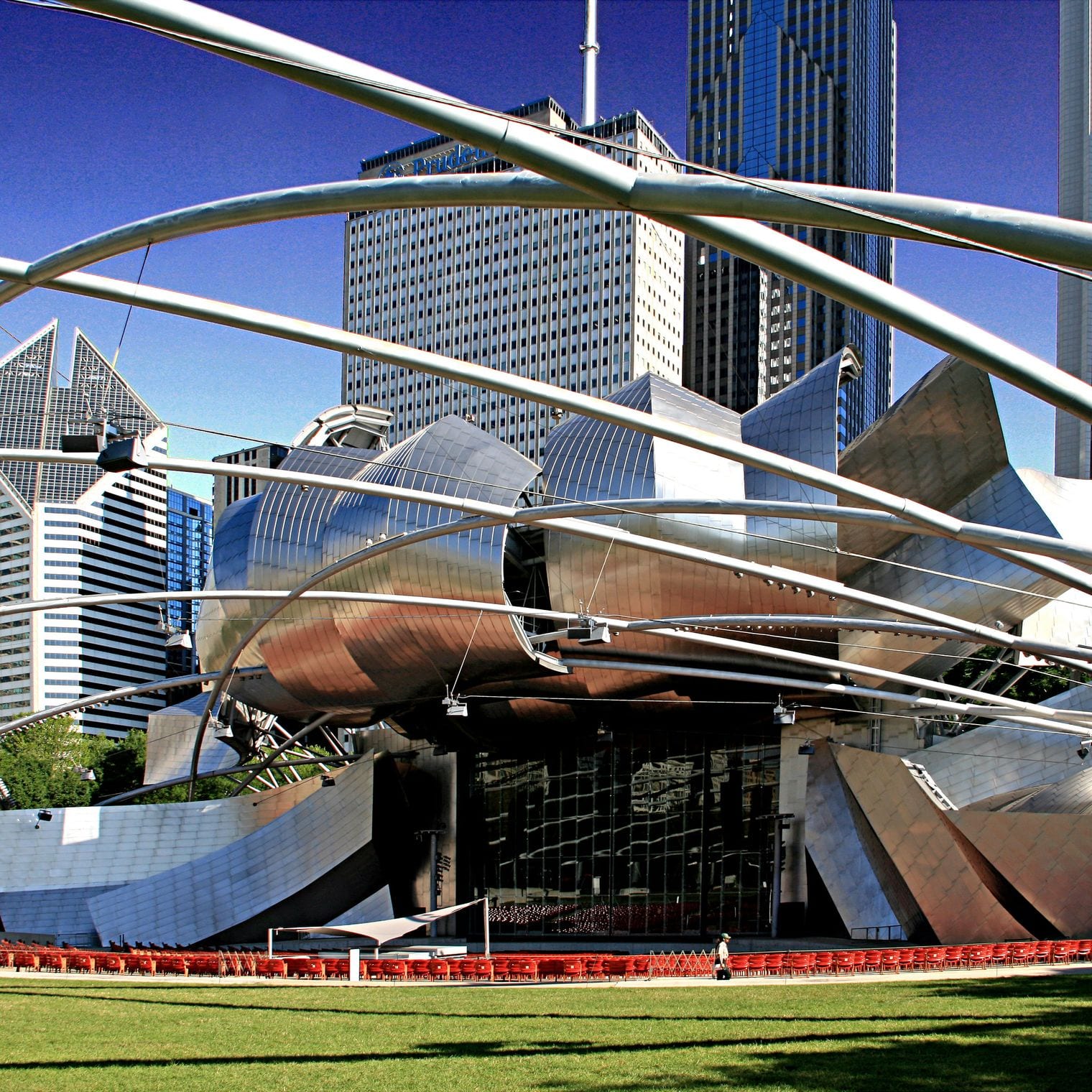
Millennium Park opened in 2004 on top of former rail yards and parking lots, and its 24.5 acres in the northwest corner of Grant Park now draw millions of visitors a year with free admission. Because it sits over garages and a commuter rail station, it is often described as the world's largest rooftop garden.
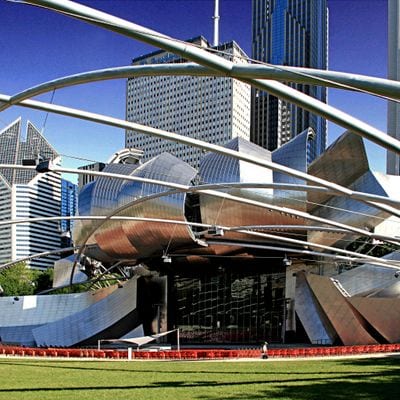
Beyond Cloud Gate, look for the Crown Fountain, where two glass-block towers display the faces of Chicagoans who appear to spout water into a shallow pool, and Frank Gehry's Jay Pritzker Pavilion, which hosts free outdoor concerts in summer. The Lurie Garden's perennial plantings make a quiet escape, and the winding BP Pedestrian Bridge leads over to Maggie Daley Park.
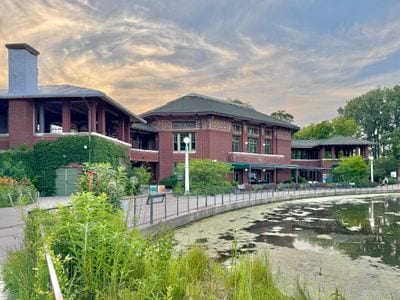
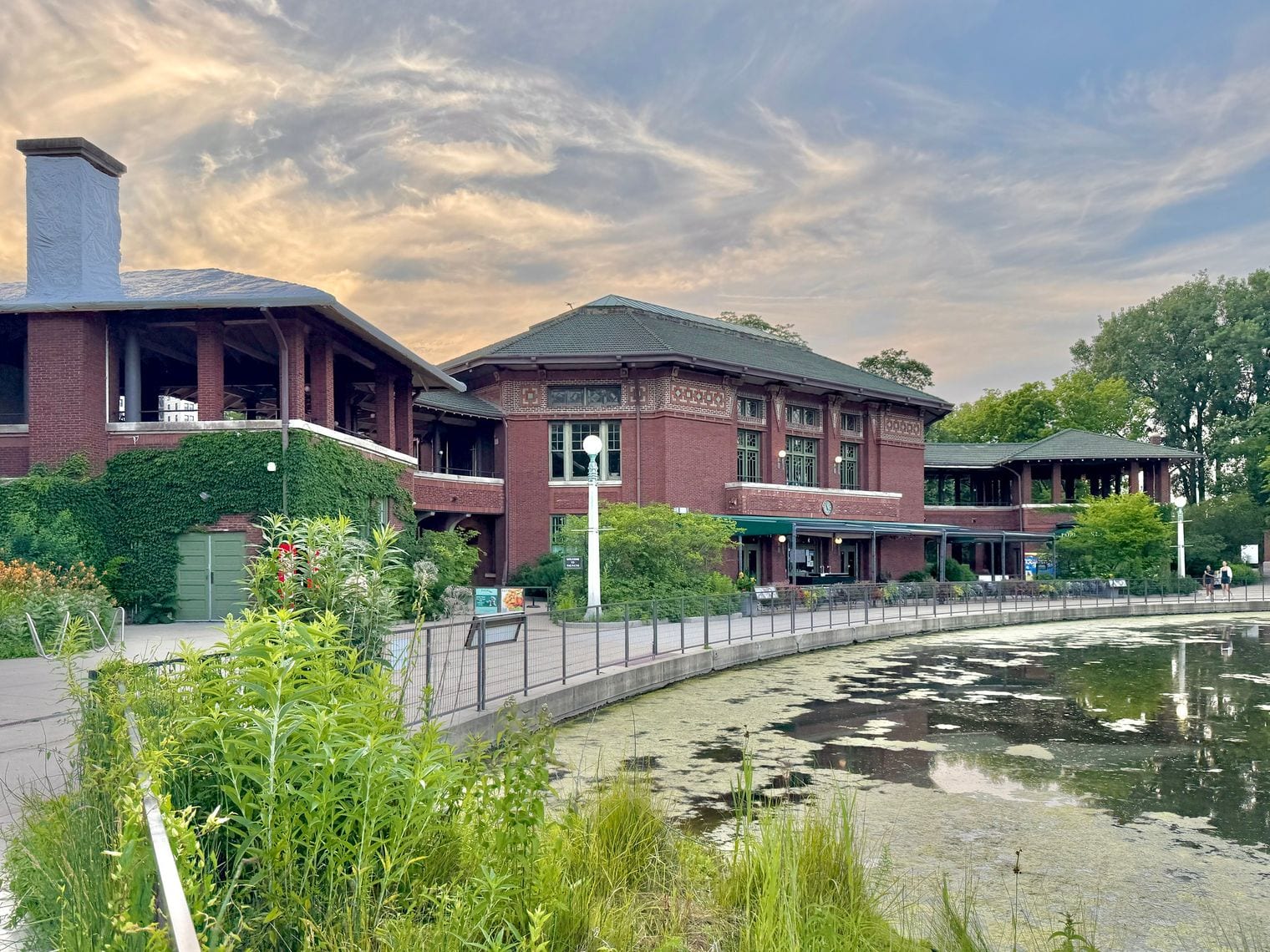
Founded in 1868, Lincoln Park Zoo is one of the oldest zoos in the United States and one of a small number of zoos that still offer free admission. Its 35 acres sit inside Lincoln Park, a short ride north of downtown, with high-rises peeking over the animal houses.
About 1,100 animals from some 200 species live here, including big cats, bears, penguins, apes, monkeys and reptiles. Because it's free and compact, it's easy to fit into a couple of hours, then stroll on to the Lincoln Park Conservatory next door or the nature boardwalk around South Pond.
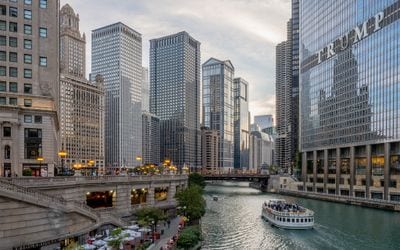
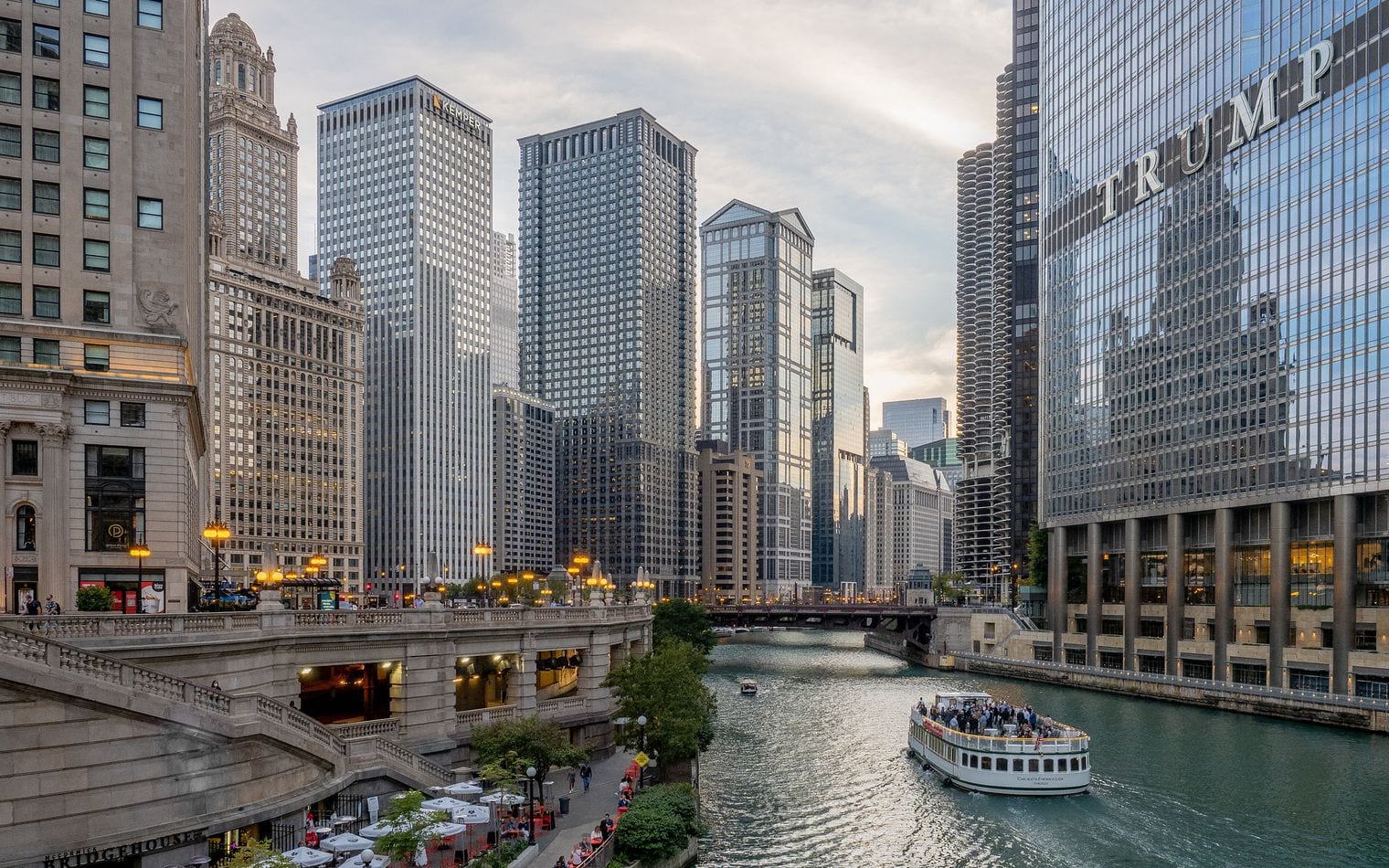
The Chicago Riverwalk follows the south bank of the river's main branch from Lake Michigan west to the Wolf Point area, turning a once-industrial waterfront into a chain of terraces, cafes, wine bars and small parks. Towers rise straight from both banks, so this is one of the most dramatic places to feel the scale of downtown.
Kayak rentals launch from the riverwalk, architecture cruises and the Chicago Water Taxi stop along the way, and a Vietnam War memorial adds a quiet, reflective pause. Come in the early evening, when the bridges light up and the after-work crowds spill out onto the water's edge.
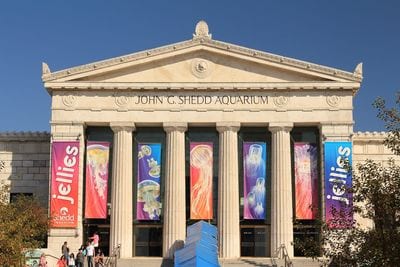
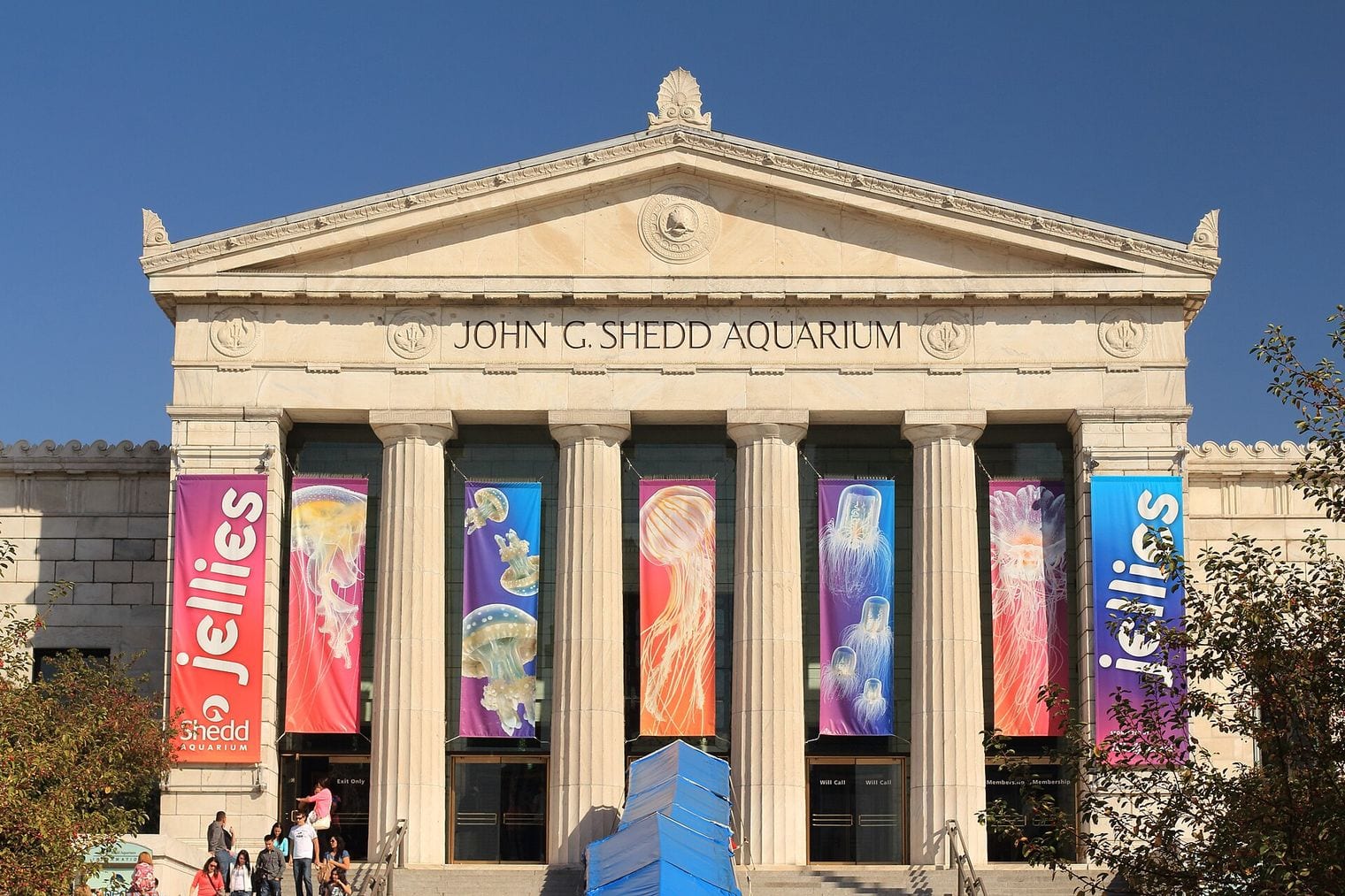
Opened in 1930 on the lakefront Museum Campus, the Shedd Aquarium holds about 32,000 animals from some 1,500 species, from tropical reef fish to marine mammals, birds and amphibians. It was the first inland aquarium with a permanent saltwater fish collection, and its grand original building is a National Historic Landmark.
Don't miss Wild Reef, a recreated coral reef where sharks glide past the windows, and the Abbott Oceanarium, whose glass walls frame Lake Michigan behind the marine mammal pools. The Shedd shares the Museum Campus with the Field Museum and the Adler Planetarium, so it's easy to pair two of them in a day.
The Griffin Museum of Science and Industry fills the former Palace of Fine Arts from the 1893 World's Columbian Exposition, set in Jackson Park beside Lake Michigan on the South Side. It opened in 1933 and took its current name in 2024, honoring benefactor Kenneth C. Griffin.
Its blockbuster exhibits are the real thing: the German submarine U-505, captured during World War II, a United Airlines Boeing 727, the streamlined Pioneer Zephyr train, the Apollo 8 command module and a full-size replica coal mine. Plan most of a day, and combine it with the Robie House or the Obama Presidential Center nearby.
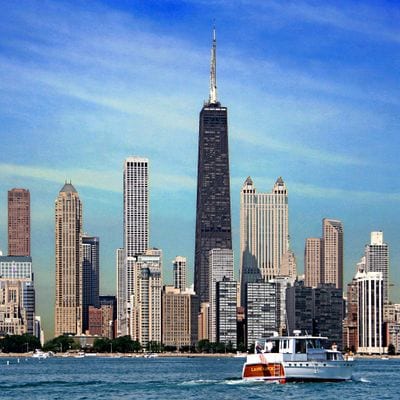
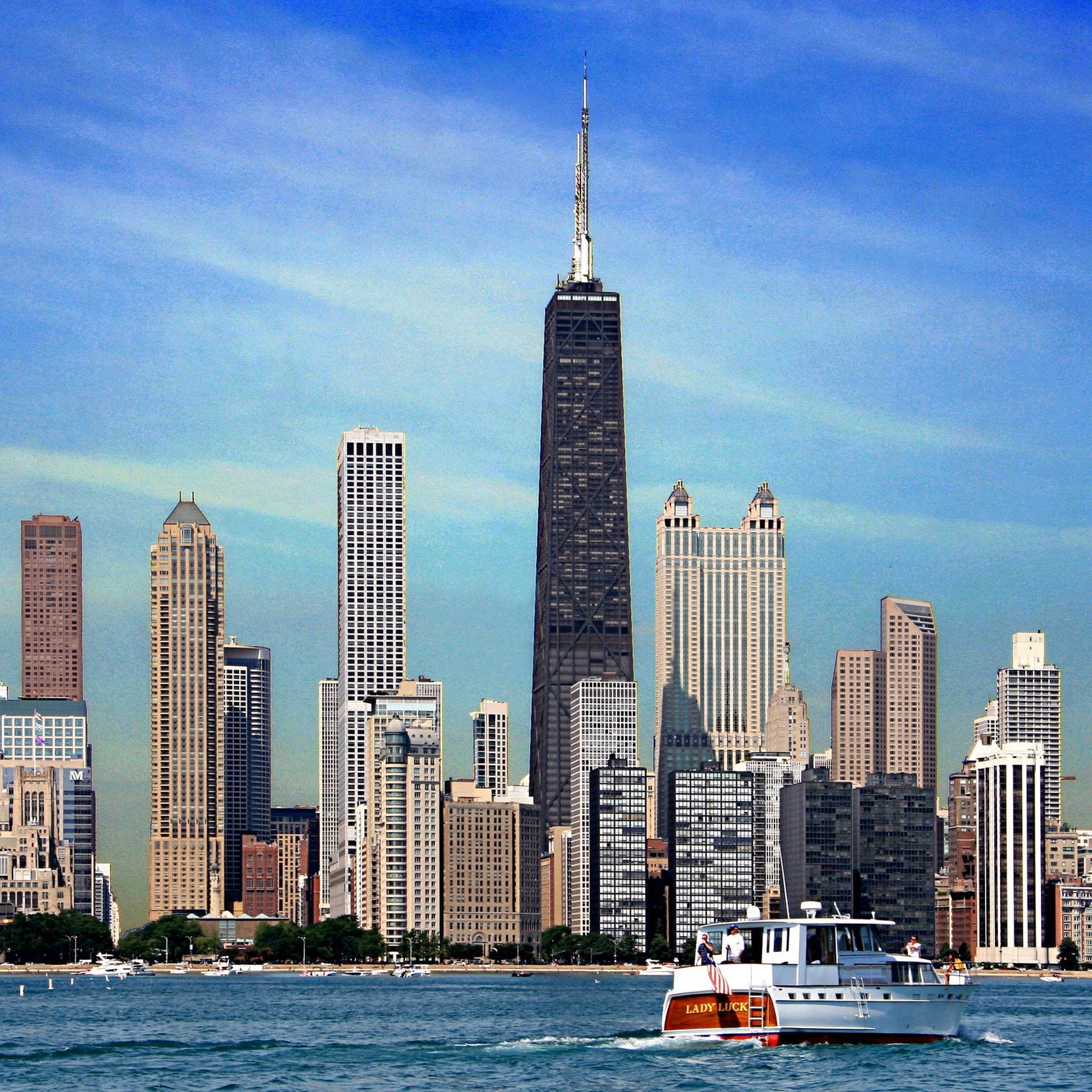
360 CHICAGO is the observation deck on the 94th floor of 875 North Michigan Avenue, the tapering black tower still widely known as the John Hancock Center. It sits about 1,000 feet above the Magnificent Mile, and its northern position offers a different view from the Skydeck, with the lakeshore beaches and the Gold Coast spread out beneath you.
For a thrill, TILT is an enclosed platform that tips you outward over Michigan Avenue, and the elevators that whisk you to the top are among the fastest in North America. Sunset is the best time to come, when the lights of the city grid switch on below.
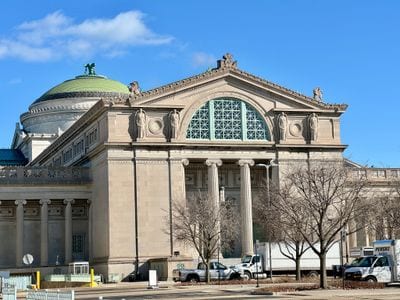
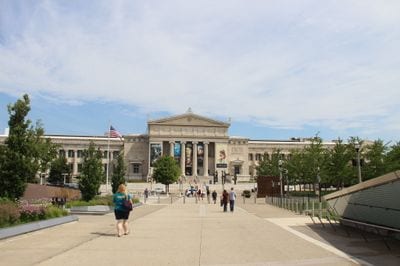
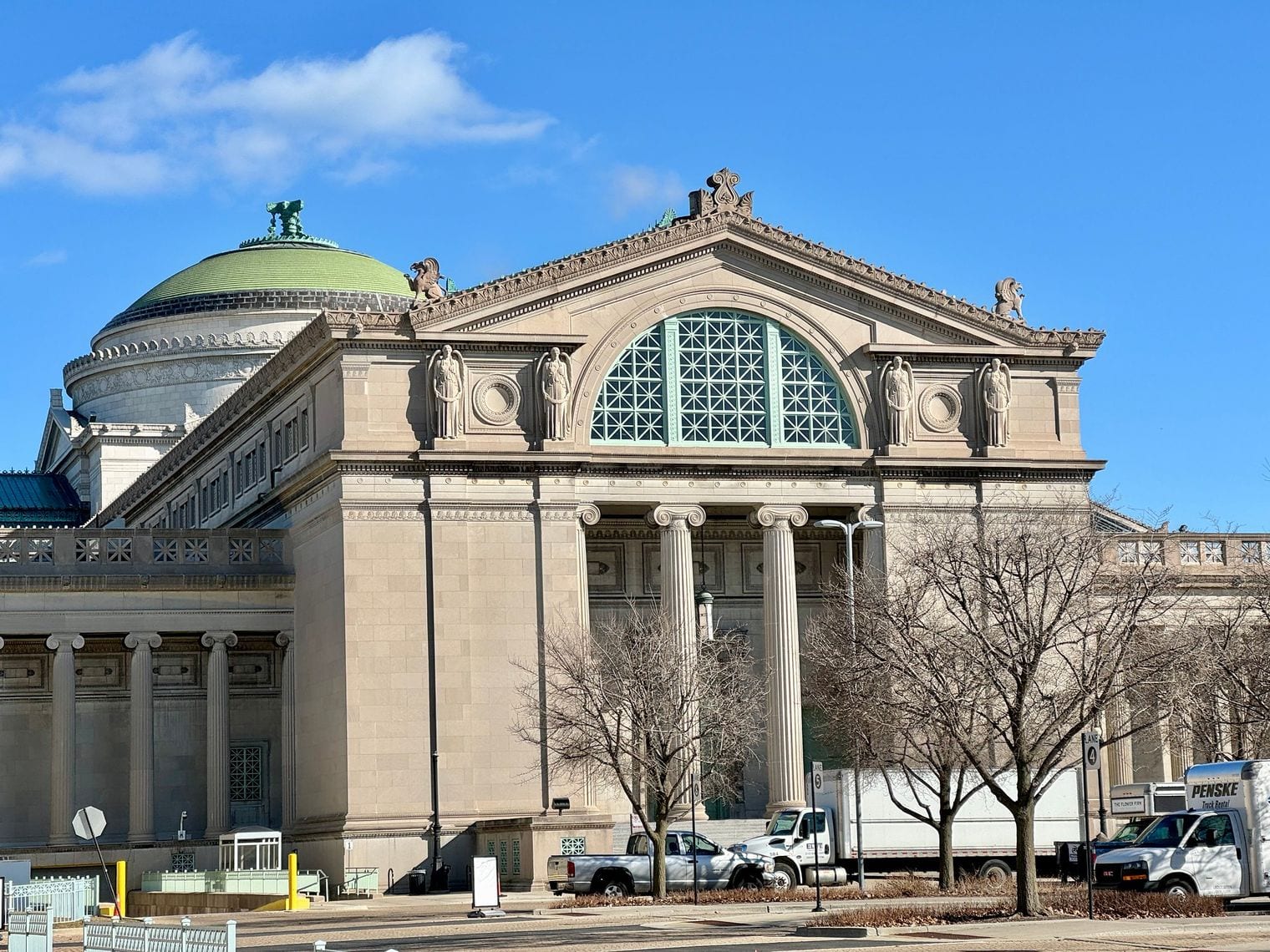
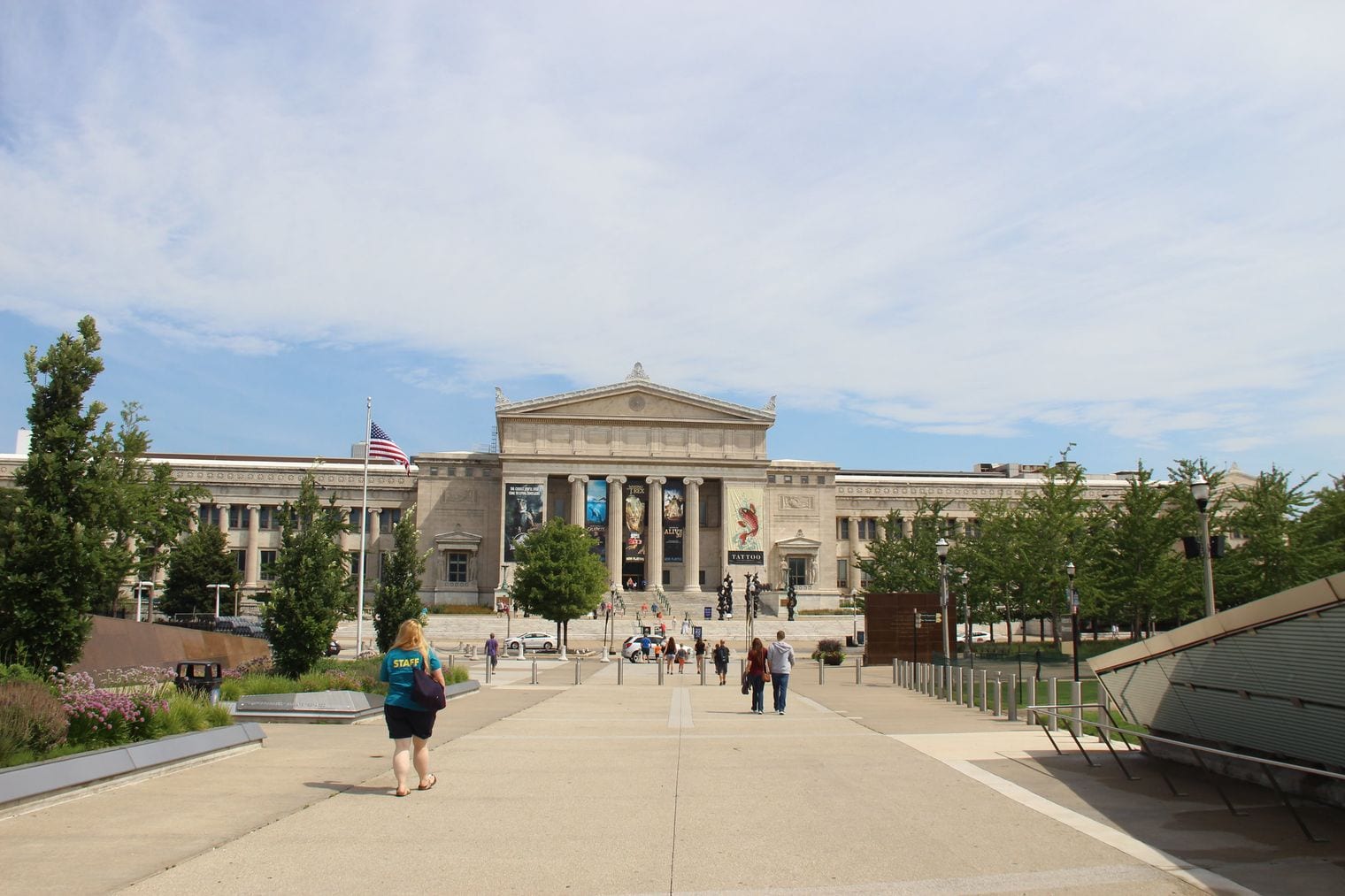
The star is SUE, one of the most complete Tyrannosaurus rex skeletons ever found, and the galleries go on to fossils, ancient Egypt, gemstones, meteorites and cultures from around the globe. Give it at least half a day, and save time for the Shedd Aquarium and the Adler Planetarium next door.
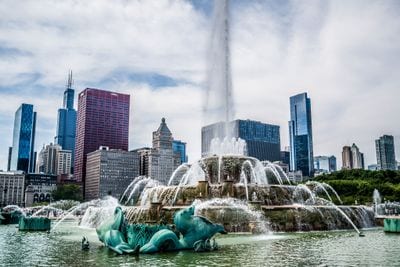
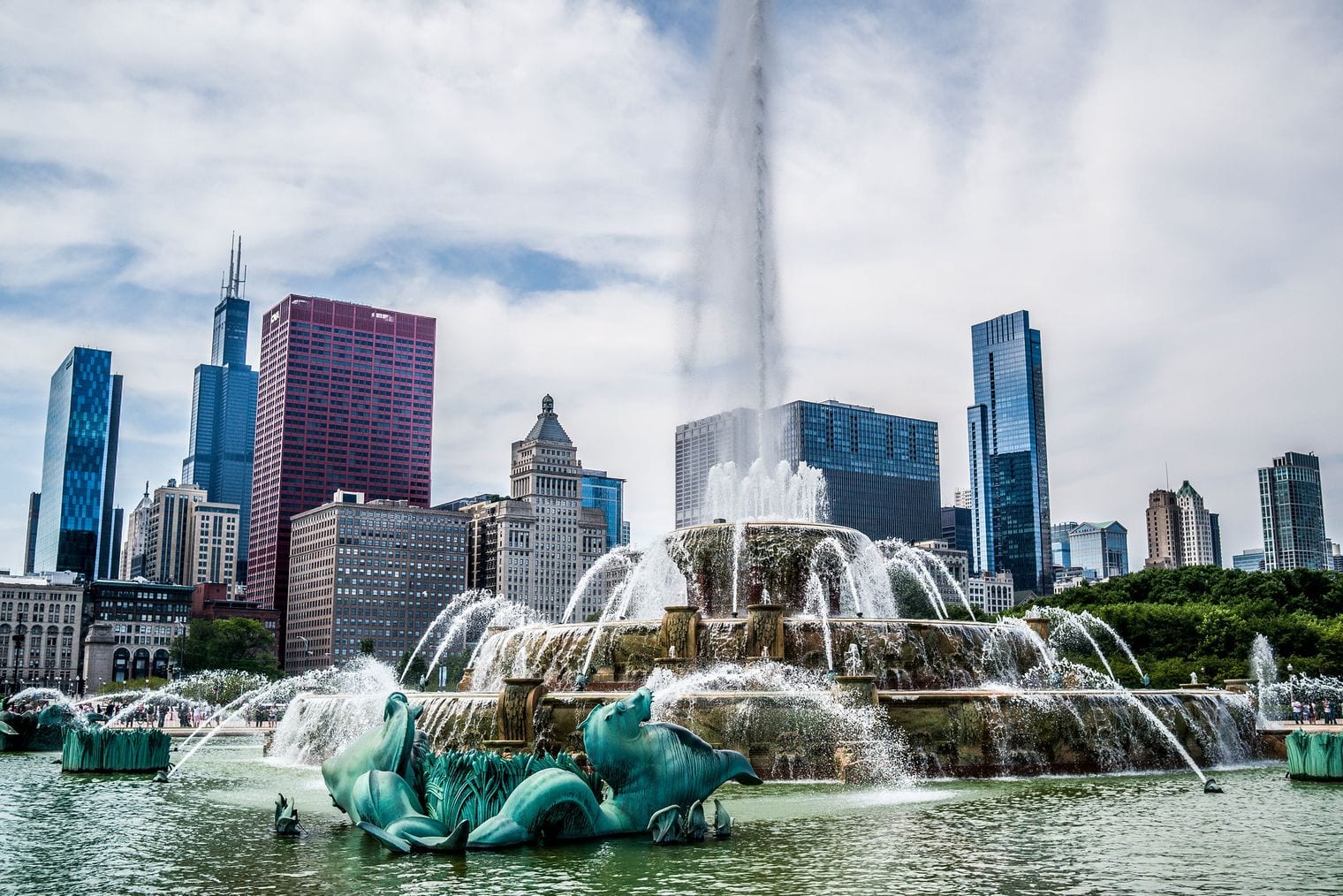
Dedicated in 1927 and donated to the city by philanthropist Kate S. Buckingham, Buckingham Fountain is the centerpiece of Grant Park and one of the largest fountains in the world. Its tiered, wedding-cake design was inspired by the Latona Fountain at the Palace of Versailles.
The fountain represents Lake Michigan, and its four pairs of sea horses stand for the four states that border the lake. Through the warmer months it runs regular water displays and evening colored-light shows, and after dark it frames one of the best views of the Loop skyline.
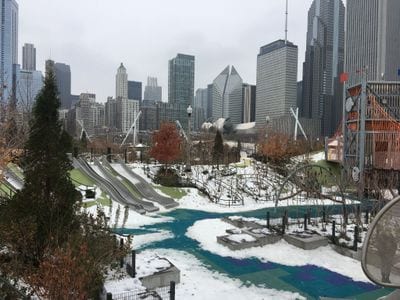
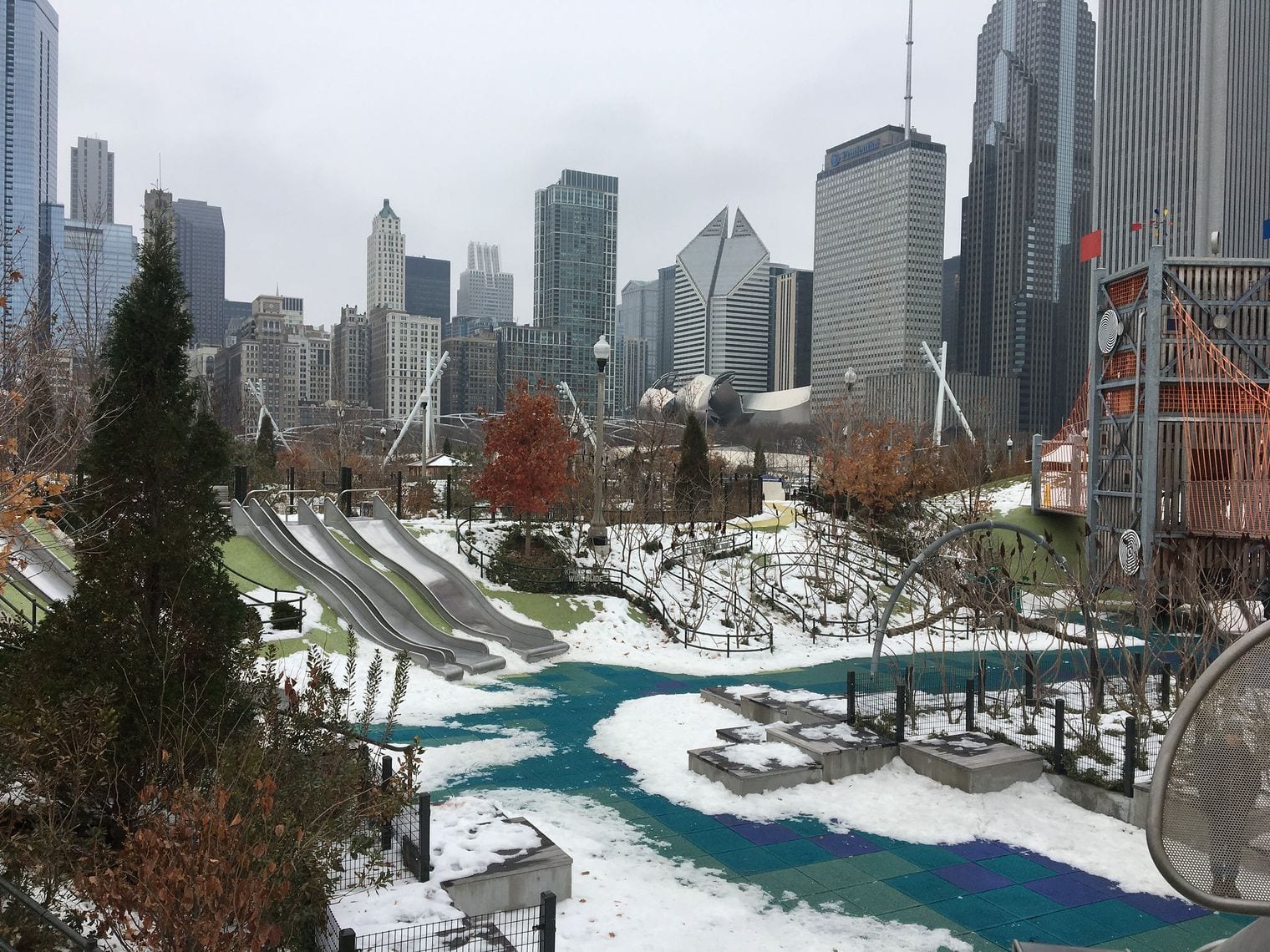
Maggie Daley Park is a 20-acre playground for all ages in the northeast corner of Grant Park, linked to Millennium Park by the BP Pedestrian Bridge. Designed by landscape architect Michael Van Valkenburgh, it opened in 2014 and is named for Maggie Daley, the city's former first lady.
Kids head straight for the sprawling play garden, while older visitors try the climbing walls. In winter, the looping ice-skating ribbon winds through the trees with the skyline rising behind it, one of the most memorable places to skate in Chicago.
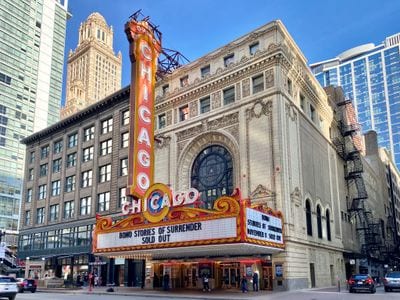
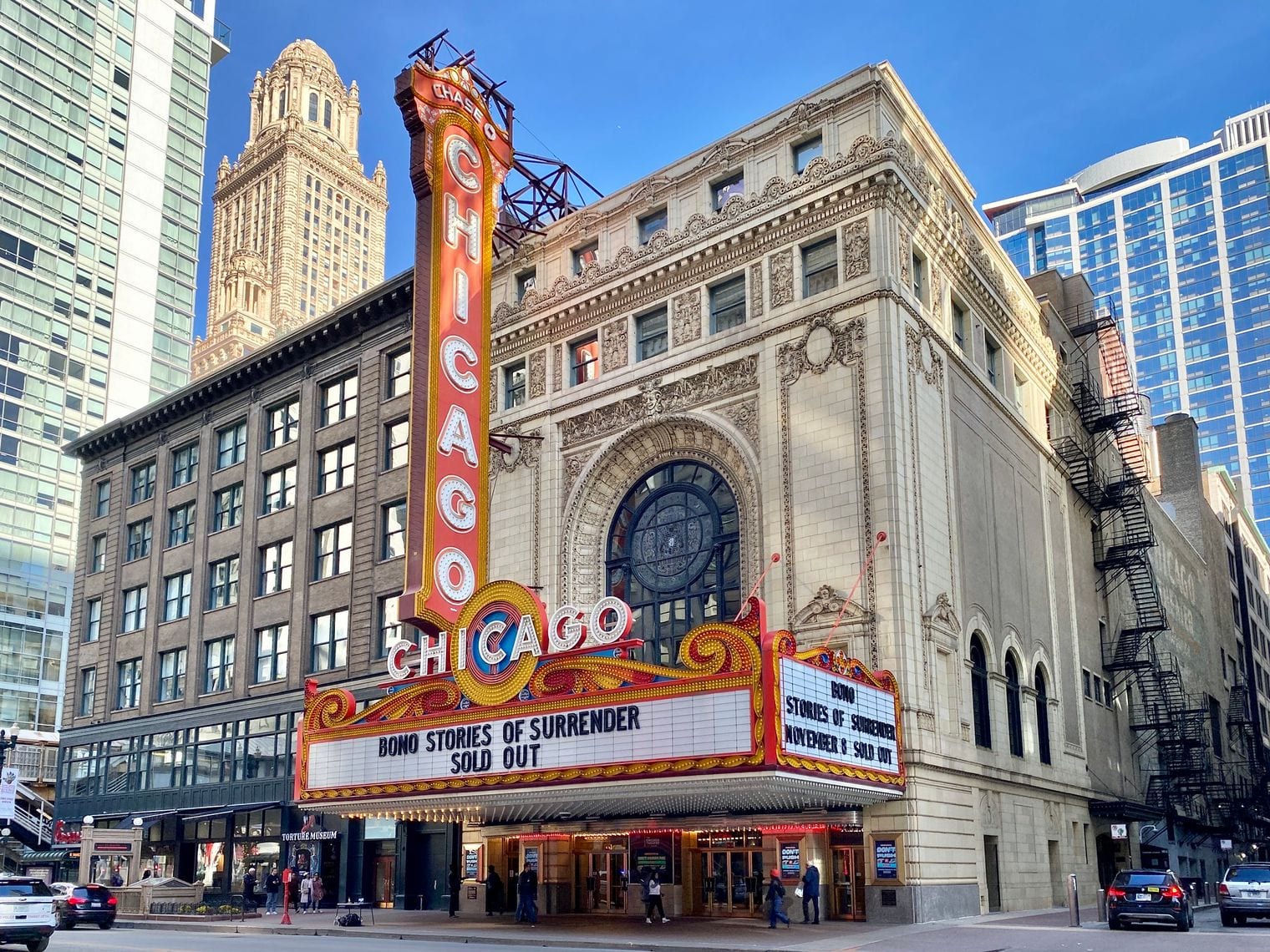
Built in 1921 as the flagship of the Balaban and Katz movie-palace chain, The Chicago Theatre on North State Street is instantly recognizable by its glowing marquee, often called an unofficial emblem of the city. It is listed on the National Register of Historic Places and is a Chicago Landmark.
Today it's a roughly 3,600-seat venue for concerts, comedy, magic shows and talks, and the ornate, gilded interior is reason enough to buy a ticket. Even without a show, the marquee is a classic photo stop, especially after dark.
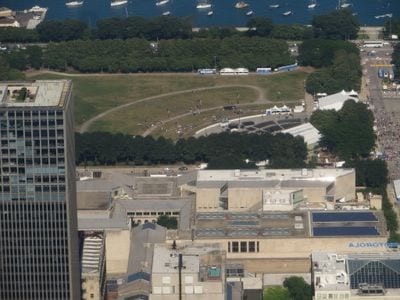
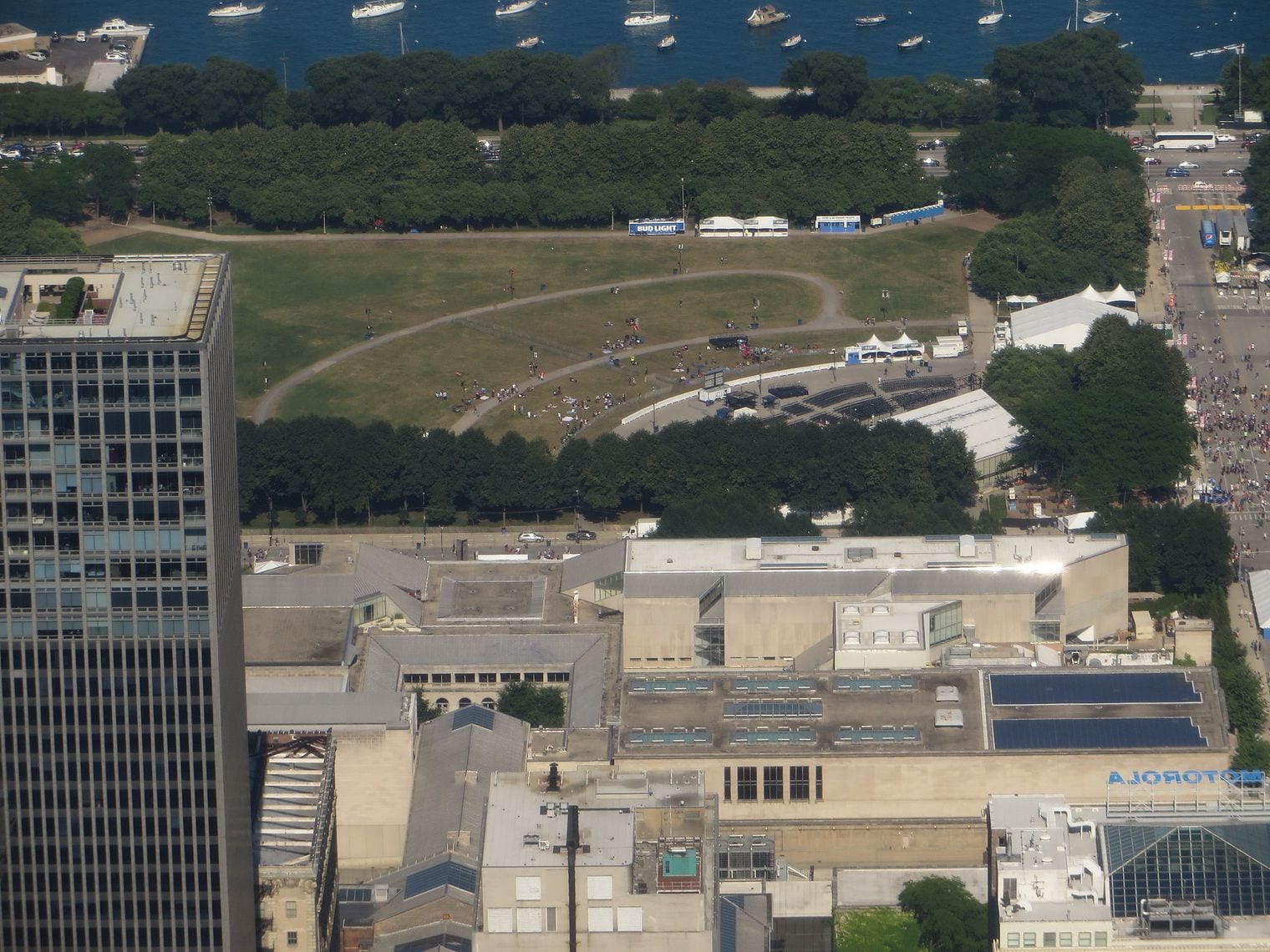
Known as "Chicago's front yard," Grant Park stretches across 319 acres between Michigan Avenue and Lake Michigan. It dates from the city's founding, when it was called Lake Park, and was renamed in 1901 to honor President Ulysses S. Grant.
The park holds many of the city's headliners, including Millennium Park, Buckingham Fountain, the Art Institute and the Museum Campus, with lawns, gardens and harbors in between. It hosts big festivals and concerts through the summer, and the lakeside path along its eastern edge is the classic walk between the Loop and the museums.
At 1,208 acres, Lincoln Park is Chicago's largest public park, running about seven miles along the lakefront on the North Side and ranking among the most visited city parks in the country. Its oldest section, between North Avenue and Diversey Parkway, holds a zoo and two museums.
Beyond the zoo and conservatory, which have their own entries in this guide, the park offers beaches, harbors, nature sanctuaries and gardens, including the hidden Alfred Caldwell Lily Pool and North Pond, where the skyline reflects in the water. In summer, North Avenue Beach is the place to join the crowds on the sand.
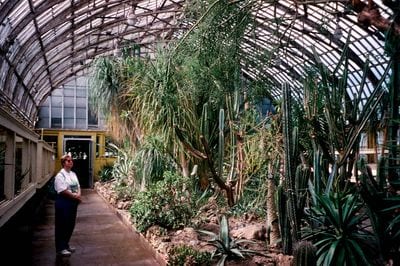
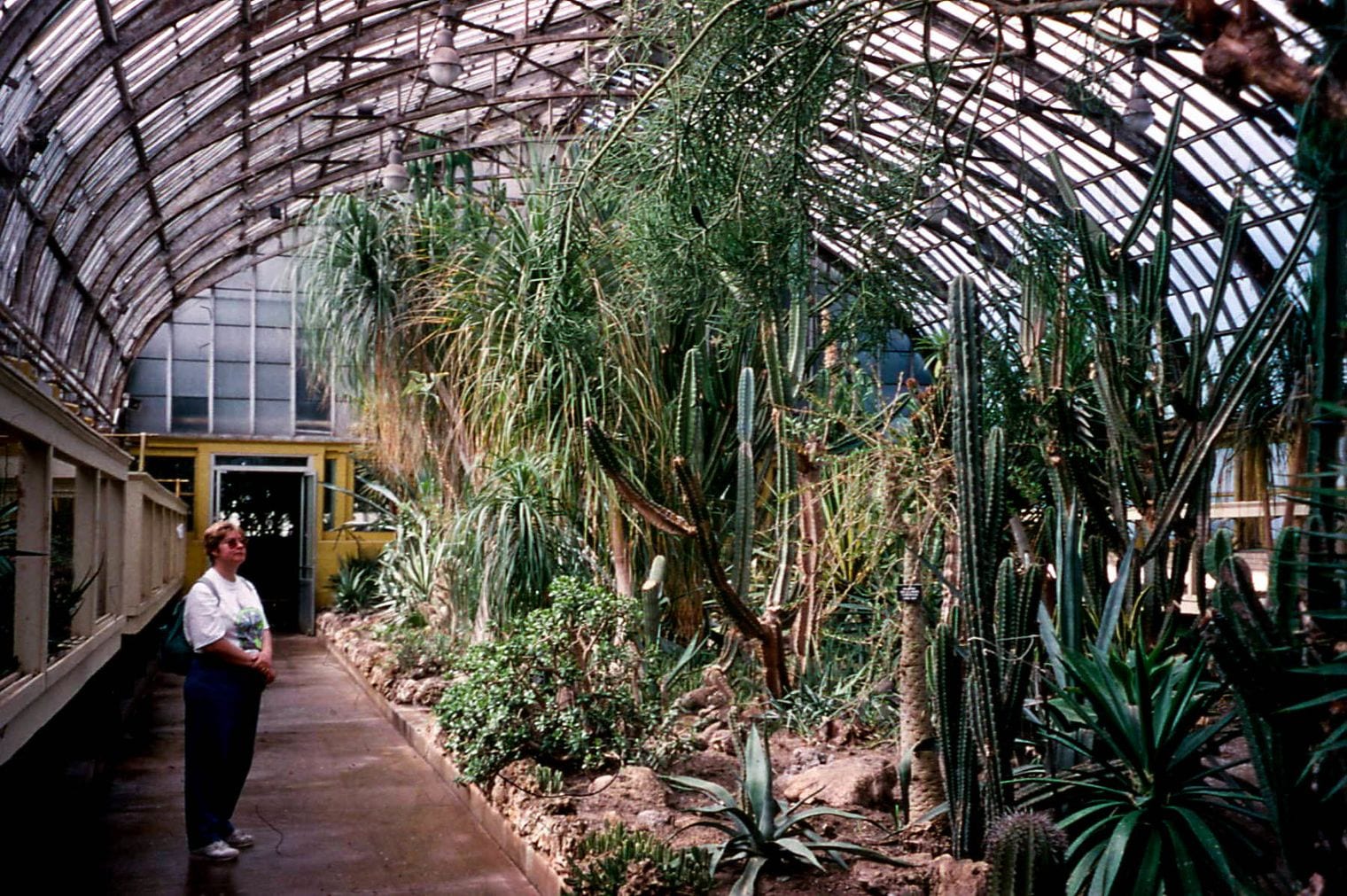
On the West Side, the Garfield Park Conservatory is one of the largest greenhouse conservatories in the United States, often described as "landscape art under glass." Its rooms hold plants from around the world, including cycads that are more than 200 years old.
The Fern Room, with its lagoon and rocky outcrops evoking prehistoric Illinois, is the highlight, and seasonal flower shows fill the display halls. It's a warm, green escape in the depths of a Chicago winter, and the CTA Green Line stops close by.
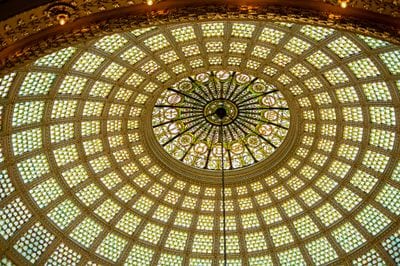
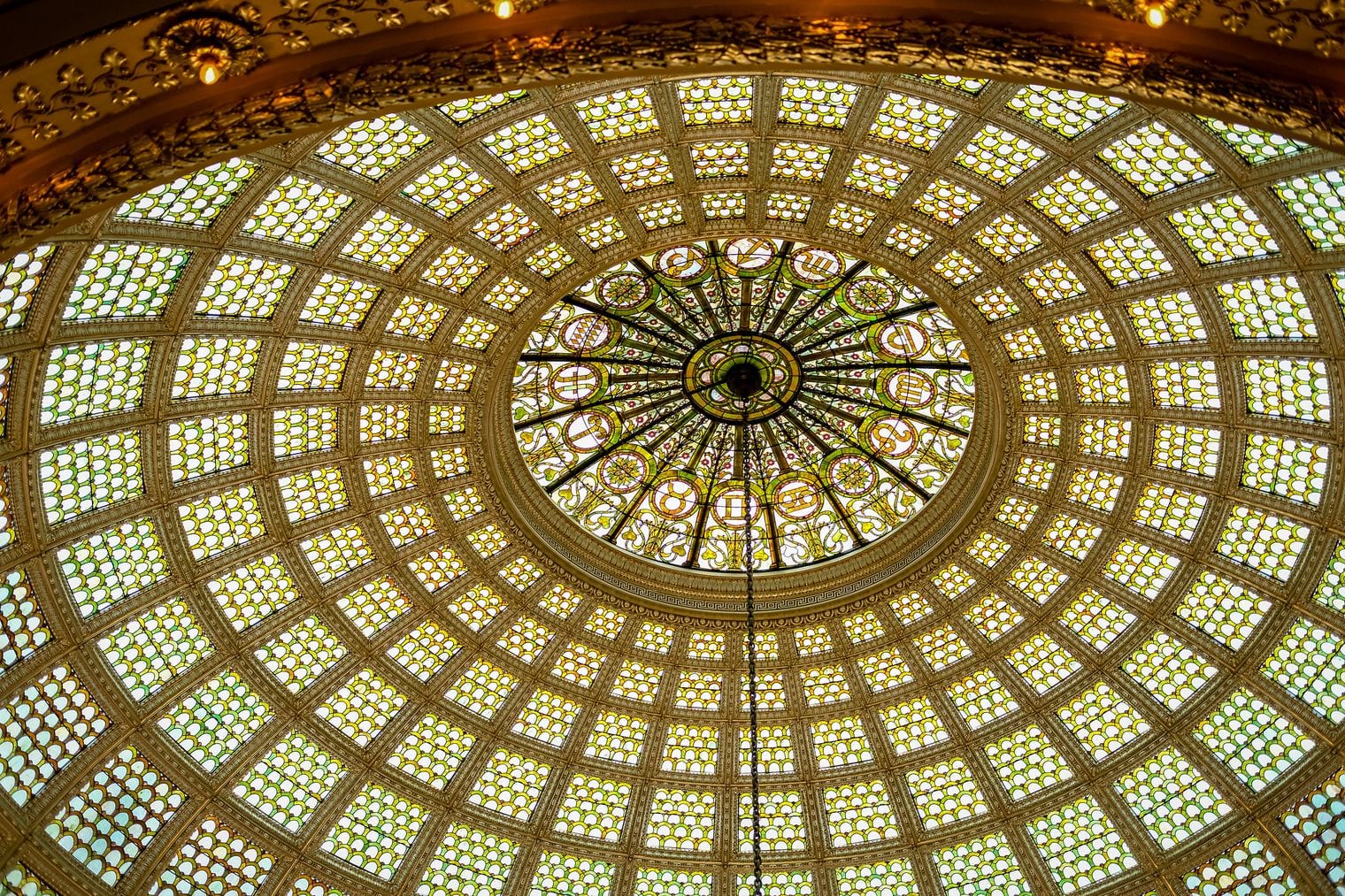
Opened in 1897 as the city's main library and a memorial hall, the Chicago Cultural Center faces Millennium Park across Michigan Avenue and became the nation's first free municipal cultural center after its conversion in 1978. It still serves as the city's official reception venue.
Go for the two magnificent stained-glass domes, including a spectacular Tiffany glass dome, and the mosaics that line the grand staircases. Admission is free, and the building hosts more than 1,000 programs and exhibitions a year, from art shows to concerts.
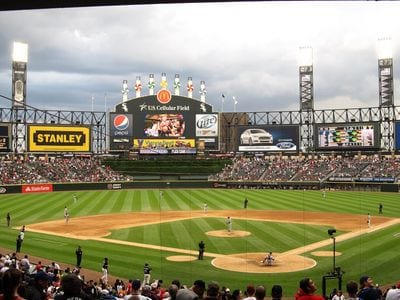
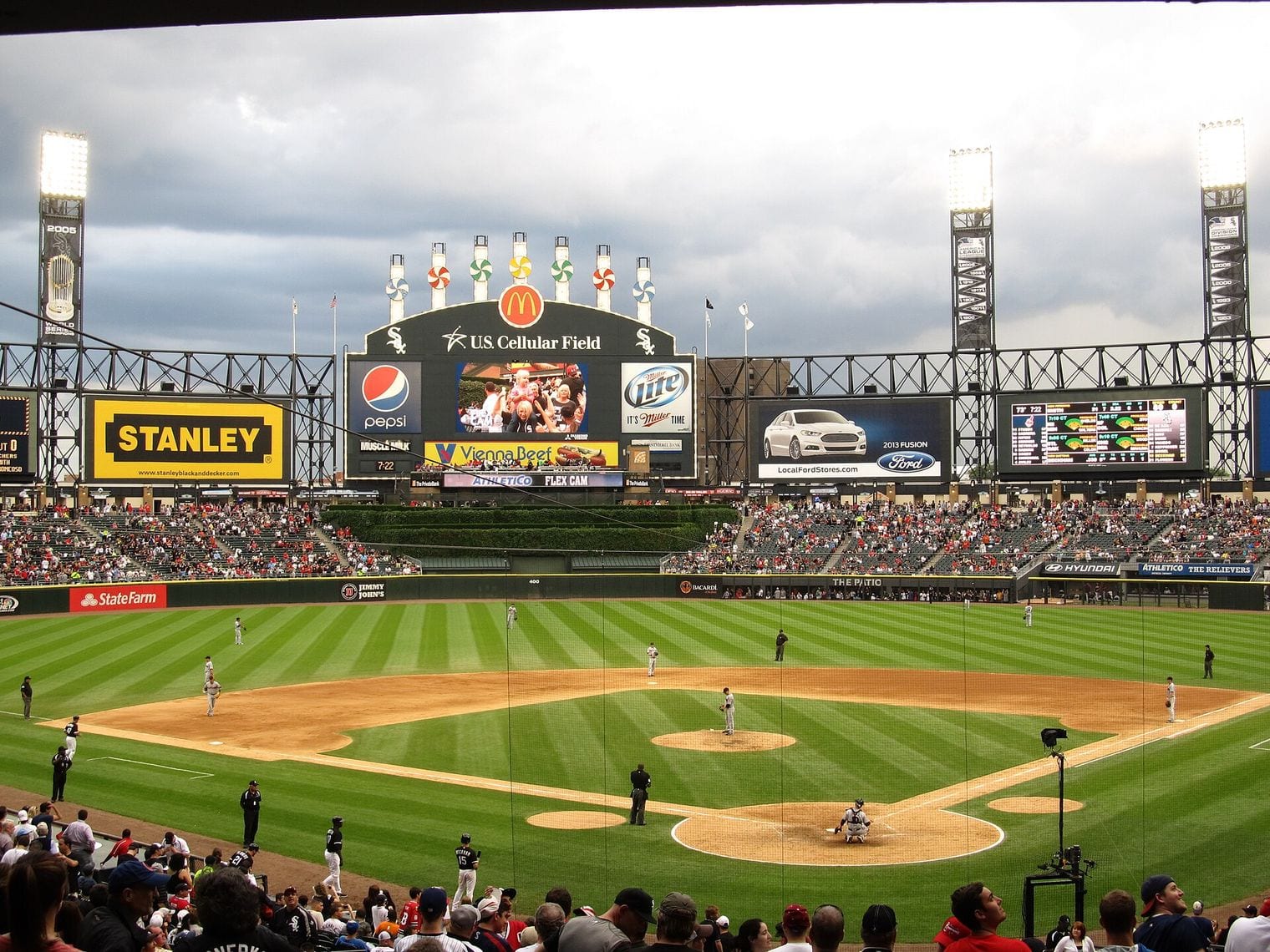
Rate Field, the White Sox ballpark on the South Side, opened in 1991 as the new Comiskey Park and later carried the names U.S. Cellular Field and Guaranteed Rate Field. It sits in Armour Square next to Bridgeport, just west of the Dan Ryan Expressway.
A marble plaque on the sidewalk beside the ballpark marks home plate of the original Comiskey Park, which stood across 35th Street and was the team's home from 1910. Games here tend to be more relaxed than on the North Side, and the CTA Red Line stops right by the ballpark, making it an easy trip from downtown.
Free printable checklist of all 45 places
Tick them off as you go. Confirm your email to download it, plus one email every Thursday with new guides for the places you tick.
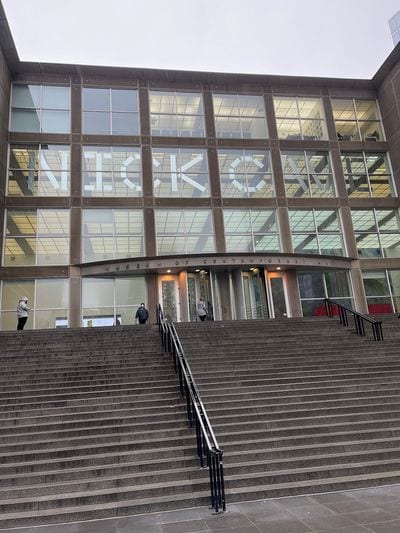
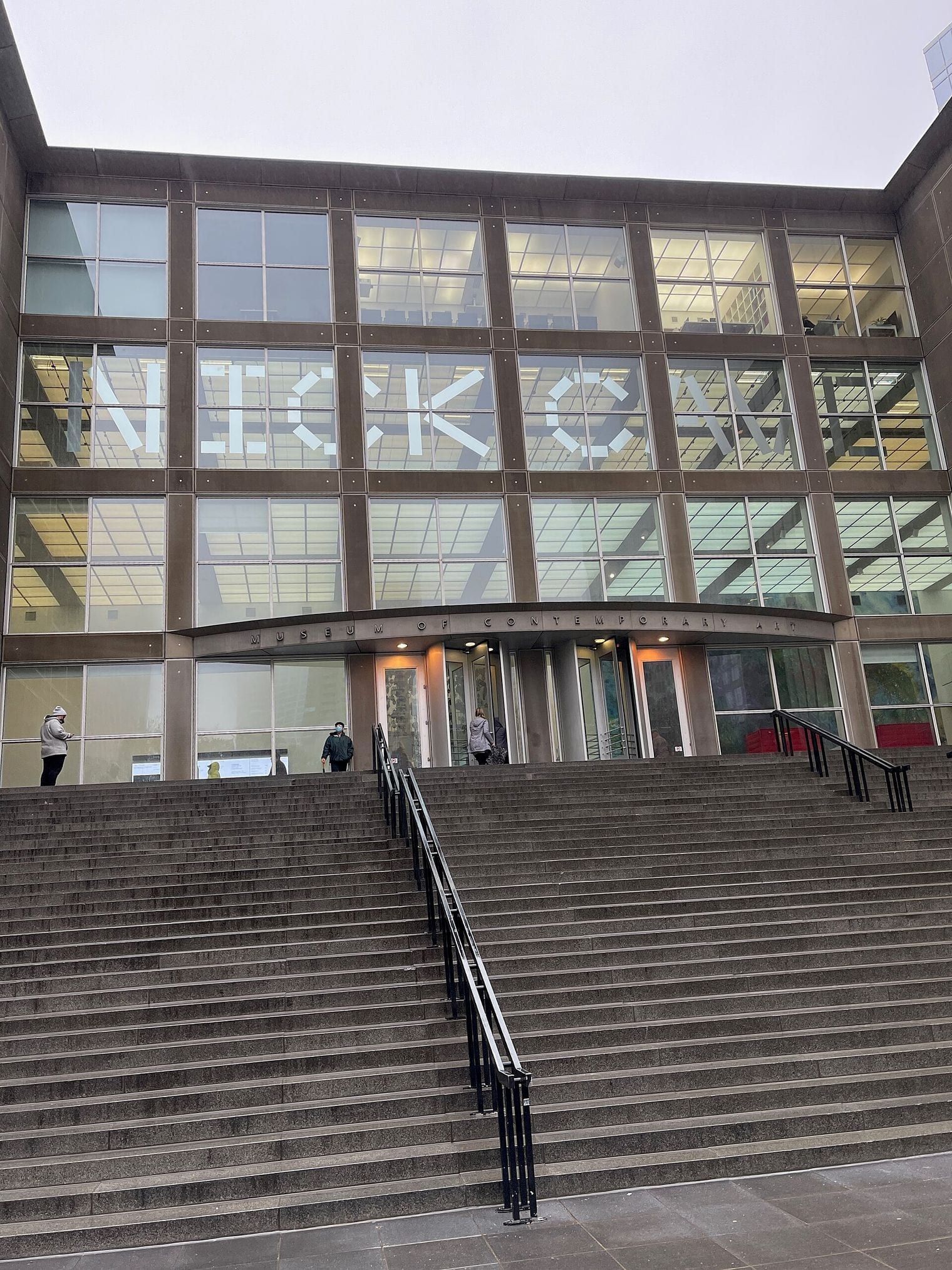
Established in 1967, the Museum of Contemporary Art Chicago is one of the world's largest contemporary art venues, set in Streeterville just off the Magnificent Mile. Its building by Josef Paul Kleihues is known for the broad staircase that climbs to an elevated ground floor.
Exhibitions rotate through the year, drawing on a collection that includes Andy Warhol, Cindy Sherman, Kara Walker, Jasper Johns and Alexander Calder alongside newer artists. Glass-walled facades look toward Lake Michigan, and the museum also stages dance, theater and music.
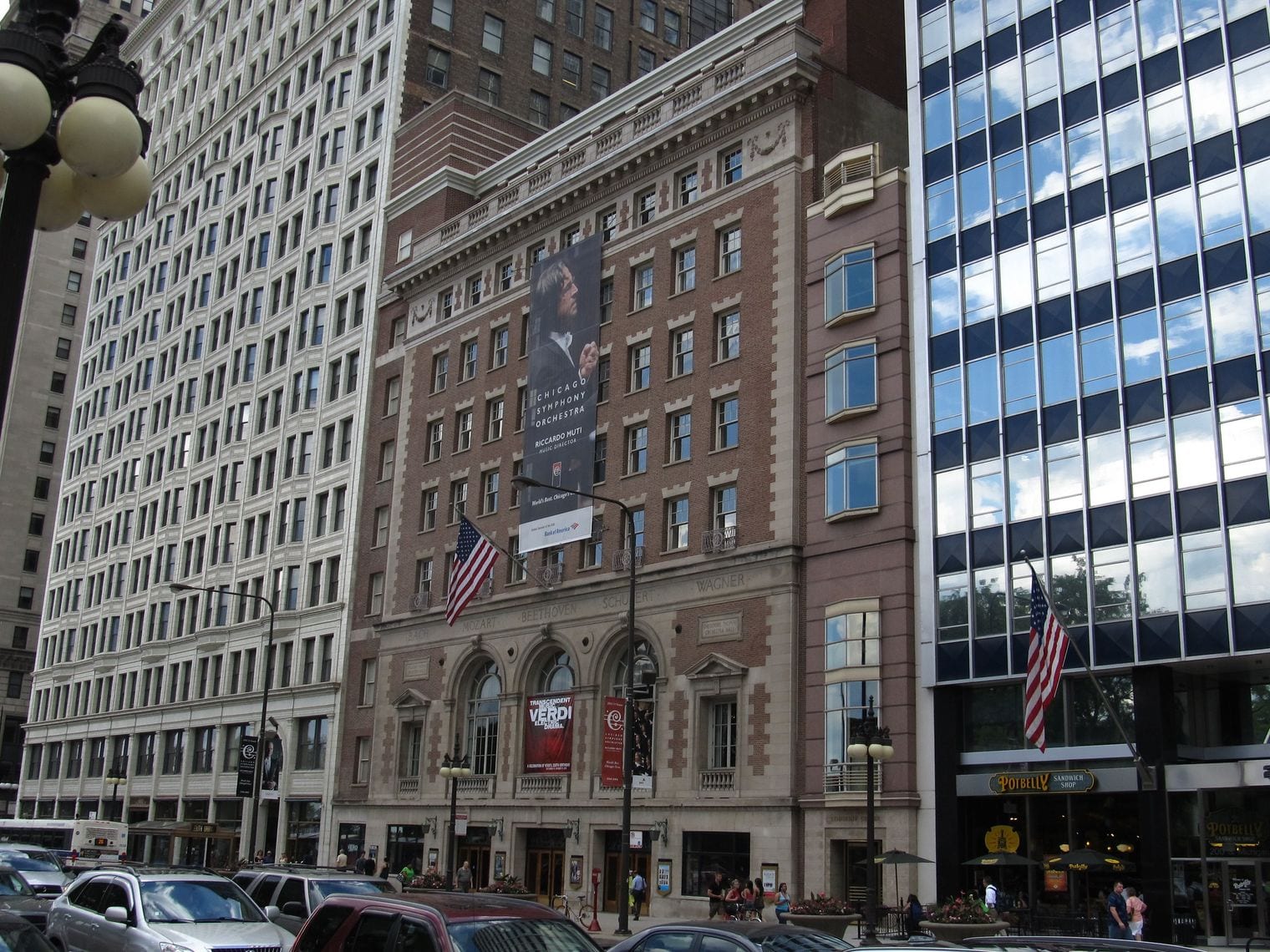
2222. Chicago Symphony Orchestra at Symphony Center
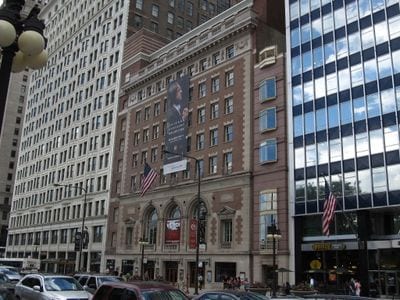
Founded in 1891, the Chicago Symphony Orchestra is one of America's "Big Five" orchestras, and it has played at Symphony Center on Michigan Avenue since 1904. The hall sits across the avenue from the Art Institute, right in the heart of the Loop.
Hearing the CSO in its home hall is a highlight for any music lover, and the season also brings visiting soloists, jazz and chamber concerts. In summer the orchestra moves north to the Ravinia Festival in the suburbs, so check the calendar before you plan around a concert.
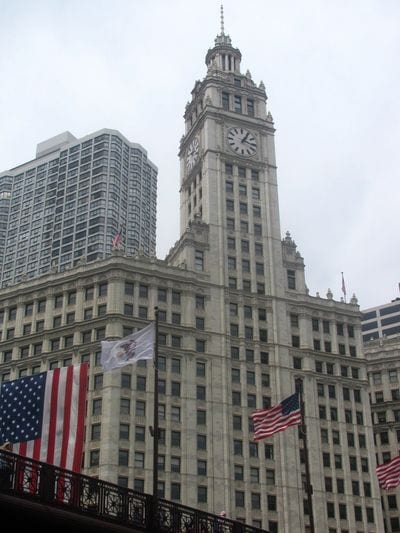
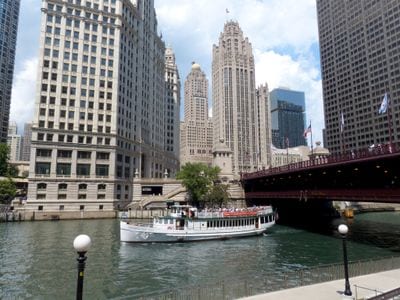
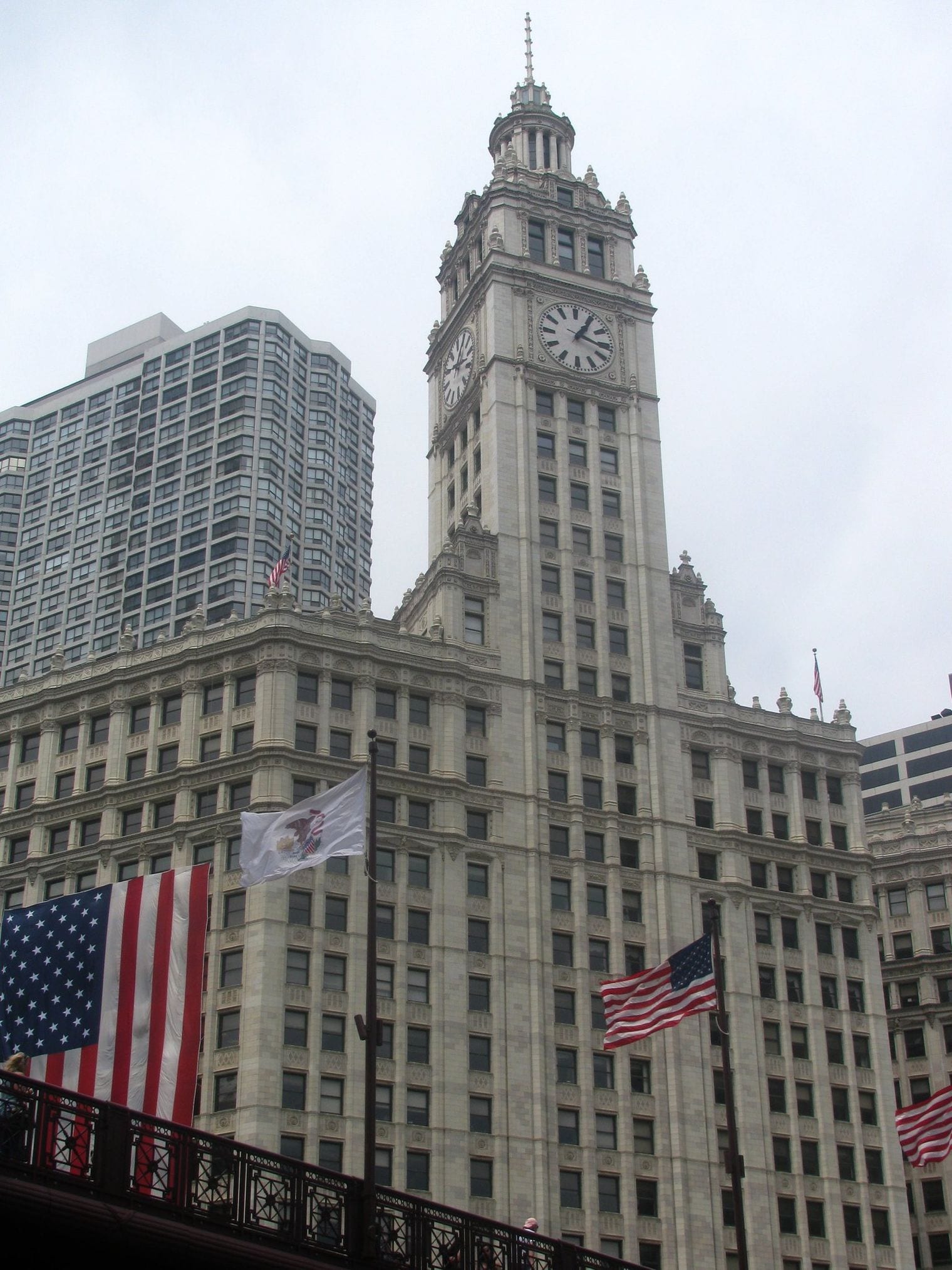
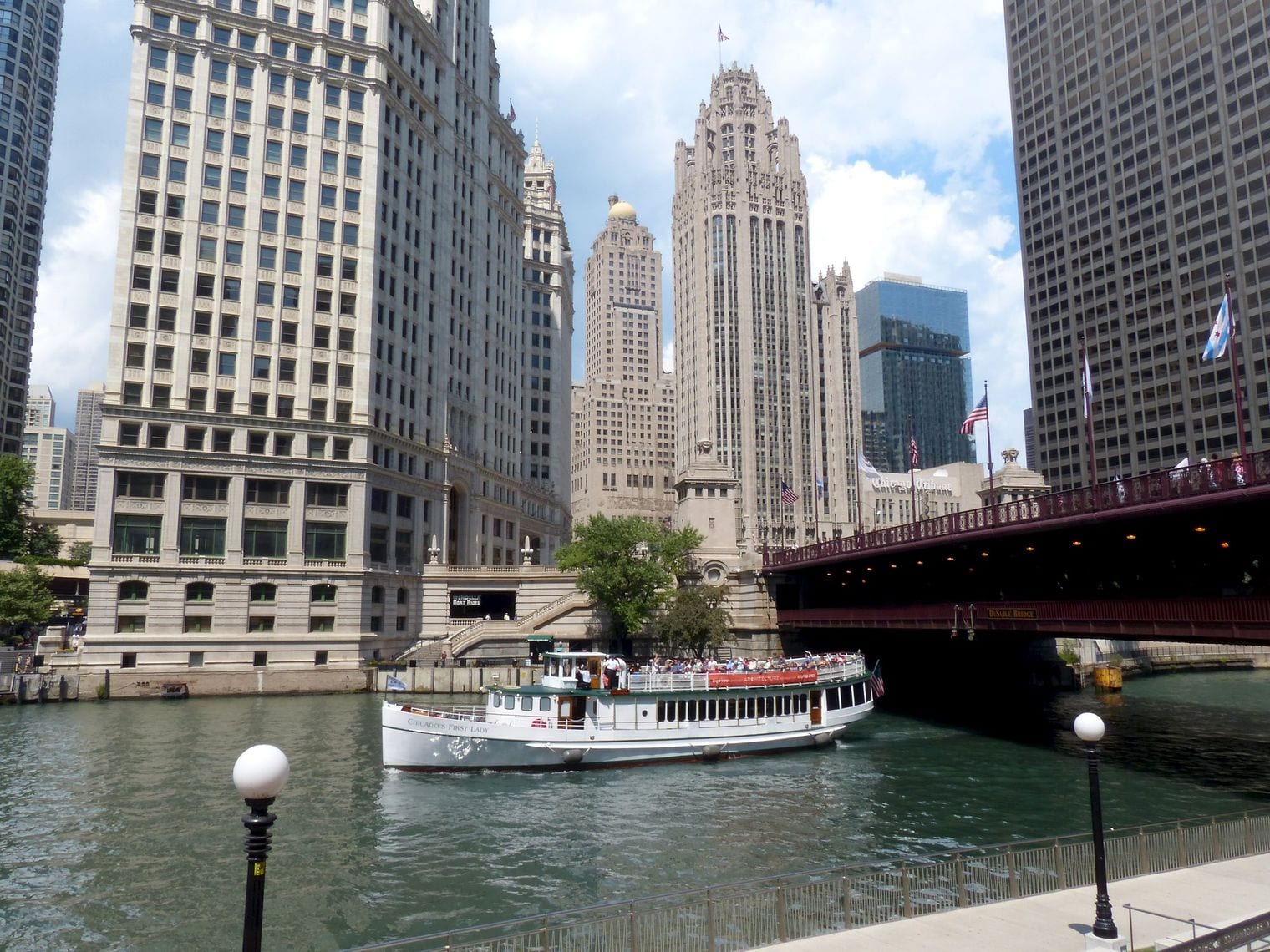
Gleaming white terra cotta makes The Wrigley Building the brightest landmark at the river end of the Magnificent Mile. Its two towers were built between 1920 and 1924 as the headquarters of the Wrigley chewing gum company, and the clock tower glows over the Chicago River at night.
It stands directly across Michigan Avenue from Tribune Tower, and the riverbank below is a favorite spot to photograph its facade. Don't confuse it with Wrigley Field, the Cubs' ballpark several miles north in Lakeview.
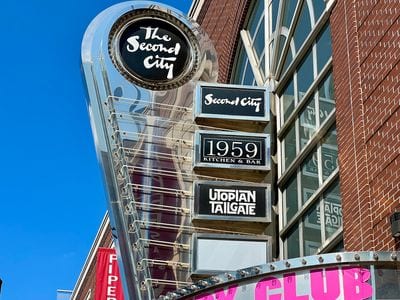
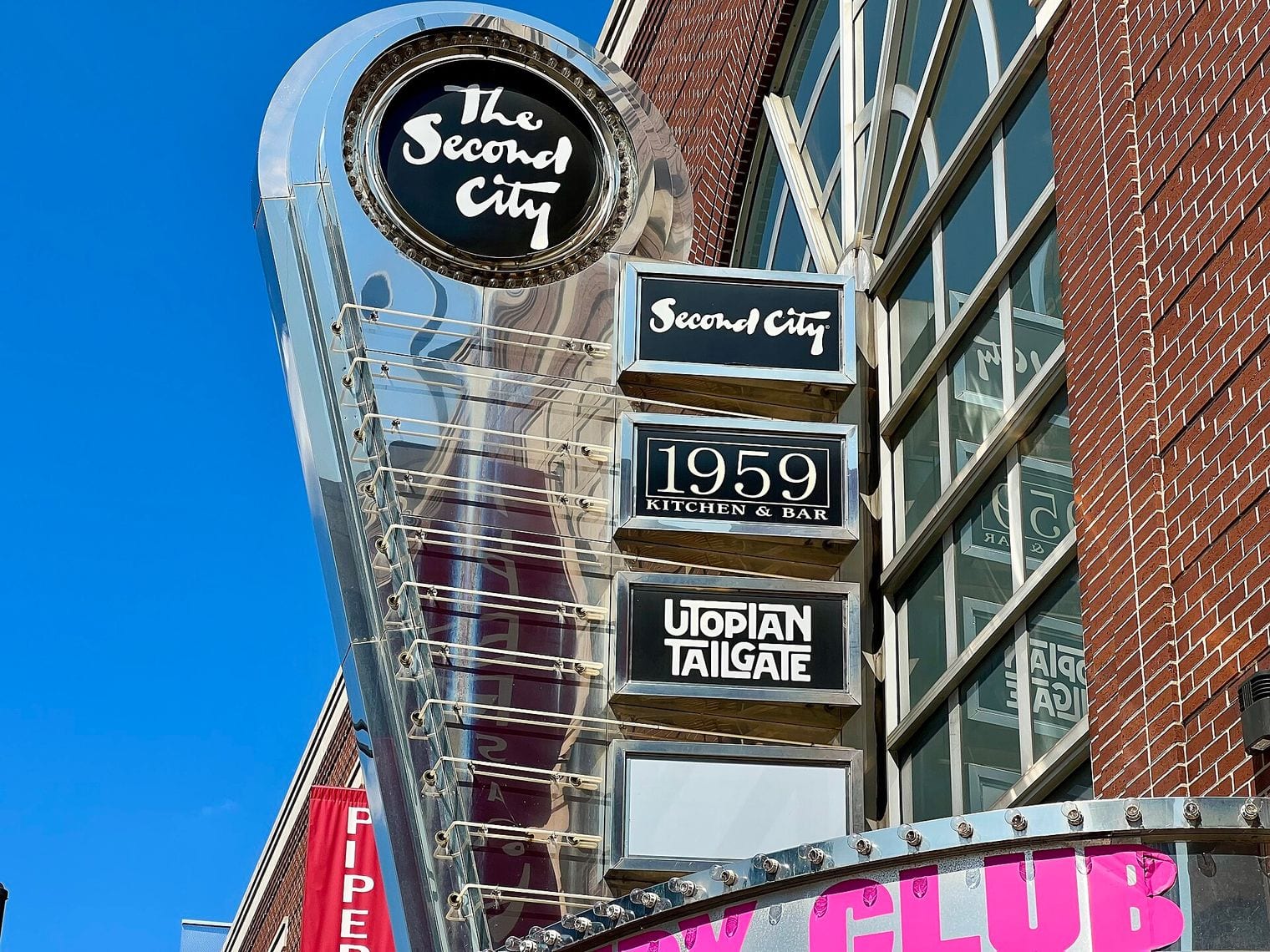
The Second City has staged improvised comedy in Chicago since 1959, and its Old Town home on North Wells Street launched a remarkable list of stars, including John Belushi, Bill Murray, Tina Fey, Amy Poehler, Steve Carell and Stephen Colbert.
The mainstage revues mix sharp sketches with improvised scenes built from audience suggestions, and smaller stages in the same complex host more experimental shows. It's one of the best nights out in Chicago, so book ahead for weekends.
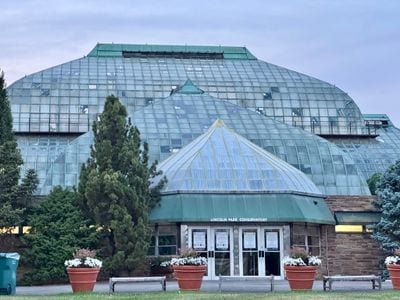
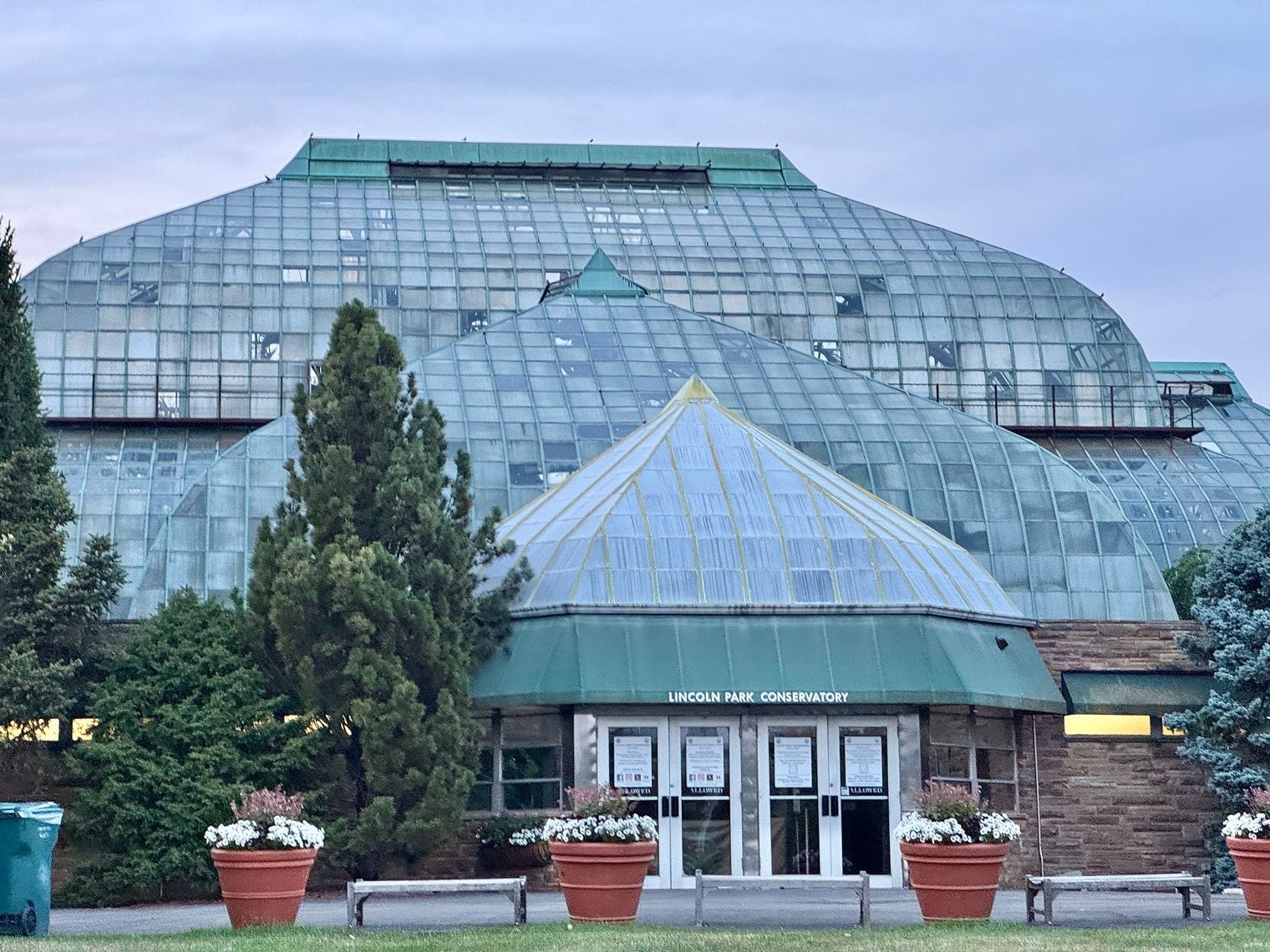
A Victorian glass house built in the late 19th century, the Lincoln Park Conservatory holds four rooms of exotic plants from around the world, including rare orchids, just south of Fullerton Avenue in Lincoln Park.
Out front, the formal garden, laid out in the late 1870s, is one of the oldest public gardens in Chicago and is at its best in high summer. Admission is free, and the zoo, the Alfred Caldwell Lily Pool and North Pond are all a short stroll away.
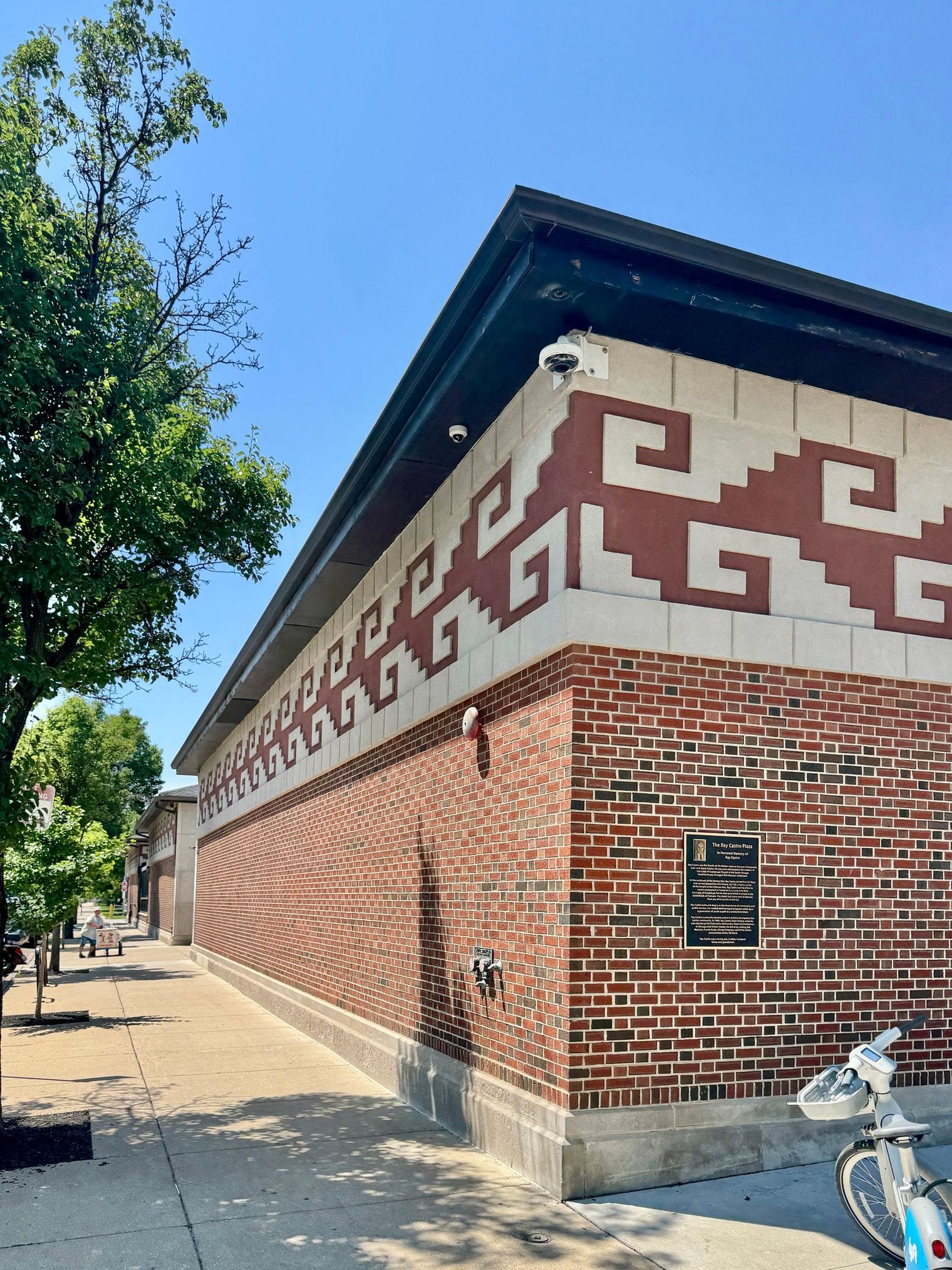
Set in Harrison Park in the Pilsen neighborhood, the National Museum of Mexican Art showcases Mexican and Chicano art and culture. It is accredited by the American Alliance of Museums and describes itself as the largest Latino cultural institution in the country.
Its galleries span centuries of art, and the annual Day of the Dead exhibition in the fall is a city favorite. Admission is free, and Pilsen's murals, bakeries and taquerias make the trip a full afternoon.
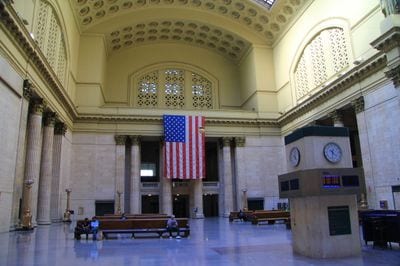
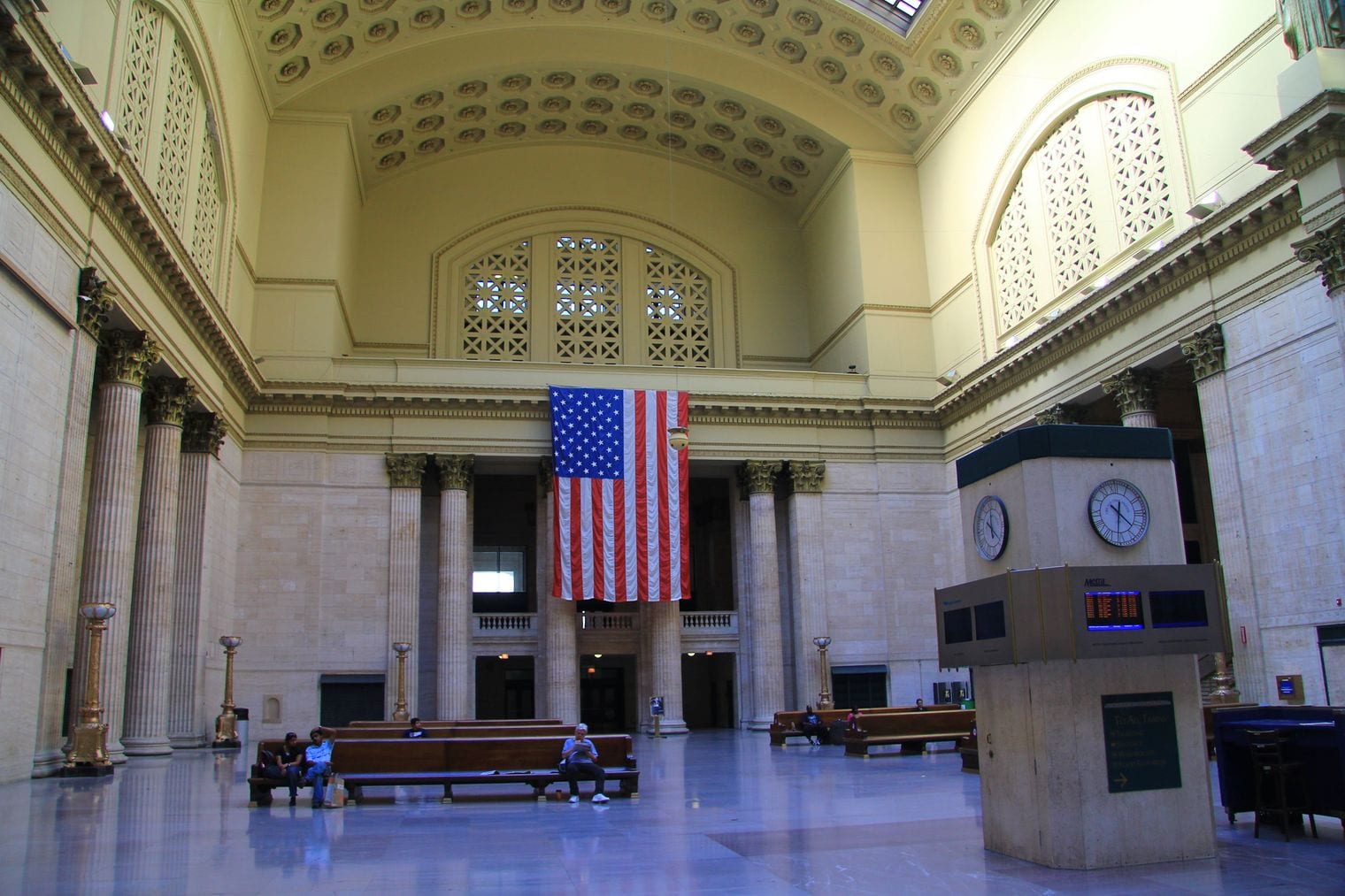
Chicago Union Station opened in 1925 and is Amtrak's hub for the Midwest, but you don't need a train ticket to step into its Great Hall. The waiting room rises 110 feet to a barrel-vaulted skylight, with massive Corinthian columns, marble floors and brass lamps.
Film fans may recognize the grand staircase from The Untouchables. The station sits just west of the river from the Loop, a short walk from Willis Tower, so it pairs easily with the Skydeck.
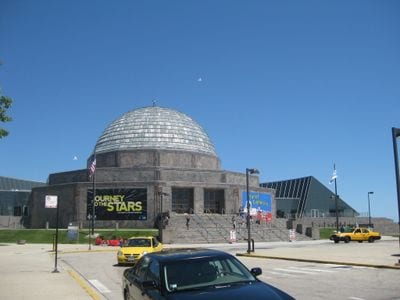
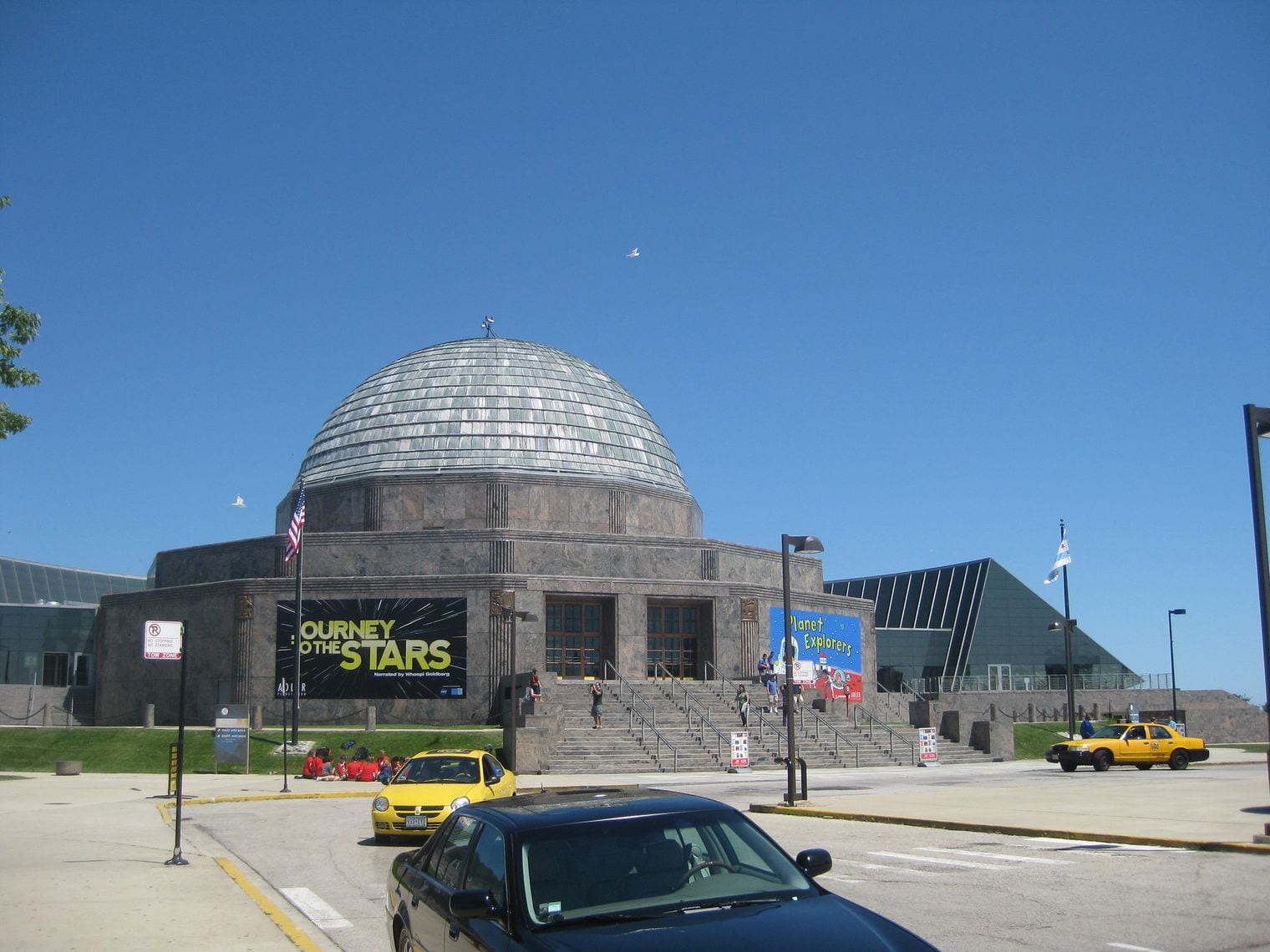
Opened in 1930 on the tip of Northerly Island, the Adler Planetarium was the first planetarium in the United States, and its building is a National Historic Landmark. It forms the lakeside end of the Museum Campus with the Shedd Aquarium and the Field Museum.
Inside are three theaters, space exhibits including the Gemini 12 capsule, and a collection of antique scientific instruments. Step outside too: the lakefront walk around the planetarium offers one of the classic views of the downtown skyline across the water.
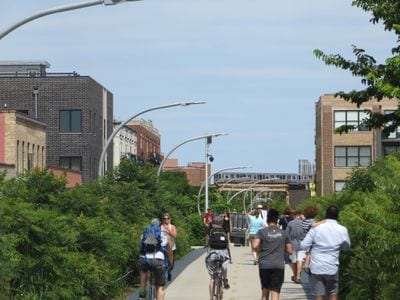
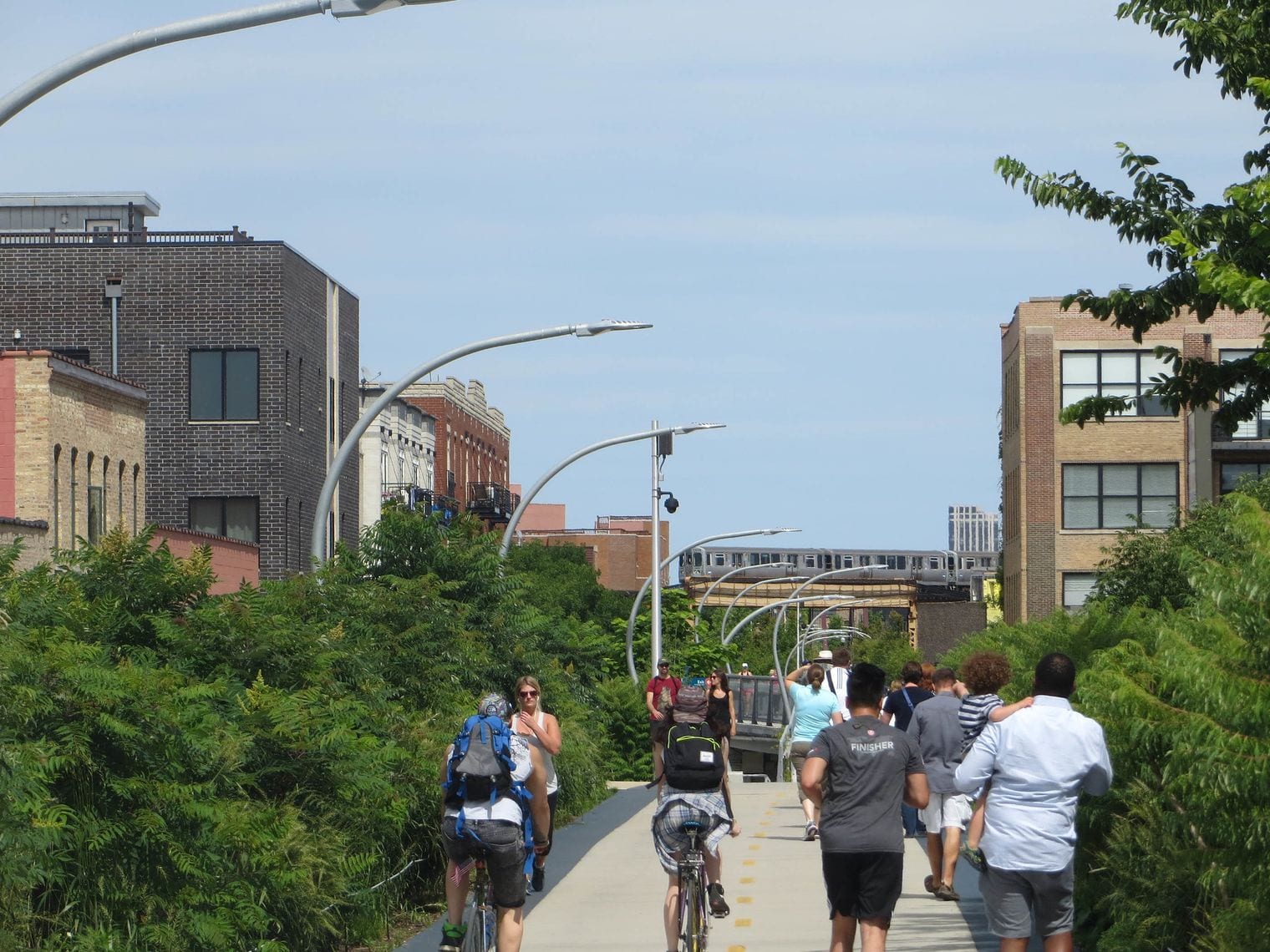
The 606 is a network of parks built around the Bloomingdale Trail, a 2.7-mile elevated path on a former railway line along Bloomingdale Avenue on the Northwest Side. Opened in 2015, it runs through Wicker Park, Bucktown, Logan Square and Humboldt Park.
Walkers, joggers and cyclists share the trail, with ramps and small parks along the way. It's a relaxed way to see local neighborhoods from above, and it drops you near the cafes and boutiques of Wicker Park.
Run by the Chicago Historical Society, founded in 1856, the Chicago History Museum has told the city's story from the corner of Clark Street and North Avenue in Lincoln Park since the 1930s.
Exhibits cover the Great Chicago Fire, the World's Columbian Exposition and the neighborhoods that shaped the city, with costumes, photographs and artifacts from every era. It's a smart early stop that puts the rest of your sightseeing in context.
The Chicago Architecture Center's 90-minute river cruise aboard Chicago's First Lady is the classic introduction to the skyline, with volunteer docents telling the stories of more than 50 buildings along all three branches of the Chicago River. Cruises run from spring through fall, so book ahead in summer.
Back on land, the Chicago Architecture Center on Wacker Drive has exhibits on how the city was built, including a scale model of downtown Chicago, and it leads walking tours across the city.
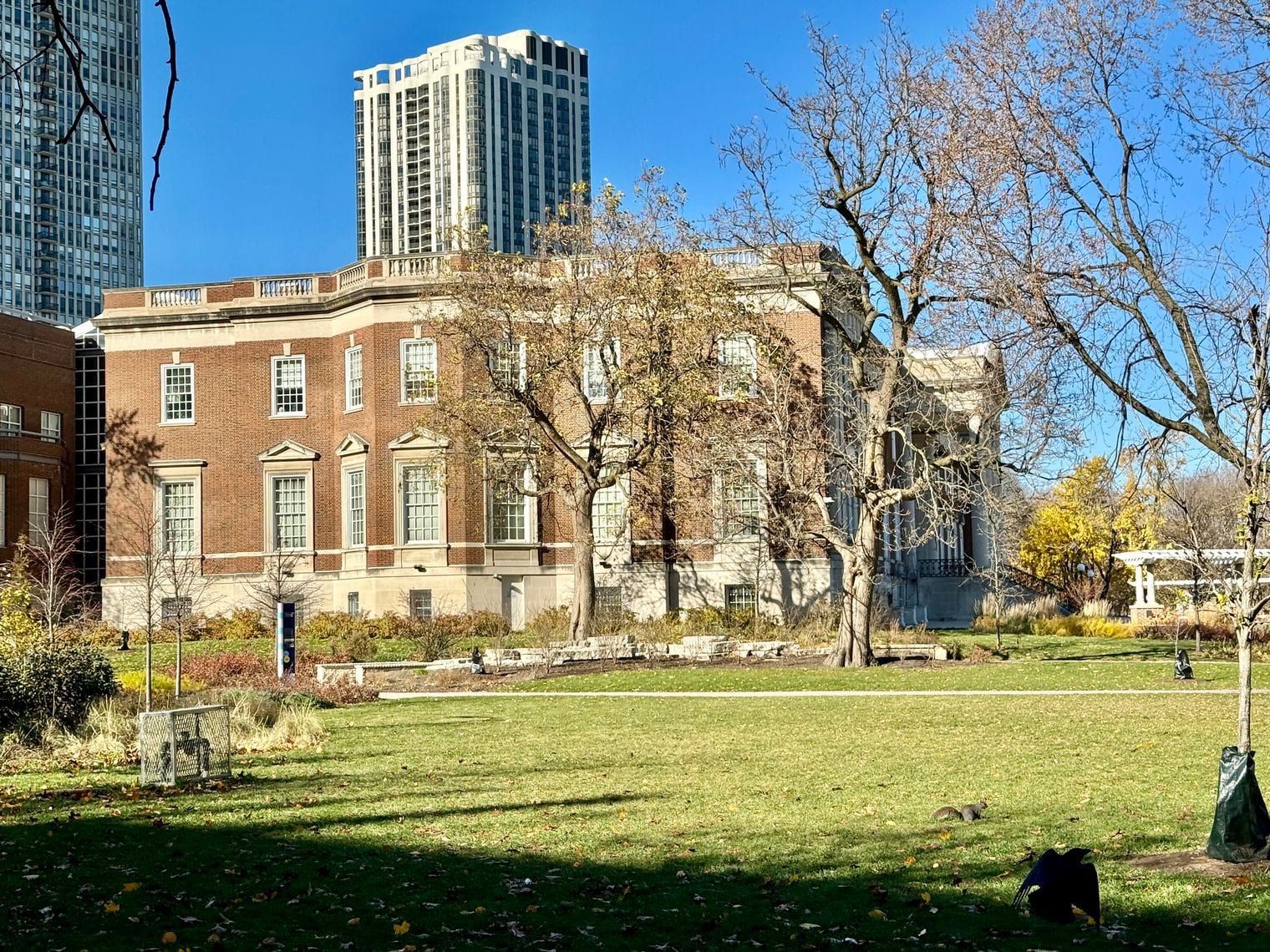
Operated by the Chicago Academy of Sciences, whose collection dates to 1857, the Peggy Notebaert Nature Museum opened in 1999 at Fullerton Parkway and Cannon Drive in Lincoln Park. It focuses on the natural history of the Chicago region and is designed with children in mind.
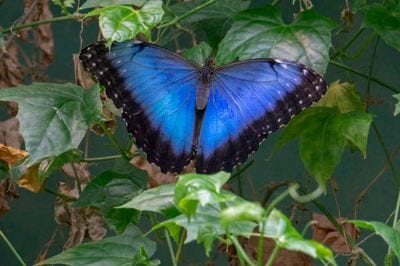
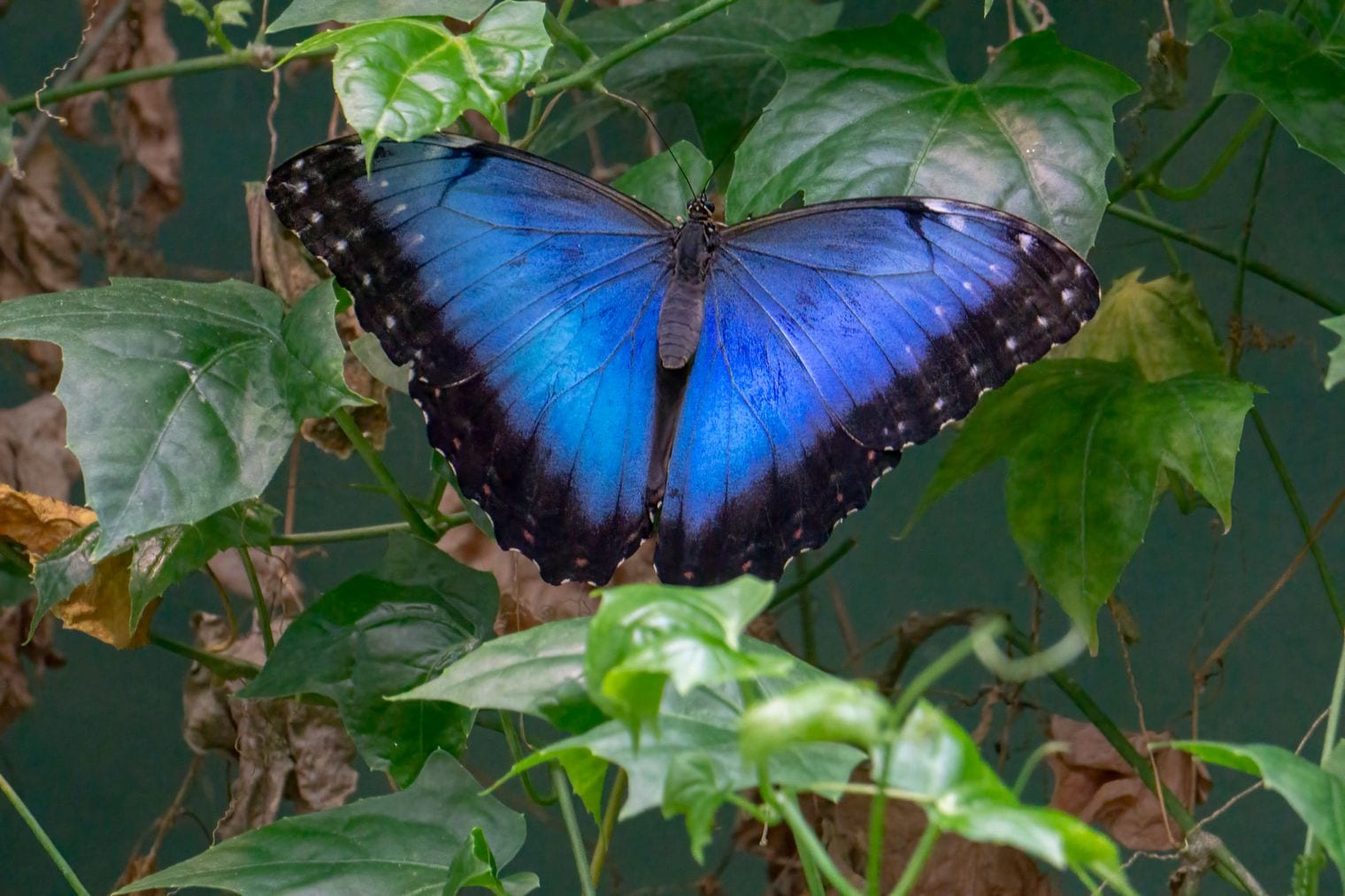
The highlight is the live butterfly house, a warm glass room where butterflies flutter freely around visitors. It sits beside the North Pond nature sanctuary, so you can add a lakeside walk afterward.
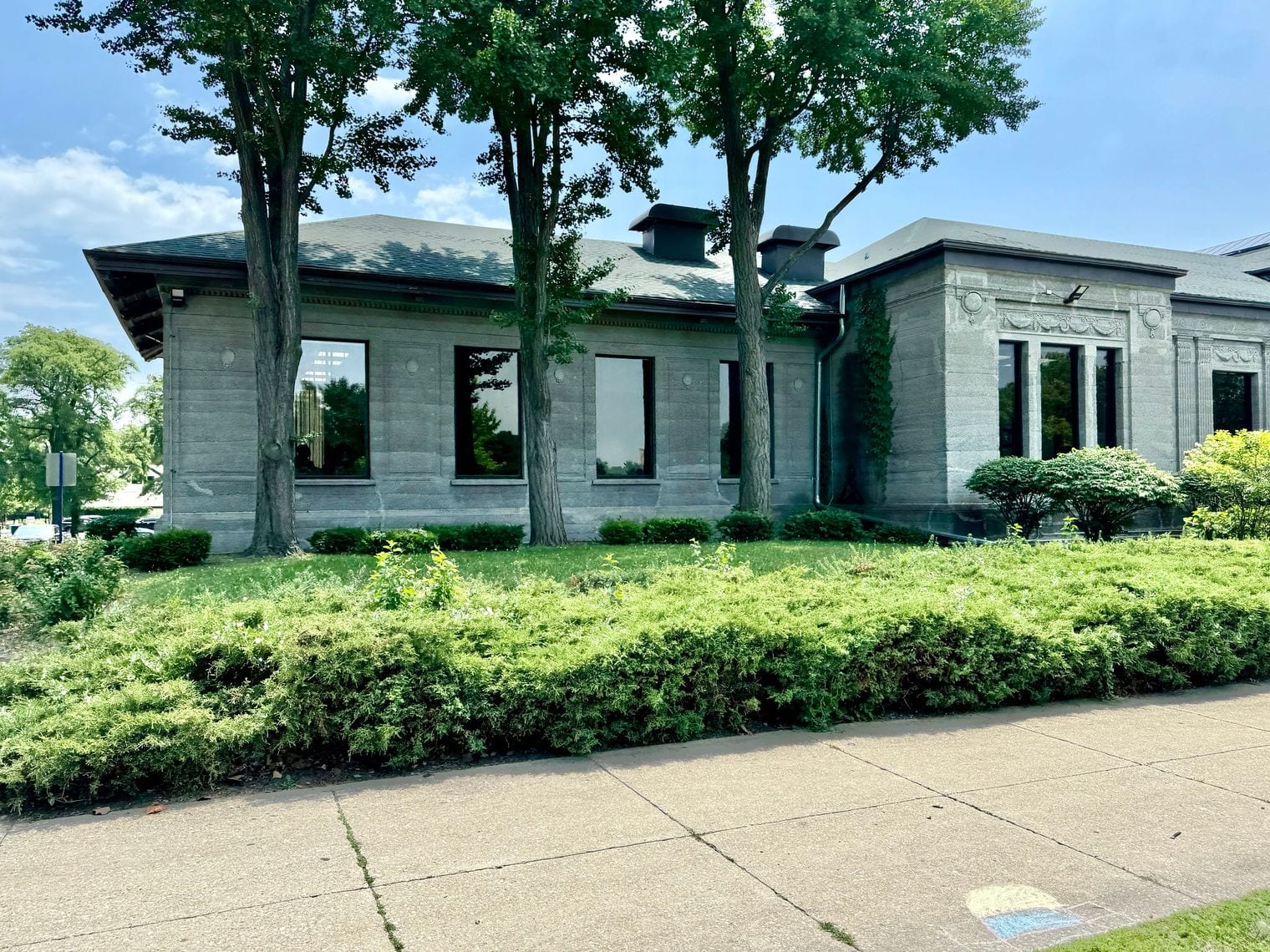
Founded in 1961 by artist and educator Margaret Taylor-Burroughs and others, the DuSable Black History Museum is dedicated to African American history, culture and art. It is named for Jean Baptiste Point du Sable, the first non-Native permanent settler in Chicago.
Since 1973 it has occupied a former park building in Washington Park on the South Side, and it is affiliated with the Smithsonian Institution. Its exhibitions and art collection make it an essential stop for understanding Black Chicago.
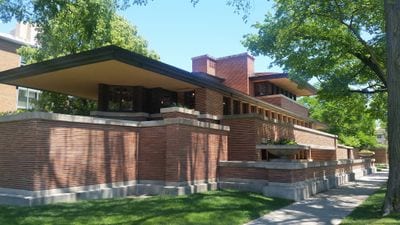
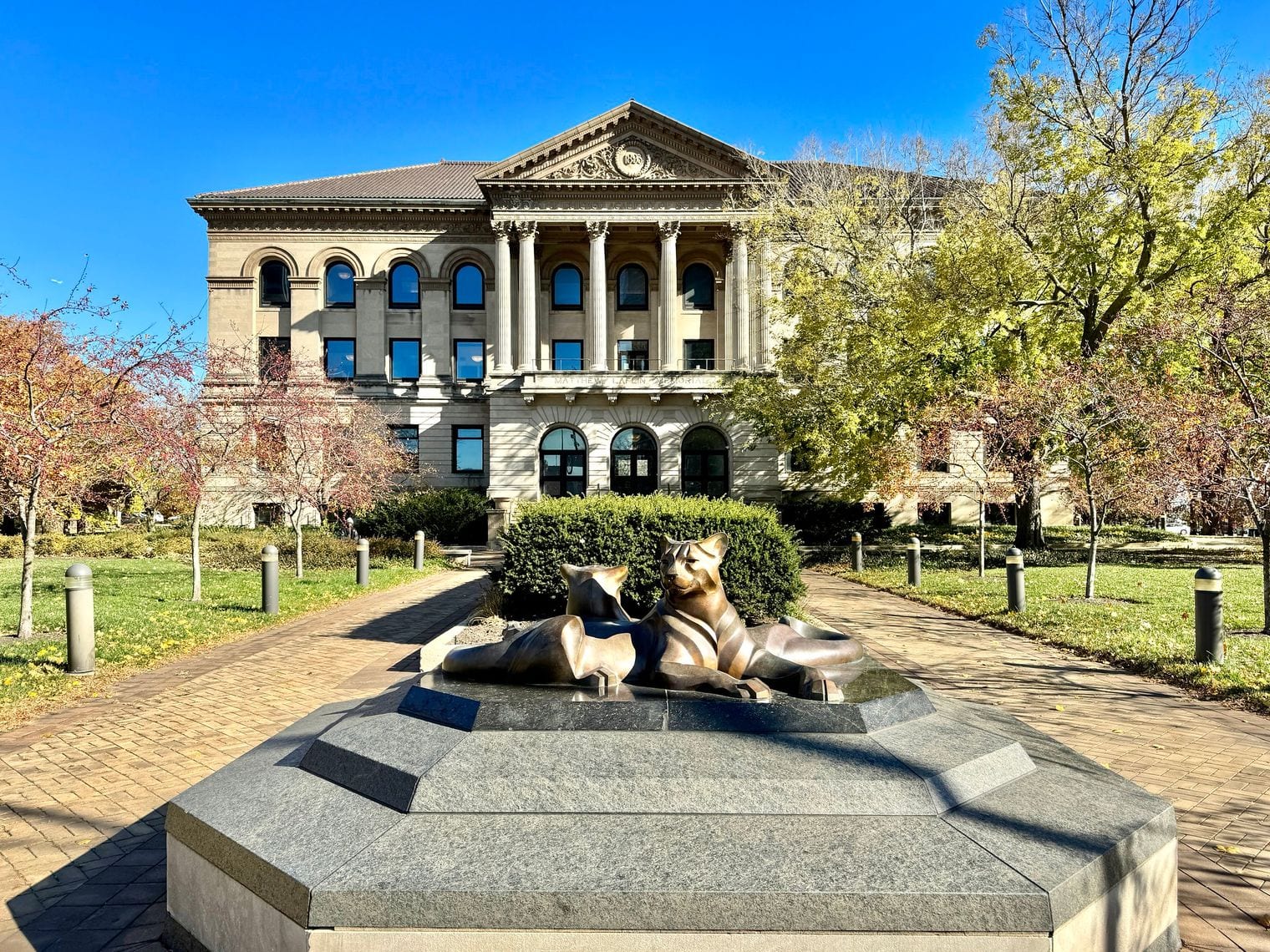
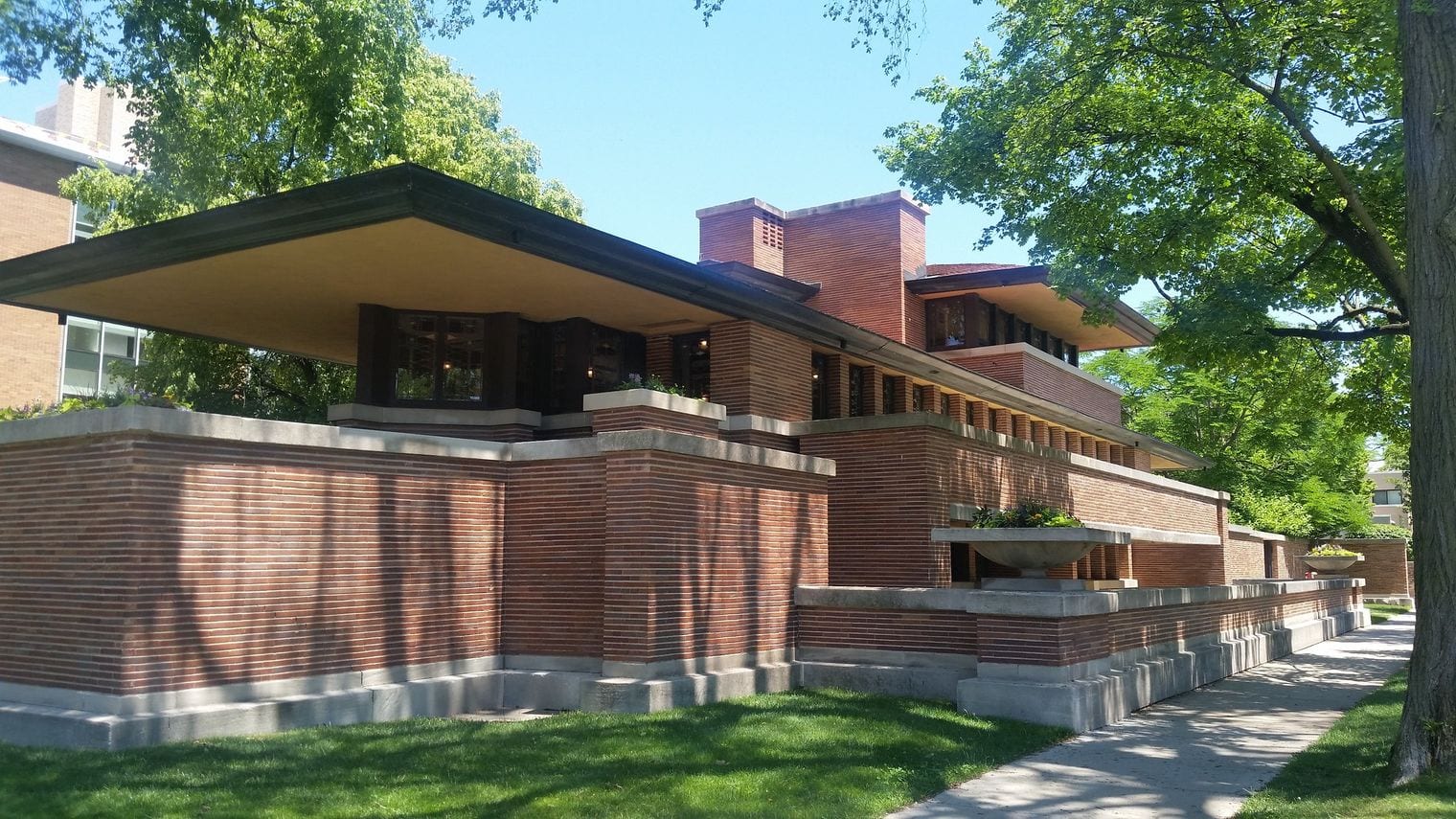
Completed in 1910 on what is now the University of Chicago campus, the Frederick C. Robie House is often described as one of Frank Lloyd Wright's finest Prairie-style buildings, with long horizontal lines, Roman brick and dramatic cantilevered roofs.
It is part of the World Heritage Site The 20th-Century Architecture of Frank Lloyd Wright, and guided tours lead through rooms lit by Wright's art glass windows. Hyde Park makes a natural pairing with the Griffin Museum of Science and Industry, a short walk or ride away.
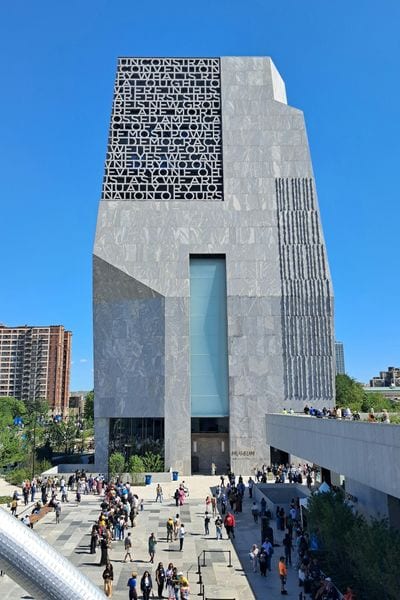
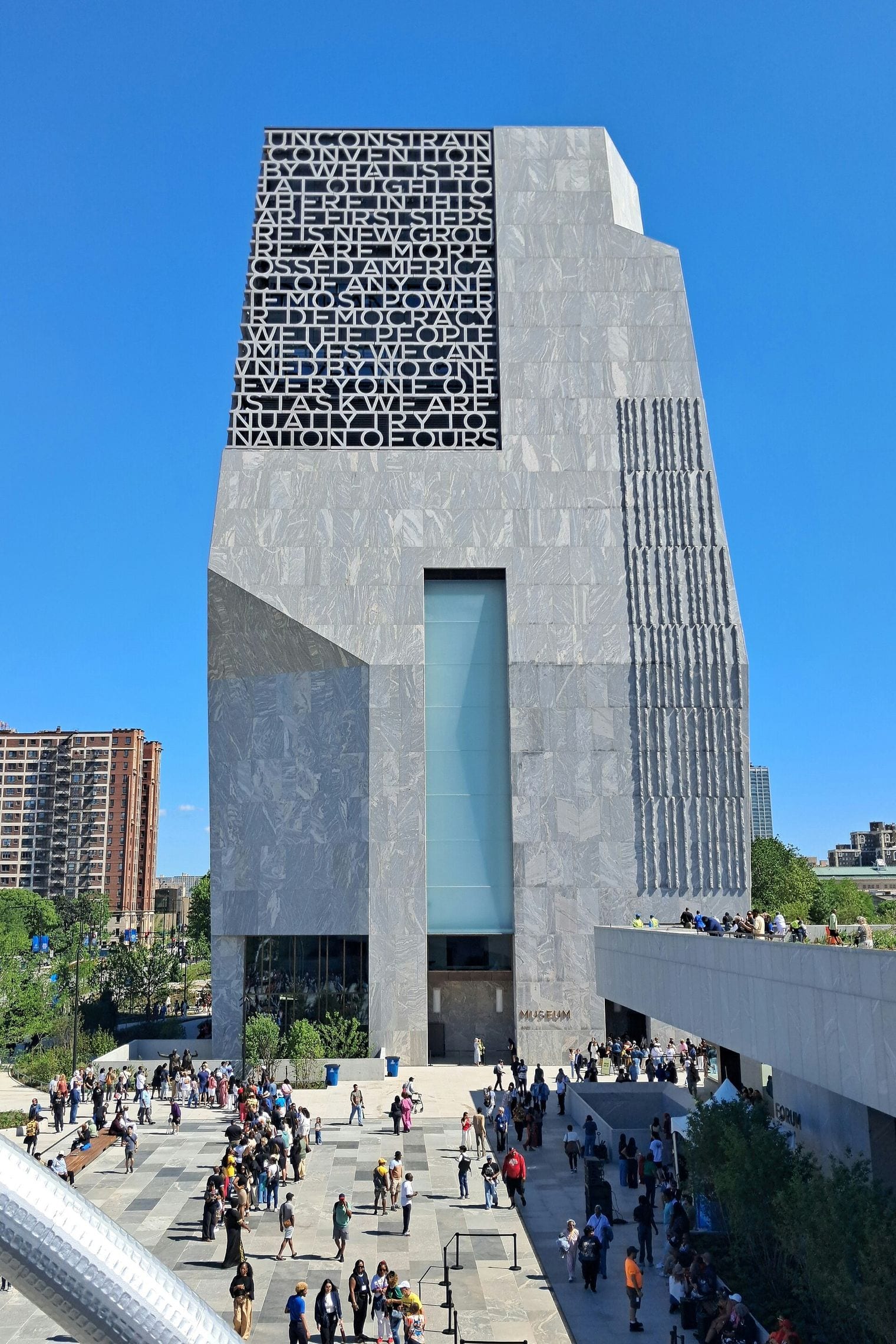
The Obama Presidential Center opened in Jackson Park on the South Side in June 2026, a museum, library and civic campus honoring Barack Obama, the 44th president, who built his political career in Chicago.
The museum anchors a 19.3-acre campus of landscaped parkland, gardens and a playground, along with a branch of the Chicago Public Library and a community athletic facility. It sits next to the University of Chicago, so pair a visit with the Griffin Museum of Science and Industry or the Robie House.
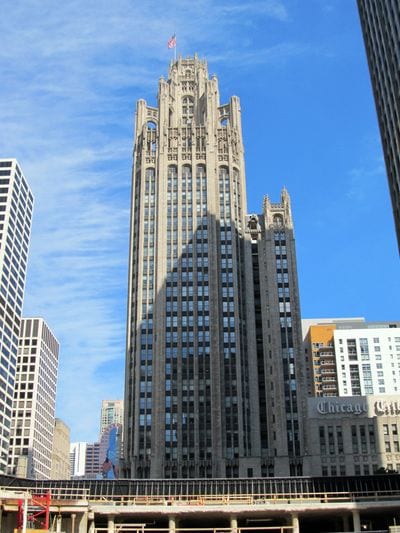
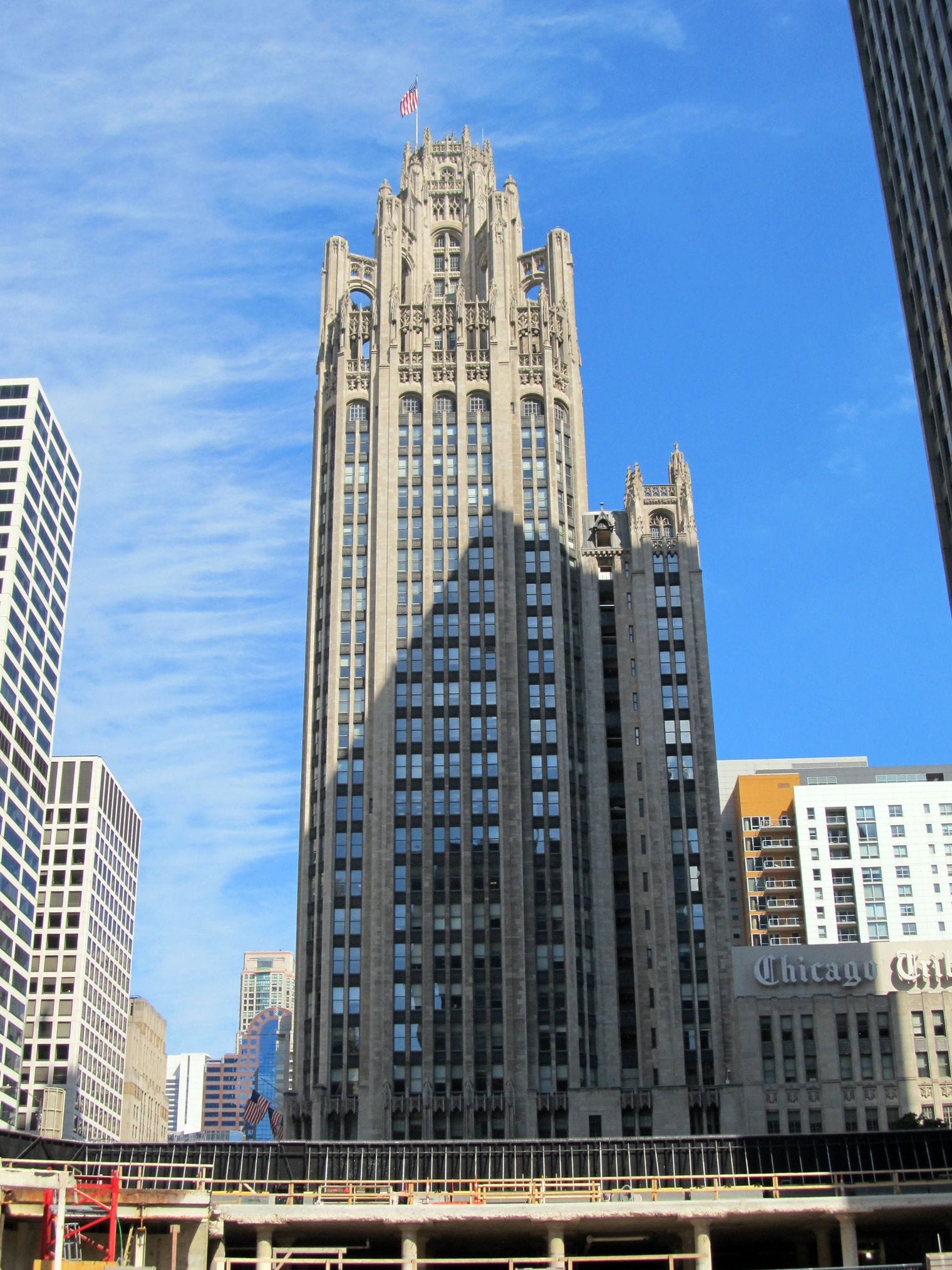
Tribune Tower, the neo-Gothic skyscraper at 435 North Michigan Avenue, grew out of a celebrated early-1920s international design competition won by architects John Mead Howells and Raymond Hood. Look for the carved Robin Hood and howling dog near the entrance, nods to the two designers.
At the base, 149 stones and fragments from sites around the world, including every U.S. state and every continent, are set into the walls and labeled with their origin. The tower has since been converted to private residences, so this is a sidewalk visit, and the Wrigley Building stands right across the avenue.
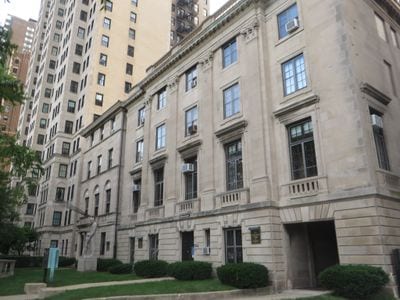
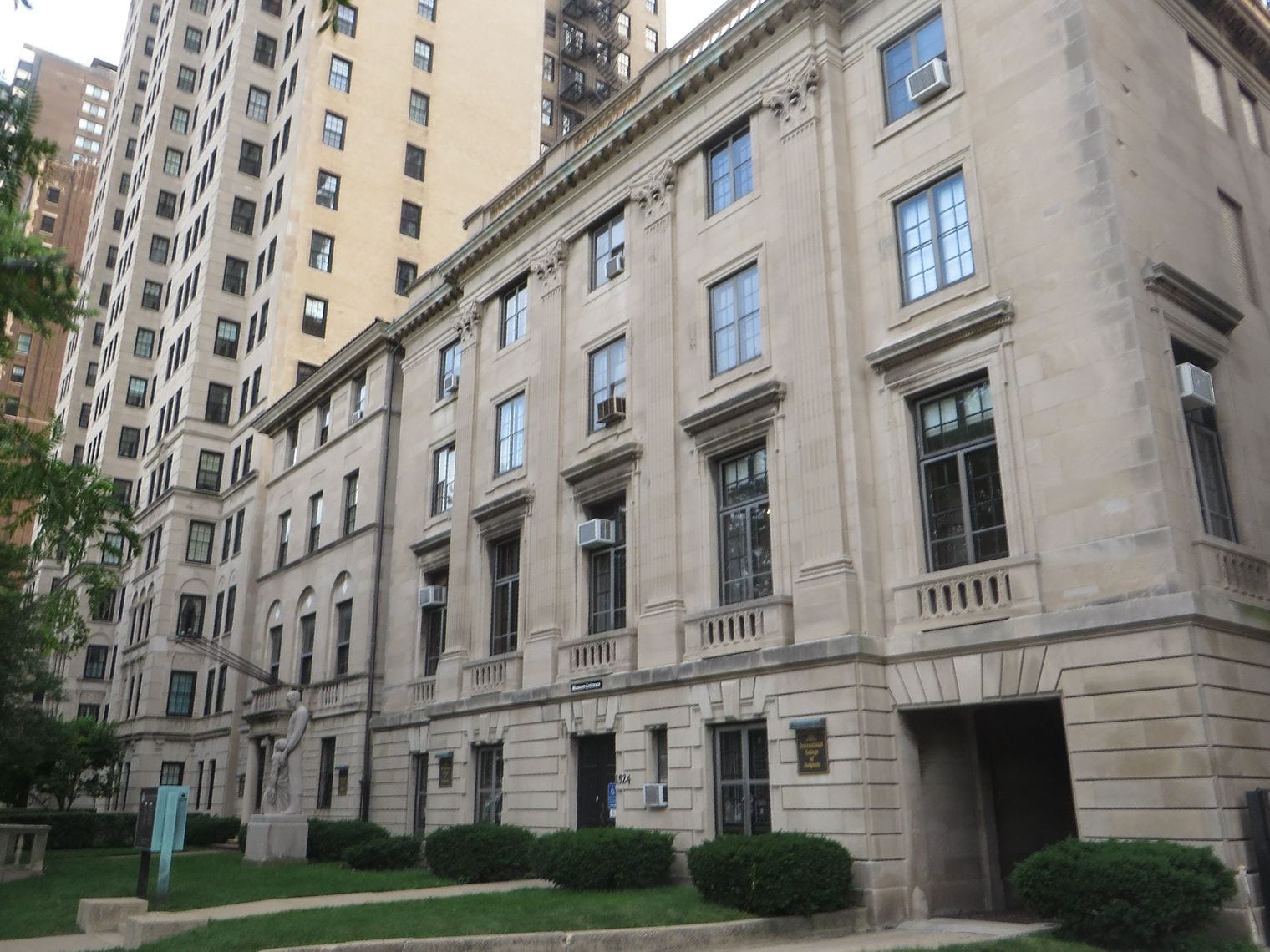
Housed in a 1917 Gold Coast mansion modeled on the Petit Trianon at Versailles, the International Museum of Surgical Science is one of Chicago's most unusual museums. It is run by the International College of Surgeons and opened to the public in 1954.
Four floors of galleries display surgical instruments, medical artifacts, paintings and specimens tracing the history of medicine, and its library holds more than 5,000 rare medical texts. It's an offbeat, slightly macabre stop that pairs well with a walk along the nearby lakefront.
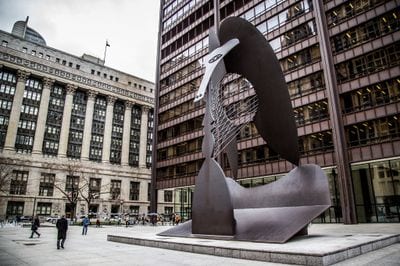
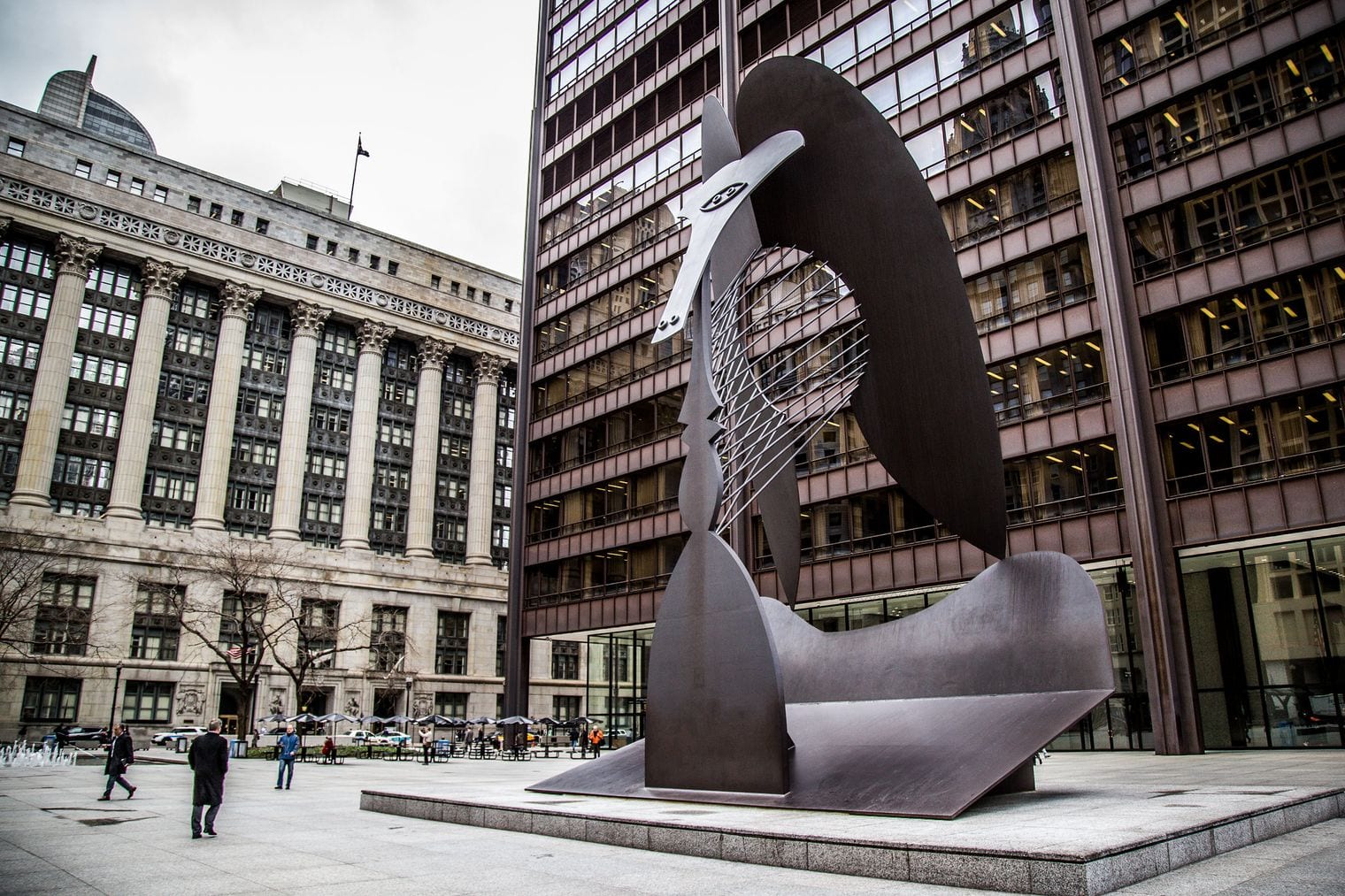
The Chicago Picasso, a 50-foot untitled sculpture of COR-TEN steel, has stood in Daley Plaza in the Loop since 1967. It was the first monumental abstract public artwork in downtown Chicago, and Picasso turned down payment, making it a gift to the city.
Visitors still debate what it depicts, though Picasso later said it represented the head of his Afghan hound, Kabul. It's free to see at any hour, and children love sliding down its sloping base.
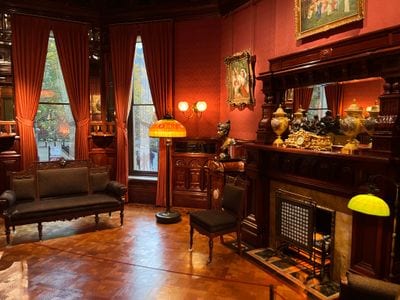
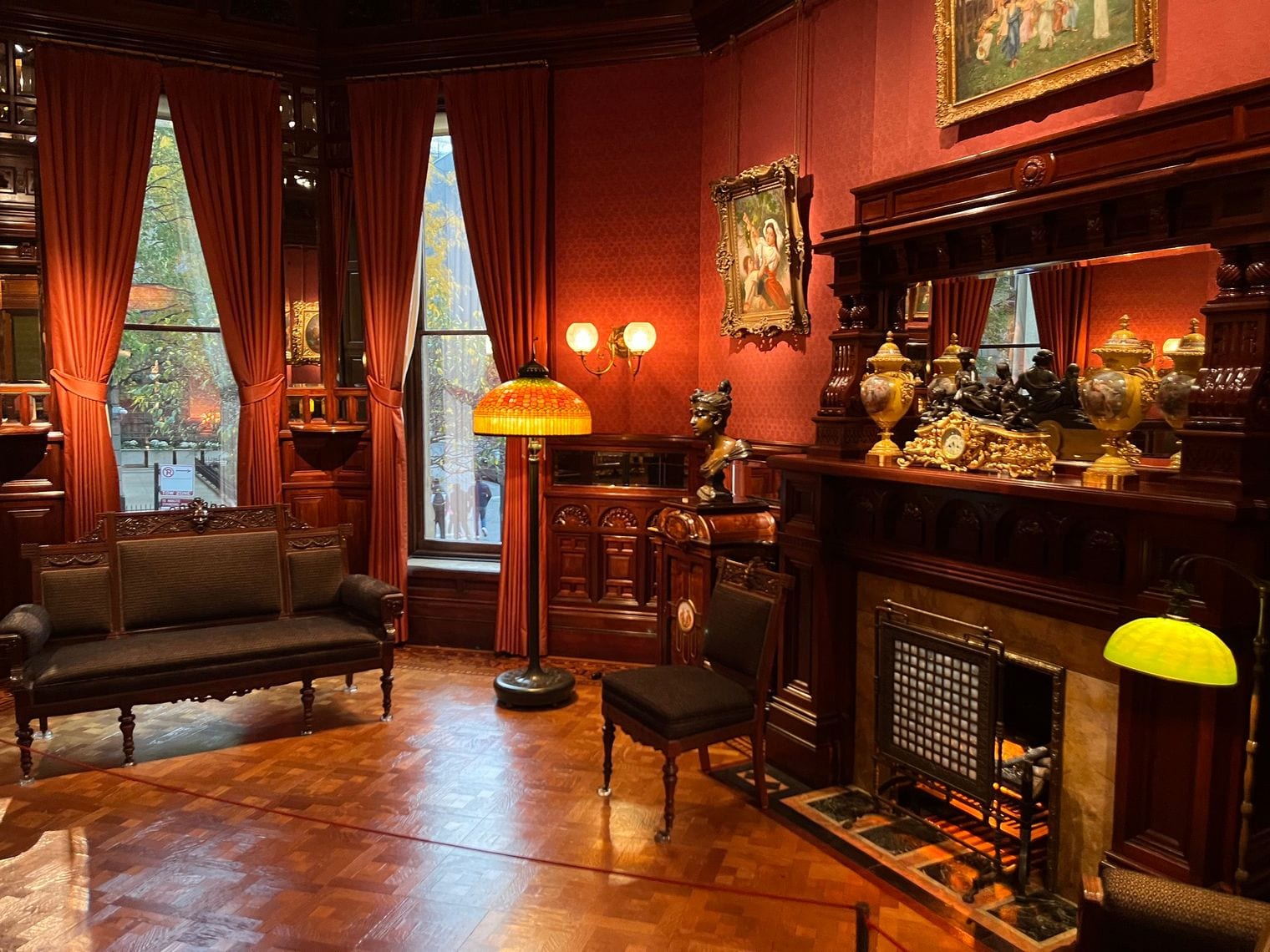
Set in the 1883 Samuel M. Nickerson House near the Magnificent Mile, The Richard H. Driehaus Museum is a showcase of Gilded Age design, its interiors rich with marble, onyx, carved woods and stained glass.
Rather than recreate one family's home, the museum displays American and European decorative arts from the late 19th and early 20th centuries, including Art Nouveau furnishings and works by Louis Comfort Tiffany. It's an intimate, lavish contrast to the city's big museums.
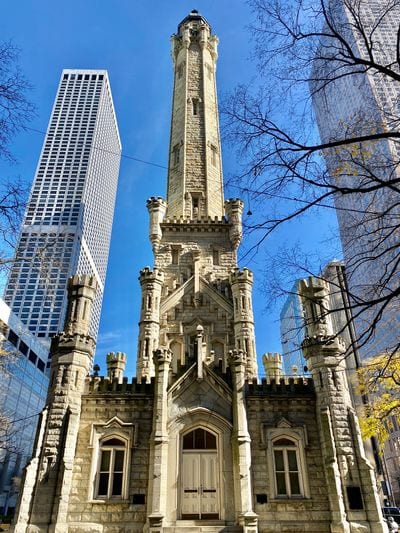
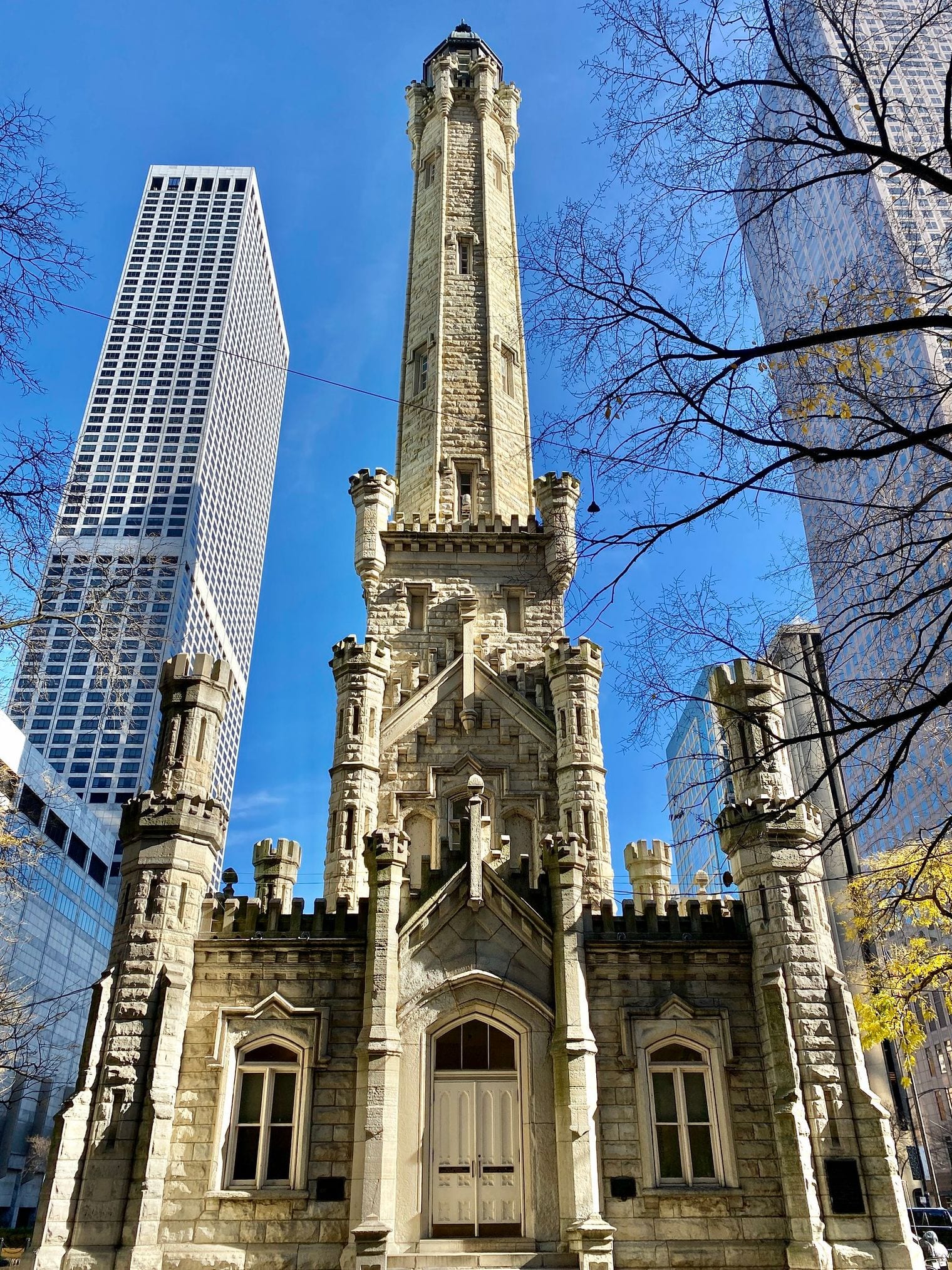
The Chicago Water Tower, a 182.5-foot limestone tower on Michigan Avenue, became a symbol of the city's resilience when it survived the Great Chicago Fire of 1871 while the buildings around it burned.
Today it is the centerpiece of the small Jane M. Byrne Plaza and houses a free city art gallery inside. Its old pumping station partner stands across the street, and Water Tower Place, the shopping center named after it, marks the busy north end of any Michigan Avenue walk.
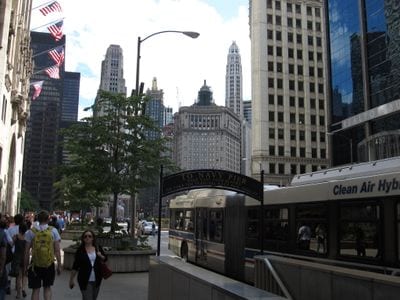
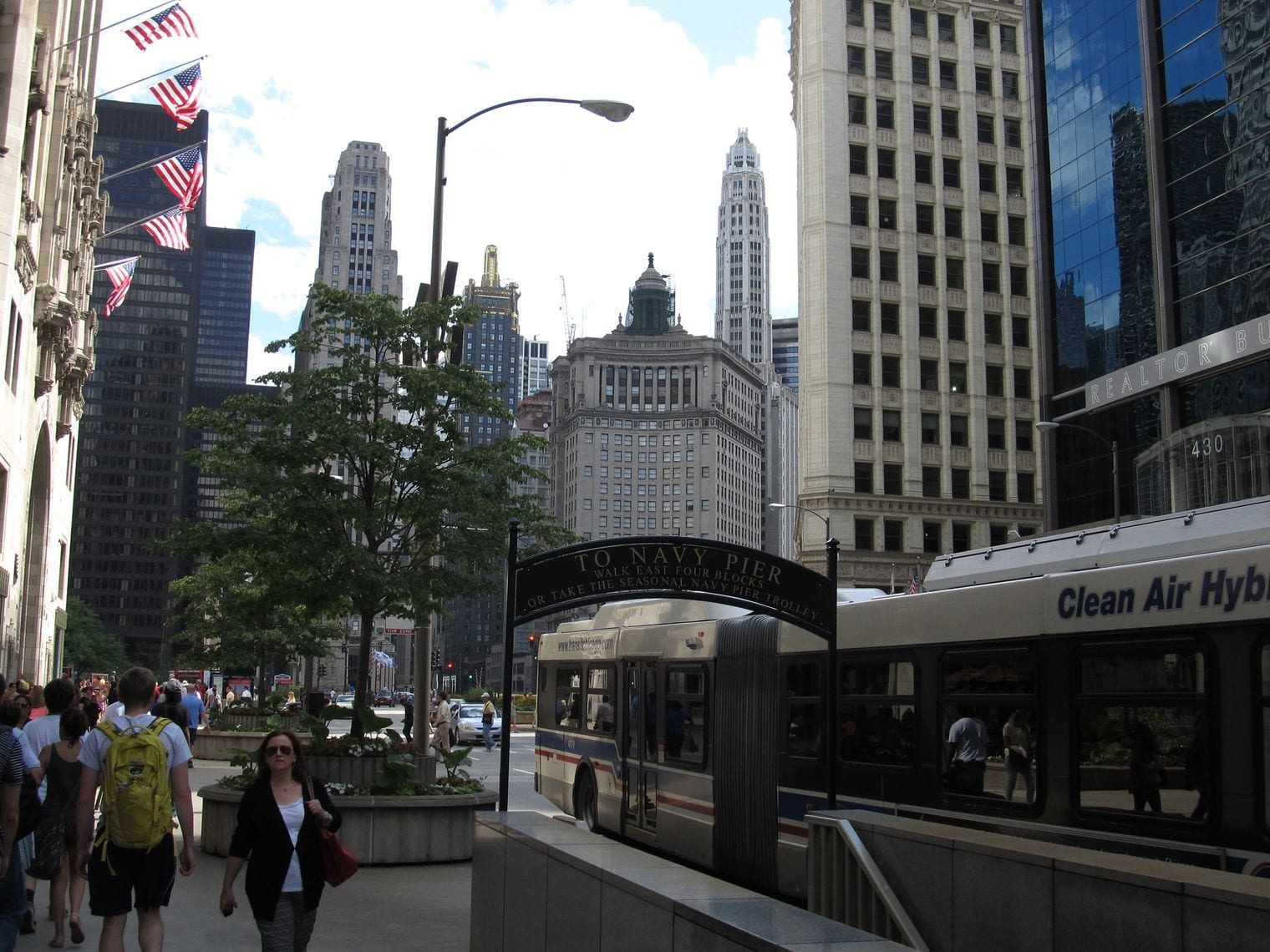
The Magnificent Mile is the roughly one-mile stretch of Michigan Avenue from the Chicago River north to Oak Street, a name coined by real estate developer Arthur Rubloff in 1947. It divides Streeterville on the east from River North on the west.
Flagship stores and hotels line the sidewalks, but the walk is also an architecture lesson, passing the Wrigley Building, Tribune Tower, the Chicago Water Tower and 875 North Michigan Avenue, each covered in this guide. It's especially festive during the holiday season, when lights wrap the trees along the avenue.
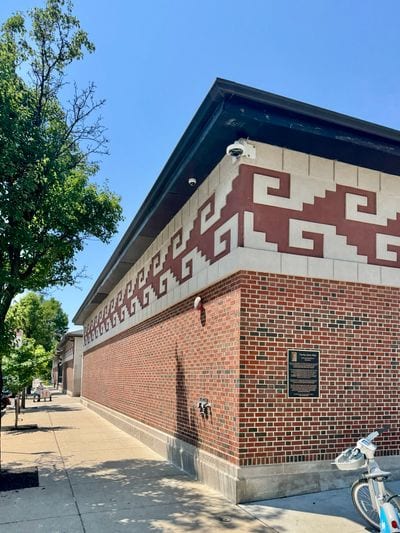
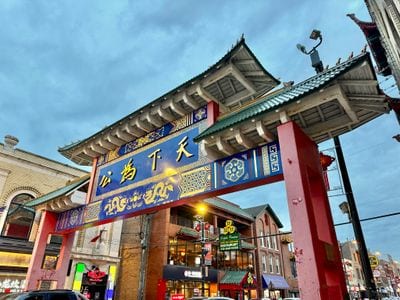
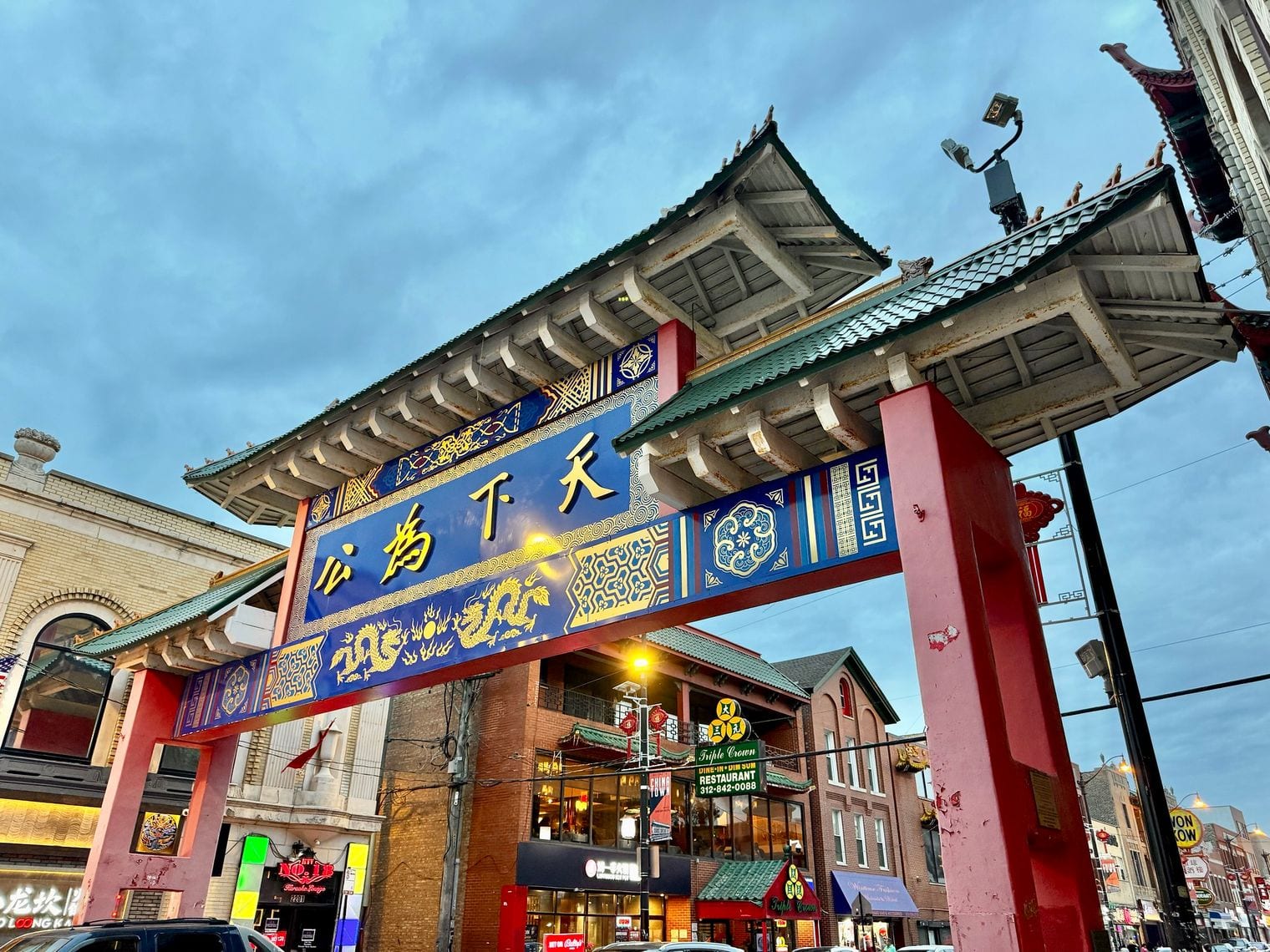
Chicago's Chinatown, centered on Wentworth Avenue and Cermak Road on the South Side, formed around 1912 when residents moved south from near the Loop, and it is one of the largest concentrations of Chinese Americans in the country.
Walk under the Chinatown Gate, built in 1975, for bakeries, dim sum, tea shops and herbal stores, then head to Ping Tom Memorial Park on the river, with its Chinese-style pavilion. In the warmer months, the Chicago Water Taxi links the neighborhood to downtown.
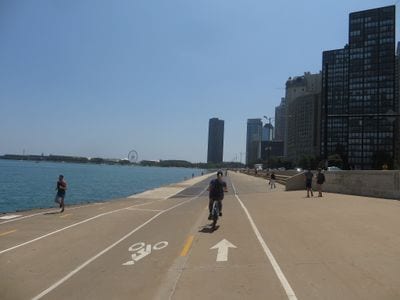
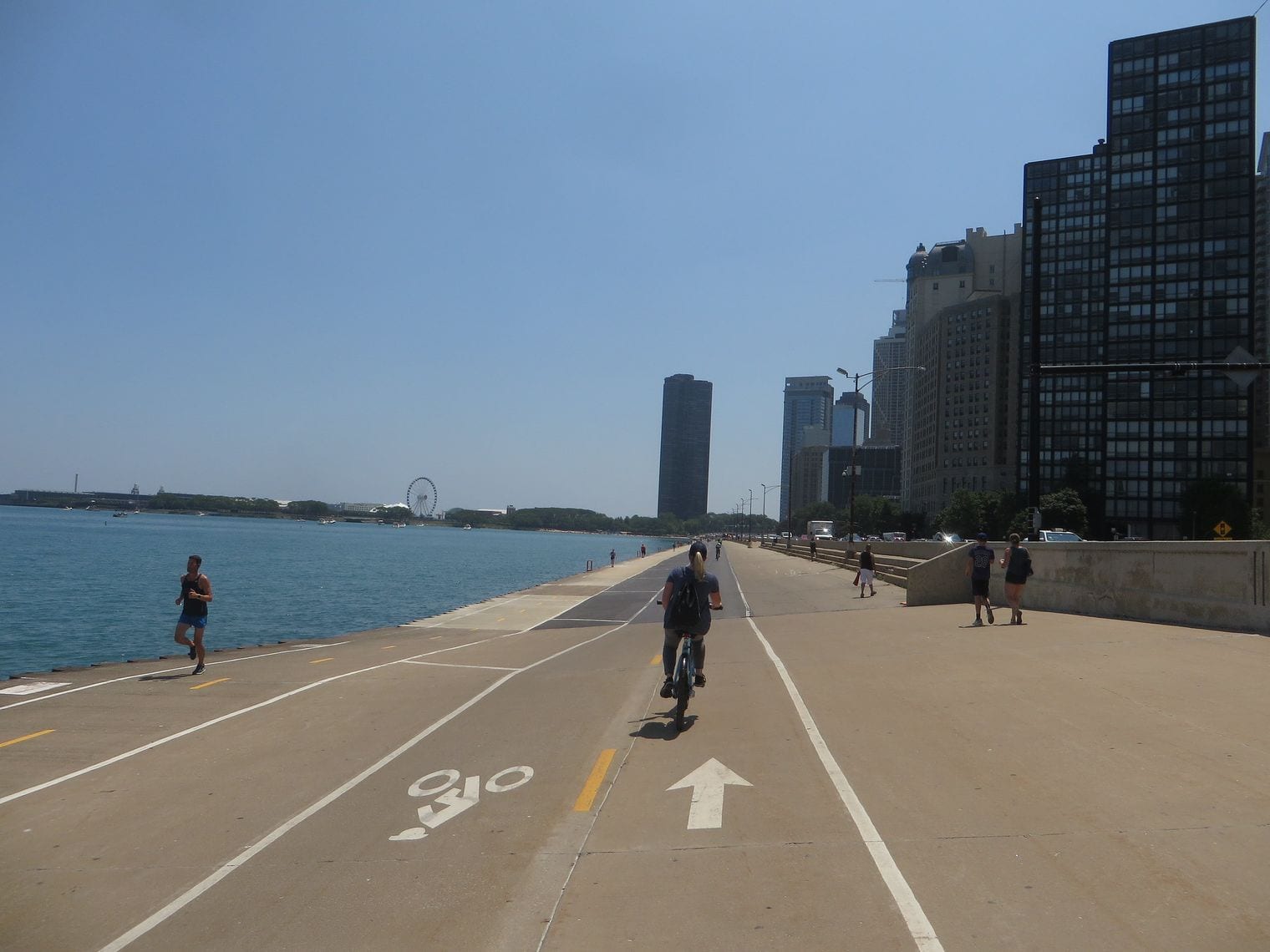
The Lakefront Trail runs 18.5 miles along Lake Michigan, linking Lincoln Park, Grant Park, Burnham Park and Jackson Park with beaches, harbors and skyline views the whole way.
Rent a bike or simply walk a stretch: the section between Oak Street Beach and North Avenue Beach is a favorite, as is the stretch past the Museum Campus. The trail gets crowded on summer weekends, so early mornings are best for cyclists.
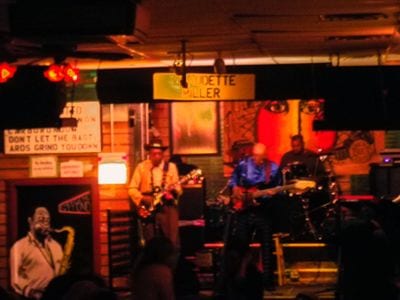
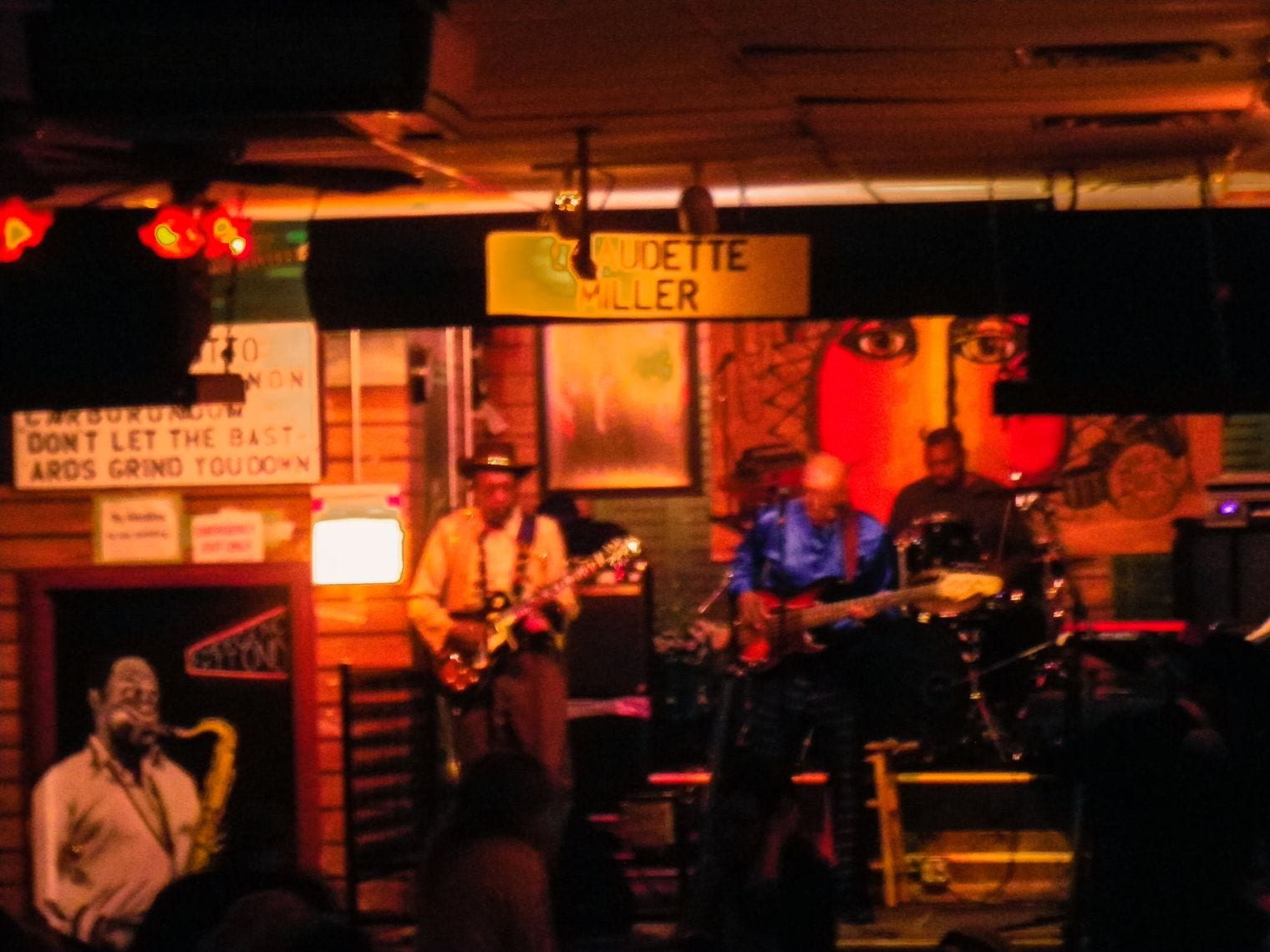
Kingston Mines on North Halsted Street in Lincoln Park is described as the oldest continuously operating blues club in Chicago, and it has been at its current address since 1982.
Its two stages trade sets so the music barely stops, and the shows run late into the night. It's a lively, unpretentious room for hearing Chicago blues in its home city, and a natural late stop after a show at The Second City.
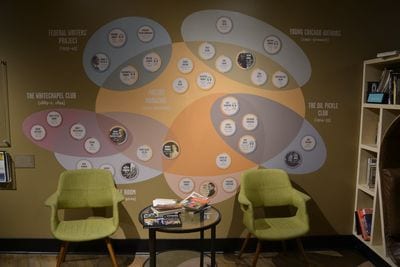
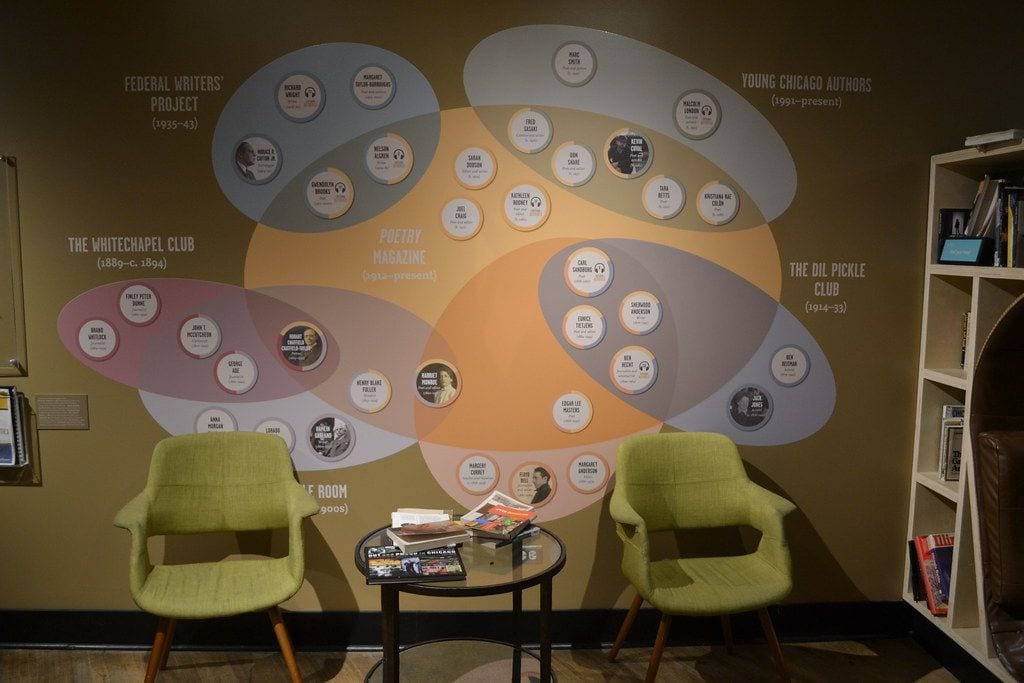
The American Writers Museum opened in 2017 on North Michigan Avenue in the Loop, celebrating American writing in all its forms, from novelists and poets to songwriters and screenwriters. It was inspired by the Dublin Writers Museum.
Interactive galleries and rotating exhibitions make it engaging for readers of every age, and it's compact enough to fit into an hour or two between bigger sights. It sits steps from Millennium Park, so it's an easy add-on to a day in the Loop.
Plan your trip
Best Time to Visit Chicago
Late spring through early fall is the best time to visit. Summer brings beach days along the lakefront, ballgames on both sides of town, free outdoor concerts in Millennium Park and big music festivals in Grant Park, though hotels fill fast and the most popular sights get crowded. Early fall is often the sweet spot, with mild days, thinner crowds and the city's marathon filling the streets.
Winter is cold and famously windy, but the museums, theaters and holiday lights on Michigan Avenue keep the city lively, and the ice-skating ribbon at Maggie Daley Park is a seasonal highlight. In March, the Chicago River turns green for St. Patrick's Day, one of the city's best-loved traditions.
Getting to Chicago
Chicago is served by two major airports: O'Hare International, about 17 miles northwest of downtown and one of the busiest airports in the world, and Midway International, about 12 miles southwest of the Loop. Both are linked to downtown by the city's 'L' trains, which avoid the traffic on the expressways.
By road, interstates converge on the city from every direction, including I-90 and I-94 from Wisconsin and Indiana, I-55 from St. Louis and I-88 from the western suburbs. Union Station is Amtrak's hub for the Midwest, with long-distance and regional trains arriving from across the country.
Getting Around Chicago
Downtown Chicago is very walkable, and the Loop, the Magnificent Mile, the Riverwalk and the Museum Campus are all within easy reach on foot. For longer hops, the CTA's 'L' trains and buses reach most neighborhoods, including Wrigleyville, Hyde Park and Pilsen, and Metra commuter trains serve the suburbs.
Bike share docks are scattered across the city, and the Lakefront Trail makes cycling between neighborhoods a pleasure in good weather. In the warmer months, water taxis on the river are a scenic shortcut. Downtown parking is scarce and expensive, so most visitors are better off without a car.
Where to Stay in Chicago
The Loop puts you next to Millennium Park, the Art Institute, the theaters on State Street and the Museum Campus, making it the most convenient base for first-time visitors. River North and Streeterville, just across the river, are close to the Magnificent Mile, Navy Pier and the lakefront and are packed with restaurants and nightlife.
For a more local feel, the West Loop is the place for food lovers, with its restaurant rows along Randolph Street and Fulton Market, while Lincoln Park and Lakeview offer leafy streets, quick access to the zoo and the beaches, and an easy walk to Wrigley Field.
Where to Eat in Chicago
Chicago's signature dishes are a trip in themselves: deep-dish pizza with its tall, buttery crust; the Italian beef sandwich, piled with thin-sliced beef, dunked in its juices and topped with giardiniera or sweet peppers; and the Chicago-style hot dog, "dragged through the garden" with mustard, onions, relish, tomato, pickle and sport peppers, and never ketchup.
The West Loop's Randolph Street and Fulton Market are the heart of the city's restaurant scene, while the neighborhoods supply their own flavors: dim sum and bakeries in Chinatown, Mexican cooking in Pilsen, Greek tavernas along Halsted Street in Greektown and South Asian food on Devon Avenue.
Day Trips from Chicago
About an hour west, Aurora pairs a lively riverfront downtown with historic theaters, and Oak Park, much closer, is famous for its Frank Lloyd Wright houses, including his Home and Studio. About an hour southeast, Indiana Dunes National Park offers beaches and towering sand dunes on the Lake Michigan shore, while Milwaukee is roughly an hour and a half north.
For a longer day, Goshen in northern Indiana is about two hours east, with its Amish country surroundings, and the Lake Michigan beach towns of Holland, Michigan, and Sheboygan, Wisconsin, are each about two and a half hours away. For a slower pace, the small towns of Illinois make easy weekend escapes from the city.
Ride up to 360 CHICAGO for sunset over the lake and the grid, then take a short cab ride to Old Town for a show at The Second City or keep going north to the late sets at Kingston Mines.
Chicago is best known for its architecture and skyline, its lakefront, and landmarks like Cloud Gate, the Art Institute of Chicago, Skydeck Chicago at Willis Tower, Wrigley Field and Navy Pier. It is also famous for deep-dish pizza, Chicago blues, improv comedy at The Second City and world-class museums on the Museum Campus.
How many days do you need in Chicago?
Plan on three or four days to see Chicago's highlights at a comfortable pace: one for the Loop and Millennium Park, one for the Museum Campus, one for the river, Michigan Avenue and an observation deck, and time for Wrigley Field or Hyde Park. One packed day covers the downtown essentials, as in the itinerary above.
What can you do in Chicago for free?
Plenty. Millennium Park and Cloud Gate, Lincoln Park Zoo, the Lincoln Park Conservatory, the Chicago Cultural Center and the National Museum of Mexican Art are all free. So are the Chicago Riverwalk, The 606, the Lakefront Trail, Buckingham Fountain, The Chicago Picasso and the Great Hall at Union Station.
Is Chicago worth visiting?
Yes. Few American cities match Chicago's mix of landmark architecture, major museums, lakefront parks and beaches, historic ballparks and lively neighborhoods. The river cruise, the Art Institute and the views from Willis Tower are worth the trip alone, and the food, from deep-dish pizza to Italian beef, rounds it out.
When is the best time to visit Chicago?
Late spring through early fall offers the warmest weather, beach days, ballgames and outdoor festivals, while early fall brings milder days and smaller crowds. Winter is cold and windy but quieter, with holiday lights and skating downtown. See the Best Time to Visit section above for more detail.
Sources & updates
How this guide was checked
Checked before launch
Sources cited
45
Publishers
34
Every place on this list was confirmed open and pinned on the map before publication, and what we say about each one was checked against its own website or an official source.
A PDF with a box to tick for every place. Confirm your email to download it, and get one email every Thursday with our newest guides for the places you tick.
Free Chicago printable checklist
All 45 places in one PDF
Tick them off as you go. Confirm your email to download it, plus one email every Thursday with new guides for the places you tick.
We use cookies to analyse site traffic and improve your experience.
You can accept or reject analytics cookies. See our
May we use analytics cookies? See ourCookie Policy.