We build and rank every list first. Booking links come after, and only where
a partner sells a ticket, tour or stay for that exact place, so a place with
nothing to book is listed exactly as prominently as one you can book.
So how do we earn? Some links on this page go to booking
partners, and if you book tickets, tours or a stay through
one, we may earn a commission. It costs you nothing extra.
That commission never decides which places make the list, the order they
appear in, or what we write about them. No entry is sponsored or a paid
placement.
25 Best Things to Do in Fort Wayne, Indiana (2026)
By the City Viking editorial teamPublished 25 places · 18 min read
Fact-checked Checked before launchOct 22, 202625 sources20 publishers2 government & parks1 tourism board5 encyclopedias & research17 venues & other sitesPublished · Oct 22, 2026Researched and checked before it went liveClick for every source and the full change log.
Short answer
Fort Wayne is known for its rivers, which meet to form the Maumee, its canal-era Summit City nickname and its place as Indiana's second-largest city. Start with the Fort Wayne Zoo, the riverfront Tree Canopy Trail at Promenade Park and a show at the 1928 Embassy Theatre, then add a summer evening at Parkview Field. Two full days cover the highlights comfortably, with a third for a side trip to Auburn or Amish Country.
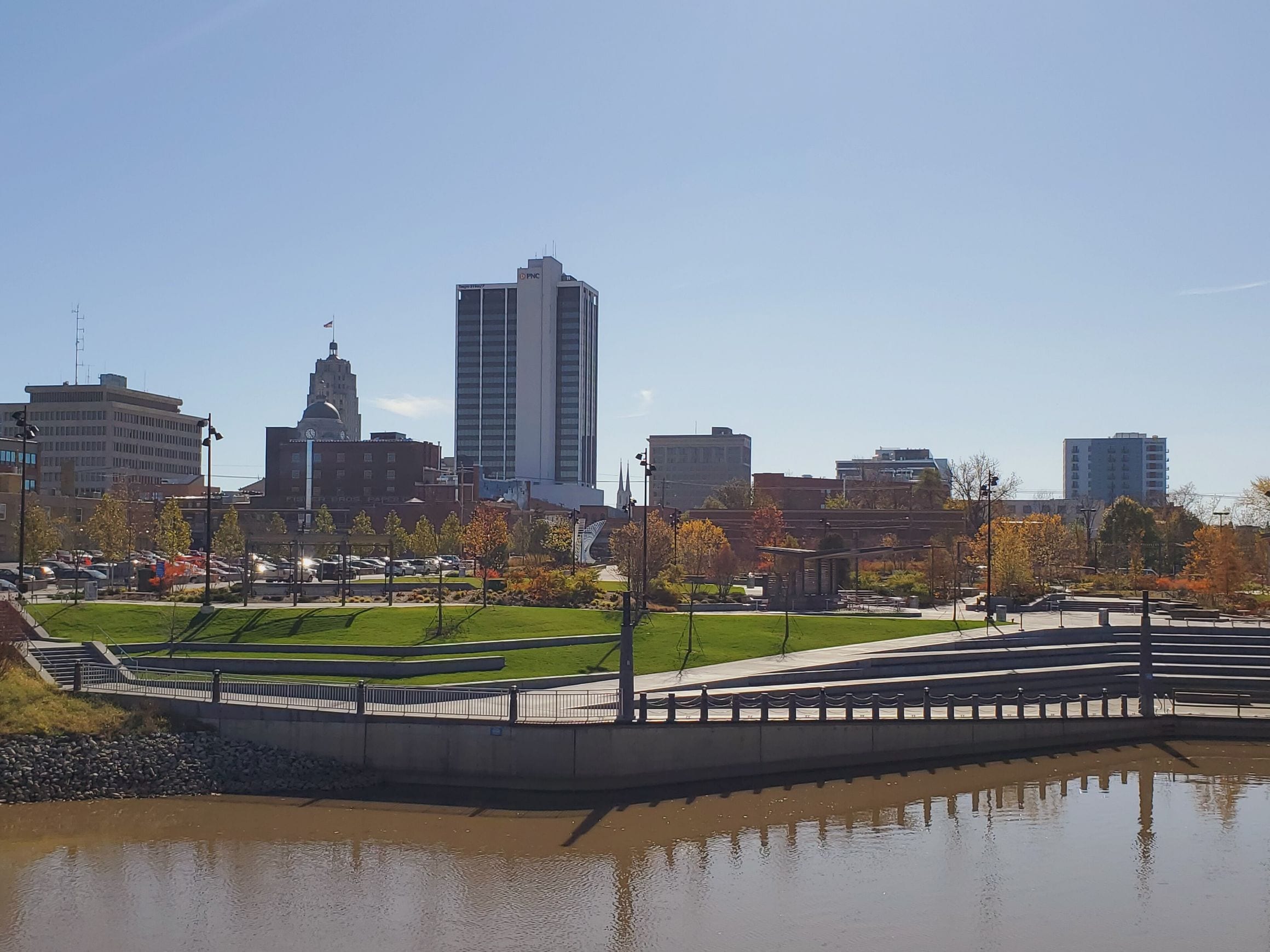
Fort Wayne grew up where the St. Joseph and St. Marys rivers meet to form the Maumee, and this northeast Indiana city has spent recent years turning back toward that water. Downtown pairs a riverfront park and an acclaimed ballpark with a 1928 movie palace, a canal-era street and a nationally known genealogy library.
This guide covers 25 of the best things to do in Fort Wayne, from the zoo and the Old Fort to wetlands, rose gardens and live music. Plan on two full days, or make it a weekend with a side trip into Amish Country.
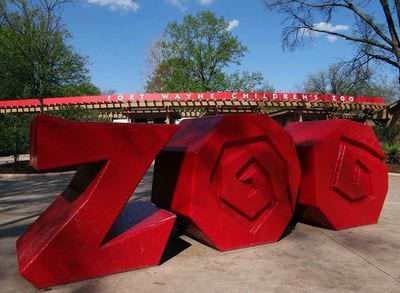
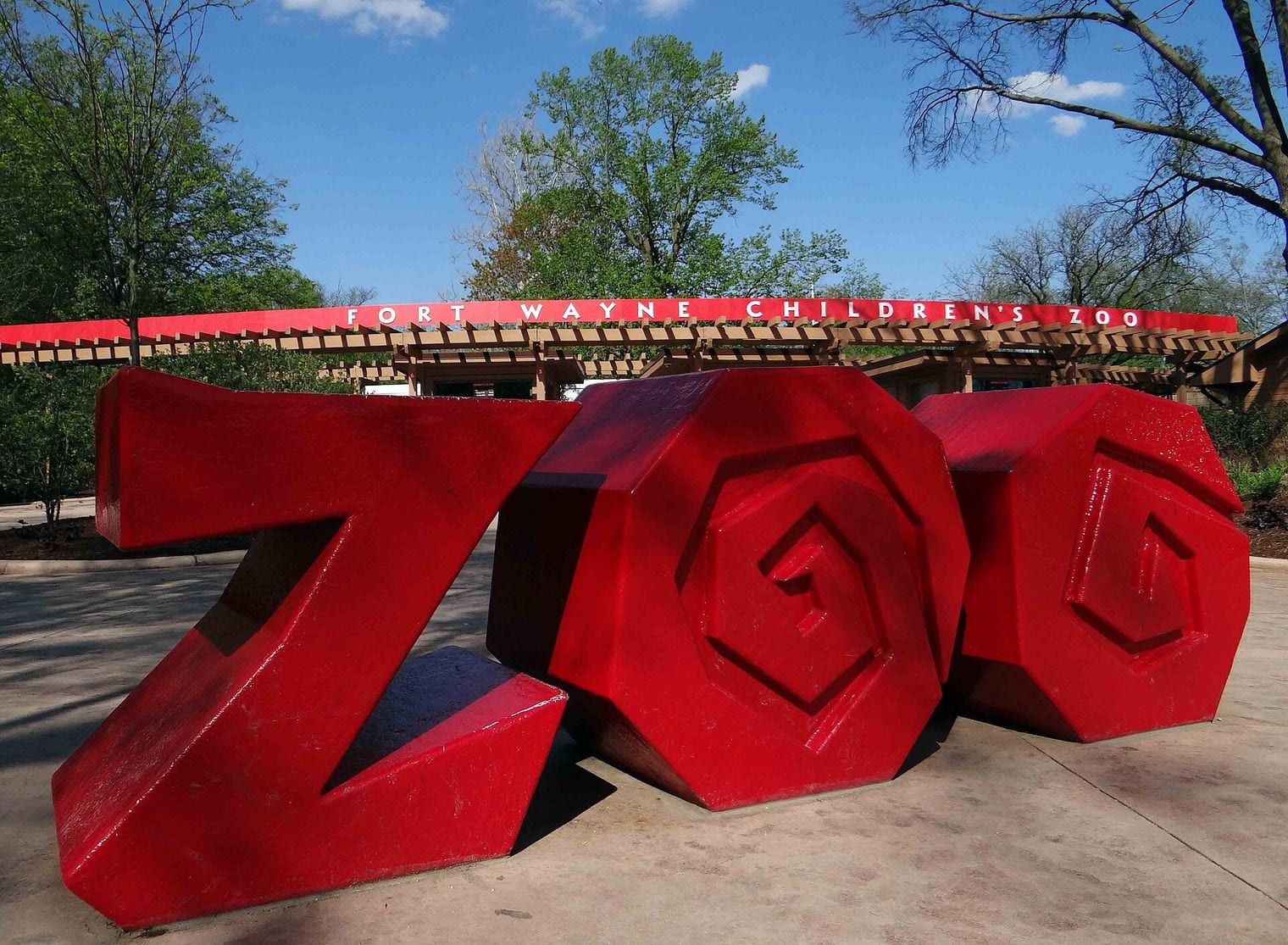
The Fort Wayne Zoo is the most-reviewed attraction in the city and the one almost every local family has a story about. It opened inside Franke Park in 1965 as the Fort Wayne Children's Zoo and dropped "Children's" from its name in 2025, a nod to how far its roughly 40 acres have grown beyond a petting zoo.
Wander through the Australian Adventure area, spend time with the Sumatran orangutans, and ride the Sky Safari for a view over the grounds. The zoo is seasonal, open from late April through October, so save it for a spring, summer or early-fall visit and allow at least half a day.
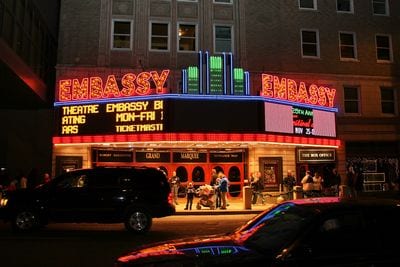
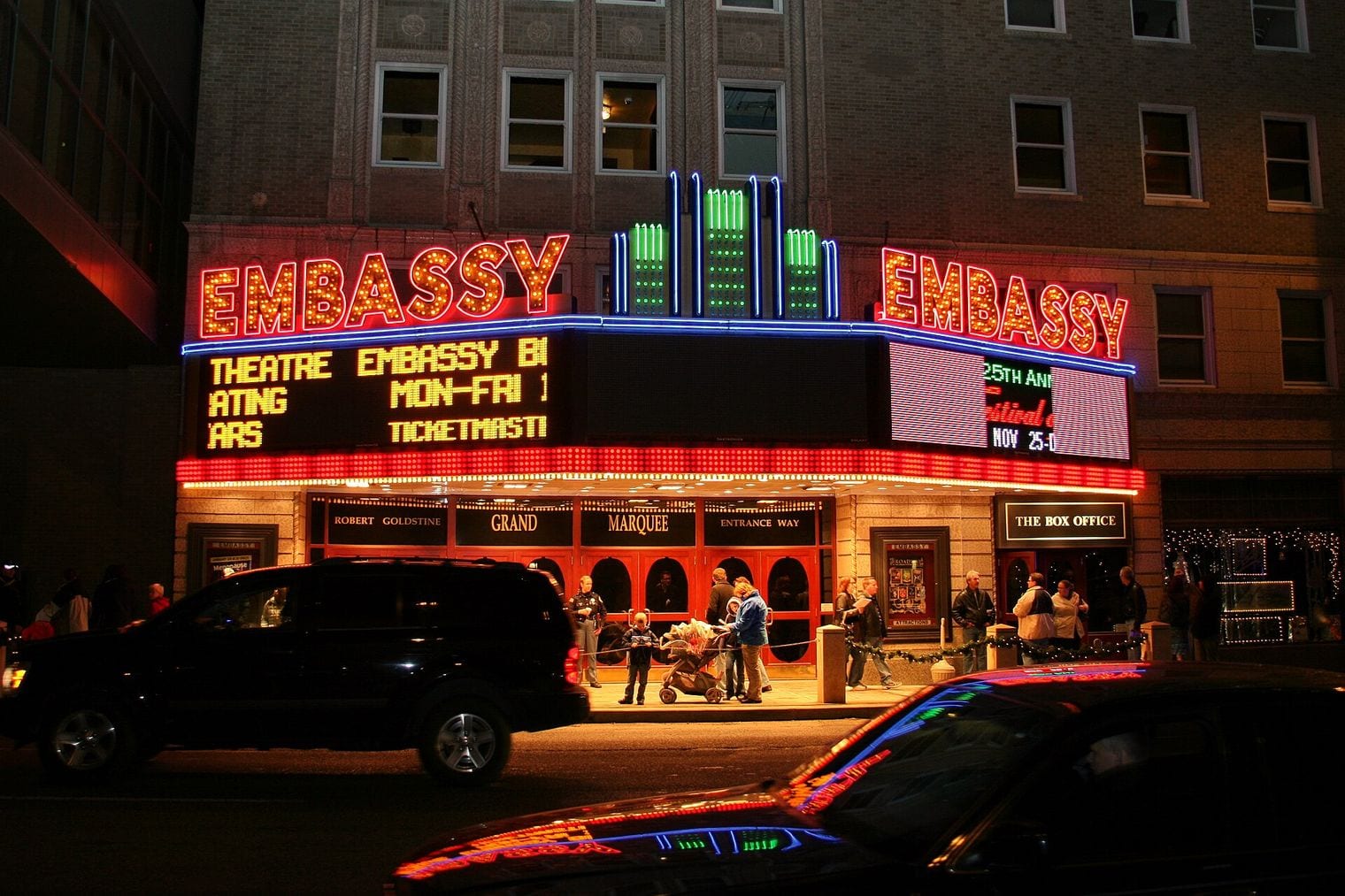
The Embassy Theatre opened in 1928 as the Emboyd, an ornate vaudeville and movie palace downtown. In 1972 it was days from demolition when a volunteer campaign raised the money to save it, and it has been the city's grand stage ever since.
Its pride is the Grande Page theatre organ, installed when the building opened and one of very few Page organs still playing in their original theatres. Come for a touring Broadway show, a concert or a classic film, and arrive early enough to take in the lobby and the auditorium before the lights go down.
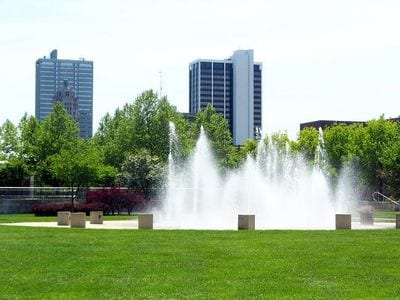
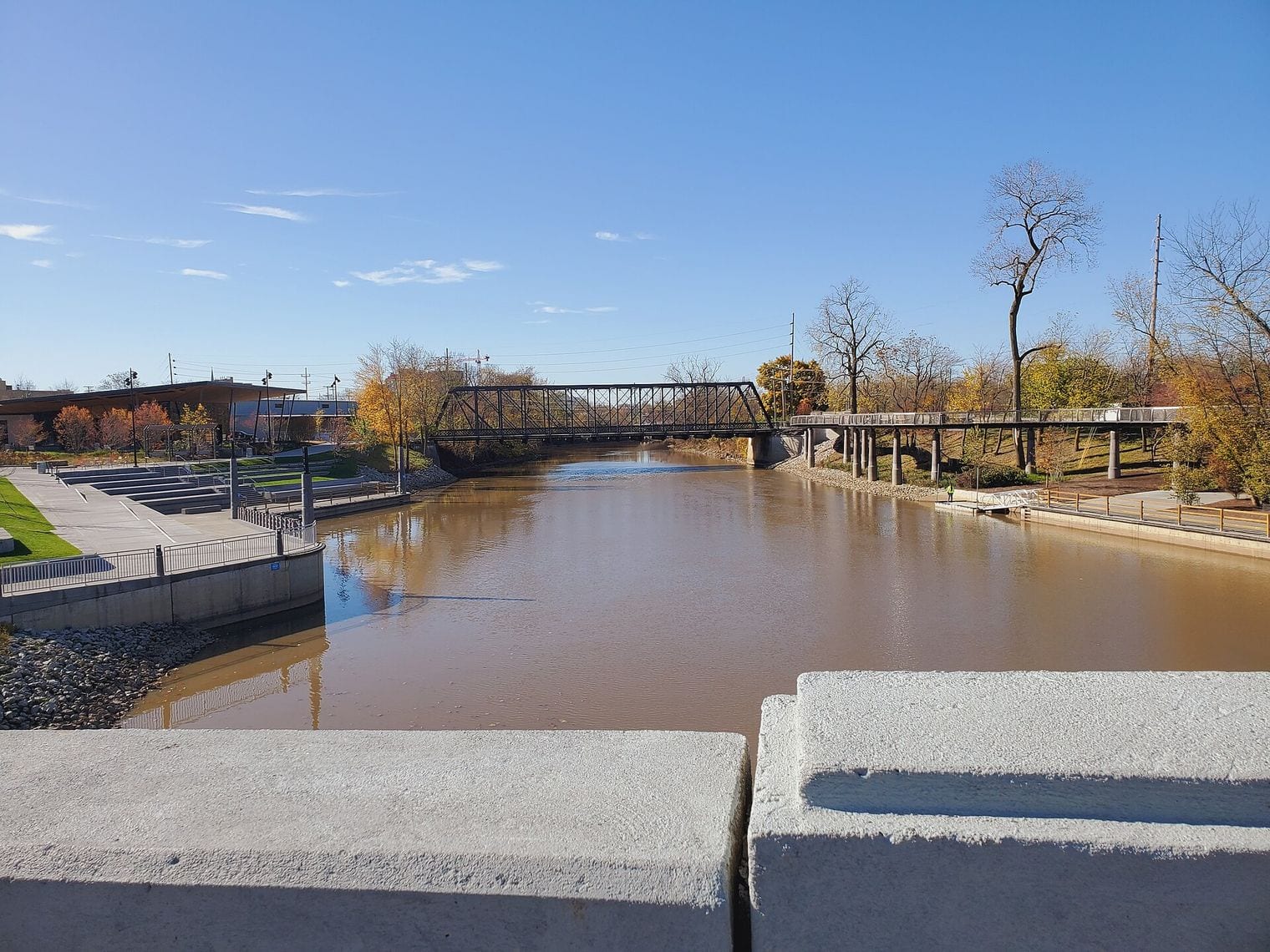
Promenade Park opened on the St. Marys River downtown in 2019 and changed how the city uses its riverfront. Its centerpiece is the Tree Canopy Trail, an accessible elevated walkway that threads through the treetops along the bank, with the skyline rising just beyond.
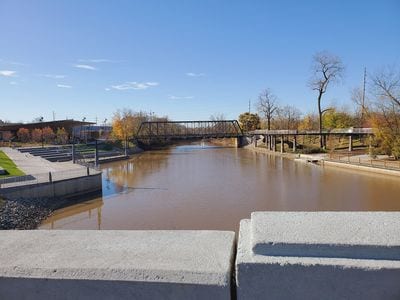
Put a kayak or canoe in at the launch, take a cruise on the Sweet Breeze canal boat in the warmer months, or let children loose in the play areas. At the park's edge the Wells Street Bridge, an 1884 iron truss closed to traffic since 1982, carries walkers and cyclists across the river.
The Foellinger-Freimann Botanical Conservatory has been a downtown green refuge since 1983. Three very different gardens sit under one roof: a tropical house with a waterfall, a Sonoran Desert house full of cacti and succulents, and a showcase garden that changes with the seasons.
It is at its most welcome in a Fort Wayne winter, when the warm, humid air of the tropics feels like a short vacation. The seasonal displays change through the year, so a repeat visit rarely looks the same, and the compact layout makes it an easy hour between other downtown sights.
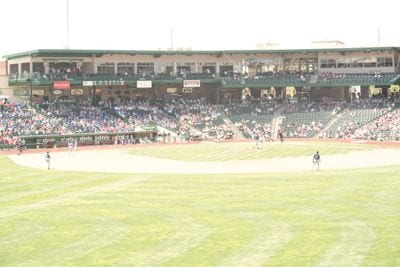
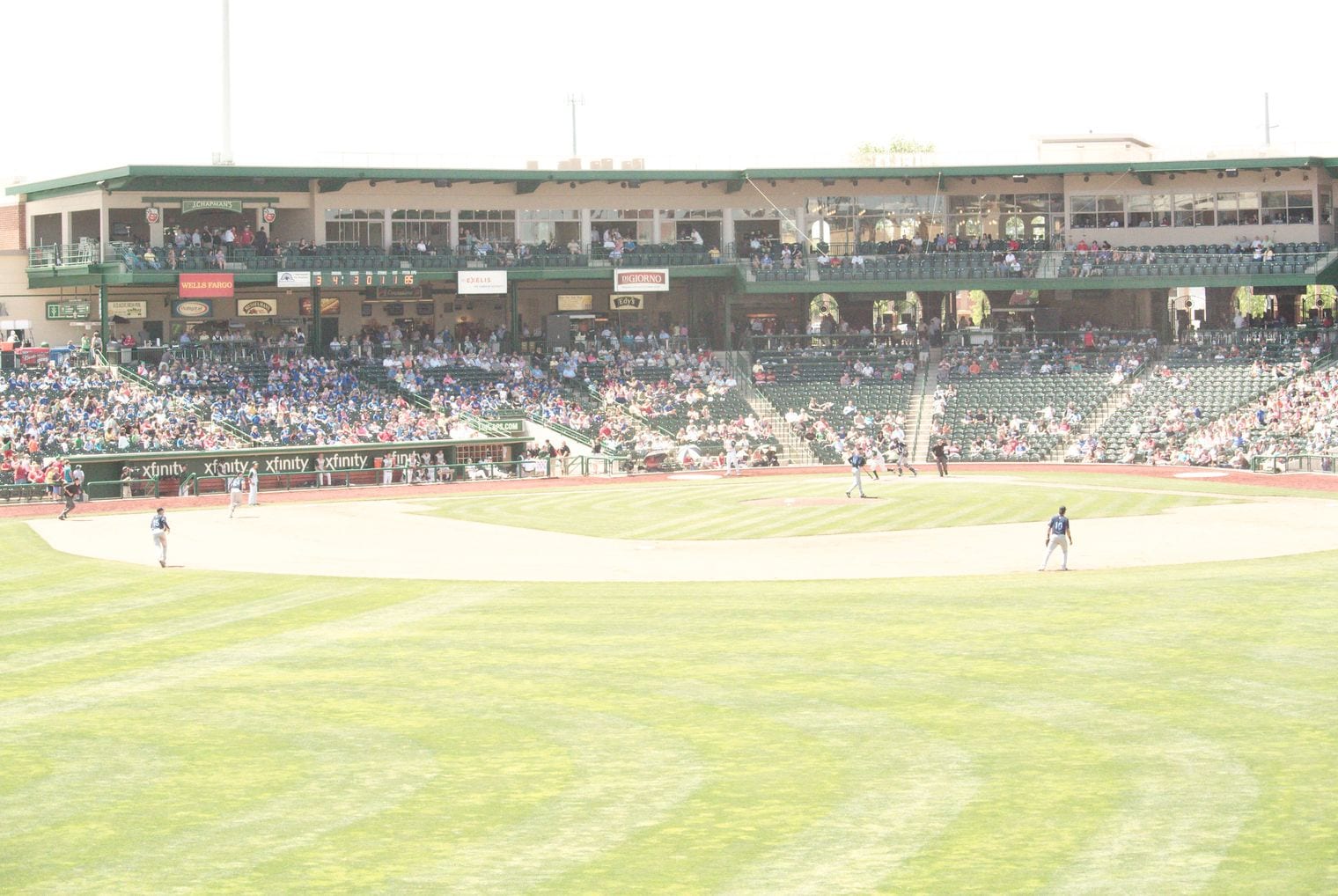
Parkview Field opened downtown in 2009 as the home of the Fort Wayne TinCaps, and it has since topped fan and critic rankings of minor league ballparks more than once. The team's name is a nod to Johnny Appleseed, who is said to have worn a tin pot on his head, and his apple shows up across the logo and the park.
A summer night here is relaxed and very local: the concourse circles the whole field, the downtown skyline rises beyond the outfield and fireworks nights are a fixture of the season. Even if you are not a baseball fan, it is one of the best evenings out in Fort Wayne.
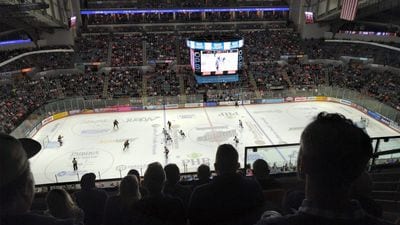
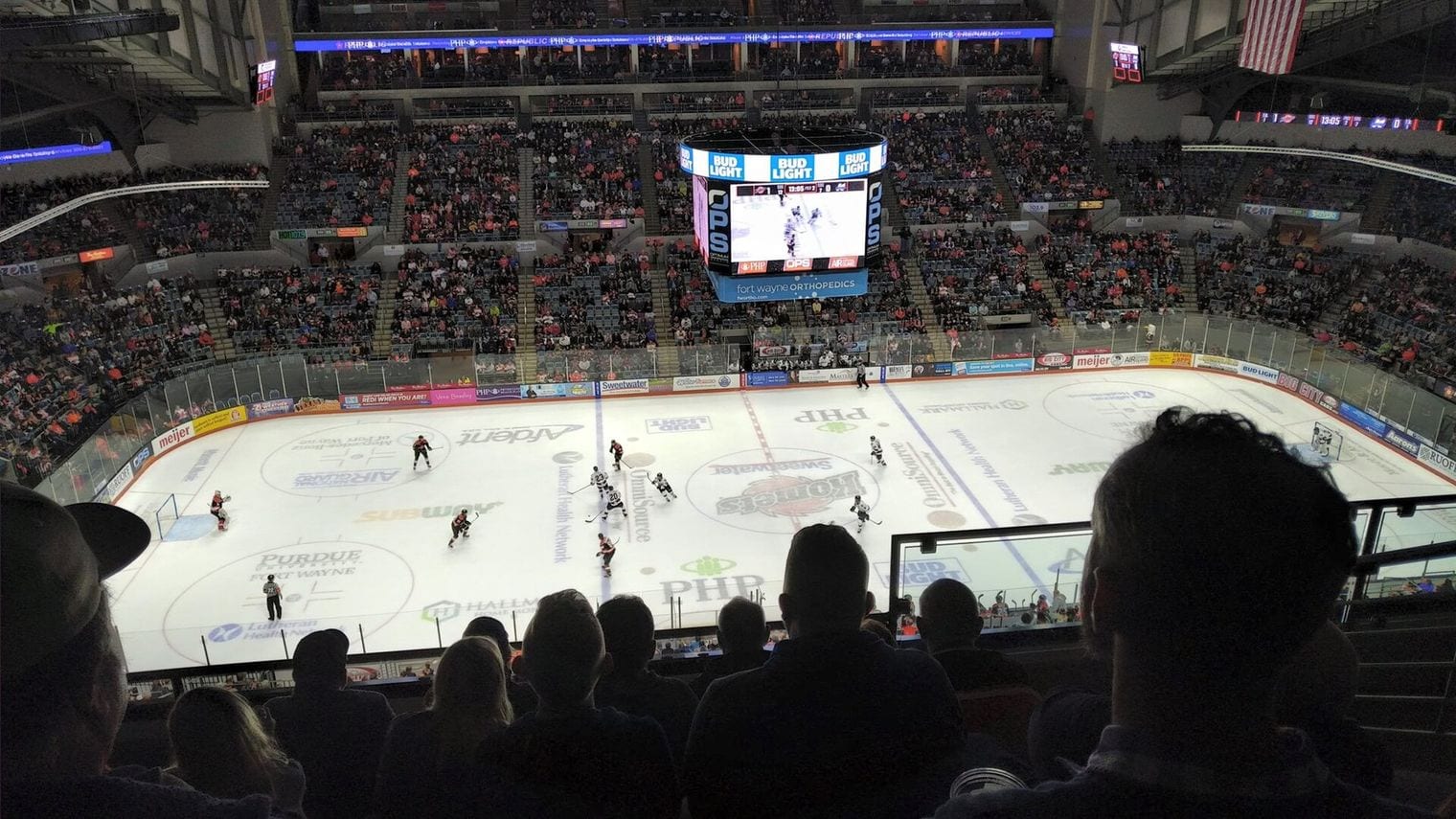
The Allen County War Memorial Coliseum opened in 1952 as a memorial to the county's war dead, and it remains the city's big arena. In 2002 a major expansion lifted the entire roof by 41 feet to add seating, an engineering feat locals still mention.
Come in winter to watch the Fort Wayne Komets, the city's long-running pro hockey team, or check the calendar for concerts, college basketball and big touring shows, with trade shows in the attached expo halls. Johnny Appleseed Park sits right next door, so it is easy to pair the two.
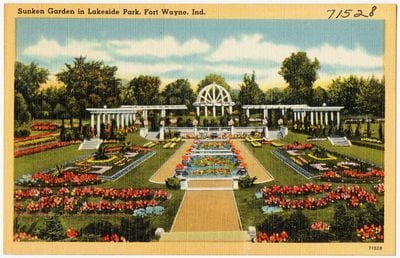
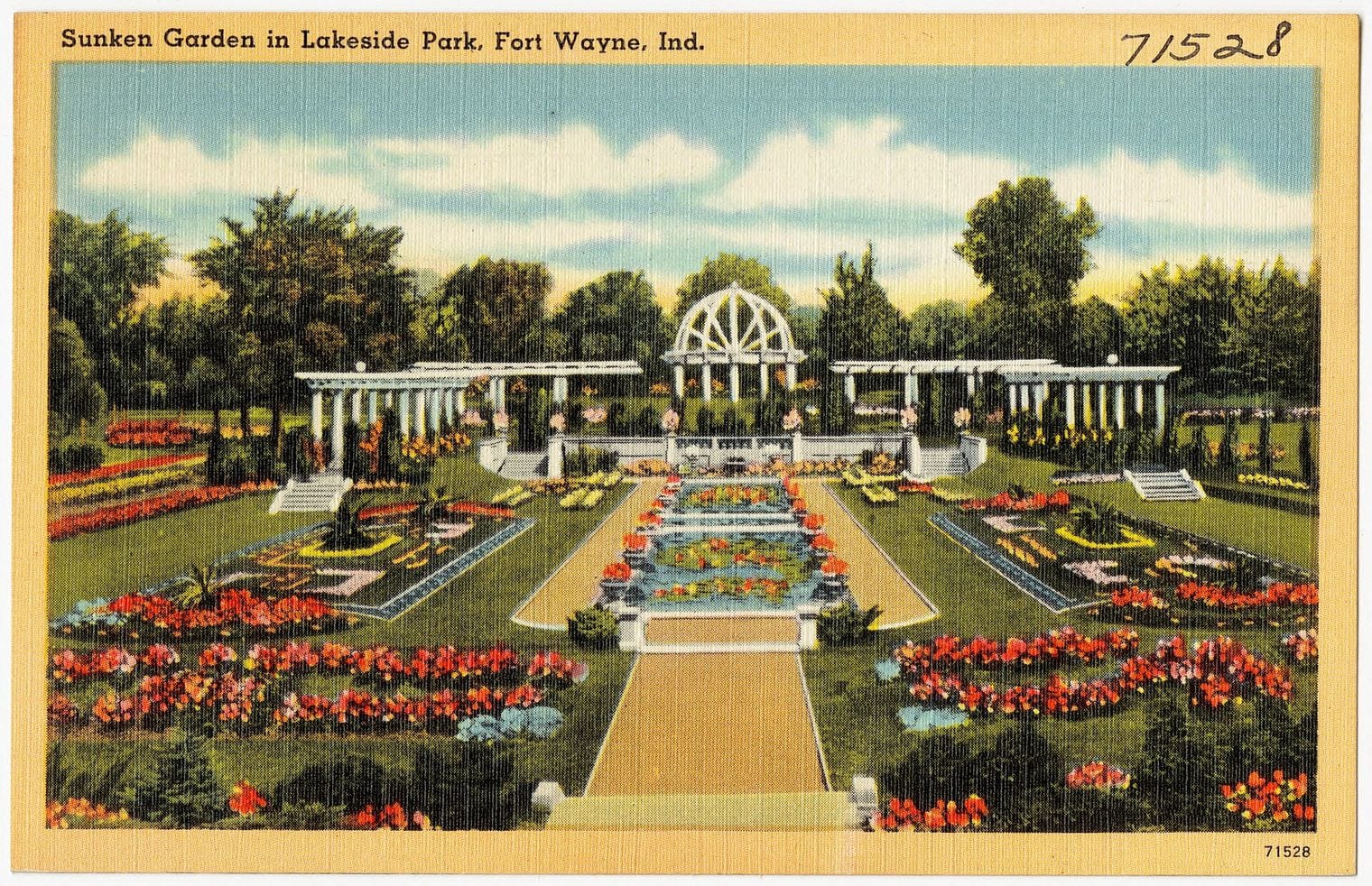
Lakeside Park and Rose Garden is the prettiest spot in the city when the roses are out. Its sunken garden, with long reflecting pools framed by classical pergolas, was laid out in the late 1910s and finished around 1920, and the formal rose beds rise above it.
Thousands of rose bushes bloom from late spring, peaking in June, which makes the park a favorite for wedding photos and evening strolls. Bring a picnic, walk the paths around the ponds, and stay for the soft light over the pergolas near sunset.
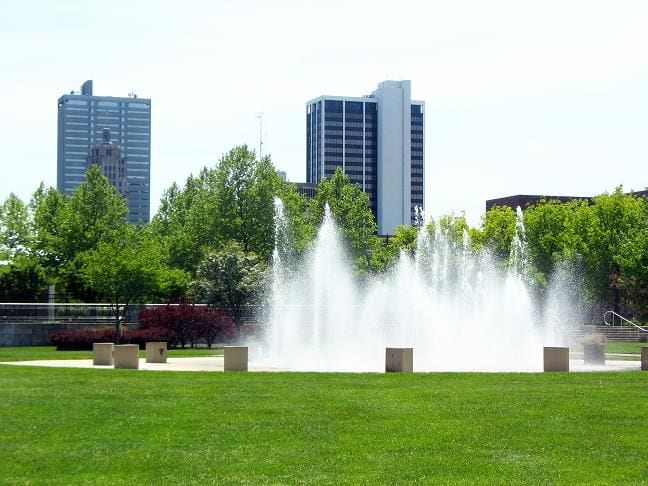
Headwaters Park was built along the St. Marys River at the northern edge of downtown in the late 1990s, doubling as a flood-control project and the city's festival grounds. Its open lawns, pavilion and riverside paths fill up for the Three Rivers Festival each July and for a run of summer heritage and food festivals.
In winter an outdoor ice rink opens in the park, one of the city's best cold-weather outings. Between events it is a quiet green space for a walk, linking easily to the river trails and to Promenade Park a short walk along the river.
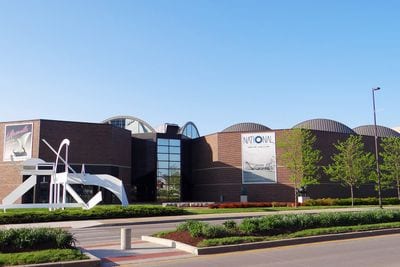
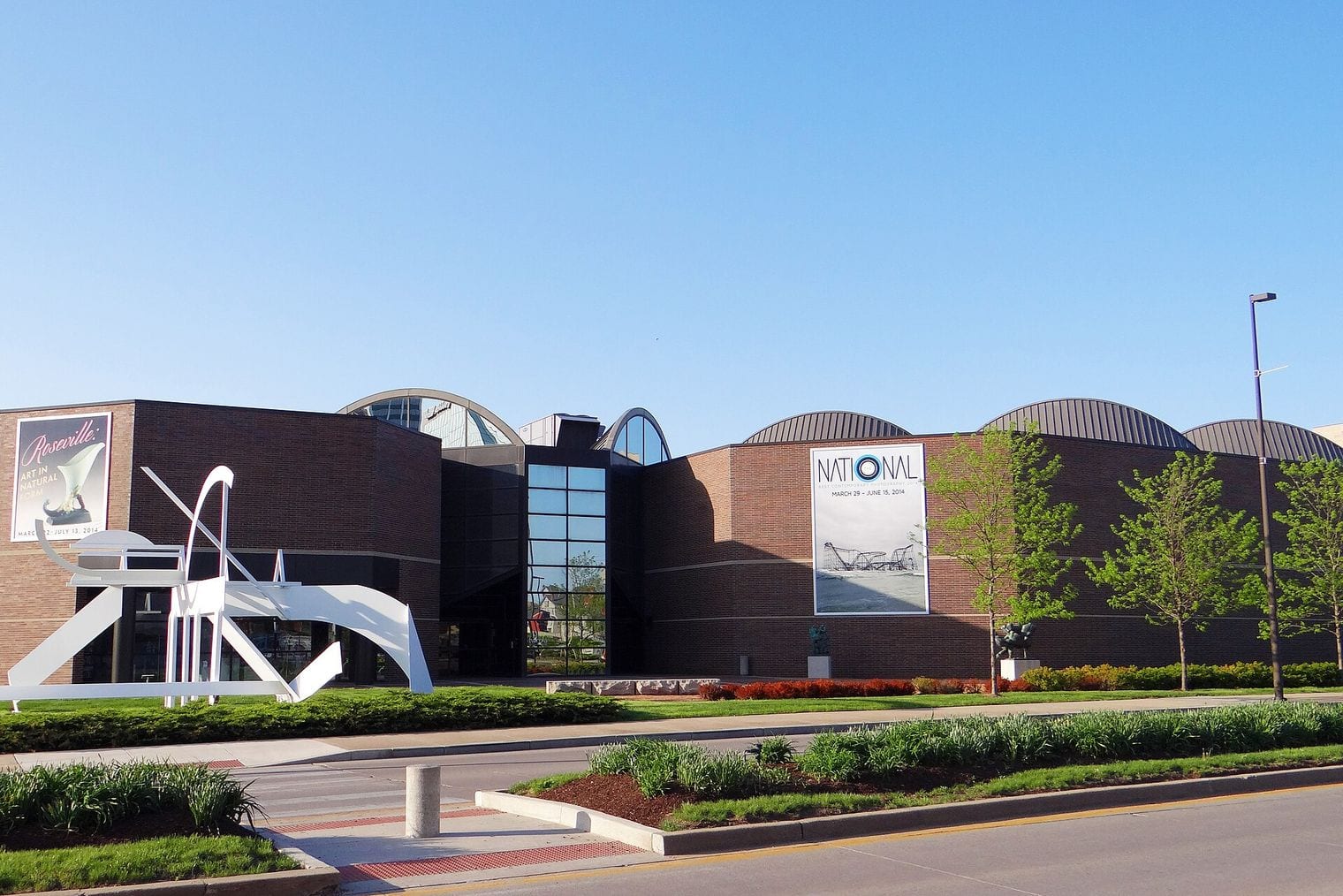
The Fort Wayne Museum of Art traces its roots to 1921 and has occupied its modern building on Main Street since 1984. Its permanent collection focuses on American art, from the late 18th century to the present, and runs to more than 7,000 works.
The museum is especially known for its studio glass collection, shown in a dedicated glass wing, and it rotates exhibitions often enough to reward a return visit. It sits in the downtown arts campus alongside the city's performing arts venues, so it pairs naturally with dinner and a show.
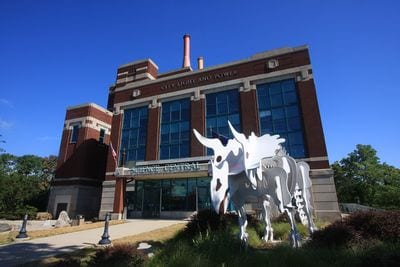
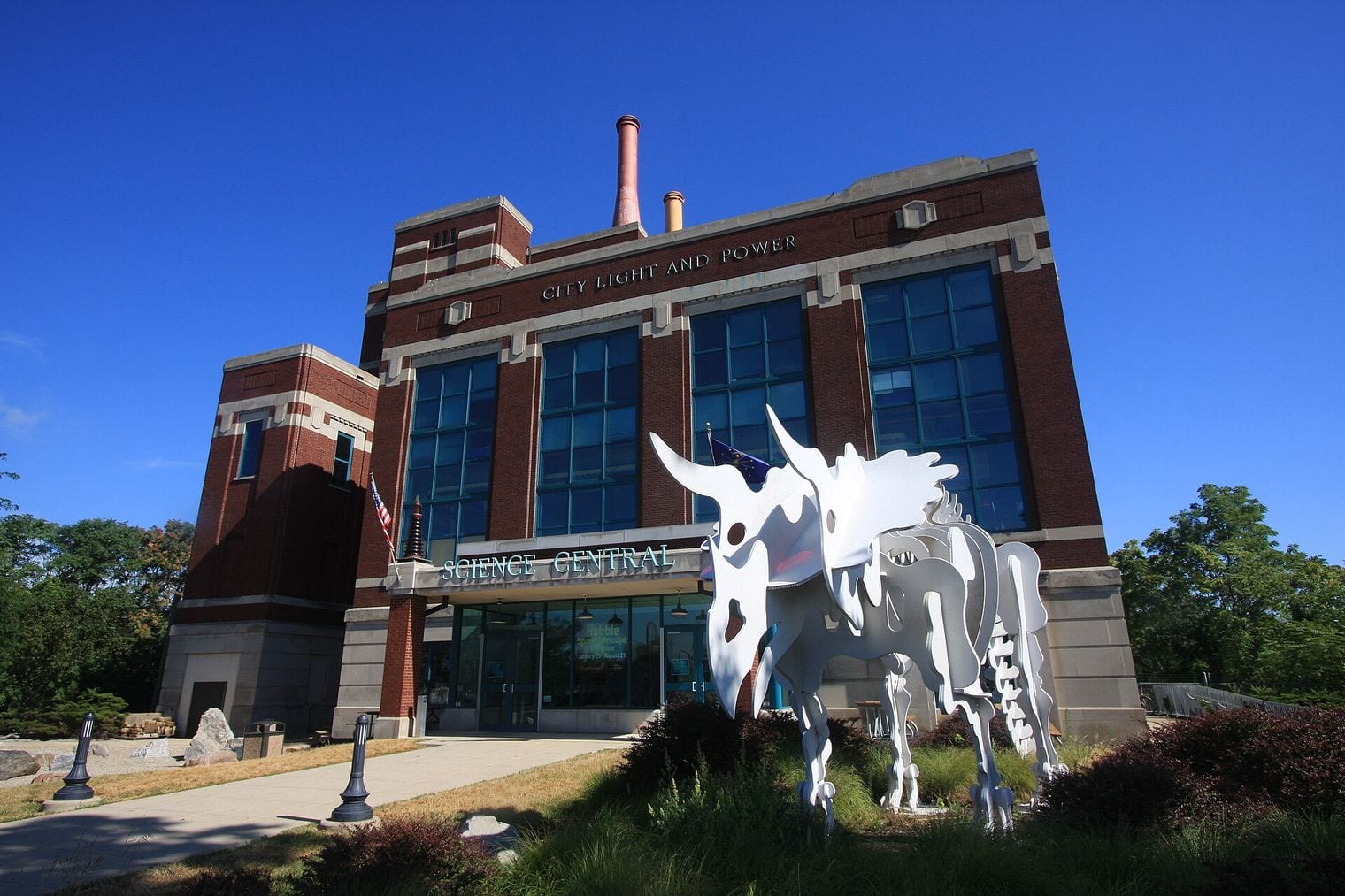
Science Central fills a former City Light and Power plant north of downtown, its brick shell hinting at its industrial past. Since opening in 1995 it has become the region's go-to hands-on science center, with some 200 permanent exhibits spanning science, technology, engineering and math.
Children can build, climb, experiment and set off reactions, and the exhibits are pitched so that adults learn something too. Check opening days before you go, as they differ between the school year and the summer.
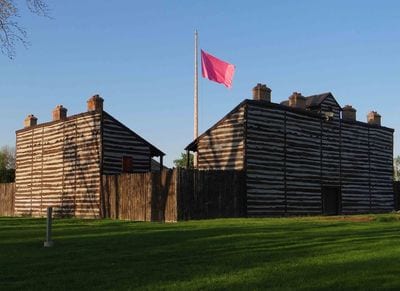
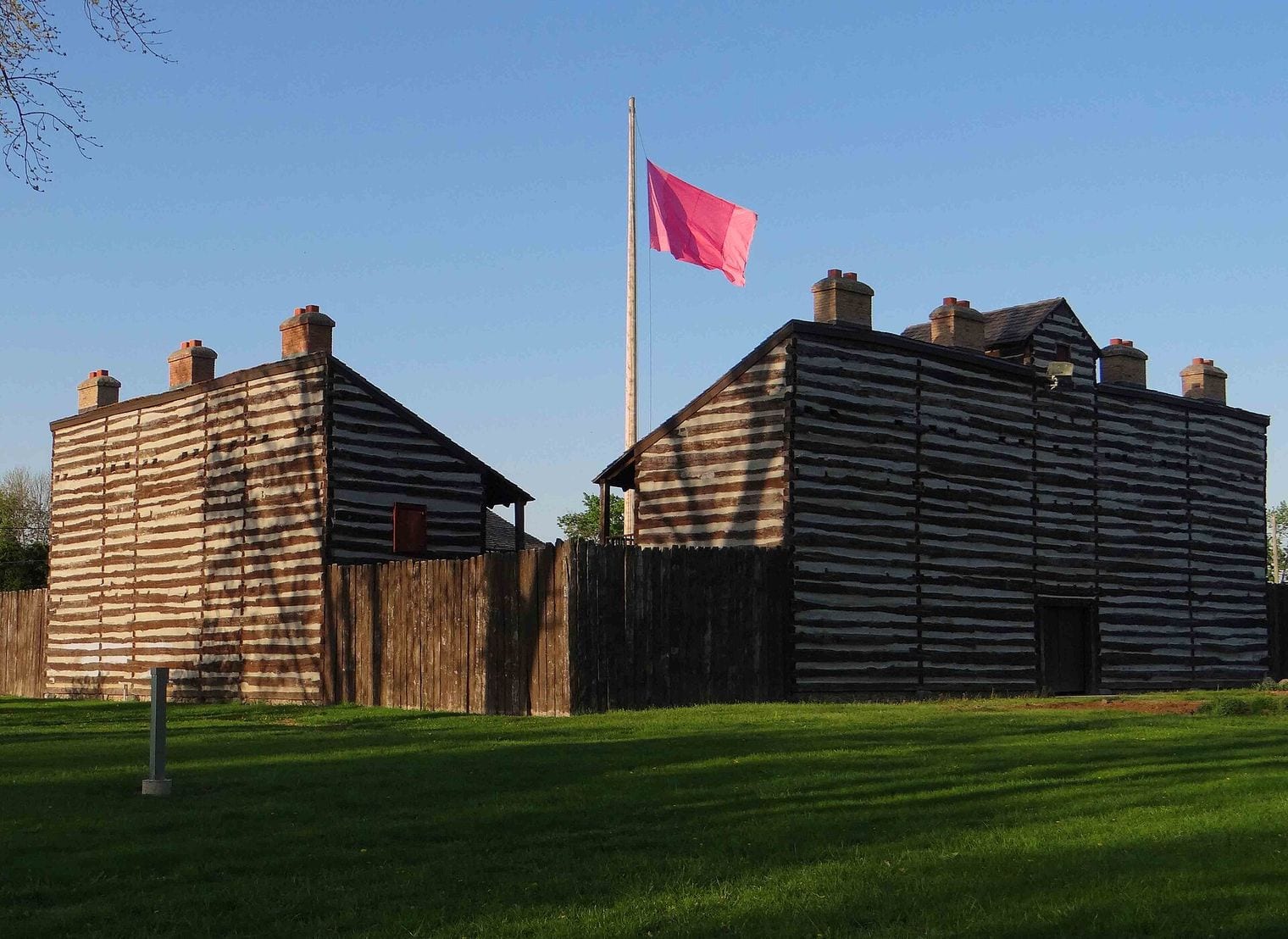
The Old Fort is a full-scale reconstruction of the 1815–16 American fort that gave the city its name, built close to the original site as a Bicentennial project and opened in 1976. Its blockhouses and stockade stand beside the river just north of downtown.
The grounds open to visitors in the warmer months, and the fort comes alive on living-history weekends, when reenactors in period dress drill, cook and fire muskets. It is a quick stop from downtown, and the riverside setting is worth the visit on its own.
Free printable checklist of all 25 places
Tick them off as you go. Confirm your email to download it, plus one email every Thursday with new guides for the places you tick.
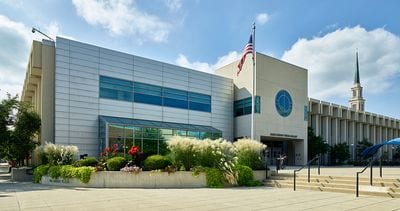
1212. Allen County Public Library Genealogy Center
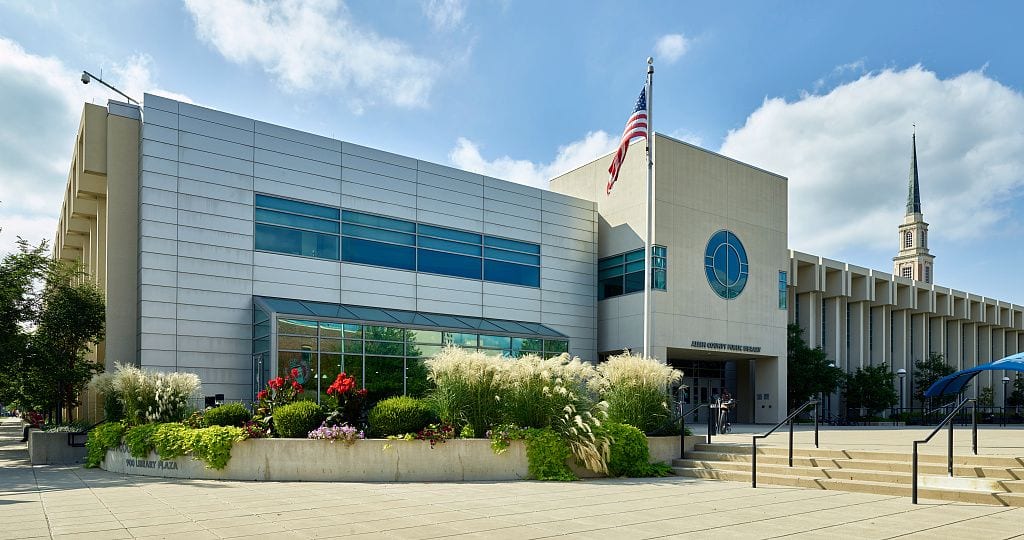
The Allen County Public Library Genealogy Center, inside the main downtown library, draws family historians from across the country. Its collection runs to more than a million physical items, from city directories and census records to family histories, and it is often ranked second only to the Family History Library in Salt Lake City.
You do not need to be an expert to use it: the research space is free and open to the public, and the staff are used to helping first-timers find a starting point. Bring the names, dates and places you already know, and plan for a few hours rather than a quick look.
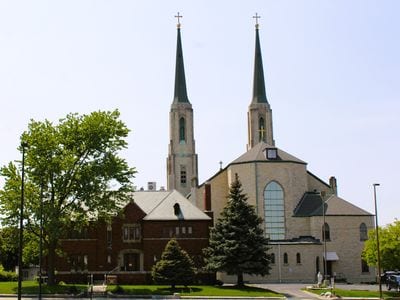
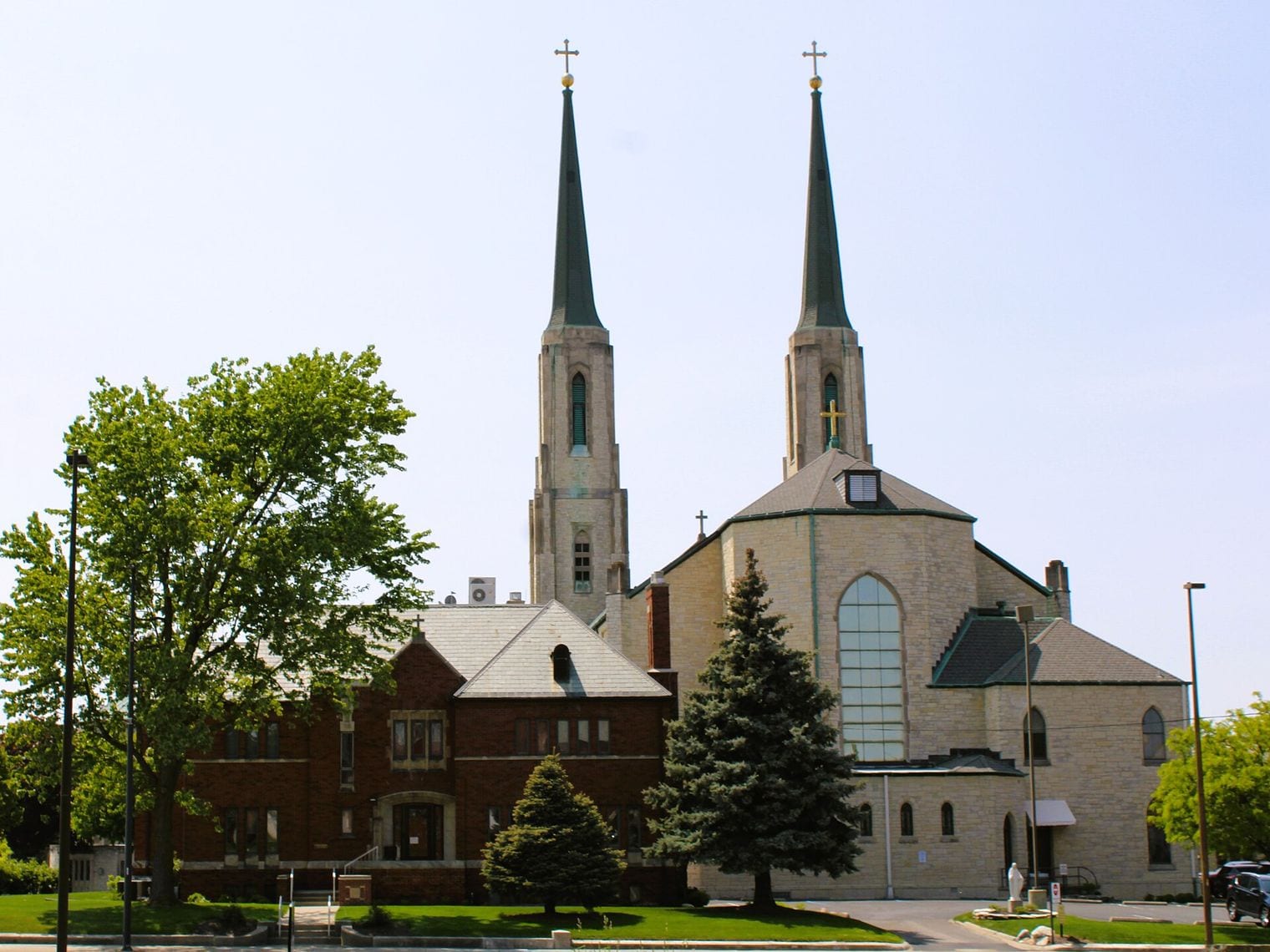
The Cathedral of the Immaculate Conception, dedicated in 1860, is a fine example of Gothic Revival architecture and the mother church of the local Catholic diocese. Its spires rise over Cathedral Square, a short walk from the courthouse.
Step inside for the stained glass, especially the Bavarian windows made in Munich and installed in the 1890s, and for the carved woodwork of the sanctuary. The Diocesan Museum next door adds religious art and artifacts from the diocese's long history.
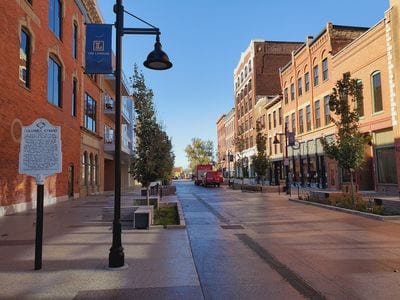
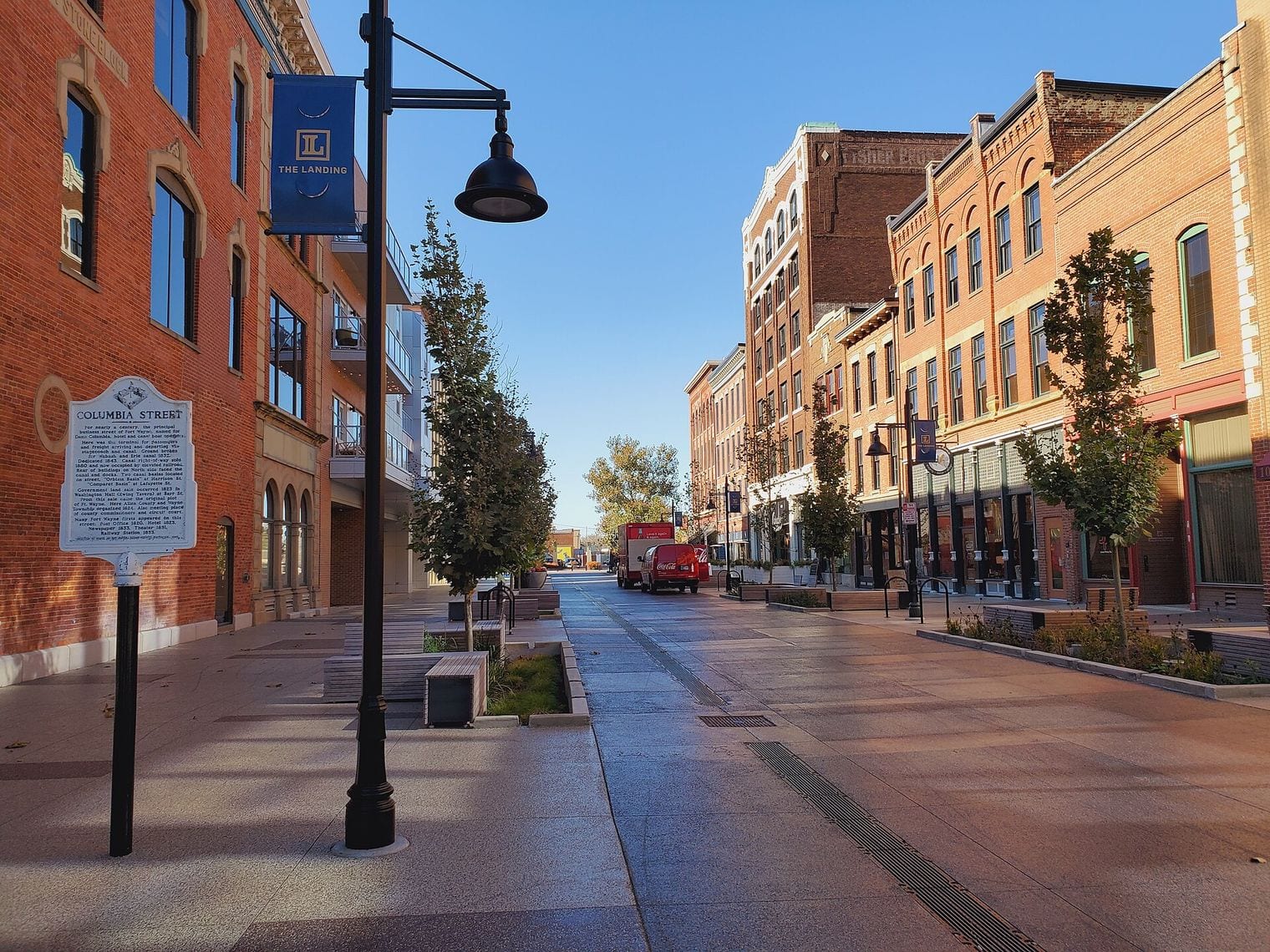
The Landing is the surviving block of old Columbia Street, Fort Wayne's oldest commercial district, which grew up beside the Wabash and Erie Canal in the 1800s. Canal boats docked nearby, giving the area its name, and its brick storefronts escaped the demolition that took much of the rest of the street.
Today the restored block mixes restaurants, bars, shops and apartments, with patios spilling onto the street in summer. It is the most atmospheric place downtown for a drink or dinner before a show at the Embassy or a game at Parkview Field.
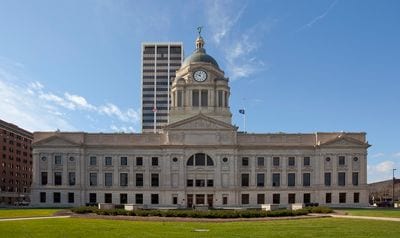
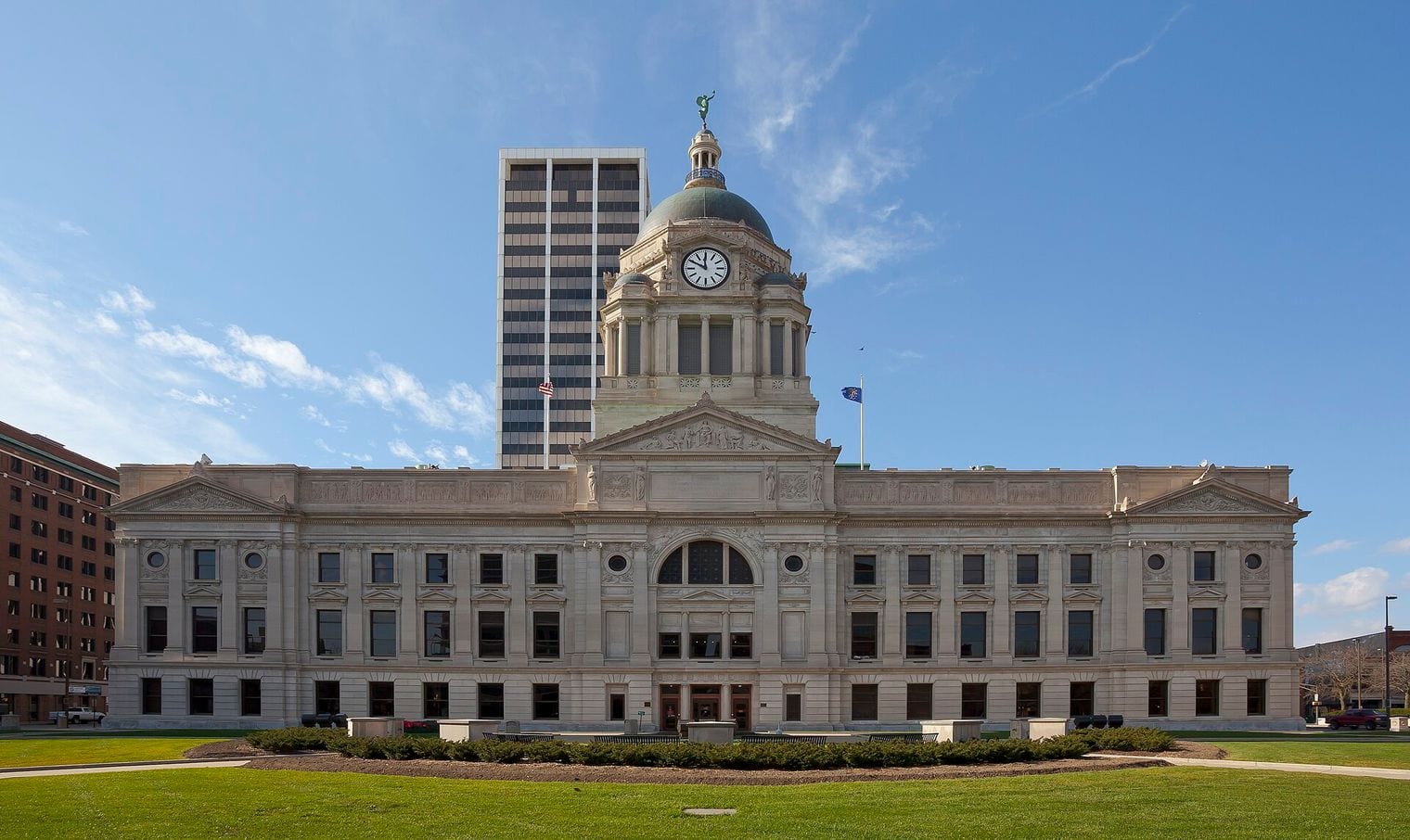
The Allen County Courthouse, dedicated in 1902, is a nationally significant example of Beaux-Arts architecture and a National Historic Landmark. Its limestone walls and tall dome dominate the center of downtown.
The interior is the real surprise: a soaring rotunda, colorful scagliola walls and large painted murals by Charles Holloway and others. It is still a working courthouse, so expect a security check at the door, where you can usually pick up a free booklet for a self-guided tour.
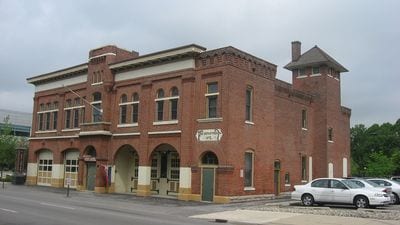
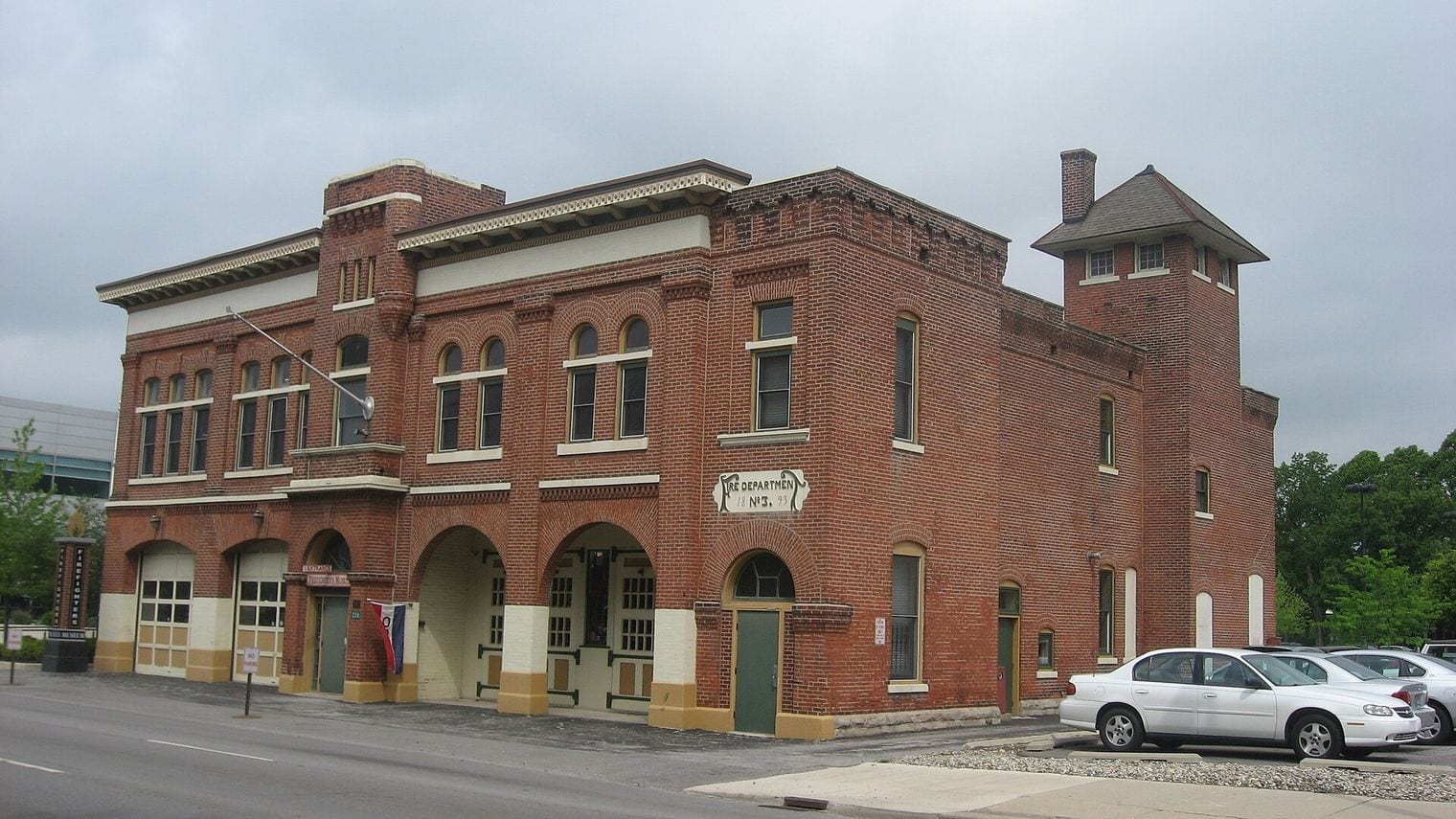
The Fort Wayne Firefighters Museum occupies Engine House No. 3, an 1893 Romanesque Revival firehouse that is listed on the National Register of Historic Places. Two floors trace the history of the city's fire department, with antique engines, hoses, helmets, photographs and a fire chief's buggy.
It is a hit with children, who get a fire-safety lesson in a mock house showing everyday hazards. The museum is small and friendly, an easy hour downtown, and the old brick engine house is worth seeing in its own right.
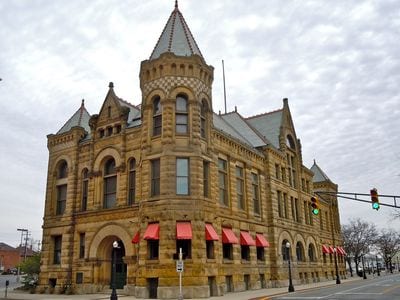
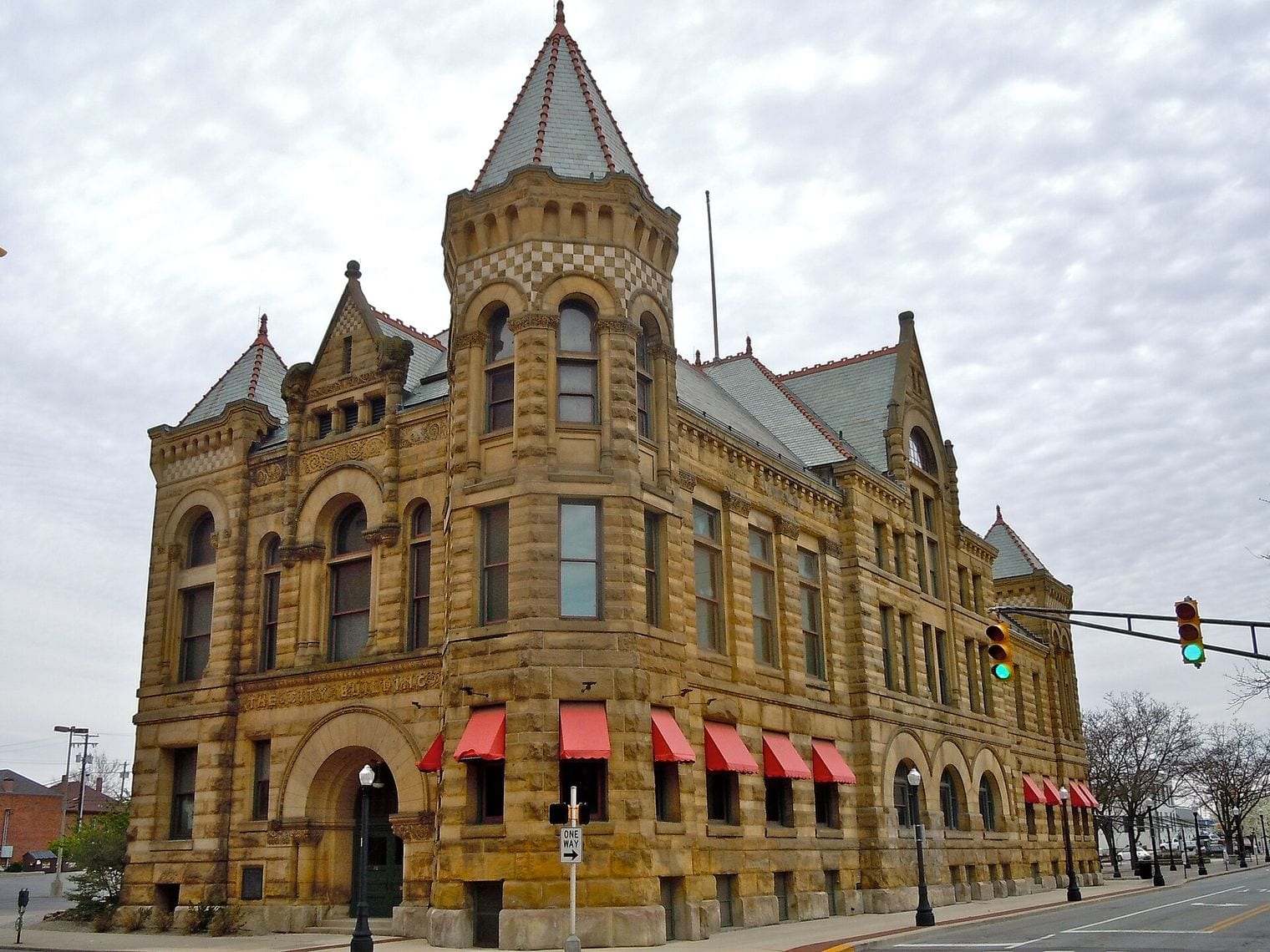
The History Center fills Fort Wayne's 1893 Old City Hall, a rugged sandstone building in the Richardsonian Romanesque style that served as city hall until 1971. Since 1980 it has been the home of the county historical society, with permanent galleries on the history of Fort Wayne and Allen County.
Don't miss the basement, where the old city jail cells survive, bars and scratched graffiti intact. The museum also looks after the Chief Richardville House, so ask here about combining the two.
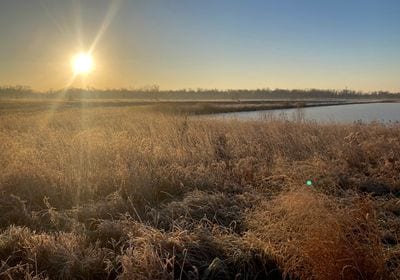
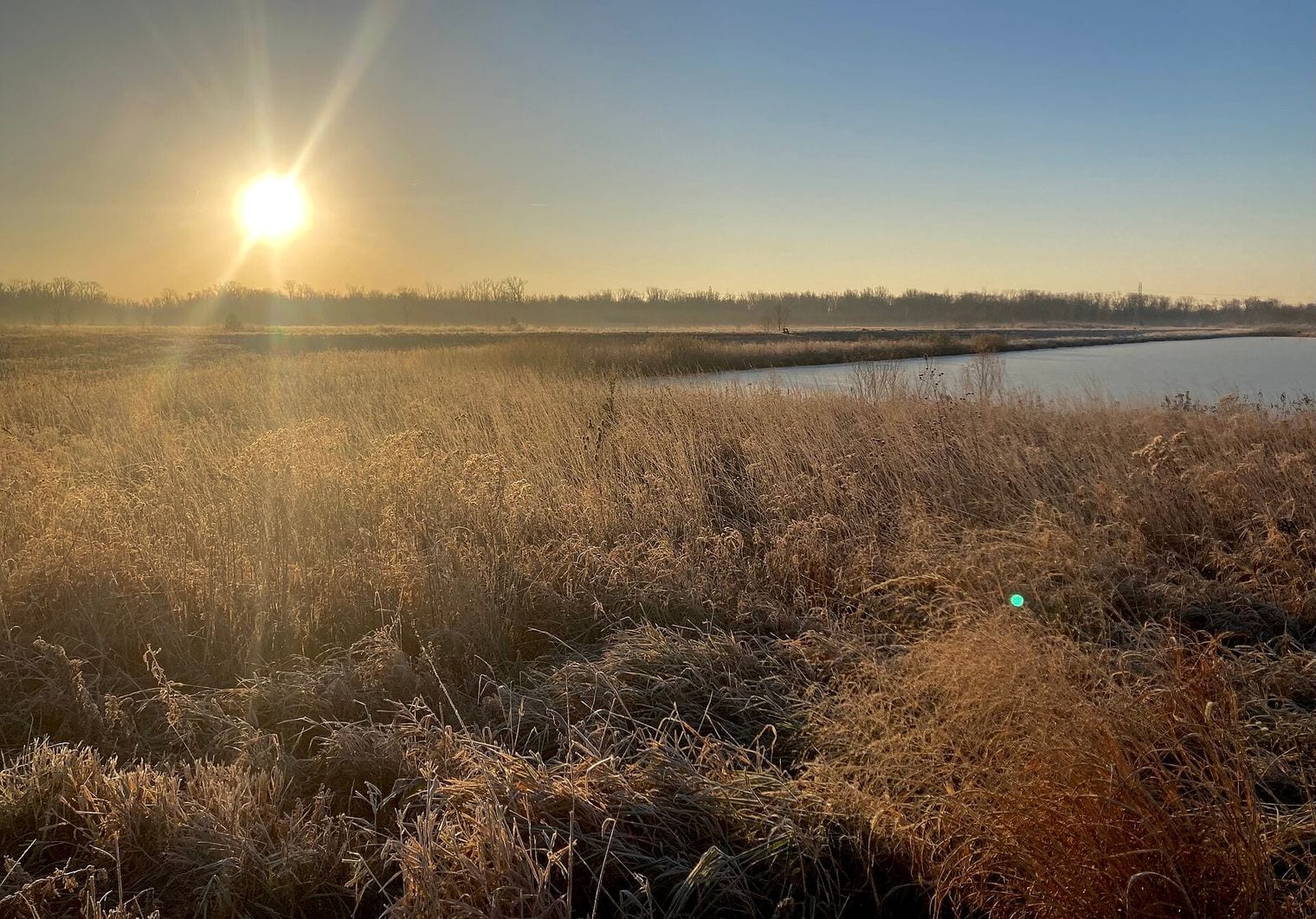
Eagle Marsh Nature Preserve covers about 831 acres of restored wetland on the city's southwest edge, restored from farmland by a local conservation group. It sits on the continental divide between the Great Lakes and Mississippi watersheds, a fact that makes it important to efforts to keep invasive carp out of the Great Lakes.
More than 14 miles of trails cross marsh, prairie, sedge meadow and woodland, and the birding is excellent, including the bald eagles that give the preserve its name. Bring binoculars and waterproof shoes, and come early or late in the day for the most wildlife.
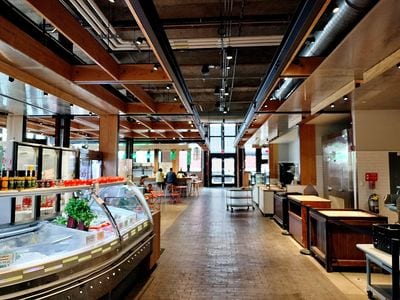
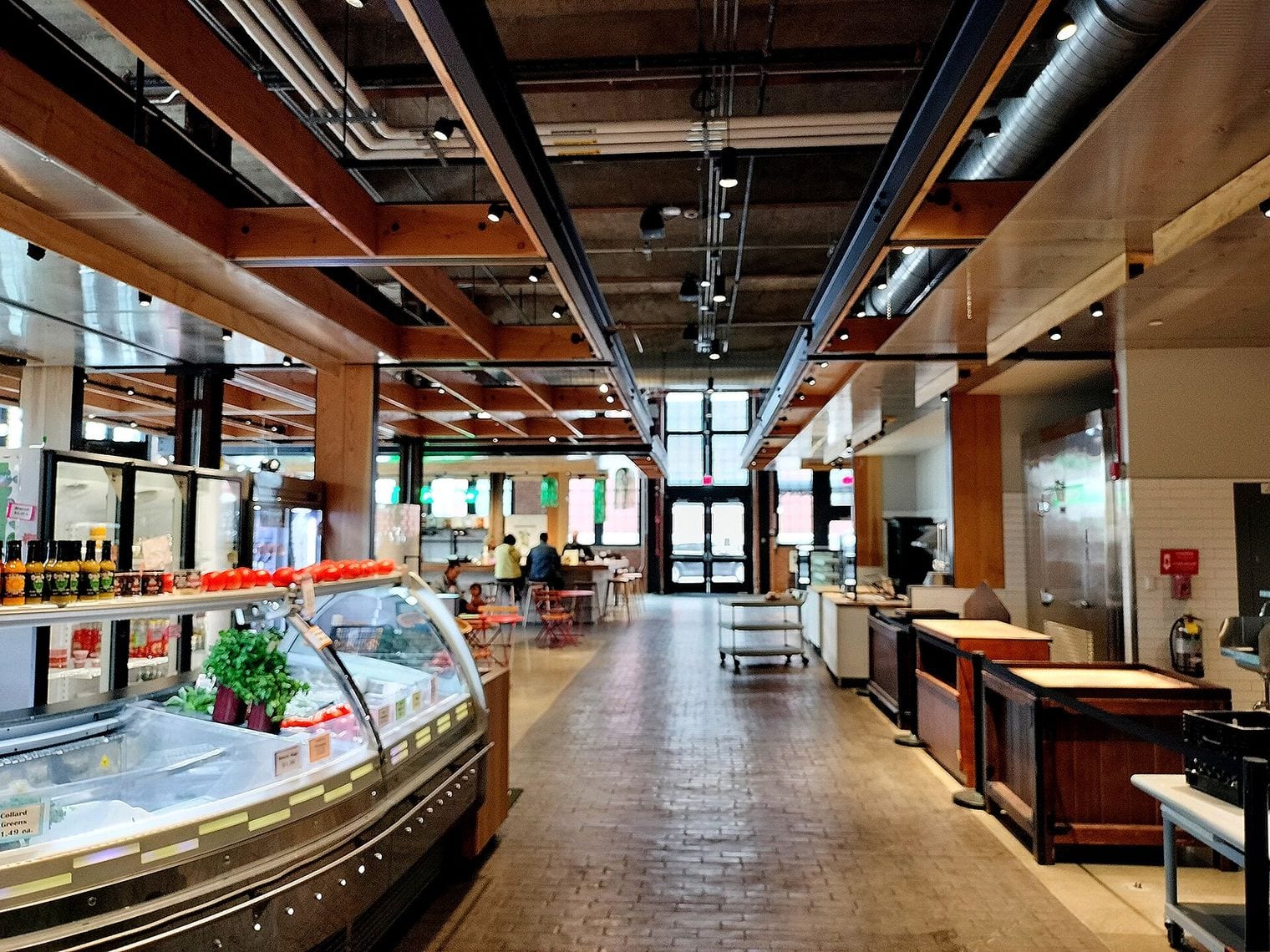
Electric Works and Union Street Market have turned the former General Electric campus just south of downtown into one of the city's liveliest districts. The first phase of the redevelopment, reworking historic brick factory buildings on a large site, opened in 2022.
Union Street Market is the place to start: a food hall and public market with local vendors, coffee, baked goods and grab-and-go meals under one roof. Come hungry, then wander the campus to see how the old industrial buildings have been brought back to life.
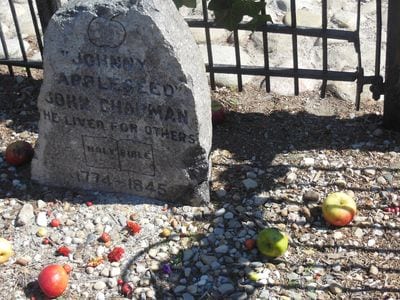
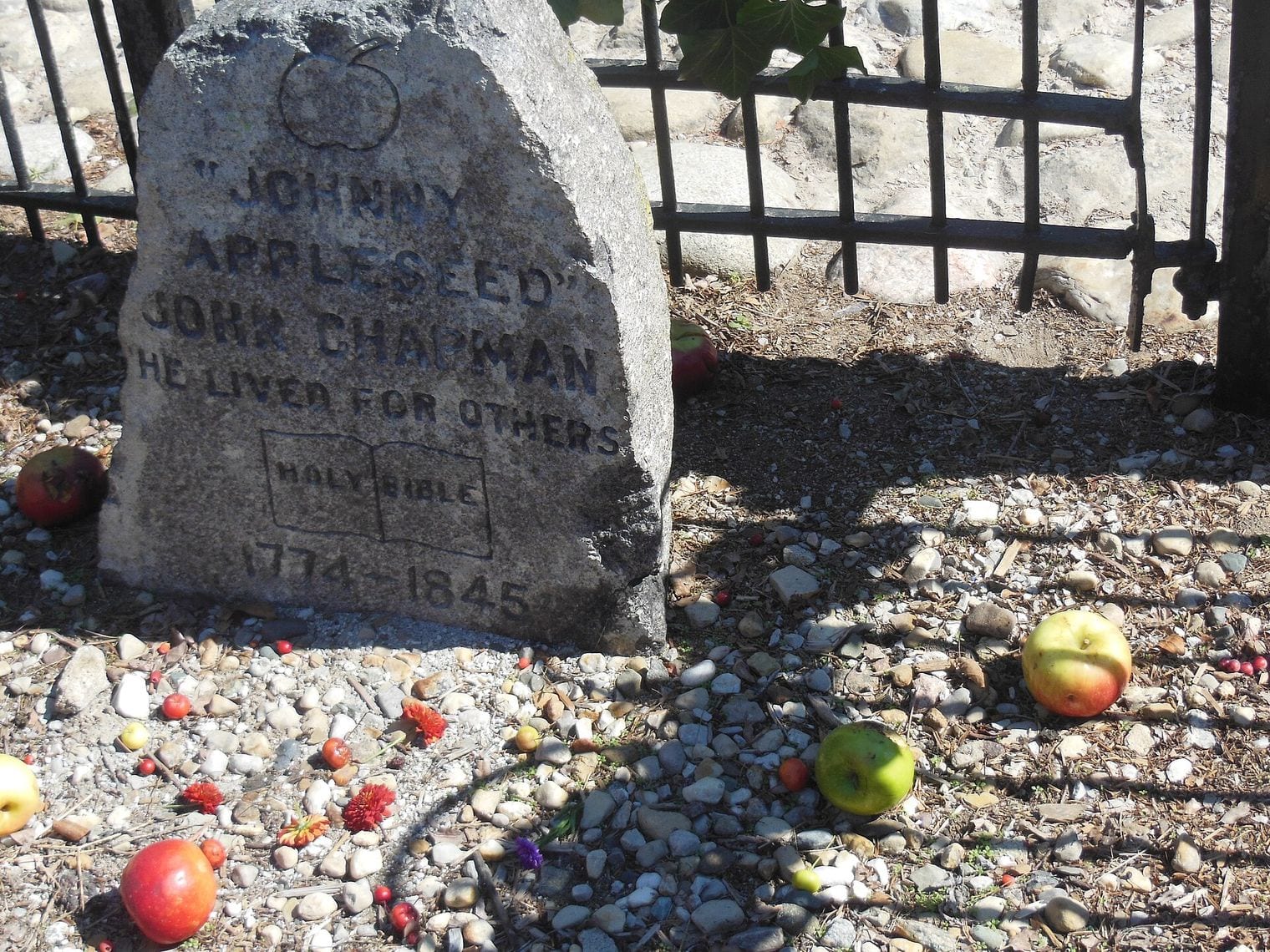
Johnny Appleseed Park and Grave honor John Chapman, the pioneer nurseryman who planted apple trees across Ohio and Indiana and died near Fort Wayne in the 1840s. His grave lies on a low natural mound in the park, alongside old stones from a pioneer family cemetery.
The park sits beside the St. Joseph River next to the Coliseum and is a peaceful place for a walk and a picnic. Each September it hosts the Johnny Appleseed Festival, a celebration of pioneer life with craftspeople, music and apple everything.
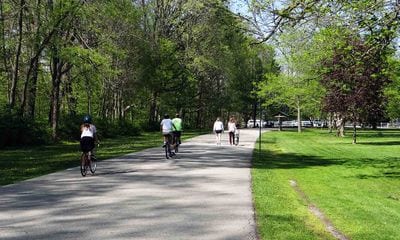
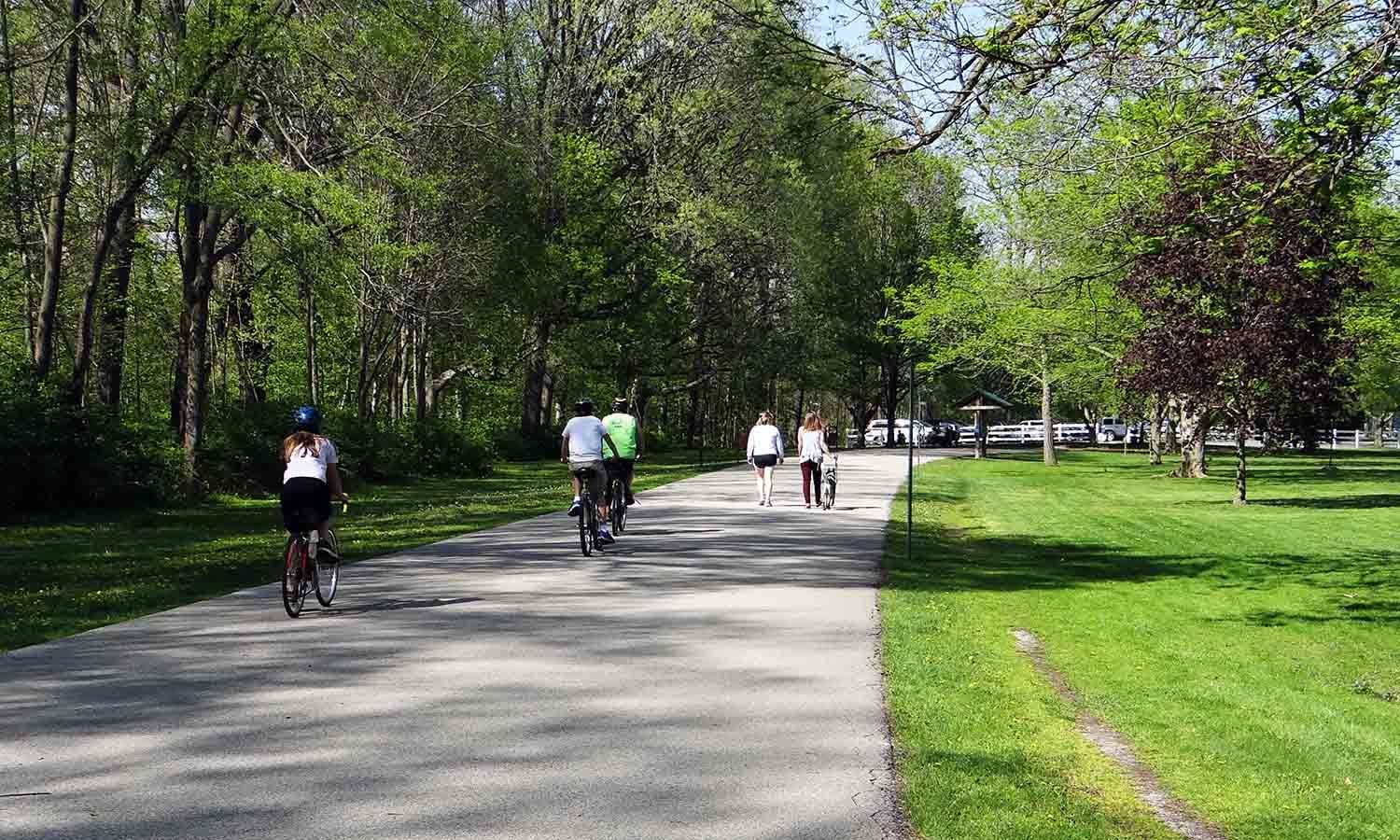
The Rivergreenway is about 26 miles of paved trail following all three of Fort Wayne's rivers, from the confluence downtown out into the neighborhoods. It was designated a National Recreation Trail in 2009 and links many of the sights on this list, from Promenade Park and Headwaters Park to Johnny Appleseed Park.
Walk a short loop downtown or rent a bike and ride for an afternoon, with river views, bridges and parks along the way. It also connects to the city's wider trail network, so it is easy to stretch a ride well beyond the riverbanks.
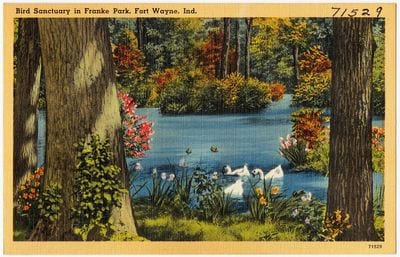
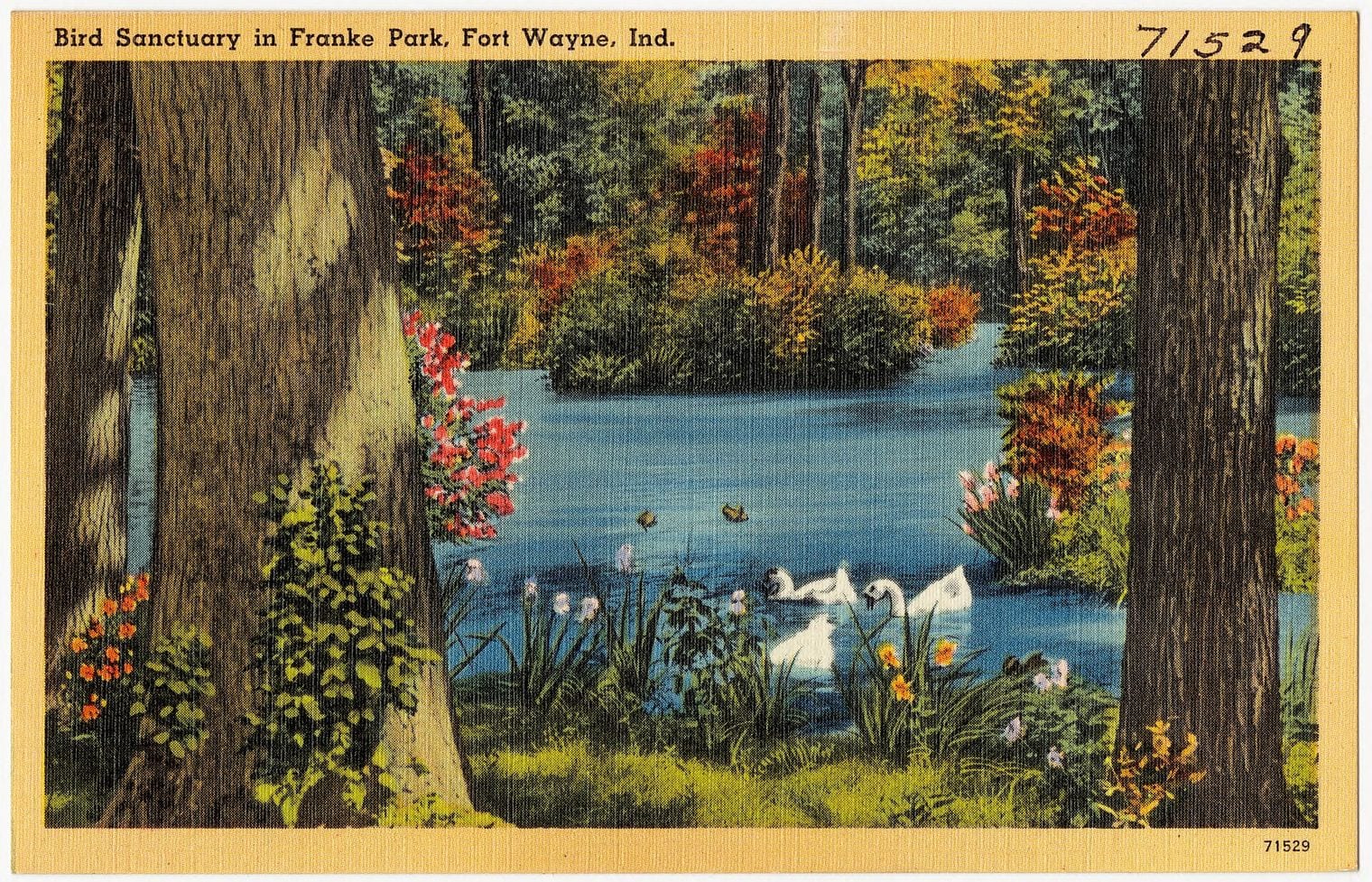
Franke Park is Fort Wayne's largest city park, more than 300 acres on the north side that grew from land donated by John B. Franke in 1921. The zoo takes up one corner, but most of the park is woods, meadows and water.
The Foellinger Theatre, an outdoor amphitheater set into a grassy hillside, hosts concerts and film nights through the summer. Elsewhere you can fish or birdwatch at Shoaff Lake, follow the wooded trails, or bring the children to the playgrounds and sledding hill.
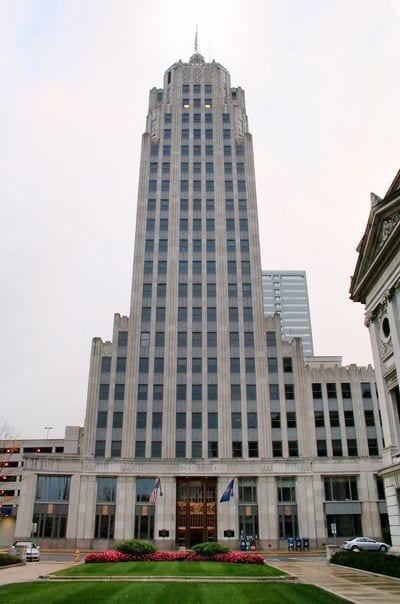
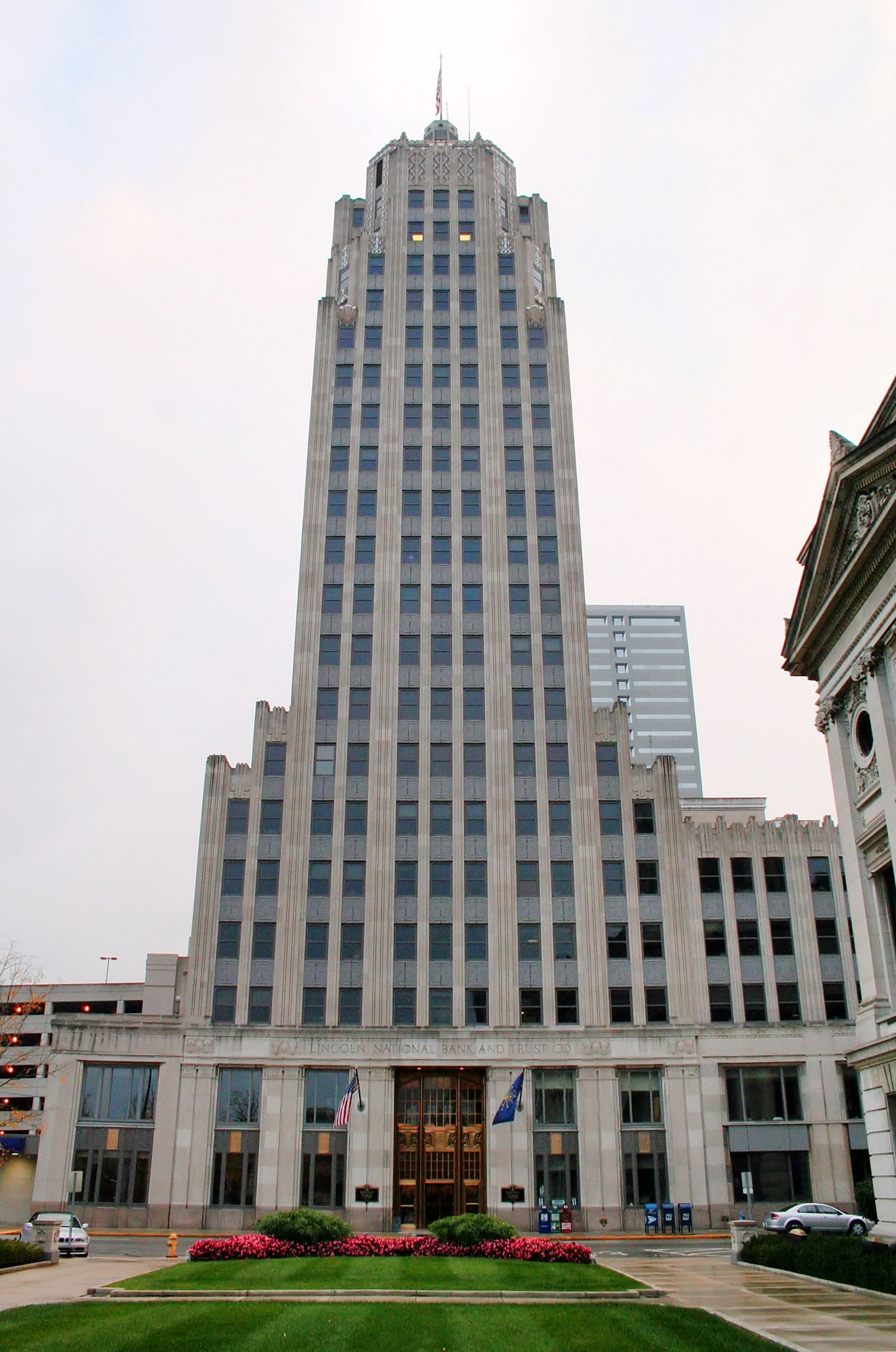
Lincoln Tower was finished in 1930 and, at 22 storeys, stood as the tallest building in Indiana until 1962. Its Indiana limestone shaft and gilded Art Deco details still give downtown its most elegant silhouette.
Walk into the lobby, which is open to visitors during business hours, to see the barrel-vaulted ceiling, the bronze panels depicting Abraham Lincoln and the murals celebrating energy. It takes only a few minutes, and it is a striking Art Deco interior.
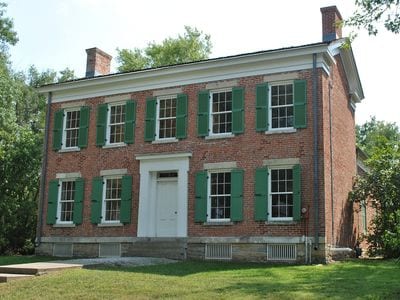
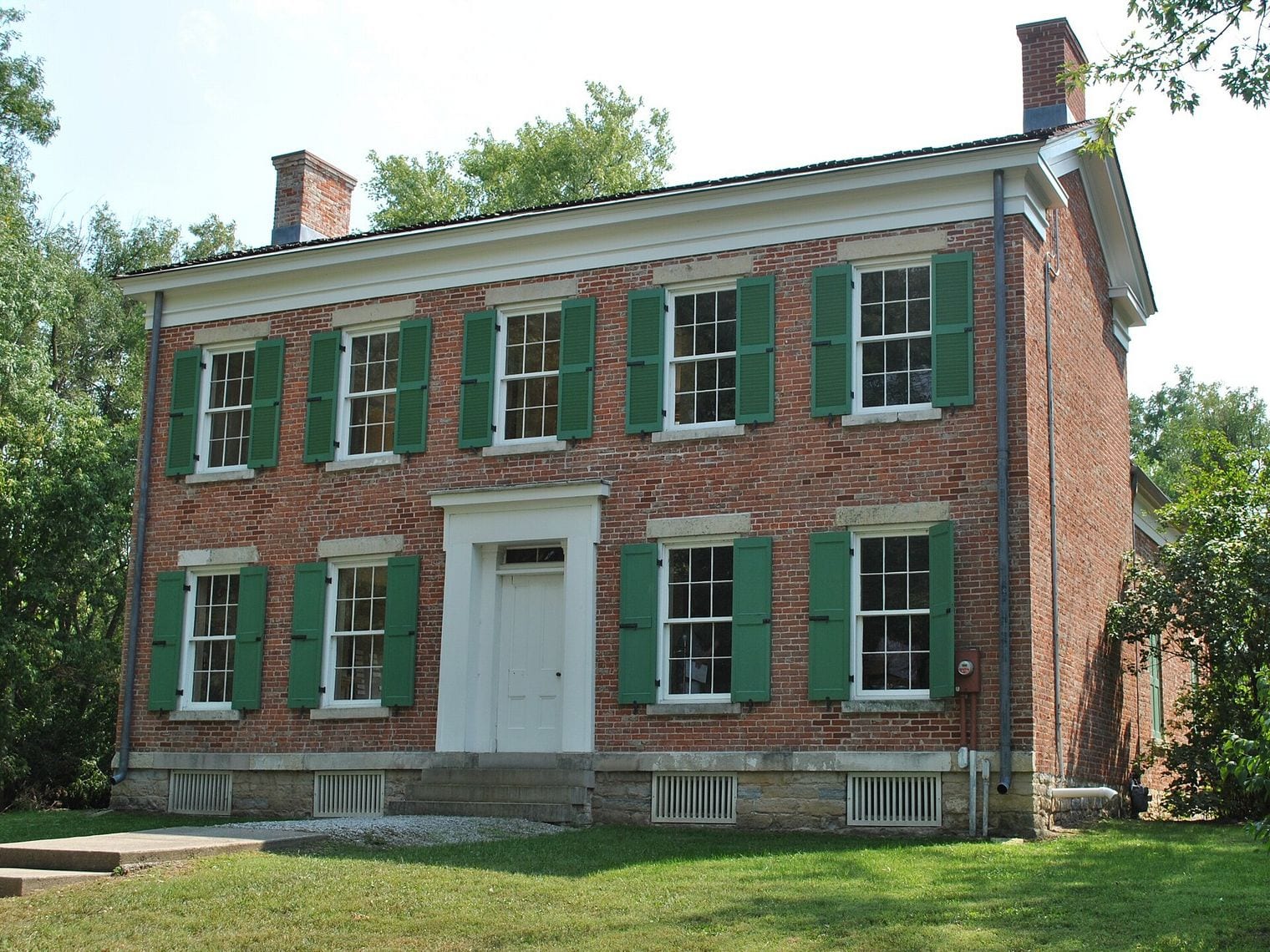
The Chief Richardville House was built in 1827 for Jean Baptiste de Richardville, principal chief of the Miami, with funds promised by the United States in a treaty. This Greek Revival house on the city's south side is often described as the oldest Native American house in the Midwest and is a National Historic Landmark.
Run by The History Center, it opens for tours on select days in the warmer months, when guides show the rooms where Richardville lived and died, and his safe. It is a short but moving stop that tells a side of the city's story many visitors miss.
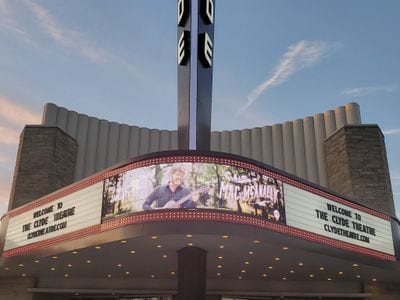
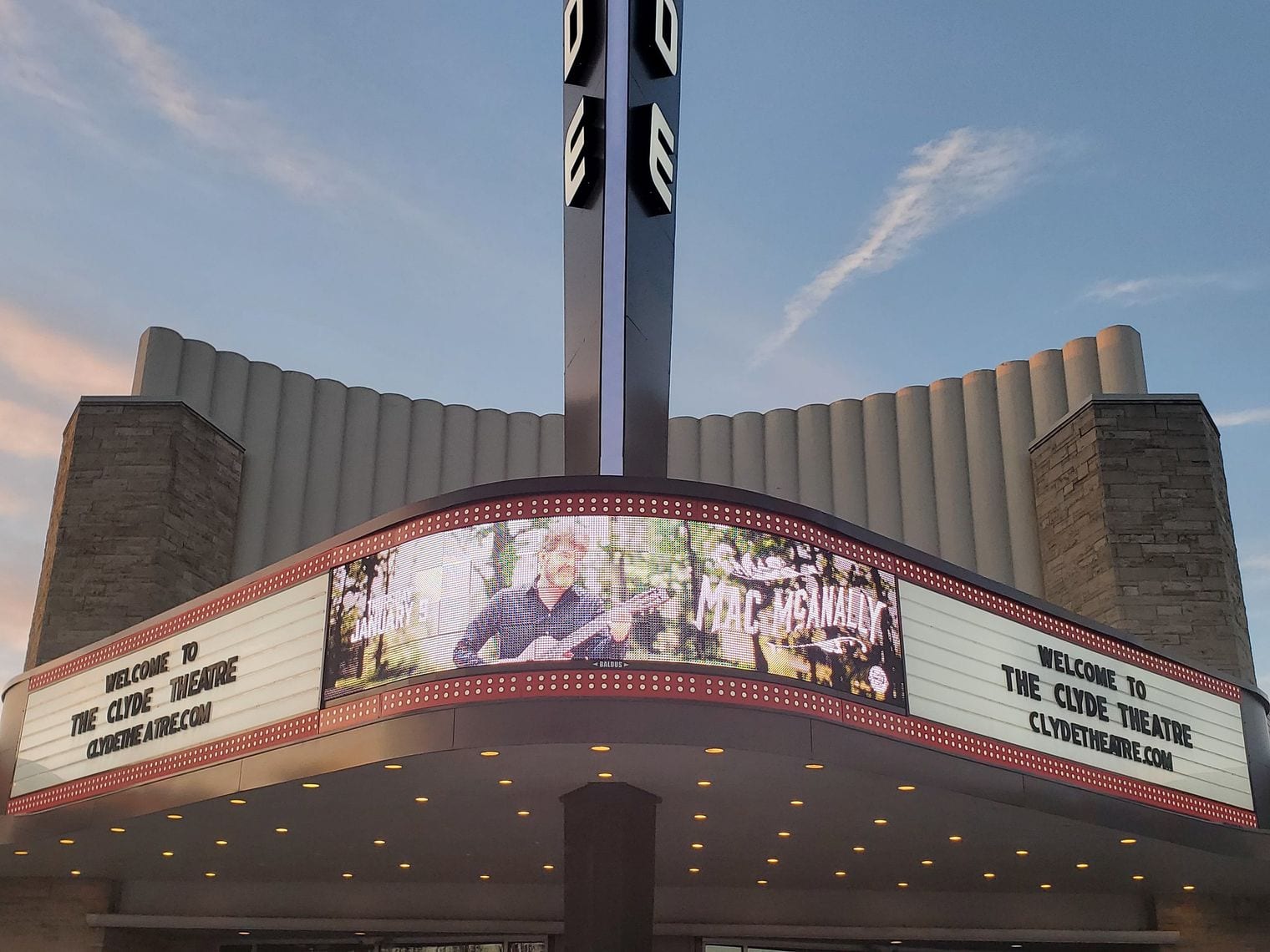
The Clyde Theatre opened in 1951 as a mid-century movie house in the Quimby Village shopping center, its neon blade sign spelling out the name above the street. After sitting empty for years it reopened in 2018 as a live-music venue following a major renovation.
Today it is the city's favorite club-sized stage, drawing touring bands and comedians to a room with good sound and sightlines throughout. Check the calendar before your trip and book ahead for the bigger names.
Plan your trip
Best Time to Visit Fort Wayne
Late spring through early fall is the best time to visit Fort Wayne. The zoo, the Old Fort grounds and the river boats run in the warm months, the roses at Lakeside Park peak in June, baseball fills Parkview Field all summer, and Headwaters Park hosts the Three Rivers Festival in July. September brings the Johnny Appleseed Festival and mild days that suit the trails and Eagle Marsh.
Winters are cold and snowy, but the city does not shut down: the Embassy Theatre's season, Komets hockey at the Coliseum, the Headwaters ice rink and the warm glass houses of the Botanical Conservatory make a winter weekend worthwhile, and the downtown holiday lights add to it.
Getting to Fort Wayne
Most visitors drive. Interstate 69 runs along the city's west side, linking Fort Wayne with Indianapolis about two hours to the southwest and with Michigan to the north, while I-469 loops around the south and east and US 30 and US 24 cross the city from Ohio to the west. Chicago is roughly three hours away.
Fort Wayne International Airport, on the south side of the city, has domestic flights to major hubs. For more choice, Indianapolis International Airport is about two and a half hours away by car and Detroit Metropolitan about the same. Intercity buses also serve the city.
Getting Around Fort Wayne
Downtown is compact and walkable, with Parkview Field, the Embassy Theatre, The Landing, the courthouse, the museums and Promenade Park all within a short stroll of each other. The Rivergreenway trails make cycling an easy way to link the riverfront parks, and bike rentals are available downtown.
Beyond downtown you will want a car: the zoo, Franke Park, Eagle Marsh, the Richardville House and the Clyde Theatre are spread across the city. A local bus network and rideshare cover the main corridors, and parking is generally easy to find, with garages and surface lots downtown.
Where to Stay in Fort Wayne
Downtown is the best base for a first visit, putting you within walking distance of Parkview Field, the Embassy Theatre, The Landing and the riverfront, which matters most on a game or show night. It is also where the city's newer hotels and historic conversions are concentrated.
The north side, along the I-69 and Coldwater Road corridors, has plenty of mid-range chain hotels and is handy for the zoo and Franke Park, while the southwest side near I-69 and Jefferson Boulevard suits drivers heading to Eagle Marsh or passing through on the interstate.
Where to Eat in Fort Wayne
Downtown and The Landing hold the densest mix of restaurants, bars and patios, and the Union Street Market food hall at Electric Works gathers local vendors under one roof. Hoosier classics are easy to find: coney dogs, a Fort Wayne tradition for generations, breaded pork tenderloin sandwiches and sugar cream pie, Indiana's official state pie.
Fort Wayne also has one of the largest Burmese communities in the United States, so Burmese restaurants and groceries are a local specialty worth seeking out, along with the family-run eateries spread along the city's older commercial corridors.
Day Trips from Fort Wayne
Northeast Indiana's best day trips are close. Auburn, about 25 minutes north, is home to the Auburn Cord Duesenberg Automobile Museum and features in our guide to the best small towns in Indiana, and Pokagon State Park, about 50 minutes north, offers lakeside trails and a famous refrigerated toboggan run. About an hour and ten minutes northwest, Shipshewana and Goshen anchor Amish Country, with buggies on the back roads, quilt shops and farm markets.
For a bigger city, Indianapolis is about two hours southwest, with its museums, Monument Circle and the Indianapolis Motor Speedway, an easy long day or the start of a wider Indiana trip.
Fort Wayne is best known for the Fort Wayne Zoo, the 1928 Embassy Theatre and its Grande Page organ, the riverfront Promenade Park, the Foellinger-Freimann Botanical Conservatory and Parkview Field, home of the TinCaps. It is also famous among family historians for the Genealogy Center and as the burial place of Johnny Appleseed.
How many days do you need in Fort Wayne?
Two full days cover Fort Wayne's highlights comfortably: one for the zoo, Franke Park and the north side, and one for downtown's museums, the courthouse, Promenade Park and an evening game or show. Add a third day for a side trip to Auburn or Amish Country, or for hiking at Eagle Marsh.
Is Fort Wayne worth visiting?
Yes. Fort Wayne packs a revived riverfront, an acclaimed ballpark, a historic movie palace, a reconstructed frontier fort and one of the country's top genealogy libraries into a compact, easy-going city. It suits families, history lovers and anyone exploring northern Indiana, and it is an easy drive from Indianapolis, Chicago and Detroit.
What can you do in Fort Wayne for free?
Plenty: walk the Tree Canopy Trail at Promenade Park, follow the Rivergreenway along the three rivers, see the rose garden at Lakeside Park, and visit Johnny Appleseed's grave. Downtown, the Allen County Courthouse rotunda, the Lincoln Tower lobby and the Genealogy Center are free, as are the trails at Eagle Marsh and Franke Park.
When is the best time to visit Fort Wayne?
Late spring through early fall is best, when the zoo is open, the roses bloom at Lakeside Park in June, the TinCaps play at Parkview Field and the Three Rivers Festival fills Headwaters Park in July. September's Johnny Appleseed Festival is another good reason to come.
Sources & updates
How this guide was checked
Checked before launch
Sources cited
25
Publishers
20
Every place on this list was confirmed open and pinned on the map before publication, and what we say about each one was checked against its own website or an official source.
A PDF with a box to tick for every place. Confirm your email to download it, and get one email every Thursday with our newest guides for the places you tick.
Free Fort Wayne printable checklist
All 25 places in one PDF
Tick them off as you go. Confirm your email to download it, plus one email every Thursday with new guides for the places you tick.
We use cookies to analyse site traffic and improve your experience.
You can accept or reject analytics cookies. See our
May we use analytics cookies? See ourCookie Policy.