We may earn a commission if you book or buy through a link on
this page, at no extra cost to you. It never affects which places we list or how
we rank them (how we make money).
Short answer
Dublin's three essentials are the Guinness Storehouse, Ireland's most-visited attraction, the ninth-century Book of Kells and the barrel-vaulted Long Room above it at Trinity, and Kilmainham Gaol, where the leaders of the 1916 Rising were executed. Three days is the sweet spot; two covers those at a rush, with one national museum squeezed in.
Dublin is small enough to cross on foot and dense enough to keep you busy for a week. A Viking port that became a Georgian capital, it stacks a medieval crypt, the national museums and the brewery at St James's Gate within a few streets of the Liffey.
This guide ranks the 50 best things to do in Dublin by how many people actually rate them, from the Guinness Storehouse and the Book of Kells to Kilmainham Gaol and Croke Park. Three days covers the essentials; five lets you slow down.
The city has two unrelated names — English "Dublin" comes from the Irish Dubh Linn, the "black pool" where the River Poddle met the Liffey behind Dublin Castle, while the modern Irish name, Baile Átha Cliath, means "town of the hurdled ford" and refers to a crossing point further up the river.
Phoenix Park has nothing to do with the bird. The name is an anglicisation of the Irish fionn uisce, meaning "clear water", after a spring that once rose in the grounds.
Arthur Guinness signed a 9,000-year lease on the St James’s Gate brewery in 1759, at a rent of £45 a year — a term with more than eight millennia still to run.
Dublin was named a UNESCO City of Literature in 2010, only the fourth city in the world to hold the title, after Edinburgh, Melbourne and Iowa City.
Dracula was written by a Dubliner. Bram Stoker was born in Clontarf in 1847 and spent years as a civil servant at Dublin Castle before he ever wrote a word of the novel.
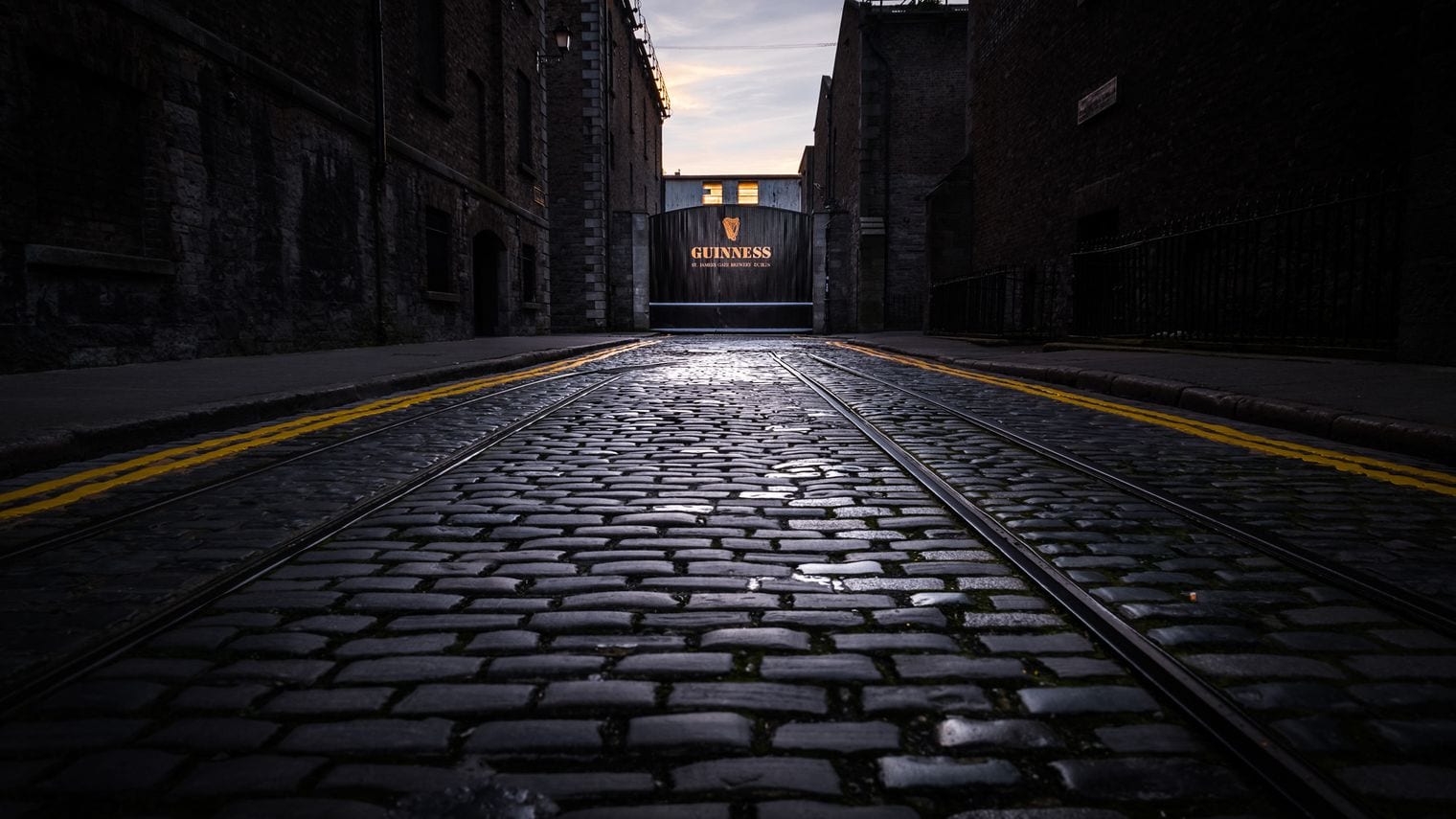
The Guinness Storehouse is the busiest attraction in Ireland, and it earns the crowds by being more than a brewery tour. The building is a 1904 fermentation plant rebuilt around a central atrium shaped like a pint glass, and you climb it floor by floor — barley and hops, coopering, advertising, the art of the pour.
It sits inside the working St James's Gate brewery, where Arthur Guinness signed a famously long lease in 1759. The climb ends at the Gravity Bar, a glass ring at the top where your included pint comes with a wraparound view over the rooftops to the Dublin Mountains.
The Book of Kells is a ninth-century copy of the four gospels, decorated so densely that a single initial can fill most of a page. The Book of Kells Experience walks you through its making — the vellum, the pigments, the monks who spent lifetimes on it — before you reach the manuscript itself, displayed a couple of open pages at a time.
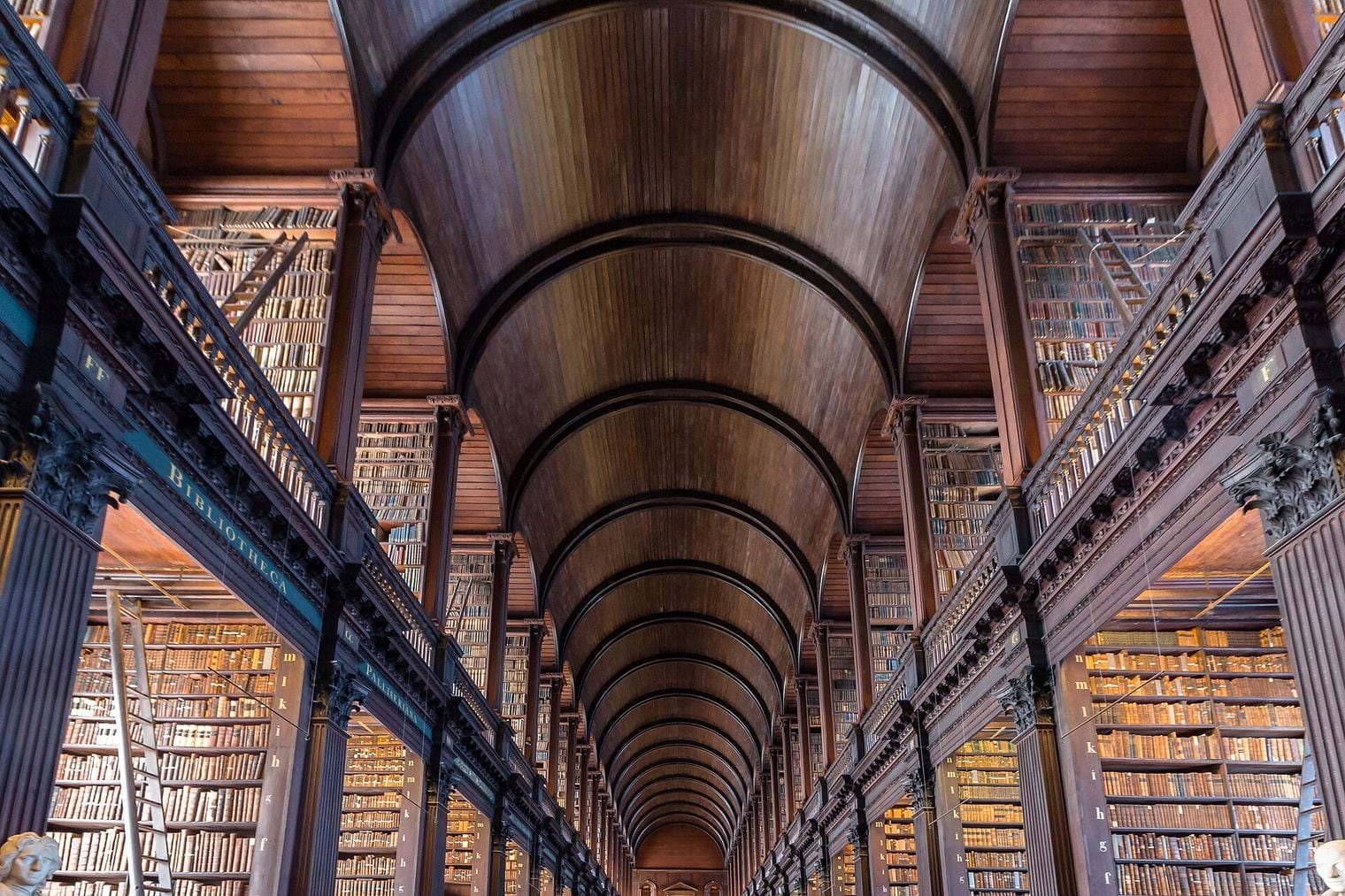
The visit continues upstairs into the Long Room, the barrel-vaulted chamber of Trinity's Old Library lined with marble busts and dark oak stacks. It is one of the great library interiors anywhere, and worth the ticket even before you factor in the book.
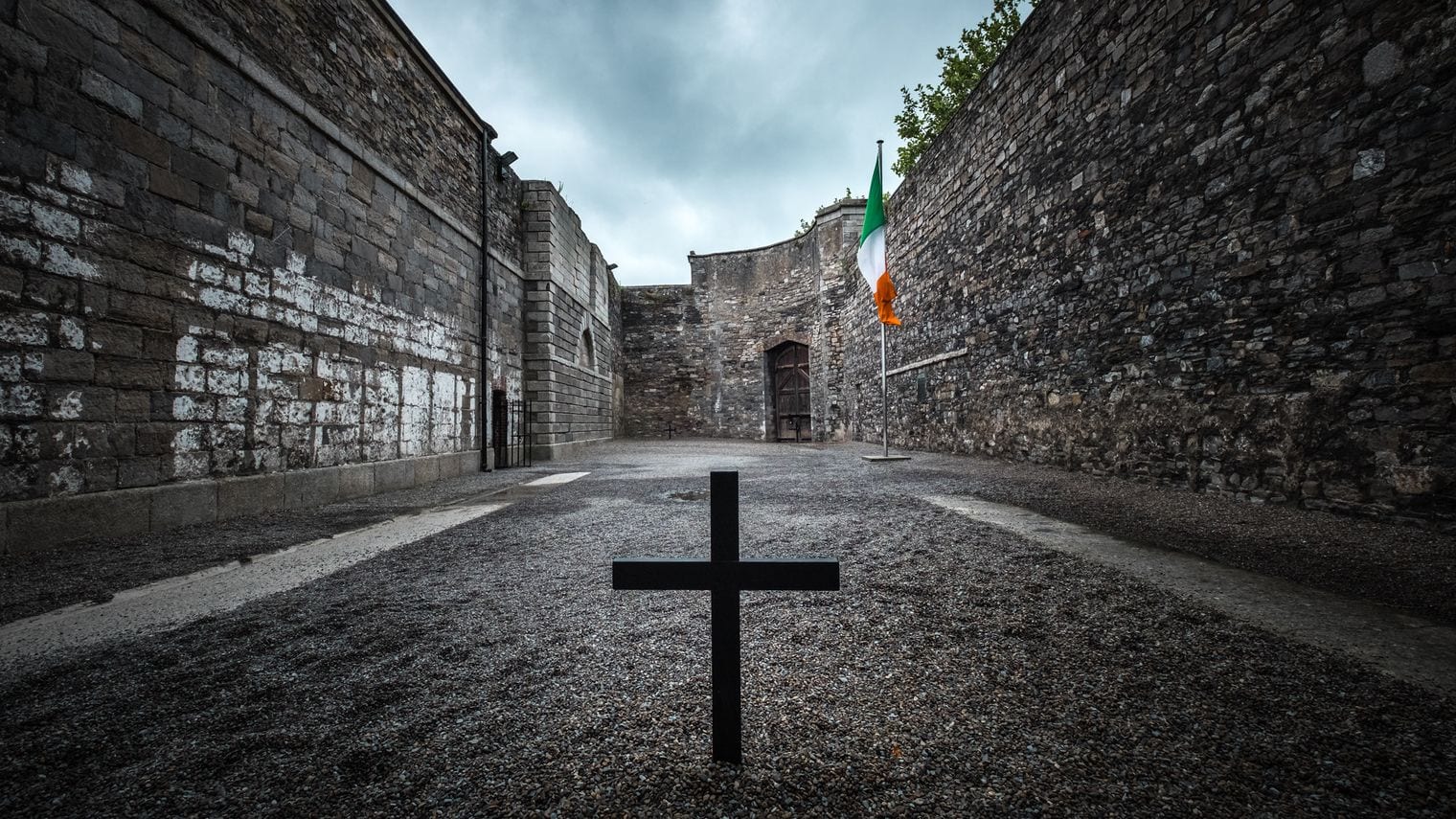
Kilmainham Gaol is the most affecting hour in Dublin. Opened in 1796 and closed in 1924, it held ordinary criminals, famine-era debtors and, most famously, the leaders of the 1916 Easter Rising — including all seven signatories of the Proclamation, shot in its Stonebreakers' Yard in the weeks that followed.
Tours are guided and timed, moving from the cramped older corridors into the Victorian East Wing, a bright galleried hall of iron walkways and a glass roof that has stood in for a prison in more than one film. Book well ahead — it sells out further in advance than anything else on this list.
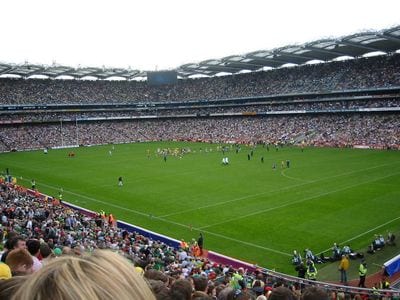
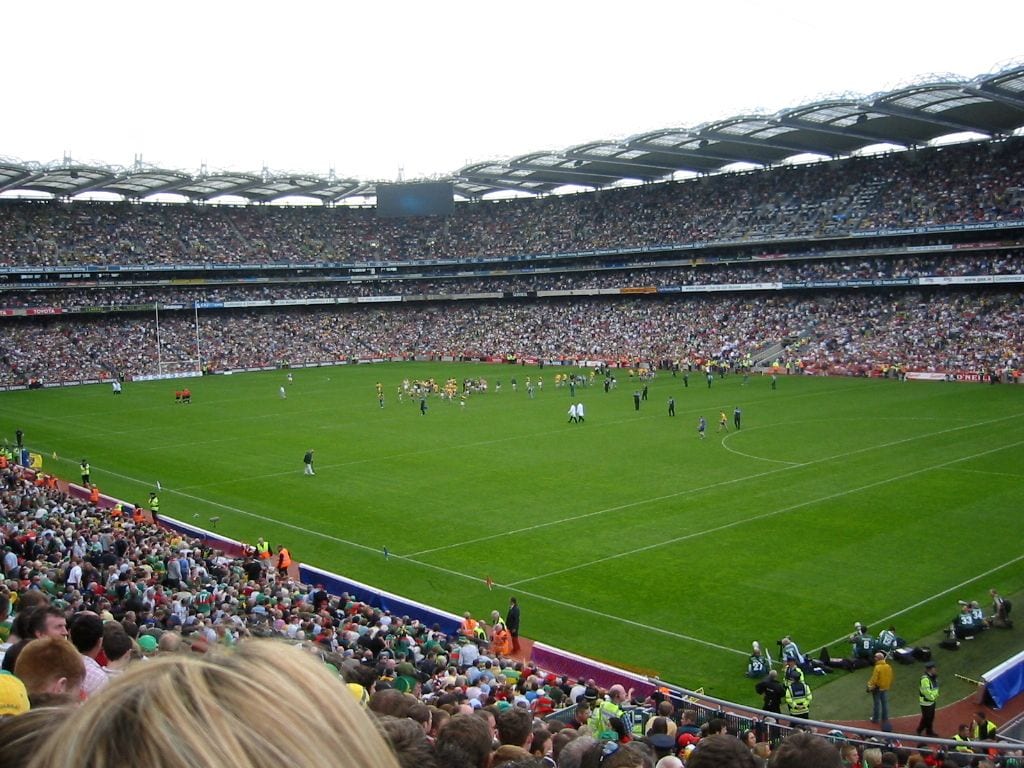
Croke Park is the headquarters of the Gaelic Athletic Association and one of the largest stadiums in Europe, and it hosts sports played almost nowhere else on earth: hurling, which is ancient and alarmingly fast, and Gaelic football, which is neither soccer nor rugby but something of its own.
The stadium tour takes you through the dressing rooms and out pitchside, and the GAA Museum explains the rules well enough that a summer championship match becomes watchable. The Hogan Stand is named for Michael Hogan, a Tipperary player shot dead here on Bloody Sunday in 1920.
Millions of people have left Ireland over the past three centuries, and EPIC The Irish Emigration Museum is the story of where they went and what they carried with them. It occupies the vaulted brick cellars of the CHQ Building in the docklands, a few steps from the quays the ships actually sailed from.
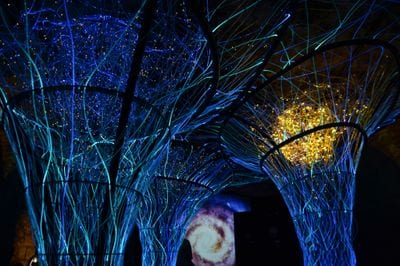
There are no artefacts, which sounds like a weakness and is not. The galleries are built from projection, sound and interactive screens, tracing emigrants into music, politics, food, science and sport around the world, and you are given a passport to stamp as you move through them.
For seven centuries Dublin Castle was the seat of British rule in Ireland, handed over to Michael Collins in 1922 in a ceremony that reportedly lasted minutes. Little of the medieval fortress survives above ground beyond the Record Tower; what you tour are the State Apartments, still used for presidential inaugurations.
The name comes from the Dubh Linn, the black pool where the River Poddle met the Liffey, now a circular lawn behind the castle. Note before you plan around it that the entire site, courtyards included, is closed to visitors until the end of 2026 while Ireland hosts the EU Presidency, and reopens in January 2027.
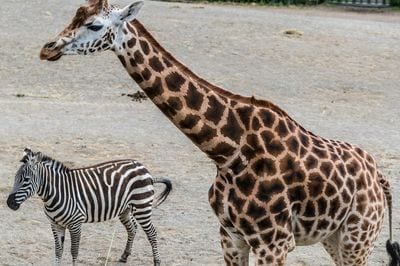
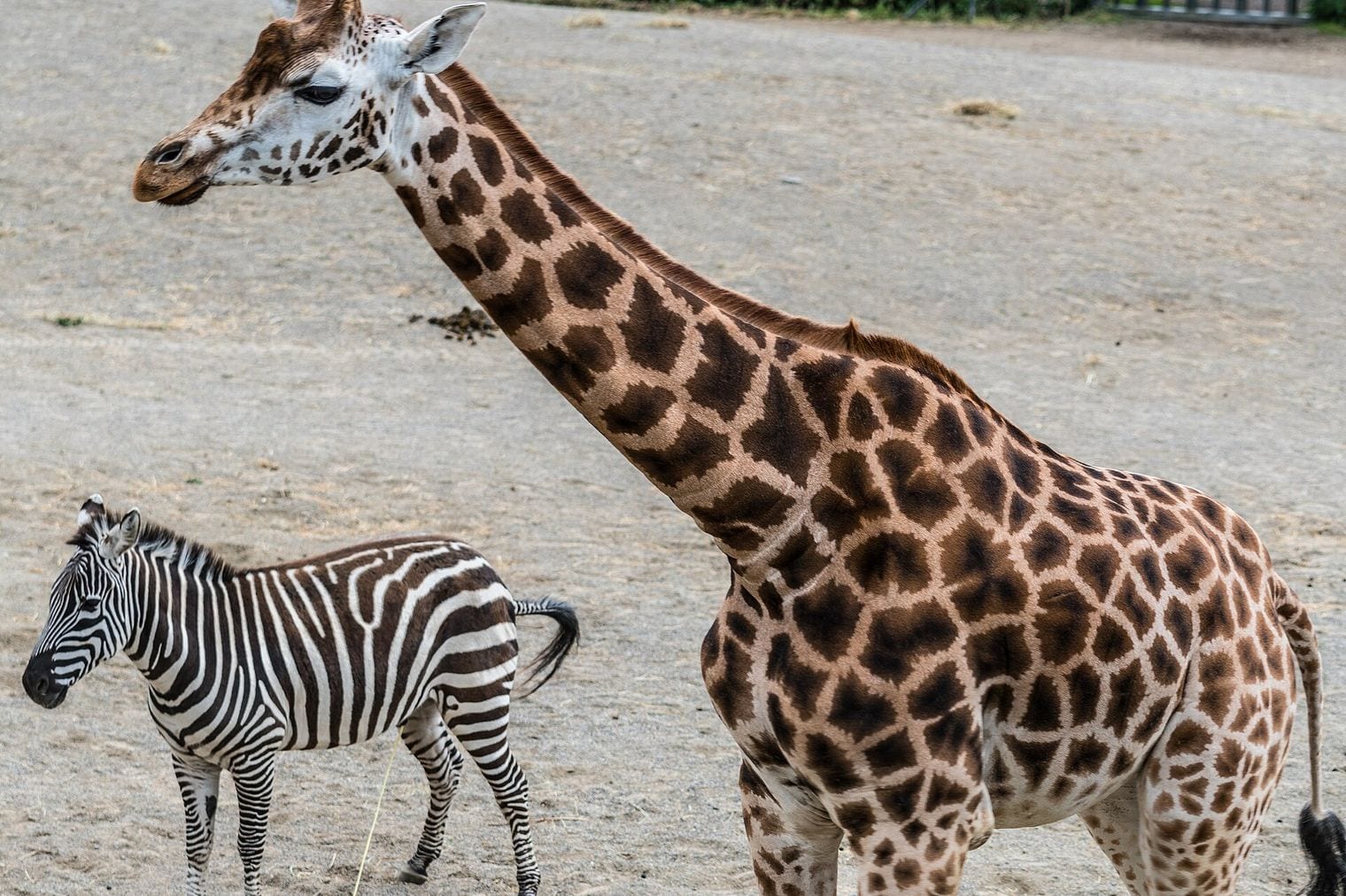
Dublin Zoo opened in 1831, making it one of the oldest zoos in the world, and it has spent recent decades rebuilding itself around large naturalistic habitats rather than cages. The African Savanna, the Asian Forests and the Kaziranga Forest Trail, where the elephants live, are the set pieces.
It sits inside Phoenix Park, so it pairs naturally with a walk afterwards. This is the most reliably good few hours in Dublin for anyone travelling with children, and the lake at its centre makes a pleasant circuit even for those who are not.
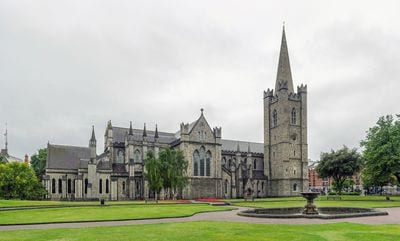
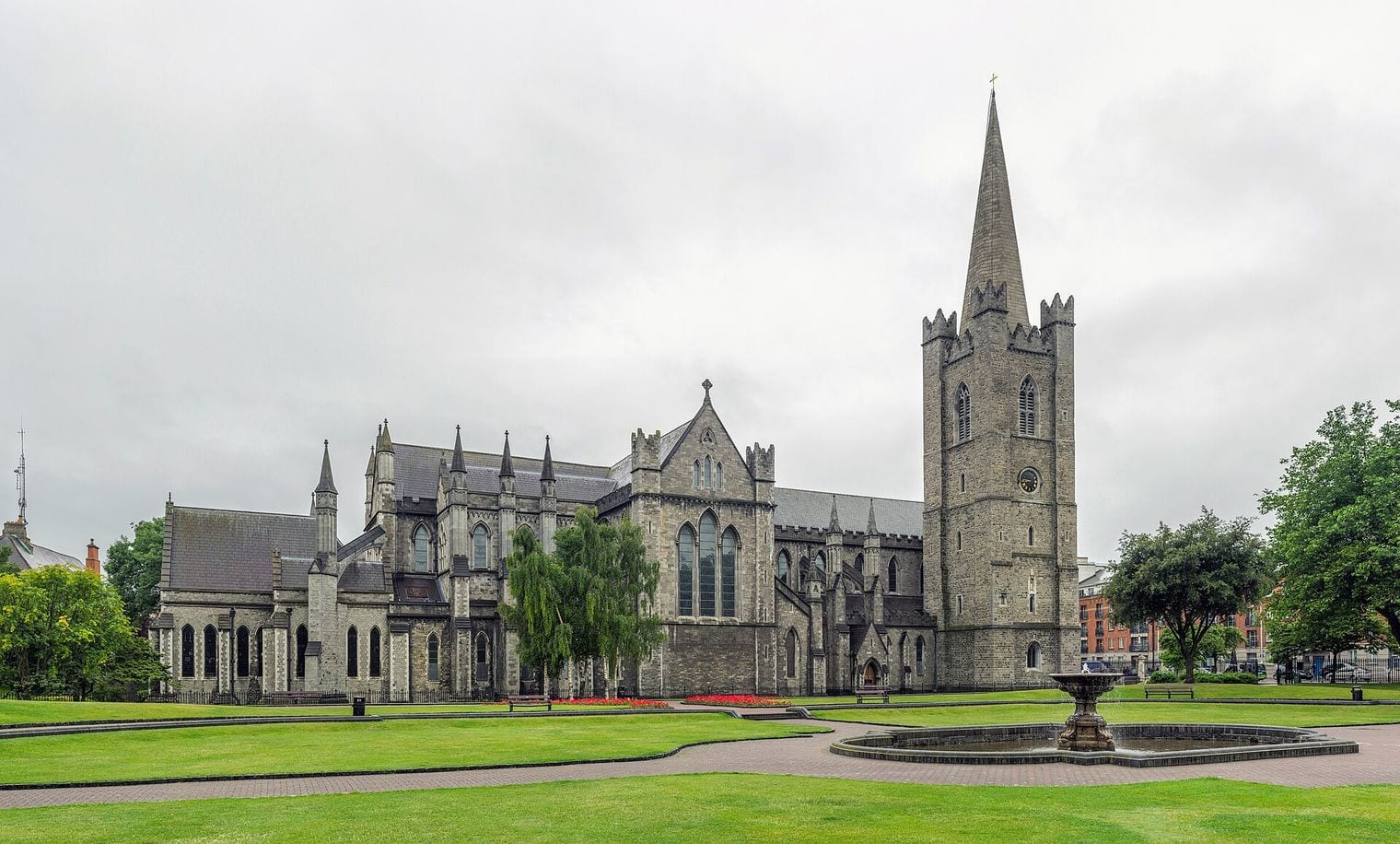
Founded in 1191 beside a well where Saint Patrick is said to have baptised converts, St Patrick's Cathedral is the largest church in Ireland and the national cathedral of the Church of Ireland. The nave is long and cool, hung with the banners, swords and helmets of the Knights of St Patrick.
Jonathan Swift, who wrote Gulliver's Travels, was Dean here for over thirty years and is buried in the floor of the south aisle beside Esther Johnson, the Stella of his letters. The bitter Latin epitaph he composed for himself is mounted on the wall nearby.
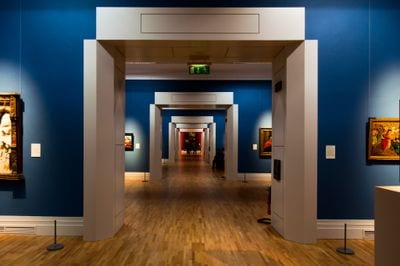
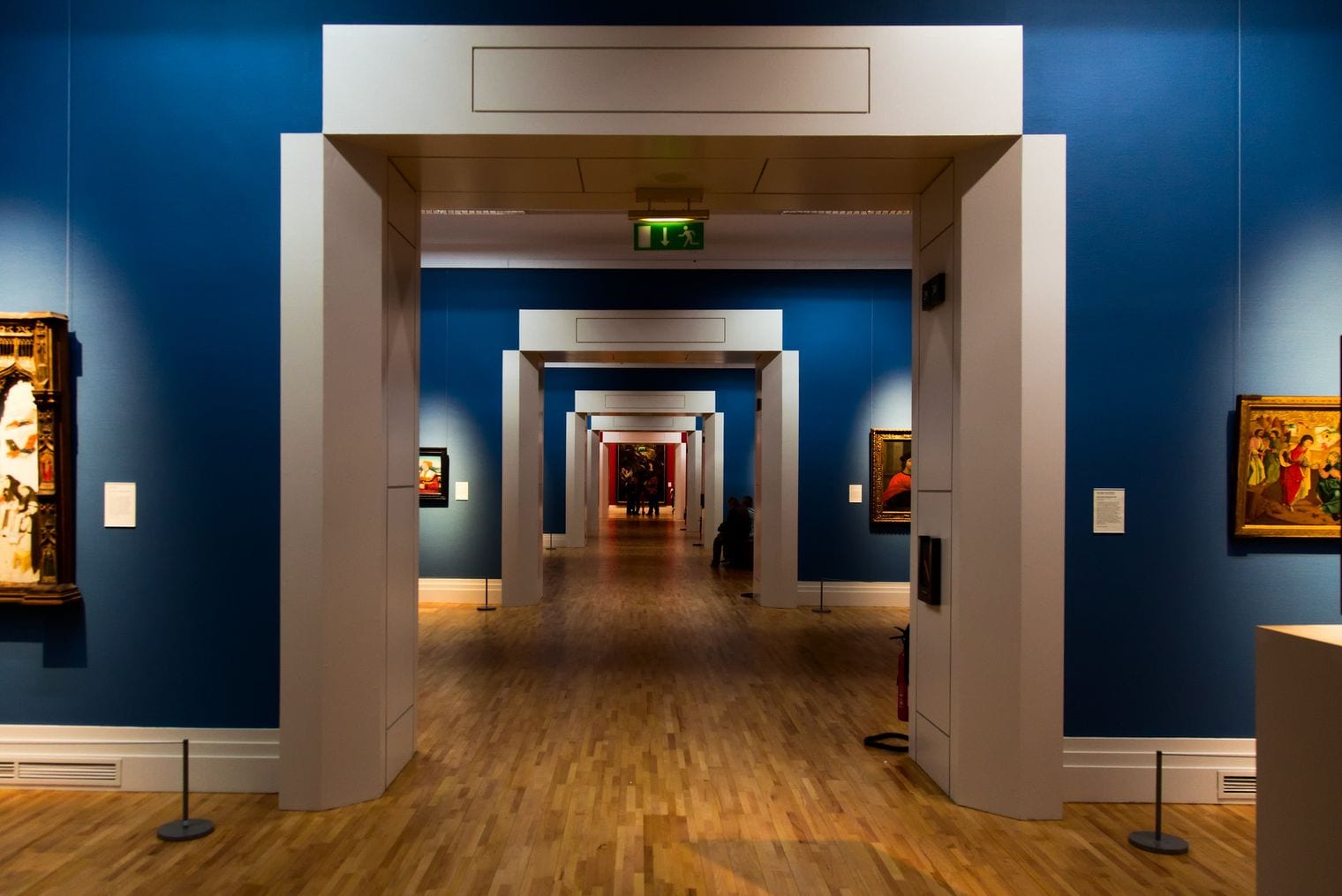
The National Gallery of Ireland is free, central and unhurried, a collection of European art from the Middle Ages onward arranged through a set of linked buildings off Merrion Square. Its most famous holding is Caravaggio's The Taking of Christ, lost for two centuries and identified hanging in a Jesuit house on Leeson Street in 1990.
The Irish rooms are the reason to linger. The gallery has its own Yeats Museum, devoted largely to Jack B. Yeats, brother of the poet, whose late paintings push Irish weather and light close to abstraction.
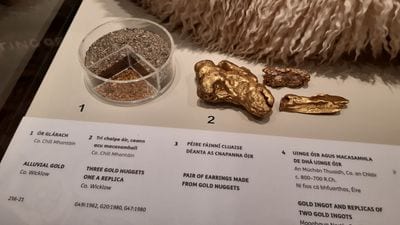
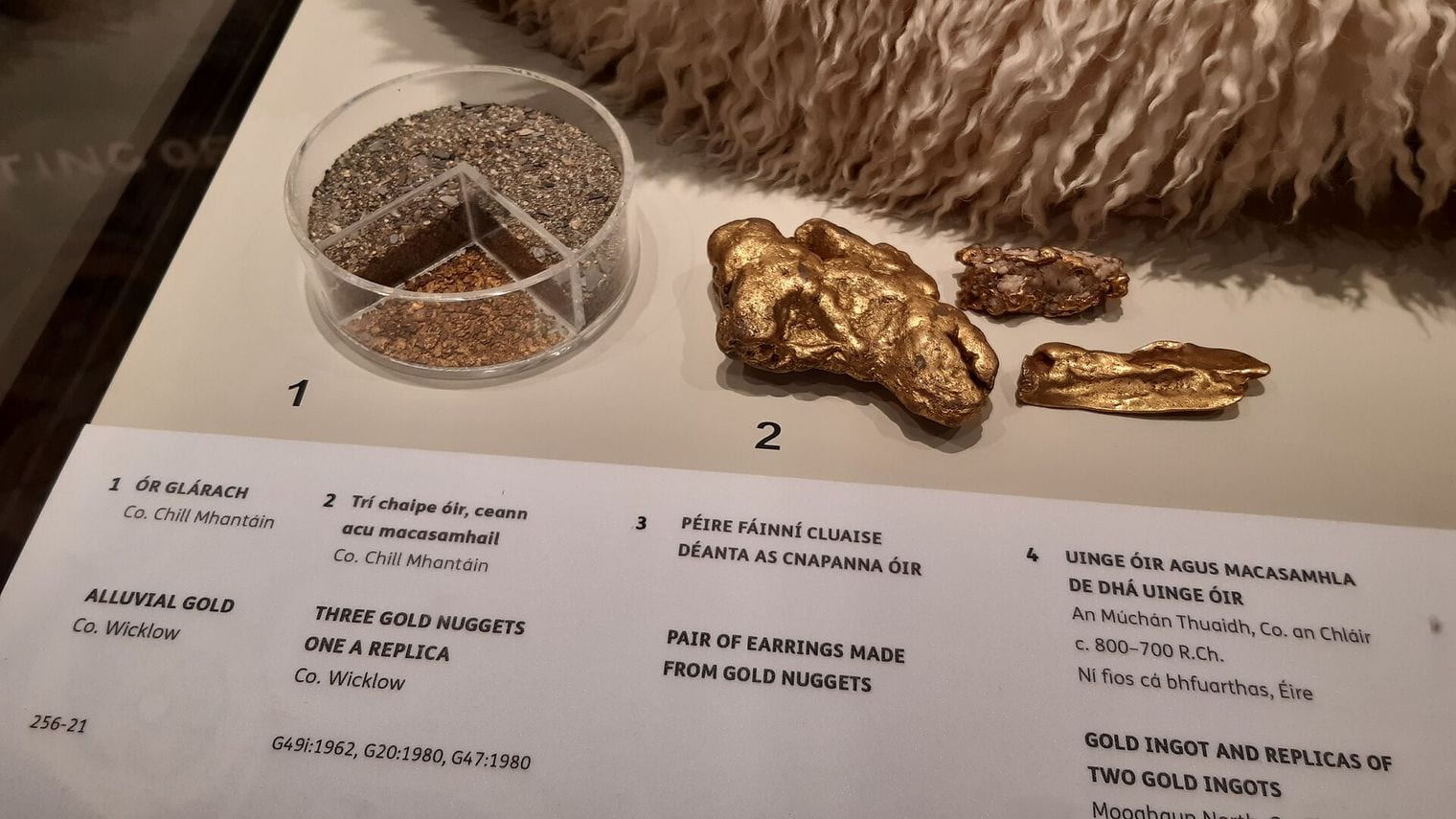
The archaeology branch of the National Museum of Ireland, on Kildare Street, holds the country's treasury: the Ardagh Chalice, the Tara Brooch, and a room of Iron Age bog bodies preserved so completely that fingerprints and styled hair survive.
It is free, domed and Victorian, and the gold room alone justifies the visit. Bronze Age collars, torcs and crescent-shaped lunulae pulled out of bogs across the island make up one of the most important collections of prehistoric gold in western Europe.
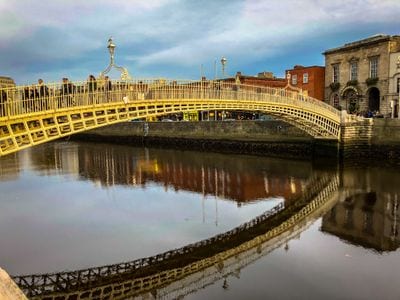
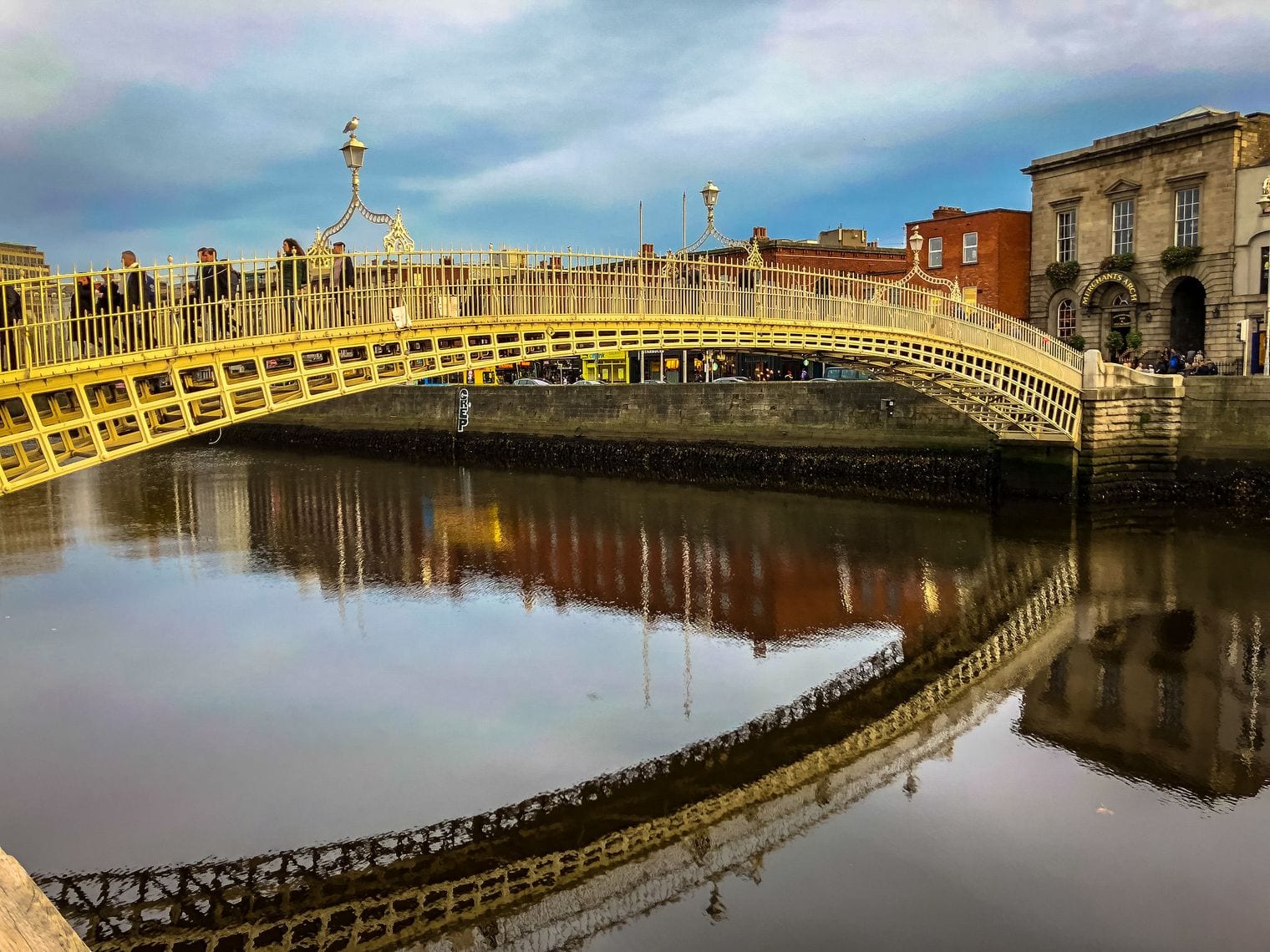
The Ha'penny Bridge is the postcard: a single lamp-lit cast-iron arch thrown over the Liffey in 1816, white-painted and just narrow enough to feel like a bottleneck when the city is busy. Officially it is the Liffey Bridge, and almost nobody calls it that.
The name comes from the halfpenny toll once charged to cross, which lasted over a century. It was the first pedestrian crossing built over the river and remained the only one for well over a hundred years — walk it at dusk, when the quays light up in both directions.
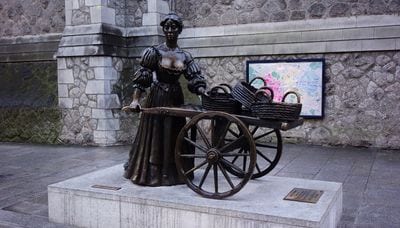
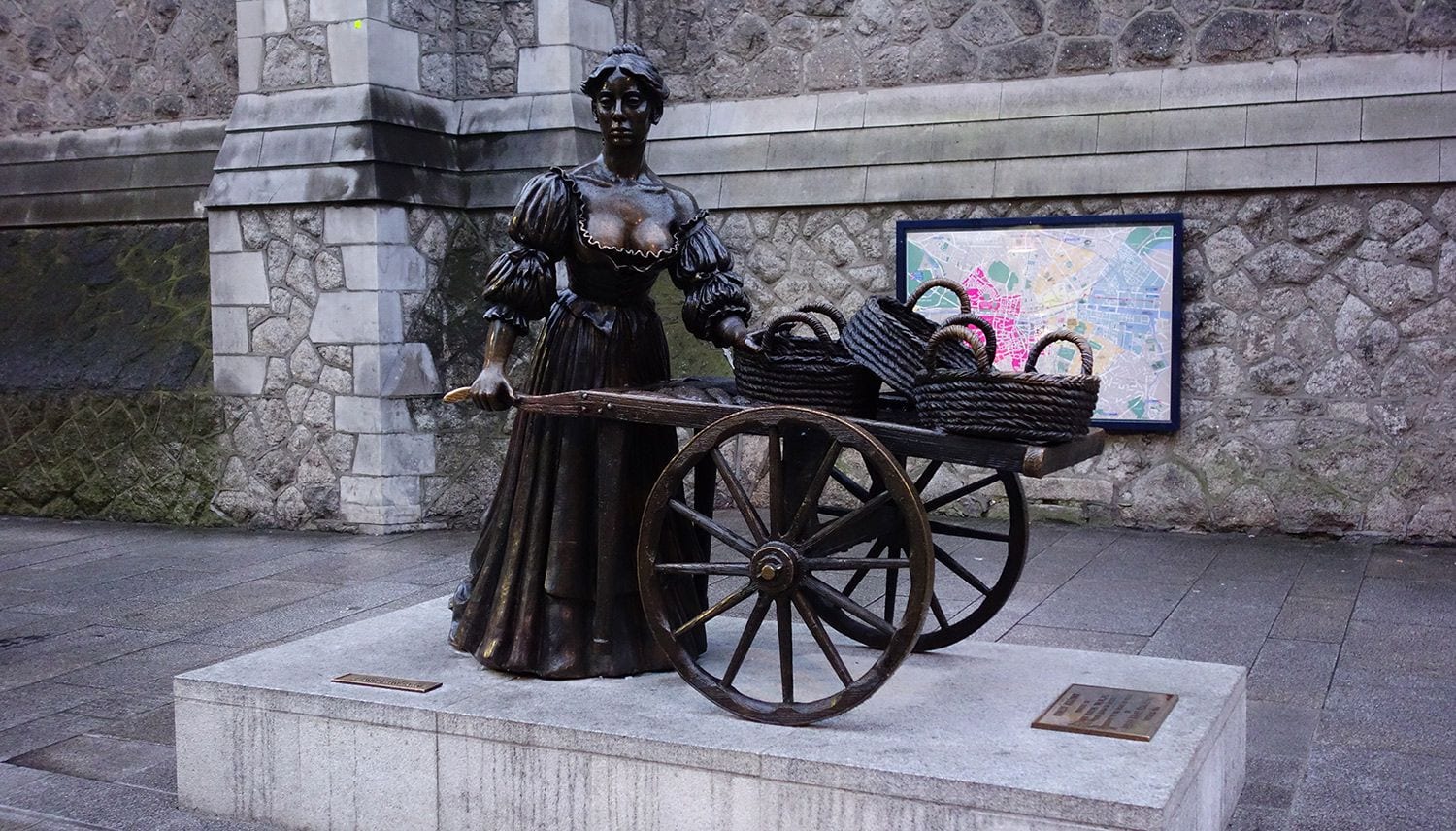
Molly Malone is the fishmonger of the song, wheeling her barrow through streets broad and narrow, and whether she ever existed is a question Dublin enjoys not answering. Jeanne Rynhart's bronze was unveiled in 1988 for the city's millennium celebrations and has been a meeting point ever since.
The Molly Malone Statue now stands on Suffolk Street, a short walk from Trinity's front gate. Dubliners have given her a string of irreverent rhyming nicknames, and the brightly polished patch on the bronze is a tourist habit the city has been actively trying to discourage.
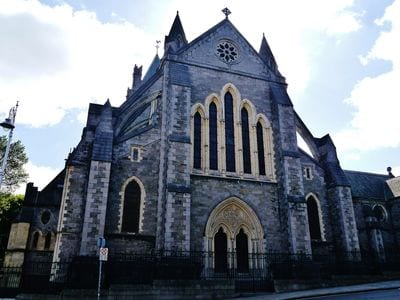
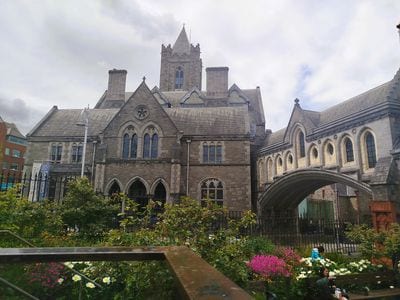
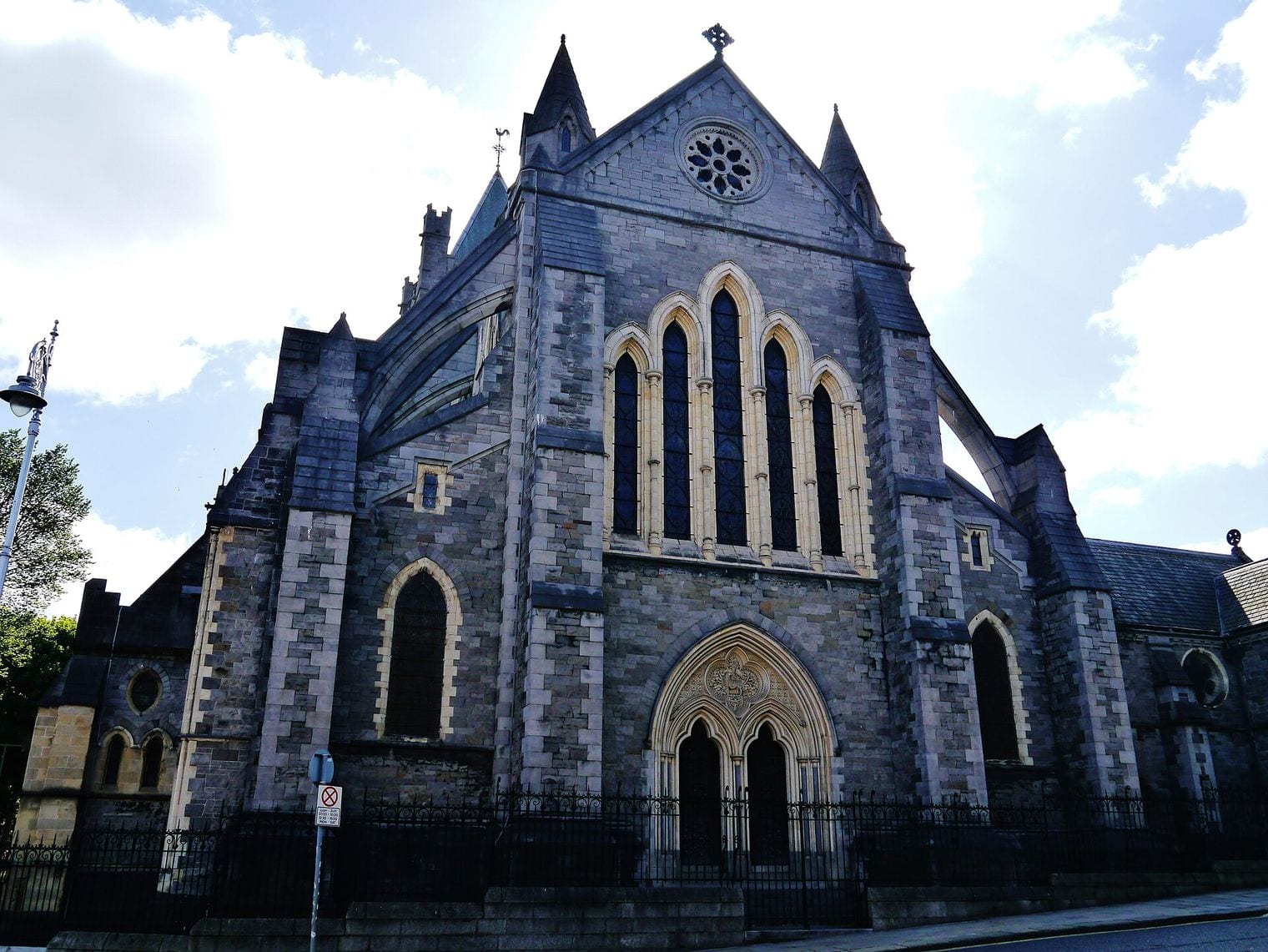
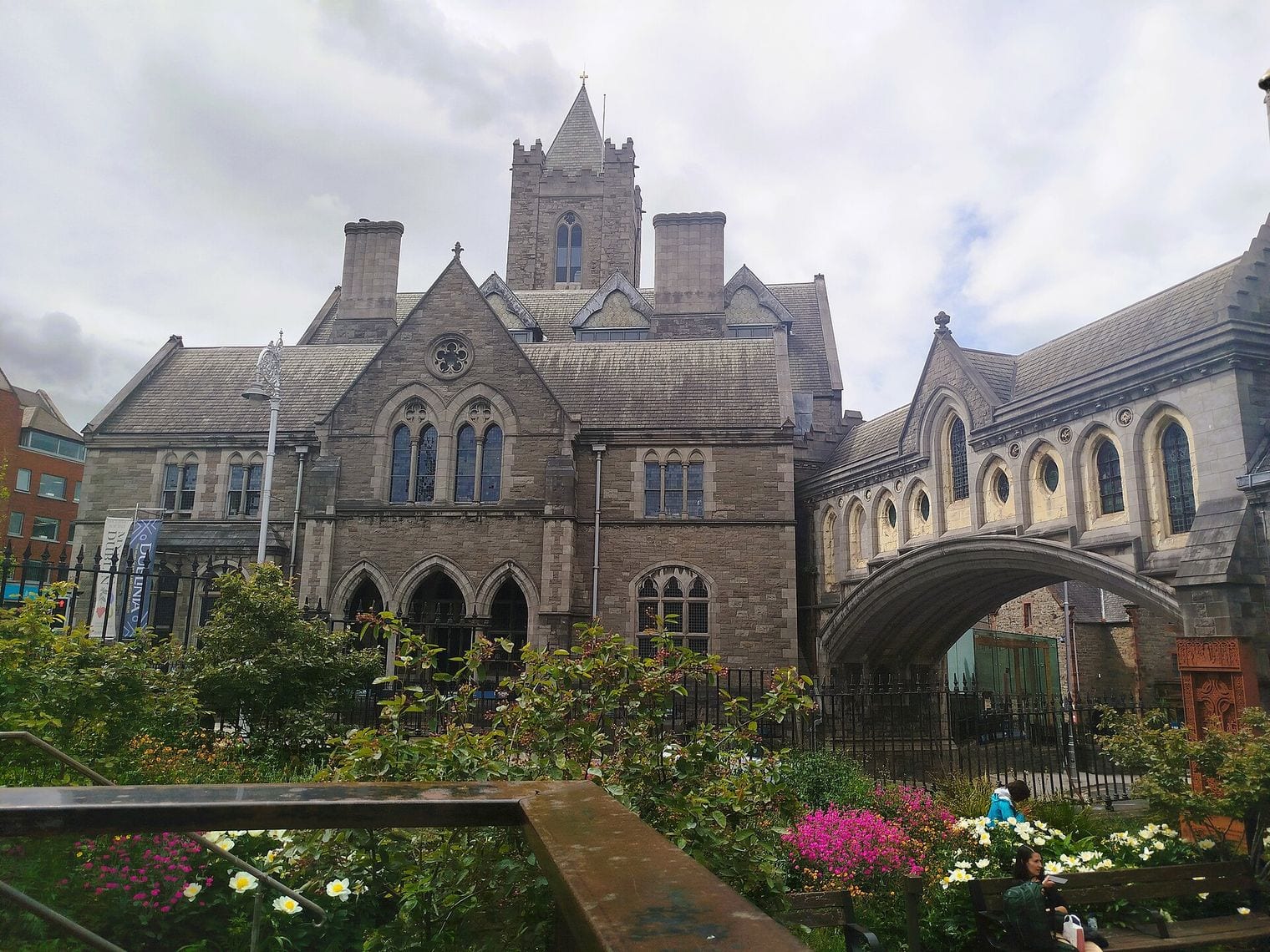
Christ Church Cathedral was founded around 1030 by Sitric Silkenbeard, the Norse king of Dublin, and rebuilt in stone by the Normans a century and a half later. It is the older of the city's two medieval cathedrals and the one with the better crypt.
That crypt runs the full length of the building and is among the largest in Ireland or Britain. Its oddest residents are a mummified cat and rat, found stuck inside an organ pipe in the nineteenth century and known to everybody as Tom and Jerry.
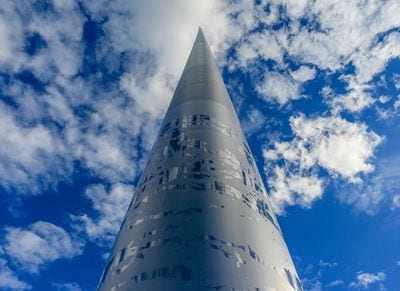
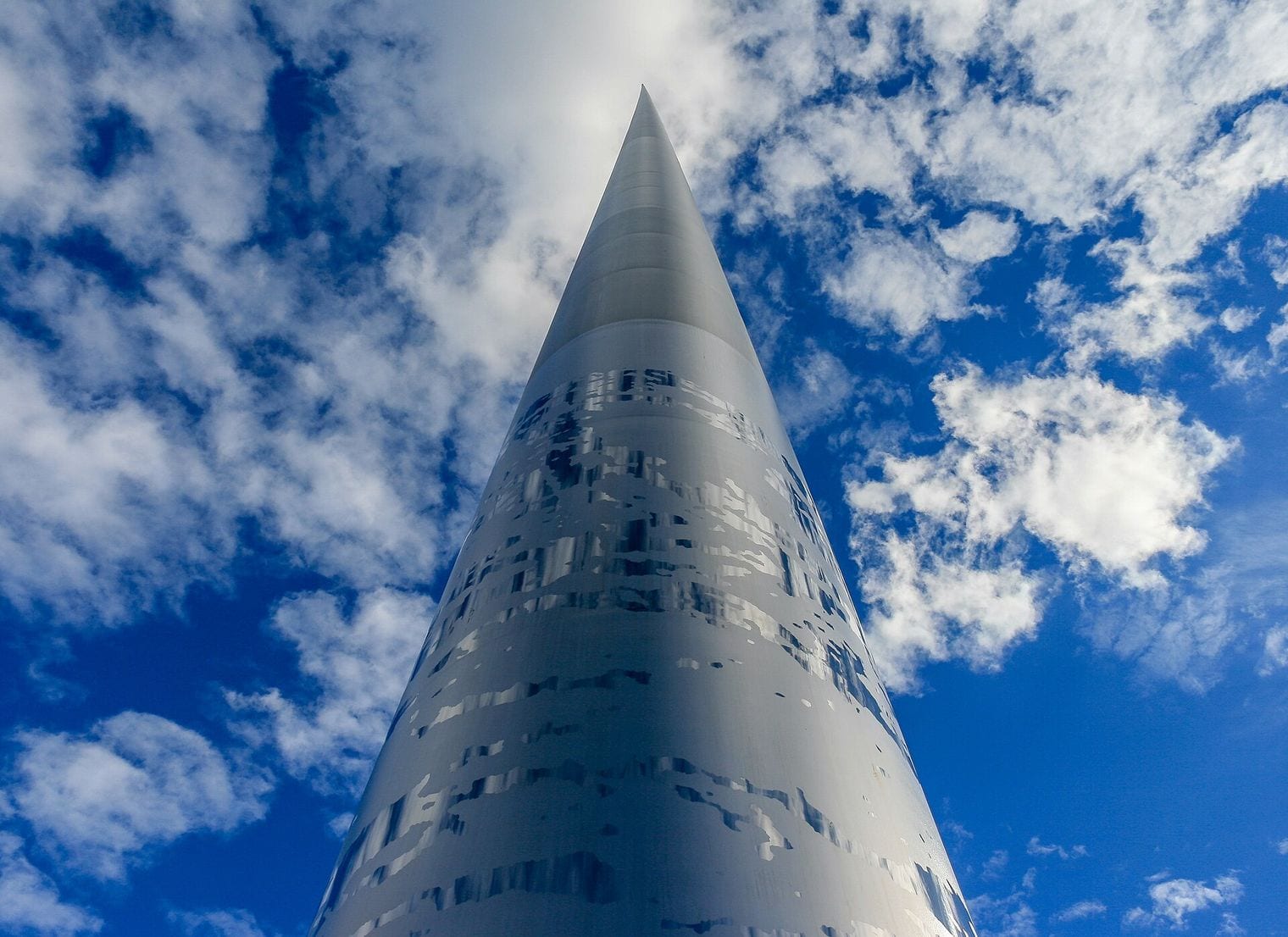
The Spire of Dublin is a 120-metre stainless-steel needle rising from the middle of O'Connell Street, tapering from roughly three metres at its base to a point you cannot quite focus on. Completed in 2003, it stands where Nelson's Pillar stood until it was blown up in 1966.
Local opinion ranges from affection to contempt and it has collected a long list of rhyming nicknames. It is not a thing you visit so much as a thing you navigate by, which is precisely what a landmark on the main street should be.
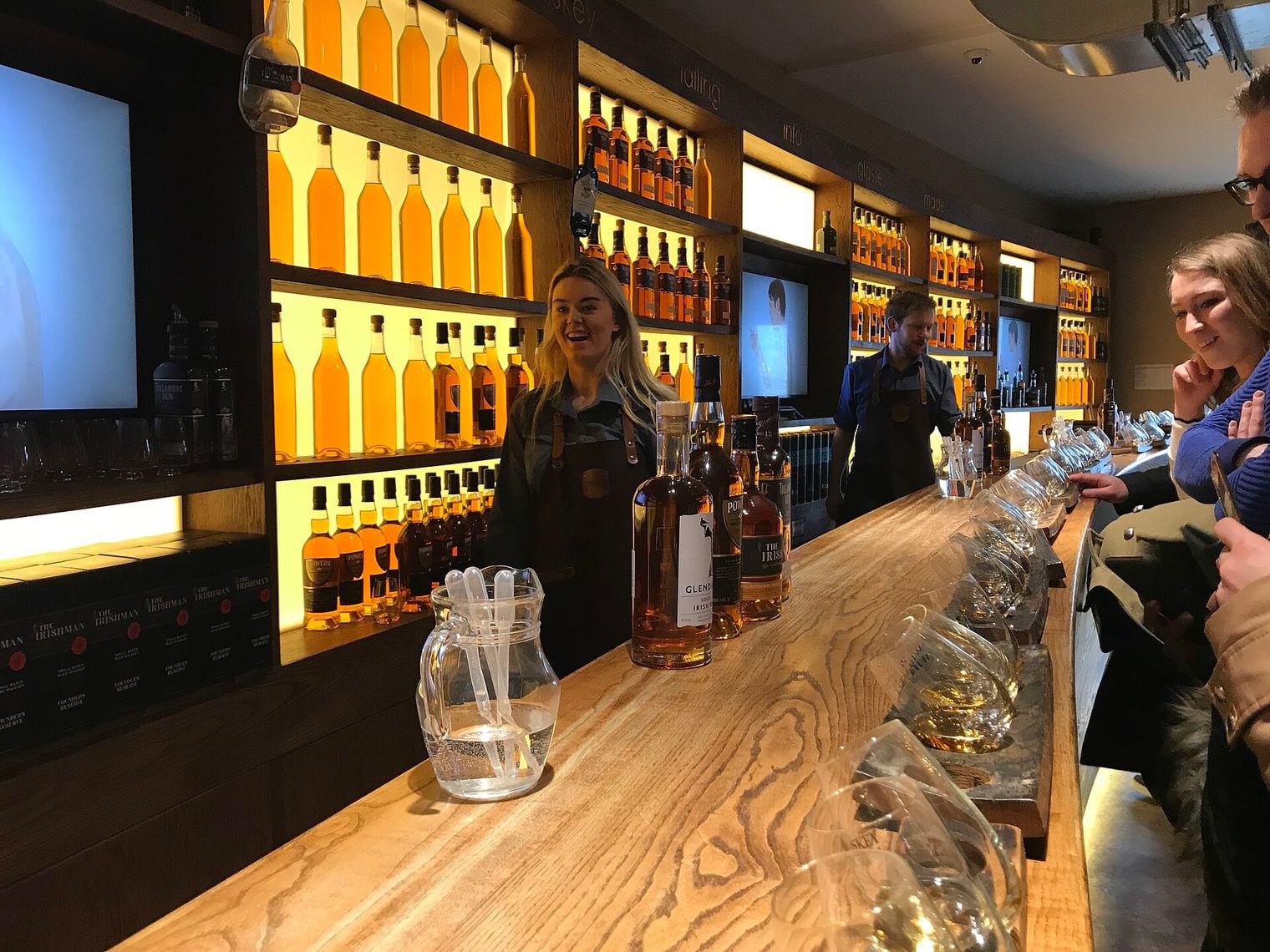
The Irish Whiskey Museum sits opposite Trinity's front gate and tells the story of the whole industry rather than one brand: the rise of Irish whiskey to global dominance in the nineteenth century, the collapse that nearly finished it, and the revival now well underway.
Tours are guided, kept small, and end in a tasting of several whiskeys, with a blending option if you want to leave with your own. Because it is brand-neutral, it is the most useful first stop if you cannot yet tell a single pot still from a single malt.
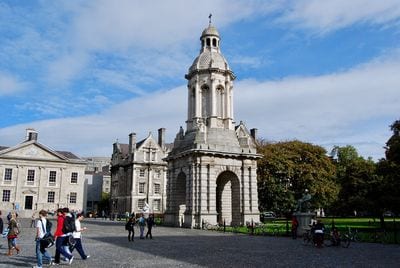
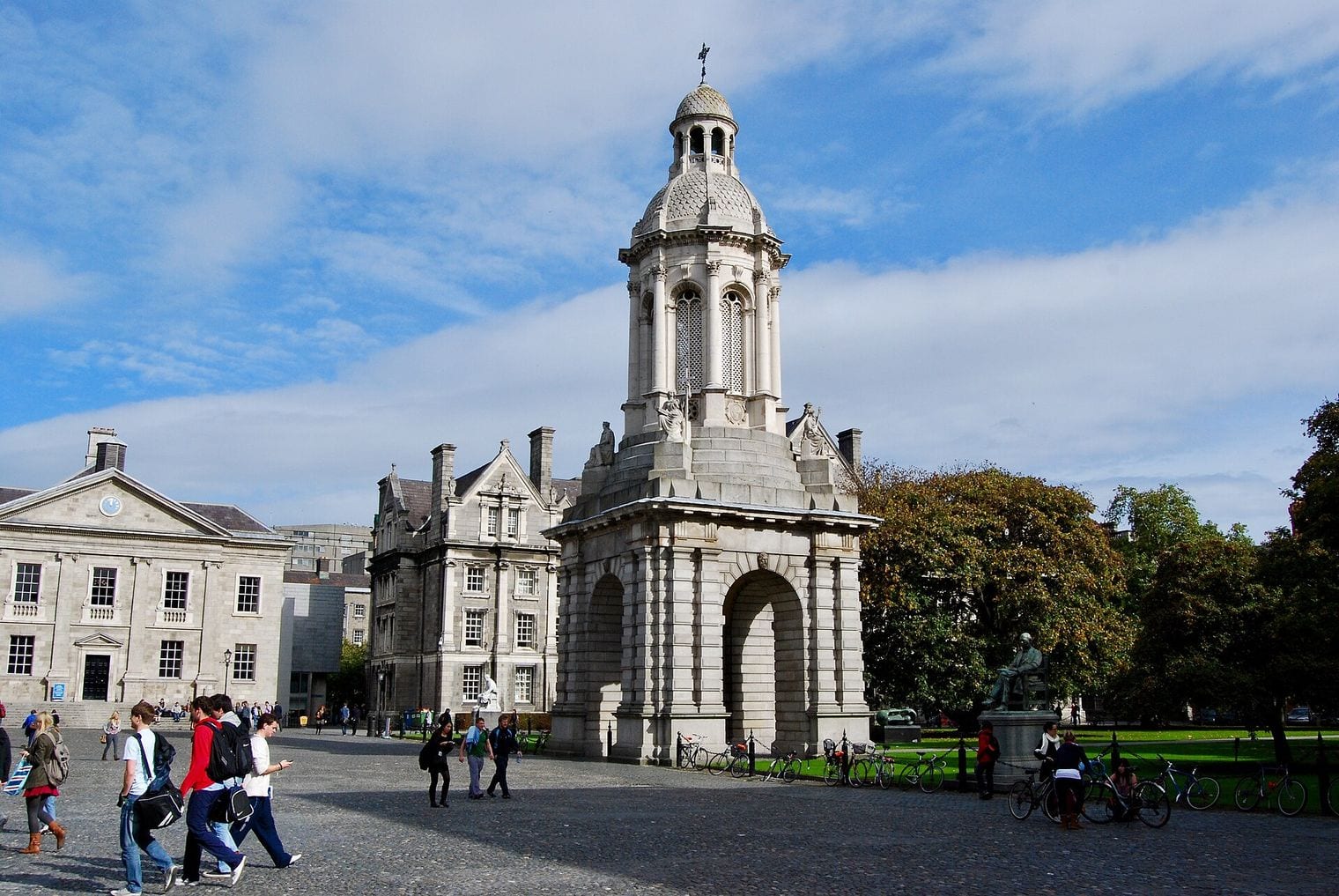
Trinity College Dublin was founded in 1592 by charter of Elizabeth I and remains Ireland's oldest university. Walking in through the front arch from College Green puts you on cobbles between the Campanile and the grey Georgian ranges of Parliament Square, with the noise of the city shut off behind you.
The grounds are free to wander, which is worth knowing if the Book of Kells queue puts you off. Student-led walking tours leave from just inside the front gate and are among the best-value history lessons in the city.
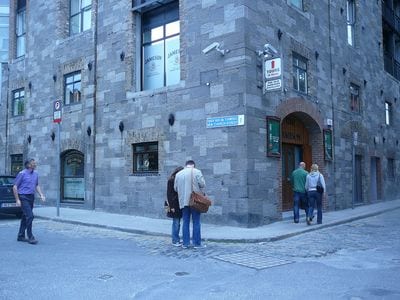
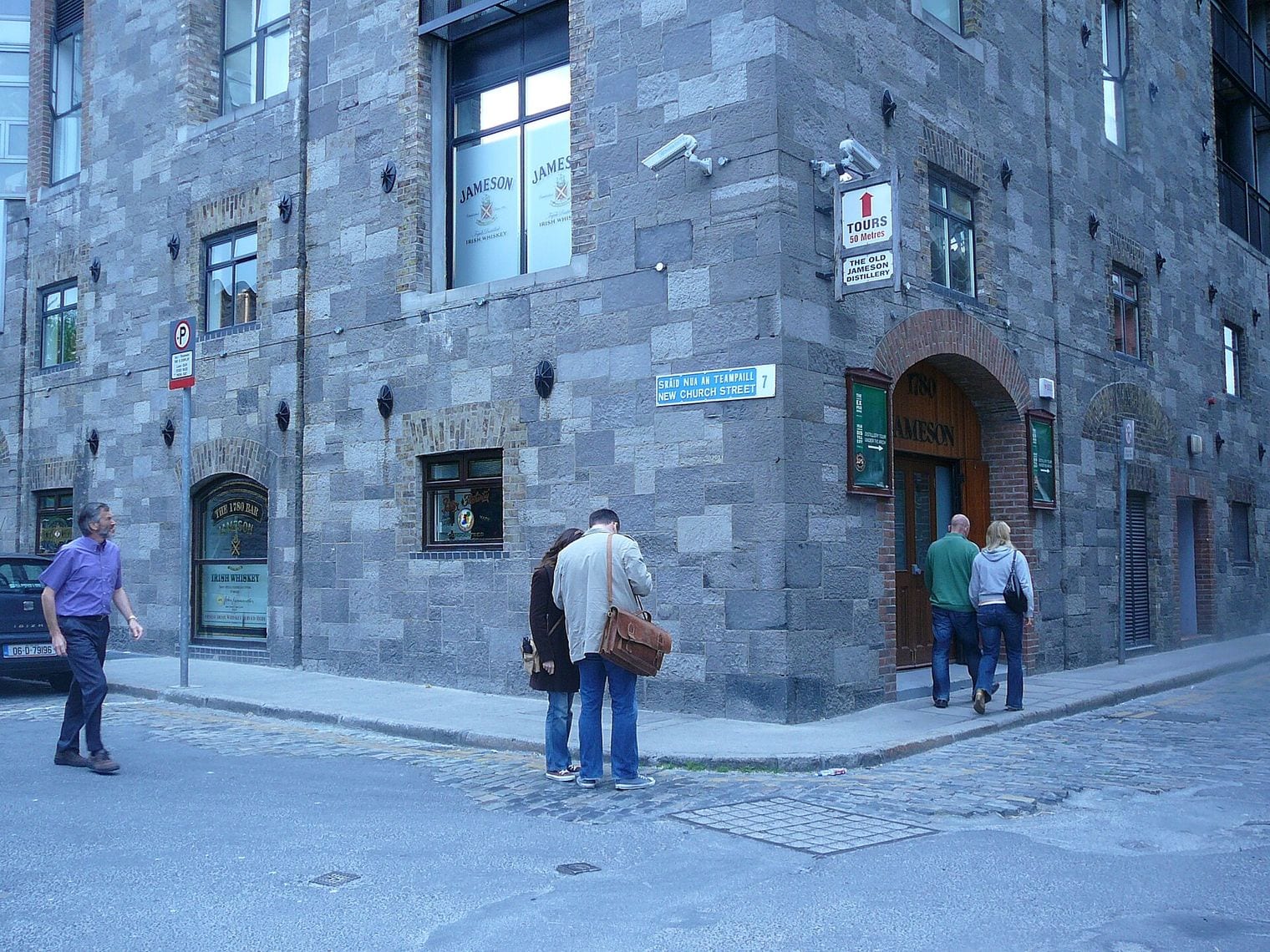
Whiskey has not been distilled at Bow Street since 1971, when production moved south to County Cork, but this is where John Jameson set up in 1780 and the old building is now the brand's home tour. You get the history, the process, and a comparative tasting set against a Scotch and an American bourbon.
The Smithfield setting is half the appeal, a broad cobbled plaza on the north side that has smartened up without losing its edges. Book one of the blending or cocktail classes at Jameson Distillery Bow St. if the standard tour sounds too introductory.
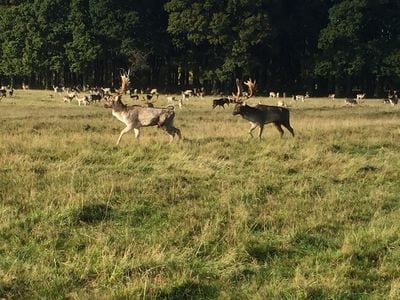
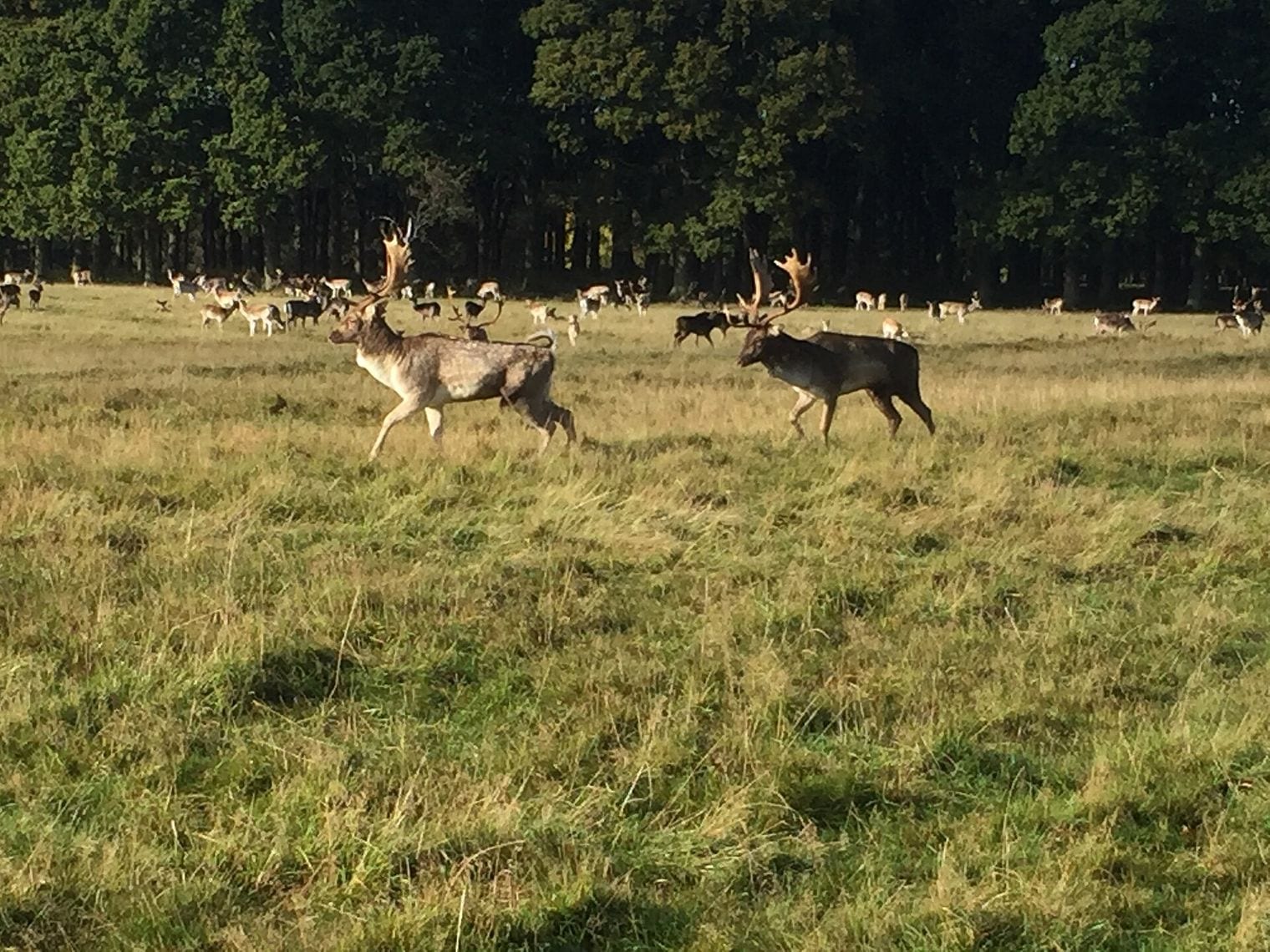
Phoenix Park is one of the largest enclosed parks in any European capital, covering around 700 hectares of grassland and woodland barely two kilometres from the city centre. A herd of wild fallow deer has grazed here since the seventeenth century and still stands about in the open in the middle of the afternoon.
Inside the walls are the President's official residence, the American ambassador's, Dublin Zoo, a Victorian flower garden and the Wellington Monument, an obelisk visible from much of the north side. Rent a bike at the gate: the park is far bigger than it looks on a map.
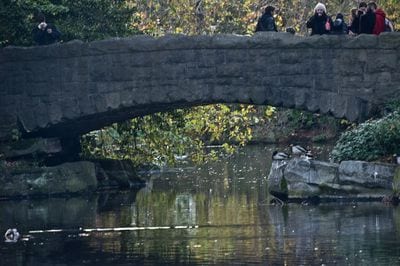
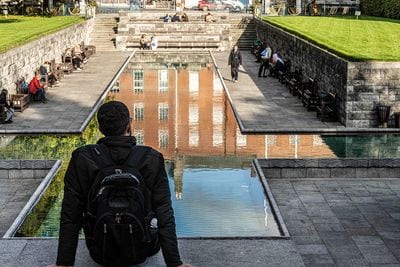
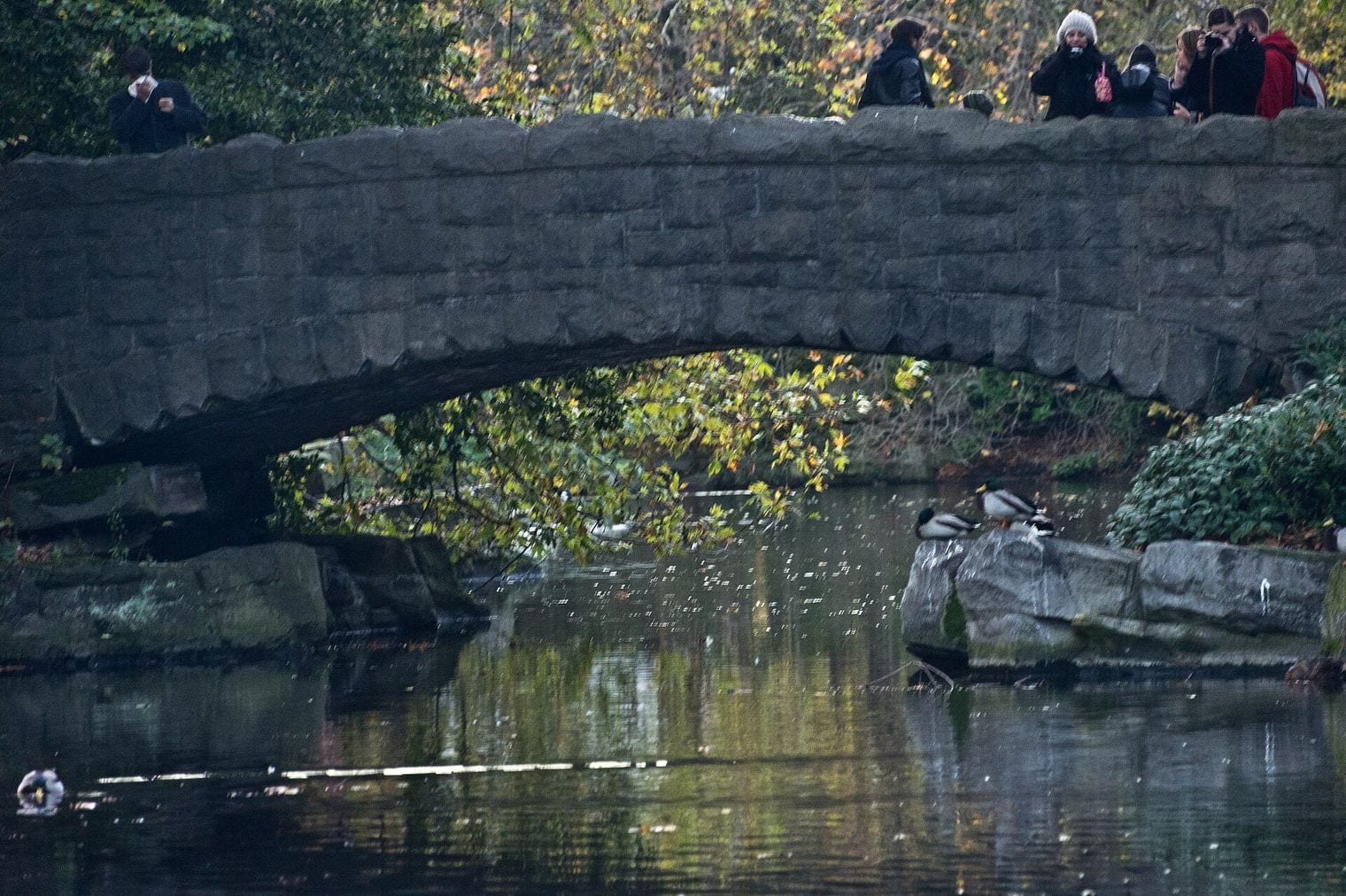
St Stephen's Green is the city's front garden — around nine hectares of Victorian planting at the top of Grafton Street, with a lake, a bandstand, formal beds and enough benches that you can usually find one. It was enclosed in 1664 and reopened to the public in 1880, paid for by a member of the Guinness family.
The Fusiliers' Arch at the northwest corner still carries bullet damage from the Easter Rising, when the Irish Citizen Army dug trenches in the park. The best-loved story of that week is that both sides held their fire daily so the groundsman could feed the ducks.
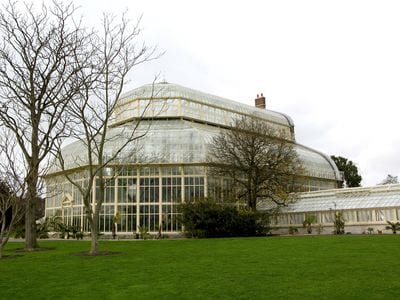
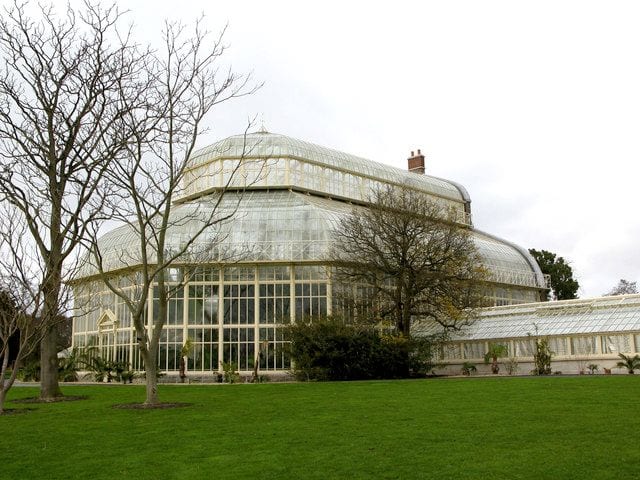
The National Botanic Gardens at Glasnevin are free, quiet and beautifully kept, running down to the River Tolka a couple of kilometres north of the centre. The draw is the glasshouses, above all the curvilinear range built by the ironmaster Richard Turner in the nineteenth century, restored to full working order.
Founded in 1795, the gardens hold a large plant collection across formal borders, a rose garden, a vegetable plot and an arboretum. The potato blight that triggered the Great Famine was studied here in 1845, which gives the place a weight its gentleness does not advertise.
Dublinia reconstructs Viking and medieval Dublin across three floors of the old Synod Hall beside Christ Church, and it is unapologetically hands-on: try on mail, board a longship, smell a medieval street, work out what the Viking slave trade actually meant.
The upper floor covers the archaeology, including how the Wood Quay excavations were carried out and what they turned up, and a climb up St Michael's Tower gives a rooftop view across the Liberties. A covered bridge links Dublinia directly to the cathedral, so the two work neatly as a single visit.
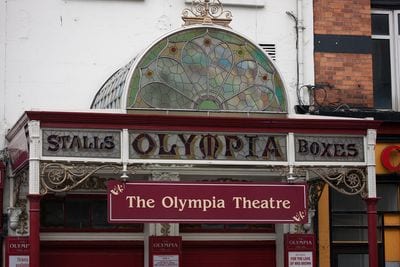
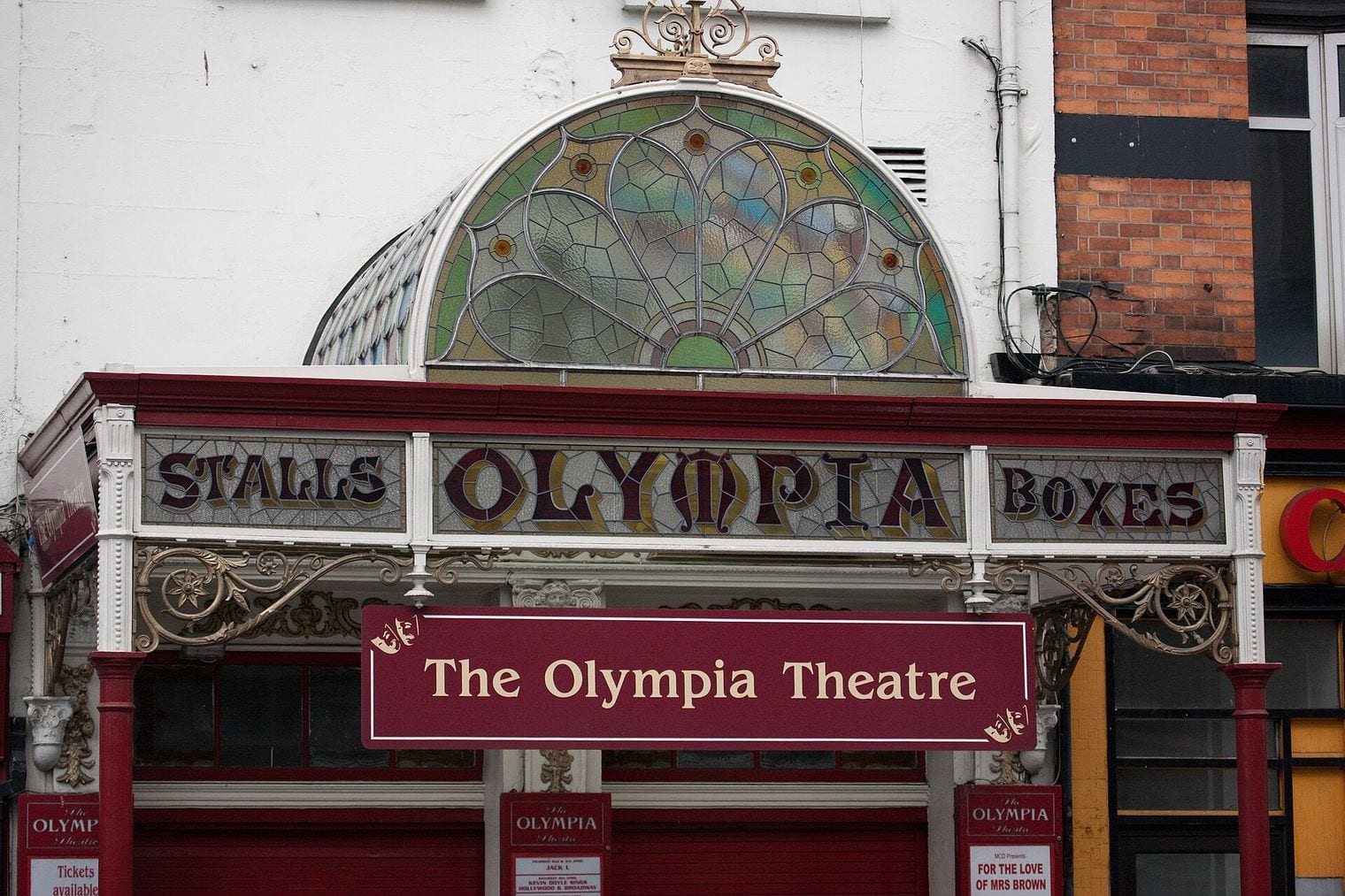
The Olympia Theatre opened in 1879 as the Star of Erin Music Hall, took its present name in the 1920s, and has never entirely stopped being a Victorian music hall. Behind the wrought-iron canopy on Dame Street is a gilded, tiered auditorium with boxes close enough to the stage to make a room of well over a thousand seats feel intimate.
It runs gigs, comedy and a famously chaotic Christmas pantomime, and the standing floor is one of the better places in the city to see a band. Check what is on before you travel — a night here is a very different Dublin evening from a night in a pub.
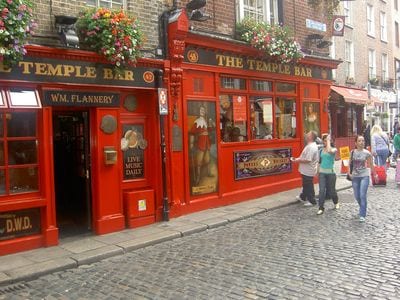
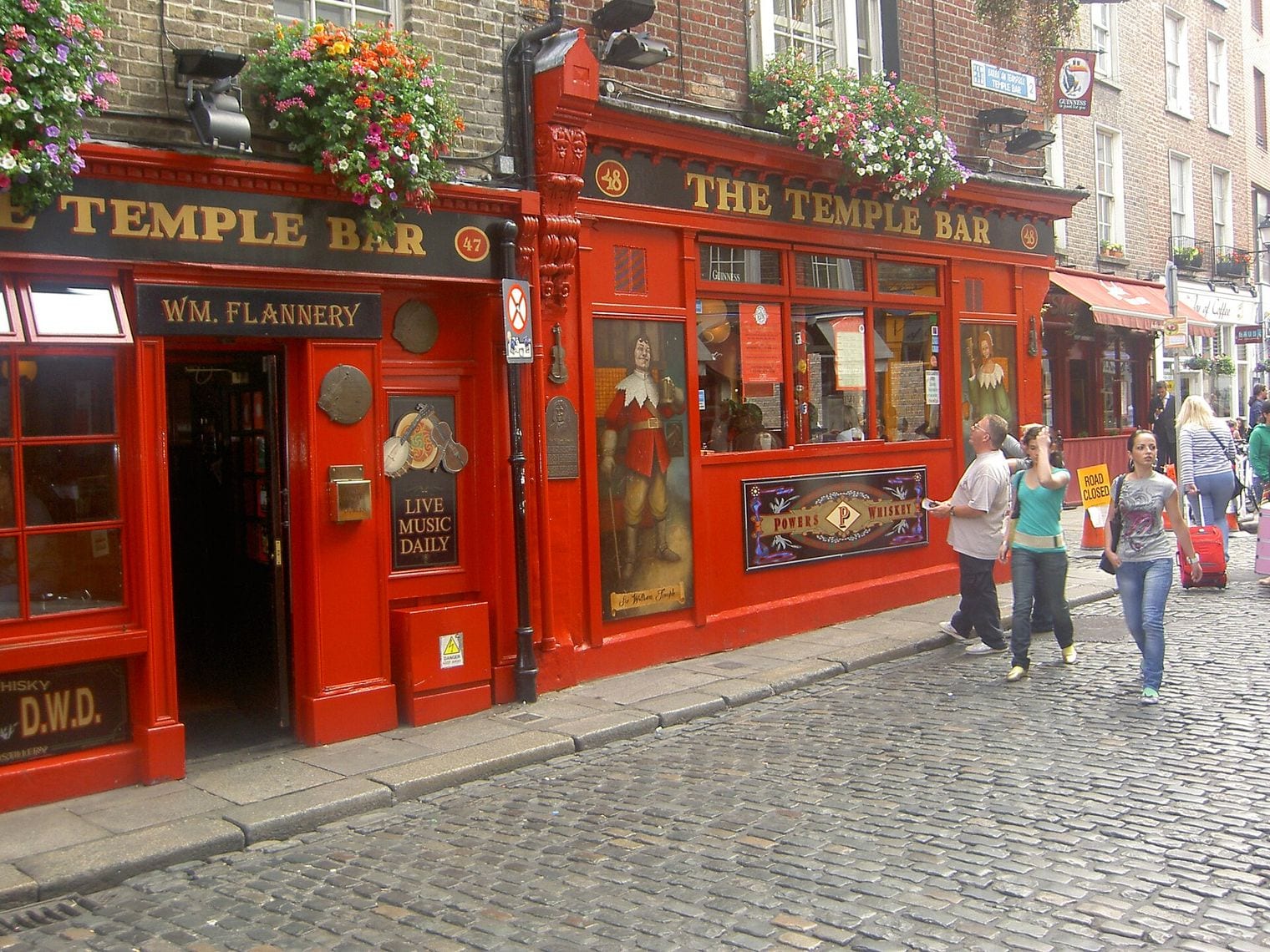
The Temple Bar Pub is the bright red corner house that half the photographs of Dublin are taken outside, and it is exactly as touristy as that suggests. Dating from 1840, it sprawls through several rooms and a heated beer garden, and runs live traditional music from early afternoon until late.
Prices here are among the steepest in the city and locals largely leave it to visitors, which is worth saying plainly. Go anyway for one, take the photograph, admire a whiskey collection running to hundreds of bottles, then walk five minutes in any direction for a better and cheaper pint.
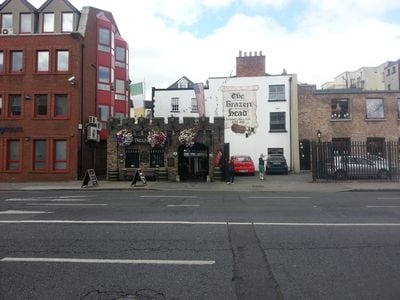
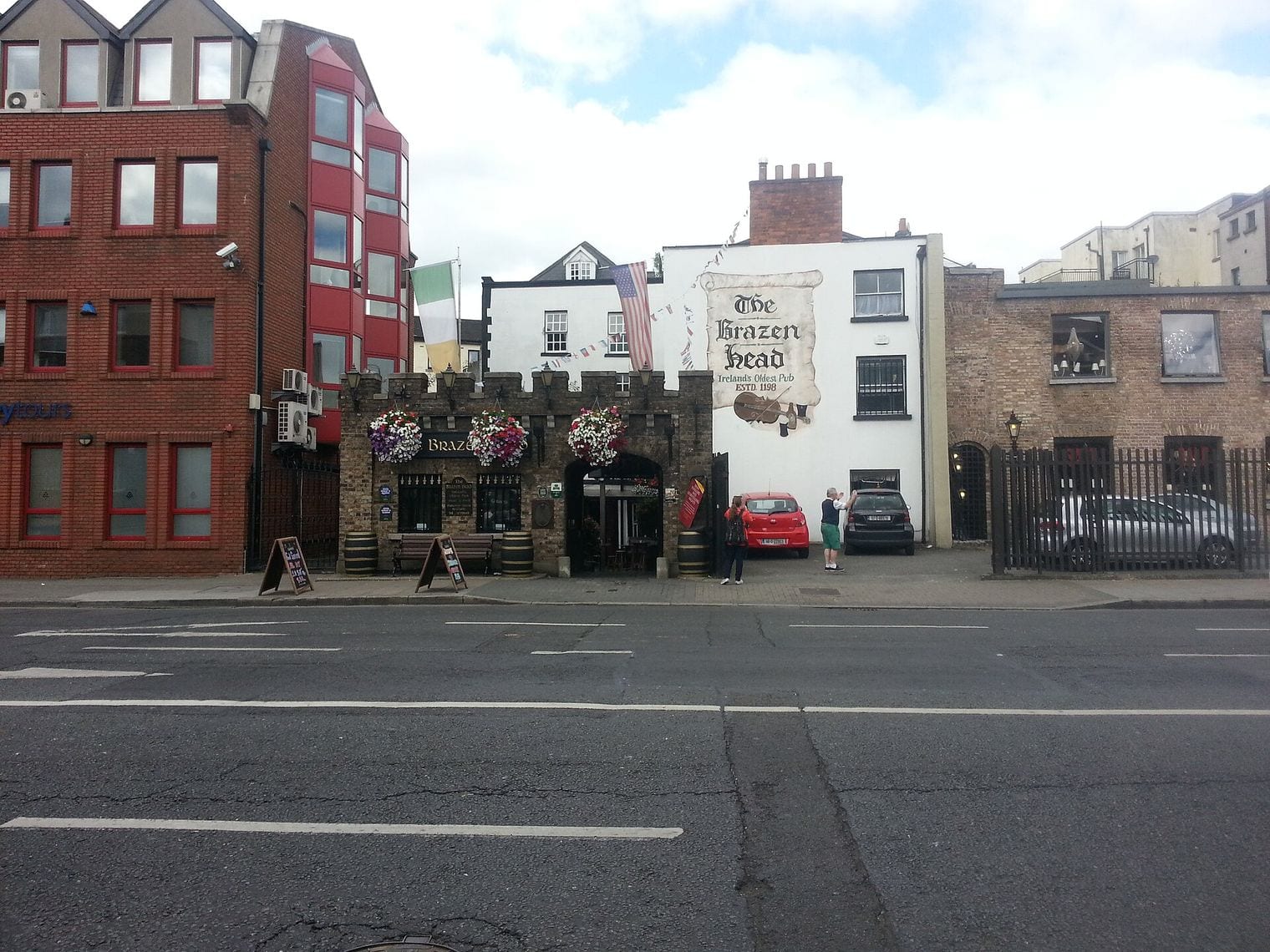
The Brazen Head advertises itself as Ireland's oldest pub, with a licence claimed back to 1198 — a date historians treat sceptically, since the present building is largely eighteenth-century. What is not in dispute is the atmosphere: low ceilings, a cobbled courtyard and turf smoke.
It stands on Bridge Street near the Liffey, just far enough from the Temple Bar crush to feel like a different city. There is traditional music nightly, a storytelling-and-dinner evening upstairs, and a long association with Irish rebel history — James Joyce name-checked the pub in Ulysses.
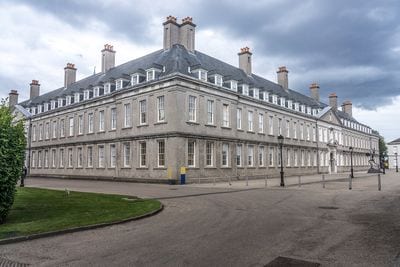
2525. National Museum of Ireland – Collins Barracks
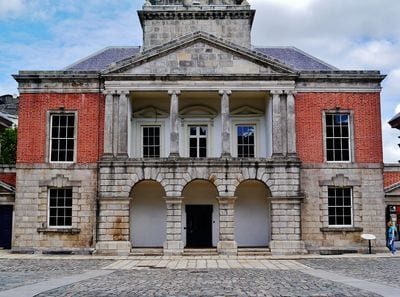
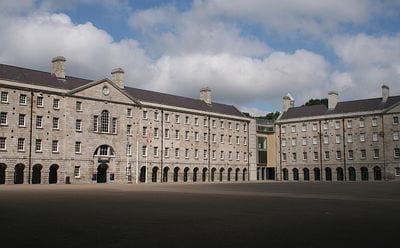
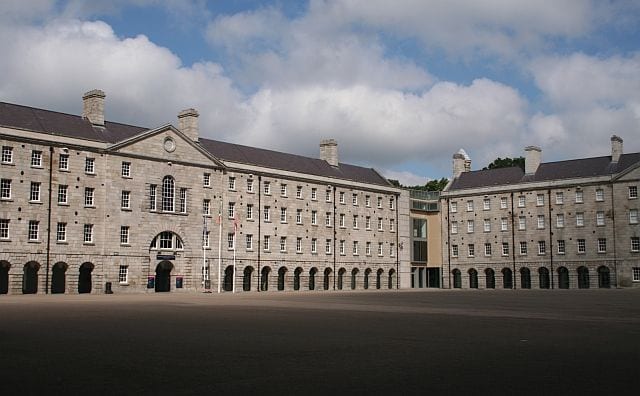
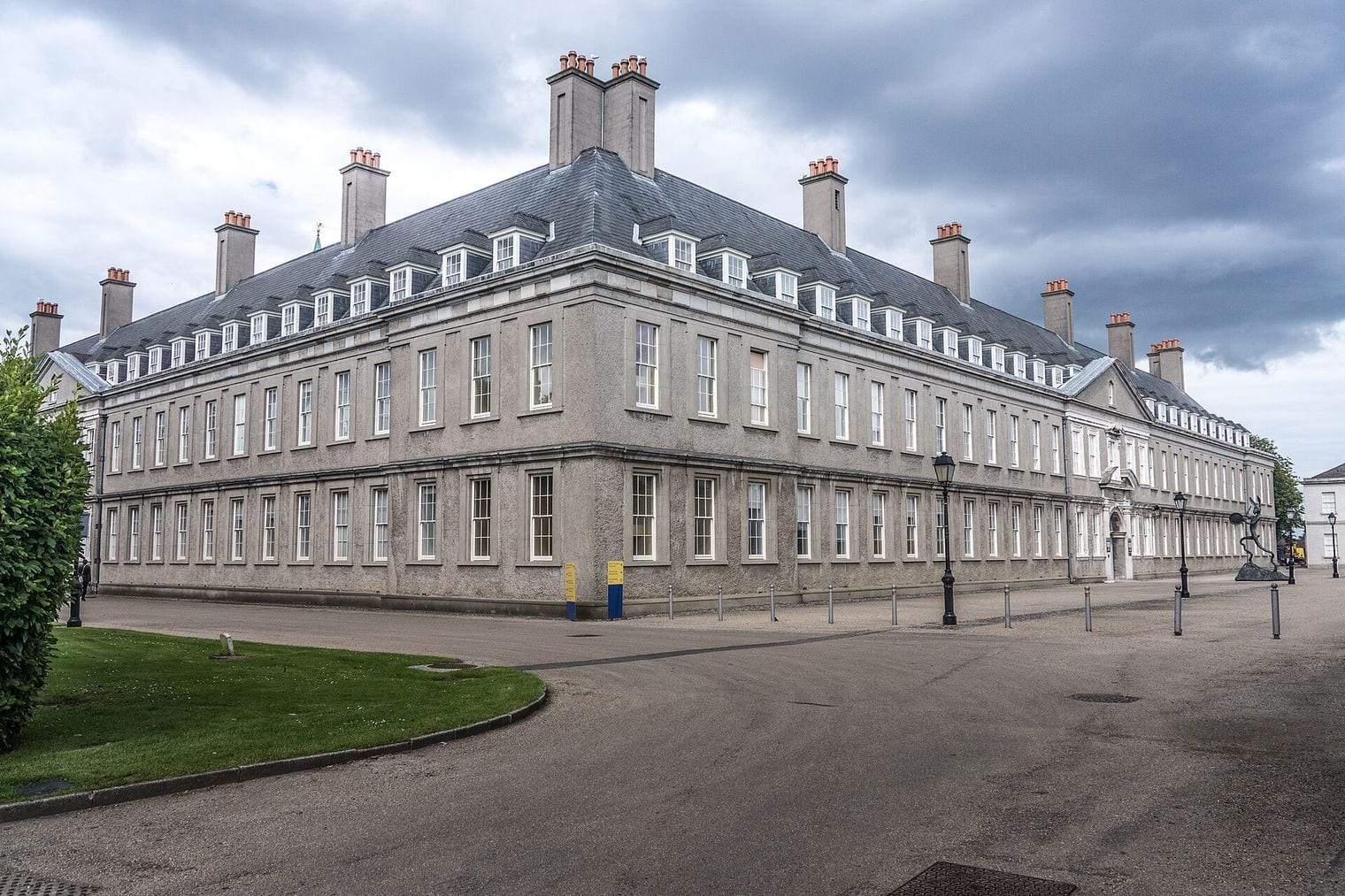
Collins Barracks was built in 1702 and served as a working barracks for close to three centuries, a span often claimed to be among the longest of any military site anywhere. It now houses the decorative arts and history branch of the National Museum of Ireland, arranged around an enormous cobbled parade square.
The collections run from Irish silver, furniture, costume and lace to a permanent exhibition on Irish soldiers and the 1916 Rising, and include the Asgard, the yacht used to run rifles into Howth in 1914. Like the other national museum branches, admission is free.
Merrion Square is the best-preserved of Dublin’s Georgian squares, laid out from 1762 and still fronted on three sides by the red-brick terraces and fanlight doorways the city puts on its postcards. The garden in the middle was private for most of that time and only opened to the public in 1974.
It is a small park that rewards a slow lap. The Oscar Wilde sculpture reclines on a boulder at the northwest corner, opposite the house where he grew up; the railings carry an open-air art market on Sundays; and a set of Georgian lamp standards, a memorial to Dublin’s Air Corps and a surprising number of benches with plaques fill the rest.
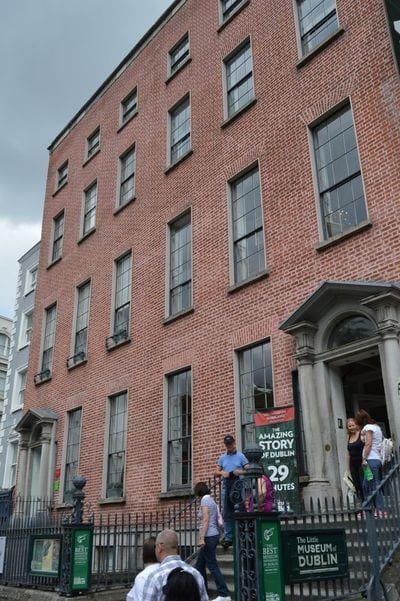
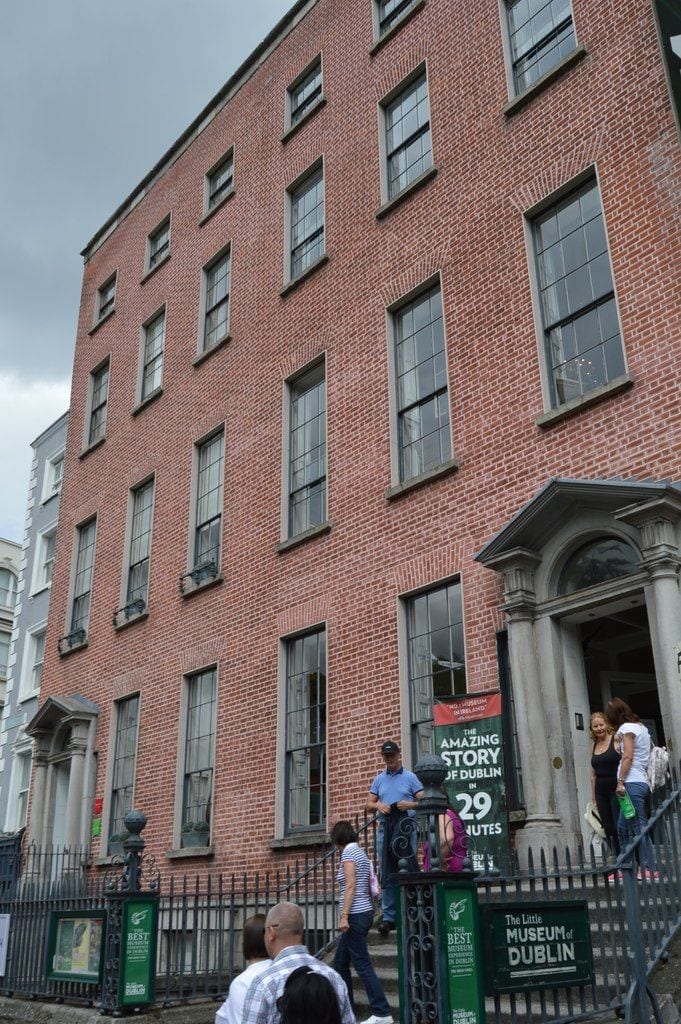
The Little Museum of Dublin occupies a Georgian townhouse on St Stephen’s Green and tells the city’s twentieth century entirely through objects the public donated — a lectern from a 1979 papal mass, letters, hundreds of photographs and oddments crammed onto the walls.
The visit is a guided half-hour rather than a wander, and the guides are the reason it rates as highly as it does: the museum is small enough that one person can carry the whole story from the 1913 Lockout to the Celtic Tiger. An upstairs room is given over to U2. Book ahead — tours run on the hour and sell out.
St Anne’s Park in Clontarf is Dublin’s second-largest public park, laid out as the estate of the Guinness family and bought by the corporation in 1939. The house burned down in 1943, which is why the grounds are scattered with follies — a Herculanean temple, a Pompeian water garden, a red-brick clock tower — and no mansion.
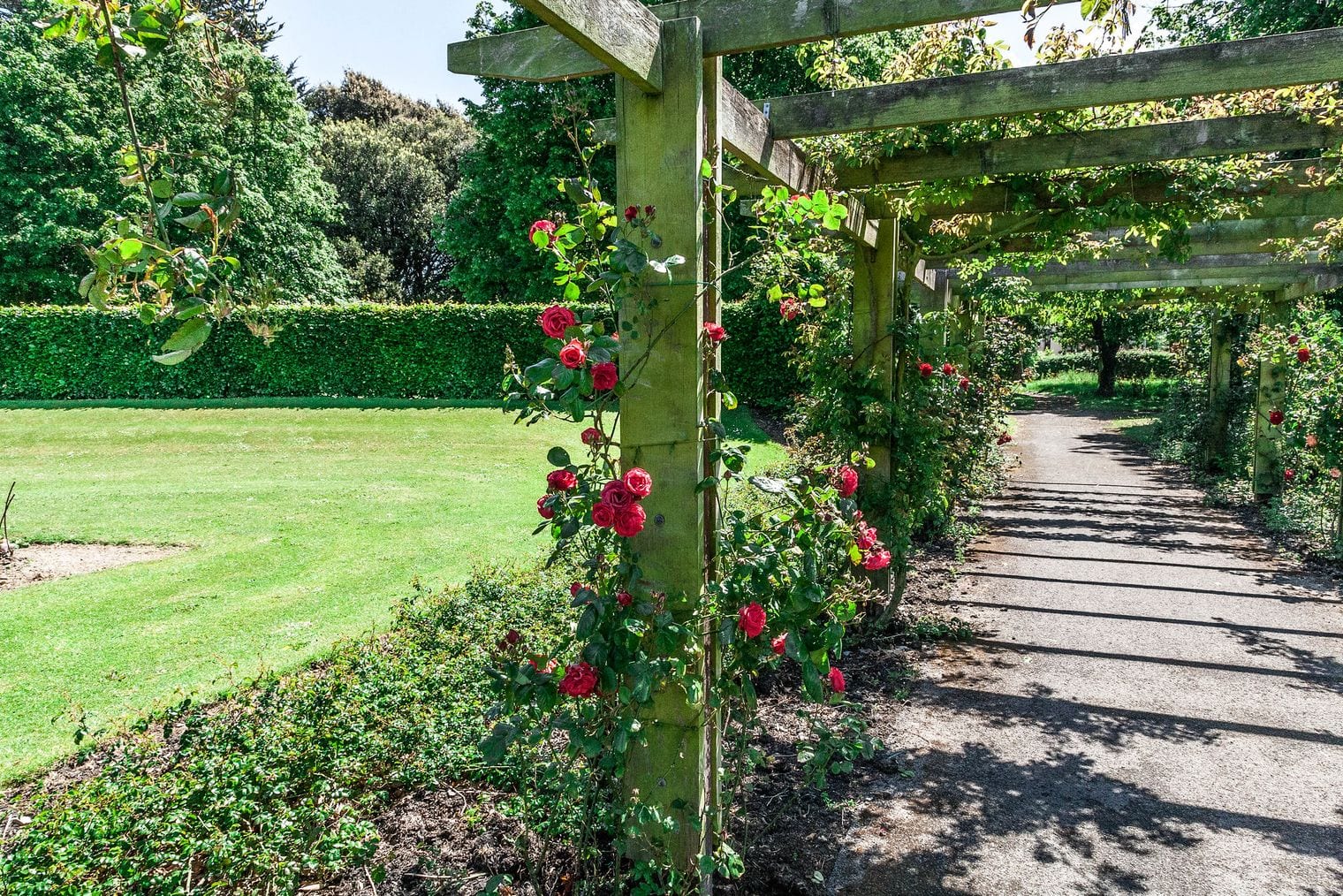
The rose garden is the reason most people come, with several thousand plants and an international rose trial held here each summer. Beyond it there are avenues of holm oak, a walled garden, playing pitches and a weekly market. It sits a short walk from the seafront, so it pairs naturally with the Bull Island causeway.
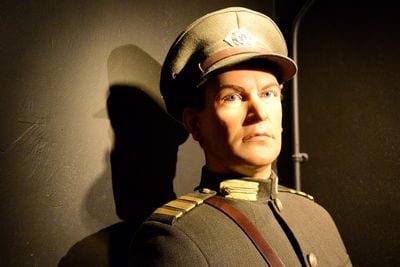
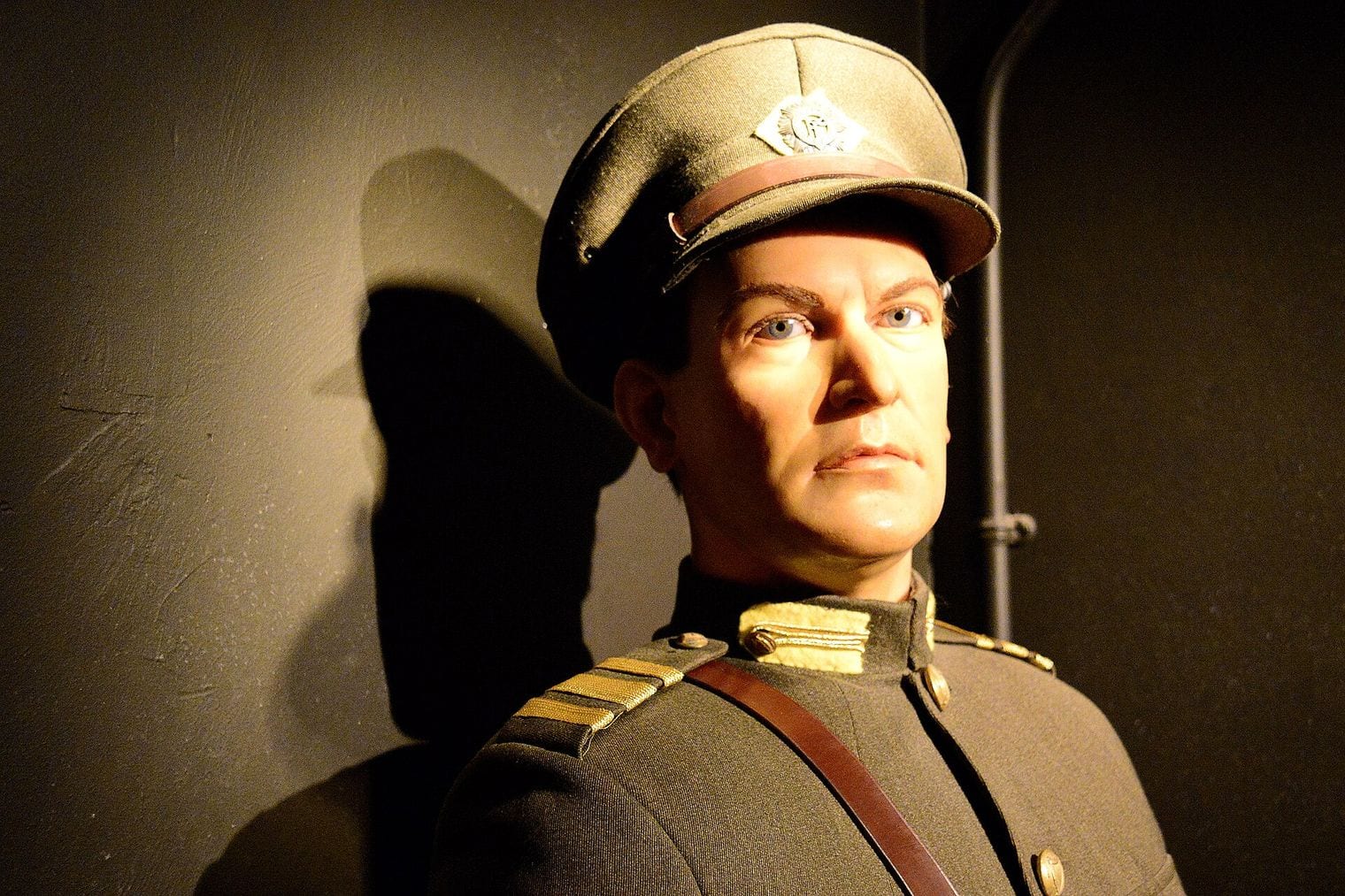
The National Wax Museum Plus sits in the Lafayette Building on Westmoreland Street and is more a set of themed rooms than a straight waxworks. Irish writers, scientists and revolutionaries occupy the historical floors; a separate wing covers film and music figures.
It is unashamedly a rainy-afternoon attraction and works best for families — there is a children’s fairytale area, a science-and-discovery room and a horror chamber teenagers enjoy more than their parents do. Ratings are the lowest of anything on this list, so set expectations accordingly: it is fun rather than a national institution.
The Irish Museum of Modern Art is housed in the Royal Hospital Kilmainham, a seventeenth-century former home for retired soldiers modelled on Les Invalides in Paris. The building alone justifies the trip — a vast arcaded courtyard, a baroque chapel and formal gardens — and it opened as a museum in 1991.
The collection runs to several thousand works of Irish and international modern and contemporary art, shown in rotation alongside a busy temporary exhibition programme. Admission to the collection is free, the grounds are open daily, and it is a fifteen-minute walk from Kilmainham Gaol, which makes an obvious pairing.
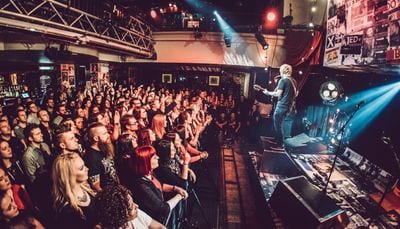
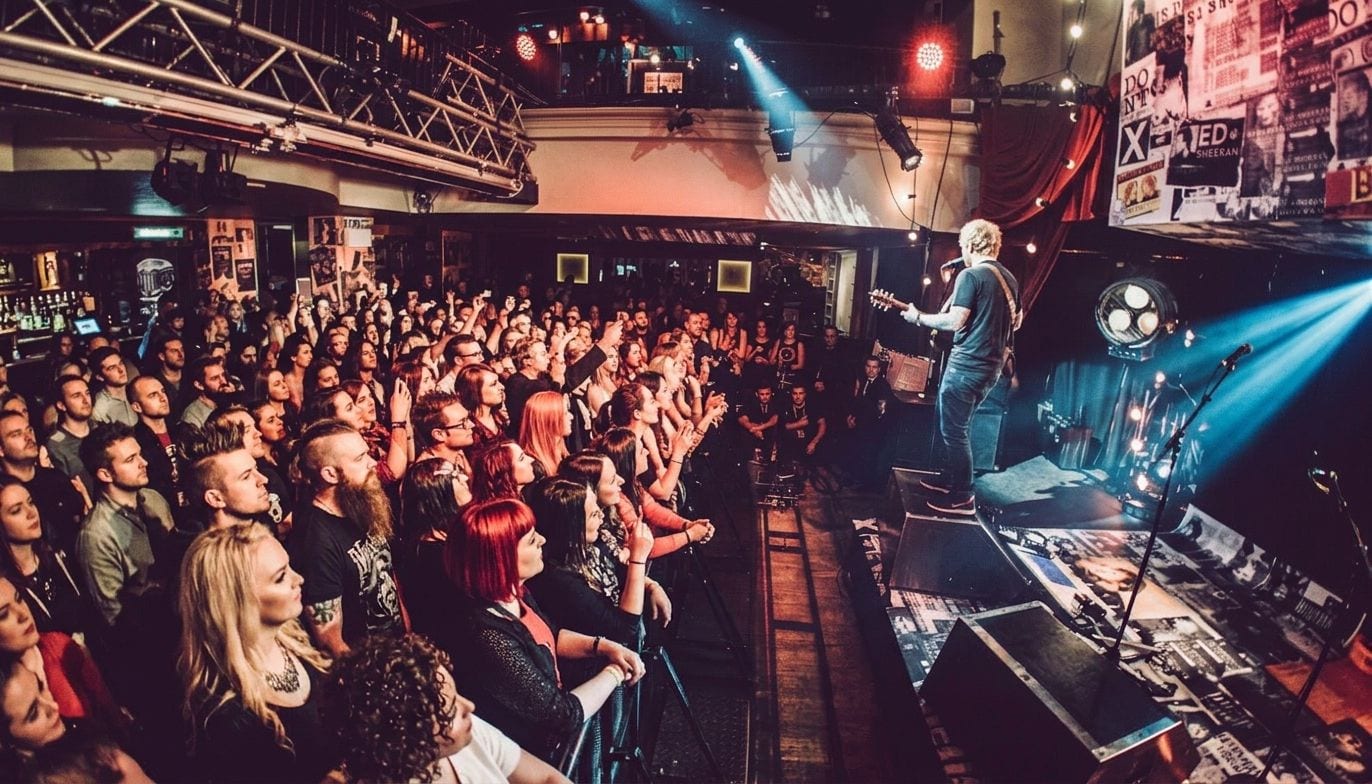
Whelan’s on Wexford Street has been Dublin’s defining mid-size music venue since 1989 — the room where touring bands play before they are big enough for the Olympia, and where Irish acts play on the way up. Nick Cave, Arctic Monkeys and Damien Rice have all passed through the main room.
There are several spaces: the main venue with its balcony, a smaller upstairs room, and a front bar that stays open whether or not there is a gig. It also has an odd second claim to fame as a filming location for the 2007 film P.S. I Love You. Check the listings before you go — the atmosphere depends entirely on who is playing.
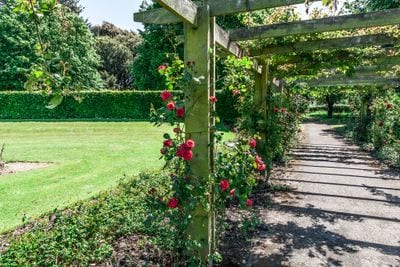
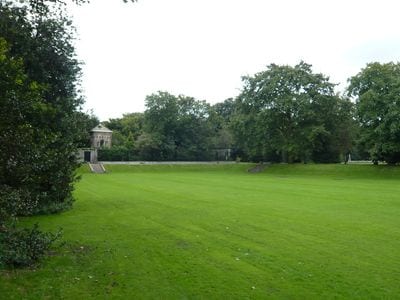
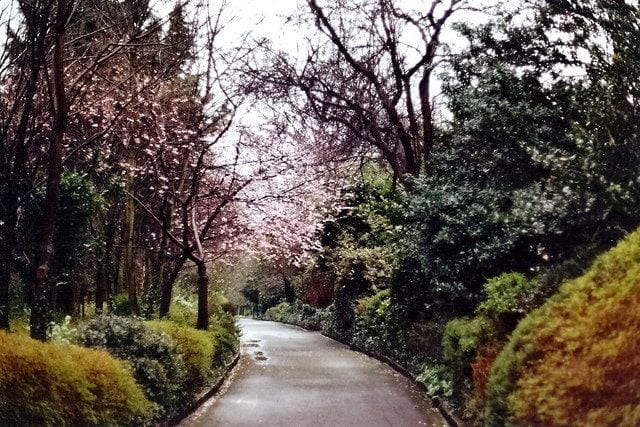
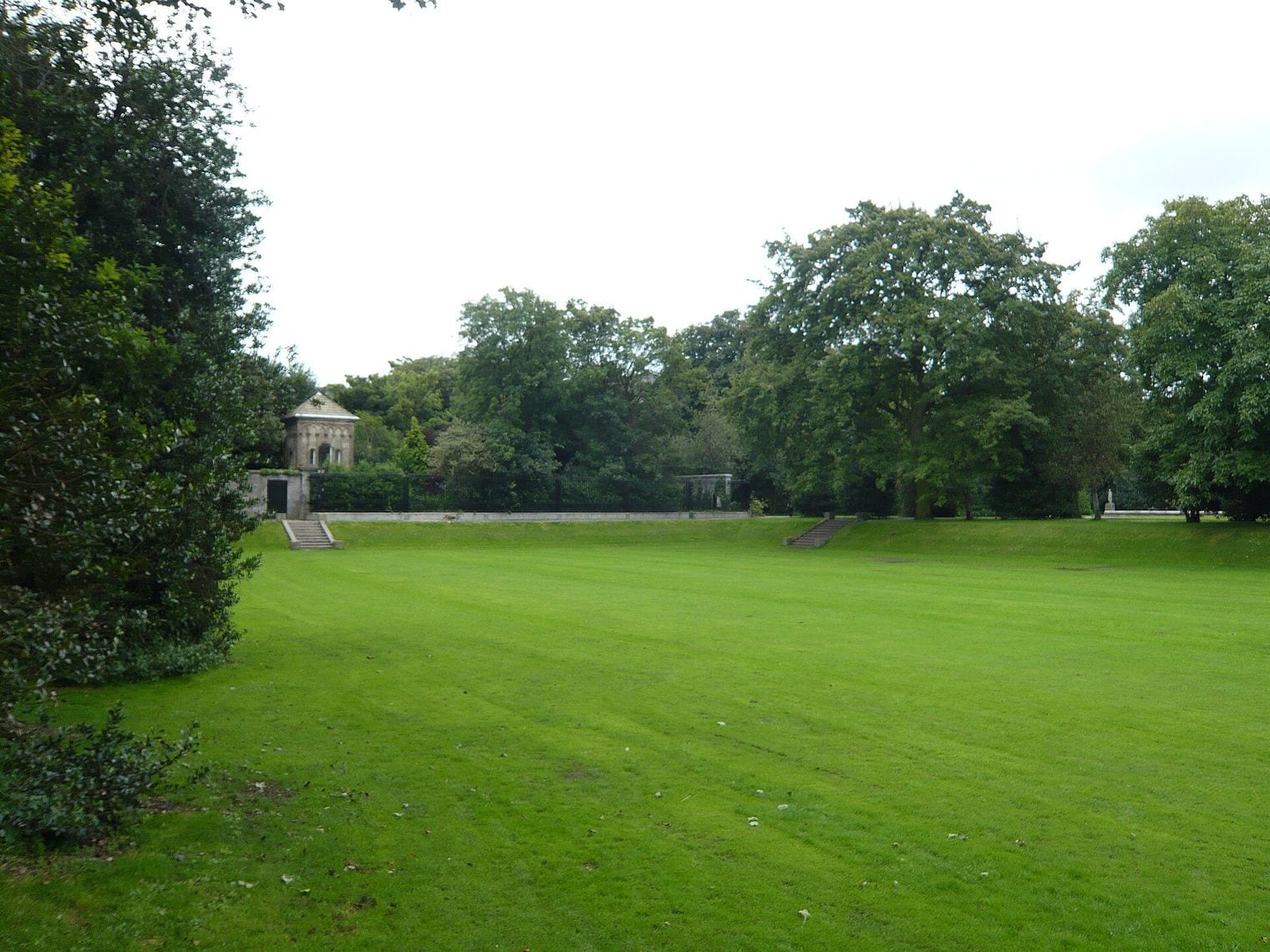
The Iveagh Gardens are the ones locals send you to when St Stephen’s Green is full. Tucked behind the National Concert Hall with entrances that are easy to walk straight past, they were designed by Ninian Niven in 1865 and keep much of that Victorian layout.
Inside there is a rustic grotto and cascade, a sunken lawn, a rosarium, a yew maze and a pair of fountains, all enclosed by high walls that shut out most of the traffic noise. It is markedly quieter than the Green a few minutes away, and it hosts outdoor concerts and a food festival in summer.
North Bull Island did not exist before the nineteenth century. It formed as sand accumulated behind the Bull Wall, built to stop Dublin Port silting up, and has been growing ever since — an accidental five-kilometre island that UNESCO designated a biosphere reserve.
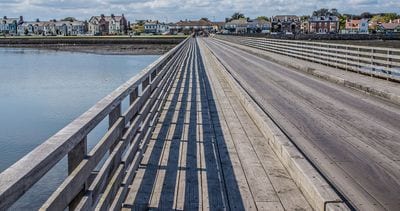
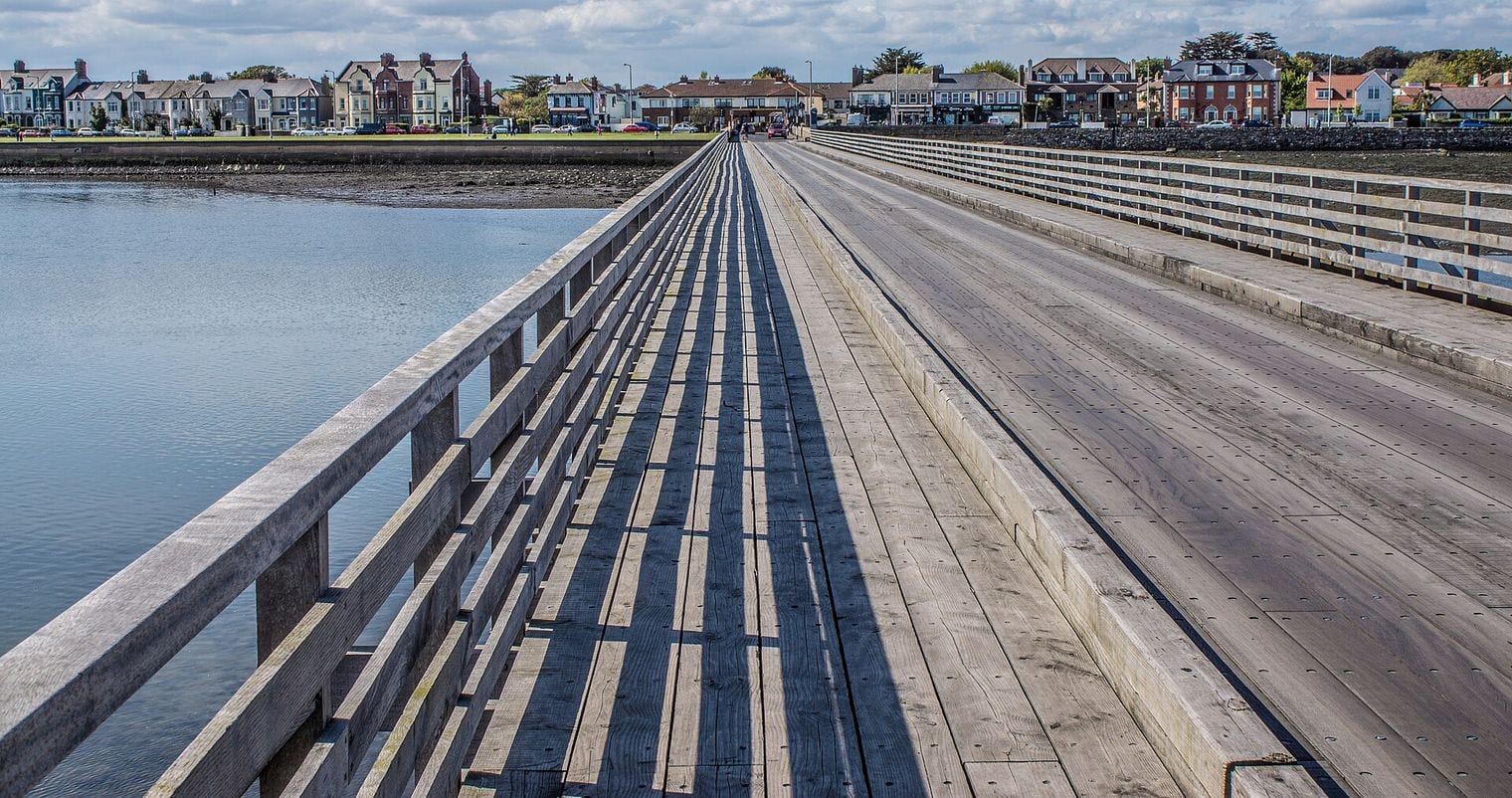
It carries Dollymount Strand along its seaward side and salt marsh and dunes behind, with enough birdlife to make it one of Ireland’s most important wintering sites for brent geese and waders. A wooden bridge and a causeway both reach it from Clontarf, and an interpretive centre explains the geology. Bring boots — much of it is genuinely wild.
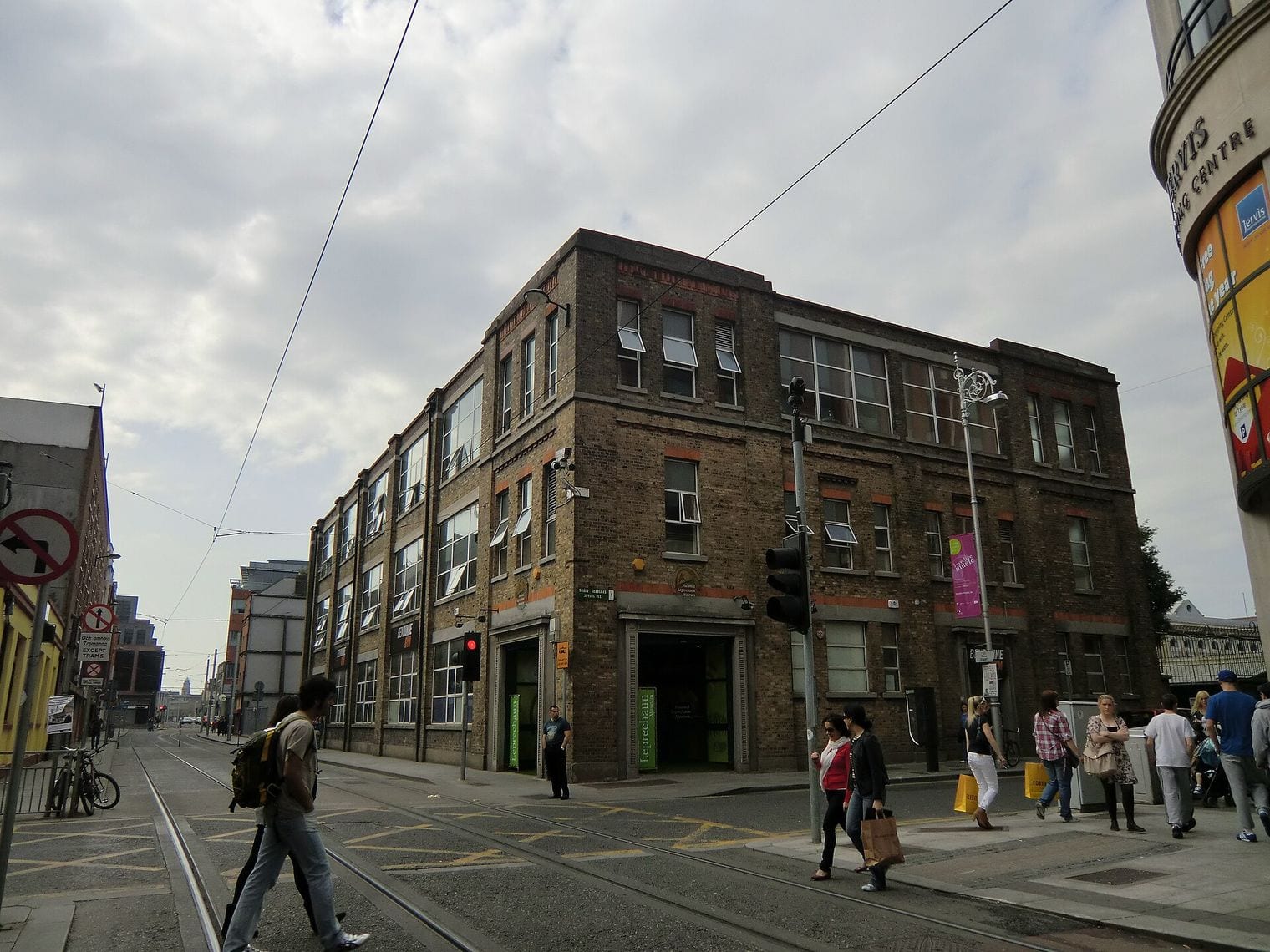
The National Leprechaun Museum is better than its name suggests, because it is not really a museum — it is a guided storytelling tour through a set of rooms built around Irish mythology, led by a professional storyteller rather than filled with display cases.
The best-known room scales the furniture up to leprechaun proportions, so visitors walk under a table and climb into oversized chairs. Evening sessions cover the darker end of Irish folklore and are adults-only. Take it as an hour of well-told mythology rather than a scholarly account of the tradition and it delivers.
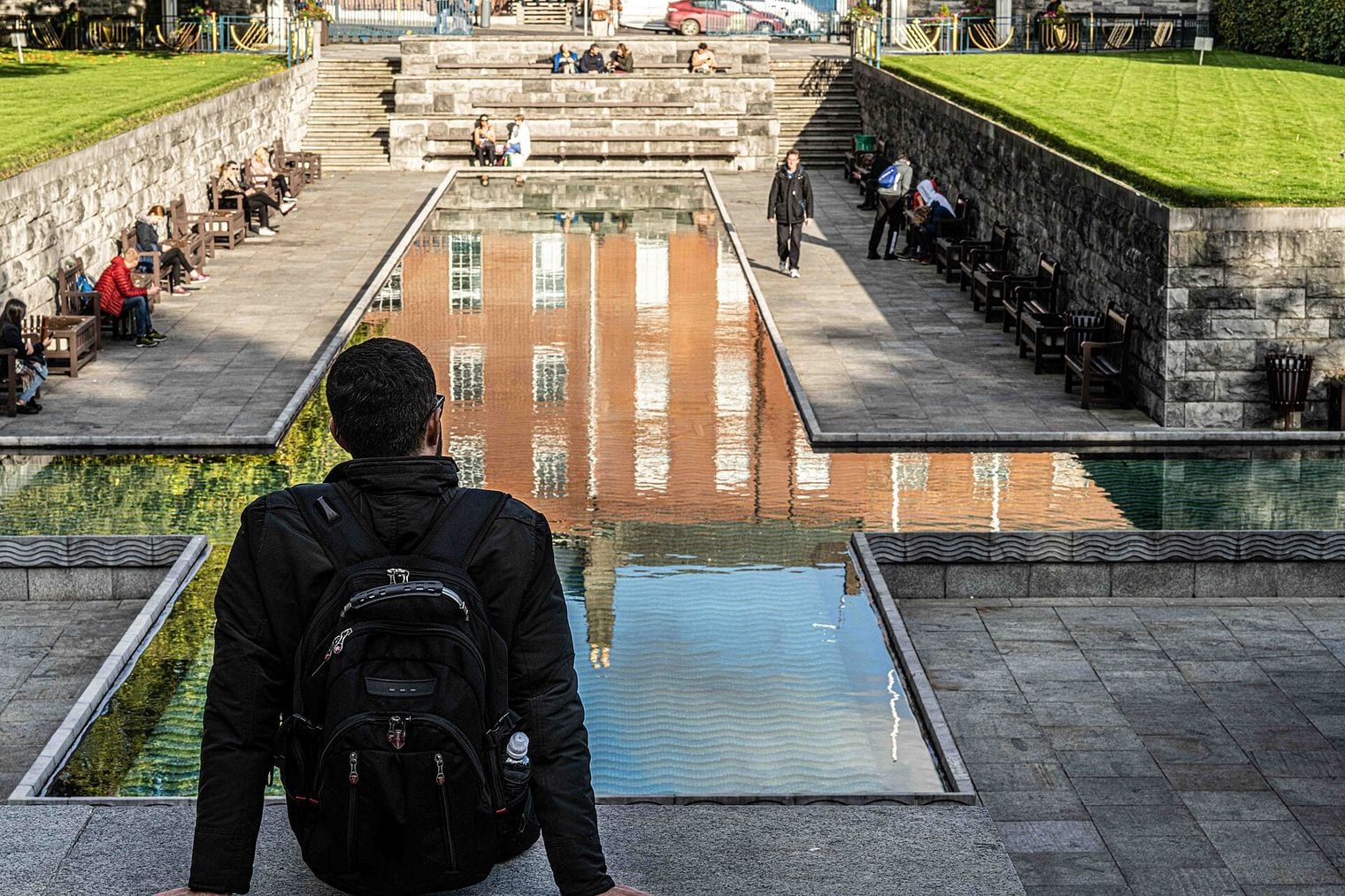
The Garden of Remembrance occupies the north side of Parnell Square and is dedicated to everyone who died in the cause of Irish freedom. It opened in 1966 for the fiftieth anniversary of the Easter Rising, on the site where the Irish Volunteers were founded in 1913.
A cruciform pool sunk below street level is tiled with a mosaic of broken weapons, an old Irish gesture marking the end of a battle. At its head stands Oisin Kelly’s bronze of the Children of Lir, taken from the myth of siblings turned into swans. It is a state ceremonial space and stays quiet even at midday.
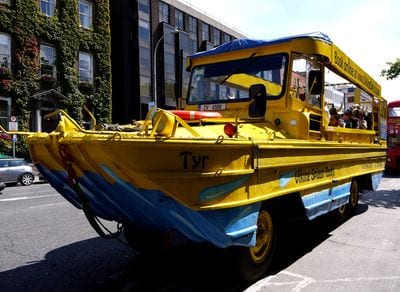
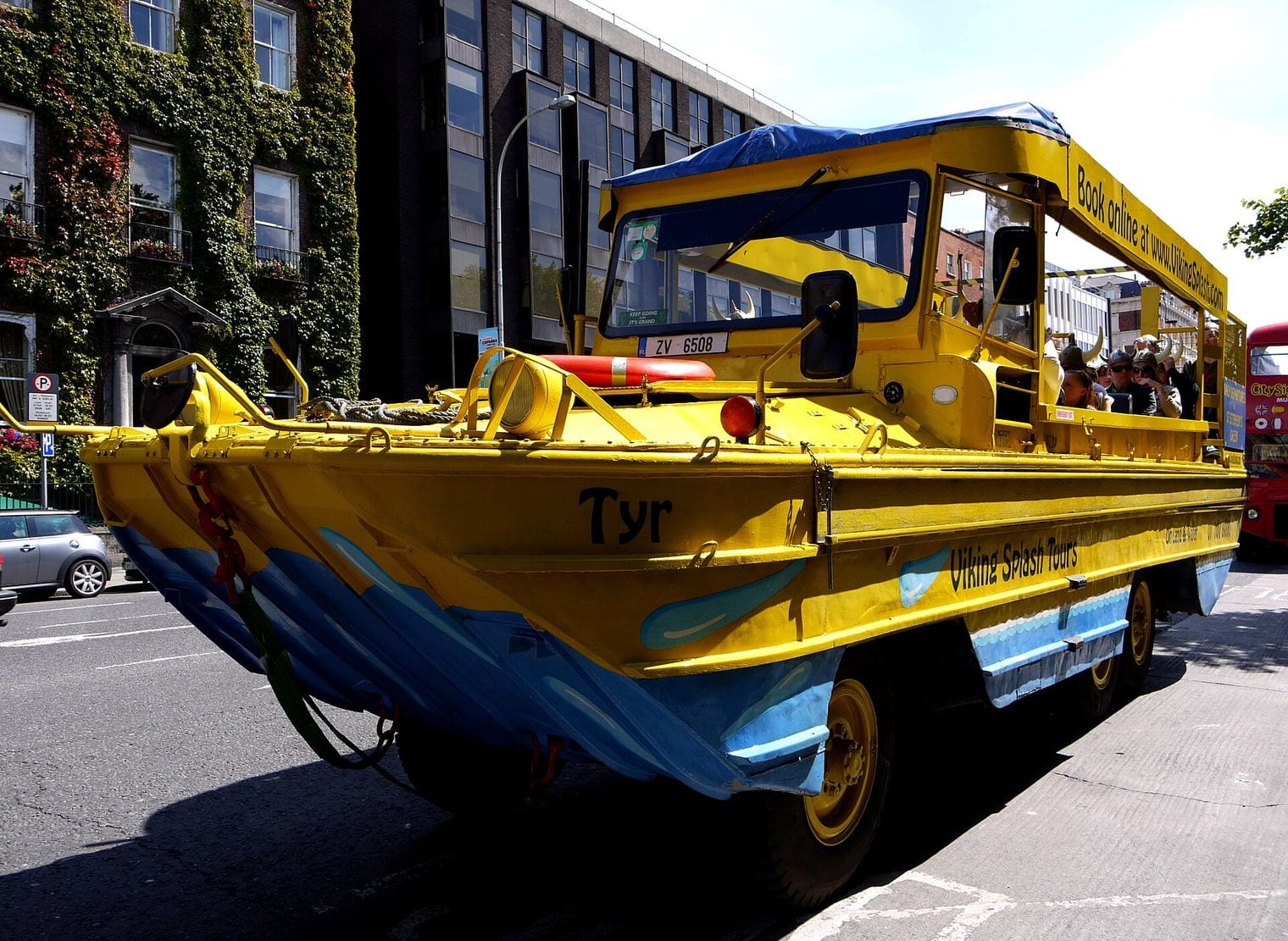
Viking Splash Tours run reconditioned Second World War amphibious vehicles around the city and then straight into the Grand Canal Basin, which is the part everybody remembers. The tour lasts about seventy-five minutes and starts beside St Stephen’s Green.
Passengers are issued plastic Viking helmets and encouraged to roar at pedestrians, so it is either the best or the worst thing on this list depending on temperament. The commentary is genuinely informative about Viking and Georgian Dublin in between the roaring. It runs seasonally and books out in summer.
3737. Poolbeg Lighthouse
Historical Landmark~7.3 km (4.5 miles) from centre
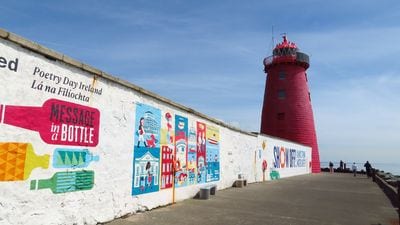
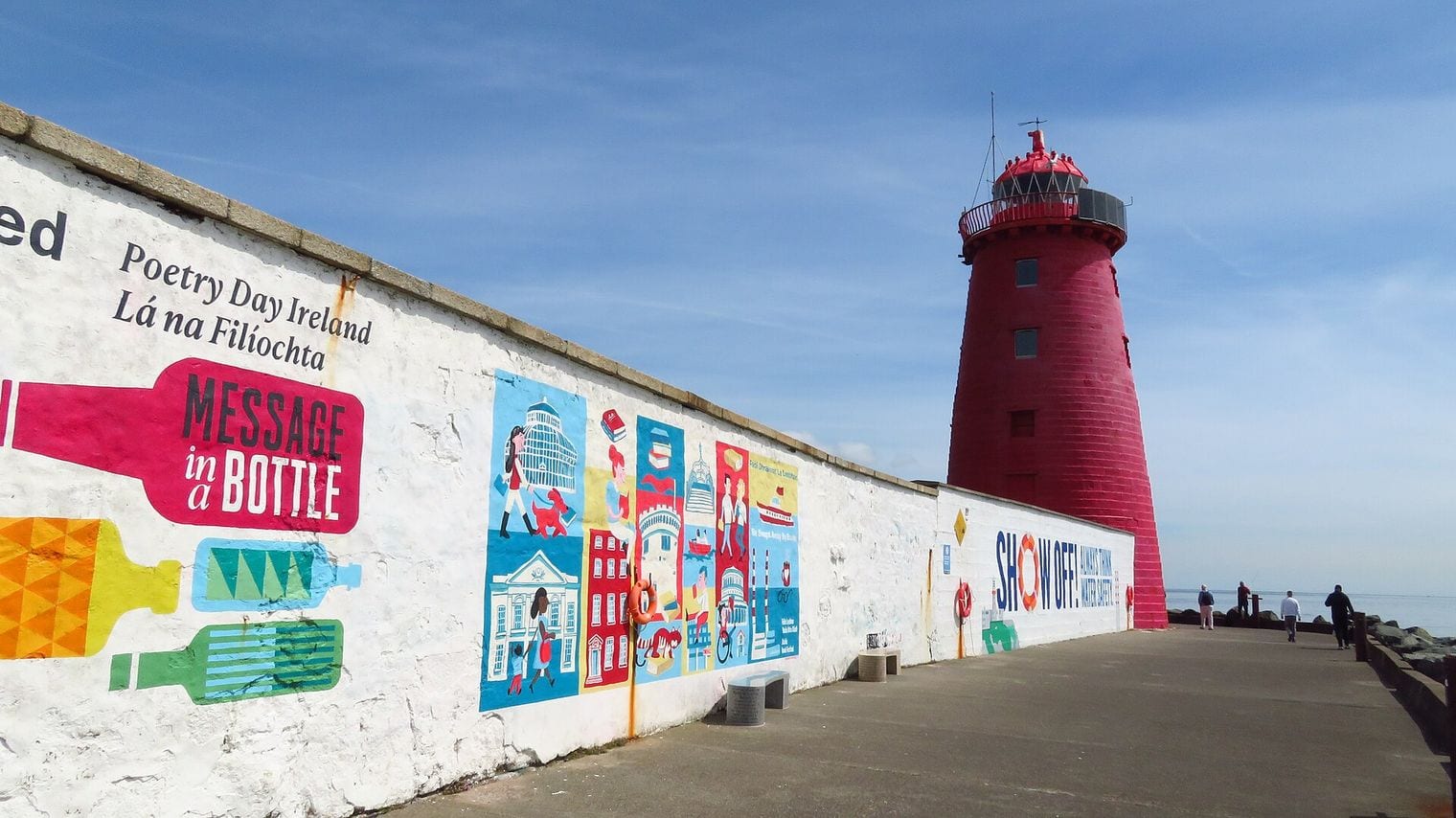
Poolbeg Lighthouse stands at the end of the Great South Wall, a granite sea wall reaching roughly four kilometres into Dublin Bay that was among the longest in the world when it was completed in the 1790s. The lighthouse first lit in 1768 and took its present red-painted form in 1820.
The walk out along the wall is the attraction: open water on both sides, the Wicklow mountains behind, Howth ahead and the two Poolbeg chimneys over your shoulder. It is fully exposed, so it is miserable in a gale and excellent on a still evening. There is no public access inside the lighthouse itself.
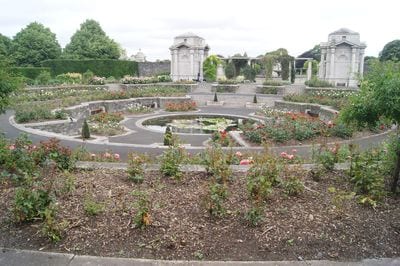
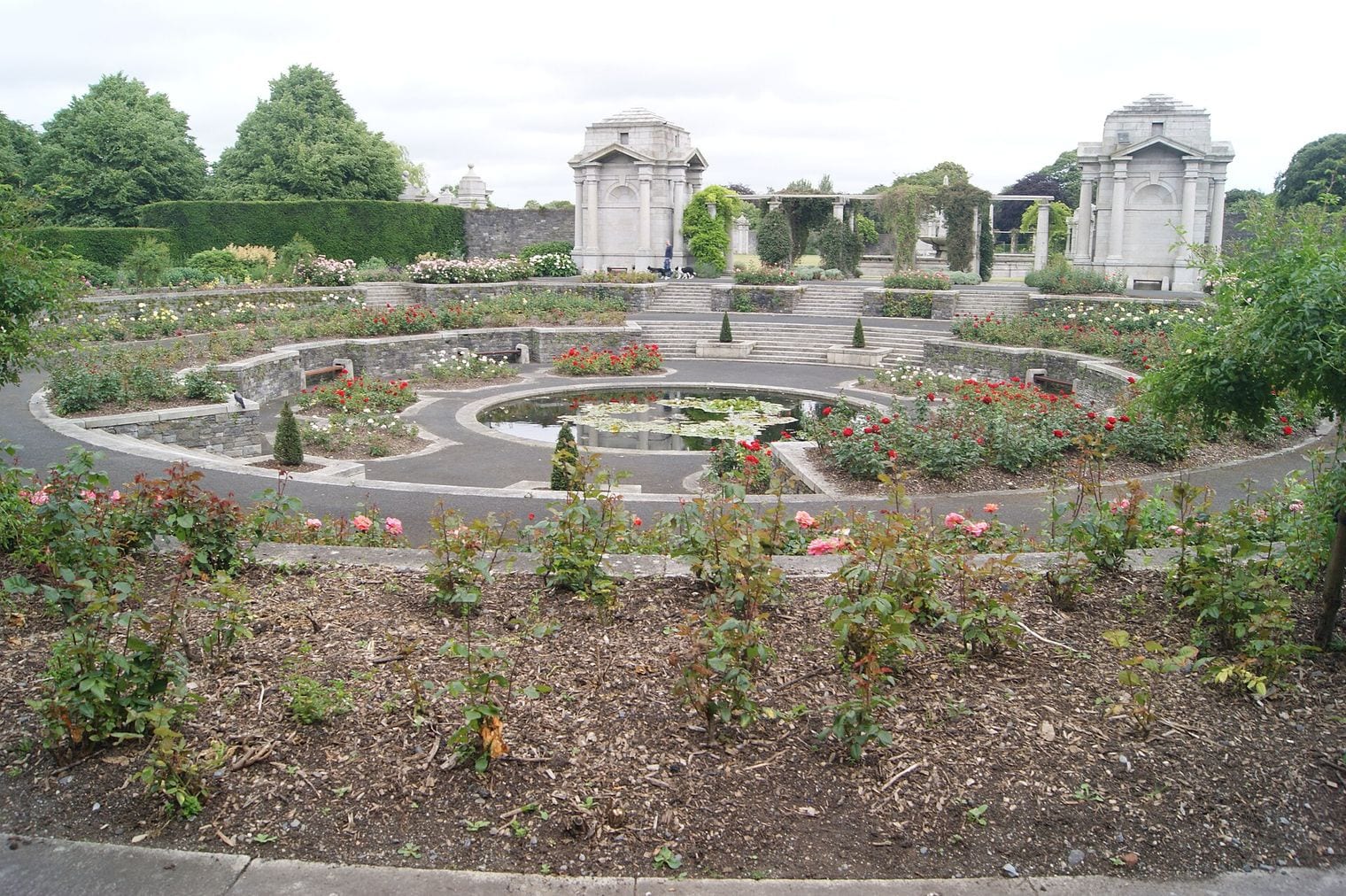
The Irish National War Memorial Gardens at Islandbridge commemorate the roughly 49,400 Irish soldiers who died in the First World War. They were designed by Edwin Lutyens, the architect of the Cenotaph in London, and built in the 1930s partly by ex-servicemen from both the British and Irish armies.
The layout is formal and symmetrical — sunken rose gardens, granite bookrooms holding the illuminated volumes of names, a great war stone, and long terraces running down towards the Liffey. For decades the gardens were neglected, a reflection of how awkward the memory of Irish service in the British Army had become; they were restored and rededicated in the 1990s.
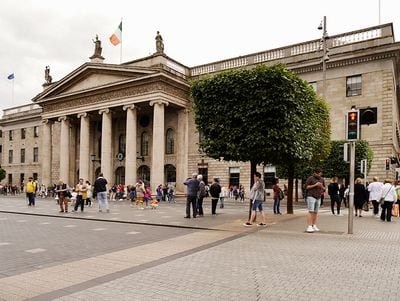
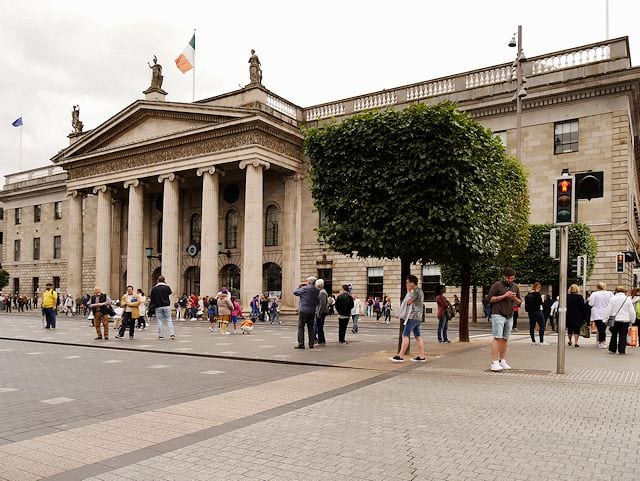
The GPO Museum sits inside the working General Post Office on O’Connell Street — the building the rebels seized as their headquarters in Easter week 1916, and from whose steps the Proclamation of the Irish Republic was read.
The exhibition covers the Rising and what followed, using film, sound and original material including a copy of the Proclamation. The portico columns outside still carry bullet damage from the fighting, which is worth looking for before you go in. It is one of the few places where the site and the story are the same object.
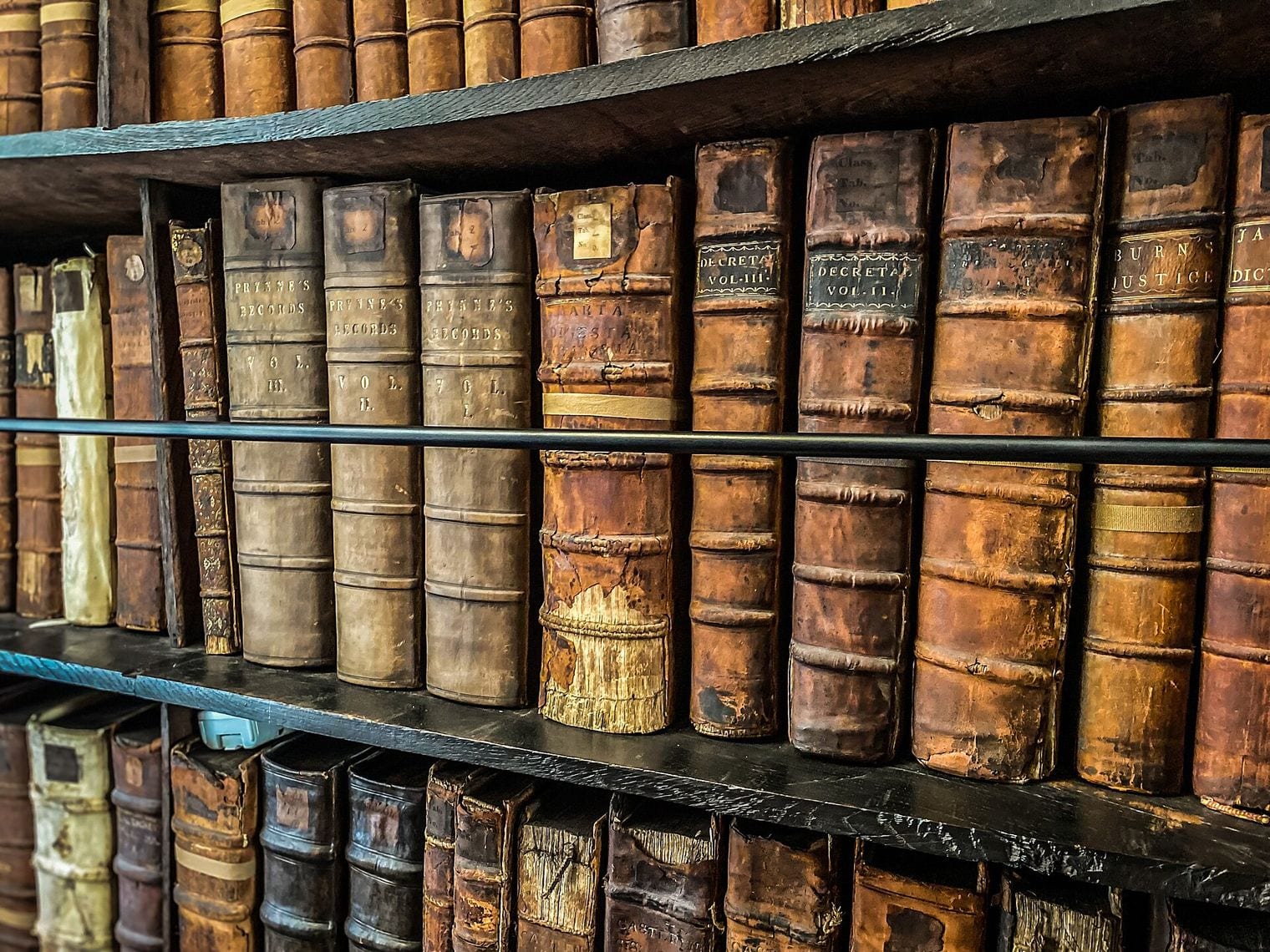
Marsh’s Library opened in 1707 as the first public library in Ireland and has barely changed since — the same dark oak bookcases, the same lettered bays, the same twenty-five thousand books from the sixteenth to the eighteenth centuries. It stands beside St Patrick’s Cathedral and is easy to walk past.
Three wired alcoves at the back are the detail people remember: readers consulting the rarest books were once locked into these cages until they had finished. Jonathan Swift was a governor here and his annotated copies survive. It is a working research library as well as a visitor attraction, so opening days are limited — check before travelling.
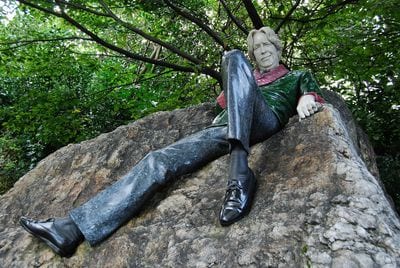
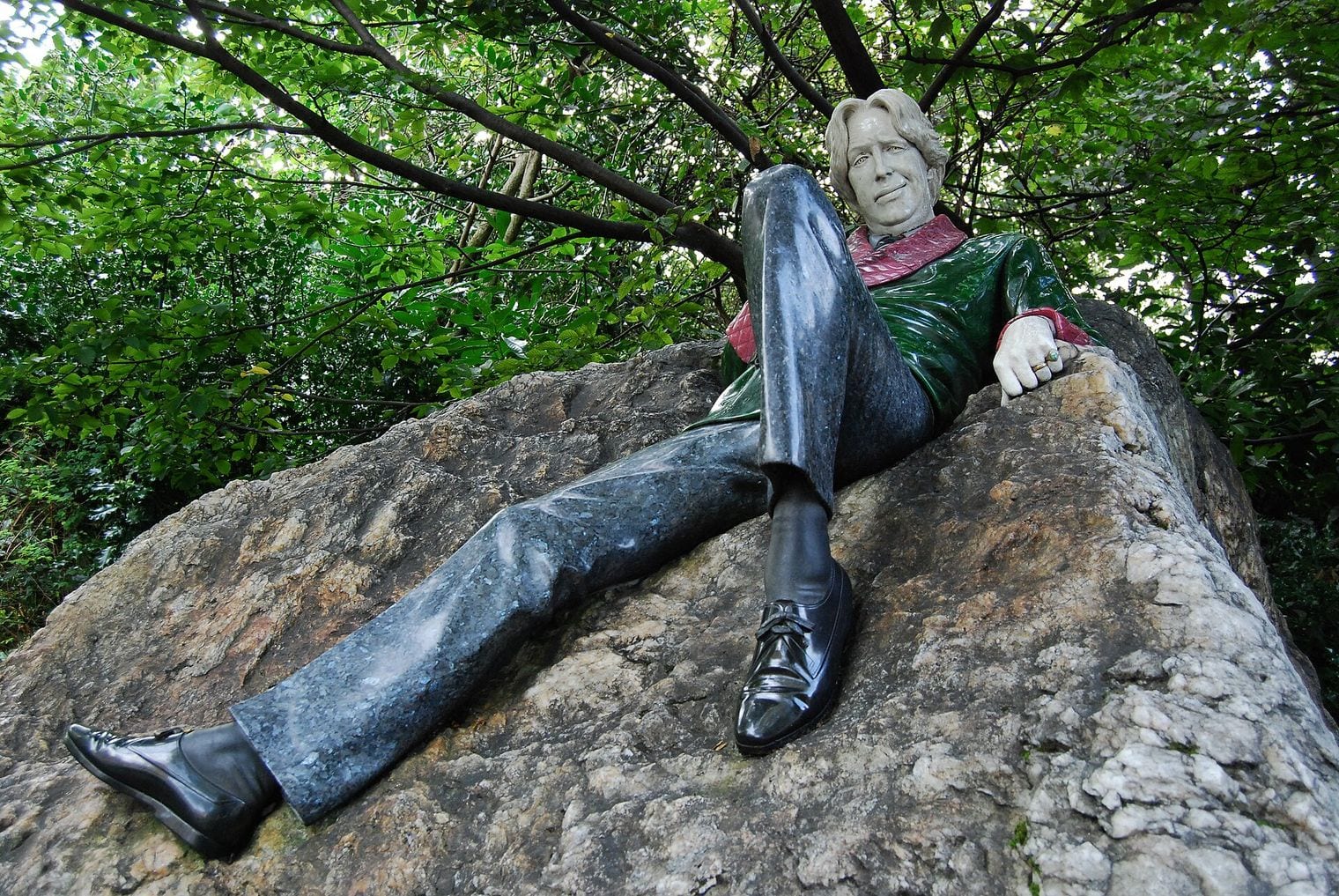
The Oscar Wilde Memorial Sculpture lounges on a quartz boulder in the northwest corner of Merrion Square, directly opposite the house where Wilde spent his childhood. Danny Osborne carved it in 1997 from coloured stone rather than bronze — jade and thulite for the smoking jacket, granite for the trousers, porcelain for the face.
The expression is deliberately split: approached from one side he looks amused, from the other markedly less so. Two smaller figures on plinths nearby complete the piece, and the surrounding pillars carry his epigrams, contributed in the handwriting of Irish writers and public figures. It is the most photographed statue in the square.
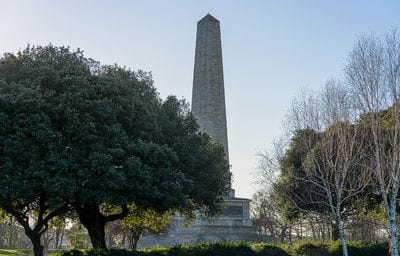
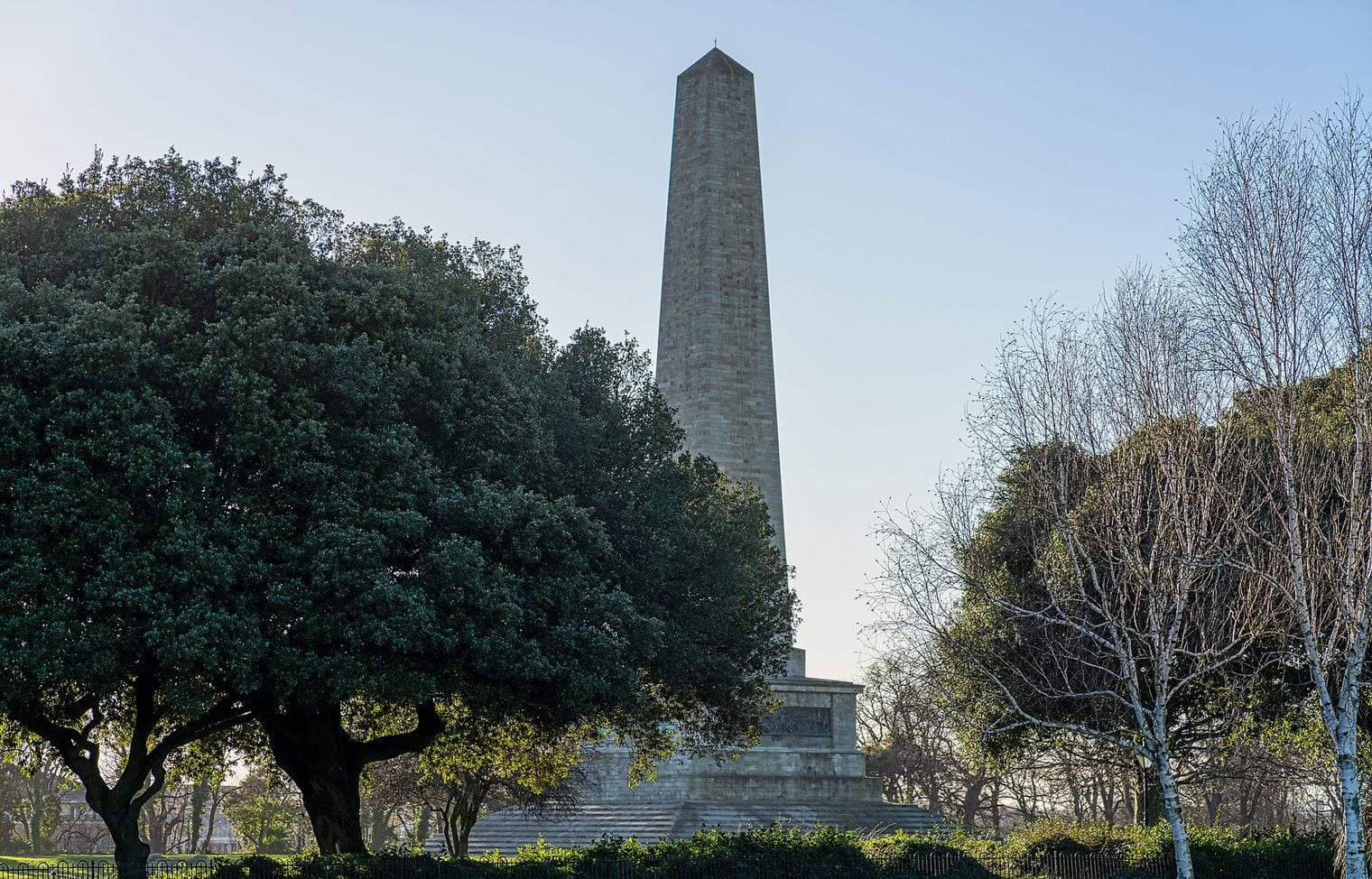
The Wellington Monument is the granite obelisk that dominates the southeast corner of Phoenix Park. At just over sixty-two metres it is the tallest obelisk in Europe, begun in 1817 to honour the Dublin-born Duke of Wellington and not completed until 1861, because the money ran out.
Bronze plaques around the base were cast from cannon captured at Waterloo and depict scenes from Wellington’s campaigns, with a fourth panel carrying an inscription instead. The statue planned for the top was never added, which is why it stops so abruptly. The open ground around it is one of the better picnic spots in the park.
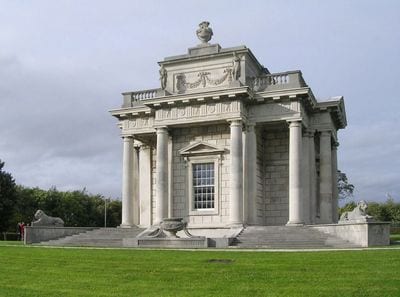
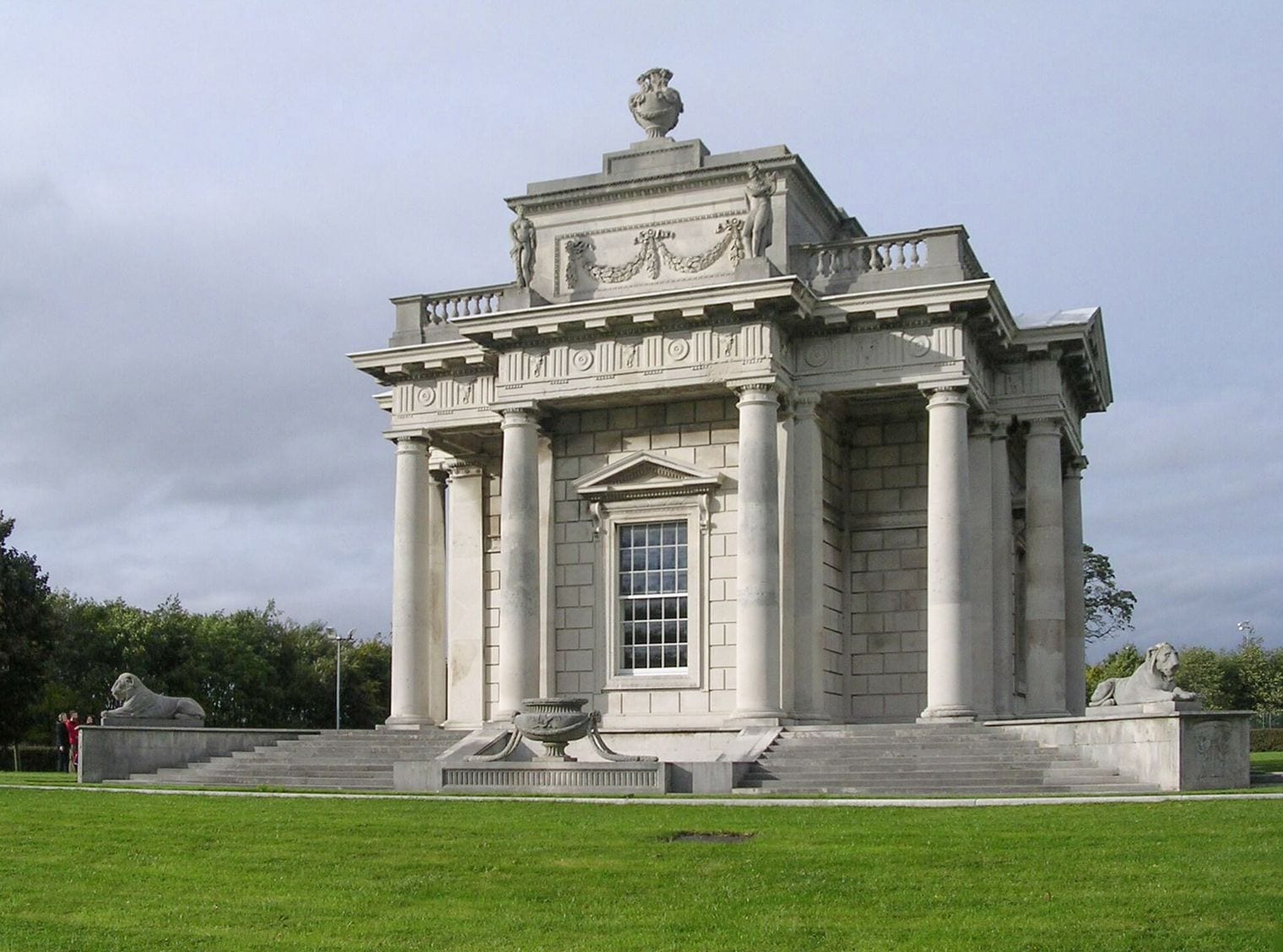
The Casino at Marino is the best architectural joke in Dublin. Built for Lord Charlemont between 1758 and 1775 to a design by Sir William Chambers, it looks from the outside like a small single-room Greek temple. Inside there are sixteen rooms across three floors.
Everything is disguised: the roof urns are chimneys, the columns are hollow and drain the roof, the front door is largely a false facade, and the windows are curved to conceal the floors behind them. It is run by the Office of Public Works, entry and the guided tour are free, and the tour is essential because the trickery is otherwise invisible. Opening is seasonal.
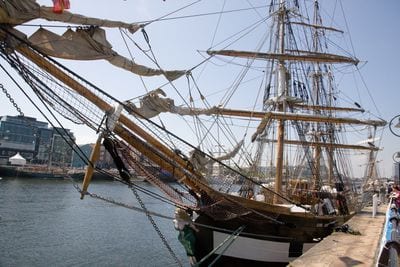
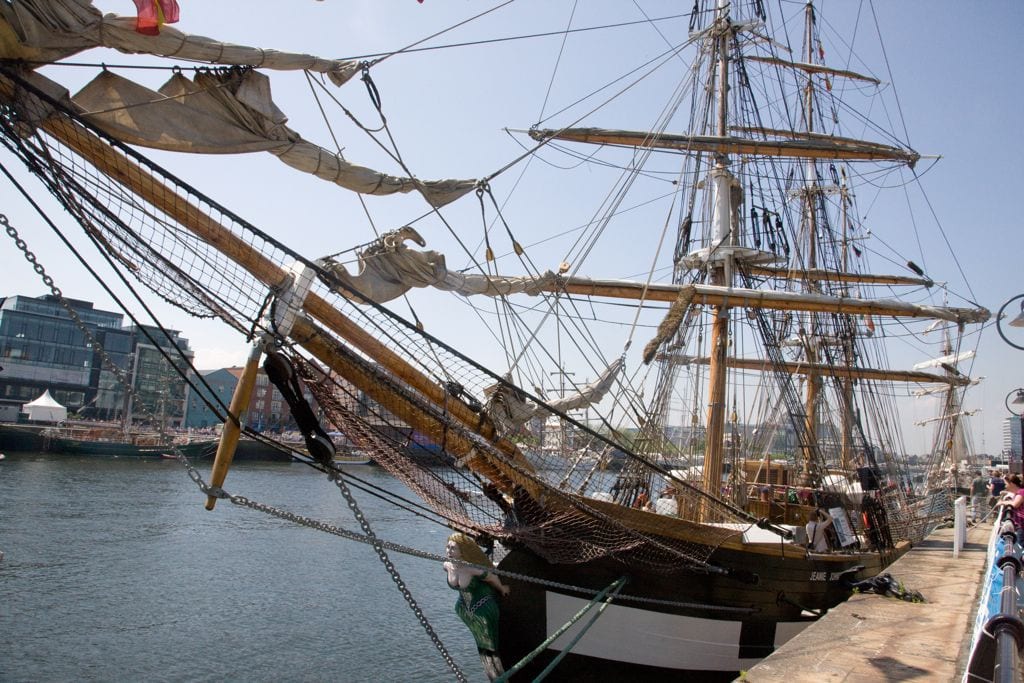
The Jeanie Johnston is a working replica of the three-masted barque that carried emigrants from Tralee to North America during and after the Famine. She is moored at Custom House Quay, a few minutes’ walk from EPIC, and is toured with a guide below decks.
The original made sixteen crossings between 1848 and 1855 and never lost a passenger or crew member — an almost unheard-of record when the emigrant trade was known for coffin ships. The tour reconstructs conditions in steerage, the bunks, the rations and the fortnight or more without daylight, and is more affecting than the ship’s trim appearance from the quayside suggests.
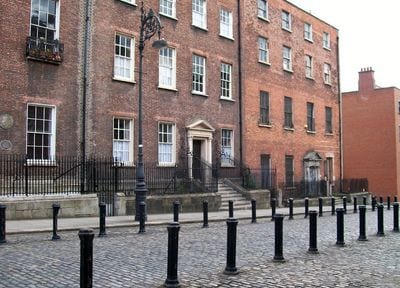
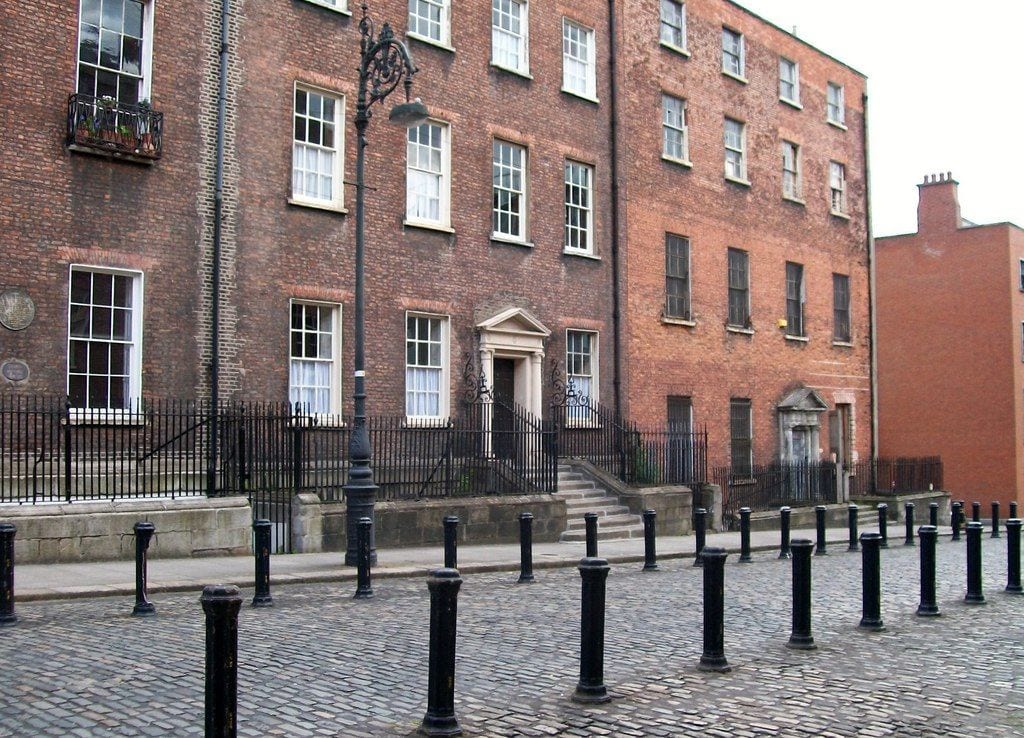
14 Henrietta Street tells three hundred years of Dublin housing through a single building. It went up in the 1740s as a Georgian townhouse for one wealthy family; by 1911 the same house held around a hundred people in seventeen tenement flats, and families were still living in it into the 1970s.
The guided tour moves room by room, from the grand first-floor reception spaces to the subdivided tenement rooms above, using the fabric of the house itself — layers of wallpaper, worn stairs, partitioned windows — alongside recordings of former residents. It is the highest-rated attraction on this list and is booked in advance.
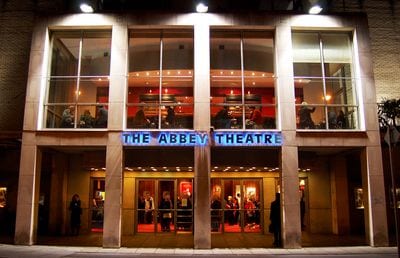
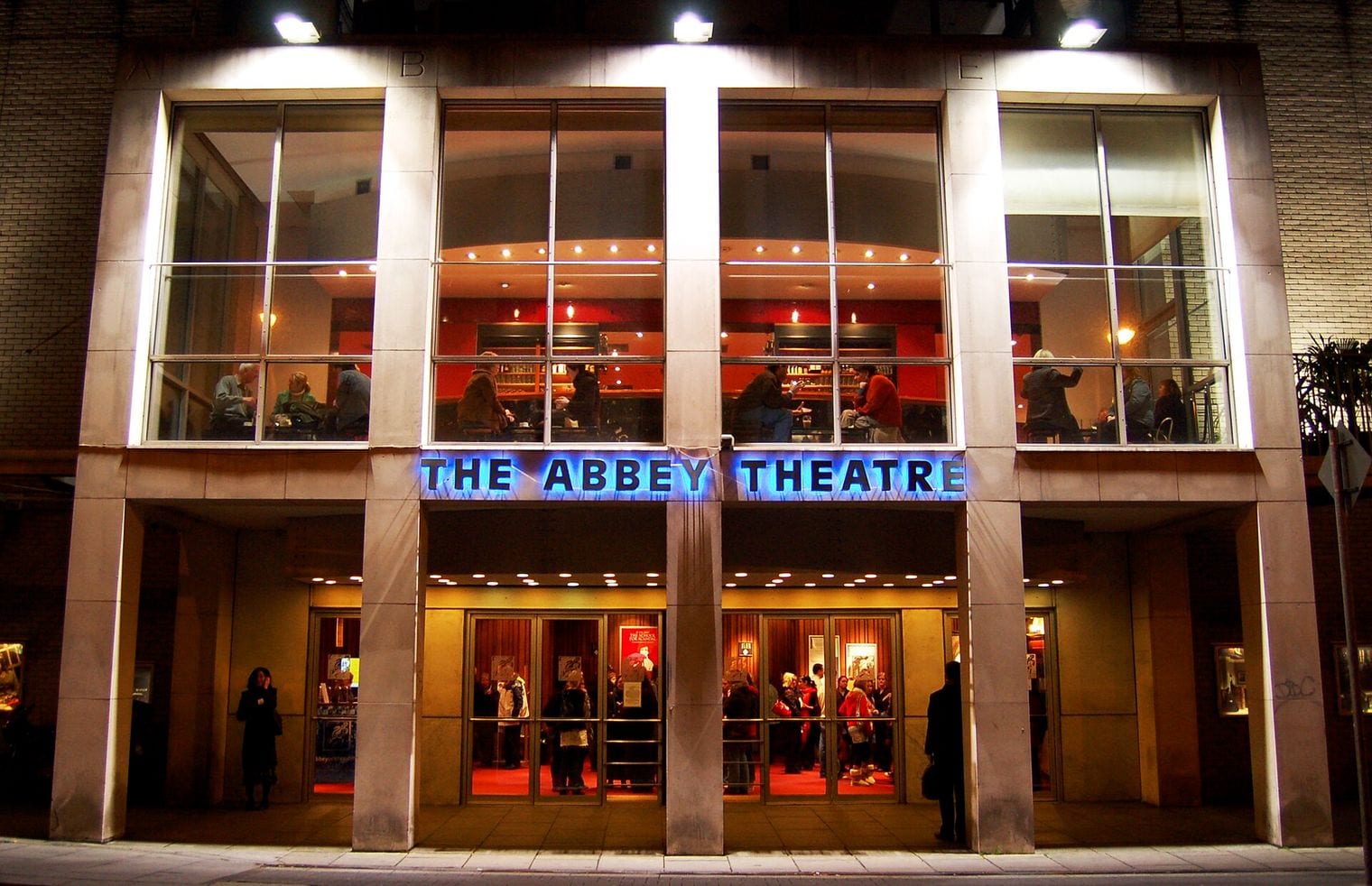
The Abbey Theatre is Ireland’s national theatre, founded in 1904 by W. B. Yeats and Lady Gregory as the home of a distinctly Irish drama. It staged the first performances of Synge and O’Casey, and its early audiences rioted at both — over The Playboy of the Western World in 1907 and The Plough and the Stars in 1926.
The original building burned down in 1951 and the present one on Abbey Street dates from 1966, a plain modernist block few people love from the outside. What matters is the programme: new Irish writing alongside the canon, across two stages. Going to a performance is the point — there is no permanent exhibition to walk around.
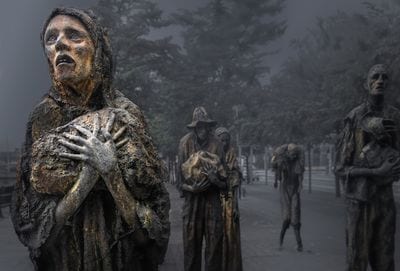
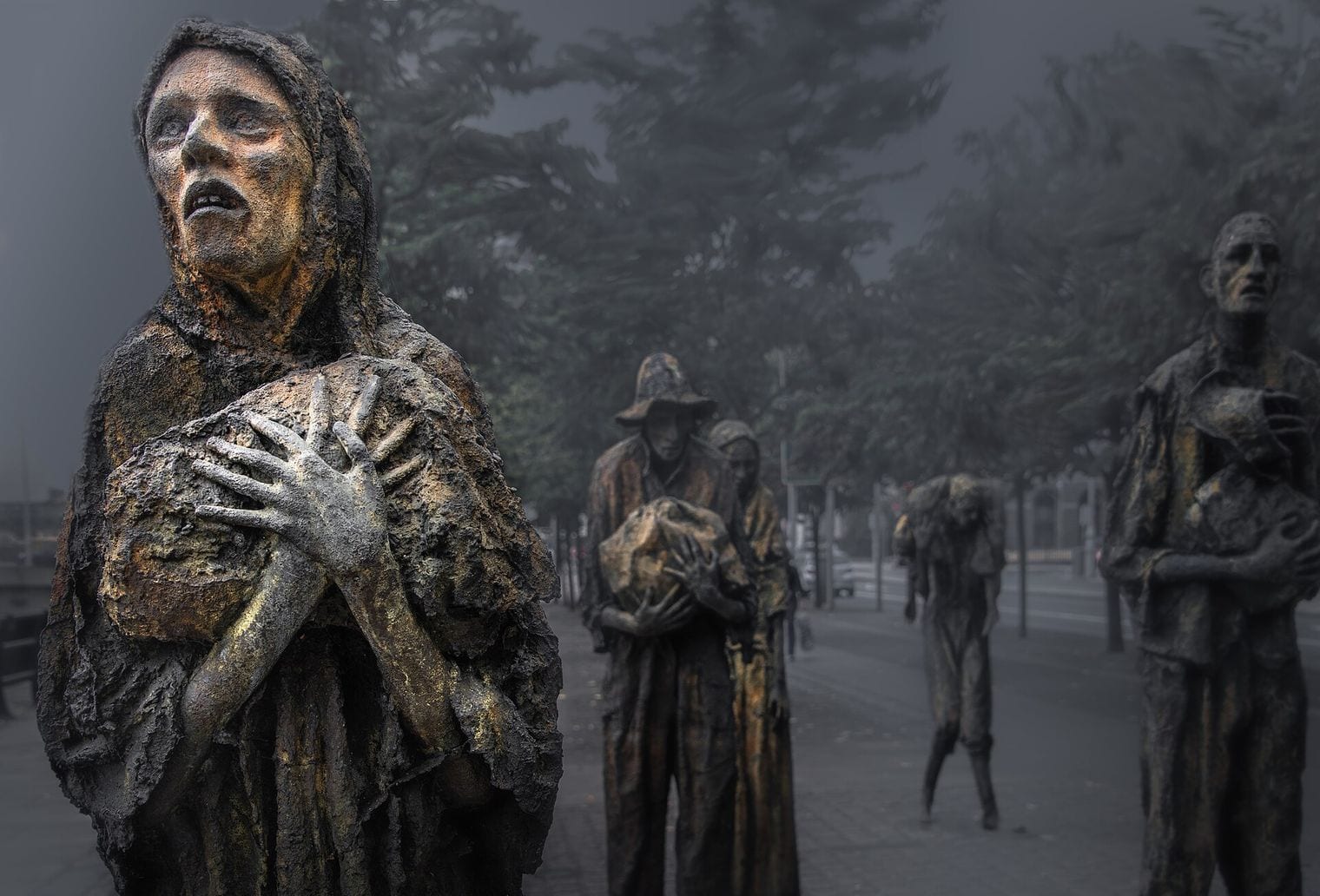
The Famine Memorial on Custom House Quay is a group of gaunt bronze figures walking towards the river carrying what little they have. Rowan Gillespie made them, and they were presented to the city in 1997, the hundred and fiftieth anniversary of the worst year of the Great Hunger.
The placement is deliberate: they are walking towards the ships, on the quay emigrants actually left from, with the Jeanie Johnston moored a short distance along. There is no plinth, so the figures stand at street level among passing pedestrians. A companion piece by the same sculptor stands on the Toronto waterfront, at the arrival end of the same journey.
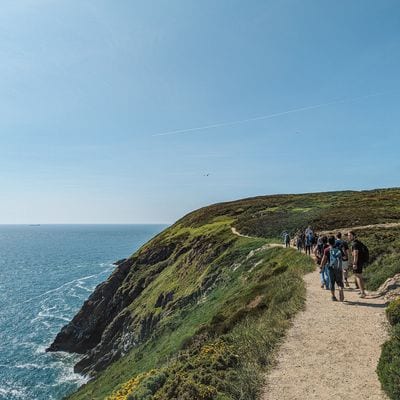
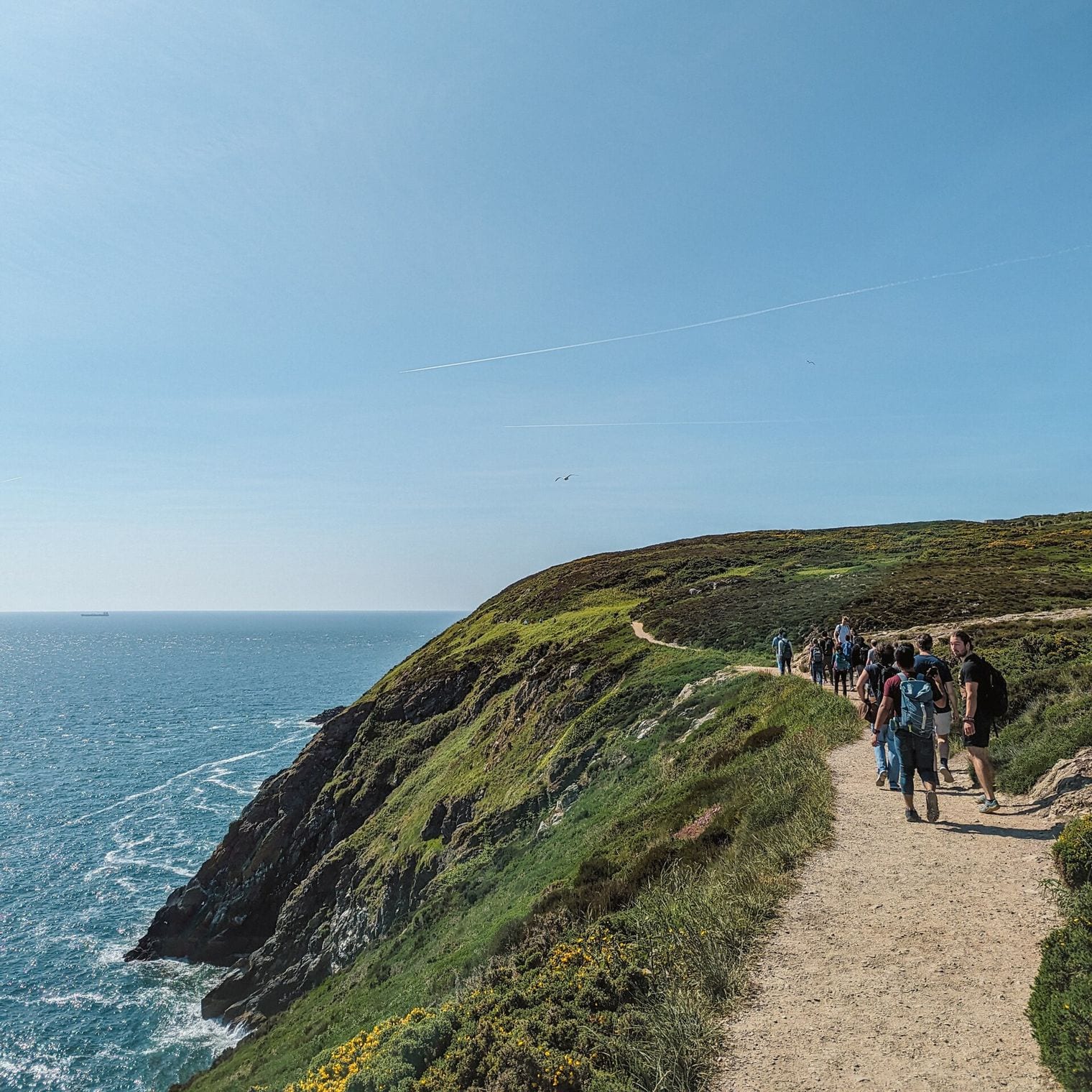
The cliff paths around Howth Head are the easiest genuine coastal walk from central Dublin — the DART reaches Howth village in about half an hour, and the loops start at the harbour. Four waymarked routes range from roughly six to ten kilometres.
The paths run along the cliff edge above the Irish Sea with the Baily Lighthouse below and, on a clear day, the Mourne Mountains to the north and Wicklow to the south. Gorse covers most of the headland and flowers yellow in spring. Wear proper shoes, keep back from the unfenced edges, and finish with fish in the village.
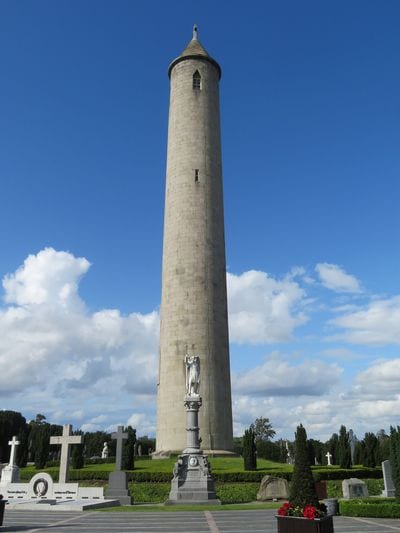
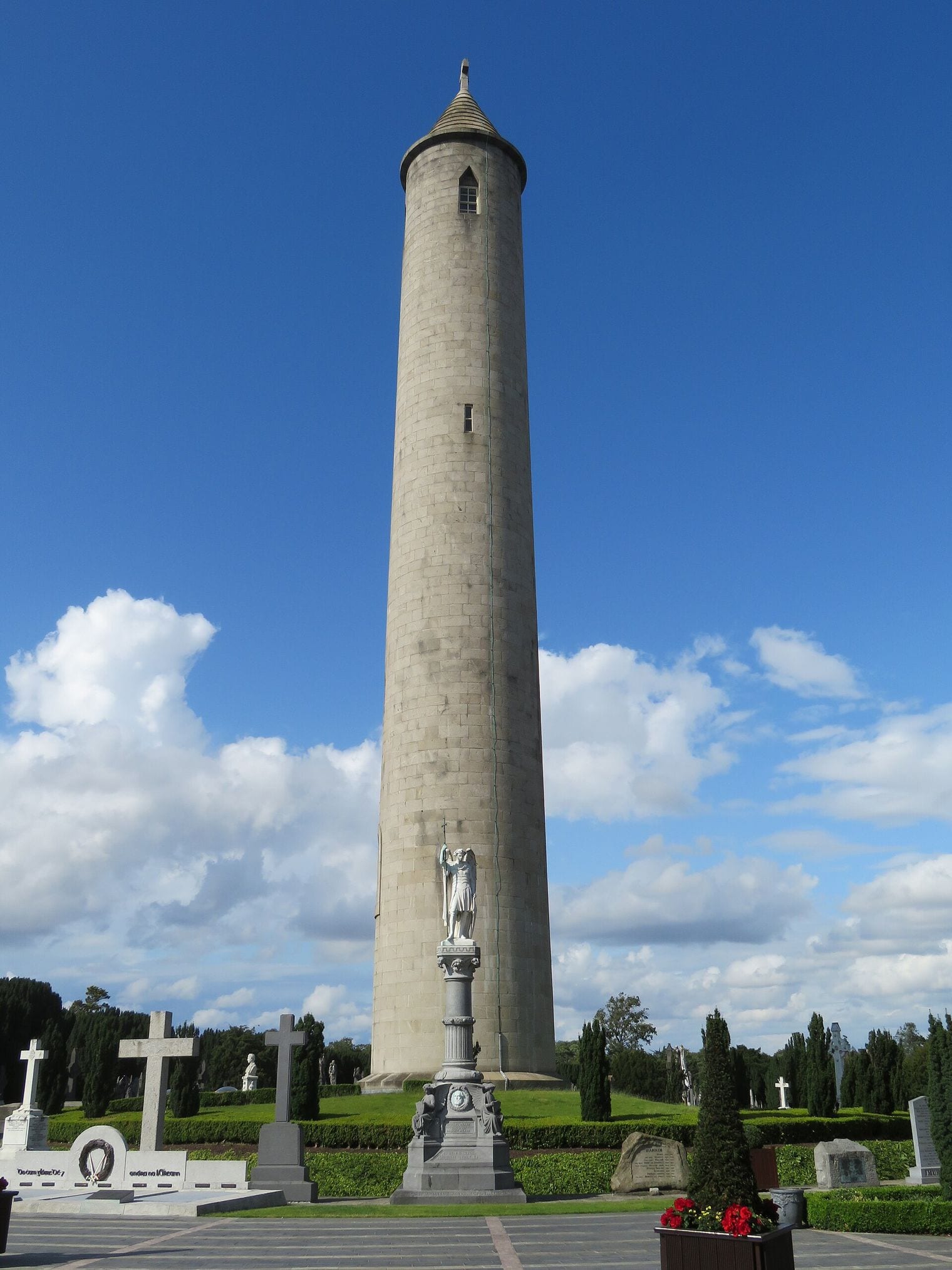
Glasnevin Cemetery opened in 1832 as the first burial ground in Ireland where Catholics could be buried with their own rites, and around 1.5 million people are interred here — more than the living population of Dublin. Daniel O’Connell, who founded it, lies beneath a round tower over fifty metres tall.
It doubles as a walk through modern Irish political history: Parnell, Collins, de Valera, Constance Markievicz and Roger Casement are all buried within a few minutes of one another. The guided tours are what lift it, and the museum on site covers the cemetery’s records. The tower is climbable and gives a view back over the city.
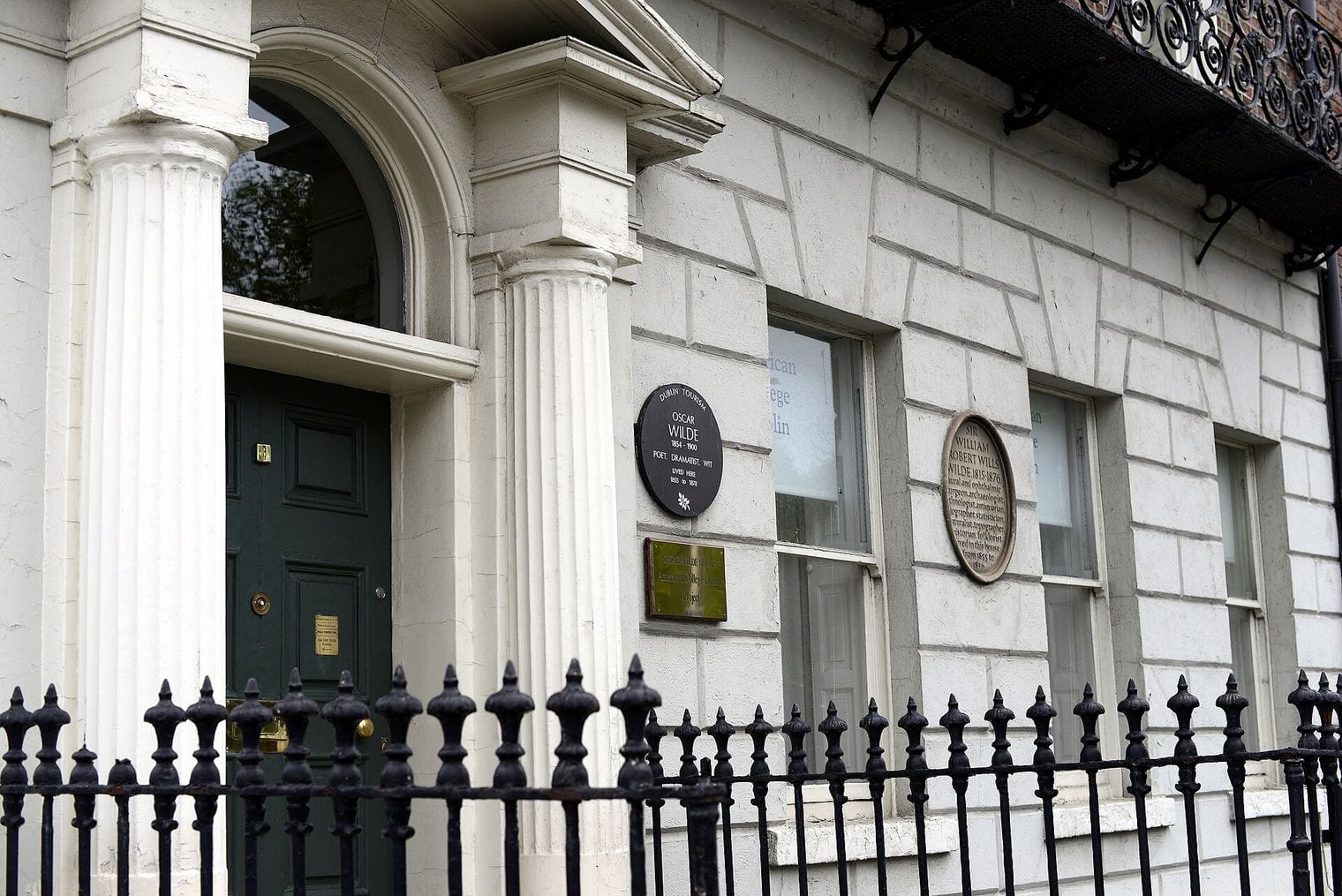
Number 1 Merrion Square was Oscar Wilde’s family home from 1855, when he was a year old, until he left for Oxford. His father was the eye surgeon Sir William Wilde and his mother the poet and nationalist who wrote as Speranza, and the house ran as a busy literary salon.
It is now owned by the American College Dublin and is not a full museum, so access is by guided tour on limited days and the restored rooms are only part of the building. Two ground-floor rooms have been returned to their 1850s appearance. Check opening times before making the trip — they are narrower than for most attractions on this list.
Plan your trip
Best Time to Visit Dublin
Late spring and early autumn are the sweet spots. May, June and September bring the longest useful daylight and the driest weather of the year, without the July and August crush at Trinity and the brewery. Dublin sits far enough north that midsummer evenings stay bright until well after nine, which effectively lengthens a short trip.
Winter is dark and damp rather than genuinely cold, and snow is rare — this is the season for the pubs, the theatres and the free national museums rather than for long walks in Phoenix Park. Two things reliably fill the city regardless of weather: St Patrick's Day in March, and any weekend when a championship match is on at Croke Park. Book accommodation early for either.
Getting to Dublin
Dublin Airport (DUB) sits about ten kilometres north of the centre and is by far the busiest way in, with a US pre-clearance facility that lets passengers clear American immigration before they fly. There is no rail link to the airport; frequent coach and bus services run to the city centre and take roughly thirty to forty minutes depending on traffic. Ferries arrive at Dublin Port from Britain, and at Rosslare further south.
By road, the M50 orbital ties together the motorways radiating out to Belfast, Galway, Cork and the southeast — note that it carries a barrier-free toll you must pay online. Intercity trains use two stations: Heuston on the west side for Cork, Limerick and Galway, and Connolly on the north side for Belfast, Sligo and Rosslare. They are not connected to each other except by tram, so check which one your train leaves from.
Getting Around Dublin
Do not rent a car for the city itself. The centre is genuinely compact — you can walk from St Stephen's Green to the Guinness Storehouse in half an hour — and parking is expensive and scarce. Almost everything in this guide is walkable or one short hop from where you are staying.
For the rest there are three systems: the Luas, a two-line tram network whose red and green lines cross the centre; the DART, a coastal commuter railway that runs along Dublin Bay and is the best way to reach the seaside villages north and south; and an extensive bus network. A Leap card works across all three and is cheaper than paying per journey. Cycling is increasingly viable, with a city bike-share scheme and a growing network of segregated lanes.
Where to Stay in Dublin
The area around Grafton Street and St Stephen's Green is the most convenient base on the south side, putting Trinity, the national museums and the main shopping streets within a few minutes' walk. Temple Bar itself is central and atmospheric but genuinely noisy until the early hours, so it suits a certain kind of trip and ruins another. Just west, the Liberties has become a good-value option within walking distance of the brewery and the distilleries.
North of the river, the area around O'Connell Street and Smithfield is generally cheaper and well served by tram, with Stoneybatter nearby offering red-brick streets, independent cafés and a more residential feel. The Docklands and Grand Canal Dock are modern, quiet at night and handy for the Aviva and the convention centre. Ballsbridge and Ranelagh, a little further out, are leafy and calm with quick tram or bus connections into town.
Where to Eat in Dublin
Dublin's dining has changed beyond recognition in a generation, and the best hunting grounds are the streets rather than the landmarks. Camden Street and Wexford Street on the south side hold the densest concentration of good, informal places; Capel Street north of the river has become the city's best strip for Asian food; and Ranelagh and Portobello are worth the short trip out for neighbourhood restaurants. Temple Bar is the one area where you should drink rather than eat.
For local dishes, look for Dublin coddle, a slow-cooked sausage and bacon stew that is exactly as unfashionable and comforting as it sounds, alongside boxty potato pancakes, seafood chowder with brown soda bread, and a proper full Irish breakfast with black and white pudding. Irish oysters and mussels are excellent and cheap by most European standards, and the farmhouse cheeses are worth a detour to any of the city's food markets.
Day Trips from Dublin
The coast is the easiest escape, and you can reach most of it on the DART without a car. Howth, about thirty minutes north, is a working fishing harbour with a clifftop loop walk and seabird colonies offshore; Malahide, slightly further, has a medieval castle and botanic gardens.
Southward the line runs to Dún Laoghaire for its Victorian piers and on to Dalkey and Killiney, where a short climb delivers a view over the bay that locals will tell you resembles Naples.
Inland, Glendalough in County Wicklow is roughly an hour south — an early-medieval monastic settlement with a round tower, set in a glacial valley of two lakes and surrounded by the Wicklow Mountains. About forty minutes north, in the Boyne Valley, Brú na Bóinne holds the passage tombs of Newgrange and Knowth, a UNESCO World Heritage Site built centuries before the pyramids. Kilkenny, with its castle and medieval lanes, is a comfortable ninety minutes southwest by road or rail.
Before you go
Mobile dataAn eSIM gives your phone local data when you land, with no SIM card to swap.via AiraloGet an eSIM
Airport transferA driver meets you at arrivals and takes you to your hotel, at a price fixed when you book.via Welcome PickupsBook a transfer
We may earn a commission when you buy through these links, at no extra cost to you. How we make money.
One Day in Dublin
Morning
Start at Trinity College Dublin and go straight to The Book of Kells Experience — it is the one ticket in the city worth booking for the first slot of the day, because the queue only grows. Walk out the Nassau Street side and spend the rest of the morning five minutes away on Kildare Street at the National Museum of Ireland – Archaeology, which is free and holds the bog bodies and the gold.
Head west along Dame Street to Christ Church Cathedral, crossing the covered bridge into Dublinia next door if the Viking city interests you. From there it is a twenty-minute walk uphill through the Liberties to the Guinness Storehouse, timed so you reach the Gravity Bar in the late-afternoon light.
Walk back down towards the river for a pint. The Brazen Head sits on Bridge Street about ten minutes from the brewery and has traditional music most nights; The Temple Bar Pub is louder, busier and better for a photograph than for a quiet drink. If you would rather have a show than a session, check what is on at The Olympia Theatre on Dame Street.
Dublin is best known for the Guinness Storehouse, Ireland's most-visited attraction, and for the Book of Kells at Trinity College. Beyond those, the city is defined by Kilmainham Gaol, where the 1916 Rising leaders were executed; Croke Park, home of hurling and Gaelic football; and EPIC The Irish Emigration Museum. Add a literary tradition out of all proportion to its size and a pub culture that is genuinely lived in.
How many days do you need in Dublin?
Three days is the sweet spot. Two covers the essentials at a rush — Trinity and the Book of Kells, the Guinness Storehouse, Kilmainham Gaol and one national museum. A third day lets you add Phoenix Park or Croke Park and slow down over lunch. With five days you can keep Dublin as a base and take the DART out to the coast or drive to Glendalough and the Boyne Valley.
Is Dublin walkable?
Very. The historic core is compact enough that most visitors never use public transport at all: it is about half an hour on foot from St Stephen's Green to the Guinness Storehouse, and ten minutes from Trinity College to Christ Church Cathedral. A car is a liability in the centre. For the coast and the outer suburbs, the DART railway and the Luas trams cover almost everywhere you would want to go.
What can you do in Dublin for free?
More than in most European capitals. The National Gallery of Ireland and both branches of the National Museum of Ireland — Archaeology on Kildare Street and Collins Barracks — charge no admission, and neither do the National Botanic Gardens. Phoenix Park and St Stephen's Green are free and large enough to fill an afternoon, and you can walk the grounds of Trinity College without a ticket.
Do you need to book Dublin attractions in advance?
For some, yes. Kilmainham Gaol runs timed guided tours with limited capacity and routinely sells out days ahead, so book it first and build the rest of your day around the slot you get. The Book of Kells Experience and the Guinness Storehouse both use timed entry and are cheaper and quieter early. The free national museums never need booking, which makes them useful gap-fillers.