We build and rank every list first. Booking links come after, and only where
a partner sells a ticket, tour or stay for that exact place, so a place with
nothing to book is listed exactly as prominently as one you can book.
So how do we earn? Some links on this page go to booking
partners, and if you book or buy through
one, we may earn a commission. It costs you nothing extra.
That commission never decides which places make the list, the order they
appear in, or what we write about them. No entry is sponsored or a paid
placement.
By the CityViking Research TeamPublished 30 places · 25 min read
Sources Checked before launchOct 12, 202630 sources20 publishers2 government & parks4 tourism boards12 encyclopedias & research12 venues & other sitesPublished · Oct 12, 2026Researched and checked before it went liveClick for every source and the full change log.
Short answer
Tivoli, Orvieto and Florence are the best day trips from Rome: Tivoli for Villa d'Este and Hadrian's Villa, Orvieto for its cliff-top cathedral town, and Florence for the Renaissance. Allow a full day for each. Every trip on this list is within about 3 hours of Rome, and Siena, by car, is the longest.
Rome sits in Lazio, between the Tyrrhenian coast and the Apennines, and Roma Termini is the rail hub of central Italy. That puts a remarkable spread within a day's reach: the wine towns of the Castelli Romani, the Etruscan tombs and hill towns of Tuscia, Umbria's cliff-top cities, the Renaissance heart of Tuscany, and Naples with its bay, islands and buried Roman towns.
These 30 day trips run from easy half days to early-start long days. Each entry gives the train time from Roma Termini or the routed drive time, one way, plus the route, what to pair it with and the best season to go.
Tivoli has two UNESCO World Heritage Sites of its own: Villa Adriana, the Emperor Hadrian's country estate, and Villa d'Este, the Renaissance villa famous for its fountains, are listed separately.
The longest papal election in history took place in Viterbo, from 1268 to 1271; the town's magistrates locked the cardinals in and cut their rations to force a decision.
Orvieto's St Patrick's Well has two spiral ramps in a double helix, designed by Antonio da Sangallo the Younger so that mules carrying water up never met those going down.
Civita di Bagnoregio can only be reached on foot, across a long pedestrian footbridge from the neighbouring town of Bagnoregio.
Motorboats are banned on Lake Bracciano because the lake serves as a drinking-water reservoir for Rome.
The first books printed in Italy were made in Subiaco, where the printers Konrad Sweynheym and Arnold Pannartz set up a press in the 1460s.
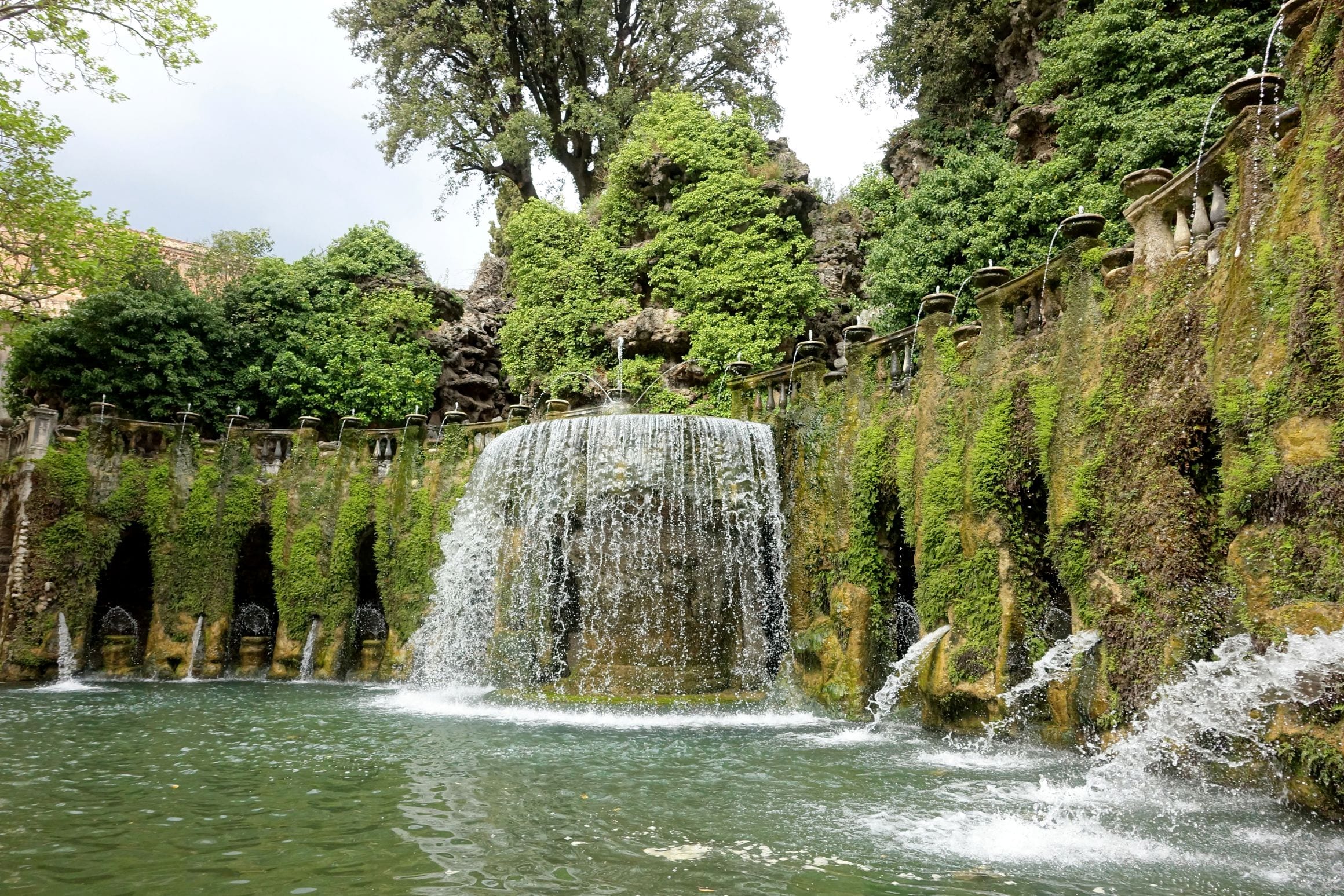
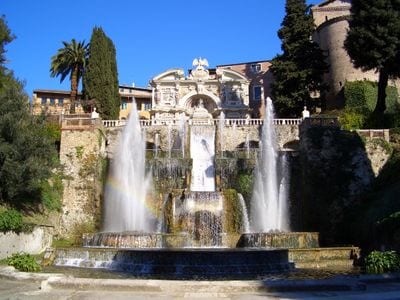
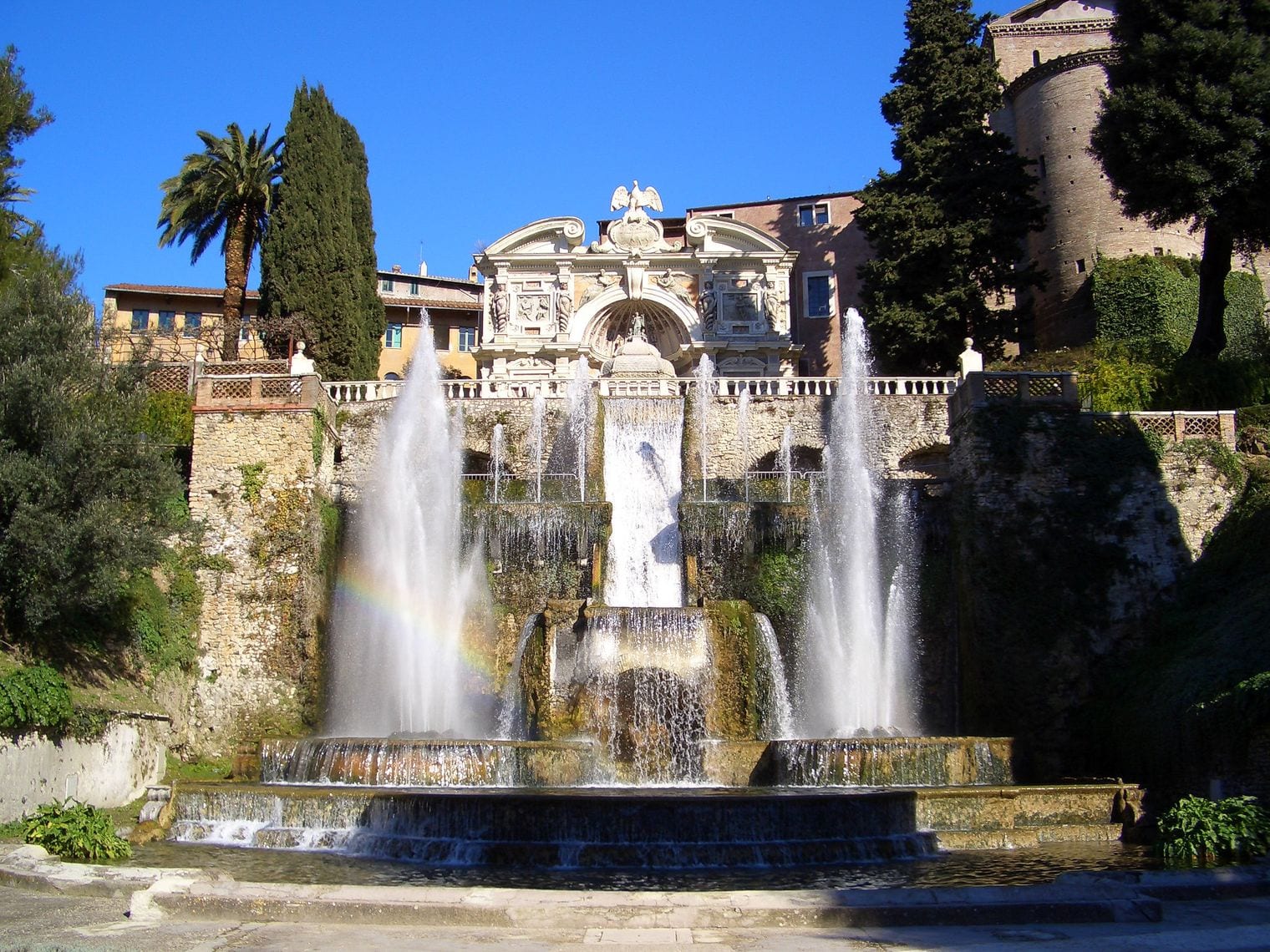
Tivoli spills down a ridge of the Sabine Hills where the Aniene River drops into a gorge, and it packs two UNESCO World Heritage Sites into one town. Villa d'Este is the showpiece, a 16th-century cardinal's villa whose terraced Renaissance gardens are threaded with fountains, pools and water stairs.
Hadrian's Villa (Villa Adriana), the emperor's sprawling country retreat of pavilions, baths and pools, lies on the plain below, and Villa Gregoriana adds a wooded gorge walk to the Great Waterfall beneath the little round Temple of Vesta.
Regional trains reach Tivoli in about 45 minutes by train from Roma Termini, and from the station it's an uphill walk into the old town and Villa d'Este; Villa Adriana sits some 5 km below the town, so add a local bus or a taxi to see both.
A combined ticket covers the two villas, and guided day tours from Rome visit both in one go. Spring is the time to come, when the gardens are green and the fountains are at their best.
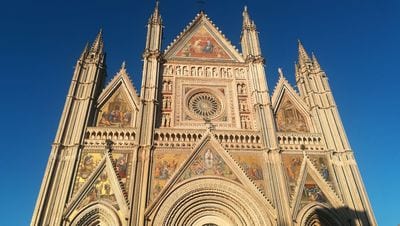
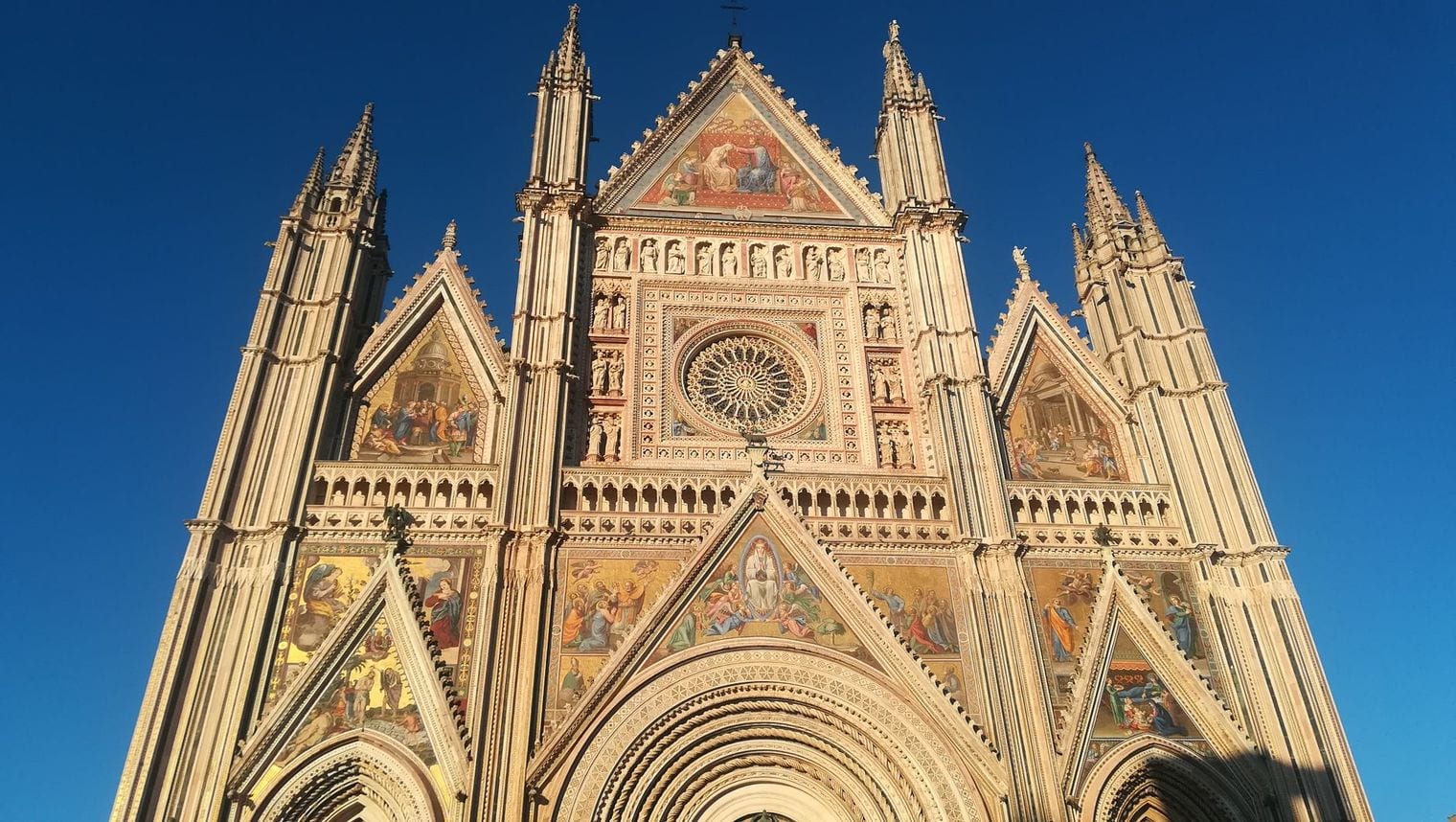
Orvieto sits on the flat top of a butte of volcanic tuff, its houses running right to the edge of near-vertical cliffs above the Umbrian countryside. The Duomo's striped façade glitters with gold mosaics, and inside, the San Brizio Chapel is covered in Luca Signorelli's frescoes of the end of the world. Beneath the town, St Patrick's Well spirals down on two separate ramps, and tours of the Orvieto Underground lead into caves and cellars cut into the rock.
Intercity and regional trains take about 1¼ hours by train from Roma Termini, and a funicular lifts you from the station up to the old town in a few minutes. Orvieto pairs naturally with Civita di Bagnoregio, a short drive away, and guided day tours from Rome often combine the two. Spring and autumn are ideal for walking the cliff-edge streets, and a glass of the local white Orvieto Classico is part of the visit.
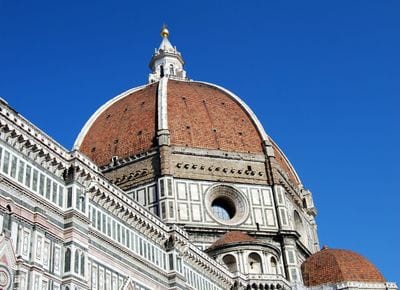
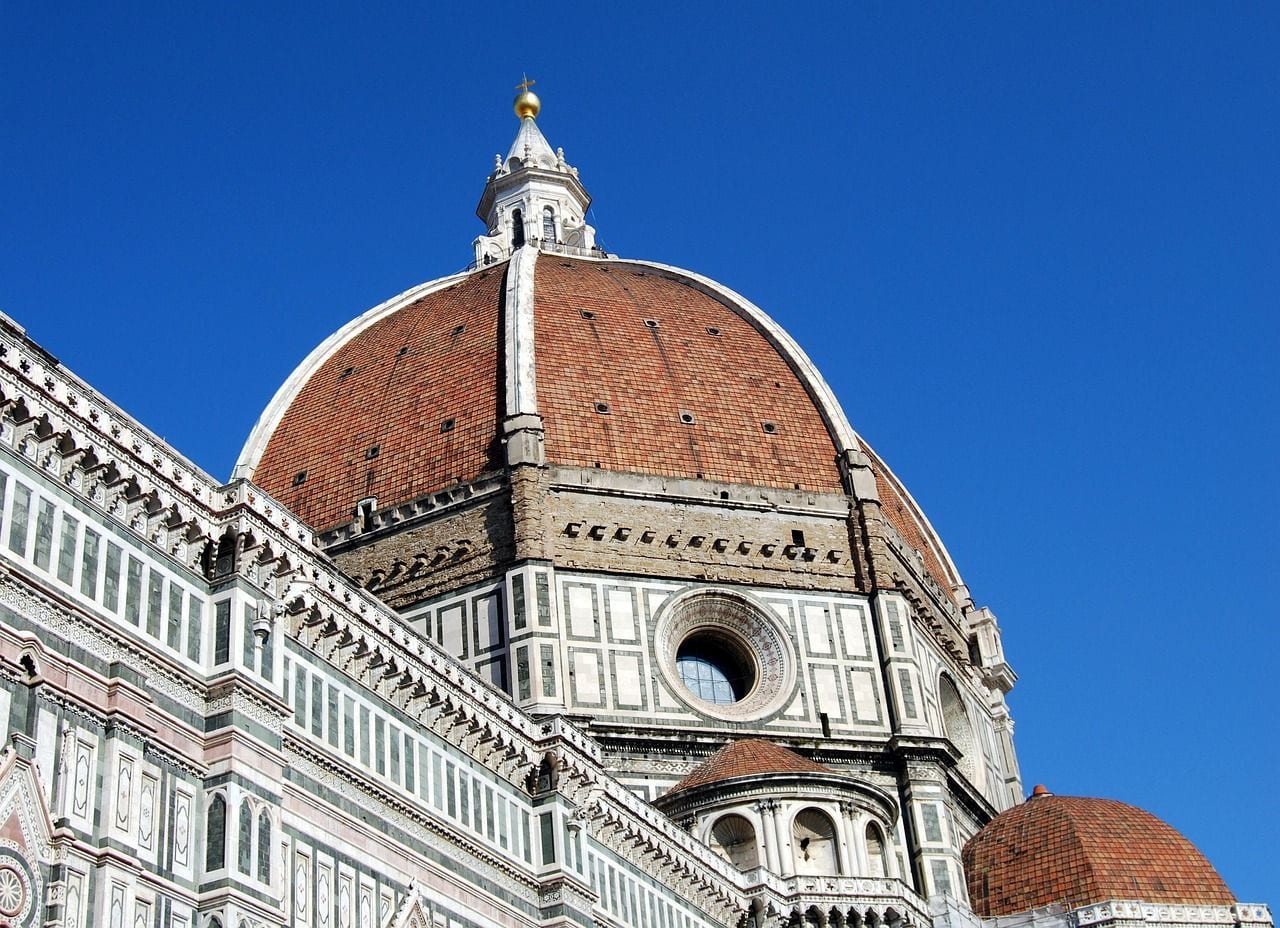
Florence, widely seen as the birthplace of the Renaissance, is the most ambitious day trip on this list and arguably the most rewarding. Its compact, walkable and UNESCO-listed historic centre holds Brunelleschi's dome crowning the Duomo, the Uffizi's galleries of Botticelli and Leonardo, Michelangelo's David in the Galleria dell'Accademia, and the jewellers' shops lining the Ponte Vecchio.
Frecciarossa high-speed trains reach Firenze Santa Maria Novella in about 1½ hours by train from Roma Termini, and the station is a short walk from the Duomo. The Uffizi and the Accademia both close on Mondays and run on timed entry, so book your slots ahead and choose one big museum rather than two. Florence works in any season, and winter brings thinner crowds; our full Florence guide covers everything a single day leaves out.
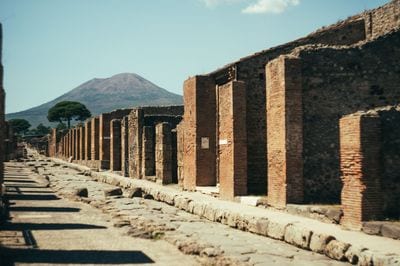
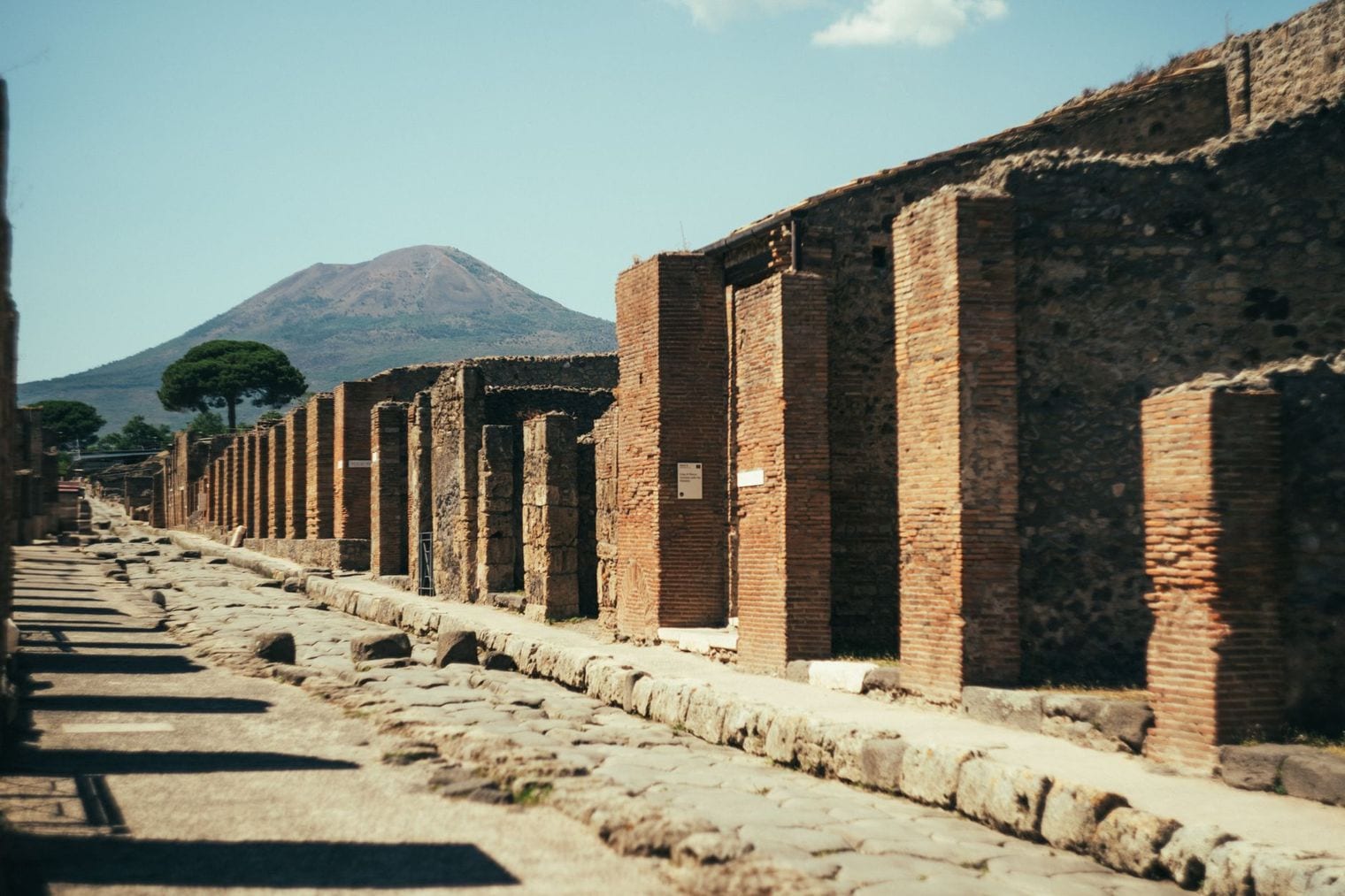
Pompeii was buried under volcanic ash and pumice when Mount Vesuvius erupted in AD 79, and its streets, houses, bakeries and frescoed villas now give one of the most complete pictures of a Roman town anywhere. The UNESCO-listed site is vast, so expect several hours of walking on uneven paving stones. Vesuvius itself looms over the ruins, and the Gran Cono trail climbs to the rim of its crater.
The trip takes about 2 hours (Frecciarossa to Napoli Centrale, then the Circumvesuviana to Pompei Scavi), and Pompei Scavi station sits beside the main entrance. Tickets are issued in your name and checked against ID, there's a daily cap on visitors, and timed slots apply in the busy months; the Vesuvius trail has its own timed, named tickets.
The shadeless site is fierce in summer heat, so start early or come in spring or autumn. Guided day tours from Rome run here, often pairing the ruins with Vesuvius.
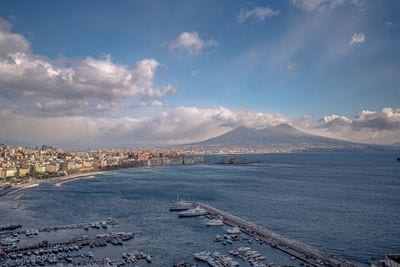
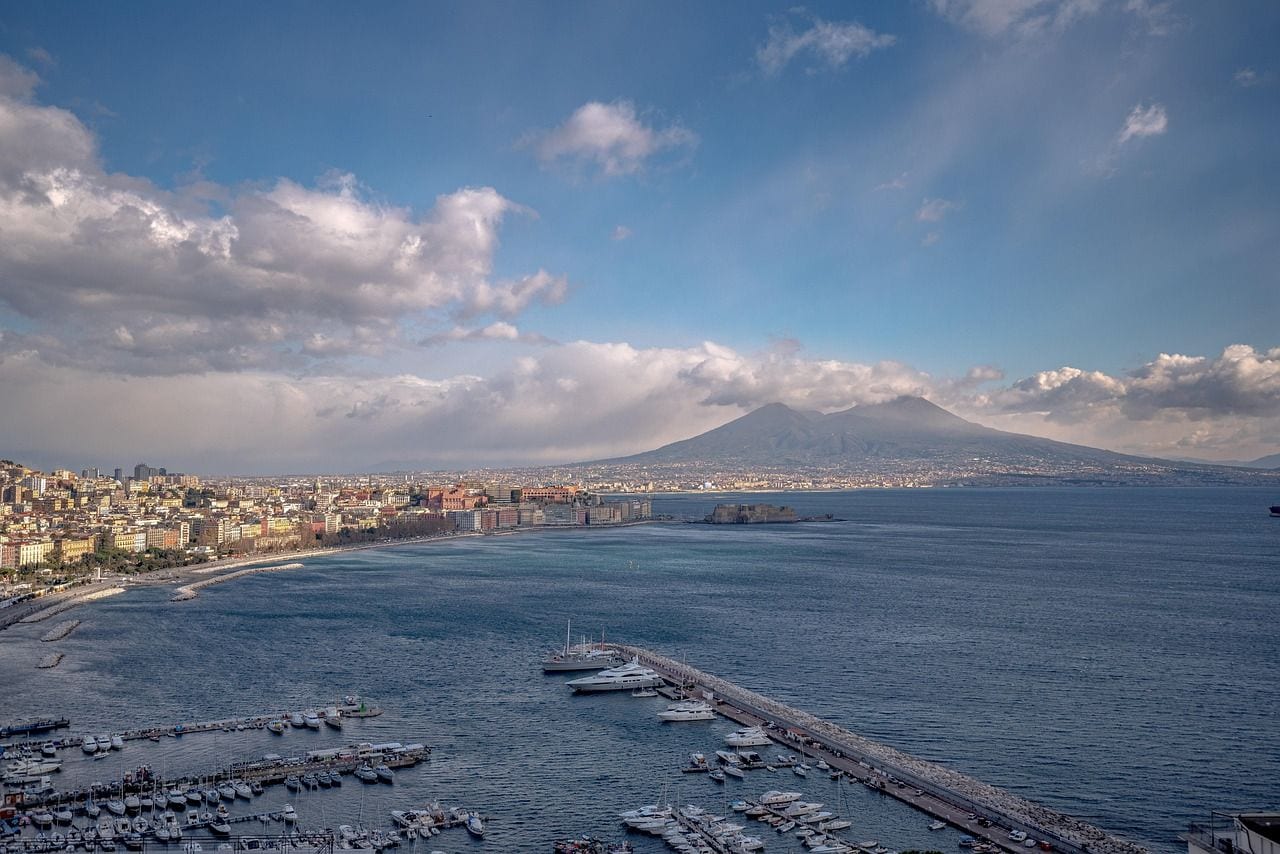
Naples is loud, layered and irresistible. Its historic centre is a UNESCO World Heritage Site, and Spaccanapoli, the long, straight street that slices through it, is lined with churches, shrines and workshops. The National Archaeological Museum holds the great mosaics, frescoes and statues recovered from Pompeii and Herculaneum, and the city's gift to the world is pizza: the art of the Neapolitan pizzaiolo is on UNESCO's intangible heritage list.
Frecciarossa trains reach Napoli Centrale in about 1¼ hours by train from Roma Termini, the quickest big-city trip on this list. The archaeological museum closes on Tuesdays, so plan around it. Naples pairs well with Herculaneum, a short ride away on the Circumvesuviana, and it's a strong winter choice when the islands and the Amalfi Coast are quiet. Stay the night if you can; the city rewards a slow evening.
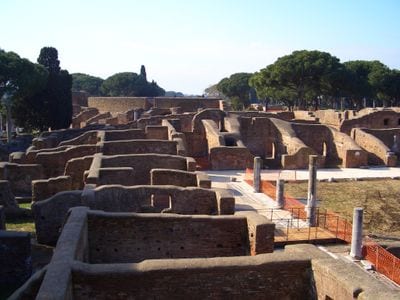
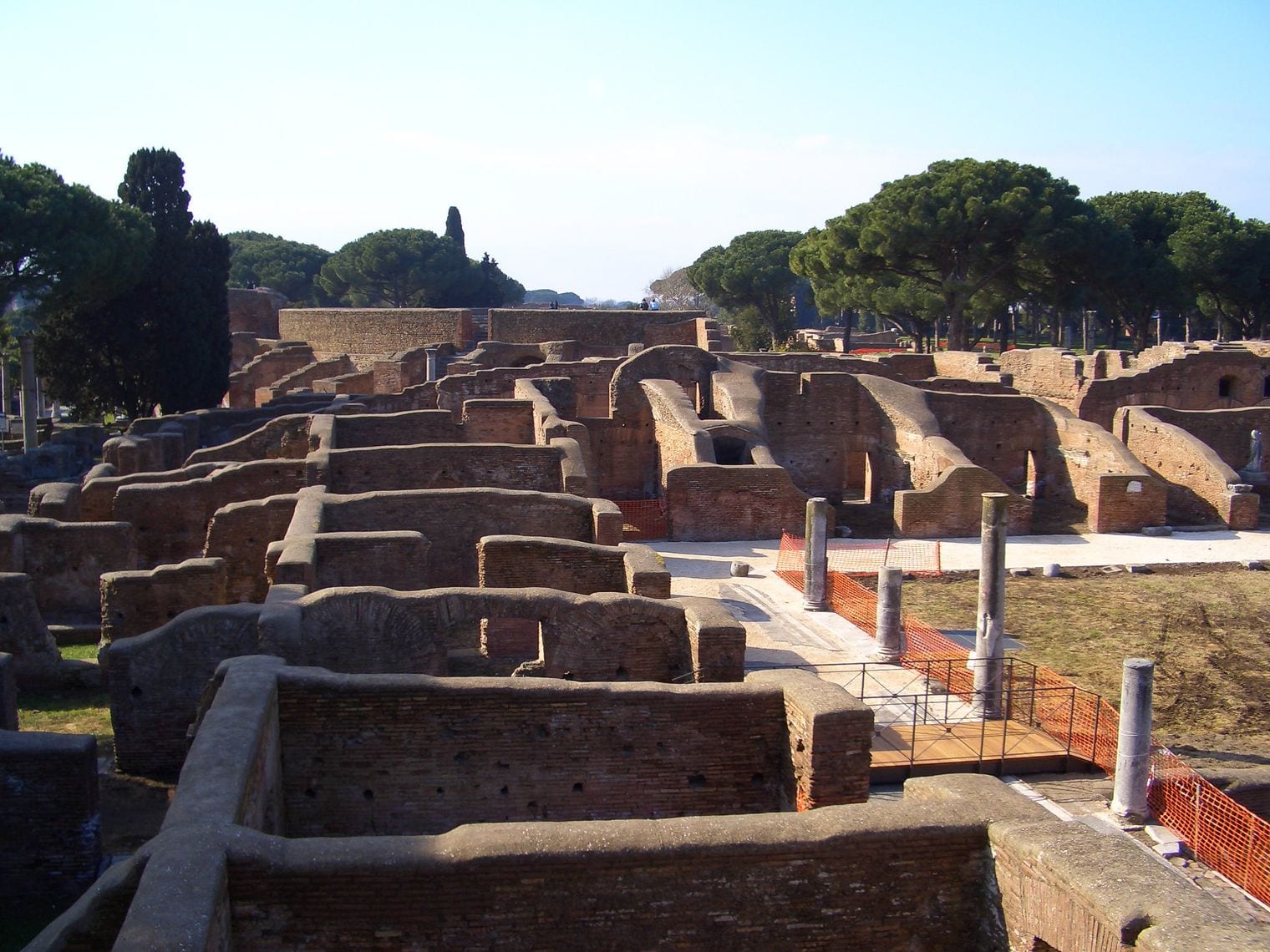
Ostia Antica was ancient Rome's port at the mouth of the Tiber, and today it's a large archaeological site where you walk whole streets of warehouses, apartment blocks, baths and taverns. Its theatre still stands, and the mosaics of the Square of the Guilds, where shipping firms once kept their offices, are a highlight among many fine floors and frescoes.
Ostia Antica lies inside Rome's own municipality but makes an excursion of its own: an easy half day rather than a long one. It's about an hour by car (38 km / 24 miles) from the centre, so allow extra time to get out of Rome; the Roma–Lido commuter train from Porta San Paolo, next to Piramide metro station, is the usual car-free way and stops a short walk from the entrance.
The site closes on Mondays, half-day guided tours run from Rome, and spring and autumn are the most comfortable seasons for the exposed ruins.
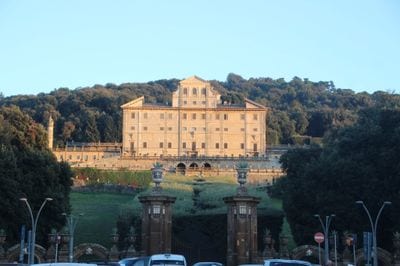
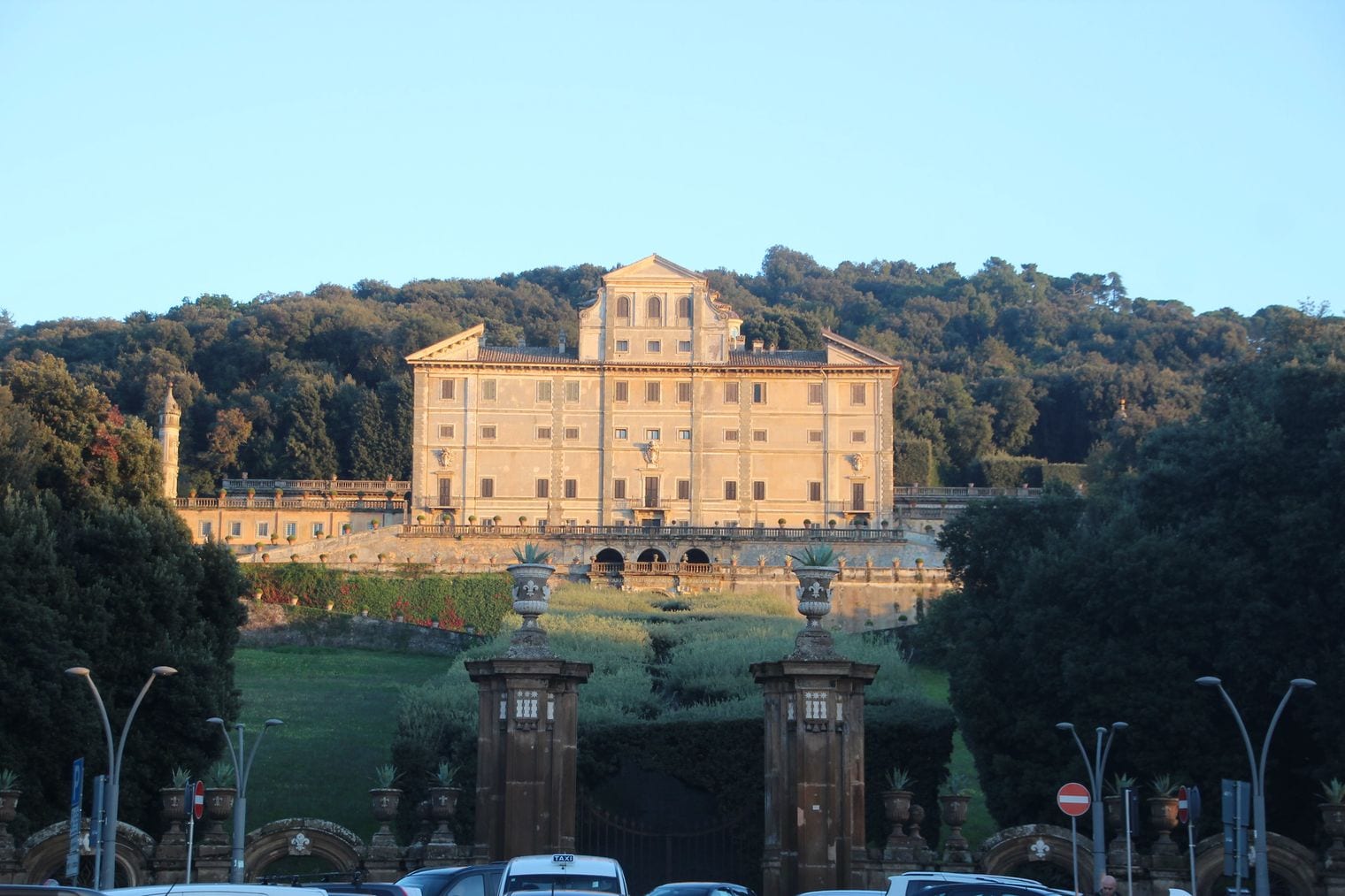
Frascati is the gateway to the Castelli Romani, the hill towns that crown the Alban Hills south-east of Rome, and the place to taste the crisp white wine that carries its name. Villa Aldobrandini looks down over the town from its terraced hillside, and the slopes above hold the ruins of Tusculum, where Cicero kept a villa. Grottaferrata, Marino, Rocca di Papa and Monte Porzio Catone are easy add-ons nearby.
Regional trains climb to Frascati in about 30 minutes by train from Roma Termini, which makes it the closest trip on this list and a fine half day. Do as Romans do and eat in a fraschetta, a simple wine tavern serving local wine with porchetta, cheese and cured meats, then walk up for the view back over Rome. Autumn, with the grape harvest, is the classic season, but any clear day works.
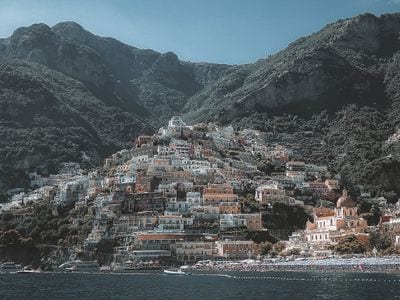
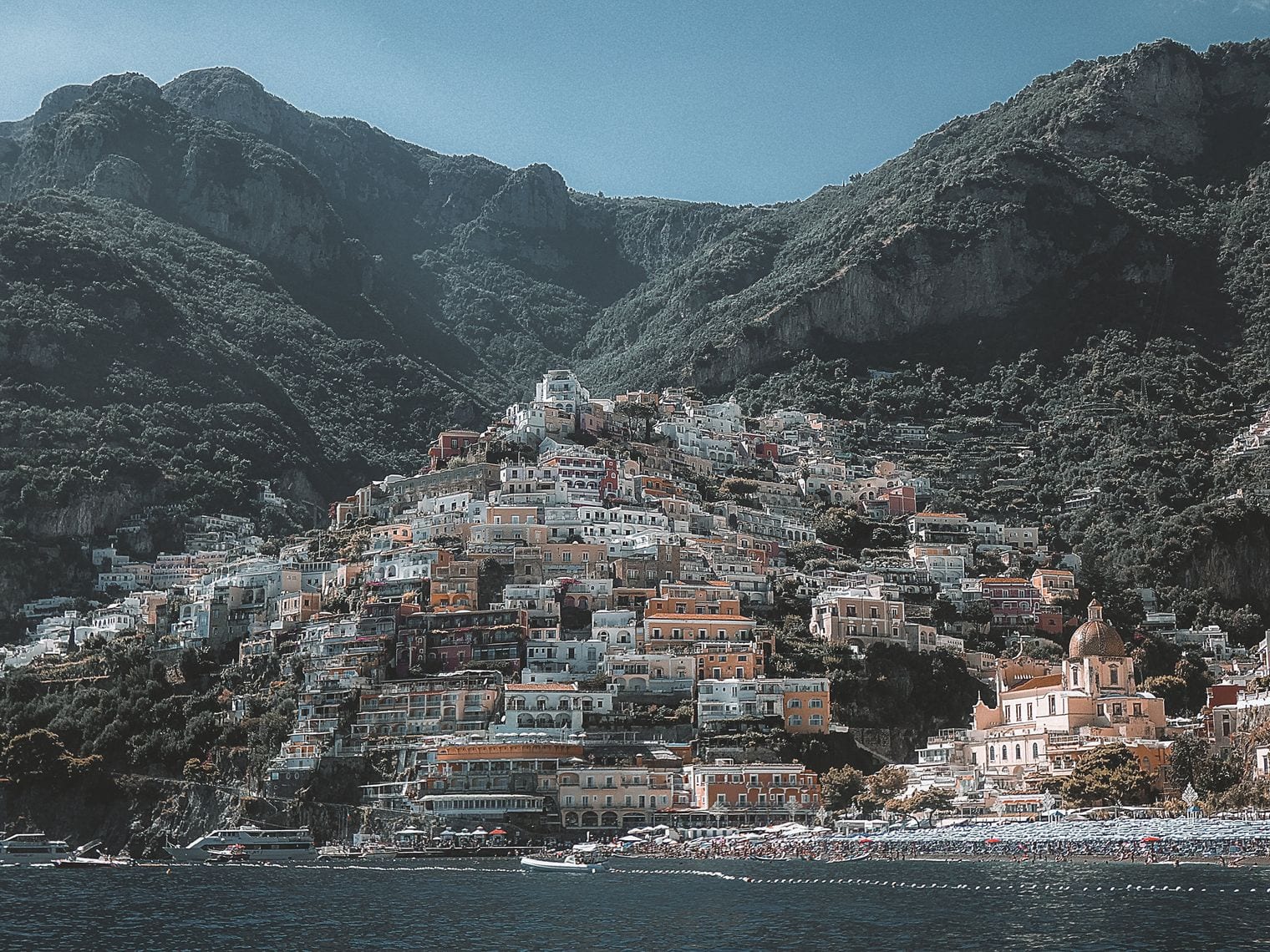
The Amalfi Coast is a UNESCO-listed stretch of cliffs, lemon terraces and pastel villages on the southern side of the Sorrento Peninsula. Positano tumbles down to its beach in a cascade of colour, Amalfi itself gathers around its striped cathedral, and Ravello, high above the sea, is known for the gardens and terraces of its villas.
It's about 2¼ hours (Frecciarossa to Salerno, then the ferry to Amalfi) each way, and with Capri, Ponza and Sorrento it's one of the longest days on this list, so an early start is essential.
The Salerno ferries run from spring to autumn; in winter the coastal bus from Salerno is much slower and turns it into a very long day, so treat this as a ferry-season trip. Guided day tours from Rome also run here, and a night on the coast is the relaxed alternative.
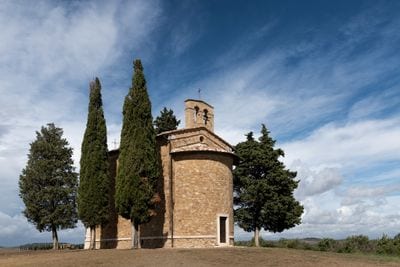
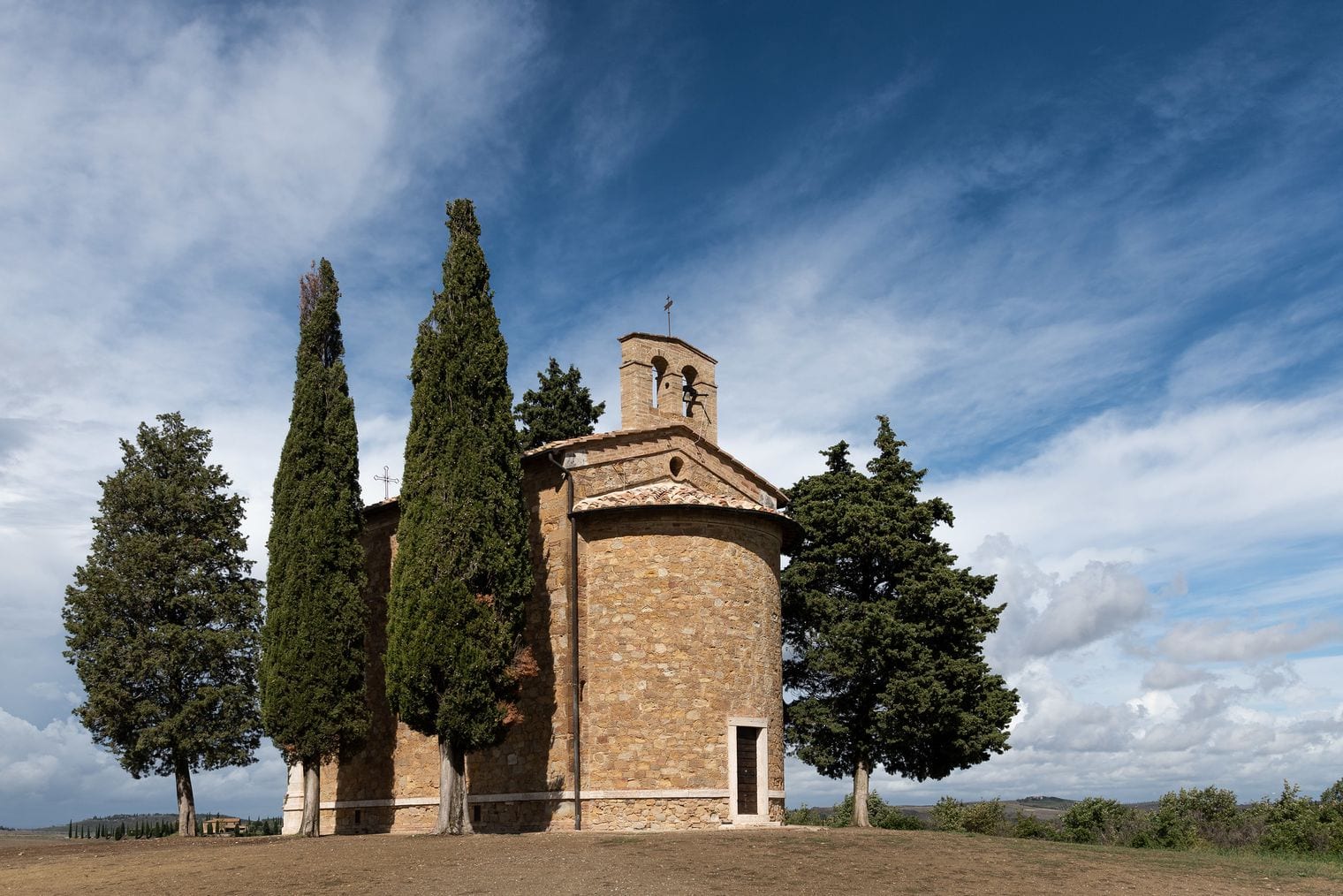
Val d'Orcia is the Tuscany of postcards: rolling wheat fields, cypress-lined lanes and hill towns in a farmed Renaissance landscape listed by UNESCO. Pienza was rebuilt as an "ideal town" for Pope Pius II, who was born there; Montalcino is the home of Brunello wine; San Quirico d'Orcia has its formal gardens; and at Bagno Vignoni a pool of steaming spring water fills the village square.
It's about 2½ hours by car (199 km / 124 miles) to Pienza via the A1 motorway, so allow extra time to get out of Rome, and you'll want the car to link the villages. Guided wine tours from Rome cover the same ground with a driver, often adding Montepulciano. Late spring, when the fields are green, and the autumn harvest are the most beautiful times to go.
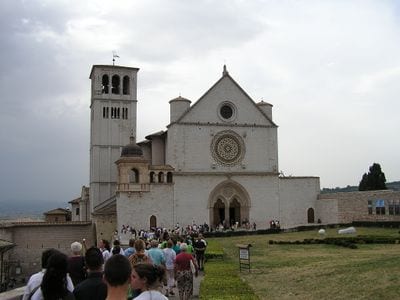
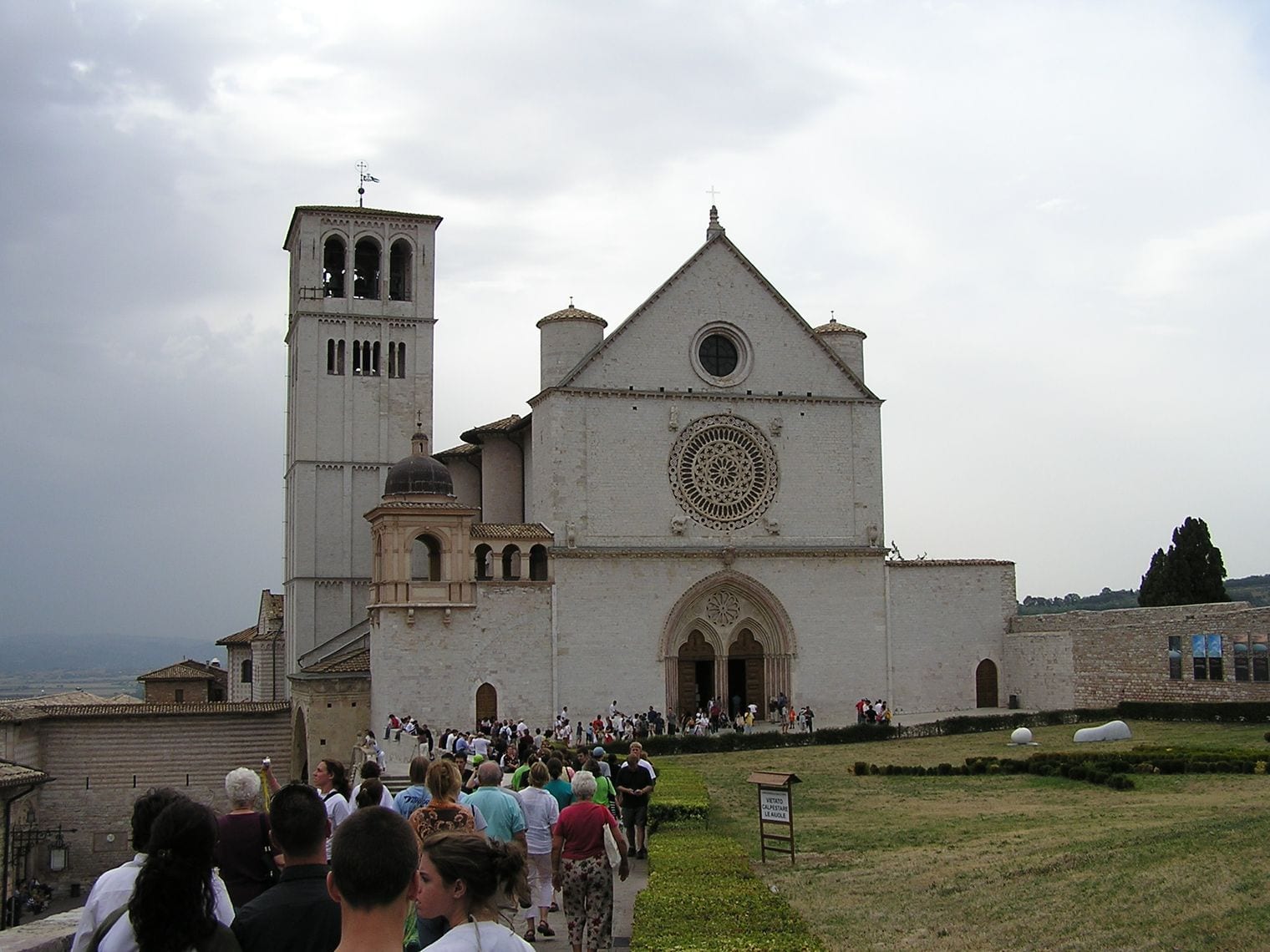
Assisi, the hill town of St Francis, rises in pale pink stone on the slopes of Monte Subasio in Umbria. The Basilica of San Francesco, a UNESCO World Heritage Site, is two churches stacked one on the other, decorated with frescoes by Giotto, Cimabue and Simone Martini, with the saint's tomb beneath. The Basilica of Santa Chiara and the steep lanes around the main square fill out the day.
Direct regional trains run to Assisi station in about 2¼ hours by train from Roma Termini; the station is in Santa Maria degli Angeli, down on the plain, so take the local bus up to the old town. Before you go up, step into the Basilica of Santa Maria degli Angeli by the station, which shelters the tiny Porziuncola chapel. Spring and autumn are lovely, and the basilicas are working churches, so cover shoulders and knees.
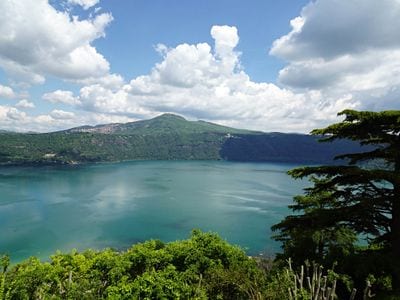
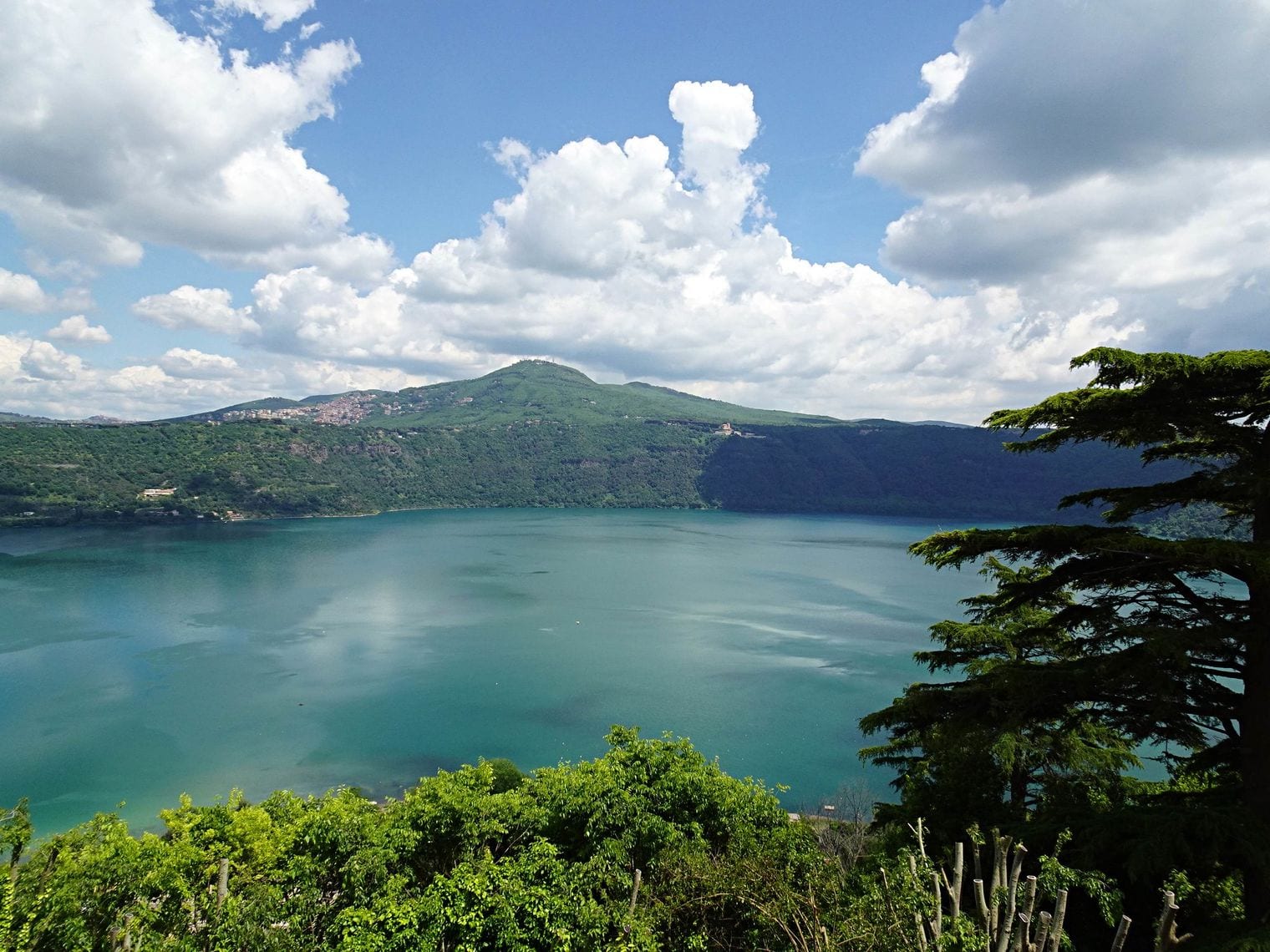
Castel Gandolfo perches on the rim of Lake Albano, a volcanic crater lake in the Alban Hills, and for centuries it has been the popes' summer retreat. The Apostolic Palace overlooks the water from the top of the little town, the lakeshore below has a promenade and swimming spots, and neighbouring Albano Laziale and Ariccia, famous for its porchetta, are a short hop away.
Regional trains reach Castel Gandolfo in about 40 minutes by train from Roma Termini, and the station sits just below the town centre.
The palace is once again used by the popes in summer, and visits to it and to the gardens of the Papal Villas are arranged through the Vatican Museums, so check what is open before you go. Combine it with lunch in Ariccia and a walk by the lake; late spring and early autumn are the best seasons.
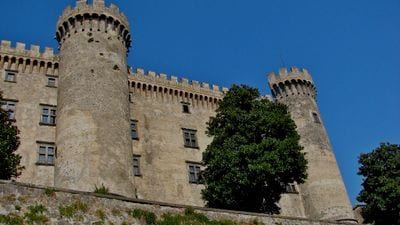
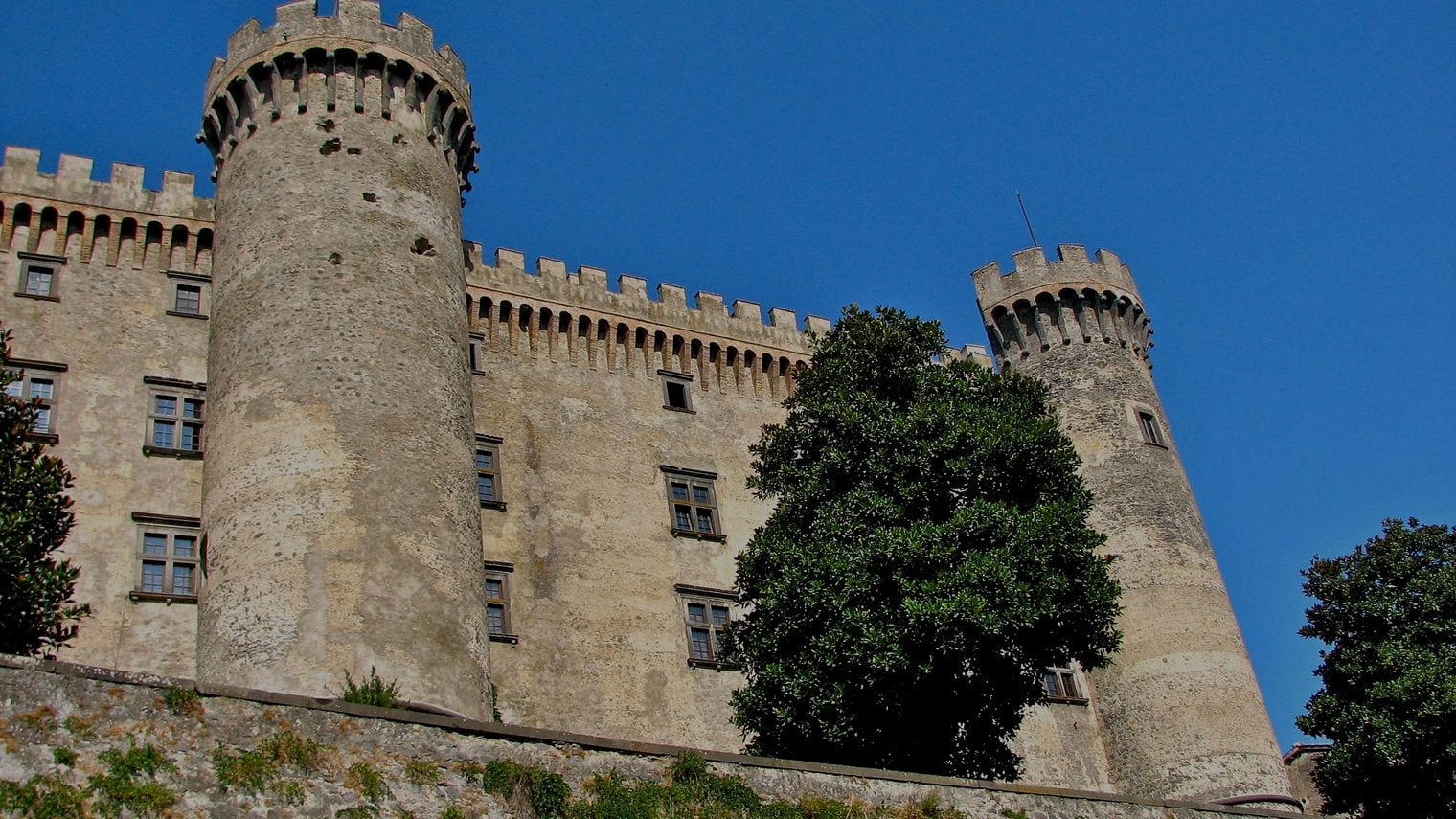
Bracciano is a lakeside town crowned by Castello Odescalchi, a remarkably well-preserved medieval castle raised by the Orsini family that looks out over Lake Bracciano. The volcanic lake is a drinking-water reserve for Rome, so motorboats are banned and it stays a quiet place for swimming and sailing from its beaches. Anguillara Sabazia and Trevignano Romano, the other two lake towns, are made for a lakeside lunch.
It's about 1¼ hours by car (44 km / 27 miles), so allow extra time to get out of Rome; regional trains on the FL3 line also stop in Bracciano. The castle is open to visitors all year, and summer is the obvious season for the lake, though spring and autumn are quieter. Circle the shore by car to see all three towns in one day.
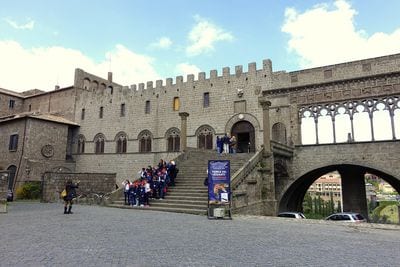
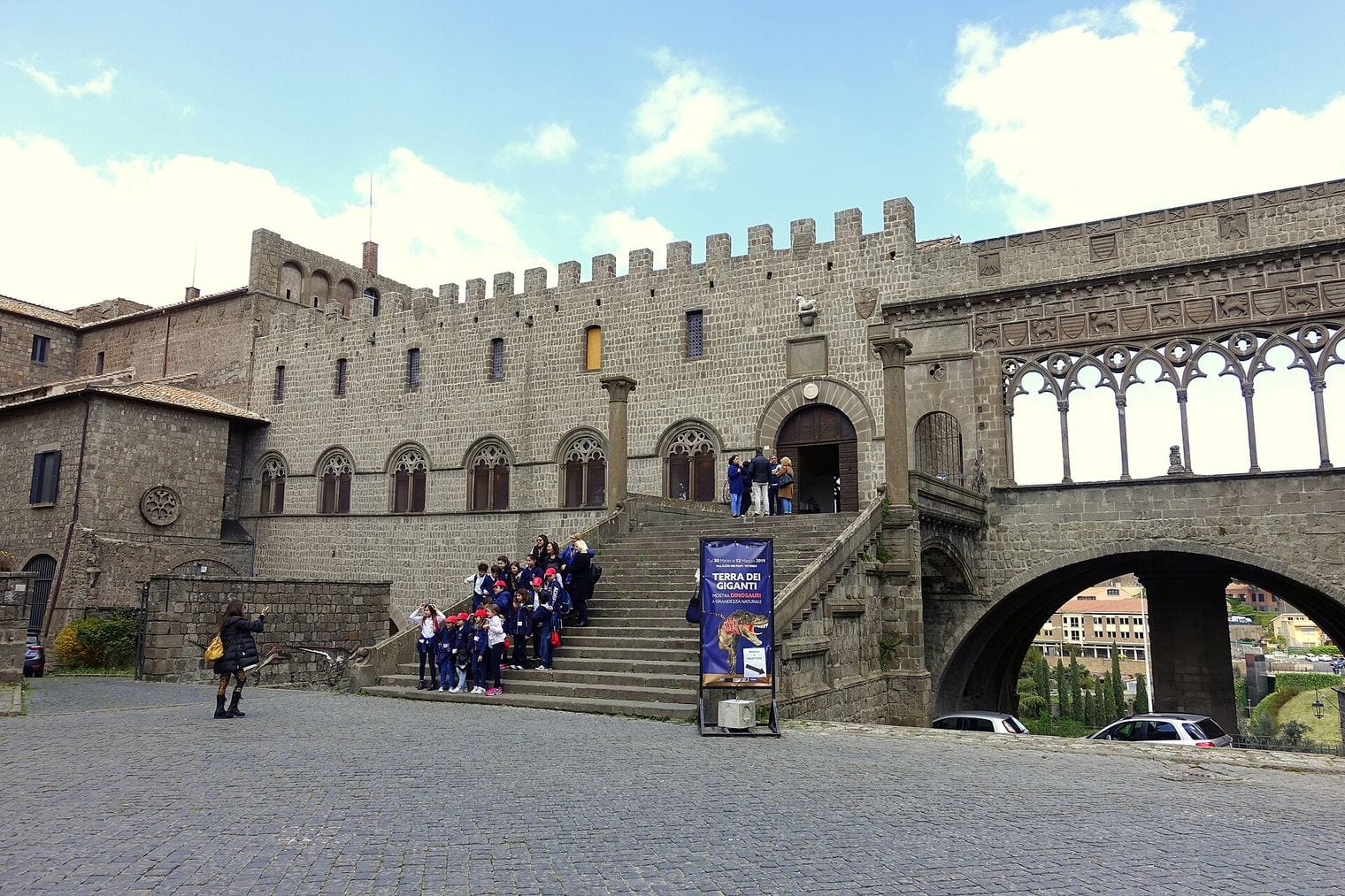
Viterbo, the main town of Tuscia, was a papal seat in the 13th century, and its Palace of the Popes still stands beside the cathedral. Its great hall hosted the longest papal election in the Church's history, from 1268 to 1271, when the town's magistrates locked the cardinals in to hurry them along.
The medieval San Pellegrino quarter is a maze of grey stone houses with outside staircases, and the town sits in a thermal area, with the Terme dei Papi spa on its edge.
It's about 1½ hours by car (116 km / 72 miles) north of Rome, so allow extra time to get out of the city. Pair it with Villa Lante at nearby Bagnaia, a Renaissance garden of terraces and fountains, or with a soak in the thermal pools. Any season works, and on a cool day the hot springs are the reward.
Free printable checklist of all 30 places
Tick them off as you go. Confirm your email to download it, plus one email every Thursday with new guides for the places you tick.
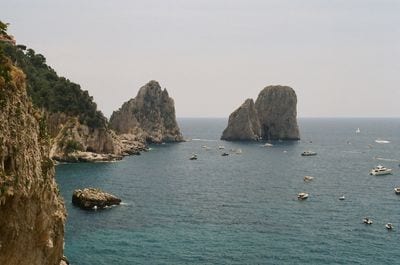
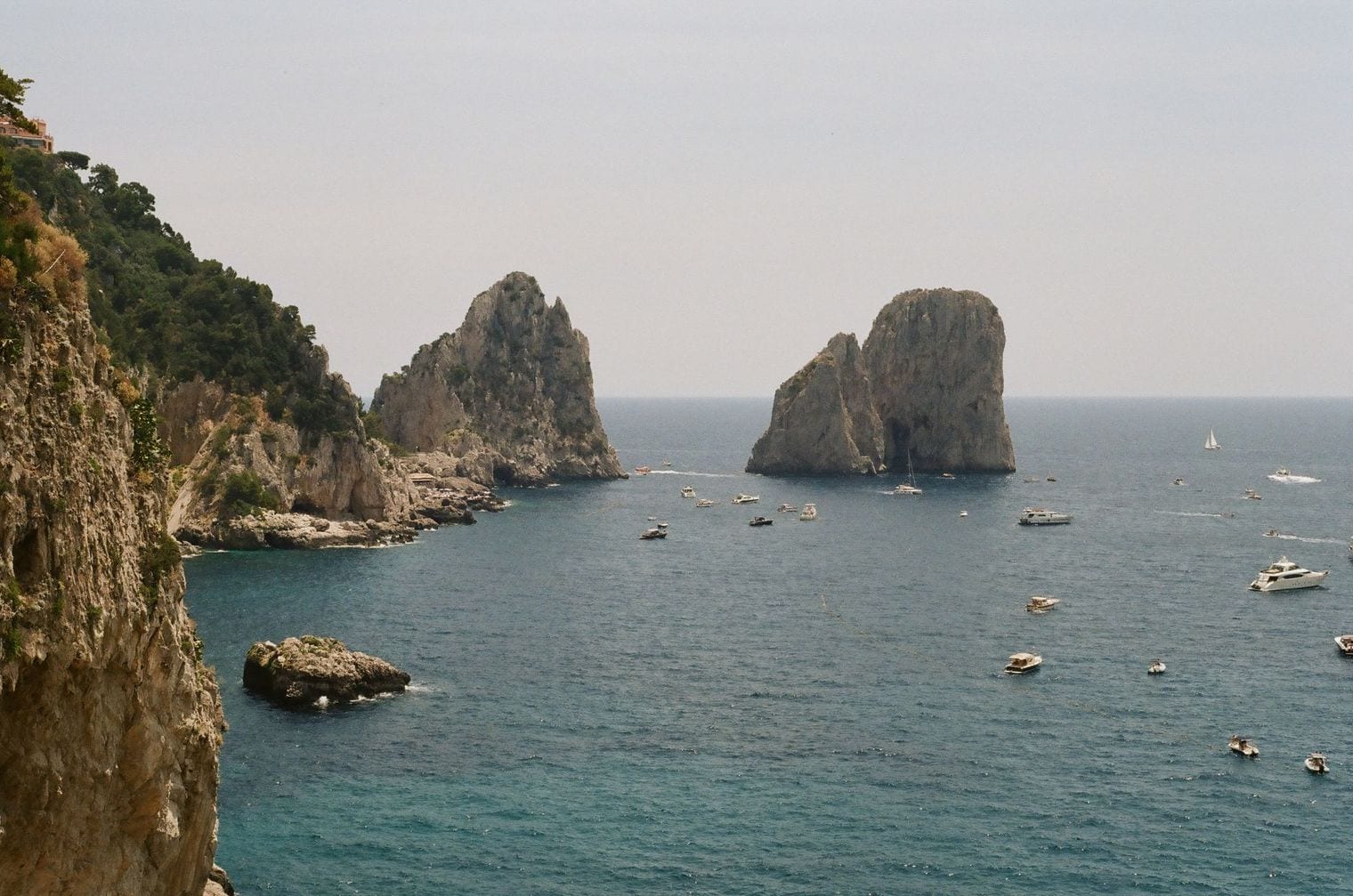
Capri is the glamorous island off the tip of the Sorrento Peninsula: limestone cliffs, the Faraglioni sea stacks and the famous Blue Grotto, a sea cave lit electric blue by sunlight through the water. Anacapri, higher up the slopes of Monte Solaro, is quieter than Capri town, and the ruins of Villa Jovis, the clifftop palace of Emperor Tiberius, crown the island's eastern end.
It's about 2½ hours (Frecciarossa to Napoli Centrale, then the hydrofoil from Molo Beverello), and the hydrofoils run all year, but it is a long day, so take the earliest train you can. The Blue Grotto opens only when the sea is calm and keeps shorter hours in winter, so have a back-up plan. Late spring and early autumn avoid the summer crowds, and guided day tours from Rome also run to the island.
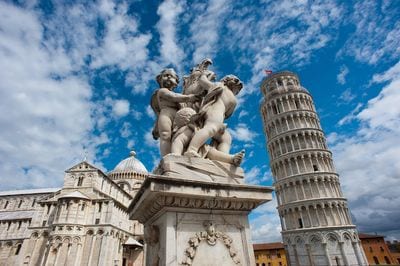
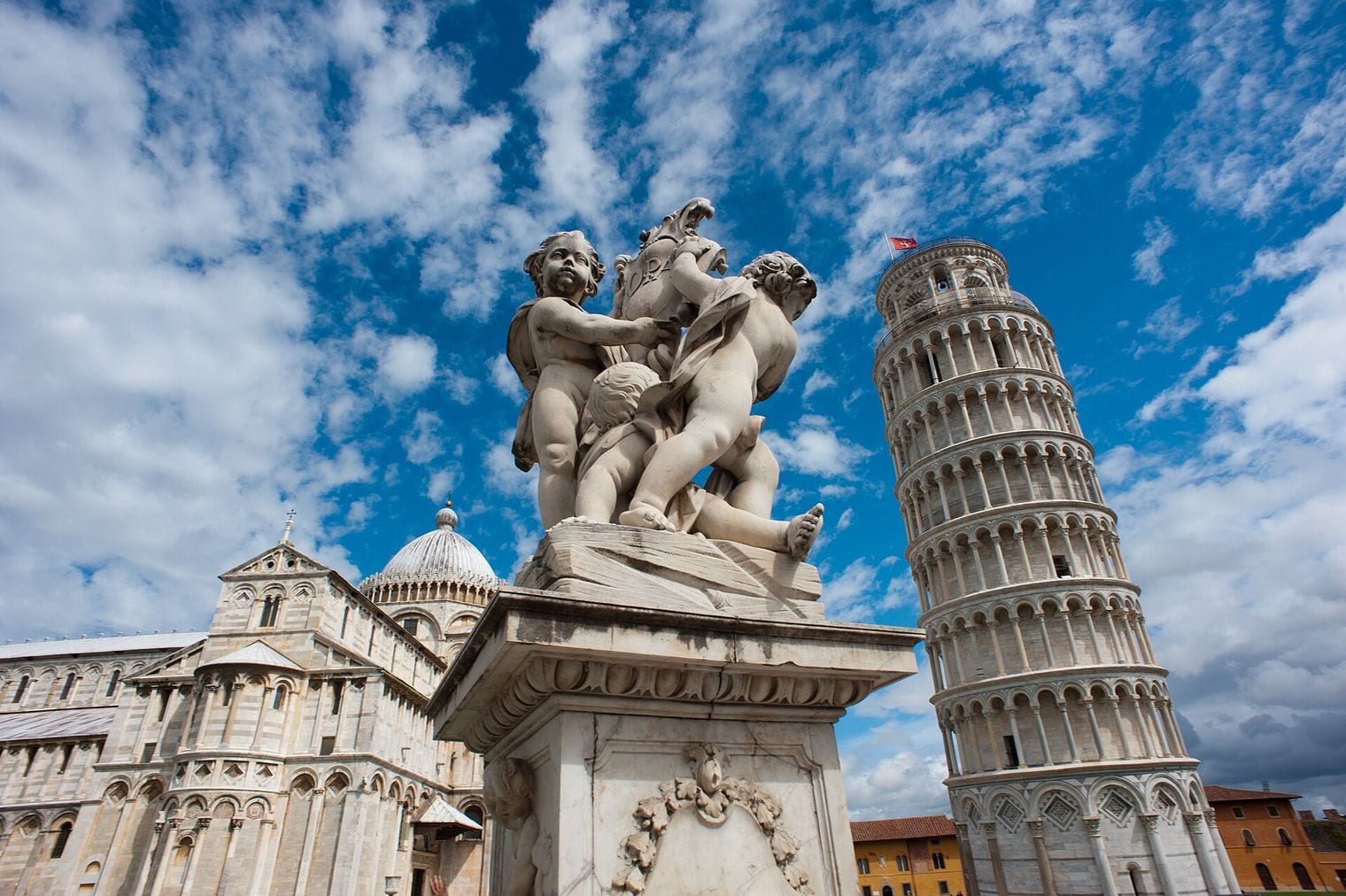
Pisa is known worldwide for its Leaning Tower, which stands in the Piazza dei Miracoli beside the cathedral and baptistery on a sweep of green lawn, the whole square a UNESCO World Heritage Site. Beyond it, the city has more than twenty historic churches and a run of medieval and Renaissance palaces along the Arno.
Frecciargento trains take about 2½ hours by train from Roma Termini to Pisa Centrale, a walk or a short bus ride from the tower. Climbing the Leaning Tower works on timed entry, so book a slot ahead. It's a long way to come for one square, so stroll the riverside Lungarno too; spring and autumn are the best seasons.
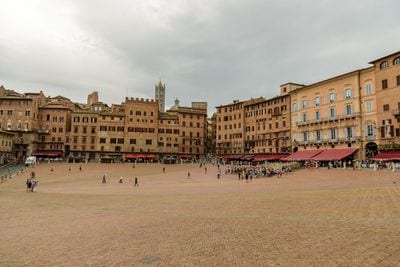
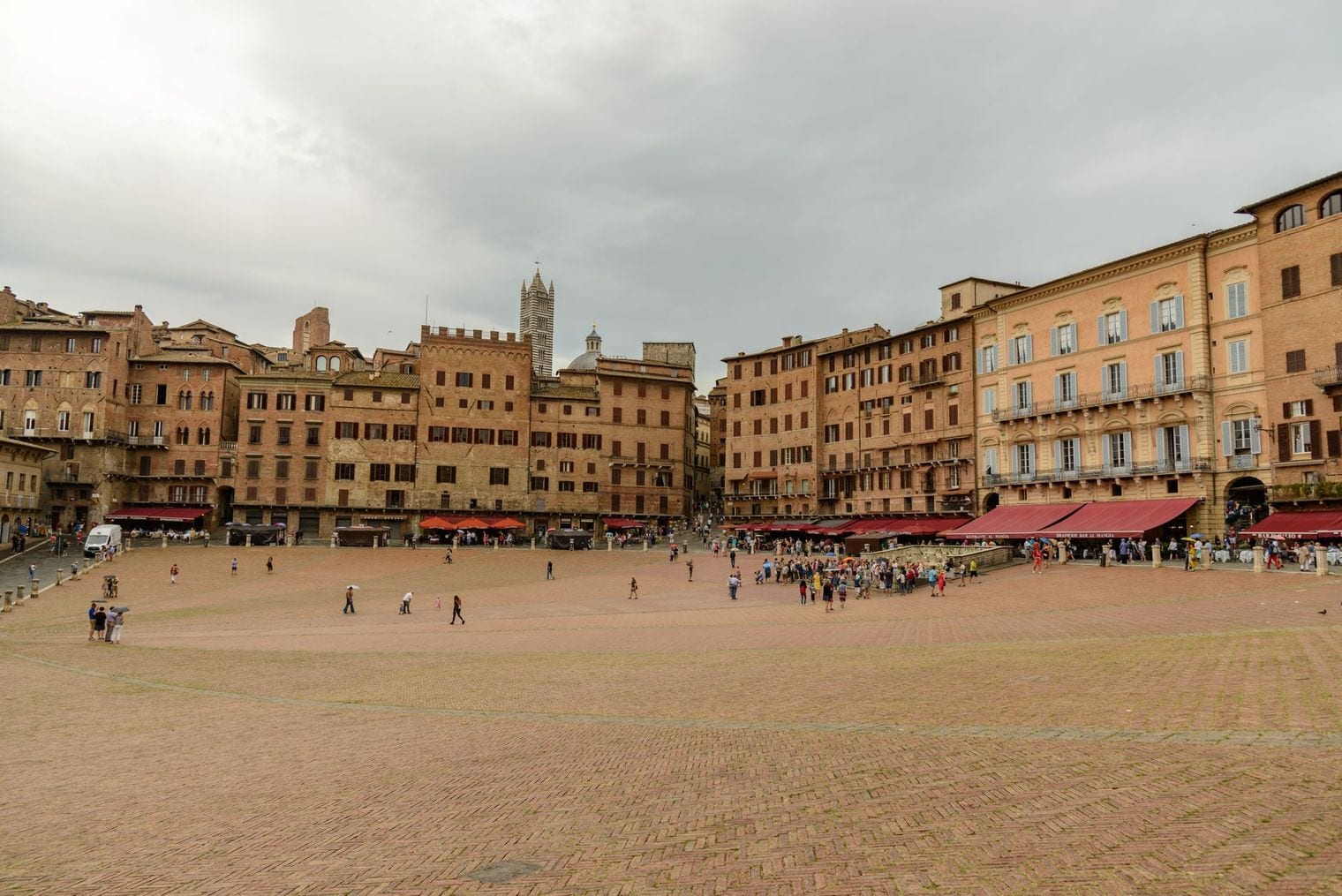
Siena is Tuscany's great Gothic city, its UNESCO-listed historic centre built around Piazza del Campo, the shell-shaped square where the Palio horse race is run twice a year. The black-and-white striped Duomo, with its inlaid marble floor, and the slender Torre del Mangia above the town hall are the sights not to miss.
It's about 3 hours by car (245 km / 152 miles), the longest trip on this list, so make an early start and allow extra time to get out of Rome.
There's no fast train, which is why Siena is best done by car or on a guided day tour from Rome, which often adds a stop in the Tuscan countryside. Spring and autumn suit the steep streets, and a night in Siena turns a long day into an easy one.
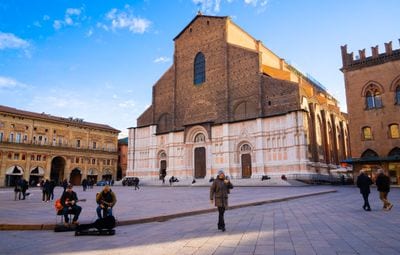
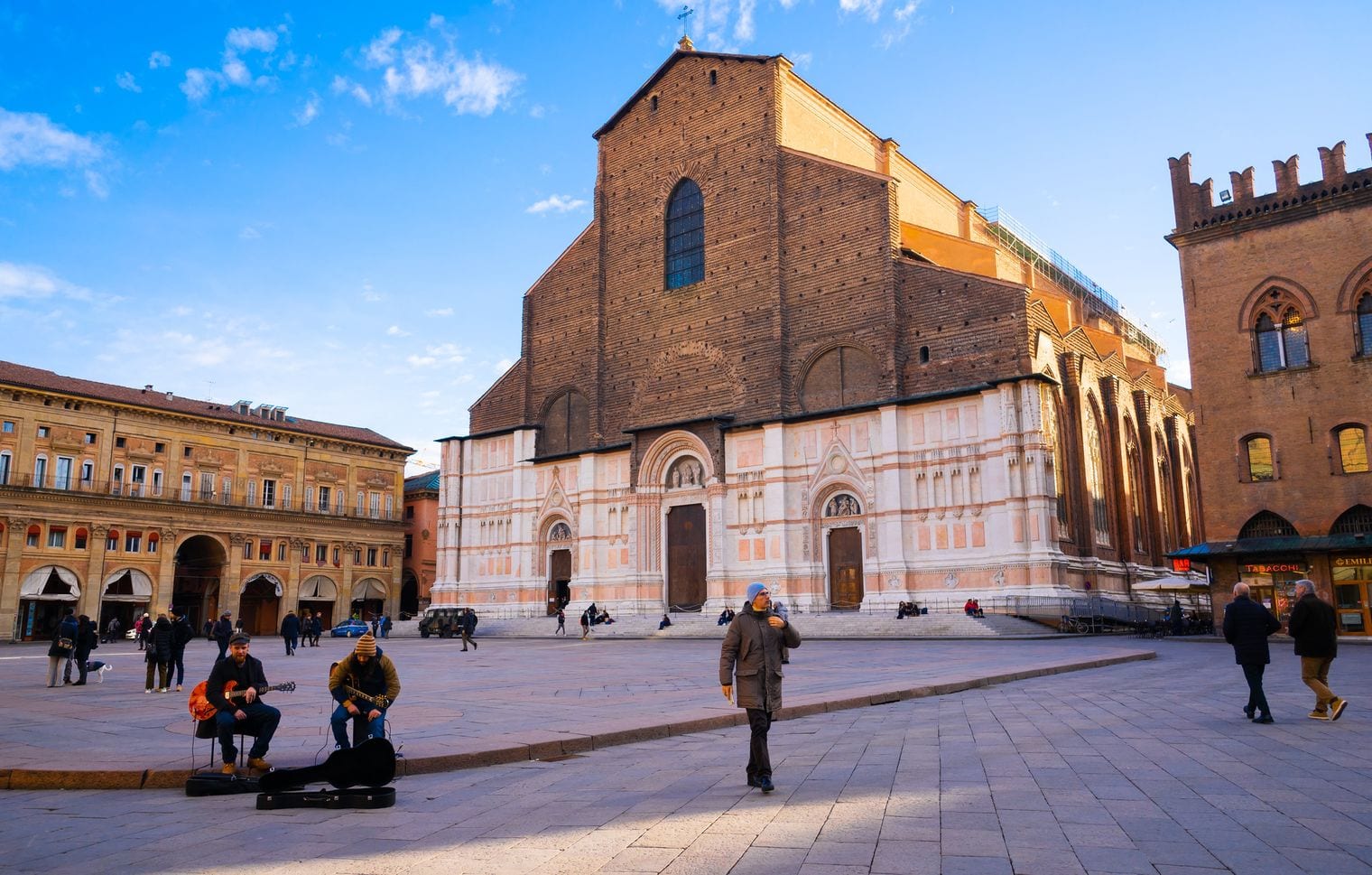
Bologna is a food capital in many cooks' eyes, the home of ragù, tortellini and mortadella, and a handsome red-brick city wrapped in miles of porticoes that UNESCO has listed as a World Heritage Site. Piazza Maggiore is its stage, the University of Bologna, founded in 1088, is the oldest university in continuous operation, and the leaning Two Towers are the city's emblem.
Frecciarossa trains run to Bologna Centrale in about 2¼ hours by train from Roma Termini, a fast run for a city this far north. The Two Towers are closed to climbers while the leaning Garisenda is made safe, so admire them from the street. Bologna is a good bad-weather trip, since the porticoes keep you dry, and lunch here is half the point.
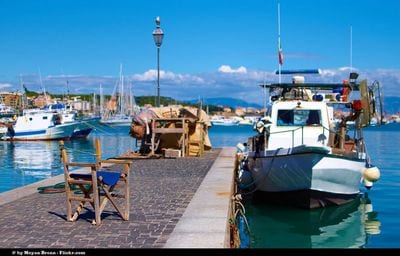
Anzio is a fishing port and beach town on the coast south of Rome, best known for the Allied landings of January 1944, Operation Shingle. Its war cemeteries are moving places to visit: the Commonwealth Beach Head and Anzio cemeteries in town, and the Sicily-Rome American Cemetery in neighbouring Nettuno. Ancient Antium was the birthplace of the emperor Nero, and remains of Roman seaside villas line the shore.
Regional trains reach Anzio in about an hour by train from Roma Termini, and the station is a short walk from the harbour. Come in summer for the beaches and the seafood, or in the cooler months for the war history; the Nettuno cemetery is a short ride east along the coast.
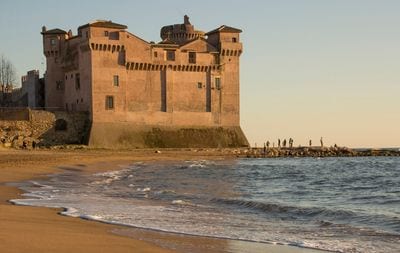
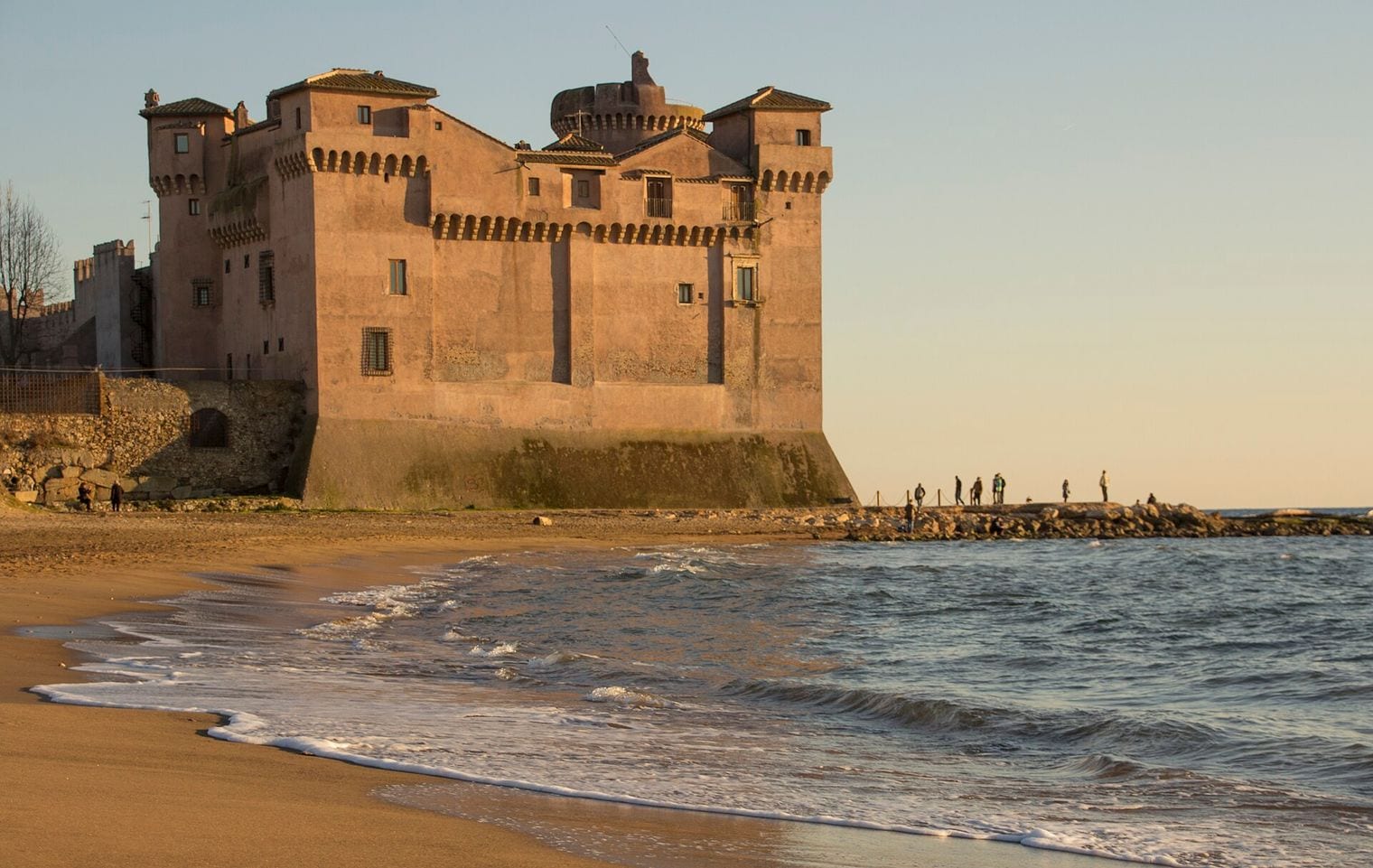
Santa Marinella is a seaside town on the coast north-west of Rome, with sandy coves and a long seafront. Its star is Santa Severa, where a medieval castle stands right on the beach on the site of the ancient Etruscan port of Pyrgi; the castle complex now holds museums of the castle, the sea and ancient navigation.
Regional trains take about 55 minutes by train from Roma Termini, with stops for both Santa Marinella and Santa Severa. It's a summer beach day above all, though the castle makes it worthwhile out of season too; check its opening days before you go. With a car, pair it with the Etruscan tombs of Cerveteri on the way back.
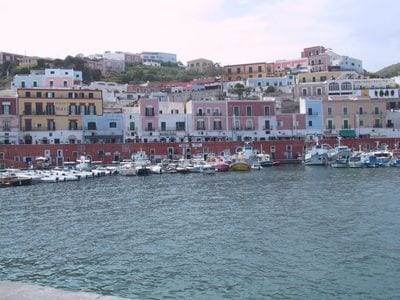
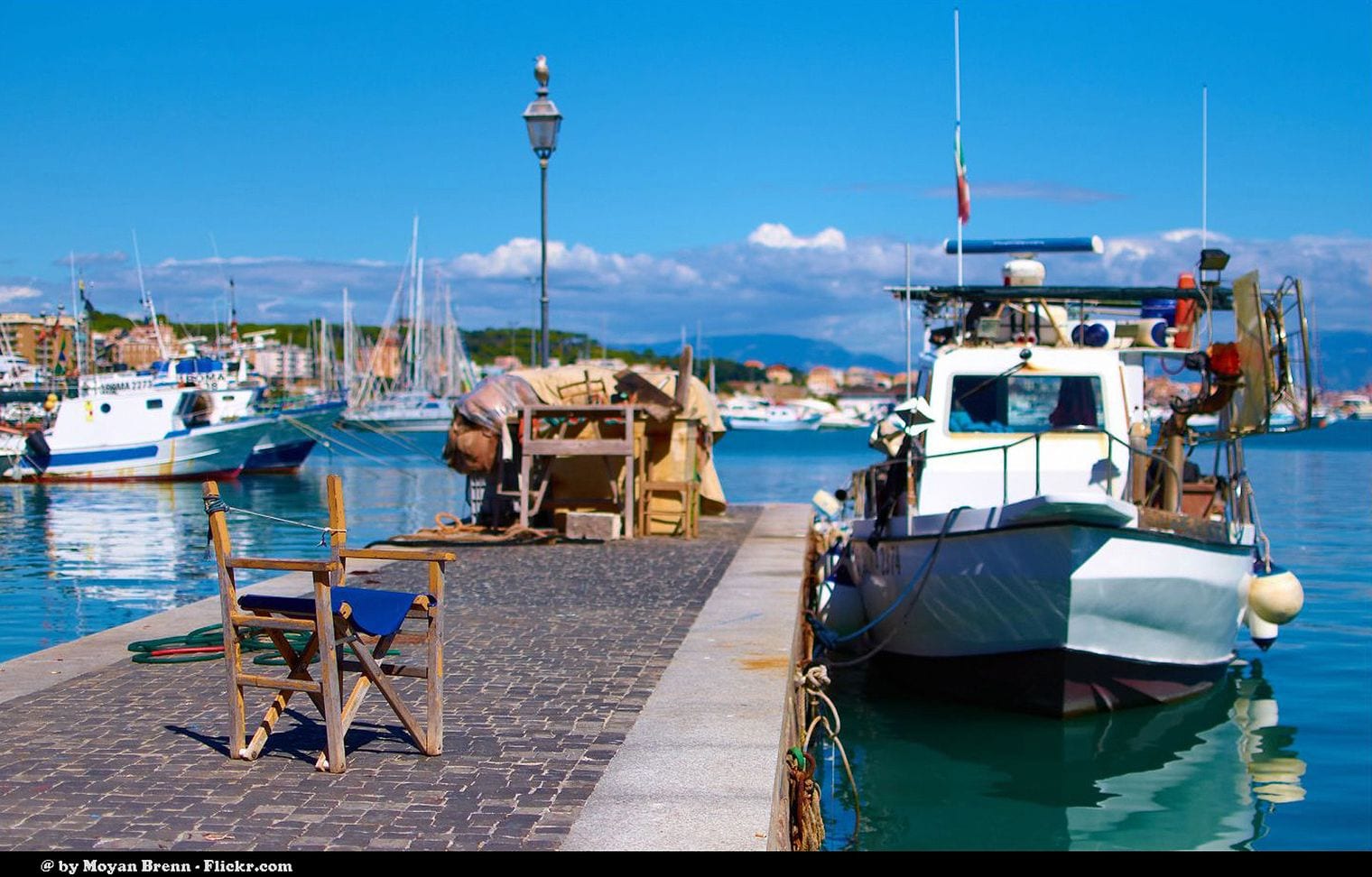
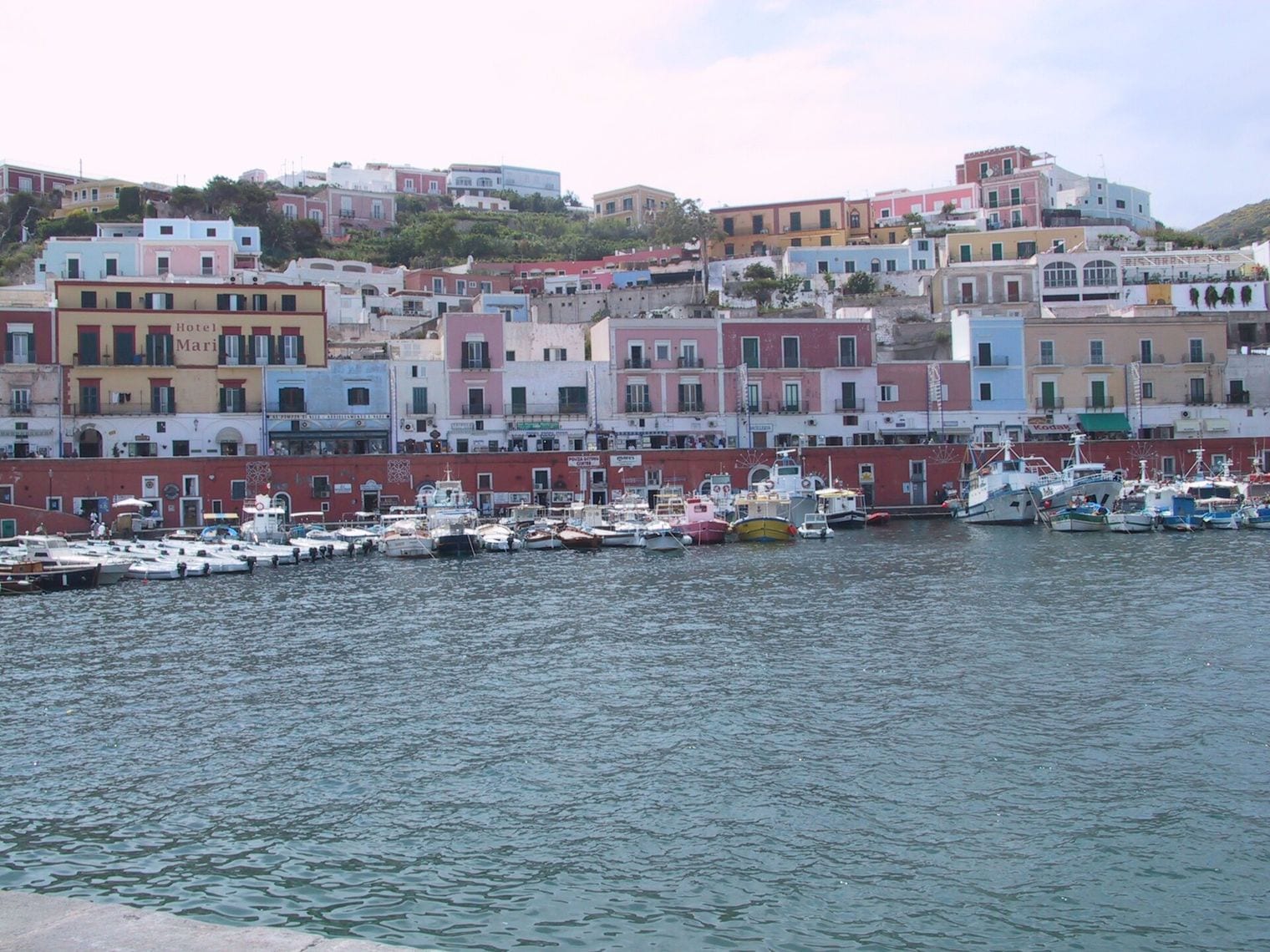
Ponza is the largest of the Pontine Islands, a crescent of volcanic cliffs, pastel harbour houses and clear water off the Lazio coast. The best way to see it is from a boat circling the island past sea caves and rock stacks. The towering pale cliffs of Chiaia di Luna are its most famous sight, but the beach below has been closed because of falling rock, so admire it from the clifftop viewpoint or from the water.
It's about 2½ hours (Intercity to Formia, then the Laziomar hydrofoil), and it is a long day, so catch the first train and check the return sailing before you go, because off-season there are only a few crossings a day. In summer, extra boats also sail from Anzio. June and September are the sweet spots, warm but quieter than August.
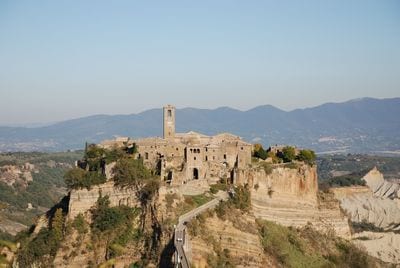
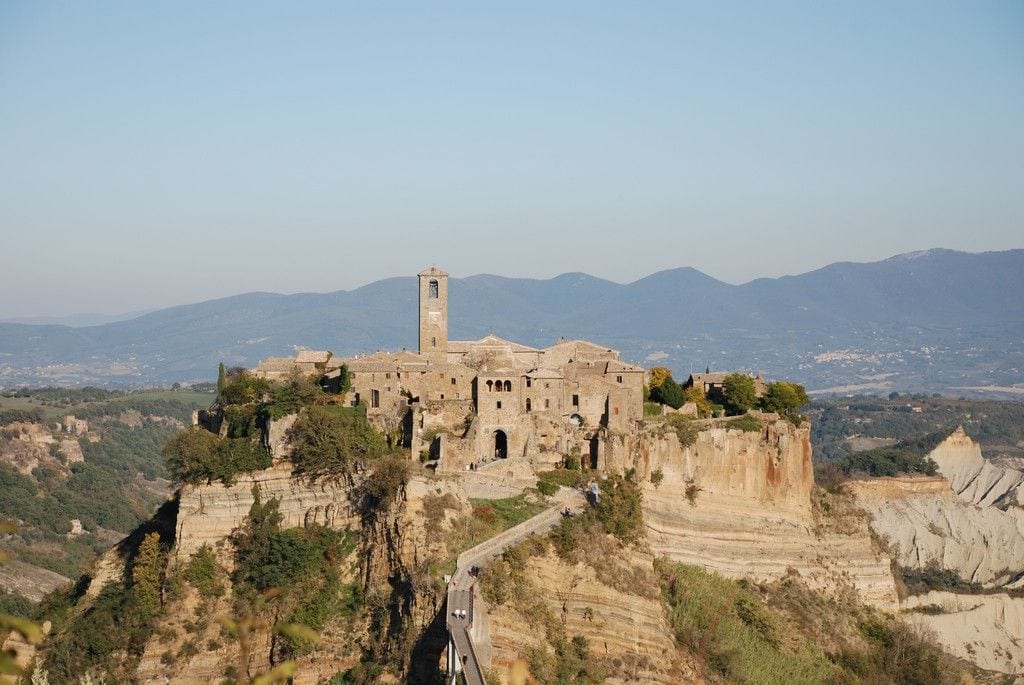
Civita di Bagnoregio is a tiny medieval village stranded on a crumbling pinnacle of tuff, nicknamed "the dying town" because erosion keeps eating away at the cliffs beneath it. The only way in is a long pedestrian footbridge from Bagnoregio, and the walk across, with the village rising ahead of you above the eroded badlands, is the experience.
It's about 2¼ hours by car (144 km / 89 miles), so allow extra time to get out of Rome, and there's a small access fee at the footbridge. Pair it with Orvieto, a short drive away; guided day tours from Rome often combine the two. Spring and autumn mornings bring mist in the valley and fewer visitors.
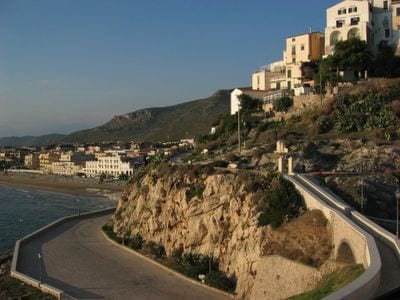
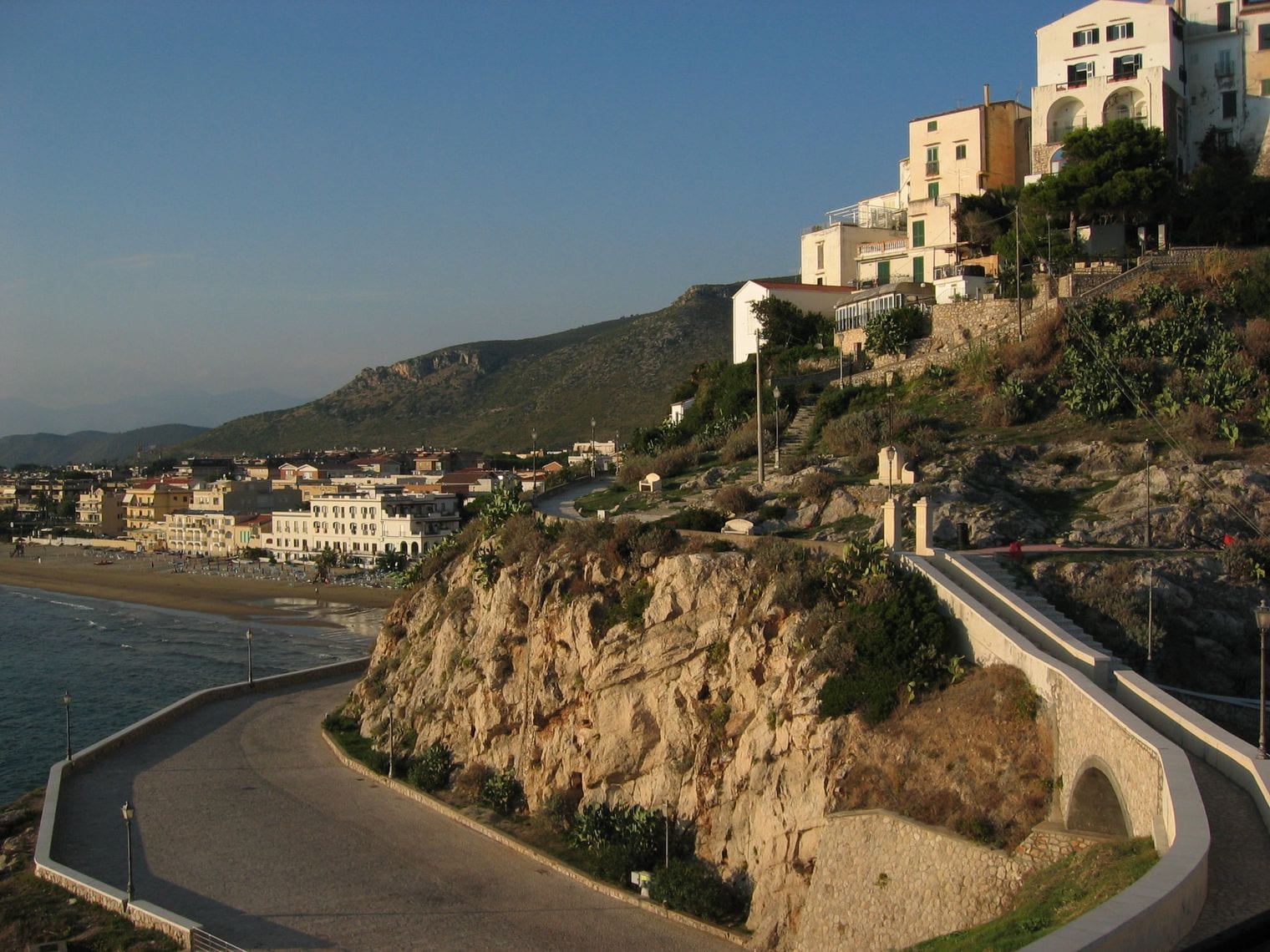
Sperlonga is a whitewashed village on a rocky headland above long sandy beaches, and one of the prettiest seaside towns between Rome and Naples. Just outside the village lie the ruins of the Villa of Tiberius and its ancient sea grotto, and a museum on the site displays the spectacular sculptures found there, including the blinding of the Cyclops Polyphemus.
It's about 2¼ hours by car (149 km / 93 miles), so allow extra time to get out of Rome; without a car, take the train to Fondi-Sperlonga and the local bus to the coast. The museum and villa ruins close on Mondays, and the grotto itself has been closed at times for maintenance, so check before you go. Summer is beach season, while spring and September are calmer.
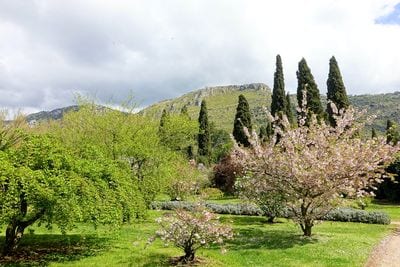
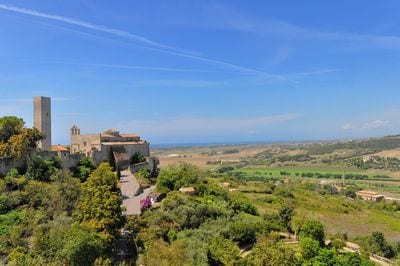
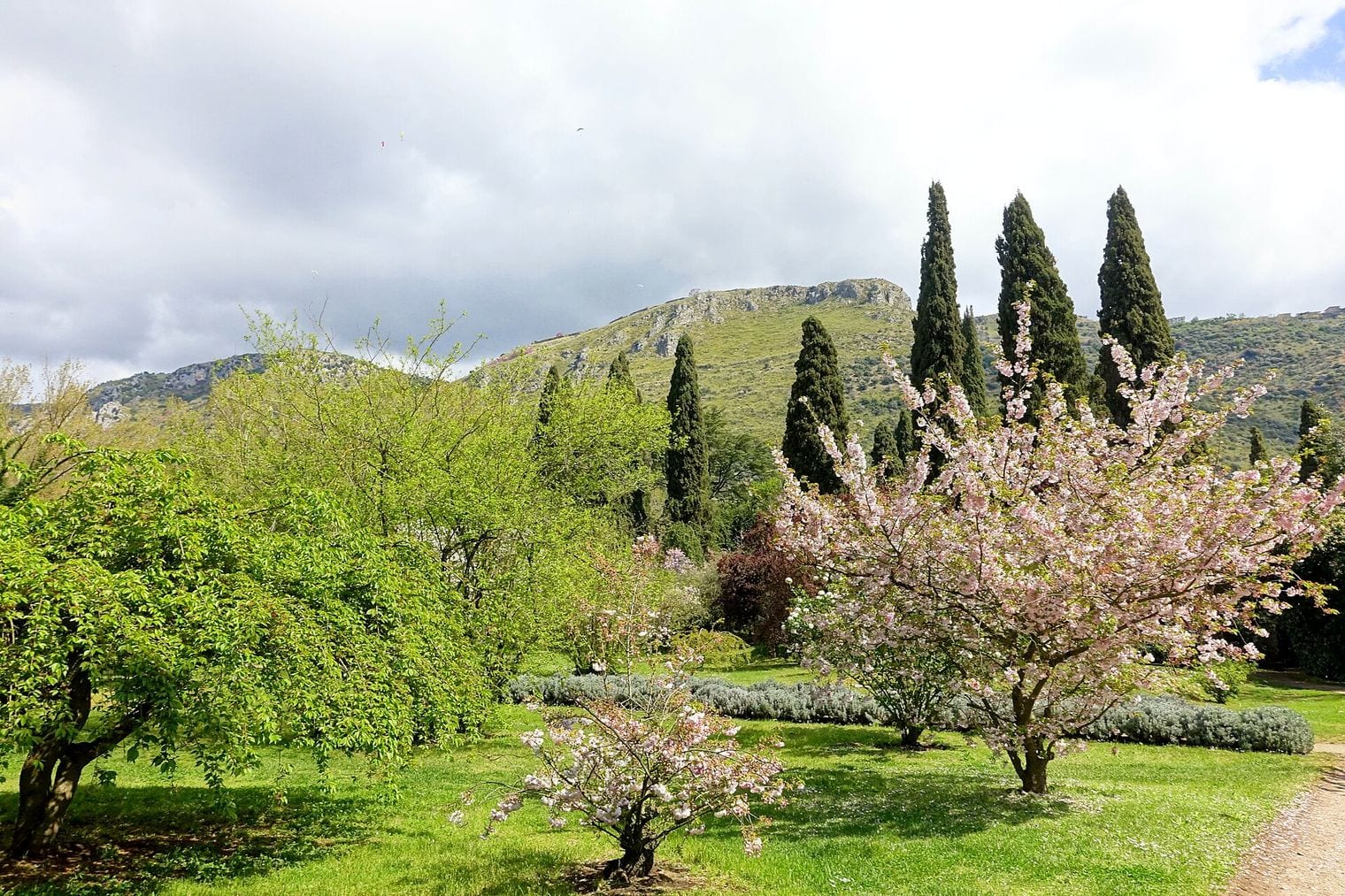
The Garden of Ninfa is a romantic garden planted among the ruins of the medieval town of Ninfa, where climbing roses scramble over broken churches and towers and clear streams run between the lawns. The Caetani family created it in the 20th century, and a foundation in their name still runs it. On the hill above, the town of Sermoneta and its Caetani castle make a fine add-on.
It's about 1¾ hours by car (80 km / 50 miles), so allow extra time to get out of Rome. The garden opens only on selected weekends and holidays from spring to autumn, and visits must be booked ahead, so plan the day around its calendar. Late spring, when the roses are in bloom, is the most beautiful time to go.
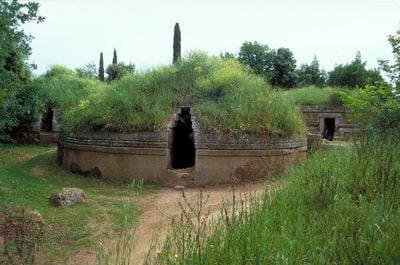
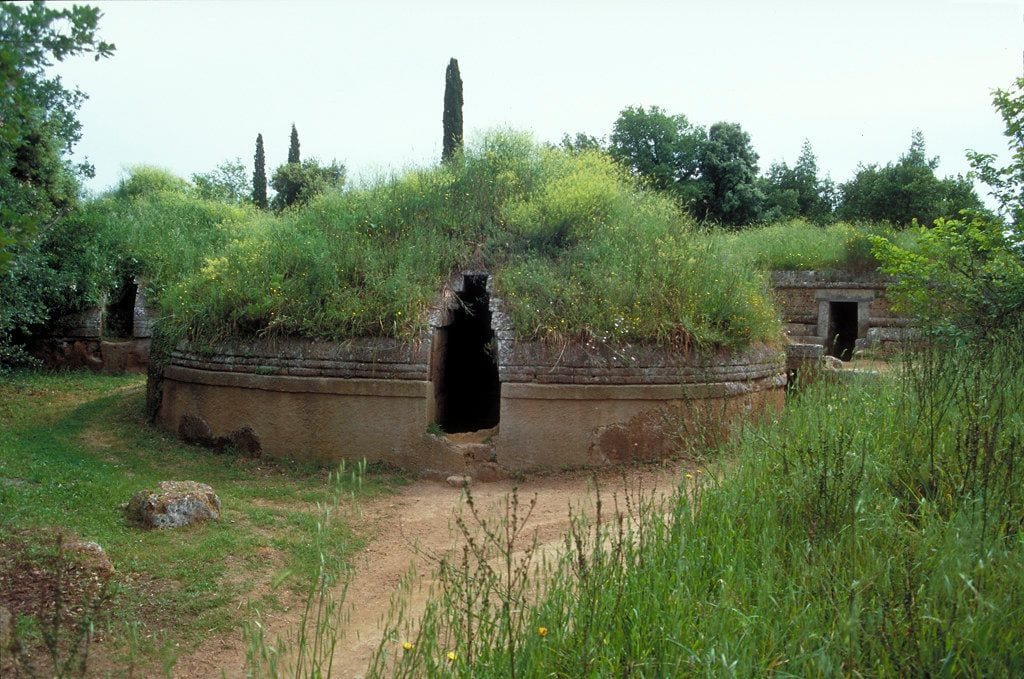
Cerveteri was one of the great cities of the Etruscans, and its Banditaccia necropolis is a true city of the dead: streets lined with grassy tumulus tombs and burial chambers cut out of the tufa, some carved inside to look like houses. Together with the painted tombs of Tarquinia, it forms a UNESCO World Heritage Site.
It's about an hour by car (46 km / 29 miles), so allow extra time to get out of Rome. The necropolis closes on Mondays and has little shade, so bring water in summer; spring, when the mounds are green, is the best time to go. Pair it with the town's archaeological museum, or with the beach and castle at Santa Severa.
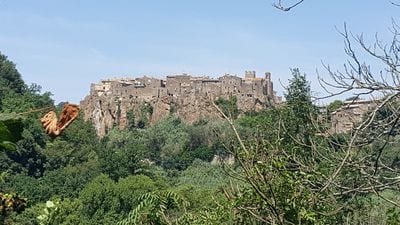
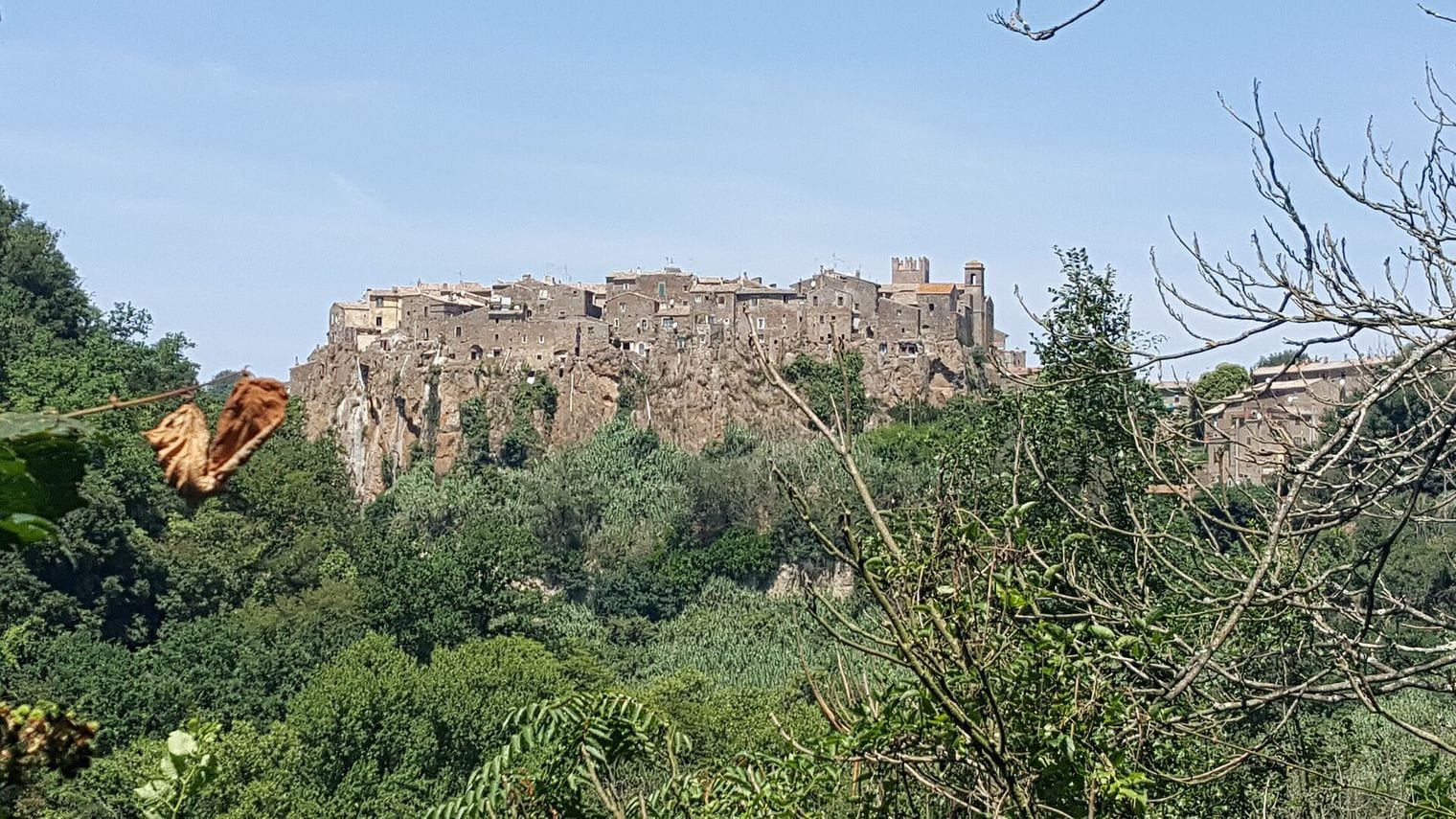
Calcata is a medieval village perched on a tuff outcrop above the wooded Treja valley. Condemned as unsafe and emptied in the last century, it was repopulated from the 1960s by artists and free spirits who restored its houses, and today its tiny lanes are full of studios, craft shops and cafés.
It's about an hour by car (64 km / 40 miles), so allow extra time to get out of Rome. Walk the trails of the Treja valley below the village, then potter around the lanes; spring and autumn weekends are the liveliest times to come.
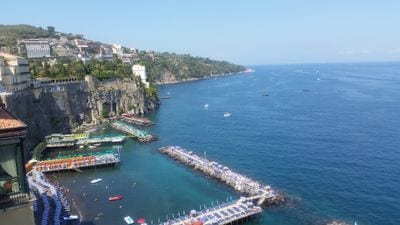
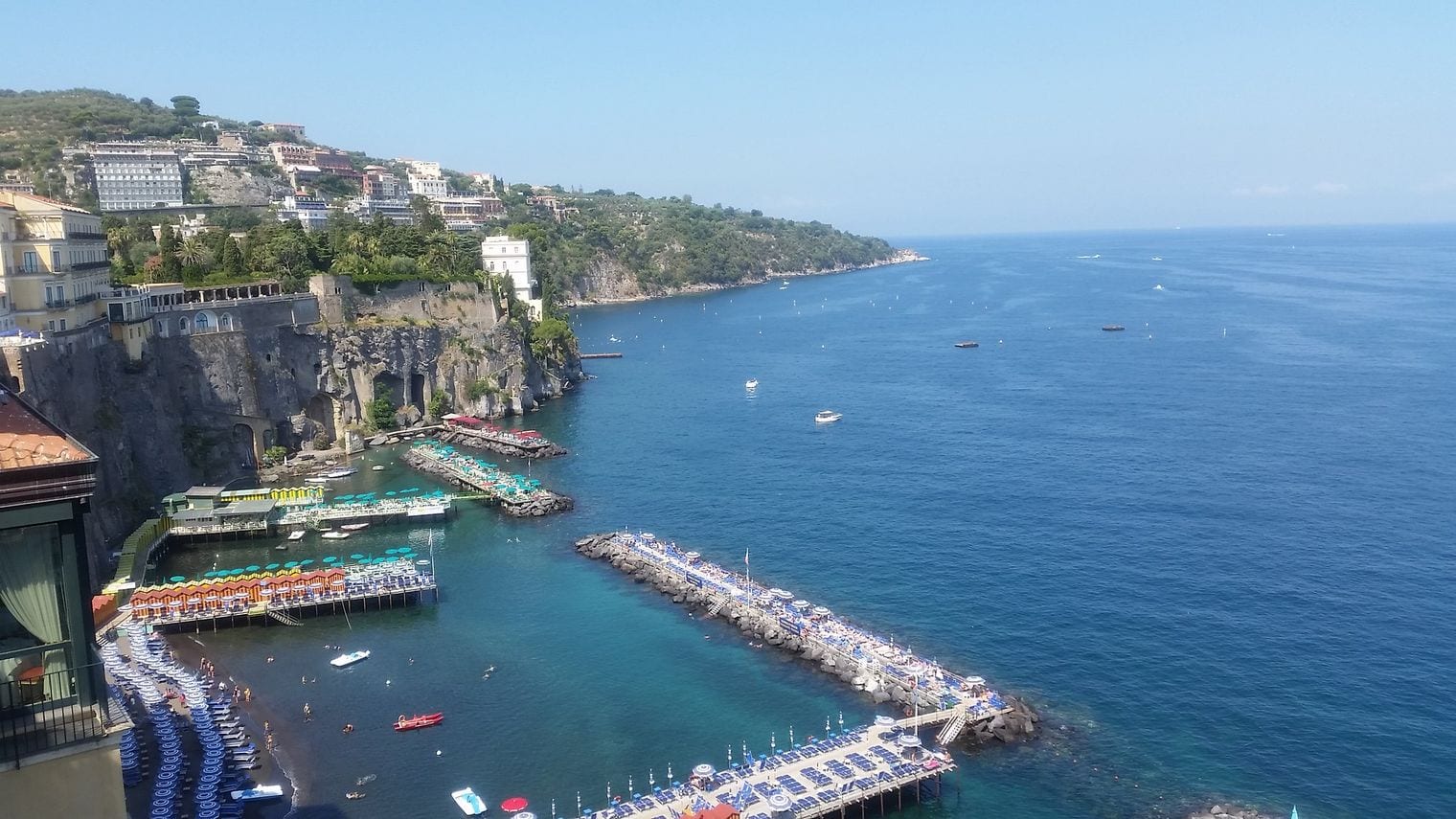
Sorrento sits on cliffs above the Bay of Naples, with views across to Vesuvius and Capri, and it's the classic base for the Amalfi Coast and the islands. Its old town of lanes and lemon groves is the home of limoncello, and steps lead down to the old fishing harbour of Marina Grande.
It's about 2½ hours (Frecciarossa to Napoli Centrale, then the Circumvesuviana to Sorrento), and the slow local train makes it a long day, so leave early. Break the journey at Pompeii, on the same Circumvesuviana line, or spend a night and use Sorrento as a springboard for Capri and the Amalfi Coast. Spring and early autumn are the best seasons.
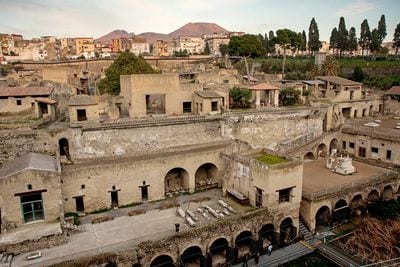
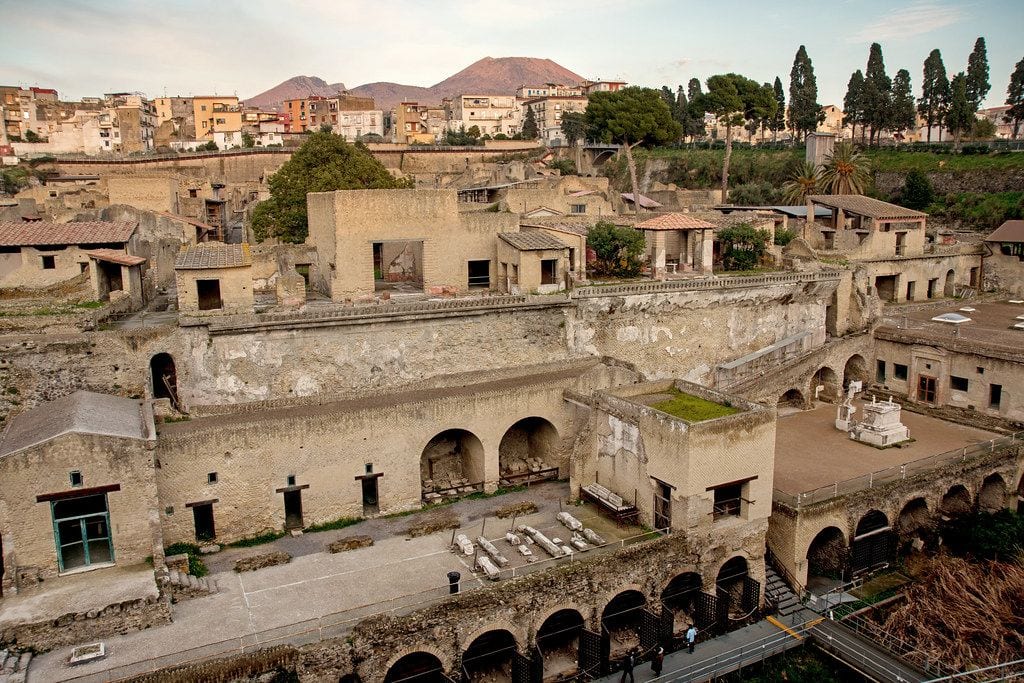
Herculaneum was buried by a pyroclastic flow in the AD 79 eruption of Vesuvius, and the hot, deep deposit preserved what Pompeii lost: carbonised wooden roofs, beds and doors, upper floors and vivid frescoes. Smaller and more compact than Pompeii, it can be seen properly in a few hours, and it shares Pompeii's UNESCO listing.
It's about 1¾ hours (Frecciarossa to Napoli Centrale, then the Circumvesuviana to Ercolano Scavi), with a walk downhill from the station to the site. The excavations close on Wednesdays. Pair it with Naples or with Pompeii, a few stops further along the same line, and come in spring or autumn, when the site is cooler.
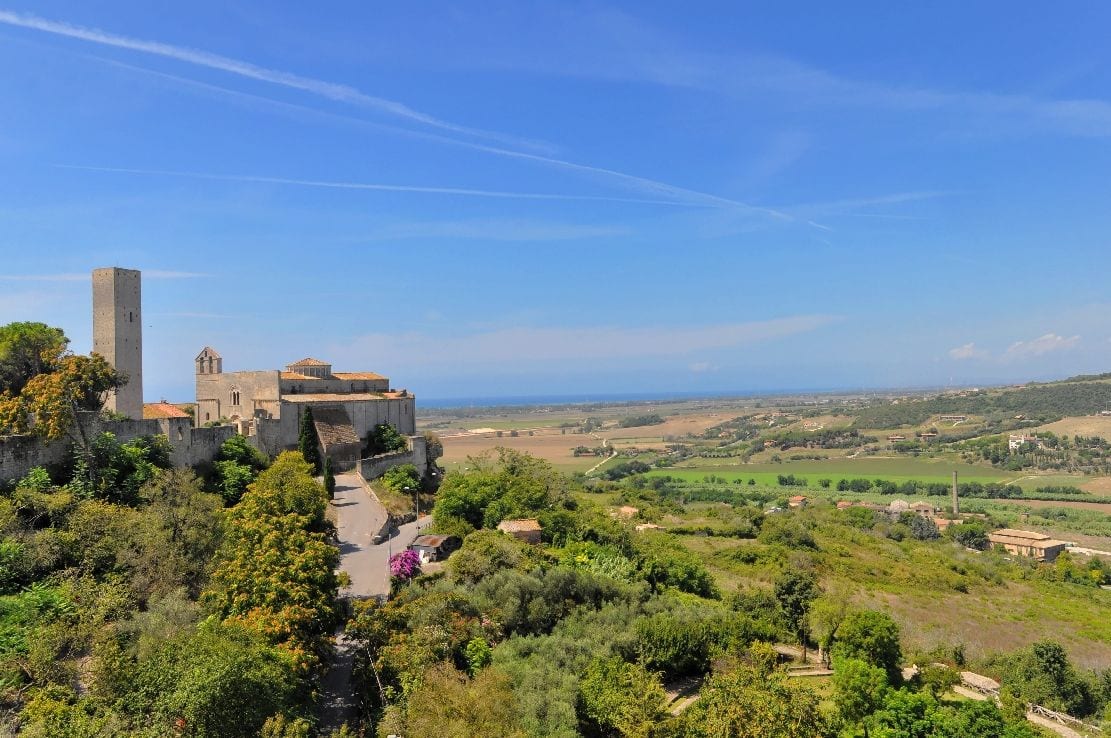
Tarquinia is the place to see Etruscan painting. In the Monterozzi necropolis outside the town, stairways lead down into tombs whose walls are covered in banquets, dancers, musicians and hunting scenes, and the necropolis shares a UNESCO listing with Cerveteri. The medieval town itself has a national museum of Etruscan finds.
It's about 1¼ hours by car (91 km / 57 miles) up the coast, so allow extra time to get out of Rome. The necropolis closes on Mondays. Combine it with the beach at Tarquinia Lido in summer, or with Cerveteri on the way back; spring and autumn are ideal.
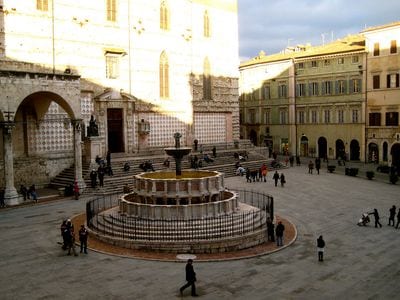
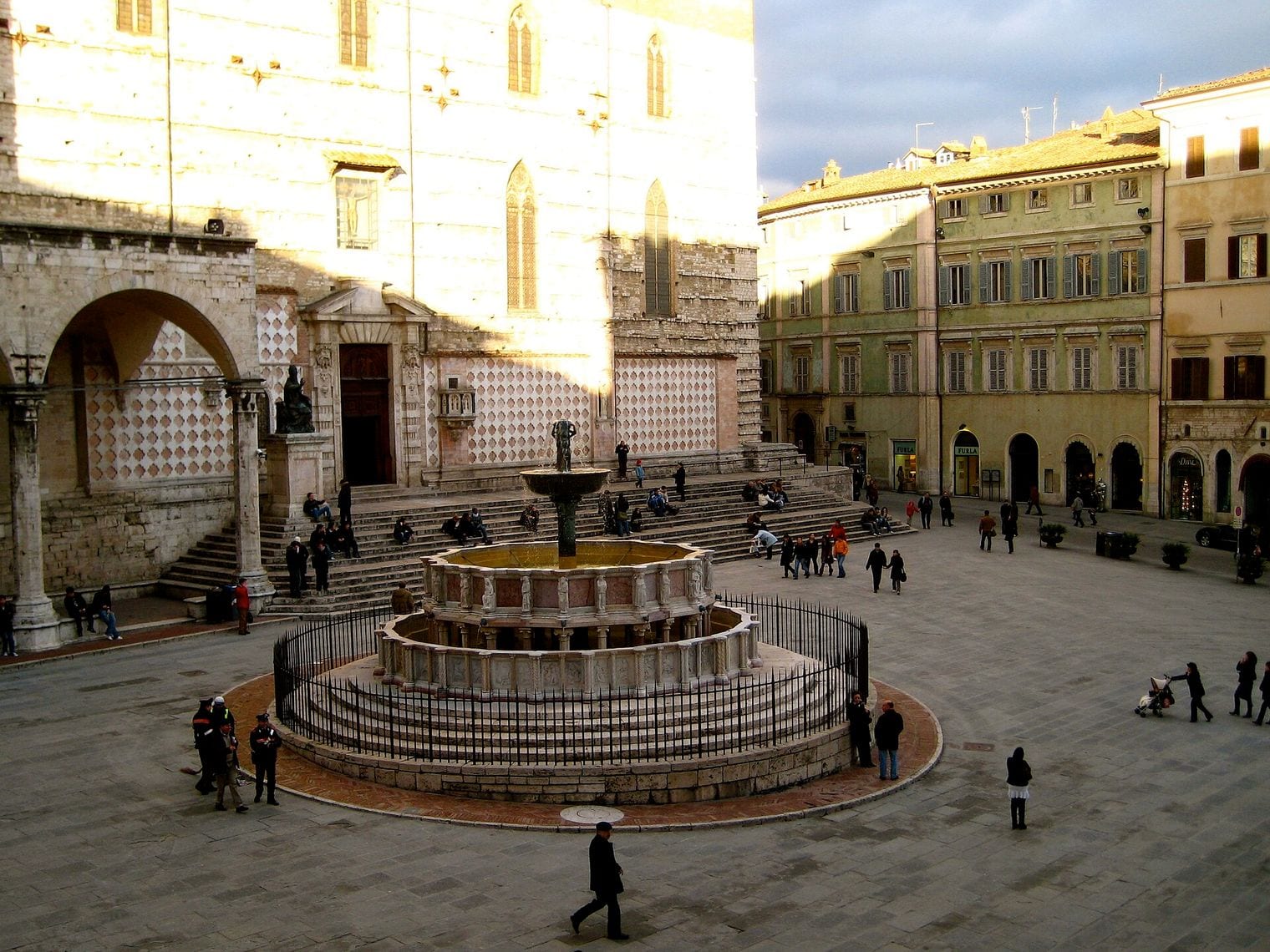
Perugia, the capital of Umbria, is a lively university city on a hilltop, with Etruscan roots you can still see in its massive Etruscan Arch. Corso Vannucci runs from the Fontana Maggiore to the edge of the old town, and the Rocca Paolina fortress below keeps a buried medieval street inside its walls.
It's about 2½ hours by car (183 km / 114 miles), so allow extra time to get out of Rome, and escalators and the little Minimetrò carry you up from the car parks to the centre. Pair it with Assisi, a short drive east. Autumn is a good time to come, and the city's chocolate makes any season sweeter.
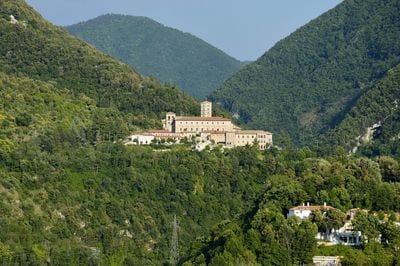
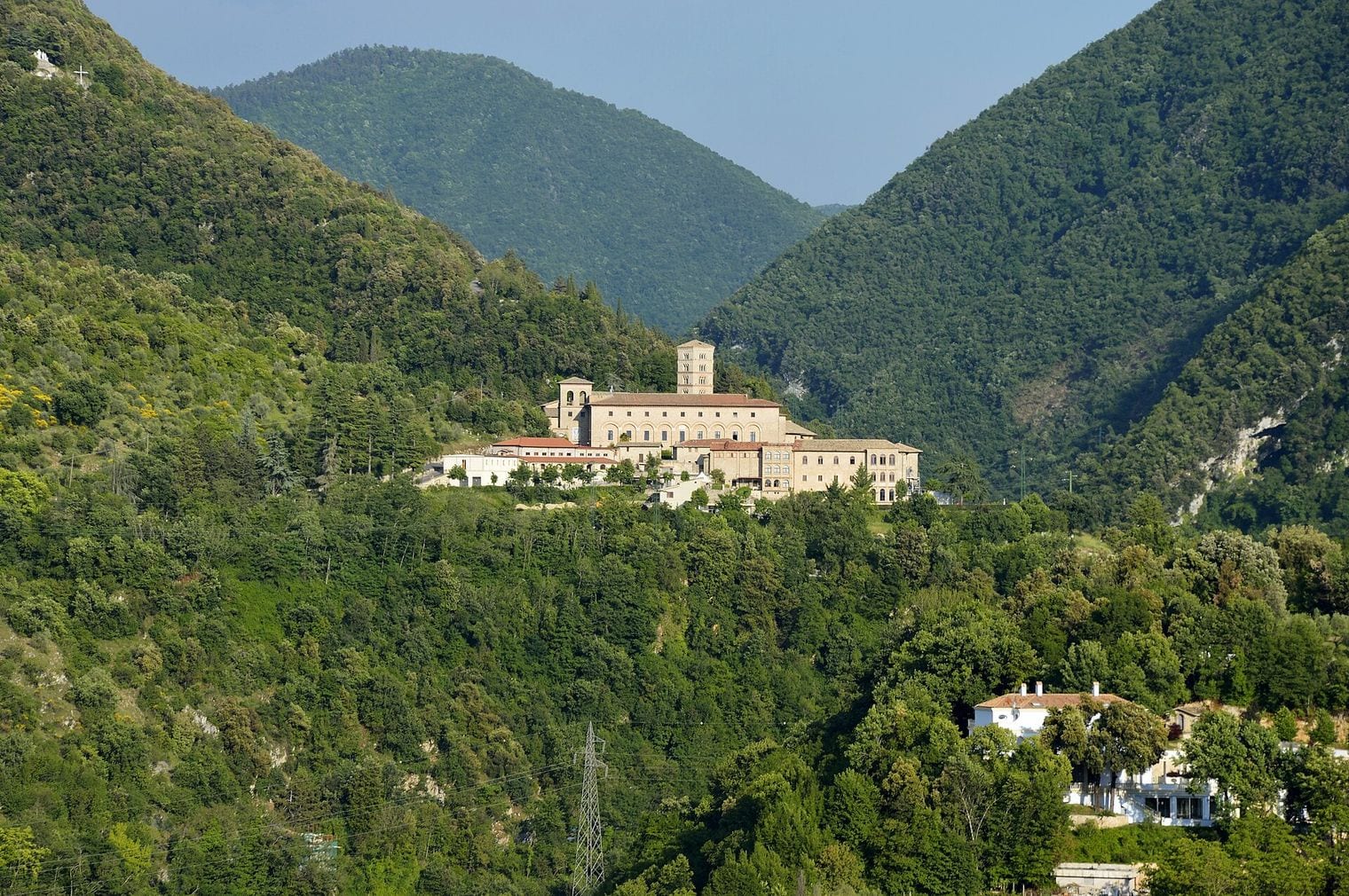
Subiaco lies in the Aniene valley beneath the Monti Simbruini, and it's where St Benedict lived as a hermit in a cave as a young man. The Sacro Speco monastery clings to the cliff around that cave, its chapels covered in medieval frescoes, while the monastery of Santa Scolastica below is where the first books printed in Italy were produced in the 15th century.
It's about 1¼ hours by car (72 km / 45 miles), so allow extra time to get out of Rome. The Sacro Speco is free to visit, with donations welcome, both monasteries close for a midday break, and the walk between them has fine views of the gorge. Spring and autumn suit the mountain air, and in summer the river pools upstream draw swimmers.
Plan your trip
Best Time for Rome Day Trips
Spring (April to early June) and autumn (September and October) are the best seasons for day trips from Rome. The weather suits walking ruins and hill towns, the countryside is green or in harvest, and the boats to the Amalfi Coast and the islands are running.
Two trips follow their own calendar: the Garden of Ninfa opens only on selected dates from spring to autumn, and the Salerno ferries to the Amalfi Coast run from spring to autumn too. Winter is the time for city trips by train, when Florence, Naples and Bologna are at their quietest, and for Tivoli or Orvieto on a clear, cool day.
Getting to Rome
Rome has two airports. Fiumicino, the country's busiest airport, lies on the coast south-west of the city and is linked to Roma Termini by a direct express train; Ciampino, to the south-east, is used mainly by low-cost airlines and is connected by bus. Roma Termini, Italy's busiest railway station, is also where most of these day trips begin, so arriving by train from elsewhere in Italy puts you in exactly the right place.
Getting Around on Rome Day Trips
The train is the easiest way to most of these trips. Frecciarossa and Italo high-speed trains run from Roma Termini to Florence, Bologna, Naples and Salerno and need a reserved seat, while regional trains to Tivoli, Frascati, Castel Gandolfo, Orvieto, Assisi, Anzio and Santa Marinella are cheaper and unreserved; if you buy a paper regional ticket, validate it before you board. For Pompeii, Herculaneum and Sorrento, change in Naples to the Circumvesuviana local line.
Thirteen of the 30 times on this list are drive times, and for most of those places (the Val d'Orcia, Siena, Perugia, Viterbo, Civita di Bagnoregio, Tarquinia, Cerveteri, Calcata, Subiaco, Sperlonga and the Garden of Ninfa) a car is the practical way to go.
Rome's historic centre is a ZTL limited-traffic zone, as are the old centres of most hill towns, so pick up a car on the edge of the city, park outside the old towns and allow extra time to get out of Rome. Guided day tours from Rome earn their keep on the multi-stop days: Pompeii with Vesuvius, the Amalfi Coast, Orvieto with Civita di Bagnoregio, and the Tuscan countryside.
Where to Stay for Rome Day Trips
For the train trips, base yourself in Rome near Roma Termini: most of the trains on this list leave from there, and the Esquilino and Monti districts around it put the platforms within walking distance. Our Rome guide covers what to see on the days you stay in the city.
For the far trips, one night away makes the day far easier. Sleep in Naples or Sorrento for Pompeii, Herculaneum, Capri and the Amalfi Coast; in Florence or Siena for Tuscany and the Val d'Orcia; and in Orvieto or Assisi for Umbria and Civita di Bagnoregio.
Before you go
Mobile dataAn eSIM gives your phone local data when you land, with no SIM card to swap.via AiraloGet an eSIM
Airport transferA driver meets you at arrivals and takes you to your hotel, at a price fixed when you book.via Welcome PickupsBook a transfer
Free Things to Do on Day Trips from Rome
Many of the best moments on these trips cost nothing. The Basilica of San Francesco in Assisi is free to enter; in Florence, crossing the Ponte Vecchio and climbing to Piazzale Michelangelo for the view are free; and the great squares of Siena and Pisa, Piazza del Campo and Piazza dei Miracoli, cost nothing to wander, as does the cathedral façade in Orvieto.
The Sacro Speco monastery at Subiaco is free to visit, and the lanes of Calcata and the whitewashed old town of Sperlonga cost only the trip there.
Tivoli is our top pick. It's about 45 minutes by train from Roma Termini, and its two UNESCO World Heritage Sites, Villa d'Este with its fountains and Hadrian's Villa with its imperial ruins, fill a varied day. Orvieto, on its cliff of volcanic rock, and Florence, about 1½ hours away by high-speed train, are close behind.
What is the closest day trip from Rome?
Frascati, in the Castelli Romani hills, is the closest: it's about 30 minutes by train from Roma Termini. Castel Gandolfo on Lake Albano, about 40 minutes by train, and Tivoli, about 45 minutes, are almost as quick, and Ostia Antica's ruins make an easy half day inside Rome's own municipality.
Can you do Pompeii or the Amalfi Coast as a day trip from Rome?
Yes. Pompeii is about 2 hours each way by Frecciarossa to Napoli Centrale and the Circumvesuviana to Pompei Scavi. The Amalfi Coast is about 2¼ hours by train to Salerno and the ferry to Amalfi, and it's only comfortable in the ferry season, spring to autumn. Every trip on this list is within about 3 hours of Rome, and Siena, by car, is the longest.
Can you do Venice as a day trip from Rome?
It's possible but not recommended. The fastest train to Venice takes about 4 hours each way, which leaves only a few hours in the city, and that's why Venice isn't on this list. Give it at least one night instead; our Venice guide covers what to see when you get there.
Can you take day trips from Rome without a car?
Yes, for most of them. Seventeen of the 30 trips on this list are timed by train, or by train and boat, from Roma Termini, including Tivoli, Orvieto, Florence, Naples, Pompeii and Assisi. Places such as the Val d'Orcia, Civita di Bagnoregio and Subiaco are far easier by car or on a guided tour.
Do you need a tour for day trips from Rome?
Not for the train trips, which are easy to do on your own. A guided day tour earns its keep on the multi-stop days, such as Pompeii with Vesuvius, the Amalfi Coast, Orvieto with Civita di Bagnoregio or the Tuscan countryside, where it handles the transfers, the timed tickets and the drive out of Rome.
When is the best time for day trips from Rome?
Spring and autumn, when the weather is mild for ruins and hill towns and the Amalfi ferries and the Garden of Ninfa are open. In summer, start early at shadeless sites such as Pompeii, or head for the lakes and the coast; in winter, take the train to Florence, Naples or Bologna.
Sources & updates
How this guide was verified
Checked before launch
Sources cited
30
Publishers
20
Drive times on this page are routed, not estimated, and any train or ferry time comes from the operator’s timetable. Before publication, each destination was checked to be open, along with its season and any timed entry.
A PDF with a box to tick for every place. Confirm your email to download it, and get one email every Thursday with our newest guides for the places you tick.
Free Rome day trips printable checklist
All 30 places in one PDF
Tick them off as you go. Confirm your email to download it, plus one email every Thursday with new guides for the places you tick.
We use cookies to analyze site traffic and improve your experience.
You can accept or reject analytics cookies. See our
May we use analytics cookies? See ourCookie Policy.